EP3858343A1 - Fat accumulation inhibitor and blood lipid level improving agent - Google Patents
Fat accumulation inhibitor and blood lipid level improving agent Download PDFInfo
- Publication number
- EP3858343A1 EP3858343A1 EP19864524.4A EP19864524A EP3858343A1 EP 3858343 A1 EP3858343 A1 EP 3858343A1 EP 19864524 A EP19864524 A EP 19864524A EP 3858343 A1 EP3858343 A1 EP 3858343A1
- Authority
- EP
- European Patent Office
- Prior art keywords
- fat
- blood lipid
- lipid level
- improving agent
- blood
- Prior art date
- Legal status (The legal status is an assumption and is not a legal conclusion. Google has not performed a legal analysis and makes no representation as to the accuracy of the status listed.)
- Pending
Links
Images


Classifications
-
- A—HUMAN NECESSITIES
- A61—MEDICAL OR VETERINARY SCIENCE; HYGIENE
- A61K—PREPARATIONS FOR MEDICAL, DENTAL OR TOILETRY PURPOSES
- A61K31/00—Medicinal preparations containing organic active ingredients
- A61K31/185—Acids; Anhydrides, halides or salts thereof, e.g. sulfur acids, imidic, hydrazonic or hydroximic acids
- A61K31/19—Carboxylic acids, e.g. valproic acid
- A61K31/20—Carboxylic acids, e.g. valproic acid having a carboxyl group bound to a chain of seven or more carbon atoms, e.g. stearic, palmitic, arachidic acids
-
- A—HUMAN NECESSITIES
- A61—MEDICAL OR VETERINARY SCIENCE; HYGIENE
- A61P—SPECIFIC THERAPEUTIC ACTIVITY OF CHEMICAL COMPOUNDS OR MEDICINAL PREPARATIONS
- A61P43/00—Drugs for specific purposes, not provided for in groups A61P1/00-A61P41/00
-
- A—HUMAN NECESSITIES
- A23—FOODS OR FOODSTUFFS; TREATMENT THEREOF, NOT COVERED BY OTHER CLASSES
- A23L—FOODS, FOODSTUFFS OR NON-ALCOHOLIC BEVERAGES, NOT OTHERWISE PROVIDED FOR; PREPARATION OR TREATMENT THEREOF
- A23L33/00—Modifying nutritive qualities of foods; Dietetic products; Preparation or treatment thereof
- A23L33/10—Modifying nutritive qualities of foods; Dietetic products; Preparation or treatment thereof using additives
- A23L33/115—Fatty acids or derivatives thereof; Fats or oils
- A23L33/12—Fatty acids or derivatives thereof
-
- A—HUMAN NECESSITIES
- A61—MEDICAL OR VETERINARY SCIENCE; HYGIENE
- A61P—SPECIFIC THERAPEUTIC ACTIVITY OF CHEMICAL COMPOUNDS OR MEDICINAL PREPARATIONS
- A61P3/00—Drugs for disorders of the metabolism
- A61P3/04—Anorexiants; Antiobesity agents
-
- A—HUMAN NECESSITIES
- A61—MEDICAL OR VETERINARY SCIENCE; HYGIENE
- A61P—SPECIFIC THERAPEUTIC ACTIVITY OF CHEMICAL COMPOUNDS OR MEDICINAL PREPARATIONS
- A61P3/00—Drugs for disorders of the metabolism
- A61P3/06—Antihyperlipidemics
Definitions
- the present invention relates to a fat accumulation inhibitor.
- the present invention also relates to a blood lipid level improving agent.
- Such accumulation of fat causes obesity, which is an excess of fat accumulation, and significantly damages a healthy and comfortable life.
- obesity is an underlying pathological condition of the metabolic syndrome in which the risk of arteriosclerosis such as hypertension, dyslipidemia, and diabetes accumulates.
- PPAR peroxisome proliferators activated receptor
- the present invention aims to provide a novel technique for inhibiting fat accumulation.
- the present inventor has earnestly researched and, as a result, has found that 10-HOA has an effect on fat accumulation inhibition. In addition, the present inventor has also found that 10-HOA has an effect on blood lipid level improvement.
- the gist of the present invention is as follows.
- the first embodiment relates to a fat accumulation inhibitor, which contains 10-hydroxyoctadecanoic acid (10-HOA) or a salt thereof as an active ingredient.
- the fat accumulation inhibitor in the first embodiment inhibits the accumulation of visceral fat in particular, and above all, inhibits the accumulation of perirenal fat and retroperitoneal fat.
- visceral fat refers to adipose tissue accumulated in the abdominal cavity.
- perirenal fat refers to adipose tissue covering the kidneys and the adrenal glands
- retroperitoneal fat refers to adipose tissue accumulated around the abdominal wall on the dorsal side in the abdominal cavity.
- 10-HOA is also referred to as 10-hydroxystearic acid, and is a saturated hydroxy fatty acid having 18 carbon atoms and having a hydroxyl group at the 10-position.
- the 10-HOA to be contained may be organochemically synthesized or derived from a natural product.
- the synthesis method for synthesizing 10-HOA is not particularly limited, and 10-HOA can be synthesized, for example, by the method described in Patent Literature 2 mentioned above.
- 10-HOA may be derived from a natural product.
- the natural product may be made to produce 10-HOA, and the method is not particularly limited.
- 10-HOA is contained in various lactic acid bacteria ( Kishino et al., Polyunsaturated fatty acid saturation by gut lactic acid bacteria affecting host lipid composition, Proc Natl Acad Sci USA October 29, 2013 110 (44) 17808-17813 ), and therefore, the 10-HOA to be contained may be derived from lactic acid bacteria.
- the fat accumulation inhibitor in the first embodiment may contain a salt of 10-HOA instead of 10-HOA or together with 10-HOA.
- a salt of 10-HOA instead of 10-HOA or together with 10-HOA.
- alkali metal and alkaline earth metal salts such as sodium salts, potassium salts, and calcium salts, and acid addition salts.
- the fat accumulation inhibitor in the first embodiment may contain other components in addition to 10-HOA or a salt thereof, as long as the object of the present invention can be achieved.
- the form (dosage form) of the fat accumulation inhibitor in the first embodiment is not particularly limited, and it can be produced, for example, as a drug, quasi drug, food, drink, or the like for humans.
- the fat accumulation inhibitor in the first embodiment when used as a drug, quasi drug, food or drink, it also can be formulated by appropriately mixing 10-HOA or a salt thereof with, for example, an excipient, a binder, a stabilizer, a disintegrant, a lubricant, a flavoring agent, a suspending agent, a coating agent, and other optional components.
- the dosage form can be, for example, tablets, pills, capsules, granules, powders, powder agents, syrups or the like, and it is desirable to administer these orally.
- the fat accumulation inhibitor in the first embodiment when produced in the form of a food or drink, in addition to ordinary foods or drinks, it may be, but is not particularly limited to, a food for special dietary uses, a food with health claims such as a food for specified health uses or a food with nutrient function claims, a food with functional claims, or the like.
- foods and drinks include dietary supplements (supplements), milk, processed milk, milk drinks, soft drinks, alcoholic beverages, fermented foods and drinks, fermented milk, yogurt, cheese, bread, biscuits, crackers, pizza crust, ice cream, candy, gummies, gums, chocolate, formula milk, liquid foods, foods for medical uses, powdered formulas and foods for infants, powdered formulas and foods for lactating women, freeze-dried foods, seasonings, sauces, noodles, and the like.
- the fat accumulation inhibitor in the first embodiment may be a drug, quasi drug, food, or drink containing a composition containing 10-HOA or a salt thereof.
- the fat accumulation inhibitor in the first embodiment is not limited to drugs, quasi drugs, foods and drinks for humans, and may be in the form of drugs or feeds for non-human animals.
- non-human animals include non-human higher vertebrates, particularly non-human mammals, and more specifically, pets such as dogs and cats, and livestock animals such as cows, horses, pigs, and sheep.
- the daily intake of the fat accumulation inhibitor in the first embodiment is also not limited particularly.
- the content of 10-HOA or a salt thereof (the total amount when both are contained) may be adjusted so that 0.01 to 100 mg, preferably 0.1 to 10 mg, and more preferably 1 to 6 mg can be ingested per day.
- the content ratio of 10-HOA or a salt thereof in the fat accumulation inhibitor in the first embodiment is also not limited particularly, and may be appropriately adjusted according to the ease of production, a preferred daily dose, or the like.
- ingesting 10-HOA or a salt thereof according to the first embodiment in the form of, for example, a drug, quasi drug, food, drink, or the like containing the 10-HOA or a salt thereof as described above allows to inhibit the accumulation of visceral fat and the like (particularly perirenal fat and retroperitoneal fat) in humans or non-human animals having ingested it, albeit with variation between individuals, and as a result, to inhibit fat accumulation, and can be expected to prevent or improve obesity (eliminate or reduce excessive fat accumulation), for example.
- the second embodiment relates to a blood lipid level improving agent, which contains 10-HOA or a salt thereof as an active ingredient, in the same way as the fat accumulation inhibitor in the first embodiment.
- blood lipid level improvement means that the blood lipid level, which may cause arteriosclerosis and the like, is brought to a level at which the symptoms are less likely to occur.
- Specific effects include inhibition of the elevation of blood lipid level, reduction of excess lipids in the blood, and maintenance or increase of the lipids that are preventive factors for diseases.
- examples of the effects of the blood lipid level improving agent in the second embodiment include the reduction of the triglyceride concentration in the blood, the inhibition of the absorption of cholesterol in the intestinal tract, and the increase in the concentration of small dense high-density lipoprotein (HDL) cholesterol in the blood.
- HDL small dense high-density lipoprotein
- a triglyceride is an ester of a fatty acid and glycerin, and specific examples include monoglyceride, diglyceride and triglyceride.
- Cholesterol refers to (3 ⁇ )-cholest-5-en-3-ol, cholest-5-en-3 ⁇ -ol, its derivatives and analogs thereof, which are described in the International Publication WO 2013/061969 .
- small HDL cholesterol refers to cholesterol in the HDL having the first to third smallest particle size when HDL is classified into 7 subclasses by particle size ( Okazaki M., Bunseki Reprint, "Analysis of Serum Lipoproteins by High Performance Gel Filtration Chromatography” (2000 ), very small HDL to small HDL).
- Small HDL usually has a low lipid content among HDLs.
- the blood lipid level improving agent in the second embodiment can also have the same composition as the fat accumulation inhibitor in the first embodiment. Moreover, the daily intake of the blood lipid level improving agent in the second embodiment can be the same as that of the fat accumulation inhibitor in the first embodiment.
- ingesting 10-HOA or a salt thereof according to the second embodiment in the form of the above-mentioned drug, quasi drug, food, drink, or the like allows to improve the blood lipid level by the effects of reducing the triglyceride concentration in the blood, inhibiting the absorption of cholesterol in the intestinal tract, increasing the concentration of small HDL cholesterol in the blood, and the like in humans or non-human animals having ingested it, albeit with variation between individuals.
- arteriosclerosis and the like which can be expected to contribute to the prevention and improvement of diseases such as heart diseases, cerebrovascular disorders, and the like.
- mice Four-week-old C57BL/6N male mice (Japan SLC, Inc.) were purchased and used for the experiment. The mice were raised in the following environment: room temperature: 23 ⁇ 1.5°C, humidity: 55 ⁇ 15%, lighting time: 8:00 to 20:00.
- High-fat diet containing 45 kcal% fat (Research Diets, Inc., D12451) was used to prepare feed with or without 0.1% 10-HOA.
- the four-week-old mice were acclimated to the high-fat diet for 2 weeks, then divided into two groups: (1) high-fat diet control group and (2) 0.1% 10-HOA-containing high-fat diet group, with 10 mice per group, and were administered the diet for 15 weeks.
- Feed and drinking water were given freely by individual housing.
- the triglyceride concentration in the plasma was measured using a Triglyceride E test.
- the amount of cholesterol in the plasma was measured using a conventional method ( G. Toshima et al., LipoSEARCH (registered trademark); Analytical GP-HPLC method for lipoprotein profiling and its applications, J. Biol. Macromol., 13 (2), 21-32 (2013 )) at Skylight Biotech Inc,.
- Mouse Apolipoprotein A-I ELISAPRO kit MABTECH was used for the measurement of apolipoprotein A-I in the plasma.
- the jejunal epithelial tissue was collected by QIAzol Lysis Reagent (QIAGEN), and total RNA was extracted according to the product protocol of RNeasy Mini Kit (QIAGEN). Total RNA was reverse transcribed by M-MLV Reverse Transcriptase (Life Technologies Japan Ltd.) to prepare cDNA.
- QIAGEN QIAzol Lysis Reagent
- M-MLV Reverse Transcriptase Life Technologies Japan Ltd.
- To measure the mRNA expression level real-time PCR by the intercalator method was performed using Light Cycler System (Roche Diagnostics K.K.). Thunderbird (registered trademark) SYBR qPCR Mix (TOYOBO CO., LTD.) was used as a PCR enzyme and prepared according to the protocol of the product.
- 5'-TCCTTCTTCCAGGCTTTGGG-3' (Sequence Listing SEQ ID NO: 1) and 5'-GACACCCTCCAGAAAGCGAG-3' (Sequence Listing SEQ ID NO: 2) were used as primers for 36b4 (internal standard), and 5'-GAGAGCCAAAGATGCTACTATCTTCA-3' (Sequence Listing SEQ ID NO: 3) and 5'-CCCGGGAAGTTGGTCATG-3' (Sequence Listing SEQ ID NO: 4) were used as primers for Npc111.
- the mRNA expression level was expressed as a relative value to the control group.
Landscapes
- Health & Medical Sciences (AREA)
- Life Sciences & Earth Sciences (AREA)
- Chemical & Material Sciences (AREA)
- Veterinary Medicine (AREA)
- Public Health (AREA)
- General Health & Medical Sciences (AREA)
- Medicinal Chemistry (AREA)
- Animal Behavior & Ethology (AREA)
- Pharmacology & Pharmacy (AREA)
- Engineering & Computer Science (AREA)
- Nuclear Medicine, Radiotherapy & Molecular Imaging (AREA)
- Organic Chemistry (AREA)
- General Chemical & Material Sciences (AREA)
- Chemical Kinetics & Catalysis (AREA)
- Bioinformatics & Cheminformatics (AREA)
- Diabetes (AREA)
- Hematology (AREA)
- Obesity (AREA)
- Child & Adolescent Psychology (AREA)
- Epidemiology (AREA)
- Oil, Petroleum & Natural Gas (AREA)
- Mycology (AREA)
- Nutrition Science (AREA)
- Food Science & Technology (AREA)
- Polymers & Plastics (AREA)
- Acyclic And Carbocyclic Compounds In Medicinal Compositions (AREA)
- Coloring Foods And Improving Nutritive Qualities (AREA)
- Measuring Or Testing Involving Enzymes Or Micro-Organisms (AREA)
Abstract
Description
- The present invention relates to a fat accumulation inhibitor. The present invention also relates to a blood lipid level improving agent.
- In recent years, the diet of Japanese people has changed to a great extent. Occasions for high-fat food consumption have increased, and the lack of exercise is advancing. In such a modern lifestyle, the balance between calorie intake and consumption is inclined toward the intake, and as a result, fat is likely to accumulate.
- Such accumulation of fat causes obesity, which is an excess of fat accumulation, and significantly damages a healthy and comfortable life. In addition, obesity is an underlying pathological condition of the metabolic syndrome in which the risk of arteriosclerosis such as hypertension, dyslipidemia, and diabetes accumulates.
- Therefore, research is being conducted to prevent the accumulation of fat.
- For example, research using as an index the activating effect on peroxisome proliferators activated receptor (PPAR) is well known, where PPAR has been identified as a protein that mediates the effect of increasing peroxisomes which are organelles involved in lipolysis. As a result, the effect of 10-hydroxyoctadecanoic acid (10-HOA) on PPAR activation has been reported (Patent Literatures 1 and 2).
-
- Patent Literature 1:
JP2009-51732 - Patent Literature 2:
WO 2014/069227 - The present invention aims to provide a novel technique for inhibiting fat accumulation.
- As described above, the effect of 10-HOA on PPAR activation has been disclosed. However, the fact that it has an effect on PPAR activation does not necessarily mean that it inhibits fat accumulation.
- The present inventor has earnestly researched and, as a result, has found that 10-HOA has an effect on fat accumulation inhibition. In addition, the present inventor has also found that 10-HOA has an effect on blood lipid level improvement.
- The gist of the present invention is as follows.
- [1] A fat accumulation inhibitor comprising 10-hydroxyoctadecanoic acid.
- [2] The fat accumulation inhibitor according to [1], wherein the fat accumulation inhibitor inhibits accumulation of visceral fat.
- [3] The fat accumulation inhibitor according to [1] or [2], wherein the fat accumulation inhibitor inhibits accumulation of perirenal fat and retroperitoneal fat.
- [4] A blood lipid level improving agent comprising 10-hydroxyoctadecanoic acid.
- [5] The blood lipid level improving agent according to [4], wherein the blood lipid level improving agent reduces a concentration of triglyceride in the blood.
- [6] The blood lipid level improving agent according to [4] or [5], wherein the blood lipid level improving agent increases a concentration of small dense high-density lipoprotein cholesterol in the blood.
- [7] The blood lipid level improving agent according to any one of [4] to [6], wherein the blood lipid level improving agent inhibits cholesterol absorption in the intestinal tract.
- [8] A method for inhibiting fat accumulation, comprising administering 10-hydroxyoctadecanoic acid to a subject.
- [9] The method according to [8], wherein the method is for inhibiting accumulation of visceral fat.
- [10] The method according to [8] or [9], wherein the method is for inhibiting accumulation of perirenal fat and retroperitoneal fat.
- [11] A method for improving the blood lipid level, comprising administering 10-hydroxyoctadecanoic acid to a subject.
- [12] The method according to [11], wherein the method is for reducing a concentration of triglyceride in the blood.
- [13] The method according to [11] or [12], wherein the method is for increasing a concentration of small dense high-density lipoprotein cholesterol in the blood.
- [14] A use of 10-hydroxyoctadecanoic acid in the manufacture of a composition inhibiting fat accumulation.
- [15] The use according to [14], wherein the composition inhibits accumulation of visceral fat.
- [16] The use according to [14] or [15], wherein the composition inhibits accumulation of perirenal fat and retroperitoneal fat.
- [17] A use of 10-hydroxyoctadecanoic acid in the manufacture of a composition improving a blood lipid level.
- [18] The use according to [17], wherein the composition reduces a concentration of triglyceride in the blood.
- [19] The use according to [17] or [18], wherein the composition increases a concentration of small dense high-density lipoprotein cholesterol in the blood.
- [20] The use according to any one of [14] to [19], wherein the composition is a food composition or a pharmaceutical composition.
- [21] A non-therapeutic use of 10-hydroxyoctadecanoic acid for inhibiting fat accumulation.
- [22] The use according to [21], wherein the use is for inhibiting accumulation of visceral fat.
- [23] The use according to [21] or [22], wherein the use is for inhibiting accumulation of perirenal fat and retroperitoneal fat.
- [24] A non-therapeutic use of 10-hydroxyoctadecanoic acid for improving a blood lipid level.
- [25] The use according to [24], wherein the use is for reducing a concentration of triglyceride in the blood.
- [26] The use according to [24] or [25], wherein the use is for increasing a concentration of small dense high-density lipoprotein cholesterol in the blood.
- According to the present invention, it is possible to provide a novel technique for inhibiting fat accumulation.
-
- [
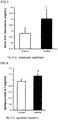
Figure 1] Figure 1 is a graph showing the amount of visceral fat in mice according to the Example. - [
Figure 2] Figure 2 is a graph showing the amount of subcutaneous fat in mice according to the Example. - [
Figure 3] Figure 3 is a graph showing the total amount of fat in mice according to the Example. - [
Figure 4] Figure 4 is a graph showing the concentration of triglyceride in the blood of mice according to the Example. - [
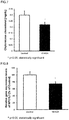
Figure 5] Figure 5 is a graph showing the concentration of small dense high-density lipoprotein (HDL) cholesterol in the blood of mice according to the Example. - [
Figure 6] Figure 6 is a graph showing the concentration of apolipoprotein A-I in the blood of mice according to the Example. - [
Figure 7] Figure 7 is a graph showing the concentration of chylomicron cholesterol in the blood of mice according to the Example. - [
Figure 8] Figure 8 is a graph showing the gene expression level of a cholesterol transporter (NPC1L1) in the jejunal epithelial tissue of mice according to the Example. - The following describes in detail a first embodiment of the present invention.
- The first embodiment relates to a fat accumulation inhibitor, which contains 10-hydroxyoctadecanoic acid (10-HOA) or a salt thereof as an active ingredient. The fat accumulation inhibitor in the first embodiment inhibits the accumulation of visceral fat in particular, and above all, inhibits the accumulation of perirenal fat and retroperitoneal fat.
- In the present description, visceral fat refers to adipose tissue accumulated in the abdominal cavity.
- In addition, perirenal fat refers to adipose tissue covering the kidneys and the adrenal glands, and retroperitoneal fat refers to adipose tissue accumulated around the abdominal wall on the dorsal side in the abdominal cavity.
- 10-HOA is also referred to as 10-hydroxystearic acid, and is a saturated hydroxy fatty acid having 18 carbon atoms and having a hydroxyl group at the 10-position.
- The 10-HOA to be contained may be organochemically synthesized or derived from a natural product.
- The synthesis method for synthesizing 10-HOA is not particularly limited, and 10-HOA can be synthesized, for example, by the method described in Patent Literature 2 mentioned above.
- In addition, 10-HOA may be derived from a natural product. The natural product may be made to produce 10-HOA, and the method is not particularly limited. For example, 10-HOA is contained in various lactic acid bacteria (Kishino et al., Polyunsaturated fatty acid saturation by gut lactic acid bacteria affecting host lipid composition, Proc Natl Acad Sci USA October 29, 2013 110 (44) 17808-17813), and therefore, the 10-HOA to be contained may be derived from lactic acid bacteria.
- In addition, the fat accumulation inhibitor in the first embodiment may contain a salt of 10-HOA instead of 10-HOA or together with 10-HOA. Examples of such salt include alkali metal and alkaline earth metal salts such as sodium salts, potassium salts, and calcium salts, and acid addition salts.
- The fat accumulation inhibitor in the first embodiment may contain other components in addition to 10-HOA or a salt thereof, as long as the object of the present invention can be achieved.
- The form (dosage form) of the fat accumulation inhibitor in the first embodiment is not particularly limited, and it can be produced, for example, as a drug, quasi drug, food, drink, or the like for humans.
- When the fat accumulation inhibitor in the first embodiment is used as a drug, quasi drug, food or drink, it also can be formulated by appropriately mixing 10-HOA or a salt thereof with, for example, an excipient, a binder, a stabilizer, a disintegrant, a lubricant, a flavoring agent, a suspending agent, a coating agent, and other optional components.
- The dosage form can be, for example, tablets, pills, capsules, granules, powders, powder agents, syrups or the like, and it is desirable to administer these orally.
- Alternatively, when the fat accumulation inhibitor in the first embodiment is produced in the form of a food or drink, in addition to ordinary foods or drinks, it may be, but is not particularly limited to, a food for special dietary uses, a food with health claims such as a food for specified health uses or a food with nutrient function claims, a food with functional claims, or the like. Specific examples of foods and drinks include dietary supplements (supplements), milk, processed milk, milk drinks, soft drinks, alcoholic beverages, fermented foods and drinks, fermented milk, yogurt, cheese, bread, biscuits, crackers, pizza crust, ice cream, candy, gummies, gums, chocolate, formula milk, liquid foods, foods for medical uses, powdered formulas and foods for infants, powdered formulas and foods for lactating women, freeze-dried foods, seasonings, sauces, noodles, and the like.
- In addition, the fat accumulation inhibitor in the first embodiment may be a drug, quasi drug, food, or drink containing a composition containing 10-HOA or a salt thereof.
- In addition, the fat accumulation inhibitor in the first embodiment is not limited to drugs, quasi drugs, foods and drinks for humans, and may be in the form of drugs or feeds for non-human animals. Examples of non-human animals include non-human higher vertebrates, particularly non-human mammals, and more specifically, pets such as dogs and cats, and livestock animals such as cows, horses, pigs, and sheep.
- The daily intake of the fat accumulation inhibitor in the first embodiment is also not limited particularly. For example, in the case of an adult, the content of 10-HOA or a salt thereof (the total amount when both are contained) may be adjusted so that 0.01 to 100 mg, preferably 0.1 to 10 mg, and more preferably 1 to 6 mg can be ingested per day. The content ratio of 10-HOA or a salt thereof in the fat accumulation inhibitor in the first embodiment is also not limited particularly, and may be appropriately adjusted according to the ease of production, a preferred daily dose, or the like.
- As described above, according to the first embodiment, it is possible to provide a novel technique for inhibiting fat accumulation.
- To sum up, ingesting 10-HOA or a salt thereof according to the first embodiment in the form of, for example, a drug, quasi drug, food, drink, or the like containing the 10-HOA or a salt thereof as described above allows to inhibit the accumulation of visceral fat and the like (particularly perirenal fat and retroperitoneal fat) in humans or non-human animals having ingested it, albeit with variation between individuals, and as a result, to inhibit fat accumulation, and can be expected to prevent or improve obesity (eliminate or reduce excessive fat accumulation), for example.
- The following describes in detail a second embodiment of the present invention. The description of the parts common to the first embodiment will be omitted.
- The second embodiment relates to a blood lipid level improving agent, which contains 10-HOA or a salt thereof as an active ingredient, in the same way as the fat accumulation inhibitor in the first embodiment.
- Here, in the present description, blood lipid level improvement means that the blood lipid level, which may cause arteriosclerosis and the like, is brought to a level at which the symptoms are less likely to occur.
- Specific effects include inhibition of the elevation of blood lipid level, reduction of excess lipids in the blood, and maintenance or increase of the lipids that are preventive factors for diseases. In particular, examples of the effects of the blood lipid level improving agent in the second embodiment include the reduction of the triglyceride concentration in the blood, the inhibition of the absorption of cholesterol in the intestinal tract, and the increase in the concentration of small dense high-density lipoprotein (HDL) cholesterol in the blood.
- Furthermore, in the present description, a triglyceride is an ester of a fatty acid and glycerin, and specific examples include monoglyceride, diglyceride and triglyceride.
- Cholesterol refers to (3β)-cholest-5-en-3-ol, cholest-5-en-3β-ol, its derivatives and analogs thereof, which are described in the
International Publication WO 2013/061969 . - In the present invention, small HDL cholesterol refers to cholesterol in the HDL having the first to third smallest particle size when HDL is classified into 7 subclasses by particle size (Okazaki M., Bunseki Reprint, "Analysis of Serum Lipoproteins by High Performance Gel Filtration Chromatography" (2000), very small HDL to small HDL). Small HDL usually has a low lipid content among HDLs.
- The blood lipid level improving agent in the second embodiment can also have the same composition as the fat accumulation inhibitor in the first embodiment. Moreover, the daily intake of the blood lipid level improving agent in the second embodiment can be the same as that of the fat accumulation inhibitor in the first embodiment.
- As described above, according to the second embodiment, it is possible to provide a novel technique for blood lipid level improvement.
- To sum up, ingesting 10-HOA or a salt thereof according to the second embodiment in the form of the above-mentioned drug, quasi drug, food, drink, or the like, for example, allows to improve the blood lipid level by the effects of reducing the triglyceride concentration in the blood, inhibiting the absorption of cholesterol in the intestinal tract, increasing the concentration of small HDL cholesterol in the blood, and the like in humans or non-human animals having ingested it, albeit with variation between individuals. As a result, it is possible to reduce the occurrence of arteriosclerosis and the like, which can be expected to contribute to the prevention and improvement of diseases such as heart diseases, cerebrovascular disorders, and the like.
- Hereinafter, the present invention is further described in detail with an Example. However, the present invention is not limited thereto.
- The animal experiment was approved by the Animal Experiment Committee of Asahi Group Holdings, Ltd. (March 9, 2017), and was conducted in accordance with the guidelines for the management and use of laboratory animals of the company's R&D center (implementation period: April 3, 2017 to January 10, 2018). Four-week-old C57BL/6N male mice (Japan SLC, Inc.) were purchased and used for the experiment. The mice were raised in the following environment: room temperature: 23±1.5°C, humidity: 55±15%, lighting time: 8:00 to 20:00.
- High-fat diet containing 45 kcal% fat (Research Diets, Inc., D12451) was used to prepare feed with or without 0.1% 10-HOA. The four-week-old mice were acclimated to the high-fat diet for 2 weeks, then divided into two groups: (1) high-fat diet control group and (2) 0.1% 10-HOA-containing high-fat diet group, with 10 mice per group, and were administered the diet for 15 weeks. Feed and drinking water (tap water) were given freely by individual housing.
- After fasting for 16 hours from the day before dissection, the amount of abdominal visceral fat, subcutaneous fat, and total fat (sum of the amount of visceral fat and subcutaneous fat) were measured by a CT scanner (Latheta LCT-100; Hitachi Aloka Medical, Ltd.), under anesthesia by isoflurane inhalation. Then, the abdomen was opened under anesthesia, and blood was collected from the abdominal vena cava. Visceral fat (perirenal fat, and retroperitoneal fat) and jejunal epithelial tissue were collected to measure the weight of adipose tissue. The above test was repeated three times, and an analysis was performed by a two-way analysis of variance (factor 1: test group, factor 2: number of animal experiments) (n=10×3/group).
- The triglyceride concentration in the plasma was measured using a Triglyceride E test. The amount of cholesterol in the plasma was measured using a conventional method (G. Toshima et al., LipoSEARCH (registered trademark); Analytical GP-HPLC method for lipoprotein profiling and its applications, J. Biol. Macromol., 13 (2), 21-32 (2013)) at Skylight Biotech Inc,. Mouse Apolipoprotein A-I ELISAPRO kit (MABTECH) was used for the measurement of apolipoprotein A-I in the plasma. The jejunal epithelial tissue was collected by QIAzol Lysis Reagent (QIAGEN), and total RNA was extracted according to the product protocol of RNeasy Mini Kit (QIAGEN). Total RNA was reverse transcribed by M-MLV Reverse Transcriptase (Life Technologies Japan Ltd.) to prepare cDNA. To measure the mRNA expression level, real-time PCR by the intercalator method was performed using Light Cycler System (Roche Diagnostics K.K.). Thunderbird (registered trademark) SYBR qPCR Mix (TOYOBO CO., LTD.) was used as a PCR enzyme and prepared according to the protocol of the product. 5'-TCCTTCTTCCAGGCTTTGGG-3' (Sequence Listing SEQ ID NO: 1) and 5'-GACACCCTCCAGAAAGCGAG-3' (Sequence Listing SEQ ID NO: 2) were used as primers for 36b4 (internal standard), and 5'-GAGAGCCAAAGATGCTACTATCTTCA-3' (Sequence Listing SEQ ID NO: 3) and 5'-CCCGGGAAGTTGGTCATG-3' (Sequence Listing SEQ ID NO: 4) were used as primers for Npc111. The mRNA expression level was expressed as a relative value to the control group.
- The amount of visceral fat, subcutaneous fat, and total fat of the 10-HOA group and the control group are shown in
Figures 1, 2 and3 . - As a result of the administration for 15 weeks, the amount of abdominal visceral fat was significantly reduced in the 10-HOA group compared to the control group (
Figure 1 ), and the total amount of fat showed a decreasing tendency (Figure 3 ). In addition, among the visceral fats, the weights of perirenal fat and retroperitoneal fat were reduced in the 10-HOA group (Table 1).[Table 1] Control 10-HOA Perirenal fat (g) 0.5454 ± 0.0166 04924 ± 0.0130 * Fat on the posterior abdominal wall (g) 0.7608 ± 0.0239 0.6805 ± 0.0206 * * p<0.05, statistically significant - For plasma lipids, a decreasing tendency in the triglyceride concentration was observed (
Figure 4 ), and among HDL cholesterol, small HDL cholesterol, which has a high capability for reverse transporting cholesterol from tissues and is important for reducing the risk of heart disease, was significantly increased (Figure 5 ). Apolipoprotein A-I, which is a constituent protein of HDL, also showed an increasing tendency (Figure 6 ), suggesting the possibility of an improvement in the blood lipid metabolism. Furthermore, a significant decrease in chylomicron cholesterol (Figure 7 ) and a decrease in the gene expression level of the cholesterol transporter (NPC1L1) in jejunal epithelial tissue (Figure 8 ) were observed, suggesting the inhibition of cholesterol absorption from the small intestine. - The above results showed the inhibitory effect of 10-HOA administration on fat accumulation, suggesting that 10-HOA may improve lipid metabolism in mice organism.

Claims (9)
- A fat accumulation inhibitor comprising 10-hydroxyoctadecanoic acid.
- The fat accumulation inhibitor according to claim 1, wherein the fat accumulation inhibitor inhibits accumulation of visceral fat.
- The fat accumulation inhibitor according to claim 1 or 2, wherein the fat accumulation inhibitor inhibits accumulation of perirenal fat and retroperitoneal fat.
- A blood lipid level improving agent comprising 10-hydroxyoctadecanoic acid.
- The blood lipid level improving agent according to claim 4, wherein the blood lipid level improving agent reduces a concentration of triglyceride in the blood.
- The blood lipid level improving agent according to claim 4 or 5, wherein the blood lipid level improving agent increases a concentration of small dense high-density lipoprotein cholesterol in the blood.
- The blood lipid level improving agent according to any one of claims 4 to 6, wherein the blood lipid level improving agent inhibits cholesterol absorption in the intestinal tract.
- A method for inhibiting fat accumulation, comprising administering 10-hydroxyoctadecanoic acid to a subject.
- A method for improving a blood lipid level, comprising administering 10-hydroxyoctadecanoic acid to a subject.
Applications Claiming Priority (2)
| Application Number | Priority Date | Filing Date | Title |
|---|---|---|---|
| JP2018180696A JP6480630B1 (en) | 2018-09-26 | 2018-09-26 | Fat accumulation inhibitor and blood lipid improving agent |
| PCT/JP2019/024110 WO2020066158A1 (en) | 2018-09-26 | 2019-06-18 | Fat accumulation inhibitor and blood lipid level improving agent |
Publications (2)
| Publication Number | Publication Date |
|---|---|
| EP3858343A1 true EP3858343A1 (en) | 2021-08-04 |
| EP3858343A4 EP3858343A4 (en) | 2022-07-06 |
Family
ID=65718310
Family Applications (1)
| Application Number | Title | Priority Date | Filing Date |
|---|---|---|---|
| EP19864524.4A Pending EP3858343A4 (en) | 2018-09-26 | 2019-06-18 | Fat accumulation inhibitor and blood lipid level improving agent |
Country Status (7)
| Country | Link |
|---|---|
| US (1) | US20210369662A1 (en) |
| EP (1) | EP3858343A4 (en) |
| JP (1) | JP6480630B1 (en) |
| AU (1) | AU2019350801C1 (en) |
| MY (1) | MY201123A (en) |
| TW (1) | TWI850233B (en) |
| WO (1) | WO2020066158A1 (en) |
Families Citing this family (1)
| Publication number | Priority date | Publication date | Assignee | Title |
|---|---|---|---|---|
| WO2025128741A1 (en) * | 2023-12-12 | 2025-06-19 | The Regents Of The University Of California | Octadecanoid compositions and methods of activating mucosal repair pathways |
Family Cites Families (10)
| Publication number | Priority date | Publication date | Assignee | Title |
|---|---|---|---|---|
| JP2009051732A (en) * | 2005-12-13 | 2009-03-12 | Meiji Seika Kaisha Ltd | Composition having ppar ligand activity |
| EP2581092B2 (en) * | 2010-06-08 | 2020-03-11 | Asahi Group Holdings, Ltd. | Agent for improving lipid metabolism |
| EP2772252B1 (en) | 2011-10-26 | 2020-03-18 | Hisamitsu Pharmaceutical Co., Inc. | Oxybutynin-containing transdermal absorption preparation |
| EP2789340A4 (en) * | 2011-12-07 | 2015-07-22 | Calpis Co Ltd | STIMULATING THE METABOLISM OF LIPIDS AND / OR SUGAR METABOLISM CONTAINING A LACTIC ACID BACTERIUM OR TREATMENT PRODUCT THEREFOR |
| WO2014069227A1 (en) | 2012-10-29 | 2014-05-08 | 国立大学法人京都大学 | Metabolism-improving agent comprising rare fatty acid |
| KR20160141754A (en) * | 2014-07-11 | 2016-12-09 | 니혼 고준 가부시키가이샤 | PPARgamma activator |
| JP6534183B2 (en) * | 2014-08-07 | 2019-06-26 | アサヒ飲料株式会社 | Neutral fat accumulation inhibitor, and method for improving neutral fat accumulation inhibitory activity |
| US10702492B2 (en) * | 2015-02-02 | 2020-07-07 | Marukome Co., Ltd. | PPARα activator, pharmaceutical composition, food and drink, food additive, supplement and method of manufacturing the same |
| CN107249588A (en) * | 2015-02-16 | 2017-10-13 | 浦项工科大学校产学协力团 | Include prevention, improvement or therapeutic composition of the amodiaquine as the metabolic disease of active ingredient |
| JP2016199545A (en) * | 2015-04-10 | 2016-12-01 | ケイティーティー貿易株式会社 | Sugar and lipid metabolism-improving agents which contain components of citrus sudachi, such as limonene-1,2-diol, as active ingredient |
-
2018
- 2018-09-26 JP JP2018180696A patent/JP6480630B1/en active Active
-
2019
- 2019-06-18 AU AU2019350801A patent/AU2019350801C1/en active Active
- 2019-06-18 EP EP19864524.4A patent/EP3858343A4/en active Pending
- 2019-06-18 MY MYPI2021000606A patent/MY201123A/en unknown
- 2019-06-18 WO PCT/JP2019/024110 patent/WO2020066158A1/en not_active Ceased
- 2019-06-18 US US17/270,602 patent/US20210369662A1/en not_active Abandoned
- 2019-06-25 TW TW108122044A patent/TWI850233B/en active
Also Published As
| Publication number | Publication date |
|---|---|
| TW202025998A (en) | 2020-07-16 |
| JP6480630B1 (en) | 2019-03-13 |
| TWI850233B (en) | 2024-08-01 |
| AU2019350801A1 (en) | 2021-04-08 |
| NZ772862A (en) | 2024-01-26 |
| US20210369662A1 (en) | 2021-12-02 |
| WO2020066158A1 (en) | 2020-04-02 |
| AU2019350801C1 (en) | 2025-02-13 |
| JP2020050602A (en) | 2020-04-02 |
| EP3858343A4 (en) | 2022-07-06 |
| AU2019350801B2 (en) | 2024-05-23 |
| MY201123A (en) | 2024-02-06 |
Similar Documents
| Publication | Publication Date | Title |
|---|---|---|
| JP5985138B2 (en) | Energy consumption promoter | |
| JP7705633B2 (en) | Visceral fat reducing agent | |
| WO2011077800A1 (en) | Hyperlipemia-ameliorating agent, anemia-ameliorating composition, uric-acid-level-reducing composition, and foods and beverages | |
| JP2021503878A (en) | Compositions and Methods Using Oleuropein or Curcumin for Muscle Quality and / or Muscle Mass | |
| JP6293099B2 (en) | Use of ginsenoside F2 for prevention or treatment of liver diseases | |
| US20120309716A1 (en) | Motor Function Improver | |
| JP7126731B1 (en) | AMPK activator, motor function improver, muscle endurance improver and muscle atrophy inhibitor | |
| CN116056694A (en) | Digestive lipase activity inhibitors, blood triglyceride concentration elevation inhibitors, and fat absorption inhibitors | |
| AU2019350801B2 (en) | Fat accumulation inhibitor and blood lipid level improving agent | |
| EP3621605B1 (en) | Betaine for the prevention of obesity | |
| JP6716330B2 (en) | Uroplakin expression promoter | |
| JP5922862B2 (en) | Mitochondrial function improver | |
| EP3142660B1 (en) | Composition comprising 7-hydroxymatairesinol | |
| JP2010059084A (en) | Functional food and pharmaceutical | |
| CN104379214A (en) | Kudzu and phytosterols for use in the treatment of metabolic disorders | |
| JPWO2008136173A1 (en) | Adipocyte differentiation inhibitor comprising a stilbene derivative as an active ingredient | |
| JP5860803B2 (en) | In vivo protein degradation inhibitor | |
| WO2021200996A1 (en) | Composition for ameliorating or preventing decreases in bone strength | |
| WO2018085440A1 (en) | Reduction and prevention of muscle loss by conjugated linoleic acid (cla) and vitamin d | |
| TWI878353B (en) | Composition for improving intestinal function by regulating the expression of aquaporin 3 and use thereof | |
| KR20250169452A (en) | Composition for preventing, improving or treating metabolic disease comprising Pennogenin 3-O-β-chacotrioside as an active ingredient | |
| WO2024071138A1 (en) | Mitochondrial function improving composition | |
| JP2024032369A (en) | Composition for increasing muscle mass or muscle strength | |
| JP2008063279A (en) | Preventing / treating blood sugar | |
| JP2019083814A (en) | Food composition for preventing and/or improving liver dysfunction or hepatic dysfunction, containing dna as an active ingredient |
Legal Events
| Date | Code | Title | Description |
|---|---|---|---|
| STAA | Information on the status of an ep patent application or granted ep patent |
Free format text: STATUS: THE INTERNATIONAL PUBLICATION HAS BEEN MADE |
|
| PUAI | Public reference made under article 153(3) epc to a published international application that has entered the european phase |
Free format text: ORIGINAL CODE: 0009012 |
|
| STAA | Information on the status of an ep patent application or granted ep patent |
Free format text: STATUS: REQUEST FOR EXAMINATION WAS MADE |
|
| 17P | Request for examination filed |
Effective date: 20210426 |
|
| AK | Designated contracting states |
Kind code of ref document: A1 Designated state(s): AL AT BE BG CH CY CZ DE DK EE ES FI FR GB GR HR HU IE IS IT LI LT LU LV MC MK MT NL NO PL PT RO RS SE SI SK SM TR |
|
| DAV | Request for validation of the european patent (deleted) | ||
| DAX | Request for extension of the european patent (deleted) | ||
| A4 | Supplementary search report drawn up and despatched |
Effective date: 20220608 |
|
| RIC1 | Information provided on ipc code assigned before grant |
Ipc: A61P 43/00 20060101ALI20220601BHEP Ipc: A61P 3/06 20060101ALI20220601BHEP Ipc: A61P 3/04 20060101ALI20220601BHEP Ipc: A23L 33/12 20160101ALI20220601BHEP Ipc: A61K 31/20 20060101AFI20220601BHEP |