EP3833345B1 - Kleine molekülen als hemmer der phosphofructokinase zur unterdrückung der laktatproduktion in krebszellen - Google Patents
Kleine molekülen als hemmer der phosphofructokinase zur unterdrückung der laktatproduktion in krebszellen Download PDFInfo
- Publication number
- EP3833345B1 EP3833345B1 EP19756327.3A EP19756327A EP3833345B1 EP 3833345 B1 EP3833345 B1 EP 3833345B1 EP 19756327 A EP19756327 A EP 19756327A EP 3833345 B1 EP3833345 B1 EP 3833345B1
- Authority
- EP
- European Patent Office
- Prior art keywords
- oxadiazol
- compound
- isoxazol
- inhibitors
- cells
- Prior art date
- Legal status (The legal status is an assumption and is not a legal conclusion. Google has not performed a legal analysis and makes no representation as to the accuracy of the status listed.)
- Active
Links
Images









Classifications
-
- A—HUMAN NECESSITIES
- A61—MEDICAL OR VETERINARY SCIENCE; HYGIENE
- A61K—PREPARATIONS FOR MEDICAL, DENTAL OR TOILETRY PURPOSES
- A61K31/00—Medicinal preparations containing organic active ingredients
- A61K31/33—Heterocyclic compounds
- A61K31/395—Heterocyclic compounds having nitrogen as a ring hetero atom, e.g. guanethidine or rifamycins
- A61K31/41—Heterocyclic compounds having nitrogen as a ring hetero atom, e.g. guanethidine or rifamycins having five-membered rings with two or more ring hetero atoms, at least one of which being nitrogen, e.g. tetrazole
- A61K31/425—Thiazoles
- A61K31/427—Thiazoles not condensed and containing further heterocyclic rings
Definitions
- the present invention belongs to the field of compounds having therapeutically relevant activity, more precisely to the field of compounds targeting the glycolytic pathway.
- the invention relates to seven compounds that dock to the ATP binding site of the cancer-specific 6-phosphofructo-1-kinase (PFK1), inhibit its activity and significantly decrease lactate generation by the cancer cells.
- PFK1 cancer-specific 6-phosphofructo-1-kinase
- the targeted enzyme is believed to be the pivotal factor of deregulated glycolytic flux in cancer cells and concomitantly causes abundant lactate production (Warburg effect) that enables immune escape by cancer cells.
- Cancer is a disease in which cells undergo uncontrolled proliferation, resulting in the formation of a mass of cells.
- the deviant energetic metabolism of cancer cells is characterized by the consumption of larger amounts of glucose compared to the normal cells and the conversion of the majority of glucose into lactic acid. This occurs even in the presence of ample oxygen; the process is known as the "Warburg effect" or aerobic glycolysis. Higher rate of glycolysis and redundant cytosolic NADH generation is therefore at the root of tumour formation and growth.
- maintenance of redox homeostasis is of utmost importance.
- surplus of NADH is solved by its rapid re-oxidation and concomitant reduction of pyruvate to lactic acid.
- Lactic acid is a potent inhibitor of function and survival of T cells, NK lymphocytes and macrophages, consequently, it is believed to be responsible for enabling cancer cells to escape the immune system (Brand et al., 2016; doi:10.1016/j.cmet.2016.08.011). It also triggers angiogenesis and stimulates tumour cells migration that induces metastatic dissemination of tumours (Hirschhaeuser et al., doi:10.1158/0008-5472.CAN-11-1457). Consequently, compounds that could prevent lactate excretion might be of extreme importance for the success of cancer treatment.
- lactate transporters are critical regulators of intracellular lactate and pH. More small molecules that act as inhibitors of LDHs and MCTs have the potential to be developed into cancer therapeutics and have been described and listed by Doherty and Cleveland (doi:10.1 172/JCI69741).
- DCA dichloroacetate
- PDK pyruvate dehydrogenase kinase
- PDH pyruvate dehydrogenase
- DCA has been studied to alleviate the symptoms or the haemodynamic consequences of the lactic acidosis also in other diseases: complicating severe malaria, congestive heart failure, burns, cirrhosis, liver transplantation and congenital mitochondrial diseases. It might be also beneficial for the treatment of human cancers, however, lactate in cancers is generated mostly due to the need for re-oxidation of abundant NADH, which can't be prevented by this drug.
- PFK-M Three isoforms of PFK1 enzyme are known, PFK-M, PFK-L and PFK-P. Their expression in cancer cells and normal cells differs significantly.
- PFK1 human 6-phosphofructo-1-kinase
- the truncated enzyme is resistant to feedback inhibition by citrate and ATP, whereas some effectors, such as F2,6BP, increase enzyme's activity to a level higher than that of the native enzyme. Similar fragments have also been found for P and L isoforms.
- Such a significant change of an allosteric enzyme leads to deregulated glycolytic flux and increased cytosolic NADH production.
- maintenance of redox homeostasis is of utmost importance.
- the abundance of NADH is solved by its rapid re-oxidation and concomitant reduction of pyruvic to lactic acid.
- the aim of the invention is to provide compounds that interfere with highly active cancer-specific forms of PFKs to reduce their activities to the level of the native PFKs enzymes found in the normal cells. Partial inhibition of modified cancer-specific PFKs results in decreased glycolytic flux and NADH formation so that redundant NADH re-oxidation is not needed and consequently lactate is not generated anymore. Such treatment doesn't interfere with other cellular mechanisms, it is not cytotoxic, while the possible side effects are minimal.
- PFK has been proposed as a target for anti-cancer drugs several times, but only a relatively low number of PFK inhibitors have been discovered and studied. Among them, only compounds affecting activities of native PFK1 iso-enzymes were reported. However, there are no reports of compounds that would target specific kinetic characteristics of the modified, cancer-specific PFK1s.
- the drugs described so far to diminish PFK1 activities are cisplatin (Zhou et al., http://www.ncbi.nlm.nih.gov/pubmed/12067998), clotrimazole (Furtado et al., doi:10.1371/journal.pone.0030462; and doi:10.4172/2161-0444.1000219), etoposide (Zhou et al., 2002, http://www.ncbi.nlm.nih.gov/pubmed/12067998), and taxol (Glass-Marmor et al, doi: 10.1016/s0014-2999(99)00155-7).
- Taxol induces detachment of PFK from the cytoskeleton and was reported to influence PFK1 activity by reducing the gene expression.
- these substances act by reducing the transcription of not only the pfk genes but also other glycolytic genes.
- cisplatin that is used for clinical treatment of testicular, ovarian, cervical head and neck, non-small cell lung cancers and relapsed lymphomas, impairs transcription and replication that promotes apoptosis (Zhou et al., http://www.ncbi.nlm.nih.gov/pubmed/12067998).
- PFKFB3 6-phosphofructo-2-kinase/fructose-2,6-bisphosphatase
- F-2,6-BP Fructose-2,6-bisphosphate
- 3PO was found to cause an arrest in the cell cycle progression in Jurkat cells and therefore its pharmacokinetic properties were significantly below those required to justify testing in human subjects.
- 73 derivatives of 3PO were synthesized and screened for inhibition of PFKFB3.
- One molecule, 1-(4-pyridinyl)-3-(2-quinolinyl)-2-propen-1-one (PFK15) was selected for further pre-clinical evaluation. Positive initial results promoted advanced phase 1 clinical trials of its efficacy in advanced cancer patients in 2013 as given in US Patent No. 8,088,385 .
- PFK158 was discovered, that is more potent than 3PO, has improved pharmacokinetic properties for testing in clinical trials and causes -80% growth inhibition in several mouse models and human-derived tumours (http://www.cancerandmetabolism.com/content/2/S1 /P14). It has been shown that inhibition of PFKFB3 using PFK158 inhibitor resulted in reduced glucose uptake, ATP production, lactate release as well as induction of apoptosis in gynaecological cancer cells (Mondal S. et al., doi:10.1002/ijc.31868).
- the essence of the invention are seven compounds, which bind to the ATP binding site on human 6-phosphofructo-1-kinase (PFK1), namely:
- IUPAC name 1 5-[[[(3R)-1-(2,3-dihydro-1,4-benzodioxin-6-yl)-5-oxo-pyrrolidine-3-carbonyl]amino]methyl]isoxazole-3 2 N-[(1S)-tetrain-1-yl]-3-[3-(4H-1,2,4-triazol-3-yl)-1,2,4-oxadiazol-5-yl]propadamide 3 2-[(5-benzo[1,3]dioxol-5-yl-1,3,4-oxadiazol-2-yl)sulfanyl]-N-isoxazol-3-yl-acetamide 4 1 -(2,3)-dihydro-1,4-benzodioxine-6-sulfonyl)-N-(5-methyl-1,3,4-oxadiazol-2-yl)piperidine-4-carboxamide 5 N-(5-methyl-1,3,4-oxadia
- Inhibitor No. 3 Two of compounds, namely Inhibitor No. 3 (2-[(5-benzo[1,3]dioxol-5-yl-1,3,4-oxadiazol-2-yl)sulfanyl]-N-isoxazol-3-yl-acetamide), and Inhibitor No. 9 (3-methoxy-6-(3- ⁇ 1-[(5-methyl-1,2,4-oxadiazol-3-yl)methyl]-1H-pyrazol-3-yl ⁇ phenyl)pyridazine) originate from the 1 st generation of screening.
- the present invention relates to the above-mentioned compounds for use as medicaments, especially for treating cancer, with the aim of drastically reducing lactate generation and secretion by the cancer cells that become more susceptible to the immune system. It is also possible to use any pharmaceutically suitable salt, solvate, structural analogue and/or derivative of inhibitors No. 3, 9, 23, 29, 30, 31 and 32 which retain the capability of docking into the ATP binding site of PFK-1 and show inhibition of overactive cancer-specific PFK enzymes.
- the expression derivative in this application is considered to be a compound that is derived from inhibitors No. 3, 9, 23, 29, 30, 31, and 32 by a chemical reaction. The expression derivative is also considered to cover structural analogues of the said inhibitors.
- PFK-P human PFK-P
- PDB4xyj human PFK-P
- PFK-L ATP binding site of PDB4xyj crystal stricture
- the model with modified ATP binding site with threonine at position 102 was generated by using the most probable rotamere obtained from the Dunbrack database (http://dunbrack.fccc.edu/bbdep2010/) that exhibited no steric clashes.
- the modified model was used to virtually screen the ZINC Drugs NOW database by the supercomputer (2 nd generation of inhibitors).
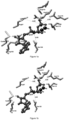
- Figure 1a the amino acid residues of the PFK-P ATP binding site with the native ligand ATP is showen.
- Figure 1b PFK-L characteristic modified model with substituted arginine with threonine and ATP molecule is presented. Distances among specified moieties on amino acid residues and ATP molecule are shown corresponding to the interactions between the protein and ATP molecule on both figures.
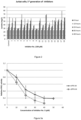
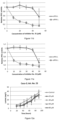
- Extracellular lactate excreted by the Jurkat cells was measured in the supernatant of the growth medium after the cells were removed by centrifugation at 1500 rpm for 5 minutes. Lactate concentration was determined enzymatically using L-Lactatic acid kit (K-LATE, Megazyme, Ireland). The tests of lactate excretion showed that inhibitors No. 3 and No. 9 effectively prevented excretion (arrows). Less efficient reduction of lactate overflow in respect to the control was observed also by the compounds No. 8, 11, 13 and 14 ( Figure 2 ).
- Recombinant native muscle type PFK-M of 780 amino acid residues (mass 85,183 Da) and short, cancer specific fragments of 443 residues (mass 47,835 Da) were synthesized after the insertion of the full length human and truncated cDNA (Clone ID2964710) into pfk1, pfk2 null yeast S . cerevisiae derivative HD 114-8D as described previously (Smerc et al., 2011, doi:10.1371/journal.pone.0019645; Andrejc et al., 2017, doi:10.1186/s12896-017-0362-5).
- the yeast transformant encoding the native human PFK-M enzyme was designated as n PFKM strain while transformant encoding cancer specific shorter fragments was designated as sf PFKM strain.
- Recombinant enzymes were purified to homogeneity according to the protocol published previously (Smerc et al., 2011). Because the shorter fragments proved to be extremely unstable under diluted conditions (Smerc et al., 2011), all PFK1 activities were measured in the buffer with 20% of polyethylene glycol (PEG) as recommended previously (Reinhart et al. http://www.ncbi.nlm.nih.gov/pubmed/6448853).
- the main goal for a search of appropriate cancer specific PFK-M inhibitors was to partially decrease PFK1 activities in the cancer cells to the levels found in the normal cells.
- the Jurkat cells were grown by fed-batch cultivation for 18 days using the growth conditions as described previously (Example 2) with some modifications. The cells were grown in 24 well plates and the incubation started with 250 ⁇ L of medium without or with Inhibitor No. 3 (100 ⁇ M) or Inhibitor No. 9 (100 ⁇ M) with starting number of approximately 5 ⁇ 10 5 cells per mL. After 48 hours, the samples for determination of cell numbers, survival and extracellular lactate concentration were taken. Immediately after sampling, the total volumes of the cultures were doubled by adding 250 ⁇ L of fresh medium without or with inhibitors.
- Inhibitors No. 3 and No. 9 were also tested by the determinations of glycolytic capacities in Jurkat cells in the presence and absence of inhibitors.
- Seahorse XF assay (Agilent Technology) was performed that enables non-destructive measurements of extracellular acidification rate (ECAR) and oxygen consumption rate (OCR) of tested cells.
- ECAR extracellular acidification rate
- OCR oxygen consumption rate
- the cells were incubated in RPMI 1650 GlutaMAX medium with 10% FBS and 24 hours before the experiment inhibitors were added (100 ⁇ M).
- Non-adherent Jurkat cells (1 ⁇ 10 6 per mL) were stuck to the bottom of the wells by poly-I-lysine.
- oligomycin A ATP synthase inhibitor
- FCCP Carbonyl cyanide-4- (trifluoromethoxy)phenylhydrazone
- Reduced lactate excretion by the cells treated with both inhibitors might be responsible for reduced ECARs.
- oligomycin A and FCCP increased the extracellular acidification rate by the cells treated with both inhibitors, similar increase of ECAR was also observed in the untreated cells.
- pyruvate can enter mitochondria, replenishing tri-carboxylic acids (TCA) cycle and fuelling oxidative respiration.
- TCA tri-carboxylic acids
- Inhibitor No. 3 The effect of Inhibitor No. 3 on lactate excretion was tested also on two non-tumorigenic cell lines.
- fast proliferating human embryonic kidney (HEK 293) cells were assessed for lactate formation in the presence of Inhibitor No. 3.
- RPMI 1640 GlutaMAX medium Thermo Fisher
- 10% FBS was used as a growth medium.
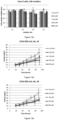
- no significant reduction of lactate generation was observed regardless of the amount of inhibitor in the medium.
- About 95 mg/L of lactate were detected after 72 hours of incubation by untreated cells (control) and by the cells growing in the presence of Inhibitor No. 3 ( Figure 9a ).
- Threonine residue instead of arginine was found at the position 102 of the ATP binding site of the PFK-L isoform as described in the example 1. Therefore, 2 nd generation of screening was conducted to select the compounds that would preferentially dock to the human PFK-L specific ATP binding site.
- Virtual screening of ZINC Drugs NOW database revealed 15 new compounds with possible inhibitory function that were purchased from Enamine or Chembridge.
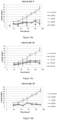
- Preliminary in vivo tests were run by measuring lactate production by three different tumorigenic cell lines. Again, 100 ⁇ M concentrations of tested compounds have been added to the medium.
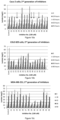
- the following tumorigenic cells lines originating from different tumours were tested: Caco-2 cells ( Figure 10a ), originating from colorectal adenoma carcinoma; COLO 829 cells ( Figure 10b ), isolated from melanoma; and MDA-MB-231 cells ( Figure 10c ) derived from metastatic phase of mammary/breast cancer. All adherent cell lines were grown in the RPMI 1640 GlutaMAX substrate (Thermo Fisher) supplemented with 10% FBS. Although, specific compounds showed different effectiveness of lactate generation inhibition in individual tumorigenic cell lines (marked by arrows), Inhibitors No. 23, 29, 30, 31 and 32 were selected for more detailed assessment.
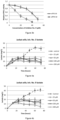
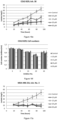
- inhibitors No. 23, 29, 30 and 31 were tested on COLO 829 cells. The strongest reductions of lactate excretion were observed with Inhibitors No. 29 ( Figure 13b ) and No. 30 ( Figure 13c ) where strong reduction of acid production was detected even at low concentrations. Slightly weaker inhibition was found by inhibitor No. 23 ( Figure 13a ) where some dose dependent reduction of lactate excretion was observed. Inhibitor No. 31 showed some inhibition, however lower inhibitor concentrations showed just minor decreases of lactate generation ( Figure 13d ). No significant discrepancies of total cell numbers in respect to the control were observed due to the different concentrations of inhibitors in the medium ( Figure 13e ).
- the average percent of dead COLO 829 cells in the control and in the presence of different concentrations of inhibitors were as follows: inh. 23 (9,23 ⁇ 0,6%), inh. 29 (9,31 ⁇ 0,73%), inh. 30 (8,27 ⁇ 0,49%), inh. 31 (8,26 ⁇ 0,38%). Additionally, cytotoxicity of inh. 3 (5,01 ⁇ 1,08%) and 9 (3,65 ⁇ 0,78%) for COLO 829 cells were also determined. No dose dependent decrease of survival was observed by any inhibitor.
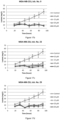
- Inhibitors No. 23, 29, 30 and 31 were tested for preventing lactate generation by the MDA-MB-231 cells. Similar dose dependent inhibition of lactate excretion was observed by inhibitors No. 29 ( Figure 14b ) and No. 31 ( Figure 14d ). Inhibitors No. 23 ( Figure 14a ) and No. 30 ( Figure 14c ) showed strong inhibition during the first 42 hours (Inh. No. 23) and 54 hours (Inh. No. 30) while later on lactate generation re-appeared. No significant discrepancies of total cell numbers were observed ( Figure 14e ) due to the different concentrations of inhibitors in the medium. However, dose dependent decrease of cell numbers was observed with Inhibitor No. 29, similarly as it was found with Caco-2 cells ( Figure 12e ).
- the average percent of dead MDA-MB-231 cells in the control and in the presence of different concentrations of inhibitors were as follows: inh. 23 (2,98 ⁇ 0,2%), inh. 29 (3,37 ⁇ 0,39%), inh. 30 (3,4 ⁇ 0,21%), inh. 31 (6,87 ⁇ 0,44%). Additionally, cytotoxicity of inh. 3 (7,2 ⁇ 0,47%) and 9 (6,59 ⁇ 0,29%) for MDA-MB-231 cells were also determined. No dose dependent decrease of survival was observed by any inhibitor.
Landscapes
- Health & Medical Sciences (AREA)
- Chemical & Material Sciences (AREA)
- Medicinal Chemistry (AREA)
- Pharmacology & Pharmacy (AREA)
- Epidemiology (AREA)
- Life Sciences & Earth Sciences (AREA)
- Animal Behavior & Ethology (AREA)
- General Health & Medical Sciences (AREA)
- Public Health (AREA)
- Veterinary Medicine (AREA)
- Pharmaceuticals Containing Other Organic And Inorganic Compounds (AREA)
Claims (8)
- Eine Verbindung, ausgewählt aus der Gruppe, bestehend aus- (2-[(5-Benzo[1,3]dioxol-5-yl-1,3,4-oxadiazol-2-yl)sulfanyl]-N-isoxazol-3-yl-acetamid),- (3-Methoxy-6-(3-{1-[(5-methyl-1,2,4-oxadiazol-3-yl)methyl]-1H-pyrazol-3-yl}phenyl)pyridazin),- N-[5-(Methansulfonamido)-1,3,4-thiadiazol-2-yl]-6,7,8,9-tetrahydro-5H-carbazol-3-carboxamid),- (3-(4-Chlorphenyl)sulfonyl-N-(5-isoxazol-5-yl-1,3,4-oxadiazol-2-yl)propanamid,- (4-[3-(5-Amino-1,3,4-oxadiazol-2-yl)isoxazol-5-yl]phenol),- ((2R)-N-(5-Isoxazol-5-yl-1,3,4-oxadiazol-2-yl)-2,3-dihydro-1,4-benzodioxin-2-carboxamid) und- (3-(Benzolsulfonyl)-N-(5-isoxazol-5-yl-1,3,4-oxadiazol-2-yl)propanamid)oder deren pharmazeutisch verträgliche Salze oder Solvate zur Verwendung als Arzneimittel.
- Verbindung (2-[(5-Benzo[1,3]dioxol-5-yl-1,3,4-oxadiazol-2-yl)sulfanyl]-N-isoxazol-3-yl-acetamid), Verbindung (3-Methoxy-6-(3-{1-[(5-methyl-1,2,4-oxadiazol-3-yl)methyl]-1H-pyrazol-3-yl}phenyl) pyridazin), Verbindung N-[5-(Methansulfonamido)-1,3,4-thiadiazol-2-yl]-6,7,8,9-tetrahydro-5H-carbazol-3-carboxamid), Verbindung (3-(4-Chlorphenyl)sulfonyl -N-(5-isoxazol-5-yl-1,3,4-oxadiazol-2-yl)propanamid, Verbindung (4-[3-(5-Amino-1,3,4-oxadiazol-2-yl)isoxazol-5-yl]phenol), Verbindung ((2R)-N-(5-Isoxazol-5-yl-1,3,4-oxadiazol-2-yl)-2,3-dihydro-1,4-benzodioxin -2-carboxamid) oder Verbindung (3-(Benzolsulfonyl)-N-(5-isoxazol-5-yl-1,3,4-oxadiazol-2-yl)propanamid) oder deren pharmazeutisch verträgliche Salze oder Solvate zur Verwendung nach Anspruch 1 in der Krebstherapie.
- Verbindung (2-[(5-Benzo[1,3]dioxol-5-yl-1,3,4-oxadiazol-2-yl)sulfanyl]-N-isoxazol-3-yl-acetamid), Verbindung (3-Methoxy-6-(3-{1-[(5-methyl-1,2,4-oxadiazol-3-yl)methyl]-1H-pyrazol-3-yl}phenyl) pyridazin), Verbindung N-[5-(Methansulfonamido)-1,3,4-thiadiazol-2-yl]-6,7,8,9-tetrahydro-5H-carbazol-3-carboxamid), Verbindung (3-(4-Chlorphenyl)sulfonyl -N-(5-isoxazol-5-yl-1,3,4-oxadiazol-2-yl)propanamid, Verbindung (4-[3-(5-Amino-1,3,4-oxadiazol-2-yl)isoxazol-5-yl]phenol), Verbindung ((2R)-N-(5-Isoxazol-5-yl-1,3,4-oxadiazol-2-yl)-2,3-dihydro-1,4-benzodioxin -2-carboxamid) oder Verbindung (3-(Benzolsulfonyl)-N-(5-isoxazol-5-yl-1,3,4-oxadiazol-2-yl)propanamid) oder deren pharmazeutisch verträgliche Salze oder Solvate, welche die Fähigkeit zum Andocken an die ATP-Bindungsstelle der Phosphofructokinase (PFK-1) beibehalten, zur Verwendung nach Anspruch 2, wobei die Verbindungen zur Verwendung als Inhibitor des PFK-1-Enzyms bestimmt sind, um die Laktatbildung durch Krebszellen zu verringern.
- Verbindung (2-[(5-Benzo[1,3]dioxol-5-yl-1,3,4-oxadiazol-2-yl)sulfanyl]-N-isoxazol-3-yl-acetamid), Verbindung (3-Methoxy-6-(3-{1-[(5-methyl-1,2,4-oxadiazol-3-yl)methyl]-1H-pyrazol-3-yl}phenyl) pyridazin), Verbindung N-[5-(Methansulfonamido)-1,3,4-thiadiazol-2-yl]-6,7,8,9-tetrahydro-5H-carbazol-3-carboxamid), Verbindung (3-(4-Chlorphenyl)sulfonyl -N-(5-isoxazol-5-yl-1,3,4-oxadiazol-2-yl)propanamid, Verbindung (4-[3-(5-Amino-1,3,4-oxadiazol-2-yl)isoxazol-5-yl]phenol), Verbindung ((2R)-N-(5-Isoxazol-5-yl-1,3,4-oxadiazol-2-yl)-2,3-dihydro-1,4-benzodioxin -2-carboxamid) oder Verbindung (3-(Benzolsulfonyl)-N-(5-isoxazol-5-yl-1,3,4-oxadiazol-2-yl)propanamid) oder deren pharmazeutisch verträgliche Salze oder Solvate zur Verwendung nach einem der vorstehenden Ansprüche, wobei die Konzentration der Verbindung 200 µM) oder weniger beträgt, vorzugsweise im Bereich von 5 bis 100 µM.
- Verbindung (2-[(5-Benzo[1,3]dioxol-5-yl-1,3,4-oxadiazol-2-yl)sulfanyl]-N-isoxazol-3-yl-acetamid), Verbindung (3-Methoxy-6-(3-{1-[(5-methyl-1,2,4-oxadiazol-3-yl)methyl]-1H-pyrazol-3-yl}phenyl) pyridazin), Verbindung N-[5-(Methansulfonamido)-1,3,4-thiadiazol-2-yl]-6,7,8,9-tetrahydro-5H-carbazol-3-carboxamid), Verbindung (3-(4-Chlorphenyl)sulfonyl -N-(5-isoxazol-5-yl-1,3,4-oxadiazol-2-yl)propanamid, Verbindung (4-[3-(5-Amino-1,3,4-oxadiazol-2-yl)isoxazol-5-yl]phenol), Verbindung ((2R)-N-(5-Isoxazol-5-yl-1,3,4-oxadiazol-2-yl)-2,3-dihydro-1,4-benzodioxin -2-carboxamid) oder Verbindung (3-(Benzolsulfonyl)-N-(5-isoxazol-5-yl-1,3,4-oxadiazol-2-yl)propanamid) oder deren pharmazeutisch verträgliche Salze oder Solvate zur Verwendung nach einem der vorstehenden Ansprüche, wobei jede der Verbindungen allein oder in jeder beliebigen Kombination davon verwendet wird.
- Verbindung (2-[(5-Benzo[1,3]dioxol-5-yl-1,3,4-oxadiazol-2-yl)sulfanyl]-N-isoxazol-3-yl-acetamid), Verbindung (3-Methoxy-6-(3-{1-[(5-methyl-1,2,4-oxadiazol-3-yl)methyl]-1H-pyrazol-3-yl}phenyl) pyridazin), Verbindung N-[5-(Methansulfonamido)-1,3,4-thiadiazol-2-yl]-6,7,8,9-tetrahydro-5H-carbazol-3-carboxamid), Verbindung (3-(4-Chlorphenyl)sulfonyl -N-(5-isoxazol-5-yl-1,3,4-oxadiazol-2-yl)propanamid, Verbindung (4-[3-(5-Amino-1,3,4-oxadiazol-2-yl)isoxazol-5-yl]phenol), Verbindung ((2R)-N-(5-Isoxazol-5-yl-1,3,4-oxadiazol-2-yl)-2,3-dihydro-1,4-benzodioxin -2-carboxamid) oder Verbindung (3-(Benzolsulfonyl)-N-(5-isoxazol-5-yl-1,3,4-oxadiazol-2-yl)propanamid) oder deren pharmazeutisch verträgliche Salze oder Solvate zur Verwendung nach einem der vorstehenden Ansprüche, wobei jede der Verbindungen nacheinander in regelmäßigen Zeitintervallen verwendet wird, vorzugsweise alle 10 bis 48 Stunden, besonders bevorzugt alle 16 bis 24 Stunden.
- Verbindung (2-[(5-Benzo[1,3]dioxol-5-yl-1,3,4-oxadiazol-2-yl)sulfanyl]-N-isoxazol-3-yl-acetamid), Verbindung (3-Methoxy-6-(3-{1-[(5-methyl-1,2,4-oxadiazol-3-yl)methyl]-1H-pyrazol-3-yl}phenyl) pyridazin), Verbindung N-[5-(Methansulfonamido)-1,3,4-thiadiazol-2-yl]-6,7,8,9-tetrahydro-5H-carbazol-3-carboxamid), Verbindung (3-(4-Chlorphenyl)sulfonyl -N-(5-isoxazol-5-yl-1,3,4-oxadiazol-2-yl)propanamid, Verbindung (4-[3-(5-Amino-1,3,4-oxadiazol-2-yl)isoxazol-5-yl]phenol), Verbindung ((2R)-N-(5-Isoxazol-5-yl-1,3,4-oxadiazol-2-yl)-2,3-dihydro-1,4-benzodioxin -2-carboxamid) oder Verbindung (3-(Benzolsulfonyl)-N-(5-isoxazol-5-yl-1,3,4-oxadiazol-2-yl)propanamid) oder deren pharmazeutisch verträgliche Salze oder Solvate zur Verwendung nach einem der vorstehenden Ansprüche, wobei jede der Verbindungen in Kombination mit anderen Antikrebsbehandlungen und/oder Arzneimitteln verwendet wird.
- Verbindung (2-[(5-Benzo[1,3]dioxol-5-yl-1,3,4-oxadiazol-2-yl)sulfanyl]-N-isoxazol-3-yl-acetamid), Verbindung (3-Methoxy-6-(3-{1-[(5-methyl-1,2,4-oxadiazol-3-yl)methyl]-1H-pyrazol-3-yl}phenyl) pyridazin), Verbindung N-[5-(Methansulfonamido)-1,3,4-thiadiazol-2-yl]-6,7,8,9-tetrahydro-5H-carbazol-3-carboxamid), Verbindung (3-(4-Chlorphenyl)sulfonyl -N-(5-isoxazol-5-yl-1,3,4-oxadiazol-2-yl)propanamid, Verbindung (4-[3-(5-Amino-1,3,4-oxadiazol-2-yl)isoxazol-5-yl]phenol), Verbindung ((2R)-N-(5-Isoxazol-5-yl-1,3,4-oxadiazol-2-yl)-2,3-dihydro-1,4-benzodioxin -2-carboxamid) oder Verbindung (3-(Benzolsulfonyl)-N-(5-isoxazol-5-yl-1,3,4-oxadiazol-2-yl)propanamid) oder deren pharmazeutisch verträgliche Salze oder Solvate zur Verwendung nach Anspruch 7, wobei jede der Verbindungen gleichzeitig oder nacheinander in Kombination mit anderen Antikrebsbehandlungen und/oder Arzneimitteln verwendet wird.
Applications Claiming Priority (2)
| Application Number | Priority Date | Filing Date | Title |
|---|---|---|---|
| EP18187667 | 2018-08-07 | ||
| PCT/EP2019/071059 WO2020030613A1 (en) | 2018-08-07 | 2019-08-05 | Small molecule-inhibitors of 6-phosphofructo-1-kinase for reducing lactate generation by cancer cells |
Publications (2)
| Publication Number | Publication Date |
|---|---|
| EP3833345A1 EP3833345A1 (de) | 2021-06-16 |
| EP3833345B1 true EP3833345B1 (de) | 2024-07-17 |
Family
ID=63168307
Family Applications (1)
| Application Number | Title | Priority Date | Filing Date |
|---|---|---|---|
| EP19756327.3A Active EP3833345B1 (de) | 2018-08-07 | 2019-08-05 | Kleine molekülen als hemmer der phosphofructokinase zur unterdrückung der laktatproduktion in krebszellen |
Country Status (2)
| Country | Link |
|---|---|
| EP (1) | EP3833345B1 (de) |
| WO (1) | WO2020030613A1 (de) |
Families Citing this family (2)
| Publication number | Priority date | Publication date | Assignee | Title |
|---|---|---|---|---|
| CN117642170A (zh) | 2021-07-15 | 2024-03-01 | 基因泰克公司 | 治疗性化合物及方法 |
| LU102863B1 (en) | 2021-10-19 | 2023-04-20 | Kemijski Inst | Small molecule-inhibitors of 6-phosphofructo-1-kinase for reducing Reactive oxygen species (ROS) generation by cancer cells |
Family Cites Families (3)
| Publication number | Priority date | Publication date | Assignee | Title |
|---|---|---|---|---|
| EP2167058B1 (de) | 2007-06-18 | 2015-08-12 | University Of Louisville Research Foundation, Inc. | Familie von pfkfb3-inhibitoren mit antineoplastischen wirkungen |
| PL3240785T3 (pl) | 2014-12-29 | 2021-12-06 | The United States Of America, As Represented By The Secretary, Department Of Health And Human Services | Inhibitory drobnocząsteczkowe dehydrogenazy mleczanowej i sposoby ich wykorzystania |
| WO2017095751A1 (en) | 2015-12-02 | 2017-06-08 | Partikula Llc | Compositions and methods for modulating cancer cell metabolism |
-
2019
- 2019-08-05 WO PCT/EP2019/071059 patent/WO2020030613A1/en not_active Ceased
- 2019-08-05 EP EP19756327.3A patent/EP3833345B1/de active Active
Non-Patent Citations (2)
| Title |
|---|
| DATABASE BIOSIS [online] BIOSCIENCES INFORMATION SERVICE, PHILADELPHIA, PA, US; 16 October 2017 (2017-10-16), LEE JONG-HO ET AL: "Stabilization of phosphofructokinase 1 platelet isoform by AKT promotes tumorigenesis", Database accession no. PREV201800009126 * |
| NATURE COMMUNICATIONS, vol. 8, 16 October 2017 (2017-10-16), pages Article No.: 949, ISSN: 2041-1723, DOI: 10.1038/S41467-017-00906-9 * |
Also Published As
| Publication number | Publication date |
|---|---|
| WO2020030613A1 (en) | 2020-02-13 |
| EP3833345A1 (de) | 2021-06-16 |
Similar Documents
| Publication | Publication Date | Title |
|---|---|---|
| Russell et al. | The multifaceted role of autophagy in cancer | |
| Koelblinger et al. | Development of encorafenib for BRAF-mutated advanced melanoma | |
| JP6569908B2 (ja) | 抗がん剤組成物 | |
| Morgensztern et al. | PI3K/Akt/mTOR pathway as a target for cancer therapy | |
| Akinleye et al. | MEK and the inhibitors: from bench to bedside | |
| Isakoff et al. | Breast cancer–associated PIK3CA mutations are oncogenic in mammary epithelial cells | |
| Zhao et al. | The clinical development of MEK inhibitors | |
| Kudchadkar et al. | Targeting mutant BRAF in melanoma: current status and future development of combination therapy strategies | |
| Efentakis et al. | Levosimendan prevents doxorubicin-induced cardiotoxicity in time-and dose-dependent manner: implications for inotropy | |
| Liang et al. | Hippo pathway in non-small cell lung cancer: mechanisms, potential targets, and biomarkers | |
| JP7016856B2 (ja) | 血液癌の併用療法 | |
| EP3038652B1 (de) | Kombination von alk- und cdk-hemmern zur behandlung zellproliferativer erkrankungen | |
| WO2017200016A1 (ja) | Egfr-tki耐性を獲得した肺癌の治療薬 | |
| CN103764144A (zh) | Pi3k抑制剂与mek抑制剂的协同组合 | |
| JP2015529665A (ja) | Mth1阻害剤としてのアミノヘテロアリール化合物 | |
| WO2014138338A1 (en) | Combinatorial compositions and methods for treatment of melanoma | |
| JP7660195B2 (ja) | Csf1rキナーゼ阻害剤およびその使用 | |
| EP3833345A1 (de) | Kleinmolekülige inhibitoren der 6-phosphofructo-1-kinase zur verringerung der laktatbildung durch krebszellen | |
| CN119384277A (zh) | 使用经取代的嘧啶-4(3h)-酮和索托拉西布的组合疗法 | |
| Ren et al. | Glutamine addiction and therapeutic strategies in pancreatic cancer | |
| US9629851B2 (en) | ROCK in combination with MAPK pathway | |
| Ostrovskaya et al. | A novel dipeptide NGF mimetic GK-2 selectively activating the PI3K/AKT signaling pathway promotes the survival of pancreatic β-cells in a rat model of diabetes | |
| Meng et al. | BMS-794833 reduces anlotinib resistance in osteosarcoma by targeting the VEGFR/Ras/CDK2 pathway | |
| Fan et al. | Celecoxib and 2, 5-dimethyl-celecoxib prevent cardiac remodeling inhibiting Akt-mediated signal transduction in an inherited dilated cardiomyopathy mouse model | |
| Jabbour et al. | Novel tyrosine kinase inhibitors in chronic myelogenous leukemia |
Legal Events
| Date | Code | Title | Description |
|---|---|---|---|
| STAA | Information on the status of an ep patent application or granted ep patent |
Free format text: STATUS: UNKNOWN |
|
| STAA | Information on the status of an ep patent application or granted ep patent |
Free format text: STATUS: THE INTERNATIONAL PUBLICATION HAS BEEN MADE |
|
| PUAI | Public reference made under article 153(3) epc to a published international application that has entered the european phase |
Free format text: ORIGINAL CODE: 0009012 |
|
| STAA | Information on the status of an ep patent application or granted ep patent |
Free format text: STATUS: REQUEST FOR EXAMINATION WAS MADE |
|
| 17P | Request for examination filed |
Effective date: 20210224 |
|
| AK | Designated contracting states |
Kind code of ref document: A1 Designated state(s): AL AT BE BG CH CY CZ DE DK EE ES FI FR GB GR HR HU IE IS IT LI LT LU LV MC MK MT NL NO PL PT RO RS SE SI SK SM TR |
|
| DAV | Request for validation of the european patent (deleted) | ||
| DAX | Request for extension of the european patent (deleted) | ||
| GRAP | Despatch of communication of intention to grant a patent |
Free format text: ORIGINAL CODE: EPIDOSNIGR1 |
|
| STAA | Information on the status of an ep patent application or granted ep patent |
Free format text: STATUS: GRANT OF PATENT IS INTENDED |
|
| INTG | Intention to grant announced |
Effective date: 20240213 |
|
| GRAS | Grant fee paid |
Free format text: ORIGINAL CODE: EPIDOSNIGR3 |
|
| GRAA | (expected) grant |
Free format text: ORIGINAL CODE: 0009210 |
|
| STAA | Information on the status of an ep patent application or granted ep patent |
Free format text: STATUS: THE PATENT HAS BEEN GRANTED |
|
| AK | Designated contracting states |
Kind code of ref document: B1 Designated state(s): AL AT BE BG CH CY CZ DE DK EE ES FI FR GB GR HR HU IE IS IT LI LT LU LV MC MK MT NL NO PL PT RO RS SE SI SK SM TR |
|
| REG | Reference to a national code |
Ref country code: CH Ref legal event code: EP |
|
| REG | Reference to a national code |
Ref country code: DE Ref legal event code: R096 Ref document number: 602019055374 Country of ref document: DE |
|
| REG | Reference to a national code |
Ref country code: IE Ref legal event code: FG4D |
|
| REG | Reference to a national code |
Ref country code: LT Ref legal event code: MG9D |
|
| REG | Reference to a national code |
Ref country code: NL Ref legal event code: MP Effective date: 20240717 |
|
| PG25 | Lapsed in a contracting state [announced via postgrant information from national office to epo] |
Ref country code: PT Free format text: LAPSE BECAUSE OF FAILURE TO SUBMIT A TRANSLATION OF THE DESCRIPTION OR TO PAY THE FEE WITHIN THE PRESCRIBED TIME-LIMIT Effective date: 20241118 |
|
| REG | Reference to a national code |
Ref country code: AT Ref legal event code: MK05 Ref document number: 1703499 Country of ref document: AT Kind code of ref document: T Effective date: 20240717 |
|
| PG25 | Lapsed in a contracting state [announced via postgrant information from national office to epo] |
Ref country code: NL Free format text: LAPSE BECAUSE OF FAILURE TO SUBMIT A TRANSLATION OF THE DESCRIPTION OR TO PAY THE FEE WITHIN THE PRESCRIBED TIME-LIMIT Effective date: 20240717 |
|
| PG25 | Lapsed in a contracting state [announced via postgrant information from national office to epo] |
Ref country code: PT Free format text: LAPSE BECAUSE OF FAILURE TO SUBMIT A TRANSLATION OF THE DESCRIPTION OR TO PAY THE FEE WITHIN THE PRESCRIBED TIME-LIMIT Effective date: 20241118 Ref country code: NL Free format text: LAPSE BECAUSE OF FAILURE TO SUBMIT A TRANSLATION OF THE DESCRIPTION OR TO PAY THE FEE WITHIN THE PRESCRIBED TIME-LIMIT Effective date: 20240717 |
|
| PG25 | Lapsed in a contracting state [announced via postgrant information from national office to epo] |
Ref country code: NO Free format text: LAPSE BECAUSE OF FAILURE TO SUBMIT A TRANSLATION OF THE DESCRIPTION OR TO PAY THE FEE WITHIN THE PRESCRIBED TIME-LIMIT Effective date: 20241017 |
|
| PG25 | Lapsed in a contracting state [announced via postgrant information from national office to epo] |
Ref country code: GR Free format text: LAPSE BECAUSE OF FAILURE TO SUBMIT A TRANSLATION OF THE DESCRIPTION OR TO PAY THE FEE WITHIN THE PRESCRIBED TIME-LIMIT Effective date: 20241018 Ref country code: FI Free format text: LAPSE BECAUSE OF FAILURE TO SUBMIT A TRANSLATION OF THE DESCRIPTION OR TO PAY THE FEE WITHIN THE PRESCRIBED TIME-LIMIT Effective date: 20240717 Ref country code: PL Free format text: LAPSE BECAUSE OF FAILURE TO SUBMIT A TRANSLATION OF THE DESCRIPTION OR TO PAY THE FEE WITHIN THE PRESCRIBED TIME-LIMIT Effective date: 20240717 |
|
| PG25 | Lapsed in a contracting state [announced via postgrant information from national office to epo] |
Ref country code: BG Free format text: LAPSE BECAUSE OF FAILURE TO SUBMIT A TRANSLATION OF THE DESCRIPTION OR TO PAY THE FEE WITHIN THE PRESCRIBED TIME-LIMIT Effective date: 20240717 |
|
| PG25 | Lapsed in a contracting state [announced via postgrant information from national office to epo] |
Ref country code: LV Free format text: LAPSE BECAUSE OF FAILURE TO SUBMIT A TRANSLATION OF THE DESCRIPTION OR TO PAY THE FEE WITHIN THE PRESCRIBED TIME-LIMIT Effective date: 20240717 |
|
| PG25 | Lapsed in a contracting state [announced via postgrant information from national office to epo] |
Ref country code: AT Free format text: LAPSE BECAUSE OF FAILURE TO SUBMIT A TRANSLATION OF THE DESCRIPTION OR TO PAY THE FEE WITHIN THE PRESCRIBED TIME-LIMIT Effective date: 20240717 Ref country code: IS Free format text: LAPSE BECAUSE OF FAILURE TO SUBMIT A TRANSLATION OF THE DESCRIPTION OR TO PAY THE FEE WITHIN THE PRESCRIBED TIME-LIMIT Effective date: 20241117 |
|
| PG25 | Lapsed in a contracting state [announced via postgrant information from national office to epo] |
Ref country code: HR Free format text: LAPSE BECAUSE OF FAILURE TO SUBMIT A TRANSLATION OF THE DESCRIPTION OR TO PAY THE FEE WITHIN THE PRESCRIBED TIME-LIMIT Effective date: 20240717 |
|
| PG25 | Lapsed in a contracting state [announced via postgrant information from national office to epo] |
Ref country code: ES Free format text: LAPSE BECAUSE OF FAILURE TO SUBMIT A TRANSLATION OF THE DESCRIPTION OR TO PAY THE FEE WITHIN THE PRESCRIBED TIME-LIMIT Effective date: 20240717 Ref country code: RS Free format text: LAPSE BECAUSE OF FAILURE TO SUBMIT A TRANSLATION OF THE DESCRIPTION OR TO PAY THE FEE WITHIN THE PRESCRIBED TIME-LIMIT Effective date: 20241017 |
|
| PG25 | Lapsed in a contracting state [announced via postgrant information from national office to epo] |
Ref country code: RS Free format text: LAPSE BECAUSE OF FAILURE TO SUBMIT A TRANSLATION OF THE DESCRIPTION OR TO PAY THE FEE WITHIN THE PRESCRIBED TIME-LIMIT Effective date: 20241017 Ref country code: PL Free format text: LAPSE BECAUSE OF FAILURE TO SUBMIT A TRANSLATION OF THE DESCRIPTION OR TO PAY THE FEE WITHIN THE PRESCRIBED TIME-LIMIT Effective date: 20240717 Ref country code: NO Free format text: LAPSE BECAUSE OF FAILURE TO SUBMIT A TRANSLATION OF THE DESCRIPTION OR TO PAY THE FEE WITHIN THE PRESCRIBED TIME-LIMIT Effective date: 20241017 Ref country code: LV Free format text: LAPSE BECAUSE OF FAILURE TO SUBMIT A TRANSLATION OF THE DESCRIPTION OR TO PAY THE FEE WITHIN THE PRESCRIBED TIME-LIMIT Effective date: 20240717 Ref country code: IS Free format text: LAPSE BECAUSE OF FAILURE TO SUBMIT A TRANSLATION OF THE DESCRIPTION OR TO PAY THE FEE WITHIN THE PRESCRIBED TIME-LIMIT Effective date: 20241117 Ref country code: HR Free format text: LAPSE BECAUSE OF FAILURE TO SUBMIT A TRANSLATION OF THE DESCRIPTION OR TO PAY THE FEE WITHIN THE PRESCRIBED TIME-LIMIT Effective date: 20240717 Ref country code: GR Free format text: LAPSE BECAUSE OF FAILURE TO SUBMIT A TRANSLATION OF THE DESCRIPTION OR TO PAY THE FEE WITHIN THE PRESCRIBED TIME-LIMIT Effective date: 20241018 Ref country code: FI Free format text: LAPSE BECAUSE OF FAILURE TO SUBMIT A TRANSLATION OF THE DESCRIPTION OR TO PAY THE FEE WITHIN THE PRESCRIBED TIME-LIMIT Effective date: 20240717 Ref country code: ES Free format text: LAPSE BECAUSE OF FAILURE TO SUBMIT A TRANSLATION OF THE DESCRIPTION OR TO PAY THE FEE WITHIN THE PRESCRIBED TIME-LIMIT Effective date: 20240717 Ref country code: BG Free format text: LAPSE BECAUSE OF FAILURE TO SUBMIT A TRANSLATION OF THE DESCRIPTION OR TO PAY THE FEE WITHIN THE PRESCRIBED TIME-LIMIT Effective date: 20240717 Ref country code: AT Free format text: LAPSE BECAUSE OF FAILURE TO SUBMIT A TRANSLATION OF THE DESCRIPTION OR TO PAY THE FEE WITHIN THE PRESCRIBED TIME-LIMIT Effective date: 20240717 |
|
| REG | Reference to a national code |
Ref country code: DE Ref legal event code: R119 Ref document number: 602019055374 Country of ref document: DE |
|
| REG | Reference to a national code |
Ref country code: CH Ref legal event code: PL |
|
| PG25 | Lapsed in a contracting state [announced via postgrant information from national office to epo] |
Ref country code: RO Free format text: LAPSE BECAUSE OF FAILURE TO SUBMIT A TRANSLATION OF THE DESCRIPTION OR TO PAY THE FEE WITHIN THE PRESCRIBED TIME-LIMIT Effective date: 20240717 Ref country code: SM Free format text: LAPSE BECAUSE OF FAILURE TO SUBMIT A TRANSLATION OF THE DESCRIPTION OR TO PAY THE FEE WITHIN THE PRESCRIBED TIME-LIMIT Effective date: 20240717 Ref country code: DK Free format text: LAPSE BECAUSE OF FAILURE TO SUBMIT A TRANSLATION OF THE DESCRIPTION OR TO PAY THE FEE WITHIN THE PRESCRIBED TIME-LIMIT Effective date: 20240717 |
|
| PG25 | Lapsed in a contracting state [announced via postgrant information from national office to epo] |
Ref country code: LU Free format text: LAPSE BECAUSE OF NON-PAYMENT OF DUE FEES Effective date: 20240805 |
|
| PG25 | Lapsed in a contracting state [announced via postgrant information from national office to epo] |
Ref country code: CH Free format text: LAPSE BECAUSE OF NON-PAYMENT OF DUE FEES Effective date: 20240831 Ref country code: MC Free format text: LAPSE BECAUSE OF FAILURE TO SUBMIT A TRANSLATION OF THE DESCRIPTION OR TO PAY THE FEE WITHIN THE PRESCRIBED TIME-LIMIT Effective date: 20240717 Ref country code: EE Free format text: LAPSE BECAUSE OF FAILURE TO SUBMIT A TRANSLATION OF THE DESCRIPTION OR TO PAY THE FEE WITHIN THE PRESCRIBED TIME-LIMIT Effective date: 20240717 |
|
| PG25 | Lapsed in a contracting state [announced via postgrant information from national office to epo] |
Ref country code: CZ Free format text: LAPSE BECAUSE OF FAILURE TO SUBMIT A TRANSLATION OF THE DESCRIPTION OR TO PAY THE FEE WITHIN THE PRESCRIBED TIME-LIMIT Effective date: 20240717 |
|
| PG25 | Lapsed in a contracting state [announced via postgrant information from national office to epo] |
Ref country code: SK Free format text: LAPSE BECAUSE OF FAILURE TO SUBMIT A TRANSLATION OF THE DESCRIPTION OR TO PAY THE FEE WITHIN THE PRESCRIBED TIME-LIMIT Effective date: 20240717 |
|
| PLBE | No opposition filed within time limit |
Free format text: ORIGINAL CODE: 0009261 |
|
| STAA | Information on the status of an ep patent application or granted ep patent |
Free format text: STATUS: NO OPPOSITION FILED WITHIN TIME LIMIT |
|
| 26N | No opposition filed |
Effective date: 20250422 |
|
| GBPC | Gb: european patent ceased through non-payment of renewal fee |
Effective date: 20241017 |
|
| REG | Reference to a national code |
Ref country code: BE Ref legal event code: MM Effective date: 20240831 |
|
| PG25 | Lapsed in a contracting state [announced via postgrant information from national office to epo] |
Ref country code: DE Free format text: LAPSE BECAUSE OF NON-PAYMENT OF DUE FEES Effective date: 20250301 |
|
| PG25 | Lapsed in a contracting state [announced via postgrant information from national office to epo] |
Ref country code: GB Free format text: LAPSE BECAUSE OF NON-PAYMENT OF DUE FEES Effective date: 20241017 |
|
| PG25 | Lapsed in a contracting state [announced via postgrant information from national office to epo] |
Ref country code: BE Free format text: LAPSE BECAUSE OF NON-PAYMENT OF DUE FEES Effective date: 20240831 |
|
| PG25 | Lapsed in a contracting state [announced via postgrant information from national office to epo] |
Ref country code: FR Free format text: LAPSE BECAUSE OF NON-PAYMENT OF DUE FEES Effective date: 20240917 |
|
| PG25 | Lapsed in a contracting state [announced via postgrant information from national office to epo] |
Ref country code: IE Free format text: LAPSE BECAUSE OF NON-PAYMENT OF DUE FEES Effective date: 20240805 |
|
| PG25 | Lapsed in a contracting state [announced via postgrant information from national office to epo] |
Ref country code: SE Free format text: LAPSE BECAUSE OF FAILURE TO SUBMIT A TRANSLATION OF THE DESCRIPTION OR TO PAY THE FEE WITHIN THE PRESCRIBED TIME-LIMIT Effective date: 20240717 |
|
| PG25 | Lapsed in a contracting state [announced via postgrant information from national office to epo] |
Ref country code: IT Free format text: LAPSE BECAUSE OF FAILURE TO SUBMIT A TRANSLATION OF THE DESCRIPTION OR TO PAY THE FEE WITHIN THE PRESCRIBED TIME-LIMIT Effective date: 20240717 Ref country code: CY Free format text: LAPSE BECAUSE OF FAILURE TO SUBMIT A TRANSLATION OF THE DESCRIPTION OR TO PAY THE FEE WITHIN THE PRESCRIBED TIME-LIMIT; INVALID AB INITIO Effective date: 20190805 |
|
| PG25 | Lapsed in a contracting state [announced via postgrant information from national office to epo] |
Ref country code: HU Free format text: LAPSE BECAUSE OF FAILURE TO SUBMIT A TRANSLATION OF THE DESCRIPTION OR TO PAY THE FEE WITHIN THE PRESCRIBED TIME-LIMIT; INVALID AB INITIO Effective date: 20190805 |