EP3826770B1 - Dry milling additive and process - Google Patents
Dry milling additive and process Download PDFInfo
- Publication number
- EP3826770B1 EP3826770B1 EP18927429.3A EP18927429A EP3826770B1 EP 3826770 B1 EP3826770 B1 EP 3826770B1 EP 18927429 A EP18927429 A EP 18927429A EP 3826770 B1 EP3826770 B1 EP 3826770B1
- Authority
- EP
- European Patent Office
- Prior art keywords
- milling
- metal
- rosin
- grams
- derivative
- Prior art date
- Legal status (The legal status is an assumption and is not a legal conclusion. Google has not performed a legal analysis and makes no representation as to the accuracy of the status listed.)
- Active
Links
Images



Classifications
-
- C—CHEMISTRY; METALLURGY
- C09—DYES; PAINTS; POLISHES; NATURAL RESINS; ADHESIVES; COMPOSITIONS NOT OTHERWISE PROVIDED FOR; APPLICATIONS OF MATERIALS NOT OTHERWISE PROVIDED FOR
- C09D—COATING COMPOSITIONS, e.g. PAINTS, VARNISHES OR LACQUERS; FILLING PASTES; CHEMICAL PAINT OR INK REMOVERS; INKS; CORRECTING FLUIDS; WOODSTAINS; PASTES OR SOLIDS FOR COLOURING OR PRINTING; USE OF MATERIALS THEREFOR
- C09D5/00—Coating compositions, e.g. paints, varnishes or lacquers, characterised by their physical nature or the effects produced; Filling pastes
- C09D5/24—Electrically-conducting paints
-
- H—ELECTRICITY
- H01—ELECTRIC ELEMENTS
- H01M—PROCESSES OR MEANS, e.g. BATTERIES, FOR THE DIRECT CONVERSION OF CHEMICAL ENERGY INTO ELECTRICAL ENERGY
- H01M4/00—Electrodes
- H01M4/02—Electrodes composed of, or comprising, active material
- H01M4/62—Selection of inactive substances as ingredients for active masses, e.g. binders, fillers
- H01M4/621—Binders
- H01M4/622—Binders being polymers
-
- B—PERFORMING OPERATIONS; TRANSPORTING
- B02—CRUSHING, PULVERISING, OR DISINTEGRATING; PREPARATORY TREATMENT OF GRAIN FOR MILLING
- B02C—CRUSHING, PULVERISING, OR DISINTEGRATING IN GENERAL; MILLING GRAIN
- B02C17/00—Disintegrating by tumbling mills, i.e. mills having a container charged with the material to be disintegrated with or without special disintegrating members such as pebbles or balls
- B02C17/18—Details
- B02C17/20—Disintegrating members
-
- H—ELECTRICITY
- H01—ELECTRIC ELEMENTS
- H01M—PROCESSES OR MEANS, e.g. BATTERIES, FOR THE DIRECT CONVERSION OF CHEMICAL ENERGY INTO ELECTRICAL ENERGY
- H01M4/00—Electrodes
- H01M4/02—Electrodes composed of, or comprising, active material
- H01M4/36—Selection of substances as active materials, active masses, active liquids
- H01M4/48—Selection of substances as active materials, active masses, active liquids of inorganic oxides or hydroxides
- H01M4/485—Selection of substances as active materials, active masses, active liquids of inorganic oxides or hydroxides of mixed oxides or hydroxides for inserting or intercalating light metals, e.g. LiTi2O4 or LiTi2OxFy
-
- H—ELECTRICITY
- H01—ELECTRIC ELEMENTS
- H01M—PROCESSES OR MEANS, e.g. BATTERIES, FOR THE DIRECT CONVERSION OF CHEMICAL ENERGY INTO ELECTRICAL ENERGY
- H01M4/00—Electrodes
- H01M4/02—Electrodes composed of, or comprising, active material
- H01M4/36—Selection of substances as active materials, active masses, active liquids
- H01M4/48—Selection of substances as active materials, active masses, active liquids of inorganic oxides or hydroxides
- H01M4/50—Selection of substances as active materials, active masses, active liquids of inorganic oxides or hydroxides of manganese
- H01M4/505—Selection of substances as active materials, active masses, active liquids of inorganic oxides or hydroxides of manganese of mixed oxides or hydroxides containing manganese for inserting or intercalating light metals, e.g. LiMn2O4 or LiMn2OxFy
-
- H—ELECTRICITY
- H01—ELECTRIC ELEMENTS
- H01M—PROCESSES OR MEANS, e.g. BATTERIES, FOR THE DIRECT CONVERSION OF CHEMICAL ENERGY INTO ELECTRICAL ENERGY
- H01M4/00—Electrodes
- H01M4/02—Electrodes composed of, or comprising, active material
- H01M4/36—Selection of substances as active materials, active masses, active liquids
- H01M4/48—Selection of substances as active materials, active masses, active liquids of inorganic oxides or hydroxides
- H01M4/52—Selection of substances as active materials, active masses, active liquids of inorganic oxides or hydroxides of nickel, cobalt or iron
- H01M4/525—Selection of substances as active materials, active masses, active liquids of inorganic oxides or hydroxides of nickel, cobalt or iron of mixed oxides or hydroxides containing iron, cobalt or nickel for inserting or intercalating light metals, e.g. LiNiO2, LiCoO2 or LiCoOxFy
-
- H—ELECTRICITY
- H01—ELECTRIC ELEMENTS
- H01M—PROCESSES OR MEANS, e.g. BATTERIES, FOR THE DIRECT CONVERSION OF CHEMICAL ENERGY INTO ELECTRICAL ENERGY
- H01M4/00—Electrodes
- H01M4/02—Electrodes composed of, or comprising, active material
- H01M4/36—Selection of substances as active materials, active masses, active liquids
- H01M4/58—Selection of substances as active materials, active masses, active liquids of inorganic compounds other than oxides or hydroxides, e.g. sulfides, selenides, tellurides, halogenides or LiCoFy; of polyanionic structures, e.g. phosphates, silicates or borates
- H01M4/5825—Oxygenated metallic salts or polyanionic structures, e.g. borates, phosphates, silicates, olivines
-
- B—PERFORMING OPERATIONS; TRANSPORTING
- B02—CRUSHING, PULVERISING, OR DISINTEGRATING; PREPARATORY TREATMENT OF GRAIN FOR MILLING
- B02C—CRUSHING, PULVERISING, OR DISINTEGRATING IN GENERAL; MILLING GRAIN
- B02C23/00—Auxiliary methods or auxiliary devices or accessories specially adapted for crushing or disintegrating not provided for in preceding groups or not specially adapted to apparatus covered by a single preceding group
- B02C23/06—Selection or use of additives to aid disintegrating
-
- C—CHEMISTRY; METALLURGY
- C08—ORGANIC MACROMOLECULAR COMPOUNDS; THEIR PREPARATION OR CHEMICAL WORKING-UP; COMPOSITIONS BASED THEREON
- C08L—COMPOSITIONS OF MACROMOLECULAR COMPOUNDS
- C08L93/00—Compositions of natural resins; Compositions of derivatives thereof
- C08L93/04—Rosin
-
- Y—GENERAL TAGGING OF NEW TECHNOLOGICAL DEVELOPMENTS; GENERAL TAGGING OF CROSS-SECTIONAL TECHNOLOGIES SPANNING OVER SEVERAL SECTIONS OF THE IPC; TECHNICAL SUBJECTS COVERED BY FORMER USPC CROSS-REFERENCE ART COLLECTIONS [XRACs] AND DIGESTS
- Y02—TECHNOLOGIES OR APPLICATIONS FOR MITIGATION OR ADAPTATION AGAINST CLIMATE CHANGE
- Y02E—REDUCTION OF GREENHOUSE GAS [GHG] EMISSIONS, RELATED TO ENERGY GENERATION, TRANSMISSION OR DISTRIBUTION
- Y02E60/00—Enabling technologies; Technologies with a potential or indirect contribution to GHG emissions mitigation
- Y02E60/10—Energy storage using batteries
Definitions
- This disclosure relates to a dry milling additive and dry milling process that prevents caking or coating of process media and vessel by chemical powders, facilitating high intensity dry milling of chemical powders and achieving intimate mixing and particle size reduction of the chemical powders.
- the invention further relates to a method of dry milling electrochemical precursors and to electrochemical cells produced using electrochemical materials derived from the precursors.
- Electrochemically active compounds such as lithium metal phosphates (e.g., LiFePO 4 , LiCo 0.85 Fe 0.15 PO 4 ), lithium metal oxides (e.g., LiMn 1.5 Ni 0.5 O 4 ), and titanium niobium oxide (e.g., TiNb 2 O 7 ) are materials that may be used in the anode or cathode of electrochemical cells such as batteries.
- EAC may be produced by calcining a well dispersed mixture of their precursors (EAC-P), otherwise known as solid-state calcining.
- EAC-P can be pelletized under pressure to assist formation of the EAC by decreasing the diffusion distances of the atoms. EAC formation can be further enhanced by utilizing a homogenous and small particle size EAC-P.
- Dry or wet milling can be used to produce a homogenous and small particle size EAC-P.
- the chemical precursors are mixed together and crushed, generally with grinding media such as metal or ceramic balls in a vessel such as a rotating jar mill or a high energy shaker vessel such as a Spex mill.
- Other types of media mills can include planetary mills, rod mills, pebble mills and stirred media mills.
- the milling vessels and milling media can be constructed from hard materials such as stainless steel, hardened steel, tungsten carbide, agate, alumina, zirconium silicate and zirconia.
- the precursor is distributed between the impacting milling media and between the milling media and vessel walls.
- Efficient milling creates small particle size and uniform material distribution and can promote formation, crystallization and phase purity of the EAC during calcination by diminishing the diffusion distance of the atoms and insuring a homogenous distribution of the thermally reactive atoms.
- Efficient milling requires a hard and clean media and wall surface to insure maximum transfer of fracturing and distribution energy to the EAC-P. If the media and/or vessel wall becomes coated with precursor material (i.e. caking) then milling efficiency is decreased because the adhered caked material becomes a media shock absorber and diminishes high energy impact of the media with the precursor powder.
- precursor material i.e. caking
- Another problem that can arise with caking is self-adherence of the EAC-P powder into a packed bed that adheres to the vessel walls and isolates the bulk of the EAC-P from the milling media, preventing further powder fracturing and mixing. Thus, it is desirable to minimize caking to achieve efficient and complete EAC-P milling.
- One method of preventing EAC-P caking is wet milling.
- wet milling the media and EAC-P are milled in a liquid medium.
- the liquid medium keeps the EAC-P dispersed, prevents caking and can produce a well dispersed and small particle size EAC-P. It is desirable for the EAC-P to be insoluble in and non-reactive with the liquid medium.
- Liquid medium can include water, alcohol, heptane, xylene and methyl ethyl ketone.
- the disadvantage of wet milling is the added cost and added manufacturing steps of using a liquid medium which include separating the EAC-P from the liquid and drying the EAC-P.
- WO2007/082299 relates to a method of producing nanoparticles by milling layered materials, in particular molybdenum sulphide (MoS 2 ), in fatty acids.
- the milling process is carried out in that the particulate chemical alone is dry milled first, followed by a wet milling step.
- WO2014/1458139 is directed to methods of producing particles of abiraterone acetate for use in pharmaceutical treatments.
- the methods include dry milling the abiraterone acetate in the presence of facilitating agents.
- the facilitating agents are used during dry milling and are in particular added with less than 30% of the total milling time remaining.
- a first object of the invention is a process of dry milling a chemical, the process comprising:
- One aspect of the present disclosure is to use an anti-caking additive that is more effective than the prior art additives or that surprisingly functions at different relative amounts and promotes more efficient dry milling of powders, optionally EAC-P.
- an anti-caking additive can be either substantially removed by oxidation or volatilization during a subsequent EAC-P calcination process or else converted into a compound that is not detrimental to the performance or safety of an electrochemical cell employing an active material milled in the presence of the anti-caking additive.
- Another aspect of the present disclosure is to use an anti-caking additive in a solid state post-processing of EAC materials.
- processing can include coating EAC materials with an ionically conductive coating precursor (ICIC-P), followed by calcination to an ionically conductive coating (ICIC) coated EAC that can enhance EAC cycle life, EAC thermal stability or decrease EAC gassing during normal cell operation.
- IOC-P ionically conductive coating precursor
- ICIC ionically conductive coating
- rosin particularly gum rosin
- rosin is a highly effective anti-caking additive that can be used in the milling of chemical powders and EAC-P and substantially prevents media and vessel wall caking during precursor milling.
- the rosin or other anti-caking additive as provided herein can be pre-dispersed onto the media and vessel or added along with the chemical powder(s) or EAC-P and subsequently milled.
- the rosin volatizes or oxidizes to gaseous products and removes itself from the final product.
- the anti-caking additives are used to dry mill precursors of or electrochemically active materials and wherein the anti-caking additive is either volatilized during a subsequent calcination step such that the anti-caking additive is removed from the final product or is present in amounts that are not significantly detrimental to the electrochemical activity of an electrochemical cell employing the material.
- the amount of or nature of the anti-caking additive is such that electrochemical performance of a cell employing materials formed by the provided processes are not significantly negatively affected by the presence of the anti-caking additive.
- Rosin is a solid form of resin obtained from the oleo-resin exudate of pines and other conifers, produced by heating fresh liquid oleo-resin to vaporize and remove the volatile liquid terpene components. Rosin comprises various organic resin carboxylic acids, and in particular abietic acid.
- a rosin is a rosin derivative.
- a rosin derivative is a chemically modified rosin that maintains the anti-caking properties of the rosin, but may impart other or improved characteristics.
- a rosin derivative is optionally a rosin that has been hydrogenated, esterified, or both.
- Chemically modified rosin such as rosin soap can also be used as an effective anti-caking additive.
- Rosinate or pinate soap can be made by reacting a rosin solution with an alkali such as lithium hydroxide or ammonium hydroxide. Ammonium hydroxide can also produce a rosin soap that will substantially volatize during the subsequent precursor calcination leaving practically no residue.
- an alkali rosin is an alkali rosinate or pinate soap wherein the alkali cation is ammonium, lithium, sodium, potassium, rubidium, or cesium.
- a rosin derivative is an esterified rosin.
- Esterification can alter the softening temperature of the rosin.
- the carboxylic acid of the rosin can be modified to an ester by reaction with one or more alcohols such as methanol, triethylene glycol, glycerol, or pantaeythritol, each by mechanisms recognized in the art.
- alcohols such as methanol, triethylene glycol, glycerol, or pantaeythritol, each by mechanisms recognized in the art.
- esterified rosins include ABALYN and PEXALYN from Pinova.
- a rosin derivative is a hydrogenated rosin.
- Hydrogenating rosin imparts improved stability and resistance to oxidation to the resulting rosin derivative.
- a rosin derivative is optionally partially hydrogenated or highly hydrogenated.
- Illustrative examples of partially hydrogenated rosins include STAYBELITE or STAYBELITE A from Pinova.
- Illustrative examples of highly hydrogenated rosin include the FORAL line of resins from Pinova.
- a resin is a dimerized resin. While resin molecules are able to dimerize, greater multimers of the rosins are typically unable to form due to steric hindrance. As such, a rosin derivative is optionally a resin dimer.
- An illustrative example of a rosin dimer is Poly-Pale TM partially dimerized rosin from Eastman Chemical Company.
- a rosin derivative is an otherwise modified rosin.
- a rosin derivative is a rosin that has been modified by reaction with a desired molecule, optionally reaction with fumaric acid, maleic anhydride, or pimeric acid.
- an anti-caking additive is a component of a rosin. It was found that abietic acid a primary component of resin can serve as an excellent anti-caking additive. As such, in some aspects an anti-caking additive is abietic acid or an abietic acid derivative.
- An abietic acid derivative is optionally a hydrogenated abietic acid, and esterified abietic acid, a dimerized abietic acid, an otherwise modified abietic acid, or a combination thereof.
- Illustrative examples of hydrogenated abietic acid include dihydroabietic acid and tetrahydroabietic acid.
- esterified abietic acid include those esterified with one or more of methanol, triethylene glycol, glycerol, or pantaeythritol.
- An otherwise modified abietic acid is optionally a abietic acid modified by reaction with one or more of fumaric acid, maleic anhydride, or pimeric acid.
- an abietic acid derivative is an abietic salt of ammonium, lithium, sodium, potassium, rubidium, or cesium.
- an anti-caking additive is optionally a fatty acid or fatty acid derivative.
- a fatty acid includes a hydrocarbon chain terminated in a carboxylic acid.
- a hydrocarbon chain is optionally saturated or unsaturated. Unsaturated hydrocarbon chains are optionally monounsaturated or multiply unsaturated.
- a hydrocarbon is unsaturated at 1, 2, 3, 4, or more sites.
- a hydrocarbon chain optionally includes 4-20 carbon atoms in either linear or branched configuration.
- a hydrocarbon chain includes 10-20 carbon atoms, optionally 15-20 carbon atoms.
- a hydrocarbon chain optionally is a C 4 -C 20 alkyl, alkenyl, or alkynyl radical that is or is not substituted at one or more sites with one or more of O, N, S, or P.
- a hydrocarbon chain is a C 4 -C 20 alkyl, alkenyl, or alkynyl that further includes one or more substituents comprising O, N, S, or P.
- Illustrative specific examples of a fatty acid used as an anti-caking additive include stearic acid or oleic acid.
- a fatty acid is optionally a triglyceride of stearic acid or oleic acid, or other fatty acid as provided herein.
- the anti-caking additive is strongly absorbed to inorganic surfaces and prevents adherence of particulate chemical, optionally EAC-P, to the milling media, vessel wall, and optionally to itself to a desirable degree.
- the amount of anti-caking additive, particularly with respect to fatty acid anti-caking additives, used in a batch of precursor milling can affect the efficiency of milling.
- the most effective amount of anti-caking additive used is dependent upon the surface area of the precursor, media, vessel walls, and identity of the anti-caking additive.
- the amount of anti-caking additive used can be greater than approximately 0.01% w/w and less than approximately 20% w/w of the total amount of precursor, optionally greater than 0.1% w/w and less than 5% w/w of the precursor.
- an anti-caking additive is a fatty acid
- the amount of anti-caking additive is greater than 1% w/w, optionally greater than 2% w/w, optionally greater than 3% w/w, optionally greater than 4% w/w, optionally greater than 5% w/w, optionally greater than 6% w/w, optionally greater than 7% w/w, optionally greater than 8% w/w, optionally greater than 9% w/w, optionally greater than 10% w/w.
- the order of addition of the anti-caking additive can affect the efficiency of precursor milling.
- the anti-caking additive is added first then milled for a pre-milling time, for example less than 5 minutes depending on the type of mill used. This will cover the media and vessel walls with a portion of the anti-caking additive.
- the particulate chemical(s) for dry milling, optionally EAC-P is next added and milling is resumed.
- the anti-caking additive and particulate chemical can be added to the mill in one step followed by milling.
- the milling time of the particulate chemical is dependent upon the desired degree of particle size reduction, type of media and mill used, the media and mill vessel composition, and amount of milling energy imparted.
- the particulate chemical milling time can be more than 5 minutes and less than 48 hours or any value or range therebetween.
- the milling time is more than 10 minutes and less than 2 hours.
- Milling is performed in a mill that includes one or more milling vessels.
- a suitable mill is optionally a rotating mill, shaker mill, spex mill, planetary mill, jar mill, pebble mill, or stirred media mill, although other milling devices may be sued as well.
- Any milling vessel recognized in the art as useful for milling particulate materials may be used.
- a milling vessel is formed of a material such as stainless steel, hardened steel, tungsten carbide, agate, alumina, zirconia, or a combination thereof.
- Milling media may be any milling media recognized in the art.
- a milling media is in the shape of a sphere or other desired shape.
- Milling media is optionally formed from a material such as stainless steel, hardened steel, tungsten carbide, agate, alumina, zirconia, or a combination thereof.
- a particulate chemical is useful in an electrochemical cell, capacitor, solid electrolyte, catalysts, phosphor, or other desired uses.
- a particulate chemical is or includes one or more electrochemically active compounds (EAC).
- EAC electrochemically active compounds
- An electrically active compound is capable of reversibly absorbing and desorbing an ion, optionally lithium, hydrogen, or other.
- Illustrative non-limiting examples of particulate chemicals that may be used in the provided processes include metal oxides, metal halides, metal fluorides, metal hydroxides, metal carbonates, metal hydroxide carbonates, metal sulfates, metal nitrates, metal borates, metal vanadates, metal zirconates, metal titanates, metal phosphates, metal chromates, metal oxalates, metal salts of carboxylic acids, organometallics, metal monohydrogen phosphates, metal dihydrogen phosphates, ammonium phosphate, ammonium monohydrogen phosphate, ammonium dihydrogen phosphate, lithium phosphate, lithium monohydrogen phosphate, lithium dihydrogen phosphate, non-metal phosphates, non-metal monohydrogen phosphates, non-metal dihydrogen phosphates, carbon, graphite, graphene, glucose, sucrose, maltose, and mixtures thereof.
- two or more chemically different types of particulate chemicals may be milled sequentially or simultaneously.
- 1, 2, 3, 4, 5, 6, 7, or more chemically different particulate chemicals may be used in the provided processes.
- a first particulate chemical is an EAC.
- a second particulate chemical is a second EAC.
- a second particulate chemical is an ionically conductive coating precursor (ICIC-P) that can be thermally converted into an ionically conductive coating (ICIC) and enhance the electrochemical and thermal stability of EAC during normal electrochemical cell operation.
- ICIC can also improve thermal safety of EAC in the event of a short circuit by inhibiting or mitigating thermal reaction of the EAC with electrolyte.
- ICIC can have high Li ion conductivity, for example greater than 10 -9 S/cm or greater than 10 -5 S/cm or greater than 10 -4 S/cm and can be electrochemically inert across the voltage range of various cathodes (2.0V-5.1V).
- Examples of ICIC can include lithium phosphate, aluminum phosphate and zirconium phosphate.
- Other ICIC examples include superionic solid-state electrolytes based on LISICON, NASICON, perovskite or garnet type oxides including lithium aluminum titanium phosphate, lithium lanthanum tantalum oxide, lithium lanthanum titanate, lithium aluminum germanium phosphate and lithium lanthanum zirconium oxide.
- the ICIC metals can include zirconium, lanthanum, aluminum, lithium, titanium, germanium and tantalum.
- ICIC superionic solid-state electrolytes include thio-LISICON type compounds including Li 3.25 Ge 0.25 P 0.75 S 4 , Li 7 P 3 S 11 , and Li 10 GeP 2 S 12 .
- Other ICIC examples include lithium titanium oxide and niobium titanium oxide.
- the milled product comprising anti-caking additive and the precursors can be pelletized under pressure to facilitate formation and crystalline purity of the final product by decreasing the thermally induced diffusion distance of the atoms.
- the milled products are optionally subjected to a high temperature calcination.
- the calcination formation temperature can be higher than 500 °C, for example higher than 600 °C, or higher than 700 °C.
- Rosins as exemplary anti-caking additives are volatile and/or oxidize below 600 °C.
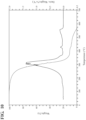
- more than 95% and 99% of gum rosin is volatized or oxidized above 500 °C and 600 °C respectively either in air or argon, so they practically remove themselves below the temperature of formation of the electrochemically active product ( Figure 10 and 11 ).
- Anti-caking additives can also be used to prevent media and vessel caking during the dry milling processing of ICIC-P coated EAC and improve the homogeneity and uniformity of the ICIC-P coating on the surface of the EAC.
- the ICIC-P is subsequently converted into a ICIC by calcination resulting in a ICIC coated EAC.
- Example 1 LiCo 0.85 Fe 0.15 PO 4 produced using gum rosin milling additive in Spex Mill
- the pellet was calcined in a tube furnace under argon atmosphere by heating from room temperature to 700 °C at 10 °C/min and holding at 700 °C for 12 hours followed by natural cool down.
- the calcined pellet was then powdered using a Spex mill and 3 chrome plated steel media balls for 5 minutes. The powder color was uniform black, and the powder was not magnetic.
- a cathode slurry was prepared by mixing 85/5/10 LiCo 0.85 Fe 0.15 PO 4_ /Acetylene Black/Kureha 1120 PVDF binder by weight with N-methyl 2-pyrrolidone solvent using a Thinky mixer. The slurry solids is 39%.
- a cathode sheet is prepared by drawdown bar coating 12 mils of the slurry onto 19 ⁇ m Al foil of slurry followed by drying in air at 130 °C for 30 minutes. The cathode sheet is pressed at 50 psi twice.
- the LiCo 0.85 Fe 0.15 PO 4_ active coating weight is 8.9 mg/cm 2 and the coating density is 2.1 g/cc.
- CR2025 coin cell Li half cells are constructed with 5/8 in diameter cathode, 1M LiPF 6 EC/DMC 3/7 (2% Lithium difluoro(oxalato)borate) electrolyte, Celgard 2325 separator and 5/8 in 13 mil thick Li foil anode.
- the cell is charged at a rate of C/20 to 5V then discharged to 3.1V.
- the cell had a C/20 discharge voltage of 4.8-4.9V, a C/20 and 1C capacity of 114 and 95 mAh/g respectively and a 1 st cycle efficiency of 74%.
- Example 2 LiCo 0.85 Fe 015 PO 4 produced using gum rosin milling additive in Spex Mill and split calcined
- the pellet was calcined in a tube furnace under argon atmosphere by heating from room temperature to 750 °C at 10 °C/min and holding at 750 °C for 12 hours followed by natural cool down.
- the calcined pellet was then powdered using a Spex mill and 3 chrome plated steel media balls for 5 minutes.
- the powder color was uniform black, and the powder was not magnetic.
- the X-Ray Powder Diffraction (XRD) pattern was obtained by coating the powder onto a zero-diffraction silicon plate and collecting the XRD data using a Shimadzu Lab-X XRD 6000.
- the XRD pattern is shown in Fig. 1 and matches the crystal pattern for LiCoPO 4 .
- a cathode slurry was prepared by mixing 85/5/10 LiCo 0.85 Fe 0.15 PO 4_ /Acetylene Black/Kureha 1120 PVDF binder by weight with N-methyl 2-pyrrolidone solvent using a Thinky mixer. The slurry solids is 39%.
- a cathode sheet is prepared by drawdown bar coating 12 mils of the slurry onto 19 ⁇ m Al foil of slurry followed by drying in air at 130 °C for 30 minutes. The cathode sheet is pressed at 50 psi twice.
- the LiCo 0.85 Fe 0.15 PO 4_ active coating weight is 9 mg/cm 2 and the coating density is 2.1 g/cc.
- CR2025 coin cell Li half cells are constructed with 5/8 in diameter cathode, 1M LiPF 6 EC/DMC 3/7 (2% Lithium difluoro(oxalato)borate) electrolyte, Celgard 2325 separator and 5/8 in 13 mil thick Li foil anode.
- the cell is charged at a rate of C/20 to 5V then discharged to 3.1V.
- the cell had a C/20 discharge voltage of 4.8-4.9V, a C/20 and 1C capacity of 116 and 100 mAh/g respectively and a 1 st cycle efficiency of 74%.
- Example 3- LiCo 0.85 Fe 015 PO 4 produced using gum rosin milling additive in Planetary Mill with split calcination
- the powder was pelletized in a 1 inch diameter pellet die using 11 tons pressure.
- the pellets were calcined in a tube furnace under argon atmosphere by heating from room temperature to 800 °C at 10 °C/min and holding at 800 °C for 2 hours then natural cooling to 700 °C and holding at 700 °C for 10 hours.
- the resulting pellet was a uniform dark grey color and nonmagnetic.
- the X-Ray Powder Diffraction (XRD) pattern was obtained by coating the powder onto a zero-diffraction silicon plate and collecting the XRD data using a Shimadzu Lab-X XRD 6000. The XRD pattern is shown in Fig.
- a cathode slurry was prepared by mixing 85/5/10 LiCo 0.85 Fe 0.15 PO 4 /Acetylene Black/Kureha 1120 PVDF binder by weight with N-methyl 2-pyrrolidone solvent using a Thinky mixer. The slurry solids is 39%.
- a cathode sheet is prepared by drawdown bar coating 12 mils of the slurry onto 19 ⁇ m Al foil of slurry followed by drying in air at 130 °C for 30 minutes. The cathode sheet is pressed at 50 psi twice.
- the LiCo 0.85 Fe 0.15 PO 4 coating weight is 8.6 mg/cm 2 and the coating density is 2.1 g/cc.
- CR2025 coin cell Li half cells are constructed with 5/8 in diameter cathode, Celgard 2325 separator, 1M LiPF 6 EC/DMC 3/7 (2% Lithium difluoro(oxalato)borate) electrolyte and 5/8 in 13 mil thick Li foil anode.
- the cell is charged at a rate of C/20 to 5V then discharged to 3.1V.
- the cell had a C/20 discharge voltage of 4.8-4.9V, a C/20 and 1C capacity of 118 and 104 mAh/g respectively and a 1 st cycle efficiency of 73%.
- the pellet was calcined in a tube furnace under argon atmosphere using a heating ramp of RT to 380 °C at 5 °C/min, hold at 380 °C for 5 hours, heat from 380 °C to 475 °C at 5 C/min, hold at 475 °C for 5 hours, heat from 475 °C to 700 °C at 5 °C/min, hold at 700 °C for 10 hours then natural cooldown.
- the calcined pellet was then powdered using a Spex mill and 3 chrome plated steel media balls for 5 minutes. The powder color was uniform black.
- the XRD pattern was obtained by coating the powder onto a zero-diffraction silicon plate and collecting the XRD data using a Shimadzu Lab-X XRD 6000.
- the XRD pattern is shown in Fig. 4 (top) and matches the crystal pattern for LiFePO 4 .
- a cathode slurry was prepared by mixing 80/10/10 LiFePO 4 /Acetylene Black/Kureha 1120 PVDF binder by weight with N-methyl 2-pyrrolidone solvent using a Thinky mixer. The slurry solids is 40wt%.
- a cathode sheet is prepared by drawdown bar coating 10 mils of the slurry onto 19 ⁇ m Al foil of slurry followed by drying in air at 130 °C for 30 minutes. The cathode sheet is pressed at 100 psi thrice.
- the LiFePO4 coating weight is 2.3 mg/cm 2 and the coating density is 1.38 g/cc.
- CR2025 coin cell Li half cells are constructed with 5/8 in diameter cathode, Celgard 2325 separator, 1M LiPF6 EC/EMC/DMC 1/1 (1% VC) electrolyte and 5/8 in 13 mil thick Li foil anode.
- the cell is charged at a rate of C/20 to 4.1V then discharged to 3.0V.
- the cell had a C/20 discharge voltage of 3.4V and a C/20 and 1C capacity of 130 and 112 mAh/g respectively.
- Example 5 LiMn 1.5 Ni 0.5 O 4 produced with gum rosin milling additive in Spex Mill
- a cathode slurry was prepared by mixing 80/5/10 LiMn 1.5 Ni 0.5 O 4 /Acetylene Black/Kureha 1120 PVDF binder by weight with N-methyl 2-pyrrolidone solvent using a Thinky mixer. The slurry solids is 40wt%.
- a cathode sheet is prepared by drawdown bar coating 12 mils of the slurry onto 19 ⁇ m Al foil of slurry followed by drying in air at 130 °C for 30 minutes. The cathode sheet is pressed at 25 psi.
- the active coating weight is 8.9 mg/cm 2 and the coating density is 2.2 g/cc.
- CR2025 coin cell Li half cells are constructed with 5/8 in diameter cathode, Celgard 2325 separator, 1M LiPF 6 EC/DMC 3/7 (2% Lithium difluoro(oxalato)borate) electrolyte, and 5/8 in 13 mil thick Li foil anode.
- the cell is charged at a rate of C/20 to 5V then discharged to 3.1V.
- the cell had a C/20 discharge voltage of 4.7-4.8V, a C/20 and 1C capacity of 128 and 123 mAh/g respectively and a 1 st cycle efficiency of 73%.
- Example 6 LiMn 1.5 Ni 0.5 O 4 produced with Abietic Acid milling additive in Spex Mill
- a cathode slurry was prepared by mixing 80/5/10 LiMn 1.5 Ni 0.5 O 4 /Acetylene Black/Kureha 1120 PVDF binder by weight with N-methyl 2-pyrrolidone solvent using a Thinky mixer. The slurry solids is 40wt%.
- a cathode sheet is prepared by drawdown bar coating 10 mils of the slurry onto 19 ⁇ m Al foil of slurry followed by drying in air at 130 °C for 30 minutes. The cathode sheet is pressed at 20 psi.
- the active coating weight is 9 mg/cm 2 and the coating density is 2.1 g/cc.
- CR2025 coin cell Li half cells are constructed with 5/8 in diameter cathode, Celgard 2325 separator, 1M LiPF 6 EC/DMC 3/7 (2% Lithium difluoro(oxalato)borate) electrolyte, and 5/8 in 13 mil thick Li foil anode.
- the cell is charged at a rate of C/20 to 5V then discharged to 3.1V.
- the cell had a C/20 discharge voltage of 4.7-4.8V, a C/20 and 1C capacity of 130 and 121 mAh/g respectively and a 1 st cycle efficiency of 80%.
- Example 7 LiMn 1.5 Ni 0.5 O 4 produced with Foral AX milling additive in Spex Mill
- a cathode slurry was prepared by mixing 80/5/10 LiMn 1.5 Ni 0.5 O 4h /Acetylene Black/Kureha 1120 PVDF binder by weight with N-methyl 2-pyrrolidone solvent using a Thinky mixer. The slurry solids is 40wt%.
- a cathode sheet is prepared by drawdown bar coating 10 mils of the slurry onto 19 ⁇ m Al foil of slurry followed by drying in air at 130 °C for 30 minutes. The cathode sheet is pressed at 20 psi.
- the active coating weight is 10.5 mg/cm 2 and the coating density is 2.1 g/cc.
- CR2025 coin cell Li half cells are constructed with 5/8 in diameter cathode, Celgard 2325 separator, 1M LiPF 6 EC/DMC 3/7 (2% Lithium difluoro(oxalato)borate) electrolyte, and 5/8 in 13 mil thick Li foil anode.
- the cell is charged at a rate of C/20 to 5V then discharged to 3.1V.
- the cell had a C/20 discharge voltage of 4.7-4.8V, a C/20 and 1C capacity of 129 and 123 mAh/g respectively and a 1 st cycle efficiency of 80%.
- Example 8 LiMn 1.5 Ni 0.5 O 4 produced with Pentalyn H milling additive in Spex Mill
- a cathode slurry was prepared by mixing 80/5/10 LiMn 1.5 Ni 0.5 O 4 /Acetylene Black/Kureha 1120 PVDF binder by weight with N-methyl 2-pyrrolidone solvent using a Thinky mixer. The slurry solids is 40 wt%.
- a cathode sheet is prepared by drawdown bar coating 10 mils of the slurry onto 19 ⁇ m Al foil of slurry followed by drying in air at 130 °C for 30 minutes. The cathode sheet is pressed at 20 psi.
- the active coating weight is 9 mg/cm 2 and the coating density is 2.2 g/cc.
- CR2025 coin cell Li half cells are constructed with 5/8 in diameter cathode, Celgard 2325 separator, 1M LiPF 6 EC/DMC 3/7 (2% Lithium difluoro(oxalato)borate) electrolyte, and 5/8 in 13 mil thick Li foil anode.
- the cell is charged at a rate of C/20 then discharged.
- the cell had a C/20 discharge voltage of 4.7-4.8V, a C/20 and 1C capacity of 124 and 122 mAh/g respectively and a 1 st cycle efficiency of 78%.
- Example 9 LiMn 1.5 Ni 0.5 O 4 produced with Foral 85 milling additive in Spex Mill
- a cathode slurry was prepared by mixing 80/5/10 LiMn 1.5 Ni 0.5 O 4 /Acetylene Black/Kureha 1120 PVDF binder by weight with N-methyl 2-pyrrolidone solvent using a Thinky mixer. The slurry solids is 40 wt%.
- a cathode sheet is prepared by drawdown bar coating 10 mils of the slurry onto 19 ⁇ m Al foil of slurry followed by drying in air at 130 °C for 30 minutes. The cathode sheet is pressed at 25 psi.
- the active coating weight is 8.9 mg/cm 2 and the coating density is 2.2 g/cc.
- CR2025 coin cell Li half cells are constructed with 5/8 in diameter cathode, Celgard 2325 separator, 1M LiPF 6 EC/DMC 3/7 (2% Lithium difluoro(oxalato)borate) electrolyte, and 5/8 in 13 mil thick Li foil anode.
- the cell is charged at a rate of C/20 then discharged.
- the cell had a C/20 discharge voltage of 4.7-4.8V, a C/20 and 1C capacity of 128 and 126 mAh/g respectively and a 1 st cycle efficiency of 82%.
- the pellet was calcined in a tube furnace under argon atmosphere using a heating ramp of RT to 380 °C at 5 °C/min, hold at 380 °C for 5 hours, heat from 380 °C to 475 °C at 5 °C/min, hold at 475 °C for 5 hours, heat from 475 °C to 700 °C at 5 °C/min, hold at 700 °C for 10 hours then natural cooldown.
- the calcined pellet was then powdered using a Spex mill and 3 chrome plated steel media balls for 5 minutes. The powder color was uniform black.
- the XRD pattern was obtained by coating the powder onto a zero-diffraction silicon plate and collecting the XRD data using a Shimadzu Lab-X XRD 6000.
- the XRD pattern is shown in Fig. 7 and matches the crystal pattern for LiFePO 4 along with a Fe impurity.
- a cathode slurry was prepared by mixing 80/10/10 LiFePO 4 /Acetylene Black/Kureha 1120 PVDF binder by weight with N-methyl 2-pyrrolidone solvent using a Thinky mixer. The slurry solids is 40 wt%.
- a cathode sheet is prepared by drawdown bar coating 10 mils of the slurry onto 19 ⁇ m Al foil of slurry followed by drying in air at 130 °C for 30 minutes. The cathode sheet is pressed at 100 psi thrice.
- the LiFePO 4 coating weight is 2.3 mg/cm 2 and the coating density is 1.38 g/cc.
- CR2025 coin cell Li half cells are constructed with 5/8 in diameter cathode, Celgard 2325 separator, 1M LiPF 6 EC/EMC/DMC 1/1 (1% VC) electrolyte and 5/8 in 13 mil thick Li foil anode.
- the cell is charged at a rate of C/20 to 4.1V then discharged to 3.0V.
- the cell had a C/20 discharge voltage of 3.4V and a C/20 and 1C capacity of 132 and 103 mAh/g respectively.
- the powder was pelletized in a 1 inch diameter pellet die using 11 tons pressure.
- the pellet was heated in air using a thermal ramp of room temperature to 360 °C at 10 °C/min and holding at 360 °C for 2 hours, 360 °C to 550 °C at 10 °C/min and holding at 550 °C for 2 hours, 550 °C to 1000 °C and holding at 1000 °C for 10 hours.
- the TNO powder is then Spex milled for 2 minutes with 3 chrome plated 1 ⁇ 4 in steel balls.
- the powder color was crème white.
- the XRD pattern was obtained by coating the powder onto a zero-diffraction silicon plate and collecting the XRD data using a Shimadzu Lab-X XRD 6000.
- the XRD pattern is shown in Fig. 8 and matches the crystal pattern for Titanium Niobium Oxide with no TiO 2 impurities.
- a cathode slurry was prepared by mixing 90/3/7 TNO/Acetylene Black/Solvay 5130 PVDF binder by weight with N-methyl 2-pyrrolidone solvent using a Thinky mixer. The slurry solids is 50 wt %.
- a cathode sheet is prepared by drawdown bar coating 8 mils of the slurry onto 19 ⁇ m Al foil of slurry followed by drying in air at 130 °C for 30 minutes. The cathode sheet is pressed at 10 psi.
- the TNO coating weight is 9.3 mg/cm 2 and the coating density is 1.4 g/cc.
- CR2025 coin cell Li half cells are constructed with 5/8 in diameter cathode, Celgard 2325 separator, 1M LiPF 6 EC/EMC/DMC 1/1/1 (1% VC) electrolyte and 5/8 in 13 mil thick Li foil anode.
- the cell is discharged to 1.0V.
- the cell had a C/20 and 1C discharge capacity of 275 and 125 mAh/g respectively.
- the discharge plots are shown in Figure 9 .
- a cathode slurry was prepared by mixing 90/3/7 wt% TNO/Acetylene Black/Solvay 5130 PVDF binder by weight with N-methyl 2-pyrrolidone solvent using a Thinky mixer. The slurry solids is 50 wt%.
- a cathode sheet is prepared by drawdown bar coating 8 mils of the slurry onto 19 ⁇ m Al foil of slurry followed by drying in air at 130 °C for 30 minutes. The cathode sheet is pressed at 10 psi.
- the TNO coating weight is 8.2 mg/cm 2 and the coating density is 1.5 g/cc.
- CR2025 coin cell Li half cells are constructed with 5/8 in diameter cathode, Celgard 2325 separator, 1M LiPF 6 EC/EMC/DMC 1/1/1 (1% VC) electrolyte and 5/8 in 13 mil thick Li foil anode. The cell is discharged to 1.0V. The cell had a C/20 and 1C discharge capacity of 281 and 121 mAh/g respectively and a 1 st cycle efficiency of 90%.
- Example 14 LiCo 0.85 Fe 0.15 PO 4 precursor produced with gum rosin milling additive in Spex Mill
- the calcined pellet was then powdered using a Spex mill and 3 media balls for 5 minutes.
- the XRD pattern was obtained by coating the powder onto a zero-diffraction silicon plate and collecting the XRD data using a Shimadzu Lab-X XRD 6000.
- the XRD pattern is shown in Fig. 5 and matches the crystal pattern for LiCoPO 4 .
- a cathode slurry was prepared by mixing 85/5/10 wt% LiCoFePO 4 /Acetylene Black/Kureha 1120 PVDF binder by weight with N-methyl 2-pyrrolidone solvent using a Thinky mixer. The slurry solids is 39 wt%.
- a cathode sheet is prepared by drawdown bar coating 12 mils of the slurry onto 19 ⁇ m Al foil of slurry followed by drying in air at 130 °C for 30 minutes. The cathode sheet is pressed at 50 psi twice.
- the LiCo 0.85 Fe 0.15 PO 4_ active coating weight is 9.2 mg/cm 2 and the coating density is 2.1 g/cc.
- CR2025 coin cell Li half cells are constructed with 5/8 in diameter cathode, Celgard 2325 separator, 1M LiPF 6 EC/DMC 3/7 (2% Lithium difluoro(oxalato)borate) electrolyte, and 5/8 in 13 mil thick Li foil anode.
- the cell is charged at a rate of C/20 then discharged.
- the cell had a C/20 discharge voltage of 4.7-4.8V, a C/20 and 1C capacity of 41 and 25 mAh/g respectively and a 1 st cycle efficiency of 42%.
- the capacity and 1 st cycle efficiency is lower than the LiCoFePO 4 examples that uses rosin milling additive.
- Comparative Example 2 LiCo 0.85 Fe 015 PO 4 produced without milling additive in Spex Mill and split calcination
- the calcined pellet was then powdered using a Spex mill and 3 chrome plated steel media balls for 5 minutes.
- the powder color was uniform black, and the powder was not magnetic.
- the X-Ray Powder Diffraction (XRD) pattern was obtained by coating the powder onto a zero-diffraction silicon plate and collecting the XRD data using a Shimadzu Lab-X XRD 6000.
- the XRD pattern is shown in Fig. 3 and is less crystalline than Example 2 and does not exactly match the crystalline pattern for LiCoPO 4 .
- a cathode slurry was prepared by mixing 85/5/10 wt% LiCo 0.85 Fe 0.15 PO 4_ Acetylene Black/Kureha 1120 PVDF binder by weight with N-methyl 2-pyrrolidone solvent using a Thinky mixer. The slurry solids is 39 wt%.
- a cathode sheet is prepared by drawdown bar coating 12 mils of the slurry onto 19 ⁇ m Al foil of slurry followed by drying in air at 130 °C for 30 minutes. The cathode sheet is pressed at 25 psi 5 times.
- the LiCo 0.85 Fe 0.15 PO 4 active coating weight is 8.6 mg/cm 2 and the coating density is 2.8 g/cc.
- CR2025 coin cell Li half cells are constructed with 5/8 in diameter cathode, Celgard 2325 separator, 1M LiPF 6 EC/DMC 3/7 (2% Lithium difluoro(oxalato)borate) electrolyte, and 5/8 in 13 mil thick Li foil anode.
- the cell is charged at a rate of C/20 to 5V then discharged to 3.1V.
- the cell had a C/20 discharge voltage of less than 4.8V, a C/20 and 1C capacity of 7 and 3 mAh/g and a 1 st cycle efficiency of 30%.
- the capacity and 1 st cycle efficiency is much lower than the LiCo 0.85 Fe 0.15 PO 4 _examples that uses rosin milling additive.
- the pellet was calcined in a tube furnace under argon atmosphere using a heating ramp of RT to 380 °C at 5 °C/min, hold at 380 °C for 5 hours, heat from 380 °C to 475 °C at 5 °C/min, hold at 475 °C for 5 hours, heat from 475 °C to 700 °C at 5 °C/min, hold at 700 °C for 10 hours then natural cooldown.
- the calcined pellet was then powdered using a Spex mill and 3 chrome plated steel media balls for 5 minutes. The powder color was uniform black.
- the XRD pattern was obtained by coating the powder onto a zero-diffraction silicon plate and collecting the XRD data using a Shimadzu Lab-X XRD 6000.
- the XRD pattern is shown in Fig. 2 (bottom) and matches the crystal pattern for LiFePO 4 .
- a cathode slurry was prepared by mixing 80/10/10 wt 5 LiFePO 4 /Acetylene Black/Kureha 1120 PVDF binder by weight with N-methyl 2-pyrrolidone solvent using a Thinky mixer. The slurry solids is 40 wt%.
- a cathode sheet is prepared by drawdown bar coating 10 mils of the slurry onto 19 ⁇ m Al foil of slurry followed by drying in air at 130 °C for 30 minutes. The cathode sheet is pressed at 100 psi three times.
- the LiFePO 4 coating weight is 3.4 mg/cm 2 and the coating density is 1.0 g/cc.
- CR2025 coin cell Li half cells are constructed with 5/8 in diameter cathode, Celgard 2325 separator and 5/8 in 13 mil thick Li foil anode. The cell is charged at a rate of C/20 then discharged. The cell had a C/20 discharge voltage of 3.4 V and a C/20 and 1C capacity of 127 and 91 respectively mAh/g . The capacity and rate capability are less than the LiFePO 4 examples that use gum rosin milling additive.
- a cathode slurry was prepared by mixing 80/5/10 wt% LiMn 1.5 Ni 0.5 O 4 /Acetylene Black/Kureha 1120 PVDF binder by weight with N-methyl 2-pyrrolidone solvent using a Thinky mixer. The slurry solids is 40 wt %.
- a cathode sheet is prepared by drawdown bar coating 12 mils of the slurry onto 19 ⁇ m Al foil of slurry followed by drying in air at 130 °C for 30 minutes. The cathode sheet is pressed at 12 psi.
- the active coating weight is 9.1 mg/cm 2 and the coating density is 2.1 g/cc.
- CR2025 coin cell Li half cells are constructed with 5/8 in diameter cathode, Celgard 2325 separator, 1M LiPF 6 EC/DMC 3/7 (2% Lithium difluoro(oxalato)borate) electrolyte, and 5/8 in 13 mil thick Li foil anode.
- the cell is charged at a rate of C/20 then discharged.
- the cell had a C/20 discharge voltage of 4.7-4.8V, a C/20 and 1C capacity of 128 and 111 mAh/g respectively and a 1 st cycle efficiency of 71%.
- the 1C capacity is lower than in the LiMn 1.5 Ni 0.5 O 4 examples that used a rosin milling additive.
- the powder is pelletized into 1 inch diameter 5 gram pellets using 11 tons pressure.
- the pellets are fired in air using a heating schedule of room temperature to 900 °C at 10 °C/min, holding at 900 °C for 12 hours, and cooldown under ambient conditions to room temperature.
- the pellet is then powderized by Spex milling with 3 chrome plated 1 ⁇ 4 in steel balls for 5 minutes then heated in air using a heating schedule of room temperature to 700 °C at 10 °C/min, holding at 700 °C for 48 hours then cooldown to room temperature under ambient conditions.
- a cathode slurry was prepared by mixing 80/5/10 wt% LiMn 1.5 Ni 0.5 O 4 /Acetylene Black/Kureha 1120 PVDF binder by weight with N-methyl 2-pyrrolidone solvent using a Thinky mixer. The slurry solids is 40 wt%.
- a cathode sheet is prepared by drawdown bar coating 10 mils of the slurry onto 19 ⁇ m Al foil of slurry followed by drying in air at 130 °C for 30 minutes. The cathode sheet is pressed at 50 psi.
- the active coating weight is 9.1 mg/cm 2 and the coating density is 2.1 g/cc.
- CR2025 coin cell Li half cells are constructed with 5/8 in diameter cathode, Celgard 2325 separator, 1M LiPF 6 EC/DMC 3/7 (2% Lithium difluoro(oxalato)borate) electrolyte, and 5/8 in 13 mil thick Li foil anode.
- the cell is charged at a rate of C/20 then discharged.
- the cell had a C/20 discharge voltage of 4.7-4.8V, a C/20 and 1C capacity of 132 and 127 mAh/g respectively and a 1 st cycle efficiency of 81%.
- Comparative Example 6 LiCo 0.85 Fe 015 PO 4 produced using stearic acid milling additive in Spex Mill
- the pellet was calcined in a tube furnace under argon atmosphere by heating from room temperature to 700 °C at 10 °C/min and holding at 700 °C for 12 hours followed by natural cool down.
- the calcined pellet was then powdered using a Spex mill and 3 chrome plated steel media balls for 5 minutes.
- the powder color was uniform purple-grey and the powder was not magnetic.
- the X-Ray Powder Diffraction (XRD) pattern was obtained by coating the powder onto a zero-diffraction silicon plate and collecting the XRD data using a Shimadzu Lab-X XRD 6000. The XRD pattern is shown in Fig. 12.
- a cathode slurry was prepared by mixing 85/10/5 LiCo 0.85 Fe 0.15 PO 4_ /Acetylene Black/Kureha 1120 PVDF binder by weight with N-methyl 2-pyrrolidone solvent using a Thinky mixer. The slurry solids is 39%.
- a cathode sheet is prepared by drawdown bar coating 12 mils of the slurry onto 19 ⁇ m Al foil of slurry followed by drying in air at 130 °C for 30 minutes. The cathode sheet is pressed at 50 psi twice.
- the LiCoFePO4 active coating weight is 5.7 mg/cm 2 and the coating density is 2.1 g/cc.
- CR2025 coin cell Li half cells are constructed with 5/8 in diameter cathode, Celgard 2325 separator, 1M LiPF 6 EC/DMC 3/7 (2% Lithium difluoro(oxalato)borate) electrolyte, and 5/8 in 13 mil thick Li foil anode.
- the cell is charged at a rate of C/20 to 5V then discharged to 3.1V.
- the cell had a C/20 discharge voltage of 4.8-4.9V, a C/20 and 1C capacity of 106 and 91 mAh/g respectively and a 1 st cycle efficiency of 64%.
- the capacity and 1 st cycle efficiency is lower than in the example using gum rosin as an anti-caking additive.
Landscapes
- Chemical & Material Sciences (AREA)
- General Chemical & Material Sciences (AREA)
- Chemical Kinetics & Catalysis (AREA)
- Electrochemistry (AREA)
- Inorganic Chemistry (AREA)
- Engineering & Computer Science (AREA)
- Crystallography & Structural Chemistry (AREA)
- Food Science & Technology (AREA)
- Life Sciences & Earth Sciences (AREA)
- Materials Engineering (AREA)
- Wood Science & Technology (AREA)
- Organic Chemistry (AREA)
- Battery Electrode And Active Subsutance (AREA)
Description
- This invention was made with government support under grant no. W911QX-15-C-0020, awarded by the Department of the Army. The government has certain rights in the invention.
- This disclosure relates to a dry milling additive and dry milling process that prevents caking or coating of process media and vessel by chemical powders, facilitating high intensity dry milling of chemical powders and achieving intimate mixing and particle size reduction of the chemical powders.
- The invention further relates to a method of dry milling electrochemical precursors and to electrochemical cells produced using electrochemical materials derived from the precursors.
- Electrochemically active compounds (EAC), such as lithium metal phosphates (e.g., LiFePO4, LiCo 0.85Fe 0.15PO4), lithium metal oxides (e.g., LiMn1.5Ni0.5O4), and titanium niobium oxide (e.g., TiNb2O 7) are materials that may be used in the anode or cathode of electrochemical cells such as batteries. EAC may be produced by calcining a well dispersed mixture of their precursors (EAC-P), otherwise known as solid-state calcining. Optionally, prior to calcination, EAC-P can be pelletized under pressure to assist formation of the EAC by decreasing the diffusion distances of the atoms. EAC formation can be further enhanced by utilizing a homogenous and small particle size EAC-P.
- Dry or wet milling can be used to produce a homogenous and small particle size EAC-P. In dry milling the chemical precursors are mixed together and crushed, generally with grinding media such as metal or ceramic balls in a vessel such as a rotating jar mill or a high energy shaker vessel such as a Spex mill. Other types of media mills can include planetary mills, rod mills, pebble mills and stirred media mills. The milling vessels and milling media can be constructed from hard materials such as stainless steel, hardened steel, tungsten carbide, agate, alumina, zirconium silicate and zirconia. During milling, the precursor is distributed between the impacting milling media and between the milling media and vessel walls. Impact energy fractures, crushes and mixes the EAC-P resulting in size reduction and uniform particle distribution. Efficient milling creates small particle size and uniform material distribution and can promote formation, crystallization and phase purity of the EAC during calcination by diminishing the diffusion distance of the atoms and insuring a homogenous distribution of the thermally reactive atoms.
- Efficient milling requires a hard and clean media and wall surface to insure maximum transfer of fracturing and distribution energy to the EAC-P. If the media and/or vessel wall becomes coated with precursor material (i.e. caking) then milling efficiency is decreased because the adhered caked material becomes a media shock absorber and diminishes high energy impact of the media with the precursor powder. Another problem that can arise with caking is self-adherence of the EAC-P powder into a packed bed that adheres to the vessel walls and isolates the bulk of the EAC-P from the milling media, preventing further powder fracturing and mixing. Thus, it is desirable to minimize caking to achieve efficient and complete EAC-P milling.
- One method of preventing EAC-P caking is wet milling. In wet milling the media and EAC-P are milled in a liquid medium. The liquid medium keeps the EAC-P dispersed, prevents caking and can produce a well dispersed and small particle size EAC-P. It is desirable for the EAC-P to be insoluble in and non-reactive with the liquid medium. Liquid medium can include water, alcohol, heptane, xylene and methyl ethyl ketone. The disadvantage of wet milling is the added cost and added manufacturing steps of using a liquid medium which include separating the EAC-P from the liquid and drying the EAC-P.
- Given the cost associated with wet milling and the caking issues that are common with dry milling, new methods of milling particulate chemical materials are needed.
-
WO2007/082299 relates to a method of producing nanoparticles by milling layered materials, in particular molybdenum sulphide (MoS2), in fatty acids. The milling process is carried out in that the particulate chemical alone is dry milled first, followed by a wet milling step. -
WO2014/1458139 -
-
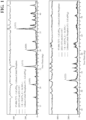
Figure 1 is a powder XRD Pattern of LiCo0.85Fe 0.15PO4 produced using gum rosin milling additive in spex mill; -
Figure 2A is a powder XRD pattern of LiCo0.85Fe0.15PO4 produced using gum rosin milling additive in planetary mill with split calcination; -
Figure 2B is a powder XRD pattern of LiCo0.85Fe0.15PO4 produced using gum rosin milling additive in planetary mill with split calcination; -
Figure 3 is a powder XRD Pattern of LiCo0.85Fe 0.15PO4 produced without gum rosin anti-caking additive in Spex mill; -
Figure 4 is a powder XRD Pattern of LiFePO4 produced using gum rosin anti-caking additive (top) and without gum rosin additive (bottom) along with LiFePO4 reference lines; -
Figure 5 is a powder XRD Pattern of LiCo0.85Fe 0.15PO4 produced in Jar Mill without anti-caking additive; -
Figure 6 is a powder XRD Pattern of LiCo0.85Fe 0.15PO4 produced in Jar Mill without milling additive (solid line) vs Spex mill with gum rosin milling additive (dashed line); -
Figure 7 is a powder XRD Pattern of LiFePO4 produced using ammoniated gum rosin; -
Figure 8 is a powder XRD pattern of titanium niobium oxide produced with gum rosin anti-caking additive in a Spex Mill showing no TiO2 impurities; -
Figure 9 illustrates lithiation of TNO at various rates produced by Spex milling precursors with gum rosin; -
Figure 10 illustrates a thermogravimetric analysis of gum rosin heated in air; and -
Figure 11 illustrates a thermogravimetric analysis of gum rosin heated in argon. - The following summary is provided to facilitate an understanding of some of the innovative features unique to the present disclosure and is not intended to be a full description. A full appreciation of the various aspects of the disclosure can be gained by taking the entire specification, claims, drawings, and abstract as a whole.
- A first object of the invention is a process of dry milling a chemical, the process comprising:
- adding an anti-caking additive to a milling vessel in the absence of a particulate chemical and prior to the step of combining, and milling the anti-caking additive, wherein the anti-caking additive is selected from the group consisting of a rosin, rosin derivative, or active component thereof, or a fatty acid or fatty acid derivative,
- combining in a milling vessel a particulate chemical with the anti-caking additive, to form a milling mixture, and
- milling the milling mixture for a milling time to form a milled product, whereby the milling process is substantially free of liquid,
- wherein the particulate chemical is an electrochemically active precursor.
- Preferred embodiments are defined in the dependent claims.
- One aspect of the present disclosure is to use an anti-caking additive that is more effective than the prior art additives or that surprisingly functions at different relative amounts and promotes more efficient dry milling of powders, optionally EAC-P.
- In some aspects, an anti-caking additive can be either substantially removed by oxidation or volatilization during a subsequent EAC-P calcination process or else converted into a compound that is not detrimental to the performance or safety of an electrochemical cell employing an active material milled in the presence of the anti-caking additive.
- Another aspect of the present disclosure is to use an anti-caking additive in a solid state post-processing of EAC materials. Such processing can include coating EAC materials with an ionically conductive coating precursor (ICIC-P), followed by calcination to an ionically conductive coating (ICIC) coated EAC that can enhance EAC cycle life, EAC thermal stability or decrease EAC gassing during normal cell operation.
- It has been surprisingly found that rosin, particularly gum rosin, is a highly effective anti-caking additive that can be used in the milling of chemical powders and EAC-P and substantially prevents media and vessel wall caking during precursor milling.
- The rosin or other anti-caking additive as provided herein can be pre-dispersed onto the media and vessel or added along with the chemical powder(s) or EAC-P and subsequently milled.
- During solid-state calcination of EAC-P following milling, the rosin volatizes or oxidizes to gaseous products and removes itself from the final product.
- The following description of particular embodiment(s) is merely exemplary in nature and is in no way intended to limit the scope of the invention, its application, or uses, which may, of course, vary. The invention is described with relation to the non-limiting definitions and terminology included herein. These definitions and terminology are not designed to function as a limitation on the scope or practice of the invention but are presented for illustrative and descriptive purposes only. While the processes or compositions are described as an order of individual steps or using specific materials, it is appreciated that steps or materials may be interchangeable such that the description of the invention may include multiple parts or steps arranged in many ways as is readily appreciated by one of skill in the art.
- It will be understood that, although the terms "first," "second," "third" etc. may be used herein to describe various elements, components, regions, layers, and/or sections, these elements, components, regions, layers, and/or sections should not be limited by these terms. These terms are only used to distinguish one element, component, region, layer, or section from another element, component, region, layer, or section. Thus, "a first element," "component," "region," "layer," or "section" discussed below could be termed a second (or other) element, component, region, layer, or section without departing from the teachings herein.
- The terminology used herein is for the purpose of describing particular embodiments only and is not intended to be limiting. As used herein, the singular forms "a," "an," and "the" are intended to include the plural forms, including "at least one," unless the content clearly indicates otherwise. "Or" means "and/or." As used herein, the term "and/or" includes any and all combinations of one or more of the associated listed items. It will be further understood that the terms "comprises" and/or "comprising," or "includes" and/or "including" when used in this specification, specify the presence of stated features, regions, integers, steps, operations, elements, and/or components, but do not preclude the presence or addition of one or more other features, regions, integers, steps, operations, elements, components, and/or groups thereof. The term "or a combination thereof' means a combination including at least one of the foregoing elements.
- Unless otherwise defined, all terms (including technical and scientific terms) used herein have the same meaning as commonly understood by one of ordinary skill in the art to which this disclosure belongs. It will be further understood that terms such as those defined in commonly used dictionaries, should be interpreted as having a meaning that is consistent with their meaning in the context of the relevant art and the present disclosure, and will not be interpreted in an idealized or overly formal sense unless expressly so defined herein.
- Provided herein are methods of dry milling particulate materials such that caking is prevented or reduced by the addition of one or more anti-caking additives. In particular aspects of the disclosure the anti-caking additives are used to dry mill precursors of or electrochemically active materials and wherein the anti-caking additive is either volatilized during a subsequent calcination step such that the anti-caking additive is removed from the final product or is present in amounts that are not significantly detrimental to the electrochemical activity of an electrochemical cell employing the material. In other aspects, the amount of or nature of the anti-caking additive is such that electrochemical performance of a cell employing materials formed by the provided processes are not significantly negatively affected by the presence of the anti-caking additive.
- Among the large number of possible additives to reduce or eliminate caking during dry milling processes, it was surprisingly found that Rosin virtually eliminated caking of electrochemically active compounds (EAC) during dry milling processes. As a result it was discovered that the use of rosin as a milling additive can improve the chemical purity of EAC as well as increase the electrochemical capacity and/or rate capability of EAC materials versus using no milling additive.
- Rosin is a solid form of resin obtained from the oleo-resin exudate of pines and other conifers, produced by heating fresh liquid oleo-resin to vaporize and remove the volatile liquid terpene components. Rosin comprises various organic resin carboxylic acids, and in particular abietic acid.
- In some aspects, a rosin is a rosin derivative. A rosin derivative is a chemically modified rosin that maintains the anti-caking properties of the rosin, but may impart other or improved characteristics. A rosin derivative is optionally a rosin that has been hydrogenated, esterified, or both. Chemically modified rosin such as rosin soap can also be used as an effective anti-caking additive. Rosinate or pinate soap can be made by reacting a rosin solution with an alkali such as lithium hydroxide or ammonium hydroxide. Ammonium hydroxide can also produce a rosin soap that will substantially volatize during the subsequent precursor calcination leaving practically no residue. Optionally, an alkali rosin is an alkali rosinate or pinate soap wherein the alkali cation is ammonium, lithium, sodium, potassium, rubidium, or cesium.
- Optionally a rosin derivative is an esterified rosin. Esterification can alter the softening temperature of the rosin. The carboxylic acid of the rosin can be modified to an ester by reaction with one or more alcohols such as methanol, triethylene glycol, glycerol, or pantaeythritol, each by mechanisms recognized in the art. Illustrative examples of esterified rosins include ABALYN and PEXALYN from Pinova.
- Optionally a rosin derivative is a hydrogenated rosin. Hydrogenating rosin imparts improved stability and resistance to oxidation to the resulting rosin derivative. A rosin derivative is optionally partially hydrogenated or highly hydrogenated. Illustrative examples of partially hydrogenated rosins include STAYBELITE or STAYBELITE A from Pinova. Illustrative examples of highly hydrogenated rosin include the FORAL line of resins from Pinova.
- In some aspects a resin is a dimerized resin. While resin molecules are able to dimerize, greater multimers of the rosins are typically unable to form due to steric hindrance. As such, a rosin derivative is optionally a resin dimer. An illustrative example of a rosin dimer is Poly-Pale™ partially dimerized rosin from Eastman Chemical Company.
- Optionally, a rosin derivative is an otherwise modified rosin. Optionally, a rosin derivative is a rosin that has been modified by reaction with a desired molecule, optionally reaction with fumaric acid, maleic anhydride, or pimeric acid.
- Specific illustrative examples of rosin derivatives that are useful as anti-caking additives include rosins that have varying degrees of hydrogenation and esterification such as those manufactured by Pinova under the name of ABALYN, PENTALYNE, PEXALYNE, PINOVA, FORAL, HERCOLYN, STAYBELITE, and ENDERE.
- In other aspects, an anti-caking additive is a component of a rosin. It was found that abietic acid a primary component of resin can serve as an excellent anti-caking additive. As such, in some aspects an anti-caking additive is abietic acid or an abietic acid derivative. An abietic acid derivative is optionally a hydrogenated abietic acid, and esterified abietic acid, a dimerized abietic acid, an otherwise modified abietic acid, or a combination thereof. Illustrative examples of hydrogenated abietic acid include dihydroabietic acid and tetrahydroabietic acid. Illustrative examples esterified abietic acid include those esterified with one or more of methanol, triethylene glycol, glycerol, or pantaeythritol. An otherwise modified abietic acid is optionally a abietic acid modified by reaction with one or more of fumaric acid, maleic anhydride, or pimeric acid. Optionally, an abietic acid derivative is an abietic salt of ammonium, lithium, sodium, potassium, rubidium, or cesium.
- In some aspects, an anti-caking additive is optionally a fatty acid or fatty acid derivative. A fatty acid includes a hydrocarbon chain terminated in a carboxylic acid. A hydrocarbon chain is optionally saturated or unsaturated. Unsaturated hydrocarbon chains are optionally monounsaturated or multiply unsaturated. Optionally, a hydrocarbon is unsaturated at 1, 2, 3, 4, or more sites. A hydrocarbon chain optionally includes 4-20 carbon atoms in either linear or branched configuration. Optionally, a hydrocarbon chain includes 10-20 carbon atoms, optionally 15-20 carbon atoms. As such, a hydrocarbon chain optionally is a C4-C20 alkyl, alkenyl, or alkynyl radical that is or is not substituted at one or more sites with one or more of O, N, S, or P. Optionally, a hydrocarbon chain is a C4-C20 alkyl, alkenyl, or alkynyl that further includes one or more substituents comprising O, N, S, or P. Illustrative specific examples of a fatty acid used as an anti-caking additive include stearic acid or oleic acid. A fatty acid is optionally a triglyceride of stearic acid or oleic acid, or other fatty acid as provided herein. While not wanting to be bound by any theory, it is believed the anti-caking additive is strongly absorbed to inorganic surfaces and prevents adherence of particulate chemical, optionally EAC-P, to the milling media, vessel wall, and optionally to itself to a desirable degree.
- The amount of anti-caking additive, particularly with respect to fatty acid anti-caking additives, used in a batch of precursor milling can affect the efficiency of milling. There should be enough anti-caking additive present to coat the surface of the media and vessel walls with at least a molecular monolayer of anti-caking additive. The most effective amount of anti-caking additive used is dependent upon the surface area of the precursor, media, vessel walls, and identity of the anti-caking additive. The amount of anti-caking additive used can be greater than approximately 0.01% w/w and less than approximately 20% w/w of the total amount of precursor, optionally greater than 0.1% w/w and less than 5% w/w of the precursor. When an anti-caking additive is a fatty acid, it is appreciated that the amount of anti-caking additive is greater than 1% w/w, optionally greater than 2% w/w, optionally greater than 3% w/w, optionally greater than 4% w/w, optionally greater than 5% w/w, optionally greater than 6% w/w, optionally greater than 7% w/w, optionally greater than 8% w/w, optionally greater than 9% w/w, optionally greater than 10% w/w.
- The order of addition of the anti-caking additive can affect the efficiency of precursor milling. In some aspects, the anti-caking additive is added first then milled for a pre-milling time, for example less than 5 minutes depending on the type of mill used. This will cover the media and vessel walls with a portion of the anti-caking additive. After the anti-caking additive is distributed in the mill the particulate chemical(s) for dry milling, optionally EAC-P, is next added and milling is resumed. Alternatively, the anti-caking additive and particulate chemical can be added to the mill in one step followed by milling.
- The milling time of the particulate chemical is dependent upon the desired degree of particle size reduction, type of media and mill used, the media and mill vessel composition, and amount of milling energy imparted. Generally, the particulate chemical milling time can be more than 5 minutes and less than 48 hours or any value or range therebetween. Optionally, the milling time is more than 10 minutes and less than 2 hours.
- Milling is performed in a mill that includes one or more milling vessels. A suitable mill is optionally a rotating mill, shaker mill, spex mill, planetary mill, jar mill, pebble mill, or stirred media mill, although other milling devices may be sued as well. Any milling vessel recognized in the art as useful for milling particulate materials may be used. Optionally, a milling vessel is formed of a material such as stainless steel, hardened steel, tungsten carbide, agate, alumina, zirconia, or a combination thereof.
- A process of milling particulate materials requires the use of milling media present within the milling vessel during the milling process. Milling media may be any milling media recognized in the art. Optionally, a milling media is in the shape of a sphere or other desired shape. Milling media is optionally formed from a material such as stainless steel, hardened steel, tungsten carbide, agate, alumina, zirconia, or a combination thereof.
- The precursor material milled in the provided processes is optionally any particulate chemical that is in need of milling. Optionally, a particulate chemical is useful in an electrochemical cell, capacitor, solid electrolyte, catalysts, phosphor, or other desired uses. In some aspects, a particulate chemical is or includes one or more electrochemically active compounds (EAC). An electrically active compound is capable of reversibly absorbing and desorbing an ion, optionally lithium, hydrogen, or other.
- Illustrative non-limiting examples of particulate chemicals that may be used in the provided processes include metal oxides, metal halides, metal fluorides, metal hydroxides, metal carbonates, metal hydroxide carbonates, metal sulfates, metal nitrates, metal borates, metal vanadates, metal zirconates, metal titanates, metal phosphates, metal chromates, metal oxalates, metal salts of carboxylic acids, organometallics, metal monohydrogen phosphates, metal dihydrogen phosphates, ammonium phosphate, ammonium monohydrogen phosphate, ammonium dihydrogen phosphate, lithium phosphate, lithium monohydrogen phosphate, lithium dihydrogen phosphate, non-metal phosphates, non-metal monohydrogen phosphates, non-metal dihydrogen phosphates, carbon, graphite, graphene, glucose, sucrose, maltose, and mixtures thereof.
- In some aspects, two or more chemically different types of particulate chemicals may be milled sequentially or simultaneously. Optionally, 1, 2, 3, 4, 5, 6, 7, or more chemically different particulate chemicals may be used in the provided processes. In some aspects, a first particulate chemical is an EAC. Optionally, a second particulate chemical is a second EAC.
- Optionally, a second particulate chemical is an ionically conductive coating precursor (ICIC-P) that can be thermally converted into an ionically conductive coating (ICIC) and enhance the electrochemical and thermal stability of EAC during normal electrochemical cell operation. ICIC can also improve thermal safety of EAC in the event of a short circuit by inhibiting or mitigating thermal reaction of the EAC with electrolyte. ICIC can have high Li ion conductivity, for example greater than 10-9 S/cm or greater than 10-5 S/cm or greater than 10-4 S/cm and can be electrochemically inert across the voltage range of various cathodes (2.0V-5.1V). Examples of ICIC can include lithium phosphate, aluminum phosphate and zirconium phosphate. Other ICIC examples include superionic solid-state electrolytes based on LISICON, NASICON, perovskite or garnet type oxides including lithium aluminum titanium phosphate, lithium lanthanum tantalum oxide, lithium lanthanum titanate, lithium aluminum germanium phosphate and lithium lanthanum zirconium oxide. The ICIC metals can include zirconium, lanthanum, aluminum, lithium, titanium, germanium and tantalum. Other ICIC superionic solid-state electrolytes include thio-LISICON type compounds including Li3.25Ge0.25P0.75S4, Li7P3S11, and Li10GeP2S12. Other ICIC examples include lithium titanium oxide and niobium titanium oxide.
- Following milling the milled product comprising anti-caking additive and the precursors can be pelletized under pressure to facilitate formation and crystalline purity of the final product by decreasing the thermally induced diffusion distance of the atoms.
- For many electrochemically active materials as exemplary milled products, the milled products are optionally subjected to a high temperature calcination. Optionally, the calcination formation temperature can be higher than 500 °C, for example higher than 600 °C, or higher than 700 °C. Rosins as exemplary anti-caking additives are volatile and/or oxidize below 600 °C. For example, more than 95% and 99% of gum rosin is volatized or oxidized above 500 °C and 600 °C respectively either in air or argon, so they practically remove themselves below the temperature of formation of the electrochemically active product (
Figure 10 and11 ). - Anti-caking additives can also be used to prevent media and vessel caking during the dry milling processing of ICIC-P coated EAC and improve the homogeneity and uniformity of the ICIC-P coating on the surface of the EAC. The ICIC-P is subsequently converted into a ICIC by calcination resulting in a ICIC coated EAC.
- Reagents illustrated herein are commercially available, and a person of ordinary skill in the art readily understands where such reagents may be obtained.
- 0.4 grams of gum rosin (Aldrich 60895) and 20 grams of ¼ inch chrome plated steel media balls are added to a Spex 8006 Sample Prep Vial and Spex milled for 3 minutes. 4.83 grams of LiH2PO4, 3.62 grams of Co(OH)2, 0.81 grams of Iron(2) oxalate, 0.17 grams of Cr2O3 and 0.36 grams of acetylene black are added to the vial and Spex milled for 20 minutes. Following milling it was observed that the media and Spex vial walls were practically free of powder and the milled powder had a fine dry free flowing consistency resembling talcum powder. 5 grams of the powder was pelletized in a 1 inch diameter pellet die using 11 tons pressure. The pellet was calcined in a tube furnace under argon atmosphere by heating from room temperature to 700 °C at 10 °C/min and holding at 700 °C for 12 hours followed by natural cool down. The calcined pellet was then powdered using a Spex mill and 3 chrome plated steel media balls for 5 minutes. The powder color was uniform black, and the powder was not magnetic.
- A cathode slurry was prepared by mixing 85/5/10 LiCo0.85Fe 0.15PO4_/Acetylene Black/Kureha 1120 PVDF binder by weight with N-methyl 2-pyrrolidone solvent using a Thinky mixer. The slurry solids is 39%. A cathode sheet is prepared by drawdown bar coating 12 mils of the slurry onto 19 µm Al foil of slurry followed by drying in air at 130 °C for 30 minutes. The cathode sheet is pressed at 50 psi twice. The LiCo0.85Fe 0.15PO4_ active coating weight is 8.9 mg/cm2 and the coating density is 2.1 g/cc.
- CR2025 coin cell Li half cells are constructed with 5/8 in diameter cathode, 1M LiPF6 EC/DMC 3/7 (2% Lithium difluoro(oxalato)borate) electrolyte, Celgard 2325 separator and 5/8 in 13 mil thick Li foil anode. The cell is charged at a rate of C/20 to 5V then discharged to 3.1V. The cell had a C/20 discharge voltage of 4.8-4.9V, a C/20 and 1C capacity of 114 and 95 mAh/g respectively and a 1st cycle efficiency of 74%.
- 0.4 grams of gum rosin (Aldrich 60895) and 20 grams of ¼ inch chrome plated steel media balls are added to a Spex 8006 Sample Prep Vial and Spex milled for 3 minutes. 4.83 grams of LiH2PO4, 3.62 grams of Co(OH)2, 0.81 grams of Iron(2) oxalate, 0.17 grams of Cr2O3 and 0.36 grams of acetylene black are added to the vial and Spex milled for 20 minutes. Following milling it was observed that the media and Spex vial walls were practically free of powder and the milled powder had a fine dry free flowing consistency resembling talcum powder. 5 grams of the powder was pelletized in a 1 inch diameter pellet die using 11 tons pressure. The pellet was calcined in a tube furnace under argon atmosphere by heating from room temperature to 750 °C at 10 °C/min and holding at 750 °C for 12 hours followed by natural cool down. The calcined pellet was then powdered using a Spex mill and 3 chrome plated steel media balls for 5 minutes. The powder color was uniform black, and the powder was not magnetic. The X-Ray Powder Diffraction (XRD) pattern was obtained by coating the powder onto a zero-diffraction silicon plate and collecting the XRD data using a Shimadzu Lab-X XRD 6000. The XRD pattern is shown in
Fig. 1 and matches the crystal pattern for LiCoPO4.Fig. 6 is a powder XRD Pattern of LiCo 0.85Fe 0.15PO4 produced in Jar Mill without milling additive (solid) vs Spex mill with gum rosin milling additive (dashed line) where it is noted that the presence of the milling additive produced results with higher crystallinity and fewer impurities. - A cathode slurry was prepared by mixing 85/5/10 LiCo0.85Fe 0.15PO4_ /Acetylene Black/Kureha 1120 PVDF binder by weight with N-methyl 2-pyrrolidone solvent using a Thinky mixer. The slurry solids is 39%. A cathode sheet is prepared by drawdown bar coating 12 mils of the slurry onto 19 µm Al foil of slurry followed by drying in air at 130 °C for 30 minutes. The cathode sheet is pressed at 50 psi twice. The LiCo0.85Fe 0.15PO4_active coating weight is 9 mg/cm2 and the coating density is 2.1 g/cc.
- CR2025 coin cell Li half cells are constructed with 5/8 in diameter cathode, 1M LiPF6 EC/DMC 3/7 (2% Lithium difluoro(oxalato)borate) electrolyte, Celgard 2325 separator and 5/8 in 13 mil thick Li foil anode. The cell is charged at a rate of C/20 to 5V then discharged to 3.1V. The cell had a C/20 discharge voltage of 4.8-4.9V, a C/20 and 1C capacity of 116 and 100 mAh/g respectively and a 1st cycle efficiency of 74%.
- Add 600 grams of 0.5 inch hardened steel media balls and 4 grams of gum rosin to a 500 ml hardened steel Retsch planetary mill jar. Mill at 100 rpm for 3 minutes. Add 3.6 grams acetylene black and mill at 200 rpm for 3 minutes. Add 48.3 grams LiH2PO4, 36.2 grams Co(OH)2, 8.1 grams Fe(2) oxalate, and 4.8 grams Cr(3)acetate hydroxide. Mill at 300 rpm for 20 minutes. Add 1.2 gram of Si tetra-acetate and mill at 300 rpm for 10 minutes. Following milling it was observed that the media and jar wall were practically free of powder and the milled powder had a fine dry free flowing consistency resembling talcum powder. 5 grams of the powder was pelletized in a 1 inch diameter pellet die using 11 tons pressure. The pellets were calcined in a tube furnace under argon atmosphere by heating from room temperature to 800 °C at 10 °C/min and holding at 800 °C for 2 hours then natural cooling to 700 °C and holding at 700 °C for 10 hours. The resulting pellet was a uniform dark grey color and nonmagnetic. The X-Ray Powder Diffraction (XRD) pattern was obtained by coating the powder onto a zero-diffraction silicon plate and collecting the XRD data using a Shimadzu Lab-X XRD 6000. The XRD pattern is shown in
Fig. 2A and2B for three pellets at different locations in the tube furnace and matches the crystal pattern for LiCoPO4. The XRD unit cell lattice parameters are A=10.207Å, B=5.931Å, C=4.700Å, Volume=284.7Å, crystallite size= 2232Å. - A cathode slurry was prepared by mixing 85/5/10 LiCo0.85Fe 0.15PO4 /Acetylene Black/Kureha 1120 PVDF binder by weight with N-methyl 2-pyrrolidone solvent using a Thinky mixer. The slurry solids is 39%. A cathode sheet is prepared by drawdown bar coating 12 mils of the slurry onto 19 µm Al foil of slurry followed by drying in air at 130 °C for 30 minutes. The cathode sheet is pressed at 50 psi twice. The LiCo0.85Fe 0.15PO4 coating weight is 8.6 mg/cm2 and the coating density is 2.1 g/cc.
- CR2025 coin cell Li half cells are constructed with 5/8 in diameter cathode, Celgard 2325 separator, 1M LiPF6 EC/DMC 3/7 (2% Lithium difluoro(oxalato)borate) electrolyte and 5/8 in 13 mil thick Li foil anode. The cell is charged at a rate of C/20 to 5V then discharged to 3.1V. The cell had a C/20 discharge voltage of 4.8-4.9V, a C/20 and 1C capacity of 118 and 104 mAh/g respectively and a 1st cycle efficiency of 73%.
- 0.4 grams of gum rosin (Aldrich 60895) and 20 grams of ¼ inch chrome plated steel media balls are added to a Spex 8006 Sample Prep Vial and Spex milled for 3 minutes. 3.92 grams Fe oxalate, 2.57 grams NH4H2PO4, 0.835 grams Li2CO3, 0.105 grams NH4VO3, and 0.33 grams glucose are added to vial with rosin pre-coated media and spex milled for 30 minutes. Following milling it was observed that the media and Spex vial walls were practically free of powder coating and the milled powder had a fine dry free flowing consistency resembling talcum powder. 5 grams of the powder was pelletized in a 1 inch diameter pellet die using 11 tons pressure. The pellet was calcined in a tube furnace under argon atmosphere using a heating ramp of RT to 380 °C at 5 °C/min, hold at 380 °C for 5 hours, heat from 380 °C to 475 °C at 5 C/min, hold at 475 °C for 5 hours, heat from 475 °C to 700 °C at 5 °C/min, hold at 700 °C for 10 hours then natural cooldown. The calcined pellet was then powdered using a Spex mill and 3 chrome plated steel media balls for 5 minutes. The powder color was uniform black. The XRD pattern was obtained by coating the powder onto a zero-diffraction silicon plate and collecting the XRD data using a Shimadzu Lab-X XRD 6000. The XRD pattern is shown in
Fig. 4 (top) and matches the crystal pattern for LiFePO4. - A cathode slurry was prepared by mixing 80/10/10 LiFePO4/Acetylene Black/Kureha 1120 PVDF binder by weight with N-methyl 2-pyrrolidone solvent using a Thinky mixer. The slurry solids is 40wt%. A cathode sheet is prepared by drawdown bar coating 10 mils of the slurry onto 19 µm Al foil of slurry followed by drying in air at 130 °C for 30 minutes. The cathode sheet is pressed at 100 psi thrice. The LiFePO4 coating weight is 2.3 mg/cm2 and the coating density is 1.38 g/cc.
- CR2025 coin cell Li half cells are constructed with 5/8 in diameter cathode, Celgard 2325 separator, 1M LiPF6 EC/EMC/
DMC 1/1 (1% VC) electrolyte and 5/8 in 13 mil thick Li foil anode. The cell is charged at a rate of C/20 to 4.1V then discharged to 3.0V. The cell had a C/20 discharge voltage of 3.4V and a C/20 and 1C capacity of 130 and 112 mAh/g respectively. - 0.4 grams of gum rosin (Aldrich 60895) and 20 grams of ¼ inch chrome plated steel media balls are added to a Spex 8006 Sample Prep Vial and Spex milled for 3 minutes. 6.37 grams MnO2, 1.82 grams NiO, and 1.81 grams Li2CO3 are added to vial and milled for 20 minutes. Following milling it was observed that the media and Spex vial walls were practically free of powder coating and the milled powder had a fine dry free flowing consistency resembling talcum powder.
- 5 grams of the powder was pelletized in a 1 inch diameter pellet die using 11 tons pressure. The pellet was heated in air using a thermal ramp of room temperature to 360 °C at 10 °C/min and holding at 360 °C for 2 hours, 360 °C to 550 °C at 10 °C/min and holding at 550 °C for 2 hours, 550 °C to 900 °C at 5 °C/min and holding at 900 °C for 12 hours followed by natural cooldown. The pellet is then powderized by Spex milling with 3 chrome plated ¼ in steel balls for 5 minutes. The powder is then heated in air using a thermal ramp of room temperature to 700 °C at 5 °C/min then holding at 700 °C for 48 hours followed by natural cooldown. The LiMn1.5Ni0.5O4 powder is then Spex milled for 2 minutes with 3 chrome plated ¼ in steel balls.
- A cathode slurry was prepared by mixing 80/5/10 LiMn1.5Ni0.5O4 /Acetylene Black/Kureha 1120 PVDF binder by weight with N-methyl 2-pyrrolidone solvent using a Thinky mixer. The slurry solids is 40wt%. A cathode sheet is prepared by drawdown bar coating 12 mils of the slurry onto 19 µm Al foil of slurry followed by drying in air at 130 °C for 30 minutes. The cathode sheet is pressed at 25 psi. The active coating weight is 8.9 mg/cm2 and the coating density is 2.2 g/cc.
- CR2025 coin cell Li half cells are constructed with 5/8 in diameter cathode, Celgard 2325 separator, 1M LiPF6 EC/DMC 3/7 (2% Lithium difluoro(oxalato)borate) electrolyte, and 5/8 in 13 mil thick Li foil anode. The cell is charged at a rate of C/20 to 5V then discharged to 3.1V. The cell had a C/20 discharge voltage of 4.7-4.8V, a C/20 and 1C capacity of 128 and 123 mAh/g respectively and a 1st cycle efficiency of 73%.
- 0.4 grams of Abietic Acid and 20 grams of ¼ inch chrome plated steel media balls are added to a Spex 8006 Sample Prep Vial and Spex milled for 3 minutes. 6.37 grams MnO2, 1.82 grams NiO, and 1.81 grams Li2CO3 are added to vial and milled for 20 minutes. Following milling it was observed that the media and Spex vial walls were practically free of powder coating and the milled powder had a fine dry free flowing consistency resembling talcum powder.
- 5 grams of the powder was pelletized in a 1 inch diameter pellet die using 11 tons pressure. The pellet was heated in air using a thermal ramp of room temperature to 360 °C at 10 °C/min and holding at 360 °C for 2 hours, 360 °C to 550 °C at 10 °C/min and holding at 550 °C for 2 hours, 550 °C to 900 °C at 5 °C/min and holding at 900 °C for 12 hours followed by natural cooldown. The pellet is then powderized by Spex milling with 3 chrome plated ¼ in steel balls for 5 minutes. The powder is then heated in air using a thermal ramp of room temperature to 700 °C at 5 °C/min then holding at 700 °C for 48 hours followed by natural cooldown. The LiMn1.5Ni0.5O4 powder is then spex milled for 2 minutes with 3 chrome plated ¼ in steel balls.
- A cathode slurry was prepared by mixing 80/5/10 LiMn1.5Ni0.5O4/Acetylene Black/Kureha 1120 PVDF binder by weight with N-methyl 2-pyrrolidone solvent using a Thinky mixer. The slurry solids is 40wt%. A cathode sheet is prepared by drawdown bar coating 10 mils of the slurry onto 19 µm Al foil of slurry followed by drying in air at 130 °C for 30 minutes. The cathode sheet is pressed at 20 psi. The active coating weight is 9 mg/cm2 and the coating density is 2.1 g/cc.
- CR2025 coin cell Li half cells are constructed with 5/8 in diameter cathode, Celgard 2325 separator, 1M LiPF6 EC/DMC 3/7 (2% Lithium difluoro(oxalato)borate) electrolyte, and 5/8 in 13 mil thick Li foil anode. The cell is charged at a rate of C/20 to 5V then discharged to 3.1V. The cell had a C/20 discharge voltage of 4.7-4.8V, a C/20 and 1C capacity of 130 and 121 mAh/g respectively and a 1st cycle efficiency of 80%.
- 0.4 grams of Foral AX (Pinova Inc.) and 20 grams of ¼ inch chrome plated steel media balls are added to a Spex 8006 Sample Prep Vial and Spex milled for 3 minutes. 6.37 grams MnO2, 1.82 grams NiO, and 1.81 grams Li2CO3 are added to vial and milled for 20 minutes. Following milling it was observed that the media and Spex vial walls were practically free of powder coating and the milled powder had a fine dry free flowing consistency resembling talcum powder.
- 5 grams of the powder was pelletized in a 1 inch diameter pellet die using 11 tons pressure. The pellet was heated in air using a thermal ramp of room temperature to 360 °C at 10 °C/min and holding at 360 °C for 2 hours, 360 °C to 550 °C at 10 °C/min and holding at 550 °C for 2 hours, 550 °C to 900 °C at 5 °C/min and holding at 900 °C for 12 hours followed by natural cooldown. The pellet is then powderized by Spex milling with 3 chrome plated ¼ in steel balls for 5 minutes. The powder is then heated in air using a thermal ramp of room temperature to 700 °C at 5 °C/min then holding at 700 °C for 48 hours followed by natural cooldown. The LiMn1.5Ni0.5O4 powder is then Spex milled for 2 minutes with 3 chrome plated ¼ in steel balls.
- A cathode slurry was prepared by mixing 80/5/10 LiMn1.5Ni0.5O4h/Acetylene Black/Kureha 1120 PVDF binder by weight with N-methyl 2-pyrrolidone solvent using a Thinky mixer. The slurry solids is 40wt%. A cathode sheet is prepared by drawdown bar coating 10 mils of the slurry onto 19 µm Al foil of slurry followed by drying in air at 130 °C for 30 minutes. The cathode sheet is pressed at 20 psi. The active coating weight is 10.5 mg/cm2 and the coating density is 2.1 g/cc.
- CR2025 coin cell Li half cells are constructed with 5/8 in diameter cathode, Celgard 2325 separator, 1M LiPF6 EC/DMC 3/7 (2% Lithium difluoro(oxalato)borate) electrolyte, and 5/8 in 13 mil thick Li foil anode. The cell is charged at a rate of C/20 to 5V then discharged to 3.1V. The cell had a C/20 discharge voltage of 4.7-4.8V, a C/20 and 1C capacity of 129 and 123 mAh/g respectively and a 1st cycle efficiency of 80%.
- 0.4 grams of Pentalyn H (Pinova Inc.) and 20 grams of ¼ inch chrome plated steel media balls are added to a Spex 8006 Sample Prep Vial and Spex milled for 3 minutes. 6.37 grams MnO2, 1.82 grams NiO, and 1.81 grams Li2CO3 are added to vial and milled for 20 minutes. Following milling it was observed that the media and Spex vial walls were practically free of powder coating and the milled powder had a fine dry free flowing consistency resembling talcum powder.
- 5 grams of the powder was pelletized in a 1 inch diameter pellet die using 11 tons pressure. The pellet was heated in air using a thermal ramp of room temperature to 360 °C at 10 °C/min and holding at 360 °C for 2 hours, 360 °C to 550 °C at 10 °C/min and holding at 550 °C for 2 hours, 550 °C to 900 °C at 5 °C/min and holding at 900 °C for 12 hours followed by natural cooldown. The pellet is then powderized by Spex milling with 3 chrome plated ¼ in steel balls for 5 minutes. The powder is then heated in air using a thermal ramp of room temperature to 700 °C at 5 °C/min then holding at 700 °C for 48 hours followed by natural cooldown. The LiMn1.5Ni0.5O4 powder is then Spex milled for 2 minutes with 3 chrome plated ¼ in steel balls.
- A cathode slurry was prepared by mixing 80/5/10 LiMn1.5Ni0.5O4 /Acetylene Black/Kureha 1120 PVDF binder by weight with N-methyl 2-pyrrolidone solvent using a Thinky mixer. The slurry solids is 40 wt%. A cathode sheet is prepared by drawdown bar coating 10 mils of the slurry onto 19 µm Al foil of slurry followed by drying in air at 130 °C for 30 minutes. The cathode sheet is pressed at 20 psi. The active coating weight is 9 mg/cm2 and the coating density is 2.2 g/cc.
- CR2025 coin cell Li half cells are constructed with 5/8 in diameter cathode, Celgard 2325 separator, 1M LiPF6 EC/DMC 3/7 (2% Lithium difluoro(oxalato)borate) electrolyte, and 5/8 in 13 mil thick Li foil anode. The cell is charged at a rate of C/20 then discharged. The cell had a C/20 discharge voltage of 4.7-4.8V, a C/20 and 1C capacity of 124 and 122 mAh/g respectively and a 1st cycle efficiency of 78%.
- 0.4 grams of Foral 85 (Pinova Inc.) and 20 grams of ¼ inch chrome plated steel media balls are added to a Spex 8006 Sample Prep Vial and Spex milled for 3 minutes. 6.37 grams MnO2, 1.82 grams NiO, and 1.81 grams Li2CO3 are added to vial and milled for 20 minutes. Following milling it was observed that the media and Spex vial walls were practically free of powder coating and the milled powder had a fine dry free flowing consistency resembling talcum powder.
- 5 grams of the powder was pelletized in a 1 inch diameter pellet die using 11 tons pressure. The pellet was heated in air using a thermal ramp of room temperature to 360 °C at 10 °C/min and holding at 360 °C for 2 hours, 360 °C to 550 °C at 10 °C/min and holding at 550 °C for 2 hours, 550 °C to 900 °C at 5 °C/min and holding at 900 °C for 12 hours followed by natural cooldown. The pellet is then powderized by Spex milling with 3 chrome plated ¼ in steel balls for 5 minutes. The powder is then heated in air using a thermal ramp of room temperature to 700 °C at 5 °C/min then holding at 700 °C for 48 hours followed by natural cooldown. The LiMn1.5Ni0.5O4 powder is then Spex milled for 2 minutes with 3 chrome plated ¼ in steel balls.
- A cathode slurry was prepared by mixing 80/5/10 LiMn1.5Ni0.5O4/Acetylene Black/Kureha 1120 PVDF binder by weight with N-methyl 2-pyrrolidone solvent using a Thinky mixer. The slurry solids is 40 wt%. A cathode sheet is prepared by drawdown bar coating 10 mils of the slurry onto 19 µm Al foil of slurry followed by drying in air at 130 °C for 30 minutes. The cathode sheet is pressed at 25 psi. The active coating weight is 8.9 mg/cm2 and the coating density is 2.2 g/cc.
- CR2025 coin cell Li half cells are constructed with 5/8 in diameter cathode, Celgard 2325 separator, 1M LiPF6 EC/DMC 3/7 (2% Lithium difluoro(oxalato)borate) electrolyte, and 5/8 in 13 mil thick Li foil anode. The cell is charged at a rate of C/20 then discharged. The cell had a C/20 discharge voltage of 4.7-4.8V, a C/20 and 1C capacity of 128 and 126 mAh/g respectively and a 1st cycle efficiency of 82%.
- 1 gram of gum rosin (Aldrich 60895) plus 4 grams of 2M NH3 (ethanol) are added to 30 ml ethanol and stirred at room temperature for 24 hours. The solution is evaporated at 80 °C for 1 hour. The dry ammoniated gum rosin is amber colored.
- 0.4 grams of ammoniated gum rosin and 20 grams of ¼ inch chrome plated steel media balls are added to a Spex 8006 Sample Prep Vial and Spex milled for 3 minutes. 3.92 grams Fe oxalate, 2.57 grams NH4H2PO4, 0.835 grams Li2CO3, 0.105 grams NH4VO3, and 0.33 grams glucose are added to vial with rosin pre-coated media and Spex milled for 30 minutes. Following milling it was observed that the media and Spex vial walls were practically free of powder coating and the milled powder had a fine dry free flowing consistency resembling talcum powder. 5 grams of the powder was pelletized in a 1 inch diameter pellet die using 11 tons pressure. The pellet was calcined in a tube furnace under argon atmosphere using a heating ramp of RT to 380 °C at 5 °C/min, hold at 380 °C for 5 hours, heat from 380 °C to 475 °C at 5 °C/min, hold at 475 °C for 5 hours, heat from 475 °C to 700 °C at 5 °C/min, hold at 700 °C for 10 hours then natural cooldown. The calcined pellet was then powdered using a Spex mill and 3 chrome plated steel media balls for 5 minutes. The powder color was uniform black. The XRD pattern was obtained by coating the powder onto a zero-diffraction silicon plate and collecting the XRD data using a Shimadzu Lab-X XRD 6000. The XRD pattern is shown in
Fig. 7 and matches the crystal pattern for LiFePO4 along with a Fe impurity. - A cathode slurry was prepared by mixing 80/10/10 LiFePO4/Acetylene Black/Kureha 1120 PVDF binder by weight with N-methyl 2-pyrrolidone solvent using a Thinky mixer. The slurry solids is 40 wt%. A cathode sheet is prepared by drawdown bar coating 10 mils of the slurry onto 19 µm Al foil of slurry followed by drying in air at 130 °C for 30 minutes. The cathode sheet is pressed at 100 psi thrice. The LiFePO4 coating weight is 2.3 mg/cm2 and the coating density is 1.38 g/cc.
- CR2025 coin cell Li half cells are constructed with 5/8 in diameter cathode, Celgard 2325 separator, 1M LiPF6 EC/EMC/
DMC 1/1 (1% VC) electrolyte and 5/8 in 13 mil thick Li foil anode. The cell is charged at a rate of C/20 to 4.1V then discharged to 3.0V. The cell had a C/20 discharge voltage of 3.4V and a C/20 and 1C capacity of 132 and 103 mAh/g respectively. - 0.3 grams of gum rosin (Aldrich 60895) and 20 grams of ¼ inch chrome plated steel media balls are added to a Spex 8006 Sample Prep Vial and Spex milled for 3 minutes. 3 grams of nanopowder Nb2O5 (SkySpring Nanomaterials Inc.) and 0.9 grams of nanopowder rutile TiO2 (SkySpring Nanomaterials Inc.) are added to vial and Spex milled for 30 minutes. Following milling it was observed that the media and Spex vial walls were practically free of powder coating and the milled powder had a fine dry free flowing consistency resembling talcum powder.
- 5 grams of the powder was pelletized in a 1 inch diameter pellet die using 11 tons pressure. The pellet was heated in air using a thermal ramp of room temperature to 360 °C at 10 °C/min and holding at 360 °C for 2 hours, 360 °C to 550 °C at 10 °C/min and holding at 550 °C for 2 hours, 550 °C to 1000 °C and holding at 1000 °C for 10 hours. The TNO powder is then Spex milled for 2 minutes with 3 chrome plated ¼ in steel balls. The powder color was crème white. The XRD pattern was obtained by coating the powder onto a zero-diffraction silicon plate and collecting the XRD data using a Shimadzu Lab-X XRD 6000. The XRD pattern is shown in
Fig. 8 and matches the crystal pattern for Titanium Niobium Oxide with no TiO2 impurities. - A cathode slurry was prepared by mixing 90/3/7 TNO/Acetylene Black/Solvay 5130 PVDF binder by weight with N-methyl 2-pyrrolidone solvent using a Thinky mixer. The slurry solids is 50 wt %. A cathode sheet is prepared by drawdown bar coating 8 mils of the slurry onto 19 µm Al foil of slurry followed by drying in air at 130 °C for 30 minutes. The cathode sheet is pressed at 10 psi. The TNO coating weight is 9.3 mg/cm2 and the coating density is 1.4 g/cc.
- CR2025 coin cell Li half cells are constructed with 5/8 in diameter cathode, Celgard 2325 separator, 1M LiPF6 EC/EMC/
DMC 1/1/1 (1% VC) electrolyte and 5/8 in 13 mil thick Li foil anode. The cell is discharged to 1.0V. The cell had a C/20 and 1C discharge capacity of 275 and 125 mAh/g respectively. The discharge plots are shown inFigure 9 . - 0.3 grams of stearic acid and 20 grams of ¼ inch chrome plated steel media balls are added to a Spex 8006 Sample Prep Vial and Spex milled for 3 minutes. 3 grams of nanopowder Nb2O5 (SkySpring Nanomaterials Inc.) and 0.9 grams of nanopowder rutile TiO2 (SkySpring Nanomaterials Inc.) are added to vial and Spex milled for 30 minutes. Following milling it was observed that the media and Spex vial walls were free of powder coating and the milled powder had a fine dry free flowing consistency resembling talcum powder.
- 5 grams of the powder was pelletized in a 1 inch diameter pellet die using 11 tons pressure. The pellet was heated in air using a thermal ramp of room temperature to 360 °C at 10 °C/min and holding at 360 °C for 2 hours, 360 °C to 550 °C at 10 °C/min and holding at 550 °C for 2 hours, 550 °C to 1000 °C and holding at 1000 °C for 10 hours. The TNO powder is then Spex milled for 2 minutes with 3 chrome plated ¼ in steel balls.
- A cathode slurry was prepared by mixing 90/3/7 wt% TNO/Acetylene Black/Solvay 5130 PVDF binder by weight with N-methyl 2-pyrrolidone solvent using a Thinky mixer. The slurry solids is 50 wt%. A cathode sheet is prepared by drawdown bar coating 8 mils of the slurry onto 19 µm Al foil of slurry followed by drying in air at 130 °C for 30 minutes. The cathode sheet is pressed at 10 psi. The TNO coating weight is 8.2 mg/cm2 and the coating density is 1.5 g/cc.
- CR2025 coin cell Li half cells are constructed with 5/8 in diameter cathode, Celgard 2325 separator, 1M LiPF6 EC/EMC/
DMC 1/1/1 (1% VC) electrolyte and 5/8 in 13 mil thick Li foil anode. The cell is discharged to 1.0V. The cell had a C/20 and 1C discharge capacity of 281 and 121 mAh/g respectively and a 1st cycle efficiency of 90%. - 0.3 grams of gum rosin (Aldrich 60895) and 19.826 grams of ¼ inch chrome plated steel media balls are added to a Spex 8006 Sample Prep Vial and Spex milled for 3 minutes. 3.92 grams Ferrous oxalate, 2.57 grams NH4H2PO4, 0.835 grams Li2CO3, and 0.33 grams glucose are added to vial with rosin pre-coated media and Spex milled for 30 minutes. Following milling there was 0.42 grams of precursor adhered onto the vial walls and 0.08 grams adhered onto the media.
- 0.3 grams of gum rosin (Aldrich 60895) and 19.826 grams of ¼ inch chrome plated steel media balls are added to a Spex 8006 Sample Prep Vial and Spex milled for 3 minutes. 4.83 grams of lithium monohydrogen phosphate, 3.62 grams of Co(OH)2, 0.81 grams Ferrous oxalate and 0.36 grams of acetylene black are added to vial with rosin pre-coated media and Spex milled for 30 minutes. Following milling there was 0.12 grams of precursor adhered onto the vial walls and 0.02 grams adhered onto the media.
- 9.65 grams of LiH2PO4, 7.23 grams of Co(OH)2, 1.613 grams of Iron(2) oxalate, 0.34 grams of Cr2O3 and 0.73 grams of acetylene black are added to a 000 porcelain jar mill with 300 grams of zirconia media and milled for 90 minutes. Following milling it was observed that the media and jar walls were caked with powder. The powder was pelletized in a 1 inch diameter pellet die using 11 tons pressure. The pellet was calcined in a tube furnace under argon atmosphere by heating from room temperature to 700 °C at 10 °C/min and holding at 700 °C for 12 hours followed by natural cool down. The calcined pellet was then powdered using a Spex mill and 3 media balls for 5 minutes. The XRD pattern was obtained by coating the powder onto a zero-diffraction silicon plate and collecting the XRD data using a Shimadzu Lab-X XRD 6000. The XRD pattern is shown in
Fig. 5 and matches the crystal pattern for LiCoPO4. - A cathode slurry was prepared by mixing 85/5/10 wt% LiCoFePO4/Acetylene Black/Kureha 1120 PVDF binder by weight with N-methyl 2-pyrrolidone solvent using a Thinky mixer. The slurry solids is 39 wt%. A cathode sheet is prepared by drawdown bar coating 12 mils of the slurry onto 19 µm Al foil of slurry followed by drying in air at 130 °C for 30 minutes. The cathode sheet is pressed at 50 psi twice. The LiCo0.85Fe 0.15PO4_active coating weight is 9.2 mg/cm2 and the coating density is 2.1 g/cc.
- CR2025 coin cell Li half cells are constructed with 5/8 in diameter cathode, Celgard 2325 separator, 1M LiPF6 EC/DMC 3/7 (2% Lithium difluoro(oxalato)borate) electrolyte, and 5/8 in 13 mil thick Li foil anode. The cell is charged at a rate of C/20 then discharged. The cell had a C/20 discharge voltage of 4.7-4.8V, a C/20 and 1C capacity of 41 and 25 mAh/g respectively and a 1st cycle efficiency of 42%. The capacity and 1st cycle efficiency is lower than the LiCoFePO4 examples that uses rosin milling additive.
- 20 grams of ¼ inch chrome plated steel media balls are added to a Spex 8006 Sample Prep Vial with 4.83 grams of LiH2PO4, 3.62 grams of Co(OH)2, 0.81 grams of Iron(2) oxalate, 0.17 grams of Cr2O3 and 0.36 grams of acetylene black and Spex milled for 20 minutes. Following milling it was observed that the media and Spex vial walls were caked with powder. 5 grams of the powder was pelletized in a 1 inch diameter pellet die using 11 tons pressure. The pellet was calcined in a tube furnace under argon atmosphere by heating from room temperature to 750 °C at 10 °C/min and holding at 750 °C for 12 hours followed by natural cool down. The calcined pellet was then powdered using a Spex mill and 3 chrome plated steel media balls for 5 minutes. The powder color was uniform black, and the powder was not magnetic. The X-Ray Powder Diffraction (XRD) pattern was obtained by coating the powder onto a zero-diffraction silicon plate and collecting the XRD data using a Shimadzu Lab-X XRD 6000. The XRD pattern is shown in
Fig. 3 and is less crystalline than Example 2 and does not exactly match the crystalline pattern for LiCoPO4. - A cathode slurry was prepared by mixing 85/5/10 wt% LiCo0.85Fe 0.15PO4_Acetylene Black/Kureha 1120 PVDF binder by weight with N-methyl 2-pyrrolidone solvent using a Thinky mixer. The slurry solids is 39 wt%. A cathode sheet is prepared by drawdown bar coating 12 mils of the slurry onto 19 µm Al foil of slurry followed by drying in air at 130 °C for 30 minutes. The cathode sheet is pressed at 25
psi 5 times. The LiCo0.85Fe 0.15PO4 active coating weight is 8.6 mg/cm2 and the coating density is 2.8 g/cc. - CR2025 coin cell Li half cells are constructed with 5/8 in diameter cathode, Celgard 2325 separator, 1M LiPF6 EC/DMC 3/7 (2% Lithium difluoro(oxalato)borate) electrolyte, and 5/8 in 13 mil thick Li foil anode. The cell is charged at a rate of C/20 to 5V then discharged to 3.1V. The cell had a C/20 discharge voltage of less than 4.8V, a C/20 and 1C capacity of 7 and 3 mAh/g and a 1st cycle efficiency of 30%. The capacity and 1st cycle efficiency is much lower than the LiCo0.85Fe 0.15PO4_examples that uses rosin milling additive.
- 0.4 grams of gum rosin (Aldrich 60895) and 20 grams of ¼ inch chrome plated steel media balls are added to a Spex 8006 Sample Prep Vial and Spex milled for 3 minutes. 3.92 grams Fe oxalate, 2.57 grams NH4H2PO4, 0.835 grams Li2CO3, 0.105 grams NH4VO3, and 0.33 grams glucose are added to vial with rosin pre-coated media and Spex milled for 30 minutes. Following milling it was observed that the media and Spex vial walls were coated with powder and most of the powder was compressed into a hard-packed bed with the vial. The powder was pelletized in a 1 inch diameter pellet die using 11 tons pressure. The pellet was calcined in a tube furnace under argon atmosphere using a heating ramp of RT to 380 °C at 5 °C/min, hold at 380 °C for 5 hours, heat from 380 °C to 475 °C at 5 °C/min, hold at 475 °C for 5 hours, heat from 475 °C to 700 °C at 5 °C/min, hold at 700 °C for 10 hours then natural cooldown. The calcined pellet was then powdered using a Spex mill and 3 chrome plated steel media balls for 5 minutes. The powder color was uniform black. The XRD pattern was obtained by coating the powder onto a zero-diffraction silicon plate and collecting the XRD data using a Shimadzu Lab-X XRD 6000. The XRD pattern is shown in
Fig. 2 (bottom) and matches the crystal pattern for LiFePO4. - A cathode slurry was prepared by mixing 80/10/10
wt 5 LiFePO4/Acetylene Black/Kureha 1120 PVDF binder by weight with N-methyl 2-pyrrolidone solvent using a Thinky mixer. The slurry solids is 40 wt%. A cathode sheet is prepared by drawdown bar coating 10 mils of the slurry onto 19 µm Al foil of slurry followed by drying in air at 130 °C for 30 minutes. The cathode sheet is pressed at 100 psi three times. The LiFePO4 coating weight is 3.4 mg/cm2 and the coating density is 1.0 g/cc. - CR2025 coin cell Li half cells are constructed with 5/8 in diameter cathode, Celgard 2325 separator and 5/8 in 13 mil thick Li foil anode. The cell is charged at a rate of C/20 then discharged. The cell had a C/20 discharge voltage of 3.4 V and a C/20 and 1C capacity of 127 and 91 respectively mAh/g . The capacity and rate capability are less than the LiFePO4 examples that use gum rosin milling additive.
- 20 grams of 1/4 inch chrome plated steel media balls are added to a Spex 8006 Sample Prep Vial. 6.37 grams MnO2, 1.82 grams NiO, and 1.81 grams Li2CO3 are added to the vial and milled for 20 minutes. Following milling it was observed that the media and Spex vial walls were coated with caked powder and the remaining powder was partially caked and packed into a powder bed.
- 5 grams of the powder was pelletized in a 1 inch diameter pellet die using 11 tons pressure. The pellet was heated in air using a thermal ramp of room temperature to 360 °C at 10 °C/min and holding at 360 °C for 2 hours, 360 °C to 550 °C at 10 °C/min and holding at 550 °C for 2 hours, 550 °C to 900 °C at 5 °C/min and holding at 900 °C for 12 hours followed by natural cooldown. The pellet is then powderized by Spex milling with 3 chrome plated ¼ in steel balls for 5 minutes. The powder is then heated in air using a thermal ramp of room temperature to 700 °C at 5 °C/min then holding at 700 °C for 48 hours followed by natural cooldown. The LiMn1.5Ni0.5O4 powder is then Spex milled for 2 minutes with 3 chrome plated ¼ in steel balls.
- A cathode slurry was prepared by mixing 80/5/10 wt% LiMn1.5Ni0.5O4 /Acetylene Black/Kureha 1120 PVDF binder by weight with N-methyl 2-pyrrolidone solvent using a Thinky mixer. The slurry solids is 40 wt %. A cathode sheet is prepared by drawdown bar coating 12 mils of the slurry onto 19 µm Al foil of slurry followed by drying in air at 130 °C for 30 minutes. The cathode sheet is pressed at 12 psi. The active coating weight is 9.1 mg/cm2 and the coating density is 2.1 g/cc.
- CR2025 coin cell Li half cells are constructed with 5/8 in diameter cathode, Celgard 2325 separator, 1M LiPF6 EC/DMC 3/7 (2% Lithium difluoro(oxalato)borate) electrolyte, and 5/8 in 13 mil thick Li foil anode. The cell is charged at a rate of C/20 then discharged. The cell had a C/20 discharge voltage of 4.7-4.8V, a C/20 and 1C capacity of 128 and 111 mAh/g respectively and a 1st cycle efficiency of 71%. The 1C capacity is lower than in the LiMn1.5Ni0.5O4 examples that used a rosin milling additive.
- 300 grams of ¼ inch zirconia media is added to a 000 porcelain jar mill. 20 grams MnO2, 5.73 grams NiO, 5.67 grams Li2CO3 and 34 grams of methyl ethyl ketone are added to the jar and roller milled for 18 hours. After milling the slurry is filtered to remove the media then oven dried at 80 °C to remove the solvent. The resulting powder is free flowing with the consistency of talcum powder.
- The powder is pelletized into 1
inch diameter 5 gram pellets using 11 tons pressure. The pellets are fired in air using a heating schedule of room temperature to 900 °C at 10 °C/min, holding at 900 °C for 12 hours, and cooldown under ambient conditions to room temperature. The pellet is then powderized by Spex milling with 3 chrome plated ¼ in steel balls for 5 minutes then heated in air using a heating schedule of room temperature to 700 °C at 10 °C/min, holding at 700 °C for 48 hours then cooldown to room temperature under ambient conditions. - A cathode slurry was prepared by mixing 80/5/10 wt% LiMn1.5Ni0.5O4 /Acetylene Black/Kureha 1120 PVDF binder by weight with N-methyl 2-pyrrolidone solvent using a Thinky mixer. The slurry solids is 40 wt%. A cathode sheet is prepared by drawdown bar coating 10 mils of the slurry onto 19 µm Al foil of slurry followed by drying in air at 130 °C for 30 minutes. The cathode sheet is pressed at 50 psi. The active coating weight is 9.1 mg/cm2 and the coating density is 2.1 g/cc.
- CR2025 coin cell Li half cells are constructed with 5/8 in diameter cathode, Celgard 2325 separator, 1M LiPF6 EC/DMC 3/7 (2% Lithium difluoro(oxalato)borate) electrolyte, and 5/8 in 13 mil thick Li foil anode. The cell is charged at a rate of C/20 then discharged. The cell had a C/20 discharge voltage of 4.7-4.8V, a C/20 and 1C capacity of 132 and 127 mAh/g respectively and a 1st cycle efficiency of 81%.
- 0.4 grams of stearic acid and 20 grams of ¼ inch chrome plated steel media balls are added to a Spex 8006 Sample Prep Vial and Spex milled for 3 minutes. The mill and media are dried at 90 °C for 1 hour. 4.83 grams of LiH2PO4, 3.62 grams of Co(OH)2, 0.81 grams of Iron(2) oxalate, 0.17 grams of Cr2O3 and 0.36 grams of acetylene black are added to the vial and Spex milled for 20 minutes. Following milling it was observed that the media and Spex vial walls were caked with powder. The powder was pelletized in a 1 inch diameter pellet die using 11 tons pressure. The pellet was calcined in a tube furnace under argon atmosphere by heating from room temperature to 700 °C at 10 °C/min and holding at 700 °C for 12 hours followed by natural cool down. The calcined pellet was then powdered using a Spex mill and 3 chrome plated steel media balls for 5 minutes. The powder color was uniform purple-grey and the powder was not magnetic. The X-Ray Powder Diffraction (XRD) pattern was obtained by coating the powder onto a zero-diffraction silicon plate and collecting the XRD data using a Shimadzu Lab-X XRD 6000. The XRD pattern is shown in Fig. 12.
- A cathode slurry was prepared by mixing 85/10/5 LiCo0.85Fe 0.15PO4_/Acetylene Black/Kureha 1120 PVDF binder by weight with N-methyl 2-pyrrolidone solvent using a Thinky mixer. The slurry solids is 39%. A cathode sheet is prepared by drawdown bar coating 12 mils of the slurry onto 19 µm Al foil of slurry followed by drying in air at 130 °C for 30 minutes. The cathode sheet is pressed at 50 psi twice. The LiCoFePO4 active coating weight is 5.7 mg/cm2 and the coating density is 2.1 g/cc.
- CR2025 coin cell Li half cells are constructed with 5/8 in diameter cathode, Celgard 2325 separator, 1M LiPF6 EC/DMC 3/7 (2% Lithium difluoro(oxalato)borate) electrolyte, and 5/8 in 13 mil thick Li foil anode. The cell is charged at a rate of C/20 to 5V then discharged to 3.1V. The cell had a C/20 discharge voltage of 4.8-4.9V, a C/20 and 1C capacity of 106 and 91 mAh/g respectively and a 1st cycle efficiency of 64%. The capacity and 1st cycle efficiency is lower than in the example using gum rosin as an anti-caking additive.
- 19.826 grams of ¼ inch chrome plated steel media balls, 3.92 grams Ferrous oxalate, 2.57 grams NH4H2PO4, 0.835 grams Li2CO3, and 0.33 grams glucose are added to Spex vial and Spex milled for 30 minutes. Following milling there was 3.22 grams of precursor packed and adhered onto the vial walls and 0.3 grams adhered onto the media.
-
- 1. Fiebach, Klemens; Grimm, Dieter (2000). "Resins, Natural". Ullmann's Encyclopedia of Industrial Chemistry. doi:10.1002/14356007.a23_073. ISBN 978-3-527-30673-2.
- 2. Lars-Hugo Norlin "Tall Oil" in Ullmann's Encyclopedia of Industrial Chemistry 2002, Wiley-VCH, Weinheim.doi:10.1002/14356007.a26_057
- 3.
US 1511461 A - 4.
CN 107611366 - 5. Wang, Richards, Ong, Miara, Kim, Mo ,Ceder, Design principles for solid-state lithium superionic conductors, Nature Materials, Published Online: 17 AUGUST 2015 | DOI: 10.1038/NMAT4369.
- Various modifications of the present invention, in addition to those shown and described herein, will be apparent to those skilled in the art of the above description. Such modifications are also intended to fall within the scope of the appended claims.
- Patents, publications, and applications mentioned in the specification are indicative of the levels of those skilled in the art to which the invention pertains.
- The foregoing description is illustrative of particular embodiments of the invention, but is not meant to be a limitation upon the practice thereof. The following claims are intended to define the scope of the invention.
Claims (13)
- A process of dry milling a chemical, the process comprising:Adding an anti-caking additive to a milling vessel in the absence of a particulate chemical and prior to the step of combining, and milling the anti-caking additive, wherein the anti-caking additive is selected from the group consisting of a rosin, rosin derivative, or active component thereof, or a fatty acid or fatty acid derivative,combining in a milling vessel a particulate chemical with the anti-caking additive, to form a milling mixture, andmilling the milling mixture for a milling time to form a milled product, whereby the milling process is substantially free of liquid,wherein the particulate chemical is an electrochemically active precursor.
- The process of claim 1, wherein the anti-caking additive is the rosin, rosin derivative, or active component thereof, and wherein the anti-caking additive is added to the milling vessel in the absence of the particulate chemical and prior to the step of combining, and milling the rosin, rosin derivative, or active component thereof.
- The process of any one of claims 1 or 2, wherein the anti-caking additive is a gum rosin or gum rosin derivative, or wherein the anti-caking additive comprises or consists of abietic acid or abietic acid derivative.
- The process of any one of claims 1 to 3, wherein the anti-caking additive is a rosin or rosin derivative, wherein the rosin or rosin derivative is: a hydrogenated rosin; esterified rosin; an alkali rosinate or pinate soap wherein the alkali cation is ammonium, lithium, sodium, potassium, rubidium, or cesium; a gum rosin or gum rosin derivative, the gum rosin derivative selected from the group consisting of a hydrogenated gum rosin, esterified gum rosin;or a combination thereof.
- The process of any one of claims 1 to 4, wherein: the anti-caking additive is a rosin and wherein the rosin is a gum rosin salt of ammonium, lithium, sodium, potassium, rubidium or cesium; or wherein the rosin is an abietic salt of ammonium, lithium, sodium, potassium, rubidium, or cesium; or wherein the rosin is an abietic acid derivative selected from the group consisting of hydrogenated abietic acid, esterified abietic acid, or a combination thereof.
- The process of any one of claims 1 to 5, wherein the milling vessel comprises stainless steel, hardened steel, tungsten carbide, agate, alumina, zirconia, or a combination thereof.
- The process of any one of claims 1 to 6, wherein the milling vessel comprises a milling media, the milling media comprising, stainless steel, hardened steel, tungsten carbide, agate, alumina, zirconium silicate, zirconia, or combinations thereof.
- The process of any one of claims 1 to 7, wherein the electrochemically active precursor is selected from the group consisting of metal oxides, metal halides, metal fluorides, metal hydroxides, metal carbonates, metal hydroxide carbonates, metal sulfates, metal nitrates, metal borates, metal vanadates, metal zirconates, metal titanates, metal phosphates, metal chromates, metal oxalates, metal salts of carboxylic acids, organometallics, metal monohydrogen phosphates, metal dihydrogen phosphates, ammonium phosphate, ammonium monohydrogen phosphate, ammonium dihydrogen phosphate, lithium phosphate, lithium monohydrogen phosphate, lithium dihydrogen phosphate, non-metal phosphates, non-metal monohydrogen phosphates, non-metal dihydrogen phosphates, carbon, graphite, graphene, glucose, sucrose, maltose, and mixtures thereof.
- The process of any one of claims 1 to 8, wherein the particulate chemical comprises an electrochemically active precursor and an ionically conductive coating precursor.
- The process of claim 9 wherein the ionically conductive coating precursor is selected from the group consisting of metal nitrates, metal phosphates, metal halides, metal alkoxides, metal oxides, metal phosphides, metal sulfides, metal hydroxides, and combinations thereof.
- The process of any one of claims 1 to 10, further comprising calcining the milled product.
- The process of claim 1 of dry milling a precursor of an electrochemically active composition, the process comprising:combining in a milling vessel a particulate precursor of an electrochemically active composition with an anti-caking additive to form a milling mixture, the anti-caking additive comprising a fatty acid or derivative thereof, said fatty acid comprising an aliphatic carbon chain of 10 to 40 carbon atoms, and the anti-caking additive being present in an amount of greater than 1 wt%, preferably 2 wt% or greater, more preferably 3 wt% or greater, in particular 4 wt% or greater, relative to the total weight of the particulate precursor of an electrochemically active composition and the milling additive; andmilling the milling mixture for a milling time to form a milled product, whereby the milling process is substantially free of liquid, the milled product suitable for use as an electrochemically active material in an electrochemical cell, the milling additive preventing formation of a cake during the step of milling.
- The process of claim 12, wherein said fatty acid is stearic acid or a derivative thereof, or oleic acid or a derivative thereof, and optionally wherein said derivative comprises a metal.
Applications Claiming Priority (1)
| Application Number | Priority Date | Filing Date | Title |
|---|---|---|---|
| PCT/US2018/043370 WO2020023017A1 (en) | 2018-07-24 | 2018-07-24 | Dry milling additive and process |
Publications (4)
| Publication Number | Publication Date |
|---|---|
| EP3826770A1 EP3826770A1 (en) | 2021-06-02 |
| EP3826770A4 EP3826770A4 (en) | 2022-05-18 |
| EP3826770C0 EP3826770C0 (en) | 2024-08-28 |
| EP3826770B1 true EP3826770B1 (en) | 2024-08-28 |
Family
ID=69182386
Family Applications (1)
| Application Number | Title | Priority Date | Filing Date |
|---|---|---|---|
| EP18927429.3A Active EP3826770B1 (en) | 2018-07-24 | 2018-07-24 | Dry milling additive and process |
Country Status (4)
| Country | Link |
|---|---|
| US (2) | US11811064B2 (en) |
| EP (1) | EP3826770B1 (en) |
| PL (1) | PL3826770T3 (en) |
| WO (1) | WO2020023017A1 (en) |
Families Citing this family (2)
| Publication number | Priority date | Publication date | Assignee | Title |
|---|---|---|---|---|
| WO2022260838A1 (en) * | 2021-05-19 | 2022-12-15 | ABM Nano LLC | Lithium containing nano powders, mechanical alloys, or combinations thereof; methods, and systems for manufacturing the same |
| WO2026041680A1 (en) * | 2024-08-21 | 2026-02-26 | Umicore | Method of preparing positive electrode active material powder |
Family Cites Families (18)
| Publication number | Priority date | Publication date | Assignee | Title |
|---|---|---|---|---|
| US1511461A (en) | 1920-08-25 | 1924-10-14 | Pine Waste Products Inc | Rosin manufacture |
| US3274311A (en) * | 1963-04-25 | 1966-09-20 | Reynolds Metals Co | Method of molding alumina |
| US4627959A (en) * | 1985-06-18 | 1986-12-09 | Inco Alloys International, Inc. | Production of mechanically alloyed powder |
| US6794084B2 (en) | 2002-07-26 | 2004-09-21 | Valence Technology, Inc. | Alkali metal hydrogen phosphates as precursors for phosphate-containing electrochemical active materials |
| JP5603013B2 (en) * | 2006-01-12 | 2014-10-08 | ザ ボード オブ トラスティーズ オブ ザ ユニバーシティ オブ アーカンソー | Nanoparticle composition and method for producing and using |
| US9368846B2 (en) | 2010-08-10 | 2016-06-14 | The George Washington University | Vanadium boride air multiple electron high capacity battery |
| US20120138867A1 (en) * | 2010-11-11 | 2012-06-07 | Phostech Lithium Inc. | Carbon-deposited alkali metal oxyanion electrode material and process for preparing same |
| JP2012195156A (en) * | 2011-03-16 | 2012-10-11 | Toyo Ink Sc Holdings Co Ltd | Positive electrode active material substance for lithium secondary battery, method for manufacturing the same, and lithium secondary battery using the same |
| US20120328774A1 (en) * | 2011-06-22 | 2012-12-27 | Phostech Lithium Inc. | Carbon-deposited alkali metal oxyanion electrode material and process of preparing same |
| CA2752844A1 (en) * | 2011-09-19 | 2013-03-19 | Hydro-Quebec | Method for preparing a particulate of si or siox-based anode material, and material thus obtained |
| US9048496B2 (en) | 2012-03-07 | 2015-06-02 | A123 Systems Llc | Surface treatment of electrochemically active materials for rechargeable cells |
| TW201405920A (en) * | 2012-05-29 | 2014-02-01 | Clariant Canada Inc | Process for preparing crystalline electrode materials and materials obtained therefrom |
| KR101973052B1 (en) * | 2012-08-10 | 2019-04-26 | 삼성에스디아이 주식회사 | Method for Preparation of Lithium Metal Phosphate |
| US20140287039A1 (en) * | 2013-03-15 | 2014-09-25 | Iceutica Inc. | Abiraterone Acetate Formulation |
| US20160197347A1 (en) | 2013-09-30 | 2016-07-07 | Dow Global Technologies Llc | LMFP Cathode Materials with Improved Electrochemical Performance |
| CN104362348A (en) * | 2014-11-06 | 2015-02-18 | 东莞新能源科技有限公司 | A kind of negative pole electrode film and the lithium ion battery that has applied this electrode film |
| KR20180130579A (en) * | 2016-04-27 | 2018-12-07 | 캠엑스 파워 엘엘씨 | Polycrystalline layered metal oxide containing nano-crystals |
| CN107611366B (en) | 2017-07-31 | 2019-11-19 | 宁夏西墨新材料科技有限公司 | A kind of preparation method of lithium ion battery negative material |
-
2018
- 2018-07-24 EP EP18927429.3A patent/EP3826770B1/en active Active
- 2018-07-24 WO PCT/US2018/043370 patent/WO2020023017A1/en not_active Ceased
- 2018-07-24 US US17/261,940 patent/US11811064B2/en active Active
- 2018-07-24 PL PL18927429.3T patent/PL3826770T3/en unknown
-
2023
- 2023-10-04 US US18/376,520 patent/US20240170671A1/en active Pending
Also Published As
| Publication number | Publication date |
|---|---|
| EP3826770C0 (en) | 2024-08-28 |
| EP3826770A4 (en) | 2022-05-18 |
| US20240170671A1 (en) | 2024-05-23 |
| EP3826770A1 (en) | 2021-06-02 |
| US20210167390A1 (en) | 2021-06-03 |
| US11811064B2 (en) | 2023-11-07 |
| PL3826770T3 (en) | 2024-10-28 |
| WO2020023017A1 (en) | 2020-01-30 |
Similar Documents
| Publication | Publication Date | Title |
|---|---|---|
| CN113148969B (en) | Doped lithium iron manganese phosphate-carbon composite material and preparation method thereof | |
| EP2911223B1 (en) | Titanium-niobium composite oxide-based electrode active material and lithium secondary battery using the same | |
| KR101369658B1 (en) | Li-Ni COMPOSITE OXIDE PARTICLE POWDER FOR RECHARGEABLE BATTERY WITH NONAQUEOUS ELECTROLYTE, PROCESS FOR PRODUCING THE Li-Ni COMPOSITE OXIDE PARTICLE POWDER, AND RECHARGEABLE BATTERY WITH NONAQUEOUS ELECTROLYTE | |
| CN103140966B (en) | Manufacturing method of lithium vanadium phosphate carbon composite | |
| JP5450159B2 (en) | Titanium oxide compound for electrode and lithium secondary battery using the same | |
| EP2681786B1 (en) | Lithium-titanium mixed oxide | |
| JP5165515B2 (en) | Lithium ion secondary battery | |
| JP7810932B2 (en) | Positive electrode active material for non-aqueous electrolyte secondary battery and method for producing same | |
| KR20060127877A (en) | High voltage layered positive electrode material for lithium rechargeable battery, and manufacturing method thereof | |
| US20240170671A1 (en) | Dry milling additive and process | |
| EP2546194A1 (en) | Phosphate compound, positive electrode for secondary battery and method for producing secondary battery | |
| JP2011132095A (en) | Method for producing olivine-type compound particle powder, and nonaqueous electrolyte secondary battery | |
| JP2019169323A (en) | Positive electrode active material composite for lithium ion secondary battery, and method for producing the same | |
| JP2017119608A (en) | Manufacturing method of high purity and high crustal lithium titanate and high purity and high crustal lithium titanate using the same | |
| JP6345227B2 (en) | Method for producing lithium vanadium phosphate | |
| JP2004259471A (en) | Manufacturing method of positive electrode active material for lithium ion battery | |
| JP2010168230A (en) | Lithium phosphate powder, slurry containing lithium phosphate, method for producing electrode active material and lithium ion battery | |
| EP2146931A2 (en) | Method for the production of lithium-rich metal oxides | |
| EP3636597A1 (en) | Lithium transition metal composite oxide and method of production | |
| JP7144785B2 (en) | Method for producing lithium vanadium phosphate | |
| CN114212764A (en) | Phosphate anode material precursor, preparation method and application thereof | |
| HK40046877B (en) | Doped lithium manganese iron phosphate-carbon composite material and preparation method thereof | |
| HK40046877A (en) | Doped lithium manganese iron phosphate-carbon composite material and preparation method thereof | |
| WO2017154690A1 (en) | Method for manufacturing vanadium lithium phosphate | |
| AT522061A2 (en) | Manufacturing process for lithium vanadium phosphate |
Legal Events
| Date | Code | Title | Description |
|---|---|---|---|
| STAA | Information on the status of an ep patent application or granted ep patent |
Free format text: STATUS: THE INTERNATIONAL PUBLICATION HAS BEEN MADE |
|
| PUAI | Public reference made under article 153(3) epc to a published international application that has entered the european phase |
Free format text: ORIGINAL CODE: 0009012 |
|
| STAA | Information on the status of an ep patent application or granted ep patent |
Free format text: STATUS: REQUEST FOR EXAMINATION WAS MADE |
|
| 17P | Request for examination filed |
Effective date: 20210219 |
|
| AK | Designated contracting states |
Kind code of ref document: A1 Designated state(s): AL AT BE BG CH CY CZ DE DK EE ES FI FR GB GR HR HU IE IS IT LI LT LU LV MC MK MT NL NO PL PT RO RS SE SI SK SM TR |
|
| DAV | Request for validation of the european patent (deleted) | ||
| DAX | Request for extension of the european patent (deleted) | ||
| A4 | Supplementary search report drawn up and despatched |
Effective date: 20220422 |
|
| RIC1 | Information provided on ipc code assigned before grant |
Ipc: C09D 5/24 20060101ALI20220414BHEP Ipc: C08K 5/09 20060101ALI20220414BHEP Ipc: C08L 93/04 20060101ALI20220414BHEP Ipc: C08J 3/12 20060101ALI20220414BHEP Ipc: B02C 23/06 20060101AFI20220414BHEP |
|
| STAA | Information on the status of an ep patent application or granted ep patent |
Free format text: STATUS: EXAMINATION IS IN PROGRESS |
|
| 17Q | First examination report despatched |
Effective date: 20230215 |
|
| GRAP | Despatch of communication of intention to grant a patent |
Free format text: ORIGINAL CODE: EPIDOSNIGR1 |
|
| STAA | Information on the status of an ep patent application or granted ep patent |
Free format text: STATUS: GRANT OF PATENT IS INTENDED |
|
| INTG | Intention to grant announced |
Effective date: 20240318 |
|
| GRAS | Grant fee paid |
Free format text: ORIGINAL CODE: EPIDOSNIGR3 |
|
| GRAA | (expected) grant |
Free format text: ORIGINAL CODE: 0009210 |
|
| STAA | Information on the status of an ep patent application or granted ep patent |
Free format text: STATUS: THE PATENT HAS BEEN GRANTED |
|
| AK | Designated contracting states |
Kind code of ref document: B1 Designated state(s): AL AT BE BG CH CY CZ DE DK EE ES FI FR GB GR HR HU IE IS IT LI LT LU LV MC MK MT NL NO PL PT RO RS SE SI SK SM TR |
|
| REG | Reference to a national code |
Ref country code: GB Ref legal event code: FG4D |
|
| REG | Reference to a national code |
Ref country code: CH Ref legal event code: EP |
|
| REG | Reference to a national code |
Ref country code: DE Ref legal event code: R096 Ref document number: 602018073821 Country of ref document: DE |
|
| REG | Reference to a national code |
Ref country code: IE Ref legal event code: FG4D |
|
| U01 | Request for unitary effect filed |
Effective date: 20240918 |
|
| U07 | Unitary effect registered |
Designated state(s): AT BE BG DE DK EE FI FR IT LT LU LV MT NL PT RO SE SI Effective date: 20241010 |
|
| PG25 | Lapsed in a contracting state [announced via postgrant information from national office to epo] |
Ref country code: NO Free format text: LAPSE BECAUSE OF FAILURE TO SUBMIT A TRANSLATION OF THE DESCRIPTION OR TO PAY THE FEE WITHIN THE PRESCRIBED TIME-LIMIT Effective date: 20241128 |
|
| PG25 | Lapsed in a contracting state [announced via postgrant information from national office to epo] |
Ref country code: GR Free format text: LAPSE BECAUSE OF FAILURE TO SUBMIT A TRANSLATION OF THE DESCRIPTION OR TO PAY THE FEE WITHIN THE PRESCRIBED TIME-LIMIT Effective date: 20241129 |
|
| PG25 | Lapsed in a contracting state [announced via postgrant information from national office to epo] |
Ref country code: IS Free format text: LAPSE BECAUSE OF FAILURE TO SUBMIT A TRANSLATION OF THE DESCRIPTION OR TO PAY THE FEE WITHIN THE PRESCRIBED TIME-LIMIT Effective date: 20241228 |
|
| PG25 | Lapsed in a contracting state [announced via postgrant information from national office to epo] |
Ref country code: HR Free format text: LAPSE BECAUSE OF FAILURE TO SUBMIT A TRANSLATION OF THE DESCRIPTION OR TO PAY THE FEE WITHIN THE PRESCRIBED TIME-LIMIT Effective date: 20240828 |
|
| PG25 | Lapsed in a contracting state [announced via postgrant information from national office to epo] |
Ref country code: RS Free format text: LAPSE BECAUSE OF FAILURE TO SUBMIT A TRANSLATION OF THE DESCRIPTION OR TO PAY THE FEE WITHIN THE PRESCRIBED TIME-LIMIT Effective date: 20241128 Ref country code: ES Free format text: LAPSE BECAUSE OF FAILURE TO SUBMIT A TRANSLATION OF THE DESCRIPTION OR TO PAY THE FEE WITHIN THE PRESCRIBED TIME-LIMIT Effective date: 20240828 |
|
| PG25 | Lapsed in a contracting state [announced via postgrant information from national office to epo] |
Ref country code: RS Free format text: LAPSE BECAUSE OF FAILURE TO SUBMIT A TRANSLATION OF THE DESCRIPTION OR TO PAY THE FEE WITHIN THE PRESCRIBED TIME-LIMIT Effective date: 20241128 Ref country code: NO Free format text: LAPSE BECAUSE OF FAILURE TO SUBMIT A TRANSLATION OF THE DESCRIPTION OR TO PAY THE FEE WITHIN THE PRESCRIBED TIME-LIMIT Effective date: 20241128 Ref country code: IS Free format text: LAPSE BECAUSE OF FAILURE TO SUBMIT A TRANSLATION OF THE DESCRIPTION OR TO PAY THE FEE WITHIN THE PRESCRIBED TIME-LIMIT Effective date: 20241228 Ref country code: HR Free format text: LAPSE BECAUSE OF FAILURE TO SUBMIT A TRANSLATION OF THE DESCRIPTION OR TO PAY THE FEE WITHIN THE PRESCRIBED TIME-LIMIT Effective date: 20240828 Ref country code: GR Free format text: LAPSE BECAUSE OF FAILURE TO SUBMIT A TRANSLATION OF THE DESCRIPTION OR TO PAY THE FEE WITHIN THE PRESCRIBED TIME-LIMIT Effective date: 20241129 Ref country code: ES Free format text: LAPSE BECAUSE OF FAILURE TO SUBMIT A TRANSLATION OF THE DESCRIPTION OR TO PAY THE FEE WITHIN THE PRESCRIBED TIME-LIMIT Effective date: 20240828 |
|
| PG25 | Lapsed in a contracting state [announced via postgrant information from national office to epo] |
Ref country code: SM Free format text: LAPSE BECAUSE OF FAILURE TO SUBMIT A TRANSLATION OF THE DESCRIPTION OR TO PAY THE FEE WITHIN THE PRESCRIBED TIME-LIMIT Effective date: 20240828 |
|
| PG25 | Lapsed in a contracting state [announced via postgrant information from national office to epo] |
Ref country code: CZ Free format text: LAPSE BECAUSE OF FAILURE TO SUBMIT A TRANSLATION OF THE DESCRIPTION OR TO PAY THE FEE WITHIN THE PRESCRIBED TIME-LIMIT Effective date: 20240828 |
|
| PG25 | Lapsed in a contracting state [announced via postgrant information from national office to epo] |
Ref country code: SK Free format text: LAPSE BECAUSE OF FAILURE TO SUBMIT A TRANSLATION OF THE DESCRIPTION OR TO PAY THE FEE WITHIN THE PRESCRIBED TIME-LIMIT Effective date: 20240828 |
|
| PLBE | No opposition filed within time limit |
Free format text: ORIGINAL CODE: 0009261 |
|
| STAA | Information on the status of an ep patent application or granted ep patent |
Free format text: STATUS: NO OPPOSITION FILED WITHIN TIME LIMIT |
|
| PGFP | Annual fee paid to national office [announced via postgrant information from national office to epo] |
Ref country code: GB Payment date: 20250619 Year of fee payment: 8 |
|
| PGFP | Annual fee paid to national office [announced via postgrant information from national office to epo] |
Ref country code: TR Payment date: 20250627 Year of fee payment: 8 |
|
| PGFP | Annual fee paid to national office [announced via postgrant information from national office to epo] |
Ref country code: IE Payment date: 20250623 Year of fee payment: 8 |
|
| U20 | Renewal fee for the european patent with unitary effect paid |
Year of fee payment: 8 Effective date: 20250620 |
|
| 26N | No opposition filed |
Effective date: 20250530 |
|
| PGFP | Annual fee paid to national office [announced via postgrant information from national office to epo] |
Ref country code: PL Payment date: 20250630 Year of fee payment: 8 |
|
| REG | Reference to a national code |
Ref country code: CH Ref legal event code: H13 Free format text: ST27 STATUS EVENT CODE: U-0-0-H10-H13 (AS PROVIDED BY THE NATIONAL OFFICE) Effective date: 20260224 |
|
| PG25 | Lapsed in a contracting state [announced via postgrant information from national office to epo] |
Ref country code: CH Free format text: LAPSE BECAUSE OF NON-PAYMENT OF DUE FEES Effective date: 20250731 |