EP3822354A1 - Recombinant corynebacterium having 1,3-pdo productivity and reduced 3-hp productivity, and method for producing 1,3-pdo by using same - Google Patents
Recombinant corynebacterium having 1,3-pdo productivity and reduced 3-hp productivity, and method for producing 1,3-pdo by using same Download PDFInfo
- Publication number
- EP3822354A1 EP3822354A1 EP19808016.0A EP19808016A EP3822354A1 EP 3822354 A1 EP3822354 A1 EP 3822354A1 EP 19808016 A EP19808016 A EP 19808016A EP 3822354 A1 EP3822354 A1 EP 3822354A1
- Authority
- EP
- European Patent Office
- Prior art keywords
- pdo
- glycerol
- gene encoding
- seq
- vector
- Prior art date
- Legal status (The legal status is an assumption and is not a legal conclusion. Google has not performed a legal analysis and makes no representation as to the accuracy of the status listed.)
- Pending
Links
Images


Classifications
-
- C—CHEMISTRY; METALLURGY
- C07—ORGANIC CHEMISTRY
- C07K—PEPTIDES
- C07K14/00—Peptides having more than 20 amino acids; Gastrins; Somatostatins; Melanotropins; Derivatives thereof
- C07K14/195—Peptides having more than 20 amino acids; Gastrins; Somatostatins; Melanotropins; Derivatives thereof from bacteria
- C07K14/24—Peptides having more than 20 amino acids; Gastrins; Somatostatins; Melanotropins; Derivatives thereof from bacteria from Enterobacteriaceae (F), e.g. Citrobacter, Serratia, Proteus, Providencia, Morganella, Yersinia
- C07K14/245—Escherichia (G)
-
- C—CHEMISTRY; METALLURGY
- C07—ORGANIC CHEMISTRY
- C07K—PEPTIDES
- C07K14/00—Peptides having more than 20 amino acids; Gastrins; Somatostatins; Melanotropins; Derivatives thereof
- C07K14/195—Peptides having more than 20 amino acids; Gastrins; Somatostatins; Melanotropins; Derivatives thereof from bacteria
- C07K14/34—Peptides having more than 20 amino acids; Gastrins; Somatostatins; Melanotropins; Derivatives thereof from bacteria from Corynebacterium (G)
-
- C—CHEMISTRY; METALLURGY
- C12—BIOCHEMISTRY; BEER; SPIRITS; WINE; VINEGAR; MICROBIOLOGY; ENZYMOLOGY; MUTATION OR GENETIC ENGINEERING
- C12N—MICROORGANISMS OR ENZYMES; COMPOSITIONS THEREOF; PROPAGATING, PRESERVING, OR MAINTAINING MICROORGANISMS; MUTATION OR GENETIC ENGINEERING; CULTURE MEDIA
- C12N15/00—Mutation or genetic engineering; DNA or RNA concerning genetic engineering, vectors, e.g. plasmids, or their isolation, preparation or purification; Use of hosts therefor
- C12N15/09—Recombinant DNA-technology
- C12N15/11—DNA or RNA fragments; Modified forms thereof; Non-coding nucleic acids having a biological activity
- C12N15/52—Genes encoding for enzymes or proenzymes
-
- C—CHEMISTRY; METALLURGY
- C12—BIOCHEMISTRY; BEER; SPIRITS; WINE; VINEGAR; MICROBIOLOGY; ENZYMOLOGY; MUTATION OR GENETIC ENGINEERING
- C12N—MICROORGANISMS OR ENZYMES; COMPOSITIONS THEREOF; PROPAGATING, PRESERVING, OR MAINTAINING MICROORGANISMS; MUTATION OR GENETIC ENGINEERING; CULTURE MEDIA
- C12N15/00—Mutation or genetic engineering; DNA or RNA concerning genetic engineering, vectors, e.g. plasmids, or their isolation, preparation or purification; Use of hosts therefor
- C12N15/09—Recombinant DNA-technology
- C12N15/63—Introduction of foreign genetic material using vectors; Vectors; Use of hosts therefor; Regulation of expression
- C12N15/67—General methods for enhancing the expression
-
- C—CHEMISTRY; METALLURGY
- C12—BIOCHEMISTRY; BEER; SPIRITS; WINE; VINEGAR; MICROBIOLOGY; ENZYMOLOGY; MUTATION OR GENETIC ENGINEERING
- C12N—MICROORGANISMS OR ENZYMES; COMPOSITIONS THEREOF; PROPAGATING, PRESERVING, OR MAINTAINING MICROORGANISMS; MUTATION OR GENETIC ENGINEERING; CULTURE MEDIA
- C12N15/00—Mutation or genetic engineering; DNA or RNA concerning genetic engineering, vectors, e.g. plasmids, or their isolation, preparation or purification; Use of hosts therefor
- C12N15/09—Recombinant DNA-technology
- C12N15/63—Introduction of foreign genetic material using vectors; Vectors; Use of hosts therefor; Regulation of expression
- C12N15/74—Vectors or expression systems specially adapted for prokaryotic hosts other than E. coli, e.g. Lactobacillus, Micromonospora
- C12N15/77—Vectors or expression systems specially adapted for prokaryotic hosts other than E. coli, e.g. Lactobacillus, Micromonospora for Corynebacterium; for Brevibacterium
-
- C—CHEMISTRY; METALLURGY
- C12—BIOCHEMISTRY; BEER; SPIRITS; WINE; VINEGAR; MICROBIOLOGY; ENZYMOLOGY; MUTATION OR GENETIC ENGINEERING
- C12N—MICROORGANISMS OR ENZYMES; COMPOSITIONS THEREOF; PROPAGATING, PRESERVING, OR MAINTAINING MICROORGANISMS; MUTATION OR GENETIC ENGINEERING; CULTURE MEDIA
- C12N9/00—Enzymes; Proenzymes; Compositions thereof; Processes for preparing, activating, inhibiting, separating or purifying enzymes
- C12N9/0004—Oxidoreductases (1.)
- C12N9/0006—Oxidoreductases (1.) acting on CH-OH groups as donors (1.1)
-
- C—CHEMISTRY; METALLURGY
- C12—BIOCHEMISTRY; BEER; SPIRITS; WINE; VINEGAR; MICROBIOLOGY; ENZYMOLOGY; MUTATION OR GENETIC ENGINEERING
- C12N—MICROORGANISMS OR ENZYMES; COMPOSITIONS THEREOF; PROPAGATING, PRESERVING, OR MAINTAINING MICROORGANISMS; MUTATION OR GENETIC ENGINEERING; CULTURE MEDIA
- C12N9/00—Enzymes; Proenzymes; Compositions thereof; Processes for preparing, activating, inhibiting, separating or purifying enzymes
- C12N9/0004—Oxidoreductases (1.)
- C12N9/0008—Oxidoreductases (1.) acting on the aldehyde or oxo group of donors (1.2)
-
- C—CHEMISTRY; METALLURGY
- C12—BIOCHEMISTRY; BEER; SPIRITS; WINE; VINEGAR; MICROBIOLOGY; ENZYMOLOGY; MUTATION OR GENETIC ENGINEERING
- C12N—MICROORGANISMS OR ENZYMES; COMPOSITIONS THEREOF; PROPAGATING, PRESERVING, OR MAINTAINING MICROORGANISMS; MUTATION OR GENETIC ENGINEERING; CULTURE MEDIA
- C12N9/00—Enzymes; Proenzymes; Compositions thereof; Processes for preparing, activating, inhibiting, separating or purifying enzymes
- C12N9/10—Transferases (2.)
- C12N9/12—Transferases (2.) transferring phosphorus containing groups, e.g. kinases (2.7)
- C12N9/1205—Phosphotransferases with an alcohol group as acceptor (2.7.1), e.g. protein kinases
-
- C—CHEMISTRY; METALLURGY
- C12—BIOCHEMISTRY; BEER; SPIRITS; WINE; VINEGAR; MICROBIOLOGY; ENZYMOLOGY; MUTATION OR GENETIC ENGINEERING
- C12N—MICROORGANISMS OR ENZYMES; COMPOSITIONS THEREOF; PROPAGATING, PRESERVING, OR MAINTAINING MICROORGANISMS; MUTATION OR GENETIC ENGINEERING; CULTURE MEDIA
- C12N9/00—Enzymes; Proenzymes; Compositions thereof; Processes for preparing, activating, inhibiting, separating or purifying enzymes
- C12N9/88—Lyases (4.)
-
- C—CHEMISTRY; METALLURGY
- C12—BIOCHEMISTRY; BEER; SPIRITS; WINE; VINEGAR; MICROBIOLOGY; ENZYMOLOGY; MUTATION OR GENETIC ENGINEERING
- C12P—FERMENTATION OR ENZYME-USING PROCESSES TO SYNTHESISE A DESIRED CHEMICAL COMPOUND OR COMPOSITION OR TO SEPARATE OPTICAL ISOMERS FROM A RACEMIC MIXTURE
- C12P7/00—Preparation of oxygen-containing organic compounds
- C12P7/02—Preparation of oxygen-containing organic compounds containing a hydroxy group
- C12P7/04—Preparation of oxygen-containing organic compounds containing a hydroxy group acyclic
- C12P7/18—Preparation of oxygen-containing organic compounds containing a hydroxy group acyclic polyhydric
-
- C—CHEMISTRY; METALLURGY
- C12—BIOCHEMISTRY; BEER; SPIRITS; WINE; VINEGAR; MICROBIOLOGY; ENZYMOLOGY; MUTATION OR GENETIC ENGINEERING
- C12Y—ENZYMES
- C12Y101/00—Oxidoreductases acting on the CH-OH group of donors (1.1)
- C12Y101/01—Oxidoreductases acting on the CH-OH group of donors (1.1) with NAD+ or NADP+ as acceptor (1.1.1)
- C12Y101/01008—Glycerol-3-phosphate dehydrogenase (NAD+) (1.1.1.8)
-
- C—CHEMISTRY; METALLURGY
- C12—BIOCHEMISTRY; BEER; SPIRITS; WINE; VINEGAR; MICROBIOLOGY; ENZYMOLOGY; MUTATION OR GENETIC ENGINEERING
- C12Y—ENZYMES
- C12Y101/00—Oxidoreductases acting on the CH-OH group of donors (1.1)
- C12Y101/05—Oxidoreductases acting on the CH-OH group of donors (1.1) with a quinone or similar compound as acceptor (1.1.5)
- C12Y101/05003—Glycerol-3-phosphate dehydrogenase (1.1.5.3)
-
- C—CHEMISTRY; METALLURGY
- C12—BIOCHEMISTRY; BEER; SPIRITS; WINE; VINEGAR; MICROBIOLOGY; ENZYMOLOGY; MUTATION OR GENETIC ENGINEERING
- C12Y—ENZYMES
- C12Y101/00—Oxidoreductases acting on the CH-OH group of donors (1.1)
- C12Y101/05—Oxidoreductases acting on the CH-OH group of donors (1.1) with a quinone or similar compound as acceptor (1.1.5)
- C12Y101/05004—Malate dehydrogenase (quinone) (1.1.5.4)
-
- C—CHEMISTRY; METALLURGY
- C12—BIOCHEMISTRY; BEER; SPIRITS; WINE; VINEGAR; MICROBIOLOGY; ENZYMOLOGY; MUTATION OR GENETIC ENGINEERING
- C12Y—ENZYMES
- C12Y102/00—Oxidoreductases acting on the aldehyde or oxo group of donors (1.2)
- C12Y102/01—Oxidoreductases acting on the aldehyde or oxo group of donors (1.2) with NAD+ or NADP+ as acceptor (1.2.1)
- C12Y102/01008—Betaine-aldehyde dehydrogenase (NADH) (1.2.1.8)
-
- C—CHEMISTRY; METALLURGY
- C12—BIOCHEMISTRY; BEER; SPIRITS; WINE; VINEGAR; MICROBIOLOGY; ENZYMOLOGY; MUTATION OR GENETIC ENGINEERING
- C12Y—ENZYMES
- C12Y402/00—Carbon-oxygen lyases (4.2)
- C12Y402/01—Hydro-lyases (4.2.1)
- C12Y402/0103—Glycerol dehydratase (4.2.1.30)
-
- C—CHEMISTRY; METALLURGY
- C12—BIOCHEMISTRY; BEER; SPIRITS; WINE; VINEGAR; MICROBIOLOGY; ENZYMOLOGY; MUTATION OR GENETIC ENGINEERING
- C12R—INDEXING SCHEME ASSOCIATED WITH SUBCLASSES C12C - C12Q, RELATING TO MICROORGANISMS
- C12R2001/00—Microorganisms ; Processes using microorganisms
- C12R2001/01—Bacteria or Actinomycetales ; using bacteria or Actinomycetales
- C12R2001/15—Corynebacterium
-
- C—CHEMISTRY; METALLURGY
- C12—BIOCHEMISTRY; BEER; SPIRITS; WINE; VINEGAR; MICROBIOLOGY; ENZYMOLOGY; MUTATION OR GENETIC ENGINEERING
- C12Y—ENZYMES
- C12Y101/00—Oxidoreductases acting on the CH-OH group of donors (1.1)
- C12Y101/01—Oxidoreductases acting on the CH-OH group of donors (1.1) with NAD+ or NADP+ as acceptor (1.1.1)
- C12Y101/01006—Glycerol dehydrogenase (1.1.1.6)
-
- C—CHEMISTRY; METALLURGY
- C12—BIOCHEMISTRY; BEER; SPIRITS; WINE; VINEGAR; MICROBIOLOGY; ENZYMOLOGY; MUTATION OR GENETIC ENGINEERING
- C12Y—ENZYMES
- C12Y101/00—Oxidoreductases acting on the CH-OH group of donors (1.1)
- C12Y101/01—Oxidoreductases acting on the CH-OH group of donors (1.1) with NAD+ or NADP+ as acceptor (1.1.1)
- C12Y101/01202—1,3-Propanediol dehydrogenase (1.1.1.202)
-
- C—CHEMISTRY; METALLURGY
- C12—BIOCHEMISTRY; BEER; SPIRITS; WINE; VINEGAR; MICROBIOLOGY; ENZYMOLOGY; MUTATION OR GENETIC ENGINEERING
- C12Y—ENZYMES
- C12Y102/00—Oxidoreductases acting on the aldehyde or oxo group of donors (1.2)
- C12Y102/01—Oxidoreductases acting on the aldehyde or oxo group of donors (1.2) with NAD+ or NADP+ as acceptor (1.2.1)
- C12Y102/01003—Aldehyde dehydrogenase (NAD+) (1.2.1.3)
-
- C—CHEMISTRY; METALLURGY
- C12—BIOCHEMISTRY; BEER; SPIRITS; WINE; VINEGAR; MICROBIOLOGY; ENZYMOLOGY; MUTATION OR GENETIC ENGINEERING
- C12Y—ENZYMES
- C12Y207/00—Transferases transferring phosphorus-containing groups (2.7)
- C12Y207/01—Phosphotransferases with an alcohol group as acceptor (2.7.1)
- C12Y207/0103—Glycerol kinase (2.7.1.30)
Definitions
- the present invention relates to a recombinant Corynebacterium having 1,3-PDO (1,3-propanediol) production ability and reduced (inhibited) 3-HP production ability, and a method for producing 1,3-PDO using the same, and more particularly, to a mutant microorganism having deleted or attenuated 3-HP production ability and producing 1,3-PDO from glycerol, wherein the mutant microorganism is produced by introducing a gene encoding a glycerol facilitator, a gene encoding glycerol kinase, a gene encoding glycerol dehydrogenase, a gene encoding glycerol dehydratase, a gene encoding 1,3-PDO oxidoreductase into Corynebacterium glutamicum, and deleting or attenuating a gene encoding aldehyde dehydrogenase from
- 1,3-propanediol is a chemical substance used as a monomer for the synthesis of polymers such as polyether, polyurethane and polytrimethylene terephthalate (PTT).
- PTT polytrimethylene terephthalate
- Conventional methods mainly used for producing 1,3-PDO are chemical synthesis methods, and hydration of acrolein, hydroformylation of ethylene oxide in the presence of phosphine, or enzymatic conversion of glycerol may be used.
- These chemical production methods have limitations because they include high-cost and environmentally hazardous production processes ( Lee et al., Renewable and Sustainable Energy Reviews, 42 (Supplement C): 963-972 ; US Patent No. 8,236,994 B2 ).
- a biological method of producing 1,3-PDO using microorganisms is mainly performed using microorganisms such as Klebsiella, Clostridia, Enterobacter, Citrobacter, and Lactobacilli.
- glycerol is directly converted to 1,3-PDO through two successive metabolic pathways of converting glycerol to 3-hydroxyproprionaldehyde (3-HPA) using glycerol dehydratase and then reducing the 3-HPA to 1,3-PDO using 1,3-PDO oxidoreductase ( FIG. 1 ).
- DuPont Inc. has already successfully commercialized 1,3-PDO by introducing the metabolic pathway into E. coli.
- Corynebacterium glutamicum is a Gram-positive anaerobic bacterium which is widely used in fermentation processes for amino acid production.
- a great deal of metabolic engineering research has been performed with the goal of realizing consumption of various types of carbon sources such as glucose and xylose, but there are few studies on the production of 1,3-PDO, and studies have reported simultaneous production of glutamic acid by promoting cell growth with glucose and producing 1,3-PDO with glycerol using glucose and glycerol as carbon sources in Corynebacterium glutamicum ( Huang et al., Scientific Reports, 7: 42246, 2017 ).
- 3-hydroxypropionaldehyde which is an intermediate in the 1,3-PDO biosynthetic metabolic pathway, has a toxic effect when accumulated in cells, and acts as a precursor of 3-hydroxypropionic acid, which is one of the byproducts of 1,3-PDO.
- 3-HP is converted from 3-HPA through an aldehyde dehydrogenase enzyme, which has already been reported in the research to produce 3-HP by overexpressing GabD4(E209Q / E269Q), a mutant enzyme of GabD4, the gene encoding aldehyde dehydrogenase derived from Cupriavidus necator, in Corynebacterium glutamicum ( Chen et al., Metabolic Engineering, 39:151, 2017 ).
- the present invention has been made in view of the above problems, and it is one object of the present invention to provide a mutant Corynebacterium glutamicum capable of efficiently producing 1,3-PDO due to inhibited 3-HP production ability.
- the above and other objects can be accomplished by the provision of a mutant microorganism having deleted or attenuated 3-HP production ability and producing 1,3-PDO from glycerol, in which (i) a gene encoding a glycerol facilitator, (ii) a gene encoding glycerol kinase and a gene encoding glycerol dehydrogenase, (iii) a gene encoding glycerol dehydratase, (iv) a gene encoding glycerol reactivase and (v) a gene encoding 1,3-PDO oxidoreductase are introduced into Corynebacterium glutamicum, and a gene encoding aldehyde dehydrogenase is deleted or attenuated from the Corynebacterium glutamicum.
- a method of producing 1,3-PDO from glycerol including (a) culturing the mutant microorganism in a glycerol-containing medium to produce 1,3-PDO, and (b) collecting the produced 1,3-PDO.
- a mutant Corynebacterium glutamicum having increased 1,3-PDO production ability was produced by inhibiting the production ability of 3-HP converted from the same precursor as 3-HPA, which is a precursor of 1,3-PDO, in the mutant Corynebacterium glutamicum in order to improve the 1,3-PDO yield using the mutant Corynebacterium glutamicum having 1,3-PDO production ability.
- the mutant Corynebacterium glutamicum having 1,3-PDO production ability was produced by introducing a gene encoding glycerol dehydrogenase, a gene encoding glycerol dehydratase, a gene encoding glycerol reactivase and a gene encoding 1,3-PDO oxidoreductase into Corynebacterium glutamicum, which does not naturally have 1,3-PDO production ability.
- the gene encoding glycerol dehydratase, the gene encoding glycerol reactivase and the gene encoding 1,3-PDO oxidoreductase used in the present invention are Klebsiella pneumoniae-derived pduCDEGH and E. coli -derived yqhD, and the 1,3-PDO production ability was determined after introducing the genes into Corynebacterium glutamicum.
- Corynebacterium glutamicum used in the present invention is a microorganism that naturally allows for glycerol diffusion, but does not allow for cell growth when using a single carbon source. For this reason, Corynebacterium glutamicum enabling cell growth from a glycerol carbon source was produced by introducing a gene encoding a glycerol facilitator, a gene encoding glycerol kinase, and a gene encoding glycerol dehydrogenase.
- glpF, glpK, and glpD derived from E. coli were respectively introduced as the gene encoding glycerol facilitator, the gene encoding glycerol kinase, and the gene encoding glycerol dehydrogenase.
- Corynebacterium glutamicum introduced with the 1,3-PDO biosynthetic metabolic pathway produces 3-HP (3-hydroxypropionic acid) as a main byproduct in addition to 1,3-PDO, and 3-HP is converted from 3-HPA (3-hydroxypropionaldehyde), which is the same precursor as 3-PDO, by an aldehyde dehydrogenase enzyme.
- 3-HPA 3-hydroxypropionaldehyde
- Enzymes that specifically react strongly to 3-HPA were identified from candidate enzymes of aldehyde dehydrogenases present in Corynebacterium glutamicum, and the effects obtained through in-vivo culture were determined.
- the present invention is directed to a mutant microorganism having deleted or attenuated 3-HP production ability and producing 1,3-PDO from glycerol, wherein the mutant microorganism is produced by introducing (i) a gene encoding a glycerol facilitator, (ii) a gene encoding glycerol kinase and a gene encoding glycerol dehydrogenase, (iii) a gene encoding glycerol dehydratase, (iv) a gene encoding glycerol reactivase and (v) a gene encoding 1,3-PDO oxidoreductase into Corynebacterium glutamicum, and deleting or attenuating a gene encoding aldehyde dehydrogenase from the Corynebacterium glutamicum.
- the gene encoding aldehyde dehydrogenase which is an enzyme involved in providing the mutant Corynebacterium glutamicum having inhibited 3-HP production ability, includes 11 candidate genes present in Corynebacterium glutamicum, namely NCgl0049, NCgl0157, Ncgl0437, NCgl0463, NCgl0521, NCgl0523, NCgl0900, NCgl2272, NCgl2578, NCgl2619, and NCgl2698.
- At least one of the genes encoding aldehyde dehydrogenase may be deleted or attenuated.
- the gene encoding the glycerol facilitator, the gene encoding glycerol kinase, and the gene encoding glycerol dehydrogenase may be glpF, glpK and glpD, respectively, and the gene encoding glycerol dehydratase, the gene encoding glycerol reactivase, and the gene encoding 1,3-PDO oxidoreductase may be pduCDEG or yqhD.
- the introduced genes may be overexpressed by a strong promoter selected from the group consisting of tac, trc and tuf.
- intrinsic activity refers to the activity of an enzyme that a microorganism innately has in an unmodified state
- the expression "modified to have enhanced activity compared to intrinsic activity” means that an activity is newly introduced or improved compared to the enzymatic activity before modification.
- the term "enhancement in enzymatic activity” includes not only having effects beyond original functions through new introduction of activity of enzymes or improvement thereof, but also increased enzymatic activity based on an increase in endogenous gene activity, amplification of endogenous genes due to internal or external factors, deletion of inhibitory regulatory factors of the gene expression, an increase in the number of copies of genes, introduction of genes from external sources, modification of expression regulation sequences, in particular, promoter replacement or modification, and increased enzymatic activity due to gene mutations.
- the term "modified to have enhanced activity compared to intrinsic activity” means a state in which the activity of the microorganism after manipulation is increased compared to the activity of the microorganism before manipulation, such as the introduction of genes exhibiting activity or an increased number of copies of the corresponding gene, and deletion of inhibitory regulatory factors of gene expression or modification of expression regulation sequences, for example, the use of enhanced promoters.
- the term “deletion” encompasses cases in which a gene is not expressed through a method of mutation, replacement or deletion of a part or the entirety of the base of the gene and cases in which the enzymatic activity thereof is not expressed even though the gene is expressed, and includes all operations for blocking biosynthetic pathways that the enzyme of the corresponding gene mediates.
- the term "overexpression” refers to expression at a level higher than the level at which the corresponding gene in the cell is expressed in a normal state, and includes increases in expression levels by replacing promoters of genes present on the genome with stronger promoters or cloning the corresponding gene into the expression vector to transform cells therewith.
- the term "vector” means a DNA product containing a base sequence of a polynucleotide encoding a target protein operably linked to a suitable control sequence so as to express the target protein in a suitable host.
- the control sequence includes a promoter capable of initiating transcription, any operator sequence for controlling such transcription, a sequence encoding a suitable mRNA ribosomal binding site, and a sequence for controlling termination of transcription and translation.
- plasmid is the most commonly used type of vector
- vector may be used interchangeably throughout the specification of the present invention.
- a plasmid vector is preferably used.
- a typical plasmid vector that can be used for this purpose includes (a) a replication origin to efficiently conduct replication such that several hundred plasmid vectors are included in each host cell, (b) an antibiotic resistance gene to screen a host cell transformed with the plasmid vector, and (c) a restriction enzyme cleavage site into which a foreign DNA fragment is inserted. Even if an appropriate restriction enzyme cleavage site is not present, the vector and foreign DNA can be easily ligated using a synthetic oligonucleotide adapter or a linker according to a conventional method.
- the host cells preferred in the present invention are prokaryotic cells. Suitable prokaryotic host cells include E. coli DH5 ⁇ , E. coli JM101, E. coli K12, E. coli W3110, E. coli X1776, E. coli XL-1 Blue (Stratagene), E. coli B, E. coli B21 and the like. However, E. coli strains such as FMB101, NM522, NM538 and NM539, as well as other prokaryotic species and genera, and the like, can also be used. In addition to the E.
- strains of the genus Agrobacterium such as Agrobacterium A4
- Bacillus strains such as Bacillus subtilis
- other enterobacteria such as Salmonella typhimurium or Serratia marcescens
- various strains of the genus Pseudomonas can be used as host cells.
- Transformation of prokaryotic cells can be easily carried out using a calcium chloride method described in Section 1.82 of Sambrook et al., supra.
- electroporation Neumann, et al., EMBO J., 1: 841, 1982 ) can be used for transformation of these cells.
- the vector used for overexpression of the gene according to the present invention may be any expression vector known in the art, and is preferably a pET-based vector (Novagen).
- a pET-based vector Novagen
- histidine groups are bonded to the ends of the expressed protein, so that the protein can be effectively purified.
- the expressed protein can be isolated from the cloned gene through a general method known in the art, and can be specifically isolated using a chromatographic method using Ni-NTA His-conjugated resin (Novagen).
- the recombinant vector may be pET-SLTI66, and the host cell may be E. coli or Agrobacterium.
- control sequence means a DNA sequence essential for the expression of a coding sequence operably linked to a particular host organism.
- a control sequence includes promoters for conducting transcription, any operator sequences for controlling such transcription, sequences for encoding suitable mRNA ribosome-binding sites, and sequences for controlling the termination of transcription and translation.
- control sequences suitable for prokaryotes include promoters, optionally operator sequences and ribosome-binding sites.
- control sequences suitable for eukaryotic cells include promoters, polyadenylation signals, and enhancers. The factor that has the greatest impact on the expression level of a gene in a plasmid is the promoter.
- SR ⁇ promoters cytomegalovirus-derived promoters and the like are preferably used as promoters for high expression.
- Any of a wide variety of expression control sequences may be used for the vector in order to express the DNA sequences of the present invention.
- Useful expression control sequences include, for example, early and late promoters of SV40 or adenovirus, the lac system, the trp system, the TAC or TRC system, T3 and T7 promoters, the major operator and promoter regions of phage lambda, control regions of fd code proteins, promoters of 3-phosphoglycerate kinase or other glycol lyases, promoters of the phosphatase, such as Pho5, promoters of yeast alpha-mating systems and other sequences known to control gene expression of prokaryotic or eukaryotic cells or viruses and various combinations thereof.
- the T7 promoter may be useful for expressing proteins of the present invention in E. coli.
- nucleic acid sequence When a nucleic acid sequence is aligned with another nucleic acid sequence based on a functional relationship, it is "operably linked” thereto.
- This may be gene(s) and control sequence (s) linked in such a way so as to enable gene expression when a suitable molecule (e.g., a transcriptional activator protein) is linked to the control sequence(s).
- a suitable molecule e.g., a transcriptional activator protein
- DNA for a pre-sequence or secretory leader is operably linked to DNA for a polypeptide, when expressed as a pre-protein involved in the secretion of the polypeptide; a promoter or enhancer is operably linked to a coding sequence when it affects the transcription of the sequence; or a ribosome-binding site is operably linked to a coding sequence when it affects the transcription of the sequence; or the ribosome-binding site is operably linked to a coding sequence when positioned to facilitate translation.
- "operably linked” means that the linked DNA sequence is in contact therewith, and a secretory leader is in contact therewith and is present in the reading frame. However, the enhancer need not be in contact therewith.
- the linkage of these sequences is carried out by ligation (linkage) at convenient restriction enzyme sites. When no such site exists, a synthetic oligonucleotide adapter or a linker according to a conventional method is used.
- the term "expression vector” commonly refers to a recombinant carrier, into which a fragment of heterologous DNA is inserted, and generally means a fragment of double-stranded DNA.
- the heterologous DNA is xenogenous DNA that is not naturally found in the host cell. Once an expression vector is present in a host cell, it can replicate independently of the host chromosomal DNA, and several copies of the vector and inserted (heterologous) DNA thereof can be produced.
- the gene in order to increase the expression level of a transgene in a host cell, the gene should be operably linked to transcriptional and translational expression control sequences that function in a selected expression host.
- the expression control sequence and the corresponding gene are included in one expression vector containing both a bacterial selection marker and a replication origin.
- the expression vector should further include a useful expression marker in the eukaryotic expression host.
- transfected or transformed with the expression vector described above constitutes another aspect of the present invention.
- transfection means introducing DNA into a host and making the DNA replicable using an extrachromosomal factor or chromosomal integration.
- transformation means that an expression vector is accommodated in the host cell, regardless of whether or not any coding sequence is actually expressed.
- the single-cell host may be selected in consideration of factors such as the selected vector, the toxicity of the product encoded by the DNA sequence of the present invention, secretion characteristics, the ability to accurately fold proteins, culture and fermentation factors, and ease of purification of the product encoded by the DNA sequence according to the present invention from the host.
- factors such as the selected vector, the toxicity of the product encoded by the DNA sequence of the present invention, secretion characteristics, the ability to accurately fold proteins, culture and fermentation factors, and ease of purification of the product encoded by the DNA sequence according to the present invention from the host.
- those skilled in the art can select various vector/expression control sequences/host combinations capable of expressing the DNA sequences of the present invention in fermentation or large animal cultures.
- a screening method for cloning cDNA of proteins through expression cloning a binding method, a panning method, a film emulsion method or the like can be applied.
- genes derived from a specific strain are given as examples of genes to be introduced, but it will be apparent to those skilled in the art that any genes may be used without limitation, as long as they are expressed in host cells into which they are to be introduced and exhibit the same activity.
- Example 1 Production of pCSglpFKD vector for production of mutant Corynebacterium glutamicum capable of growing using glycerol as single carbon source
- Corynebacterium glutamicum is known to be unable to grow cells using glycerol as a single carbon source. Therefore, in order to construct the glycerol decomposition metabolic pathway, the gene encoding the enzyme derived from E. coli W3110 and responsible for the glycerol decomposition metabolic pathway was first expressed using the Corynebacterium glutamicum shuttle vector, pCES208s-H36-S3.
- PCR was performed using the chromosomal DNA of E. coli W3110 (ATCC 39936) as a template and primers of SEQ ID NOS: 1 and 2 to obtain glpFK gene fragments encoding glycerol facilitator and glycerol kinase operon enzymes, and PCR was performed using primers of SEQ ID NOS: 3 and 4 to obtain glpD gene fragments encoding glycerol-3-phosphate dehydrogenase. In order to ligate the glpFK gene fragment with the glpD gene fragment, overlapping PCR was performed using the primers of SEQ ID NOS: 1 and 4 to produce a glpFKD gene fragment (SEQ ID NO: 53).
- pCES208s-H36-S3 vector (the vector (SEQ ID NO: 21) obtained by replacing the Km antibiotic of pCES208-H36 vector (Korean Patent Laid-open Publication No. 10-2013-0022691 , or Yim S.S. et al., Biotechnol. Bioeng., 110:2959, 2013 , SEQ ID NO: 54)) with the antibiotic spectinomycin
- PCR was performed using primers of SEQ ID NOS: 5 and 6, and a pCSglpFKD vector was constructed using the produced glpFKD gene fragment and a Gibson assembly method ( FIG. 2 ).
- DNA fragments targeting the NCgl0049 gene and encoding the sgRNA-Tl/TE sequence were amplified using pUC19-sgRNA vector (Korean Patent Application No. 2017-0042124 ; Cho et al., Metabolic Engineering, 42: 157-167, 2017 , SEQ ID NO: 55) as a template and primers of SEQ ID NOS: 20 and 23.
- the amplified DNA fragments were amplified again through PCR using the primers of SEQ ID NOS: 21 and 22.
- a pEKts-Cas9 vector (Korean Patent Application No. 2017-0042124 ; Cho et al., Metabolic Engineering, 42: 157-167, 2017 , SEQ ID NO: 66) was treated with a StuI enzyme, a pCG9ts-ALD1 vector expressing the sgRNA targeting the NCgl0049 gene together with the Cas9 protein was finally produced through Gibson assembly with the amplified fragment.
- fragments targeting genes encoding each of 13 arbitrary kinds of enzymes were produced in the same manner as above (the same in the case of SEQ ID NOS: 20, 21 and 22; PCR was conducted in the order of SEQ ID NOS: 24 to 35 for respective genes) to produce pCG9ts- ALD2, pCG9ts-ALD3, pCG9ts-ALD4, pCG9ts-ALD5, pCG9ts-ALD6, pCG9ts-ALD7, pCG9ts-ALD8, pCG9ts-ALD9, pCG9ts-ALD10, pCG9ts-ALD11, pCG9ts-ALD12 and pCG9ts-ALD13 vectors.
- SsODN for deleting 13 arbitrary kinds of target genes was designed so that the site where the guide sequence of sgRNA binds was located between the two binding sequences of ssODN, and the total length was 80 nucleotides (Table 5).
- ssODN consists of a 5'-homology arm and a 3'-homology arm, and each homology arm is 40 base pairs, and was designed to bind to the outer parts of both ends of the target gene region including a sequence complementary to the guide sequence of sgRNA.
- ssODN binds to the target, a loop structure is formed, and this part becomes a region where deletion occurs.
- the length of the deletion region was designed to have 100 base pairs so that deletion of the target gene could be easily detected through PCR.
- SsODN sequences binding to arbitrary 13 kinds of aldehyde dehydrogenase genes SEQ ID NO Nucleotide sequence SEQ ID NO: 36 SEQ ID NO: 37 SEQ ID NO: 38 SEQ ID NO: 39 SEQ ID NO: 40 SEQ ID NO: 41 SEQ ID NO: 42 SEQ ID NO: 43 SEQ ID NO: 44 SEQ ID NO: 45 SEQ ID NO: 46 SEQ ID NO: 47 SEQ ID NO: 48
- Example 3 Production and confirmation of Corynebacterium glutamicum with inhibited 3-HP production ability and improved 1,3-PDO production ability
- the pCG9ts-ALD vectors and ssODN produced in Examples 2-1 and 2-2 were each transformed into wild-type Corynebacterium glutamicum (ATCC 13032) in order to delete the genes encoding arbitrary 13 kinds of aldehyde dehydrogenase that were expected to be involved in 3-HP biosynthesis from the genome. Then, for the transformed mutant Corynebacterium glutamicum strains, a pTacCC1-HrT vector (Korean Patent Application No.
- Klebsiella pneumoniae DSMZ2026 (KCTC 4952) and E. coli W3110-derived foreign enzymes were expressed using the pEKEx1 shuttle vector of Corynebacterium glutamicum ( Eikmanns et al., Gene 102: 93, 1991 , SEQ ID NO: 58).
- PCR was performed using the chromosomal DNA of the DSMZ2026 strain of Klebsiella pneumoniae as a template and primers of SEQ ID NOS: 49 and 50 to obtain a pduCDEGH gene cluster fragment (SEQ ID NO: 59) encoding glycerol dehydratase and glycerol reactivase.
- a pduCDEGH gene cluster fragment (SEQ ID NO: 59) encoding glycerol dehydratase and glycerol reactivase.
- a pEK-pdu vector was produced by treatment with the restriction enzymes EcoRI and PstI, and then ligation using Gibson assembly ( FIG. 4 ).
- PCR was performed using the pTac15kyqhD recombinant vector (a recombinant vector (SEQ ID NO: 60) obtained by inserting yqhD derived from E. coli W3110 into a pTac15k vector (originated from p15A, tac promoter, KmR), as a template and primers of SEQ ID NOS: 51 and 52 to obtain a yqhD gene fragment encoding 1,3-PDO oxidoreductase.
- a recombinant vector SEQ ID NO: 60
- SEQ ID NO: 60 obtained by inserting yqhD derived from E. coli W3110 into a pTac15k vector (originated from p15A, tac promoter, KmR), as a template and primers of SEQ ID NOS: 51 and 52 to obtain a yqhD gene fragment encoding 1,3-PDO oxidoreductase.
- a pEK-pduyE vector was produced by treatment with the DraI restriction enzyme and ligation using Gibson assembly ( FIG. 5 ).
- Primers for producing pEK-pduyE vectors SEQ ID NO Nucleotide sequence SEQ ID NO: 49 SEQ ID NO: 50 SEQ ID NO: 51 5'-TTCCAATGATGAGCACTTTTTTGACAATTAAT-3' SEQ ID NO: 52
- Example 3-1 Each strain prepared in Example 3-1 was transformed with the pCSglpFKD vector for constructing a glycerol-degrading metabolic pathway and pEK-pduyE for constructing a 1,3-PDO biosynthetic metabolic pathway. Then, selection was conducted on a BHIS plate medium (containing 37 g/L of brain heart infusion (BHI), 91 g/L of sorbitol and 15 g/L of agar) supplemented with 25 ⁇ g/L of Kanamycin and 200 ⁇ g/L of Spectinomycin.
- BHI brain heart infusion
- the 11 transformed mutant microorganisms were inoculated into a test tube containing 10 mL BHIS medium (containing 37 g/L of brain heart infusion (BHI) and 91 g/L of sorbitol) and pre-cultured at 30°C for 16 hours. Then, 1 mL of the pre-cultured solution was inoculated into 25 mL of CGXII medium (Table 8) in a 250 mL baffle flask and cultured. The initial glycerol concentration was set to 40 g/L, and 10 g/L of yeast extract in the medium was added, and flask culture was performed in triplicate for 48 hours.
- BHIS medium containing 37 g/L of brain heart infusion (BHI) and 91 g/L of sorbitol
- 1 mL of the pre-cultured solution was inoculated into 25 mL of CGXII medium (Table 8) in a 250 mL baffle flask and cultured.
- the HPLC conditions used to measure the 3-HP concentration are as follows. First, an Agilent 1100 series HPLC instrument was used, and a DAD detector, an agilent MetaCarb 87H column, and another UV 210 nm detector were used as detectors and a column. At this time, 0.1% H 3 PO 4 was fed as a buffer at a flow rate of 0.5 mL/min at 40°C. Next, Waters 1515 high performance liquid chromatography (Waters 1 Co., Milford, MA, USA) was used for the measurement of 1,3-PDO. The detectors and column used herein were Waters 2414 refractive index detectors and A MetaCarb 87H column (300 by 7.8 mm; Agilent) . At this time, 0.01N H 2 SO 4 was fed as a buffer at a flow rate of 0.5 mL/min at 35°C.
- the strain transformed with the pCSglpFKD vector and the pEK-pduyE vector from the WAH13 strain the most inhibited 3-HP production and thus the most increased 1,3-PDO production.
- WAH1, WAH2, WAH5, WAH6 and WAH7 also exhibited inhibited 3-HP production and increased 1,3-PDO production.
- the mutant Corynebacterium glutamicum according to the present invention can produce 1,3-PDO with high efficiency using inexpensive glycerol as a carbon source through inhibition of the ability to produce 3-HP, a by-product.
Landscapes
- Chemical & Material Sciences (AREA)
- Health & Medical Sciences (AREA)
- Life Sciences & Earth Sciences (AREA)
- Organic Chemistry (AREA)
- Genetics & Genomics (AREA)
- Engineering & Computer Science (AREA)
- Wood Science & Technology (AREA)
- Zoology (AREA)
- Bioinformatics & Cheminformatics (AREA)
- General Engineering & Computer Science (AREA)
- General Health & Medical Sciences (AREA)
- Biochemistry (AREA)
- Biotechnology (AREA)
- Biomedical Technology (AREA)
- Molecular Biology (AREA)
- Microbiology (AREA)
- Medicinal Chemistry (AREA)
- Biophysics (AREA)
- Physics & Mathematics (AREA)
- Plant Pathology (AREA)
- Chemical Kinetics & Catalysis (AREA)
- General Chemical & Material Sciences (AREA)
- Gastroenterology & Hepatology (AREA)
- Proteomics, Peptides & Aminoacids (AREA)
- Preparation Of Compounds By Using Micro-Organisms (AREA)
- Micro-Organisms Or Cultivation Processes Thereof (AREA)
Abstract
Description
- The present invention relates to a recombinant Corynebacterium having 1,3-PDO (1,3-propanediol) production ability and reduced (inhibited) 3-HP production ability, and a method for producing 1,3-PDO using the same, and more particularly, to a mutant microorganism having deleted or attenuated 3-HP production ability and producing 1,3-PDO from glycerol, wherein the mutant microorganism is produced by introducing a gene encoding a glycerol facilitator, a gene encoding glycerol kinase, a gene encoding glycerol dehydrogenase, a gene encoding glycerol dehydratase, a gene encoding glycerol reactivase and a gene encoding 1,3-PDO oxidoreductase into Corynebacterium glutamicum, and deleting or attenuating a gene encoding aldehyde dehydrogenase from the Corynebacterium glutamicum.
- 1,3-propanediol (1,3-PDO) is a chemical substance used as a monomer for the synthesis of polymers such as polyether, polyurethane and polytrimethylene terephthalate (PTT). Conventional methods mainly used for producing 1,3-PDO are chemical synthesis methods, and hydration of acrolein, hydroformylation of ethylene oxide in the presence of phosphine, or enzymatic conversion of glycerol may be used. These chemical production methods have limitations because they include high-cost and environmentally hazardous production processes (Lee et al., Renewable and Sustainable Energy Reviews, 42 (Supplement C): 963-972;
US Patent No. 8,236,994 B2 ). - A biological method of producing 1,3-PDO using microorganisms is mainly performed using microorganisms such as Klebsiella, Clostridia, Enterobacter, Citrobacter, and Lactobacilli. In all of these methods, glycerol is directly converted to 1,3-PDO through two successive metabolic pathways of converting glycerol to 3-hydroxyproprionaldehyde (3-HPA) using glycerol dehydratase and then reducing the 3-HPA to 1,3-PDO using 1,3-PDO oxidoreductase (
FIG. 1 ). DuPont Inc. has already successfully commercialized 1,3-PDO by introducing the metabolic pathway into E. coli. However, there are disadvantages in which most microorganisms including Escherichia coli used for biosynthesis of 1,3-PDO are produced along with various byproducts, such as formate, acetate, lactate, ethanol, and 2,3-butanediol. - Corynebacterium glutamicum is a Gram-positive anaerobic bacterium which is widely used in fermentation processes for amino acid production. In addition, in order to produce various kinds of chemical substances and fuels using Corynebacterium glutamicum, a great deal of metabolic engineering research has been performed with the goal of realizing consumption of various types of carbon sources such as glucose and xylose, but there are few studies on the production of 1,3-PDO, and studies have reported simultaneous production of glutamic acid by promoting cell growth with glucose and producing 1,3-PDO with glycerol using glucose and glycerol as carbon sources in Corynebacterium glutamicum (Huang et al., Scientific Reports, 7: 42246, 2017).
- However, 3-hydroxypropionaldehyde (3-HPA), which is an intermediate in the 1,3-PDO biosynthetic metabolic pathway, has a toxic effect when accumulated in cells, and acts as a precursor of 3-hydroxypropionic acid, which is one of the byproducts of 1,3-PDO. 3-HP is converted from 3-HPA through an aldehyde dehydrogenase enzyme, which has already been reported in the research to produce 3-HP by overexpressing GabD4(E209Q/E269Q), a mutant enzyme of GabD4, the gene encoding aldehyde dehydrogenase derived from Cupriavidus necator, in Corynebacterium glutamicum (Chen et al., Metabolic Engineering, 39:151, 2017). However, this is an effect caused by the overexpression of foreign enzymes, and there is no report associated with a gene that specifically accepts 3-HPA as a substrate, among aldehyde dehydrogenases that are still naturally present in Corynebacterium glutamicum, and that is involved in 3-HP biosynthesis.
- Accordingly, as a result of extensive efforts to more efficiently produce 1,3-PDO through a biological pathway, the present inventors have found that 3-HP production ability was inhibited and thus 1,3-PDO was efficiently produced when culturing Corynebacterium glutamicum that was imparted with 1,3-PDO production ability by introducing a gene encoding glycerol dehydrogenase, a gene encoding glycerol dehydratase, a gene encoding glycerol reactivase and a gene encoding 1,3-PDO oxidoreductase, and at the same time, in which 3-HPA production ability is inhibited by deleting candidate aldehyde dehydrogenase genes present in Corynebacterium glutamicum, in order to produce a mutant Corynebacterium glutamicum having 1,3-PDO production ability and from which 3-HP production ability is inhibited or deleted. Based on this finding, the present invention was completed.
- Therefore, the present invention has been made in view of the above problems, and it is one object of the present invention to provide a mutant Corynebacterium glutamicum capable of efficiently producing 1,3-PDO due to inhibited 3-HP production ability.
- It is another object of the present invention to provide a method of producing 1,3-PDO by culturing the mutant Corynebacterium glutamicum.
- In accordance with one aspect of the present invention, the above and other objects can be accomplished by the provision of a mutant microorganism having deleted or attenuated 3-HP production ability and producing 1,3-PDO from glycerol, in which (i) a gene encoding a glycerol facilitator, (ii) a gene encoding glycerol kinase and a gene encoding glycerol dehydrogenase, (iii) a gene encoding glycerol dehydratase, (iv) a gene encoding glycerol reactivase and (v) a gene encoding 1,3-PDO oxidoreductase are introduced into Corynebacterium glutamicum, and a gene encoding aldehyde dehydrogenase is deleted or attenuated from the Corynebacterium glutamicum.
- In accordance with another aspect of the present invention, there is provided a method of producing 1,3-PDO from glycerol, including (a) culturing the mutant microorganism in a glycerol-containing medium to produce 1,3-PDO, and (b) collecting the produced 1,3-PDO.
-
-
FIG. 1 is a schematic diagram illustrating the overall metabolic pathway of the mutant Corynebacterium glutamicum according to the present invention, including a 1,3-PDO biosynthetic metabolic pathway, a 3-HP biosynthetic metabolic pathway and a glycerol decomposition metabolic pathway. -
FIG. 2 shows a pCSglpFKD recombinant vector into which glpF, glpK and glpD genes encoding the glycerol degradation metabolic pathway are inserted. -
FIG. 3 shows a pCG-9ts-ALD1 recombinant vector produced to delete the NCg10049 gene, among 13 aldehyde dehydrogenase candidates. -
FIG. 4 shows a pEK-pdu recombinant vector produced by inserting the pduCDEGH gene cluster encoding glycerol dehydratase in order to construct a 3-HPA biosynthetic metabolic pathway. -
FIG. 5 shows a pEK-pduyE recombinant vector produced by inserting the yqhD gene encoding E. coli 1,3-PDO oxidoreductase into the pEK-pdu vector in order to construct a 1,3-PDO biosynthetic metabolic pathway. -
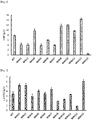
FIG. 6 shows the results of 3-HP production when using glycerol as a single carbon source by introducing pCSglpFKD and pEK-pduyE vectors into Corynebacterium glutamicum strains from which 11 types of aldehyde dehydrogenase are deleted. -
FIG. 7 shows the results of 1,3-PDO production when using glycerol as a single carbon source by introducing pCSglpFKD and pEK-pduyE vectors into Corynebacterium glutamicum strains from which 11 aldehyde dehydrogenases are deleted. - Unless defined otherwise, all technical and scientific terms used herein have the same meanings as appreciated by those skilled in the field to which the present invention pertains. In general, the nomenclature used herein is well-known in the art and is ordinarily used.
- In the present invention, a mutant Corynebacterium glutamicum having increased 1,3-PDO production ability was produced by inhibiting the production ability of 3-HP converted from the same precursor as 3-HPA, which is a precursor of 1,3-PDO, in the mutant Corynebacterium glutamicum in order to improve the 1,3-PDO yield using the mutant Corynebacterium glutamicum having 1,3-PDO production ability.
- In the present invention, the mutant Corynebacterium glutamicum having 1,3-PDO production ability was produced by introducing a gene encoding glycerol dehydrogenase, a gene encoding glycerol dehydratase, a gene encoding glycerol reactivase and a gene encoding 1,3-PDO oxidoreductase into Corynebacterium glutamicum, which does not naturally have 1,3-PDO production ability.
- The gene encoding glycerol dehydratase, the gene encoding glycerol reactivase and the gene encoding 1,3-PDO oxidoreductase used in the present invention are Klebsiella pneumoniae-derived pduCDEGH and E. coli-derived yqhD, and the 1,3-PDO production ability was determined after introducing the genes into Corynebacterium glutamicum.
- Corynebacterium glutamicum used in the present invention is a microorganism that naturally allows for glycerol diffusion, but does not allow for cell growth when using a single carbon source. For this reason, Corynebacterium glutamicum enabling cell growth from a glycerol carbon source was produced by introducing a gene encoding a glycerol facilitator, a gene encoding glycerol kinase, and a gene encoding glycerol dehydrogenase.
- In the present invention, glpF, glpK, and glpD derived from E. coli were respectively introduced as the gene encoding glycerol facilitator, the gene encoding glycerol kinase, and the gene encoding glycerol dehydrogenase.
- In the present invention, Corynebacterium glutamicum introduced with the 1,3-PDO biosynthetic metabolic pathway produces 3-HP (3-hydroxypropionic acid) as a main byproduct in addition to 1,3-PDO, and 3-HP is converted from 3-HPA (3-hydroxypropionaldehyde), which is the same precursor as 3-PDO, by an aldehyde dehydrogenase enzyme. Enzymes that specifically react strongly to 3-HPA were identified from candidate enzymes of aldehyde dehydrogenases present in Corynebacterium glutamicum, and the effects obtained through in-vivo culture were determined.
- Thus, in one aspect, the present invention is directed to a mutant microorganism having deleted or attenuated 3-HP production ability and producing 1,3-PDO from glycerol, wherein the mutant microorganism is produced by introducing (i) a gene encoding a glycerol facilitator, (ii) a gene encoding glycerol kinase and a gene encoding glycerol dehydrogenase, (iii) a gene encoding glycerol dehydratase, (iv) a gene encoding glycerol reactivase and (v) a gene encoding 1,3-PDO oxidoreductase into Corynebacterium glutamicum, and deleting or attenuating a gene encoding aldehyde dehydrogenase from the Corynebacterium glutamicum.
- In the present invention, the gene encoding aldehyde dehydrogenase, which is an enzyme involved in providing the mutant Corynebacterium glutamicum having inhibited 3-HP production ability, includes 11 candidate genes present in Corynebacterium glutamicum, namely NCgl0049, NCgl0157, Ncgl0437, NCgl0463, NCgl0521, NCgl0523, NCgl0900, NCgl2272, NCgl2578, NCgl2619, and NCgl2698.
- In the present invention, a change in 3-HP production due to deletion of the 11 candidate genes selected for 3-HP biosynthesis inhibition was determined, and a mutant Corynebacterium glutamicum having increased 1,3-PDO production was produced.
- In the present invention, at least one of the genes encoding aldehyde dehydrogenase may be deleted or attenuated.
- In the present invention, the gene encoding the glycerol facilitator, the gene encoding glycerol kinase, and the gene encoding glycerol dehydrogenase may be glpF, glpK and glpD, respectively, and the gene encoding glycerol dehydratase, the gene encoding glycerol reactivase, and the gene encoding 1,3-PDO oxidoreductase may be pduCDEG or yqhD.
- In the present invention, the introduced genes may be overexpressed by a strong promoter selected from the group consisting of tac, trc and tuf.
- As used herein, the term "intrinsic activity" refers to the activity of an enzyme that a microorganism innately has in an unmodified state, the expression "modified to have enhanced activity compared to intrinsic activity" means that an activity is newly introduced or improved compared to the enzymatic activity before modification.
- As used herein, the term "enhancement in enzymatic activity" includes not only having effects beyond original functions through new introduction of activity of enzymes or improvement thereof, but also increased enzymatic activity based on an increase in endogenous gene activity, amplification of endogenous genes due to internal or external factors, deletion of inhibitory regulatory factors of the gene expression, an increase in the number of copies of genes, introduction of genes from external sources, modification of expression regulation sequences, in particular, promoter replacement or modification, and increased enzymatic activity due to gene mutations.
- As used herein, the term "modified to have enhanced activity compared to intrinsic activity" means a state in which the activity of the microorganism after manipulation is increased compared to the activity of the microorganism before manipulation, such as the introduction of genes exhibiting activity or an increased number of copies of the corresponding gene, and deletion of inhibitory regulatory factors of gene expression or modification of expression regulation sequences, for example, the use of enhanced promoters.
- As used herein, the term "deletion" encompasses cases in which a gene is not expressed through a method of mutation, replacement or deletion of a part or the entirety of the base of the gene and cases in which the enzymatic activity thereof is not expressed even though the gene is expressed, and includes all operations for blocking biosynthetic pathways that the enzyme of the corresponding gene mediates.
- As used herein, the term "overexpression" refers to expression at a level higher than the level at which the corresponding gene in the cell is expressed in a normal state, and includes increases in expression levels by replacing promoters of genes present on the genome with stronger promoters or cloning the corresponding gene into the expression vector to transform cells therewith.
- As used herein, the term "vector" means a DNA product containing a base sequence of a polynucleotide encoding a target protein operably linked to a suitable control sequence so as to express the target protein in a suitable host. The control sequence includes a promoter capable of initiating transcription, any operator sequence for controlling such transcription, a sequence encoding a suitable mRNA ribosomal binding site, and a sequence for controlling termination of transcription and translation. After the vector is transformed into a suitable host cell, it may be replicated or perform functions independent of the host genome, and may be integrated with the genome.
- Since the plasmid is the most commonly used type of vector, the terms "plasmid" and "vector" may be used interchangeably throughout the specification of the present invention. For the purpose of the present invention, a plasmid vector is preferably used. A typical plasmid vector that can be used for this purpose includes (a) a replication origin to efficiently conduct replication such that several hundred plasmid vectors are included in each host cell, (b) an antibiotic resistance gene to screen a host cell transformed with the plasmid vector, and (c) a restriction enzyme cleavage site into which a foreign DNA fragment is inserted. Even if an appropriate restriction enzyme cleavage site is not present, the vector and foreign DNA can be easily ligated using a synthetic oligonucleotide adapter or a linker according to a conventional method.
- After ligation, the vector should be transformed into an appropriate host cell. The host cells preferred in the present invention are prokaryotic cells. Suitable prokaryotic host cells include E. coli DH5α, E. coli JM101, E. coli K12, E. coli W3110, E. coli X1776, E. coli XL-1 Blue (Stratagene), E. coli B, E. coli B21 and the like. However, E. coli strains such as FMB101, NM522, NM538 and NM539, as well as other prokaryotic species and genera, and the like, can also be used. In addition to the E. coli mentioned above, strains of the genus Agrobacterium, such as Agrobacterium A4, Bacillus strains such as Bacillus subtilis, other enterobacteria such as Salmonella typhimurium or Serratia marcescens, and various strains of the genus Pseudomonas can be used as host cells.
- Transformation of prokaryotic cells can be easily carried out using a calcium chloride method described in Section 1.82 of Sambrook et al., supra. Alternatively, electroporation (Neumann, et al., EMBO J., 1: 841, 1982) can be used for transformation of these cells.
- The vector used for overexpression of the gene according to the present invention may be any expression vector known in the art, and is preferably a pET-based vector (Novagen). When cloning is performed using the pET-based vector, histidine groups are bonded to the ends of the expressed protein, so that the protein can be effectively purified. The expressed protein can be isolated from the cloned gene through a general method known in the art, and can be specifically isolated using a chromatographic method using Ni-NTA His-conjugated resin (Novagen). In the present invention, the recombinant vector may be pET-SLTI66, and the host cell may be E. coli or Agrobacterium.
- As used herein, the term "expression control sequence" means a DNA sequence essential for the expression of a coding sequence operably linked to a particular host organism. Such a control sequence includes promoters for conducting transcription, any operator sequences for controlling such transcription, sequences for encoding suitable mRNA ribosome-binding sites, and sequences for controlling the termination of transcription and translation. For example, control sequences suitable for prokaryotes include promoters, optionally operator sequences and ribosome-binding sites. Control sequences suitable for eukaryotic cells include promoters, polyadenylation signals, and enhancers. The factor that has the greatest impact on the expression level of a gene in a plasmid is the promoter. SRα promoters, cytomegalovirus-derived promoters and the like are preferably used as promoters for high expression. Any of a wide variety of expression control sequences may be used for the vector in order to express the DNA sequences of the present invention. Useful expression control sequences include, for example, early and late promoters of SV40 or adenovirus, the lac system, the trp system, the TAC or TRC system, T3 and T7 promoters, the major operator and promoter regions of phage lambda, control regions of fd code proteins, promoters of 3-phosphoglycerate kinase or other glycol lyases, promoters of the phosphatase, such as Pho5, promoters of yeast alpha-mating systems and other sequences known to control gene expression of prokaryotic or eukaryotic cells or viruses and various combinations thereof. The T7 promoter may be useful for expressing proteins of the present invention in E. coli.
- When a nucleic acid sequence is aligned with another nucleic acid sequence based on a functional relationship, it is "operably linked" thereto. This may be gene(s) and control sequence (s) linked in such a way so as to enable gene expression when a suitable molecule (e.g., a transcriptional activator protein) is linked to the control sequence(s). For example, DNA for a pre-sequence or secretory leader is operably linked to DNA for a polypeptide, when expressed as a pre-protein involved in the secretion of the polypeptide; a promoter or enhancer is operably linked to a coding sequence when it affects the transcription of the sequence; or a ribosome-binding site is operably linked to a coding sequence when it affects the transcription of the sequence; or the ribosome-binding site is operably linked to a coding sequence when positioned to facilitate translation. Generally, "operably linked" means that the linked DNA sequence is in contact therewith, and a secretory leader is in contact therewith and is present in the reading frame. However, the enhancer need not be in contact therewith. The linkage of these sequences is carried out by ligation (linkage) at convenient restriction enzyme sites. When no such site exists, a synthetic oligonucleotide adapter or a linker according to a conventional method is used.
- As used herein, the term "expression vector" commonly refers to a recombinant carrier, into which a fragment of heterologous DNA is inserted, and generally means a fragment of double-stranded DNA. Herein, the heterologous DNA is xenogenous DNA that is not naturally found in the host cell. Once an expression vector is present in a host cell, it can replicate independently of the host chromosomal DNA, and several copies of the vector and inserted (heterologous) DNA thereof can be produced.
- As is well known in the art, in order to increase the expression level of a transgene in a host cell, the gene should be operably linked to transcriptional and translational expression control sequences that function in a selected expression host. Preferably, the expression control sequence and the corresponding gene are included in one expression vector containing both a bacterial selection marker and a replication origin. When the expression host is a eukaryotic cell, the expression vector should further include a useful expression marker in the eukaryotic expression host.
- The host cell transfected or transformed with the expression vector described above constitutes another aspect of the present invention. As used herein, the term "transfection" means introducing DNA into a host and making the DNA replicable using an extrachromosomal factor or chromosomal integration. As used herein, the term "transformation" means that an expression vector is accommodated in the host cell, regardless of whether or not any coding sequence is actually expressed.
- It should be understood that not all vectors and expression control sequences function identically in expressing the DNA sequences of the present invention. Likewise, not all hosts function identically for the same expression system. However, those skilled in the art will be able to make appropriate selection from among a variety of vectors, expression control sequences and hosts without excessive burden of experimentation and without departing from the scope of the present invention. For example, selection of a vector should be carried out in consideration of a host because the vector should be replicated therein. The number of replications of the vector, the ability to control the number of replications, and the expression of other proteins encoded by the corresponding vector, such as the expression of antibiotic markers, should also be considered. In selecting the expression control sequence, a number of factors should be considered. For example, the relative strength of the sequence, controllability, and compatibility with the DNA sequences of the present invention should be considered, particularly in relation to possible secondary structures. The single-cell host may be selected in consideration of factors such as the selected vector, the toxicity of the product encoded by the DNA sequence of the present invention, secretion characteristics, the ability to accurately fold proteins, culture and fermentation factors, and ease of purification of the product encoded by the DNA sequence according to the present invention from the host. Within the scope of these factors, those skilled in the art can select various vector/expression control sequences/host combinations capable of expressing the DNA sequences of the present invention in fermentation or large animal cultures. As a screening method for cloning cDNA of proteins through expression cloning, a binding method, a panning method, a film emulsion method or the like can be applied.
- Hereinafter, the present invention will be described in more detail with reference to examples. However, it will be obvious to those skilled in the art that these examples are provided only for illustration of the present invention and should not be construed as limiting the scope of the present invention.
- In the following Examples, only genes derived from a specific strain are given as examples of genes to be introduced, but it will be apparent to those skilled in the art that any genes may be used without limitation, as long as they are expressed in host cells into which they are to be introduced and exhibit the same activity.
- Corynebacterium glutamicum is known to be unable to grow cells using glycerol as a single carbon source. Therefore, in order to construct the glycerol decomposition metabolic pathway, the gene encoding the enzyme derived from E. coli W3110 and responsible for the glycerol decomposition metabolic pathway was first expressed using the Corynebacterium glutamicum shuttle vector, pCES208s-H36-S3.
- PCR was performed using the chromosomal DNA of E. coli W3110 (ATCC 39936) as a template and primers of SEQ ID NOS: 1 and 2 to obtain glpFK gene fragments encoding glycerol facilitator and glycerol kinase operon enzymes, and PCR was performed using primers of SEQ ID NOS: 3 and 4 to obtain glpD gene fragments encoding glycerol-3-phosphate dehydrogenase. In order to ligate the glpFK gene fragment with the glpD gene fragment, overlapping PCR was performed using the primers of SEQ ID NOS: 1 and 4 to produce a glpFKD gene fragment (SEQ ID NO: 53). In order to linearize the pCES208s-H36-S3 vector ((the vector (SEQ ID NO: 21) obtained by replacing the Km antibiotic of pCES208-H36 vector (Korean Patent Laid-open Publication No.
10-2013-0022691 FIG. 2 ).[Table 1] Primers for producing pCSglpFKD vector SEQ ID NO Nucleotide sequence SEQ ID NO: 1 
SEQ ID NO: 2 5'-GTTTCCATCTATATCTCCTTTTATTCGTCGTGTTCTTCCC-3' SEQ ID NO: 3 5'-AAGGAGATATAGATGGAAACCAAAGATCTGAT-3" SEQ ID NO: 4 
SEQ ID NO: 5 5'-TCTAGAGGCCCAGCCGGCCATTATAATTAG-3' SEQ ID NO: 6 5'-GGATCCCATGCTACTCCTACCAACCAAGGT-3' - When 1,3-PDO is produced from glycerol, 3-HPA, a produced precursor, is converted to 3-HP through the aldehyde dehydrogenase enzyme present in the cell. However, no enzyme that catalyzes the reaction to accept the precursor as a substrate in Corynebacterium glutamicum has been reported. Therefore, in order to identify the aldehyde dehydrogenase enzyme that mediates the reaction and delete the gene encoding the enzyme from the genome of the strain to thereby inhibit 3-HP biosynthesis, first, 13 kinds of aldehyde dehydrogenase enzymes present in Corynebacterium glutamicum were selected (Table 2).
- Then, in order to confirm the inhibitory effect of 3-HP biosynthesis by deletion of the genes (SEQ ID NOS: 56 to 68) encoding the 13 kinds of aldehyde dehydrogenase enzymes, first, the strain including the pTacCC1-HrT vector transformed into Corynebacterium glutamicum was produced (Cho et al., Metabolic Engineering, 42: 157-167, 2017). Then, i) pCG9ts series each containing sgRNA sequences of 12 types of genes, and ii) ssODNs each binding to 13 kinds of genes for the produced Corynebacterium glutamicum strain were produced to perform gene deletion in Corynebacterium glutamicum.
- First, using the online program CRISPy-web (Blin et al., Synthetic and Systems Biotechnology, 1(2):118-121, 2016), which analyzes the non-specific target of the guide sequence of sgRNA and provides the optimal sgRNA guide sequence, the following optimal guide sequences having a low off-target effect were selected (Table 2).
[Table 2] sgRNA guide sequences for 13 arbitrary kinds of aldehyde dehydrogenase using CRISPy-web Guide sequence Target gene sgRNA guide sequence SEQ ID NO: 7 NCgl0049 TTCGTGGACTAAGAAACGGT SEQ ID NO: 8 NCgl0157 TGCAGGATTGTAGACAGGAG SEQ ID NO: 9 NCgl0248 TTCACCTCAGAGACGATTAG SEQ ID NO: 10 NCgl0437 TGTTTGCTAAAGAGTAGGAA SEQ ID NO: 11 NCgl0463 AACTCCCCGCGAAAGATCCG SEQ ID NO: 12 NCgl0521 TTCGGAGACACACACATGTA SEQ ID NO: 13 NCgl0523 CCAGTGACTTTAGAGCTAGG SEQ ID NO: 14 NCgl0900 CCAACTGATATCGTGCTGTA SEQ ID NO: 15 NCgl1526 GTCGCCAGTGTATGCGTGAA SEQ ID NO: 16 NCgl2272 GCGCAGCAAAGCTACGTTTC SEQ ID NO: 17 NCgl2578 ATCGTCGTAAGGATTGATAT SEQ ID NO: 18 NCgl2619 GAGGTTATAGCGCCATTTAC SEQ ID NO: 19 NCgl2698 CTTGCCAATCCGATTAGAGC - In order to produce pCG9ts-series vectors including the sgRNA guide sequences (SEQ ID NOS: 7 to 19), DNA fragments targeting the NCgl0049 gene and encoding the sgRNA-Tl/TE sequence (Korea Patent Application No.
2017-0042124 2017-0042124 2017-0042124 [TABLE 3] Primers for amplifying sgRNA-Tl/TE fragments SEQ ID NO Nucleotide sequence SEQ ID NO: 20 
SEQ ID NO: 21 
SEQ ID NO: 22 AAGGTGTTGCTGACTCATACCAGGTATAGATATCCCGCGGTATA [TABLE 4] Primers for producing pCG9ts-series vectors and 13 randomly selected enzymes SEQ ID NO Gene Annotation Nucleotide sequence SEQ ID NO: 23 NCgl0049 SSADH 
SEQ ID NO: 24 NCgl0157 mqo 
SEQ ID NO: 25 NCgl0248 asd 
SEQ ID NO: 26 NCgl0437 
SEQ ID NO: 27 NCgl0463 SSADH 
SEQ ID NO: 28 NCgl0521 
SEQ ID NO: 29 NCgl0523 betB 
SEQ ID NO: 30 NCgl0900 gapB 
SEQ ID NO: 31 NCgl1526 gapA 
SEQ ID NO: 32 NCgl2272 proA 
SEQ ID NO: 33 NCgl2578 vdh 
SEQ ID NO: 34 NCgl2619 gabD2/ssad h 
SEQ ID NO: 35 NCgl2698 aid 
- SsODN for deleting 13 arbitrary kinds of target genes was designed so that the site where the guide sequence of sgRNA binds was located between the two binding sequences of ssODN, and the total length was 80 nucleotides (Table 5). At this time, ssODN consists of a 5'-homology arm and a 3'-homology arm, and each homology arm is 40 base pairs, and was designed to bind to the outer parts of both ends of the target gene region including a sequence complementary to the guide sequence of sgRNA. When ssODN binds to the target, a loop structure is formed, and this part becomes a region where deletion occurs. The length of the deletion region was designed to have 100 base pairs so that deletion of the target gene could be easily detected through PCR.
[Table 5] SsODN sequences binding to arbitrary 13 kinds of aldehyde dehydrogenase genes SEQ ID NO Nucleotide sequence SEQ ID NO: 36 
SEQ ID NO: 37 
SEQ ID NO: 38 
SEQ ID NO: 39 
SEQ ID NO: 40 
SEQ ID NO: 41 
SEQ ID NO: 42 
SEQ ID NO: 43 
SEQ ID NO: 44 
SEQ ID NO: 45 
SEQ ID NO: 46 
SEQ ID NO: 47 
SEQ ID NO: 48 
- The pCG9ts-ALD vectors and ssODN produced in Examples 2-1 and 2-2 were each transformed into wild-type Corynebacterium glutamicum (ATCC 13032) in order to delete the genes encoding arbitrary 13 kinds of aldehyde dehydrogenase that were expected to be involved in 3-HP biosynthesis from the genome. Then, for the transformed mutant Corynebacterium glutamicum strains, a pTacCC1-HrT vector (Korean Patent Application No.
2017-0042124 [TABLE 6] 11 kinds of arbitrary aldehyde dehydrogenase-deleted Corynebacterium glutamicum strains Name of strain Genotype WT C. glutamicum ATCC 13032 WAH1 WT NCgl0049 WAH2 WT NCgl0157 WAH4 WT NCgl0437 WAH5 WT NCgl0463 WAH6 WT NCgl0521 WAH7 WT NCgl0523 WAH8 WT NCgl0900 WAH10 WT NCgl2272 WAH11 WT NCgl2578 WAH12 WT NCg/2619 WAH13 WT NCgl2698 - In order to construct the 1,3-PDO biosynthetic metabolic pathway, Klebsiella pneumoniae DSMZ2026 (KCTC 4952) and E. coli W3110-derived foreign enzymes were expressed using the pEKEx1 shuttle vector of Corynebacterium glutamicum (Eikmanns et al., Gene 102: 93, 1991, SEQ ID NO: 58).
- First, PCR was performed using the chromosomal DNA of the DSMZ2026 strain of Klebsiella pneumoniae as a template and primers of SEQ ID NOS: 49 and 50 to obtain a pduCDEGH gene cluster fragment (SEQ ID NO: 59) encoding glycerol dehydratase and glycerol reactivase. In order to ligate the obtained pduCDEGH gene fragment with the pEKEx1 vector as a shuttle vector, a pEK-pdu vector was produced by treatment with the restriction enzymes EcoRI and PstI, and then ligation using Gibson assembly (
FIG. 4 ). - Then, PCR was performed using the pTac15kyqhD recombinant vector (a recombinant vector (SEQ ID NO: 60) obtained by inserting yqhD derived from E. coli W3110 into a pTac15k vector (originated from p15A, tac promoter, KmR), as a template and primers of SEQ ID NOS: 51 and 52 to obtain a yqhD gene fragment encoding 1,3-PDO oxidoreductase.
- In order to ligate the obtained gene fragment with the pEK-pdu vector, a pEK-pduyE vector was produced by treatment with the DraI restriction enzyme and ligation using Gibson assembly (
FIG. 5 ).[Table 7] Primers for producing pEK-pduyE vectors SEQ ID NO Nucleotide sequence SEQ ID NO: 49 
SEQ ID NO: 50 
SEQ ID NO: 51 5'-TTCCAATGATGAGCACTTTTTTGACAATTAAT-3' SEQ ID NO: 52 
- Each strain prepared in Example 3-1 was transformed with the pCSglpFKD vector for constructing a glycerol-degrading metabolic pathway and pEK-pduyE for constructing a 1,3-PDO biosynthetic metabolic pathway. Then, selection was conducted on a BHIS plate medium (containing 37 g/L of brain heart infusion (BHI), 91 g/L of sorbitol and 15 g/L of agar) supplemented with 25 µg/L of Kanamycin and 200 µg/L of Spectinomycin. The 11 transformed mutant microorganisms were inoculated into a test tube containing 10 mL BHIS medium (containing 37 g/L of brain heart infusion (BHI) and 91 g/L of sorbitol) and pre-cultured at 30°C for 16 hours. Then, 1 mL of the pre-cultured solution was inoculated into 25 mL of CGXII medium (Table 8) in a 250 mL baffle flask and cultured. The initial glycerol concentration was set to 40 g/L, and 10 g/L of yeast extract in the medium was added, and flask culture was performed in triplicate for 48 hours.
[Table 8] Components of CGXII medium used for culture of Corynebacterium glutamicum Components of CGXII-glycerol medium Concentration CaCl2·2H2O 13 mg/L FeSO4·7H2O 10 mg/L MnSO4·5H2O 14 mg/L ZnSO4·7H2O 1 mg/L CuSO4·5H2O 300 µg/L NiCl2·6H2O 20 µg/L (NH4)2SO4 20 g/L Urea 2 g/L KH2PO4 1 g/L K2HPO4 1 g/ L Biotin 200 µg/L Thiamine 500 µg/L Protocatechuic acid 30 mg/L MOPS 42 g/L Glycerol 40 g/ L Spectinomycin 200 µg/L - The HPLC conditions used to measure the 3-HP concentration are as follows. First, an Agilent 1100 series HPLC instrument was used, and a DAD detector, an agilent MetaCarb 87H column, and another UV 210 nm detector were used as detectors and a column. At this time, 0.1% H3PO4 was fed as a buffer at a flow rate of 0.5 mL/min at 40°C. Next, Waters 1515 high performance liquid chromatography (Waters 1 Co., Milford, MA, USA) was used for the measurement of 1,3-PDO. The detectors and column used herein were Waters 2414 refractive index detectors and A MetaCarb 87H column (300 by 7.8 mm; Agilent) . At this time, 0.01N H2SO4 was fed as a buffer at a flow rate of 0.5 mL/min at 35°C.
- As a result, as can be seen from
FIGS. 6 and 7 , the strain transformed with the pCSglpFKD vector and the pEK-pduyE vector from the WAH13 strain the most inhibited 3-HP production and thus the most increased 1,3-PDO production. In addition, it can be seen that WAH1, WAH2, WAH5, WAH6 and WAH7 also exhibited inhibited 3-HP production and increased 1,3-PDO production. - The mutant Corynebacterium glutamicum according to the present invention can produce 1,3-PDO with high efficiency using inexpensive glycerol as a carbon source through inhibition of the ability to produce 3-HP, a by-product.
- Although specific configurations of the present invention have been described in detail, those skilled in the art will appreciate that this description is provided to set forth preferred embodiments for illustrative purposes and should not be construed as limiting the scope of the present invention. Therefore, the substantial scope of the present invention is defined by the accompanying claims and equivalents thereto.
- An electronic file was attached.





Claims (6)
- A mutant microorganism having deleted or attenuated 3-HP production ability and producing 1,3-PDO from glycerol, in which (i) a gene encoding a glycerol facilitator, (ii) a gene encoding glycerol kinase and a gene encoding glycerol dehydrogenase, (iii) a gene encoding glycerol dehydratase, (iv) a gene encoding glycerol reactivase and (v) a gene encoding 1,3-PDO oxidoreductase are introduced into Corynebacterium glutamicum, and a gene encoding aldehyde dehydrogenase is deleted or attenuated from the Corynebacterium glutamicum.
- The mutant microorganism according to claim 1, wherein the gene encoding aldehyde dehydrogenase is selected from the group consisting of NCgl0049, NCgl0157, Ncgl0437, NCgl0463, NCgl0521, NCgl0523, NCgl0900, NCgl2272, NCgl2578, NCgl2619 and NCgl2698.
- The mutant microorganism according to claim 1, wherein the gene encoding a glycerol facilitator, the gene encoding glycerol kinase, and the gene encoding glycerol dehydrogenase are glpF, glpK and glpD, respectively.
- The mutant microorganism according to claim 1, wherein the gene encoding glycerol dehydratase and the gene encoding glycerol reactivase, are pduCDEG clusters and the gene encoding 1,3-PDO oxidoreductase is yqhD.
- The mutant microorganism according to claim 1, wherein the introduced genes are overexpressed by a strong promoter selected from the group consisting of tac, trc and tuf.
- A method of producing 1,3-PDO from glycerol comprising:(a) culturing the mutant microorganism according to any one of claims 1 to 5 in a glycerol-containing medium to produce 1,3-PDO; and(b) collecting the produced 1,3-PDO.
Applications Claiming Priority (2)
| Application Number | Priority Date | Filing Date | Title |
|---|---|---|---|
| KR1020180058952A KR102201720B1 (en) | 2018-05-24 | 2018-05-24 | Recombinant Corynebacterium Producing 1,3-PDO and Inhibited 3-HP Production and Method for Preparing 1,3-PDO Using Thereof |
| PCT/KR2019/004961 WO2019225865A1 (en) | 2018-05-24 | 2019-04-24 | Recombinant corynebacterium having 1,3-pdo productivity and reduced 3-hp productivity, and method for producing 1,3-pdo by using same |
Publications (2)
| Publication Number | Publication Date |
|---|---|
| EP3822354A1 true EP3822354A1 (en) | 2021-05-19 |
| EP3822354A4 EP3822354A4 (en) | 2022-03-30 |
Family
ID=68615620
Family Applications (1)
| Application Number | Title | Priority Date | Filing Date |
|---|---|---|---|
| EP19808016.0A Pending EP3822354A4 (en) | 2018-05-24 | 2019-04-24 | RECOMBINANT CORYNEBACTERIUM WITH 1,3-PDO PRODUCTIVITY AND REDUCED 3-HP PRODUCTIVITY AND METHOD OF PRODUCTION OF 1,3-PDO USING THESE |
Country Status (6)
| Country | Link |
|---|---|
| US (1) | US11473111B2 (en) |
| EP (1) | EP3822354A4 (en) |
| JP (1) | JP7046229B2 (en) |
| KR (1) | KR102201720B1 (en) |
| CN (1) | CN113166772B (en) |
| WO (1) | WO2019225865A1 (en) |
Families Citing this family (4)
| Publication number | Priority date | Publication date | Assignee | Title |
|---|---|---|---|---|
| CN114107144B (en) * | 2021-11-04 | 2023-09-12 | 清华大学 | Recombinant microorganism with few byproducts and high yield of 1, 3-propanediol and application thereof |
| CN115074378B (en) * | 2022-06-13 | 2023-10-20 | 天津大学 | Corynebacterium glutamicum strain capable of producing 3-hydroxy propionic acid in high yield, construction method and application |
| CN117965473B (en) * | 2024-03-29 | 2024-06-18 | 珠海麦得发生物科技股份有限公司 | A dehydrogenase system and its application in preparing P34HB |
| KR20250161102A (en) * | 2024-05-07 | 2025-11-17 | 지에스칼텍스 주식회사 | A recombinant microorganism with improved glycerol utilization ability and the method of utilizing glycerol using the same |
Family Cites Families (15)
| Publication number | Priority date | Publication date | Assignee | Title |
|---|---|---|---|---|
| EP1204755B1 (en) | 1999-08-18 | 2006-08-09 | E.I. Du Pont De Nemours And Company | Process for the biological production of 1,3-propanediol |
| BRPI0622099A2 (en) | 2006-10-31 | 2011-12-27 | Metabolic Explorer Sa | Process for the biological production of 1,3-propanediol from high yield glycerol |
| KR100830826B1 (en) | 2007-01-24 | 2008-05-19 | 씨제이제일제당 (주) | Method for producing fermentation products from carbon source including glycerol using corynebacteria |
| KR101146080B1 (en) | 2008-05-19 | 2012-05-15 | 씨제이제일제당 (주) | A microorganism of corynebacterium genus using carbon sources containing glycerol and process for producing fermentation product using them |
| CN102933715B (en) | 2009-10-29 | 2015-04-29 | 韩国生命工学研究院 | Process for producing 3-hydroxypropionic acid from glycerol |
| KR20120099315A (en) * | 2011-01-26 | 2012-09-10 | 삼성전자주식회사 | Recombinant microorganism for simultaneously producing 3-hydroxypropionic acid and 1,3-propandiol |
| WO2012177599A2 (en) * | 2011-06-22 | 2012-12-27 | Genomatica, Inc. | Microorganisms for producing n-propanol 1, 3-propanediol, 1,2-propanediol or glycerol and methods related thereto |
| KR101312048B1 (en) | 2011-08-26 | 2013-09-25 | 서울대학교산학협력단 | A Method for Inducing Vascular-lineage or Myogenic-lineage Differentiation of Stem Cells |
| US9017961B2 (en) * | 2012-03-05 | 2015-04-28 | E.I. Du Pont De Nemours And Company | Recombinant bacteria comprising novel sucrose transporters |
| US9909150B2 (en) * | 2012-11-05 | 2018-03-06 | Genomatica, Inc. | Microorganisms and methods for enhancing the availability of reducing equivalents in the presence of methanol, and for producing 1,2-propanediol, n-propanol, 1,3-propanediol, or glycerol related thereto |
| JP2015130808A (en) | 2014-01-10 | 2015-07-23 | 株式会社ダイセル | Recombinant microorganisms that produce alkyl diol with high selectivity from fermentable substrates and uses thereof |
| KR101789379B1 (en) | 2015-10-08 | 2017-10-25 | (주)우리찬 | Color furikake composition |
| CN105400831B (en) | 2015-12-07 | 2019-02-05 | 清华大学 | Method for co-producing 1, 3-propylene glycol and glutamic acid by using recombinant corynebacterium glutamicum |
| KR102118705B1 (en) | 2017-03-31 | 2020-06-04 | 한국과학기술원 | Method of Preparing Corynebacterium Variant Based on CRISPR/Cas System, Recombinase, and ssODN |
| KR102103408B1 (en) | 2018-01-16 | 2020-04-23 | 한국과학기술원 | Variant Microorganism Producing 1,3-propanediol and Method for Preparing 1,3-propanediol Using thereof |
-
2018
- 2018-05-24 KR KR1020180058952A patent/KR102201720B1/en active Active
-
2019
- 2019-04-24 EP EP19808016.0A patent/EP3822354A4/en active Pending
- 2019-04-24 WO PCT/KR2019/004961 patent/WO2019225865A1/en not_active Ceased
- 2019-04-24 JP JP2020565891A patent/JP7046229B2/en active Active
- 2019-04-24 CN CN201980044658.3A patent/CN113166772B/en active Active
- 2019-04-24 US US17/055,971 patent/US11473111B2/en active Active
Also Published As
| Publication number | Publication date |
|---|---|
| JP2021523731A (en) | 2021-09-09 |
| EP3822354A4 (en) | 2022-03-30 |
| KR20190133940A (en) | 2019-12-04 |
| JP7046229B2 (en) | 2022-04-01 |
| CN113166772B (en) | 2024-05-07 |
| CN113166772A (en) | 2021-07-23 |
| US20210214753A1 (en) | 2021-07-15 |
| KR102201720B1 (en) | 2021-01-12 |
| WO2019225865A1 (en) | 2019-11-28 |
| US11473111B2 (en) | 2022-10-18 |
Similar Documents
| Publication | Publication Date | Title |
|---|---|---|
| CA2679989C (en) | New micro-organisms for the production of 1,2-propanediol obtained by a combination of evolution and rational design | |
| US11473111B2 (en) | Recombinant Corynebacterium having 1,3-PDO productivity and reduced 3-HP productivity, and method for producing 1,3-PDO by using same | |
| WO2009115114A1 (en) | Polypeptide having glyoxylase iii activity, polynucleotide encoding the same and uses thereof | |
| CN112204146A (en) | Acid-tolerant yeast having inhibited ethanol production pathway and method for producing lactic acid using the same | |
| US8338148B2 (en) | Method of producing 1,3-propanediol using recombinant Klebsiella strain in which glycerol oxidative pathway has been blocked | |
| KR101521045B1 (en) | Recombinant microorganisms for producing organic acids | |
| US11898188B2 (en) | Mutant microorganism having ability to produce 1,3-propanediol, and method for preparing 1,3-PDO by using same | |
| JP2017534268A (en) | Modified microorganisms and methods for the production of useful products | |
| US9090919B2 (en) | Method of producing 3-hydroxypropionic acid from glycerol | |
| TWI515293B (en) | Recombinant escherichia coli having enhanced acetyl-coenzyme a synthetase activity for producing glyerol and glycerol-derived products | |
| KR102603624B1 (en) | Microorganisms with production capacity of 3-hydroxypropionic acid from glucose and uses thereof | |
| KR20230081847A (en) | Method for producing 3-hydroxypropionic acid from glucose | |
| US20230265466A1 (en) | Method for preparing 3-hydroxypropionic acid through two steps | |
| KR101505172B1 (en) | 3-hydroxypropionic acid-producing recombinant microorganism and method of producing 3-hydroxypropionic acid using the same | |
| KR102659292B1 (en) | 5'-UTR for improving conversion of glucose to glycerol and uses thereof | |
| KR102802031B1 (en) | Method for improving conversion of glucose to glycerol using CRISPR system | |
| KR101743021B1 (en) | Method for Preparing L-type 2,3-Butandiol Using Mutant Microorganism | |
| KR20200136242A (en) | Use of inducible promoter for improving conversion of glucose to glycerol | |
| US20260043033A1 (en) | Microorganism simultaneously producing 1,3-propanediol and 3-hydroxypropionic acid, and use thereof | |
| KR20250116828A (en) | Recombinant microorganism for producing 3-hydroxypropionic acid with high production ability | |
| KR20240125746A (en) | Recombinant microorganism for producing 3-hydroxypropionic acid | |
| KR20220089528A (en) | E.coli strain with increased 3-hydroxypropionic acid production and method for producing 3-hydroxypropionic acid using the same | |
| KR20230036587A (en) | Microorganism with increased production capacity of 1,3-propanediol from glucose or use thereof | |
| KR20250135941A (en) | Two-step method producing 1,3-propanediol using microorganisms capable of producing 1,3-propanediol | |
| KR20220061746A (en) | Microorganism in which glyceraldehyde-3-phosphate dehydrogenase activity is weakened and method for producing of 3-hydroxypropionic acid using the same |
Legal Events
| Date | Code | Title | Description |
|---|---|---|---|
| STAA | Information on the status of an ep patent application or granted ep patent |
Free format text: STATUS: THE INTERNATIONAL PUBLICATION HAS BEEN MADE |
|
| PUAI | Public reference made under article 153(3) epc to a published international application that has entered the european phase |
Free format text: ORIGINAL CODE: 0009012 |
|
| STAA | Information on the status of an ep patent application or granted ep patent |
Free format text: STATUS: REQUEST FOR EXAMINATION WAS MADE |
|
| 17P | Request for examination filed |
Effective date: 20201216 |
|
| AK | Designated contracting states |
Kind code of ref document: A1 Designated state(s): AL AT BE BG CH CY CZ DE DK EE ES FI FR GB GR HR HU IE IS IT LI LT LU LV MC MK MT NL NO PL PT RO RS SE SI SK SM TR |
|
| DAV | Request for validation of the european patent (deleted) | ||
| DAX | Request for extension of the european patent (deleted) | ||
| REG | Reference to a national code |
Ref country code: DE Ref legal event code: R079 Free format text: PREVIOUS MAIN CLASS: C12N0015770000 Ipc: C12N0009020000 |
|
| A4 | Supplementary search report drawn up and despatched |
Effective date: 20220228 |
|
| RIC1 | Information provided on ipc code assigned before grant |
Ipc: C12N 15/77 20060101ALI20220222BHEP Ipc: C12N 15/67 20060101ALI20220222BHEP Ipc: C12P 7/18 20060101ALI20220222BHEP Ipc: C07K 14/245 20060101ALI20220222BHEP Ipc: C12N 15/52 20060101ALI20220222BHEP Ipc: C12N 9/88 20060101ALI20220222BHEP Ipc: C12N 9/12 20060101ALI20220222BHEP Ipc: C12N 9/04 20060101ALI20220222BHEP Ipc: C12N 9/02 20060101AFI20220222BHEP |