EP3816155A1 - Ester nitrates derivatives of aromatic aldehydes with multiple pharmalogic properties to treat sickle cell disease - Google Patents
Ester nitrates derivatives of aromatic aldehydes with multiple pharmalogic properties to treat sickle cell disease Download PDFInfo
- Publication number
- EP3816155A1 EP3816155A1 EP20213860.8A EP20213860A EP3816155A1 EP 3816155 A1 EP3816155 A1 EP 3816155A1 EP 20213860 A EP20213860 A EP 20213860A EP 3816155 A1 EP3816155 A1 EP 3816155A1
- Authority
- EP
- European Patent Office
- Prior art keywords
- compound
- arh
- compounds
- salts
- sickling
- Prior art date
- Legal status (The legal status is an assumption and is not a legal conclusion. Google has not performed a legal analysis and makes no representation as to the accuracy of the status listed.)
- Withdrawn
Links
- 208000007056 sickle cell anemia Diseases 0.000 title claims description 27
- -1 Ester nitrates derivatives Chemical class 0.000 title abstract description 18
- 150000003934 aromatic aldehydes Chemical class 0.000 title description 12
- 150000001875 compounds Chemical class 0.000 claims abstract description 113
- 150000003839 salts Chemical class 0.000 claims description 24
- 125000000217 alkyl group Chemical group 0.000 claims description 10
- 229910052757 nitrogen Inorganic materials 0.000 claims description 10
- 125000003545 alkoxy group Chemical group 0.000 claims description 9
- 125000003118 aryl group Chemical group 0.000 claims description 9
- 229910052799 carbon Inorganic materials 0.000 claims description 9
- 229910052736 halogen Inorganic materials 0.000 claims description 9
- 150000002367 halogens Chemical class 0.000 claims description 9
- 229910004679 ONO2 Inorganic materials 0.000 claims description 7
- 125000001893 nitrooxy group Chemical group [O-][N+](=O)O* 0.000 claims description 7
- 238000000034 method Methods 0.000 abstract description 23
- QVGXLLKOCUKJST-UHFFFAOYSA-N atomic oxygen Chemical compound [O] QVGXLLKOCUKJST-UHFFFAOYSA-N 0.000 abstract description 18
- 229910052760 oxygen Inorganic materials 0.000 abstract description 18
- 239000001301 oxygen Substances 0.000 abstract description 18
- 230000001965 increasing effect Effects 0.000 abstract description 12
- 208000024891 symptom Diseases 0.000 abstract description 5
- 230000000144 pharmacologic effect Effects 0.000 abstract description 4
- 201000004224 Schnyder corneal dystrophy Diseases 0.000 abstract 3
- XEKOWRVHYACXOJ-UHFFFAOYSA-N Ethyl acetate Chemical compound CCOC(C)=O XEKOWRVHYACXOJ-UHFFFAOYSA-N 0.000 description 34
- MWUXSHHQAYIFBG-UHFFFAOYSA-N Nitric oxide Chemical compound O=[N] MWUXSHHQAYIFBG-UHFFFAOYSA-N 0.000 description 30
- HEDRZPFGACZZDS-MICDWDOJSA-N Trichloro(2H)methane Chemical compound [2H]C(Cl)(Cl)Cl HEDRZPFGACZZDS-MICDWDOJSA-N 0.000 description 30
- RTZKZFJDLAIYFH-UHFFFAOYSA-N Diethyl ether Chemical compound CCOCC RTZKZFJDLAIYFH-UHFFFAOYSA-N 0.000 description 27
- 239000000243 solution Substances 0.000 description 23
- 230000015572 biosynthetic process Effects 0.000 description 22
- 210000003743 erythrocyte Anatomy 0.000 description 19
- 235000019439 ethyl acetate Nutrition 0.000 description 17
- 239000011541 reaction mixture Substances 0.000 description 16
- 238000003786 synthesis reaction Methods 0.000 description 16
- 210000004369 blood Anatomy 0.000 description 15
- 239000008280 blood Substances 0.000 description 15
- 230000000694 effects Effects 0.000 description 15
- LPXPTNMVRIOKMN-UHFFFAOYSA-M sodium nitrite Chemical compound [Na+].[O-]N=O LPXPTNMVRIOKMN-UHFFFAOYSA-M 0.000 description 14
- 238000011534 incubation Methods 0.000 description 13
- YMWUJEATGCHHMB-UHFFFAOYSA-N Dichloromethane Chemical compound ClCCl YMWUJEATGCHHMB-UHFFFAOYSA-N 0.000 description 12
- IAZDPXIOMUYVGZ-UHFFFAOYSA-N Dimethylsulphoxide Chemical compound CS(C)=O IAZDPXIOMUYVGZ-UHFFFAOYSA-N 0.000 description 12
- 230000002869 anti-sickling effect Effects 0.000 description 12
- 239000012043 crude product Substances 0.000 description 12
- 230000002829 reductive effect Effects 0.000 description 11
- 238000003756 stirring Methods 0.000 description 11
- XLYOFNOQVPJJNP-UHFFFAOYSA-N water Substances O XLYOFNOQVPJJNP-UHFFFAOYSA-N 0.000 description 11
- 238000005160 1H NMR spectroscopy Methods 0.000 description 10
- 210000004027 cell Anatomy 0.000 description 10
- 238000004440 column chromatography Methods 0.000 description 10
- 239000003208 petroleum Substances 0.000 description 10
- UWLIBEZCMHUQPU-UHFFFAOYSA-N 2-[[6-(hydroxymethyl)pyridin-2-yl]methoxy]-5-methoxybenzaldehyde Chemical compound O=CC1=CC(OC)=CC=C1OCC1=CC=CC(CO)=N1 UWLIBEZCMHUQPU-UHFFFAOYSA-N 0.000 description 9
- 108010054147 Hemoglobins Proteins 0.000 description 9
- 102000001554 Hemoglobins Human genes 0.000 description 9
- 238000002835 absorbance Methods 0.000 description 9
- 125000002485 formyl group Chemical group [H]C(*)=O 0.000 description 9
- 125000000956 methoxy group Chemical group [H]C([H])([H])O* 0.000 description 9
- 239000000203 mixture Substances 0.000 description 9
- 239000007787 solid Substances 0.000 description 9
- 238000012360 testing method Methods 0.000 description 9
- XFFOVDHRGNNFGD-UHFFFAOYSA-N COc1ccc(C=O)c(OCc2cccc(CO)n2)c1 Chemical compound COc1ccc(C=O)c(OCc2cccc(CO)n2)c1 XFFOVDHRGNNFGD-UHFFFAOYSA-N 0.000 description 8
- 230000005764 inhibitory process Effects 0.000 description 8
- 229910001868 water Inorganic materials 0.000 description 8
- 238000001644 13C nuclear magnetic resonance spectroscopy Methods 0.000 description 7
- 239000007832 Na2SO4 Substances 0.000 description 7
- PMZURENOXWZQFD-UHFFFAOYSA-L Sodium Sulfate Chemical compound [Na+].[Na+].[O-]S([O-])(=O)=O PMZURENOXWZQFD-UHFFFAOYSA-L 0.000 description 7
- FAPWRFPIFSIZLT-UHFFFAOYSA-M Sodium chloride Chemical compound [Na+].[Cl-] FAPWRFPIFSIZLT-UHFFFAOYSA-M 0.000 description 7
- 239000012267 brine Substances 0.000 description 7
- 238000004128 high performance liquid chromatography Methods 0.000 description 7
- 229910052938 sodium sulfate Inorganic materials 0.000 description 7
- HPALAKNZSZLMCH-UHFFFAOYSA-M sodium;chloride;hydrate Chemical compound O.[Na+].[Cl-] HPALAKNZSZLMCH-UHFFFAOYSA-M 0.000 description 7
- 229940124574 antisickling agent Drugs 0.000 description 6
- BWHMMNNQKKPAPP-UHFFFAOYSA-L potassium carbonate Chemical compound [K+].[K+].[O-]C([O-])=O BWHMMNNQKKPAPP-UHFFFAOYSA-L 0.000 description 6
- SQGYOTSLMSWVJD-UHFFFAOYSA-N silver(1+) nitrate Chemical compound [Ag+].[O-]N(=O)=O SQGYOTSLMSWVJD-UHFFFAOYSA-N 0.000 description 6
- 239000011734 sodium Substances 0.000 description 6
- HJUGFYREWKUQJT-UHFFFAOYSA-N tetrabromomethane Chemical compound BrC(Br)(Br)Br HJUGFYREWKUQJT-UHFFFAOYSA-N 0.000 description 6
- RIOQSEWOXXDEQQ-UHFFFAOYSA-N triphenylphosphine Chemical compound C1=CC=CC=C1P(C=1C=CC=CC=1)C1=CC=CC=C1 RIOQSEWOXXDEQQ-UHFFFAOYSA-N 0.000 description 6
- NOEGNKMFWQHSLB-UHFFFAOYSA-N 5-hydroxymethylfurfural Chemical compound OCC1=CC=C(C=O)O1 NOEGNKMFWQHSLB-UHFFFAOYSA-N 0.000 description 5
- 229910002651 NO3 Inorganic materials 0.000 description 5
- 238000003556 assay Methods 0.000 description 5
- 150000003840 hydrochlorides Chemical class 0.000 description 5
- 238000005259 measurement Methods 0.000 description 5
- 230000003389 potentiating effect Effects 0.000 description 5
- WEVYAHXRMPXWCK-UHFFFAOYSA-N Acetonitrile Chemical compound CC#N WEVYAHXRMPXWCK-UHFFFAOYSA-N 0.000 description 4
- CIWBSHSKHKDKBQ-JLAZNSOCSA-N Ascorbic acid Chemical compound OC[C@H](O)[C@H]1OC(=O)C(O)=C1O CIWBSHSKHKDKBQ-JLAZNSOCSA-N 0.000 description 4
- VEXZGXHMUGYJMC-UHFFFAOYSA-N Hydrochloric acid Chemical compound Cl VEXZGXHMUGYJMC-UHFFFAOYSA-N 0.000 description 4
- XUJNEKJLAYXESH-REOHCLBHSA-N L-Cysteine Chemical compound SC[C@H](N)C(O)=O XUJNEKJLAYXESH-REOHCLBHSA-N 0.000 description 4
- NBIIXXVUZAFLBC-UHFFFAOYSA-N Phosphoric acid Chemical compound OP(O)(O)=O NBIIXXVUZAFLBC-UHFFFAOYSA-N 0.000 description 4
- UIIMBOGNXHQVGW-UHFFFAOYSA-M Sodium bicarbonate Chemical class [Na+].OC([O-])=O UIIMBOGNXHQVGW-UHFFFAOYSA-M 0.000 description 4
- 239000007983 Tris buffer Substances 0.000 description 4
- 210000000227 basophil cell of anterior lobe of hypophysis Anatomy 0.000 description 4
- WPYMKLBDIGXBTP-UHFFFAOYSA-N benzoic acid Chemical compound OC(=O)C1=CC=CC=C1 WPYMKLBDIGXBTP-UHFFFAOYSA-N 0.000 description 4
- 239000003153 chemical reaction reagent Substances 0.000 description 4
- 230000003247 decreasing effect Effects 0.000 description 4
- 229940079593 drug Drugs 0.000 description 4
- 239000003814 drug Substances 0.000 description 4
- 230000003993 interaction Effects 0.000 description 4
- 239000012528 membrane Substances 0.000 description 4
- LENZDBCJOHFCAS-UHFFFAOYSA-N tris Chemical compound OCC(N)(CO)CO LENZDBCJOHFCAS-UHFFFAOYSA-N 0.000 description 4
- MZOFCQQQCNRIBI-VMXHOPILSA-N (3s)-4-[[(2s)-1-[[(2s)-1-[[(1s)-1-carboxy-2-hydroxyethyl]amino]-4-methyl-1-oxopentan-2-yl]amino]-5-(diaminomethylideneamino)-1-oxopentan-2-yl]amino]-3-[[2-[[(2s)-2,6-diaminohexanoyl]amino]acetyl]amino]-4-oxobutanoic acid Chemical compound OC[C@@H](C(O)=O)NC(=O)[C@H](CC(C)C)NC(=O)[C@H](CCCN=C(N)N)NC(=O)[C@H](CC(O)=O)NC(=O)CNC(=O)[C@@H](N)CCCCN MZOFCQQQCNRIBI-VMXHOPILSA-N 0.000 description 3
- QTBSBXVTEAMEQO-UHFFFAOYSA-N Acetic acid Chemical compound CC(O)=O QTBSBXVTEAMEQO-UHFFFAOYSA-N 0.000 description 3
- 102000004506 Blood Proteins Human genes 0.000 description 3
- 108010017384 Blood Proteins Proteins 0.000 description 3
- RBYUTFRYZLXKLB-UHFFFAOYSA-N COc1ccc(C=O)c(OCc2cccc(CBr)n2)c1 Chemical compound COc1ccc(C=O)c(OCc2cccc(CBr)n2)c1 RBYUTFRYZLXKLB-UHFFFAOYSA-N 0.000 description 3
- RLHOFEQZTYFEAM-UHFFFAOYSA-N COc1ccc(C=O)cc1OCc1cccc(CBr)n1 Chemical compound COc1ccc(C=O)cc1OCc1cccc(CBr)n1 RLHOFEQZTYFEAM-UHFFFAOYSA-N 0.000 description 3
- MYAICHFSWNTQGK-UHFFFAOYSA-N COc1ccc(OCc2cccc(CBr)n2)c(C=O)c1 Chemical compound COc1ccc(OCc2cccc(CBr)n2)c(C=O)c1 MYAICHFSWNTQGK-UHFFFAOYSA-N 0.000 description 3
- KCXVZYZYPLLWCC-UHFFFAOYSA-N EDTA Chemical compound OC(=O)CN(CC(O)=O)CCN(CC(O)=O)CC(O)=O KCXVZYZYPLLWCC-UHFFFAOYSA-N 0.000 description 3
- VSNHCAURESNICA-UHFFFAOYSA-N Hydroxyurea Chemical compound NC(=O)NO VSNHCAURESNICA-UHFFFAOYSA-N 0.000 description 3
- MUBZPKHOEPUJKR-UHFFFAOYSA-N Oxalic acid Chemical compound OC(=O)C(O)=O MUBZPKHOEPUJKR-UHFFFAOYSA-N 0.000 description 3
- 239000002262 Schiff base Substances 0.000 description 3
- 150000004753 Schiff bases Chemical class 0.000 description 3
- VYPSYNLAJGMNEJ-UHFFFAOYSA-N Silicium dioxide Chemical compound O=[Si]=O VYPSYNLAJGMNEJ-UHFFFAOYSA-N 0.000 description 3
- 108060008682 Tumor Necrosis Factor Proteins 0.000 description 3
- 102000000852 Tumor Necrosis Factor-alpha Human genes 0.000 description 3
- JLYYQZROGJLCCS-UHFFFAOYSA-N [6-(bromomethyl)pyridin-2-yl]methanol Chemical compound OCC1=CC=CC(CBr)=N1 JLYYQZROGJLCCS-UHFFFAOYSA-N 0.000 description 3
- 210000002565 arteriole Anatomy 0.000 description 3
- 239000012636 effector Substances 0.000 description 3
- 238000005534 hematocrit Methods 0.000 description 3
- 229960001330 hydroxycarbamide Drugs 0.000 description 3
- 238000006116 polymerization reaction Methods 0.000 description 3
- 239000013641 positive control Substances 0.000 description 3
- 229910000027 potassium carbonate Inorganic materials 0.000 description 3
- 239000002243 precursor Substances 0.000 description 3
- 102000004169 proteins and genes Human genes 0.000 description 3
- 108090000623 proteins and genes Proteins 0.000 description 3
- RADKZDMFGJYCBB-UHFFFAOYSA-N pyridoxal hydrochloride Natural products CC1=NC=C(CO)C(C=O)=C1O RADKZDMFGJYCBB-UHFFFAOYSA-N 0.000 description 3
- 229910001961 silver nitrate Inorganic materials 0.000 description 3
- 239000011780 sodium chloride Substances 0.000 description 3
- 235000012141 vanillin Nutrition 0.000 description 3
- FGQOOHJZONJGDT-UHFFFAOYSA-N vanillin Natural products COC1=CC(O)=CC(C=O)=C1 FGQOOHJZONJGDT-UHFFFAOYSA-N 0.000 description 3
- WZUODJNEIXSNEU-UHFFFAOYSA-N 2-Hydroxy-4-methoxybenzaldehyde Chemical compound COC1=CC=C(C=O)C(O)=C1 WZUODJNEIXSNEU-UHFFFAOYSA-N 0.000 description 2
- FZHSPPYCNDYIKD-UHFFFAOYSA-N 5-methoxysalicylaldehyde Chemical compound COC1=CC=C(O)C(C=O)=C1 FZHSPPYCNDYIKD-UHFFFAOYSA-N 0.000 description 2
- IJGRMHOSHXDMSA-UHFFFAOYSA-N Atomic nitrogen Chemical compound N#N IJGRMHOSHXDMSA-UHFFFAOYSA-N 0.000 description 2
- 102000004127 Cytokines Human genes 0.000 description 2
- 108090000695 Cytokines Proteins 0.000 description 2
- FEWJPZIEWOKRBE-JCYAYHJZSA-N Dextrotartaric acid Chemical compound OC(=O)[C@H](O)[C@@H](O)C(O)=O FEWJPZIEWOKRBE-JCYAYHJZSA-N 0.000 description 2
- 108091005886 Hemoglobin subunit gamma Proteins 0.000 description 2
- 102100038617 Hemoglobin subunit gamma-2 Human genes 0.000 description 2
- 206010061218 Inflammation Diseases 0.000 description 2
- 239000004201 L-cysteine Substances 0.000 description 2
- 235000013878 L-cysteine Nutrition 0.000 description 2
- AFVFQIVMOAPDHO-UHFFFAOYSA-N Methanesulfonic acid Chemical compound CS(O)(=O)=O AFVFQIVMOAPDHO-UHFFFAOYSA-N 0.000 description 2
- IOVCWXUNBOPUCH-UHFFFAOYSA-M Nitrite anion Chemical compound [O-]N=O IOVCWXUNBOPUCH-UHFFFAOYSA-M 0.000 description 2
- CDBYLPFSWZWCQE-UHFFFAOYSA-L Sodium Carbonate Chemical compound [Na+].[Na+].[O-]C([O-])=O CDBYLPFSWZWCQE-UHFFFAOYSA-L 0.000 description 2
- QAOWNCQODCNURD-UHFFFAOYSA-N Sulfuric acid Chemical compound OS(O)(=O)=O QAOWNCQODCNURD-UHFFFAOYSA-N 0.000 description 2
- 206010047139 Vasoconstriction Diseases 0.000 description 2
- BJEPYKJPYRNKOW-UHFFFAOYSA-N alpha-hydroxysuccinic acid Natural products OC(=O)C(O)CC(O)=O BJEPYKJPYRNKOW-UHFFFAOYSA-N 0.000 description 2
- 229910000147 aluminium phosphate Inorganic materials 0.000 description 2
- 238000004458 analytical method Methods 0.000 description 2
- 235000010323 ascorbic acid Nutrition 0.000 description 2
- 239000011668 ascorbic acid Substances 0.000 description 2
- 230000009286 beneficial effect Effects 0.000 description 2
- 230000004071 biological effect Effects 0.000 description 2
- 230000017531 blood circulation Effects 0.000 description 2
- 210000000170 cell membrane Anatomy 0.000 description 2
- 230000001447 compensatory effect Effects 0.000 description 2
- 239000008367 deionised water Substances 0.000 description 2
- 229910021641 deionized water Inorganic materials 0.000 description 2
- 238000000502 dialysis Methods 0.000 description 2
- 239000012954 diazonium Substances 0.000 description 2
- 150000001989 diazonium salts Chemical class 0.000 description 2
- 231100000673 dose–response relationship Toxicity 0.000 description 2
- 210000003989 endothelium vascular Anatomy 0.000 description 2
- 238000002474 experimental method Methods 0.000 description 2
- HYBBIBNJHNGZAN-UHFFFAOYSA-N furfural Chemical compound O=CC1=CC=CO1 HYBBIBNJHNGZAN-UHFFFAOYSA-N 0.000 description 2
- 239000007789 gas Substances 0.000 description 2
- 229940093915 gynecological organic acid Drugs 0.000 description 2
- 238000000338 in vitro Methods 0.000 description 2
- 230000002757 inflammatory effect Effects 0.000 description 2
- 230000002401 inhibitory effect Effects 0.000 description 2
- 230000003834 intracellular effect Effects 0.000 description 2
- JVTZFYYHCGSXJV-UHFFFAOYSA-N isovanillin Chemical compound COC1=CC=C(C=O)C=C1O JVTZFYYHCGSXJV-UHFFFAOYSA-N 0.000 description 2
- IIPYXGDZVMZOAP-UHFFFAOYSA-N lithium nitrate Chemical compound [Li+].[O-][N+]([O-])=O IIPYXGDZVMZOAP-UHFFFAOYSA-N 0.000 description 2
- 238000004519 manufacturing process Methods 0.000 description 2
- 150000007522 mineralic acids Chemical class 0.000 description 2
- 238000002156 mixing Methods 0.000 description 2
- 231100000252 nontoxic Toxicity 0.000 description 2
- 230000003000 nontoxic effect Effects 0.000 description 2
- 210000000056 organ Anatomy 0.000 description 2
- 150000007524 organic acids Chemical class 0.000 description 2
- 235000005985 organic acids Nutrition 0.000 description 2
- 239000008363 phosphate buffer Substances 0.000 description 2
- 229920000642 polymer Polymers 0.000 description 2
- 230000000770 proinflammatory effect Effects 0.000 description 2
- LXNHXLLTXMVWPM-UHFFFAOYSA-N pyridoxine Chemical compound CC1=NC=C(CO)C(CO)=C1O LXNHXLLTXMVWPM-UHFFFAOYSA-N 0.000 description 2
- FDDDEECHVMSUSB-UHFFFAOYSA-N sulfanilamide Chemical compound NC1=CC=C(S(N)(=O)=O)C=C1 FDDDEECHVMSUSB-UHFFFAOYSA-N 0.000 description 2
- 229940124530 sulfonamide Drugs 0.000 description 2
- 239000006228 supernatant Substances 0.000 description 2
- 239000010414 supernatant solution Substances 0.000 description 2
- 239000000725 suspension Substances 0.000 description 2
- 230000036962 time dependent Effects 0.000 description 2
- 210000001519 tissue Anatomy 0.000 description 2
- JOXIMZWYDAKGHI-UHFFFAOYSA-N toluene-4-sulfonic acid Chemical compound CC1=CC=C(S(O)(=O)=O)C=C1 JOXIMZWYDAKGHI-UHFFFAOYSA-N 0.000 description 2
- 230000002110 toxicologic effect Effects 0.000 description 2
- 231100000759 toxicological effect Toxicity 0.000 description 2
- QAEDZJGFFMLHHQ-UHFFFAOYSA-N trifluoroacetic anhydride Chemical compound FC(F)(F)C(=O)OC(=O)C(F)(F)F QAEDZJGFFMLHHQ-UHFFFAOYSA-N 0.000 description 2
- MWOOGOJBHIARFG-UHFFFAOYSA-N vanillin Chemical compound COC1=CC(C=O)=CC=C1O MWOOGOJBHIARFG-UHFFFAOYSA-N 0.000 description 2
- 230000025033 vasoconstriction Effects 0.000 description 2
- BJEPYKJPYRNKOW-REOHCLBHSA-N (S)-malic acid Chemical compound OC(=O)[C@@H](O)CC(O)=O BJEPYKJPYRNKOW-REOHCLBHSA-N 0.000 description 1
- TUSDEZXZIZRFGC-UHFFFAOYSA-N 1-O-galloyl-3,6-(R)-HHDP-beta-D-glucose Natural products OC1C(O2)COC(=O)C3=CC(O)=C(O)C(O)=C3C3=C(O)C(O)=C(O)C=C3C(=O)OC1C(O)C2OC(=O)C1=CC(O)=C(O)C(O)=C1 TUSDEZXZIZRFGC-UHFFFAOYSA-N 0.000 description 1
- PYHXGXCGESYPCW-UHFFFAOYSA-M 2,2-diphenylacetate Chemical compound C=1C=CC=CC=1C(C(=O)[O-])C1=CC=CC=C1 PYHXGXCGESYPCW-UHFFFAOYSA-M 0.000 description 1
- XOHUEYCVLUUEJJ-UHFFFAOYSA-N 2,3-Bisphosphoglyceric acid Chemical compound OP(=O)(O)OC(C(=O)O)COP(O)(O)=O XOHUEYCVLUUEJJ-UHFFFAOYSA-N 0.000 description 1
- BFSVOASYOCHEOV-UHFFFAOYSA-N 2-diethylaminoethanol Chemical compound CCN(CC)CCO BFSVOASYOCHEOV-UHFFFAOYSA-N 0.000 description 1
- LBLYYCQCTBFVLH-UHFFFAOYSA-M 2-methylbenzenesulfonate Chemical compound CC1=CC=CC=C1S([O-])(=O)=O LBLYYCQCTBFVLH-UHFFFAOYSA-M 0.000 description 1
- BMYNFMYTOJXKLE-UHFFFAOYSA-N 3-azaniumyl-2-hydroxypropanoate Chemical compound NCC(O)C(O)=O BMYNFMYTOJXKLE-UHFFFAOYSA-N 0.000 description 1
- QCQCHGYLTSGIGX-GHXANHINSA-N 4-[[(3ar,5ar,5br,7ar,9s,11ar,11br,13as)-5a,5b,8,8,11a-pentamethyl-3a-[(5-methylpyridine-3-carbonyl)amino]-2-oxo-1-propan-2-yl-4,5,6,7,7a,9,10,11,11b,12,13,13a-dodecahydro-3h-cyclopenta[a]chrysen-9-yl]oxy]-2,2-dimethyl-4-oxobutanoic acid Chemical compound N([C@@]12CC[C@@]3(C)[C@]4(C)CC[C@H]5C(C)(C)[C@@H](OC(=O)CC(C)(C)C(O)=O)CC[C@]5(C)[C@H]4CC[C@@H]3C1=C(C(C2)=O)C(C)C)C(=O)C1=CN=CC(C)=C1 QCQCHGYLTSGIGX-GHXANHINSA-N 0.000 description 1
- QTBSBXVTEAMEQO-UHFFFAOYSA-M Acetate Chemical compound CC([O-])=O QTBSBXVTEAMEQO-UHFFFAOYSA-M 0.000 description 1
- 239000005711 Benzoic acid Substances 0.000 description 1
- CPELXLSAUQHCOX-UHFFFAOYSA-M Bromide Chemical compound [Br-] CPELXLSAUQHCOX-UHFFFAOYSA-M 0.000 description 1
- IWRIHVFSULWFMI-UHFFFAOYSA-N COc1ccc(C=O)c(OCc2cccc(CO[N+]([O-])=O)n2)c1 Chemical compound COc1ccc(C=O)c(OCc2cccc(CO[N+]([O-])=O)n2)c1 IWRIHVFSULWFMI-UHFFFAOYSA-N 0.000 description 1
- LXICXXPTKFCMOJ-UHFFFAOYSA-N COc1ccc(C=O)cc1OCc1cccc(CO)n1 Chemical compound COc1ccc(C=O)cc1OCc1cccc(CO)n1 LXICXXPTKFCMOJ-UHFFFAOYSA-N 0.000 description 1
- ABKRJXOWMSYKSC-UHFFFAOYSA-N COc1ccc(C=O)cc1OCc1cccc(CO[N+]([O-])=O)n1 Chemical compound COc1ccc(C=O)cc1OCc1cccc(CO[N+]([O-])=O)n1 ABKRJXOWMSYKSC-UHFFFAOYSA-N 0.000 description 1
- VEXZGXHMUGYJMC-UHFFFAOYSA-M Chloride anion Chemical compound [Cl-] VEXZGXHMUGYJMC-UHFFFAOYSA-M 0.000 description 1
- KRKNYBCHXYNGOX-UHFFFAOYSA-K Citrate Chemical compound [O-]C(=O)CC(O)(CC([O-])=O)C([O-])=O KRKNYBCHXYNGOX-UHFFFAOYSA-K 0.000 description 1
- 102000004190 Enzymes Human genes 0.000 description 1
- 108090000790 Enzymes Proteins 0.000 description 1
- LFQSCWFLJHTTHZ-UHFFFAOYSA-N Ethanol Chemical compound CCO LFQSCWFLJHTTHZ-UHFFFAOYSA-N 0.000 description 1
- 239000001263 FEMA 3042 Substances 0.000 description 1
- AEMRFAOFKBGASW-UHFFFAOYSA-M Glycolate Chemical compound OCC([O-])=O AEMRFAOFKBGASW-UHFFFAOYSA-M 0.000 description 1
- 206010018910 Haemolysis Diseases 0.000 description 1
- 102100021519 Hemoglobin subunit beta Human genes 0.000 description 1
- 108091005904 Hemoglobin subunit beta Proteins 0.000 description 1
- 101001002634 Homo sapiens Interleukin-1 alpha Proteins 0.000 description 1
- 101001033249 Homo sapiens Interleukin-1 beta Proteins 0.000 description 1
- 206010021143 Hypoxia Diseases 0.000 description 1
- 102000000589 Interleukin-1 Human genes 0.000 description 1
- 108010002352 Interleukin-1 Proteins 0.000 description 1
- 102100020881 Interleukin-1 alpha Human genes 0.000 description 1
- 102100039065 Interleukin-1 beta Human genes 0.000 description 1
- AFVFQIVMOAPDHO-UHFFFAOYSA-M Methanesulfonate Chemical compound CS([O-])(=O)=O AFVFQIVMOAPDHO-UHFFFAOYSA-M 0.000 description 1
- UTLKCGPAJUYGOM-UHFFFAOYSA-N Methyl 5-nitro-2-furoate Chemical compound COC(=O)C1=CC=C([N+]([O-])=O)O1 UTLKCGPAJUYGOM-UHFFFAOYSA-N 0.000 description 1
- NULAJYZBOLVQPQ-UHFFFAOYSA-N N-(1-naphthyl)ethylenediamine Chemical compound C1=CC=C2C(NCCN)=CC=CC2=C1 NULAJYZBOLVQPQ-UHFFFAOYSA-N 0.000 description 1
- MZNYWPRCVDMOJG-UHFFFAOYSA-N N-(1-naphthyl)ethylenediamine dihydrochloride Chemical compound [Cl-].[Cl-].C1=CC=C2C([NH2+]CC[NH3+])=CC=CC2=C1 MZNYWPRCVDMOJG-UHFFFAOYSA-N 0.000 description 1
- GRYLNZFGIOXLOG-UHFFFAOYSA-N Nitric acid Chemical compound O[N+]([O-])=O GRYLNZFGIOXLOG-UHFFFAOYSA-N 0.000 description 1
- 229910019142 PO4 Inorganic materials 0.000 description 1
- 229920002230 Pectic acid Polymers 0.000 description 1
- LRBQNJMCXXYXIU-PPKXGCFTSA-N Penta-digallate-beta-D-glucose Natural products OC1=C(O)C(O)=CC(C(=O)OC=2C(=C(O)C=C(C=2)C(=O)OC[C@@H]2[C@H]([C@H](OC(=O)C=3C=C(OC(=O)C=4C=C(O)C(O)=C(O)C=4)C(O)=C(O)C=3)[C@@H](OC(=O)C=3C=C(OC(=O)C=4C=C(O)C(O)=C(O)C=4)C(O)=C(O)C=3)[C@H](OC(=O)C=3C=C(OC(=O)C=4C=C(O)C(O)=C(O)C=4)C(O)=C(O)C=3)O2)OC(=O)C=2C=C(OC(=O)C=3C=C(O)C(O)=C(O)C=3)C(O)=C(O)C=2)O)=C1 LRBQNJMCXXYXIU-PPKXGCFTSA-N 0.000 description 1
- 108010020346 Polyglutamic Acid Proteins 0.000 description 1
- JUJWROOIHBZHMG-UHFFFAOYSA-N Pyridine Chemical group C1=CC=NC=C1 JUJWROOIHBZHMG-UHFFFAOYSA-N 0.000 description 1
- XOWVFANEOZMPKG-REOHCLBHSA-N S-nitroso-L-cysteine Chemical compound OC(=O)[C@@H](N)CSN=O XOWVFANEOZMPKG-REOHCLBHSA-N 0.000 description 1
- KDYFGRWQOYBRFD-UHFFFAOYSA-N Succinic acid Natural products OC(=O)CCC(O)=O KDYFGRWQOYBRFD-UHFFFAOYSA-N 0.000 description 1
- FEWJPZIEWOKRBE-UHFFFAOYSA-N Tartaric acid Natural products [H+].[H+].[O-]C(=O)C(O)C(O)C([O-])=O FEWJPZIEWOKRBE-UHFFFAOYSA-N 0.000 description 1
- NVIAHFSHIRCQPD-UHFFFAOYSA-N [6-[(2-formyl-4-methoxyphenoxy)methyl]pyridin-2-yl]methyl nitrate Chemical compound [N+](=O)(OCC1=NC(=CC=C1)COC1=C(C=C(C=C1)OC)C=O)[O-] NVIAHFSHIRCQPD-UHFFFAOYSA-N 0.000 description 1
- 235000011054 acetic acid Nutrition 0.000 description 1
- 239000002253 acid Substances 0.000 description 1
- 150000008043 acidic salts Chemical class 0.000 description 1
- 230000002378 acidificating effect Effects 0.000 description 1
- 230000002411 adverse Effects 0.000 description 1
- 150000001299 aldehydes Chemical class 0.000 description 1
- 239000000783 alginic acid Substances 0.000 description 1
- 229960001126 alginic acid Drugs 0.000 description 1
- 235000010443 alginic acid Nutrition 0.000 description 1
- 229920000615 alginic acid Polymers 0.000 description 1
- 150000004781 alginic acids Chemical class 0.000 description 1
- 150000001447 alkali salts Chemical class 0.000 description 1
- 230000003281 allosteric effect Effects 0.000 description 1
- 150000001408 amides Chemical class 0.000 description 1
- 230000002429 anti-coagulating effect Effects 0.000 description 1
- 230000003110 anti-inflammatory effect Effects 0.000 description 1
- 210000001367 artery Anatomy 0.000 description 1
- 229940072107 ascorbate Drugs 0.000 description 1
- 229960005070 ascorbic acid Drugs 0.000 description 1
- 239000002585 base Substances 0.000 description 1
- 229940050390 benzoate Drugs 0.000 description 1
- 235000010233 benzoic acid Nutrition 0.000 description 1
- 125000001797 benzyl group Chemical group [H]C1=C([H])C([H])=C(C([H])=C1[H])C([H])([H])* 0.000 description 1
- KDYFGRWQOYBRFD-NUQCWPJISA-N butanedioic acid Chemical compound O[14C](=O)CC[14C](O)=O KDYFGRWQOYBRFD-NUQCWPJISA-N 0.000 description 1
- 239000006227 byproduct Substances 0.000 description 1
- 150000007942 carboxylates Chemical class 0.000 description 1
- 238000005277 cation exchange chromatography Methods 0.000 description 1
- 230000020411 cell activation Effects 0.000 description 1
- 239000001913 cellulose Substances 0.000 description 1
- 229920002678 cellulose Polymers 0.000 description 1
- 230000008859 change Effects 0.000 description 1
- 230000001684 chronic effect Effects 0.000 description 1
- WBYWAXJHAXSJNI-UHFFFAOYSA-N cinnamic acid Chemical compound OC(=O)C=CC1=CC=CC=C1 WBYWAXJHAXSJNI-UHFFFAOYSA-N 0.000 description 1
- 230000004087 circulation Effects 0.000 description 1
- 229940001468 citrate Drugs 0.000 description 1
- 239000000701 coagulant Substances 0.000 description 1
- 230000006448 coagulant property Effects 0.000 description 1
- 238000007398 colorimetric assay Methods 0.000 description 1
- 230000001687 destabilization Effects 0.000 description 1
- 238000001514 detection method Methods 0.000 description 1
- 230000010339 dilation Effects 0.000 description 1
- 239000003085 diluting agent Substances 0.000 description 1
- XEYBRNLFEZDVAW-ARSRFYASSA-N dinoprostone Chemical compound CCCCC[C@H](O)\C=C\[C@H]1[C@H](O)CC(=O)[C@@H]1C\C=C/CCCC(O)=O XEYBRNLFEZDVAW-ARSRFYASSA-N 0.000 description 1
- 229960002986 dinoprostone Drugs 0.000 description 1
- 201000010099 disease Diseases 0.000 description 1
- 208000037265 diseases, disorders, signs and symptoms Diseases 0.000 description 1
- 230000003438 effect on compound Effects 0.000 description 1
- 210000002889 endothelial cell Anatomy 0.000 description 1
- 210000003038 endothelium Anatomy 0.000 description 1
- 238000011067 equilibration Methods 0.000 description 1
- 230000001747 exhibiting effect Effects 0.000 description 1
- 238000013213 extrapolation Methods 0.000 description 1
- 230000002349 favourable effect Effects 0.000 description 1
- 230000001605 fetal effect Effects 0.000 description 1
- 239000000835 fiber Substances 0.000 description 1
- 239000012458 free base Substances 0.000 description 1
- 230000005714 functional activity Effects 0.000 description 1
- LRBQNJMCXXYXIU-QWKBTXIPSA-N gallotannic acid Chemical compound OC1=C(O)C(O)=CC(C(=O)OC=2C(=C(O)C=C(C=2)C(=O)OC[C@H]2[C@@H]([C@@H](OC(=O)C=3C=C(OC(=O)C=4C=C(O)C(O)=C(O)C=4)C(O)=C(O)C=3)[C@H](OC(=O)C=3C=C(OC(=O)C=4C=C(O)C(O)=C(O)C=4)C(O)=C(O)C=3)[C@@H](OC(=O)C=3C=C(OC(=O)C=4C=C(O)C(O)=C(O)C=4)C(O)=C(O)C=3)O2)OC(=O)C=2C=C(OC(=O)C=3C=C(O)C(O)=C(O)C=3)C(O)=C(O)C=2)O)=C1 LRBQNJMCXXYXIU-QWKBTXIPSA-N 0.000 description 1
- 230000008588 hemolysis Effects 0.000 description 1
- 208000007475 hemolytic anemia Diseases 0.000 description 1
- 239000001257 hydrogen Substances 0.000 description 1
- 229910052739 hydrogen Inorganic materials 0.000 description 1
- 125000004435 hydrogen atom Chemical group [H]* 0.000 description 1
- XMBWDFGMSWQBCA-UHFFFAOYSA-N hydrogen iodide Chemical compound I XMBWDFGMSWQBCA-UHFFFAOYSA-N 0.000 description 1
- 125000002887 hydroxy group Chemical group [H]O* 0.000 description 1
- 125000004029 hydroxymethyl group Chemical group [H]OC([H])([H])* 0.000 description 1
- 230000007954 hypoxia Effects 0.000 description 1
- 230000001771 impaired effect Effects 0.000 description 1
- 230000006872 improvement Effects 0.000 description 1
- 239000012535 impurity Substances 0.000 description 1
- 238000001727 in vivo Methods 0.000 description 1
- 230000001939 inductive effect Effects 0.000 description 1
- 208000015181 infectious disease Diseases 0.000 description 1
- 230000002458 infectious effect Effects 0.000 description 1
- 230000004054 inflammatory process Effects 0.000 description 1
- 238000002347 injection Methods 0.000 description 1
- 239000007924 injection Substances 0.000 description 1
- 238000004255 ion exchange chromatography Methods 0.000 description 1
- 230000000670 limiting effect Effects 0.000 description 1
- 238000012417 linear regression Methods 0.000 description 1
- 229940049920 malate Drugs 0.000 description 1
- VZCYOOQTPOCHFL-UPHRSURJSA-N maleic acid Chemical compound OC(=O)\C=C/C(O)=O VZCYOOQTPOCHFL-UPHRSURJSA-N 0.000 description 1
- 239000001630 malic acid Substances 0.000 description 1
- 235000011090 malic acid Nutrition 0.000 description 1
- 230000001404 mediated effect Effects 0.000 description 1
- 230000004060 metabolic process Effects 0.000 description 1
- 229940098779 methanesulfonic acid Drugs 0.000 description 1
- GRVDJDISBSALJP-UHFFFAOYSA-N methyloxidanyl Chemical group [O]C GRVDJDISBSALJP-UHFFFAOYSA-N 0.000 description 1
- 230000000877 morphologic effect Effects 0.000 description 1
- YZMHQCWXYHARLS-UHFFFAOYSA-N naphthalene-1,2-disulfonic acid Chemical compound C1=CC=CC2=C(S(O)(=O)=O)C(S(=O)(=O)O)=CC=C21 YZMHQCWXYHARLS-UHFFFAOYSA-N 0.000 description 1
- PSZYNBSKGUBXEH-UHFFFAOYSA-N naphthalene-1-sulfonic acid Chemical compound C1=CC=C2C(S(=O)(=O)O)=CC=CC2=C1 PSZYNBSKGUBXEH-UHFFFAOYSA-N 0.000 description 1
- 210000000440 neutrophil Anatomy 0.000 description 1
- 150000002823 nitrates Chemical class 0.000 description 1
- 229910017604 nitric acid Inorganic materials 0.000 description 1
- 239000002840 nitric oxide donor Substances 0.000 description 1
- QJGQUHMNIGDVPM-UHFFFAOYSA-N nitrogen group Chemical group [N] QJGQUHMNIGDVPM-UHFFFAOYSA-N 0.000 description 1
- 235000006408 oxalic acid Nutrition 0.000 description 1
- 125000004430 oxygen atom Chemical group O* 0.000 description 1
- 230000036961 partial effect Effects 0.000 description 1
- 230000007170 pathology Effects 0.000 description 1
- 230000007310 pathophysiology Effects 0.000 description 1
- 239000008188 pellet Substances 0.000 description 1
- 230000035699 permeability Effects 0.000 description 1
- 239000000546 pharmaceutical excipient Substances 0.000 description 1
- NBIIXXVUZAFLBC-UHFFFAOYSA-K phosphate Chemical compound [O-]P([O-])([O-])=O NBIIXXVUZAFLBC-UHFFFAOYSA-K 0.000 description 1
- 239000010452 phosphate Substances 0.000 description 1
- 239000010318 polygalacturonic acid Substances 0.000 description 1
- 229920002643 polyglutamic acid Polymers 0.000 description 1
- 239000002244 precipitate Substances 0.000 description 1
- 238000001556 precipitation Methods 0.000 description 1
- 230000008569 process Effects 0.000 description 1
- 239000000047 product Substances 0.000 description 1
- XEYBRNLFEZDVAW-UHFFFAOYSA-N prostaglandin E2 Natural products CCCCCC(O)C=CC1C(O)CC(=O)C1CC=CCCCC(O)=O XEYBRNLFEZDVAW-UHFFFAOYSA-N 0.000 description 1
- 238000000746 purification Methods 0.000 description 1
- 229960003581 pyridoxal Drugs 0.000 description 1
- 235000008164 pyridoxal Nutrition 0.000 description 1
- 239000011674 pyridoxal Substances 0.000 description 1
- 125000004076 pyridyl group Chemical group 0.000 description 1
- 150000003242 quaternary ammonium salts Chemical class 0.000 description 1
- 238000011084 recovery Methods 0.000 description 1
- 239000011347 resin Substances 0.000 description 1
- 229920005989 resin Polymers 0.000 description 1
- 230000000452 restraining effect Effects 0.000 description 1
- 229910000029 sodium carbonate Inorganic materials 0.000 description 1
- 235000010288 sodium nitrite Nutrition 0.000 description 1
- 238000004611 spectroscopical analysis Methods 0.000 description 1
- 208000010110 spontaneous platelet aggregation Diseases 0.000 description 1
- 230000000087 stabilizing effect Effects 0.000 description 1
- 239000011550 stock solution Substances 0.000 description 1
- 238000006467 substitution reaction Methods 0.000 description 1
- KDYFGRWQOYBRFD-UHFFFAOYSA-L succinate(2-) Chemical compound [O-]C(=O)CCC([O-])=O KDYFGRWQOYBRFD-UHFFFAOYSA-L 0.000 description 1
- BDHFUVZGWQCTTF-UHFFFAOYSA-M sulfonate Chemical compound [O-]S(=O)=O BDHFUVZGWQCTTF-UHFFFAOYSA-M 0.000 description 1
- 230000002459 sustained effect Effects 0.000 description 1
- 235000015523 tannic acid Nutrition 0.000 description 1
- 229940033123 tannic acid Drugs 0.000 description 1
- 229920002258 tannic acid Polymers 0.000 description 1
- 239000011975 tartaric acid Substances 0.000 description 1
- 235000002906 tartaric acid Nutrition 0.000 description 1
- 229940095064 tartrate Drugs 0.000 description 1
- 239000012085 test solution Substances 0.000 description 1
- 230000000287 tissue oxygenation Effects 0.000 description 1
- 230000000699 topical effect Effects 0.000 description 1
- VZCYOOQTPOCHFL-UHFFFAOYSA-N trans-butenedioic acid Natural products OC(=O)C=CC(O)=O VZCYOOQTPOCHFL-UHFFFAOYSA-N 0.000 description 1
- 230000001052 transient effect Effects 0.000 description 1
- 238000003828 vacuum filtration Methods 0.000 description 1
- 230000024883 vasodilation Effects 0.000 description 1
- 235000019158 vitamin B6 Nutrition 0.000 description 1
- 239000011726 vitamin B6 Substances 0.000 description 1
- 229940011671 vitamin b6 Drugs 0.000 description 1
Images


Classifications
-
- C—CHEMISTRY; METALLURGY
- C07—ORGANIC CHEMISTRY
- C07D—HETEROCYCLIC COMPOUNDS
- C07D307/00—Heterocyclic compounds containing five-membered rings having one oxygen atom as the only ring hetero atom
- C07D307/02—Heterocyclic compounds containing five-membered rings having one oxygen atom as the only ring hetero atom not condensed with other rings
- C07D307/34—Heterocyclic compounds containing five-membered rings having one oxygen atom as the only ring hetero atom not condensed with other rings having two or three double bonds between ring members or between ring members and non-ring members
- C07D307/56—Heterocyclic compounds containing five-membered rings having one oxygen atom as the only ring hetero atom not condensed with other rings having two or three double bonds between ring members or between ring members and non-ring members with hetero atoms or with carbon atoms having three bonds to hetero atoms with at the most one bond to halogen, e.g. ester or nitrile radicals, directly attached to ring carbon atoms
- C07D307/58—One oxygen atom, e.g. butenolide
-
- C—CHEMISTRY; METALLURGY
- C07—ORGANIC CHEMISTRY
- C07D—HETEROCYCLIC COMPOUNDS
- C07D213/00—Heterocyclic compounds containing six-membered rings, not condensed with other rings, with one nitrogen atom as the only ring hetero atom and three or more double bonds between ring members or between ring members and non-ring members
- C07D213/02—Heterocyclic compounds containing six-membered rings, not condensed with other rings, with one nitrogen atom as the only ring hetero atom and three or more double bonds between ring members or between ring members and non-ring members having three double bonds between ring members or between ring members and non-ring members
- C07D213/04—Heterocyclic compounds containing six-membered rings, not condensed with other rings, with one nitrogen atom as the only ring hetero atom and three or more double bonds between ring members or between ring members and non-ring members having three double bonds between ring members or between ring members and non-ring members having no bond between the ring nitrogen atom and a non-ring member or having only hydrogen or carbon atoms directly attached to the ring nitrogen atom
- C07D213/24—Heterocyclic compounds containing six-membered rings, not condensed with other rings, with one nitrogen atom as the only ring hetero atom and three or more double bonds between ring members or between ring members and non-ring members having three double bonds between ring members or between ring members and non-ring members having no bond between the ring nitrogen atom and a non-ring member or having only hydrogen or carbon atoms directly attached to the ring nitrogen atom with substituted hydrocarbon radicals attached to ring carbon atoms
- C07D213/28—Radicals substituted by singly-bound oxygen or sulphur atoms
- C07D213/30—Oxygen atoms
Definitions
- the invention relates to aromatic aldehydes and their use in the treatment of Sickle Cell Disease.
- Sickle cell disease is the consequence of substitution of Glu by Val in the 6 th position of the ⁇ -globin chain of hemoglobin (Hb) resulting in the formation of sickle Hb (HbS).
- Intracellular polymerization of deoxygenated sickle Hb into long, rigid and insoluble fibres causes the pathophysiology associated with SCD; facilitating a cascade of adverse events that include decreased nitric oxide (NO) bioavailability, endothelial cell activation, compensatory vasoconstriction, increase in neutrophil count, adhesion of red blood cells (RBCs) to tissue endothelium, vaso-occlusionand impaired microvascular blood flow.
- NO nitric oxide
- RBCs red blood cells
- TNF- ⁇ pro-inflammatory cytokines
- TNF- ⁇ also stimulates production of free radicals and other inflammatory mediators, such as IL-1 and PGE2, and induce changes in coagulant and anticoagulant properties.
- Individuals with SCD have also shown decreased NO physiological levels in vascular endothelium that have also been linked to hemolysis, inflammation, vaso-occlusion and multiple organ stress. Produced naturally by the vascular endothelium, NO provides favorable microvasculature effects (i.e., dilation and increased blood flow), and also possesses anti-inflammatory properties.
- HU Hydroxyurea
- SCD gamma globin expression
- HbF fetal Hb
- NO-donor compounds such as S-nitrosocysteine, detaNONOate and thalidomides have also been shown to increase gamma-globin expression.
- HbF is able to prevent RBC sickling by inhibiting HbS polymerization.
- the NO also has a direct positive vasodilation and anti-inflammation effects, as well as inhibition of platelet aggregation; reducing the severity and duration of vaso-occlusive crises. Nonetheless, it has been reported that HU treatment stimulates the production of pro-inflammatory cytokines, such as TNF- ⁇ , IL-1A, IL-1B, etc., counteracting the beneficial effects of the drug.
- the invention relates to aromatic aldehydes and their use in the treatment of Sickle Cell Disease.
- the invention provides new compounds that have greater potency in increasing the affinity of Hb for oxygen, greater potency for preventing sickling, and additional pharmacologic properties that ameliorate other symptoms of SCD.
- the invention further provides methods for treating SCD by providing a subject having SCD with a compound according to the invention.
- the invention provides new anti-sickling aromatic aldehydes that have greater potency for increasing the affinity of hemoglobin (Hb), and especially sickle cell Hb (scHb) and/ or reducing the ability of scHb to polymerize, thus reducing the sickling of sickle red blood cells.
- Hb hemoglobin
- scHb sickle cell Hb
- R1 and R4 are the same or different and are H, OH, alkyl, alkoxy, halogen, aryl or O-aryl; and M and Q are different and are O or (CH 2 )q; and R2 and R3 are the same or different and are H or OH; and X or Y or Z are the same or different and are C or N; and n is 0-5; and p is 0-5; and q is 0-5; with the proviso that when M is O, then either n is 1-5 or R1 is not H; and salts thereof.
- Representative compounds selected from the group above include: and
- the invention provides new aromatic aldehydes that are metabolized to produce NO 2 and anti-sickling aromatic aldehydes.
- Compounds according to this aspect have a structure selected from: and wherein R1 and R4 are the same or different and are H, OH, alkyl, alkoxy, halogen, aryl or O-aryl; and M and Q are different and are O or (CH 2 )q; and R2 and R3 are the same and are ONO 2 or different with either as ONO 2 and the other as H or OH; and X or Y or Z are the same or different and are C or N; and n is 0-5; and p is 0-5; and q is 0-5; and salts thereof.
- R1 is H; and M is O; and R2 is H; and R3 is ONO 2 ; and p is 0.
- Representative compounds selected from the group above include: and
- the invention provides methods for treating a subject having sickle cell disease (SCD), comprising administering to the subject a therapeutically effective amount of one or more compound selected from the compounds according to the first or second aspect of the invention.
- SCD sickle cell disease
- the invention relates to aromatic aldehydes and their use in the treatment of Sickle Cell Disease.
- the invention provides new compounds that have greater potency in increasing the affinity of Hb for oxygen, greater potency for preventing sickling, and additional pharmacologic properties that ameliorate other symptoms of SCD.
- the invention further provides methods for treating SCD by providing a subject having SCD with a compound according to the invention.
- the invention provides new anti-sickling aromatic aldehydes that have greater potency for increasing the affinity of hemoglobin (Hb), and especially sickle cell Hb (scHb) and/ or reducing the ability of scHb to polymerize, thus reducing the sickling of sickle cell red blood cells.
- Hb hemoglobin
- scHb sickle cell Hb
- R1 and R4 are the same or different and are H, OH, alkyl, alkoxy, halogen, aryl or O-aryl; and M and Q are different and are O or (CH 2 )q; and R2 and R3 are the same or different and are H or OH; and X or Y or Z are the same or different and are C or N; and n is 0-5; and p is 0-5; and q is 0-5; with the proviso that when M is O, then either n is 1-5 or R1 is not H; and salts thereof.
- Representative compounds selected from the group above include: and
- the invention provides new aromatic aldehydes that are metabolized to produce NO 2 and anti-sickling aromatic aldehydes.
- Compounds according to this aspect have a structure selected from: and wherein R1 and R4 are the same or different and are H, OH, alkyl, alkoxy, halogen, aryl or O-aryl; and M and Q are different and are O or (CH 2 )q; and R2 and R3 are the same and are ONO 2 or different with either as ONO 2 and the other as H or OH; and X or Y or Z are the same or different and are C or N; and n is 0-5; and p is 0-5; and q is 0-5; and salts thereof.
- R1 is H; and M is O; and R2 is H; and R3 is ONO 2 ; and p is 0; and salts thereof.
- Representative compounds selected from the group above include: and
- the invention provides methods for treating a subject having sickle cell disease (SCD), comprising administering to the subject a therapeutically effective amount of one or more compound selected from the compounds according to the first or second aspect of the invention.
- SCD sickle cell disease
- the subject is administered from about 20 mg to about 500 mg of the compound. In some embodiments the subject is administered from about 20 mg to about 300 mg of the compound. In some embodiments the subject is administered from about 20 mg to about 200 mg of the compound. In some embodiments the subject is administered from about 20 mg to about 100 mg of the compound. In some embodiments the subject is administered from about 20 mg to about 50 mg of the compound.
- the subject is administered from about 100 mg to about 500 mg of the compound. In some embodiments the subject is administered from about 100 mg to about 300 mg of the compound. In some embodiments the subject is administered from about 100 mg to about 200 mg of the compound.
- the subject is administered from about 200 mg to about 500 mg of the compound. In some embodiments the subject is administered from about 200 mg to about 300 mg of the compound.
- the subject is administered from about 500 mg to about 10,000 mg of the compound. In some embodiments the subject is administered from about 1,000 mg to about 10,000 mg of the compound. In some embodiments the subject is administered from about 5,000 mg to about 10,000 mg of the compound.
- Administration of the compounds can be by any suitable route, including, without limitation, parenteral, oral, sublingual, transdermal, topical, intranasal, inhalation, intratracheal, or intrarectal. In some preferred embodiments, administration is orally, by injection, or by inhalation.
- the compounds used in the present invention may be present in any suitable diluent (including water), carrier or excipient.
- salts may form salts which are also within the scope of this invention.
- salt(s) denotes acidic and/or basic salts formed with inorganic and/or organic acids and bases.
- Pharmaceutically acceptable (i.e., non-toxic, exhibiting minimal or no undesired toxicological effects, physiologically acceptable) salts are preferred.
- salts are intended to mean salts that retain the desired biological activity of the compounds and exhibit minimal or no undesired toxicological effects.
- examples of such salts include, but are not limited to, salts formed with inorganic acids (for example, hydrochloric acid, hydrobromic acid, sulfuric acid, phosphoric acid, nitric acid, and the like), and salts formed with organic acids such as acetic acid, oxalic acid, tartaric acid, succinic acid, malic acid, ascorbic acid, benzoic acid, tannic acid, palmoic acid, alginic acid, polyglutamic acid, naphthalenesulfonic acid, naphthalenedisulfonic acid, methanesulfonic acid, p-toluenesulfonic acid and polygalacturonic acid.
- inorganic acids for example, hydrochloric acid, hydrobromic acid, sulfuric acid, phosphoric acid, nitric acid, and the like
- organic acids such as ace
- salts include pharmaceutically acceptable quaternary salts known by those skilled in the art, which specifically include the quaternary ammonium salt of the formula --NR+Z--, wherein R is hydrogen, alkyl, or benzyl, and Z is a counterion, including chloride, bromide, iodide, --O-alkyl, toluenesulfonate, methylsulfonate, sulfonate, phosphate, or carboxylate (such as benzoate, succinate, acetate, glycolate, maleate, malate, citrate, tartrate, ascorbate, benzoate, cinnamoate, mandeloate, benzyloate, and diphenylacetate).
- R is hydrogen, alkyl, or benzyl
- Z is a counterion, including chloride, bromide, iodide, --O-alkyl, toluenesulfonate, methylsulfonate, sul
- a “therapeutically effective amount” is an amount sufficient to alleviate or eliminate signs or symptoms of the disease.
- TD-7 increase the oxygen affinity of Hb by binding at the ⁇ -cleft and restraining the two ⁇ -subunits from transitioning from the oxyHb to the deoxy Hb conformation as previously described for 5HMF; based on the structure it seems that the improved potency of TD-7 is also in part due to increased perturbation of the ⁇ F-helix that leads to increased destabilization of the ⁇ F-helix mediated polymer contact.
- Compound TD-1 was prepared according to literature procedure for a similar compound. ( Gavrila, A.; Andersen, L.; Skrydstrup, T., Tetrahedron Lett. 2005, 46, 6205-6207 .)
- Trifluoroacetic anhydride (5.5 mL, 2 mmol) was added to a suspension of lithium nitrate (2.7 g, 2 mmol) in anhydrous CH 3 CN (30 mL) at 20 °C. The reaction mixture was stirred until clear (30 min) and cooled to 0 °C (ice-bath). Sodium carbonate (4.2 g, 2 mmol) and 5-(hydroxymethyl) furfural (2.5 g, 1 mmol) were added together and the reaction mixture was allowed to stir for 7 h at 0 °C (ice-bath). The reaction mixture was poured into an ice-cold solution of saturated NaHCO 3 and extracted with EtOAc (2 x 10 mL).
- Compound TD-7-1 was prepared according to literature procedure for a similar compound.
- Triphenylphosphine 140 mg, 0.6 mmol
- tetrabromomethane 180 mg, 0.6 mmol
- 2-((6-(hydroxymethyl)pyridin-2-yl)methoxy)-5-methoxybenzaldehyde 100 mg, 0.4 mmol
- the reaction mixture was allowed to stir for 2 h at room temperature.
- the reaction mixture was neutralized with saturated NaHCO 3 at 0 °C (ice-bath) and extracted with EtOAc (10 mL). The organic portion was washed with brine (2 x 10 mL), dried over Na 2 SO 4 and evaporated under reduced pressure to yield a crude product.
- Compound TD-8-1 was prepared according to literature procedure for a similar compound. ( Fotopoulou, T.; Iliodromitis, E. K.; Koufaki, M.; Tsotinis, A.; Zoga, A.; Gizas, V.; Pyriochou, A.; Papapetropoulos, A.; Andreadou, I.; Kremastinos, D. T., Bioorg. Med. Chem. 2008, 16, 4523-4531 .).
- Triphenylphosphine 140 mg, 0.6 mmol
- tetrabromomethane 180 mg, 0.6 mmol
- 3-((6-(hydroxymethyl)pyridine-2-yl)methoxy)-4-methoxybenzaldehyde 100 mg, 0.4 mmolin anhydrous CH 2 Cl 2 (6 mL).
- the reaction mixture was allowed to stir for 2 h at room temperature.
- the reaction mixture was neutralized with saturated NaHCO 3 at 0 °C (ice-bath) and extracted with EtOAc (10 mL). The organic portion was washed with brine (2 x 10 mL), dried over Na 2 SO 4 and evaporated under reduced pressure to yield a crude product.
- Compound TD-9-1 was prepared according to literature procedure for a similar compound. ( Fotopoulou, T.; Iliodromitis, E. K.; Koufaki, M.; Tsotinis, A.; Zoga, A.; Gizas, V.; Pyriochou, A.; Papapetropoulos, A.; Andreadou, I.; Kremastinos, D. T., Bioorg. Med. Chem. 2008, 16, 4523-4531 .).
- Triphenylphosphine 140 mg, 0.6 mmol
- tetrabromomethane 180 mg, 0.6 mmol
- 2-((6-(hydroxymethyl)pyridin-2-yl)methoxy)-4-methoxybenzaldehyde 100 mg, 0.4 mmol
- the reaction mixture was neutralized with saturated NaHCO 3 at 0 °C (ice-bath) and extracted with EtOAc (10 mL). The organic portion was washed with brine (2 x 10 mL), dried over Na 2 SO 4 and evaporated under reduced pressure to yield a crude product.
- TD-7, TD-7-1, TD-8, TD-8-1, TD-9 and TD-9-1 were compounds with 100 mM stock solution in DMSO and normal whole blood (AA).
- TD-7, TD-8 and TD-9 are compounds with a hydroxymethyl group on the pyridine ring, while TD-7-1, TD-8-1 and TD-9-1 are the respective nitrate ester derivatives.
- the whole blood samples had hematocrit values ranging from 29-36%, and cell-free purified Hb of 10-12 g/dL in the absence or presence of effectors solubilized in DMSO at 2mM or in some cases with varying compound concentration.
- the blood samples were incubated in an IL 237 tonometer ( Instrumentation Laboratories, Inc., Lexington, MA) for about 5-7 min at 37 °C against a gas mixture containing O 2 concentrations of 0.804%, 2.935% and 5.528% and allowed to equilibrate at O 2 tensions of 6, 20 and 40 mmHg. After equilibration, the sample was removed via syringe and aspirated into a ABL 700 series table top automated blood gas analyzer ( Radiometer America, Inc., Westlake, OH) to determine total hemoglobin (tHb), hematocrit (Hct), pH, pCO 2 , partial pressure of oxygen (pO 2 ), and the Hb oxygen saturation values (sO 2 ).
- Hemoglobin was prepared from centrifuging human blood at 2500 rpms for 20 min at 4 °C. The supernatant solution, debris and plasma were discarded from the centrifuge bottles, leaving behind RBCs. The RBCs were washed thrice with an excess volume of 0.9% NaCl, and once with 1.0% NaCl, each time centrifuging and discarding the supernatant solution. The RBCs were pooled together into a chilled flask and hemolyzed to free Hb by adding 1-2 volume excess of 50 mM Tris buffer, pH 8.6 (containing EDTA). The mixture was allowed to stand in ice for 30 min with occasional stirring. The Hb solution was centrifuged at 10,000 rpm for 2 h at 4 °C.
- the supernatant Hb solution was pooled into a chilled flask and NaCl (40-60 mg/mL Hb solution) was slowly added with stirring. Hemoglobin solution was centrifuged at 10,000 rpm for 2 h at 4 °C to remove any cell stroma remnants. The clear supernatant Hb solution was pooled into a chilled flask and the "syrupy" pellet was discarded. Hemoglobin solution was dialyzed against 50 mM Tris buffer, pH 8.6 (containing EDTA) at 4 °C to remove NaCl and/or other low molecular weight impurities.
- NaCl 40-60 mg/mL Hb solution
- This diazonium salt further reacts with N -naphthyl-ethylenediamine (NED) to form a stable azo compound which possesses an intense purple color.
- NED N -naphthyl-ethylenediamine
- the absorbance of the azo compound was measured at 540 nm and was found to be directly proportional to the NO 2 ⁇ concentration in the sample.
- Sodium nitrite (NaNO 2 ) was used as a standard for the Griess assay. NaNO 2 samples in deionized water were prepared of concentrations within the linear range of the assay (1 - 100 ⁇ M). The samples were incubated for 30 min at 37 °C, after which Griess reagent was added and absorbance was measured at 540 nm.
- test compound 1 mL of a 2 mM solution in 0.1 M phosphate buffer (pH 7.4)
- a freshly prepared solution of L-cysteine 1 mL of a 36 mM solution in 0.1 M phosphate buffer, pH 7.4
- the NO released (quantitated as NO 2 ⁇ release in ⁇ M) was calculated from the standard nitrite curve by extrapolation of the absorbance. Presence of NO 2 ⁇ shows formation of a pink color, the intensity of which is directly proportional to the amount of NO 2 ⁇ present in the mixture.
- Table 4 represents NO 2 ⁇ release for compounds TD-1, TD-7-1, TD-8-1 and TD-9-1. Table 4. Absorbance and NO 2 ⁇ release values for Compounds TD-1, TD-7-1, TD-8-1 and TD-9-1.
- NO 2 ⁇ release a ( ⁇ M) after 1 hour NO 2 ⁇ release a ( ⁇ M) after 16 hours TD-1 4.02 11.93 TD-7-1 7.61 59.25 TD-8-1 21.94 102.54 TD-9-1 20.45 78.66 a
- the NO 2 ⁇ release ( ⁇ M) was calculated from the standard NaNO 2 curve by extrapolating the absorbance (nm) of the test compounds against the concentration ( ⁇ M) of NaNO 2 .
- Table 5 represents the concentrations of the effectors along with the % inhibition of sickling cells.
- the hemolysates that had been prepared from SS cells after incubation with test compounds were also subjected to cation-exchange HPLC as previously reported (Abdulmalik et al., 2005).
- Table 5 shows the effect of the various concentrations of the test compounds on the amount of modified Hb S which reflects Schiff-base adduct formation between the aromatic aldehyde and the protein. Table 5. Effects of various concentrations of compounds on inhibition of SS cell sickling.
- TD-7 either the free base or HCl salt
- TD-7 showed a very potent anti-sickling effect, as much as 95% inhibition at 0.5 mM concentration.
- a plateau effect was observed as the concentration of TD-7 was increased.
- the water soluble HCl salt of TD-7 interestingly barely showed any antisickling effect at 0.5 mM, but remarkably inhibited 100% sickling at 1.0 mM showing a plateau with increasing drug concentration.
- INN-312 the second-generation positive control, also decreased the percent of sickled cells in a dose-dependent manner but at 0.5 mM it only inhibited sickling to 15% compared to the 95% by TD-7.
- TD-7-1 the ester nitrate of TD-7 although preventing RBC sickling, hemolyzed the RBC at higher drug concentrations. Also, it seems to swell/hydrate the RBC due to possible intracellular uptake of water which could be beneficial to counteract the rigidity of sickle cells.
- TD-8 and TD-9 were not as potent as the TD-7 analog, only inhibiting 38 and 57% RBC sickling, respectively at 2 mM. In comparison, vanillin which is the parent scaffold for the INN and TD compounds only inhibited 12% RBC sickling at 5 mM.
Landscapes
- Chemical & Material Sciences (AREA)
- Organic Chemistry (AREA)
- Pyridine Compounds (AREA)
- Pharmaceuticals Containing Other Organic And Inorganic Compounds (AREA)
- Acyclic And Carbocyclic Compounds In Medicinal Compositions (AREA)
Abstract
Description
- The invention relates to aromatic aldehydes and their use in the treatment of Sickle Cell Disease.
- Sickle cell disease (SCD) is the consequence of substitution of Glu by Val in the 6th position of the β-globin chain of hemoglobin (Hb) resulting in the formation of sickle Hb (HbS). Intracellular polymerization of deoxygenated sickle Hb into long, rigid and insoluble fibres causes the pathophysiology associated with SCD; facilitating a cascade of adverse events that include decreased nitric oxide (NO) bioavailability, endothelial cell activation, compensatory vasoconstriction, increase in neutrophil count, adhesion of red blood cells (RBCs) to tissue endothelium, vaso-occlusionand impaired microvascular blood flow. The clinical condition is characterized by chronic hemolytic anemia, frequent and severe painful crises, and multi-system pathology that impact nearly every organ.
- Individuals with SCD have shown significant levels of pro-inflammatory cytokines, such as TNF-α which can trigger the painful vaso-occlusive crises and lead to the emergence of infectious and inflammatory episodes. TNF-α also stimulates production of free radicals and other inflammatory mediators, such as IL-1 and PGE2, and induce changes in coagulant and anticoagulant properties. Individuals with SCD have also shown decreased NO physiological levels in vascular endothelium that have also been linked to hemolysis, inflammation, vaso-occlusion and multiple organ stress. Produced naturally by the vascular endothelium, NO provides favorable microvasculature effects (i.e., dilation and increased blood flow), and also possesses anti-inflammatory properties.
- Hydroxyurea (HU) is the only drug approved for treating SCD. When metabolized in vivo it releases NO which is responsible for inducing gamma globin expression and the formation of fetal Hb (HbF). Several NO-donor compounds, such as S-nitrosocysteine, detaNONOate and thalidomides have also been shown to increase gamma-globin expression. HbF is able to prevent RBC sickling by inhibiting HbS polymerization. The NO also has a direct positive vasodilation and anti-inflammation effects, as well as inhibition of platelet aggregation; reducing the severity and duration of vaso-occlusive crises. Nonetheless, it has been reported that HU treatment stimulates the production of pro-inflammatory cytokines, such as TNF-α, IL-1A, IL-1B, etc., counteracting the beneficial effects of the drug.
- Delivery of oxygen to tissues is partly influenced by the affinity of Hb for oxygen. In normal circulation, oxygen is increasingly released in the following order - in larger vessels, at the arterioles, and at the capillaries. However, in patients with SCD, the existing compensatory low oxygen affinity (P50 = 32±2 mm Hg; normal P50 = 26±2 mm Hg), paradoxically causes more oxygen to be released at the arteries and arterioles. Vasoconstriction, which occurs at the arterioles to counteract this process, exacerbates the untoward cell sickling, vaso-occlusion, and inefficient tissue oxygenation at the capillaries. Several aromatic aldehydes, such as vitamin B6 (pyridoxal), vanillin, pyridyl derivatives of vanillin (INN compounds), 12C79 and 5-HMF have been studied that show promise in preventing tissue hypoxia by increasing the oxygen affinity of sickle Hb and ensuring availability of more oxygen at the capillaries. Some of these compounds also stereospecifically inhibit polymer formation. 5HMF, a non-toxic by-product of sugar metabolism is currently being studied by NIH/Baxter for treating SCD.
- There is a need for new compounds that have greater potency in increasing the affinity of Hb for oxygen, greater potency for preventing sickling, and additional pharmacologic properties that ameliorate other symptoms of SCD.
- The invention relates to aromatic aldehydes and their use in the treatment of Sickle Cell Disease. The invention provides new compounds that have greater potency in increasing the affinity of Hb for oxygen, greater potency for preventing sickling, and additional pharmacologic properties that ameliorate other symptoms of SCD. The invention further provides methods for treating SCD by providing a subject having SCD with a compound according to the invention.
- In a first aspect, the invention provides new anti-sickling aromatic aldehydes that have greater potency for increasing the affinity of hemoglobin (Hb), and especially sickle cell Hb (scHb) and/ or reducing the ability of scHb to polymerize, thus reducing the sickling of sickle red blood cells.
- Compounds according to the invention have the formula:

- Representative compounds selected from the group above include:
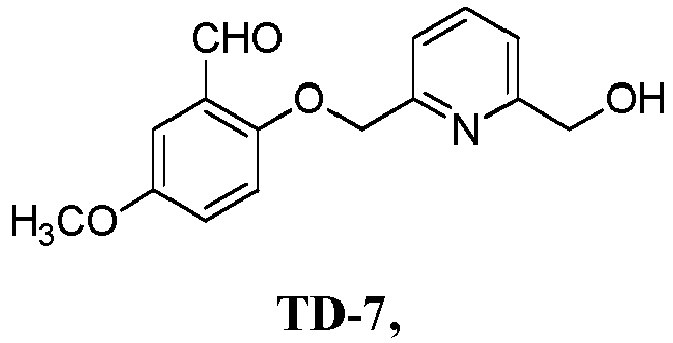


- In a second aspect, the invention provides new aromatic aldehydes that are metabolized to produce NO2 and anti-sickling aromatic aldehydes. Compounds according to this aspect have a structure selected from:


- Representative compounds selected from the group above include:


- In a third aspect, the invention provides methods for treating a subject having sickle cell disease (SCD), comprising administering to the subject a therapeutically effective amount of one or more compound selected from the compounds according to the first or second aspect of the invention.
-
-
Figure 1 shows results of oxygen equilibrium curve studies for 5-HMF and compounds TD-7, TD-7-1, TD-8, TD-8-1, TD-9 and TD-9-1. -
Figure 2 shows the effect of incubation time on Hb affinity for O2 with whole blood for 5-HMF and compound TD-7. -
Figure 3 shows results of a NO release study for compounds TD-1, TD-7-1, TD-8-1 and TD-9-1. -
Figure 4 shows inhibition of sickling of SS cells by test compounds under 4% O2 at 37 °C for 5 h. -
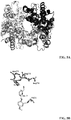
Fig. 5A shows binding of TD-7 (green) in deoxyHb.Fig. 5B shows a close view of TD-7 (yellow) interaction with the αF helix of the protein (green) - The invention relates to aromatic aldehydes and their use in the treatment of Sickle Cell Disease. The invention provides new compounds that have greater potency in increasing the affinity of Hb for oxygen, greater potency for preventing sickling, and additional pharmacologic properties that ameliorate other symptoms of SCD. The invention further provides methods for treating SCD by providing a subject having SCD with a compound according to the invention.
- In a first aspect, the invention provides new anti-sickling aromatic aldehydes that have greater potency for increasing the affinity of hemoglobin (Hb), and especially sickle cell Hb (scHb) and/ or reducing the ability of scHb to polymerize, thus reducing the sickling of sickle cell red blood cells. Compounds according to the invention have the formula:

- Representative compounds selected from the group above include:


- In a second aspect, the invention provides new aromatic aldehydes that are metabolized to produce NO2 and anti-sickling aromatic aldehydes. Compounds according to this aspect have a structure selected from:


- Representative compounds selected from the group above include:


- In a third aspect, the invention provides methods for treating a subject having sickle cell disease (SCD), comprising administering to the subject a therapeutically effective amount of one or more compound selected from the compounds according to the first or second aspect of the invention.
- In some embodiments the subject is administered from about 20 mg to about 500 mg of the compound. In some embodiments the subject is administered from about 20 mg to about 300 mg of the compound. In some embodiments the subject is administered from about 20 mg to about 200 mg of the compound. In some embodiments the subject is administered from about 20 mg to about 100 mg of the compound. In some embodiments the subject is administered from about 20 mg to about 50 mg of the compound.
- In some embodiments the subject is administered from about 100 mg to about 500 mg of the compound. In some embodiments the subject is administered from about 100 mg to about 300 mg of the compound. In some embodiments the subject is administered from about 100 mg to about 200 mg of the compound.
- In some embodiments the subject is administered from about 200 mg to about 500 mg of the compound. In some embodiments the subject is administered from about 200 mg to about 300 mg of the compound.
- In some embodiments the subject is administered from about 500 mg to about 10,000 mg of the compound. In some embodiments the subject is administered from about 1,000 mg to about 10,000 mg of the compound. In some embodiments the subject is administered from about 5,000 mg to about 10,000 mg of the compound.
- Administration of the compounds can be by any suitable route, including, without limitation, parenteral, oral, sublingual, transdermal, topical, intranasal, inhalation, intratracheal, or intrarectal. In some preferred embodiments, administration is orally, by injection, or by inhalation.
- The compounds used in the present invention may be present in any suitable diluent (including water), carrier or excipient.
- The compounds used in the method of the present invention may form salts which are also within the scope of this invention. The term "salt(s)", as employed herein, denotes acidic and/or basic salts formed with inorganic and/or organic acids and bases. Pharmaceutically acceptable (i.e., non-toxic, exhibiting minimal or no undesired toxicological effects, physiologically acceptable) salts are preferred.
- As used herein, the term "pharmaceutically acceptable salts" is intended to mean salts that retain the desired biological activity of the compounds and exhibit minimal or no undesired toxicological effects. Examples of such salts include, but are not limited to, salts formed with inorganic acids (for example, hydrochloric acid, hydrobromic acid, sulfuric acid, phosphoric acid, nitric acid, and the like), and salts formed with organic acids such as acetic acid, oxalic acid, tartaric acid, succinic acid, malic acid, ascorbic acid, benzoic acid, tannic acid, palmoic acid, alginic acid, polyglutamic acid, naphthalenesulfonic acid, naphthalenedisulfonic acid, methanesulfonic acid, p-toluenesulfonic acid and polygalacturonic acid. Other salts include pharmaceutically acceptable quaternary salts known by those skilled in the art, which specifically include the quaternary ammonium salt of the formula --NR+Z--, wherein R is hydrogen, alkyl, or benzyl, and Z is a counterion, including chloride, bromide, iodide, --O-alkyl, toluenesulfonate, methylsulfonate, sulfonate, phosphate, or carboxylate (such as benzoate, succinate, acetate, glycolate, maleate, malate, citrate, tartrate, ascorbate, benzoate, cinnamoate, mandeloate, benzyloate, and diphenylacetate).
- A "therapeutically effective amount" is an amount sufficient to alleviate or eliminate signs or symptoms of the disease.
- Without wishing to be bound by theory, we have determined the binding of TD-7 in deoxyHb to help elucidate its antisickling activity. Two molecules of TD-7 bind in a symmetry-related fashion at the α-cleft of the Hb, the aldehydes forming Schiff-base interaction with the two α-subunits N-terminal Val1 nitrogens (
Fig. 5A ). Formation of the Schiff-base disposes the methoxy-pyridine-methoxyl substituent group toward the mouth of the central water cavity, where the hydroxyl of the methoxyl makes hydrogen-bond interactions with the amide nitrogen and oxygen atoms of αAsp75 and αAsp74, respectively (Fig. 5B ); both residues located on the αF-helix. These interactions appear to perturb the αF-helix, as well as result in a significant conformational change in the side-chain of αAsn78. The αF-helix residue, Asn78 has been implicated in stabilizing the Hb S fiber, and the Hb variant, Stanelyville (αAsn78 ↔ αLsy78) is known to inhibit Hb S polymerization and RBS sickling.20 Thus, not only does TD-7 increase the oxygen affinity of Hb by binding at the α-cleft and restraining the two α-subunits from transitioning from the oxyHb to the deoxy Hb conformation as previously described for 5HMF; based on the structure it seems that the improved potency of TD-7 is also in part due to increased perturbation of the αF-helix that leads to increased destabilization of the αF-helix mediated polymer contact. - The following examples are provided to further illustrate certain preferred embodiments of the invention and are not intended to be construed as limiting the scope of the invention.
-

- Compound TD-1 was prepared according to literature procedure for a similar compound. (Gavrila, A.; Andersen, L.; Skrydstrup, T., Tetrahedron Lett. 2005, 46, 6205-6207.)
- Trifluoroacetic anhydride (5.5 mL, 2 mmol) was added to a suspension of lithium nitrate (2.7 g, 2 mmol) in anhydrous CH3CN (30 mL) at 20 °C. The reaction mixture was stirred until clear (30 min) and cooled to 0 °C (ice-bath). Sodium carbonate (4.2 g, 2 mmol) and 5-(hydroxymethyl) furfural (2.5 g, 1 mmol) were added together and the reaction mixture was allowed to stir for 7 h at 0 °C (ice-bath). The reaction mixture was poured into an ice-cold solution of saturated NaHCO3 and extracted with EtOAc (2 x 10 mL). The combined organic portion was washed with brine (10 mL), dried over Na2SO4 and evaporated under reduced pressure to yield a crude product. The crude residue was purified by column chromatography (petroleum ether/EtOAc; 2:1) to afford 2.9 g (85%) of TD-1 as a colorless viscous oil: IR (KBr, cm-1): 1678 (C=O), 1631, 1276 (NO2), 845 (ON); 1H-NMR (CDCl3): δ 5.48 (s, 2H, CH2), 6.73 (d, J = 3.5 Hz, 1H, ArH), 7.25 (d, J = 3.6, 1H, ArH), 9.68 (s, 1H, CHO); 13C-NMR (CDCl3): δ 177.9, 153.4, 151.5, 120.9, 114.5, 65.4. Anal. Calcd for (C6H5NO5) C, 42.12; H, 2.95; N, 8.19. Found: C, 42.02; H, 2.86; N, 8.26. The purity of the compound was checked by HPLC and was found to be 98.8% pure.
-

- Compound TD-7 was prepared according to literature procedure for a similar compound. (Nnamani, I. N.; Joshi, G. S.; Danso-Danquah, R.; Abdulmalik, O.; Asakura, T.; Abraham, D. J.; Safo, M. K., Chem. Biodivers. 2008, 5, 1762-1769.)
- A mixture of 2-hydroxy-5-methoxybenzaldehyde (0.20 mL, 1.5 mmol), 6-(bromomethyl)-2-pyridinemethanol (0.30 g, 1.5 mmol), and K2CO3 (0.25 g, 1.8 mmol) in anhydrous DMF (20 mL) was allowed to stir at room temperature for 12 h. The reaction mixture was diluted with EtOAc (20 mL), washed with H2O (2 x 20 mL), brine (2 x 10mL), dried over Na2SO4 and evaporated under reduced pressure to yield a crude product. The residue was purified by column chromatography (petroleum ether/EtOAc; 1:1) to yield 0.32g (78%) of TD-7 as a yellow-colored solid: mp 84-85 °C; IR (KBr, cm-1): 3396 (O-H), 1678 (C=O); 1H-NMR (CDCl3): δ 3.51 (s, 1H, OH), 3.81 (s, 3H, OCH3), 4.79 (s, 2H, CH2), 5.29 (s, 2H, CH2), 6.99 (d, J = 9.0 Hz, 1H, ArH), 7.09-7.13 (dd, J=9.0, 3.2 Hz, 1H, ArH), 7.21 (d, J = 7.7 Hz, 1H, ArH), 7.37 (d, J = 3.2 Hz, 1H, ArH), 7.43 (d, J = 7.6 Hz, 1H, ArH), 7.74 (t, 1H, ArH), 10.58 (s, 1H, CHO); 13C-NMR (CDCl3): δ 189.24, 158.80, 155.61, 154.17, 154.17, 137.66, 125.56, 123.40, 119.84, 119.64, 114.92, 110.917, 71.65, 64.02, 55.86. MS (ESI) m/z found 274.15 (M + H)+, 296.14 (M + Na)+. The purity of the compound was checked by HPLC and was found to be 97.8% pure.
-

- Compound TD-9 was prepared according to literature procedure for a similar compound. (Nnamani, I. N.; Joshi, G. S.; Danso-Danquah, R.; Abdulmalik, O.; Asakura, T.; Abraham, D. J.; Safo, M. K., Chem. Biodivers. 2008, 5, 1762-1769.)
- A mixture of 2-hydroxy-4-methoxybenzaldehyde (113 mg, 0.74 mmol), 6-(bromomethyl)-2-pyridinemethanol (150 mg, 0.74 mmol), and K2CO3 (123 mg, 0.90 mmol) in anhydrous DMF (20 mL) was stirred at room temperature for 12 h. The reaction mixture was diluted with EtOAc (20 mL), washed with H2O (2 x 20 mL), brine (2 x 10mL), dried over Na2SO4 and evaporated under reduced pressure to yield a crude product. The crude was purified by column chromatography (petroleum ether/EtOAc; 1:1) to yield 190 mg (94%) of TD-9 as a yellow-colored solid: mp 104-105 °C; IR (KBr, cm-1): 3153 (O-H), 1599 (C=O); 1H-NMR (CDCl3): δ 3.58 (s, 1H, OH), 3.85 (s, 3H, OCH3), 4.78 (d, 2H, CH2), 5.30 (s, 2H, CH2), 6.53 (d, J = 2.2 Hz, 1H, ArH), 6.60 (d, J = 2.16 Hz, 1H, ArH), 7.22 (d, J = 7.68 Hz, 2H, ArH), 7.47 (d, J = 7.76 Hz, 2H, ArH), 7.76 (t, 1H, ArH), 7.85 (d, J = 8.64 Hz, 1H, ArH), 10.43 (s, 1H, CHO); 13C-NMR (CDCl3): δ 166.16, 162.27, 158.67, 155.51, 137.74, 131.04, 119.85, 119.69, 118.1, 106.68, 99.16, 70.85, 63.87, 55.66. MS (ESI) m/z found 274.11 (M + H)+, 296.09 (M + Na)+. The purity of the compound was checked by HPLC and was found to be 96.9% pure.
-

- Compound TD-8 was prepared according to literature procedure for a similar compound. (Nnamani, I. N.; Joshi, G. S.; Danso-Danquah, R.; Abdulmalik, O.; Asakura, T.; Abraham, D. J.; Safo, M. K., Chem. Biodivers. 2008, 5, 1762-1769.)
- A mixture of 3-hydroxy-4-methoxybenzaldehyde (200 mg, 1.0 mmol), 6-(bromomethyl)-2-pyridinemethanol (152 mg, 1.0 mmol), and potassium carbonate (165 mg, 1.2 mmol) in anhydrous DMF (20 mL) was stirred at room temperature for 12 h. The reaction mixture was diluted with EtOAc (20 mL), washed with H2O (2 x 20 mL), brine (2 x 10mL), dried over Na2SO4 and evaporated under reduced pressure to yield a crude product. The crude product was purified by column chromatography (petroleum ether/EtOAc; 1:1) to yield 220 mg (80%) of TD-8 as a white-colored solid: mp 120-121 °C; IR (KBr, cm-1): 3176 (O-H), 1681 (C=O); 1H-NMR (CDCl3): δ 3.65 (s, 1H, OH), 4.00 (s, 3H, OCH3), 4.78 (d, 2H, CH2), 5.32 (d, 2H, CH2), 7.03 (d, J = 8.72 Hz, 1H, ArH), 7.17 (d, J = 7.68 Hz, 1H, ArH), 7.44-7.51 (m, 3H, ArH), 7.71 (t, 1H, ArH); 13C-NMR (CDCl3): δ 190.66, 155.53, 154.95, 137.54, 130.11, 126.88, 119.99, 119.60, 111.92, 110.98, 158.79, 71.40, 63.90, 56.22. MS (ESI) m/z found 274.11 (M + H)+, 296.09 (M + Na)+. The purity of the compound was checked by HPLC and was found to be 99.5% pure.
-
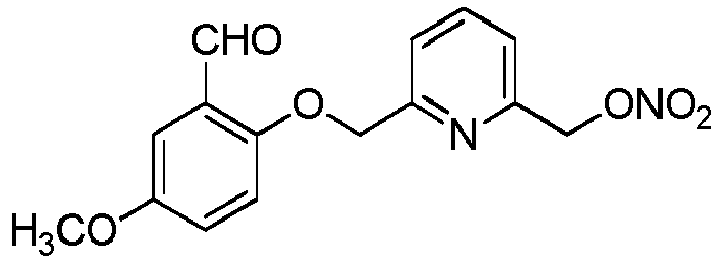
- Compound TD-7-1 was prepared according to literature procedure for a similar compound. (Fotopoulou, T.; Iliodromitis, E. K.; Koufaki, M.; Tsotinis, A.; Zoga, A.; Gizas, V.; Pyriochou, A.; Papapetropoulos, A.; Andreadou, I.; Kremastinos, D. T., Bioorg. Med. Chem. 2008, 16, 4523-4531.)
- Silver nitrate (76 mg, 0.45 mmol) was added to a solution of 2-((6-(bromomethyl)pyridin-2-yl)methoxy)-5-methoxybenzaldehyde (100 mg, 0.3 mmol) in anhydrous CH3CN (5 mL). The reaction mixture was allowed to stir at 80 °C for 2 h. The reaction mixture was filtered through celite and washed with CH2Cl2 (15 mL), and evaporated under reduced pressure to yield a crude product. The crude residue was purified by column chromatography (petroleum ether/EtOAc; 5:1) to yield 80 mg (83.78%) of TD-7-1 as a white-colored solid: mp 92-93 °C; IR (KBr, cm-1): 1664 (C=O), 1632 (NO2), 1274 (NO2), 872 (ON); 1H-NMR (CDCl3): δ 3.81 (s, 3H, OCH3), 5.28 (d, 2H, CH2), 5.56 (s, 2H, CH2), 6.98 (d, J= 9.08Hz, 1H, ArH), 7.10-7.13 (dd, J = 9.08, 3.28 Hz, 1H, ArH), 7.33-7.37 (dd, J = 8.4, 3.24 Hz, 2H, ArH), 7.53 (d, J = 7.84 Hz, 1H, ArH), 7.80 (t, 1H, ArH), 10.57 (s, 1H, CHO); 13C-NMR (CDCl3): δ 189.18, 157.08, 155.20, 154.20, 152.50, 138.05, 125.52, 123.38, 121.27, 121.19, 114.85, 111.00, 74.15, 71.51, 55.85. MS (ESI) m/z found 319.09 (M + H)+, 341.07 (M + Na)+. The purity of the compound was checked by HPLC and was found to be 94.5% pure.
-

- 2-((6-(Bromomethyl)pyridin-2-yl)methoxy)-5-methoxybenzaldehyde, a precursor for the synthesis of TD-7-1 was prepared according to literature procedure for a similar procedure. (Fotopoulou, T.; Iliodromitis, E. K.; Koufaki, M.; Tsotinis, A.; Zoga, A.; Gizas, V.; Pyriochou, A.; Papapetropoulos, A.; Andreadou, I.; Kremastinos, D. T., Bioorg. Med. Chem. 2008, 16, 4523-4531.). Triphenylphosphine (140 mg, 0.6 mmol) and tetrabromomethane (180 mg, 0.6 mmol) was added to a solution of 2-((6-(hydroxymethyl)pyridin-2-yl)methoxy)-5-methoxybenzaldehyde (100 mg, 0.4 mmol) in anhydrous CH2Cl2 (6 mL). The reaction mixture was allowed to stir for 2 h at room temperature. The reaction mixture was neutralized with saturated NaHCO3 at 0 °C (ice-bath) and extracted with EtOAc (10 mL). The organic portion was washed with brine (2 x 10 mL), dried over Na2SO4 and evaporated under reduced pressure to yield a crude product. The crude was purified by column chromatography (petroleum ether/EtOAc; 5:1) to yield 100 mg (74.6%) as a yellow- colored solid: 1H-NMR (CDCl3): δ 3.81 (s, 3H, OCH3), 4.56 (s, 2H, CH2), 5.28 (d, 2H, CH2), 6.98 (d, J = 9.08 Hz, 1H, ArH), 7.10 - 7.13 (dd, J = 9.08, 3.28 Hz, 1H, ArH), 7.33 - 7.37 (dd, J = 8.4, 3.24 Hz, 2H, ArH), 7.53 (d, J = 7.84 Hz, 1H, ArH), 7.80 (t, 1H, ArH), 10.58 (s, 1H, CHO). The following compound was used for the synthesis of TD-7-1.
-

- Compound TD-8-1 was prepared according to literature procedure for a similar compound. (Fotopoulou, T.; Iliodromitis, E. K.; Koufaki, M.; Tsotinis, A.; Zoga, A.; Gizas, V.; Pyriochou, A.; Papapetropoulos, A.; Andreadou, I.; Kremastinos, D. T., Bioorg. Med. Chem. 2008, 16, 4523-4531.). Silver nitrate (76 mg, 0.45 mmol) was added to a solution of 3-((6-(bromomethyl)pyridine-2-yl)methoxy)-4-methoxybenzaldehyde (100 mg, 0.3 mmol) in anhydrous CH3CN (5 mL). The reaction mixture was allowed to stir at 80 °C for 2 h. The reaction mixture was filtered through celite and washed with CH2Cl2 (15 mL) and evaporated under reduced pressure to yield a crude product. The crude was purified by column chromatography (petroleum ether/EtOAc; 5:1) to yield 94 mg (98%) of TD-8-1 as a yellow-colored solid: mp 43-44 °C; IR (KBr, cm-1): 1683 (C=O), 1632 (NO2), 850 (ON); 1H-NMR (CDCl3): δ 3.99 (s, 3H, OCH3), 5.31 (s, 2H, CH2), 5.57 (s, 2H, CH2), 7.02 (d, J = 8.24 Hz, 1H, ArH), 7.31 (d, J = 7.68 Hz, 1H, ArH), 7.46 (d, J = 2.16 Hz, 1H, ArH), 7.49-7.52 (dd, J = 8.2, 1.76 Hz, 1H, ArH), 7.55 (d, J= 7.76 Hz, 1H, ArH), 9.82 (s, 1H, CHO); 13C-NMR (CDCl3): δ 190.56, 157.157, 155.01, 152.01, 152.47, 148.42, 137.91, 130.20, 126.78, 121.34, 121.00, 112.24, 111.08, 74.27, 71.43, 56.24. MS (ESI) m/z found 341.08 (M + Na)+. The purity of the compound was checked by HPLC and was found to be 96.9% pure.
-

- 3-((6-(Bromomethyl)pyridine-2-yl)methoxy)-4-methoxybenzaldehyde, a precursor for the synthesis of TD-8-1 was prepared according to literature procedure for a similar procedure. (Fotopoulou, T.; Iliodromitis, E. K.; Koufaki, M.; Tsotinis, A.; Zoga, A.; Gizas, V.; Pyriochou, A.; Papapetropoulos, A.; Andreadou, I.; Kremastinos, D. T., Bioorg. Med. Chem. 2008, 16, 4523-4531.).
- Triphenylphosphine (140 mg, 0.6 mmol) and tetrabromomethane (180 mg, 0.6 mmol) was added to a solution of 3-((6-(hydroxymethyl)pyridine-2-yl)methoxy)-4-methoxybenzaldehyde (100 mg, 0.4 mmolin anhydrous CH2Cl2 (6 mL). The mixture was allowed to stir for 2 h at room temperature. The reaction mixture was neutralized with saturated NaHCO3 at 0 °C (ice-bath) and extracted with EtOAc (10 mL). The organic portion was washed with brine (2 x 10 mL), dried over Na2SO4 and evaporated under reduced pressure to yield a crude product. The crude was purified by column chromatography (petroleum ether/EtOAc; 5:1) to yield 76 mg (56.5%) as a yellow-colored solid: 1H-NMR (CDCl3-d1): δ 3.99 (s, 3H, OCH3), 4.56 (s, 2H, CH2), 5.31 (s, 2H, CH2), 7.02 (d, J = 8.2 Hz, 1H, ArH), 7.38 (d, J = 7.8 Hz, 1H, ArH), 7.46 (d, J = 7.8 Hz, 1H, ArH), 7.49 (d, J= 1.84 Hz, 1H, ArH), 7.52 (d, J = 1.76 Hz, 1H, ArH), 7.72 (t, 1H, ArH), 9.82 (s, 1H, CHO). The following compound was used for the synthesis of TD-8-1.
-

- Compound TD-9-1 was prepared according to literature procedure for a similar compound. (Fotopoulou, T.; Iliodromitis, E. K.; Koufaki, M.; Tsotinis, A.; Zoga, A.; Gizas, V.; Pyriochou, A.; Papapetropoulos, A.; Andreadou, I.; Kremastinos, D. T., Bioorg. Med. Chem. 2008, 16, 4523-4531.).
- Silver nitrate (76 mg, 0.5 mmol) was added to a solution of 2-((6-(bromomethyl)pyridin-2-yl)methoxy)-4-methoxybenzaldehyde (100 mg, 0.3 mmol) in anhydrous CH3CN (5 mL). The reaction mixture was allowed to stir at 80 °C for 2 h. The reaction mixture was filtered through celite and washed with CH2Cl2 (15 mL) and evaporated under reduced pressure to yield a crude product. The crude product was purified by column chromatography (petroleum ether/EtOAc; 5:1) to yield 53 mg (56%) of TD-9-1 as a white - colored solid: mp 70-71 °C; IR (KBr, cm-1): 1677 (C=O), 1285 (NO2), 871 (ON); 1H-NMR (CDCl3-d1): δ 3.85 (s, 3H, OCH3), 5.29 (s, 2H, CH2), 5.56 (s, 2H, CH2), 6.52 (d, J = 2.16 Hz, 1H, ArH), 6.58-6.61 (m, 1H, ArH), 7.34 (d, J = 7.68 Hz, 1H, ArH), 7.58 (d, J = 7.88 Hz, 1H, ArH), 7.79-7.85 (m, 2H, ArH), 10.42 (s, 1H, CHO); 13C-NMR (CDCl3): δ 166.19, 163.05, 158.71, 155.53, 138.15, 131.18, 121.31, 121.28, 118.15, 106.95, 99.07, 74.14, 70.80, 55.68. MS (ESI) m/z found 341.08 (M + Na)+. The purity of the compound was checked by HPLC and was found to be 99.8% pure.
-

- 2-((6-(Bromomethyl)pyridin-2-yl)methoxy)-4-methoxybenzaldehyde, a precursor for the synthesis of TD-9-1 was prepared according to literature procedure for a similar procedure. (Fotopoulou, T.; Iliodromitis, E. K.; Koufaki, M.; Tsotinis, A.; Zoga, A.; Gizas, V.; Pyriochou, A.; Papapetropoulos, A.; Andreadou, I.; Kremastinos, D. T., Bioorg. Med. Chem. 2008, 16, 4523-4531.)
- Triphenylphosphine (140 mg, 0.6 mmol) and tetrabromomethane (180 mg, 0.6 mmol) was added to a solution of 2-((6-(hydroxymethyl)pyridin-2-yl)methoxy)-4-methoxybenzaldehyde (100 mg, 0.4 mmol) in anhydrous CH2Cl2 (6 mL). The mixture was allowed to stir for 2 h at room temperature. The reaction mixture was neutralized with saturated NaHCO3 at 0 °C (ice-bath) and extracted with EtOAc (10 mL). The organic portion was washed with brine (2 x 10 mL), dried over Na2SO4 and evaporated under reduced pressure to yield a crude product. The product was purified by column chromatography (petroleum ether/EtOAc; 5:1) to yield 100 mg (75%) as a yellow-colored solid: 1H-NMR (CDCl3): δ 3.85 (s, 3H, OCH3), 4.56 (s, 2H, CH2), 5.30 (s, 2H, CH2), 6.53 (d, J = 2.16 Hz, 1H, ArH), 6.57-6.59 (m, 1H, ArH), 7.40 (d, J = 7.72 Hz, 1H, ArH), 7.50 (d, J= 7.8 Hz, 1H, ArH), 7.76 (t, 1H, ArH), 7.84 (t, J= 8.68 Hz, 1H, ArH), 10.43 (s, 1H, CHO). The resulting compound was used for the synthesis of TD-9-1.
- A solution of 1.0 M HCl (5 mL) in diethyl ether was added in a drop-wise fashion to a stirring solution of TD-7 (200 mg) in absolute ethanol (3 mL), resulting in precipitation of the hydrochloride salt of TD-7. Ethyl ether (10 mL) was added to the mixture to completely precipitate all the HCl salt. The compound was filtered by vacuum filtration, washed with more ether and further dried under vacuum. The yield obtained was 88%.
- Studies were performed on compounds TD-7, TD-7-1, TD-8, TD-8-1, TD-9 and TD-9-1 using 100 mM stock solution in DMSO and normal whole blood (AA). TD-7, TD-8 and TD-9 are compounds with a hydroxymethyl group on the pyridine ring, while TD-7-1, TD-8-1 and TD-9-1 are the respective nitrate ester derivatives. The whole blood samples had hematocrit values ranging from 29-36%, and cell-free purified Hb of 10-12 g/dL in the absence or presence of effectors solubilized in DMSO at 2mM or in some cases with varying compound concentration. The blood samples were incubated in an IL 237 tonometer (Instrumentation Laboratories, Inc., Lexington, MA) for about 5-7 min at 37 °C against a gas mixture containing O2 concentrations of 0.804%, 2.935% and 5.528% and allowed to equilibrate at O2 tensions of 6, 20 and 40 mmHg. After equilibration, the sample was removed via syringe and aspirated into a ABL 700 series table top automated blood gas analyzer (Radiometer America, Inc., Westlake, OH) to determine total hemoglobin (tHb), hematocrit (Hct), pH, pCO2, partial pressure of oxygen (pO2), and the Hb oxygen saturation values (sO2). Similar procedures were followed for concentration and time dependence studies. The measured values of pO2 and sO2 at each oxygen saturation level were then subjected to a non-linear regression analysis using the program Scientist (Micromath, Salt Lake City, UT) with the following equation:

Figure 1 . The most potent left-shifter was TD-7 with a ΔP50 shift of -17.0 mmHg, more potent than the positive control, 5HMF (ΔP50 of -11.1 mmHg).Table 1. Effects of left-shifting compounds on Hb affinity for O2 with normal whole blood. Compound Concentration (mM) P50 (mmHg) Na ΔP50 b (mmHg) 5HMF 2 20.2 ± 2.0c† 1.8 ± 0.1c† -11.1 TD-7 0.1 30.1d* 2.5d* -0.5 0.5 25.9d* 2.1d* -4.7 1 23.2d* 1.7d* -7.4 2 14.3 ± 4.3c† 1.3 ± 0.3c† -17.0 TD-8 2 25.9 ± 2.5c† 1.9 ± 0.1c† -5.4 TD-9 2 21.1 ± 1.2c† 1.6 ± 0.3c† -10.2 TD-1 2 27.4 ± 2.3c† 1.9 ± 0.1c† -3.9 TD-7-1 2 23.4 ± 1.6c† 1.7 ± 0.1c† -7.9 TD-8-1 2 30.8d† 2.1d† -0.5 TD-9-1 2 28.6d† 1.9d† -2.7 aHill coefficient; bΔP50 is (P50 (control)-P50 (sample)) expressed in mmHg; cmeasurements were conducted in n ≥ 3; dmeasurements were conducted in n < 3 - Hemoglobin was prepared from centrifuging human blood at 2500 rpms for 20 min at 4 °C. The supernatant solution, debris and plasma were discarded from the centrifuge bottles, leaving behind RBCs. The RBCs were washed thrice with an excess volume of 0.9% NaCl, and once with 1.0% NaCl, each time centrifuging and discarding the supernatant solution. The RBCs were pooled together into a chilled flask and hemolyzed to free Hb by adding 1-2 volume excess of 50 mM Tris buffer, pH 8.6 (containing EDTA). The mixture was allowed to stand in ice for 30 min with occasional stirring. The Hb solution was centrifuged at 10,000 rpm for 2 h at 4 °C. The supernatant Hb solution was pooled into a chilled flask and NaCl (40-60 mg/mL Hb solution) was slowly added with stirring. Hemoglobin solution was centrifuged at 10,000 rpm for 2 h at 4 °C to remove any cell stroma remnants. The clear supernatant Hb solution was pooled into a chilled flask and the "syrupy" pellet was discarded. Hemoglobin solution was dialyzed against 50 mM Tris buffer, pH 8.6 (containing EDTA) at 4 °C to remove NaCl and/or other low molecular weight impurities. Strips of standard cellulose dialysis tubing that had been washed 3-4 times and boiled for 10 min in deionized water were used for dialysis. The dialyzed Hb was further purified by ion-exchange chromatography using DEAE sephacel to exclude 2,3-DPG. The resin was equilibrated with 50 mM Tris buffer, pH 8.6, and the Hb solution was run through the column with 50 mM Tris buffer, pH 8.6 (containing EDTA). The pooled fractions were concentrated with an Amicon stirred cell (Amicon, Model 402), to a final HbA concentration of about 80-120 mg/mL. Concentrated HbA was stored at -80 °C.
- As a result of the low left-shifting activities of TD-8 and TD-9, as well as the nitrate ester derivatives, we further evaluated the activity of the compounds TD-1, TD-7, TD-7-1, TD-8, and TD-9 using cell-free Hb (devoid of any proteins, enzymes, plasma and cell membranes) to determine whether plasma protein or RBC membrane could have any effect on compound biological activity. Previous studies have shown limited effect of plasma protein and RBC membrane on 5HMF activity. The same tonometry procedure used on whole blood was used with the cell-free hemoglobin using 2mM compound and 12 mg/mL of Hb. The results are shown in Table 2.
Table 2. Effects of left-shifting compounds on Hb affinity for O2 with cell-free Hb. Compound P50 (mmHg) Na ΔP50 b (mmHg) Control 12.5 2.6 - 5HMF 8.3 2.0 -4.2 TD-7 7.6 1.8 -4.9 TD-8 7.6 1.9 -4.9 TD-9 6.8 1.7 -5.7 TD-1 8.4 2.0 -4.1 TD-7-1 7.7 2.1 -3.9 aHill coefficient; bΔP50 is (P50 (control)-P50 (sample)) expressed in mmHg; measurements were conducted in n = 1. - Unlike the results obtained from the whole blood study (Table 1), the results depicted in Table 2 show that all compounds exhibit significant left-shift in the OEC with cell-free Hb. TD-8 which barely shifted the OEC with whole blood now shows comparable shift as TD-7 with cell-free Hb. Also, TD-9 appears to be an even more potent left-shifter in cell-free Hb than TD-7, which was opposite to what was observed with whole blood. Although the nitrate esters still show less left-shift compared to the parent compounds, there is still significant improvement in their left-shifting potency with cell-free Hb. This observation suggests that the functional activities of both TD-8 and TD-9 are significantly affected by RBC membrane permeability issues and/or plasma protein binding resulting in their reduced allosteric activities.
- This study shows time-dependent left-shifting effect of TD-7 compared to 5HMF. All samples were pre-incubated with whole blood (Hct ∼ 34%) with the specified compounds 0.5 mM concentrations for the specified time. The control experiment without test compound (P50 (control)) contains the same concentration of DMSO used to solubilize the test solution (P50 (sample)). The results are shown in Table 3 and
Figure 2 .Table 3. Effect of incubation time on Hb affinity for O2 with whole blood for left-shifting compounds. Compound Incubation Time (Hours) P50 (mmHg) Na ΔP50 b (mmHg) Control 1 32.7 ± 0.2 2.5 ± 0.1 - 2 33.0 ± 0.4 2.5 ± 0.1 - 4 33.1 ± 0.6 2.5 ± 0.1 - 6 34.2 ± 0.3 2.5 ± 0.1 - 10 35.1 ± 0.3 2.5 ± 0.1 - 12 36.1 ± 0.4 2.4 ± 0.1 - 5HMF 1 29.8 ± 0.2 2.2 ± 0.1 -2.9 2 29.2 ± 0.3 2.2 ± 0.1 -3.8 4 29.2 ± 0.1 2.1 ± 0.1 -3.9 6 30.0 ± 0.1 2.1 ± 0.1 -4.2 10 31.8 ± 0.1 2.1 ± 0.1 -3.3 12 32.8 ± 0.1 2.0 ± 0.1 -3.3 Compound Incubation Time (Hours) P50 (mmHg) N ΔP50 (mmHg) TD-7 1 28.2 ± 0.9 2.2 ± 0.2 -4.5 2 28.2 ± 0.8 2.1 ± 0.1 -4.8 4 28.8 ± 0.6 2.1 ± 0.1 -4.3 6 29.1 ± 0.6 2.0 ± 0.2 -5.1 10 30.6 ± 1.0 2.0 ± 0.1 -4.5 12 31.1 ± 0.7 2.0 ± 0.2 -5.0 aHill coefficient; bΔP50 is (P50 (control)-P50 (sample)) expressed in mmHg; cmeasurements were conducted in n ≥ 3;. The P50 values of control were found to increase consistently, with incubation. While the P50 values for 5HMF seem to return to baseline after 6 h, there was no recovery for TD-7 even after 12 h suggesting TD-7 will have a longer sustained effect ( Figure 2 ). - Griess assay was performed on the left-shifting nitrate ester compounds (TD-1, TD-7-1, TD-8-1, and TD-9-1) to measure the release of NO. Griess assay is a colorimetric assay, used for detection of NO in the form of nitrite ions


Figure 3 ). For the measurement of
- In this assay, a solution of the test compound (1 mL of a 2 mM solution in 0.1 M phosphate buffer (pH 7.4)) was mixed thoroughly with a freshly prepared solution of L-cysteine (1 mL of a 36 mM solution in 0.1 M phosphate buffer, pH 7.4), and incubated at 37 °C, for 1 and 16 h under anaerobic conditions. After exposure to air for 10 min at 25 °C, an aliquot of the Griess reagent (1 mL) [freshly prepared by mixing equal volumes of 1.0% sulfanilamide (prepared and stored in aqueous 5% phosphoric acid) and 0.1% N-naphthylethylenediamine dihydrochloride in water] was added to an equal volume (1 mL) of each incubation solution after mixing. After 10 min, absorbance was measured at 540 nm using a Hewlett Packard (Agilent) 8453 UV-visible Spectroscopy. NaNO2 solutions of 1-100 µM concentrations were used to prepare a standard nitrite curve of absorbance (nm) versus concentration (µM). The NO released (quantitated as


Table 4. Absorbance and 
Incubation Time (Hours) 

TD-1 4.02 11.93 TD-7-1 7.61 59.25 TD-8-1 21.94 102.54 TD-9-1 20.45 78.66 aThe 
- All four compounds (TD-1, TD-7-1, TD-8-1 and TD-9-1) exhibited significant nitric oxide release (4.0 - 21.9 µM range at 1 h and 59 - 102.5 µM range at 16 h) upon incubation in the presence of L-cysteine. The NO release after 16 h incubation was found to be 3-10 fold higher than 1 h incubation. From Table 4, it can be interpreted that for all the compounds, the NO release in the form of

- In vitro RBC morphological (anti-sickling) analysis was conducted at the Children's Hospital of Philadelphia (by Drs. Toshio Asakura and Osheiza Abdulmalik). The anti-sickling effects of 5HMF, TD-7 HCl, TD-7, TD-1, and TD-7-1 were studied by incubating suspensions of SS cells in the absence or presence of three different concentrations of the effectors in the presence of air for 1 h at 37 °C followed by incubation under 4% oxygen at 37°C for 5 h. All samples were pre-incubated for 1 h with various compounds and then incubated under 4% O2 for 5 h. Hb had a hematocrit of 30%. Table 5 represents the concentrations of the effectors along with the % inhibition of sickling cells. The hemolysates that had been prepared from SS cells after incubation with test compounds were also subjected to cation-exchange HPLC as previously reported (Abdulmalik et al., 2005). Table 5 shows the effect of the various concentrations of the test compounds on the amount of modified Hb S which reflects Schiff-base adduct formation between the aromatic aldehyde and the protein.
Table 5. Effects of various concentrations of compounds on inhibition of SS cell sickling. Compound Concentration (mM) Inhibition of sickled cells (%) 5HMF 0.5 4 1.0 17 2.0 35 5.0 75 TD-7 HCl salt 1.0 100 2.0 100 5.0 100 TD-7 0.5 95 1.0 95 2.0 100 5.0 100 TD-8 0.5 14 1.0 20 2.0 38 TD-9 0.5 26 1.0 35 2.0 57 TD-7-1 0.5 72 1.0 100 2.0 100 - The anti-sickling effects of 5HMF, TD-7, TD-7 HCl salt, TD-1, and TD-7-1 were studied and the results shown in Table 5 and
Figure 4 (% inhibition). In the absence of test compounds, about 95% of the Hb underwent sickling in 5 h. In the presence of the positive control, 5HMF, the percentage of the sickled cells decreased in a dose-dependent manner with 4, 17, 35 and 75% inhibition at 0.5 mM, 1 mM, 2 mM and 5 mM concentration, respectively. In comparison, TD-1, the nitrate ester analog of 5HMF showed only a modest decrease in the anti-sickling effect (Not shown in Table). This observation may be partly related to poor RBC membrane passage. Remarkably TD-7, either the free base or HCl salt, showed a very potent anti-sickling effect, as much as 95% inhibition at 0.5 mM concentration. A plateau effect was observed as the concentration of TD-7 was increased. The water soluble HCl salt of TD-7 interestingly barely showed any antisickling effect at 0.5 mM, but remarkably inhibited 100% sickling at 1.0 mM showing a plateau with increasing drug concentration. INN-312, the second-generation positive control, also decreased the percent of sickled cells in a dose-dependent manner but at 0.5 mM it only inhibited sickling to 15% compared to the 95% by TD-7. TD-7-1, the ester nitrate of TD-7 although preventing RBC sickling, hemolyzed the RBC at higher drug concentrations. Also, it seems to swell/hydrate the RBC due to possible intracellular uptake of water which could be beneficial to counteract the rigidity of sickle cells. TD-8 and TD-9 were not as potent as the TD-7 analog, only inhibiting 38 and 57% RBC sickling, respectively at 2 mM. In comparison, vanillin which is the parent scaffold for the INN and TD compounds only inhibited 12% RBC sickling at 5 mM. -
- 1 Wishner, B. C.; Ward, K. B.; Lattman, E. E.; Love, W. E. Crystal structure of sickle-cell deoxyhemoglobin at 5 Å resolution. J. Mol. Biol. 1975, 98, 179-194.
- 2 Vekilov, P. G. Sickle-cell haemoglobin polymerization: Is it the primary pathogenic event of sickle-cell anaemia? Br. J. Haematol 2007, 139, 173-184.
- 3 Abdulmalik, O.; Safo, M. K.; Chen, Q.; Yang, J.; Brugnara, C.; Ohene-Frempong, K.; Abraham, D. J.; Asakura, T. 5-Hydroxymethyl-2-furfural modifies intracellular sickle haemoglobin and inhibits sickling of red blood cells. Br. J. Haematol. 2005, 128, 552-561.
- 4 Nnamani, I. N.; Joshi, G. S.; Danso-Danquah, R.; Abdulmalik, O.; Asakura, T.; Abraham, D. J.; Safo, M. K. Pyridyl derivatives of benzaldehyde as potential antisickling agents. Chem. Biodivers. 2008, 5, 1762-1769.
- 5 Abdulmalik, O.; Safo, M. K.; Chen, Q.; Yang, J.; Brugnara, C.; Ohene-Frempong, K.; Abraham, D. J.; Asakura, T. 5-Hydroxymethyl-2-furfural modifies intracellular sickle haemoglobin and inhibits sickling of red blood cells. Br. J. Haematol. 2005, 128, 552-561.
- 6 Abdulmalik, O.; Ghatge, M. S.; Musayev, F. N.; Parikh, A.; Chen, Q.; Yang, J.; Nnamani, I.; Danso-Danquah, R.; Eseonu, D. N.; Asakura, T.; Abraham, D. J.; Venitz, J.; Safo, M. K. Crystallographic analysis of human hemoglobin elucidates the structural basis of the potent and dual antisickling activity of pyridyl derivatives of vanillin. Acta Crystallogr. D: Biol. Crystallogr. 2011, 67, 920-928.
- 7 Parikh, A.; Ghatge, M.; Safo, M; Venitz, J. Comparative pharmacodynamic (PD) profiling of the in-vitro time- and concentration- dependent effects of known, synthetic allosteric effectors of hemoglobin (AEH). Presented at the 2011 American Association of Pharmaceutical Scientists (AAPS) Annual Meeting and Exposition, Washington, DC, October 2011.
- 8 Rees, D. C.; Williams, T. N.; Gladwin, M. T. Sickle-cell disease. The Lancet 2010, 376, 2018-2031.
- 9 Sun, K.; Xia, Y. New insights into sickle cell disease: A disease of hypoxia. Curr. Opin. Hematol. 2013, 20, 215-221.
- 10 Ricart-Jané, D.; Llobera, M.; López-Tejero, M. D. Anticoagulants and other preanalytical factors interfere in plasma nitrate/nitrite quantification by the griess method. .
- 11 Mack, A. K.; Kato, G. J. Sickle cell disease and nitric oxide: A paradigm shift? Int. J. Biochem. Cell Biol. 2006, 38, 1237-1243.
- 12 Girgis, R. E.; Qureshi, M. A.; Abrams, J.; Swerdlow, P. Decreased exhaled nitric oxide in sickle cell disease: Relationship with chronic lung involvement. Am. J. Hematol. 2003, 72, 177-184.
- 13 Hunter, C. J.; Dejam, A.; Blood, A. B.; Shields, H.; Kim-Shapiro, D. B.; Machado, R. F.; Tarekegn, S.; Mulla, N.; Hopper, A. O.; Schechter, A. N.; Power, G. G.; Gladwin, M. T. Inhaled nebulized nitrite is a hypoxia-sensitive NO-dependent selective pulmonary vasodilator. Nat. Med. 2004, 10, 1122-1127.
- 14 Weiner D. L.; Hibberd, P. L.; Betit, P.; Cooper, A. B.; Botelho, C. A.; Brugngra, C. Preliminary assessment of inhaled nitric oxide for acute vaso-occlusive crisis in pediatric patients with sickle cell disease. JAMA 2003, 289, 1136-1142.
- 15 Miller, M. R.; Megson, I. L. Recent developments in nitric oxide donor drugs. Br. J. Pharmacol. 2007, 151, 305-21.
- 16 de Franceschi, L.; Baron, A.; Scarpa, A.; Adrie, C.; Janin, A.; Barbi, S.; Kister, J.; Rouyer-Fessard, P.; Corrocher, R.; Leboulch, P.; Beuzard, Y. Inhaled nitric oxide protects transgenic sad mice from sickle cell disease-specific lung injury induced by hypoxia/reoxygenation. Blood 2003, 102, 1087-1096.
- 17 Kahn, M. J.; Maley, J. H.; Lasker, G. F.; Kadowitz, P. J. Updated role of nitric oxide in disorders of erythrocyte function. Cardiovasc. Hematol. Disord. Drug Targets 2013, 13, 83-87.
- 18 Perutz, M. F. Structure and mechanism of haemoglobin. Br. Med. Bull. 1976, 32, 195-208.
- 19 Stea, B.; Shaw, E.; Pinter, T.; Hackman, J.; Craig, M.; May, J.; Steffen, R. P.; Suh, J. H. Efaproxiral red blood cell concentration predicts efficacy in patients with brain metastases. Br. J. Cancer 2006, 94, 1777-1784.
- 20 Bunn, H.F. & Forget, G. B. Hemoglobin: Molecular, Genetic and Clinical Aspects. 1986, p 462, W. B. Saunders company.
Claims (11)
- A compound of the formula:

- The compound according to claim 1, wherein R3 is OH; and salts thereof.
- The compound of claim 1 having the formula:

- The compound of claim 1 having the formula

- The compound of claim 1 having the formula

- The compound according to claim 1, having the formula:

- Therapeutically effective amount of one or more compounds according to any one of claims 1 to 6 for use in treating a subject having sickle cell disease (SCD).
- Therapeutically effective amount for use according to claim 7, wherein the compound has the general formula

- Therapeutically effective amount for use according to claim 7, wherein the compound has the general formula

- Therapeutically effective amount for use according to claim 7, wherein the compound has the general formula

- Therapeutically effective amount of one or more compounds of claim 1 for use in treating a subject having sickle cell disease (SCD), wherein said compound has the formula

Applications Claiming Priority (3)
| Application Number | Priority Date | Filing Date | Title |
|---|---|---|---|
| US201361869162P | 2013-08-23 | 2013-08-23 | |
| PCT/US2014/052099 WO2015027067A2 (en) | 2013-08-23 | 2014-08-21 | Ester nitrates derivatives of aromatic aldehydes with multiple pharmalogic properties to treat sickle cell disease |
| EP14771646.8A EP3036222A2 (en) | 2013-08-23 | 2014-08-21 | Ester nitrates derivatives of aromatic aldehydes with multiple pharmalogic properties to treat sickle cell disease |
Related Parent Applications (1)
| Application Number | Title | Priority Date | Filing Date |
|---|---|---|---|
| EP14771646.8A Division EP3036222A2 (en) | 2013-08-23 | 2014-08-21 | Ester nitrates derivatives of aromatic aldehydes with multiple pharmalogic properties to treat sickle cell disease |
Publications (1)
| Publication Number | Publication Date |
|---|---|
| EP3816155A1 true EP3816155A1 (en) | 2021-05-05 |
Family
ID=51585163
Family Applications (2)
| Application Number | Title | Priority Date | Filing Date |
|---|---|---|---|
| EP14771646.8A Withdrawn EP3036222A2 (en) | 2013-08-23 | 2014-08-21 | Ester nitrates derivatives of aromatic aldehydes with multiple pharmalogic properties to treat sickle cell disease |
| EP20213860.8A Withdrawn EP3816155A1 (en) | 2013-08-23 | 2014-08-21 | Ester nitrates derivatives of aromatic aldehydes with multiple pharmalogic properties to treat sickle cell disease |
Family Applications Before (1)
| Application Number | Title | Priority Date | Filing Date |
|---|---|---|---|
| EP14771646.8A Withdrawn EP3036222A2 (en) | 2013-08-23 | 2014-08-21 | Ester nitrates derivatives of aromatic aldehydes with multiple pharmalogic properties to treat sickle cell disease |
Country Status (3)
| Country | Link |
|---|---|
| US (3) | US10800751B2 (en) |
| EP (2) | EP3036222A2 (en) |
| WO (1) | WO2015027067A2 (en) |
Families Citing this family (2)
| Publication number | Priority date | Publication date | Assignee | Title |
|---|---|---|---|---|
| WO2019182938A1 (en) * | 2018-03-22 | 2019-09-26 | Virginia Commonwealth University | Aromatic aldehydes with sustained and enhanced in vitro and in vivo pharmacologic activity to treat sickle cell disease |
| CN120584098A (en) * | 2022-11-07 | 2025-09-02 | 弗吉尼亚联邦大学 | Benzaldehyde compounds with direct polymer-destabilizing effects for the treatment of sickle cell disease |
Citations (1)
| Publication number | Priority date | Publication date | Assignee | Title |
|---|---|---|---|---|
| WO2013102142A1 (en) * | 2011-12-28 | 2013-07-04 | Global Blood Therapeutics, Inc. | Substituted benzaldehyde compounds and methods for their use in increasing tissue oxygenation |
Family Cites Families (35)
| Publication number | Priority date | Publication date | Assignee | Title |
|---|---|---|---|---|
| JPS497214B1 (en) * | 1970-12-29 | 1974-02-19 | ||
| CH558768A (en) * | 1971-03-05 | 1975-02-14 | Ciba Geigy Ag | Bis-stilbene cpds - used as optical brightening agents |
| FR2204351A1 (en) * | 1972-10-31 | 1974-05-24 | Nippon Soda Co | Plant growth regulation - with subst benzyloxy- and benzylthio-benzene compounds |
| GB1539733A (en) * | 1975-06-02 | 1979-01-31 | Shell Int Research | Preparation of 3-phenoxybenzaldehydes |
| DE2631948A1 (en) * | 1976-07-15 | 1978-01-19 | Bayer Ag | PEST CONTROL |
| GB1543964A (en) * | 1976-04-08 | 1979-04-11 | Ici Ltd | Method of antagonising herbicides on soyabean and cotton |
| GB1594299A (en) * | 1977-06-10 | 1981-07-30 | Sumitomo Chemical Co | Chloro- alkoxy- and alkyl-substituted aryl carboxylates processes for producing them and their acaricidal and insecticidal use |
| GB2050168B (en) * | 1979-04-04 | 1982-11-10 | Shell Int Research | Ethynyl compounds as herbicides |
| EP0022229B1 (en) * | 1979-06-29 | 1982-12-08 | The Wellcome Foundation Limited | Substituted phenol ethers, their preparation, intermediates therefor, pharmaceutical compositions containing them and the preparation thereof |
| DE2943805A1 (en) * | 1979-10-30 | 1981-05-27 | Bayer Ag, 5090 Leverkusen | METHOD FOR PRODUCING 3-PHENOXY-BENZALDEHYDES |
| CA1195691A (en) * | 1980-01-28 | 1985-10-22 | Ikuo Ueda | Phenyl-alkanoic acid derivative and preparation thereof |
| DE3040912A1 (en) * | 1980-10-30 | 1982-06-09 | Bayer Ag, 5090 Leverkusen | 4-BENZYLOXY- (ALPHA) -TRICHLORMETHYL-BENZYLAMINE, A METHOD FOR THE PRODUCTION THEREOF, PEST CONTROLLERS CONTAINING IT, THEIR PRODUCTION AND USE |
| DE3044009A1 (en) * | 1980-11-22 | 1982-06-24 | Hoechst Ag, 6000 Frankfurt | NEW PHENOXYBENZALDEHYDE AND METHOD FOR THE PRODUCTION THEREOF |
| JPS58146566A (en) * | 1982-02-24 | 1983-09-01 | Maruko Seiyaku Kk | Pyridine derivative |
| US5110959A (en) * | 1989-06-14 | 1992-05-05 | Smithkline Beckman Corp. | Process for preparation of epoxy esters and intermediates prepared thereby |
| GB9417532D0 (en) * | 1994-08-31 | 1994-10-19 | Zeneca Ltd | Aromatic compounds |
| JPH0995462A (en) * | 1995-09-29 | 1997-04-08 | Shionogi & Co Ltd | Process for producing α-hydroxyphenylacetic acid derivative |
| JP2000344748A (en) * | 1999-03-29 | 2000-12-12 | Welfide Corp | 3-aromatic substituted propionic acid or acrylic acid compound |
| AU2000240570A1 (en) * | 2000-03-29 | 2001-10-08 | Knoll Gesellschaft Mit Beschraenkter Haftung | Pyrrolopyrimidines as tyrosine kinase inhibitors |
| US6583180B2 (en) * | 2001-02-14 | 2003-06-24 | Abbott Laboratories | Glucocorticoid receptor modulators |
| EP1567490B1 (en) * | 2002-12-04 | 2011-10-05 | Virginia Commonwealth University | Anti-sickling agents |
| ES2372694T3 (en) * | 2003-10-15 | 2012-01-25 | OSI Pharmaceuticals, LLC | INHIBITORS OF TYPEOSIN KINASE IMIDAZO [1,5-A] PIRAZINA. |
| RU2006120084A (en) * | 2003-11-10 | 2008-01-10 | Шеринг Акциенгезельшафт (De) | BENZYLETHYRAMINES USEFUL AS ANTAGONISTS CCR-5 |
| TW200841879A (en) * | 2007-04-27 | 2008-11-01 | Eisai R&D Man Co Ltd | Pyridine derivatives substituted by heterocyclic ring and phosphonoamino group, and anti-fungal agent containing same |
| WO2008142706A2 (en) * | 2007-05-18 | 2008-11-27 | Matrix Laboratories Ltd | Novel process for the synthesis of pioglitazone and its salts thereof |
| US20090118514A1 (en) * | 2007-11-06 | 2009-05-07 | Raghupathi Reddy Anumula | Processes for preparing pioglitazone and its pharmaceutically acceptable salts |
| US8134001B2 (en) * | 2007-12-14 | 2012-03-13 | Hoffmann-La Roche Inc. | Spiroindolinone derivatives |
| WO2010029300A1 (en) * | 2008-09-12 | 2010-03-18 | Biolipox Ab | Bis aromatic compounds for use in the treatment of inflammation |
| US8188119B2 (en) * | 2008-10-24 | 2012-05-29 | Eisai R&D Management Co., Ltd | Pyridine derivatives substituted with heterocyclic ring and γ-glutamylamino group, and antifungal agents containing same |
| CN102791690B (en) * | 2010-01-29 | 2015-12-02 | 大塚制药株式会社 | As the disubstituted pyridines derivative of anticarcinogen |
| JP2013537203A (en) * | 2010-09-20 | 2013-09-30 | グラクソ グループ リミテッド | Tricyclic compounds, production methods, and uses thereof |
| KR101861883B1 (en) * | 2010-12-06 | 2018-05-28 | 글락소 그룹 리미티드 | Pyrimidinone compounds for use in the treatment of diseases or conditions mediated by lp-pla2 |
| AU2012326109A1 (en) * | 2011-10-19 | 2014-05-29 | Mars, Incorporated | Inhibitors of arginase and their therapeutic applications |
| AU2013297601B2 (en) * | 2012-07-30 | 2017-02-16 | Taisho Pharmaceutical Co., Ltd. | Partially saturated nitrogen-containing heterocyclic compound |
| CN105189485B (en) * | 2013-03-15 | 2017-10-24 | 埃科特莱茵药品有限公司 | It is used as the novel propylene amide derivatives of anti-malarial agents |
-
2014
- 2014-08-21 US US14/913,180 patent/US10800751B2/en not_active Expired - Fee Related
- 2014-08-21 EP EP14771646.8A patent/EP3036222A2/en not_active Withdrawn
- 2014-08-21 EP EP20213860.8A patent/EP3816155A1/en not_active Withdrawn
- 2014-08-21 WO PCT/US2014/052099 patent/WO2015027067A2/en not_active Ceased
-
2020
- 2020-08-07 US US16/987,609 patent/US10858331B1/en not_active Expired - Fee Related
- 2020-11-03 US US17/088,063 patent/US20210053931A1/en not_active Abandoned
Patent Citations (1)
| Publication number | Priority date | Publication date | Assignee | Title |
|---|---|---|---|---|
| WO2013102142A1 (en) * | 2011-12-28 | 2013-07-04 | Global Blood Therapeutics, Inc. | Substituted benzaldehyde compounds and methods for their use in increasing tissue oxygenation |
Non-Patent Citations (22)
| Title |
|---|
| ABDULMALIK, O.GHATGE, M. S.MUSAYEV, F. N.PARIKH, A.CHEN, Q.YANG, J.NNAMANI, I.DANSO-DANQUAH, R.ESEONU, D. N.ASAKURA, T.: "Crystallographic analysis of human hemoglobin elucidates the structural basis of the potent and dual antisickling activity of pyridyl derivatives of vanillin", ACTA CRYSTALLOGR. D: BIOL. CRYSTALLOGR., vol. 67, 2011, pages 920 - 928 |
| ABDULMALIK, O.SAFO, M. K.CHEN, Q.YANG, J.BRUGNARA, C.OHENE-FREMPONG, K.ABRAHAM, D. J.ASAKURA, T: "5-Hydroxymethyl-2-furfural modifies intracellular sickle haemoglobin and inhibits sickling of red blood cells", BR. J. HAEMATOL., vol. 128, 2005, pages 552 - 561, XP002661132, DOI: 10.1111/j.1365-2141.2004.05332.x |
| BUNN, H.F.FORGET, G. B.: "Hemoglobin: Molecular, Genetic and Clinical Aspects.", 1986, W. B. SAUNDERS COMPANY, pages: 462 |
| DE FRANCESCHI, L.BARON, A.SCARPA, A.ADRIE, C.JANIN, A.BARBI, S.KISTER, J.ROUYER-FESSARD, P.CORROCHER, R.LEBOULCH, P.: "Inhaled nitric oxide protects transgenic sad mice from sickle cell disease-specific lung injury induced by hypoxia/reoxygenation", BLOOD, vol. 102, 2003, pages 1087 - 1096 |
| FOTOPOULOU, T.ILIODROMITIS, E. K.KOUFAKI, M.TSOTINIS, A.ZOGA, A.GIZAS, V.PYRIOCHOU, A.PAPAPETROPOULOS, A.ANDREADOU, I.KREMASTINOS,, BIOORG. MED. CHEM., vol. 16, 2008, pages 4523 - 4531 |
| GAVRILA, A.ANDERSEN, L.SKRYDSTRUP, T., TETRAHEDRON LETT., vol. 46, 2005, pages 6205 - 6207 |
| GIRGIS, R. E.QURESHI, M. A.ABRAMS, J.SWERDLOW, P: "Decreased exhaled nitric oxide in sickle cell disease: Relationship with chronic lung involvement", AM. J. HEMATOL., vol. 72, 2003, pages 177 - 184 |
| HUNTER, C. J.DEJAM, A.BLOOD, A. B.SHIELDS, H.KIM-SHAPIRO, D. B.MACHADO, R. F.TAREKEGN, S.MULLA, N.HOPPER, A. O.SCHECHTER, A. N.: "Inhaled nebulized nitrite is a hypoxia-sensitive NO-dependent selective pulmonary vasodilator", NAT. MED., vol. 10, 2004, pages 1122 - 1127 |
| KAHN, M. J.MALEY, J. H.LASKER, G. F.KADOWITZ, P. J.: "Updated role of nitric oxide in disorders of erythrocyte function", CARDIOVASC. HEMATOL. DISORD. DRUG TARGETS, vol. 13, 2013, pages 83 - 87 |
| MACK, A. K.KATO, G. J.: "Sickle cell disease and nitric oxide: A paradigm shift?", INT. J. BIOCHEM. CELL BIOL., vol. 38, 2006, pages 1237 - 1243 |
| MILLER, M. R.MEGSON, I. L: "Recent developments in nitric oxide donor drugs", BR. J. PHARMACOL., vol. 151, 2007, pages 305 - 21, XP002520652, DOI: 10.1038/SJ.BJP.0707224 |
| NNAMANI, I. N.JOSHI, G. S.DANSO-DANQUAH, R.ABDULMALIK, O.ASAKURA, T.ABRAHAM, D. J.SAFO, M. K., CHEM. BIODIVERS, vol. 5, 2008, pages 1762 - 1769 |
| NNAMANI, I. N.JOSHI, G. S.DANSO-DANQUAH, R.ABDULMALIK, O.ASAKURA, T.ABRAHAM, D. J.SAFO, M. K.: "Pyridyl derivatives of benzaldehyde as potential antisickling agents", CHEM. BIODIVERS., vol. 5, 2008, pages 1762 - 1769, XP002732217, DOI: 10.1002/cbdv.200890165 |
| PARIKH, A.GHATGE, M.SAFO, MVENITZ, J.: "Comparative pharmacodynamic (PD) profiling of the in-vitro time- and concentration- dependent effects of known, synthetic allosteric effectors of hemoglobin (AEH", 2011 AMERICAN ASSOCIATION OF PHARMACEUTICAL SCIENTISTS (AAPS) ANNUAL MEETING AND EXPOSITION, WASHINGTON, DC, October 2011 (2011-10-01) |
| PERUTZ, M. F.: "Structure and mechanism of haemoglobin", BR. MED. BULL., vol. 32, 1976, pages 195 - 208 |
| REES, D. C.WILLIAMS, T. N.GLADWIN, M. T.: "Sickle-cell disease", THE LANCET, vol. 376, 2010, pages 2018 - 2031, XP027554511, DOI: 10.1016/S0140-6736(10)61029-X |
| RICART-JANE, D.LLOBERA, M.LOPEZ-TEJERO, M. D: "Anticoagulants and other preanalytical factors interfere in plasma nitrate/nitrite quantification by the griess method", NITRIC OXIDE, vol. 6, 2002, pages 178 - 185 |
| STEA, B.SHAW, E.PINTER, T.HACKMAN, J.CRAIG, M.MAY, J.STEFFEN, R. P.SUH, J. H.: "Efaproxiral red blood cell concentration predicts efficacy in patients with brain metastases", BR. J. CANCER, vol. 94, 2006, pages 1777 - 1784 |
| SUN, K.XIA, Y: "New insights into sickle cell disease: A disease of hypoxia", CURR. OPIN. HEMATOL., vol. 20, 2013, pages 215 - 221 |
| VEKILOV, P. G: "Sickle-cell haemoglobin polymerization: Is it the primary pathogenic event of sickle-cell anaemia?", BR. J. HAEMATOL, vol. 139, 2007, pages 173 - 184 |
| WEINER D. L.HIBBERD, P. L.BETIT, P.COOPER, A. B.BOTELHO, C. A.BRUGNGRA, C.: "Preliminary assessment of inhaled nitric oxide for acute vaso-occlusive crisis in pediatric patients with sickle cell disease", JAMA, vol. 289, 2003, pages 1136 - 1142, XP055547942, DOI: :10.1001/jama.289.9.1136 |
| WISHNER, B. C.WARD, K. B.LATTMAN, E. E.LOVE, W. E.: "Crystal structure of sickle-cell deoxyhemoglobin at 5 Å resolution", J. MOL. BIOL., vol. 98, 1975, pages 179 - 194 |
Also Published As
| Publication number | Publication date |
|---|---|
| US20200369638A1 (en) | 2020-11-26 |
| EP3036222A2 (en) | 2016-06-29 |
| US10800751B2 (en) | 2020-10-13 |
| WO2015027067A3 (en) | 2015-05-07 |
| WO2015027067A2 (en) | 2015-02-26 |
| US20210053931A1 (en) | 2021-02-25 |
| US10858331B1 (en) | 2020-12-08 |
| US20160221978A1 (en) | 2016-08-04 |
Similar Documents
| Publication | Publication Date | Title |
|---|---|---|
| US5366997A (en) | Oxygen substituted derivatives of nucleophile-nitric oxide adducts as nitric oxide donor prodrugs | |
| JP6272754B2 (en) | Method of using pyruvate kinase activator | |
| CN112675173B (en) | Medical application of FXIa inhibitor compound or salt thereof | |
| CN101468970B (en) | Nitrone compounds, preparation thereof and use thereof in pharmacy | |
| CN113166060A (en) | Treatment of sickle cell disease with pyruvate kinase activating compounds | |
| US10858331B1 (en) | Ester nitrates derivatives of aromatic aldehydes with multiple pharmalogic properties to treat sickle cell disease | |
| JP2018520168A (en) | New pyrazine derivatives, their preparation and pharmaceutical applications | |
| JP2001505209A (en) | Use of hydroxyguanidines | |
| EP1693369A1 (en) | Protein modifier production inhibitor | |
| US20240269132A1 (en) | Compositions and methods for treating polycythemia | |
| US20220340531A1 (en) | Aromatic aldehydes with sustained and enhanced in vitro and in vivo pharmacologic activity to treat sickle cell disease | |
| JPS63139167A (en) | Dihydropyridine antiallergic and antiinflammatory drug | |
| JP3251673B2 (en) | How to control nitric oxide production | |
| Class et al. | Patent application title: ESTER NITRATES DERIVATIVES OF AROMATIC ALDEHYDES WITH MULTIPLE PHARMALOGIC PROPERTIES TO TREAT SICKLE CELL DISEASE | |
| AU2024309220A1 (en) | Polysubstituted macrocyclic compound, and preparation method therefor and use thereof | |
| US20140045889A1 (en) | Combination Drug Containing Probucol and a Tetrazolyalkoxy-Dihydrocarbostyril Derivative With Superoxide Supressant Effects | |
| CN115427043B (en) | Medical application of FXIa inhibitor compound or salt thereof | |
| US20240109843A1 (en) | Benzaldehyde compounds with direct polymer destabilizing effects to treat sickle cell disease | |
| US12065408B2 (en) | Benzaldehyde compounds with direct polymer destabilizing effects to treat sickle cell disease | |
| JP2756941B2 (en) | Use of 2-chloro-3-arylamino-1,4-naphthoquinone derivatives as platelet aggregation inhibitors | |
| Pagare | Rational design of allosteric modulators of hemoglobin as dual acting antisickling agents | |
| CA3297093A1 (en) | Polysubstituted macrocyclic compound, and preparation method therefor and use thereof | |
| RU2787757C2 (en) | Methods for use of pyruvate kinase activators | |
| CA2372731A1 (en) | Oligo-amine/oligo-carboxy sulfonamides | |
| CN116712525A (en) | Injection of bioactive material for brightening skin and beautifying skin and its prepn process |
Legal Events
| Date | Code | Title | Description |
|---|---|---|---|
| PUAI | Public reference made under article 153(3) epc to a published international application that has entered the european phase |
Free format text: ORIGINAL CODE: 0009012 |
|
| STAA | Information on the status of an ep patent application or granted ep patent |
Free format text: STATUS: THE APPLICATION HAS BEEN PUBLISHED |
|
| AC | Divisional application: reference to earlier application |
Ref document number: 3036222 Country of ref document: EP Kind code of ref document: P |
|
| AK | Designated contracting states |
Kind code of ref document: A1 Designated state(s): AL AT BE BG CH CY CZ DE DK EE ES FI FR GB GR HR HU IE IS IT LI LT LU LV MC MK MT NL NO PL PT RO RS SE SI SK SM TR |
|
| STAA | Information on the status of an ep patent application or granted ep patent |
Free format text: STATUS: REQUEST FOR EXAMINATION WAS MADE |
|
| 17P | Request for examination filed |
Effective date: 20211104 |
|
| RBV | Designated contracting states (corrected) |
Designated state(s): AL AT BE BG CH CY CZ DE DK EE ES FI FR GB GR HR HU IE IS IT LI LT LU LV MC MK MT NL NO PL PT RO RS SE SI SK SM TR |
|
| STAA | Information on the status of an ep patent application or granted ep patent |
Free format text: STATUS: EXAMINATION IS IN PROGRESS |
|
| 17Q | First examination report despatched |
Effective date: 20220331 |
|
| STAA | Information on the status of an ep patent application or granted ep patent |
Free format text: STATUS: THE APPLICATION IS DEEMED TO BE WITHDRAWN |
|
| 18D | Application deemed to be withdrawn |
Effective date: 20221011 |