EP3815927B1 - Pneumatic tire - Google Patents
Pneumatic tire Download PDFInfo
- Publication number
- EP3815927B1 EP3815927B1 EP19819224.7A EP19819224A EP3815927B1 EP 3815927 B1 EP3815927 B1 EP 3815927B1 EP 19819224 A EP19819224 A EP 19819224A EP 3815927 B1 EP3815927 B1 EP 3815927B1
- Authority
- EP
- European Patent Office
- Prior art keywords
- tire
- projection
- block
- width direction
- blocks
- Prior art date
- Legal status (The legal status is an assumption and is not a legal conclusion. Google has not performed a legal analysis and makes no representation as to the accuracy of the status listed.)
- Active
Links
Images




Classifications
-
- B—PERFORMING OPERATIONS; TRANSPORTING
- B60—VEHICLES IN GENERAL
- B60C—VEHICLE TYRES; TYRE INFLATION; TYRE CHANGING; CONNECTING VALVES TO INFLATABLE ELASTIC BODIES IN GENERAL; DEVICES OR ARRANGEMENTS RELATED TO TYRES
- B60C11/00—Tyre tread bands; Tread patterns; Anti-skid inserts
- B60C11/03—Tread patterns
- B60C11/0302—Tread patterns directional pattern, i.e. with main rolling direction
-
- B—PERFORMING OPERATIONS; TRANSPORTING
- B60—VEHICLES IN GENERAL
- B60C—VEHICLE TYRES; TYRE INFLATION; TYRE CHANGING; CONNECTING VALVES TO INFLATABLE ELASTIC BODIES IN GENERAL; DEVICES OR ARRANGEMENTS RELATED TO TYRES
- B60C11/00—Tyre tread bands; Tread patterns; Anti-skid inserts
- B60C11/03—Tread patterns
- B60C11/0306—Patterns comprising block rows or discontinuous ribs
-
- B—PERFORMING OPERATIONS; TRANSPORTING
- B60—VEHICLES IN GENERAL
- B60C—VEHICLE TYRES; TYRE INFLATION; TYRE CHANGING; CONNECTING VALVES TO INFLATABLE ELASTIC BODIES IN GENERAL; DEVICES OR ARRANGEMENTS RELATED TO TYRES
- B60C11/00—Tyre tread bands; Tread patterns; Anti-skid inserts
- B60C11/03—Tread patterns
- B60C11/13—Tread patterns characterised by the groove cross-section, e.g. for buttressing or preventing stone-trapping
- B60C11/1307—Tread patterns characterised by the groove cross-section, e.g. for buttressing or preventing stone-trapping with special features of the groove walls
-
- B—PERFORMING OPERATIONS; TRANSPORTING
- B60—VEHICLES IN GENERAL
- B60C—VEHICLE TYRES; TYRE INFLATION; TYRE CHANGING; CONNECTING VALVES TO INFLATABLE ELASTIC BODIES IN GENERAL; DEVICES OR ARRANGEMENTS RELATED TO TYRES
- B60C11/00—Tyre tread bands; Tread patterns; Anti-skid inserts
- B60C11/03—Tread patterns
- B60C11/13—Tread patterns characterised by the groove cross-section, e.g. for buttressing or preventing stone-trapping
- B60C11/1376—Three dimensional block surfaces departing from the enveloping tread contour
-
- B—PERFORMING OPERATIONS; TRANSPORTING
- B60—VEHICLES IN GENERAL
- B60C—VEHICLE TYRES; TYRE INFLATION; TYRE CHANGING; CONNECTING VALVES TO INFLATABLE ELASTIC BODIES IN GENERAL; DEVICES OR ARRANGEMENTS RELATED TO TYRES
- B60C11/00—Tyre tread bands; Tread patterns; Anti-skid inserts
- B60C11/03—Tread patterns
- B60C11/13—Tread patterns characterised by the groove cross-section, e.g. for buttressing or preventing stone-trapping
- B60C11/1376—Three dimensional block surfaces departing from the enveloping tread contour
- B60C11/1392—Three dimensional block surfaces departing from the enveloping tread contour with chamfered block edges
-
- B—PERFORMING OPERATIONS; TRANSPORTING
- B60—VEHICLES IN GENERAL
- B60C—VEHICLE TYRES; TYRE INFLATION; TYRE CHANGING; CONNECTING VALVES TO INFLATABLE ELASTIC BODIES IN GENERAL; DEVICES OR ARRANGEMENTS RELATED TO TYRES
- B60C11/00—Tyre tread bands; Tread patterns; Anti-skid inserts
- B60C11/03—Tread patterns
- B60C11/12—Tread patterns characterised by the use of narrow slits or incisions, e.g. sipes
- B60C11/1204—Tread patterns characterised by the use of narrow slits or incisions, e.g. sipes with special shape of the sipe
- B60C2011/1209—Tread patterns characterised by the use of narrow slits or incisions, e.g. sipes with special shape of the sipe straight at the tread surface
-
- B—PERFORMING OPERATIONS; TRANSPORTING
- B60—VEHICLES IN GENERAL
- B60C—VEHICLE TYRES; TYRE INFLATION; TYRE CHANGING; CONNECTING VALVES TO INFLATABLE ELASTIC BODIES IN GENERAL; DEVICES OR ARRANGEMENTS RELATED TO TYRES
- B60C11/00—Tyre tread bands; Tread patterns; Anti-skid inserts
- B60C11/03—Tread patterns
- B60C11/13—Tread patterns characterised by the groove cross-section, e.g. for buttressing or preventing stone-trapping
- B60C11/1307—Tread patterns characterised by the groove cross-section, e.g. for buttressing or preventing stone-trapping with special features of the groove walls
- B60C2011/1338—Tread patterns characterised by the groove cross-section, e.g. for buttressing or preventing stone-trapping with special features of the groove walls comprising protrusions
Definitions
- Patent Document 1 Japanese Patent Application Publication No. 2015-116935
- the water flow drained by the sipes of the front block is controlled, and the braking performance on the ice road can be improved.
- the configuration of a pneumatic tire 10 will be described with reference to Fig. 1 .
- the pneumatic tire 10 is hereinafter simply referred to as a tire 10.
- a plurality of circumferential grooves 11 extending along the tire circumferential direction and a plurality of lateral grooves 12 crossing the circumferential grooves 11 are formed.
- a plurality of blocks 20 partitioned by the circumferential grooves 11 and the lateral grooves 12 are formed.
- the blocks 20 are continuously formed along the tire circumferential direction.
- the lateral groove 12 extends along the tire width direction.
- a plurality of shoulder blocks 30 partitioned by a circumferential grooves 11 and shoulder grooves 13 is formed.
- the tire circumferential direction is a direction in which the tire rotates around a tire rotation axis.
- the tire width direction is a direction parallel to the tire rotation axis.
- An inside in the tire width direction is a direction toward a tire equator surface in the tire width direction, and an outside in the tire width direction is a direction opposite to the direction toward the tire equator surface in the tire width direction.
- a tire radial direction is a direction orthogonal to the tire rotation axis.
- An inside in the tire radial direction is a direction toward the tire rotation axis in the tire radial direction, and an outside in the tire radial direction is a direction away from the tire rotation axis in the tire radial direction.
- a plurality of sipes 21 are formed on a tread part of the block 20.
- the sipes 21 is formed linearly along the tire width direction, but is not limited to this case.
- the sipes 21 may be formed in a zigzag shape, a waveform shape, a crank shape or the like along the tire width direction.
- the sipes 21 is a narrow groove which can be closed when the tire 10 is grounded.
- the groove width of the sipes 21 is, but not necessarily, for example, 0.1 mm to 1.5 mm.
- a projection 23 is formed at one end portion of the block 20 in the tire circumferential direction.
- One end portion of the block 20 in the tire circumferential direction is a portion that first contacts the road surface when the tire 10 rotates, and is a so-called stepping end of the block 20.
- the projection 23 is formed at an end portion 25 of the block 20.
- the end portion 25 is a portion that first contacts the road surface when the tire 10 rotates, and is the stepping end of the block 20.
- a center line 28 shown in Fig. 2A is a center line of the block 20 in the tire width direction.
- the side wall 26 is formed closer to the center line 28 of the block 20 in the tire width direction than the line formed by extending the outermost end of the projection 23 in the tire width direction along the tire circumferential direction.
- the range of shadow formed by projecting the end portion 25 in the tire circumferential direction is an area 27 shown in Fig. 2A .
- the projection 23 is formed at the end portion 25 which is the stepping end, but is not limited to this case.
- the projection 23 may be formed at opposite the end portion 25, i.e., at a kick-out end. That is, the projection 23 may be formed at the ends on both sides of the block 20 in the tire circumferential direction.
- the water flow by the projection 23 will be described.
- the block 20A in front of the block 20 touches the ice road, water is generated by friction.
- the water generated by the friction of the front block 20A is drained by the sipes 21 formed in the front block 20A.
- Water drained by the sipes 21 of the front block 20A flows through the outside of the projection 23 to the rear of the block 20 as shown by an arrow A.
- the projection 23 prevents the water drained by the sipes 21 of the front block 20A from entering the sipes 21 of the block 20.
- the formula 1 will be described. If the length W is 0, as shown in Fig. 4 , water drained from the front block enters the interior of the block 90 through the sipes 91. This is due to the viscosity of water. The length W must be greater than 0 to prevent water intrusion. However, when W/L is 2/30 or more, the braking performance on the ice road may be deteriorated as compared with the case where W/L is less than 2/30. This point will be described with reference to Fig. 5 . In Fig. 5 , the block 92 shows two adjacent blocks. In Fig. 5 , W/L is 2/30 or more. As shown in Fig.
- the shape of the side wall 26 continuous to the projection 23 is linear along the tire circumferential direction, but the shape is not limited to this case.
- a part of the side wall 26 continuous to the projection 23 may be inclined inward in the tire width direction.
- the shape of a part of the side wall 26 continuous to the projection 23 may be a convex shape toward the outside in the tire width direction.
- the shape of a part of the side wall 26 continuous to the projection 23 may be convex inward in the tire width direction.
- the projection 23 may be formed not only at the stepping end but also at the kick-out end. That is, as shown in Fig. 11 , the projection 23 may be formed at both ends of the block 20 in the tire circumferential direction. Thus, the above braking performance is obtained regardless of the rotational direction of the tire.
- the end of the projection 23 on the kick-out side overlaps the sipes 21, but is not limited to this case.
- the sipes 21 may be formed on the kick-out side rather than the end of the projection 23.
Landscapes
- Engineering & Computer Science (AREA)
- Mechanical Engineering (AREA)
- Tires In General (AREA)
Description
- The present invention relates to pneumatic tires.
- It has been known to provide sipes on blocks formed on a tread surface of a tire (Patent Literature 1). Attention is also drawn to the disclosure of
WO2011/036540A1 . When the sipes are provided on the blocks as in the tire disclosed in Patent Literature 1, an edge of the sipes scratches a road surface, thereby increasing a grip force and improving a performance on an ice road (so-called edge effect). - When the tire is braked on the ice road, water is generated by a friction and the generated water enters the tread surface, so that a braking performance may be deteriorated. The sipes also have an effect of draining such water.
- [Patent Document 1]
Japanese Patent Application Publication No. 2015-116935 - However, the water drained by the sipes of a front block flows to a rear block. In this case, in the rear block, it is necessary to drain both the water flowing from the front block and the water generated by the friction. However if a drainage is not performed smoothly, there is a possibility that the braking performance on the ice road is deteriorated. Therefore, it is necessary to control the water flowing from the front block. However the invention disclosed in Patent Literature 1 does not describe this point.
- In view of the foregoing problem, the present invention provides a pneumatic tire that can control the water flow flowing from the front block and improves the braking performance on the ice road.
- A pneumatic tire according to an aspect of the present invention is provided as claimed in claim 1.
- According to the present invention, the water flow drained by the sipes of the front block is controlled, and the braking performance on the ice road can be improved.
-
- [
Fig. 1] Fig. 1 is a plan view showing a tread surface of a tire according to an example, which is not according to the present invention, but is useful for understanding the present invention. - [
Fig. 2A] Fig. 2A illustrates a block according to an example, which is not according to the present invention, but is useful for understanding the present invention. - [
Fig. 2B] Fig. 2B illustrates a block according to an example, which is not according to the present invention, but is useful for understanding the present invention. - [
Fig. 3] Fig. 3 illustrates a block according to an example, which is not according to the present invention, but is useful for understanding the present invention. - [
Fig. 4] Fig. 4 illustrates a block without a projection. - [
Fig. 5] Figure 5 illustrates a mechanism of water flow. - [
Fig. 6A] Fig. 6A illustrates another example of a block according to an example, which is not according to the present invention, but is useful for understanding the present invention. - [
Fig. 6B] Fig. 6B illustrates another example of a block according to an example, which is not according to the present invention, but is useful for understanding the present invention. - [
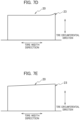
Fig. 7A] Fig. 7A illustrates an example of a block according to an embodiment of the present invention. - [
Fig. 7B] Fig. 7B illustrates another example of a block according to an embodiment of the present invention. - [
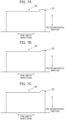
Fig. 7C] Fig. 7C illustrates another example of a block according to an embodiment of the present invention. - [
Fig. 7D] Fig. 7D illustrates another example of a block according to an embodiment of the present invention. - [
Fig. 7E] Fig. 7E illustrates another example of a block according to an embodiment of the present invention. - [
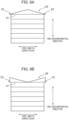
Fig. 8A] Fig. 8A illustrates another example of a block according to example, which is not according to the present invention, but is useful for understanding the present invention. - [
Fig. 8B] Fig. 8B illustrates another example of a block according to an example, which is not according to the present invention, but is useful for understanding the present invention. - [
Fig. 8C] Fig. 8C illustrates another example of a block according to an example, which is not according to the present invention, but is useful for understanding the present invention. - [
Fig. 8D] Fig. 8D illustrates another example of a block according to an example, which is not according to the present invention, but is useful for understanding the present invention. - [
Fig. 9A] Fig. 9A illustrates another example of a block according to an example, which is not according to the present invention, but is useful for understanding the present invention. - [
Fig. 9B] Fig. 9B illustrates another example of a block according to an example, which is not according to the present invention, but is useful for understanding the present invention. - [
Fig. 9C] Fig. 9C illustrates another example of a block according to an example, which is not according to the present invention, but is useful for understanding the present invention. - [
Fig. 9D] Fig. 9D illustrates another example of a block according to an example, which is not according to the present invention, but is useful for understanding the present invention. - [
Fig. 9E] Fig. 9E illustrates another example of a block according to an example, which is not according to the present invention, but is useful for understanding the present invention. - [
Fig. 10] Fig. 10 is a plan view showing another tread surface of a tire according to an embodiment of the present invention. - [
Fig. 11] Fig. 11 is a plan view showing further another tread surface of a tire according to an example, which is not according to the present invention, but is useful for understanding the present invention. - Hereinafter, embodiments of the present invention and examples will be described with reference to the drawings. In the illustration of the drawings, the same constituents are denoted by the same reference signs, and description thereof is omitted.
- The configuration of a
pneumatic tire 10 will be described with reference toFig. 1 . Thepneumatic tire 10 is hereinafter simply referred to as atire 10. On a tread surface of thetire 10, a plurality ofcircumferential grooves 11 extending along the tire circumferential direction and a plurality oflateral grooves 12 crossing thecircumferential grooves 11 are formed. On the tread surface of thetire 10, a plurality ofblocks 20 partitioned by thecircumferential grooves 11 and thelateral grooves 12 are formed. Theblocks 20 are continuously formed along the tire circumferential direction. Thelateral groove 12 extends along the tire width direction. At both end parts of thetire 10, a plurality ofshoulder blocks 30 partitioned by acircumferential grooves 11 andshoulder grooves 13 is formed. It is sufficient that at least one row of theblocks 20 along the tire circumferential direction is formed. In the present example, the tire circumferential direction is a direction in which the tire rotates around a tire rotation axis. The tire width direction is a direction parallel to the tire rotation axis. An inside in the tire width direction is a direction toward a tire equator surface in the tire width direction, and an outside in the tire width direction is a direction opposite to the direction toward the tire equator surface in the tire width direction. A tire radial direction is a direction orthogonal to the tire rotation axis. An inside in the tire radial direction is a direction toward the tire rotation axis in the tire radial direction, and an outside in the tire radial direction is a direction away from the tire rotation axis in the tire radial direction. - A plurality of
sipes 21 are formed on a tread part of theblock 20. InFig. 1 , thesipes 21 is formed linearly along the tire width direction, but is not limited to this case. Thesipes 21 may be formed in a zigzag shape, a waveform shape, a crank shape or the like along the tire width direction. Thesipes 21 is a narrow groove which can be closed when thetire 10 is grounded. The groove width of thesipes 21 is, but not necessarily, for example, 0.1 mm to 1.5 mm. - As shown in
Fig. 1 , at one end portion of theblock 20 in the tire circumferential direction, aprojection 23 is formed. One end portion of theblock 20 in the tire circumferential direction is a portion that first contacts the road surface when thetire 10 rotates, and is a so-called stepping end of theblock 20. - Next, details of the
projection 23 will be described with reference toFig. 2A . As shown inFig. 2A , theprojection 23 is formed at anend portion 25 of theblock 20. As described above, theend portion 25 is a portion that first contacts the road surface when thetire 10 rotates, and is the stepping end of theblock 20. Acenter line 28 shown inFig. 2A is a center line of theblock 20 in the tire width direction. - The
projection 23 is formed so as to project along the tire width direction at theend portion 25. Aside wall 26, which is an end of theblock 20 in the tire width direction, is formed along the tire circumferential direction and continues to theprojection 23. Theprojection 23 and theside wall 26 form a recess. Other parts of theblock 20 excluding theprojection 23 is formed within a range of shadow formed by projecting theend portion 25 in the tire circumferential direction. In other words, theblock 20 is formed between a line formed by extending the outermost end of theprojection 23 in the tire width direction along the tire circumferential direction. Furthermore in other words, theside wall 26 is formed closer to thecenter line 28 of theblock 20 in the tire width direction than the line formed by extending the outermost end of theprojection 23 in the tire width direction along the tire circumferential direction. The range of shadow formed by projecting theend portion 25 in the tire circumferential direction is anarea 27 shown inFig. 2A . - It has been described that the
projection 23 is formed at theend portion 25 which is the stepping end, but is not limited to this case. Theprojection 23 may be formed at opposite theend portion 25, i.e., at a kick-out end. That is, theprojection 23 may be formed at the ends on both sides of theblock 20 in the tire circumferential direction. - In the example shown in
Fig. 2A , theprojection 23 are formed on both sides of theend portion 25 along the tire width direction, but they are not necessarily formed on both sides of theend portion 25. As described later, theprojection 23 may be formed only on one side of theend portion 25. - Next, with reference to
Fig. 2B , the water flow by theprojection 23 will be described. As an example, when theblock 20A in front of theblock 20 touches the ice road, water is generated by friction. In this case, the water generated by the friction of thefront block 20A is drained by thesipes 21 formed in thefront block 20A. Water drained by thesipes 21 of thefront block 20A flows through the outside of theprojection 23 to the rear of theblock 20 as shown by an arrow A. In other words, theprojection 23 prevents the water drained by thesipes 21 of thefront block 20A from entering thesipes 21 of theblock 20. Thus, the water flow drained by thesipes 21 of thefront block 20A is controlled, and the braking performance on the ice road can be improved. When theblock 20 touches the ice road, water generated by friction is drained by thesipes 21 as shown by an arrow B, therefore the deterioration of the braking performance is suppressed. That is, in thewhole block 20, water drained from thefront block 20A is prevented from entering thesipes 21 by theprojection 23, and water generated by friction is drained by thesipes 21. Thus, the braking performance on the ice road can be improved throughout theblock 20. - As discussed above, the
tire 10 according to the example obtains the following working and effects. Theprojection 23 is formed at theend portion 25 of theblock 20 on thetire 10. Theside wall 26 continuous to theprojection 23 is formed closer to thecenter line 28 of theblock 20 with respect to the tire width direction than the line formed by extending the outermost end of theprojection 23 in the tire width direction along the tire circumferential direction. Theprojection 23 prevents water drained by the sipe of the front block from entering thesipes 21 of theblock 20. Thus, the water flow drained by the sipe of the front block is controlled, and the braking performance on the ice road can be improved. - While the present invention has been described above by reference to the example, it should be understood that the present invention is not intended to be limited to the descriptions and the drawings .
- Various alternative embodiments, examples, and technical applications will be apparent to those skilled in the art without departing from the scope of the invention as defined in the claims.
- As shown in
Fig. 3 , when the length of theprojection 23 in the tire width direction is W and the length of theblock 20 in the tire circumferential direction is L, the length W of theprojection 23 in the tire width direction is a length satisfying the following formula 1.
[Math. 1]
- The formula 1 will be described. If the length W is 0, as shown in
Fig. 4 , water drained from the front block enters the interior of theblock 90 through thesipes 91. This is due to the viscosity of water. The length W must be greater than 0 to prevent water intrusion. However, when W/L is 2/30 or more, the braking performance on the ice road may be deteriorated as compared with the case where W/L is less than 2/30. This point will be described with reference toFig. 5 . InFig. 5 , theblock 92 shows two adjacent blocks. InFig. 5 , W/L is 2/30 or more. As shown inFig. 5 , since theprojection 23 is long, water flows in the tire width direction as shown by an arrow D. Therefore, the amount of water flowing to the rear of theblock 92 decreases as shown by an arrow C. Since water flows from both directions (lateral direction) toward the center as shown by the arrow D, a turbulence is generated as shown by an arrow E, and smooth water flow is obstructed. Also, as shown by an arrow F, some of water in the area of the arrow E may flow to the tread ofblock 92. As a result, the braking performance on the ice road may be deteriorated. When theprojection 23 is long, theprojection 23 is liable to be partially worn. When theprojection 23 is long, theprojection 23 is likely to crack. As described above, when the W/L is 2/30 or more, the braking performance on the ice road may be deteriorated as compared with the case where W/L is less than 2/30, and this is disadvantageous in terms of partially worn and crack. On the other hand, W/L satisfies the above formula 1, the braking performance on the ice road can be improved, and partially worn and crack can be suppressed. The length W of theprojection 23 in the tire width direction may be 1 mm or 2 mm. - The shape of the
projection 23 may be a square or a convex shape toward the outside in the tire width direction. As shown inFig. 6A , the shape of theprojection 23 may be inclined linearly toward the outside in the tire width direction. Further, as shown inFig. 6B , the shape of theprojection 23 may be convex toward the inside in the tire width direction. The angle θ (Fig. 6A ) of theprojection 23 with respect to the tire circumferential direction is preferably 45 degrees or more in any shape. - The height of the
projection 23 in the tire radial direction can be appropriately changed. For example, as shown inFig. 7A , the height of theprojection 23 in the tire radial direction may be higher than the height of other portions of theblock 20. Further, the shape of theprojection 23 in the tire radial direction is not limited to the square shape as shown inFig. 7A . For example, as shown inFig. 7B , the shape of theprojection 23 in the tire radial direction may be inclined in a straight line from the kick-out side to the stepping side. The shape of theprojection 23 in the tire radial direction may be convex toward the kick-out side as shown inFig. 7C , Further, as shown inFig. 7D , the shape of theprojection 23 in the tire radial direction may be convex toward the stepping side. As shown inFig. 7E , theblock 20 may be formed so that the height in the tire radial direction gradually increases from the kick-out end to the stepping end. - In the example shown in
Fig. 2A , the shape of theend portion 25 is linear, but is not limited to this case. For example, as shown inFig. 8A , theend portion 25 may be inclined from the center in the tire width direction of theblock 20 toward the outside in the tire width direction. Further, theend portion 25 may be inclined from the stepping side to the kick-out side as shown inFig. 8A . Theend portion 25 may be inclined from the kick-out side to the stepping side as shown inFig. 8B . In the example shown inFig. 8B , some of water drained by the sipes of the front block is stopped by the recess at theend portion 25, thereby the amount of water flowing into thesipes 21 is further reduced. - Further, as shown in
Fig. 8C , the shape of theend portion 25 may be convex toward the stepping side. Further, as shown inFig. 8D , the shape of theend portion 25 may be convex toward the kick-out side with the center in the tire width direction of theblock 20 as the apex. - In the example shown in
Fig. 2A , the shape of theside wall 26 continuous to theprojection 23 is linear along the tire circumferential direction, but the shape is not limited to this case. For example, as shown inFig. 9A , a part of theside wall 26 continuous to theprojection 23 may be inclined inward in the tire width direction. Further, as shown inFig. 9B , the shape of a part of theside wall 26 continuous to theprojection 23 may be a convex shape toward the outside in the tire width direction. Further, as shown inFig. 9C , the shape of a part of theside wall 26 continuous to theprojection 23 may be convex inward in the tire width direction. Further, as shown inFig. 9D , the shape of a part of theside wall 26 continuous to theprojection 23 may be a convex shape formed linearly toward the inside in the tire width direction so as to enter the inside of theblock 20. Further, as shown inFig. 9E , the shape of a part of theside wall 26 continuous to theprojection 23 may be a convex shape formed as a curve toward the inside in the tire width direction so as to enter the inside of theblock 20. - As shown in
Fig. 10 , theblock 20 of thetire 50 may be formed to be inclined in the tire width direction. Water has the property of flowing in a flowable direction. Therefore, as shown inFig. 10 , when theblock 20 is formed to be inclined, most of water drained by the sipes of the front block flows along the inclined direction of theblock 20. Therefore, as shown inFig. 10 , theprojection 23 may be formed so as to protrude only on one side of the end portion. Thus, even if theprojection 23 is formed only on one side of the end portion, the water flow drained by the sipes of the front block is controlled, and the braking performance on the ice road can be improved. Even when theprojection 23 is formed only on one side of theend portion 25, theside wall 26 continuous to theprojection 23 is formed closer to thecenter line 28 with respect to the tire width direction of theblock 20 than the line extending the outermost end of theprojection 23 in the tire width direction along the tire circumferential direction. In other words, theblock 20 may be formed between the line formed by extending the outermost end of theprojection 23 in the tire width direction along the tire circumferential direction and the line formed by extending the outer end in the tire width direction of theend portion 25 where theprojection 23 is not formed along the tire circumferential direction. - As shown in
Fig. 10 , theprojection 31 may be formed on theshoulder block 30. Theprojection 23 may be formed in all theblocks 20 or in some of theblocks 20. Similarly, theprojection 31 may be formed in all the shoulder blocks 30 or in some of the shoulder blocks 30. - The
projection 23 may be formed not only at the stepping end but also at the kick-out end. That is, as shown inFig. 11 , theprojection 23 may be formed at both ends of theblock 20 in the tire circumferential direction. Thus, the above braking performance is obtained regardless of the rotational direction of the tire. InFig. 2A , the end of theprojection 23 on the kick-out side overlaps thesipes 21, but is not limited to this case. Thesipes 21 may be formed on the kick-out side rather than the end of theprojection 23. -
- 10, 50 tire
- 11 circumferential groove
- 12 lateral groove
- 13 shoulder groove
- 20 block
- 21 sipe
- 23 projection
- 25 end portion
- 26 side wall
- 27 area
- 28 center line
- 30 shoulder block
- 31 projection
Claims (3)
- A pneumatic tire (50) comprising:at least two circumferential grooves (11) extending along a tire circumferential direction;a plurality of lateral grooves (13) formed in a direction crossing the circumferential grooves (11);a plurality of blocks (20, 30) partitioned by the circumferential grooves (11) and the lateral grooves (13);a sipe (21) formed on the blocks (20, 30) along a tire width direction,whereina projection (23, 31) is formed at at least one end portion of the blocks (20, 30) in the tire circumferential direction, the projection (23, 31) projects along the tire width direction,a side wall of the blocks (20, 30), which is an end of the blocks (20, 30) in the tire width direction, is formed along the tire circumferential direction and is continuous to the projection (23, 31), is formed closer to a center line of the blocks (20, 30) in the tire width direction than a line formed by extending an outermost end of the projection (23, 31) in the tire width direction along the tire circumferential direction,characterized in thatin each block (20, 30), the block (20, 30) and the end portion in the tire circumferential direction of the projection (23, 31) are formed to be inclined in the tire width direction,the blocks (20, 30) comprise shoulder blocks (30) formed at a tire end portion in the tire width direction and blocks (20) other than the shoulder blocks (30), andthe projection (31) formed on the shoulder blocks (30) and the projection (23) formed on the blocks (20) other than the shoulder blocks (30) are formed to protrude only on one side of the end portion of the block (20, 30).
- The pneumatic tire (10) according to claim 1, wherein the projection (23) and the side wall (26) form a recess.
- The pneumatic tire (10) according to claim 1 or 2, wherein the projection (23, 31) is formed at only one end portion of the blocks (20, 30).
Applications Claiming Priority (2)
| Application Number | Priority Date | Filing Date | Title |
|---|---|---|---|
| JP2018110894A JP2019214231A (en) | 2018-06-11 | 2018-06-11 | Pneumatic tire |
| PCT/JP2019/020596 WO2019239844A1 (en) | 2018-06-11 | 2019-05-24 | Pneumatic tire |
Publications (3)
| Publication Number | Publication Date |
|---|---|
| EP3815927A1 EP3815927A1 (en) | 2021-05-05 |
| EP3815927A4 EP3815927A4 (en) | 2022-03-02 |
| EP3815927B1 true EP3815927B1 (en) | 2024-07-03 |
Family
ID=68842820
Family Applications (1)
| Application Number | Title | Priority Date | Filing Date |
|---|---|---|---|
| EP19819224.7A Active EP3815927B1 (en) | 2018-06-11 | 2019-05-24 | Pneumatic tire |
Country Status (4)
| Country | Link |
|---|---|
| EP (1) | EP3815927B1 (en) |
| JP (1) | JP2019214231A (en) |
| CN (1) | CN112236314A (en) |
| WO (1) | WO2019239844A1 (en) |
Family Cites Families (28)
| Publication number | Priority date | Publication date | Assignee | Title |
|---|---|---|---|---|
| JP3330983B2 (en) * | 1991-11-11 | 2002-10-07 | 株式会社ブリヂストン | Pneumatic tire |
| JPH05310011A (en) * | 1992-05-08 | 1993-11-22 | Bridgestone Corp | Pneumatic tire |
| JP3469654B2 (en) * | 1994-09-14 | 2003-11-25 | 住友ゴム工業株式会社 | studless tire |
| ES2199515T3 (en) * | 1998-12-23 | 2004-02-16 | Pirelli Pneumatici S.P.A. | TIRES FOR VEHICLE WHEELS. |
| JP4323623B2 (en) * | 1999-07-19 | 2009-09-02 | 株式会社ブリヂストン | Pneumatic tire |
| JP4723939B2 (en) * | 2005-07-22 | 2011-07-13 | 株式会社ブリヂストン | Pneumatic tire |
| JP5038649B2 (en) * | 2006-04-18 | 2012-10-03 | 東洋ゴム工業株式会社 | Pneumatic tire |
| JP4738276B2 (en) * | 2006-08-03 | 2011-08-03 | 株式会社ブリヂストン | Pneumatic tire |
| JP5038739B2 (en) * | 2007-02-22 | 2012-10-03 | 住友ゴム工業株式会社 | studless tire |
| JP4582153B2 (en) * | 2008-01-28 | 2010-11-17 | 横浜ゴム株式会社 | Pneumatic tire |
| JP5184116B2 (en) * | 2008-02-04 | 2013-04-17 | 株式会社ブリヂストン | studless tire |
| JP4816675B2 (en) * | 2008-04-22 | 2011-11-16 | 横浜ゴム株式会社 | Pneumatic tire |
| JP2009286204A (en) * | 2008-05-28 | 2009-12-10 | Bridgestone Corp | Pneumatic tire, sipe formation blade, and manufacturing method for pneumatic tire |
| IT1396282B1 (en) * | 2009-09-22 | 2012-11-16 | Bridgestone Corp | WINTER TIRE WITH INCREASED TRACTION CAPACITY ON SNOW COVERS. |
| JP5790166B2 (en) * | 2011-06-02 | 2015-10-07 | 横浜ゴム株式会社 | Pneumatic tire |
| EP2762333B1 (en) * | 2011-09-28 | 2017-07-12 | Bridgestone Corporation | Pneumatic tire |
| JP6241157B2 (en) * | 2013-09-11 | 2017-12-06 | 横浜ゴム株式会社 | Pneumatic tire |
| JP5932761B2 (en) | 2013-12-18 | 2016-06-08 | 住友ゴム工業株式会社 | Pneumatic tire |
| JP5981949B2 (en) * | 2014-02-18 | 2016-08-31 | 住友ゴム工業株式会社 | Pneumatic tire |
| RU2653921C1 (en) * | 2014-10-07 | 2018-05-15 | Дзе Йокогама Раббер Ко., Лтд. | Pneumatic tyre |
| JP6391483B2 (en) * | 2015-01-29 | 2018-09-19 | 株式会社ブリヂストン | Pneumatic tire |
| JP6164235B2 (en) * | 2015-02-16 | 2017-07-19 | 横浜ゴム株式会社 | Pneumatic tire |
| JP6558124B2 (en) * | 2015-07-31 | 2019-08-14 | 住友ゴム工業株式会社 | Pneumatic tire |
| WO2017104780A1 (en) * | 2015-12-17 | 2017-06-22 | Compagnie Generale Des Etablissements Michelin | A tire comprising a tread |
| JP6682386B2 (en) * | 2016-06-30 | 2020-04-15 | Toyo Tire株式会社 | Pneumatic tire |
| JP6676485B2 (en) * | 2016-06-30 | 2020-04-08 | Toyo Tire株式会社 | Pneumatic tire |
| JP6880999B2 (en) * | 2017-04-28 | 2021-06-02 | 住友ゴム工業株式会社 | tire |
| JP2018110894A (en) | 2018-03-09 | 2018-07-19 | マクセルホールディングス株式会社 | Beauty equipment |
-
2018
- 2018-06-11 JP JP2018110894A patent/JP2019214231A/en active Pending
-
2019
- 2019-05-24 EP EP19819224.7A patent/EP3815927B1/en active Active
- 2019-05-24 CN CN201980037819.6A patent/CN112236314A/en active Pending
- 2019-05-24 WO PCT/JP2019/020596 patent/WO2019239844A1/en not_active Ceased
Also Published As
| Publication number | Publication date |
|---|---|
| JP2019214231A (en) | 2019-12-19 |
| WO2019239844A1 (en) | 2019-12-19 |
| EP3815927A1 (en) | 2021-05-05 |
| CN112236314A (en) | 2021-01-15 |
| EP3815927A4 (en) | 2022-03-02 |
Similar Documents
| Publication | Publication Date | Title |
|---|---|---|
| JP6274868B2 (en) | Pneumatic tire | |
| US8490664B2 (en) | Pneumatic vehicle tire | |
| US20160137006A1 (en) | Tire | |
| EP3095621B1 (en) | Pneumatic tire | |
| CN106394138B (en) | Pneumatic tire | |
| EP3095620A1 (en) | Tire | |
| EP2714432B1 (en) | Winter tyre | |
| US10576791B2 (en) | Tire | |
| DE102018119898B4 (en) | pneumatic tires | |
| JP2016074328A (en) | Pneumatic tire | |
| JP5799043B2 (en) | Pneumatic tire | |
| EP3795384B1 (en) | Heavy-load tire | |
| EP3815927B1 (en) | Pneumatic tire | |
| CN105324254B (en) | Pneumatic tire | |
| CA2850924C (en) | Pneumatic tire | |
| JP6698330B2 (en) | Pneumatic tire | |
| EP3505368B1 (en) | Tire | |
| JP7260702B2 (en) | pneumatic tire | |
| JP2004306906A (en) | Pneumatic tire | |
| EP4067117B1 (en) | Tire | |
| JP7187903B2 (en) | pneumatic tire | |
| US20210039442A1 (en) | Pneumatic tire | |
| JP5985005B2 (en) | Pneumatic tire | |
| JP2008030622A (en) | Tire | |
| JP2014151831A (en) | Pneumatic tire |
Legal Events
| Date | Code | Title | Description |
|---|---|---|---|
| STAA | Information on the status of an ep patent application or granted ep patent |
Free format text: STATUS: THE INTERNATIONAL PUBLICATION HAS BEEN MADE |
|
| PUAI | Public reference made under article 153(3) epc to a published international application that has entered the european phase |
Free format text: ORIGINAL CODE: 0009012 |
|
| STAA | Information on the status of an ep patent application or granted ep patent |
Free format text: STATUS: REQUEST FOR EXAMINATION WAS MADE |
|
| 17P | Request for examination filed |
Effective date: 20201204 |
|
| AK | Designated contracting states |
Kind code of ref document: A1 Designated state(s): AL AT BE BG CH CY CZ DE DK EE ES FI FR GB GR HR HU IE IS IT LI LT LU LV MC MK MT NL NO PL PT RO RS SE SI SK SM TR |
|
| DAV | Request for validation of the european patent (deleted) | ||
| DAX | Request for extension of the european patent (deleted) | ||
| A4 | Supplementary search report drawn up and despatched |
Effective date: 20220128 |
|
| RIC1 | Information provided on ipc code assigned before grant |
Ipc: B60C 11/13 20060101ALI20220124BHEP Ipc: B60C 11/12 20060101ALI20220124BHEP Ipc: B60C 11/03 20060101AFI20220124BHEP |
|
| STAA | Information on the status of an ep patent application or granted ep patent |
Free format text: STATUS: EXAMINATION IS IN PROGRESS |
|
| 17Q | First examination report despatched |
Effective date: 20230321 |
|
| GRAP | Despatch of communication of intention to grant a patent |
Free format text: ORIGINAL CODE: EPIDOSNIGR1 |
|
| STAA | Information on the status of an ep patent application or granted ep patent |
Free format text: STATUS: GRANT OF PATENT IS INTENDED |
|
| INTG | Intention to grant announced |
Effective date: 20240108 |
|
| P01 | Opt-out of the competence of the unified patent court (upc) registered |
Effective date: 20240222 |
|
| GRAS | Grant fee paid |
Free format text: ORIGINAL CODE: EPIDOSNIGR3 |
|
| GRAA | (expected) grant |
Free format text: ORIGINAL CODE: 0009210 |
|
| STAA | Information on the status of an ep patent application or granted ep patent |
Free format text: STATUS: THE PATENT HAS BEEN GRANTED |
|
| AK | Designated contracting states |
Kind code of ref document: B1 Designated state(s): AL AT BE BG CH CY CZ DE DK EE ES FI FR GB GR HR HU IE IS IT LI LT LU LV MC MK MT NL NO PL PT RO RS SE SI SK SM TR |
|
| REG | Reference to a national code |
Ref country code: CH Ref legal event code: EP |
|
| REG | Reference to a national code |
Ref country code: DE Ref legal event code: R096 Ref document number: 602019054709 Country of ref document: DE |
|
| REG | Reference to a national code |
Ref country code: LT Ref legal event code: MG9D |
|
| REG | Reference to a national code |
Ref country code: NL Ref legal event code: MP Effective date: 20240703 |
|
| PG25 | Lapsed in a contracting state [announced via postgrant information from national office to epo] |
Ref country code: PT Free format text: LAPSE BECAUSE OF FAILURE TO SUBMIT A TRANSLATION OF THE DESCRIPTION OR TO PAY THE FEE WITHIN THE PRESCRIBED TIME-LIMIT Effective date: 20241104 |
|
| REG | Reference to a national code |
Ref country code: AT Ref legal event code: MK05 Ref document number: 1699468 Country of ref document: AT Kind code of ref document: T Effective date: 20240703 |
|
| PG25 | Lapsed in a contracting state [announced via postgrant information from national office to epo] |
Ref country code: NL Free format text: LAPSE BECAUSE OF FAILURE TO SUBMIT A TRANSLATION OF THE DESCRIPTION OR TO PAY THE FEE WITHIN THE PRESCRIBED TIME-LIMIT Effective date: 20240703 |
|
| PG25 | Lapsed in a contracting state [announced via postgrant information from national office to epo] |
Ref country code: PT Free format text: LAPSE BECAUSE OF FAILURE TO SUBMIT A TRANSLATION OF THE DESCRIPTION OR TO PAY THE FEE WITHIN THE PRESCRIBED TIME-LIMIT Effective date: 20241104 Ref country code: NL Free format text: LAPSE BECAUSE OF FAILURE TO SUBMIT A TRANSLATION OF THE DESCRIPTION OR TO PAY THE FEE WITHIN THE PRESCRIBED TIME-LIMIT Effective date: 20240703 |
|
| PG25 | Lapsed in a contracting state [announced via postgrant information from national office to epo] |
Ref country code: NO Free format text: LAPSE BECAUSE OF FAILURE TO SUBMIT A TRANSLATION OF THE DESCRIPTION OR TO PAY THE FEE WITHIN THE PRESCRIBED TIME-LIMIT Effective date: 20241003 |
|
| PG25 | Lapsed in a contracting state [announced via postgrant information from national office to epo] |
Ref country code: FI Free format text: LAPSE BECAUSE OF FAILURE TO SUBMIT A TRANSLATION OF THE DESCRIPTION OR TO PAY THE FEE WITHIN THE PRESCRIBED TIME-LIMIT Effective date: 20240703 Ref country code: PL Free format text: LAPSE BECAUSE OF FAILURE TO SUBMIT A TRANSLATION OF THE DESCRIPTION OR TO PAY THE FEE WITHIN THE PRESCRIBED TIME-LIMIT Effective date: 20240703 Ref country code: GR Free format text: LAPSE BECAUSE OF FAILURE TO SUBMIT A TRANSLATION OF THE DESCRIPTION OR TO PAY THE FEE WITHIN THE PRESCRIBED TIME-LIMIT Effective date: 20241004 |
|
| PG25 | Lapsed in a contracting state [announced via postgrant information from national office to epo] |
Ref country code: BG Free format text: LAPSE BECAUSE OF FAILURE TO SUBMIT A TRANSLATION OF THE DESCRIPTION OR TO PAY THE FEE WITHIN THE PRESCRIBED TIME-LIMIT Effective date: 20240703 |
|
| PG25 | Lapsed in a contracting state [announced via postgrant information from national office to epo] |
Ref country code: LV Free format text: LAPSE BECAUSE OF FAILURE TO SUBMIT A TRANSLATION OF THE DESCRIPTION OR TO PAY THE FEE WITHIN THE PRESCRIBED TIME-LIMIT Effective date: 20240703 |
|
| PG25 | Lapsed in a contracting state [announced via postgrant information from national office to epo] |
Ref country code: IS Free format text: LAPSE BECAUSE OF FAILURE TO SUBMIT A TRANSLATION OF THE DESCRIPTION OR TO PAY THE FEE WITHIN THE PRESCRIBED TIME-LIMIT Effective date: 20241103 Ref country code: AT Free format text: LAPSE BECAUSE OF FAILURE TO SUBMIT A TRANSLATION OF THE DESCRIPTION OR TO PAY THE FEE WITHIN THE PRESCRIBED TIME-LIMIT Effective date: 20240703 |
|
| PG25 | Lapsed in a contracting state [announced via postgrant information from national office to epo] |
Ref country code: HR Free format text: LAPSE BECAUSE OF FAILURE TO SUBMIT A TRANSLATION OF THE DESCRIPTION OR TO PAY THE FEE WITHIN THE PRESCRIBED TIME-LIMIT Effective date: 20240703 Ref country code: CZ Free format text: LAPSE BECAUSE OF FAILURE TO SUBMIT A TRANSLATION OF THE DESCRIPTION OR TO PAY THE FEE WITHIN THE PRESCRIBED TIME-LIMIT Effective date: 20240703 |
|
| PG25 | Lapsed in a contracting state [announced via postgrant information from national office to epo] |
Ref country code: RS Free format text: LAPSE BECAUSE OF FAILURE TO SUBMIT A TRANSLATION OF THE DESCRIPTION OR TO PAY THE FEE WITHIN THE PRESCRIBED TIME-LIMIT Effective date: 20241003 Ref country code: ES Free format text: LAPSE BECAUSE OF FAILURE TO SUBMIT A TRANSLATION OF THE DESCRIPTION OR TO PAY THE FEE WITHIN THE PRESCRIBED TIME-LIMIT Effective date: 20240703 |
|
| PG25 | Lapsed in a contracting state [announced via postgrant information from national office to epo] |
Ref country code: RS Free format text: LAPSE BECAUSE OF FAILURE TO SUBMIT A TRANSLATION OF THE DESCRIPTION OR TO PAY THE FEE WITHIN THE PRESCRIBED TIME-LIMIT Effective date: 20241003 Ref country code: PL Free format text: LAPSE BECAUSE OF FAILURE TO SUBMIT A TRANSLATION OF THE DESCRIPTION OR TO PAY THE FEE WITHIN THE PRESCRIBED TIME-LIMIT Effective date: 20240703 Ref country code: NO Free format text: LAPSE BECAUSE OF FAILURE TO SUBMIT A TRANSLATION OF THE DESCRIPTION OR TO PAY THE FEE WITHIN THE PRESCRIBED TIME-LIMIT Effective date: 20241003 Ref country code: LV Free format text: LAPSE BECAUSE OF FAILURE TO SUBMIT A TRANSLATION OF THE DESCRIPTION OR TO PAY THE FEE WITHIN THE PRESCRIBED TIME-LIMIT Effective date: 20240703 Ref country code: IS Free format text: LAPSE BECAUSE OF FAILURE TO SUBMIT A TRANSLATION OF THE DESCRIPTION OR TO PAY THE FEE WITHIN THE PRESCRIBED TIME-LIMIT Effective date: 20241103 Ref country code: HR Free format text: LAPSE BECAUSE OF FAILURE TO SUBMIT A TRANSLATION OF THE DESCRIPTION OR TO PAY THE FEE WITHIN THE PRESCRIBED TIME-LIMIT Effective date: 20240703 Ref country code: GR Free format text: LAPSE BECAUSE OF FAILURE TO SUBMIT A TRANSLATION OF THE DESCRIPTION OR TO PAY THE FEE WITHIN THE PRESCRIBED TIME-LIMIT Effective date: 20241004 Ref country code: FI Free format text: LAPSE BECAUSE OF FAILURE TO SUBMIT A TRANSLATION OF THE DESCRIPTION OR TO PAY THE FEE WITHIN THE PRESCRIBED TIME-LIMIT Effective date: 20240703 Ref country code: ES Free format text: LAPSE BECAUSE OF FAILURE TO SUBMIT A TRANSLATION OF THE DESCRIPTION OR TO PAY THE FEE WITHIN THE PRESCRIBED TIME-LIMIT Effective date: 20240703 Ref country code: CZ Free format text: LAPSE BECAUSE OF FAILURE TO SUBMIT A TRANSLATION OF THE DESCRIPTION OR TO PAY THE FEE WITHIN THE PRESCRIBED TIME-LIMIT Effective date: 20240703 Ref country code: BG Free format text: LAPSE BECAUSE OF FAILURE TO SUBMIT A TRANSLATION OF THE DESCRIPTION OR TO PAY THE FEE WITHIN THE PRESCRIBED TIME-LIMIT Effective date: 20240703 Ref country code: AT Free format text: LAPSE BECAUSE OF FAILURE TO SUBMIT A TRANSLATION OF THE DESCRIPTION OR TO PAY THE FEE WITHIN THE PRESCRIBED TIME-LIMIT Effective date: 20240703 |
|
| REG | Reference to a national code |
Ref country code: DE Ref legal event code: R097 Ref document number: 602019054709 Country of ref document: DE |
|
| PG25 | Lapsed in a contracting state [announced via postgrant information from national office to epo] |
Ref country code: RO Free format text: LAPSE BECAUSE OF FAILURE TO SUBMIT A TRANSLATION OF THE DESCRIPTION OR TO PAY THE FEE WITHIN THE PRESCRIBED TIME-LIMIT Effective date: 20240703 Ref country code: DK Free format text: LAPSE BECAUSE OF FAILURE TO SUBMIT A TRANSLATION OF THE DESCRIPTION OR TO PAY THE FEE WITHIN THE PRESCRIBED TIME-LIMIT Effective date: 20240703 Ref country code: SM Free format text: LAPSE BECAUSE OF FAILURE TO SUBMIT A TRANSLATION OF THE DESCRIPTION OR TO PAY THE FEE WITHIN THE PRESCRIBED TIME-LIMIT Effective date: 20240703 |
|
| PG25 | Lapsed in a contracting state [announced via postgrant information from national office to epo] |
Ref country code: EE Free format text: LAPSE BECAUSE OF FAILURE TO SUBMIT A TRANSLATION OF THE DESCRIPTION OR TO PAY THE FEE WITHIN THE PRESCRIBED TIME-LIMIT Effective date: 20240703 |
|
| PG25 | Lapsed in a contracting state [announced via postgrant information from national office to epo] |
Ref country code: SK Free format text: LAPSE BECAUSE OF FAILURE TO SUBMIT A TRANSLATION OF THE DESCRIPTION OR TO PAY THE FEE WITHIN THE PRESCRIBED TIME-LIMIT Effective date: 20240703 Ref country code: IT Free format text: LAPSE BECAUSE OF FAILURE TO SUBMIT A TRANSLATION OF THE DESCRIPTION OR TO PAY THE FEE WITHIN THE PRESCRIBED TIME-LIMIT Effective date: 20240703 |
|
| PLBE | No opposition filed within time limit |
Free format text: ORIGINAL CODE: 0009261 |
|
| STAA | Information on the status of an ep patent application or granted ep patent |
Free format text: STATUS: NO OPPOSITION FILED WITHIN TIME LIMIT |
|
| 26N | No opposition filed |
Effective date: 20250404 |
|
| PGFP | Annual fee paid to national office [announced via postgrant information from national office to epo] |
Ref country code: DE Payment date: 20250521 Year of fee payment: 7 |
|
| PGFP | Annual fee paid to national office [announced via postgrant information from national office to epo] |
Ref country code: FR Payment date: 20250528 Year of fee payment: 7 |
|
| PG25 | Lapsed in a contracting state [announced via postgrant information from national office to epo] |
Ref country code: SE Free format text: LAPSE BECAUSE OF FAILURE TO SUBMIT A TRANSLATION OF THE DESCRIPTION OR TO PAY THE FEE WITHIN THE PRESCRIBED TIME-LIMIT Effective date: 20240703 |
|
| REG | Reference to a national code |
Ref country code: CH Ref legal event code: H13 Free format text: ST27 STATUS EVENT CODE: U-0-0-H10-H13 (AS PROVIDED BY THE NATIONAL OFFICE) Effective date: 20251223 |
|
| PG25 | Lapsed in a contracting state [announced via postgrant information from national office to epo] |
Ref country code: LU Free format text: LAPSE BECAUSE OF NON-PAYMENT OF DUE FEES Effective date: 20250524 |
|
| PG25 | Lapsed in a contracting state [announced via postgrant information from national office to epo] |
Ref country code: CH Free format text: LAPSE BECAUSE OF NON-PAYMENT OF DUE FEES Effective date: 20250531 |
|
| GBPC | Gb: european patent ceased through non-payment of renewal fee |
Effective date: 20250524 |
|
| REG | Reference to a national code |
Ref country code: BE Ref legal event code: MM Effective date: 20250531 |
|
| PG25 | Lapsed in a contracting state [announced via postgrant information from national office to epo] |
Ref country code: MC Free format text: LAPSE BECAUSE OF FAILURE TO SUBMIT A TRANSLATION OF THE DESCRIPTION OR TO PAY THE FEE WITHIN THE PRESCRIBED TIME-LIMIT Effective date: 20240703 |
|
| PG25 | Lapsed in a contracting state [announced via postgrant information from national office to epo] |
Ref country code: GB Free format text: LAPSE BECAUSE OF NON-PAYMENT OF DUE FEES Effective date: 20250524 |
|
| PG25 | Lapsed in a contracting state [announced via postgrant information from national office to epo] |
Ref country code: IE Free format text: LAPSE BECAUSE OF NON-PAYMENT OF DUE FEES Effective date: 20250524 |
|
| PG25 | Lapsed in a contracting state [announced via postgrant information from national office to epo] |
Ref country code: BE Free format text: LAPSE BECAUSE OF NON-PAYMENT OF DUE FEES Effective date: 20250531 |