EP3810147B1 - Novel dna polymerase gamma inhibitor and uses thereof - Google Patents
Novel dna polymerase gamma inhibitor and uses thereof Download PDFInfo
- Publication number
- EP3810147B1 EP3810147B1 EP18880072.6A EP18880072A EP3810147B1 EP 3810147 B1 EP3810147 B1 EP 3810147B1 EP 18880072 A EP18880072 A EP 18880072A EP 3810147 B1 EP3810147 B1 EP 3810147B1
- Authority
- EP
- European Patent Office
- Prior art keywords
- pol
- compound
- mlh1
- pharmaceutically acceptable
- treatment
- Prior art date
- Legal status (The legal status is an assumption and is not a legal conclusion. Google has not performed a legal analysis and makes no representation as to the accuracy of the status listed.)
- Active
Links
Images




Classifications
-
- A—HUMAN NECESSITIES
- A61—MEDICAL OR VETERINARY SCIENCE; HYGIENE
- A61K—PREPARATIONS FOR MEDICAL, DENTAL OR TOILETRY PURPOSES
- A61K31/00—Medicinal preparations containing organic active ingredients
- A61K31/655—Azo (—N=N—), diazo (=N2), azoxy (>N—O—N< or N(=O)—N<), azido (—N3) or diazoamino (—N=N—N<) compounds
-
- A—HUMAN NECESSITIES
- A61—MEDICAL OR VETERINARY SCIENCE; HYGIENE
- A61K—PREPARATIONS FOR MEDICAL, DENTAL OR TOILETRY PURPOSES
- A61K31/00—Medicinal preparations containing organic active ingredients
- A61K31/16—Amides, e.g. hydroxamic acids
- A61K31/17—Amides, e.g. hydroxamic acids having the group >N—C(O)—N< or >N—C(S)—N<, e.g. urea, thiourea, carmustine
- A61K31/175—Amides, e.g. hydroxamic acids having the group >N—C(O)—N< or >N—C(S)—N<, e.g. urea, thiourea, carmustine having the group, >N—C(O)—N=N— or, e.g. carbonohydrazides, carbazones, semicarbazides, semicarbazones; Thioanalogues thereof
-
- A—HUMAN NECESSITIES
- A61—MEDICAL OR VETERINARY SCIENCE; HYGIENE
- A61K—PREPARATIONS FOR MEDICAL, DENTAL OR TOILETRY PURPOSES
- A61K31/00—Medicinal preparations containing organic active ingredients
- A61K31/185—Acids; Anhydrides, halides or salts thereof, e.g. sulfur acids, imidic, hydrazonic or hydroximic acids
- A61K31/19—Carboxylic acids, e.g. valproic acid
- A61K31/195—Carboxylic acids, e.g. valproic acid having an amino group
- A61K31/196—Carboxylic acids, e.g. valproic acid having an amino group the amino group being directly attached to a ring, e.g. anthranilic acid, mefenamic acid, diclofenac, chlorambucil
-
- A—HUMAN NECESSITIES
- A61—MEDICAL OR VETERINARY SCIENCE; HYGIENE
- A61K—PREPARATIONS FOR MEDICAL, DENTAL OR TOILETRY PURPOSES
- A61K31/00—Medicinal preparations containing organic active ingredients
- A61K31/185—Acids; Anhydrides, halides or salts thereof, e.g. sulfur acids, imidic, hydrazonic or hydroximic acids
- A61K31/19—Carboxylic acids, e.g. valproic acid
- A61K31/195—Carboxylic acids, e.g. valproic acid having an amino group
- A61K31/197—Carboxylic acids, e.g. valproic acid having an amino group the amino and the carboxyl groups being attached to the same acyclic carbon chain, e.g. gamma-aminobutyric acid [GABA], beta-alanine, epsilon-aminocaproic acid or pantothenic acid
- A61K31/198—Alpha-amino acids, e.g. alanine or edetic acid [EDTA]
-
- A—HUMAN NECESSITIES
- A61—MEDICAL OR VETERINARY SCIENCE; HYGIENE
- A61K—PREPARATIONS FOR MEDICAL, DENTAL OR TOILETRY PURPOSES
- A61K31/00—Medicinal preparations containing organic active ingredients
- A61K31/21—Esters, e.g. nitroglycerine, selenocyanates
- A61K31/255—Esters, e.g. nitroglycerine, selenocyanates of sulfoxy acids or sulfur analogues thereof
-
- A—HUMAN NECESSITIES
- A61—MEDICAL OR VETERINARY SCIENCE; HYGIENE
- A61K—PREPARATIONS FOR MEDICAL, DENTAL OR TOILETRY PURPOSES
- A61K31/00—Medicinal preparations containing organic active ingredients
- A61K31/33—Heterocyclic compounds
- A61K31/335—Heterocyclic compounds having oxygen as the only ring hetero atom, e.g. fungichromin
- A61K31/337—Heterocyclic compounds having oxygen as the only ring hetero atom, e.g. fungichromin having four-membered rings, e.g. taxol
-
- A—HUMAN NECESSITIES
- A61—MEDICAL OR VETERINARY SCIENCE; HYGIENE
- A61K—PREPARATIONS FOR MEDICAL, DENTAL OR TOILETRY PURPOSES
- A61K31/00—Medicinal preparations containing organic active ingredients
- A61K31/33—Heterocyclic compounds
- A61K31/395—Heterocyclic compounds having nitrogen as a ring hetero atom, e.g. guanethidine or rifamycins
- A61K31/495—Heterocyclic compounds having nitrogen as a ring hetero atom, e.g. guanethidine or rifamycins having six-membered rings with two or more nitrogen atoms as the only ring heteroatoms, e.g. piperazine or tetrazines
- A61K31/505—Pyrimidines; Hydrogenated pyrimidines, e.g. trimethoprim
- A61K31/519—Pyrimidines; Hydrogenated pyrimidines, e.g. trimethoprim ortho- or peri-condensed with heterocyclic rings
-
- A—HUMAN NECESSITIES
- A61—MEDICAL OR VETERINARY SCIENCE; HYGIENE
- A61K—PREPARATIONS FOR MEDICAL, DENTAL OR TOILETRY PURPOSES
- A61K31/00—Medicinal preparations containing organic active ingredients
- A61K31/66—Phosphorus compounds
- A61K31/675—Phosphorus compounds having nitrogen as a ring hetero atom, e.g. pyridoxal phosphate
-
- A—HUMAN NECESSITIES
- A61—MEDICAL OR VETERINARY SCIENCE; HYGIENE
- A61K—PREPARATIONS FOR MEDICAL, DENTAL OR TOILETRY PURPOSES
- A61K31/00—Medicinal preparations containing organic active ingredients
- A61K31/70—Carbohydrates; Sugars; Derivatives thereof
- A61K31/7042—Compounds having saccharide radicals and heterocyclic rings
- A61K31/7052—Compounds having saccharide radicals and heterocyclic rings having nitrogen as a ring hetero atom, e.g. nucleosides, nucleotides
- A61K31/706—Compounds having saccharide radicals and heterocyclic rings having nitrogen as a ring hetero atom, e.g. nucleosides, nucleotides containing six-membered rings with nitrogen as a ring hetero atom
- A61K31/7064—Compounds having saccharide radicals and heterocyclic rings having nitrogen as a ring hetero atom, e.g. nucleosides, nucleotides containing six-membered rings with nitrogen as a ring hetero atom containing condensed or non-condensed pyrimidines
- A61K31/7068—Compounds having saccharide radicals and heterocyclic rings having nitrogen as a ring hetero atom, e.g. nucleosides, nucleotides containing six-membered rings with nitrogen as a ring hetero atom containing condensed or non-condensed pyrimidines having oxo groups directly attached to the pyrimidine ring, e.g. cytidine, cytidylic acid
-
- A—HUMAN NECESSITIES
- A61—MEDICAL OR VETERINARY SCIENCE; HYGIENE
- A61K—PREPARATIONS FOR MEDICAL, DENTAL OR TOILETRY PURPOSES
- A61K31/00—Medicinal preparations containing organic active ingredients
- A61K31/70—Carbohydrates; Sugars; Derivatives thereof
- A61K31/7042—Compounds having saccharide radicals and heterocyclic rings
- A61K31/7052—Compounds having saccharide radicals and heterocyclic rings having nitrogen as a ring hetero atom, e.g. nucleosides, nucleotides
- A61K31/706—Compounds having saccharide radicals and heterocyclic rings having nitrogen as a ring hetero atom, e.g. nucleosides, nucleotides containing six-membered rings with nitrogen as a ring hetero atom
- A61K31/7064—Compounds having saccharide radicals and heterocyclic rings having nitrogen as a ring hetero atom, e.g. nucleosides, nucleotides containing six-membered rings with nitrogen as a ring hetero atom containing condensed or non-condensed pyrimidines
- A61K31/7076—Compounds having saccharide radicals and heterocyclic rings having nitrogen as a ring hetero atom, e.g. nucleosides, nucleotides containing six-membered rings with nitrogen as a ring hetero atom containing condensed or non-condensed pyrimidines containing purines, e.g. adenosine, adenylic acid
-
- A—HUMAN NECESSITIES
- A61—MEDICAL OR VETERINARY SCIENCE; HYGIENE
- A61P—SPECIFIC THERAPEUTIC ACTIVITY OF CHEMICAL COMPOUNDS OR MEDICINAL PREPARATIONS
- A61P35/00—Antineoplastic agents
-
- C—CHEMISTRY; METALLURGY
- C09—DYES; PAINTS; POLISHES; NATURAL RESINS; ADHESIVES; COMPOSITIONS NOT OTHERWISE PROVIDED FOR; APPLICATIONS OF MATERIALS NOT OTHERWISE PROVIDED FOR
- C09B—ORGANIC DYES OR CLOSELY-RELATED COMPOUNDS FOR PRODUCING DYES, e.g. PIGMENTS; MORDANTS; LAKES
- C09B35/00—Disazo and polyazo dyes of the type A<-D->B prepared by diazotising and coupling
- C09B35/02—Disazo dyes
- C09B35/021—Disazo dyes characterised by two coupling components of the same type
- C09B35/025—Disazo dyes characterised by two coupling components of the same type in which the coupling component is an amine or polyamine
Definitions
- the invention encompasses novel compounds and pharmaceutical compositions comprising the compounds of the following formula (I): pharmaceutically acceptable salts or prodrugs thereof that are useful for inhibiting the function of the DNA polymerase gamma protein (Pol ⁇ ) or for inhibiting the growth of a cancer cell or tumor growth. They are particularly useful for the treatment of MLH1 deficient tumors.
- the invention also encompasses administrating at least one novel Pol ⁇ protein inhibitor compound of the invention which is useful for selectively inhibiting the growth of MLH1 deficient cancer cells (for example, HCT116) due to the synthetic lethal relationship between MLH1 and Pol ⁇ .
- MLH1 deficient cancer cells for example, HCT116
- DNA Polymerase gamma is a mitochondrial DNA (mtDNA) polymerase enzyme which plays a role in the mitochondrial base excision repair (BER) and mtDNA replication.
- mtDNA mitochondrial DNA
- BER mitochondrial base excision repair
- mtDNA mitochondrial DNA
- BER mitochondrial base excision repair
- the crystal structure of the Pol ⁇ protein revealed that it is a heterotrimeric protein, consisting of a homodimer of accessory subunits (Pol ⁇ B; MW. 53 kDa) and a catalytic subunit (Pol ⁇ A; MW. 139 kDa).
- the catalytic subunit Pol ⁇ has polymerase, dRP lyase and 3'-5'-exonuclease activities.
- Accessory subunits Pol ⁇ B have no intrinsic enzymatic activity but instead increases the processivity of the Pol ⁇ A subunit.
- cytotoxic (tumor killing) effects of most chemotherapeutic agents and radiation therapy are related to their ability to induce DNA damage.
- DNA repair pathways act to maintain genomic stability, mediate resistance to DNA damage and protect the cells from the cytotoxicity of chemotherapeutics.
- the DNA-repairing system of cancer cells therefore counteracts cancer treatment. Therefore, successful cancer therapy must be composed of a combination of drugs or a single drug that generates DNA damage while inhibiting DNA repair pathways. This kind of therapy could ideally selectively kill tumor cells while sparing normal cells. This selectivity can be achieved through DNA repair based synthetic lethal interactions.
- the definition of synthetic lethality is that two different genes or pathways together cause cell death, but independently are not sufficient to kill the cell.
- MLH1 is a tumor suppressor protein involved in the mismatch repair (MMR) pathway that participates in the repair of base mispairs arising during DNA replication. It plays a role in the repair of both the nuclear and mitochondrial genomes.
- MMR mismatch repair
- Pol ⁇ is a mitochondrial DNA polymerase enzyme which plays a role in the mitochondrial BER pathway and mtDNA replication. DNA repair pathways are specific to DNA lesions but there is also an overlap between substrate specificity. BER is the major pathway to repair oxidative DNA damage but MMR pathway also plays a role in the repair of oxidative DNA damage.
- Germline mutations in the MLH1 gene result in a deficiency of the MMR pathway and increase the cumulative lifetime risk developing hereditary nonpolyposis colorectal cancer (HNPCC; Lynch syndrome) and approximately 15% of sporadic colorectal cancers are already deficient in the MMR pathway.
- MLH1 acts as a tumor suppressor protein where tumor cells can have a complete loss of MLH1 function but normal cells mostly retain at least one functional MLH1 copy (allele). Therefore, an inhibitor is required to specifically kill MLH1 mutant/deficient tumor or cancer cells without damaging normal cells through Pol ⁇ inhibition.
- LIAO L-L ET AL Triphenylmethane dyes as inhibitors of revers e transcriptase RNA polymerase and protein synthesis: structure activity relationships " discloses that triphenylmethane dyes, their analogs, and congo red are inhibitors for a reverse transcriptase prepared from Rauscher leukemia virus, inhibits RNA polymerase activity, protein synthesis, and formation of the complex between RNA polymerase and DNA.
- FRID ET AL “Congo red and protein aggregation in neurodegenerative Diseases” discloses that chemical composition of the congo red molecule and its implications are used in the treatment of neurodegenerative diseases, for example Alzheimer's, Parkinson, Huntington and prion diseases.
- the Pol ⁇ protein inhibitor compound having the formula I is disclosed with the present invention.
- a therapeutically effective amount of Pol ⁇ protein inhibitor compound in the treatment, prevention or delaying of MLH1-mutant/deficient tumor or cancer cells, mitochondrial cancer therapy MLH1 protein deficient cancers due to mutations in MLH1 gene (HNPCC tumor cells) or MLH1 gene promoter methylation and use of a therapeutically effective amount of Pol ⁇ protein inhibitor compound for inhibiting mitochondrial BER pathway is disclosed.
- a therapeutically effective amount of Pol ⁇ protein inhibitor in the treatment, prevention or delaying of growing MLH1 mutant/deficient tumor or cancer cells is developed and a Pol ⁇ protein inhibitor compound and cancer cell growth in multiple assays.
- the compound developed by this invention is also used in a method of treatment, prevention or delaying of growing MLH1 mutant/deficient tumor cells and tumor or cancer cell growth through mitochondrial targeted therapy.
- An object of the present invention is to provide Pol ⁇ protein inhibitor compound that inhibits Pol ⁇ BER DNA synthesis activity by selectively killing the above mentioned types of MLH1 mutant/deficient tumor or cancer cells without damaging normal cells.
- the other object of the invention is to inhibit the growth of MLH1-deficient cancer cells due to a synthetic lethal relationship between MLH1 and Pol ⁇ .
- Another objective of the present invention is to inhibit the growth of MLH1-deficient cancer cells due to mitochondrial apoptosis.
- Another objective of the present invention described herein were shown to directly interact with Pol ⁇ and inhibit its biological function and cause cancer cell death and an inhibition of cancer cell growth in multiple assays.
- Another objective of the present invention is to provide compounds that complement chemotherapeutic agents and/or radiation therapy.
- the present invention is also for treating, preventing or alleviating the symptoms associated with - such as but not limited to - colon cancer, rectum cancer, breast cancer, ovarian cancer, prostate cancer, malignant melanoma, gastric cancer, lung cancer, pancreas cancer, head and neck cancers.
- Present invention is related to the use of Pol ⁇ protein inhibitor compound having the formula I:
- Pol ⁇ protein inhibitor compound is identified and characterized.
- the compound disclosed in the present application inhibits the activity of Pol ⁇ enzyme.
- the compound is useful for selectively inhibiting the growth of MLH1 mutant/deficient tumor or cancer cells due to a synthetic lethal relationship between MLH1 and Pol ⁇ .
- the compounds described herein were shown to directly interact with Pol ⁇ and inhibit its biological function and cause cancer cell death and an inhibition of cancer cell growth selectively in multiple assays.
- Figure 1 (a-b) shows the in silica interaction between the Pol ⁇ protein and Pol ⁇ protein inhibitor compound.
- Figure 1 (a) indicates that 3D coordinates of the crystal structure of Pol ⁇ (PDB ID: 3IKM) was selected as the receptor models in docking programs.
- the binding models for Pol ⁇ inhibitors were predicted by using GOLD (GOLD Suite v5.2.2) on a Windows server equipped with an Intel Core i7-4600U processor (2.7 GHz) and 8 GB of RAM.
- GOLD GOLD Suite v5.2.2
- FIG. 1(b) shows that visualization of Formula I in the binding pocket of the catalytic subunit of Pol ⁇ that was generated by the Accelrys Discovery Studio Visualizer software.
- Chemical structure of the lead molecule described in Formula I which has a molecular weight of 650.684 g.
- Direct binding kinetics of Pol ⁇ protein inhibitor compound was analysed and the response (RU) vs time graph was obtained.
- Direct binding kinetics was analysed by surface plasmon resonance (SPR) and corresponding response (RU)-time graph is indicated in Figure 2 .
- the compound developed by the present invention is found to bind to Pol ⁇ with an affinity of 0.5 micromolar by SPR experiments.
- SPR sensogram outputs illustrate the direct binding kinetics of the compound to recombinant wild type human Pol ⁇ protein. SPR allows the measurement of direct molecular interactions in real-time and in a label-free setting.
- Recombinant wild type human Pol ⁇ protein was immobilized onto a Biacore T100 CM5 sensor chips and molecules injected one-at-a time at 7 different concentrations. SPR sensogram and K D values were determined using Biacore software. An average affinity for Pol ⁇ protein inhibitor compound binding to Pol ⁇ from 3 independent experiments was calculated. The compound which binds to the catalytic subunit A of Pol ⁇ showed the strongest direct binding affinity to the protein with a KD value 0.5 ⁇ M ⁇ 0.05 ⁇ M.
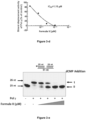
- the compound developed by the invention inhibits Pol ⁇ DNA synthesis activities on a 1-nt gap containing base excision repair (BER) substrate and these activities are indicated in Figures 3 (a-e).
- Figures 3 A schematic of the 51-bp DNA substrate containing 1-nt gap at position 26 is shown before and after Pol ⁇ addition (black star is 5'- 32 P is labeled.) ( Figure 3a ).
- Reactions containing 40 nM Pol ⁇ protein alone (lane 3) or together with a selected molecule at a final concentration of 20 ⁇ M (lanes 4-14) and 100 fmol 5' 32 P-labeled 1-nt gap containing duplex substrate were incubated at 37 °C for 20 min.
- Lane 2 substrate alone Reaction products were run on a 20% denaturing polyacrylamide gel and visualized by a Typhoon Phosphorimager.
- Figure 3-c shows that the compound developed by the invention inhibits Pol ⁇ strand displacement DNA synthesis activity on a concentration dependent manner.
- Reactions contained Pol ⁇ alone (40 nM; lane 3) or together with increasing concentrations of the compound (0.5, 1.25, 2.5, 5, and 10 ⁇ M lanes 4-7).
- the reactions were initiated by adding 100 fmol 5' 32P-labeled 1-nt gap containing substrate and were incubated at 37 °C for 20 min. Reaction products were run on a 20% denaturing polyacrylamide gel and visualized by a Typhoon Phosphorimager.
- the triangle shape, ⁇ refers to 40 nM heat-denatured Pol ⁇ protein (lane 8).
- Lane 1 in Figure 3-c refers to 51mer oligodeoxynucleotide (used as a marker) and Lane 2 refers to substrate alone.
- Graph represented in Figure 3 (d) shows the percent control strand displacement values which were determined with ImageQuant software for the compound Error bars represents SD from 3 independent experiments and a representative gel image is shown in Figure 3 (a) .
- the percent of each product with a given number of nucleotides incorporated is preferably calculated with the Equation 1.
- % of total amount of radioactivity associated with each dNMP addition total radioactivity ⁇ 100
- IC 50 is calculated using GraphPad Prism software. The strand displacement DNA synthesis activity of Pol ⁇ was inhibited by the compound with an IC50 of 1.15 ⁇ M.
- the compound described in Formula I inhibits Pol ⁇ 1-nt incorporation activity and this can be observed in Figure 3(e) .
- the reaction conditions in Figure 3(e) have same conditions described in Figure 3(c) except dNTP was replaced with dCTP for 1-nt dCTP incorporation.
- the compound inhibits Pol ⁇ 1-nt incorporation activity on concentration dependent manner (lanes 3-6 in Figure 3 (c) ).
- Lane 1 in Figure 3(e) refers to substrate alone and Lane 2 is Pol ⁇ alone.
- Figure 3 (f) represents percent of control 1-nucleotide incorporation activity determined with ImageQuant software for Pol ⁇ protein inhibitor compound. Error bars represents SD from three independent experiments.
- a representative gel image is shown in Figure 3(e) . Reaction products were calculated as a function of radioactivity as described in Figure 3(d) .
- 1-nt incorporation activity of Pol ⁇ was inhibited by the compound with an IC 50 of 1.18 ⁇ M.
- the effect of compound on cell growth and proliferation is shown in Figure 4 (a-c).
- the compound developed by the invention was also found to be selectively lethal to the MLH1 deficient HCT116 human colon carcinoma cell line compared to MLH1 proficient cell lines including HCT116V, HeLa (cervical cancer) and Lovo (MSH2 deficient colon cancer).
- FIG. 4 (a) and 4(b) shows that real time dynamic which is monitoring of HCT116 and HCT116V cell proliferation and the compound induced cytotoxicity with xCELLigence system.
- the xCELLigence system is precise and convenient to identify proliferation and cytotoxicity kinetics of cell lines in real-time. It is a very sensitive to determine optimal time points and cell numbers for cytotoxicity studies and in calculating IC 50 values. After seeding 15000 cells/well in 16 well E-plate, the proliferation of HCT116 and HCT116V cells was monitored every 30 min by the xCELLigence DP system.
- HCT116 and HCT116V cells were treated with increasing concentrations of the compound (5 ⁇ M, 10 ⁇ M, and 20 ⁇ M) and monitored for every 30 min for 72 h.
- the cells were also treated with 0.02% DMSO served as a vehicle control.
- Cell index (CI) was normalized to the time point of the compound described in Formula I administration. Normalized CI was plotted as the mean value from duplicates; error bars represent the SD of mean.
- the RTCA software was used to calculate IC 50 values from the dose response curve. Grey arrow indicates the time of the compound (solid line on the graphs) at the addition of the compound administration.
- the compound in formula I exerted cytotoxic effect on HCT116 cell lines in a concentration dependent manner.
- the IC 50 value for HCT116 was 5.19 ⁇ M but IC 50 for HCT116V was 1324 ⁇ M.
- the compound developed by this invention increased mitochondrial apoptosis in HCT116 cell line compared to HCT116V cell line and Figure 5-a shows increased mitochondrial apoptosis.
- the compound decreased mtDNA copy number in HCT116 cell line compared to HCT116V cell line and Figure 5-b shows decreased mtDNA copy number.
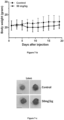
- HCT116 Xenograft studies are indicated in Figure 6 (a), (b) and (c) .
- FIG 6 (a), (b) and (c) show HCT116 Xenograft studies in 6 independent nude mice demonstrated the decrease in the tumor volume after Pol ⁇ protein inhibitor compound treatment.
- Tumor volume (mm 3 ) vs days the graph is indicated in Figure 6 (a)
- body weight vs days after injection graph is in Figure 6 (b)
- Figure 6 (c) is HCT116 Control vs 50 mg/kg image.
- compound I disclosed in the present application which has the ability to inhibit Pol ⁇ protein is used in the treatment, prevention or delaying of MLH1-deficient cancer or tumor cells.
- Patients with Lynch syndrome (hereditary nonpolyposis colorectal cancer -HNPCC) have a MMR deficiency because of MLH1 mutations; therefore treating these cells with (Pol ⁇ ) inhibiting compounds could possibly specifically kill tumor cells without damaging normal cells.
- compound I disclosed in the present application is used in the treatment, prevention or delaying of growing MLH1 deficient tumor or cancer cells.
- compound represented by the present invention is for use in the treatment, prevention or delaying of MLH1 protein deficient cancers due to mutations in MLH1 gene or MLH1 gene promoter methylation.
- the compound I developed by the present invention is used for inhibiting mitochondrial BER pathway.
- the compound I developed by the present invention is used for the treatment, prevention or delaying of mitochondrial cancer therapy.
- the compound may be administered with a therapeutic agent separately or in a combinatorial therapy.
- additional therapeutic agents are selected from an anti-angionesis agent, selective estrogen-receptor modulator (SERM), aromatase inhibitor, biologic response modifiers, hormonal therapies agent, anthracycline, taxane, alkylating agent, taxol, cis-platin, arabinofuranosyl cytosine (ara-C), 5-fluorouracil (5-FU), altretamine, busulfan, chlorambucil, cyclophosphamide, ifosfamide, mechlorethamine, melphalan, thiotepa, cladribine, fluorouracil, floxuridine, gemcitabine, thioguanine, pentostatin, methotrexate, 6-mercapto ⁇ urine, cytarabine, carmustine, lomustine, streptozotocin, carboplatin, oxaliplatin,
- the compound disclosed by the present invention is used in a method of treatment, prevention or delaying of growing MLH1 mutant/deficient HNPCC tumors or cancer cells or cancer cell growth through mitochondrial targeted therapy.
- the Pol ⁇ protein inhibitor compound developed by the present invention for use in the treatment/ prevention or delaying of cancer cell growth in multiple assays.
- the compound developed by the present invention is used in the pharmaceutical composition for use in inhibiting Pol ⁇ enzyme.
- Pharmaceutical composition may optionally comprise pharmaceutically acceptable diluent, carrier or excipient.
- this pharmaceurical composition further comprise a theraupetic agent selected from an anti-angionesis agent, selective estrogen-receptor modulator (SERM), aromatase inhibitor, biologic response modifiers, hormonal therapies agent, anthracycline, taxane, alkylating agent, taxol, cis-platin, arabinofuranosyl cytosine (ara-C), 5-fluorouracil (5-FU), altretamine, busulfan, chlorambucil, cyclophosphamide, ifosfamide, mechlorethamine, melphalan, thiotepa, cladribine, fluorouracil, floxuridine, gemcitabine, thioguanine, pentostatin, methotrexate, 6-mercap
- abovementioned pharmaceutical composition is used in treatment, prevention or delaying of growing MLH1 mutant/deficient tumor cell and cancer cell growth in multiple assays comprising
- Pol ⁇ protein inhibitor compound that inhibit Pol ⁇ BER DNA synthesis activity, and cause selective cytotoxicity to MLH1 deficient colon cancer cells are identified.
Landscapes
- Health & Medical Sciences (AREA)
- Life Sciences & Earth Sciences (AREA)
- Chemical & Material Sciences (AREA)
- Animal Behavior & Ethology (AREA)
- Pharmacology & Pharmacy (AREA)
- General Health & Medical Sciences (AREA)
- Public Health (AREA)
- Veterinary Medicine (AREA)
- Medicinal Chemistry (AREA)
- Epidemiology (AREA)
- Organic Chemistry (AREA)
- Chemical Kinetics & Catalysis (AREA)
- General Chemical & Material Sciences (AREA)
- Nuclear Medicine, Radiotherapy & Molecular Imaging (AREA)
- Molecular Biology (AREA)
- Emergency Medicine (AREA)
- Organic Low-Molecular-Weight Compounds And Preparation Thereof (AREA)
- Acyclic And Carbocyclic Compounds In Medicinal Compositions (AREA)
- Nitrogen Condensed Heterocyclic Rings (AREA)
- Heterocyclic Carbon Compounds Containing A Hetero Ring Having Nitrogen And Oxygen As The Only Ring Hetero Atoms (AREA)
- Pharmaceuticals Containing Other Organic And Inorganic Compounds (AREA)
Description
- The invention encompasses novel compounds and pharmaceutical compositions comprising the compounds of the following formula (I): pharmaceutically acceptable salts or prodrugs thereof that are useful for inhibiting the function of the DNA polymerase gamma protein (Pol γ) or for inhibiting the growth of a cancer cell or tumor growth. They are particularly useful for the treatment of MLH1 deficient tumors.
- The invention also encompasses administrating at least one novel Pol γ protein inhibitor compound of the invention which is useful for selectively inhibiting the growth of MLH1 deficient cancer cells (for example, HCT116) due to the synthetic lethal relationship between MLH1 and Pol γ.
- DNA Polymerase gamma (Pol γ) is a mitochondrial DNA (mtDNA) polymerase enzyme which plays a role in the mitochondrial base excision repair (BER) and mtDNA replication. Thus, inhibiting the activity of Pol γ will interfere with mtDNA stability and/or the function of the mitochondrial BER pathway. Because cancer cell mitochondria are different from the mitochondria in normal cells, and because of the synthetic lethal interaction between Pol γ and MLH1, Pol γ inhibition is a powerful target for selective cancer treatment. Inhibition of Pol γ in MLH1 deficient cancer cells is expected to selectively affect these cells without affecting MLH1 proficient somatic cells of the rest of the organism.
- The crystal structure of the Pol γ protein revealed that it is a heterotrimeric protein, consisting of a homodimer of accessory subunits (Pol γB; MW. 53 kDa) and a catalytic subunit (Pol γA; MW. 139 kDa). The catalytic subunit Pol γ has polymerase, dRP lyase and 3'-5'-exonuclease activities. Accessory subunits Pol γB have no intrinsic enzymatic activity but instead increases the processivity of the Pol γA subunit.
- The cytotoxic (tumor killing) effects of most chemotherapeutic agents and radiation therapy are related to their ability to induce DNA damage. Conversely, DNA repair pathways act to maintain genomic stability, mediate resistance to DNA damage and protect the cells from the cytotoxicity of chemotherapeutics. The DNA-repairing system of cancer cells therefore counteracts cancer treatment. Therefore, successful cancer therapy must be composed of a combination of drugs or a single drug that generates DNA damage while inhibiting DNA repair pathways. This kind of therapy could ideally selectively kill tumor cells while sparing normal cells. This selectivity can be achieved through DNA repair based synthetic lethal interactions. The definition of synthetic lethality is that two different genes or pathways together cause cell death, but independently are not sufficient to kill the cell. In other words, synthetic lethality arises when a combination of deficiencies in the expression of two genes leads to cell death, whereas a deficiency in only one of these genes does not show a severe phenotype. For example, the PARP gene/protein (involved in the BER pathway) displays synthetic lethality with the BRCA1 or BRCA2 genes/proteins (required for homologous recombination repair). Subtypes of breast cancer have defective BRCA1/2 genes and several PARP inhibitors are now being used in clinical trials for the treatment of these breast cancers, with the hope of specifically killing the BRCA1/2 mutant/deficient tumors more effectively than BRCA1/2 sufficient normal breast tissue (2-4).
- Another example of synthetic lethality is the interaction between MLH1 and Pol γ. Because of this interaction, the inhibition of Pol γ may be an effective approach to specifically kill MLH1 deficient cancers. MLH1 is a tumor suppressor protein involved in the mismatch repair (MMR) pathway that participates in the repair of base mispairs arising during DNA replication. It plays a role in the repair of both the nuclear and mitochondrial genomes. Pol γ is a mitochondrial DNA polymerase enzyme which plays a role in the mitochondrial BER pathway and mtDNA replication. DNA repair pathways are specific to DNA lesions but there is also an overlap between substrate specificity. BER is the major pathway to repair oxidative DNA damage but MMR pathway also plays a role in the repair of oxidative DNA damage.
- Germline mutations in the MLH1 gene result in a deficiency of the MMR pathway and increase the cumulative lifetime risk developing hereditary nonpolyposis colorectal cancer (HNPCC; Lynch syndrome) and approximately 15% of sporadic colorectal cancers are already deficient in the MMR pathway. MLH1 acts as a tumor suppressor protein where tumor cells can have a complete loss of MLH1 function but normal cells mostly retain at least one functional MLH1 copy (allele). Therefore, an inhibitor is required to specifically kill MLH1 mutant/deficient tumor or cancer cells without damaging normal cells through Pol γ inhibition.
- In this study, we identified that the compounds described herein directly interact with Pol γ and inhibit its biological function in multiple assays. In addition, we identified that novel Pol γ inhibitor described here in selectively inhibits MLH1 deficient tumor growth.
- LIAO L-L ET AL: "Triphenylmethane dyes as inhibitors of revers e transcriptase RNA polymerase and protein synthesis: structure activity relationships" discloses that triphenylmethane dyes, their analogs, and congo red are inhibitors for a reverse transcriptase prepared from Rauscher leukemia virus, inhibits RNA polymerase activity, protein synthesis, and formation of the complex between RNA polymerase and DNA.
- FRID ET AL: "Congo red and protein aggregation in neurodegenerative Diseases" discloses that chemical composition of the congo red molecule and its implications are used in the treatment of neurodegenerative diseases, for example Alzheimer's, Parkinson, Huntington and prion diseases.
- The invention is set out in the appended set of claims.
- The Pol γ protein inhibitor compound having the formula I is disclosed with the present invention.

- With the present invention, it is also disclosed the use of a therapeutically effective amount of Pol γ protein inhibitor compound in the treatment, prevention or delaying of MLH1-mutant/deficient tumor or cancer cells, mitochondrial cancer therapy MLH1 protein deficient cancers due to mutations in MLH1 gene (HNPCC tumor cells) or MLH1 gene promoter methylation and use of a therapeutically effective amount of Pol γ protein inhibitor compound for inhibiting mitochondrial BER pathway is disclosed.
- Moreover, the use of a therapeutically effective amount of Pol γ protein inhibitor in the treatment, prevention or delaying of growing MLH1 mutant/deficient tumor or cancer cells is developed and a Pol γ protein inhibitor compound and cancer cell growth in multiple assays. The compound developed by this invention is also used in a method of treatment, prevention or delaying of growing MLH1 mutant/deficient tumor cells and tumor or cancer cell growth through mitochondrial targeted therapy.
-
-
Figure 1 -a 3D coordinates of the crystal structure of Pol γ (PDB ID: 3IKM). -
Figure 1 -b Visualization of Pol γ protein inhibitor compound in the binding pocket of the catalytic subunit of Pol γ. -
Figure 2 Response (RU)-time graph showing the direct binding kinetics of Pol γ protein inhibitor compound which is preferable Formula I to recombinant wild type human Pol γ protein. -
Figure 3 -a A schematic of the 51-bp DNA substrate. -
Figure 3 -b Hit molecules which were selected according to the binding kinetics to Pol γ protein. -
Figure 3 -c Effect of Pol γ protein inhibitor compound on Pol γ strand displacement DNA synthesis activity on a concentration dependent manner. -
Figure 3 -d Percent of control strand displacement activity determined with ImageQuant software for Pol γ protein inhibitor compound. -
Figure 3 -e Effect of Pol γ protein inhibitor compound on Pol γ 1-nt incorporation activity. -
Figure 3 -f Percent of control 1-nucleotide incorporation activity determined with ImageQuant software for Pol γ protein inhibitor compound. -
Figure 4 -a Real time dynamic monitoring of HCT116 (MLH1 deficient; vector alone; gifts from Dr. Anatoly Zhitkovich, Brown University, USA) cell proliferation and Pol γ protein inhibitor compound induced cytotoxicity with xCELLigence system. -
Figure 4 -b Real time dynamic monitoring of HCT116V (MLH1 proficient; gifts from Dr. Anatoly Zhitkovich, Brown University, USA) cell proliferation and Pol γ protein inhibitor compound induced cytotoxicity with xCELLigence system. -
Figure 4 -c Effect of Pol γ protein inhibitor compound on proliferation of HCT116V, HCT116, SW48 and Lovo cell lines. -
Figure 5 -a The effect of Pol γ protein inhibitor compound on apoptosis of HCT116 cell line and HCT116V cell line. -
Figure 5 -b The effect of Pol γ protein inhibitor compound on mtDNA copy number of HCT116 cell line and HCT116V cell line. -
Figure 6 -a HCT116 Xenograft studies, tumor volume (mm3) vs days the graph. -
Figure 6 -b HCT116 Xenograft studies, body weight vs days after injection graph. -
Figure 6 -c HCT116 Xenograft studies, Control vs 50 mg/kg image. -
Figure 7 -a Lovo Xenograft studies, tumor volume (mm3) vs days the graph. -
Figure 7 -b Lovo Xenograft studies, body weight vs days after injection graph. -
Figure 7 -c Lovo Xenograft studies, Control vs 50 mg/kg image. - An object of the present invention is to provide Pol γ protein inhibitor compound that inhibits Pol γ BER DNA synthesis activity by selectively killing the above mentioned types of MLH1 mutant/deficient tumor or cancer cells without damaging normal cells.
- The other object of the invention is to inhibit the growth of MLH1-deficient cancer cells due to a synthetic lethal relationship between MLH1 and Pol γ.
- Another objective of the present invention is to inhibit the growth of MLH1-deficient cancer cells due to mitochondrial apoptosis.
- Another objective of the present invention described herein were shown to directly interact with Pol γ and inhibit its biological function and cause cancer cell death and an inhibition of cancer cell growth in multiple assays.
- Another objective of the present invention is to provide compounds that complement chemotherapeutic agents and/or radiation therapy.
- The present invention is also for treating, preventing or alleviating the symptoms associated with - such as but not limited to - colon cancer, rectum cancer, breast cancer, ovarian cancer, prostate cancer, malignant melanoma, gastric cancer, lung cancer, pancreas cancer, head and neck cancers.
- Present invention is related to the use of Pol γ protein inhibitor compound having the formula I:

- To this end, Pol γ protein inhibitor compound is identified and characterized. The compound disclosed in the present application inhibits the activity of Pol γ enzyme. The compound is useful for selectively inhibiting the growth of MLH1 mutant/deficient tumor or cancer cells due to a synthetic lethal relationship between MLH1 and Pol γ. In this invention, the compounds described herein were shown to directly interact with Pol γ and inhibit its biological function and cause cancer cell death and an inhibition of cancer cell growth selectively in multiple assays.
- Utility of the compounds in treating tumors as hereinabove specified, is demonstrated in animal test methods as well as in clinic by using preferably the compound described in formula I, for example in accordance with the methods hereinafter described.
-
Figure 1 (a-b) shows the in silica interaction between the Pol γ protein and Pol γ protein inhibitor compound.Figure 1 (a) indicates that 3D coordinates of the crystal structure of Pol γ (PDB ID: 3IKM) was selected as the receptor models in docking programs. The binding models for Pol γ inhibitors were predicted by using GOLD (GOLD Suite v5.2.2) on a Windows server equipped with an Intel Core i7-4600U processor (2.7 GHz) and 8 GB of RAM. Moreover, visualization of Formula I in the binding pocket of the catalytic subunit of Pol γ that was generated by the Accelrys Discovery Studio Visualizer software is shown in theFigure 1(b) . Chemical structure of the lead molecule described in Formula I; which has a molecular weight of 650.684 g. - Direct binding kinetics of Pol γ protein inhibitor compound was analysed and the response (RU) vs time graph was obtained. Direct binding kinetics was analysed by surface plasmon resonance (SPR) and corresponding response (RU)-time graph is indicated in
Figure 2 . The compound developed by the present invention is found to bind to Pol γ with an affinity of 0.5 micromolar by SPR experiments. SPR sensogram outputs illustrate the direct binding kinetics of the compound to recombinant wild type human Pol γ protein. SPR allows the measurement of direct molecular interactions in real-time and in a label-free setting. Recombinant wild type human Pol γ protein was immobilized onto a Biacore T100 CM5 sensor chips and molecules injected one-at-a time at 7 different concentrations. SPR sensogram and KD values were determined using Biacore software. An average affinity for Pol γ protein inhibitor compound binding to Pol γ from 3 independent experiments was calculated. The compound which binds to the catalytic subunit A of Pol γ showed the strongest direct binding affinity to the protein with a KD value 0.5 µM ± 0.05 µM. - The compound developed by the invention inhibits Pol γ DNA synthesis activities on a 1-nt gap containing base excision repair (BER) substrate and these activities are indicated in
Figures 3 (a-e). A schematic of the 51-bp DNA substrate containing 1-nt gap atposition 26 is shown before and after Pol γ addition (black star is 5'-32P is labeled.) (Figure 3a ). -
Figure 3(b) screens hit molecules which were selected according to the binding kinetics to Pol γ protein for modulation of Pol γ strand displacement DNA synthesis activity. Reactions containing 40 nM Pol γ protein alone (lane 3) or together with a selected molecule at a final concentration of 20 µM (lanes 4-14) and 100 fmol 5' 32P-labeled 1-nt gap containing duplex substrate were incubated at 37 °C for 20 min.Lane 1, 51mer oligodeoxynucleotide (used as a marker),Lane 2, substrate alone. Reaction products were run on a 20% denaturing polyacrylamide gel and visualized by a Typhoon Phosphorimager. Molecule number 1 (lane 4) that is the compound developed by the present invention strongly inhibits Pol γ strand displacement DNA synthesis activity. -
Figure 3-c shows that the compound developed by the invention inhibits Pol γ strand displacement DNA synthesis activity on a concentration dependent manner. Reactions contained Pol γ alone (40 nM; lane 3) or together with increasing concentrations of the compound (0.5, 1.25, 2.5, 5, and 10 µM lanes 4-7). The reactions were initiated by adding 100 fmol 5' 32P-labeled 1-nt gap containing substrate and were incubated at 37 °C for 20 min. Reaction products were run on a 20% denaturing polyacrylamide gel and visualized by a Typhoon Phosphorimager. The triangle shape, ▲, refers to 40 nM heat-denatured Pol γ protein (lane 8).Lane 1 inFigure 3-c refers to 51mer oligodeoxynucleotide (used as a marker) andLane 2 refers to substrate alone. - Graph represented in
Figure 3 (d) shows the percent control strand displacement values which were determined with ImageQuant software for the compound Error bars represents SD from 3 independent experiments and a representative gel image is shown inFigure 3 (a) . The percent of each product with a given number of nucleotides incorporated is preferably calculated with theEquation 1.
- IC50 is calculated using GraphPad Prism software. The strand displacement DNA synthesis activity of Pol γ was inhibited by the compound with an IC50 of 1.15 µM.
- The compound described in Formula I inhibits Pol γ 1-nt incorporation activity and this can be observed in
Figure 3(e) . The reaction conditions inFigure 3(e) have same conditions described inFigure 3(c) except dNTP was replaced with dCTP for 1-nt dCTP incorporation. The compound inhibits Pol γ 1-nt incorporation activity on concentration dependent manner (lanes 3-6 inFigure 3 (c) ).Lane 1 inFigure 3(e) refers to substrate alone andLane 2 is Pol γ alone.Figure 3 (f) represents percent of control 1-nucleotide incorporation activity determined with ImageQuant software for Pol γ protein inhibitor compound. Error bars represents SD from three independent experiments. A representative gel image is shown inFigure 3(e) . Reaction products were calculated as a function of radioactivity as described inFigure 3(d) . 1-nt incorporation activity of Pol γ was inhibited by the compound with an IC50 of 1.18 µM. - Therefore, according to quantitation of nucleotide incorporation which shows the compound DNA synthesis activities indicated in
Figure 3 (a-f), it is seen that the compound described in Formula I inhibits Pol γ DNA synthesis activities on a 1-nt gap containing BER substrate. - The effect of compound on cell growth and proliferation is shown in
Figure 4 (a-c). The compound developed by the invention was also found to be selectively lethal to the MLH1 deficient HCT116 human colon carcinoma cell line compared to MLH1 proficient cell lines including HCT116V, HeLa (cervical cancer) and Lovo (MSH2 deficient colon cancer). - In
Figure 4 (a) and4(b) shows that real time dynamic which is monitoring of HCT116 and HCT116V cell proliferation and the compound induced cytotoxicity with xCELLigence system. The xCELLigence system is precise and convenient to identify proliferation and cytotoxicity kinetics of cell lines in real-time. It is a very sensitive to determine optimal time points and cell numbers for cytotoxicity studies and in calculating IC50 values. After seeding 15000 cells/well in 16 well E-plate, the proliferation of HCT116 and HCT116V cells was monitored every 30 min by the xCELLigence DP system. Approximately 22 h after seeding, when the cells in the log growth phase, HCT116 and HCT116V cells were treated with increasing concentrations of the compound (5 µM, 10 µM, and 20 µM) and monitored for every 30 min for 72 h. The cells were also treated with 0.02% DMSO served as a vehicle control. Cell index (CI) was normalized to the time point of the compound described in Formula I administration. Normalized CI was plotted as the mean value from duplicates; error bars represent the SD of mean. The RTCA software was used to calculate IC50 values from the dose response curve. Grey arrow indicates the time of the compound (solid line on the graphs) at the addition of the compound administration. The compound in formula I exerted cytotoxic effect on HCT116 cell lines in a concentration dependent manner. The IC50 value for HCT116 was 5.19 µM but IC50 for HCT116V was 1324 µM. - Effect of the compound on proliferation of HCT116V, HCT116, SW48 and Lovo cell lines are indicate in
Figure 4-c . Cell proliferation was measured using the WST-1 assay (end point assay). Cell lines were plated onto a 96-well plate at 5000 cells per well in duplicate. Cell lines were treated with DMSO (as a control; 0.02%) or different concentration of the compound (20 µM and 50 µM) and were incubated at 37°C for 48 h. For background subtraction, plates lacking cells but containing medium and molecule were used. After 48 h incubation, WST1 reagent was added for 2 h and OD440 was measured using a microplate reader. Percent cell proliferation was calculated as (molecule treated/untreated)x100. Cell proliferation data are the mean of two independent experiments with SD indicated by error bars. The compound inhibited HCT116 cell proliferation by 35% at 20 µM and by 50% at 50 µM. However, it was found that the molecule did not inhibit the cell proliferation of other cell lines. - The compound developed by this invention increased mitochondrial apoptosis in HCT116 cell line compared to HCT116V cell line and
Figure 5-a shows increased mitochondrial apoptosis. The compound decreased mtDNA copy number in HCT116 cell line compared to HCT116V cell line andFigure 5-b shows decreased mtDNA copy number. - Results obtained from HCT116 Xenograft studies are indicated in
Figure 6 (a), (b) and(c) . These figures shows HCT116 Xenograft studies in 6 independent nude mice demonstrated the decrease in the tumor volume after Pol γ protein inhibitor compound treatment. Tumor volume (mm3) vs days the graph is indicated inFigure 6 (a) , body weight vs days after injection graph is inFigure 6 (b) , andFigure 6 (c) is HCT116 Control vs 50 mg/kg image. - On the other hand, results obtained from Lovo Xenograft studies are indicated in
Figure 7 (a) ,(b) and (c) . Tumor volume (mm3) vs days the graph is indicated inFigure 7 (a) , body weight vs days after injection graph is inFigure 7 (b), and Figure 7 (c) is HCT116 Control vs 50 mg/kg image. - Xenograft studies in nude mice (Crl:NU(NCr)-Foxn1 purchased from Charles River Laboratories) using the HCT116 cell line demonstrated that consistently the compound decreased tumor volume in all doses (
Fig. 6 ). The compound did not affect the tumor growth of Lovo xenograft (Fig.7 ) - These data demonstrate that the compound described in formula I is useful as a chemotherapeutic molecule for the selective treatment of MLH1-deficient colorectal cancers.
- The studies shows that the present Pol γ protein inhibitor compound was identified and characterized in order to treat patients with Lynch syndrome (hereditary nonpolyposis colorectal cancer -HNPCC) have a MMR deficiency because of MLH1 mutations. When considering researches and test results, treating these cells with the novel Pol γ protein inhibitor that has specific cytotoxic activity against colon cancer cells specifically kills tumor cells without damaging normal cells.
- In one embodiment, compound I disclosed in the present application which has the ability to inhibit Pol γ protein is used in the treatment, prevention or delaying of MLH1-deficient cancer or tumor cells. Patients with Lynch syndrome (hereditary nonpolyposis colorectal cancer -HNPCC) have a MMR deficiency because of MLH1 mutations; therefore treating these cells with (Pol γ) inhibiting compounds could possibly specifically kill tumor cells without damaging normal cells.
- In another embodiment, compound I disclosed in the present application is used in the treatment, prevention or delaying of growing MLH1 deficient tumor or cancer cells.
- In alternative embodiment, compound represented by the present invention is for use in the treatment, prevention or delaying of MLH1 protein deficient cancers due to mutations in MLH1 gene or MLH1 gene promoter methylation.
- In another embodiment, the compound I developed by the present invention is used for inhibiting mitochondrial BER pathway.
- In another embodiment, the compound I developed by the present invention is used for the treatment, prevention or delaying of mitochondrial cancer therapy.
- In another embodiment, the compound may be administered with a therapeutic agent separately or in a combinatorial therapy. These additional therapeutic agents are selected from an anti-angionesis agent, selective estrogen-receptor modulator (SERM), aromatase inhibitor, biologic response modifiers, hormonal therapies agent, anthracycline, taxane, alkylating agent, taxol, cis-platin, arabinofuranosyl cytosine (ara-C), 5-fluorouracil (5-FU), altretamine, busulfan, chlorambucil, cyclophosphamide, ifosfamide, mechlorethamine, melphalan, thiotepa, cladribine, fluorouracil, floxuridine, gemcitabine, thioguanine, pentostatin, methotrexate, 6-mercaptoρurine, cytarabine, carmustine, lomustine, streptozotocin, carboplatin, oxaliplatin, iproplatin, tetraplatin, lobaplatin, JM216, JM335, fludarabine, aminoglutethimide, flutamide, goserelin, leuprolide, megestrol acetate, cyproterone acetate, tamoxifen, anastrozole, bicalutamide, dexamethasone, diethylstilbestrol, prednisone, bleomycin, dactinomycin, daunorubicin, doxirubicin, idarubicin, mitoxantrone, losoxantrone, mitomycin-c, plicamycin, paclitaxel, docetaxel, CPI-II, cpothilones, topotecan, irinotecan, 9-amino camptothecan, 9-nitro camptothecan, GS-211, etoposide, teniposide, vinblastine, vincristine, vinorelbine, procarbazine, asparaginase, pegaspargase, methoxtrexate, octreotide, estramustine, hydroxyurea, tamoxifen, raloxifene, toremifene, exemestane, letrozole, anastrozole, megestrol, trastuzumab, bevacizumab, goserelin acetate, fulvestrant, doxorubicin, epirubicin, or cyclophosphonam ide.
- In other embodiment, the compound disclosed by the present invention is used in a method of treatment, prevention or delaying of growing MLH1 mutant/deficient HNPCC tumors or cancer cells or cancer cell growth through mitochondrial targeted therapy.
- In one other embodiment, the Pol γ protein inhibitor compound developed by the present invention for use in the treatment/ prevention or delaying of cancer cell growth in multiple assays.
- In alternative embodiment, the compound developed by the present invention is used in the pharmaceutical composition for use in inhibiting Pol γ enzyme. Pharmaceutical composition may optionally comprise pharmaceutically acceptable diluent, carrier or excipient. Moreover, this pharmaceurical composition further comprise a theraupetic agent selected from an anti-angionesis agent, selective estrogen-receptor modulator (SERM), aromatase inhibitor, biologic response modifiers, hormonal therapies agent, anthracycline, taxane, alkylating agent, taxol, cis-platin, arabinofuranosyl cytosine (ara-C), 5-fluorouracil (5-FU), altretamine, busulfan, chlorambucil, cyclophosphamide, ifosfamide, mechlorethamine, melphalan, thiotepa, cladribine, fluorouracil, floxuridine, gemcitabine, thioguanine, pentostatin, methotrexate, 6-mercaptoρurine, cytarabine, carmustine, lomustine, streptozotocin, carboplatin, oxaliplatin, iproplatin, tetraplatin, lobaplatin, JM216, JM335, fludarabine, aminoglutethimide, flutamide, goserelin, leuprolide, megestrol acetate, cyproterone acetate, tamoxifen, anastrozole, bicalutamide, dexamethasone, diethylstilbestrol, prednisone, bleomycin, dactinomycin, daunorubicin, doxirubicin, idarubicin, mitoxantrone, losoxantrone, mitomycin-c, plicamycin, paclitaxel, docetaxel, CPI-II, cpothilones, topotecan, irinotecan, 9-amino camptothecan, 9-nitro camptothecan, GS-211, etoposide, teniposide, vinblastine, vincristine, vinorelbine, procarbazine, asparaginase, pegaspargase, methoxtrexate, octreotide, estramustine, hydroxyurea, tamoxifen, raloxifene, toremifene, exemestane, letrozole, anastrozole, megestrol, trastuzumab, bevacizumab, goserelin acetate, fulvestrant, doxorubicin, epirubicin, or cyclophosphonamide. Therapeutically effective amount of a pharmaceutical composition is used to inhibit mitochondrial BER pathway and also used to treat/prevent or delay of tumor or cancer cell growth through mitochondrial targeted therapy.
- In another embodiment, abovementioned pharmaceutical composition is used in treatment, prevention or delaying of growing MLH1 mutant/deficient tumor cell and cancer cell growth in multiple assays comprising
- Thanks to the compounds disclosed in the invention; Pol γ protein inhibitor compound that inhibit Pol γ BER DNA synthesis activity, and cause selective cytotoxicity to MLH1 deficient colon cancer cells are identified.
Claims (6)
- A compound having the formula(I):

- A compound having the formula(I):

- A compound having the formula(I):

- A pharmaceutical composition comprising therapeutically effective amount of a compound having the formula(I):

- A pharmaceutical composition comprising therapeutically effective amount of a compound having the formula(I):

- A pharmaceutical composition comprising therapeutically effective amount of a compound having the formula(I):

Applications Claiming Priority (1)
| Application Number | Priority Date | Filing Date | Title |
|---|---|---|---|
| PCT/TR2018/050320 WO2020005171A1 (en) | 2018-06-25 | 2018-06-25 | Novel dna polymerase gamma inhibitor and uses thereof |
Publications (2)
| Publication Number | Publication Date |
|---|---|
| EP3810147A1 EP3810147A1 (en) | 2021-04-28 |
| EP3810147B1 true EP3810147B1 (en) | 2024-01-24 |
Family
ID=66625238
Family Applications (1)
| Application Number | Title | Priority Date | Filing Date |
|---|---|---|---|
| EP18880072.6A Active EP3810147B1 (en) | 2018-06-25 | 2018-06-25 | Novel dna polymerase gamma inhibitor and uses thereof |
Country Status (3)
| Country | Link |
|---|---|
| US (1) | US11883419B2 (en) |
| EP (1) | EP3810147B1 (en) |
| WO (1) | WO2020005171A1 (en) |
Families Citing this family (1)
| Publication number | Priority date | Publication date | Assignee | Title |
|---|---|---|---|---|
| EP4638424A1 (en) * | 2022-12-21 | 2025-10-29 | Pretzel Therapeutics, Inc. | Modulators of mitochondrial dna replication |
-
2018
- 2018-06-25 EP EP18880072.6A patent/EP3810147B1/en active Active
- 2018-06-25 WO PCT/TR2018/050320 patent/WO2020005171A1/en not_active Ceased
- 2018-06-25 US US17/255,572 patent/US11883419B2/en active Active
Also Published As
| Publication number | Publication date |
|---|---|
| US11883419B2 (en) | 2024-01-30 |
| EP3810147A1 (en) | 2021-04-28 |
| WO2020005171A1 (en) | 2020-01-02 |
| US20210275548A1 (en) | 2021-09-09 |
Similar Documents
| Publication | Publication Date | Title |
|---|---|---|
| Cui et al. | GSTP1 and cancer: Expression, methylation, polymorphisms and signaling | |
| Kweekel et al. | Pharmacology of oxaliplatin and the use of pharmacogenomics to individualize therapy | |
| US10786545B2 (en) | Use of peptides that block metadherin-SND1 interaction as treatment for cancer | |
| CN109072240A (en) | Use the composition and method of piRNA diagnosing and treating cancer | |
| KR20240169712A (en) | Cancer treatment using MTA-collaborating PRMT5 inhibitors | |
| Li et al. | Genetic polymorphism of GSTP1: prediction of clinical outcome to oxaliplatin/5-FU-based chemotherapy in advanced gastric cancer | |
| Kim | Cancer metabolism: strategic diversion from targeting cancer drivers to targeting cancer suppliers | |
| Paret et al. | Personalized therapy: CNS HGNET-BCOR responsiveness to arsenic trioxide combined with radiotherapy | |
| EP1912635B1 (en) | Use of chk2 kinase inhibitors for cancer treatment | |
| US11883419B2 (en) | DNA polymerase gamma inhibitor and uses thereof | |
| Duran et al. | Association of GSTP1 and ERCC1 polymorphisms with toxicity in locally advanced head and neck cancer platinum‐based chemoradiotherapy treatment | |
| Panicker et al. | The impact of fusion genes on cancer stem cells and drug resistance | |
| US20170066822A1 (en) | Responsiveness to angiogenesis inhibitors | |
| Randazzo et al. | SF3B1 modulators affect key genes in metastasis and drug influx: A new approach to fight pancreatic cancer chemoresistance | |
| Issa et al. | Decitabine in chronic leukemias | |
| US20140294768A1 (en) | Responsiveness to angiogenesis inhibitors | |
| JP5688379B2 (en) | CHK2 polymorphism as a cancer marker | |
| Spagnuolo et al. | The optional approach of oncogene-addicted non-small cell lung cancer with brain metastases in the new generation targeted therapies era | |
| US20260034158A1 (en) | Methods of treating cancer of the central nervous system comprising 5-ethynyl-2'-deoxyuridine | |
| Bellincampi et al. | Glutathione transferase P1 polymorphism in neuroblastoma studied by endonuclease restriction mapping | |
| EP2751280B1 (en) | Method for predicting risk of hypertension associated with anti-angiogenesis therapy | |
| Giovannetti et al. | New strategies and applications for drugs targeting EGFR and c-Met | |
| NZ624442B2 (en) | Responsiveness to angiogenesis inhibitors | |
| NZ620345B2 (en) | Responsiveness to angiogenesis inhibitors | |
| NZ620343B2 (en) | Method for predicting risk of hypertension associated with anti-angiogenesis therapy |
Legal Events
| Date | Code | Title | Description |
|---|---|---|---|
| STAA | Information on the status of an ep patent application or granted ep patent |
Free format text: STATUS: UNKNOWN |
|
| STAA | Information on the status of an ep patent application or granted ep patent |
Free format text: STATUS: THE INTERNATIONAL PUBLICATION HAS BEEN MADE |
|
| PUAI | Public reference made under article 153(3) epc to a published international application that has entered the european phase |
Free format text: ORIGINAL CODE: 0009012 |
|
| STAA | Information on the status of an ep patent application or granted ep patent |
Free format text: STATUS: REQUEST FOR EXAMINATION WAS MADE |
|
| 17P | Request for examination filed |
Effective date: 20201221 |
|
| AK | Designated contracting states |
Kind code of ref document: A1 Designated state(s): AL AT BE BG CH CY CZ DE DK EE ES FI FR GB GR HR HU IE IS IT LI LT LU LV MC MK MT NL NO PL PT RO RS SE SI SK SM TR |
|
| AX | Request for extension of the european patent |
Extension state: BA ME |
|
| DAV | Request for validation of the european patent (deleted) | ||
| DAX | Request for extension of the european patent (deleted) | ||
| STAA | Information on the status of an ep patent application or granted ep patent |
Free format text: STATUS: EXAMINATION IS IN PROGRESS |
|
| 17Q | First examination report despatched |
Effective date: 20220914 |
|
| GRAP | Despatch of communication of intention to grant a patent |
Free format text: ORIGINAL CODE: EPIDOSNIGR1 |
|
| STAA | Information on the status of an ep patent application or granted ep patent |
Free format text: STATUS: GRANT OF PATENT IS INTENDED |
|
| INTG | Intention to grant announced |
Effective date: 20231020 |
|
| GRAS | Grant fee paid |
Free format text: ORIGINAL CODE: EPIDOSNIGR3 |
|
| GRAA | (expected) grant |
Free format text: ORIGINAL CODE: 0009210 |
|
| STAA | Information on the status of an ep patent application or granted ep patent |
Free format text: STATUS: THE PATENT HAS BEEN GRANTED |
|
| AK | Designated contracting states |
Kind code of ref document: B1 Designated state(s): AL AT BE BG CH CY CZ DE DK EE ES FI FR GB GR HR HU IE IS IT LI LT LU LV MC MK MT NL NO PL PT RO RS SE SI SK SM TR |
|
| REG | Reference to a national code |
Ref country code: GB Ref legal event code: FG4D |
|
| REG | Reference to a national code |
Ref country code: CH Ref legal event code: EP |
|
| REG | Reference to a national code |
Ref country code: IE Ref legal event code: FG4D |
|
| REG | Reference to a national code |
Ref country code: DE Ref legal event code: R096 Ref document number: 602018064639 Country of ref document: DE |
|
| REG | Reference to a national code |
Ref country code: LT Ref legal event code: MG9D |
|
| REG | Reference to a national code |
Ref country code: NL Ref legal event code: MP Effective date: 20240124 |
|
| PG25 | Lapsed in a contracting state [announced via postgrant information from national office to epo] |
Ref country code: NL Free format text: LAPSE BECAUSE OF FAILURE TO SUBMIT A TRANSLATION OF THE DESCRIPTION OR TO PAY THE FEE WITHIN THE PRESCRIBED TIME-LIMIT Effective date: 20240124 |
|
| PG25 | Lapsed in a contracting state [announced via postgrant information from national office to epo] |
Ref country code: NL Free format text: LAPSE BECAUSE OF FAILURE TO SUBMIT A TRANSLATION OF THE DESCRIPTION OR TO PAY THE FEE WITHIN THE PRESCRIBED TIME-LIMIT Effective date: 20240124 |
|
| PG25 | Lapsed in a contracting state [announced via postgrant information from national office to epo] |
Ref country code: IS Free format text: LAPSE BECAUSE OF FAILURE TO SUBMIT A TRANSLATION OF THE DESCRIPTION OR TO PAY THE FEE WITHIN THE PRESCRIBED TIME-LIMIT Effective date: 20240524 |
|
| PG25 | Lapsed in a contracting state [announced via postgrant information from national office to epo] |
Ref country code: LT Free format text: LAPSE BECAUSE OF FAILURE TO SUBMIT A TRANSLATION OF THE DESCRIPTION OR TO PAY THE FEE WITHIN THE PRESCRIBED TIME-LIMIT Effective date: 20240124 |
|
| PG25 | Lapsed in a contracting state [announced via postgrant information from national office to epo] |
Ref country code: GR Free format text: LAPSE BECAUSE OF FAILURE TO SUBMIT A TRANSLATION OF THE DESCRIPTION OR TO PAY THE FEE WITHIN THE PRESCRIBED TIME-LIMIT Effective date: 20240425 |
|
| REG | Reference to a national code |
Ref country code: AT Ref legal event code: MK05 Ref document number: 1651640 Country of ref document: AT Kind code of ref document: T Effective date: 20240124 |
|
| PG25 | Lapsed in a contracting state [announced via postgrant information from national office to epo] |
Ref country code: RS Free format text: LAPSE BECAUSE OF FAILURE TO SUBMIT A TRANSLATION OF THE DESCRIPTION OR TO PAY THE FEE WITHIN THE PRESCRIBED TIME-LIMIT Effective date: 20240424 Ref country code: HR Free format text: LAPSE BECAUSE OF FAILURE TO SUBMIT A TRANSLATION OF THE DESCRIPTION OR TO PAY THE FEE WITHIN THE PRESCRIBED TIME-LIMIT Effective date: 20240124 |
|
| PG25 | Lapsed in a contracting state [announced via postgrant information from national office to epo] |
Ref country code: ES Free format text: LAPSE BECAUSE OF FAILURE TO SUBMIT A TRANSLATION OF THE DESCRIPTION OR TO PAY THE FEE WITHIN THE PRESCRIBED TIME-LIMIT Effective date: 20240124 |
|
| PG25 | Lapsed in a contracting state [announced via postgrant information from national office to epo] |
Ref country code: AT Free format text: LAPSE BECAUSE OF FAILURE TO SUBMIT A TRANSLATION OF THE DESCRIPTION OR TO PAY THE FEE WITHIN THE PRESCRIBED TIME-LIMIT Effective date: 20240124 |
|
| PG25 | Lapsed in a contracting state [announced via postgrant information from national office to epo] |
Ref country code: RS Free format text: LAPSE BECAUSE OF FAILURE TO SUBMIT A TRANSLATION OF THE DESCRIPTION OR TO PAY THE FEE WITHIN THE PRESCRIBED TIME-LIMIT Effective date: 20240424 Ref country code: NO Free format text: LAPSE BECAUSE OF FAILURE TO SUBMIT A TRANSLATION OF THE DESCRIPTION OR TO PAY THE FEE WITHIN THE PRESCRIBED TIME-LIMIT Effective date: 20240424 Ref country code: LT Free format text: LAPSE BECAUSE OF FAILURE TO SUBMIT A TRANSLATION OF THE DESCRIPTION OR TO PAY THE FEE WITHIN THE PRESCRIBED TIME-LIMIT Effective date: 20240124 Ref country code: IS Free format text: LAPSE BECAUSE OF FAILURE TO SUBMIT A TRANSLATION OF THE DESCRIPTION OR TO PAY THE FEE WITHIN THE PRESCRIBED TIME-LIMIT Effective date: 20240524 Ref country code: HR Free format text: LAPSE BECAUSE OF FAILURE TO SUBMIT A TRANSLATION OF THE DESCRIPTION OR TO PAY THE FEE WITHIN THE PRESCRIBED TIME-LIMIT Effective date: 20240124 Ref country code: GR Free format text: LAPSE BECAUSE OF FAILURE TO SUBMIT A TRANSLATION OF THE DESCRIPTION OR TO PAY THE FEE WITHIN THE PRESCRIBED TIME-LIMIT Effective date: 20240425 Ref country code: FI Free format text: LAPSE BECAUSE OF FAILURE TO SUBMIT A TRANSLATION OF THE DESCRIPTION OR TO PAY THE FEE WITHIN THE PRESCRIBED TIME-LIMIT Effective date: 20240124 Ref country code: ES Free format text: LAPSE BECAUSE OF FAILURE TO SUBMIT A TRANSLATION OF THE DESCRIPTION OR TO PAY THE FEE WITHIN THE PRESCRIBED TIME-LIMIT Effective date: 20240124 Ref country code: BG Free format text: LAPSE BECAUSE OF FAILURE TO SUBMIT A TRANSLATION OF THE DESCRIPTION OR TO PAY THE FEE WITHIN THE PRESCRIBED TIME-LIMIT Effective date: 20240124 Ref country code: AT Free format text: LAPSE BECAUSE OF FAILURE TO SUBMIT A TRANSLATION OF THE DESCRIPTION OR TO PAY THE FEE WITHIN THE PRESCRIBED TIME-LIMIT Effective date: 20240124 |
|
| PG25 | Lapsed in a contracting state [announced via postgrant information from national office to epo] |
Ref country code: PT Free format text: LAPSE BECAUSE OF FAILURE TO SUBMIT A TRANSLATION OF THE DESCRIPTION OR TO PAY THE FEE WITHIN THE PRESCRIBED TIME-LIMIT Effective date: 20240524 Ref country code: PL Free format text: LAPSE BECAUSE OF FAILURE TO SUBMIT A TRANSLATION OF THE DESCRIPTION OR TO PAY THE FEE WITHIN THE PRESCRIBED TIME-LIMIT Effective date: 20240124 |
|
| PG25 | Lapsed in a contracting state [announced via postgrant information from national office to epo] |
Ref country code: SE Free format text: LAPSE BECAUSE OF FAILURE TO SUBMIT A TRANSLATION OF THE DESCRIPTION OR TO PAY THE FEE WITHIN THE PRESCRIBED TIME-LIMIT Effective date: 20240124 Ref country code: PT Free format text: LAPSE BECAUSE OF FAILURE TO SUBMIT A TRANSLATION OF THE DESCRIPTION OR TO PAY THE FEE WITHIN THE PRESCRIBED TIME-LIMIT Effective date: 20240524 Ref country code: PL Free format text: LAPSE BECAUSE OF FAILURE TO SUBMIT A TRANSLATION OF THE DESCRIPTION OR TO PAY THE FEE WITHIN THE PRESCRIBED TIME-LIMIT Effective date: 20240124 Ref country code: LV Free format text: LAPSE BECAUSE OF FAILURE TO SUBMIT A TRANSLATION OF THE DESCRIPTION OR TO PAY THE FEE WITHIN THE PRESCRIBED TIME-LIMIT Effective date: 20240124 |
|
| PG25 | Lapsed in a contracting state [announced via postgrant information from national office to epo] |
Ref country code: DK Free format text: LAPSE BECAUSE OF FAILURE TO SUBMIT A TRANSLATION OF THE DESCRIPTION OR TO PAY THE FEE WITHIN THE PRESCRIBED TIME-LIMIT Effective date: 20240124 |
|
| PG25 | Lapsed in a contracting state [announced via postgrant information from national office to epo] |
Ref country code: SM Free format text: LAPSE BECAUSE OF FAILURE TO SUBMIT A TRANSLATION OF THE DESCRIPTION OR TO PAY THE FEE WITHIN THE PRESCRIBED TIME-LIMIT Effective date: 20240124 |
|
| PG25 | Lapsed in a contracting state [announced via postgrant information from national office to epo] |
Ref country code: CZ Free format text: LAPSE BECAUSE OF FAILURE TO SUBMIT A TRANSLATION OF THE DESCRIPTION OR TO PAY THE FEE WITHIN THE PRESCRIBED TIME-LIMIT Effective date: 20240124 Ref country code: EE Free format text: LAPSE BECAUSE OF FAILURE TO SUBMIT A TRANSLATION OF THE DESCRIPTION OR TO PAY THE FEE WITHIN THE PRESCRIBED TIME-LIMIT Effective date: 20240124 |
|
| REG | Reference to a national code |
Ref country code: DE Ref legal event code: R097 Ref document number: 602018064639 Country of ref document: DE |
|
| PG25 | Lapsed in a contracting state [announced via postgrant information from national office to epo] |
Ref country code: SK Free format text: LAPSE BECAUSE OF FAILURE TO SUBMIT A TRANSLATION OF THE DESCRIPTION OR TO PAY THE FEE WITHIN THE PRESCRIBED TIME-LIMIT Effective date: 20240124 |
|
| PG25 | Lapsed in a contracting state [announced via postgrant information from national office to epo] |
Ref country code: SM Free format text: LAPSE BECAUSE OF FAILURE TO SUBMIT A TRANSLATION OF THE DESCRIPTION OR TO PAY THE FEE WITHIN THE PRESCRIBED TIME-LIMIT Effective date: 20240124 Ref country code: SK Free format text: LAPSE BECAUSE OF FAILURE TO SUBMIT A TRANSLATION OF THE DESCRIPTION OR TO PAY THE FEE WITHIN THE PRESCRIBED TIME-LIMIT Effective date: 20240124 Ref country code: RO Free format text: LAPSE BECAUSE OF FAILURE TO SUBMIT A TRANSLATION OF THE DESCRIPTION OR TO PAY THE FEE WITHIN THE PRESCRIBED TIME-LIMIT Effective date: 20240124 Ref country code: EE Free format text: LAPSE BECAUSE OF FAILURE TO SUBMIT A TRANSLATION OF THE DESCRIPTION OR TO PAY THE FEE WITHIN THE PRESCRIBED TIME-LIMIT Effective date: 20240124 Ref country code: DK Free format text: LAPSE BECAUSE OF FAILURE TO SUBMIT A TRANSLATION OF THE DESCRIPTION OR TO PAY THE FEE WITHIN THE PRESCRIBED TIME-LIMIT Effective date: 20240124 Ref country code: CZ Free format text: LAPSE BECAUSE OF FAILURE TO SUBMIT A TRANSLATION OF THE DESCRIPTION OR TO PAY THE FEE WITHIN THE PRESCRIBED TIME-LIMIT Effective date: 20240124 |
|
| PLBE | No opposition filed within time limit |
Free format text: ORIGINAL CODE: 0009261 |
|
| STAA | Information on the status of an ep patent application or granted ep patent |
Free format text: STATUS: NO OPPOSITION FILED WITHIN TIME LIMIT |
|
| PG25 | Lapsed in a contracting state [announced via postgrant information from national office to epo] |
Ref country code: IT Free format text: LAPSE BECAUSE OF FAILURE TO SUBMIT A TRANSLATION OF THE DESCRIPTION OR TO PAY THE FEE WITHIN THE PRESCRIBED TIME-LIMIT Effective date: 20240124 |
|
| PG25 | Lapsed in a contracting state [announced via postgrant information from national office to epo] |
Ref country code: IT Free format text: LAPSE BECAUSE OF FAILURE TO SUBMIT A TRANSLATION OF THE DESCRIPTION OR TO PAY THE FEE WITHIN THE PRESCRIBED TIME-LIMIT Effective date: 20240124 |
|
| 26N | No opposition filed |
Effective date: 20241025 |
|
| PG25 | Lapsed in a contracting state [announced via postgrant information from national office to epo] |
Ref country code: MC Free format text: LAPSE BECAUSE OF FAILURE TO SUBMIT A TRANSLATION OF THE DESCRIPTION OR TO PAY THE FEE WITHIN THE PRESCRIBED TIME-LIMIT Effective date: 20240124 |
|
| REG | Reference to a national code |
Ref country code: CH Ref legal event code: PL |
|
| PG25 | Lapsed in a contracting state [announced via postgrant information from national office to epo] |
Ref country code: LU Free format text: LAPSE BECAUSE OF NON-PAYMENT OF DUE FEES Effective date: 20240625 |
|
| PG25 | Lapsed in a contracting state [announced via postgrant information from national office to epo] |
Ref country code: IE Free format text: LAPSE BECAUSE OF NON-PAYMENT OF DUE FEES Effective date: 20240625 |
|
| PG25 | Lapsed in a contracting state [announced via postgrant information from national office to epo] |
Ref country code: SI Free format text: LAPSE BECAUSE OF FAILURE TO SUBMIT A TRANSLATION OF THE DESCRIPTION OR TO PAY THE FEE WITHIN THE PRESCRIBED TIME-LIMIT Effective date: 20240124 Ref country code: BE Free format text: LAPSE BECAUSE OF NON-PAYMENT OF DUE FEES Effective date: 20240630 Ref country code: CH Free format text: LAPSE BECAUSE OF NON-PAYMENT OF DUE FEES Effective date: 20240630 |
|
| REG | Reference to a national code |
Ref country code: BE Ref legal event code: MM Effective date: 20240630 |
|
| PGFP | Annual fee paid to national office [announced via postgrant information from national office to epo] |
Ref country code: DE Payment date: 20250618 Year of fee payment: 8 |
|
| PGFP | Annual fee paid to national office [announced via postgrant information from national office to epo] |
Ref country code: GB Payment date: 20250618 Year of fee payment: 8 |
|
| PGFP | Annual fee paid to national office [announced via postgrant information from national office to epo] |
Ref country code: FR Payment date: 20250627 Year of fee payment: 8 |
|
| PGFP | Annual fee paid to national office [announced via postgrant information from national office to epo] |
Ref country code: TR Payment date: 20250623 Year of fee payment: 8 |
|
| PG25 | Lapsed in a contracting state [announced via postgrant information from national office to epo] |
Ref country code: CY Free format text: LAPSE BECAUSE OF FAILURE TO SUBMIT A TRANSLATION OF THE DESCRIPTION OR TO PAY THE FEE WITHIN THE PRESCRIBED TIME-LIMIT; INVALID AB INITIO Effective date: 20180625 |
|
| PG25 | Lapsed in a contracting state [announced via postgrant information from national office to epo] |
Ref country code: HU Free format text: LAPSE BECAUSE OF FAILURE TO SUBMIT A TRANSLATION OF THE DESCRIPTION OR TO PAY THE FEE WITHIN THE PRESCRIBED TIME-LIMIT; INVALID AB INITIO Effective date: 20180625 |