EP3805494B1 - Inside handle device - Google Patents
Inside handle device Download PDFInfo
- Publication number
- EP3805494B1 EP3805494B1 EP19807616.8A EP19807616A EP3805494B1 EP 3805494 B1 EP3805494 B1 EP 3805494B1 EP 19807616 A EP19807616 A EP 19807616A EP 3805494 B1 EP3805494 B1 EP 3805494B1
- Authority
- EP
- European Patent Office
- Prior art keywords
- stopper
- impact absorbing
- lock lever
- handle base
- wall portion
- Prior art date
- Legal status (The legal status is an assumption and is not a legal conclusion. Google has not performed a legal analysis and makes no representation as to the accuracy of the status listed.)
- Active
Links
Images





Classifications
-
- E—FIXED CONSTRUCTIONS
- E05—LOCKS; KEYS; WINDOW OR DOOR FITTINGS; SAFES
- E05B—LOCKS; ACCESSORIES THEREFOR; HANDCUFFS
- E05B77/00—Vehicle locks characterised by special functions or purposes
- E05B77/36—Noise prevention; Anti-rattling means
- E05B77/38—Cushion elements, elastic guiding elements or holding elements, e.g. for cushioning or damping the impact of the bolt against the striker during closing of the wing
-
- B—PERFORMING OPERATIONS; TRANSPORTING
- B60—VEHICLES IN GENERAL
- B60J—WINDOWS, WINDSCREENS, NON-FIXED ROOFS, DOORS, OR SIMILAR DEVICES FOR VEHICLES; REMOVABLE EXTERNAL PROTECTIVE COVERINGS SPECIALLY ADAPTED FOR VEHICLES
- B60J5/00—Doors
- B60J5/04—Doors arranged at the vehicle sides
-
- E—FIXED CONSTRUCTIONS
- E05—LOCKS; KEYS; WINDOW OR DOOR FITTINGS; SAFES
- E05B—LOCKS; ACCESSORIES THEREFOR; HANDCUFFS
- E05B85/00—Details of vehicle locks not provided for in groups E05B77/00 - E05B83/00
- E05B85/10—Handles
- E05B85/12—Inner door handles
-
- E—FIXED CONSTRUCTIONS
- E05—LOCKS; KEYS; WINDOW OR DOOR FITTINGS; SAFES
- E05B—LOCKS; ACCESSORIES THEREFOR; HANDCUFFS
- E05B85/00—Details of vehicle locks not provided for in groups E05B77/00 - E05B83/00
- E05B85/10—Handles
- E05B85/12—Inner door handles
- E05B85/13—Inner door handles with a locking knob forming part of the inside door handle unit
Definitions
- the present invention relates to an inside handle device.
- an inside handle device (inside handle device for a vehicle) mounted on a door of a vehicle such as an automobile has been known.
- the inside handle device includes, for example, a handle base attached to a door panel of a vehicle, a lock lever rotatably supported on the handle base, and a stopper portion provided on the handle base and limiting a rotation range of the lock lever.
- Patent Literature DE 10 2016 200589 A1 , US 2014/217756 A1 , JP 2007 009479 A and JP H07 259393 A each disclose inside handle devices comprising: a handle base attached to a door panel of a vehicle; a lock lever configured to be rotatably supported on the handle base; a stopper portion provided on the handle base and configured to limit a rotation range of the lock lever; and an impact absorbing portion provided on the handle base and configured to absorb an impact generated by a contact of the lock lever with the stopper portion.
- the lock lever comes into contact with the stopper portion to generate an impact. Vibration of the impact is transmitted to the door panel of the vehicle via the handle base, and sound is amplified at that time. Since the amplified sound can be perceived by a vehicle occupant as an abnormal sound, it is desirable to reduce the amplified sound as much as possible.
- hitting sound (impact sound) generated in an inside handle device at the time of locking or unlocking a door by a lock lever can be reduced.
- the inside handle device can reduce the hitting sound (impact sound) generated at the time of locking or unlocking the door by the lock lever.
- an inside handle device 10 includes a handle base 11, an operation handle 12, and a lock lever 13.
- the inside handle device 10 is fixed to an inner panel 14 that constitutes a door panel of a vehicle, and is disposed so as to be partially exposed from a door trim (not illustrated) facing a vehicle interior.
- Bowden cables (not illustrated) disposed inside the door panel are connected to the inside handle device 10.
- the Bowden cable (not illustrated) includes an outer tube having a tubular shape and an inner wire inserted into the outer tube.
- the handle base 11 is formed by injection molding, for example, a synthetic resin material.
- the handle base 11 includes a shaft support hole 15 formed of a through hole on one side, and an operation recess 16 adjacent to the shaft support hole 15 and having a concave shape.
- a cover edge 17 that covers base end portions of the operation handle 12 and the lock lever 13 extends toward the operation recess 16 in the shaft support hole 15 at an edge portion of the shaft support hole 15 of the handle base 11 such that an internal structure of the door panel cannot be seen by an occupant.
- the shaft support hole 15 is formed in a substantially quadrangular shape in which an upper side in Figs. 1 and 2 is shorter than a lower side.
- a support beam 18 is formed in the shaft support hole 15 so as to divide the shaft support hole 15 into upper and lower parts.
- the support beam 18 has two support beam shapes extending in a left-right direction in Figs. 1 and 2 .
- a handle-side support shaft (not illustrated) and a lock-side support shaft 19 are disposed so as to be bridged and supported between the support beam 18 and a peripheral edge of the shaft support hole 15.
- the handle-side support shaft and the lock-side support shaft 19 are arranged parallel to each other along a vehicle upper-lower direction.
- a pair of tube holding portions 20, 20 is provided at one-side end portion of the shaft support hole 15.
- the tube holding portions 20, 20 hold end portions of outer tubes of the Bowden cable on an operation handle 12 side and the Bowden cable on a lock lever 13 side, respectively.
- a fixing portion 22 formed of a through hole is provided on a bottom surface 21 of the operation recess 16.
- the inside handle device 10 is fixed to the inner panel 14 by inserting a fixing screw 23 (see Fig. 4 ) into the fixing portion 22 and screwing the fixing screw 23 to the inner panel 14.
- a plurality of holding holes 24 (at two locations in the illustrated example) that penetrate the bottom surface 21 are disposed on the bottom surface 21 of the operation recess 16.
- a retaining claw or an elastic claw provided on a decorative plate (not illustrative) is inserted into and engaged with these holding holes 24, and the decorative plate is disposed on and fixed to the operation recess 16.
- the decorative plate (not illustrated) is disposed so as to cover the operation recess 16 from a front side of the inside handle device 10. By disposing on and fixing the decorative plate to the operation recess 16, the fixing screw 23 mounted on the operation recess 16 is covered, so that the fixing portion 22 and the fixing screw 23 are not visible to the occupant.
- the operation handle 12 is rotatably supported on the handle base 11 and formed by injection molding, for example, a synthetic resin material.
- the operation handle 12 is formed in a so-called bar type and plated with chrome or the like.
- the shape of the operation handle 12 is not limited to the bar shape, and may be another shape such as a so-called ring shape.
- a surface treatment of the operation handle 12 is not limited to plating, and may be coating such as metallic-tone coating.
- a handle shaft support portion 25 provided on a base end side serving as a rotation support point is rotatably supported in the shaft support hole 15 of the handle base 11 via the handle-side support shaft.
- a grip portion 26 formed on a tip end side and operated when the occupant opens a vehicle door is biased and held in the operation recess 16 by a winding spring 27.
- a handle-side wire holding portion (not illustrated) is disposed on the handle shaft support portion 25 of the operation handle 12, and an end portion of the inner wire of the Bowden cable on the operation handle 12 side is attached to the handle-side wire holding portion.
- the lock lever 13 is rotatably supported on the handle base 11, and is formed by injection molding, for example, a synthetic resin material.
- the lock lever 13 is also called a lock knob, and is disposed on the handle base 11 in the vicinity of (adjacent to) the operation handle 12.
- a lock shaft support portion 28 provided on a base end side serving as a rotation support point is rotatably supported in the shaft support hole 15 of the handle base 11 via the lock-side support shaft 19.
- a lock-side wire holding portion 29 is disposed in the lock shaft support portion 28 of the lock lever 13, and an end portion of the inner wire of the Bowden cable on the lock lever 13 side is connected to the lock-side wire holding portion 29.
- the lock lever 13 includes a locking side stopper ridge 30 formed corresponding to a locking position (lock position) and an unlocking side stopper ridge 31 formed corresponding to an unlocking position (unlock position). Further, the lock lever 13 includes an operation ridge 32. When the occupant operates the operation ridge 32 with a finger, the lock lever 13 can be rotated between a locking side rotation limit illustrated in Figs. 3 and 5 and an unlocking side rotation limit illustrated in Figs. 4 and 6 .
- the inside handle device 10 includes a stopper portion 35 provided on the handle base 11 and limiting a rotation range of the lock lever 13, and an impact absorbing portion 36 provided on the handle base 11 and absorbing an impact generated by a contact of the lock lever 13 with the stopper portion 35.
- a partition wall portion 37 is disposed on the handle base 11 at a position between the shaft support hole 15 and the operation recess 16 to partition the shaft support hole 15 and the operation recess 16.
- an impact absorbing wall portion (elastic portion) 38 is disposed on the handle base 11 in a way of being apart from the partition wall portion 37 constituting a part of the peripheral edge of the shaft support hole 15 of the handle base 11.
- a slit 39 is formed between the partition wall portion 37 of the handle base 11 and the impact absorbing wall portion 38, and the partition wall portion 37 and the impact absorbing wall portion 38 are connected by a connecting portion 40 at an end portion on an inner panel 14 side.
- a wall thickness T1 of the impact absorbing wall portion 38 is formed to be thinner than a wall thickness T2 of the partition wall portion 37 constituting a part of the peripheral edge of the shaft support hole 15 of the handle base 11 (see Figs. 5 and 6 ). This is because by allowing the impact absorbing wall portion 38 to slightly bend at the time of abutment on (collision with) the lock lever 13, the vibration is damped and the impact is absorbed by the small deflection deformation.
- a cutout portion 41 is provided at the partition wall portion 37 of the shaft support hole 15 and the impact absorbing wall portion 38 so as not to interfere with the operation handle 12 that is in an initial position illustrated in Fig. 1 (see Fig. 7 ).
- the impact absorbing portion 36 includes a first protruding piece portion (elastic portion) 42 protruding from the impact absorbing wall portion 38 and extending into the shaft supporting hole 15, and the locking side stopper (locking side first stopper) 33 defining the locking side rotation limit of the lock lever 13 is formed on the first protruding piece portion 42 (see Fig. 5 ).
- An extending direction of the first protruding piece portion 42 (the locking side stopper 33) is set to an angle substantially orthogonal to the impact absorbing wall portion 38.
- the first protruding piece portion 42 does not have a full cantilever shape, and one-side end portion thereof is connected to a wall portion 45 constituting a part of the peripheral edge of the shaft support hole 15 (see Figs. 9 and 10 ).
- the first protruding piece portion 42 is formed continuously to an end portion of the impact absorbing wall portion 38 opposite to the end portion to which the connecting portion 40 is connected (see Figs. 3 to 5 ). This is because by making a propagation path of the vibration from the stopper portion 35 to the inner panel 14 detour as much as possible, the vibration generated in the stopper portion 35 is made difficult to be transmitted from the handle base 11 to the inner panel 14.
- a thickness T3 of the first protruding piece portion 42 is formed to be thinner than the wall thickness T1 of the impact absorbing wall portion 38 (see Fig. 5 ), and is for example, about 0.5 mm to 1.0 mm. This is because by allowing the first protruding piece portion 42 to slightly bend at the time of the abutment on (collision with) the locking side stopper ridge 30 of the lock lever 13, the vibration is damped and the impact is absorbed by the small deflection deformation.
- the impact absorbing portion 36 includes a second protruding piece portion (elastic portion) 44 protruding and extending from the first protruding piece portion 42.
- An auxiliary stopper (second stopper) 43 suppressing the rotation of the lock lever 13 is formed on the second protruding piece portion 44 when a rotating force exceeding the rotation range (locking side rotation limit) is applied to the lock lever 13.
- An extending direction of the second protruding piece portion 44 (the auxiliary stopper 43) is set to an angle substantially orthogonal to the first protruding piece portion 42.
- the second protruding piece portion 44 does not have a full cantilever shape, and one-side end portion thereof is connected to the wall portion 45 constituting a part of the peripheral edge of the shaft support hole 15 (see Figs. 9 and 10 ).
- a thickness T4 of the second protruding piece portion 44 is formed to be thinner than the wall thickness T1 of the impact absorbing wall portion 38 (see Fig. 5 ), and is for example, about 0.5 mm to 1.0 mm. This is because by allowing the second protruding piece portion 44 to slightly bend at the time of the abutment on (collision with) the locking side stopper ridge 30 of the lock lever 13, the vibration is damped and the impact is absorbed by the small deflection deformation.
- the auxiliary stopper 43 is provided at the impact absorbing portion 36 in the present embodiment, the auxiliary stopper 43 can be provided at a portion different from the impact absorbing portion 36.
- the unlocking side stopper (unlocking side first stopper) 34 that defines the unlocking side rotation limit of the lock lever 13 is formed on the impact absorbing wall portion 38 (see Fig. 6 ).
- the wall thickness T1 of the impact absorbing wall portion 38 is formed to be thinner than the wall thickness T2 of the partition wall portion 37 constituting a part of the peripheral edge of the shaft support hole 15 of the handle base 11 (see Figs. 5 and 6 ). This is because by allowing the impact absorbing wall portion 38 to slightly bend at the time of the abutment on (collision with) the lock lever 13, the vibration is damped and the impact is absorbed by the small deflection deformation.
- the impact absorbing portion 36 can absorb the impact generated by the contact (collision) between the lock lever 13 and the stopper portion 35 and reduce the hitting sound (impact sound) generated at the time of locking or unlocking the door by the lock lever 13.
- the impact absorbing portion 36 includes the impact absorbing wall portion 38 disposed apart from a general wall portion (partitioning wall portion 37) of the handle base 11.
- the propagation path of the vibration from the stopper portion 35 to the inner panel 14 can be detoured as much as possible, and the vibration generated in the stopper portion 35 can be made difficult to be transmitted from the handle base 11 to the inner panel 14.
- the impact absorbing portion 36 includes the first protruding piece portion 42 protruding and extending from the impact absorbing wall portion 38.
- the stopper portion 35 includes the locking side stopper 33 defining the locking side rotation limit of the lock lever 13, and the locking side stopper 33 is formed on the first protruding piece portion 42 of the impact absorbing portion 36.
- the stopper portion 35 includes the unlocking side stopper 34 defining the unlocking side rotation limit of the lock lever 13, and the unlocking side stopper 34 is formed on the impact absorbing wall portion 38 of the impact absorbing portion 36.
- the stopper portion 35 includes the auxiliary stopper 43 suppressing the rotation of the lock lever 13 when the rotating force exceeding the rotation range is applied to the lock lever 13.
- the auxiliary stopper 43 can function as a stopper.
Landscapes
- Engineering & Computer Science (AREA)
- Mechanical Engineering (AREA)
- Lock And Its Accessories (AREA)
Description
- The present invention relates to an inside handle device.
- In the related art, an inside handle device (inside handle device for a vehicle) mounted on a door of a vehicle such as an automobile has been known.
- The inside handle device includes, for example, a handle base attached to a door panel of a vehicle, a lock lever rotatably supported on the handle base, and a stopper portion provided on the handle base and limiting a rotation range of the lock lever.
- For instance, Patent Literature
DE 10 2016 200589 A1 ,US 2014/217756 A1 ,JP 2007 009479 A JP H07 259393 A - At the time of locking or unlocking the door by the lock lever, the lock lever comes into contact with the stopper portion to generate an impact. Vibration of the impact is transmitted to the door panel of the vehicle via the handle base, and sound is amplified at that time. Since the amplified sound can be perceived by a vehicle occupant as an abnormal sound, it is desirable to reduce the amplified sound as much as possible.
- According to the embodiment of the present invention, hitting sound (impact sound) generated in an inside handle device at the time of locking or unlocking a door by a lock lever can be reduced.
- The present invention is defined by claim 1 and preferred embodiments by the dependent claims.
- According to the embodiment of the present invention, the inside handle device can reduce the hitting sound (impact sound) generated at the time of locking or unlocking the door by the lock lever.
-
- [
Fig. 1] Fig. 1 is a front view of an inside handle device according to an embodiment of the present invention. - [
Fig. 2] Fig. 2 is a back view of the inside handle device according to the embodiment of the present invention. - [
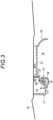
Fig. 3] Fig. 3 is a cross-sectional view taken along a line A-A inFig. 1 . - [
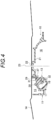
Fig. 4] Fig. 4 is a cross-sectional view taken along a line B-B inFig. 1 (illustrating an unlocked state). - [
Fig. 5] Fig. 5 is an enlarged view of a main part inFig. 3 . - [
Fig. 6] Fig. 6 is an enlarged view of a main part inFig. 4 . - [
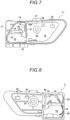
Fig. 7] Fig. 7 is a front view of a single handle base. - [
Fig. 8] Fig. 8 is a back view of the single handle base. - [
Fig. 9] Fig. 9 is an enlarged perspective view of a main part of the handle base as seen from a front side. - [
Fig. 10] Fig. 10 is an enlarged perspective view of a main part of the handle base as seen from a back side. - Hereinafter, an embodiment of the present invention will be described in detail with reference to the drawings.
- As illustrated in
Figs. 1 to 10 , aninside handle device 10 includes ahandle base 11, anoperation handle 12, and alock lever 13. Theinside handle device 10 is fixed to aninner panel 14 that constitutes a door panel of a vehicle, and is disposed so as to be partially exposed from a door trim (not illustrated) facing a vehicle interior. Bowden cables (not illustrated) disposed inside the door panel are connected to theinside handle device 10. The Bowden cable (not illustrated) includes an outer tube having a tubular shape and an inner wire inserted into the outer tube. - The
handle base 11 is formed by injection molding, for example, a synthetic resin material. Thehandle base 11 includes ashaft support hole 15 formed of a through hole on one side, and an operation recess 16 adjacent to theshaft support hole 15 and having a concave shape. Acover edge 17 that covers base end portions of theoperation handle 12 and thelock lever 13 extends toward the operation recess 16 in theshaft support hole 15 at an edge portion of theshaft support hole 15 of thehandle base 11 such that an internal structure of the door panel cannot be seen by an occupant. - The
shaft support hole 15 is formed in a substantially quadrangular shape in which an upper side inFigs. 1 and2 is shorter than a lower side. Asupport beam 18 is formed in theshaft support hole 15 so as to divide theshaft support hole 15 into upper and lower parts. Thesupport beam 18 has two support beam shapes extending in a left-right direction inFigs. 1 and2 . Further, a handle-side support shaft (not illustrated) and a lock-side support shaft 19 are disposed so as to be bridged and supported between thesupport beam 18 and a peripheral edge of theshaft support hole 15. The handle-side support shaft and the lock-side support shaft 19 are arranged parallel to each other along a vehicle upper-lower direction. Further, a pair oftube holding portions shaft support hole 15. Thetube holding portions operation handle 12 side and the Bowden cable on alock lever 13 side, respectively. - A
fixing portion 22 formed of a through hole is provided on abottom surface 21 of the operation recess 16. Theinside handle device 10 is fixed to theinner panel 14 by inserting a fixing screw 23 (seeFig. 4 ) into thefixing portion 22 and screwing thefixing screw 23 to theinner panel 14. - Further, a plurality of holding holes 24 (at two locations in the illustrated example) that penetrate the
bottom surface 21 are disposed on thebottom surface 21 of theoperation recess 16. A retaining claw or an elastic claw provided on a decorative plate (not illustrative) is inserted into and engaged with theseholding holes 24, and the decorative plate is disposed on and fixed to theoperation recess 16. - The decorative plate (not illustrated) is disposed so as to cover the
operation recess 16 from a front side of theinside handle device 10. By disposing on and fixing the decorative plate to the operation recess 16, thefixing screw 23 mounted on theoperation recess 16 is covered, so that thefixing portion 22 and thefixing screw 23 are not visible to the occupant. - The
operation handle 12 is rotatably supported on thehandle base 11 and formed by injection molding, for example, a synthetic resin material. In the present embodiment, theoperation handle 12 is formed in a so-called bar type and plated with chrome or the like. The shape of theoperation handle 12 is not limited to the bar shape, and may be another shape such as a so-called ring shape. Further, a surface treatment of theoperation handle 12 is not limited to plating, and may be coating such as metallic-tone coating. - In the
operation handle 12, a handleshaft support portion 25 provided on a base end side serving as a rotation support point is rotatably supported in theshaft support hole 15 of thehandle base 11 via the handle-side support shaft. Further, in theoperation handle 12, agrip portion 26 formed on a tip end side and operated when the occupant opens a vehicle door is biased and held in the operation recess 16 by a windingspring 27. A handle-side wire holding portion (not illustrated) is disposed on the handleshaft support portion 25 of theoperation handle 12, and an end portion of the inner wire of the Bowden cable on theoperation handle 12 side is attached to the handle-side wire holding portion. - The
lock lever 13 is rotatably supported on thehandle base 11, and is formed by injection molding, for example, a synthetic resin material. Thelock lever 13 is also called a lock knob, and is disposed on thehandle base 11 in the vicinity of (adjacent to) theoperation handle 12. - Similar to the
operation handle 12, in thelock lever 13, a lockshaft support portion 28 provided on a base end side serving as a rotation support point is rotatably supported in theshaft support hole 15 of thehandle base 11 via the lock-side support shaft 19. Further, a lock-sidewire holding portion 29 is disposed in the lockshaft support portion 28 of thelock lever 13, and an end portion of the inner wire of the Bowden cable on thelock lever 13 side is connected to the lock-sidewire holding portion 29. - As illustrated in
Figs. 3 to 6 , thelock lever 13 includes a lockingside stopper ridge 30 formed corresponding to a locking position (lock position) and an unlockingside stopper ridge 31 formed corresponding to an unlocking position (unlock position). Further, thelock lever 13 includes anoperation ridge 32. When the occupant operates theoperation ridge 32 with a finger, thelock lever 13 can be rotated between a locking side rotation limit illustrated inFigs. 3 and5 and an unlocking side rotation limit illustrated inFigs. 4 and6 . - As illustrated in
Fig. 5 , when thelock lever 13 is in the locking position, the lockingside stopper ridge 30 abuts on the locking side stopper 33 to-be-described blow that is formed on thehandle base 11 to define the locking side rotation limit of thelock lever 13. - When the
lock lever 13 is rotated from the state illustrated inFig. 5 to an unlocking position side, as illustrated inFig. 6 , the unlockingside stopper ridge 31 abuts on an unlocking side stopper 34 to-be-described blow that is formed on thehandle base 11 to define the unlocking side rotation limit of thelock lever 13. - The
inside handle device 10 includes a stopper portion 35 provided on thehandle base 11 and limiting a rotation range of thelock lever 13, and an impact absorbing portion 36 provided on thehandle base 11 and absorbing an impact generated by a contact of thelock lever 13 with the stopper portion 35. - Hereinafter, a specific configuration example of the impact absorbing portion 36 and the stopper portion 35 will be described.
- As illustrated in
Figs. 3 to 10 , apartition wall portion 37 is disposed on thehandle base 11 at a position between theshaft support hole 15 and theoperation recess 16 to partition theshaft support hole 15 and theoperation recess 16. Further, an impact absorbing wall portion (elastic portion) 38 is disposed on thehandle base 11 in a way of being apart from thepartition wall portion 37 constituting a part of the peripheral edge of theshaft support hole 15 of thehandle base 11. Aslit 39 is formed between thepartition wall portion 37 of thehandle base 11 and the impact absorbingwall portion 38, and thepartition wall portion 37 and the impact absorbingwall portion 38 are connected by a connectingportion 40 at an end portion on aninner panel 14 side. - A wall thickness T1 of the impact absorbing
wall portion 38 is formed to be thinner than a wall thickness T2 of thepartition wall portion 37 constituting a part of the peripheral edge of theshaft support hole 15 of the handle base 11 (seeFigs. 5 and 6 ). This is because by allowing the impact absorbingwall portion 38 to slightly bend at the time of abutment on (collision with) thelock lever 13, the vibration is damped and the impact is absorbed by the small deflection deformation. Acutout portion 41 is provided at thepartition wall portion 37 of theshaft support hole 15 and the impact absorbingwall portion 38 so as not to interfere with the operation handle 12 that is in an initial position illustrated inFig. 1 (seeFig. 7 ). - The impact absorbing portion 36 includes a first protruding piece portion (elastic portion) 42 protruding from the impact absorbing
wall portion 38 and extending into theshaft supporting hole 15, and the locking side stopper (locking side first stopper) 33 defining the locking side rotation limit of thelock lever 13 is formed on the first protruding piece portion 42 (seeFig. 5 ). An extending direction of the first protruding piece portion 42 (the locking side stopper 33) is set to an angle substantially orthogonal to the impact absorbingwall portion 38. Further, in order to ensure rigidity of the lockingside stopper 33 to a certain degree, the first protrudingpiece portion 42 does not have a full cantilever shape, and one-side end portion thereof is connected to awall portion 45 constituting a part of the peripheral edge of the shaft support hole 15 (seeFigs. 9 and10 ). - The first
protruding piece portion 42 is formed continuously to an end portion of the impact absorbingwall portion 38 opposite to the end portion to which the connectingportion 40 is connected (seeFigs. 3 to 5 ). This is because by making a propagation path of the vibration from the stopper portion 35 to theinner panel 14 detour as much as possible, the vibration generated in the stopper portion 35 is made difficult to be transmitted from thehandle base 11 to theinner panel 14. - A thickness T3 of the first protruding
piece portion 42 is formed to be thinner than the wall thickness T1 of the impact absorbing wall portion 38 (seeFig. 5 ), and is for example, about 0.5 mm to 1.0 mm. This is because by allowing the first protrudingpiece portion 42 to slightly bend at the time of the abutment on (collision with) the lockingside stopper ridge 30 of thelock lever 13, the vibration is damped and the impact is absorbed by the small deflection deformation. - The impact absorbing portion 36 includes a second protruding piece portion (elastic portion) 44 protruding and extending from the first protruding
piece portion 42. An auxiliary stopper (second stopper) 43 suppressing the rotation of thelock lever 13 is formed on the second protruding piece portion 44 when a rotating force exceeding the rotation range (locking side rotation limit) is applied to thelock lever 13. An extending direction of the second protruding piece portion 44 (the auxiliary stopper 43) is set to an angle substantially orthogonal to the first protrudingpiece portion 42. Further, in order to ensure rigidity of the auxiliary stopper 43 to a certain degree, the second protruding piece portion 44 does not have a full cantilever shape, and one-side end portion thereof is connected to thewall portion 45 constituting a part of the peripheral edge of the shaft support hole 15 (seeFigs. 9 and10 ). - Similar to the first protruding
piece portion 42, a thickness T4 of the second protruding piece portion 44 is formed to be thinner than the wall thickness T1 of the impact absorbing wall portion 38 (seeFig. 5 ), and is for example, about 0.5 mm to 1.0 mm. This is because by allowing the second protruding piece portion 44 to slightly bend at the time of the abutment on (collision with) the lockingside stopper ridge 30 of thelock lever 13, the vibration is damped and the impact is absorbed by the small deflection deformation. - Although the auxiliary stopper 43 is provided at the impact absorbing portion 36 in the present embodiment, the auxiliary stopper 43 can be provided at a portion different from the impact absorbing portion 36.
- On the other hand, the unlocking side stopper (unlocking side first stopper) 34 that defines the unlocking side rotation limit of the
lock lever 13 is formed on the impact absorbing wall portion 38 (seeFig. 6 ). As described above, the wall thickness T1 of the impact absorbingwall portion 38 is formed to be thinner than the wall thickness T2 of thepartition wall portion 37 constituting a part of the peripheral edge of theshaft support hole 15 of the handle base 11 (seeFigs. 5 and 6 ). This is because by allowing the impact absorbingwall portion 38 to slightly bend at the time of the abutment on (collision with) thelock lever 13, the vibration is damped and the impact is absorbed by the small deflection deformation. - Operational effects of the present embodiment will be described below.
- (1) The
inside handle device 10 includes thehandle base 11 attached to the door panel of the vehicle (inner panel 14), thelock lever 13 rotatably supported on thehandle base 11, the stopper portion 35 provided on thehandle base 11 and limiting the rotation range of thelock lever 13, and the impact absorbing portion 36 provided on thehandle base 11 and absorbing the impact generated by the contact of thelock lever 13 with the stopper portion 35. - According to the
inside handle device 10, the impact absorbing portion 36 can absorb the impact generated by the contact (collision) between thelock lever 13 and the stopper portion 35 and reduce the hitting sound (impact sound) generated at the time of locking or unlocking the door by thelock lever 13. - (2) The impact absorbing portion 36 includes the impact absorbing
wall portion 38 disposed apart from a general wall portion (partitioning wall portion 37) of thehandle base 11. - By configuring the impact absorbing portion 36 in this way, the propagation path of the vibration from the stopper portion 35 to the
inner panel 14 can be detoured as much as possible, and the vibration generated in the stopper portion 35 can be made difficult to be transmitted from thehandle base 11 to theinner panel 14. - (3) The impact absorbing portion 36 includes the first protruding
piece portion 42 protruding and extending from the impact absorbingwall portion 38. The stopper portion 35 includes the lockingside stopper 33 defining the locking side rotation limit of thelock lever 13, and the lockingside stopper 33 is formed on the first protrudingpiece portion 42 of the impact absorbing portion 36. - By configuring the impact absorbing portion 36 in this way, it is possible to damp and absorb the vibration generated at the time of the abutment on (collision with) the locking
side stopper ridge 30 of thelock lever 13. - (4) The stopper portion 35 includes the unlocking
side stopper 34 defining the unlocking side rotation limit of thelock lever 13, and the unlockingside stopper 34 is formed on the impact absorbingwall portion 38 of the impact absorbing portion 36. - By configuring the impact absorbing portion 36 in this way, it is possible to damp and absorb the vibration generated at the time of abutment on (collision with) the unlocking
side stopper ridge 31 of thelock lever 13. - (5) The stopper portion 35 includes the auxiliary stopper 43 suppressing the rotation of the
lock lever 13 when the rotating force exceeding the rotation range is applied to thelock lever 13. - By configuring the stopper portion 35 in this way, even when the
handle base 11 is bent and deformed, the auxiliary stopper 43 can function as a stopper. - By the way, although the inside handle device of the present invention has been described by taking the above embodiment as an example, the present invention is not limited to the embodiment and can adopt various other embodiments without departing from the scope of the invention as defined by the appended claims.
-
- 10 inside handle device
- 11 handle base
- 13 lock lever
- 33 locking side stopper (locking side first stopper)
- 34 unlocking side stopper (unlocking side first stopper)
- 35 stopper portion
- 36 impact absorbing portion
- 37 partition wall portion (general wall portion)
- 38 impact absorbing wall portion (elastic portion)
- 42 first protruding piece portion (elastic portion)
- 43 auxiliary stopper (second stopper)
- 44 second protruding piece portion (elastic portion)
Claims (4)
- An inside handle device comprising:a handle base (11) attached to a door panel of a vehicle;a lock lever (13) configured to be rotatably supported on the handle base (11);a stopper portion (35) provided on the handle base (11) and configured to limit a rotation range of the lock lever (13); andan impact absorbing portion (36) provided on the handle base (11) and configured to absorb an impact generated by a contact of the lock lever (13) with the stopper portion (35),wherein the impact absorbing portion (36) includes an impact absorbing wall portion (38),whereinthe impact absorbing wall portion (38) is disposed apart from a partition wall portion (37) of the handle base (11), characterized in thata first wall thickness (T1) of the impact absorbing wall portion (38) is formed to be thinner than a second wall thickness (T2) of the partition wall portion (37) constituting a part of a peripheral edge of a shaft support hole (15) of the handle base (11).
- The inside handle device according to claim 1,wherein the impact absorbing portion (36) includes a first protruding piece portion (42) protruding and extending from the impact absorbing wall portion (38), andwherein the stopper portion (35) includes a locking side stopper (33) defining a locking side rotation limit of the lock lever (13), and the locking side stopper (33) is formed on the first protruding piece portion (42) of the impact absorbing portion (36).
- The inside handle device according to claim 1 or 2,
wherein the stopper portion (35) includes an unlocking side stopper (34) defining an unlocking side rotation limit of the lock lever (13), and the unlocking side stopper (34) is formed on the impact absorbing wall portion (38) of the impact absorbing portion (36). - The inside handle device according to any one of claims 1 to 3,
wherein the stopper portion (35) includes an auxiliary stopper (43) suppressing rotation of the lock lever (13) when a rotating force exceeding the rotation range is applied to the lock lever (13).
Applications Claiming Priority (2)
| Application Number | Priority Date | Filing Date | Title |
|---|---|---|---|
| JP2018100189A JP7084784B2 (en) | 2018-05-25 | 2018-05-25 | Inside handle device |
| PCT/JP2019/020750 WO2019225751A1 (en) | 2018-05-25 | 2019-05-24 | Inside handle device |
Publications (3)
| Publication Number | Publication Date |
|---|---|
| EP3805494A1 EP3805494A1 (en) | 2021-04-14 |
| EP3805494A4 EP3805494A4 (en) | 2022-03-16 |
| EP3805494B1 true EP3805494B1 (en) | 2024-04-10 |
Family
ID=68615760
Family Applications (1)
| Application Number | Title | Priority Date | Filing Date |
|---|---|---|---|
| EP19807616.8A Active EP3805494B1 (en) | 2018-05-25 | 2019-05-24 | Inside handle device |
Country Status (5)
| Country | Link |
|---|---|
| US (1) | US11879277B2 (en) |
| EP (1) | EP3805494B1 (en) |
| JP (1) | JP7084784B2 (en) |
| CN (1) | CN111902596A (en) |
| WO (1) | WO2019225751A1 (en) |
Family Cites Families (15)
| Publication number | Priority date | Publication date | Assignee | Title |
|---|---|---|---|---|
| JPH0679975A (en) | 1983-07-25 | 1994-03-22 | Dainippon Printing Co Ltd | Sheet to receive thermal transfer |
| GB2226849A (en) * | 1989-01-06 | 1990-07-11 | Bocklenberg & Motte Bomoro | Sound damping vehicle latches |
| JPH07259393A (en) * | 1994-03-24 | 1995-10-09 | Oi Seisakusho Co Ltd | Handle device |
| KR100600216B1 (en) * | 2004-06-19 | 2006-07-13 | 현대자동차주식회사 | Door inside handle assembly operation noise reduction structure of vehicle |
| JP4538384B2 (en) * | 2005-06-29 | 2010-09-08 | 株式会社アルファ | Inside door handle device |
| JP4717662B2 (en) * | 2006-02-28 | 2011-07-06 | 株式会社アルファ | Automotive door handle device |
| JP4522977B2 (en) * | 2006-08-02 | 2010-08-11 | 小島プレス工業株式会社 | Inside door handle device |
| DE102008058419B4 (en) * | 2008-11-21 | 2026-01-08 | Kiekert Aktiengesellschaft | Locking lip with inserted metal strip |
| DE102009032894A1 (en) * | 2009-07-13 | 2011-01-20 | Kiekert Ag | Lock for a door or a flap on a motor vehicle |
| JP5752913B2 (en) * | 2010-10-15 | 2015-07-22 | 株式会社アルファ | Vehicle door handle device |
| JP6082613B2 (en) * | 2013-02-06 | 2017-02-15 | 本田技研工業株式会社 | Vehicle door handle device |
| DE102016200589A1 (en) * | 2015-02-05 | 2016-08-11 | Ford Global Technologies, Llc | The door handle assembly |
| JP6557028B2 (en) | 2015-03-13 | 2019-08-07 | 株式会社アルファ | Inside handle device for vehicle |
| JP6691435B2 (en) * | 2016-06-08 | 2020-04-28 | 株式会社アルファ | Vehicle inside handle device |
| JP6306677B1 (en) | 2016-12-19 | 2018-04-04 | 古河機械金属株式会社 | Group III nitride semiconductor substrate and method for manufacturing group III nitride semiconductor substrate |
-
2018
- 2018-05-25 JP JP2018100189A patent/JP7084784B2/en active Active
-
2019
- 2019-05-24 EP EP19807616.8A patent/EP3805494B1/en active Active
- 2019-05-24 WO PCT/JP2019/020750 patent/WO2019225751A1/en not_active Ceased
- 2019-05-24 CN CN201980021097.5A patent/CN111902596A/en active Pending
-
2020
- 2020-09-22 US US17/027,906 patent/US11879277B2/en active Active
Also Published As
| Publication number | Publication date |
|---|---|
| EP3805494A1 (en) | 2021-04-14 |
| JP2019203338A (en) | 2019-11-28 |
| WO2019225751A1 (en) | 2019-11-28 |
| JP7084784B2 (en) | 2022-06-15 |
| US11879277B2 (en) | 2024-01-23 |
| US20210002926A1 (en) | 2021-01-07 |
| EP3805494A4 (en) | 2022-03-16 |
| CN111902596A (en) | 2020-11-06 |
Similar Documents
| Publication | Publication Date | Title |
|---|---|---|
| JP5156652B2 (en) | Inside door handle device | |
| US9540850B2 (en) | Vehicle door handle device | |
| JP6762986B2 (en) | Interior cover mounting structure | |
| JP6493125B2 (en) | Outside handle device for vehicle | |
| EP3805494B1 (en) | Inside handle device | |
| US7597364B2 (en) | Door handle device for vehicle | |
| JP2012077460A (en) | Door inside handle device of vehicle | |
| CN110466447B (en) | Vehicle door decoration | |
| EP2317035B1 (en) | Door handle device | |
| WO2021085595A1 (en) | Lock lever and opening/closing device | |
| JP6691435B2 (en) | Vehicle inside handle device | |
| JP2016055851A (en) | Instrument panel glove box housing structure | |
| JP5954232B2 (en) | Switch mounting structure | |
| JP3619091B2 (en) | Shock absorption structure for vehicle glove box | |
| JP2022130848A (en) | Vehicle exterior parts | |
| EP3553262B1 (en) | Handle device | |
| JP4200166B2 (en) | Vehicle storage device | |
| JP4797825B2 (en) | Mounting structure of circular parts to the car body | |
| JP5562061B2 (en) | Vehicle switch base mounting structure | |
| JP6759123B2 (en) | Box door device | |
| JPH0930292A (en) | Front console structure | |
| KR100577803B1 (en) | Striker Assembly Structure for Glove Box | |
| JP6419539B2 (en) | Base material with rotating body | |
| KR20110005454U (en) | Car Box Lock Assembly | |
| JP2021030979A (en) | Floor carpet opening closure |
Legal Events
| Date | Code | Title | Description |
|---|---|---|---|
| STAA | Information on the status of an ep patent application or granted ep patent |
Free format text: STATUS: THE INTERNATIONAL PUBLICATION HAS BEEN MADE |
|
| PUAI | Public reference made under article 153(3) epc to a published international application that has entered the european phase |
Free format text: ORIGINAL CODE: 0009012 |
|
| STAA | Information on the status of an ep patent application or granted ep patent |
Free format text: STATUS: REQUEST FOR EXAMINATION WAS MADE |
|
| 17P | Request for examination filed |
Effective date: 20201008 |
|
| AK | Designated contracting states |
Kind code of ref document: A1 Designated state(s): AL AT BE BG CH CY CZ DE DK EE ES FI FR GB GR HR HU IE IS IT LI LT LU LV MC MK MT NL NO PL PT RO RS SE SI SK SM TR |
|
| AX | Request for extension of the european patent |
Extension state: BA ME |
|
| DAV | Request for validation of the european patent (deleted) | ||
| DAX | Request for extension of the european patent (deleted) | ||
| A4 | Supplementary search report drawn up and despatched |
Effective date: 20220210 |
|
| RIC1 | Information provided on ipc code assigned before grant |
Ipc: E05B 77/38 20140101ALI20220204BHEP Ipc: E05B 79/06 20140101ALI20220204BHEP Ipc: E05B 77/42 20140101ALI20220204BHEP Ipc: B60J 5/04 20060101ALI20220204BHEP Ipc: E05B 85/12 20140101AFI20220204BHEP |
|
| RIN1 | Information on inventor provided before grant (corrected) |
Inventor name: TANAKA, RYOICHI Inventor name: MINEMURA, RYUJI Inventor name: TATEMICHI, SAEKO |
|
| RIC1 | Information provided on ipc code assigned before grant |
Ipc: E05B 77/38 20140101ALI20230414BHEP Ipc: E05B 79/06 20140101ALI20230414BHEP Ipc: E05B 77/42 20140101ALI20230414BHEP Ipc: B60J 5/04 20060101ALI20230414BHEP Ipc: E05B 85/12 20140101AFI20230414BHEP |
|
| GRAP | Despatch of communication of intention to grant a patent |
Free format text: ORIGINAL CODE: EPIDOSNIGR1 |
|
| STAA | Information on the status of an ep patent application or granted ep patent |
Free format text: STATUS: GRANT OF PATENT IS INTENDED |
|
| INTG | Intention to grant announced |
Effective date: 20230531 |
|
| GRAJ | Information related to disapproval of communication of intention to grant by the applicant or resumption of examination proceedings by the epo deleted |
Free format text: ORIGINAL CODE: EPIDOSDIGR1 |
|
| STAA | Information on the status of an ep patent application or granted ep patent |
Free format text: STATUS: REQUEST FOR EXAMINATION WAS MADE |
|
| GRAP | Despatch of communication of intention to grant a patent |
Free format text: ORIGINAL CODE: EPIDOSNIGR1 |
|
| STAA | Information on the status of an ep patent application or granted ep patent |
Free format text: STATUS: GRANT OF PATENT IS INTENDED |
|
| INTC | Intention to grant announced (deleted) | ||
| INTG | Intention to grant announced |
Effective date: 20231106 |
|
| GRAS | Grant fee paid |
Free format text: ORIGINAL CODE: EPIDOSNIGR3 |
|
| GRAA | (expected) grant |
Free format text: ORIGINAL CODE: 0009210 |
|
| STAA | Information on the status of an ep patent application or granted ep patent |
Free format text: STATUS: THE PATENT HAS BEEN GRANTED |
|
| AK | Designated contracting states |
Kind code of ref document: B1 Designated state(s): AL AT BE BG CH CY CZ DE DK EE ES FI FR GB GR HR HU IE IS IT LI LT LU LV MC MK MT NL NO PL PT RO RS SE SI SK SM TR |
|
| REG | Reference to a national code |
Ref country code: GB Ref legal event code: FG4D |
|
| REG | Reference to a national code |
Ref country code: CH Ref legal event code: EP |
|
| REG | Reference to a national code |
Ref country code: DE Ref legal event code: R096 Ref document number: 602019050122 Country of ref document: DE |
|
| REG | Reference to a national code |
Ref country code: IE Ref legal event code: FG4D |
|
| REG | Reference to a national code |
Ref country code: LT Ref legal event code: MG9D |
|
| REG | Reference to a national code |
Ref country code: NL Ref legal event code: MP Effective date: 20240410 |
|
| REG | Reference to a national code |
Ref country code: AT Ref legal event code: MK05 Ref document number: 1675071 Country of ref document: AT Kind code of ref document: T Effective date: 20240410 |
|
| PG25 | Lapsed in a contracting state [announced via postgrant information from national office to epo] |
Ref country code: NL Free format text: LAPSE BECAUSE OF FAILURE TO SUBMIT A TRANSLATION OF THE DESCRIPTION OR TO PAY THE FEE WITHIN THE PRESCRIBED TIME-LIMIT Effective date: 20240410 |
|
| PG25 | Lapsed in a contracting state [announced via postgrant information from national office to epo] |
Ref country code: NL Free format text: LAPSE BECAUSE OF FAILURE TO SUBMIT A TRANSLATION OF THE DESCRIPTION OR TO PAY THE FEE WITHIN THE PRESCRIBED TIME-LIMIT Effective date: 20240410 |
|
| PG25 | Lapsed in a contracting state [announced via postgrant information from national office to epo] |
Ref country code: IS Free format text: LAPSE BECAUSE OF FAILURE TO SUBMIT A TRANSLATION OF THE DESCRIPTION OR TO PAY THE FEE WITHIN THE PRESCRIBED TIME-LIMIT Effective date: 20240810 |
|
| PG25 | Lapsed in a contracting state [announced via postgrant information from national office to epo] |
Ref country code: BG Free format text: LAPSE BECAUSE OF FAILURE TO SUBMIT A TRANSLATION OF THE DESCRIPTION OR TO PAY THE FEE WITHIN THE PRESCRIBED TIME-LIMIT Effective date: 20240410 |
|
| PG25 | Lapsed in a contracting state [announced via postgrant information from national office to epo] |
Ref country code: HR Free format text: LAPSE BECAUSE OF FAILURE TO SUBMIT A TRANSLATION OF THE DESCRIPTION OR TO PAY THE FEE WITHIN THE PRESCRIBED TIME-LIMIT Effective date: 20240410 Ref country code: FI Free format text: LAPSE BECAUSE OF FAILURE TO SUBMIT A TRANSLATION OF THE DESCRIPTION OR TO PAY THE FEE WITHIN THE PRESCRIBED TIME-LIMIT Effective date: 20240410 |
|
| PG25 | Lapsed in a contracting state [announced via postgrant information from national office to epo] |
Ref country code: GR Free format text: LAPSE BECAUSE OF FAILURE TO SUBMIT A TRANSLATION OF THE DESCRIPTION OR TO PAY THE FEE WITHIN THE PRESCRIBED TIME-LIMIT Effective date: 20240711 |
|
| PG25 | Lapsed in a contracting state [announced via postgrant information from national office to epo] |
Ref country code: PT Free format text: LAPSE BECAUSE OF FAILURE TO SUBMIT A TRANSLATION OF THE DESCRIPTION OR TO PAY THE FEE WITHIN THE PRESCRIBED TIME-LIMIT Effective date: 20240812 |
|
| PG25 | Lapsed in a contracting state [announced via postgrant information from national office to epo] |
Ref country code: ES Free format text: LAPSE BECAUSE OF FAILURE TO SUBMIT A TRANSLATION OF THE DESCRIPTION OR TO PAY THE FEE WITHIN THE PRESCRIBED TIME-LIMIT Effective date: 20240410 |
|
| PG25 | Lapsed in a contracting state [announced via postgrant information from national office to epo] |
Ref country code: AT Free format text: LAPSE BECAUSE OF FAILURE TO SUBMIT A TRANSLATION OF THE DESCRIPTION OR TO PAY THE FEE WITHIN THE PRESCRIBED TIME-LIMIT Effective date: 20240410 |
|
| PG25 | Lapsed in a contracting state [announced via postgrant information from national office to epo] |
Ref country code: PL Free format text: LAPSE BECAUSE OF FAILURE TO SUBMIT A TRANSLATION OF THE DESCRIPTION OR TO PAY THE FEE WITHIN THE PRESCRIBED TIME-LIMIT Effective date: 20240410 |
|
| PG25 | Lapsed in a contracting state [announced via postgrant information from national office to epo] |
Ref country code: LV Free format text: LAPSE BECAUSE OF FAILURE TO SUBMIT A TRANSLATION OF THE DESCRIPTION OR TO PAY THE FEE WITHIN THE PRESCRIBED TIME-LIMIT Effective date: 20240410 |
|
| PG25 | Lapsed in a contracting state [announced via postgrant information from national office to epo] |
Ref country code: PT Free format text: LAPSE BECAUSE OF FAILURE TO SUBMIT A TRANSLATION OF THE DESCRIPTION OR TO PAY THE FEE WITHIN THE PRESCRIBED TIME-LIMIT Effective date: 20240812 Ref country code: PL Free format text: LAPSE BECAUSE OF FAILURE TO SUBMIT A TRANSLATION OF THE DESCRIPTION OR TO PAY THE FEE WITHIN THE PRESCRIBED TIME-LIMIT Effective date: 20240410 Ref country code: NO Free format text: LAPSE BECAUSE OF FAILURE TO SUBMIT A TRANSLATION OF THE DESCRIPTION OR TO PAY THE FEE WITHIN THE PRESCRIBED TIME-LIMIT Effective date: 20240710 Ref country code: LV Free format text: LAPSE BECAUSE OF FAILURE TO SUBMIT A TRANSLATION OF THE DESCRIPTION OR TO PAY THE FEE WITHIN THE PRESCRIBED TIME-LIMIT Effective date: 20240410 Ref country code: IS Free format text: LAPSE BECAUSE OF FAILURE TO SUBMIT A TRANSLATION OF THE DESCRIPTION OR TO PAY THE FEE WITHIN THE PRESCRIBED TIME-LIMIT Effective date: 20240810 Ref country code: HR Free format text: LAPSE BECAUSE OF FAILURE TO SUBMIT A TRANSLATION OF THE DESCRIPTION OR TO PAY THE FEE WITHIN THE PRESCRIBED TIME-LIMIT Effective date: 20240410 Ref country code: GR Free format text: LAPSE BECAUSE OF FAILURE TO SUBMIT A TRANSLATION OF THE DESCRIPTION OR TO PAY THE FEE WITHIN THE PRESCRIBED TIME-LIMIT Effective date: 20240711 Ref country code: FI Free format text: LAPSE BECAUSE OF FAILURE TO SUBMIT A TRANSLATION OF THE DESCRIPTION OR TO PAY THE FEE WITHIN THE PRESCRIBED TIME-LIMIT Effective date: 20240410 Ref country code: ES Free format text: LAPSE BECAUSE OF FAILURE TO SUBMIT A TRANSLATION OF THE DESCRIPTION OR TO PAY THE FEE WITHIN THE PRESCRIBED TIME-LIMIT Effective date: 20240410 Ref country code: BG Free format text: LAPSE BECAUSE OF FAILURE TO SUBMIT A TRANSLATION OF THE DESCRIPTION OR TO PAY THE FEE WITHIN THE PRESCRIBED TIME-LIMIT Effective date: 20240410 Ref country code: AT Free format text: LAPSE BECAUSE OF FAILURE TO SUBMIT A TRANSLATION OF THE DESCRIPTION OR TO PAY THE FEE WITHIN THE PRESCRIBED TIME-LIMIT Effective date: 20240410 Ref country code: RS Free format text: LAPSE BECAUSE OF FAILURE TO SUBMIT A TRANSLATION OF THE DESCRIPTION OR TO PAY THE FEE WITHIN THE PRESCRIBED TIME-LIMIT Effective date: 20240710 |
|
| REG | Reference to a national code |
Ref country code: CH Ref legal event code: PL |
|
| REG | Reference to a national code |
Ref country code: DE Ref legal event code: R097 Ref document number: 602019050122 Country of ref document: DE |
|
| PG25 | Lapsed in a contracting state [announced via postgrant information from national office to epo] |
Ref country code: DK Free format text: LAPSE BECAUSE OF FAILURE TO SUBMIT A TRANSLATION OF THE DESCRIPTION OR TO PAY THE FEE WITHIN THE PRESCRIBED TIME-LIMIT Effective date: 20240410 |
|
| PG25 | Lapsed in a contracting state [announced via postgrant information from national office to epo] |
Ref country code: LU Free format text: LAPSE BECAUSE OF NON-PAYMENT OF DUE FEES Effective date: 20240524 |
|
| PG25 | Lapsed in a contracting state [announced via postgrant information from national office to epo] |
Ref country code: EE Free format text: LAPSE BECAUSE OF FAILURE TO SUBMIT A TRANSLATION OF THE DESCRIPTION OR TO PAY THE FEE WITHIN THE PRESCRIBED TIME-LIMIT Effective date: 20240410 |
|
| PG25 | Lapsed in a contracting state [announced via postgrant information from national office to epo] |
Ref country code: CZ Free format text: LAPSE BECAUSE OF FAILURE TO SUBMIT A TRANSLATION OF THE DESCRIPTION OR TO PAY THE FEE WITHIN THE PRESCRIBED TIME-LIMIT Effective date: 20240410 |
|
| PG25 | Lapsed in a contracting state [announced via postgrant information from national office to epo] |
Ref country code: RO Free format text: LAPSE BECAUSE OF FAILURE TO SUBMIT A TRANSLATION OF THE DESCRIPTION OR TO PAY THE FEE WITHIN THE PRESCRIBED TIME-LIMIT Effective date: 20240410 Ref country code: SK Free format text: LAPSE BECAUSE OF FAILURE TO SUBMIT A TRANSLATION OF THE DESCRIPTION OR TO PAY THE FEE WITHIN THE PRESCRIBED TIME-LIMIT Effective date: 20240410 |
|
| PG25 | Lapsed in a contracting state [announced via postgrant information from national office to epo] |
Ref country code: SM Free format text: LAPSE BECAUSE OF FAILURE TO SUBMIT A TRANSLATION OF THE DESCRIPTION OR TO PAY THE FEE WITHIN THE PRESCRIBED TIME-LIMIT Effective date: 20240410 |
|
| PG25 | Lapsed in a contracting state [announced via postgrant information from national office to epo] |
Ref country code: SM Free format text: LAPSE BECAUSE OF FAILURE TO SUBMIT A TRANSLATION OF THE DESCRIPTION OR TO PAY THE FEE WITHIN THE PRESCRIBED TIME-LIMIT Effective date: 20240410 Ref country code: SK Free format text: LAPSE BECAUSE OF FAILURE TO SUBMIT A TRANSLATION OF THE DESCRIPTION OR TO PAY THE FEE WITHIN THE PRESCRIBED TIME-LIMIT Effective date: 20240410 Ref country code: RO Free format text: LAPSE BECAUSE OF FAILURE TO SUBMIT A TRANSLATION OF THE DESCRIPTION OR TO PAY THE FEE WITHIN THE PRESCRIBED TIME-LIMIT Effective date: 20240410 Ref country code: LU Free format text: LAPSE BECAUSE OF NON-PAYMENT OF DUE FEES Effective date: 20240524 Ref country code: EE Free format text: LAPSE BECAUSE OF FAILURE TO SUBMIT A TRANSLATION OF THE DESCRIPTION OR TO PAY THE FEE WITHIN THE PRESCRIBED TIME-LIMIT Effective date: 20240410 Ref country code: DK Free format text: LAPSE BECAUSE OF FAILURE TO SUBMIT A TRANSLATION OF THE DESCRIPTION OR TO PAY THE FEE WITHIN THE PRESCRIBED TIME-LIMIT Effective date: 20240410 Ref country code: CZ Free format text: LAPSE BECAUSE OF FAILURE TO SUBMIT A TRANSLATION OF THE DESCRIPTION OR TO PAY THE FEE WITHIN THE PRESCRIBED TIME-LIMIT Effective date: 20240410 Ref country code: MC Free format text: LAPSE BECAUSE OF FAILURE TO SUBMIT A TRANSLATION OF THE DESCRIPTION OR TO PAY THE FEE WITHIN THE PRESCRIBED TIME-LIMIT Effective date: 20240410 Ref country code: CH Free format text: LAPSE BECAUSE OF NON-PAYMENT OF DUE FEES Effective date: 20240531 |
|
| PG25 | Lapsed in a contracting state [announced via postgrant information from national office to epo] |
Ref country code: IT Free format text: LAPSE BECAUSE OF FAILURE TO SUBMIT A TRANSLATION OF THE DESCRIPTION OR TO PAY THE FEE WITHIN THE PRESCRIBED TIME-LIMIT Effective date: 20240410 |
|
| PLBE | No opposition filed within time limit |
Free format text: ORIGINAL CODE: 0009261 |
|
| STAA | Information on the status of an ep patent application or granted ep patent |
Free format text: STATUS: NO OPPOSITION FILED WITHIN TIME LIMIT |
|
| REG | Reference to a national code |
Ref country code: BE Ref legal event code: MM Effective date: 20240531 |
|
| 26N | No opposition filed |
Effective date: 20250113 |
|
| GBPC | Gb: european patent ceased through non-payment of renewal fee |
Effective date: 20240710 |
|
| PG25 | Lapsed in a contracting state [announced via postgrant information from national office to epo] |
Ref country code: IE Free format text: LAPSE BECAUSE OF NON-PAYMENT OF DUE FEES Effective date: 20240524 |
|
| PG25 | Lapsed in a contracting state [announced via postgrant information from national office to epo] |
Ref country code: SI Free format text: LAPSE BECAUSE OF FAILURE TO SUBMIT A TRANSLATION OF THE DESCRIPTION OR TO PAY THE FEE WITHIN THE PRESCRIBED TIME-LIMIT Effective date: 20240410 Ref country code: BE Free format text: LAPSE BECAUSE OF NON-PAYMENT OF DUE FEES Effective date: 20240531 |
|
| PG25 | Lapsed in a contracting state [announced via postgrant information from national office to epo] |
Ref country code: GB Free format text: LAPSE BECAUSE OF NON-PAYMENT OF DUE FEES Effective date: 20240710 |
|
| PGFP | Annual fee paid to national office [announced via postgrant information from national office to epo] |
Ref country code: DE Payment date: 20250402 Year of fee payment: 7 |
|
| PGFP | Annual fee paid to national office [announced via postgrant information from national office to epo] |
Ref country code: FR Payment date: 20250401 Year of fee payment: 7 |
|
| PG25 | Lapsed in a contracting state [announced via postgrant information from national office to epo] |
Ref country code: CY Free format text: LAPSE BECAUSE OF FAILURE TO SUBMIT A TRANSLATION OF THE DESCRIPTION OR TO PAY THE FEE WITHIN THE PRESCRIBED TIME-LIMIT; INVALID AB INITIO Effective date: 20190524 |
|
| PG25 | Lapsed in a contracting state [announced via postgrant information from national office to epo] |
Ref country code: HU Free format text: LAPSE BECAUSE OF FAILURE TO SUBMIT A TRANSLATION OF THE DESCRIPTION OR TO PAY THE FEE WITHIN THE PRESCRIBED TIME-LIMIT; INVALID AB INITIO Effective date: 20190524 |
|
| PG25 | Lapsed in a contracting state [announced via postgrant information from national office to epo] |
Ref country code: SE Free format text: LAPSE BECAUSE OF FAILURE TO SUBMIT A TRANSLATION OF THE DESCRIPTION OR TO PAY THE FEE WITHIN THE PRESCRIBED TIME-LIMIT Effective date: 20240410 |