EP3805260A1 - Water-soluble trans-membrane proteins and methods for the preparation and use thereof - Google Patents
Water-soluble trans-membrane proteins and methods for the preparation and use thereof Download PDFInfo
- Publication number
- EP3805260A1 EP3805260A1 EP20184442.0A EP20184442A EP3805260A1 EP 3805260 A1 EP3805260 A1 EP 3805260A1 EP 20184442 A EP20184442 A EP 20184442A EP 3805260 A1 EP3805260 A1 EP 3805260A1
- Authority
- EP
- European Patent Office
- Prior art keywords
- seq
- protein
- substituted
- transmembrane
- variants
- Prior art date
- Legal status (The legal status is an assumption and is not a legal conclusion. Google has not performed a legal analysis and makes no representation as to the accuracy of the status listed.)
- Pending
Links
- 238000000034 method Methods 0.000 title claims abstract description 234
- 238000002360 preparation method Methods 0.000 title abstract description 6
- 102000035160 transmembrane proteins Human genes 0.000 title description 19
- 108091005703 transmembrane proteins Proteins 0.000 title description 19
- 108090000623 proteins and genes Proteins 0.000 claims description 328
- 102000004169 proteins and genes Human genes 0.000 claims description 321
- 235000018102 proteins Nutrition 0.000 claims description 302
- 150000001413 amino acids Chemical class 0.000 claims description 150
- 108090000045 G-Protein-Coupled Receptors Proteins 0.000 claims description 140
- 102000003688 G-Protein-Coupled Receptors Human genes 0.000 claims description 137
- 229940024606 amino acid Drugs 0.000 claims description 127
- 235000001014 amino acid Nutrition 0.000 claims description 127
- 230000002209 hydrophobic effect Effects 0.000 claims description 85
- 230000014509 gene expression Effects 0.000 claims description 32
- 235000014705 isoleucine Nutrition 0.000 claims description 32
- 235000005772 leucine Nutrition 0.000 claims description 31
- 235000008729 phenylalanine Nutrition 0.000 claims description 31
- 235000014393 valine Nutrition 0.000 claims description 31
- 235000008521 threonine Nutrition 0.000 claims description 26
- 239000012528 membrane Substances 0.000 claims description 25
- 241000894006 Bacteria Species 0.000 claims description 23
- 241000588724 Escherichia coli Species 0.000 claims description 22
- COLNVLDHVKWLRT-QMMMGPOBSA-N L-phenylalanine Chemical compound OC(=O)[C@@H](N)CC1=CC=CC=C1 COLNVLDHVKWLRT-QMMMGPOBSA-N 0.000 claims description 21
- DCXYFEDJOCDNAF-REOHCLBHSA-N L-asparagine Chemical compound OC(=O)[C@@H](N)CC(N)=O DCXYFEDJOCDNAF-REOHCLBHSA-N 0.000 claims description 20
- AGPKZVBTJJNPAG-WHFBIAKZSA-N L-isoleucine Chemical compound CC[C@H](C)[C@H](N)C(O)=O AGPKZVBTJJNPAG-WHFBIAKZSA-N 0.000 claims description 20
- ROHFNLRQFUQHCH-YFKPBYRVSA-N L-leucine Chemical compound CC(C)C[C@H](N)C(O)=O ROHFNLRQFUQHCH-YFKPBYRVSA-N 0.000 claims description 20
- 235000004554 glutamine Nutrition 0.000 claims description 20
- AGPKZVBTJJNPAG-UHFFFAOYSA-N isoleucine Natural products CCC(C)C(N)C(O)=O AGPKZVBTJJNPAG-UHFFFAOYSA-N 0.000 claims description 20
- 229960000310 isoleucine Drugs 0.000 claims description 20
- 235000002374 tyrosine Nutrition 0.000 claims description 20
- KZSNJWFQEVHDMF-BYPYZUCNSA-N L-valine Chemical compound CC(C)[C@H](N)C(O)=O KZSNJWFQEVHDMF-BYPYZUCNSA-N 0.000 claims description 19
- ROHFNLRQFUQHCH-UHFFFAOYSA-N Leucine Natural products CC(C)CC(N)C(O)=O ROHFNLRQFUQHCH-UHFFFAOYSA-N 0.000 claims description 19
- KZSNJWFQEVHDMF-UHFFFAOYSA-N Valine Natural products CC(C)C(N)C(O)=O KZSNJWFQEVHDMF-UHFFFAOYSA-N 0.000 claims description 19
- COLNVLDHVKWLRT-UHFFFAOYSA-N phenylalanine Natural products OC(=O)C(N)CC1=CC=CC=C1 COLNVLDHVKWLRT-UHFFFAOYSA-N 0.000 claims description 19
- 239000004474 valine Substances 0.000 claims description 19
- DCXYFEDJOCDNAF-UHFFFAOYSA-N Asparagine Natural products OC(=O)C(N)CC(N)=O DCXYFEDJOCDNAF-UHFFFAOYSA-N 0.000 claims description 17
- MTCFGRXMJLQNBG-UHFFFAOYSA-N Serine Natural products OCC(N)C(O)=O MTCFGRXMJLQNBG-UHFFFAOYSA-N 0.000 claims description 17
- 235000009582 asparagine Nutrition 0.000 claims description 17
- 229960001230 asparagine Drugs 0.000 claims description 17
- 239000002609 medium Substances 0.000 claims description 16
- AYFVYJQAPQTCCC-UHFFFAOYSA-N Threonine Natural products CC(O)C(N)C(O)=O AYFVYJQAPQTCCC-UHFFFAOYSA-N 0.000 claims description 14
- 239000004473 Threonine Substances 0.000 claims description 14
- ZDXPYRJPNDTMRX-UHFFFAOYSA-N glutamine Natural products OC(=O)C(N)CCC(N)=O ZDXPYRJPNDTMRX-UHFFFAOYSA-N 0.000 claims description 14
- OUYCCCASQSFEME-UHFFFAOYSA-N tyrosine Natural products OC(=O)C(N)CC1=CC=C(O)C=C1 OUYCCCASQSFEME-UHFFFAOYSA-N 0.000 claims description 14
- 239000001963 growth medium Substances 0.000 claims description 13
- 239000006166 lysate Substances 0.000 claims description 13
- 230000001939 inductive effect Effects 0.000 claims description 12
- 150000002520 isoleucines Chemical class 0.000 claims description 12
- 150000002994 phenylalanines Chemical class 0.000 claims description 12
- 150000003588 threonines Chemical group 0.000 claims description 12
- 102000005962 receptors Human genes 0.000 claims description 10
- 108020003175 receptors Proteins 0.000 claims description 10
- 125000000341 threoninyl group Chemical group [H]OC([H])(C([H])([H])[H])C([H])(N([H])[H])C(*)=O 0.000 claims description 9
- 125000001493 tyrosinyl group Chemical group [H]OC1=C([H])C([H])=C(C([H])=C1[H])C([H])([H])C([H])(N([H])[H])C(*)=O 0.000 claims description 9
- 125000000404 glutamine group Chemical group N[C@@H](CCC(N)=O)C(=O)* 0.000 claims description 8
- 150000002309 glutamines Chemical group 0.000 claims description 6
- 239000008188 pellet Substances 0.000 claims description 6
- 150000003668 tyrosines Chemical group 0.000 claims description 6
- 238000012258 culturing Methods 0.000 claims description 5
- BPHPUYQFMNQIOC-NXRLNHOXSA-N isopropyl beta-D-thiogalactopyranoside Chemical compound CC(C)S[C@@H]1O[C@H](CO)[C@H](O)[C@H](O)[C@H]1O BPHPUYQFMNQIOC-NXRLNHOXSA-N 0.000 claims description 5
- 239000013612 plasmid Substances 0.000 claims description 5
- 230000014616 translation Effects 0.000 claims description 5
- 241000672609 Escherichia coli BL21 Species 0.000 claims description 4
- 108091006027 G proteins Proteins 0.000 claims description 4
- 102000030782 GTP binding Human genes 0.000 claims description 4
- 108091000058 GTP-Binding Proteins 0.000 claims description 4
- 238000000527 sonication Methods 0.000 claims description 4
- 150000002614 leucines Chemical class 0.000 claims 4
- 150000003680 valines Chemical class 0.000 claims 4
- 108010052285 Membrane Proteins Proteins 0.000 abstract description 55
- 239000003446 ligand Substances 0.000 description 67
- XLYOFNOQVPJJNP-UHFFFAOYSA-N water Substances O XLYOFNOQVPJJNP-UHFFFAOYSA-N 0.000 description 66
- 230000027455 binding Effects 0.000 description 48
- 230000006870 function Effects 0.000 description 46
- 102000018697 Membrane Proteins Human genes 0.000 description 43
- 230000003834 intracellular effect Effects 0.000 description 42
- 230000008569 process Effects 0.000 description 40
- 238000006467 substitution reaction Methods 0.000 description 31
- 208000037265 diseases, disorders, signs and symptoms Diseases 0.000 description 23
- 108090000765 processed proteins & peptides Proteins 0.000 description 23
- 210000004027 cell Anatomy 0.000 description 22
- 102000004196 processed proteins & peptides Human genes 0.000 description 20
- 238000012545 processing Methods 0.000 description 15
- 239000000203 mixture Substances 0.000 description 13
- 238000004458 analytical method Methods 0.000 description 12
- 201000010099 disease Diseases 0.000 description 12
- 240000004808 Saccharomyces cerevisiae Species 0.000 description 11
- 230000008827 biological function Effects 0.000 description 11
- 208000035475 disorder Diseases 0.000 description 11
- 229920001184 polypeptide Polymers 0.000 description 11
- 102000009410 Chemokine receptor Human genes 0.000 description 10
- 108050000299 Chemokine receptor Proteins 0.000 description 10
- 150000007523 nucleic acids Chemical class 0.000 description 10
- 238000012360 testing method Methods 0.000 description 10
- 206010028980 Neoplasm Diseases 0.000 description 9
- 238000004891 communication Methods 0.000 description 9
- 125000001909 leucine group Chemical group [H]N(*)C(C(*)=O)C([H])([H])C(C([H])([H])[H])C([H])([H])[H] 0.000 description 9
- 125000002987 valine group Chemical group [H]N([H])C([H])(C(*)=O)C([H])(C([H])([H])[H])C([H])([H])[H] 0.000 description 9
- 102000001708 Protein Isoforms Human genes 0.000 description 8
- 108010029485 Protein Isoforms Proteins 0.000 description 8
- 238000013528 artificial neural network Methods 0.000 description 8
- 238000004422 calculation algorithm Methods 0.000 description 8
- 238000013500 data storage Methods 0.000 description 8
- 229910052757 nitrogen Inorganic materials 0.000 description 8
- 208000030507 AIDS Diseases 0.000 description 7
- 101710149870 C-C chemokine receptor type 5 Proteins 0.000 description 7
- 102100035875 C-C chemokine receptor type 5 Human genes 0.000 description 7
- ZDXPYRJPNDTMRX-VKHMYHEASA-N L-glutamine Chemical compound OC(=O)[C@@H](N)CCC(N)=O ZDXPYRJPNDTMRX-VKHMYHEASA-N 0.000 description 7
- 125000000539 amino acid group Chemical group 0.000 description 7
- 239000001257 hydrogen Substances 0.000 description 7
- 229910052739 hydrogen Inorganic materials 0.000 description 7
- 102000039446 nucleic acids Human genes 0.000 description 7
- 108020004707 nucleic acids Proteins 0.000 description 7
- 239000008194 pharmaceutical composition Substances 0.000 description 7
- 108091033319 polynucleotide Proteins 0.000 description 7
- 102000040430 polynucleotide Human genes 0.000 description 7
- 239000002157 polynucleotide Substances 0.000 description 7
- 229910052717 sulfur Inorganic materials 0.000 description 7
- 101710149862 C-C chemokine receptor type 3 Proteins 0.000 description 6
- 102100024167 C-C chemokine receptor type 3 Human genes 0.000 description 6
- AYFVYJQAPQTCCC-GBXIJSLDSA-N L-threonine Chemical compound C[C@@H](O)[C@H](N)C(O)=O AYFVYJQAPQTCCC-GBXIJSLDSA-N 0.000 description 6
- OUYCCCASQSFEME-QMMMGPOBSA-N L-tyrosine Chemical compound OC(=O)[C@@H](N)CC1=CC=C(O)C=C1 OUYCCCASQSFEME-QMMMGPOBSA-N 0.000 description 6
- DNIAPMSPPWPWGF-UHFFFAOYSA-N Propylene glycol Chemical compound CC(O)CO DNIAPMSPPWPWGF-UHFFFAOYSA-N 0.000 description 6
- 239000003085 diluting agent Substances 0.000 description 6
- 230000000694 effects Effects 0.000 description 6
- 238000011160 research Methods 0.000 description 6
- 238000003860 storage Methods 0.000 description 6
- 102100028990 C-X-C chemokine receptor type 3 Human genes 0.000 description 5
- 108020004705 Codon Proteins 0.000 description 5
- 101000916050 Homo sapiens C-X-C chemokine receptor type 3 Proteins 0.000 description 5
- 108010076504 Protein Sorting Signals Proteins 0.000 description 5
- 108700031126 Tetraspanins Proteins 0.000 description 5
- -1 Val and Phe Chemical compound 0.000 description 5
- 239000012736 aqueous medium Substances 0.000 description 5
- 230000009286 beneficial effect Effects 0.000 description 5
- 230000008901 benefit Effects 0.000 description 5
- 201000011510 cancer Diseases 0.000 description 5
- 230000008859 change Effects 0.000 description 5
- 239000013078 crystal Substances 0.000 description 5
- 239000003599 detergent Substances 0.000 description 5
- 238000012423 maintenance Methods 0.000 description 5
- 230000001404 mediated effect Effects 0.000 description 5
- 230000001394 metastastic effect Effects 0.000 description 5
- 239000000243 solution Substances 0.000 description 5
- CUKWUWBLQQDQAC-VEQWQPCFSA-N (3s)-3-amino-4-[[(2s)-1-[[(2s)-1-[[(2s)-1-[[(2s,3s)-1-[[(2s)-1-[(2s)-2-[[(1s)-1-carboxyethyl]carbamoyl]pyrrolidin-1-yl]-3-(1h-imidazol-5-yl)-1-oxopropan-2-yl]amino]-3-methyl-1-oxopentan-2-yl]amino]-3-(4-hydroxyphenyl)-1-oxopropan-2-yl]amino]-3-methyl-1-ox Chemical compound C([C@@H](C(=O)N[C@@H]([C@@H](C)CC)C(=O)N[C@@H](CC=1NC=NC=1)C(=O)N1[C@@H](CCC1)C(=O)N[C@@H](C)C(O)=O)NC(=O)[C@@H](NC(=O)[C@H](CCCN=C(N)N)NC(=O)[C@@H](N)CC(O)=O)C(C)C)C1=CC=C(O)C=C1 CUKWUWBLQQDQAC-VEQWQPCFSA-N 0.000 description 4
- 102100027221 CD81 antigen Human genes 0.000 description 4
- 101150075117 Ccl12 gene Proteins 0.000 description 4
- 102000006573 Chemokine CXCL12 Human genes 0.000 description 4
- 108010008951 Chemokine CXCL12 Proteins 0.000 description 4
- DHMQDGOQFOQNFH-UHFFFAOYSA-N Glycine Chemical compound NCC(O)=O DHMQDGOQFOQNFH-UHFFFAOYSA-N 0.000 description 4
- 241000238631 Hexapoda Species 0.000 description 4
- 206010027476 Metastases Diseases 0.000 description 4
- 102000002020 Protease-activated receptors Human genes 0.000 description 4
- 108050009310 Protease-activated receptors Proteins 0.000 description 4
- 238000012300 Sequence Analysis Methods 0.000 description 4
- 102000011923 Thyrotropin Human genes 0.000 description 4
- 108010061174 Thyrotropin Proteins 0.000 description 4
- 238000002983 circular dichroism Methods 0.000 description 4
- 238000002474 experimental method Methods 0.000 description 4
- 238000009472 formulation Methods 0.000 description 4
- 125000001165 hydrophobic group Chemical group 0.000 description 4
- 238000000338 in vitro Methods 0.000 description 4
- 230000001965 increasing effect Effects 0.000 description 4
- 230000000670 limiting effect Effects 0.000 description 4
- 210000001165 lymph node Anatomy 0.000 description 4
- 238000004519 manufacturing process Methods 0.000 description 4
- 230000009401 metastasis Effects 0.000 description 4
- 235000020004 porter Nutrition 0.000 description 4
- 238000013515 script Methods 0.000 description 4
- QZAYGJVTTNCVMB-UHFFFAOYSA-N serotonin Chemical compound C1=C(O)C=C2C(CCN)=CNC2=C1 QZAYGJVTTNCVMB-UHFFFAOYSA-N 0.000 description 4
- IZTQOLKUZKXIRV-YRVFCXMDSA-N sincalide Chemical compound C([C@@H](C(=O)N[C@@H](CCSC)C(=O)NCC(=O)N[C@@H](CC=1C2=CC=CC=C2NC=1)C(=O)N[C@@H](CCSC)C(=O)N[C@@H](CC(O)=O)C(=O)N[C@@H](CC=1C=CC=CC=1)C(N)=O)NC(=O)[C@@H](N)CC(O)=O)C1=CC=C(OS(O)(=O)=O)C=C1 IZTQOLKUZKXIRV-YRVFCXMDSA-N 0.000 description 4
- RZWIIPASKMUIAC-VQTJNVASSA-N thromboxane Chemical compound CCCCCCCC[C@H]1OCCC[C@@H]1CCCCCCC RZWIIPASKMUIAC-VQTJNVASSA-N 0.000 description 4
- FWMNVWWHGCHHJJ-SKKKGAJSSA-N 4-amino-1-[(2r)-6-amino-2-[[(2r)-2-[[(2r)-2-[[(2r)-2-amino-3-phenylpropanoyl]amino]-3-phenylpropanoyl]amino]-4-methylpentanoyl]amino]hexanoyl]piperidine-4-carboxylic acid Chemical compound C([C@H](C(=O)N[C@H](CC(C)C)C(=O)N[C@H](CCCCN)C(=O)N1CCC(N)(CC1)C(O)=O)NC(=O)[C@H](N)CC=1C=CC=CC=1)C1=CC=CC=C1 FWMNVWWHGCHHJJ-SKKKGAJSSA-N 0.000 description 3
- WVDDGKGOMKODPV-UHFFFAOYSA-N Benzyl alcohol Chemical compound OCC1=CC=CC=C1 WVDDGKGOMKODPV-UHFFFAOYSA-N 0.000 description 3
- 206010006187 Breast cancer Diseases 0.000 description 3
- 208000026310 Breast neoplasm Diseases 0.000 description 3
- 108091008928 CXC chemokine receptors Proteins 0.000 description 3
- 102000054900 CXCR Receptors Human genes 0.000 description 3
- 101000914479 Homo sapiens CD81 antigen Proteins 0.000 description 3
- 208000018737 Parkinson disease Diseases 0.000 description 3
- 206010041067 Small cell lung cancer Diseases 0.000 description 3
- FAPWRFPIFSIZLT-UHFFFAOYSA-M Sodium chloride Chemical compound [Na+].[Cl-] FAPWRFPIFSIZLT-UHFFFAOYSA-M 0.000 description 3
- 208000006673 asthma Diseases 0.000 description 3
- 239000011324 bead Substances 0.000 description 3
- 239000000969 carrier Substances 0.000 description 3
- 238000012512 characterization method Methods 0.000 description 3
- 229920001577 copolymer Polymers 0.000 description 3
- 239000012634 fragment Substances 0.000 description 3
- 210000005260 human cell Anatomy 0.000 description 3
- 150000002632 lipids Chemical class 0.000 description 3
- 238000010801 machine learning Methods 0.000 description 3
- 210000004962 mammalian cell Anatomy 0.000 description 3
- 239000011159 matrix material Substances 0.000 description 3
- 238000005259 measurement Methods 0.000 description 3
- 102000006240 membrane receptors Human genes 0.000 description 3
- 108020004084 membrane receptors Proteins 0.000 description 3
- 206010061289 metastatic neoplasm Diseases 0.000 description 3
- 208000000587 small cell lung carcinoma Diseases 0.000 description 3
- 239000002904 solvent Substances 0.000 description 3
- 239000000725 suspension Substances 0.000 description 3
- 208000024891 symptom Diseases 0.000 description 3
- 238000001086 yeast two-hybrid system Methods 0.000 description 3
- NTQVODZUQIATFS-WAUHAFJUSA-N (2s)-2-[[(2s)-6-amino-2-[[2-[[(2s,3s)-2-[[(2s)-2-[[(2s)-2-amino-3-hydroxypropanoyl]amino]-4-methylpentanoyl]amino]-3-methylpentanoyl]amino]acetyl]amino]hexanoyl]amino]-3-methylbutanoic acid Chemical compound OC[C@H](N)C(=O)N[C@@H](CC(C)C)C(=O)N[C@@H]([C@@H](C)CC)C(=O)NCC(=O)N[C@@H](CCCCN)C(=O)N[C@@H](C(C)C)C(O)=O NTQVODZUQIATFS-WAUHAFJUSA-N 0.000 description 2
- WRGQSWVCFNIUNZ-GDCKJWNLSA-N 1-oleoyl-sn-glycerol 3-phosphate Chemical compound CCCCCCCC\C=C/CCCCCCCC(=O)OC[C@@H](O)COP(O)(O)=O WRGQSWVCFNIUNZ-GDCKJWNLSA-N 0.000 description 2
- 102000009346 Adenosine receptors Human genes 0.000 description 2
- 108050000203 Adenosine receptors Proteins 0.000 description 2
- 108060003345 Adrenergic Receptor Proteins 0.000 description 2
- 102000017910 Adrenergic receptor Human genes 0.000 description 2
- 102400000345 Angiotensin-2 Human genes 0.000 description 2
- 101800000733 Angiotensin-2 Proteins 0.000 description 2
- CIWBSHSKHKDKBQ-JLAZNSOCSA-N Ascorbic acid Chemical compound OC[C@H](O)[C@H]1OC(=O)C(O)=C1O CIWBSHSKHKDKBQ-JLAZNSOCSA-N 0.000 description 2
- IJGRMHOSHXDMSA-UHFFFAOYSA-N Atomic nitrogen Chemical compound N#N IJGRMHOSHXDMSA-UHFFFAOYSA-N 0.000 description 2
- 108010073466 Bombesin Receptors Proteins 0.000 description 2
- 102000010183 Bradykinin receptor Human genes 0.000 description 2
- 108050001736 Bradykinin receptor Proteins 0.000 description 2
- 102100031174 C-C chemokine receptor type 10 Human genes 0.000 description 2
- 101710109563 C-C chemokine receptor type 10 Proteins 0.000 description 2
- 102000013830 Calcium-Sensing Receptors Human genes 0.000 description 2
- 108010050543 Calcium-Sensing Receptors Proteins 0.000 description 2
- 208000024172 Cardiovascular disease Diseases 0.000 description 2
- 101800001982 Cholecystokinin Proteins 0.000 description 2
- 102100025841 Cholecystokinin Human genes 0.000 description 2
- 102000015554 Dopamine receptor Human genes 0.000 description 2
- 108050004812 Dopamine receptor Proteins 0.000 description 2
- 102000002045 Endothelin Human genes 0.000 description 2
- 108050009340 Endothelin Proteins 0.000 description 2
- 241001198387 Escherichia coli BL21(DE3) Species 0.000 description 2
- 102000011652 Formyl peptide receptors Human genes 0.000 description 2
- 108010076288 Formyl peptide receptors Proteins 0.000 description 2
- 102100023685 G protein-coupled receptor kinase 5 Human genes 0.000 description 2
- 102000011392 Galanin receptor Human genes 0.000 description 2
- 108050001605 Galanin receptor Proteins 0.000 description 2
- WQZGKKKJIJFFOK-GASJEMHNSA-N Glucose Chemical compound OC[C@H]1OC(O)[C@H](O)[C@@H](O)[C@@H]1O WQZGKKKJIJFFOK-GASJEMHNSA-N 0.000 description 2
- 102000018899 Glutamate Receptors Human genes 0.000 description 2
- 108010027915 Glutamate Receptors Proteins 0.000 description 2
- PEDCQBHIVMGVHV-UHFFFAOYSA-N Glycerine Chemical compound OCC(O)CO PEDCQBHIVMGVHV-UHFFFAOYSA-N 0.000 description 2
- 239000004471 Glycine Substances 0.000 description 2
- 101000829476 Homo sapiens G protein-coupled receptor kinase 5 Proteins 0.000 description 2
- UFHFLCQGNIYNRP-UHFFFAOYSA-N Hydrogen Chemical compound [H][H] UFHFLCQGNIYNRP-UHFFFAOYSA-N 0.000 description 2
- 206010020772 Hypertension Diseases 0.000 description 2
- 206010021143 Hypoxia Diseases 0.000 description 2
- 206010058467 Lung neoplasm malignant Diseases 0.000 description 2
- 206010025323 Lymphomas Diseases 0.000 description 2
- 241001465754 Metazoa Species 0.000 description 2
- 102000014415 Muscarinic acetylcholine receptor Human genes 0.000 description 2
- 108050003473 Muscarinic acetylcholine receptor Proteins 0.000 description 2
- PRQROPMIIGLWRP-UHFFFAOYSA-N N-formyl-methionyl-leucyl-phenylalanin Chemical compound CSCCC(NC=O)C(=O)NC(CC(C)C)C(=O)NC(C(O)=O)CC1=CC=CC=C1 PRQROPMIIGLWRP-UHFFFAOYSA-N 0.000 description 2
- 125000001429 N-terminal alpha-amino-acid group Chemical group 0.000 description 2
- 108091007960 PI3Ks Proteins 0.000 description 2
- 102000003993 Phosphatidylinositol 3-kinases Human genes 0.000 description 2
- 108090000430 Phosphatidylinositol 3-kinases Proteins 0.000 description 2
- 229920000954 Polyglycolide Polymers 0.000 description 2
- 102100037132 Proteinase-activated receptor 2 Human genes 0.000 description 2
- 101710121435 Proteinase-activated receptor 2 Proteins 0.000 description 2
- 102000002298 Purinergic P2Y Receptors Human genes 0.000 description 2
- 108010000818 Purinergic P2Y Receptors Proteins 0.000 description 2
- 102000000033 Purinergic Receptors Human genes 0.000 description 2
- 108010080192 Purinergic Receptors Proteins 0.000 description 2
- 102000005157 Somatostatin Human genes 0.000 description 2
- 108010056088 Somatostatin Proteins 0.000 description 2
- 108010072901 Tachykinin Receptors Proteins 0.000 description 2
- 102000007124 Tachykinin Receptors Human genes 0.000 description 2
- 102000043977 Tetraspanins Human genes 0.000 description 2
- 108090000190 Thrombin Proteins 0.000 description 2
- 102000004136 Vasopressin Receptors Human genes 0.000 description 2
- 108090000643 Vasopressin Receptors Proteins 0.000 description 2
- 239000000370 acceptor Substances 0.000 description 2
- 230000004913 activation Effects 0.000 description 2
- AWUCVROLDVIAJX-UHFFFAOYSA-N alpha-glycerophosphate Natural products OCC(O)COP(O)(O)=O AWUCVROLDVIAJX-UHFFFAOYSA-N 0.000 description 2
- 150000001408 amides Chemical class 0.000 description 2
- 229950006323 angiotensin ii Drugs 0.000 description 2
- 238000013459 approach Methods 0.000 description 2
- 206010003246 arthritis Diseases 0.000 description 2
- 230000004071 biological effect Effects 0.000 description 2
- 210000004899 c-terminal region Anatomy 0.000 description 2
- 210000004671 cell-free system Anatomy 0.000 description 2
- 229940107137 cholecystokinin Drugs 0.000 description 2
- 238000000205 computational method Methods 0.000 description 2
- 238000004590 computer program Methods 0.000 description 2
- 238000005094 computer simulation Methods 0.000 description 2
- 238000004925 denaturation Methods 0.000 description 2
- 230000036425 denaturation Effects 0.000 description 2
- 238000013461 design Methods 0.000 description 2
- 238000009826 distribution Methods 0.000 description 2
- 239000003937 drug carrier Substances 0.000 description 2
- ZUBDGKVDJUIMQQ-UBFCDGJISA-N endothelin-1 Chemical compound C([C@@H](C(=O)N[C@@H](CC(C)C)C(=O)N[C@@H](CC(O)=O)C(=O)N[C@@H]([C@@H](C)CC)C(=O)N[C@@H]([C@@H](C)CC)C(=O)N[C@@H](CC=1C2=CC=CC=C2NC=1)C(O)=O)NC(=O)[C@H]1NC(=O)[C@H](CC=2C=CC=CC=2)NC(=O)[C@@H](CC=2C=CC(O)=CC=2)NC(=O)[C@H](C(C)C)NC(=O)[C@H]2CSSC[C@@H](C(N[C@H](CO)C(=O)N[C@@H](CO)C(=O)N[C@H](CC(C)C)C(=O)N[C@@H](CCSC)C(=O)N[C@H](CC(O)=O)C(=O)N[C@@H](CCCCN)C(=O)N[C@@H](CCC(O)=O)C(=O)N2)=O)NC(=O)[C@@H](CO)NC(=O)[C@H](N)CSSC1)C1=CNC=N1 ZUBDGKVDJUIMQQ-UBFCDGJISA-N 0.000 description 2
- 238000005516 engineering process Methods 0.000 description 2
- 238000011156 evaluation Methods 0.000 description 2
- 238000001914 filtration Methods 0.000 description 2
- 239000000499 gel Substances 0.000 description 2
- 239000000852 hydrogen donor Substances 0.000 description 2
- 230000007954 hypoxia Effects 0.000 description 2
- 238000001727 in vivo Methods 0.000 description 2
- 238000002347 injection Methods 0.000 description 2
- 239000007924 injection Substances 0.000 description 2
- 238000011031 large-scale manufacturing process Methods 0.000 description 2
- 238000000670 ligand binding assay Methods 0.000 description 2
- 239000002502 liposome Substances 0.000 description 2
- 239000007788 liquid Substances 0.000 description 2
- 230000033001 locomotion Effects 0.000 description 2
- 201000005202 lung cancer Diseases 0.000 description 2
- 208000020816 lung neoplasm Diseases 0.000 description 2
- 201000001441 melanoma Diseases 0.000 description 2
- 230000002503 metabolic effect Effects 0.000 description 2
- 238000012986 modification Methods 0.000 description 2
- 230000004048 modification Effects 0.000 description 2
- 201000006417 multiple sclerosis Diseases 0.000 description 2
- 238000002887 multiple sequence alignment Methods 0.000 description 2
- 231100000252 nontoxic Toxicity 0.000 description 2
- 230000003000 nontoxic effect Effects 0.000 description 2
- 239000002674 ointment Substances 0.000 description 2
- 230000036961 partial effect Effects 0.000 description 2
- 239000002831 pharmacologic agent Substances 0.000 description 2
- 239000013600 plasmid vector Substances 0.000 description 2
- 229920000747 poly(lactic acid) Polymers 0.000 description 2
- 229920001223 polyethylene glycol Polymers 0.000 description 2
- 102000017953 prostanoid receptors Human genes 0.000 description 2
- 108050007059 prostanoid receptors Proteins 0.000 description 2
- 238000000455 protein structure prediction Methods 0.000 description 2
- 238000000746 purification Methods 0.000 description 2
- 230000009467 reduction Effects 0.000 description 2
- 229940076279 serotonin Drugs 0.000 description 2
- 230000019491 signal transduction Effects 0.000 description 2
- NHXLMOGPVYXJNR-ATOGVRKGSA-N somatostatin Chemical compound C([C@H]1C(=O)N[C@H](C(N[C@@H](CO)C(=O)N[C@@H](CSSC[C@@H](C(=O)N[C@@H](CCCCN)C(=O)N[C@@H](CC(N)=O)C(=O)N[C@@H](CC=2C=CC=CC=2)C(=O)N[C@@H](CC=2C=CC=CC=2)C(=O)N[C@@H](CC=2C3=CC=CC=C3NC=2)C(=O)N[C@@H](CCCCN)C(=O)N[C@H](C(=O)N1)[C@@H](C)O)NC(=O)CNC(=O)[C@H](C)N)C(O)=O)=O)[C@H](O)C)C1=CC=CC=C1 NHXLMOGPVYXJNR-ATOGVRKGSA-N 0.000 description 2
- 229960000553 somatostatin Drugs 0.000 description 2
- 241000894007 species Species 0.000 description 2
- DUYSYHSSBDVJSM-KRWOKUGFSA-N sphingosine 1-phosphate Chemical compound CCCCCCCCCCCCC\C=C\[C@@H](O)[C@@H](N)COP(O)(O)=O DUYSYHSSBDVJSM-KRWOKUGFSA-N 0.000 description 2
- 238000010561 standard procedure Methods 0.000 description 2
- 238000007619 statistical method Methods 0.000 description 2
- 229960004072 thrombin Drugs 0.000 description 2
- 239000013598 vector Substances 0.000 description 2
- 239000003981 vehicle Substances 0.000 description 2
- 238000005303 weighing Methods 0.000 description 2
- 238000001262 western blot Methods 0.000 description 2
- 241000251468 Actinopterygii Species 0.000 description 1
- 229920000936 Agarose Polymers 0.000 description 1
- 208000024827 Alzheimer disease Diseases 0.000 description 1
- 206010003571 Astrocytoma Diseases 0.000 description 1
- 102100022717 Atypical chemokine receptor 1 Human genes 0.000 description 1
- 101710098647 Atypical chemokine receptor 1 Proteins 0.000 description 1
- 102100022716 Atypical chemokine receptor 3 Human genes 0.000 description 1
- 241000271566 Aves Species 0.000 description 1
- 102100031172 C-C chemokine receptor type 1 Human genes 0.000 description 1
- 101710149814 C-C chemokine receptor type 1 Proteins 0.000 description 1
- 102100031151 C-C chemokine receptor type 2 Human genes 0.000 description 1
- 101710149815 C-C chemokine receptor type 2 Proteins 0.000 description 1
- 102300042514 C-C chemokine receptor type 2 isoform A Human genes 0.000 description 1
- 102100037853 C-C chemokine receptor type 4 Human genes 0.000 description 1
- 101710149863 C-C chemokine receptor type 4 Proteins 0.000 description 1
- 102100036302 C-C chemokine receptor type 6 Human genes 0.000 description 1
- 101710149871 C-C chemokine receptor type 6 Proteins 0.000 description 1
- 102100036301 C-C chemokine receptor type 7 Human genes 0.000 description 1
- 101710149858 C-C chemokine receptor type 7 Proteins 0.000 description 1
- 102100036305 C-C chemokine receptor type 8 Human genes 0.000 description 1
- 101710149872 C-C chemokine receptor type 8 Proteins 0.000 description 1
- 102100036303 C-C chemokine receptor type 9 Human genes 0.000 description 1
- 101710149857 C-C chemokine receptor type 9 Proteins 0.000 description 1
- 102100032367 C-C motif chemokine 5 Human genes 0.000 description 1
- 102100036166 C-X-C chemokine receptor type 1 Human genes 0.000 description 1
- 102100025618 C-X-C chemokine receptor type 6 Human genes 0.000 description 1
- 125000001433 C-terminal amino-acid group Chemical group 0.000 description 1
- 102100025222 CD63 antigen Human genes 0.000 description 1
- 101150045282 CD81 gene Proteins 0.000 description 1
- 101150023944 CXCR5 gene Proteins 0.000 description 1
- CURLTUGMZLYLDI-UHFFFAOYSA-N Carbon dioxide Chemical compound O=C=O CURLTUGMZLYLDI-UHFFFAOYSA-N 0.000 description 1
- 102100031011 Chemerin-like receptor 1 Human genes 0.000 description 1
- 108700038876 Chemerin-like receptor 1 Proteins 0.000 description 1
- 102000019034 Chemokines Human genes 0.000 description 1
- 108010012236 Chemokines Proteins 0.000 description 1
- 229920001661 Chitosan Polymers 0.000 description 1
- 101150001828 Cmklr1 gene Proteins 0.000 description 1
- 206010009900 Colitis ulcerative Diseases 0.000 description 1
- 208000011231 Crohn disease Diseases 0.000 description 1
- 102100028630 Cytoskeleton-associated protein 2 Human genes 0.000 description 1
- 108020004414 DNA Proteins 0.000 description 1
- 206010012289 Dementia Diseases 0.000 description 1
- 208000012239 Developmental disease Diseases 0.000 description 1
- 241000251948 Dolophilodes major Species 0.000 description 1
- KCXVZYZYPLLWCC-UHFFFAOYSA-N EDTA Chemical compound OC(=O)CN(CC(O)=O)CCN(CC(O)=O)CC(O)=O KCXVZYZYPLLWCC-UHFFFAOYSA-N 0.000 description 1
- 238000002965 ELISA Methods 0.000 description 1
- 108700039691 Genetic Promoter Regions Proteins 0.000 description 1
- 206010018364 Glomerulonephritis Diseases 0.000 description 1
- AEMRFAOFKBGASW-UHFFFAOYSA-N Glycolic acid Polymers OCC(O)=O AEMRFAOFKBGASW-UHFFFAOYSA-N 0.000 description 1
- 208000031886 HIV Infections Diseases 0.000 description 1
- 208000037357 HIV infectious disease Diseases 0.000 description 1
- 239000012981 Hank's balanced salt solution Substances 0.000 description 1
- 241000711549 Hepacivirus C Species 0.000 description 1
- 101000678890 Homo sapiens Atypical chemokine receptor 3 Proteins 0.000 description 1
- 101000980744 Homo sapiens C-C chemokine receptor type 3 Proteins 0.000 description 1
- 101000946926 Homo sapiens C-C chemokine receptor type 5 Proteins 0.000 description 1
- 101000797762 Homo sapiens C-C motif chemokine 5 Proteins 0.000 description 1
- 101000947174 Homo sapiens C-X-C chemokine receptor type 1 Proteins 0.000 description 1
- 101000922348 Homo sapiens C-X-C chemokine receptor type 4 Proteins 0.000 description 1
- 101000856683 Homo sapiens C-X-C chemokine receptor type 6 Proteins 0.000 description 1
- 101000934368 Homo sapiens CD63 antigen Proteins 0.000 description 1
- 101000746022 Homo sapiens CX3C chemokine receptor 1 Proteins 0.000 description 1
- 101000766848 Homo sapiens Cytoskeleton-associated protein 2 Proteins 0.000 description 1
- 206010020751 Hypersensitivity Diseases 0.000 description 1
- 206010061218 Inflammation Diseases 0.000 description 1
- 108010018951 Interleukin-8B Receptors Proteins 0.000 description 1
- 208000029523 Interstitial Lung disease Diseases 0.000 description 1
- STECJAGHUSJQJN-USLFZFAMSA-N LSM-4015 Chemical compound C1([C@@H](CO)C(=O)OC2C[C@@H]3N([C@H](C2)[C@@H]2[C@H]3O2)C)=CC=CC=C1 STECJAGHUSJQJN-USLFZFAMSA-N 0.000 description 1
- 241000270322 Lepidosauria Species 0.000 description 1
- 102000043136 MAP kinase family Human genes 0.000 description 1
- 108091054455 MAP kinase family Proteins 0.000 description 1
- 241001508691 Martes zibellina Species 0.000 description 1
- 241000699666 Mus <mouse, genus> Species 0.000 description 1
- 241000699670 Mus sp. Species 0.000 description 1
- 238000005481 NMR spectroscopy Methods 0.000 description 1
- 108091028043 Nucleic acid sequence Proteins 0.000 description 1
- 206010033128 Ovarian cancer Diseases 0.000 description 1
- 206010061535 Ovarian neoplasm Diseases 0.000 description 1
- 229910019142 PO4 Inorganic materials 0.000 description 1
- 235000019483 Peanut oil Nutrition 0.000 description 1
- 108010081690 Pertussis Toxin Proteins 0.000 description 1
- 108091000080 Phosphotransferase Proteins 0.000 description 1
- 206010035226 Plasma cell myeloma Diseases 0.000 description 1
- 239000002202 Polyethylene glycol Substances 0.000 description 1
- 206010060862 Prostate cancer Diseases 0.000 description 1
- 208000000236 Prostatic Neoplasms Diseases 0.000 description 1
- 201000004681 Psoriasis Diseases 0.000 description 1
- 206010037868 Rash maculo-papular Diseases 0.000 description 1
- DWAQJAXMDSEUJJ-UHFFFAOYSA-M Sodium bisulfite Chemical compound [Na+].OS([O-])=O DWAQJAXMDSEUJJ-UHFFFAOYSA-M 0.000 description 1
- 210000001744 T-lymphocyte Anatomy 0.000 description 1
- 108010077690 Tetraspanin 28 Proteins 0.000 description 1
- 208000003721 Triple Negative Breast Neoplasms Diseases 0.000 description 1
- 102000044209 Tumor Suppressor Genes Human genes 0.000 description 1
- 108700025716 Tumor Suppressor Genes Proteins 0.000 description 1
- 201000006704 Ulcerative Colitis Diseases 0.000 description 1
- 108070000030 Viral receptors Proteins 0.000 description 1
- 230000001594 aberrant effect Effects 0.000 description 1
- 238000010521 absorption reaction Methods 0.000 description 1
- 150000001242 acetic acid derivatives Chemical class 0.000 description 1
- 239000002253 acid Substances 0.000 description 1
- 150000007513 acids Chemical class 0.000 description 1
- 239000004480 active ingredient Substances 0.000 description 1
- 239000002671 adjuvant Substances 0.000 description 1
- 230000000240 adjuvant effect Effects 0.000 description 1
- 238000012382 advanced drug delivery Methods 0.000 description 1
- 208000026935 allergic disease Diseases 0.000 description 1
- 230000007815 allergy Effects 0.000 description 1
- 230000003321 amplification Effects 0.000 description 1
- 239000003708 ampul Substances 0.000 description 1
- 230000033115 angiogenesis Effects 0.000 description 1
- 210000004102 animal cell Anatomy 0.000 description 1
- 239000003242 anti bacterial agent Substances 0.000 description 1
- 239000003963 antioxidant agent Substances 0.000 description 1
- 235000006708 antioxidants Nutrition 0.000 description 1
- 235000010323 ascorbic acid Nutrition 0.000 description 1
- 229960005070 ascorbic acid Drugs 0.000 description 1
- 239000011668 ascorbic acid Substances 0.000 description 1
- 238000003556 assay Methods 0.000 description 1
- QVGXLLKOCUKJST-UHFFFAOYSA-N atomic oxygen Chemical compound [O] QVGXLLKOCUKJST-UHFFFAOYSA-N 0.000 description 1
- 230000001580 bacterial effect Effects 0.000 description 1
- 230000006399 behavior Effects 0.000 description 1
- 235000019445 benzyl alcohol Nutrition 0.000 description 1
- WQZGKKKJIJFFOK-VFUOTHLCSA-N beta-D-glucose Chemical compound OC[C@H]1O[C@@H](O)[C@H](O)[C@@H](O)[C@@H]1O WQZGKKKJIJFFOK-VFUOTHLCSA-N 0.000 description 1
- 230000033228 biological regulation Effects 0.000 description 1
- 229920001222 biopolymer Polymers 0.000 description 1
- 230000015572 biosynthetic process Effects 0.000 description 1
- 210000000988 bone and bone Anatomy 0.000 description 1
- 239000000872 buffer Substances 0.000 description 1
- 238000004364 calculation method Methods 0.000 description 1
- 229910052799 carbon Inorganic materials 0.000 description 1
- 230000010261 cell growth Effects 0.000 description 1
- 230000004709 cell invasion Effects 0.000 description 1
- 230000012292 cell migration Effects 0.000 description 1
- 230000009087 cell motility Effects 0.000 description 1
- 230000001413 cellular effect Effects 0.000 description 1
- 230000004715 cellular signal transduction Effects 0.000 description 1
- 229920002678 cellulose Polymers 0.000 description 1
- 239000001913 cellulose Substances 0.000 description 1
- 210000003169 central nervous system Anatomy 0.000 description 1
- 238000005119 centrifugation Methods 0.000 description 1
- 239000002738 chelating agent Substances 0.000 description 1
- 239000003795 chemical substances by application Substances 0.000 description 1
- 230000035605 chemotaxis Effects 0.000 description 1
- 238000001142 circular dichroism spectrum Methods 0.000 description 1
- 150000001860 citric acid derivatives Chemical class 0.000 description 1
- 239000002299 complementary DNA Substances 0.000 description 1
- 230000001010 compromised effect Effects 0.000 description 1
- 238000010205 computational analysis Methods 0.000 description 1
- 239000000470 constituent Substances 0.000 description 1
- 230000008878 coupling Effects 0.000 description 1
- 238000010168 coupling process Methods 0.000 description 1
- 238000005859 coupling reaction Methods 0.000 description 1
- 239000006071 cream Substances 0.000 description 1
- 230000001086 cytosolic effect Effects 0.000 description 1
- 238000013523 data management Methods 0.000 description 1
- 230000007423 decrease Effects 0.000 description 1
- 238000012217 deletion Methods 0.000 description 1
- 230000037430 deletion Effects 0.000 description 1
- 230000001419 dependent effect Effects 0.000 description 1
- 239000007933 dermal patch Substances 0.000 description 1
- 238000001514 detection method Methods 0.000 description 1
- 238000011161 development Methods 0.000 description 1
- 230000018109 developmental process Effects 0.000 description 1
- 239000008121 dextrose Substances 0.000 description 1
- 238000010586 diagram Methods 0.000 description 1
- VILAVOFMIJHSJA-UHFFFAOYSA-N dicarbon monoxide Chemical compound [C]=C=O VILAVOFMIJHSJA-UHFFFAOYSA-N 0.000 description 1
- WOERBKLLTSWFBY-UHFFFAOYSA-M dihydrogen phosphate;tetramethylazanium Chemical compound C[N+](C)(C)C.OP(O)([O-])=O WOERBKLLTSWFBY-UHFFFAOYSA-M 0.000 description 1
- 239000000539 dimer Substances 0.000 description 1
- 230000003292 diminished effect Effects 0.000 description 1
- LOKCTEFSRHRXRJ-UHFFFAOYSA-I dipotassium trisodium dihydrogen phosphate hydrogen phosphate dichloride Chemical compound P(=O)(O)(O)[O-].[K+].P(=O)(O)([O-])[O-].[Na+].[Na+].[Cl-].[K+].[Cl-].[Na+] LOKCTEFSRHRXRJ-UHFFFAOYSA-I 0.000 description 1
- 208000037765 diseases and disorders Diseases 0.000 description 1
- 239000012153 distilled water Substances 0.000 description 1
- 239000003814 drug Substances 0.000 description 1
- 238000010828 elution Methods 0.000 description 1
- 239000003995 emulsifying agent Substances 0.000 description 1
- 206010014599 encephalitis Diseases 0.000 description 1
- 208000037902 enteropathy Diseases 0.000 description 1
- 210000002919 epithelial cell Anatomy 0.000 description 1
- SFNALCNOMXIBKG-UHFFFAOYSA-N ethylene glycol monododecyl ether Chemical compound CCCCCCCCCCCCOCCO SFNALCNOMXIBKG-UHFFFAOYSA-N 0.000 description 1
- 201000005884 exanthem Diseases 0.000 description 1
- 239000013613 expression plasmid Substances 0.000 description 1
- 206010016629 fibroma Diseases 0.000 description 1
- 230000002068 genetic effect Effects 0.000 description 1
- 238000012268 genome sequencing Methods 0.000 description 1
- 239000011521 glass Substances 0.000 description 1
- 208000005017 glioblastoma Diseases 0.000 description 1
- 150000004676 glycans Chemical class 0.000 description 1
- 235000011187 glycerol Nutrition 0.000 description 1
- 150000002334 glycols Chemical class 0.000 description 1
- 210000003958 hematopoietic stem cell Anatomy 0.000 description 1
- 230000002440 hepatic effect Effects 0.000 description 1
- 239000000710 homodimer Substances 0.000 description 1
- 102000043445 human CCR3 Human genes 0.000 description 1
- 102000048160 human CCR5 Human genes 0.000 description 1
- 102000051339 human CX3CR1 Human genes 0.000 description 1
- 102000053523 human CXCR4 Human genes 0.000 description 1
- 208000033519 human immunodeficiency virus infectious disease Diseases 0.000 description 1
- 239000007943 implant Substances 0.000 description 1
- 230000006872 improvement Effects 0.000 description 1
- 239000000411 inducer Substances 0.000 description 1
- 208000027866 inflammatory disease Diseases 0.000 description 1
- 230000004054 inflammatory process Effects 0.000 description 1
- 208000030603 inherited susceptibility to asthma Diseases 0.000 description 1
- 230000002401 inhibitory effect Effects 0.000 description 1
- 239000007972 injectable composition Substances 0.000 description 1
- 230000003993 interaction Effects 0.000 description 1
- 208000028774 intestinal disease Diseases 0.000 description 1
- 238000007918 intramuscular administration Methods 0.000 description 1
- 238000007913 intrathecal administration Methods 0.000 description 1
- 238000001990 intravenous administration Methods 0.000 description 1
- 239000004816 latex Substances 0.000 description 1
- 229920000126 latex Polymers 0.000 description 1
- 210000000265 leukocyte Anatomy 0.000 description 1
- 239000006193 liquid solution Substances 0.000 description 1
- 239000006194 liquid suspension Substances 0.000 description 1
- 210000004072 lung Anatomy 0.000 description 1
- 210000004698 lymphocyte Anatomy 0.000 description 1
- 229920002521 macromolecule Polymers 0.000 description 1
- 201000004792 malaria Diseases 0.000 description 1
- 230000036210 malignancy Effects 0.000 description 1
- 210000005075 mammary gland Anatomy 0.000 description 1
- 239000003550 marker Substances 0.000 description 1
- 210000003593 megakaryocyte Anatomy 0.000 description 1
- 238000002844 melting Methods 0.000 description 1
- 230000008018 melting Effects 0.000 description 1
- 235000010270 methyl p-hydroxybenzoate Nutrition 0.000 description 1
- 238000010208 microarray analysis Methods 0.000 description 1
- 239000011859 microparticle Substances 0.000 description 1
- 238000013508 migration Methods 0.000 description 1
- 230000005012 migration Effects 0.000 description 1
- 239000002480 mineral oil Substances 0.000 description 1
- 235000010446 mineral oil Nutrition 0.000 description 1
- 238000010369 molecular cloning Methods 0.000 description 1
- 239000000178 monomer Substances 0.000 description 1
- 201000000050 myeloid neoplasm Diseases 0.000 description 1
- 230000006855 networking Effects 0.000 description 1
- 230000001537 neural effect Effects 0.000 description 1
- 239000000346 nonvolatile oil Substances 0.000 description 1
- 238000003199 nucleic acid amplification method Methods 0.000 description 1
- 239000003921 oil Substances 0.000 description 1
- 235000019198 oils Nutrition 0.000 description 1
- 230000003287 optical effect Effects 0.000 description 1
- 238000005457 optimization Methods 0.000 description 1
- 210000000056 organ Anatomy 0.000 description 1
- 230000002018 overexpression Effects 0.000 description 1
- 229910052760 oxygen Inorganic materials 0.000 description 1
- 239000001301 oxygen Substances 0.000 description 1
- 239000006179 pH buffering agent Substances 0.000 description 1
- 238000012856 packing Methods 0.000 description 1
- 238000007911 parenteral administration Methods 0.000 description 1
- 230000037361 pathway Effects 0.000 description 1
- 238000003909 pattern recognition Methods 0.000 description 1
- 239000000312 peanut oil Substances 0.000 description 1
- 239000003208 petroleum Substances 0.000 description 1
- 235000021317 phosphate Nutrition 0.000 description 1
- 239000002953 phosphate buffered saline Substances 0.000 description 1
- 150000003013 phosphoric acid derivatives Chemical class 0.000 description 1
- 102000020233 phosphotransferase Human genes 0.000 description 1
- 229920003023 plastic Polymers 0.000 description 1
- 239000004033 plastic Substances 0.000 description 1
- 229920001282 polysaccharide Polymers 0.000 description 1
- 239000005017 polysaccharide Substances 0.000 description 1
- 230000004481 post-translational protein modification Effects 0.000 description 1
- 238000007781 pre-processing Methods 0.000 description 1
- 239000002244 precipitate Substances 0.000 description 1
- 239000002243 precursor Substances 0.000 description 1
- 238000007639 printing Methods 0.000 description 1
- 238000000159 protein binding assay Methods 0.000 description 1
- 230000000541 pulsatile effect Effects 0.000 description 1
- 206010037844 rash Diseases 0.000 description 1
- 230000007115 recruitment Effects 0.000 description 1
- 230000007980 regulation of cell activation Effects 0.000 description 1
- 230000023252 regulation of cell development Effects 0.000 description 1
- 230000021014 regulation of cell growth Effects 0.000 description 1
- 230000024122 regulation of cell motility Effects 0.000 description 1
- 230000003252 repetitive effect Effects 0.000 description 1
- 238000012552 review Methods 0.000 description 1
- 239000000523 sample Substances 0.000 description 1
- 238000012216 screening Methods 0.000 description 1
- 238000002864 sequence alignment Methods 0.000 description 1
- 230000011664 signaling Effects 0.000 description 1
- 239000011780 sodium chloride Substances 0.000 description 1
- 235000010267 sodium hydrogen sulphite Nutrition 0.000 description 1
- 239000007787 solid Substances 0.000 description 1
- 230000007928 solubilization Effects 0.000 description 1
- 238000005063 solubilization Methods 0.000 description 1
- 230000003381 solubilizing effect Effects 0.000 description 1
- 239000003549 soybean oil Substances 0.000 description 1
- 235000012424 soybean oil Nutrition 0.000 description 1
- 230000006641 stabilisation Effects 0.000 description 1
- 238000011105 stabilization Methods 0.000 description 1
- 239000003381 stabilizer Substances 0.000 description 1
- 230000003068 static effect Effects 0.000 description 1
- 210000000130 stem cell Anatomy 0.000 description 1
- 238000012916 structural analysis Methods 0.000 description 1
- 238000000547 structure data Methods 0.000 description 1
- 238000010254 subcutaneous injection Methods 0.000 description 1
- 239000007929 subcutaneous injection Substances 0.000 description 1
- 239000000126 substance Substances 0.000 description 1
- 125000001424 substituent group Chemical group 0.000 description 1
- 239000012134 supernatant fraction Substances 0.000 description 1
- 238000012706 support-vector machine Methods 0.000 description 1
- 239000004094 surface-active agent Substances 0.000 description 1
- 230000002459 sustained effect Effects 0.000 description 1
- 230000009897 systematic effect Effects 0.000 description 1
- 229940124597 therapeutic agent Drugs 0.000 description 1
- 230000001225 therapeutic effect Effects 0.000 description 1
- 238000002560 therapeutic procedure Methods 0.000 description 1
- 230000037317 transdermal delivery Effects 0.000 description 1
- 238000012546 transfer Methods 0.000 description 1
- 230000001052 transient effect Effects 0.000 description 1
- 230000007704 transition Effects 0.000 description 1
- 238000002054 transplantation Methods 0.000 description 1
- 208000022679 triple-negative breast carcinoma Diseases 0.000 description 1
- 230000005747 tumor angiogenesis Effects 0.000 description 1
- 210000004881 tumor cell Anatomy 0.000 description 1
- 235000013311 vegetables Nutrition 0.000 description 1
- 230000003612 virological effect Effects 0.000 description 1
- 239000008215 water for injection Substances 0.000 description 1
- 230000003442 weekly effect Effects 0.000 description 1
- 238000009736 wetting Methods 0.000 description 1
- 239000000080 wetting agent Substances 0.000 description 1
- 238000002424 x-ray crystallography Methods 0.000 description 1
- 210000005253 yeast cell Anatomy 0.000 description 1
Images

















Classifications
-
- C—CHEMISTRY; METALLURGY
- C07—ORGANIC CHEMISTRY
- C07K—PEPTIDES
- C07K14/00—Peptides having more than 20 amino acids; Gastrins; Somatostatins; Melanotropins; Derivatives thereof
- C07K14/435—Peptides having more than 20 amino acids; Gastrins; Somatostatins; Melanotropins; Derivatives thereof from animals; from humans
- C07K14/705—Receptors; Cell surface antigens; Cell surface determinants
- C07K14/72—Receptors; Cell surface antigens; Cell surface determinants for hormones
- C07K14/723—G protein coupled receptor, e.g. TSHR-thyrotropin-receptor, LH/hCG receptor, FSH receptor
-
- C—CHEMISTRY; METALLURGY
- C07—ORGANIC CHEMISTRY
- C07K—PEPTIDES
- C07K14/00—Peptides having more than 20 amino acids; Gastrins; Somatostatins; Melanotropins; Derivatives thereof
- C07K14/435—Peptides having more than 20 amino acids; Gastrins; Somatostatins; Melanotropins; Derivatives thereof from animals; from humans
- C07K14/705—Receptors; Cell surface antigens; Cell surface determinants
-
- G—PHYSICS
- G16—INFORMATION AND COMMUNICATION TECHNOLOGY [ICT] SPECIALLY ADAPTED FOR SPECIFIC APPLICATION FIELDS
- G16B—BIOINFORMATICS, i.e. INFORMATION AND COMMUNICATION TECHNOLOGY [ICT] SPECIALLY ADAPTED FOR GENETIC OR PROTEIN-RELATED DATA PROCESSING IN COMPUTATIONAL MOLECULAR BIOLOGY
- G16B15/00—ICT specially adapted for analysing two-dimensional or three-dimensional molecular structures, e.g. structural or functional relations or structure alignment
-
- G—PHYSICS
- G16—INFORMATION AND COMMUNICATION TECHNOLOGY [ICT] SPECIALLY ADAPTED FOR SPECIFIC APPLICATION FIELDS
- G16B—BIOINFORMATICS, i.e. INFORMATION AND COMMUNICATION TECHNOLOGY [ICT] SPECIALLY ADAPTED FOR GENETIC OR PROTEIN-RELATED DATA PROCESSING IN COMPUTATIONAL MOLECULAR BIOLOGY
- G16B5/00—ICT specially adapted for modelling or simulations in systems biology, e.g. gene-regulatory networks, protein interaction networks or metabolic networks
-
- G—PHYSICS
- G16—INFORMATION AND COMMUNICATION TECHNOLOGY [ICT] SPECIALLY ADAPTED FOR SPECIFIC APPLICATION FIELDS
- G16C—COMPUTATIONAL CHEMISTRY; CHEMOINFORMATICS; COMPUTATIONAL MATERIALS SCIENCE
- G16C20/00—Chemoinformatics, i.e. ICT specially adapted for the handling of physicochemical or structural data of chemical particles, elements, compounds or mixtures
- G16C20/50—Molecular design, e.g. of drugs
Definitions
- Membrane proteins play vital roles in all living systems. Approximately ⁇ 30% of all genes in almost all sequenced genomes code for membrane proteins. However, our detailed understanding of their structure and function lags far behind that of soluble proteins. As of March 2015, there are over 100,000 structures in the Protein Data Bank. However, there are only 945 membrane protein structures with 530 unique structures including 28 G-protein coupled receptors and no tetraspanin membrane proteins.
- the present invention is directed to a method of designing, selecting and/or producing water-soluble membrane proteins and peptides, peptides (and transmembrane domains) designed, selected or produced therefrom, compositions comprising said peptides, and methods of use thereof.
- the method relates to a process for designing a library of water soluble membrane peptides, such as GPCR variants and tetraspanin membrane proteins, using the "QTY Principle," changing the water-insoluble amino acids (Leu, Ile, Val and Phe, or the simple letter code L, I, V, F) into water-soluble, non-ionic amino acids (Gln, Thr and Tyr, or the simple letter code Q, T, Y).
- Asn (N) and Ser (S) may also be used for the substitution for L, I and V but not for F.
- Asn (N) and Ser (S) are envisioned as being substitutable for Q and T (as a variant is described) or L, I or V (as a native protein is described).
- Q and T as a variant is described
- L, I or V as a native protein is described.
- the application does not further elaborate the details of these alternative embodiments as these are known to those skilled in the art as a result of the teaching herein.
- the invention encompasses a modified, synthetic, and/or non-naturally occurring, ⁇ -helical domain(s) and water-soluble polypeptide (e.g., "sGPCR") comprising such modified ⁇ -helical domain(s), wherein the modified ⁇ -helical domain(s) comprise an amino acid sequence in which a plurality of hydrophobic amino acid residues (L, IV, F) within a ⁇ -helical domain of a native membrane protein are replaced with hydrophilic, non-ionic amino acid residues (Q, T, T, Y, respectively, or "Q, T, Y”) and/or N and S.
- sGPCR water-soluble polypeptide
- the invention also encompasses a method of preparing a water-soluble polypeptide comprising replacing a plurality of hydrophobic amino acid residues (L, I, V, F) within the ⁇ -helical domain(s) of a native membrane protein with hydrophilic, non-ionic amino acid residues (Q/N/S, T/N/S, Y).
- the invention additionally encompasses a polypeptide prepared by replacing a plurality of hydrophobic amino acid residues (L, I, V, F) within the ⁇ -helical domain of a native membrane protein with hydrophilic, non-ionic amino acid residues (Q/N/S, T/N/S, Y, respectively).
- the variant can be characterized by the name of the parent or native protein (e.g., CXCR4) followed by the abbreviation "QTY" (e.g., CXCR4-QTY).
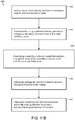
- one aspect of the invention provides a method of operating a computer program to execute a scripted procedure to design a water-soluble variant of a membrane protein (e.g., a G Protein-Coupled Receptor (GPCR)), the method comprising: (1) entering a sequence of the membrane protein (e.g., GPCR) for analysis; (2) obtaining a variant of the membrane protein (e.g., GPCR), wherein a plurality of hydrophobic amino acids in the transmembrane (TM) domain alpha-helical segments ("TM regions") of the membrane protein (e.g., GPCR) are substituted, wherein: (a) said hydrophobic amino acids are selected from the group consisting of Leucine (L), Isoleucine (I), Valine (V), and Phenylalanine (F); (b) each said Leucine (L) is independently substituted by Glutamine (Q), Asparagine (N), or Serine (S); (c) each said Isoleucine (I) and said Valine (
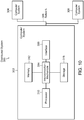
- step (3) is performed prior to, concurrently with, or after step (4). Additional steps, as described herein, can be incorporated into the above processing sequence. Processing preferably uses computational steps preformed by a data processing system. The system utilizes automated computational systems and methods to select protein variants.
- step (2) one subset of said plurality of hydrophobic amino acids in one and the same TM region of the GPCR are substituted to generate one member of a library of potential variants, and one or more different subsets of said plurality of hydrophobic amino acids are substituted to generate additional members of the library.
- the method may further comprising ranking all members of said library based on a combined score, wherein the combined score is a weighed combination of the ⁇ -helical secondary structure prediction result and the trans-membrane region prediction result.
- the method further comprises ranking the variant using a ranking function.
- the ranking function may include a secondary structure component and a water solubility component.
- the ranking function may include a weighting value for the secondary structure component and/or the water solubility component.
- the method further comprises performing the method with a data processor, which may further comprise a memory connected thereto.
- the method may further comprising selecting N members with the highest combined scores to form a first library of potential variants for said TM region, wherein N is a pre-determined integer (e.g., 3, 4, 5, 6, 7, 8, 9, 10, 11, 12, 13, 14, 15, 16, 17, 18, 19, 20 or more).
- N is a pre-determined integer (e.g., 3, 4, 5, 6, 7, 8, 9, 10, 11, 12, 13, 14, 15, 16, 17, 18, 19, 20 or more).
- the method may further comprising generating one library of potential variants for 1, 2, 3, 4, 5, or all 6 other TM regions of the GPCR.
- the method may further comprising replacing two or more TM regions of the GPCR with corresponding TM regions from the libraries of potential variants, to create a library of combinatory variants.
- the method further comprises producing / expressing said combinatory variants.
- the method further comprises testing said combinatory variants for ligand binding (e.g. , in yeast two-hybrid system), wherein those having substantially the same ligand binding compared to that of the GPCR are selected.
- the method further comprises testing said combinatory variants for a biological function of the GPCR, wherein those having substantially the same biological function compared to that of the GPCR are selected.
- Certain water-soluble polypeptides of the invention possess the ability to bind the ligand which normally binds to the wild type or native membrane protein (e.g., GPCR).
- the amino acids within potential ligand binding sites of the native membrane protein e.g., GPCRs
- the sequences of the extracellular and/or intracellular domains of the native membrane proteins are identical.
- the (non-ionic) hydrophilic residues (which replace one or more hydrophobic residues in the ⁇ -helical domain of a native membrane protein) are selected from the group consisting of: glutamine (Q), threonine (T), tyrosine (Y), Asparagine (N), and serine (S), and any combinations thereof.
- the hydrophobic residues selected from leucine (L), isoleucine (I), valine (V), and phenylalanine (F) are replaced.
- the phenylalanine residues of the ⁇ -helical domain of the protein are replaced with tyrosine; each of the isoleucine and/or valine residues of the ⁇ -helical domain of the protein are independently replaced with threonine (or S or N); and/or each of the leucine residues of the ⁇ -helical domain of the protein are independently replaced with glutamine (or S or N).
- substantially all (e.g. , 96%, 97%, 98%, 99%, or 100%), or 30%, 40%, 50%, 60%, 70%, 75%, 80%, 85%, 90%, 95% of said leucines are substituted by glutamines. In certain embodiments, substantially all ( e.g. , 96%, 97%, 98%, 99%, or 100%), or 30%, 40%, 50%, 60%, 70%, 75%, 80%, 85%, 90%, 95% of said isoleucines are substituted by threonines. In certain embodiments, substantially all ( e.g.
- phenylalanines are substituted by threonines. In certain embodiments, substantially all ( e.g. , 96%, 97%, 98%, 99%, or 100%), or 30%, 40%, 50%, 60%, 70%, 75%, 80%, 85%, 90%, 95% of said valines are substituted by threonines. In certain embodiments, substantially all ( e.g. , 96%, 97%, 98%, 99%, or 100%), or 30%, 40%, 50%, 60%, 70%, 75%, 80%, 85%, 90%, 95% of said phenylalanines are substituted by tyrosines. In certain embodiments, one or more ( e.g, , 1, 2, or 3) said leucines are not substituted. In certain embodiments, one or more ( e.g, , 1, 2, or 3) said isoleucines are not substituted. In certain embodiments, one or more ( e.g, , 1, 2, or 3) said valines are not substituted. In certain embodiments, one or
- the library of combinatory variants comprises less than about 2 million members.
- the sequence of the GPCR comprises information about the TM regions of the GPCR.
- the sequence of the GPCR is obtained from a protein structure database (e.g., PDB, UniProt).
- the TM regions of the GPCR are predicted based on the sequence of the GPCR.
- the TM regions of the GPCR can be predicted using TMHMM 2.0 (TransMembrane prediction using Hidden Markov Models) software module / package.
- the TMHMM 2.0 software module / package utilizes a dynamic baseline for peak searching.
- the method further comprises providing a polynucleotide sequence for each variants of the GPCR.
- the polynucleotide sequence may be codon optimized for expression in a host (e.g., a bacterium such as E. coli, a yeast such as S . cerevisae or S . pombe , an insect cell such as Sf9 cell, a non-human mammalian cell, or a human cell).
- the scripted procedure can comprise VBA scripts.
- the scripted procedure is operable in a Linux system (e.g., Ubuntu 12.04 LTS), a Unix system, a Microsoft Windows operating system, an Android operating system, or an Apple iOS operating system.
- a Linux system e.g., Ubuntu 12.04 LTS
- Unix Unix
- Microsoft Windows operating system e.g., a Microsoft Windows operating system
- Android operating system e.g., Apple iOS operating system.
- Different programming language including C ++ , Java Script, MATLAB, etc. can be used in conjunction with implementations of the present invention.
- Coded instructions can be stored on a memory device, such as a non-transitory computer readable medium, that can be used with a computer system known to those skilled in the art.
- the ⁇ -helical domain is one of 7-transmembrane ⁇ -helical domains in a native membrane protein is a G-protein coupled receptor (GPCR).
- GPCR G-protein coupled receptor
- the GPCR is selected from the group consisting of: purinergic receptors (P2Y 1 , P2Y 2 , P2Y 4 , P2Y 6 ), M 1 and M 3 muscarinic acetylcholine receptors, receptors for thrombin (protease-activated receptor (PAR)-1, PAR-2), thromboxane (TXA 2 ), sphingosine 1-phosphate (S1P 2 , S1P 3 , S1P 4 and S1P 5 ), lysophosphatidic acid (LPA 1 , LPA 2 , LPA 3 ), angiotensin II (AT 1 ), serotonin (5-HT 2c and 5-HT 4 ), somatostatin (sst 5 ), endothelin (ET
- the native membrane protein or membrane protein is an integral membrane protein.
- the native membrane protein is a mammalian protein.
- the proteins of the invention are preferably human.
- references to specific GPCR proteins refer to mammalian GPCRs, such as non-human mammalian GPCRs, or human GPCRs.
- the ⁇ -helical domain is one of 7-transmembrane ⁇ -helical domains in a G-protein coupled receptor (GPCR) variant modified, for example, in the extracellular or intracellular loops to improve or alter ligand binding, as described elsewhere in the literature.
- GPCR G-protein coupled receptor
- the word "native” or “wild type” is intended to refer to the protein (or ⁇ -helical domain) prior to water solubilization in accordance with the methods described herein.
- the membrane protein can be a tetraspanin membrane protein characterized by 4 transmembrane alpha-helices. Approximately 54 human tetraspanin membrane proteins have been reviewed and annotated. Many are known to mediate cellular signal transduction events that play a critical role in regulation of cell development, activation, growth and motility.
- CD81 receptor plays a critical role as the receptor for Hepatitis C virus entry and plasmodium infection.
- CD81 gene is localized in the tumor-suppressor gene region and can be a candidate for mediating cancer malignancies.
- CD151 is involved in enhanced cell motility, invasion and metastasis of cancer cells. Expression of CD63 correlates with the invasiveness of ovarian cancer.
- a characteristic of a tetraspanin membrane protein is a Cysteine-cysteine-glycine motif in the second, or large, extracellular loop.
- Another aspect of the invention provides a water-soluble variant of a G Protein-Coupled Receptor (GPCR), wherein: (1) a plurality of hydrophobic amino acids in the transmembrane (TM) domain alpha-helical segments ("TM regions") of the GPCR are substituted, wherein: (a) said hydrophobic amino acids are selected from the group consisting of Leucine (L), Isoleucine (I), Valine (V), and Phenylalanine (F); (b) each said Leucine (L) is independently substituted by Glutamine (Q), Asparagine (N), or Serine (S); (c) each said Isoleucine (I) and said Valine (V) are independently substituted by Threonine (T), Asparagine (N), or Serine (S); and, (d) each said Phenylalanine is substituted by Tyrosine (Y); and, subsequently, (2) all seven TM regions of the variant maintains ⁇ -helical secondary structures; and, (3) there is no predicted trans
- the water-soluble variant comprises one or more amino acid sequences selected from the group consisting of SEQ ID NOs: 4-11, 13-20, 22-29, 31-38, 40-47, 49-56, and 58-64. It may further comprise one or more amino acid sequences selected from the group consisting of SEQ ID NOs: 3, 12, 21, 30, 39, 48, and 57. In certain embodiments, the water-soluble variant binds to a CXCR4 ligand.
- the water-soluble variant comprises one or more amino acid sequences selected from the group consisting of SEQ ID NOs: 69-76, 78-85, 87, 89-96, 98-105, 107-114 and 116-123. It may further comprise one or more amino acid sequences selected from the group consisting of SEQ ID NOs: 68, 77, 86, 88, 97, 106, 115 and 124. In certain embodiments, the water-soluble variant binds to a CX3CR1 ligand.
- the water-soluble variant comprises one or more amino acid sequences selected from the group consisting of SEQ ID NOs: 128-135, 137-144, 146-153, 155-162, 164-171, 173 and 175-182. It may further comprise one or more amino acid sequences selected from the group consisting of SEQ ID NOs: 127, 136, 145, 154, 163, 172, 174 and 183. In certain embodiments, the water-soluble variant binds to a CCR3 ligand.
- the water-soluble variant comprises one or more amino acid sequences selected from the group consisting of SEQ ID NOs: 187-194, 196-203, 205-206, 208, 210-217, 219-225, 227-234. It may further comprise one or more amino acid sequences selected from the group consisting of SEQ ID NOs: 186, 195, 204, 207, 209, 218, 226, and 235. In certain embodiments, the water-soluble variant binds to a CCR5 ligand.
- the water-soluble variant comprises one or more amino acid sequences selected from the group consisting of SEQ ID NOs: 236-243, 245-252, 254-261, 263-270, 272, 274-281, and 283-290. It may further comprise one or more amino acid sequences selected from the group consisting of SEQ ID NOs: 235, 244, 253, 262, 271, 273, 282 and 291. In certain embodiments, the water-soluble variant binds to a CXCR3 ligand.
- the water-soluble variant comprises one or more transmembrane domains as set forth in any one of SEQ ID NOs: 2, 67, 126, 185, 327, 293, 295, 297, 299, 301, 303, 305, 307, 309, 311, 313, 315, 317, 319, 321, 323 or 325.
- the variant is water soluble and binds a ligand of a homologous native transmembrane protein.
- Another aspect of the invention provides a method of producing a protein in a bacterium (e.g., an E. coli ), comprising: (a) culturing the bacterium in a growth medium under a condition suitable for protein production; (b) fractioning a lysate of the bacterium to produce a soluble fraction and the insoluble pellet fraction; and, (c) isolating the protein from the soluble fraction; wherein: (1) the protein is a variant G-protein couple receptor (GPCR) of any one of claims 29-46; and, (2) the yield of the protein is at least 20 mg/L (e.g., 30 mg/L, 40 mg/L, 50 mg/L or more) of growth medium.
- GPCR G-protein couple receptor
- the bacterium is E. coli BL21, and the growth medium is LB medium.
- the protein is encoded by a plasmid in the bacterium.
- expression of the protein is under the control of an inducible promoter, such as an inducible promoter inducible by IPTG.
- the lysate is produced by sonication.
- the soluble fraction is produced by centrifuging the lysate at 14,500 ⁇ g or more.
- Another aspect of the invention provides a method of treatment for a disorder or disease that is mediated by the activity a membrane protein in a subject in need thereof, comprising administering to said subject an effective amount of a water-soluble polypeptide described herein.
- the water-soluble polypeptide retains the ligand-binding activity of the membrane protein.
- disorders and diseases include, but are not limited to, cancer (such as, small cell lung cancer, melanoma, triple negative breast cancer), Parkinson's disease, cardiovascular disease, hypertension, and bronchial asthma.
- Another aspect of the invention provides a pharmaceutical composition
- a pharmaceutical composition comprising a therapeutically effective amount of a water-soluble polypeptide of the invention and pharmaceutically acceptable carrier or diluent.
- the invention provides a cell transfected with a subject water-soluble peptide comprising a modified ⁇ -helical domain.
- the cell is an animal cell (e.g., human, non-human mammalian, insect, avian, fish, reptile, amphibian, or other cell), yeast or a bacterial cell.
- the invention also includes a computer implemented method performed on a computer system, the method comprising one or more of the methods (or steps thereof) as described herein.
- Computer systems including a non-transient computer readable medium having computer-executable instructions stored thereon, the computer-executable instructions when executed by the computer system causing the computer system to perform the methods the computer-executable instructions when executed by the computer system causing the computer system to perform the methods contemplated herein.
- computer systems comprising at least one memory to store sequence data and quantitative results described herein and at least one processor coupled to the memory, the processor being configured to perform the methods described herein are contemplated.
- a user interface such as a graphical user interface (GUI) in conjunction with an electronic display device can be used to select processing parameters that are operative to control the selection process, including computational methods described herein.
- GUI graphical user interface
- Another aspect of the invention provides a non-transitory computer readable medium having stored thereon a sequence of instructions to perform any of the methods of the invention.
- a further aspect of the invention provides a data processing system operative to select a water-soluble variant of a G Protein-Coupled Receptor comprising: a data processor operative to perform substitution of amino acids as in any of the methods of the invention, wherein the system ranks a protein variant with a ranking function.
- the invention is directed to the use of the QTY (Glutamine, threonine and tyrosine) replacement (or "QTY Code”) method (or “principle”) to change the 7-transmembrane ⁇ -helix hydrophobic residues leucine (L), isoleucine (I), valine (V), and phenylalanine (F) of a native protein to the hydrophilic residues glutamine (Q), threonine (T) and tyrosine (Y).
- Asn (N) and Ser (S) can also be used as substitute residues for L, I and/or V, but not F.
- This invention can convert a water insoluble, native membrane protein to a more water-soluble counterpart that still maintains some or substantially all functions of the native protein.
- the invention includes a process for designing water-soluble peptides.
- the process is described in terms of GPCR proteins as an illustrative example, with specificity in the first instance to human CCR3, CCR5, CXCR4, and CX3CR1.
- the general principle of the invention also applies to other proteins with transmembrane ( ⁇ -helical) regions.
- GPCRs typically have 7-transmembrane alpha-helices (7TM) and 8 loops (8NTM) connected by the seven TM regions. These transmembrane segments may be referred to as TM1, TM2, TM3, TM4, TM5, TM6 and TM7.
- the 8 non-transmembrane loops are divided into 4 extracellular loops EL1, EL2, EL3, and EL4, and 4 intracellular loops, IL1, IL2, IL3, and IL4, thus a total of 8 loops (including the N- and C-terminal loops that are each only connected to one TM region, and each has a free end).
- a 7TM GPCR protein can be divided into 15 fragments based on the transmembrane and non-transmembrane features.
- One aspect of the invention provides a process of operating a computer program to execute a scripted procedure to select, or make a water-soluble variant of a membrane protein (e.g., a G Protein-Coupled Receptor (GPCR)), the method comprising:
- water-soluble variant of the (trans)membrane protein or “water-soluble (trans)membrane variant” may be used interchangeably.
- step (3) is performed prior to step (4).
- step (3) is performed concurrently with step (4).
- step (3) is performed after step (4).
- the plurality of hydrophobic amino acids are randomly selected from all potential hydrophobic amino acids L, I, V, and F located on all TM regions of the protein.
- the plurality of hydrophobic amino acids is about 5%, 6%, 7%, 8%, 9%, 10%, 11%, 12%, 13%, 14%, 15%, 16%, 17%, 18%, 19%, 20%, 21%, 22%, 23%, 24%, 25%, 26%, 27%, 28%, 29%, 30%, 31%, 32%, 33%, 34%, 35%, 36%, 37%, 38%, 39%, 40%, 41%, 42%, 43%, 44%, 45%, 50%, 55%, 60%, 65%, 70%, 75%, 80%, 85%, 90%, 91%, 92%, 93%, 94%, 95%, 96%, 97%, 98%, 99%, or 100% of all the potential hydrophobic amino acids L, I, V, and F located on all TM regions of the protein.
- the plurality of hydrophobic amino acids is no less than about 10%, 15%, 20%, 25%, 30%, 35%, 40%, 45%, 50% of all the potential hydrophobic amino acids L, I, V, and F located on all TM regions of the protein. In certain embodiments, the plurality of hydrophobic amino acids is no more than about 95%, 90%, 85%, 80%, 75%, 70%, 65%, 60%, or 50% of all the potential hydrophobic amino acids L, I, V, and F located on all TM regions of the protein. In certain embodiments, the randomly selected hydrophobic amino acids L, I, V, and F may be roughly evenly distributed on all TM regions, or may be preferentially or exclusively distributed on 1, 2, 3, 4, 5, or 6 TM regions.
- every potential hydrophobic amino acids L, I, V, and F on all TM regions of the protein are substituted.
- all L are independently substituted by Q (or S or N); and/or all I and V are independently substituted by T (or S or N); and/or all F are substituted by Y.
- all L are substituted by Q, all I and V are substituted by T, and all F are substituted by Y.
- all substitutions can first be limited to any one of the TM regions (such as the most N-terminal or C-terminal TM region), and only desired substitution variants are selected as members of a library of potential variants. All members of the library differ in the substitutions in the chosen TM region, either due to the positions substituted (e.g., the 3 rd vs. the 10 th residue in the TM region is substituted), or due to the identity of the substituent residues (e.g., S vs. T for an I or V substitution), or both.
- the desired substitution variants are selected based on a pre-determined criteria, such as a scoring system that takes into consideration the ⁇ -helical secondary structure prediction result and/or the trans-membrane region prediction result.
- This process can be repeated for 1, 2, 3, 4, 5, 6 additional TM regions of the protein, or all the remaining TM regions of the protein, each iteration creates a library of potential variants that can be stored in an electronic memory or database. Within the same library, all variants differ in the substitutions in the chosen TM region (see above), but are otherwise the same in the remaining TM regions and non-TM regions.
- Domain swapping or shuffling using sequences from two or more such libraries creates combinatory variants having hydrophobic amino acids L, I, V, F substitutions in two or more TM regions.
- the total possible combinations of combinatory variants can approach millions with just a few members in each library. For example, for a GPCR having 7 TM regions, if there are 8 members in each of the seven libraries, the total number of combinatory variants based on the libraries will be 8 7 or about 2.1 million.
- the library of combinatory variants comprises less than about 5, 4, 3, 2, 1, or 0.5 million members.
- step (2) one subset of said plurality of hydrophobic amino acids in one and the same TM region of the protein (e.g., GPCR) are substituted to generate one member of a library of potential variants, and one or more different subsets of said plurality of hydrophobic amino acids are substituted to generate additional members of the library.
- TM region of the protein e.g., GPCR
- the method further comprises ranking all members of said library based on a combined score, wherein the combined score is a weighed combination of the ⁇ -helical secondary structure prediction result and the trans-membrane region prediction result.
- the domains having different sequences will likely predict different water solubilities and propensities for alpha helical formation.
- the score can be quantitative (0,1) where 0 can represent, for example, a domain with an unacceptable predicted water solubility and 1 can represent, for example, a domain with an acceptable predicted water solubility.
- This score can be based on a threshold value, for example.
- the score can be assessed on a scale, for example, between 1 and 10 establishing characterizing increasing degrees of water solubility.
- the score can be quantitative, such as in describing the predicted solubility in terms of mg/mL.
- the domain variants can be readily compared (or ranked) by one or, preferably, both of the scores to select domain variants that are both water soluble and form alpha helices.
- preferred embodiments can utilize a ranking function that can be used to compute the ranking data.
- water soluble proteins made based on the currently described system can be analyzed and characterized to provide input to the system such that those combinations of substitution that are not effective to achieve a given biological function can be used to constrain the computational model, thereby enabling a more efficient processing of the information.
- one or more variants can be designed and produced in vitro and/or in vivo, and one or more biological functions of the variants can be determined based on any of many art-recognized methods.
- GPCR for example, ligand binding and/or downstream signal transduction by the variants can be compared to that of the wild-type GPCR, and the patterns of QTY substitution used to generate a specific variant can be associated with an enhanced, maintained, or diminished biological activity.
- Such structural-functional relationship information obtained based on one or more variants can be used for machine learning or impart additional constrain on the computational model of the invention, to more efficiently rank the variants created by the methods of the invention.
- new potential variants having substitution patterns more closely matching that of a known successful variant can be ranked higher that another potential variant having substitution patterns less closely matching that of the known successful variant, or more closely matching that of a known unsuccessful variant.
- the TMHMM program when run as a standalone version of the software module / package (e.g., one for the Linux system), produces a score of between 0 and 1 that can be used to predict the propensity of forming transmembrane regions / proteins.
- the score can be used as a quantitative prediction for water solubility in the methods of the invention.
- the ⁇ -helical secondary structure component of a ranking function can be a quantitative score, such as 0.5 or 1 for having no predicted ⁇ -helical secondary structures, and 0 for having maintained predicted ⁇ -helical secondary structures.
- the trans-membrane region result can be provided by a TM region prediction program, such as TMHMM 2.0, which provides a numeric value between 0 and 1, with 0 being no predicted TM region, and 1 being the strongest propensity of forming TM region(s).
- TMHMM 2.0 which provides a numeric value between 0 and 1, with 0 being no predicted TM region, and 1 being the strongest propensity of forming TM region(s).
- a combined score of 0 indicates that the variant has no predicted TM region, while having maintained predicted ⁇ -helical secondary structures, and is thus a desired variant. Meanwhile, a variant has strong propensity to form TM region (due to the presence of large number of hydrophobic residues, for example), tends to have a larger combined score and thus undesirable under this scoring scheme.
- the method includes eliminating variants having an ⁇ -helical secondary structure prediction result tending to show that the ⁇ -helical secondary structures are destroyed or disrupted. In certain embodiments, the method includes eliminating variants having trans-membrane region prediction result tending to show strong propensity to form TM regions.
- the system can include a beaming module in which variants can be excluded from further selection processing.
- the ranking function can be selected to include a weighing scheme that assigns 5%, 10%, 20%, 25%, 30%, 40%, 50%, 60%, 70%, 80%, 90% or 95% weight to the ⁇ -helical secondary structure prediction result, and the remaining to the trans-membrane region prediction result.
- the user can either manually select the weighting features, or the software can automatically select the weighting features depending on the desired characteristics such as biological function.
- the method further comprises selecting N members with the highest combined scores to form a first library of potential variants for said TM region, wherein N is a pre-determined integer (e.g., 3, 4, 5, 6, 7, 8, 9, 10, 11, 12, 13, 14, 15, 16, 17, 18, 19, 20 or more).
- N is a pre-determined integer (e.g., 3, 4, 5, 6, 7, 8, 9, 10, 11, 12, 13, 14, 15, 16, 17, 18, 19, 20 or more).
- the method further comprises generating one library of potential variants for 1, 2, 3, 4, 5, 6, or all the remaining TM regions of the protein (e.g., GPCR).
- Each entry in the library can include fields used to define attributes of that entry, including the ranking data generated by one or more ranking functions.
- the method further comprises replacing two or more (e.g., all) TM regions of the protein (e.g., GPCR) with corresponding TM regions from the libraries of potential variants, to create a library of combinatory variants.
- corresponding TM regions refer to the TM regions in the libraries of potential variants that are the same or homologous to the TM regions of the protein (e.g., GPCR) that are being combined.
- TM region sequences from the library having substitutions only in the 2 nd TM regions, and TM region sequences from the library having substitutions only in the 3 rd TM regions are imported / pasted / transferred into the 2 nd and 3 rd TM regions of the GPCR to create combinatory variants.
- substantially all (e.g. , 96%, 97%, 98%, 99%, or 100%), or 30%, 40%, 50%, 60%, 70%, 75%, 80%, 85%, 90%, 95% of said leucines are substituted by glutamines. In certain embodiments, substantially all ( e.g. , 96%, 97%, 98%, 99%, or 100%), or 30%, 40%, 50%, 60%, 70%, 75%, 80%, 85%, 90%, 95% of said isoleucines are substituted by threonines. In certain embodiments, substantially all ( e.g.
- the method further comprises producing / expressing said combinatory variants.
- the method further comprises testing said combinatory variants for ligand binding (e.g. , in vitro, or in a biological system such as yeast two-hybrid system), wherein those having substantially the same ligand binding compared to that of the GPCR are selected.
- the method further comprises testing said combinatory variants for a biological function of the GPCR, wherein those having substantially the same biological function compared to that of the GPCR are selected.
- the sequence of the TM protein (e.g., GPCR) contains information about the TM regions of the protein, e.g., the location of one or more transmembrane regions of the TM protein, such as the location of all TM regions.
- Such sequences may belong to proteins having resolved crystal structure with defined TM regions.
- Such sequences may also belong to proteins having annotated TM region information based on prior research, and such information is readily available from a public or proprietary database, such as PDB, UniProt, GenBank, EMBL, DBJ, etc.
- the Protein Data Bank is a weekly updated repository for the three-dimensional structural data of large biological molecules, such as proteins and nucleic acids.
- the data typically obtained by X-ray crystallography or NMR spectroscopy and submitted by biologists and biochemists from around the world, are freely accessible on the Internet via the websites of its member organizations (PDBe, PDBj, and RCSB).
- the PDB is overseen by the Worldwide Protein Data Bank, wwPDB.
- the PDB is a key resource in areas of structural biology, such as structural genomics, and most major scientific journals, and some funding agencies, now require scientists to submit their structure data to the PDB.
- UniProt Another publically available database that can provide sequence information for use in the methods of the invention is UniProt.
- UniProt is a comprehensive, high-quality and freely accessible database of protein sequence and functional information, many entries being derived from genome sequencing projects. It contains a large amount of information about the biological function of proteins derived from the research literature.
- UniProt provides four core databases: UniProtKB (with sub-parts Swiss-Prot and TrEMBL), UniParc, UniRef, and UniMes. Among them, UniProtKB/Swiss-Prot is a manually annotated, non-redundant protein sequence database that combines information extracted from scientific literature and biocurator-evaluated computational analysis.
- UniProtKB/Swiss-Prot The aim of UniProtKB/Swiss-Prot is to provide all known relevant information about a particular protein. Annotation is regularly reviewed to keep up with current scientific findings.
- the manual annotation of an entry involves detailed analysis of the protein sequence and of the scientific literature. Sequences from the same gene and the same species are merged into the same database entry. Differences between sequences are identified, and their cause documented (e.g., alternative splicing, natural variation, etc.). Computer-predictions are manually evaluated, and relevant results selected for inclusion in the entry. These predictions include post-translational modifications, transmembrane domains and topology, signal peptides, domain identification, and protein family classification, all may be used to provide useful sequence information pertaining to the TM regions used in the methods of the invention.
- the sequence of the TM protein does not contain information about the location of one or more (e.g., any) transmembrane regions.
- the TM region(s) can be predicted based on sequence homology with a related protein having known TM regions.
- the related protein may be a homologous protein in a different species.
- the sequence of the TM protein does not contain information about the location of one or more (e.g., any) transmembrane regions, and such information is not readily available based on known information.
- the invention provides computation of TM regions using art-recognized methods, such as the TMHMM 2.0 (TransMembrane prediction using Hidden Markov Models) program, developed by Center for Biological Sequence Analysis. See further details regarding this below.
- the method further comprises providing a polynucleotide sequence for each variants of the protein (e.g., GPCR).
- a polynucleotide sequence for each variants of the protein e.g., GPCR
- Such polynucleotide sequence can be readily generated based on the protein sequence of the protein (e.g., GPCR), and the known genetic code.
- the polynucleotide sequence is codon optimized for expression in a host.
- the host may be a bacterium such as E. coli, a yeast such as S . cerevisae or S . pombe, an insect cell such as Sf9 cell, a non-human mammalian cell, or a human cell.
- the protein is a GPCR, such as one selected from the group consisting of: purinergic receptors (P2Y 1 , P2Y 2 , P2Y 4 , P2Y 6 ), M 1 and M 3 muscarinic acetylcholine receptors, receptors for thrombin (protease-activated receptor (PAR)-1, PAR-2), thromboxane (TXA 2 ), sphingosine 1-phosphate (S1P 2 , S1P 3 , S1P 4 and S1P 5 ), lysophosphatidic acid (LPA 1 , LPA 2 , LPA 3 ), angiotensin II (AT 1 ), serotonin (5-HT 2c and 5-HT 4 ), somatostatin (sst 5 ), endothelin (ET A and ET B ), cholecystokinin (CCK 1 ), V 1a vasopressin receptors, D 5 dopamine receptors, f
- the scripted procedure of the method comprises VBA scripts.
- the scripted procedure is operable in a Linux system (e.g., Ubuntu 12.04 LTS), a Microsoft Windows operative system, or an Apple iOS operative system.
- a Linux system e.g., Ubuntu 12.04 LTS
- Microsoft Windows operative system e.g., a Microsoft Windows operative system
- Apple iOS operative system e.g., Apple iOS operative system
- the process comprises all, or substantially all, of the following steps:
- nucleic acid sequences for each putative water-soluble modified transmembrane variant and each non-transmembrane domains can be generated and combinatorially expressed to create a library of up to H n putative water-soluble transmembrane protein variants. For example, where H is 8 and n is 7, a library of approximately 2 million water-soluble protein variants can be designed.
- Another aspect of the invention pertains to the expression of the water-soluble variant proteins (e.g., GPCR) designed based on the methods of the invention.
- This aspect of the invention is partly based on the surprising finding that the water-soluble variant proteins (e.g., GPCR) designed based on the methods of the invention can achieve high levels of expression in both in vitro cell-free expression system and expression in commonly used cell-based expression systems, such as E. coli.
- the expressed proteins are highly soluble, and can be easily purified from the soluble fraction of the expression system, such as the soluble fraction from the lysate of an E. coli culture, as opposed to the insoluble aggregates or pellets in which most membrane proteins are typically found.
- one aspect of the invention provides a method of producing a protein in a bacterium (e.g., an E. coli ), comprising:
- the bacterium is E. coli BL21, and the growth medium is LB medium.
- the protein is encoded by a plasmid in the bacterium.
- expression of the protein is under the control of an inducible promoter.
- the inducible promoter may be inducible by IPTG.
- the lysate is produced by sonication.
- the soluble fraction is produced by centrifuging the lysate at 14,500 ⁇ g or more.
- Certain methods of the invention comprise a step of predicting a transmembrane region of a protein, such as GPCR.
- a TM region prediction step is called for.
- These programs usually have a very simple user interface, typically requiring the user to provide an input sequence of a specified format (such as FASTA or plain text), and provides prediction results using text or graphics or both.
- Some programs also offer more advanced features, such as allowing the user to specify certain parameters to fine tune the prediction results. All such programs can be used in the methods of the invention.
- TMHMM (hosted by Center for Biological Sequence Analysis, Technical University of Denmark), which method predicts 97-98% TM region helices correctly. It predicts transmembrane helices in proteins using the Hidden Markov Model.
- the input protein sequence can be the FASTA format, and the output can be presented as an html page with an image of predicted locations for the TM regions.
- TMHMM was determined to be the best performing transmembrane prediction program at the time of evaluation.
- the programs compared in that study include the following, all can be used to predict TM region in the methods of the invention: TMHMM 1.0, 2.0, and a retrained version of 2.0 ( Sonnhammer et al., Int. Conf. Intell. Syst. Mol. Biol. AAAI Press, Montreal, Canada, pp.176-182, 1998 ; Krogh et al., J Mol Biol. 305(3):567-80, 2001 ); MEMSAT 1.5 ( Jones et al., Biochemistry 33:3038-3049, 1994 ); Eisenberg ( Eisenberg et al., Nature 299:371-374, 1982 ); Kyte/Doolittle ( Kyte and Doolittle, J. Mol. Biol.
- TMHMM Transmembrane protein topology with a hidden Markov model: Application to complete genomes. Journal of Molecular Biology, 305(3):567-580, January 2001 (incorporated by reference); and Sonnhammer et al., A hidden Markov model for predicting transmembrane helices in protein sequences.
- J. Glasgow, T. Littlejohn, F. Major, R. Lathrop, D. Sankoff, and C. Sensen, editors Proceedings of the Sixth International Conference on Intelligent Systems for Molecular Biology, pages 175-182, Menlo Park, CA, 1998, AAAI Press (incorporated by reference).
- DAS Dense Alignment Surface, Cserzo et al., "Prediction of transmembrane alpha-helices in procariotic membrane proteins: the Dense Alignment Surface method," Prot. Eng. 10(6): 673-676, 1997, Sweden University, Swed en) predicts transmembrane regions using the Dense Alignment Surface method.
- DAS is based on low-stringency dot-plots of the query sequence against a set of library sequences - non-homologous membrane proteins - using a previously derived, special scoring matrix. The method provides a high precision hyrdophobicity profile for the query from which the location of the potential transmembrane segments can be obtained.
- the novelty of the DAS-TMfilter algorithm is a second prediction cycle to predict TM segments in the sequences of the TM-library.
- DAS server To use the DAS server, user enters a protein sequence at www dot sbc dot su dot se slash ⁇ miklos slash DAS, and the DA server will predict a TM region of the input sequence.
- HMMTOP Hungarian Academy of Sciences, Budapest
- G.E. Tusnády is an automatic server for predicting transmembrane helices and topology of proteins using Hidden Markov Model, developed by G.E. Tusnády, at the Institute of Enzymology.
- the method used by this prediction server is described in G.E Tusnády and I. Simon (1998) "Principles Governing Amino Acid Composition of Integral Membrane Proteins: Applications to Topology Prediction.” J. Mol. Biol. 283: 489-506 (incorporated by reference).
- the new features of HMMTOP 2.0 version is described in ' G.E Tusnády and I. Simon (2001) "The HMMTOP transmembrane topology prediction server," Bioinformatics 17: 849-850 (incorporated by reference).
- MEMSAT2 Transmembrane Prediction Page (www dot sacs dot ucsf dot edu slash cgi-bin slash memsat dot py) predicts transmembrane segments in a protein using FASTA format or plain text as input.
- MEMSAT (1.5) software is copyrighted by Dr. David Jones ( Jones et al., Biochemistry 33:3038-3049, 1994 ).
- MEMSAT V3 is a widely used all-helical membrane protein prediction method MEMSAT. The method was benchmarked on a test set of transmembrane proteins of known topology.
- MEMSAT was estimated to have an accuracy of over 78% at predicting the structure of all-helical transmembrane proteins and the location of their constituent helical elements within a membrane.
- MEMSATSVM is highly accurate predictor of transmembrane helix topology. It is capable of discriminating signal peptides and identifying the cytosolic and extra-cellular loops.
- MEMSAT3 and MEMSATSVM are both parts of the PSIPRED Protein Sequence Analysis Workbench, which aggregates several structure prediction methods into one location at the University College London.
- the Phobius server (phobius dot sbc dot su dot se) is for prediction of transmembrane topology and signal peptides from the amino acid sequence of a protein in FASTA format. Phobius is described in Lukas et al., "A Combined Transmembrane Topology and Signal Peptide Prediction Method," Journal of Molecular Biology 338(5): 1027-1036, 2004 ). PoyPhobius is described in: Lukas et al., "An HMM posterior decoder for sequence feature prediction that includes homology information," Bioinformatics, 21 (Suppl 1):i251-i257, 2005 .
- SOSUI is for the discrimination of membrane proteins and soluble ones together with the prediction of transmembrane helices.
- SOSUI predicts transmembrane regions using Hydrophobicity Analysis for Topology and Probe Helix Method for Tertial Structure. The accuracy of the classification of proteins is said to be as high as 99%, and the corresponding value for the transmembrane helix prediction is said to be about 97%.
- the system SOSUI is available through internet access www dot tuat dot ac dot jp slash mitaku slash sosui.
- TMPred European Molecular Biology Network, Swiss node predicts transmembrane regions and protein orientation in a query sequence.
- the TMPred algorithm is based on the statistical analysis of TMbase, a database of naturally occurring transmembrane proteins. The prediction is made using a combination of several weight-matrices for scoring. See Hofmann & Stoffel (1993) "TMbase - A database of membrane spanning proteins segments," Biol. Chem. Hoppe-Seyler, 374:166 .
- the SPLIT 4.0 server is a membrane protein secondary structure prediction server (split dot pmfst dot hr slash split slash 4) that predicts the transmembrane (TM) secondary structures of membrane proteins in SWISS-PROT format, using the method of preference functions. See Juretic et al., "Basic charge clusters and predictions of membrane protein topology," J. Chem. Inf. Comput. Sci., 42:620-632, 2002 (incorporated by reference).
- PRED-TMR predicts transmembrane domains in proteins using solely the protein sequence itself.
- the algorithm refines a standard hydrophobicity analysis with a detection of potential termini ("edges," starts and ends) of transmembrane regions. This allows both to discard highly hydrophobic regions not delimited by clear start and end configurations and to confirm putative transmembrane segments not distinguishable by their hydrophobic composition.
- the accuracy obtained on a test set of 101 non-homologous transmembrane proteins with reliable topologies compares well with that of other popular existing methods. Only a slight decrease in prediction accuracy was observed when the algorithm was applied to all transmembrane proteins of the SwissProt database (release 35).
- the application has been extended with a preprocessing stage represented by an artificial neural network which is able to discriminate with a high accuracy transmembrane proteins from soluble or fibrous ones.
- a preprocessing stage represented by an artificial neural network which is able to discriminate with a high accuracy transmembrane proteins from soluble or fibrous ones.
- the system gives a perfect prediction rating of 100% by classifying all the sequences in the transmembrane class.
- the neural network predicts falsely 23 of them to be transmembrane (97.7% of correct assignment). See Pasquier and Hamodrakas, "An hierarchical artificial neural network system for the classification of transmembrane proteins," Protein Eng., 12(8):631-634, 1999 (incorporated by reference).
- Certain methods of the invention comprise a step of predicting alpha helical secondary structure of a protein, such as GPCR.
- a protein such as GPCR.
- programs and software known in the art, and any of which may be used individually or in combination in the methods of the invention where alpha helical secondary structure prediction step is called for. All such programs can be used in the methods of the invention.
- a significant increase in accuracy was made by taking advantage of information provided by multiple sequence alignment; knowing the full distribution of amino acids that occur at a position (and in its vicinity, typically ⁇ 7 residues on either side) throughout evolution provides a much better picture of the structural tendencies near that position.
- a given protein might have a glycine at a given position, which by itself might suggest a random coil.
- multiple sequence alignment might reveal that helix-favoring amino acids occur at that position (and nearby positions) in 95% of homologous proteins throughout evolution.
- the same alignment might also suggest a pattern of residue solvent accessibility consistent with an ⁇ -helix.
- the alpha helical secondary structure prediction program may combine all the available data to form a 3-state prediction, including neural networks, hidden Markov models and support vector machines. Such prediction methods also provide a confidence score for their predictions at every position.
- EVA Secondary-structure prediction methods are continuously benchmarked, e.g., EVA (benchmark).
- EVA is a continuously running benchmark project for assessing the quality of protein structure prediction and secondary structure prediction methods.
- Methods for predicting both secondary structure and tertiary structure - including homology modeling, protein threading, and contact order prediction - are compared to results from each week's newly solved protein structures deposited in the Protein Data Bank (PDB).
- PDB Protein Data Bank
- the project aims to determine the prediction accuracy that would be expected for non-expert users of common, publicly available prediction webservers.
- the DSSP algorithm is the standard method for assigning secondary structure to the amino acids of a protein, given the atomic-resolution coordinates of the protein.
- DSSP begins by identifying the intra-backbone hydrogen bonds of the protein using a purely electrostatic definition, assuming partial charges of -0.42 e and +0.20 e to the carbonyl oxygen and amide hydrogen respectively, their opposites assigned to the carbonyl carbon and amide nitrogen.
- a hydrogen bond is identified if E in the following equation is less than -0.5 kcal/mol: Based on this, eight types of secondary structure are assigned.
- the 3 10 helix, ⁇ helix and ⁇ helix have symbols G, H and I and are recognized by having a repetitive sequence of hydrogen bonds in which the residues are three, four, or five residues apart respectively.
- T is used for turns, featuring hydrogen bonds typical of helices, S is used for regions of high curvature (where the angle between and is less than 70°), and a blank (or space) is used if no other rule applies, referring to loops.
- These eight types are usually grouped into three larger classes: helix (G, H and I), strand (E and B) and loop (all others).
- PSIPRED Psi-blast based secondary structure prediction
- PSIBLAST is used to find related sequences and to build a position-specific scoring matrix.
- This matrix is processed by a neural network, which was constructed and trained to predict the secondary structure of the input sequence.
- the prediction method or algorithm is split into three stages: Generation of a sequence profile, Prediction of initial secondary structure, and Filtering of the predicted structure.
- PSIPRED works to normalize the sequence profile generated by PSIBLAST.
- initial secondary structure is predicted.
- the neural network is fed with a window of 15 acids. There is additional information attached, indicating if the window spans the N or C terminus of the chain. This results in a final input layer of 315 input units, divided into 15 groups of 21 units.
- the network has a single hidden layer of 75 units and 3 output nodes (one for each secondary structure element: helix, sheet, coil).
- a second neural network is used for filtering the predicted structure of the first network.
- This network is also fed with a window of 15 positions.
- the indicator on the possible position of the window at a chain terminus is also forwarded.
- the network has a single hidden layer of 60 units and results in three output nodes (one for each secondary structure element: helix, sheet, coil).
- the three final output nodes deliver a score for each secondary structure element for the central position of the window.
- PSIPRED uses the secondary structure with the highest score, PSIPRED generates the protein prediction.
- the Q3 value is the fraction of residues predicted correctly in the secondary structure states, namely helix, strand and coil.
- FIG. 9A illustrates one embodiment of the invention that is non-limiting. It generally illustrates a method 200 of the invention in which selected hydrophobic amino acids L, I, V, and F in the TM region of the proteins (e.g., GPCR) are replaced according to the "QTY Code" of the invention, without limiting the substitutions in any particular TM region / domain.
- the process starts 202 by acquiring or reading 204 an input of a protein sequence which may or may not be a transmembrane protein.
- the protein sequence can then be subject to TM region prediction 206 (if such information is not already available from the input protein sequence) and alpha-helical secondary structure prediction based on any of art-recognized methods.
- the TM region prediction for example, can be performed using a program 240 such as the TMHMM program. If the prediction does not yield any TM region at 242 , it may be possible that one or more different TM region prediction programs 250 , such as SOSUI, can be used to predict the presence / absence of TM region. If no TM region is predicted based on such programs at 252 , it is likely that no TM region exists in the protein 254 , and the process will terminate 260.
- the TM region protein sequences are obtained 244 , and the QTY Code of the invention can be applied to the hydrophobic amino acids L, I, V, and F within such TM region(s).
- each leucine in the TM regions can be independently substituted 212 by glutamine (Q), serine (S), or asparagine (N), or remain unsubstituted; each isoleucine and valine in the TM regions can be independently substituted by threonine (T), serine (S), or asparagine (N), or remain unsubstituted; and each phenylalanine in the TM regions can be substituted by tyrosine (Y), or remain unsubstituted.
- QTY substitution produces one or more putative water-soluble variants of the original transmembrane protein. Note that the number of substitutions made for each amino acid in a region can be selected as a parameter.
- the alpha-helical secondary structures in each putative water-soluble variant can be predicted using any art-recognized programs, such as PORTER 210.
- the result can be compared to that of the original protein 208 , preferably predicted using the same program (e.g., PORTER).
- the alpha-helical secondary structure of the original protein can be predicted using any art-recognized program, wither before, concurrently, or after the TM region prediction step of the original protein.
- the result of the alpha-helical secondary structure prediction shows that the potential water-soluble variant has maintained or largely maintained the same alpha-helical secondary structure as the original protein at 214 , it suggests that the specific pattern of QTY substitution in that variant does not or does not significantly affect the alpha-helical secondary structure in the original protein.
- the TM regions' prediction can then be conducted 220 , verified 222 , and the mutant sequence generated 224.
- the variant can be discarded at this step as undesirable, thus terminating the process.
- the method of the invention also requires the predicted QTY variant to show less or no propensity to form TM region, as compared to the original protein.
- the putative water-soluble variant can be subject to TM region prediction, such as using the same TM region prediction program used for the initial TM region prediction (if necessary) in the original protein. If the result shows that significant TM region still exist, the variant may be discarded. On the other hand, if the result shows that no TM region exists, or the propensity of forming TM regions is low, the variant can be selected as the desired variant having enhanced water-solubility over the original protein, while having maintained the alpha-helical secondary structure and hence likely the function of the original protein.
- additional steps can be performed to provide further characterization of the resulting water-soluble variant.
- additional characterization may include calculating 226 the pI of the variant and compare it to that of the original protein. The pI should have no change or very little change (i.e. less than 30 percent, or preferably less than 20 percent or more preferably less than 10 percent).
- Other additional characterization may include creating a helical wheel model 246 (such as the one shown in FIG. 3 ) to show the location and any clustering of the QTY substitutions on any particular TM regions.
- Another illustrative embodiment of the invention for designing the transmembrane regions of a protein (e.g., a GPCR) by the QTY Code of the invention can be performed on a computer system, using the representative process 10 described in FIG. 9B , some of the detailed steps are further described below. Many of the steps are optional or can be combined according to the methods of the invention.
- all or a fraction of the putative water soluble protein variants of the initial combinatorial library designed as described herein can be made (produced or expressed in vitro or in a host cell) and screened for water solubility and/or ligand binding, preferably in a high through-put screen. Amplification of the library, for example, can result in less than 100% of the putative water-soluble protein combinatorial variants from being expressed.
- a reporter system can be used to screen ligand binding, as is well known in the art.
- the software can include a learning module in which verified functionality of protein variants is used to eliminate certain variants or rank them differently.
- the initial combinatorial library has about 2 million potentially water-soluble GPCR, or CXCR4, variants.
- CXCR4 water-soluble GPCR
- Smaller libraries maybe preferred in certain embodiments since they can be optimized based on analysis of the research results as described herein. Analysis of research results is likely to establish trends to optimize the number of domain variants to shuffle and the assumptions for selecting domain variants.
- certain hydrophobic amino acids in the TM region of the transmembrane proteins are selected for modification based on the helical forming propensity also known as "the helix prediction score" (see www dot proteopedia dot org slash wiki slash index dot php slash Main_Page).
- the varied fragments are randomly assembled to form about 2M (8 7 ) variants of full-length GPCR genes.
- nucleic acid molecules, or DNA or cDNA molecules, encoding the proteins in the initial combinatorial library can be designed.
- the nucleic acid molecules are preferably designed to provide codon optimization and intron deletions for the expression systems selected to produce a library of coding sequences. For example, if the expression system is E. coli, codons optimized for E. coli expression can be selected. See www dot dna20 dot com slash resources slash genedesigner.
- a promoter region such as a promoter suitable for expression in the expression system (e.g., E. coli ) is selected and operatively connected to the coding sequences in the library of coding sequences.
- the initial library of coding sequences, or a portion thereof, is then expressed to produce a library of putative water soluble GPCRs.
- the library is then subjected to a ligand binding assay.
- the putative water soluble GPCRs are contacted with the ligand, preferably in an aqueous medium and ligand binding is detected.
- the invention includes transmembrane domain variants, and nucleic acid molecules encoding same, obtained, or obtainable, from the methods described herein.
- the invention also contemplates water soluble GPCR variants ("sGPCRs") characterized by a plurality of transmembrane domains independently characterized by at least 50%, preferably at least about 60%, more preferably at least about 70% or 80%, such as at least about 90%) of the hydrophobic amino acid residues (L, I, V, and F) of a native transmembrane protein (e.g., GPCR) substituted by a Q, T, T, or Y, respectively).
- GPCRs of the invention are characterized by water solubility and ligand binding. In particular, the sGPCR binds the same natural ligand as the corresponding native GPCR.
- the invention further encompasses a method of treatment for a disorder or disease that is mediated by the activity of a membrane protein, comprising the use of a water-soluble polypeptide to treat said disorders and diseases, wherein said water-soluble polypeptide comprises a modified ⁇ -helical domain, and wherein said water-soluble polypeptide retains the ligand-binding activity of the native membrane protein.
- disorders and diseases include, but are not limited to, cancer, small cell lung cancer, melanoma, breast cancer, Parkinson's disease, cardiovascular disease, hypertension, and asthma.
- the water-soluble peptides described herein can be used for the treatment of conditions or diseases mediated by the activity of a membrane protein.
- the water-soluble peptides can act as "decoys" for the membrane receptor and bind to the ligand that otherwise activates the membrane receptor.
- the water-soluble peptides described herein can be used to reduce the activity of a membrane protein.
- These water-soluble peptides can remain in the circulation and competitively bind to specific ligands, thereby reducing the activity of membrane bound receptors.
- the GPCR CXCR4 is over-expressed in small cell lung cancer and facilitates metastasis of tumor cells. Binding of this ligand by a water-soluble peptide such as that described herein may significantly reduce metastasis.
- the chemokine receptor, CXCR4 is known in viral research as a major coreceptor for the entry of T cell line-tropic HIV ( Feng et al. (1996) Science 272: 872-877 ; Davis et al. (1997) J Exp Med 186: 1793-1798 ; Zaitseva et al. (1997) Nat Med 3: 1369-1375 ; Sanchez et al. (1997) J Biol Chem 272: 27529-27531 ).
- Stromal cell derived factor 1 (SDF-1) is a chemokine that interacts specifically with CXCR4. When SDF-1 binds to CXCR4, CXCR4 activates Gai protein-mediated signaling (pertussis toxin-sensitive) ( Chen et al.
- mice transplanted with human lymph nodes SDF-1 induces CXCR4-positive cell migration into the transplanted lymph node ( Blades et al. (2002) J. Immunol. 168: 4308-4317 ).
- CXCR4 interactions may regulate the migration of metastatic cells.
- Hypoxia a reduction in partial oxygen pressure, is a microenvironmental change that occurs in most solid tumors and is a major inducer of tumor angiogenesis and therapeutic resistance.
- Hypoxia increases CXCR4 levels ( Staller et al. (2003) Nature 425: 307-311 ).
- Microarray analysis on a sub-population of cells from a bone metastatic model with elevated metastatic activity showed that one of the genes increased in the metastatic phenotype was CXCR4.
- overexpression CXCR4 in isolated cells significantly increased the metastatic activity ( Kang et al. (2003) Cancer Cell 3: 537-549 ). In samples collected from various breast cancer patients, Muller et al.
- CXCR4 expression level is higher in primary tumors relative to normal mammary gland or epithelial cells.
- CXCR4 antibody treatment has been shown to inhibit metastasis to regional lymph nodes when compared to control isotypes that all metastasized to lymph nodes and lungs (Muller et al. (2001). As such a decoy therapy model is suitable for treating CXCR4 mediated diseases and disorders.
- a disease or disorder involving CXCR4-dependent chemotaxis wherein the disease is associated with aberrant leukocyte recruitment or activation.
- the disease is selected from the group consisting of arthritis, psoriasis, multiple sclerosis, ulcerative colitis, Crohn's disease, allergy, asthma, AIDS associated encephalitis, AIDS related maculopapular skin eruption, AIDS related interstitial pneumonia, AIDS related enteropathy, AIDS related periportal hepatic inflammation and AIDS related glomerulo nephritis.
- the invention relates to the treatment of a disease or disorder selected from arthritis, lymphoma, non-small lung cancer, lung cancer, breast cancer, prostate cancer, multiple sclerosis, central nervous system developmental disease, dementia, Parkinson's disease, Alzheimer's disease, tumor, fibroma, astrocytoma, myeloma, glioblastoma, an inflammatory disease, an organ transplantation rejection, AIDS, HIV-infection or angiogenesis.
- a disease or disorder selected from arthritis, lymphoma, non-small lung cancer, lung cancer, breast cancer, prostate cancer, multiple sclerosis, central nervous system developmental disease, dementia, Parkinson's disease, Alzheimer's disease, tumor, fibroma, astrocytoma, myeloma, glioblastoma, an inflammatory disease, an organ transplantation rejection, AIDS, HIV-infection or angiogenesis.
- the invention also encompasses a pharmaceutical composition
- a pharmaceutical composition comprising said water-soluble polypeptide and a pharmaceutically acceptable carrier or diluent.
- compositions can also include, depending on the formulation desired, pharmaceutically-acceptable, non-toxic carriers or diluents, which are defined as vehicles commonly used to formulate pharmaceutical compositions for animal or human administration.
- diluent is selected so as not to affect the biological activity of the pharmacologic agent or composition. Examples of such diluents are distilled water, physiological phosphate-buffered saline, Ringer's solutions, dextrose solution, and Hank's solution.
- the pharmaceutical composition or formulation may also include other carriers, adjuvants, or nontoxic, nontherapeutic, nonimmunogenic stabilizers and the like.
- compositions can also include large, slowly metabolized macromolecules such as proteins, polysaccharides such as chitosan, polylactic acids, polyglycolic acids and copolymers (such as latex functionalized SEPHAROSETM, agarose, cellulose, and the like), polymeric amino acids, amino acid copolymers, and lipid aggregates (such as oil droplets or liposomes).
- macromolecules such as proteins, polysaccharides such as chitosan, polylactic acids, polyglycolic acids and copolymers (such as latex functionalized SEPHAROSETM, agarose, cellulose, and the like), polymeric amino acids, amino acid copolymers, and lipid aggregates (such as oil droplets or liposomes).
- compositions can be administered parenterally such as, for example, by intravenous, intramuscular, intrathecal or subcutaneous injection.
- Parenteral administration can be accomplished by incorporating a composition into a solution or suspension.
- solutions or suspensions may also include sterile diluents such as water for injection, saline solution, fixed oils, polyethylene glycols, glycerine, propylene glycol or other synthetic solvents.
- Parenteral formulations may also include antibacterial agents such as, for example, benzyl alcohol or methyl parabens, antioxidants such as, for example, ascorbic acid or sodium bisulfite and chelating agents such as EDTA.
- Buffers such as acetates, citrates or phosphates and agents for the adjustment of tonicity such as sodium chloride or dextrose may also be added.
- the parenteral preparation can be enclosed in ampules, disposable syringes or multiple dose vials made of glass or plastic.
- auxiliary substances such as wetting or emulsifying agents, surfactants, pH buffering substances and the like can be present in compositions.
- Other components of pharmaceutical compositions are those of petroleum, animal, vegetable, or synthetic origin, for example, peanut oil, soybean oil, and mineral oil.
- glycols such as propylene glycol or polyethylene glycol are preferred liquid carriers, particularly for injectable solutions.
- Injectable formulations can be prepared either as liquid solutions or suspensions; solid forms suitable for solution in, or suspension in, liquid vehicles prior to injection can also be prepared.
- the preparation also can also be emulsified or encapsulated in liposomes or micro particles such as polylactide, polyglycolide, or copolymer for enhanced adjuvant effect, as discussed above. Langer, Science 249: 1527, 1990 ; and Hanes, Advanced Drug Delivery Reviews 28: 97-119, 1997 .
- the compositions and pharmacologic agents described herein can be administered in the form of a depot injection or implant preparation which can be formulated in such a manner as to permit a sustained or pulsatile release of the active ingredient.
- Transdermal administration includes percutaneous absorption of the composition through the skin.
- Transdermal formulations include patches, ointments, creams, gels, salves and the like. Transdermal delivery can be achieved using a skin patch or using transferosomes. See Paul et al., Eur. J. Immunol. 25: 3521-24, 1995 ; and Cevc et al., Biochem. Biophys. Acta 1368: 201-15, 1998 .
- Treating” or “treatment” includes preventing or delaying the onset of the symptoms, complications, or biochemical indicia of a disease, alleviating or ameliorating the symptoms or arresting or inhibiting further development of the disease, condition, or disorder.
- a “patient” is a human subject in need of treatment.
- an “effective amount” refers to that amount of the therapeutic agent that is sufficient to ameliorate of one or more symptoms of a disorder and/or prevent advancement of a disorder, cause regression of the disorder and/or to achieve a desired effect.
- aspects and functions described herein may be implemented as specialized hardware or software components executing in one or more computer systems.
- computer systems There are many examples of computer systems that are currently in use. These examples include, among others, network appliances, personal computers, workstations, mainframes, networked clients, servers, media servers, application servers, database servers, and web servers.
- Other examples of computer systems may include mobile computing devices, such as cellular phones and personal digital assistants, and network equipment, such as load balancers, routers, and switches.
- aspects may be located on a single computer system or may be distributed among a plurality of computer systems connected to one or more communications networks.
- aspects, functions, and processes may be distributed among one or more computer systems configured to provide a service to one or more client computers, or to perform an overall task as part of a distributed system. Additionally, aspects may be performed on a client-server or multi-tier system that includes components distributed among one or more server systems that perform various functions. Consequently, embodiments are not limited to executing on any particular system or group of systems. Further, aspects, functions, and processes may be implemented in software, hardware or firmware, or any combination thereof. Thus, aspects, functions, and processes may be implemented within methods, acts, systems, system elements and components using a variety of hardware and software configurations, and examples are not limited to any particular distributed architecture, network, or communication protocol.
- the distributed computer system 300 includes one or more computer systems that exchange information. More specifically, the distributed computer system 300 includes computer systems 302, 304, and 306. As shown, the computer systems 302, 304, and 306 are interconnected by, and may exchange data through, a communication network 308.
- the network 308 may include any communication network through which computer systems may exchange data. To exchange data using the network 308, the computer systems 302, 304, and 306 and the network 308 may use various methods, protocols and standards. Examples of these protocols and standards include NAS, Web, storage and other data movement protocols suitable for use in a big data environment.
- the computer systems 302, 304, and 306 may transmit data via the network 308 using a variety of security measures including, for example, SSL or VPN technologies. While the distributed computer system 300 illustrates three networked computer systems, the distributed computer system 300 is not so limited and may include any number of computer systems and computing devices, networked using any medium and communication protocol.
- the computer system 302 includes a processor 310, a memory 312, an interconnection element 314, an interface 316 and data storage element 318.
- the processor 310 performs a series of instructions that result in manipulated data.
- the processor 310 may be any type of processor, multiprocessor or controller.
- Example processors may include a commercially available processor such as an Intel Xeon, Itanium, Core, Celeron, or Pentium processor; an AMD Opteron processor; an Apple A4 or A5 processor; a Sun UltraSPARC processor; an IBM Power5+ processor; an IBM mainframe chip; or a quantum computer.
- the processor 310 is connected to other system components, including one or more memory devices 312, by the interconnection element 314.
- the memory 312 stores programs (e.g., sequences of instructions coded to be executable by the processor 310) and data during operation of the computer system 302.
- the memory 312 may be a relatively high performance, volatile, random access memory such as a dynamic random access memory (“DRAM") or static memory (“SRAM").
- DRAM dynamic random access memory
- SRAM static memory
- the memory 312 may include any device for storing data, such as a disk drive or other nonvolatile storage device.
- Various examples may organize the memory 312 into particularized and, in some cases, unique structures to perform the functions disclosed herein. These data structures may be sized and organized to store values for particular data and types of data.
- the interconnection element 314 may include any communication coupling between system components such as one or more physical busses in conformance with specialized or standard computing bus technologies such as IDE, SCSI, PCI and InfiniBand.
- the interconnection element 314 enables communications, including instructions and data, to be exchanged between system components of the computer system 302.
- the computer system 302 also includes one or more interface devices 316 such as input devices, output devices and combination input/output devices.
- Interface devices may receive input or provide output. More particularly, output devices may render information for external presentation.
- Input devices may accept information from external sources. Examples of interface devices include keyboards, mouse devices, trackballs, microphones, touch screens, printing devices, display screens, speakers, network interface cards, etc.
- Interface devices allow the computer system 302 to exchange information and to communicate with external entities, such as users and other systems.
- the data storage element 318 includes a computer readable and writeable nonvolatile, or non-transitory, data storage medium in which instructions are stored that define a program or other object that is executed by the processor 310.
- the data storage element 318 also may include information that is recorded, on or in, the medium, and that is processed by the processor 310 during execution of the program. More specifically, the information may be stored in one or more data structures specifically configured to conserve storage space or increase data exchange performance.
- the instructions may be persistently stored as encoded signals, and the instructions may cause the processor 310 to perform any of the functions described herein.
- the medium may, for example, be optical disk, magnetic disk or flash memory, among others.
- the processor 310 or some other controller causes data to be read from the nonvolatile recording medium into another memory, such as the memory 312, that allows for faster access to the information by the processor 310 than does the storage medium included in the data storage element 318.
- the memory may be located in the data storage element 318 or in the memory 312, however, the processor 310 manipulates the data within the memory, and then copies the data to the storage medium associated with the data storage element 318 after processing is completed.
- a variety of components may manage data movement between the storage medium and other memory elements and examples are not limited to particular data management components. Further, examples are not limited to a particular memory system or data storage system.
- the computer system 302 is shown by way of example as one type of computer system upon which various aspects and functions may be practiced, aspects and functions are not limited to being implemented on the computer system 302 as shown in FIG. 10 .
- Various aspects and functions may be practiced on one or more computers having a different architectures or components than that shown in FIG. 10 .
- the computer system 302 may include specially programmed, special-purpose hardware, such as an application-specific integrated circuit ("ASIC") tailored to perform a particular operation disclosed herein.
- ASIC application-specific integrated circuit
- another example may perform the same function using a grid of several general-purpose computing devices running MAC OS System X with Motorola PowerPC processors and several specialized computing devices running proprietary hardware and operating systems.
- the computer system 302 may be a computer system including an operating system that manages at least a portion of the hardware elements included in the computer system 302.
- a processor or controller such as the processor 310, executes an operating system.
- Examples of a particular operating system that may be executed include a Windows-based operating system, such as, Windows NT, Windows 2000 (Windows ME), Windows XP, Windows Vista or Windows 7 operating systems, available from the Microsoft Corporation, a MAC OS System X operating system or an iOS operating system available from Apple Computer, one of many Linux-based operating system distributions, for example, the Enterprise Linux operating system available from Red Hat Inc., a Solaris operating system available from Oracle Corporation, or a UNIX operating systems available from various sources. Many other operating systems may be used, and examples are not limited to any particular operating system.
- the processor 310 and operating system together define a computer platform for which application programs in high-level programming languages are written.
- These component applications may be executable, intermediate, bytecode or interpreted code which communicates over a communication network, for example, the Internet, using a communication protocol, for example, TCP/IP.
- aspects may be implemented using an object-oriented programming language, such as .Net, SmallTalk, Java, C ++ , Ada, C# (C-Sharp), Python, or JavaScript.
- object-oriented programming languages such as .Net, SmallTalk, Java, C ++ , Ada, C# (C-Sharp), Python, or JavaScript.
- Other object-oriented programming languages may also be used.
- functional, scripting, or logical programming languages may be used.
- various aspects and functions may be implemented in a non-programmed environment.
- documents created in HTML, XML or other formats when viewed in a window of a browser program, can render aspects of a graphical-user interface or perform other functions.
- various examples may be implemented as programmed or non-programmed elements, or any combination thereof.
- a web page may be implemented using HTML while a data object called from within the web page may be written in C ++ .
- the examples are not limited to a specific programming language and any suitable programming language could be used.
- the functional components disclosed herein may include a wide variety of elements (e.g., specialized hardware, executable code, data structures or objects) that are configured to perform the functions described herein.
- the components disclosed herein may read parameters that affect the functions performed by the components. These parameters may be physically stored in any form of suitable memory including volatile memory (such as RAM) or nonvolatile memory (such as a magnetic hard drive). In addition, the parameters may be logically stored in a propriety data structure (such as a database or file defined by a user space application) or in a commonly shared data structure (such as an application registry that is defined by an operating system). In addition, some examples provide for both system and user interfaces that allow external entities to modify the parameters and thereby configure the behavior of the components.
- the software is generally depicted in FIG. 11A to perform a computational method in which the user selects operating parameters to execute a procedure on a computer 402 , as previously described herein, where one or more sequences are entered 404 , and substitutions are performed 408.
- the system is operative to verify secondary structures 408 and verify water solubility for the one or more variants.
- the program can include additional processing options in addition to those previously described, wherein one or more ranking functions 442 can be stored, the user can select or the system can automatically select 444 the ranking function to be used.
- the system can then generate a rank 446 as described herein, and then a user can make 448 a selected variant to measure function 448 , and subsequently enter functional data to modify the processing sequence 450 based thereon.
- Example 1 CXC chemokine receptor type 4 isoform a (CXCR4):
- CXCR4 is a chemokine receptor 356 amino acids in length. It has a pI of about 8.61 and a Molecular Weight of 40221.19 Da.
- the predicted pI of the protein is 8.54 and the Molecular Weight is 40551.64 Da.
- the invention includes a transmembrane domain comprising Amino Acids 47-70 of SEQ ID NO: 2 (TM1), and proteins comprising the same.
- FIG 3 represents the alpha-helical prediction of the TM1 sequence.
- the protein comprising TM1 herein includes one or more (e.g., all) of the extracellular and intracellular loop sequences of SEQ ID NO: 2 (the sequences which have not been underlined).
- the protein comprising the TM1 herein includes one or more additional transmembrane regions (the underlined sequences) in SEQ ID NO: 2 or homologous sequences retaining one, two, three or, possibly four or more of the native L, I V and F amino acids, as set forth in SEQ ID NO: 1.
- the native protein sequence for CXCR4 (differing in the N-terminal amino acids) was subjected to the method a second time.
- the program output divided the native sequence into the extracellular and intracellular regions and selected 8 transmembrane domain variants for each transmembrane domain.
- the results are illustrated in FIG. 4 and in the following table: MEGISIYTSDNYTEEMGSGDYDSMKEPCFREENANFNK (SEQ ID NO. 3; EC1) TM 1 Variants: IFLPTTYSTTFQTGTTGNGQVTQVM (SEQ ID NO. 4) IFQPTTYSTTFQTGTTGNGQVTQVM (SEQ ID NO. 5) IFQPTTYSTTFQTGTTGNGQVTQTM (SEQ ID NO.
- VTYTGVWTPAQQQTIPDFIF (SEQ ID NO. 31) TTYTGTWIPAQQQTIPDFIF (SEQ ID NO. 32) TTYTGTWTPAQQQTIPDFIF (SEQ ID NO. 33) TTYTGTWTPAQQQTIPDFIY (SEQ ID NO. 34) TTYVGTWTPAQQQTTPDYIF (SEQ ID NO. 35) TTYVGTWTPAQQQTTPDFIY (SEQ ID NO. 36) TTYTGVWTPAQQQTTPDYTF (SEQ ID NO. 37) TTYTGTWTPAQQQTTPDYTY (SEQ ID NO.
- VVVFQFQHTMVGQTQPGTTTQ (SEQ ID NO. 40) VVVFQFQHTMTGQTQPGTTTQ (SEQ ID NO. 41) VVVFQYQHTMTGQTQPGTTTQ (SEQ ID NO. 42) VVVYQYQHTMTGQTQPGTTTQ (SEQ ID NO. 43) TVVFQYQHTMTGQTQPGTTTQ (SEQ ID NO. 44) VVTFQYQHTMTGQTQPGTTTQ (SEQ ID NO.
- VTQIQAFYACWQPYYTGTST SEQ ID NO. 54
- VIQTQAYYACWQPYYTGTST SEQ ID NO. 55
- TTQTQAYYACWQPYYTGTST SEQ ID NO. 56
- DSFILLEIIKQGCEFENTVHK SEQ ID NO. 57; EC4
- TM 7 Variants WISITEAQAFFHCCLNPIQY (SEQ ID NO. 58) WISITEAQAFYHCCLNPIQY (SEQ ID NO. 59) WISITEAQAYFHCCQNPTLY (SEQ ID NO. 60) WISTTEALAFYHCCQNPTQY (SEQ ID NO.
- sequences SEQ ID NOs: 3, 12, 21, 30, 39, 48, 57 and 65
- sequences SEQ ID NOs: 3, 12, 21, 30, 39, 48, 57 and 65
- sequences above were then used to generate coding sequences, as is known in the art, suitable for expression in the expression system, in this case yeast.
- the coding sequences were then shuffled and expressed to produce a library comprising a plurality of proteins each having SEQ ID NOs: 3, 12, 21, 30, 39, 48, 57 and 65 with one transmembrane domain variant from each variant list in between the respective intracellular and extracellular domain.
- the library so produced was then assayed for CXCR4 cognate ligand, SDF1 ⁇ (or CCL12) on a plasmid expressed in yeast binding inside living yeast cells. Ligand binding was detected by gene activation from the yeast 2-hybrid system and samples were then sequenced. Nineteen CXCR4 variants were sequenced. The results are shown in FIG. 5 .
- CX3CR1 is a chemokine receptor 355 amino acids in length. It has a pI of about 6.74 and a Molecular Weight of 40396.4 Da.
- the subjecting of the sequence to TMHMM results in the identification of the transmembrane domains.
- Replacing all or substantially all of the hydrophobic amino acids, L, I V, and F, with Q, T and Y (respectively) within the transmembrane domains results in the following sequence (lower line), aligned with the wild type (top line):
- the predicted pI of the protein variant is 6.74 and the Molecular Weight is 41027.17 Da.
- Each of the predicted transmembrane regions has been underlined and exemplified a fully modified domain of the invention.
- the invention includes a transmembrane domain comprising the underlined Amino Acids of SEQ ID NO: 67.
- the protein comprising TM1 herein includes one or more (e.g., all) of the extracellular and intracellular loop sequences of SEQ ID NO: 66 (the sequences which have not been underlined).
- the protein comprising the TM1 herein includes one or more additional transmembrane regions (the underlined sequences) in SEQ ID NO: 67 or homologous sequences retaining one, two, three or, possibly four or more of the native V, L, I and F amino acids, as set forth in SEQ ID NO: 66.
- the native protein sequence for CX3CR1 was subjected to the method a second time.
- the program output divided the native sequence into the extracellular and intracellular regions and selected 8 transmembrane domain variants for each transmembrane domain.
- the results are illustrated in the following table: MDQFPESVTENFEYDDLAEACYIGDIVVFGT (SEQ ID NO.68) TM 1 Variants: TYQSTYYSTTFATGQVGNQQVVFALTNS (SEQ ID NO.69) TYQSTYYSTTYATGQVGNQQVVFALTNS (SEQ ID NO.70) TYQSTYYSTTYATGQVGNQQVVFAQTNS (SEQ ID NO.71) TYQSTYYSTTYATGQTGNLQVTFAQTNS (SEQ ID NO.72) TYQSTYYSTTYATGQTGNQLVTFAQTNS (SEQ ID NO.73) TYQSTYYSTTYATGQTGNQVVF
- sequences before, between and after each list of transmembrane domain variants are the N', intermediary and C' intra or extracellular regions, respectively.
- sequences above were then used to generate coding sequences, as is known in the art, suitable for expression in the expression system, in this case yeast.
- the coding sequences were then shuffled and expressed to produce a library comprising a plurality of proteins each having SEQ ID NOs: 68, 77, 86, 88, 97, 106, and 115 with one transmembrane domain variant from each variant list in between the respective intracellular and extracellular domain.
- CX3CR1 cognate ligand CXCL1 cognate ligand (CXCL1) binding in an aqueous medium, as described in Example 1. Ligand binding was detected and samples were then sequenced. Seven variants were sequenced. The results are shown in FIG. 6 .
- the invention includes a transmembrane domain comprising the underlined Amino Acids of SEQ ID NO: 126.
- the protein comprising TM1 herein includes one or more (e.g., all) of the extracellular and intracellular loop sequences of SEQ ID NO: 126 (the sequences which have not been underlined).
- the protein comprising the TM1 herein includes one or more additional transmembrane regions (the underlined sequences) in SEQ ID NO: 126 or homologous sequences retaining one, two, three or, possibly four or more of the native V, L I and F amino acids, as set forth in SEQ ID NO: 125.
- the native protein sequence for CCR3 was subjected to the method a second time (noting a difference in the N terminal sequence).
- the program output divided the native sequence into the extracellular and intracellular regions and selected 8 transmembrane domain variants for each transmembrane domain.
- the sequences before, between and after each list of transmembrane domain variants are the N', intermediary and C' intra or extracellular regions, respectively.
- sequences above were then used to generate coding sequences, as is known in the art, suitable for expression in the expression system, in this case yeast.
- the coding sequences were then shuffled and expressed to produce a library comprising a plurality of proteins each having SEQ ID NOs: 127, 136, 145, 154, 163, 172, 174 and 183 with one transmembrane domain variant from each variant list in between the respective intracellular and extracellular domain.
- the library so produced was then assayed for CCR3 cognate ligand, CCL3, binding in an aqueous medium, as described in Example 1. Ligand binding was detected and samples were then sequenced. Eleven variants were sequenced. The results are shown in FIG 7 .
- the invention includes a transmembrane domain comprising the underlined Amino Acids of SEQ ID NO: 185.
- the protein comprising TM1 herein includes one or more (e.g., all) of the extracellular and intracellular loop sequences of SEQ ID NO: 185 (the sequences which have not been underlined).
- the protein comprising the TM1 herein includes one or more additional transmembrane regions (the underlined sequences) in SEQ ID NO: 185 or homologous sequences retaining one, two, three or, possibly four or more of the native V, L I and F amino acids, as set forth in SEQ ID NO: 184.
- the native protein sequence for CCR5 was subjected to the method a second time (noting a difference in the N terminal sequence).
- the program output divided the native sequence into the extracellular and intracellular regions and selected 8 transmembrane domain variants for each transmembrane domain.
- the sequences before, between and after each list of transmembrane domain variants are the N', intermediary and C' intra or extracellular regions, respectively.
- sequences above were then used to generate coding sequences, as is known in the art, suitable for expression in the expression system, in this case yeast.
- the coding sequences were then shuffled and expressed to produce a library comprising a plurality of proteins each having SEQ ID NO:s, 186, 195, 204, 207, 209, 218, 226, and 235 with one transmembrane domain variant from each variant list in between the respective intracellular and extracellular domain.
- the library so produced was then assayed for CCR5 cognate ligand, CCL5, binding in an aqueous medium, as described in Example 1. Ligand binding was detected and samples were then sequenced. One variant was sequenced. The results are shown in FIG. 8 .
- Example 2 The method of Example 1 was repeated for the CXC chemokine receptor type 3 isoform 2. Replacing all or substantially all of the hydrophobic amino acids, L, I V, and F, with Q, T and Y (respectively) within the transmembrane domains results in the following sequence (SEQ ID NO: 325, lower line), aligned with the wild type (SEQ ID NO: 324, top line):
- the protein comprising TM1 herein includes one or more (e.g., all) of the extracellular and intracellular loop sequences (the sequences which have not been underlined).
- the protein comprising the TM1 herein includes one or more additional transmembrane regions (the underlined sequences) in SEQ ID NO: 325 or homologous sequences retaining one, two, three or, possibly four or more of the native V, L I and F amino acids, as set forth in SEQ ID NO: 324.
- the native protein sequence for CXCR3 was subjected to the method.
- the program output divided the native sequence into the extracellular and intracellular regions and selected 8 transmembrane domain variants for each transmembrane domain.
- the results are illustrated in the following table: MVLEVSDHQVLNDAEVAALLENFSSSYDYGENESDSCCTSPPCPQDFSLNFDR (SEQ ID NO.
- TM 1 Variants AFLPALYSQQFQQGQQGNGAVAATQLS (SEQ ID NO.236) AFQPALYSQQFQQGQQGNGAVAAVQQS (SEQ ID NO.237) AFQPAQYSQQFLQGQQGNGAVAATQQS (SEQ ID NO.238) AYQPALYSLQYQQGQQGNGATAAVQQS (SEQ ID NO.239) AYQPALYSQLFQQGQQGNGATAATQQS (SEQ ID NO.240) AFQPALYSLQYQQGQQGNGATAATQQS (SEQ ID NO.241) AYQPAQYSLQYQQGQQGNGATAAVQQS (SEQ ID NO.242) AYQPAQYSQQYQQGQGNGATAATQQS (SEQ ID NO.243) RRTALSSTD (SEQ ID NO.244) TM 2 Variants
- sequences above can be used to generate coding sequences, as is known in the art, suitable for expression in the expression system, in this case yeast.
- the coding sequences were then shuffled and expressed to produce a library comprising a plurality of proteins each having the intracellular and extracellular loops with one transmembrane domain variant from each variant list in between the respective intracellular and extracellular domain.
- the library so produced can then be assayed for cognate ligand binding in an aqueous medium, as described in Example 1.
- Example 1 was repeated for the title protein. Name pI MW (Da) WT 8.38 41172.64 MT 8.31 41583.78
- the invention includes a transmembrane domain comprising each underlined domain.
- the protein comprising TM1 herein includes one or more (e.g., all) of the extracellular and intracellular loop sequences (the sequences which have not been underlined).
- the protein comprising the TM1 herein includes one or more additional transmembrane regions (the underlined sequences) in the depicted protein or homologous sequences retaining one, two, three or, possibly four or more of the native V, L I and F amino acids, as set forth in the wild type sequence.
- the wild type sequence can be subject to the process as discussed above to select additional transmembrane domain variants as described in Example 1. Coding sequences can be designed, shuffled and proteins expressed. The expressed proteins can be assayed for ligand binding, as described herein.
- Example 7 CCR-2 C-C chemokine receptor type 2 isoform A
- Example 1 was repeated for the title protein. Replacing each of the hydrophobic amino acids, L, I V, and F, with Q, T and Y (respectively) within the transmembrane domains results in the following sequence (lower line SEQ ID NO: 295), aligned with the wild type (top line SEQ ID NO: 294):
- the invention includes a transmembrane domain comprising each underlined domain.
- the protein comprising TM1 herein includes one or more (e.g., all) of the extracellular and intracellular loop sequences (the sequences which have not been underlined).
- the protein comprising the TM1 herein includes one or more additional transmembrane regions (the underlined sequences) in the depicted protein or homologous sequences retaining one, two, three or, possibly four or more of the native V, L I and F amino acids, as set forth in the wild type sequence.
- the wild type sequence can be subject to the process as discussed above to select additional transmembrane domain variants as described in Example 1. Coding sequences can be designed, shuffled and proteins expressed. The expressed proteins can be assayed for ligand binding, as described herein.
- Example 8 CCR-4 C-C chemokine receptor type 4
- Example 1 was repeated for the title protein. Replacing all or substantially all of the hydrophobic amino acids, L, I V, and F, with Q, T and Y (respectively) within the transmembrane domains results in the following sequence (lower line SEQ ID NO: 297), aligned with the wild type (top line SEQ ID NO: 296):
- the invention includes a transmembrane domain comprising each underlined domain.
- the protein comprising TM1 herein includes one or more (e.g., all) of the extracellular and intracellular loop sequences (the sequences which have not been underlined).
- the protein comprising the TM1 herein includes one or more additional transmembrane regions (the underlined sequences) in the depicted protein or homologous sequences retaining one, two, three or, possibly four or more of the native V, L I and F amino acids, as set forth in the wild type sequence.
- the wild type sequence can be subject to the process as discussed above to select additional transmembrane domain variants as described in Example 1. Coding sequences can be designed, shuffled and proteins expressed. The expressed proteins can be assayed for ligand binding, as described herein.
- Example 1 was repeated for the title protein. Replacing all or substantially all of the hydrophobic amino acids, L, I V, and F, with Q, T and Y (respectively) within the transmembrane domains results in the following sequence (lower line SEQ ID NO: 299), aligned with the wild type (top line SEQ ID NO: 298):
- the invention includes a transmembrane domain comprising each underlined domain.
- the protein comprising TM1 herein includes one or more (e.g., all) of the extracellular and intracellular loop sequences (the sequences which have not been underlined).
- the protein comprising the TM1 herein includes one or more additional transmembrane regions (the underlined sequences) in the depicted protein or homologous sequences retaining one, two, three or, possibly four or more of the native L, I, V and F amino acids, as set forth in the wild type sequence.
- the wild type sequence can be subject to the process as discussed above to select additional transmembrane domain variants as described in Example 1. Coding sequences can be designed, shuffled and proteins expressed. The expressed proteins can be assayed for ligand binding, as described herein.
- Example 10 CCR-7 C-C chemokine receptor type 7 precursor
- Example 1 was repeated for the title protein. Replacing all or substantially all of the hydrophobic amino acids, L, I V, and F, with Q, T and Y (respectively) within the transmembrane domains results in the following sequence (lower line SEQ ID NO: 301), aligned with the wild type (top line SEQ ID NO: 300):
- the invention includes a transmembrane domain comprising each underlined domain.
- the protein comprising TM1 herein includes one or more (e.g., all) of the extracellular and intracellular loop sequences (the sequences which have not been underlined).
- the protein comprising the TM1 herein includes one or more additional transmembrane regions (the underlined sequences) in the depicted protein or homologous sequences retaining one, two, three or, possibly four or more of the native L, I V, and F amino acids, as set forth in the wild type sequence.
- the wild type sequence can be subject to the process as discussed above to select additional transmembrane domain variants as described in Example 1. Coding sequences can be designed, shuffled and proteins expressed. The expressed proteins can be assayed for ligand binding, as described herein.
- Example 11 CCR-8 C-C chemokine receptor type 8
- Example 1 was repeated for the title protein. Replacing all or substantially all of the hydrophobic amino acids, L, I V, and F, with Q, T and Y (respectively) within the transmembrane domains results in the following sequence (lower line SEQ ID NO.:303), aligned with the wild type (top line SEQ ID NO. 302):
- the invention includes a transmembrane domain comprising each underlined domain.
- the protein comprising TM1 herein includes one or more (e.g., all) of the extracellular and intracellular loop sequences (the sequences which have not been underlined).
- the protein comprising the TM1 herein includes one or more additional transmembrane regions (the underlined sequences) in the depicted protein or homologous sequences retaining one, two, three or, possibly four or more of the native L, I V, and F amino acids, as set forth in the wild type sequence.
- the wild type sequence can be subject to the process as discussed above to select additional transmembrane domain variants as described in Example 1. Coding sequences can be designed, shuffled and proteins expressed. The expressed proteins can be assayed for ligand binding, as described herein.
- Example 12 CCR-9 C-C chemokine receptor type 9 isoform B
- Example 1 was repeated for the title protein. Replacing all or substantially all of the hydrophobic amino acids, L, I V, and F, with Q, T and Y (respectively) within the transmembrane domains results in the following sequence (lower line SEQ ID NO: 305), aligned with the wild type (top line SEQ ID NO: 304):
- the invention includes a transmembrane domain comprising each underlined domain.
- the protein comprising TM1 herein includes one or more (e.g., all) of the extracellular and intracellular loop sequences (the sequences which have not been underlined).
- the protein comprising the TM1 herein includes one or more additional transmembrane regions (the underlined sequences) in the depicted protein or homologous sequences retaining one, two, three or, possibly four or more of the native L, I V, and F amino acids, as set forth in the wild type sequence.
- the wild type sequence can be subject to the process as discussed above to select additional transmembrane domain variants as described in Example 1. Coding sequences can be designed, shuffled and proteins expressed. The expressed proteins can be assayed for ligand binding, as described herein.
- Example 13 CCR-10 C-C chemokine receptor type 10
- Example 1 was repeated for the title protein. Replacing each of the hydrophobic amino acids, L, I V, and F, with Q, T and Y (respectively) within the transmembrane domains results in the following sequence (lower line SEQ ID NO: 307), aligned with the wild type (top line SEQ ID NO: 306):
- the invention includes a transmembrane domain comprising each underlined domain.
- the protein comprising TM1 herein includes one or more (e.g., all) of the extracellular and intracellular loop sequences (the sequences which have not been underlined).
- the protein comprising the TM1 herein includes one or more additional transmembrane regions (the underlined sequences) in the depicted protein or homologous sequences retaining one, two, three or, possibly four or more of the native L, I V and F amino acids, as set forth in the wild type sequence.
- the wild type sequence can be subject to the process as discussed above to select additional transmembrane domain variants as described in Example 1. Coding sequences can be designed, shuffled and proteins expressed. The expressed proteins can be assayed for ligand binding, as described herein.
- Example 1 was repeated for the title protein. Replacing all or substantially all of the hydrophobic amino acids, L, I V, and F, with Q, T and Y (respectively) within the transmembrane domains results in the following sequence (lower line SEQ ID NO: 309), aligned with the wild type (top line SEQ ID NO: 308):
- the invention includes a transmembrane domain comprising each underlined domain.
- the protein comprising TM1 herein includes one or more (e.g., all) of the extracellular and intracellular loop sequences (the sequences which have not been underlined).
- the protein comprising the TM1 herein includes one or more additional transmembrane regions (the underlined sequences) in the depicted protein or homologous sequences retaining one, two, three or, possibly four or more of the native L, I V and F amino acids, as set forth in the wild type sequence.
- the wild type sequence can be subject to the process as discussed above to select additional transmembrane domain variants as described in Example 1. Coding sequences can be designed, shuffled and proteins expressed. The expressed proteins can be assayed for ligand binding, as described herein.
- Example 1 was repeated for the title protein. Replacing each of the hydrophobic amino acids, L, I V, and F, with Q, T and Y (respectively) within the transmembrane domains results in the following sequence (lower line SEQ ID NO: 311), aligned with the wild type (top line SEQ ID NO: 310):
- the invention includes a transmembrane domain comprising each underlined domain.
- the protein comprising TM1 herein includes one or more (e.g., all) of the extracellular and intracellular loop sequences (the sequences which have not been underlined).
- the protein comprising the TM1 herein includes one or more additional transmembrane regions (the underlined sequences) in the depicted protein or homologous sequences retaining one, two, three or, possibly four or more of the native V, L I and F amino acids, as set forth in the wild type sequence.
- the wild type sequence can be subject to the process as discussed above to select additional transmembrane domain variants as described in Example 1. Coding sequences can be designed, shuffled and proteins expressed. The expressed proteins can be assayed for ligand binding, as described herein.
- Example 1 was repeated for the title protein. Replacing all or substantially all of the hydrophobic amino acids, L, I V, and F, with Q, T and Y (respectively) within the transmembrane domains results in the following sequence (lower line SEQ ID NO: 313), aligned with the wild type (top line SEQ ID NO: 312):
- the invention includes a transmembrane domain comprising each underlined domain.
- the protein comprising TM1 herein includes one or more (e.g., all) of the extracellular and intracellular loop sequences (the sequences which have not been underlined).
- the protein comprising the TM1 herein includes one or more additional transmembrane regions (the underlined sequences) in the depicted protein or homologous sequences retaining one, two, three or, possibly four or more of the native L, I V and F amino acids, as set forth in the wild type sequence.
- the wild type sequence can be subject to the process as discussed above to select additional transmembrane domain variants as described in Example 1. Coding sequences can be designed, shuffled and proteins expressed. The expressed proteins can be assayed for ligand binding, as described herein.
- Example 17 CCR-10 C-C chemokine receptor type 10
- Example 1 was repeated for the title protein. Replacing each of the hydrophobic amino acids, L, I V, and F, with Q, T and Y (respectively) within the transmembrane domains results in the following sequence (lower line SEQ ID NO: 315), aligned with the wild type (top line SEQ ID NO: 314):
- the invention includes a transmembrane domain comprising each underlined domain.
- the protein comprising TM1 herein includes one or more (e.g., all) of the extracellular and intracellular loop sequences (the sequences which have not been underlined).
- the protein comprising the TM1 herein includes one or more additional transmembrane regions (the underlined sequences) in the depicted protein or homologous sequences retaining one, two, three or, possibly four or more of the native L, I V and F amino acids, as set forth in the wild type sequence.
- the wild type sequence can be subject to the process as discussed above to select additional transmembrane domain variants as described in Example 1. Coding sequences can be designed, shuffled and proteins expressed. The expressed proteins can be assayed for ligand binding, as described herein.
- Example 1 was repeated for the title protein. Replacing each of the hydrophobic amino acids, L, I V, and F, with Q, T and Y (respectively) within the transmembrane domains results in the following sequence (lower line SEQ ID NO: 317), aligned with the wild type (top line SEQ ID NO: 316):
- the invention includes a transmembrane domain comprising each underlined domain.
- the protein comprising TM1 herein includes one or more (e.g., all) of the extracellular and intracellular loop sequences (the sequences which have not been underlined).
- the protein comprising the TM1 herein includes one or more additional transmembrane regions (the underlined sequences) in the depicted protein or homologous sequences retaining one, two, three or, possibly four or more of the native L, I V and F amino acids, as set forth in the wild type sequence.
- the wild type sequence can be subject to the process as discussed above to select additional transmembrane domain variants as described in Example 1. Coding sequences can be designed, shuffled and proteins expressed. The expressed proteins can be assayed for ligand binding, as described herein.
- Example 1 was repeated for the title protein. Replacing all or substantially all of the hydrophobic amino acids, L, I V, and F, with Q, T and Y (respectively) within the transmembrane domains results in the following sequence (lower line SEQ ID NO: 319), aligned with the wild type (top line SEQ ID NO: 318):
- the invention includes a transmembrane domain comprising each underlined domain.
- the protein comprising TM1 herein includes one or more (e.g., all) of the extracellular and intracellular loop sequences (the sequences which have not been underlined).
- the protein comprising the TM1 herein includes one or more additional transmembrane regions (the underlined sequences) in the depicted protein or homologous sequences retaining one, two, three or, possibly four or more of the native L, I V and F amino acids, as set forth in the wild type sequence.
- the wild type sequence can be subject to the process as discussed above to select additional transmembrane domain variants as described in Example 1. Coding sequences can be designed, shuffled and proteins expressed. The expressed proteins can be assayed for ligand binding, as described herein.
- Example 20 CLR-1a chemokine like receptor 1 isoform a
- Example 1 was repeated for the title protein. Replacing all or substantially all of the hydrophobic amino acids, L, I V, and F, with Q, T and Y (respectively) within the transmembrane domains results in the following sequence (lower line SEQ ID NO: 321), aligned with the wild type (top line SEQ ID NO: 320):
- the invention includes a transmembrane domain comprising each underlined domain.
- the protein comprising TM1 herein includes one or more (e.g., all) of the extracellular and intracellular loop sequences (the sequences which have not been underlined).
- the protein comprising the TM1 herein includes one or more additional transmembrane regions (the underlined sequences) in the depicted protein or homologous sequences retaining one, two, three or, possibly four or more of the native L, I V and F amino acids, as set forth in the wild type sequence.
- the wild type sequence can be subject to the process as discussed above to select additional transmembrane domain variants as described in Example 1. Coding sequences can be designed, shuffled and proteins expressed. The expressed proteins can be assayed for ligand binding, as described herein.
- Example 21 DARIA Duffy antigen/chemokine receptor isoform a
- Example 1 was repeated for the title protein. Replacing each of the hydrophobic amino acids, L, I V, and F, with Q, T and Y (respectively) within the transmembrane domains results in the following sequence (lower line SEQ ID NO: 323), aligned with the wild type (top line SEQ ID NO: 322):
- the invention includes a transmembrane domain comprising each underlined domain.
- the protein comprising TM1 herein includes one or more (e.g., all) of the extracellular and intracellular loop sequences (the sequences which have not been underlined).
- the protein comprising the TM1 herein includes one or more additional transmembrane regions (the underlined sequences) in the depicted protein or homologous sequences retaining one, two, three or, possibly four or more of the native L, I, V and F amino acids, as set forth in the wild type sequence.
- the wild type sequence can be subject to the process as discussed above to select additional transmembrane domain variants as described in Example 1. Coding sequences can be designed, shuffled and proteins expressed. The expressed proteins can be assayed for ligand binding, as described herein.
- CD81 may play an important role in the regulation of lymphoma cell growth and interacts with a 16kDa Leu-13 protein to form a complex possibly involved in signal transduction.CD81 may act as a viral receptor for HCV.
- Example 1 was repeated for the title protein. Replacing each of the hydrophobic amino acids, L, I V, and F, with Q, T and Y (respectively) within the transmembrane domains results in the following sequence (lower line SEQ ID NO: 325), aligned with the wild type (top line SEQ ID NO: 324):
- the predicted transmembrane regions exemplify modified domains of the invention and include (SEQ ID NOs: 326, 327, 328, 329, 330, 331, 332, 333, respectively):
- the invention includes a transmembrane domain comprising each modified or "mt" domain.
- the protein comprising TM1 herein includes one or more (e.g., all) of the extracellular and intracellular loop sequences (the sequences which have not been underlined).
- the protein comprising the TM1 herein includes one or more additional transmembrane regions (the underlined sequences) in the depicted protein or homologous sequences retaining one, two, three or, possibly four or more of the native V, L I and F amino acids, as set forth in the wild type sequence.
- the wild type sequence can be subject to the process as discussed above to select additional transmembrane domain variants as described in Example 1. Coding sequences can be designed, shuffled and proteins expressed. The expressed proteins can be assayed for ligand binding, as described herein.
- Example 23 E. coli expression of QTY variants and a CXCR4-QTY variant
- a water-soluble GPCR CXCR4 was produced it in E. Coli with a yield estimated to be ⁇ 20mg purified protein per liter of routine LB culture media.
- the estimated cost of production is about $0.25 per milligram.
- this approach can be used to easily obtain grams of quantity of water-soluble GPCRs, which in turn can facilitate their structural determinations.
- a water-soluble CXCR4-QTY was cloned into pET vector.
- Tm melting temperature
- GPCRs G protein-coupled receptors
- the water-soluble GPCR CCR5e variant was purified to homogeneity using the specific monoclonal antibody rhodopsin-tag.
- the blue stain showed a single band on the SDS gel indicating the purity.
- Estimated from the protein size marker it appears to be a pure homo-dimer (the native membrane-bound CXCR4 crystal structure was a dimer.
- the Western-blot verified the monomer and homo-dimmer of CCR5e variant that is common in GPCRs.
- water-soluble QTY GPCRs still maintain their biological function, namely recognize and bind to their natural ligands
- the assay concentrations range from 50nM to 10 ⁇ M.
- the measured Kd is ⁇ 80nM.
- the Kd of native membrane-bound CXCR4 with SDFla is about 100nM. So the Kd of water-soluble CXCR4 is within acceptable range. Further experiments using more sensitive SPR or other measurement may produce more accurate Kd.
Landscapes
- Health & Medical Sciences (AREA)
- Life Sciences & Earth Sciences (AREA)
- Chemical & Material Sciences (AREA)
- Bioinformatics & Cheminformatics (AREA)
- Engineering & Computer Science (AREA)
- Physics & Mathematics (AREA)
- General Health & Medical Sciences (AREA)
- Spectroscopy & Molecular Physics (AREA)
- Biophysics (AREA)
- Organic Chemistry (AREA)
- Theoretical Computer Science (AREA)
- Bioinformatics & Computational Biology (AREA)
- Medicinal Chemistry (AREA)
- Molecular Biology (AREA)
- Biotechnology (AREA)
- Evolutionary Biology (AREA)
- Crystallography & Structural Chemistry (AREA)
- Medical Informatics (AREA)
- Gastroenterology & Hepatology (AREA)
- Zoology (AREA)
- Toxicology (AREA)
- Biochemistry (AREA)
- Immunology (AREA)
- Proteomics, Peptides & Aminoacids (AREA)
- Cell Biology (AREA)
- Genetics & Genomics (AREA)
- Endocrinology (AREA)
- Pharmacology & Pharmacy (AREA)
- Physiology (AREA)
- Computing Systems (AREA)
- Peptides Or Proteins (AREA)
- Micro-Organisms Or Cultivation Processes Thereof (AREA)
Applications Claiming Priority (7)
| Application Number | Priority Date | Filing Date | Title |
|---|---|---|---|
| US201461971388P | 2014-03-27 | 2014-03-27 | |
| US201461993783P | 2014-05-15 | 2014-05-15 | |
| US201562117550P | 2015-02-18 | 2015-02-18 | |
| PCT/US2015/022780 WO2015148820A1 (en) | 2014-03-27 | 2015-03-26 | Water-soluble membrane proteins and methods for the preparation and use thereof |
| US14/669,753 US20150370960A1 (en) | 2014-03-27 | 2015-03-26 | Water-soluble membrane proteins and methods for the preparation and use thereof |
| PCT/US2015/032722 WO2015149085A2 (en) | 2014-03-27 | 2015-05-27 | Warer-soluble trans-membrane proteins and methods for the preparation and use thereof |
| EP15729292.1A EP3122767B1 (en) | 2014-03-27 | 2015-05-27 | Water-soluble trans-membrane proteins and methods for the preparation and use thereof |
Related Parent Applications (1)
| Application Number | Title | Priority Date | Filing Date |
|---|---|---|---|
| EP15729292.1A Division EP3122767B1 (en) | 2014-03-27 | 2015-05-27 | Water-soluble trans-membrane proteins and methods for the preparation and use thereof |
Publications (1)
| Publication Number | Publication Date |
|---|---|
| EP3805260A1 true EP3805260A1 (en) | 2021-04-14 |
Family
ID=54196406
Family Applications (2)
| Application Number | Title | Priority Date | Filing Date |
|---|---|---|---|
| EP20184442.0A Pending EP3805260A1 (en) | 2014-03-27 | 2015-05-27 | Water-soluble trans-membrane proteins and methods for the preparation and use thereof |
| EP15729292.1A Active EP3122767B1 (en) | 2014-03-27 | 2015-05-27 | Water-soluble trans-membrane proteins and methods for the preparation and use thereof |
Family Applications After (1)
| Application Number | Title | Priority Date | Filing Date |
|---|---|---|---|
| EP15729292.1A Active EP3122767B1 (en) | 2014-03-27 | 2015-05-27 | Water-soluble trans-membrane proteins and methods for the preparation and use thereof |
Country Status (7)
| Country | Link |
|---|---|
| US (2) | US20150370960A1 (enExample) |
| EP (2) | EP3805260A1 (enExample) |
| JP (2) | JP2017520862A (enExample) |
| AU (2) | AU2015237137A1 (enExample) |
| CA (1) | CA2978076A1 (enExample) |
| SG (1) | SG11201607980UA (enExample) |
| WO (1) | WO2015148820A1 (enExample) |
Families Citing this family (8)
| Publication number | Priority date | Publication date | Assignee | Title |
|---|---|---|---|---|
| SG10201701547VA (en) | 2011-02-23 | 2017-03-30 | Massachusetts Inst Technology | Water soluble membrane proteins and methods for the preparation and use thereof |
| HK1218858A1 (zh) | 2013-03-14 | 2017-03-17 | 麻省理工学院 | 用於长时间持续释放人类抗体的多层可注射自组装肽脚手架水凝胶 |
| WO2015149085A2 (en) * | 2014-03-27 | 2015-10-01 | Massachusetts Institute Of Technology | Warer-soluble trans-membrane proteins and methods for the preparation and use thereof |
| US10373702B2 (en) | 2014-03-27 | 2019-08-06 | Massachusetts Institute Of Technology | Water-soluble trans-membrane proteins and methods for the preparation and use thereof |
| US11293923B2 (en) | 2017-09-01 | 2022-04-05 | Massachusetts Institute Of Technology | S-layer protein 2D lattice coupled detergent-free GPCR bioelectronic interfaces, devices, and methods for the use thereof |
| CN108250290B (zh) * | 2018-02-23 | 2024-03-12 | 上海捌加壹医药科技有限公司 | Ccr4的n端重组蛋白及其用途 |
| US11401320B2 (en) | 2020-03-31 | 2022-08-02 | Massachusetts Institute Of Technology | QTY FC fusion receptor proteins |
| TW202216771A (zh) * | 2020-06-26 | 2022-05-01 | 德商拜耳廠股份有限公司 | 用於治療應用之ccr8抗體 |
Citations (3)
| Publication number | Priority date | Publication date | Assignee | Title |
|---|---|---|---|---|
| WO2007089899A2 (en) * | 2006-02-01 | 2007-08-09 | Oklahoma Medical Research Foundation | Water-soluble (g protein)-coupled receptor protein |
| WO2012116203A1 (en) * | 2011-02-23 | 2012-08-30 | Massachusetts Institute Of Technology | Water soluble membrane proteins and methods for the preparation and use thereof |
| WO2014176544A1 (en) * | 2013-04-25 | 2014-10-30 | The Trustees Of The University Of Pennsylvania | Water soluble g-protein coupled receptor |
Family Cites Families (4)
| Publication number | Priority date | Publication date | Assignee | Title |
|---|---|---|---|---|
| CA2517848A1 (en) * | 2003-01-21 | 2004-08-05 | The Trustees Of The University Of Pennsylvania | Computational design of a water-soluble analog of a protein, such as phospholamban and potassium channel kcsa |
| JP5433894B2 (ja) * | 2009-01-16 | 2014-03-05 | 修己 池田 | 立体構造データ帰属方法、立体構造データ帰属プログラム及び立体構造データ帰属装置 |
| JP5509421B2 (ja) * | 2009-12-22 | 2014-06-04 | 独立行政法人産業技術総合研究所 | 可溶性予測装置および可溶性予測方法 |
| US20130273585A1 (en) * | 2012-04-11 | 2013-10-17 | Gangagen, Inc. | Soluble cytoplasmic expression of heterologous proteins in escherichia coli |
-
2015
- 2015-03-26 JP JP2017502928A patent/JP2017520862A/ja active Pending
- 2015-03-26 WO PCT/US2015/022780 patent/WO2015148820A1/en not_active Ceased
- 2015-03-26 US US14/669,753 patent/US20150370960A1/en not_active Abandoned
- 2015-05-27 AU AU2015237137A patent/AU2015237137A1/en not_active Abandoned
- 2015-05-27 SG SG11201607980UA patent/SG11201607980UA/en unknown
- 2015-05-27 EP EP20184442.0A patent/EP3805260A1/en active Pending
- 2015-05-27 EP EP15729292.1A patent/EP3122767B1/en active Active
- 2015-05-27 CA CA2978076A patent/CA2978076A1/en active Pending
-
2017
- 2017-04-28 US US15/581,495 patent/US20170344699A1/en not_active Abandoned
-
2019
- 2019-09-16 AU AU2019232778A patent/AU2019232778B2/en active Active
-
2020
- 2020-04-09 JP JP2020070346A patent/JP2020119589A/ja active Pending
Patent Citations (5)
| Publication number | Priority date | Publication date | Assignee | Title |
|---|---|---|---|---|
| WO2007089899A2 (en) * | 2006-02-01 | 2007-08-09 | Oklahoma Medical Research Foundation | Water-soluble (g protein)-coupled receptor protein |
| WO2012116203A1 (en) * | 2011-02-23 | 2012-08-30 | Massachusetts Institute Of Technology | Water soluble membrane proteins and methods for the preparation and use thereof |
| US20120252719A1 (en) | 2011-02-23 | 2012-10-04 | Massachusetts Institute Of Technology | Water soluble membrane proteins and methods for the preparation and use thereof |
| US8637452B2 (en) | 2011-02-23 | 2014-01-28 | Massachusetts Institute Of Technology | Water soluble membrane proteins and methods for the preparation and use thereof |
| WO2014176544A1 (en) * | 2013-04-25 | 2014-10-30 | The Trustees Of The University Of Pennsylvania | Water soluble g-protein coupled receptor |
Non-Patent Citations (47)
| Title |
|---|
| ADAMCZAK ET AL.: "Combining prediction of secondary structure and solvent accessibility in proteins", PROTEINS, vol. 59, no. 3, 2005, pages 467 - 475 |
| BLEUL ET AL., NATURE, vol. 382, 1996, pages 829 - 833 |
| CEVC ET AL., BIOCHEM. BIOPHYS. ACTA, vol. 1368, 1998, pages 201 - 15 |
| CHEN ET AL., MOL PHARMACOL, vol. 53, 1998, pages 177 - 181 |
| CLAROSHEIJNE, COMPUT. APPL. BIOSCI., vol. 10, 1994, pages 685 - 686 |
| CSERZO ET AL., PROTEIN ENG., vol. 10, 1997, pages 673 - 676 |
| CSERZO ET AL.: "Prot. Eng.", vol. 10, 1997, STOCKHOLM UNIVERSITY, article "Prediction of transmembrane alpha-helices in procariotic membrane proteins: the Dense Alignment Surface method", pages: 673 - 676 |
| DAVIS ET AL., J EXP MED, vol. 186, 1997, pages 1793 - 1798 |
| DENG ET AL., NATURE, vol. 388, 1997, pages 296 - 300 |
| EISENBERG ET AL., NATURE, vol. 299, 1982, pages 371 - 374 |
| FENG ET AL., SCIENCE, vol. 272, 1996, pages 872 - 877 |
| G.E TUSNADYI. SIMON: "Principles Governing Amino Acid Composition of Integral Membrane Proteins: Applications to Topology Prediction", J. MOL. BIOL., vol. 283, 1998, pages 489 - 506, XP004462360, DOI: 10.1006/jmbi.1998.2107 |
| G.E TUSNADYI. SIMON: "The HMMTOP transmembrane topology prediction server", BIOINFORMATICS, vol. 17, 2001, pages 849 - 850 |
| HANES, ADVANCED DRUG DELIVERY REVIEWS, vol. 28, 1997, pages 97 - 119 |
| HIROKAWA ET AL., BIOINFORMATICS, vol. 14, 1998, pages 378 - 379 |
| HOFMANNSTOFFEL: "TMbase - A database of membrane spanning proteins segments", BIOL. CHEM. HOPPE-SEYLER, vol. 374, 1993, pages 166 |
| JONES ET AL., BIOCHEMISTRY, vol. 33, 1994, pages 3038 - 3049 |
| JOSE MANUEL PEREZ-AGUILAR ET AL: "A Computationally Designed Water-Soluble Variant of a G-Protein-Coupled Receptor: The Human Mu Opioid Receptor", PLOS ONE, vol. 8, no. 6, 14 June 2013 (2013-06-14), pages e66009, XP055157484, DOI: 10.1371/journal.pone.0066009 * |
| JURETIC ET AL.: "Basic charge clusters and predictions of membrane protein topology", J. CHEM. INF. COMPUT. SCI., vol. 42, 2002, pages 620 - 632 |
| KABSCH WSANDER: "Dictionary of protein secondary structure: pattern recognition of hydrogen-bonded and geometrical features", BIOPOLYMERS, vol. 22, no. 12, 1983, pages 2577 - 2637, XP055076173, DOI: 10.1002/bip.360221211 |
| KANG ET AL., CANCER CELL, vol. 3, 2003, pages 537 - 549 |
| KARPLUS: "SAM-T08, HMM-based protein structure prediction", NUCLEIC ACIDS RES., vol. 37, 2009, pages W492 - 497 |
| KIJOWSKI ET AL., STEM CELLS, vol. 19, 2001, pages 453 - 466 |
| KLEIN ET AL., BIOCHIM. BIOPHYS. ACTA, vol. 815, 1985, pages 468 - 476 |
| KROGH ET AL., J MOL BIOL., vol. 305, no. 3, 2001, pages 567 - 80 |
| KROGH ET AL.: "Predicting transmembrane protein topology with a hidden Markov model: Application to complete genomes", JOURNAL OF MOLECULAR BIOLOGY, vol. 305, no. 3, January 2001 (2001-01-01), pages 567 - 580, XP004469188, DOI: 10.1006/jmbi.2000.4315 |
| KYTEDOOLITTLE, J. MOL. BIOL., vol. 157, 1982, pages 105 - 132 |
| LANGER, SCIENCE, vol. 249, 1990, pages 1527 |
| LUKAS ET AL.: "A Combined Transmembrane Topology and Signal Peptide Prediction Method", JOURNAL OF MOLECULAR BIOLOGY, vol. 338, no. 5, 2004, pages 1027 - 1036, XP004504149, DOI: 10.1016/j.jmb.2004.03.016 |
| LUKAS ET AL.: "Advantages of combined transmembrane topology and signal peptide prediction--the Phobius web server", NUCLEIC ACIDS RES., vol. 35, 2007, pages W429 - 32 |
| LUKAS ET AL.: "An HMM posterior decoder for sequence feature prediction that includes homology information", BIOINFORMATICS, vol. 21, no. I, pages i251 - i257,2005 |
| MAJKA ET AL., FOLIA. HISTOCHEM. CYTOBIOL., vol. 39, 2001, pages 235 - 244 |
| MOLLER ET AL.: "Evaluation of Methods for the Prediction of Membrane Spanning Regions", BIOINFORMATICS, vol. 17, no. 7, 2001, pages 646 - 653 |
| MULLER ET AL., NATURE, vol. 410, 2001, pages 50 - 56 |
| NAKAIKANEHISA, GENOMICS, vol. 14, 1992, pages 489 - 911 |
| PASQUIER ET AL.: "A novel method for predicting transmembrane segments in proteins based on a statistical analysis of the SwissProt database: the PRED-TMR algorithm", PROTEIN ENG., vol. 12, no. 5, 1999, pages 381 - 385 |
| PASQUIERHAMODRAKAS: "An hierarchical artificial neural network system for the classification of transmembrane proteins", PROTEIN ENG., vol. 12, no. 8, 1999, pages 631 - 634 |
| PAUL ET AL., EUR. J. IMMUNOL., vol. 25, 1995, pages 3521 - 24 |
| PERSSONARGOS, J. PROTEIN CHEM., vol. 16, 1997, pages 453 - 457 |
| POLLASTRIMCLYSAGHT: "Porter: a new, accurate server for protein secondary structure prediction", BIOINFORMATICS, vol. 21, no. 8, 2005, pages 1719 - 1720 |
| SANCHEZ ET AL., JBIOL CHEM, vol. 272, 1997, pages 27529 - 27531 |
| SONNHAMMER ET AL.: "Proceedings of the Sixth International Conference on Intelligent Systems for Molecular Biology", 1998, AAAI PRESS, article "A hidden Markov model for predicting transmembrane helices in protein sequences", pages: 175 - 182 |
| SOTSIOS ET AL., J. IMMUNOL., vol. 163, 1999, pages 5954 - 5963 |
| STALLER ET AL., NATURE, vol. 425, 2003, pages 307 - 311 |
| VLAHAKIS ET AL., J. IMMUNOL., vol. 168, 2002, pages 4308 - 4317 |
| YACHDAV ET AL.: "PredictProtein--an open resource for online prediction of protein structural and functional features", NUCLEIC ACIDS RES., vol. 42, 2014, pages W337 - 343 |
| ZAITSEVA ET AL., NAT MED, vol. 3, 1997, pages 1369 - 1375 |
Also Published As
| Publication number | Publication date |
|---|---|
| AU2019232778A1 (en) | 2019-10-03 |
| US20170344699A1 (en) | 2017-11-30 |
| EP3122767A2 (en) | 2017-02-01 |
| AU2015237137A1 (en) | 2016-10-27 |
| EP3122767B1 (en) | 2020-07-08 |
| JP2020119589A (ja) | 2020-08-06 |
| SG11201607980UA (en) | 2016-10-28 |
| WO2015148820A1 (en) | 2015-10-01 |
| AU2019232778B2 (en) | 2021-09-09 |
| JP2017520862A (ja) | 2017-07-27 |
| US20150370960A1 (en) | 2015-12-24 |
| CA2978076A1 (en) | 2015-10-01 |
Similar Documents
| Publication | Publication Date | Title |
|---|---|---|
| US20250285706A1 (en) | Water-soluble trans-membrane proteins and methods for the preparation and use thereof | |
| AU2019232778B2 (en) | Water-soluble trans-membrane proteins and methods for the preparation and use thereof | |
| Zhang et al. | Structural basis for chemokine recognition and receptor activation of chemokine receptor CCR5 | |
| JP2025060920A (ja) | 水溶性膜貫通タンパク質ならびにその調製および使用方法 | |
| Singh et al. | Yeast surface display identifies a family of evasins from ticks with novel polyvalent CC chemokine-binding activities | |
| HUP0400700A2 (hu) | Csökkentett immunogenitású, módosított humán agyi eredetű neutróf faktor (BDNF) | |
| KR20030074790A (ko) | 감소된 면역원성을 갖는 개질 인터루킨-1 수용체길항제(il-1ra) | |
| HUP0402071A2 (hu) | Csökkentett immunogenitású, módosított leptin | |
| WO2015149085A2 (en) | Warer-soluble trans-membrane proteins and methods for the preparation and use thereof | |
| HK40051625A (en) | Water-soluble trans-membrane proteins and methods for the preparation and use thereof | |
| KR20030082961A (ko) | 감소된 면역원성을 갖는 개질 프로타민 | |
| Yang et al. | Screening and functional verification of the target protein of pedunsaponin A in the killing of Pomacea canaliculata | |
| Das et al. | Ancient BCMA-like genes herald B cell regulation in lampreys | |
| Sang et al. | Structural mechanisms underlying the modulation of CXCR4 by diverse small-molecule antagonists | |
| Kleist et al. | Encoding and decoding selectivity and promiscuity in the human chemokine-GPCR interaction network | |
| Calderón et al. | Determinants of neutral antagonism and inverse agonism in the β2-adrenergic receptor | |
| Liu et al. | Structural basis for constitutive activation and CXCL1 recognition of human herpesvirus 8-encoded G protein-coupled receptor KSHV-GPCR | |
| HUP0402041A2 (hu) | Csökkentett immunogenitású, módosított granulocita-kolonizációt stimuláló faktor (G-CSF) | |
| Andersson | Orphan G-Protein Coupled Receptors: Can we deorphanize the remaining orphans despite all the challenges? | |
| Kleist | Signal Discrimination and Signal Transduction at Chemokine G Protein-Coupled Receptors | |
| Johnson et al. | Ensemble cryo-EM structures demonstrate human IMPDH2 filament assembly tunes allosteric regulation | |
| Strader | Mutagenesis Approaches for Elucidation of Protein Structure‐Function Relationships | |
| WO2011107456A1 (en) | Novel protein with structural homology to proteins with il-8-like chemokine fold and uses thereof | |
| Leffler | Discovery of peptide ligands using a new docking algorithm applied to nicotinic acetylcholine receptor homology models | |
| Sanchez | Chemokine Recognition and Signalling by the Chemokine Receptor CCR1 |
Legal Events
| Date | Code | Title | Description |
|---|---|---|---|
| PUAI | Public reference made under article 153(3) epc to a published international application that has entered the european phase |
Free format text: ORIGINAL CODE: 0009012 |
|
| STAA | Information on the status of an ep patent application or granted ep patent |
Free format text: STATUS: THE APPLICATION HAS BEEN PUBLISHED |
|
| AC | Divisional application: reference to earlier application |
Ref document number: 3122767 Country of ref document: EP Kind code of ref document: P |
|
| AK | Designated contracting states |
Kind code of ref document: A1 Designated state(s): AL AT BE BG CH CY CZ DE DK EE ES FI FR GB GR HR HU IE IS IT LI LT LU LV MC MK MT NL NO PL PT RO RS SE SI SK SM TR |
|
| STAA | Information on the status of an ep patent application or granted ep patent |
Free format text: STATUS: REQUEST FOR EXAMINATION WAS MADE |
|
| 17P | Request for examination filed |
Effective date: 20211013 |
|
| RBV | Designated contracting states (corrected) |
Designated state(s): AL AT BE BG CH CY CZ DE DK EE ES FI FR GB GR HR HU IE IS IT LI LT LU LV MC MK MT NL NO PL PT RO RS SE SI SK SM TR |
|
| REG | Reference to a national code |
Ref country code: HK Ref legal event code: DE Ref document number: 40051625 Country of ref document: HK |
|
| STAA | Information on the status of an ep patent application or granted ep patent |
Free format text: STATUS: EXAMINATION IS IN PROGRESS |
|
| 17Q | First examination report despatched |
Effective date: 20250228 |