EP3801577B1 - Verfahren und zusammensetzungen mit tankyrase-inhibitor zur erzeugung von insulinproduzierenden zellen - Google Patents
Verfahren und zusammensetzungen mit tankyrase-inhibitor zur erzeugung von insulinproduzierenden zellen Download PDFInfo
- Publication number
- EP3801577B1 EP3801577B1 EP19811896.0A EP19811896A EP3801577B1 EP 3801577 B1 EP3801577 B1 EP 3801577B1 EP 19811896 A EP19811896 A EP 19811896A EP 3801577 B1 EP3801577 B1 EP 3801577B1
- Authority
- EP
- European Patent Office
- Prior art keywords
- cells
- pdx1
- optionally
- tankyrase
- cell population
- Prior art date
- Legal status (The legal status is an assumption and is not a legal conclusion. Google has not performed a legal analysis and makes no representation as to the accuracy of the status listed.)
- Active
Links
Images






Classifications
-
- C—CHEMISTRY; METALLURGY
- C12—BIOCHEMISTRY; BEER; SPIRITS; WINE; VINEGAR; MICROBIOLOGY; ENZYMOLOGY; MUTATION OR GENETIC ENGINEERING
- C12N—MICROORGANISMS OR ENZYMES; COMPOSITIONS THEREOF; PROPAGATING, PRESERVING, OR MAINTAINING MICROORGANISMS; MUTATION OR GENETIC ENGINEERING; CULTURE MEDIA
- C12N5/00—Undifferentiated human, animal or plant cells, e.g. cell lines; Tissues; Cultivation or maintenance thereof; Culture media therefor
- C12N5/06—Animal cells or tissues; Human cells or tissues
- C12N5/0602—Vertebrate cells
- C12N5/0676—Pancreatic cells
- C12N5/0678—Stem cells; Progenitor cells; Precursor cells
-
- A—HUMAN NECESSITIES
- A61—MEDICAL OR VETERINARY SCIENCE; HYGIENE
- A61K—PREPARATIONS FOR MEDICAL, DENTAL OR TOILETRY PURPOSES
- A61K35/00—Medicinal preparations containing materials or reaction products thereof with undetermined constitution
- A61K35/12—Materials from mammals; Compositions comprising non-specified tissues or cells; Compositions comprising non-embryonic stem cells; Genetically modified cells
- A61K35/37—Digestive system
- A61K35/39—Pancreas; Islets of Langerhans
-
- A—HUMAN NECESSITIES
- A61—MEDICAL OR VETERINARY SCIENCE; HYGIENE
- A61P—SPECIFIC THERAPEUTIC ACTIVITY OF CHEMICAL COMPOUNDS OR MEDICINAL PREPARATIONS
- A61P3/00—Drugs for disorders of the metabolism
- A61P3/08—Drugs for disorders of the metabolism for glucose homeostasis
- A61P3/10—Drugs for disorders of the metabolism for glucose homeostasis for hyperglycaemia, e.g. antidiabetics
-
- C—CHEMISTRY; METALLURGY
- C12—BIOCHEMISTRY; BEER; SPIRITS; WINE; VINEGAR; MICROBIOLOGY; ENZYMOLOGY; MUTATION OR GENETIC ENGINEERING
- C12N—MICROORGANISMS OR ENZYMES; COMPOSITIONS THEREOF; PROPAGATING, PRESERVING, OR MAINTAINING MICROORGANISMS; MUTATION OR GENETIC ENGINEERING; CULTURE MEDIA
- C12N2501/00—Active agents used in cell culture processes, e.g. differentation
- C12N2501/10—Growth factors
- C12N2501/11—Epidermal growth factor [EGF]
-
- C—CHEMISTRY; METALLURGY
- C12—BIOCHEMISTRY; BEER; SPIRITS; WINE; VINEGAR; MICROBIOLOGY; ENZYMOLOGY; MUTATION OR GENETIC ENGINEERING
- C12N—MICROORGANISMS OR ENZYMES; COMPOSITIONS THEREOF; PROPAGATING, PRESERVING, OR MAINTAINING MICROORGANISMS; MUTATION OR GENETIC ENGINEERING; CULTURE MEDIA
- C12N2501/00—Active agents used in cell culture processes, e.g. differentation
- C12N2501/999—Small molecules not provided for elsewhere
Definitions
- the disclosure relates to in vitro methods and in vitro uses of compositions for producing insulin-producing beta-like cells.
- hPSCs human pluripotent stem cells
- hESCs human embryonic stem cells
- hiPSCs human induced pluripotent stem cells
- Tankyrase 1 TNKS1/PARP-5a/ARTD5
- tankyrase 2 TNKS2/PARP-5b/ARTD6
- an in vitro method of producing PDX1+/NKX6-1+ pancreatic progenitor cells from a PDX1+ endodermal cell population as further defined in the claims.
- Described herein is the application of tankyrase inhibitors for effectively generating pancreatic progenitor cells, which have the potential to generate a high percentage of insulin-producing beta-like cells.
- the addition of compounds, such as WIKI4, JW74, JW55, and G007-LK, following PDX1 expression lead to the formation of a greater percentage of PDX1+/NKX6-1+ cells that can give rise to insulin producing beta-like cells in vitro.
- this approach provides an alternative and efficient protocol for the generation of insulin-producing cells from different hESC and hiPSC lines.
- Tankyrases belong to the Diphtheria toxin-like ADP-ribosyltransferase (ARTD) enzyme superfamily that comprises 17 members in humans. They catalyze the transfer of an ADP-ribose from the co-substrate NAD+ on a target protein. This covalent posttranslational modification leads to the attachment of one or multiple ADP-ribose (ADPr) molecules to the target protein.
- Tankyrase 1 (TNKS1/PARP-5a/ARTD5) and tankyrase 2 (TNKS2/PARP-5b/ARTD6) belong to the polymer forming class of this enzyme family (ARTD1-6), but they have a unique domain organization separating them from the other members.
- ARTD domains located at the C-terminus, they contain a sterile alpha motif (SAM) next to the catalytic domain, which is responsible for the multimerization of the tankyrases. Additionally, they contain five ankyrin repeat clusters (ARC) that confer specificity to specific proteins.
- SAM sterile alpha motif
- ARC ankyrin repeat clusters
- the catalytic domain of tankyrases is characterized by two domains: the donor site and the acceptor site.
- the donor site where NAD+ naturally binds to, can be divided into two subsites: the nicotinamide and the adenosine subsites.
- ARTD inhibitors with selective activity to tankyrases and minimal or no binding to other ARTD enzymes.
- Commercially available ARTD inhibitors can bind with different specificity to the donor site.
- a select group of inhibitors have been designed to specifically bind to the adenosine subsite only and have been shown specificity to TANK inhibition, as oppose to other ARTD enzymes.
- Tankyrase inhibition following PDX1 expression give rise to cells that express PDX1 and NKX6-1 and have the potential to generate insulin-expressing cells using published differentiation protocols (Rezania 2014, Pagliuca 2014).
- PDX1 expression may be achieved at day 7-8 of differentiation of hESCs and hiPSCs and tankyrase inhibitors are administered for six days (day 12-13).
- Insulin expression may be induced by culturing day 12-13 cells in the presence of thyroid hormone, Alk5 inhibitors, retinoic acid, BMP inhibition, sonic hedgehog inhibition as previously described (Rezania 2014, Pagliuca 2014). Insulin expression can be detected from day 16 onwards.
- pancreatic progenitors generated using tankyrase inhibitors could be used, without limitation, for transplantation for clinical purposes into humans and other species, modeling normal pancreatic development in vitro, utilizing patient-specific hiPSCs to model diseases, and drug discovery and testing for pancreas-associated diseases.
- An aspect of the present disclosure includes an in vitro method of producing PDX1+/NKX6-1+ pancreatic progenitor cells from a PDX1+ population,as further defined in the claims.
- a "tankyrase inhibitor” is a molecule, compound, or composition that inhibits the enzymatic activity of tankyrase enzymes.
- Tankyrase inhibitors can bind to the nicotinamide and/or the adenosine subsite of tankyrase enzymes.
- a tankyrase inhibitor that binds to the adenosine subsite of tankyrase enzymes may also bind to the nicotinamide subsite to varying degrees.
- Some tankyrase inhibitors that bind to the adenosine subsite exhibit equal or higher affinity to the adenosine subsite over the nicotinamide subsite. While preferred tankyrase inhibitors selectively bind to the adenosine subsite.
- tankyrase inhibitors include, but are not limited to: XAV939, IWR-1-endo, MN64, WIKI4, G007-LK, JW74, or JW55.
- Other examples of tankyrase inhibitors are provided, for example in Anumala et al. (2017).
- a tankyrase inhibitor binds to a catalytic site of tankyrase enzymes.
- tankyrase enzyme includes without limitation, tankyrase 1 (TNK1) and tankyrase 2 (TNK2).
- the tankyrase inhibitor binds to the adenosine subsite of TNK1 and TNK2, as further defined in the claims.
- Certain tankyrases enzymes are known in the art and discussed, for example in Riffell et al. (2012).
- the tankyrase inhibitor binds selectively to the adenosine subsite of tankyrase enzymes and has a higher affinity to the adenosine subsite than the nicotinamide subsite.
- tankyrase inhibitors that bind to the adenosine subsite include, but are not limited to, WIKI4, G007-LK, JW55, JW74, CMP24, CMP40, and CMP4.
- the tankyrase inhibitor is WIKI4, G007-LK, JW55, or JW74.
- the tankyrase inhibitor does not bind to the nicotinamide subsite of tankyrase enzymes.
- the in vitro method further comprises contacting the PDX1+ endodermal cell population with a BMP inhibitor component.
- contacting refers to any suitable means by which the cell is cultured or incubated with the component(s) together in vitro.
- the compound is added to the cells in culture, or is transferred to or mixed with culture medium containing the compound.
- the cells may be treated in adherent culture, or in suspension culture, the components can be added temporally substantially simultaneously (e.g. together in a cocktail) or sequentially (e.g. within 1 hour from an addition of a first component).
- the cells can also be contacted with another agent such as a growth factor or other differentiation agent or environments to stabilize the cells, or to differentiate the cells further and include culturing the cells under conditions known in the art for example for culturing the pluripotent (and/or differentiated) population.
- another agent such as a growth factor or other differentiation agent or environments to stabilize the cells, or to differentiate the cells further and include culturing the cells under conditions known in the art for example for culturing the pluripotent (and/or differentiated) population.
- the "endodermal cell population” as used herein refers to a population of cells comprising at least 20%, at least 30%, at least 40%, at least 50%, at least 60%, at least 70%, at least 80%, at least 90% PDX1+ cells. Endoderm cells correspond for example to an embryonic posterior foregut cell population, which express at least PDX1. Other factors can also be expressed.
- the population can be NKX6-1 negative (NKX6-1-) or express low levels of NKX6-1.
- the endodermal cell population can for example be identified by flow cytometric and molecular analysis for one or more markers such as PDX1.
- the endodermal cell population can for example be in a 2D (monolayer) or 3D (Embryoid Body or other form of aggregates) formats.
- endoderm refers to the innermost of the three primary germ cell layers in the very early embryo.
- the other two germ cell layers are the ectoderm (outer layer) and the mesoderm (middle layer), the endoderm being the innermost layer.
- the endoderm forms into some internal organs and the epithelial linings of the digestive and respiratory systems.
- An endoderm cell differentiates to give rise first to the embryonic gut and then to the lining of the gut (esophagus, stomach, intestine, rectum, colon), pharyngeal pouch derivatives (tonsils, thyroid, thymus, parathyroid glands), lung, liver, gall bladder and pancreas.
- pluripotent stem cell refers to a cell that has the capacity to self-renew by dividing, and to develop or differentiate, under different conditions, to more than one differentiated cell type, for example into one or more cell types characteristic of the three germ cell layers, and includes embryonic stem cells and induced pluripotent stem cells. Embryonic stem cells and induced pluripotent stem cells are examples of pluripotent stem cells. Pluripotent cells are characterized by their ability to differentiate to more than one cell type using, for example, a nude mouse teratoma formation assay. Pluripotency is also evidenced by the expression of embryonic stem (ES) cell marker.
- ES embryonic stem
- progenitor cell refers to cells that have a cellular phenotype that is at an earlier step along a developmental pathway or progression than is a fully differentiated cell relative to a cell which it can give rise to by differentiation. Progenitor cells can give rise to multiple distinct differentiated cell types or to a single differentiated cell type, depending on the developmental pathway and on the environment in which the cells develop and differentiate.
- pancreatic progenitor cell refers to a cell which is capable of forming any of: pancreatic endocrine cells (such as glucagon producing alpha cells, insulin producing beta cells, somatostatin producing delta cells, ghrelin producing epsilon cells and pancreatic polypeptide producing cells), or pancreatic acinar cells (e. g. amylase producing- and/or trypsin producing-pancreatic cells) or pancreatic ductal cells.
- pancreatic endocrine cells such as glucagon producing alpha cells, insulin producing beta cells, somatostatin producing delta cells, ghrelin producing epsilon cells and pancreatic polypeptide producing cells
- pancreatic acinar cells e. g. amylase producing- and/or trypsin producing-pancreatic cells
- pancreatic endocrine cells pancreatic acinar cells or pancreatic ductal cells
- components such as a combination of a thyroid hormone, alk5i, retinoic acid, BMP and SHH inhibition and/or resulting from the environment in which the progenitor cell develops.
- injection of PDX1+/NKX6-1+ pancreatic progenitor cells in vivo can result in development of endocrine, acinar and ductal cells.
- the term "functional beta cell” as used herein means a type of pancreatic cell, which in the pancreas is predominantly located in areas called the islets of Langerhans, that makes and releases insulin.
- insulin-producing beta-like cell refers to a cell that makes insulin and has at least one or more, at least two or more, or at least three or more characteristics of functional beta cells, or pancreatic cells which in the pancreas is located in areas called the islets of Langerhans.
- stem cell refers to an undifferentiated cell that can differentiate into specialized cells.
- a stem cell is capable of proliferation, self-renewal and giving rise to more stem cells or progenitor cells having the ability to generate a large number of mother cells that can in turn give rise to differentiated or differentiable daughter cells.
- the daughter cells can for example be induced to proliferate and produce progeny that subsequently differentiate into one or more mature cell types, while also retaining one or more cells with parental developmental potential.
- differentiated In the context of a cell, the term “differentiated”, or “differentiating” is a relative term and a “differentiated cell” is a cell that has progressed further down the developmental pathway than the cell it is being compared with, and in some cases a “differentiated cell” is more specialized. In some cases, a “differentiated cell” is a cell that changed from one cell type to another.
- stem cells can differentiate to lineage-restricted precursor cells (such as an endodermal progenitor cell), which in turn can differentiate into other types of precursor cells further down the pathway and then to an end-stage differentiated cell, which plays a characteristic role in a certain tissue type, and may or may not retain the capacity to proliferate further.
- embryonic stem cell is used to refer to the pluripotent stem cells that can be obtained from the inner cell mass of blastocysts.
- Non-human blastocysts can be derived from non-human somatic cell nuclear transfer (see, for example, U.S. Pat. Nos. 5,945,577 , 5,994,619 , 6,235,970 ).
- the distinguishing characteristics of an embryonic stem cell define an embryonic stem cell phenotype. Accordingly, a cell has the phenotype of an embryonic stem cell if it possesses one or more of the unique characteristics of an embryonic stem cell such that that cell can be distinguished from other cells. Exemplary distinguishing embryonic stem cell characteristics include, without limitation, gene expression profile, proliferative capacity, differentiation capacity, karyotype, responsiveness to particular culture conditions, and the like.
- expression refers to the cellular processes by which information from a gene or information encoded in a nucleic acid molecule is used in the synthesis of an "expression product".
- the processes involve producing RNA and proteins and as appropriate, secreting proteins, including where applicable, but not limited to, for example, transcription, translation, folding, modification and processing.
- “Expression products” include RNA transcribed from a gene and polypeptides obtained by translation of mRNA transcribed from a gene.
- PDX1+/NKX6-1+ positive pancreatic progenitor cell refers to a cell which is derived for example from a pancreatic endoderm cell and which has the capacity to differentiate at least into insulin producing cells, such as pancreatic beta cells.
- a PDX1+/NKX6-1+ pancreatic progenitor expresses the markers PDX1 and NKX6-1 and can express for example increased levels of PTF1A and SOX9 compared to a pluripotent stem cell (PSC).
- PSC pluripotent stem cell
- NKX6-1+ refers to the mRNA (and/or optionally cDNA) or protein product of the "NK6 homeobox 1" gene (Gene ID: 4825), the sequences, including protein and mRNA sequences (and/or optionally cDNA).
- PDX1 refers to the mRNA (and/or optionally cDNA) or protein product of the "Pancreatic and duodenal homeobox 1" gene (Gene ID: 3651), the sequences, including protein and mRNA sequences (and/or optionally cDNA).
- PDX1+/NKX6-1+ cell population refers to a population of cells comprising at least 10%, at least 15%, at least 20%, at least 25%, at least 30%, at least 35%, at least 40%, at least 50%, at least 60%, at least 70%, at least 80% or up to about 95% NKX6-1+ cells. Other factors can also be expressed.
- the NKX6-1 positive cell population can also comprise at least 30%, 35%, 40% or at least 50%, at least 60%, at least 70%, at least 80% or up to about 95% NKX6-1+ pancreatic progenitor cells.
- the NKX6-1 positive cell population can for example be in a 2D (monolayer) or 3D (Embryoid Body or other form of aggregates) formats.
- contacting with EGF and a tankyrase inhibitor that selectively binds to the adenosine subsite of tankyrase enzymes gives rise to PDX1+/NKX6-1+ cells, which are increased by the addition of a BMP inhibitor.
- the BMP inhibitor is noggin, Dorsomorphin, LDN, CHORDIN, BMPR1A, or BMPR1B. In one embodiment, the BMP inhibitor is noggin.
- BMP inhibitor component means any polypeptide or compound that inhibits TGF-beta/BMP family signal transduction for example by binding a TGF beta family ligand, including but not limited to agents provided in Example 10, including for example Noggin (NOG) such as human Noggin having Gene Identification number (Gene ID: 9241) as well as active conjugates and fragments thereof, including naturally occurring active conjugates and fragments; bone morphogenetic protein receptor, type IA (BMPR1A), for example human BMPR1A having for example Gene Identification number (Gene ID: 657) as well as active conjugates and fragments thereof, including naturally occurring active conjugates and fragments; bone morphogenetic protein receptor, type IB (BMPR1B), for example human BMPR1B having for example Gene Identification number (Gene ID: 658) as well as active conjugates and fragments thereof, including naturally occurring active conjugates and fragments; small molecule chemical inhibitor Dorsomorphin and salts, solvates and combinations thereof; small molecule chemical inhibitor LDN
- Noggin refers to a bone morphogenetic protein antagonist having Gene Identification number (Gene ID: 9241), the sequences, including protein and mRNA sequences.
- the compound "Dorsomorphin” includes compounds of the formula: salts, solvates and/or combinations thereof.
- the compound "LDN” means compounds having the formula: salts, solvates and/or combinations thereof.
- the Noggin component is Noggin.
- the concentration of Noggin can for example range from about 1 ng to about 500 ng/ml for example from about 1 ng to about 250 ng/ml, from about 10 ng to about 250 ng/ml from about 10 ng to about 100 ng/ml.
- the Noggin concentration is about 10 ng/ml, about 20 ng/ml, about 30 ng/ml, about 40 ng/ml, about 50 ng/ml, about 60 ng/ml, about 70 ng/ml, about 80 ng/ml, about 90 ng/ml, about 100 ng/ml, about 150 ng/ml, about 200 ng/ml, about 300 ng/ml, about 400 ng/ml, or about 500 ng/ml.
- EGF component means any polypeptide or small molecule that activates the EGF receptor family memberErbB1/HER-1/EGFR, gene ID:1956, and optionally any of the EGF receptor family members ErbB2/HER-2/neu, gene ID:2064 ErbB3/HER-3, gene ID: 2065, and/or ErbB4/HER-4, gene ID:2066) including for example but not limited to epidermal growth factor (EGF), for example human EGF having for example Gene Identification number (Gene ID: 1950) as well as active conjugates and fragments thereof, including naturally occurring active conjugates and fragments; Amphiregulin (AR) for example human AR/AREG having for example Gene Identification number (Gene ID: 374) as well as active conjugates and fragments thereof, including naturally occurring active conjugates and fragments; Transforming Growth Factor ⁇ (TGF ⁇ ) for example human TGF ⁇ having for example Gene Identification number (Gene ID: 7039), as well as active conjugate and fragments thereof, including naturally occurring active conjugates and fragments;
- EGF epidermal
- EGF Epidermal growth
- human EGF having for example Gene Identification number (Gene ID: 1950) as well as active conjugates and fragments thereof, including naturally occurring active conjugates and fragments.
- the EGF component i.e. the agent that activates ErbB1
- EGF is EGF.
- concentration of EGF can for example range from about 1 ng to about 500 ng/ml for example from about 1 ng to about 250 ng/ml, from about 10 ng to about 250 ng/ml from about 10 ng to about 100 ng/ml.
- the EGF concentration is about 10 ng/ml, about 20 ng/ml, about 30 ng/ml, about 40 ng/ml, about 50 ng/ml, about 60 ng/ml, about 70 ng/ml, about 80 ng/ml, about 90 ng/ml, about 100 ng/ml, about 150 ng/ml, about 200 ng/ml, about 300 ng/ml, about 400 ng/ml, or about 500 ng/ml.
- the tankyrase inhibitor is WIKI4, G007-LK, JW74, JW55, CMP24, CMP40, or CMP4, or a salt, solvate and/or conjugate thereof.
- the tankyrase inhibitor is WIKI4, G007-LK, JW74 or JW55 or a salt, solvate and/or conjugate thereof.
- the concentration of the tankyrase inhibitor can for example range from about 1 ⁇ M to about 100 mM for example from about 10 ⁇ M to about 50 mM, from about 1 mM to about 100 mM, or from about 1 mM to about 50 mM.
- the Wnt inhibitor concentration is about 1 uM, about 2 uM, about 5 uM, about 10 uM, about 15 uM, about 20 uM, about 30 uM, about 40 uM, about 50 uM, about 60 uM, about 70 uM, about 80 uM, about 90 uM, or about 100 uM, about 1 mM, about 2 mM, about 5 mM, about 10 mM, about 15 mM, about 20 mM, about 30 mM, about 40 mM, about 50 mM, about 60 mM, about 70 mM, about 80 mM, about 90 mM, or about 100 mM.
- the in vitro method comprises contacting the endodermal cell population with at least one BMP inhibitor component (such as noggin); at least one EGF component (i.e. an agent that activates ErbB1) and at least one tankyrase inhibitor that selectively binds to the adenosine subsite of tankyrase enzymes.
- BMP inhibitor component such as noggin
- EGF component i.e. an agent that activates ErbB1
- tankyrase inhibitor that selectively binds to the adenosine subsite of tankyrase enzymes.
- the in vitro method comprises contacting the endodermal cell population with a BMP inhibitor component (such as noggin), a EGF component (i.e. an agent that activates ErbB1), and a tankyrase inhibitor comprising WIKI4, G007-LK, JW74 or JW55.
- a BMP inhibitor component such as noggin
- EGF component i.e. an agent that activates ErbB1
- tankyrase inhibitor comprising WIKI4, G007-LK, JW74 or JW55.
- the in vitro method comprises contacting the endodermal cell population with at least one BMP inhibitor component (such as noggin), at least one EGF component (i.e. at least one agent that activates ErbB1), and at least one tankyrase inhibitor comprising at least one of WIKI4, G007-LK, JW74 and JW55.
- BMP inhibitor component such as noggin
- EGF component i.e. at least one agent that activates ErbB1
- tankyrase inhibitor comprising at least one of WIKI4, G007-LK, JW74 and JW55.
- the endodermal cell population is contacted with the combination of at least one BMP inhibitor component, at least one EGF component (i.e. at least one agent that activates ErbB1), at least one tankyrase inhibitor, that selectively binds to the adenosine subsite of tankyrase enzymes, as further defined in the claims, for at least or about 3 days, at least about 4 day, at least about 5 day, at least about 6 day, at least about 7 day, at least about 8 day, at least about 9 day, or at least about 10 days.
- the endodermal cell population is contacted with the combination for at least about 11 days, at least about 12 days, at least about 13 days, at least about 14 days, or at least about 15 days. It is found that PDX1+/NKX6-1+ positivity and/or capacity to generate insulin producing cells can persist for example at least 30 days or more in cultured cells.
- the in vitro methods described herein and as further defined in the claims induce the production of greater than about 10%, 20%, 25%, 30%, 35%, 40%, 45%, 50%, 55%, 60%, 65%, 70%, 75%, 80%, 85%, 90%, or about 95% PDX1/NKX6-1 double positive pancreatic progenitor cells from a population of endodermal PDX1+ cells and/or for example greater than about 5%, 10%, 15%, 20%, 25%, 30% 35%, 40%, 45%, 50%, 55%, 60%, 65%, 70%, 75%, 80%, 85%, 90%, or about 95% insulin producing cells from PDX1/NKX6-1 double positive pancreatic progenitor cells.
- the in vitro methods using tankyrase inhibitors that selectively bind to the adenosine subsite of tankyrase enzymes induce the production of greater than about 25%, 30% 35%, 40%, 45%, 50%, 55%, 60%, 65%, 70%, 75%, 80%, 85%, 90%, or about 95% insulin producing cells from PDX1/NKX6-1 double positive pancreatic progenitor cells.
- Differentiation can be detected by determining the level of pancreatic progenitor markers.
- pancreatic progenitor markers For example, NKX6-1, PDX1, PTF1A, and SOX9 are pancreatic progenitor markers whose mRNA expression can be detected for example by RT-PCR. Differentiation can also be detected using antibodies that recognize pancreatic progenitor cells, such as antibodies against GP2, CD142 and anti-HPx1 and anti-HPx2 (Kelly et al., 2011, Ameri 2017, Cogger 2017, Ramond 2017).
- the endodermal cell population is differentiated from pluripotent stem cells (PSCs) such as an embryonic stem cell (ESC) or an induced pluripotent stem cells (iPSCs).
- PSCs pluripotent stem cells
- ESC embryonic stem cell
- iPSCs induced pluripotent stem cells
- the pluripotent stem cell is from a mammal, such as a human.
- the pluripotent stem cell is a human ESC (hESC) or a human iPSC (hiPSC).
- iPSC induced pluripotent stem cell
- a pluripotent stem cell artificially derived (e.g., induced or by complete reversal) from a non-pluripotent cell, typically an adult somatic cell, for example, by inducing expression of one or more genes (including POU4F1/OCT4 (Gene ID; 5460) in combination with, but not restricted to, SOX2 (Gene ID; 6657), KLF4 (Gene ID; 9314), cMYC (Gene ID; 4609), NANOG (Gene ID; 79923), LIN28/ LIN28A (Gene ID; 79727)).
- POU4F1/OCT4 Gene ID; 5460
- SOX2 Gene ID; 6657
- KLF4 Gene ID; 9314
- cMYC Gene ID; 4609
- NANOG Gene ID; 79923
- LIN28/ LIN28A Gene ID; 79727)
- the method as further defined in the claims comprises steps for obtaining the endodermal cell population.
- differentiation from a pluripotent stem cell such as an ESC or an iPSC to an endodermal cell involves a series of steps that is characterized in Figure 1 of WO 2013/163739 as comprising Stages 1 to 3.
- Stage 1 can further be divided into substages for example three substages spanning for example days 0 to 5.
- Stage 2 can span for example 2 to 3 days and stage 3 can span for example 1 to 4 days.
- Stage 1 can comprise contacting a population of pluripotent stems cells with ActA (or other Nodal agonist) and Wnt3a at day 0, contacting the population with Act A, bFGF and optionally Wnt3a at day 1 and contacting the population with ActA and bFGF at day 2 to produce Stage 1 differentiated cells.
- Stage 2 for example can include contacting the population to be differentiated (e.g. the Stage 1 differentiated cells) with Fibroblast Growth Factor 10 (FGF10), optionally wingless-type MMTV integration site family member 3A (Wnt3a) and optionally Dorsomorphin to produce Stage 2 differentiated cells.
- Stage 3 for example can include contacting the population to be differentiated (e.g.
- ⁇ ⁇ ⁇ ⁇ ⁇ ⁇ ⁇ ⁇ ⁇ ⁇ ⁇ ⁇ ⁇ ⁇ ⁇ ⁇ ⁇ ⁇ ⁇ ⁇ ⁇ ⁇ ⁇ ⁇ ⁇ ⁇ ⁇ ⁇ ⁇ ⁇ ⁇ ⁇ ⁇ ⁇ ⁇ ⁇ ⁇ ⁇ ⁇ ⁇ ⁇ ⁇ ⁇ ⁇ ⁇ ⁇ ⁇ ⁇ ⁇ ⁇ ⁇ ⁇ ⁇ ⁇ ⁇ ⁇ ⁇ ⁇ ⁇ ⁇ ⁇ ⁇ ⁇ ⁇ ⁇ ⁇ ⁇ ⁇ ⁇ ⁇ ⁇ ⁇ ⁇ ⁇ ⁇ ⁇ ⁇ ⁇ ⁇ ⁇ ⁇ ⁇ ⁇ ⁇ ⁇ ⁇ ⁇ ⁇ ⁇ ⁇ ⁇ ⁇ ⁇ ⁇ ⁇ ⁇ ⁇ ⁇ ⁇ ⁇ ⁇ ⁇ ⁇ ⁇ ⁇ ⁇ ⁇ ⁇ ⁇ ⁇ ⁇ ⁇ ⁇ ⁇ ⁇ ⁇ ⁇ ⁇ ⁇ ⁇ ⁇ ⁇ ⁇ ⁇ ⁇ ⁇
- Retinoic acid can be substituted for example by a retinoic acid analog.
- the protocol can for example be the protocol previously described (Nostro et al., 2011), and/or with modifications (e.g. addition of Wnt3a at day 1 and Exendin-4, Ex-4 from day 5 to day 7). Variations include for example, omitting FGF10 and/or Exendin-4 from the protocol and using for example CHIR99021 (Stemgent 04-0004) as replacement for Wnt3a. Protocols for generating Stage 3 cells are described for example in US Patents 7,989,204 , 7,993,916 , 8,129,182 and 8,187,878 .
- ActA is a nodal agonist.
- nodal agonist as used herein means any molecule that activates nodal signal transduction such as “nodal” (for example human nodal such as Gene ID: 4338) or “activin”.
- activin or ActA refers to "Activin A” (for example Gene ID: 3624), for example human activin, as well as active conjugates and fragments thereof, optionally including naturally occuring active conjugates and fragments, that can for example activate nodal signal transduction as well as active conjugates and fragments thereof, including naturally occuring active conjugates and fragments.
- Wnt3A is a wnt signaling agonist.
- a wnt signaling agonist as used herein means any molecule that activates wnt/beta-catenin receptor signaling in a hepatocyte and incldues for example Wnt3a and as well as GSK3 selective inhibitors such as CHIR99021 (Stemolecule TM CHIR99021 Stemgent), 6-Bromolndirubin-3'-Oxime (BIO) (Cayman Chemical (cat:13123)), or Stemolecule TM BIO from Stemgent (cat:04003).
- CHIR99021 is a selective inhibitor of GSK3.
- the GSK3 selective inhibitors contemplated are for example selective inhibitors for GSK-3 ⁇ / ⁇ in the Wnt signaling pathway.
- FGF10 and bFGF are FGF members that activate FGF receptor signaling.
- FGF agonist means a molecule such as a cytokine, including for example FGF, or a small molecule, that activates a FGF signalling pathway, e.g binds and activates a FGF receptor.
- FGF refers to any fibroblast growth factor, for example human FGF1 (Gene ID: 2246), FGF2 (also known as bFGF; Gene ID: 2247), FGF3 (Gene ID: 2248) , FGF4 (Gene ID: 2249), FGF5 (Gene ID: 2250), FGF6 (Gene ID: 2251), FGF7 (Gene ID: 2252), FGF8 (Gene ID: 2253), FGF9 (Gene ID: 2254) and FGF10 (Gene ID: 2255) optionally including active conjugates and fragments thereof, including naturally occuring active conjugates and fragments.
- FGF is bFGF, FGF10, FGF4 and/or FGF2.
- Activin A Act1: 10-1000 ng/ml
- Wnt3a Stage 1: 25 ng/ml
- CHIR99021 Stage 1: 0.1-3 ⁇ M
- bFGF 0.1-50 ng/ml
- FGF10 5-500 ng/ml
- Wnt3a Stage 2: 3 ng/ml
- Dorsomorphin DM: 0.25-0.75 ⁇ M
- Noggin NOG: 1-500 ng/ml
- Cyclopamine-KAAD Cyc: 0.5-2.5 ⁇ M
- Retinoic Acid RA: 0.02-2 ⁇ M
- EGF 1-500 ng/ml
- Wnt inhibitor (1uM-100mM.
- a further aspect includes an in vitro method of producing PDX1+/NKX6-1+ pancreatic progenitor cells from a pluripotent stem cell population, the method comprising one or more of steps (or substeps) a, b and c together with step d, the steps comprising:
- Stage 2 (optionally instead of Dorsomorphin) and/or further comprises contacting the population with at least one Noggin component.
- the steps comprise two or more of steps of steps a, b and c.
- steps a, b and c For example, a person skilled in the art would recognize that the method to be applied to a Stage 2 cell or equivalent thereof would include steps c) and d).
- steps c) and d Similarly, one or more substeps of a) can be performed and/or excluded depending on the substage of the starting cell population.
- a “Stage 1 cell” as used herein means an endoderm cell characterized at least by the expression of SRY-box containing gene 17 (SOX17) (Gene ID:64321) and chemokine (C-X-C motif) receptor 4 (CXCR4) (Gene ID:7852) generated following in vitro differentiation of human pluripotent stem cells (hESCs and hiPSCs) in 2D or 3D formats, as described for example in Nostro et al., 2011.
- a “Stage 2 cell” as used herein means an endoderm cell characterized at least by the expression of forkhead box A2 (FOXA2) (Gene ID:3170) and by the expression of HNF1 homeobox B (HNF1B) (Gene ID:6928) generated following in vitro differentiation of human pluripotent stem cells (hESCs and hiPSCs) in 2D or 3D formats, for example as described in Nostro et al., 2011.
- a “Stage 3 cell” as used herein means an endoderm cell characterized at least by the expression of PDX1 (Gene ID: 3651) generated following in vitro differentiation of human pluripotent stem cells (hESCs and hiPSCs) in 2D or 3D formats, for example as described in Nostro et al., 2011.
- a “Stage 4 cell” as used herein means an endoderm cell characterized at least by the expression of NK6 homeobox 1 (NKX6-1) (Gene ID:4825) and by the expression of pancreatic and duodenal homeobox 1 (PDX1) (Gene ID:3651) generated following in vitro differentiation of human pluripotent stem cells (hESCs and hiPSCs).
- NKX6-1 Gene ID:4825
- PDX1 pancreatic and duodenal homeobox 1
- hESCs and hiPSCs human pluripotent stem cells
- the PDX1/NKX6-1 double positive progenitor cells can for example be used to generate insulin producing cells in vivo and/or in vitro.
- Detection of insulin producing cells can include for example detection of c-peptide positivity for example by flow cytometry and/or insulin and/or glucagon expression for example by RT-PCR.
- pancreatic beta-cells or pancreatic beta-like cells can comprise pancreatic beta-cells or pancreatic beta-like cells, and can also contain non-insulin producing cells (e.g. cells with a beta-cell like phenotype with the exception that they do not produce or secrete insulin).
- non-insulin producing cells e.g. cells with a beta-cell like phenotype with the exception that they do not produce or secrete insulin.
- PDX1/NKX6-1 double positive progenitor cells into insulin producing cells is performed by, for example, the methods disclosed in (Rezania 2014, Pagliuca 2014).
- C-peptide positive/ NKX6-1 positive cell refers to a cell which is derived for example from a pancreatic endoderm cell, and expresses the markers NKX6-1 and C-peptide.
- C-peptide refers to is a short 31-amino-acid polypeptide that connects insulin's A-chain to its B-chain in the proinsulin molecule, or a variant of this polypeptide, or a fragment of this polypeptide.
- C-peptide is a marker for insulin production.
- C-peptide positive/ NKX6-1 positive cells can be differentiated from NKX6-1 positive pancreatic progenitor cells using the methods disclosed in Pagliuca 2014.
- a population of C-peptide positive/ NKX6-1 positive cells comprises at least 10%, at least 15%, at least 20%, at least 25%, at least 30%, at least 35%, at least 40%, at least 50%, at least 60%, at least 70%, at least 80% or up to about 95% of C-peptide positive/ NKX6-1 positive cells.
- the cells can be harvested (e.g. spun down and resuspended in a suitable diluent) as a mixed cell culture.
- the in vitro method further comprises enriching and/or isolating for example the PDX1/NKX6-1 double positive pancreatic progenitor cells and/or C-Peptide/NKX6-1 double positive pancreatic beta cells.
- the isolating step comprises contacting the population of cells with a specific agent that binds NKX6-1 positive cells.
- the in vitro method comprises contacting a population of cells comprising NKX6-1 positive cells with an HPX epitope detecting antibody.
- the components for differentiating PDX1/NKX6-1 double positive pancreatic progenitor cells from PDX1+ endodermal cells can be comprised as a single supplement to be added to base media such DMEM (or for example IMDM, RPMI, CMRL).
- the supplement would contain in an embodiment the active ingredients: BMP inhibitor, EGF, a tankyrase inhibitor that selectively binds to the adenosine subsite of tankyrase enzymes, Ascorbic Acid, L-Glutamine and B27.
- a further aspect is the in vitro use of a culture medium composition suitable for the production of PDX1+/NKX6-1+ pancreatic progenitor cells from a PDX1+ endodermal cell population, as further defined in the claims.
- a suitable culture medium composition comprises EGF, and a tankyrase inhibitor that selectively binds to the adenosine subsite of a tankyrase enzyme, optionally a BMP inhibitor component, and/or additionally other growth factors etc. described herein.
- cell culture medium (also referred to herein as a “culture medium” or “medium”) as referred to herein is a medium for culturing cells containing nutrients that maintain cell viability and support proliferation and optionally differentiation.
- the cell culture medium may contain any of the following in an appropriate combination: salt(s), buffer(s), amino acids, glucose or other sugar(s), antibiotics, serum or serum replacement, and other components such as peptide growth factors, vitamins etc.
- Cell culture media ordinarily used for particular cell types are known to those skilled in the art.
- the suitable culture medium can include a suitable base culture medium including for example DMEM (Life Technologies), IMDM, RPMI, CMRL and/or any other or media that supports the growth of endodermal cells to provide for example a base culture medium composition to which components and optionally other agents can be added (e.g. to provide a suitable Stage 4 culture medium composition).
- DMEM Life Technologies
- IMDM IMDM
- RPMI RPMI
- CMRL any other or media that supports the growth of endodermal cells
- CMRL e.g. to provide a suitable Stage 4 culture medium composition
- the culture medium is used to culture a population of PDX1+ endoderm cells to induce PDX1/NKX6-1 double positive differentiation.
- the medium composition can further comprise one or more antibiotics such as penicillin and streptomycin; one or more amino acids such as L-Glutamine (Life Technologies), the serum substitute B27 Supplement (Life Technologies) and/or one or more vitamins such as L-ascorbic acid (SIGMA).
- antibiotics such as penicillin and streptomycin
- amino acids such as L-Glutamine (Life Technologies), the serum substitute B27 Supplement (Life Technologies) and/or one or more vitamins such as L-ascorbic acid (SIGMA).
- the amount of the components in the supplement can for example be amounts that when diluted in a culture medium (e.g. when diluted in a 450 mL base medium) result in concentrations described herein for differentiating for example an endodermal population.
- concentration of the components in the culture medium can be concentrations described herein for differentiating for example an endodermal population.
- the PDX1+/NKX6-1+ HPSC-derived pancreatic progenitors and their beta cells derivatives could be used for a number of applications.
- the PDX1+/NKX6-1 pancreatic progenitor cells can be used for predictive drug toxicology and drug discovery.
- the cells can be used in an assay comprising: contacting PDX1+/NKX6-1-expressing population generated using a method described herein with a test compound, and determining if the test compound: 1) stimulates expansion, 2) triggers apoptosis, and/or 3) induces differentiation of the PDX1/NKX6-1 expressing cells to insulin producing beta-like cells to other hormone-producing cells (e.g. somatostatin, glucagon, pancreatic polypeptide and ghrelin), acinar or ductal cells; compared to a control.
- hormone-producing cells e.g. somatostatin, glucagon, pancreatic polypeptide and ghrelin
- Assays known in the art can be used for example to assess apoptosis and/or cell expansion. Differentiation to hormone producing cells can be assessed by measuring hormone production, optionally secreted hormone or by assessing mRNA levels.
- HPX antibody can facilitate the compound screening, by providing a more homogenous population for contacting with the test compound.
- the cells described can also be used for cell transplantation.
- mixed population of cells, enriched and/or isolated PDX1/NKX6-1 double positive pancreatic progenitor cells and/or NKX6-1 positive insulin producing cells can be introduced into a subject in need thereof, for example for treating diabetes and/or a pre-diabetes condition.
- cells can be obtained and/or pancreatic precursor cells and/or insulin producing cells can be prepared according to a method described herein, and said cells can be used for administration to a subject in need thereof, for example a subject with diabetes.
- Said cells and compositions comprising said cells can be used for transplanting and/or treating a subject in need thereof, for example can be used for transplanting and/or treating a subject with diabetes, such as type I diabetes or type II diabetes.
- the PDX1/NKX6-1 double positive pancreatic progenitor cells and/or beta cells can be used in tissue engineering. For example, access to purified populations of pancreatic lineage cells will enable the generation of engineered constructs with defined numbers of pancreatic cells.
- the methods can be applied to patient specific disease hiPSCs and used for example to model diabetes.
- pancreatic or other cells from a patient with diabetes can be isolated, treated to obtain hiPSCs which can then be cultured and induced to differentiate to PDX1/NKX6-1 double positive pancreatic progenitor cells. These cells can be used to assess characteristics of the disease, such as the genes involved in the disease or the response to patients' immune cells.
- normal cells and patient specific disease hiPSCs can be induced to PDX1/NKX6-1 double positive pancreatic cells and compared to other cell types.
- genetic, epigenetic and proteomic analyses of pancreatic progenitors and beta cells from normal and patient specific hiPSCs can be conducted. Such detailed analyses can lead to the discovery of signaling pathways, transcriptional regulatory networks and/or cell surface markers that regulate normal human pancreatic development as well as those that play a role in disease.
- subject or "patient” as used herein includes all members of the animal kingdom including mammals, and suitably refers to humans.
- administering introducing
- transplanting are used interchangeably in the context of delivering cells (e.g. PDX1/NKX6-1 double positive pancreatic progenitor cells, or their differentiated progeny (e.g. insulin-producing cells such as pancreatic .beta.-cells) into a subject, by a method or route which results in at least partial localization of the introduced cells at a desired site.
- the cells can be implanted directly to the pancreas, or alternatively be administered by any appropriate route which results in delivery to a desired location in the subject where at least a portion of the implanted cells or components of the cells remain viable.
- Tankyrase inhibitors induce PDX1+/NKX6-1+ pancreatic progenitor cells that differentiates into insulin producing cells
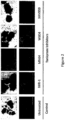
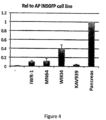
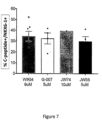
- ARDT inhibitors that target ARDT 5 and 6 (TANK1 and TANK2) give rise to pancreatic progenitor cells that generate beta-like cells using H1 cell line.
- the tested ARDT inhibitors antagonize tankyrase signaling by targeting the adenosine-subsite of tankyrase proteins (also known as ARDT5/6).
- tankyrase proteins also known as ARDT5/6.
- cells treated with a compound, MK4827, that only inhibits PARP1/2 generated a population similar to DMSO control [ Figure 5 ].
- WIKI4-generated pancreatic progenitors developed into endocrine, exocrine and ductal cells in vivo
- WIKI4-generated pancreatic progenitors were transplanted subcutaneously in immunocompromised mice. Grafts were analyzed 3 months post-transplantation and stained for insulin, NKX6-1, Glucagon, Cytokeratin 19 and trypsin. Immunofluorescence staining demonstrated that WIKI4-treated cells have the potential to develop into beta-like cells (Insulin+/NKX6-1+), alpha-like cells (Glucagon+/lnsulin-), trypsin+ and cytokeratin19+ cells, demonstrating the presence of both endocrine, acinar and ductal cells (see Figure 8 ).
- WIK14-generated beta-like cells developed into endocrine cells in vivo
- WIKI4-generated beta-like cell-containing cultures were transplanted subcutaneously or under the kidney capsule in immunocompromised mice. Grafts were analyzed 7.5 weeks post-transplantation and stained for insulin, Glucagon, and somatostatin. Immunofluorescence staining demonstrated that WIKI4-treated cells have the potential to develop into islet-like cells characterized by beta-like cells (Insulin+), alpha-like cells (Glucagon+) and delta-like cells (somatostatin+) (see Figure 9 ).
- WIK14-generated beta-like cells normalize glycaemia in animal model of diabetes
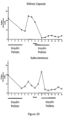
- the WIKI4-generated beta-like cell-containing cultures were transplanted subcutaneously or under the kidney capsule in immunocompromised mice rendered hyperglyceamic with streptozotocin injection. Blood glucose was normalized initially with insulin pellets (weeks-0-4 and 8-12, kidney capsule and weeks 0-4 and 10-14, subcutaneous) and subsequently by the transplanted cells, demonstrating their ability to sense glucose and release insulin accordingly (see Figure 10 ).
Landscapes
- Health & Medical Sciences (AREA)
- Life Sciences & Earth Sciences (AREA)
- Engineering & Computer Science (AREA)
- Biomedical Technology (AREA)
- Chemical & Material Sciences (AREA)
- Zoology (AREA)
- Biotechnology (AREA)
- Organic Chemistry (AREA)
- Bioinformatics & Cheminformatics (AREA)
- Wood Science & Technology (AREA)
- Genetics & Genomics (AREA)
- General Health & Medical Sciences (AREA)
- Cell Biology (AREA)
- Developmental Biology & Embryology (AREA)
- Diabetes (AREA)
- Biochemistry (AREA)
- General Engineering & Computer Science (AREA)
- Microbiology (AREA)
- Medicinal Chemistry (AREA)
- Veterinary Medicine (AREA)
- Public Health (AREA)
- Animal Behavior & Ethology (AREA)
- Pharmacology & Pharmacy (AREA)
- Hematology (AREA)
- General Chemical & Material Sciences (AREA)
- Nuclear Medicine, Radiotherapy & Molecular Imaging (AREA)
- Chemical Kinetics & Catalysis (AREA)
- Obesity (AREA)
- Endocrinology (AREA)
- Emergency Medicine (AREA)
- Gastroenterology & Hepatology (AREA)
- Nutrition Science (AREA)
- Physiology (AREA)
- Immunology (AREA)
- Virology (AREA)
- Epidemiology (AREA)
- Micro-Organisms Or Cultivation Processes Thereof (AREA)
- Materials For Medical Uses (AREA)
- Medicines Containing Material From Animals Or Micro-Organisms (AREA)
- Peptides Or Proteins (AREA)
Claims (11)
- In-vitro-Verfahren zur Herstellung von PDX1+/NKX6-1+-Pankreas-Vorläuferzellen von einer PDX1+-Endodermzellenpopulation, wobei das Verfahren das Kontaktieren der Endodermzellenpopulation mit Folgendem umfasst:einem Wirkstoff, der ErbB1 aktiviert; undeinem Tankyrase-Inhibitor, der sich selektiv an die Adenosin-Bindungsstelle eines Tankyrase-Enzyms bindet und eine höhere Affinität gegenüber der Adenosin-Bindungsstelle aufweist als eine Nicotinamid-Bindungsstelle des Tankyrase-Enzyms, wobei das Tankyrase-Enzym TNK1 oder TNK2 ist und der Tankyrase-Inhibitor WIKI4, G007-LK, JW74, JW55, CMP24, CMP40 oder CMP4 oder ein Salz, Solvat und/oder Konjugat davon ist;zum Induzieren der Differenzierung mindestens eines Teils der PDX1+-Endodermzellenpopulation in PDX1+/NKX6-1+-Pankreas-Vorläuferzellen.
- In-vitro-Verfahren nach Anspruch 1, wobei der Tankyrase-Inhibitor sich nicht an eine Nicotinamid-Bindungsstelle des Tankyrase-Enzyms bindet.
- In-vitro-Verfahren nach Anspruch 1, ferner umfassend das Kontaktieren der PDX1+-Endodermzellenpopulation mit einer BMP-Inhibitor-Komponente.
- In-vitro-Verfahren nach Anspruch 3, wobei der BMP-Inhibitor Noggin, Dorsomorphin, LDN, CHORDIN, BMPR1A oder BMPR1B ist.
- In-vitro-Verfahren nach einem der Ansprüche 1 bis 4, wobei der Tankyrase-Inhibitor WIKI4, G007-LK, JW74 oder JW55 oder ein Salz, Solvat und/oder Konjugat davon ist.
- In-vitro-Verfahren nach Anspruch 5, umfassend das Kontaktieren der PDX1+-Endodermzellenpopulation mit Noggin, EGF und einem von WIKI4, G007-LK, JW74 und JW55 oder das Kontaktieren der PDX1+-Endodermzellenpopulation mit Noggin, EGF und mindestens einem von G007-LK, JW74, JW55 und WIKI4.
- In-vitro-Verfahren nach einem der Ansprüche 1 bis 6, wobei die PDX1+-Endodermzellenpopulation von pluripotenten Stammzellen (PSCs), wie beispielsweise einer embryonalen Stammzelle (ESC) oder einer induzierten pluripotenten Stammzelle (iPSCs), differenziert wird, wobei die pluripotente Stammzelle vorzugsweise eine humane ESC (hESC) oder eine humane iPSC (hiPSC) ist.
- In-vitro-Verfahren nach einem der Ansprüche 1 bis 7, das zuerst die Herstellung der PDX1+-Endodermzellenpopulation umfasst, wobei die Herstellung der PDX1+-Endodermzellenpopulation vorzugsweise einen oder mehrere der folgenden Schritte umfasst:a. Kontaktieren einer pluripotenten Stammzellenpopulation mit einer Kombination aus:I. einem Nodal-Agonisten, wahlweise ActA, und einem wnt-Signal-Agonisten, wahlweise Wnt3a oder CIHR 99021,II. einem Nodal-Agonisten, wahlweise Act A, einem FGF-Agonisten, wahlweise bFGF, und wahlweise einem wnt-Signal-Agonisten, wahlweise Wnt3a CIHR 99021; undIII. einem Nodal-Agonisten, wahlweise ActA, und einem FGF-Agonisten, wahlweise bFGF;zur Herstellung von Zellen im Stadium 1 der Differenzierung;b. Kontaktieren der Zellen im Stadium 1 der Differenzierung mit einem FGF-Agonisten, wahlweise FGF10, und wahlweise wnt-Signal-Agonisten, wahlweise Wnt3a und/oder Noggin, zur Herstellung von Zellen im Stadium 2 der Differenzierung; undc. Kontaktieren der Zellen im Stadium 2 der Differenzierung mit Noggin und wahlweise Cyclopamin-KAAD (Cyc), einem FGF-Agonisten, wahlweise FGF10, und/oder einer Exendin-4-Komponente, wahlweise Exendin-4, zum Bereitstellen einer Endodermzellenpopulation.
- In-vitro-Verfahren nach einem der Ansprüche 1 bis 8, ferner umfassend das Differenzieren der PDX1+/NKX6-1+-Pankreas-Vorläuferzellen in eine insulinproduzierende Zellenpopulation, wobei die insulinproduzierende Zellenpopulation vorzugsweise mindestens 25 %, mindestens 30 %, mindestens 35 %, mindestens 40 %, mindestens 50 %, mindestens 60 %, mindestens 70 %, mindestens 80 % oder bis zu etwa 95 % insulinproduzierende Zellen umfasst oder die insulinproduzierende Zellenpopulation mindestens 25 %, mindestens 30 %, mindestens 35 %, mindestens 40 %, mindestens 50 %, mindestens 60 %, mindestens 70 %, mindestens 80 % oder bis zu etwa 95 % C-Peptid+/NKX6.1+-Zellen umfasst.
- In-vitro-Verfahren nach einem der Ansprüche 1 bis 9, das ferner das Anreichern und/oder Isolieren einer PDX1+/NKX6-1+-Vorläufer-Zellenpopulation vor der Differenzierung umfasst.
- In-vitro-Verwendung einer Kulturzusammensetzung zur Herstellung von PDX1+/NKX6-1+-Pankreas-Vorläuferzellen von einer PDX1+-Endodermzellenpopulation, wobei die Zusammensetzung ein geeignetes Basiskulturmedium, EGF, einen Tankyrase-Inhibitor, der sich selektiv an die Adenosin-Bindungsstelle eines Tankyrase-Enzyms bindet, und wahlweise einen BMP-Inhibitor umfasst.
Applications Claiming Priority (2)
| Application Number | Priority Date | Filing Date | Title |
|---|---|---|---|
| US201862678498P | 2018-05-31 | 2018-05-31 | |
| PCT/CA2019/000079 WO2019227198A1 (en) | 2018-05-31 | 2019-05-30 | Methods and compositions comprising tankyrase inhibitors for generating insulin producing cells |
Publications (3)
| Publication Number | Publication Date |
|---|---|
| EP3801577A1 EP3801577A1 (de) | 2021-04-14 |
| EP3801577A4 EP3801577A4 (de) | 2021-07-14 |
| EP3801577B1 true EP3801577B1 (de) | 2025-02-19 |
Family
ID=68698507
Family Applications (1)
| Application Number | Title | Priority Date | Filing Date |
|---|---|---|---|
| EP19811896.0A Active EP3801577B1 (de) | 2018-05-31 | 2019-05-30 | Verfahren und zusammensetzungen mit tankyrase-inhibitor zur erzeugung von insulinproduzierenden zellen |
Country Status (6)
| Country | Link |
|---|---|
| US (1) | US20210198633A1 (de) |
| EP (1) | EP3801577B1 (de) |
| JP (1) | JP2021525094A (de) |
| CA (1) | CA3101021A1 (de) |
| DK (1) | DK3801577T3 (de) |
| WO (1) | WO2019227198A1 (de) |
Families Citing this family (5)
| Publication number | Priority date | Publication date | Assignee | Title |
|---|---|---|---|---|
| KR20250048146A (ko) | 2017-11-15 | 2025-04-07 | 셈마 테라퓨틱스, 인크. | 섬세포 제조 조성물 및 사용 방법 |
| WO2020033879A1 (en) | 2018-08-10 | 2020-02-13 | Semma Therapeutics, Inc. | Stem cell derived islet differentiation |
| EP4386081A3 (de) * | 2019-05-21 | 2024-10-16 | President and Fellows of Harvard College | Molekül zur induktion endokriner differenzierung |
| WO2023077140A2 (en) | 2021-11-01 | 2023-05-04 | Vertex Pharmaceuticals Incorporated | Stem cell derived pancreatic islet differentiation |
| WO2025117331A1 (en) | 2023-12-01 | 2025-06-05 | Eli Lilly And Company | Methods of making stem cell-derived islet-like cells, as well as populations and compositions including the same |
Family Cites Families (14)
| Publication number | Priority date | Publication date | Assignee | Title |
|---|---|---|---|---|
| US5994619A (en) | 1996-04-01 | 1999-11-30 | University Of Massachusetts, A Public Institution Of Higher Education Of The Commonwealth Of Massachusetts, As Represented By Its Amherst Campus | Production of chimeric bovine or porcine animals using cultured inner cell mass cells |
| US5945577A (en) | 1997-01-10 | 1999-08-31 | University Of Massachusetts As Represented By Its Amherst Campus | Cloning using donor nuclei from proliferating somatic cells |
| EP1791952A4 (de) | 2004-08-13 | 2008-06-11 | Univ Georgia Res Found | Zusammensetzungen und verfahren zur selbsterneuerung und differenzierung bei menschlichen embryonalen stammzellen |
| EP1999253B1 (de) | 2006-03-02 | 2019-05-22 | Viacyte, Inc. | Endokrine vorläuferzellen, pankreashormon-exprimierende zellen und herstellungsverfahren |
| US7989204B2 (en) | 2006-04-28 | 2011-08-02 | Viacyte, Inc. | Hepatocyte lineage cells |
| US7695963B2 (en) | 2007-09-24 | 2010-04-13 | Cythera, Inc. | Methods for increasing definitive endoderm production |
| AU2013255031C1 (en) * | 2012-04-30 | 2018-12-06 | University Health Network | Methods and compositions for generating pancreatic progenitors and functional beta cells from hPSCs |
| AU2015300020B2 (en) | 2014-08-04 | 2021-04-08 | Orizuru Therapeutics, Inc. | Method for proliferation of pancreatic progenitor cells |
| ES2937168T3 (es) * | 2015-04-23 | 2023-03-24 | Univ California | La inducción controlada de progenitoras pancreáticas humanas produce células de tipo beta funcionales |
| CA2983764A1 (en) | 2015-04-24 | 2016-10-27 | University Of Copenhagen | Isolation of bona fide pancreatic progenitor cells |
| CN108779437A (zh) * | 2016-01-08 | 2018-11-09 | 麻省理工学院 | 分化的肠内分泌细胞和胰岛素产生细胞的制备 |
| WO2017131230A1 (ja) * | 2016-01-29 | 2017-08-03 | 国立大学法人京都大学 | 血小板産生促進剤及びそれを用いた血小板の製造方法 |
| GB201603569D0 (en) * | 2016-03-01 | 2016-04-13 | Koninklijke Nederlandse Akademie Van Wetenschappen | Improved differentiation method |
| WO2020033879A1 (en) * | 2018-08-10 | 2020-02-13 | Semma Therapeutics, Inc. | Stem cell derived islet differentiation |
-
2019
- 2019-05-30 JP JP2020565986A patent/JP2021525094A/ja active Pending
- 2019-05-30 US US17/057,130 patent/US20210198633A1/en active Pending
- 2019-05-30 CA CA3101021A patent/CA3101021A1/en active Pending
- 2019-05-30 WO PCT/CA2019/000079 patent/WO2019227198A1/en not_active Ceased
- 2019-05-30 EP EP19811896.0A patent/EP3801577B1/de active Active
- 2019-05-30 DK DK19811896.0T patent/DK3801577T3/da active
Non-Patent Citations (2)
| Title |
|---|
| BODDY SARAH L ET AL: "Inner ear progenitor cells can be generated in vitro from human bone marrow mesenchymal stem cells", REGENERATIVE MEDICINE, FUTURE MEDICINE LTD, GB, vol. 7, no. 6, 1 November 2012 (2012-11-01), pages 757 - 767, XP009189899, ISSN: 1746-0751, DOI: 10.2217/RME.12.58 * |
| HUANG YONGJIAN ET AL: "A molecular mechanism for the generation of ligand-dependent differential outputs by the epidermal growth factorreceptor", 30 November 2021 (2021-11-30), XP055915555, Retrieved from the Internet <URL:https://elifesciences.org/articles/73218> [retrieved on 20220426] * |
Also Published As
| Publication number | Publication date |
|---|---|
| EP3801577A1 (de) | 2021-04-14 |
| EP3801577A4 (de) | 2021-07-14 |
| DK3801577T3 (da) | 2025-05-05 |
| CA3101021A1 (en) | 2019-12-05 |
| JP2021525094A (ja) | 2021-09-24 |
| US20210198633A1 (en) | 2021-07-01 |
| WO2019227198A1 (en) | 2019-12-05 |
Similar Documents
| Publication | Publication Date | Title |
|---|---|---|
| JP7766641B2 (ja) | SC-β細胞及び組成物並びにその生成方法 | |
| EP2844739B1 (de) | Verfahren und zusammensetzungen zur erzeugung pankreatischer vorläufer und funktioneller beta-zellen aus hpscs | |
| JP7490035B2 (ja) | 多能性幹細胞の膵臓内胚葉細胞(PEC)および内分泌細胞へのin vitro分化 | |
| EP3801577B1 (de) | Verfahren und zusammensetzungen mit tankyrase-inhibitor zur erzeugung von insulinproduzierenden zellen | |
| CN113728090B (zh) | 从干细胞衍生的定形内胚层生成胰腺内胚层 | |
| HK1254968B (en) | Methods and compositions for generating pancreatic progenitors and functional beta cells from hpscs | |
| RU2772585C2 (ru) | КЛЕТКИ SC-β И КОМПОЗИЦИИ И СПОСОБЫ ДЛЯ ИХ СОЗДАНИЯ | |
| HK1208047B (en) | Methods and compositions for generating pancreatic progenitors and functional beta cells from hpscs | |
| Rotti | 3D differentiation enhances the efficiency of differentiation of human induced pluripotent stem cells to insulin producing cells |
Legal Events
| Date | Code | Title | Description |
|---|---|---|---|
| STAA | Information on the status of an ep patent application or granted ep patent |
Free format text: STATUS: THE INTERNATIONAL PUBLICATION HAS BEEN MADE |
|
| PUAI | Public reference made under article 153(3) epc to a published international application that has entered the european phase |
Free format text: ORIGINAL CODE: 0009012 |
|
| STAA | Information on the status of an ep patent application or granted ep patent |
Free format text: STATUS: REQUEST FOR EXAMINATION WAS MADE |
|
| 17P | Request for examination filed |
Effective date: 20201201 |
|
| AK | Designated contracting states |
Kind code of ref document: A1 Designated state(s): AL AT BE BG CH CY CZ DE DK EE ES FI FR GB GR HR HU IE IS IT LI LT LU LV MC MK MT NL NO PL PT RO RS SE SI SK SM TR |
|
| AX | Request for extension of the european patent |
Extension state: BA ME |
|
| A4 | Supplementary search report drawn up and despatched |
Effective date: 20210616 |
|
| RIC1 | Information provided on ipc code assigned before grant |
Ipc: A61K 35/39 20150101AFI20210610BHEP Ipc: A61P 3/10 20060101ALI20210610BHEP Ipc: C12N 5/071 20100101ALI20210610BHEP |
|
| DAV | Request for validation of the european patent (deleted) | ||
| DAX | Request for extension of the european patent (deleted) | ||
| STAA | Information on the status of an ep patent application or granted ep patent |
Free format text: STATUS: EXAMINATION IS IN PROGRESS |
|
| 17Q | First examination report despatched |
Effective date: 20220502 |
|
| GRAP | Despatch of communication of intention to grant a patent |
Free format text: ORIGINAL CODE: EPIDOSNIGR1 |
|
| STAA | Information on the status of an ep patent application or granted ep patent |
Free format text: STATUS: GRANT OF PATENT IS INTENDED |
|
| INTG | Intention to grant announced |
Effective date: 20240425 |
|
| GRAJ | Information related to disapproval of communication of intention to grant by the applicant or resumption of examination proceedings by the epo deleted |
Free format text: ORIGINAL CODE: EPIDOSDIGR1 |
|
| STAA | Information on the status of an ep patent application or granted ep patent |
Free format text: STATUS: EXAMINATION IS IN PROGRESS |
|
| GRAP | Despatch of communication of intention to grant a patent |
Free format text: ORIGINAL CODE: EPIDOSNIGR1 |
|
| STAA | Information on the status of an ep patent application or granted ep patent |
Free format text: STATUS: GRANT OF PATENT IS INTENDED |
|
| INTC | Intention to grant announced (deleted) | ||
| INTG | Intention to grant announced |
Effective date: 20240920 |
|
| GRAS | Grant fee paid |
Free format text: ORIGINAL CODE: EPIDOSNIGR3 |
|
| GRAA | (expected) grant |
Free format text: ORIGINAL CODE: 0009210 |
|
| STAA | Information on the status of an ep patent application or granted ep patent |
Free format text: STATUS: THE PATENT HAS BEEN GRANTED |
|
| AK | Designated contracting states |
Kind code of ref document: B1 Designated state(s): AL AT BE BG CH CY CZ DE DK EE ES FI FR GB GR HR HU IE IS IT LI LT LU LV MC MK MT NL NO PL PT RO RS SE SI SK SM TR |
|
| REG | Reference to a national code |
Ref country code: GB Ref legal event code: FG4D |
|
| REG | Reference to a national code |
Ref country code: CH Ref legal event code: EP |
|
| REG | Reference to a national code |
Ref country code: IE Ref legal event code: FG4D |
|
| REG | Reference to a national code |
Ref country code: DE Ref legal event code: R096 Ref document number: 602019066232 Country of ref document: DE |
|
| REG | Reference to a national code |
Ref country code: DK Ref legal event code: T3 Effective date: 20250430 |
|
| REG | Reference to a national code |
Ref country code: NL Ref legal event code: MP Effective date: 20250219 |
|
| PG25 | Lapsed in a contracting state [announced via postgrant information from national office to epo] |
Ref country code: RS Free format text: LAPSE BECAUSE OF FAILURE TO SUBMIT A TRANSLATION OF THE DESCRIPTION OR TO PAY THE FEE WITHIN THE PRESCRIBED TIME-LIMIT Effective date: 20250519 |
|
| PG25 | Lapsed in a contracting state [announced via postgrant information from national office to epo] |
Ref country code: FI Free format text: LAPSE BECAUSE OF FAILURE TO SUBMIT A TRANSLATION OF THE DESCRIPTION OR TO PAY THE FEE WITHIN THE PRESCRIBED TIME-LIMIT Effective date: 20250219 |
|
| PG25 | Lapsed in a contracting state [announced via postgrant information from national office to epo] |
Ref country code: PL Free format text: LAPSE BECAUSE OF FAILURE TO SUBMIT A TRANSLATION OF THE DESCRIPTION OR TO PAY THE FEE WITHIN THE PRESCRIBED TIME-LIMIT Effective date: 20250219 |
|
| PGFP | Annual fee paid to national office [announced via postgrant information from national office to epo] |
Ref country code: DE Payment date: 20250519 Year of fee payment: 7 |
|
| PG25 | Lapsed in a contracting state [announced via postgrant information from national office to epo] |
Ref country code: ES Free format text: LAPSE BECAUSE OF FAILURE TO SUBMIT A TRANSLATION OF THE DESCRIPTION OR TO PAY THE FEE WITHIN THE PRESCRIBED TIME-LIMIT Effective date: 20250219 |
|
| PGFP | Annual fee paid to national office [announced via postgrant information from national office to epo] |
Ref country code: GB Payment date: 20250519 Year of fee payment: 7 Ref country code: DK Payment date: 20250521 Year of fee payment: 7 |
|
| REG | Reference to a national code |
Ref country code: LT Ref legal event code: MG9D |
|
| PG25 | Lapsed in a contracting state [announced via postgrant information from national office to epo] |
Ref country code: NO Free format text: LAPSE BECAUSE OF FAILURE TO SUBMIT A TRANSLATION OF THE DESCRIPTION OR TO PAY THE FEE WITHIN THE PRESCRIBED TIME-LIMIT Effective date: 20250519 Ref country code: IS Free format text: LAPSE BECAUSE OF FAILURE TO SUBMIT A TRANSLATION OF THE DESCRIPTION OR TO PAY THE FEE WITHIN THE PRESCRIBED TIME-LIMIT Effective date: 20250619 |
|
| PG25 | Lapsed in a contracting state [announced via postgrant information from national office to epo] |
Ref country code: NL Free format text: LAPSE BECAUSE OF FAILURE TO SUBMIT A TRANSLATION OF THE DESCRIPTION OR TO PAY THE FEE WITHIN THE PRESCRIBED TIME-LIMIT Effective date: 20250219 |
|
| PG25 | Lapsed in a contracting state [announced via postgrant information from national office to epo] |
Ref country code: HR Free format text: LAPSE BECAUSE OF FAILURE TO SUBMIT A TRANSLATION OF THE DESCRIPTION OR TO PAY THE FEE WITHIN THE PRESCRIBED TIME-LIMIT Effective date: 20250219 |
|
| PG25 | Lapsed in a contracting state [announced via postgrant information from national office to epo] |
Ref country code: PT Free format text: LAPSE BECAUSE OF FAILURE TO SUBMIT A TRANSLATION OF THE DESCRIPTION OR TO PAY THE FEE WITHIN THE PRESCRIBED TIME-LIMIT Effective date: 20250620 Ref country code: LV Free format text: LAPSE BECAUSE OF FAILURE TO SUBMIT A TRANSLATION OF THE DESCRIPTION OR TO PAY THE FEE WITHIN THE PRESCRIBED TIME-LIMIT Effective date: 20250219 |
|
| PGFP | Annual fee paid to national office [announced via postgrant information from national office to epo] |
Ref country code: FR Payment date: 20250521 Year of fee payment: 7 |
|
| PG25 | Lapsed in a contracting state [announced via postgrant information from national office to epo] |
Ref country code: GR Free format text: LAPSE BECAUSE OF FAILURE TO SUBMIT A TRANSLATION OF THE DESCRIPTION OR TO PAY THE FEE WITHIN THE PRESCRIBED TIME-LIMIT Effective date: 20250520 Ref country code: BG Free format text: LAPSE BECAUSE OF FAILURE TO SUBMIT A TRANSLATION OF THE DESCRIPTION OR TO PAY THE FEE WITHIN THE PRESCRIBED TIME-LIMIT Effective date: 20250219 |
|
| REG | Reference to a national code |
Ref country code: AT Ref legal event code: MK05 Ref document number: 1767670 Country of ref document: AT Kind code of ref document: T Effective date: 20250219 |
|
| PG25 | Lapsed in a contracting state [announced via postgrant information from national office to epo] |
Ref country code: SE Free format text: LAPSE BECAUSE OF FAILURE TO SUBMIT A TRANSLATION OF THE DESCRIPTION OR TO PAY THE FEE WITHIN THE PRESCRIBED TIME-LIMIT Effective date: 20250219 |
|
| PG25 | Lapsed in a contracting state [announced via postgrant information from national office to epo] |
Ref country code: SM Free format text: LAPSE BECAUSE OF FAILURE TO SUBMIT A TRANSLATION OF THE DESCRIPTION OR TO PAY THE FEE WITHIN THE PRESCRIBED TIME-LIMIT Effective date: 20250219 |
|
| PG25 | Lapsed in a contracting state [announced via postgrant information from national office to epo] |
Ref country code: IT Free format text: LAPSE BECAUSE OF FAILURE TO SUBMIT A TRANSLATION OF THE DESCRIPTION OR TO PAY THE FEE WITHIN THE PRESCRIBED TIME-LIMIT Effective date: 20250219 |
|
| PG25 | Lapsed in a contracting state [announced via postgrant information from national office to epo] |
Ref country code: AT Free format text: LAPSE BECAUSE OF FAILURE TO SUBMIT A TRANSLATION OF THE DESCRIPTION OR TO PAY THE FEE WITHIN THE PRESCRIBED TIME-LIMIT Effective date: 20250219 |
|
| PG25 | Lapsed in a contracting state [announced via postgrant information from national office to epo] |
Ref country code: CZ Free format text: LAPSE BECAUSE OF FAILURE TO SUBMIT A TRANSLATION OF THE DESCRIPTION OR TO PAY THE FEE WITHIN THE PRESCRIBED TIME-LIMIT Effective date: 20250219 Ref country code: EE Free format text: LAPSE BECAUSE OF FAILURE TO SUBMIT A TRANSLATION OF THE DESCRIPTION OR TO PAY THE FEE WITHIN THE PRESCRIBED TIME-LIMIT Effective date: 20250219 |
|
| PG25 | Lapsed in a contracting state [announced via postgrant information from national office to epo] |
Ref country code: RO Free format text: LAPSE BECAUSE OF FAILURE TO SUBMIT A TRANSLATION OF THE DESCRIPTION OR TO PAY THE FEE WITHIN THE PRESCRIBED TIME-LIMIT Effective date: 20250219 |
|
| PG25 | Lapsed in a contracting state [announced via postgrant information from national office to epo] |
Ref country code: SK Free format text: LAPSE BECAUSE OF FAILURE TO SUBMIT A TRANSLATION OF THE DESCRIPTION OR TO PAY THE FEE WITHIN THE PRESCRIBED TIME-LIMIT Effective date: 20250219 |
|
| REG | Reference to a national code |
Ref country code: DE Ref legal event code: R097 Ref document number: 602019066232 Country of ref document: DE |
|
| REG | Reference to a national code |
Ref country code: CH Ref legal event code: H13 Free format text: ST27 STATUS EVENT CODE: U-0-0-H10-H13 (AS PROVIDED BY THE NATIONAL OFFICE) Effective date: 20251223 |
|
| PLBE | No opposition filed within time limit |
Free format text: ORIGINAL CODE: 0009261 |
|
| STAA | Information on the status of an ep patent application or granted ep patent |
Free format text: STATUS: NO OPPOSITION FILED WITHIN TIME LIMIT |
|
| PG25 | Lapsed in a contracting state [announced via postgrant information from national office to epo] |
Ref country code: LU Free format text: LAPSE BECAUSE OF NON-PAYMENT OF DUE FEES Effective date: 20250530 |
|
| PG25 | Lapsed in a contracting state [announced via postgrant information from national office to epo] |
Ref country code: CH Free format text: LAPSE BECAUSE OF NON-PAYMENT OF DUE FEES Effective date: 20250531 |
|
| 26N | No opposition filed |
Effective date: 20251120 |
|
| REG | Reference to a national code |
Ref country code: BE Ref legal event code: MM Effective date: 20250531 |
|
| PG25 | Lapsed in a contracting state [announced via postgrant information from national office to epo] |
Ref country code: MC Free format text: LAPSE BECAUSE OF FAILURE TO SUBMIT A TRANSLATION OF THE DESCRIPTION OR TO PAY THE FEE WITHIN THE PRESCRIBED TIME-LIMIT Effective date: 20250219 |
|
| PG25 | Lapsed in a contracting state [announced via postgrant information from national office to epo] |
Ref country code: IE Free format text: LAPSE BECAUSE OF NON-PAYMENT OF DUE FEES Effective date: 20250530 |
|
| PG25 | Lapsed in a contracting state [announced via postgrant information from national office to epo] |
Ref country code: BE Free format text: LAPSE BECAUSE OF NON-PAYMENT OF DUE FEES Effective date: 20250531 |