EP3791868A1 - Use of the phytocannabinoid cannabidiol (cbd) in combination with a standard anti-epileptic drug (saed) in the treatment of epilepsy - Google Patents
Use of the phytocannabinoid cannabidiol (cbd) in combination with a standard anti-epileptic drug (saed) in the treatment of epilepsy Download PDFInfo
- Publication number
- EP3791868A1 EP3791868A1 EP20193228.2A EP20193228A EP3791868A1 EP 3791868 A1 EP3791868 A1 EP 3791868A1 EP 20193228 A EP20193228 A EP 20193228A EP 3791868 A1 EP3791868 A1 EP 3791868A1
- Authority
- EP
- European Patent Office
- Prior art keywords
- cbd
- epilepsy
- saed
- standard anti
- cannabidiol
- Prior art date
- Legal status (The legal status is an assumption and is not a legal conclusion. Google has not performed a legal analysis and makes no representation as to the accuracy of the status listed.)
- Ceased
Links
Images



Classifications
-
- A—HUMAN NECESSITIES
- A61—MEDICAL OR VETERINARY SCIENCE; HYGIENE
- A61K—PREPARATIONS FOR MEDICAL, DENTAL OR TOILETRY PURPOSES
- A61K31/00—Medicinal preparations containing organic active ingredients
- A61K31/658—Medicinal preparations containing organic active ingredients o-phenolic cannabinoids, e.g. cannabidiol, cannabigerolic acid, cannabichromene or tetrahydrocannabinol
-
- A—HUMAN NECESSITIES
- A61—MEDICAL OR VETERINARY SCIENCE; HYGIENE
- A61K—PREPARATIONS FOR MEDICAL, DENTAL OR TOILETRY PURPOSES
- A61K31/00—Medicinal preparations containing organic active ingredients
- A61K31/185—Acids; Anhydrides, halides or salts thereof, e.g. sulfur acids, imidic, hydrazonic or hydroximic acids
- A61K31/19—Carboxylic acids, e.g. valproic acid
-
- A—HUMAN NECESSITIES
- A61—MEDICAL OR VETERINARY SCIENCE; HYGIENE
- A61K—PREPARATIONS FOR MEDICAL, DENTAL OR TOILETRY PURPOSES
- A61K31/00—Medicinal preparations containing organic active ingredients
- A61K31/33—Heterocyclic compounds
- A61K31/395—Heterocyclic compounds having nitrogen as a ring hetero atom, e.g. guanethidine or rifamycins
- A61K31/40—Heterocyclic compounds having nitrogen as a ring hetero atom, e.g. guanethidine or rifamycins having five-membered rings with one nitrogen as the only ring hetero atom, e.g. sulpiride, succinimide, tolmetin, buflomedil
- A61K31/4015—Heterocyclic compounds having nitrogen as a ring hetero atom, e.g. guanethidine or rifamycins having five-membered rings with one nitrogen as the only ring hetero atom, e.g. sulpiride, succinimide, tolmetin, buflomedil having oxo groups directly attached to the heterocyclic ring, e.g. piracetam, ethosuximide
-
- A—HUMAN NECESSITIES
- A61—MEDICAL OR VETERINARY SCIENCE; HYGIENE
- A61K—PREPARATIONS FOR MEDICAL, DENTAL OR TOILETRY PURPOSES
- A61K31/00—Medicinal preparations containing organic active ingredients
- A61K31/33—Heterocyclic compounds
- A61K31/395—Heterocyclic compounds having nitrogen as a ring hetero atom, e.g. guanethidine or rifamycins
- A61K31/495—Heterocyclic compounds having nitrogen as a ring hetero atom, e.g. guanethidine or rifamycins having six-membered rings with two or more nitrogen atoms as the only ring heteroatoms, e.g. piperazine or tetrazines
- A61K31/505—Pyrimidines; Hydrogenated pyrimidines, e.g. trimethoprim
- A61K31/513—Pyrimidines; Hydrogenated pyrimidines, e.g. trimethoprim having oxo groups directly attached to the heterocyclic ring, e.g. cytosine
- A61K31/515—Barbituric acids; Derivatives thereof, e.g. sodium pentobarbital
-
- A—HUMAN NECESSITIES
- A61—MEDICAL OR VETERINARY SCIENCE; HYGIENE
- A61K—PREPARATIONS FOR MEDICAL, DENTAL OR TOILETRY PURPOSES
- A61K36/00—Medicinal preparations of undetermined constitution containing material from algae, lichens, fungi or plants, or derivatives thereof, e.g. traditional herbal medicines
-
- A—HUMAN NECESSITIES
- A61—MEDICAL OR VETERINARY SCIENCE; HYGIENE
- A61K—PREPARATIONS FOR MEDICAL, DENTAL OR TOILETRY PURPOSES
- A61K45/00—Medicinal preparations containing active ingredients not provided for in groups A61K31/00 - A61K41/00
- A61K45/06—Mixtures of active ingredients without chemical characterisation, e.g. antiphlogistics and cardiaca
-
- A—HUMAN NECESSITIES
- A61—MEDICAL OR VETERINARY SCIENCE; HYGIENE
- A61P—SPECIFIC THERAPEUTIC ACTIVITY OF CHEMICAL COMPOUNDS OR MEDICINAL PREPARATIONS
- A61P25/00—Drugs for disorders of the nervous system
- A61P25/08—Antiepileptics; Anticonvulsants
Definitions
- This invention relates to the use of the phytocannabinoid cannabidiol (CBD) in combination with a standard anti-epileptic drug (SAED).
- CBD phytocannabinoid cannabidiol
- SAED standard anti-epileptic drug
- the CBD is used in combination with a SAED with a mechanism of action which acts via sodium or calcium channels, more preferably one which:
- Epilepsy is a chronic neurological disorder presenting a wide spectrum of diseases that affect approximately 50 million people worldwide (Sander, 2003). Advances in the understanding of the body's internal 'endocannabinoid' system has lead to the suggestion that cannabis-based medicines may have the potential to treat this disorder of hyperexcitability in the central nervous system (Mackie, 2006, Wingerchuk, 2004, Alger, 2006).
- cannabidiol was given in oral form to sufferers of generalised grand mal or focal seizures.
- Cunha et al (1980) reported a study on 16 grand mal patients who were not doing well on conventional medication. They received their regular medication and either 200-300mg of cannabidiol or a placebo. Of the patients who received CBD, 3 showed complete improvement, 2 partial, 2 minor, while 1 remained unchanged. The only unwanted effect was mild sedation. Of the patients who received the placebo, 1 improved and 7 remained unchanged.
- Trembly et al (1990) performed an open trial with a single patient who was given 900-1200mg of cannabidiol a day for 10 months. Seizure frequency was markedly reduced in this single patient.
- CBD tetrahydrocannabinol
- THCV cannabinoid Tetrahydrocannabivarin
- WO 2009/007697 describes a THCV and CBD pharmaceutical formulation. Such a formulation is suggested to be of use in many different types of diseases including epilepsy.
- Neuronal activity is a prerequisite for proper brain function. However, disturbing the excitatory - inhibitory equilibrium of neuronal activity may induce epileptic seizures. These epileptic seizures can be grouped into two basic categories:
- the International League Against Epilepsy further classified partial seizures, separating them into simple and complex, depending on the presence or the impairment of a consciousness state (Dreifuss et al., 1981).
- the league also categorized generalised seizures into numerous clinical seizure types, some examples of which are outlined below:
- Absence seizures occur frequently, having a sudden onset and interruption of ongoing activities. Additionally, speech is slowed or impeded with seizures lasting only a few seconds (Dreifuss et al., 1981).
- Tonic-clonic seizures often known as "grand mal", are the most frequently encountered of the generalised seizures (Dreifuss et al., 1981).
- This generalised seizure type has two stages: tonic muscle contractions which then give way to a clonic stage of convulsive movements. The patient remains unconscious throughout the seizure and for a variable period of time afterwards.
- Atonic seizures are the result of sudden loss of muscle tone to either a specific muscle, muscle group or all muscles in the body (Dreifuss et al., 1981).
- epilepsy also greatly affects the lifestyle of the sufferer - potentially living in fear of consequential injury (e.g. head injury) resulting from a grand mal seizure or the inability to perform daily tasks or the inability to drive a car unless having had a lengthy seizure-free period (Fisher et al., 2000).
- consequential injury e.g. head injury
- acetozolamide carbamazepine, clobazam, clonazepam, ethosuximide, eslicarbazepine acetate, gabapentin, lacosamide, lamotriquine, levetiracetam, oxcarbazepine, Phenobarbital, phenytoin, pregabalin, primidone, rufinamide, sodium valproate, tiagabine, topiramate, valproate, vigabatrin, and zonisamide.
- Antiepileptic drug Mechanism of action Sodium or calcium channel involvement Barbiturates: primidone (Mysoline), phenobarbital Enhances GABAergic inhibition Carbamazepine (Tegretol, Tegretol-XR, Carbatrol) Inhibits voltage-dependent sodium channels Sodium Ethosuximide (Zarontin) Modifies low-threshold or transient neuronal calcium currents Calcium Felbamate (Felbatol) Unknown Gabapentin (Neurontin) Unknown Lamotrigine (Lamictal) Inhibits voltage-dependent sodium channels, resulting in decreased release of the excitatory neurotransmitters glutamate and aspartate Sodium Phenytoin (Dilantin, Phenytek) Blocks sodium-dependent action potentials; reduces neuronal calcium uptake Sodium/Calcium Valproate (Depakote, Depakote ER, Depakene, valproic acid) Reduces high-frequency neuronal firing and sodium
- the application WO 02/064109 describes a pharmaceutical formulation where the cannabinoids THC and CBD are used.
- the application goes on to state that the propyl analogs of these cannabinoids may also be used in the formulation. Since this application was written it has been shown that THCV behaves in a very different manner to THC and therefore the assumption that the propyl analogs of cannabinoids behave in a similar manner to their pentyl counterparts is now not valid.
- the application GB0911580.9 describes the use of THCV for the treatment of generalised seizures, also described is the use of the cannabinoid CBD in combination with the THCV.
- the use of a combination may allow for lower doses of SAED's to be used then is conventional.
- CBD cannabidiol
- SAED standard anti-epileptic drug
- the SAED which acts via sodium or calcium channels may be exemplified by a drug which:
- CBD cannabidiol
- SAED standard anti-epileptic drug
- a method for the treatment of epilepsy which comprises administering to a subject in need thereof cannabidiol (CBD), at a dose of greater than 300mg/day, in combination with a standard anti-epileptic drug (SAED) which acts via sodium or calcium channels.
- CBD cannabidiol
- SAED standard anti-epileptic drug
- CBD cannabidiol
- SAED standard anti-epileptic drug
- the respective drugs may be packaged separately with instructions to be taken in combination or may be formulated as a single use product.
- the standard anti-epileptic drug acting via sodium or calcium channels is taken from the group consisting of: ethosuximide and valproate.
- the type of epilepsy to be treated is a generalised seizure or a temporal lobe seizure.
- the combination may prove beneficial in one or more of the following:
- the CBD is used with one or more therapeutically effective other phytocannabinoid(s).
- the one or more therapeutically effective other phytocannabinoid is THCV and / or CBDV.
- the CBD is in an isolated form.
- the CBD is in the form of a botanical drug substance.
- A latency to seizure onset
- B duration of seizure activity of those animals that survived
- C median seizure severity.
- A latency to onset of seizures at different doses of ethosuximide without (black) or with (grey unfilled) 100 mg/kg CBD.
- B Seizure severity.
- C Percentage mortalities, key as in A.
- A Proportion (%) of animals in each dose group that exhibited fully developed tonic-clonic seizures.
- B Proportion (%) of animals in each dose group that died.
- C Proportion (%) of animals in each dose group that were seizure free.
- the examples below describe the use of isolated CBD in combination with standard anti-epileptic drugs (SAEDs) in two different models of epilepsy, namely the PTZ-induced seizure model and the pilocarpine-induced seizure model.
- SAEDs standard anti-epileptic drugs
- the SAEDs used in these examples are ethosuximide, valproate and Phenobarbital (Pilocarpine model only). It is important to note that there are many different SAEDs available and the drugs chosen for these experiments provide a general overview of how the phytocannabinoid CBD is able to work in combination with different classes of drugs used in the treatment of epilepsy.
- mice Male Wistar rats (P24-29; 75-110g) were used to assess the effects of the phytocannabinoid CBD in combination with SAEDs in the PTZ model of generalised seizures. Animals were habituated to the test environment, cages, injection protocol and handling prior to experimentation. Animals were housed in a room at 21°C on a 12 hour light: dark cycle (lights on 0900) in 50% humidity, with free access to food and water.
- the K m for a rat is 6 and the K m for a human is 37.
- a 100mg/Kg dose in rat would equate to a human dose of about 1000mg.
- Human doses of greater than 300mg/day, through 400mg/day in 100mg intervals (namely through 500, 600, 700, 800, 900, 1000, 1100, 1200, 1300 and 1400mg) to as much as 2000mg/ day are envisaged based on dose escalating studies with CBD (Example 2).
- a range of doses of PTZ (50-100mg/kg body weight) were used to determine the best dose for induction of seizures (data not shown).
- a dose of 80mg/kg injected intra-peritoneally (IP; stock solution 50mg/ml in 0.9% saline) were used to screen the CBD / SAEDs combinations.
- isolated CBD was administered via intra-peritoneal (i.p.) injection at a dose of 100 mg/kg alongside animals that were injected with a matched volume of the cannabinoid vehicle (2:1:17 ethanol:Cremophor: 0.9%w/v NaCl solution), which served as the negative control group. Animals were then observed for 1 hour, after which time they received an IP injection of 80mg/kg PTZ. Negative vehicle controls were performed in parallel with cannabinoid-dosed subjects. After receiving a dose of PTZ, animals were observed and videoed to determine the severity of seizure and latency to several seizure behaviour types (see in vivo analysis, below). Animals were filmed for half an hour after last sign of seizure, and then returned to their cage.
- cannabinoid vehicle 2:1:17 ethanol:Cremophor: 0.9%w/v NaCl solution
- Seizure score Behavioural expression Righting reflex 0 No changes to behaviour Preserved 0.5 Abnormal behaviour (sniffing, excessive washing, orientation) Preserved 1 Isolated myoclonic jerks Preserved 2 Atypical clonic seizure Preserved 3 Fully developed bilateral forelimb clonus Preserved 3.5 Forelimb clonus with tonic component and body twist Preserved 4 Tonic-clonic seizure with suppressed tonic phase Lost 5 Fully developed tonic-clonic seizure Lost 6 Death
- FMJ myoclonic jerk
- Figure 2 demonstrates that the combination of CBD and valproate was able to increase the latency to onset of seizure at all dose ranges, in addition it decreased the overall duration of the seizure.
- Isolated CBD was injected intra-peritoneally (IP) in the standard vehicle (1:1:18 ethanol:Cremophor:0.9% w / v NaCl) at doses of 50, 100 and 200mg/kg alongside animals that received vehicle alone at a matched volume. 15 minutes later methylscopolamine (1 mg/kg; to reduce peripheral muscarinic effects of pilocarpine) was administered followed, 45 minutes later by pilocarpine (380 mg/kg, IP) administration.
- IP intra-peritoneally
- Figure 4 demonstrates the anti-convulsant effects of a combination of CBD and valproate in the pilocarpine model of epilepsy. These data show that the combination of the CBD and valproate was able to increase the latency of onset of the seizure.
- Table 2.2 describes the effect of using the phytocannabinoid CBD in combination with yet a further SAED, phenobarbital, in the pilocarpine model of epilepsy.
- Table 2.2 Effects of CBD and phenobarbital on the pilocarpine model of epilepsy CBD (mg/kg) Phenobarbitol (mg/kg) Seizure free (%) Onset latency (s) 0 0 0 750 100 0 0 500 0 10 25 800 100 10 25 750 0 20 55 900 100 20 55 930 0 40 75 1800 100 40 85 900
Landscapes
- Health & Medical Sciences (AREA)
- Life Sciences & Earth Sciences (AREA)
- Animal Behavior & Ethology (AREA)
- General Health & Medical Sciences (AREA)
- Public Health (AREA)
- Veterinary Medicine (AREA)
- Chemical & Material Sciences (AREA)
- Medicinal Chemistry (AREA)
- Pharmacology & Pharmacy (AREA)
- Epidemiology (AREA)
- Engineering & Computer Science (AREA)
- Neurology (AREA)
- General Chemical & Material Sciences (AREA)
- Organic Chemistry (AREA)
- Nuclear Medicine, Radiotherapy & Molecular Imaging (AREA)
- Chemical Kinetics & Catalysis (AREA)
- Neurosurgery (AREA)
- Biomedical Technology (AREA)
- Pain & Pain Management (AREA)
- Bioinformatics & Cheminformatics (AREA)
- Natural Medicines & Medicinal Plants (AREA)
- Alternative & Traditional Medicine (AREA)
- Mycology (AREA)
- Microbiology (AREA)
- Biotechnology (AREA)
- Medical Informatics (AREA)
- Botany (AREA)
- Acyclic And Carbocyclic Compounds In Medicinal Compositions (AREA)
- Pharmaceuticals Containing Other Organic And Inorganic Compounds (AREA)
- Medicines That Contain Protein Lipid Enzymes And Other Medicines (AREA)
Abstract
Description
- This invention relates to the use of the phytocannabinoid cannabidiol (CBD) in combination with a standard anti-epileptic drug (SAED). Preferably the CBD is used in combination with a SAED with a mechanism of action which acts via sodium or calcium channels, more preferably one which:
- modifies low-threshold or transient neuronal calcium currents, as exemplified by ethosuximide; or
- reduces high-frequency neuronal firing and sodium-dependent action potentials and may additionally enhance GABA effects, as exemplified by valproate.
- Epilepsy is a chronic neurological disorder presenting a wide spectrum of diseases that affect approximately 50 million people worldwide (Sander, 2003). Advances in the understanding of the body's internal 'endocannabinoid' system has lead to the suggestion that cannabis-based medicines may have the potential to treat this disorder of hyperexcitability in the central nervous system (Mackie, 2006, Wingerchuk, 2004, Alger, 2006).
- Cannabis has been ascribed both pro-convulsant (Brust et al., 1992) and anti-convulsant effects. Therefore, it remains to determine whether cannabinoids represent a yet to be unmasked therapeutic anticonvulsant or, conversely, a potential risk factor to recreational and medicinal users of cannabis (Ferdinand et al., 2005).
- In 1975 Consroe et al. described the case of young man whose standard treatment (phenobarbitol and phenytoin), didn't control his seizures. When he began to smoke cannabis socially he had no seizures. However when he took only cannabis the seizures returned. They concluded that 'marihuana may possess an anti-convulsant effect in human epilepsy'.
- A study by Ng (1990) involved a larger population of 308 epileptic patients who had been admitted to hospital after their first seizure. They were compared to a control population of 294 patients who had not had seizures, and it was found that using cannabis seemed to reduce the likelihood of having a seizure. However this study was criticized in an Institute of Medicine report (1999) which claimed it was 'weak', as 'the study did not include measures of health status prior to hospital admissions and differences in their health status might have influenced their drug use' rather than the other way round.
- Three controlled trials have investigated the anti-epilepsy potential of cannabidiol. In each, cannabidiol was given in oral form to sufferers of generalised grand mal or focal seizures.
- Cunha et al (1980) reported a study on 16 grand mal patients who were not doing well on conventional medication. They received their regular medication and either 200-300mg of cannabidiol or a placebo. Of the patients who received CBD, 3 showed complete improvement, 2 partial, 2 minor, while 1 remained unchanged. The only unwanted effect was mild sedation. Of the patients who received the placebo, 1 improved and 7 remained unchanged.
- Ames (1986) reported a less successful study in which 12 epileptic patients were given 200-300mg of cannabidiol per day, in addition to standard antiepileptic drugs. There seemed to be no significant improvement in seizure frequency.
- Trembly et al (1990) performed an open trial with a single patient who was given 900-1200mg of cannabidiol a day for 10 months. Seizure frequency was markedly reduced in this single patient.
- In addition to the disclosures suggesting CBD may be beneficial there is a report (Davis & Ramsey) of tetrahydrocannabinol (THC) being administered to 5 institutionalized children who were not responding to their standard treatment (phenobarbital and phenoytin). One became entirely free of seizures, one became almost completely free of seizures, and the other three did no worse than before.
- In
WO 2006/054057 it is suggested that the cannabinoid Tetrahydrocannabivarin (THCV) may behave as anti epileptic, something confirmed by Thomas et al 2005. - In addition
WO 2009/007697 describes a THCV and CBD pharmaceutical formulation. Such a formulation is suggested to be of use in many different types of diseases including epilepsy. - However, there are more than forty recognisable types of epileptic syndrome partly due to seizure susceptibility varying from patient to patient (McCormick and Contreras, 2001, Lutz, 2004) and a challenge is finding drugs effective against these differing types.
- Neuronal activity is a prerequisite for proper brain function. However, disturbing the excitatory - inhibitory equilibrium of neuronal activity may induce epileptic seizures. These epileptic seizures can be grouped into two basic categories:
- a. Partial, and
- b. Generalised seizures.
- The International League Against Epilepsy further classified partial seizures, separating them into simple and complex, depending on the presence or the impairment of a consciousness state (Dreifuss et al., 1981).
- The league also categorized generalised seizures into numerous clinical seizure types, some examples of which are outlined below:
- Absence seizures occur frequently, having a sudden onset and interruption of ongoing activities. Additionally, speech is slowed or impeded with seizures lasting only a few seconds (Dreifuss et al., 1981).
- Tonic-clonic seizures, often known as "grand mal", are the most frequently encountered of the generalised seizures (Dreifuss et al., 1981). This generalised seizure type has two stages: tonic muscle contractions which then give way to a clonic stage of convulsive movements. The patient remains unconscious throughout the seizure and for a variable period of time afterwards.
- Atonic seizures, known as "drop attacks", are the result of sudden loss of muscle tone to either a specific muscle, muscle group or all muscles in the body (Dreifuss et al., 1981).
- The onset of epileptic seizures can be life threatening with sufferers also experiencing long-term health implications (Lutz, 2004). These implications may take many forms:
- mental health problems (e.g. prevention of normal glutamatergic synapse development in childhood);
- cognitive deficits (e.g. diminishing ability of neuronal circuits in the hippocampus to learn and store memories); and
- morphological changes (e.g. selective loss of neurons in the CA1 and CA3 regions of the hippocampus in patients presenting mesial temporal lobe epilepsy as a result of excitotoxicity) (Swann, 2004, Avoli et al., 2005)
- It is noteworthy that epilepsy also greatly affects the lifestyle of the sufferer - potentially living in fear of consequential injury (e.g. head injury) resulting from a grand mal seizure or the inability to perform daily tasks or the inability to drive a car unless having had a lengthy seizure-free period (Fisher et al., 2000).
- There are many different standard anti-epileptic drugs available at the present time including: acetozolamide, carbamazepine, clobazam, clonazepam, ethosuximide, eslicarbazepine acetate, gabapentin, lacosamide, lamotriquine, levetiracetam, oxcarbazepine, Phenobarbital, phenytoin, pregabalin, primidone, rufinamide, sodium valproate, tiagabine, topiramate, valproate, vigabatrin, and zonisamide.
- The mode of action of some of these is understood and for others is unknown. Some modes of action are set out in Table 1 below: (Adapted from: Schachter SC. Treatment of seizures. In: Schachter SC, Schomer DL, eds. The comprehensive evaluation and treatment of epilepsy. San Diego, CA: Academic Press; 1997. p. 61-74)
Table 1. Antiepileptic drug Mechanism of action Sodium or calcium channel involvement Barbiturates: primidone (Mysoline), phenobarbital Enhances GABAergic inhibition Carbamazepine (Tegretol, Tegretol-XR, Carbatrol) Inhibits voltage-dependent sodium channels Sodium Ethosuximide (Zarontin) Modifies low-threshold or transient neuronal calcium currents Calcium Felbamate (Felbatol) Unknown Gabapentin (Neurontin) Unknown Lamotrigine (Lamictal) Inhibits voltage-dependent sodium channels, resulting in decreased release of the excitatory neurotransmitters glutamate and aspartate Sodium Phenytoin (Dilantin, Phenytek) Blocks sodium-dependent action potentials; reduces neuronal calcium uptake Sodium/Calcium Valproate (Depakote, Depakote ER, Depakene, valproic acid) Reduces high-frequency neuronal firing and sodium-dependent action potentials; enhances GABA effects Sodium - Three well-established and extensively used in vivo models of epilepsy are:
- pentylenetetrazole-induced (PTZ) model of generalised seizures (Obay et al., 2007, Rauca et al., 2004);
- pilocarpine-induced model of temporal lobe (i.e. hippocampus) seizures (Pereira et al., 2007); and
- penicillin-induced model of partial seizures (Bostanci and Bagirici, 2006).
- The application
WO 02/064109 - The application
GB0911580.9 - It is an object of the present invention to identify novel drug combinations which will enhance or otherwise offer benefits in the use of SAED's. The use of a combination may allow for lower doses of SAED's to be used then is conventional.
- In accordance with a first aspect of the present invention there is provided cannabidiol, (CBD), at a dose of greater than 300mg/day, in combination with a standard anti-epileptic drug (SAED) which acts via sodium or calcium channels, for use in the treatment of epilepsy.
- The SAED which acts via sodium or calcium channels may be exemplified by a drug which:
- modifies low-threshold or transient neuronal calcium currents, such as, ethosuximide; or
- reduces high-frequency neuronal firing and sodium-dependent action potentials (and may additionally enhance GABA effects), such as, valproate;
- In accordance with a second aspect of the present invention there is provided the use of cannabidiol (CBD), at a dose of greater than 300mg/day, in combination with a standard anti-epileptic drug (SAED) which acts via sodium or calcium channels, in the manufacture of a medicament for use in the treatment of epilepsy.
- In accordance with a third aspect of the present invention there is provided a method for the treatment of epilepsy, which comprises administering to a subject in need thereof cannabidiol (CBD), at a dose of greater than 300mg/day, in combination with a standard anti-epileptic drug (SAED) which acts via sodium or calcium channels.
- In accordance with a forth aspect of the present invention there is provided a combination product comprising cannabidiol (CBD), at a dose of greater than 300mg/day, and a standard anti-epileptic drug (SAED) which acts via sodium or calcium channels.
- The respective drugs may be packaged separately with instructions to be taken in combination or may be formulated as a single use product.
- Preferably the standard anti-epileptic drug acting via sodium or calcium channels is taken from the group consisting of: ethosuximide and valproate.
- Preferably the type of epilepsy to be treated is a generalised seizure or a temporal lobe seizure.
- The combination may prove beneficial in one or more of the following:
- a. reducing the incidence of tonic-clonic seizures;
- b. increasing the amount of time a patient is seizure free;
- c. increasing the latency to onset of seizure;
- d. decreasing the overall duration of the seizure; and
- e. reducing the severity and mortality of the seizures.
- In one embodiment the CBD is used with one or more therapeutically effective other phytocannabinoid(s).
- Preferably the one or more therapeutically effective other phytocannabinoid is THCV and / or CBDV.
- In one embodiment the CBD is in an isolated form.
- In a further embodiment the CBD is in the form of a botanical drug substance.
- By way of example only, a number of embodiments of the invention are described hereinafter with reference to the accompanying drawings, in which
-
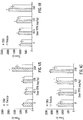
Figure 1 A-C shows the effect of CBD at 100 mg/kg in combination with valproate on PTZ-induced seizures; -
Figure 2 A-C shows the effect of CBD and valproate on latency, duration and severity of PTZ-induced seizures; -
Figure 3 A-C shows the effect of CBD at 100 mg/kg and ethosuximide on PTZ-induced seizures; -
Figure 4 A-C shows the anti-convulsant effects of 100 mg/kg CBD in combination with valproate on the development of pilocarpine-induced seizures; and -
Figure 5 A-C shows the effect of 100 mg/kg CBD in combination with valproate on the development of pilocarpine-induced seizure and mortality incidence. - Legend to
Figure 1 : A: % mortality with (black bars) and without 100 mg/kg CBD (white bars). B: % seizure free with (black bars) and without 100 mg/kg CBD (white bars). C: % of animals that developed the most severe (tonic-clonic) seizures with (black bars) and without 100 mg/kg CBD (white bars). - Legend to
Figure 2 : A: latency to seizure onset; B: duration of seizure activity of those animals that survived; C: median seizure severity. - Legend to
Figure 3 : A: latency to onset of seizures at different doses of ethosuximide without (black) or with (grey unfilled) 100 mg/kg CBD. B: Seizure severity. C: Percentage mortalities, key as in A. - Legend to
Figure 4 : Mean latency to onset (A), development of bilateral seizures (B) and tonic-clonic seizures (C). - Legend to
Figure 5 : A: Proportion (%) of animals in each dose group that exhibited fully developed tonic-clonic seizures. B: Proportion (%) of animals in each dose group that died. C: Proportion (%) of animals in each dose group that were seizure free. - The examples below describe the use of isolated CBD in combination with standard anti-epileptic drugs (SAEDs) in two different models of epilepsy, namely the PTZ-induced seizure model and the pilocarpine-induced seizure model. The SAEDs used in these examples are ethosuximide, valproate and Phenobarbital (Pilocarpine model only). It is important to note that there are many different SAEDs available and the drugs chosen for these experiments provide a general overview of how the phytocannabinoid CBD is able to work in combination with different classes of drugs used in the treatment of epilepsy.
- Male Wistar rats (P24-29; 75-110g) were used to assess the effects of the phytocannabinoid CBD in combination with SAEDs in the PTZ model of generalised seizures. Animals were habituated to the test environment, cages, injection protocol and handling prior to experimentation. Animals were housed in a room at 21°C on a 12 hour light: dark cycle (lights on 0900) in 50% humidity, with free access to food and water.
- The human dose equivalent (HED) can be estimated using the following formula:

Thus, for a human of approx 60Kg a 100mg/Kg dose in rat would equate to a human dose of about 1000mg. Human doses of greater than 300mg/day, through 400mg/day in 100mg intervals (namely through 500, 600, 700, 800, 900, 1000, 1100, 1200, 1300 and 1400mg) to as much as 2000mg/ day are envisaged based on dose escalating studies with CBD (Example 2). - Five 6L Perspex tanks with lids were placed on a single bench with dividers between them. Closed-circuit television (CCTV) cameras were mounted onto the dividers to observe rat behaviour. Sony Topica CCD cameras (Bluecherry, USA) were linked via BNC cables to a low-noise PC via Brooktree digital capture cards (Bluecherry, USA). Zoneminder (http://www.zoneminder.com) software was used to monitor rats, start and end recordings and manage video files. In-house Linux scripts were used to encode video files into a suitable format for further offline analysis using The Observer (Noldus Technologies).
- A range of doses of PTZ (50-100mg/kg body weight) were used to determine the best dose for induction of seizures (data not shown). As a result, a dose of 80mg/kg injected intra-peritoneally (IP; stock solution 50mg/ml in 0.9% saline) were used to screen the CBD / SAEDs combinations.
- On the day of testing, isolated CBD was administered via intra-peritoneal (i.p.) injection at a dose of 100 mg/kg alongside animals that were injected with a matched volume of the cannabinoid vehicle (2:1:17 ethanol:Cremophor: 0.9%w/v NaCl solution), which served as the negative control group. Animals were then observed for 1 hour, after which time they received an IP injection of 80mg/kg PTZ. Negative vehicle controls were performed in parallel with cannabinoid-dosed subjects. After receiving a dose of PTZ, animals were observed and videoed to determine the severity of seizure and latency to several seizure behaviour types (see in vivo analysis, below). Animals were filmed for half an hour after last sign of seizure, and then returned to their cage.
- Animals were observed during experimental procedures, but all analysis was performed offline on recorded video files using The Observer behavioural analysis software (Noldus, Netherlands). A seizure severity scoring system was used to determine the levels of seizure experienced by subjects (Pohl & Mares, 1987). All signs of seizure were detailed for all animals.
Table 1.1 Seizure severity scoring scale, adapted from Pohl & Mares, 1987. Seizure score Behavioural expression Righting reflex 0 No changes to behaviour Preserved 0.5 Abnormal behaviour (sniffing, excessive washing, orientation) Preserved 1 Isolated myoclonic jerks Preserved 2 Atypical clonic seizure Preserved 3 Fully developed bilateral forelimb clonus Preserved 3.5 Forelimb clonus with tonic component and body twist Preserved 4 Tonic-clonic seizure with suppressed tonic phase Lost 5 Fully developed tonic-clonic seizure Lost 6 Death - The latency (in seconds) from injection of PTZ to first myoclonic jerk (FMJ; score of 1), and to the animal attaining "forelimb clonus with tonic component and body twist" (score of 3.5) were recorded. FMJ is an indicator of the onset of seizure activity, whilst >90% of animals developed scores of 3.5, and so is a good marker of the development of more severe seizures. Data are presented as the mean ± S.E.M. within an experimental group.
- This is given as the median value for each experimental group based on the scoring scale below.
- The percentage of animals within an experimental group that died as a result of PTZ-induced seizures. Note that the majority of animals that developed tonic-clonic seizures (scores of 4 and 5) died as a result, and that a score of 6 (death) automatically denotes that the animal also experienced tonic-clonic seizures.
- The time (in seconds) from the first sign of seizure (typically FMJ) to either the last sign of seizure or, in the case of subjects that died, the time of death - separated into animals that survived and those that did not. This is given as the mean ± S.E.M. for each experimental group.
- For measures of latency and severity, one way analysis of variance (ANOVA) was performed on the test groups to detect overall combinational effects of CBD and SAEDs (p≤0.05 considered significant).
- Significant ANOVA results were followed by post hoc tests to test differences between vehicle and drug groups (Tukey's test, p≤0.05 considered significant).
- From
Figure 1 it can be seen that the addition of CBD to the SAED valproate has an effect on reducing the percentage mortality and the incidence of tonic-clonic seizures. It is also shown that the combination of CBD and the higher dose of valproate is more effective at increasing the amount of time that the animal was seizure free. -
Figure 2 demonstrates that the combination of CBD and valproate was able to increase the latency to onset of seizure at all dose ranges, in addition it decreased the overall duration of the seizure. - The data shown in
Figure 3 demonstrates that the combination of CBD with the SAED ethosuximide was also effective at reducing the severity and mortality of the seizures. It also at the higher dose of ethosuximide was able to increase the latency to onset of the seizures. - The data demonstrated in this Example clearly shows that the combination of CBD with a SAED which has a mechanism of action involving sodium or calcium chanels is of value when treating generalised seizures.
- Isolated CBD was injected intra-peritoneally (IP) in the standard vehicle (1:1:18 ethanol:Cremophor:0.9%w/v NaCl) at doses of 50, 100 and 200mg/kg alongside animals that received vehicle alone at a matched volume. 15 minutes later methylscopolamine (1 mg/kg; to reduce peripheral muscarinic effects of pilocarpine) was administered followed, 45 minutes later by pilocarpine (380 mg/kg, IP) administration.
-
Figure 4 demonstrates the anti-convulsant effects of a combination of CBD and valproate in the pilocarpine model of epilepsy. These data show that the combination of the CBD and valproate was able to increase the latency of onset of the seizure. - It can be seen from the data illustrated in
Figure 5 that in addition to increasing the latency of onset of the seizure the combination of CBD and valproate was able to decrease mortality and the percentage of tonic-clonic seizures. - Table 2.1 below describes the data in more detail.


- The table above clearly shows some of the advantages of using a combination of the two compounds.
- Table 2.2 below describes the effect of using the phytocannabinoid CBD in combination with yet a further SAED, phenobarbital, in the pilocarpine model of epilepsy.
Table 2.2 Effects of CBD and phenobarbital on the pilocarpine model of epilepsy CBD (mg/kg) Phenobarbitol (mg/kg) Seizure free (%) Onset latency (s) 0 0 0 750 100 0 0 500 0 10 25 800 100 10 25 750 0 20 55 900 100 20 55 930 0 40 75 1800 100 40 85 900 - In contrast to the valproate combination data, this result demonstrate the selective nature of the combinations which is likely attributed to the different mechanisms of actions of these SAED's.
- The data demonstrated in the above Examples shows that the combination of CBD with standard anti-epileptic drugs acting via sodium or calcium channels may be beneficial in the treatment of different types of epilepsy. This finding is of great significance to the many epilepsy sufferers whose condition is refractory to existing medication.
The following paragraphs are not claims, but represent preferred aspects and embodiments of the invention. - 1. Cannabidiol (CBD), at a dose of greater than 300mg/day, in combination with a standard anti-epileptic drug (SAED) which acts via sodium or calcium channels, for use in the treatment of epilepsy.
- 2. The use of cannabidiol (CBD), at a dose of greater than 300mg/day, in combination with a standard anti-epileptic drug (SAED) which acts via sodium or calcium channels in the manufacture of a medicament for use in the treatment of epilepsy.
- 3. Cannabidiol (CBD) or the use of a CBD according to
paragraph - modifies low-threshold or transient neuronal calcium currents, or
- reduces high-frequency neuronal firing and sodium-dependent action potentials and enhances GABA effects.
- 4. Cannabidiol (CBD) or the use of a CBD according to any of the preceding paragraphs wherein the SAED is selected from the group consisting of: ethosuximide and valproate.
- 5. Cannabidiol (CBD) or the use of a CBD according to any of the preceding paragraphs wherein the type of epilepsy to be treated is generalised seizure or temporal lobe seizure.
- 6. Cannabidiol (CBD) or the use of a CBD according to any of the preceding paragraphs wherein the type of epilepsy to be treated is refractory to existing medication.
- 7. Cannabidiol (CBD) or the use of a CBD according to any of the preceding paragraphs, wherein the CBD is used with one or more other therapeutically effective phytocannabinoids.
- 8. Cannabidiol (CBD) or the use of a CBD according to paragraph 7 wherein the one or more other therapeutically effective phytocannabinoid is THCV and / or CBDV.
- 9. Cannabidiol (CBD) or the use of a CBD according to any of the preceding paragraphs wherein the CBD is an isolated phytocannabinoid.
- 10. Cannabidiol (CBD) or the use of a CBD according to any of the preceding paragraphs wherein the CBD is in the form of a botanical drug substance.
- 11. A method for the treatment of epilepsy, which comprises administering to a subject in need thereof cannabidiol (CBD), at a dose of greater than 300mg/day, in combination with a standard anti-epileptic drug (SAED) which acts via sodium or calcium channels.
- 12. A combination product comprising cannabidiol (CBD), at a dose of greater than 300mg/day, and a standard anti-epileptic drug (SAED) which acts via sodium or calcium channels.
Claims (12)
- Cannabidiol (CBD), at a human dose of greater than 16 mg/kg, for use in the treatment of epilepsy which is refractory to one or more standard anti-epileptic drugs (SAEDs) selected from the group consisting of: ethosuximide, valproate and / or phenobarbital, wherein the CBD is provided in addition to the one or more SAEDs.
- Cannabidiol (CBD) for use in the treatment of epilepsy which is refractory to one or more standard anti-epileptic drugs (SAEDs) as claimed in claim 1, wherein the standard anti-epileptic drug is ethosuximide.
- Cannabidiol (CBD) for use in the treatment of epilepsy which is refractory to one or more standard anti-epileptic drugs (SAEDs) as claimed in claim 1, wherein the standard anti-epileptic drug is valproate.
- Cannabidiol (CBD) for use in the treatment of epilepsy which is refractory to one or more standard anti-epileptic drugs (SAEDs) as claimed in claim 1, wherein the standard anti-epileptic drug is phenobarbital.
- Cannabidiol (CBD) for use in the treatment of epilepsy which is refractory to one or more standard anti-epileptic drugs (SAEDs) as claimed in claims 1 to 3, wherein the type of epilepsy which is refractory to one or more SAEDs is a generalised seizure and the SAED is ethosuximide and / or valproate.
- Cannabidiol (CBD) for use in the treatment of epilepsy which is refractory to one or more standard anti-epileptic drugs (SAEDs) as claimed in claims 1 or 3, wherein the type of epilepsy which is refractory to one or more SAEDs is a temporal lobe seizure and the SAED is valproate.
- Cannabidiol (CBD) for use in the treatment of epilepsy which is refractory to one or more standard anti-epileptic drugs (SAEDs) as claimed in any of the preceding claims wherein the CBD is an isolated phytocannabinoid.
- Cannabidiol (CBD) for use in the treatment of epilepsy which is refractory to one or more standard anti-epileptic drugs (SAEDs) as claimed in any claims 1 to 7, wherein the CBD is in the form of a botanical drug substance.
- A combination product comprising cannabidiol (CBD), at a human dose of greater than 16 mg/kg, in addition to a standard anti-epileptic drug (SAED), wherein the SAED is selected from the group consisting of: ethosuximide, valproate and phenobarbital.
- A combination product as claimed in claim 9, wherein the standard anti-epileptic drug is ethosuximide.
- A combination product as claimed in claim 9, wherein the standard anti-epileptic drug is valproate.
- A combination product as claimed in claim 9, wherein the standard anti-epileptic drug is phenobarbital.
Applications Claiming Priority (3)
| Application Number | Priority Date | Filing Date | Title |
|---|---|---|---|
| GB1100043.7A GB2487712B (en) | 2011-01-04 | 2011-01-04 | Use of the phytocannabinoid cannabidiol (CBD) in combination with a standard anti-epileptic drug (SAED) in the treatment of epilepsy |
| PCT/GB2012/050002 WO2012093255A1 (en) | 2011-01-04 | 2012-01-03 | Use of the phytocannabinoid cannabidiol (cbd) in combination with a standard anti-epileptic drug (saed) in the treatment of epilepsy |
| EP12700294.7A EP2661263B1 (en) | 2011-01-04 | 2012-01-03 | Use of the phytocannabinoid cannabidiol (cbd) in combination with a standard anti-epileptic drug (saed) in the treatment of epilepsy |
Related Parent Applications (2)
| Application Number | Title | Priority Date | Filing Date |
|---|---|---|---|
| EP12700294.7A Division-Into EP2661263B1 (en) | 2011-01-04 | 2012-01-03 | Use of the phytocannabinoid cannabidiol (cbd) in combination with a standard anti-epileptic drug (saed) in the treatment of epilepsy |
| EP12700294.7A Division EP2661263B1 (en) | 2011-01-04 | 2012-01-03 | Use of the phytocannabinoid cannabidiol (cbd) in combination with a standard anti-epileptic drug (saed) in the treatment of epilepsy |
Publications (1)
| Publication Number | Publication Date |
|---|---|
| EP3791868A1 true EP3791868A1 (en) | 2021-03-17 |
Family
ID=43639013
Family Applications (2)
| Application Number | Title | Priority Date | Filing Date |
|---|---|---|---|
| EP20193228.2A Ceased EP3791868A1 (en) | 2011-01-04 | 2012-01-03 | Use of the phytocannabinoid cannabidiol (cbd) in combination with a standard anti-epileptic drug (saed) in the treatment of epilepsy |
| EP12700294.7A Active EP2661263B1 (en) | 2011-01-04 | 2012-01-03 | Use of the phytocannabinoid cannabidiol (cbd) in combination with a standard anti-epileptic drug (saed) in the treatment of epilepsy |
Family Applications After (1)
| Application Number | Title | Priority Date | Filing Date |
|---|---|---|---|
| EP12700294.7A Active EP2661263B1 (en) | 2011-01-04 | 2012-01-03 | Use of the phytocannabinoid cannabidiol (cbd) in combination with a standard anti-epileptic drug (saed) in the treatment of epilepsy |
Country Status (21)
| Country | Link |
|---|---|
| US (2) | US20140155456A9 (en) |
| EP (2) | EP3791868A1 (en) |
| JP (1) | JP6076259B2 (en) |
| KR (1) | KR101853634B1 (en) |
| CN (2) | CN107510846A (en) |
| AR (1) | AR084559A1 (en) |
| AU (1) | AU2012204800C1 (en) |
| BR (1) | BR112013017154A8 (en) |
| CA (1) | CA2822907C (en) |
| CO (1) | CO6731122A2 (en) |
| DK (1) | DK2661263T3 (en) |
| ES (1) | ES2877502T3 (en) |
| GB (1) | GB2487712B (en) |
| IL (1) | IL227298A (en) |
| MX (1) | MX349027B (en) |
| PH (1) | PH12013501389A1 (en) |
| RU (1) | RU2013136378A (en) |
| SG (1) | SG191835A1 (en) |
| TW (1) | TWI532479B (en) |
| WO (1) | WO2012093255A1 (en) |
| ZA (1) | ZA201305508B (en) |
Families Citing this family (70)
| Publication number | Priority date | Publication date | Assignee | Title |
|---|---|---|---|---|
| AU2005305675B2 (en) * | 2004-11-16 | 2012-12-13 | Jazz Pharmaceuticals Operations Uk Limited | New use for cannabinoid |
| GB0425248D0 (en) | 2004-11-16 | 2004-12-15 | Gw Pharma Ltd | New use for cannabinoid |
| GB2471523A (en) | 2009-07-03 | 2011-01-05 | Gw Pharma Ltd | Use of tetrahydrocannibivarin (THCV) and optionally cannabidiol (CBD) in the treatment of epilepsy |
| TWI583374B (en) | 2010-03-30 | 2017-05-21 | Gw伐瑪有限公司 | Use of plant cannabinoid cannabinol (CBDV) for the treatment of epilepsy |
| GB2487712B (en) | 2011-01-04 | 2015-10-28 | Otsuka Pharma Co Ltd | Use of the phytocannabinoid cannabidiol (CBD) in combination with a standard anti-epileptic drug (SAED) in the treatment of epilepsy |
| GB2495118B (en) * | 2011-09-29 | 2016-05-18 | Otsuka Pharma Co Ltd | A pharmaceutical composition comprising the phytocannabinoids cannabidivarin (CBDV) and cannabidiol (CBD) |
| US9549909B2 (en) | 2013-05-03 | 2017-01-24 | The Katholieke Universiteit Leuven | Method for the treatment of dravet syndrome |
| US9820988B2 (en) * | 2014-03-24 | 2017-11-21 | Boehringer Ingelheim Vetmedica Gmbh | Treatment of epileptic disorders in feline animals |
| CA2950424C (en) * | 2014-05-29 | 2023-03-14 | Insys Pharma, Inc. | Stable cannabinoid formulations |
| US12544389B2 (en) | 2014-05-29 | 2026-02-10 | Fresh Cut Development, Llc | Stable cannabinoid formulations |
| US11911361B2 (en) | 2014-05-29 | 2024-02-27 | Radius Pharmaceuticals, Inc. | Stable cannabinoid formulations |
| GB2530001B (en) * | 2014-06-17 | 2019-01-16 | Gw Pharma Ltd | Use of cannabidiol in the reduction of convulsive seizure frequency in treatment-resistant epilepsy |
| GB2527599A (en) * | 2014-06-27 | 2015-12-30 | Gw Pharma Ltd | Use of 7-OH-Cannabidiol (7-OH-CBD) and/or 7-OH-Cannabidivarin (7-OH-CBDV) in the treatment of epilepsy |
| WO2016044370A1 (en) | 2014-09-16 | 2016-03-24 | India Globalization Capital, Inc. | Cannabinoid composition and method for treating pain |
| GB2531282A (en) | 2014-10-14 | 2016-04-20 | Gw Pharma Ltd | Use of cannabinoids in the treatment of epilepsy |
| GB2531281A (en) * | 2014-10-14 | 2016-04-20 | Gw Pharma Ltd | Use of cannabidiol in the treatment of intractable epilepsy |
| GB2531278A (en) * | 2014-10-14 | 2016-04-20 | Gw Pharma Ltd | Use of cannabidiol in the treatment of intractable epilepsy |
| WO2016118391A1 (en) * | 2015-01-25 | 2016-07-28 | India Globalization Capital, Inc. | Composition and method for treating seizure disorders |
| GB2539472A (en) * | 2015-06-17 | 2016-12-21 | Gw Res Ltd | Use of cannabinoids in the treatment of epilepsy |
| GB2541191A (en) | 2015-08-10 | 2017-02-15 | Gw Pharma Ltd | Use of cannabinoids in the treatment of epilepsy |
| US10596159B2 (en) | 2015-08-12 | 2020-03-24 | India Globalization Capital, Inc. | Method and composition for treating cachexia and eating disorders |
| JP2019507111A (en) | 2015-12-22 | 2019-03-14 | ゾゲニクス インターナショナル リミテッド | Metabolically resistant fenfluramine analogues and methods of use thereof |
| EP3800177B1 (en) | 2015-12-22 | 2025-01-29 | Zogenix International Limited | Fenfluramine compositions and methods of preparing the same |
| GB2548873B (en) | 2016-03-31 | 2020-12-02 | Gw Res Ltd | Use of Cannabidiol in the Treatment of SturgeWeber Syndrome |
| WO2017218629A1 (en) * | 2016-06-15 | 2017-12-21 | India Globalization Capital, Inc. | Method and composition for treating seizure disorders |
| AU2017290107A1 (en) | 2016-06-29 | 2019-01-17 | CannScience Innovations Inc. | Decarboxylated cannabis resins, uses thereof and methods of making same |
| GB2551987A (en) | 2016-07-01 | 2018-01-10 | Gw Res Ltd | Oral cannabinoid formulations |
| GB2551986A (en) | 2016-07-01 | 2018-01-10 | Gw Res Ltd | Parenteral formulations |
| RU2021106383A (en) | 2016-08-24 | 2021-04-05 | Зодженикс Интернэшнл Лимитед | COMPOSITION FOR INHIBITING THE FORMATION OF 5-HT2B AGONISTS AND METHODS OF ITS APPLICATION |
| GB2553139A (en) | 2016-08-25 | 2018-02-28 | Gw Res Ltd | Use of cannabinoids in the treatment of multiple myeloma |
| GB2557921A (en) | 2016-12-16 | 2018-07-04 | Gw Res Ltd | Use of cannabinoids in the treatment of angelman syndrome |
| CN108236608B (en) * | 2016-12-27 | 2020-05-08 | 汉义生物科技(北京)有限公司 | Pharmaceutical composition of cannabidiol and vigabatrin and application thereof |
| CN108245510B (en) * | 2016-12-29 | 2020-11-20 | 汉义生物科技(北京)有限公司 | The composition of cannabidiol and levulinic urea antiepileptic drug and its use |
| CN108245499B (en) * | 2016-12-29 | 2020-11-20 | 汉义生物科技(北京)有限公司 | Composition of cannabidiol and double-chain fatty acid anti-epileptic drug and use thereof |
| CN108245517B (en) * | 2016-12-29 | 2020-05-08 | 汉义生物科技(北京)有限公司 | Pharmaceutical composition of cannabidiol and lamotrigine and application thereof |
| GB2559774B (en) | 2017-02-17 | 2021-09-29 | Gw Res Ltd | Oral cannabinoid formulations |
| GB2560019A (en) | 2017-02-27 | 2018-08-29 | Gw Res Ltd | Use of cannabinoids in the treatment of leukaemia |
| GB2564383B (en) | 2017-06-23 | 2021-04-21 | Gw Res Ltd | Use of cannabidiol in the treatment of tumours assoicated with Tuberous Sclerosis Complex |
| US10682317B2 (en) | 2017-09-26 | 2020-06-16 | Zogenix International Limited | Ketogenic diet compatible fenfluramine formulation |
| GB201715919D0 (en) * | 2017-09-29 | 2017-11-15 | Gw Res Ltd | use of cannabinoids in the treatment of epilepsy |
| GB2568929A (en) | 2017-12-01 | 2019-06-05 | Gw Res Ltd | Use of cannabinoids in the treatment of epilepsy |
| GB2569961B (en) | 2018-01-03 | 2021-12-22 | Gw Res Ltd | Pharmaceutical |
| GB2572737A (en) * | 2018-01-24 | 2019-10-16 | Gw Res Ltd | Use of cannabinoids in the treatment of epilepsy |
| GB201806953D0 (en) | 2018-04-27 | 2018-06-13 | Gw Res Ltd | Cannabidiol Preparations |
| WO2019216919A1 (en) | 2018-05-11 | 2019-11-14 | Zogenix International Limited | Compositions and methods for treating seizure-induced sudden death |
| EP3806835A1 (en) | 2018-06-14 | 2021-04-21 | Zogenix International Limited | Compositions and methods for treating respiratory depression with fenfluramine |
| EA202191079A1 (en) | 2018-11-19 | 2021-09-20 | Зодженикс Интернэшнл Лимитед | METHODS FOR TREATMENT OF RETTA SYNDROME WITH FENFLURAMINE |
| GB2580881A (en) | 2018-11-30 | 2020-08-05 | Gw Res Ltd | Use of cannabinoids in the treatment of epilepsy |
| GB2581517A (en) | 2019-02-22 | 2020-08-26 | Gw Res Ltd | Use of cannabinoids in the treatment of epilepsy |
| GB2583526A (en) | 2019-05-03 | 2020-11-04 | Gw Res Ltd | Use of cannabidiol in the treatment of tuberous sclerosis complex |
| CN110101804A (en) * | 2019-05-30 | 2019-08-09 | 厦门梓素生物科技有限公司 | A kind of epilepsy drugs combination of the extract containing cannabidiol and preparation method thereof |
| GB201910389D0 (en) | 2019-07-19 | 2019-09-04 | Gw Pharma Ltd | Novel compounds, methods for their manufacture, and uses thereof |
| GB2588576A (en) | 2019-08-27 | 2021-05-05 | Gw Res Ltd | Use of cannabinoids in the treatment of dyskinesia associated with Parkinson's disease |
| WO2021046183A1 (en) * | 2019-09-05 | 2021-03-11 | Trevena, Inc. | Methods of treating epilepsy using the same |
| EP4706647A3 (en) * | 2019-09-17 | 2026-05-20 | Harmony Biosciences Man Inc | TREATMENT OF SYNGAP1 ENCEPHALOPATHY |
| GB2588460A (en) * | 2019-10-25 | 2021-04-28 | Gw Res Ltd | Use of cannabidiol preparations in the treatment of temporal lobe epilepsy |
| GB202002754D0 (en) | 2020-02-27 | 2020-04-15 | Gw Res Ltd | Methods of treating tuberous sclerosis complex with cannabidiol and everolimus |
| CN113521050B (en) * | 2020-04-20 | 2023-05-09 | 铸鼎(北京)医学技术发展有限公司 | Compositions containing cannabidiol and their use in treating systemic inflammatory response syndrome |
| EP3912485A1 (en) | 2020-05-18 | 2021-11-24 | Del-Vis Sp. z o.o. | Cigarette product and a method for manufacturing the product |
| US11612574B2 (en) | 2020-07-17 | 2023-03-28 | Zogenix International Limited | Method of treating patients infected with severe acute respiratory syndrome coronavirus 2 (SARS-CoV-2) |
| GB2597296A (en) | 2020-07-20 | 2022-01-26 | Gw Res Ltd | Use of cannabidiol in the treatment of seizures associated with rare epilepsy syndromes related to brain injury |
| GB202013765D0 (en) | 2020-09-02 | 2020-10-14 | Gw Res Ltd | Method of preparing cannabinoids |
| US11160757B1 (en) | 2020-10-12 | 2021-11-02 | GW Research Limited | pH dependent release coated microparticle cannabinoid formulations |
| GB2602019A (en) | 2020-12-15 | 2022-06-22 | Gw Res Ltd | Cannabinoid derivative as a pharmaceutically active compound and method of preparation thereof |
| GB2606334A (en) * | 2021-02-12 | 2022-11-09 | Gw Res Ltd | Use of cannabidivarin in the treatment of seizures associated with canine epilepsy |
| GB2604132A (en) | 2021-02-25 | 2022-08-31 | Gw Res Ltd | Use of cannabidiol and clobazam in the treatment of childhood-onset epilepsy syndromes |
| CN113855658A (en) * | 2021-04-08 | 2021-12-31 | 沙欣·法赞 | Pharmaceutical compositions for nasal administration for the treatment of epilepsy and related disorders |
| EP4568702A1 (en) | 2022-08-12 | 2025-06-18 | Jazz Pharmaceuticals Research UK Limited | Oral solid dosage forms comprising cannabinoids |
| KR20240171393A (en) | 2023-05-30 | 2024-12-09 | 교촌 에프 앤 비(주) | A composition for improving, preventing and treating of hair loss, promoting hair growth comprising Cannabidiol |
| CN118845727A (en) * | 2024-07-11 | 2024-10-29 | 上海柯西医药科技发展有限公司 | Use of cannabidiol in the treatment of epilepsy |
Citations (3)
| Publication number | Priority date | Publication date | Assignee | Title |
|---|---|---|---|---|
| WO2002064109A2 (en) | 2001-02-14 | 2002-08-22 | Gw Pharma Limited | Mucoadhesive pharmaceutical formulations |
| WO2006054057A2 (en) | 2004-11-16 | 2006-05-26 | Gw Pharma Limited | New use for cannabinoid |
| WO2009007697A1 (en) | 2007-07-06 | 2009-01-15 | Gw Pharma Limited | New pharmaceutical formulation comprising cannabidiol and tetrahydrocannabidivarin |
Family Cites Families (182)
| Publication number | Priority date | Publication date | Assignee | Title |
|---|---|---|---|---|
| DE1140635B (en) | 1959-10-24 | 1962-12-06 | Ellenberger & Poensgen | Multipole motor protection switch |
| SE9802331L (en) * | 1998-06-29 | 1999-12-30 | Ericsson Telefon Ab L M | Method and arrangement regarding service on an intelligent network |
| US6566560B2 (en) | 1999-03-22 | 2003-05-20 | Immugen Pharmaceuticals, Inc. | Resorcinolic compounds |
| US6403126B1 (en) | 1999-05-26 | 2002-06-11 | Websar Innovations Inc. | Cannabinoid extraction method |
| US6949582B1 (en) | 1999-05-27 | 2005-09-27 | Wallace Walter H | Method of relieving analgesia and reducing inflamation using a cannabinoid delivery topical liniment |
| US20040039048A1 (en) | 2000-02-11 | 2004-02-26 | Manuel Guzman Pastor | Therapy with cannabinoid compounds for the treatment of brain tumors |
| ES1045342Y (en) | 2000-02-11 | 2001-02-16 | Alvarez Manuel Couto | ROTATING EXHIBITOR FOR POSTCARDS, PHOTOS AND SIMILAR. |
| ES2164584A1 (en) | 2000-02-11 | 2002-02-16 | Univ Madrid Complutense | Therapy with cannabinoids in the treatment of cerebral tumor |
| US6448288B1 (en) | 2000-05-17 | 2002-09-10 | University Of Massachusetts | Cannabinoid drugs |
| IL136839A (en) | 2000-06-16 | 2006-12-10 | Yissum Res Dev Co | Pharmaceutical compositions comprising cannabidiol derivatives, and processes for the preparation of same |
| CA2422320A1 (en) | 2000-09-14 | 2002-03-21 | The Regents Of The University Of California | Id-1 and id-2 genes and products as diagnostic and prognostic markers and therapeutic targets for treatment of breast cancer and other types of carcinoma |
| DE10051427C1 (en) * | 2000-10-17 | 2002-06-13 | Adam Mueller | Process for the production of an extract containing tetrahydrocannabinol and cannabidiol from cannabis plant material and cannabis extracts |
| US6730330B2 (en) | 2001-02-14 | 2004-05-04 | Gw Pharma Limited | Pharmaceutical formulations |
| US7025992B2 (en) * | 2001-02-14 | 2006-04-11 | Gw Pharma Limited | Pharmaceutical formulations |
| GB2380129B (en) | 2001-02-14 | 2004-08-11 | Gw Pharma Ltd | Pharmaceutical formulations |
| CH695661A5 (en) | 2001-03-06 | 2006-07-31 | Forsch Hiscia Ver Fuer Krebsfo | Pharmaceutical composition. |
| GB2381450B (en) * | 2001-10-31 | 2006-05-31 | Gw Pharma Ltd | Compositions for administration of natural or synthetic cannabinoids by vaporisation |
| EP1482917B1 (en) | 2002-02-01 | 2019-05-08 | GW Pharma Limited | Compositions comprising cannabidiolic acid for treatment of nausea, vomiting, emesis, motion sickness or like conditions |
| GB0202385D0 (en) | 2002-02-01 | 2002-03-20 | Gw Pharma Ltd | Compositions for the treatment of nausea,vomiting,emesis,motion sicknes or like conditions |
| US20080057117A1 (en) | 2002-02-15 | 2008-03-06 | Forschungs Institut Miscia Verenfur Krebsforschung | Pharmaceutical composition made up of cannibus extracts |
| IL148244A0 (en) | 2002-02-19 | 2002-09-12 | Yissum Res Dev Co | Anti-nausea and anti-vomiting activity of cannabidiol compounds |
| WO2003091189A1 (en) | 2002-04-25 | 2003-11-06 | Virginia Commonwealth University | Cannabinoids |
| ITPD20020138A1 (en) | 2002-05-24 | 2003-11-24 | Matteo Bevilacqua | COMPOSITION OF TERPENIC-BASED SUBSTANCES, METHOD OF PREPARATION AND METHOD OF DISPERSION IN THE ENVIRONMENT OF THE SAME. |
| DE10226494A1 (en) | 2002-06-14 | 2004-01-08 | Lts Lohmann Therapie-Systeme Ag | Film-shaped mucoadhesive dosage forms for administration of cannabis active ingredients |
| ES2392510T3 (en) | 2002-08-14 | 2012-12-11 | Gw Pharma Limited | Extraction of pharmaceutically active cannabinoids from plant materials |
| US6946150B2 (en) | 2002-08-14 | 2005-09-20 | Gw Pharma Limited | Pharmaceutical formulation |
| US10538373B2 (en) | 2002-08-14 | 2020-01-21 | Gw Pharma Limited | Pharmaceutical formulation |
| PT1542657E (en) | 2002-08-14 | 2012-02-29 | Gw Pharma Ltd | Cannabinoid liquid formulations for mucosal amdinistration |
| GB2391865B (en) | 2002-08-14 | 2005-06-01 | Gw Pharma Ltd | Improvements in the extraction of pharmaceutically active components from plant materials |
| GB0222077D0 (en) | 2002-09-23 | 2002-10-30 | Gw Pharma Ltd | Methods of preparing cannabinoids from plant material |
| GB2394894B (en) | 2002-11-04 | 2005-08-31 | G W Pharma Ltd | New use for pharmaceutical composition |
| US20040110828A1 (en) | 2002-11-27 | 2004-06-10 | Chowdhury Dipak K. | Tetrahydrocannabinol compositions and methods of manufacture and use thereof |
| GB2414933B (en) | 2004-06-08 | 2009-07-15 | Gw Pharma Ltd | Cannabinoid compositions for the treatment of disease and/or symptoms in arthritis |
| GB2418612A (en) | 2004-10-01 | 2006-04-05 | Gw Pharma Ltd | Inhibition of tumour cell migration with cannabinoids |
| GB0425248D0 (en) | 2004-11-16 | 2004-12-15 | Gw Pharma Ltd | New use for cannabinoid |
| MX2007012157A (en) | 2005-04-01 | 2008-03-14 | Intezyne Technologies Llc | Polymeric micelles for drug delivery. |
| US7968594B2 (en) | 2005-04-27 | 2011-06-28 | Gw Pharma Limited | Pharmaceutical compositions for the treatment of pain |
| EP1881757A4 (en) | 2005-05-13 | 2008-09-10 | Unimed Pharmaceuticals Inc | Dronabinol treatment of delayed chemotherapy-induced nausea and vomiting |
| TWI366460B (en) | 2005-06-16 | 2012-06-21 | Euro Celtique Sa | Cannabinoid active pharmaceutical ingredient for improved dosage forms |
| US20070060638A1 (en) | 2005-08-26 | 2007-03-15 | Olmstead Mary C | Methods and therapies for potentiating therapeutic activities of a cannabinoid receptor agonist via administration of a cannabinoid receptor antagonist |
| GB2432312A (en) | 2005-11-01 | 2007-05-23 | Gw Pharma Ltd | Pharmaceutical compositions for the treatment of pain |
| GB2434312B (en) | 2006-01-18 | 2011-06-29 | Gw Pharma Ltd | Cannabinoid-containing plant extracts as neuroprotective agents |
| US8729133B2 (en) | 2006-02-28 | 2014-05-20 | Cornell University | Method for treating cancer |
| WO2007142957A2 (en) | 2006-05-30 | 2007-12-13 | Air Systems | Gear drive damper |
| GB2438682A (en) | 2006-06-01 | 2007-12-05 | Gw Pharma Ltd | New use for cannabinoids |
| GB2439393B (en) | 2006-06-23 | 2011-05-11 | Gw Pharma Ltd | Cannabinoids for use in the treatment of neuropathic pain |
| EP2046290A4 (en) | 2006-08-04 | 2011-08-17 | Insys Therapeutics Inc | AQUEOUS FORMULATIONS OF DRONABINOL |
| WO2008021394A2 (en) | 2006-08-15 | 2008-02-21 | Theraquest Biosciences, Llc | Pharmaceutical formulations of cannabinoids and method of use |
| US20080188461A1 (en) | 2007-02-01 | 2008-08-07 | Regents Of The University Of Michigan | Compositions and methods for detecting, preventing and treating seizures and seizure related disorders |
| CN101040855A (en) | 2007-04-12 | 2007-09-26 | 杨喜鸿 | Compound including rimonabant and poloxamer, solid dispersion and the preparation and the application of the medicine |
| GB2448535A (en) | 2007-04-19 | 2008-10-22 | Gw Pharma Ltd | New use for cannabinoid-containing plant extracts |
| US9084771B2 (en) | 2007-05-17 | 2015-07-21 | Sutter West Bay Hospitals | Methods and compositions for treating cancer |
| GB2449691A (en) | 2007-05-31 | 2008-12-03 | Gw Pharma Ltd | A reference plant lacking medicinal active compound expression |
| EP2023121A1 (en) | 2007-07-06 | 2009-02-11 | Bp Oil International Limited | Optical cell |
| ES2534900T3 (en) | 2007-07-30 | 2015-04-30 | Zynerba Pharmaceuticals, Inc. | Cannabidiol prodrugs, compositions comprising cannabidiol prodrugs and methods of use thereof |
| WO2009020666A1 (en) | 2007-08-06 | 2009-02-12 | Insys Therapeutics Inc. | Oral cannabinoid liquid formulations and methods of treatment |
| GB2456183A (en) | 2008-01-04 | 2009-07-08 | Gw Pharma Ltd | Anti-psychotic composition comprising cannabinoids and anti-psychotic medicament |
| GB2459637B (en) | 2008-01-21 | 2012-06-06 | Gw Pharma Ltd | New use for cannabinoids |
| SI2280687T1 (en) | 2008-03-26 | 2019-09-30 | Stichting Sanammad | Chewing gum compositions containing cannabinoids |
| GB2478074B (en) | 2008-06-04 | 2012-12-26 | Gw Pharma Ltd | Anti-tumoural effects of cannabinoid combinations |
| GB2460672B (en) | 2008-06-04 | 2012-01-04 | Gw Pharma Ltd | Cannabinoids in combination with non-cannabinoid chemotherapeutic agents that are alkylating agents |
| GB2478072B (en) | 2008-06-04 | 2012-12-26 | Gw Pharma Ltd | Anti-tumoural effects of cannabinoid combinations |
| GB2471987B (en) | 2008-06-04 | 2012-02-22 | Gw Pharma Ltd | Anti-tumoural effects of cannabinoid combinations |
| WO2010012506A1 (en) | 2008-07-31 | 2010-02-04 | Bionorica Research Gmbh | Cannabinoids for use in treating or preventing cognitive impairment and dementia |
| EP2424568A1 (en) | 2009-04-29 | 2012-03-07 | University Of Kentucky Research Foundation | Cannabinoid-containing compositions and methods for their use |
| CN102481264B (en) | 2009-06-29 | 2015-04-22 | 本德尔分析控股有限公司 | Drug delivery system comprising polyoxazoline and a bioactive agent |
| GB2471523A (en) | 2009-07-03 | 2011-01-05 | Gw Pharma Ltd | Use of tetrahydrocannibivarin (THCV) and optionally cannabidiol (CBD) in the treatment of epilepsy |
| US8735374B2 (en) | 2009-07-31 | 2014-05-27 | Intelgenx Corp. | Oral mucoadhesive dosage form |
| GB2478595B (en) | 2010-03-12 | 2018-04-04 | Gw Pharma Ltd | Phytocannabinoids in the treatment of glioma |
| GB2487183B (en) | 2011-01-04 | 2018-10-03 | Otsuka Pharma Co Ltd | Use of the phytocannabinoid cannabidivarin (CBDV) in the treatment of epilepsy |
| TWI583374B (en) | 2010-03-30 | 2017-05-21 | Gw伐瑪有限公司 | Use of plant cannabinoid cannabinol (CBDV) for the treatment of epilepsy |
| GB2479153B (en) | 2010-03-30 | 2014-03-19 | Gw Pharma Ltd | The phytocannabinoid cannabidivarin (CBDV) for use in the treatment of epilepsy |
| HRP20180904T1 (en) | 2010-08-04 | 2018-08-24 | Grünenthal GmbH | PHARMACEUTICAL FORM DOSAGE CONTAINING 6'-FLUORO- (N-METHYL-OR N, N-DIMETHYL) - 4-PHENYL-4 ', 9'-DIHYDRO-3'H-SPIRO [CYCLOHEXANE-1,1'-PIRANO [3,4, B] INDOL] -4-AMINE FOR THE TREATMENT OF NEUROPATHIC PAIN |
| WO2012033478A1 (en) | 2010-09-07 | 2012-03-15 | Murty Pharmaceuticals, Inc. | An improved oral dosage form of tetrahydrocannabinol and a method of avoiding and/or suppressing hepatic first pass metabolism via targeted chylomicron/lipoprotein delivery |
| US8895536B2 (en) | 2010-10-29 | 2014-11-25 | Infirst Healthcare Ltd. | Compositions and methods for treating chronic inflammation and inflammatory diseases |
| GB2487712B (en) | 2011-01-04 | 2015-10-28 | Otsuka Pharma Co Ltd | Use of the phytocannabinoid cannabidiol (CBD) in combination with a standard anti-epileptic drug (SAED) in the treatment of epilepsy |
| KR20120080675A (en) | 2011-01-08 | 2012-07-18 | 주식회사한국전통의학연구소 | Composition for treatment of leukemia and functional food comprising extract of cannabis semen |
| CA2737447A1 (en) | 2011-04-27 | 2012-10-27 | Antony Paul Hornby | Hayley's comet |
| GB201111261D0 (en) | 2011-07-01 | 2011-08-17 | Gw Pharma Ltd | Cannabinoids for use in the treatment of neuro-degenerative diseases or disorders |
| CA2847235C (en) | 2011-08-26 | 2020-07-07 | Bial - Portela & Ca, S.A. | Treatments involving eslicarbazepine acetate or eslicarbazepine |
| GB2495118B (en) | 2011-09-29 | 2016-05-18 | Otsuka Pharma Co Ltd | A pharmaceutical composition comprising the phytocannabinoids cannabidivarin (CBDV) and cannabidiol (CBD) |
| GB2496687A (en) | 2011-11-21 | 2013-05-22 | Gw Pharma Ltd | Tetrahydrocannabivarin (THCV) in the protection of pancreatic islet cells |
| US9254272B2 (en) | 2011-11-30 | 2016-02-09 | Sutter West Bay Hospitals | Resorcinol derivatives |
| GB2504263B (en) | 2012-06-08 | 2015-09-16 | Gw Pharma Ltd | Synergistic therapies for neuroprotection |
| DE102012105063C5 (en) | 2012-06-12 | 2023-09-14 | Thc Pharm Gmbh The Health Concept | Stabilization of cannabinoids and their pharmaceutical preparations |
| US9345771B2 (en) | 2012-10-04 | 2016-05-24 | Insys Development Company, Inc. | Oral cannabinoid formulations |
| CN103110582A (en) | 2013-03-04 | 2013-05-22 | 上海医药工业研究院 | Cannabis phenolic compound microemulsion and preparation method thereof |
| WO2014145490A2 (en) | 2013-03-15 | 2014-09-18 | Biotech Institute, Llc | Breeding, production, processing and use of specialty cannabis |
| PT2976074T (en) | 2013-03-19 | 2020-03-11 | Univ Pompeu Fabra | ANTAGONISTS OF THE CB1 CANABINOID RECEPTOR FOR USE IN THE TREATMENT OF DISEASES ASSOCIATED WITH NEURONAL DENDRITIC ANOMALIES |
| US9549909B2 (en) | 2013-05-03 | 2017-01-24 | The Katholieke Universiteit Leuven | Method for the treatment of dravet syndrome |
| GB2516814B (en) | 2013-06-19 | 2016-08-31 | Otsuka Pharma Co Ltd | Use of phytocannabinoids for increasing radiosensitivity in the treatment of cancer |
| GB2515312A (en) | 2013-06-19 | 2014-12-24 | Gw Pharma Ltd | The use of phytocannabinoids in the treatment of ovarian carcinoma |
| US20150181924A1 (en) | 2013-10-31 | 2015-07-02 | Michael R. Llamas | Cannabidiol liquid composition for smoking |
| US9259449B2 (en) | 2014-01-07 | 2016-02-16 | Joshua Michael Raderman | Method for modifying THC content in a lipid-based extract of cannabis |
| US10052339B2 (en) | 2014-03-21 | 2018-08-21 | Bodybio Inc. | Methods and compositions for treating symptoms of diseases related to imbalance of essential fatty acids |
| CA2950424C (en) | 2014-05-29 | 2023-03-14 | Insys Pharma, Inc. | Stable cannabinoid formulations |
| GB2530001B (en) | 2014-06-17 | 2019-01-16 | Gw Pharma Ltd | Use of cannabidiol in the reduction of convulsive seizure frequency in treatment-resistant epilepsy |
| GB2527591A (en) | 2014-06-27 | 2015-12-30 | Gw Pharma Ltd | 7-hydroxy cannabidiol (7-OH-CBD) for use in the treatment of non-alcoholic fatty liver disease (NAFLD) |
| GB2527599A (en) | 2014-06-27 | 2015-12-30 | Gw Pharma Ltd | Use of 7-OH-Cannabidiol (7-OH-CBD) and/or 7-OH-Cannabidivarin (7-OH-CBDV) in the treatment of epilepsy |
| GB2527590A (en) | 2014-06-27 | 2015-12-30 | Otsuka Pharma Co Ltd | Active pharmaceutical ingredient (API) comprising cannabinoids for use in the treatment of cancer |
| WO2016022936A1 (en) | 2014-08-07 | 2016-02-11 | Murty Pharmaceuticals, Inc. | An improved oral gastrointestinal dosage form delivery system of cannabinoids and/or standardized marijuana extracts |
| CA2859934A1 (en) | 2014-09-22 | 2016-03-22 | A. Paul Hornby | Hayley's comet ii |
| GB2531282A (en) | 2014-10-14 | 2016-04-20 | Gw Pharma Ltd | Use of cannabinoids in the treatment of epilepsy |
| GB2531283A (en) | 2014-10-14 | 2016-04-20 | Gw Pharma Ltd | Use of cannabidiols in the treatment of degenerative skeletal muscle diseases |
| GB2531280A (en) | 2014-10-14 | 2016-04-20 | Gw Pharma Ltd | Use of cannabidiol in the treatment of intractable epilepsy |
| GB2531278A (en) | 2014-10-14 | 2016-04-20 | Gw Pharma Ltd | Use of cannabidiol in the treatment of intractable epilepsy |
| GB2531281A (en) | 2014-10-14 | 2016-04-20 | Gw Pharma Ltd | Use of cannabidiol in the treatment of intractable epilepsy |
| CA3135893C (en) | 2014-10-21 | 2023-11-14 | United Cannabis Corp. | Cannabis extracts and methods of preparing and using same |
| WO2016084075A1 (en) | 2014-11-26 | 2016-06-02 | One World Cannabis Ltd | Synergistic use of cannabis for treating multiple myeloma |
| US20180353461A1 (en) | 2014-12-04 | 2018-12-13 | Servicio Andaluz De Salud | Use of cannabinoids as ceramide-generating anticancer agents in tumors of the hematopoietic and lymphoid tissues |
| US10172786B2 (en) | 2014-12-16 | 2019-01-08 | Axim Biotechnologies, Inc. | Oral care composition comprising cannabinoids |
| WO2016118391A1 (en) | 2015-01-25 | 2016-07-28 | India Globalization Capital, Inc. | Composition and method for treating seizure disorders |
| HK1244715A1 (en) | 2015-03-02 | 2018-08-17 | 阿福金制药有限责任公司 | Topical regional neuro-affective therapy with cannabinoids |
| AU2016231788A1 (en) | 2015-03-19 | 2017-10-12 | One World Cannabis Ltd | Preparations of cannabis emulsions and methods thereof |
| US20180185324A1 (en) | 2015-06-11 | 2018-07-05 | One World Cannabis Ltd | Novel cannabinoid combination therapies for multiple myeloma (mm) |
| GB2539472A (en) | 2015-06-17 | 2016-12-21 | Gw Res Ltd | Use of cannabinoids in the treatment of epilepsy |
| GB2541191A (en) | 2015-08-10 | 2017-02-15 | Gw Pharma Ltd | Use of cannabinoids in the treatment of epilepsy |
| GB2542155B (en) | 2015-09-09 | 2018-08-01 | Gw Pharma Ltd | Use of cannabidiol in the treatment of mental disorders |
| GB2542797A (en) | 2015-09-29 | 2017-04-05 | Gw Pharma Ltd | Use of cannabinoids in the treatment of inflammatory skin diseases |
| GB2548873B (en) | 2016-03-31 | 2020-12-02 | Gw Res Ltd | Use of Cannabidiol in the Treatment of SturgeWeber Syndrome |
| GB2551987A (en) | 2016-07-01 | 2018-01-10 | Gw Res Ltd | Oral cannabinoid formulations |
| GB2551986A (en) | 2016-07-01 | 2018-01-10 | Gw Res Ltd | Parenteral formulations |
| GB2551985B (en) | 2016-07-01 | 2019-01-30 | Gw Res Ltd | Novel formulation |
| GB2553139A (en) | 2016-08-25 | 2018-02-28 | Gw Res Ltd | Use of cannabinoids in the treatment of multiple myeloma |
| GB2557921A (en) | 2016-12-16 | 2018-07-04 | Gw Res Ltd | Use of cannabinoids in the treatment of angelman syndrome |
| GB2559774B (en) | 2017-02-17 | 2021-09-29 | Gw Res Ltd | Oral cannabinoid formulations |
| GB2560019A (en) | 2017-02-27 | 2018-08-29 | Gw Res Ltd | Use of cannabinoids in the treatment of leukaemia |
| GB2564383B (en) | 2017-06-23 | 2021-04-21 | Gw Res Ltd | Use of cannabidiol in the treatment of tumours assoicated with Tuberous Sclerosis Complex |
| GB201715919D0 (en) | 2017-09-29 | 2017-11-15 | Gw Res Ltd | use of cannabinoids in the treatment of epilepsy |
| GB2568471B (en) | 2017-11-15 | 2022-04-13 | Gw Res Ltd | Use of cannabinoids in the treatment of epilepsy |
| GB2568929A (en) | 2017-12-01 | 2019-06-05 | Gw Res Ltd | Use of cannabinoids in the treatment of epilepsy |
| GB2572125B (en) | 2018-01-03 | 2021-01-13 | Gw Res Ltd | Pharmaceutical |
| GB2569961B (en) | 2018-01-03 | 2021-12-22 | Gw Res Ltd | Pharmaceutical |
| GB2572126B (en) | 2018-01-03 | 2021-01-13 | Gw Res Ltd | Pharmaceutical |
| GB2572737A (en) | 2018-01-24 | 2019-10-16 | Gw Res Ltd | Use of cannabinoids in the treatment of epilepsy |
| GB201806953D0 (en) | 2018-04-27 | 2018-06-13 | Gw Res Ltd | Cannabidiol Preparations |
| GB2579179A (en) | 2018-11-21 | 2020-06-17 | Gw Res Ltd | Cannabidiol-type cannabinoid compound |
| GB2580881A (en) | 2018-11-30 | 2020-08-05 | Gw Res Ltd | Use of cannabinoids in the treatment of epilepsy |
| GB2580653A (en) | 2019-01-21 | 2020-07-29 | Gw Res Ltd | Use of cannabinoids in the treatment of comorbidities associated with epilepsy |
| GB2581517A (en) | 2019-02-22 | 2020-08-26 | Gw Res Ltd | Use of cannabinoids in the treatment of epilepsy |
| GB2581987B (en) | 2019-03-06 | 2021-11-17 | Gw Res Ltd | Use of cannabidiol in combination with antibiotics |
| GB2584140A (en) | 2019-05-23 | 2020-11-25 | Gw Res Ltd | Use of cannabidiol in the treatment of epileptic spasms |
| GB2584341B (en) | 2019-05-31 | 2023-03-01 | Gw Res Ltd | Cannabinoid formulations |
| GB201910389D0 (en) | 2019-07-19 | 2019-09-04 | Gw Pharma Ltd | Novel compounds, methods for their manufacture, and uses thereof |
| GB2586026A (en) | 2019-07-29 | 2021-02-03 | Gw Res Ltd | Use of cannabidol in the treatment of Dravet syndrome |
| GB2588576A (en) | 2019-08-27 | 2021-05-05 | Gw Res Ltd | Use of cannabinoids in the treatment of dyskinesia associated with Parkinson's disease |
| GB2588460A (en) | 2019-10-25 | 2021-04-28 | Gw Res Ltd | Use of cannabidiol preparations in the treatment of temporal lobe epilepsy |
| GB2588461A (en) | 2019-10-25 | 2021-04-28 | Gw Res Ltd | Use of cannabidiol preparations in the treatment of absence epilepsy |
| GB2588457B (en) | 2019-10-25 | 2022-12-21 | Gw Res Ltd | Cannabinoid compound |
| GB201916846D0 (en) | 2019-11-19 | 2020-01-01 | Gw Res Ltd | Cannabidiol-type cannabinoid compound |
| GB201916849D0 (en) | 2019-11-19 | 2020-01-01 | Gw Res Ltd | Cannabidiol-type cannabinoid compound |
| GB201916977D0 (en) | 2019-11-21 | 2020-01-08 | Gw Res Ltd | Cannibidol-type cannabinoid compound |
| GB201916974D0 (en) | 2019-11-21 | 2020-01-08 | Gw Res Ltd | Cannabidol-type cannabinoid compound |
| GB201918846D0 (en) | 2019-12-19 | 2020-02-05 | Gw Res Ltd | Oral cannabinoid formulations |
| GB202002754D0 (en) | 2020-02-27 | 2020-04-15 | Gw Res Ltd | Methods of treating tuberous sclerosis complex with cannabidiol and everolimus |
| GB2597285A (en) | 2020-07-20 | 2022-01-26 | Gw Res Ltd | Use of cannabidiol in the treatment of seizures associated with rare epilepsy syndromes related to genetic abnormalities |
| GB2597308A (en) | 2020-07-20 | 2022-01-26 | Gw Res Ltd | Use of cannabidiol in the treatment of seizures associated with rare epilepsy syndromes related to structural abnormalities of the brain |
| GB2597312A (en) | 2020-07-20 | 2022-01-26 | Gw Res Ltd | Use of cannabidiol in the treatment of seizures associated with rare epilepsy syndromes related to genetic abnormalities |
| GB2597313A (en) | 2020-07-20 | 2022-01-26 | Gw Res Ltd | Use of cannabidiol in the treatment of seizures associated with rare epilepsy syndromes related to genetic abnormalities |
| GB2597281A (en) | 2020-07-20 | 2022-01-26 | Gw Res Ltd | Use of cannabidiol in the treatment of seizures associated with rare epilepsy syndromes related to brain injury |
| GB2597306A (en) | 2020-07-20 | 2022-01-26 | Gw Res Ltd | Use of cannabidiol in the treatment of seizures associated with rare epilepsy syndromes related to genetic abnormalities |
| GB2600077A (en) | 2020-07-20 | 2022-04-27 | Gw Res Ltd | Use of cannabidiol in the treatment of seizures associated with rare epilepsy syndromes related to genetic abnormalities |
| GB2597316A (en) | 2020-07-20 | 2022-01-26 | Gw Res Ltd | Use of cannabidiol in the treatment of seizures associated with rare epilepsy syndromes related to genetic abnormalities |
| GB2597318A (en) | 2020-07-20 | 2022-01-26 | Gw Res Ltd | Use of cannabidiol in the treatment of seizures associated with rare epilepsy syndromes related to genetic abnormalities |
| GB2597311A (en) | 2020-07-20 | 2022-01-26 | Gw Res Ltd | Use of cannabidiol in the treatment of seizures associated with rare epilepsy syndromes related to genetic abnormalities |
| GB2597322A (en) | 2020-07-20 | 2022-01-26 | Gw Res Ltd | Use of cannabidiol in the treatment of seizures associated with rare epilepsy syndromes related to genetic abnormalities |
| GB2597301A (en) | 2020-07-20 | 2022-01-26 | Gw Res Ltd | Use of cannabidiol in the treatment of seizures associated with herpes simplex virus |
| GB2597317A (en) | 2020-07-20 | 2022-01-26 | Gw Res Ltd | Use of cannabidiol in the treatment of seizures associated with rare epilepsy syndromes related to genetic abnormalities |
| GB2597315A (en) | 2020-07-20 | 2022-01-26 | Gw Res Ltd | Use of cannabidiol in the treatment of seizures associated with rare epilepsy syndromes related to genetic abnormalities |
| GB2597323A (en) | 2020-07-20 | 2022-01-26 | Gw Res Ltd | Use of cannabidiol in the treatment of seizures associated with rare epilepsy syndromes related to genetic abnormalities |
| GB2597279A (en) | 2020-07-20 | 2022-01-26 | Gw Res Ltd | Use of cannabidiol in the treatment of seizures associated with rare epilepsy syndromes related to structural abnormalities of the brain |
| GB2597321A (en) | 2020-07-20 | 2022-01-26 | Gw Res Ltd | Use of cannabidiol in the treatment of seizures associated with rare epilepsy syndromes related to genetic abnormalities |
| GB2597309A (en) | 2020-07-20 | 2022-01-26 | Gw Res Ltd | Use of cannabidiol in the treatment of seizures associated with rare epilepsy syndromes related to genetic abnormalities |
| GB202014250D0 (en) | 2020-09-10 | 2020-10-28 | Gw Res Ltd | Use of cannabidivarin in the treatment of seizures associated with rare epilepsy syndromes related to genetic abnormalities |
| GB2598922A (en) | 2020-09-18 | 2022-03-23 | Gw Res Ltd | Use of cannabinoids in the treatment of epilepsy |
| US20220087951A1 (en) | 2020-09-18 | 2022-03-24 | GW Research Limited | Use of cannabinoids in the treatment of epilepsy |
| US11160757B1 (en) | 2020-10-12 | 2021-11-02 | GW Research Limited | pH dependent release coated microparticle cannabinoid formulations |
| GB2601755A (en) | 2020-12-08 | 2022-06-15 | Gw Res Ltd | Use of cannabidiol in the treatment of seizures associated with epilepsy syndromes |
| TW202237554A (en) | 2020-12-15 | 2022-10-01 | 英商吉偉研究有限公司 | Novel compounds, methods for their manufacture, and uses thereof |
| GB2602019A (en) | 2020-12-15 | 2022-06-22 | Gw Res Ltd | Cannabinoid derivative as a pharmaceutically active compound and method of preparation thereof |
| GB2606334A (en) | 2021-02-12 | 2022-11-09 | Gw Res Ltd | Use of cannabidivarin in the treatment of seizures associated with canine epilepsy |
| US11815187B2 (en) | 2022-01-26 | 2023-11-14 | Maag Germany Gmbh | 3-port valve |
-
2011
- 2011-01-04 GB GB1100043.7A patent/GB2487712B/en active Active
- 2011-12-08 TW TW100145265A patent/TWI532479B/en not_active IP Right Cessation
- 2011-12-22 AR ARP110104907A patent/AR084559A1/en unknown
-
2012
- 2012-01-03 CN CN201710873483.XA patent/CN107510846A/en active Pending
- 2012-01-03 SG SG2013051487A patent/SG191835A1/en unknown
- 2012-01-03 JP JP2013546766A patent/JP6076259B2/en active Active
- 2012-01-03 EP EP20193228.2A patent/EP3791868A1/en not_active Ceased
- 2012-01-03 CA CA2822907A patent/CA2822907C/en active Active
- 2012-01-03 EP EP12700294.7A patent/EP2661263B1/en active Active
- 2012-01-03 US US13/977,766 patent/US20140155456A9/en not_active Abandoned
- 2012-01-03 RU RU2013136378/15A patent/RU2013136378A/en not_active Application Discontinuation
- 2012-01-03 AU AU2012204800A patent/AU2012204800C1/en active Active
- 2012-01-03 KR KR1020137020543A patent/KR101853634B1/en active Active
- 2012-01-03 ES ES12700294T patent/ES2877502T3/en active Active
- 2012-01-03 BR BR112013017154A patent/BR112013017154A8/en not_active Application Discontinuation
- 2012-01-03 PH PH1/2013/501389A patent/PH12013501389A1/en unknown
- 2012-01-03 WO PCT/GB2012/050002 patent/WO2012093255A1/en not_active Ceased
- 2012-01-03 CN CN2012800045726A patent/CN103391775A/en active Pending
- 2012-01-03 DK DK12700294.7T patent/DK2661263T3/en active
- 2012-01-03 MX MX2013007609A patent/MX349027B/en active IP Right Grant
-
2013
- 2013-07-02 IL IL227298A patent/IL227298A/en active IP Right Grant
- 2013-07-19 ZA ZA2013/05508A patent/ZA201305508B/en unknown
- 2013-07-23 CO CO13173886A patent/CO6731122A2/en unknown
-
2022
- 2022-01-26 US US17/585,415 patent/US12357586B2/en active Active
Patent Citations (3)
| Publication number | Priority date | Publication date | Assignee | Title |
|---|---|---|---|---|
| WO2002064109A2 (en) | 2001-02-14 | 2002-08-22 | Gw Pharma Limited | Mucoadhesive pharmaceutical formulations |
| WO2006054057A2 (en) | 2004-11-16 | 2006-05-26 | Gw Pharma Limited | New use for cannabinoid |
| WO2009007697A1 (en) | 2007-07-06 | 2009-01-15 | Gw Pharma Limited | New pharmaceutical formulation comprising cannabidiol and tetrahydrocannabidivarin |
Non-Patent Citations (7)
| Title |
|---|
| ANON: "Guidance for Industry Estimating the Maximum Safe Starting Dose in Initial Clinical Trials for Therapeutics in Adult Healthy Volunteers", 1 July 2005 (2005-07-01), pages 1 - 30, XP093082402, Retrieved from the Internet <URL:https://www.fda.gov/media/72309/download> [retrieved on 20230915] * |
| CONSROE P ET AL: "CANNABIDIOL ANTI EPILEPTIC DRUG COMPARISONS AND INTERACTIONS IN EXPERIMENTALLY INDUCED SEIZURES IN RATS", JOURNAL OF PHARMACOLOGY AND EXPERIMENTAL THERAPEUTICS, vol. 201, no. 1, 1977, pages 26 - 32, XP009156439, ISSN: 0022-3565 * |
| CONSROE P F ET AL: "ANTI CONVULSANT INTERACTION OF CANNABIDIOL AND ETHOSUXIMIDE IN RATS", JOURNAL OF PHARMACY AND PHARMACOLOGY, vol. 29, no. 8, 1977, pages 500 - 501, XP002669337, ISSN: 0022-3573 * |
| CUNHA J M ET AL: "Chronic administration of cannabidiol to healthy volunteers and epileptic patients", PHARMACOLOGY, S. KARGER AG, CH, vol. 21, no. 3, 1 January 1980 (1980-01-01), pages 175 - 185, XP009139434, ISSN: 0031-7012, DOI: 10.1159/000137430 * |
| CZAPINSKI P ET AL: "3-17-08 Randomized 36-month comparative study of valproic acid (VPA), phenytoin (PHT), phenobarbital (PB) and carbamazepine (CBZ) efficacy in patients with newly diagnosed epilepsy with partial complex seizures", JOURNAL OF NEUROLOGICAL SCIENCES, ELSEVIER SCIENTIFIC PUBLISHING CO, AMSTERDAM, NL, vol. 150, 1 September 1997 (1997-09-01), pages S162 - S163, XP027386762, ISSN: 0022-510X, [retrieved on 19970901] * |
| LONG LEONORA E ET AL: "The pharmacological actions of cannabidiol", DRUGS OF THE FUTURE, PROUS SCIENCE, ES, vol. 30, no. 7, 1 July 2005 (2005-07-01), pages 747 - 753, XP002489015, ISSN: 0377-8282, DOI: 10.1358/DOF.2005.030.07.915908 * |
| SCHACHTER SC.: "The comprehensive evaluation and treatment of epilepsy", 1997, ACADEMIC PRESS, article "Treatment of seizures", pages: 61 - 74 |
Also Published As
Similar Documents
| Publication | Publication Date | Title |
|---|---|---|
| US12357586B2 (en) | Use of the phytocannabinoid cannabidiol (CBD) in combination with a standard anti-epileptic drug (SAED) in the treatment of epilepsy | |
| AU2012204800A1 (en) | Use of the phytocannabinoid cannabidiol (CBD) in combination with a standard anti-epileptic drug (SAED) in the treatment of epilepsy | |
| US12023305B2 (en) | Use of the phytocannabinoid cannabidivarin (CBDV) in the treatment of epilepsy | |
| US9522123B2 (en) | Use of one or a combination of phyto-cannabinoids in the treatment of epilepsy | |
| GB2487183A (en) | Cannabidivarin (CBDV) for use in the treatment of epilepsy | |
| ES2813431T3 (en) | Use of cannabidiol in the treatment of tuberous sclerosis complex | |
| HK40048801A (en) | Use of the phytocannabinoid cannabidiol (cbd) in combination with a standard anti-epileptic drug (saed) in the treatment of epilepsy | |
| HK1187543A (en) | Use of the phytocannabinoid cannabidiol (cbd) in combination with a standard anti-epileptic drug (saed) in the treatment of epilepsy | |
| HK1187543B (en) | Use of the phytocannabinoid cannabidiol (cbd) in combination with a standard anti-epileptic drug (saed) in the treatment of epilepsy | |
| NZ709911B2 (en) | Use of the phytocannabinoid cannabidiol (cbd) in combination with a standard anti-epileptic drug (saed) in the treatment of epilepsy | |
| NZ613307B2 (en) | Use of the phytocannabinoid cannabidiol (cbd) in combination with a standard anti-epileptic drug (saed) in the treatment of epilepsy | |
| HK40040800A (en) | Use of one or a combination of phytocannabinoids in the treatment of epilepsy | |
| HK40043526A (en) | Cannabidivarin (cbdv) for use in the treatment of epilepsy | |
| HK1195750A (en) | Use of one or a combination of phyto-cannabinoids in the treatment of epilepsy | |
| HK1164766B (en) | Use of one or a combination of phyto-cannabinoids in the treatment of epilepsy |
Legal Events
| Date | Code | Title | Description |
|---|---|---|---|
| PUAI | Public reference made under article 153(3) epc to a published international application that has entered the european phase |
Free format text: ORIGINAL CODE: 0009012 |
|
| STAA | Information on the status of an ep patent application or granted ep patent |
Free format text: STATUS: THE APPLICATION HAS BEEN PUBLISHED |
|
| AC | Divisional application: reference to earlier application |
Ref document number: 2661263 Country of ref document: EP Kind code of ref document: P |
|
| AK | Designated contracting states |
Kind code of ref document: A1 Designated state(s): AL AT BE BG CH CY CZ DE DK EE ES FI FR GB GR HR HU IE IS IT LI LT LU LV MC MK MT NL NO PL PT RO RS SE SI SK SM TR |
|
| STAA | Information on the status of an ep patent application or granted ep patent |
Free format text: STATUS: REQUEST FOR EXAMINATION WAS MADE |
|
| 17P | Request for examination filed |
Effective date: 20210916 |
|
| RBV | Designated contracting states (corrected) |
Designated state(s): AL AT BE BG CH CY CZ DE DK EE ES FI FR GB GR HR HU IE IS IT LI LT LU LV MC MK MT NL NO PL PT RO RS SE SI SK SM TR |
|
| REG | Reference to a national code |
Ref country code: HK Ref legal event code: DE Ref document number: 40048801 Country of ref document: HK |
|
| STAA | Information on the status of an ep patent application or granted ep patent |
Free format text: STATUS: EXAMINATION IS IN PROGRESS |
|
| 17Q | First examination report despatched |
Effective date: 20230303 |
|
| RAP1 | Party data changed (applicant data changed or rights of an application transferred) |
Owner name: GW PHARMA LIMITED |
|
| RAP3 | Party data changed (applicant data changed or rights of an application transferred) |
Owner name: JAZZ PHARMACEUTICALS OPERATIONS UK LIMITED |
|
| STAA | Information on the status of an ep patent application or granted ep patent |
Free format text: STATUS: THE APPLICATION HAS BEEN REFUSED |
|
| 18R | Application refused |
Effective date: 20251007 |