EP3789873A1 - Nutzung künstlicher intelligenz zur verbesserung der produktivität von softwareentwicklung und informationstechnologieoperationen (devops) - Google Patents
Nutzung künstlicher intelligenz zur verbesserung der produktivität von softwareentwicklung und informationstechnologieoperationen (devops) Download PDFInfo
- Publication number
- EP3789873A1 EP3789873A1 EP20193081.5A EP20193081A EP3789873A1 EP 3789873 A1 EP3789873 A1 EP 3789873A1 EP 20193081 A EP20193081 A EP 20193081A EP 3789873 A1 EP3789873 A1 EP 3789873A1
- Authority
- EP
- European Patent Office
- Prior art keywords
- defect
- software
- model
- data
- software development
- Prior art date
- Legal status (The legal status is an assumption and is not a legal conclusion. Google has not performed a legal analysis and makes no representation as to the accuracy of the status listed.)
- Granted
Links
Images


Classifications
-
- G—PHYSICS
- G06—COMPUTING OR CALCULATING; COUNTING
- G06F—ELECTRIC DIGITAL DATA PROCESSING
- G06F8/00—Arrangements for software engineering
- G06F8/30—Creation or generation of source code
-
- G—PHYSICS
- G06—COMPUTING OR CALCULATING; COUNTING
- G06F—ELECTRIC DIGITAL DATA PROCESSING
- G06F8/00—Arrangements for software engineering
- G06F8/70—Software maintenance or management
- G06F8/71—Version control; Configuration management
-
- G—PHYSICS
- G06—COMPUTING OR CALCULATING; COUNTING
- G06F—ELECTRIC DIGITAL DATA PROCESSING
- G06F17/00—Digital computing or data processing equipment or methods, specially adapted for specific functions
- G06F17/10—Complex mathematical operations
- G06F17/15—Correlation function computation including computation of convolution operations
-
- G—PHYSICS
- G06—COMPUTING OR CALCULATING; COUNTING
- G06F—ELECTRIC DIGITAL DATA PROCESSING
- G06F17/00—Digital computing or data processing equipment or methods, specially adapted for specific functions
- G06F17/10—Complex mathematical operations
- G06F17/16—Matrix or vector computation, e.g. matrix-matrix or matrix-vector multiplication, matrix factorization
-
- G—PHYSICS
- G06—COMPUTING OR CALCULATING; COUNTING
- G06F—ELECTRIC DIGITAL DATA PROCESSING
- G06F8/00—Arrangements for software engineering
- G06F8/10—Requirements analysis; Specification techniques
-
- G—PHYSICS
- G06—COMPUTING OR CALCULATING; COUNTING
- G06N—COMPUTING ARRANGEMENTS BASED ON SPECIFIC COMPUTATIONAL MODELS
- G06N20/00—Machine learning
- G06N20/10—Machine learning using kernel methods, e.g. support vector machines [SVM]
-
- G—PHYSICS
- G06—COMPUTING OR CALCULATING; COUNTING
- G06N—COMPUTING ARRANGEMENTS BASED ON SPECIFIC COMPUTATIONAL MODELS
- G06N3/00—Computing arrangements based on biological models
- G06N3/02—Neural networks
- G06N3/04—Architecture, e.g. interconnection topology
- G06N3/044—Recurrent networks, e.g. Hopfield networks
-
- G—PHYSICS
- G06—COMPUTING OR CALCULATING; COUNTING
- G06N—COMPUTING ARRANGEMENTS BASED ON SPECIFIC COMPUTATIONAL MODELS
- G06N3/00—Computing arrangements based on biological models
- G06N3/02—Neural networks
- G06N3/04—Architecture, e.g. interconnection topology
- G06N3/044—Recurrent networks, e.g. Hopfield networks
- G06N3/0442—Recurrent networks, e.g. Hopfield networks characterised by memory or gating, e.g. long short-term memory [LSTM] or gated recurrent units [GRU]
-
- G—PHYSICS
- G06—COMPUTING OR CALCULATING; COUNTING
- G06N—COMPUTING ARRANGEMENTS BASED ON SPECIFIC COMPUTATIONAL MODELS
- G06N3/00—Computing arrangements based on biological models
- G06N3/02—Neural networks
- G06N3/08—Learning methods
-
- G—PHYSICS
- G06—COMPUTING OR CALCULATING; COUNTING
- G06N—COMPUTING ARRANGEMENTS BASED ON SPECIFIC COMPUTATIONAL MODELS
- G06N3/00—Computing arrangements based on biological models
- G06N3/02—Neural networks
- G06N3/08—Learning methods
- G06N3/09—Supervised learning
-
- H—ELECTRICITY
- H04—ELECTRIC COMMUNICATION TECHNIQUE
- H04L—TRANSMISSION OF DIGITAL INFORMATION, e.g. TELEGRAPHIC COMMUNICATION
- H04L51/00—User-to-user messaging in packet-switching networks, transmitted according to store-and-forward or real-time protocols, e.g. e-mail
- H04L51/02—User-to-user messaging in packet-switching networks, transmitted according to store-and-forward or real-time protocols, e.g. e-mail using automatic reactions or user delegation, e.g. automatic replies or chatbot-generated messages
-
- G—PHYSICS
- G06—COMPUTING OR CALCULATING; COUNTING
- G06N—COMPUTING ARRANGEMENTS BASED ON SPECIFIC COMPUTATIONAL MODELS
- G06N20/00—Machine learning
- G06N20/20—Ensemble learning
-
- G—PHYSICS
- G06—COMPUTING OR CALCULATING; COUNTING
- G06N—COMPUTING ARRANGEMENTS BASED ON SPECIFIC COMPUTATIONAL MODELS
- G06N5/00—Computing arrangements using knowledge-based models
- G06N5/01—Dynamic search techniques; Heuristics; Dynamic trees; Branch-and-bound
-
- G—PHYSICS
- G06—COMPUTING OR CALCULATING; COUNTING
- G06N—COMPUTING ARRANGEMENTS BASED ON SPECIFIC COMPUTATIONAL MODELS
- G06N7/00—Computing arrangements based on specific mathematical models
- G06N7/01—Probabilistic graphical models, e.g. probabilistic networks
Definitions
- DevOps Software development and information technology operations may be utilized to shorten a software development life cycle while delivering features, fixes, updates, and/or the like in close alignment with business objectives.
- a method may include receiving data associated with a software development platform, and correlating the data associated with the software development platform to generate correlated data.
- the method may include training a deep neural network model, with the correlated data, to generate a software impact analyzer model, and training an artificial intelligence model, with the correlated data, to generate a software development behavior model.
- the method may include receiving data identifying a new software requirement or a defect associated with the software development platform, and processing the data identifying the new software requirement or the defect, with the software impact analyzer model, to identify a file or a module impacted by the new software requirement or the defect.
- the method may include processing data identifying the file or the module impacted by the new software requirement or the defect, with the software development behavior model, to identify a developer to handle the new software requirement or the defect, and performing one or more actions based on the data identifying the file or the module impacted by the new software requirement or the defect, and data identifying the developer to handle the new software requirement or the defect.
- a device may include one or more memories, and one or more processors, communicatively coupled to the one or more memories, to receive data associated with a software development platform, and correlate the data associated with the software development platform to generate correlated data.
- the one or more processors may train a deep neural network model, with the correlated data, to generate a software impact analyzer model, and may train an artificial intelligence model, with the correlated data, to generate a software development behavior model.
- the one or more processors may train a machine learning model, with the correlated data, to generate a defect lifecycle optimizer model, and may receive data identifying a new software requirement or a defect associated with the software development platform.
- the one or more processors may process the data identifying the new software requirement or the defect, with the software impact analyzer model, to identify a file or a module impacted by the new software requirement or the defect, and may process data identifying the file or the module impacted by the new software requirement or the defect, with the software development behavior model, to identify a developer to handle the new software requirement or the defect.
- the one or more processors may process the data identifying the defect, with the defect lifecycle optimizer model, to identify duplicates of the defect and a correction to the defect, and may perform one or more actions based on data identifying one or more of: the file or the module impacted by the new software requirement or the defect, the developer to handle the new software requirement or the defect, the duplicates of the defect, or the correction to the defect.
- a non-transitory computer-readable medium may store one or more instructions that, when executed by one or more processors of a device, may cause the one or more processors to receive data associated with a software development platform, and correlate the data associated with the software development platform to generate correlated data.
- the one or more instructions may cause the one or more processors to obtain a first model that was trained based on the correlated data, and obtain a second model that was trained based on the correlated data.
- the one or more instructions may cause the one or more processors to receive data identifying a new software requirement associated with the software development platform, and process the data identifying the new software requirement, with the first model, to identify a file or a module impacted by the new software requirement.
- the one or more instructions may cause the one or more processors to process data identifying the file or the module impacted by the new software requirement, with the second model, to identify a developer to handle the new software requirement, and perform one or more actions based on the data identifying the file or the module impacted by the new software requirement and data identifying the developer to handle the new software requirement.
- the software development platform may include tools for software coding (e.g., code development and review, source code management tools, code merging, and/or the like); software building (e.g., continuous integration tools, build status, and/or the like); software testing (e.g., continuous testing tools that provide quick and timely feedback on business risks); software packaging (e.g., artifact repository, application pre-deployment staging, and/or the like); software releasing (e.g., change management, release approvals, release automation, and/or the like); software configuring (e.g., infrastructure configuration and management, infrastructure as code tools, and/or the like); software monitoring (e.g., applications performance monitoring, end-user experience, and/or the like); and/or the like.
- tools for software coding e.g., code development and review, source code management tools, code merging, and/or the like
- software building e.g., continuous integration tools, build status, and/or the like
- software testing e.g., continuous testing tools that
- such tools operate in silos and do not share information.
- the tools do not include mechanisms to collaborate with other tools and/or to pull/push data among the tools, the traceability of data across the tools is highly challenging and is manual, and/or the like.
- This wastes computing resources e.g., processing resources, memory resources, and/or the like
- networking resources, and/or the like associated with utilizing such tools since information from one tool may reduce resource usage of another tool.
- computing resources, networking resources, and/or the like are wasted selecting software developers to handle new software requirements and/or defects, identifying corrections for defects, and/or like.
- the artificial intelligence platform may receive data associated with a software development platform, and may correlate the data associated with the software development platform to generate correlated data.
- the artificial intelligence platform may train a deep neural network model, with the correlated data, to generate a software impact analyzer model, and may train an artificial intelligence model, with the correlated data, to generate a software development behavior model.
- the artificial intelligence platform may train a machine learning model, with the correlated data, to generate a defect lifecycle optimizer model, and may receive data identifying a new software requirement or a defect associated with the software development platform.
- the artificial intelligence platform may process the data identifying the new software requirement or the defect, with the software impact analyzer model, to identify a file or a module impacted by the new software requirement or the defect, and may process data identifying the file or the module impacted by the new software requirement or the defect, with the software development behavior model, to identify a developer to handle the new software requirement or the defect.
- the artificial intelligence platform may process the data identifying the defect, with the defect lifecycle optimizer model, to identify duplicates of the defect and a correction to the defect, and may perform one or more actions based on data identifying the file or the module impacted by the new software requirement or the defect, the developer to handle the new software requirement or the defect, the duplicates of the defect, or the correction to the defect.
- the implementations provide real-time assistance to DevOps engineers to timely obtain an impact analysis and provide information to a correct developer to work on a requirement.
- the implementations improve a defect lifecycle process in continuous testing, in identifying duplicates, and/or in automating a triaging process (e.g. prioritizing bugs based on its severity, frequency, risk, and/or the like) of DevOps process.
- productivity may be improved for a software development platform that includes tools for software coding, software building, software testing, software packaging, software releasing, software configuring, and/or software monitoring.
- tools for software coding, software building, software testing, software packaging, software releasing, software configuring, and/or software monitoring conserves computing resources (e.g., processing resources, memory resources, and/or the like), networking resources, and/or the like that would otherwise be wasted inefficiently utilizing such tools, selecting software developers to handle new software requirements and/or defects, identifying corrections for defects, and/or like.
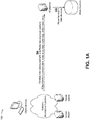
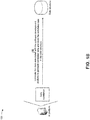
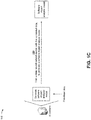
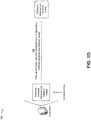
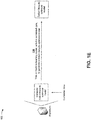
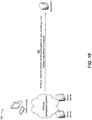
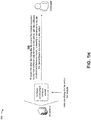
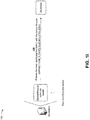
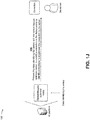
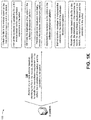
- Figs. 1A-1K are diagrams of one or more example implementations 100 described herein.
- example implementation 100 may include a software development platform, an artificial intelligence platform, and a data structure.
- the software development platform may be hosted by a cloud computing environment or by one or more server devices, and may be associated with one or more client devices.
- the artificial intelligence platform may be associated with the software development platform, the data structure, and/or one or more client devices.
- the artificial intelligence platform may receive, from the software development platform, data associated with the software development platform.
- the data associated with the software development platform may include data generated by a number of different software development tools associated with the software development platform.
- the data associated with the software development platform may include software coding data generated by a software coding tool, software building data generated by a software building tool, software testing and test results data generated by a software testing tool, software packaging data generated by a software packaging tool, software release data generated by a software releasing tool, software configuration data generated by a software configuring tool, software monitoring data generated by a software monitoring tool, software requirements analysis data, code scan data, software build data (e.g., data identifying code that passed or failed unit testing, a priority status for each testing, and/or the like), software defect data, code quality analyzer data (e.g., data indicating how many times a developer checked in code, a quantity of violations in each check-in for each module, a priority of standard violations, and/or the like), and/or the like.
- software coding data generated by a software coding tool software building data generated by a software building tool, software testing and test results data generated by a software testing tool, software packaging data generated by a software packaging tool, software release data generated by
- the artificial intelligence platform may extract the data associated with the software development platform from software development logs associated with the software development tools.
- the artificial intelligence platform may employ webhooks to obtain the data associated with the software development platform from the software development tools.
- the artificial intelligence platform may employ Python webhooks that scan the software development logs associated with each of the software development tools to identify relevant information.
- the artificial intelligence platform may store the data associated with the software development platform in a data structure (e.g., a database, a table, a list, and/or the like) associated with the artificial intelligence platform.
- the data structure may include a data repository (e.g., a data lake) that stores the data associated with the software development tools.
- the data structure may store the data associated with the software development platform based on the different software development logs corresponding to the different software development tools.
- the data associated with the software development platform may be unstructured data in which data generated by one tool is native to that tool and does not have a same format as data generated by another tool (e.g., there are no standard metadata associated with the various tools).
- the data associated with each software development tool may be associated with differently arranged logs, different fields, different variable definitions, different data formats, and/or the like.
- the artificial intelligence platform may correlate the data associated with the software development platform to generate correlated data, and may store the correlated data in the data structure.
- the artificial intelligence platform may transform the data associated with the software development platform from an unstructured format (e.g., data generated by one tool is native to that tool and does not have a same format as data generated by another tool) to a structured format (e.g., a format common for all tools) that corresponds to the correlated data.
- the artificial intelligence platform may execute scripts that automatically process the unstructured data stored in the data structure and convert the unstructured data to a common structured data format (e.g., a correlated format).
- the artificial intelligence platform may generate the correlated data in near real time relative to receiving the data associated with a software development platform.
- the software development tools may be deployed on a continuous basis, and the artificial intelligence platform may receive the data associated with the software development platform from the software development tools on a continual basis, may correlate the data in near real time, and may store the correlated data in the data structure in near real time relative to receipt of the data associated with the software development platform.
- the artificial intelligence platform may continuously receive and/or correlate the data associated with the software development platform, may periodically receive and/or correlate the data associated with the software development platform, and/or the like.
- the artificial intelligence platform may handle thousands, millions, billions, and/or the like, of data points within a period of time (e.g., daily, weekly, monthly), and thus may provide "big data" capability.
- the artificial intelligence platform may train a deep neural network model, with the correlated data, to generate a software impact analyzer model.
- the software impact analyzer model may include a long short-term memory (LSTM) model that utilizes natural language processing techniques.
- the software impact analyzer model may be utilized by the artificial intelligence platform to process data identifying a new software requirement or a defect in order to identify a file and/or a module impacted by the new software requirement or the defect, as described below.
- the artificial intelligence platform may obtain requirements text from the correlated data, and may apply a terminology learning process to the requirements text to learn terminologies associated with different software development tools.
- the terminology learning process may build an abbreviation annotator that learns patterns in the requirements text, may identify terms that are not in a dictionary, may use the abbreviation annotator to expand the terms, may add terms to a terms file if the added terms are not ambiguous, and/or the like.
- the artificial intelligence platform may apply natural language processing to the requirements text (e.g., tokenization, stop words, lower case, stemming, and/or the like), may expand terms using the terms file, may apply a term frequency-inverse document frequency (TF-IDF) calculation to eliminate terms of low importance, and/or the like.
- the artificial intelligence platform may apply a recurrent neural network (RNN) process to perform word embedding, may build an LSTM RNN model to learn patterns associated with a new software requirement or a defect, may build a second RNN model to predict files and/or modules impacted by a new software requirement or a defect, and/or the like.
- RNN recurrent neural network
- the artificial intelligence platform may separate the correlated data into a training set, a validation set, a test set, and/or the like.
- the training set may be utilized to train the deep neural network model.
- the validation set may be utilized to validate results of the trained deep neural network model (e.g., the software impact analyzer model).
- the test set may be utilized to test operation of the software impact analyzer model.
- the artificial intelligence platform may train the deep neural network model using, for example, an unsupervised training procedure and based on the correlated data. For example, the artificial intelligence platform may perform dimensionality reduction to reduce the correlated data to a minimum feature set, thereby reducing resources (e.g., processing resources, memory resources, and/or the like) to train the deep neural network, and may apply a classification technique to the minimum feature set.
- resources e.g., processing resources, memory resources, and/or the like
- the artificial intelligence platform may use a logistic regression classification technique to determine a categorical outcome (e.g., a prediction of a file and/or a module impacted by a new software requirement or a defect). Additionally, or alternatively, the artificial intelligence platform may use a naive Bayesian classifier technique. In this case, the artificial intelligence platform may perform binary recursive partitioning to split the correlated data into partitions and/or branches, and use the partitions and/or branches to determine outcomes (e.g., predictions of files and/or modules impacted by new software requirements or defects).
- the artificial intelligence platform may reduce utilization of computing resources relative to manual, linear sorting and analysis of data points, thereby enabling use of thousands, millions, or billions of data points to train the deep neural network model, which may result in more accurate models than using fewer data points.
- the artificial intelligence platform may use a support vector machine (SVM) classifier technique to generate a non-linear boundary between data points in the training set.
- SVM support vector machine
- the non-linear boundary is used to classify test data into a particular class.
- the artificial intelligence platform may train the deep neural network model using a supervised training procedure that includes receiving input to the deep neural network model from a subject matter expert, which may reduce an amount of time, an amount of processing resources, and/or the like to train the deep neural network model relative to an unsupervised training procedure.
- the artificial intelligence platform may use one or more other model training techniques, such as a neural network technique, a latent semantic indexing technique, and/or the like.
- the artificial intelligence platform may perform an artificial neural network processing technique (e.g., using a two-layer feedforward neural network architecture, a three-layer feedforward neural network architecture, and/or the like) to perform pattern recognition with regard to patterns of the correlated data.
- using the artificial neural network processing technique may improve an accuracy of the trained deep neural network model (e.g., the software impact analyzer model) generated by the artificial intelligence platform by making the model more robust to noisy, imprecise, or incomplete data, and by enabling the artificial intelligence platform to detect patterns and/or trends undetectable to human analysts or systems using less complex techniques.
- the trained deep neural network model e.g., the software impact analyzer model
- the artificial intelligence platform may train an artificial intelligence model, with the correlated data, to generate a software development behavior model.
- the software development behavior model may include a baseline vector model, a distance measures based rewards and penalty model, and/or the like.
- the software development behavior model may be utilized by the artificial intelligence platform to process data identifying the file and/or the module impacted by the new software requirement or the defect in order to identify a developer to handle the new software requirement or the defect, as described below.
- the artificial intelligence platform may create a baseline vector model corresponding to a baseline vector that represents software development behavior for each of multiple files and/or modules associated with the correlated data.
- the baseline vector may have a quantity (n) of dimensions corresponding to a quantity (n) of software development behavior attributes.
- the software development behavior attributes may include software build attributes (e.g., build check-in, build successes, build failures, errors, warnings, and/or the like) for each developer during each build; code quality attributes (e.g., total quantity of violations, blocker violations, vulnerabilities, bugs, code smells, and/or the like) for each developer during each check-in; defect quality attributes (e.g., total quantity of defects, priorities of the defects introduced, and/or the like).
- the baseline vector may correspond to an ideal vector space, for the quantity (n) of dimensions, that maximizes positive scenarios (e.g., more build successes, more check-ins, and/or the like) and penalizes negative scenarios (e.g., more failures, bugs, blocker violations, and/or the like).
- the artificial intelligence platform may create a distance measures based rewards and penalty model. For each of the multiple files and/or modules associated with the correlated data, the artificial intelligence platform may create a developer vector for each developer that has a behavioral history associated with that file and/or module.
- the developer vector may include a quantity (n) of dimensions corresponding to a same quantity (n) of software development behavior attributes as the baseline vector.
- the distance measures based rewards and penalty model may calculate a score, for each developer with respect to each file and/or module, that rewards developers associated with a developer vector that is close (e.g., as determined by a Euclidean distance) to the baseline vector associated with the file and/or module, and penalizes developers associated with a developer vector that is far (e.g., as determined by the Euclidean distance) from the baseline vector associated with the file and/or module.
- the artificial intelligence platform may identify the developer associated with a lowest score (e.g., based on a closest Euclidean distance) as the developer to handle the new software requirement or the defect.
- the artificial intelligence platform may utilize the techniques, described above in connection with Fig. 1C , to train the artificial intelligence model and generate the software development behavior model.
- the artificial intelligence platform may train a machine learning model, with the correlated data, to generate a defect lifecycle optimizer model.
- the defect lifecycle optimizer model may include a combination of one or more of a random forest model, a naive Bayes model, a logistic regression model, a k-nearest neighbors model, a support vector machine model, a decision tree model, a deep recurrent neural network model, and/or the like.
- the trained defect lifecycle optimizer model may be utilized by the artificial intelligence platform to process data identifying a defect in order to identify duplicates of the defect, a correction to the defect, and/or a developer to implement the correction to the defect, as described below.
- the defect lifecycle optimizer model may include a de-duplication portion that uses deep architectures to calculate similarity measures of historical defects compared to new defects.
- the artificial intelligence platform may generate the de-duplication portion by obtaining historical defect data, vectorizing requirements text using natural language processing techniques (e.g., Word2vec, Sent2vec, and/or the like), preprocessing the defect data using natural language processing, applying a spell check technique to clean up text, and applying a process to handle customer-specific and/or application-specific abbreviations.
- natural language processing techniques e.g., Word2vec, Sent2vec, and/or the like
- the defect lifecycle optimizer model may include a triaging prediction portion that associates a defect with an appropriate person or team (e.g., a triaging team) to handle the defect.
- the artificial intelligence platform may generate the triaging prediction portion by obtaining historical defect data, vectorizing requirements text using natural language processing techniques (e.g., Word2vec, Sent2vec, and/or the like), preprocessing the defect data using natural language processing, applying a spell check technique to clean up the text, and generating the triaging prediction portion based on an ensemble of models (e.g., a random forest model, a naive Bayes model, a logistic regression model, a k-nearest neighbors model, a support vector machine model, a decision tree model, a deep recurrent neural network model, and/or the like) to use a subject, a description, work notes, and/or the like associated with a defect so that the defect can be classified and assigned to an appropriate person or team.
- natural language processing techniques e.g.,
- the artificial intelligence platform may utilize the techniques described above, in connection with Fig. IE, to train the machine learning model and generate the defect lifecycle optimizer model.
- the artificial intelligence platform may obtain the defect lifecycle optimizer model from another system or device that trained the machine learning model to generate the defect lifecycle optimizer model.
- the artificial intelligence platform may provide the other system or device with the correlated data for use in training the machine learning model, and may provide the other system or device with updated correlated data to retrain the machine learning model in order to update the defect lifecycle optimizer model.
- the artificial intelligence platform may receive, from the software development platform, data identifying a new software requirement or a defect associated with the software development platform.
- the data identifying a new software requirement may include data identifying customer requirements, architectural requirements, structural requirements, behavioral requirements, functional requirements, performance requirements, design requirements, and/or the like associated with software from the software development platform.
- the data identifying a defect may include data identifying errors, bugs, failures, faults, vulnerabilities, flaws, and/or the like associated with software from the software development platform.
- the artificial intelligence platform may process the data identifying the new software requirement or the defect, with the software impact analyzer model, to identify a file or a module impacted by the new software requirement or the defect.
- the software impact analyzer model may predict one or more files and/or one or more modules, of software associated with the software development platform, that may be impacted by the new software requirement or the defect.
- the software impact analyzer model may predict a service, provided by the software development platform, that may be impacted by the new software requirement or the defect.
- the software impact analyzer model may predict probabilities for the one or more files and/or one or more modules that may be impacted by the new software requirement or the defect, and may output data identifying files and/or modules associated with probabilities that satisfy a probability threshold.
- the artificial intelligence platform may process data identifying the file and/or the module impacted by the new software requirement or the defect, with the software development behavior model, to identify a developer to handle the new software requirement or the defect.
- the software development behavior model may identify a plurality of developers that may handle the new software requirement or the defect, and may assign scores to each of the plurality of developers (e.g., based on baseline vector distances associated with the plurality of developers, as described above).
- the software development behavior model may identify a developer, of the plurality of developers, associated with a lowest score (e.g., based on a lowest baseline vector distance) as the developer to handle the new software requirement or the defect.
- the artificial intelligence platform may provide a chat bot to communicate with the developer identified to handle the new software requirement or the defect.
- the artificial intelligence platform may create (e.g., using natural language processing) a virtual assistant that may understand developer terminologies, and that may assist the developer in handling the new software requirement or the defect (e.g., by instructing the developer on how to install the new software requirement, how to correct the defect, and/or the like).
- the artificial intelligence platform may process the data identifying the defect, with the defect lifecycle optimizer model, to identify duplicates of the defect.
- the defect lifecycle optimizer model may compare information describing the defect and information describing existing defects, and may identify existing defects as duplicates of the defect when the information describing existing defects matches the information describing the defect that satisfies a threshold matching threshold.
- the artificial intelligence platform may automatically cause the duplicates of the defect to be eliminated from the software development platform. For example, the artificial intelligence platform may instruct a device associated with the software development platform to remove the duplicates of the defect, and the device may remove the duplicates of the defect from the software development platform based on the instruction.
- the artificial intelligence platform may process the data identifying the defect, with the defect lifecycle optimizer model, to identify a correction to the defect and/or to identify a developer to implement the correction to the defect.
- the artificial intelligence platform may identify a developer to handle the defect (e.g., the developer identified to handle implementation of the correction) and may request that the developer determine and implement a correction to the defect.
- the artificial intelligence platform may automatically cause the correction to the defect to be implemented in the software development platform, without the aid of the developer.
- the artificial intelligence platform may instruct a device associated with the software development platform to implement the correction to the defect, and the device may implement the correction to the defect based on the instruction.
- the artificial intelligence platform may perform one or more actions based on identifying the file or the module, the developer to handle the new software requirement or the defect, the duplicates of the defect, the correction to the defect, and/or the like.
- the one or more actions may include the artificial intelligence platform updating the file or the module or causing the file or the module to be updated based on the new software requirement or the defect. In this way, the artificial intelligence platform may eliminate the need for the file or module to be updated manually and/or identified by the software development platform, thereby conserving resources associated with the software development platform.
- the one or more actions may include the artificial intelligence platform instructing a developer to update the file or the module based on the new software requirement or the defect.
- the artificial intelligence platform may select an appropriate developer to update the file or the module, which may ensure that the update is handled correctly and that resources of the software development platform are not wasted incorrectly handling the update.
- the one or more actions may include the artificial intelligence platform eliminating the duplicates of the defect in the software development platform.
- the artificial intelligence platform may prevent the duplicates of the defect from being processed and causing errors in the software development platform, thereby conserving resources associated with the software development platform.
- the one or more actions may include the artificial intelligence platform preventing additional duplicates from being created in the software development platform.
- the artificial intelligence platform may prevent the additional duplicates of the defect from being processed and causing errors in the software development platform, thereby conserving resources associated with the software development platform.
- the one or more actions may include the artificial intelligence platform implementing the correction to the defect in the software development platform.
- the artificial intelligence platform may eliminate the need for the defect to be corrected manually and may prevent the defect from causing errors, thereby conserving resources associated with the software development platform.
- the one or more actions may include the artificial intelligence platform instructing another developer to implement the correction to the defect in the software development platform.
- the artificial intelligence platform may correct the defect and prevent the defect from being processed and causing errors in the software development platform, thereby conserving resources associated with the software development platform.
- the one or more actions may include the artificial intelligence platform retraining one or more of the models based on the file or the module, the identification of the developer to handle the new software requirement or the defect, the duplicates of the defect, the correction to the defect, and/or the like.
- the artificial intelligence platform may automatically continue to improve the accuracy and effectiveness of the models, thereby improving identification of files and/or modules impacted by new software requirements or defects, improving identification of developers to handle new software requirements or defects, and/or improving identification of duplicates of defects.
- unstructured data associated with a software development platform may be captured and correlated into structured data in near real time, and the structured data may be stored in a data structure that can be utilized by models (e.g., a software impact analyzer model, a software development behavior model, a defect lifecycle optimizer model, and/or the like) to automate and improve software development functions.
- models e.g., a software impact analyzer model, a software development behavior model, a defect lifecycle optimizer model, and/or the like
- the software impact analyzer model may predict files and/or modules impacted by new software requirements or defects, which greatly reduces a need for manual efforts of software developers.
- the software development behavior model may intelligently recommend a software developer to handle the new software requirements or defects, which reduces critical manual efforts of software developers and reduces time spent by software developers checking for assigned activities.
- the defect lifecycle optimizer model may identify duplicate issues, which greatly reduces the need for manual efforts to identify such issues, and may triage such issues and automatically assign the issues to a most appropriate
- stages of the process for improving productivity of software development and information technology operations may be automated via models, which may improve speed and efficiency of the process and conserve computing resources (e.g., processing resources, memory resources, and/or the like).
- Implementations described herein use a rigorous, computerized process to perform tasks or roles that were not previously performed. For example, currently there does not exist a technique that utilizes artificial intelligence to improve productivity of software development and information technology operations. Further, the process for utilizing artificial intelligence to improve productivity of software development and information technology operations conserves resources (e.g., processing resources, memory resources, network resources, and/or the like) that would otherwise be wasted inefficiently utilizing tools of a software development platform, selecting software developers to handle new software requirements and/or defects, identifying corrections for defects, and/or like.
- resources e.g., processing resources, memory resources, network resources, and/or the like
- FIGs. 1A-1K are provided merely as examples. Other examples may differ from what is described with regard to Figs. 1A-1K .
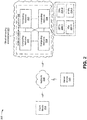
- FIG. 2 is a diagram of an example environment 200 in which systems and/or methods described herein may be implemented.
- environment 200 may include a client device 210, an artificial intelligence platform 220, a network 230, and a server device 240.
- Devices of environment 200 may interconnect via wired connections, wireless connections, or a combination of wired and wireless connections.
- Client device 210 includes one or more devices capable of receiving, generating, storing, processing, and/or providing information, such as information described herein.
- client device 210 may include a mobile phone (e.g., a smart phone, a radiotelephone, and/or the like), a laptop computer, a tablet computer, a desktop computer, a handheld computer, a gaming device, a wearable communication device (e.g., a smart watch, a pair of smart glasses, a heart rate monitor, a fitness tracker, smart clothing, smart jewelry, a head mounted display, and/or the like), or a similar type of device.
- client device 210 may receive information from and/or transmit information to artificial intelligence platform 220 and/or server device 240.
- Artificial intelligence platform 220 includes one or more devices that utilize artificial intelligence to improve productivity of software development and information technology operations.
- artificial intelligence platform 220 may be designed to be modular such that certain software components may be swapped in or out depending on a particular need. As such, artificial intelligence platform 220 may be easily and/or quickly reconfigured for different uses.
- artificial intelligence platform 220 may receive information from and/or transmit information to one or more client devices 210 and/or server devices 240.
- artificial intelligence platform 220 may be hosted in a cloud computing environment 222.
- artificial intelligence platform 220 may not be cloud-based (i.e., may be implemented outside of a cloud computing environment) or may be partially cloud-based.
- Cloud computing environment 222 includes an environment that hosts artificial intelligence platform 220.
- Cloud computing environment 222 may provide computation, software, data access, storage, etc., services that do not require end-user knowledge of a physical location and configuration of system(s) and/or device(s) that hosts artificial intelligence platform 220.
- cloud computing environment 222 may include a group of computing resources 224 (referred to collectively as “computing resources 224" and individually as “computing resource 224").
- Computing resource 224 includes one or more personal computers, workstation computers, mainframe devices, or other types of computation and/or communication devices.
- computing resource 224 may host artificial intelligence platform 220.
- the cloud resources may include compute instances executing in computing resource 224, storage devices provided in computing resource 224, data transfer devices provided by computing resource 224, etc.
- computing resource 224 may communicate with other computing resources 224 via wired connections, wireless connections, or a combination of wired and wireless connections.
- computing resource 224 includes a group of cloud resources, such as one or more applications (“APPs”) 224-1, one or more virtual machines (“VMs”) 224-2, virtualized storage (“VSs”) 224-3, one or more hypervisors (“HYPs”) 224-4, and/or the like.
- APPs applications
- VMs virtual machines
- VSs virtualized storage
- HOPs hypervisors
- Application 224-1 includes one or more software applications that may be provided to or accessed by client device 210 and/or server device 240. Application 224-1 may eliminate a need to install and execute the software applications on client device 210.
- application 224-1 may include software associated with artificial intelligence platform 220 and/or any other software capable of being provided via cloud computing environment 222.
- one application 224-1 may send/receive information to/from one or more other applications 224-1, via virtual machine 224-2.
- Virtual machine 224-2 includes a software implementation of a machine (e.g., a computer) that executes programs like a physical machine.
- Virtual machine 224-2 may be either a system virtual machine or a process virtual machine, depending upon use and degree of correspondence to any real machine by virtual machine 224-2.
- a system virtual machine may provide a complete system platform that supports execution of a complete operating system ("OS").
- a process virtual machine may execute a single program and may support a single process.
- virtual machine 224-2 may execute on behalf of a user (e.g., a user of client device 210 and/or server device 240 or an operator of artificial intelligence platform 220), and may manage infrastructure of cloud computing environment 222, such as data management, synchronization, or long-duration data transfers.
- Virtualized storage 224-3 includes one or more storage systems and/or one or more devices that use virtualization techniques within the storage systems or devices of computing resource 224.
- types of virtualizations may include block virtualization and file virtualization.
- Block virtualization may refer to abstraction (or separation) of logical storage from physical storage so that the storage system may be accessed without regard to physical storage or heterogeneous structure. The separation may permit administrators of the storage system flexibility in how the administrators manage storage for end users.
- File virtualization may eliminate dependencies between data accessed at a file level and a location where files are physically stored. This may enable optimization of storage use, server consolidation, and/or performance of non-disruptive file migrations.
- Hypervisor 224-4 may provide hardware virtualization techniques that allow multiple operating systems (e.g., "guest operating systems") to execute concurrently on a host computer, such as computing resource 224.
- Hypervisor 224-4 may present a virtual operating platform to the guest operating systems and may manage the execution of the guest operating systems. Multiple instances of a variety of operating systems may share virtualized hardware resources.
- Network 230 includes one or more wired and/or wireless networks.
- network 230 may include a cellular network (e.g., a fifth generation (5G) network, a long-term evolution (LTE) network, a third generation (3G) network, a code division multiple access (CDMA) network, etc.), a public land mobile network (PLMN), a local area network (LAN), a wide area network (WAN), a metropolitan area network (MAN), a telephone network (e.g., the Public Switched Telephone Network (PSTN)), a private network, an ad hoc network, an intranet, the Internet, a fiber optic-based network, and/or the like, and/or a combination of these or other types of networks.
- 5G fifth generation
- LTE long-term evolution
- 3G third generation
- CDMA code division multiple access
- PLMN public land mobile network
- LAN local area network
- WAN wide area network
- MAN metropolitan area network
- PSTN Public Switched Telephone Network
- Server device 240 includes one or more devices capable of receiving, generating, storing, processing, and/or providing information, such as information described herein.
- server device 240 may include a laptop computer, a tablet computer, a desktop computer, a group of server devices, or a similar type of device, associated with an entity as described above.
- server device 240 may receive information from and/or transmit information to client device 210 and/or artificial intelligence platform 220.
- the number and arrangement of devices and networks shown in Fig. 2 are provided as an example. In practice, there may be additional devices and/or networks, fewer devices and/or networks, different devices and/or networks, or differently arranged devices and/or networks than those shown in Fig. 2 . Furthermore, two or more devices shown in Fig. 2 may be implemented within a single device, or a single device shown in Fig. 2 may be implemented as multiple, distributed devices. Additionally, or alternatively, a set of devices (e.g., one or more devices) of environment 200 may perform one or more functions described as being performed by another set of devices of environment 200.
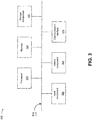
- Fig. 3 is a diagram of example components of a device 300.
- Device 300 may correspond to client device 210, artificial intelligence platform 220, computing resource 224, and/or server device 240.
- client device 210, artificial intelligence platform 220, computing resource 224, and/or server device 240 may include one or more devices 300 and/or one or more components of device 300.
- device 300 may include a bus 310, a processor 320, a memory 330, a storage component 340, an input component 350, an output component 360, and a communication interface 370.
- Bus 310 includes a component that permits communication among the components of device 300.
- Processor 320 is implemented in hardware, firmware, or a combination of hardware and software.
- Processor 320 is a central processing unit (CPU), a graphics processing unit (GPU), an accelerated processing unit (APU), a microprocessor, a microcontroller, a digital signal processor (DSP), a field-programmable gate array (FPGA), an application-specific integrated circuit (ASIC), or another type of processing component.
- processor 320 includes one or more processors capable of being programmed to perform a function.
- Memory 330 includes a random-access memory (RAM), a read only memory (ROM), and/or another type of dynamic or static storage device (e.g., a flash memory, a magnetic memory, and/or an optical memory) that stores information and/or instructions for use by processor 320.
- RAM random-access memory
- ROM read only memory
- static storage device e.g., a flash memory, a magnetic memory, and/or an optical memory
- Storage component 340 stores information and/or software related to the operation and use of device 300.
- storage component 340 may include a hard disk (e.g., a magnetic disk, an optical disk, a magneto-optic disk, and/or a solid-state disk), a compact disc (CD), a digital versatile disc (DVD), a floppy disk, a cartridge, a magnetic tape, and/or another type of non-transitory computer-readable medium, along with a corresponding drive.
- Input component 350 includes a component that permits device 300 to receive information, such as via user input (e.g., a touch screen display, a keyboard, a keypad, a mouse, a button, a switch, and/or a microphone). Additionally, or alternatively, input component 350 may include a sensor for sensing information (e.g., a global positioning system (GPS) component, an accelerometer, a gyroscope, and/or an actuator).
- Output component 360 includes a component that provides output information from device 300 (e.g., a display, a speaker, and/or one or more light-emitting diodes (LEDs)).
- LEDs light-emitting diodes
- Communication interface 370 includes a transceiver-like component (e.g., a transceiver and/or a separate receiver and transmitter) that enables device 300 to communicate with other devices, such as via a wired connection, a wireless connection, or a combination of wired and wireless connections.
- Communication interface 370 may permit device 300 to receive information from another device and/or provide information to another device.
- communication interface 370 may include an Ethernet interface, an optical interface, a coaxial interface, an infrared interface, a radio frequency (RF) interface, a universal serial bus (USB) interface, a Wi-Fi interface, a cellular network interface, and/or the like.
- RF radio frequency
- USB universal serial bus
- Device 300 may perform one or more processes described herein. Device 300 may perform these processes based on processor 320 executing software instructions stored by a non-transitory computer-readable medium, such as memory 330 and/or storage component 340.
- a computer-readable medium is defined herein as a non-transitory memory device.
- a memory device includes memory space within a single physical storage device or memory space spread across multiple physical storage devices.
- Software instructions may be read into memory 330 and/or storage component 340 from another computer-readable medium or from another device via communication interface 370. When executed, software instructions stored in memory 330 and/or storage component 340 may cause processor 320 to perform one or more processes described herein. Additionally, or alternatively, hardwired circuitry may be used in place of or in combination with software instructions to perform one or more processes described herein. Thus, implementations described herein are not limited to any specific combination of hardware circuitry and software.
- device 300 may include additional components, fewer components, different components, or differently arranged components than those shown in Fig. 3 . Additionally, or alternatively, a set of components (e.g., one or more components) of device 300 may perform one or more functions described as being performed by another set of components of device 300.
- a set of components e.g., one or more components
- Fig. 4 is a flow chart of an example process 400 (e.g., a computer-implemented method) for utilizing artificial intelligence to improve productivity of software development and information technology operations.
- one or more process blocks of Fig. 4 may be performed by an artificial intelligence platform (e.g., artificial intelligence platform 220).
- one or more process blocks of Fig. 4 may be performed by another device or a group of devices separate from or including the artificial intelligence platform, such as a client device (e.g., client device 210), a server device (e.g., server device 240), and/or the like.
- process 400 may include receiving data associated with a software development platform (block 410).
- the artificial intelligence platform e.g., using computing resource 224, processor 320, communication interface 370, and/or the like
- process 400 may include correlating the data associated with the software development platform to generate correlated data (block 420).
- the artificial intelligence platform e.g., using computing resource 224, processor 320, memory 330, and/or the like
- process 400 may include training a deep neural network model, with the correlated data, to generate a software impact analyzer model (block 430).
- the artificial intelligence platform e.g., using computing resource 224, processor 320, storage component 340, and/or the like
- process 400 may include training an artificial intelligence model, with the correlated data, to generate a software development behavior model (block 440).
- the artificial intelligence platform e.g., using computing resource 224, processor 320, memory 330, and/or the like
- process 400 may include receiving data identifying a new software requirement or a defect associated with the software development platform (block 450).
- the artificial intelligence platform e.g., using computing resource 224, processor 320, communication interface 370, and/or the like
- process 400 may include processing the data identifying the new software requirement or the defect, with the software impact analyzer model, to identify a file or a module impacted by the new software requirement or the defect (block 460).
- the artificial intelligence platform e.g., using computing resource 224, processor 320, storage component 340, and/or the like
- process 400 may include processing data identifying the file or the module impacted by the new software requirement or the defect, with the software development behavior model, to identify a developer to handle the new software requirement or the defect (block 470).
- the artificial intelligence platform e.g., using computing resource 224, processor 320, memory 330, and/or the like
- process 400 may include performing one or more actions based on the data identifying the file or the module impacted by the new software requirement or the defect and data identifying the developer to handle the new software requirement or the defect (block 480).
- the artificial intelligence platform e.g., using computing resource 224, processor 320. memory 330. storage component 340, communication interface 370, and/or the like
- Process 400 may include additional implementations, such as any single implementation or any combination of implementations described below and/or in connection with one or more other processes described elsewhere herein.
- the artificial intelligence platform may train a machine learning model, with the correlated data, to generate a defect lifecycle optimizer model, may process the data identifying the defect, with the defect lifecycle optimizer model, to identify duplicates of the defect, and may cause the duplicates of the defect to be eliminated in the software development platform.
- the artificial intelligence platform may process the data identifying the defect, with the defect lifecycle optimizer model, to identify a correction to the defect, and may cause the correction to the defect to be implemented in the software development platform.
- the defect lifecycle optimizer model may include a plurality of a random forest model, a naive Bayes model, a logistic regression model, a k-nearest neighbors model, a support vector machine model, a decision tree model, or a deep recurrent neural network model.
- the data associated with the software development platform may include one or more of data generated by a software coding tool, a software building tool, a software testing tool, a software packaging tool, a software releasing tool, a software configuring tool, or a software monitoring tool associated with the software development platform.
- the artificial intelligence platform when correlating the data associated with the software development platform to generate the correlated data, may transform the data associated with the software development platform from an unstructured format to a structured format, where the data associated with the software development platform in the structured format may correspond to the correlated data.
- the artificial intelligence platform when performing the one or more actions, may one or more of cause the file or the module to be updated in the software development platform based on the new software requirement or the defect, provide, to the developer, an instruction to update the file or the module in the software development platform based on the new software requirement or the defect, or retrain the software impact analyzer model or the software development behavior model based on the file or the module and data identifying the developer to handle the new software requirement or the defect.
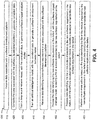
- process 400 may include additional blocks, fewer blocks, different blocks, or differently arranged blocks than those depicted in Fig. 4 . Additionally, or alternatively, two or more of the blocks of process 400 may be performed in parallel.
- Fig. 5 is a flow chart of an example process 500 (e.g., a computer-implemented method) for utilizing artificial intelligence to improve productivity of software development and information technology operations.
- one or more process blocks of Fig. 5 may be performed by an artificial intelligence platform (e.g., artificial intelligence platform 220).
- one or more process blocks of Fig. 5 may be performed by another device or a group of devices separate from or including the artificial intelligence platform, such as a client device (e.g., client device 210), a server device (e.g., server device 240), and/or the like.
- process 500 may include receiving data associated with a software development platform (block 505).
- the artificial intelligence platform e.g., using computing resource 224, processor 320, communication interface 370, and/or the like
- process 500 may include correlating the data associated with the software development platform to generate correlated data (block 510).
- the artificial intelligence platform e.g., using computing resource 224, processor 320, memory 330, and/or the like
- process 500 may include training a deep neural network model, with the correlated data, to generate a software impact analyzer model (block 515).
- the artificial intelligence platform e.g., using computing resource 224, processor 320, storage component 340, and/or the like
- process 500 may include training an artificial intelligence model, with the correlated data, to generate a software development behavior model (block 520).
- the artificial intelligence platform e.g., using computing resource 224, processor 320. memory 330, and/or the like
- process 500 may include training a machine learning model, with the correlated data, to generate a defect lifecycle optimizer model (block 525).
- the artificial intelligence platform e.g., using computing resource 224, processor 320, storage component 340, and/or the like
- process 500 may include receiving data identifying a new software requirement or a defect associated with the software development platform (block 530).
- the artificial intelligence platform e.g., using computing resource 224, processor 320, communication interface 370, and/or the like
- process 500 may include processing the data identifying the new software requirement or the defect, with the software impact analyzer model, to identify a file or a module impacted by the new software requirement or the defect (block 535).
- the artificial intelligence platform e.g., using computing resource 224, processor 320, memory 330, and/or the like
- process 500 may include processing data identifying the file or the module impacted by the new software requirement or the defect, with the software development behavior model, to identify a developer to handle the new software requirement or the defect (block 540).
- the artificial intelligence platform e.g., using computing resource 224, processor 320, storage component 340, and/or the like
- process 500 may include processing the data identifying the defect, with the defect lifecycle optimizer model, to identify duplicates of the defect and a correction to the defect (block 545).
- the artificial intelligence platform e.g., using computing resource 224, processor 320, memory 330, and/or the like
- process 500 may include performing one or more actions based on data identifying one or more of the file or the module impacted by the new software requirement or the defect, the developer to handle the new software requirement or the defect, the duplicates of the defect, or the correction to the defect (block 550).
- the artificial intelligence platform e.g., using computing resource 224, processor 320, memory 330, storage component 340, communication interface 370, and/or the like
- Process 500 may include additional implementations, such as any single implementation or any combination of implementations described below and/or in connection with one or more other processes described elsewhere herein.
- the artificial intelligence platform may store the correlated data in a data structure accessible by the deep neural network model and the artificial intelligence model.
- the software impact analyzer model may include a long short-term memory (LSTM) model, and a natural language processing model.
- LSTM long short-term memory
- the software development behavior model may include a baseline vector model, and a distance measures based rewards and penalty model.
- the data associated with a software development platform may be correlated to generate the correlated data in near real time relative to receiving the data associated with a software development platform.
- the artificial intelligence platform may provide a chat bot to communicate with the developer identified to handle the new software requirement or the defect.
- the artificial intelligence platform when performing the one or more actions, may one or more of cause the file or the module to be updated in the software development platform based on the new software requirement or the defect, provide, to the developer, an instruction to update the file or the module in the software development platform based on the new software requirement or the defect, cause the duplicates of the defect to be eliminated in the software development platform, or cause the correction to the defect to be implemented in the software development platform.
- process 500 may include additional blocks, fewer blocks, different blocks, or differently arranged blocks than those depicted in Fig. 5 . Additionally, or alternatively, two or more of the blocks of process 500 may be performed in parallel.
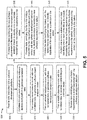
- Fig. 6 is a flow chart of an example process 600 (e.g., a computer-implemented method) for utilizing artificial intelligence to improve productivity of software development and information technology operations.
- one or more process blocks of Fig. 6 may be performed by an artificial intelligence platform (e.g., artificial intelligence platform 220).
- one or more process blocks of Fig. 6 may be performed by another device or a group of devices separate from or including the artificial intelligence platform, such as a client device (e.g., client device 210), a server device (e.g., server device 240), and/or the like.
- process 600 may include receiving data associated with a software development platform (block 610).
- the artificial intelligence platform e.g., using computing resource 224, processor 320, communication interface 370, and/or the like
- process 600 may include correlating the data associated with the software development platform to generate correlated data (block 620).
- the artificial intelligence platform e.g., using computing resource 224, processor 320, memory 330, and/or the like
- process 600 may include obtaining a first model that was trained based on the correlated data (block 630).
- the artificial intelligence platform e.g., using computing resource 224, processor 320, storage component 340, communication interface 370, and/or the like
- process 600 may include obtaining a second model that was trained based on the correlated data (block 640).
- the artificial intelligence platform e.g., using computing resource 224, processor 320, memory 330, communication interface 370, and/or the like
- process 600 may include receiving data identifying a new software requirement associated with the software development platform (block 650).
- the artificial intelligence platform e.g., using computing resource 224, processor 320, communication interface 370, and/or the like
- process 600 may include processing the data identifying the new software requirement, with the first model, to identify a file or a module impacted by the new software requirement (block 660).
- the artificial intelligence platform e.g., using computing resource 224, processor 320, memory 330, and/or the like
- process 600 may include processing data identifying the file or the module impacted by the new software requirement, with the second model, to identify a developer to handle the new software requirement (block 670).
- the artificial intelligence platform e.g., using computing resource 224, processor 320, storage component 340, and/or the like
- process 600 may include performing one or more actions based on the data identifying the file or the module impacted by the new software requirement and data identifying the developer to handle the new software requirement (block 680).
- the artificial intelligence platform e.g., using computing resource 224, processor 320, memory 330, storage component 340, communication interface 370, and/or the like
- Process 600 may include additional implementations, such as any single implementation or any combination of implementations described below and/or in connection with one or more other processes described elsewhere herein.
- the artificial intelligence platform may obtain a third model that was trained based on the correlated data, may receive data identifying a defect associated with the software development platform, may process the data identifying the defect, with the third model, to identify duplicates of the defect and a correction to the defect, may cause the duplicates of the defect to be eliminated in the software development platform, and may cause the correction to the defect to be implemented in the software development platform.
- the artificial intelligence platform when correlating the data associated with the software development platform to generate the correlated data, may transform the data associated with the software development platform from an unstructured format to a structured format, where the data associated with the software development platform in the structured format may correspond to the correlated data.
- the artificial intelligence platform may store the correlated data in a data structure accessible by the first model and the second model.
- the artificial intelligence platform when performing the one or more actions, may cause the file or the module to be updated in the software development platform based on the new software requirement, may provide, to the developer, an instruction to update the file or the module in the software development platform based on the new software requirement, or may retrain the first model or the second model based on the file or the module and data identifying the developer to handle the new software requirement.
- the artificial intelligence platform may provide a chat bot to communicate with the developer identified to handle the new software requirement.
- process 600 may include additional blocks, fewer blocks, different blocks, or differently arranged blocks than those depicted in Fig. 6 . Additionally, or alternatively, two or more of the blocks of process 600 may be performed in parallel.
- component is intended to be broadly construed as hardware, firmware, or a combination of hardware and software.
Landscapes
- Engineering & Computer Science (AREA)
- Physics & Mathematics (AREA)
- Theoretical Computer Science (AREA)
- General Physics & Mathematics (AREA)
- Software Systems (AREA)
- General Engineering & Computer Science (AREA)
- Mathematical Physics (AREA)
- Data Mining & Analysis (AREA)
- Computing Systems (AREA)
- Artificial Intelligence (AREA)
- Evolutionary Computation (AREA)
- Computational Mathematics (AREA)
- Mathematical Analysis (AREA)
- Pure & Applied Mathematics (AREA)
- Mathematical Optimization (AREA)
- Biomedical Technology (AREA)
- Biophysics (AREA)
- Life Sciences & Earth Sciences (AREA)
- Molecular Biology (AREA)
- General Health & Medical Sciences (AREA)
- Computational Linguistics (AREA)
- Health & Medical Sciences (AREA)
- Algebra (AREA)
- Databases & Information Systems (AREA)
- Medical Informatics (AREA)
- Computer Vision & Pattern Recognition (AREA)
- Computer Security & Cryptography (AREA)
- Computer Networks & Wireless Communication (AREA)
- Signal Processing (AREA)
- Stored Programmes (AREA)
Applications Claiming Priority (1)
| Application Number | Priority Date | Filing Date | Title |
|---|---|---|---|
| US16/557,588 US11029947B2 (en) | 2019-08-30 | 2019-08-30 | Utilizing artificial intelligence to improve productivity of software development and information technology operations (DevOps) |
Publications (2)
| Publication Number | Publication Date |
|---|---|
| EP3789873A1 true EP3789873A1 (de) | 2021-03-10 |
| EP3789873B1 EP3789873B1 (de) | 2023-06-07 |
Family
ID=72266207
Family Applications (1)
| Application Number | Title | Priority Date | Filing Date |
|---|---|---|---|
| EP20193081.5A Active EP3789873B1 (de) | 2019-08-30 | 2020-08-27 | Nutzung künstlicher intelligenz zur verbesserung der produktivität von softwareentwicklung und informationstechnologieoperationen (devops) |
Country Status (2)
| Country | Link |
|---|---|
| US (1) | US11029947B2 (de) |
| EP (1) | EP3789873B1 (de) |
Families Citing this family (15)
| Publication number | Priority date | Publication date | Assignee | Title |
|---|---|---|---|---|
| US11029947B2 (en) * | 2019-08-30 | 2021-06-08 | Accenture Global Solutions Limited | Utilizing artificial intelligence to improve productivity of software development and information technology operations (DevOps) |
| CN111782185B (zh) * | 2020-06-30 | 2024-01-09 | 北京百度网讯科技有限公司 | 人工智能开发平台的管理方法及设备、介质 |
| US12265922B1 (en) * | 2020-11-20 | 2025-04-01 | PrismX, Inc | System and method for automated software development through AI based automated requirements |
| US11914975B2 (en) * | 2021-02-26 | 2024-02-27 | Schneider Electric USA, Inc. | Customized software application template-based generator |
| US11726775B2 (en) * | 2021-06-16 | 2023-08-15 | Sap Se | Source code issue assignment using machine learning |
| US11934556B2 (en) * | 2021-09-29 | 2024-03-19 | Paypal, Inc. | Identifying sensitive content in electronic files |
| US12172081B2 (en) * | 2022-03-31 | 2024-12-24 | Advanced Micro Devices, Inc. | Detecting personal-space violations in artificial intelligence based non-player characters |
| US12166629B2 (en) * | 2022-09-20 | 2024-12-10 | Hewlett Packard Enterprise Development Lp | Machine learning based firmware version recommender |
| WO2024192279A1 (en) * | 2023-03-14 | 2024-09-19 | Engineer.ai Corp. | Systems and methods for determining a design for a software application |
| US12388461B2 (en) * | 2023-03-16 | 2025-08-12 | Hamilton Sundstrand Corporation | Timer-based resolver integral demodulation |
| US12487913B2 (en) * | 2023-06-28 | 2025-12-02 | Dell Products L.P. | Machine-learning based prediction of defect-prone components of information technology assets |
| US12298947B2 (en) * | 2023-08-31 | 2025-05-13 | Dell Products L.P. | Machine-learning based generation of database configurations for databases associated with applications |
| US20250094131A1 (en) * | 2023-09-18 | 2025-03-20 | International Business Machines Corporation | Identifying artificial intelligence for information technology operations solution for resolving issues |
| US20250224946A1 (en) * | 2024-01-04 | 2025-07-10 | Bank Of America Corporation | System and method for determining module interdependency using advanced computational models for data analysis and automated processing |
| WO2025175288A1 (en) * | 2024-02-16 | 2025-08-21 | Purdue Research Foundation | Omics automation using large language models |
Citations (3)
| Publication number | Priority date | Publication date | Assignee | Title |
|---|---|---|---|---|
| EP3388986A1 (de) * | 2017-04-11 | 2018-10-17 | Accenture Global Solutions Limited | End-to-end-plattform für das projektmanagement mit integrierter künstlicher intelligenz |
| EP3483797A1 (de) * | 2017-11-13 | 2019-05-15 | Accenture Global Solutions Limited | Training, validierung und überwachung von modellen der künstlichen intelligenz und des maschinellen lernens |
| US20190147371A1 (en) * | 2017-11-13 | 2019-05-16 | Accenture Global Solutions Limited | Training, validating, and monitoring artificial intelligence and machine learning models |
Family Cites Families (10)
| Publication number | Priority date | Publication date | Assignee | Title |
|---|---|---|---|---|
| US11663409B2 (en) * | 2015-01-23 | 2023-05-30 | Conversica, Inc. | Systems and methods for training machine learning models using active learning |
| US20170212829A1 (en) * | 2016-01-21 | 2017-07-27 | American Software Safety Reliability Company | Deep Learning Source Code Analyzer and Repairer |
| US10878090B2 (en) * | 2017-10-18 | 2020-12-29 | AO Kaspersky Lab | System and method of detecting malicious files using a trained machine learning model |
| US10576380B1 (en) * | 2018-11-05 | 2020-03-03 | Sony Interactive Entertainment LLC | Artificial intelligence (AI) model training using cloud gaming network |
| AU2019384194A1 (en) * | 2018-11-19 | 2021-05-13 | 1230604 BC Ltd. | Automation of task identification in a software lifecycle |
| RU2739865C2 (ru) * | 2018-12-28 | 2020-12-29 | Акционерное общество "Лаборатория Касперского" | Система и способ обнаружения вредоносного файла |
| US11281629B2 (en) * | 2019-03-15 | 2022-03-22 | International Business Machines Corporation | Using and training a machine learning module to determine actions to be taken in response to file system events in a file system |
| US11163620B2 (en) * | 2019-05-20 | 2021-11-02 | Fujitsu Limited | Predicting API endpoint descriptions from API documentation |
| US20190317885A1 (en) * | 2019-06-27 | 2019-10-17 | Intel Corporation | Machine-Assisted Quality Assurance and Software Improvement |
| US11029947B2 (en) * | 2019-08-30 | 2021-06-08 | Accenture Global Solutions Limited | Utilizing artificial intelligence to improve productivity of software development and information technology operations (DevOps) |
-
2019
- 2019-08-30 US US16/557,588 patent/US11029947B2/en active Active
-
2020
- 2020-08-27 EP EP20193081.5A patent/EP3789873B1/de active Active
Patent Citations (3)
| Publication number | Priority date | Publication date | Assignee | Title |
|---|---|---|---|---|
| EP3388986A1 (de) * | 2017-04-11 | 2018-10-17 | Accenture Global Solutions Limited | End-to-end-plattform für das projektmanagement mit integrierter künstlicher intelligenz |
| EP3483797A1 (de) * | 2017-11-13 | 2019-05-15 | Accenture Global Solutions Limited | Training, validierung und überwachung von modellen der künstlichen intelligenz und des maschinellen lernens |
| US20190147371A1 (en) * | 2017-11-13 | 2019-05-16 | Accenture Global Solutions Limited | Training, validating, and monitoring artificial intelligence and machine learning models |
Also Published As
| Publication number | Publication date |
|---|---|
| EP3789873B1 (de) | 2023-06-07 |
| US11029947B2 (en) | 2021-06-08 |
| US20210064361A1 (en) | 2021-03-04 |
Similar Documents
| Publication | Publication Date | Title |
|---|---|---|
| EP3789873B1 (de) | Nutzung künstlicher intelligenz zur verbesserung der produktivität von softwareentwicklung und informationstechnologieoperationen (devops) | |
| EP3816806B1 (de) | Verwendung von neuronalen netzwerk- und künstlichen intelligenzmodellen zur auswahl und ausführung von testfällen in einer software-entwicklungsplattform | |
| US10423403B1 (en) | Utilizing a machine learning model to predict metrics for an application development process | |
| US10831448B2 (en) | Automated process analysis and automation implementation | |
| US11455161B2 (en) | Utilizing machine learning models for automated software code modification | |
| US11462220B2 (en) | Infrastructure automation platform to assist in performing actions in response to tasks | |
| US10938678B2 (en) | Automation plan generation and ticket classification for automated ticket resolution | |
| US10157226B1 (en) | Predicting links in knowledge graphs using ontological knowledge | |
| AU2022215198B2 (en) | Utilizing an artificial intelligence model determined for a target domain based on a dataset associated with a source domain | |
| US11334348B2 (en) | Utilizing machine learning to identify and correct differences in application programming interface (API) specifications | |
| US11921764B2 (en) | Utilizing artificial intelligence models to manage and extract knowledge for an application or a system | |
| US11900325B2 (en) | Utilizing a combination of machine learning models to determine a success probability for a software product | |
| US20200097601A1 (en) | Identification of an entity representation in unstructured data | |
| US11538237B2 (en) | Utilizing artificial intelligence to generate and update a root cause analysis classification model | |
| US20200074359A1 (en) | Detecting an issue related to a report | |
| EP3640826B1 (de) | Verwendung von heuristischen und maschinenlernmodellen zur erzeugung einer obligatorischen zugriffssteuerungsrichtlinie für eine anwendung | |
| US20210089944A1 (en) | Optimizing generation of a forecast | |
| JP6596129B2 (ja) | 自然言語処理を使用した職務の自動化の決定 | |
| US20210124738A1 (en) | Utilizing neural network and machine learning models to generate a query after migrating data from a source data structure to a target data structure | |
| US12014140B2 (en) | Utilizing machine learning and natural language processing to determine mappings between work items of various tools | |
| EP3792851A1 (de) | Konfiguration einer unternehmensressourcenplanungssoftware und erstellung eines kundenspezifischen berichts über die softwarekonfiguration | |
| US20200372306A1 (en) | Utilizing a machine learning model to automatically correct rejected data | |
| US11441556B2 (en) | Utilizing analytical models to identify wells in which to install plunger lift for improved well production | |
| Kıran et al. | Prioritization of Regression Test Cases Based on Machine Learning Methods |
Legal Events
| Date | Code | Title | Description |
|---|---|---|---|
| PUAI | Public reference made under article 153(3) epc to a published international application that has entered the european phase |
Free format text: ORIGINAL CODE: 0009012 |
|
| STAA | Information on the status of an ep patent application or granted ep patent |
Free format text: STATUS: THE APPLICATION HAS BEEN PUBLISHED |
|
| AK | Designated contracting states |
Kind code of ref document: A1 Designated state(s): AL AT BE BG CH CY CZ DE DK EE ES FI FR GB GR HR HU IE IS IT LI LT LU LV MC MK MT NL NO PL PT RO RS SE SI SK SM TR |
|
| AX | Request for extension of the european patent |
Extension state: BA ME |
|
| STAA | Information on the status of an ep patent application or granted ep patent |
Free format text: STATUS: REQUEST FOR EXAMINATION WAS MADE |
|
| 17P | Request for examination filed |
Effective date: 20210909 |
|
| RBV | Designated contracting states (corrected) |
Designated state(s): AL AT BE BG CH CY CZ DE DK EE ES FI FR GB GR HR HU IE IS IT LI LT LU LV MC MK MT NL NO PL PT RO RS SE SI SK SM TR |
|
| GRAP | Despatch of communication of intention to grant a patent |
Free format text: ORIGINAL CODE: EPIDOSNIGR1 |
|
| STAA | Information on the status of an ep patent application or granted ep patent |
Free format text: STATUS: GRANT OF PATENT IS INTENDED |
|
| INTG | Intention to grant announced |
Effective date: 20230103 |
|
| GRAS | Grant fee paid |
Free format text: ORIGINAL CODE: EPIDOSNIGR3 |
|
| GRAA | (expected) grant |
Free format text: ORIGINAL CODE: 0009210 |
|
| STAA | Information on the status of an ep patent application or granted ep patent |
Free format text: STATUS: THE PATENT HAS BEEN GRANTED |
|
| AK | Designated contracting states |
Kind code of ref document: B1 Designated state(s): AL AT BE BG CH CY CZ DE DK EE ES FI FR GB GR HR HU IE IS IT LI LT LU LV MC MK MT NL NO PL PT RO RS SE SI SK SM TR |
|
| REG | Reference to a national code |
Ref country code: GB Ref legal event code: FG4D |
|
| REG | Reference to a national code |
Ref country code: CH Ref legal event code: EP Ref country code: AT Ref legal event code: REF Ref document number: 1577076 Country of ref document: AT Kind code of ref document: T Effective date: 20230615 |
|
| REG | Reference to a national code |
Ref country code: DE Ref legal event code: R096 Ref document number: 602020011673 Country of ref document: DE |
|
| P01 | Opt-out of the competence of the unified patent court (upc) registered |
Effective date: 20230724 |
|
| REG | Reference to a national code |
Ref country code: LT Ref legal event code: MG9D |
|
| REG | Reference to a national code |
Ref country code: NL Ref legal event code: MP Effective date: 20230607 |
|
| PG25 | Lapsed in a contracting state [announced via postgrant information from national office to epo] |
Ref country code: SE Free format text: LAPSE BECAUSE OF FAILURE TO SUBMIT A TRANSLATION OF THE DESCRIPTION OR TO PAY THE FEE WITHIN THE PRESCRIBED TIME-LIMIT Effective date: 20230607 Ref country code: NO Free format text: LAPSE BECAUSE OF FAILURE TO SUBMIT A TRANSLATION OF THE DESCRIPTION OR TO PAY THE FEE WITHIN THE PRESCRIBED TIME-LIMIT Effective date: 20230907 Ref country code: ES Free format text: LAPSE BECAUSE OF FAILURE TO SUBMIT A TRANSLATION OF THE DESCRIPTION OR TO PAY THE FEE WITHIN THE PRESCRIBED TIME-LIMIT Effective date: 20230607 |
|
| REG | Reference to a national code |
Ref country code: AT Ref legal event code: MK05 Ref document number: 1577076 Country of ref document: AT Kind code of ref document: T Effective date: 20230607 |
|
| PG25 | Lapsed in a contracting state [announced via postgrant information from national office to epo] |
Ref country code: RS Free format text: LAPSE BECAUSE OF FAILURE TO SUBMIT A TRANSLATION OF THE DESCRIPTION OR TO PAY THE FEE WITHIN THE PRESCRIBED TIME-LIMIT Effective date: 20230607 Ref country code: NL Free format text: LAPSE BECAUSE OF FAILURE TO SUBMIT A TRANSLATION OF THE DESCRIPTION OR TO PAY THE FEE WITHIN THE PRESCRIBED TIME-LIMIT Effective date: 20230607 Ref country code: LV Free format text: LAPSE BECAUSE OF FAILURE TO SUBMIT A TRANSLATION OF THE DESCRIPTION OR TO PAY THE FEE WITHIN THE PRESCRIBED TIME-LIMIT Effective date: 20230607 Ref country code: LT Free format text: LAPSE BECAUSE OF FAILURE TO SUBMIT A TRANSLATION OF THE DESCRIPTION OR TO PAY THE FEE WITHIN THE PRESCRIBED TIME-LIMIT Effective date: 20230607 Ref country code: HR Free format text: LAPSE BECAUSE OF FAILURE TO SUBMIT A TRANSLATION OF THE DESCRIPTION OR TO PAY THE FEE WITHIN THE PRESCRIBED TIME-LIMIT Effective date: 20230607 Ref country code: GR Free format text: LAPSE BECAUSE OF FAILURE TO SUBMIT A TRANSLATION OF THE DESCRIPTION OR TO PAY THE FEE WITHIN THE PRESCRIBED TIME-LIMIT Effective date: 20230908 |
|
| PG25 | Lapsed in a contracting state [announced via postgrant information from national office to epo] |
Ref country code: FI Free format text: LAPSE BECAUSE OF FAILURE TO SUBMIT A TRANSLATION OF THE DESCRIPTION OR TO PAY THE FEE WITHIN THE PRESCRIBED TIME-LIMIT Effective date: 20230607 |
|
| PG25 | Lapsed in a contracting state [announced via postgrant information from national office to epo] |
Ref country code: SK Free format text: LAPSE BECAUSE OF FAILURE TO SUBMIT A TRANSLATION OF THE DESCRIPTION OR TO PAY THE FEE WITHIN THE PRESCRIBED TIME-LIMIT Effective date: 20230607 |
|
| PG25 | Lapsed in a contracting state [announced via postgrant information from national office to epo] |
Ref country code: IS Free format text: LAPSE BECAUSE OF FAILURE TO SUBMIT A TRANSLATION OF THE DESCRIPTION OR TO PAY THE FEE WITHIN THE PRESCRIBED TIME-LIMIT Effective date: 20231007 |
|
| PG25 | Lapsed in a contracting state [announced via postgrant information from national office to epo] |
Ref country code: SM Free format text: LAPSE BECAUSE OF FAILURE TO SUBMIT A TRANSLATION OF THE DESCRIPTION OR TO PAY THE FEE WITHIN THE PRESCRIBED TIME-LIMIT Effective date: 20230607 Ref country code: SK Free format text: LAPSE BECAUSE OF FAILURE TO SUBMIT A TRANSLATION OF THE DESCRIPTION OR TO PAY THE FEE WITHIN THE PRESCRIBED TIME-LIMIT Effective date: 20230607 Ref country code: RO Free format text: LAPSE BECAUSE OF FAILURE TO SUBMIT A TRANSLATION OF THE DESCRIPTION OR TO PAY THE FEE WITHIN THE PRESCRIBED TIME-LIMIT Effective date: 20230607 Ref country code: PT Free format text: LAPSE BECAUSE OF FAILURE TO SUBMIT A TRANSLATION OF THE DESCRIPTION OR TO PAY THE FEE WITHIN THE PRESCRIBED TIME-LIMIT Effective date: 20231009 Ref country code: IS Free format text: LAPSE BECAUSE OF FAILURE TO SUBMIT A TRANSLATION OF THE DESCRIPTION OR TO PAY THE FEE WITHIN THE PRESCRIBED TIME-LIMIT Effective date: 20231007 Ref country code: EE Free format text: LAPSE BECAUSE OF FAILURE TO SUBMIT A TRANSLATION OF THE DESCRIPTION OR TO PAY THE FEE WITHIN THE PRESCRIBED TIME-LIMIT Effective date: 20230607 Ref country code: CZ Free format text: LAPSE BECAUSE OF FAILURE TO SUBMIT A TRANSLATION OF THE DESCRIPTION OR TO PAY THE FEE WITHIN THE PRESCRIBED TIME-LIMIT Effective date: 20230607 Ref country code: AT Free format text: LAPSE BECAUSE OF FAILURE TO SUBMIT A TRANSLATION OF THE DESCRIPTION OR TO PAY THE FEE WITHIN THE PRESCRIBED TIME-LIMIT Effective date: 20230607 |
|
| PG25 | Lapsed in a contracting state [announced via postgrant information from national office to epo] |
Ref country code: PL Free format text: LAPSE BECAUSE OF FAILURE TO SUBMIT A TRANSLATION OF THE DESCRIPTION OR TO PAY THE FEE WITHIN THE PRESCRIBED TIME-LIMIT Effective date: 20230607 |
|
| REG | Reference to a national code |
Ref country code: DE Ref legal event code: R097 Ref document number: 602020011673 Country of ref document: DE |
|
| PG25 | Lapsed in a contracting state [announced via postgrant information from national office to epo] |
Ref country code: MC Free format text: LAPSE BECAUSE OF FAILURE TO SUBMIT A TRANSLATION OF THE DESCRIPTION OR TO PAY THE FEE WITHIN THE PRESCRIBED TIME-LIMIT Effective date: 20230607 |
|
| REG | Reference to a national code |
Ref country code: CH Ref legal event code: PL |
|
| PG25 | Lapsed in a contracting state [announced via postgrant information from national office to epo] |
Ref country code: MC Free format text: LAPSE BECAUSE OF FAILURE TO SUBMIT A TRANSLATION OF THE DESCRIPTION OR TO PAY THE FEE WITHIN THE PRESCRIBED TIME-LIMIT Effective date: 20230607 |
|
| PLBE | No opposition filed within time limit |
Free format text: ORIGINAL CODE: 0009261 |
|
| STAA | Information on the status of an ep patent application or granted ep patent |
Free format text: STATUS: NO OPPOSITION FILED WITHIN TIME LIMIT |
|
| PG25 | Lapsed in a contracting state [announced via postgrant information from national office to epo] |
Ref country code: LU Free format text: LAPSE BECAUSE OF NON-PAYMENT OF DUE FEES Effective date: 20230827 |
|
| PG25 | Lapsed in a contracting state [announced via postgrant information from national office to epo] |
Ref country code: LU Free format text: LAPSE BECAUSE OF NON-PAYMENT OF DUE FEES Effective date: 20230827 Ref country code: DK Free format text: LAPSE BECAUSE OF FAILURE TO SUBMIT A TRANSLATION OF THE DESCRIPTION OR TO PAY THE FEE WITHIN THE PRESCRIBED TIME-LIMIT Effective date: 20230607 Ref country code: CH Free format text: LAPSE BECAUSE OF NON-PAYMENT OF DUE FEES Effective date: 20230831 |
|
| PG25 | Lapsed in a contracting state [announced via postgrant information from national office to epo] |
Ref country code: SI Free format text: LAPSE BECAUSE OF FAILURE TO SUBMIT A TRANSLATION OF THE DESCRIPTION OR TO PAY THE FEE WITHIN THE PRESCRIBED TIME-LIMIT Effective date: 20230607 |
|
| REG | Reference to a national code |
Ref country code: BE Ref legal event code: MM Effective date: 20230831 |
|
| 26N | No opposition filed |
Effective date: 20240308 |
|
| PG25 | Lapsed in a contracting state [announced via postgrant information from national office to epo] |
Ref country code: SI Free format text: LAPSE BECAUSE OF FAILURE TO SUBMIT A TRANSLATION OF THE DESCRIPTION OR TO PAY THE FEE WITHIN THE PRESCRIBED TIME-LIMIT Effective date: 20230607 Ref country code: IT Free format text: LAPSE BECAUSE OF FAILURE TO SUBMIT A TRANSLATION OF THE DESCRIPTION OR TO PAY THE FEE WITHIN THE PRESCRIBED TIME-LIMIT Effective date: 20230607 |
|
| PG25 | Lapsed in a contracting state [announced via postgrant information from national office to epo] |
Ref country code: BE Free format text: LAPSE BECAUSE OF NON-PAYMENT OF DUE FEES Effective date: 20230831 |
|
| PG25 | Lapsed in a contracting state [announced via postgrant information from national office to epo] |
Ref country code: BG Free format text: LAPSE BECAUSE OF FAILURE TO SUBMIT A TRANSLATION OF THE DESCRIPTION OR TO PAY THE FEE WITHIN THE PRESCRIBED TIME-LIMIT Effective date: 20230607 |
|
| PG25 | Lapsed in a contracting state [announced via postgrant information from national office to epo] |
Ref country code: BG Free format text: LAPSE BECAUSE OF FAILURE TO SUBMIT A TRANSLATION OF THE DESCRIPTION OR TO PAY THE FEE WITHIN THE PRESCRIBED TIME-LIMIT Effective date: 20230607 |
|
| PG25 | Lapsed in a contracting state [announced via postgrant information from national office to epo] |
Ref country code: CY Free format text: LAPSE BECAUSE OF FAILURE TO SUBMIT A TRANSLATION OF THE DESCRIPTION OR TO PAY THE FEE WITHIN THE PRESCRIBED TIME-LIMIT; INVALID AB INITIO Effective date: 20200827 |
|
| PGFP | Annual fee paid to national office [announced via postgrant information from national office to epo] |
Ref country code: IE Payment date: 20250610 Year of fee payment: 6 |
|
| PG25 | Lapsed in a contracting state [announced via postgrant information from national office to epo] |
Ref country code: HU Free format text: LAPSE BECAUSE OF FAILURE TO SUBMIT A TRANSLATION OF THE DESCRIPTION OR TO PAY THE FEE WITHIN THE PRESCRIBED TIME-LIMIT; INVALID AB INITIO Effective date: 20200827 |
|
| PGFP | Annual fee paid to national office [announced via postgrant information from national office to epo] |
Ref country code: DE Payment date: 20250702 Year of fee payment: 6 |
|
| PGFP | Annual fee paid to national office [announced via postgrant information from national office to epo] |
Ref country code: GB Payment date: 20250703 Year of fee payment: 6 |
|
| PGFP | Annual fee paid to national office [announced via postgrant information from national office to epo] |
Ref country code: FR Payment date: 20250703 Year of fee payment: 6 |
|
| PG25 | Lapsed in a contracting state [announced via postgrant information from national office to epo] |
Ref country code: TR Free format text: LAPSE BECAUSE OF FAILURE TO SUBMIT A TRANSLATION OF THE DESCRIPTION OR TO PAY THE FEE WITHIN THE PRESCRIBED TIME-LIMIT Effective date: 20230607 |