EP3785718A1 - Pharmaceutical composition for prevention or treatment of flavivirus infectious disease - Google Patents
Pharmaceutical composition for prevention or treatment of flavivirus infectious disease Download PDFInfo
- Publication number
- EP3785718A1 EP3785718A1 EP19792006.9A EP19792006A EP3785718A1 EP 3785718 A1 EP3785718 A1 EP 3785718A1 EP 19792006 A EP19792006 A EP 19792006A EP 3785718 A1 EP3785718 A1 EP 3785718A1
- Authority
- EP
- European Patent Office
- Prior art keywords
- virus
- sulfate
- flavivirus
- dengue
- bat
- Prior art date
- Legal status (The legal status is an assumption and is not a legal conclusion. Google has not performed a legal analysis and makes no representation as to the accuracy of the status listed.)
- Granted
Links
Images




Classifications
-
- A—HUMAN NECESSITIES
- A61—MEDICAL OR VETERINARY SCIENCE; HYGIENE
- A61K—PREPARATIONS FOR MEDICAL, DENTAL OR TOILETRY PURPOSES
- A61K31/00—Medicinal preparations containing organic active ingredients
- A61K31/33—Heterocyclic compounds
- A61K31/395—Heterocyclic compounds having nitrogen as a ring hetero atom, e.g. guanethidine or rifamycins
- A61K31/535—Heterocyclic compounds having nitrogen as a ring hetero atom, e.g. guanethidine or rifamycins having six-membered rings with at least one nitrogen and one oxygen as the ring hetero atoms, e.g. 1,2-oxazines
- A61K31/536—Heterocyclic compounds having nitrogen as a ring hetero atom, e.g. guanethidine or rifamycins having six-membered rings with at least one nitrogen and one oxygen as the ring hetero atoms, e.g. 1,2-oxazines ortho- or peri-condensed with carbocyclic ring systems
-
- A—HUMAN NECESSITIES
- A61—MEDICAL OR VETERINARY SCIENCE; HYGIENE
- A61K—PREPARATIONS FOR MEDICAL, DENTAL OR TOILETRY PURPOSES
- A61K31/00—Medicinal preparations containing organic active ingredients
- A61K31/70—Carbohydrates; Sugars; Derivatives thereof
- A61K31/7028—Compounds having saccharide radicals attached to non-saccharide compounds by glycosidic linkages
- A61K31/7034—Compounds having saccharide radicals attached to non-saccharide compounds by glycosidic linkages attached to a carbocyclic compound, e.g. phloridzin
- A61K31/7036—Compounds having saccharide radicals attached to non-saccharide compounds by glycosidic linkages attached to a carbocyclic compound, e.g. phloridzin having at least one amino group directly attached to the carbocyclic ring, e.g. streptomycin, gentamycin, amikacin, validamycin, fortimicins
-
- A—HUMAN NECESSITIES
- A61—MEDICAL OR VETERINARY SCIENCE; HYGIENE
- A61K—PREPARATIONS FOR MEDICAL, DENTAL OR TOILETRY PURPOSES
- A61K31/00—Medicinal preparations containing organic active ingredients
- A61K31/28—Compounds containing heavy metals
- A61K31/282—Platinum compounds
-
- A—HUMAN NECESSITIES
- A61—MEDICAL OR VETERINARY SCIENCE; HYGIENE
- A61K—PREPARATIONS FOR MEDICAL, DENTAL OR TOILETRY PURPOSES
- A61K31/00—Medicinal preparations containing organic active ingredients
- A61K31/33—Heterocyclic compounds
- A61K31/395—Heterocyclic compounds having nitrogen as a ring hetero atom, e.g. guanethidine or rifamycins
- A61K31/40—Heterocyclic compounds having nitrogen as a ring hetero atom, e.g. guanethidine or rifamycins having five-membered rings with one nitrogen as the only ring hetero atom, e.g. sulpiride, succinimide, tolmetin, buflomedil
- A61K31/402—1-aryl substituted, e.g. piretanide
-
- A—HUMAN NECESSITIES
- A61—MEDICAL OR VETERINARY SCIENCE; HYGIENE
- A61K—PREPARATIONS FOR MEDICAL, DENTAL OR TOILETRY PURPOSES
- A61K31/00—Medicinal preparations containing organic active ingredients
- A61K31/33—Heterocyclic compounds
- A61K31/395—Heterocyclic compounds having nitrogen as a ring hetero atom, e.g. guanethidine or rifamycins
- A61K31/41—Heterocyclic compounds having nitrogen as a ring hetero atom, e.g. guanethidine or rifamycins having five-membered rings with two or more ring hetero atoms, at least one of which being nitrogen, e.g. tetrazole
- A61K31/42—Oxazoles
- A61K31/422—Oxazoles not condensed and containing further heterocyclic rings
-
- A—HUMAN NECESSITIES
- A61—MEDICAL OR VETERINARY SCIENCE; HYGIENE
- A61K—PREPARATIONS FOR MEDICAL, DENTAL OR TOILETRY PURPOSES
- A61K31/00—Medicinal preparations containing organic active ingredients
- A61K31/33—Heterocyclic compounds
- A61K31/395—Heterocyclic compounds having nitrogen as a ring hetero atom, e.g. guanethidine or rifamycins
- A61K31/435—Heterocyclic compounds having nitrogen as a ring hetero atom, e.g. guanethidine or rifamycins having six-membered rings with one nitrogen as the only ring hetero atom
- A61K31/47—Quinolines; Isoquinolines
-
- A—HUMAN NECESSITIES
- A61—MEDICAL OR VETERINARY SCIENCE; HYGIENE
- A61K—PREPARATIONS FOR MEDICAL, DENTAL OR TOILETRY PURPOSES
- A61K31/00—Medicinal preparations containing organic active ingredients
- A61K31/33—Heterocyclic compounds
- A61K31/395—Heterocyclic compounds having nitrogen as a ring hetero atom, e.g. guanethidine or rifamycins
- A61K31/435—Heterocyclic compounds having nitrogen as a ring hetero atom, e.g. guanethidine or rifamycins having six-membered rings with one nitrogen as the only ring hetero atom
- A61K31/47—Quinolines; Isoquinolines
- A61K31/4706—4-Aminoquinolines; 8-Aminoquinolines, e.g. chloroquine, primaquine
-
- A—HUMAN NECESSITIES
- A61—MEDICAL OR VETERINARY SCIENCE; HYGIENE
- A61K—PREPARATIONS FOR MEDICAL, DENTAL OR TOILETRY PURPOSES
- A61K31/00—Medicinal preparations containing organic active ingredients
- A61K31/33—Heterocyclic compounds
- A61K31/395—Heterocyclic compounds having nitrogen as a ring hetero atom, e.g. guanethidine or rifamycins
- A61K31/495—Heterocyclic compounds having nitrogen as a ring hetero atom, e.g. guanethidine or rifamycins having six-membered rings with two or more nitrogen atoms as the only ring heteroatoms, e.g. piperazine or tetrazines
- A61K31/496—Non-condensed piperazines containing further heterocyclic rings, e.g. rifampin, thiothixene or sparfloxacin
-
- A—HUMAN NECESSITIES
- A61—MEDICAL OR VETERINARY SCIENCE; HYGIENE
- A61K—PREPARATIONS FOR MEDICAL, DENTAL OR TOILETRY PURPOSES
- A61K31/00—Medicinal preparations containing organic active ingredients
- A61K31/33—Heterocyclic compounds
- A61K31/395—Heterocyclic compounds having nitrogen as a ring hetero atom, e.g. guanethidine or rifamycins
- A61K31/54—Heterocyclic compounds having nitrogen as a ring hetero atom, e.g. guanethidine or rifamycins having six-membered rings with at least one nitrogen and one sulfur as the ring hetero atoms, e.g. sulthiame
- A61K31/5415—Heterocyclic compounds having nitrogen as a ring hetero atom, e.g. guanethidine or rifamycins having six-membered rings with at least one nitrogen and one sulfur as the ring hetero atoms, e.g. sulthiame ortho- or peri-condensed with carbocyclic ring systems, e.g. phenothiazine, chlorpromazine, piroxicam
-
- A—HUMAN NECESSITIES
- A61—MEDICAL OR VETERINARY SCIENCE; HYGIENE
- A61K—PREPARATIONS FOR MEDICAL, DENTAL OR TOILETRY PURPOSES
- A61K31/00—Medicinal preparations containing organic active ingredients
- A61K31/33—Heterocyclic compounds
- A61K31/395—Heterocyclic compounds having nitrogen as a ring hetero atom, e.g. guanethidine or rifamycins
- A61K31/54—Heterocyclic compounds having nitrogen as a ring hetero atom, e.g. guanethidine or rifamycins having six-membered rings with at least one nitrogen and one sulfur as the ring hetero atoms, e.g. sulthiame
- A61K31/542—Heterocyclic compounds having nitrogen as a ring hetero atom, e.g. guanethidine or rifamycins having six-membered rings with at least one nitrogen and one sulfur as the ring hetero atoms, e.g. sulthiame ortho- or peri-condensed with heterocyclic ring systems
- A61K31/545—Compounds containing 5-thia-1-azabicyclo [4.2.0] octane ring systems, i.e. compounds containing a ring system of the formula:, e.g. cephalosporins, cefaclor, or cephalexine
- A61K31/546—Compounds containing 5-thia-1-azabicyclo [4.2.0] octane ring systems, i.e. compounds containing a ring system of the formula:, e.g. cephalosporins, cefaclor, or cephalexine containing further heterocyclic rings, e.g. cephalothin
-
- A—HUMAN NECESSITIES
- A61—MEDICAL OR VETERINARY SCIENCE; HYGIENE
- A61K—PREPARATIONS FOR MEDICAL, DENTAL OR TOILETRY PURPOSES
- A61K31/00—Medicinal preparations containing organic active ingredients
- A61K31/33—Heterocyclic compounds
- A61K31/555—Heterocyclic compounds containing heavy metals, e.g. hemin, hematin, melarsoprol
-
- A—HUMAN NECESSITIES
- A61—MEDICAL OR VETERINARY SCIENCE; HYGIENE
- A61K—PREPARATIONS FOR MEDICAL, DENTAL OR TOILETRY PURPOSES
- A61K31/00—Medicinal preparations containing organic active ingredients
- A61K31/66—Phosphorus compounds
- A61K31/661—Phosphorus acids or esters thereof not having P—C bonds, e.g. fosfosal, dichlorvos, malathion or mevinphos
-
- A—HUMAN NECESSITIES
- A61—MEDICAL OR VETERINARY SCIENCE; HYGIENE
- A61K—PREPARATIONS FOR MEDICAL, DENTAL OR TOILETRY PURPOSES
- A61K31/00—Medicinal preparations containing organic active ingredients
- A61K31/66—Phosphorus compounds
- A61K31/683—Diesters of a phosphorus acid with two hydroxy compounds, e.g. phosphatidylinositols
- A61K31/685—Diesters of a phosphorus acid with two hydroxy compounds, e.g. phosphatidylinositols one of the hydroxy compounds having nitrogen atoms, e.g. phosphatidylserine, lecithin
-
- A—HUMAN NECESSITIES
- A61—MEDICAL OR VETERINARY SCIENCE; HYGIENE
- A61K—PREPARATIONS FOR MEDICAL, DENTAL OR TOILETRY PURPOSES
- A61K31/00—Medicinal preparations containing organic active ingredients
- A61K31/70—Carbohydrates; Sugars; Derivatives thereof
- A61K31/7008—Compounds having an amino group directly attached to a carbon atom of the saccharide radical, e.g. D-galactosamine, ranimustine
-
- A—HUMAN NECESSITIES
- A61—MEDICAL OR VETERINARY SCIENCE; HYGIENE
- A61K—PREPARATIONS FOR MEDICAL, DENTAL OR TOILETRY PURPOSES
- A61K31/00—Medicinal preparations containing organic active ingredients
- A61K31/70—Carbohydrates; Sugars; Derivatives thereof
- A61K31/7042—Compounds having saccharide radicals and heterocyclic rings
- A61K31/7048—Compounds having saccharide radicals and heterocyclic rings having oxygen as a ring hetero atom, e.g. leucoglucosan, hesperidin, erythromycin, nystatin, digitoxin or digoxin
-
- A—HUMAN NECESSITIES
- A61—MEDICAL OR VETERINARY SCIENCE; HYGIENE
- A61K—PREPARATIONS FOR MEDICAL, DENTAL OR TOILETRY PURPOSES
- A61K38/00—Medicinal preparations containing peptides
- A61K38/04—Peptides having up to 20 amino acids in a fully defined sequence; Derivatives thereof
- A61K38/12—Cyclic peptides, e.g. bacitracins; Polymyxins; Gramicidins S, C; Tyrocidins A, B or C
-
- A—HUMAN NECESSITIES
- A61—MEDICAL OR VETERINARY SCIENCE; HYGIENE
- A61K—PREPARATIONS FOR MEDICAL, DENTAL OR TOILETRY PURPOSES
- A61K38/00—Medicinal preparations containing peptides
- A61K38/04—Peptides having up to 20 amino acids in a fully defined sequence; Derivatives thereof
- A61K38/14—Peptides containing saccharide radicals; Derivatives thereof, e.g. bleomycin, phleomycin, muramylpeptides or vancomycin
-
- A—HUMAN NECESSITIES
- A61—MEDICAL OR VETERINARY SCIENCE; HYGIENE
- A61P—SPECIFIC THERAPEUTIC ACTIVITY OF CHEMICAL COMPOUNDS OR MEDICINAL PREPARATIONS
- A61P31/00—Antiinfectives, i.e. antibiotics, antiseptics, chemotherapeutics
- A61P31/12—Antivirals
- A61P31/14—Antivirals for RNA viruses
-
- C—CHEMISTRY; METALLURGY
- C12—BIOCHEMISTRY; BEER; SPIRITS; WINE; VINEGAR; MICROBIOLOGY; ENZYMOLOGY; MUTATION OR GENETIC ENGINEERING
- C12Y—ENZYMES
- C12Y203/00—Acyltransferases (2.3)
- C12Y203/01—Acyltransferases (2.3) transferring groups other than amino-acyl groups (2.3.1)
- C12Y203/01059—Gentamicin 2'-N-acetyltransferase (2.3.1.59)
-
- Y—GENERAL TAGGING OF NEW TECHNOLOGICAL DEVELOPMENTS; GENERAL TAGGING OF CROSS-SECTIONAL TECHNOLOGIES SPANNING OVER SEVERAL SECTIONS OF THE IPC; TECHNICAL SUBJECTS COVERED BY FORMER USPC CROSS-REFERENCE ART COLLECTIONS [XRACs] AND DIGESTS
- Y02—TECHNOLOGIES OR APPLICATIONS FOR MITIGATION OR ADAPTATION AGAINST CLIMATE CHANGE
- Y02A—TECHNOLOGIES FOR ADAPTATION TO CLIMATE CHANGE
- Y02A50/00—TECHNOLOGIES FOR ADAPTATION TO CLIMATE CHANGE in human health protection, e.g. against extreme weather
- Y02A50/30—Against vector-borne diseases, e.g. mosquito-borne, fly-borne, tick-borne or waterborne diseases whose impact is exacerbated by climate change
Definitions
- the present invention relates to a pharmaceutical composition for preventing or treating flavivirus infection.
- Flaviviruses are small, coated and enveloped positive-strand RNA viruses, some of which may threaten or potentially threaten the health of humans worldwide currently or in the future.
- yellow fever virus has been a cause of epidemics in certain jungles in sub-Saharan Africa or in parts of South Africa. Many yellow fever infections are not much serious, but they may lead to serious and life-threatening illnesses. Conditions of these diseases have the following two phases. The early acute phase is characterized by high fever, chills, headache, back pain, myalgia, anorexia, nausea and vomiting. After 3 to 4 days, such symptoms disappear.
- these symptoms may recur when the disease enters a so-called virulence phase, that is, "toxic phase.”
- virulence phase that is, "toxic phase.”
- high fever reappears and may result in shock, bleeding (e.g., bleeding from the mouth, nose, eyes, and/or stomach), kidney failure and liver failure.
- the liver failure is often called “yellow fever” because it causes jaundice, which causes the skin to turn yellow and the eyes become white.
- Half of patients entering the toxic phase die within 10 to 14 days.
- people who recover from the yellow fever have lifelong immunity to re-infection.
- the number of people infected with yellow fever virus has been gradually increased over the past two decades, with about 200,000 cases of yellow fever infections annually, and with about 30,000 deaths annually. Thus, the re-emergence of yellow fever virus poses a serious threat to public health.
- Dengue (DEN) viruses are another example of flaviviruses.
- the dengue virus is transmitted to humans by mosquitoes (mostly Aedes aegypti) and causes increasingly serious public health problems worldwide.
- About 50 out of 100 million people are infected with the dengue virus.
- four antigenic dengue viruses (dengue types 1-4) are spread throughout the Caribbean, Asia and the Americas.
- DEN infection dengue hemorrhagic fever/dengue shock syndrome (DHF/DSS)
- DHF/DSS dengue hemorrhagic fever/dengue shock syndrome
- Flaviviruses including yellow fever and dengue viruses have two important biological characteristics responsible for induction of disease in humans and animals.
- One of these two features is nerve tissue affinity, that is, "neurotropism” which refers to a tendency of virus to invade nerve tissues of a host and infect the same.
- Nerve tissue-friendly (that is, neurotropic) flavivirus infection may cause infection and injury of the brain and spinal cord (i.e., encephalitis), unconsciousness, paralysis, and convulsions.
- a second feature of the flavivirus infection is visceral organ affinity, i.e., the virus tends to invade and infect vital visceral organs including the liver, kidneys and heart.
- Visceral organ-friendly flavivirus infections may cause infection and damage to the liver (hepatitis), kidneys (nephritis), and heart muscle (myocarditis), inhibiting these organs from functioning normally. Nerve tissue affinity and visceral organ affinity are considered to be distinct and different features of flavivirus.
- Some flaviviruses basically have nerve tissue affinity (e.g. West Nile virus), other some have visceral organ affinity (e.g. yellow fever virus and dengue virus), and the others exhibit both properties. (e.g, Kyasanur Forest Disease Virus).
- nerve tissue affinity e.g. West Nile virus
- visceral organ affinity e.g. yellow fever virus and dengue virus
- both nerve tissue affinity and visceral organ affinity are present more or less in all flaviviruses. Interaction between nerve tissue affinity and visceral organ affinity may occur in the host because the visceral organ is infected prior to attack to the central nervous system. Therefore, nerve tissue affinity depends on the virus's ability to replicate in the extraneural organs (intestines). Such extraneural replication causes viremia and this viremia may attack the brain and spinal cord.
- yellow fever 17D The yellow fever 17D vaccine was developed by yielding a virus that significantly reduced nerve tissue affinity and visceral organ affinity by serial inoculation, that is, "serial passage" in chicken embryonic tissues.
- the French nerve-tissue affinity vaccine was developed by serial passage in mouse brain tissues to completely remove visceral organ affinity while remaining nerve tissue affinity.
- Use of French vaccine has involved a high incidence of nervous system accidents (encephalitis after vaccination).
- none of the other viruses is commercially available as an approved vaccine against clinically important flaviviruses with visceral organ affinity such as dengue, West Nile, Omsk Hemorrhagic Fever Virus, etc.
- Another object of the present invention is to provide a composition capable of inhibiting growth of various flaviviruses or killing the same.
- composition of the present invention exhibits excellent effects in inhibiting the proliferation of viruses in the flavivirus genus and increasing a survival rate to infections derived from the above viruses.
- the present invention relates to a pharmaceutical composition for preventing or treating flavivirus infection.
- Flavivirus is a first genus of togavirus family, and has a common antigen in this genus due to its cohesive property of erythrocytes.
- flavivirus refers to any species of virus known in the art to be included in the corresponding genus without limitation thereof, and flavivirus infection refers to a disease or virus-carrying condition caused by virus infection due to the corresponding virus.
- the composition of the present invention may exhibit killing and/or growth inhibitory effects on various species of flavivirus genus.
- the viruses may be aba virus, Aroa virus, Bagaza virus, Banzi virus, Bouboui virus, Bukarasa bat virus, Cacipacore virus, Carey Island virus, Cowbone Ridge virus, Dakar bat virus, dengue virus, Edge Hill virus, Entebbe bat virus, Gadgets Gully virus, Ilheus virus, Israel turkey meningoencephalomyelitis virus, Japanese encephalitis virus, Jugra virus, Jutiapa virus, Kadam virus, Kedougou virus, Kokobera virus, Koutango virus, Kyasanur Forest disease virus, Langat virus, Louping ill virus, Meaban virus, Modoc virus, Montana myotis leukoencephalitis virus, Murray Valley encephalitis virus, Ntaya virus, Omsk hemorrhagic fever virus, Phnom Penh bat virus, Powassan virus, Rio Bravo virus, Royal Farm virus, Sa
- the pharmaceutical composition of the present invention may include, for example, at least one of gentamicin sulfate, netilmicin, tobramycin, paromomycin, amikacin, capreomycin, trifluoroperazine, dihydrostreptomycin, hydroxychloroquine, thioridazine HCl, efavirenz, miltefosine, nystatin, micafungin, bleomycin, resminostat, montelukast, norfloxacin, nedaplatin and cephalothin; or at least one of pharmaceutically acceptable salts of the above compounds.
- the inventive composition may include at least one of gentamicin sulfate, netilmicin, tobramycin, paromomycin, amikacin, capreomycin, trifluoroperazine, dihydrostreptomycin, hydroxychloroquine, thioridazine HCl, resminostat, montelukast, norfloxacin and nedaplatin; or at least one of pharmaceutically acceptable salts of the above compounds.
- the inventive composition may include at least one of efavirenz, miltefosine, nystatin, micafungin, bleomycin and cephalothin; or at least one of pharmaceutically acceptable salts of the above compounds.
- the inventive composition may include at least one of tobramycin, trifluoroperazine 2HCl, amikacin hydrate, hydroxychloroquine sulfate, thioridazine HCl, dihydrostreptomycin sulfate, gentamicin sulfate, netilmicin sulfate, capreomycin sulfate, paromomycin sulfate, resminostat, montelukast, norfloxacin, nedaplatin, bleomycin, nystatin, cephalothin, micafungin sodium, efavirenz and miltefosine; or at least one of pharmaceutically acceptable salts of the above compounds.
- Pharmaceutically acceptable salts may include salts of acidic or basic groups which are possibly present in each of the above drugs (compounds).
- the pharmaceutically acceptable salts used herein may include sodium salts, calcium salts, potassium salts, hydrochlorides, sulfates, hydrates, and the like, and may be prepared by conventional methods for preparation of salts known in the art, but it is not limited thereto.
- the above substances may act as an enzyme inhibitor, for example, that inhibits activity of helicase and RNA-dependent RNA polymerase (RdRp), which are enzymes required for viral replication, thereby exhibiting efficacy against flavivirus infection.
- RdRp RNA-dependent RNA polymerase
- RNA-dependent RNA polymerase (RdRp) in a flavivirus genus is known to have a very high genetic preservation rate at a gene level among various RNA virus families including flavivirus, and also exhibits a high conservation rate at a protein level (polypeptide motif level) ( Viruses. 2018 Feb; 10(2): 76 .). Therefore, the pharmaceutical compositions of the present invention may exhibit efficacy against various species of the flavivirus genus.
- amino acid sequences at enzyme active sites are very similarly conserved in the flavivirus, and these sequences are known to contribute to recognition of viral RNA. Further, it is known that the conserved sequences involve similar functions (contributing to hydrogen bond or hydrophobic interaction with adjacent specific sequences) in all flaviviruses and contribute to enzymatic activity. For example, the sites where dengue virus helicases and zika virus helicases are coupled to ssRNA substrates have been found to be very similar ( 12904-12920 Nucleic Acids Research, 2017, Vol. 45, No. 22 ).
- the pharmaceutical composition of the present invention may be formulated while including the above substances.
- compositions of the present invention may be formulated for delivery via any administration route.
- administration route may refer to any route of administration known in the art including aerosol, nasal, oral, transmucosal, transdermal or parenteral route, or intestines, but it is not limited thereto.
- the pharmaceutical composition of the present invention may also contain any pharmaceutically acceptable carrier.
- the "pharmaceutically acceptable carrier” refers to pharmaceutical acceptable substances, compositions or vehicles in carrying or transporting a compound of interest from one tissue, organ or part of the body to another tissue, organ or part of the body.
- the carrier may include liquid or solid fillers, diluents, excipients, solvents or encapsulating materials or combinations thereof.
- Each component of the carrier should be “pharmaceutically acceptable", i.e., compatible with the other ingredients of the formulation.
- the carrier should also be suitable for use when being in contact with any tissue or organ to which the carrier can contact, in particular, should not involve risks such as toxicity, irritant, allergic reactions, and/or any other complications that are too great than immunogenicity or therapeutic advantages thereof.
- composition of the present invention may be administered to a subject who tries to prevent flavivirus infection or to a subject who suffers from the flavivirus infection.
- the subject may be a mammal including a human, and specifically a human.
- the pharmaceutical composition of the present invention may be delivered in a therapeutically effective amount.
- the exact therapeutically effective amount is an amount of the composition to achieve the most effective result in regard to therapeutic efficacy in a given subject. This amount may be determined in consideration of characteristics of the therapeutic compound (including activity, pharmacokinetics, pharmacodynamics and bioactivity), physiological conditions of the subject (age, sex, disease type and stage, general physical health condition, response to a given dosage and type of medicament), characteristics of the pharmaceutically acceptable carrier or carriers in the formulation, and administration routes, but it is not limited thereto. In fact, the exact therapeutically effect amount will depend upon a number of factors without limitation to the above requirements. Those skilled in the art in the clinical and pharmacological arts will determine the therapeutically effective amount through routine experimentation, for example, by monitoring the subject's response to administration of the compound and adjusting the dosage accordingly.
- the present invention also relates to a composition for inhibiting growth of flavivirus or killing the same.
- composition of the present invention may include at least one of gentamicin sulfate, netilmicin, tobramycin, paromomycin, amikacin, capreomycin, trifluoroperazine, dihydrostreptomycin, hydroxychloroquine, thioridazine HCl, efavirenz, miltefosine, nystatin, micafungin, bleomycin, resminostat, montelukast, norfloxacin, nedaplatin and cephalothin; or at least one of pharmaceutically acceptable salts of the above compounds.
- the inventive composition may include at least one of gentamicin sulfate, netilmicin, tobramycin, paromomycin, amikacin, capreomycin, trifluoroperazine, dihydrostreptomycin, hydroxychloroquine, thioridazine HCl, resminostat, montelukast, norfloxacin and nedaplatin; or at least one of pharmaceutically acceptable salts of the above compounds.
- the inventive composition may include at least one of efavirenz, miltefosine, nystatin, micafungin, bleomycin and cephalothin; or at least one of pharmaceutically acceptable salts of the above compounds.
- the inventive composition may include at least one of tobramycin, trifluoroperazine 2HCl, amikacin hydrate, hydroxychloroquine sulfate, thioridazine HCl, dihydrostreptomycin sulfate, gentamicin sulfate, netilmicin sulfate, capreomycin sulfate, paromomycin sulfate, resminostat, montelukast, norfloxacin, nedaplatin, bleomycin, nystatin, cephalothin, micafungin sodium, efavirenz and miltefosine; or at least one of pharmaceutically acceptable salts of the above compounds.
- the composition of the present invention may exhibit killing and/or growth inhibitory effects on various species of flavivirus genus.
- the viruses may be aba virus, Aroa virus, Bagaza virus, Banzi virus, Bouboui virus, Bukarasa bat virus, Cacipacore virus, Carey Island virus, Cowbone Ridge virus, Dakar bat virus, dengue virus, Edge Hill virus, Entebbe bat virus, Gadgets Gully virus, Ilheus virus, Israel turkey meningoencephalomyelitis virus, Japanese encephalitis virus, Jugra virus, Jutiapa virus, Kadam virus, Kedougou virus, Kokobera virus, Koutango virus, Kyasanur Forest disease virus, Langat virus, Louping ill virus, Meaban virus, Modoc virus, Montana myotis leukoencephalitis virus, Murray Valley encephalitis virus, Ntaya virus, Omsk hemorrhagic fever virus, Phnom Penh bat virus, Powassan virus, Rio Bravo virus, Royal Farm virus, Sa
- composition of the present invention may be formulated as the pharmaceutical composition exemplified above, but it is not limited thereto.
- the present invention also relates to a use for preparation of a composition for preventing or treating flavivirus infection including at least one of gentamicin sulfate, netilmicin, tobramycin, paromomycin, amikacin, capreomycin, trifluoroperazine, dihydrostreptomycin, hydroxychloroquine, thioridazine HCl, efavirenz, miltefosine, nystatin, micafungin, bleomycin, resminostat, montelukast, norfloxacin, nedaplatin and cephalothin; or at least one of pharmaceutically acceptable salts of the above compounds.
- the inventive composition may include at least one of gentamicin sulfate, netilmicin, tobramycin, paromomycin, amikacin, capreomycin, trifluoroperazine, dihydrostreptomycin, hydroxychloroquine, thioridazine HCl, resminostat, montelukast, norfloxacin and nedaplatin; or at least one of pharmaceutically acceptable salts of the above compounds.
- the inventive composition may include at least one of efavirenz, miltefosine, nystatin, micafungin, bleomycin and cephalothin; or at least one of pharmaceutically acceptable salts of the above compounds.
- the inventive composition may include at least one of tobramycin, trifluoroperazine 2HCl, amikacin hydrate, hydroxychloroquine sulfate, thioridazine HCl, dihydrostreptomycin sulfate, gentamicin sulfate, netilmicin sulfate, capreomycin sulfate, paromomycin sulfate, resminostat, montelukast, norfloxacin, nedaplatin, bleomycin, nystatin, cephalothin, micafungin sodium, efavirenz and miltefosine; or at least one of pharmaceutically acceptable salts of the above compounds.
- Flavivirus infections in the use of the present invention may be caused by the above-described viruses.
- the compounds (drugs) or pharmaceutically acceptable salts thereof may exhibit excellent effects of inhibiting growth of flavivirus growth and killing the same, and thus may be used in the preparation of a composition for preventing or treating flavivirus infection.
- the present invention also relates to a method for preventing or treating flavivirus infection by administering, to a subject, at least one of gentamicin sulfate, netilmicin, tobramycin, paromomycin, amikacin, capreomycin, trifluoroperazine, dihydrostreptomycin, hydroxychloroquine, thioridazine HCl, efavirenz, miltefosine, nystatin, micafungin, bleomycin, resminostat, montelukast, norfloxacin, nedaplatin and cephalothin; or at least one of pharmaceutically acceptable salts of the above compounds.
- the inventive composition may include at least one of gentamicin sulfate, netilmicin, tobramycin, paromomycin, amikacin, capreomycin, trifluoroperazine, dihydrostreptomycin, hydroxychloroquine, thioridazine HCl, resminostat, montelukast, norfloxacin and nedaplatin; or at least one of pharmaceutically acceptable salts of the above compounds.
- the inventive composition may include at least one of efavirenz, miltefosine, nystatin, micafungin, bleomycin and cephalothin; or at least one of pharmaceutically acceptable salts of the above compounds.
- the inventive composition may include at least one of tobramycin, trifluoroperazine 2HCl, amikacin hydrate, hydroxychloroquine sulfate, thioridazine HCl, dihydrostreptomycin sulfate, gentamicin sulfate, netilmicin sulfate, capreomycin sulfate, paromomycin sulfate, resminostat, montelukast, norfloxacin, nedaplatin, bleomycin, nystatin, cephalothin, micafungin sodium, efavirenz and miltefosine; or at least one of pharmaceutically acceptable salts of the above compounds.
- the subject may be any subject who is potentially infected with the flavivirus infection, and specifically, may be a mammal including a human, and more specifically, a human, but it is not limited thereto.
- Flavivirus infections may be caused by the viruses described above.
- CCK-8 analysis was performed according to the manufacturer's instructions.
- VeroE6 cells Prior to the experiment, VeroE6 cells were seeded at densities of 10.5 ⁇ 10 4 cells/cm 2 and 7.0 ⁇ 10 4 cells/cm 2 , respectively. After 24 hours of incubation at 37°C, 5% CO 2 , montelukast was treated at a continuously diluted concentration for 48 hours. Each group was treated with CCK-8 reagents at a concentration of 10% v/v and incubated for 1-4 hours in normal cell culture conditions. Quantitative analysis of changes in colorimetric intensity was performed by measuring an optical density of formazan salt at 450 nm using a microplate reader (Molecular Devices, Inc., USA). The experiment was performed in triplicate with data represented as mean ⁇ SEM.
- VeroE6 cells were seeded at densities of 10.5 ⁇ 10 4 cells/cm 2 , and 7.0 ⁇ 10 4 cells/cm 2 , respectively.
- dengue virus serotype 2 was inoculated in each cell culture with MOI of 0.1, 0.5 and 2.5, respectively, in a serum-free medium for 2 hours.
- the culture plate was shaken gently every 30 minutes to evenly distribute the virus in the cells.
- Montelukast solutions were prepared at serially diluted concentrations in each complete culture medium containing 0.75% methyl cellulose. After incubation, the virus medium was removed and cells were washed once with sterilized PBS, and then treated with a compound solution.
- the cells were incubated for 48 hours in the culture chamber. After incubation, each group was prepared for focal formation assay (FFA) and relative viral RNA expression analysis.
- FFA focal formation assay
- the compound solution was removed and the cells were washed once with sterilized PBS, and then fixed with 4% paraform aldehyde. The cells were washed with TRIZOL for viral RNA expression analysis and stored at -70°C for further analysis.
- FFA was performed on NS1 protein of dengue virus (DV) serotype 2.
- Cells fixed with 4% paraformaldehyde were washed three times with PBS.
- a blocking solution was treated for 1 hour at room temperature.
- each group was treated with a primary antibody (Mouse anti-Flavivirus NS1, 1: 2000) for 2 hours at room temperature or overnight at 4°C.
- a secondary antibody anti-mouse IgG-FITC, 1: 500 was applied to each group for 1 hour at room temperature.
- each group was treated with PBS containing 10 ⁇ g/ml HOECHST 33342 for nuclear staining. Viral focus-forming units stained with fluorescence were observed and analyzed under a microscope (Olympus, Japan).
- AG129 mice (10-12 weeks) were inoculated by intra-peritoneal injection of various viral titers of 10 6 , 5 ⁇ 10 6 and 10 7 FFU.
- AG129 mice (10-12 weeks) were injected with 10 7 FFU (IP) and then 200 ⁇ l of montelukast (IP, 10 mg/kg/day) or PBS. Medication was performed once a day.
- IP montelukast
- PBS PBS
- Weight loss and mortality status were monitored daily. In the survival analysis, euthanized mice showing severe disease-related symptoms or rapid weight loss were recorded as current deaths after exhibition. Each body weight was analyzed as a relative percentage to 0 day.
- qRT-PCR quantitative real-time PCR
- each primer was designed taking into account overlap between two exons of the target gene having a GC content of less than 50% and an expected amplicon size of about 100 bps. Primer sequences were identified as shown in Table 2.
- qRT-PCR quantitative real time PCR
- Each reaction was performed in 20 ⁇ L volume using SYBR green master mix.
- Quantstudio 3 TM (Applied Biosystems Inc., USA) was used for the present study in two-stage amplification process.
- a linear correlation standard curve was established between the viral titer (FFU / mL) and the corresponding threshold cycle (CT) value.
- Virus in plasma was calculated according to an equation of standard curve. The standard curve was induced for serially diluted virus titers. For cell-based group and mouse organ samples (including whole blood), semiquantitative viral RNA was analyzed for GAPDH as an endogenous control.
- Gene Forward primer Reverse primer Amplicon size (bp) Human GAPDH GGATGACCTTGCCCACAGC (SEQ ID NO: 2) 123 Mouse GAPDH CTTCCCATTCTCGGCCTTG (SEQ ID NO: 4) 85 DV2 NS1 65
- Organ samples fixed with 4% paraformaldehyde were subjected to a series of procedures such as paraffin insertion, sectioning and staining with hematoxylin and eosin.
- a dengue infection model (AG129 mouse) was used to confirm DENV viremia reduction in mouse blood after drug treatment ( FIG. 5 ).
- Micafungin sodium was introduced with intraperitoneal (IP) injection, miltefosine was introduced with oral injection, and a vehicle control was introduced with PBS.
- the dengue viremia is significantly reduced by micafungin sodium and/or miltefosine treatment.
- the virus is significantly reduced during treatment of 11 types of compounds.
- the montelukast-administered group has a low degree of weight loss, a high survival rate and a low hyperemia.
- Relative dengue virus RNA expression was measured from each tissue sample, results thereof are shown in FIG. 8 .
- the dengue virus RNA expression is significantly low in the montelukast treatment group.
- Dengue virus infected mice were treated with montelukast to obtain histological data of the treated group and untreated group. After resection of the spleen and liver of each group, H & E staining was performed. Results thereof are shown in FIG. 9 .
- virus replication is reduced by the montelukast treatment.
Landscapes
- Health & Medical Sciences (AREA)
- Life Sciences & Earth Sciences (AREA)
- Chemical & Material Sciences (AREA)
- General Health & Medical Sciences (AREA)
- Animal Behavior & Ethology (AREA)
- Pharmacology & Pharmacy (AREA)
- Public Health (AREA)
- Veterinary Medicine (AREA)
- Medicinal Chemistry (AREA)
- Epidemiology (AREA)
- Molecular Biology (AREA)
- Virology (AREA)
- Organic Chemistry (AREA)
- Bioinformatics & Cheminformatics (AREA)
- Engineering & Computer Science (AREA)
- Chemical Kinetics & Catalysis (AREA)
- Communicable Diseases (AREA)
- General Chemical & Material Sciences (AREA)
- Nuclear Medicine, Radiotherapy & Molecular Imaging (AREA)
- Oncology (AREA)
- Proteomics, Peptides & Aminoacids (AREA)
- Immunology (AREA)
- Gastroenterology & Hepatology (AREA)
- Biochemistry (AREA)
- General Engineering & Computer Science (AREA)
- Genetics & Genomics (AREA)
- Wood Science & Technology (AREA)
- Zoology (AREA)
- Pharmaceuticals Containing Other Organic And Inorganic Compounds (AREA)
Abstract
Description
- The present invention relates to a pharmaceutical composition for preventing or treating flavivirus infection.
- Flaviviruses are small, coated and enveloped positive-strand RNA viruses, some of which may threaten or potentially threaten the health of humans worldwide currently or in the future. For example, yellow fever virus has been a cause of epidemics in certain jungles in sub-Saharan Africa or in parts of South Africa. Many yellow fever infections are not much serious, but they may lead to serious and life-threatening illnesses. Conditions of these diseases have the following two phases. The early acute phase is characterized by high fever, chills, headache, back pain, myalgia, anorexia, nausea and vomiting. After 3 to 4 days, such symptoms disappear. In some patients, these symptoms may recur when the disease enters a so-called virulence phase, that is, "toxic phase." During the toxic phase, high fever reappears and may result in shock, bleeding (e.g., bleeding from the mouth, nose, eyes, and/or stomach), kidney failure and liver failure. In fact, the liver failure is often called "yellow fever" because it causes jaundice, which causes the skin to turn yellow and the eyes become white. Half of patients entering the toxic phase die within 10 to 14 days. However, people who recover from the yellow fever have lifelong immunity to re-infection. The number of people infected with yellow fever virus has been gradually increased over the past two decades, with about 200,000 cases of yellow fever infections annually, and with about 30,000 deaths annually. Thus, the re-emergence of yellow fever virus poses a serious threat to public health.
- Dengue (DEN) viruses are another example of flaviviruses. The dengue virus is transmitted to humans by mosquitoes (mostly Aedes aegypti) and causes increasingly serious public health problems worldwide. About 50 out of 100 million people are infected with the dengue virus. In some areas, as much as 6% infection rates have been observed, four antigenic dengue viruses (dengue types 1-4) are spread throughout the Caribbean, Asia and the Americas. DEN infection [dengue hemorrhagic fever/dengue shock syndrome (DHF/DSS)] is an immune-pathological disease that occurs in individuals sequentially infected by DENs of different antigenic types: deaths more than 3.6 million people with dengue hemorrhagic fever (DHF) and 58,000 people with DHF were reported between 1980 and 1995. Because of pathogenic properties of DHF/DSS, it has been considered that optimal dengue vaccines should afford immunity to all four antigen types simultaneously and confer long-lasting immunity. Although active efforts have been made to develop effective dengue vaccines since World War II, there is currently no approved and available dengue vaccine.
- Flaviviruses including yellow fever and dengue viruses have two important biological characteristics responsible for induction of disease in humans and animals. One of these two features is nerve tissue affinity, that is, "neurotropism" which refers to a tendency of virus to invade nerve tissues of a host and infect the same. Nerve tissue-friendly (that is, neurotropic) flavivirus infection may cause infection and injury of the brain and spinal cord (i.e., encephalitis), unconsciousness, paralysis, and convulsions. A second feature of the flavivirus infection is visceral organ affinity, i.e., the virus tends to invade and infect vital visceral organs including the liver, kidneys and heart. Visceral organ-friendly flavivirus infections may cause infection and damage to the liver (hepatitis), kidneys (nephritis), and heart muscle (myocarditis), inhibiting these organs from functioning normally. Nerve tissue affinity and visceral organ affinity are considered to be distinct and different features of flavivirus.
- Some flaviviruses basically have nerve tissue affinity (e.g. West Nile virus), other some have visceral organ affinity (e.g. yellow fever virus and dengue virus), and the others exhibit both properties. (e.g, Kyasanur Forest Disease Virus). However, both nerve tissue affinity and visceral organ affinity are present more or less in all flaviviruses. Interaction between nerve tissue affinity and visceral organ affinity may occur in the host because the visceral organ is infected prior to attack to the central nervous system. Therefore, nerve tissue affinity depends on the virus's ability to replicate in the extraneural organs (intestines). Such extraneural replication causes viremia and this viremia may attack the brain and spinal cord.
- One attempt to develop a vaccine against flaviviruses was to change virulence properties of the viruses, so that a vaccine virus loses its nerve tissue affinity and visceral organ affinity for humans and animals. In the case of yellow fever virus, two vaccines have been developed: yellow fever 17D and French nerve-tissue affinity vaccine. The yellow fever 17D vaccine was developed by yielding a virus that significantly reduced nerve tissue affinity and visceral organ affinity by serial inoculation, that is, "serial passage" in chicken embryonic tissues. The French nerve-tissue affinity vaccine was developed by serial passage in mouse brain tissues to completely remove visceral organ affinity while remaining nerve tissue affinity. Use of French vaccine has involved a high incidence of nervous system accidents (encephalitis after vaccination). Currently, none of the other viruses is commercially available as an approved vaccine against clinically important flaviviruses with visceral organ affinity such as dengue, West Nile, Omsk Hemorrhagic Fever Virus, etc.
- It is an object of the present invention to provide a composition for preventing or treating flavivirus infections, which is effective to various flaviviruses.
- In addition, another object of the present invention is to provide a composition capable of inhibiting growth of various flaviviruses or killing the same.
-
- 1. A pharmaceutical composition for preventing or treating flavivirus infection, the composition including: at least one of gentamicin sulfate, netilmicin, tobramycin, paromomycin, amikacin, capreomycin, trifluoroperazine, dihydrostreptomycin, hydroxychloroquine, thioridazine HCl, efavirenz, miltefosine, nystatin, micafungin, bleomycin, resminostat, montelukast, norfloxacin, nedaplatin and cephalothin; or at least one of pharmaceutically acceptable salts of the above compounds.
- 2. The composition according to above 1, wherein the flavivirus infection is an infection derived from Apoi virus, Aroa virus, Bagaza virus, Banzi virus, Bouboui virus, Bukarasa bat virus, Cacipacore virus, Carey Island virus, Cowbone Ridge virus, Dakar bat virus, dengue virus, Edge Hill virus, Entebbe bat virus, Gadgets Gully virus, Ilheus virus, Israel turkey meningoencephalomyelitis virus, Japanese encephalitis virus, Jugra virus, Jutiapa virus, Kadam virus, Kedougou virus, Kokobera virus, Koutango virus, Kyasanur Forest disease virus, Langat virus, Louping ill virus, Meaban virus, Modoc virus, Montana myotis leukoencephalitis virus, Murray Valley encephalitis virus, Ntaya virus, Omsk hemorrhagic fever virus, Phnom Penh bat virus, Powassan virus, Rio Bravo virus, Royal Farm virus, Saboya virus, Saint Louis encephalitis virus, Sal Vieja virus, San Perlita virus, Saumarez Reef virus, Sepik virus, Tembusu virus, Tick-borne encephalitis virus, Tyuleniy virus, Uganda S virus, Usutu virus, Wesselsbron virus, West Nile virus, Yaounde virus, Yellow fever virus, Yokose virus, or Zika Virus.
- 3. The composition according to above 1, wherein the flavivirus infection is a dengue virus-derived infection.
- 4. The composition according to above 1, including: at least one of tobramycin, trifluoroperazine 2HCl, amikacin hydrate, hydroxychloroquine sulfate, thioridazine HCl, dihydrostreptomycin sulfate, gentamicin sulfate, netilmicin sulfate, capreomycin sulfate, paromomycin sulfate, resminostat, montelukast, norfloxacin, nedaplatin, bleomycin, nystatin, cephalothin, micafungin sodium, efavirenz and miltefosine; or at least one of pharmaceutically acceptable salts of the above compounds.
- 5. A composition for inhibiting growth of flavivirus or killing the same, the composition including: at least one of gentamicin sulfate, netilmicin, tobramycin, paromomycin, amikacin, capreomycin, trifluoroperazine, dihydrostreptomycin, hydroxychloroquine, thioridazine HCl, efavirenz, miltefosine, nystatin, micafungin, bleomycin, resminostat, montelukast, norfloxacin, nedaplatin and cephalothin; or at least one of pharmaceutically acceptable salts of the above compounds.
- 6. The composition according to above 5, wherein the flavivirus is Apoi virus, Aroa virus, Bagaza virus, Banzi virus, Bouboui virus, Bukarasa bat virus, Cacipacore virus, Carey Island virus, Cowbone Ridge virus, Dakar bat virus, dengue virus, Edge Hill virus, Entebbe bat virus, Gadgets Gully virus, Ilheus virus, Israel turkey meningoencephalomyelitis virus, Japanese encephalitis virus, Jugra virus, Jutiapa virus, Kadam virus, Kedougou virus, Kokobera virus, Koutango virus, Kyasanur Forest disease virus, Langat virus, Louping ill virus, Meaban virus, Modoc virus, Montana myotis leukoencephalitis virus, Murray Valley encephalitis virus, Ntaya virus, Omsk hemorrhagic fever virus, Phnom Penh bat virus, Powassan virus, Rio Bravo virus, Royal Farm virus, Saboya virus, Saint Louis encephalitis virus, Sal Vieja virus, San Perlita virus, Saumarez Reef virus, Sepik virus, Tembusu virus, Tick-borne encephalitis virus, Tyuleniy virus, Uganda S virus, Usutu virus, Wesselsbron virus, West Nile virus, Yaounde virus, Yellow fever virus, Yokose virus, or Zika Virus.
- 7. The composition according to above 5, wherein the flavivirus is dengue virus.
- 8. The composition according to above 5, including: at least one of tobramycin, trifluoroperazine 2HCl, amikacin hydrate, hydroxychloroquine sulfate, thioridazine HCl, dihydrostreptomycin sulfate, gentamicin sulfate, netilmicin sulfate, capreomycin sulfate, paromomycin sulfate, resminostat, montelukast, norfloxacin, nedaplatin, bleomycin, nystatin, cephalothin, micafungin sodium, efavirenz and miltefosine; or at least one of pharmaceutically acceptable salts of the above compounds.
- The composition of the present invention exhibits excellent effects in inhibiting the proliferation of viruses in the flavivirus genus and increasing a survival rate to infections derived from the above viruses.
-
-
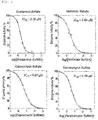
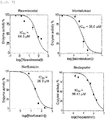
FIGS. 1 to 3 are graphs illustrating dengue virus RdRp activity inhibitory effects. -
FIG. 4 is graphs illustrating dengue virus helicase activity inhibitory effects. -
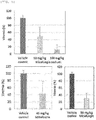
FIG. 5 is graphs illustrating dengue viremia reduction effects. -
FIG. 6 is images illustrating FFA results showing dengue virus reduction effects. -
FIG. 7 is graphs illustrating dengue virus growth inhibitory effects and increase in a survival rate to infection. -
FIG. 8 is graphs illustrating tissue-specific anti-dengue virus effects. -
FIG. 9 is images illustrating confirmation of virus growth inhibitory effects by histological analysis. - Hereinafter, the present invention will be described in detail.
- The present invention relates to a pharmaceutical composition for preventing or treating flavivirus infection.
- Flavivirus is a first genus of togavirus family, and has a common antigen in this genus due to its cohesive property of erythrocytes.
- As used herein, flavivirus refers to any species of virus known in the art to be included in the corresponding genus without limitation thereof, and flavivirus infection refers to a disease or virus-carrying condition caused by virus infection due to the corresponding virus.
- The composition of the present invention may exhibit killing and/or growth inhibitory effects on various species of flavivirus genus. For example, the viruses may be Apoi virus, Aroa virus, Bagaza virus, Banzi virus, Bouboui virus, Bukarasa bat virus, Cacipacore virus, Carey Island virus, Cowbone Ridge virus, Dakar bat virus, dengue virus, Edge Hill virus, Entebbe bat virus, Gadgets Gully virus, Ilheus virus, Israel turkey meningoencephalomyelitis virus, Japanese encephalitis virus, Jugra virus, Jutiapa virus, Kadam virus, Kedougou virus, Kokobera virus, Koutango virus, Kyasanur Forest disease virus, Langat virus, Louping ill virus, Meaban virus, Modoc virus, Montana myotis leukoencephalitis virus, Murray Valley encephalitis virus, Ntaya virus, Omsk hemorrhagic fever virus, Phnom Penh bat virus, Powassan virus, Rio Bravo virus, Royal Farm virus, Saboya virus, Saint Louis encephalitis virus, Sal Vieja virus, San Perlita virus, Saumarez Reef virus, Sepik virus, Tembusu virus, Tick-borne encephalitis virus, Tyuleniy virus, Uganda S virus, Usutu virus, Wesselsbron virus, West Nile virus, Yaounde virus, Yellow fever virus, Yokose virus, Zika Virus, and the like, specifically, dengue virus, and more specifically,
dengue virus serotype 2, but it is not limited thereto. - The pharmaceutical composition of the present invention may include, for example, at least one of gentamicin sulfate, netilmicin, tobramycin, paromomycin, amikacin, capreomycin, trifluoroperazine, dihydrostreptomycin, hydroxychloroquine, thioridazine HCl, efavirenz, miltefosine, nystatin, micafungin, bleomycin, resminostat, montelukast, norfloxacin, nedaplatin and cephalothin; or at least one of pharmaceutically acceptable salts of the above compounds.
- According to one specific embodiment, the inventive composition may include at least one of gentamicin sulfate, netilmicin, tobramycin, paromomycin, amikacin, capreomycin, trifluoroperazine, dihydrostreptomycin, hydroxychloroquine, thioridazine HCl, resminostat, montelukast, norfloxacin and nedaplatin; or at least one of pharmaceutically acceptable salts of the above compounds.
- In addition, according to one specific embodiment, the inventive composition may include at least one of efavirenz, miltefosine, nystatin, micafungin, bleomycin and cephalothin; or at least one of pharmaceutically acceptable salts of the above compounds.
- Further, according to one specific embodiment, the inventive composition may include at least one of tobramycin, trifluoroperazine 2HCl, amikacin hydrate, hydroxychloroquine sulfate, thioridazine HCl, dihydrostreptomycin sulfate, gentamicin sulfate, netilmicin sulfate, capreomycin sulfate, paromomycin sulfate, resminostat, montelukast, norfloxacin, nedaplatin, bleomycin, nystatin, cephalothin, micafungin sodium, efavirenz and miltefosine; or at least one of pharmaceutically acceptable salts of the above compounds.
- Pharmaceutically acceptable salts may include salts of acidic or basic groups which are possibly present in each of the above drugs (compounds). For example, the pharmaceutically acceptable salts used herein may include sodium salts, calcium salts, potassium salts, hydrochlorides, sulfates, hydrates, and the like, and may be prepared by conventional methods for preparation of salts known in the art, but it is not limited thereto.
- Existing applications of each of the above drugs, inhibitory target enzymes in flavivirus as well as IC50 may be shown in the following table, but it is not limited thereto.
[TABLE 1] n Drug Existing application Inhibitory target enzyme IC50 (microM) Gentamicin Sulfate Antibiotics RdRp 2.3 Netimicin Antibiotics RdRp 2.9 Tobramycin Antibiotics RdRp 3.0 Paromomycin Antibiotics RdRp 4.5 Amikacin Antibiotics RdRp 24.3 Capreomycin Antibiotics RdRp 5.7 Trifluoperazine Antibiotics RdRp 22.1 Dihydrostreptomy cin Antibiotics RdRp 18.4 Hydroxychloroqui ne Malaria medicine RdRp 96.0 Thioridazine HCl Anti-psychopathic medicine RdRp 28.1 Resminostat Anticancer agent RdRp 64.5 Montelukast Asthma therapeutic agent RdRp 38.6 Norfloxacin Anti-bacterial agent RdRp 26. 3 Nedaplatin Anticancer agent RdRp 86.4 Efavirenz HIV/AIDS (antiretroviral medication) Helicase 38.5 Miltefosine Antiparasitic agent (leishmaniasis) Helicase 17.5 Nystatin Antimycotics (polyene groups) Helicase 13.1 Micafungin Antifungal drug Helicase 5.0 Bleomycin Glycopepide Antibiotics, Anticancer agent for SCC Helicase 1.4 Cephalothin Cephalosporin Antibiotics (betalactam antibiotics) Helicase 26.0 - Such substances as listed above are pre-FDA approved drugs, however, have not yet been used for flavivirus infection.
- The above substances may act as an enzyme inhibitor, for example, that inhibits activity of helicase and RNA-dependent RNA polymerase (RdRp), which are enzymes required for viral replication, thereby exhibiting efficacy against flavivirus infection.
- Herein, RNA-dependent RNA polymerase (RdRp) in a flavivirus genus is known to have a very high genetic preservation rate at a gene level among various RNA virus families including flavivirus, and also exhibits a high conservation rate at a protein level (polypeptide motif level) (Viruses. 2018 Feb; 10(2): 76.). Therefore, the pharmaceutical compositions of the present invention may exhibit efficacy against various species of the flavivirus genus.
- In the case of helicases, amino acid sequences at enzyme active sites are very similarly conserved in the flavivirus, and these sequences are known to contribute to recognition of viral RNA. Further, it is known that the conserved sequences involve similar functions (contributing to hydrogen bond or hydrophobic interaction with adjacent specific sequences) in all flaviviruses and contribute to enzymatic activity. For example, the sites where dengue virus helicases and zika virus helicases are coupled to ssRNA substrates have been found to be very similar (12904-12920 Nucleic Acids Research, 2017, Vol. 45, No. 22).
- The pharmaceutical composition of the present invention may be formulated while including the above substances.
- The pharmaceutical compositions of the present invention may be formulated for delivery via any administration route. The "administration route" may refer to any route of administration known in the art including aerosol, nasal, oral, transmucosal, transdermal or parenteral route, or intestines, but it is not limited thereto.
- The pharmaceutical composition of the present invention may also contain any pharmaceutically acceptable carrier. As used herein, the "pharmaceutically acceptable carrier" refers to pharmaceutical acceptable substances, compositions or vehicles in carrying or transporting a compound of interest from one tissue, organ or part of the body to another tissue, organ or part of the body. For example, the carrier may include liquid or solid fillers, diluents, excipients, solvents or encapsulating materials or combinations thereof. Each component of the carrier should be "pharmaceutically acceptable", i.e., compatible with the other ingredients of the formulation. The carrier should also be suitable for use when being in contact with any tissue or organ to which the carrier can contact, in particular, should not involve risks such as toxicity, irritant, allergic reactions, and/or any other complications that are too great than immunogenicity or therapeutic advantages thereof.
- The composition of the present invention may be administered to a subject who tries to prevent flavivirus infection or to a subject who suffers from the flavivirus infection. The subject may be a mammal including a human, and specifically a human.
- The pharmaceutical composition of the present invention may be delivered in a therapeutically effective amount. The exact therapeutically effective amount is an amount of the composition to achieve the most effective result in regard to therapeutic efficacy in a given subject. This amount may be determined in consideration of characteristics of the therapeutic compound (including activity, pharmacokinetics, pharmacodynamics and bioactivity), physiological conditions of the subject (age, sex, disease type and stage, general physical health condition, response to a given dosage and type of medicament), characteristics of the pharmaceutically acceptable carrier or carriers in the formulation, and administration routes, but it is not limited thereto. In fact, the exact therapeutically effect amount will depend upon a number of factors without limitation to the above requirements. Those skilled in the art in the clinical and pharmacological arts will determine the therapeutically effective amount through routine experimentation, for example, by monitoring the subject's response to administration of the compound and adjusting the dosage accordingly.
- The present invention also relates to a composition for inhibiting growth of flavivirus or killing the same.
- The composition of the present invention may include at least one of gentamicin sulfate, netilmicin, tobramycin, paromomycin, amikacin, capreomycin, trifluoroperazine, dihydrostreptomycin, hydroxychloroquine, thioridazine HCl, efavirenz, miltefosine, nystatin, micafungin, bleomycin, resminostat, montelukast, norfloxacin, nedaplatin and cephalothin; or at least one of pharmaceutically acceptable salts of the above compounds.
- According to one specific embodiment, the inventive composition may include at least one of gentamicin sulfate, netilmicin, tobramycin, paromomycin, amikacin, capreomycin, trifluoroperazine, dihydrostreptomycin, hydroxychloroquine, thioridazine HCl, resminostat, montelukast, norfloxacin and nedaplatin; or at least one of pharmaceutically acceptable salts of the above compounds.
- In addition, according to one specific embodiment, the inventive composition may include at least one of efavirenz, miltefosine, nystatin, micafungin, bleomycin and cephalothin; or at least one of pharmaceutically acceptable salts of the above compounds.
- Further, according to one specific embodiment, the inventive composition may include at least one of tobramycin, trifluoroperazine 2HCl, amikacin hydrate, hydroxychloroquine sulfate, thioridazine HCl, dihydrostreptomycin sulfate, gentamicin sulfate, netilmicin sulfate, capreomycin sulfate, paromomycin sulfate, resminostat, montelukast, norfloxacin, nedaplatin, bleomycin, nystatin, cephalothin, micafungin sodium, efavirenz and miltefosine; or at least one of pharmaceutically acceptable salts of the above compounds.
- The composition of the present invention may exhibit killing and/or growth inhibitory effects on various species of flavivirus genus. For example, the viruses may be Apoi virus, Aroa virus, Bagaza virus, Banzi virus, Bouboui virus, Bukarasa bat virus, Cacipacore virus, Carey Island virus, Cowbone Ridge virus, Dakar bat virus, dengue virus, Edge Hill virus, Entebbe bat virus, Gadgets Gully virus, Ilheus virus, Israel turkey meningoencephalomyelitis virus, Japanese encephalitis virus, Jugra virus, Jutiapa virus, Kadam virus, Kedougou virus, Kokobera virus, Koutango virus, Kyasanur Forest disease virus, Langat virus, Louping ill virus, Meaban virus, Modoc virus, Montana myotis leukoencephalitis virus, Murray Valley encephalitis virus, Ntaya virus, Omsk hemorrhagic fever virus, Phnom Penh bat virus, Powassan virus, Rio Bravo virus, Royal Farm virus, Saboya virus, Saint Louis encephalitis virus, Sal Vieja virus, San Perlita virus, Saumarez Reef virus, Sepik virus, Tembusu virus, Tick-borne encephalitis virus, Tyuleniy virus, Uganda S virus, Usutu virus, Wesselsbron virus, West Nile virus, Yaounde virus, Yellow fever virus, Yokose virus, Zika Virus, and the like, specifically, dengue virus, and more specifically,
dengue virus serotype 2, but it is not limited thereto. - The composition of the present invention may be formulated as the pharmaceutical composition exemplified above, but it is not limited thereto.
- In addition, the present invention also relates to a use for preparation of a composition for preventing or treating flavivirus infection including at least one of gentamicin sulfate, netilmicin, tobramycin, paromomycin, amikacin, capreomycin, trifluoroperazine, dihydrostreptomycin, hydroxychloroquine, thioridazine HCl, efavirenz, miltefosine, nystatin, micafungin, bleomycin, resminostat, montelukast, norfloxacin, nedaplatin and cephalothin; or at least one of pharmaceutically acceptable salts of the above compounds.
- According to one specific embodiment, the inventive composition may include at least one of gentamicin sulfate, netilmicin, tobramycin, paromomycin, amikacin, capreomycin, trifluoroperazine, dihydrostreptomycin, hydroxychloroquine, thioridazine HCl, resminostat, montelukast, norfloxacin and nedaplatin; or at least one of pharmaceutically acceptable salts of the above compounds.
- In addition, according to one specific embodiment, the inventive composition may include at least one of efavirenz, miltefosine, nystatin, micafungin, bleomycin and cephalothin; or at least one of pharmaceutically acceptable salts of the above compounds.
- Further, according to one specific embodiment, the inventive composition may include at least one of tobramycin, trifluoroperazine 2HCl, amikacin hydrate, hydroxychloroquine sulfate, thioridazine HCl, dihydrostreptomycin sulfate, gentamicin sulfate, netilmicin sulfate, capreomycin sulfate, paromomycin sulfate, resminostat, montelukast, norfloxacin, nedaplatin, bleomycin, nystatin, cephalothin, micafungin sodium, efavirenz and miltefosine; or at least one of pharmaceutically acceptable salts of the above compounds.
- Flavivirus infections in the use of the present invention may be caused by the above-described viruses.
- As described above, the compounds (drugs) or pharmaceutically acceptable salts thereof may exhibit excellent effects of inhibiting growth of flavivirus growth and killing the same, and thus may be used in the preparation of a composition for preventing or treating flavivirus infection.
- Further, the present invention also relates to a method for preventing or treating flavivirus infection by administering, to a subject, at least one of gentamicin sulfate, netilmicin, tobramycin, paromomycin, amikacin, capreomycin, trifluoroperazine, dihydrostreptomycin, hydroxychloroquine, thioridazine HCl, efavirenz, miltefosine, nystatin, micafungin, bleomycin, resminostat, montelukast, norfloxacin, nedaplatin and cephalothin; or at least one of pharmaceutically acceptable salts of the above compounds.
- According to one specific embodiment, the inventive composition may include at least one of gentamicin sulfate, netilmicin, tobramycin, paromomycin, amikacin, capreomycin, trifluoroperazine, dihydrostreptomycin, hydroxychloroquine, thioridazine HCl, resminostat, montelukast, norfloxacin and nedaplatin; or at least one of pharmaceutically acceptable salts of the above compounds.
- In addition, according to one specific embodiment, the inventive composition may include at least one of efavirenz, miltefosine, nystatin, micafungin, bleomycin and cephalothin; or at least one of pharmaceutically acceptable salts of the above compounds.
- Further, according to one specific embodiment, the inventive composition may include at least one of tobramycin, trifluoroperazine 2HCl, amikacin hydrate, hydroxychloroquine sulfate, thioridazine HCl, dihydrostreptomycin sulfate, gentamicin sulfate, netilmicin sulfate, capreomycin sulfate, paromomycin sulfate, resminostat, montelukast, norfloxacin, nedaplatin, bleomycin, nystatin, cephalothin, micafungin sodium, efavirenz and miltefosine; or at least one of pharmaceutically acceptable salts of the above compounds.
- The subject may be any subject who is potentially infected with the flavivirus infection, and specifically, may be a mammal including a human, and more specifically, a human, but it is not limited thereto.
- Flavivirus infections may be caused by the viruses described above.
- Hereinafter, the present invention will be described in detail with reference to Examples.
- CCK-8 analysis was performed according to the manufacturer's instructions.
- Prior to the experiment, VeroE6 cells were seeded at densities of 10.5 × 10⁴ cells/cm2 and 7.0 × 10⁴ cells/cm2, respectively. After 24 hours of incubation at 37°C, 5% CO2, montelukast was treated at a continuously diluted concentration for 48 hours. Each group was treated with CCK-8 reagents at a concentration of 10% v/v and incubated for 1-4 hours in normal cell culture conditions. Quantitative analysis of changes in colorimetric intensity was performed by measuring an optical density of formazan salt at 450 nm using a microplate reader (Molecular Devices, Inc., USA). The experiment was performed in triplicate with data represented as mean ± SEM.
- Prior to the experiment, VeroE6 cells were seeded at densities of 10.5 × 10⁴ cells/cm2, and 7.0 × 10⁴ cells/cm 2, respectively. After 24 hours of incubation at 37°C, 5% CO2,
dengue virus serotype 2 was inoculated in each cell culture with MOI of 0.1, 0.5 and 2.5, respectively, in a serum-free medium for 2 hours. The culture plate was shaken gently every 30 minutes to evenly distribute the virus in the cells. Montelukast solutions were prepared at serially diluted concentrations in each complete culture medium containing 0.75% methyl cellulose. After incubation, the virus medium was removed and cells were washed once with sterilized PBS, and then treated with a compound solution. The cells were incubated for 48 hours in the culture chamber. After incubation, each group was prepared for focal formation assay (FFA) and relative viral RNA expression analysis. For FFA, the compound solution was removed and the cells were washed once with sterilized PBS, and then fixed with 4% paraform aldehyde. The cells were washed with TRIZOL for viral RNA expression analysis and stored at -70°C for further analysis. - FFA was performed on NS1 protein of dengue virus (DV)
serotype 2. Cells fixed with 4% paraformaldehyde were washed three times with PBS. A blocking solution was treated for 1 hour at room temperature. After washing with PBS, each group was treated with a primary antibody (Mouse anti-Flavivirus NS1, 1: 2000) for 2 hours at room temperature or overnight at 4°C. After washing with PBS, a secondary antibody (anti-mouse IgG-FITC, 1: 500) was applied to each group for 1 hour at room temperature. After rinsing, each group was treated with PBS containing 10 µg/ml HOECHST 33342 for nuclear staining. Viral focus-forming units stained with fluorescence were observed and analyzed under a microscope (Olympus, Japan). - AG129 mice (129/Sv IFN-α/β, -γ receptor deficiency) were purchased from Marshall BioResources (Aldbrough, UK). All experimental procedures were pre-approved by Jeonbuk National University IACUC, and were performed in accordance with guidelines for evaluation and recommendations of the Korean Association for Laboratory Animal Research. In order to avoid unexpected contact and contamination as DV was transferred by mosquitoes, cages with filter covers were used.
- In order to determine an appropriate viral titer for infection, AG129 mice (10-12 weeks) were inoculated by intra-peritoneal injection of various viral titers of 106, 5 × 10⁶ and 107 FFU. In order to assess antivirality of montelukast, AG129 mice (10-12 weeks) were injected with 107 FFU (IP) and then 200 µl of montelukast (IP, 10 mg/kg/day) or PBS. Medication was performed once a day. A negative control (uninfected group) was subjected to administration of 300 µl of PBS (IP) instead of virus. For a drug control group, 200 µl of montelukast (IP, 10 mg/kg/day) was administered alone to uninfected AG129 mice.
- Weight loss and mortality status were monitored daily. In the survival analysis, euthanized mice showing severe disease-related symptoms or rapid weight loss were recorded as current deaths after exhibition. Each body weight was analyzed as a relative percentage to 0 day.
- On
day 3, blood was collected from each mouse and transferred to an EDTA coated anticoagulant tube. After shaking for 10 minutes and gently mixing, 20 µl of each sample was analyzed by whole blood count using HEMAVET 950FS (Drew Scientific). The measured value of each factor was semi-quantified relative to that of the uninfected control. Plasma was isolated by centrifugation at 8000 g and 4°C for 15 minutes in order to analyze cytokine hyperemia and expression changes. Plasma virus titer (viremia) and viral RNA expression in whole blood were analyzed by quantitative real-time PCR (qRT-PCR). - All samples were analyzed according to manufacturer's instructions (BD Biosciences, USA).
- On
day 3, mice were sacrificed from each group (n = 6). Organ samples (spleen, liver, lung, small intestine and large intestine) were collected and prepared for viral RNA expression analysis and histopathology analysis. The spleen was weighed to measure splenomegaly. Half of the spleen, liver and lung were homogenized for viral RNA expression analysis and treated with TRIZOL reagent, then stored at -70°C for further analysis. The same procedure was applied to the entire samples of the small and large intestines. The other half of the spleen, liver and lung were soaked in 4% paraformaldehyde for fixation and stored at 4°C. - In order to investigate viral RNA expression changes in the collected samples, RNA was isolated from cell-based and animal-based samples treated with TRIZOL reagents, followed by cDNA synthesis using MLVRT ™ reverse transcriptase according to the instructions.
- For target gene amplification, each primer was designed taking into account overlap between two exons of the target gene having a GC content of less than 50% and an expected amplicon size of about 100 bps. Primer sequences were identified as shown in Table 2. For quantification of viral RNA, quantitative real time PCR (qRT-PCR) was performed. Each reaction was performed in 20 µL volume using SYBR green master mix.
Quantstudio 3 ™ (Applied Biosystems Inc., USA) was used for the present study in two-stage amplification process. For analysis of viremia, a linear correlation standard curve was established between the viral titer (FFU / mL) and the corresponding threshold cycle (CT) value. - Virus in plasma was calculated according to an equation of standard curve. The standard curve was induced for serially diluted virus titers. For cell-based group and mouse organ samples (including whole blood), semiquantitative viral RNA was analyzed for GAPDH as an endogenous control.
[TABLE 2] Gene Forward primer Reverse primer Amplicon size (bp) Human GAPDH 
GGATGACCTTGCCCACAGC (SEQ ID NO: 2) 123 Mouse GAPDH 
CTTCCCATTCTCGGCCTTG (SEQ ID NO: 4) 85 DV2 NS1 

65 - Organ samples fixed with 4% paraformaldehyde were subjected to a series of procedures such as paraffin insertion, sectioning and staining with hematoxylin and eosin.
- Data plots using concentration dependent analysis were analyzed with
OriginPro 8. Briefly, a log S curve was used for each data set. Error bars represent ± SEM unless otherwise indicated. Statistical significance of in vitro and in vivo antiviral efficacy assays was assessed by a two-tailed t-test. The statistical significance of the survival rate was analyzed by a log-rank test of R (R Foundation for Statistical Computing, Austria). - A degree of inhibition of dengue virus RdRp enzyme activity depending on the concentrations of 14 compounds was determined (IC50 values presented,
FIGS. 1 to 3 ). - Referring to
FIGS. 1 to 3 , it can be seen that 14 compounds inhibit dengue virus RdRp with high efficiency. - A degree of inhibition of dengue virus helicase activity depending on the concentrations of 6 compounds was confirmed (IC50 values presented,
FIG. 4 ). - Referring to
FIG. 4 , it can be seen that 6 types of compounds inhibit dengue virus helicase with high efficiency. - A dengue infection model (AG129 mouse) was used to confirm DENV viremia reduction in mouse blood after drug treatment (
FIG. 5 ). Micafungin sodium was introduced with intraperitoneal (IP) injection, miltefosine was introduced with oral injection, and a vehicle control was introduced with PBS. - Referring to
FIG. 5 , it can be seen that the dengue viremia is significantly reduced by micafungin sodium and/or miltefosine treatment. - Cell-based evaluation was performed to evaluate anti-dengue virus activity of each compound. In vitro viral focal formation assays were performed to investigate concentration dependent antiviral effects of each compound using VeroE6 cells. Virus focus images are shown in
FIG. 6 . - Referring to
FIG. 6 , it can be seen that the virus is significantly reduced during treatment of 11 types of compounds. - DENV2 (dengue virus serotype 2) infected AG129 mice (10-12 weeks, n = 10) were treated with 10 mg/kg of montelukast once daily. As a vehicle, PBS was injected. After infection, body weights were measured by date, and the survival rate and hyperemia in plasma were measured on day three after infection (
FIG. 7 ). - Referring to
FIG. 7 , it can be seen that the montelukast-administered group has a low degree of weight loss, a high survival rate and a low hyperemia. - Tissue-specific antiviral effects of montelukast have been identified for each major organ.
- DENV2 (dengue virus serotype 2) infected AG129 mice (n = 6) were treated with 10 mg/kg montelukast daily. Mice were sacrificed on day three after treatment. Then, whole blood, spleen, liver, lung, small intestine and large intestine were collected, and half of the spleen, liver and lung were preserved in paraformaldehyde. The other half was subjected to RNA isolation and virus titer analysis.
- Relative dengue virus RNA expression was measured from each tissue sample, results thereof are shown in
FIG. 8 . - Referring to
FIG. 8 , it can be seen that the dengue virus RNA expression is significantly low in the montelukast treatment group. - Dengue virus infected mice were treated with montelukast to obtain histological data of the treated group and untreated group. After resection of the spleen and liver of each group, H & E staining was performed. Results thereof are shown in
FIG. 9 . - Referring to
FIG. 9 , it can be seen that virus replication is reduced by the montelukast treatment.

Claims (8)
- A pharmaceutical composition for use in the prevention or treatment of flavivirus infection, the composition comprising:
at least one of gentamicin sulfate, netilmicin, tobramycin, paromomycin, amikacin, capreomycin, trifluoroperazine, dihydrostreptomycin, hydroxychloroquine, thioridazine HCl, efavirenz, miltefosine, nystatin, micafungin, bleomycin, resminostat, montelukast, norfloxacin, nedaplatin and cephalothin; or at least one of pharmaceutically acceptable salts of the above compounds. - The composition according to claim 1, wherein the flavivirus infection is an infection derived from Apoi virus, Aroa virus, Bagaza virus, Banzi virus, Bouboui virus, Bukarasa bat virus, Cacipacore virus, Carey Island virus, Cowbone Ridge virus, Dakar bat virus, dengue virus, Edge Hill virus, Entebbe bat virus, Gadgets Gully virus, Ilheus virus, Israel turkey meningoencephalomyelitis virus, Japanese encephalitis virus, Jugra virus, Jutiapa virus, Kadam virus, Kedougou virus, Kokobera virus, Koutango virus, Kyasanur Forest disease virus, Langat virus, Louping ill virus, Meaban virus, Modoc virus, Montana myotis leukoencephalitis virus, Murray Valley encephalitis virus, Ntaya virus, Omsk hemorrhagic fever virus, Phnom Penh bat virus, Powassan virus, Rio Bravo virus, Royal Farm virus, Saboya virus, Saint Louis encephalitis virus, Sal Vieja virus, San Perlita virus, Saumarez Reef virus, Sepik virus, Tembusu virus, Tick-borne encephalitis virus, Tyuleniy virus, Uganda S virus, Usutu virus, Wesselsbron virus, West Nile virus, Yaounde virus, Yellow fever virus, Yokose virus, or Zika Virus.
- The composition according to claim 1, wherein the flavivirus infection is a dengue virus-derived infection.
- The composition according to claim 1, comprising: at least one of tobramycin, trifluoroperazine 2HCl, amikacin hydrate, hydroxychloroquine sulfate, thioridazine HCl, dihydrostreptomycin sulfate, gentamicin sulfate, netilmicin sulfate, capreomycin sulfate, paromomycin sulfate, resminostat, montelukast, norfloxacin, nedaplatin, bleomycin, nystatin, cephalothin, micafungin sodium, efavirenz and miltefosine; or at least one of pharmaceutically acceptable salts of the above compounds.
- A composition for use in the inhibition of growth of flavivirus or killing the same, the composition comprising:
at least one of gentamicin sulfate, netilmicin, tobramycin, paromomycin, amikacin, capreomycin, trifluoroperazine, dihydrostreptomycin, hydroxychloroquine, thioridazine HCl, efavirenz, miltefosine, nystatin, micafungin, bleomycin, resminostat, montelukast, norfloxacin, nedaplatin and cephalothin; or at least one of pharmaceutically acceptable salts of the above compounds. - The composition according to claim 5, wherein the flavivirus is Apoi virus, Aroa virus, Bagaza virus, Banzi virus, Bouboui virus, Bukarasa bat virus, Cacipacore virus, Carey Island virus, Cowbone Ridge virus, Dakar bat virus, dengue virus, Edge Hill virus, Entebbe bat virus, Gadgets Gully virus, Ilheus virus, Israel turkey meningoencephalomyelitis virus, Japanese encephalitis virus, Jugra virus, Jutiapa virus, Kadam virus, Kedougou virus, Kokobera virus, Koutango virus, Kyasanur Forest disease virus, Langat virus, Louping ill virus, Meaban virus, Modoc virus, Montana myotis leukoencephalitis virus, Murray Valley encephalitis virus, Ntaya virus, Omsk hemorrhagic fever virus, Phnom Penh bat virus, Powassan virus, Rio Bravo virus, Royal Farm virus, Saboya virus, Saint Louis encephalitis virus, Sal Vieja virus, San Perlita virus, Saumarez Reef virus, Sepik virus, Tembusu virus, Tick-borne encephalitis virus, Tyuleniy virus, Uganda S virus, Usutu virus, Wesselsbron virus, West Nile virus, Yaounde virus, Yellow fever virus, Yokose virus, or Zika Virus.
- The composition according to claim 5, wherein the flavivirus is dengue virus.
- The composition according to claim 5, comprising: at least one of tobramycin, trifluoroperazine 2HCl, amikacin hydrate, hydroxychloroquine sulfate, thioridazine HCl, dihydrostreptomycin sulfate, gentamicin sulfate, netilmicin sulfate, capreomycin sulfate, paromomycin sulfate, resminostat, montelukast, norfloxacin, nedaplatin, bleomycin, nystatin, cephalothin, micafungin sodium, efavirenz and miltefosine; or at least one of pharmaceutically acceptable salts of the above compounds.
Applications Claiming Priority (2)
| Application Number | Priority Date | Filing Date | Title |
|---|---|---|---|
| US201862663312P | 2018-04-27 | 2018-04-27 | |
| PCT/KR2019/004974 WO2019209035A1 (en) | 2018-04-27 | 2019-04-24 | Pharmaceutical composition for prevention or treatment of flavivirus infectious disease |
Publications (3)
| Publication Number | Publication Date |
|---|---|
| EP3785718A1 true EP3785718A1 (en) | 2021-03-03 |
| EP3785718A4 EP3785718A4 (en) | 2022-01-12 |
| EP3785718B1 EP3785718B1 (en) | 2024-03-27 |
Family
ID=68579216
Family Applications (1)
| Application Number | Title | Priority Date | Filing Date |
|---|---|---|---|
| EP19792006.9A Active EP3785718B1 (en) | 2018-04-27 | 2019-04-24 | Pharmaceutical composition for prevention or treatment of flavivirus infectious disease |
Country Status (4)
| Country | Link |
|---|---|
| US (1) | US12295967B2 (en) |
| EP (1) | EP3785718B1 (en) |
| KR (3) | KR102269663B1 (en) |
| CN (3) | CN120570898A (en) |
Families Citing this family (4)
| Publication number | Priority date | Publication date | Assignee | Title |
|---|---|---|---|---|
| EP3909578A1 (en) * | 2020-05-12 | 2021-11-17 | Universidad de Castilla la Mancha | Antiviral composition comprising eeyarestatin i |
| TWI798578B (en) * | 2020-08-21 | 2023-04-11 | 國防醫學院 | Uses of echinocandins in treating flavivirus infection |
| KR20230131257A (en) * | 2021-02-17 | 2023-09-12 | 서울대학교산학협력단 | Pharmaceutical composition for preventing or treating dengue fever |
| WO2024049116A1 (en) * | 2022-08-30 | 2024-03-07 | 서울대학교산학협력단 | Antiviral composition |
Family Cites Families (13)
| Publication number | Priority date | Publication date | Assignee | Title |
|---|---|---|---|---|
| JP2005519639A (en) | 2002-01-15 | 2005-07-07 | アカンビス インコーポレーティッド | Flavivirus vaccine |
| US7473424B2 (en) * | 2003-01-31 | 2009-01-06 | The Scripps Research Institute | Anti-dengue virus antibodies and compositions |
| US20090227637A1 (en) * | 2005-12-15 | 2009-09-10 | Olaf Weber | Diaryl ureas for treating virus infections |
| WO2009049115A1 (en) * | 2007-10-11 | 2009-04-16 | University Of Maryland | Methods for the treatment of viral conditions |
| SG11201406142XA (en) | 2012-03-27 | 2014-10-30 | Univ Duke | Compositions and methods for the prevention and treatment of mast cell-induced vascular leakage |
| WO2015051281A1 (en) * | 2013-10-06 | 2015-04-09 | Morrison Thomas E | Antiviral therapies |
| RU2547835C1 (en) * | 2014-03-06 | 2015-04-10 | Федеральное государственное бюджетное учреждение науки Институт органического синтеза им. И.Я. Постовского Уральского отделения Российской академии наук | Azoloazine salts of fluoroquinolones, possessing antibacterial and antiviral action |
| WO2016044095A1 (en) * | 2014-09-15 | 2016-03-24 | Inflammatory Response Research, Inc. | Levocetirizine and montelukast in the treatment of inflammation mediated conditions |
| US20160213647A1 (en) | 2015-01-28 | 2016-07-28 | Arno Therapeutics, Inc. | Compositions and methods for inhibiting viral infection |
| MX392734B (en) * | 2015-09-17 | 2025-03-24 | Inst Politecnico Nacional | USE OF THE ACID COMPOUND 2-[1-[[(1R)-1-[3-[2-(7-CHLOROQUINOLIN-2-IL) ETHENYL] PHENYL]-3-[2-(2-HIDROXYPROPAN-2-IL) PHENYL] PROPYL] SULPHANYLMETHYL] CYCLOPROPYL] ACETIC AS AN ALLOSTERIC PROTEASE INHIBITOR NS2B/NS3 OF THE DENGUE VIRUS. |
| WO2017181098A2 (en) | 2016-04-15 | 2017-10-19 | Visterra, Inc. | Antibody molecules to zika virus and uses thereof |
| CN106511346A (en) * | 2016-12-08 | 2017-03-22 | 上海市公共卫生临床中心 | Small molecular drug capable of being used for inhibiting Zika virus infection and application of drug |
| US20210128554A1 (en) * | 2016-12-23 | 2021-05-06 | Temple University - Of The Commonwealth System Of Higher Education | Anti-flaviviridae activity of anti-retroviral non-nucleoside (nnrtis) and nucleoside reverse transcriptase inhibitors (nnrtis) |
-
2019
- 2019-04-24 CN CN202311462579.9A patent/CN120570898A/en active Pending
- 2019-04-24 US US17/051,117 patent/US12295967B2/en active Active
- 2019-04-24 EP EP19792006.9A patent/EP3785718B1/en active Active
- 2019-04-24 KR KR1020190048075A patent/KR102269663B1/en active Active
- 2019-04-24 CN CN201980028691.7A patent/CN112040954A/en active Pending
- 2019-04-24 CN CN202311462578.4A patent/CN120053460A/en active Pending
-
2020
- 2020-09-21 KR KR1020200121615A patent/KR102269664B1/en active Active
- 2020-09-21 KR KR1020200121616A patent/KR102269665B1/en active Active
Also Published As
| Publication number | Publication date |
|---|---|
| KR102269664B1 (en) | 2021-06-28 |
| US12295967B2 (en) | 2025-05-13 |
| CN120053460A (en) | 2025-05-30 |
| EP3785718B1 (en) | 2024-03-27 |
| KR102269665B1 (en) | 2021-06-28 |
| CN120570898A (en) | 2025-09-02 |
| US20210228607A1 (en) | 2021-07-29 |
| KR20200116069A (en) | 2020-10-08 |
| KR102269663B1 (en) | 2021-06-28 |
| KR20190125943A (en) | 2019-11-07 |
| CN112040954A (en) | 2020-12-04 |
| KR20200116068A (en) | 2020-10-08 |
| EP3785718A4 (en) | 2022-01-12 |
Similar Documents
| Publication | Publication Date | Title |
|---|---|---|
| KR102269665B1 (en) | Medicinal composition for preventing or treating flavivirus infections and method for treating the same | |
| Smee et al. | Treatment of lethal vaccinia virus respiratory infections in mice with cidofovir | |
| CN113082049B (en) | New application of potassium iodide or composition containing potassium iodide in preparation of drugs for treating African swine fever | |
| PT1585524E (en) | The use of endoperoxides for the treatment of infections caused by flaviviridae, including hepatitis c, bovine viral diarrhea and classical swine fever virus | |
| Wang et al. | Construction of exosome-loaded LL-37 and its protection against zika virus infection | |
| EP1596859A1 (en) | Treatment of diseases caused by ljungan virus by using pleconaril | |
| US20040028754A1 (en) | Use of phyllanthus component for the treatment or prophylaxis of infections triggered by flaviviridae | |
| JP2009524585A (en) | Diarylureas for treating viral infections | |
| CN114762694B (en) | Application of oligosaccharyltransferase inhibitors in the prevention and/or treatment of novel coronavirus infection | |
| CN106983750A (en) | Application of the Menglusitena in zika virus, dengue virus and flavivirus infection is suppressed | |
| CA2465062C (en) | Preventive and/or therapeutic agent for viral infection | |
| CN114748481B (en) | Application of trorostat hippurate in the preparation of drugs against tick-borne encephalitis virus, West Nile virus, yellow fever virus and chikungunya virus infection | |
| CN106038695B (en) | Use of avocado extract, avocadol B and (2R,4R) -1,2, 4-trihydroxyheptadeca-16-alkyne, and health food containing avocado extract | |
| WO2019209035A1 (en) | Pharmaceutical composition for prevention or treatment of flavivirus infectious disease | |
| CN117180262B (en) | Application of galangin in the preparation of drugs for the treatment of shrimp white spot syndrome | |
| KR102573565B1 (en) | Flavonoids compound and antiviral agent containing the same as an active ingredient | |
| CN109045011B (en) | Application of tyrosine kinase inhibitors in the preparation of anti-chikungunya virus drugs | |
| CN119174754A (en) | Use of Ipriflavone in combating respiratory syncytial virus infection | |
| CN113274375A (en) | Application of metformin and derivatives or pharmaceutically acceptable salts thereof in preparation of drugs for treating coronavirus infection | |
| CN108014129B (en) | Application of iron ions in inhibiting RNA viruses | |
| TWI274585B (en) | Pharmaceutical composition, kit, and packaged product for treating infection by a flaviviridae virus | |
| CN114668763A (en) | Application of etravirine in the preparation of drugs against tick-borne encephalitis virus, West Nile virus, yellow fever virus and chikungunya virus infection | |
| WO2007131591A1 (en) | Manufacture and use of an antiviral chemotherapeutic substance which changes the metabolism of a host cell into a state in which the replication of viruses in the cell is blocked | |
| CN115006386B (en) | Application of nifuruzide in the preparation of drugs against tick-borne encephalitis virus, West Nile virus, yellow fever virus and chikungunya virus infection | |
| CN119548482A (en) | New use of hypericin in the preparation of medicine for preventing or treating Zika virus infection |
Legal Events
| Date | Code | Title | Description |
|---|---|---|---|
| STAA | Information on the status of an ep patent application or granted ep patent |
Free format text: STATUS: THE INTERNATIONAL PUBLICATION HAS BEEN MADE |
|
| PUAI | Public reference made under article 153(3) epc to a published international application that has entered the european phase |
Free format text: ORIGINAL CODE: 0009012 |
|
| STAA | Information on the status of an ep patent application or granted ep patent |
Free format text: STATUS: REQUEST FOR EXAMINATION WAS MADE |
|
| 17P | Request for examination filed |
Effective date: 20201119 |
|
| AK | Designated contracting states |
Kind code of ref document: A1 Designated state(s): AL AT BE BG CH CY CZ DE DK EE ES FI FR GB GR HR HU IE IS IT LI LT LU LV MC MK MT NL NO PL PT RO RS SE SI SK SM TR |
|
| AX | Request for extension of the european patent |
Extension state: BA ME |
|
| DAV | Request for validation of the european patent (deleted) | ||
| DAX | Request for extension of the european patent (deleted) | ||
| A4 | Supplementary search report drawn up and despatched |
Effective date: 20211213 |
|
| RIC1 | Information provided on ipc code assigned before grant |
Ipc: A61K 38/14 20060101ALI20211207BHEP Ipc: A61K 38/12 20060101ALI20211207BHEP Ipc: A61K 31/7048 20060101ALI20211207BHEP Ipc: A61K 31/4706 20060101ALI20211207BHEP Ipc: A61K 31/685 20060101ALI20211207BHEP Ipc: A61K 31/555 20060101ALI20211207BHEP Ipc: A61K 31/546 20060101ALI20211207BHEP Ipc: A61K 31/5415 20060101ALI20211207BHEP Ipc: A61K 31/536 20060101ALI20211207BHEP Ipc: A61K 31/496 20060101ALI20211207BHEP Ipc: A61K 31/422 20060101ALI20211207BHEP Ipc: A61K 31/402 20060101ALI20211207BHEP Ipc: A61K 31/282 20060101ALI20211207BHEP Ipc: A61P 31/14 20060101ALI20211207BHEP Ipc: A61K 31/47 20060101ALI20211207BHEP Ipc: A61K 31/7008 20060101ALI20211207BHEP Ipc: A61K 31/7036 20060101AFI20211207BHEP |
|
| STAA | Information on the status of an ep patent application or granted ep patent |
Free format text: STATUS: EXAMINATION IS IN PROGRESS |
|
| 17Q | First examination report despatched |
Effective date: 20230630 |
|
| GRAP | Despatch of communication of intention to grant a patent |
Free format text: ORIGINAL CODE: EPIDOSNIGR1 |
|
| STAA | Information on the status of an ep patent application or granted ep patent |
Free format text: STATUS: GRANT OF PATENT IS INTENDED |
|
| INTG | Intention to grant announced |
Effective date: 20231030 |
|
| GRAS | Grant fee paid |
Free format text: ORIGINAL CODE: EPIDOSNIGR3 |
|
| P01 | Opt-out of the competence of the unified patent court (upc) registered |
Effective date: 20240112 |
|
| GRAA | (expected) grant |
Free format text: ORIGINAL CODE: 0009210 |
|
| STAA | Information on the status of an ep patent application or granted ep patent |
Free format text: STATUS: THE PATENT HAS BEEN GRANTED |
|
| AK | Designated contracting states |
Kind code of ref document: B1 Designated state(s): AL AT BE BG CH CY CZ DE DK EE ES FI FR GB GR HR HU IE IS IT LI LT LU LV MC MK MT NL NO PL PT RO RS SE SI SK SM TR |
|
| REG | Reference to a national code |
Ref country code: GB Ref legal event code: FG4D |
|
| REG | Reference to a national code |
Ref country code: CH Ref legal event code: EP |
|
| REG | Reference to a national code |
Ref country code: DE Ref legal event code: R096 Ref document number: 602019049099 Country of ref document: DE |
|
| REG | Reference to a national code |
Ref country code: IE Ref legal event code: FG4D |
|
| PG25 | Lapsed in a contracting state [announced via postgrant information from national office to epo] |
Ref country code: LT Free format text: LAPSE BECAUSE OF FAILURE TO SUBMIT A TRANSLATION OF THE DESCRIPTION OR TO PAY THE FEE WITHIN THE PRESCRIBED TIME-LIMIT Effective date: 20240327 |
|
| REG | Reference to a national code |
Ref country code: LT Ref legal event code: MG9D |
|
| PG25 | Lapsed in a contracting state [announced via postgrant information from national office to epo] |
Ref country code: GR Free format text: LAPSE BECAUSE OF FAILURE TO SUBMIT A TRANSLATION OF THE DESCRIPTION OR TO PAY THE FEE WITHIN THE PRESCRIBED TIME-LIMIT Effective date: 20240628 |
|
| PG25 | Lapsed in a contracting state [announced via postgrant information from national office to epo] |
Ref country code: HR Free format text: LAPSE BECAUSE OF FAILURE TO SUBMIT A TRANSLATION OF THE DESCRIPTION OR TO PAY THE FEE WITHIN THE PRESCRIBED TIME-LIMIT Effective date: 20240327 Ref country code: RS Free format text: LAPSE BECAUSE OF FAILURE TO SUBMIT A TRANSLATION OF THE DESCRIPTION OR TO PAY THE FEE WITHIN THE PRESCRIBED TIME-LIMIT Effective date: 20240627 |
|
| PG25 | Lapsed in a contracting state [announced via postgrant information from national office to epo] |
Ref country code: RS Free format text: LAPSE BECAUSE OF FAILURE TO SUBMIT A TRANSLATION OF THE DESCRIPTION OR TO PAY THE FEE WITHIN THE PRESCRIBED TIME-LIMIT Effective date: 20240627 Ref country code: NO Free format text: LAPSE BECAUSE OF FAILURE TO SUBMIT A TRANSLATION OF THE DESCRIPTION OR TO PAY THE FEE WITHIN THE PRESCRIBED TIME-LIMIT Effective date: 20240627 Ref country code: LT Free format text: LAPSE BECAUSE OF FAILURE TO SUBMIT A TRANSLATION OF THE DESCRIPTION OR TO PAY THE FEE WITHIN THE PRESCRIBED TIME-LIMIT Effective date: 20240327 Ref country code: HR Free format text: LAPSE BECAUSE OF FAILURE TO SUBMIT A TRANSLATION OF THE DESCRIPTION OR TO PAY THE FEE WITHIN THE PRESCRIBED TIME-LIMIT Effective date: 20240327 Ref country code: GR Free format text: LAPSE BECAUSE OF FAILURE TO SUBMIT A TRANSLATION OF THE DESCRIPTION OR TO PAY THE FEE WITHIN THE PRESCRIBED TIME-LIMIT Effective date: 20240628 Ref country code: FI Free format text: LAPSE BECAUSE OF FAILURE TO SUBMIT A TRANSLATION OF THE DESCRIPTION OR TO PAY THE FEE WITHIN THE PRESCRIBED TIME-LIMIT Effective date: 20240327 Ref country code: BG Free format text: LAPSE BECAUSE OF FAILURE TO SUBMIT A TRANSLATION OF THE DESCRIPTION OR TO PAY THE FEE WITHIN THE PRESCRIBED TIME-LIMIT Effective date: 20240327 |
|
| REG | Reference to a national code |
Ref country code: NL Ref legal event code: MP Effective date: 20240327 |
|
| PG25 | Lapsed in a contracting state [announced via postgrant information from national office to epo] |
Ref country code: SE Free format text: LAPSE BECAUSE OF FAILURE TO SUBMIT A TRANSLATION OF THE DESCRIPTION OR TO PAY THE FEE WITHIN THE PRESCRIBED TIME-LIMIT Effective date: 20240327 Ref country code: LV Free format text: LAPSE BECAUSE OF FAILURE TO SUBMIT A TRANSLATION OF THE DESCRIPTION OR TO PAY THE FEE WITHIN THE PRESCRIBED TIME-LIMIT Effective date: 20240327 |
|
| PG25 | Lapsed in a contracting state [announced via postgrant information from national office to epo] |
Ref country code: NL Free format text: LAPSE BECAUSE OF FAILURE TO SUBMIT A TRANSLATION OF THE DESCRIPTION OR TO PAY THE FEE WITHIN THE PRESCRIBED TIME-LIMIT Effective date: 20240327 |
|
| REG | Reference to a national code |
Ref country code: AT Ref legal event code: MK05 Ref document number: 1669277 Country of ref document: AT Kind code of ref document: T Effective date: 20240327 |
|
| PG25 | Lapsed in a contracting state [announced via postgrant information from national office to epo] |
Ref country code: NL Free format text: LAPSE BECAUSE OF FAILURE TO SUBMIT A TRANSLATION OF THE DESCRIPTION OR TO PAY THE FEE WITHIN THE PRESCRIBED TIME-LIMIT Effective date: 20240327 |
|
| PG25 | Lapsed in a contracting state [announced via postgrant information from national office to epo] |
Ref country code: IS Free format text: LAPSE BECAUSE OF FAILURE TO SUBMIT A TRANSLATION OF THE DESCRIPTION OR TO PAY THE FEE WITHIN THE PRESCRIBED TIME-LIMIT Effective date: 20240727 |
|
| PG25 | Lapsed in a contracting state [announced via postgrant information from national office to epo] |
Ref country code: SM Free format text: LAPSE BECAUSE OF FAILURE TO SUBMIT A TRANSLATION OF THE DESCRIPTION OR TO PAY THE FEE WITHIN THE PRESCRIBED TIME-LIMIT Effective date: 20240327 Ref country code: PT Free format text: LAPSE BECAUSE OF FAILURE TO SUBMIT A TRANSLATION OF THE DESCRIPTION OR TO PAY THE FEE WITHIN THE PRESCRIBED TIME-LIMIT Effective date: 20240729 |
|
| PG25 | Lapsed in a contracting state [announced via postgrant information from national office to epo] |
Ref country code: ES Free format text: LAPSE BECAUSE OF FAILURE TO SUBMIT A TRANSLATION OF THE DESCRIPTION OR TO PAY THE FEE WITHIN THE PRESCRIBED TIME-LIMIT Effective date: 20240327 |
|
| PG25 | Lapsed in a contracting state [announced via postgrant information from national office to epo] |
Ref country code: EE Free format text: LAPSE BECAUSE OF FAILURE TO SUBMIT A TRANSLATION OF THE DESCRIPTION OR TO PAY THE FEE WITHIN THE PRESCRIBED TIME-LIMIT Effective date: 20240327 Ref country code: CZ Free format text: LAPSE BECAUSE OF FAILURE TO SUBMIT A TRANSLATION OF THE DESCRIPTION OR TO PAY THE FEE WITHIN THE PRESCRIBED TIME-LIMIT Effective date: 20240327 |
|
| PG25 | Lapsed in a contracting state [announced via postgrant information from national office to epo] |
Ref country code: AT Free format text: LAPSE BECAUSE OF FAILURE TO SUBMIT A TRANSLATION OF THE DESCRIPTION OR TO PAY THE FEE WITHIN THE PRESCRIBED TIME-LIMIT Effective date: 20240327 |
|
| PG25 | Lapsed in a contracting state [announced via postgrant information from national office to epo] |
Ref country code: PL Free format text: LAPSE BECAUSE OF FAILURE TO SUBMIT A TRANSLATION OF THE DESCRIPTION OR TO PAY THE FEE WITHIN THE PRESCRIBED TIME-LIMIT Effective date: 20240327 |
|
| PG25 | Lapsed in a contracting state [announced via postgrant information from national office to epo] |
Ref country code: SK Free format text: LAPSE BECAUSE OF FAILURE TO SUBMIT A TRANSLATION OF THE DESCRIPTION OR TO PAY THE FEE WITHIN THE PRESCRIBED TIME-LIMIT Effective date: 20240327 |
|
| PG25 | Lapsed in a contracting state [announced via postgrant information from national office to epo] |
Ref country code: SM Free format text: LAPSE BECAUSE OF FAILURE TO SUBMIT A TRANSLATION OF THE DESCRIPTION OR TO PAY THE FEE WITHIN THE PRESCRIBED TIME-LIMIT Effective date: 20240327 Ref country code: SK Free format text: LAPSE BECAUSE OF FAILURE TO SUBMIT A TRANSLATION OF THE DESCRIPTION OR TO PAY THE FEE WITHIN THE PRESCRIBED TIME-LIMIT Effective date: 20240327 Ref country code: RO Free format text: LAPSE BECAUSE OF FAILURE TO SUBMIT A TRANSLATION OF THE DESCRIPTION OR TO PAY THE FEE WITHIN THE PRESCRIBED TIME-LIMIT Effective date: 20240327 Ref country code: PT Free format text: LAPSE BECAUSE OF FAILURE TO SUBMIT A TRANSLATION OF THE DESCRIPTION OR TO PAY THE FEE WITHIN THE PRESCRIBED TIME-LIMIT Effective date: 20240729 Ref country code: PL Free format text: LAPSE BECAUSE OF FAILURE TO SUBMIT A TRANSLATION OF THE DESCRIPTION OR TO PAY THE FEE WITHIN THE PRESCRIBED TIME-LIMIT Effective date: 20240327 Ref country code: IS Free format text: LAPSE BECAUSE OF FAILURE TO SUBMIT A TRANSLATION OF THE DESCRIPTION OR TO PAY THE FEE WITHIN THE PRESCRIBED TIME-LIMIT Effective date: 20240727 Ref country code: ES Free format text: LAPSE BECAUSE OF FAILURE TO SUBMIT A TRANSLATION OF THE DESCRIPTION OR TO PAY THE FEE WITHIN THE PRESCRIBED TIME-LIMIT Effective date: 20240327 Ref country code: EE Free format text: LAPSE BECAUSE OF FAILURE TO SUBMIT A TRANSLATION OF THE DESCRIPTION OR TO PAY THE FEE WITHIN THE PRESCRIBED TIME-LIMIT Effective date: 20240327 Ref country code: CZ Free format text: LAPSE BECAUSE OF FAILURE TO SUBMIT A TRANSLATION OF THE DESCRIPTION OR TO PAY THE FEE WITHIN THE PRESCRIBED TIME-LIMIT Effective date: 20240327 Ref country code: AT Free format text: LAPSE BECAUSE OF FAILURE TO SUBMIT A TRANSLATION OF THE DESCRIPTION OR TO PAY THE FEE WITHIN THE PRESCRIBED TIME-LIMIT Effective date: 20240327 |
|
| PG25 | Lapsed in a contracting state [announced via postgrant information from national office to epo] |
Ref country code: IT Free format text: LAPSE BECAUSE OF FAILURE TO SUBMIT A TRANSLATION OF THE DESCRIPTION OR TO PAY THE FEE WITHIN THE PRESCRIBED TIME-LIMIT Effective date: 20240327 |
|
| PG25 | Lapsed in a contracting state [announced via postgrant information from national office to epo] |
Ref country code: LU Free format text: LAPSE BECAUSE OF NON-PAYMENT OF DUE FEES Effective date: 20240424 |
|
| REG | Reference to a national code |
Ref country code: BE Ref legal event code: MM Effective date: 20240430 |
|
| PG25 | Lapsed in a contracting state [announced via postgrant information from national office to epo] |
Ref country code: LU Free format text: LAPSE BECAUSE OF NON-PAYMENT OF DUE FEES Effective date: 20240424 Ref country code: IT Free format text: LAPSE BECAUSE OF FAILURE TO SUBMIT A TRANSLATION OF THE DESCRIPTION OR TO PAY THE FEE WITHIN THE PRESCRIBED TIME-LIMIT Effective date: 20240327 |
|
| REG | Reference to a national code |
Ref country code: DE Ref legal event code: R097 Ref document number: 602019049099 Country of ref document: DE |
|
| PG25 | Lapsed in a contracting state [announced via postgrant information from national office to epo] |
Ref country code: MC Free format text: LAPSE BECAUSE OF FAILURE TO SUBMIT A TRANSLATION OF THE DESCRIPTION OR TO PAY THE FEE WITHIN THE PRESCRIBED TIME-LIMIT Effective date: 20240327 |
|
| PG25 | Lapsed in a contracting state [announced via postgrant information from national office to epo] |
Ref country code: DK Free format text: LAPSE BECAUSE OF FAILURE TO SUBMIT A TRANSLATION OF THE DESCRIPTION OR TO PAY THE FEE WITHIN THE PRESCRIBED TIME-LIMIT Effective date: 20240327 |
|
| PG25 | Lapsed in a contracting state [announced via postgrant information from national office to epo] |
Ref country code: BE Free format text: LAPSE BECAUSE OF NON-PAYMENT OF DUE FEES Effective date: 20240430 |
|
| PG25 | Lapsed in a contracting state [announced via postgrant information from national office to epo] |
Ref country code: MC Free format text: LAPSE BECAUSE OF FAILURE TO SUBMIT A TRANSLATION OF THE DESCRIPTION OR TO PAY THE FEE WITHIN THE PRESCRIBED TIME-LIMIT Effective date: 20240327 Ref country code: DK Free format text: LAPSE BECAUSE OF FAILURE TO SUBMIT A TRANSLATION OF THE DESCRIPTION OR TO PAY THE FEE WITHIN THE PRESCRIBED TIME-LIMIT Effective date: 20240327 Ref country code: BE Free format text: LAPSE BECAUSE OF NON-PAYMENT OF DUE FEES Effective date: 20240430 |
|
| PLBE | No opposition filed within time limit |
Free format text: ORIGINAL CODE: 0009261 |
|
| STAA | Information on the status of an ep patent application or granted ep patent |
Free format text: STATUS: NO OPPOSITION FILED WITHIN TIME LIMIT |
|
| 26N | No opposition filed |
Effective date: 20250103 |
|
| PG25 | Lapsed in a contracting state [announced via postgrant information from national office to epo] |
Ref country code: IE Free format text: LAPSE BECAUSE OF NON-PAYMENT OF DUE FEES Effective date: 20240424 |
|
| PG25 | Lapsed in a contracting state [announced via postgrant information from national office to epo] |
Ref country code: SI Free format text: LAPSE BECAUSE OF FAILURE TO SUBMIT A TRANSLATION OF THE DESCRIPTION OR TO PAY THE FEE WITHIN THE PRESCRIBED TIME-LIMIT Effective date: 20240327 |
|
| PGFP | Annual fee paid to national office [announced via postgrant information from national office to epo] |
Ref country code: DE Payment date: 20250314 Year of fee payment: 7 |
|
| PGFP | Annual fee paid to national office [announced via postgrant information from national office to epo] |
Ref country code: GB Payment date: 20250423 Year of fee payment: 7 |
|
| PGFP | Annual fee paid to national office [announced via postgrant information from national office to epo] |
Ref country code: FR Payment date: 20250422 Year of fee payment: 7 |
|
| PGFP | Annual fee paid to national office [announced via postgrant information from national office to epo] |
Ref country code: CH Payment date: 20250501 Year of fee payment: 7 |
|
| PG25 | Lapsed in a contracting state [announced via postgrant information from national office to epo] |
Ref country code: CY Free format text: LAPSE BECAUSE OF FAILURE TO SUBMIT A TRANSLATION OF THE DESCRIPTION OR TO PAY THE FEE WITHIN THE PRESCRIBED TIME-LIMIT; INVALID AB INITIO Effective date: 20190424 |
|
| PG25 | Lapsed in a contracting state [announced via postgrant information from national office to epo] |
Ref country code: HU Free format text: LAPSE BECAUSE OF FAILURE TO SUBMIT A TRANSLATION OF THE DESCRIPTION OR TO PAY THE FEE WITHIN THE PRESCRIBED TIME-LIMIT; INVALID AB INITIO Effective date: 20190424 |