EP3782625B1 - Mittel zur verbesserung des zytokinfreisetzungssyndroms - Google Patents
Mittel zur verbesserung des zytokinfreisetzungssyndroms Download PDFInfo
- Publication number
- EP3782625B1 EP3782625B1 EP19889164.0A EP19889164A EP3782625B1 EP 3782625 B1 EP3782625 B1 EP 3782625B1 EP 19889164 A EP19889164 A EP 19889164A EP 3782625 B1 EP3782625 B1 EP 3782625B1
- Authority
- EP
- European Patent Office
- Prior art keywords
- cells
- jte
- cell
- psl
- production
- Prior art date
- Legal status (The legal status is an assumption and is not a legal conclusion. Google has not performed a legal analysis and makes no representation as to the accuracy of the status listed.)
- Active
Links
Images







Classifications
-
- A—HUMAN NECESSITIES
- A61—MEDICAL OR VETERINARY SCIENCE; HYGIENE
- A61K—PREPARATIONS FOR MEDICAL, DENTAL OR TOILETRY PURPOSES
- A61K31/00—Medicinal preparations containing organic active ingredients
- A61K31/33—Heterocyclic compounds
- A61K31/395—Heterocyclic compounds having nitrogen as a ring hetero atom, e.g. guanethidine or rifamycins
- A61K31/495—Heterocyclic compounds having nitrogen as a ring hetero atom, e.g. guanethidine or rifamycins having six-membered rings with two or more nitrogen atoms as the only ring heteroatoms, e.g. piperazine or tetrazines
-
- A—HUMAN NECESSITIES
- A61—MEDICAL OR VETERINARY SCIENCE; HYGIENE
- A61P—SPECIFIC THERAPEUTIC ACTIVITY OF CHEMICAL COMPOUNDS OR MEDICINAL PREPARATIONS
- A61P29/00—Non-central analgesic, antipyretic or antiinflammatory agents, e.g. antirheumatic agents; Non-steroidal antiinflammatory drugs [NSAID]
-
- A—HUMAN NECESSITIES
- A61—MEDICAL OR VETERINARY SCIENCE; HYGIENE
- A61P—SPECIFIC THERAPEUTIC ACTIVITY OF CHEMICAL COMPOUNDS OR MEDICINAL PREPARATIONS
- A61P37/00—Drugs for immunological or allergic disorders
-
- A—HUMAN NECESSITIES
- A61—MEDICAL OR VETERINARY SCIENCE; HYGIENE
- A61P—SPECIFIC THERAPEUTIC ACTIVITY OF CHEMICAL COMPOUNDS OR MEDICINAL PREPARATIONS
- A61P37/00—Drugs for immunological or allergic disorders
- A61P37/02—Immunomodulators
- A61P37/06—Immunosuppressants, e.g. drugs for graft rejection
-
- A—HUMAN NECESSITIES
- A61—MEDICAL OR VETERINARY SCIENCE; HYGIENE
- A61P—SPECIFIC THERAPEUTIC ACTIVITY OF CHEMICAL COMPOUNDS OR MEDICINAL PREPARATIONS
- A61P43/00—Drugs for specific purposes, not provided for in groups A61P1/00-A61P41/00
Definitions
- the present invention relates to a prophylactic, therapeutic or ameliorative agent for cytokine release syndrome, autoimmune-related adverse events, macrophage activation syndrome, hemophagocytic lymphohistiocytosis or Langerhans cell histiocytosis, as defined in the claims.
- Any reference to a method of treatment of a human or animal body by therapy involving a certain compound or composition is to be interpreted as a reference to said compound or composition for use in said method of treatment.
- CAR-T cell chimeric antigen receptor
- TCR-T cell T cell receptor
- TCR-T cell T cell receptor-genetically engineered T cell
- CAR- or TCR-expressing T cells not only have the ability to kill antigen-expressing tumor cells including cancer cells (killer activity), but also efficiently expand the proliferation of functional T cells as a result of being repeatedly exposed to antigens.
- tumor antigens released from the killed tumor cells will be presented on professional antigen-presenting cells to thereby stimulate endogenous T cells, then induce their activation and expansion.
- CAR-T cells once CAR-T cells have been infused into a patient, they will be engrafted and expand in the patient's body, whereby immune surveillance can be facilitated.
- an immune checkpoint inhibitor is a drug which binds to an immune checkpoint molecule or a ligand thereof to inhibit immunosuppressive signaling and thereby cancel the immune checkpoint molecule-suppressed activation of cancer cell-recognizing T cells.
- Major immune checkpoint inhibitors applied in clinical practice include anti-cytotoxic T-lymphocyte associated antigen 4 (CTLA-4) antibody, anti-programmed cell death-1 (PD-1) antibody, anti-programmed death-1 ligand-1 (PD-L1) antibody, etc.
- CRS cytokine release syndrome
- Non-patent Document 1 CRS toxicity will always occur upon transfer of CAR-T cells into cancer patients, and the regulation of CRS toxicity is extremely important in expanding the application or trial of CAR-T cells 4)
- Non-patent Document 2 The interleukin (IL)-6R antibody (tocilizumab) approved at the same time as CAR-T cell therapy can regulate CRS toxicity below the threshold of tolerance, so that the mechanism of CRS toxicity has been suggested to involve at least IL-6 overproduction-induced inflammatory damage in normal tissue 5) (Non-patent Document 2).
- IL-6R antibody tocilizumab
- autoimmune-related adverse events irAEs
- Non-patent Documents 10 and 11 The principle of treatment lies in drug withdrawal and steroid administration, but prophylactic and therapeutic agents for these irAEs have now begun to be studied, and various candidates including existing drugs are deemed to be under consideration.
- Non-patent Document 3 On the basis of an idea that CRS toxicity can be regulated by controlling excessive activation of CAR-T cells, there has been an attempt to suppress excessive activation of CAR-T cells with BTK inhibitors 6) (Non-patent Document 3) or an attempt to regulate excessive activation of CAR-T cells by integration of a "drug susceptibility suicide gene" into the CAR gene 7) (Non-patent Document 4), etc.
- these drug candidates including currently used steroids are designed with a main focus on the suppression of CAR-T cell functions, and there is a serious concern that these drug candidates will lead to the result of cancelling the cancer regression effect by CAR-T cells, although it is temporary. Since severe CRS toxicity is lethal, the application of these drug candidates is under consideration as a passive alternative.
- JTE-607 a compound referred to as JTE-607, i.e., ((-)-ethyl N- ⁇ 3,5-dichloro-2-hydroxy-4-[2-(4-methylpiperazin-1-yl)ethoxy]benzoyl ⁇ -L-phenylalaninate) dihydrochloride (Patent Document 1) was designed as a drug candidate suppressing inflammatory cytokine production.
- JTE-607 is a compound suppressing inflammatory cytokine production and having selectivity for myeloid lineage cells, and its phase II study was performed on patients with systemic inflammatory response syndrome (SIRS). In the later phase I clinical pharmacology study, JTE-607 was found to suppress the production of IL-6, IL-8 and other inflammatory cytokines under LPS loading, and effectively suppress the elevation of C-reactive protein (CRP) levels in a dose-dependent manner. Moreover, JTE-607 was then found to selectively suppress the proliferation of acute myeloid leukemia (AML) cell lines in an in vitro system 1) (Non-patent Document 7).
- AML acute myeloid leukemia
- CAR-T cells are positioned as "anticancer T effector cells for use in massive transfer into the body" which are obtained once T cells have been processed and expanded in vitro.
- T effector cells The overproliferation of these T effector cells is an event which also occurs endogenously, as exemplified by "overexpansion of endogenous anticancer T effector cells” caused by administration of immune checkpoint inhibitors and "overexpansion of antiviral T effector cells” induced upon virus infection and/or multiplication.
- irAEs concurrently occurring upon treatment and disease development as well as abnormal macrophage activation and cytokine overproduction in HLH and MAS can be regarded as events common with CRS toxicity concurrently occurring in CAR-T cell therapy.
- tocilizumab has been tested for its effect on irAEs and reported to have a certain level of effect (Non-patent Document 12).
- Patent Document 1 WO97/08133 (Example 2)
- JTE-607 ameliorates the above diseases or symptoms. This finding led to the completion of the present invention.
- the present invention is as follows.
- the compound according to any one of (1) to (5) above suppresses at least one of cytokine production and macrophage activation.
- the cytokine is at least one selected from the group consisting of tumor necrosis factor (TNF)- ⁇ , interleukin (IL)-1 ⁇ , IL-4, IL-6, IL-8, IL-1RA, IL-2R ⁇ , IL-10, IL-18, granulocyte-macrophage colony-stimulating factor (GM-CSF), macrophage colony-stimulating factor (M-CSF), insulin growth factor (IGF), interferon (IFN)- ⁇ , IFN- ⁇ -induced protein 10 (IP-10), monocyte chemotactic protein (MCP)-1, vascular endothelial growth factor (VEGF), osteopontin (OPN), Receptor activator of NF- ⁇ B ligand (RANKL), cytokine receptor gp130, soluble IL-1 receptor (sIL-1R)-1, sIL-1R-2, soluble IL-6 receptor (sIL-6R), soluble receptor for advanced glycation end products (sRAGE),
- the cytokine is at least one selected from the group consisting of TNF- ⁇ , IL-1 ⁇ , IL-6, IL-8, IL-18, IFN- ⁇ , MCP-1 and OPN.
- the present invention provides a medicament for at least one selected from the group consisting of CRS, irAEs, HLH, MAS and LCH.
- the medicament comprising a compound represented by formula I or a pharmaceutically acceptable salt thereof has the potential to suppress the release of inflammatory cytokines to thereby ameliorate or prevent these symptoms and, in turn, to relatively enhance the effects of CAR-T cell therapy and immune checkpoint inhibitors.
- the present invention is directed to a medicament for use in the treatment of at least one selected from the group consisting of cytokine release syndrome (CRS), autoimmune-related adverse events (irAEs), macrophage activation syndrome (MAS), hemophagocytic lymphohistiocytosis (HLH) and Langerhans cell histiocytosis (LCH), wherein the medicament comprises a compound represented by the following formula II: or a pharmaceutically acceptable salt thereof, and this medicament can be used as a prophylactic or ameliorative agent for these diseases or symptoms and also can be used in the form of a pharmaceutical composition comprising various additives.
- CRS cytokine release syndrome
- irAEs autoimmune-related adverse events
- MAS macrophage activation syndrome
- HH hemophagocytic lymphohistiocytosis
- LCH Langerhans cell histiocytosis
- the inventors of the present invention have now constructed an evaluation system capable of reproducing CRS toxicity through target cell recognition by CD19-CAR-T cells and CD8 + T cell activation induced by magnetic beads covalently attached with anti-CD3 and anti-CD28 antibodies (i.e., T-cell stimulation beads) to investigate the effect of this compound (e.g., JTE-607) in comparison with the effect of an existing drug, PSL.
- an evaluation system capable of reproducing CRS toxicity through target cell recognition by CD19-CAR-T cells and CD8 + T cell activation induced by magnetic beads covalently attached with anti-CD3 and anti-CD28 antibodies (i.e., T-cell stimulation beads) to investigate the effect of this compound (e.g., JTE-607) in comparison with the effect of an existing drug, PSL.
- JTE-607 suppresses not only IL-6 production but also IL-18 and Osteopontin (OPN) production in a dose-dependent manner, whereas tocilizumab has no suppressive effect on the production of these cytokines.
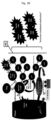
- Figure 26 shows the mechanism of action for the compound of the present invention.
- the excessive reaction of endogenous T effector cells induces a series of diseases or symptoms along with monocyte/macrophage activation ( Figure 26 , the area below the broken line).
- the compound of the present invention can be used for prevention or amelioration (including treatment) of these diseases or symptoms.
- the compound of the present invention as a medicament for at least one disease or symptom selected from the group consisting of CRS, irAEs, HLH, MAS and LCH may serve, for example, as a therapeutic tool effective in the amelioration and/or prevention of CRS toxicity concurrently occurring in CAR-T cell therapy.
- the present invention provides a prophylactic method or an ameliorative or therapeutic method for at least one disease or symptom selected from the group consisting of CRS, irAEs, HLH, MAS and LCH, wherein the method comprises the step of administering the compound of the present invention or a medicament comprising the compound of the present invention to a patient with the disease or symptom.
- these CRS-like symptoms irAEs can be ameliorated without significantly affecting the enhanced T cell functions.
- prevention or “prophylactic” is intended to mean that the above diseases or symptoms are prevented from developing in a patient who may be predisposed to the above diseases or symptoms but has not yet been diagnosed as having them.
- treatment or “therapeutic” is intended to mean that the above diseases or symptoms are inhibited, i.e., their progression is arrested or delayed or disappears.
- amelioration or “ameliorative” is intended to mean that the above diseases or symptoms are alleviated, i.e., the recession of the above diseases or symptoms is caused or the progression of the symptoms is reversed.
- a compound serving as an active ingredient which is used as a medicament for at least one disease or symptom selected from the group consisting of CRS, irAEs, HLH, MAS and LCH (e.g., a prophylactic, therapeutic or ameliorative agent for these diseases), is represented by the following formula II.
- a compound represented by formula II is also referred to as "compound (II)."
- a salt of compound (II) may be exemplified by salts with inorganic acids or organic acids (i.e., acid addition salts).
- Examples of such an inorganic acid include hydrochloric acid, sulfuric acid, phosphoric acid, hydrobromic acid, nitric acid and so on, while examples of such an organic acid include oxalic acid, maleic acid, fumaric acid, malic acid, tartaric acid, succinic acid, citric acid, acetic acid, lactic acid, methanesulfonic acid, paratoluenesulfonic acid, benzoic acid, valeric acid, malonic acid, nicotinic acid, propionic acid and so on.
- a preferred acid addition salt in the present invention is a salt with hydrochloric acid, more preferably a dihydrochloride salt.
- Compound (II) may have one or two or more stereoisomers based on its asymmetric carbon.
- the present invention also encompasses these stereoisomers and a mixture thereof.
- compound (II) is preferably exemplified by (-)-ethyl N- ⁇ 3,5-dichloro-2-hydroxy-4-[2-(4-methylpiperazin-1-yl)ethoxy]benzoyl ⁇ -L-phenylalaninate represented by the following formula III: (i.e., N- ⁇ 3,5-dichloro-2-hydroxy-4-[2-(4-methylpiperazin-1-yl)ethoxy]benzoyl ⁇ -L-phenylalanine ethyl ester) or a pharmacologically acceptable salt thereof.
- the compound to be used in the present invention is more preferably an acid addition salt (e.g., a dihydrochloride salt) of the above compound represented by formula III, and even more preferably a compound represented by formula IV:
- the compound represented by formula IV is (-)-ethyl N- ⁇ 3,5-dichloro-2-hydroxy-4-[2-(4-methylpiperazin-1-yl)ethoxy]benzoyl ⁇ -L-phenylalaninate dihydrochloride (i.e., N- ⁇ 3,5-dichloro-2-hydroxy-4-[2-(4-methylpiperazin-1-yl)ethoxy]benzoyl ⁇ -L-phenylalanine ethyl ester dihydrochloride), which is also known as "JTE-607."
- the compound of the present invention suppresses the production of various inflammatory cytokines which are produced in animals (e.g., mammals such as rats, mice, rabbits, pigs, cats, dogs, cows, horses, monkeys, humans, etc.).
- animals e.g., mammals such as rats, mice, rabbits, pigs, cats, dogs, cows, horses, monkeys, humans, etc.
- the present invention is particularly effective as a medicament for one or more diseases or symptoms of CRS, irAEs, HLH, MAS and LCH.
- the compound of the present invention is particularly effective against CRS and cerebral edema in CAR-T cell therapy.
- the compound of the present invention can be used in combination with CAR-T cell therapy.
- the expression "used in combination” is intended to mean that the compound of the present invention is used concurrently with CAR-T cell therapy, but the timing for use in combination is not limited in any way and may be any timing of before CAR-T cell therapy, during CAR-T cell therapy and after CAR-T cell therapy.
- the compound of the present invention can also be used concurrently with drugs or therapies used in the treatment of these diseases or symptoms, as in the case of CRS.
- the compound of the present invention allows suppression of cytokine production, suppression of macrophage activation, or suppression of both cytokine production and macrophage activation.
- macrophage activation is intended to mean the excessive release of various cytokines, cytotoxic proteases and/or active oxygen species, etc., as well as the enhancement of opsonization and/or phagocytic activity, etc.
- cytokine is intended to include, for example, tumor necrosis factor (TNF)- ⁇ , IL-1 ⁇ , IL-4, IL-6, IL-8, IL-1RA, IL-2R ⁇ , IL-10, IL-18, granulocyte-macrophage colony-stimulating factor (GM-CSF), macrophage colony-stimulating factor (M-CSF), insulin growth factor (IGF), interferon (IFN)- ⁇ , IFN- ⁇ -induced protein 10 (IP-10), monocyte chemotactic protein (MCP)-1, vascular endothelial growth factor (VEGF), osteopontin (OPN), Receptor activator of NF- ⁇ B ligand (RANKL), cytokine receptor gp130, soluble IL-1 receptor (sIL-1R)-1, sIL-1R-2, soluble IL-6 receptor (sIL-6R), soluble receptor for advanced glycation end products (sRAGE), soluble TNF receptor (sTNFR)
- irAEs refer to a group of adverse events associated with immune checkpoint inhibitors whose administration results in excessive activation of overall immunity and thereby induces self-attack to cause various symptoms of autoimmune diseases.
- Major symptoms include interstitial lung disease, colitis, hypothyroidism, hepatopathy, exanthema, hypophysitis, diabetes, renal dysfunction, peripheral neuropathy, myasthenia gravis and so on, which have been reported in all organs throughout the body.
- HLH refers to a disease caused by defects in genes which are involved in cytotoxic granules and their release. This disease is characterized by pathologies such as tissue damage and macrophage expansion associated with hypercytokinemia. As to inflammatory cytokines involved in HLH, there have been reported IFN- ⁇ , IL-1 ⁇ , IL-6, IL-18, TNF- ⁇ and so on.
- MAS refers to a lethal pathological condition where inflammatory cytokines are in excessive levels, which is induced upon abnormal activation of macrophages in response to exogenous factors (e.g., viruses, bacteria, fungi and other infectious factors or drugs) or endogenous factors (e.g., debris generated upon apoptosis/necrosis of autologous cells), for example, proliferation and activation of virus-reactive T cell effectors.
- exogenous factors e.g., viruses, bacteria, fungi and other infectious factors or drugs
- endogenous factors e.g., debris generated upon apoptosis/necrosis of autologous cells
- LCH 13 refers to a pathological condition showing abnormal expansion of Langerhans cells in the skin, bone, lymph nodes and other organs. In lesion sites, there are observed not only Langerhans cells, but also inflammatory infiltrates including eosinophils, lymphocytes, macrophages, osteoclast-like giant cells, etc., and these cells have been known to activate each other to thereby cause oversecretion of inflammatory cytokines/chemokines, as typified by OPN, RANKL, IL-18, C-C motif chemokine 2 (CCL2), etc., which in turn causes tissue destruction.
- inflammatory cytokines/chemokines as typified by OPN, RANKL, IL-18, C-C motif chemokine 2 (CCL2), etc.
- diseases or symptoms are due to the use of immune checkpoint inhibitors, chimeric antigen receptor-expressing T cell therapy, engineered T cell receptor-expressing T cell therapy, etc., or are induced by any of infections, cancers and autoimmune diseases or any combination thereof.
- An immune checkpoint inhibitor refers to a drug which binds to an immune checkpoint molecule (a group of molecules which suppress autoimmune responses and also suppress excessive immune reactions) or a ligand thereof to thereby inhibit immunosuppressive signaling and thus cancel the immune checkpoint molecule-suppressed activation of T cells.
- immune checkpoint molecule a group of molecules which suppress autoimmune responses and also suppress excessive immune reactions
- ligand thereof to thereby inhibit immunosuppressive signaling and thus cancel the immune checkpoint molecule-suppressed activation of T cells.
- examples include anti-CTLA-4 antibody, anti-PD-1 antibody, anti-PD-L1 antibody and so on.
- CAR-T cell therapy is an autologous T cell therapy designed such that T cells taken from a patient are genetically engineered to express a targetable chimeric antigen receptor (CAR) and then returned into the patient's body.
- CAR targetable chimeric antigen receptor
- Engineered T cell receptor-expressing T (TCAR-T) cell therapy is a therapy designed such that a particular TCR gene which recognizes a cancer antigen epitope in a particular human leukocyte antigen (HLA)-restricted manner is introduced into and amplified in effector T cells in vitro and then administered in vivo, by way of example.
- HLA human leukocyte antigen
- This cell therapy is similar to CAR-T cell therapy.
- Preferred embodiments of the medicament according to (1) above are as listed below.
- a medicament for use in the prevention, treatment or amelioration of cytokine release syndrome due to chimeric antigen receptor-expressing T cell therapy is provided.
- a medicament for use in the prevention, treatment or amelioration of macrophage activation syndrome due to chimeric antigen receptor-expressing T cell therapy is provided.
- a medicament for use in the prevention, treatment or amelioration of cytokine release syndrome due to engineered T cell receptor-expressing T cell therapy is provided.
- a medicament for use in the prevention, treatment or amelioration of macrophage activation syndrome due to engineered T cell receptor-expressing T cell therapy is provided.
- medicaments suppressing the production of at least one, more preferably a plurality of cytokines selected from the group consisting of TNF- ⁇ , IL-1 ⁇ , IL-6, IL-8, IFN- ⁇ and MCP-1.
- a medicament for use in the prevention, treatment or amelioration of macrophage activation syndrome is provided.
- Preferred for this purpose is a medicament suppressing the production of at least one, more preferably a plurality of cytokines selected from the group consisting of TNF- ⁇ , IL-1 ⁇ , IL-6, IL-18, IFN- ⁇ and MCP-1.
- a medicament for use in the prevention, treatment or amelioration of hemophagocytic lymphohistiocytosis is a medicament for use in the prevention, treatment or amelioration of hemophagocytic lymphohistiocytosis.
- Preferred for this purpose is a medicament suppressing the production of at least one, more preferably a plurality of cytokines selected from the group consisting of TNF- ⁇ , IL-1 ⁇ , IL-6, IL-8, IL-18, IFN- ⁇ and MCP-1.
- a medicament for use in the prevention, treatment or amelioration of autoimmune-related adverse events due to the use of immune checkpoint inhibitors is a medicament suppressing the production of at least one, more preferably a plurality of cytokines selected from the group consisting of TNF- ⁇ , IL-1 ⁇ , IL-6, IL-18 and IFN- ⁇ .
- a medicament for use in the prevention, treatment or amelioration of Langerhans cell histiocytosis induced by autoimmune diseases is a medicament suppressing the production of at least one, more preferably a plurality of cytokines selected from the group consisting of IL-18, MCP-1 and OPN.
- the medicament comprises a compound represented by formula
- a medicament suppressing the production of at least one, more preferably a plurality of cytokines selected from the group consisting of IL-18, MCP-1 and OPN.
- the compound of the present invention may be administered directly as a medicament (e.g., a prophylactic, therapeutic or ameliorative agent) for at least one selected from the group consisting of CRS, irAEs, HLH, MAS and LCH, although it is administered in the form of a pharmaceutical composition in one embodiment of the present invention.
- a medicament e.g., a prophylactic, therapeutic or ameliorative agent
- CRS CRS
- irAEs e.g., a prophylactic, therapeutic or ameliorative agent
- this pharmaceutical composition may usually be formulated in any dosage form such as tablets, pills, powders, granules, suppositories, injections, eye drops, solutions, capsules, troches, aerosols, elixirs, suspensions, emulsions, syrups and so on in admixture with pharmacologically acceptable additives, as exemplified by pharmacologically acceptable carriers, excipients, diluents, extenders, disintegrants, stabilizers, preservatives, buffers, emulsifiers, flavorings, colorants, sweeteners, thickeners, correctives, solubilizers and/or other additives (e.g., water, vegetable oils, alcohols (e.g., ethanol or benzyl alcohol), polyethylene glycol, glycerol triacetate, gelatin, lactose, carbohydrates, magnesium stearate, talc, lanolin
- the pharmaceutical composition may comprise a diluent, a dispersant and/or a surfactant in the form of powder or granules.
- a diluent for example, it may be present in water, in a syrup, in a dry state in a capsule or sachet, in a non-aqueous solution or suspension which may contain a suspending agent, or in a tablet which may contain a binder and a lubricant.
- the pharmaceutical composition may also comprise a sweetener, a corrective, a preservative (e.g., an antimicrobial preservative), a suspending agent, a thickener and/or an emulsifier.
- the pharmaceutical composition is in the dosage form of a solution or suspension and may contain the compound of the present invention (e.g., compound (III)) and purified water. Additional ingredients which may be contained in a solution or suspension include a preservative (e.g., an antimicrobial preservative), a buffer, a solution thereof and a mixture thereof. The ingredients of the pharmaceutical composition may exert one or more functions.
- the pharmaceutical composition may be filled into single-dose or multiple-dose containers, e.g., sealed vials and ampules for storage in a lyophilized state, and may be added to a sterile liquid carrier (e.g., water or physiological saline) before use.
- a sterile liquid carrier e.g., water or physiological saline
- the compound of the present invention e.g., compound (III) or a pharmaceutically acceptable salt thereof
- a lyophilized formulation containing the same together with D-mannitol.
- Such a lyophilized formulation is preferably diluted with physiological saline before use.
- Such a pharmaceutical composition containing the compound of the present invention may be prepared in a manner well known in the field of medicaments, for example, by the method described in Gennaro, et al., "Remington's Pharmaceutical Sciences” 18th ed., Mack Publishing CO., 1990 , particularly Part 8: “Pharmaceutical Preparation and their Manufacture.”
- This method comprises the step of associating the compound of the present invention with the other ingredients of the pharmaceutical composition.
- the medicament of the present invention may be administered in an appropriate manner, and the route of its administration is not limited in any way. Examples include oral, buccal, nasal, percutaneous, injection, sustained release, controlled release, iontophoresis and sonophoresis.
- the route of injection is not limited in any way but includes parenteral routes such as intravenous, intramuscular, subcutaneous, intraperitoneal, intraspinal, intrathecal, intracerebroventricular, intraarterial and other routes of injection.
- the pharmaceutical composition may be formulated as a liquid or non-liquid sterile injection formulation, with an intravenous injection formulation being preferred.
- the suitable dose of the compound of the present invention will vary depending on the patient's type and symptoms, the route of administration, sexual difference, body weight, etc.
- the daily dose of the compound of the present invention is usually about 0.01 to 1,000 mg (e.g., 0.05 to 900 mg, preferably 0.1 to 100 mg).
- the daily dose of the compound of the present invention is usually about 0.01 to 100 mg/kg (e.g., about 0.01 to 95 mg/kg, preferably about 0.01 to 50 mg/kg), which may be given as a single dose or in divided doses (e.g., 2, 3, 4, 5, 6, 7, 8, 9, 10 or more doses).
- the compound of the present invention may be administered by continuous intravenous administration over the selected period of time (e.g., several hours to one or more days).
- the total daily dose for continuous administration is usually the same as the daily dose used in non-continuous intravenous administration.
- PBMCs Cryopreserved Human PBMCs
- Cryopreserved PBMCs were quickly thawed in a 37°C thermostat and added to a tube containing medium. After centrifugation (at room temperature at 300 g for 10 minutes) to remove the supernatant, the cells were suspended in the medium, a portion of which was then mixed with a trypan blue solution to count the number of viable cells. The cell suspension was centrifuged (at room temperature at 300 g for 10 minutes) to remove the supernatant, followed by addition of MACS Buffer in a volume of 80 ⁇ L per 1 ⁇ 10 7 cells to suspend the cells, to which Human CD8 MicroBeads (20 ⁇ L) were further added. After being allowed to stand on ice for 15 minutes, the cell suspension was diluted with MACS Buffer (2 mL) and centrifuged (at room temperature at 300 g for 10 minutes) to remove the supernatant.
- MACS Buffer 500 ⁇ L was added to the tube, and the cells were suspended and then applied to a separatory column to separate CD8 + cells.
- the CD8 + cell fraction was diluted to 15 mL with the medium and then centrifuged (at room temperature at 300 g for 10 minutes). The supernatant was removed and the cells were suspended in the medium (1 mL), followed by counting the number of viable cells.
- the cell suspension adjusted with the medium to 1 ⁇ 10 6 cells/mL was seeded in a 96-well plate in a volume of 100 ⁇ L/well (1 ⁇ 10 5 cells/well) and allowed to stand in a CO 2 incubator for 1 to 2 hours.
- T-cell stimulation beads (10 ⁇ L/well; which corresponds to 2 ⁇ L of T-cell stimulation bead stock solution) and the medium (40 ⁇ L/well) were added and the cells were cultured in a CO 2 incubator for 3 days to collect the culture supernatants.
- the collected culture supernatants were quantified for IFN- ⁇ using Human IFN- ⁇ DuoSet ELISA.
- Cryopreserved PBMCs were quickly thawed in a 37°C thermostat and added to a tube containing medium. After centrifugation (at room temperature at 300 g for 10 minutes) to remove the supernatant, the cells were suspended again in the medium, followed by counting the number of viable cells. The cell suspension was centrifuged (at room temperature at 300 g for 10 minutes) to remove the supernatant, followed by addition of MACS Buffer to suspend the cells, to which Human CD14 MicroBeads were further added. After being allowed to stand on ice for 15 minutes, the cell suspension was diluted with MACS Buffer and centrifuged (at room temperature at 300 g for 10 minutes) to remove the supernatant.
- MACS Buffer was added to the tube, and the cells were suspended and then applied to a separatory column to separate CD14 + cells.
- the CD14 + cell fraction was diluted with the medium and then centrifuged (at room temperature at 300 g for 10 minutes). The supernatant was removed and the cells were suspended in the medium (1 mL), followed by counting the number of viable cells.
- the cell suspension was adjusted with the medium to 2.4 ⁇ 10 5 or 3 ⁇ 10 5 cells/mL and seeded in a 96-well plate (2.4 ⁇ 10 4 cells/well), which was then allowed to stand in a CO 2 incubator for 1 to 2 hours.
- a 0.12% DMSO solution (final concentration: 10, 30, 100 and 300 nM) or a PSL solution (final concentration: 0.03, 0.3, 3 and 30 ⁇ M)
- a LPS solution (final concentration: 3 ng/mL) was further added and the 96-well plate was allowed to stand in a CO 2 incubator for 3 days to collect the culture supernatants.
- the collected culture supernatants were quantified for IL-6 using Human IL-6 DuoSet ELISA.
- Cryopreserved PBMCs were quickly thawed in a 37°C thermostat and added to a tube containing medium. After centrifugation (at room temperature at 300 g for 10 minutes) to remove the supernatant, the cells were suspended again in the medium (10 mL), followed by counting the number of viable cells. After centrifugation (at room temperature at 300 g for 10 minutes) to remove the supernatant, the medium was added to suspend the cells at 1 ⁇ 10 6 cells/mL. This cell suspension was seeded in a 96-well plate in a volume of 100 ⁇ L/well (1 ⁇ 10 5 cells/well).
- a LPS solution was added in a volume of 5 ⁇ L/well (final concentration: 3 ng/mL). The cells were cultured in a CO 2 incubator for 3 days to collect the culture supernatants.
- the collected culture supernatants were quantified for IL-6 using Human IL-6 DuoSet ELISA.
- Cryopreserved PBMCs were quickly thawed in a 37°C thermostat and added to a tube containing medium. After centrifugation (at room temperature at 300 g for 10 minutes) to remove the supernatant, the cells were suspended again in the medium (10 mL), followed by counting the number of viable cells. After centrifugation (at room temperature at 300 g for 10 minutes) to remove the supernatant, the medium was added to suspend the cells at 1 ⁇ 10 6 cells/mL. This cell suspension was seeded in a 96-well plate in a volume of 100 ⁇ L/well (1 ⁇ 10 5 cells/well) and allowed to stand in a CO 2 incubator for 1 to 2 hours.
- T-cell stimulation beads (10 ⁇ L/well; which corresponds to 2 ⁇ L of T-cell stimulation bead stock solution) and a LPS solution (final concentration: 3 ng/mL; 40 ⁇ L/well) were added.
- the cells were cultured in a CO 2 incubator for 3 days to collect the culture supernatants.
- the collected culture supernatants were quantified for IFN- ⁇ and IL-6 using Human IFN- ⁇ DuoSet ELISA and Human IL-6 DuoSet ELISA.
- Cryopreserved human PBMCs were quickly thawed in a 37°C thermostat and added to a tube containing medium. After centrifugation (at room temperature at 300 g for 10 minutes) to remove the supernatant, the cells were suspended again in the medium (10 mL), followed by counting the number of viable cells. The remainder of the cell suspension was centrifuged (at room temperature at 300 g for 10 minutes) to remove the supernatant, followed by addition of MACS Buffer in a volume of 80 ⁇ E and Human CD4 MicroBeads in a volume of 20 ⁇ L per 1 ⁇ 10 7 cells to suspend the cells.
- the cell suspension was diluted with MACS Buffer (2 mL) and centrifuged (at room temperature at 300 g for 10 minutes) to remove the supernatant.
- MACS Buffer 500 ⁇ L was added to the tube, and the cells were suspended and then applied to a separatory column to separate CD4 - cells (a pass-through fraction of CD4 + cells).
- the CD4 - cell fraction was diluted to 15 mL with the medium and then centrifuged (at room temperature at 300 g for 10 minutes) to remove the supernatant, and the cells were then suspended again in the medium (1 mL), followed by counting the number of viable cells.
- the cell suspension adjusted with the medium to 1 ⁇ 10 6 cells/mL was seeded in a 96-well plate in a volume of 100 ⁇ L/well (1 ⁇ 10 5 cells/well) and allowed to stand in a CO 2 incubator for 1 to 2 hours.
- T-cell stimulation beads (10 ⁇ L/well; which corresponds to 2 ⁇ L of T-cell stimulation bead stock solution) and a LPS solution (final concentration: 3 ng/mL; 40 ⁇ L/well) were added and the cells were cultured in a CO 2 incubator for 3 days to collect the culture supernatants.
- the collected culture supernatants were quantified for IFN- ⁇ and IL-6 using Human IFN- ⁇ DuoSet ELISA and Human IL-6 DuoSet ELISA.
- Cryopreserved PBMCs were quickly thawed in a 37°C thermostat and added to a tube containing medium. After centrifugation (at room temperature at 300 g for 10 minutes) to remove the supernatant, the cells were suspended again in the medium, followed by counting the number of viable cells. The cell suspension was centrifuged (at room temperature at 300 g for 10 minutes) to remove the supernatant, followed by addition of MACS Buffer to suspend the cells, to which Human CD14 MicroBeads were further added. After being allowed to stand on ice for 15 minutes, the cell suspension was diluted with MACS Buffer and centrifuged (at room temperature at 300 g for 10 minutes) to remove the supernatant.
- MACS Buffer was added to the tube, and the cells were suspended and then applied to a separatory column to separate CD14 + cells.
- the CD14 + cell fraction was diluted with the medium and then centrifuged (at room temperature at 300 g for 10 minutes). The supernatant was removed and the cells were suspended in the medium (1 mL), followed by counting the number of viable cells.
- the cell suspension was adjusted with the medium to 2.4 ⁇ 10 5 or 3 ⁇ 10 5 cells/mL and seeded in a 96-well plate (2.4 ⁇ 10 4 cells/well), which was then allowed to stand in a CO 2 incubator for 1 to 2 hours.
- a 0.12% DMSO solution (final concentration: 10, 30, 100 and 300 nM) or a PSL solution (final concentration: 0.03, 0.3, 3 and 30 ⁇ M)
- a LPS solution (final concentration: 3 ng/mL) was further added and the 96-well plate was allowed to stand in a CO 2 incubator for 3 days to collect the culture supernatants.
- the collected culture supernatants were quantified for MCP-1 using Human CCL2/MCP-1 DuoSet ELISA.
- the culture supernatants collected in 1.2.1 were quantified for TNF- ⁇ using Human TNF- ⁇ DuoSet ELISA.
- the culture supernatants collected in 1.2.2 were quantified for TNF- ⁇ using Human TNF- ⁇ DuoSet ELISA.
- the culture supernatants collected in 1.2.2 were quantified for TNF- ⁇ using Human TNF- ⁇ DuoSet ELISA.
- Cryopreserved PBMCs were quickly thawed in a 37°C thermostat and added to a tube containing medium. After centrifugation (at room temperature at 300 g for 10 minutes) to remove the supernatant, the cells were suspended again in the medium, followed by counting the number of viable cells. The cell suspension was centrifuged (at room temperature at 300 g for 10 minutes) to remove the supernatant, followed by addition of MACS Buffer to suspend the cells, to which Human CD14 MicroBeads were further added. After being allowed to stand on ice for 15 minutes, the cell suspension was diluted with MACS Buffer and centrifuged (at room temperature at 300 g for 10 minutes) to remove the supernatant.
- MACS Buffer was added to the tube, and the cells were suspended and then applied to a separatory column to separate CD14 + cells.
- the CD14 + cell fraction was diluted with the medium and then centrifuged (at room temperature at 300 g for 10 minutes). The supernatant was removed and the cells were suspended in the medium (1 mL), followed by counting the number of viable cells.
- the cell suspension was adjusted with the medium to 2.4 ⁇ 10 5 or 3 ⁇ 10 5 cells/mL and seeded in a 96-well plate (2.4 ⁇ 10 4 cells/well), which was then allowed to stand in a CO 2 incubator for 1 to 2 hours.
- a JTE-607 solution (final concentration: 10, 30, 100 and 300 nM)
- a PSL solution final concentration: 0.03, 0.3, 3 and 30 ⁇ M
- tocilizumab final concentration: 10, 100 and 1000 ng/mL
- aLPS solution final concentration: 500 ng/mL
- the collected culture supernatants were quantified for OPN using Human OPN DuoSet ELISA.
- the culture supernatants collected in 1.2.10 were quantified for IL-1 ⁇ using Human IL-1 ⁇ DuoSet ELISA.
- Cryopreserved PBMCs were quickly thawed in a 37°C thermostat and added to a tube containing medium. After centrifugation (at room temperature at 300 g for 10 minutes) to remove the supernatant, the cells were suspended again in the medium, followed by counting the number of viable cells. The cell suspension was centrifuged (at room temperature at 300 g for 10 minutes) to remove the supernatant, followed by addition of MACS Buffer to suspend the cells, to which Human CD14 MicroBeads were further added. After being allowed to stand on ice for 15 minutes, the cell suspension was diluted with MACS Buffer and centrifuged (at room temperature at 300 g for 10 minutes) to remove the supernatant.
- MACS Buffer was added to the tube, and the cells were suspended and then applied to a separatory column to separate CD14 + cells.
- the CD14 + cell fraction was diluted with the medium and then centrifuged (at room temperature at 300 g for 10 minutes). The supernatant was removed and the cells were suspended in the medium (1 mL), followed by counting the number of viable cells.
- the cell suspension adjusted with the medium to 2 ⁇ 10 6 cells/mL was seeded in a 96-well plate (1 ⁇ 10 5 cells/well) and allowed to stand in a CO 2 incubator for 1 to 2 hours.
- the CD14 + cells (1 ⁇ 10 5 cells/well) were seeded in a 96-well flat bottom plate, followed by addition of a 0.12% DMSO solution, a JTE-607 solution (final concentration: 10, 30, 100 and 300 nM), a PSL solution (final concentration: 0.03, 0.3, 3 and 30 ⁇ M) or tocilizumab (final concentration: 10, 100 and 1000 ng/mL) and incubation for 30 minutes at 37°C.
- the cells were then stimulated with LPS (final concentration: 500 ng/mL) for 6 hours at 37°C and an ATP solution (final concentration: 5 mM) was added thereto, and the 96-well plate was further allowed to stand in a CO 2 incubator for 2 hours to collect the culture supernatants.
- the collected culture supernatants were quantified for IL-18 using Human IL-18 DuoSet ELISA.
- CD14 + cells were cultured in 20 ng/mL M-CSF-containing RPMI medium at 37°C for 5 days to induce differentiation into macrophages (during which the medium was replaced once every two days with fresh 20 ng/mL M-CSF-containing RPMI medium).
- the macrophages were seeded in a 96-well plate at 5 ⁇ 10 5 cells/mL, followed by addition of a JTE-607 solution (final concentration: 10, 30, 100 and 300 nM), a PSL solution (final concentration: 0.03, 0.3, 3 and 30 ⁇ M) or tocilizumab (final concentration: 10, 100 and 1000 ng/mL) and incubation at 37°C for 30 minutes.
- the macrophages were then stimulated with LPS (final concentration: 100 ng/mL) or RPMI medium alone at 37°C for 3 days, followed by collecting the culture supernatants.
- the collected culture supernatants were quantified for VEGF using Human VEGF DuoSet ELISA.
- FMC63 scFv the hinge, transmembrane and cytoplasmic domains of CD28 and the cytoplasmic domain of CD3- ⁇ were used to construct anti-CD19 CAR on the basis of the method of Kochenderfer, et al. 15) .
- the sequence was obtained from GenBank (HM852952) and an IDT codon optimization tool (http://sg.igtdna.com/CodonOpt) was used to remove BamHI recognition sequences within FMC63.
- the optimized FMC63-28z sequence was chemically synthesized and amplified by polymerase chain reaction (PCR) with the following primer set.
- the PCR product was inserted into the multicloning site (EcoRI and BamHI) of lentivirus plasmid CSII-EF-MCS-2A-eGFP by using an In-Fusion HD cloning kit to obtain CSII-EF-FMC63-28z-2A-eGFP.
- CSII-EF-FMC63-28z-2A-eGFP and a packaging plasmid pMDLg/p.RRE, pRSV-rev and pMD.G
- the prepared lentivirus vector was infected into peripheral blood mononuclear cells stimulated with anti-CD3 antibody, anti-CD28 antibody and IL-2, followed by FACS sorting to obtain a CD3-positive and eGFP-positive fraction as CAR-T cells.
- fLuc firefly luciferase
- the PCR product was cleaved with EcoRI and BamHI and then inserted into the multicloning site of CSII-EF-MCS-2A-eGFP to obtain CSII-EF-fLuc-2A-eGFP.
- CSII-EF-hCD19 or CSII-EF-fLuc-2A-eGFP and a packaging plasmid (pMDLg/p.RRE, pRSV-rev and pMD.G) were co-transfected into Lenti-X293T cells.
- the prepared lentivirus vectors were infected into K562 cells, followed by FACS sorting to obtain a CD19- and eGFP-positive fraction as target cells.
- the target cells (3 ⁇ 10 3 cells/well) were seeded in a 96-well plate, to which the CAR-T cells were then added to give an E/T ratio of 0,0.1, 0.3, 1, 3 and 10.
- This culture system was incubated for 3 days under conditions where CD14 + cells (1.5 ⁇ 10 4 cells/well) were added or not added thereto. Subsequently, luciferase activity was determined by detection of emission intensity with an EnSpire 2300.
- CAR-T cells (5 ⁇ 10 4 cells/well) and target cells (1 ⁇ 10 4 cells/well) were seeded in a 96-well plate and incubated under conditions where CD14 + cells (1 ⁇ 10 4 cells/well) were added or not added thereto.
- the supernatants were collected at 0, 4, 24, 48 and 72 hours after the initiation of culture, and IFN- ⁇ , TNF- ⁇ , MCP-1, IL-6 and IL-4 in each supernatant were measured by FACS multiplex assay.
- CAR-T cells (5 ⁇ 10 4 cells/well), target cells (1 ⁇ 10 4 cells/well) and CD14 + cells (5 ⁇ 10 4 cells/well) were seeded in a 96-well plate, to which a JTE-607 solution (final concentration: 0.1, 1, 10, 100 and 1000 nM) or a PSL solution (final concentration: 0.1, 1, 10 and 100 ⁇ M) was then added, followed by incubation for 2 days. Subsequently, luciferase activity was determined by detection of emission intensity with an EnSpire 2300.
- CAR-T cells (1.5 ⁇ 10 4 cells/well), target cells (3 ⁇ 10 3 cells/well) and monocytes (1.5 ⁇ 10 4 cells/well) were seeded in a 96-well plate, to which a JTE-607 solution (final concentration: 1, 10, 100 and 1000 nM), a PSL solution (final concentration: 0.1, 1, 10 and 100 ⁇ M) or a tocilizumab solution (final concentration: 0.1, 1, 10 and 100 ⁇ g/mL) was then added, followed by incubation. The supernatants were collected at 72 hours after the initiation of culture, and various cytokines in each supernatant were measured by FACS multiplex assay.
- Table 1 Inhibitory activity of JTE-607 and PSL on various cytokine production in different culture systems Cells used Stimulation Parameters measured IC 50 value JTE-607 PSL CD8 + T cells CD3/CD28 IFN- ⁇ >300 nM 0.149 ⁇ M TNF- ⁇ 231 nM 0.035 ⁇ M CD14 + cells LPS IL-6 52.9 nM 0.151 ⁇ M MCP-1 21.3 nM 6.598 ⁇ M OPN 132.1 nM >30 ⁇ M TNF- ⁇ >300 nM 0.042 ⁇ M IL-1 ⁇ 3.45 nM >30 ⁇ M CD14 + cells/CD8 + T cells - Ratio (IL-6/IFN- ⁇ ) ⁇ 0.18 1.01 PBMCs LPS IL-6 17.7 nM 0.176 ⁇ M TNF- ⁇ 30.7 nM 0.073 ⁇ M PBMCs CD3/CD28 +LPS IFN- ⁇ 50.1 nM 0.053 ⁇ M IL-6
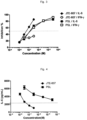
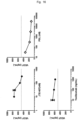
- JTE-607 and PSL were evaluated for their effect on IL-6 production from CD14 + cells. JTE-607 and PSL both showed suppressive activity and had IC 50 values of 52.9 nM and 0.151 ⁇ M, respectively. As previously reported, JTE-607 was found to have an effect on myeloid lineage cells ( Figure 2 , Figure 3 and Table 1).
- JTE-607 and PSL were evaluated for their effect on IL-6 production from PBMCs. JTE-607 and PSL both showed suppressive activity and had IC 50 values of 17.7 nM and 0.176 ⁇ M, respectively ( Figure 4 and Table 1).
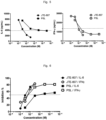
- JTE-607 and PSL were evaluated for their effect on IL-6 and IFN- ⁇ production from PBMCs co-stimulated with T-cell stimulation beads and LPS.
- JTE-607 suppressed the co-stimulated IL-6 and IFN- ⁇ production in a concentration-dependent manner and had IC 50 values of 40.4 nM for IL-6 and 50.1 nM for IFN- ⁇ .
- the ratio of IC 50 values for IL-6 and IFN- ⁇ (ratio) was 0.81.
- PSL more strongly suppressed IFN- ⁇ production than IL-6 production. JTE-607 was found to be different from PSL which strongly acts on T cell functions ( Figure 5, Figure 6 and Table 1).
- CD4 + T cell-depleted PBMCs i.e., PBMCs processed to remove CD4 + T cells
- the ratio of IC 50 values for IL-6 and IFN- ⁇ was 0.52, and JTE-607 showed an effect directed rather toward IL-6 production inhibition.
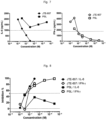
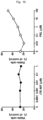
- JTE-607 and PSL were evaluated for their effect on MCP-1 production from CD14 + cells. JTE-607 and PSL both showed suppressive activity and had IC 50 values of 21.3 nM and 6.598 ⁇ M, respectively. JTE-607 was suggested to exert a strong inhibitory effect on macrophage activation through MCP-1 production inhibition ( Figure 9 and Table 1).
- JTE-607 showed a suppressive effect in a manner dependent on its concentration added, but its IC 50 value was not able to be calculated.
- TNF- ⁇ production from CD14 + cells transiently increases from immediately after stimulation. The measurement was made under evaluation conditions optimal for gradually increasing cytokines such as IL-6, and the culture supernatants used in this measurement were therefore evaluated under conditions where the production level of TNF- ⁇ was reduced, so that JTE-607 would not show any clear suppression ( Figure 11 and Table 1).
- JTE-607, PSL and tocilizumab were evaluated for their effect on OPN production from CD14 + cells.
- JTE-607 showed suppressive activity and had an IC 50 value of 132.1 nM.
- PSL and tocilizumab both showed no suppressive effect on OPN production ( Figure 13 and Table 1).
- JTE-607 was suggested to inhibit osteoclast activation seen in LCH lesions through OPN production inhibition.
- JTE-607 showed suppressive activity on IL-1 ⁇ production and had an IC 50 value of 3.45 nM. On the other hand, PSL and tocilizumab both showed no suppressive effect on IL-1 ⁇ production ( Figure 14 and Table 1). JTE-607 was suggested to have a different effect from that of existing drugs such as PSL and tocilizumab.
- JTE-607, PSL and tocilizumab were evaluated for their effect on IL-18 production from LPS-pretreated CD14 + cells.
- JTE-607 showed suppressive activity and had an IC 50 value of 2.40 nM.
- PSL and tocilizumab both showed no suppressive effect on IL-18 production ( Figure 15 and Table 1).
- JTE-607 was suggested to inhibit IL-18 production to thereby ameliorate pathological conditions in a group of diseases characterized by high IL-18 production.
- IL-18 is an inflammatory cytokine whose production is maintained high independently of IL-6, and JTE-607 was suggested to have an effect on an inflammatory pathological condition masked upon tocilizumab administration.
- PSL showed a strong effect on VEGF production from macrophages, and its IC 50 value was not able to be calculated because 50% or more inhibition was observed even at the lowest evaluation concentration, i.e., 30 nM.
- JTE-607 tended to suppress VEGF production from macrophages, but its effect was marginal.
- Tocilizumab showed no suppressive effect on VEGF production ( Figure 16 and Table 1).
- a culture system for target cell recognition by CAR-T cells (killer activity) and a culture system further containing peripheral blood CD14 + cells were compared with each other.
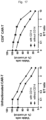
- the killer activity on target cells was elevated in culture with CD14 + cells when compared to culture without CD14 + cells ( Figure 17 ).
- CAR-T cells such a mixed culture system of three types of cells, i.e., "CAR-T cells, target cells and CD14 + cells” would be an in vitro culture system allowing simultaneous evaluation of "target cancer cell killer activity” and "CRS toxicity” in CAR-T cell therapy.
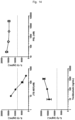
- PSL showed a suppressive effect on the killer activity of CAR-T cells in a concentration-dependent manner, whereas JTE-607 did not affect the killer activity of CAR-T cells ( Figure 19 ).
- JTE-607 and PSL were found to have similar suppressive activity on IFN- ⁇ production.
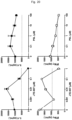
- JTE-607 had an IC 50 value of 187.5 nM for IL-6 production.
- PSL showed no suppressive effect ( Figure 20 and Table 2).
- JTE-607 showed a concentration-dependent suppressive effect on MCP-1 production and had an IC 50 value of 37.6 nM.
- PSL had an IC 50 value of 71.8 ⁇ M.
- tocilizumab showed no suppressive effect ( Figure 21 and Table 2).
- JTE-607 showed a suppressive effect on IL-8 production and had an IC 50 value of 153.8 nM.
- PSL and tocilizumab both showed no suppressive effect ( Figure 22 and Table 2).
- JTE-607 showed suppressive effects on TNF- ⁇ and IL-1 ⁇ and had IC 50 values of 413.1 nM for TNF- ⁇ and 358.9 nM for IL-1 ⁇ .
- PSL and tocilizumab showed no suppressive effect ( Figure 23 , Figure 24 and Table 2).
- IL-18 was not able to be evaluated because almost no production was observed under the conditions used in this evaluation ( Figure 25 and Table 2).
- Figure 26 shows a "schematic diagram illustrating the development of various side effects and symptoms (e.g., irAEs, HLH, MAS) associated with the overactivation of endogenous T effector cells.”
- T effector cells whose overexpansion is induced, e.g., by immune checkpoint inhibitors and/or virus infection mutually interact with co-existing tissue-resident macrophages and antigen-presenting cells, etc., to cause not only anticancer and antiviral actions but also autoimmune-related adverse events and so on.
- the immunosuppressive effect of prednisolone (PSL) ameliorates these side effects and symptoms and also entirely inhibits anticancer and antiviral T effector functions.
- tocilizumab is used in an attempt to inhibit IL-6 which is overproduced upon macrophage activation, and is expected to reduce and ameliorate autoimmune-related adverse events.
- JTE-607 is expected to more widely inhibit abnormal macrophage activation and is also shown to cause limited suppression of T effector cells.
- the discovery underlying the presentation of this diagram is shown in the results obtained for T cell reaction (CD3 + CD28 stimulated reaction system) and monocyte/macrophage reaction (LPS stimulated reaction system) in the single culture system and the combined culture system which is novel.
- Figure 26 shows that JTE-607 is expected to exert the effect of suppressing macrophage activation to ameliorate organ damage without greatly affecting the major functions of T effector cells.
Landscapes
- Health & Medical Sciences (AREA)
- Veterinary Medicine (AREA)
- Pharmacology & Pharmacy (AREA)
- Public Health (AREA)
- Chemical & Material Sciences (AREA)
- Life Sciences & Earth Sciences (AREA)
- Animal Behavior & Ethology (AREA)
- Medicinal Chemistry (AREA)
- General Health & Medical Sciences (AREA)
- General Chemical & Material Sciences (AREA)
- Nuclear Medicine, Radiotherapy & Molecular Imaging (AREA)
- Organic Chemistry (AREA)
- Chemical Kinetics & Catalysis (AREA)
- Bioinformatics & Cheminformatics (AREA)
- Engineering & Computer Science (AREA)
- Immunology (AREA)
- Epidemiology (AREA)
- Pain & Pain Management (AREA)
- Rheumatology (AREA)
- Transplantation (AREA)
- Pharmaceuticals Containing Other Organic And Inorganic Compounds (AREA)
Claims (5)
- Verbindung, die durch die folgende Formel II dargestellt wird oder ein pharmazeutisch annehmbares Salz davon ist, zur Verwendung bei der Behandlung von Patienten mit Zytokinfreisetzungssyndrom-Toxizität, die gegen die Verabreichung von Cilizumab resistent sind, oder zur Verwendung bei der Vorbeugung, Behandlung oder Verbesserung von mindestens einem aus der Gruppe der autoimmunbedingten unerwünschten Ereignisse, des Makrophagenaktivierungssyndroms, der hämophagozytischen Lymphohistiozytose und der Langerhans-Zell-Histiozytose, wobei die autoimmunbedingten unerwünschten Ereignisse eine Gruppe von unerwünschten Ereignissen sind, die Immun-Checkpoint-Inhibitoren zugeordnet sind, deren Verabreichung zu einer übermäßigen Aktivierung der allgemeinen Immunität führt und dadurch einen Selbstangriff auslöst, der verschiedene Symptome von Autoimmunerkrankungen verursacht, wobei die Symptome ausgewählt sind aus interstitieller Lungenerkrankung, Colitis, Hypothyreose, Hepatopathie, Exanthem, Hypophysitis, Diabetes, Nierenfunktionsstörung, peripherer Neuropathie und Myasthenia gravis;

- Verbindung zur Verwendung nach Anspruch 1, wobei die durch Formel II dargestellte Verbindung oder ein pharmazeutisch annehmbares Salz davon eine durch die folgende Formel III dargestellte Verbindung ist:

- Verbindung zur Verwendung nach Anspruch 1 oder 2, wobei die durch Formel II dargestellte Verbindung oder ein pharmazeutisch annehmbares Salz davon ein Hydrochloridsalz der durch Formel III dargestellten Verbindung ist.
- Verbindung zur Verwendung nach Anspruch 3, wobei das Hydrochloridsalz der durch Formel III dargestellten Verbindung eine durch die folgende Formel IV dargestellte Verbindung ist:

- Verbindung zur Verwendung nach einem der Ansprüche 1 bis 4, wobei es sich bei den Krankheiten oder Symptomen um solche handelt, die auf die Verwendung von Immun-Checkpoint-Inhibitoren zurückzuführen sind, solche, die auf eine chimäre Antigenrezeptor-exprimierende T-Zell-Therapie zurückzuführen sind, solche, die auf eine T-Zell-Rezeptor-exprimierende T-Zell-Therapie zurückzuführen sind, oder solche, die durch mindestens eine Erkrankung aus der Gruppe der Infektionen, Krebserkrankungen und Autoimmunerkrankungen hervorgerufen werden.
Applications Claiming Priority (3)
| Application Number | Priority Date | Filing Date | Title |
|---|---|---|---|
| JP2018223377 | 2018-11-29 | ||
| JP2019165013 | 2019-09-11 | ||
| PCT/JP2019/046689 WO2020111212A1 (ja) | 2018-11-29 | 2019-11-29 | サイトカイン放出症候群等の改善剤 |
Publications (3)
| Publication Number | Publication Date |
|---|---|
| EP3782625A1 EP3782625A1 (de) | 2021-02-24 |
| EP3782625A4 EP3782625A4 (de) | 2021-07-14 |
| EP3782625B1 true EP3782625B1 (de) | 2024-10-23 |
Family
ID=70853850
Family Applications (1)
| Application Number | Title | Priority Date | Filing Date |
|---|---|---|---|
| EP19889164.0A Active EP3782625B1 (de) | 2018-11-29 | 2019-11-29 | Mittel zur verbesserung des zytokinfreisetzungssyndroms |
Country Status (7)
| Country | Link |
|---|---|
| US (1) | US11744830B2 (de) |
| EP (1) | EP3782625B1 (de) |
| JP (1) | JP6746045B1 (de) |
| KR (1) | KR102267370B1 (de) |
| CN (1) | CN112105362A (de) |
| CA (1) | CA3100681C (de) |
| WO (1) | WO2020111212A1 (de) |
Families Citing this family (3)
| Publication number | Priority date | Publication date | Assignee | Title |
|---|---|---|---|---|
| US20230201187A1 (en) * | 2020-05-22 | 2023-06-29 | Georgetown University | Use of nad+ precursors, sting inhibitors, and fxr agonists for inhibiting sars-cov-2 (covid-19)-induced cytokine release |
| CN116113409B (zh) * | 2020-08-04 | 2026-02-03 | 诺麦塔制药有限公司 | 细胞因子释放综合征的治疗方法 |
| CN113769148B (zh) * | 2021-09-27 | 2023-03-21 | 中国科学院微生物研究所 | PslG蛋白在隐形眼镜护理液中的应用 |
Family Cites Families (2)
| Publication number | Priority date | Publication date | Assignee | Title |
|---|---|---|---|---|
| CA2502764A1 (en) | 1995-08-22 | 1997-03-06 | Japan Tobacco Inc. | Amide compounds |
| US20090131329A1 (en) * | 2007-09-14 | 2009-05-21 | Edmund John Miller | Treatment for allograft rejection |
-
2019
- 2019-11-29 US US17/053,179 patent/US11744830B2/en active Active
- 2019-11-29 CN CN201980028145.3A patent/CN112105362A/zh active Pending
- 2019-11-29 EP EP19889164.0A patent/EP3782625B1/de active Active
- 2019-11-29 JP JP2020526049A patent/JP6746045B1/ja not_active Expired - Fee Related
- 2019-11-29 WO PCT/JP2019/046689 patent/WO2020111212A1/ja not_active Ceased
- 2019-11-29 CA CA3100681A patent/CA3100681C/en active Active
- 2019-11-29 KR KR1020207031661A patent/KR102267370B1/ko active Active
Non-Patent Citations (1)
| Title |
|---|
| MARC UEMURA ET AL: "Selective inhibition of autoimmune exacerbation while preserving the anti-tumor clinical benefit using IL-6 blockade in a patient with advanced melanoma and Crohn's disease: a case report", JOURNAL OF HEMATOLOGY & ONCOLOGY, vol. 9, 5 September 2016 (2016-09-05), pages 1 - 4, XP055596662, DOI: 10.1186/s13045-016-0309-7 * |
Also Published As
| Publication number | Publication date |
|---|---|
| JP6746045B1 (ja) | 2020-08-26 |
| WO2020111212A1 (ja) | 2020-06-04 |
| CN112105362A (zh) | 2020-12-18 |
| EP3782625A4 (de) | 2021-07-14 |
| US20210128550A1 (en) | 2021-05-06 |
| KR102267370B1 (ko) | 2021-06-18 |
| EP3782625A1 (de) | 2021-02-24 |
| CA3100681C (en) | 2022-03-29 |
| US11744830B2 (en) | 2023-09-05 |
| JPWO2020111212A1 (ja) | 2021-02-15 |
| CA3100681A1 (en) | 2020-06-04 |
| KR20200130865A (ko) | 2020-11-20 |
Similar Documents
| Publication | Publication Date | Title |
|---|---|---|
| US12583904B2 (en) | Articles of manufacture and methods for treatment using adoptive cell therapy | |
| EP2902495B1 (de) | Verwendung von Tam-Rezeptor-Aktivatoren als Immunsuppressiva | |
| EP3119913B1 (de) | Verfahren und zusammensetzungen zur behandlung von immunbedingten erkrankungen oder störungen und/oder therapieüberwachung | |
| US12268665B2 (en) | Combination of immunotherapies with MDM2 inhibitors | |
| DeBruyne et al. | Gene transfer of virally encoded chemokine antagonists vMIP-II and MC148 prolongs cardiac allograft survival and inhibits donor-specific immunity | |
| US20160317654A1 (en) | Combination therapy with rar alpha agonists for enhancing th1 response | |
| Yang et al. | Complete spectrum of adverse events associated with chimeric antigen receptor (CAR)-T cell therapies | |
| KR20140045411A (ko) | Cxcr4 길항제의 용도 | |
| US11744830B2 (en) | Ameliorative agent for cytokine release syndrome and so on | |
| KR20210104713A (ko) | B 세포 악성 종양 치료를 위한 조작된 t 세포 투약 방법 | |
| EP3878446A1 (de) | Hsd11b1-inhibitoren zur verwendung in der immuntherapie und verwendungen davon | |
| Barachini et al. | The Role of Microenvironment in Bispecific Antibodies Treatment in Multiple Myeloma | |
| US20190298666A1 (en) | Promotion of t lymphocyte proliferation | |
| Konovalova et al. | Aging Diminishes Thymic Output, Reduces Naive T Cells, Promotes Memory T-Cell Accumulation, and Impairs Thymic Regeneration | |
| Chauhan et al. | Cytokines and signal transduction in multiple myeloma | |
| Rtibsamen-Waigmann | HIV SUBTYPES AND THE EFFICACY OF ANTIVIRAL | |
| Ingelshed et al. | Novel Stapled Peptide P53 Therapy Enhances Anti–Programmed Death 1 Immunotherapy in Wild-Type P53 Tumors |
Legal Events
| Date | Code | Title | Description |
|---|---|---|---|
| STAA | Information on the status of an ep patent application or granted ep patent |
Free format text: STATUS: THE INTERNATIONAL PUBLICATION HAS BEEN MADE |
|
| PUAI | Public reference made under article 153(3) epc to a published international application that has entered the european phase |
Free format text: ORIGINAL CODE: 0009012 |
|
| STAA | Information on the status of an ep patent application or granted ep patent |
Free format text: STATUS: REQUEST FOR EXAMINATION WAS MADE |
|
| 17P | Request for examination filed |
Effective date: 20201103 |
|
| AK | Designated contracting states |
Kind code of ref document: A1 Designated state(s): AL AT BE BG CH CY CZ DE DK EE ES FI FR GB GR HR HU IE IS IT LI LT LU LV MC MK MT NL NO PL PT RO RS SE SI SK SM TR |
|
| AX | Request for extension of the european patent |
Extension state: BA ME |
|
| A4 | Supplementary search report drawn up and despatched |
Effective date: 20210611 |
|
| RIC1 | Information provided on ipc code assigned before grant |
Ipc: A61K 31/495 20060101AFI20210607BHEP Ipc: A61P 29/00 20060101ALI20210607BHEP Ipc: A61P 43/00 20060101ALI20210607BHEP Ipc: A61P 37/00 20060101ALI20210607BHEP |
|
| DAV | Request for validation of the european patent (deleted) | ||
| DAX | Request for extension of the european patent (deleted) | ||
| STAA | Information on the status of an ep patent application or granted ep patent |
Free format text: STATUS: EXAMINATION IS IN PROGRESS |
|
| 17Q | First examination report despatched |
Effective date: 20220318 |
|
| GRAP | Despatch of communication of intention to grant a patent |
Free format text: ORIGINAL CODE: EPIDOSNIGR1 |
|
| STAA | Information on the status of an ep patent application or granted ep patent |
Free format text: STATUS: GRANT OF PATENT IS INTENDED |
|
| INTG | Intention to grant announced |
Effective date: 20240513 |
|
| GRAS | Grant fee paid |
Free format text: ORIGINAL CODE: EPIDOSNIGR3 |
|
| GRAA | (expected) grant |
Free format text: ORIGINAL CODE: 0009210 |
|
| STAA | Information on the status of an ep patent application or granted ep patent |
Free format text: STATUS: THE PATENT HAS BEEN GRANTED |
|
| RAP3 | Party data changed (applicant data changed or rights of an application transferred) |
Owner name: TORII PHARMACEUTICAL CO., LTD. |
|
| P01 | Opt-out of the competence of the unified patent court (upc) registered |
Free format text: CASE NUMBER: APP_50983/2024 Effective date: 20240909 |
|
| AK | Designated contracting states |
Kind code of ref document: B1 Designated state(s): AL AT BE BG CH CY CZ DE DK EE ES FI FR GB GR HR HU IE IS IT LI LT LU LV MC MK MT NL NO PL PT RO RS SE SI SK SM TR |
|
| REG | Reference to a national code |
Ref country code: GB Ref legal event code: FG4D |
|
| REG | Reference to a national code |
Ref country code: CH Ref legal event code: EP |
|
| REG | Reference to a national code |
Ref country code: DE Ref legal event code: R096 Ref document number: 602019060939 Country of ref document: DE |
|
| REG | Reference to a national code |
Ref country code: IE Ref legal event code: FG4D |
|
| PGFP | Annual fee paid to national office [announced via postgrant information from national office to epo] |
Ref country code: DE Payment date: 20241120 Year of fee payment: 6 |
|
| PGFP | Annual fee paid to national office [announced via postgrant information from national office to epo] |
Ref country code: GB Payment date: 20241114 Year of fee payment: 6 |
|
| PGFP | Annual fee paid to national office [announced via postgrant information from national office to epo] |
Ref country code: FR Payment date: 20241121 Year of fee payment: 6 |
|
| PGFP | Annual fee paid to national office [announced via postgrant information from national office to epo] |
Ref country code: IT Payment date: 20241128 Year of fee payment: 6 |
|
| REG | Reference to a national code |
Ref country code: LT Ref legal event code: MG9D |
|
| REG | Reference to a national code |
Ref country code: NL Ref legal event code: MP Effective date: 20241023 |
|
| REG | Reference to a national code |
Ref country code: AT Ref legal event code: MK05 Ref document number: 1734275 Country of ref document: AT Kind code of ref document: T Effective date: 20241023 |
|
| PG25 | Lapsed in a contracting state [announced via postgrant information from national office to epo] |
Ref country code: NL Free format text: LAPSE BECAUSE OF FAILURE TO SUBMIT A TRANSLATION OF THE DESCRIPTION OR TO PAY THE FEE WITHIN THE PRESCRIBED TIME-LIMIT Effective date: 20241023 |
|
| PG25 | Lapsed in a contracting state [announced via postgrant information from national office to epo] |
Ref country code: NL Free format text: LAPSE BECAUSE OF FAILURE TO SUBMIT A TRANSLATION OF THE DESCRIPTION OR TO PAY THE FEE WITHIN THE PRESCRIBED TIME-LIMIT Effective date: 20241023 |
|
| PG25 | Lapsed in a contracting state [announced via postgrant information from national office to epo] |
Ref country code: IS Free format text: LAPSE BECAUSE OF FAILURE TO SUBMIT A TRANSLATION OF THE DESCRIPTION OR TO PAY THE FEE WITHIN THE PRESCRIBED TIME-LIMIT Effective date: 20250223 Ref country code: HR Free format text: LAPSE BECAUSE OF FAILURE TO SUBMIT A TRANSLATION OF THE DESCRIPTION OR TO PAY THE FEE WITHIN THE PRESCRIBED TIME-LIMIT Effective date: 20241023 Ref country code: PT Free format text: LAPSE BECAUSE OF FAILURE TO SUBMIT A TRANSLATION OF THE DESCRIPTION OR TO PAY THE FEE WITHIN THE PRESCRIBED TIME-LIMIT Effective date: 20250224 |
|
| PG25 | Lapsed in a contracting state [announced via postgrant information from national office to epo] |
Ref country code: FI Free format text: LAPSE BECAUSE OF FAILURE TO SUBMIT A TRANSLATION OF THE DESCRIPTION OR TO PAY THE FEE WITHIN THE PRESCRIBED TIME-LIMIT Effective date: 20241023 |
|
| PG25 | Lapsed in a contracting state [announced via postgrant information from national office to epo] |
Ref country code: BG Free format text: LAPSE BECAUSE OF FAILURE TO SUBMIT A TRANSLATION OF THE DESCRIPTION OR TO PAY THE FEE WITHIN THE PRESCRIBED TIME-LIMIT Effective date: 20241023 |
|
| PG25 | Lapsed in a contracting state [announced via postgrant information from national office to epo] |
Ref country code: ES Free format text: LAPSE BECAUSE OF FAILURE TO SUBMIT A TRANSLATION OF THE DESCRIPTION OR TO PAY THE FEE WITHIN THE PRESCRIBED TIME-LIMIT Effective date: 20241023 |
|
| PG25 | Lapsed in a contracting state [announced via postgrant information from national office to epo] |
Ref country code: NO Free format text: LAPSE BECAUSE OF FAILURE TO SUBMIT A TRANSLATION OF THE DESCRIPTION OR TO PAY THE FEE WITHIN THE PRESCRIBED TIME-LIMIT Effective date: 20250123 |
|
| PG25 | Lapsed in a contracting state [announced via postgrant information from national office to epo] |
Ref country code: AT Free format text: LAPSE BECAUSE OF FAILURE TO SUBMIT A TRANSLATION OF THE DESCRIPTION OR TO PAY THE FEE WITHIN THE PRESCRIBED TIME-LIMIT Effective date: 20241023 Ref country code: GR Free format text: LAPSE BECAUSE OF FAILURE TO SUBMIT A TRANSLATION OF THE DESCRIPTION OR TO PAY THE FEE WITHIN THE PRESCRIBED TIME-LIMIT Effective date: 20250124 Ref country code: LV Free format text: LAPSE BECAUSE OF FAILURE TO SUBMIT A TRANSLATION OF THE DESCRIPTION OR TO PAY THE FEE WITHIN THE PRESCRIBED TIME-LIMIT Effective date: 20241023 |
|
| PG25 | Lapsed in a contracting state [announced via postgrant information from national office to epo] |
Ref country code: PL Free format text: LAPSE BECAUSE OF FAILURE TO SUBMIT A TRANSLATION OF THE DESCRIPTION OR TO PAY THE FEE WITHIN THE PRESCRIBED TIME-LIMIT Effective date: 20241023 |
|
| PG25 | Lapsed in a contracting state [announced via postgrant information from national office to epo] |
Ref country code: RS Free format text: LAPSE BECAUSE OF FAILURE TO SUBMIT A TRANSLATION OF THE DESCRIPTION OR TO PAY THE FEE WITHIN THE PRESCRIBED TIME-LIMIT Effective date: 20250123 |
|
| REG | Reference to a national code |
Ref country code: CH Ref legal event code: PL |
|
| PG25 | Lapsed in a contracting state [announced via postgrant information from national office to epo] |
Ref country code: SM Free format text: LAPSE BECAUSE OF FAILURE TO SUBMIT A TRANSLATION OF THE DESCRIPTION OR TO PAY THE FEE WITHIN THE PRESCRIBED TIME-LIMIT Effective date: 20241023 |
|
| PG25 | Lapsed in a contracting state [announced via postgrant information from national office to epo] |
Ref country code: MC Free format text: LAPSE BECAUSE OF FAILURE TO SUBMIT A TRANSLATION OF THE DESCRIPTION OR TO PAY THE FEE WITHIN THE PRESCRIBED TIME-LIMIT Effective date: 20241023 |
|
| PG25 | Lapsed in a contracting state [announced via postgrant information from national office to epo] |
Ref country code: DK Free format text: LAPSE BECAUSE OF FAILURE TO SUBMIT A TRANSLATION OF THE DESCRIPTION OR TO PAY THE FEE WITHIN THE PRESCRIBED TIME-LIMIT Effective date: 20241023 |
|
| PG25 | Lapsed in a contracting state [announced via postgrant information from national office to epo] |
Ref country code: LU Free format text: LAPSE BECAUSE OF NON-PAYMENT OF DUE FEES Effective date: 20241129 |
|
| REG | Reference to a national code |
Ref country code: CH Ref legal event code: PL |
|
| PG25 | Lapsed in a contracting state [announced via postgrant information from national office to epo] |
Ref country code: EE Free format text: LAPSE BECAUSE OF FAILURE TO SUBMIT A TRANSLATION OF THE DESCRIPTION OR TO PAY THE FEE WITHIN THE PRESCRIBED TIME-LIMIT Effective date: 20241023 |
|
| PG25 | Lapsed in a contracting state [announced via postgrant information from national office to epo] |
Ref country code: CH Free format text: LAPSE BECAUSE OF NON-PAYMENT OF DUE FEES Effective date: 20241130 |
|
| PG25 | Lapsed in a contracting state [announced via postgrant information from national office to epo] |
Ref country code: RO Free format text: LAPSE BECAUSE OF FAILURE TO SUBMIT A TRANSLATION OF THE DESCRIPTION OR TO PAY THE FEE WITHIN THE PRESCRIBED TIME-LIMIT Effective date: 20241023 |
|
| REG | Reference to a national code |
Ref country code: DE Ref legal event code: R097 Ref document number: 602019060939 Country of ref document: DE |
|
| PG25 | Lapsed in a contracting state [announced via postgrant information from national office to epo] |
Ref country code: SK Free format text: LAPSE BECAUSE OF FAILURE TO SUBMIT A TRANSLATION OF THE DESCRIPTION OR TO PAY THE FEE WITHIN THE PRESCRIBED TIME-LIMIT Effective date: 20241023 |
|
| PG25 | Lapsed in a contracting state [announced via postgrant information from national office to epo] |
Ref country code: CZ Free format text: LAPSE BECAUSE OF FAILURE TO SUBMIT A TRANSLATION OF THE DESCRIPTION OR TO PAY THE FEE WITHIN THE PRESCRIBED TIME-LIMIT Effective date: 20241023 |
|
| REG | Reference to a national code |
Ref country code: BE Ref legal event code: MM Effective date: 20241130 |
|
| PLBE | No opposition filed within time limit |
Free format text: ORIGINAL CODE: 0009261 |
|
| STAA | Information on the status of an ep patent application or granted ep patent |
Free format text: STATUS: NO OPPOSITION FILED WITHIN TIME LIMIT |
|
| PG25 | Lapsed in a contracting state [announced via postgrant information from national office to epo] |
Ref country code: SE Free format text: LAPSE BECAUSE OF FAILURE TO SUBMIT A TRANSLATION OF THE DESCRIPTION OR TO PAY THE FEE WITHIN THE PRESCRIBED TIME-LIMIT Effective date: 20241023 |
|
| 26N | No opposition filed |
Effective date: 20250724 |
|
| PG25 | Lapsed in a contracting state [announced via postgrant information from national office to epo] |
Ref country code: BE Free format text: LAPSE BECAUSE OF NON-PAYMENT OF DUE FEES Effective date: 20241130 |
|
| PG25 | Lapsed in a contracting state [announced via postgrant information from national office to epo] |
Ref country code: IE Free format text: LAPSE BECAUSE OF NON-PAYMENT OF DUE FEES Effective date: 20241129 |
|
| PG25 | Lapsed in a contracting state [announced via postgrant information from national office to epo] |
Ref country code: HU Free format text: LAPSE BECAUSE OF FAILURE TO SUBMIT A TRANSLATION OF THE DESCRIPTION OR TO PAY THE FEE WITHIN THE PRESCRIBED TIME-LIMIT; INVALID AB INITIO Effective date: 20191129 |
|
| PG25 | Lapsed in a contracting state [announced via postgrant information from national office to epo] |
Ref country code: CY Free format text: LAPSE BECAUSE OF FAILURE TO SUBMIT A TRANSLATION OF THE DESCRIPTION OR TO PAY THE FEE WITHIN THE PRESCRIBED TIME-LIMIT; INVALID AB INITIO Effective date: 20191129 |