EP3777544B1 - Methods for making shelf-stable cultured dairy products - Google Patents
Methods for making shelf-stable cultured dairy products Download PDFInfo
- Publication number
- EP3777544B1 EP3777544B1 EP20186468.3A EP20186468A EP3777544B1 EP 3777544 B1 EP3777544 B1 EP 3777544B1 EP 20186468 A EP20186468 A EP 20186468A EP 3777544 B1 EP3777544 B1 EP 3777544B1
- Authority
- EP
- European Patent Office
- Prior art keywords
- milk
- product
- lactic acid
- sugar
- sterilized
- Prior art date
- Legal status (The legal status is an assumption and is not a legal conclusion. Google has not performed a legal analysis and makes no representation as to the accuracy of the status listed.)
- Active
Links
Images
Classifications
-
- A—HUMAN NECESSITIES
- A23—FOODS OR FOODSTUFFS; TREATMENT THEREOF, NOT COVERED BY OTHER CLASSES
- A23C—DAIRY PRODUCTS, e.g. MILK, BUTTER OR CHEESE; MILK OR CHEESE SUBSTITUTES; PREPARATION THEREOF
- A23C9/00—Milk preparations; Milk powder or milk powder preparations
- A23C9/12—Fermented milk preparations; Treatment using microorganisms or enzymes
- A23C9/123—Fermented milk preparations; Treatment using microorganisms or enzymes using only microorganisms of the genus lactobacteriaceae; Yoghurt
- A23C9/1234—Fermented milk preparations; Treatment using microorganisms or enzymes using only microorganisms of the genus lactobacteriaceae; Yoghurt characterised by using a Lactobacillus sp. other than Lactobacillus Bulgaricus, including Bificlobacterium sp.
-
- A—HUMAN NECESSITIES
- A23—FOODS OR FOODSTUFFS; TREATMENT THEREOF, NOT COVERED BY OTHER CLASSES
- A23B—PRESERVATION OF FOODS, FOODSTUFFS OR NON-ALCOHOLIC BEVERAGES; CHEMICAL RIPENING OF FRUIT OR VEGETABLES
- A23B11/00—Preservation of milk or dairy products
- A23B11/10—Preservation of milk or milk preparations
- A23B11/102—Storing or packaging in a vacuum or in inert or sterile gaseous atmosphere
-
- A—HUMAN NECESSITIES
- A23—FOODS OR FOODSTUFFS; TREATMENT THEREOF, NOT COVERED BY OTHER CLASSES
- A23B—PRESERVATION OF FOODS, FOODSTUFFS OR NON-ALCOHOLIC BEVERAGES; CHEMICAL RIPENING OF FRUIT OR VEGETABLES
- A23B11/00—Preservation of milk or dairy products
- A23B11/10—Preservation of milk or milk preparations
- A23B11/12—Preservation of milk or milk preparations by heating
-
- A—HUMAN NECESSITIES
- A23—FOODS OR FOODSTUFFS; TREATMENT THEREOF, NOT COVERED BY OTHER CLASSES
- A23C—DAIRY PRODUCTS, e.g. MILK, BUTTER OR CHEESE; MILK OR CHEESE SUBSTITUTES; PREPARATION THEREOF
- A23C9/00—Milk preparations; Milk powder or milk powder preparations
- A23C9/12—Fermented milk preparations; Treatment using microorganisms or enzymes
- A23C9/122—Apparatus for preparing or treating fermented milk products
- A23C9/1226—Apparatus for preparing or treating fermented milk products for making set yoghurt in containers without stirring, agitation or transport of the yoghurt or the containers during incubation, heating or cooling; Domestic yoghurt apparatus without agitating means
-
- A—HUMAN NECESSITIES
- A23—FOODS OR FOODSTUFFS; TREATMENT THEREOF, NOT COVERED BY OTHER CLASSES
- A23C—DAIRY PRODUCTS, e.g. MILK, BUTTER OR CHEESE; MILK OR CHEESE SUBSTITUTES; PREPARATION THEREOF
- A23C9/00—Milk preparations; Milk powder or milk powder preparations
- A23C9/12—Fermented milk preparations; Treatment using microorganisms or enzymes
- A23C9/123—Fermented milk preparations; Treatment using microorganisms or enzymes using only microorganisms of the genus lactobacteriaceae; Yoghurt
-
- A—HUMAN NECESSITIES
- A23—FOODS OR FOODSTUFFS; TREATMENT THEREOF, NOT COVERED BY OTHER CLASSES
- A23C—DAIRY PRODUCTS, e.g. MILK, BUTTER OR CHEESE; MILK OR CHEESE SUBSTITUTES; PREPARATION THEREOF
- A23C9/00—Milk preparations; Milk powder or milk powder preparations
- A23C9/12—Fermented milk preparations; Treatment using microorganisms or enzymes
- A23C9/13—Fermented milk preparations; Treatment using microorganisms or enzymes using additives
-
- A—HUMAN NECESSITIES
- A23—FOODS OR FOODSTUFFS; TREATMENT THEREOF, NOT COVERED BY OTHER CLASSES
- A23C—DAIRY PRODUCTS, e.g. MILK, BUTTER OR CHEESE; MILK OR CHEESE SUBSTITUTES; PREPARATION THEREOF
- A23C9/00—Milk preparations; Milk powder or milk powder preparations
- A23C9/12—Fermented milk preparations; Treatment using microorganisms or enzymes
- A23C9/13—Fermented milk preparations; Treatment using microorganisms or enzymes using additives
- A23C9/1322—Inorganic compounds; Minerals, including organic salts thereof, oligo-elements; Amino-acids, peptides, protein-hydrolysates or derivatives; Nucleic acids or derivatives; Yeast extract or autolysate; Vitamins; Antibiotics; Bacteriocins
-
- A—HUMAN NECESSITIES
- A23—FOODS OR FOODSTUFFS; TREATMENT THEREOF, NOT COVERED BY OTHER CLASSES
- A23C—DAIRY PRODUCTS, e.g. MILK, BUTTER OR CHEESE; MILK OR CHEESE SUBSTITUTES; PREPARATION THEREOF
- A23C9/00—Milk preparations; Milk powder or milk powder preparations
- A23C9/14—Milk preparations; Milk powder or milk powder preparations in which the chemical composition of the milk is modified by non-chemical treatment
- A23C9/142—Milk preparations; Milk powder or milk powder preparations in which the chemical composition of the milk is modified by non-chemical treatment by dialysis, reverse osmosis or ultrafiltration
-
- A—HUMAN NECESSITIES
- A23—FOODS OR FOODSTUFFS; TREATMENT THEREOF, NOT COVERED BY OTHER CLASSES
- A23C—DAIRY PRODUCTS, e.g. MILK, BUTTER OR CHEESE; MILK OR CHEESE SUBSTITUTES; PREPARATION THEREOF
- A23C9/00—Milk preparations; Milk powder or milk powder preparations
- A23C9/14—Milk preparations; Milk powder or milk powder preparations in which the chemical composition of the milk is modified by non-chemical treatment
- A23C9/142—Milk preparations; Milk powder or milk powder preparations in which the chemical composition of the milk is modified by non-chemical treatment by dialysis, reverse osmosis or ultrafiltration
- A23C9/1422—Milk preparations; Milk powder or milk powder preparations in which the chemical composition of the milk is modified by non-chemical treatment by dialysis, reverse osmosis or ultrafiltration by ultrafiltration, microfiltration or diafiltration of milk, e.g. for separating protein and lactose; Treatment of the UF permeate
-
- A—HUMAN NECESSITIES
- A23—FOODS OR FOODSTUFFS; TREATMENT THEREOF, NOT COVERED BY OTHER CLASSES
- A23L—FOODS, FOODSTUFFS OR NON-ALCOHOLIC BEVERAGES, NOT OTHERWISE PROVIDED FOR; PREPARATION OR TREATMENT THEREOF
- A23L33/00—Modifying nutritive qualities of foods; Dietetic products; Preparation or treatment thereof
- A23L33/20—Reducing nutritive value; Dietetic products with reduced nutritive value
-
- B—PERFORMING OPERATIONS; TRANSPORTING
- B65—CONVEYING; PACKING; STORING; HANDLING THIN OR FILAMENTARY MATERIAL
- B65B—MACHINES, APPARATUS OR DEVICES FOR, OR METHODS OF, PACKAGING ARTICLES OR MATERIALS; UNPACKING
- B65B55/00—Preserving, protecting or purifying packages or package contents in association with packaging
- B65B55/02—Sterilising, e.g. of complete packages
- B65B55/12—Sterilising contents prior to, or during, packaging
-
- A—HUMAN NECESSITIES
- A23—FOODS OR FOODSTUFFS; TREATMENT THEREOF, NOT COVERED BY OTHER CLASSES
- A23C—DAIRY PRODUCTS, e.g. MILK, BUTTER OR CHEESE; MILK OR CHEESE SUBSTITUTES; PREPARATION THEREOF
- A23C2210/00—Physical treatment of dairy products
- A23C2210/20—Treatment using membranes, including sterile filtration
- A23C2210/202—Treatment of milk with a membrane before or after fermentation of the milk, e.g. UF of diafiltration
-
- A—HUMAN NECESSITIES
- A23—FOODS OR FOODSTUFFS; TREATMENT THEREOF, NOT COVERED BY OTHER CLASSES
- A23C—DAIRY PRODUCTS, e.g. MILK, BUTTER OR CHEESE; MILK OR CHEESE SUBSTITUTES; PREPARATION THEREOF
- A23C2220/00—Biochemical treatment
- A23C2220/20—Treatment with microorganisms
-
- A—HUMAN NECESSITIES
- A23—FOODS OR FOODSTUFFS; TREATMENT THEREOF, NOT COVERED BY OTHER CLASSES
- A23C—DAIRY PRODUCTS, e.g. MILK, BUTTER OR CHEESE; MILK OR CHEESE SUBSTITUTES; PREPARATION THEREOF
- A23C2240/00—Use or particular additives or ingredients
- A23C2240/10—Dairy products containing sterols or sterol derivatives
-
- A—HUMAN NECESSITIES
- A23—FOODS OR FOODSTUFFS; TREATMENT THEREOF, NOT COVERED BY OTHER CLASSES
- A23C—DAIRY PRODUCTS, e.g. MILK, BUTTER OR CHEESE; MILK OR CHEESE SUBSTITUTES; PREPARATION THEREOF
- A23C2270/00—Aspects relating to packaging
Definitions
- the present invention relates to a process to produce a yogurt product containing from 10,000,000 cfu/g to 1,000,000,000 cfu/g of live bacteria or live active cultures.
- the traditional yogurt manufacturing process involves heating of milk at temperatures of 85-95 °C for 5-10 min, and then cooling the heated milk to warm temperatures (21-45 °C). Safe and harmless lactic acid bacterial cultures are then added to the warm milk.
- the culture/warm milk mixtures are then filled into cups or transferred to fermentation tanks.
- the warm milk/culture mixtures are then incubated at warm temperatures for 2-24 hours until a coagulum is obtained, or a pH of 4.6 of the milk is obtained.
- the yogurt set in cups is then cooled to below 10 °C.
- the yogurt set in fermentation tanks is stirred and cooled to below 10 °C, and then filled into cups as drinkable yogurt or stirred yogurt.
- the whey in yogurt set in fermentation tanks can be strained by passing over filters, or spinning by centrifugal devices resulting in concentrated/strained or Greek yogurt. Flavors or sweeteners can be added before heating the milk or post-fermentation, while fruits are often added post-fermentation. These resultant yogurt products are stored at refrigeration temperatures during distribution, display, and in homes.
- the available shelf-stable yogurts and other cultured dairy products are manufactured by sterilizing in a post-fermentation step, which kills the live beneficial bacteria.
- EP 0 061 946 A1 discloses a process for the production of a fermented milk having a long preservation time. It would be beneficial to produce cultured dairy products, such as yogurt, kefir, and sour cream, which could be distributed and stored under ambient or non-refrigerated conditions without diminishing the shelf-life and beneficial qualities of the cultured dairy products. Accordingly, it is to these ends that the present invention is directed.
- a process for producing a yogurt product (e.g., a shelf-stable yogurt) is disclosed herein.
- a process to produce a yogurt product containing from 10,000,000 cfu/g to 1,000,000,000 cfu/g of live bacteria or live active cultures comprises the steps of: (i) providing a sterilized reduced sugar milk base comprising from 1 to 1.9 wt. % milk sugar; (ii) contacting the sterilized reduced sugar milk base with from 0.0001 to 2 wt.
- lactic acid bacteria culture comprises Lactobacillus bulgaricus, Streptococcus thermophilus, Lactobacillus acidophillus, or a combination thereof; and (iii) storing under conditions sufficient to reduce the pH of the contents in the container to within a range from 4 to 4.6 to produce the yogurt product.
- the process according to the present invention results in a shelf-stable yogurt product, in particular, a yogurt product that is shelf-stable without refrigeration for up to six months or more. Additionally, the shelf-stable yogurt product has live lactic acid bacteria or live active cultures (i.e., beneficial bacteria).
- step (i) comprises the steps of: (a) subjecting a milk product comprising from 1 to 1.9 wt. % milk sugar to ultra-high temperature (UHT) sterilization to form a sterilized milk product; and (b) cooling the sterilized milk product to a temperature less than or equal to 45 °C to form the sterilized reduced sugar milk base.
- UHT ultra-high temperature
- the milk base comprises from 1 to 1.5 wt. % milk sugar; or from 1.3 to 1.6 wt. % milk sugar.
- the milk base comprises from 1 to 15 wt. % protein; or from 3 to 11 wt. % protein; or from 2 to 7 wt. % protein.
- the milk base comprises from 0.1 to 20 wt. % fat; or from 0 to 12 wt. % fat; or from 2 to 6 wt. % fat; or from 3 to 12 wt. % fat.
- the sterilized milk product is cooled in step (b) to a temperature in a range from 5 °C to 40 °C; or from 8 °C to 45 °C; or from 10 °C to 30 °C; or from 15 °C to 40 °C; or from 20 °C to 40 °C.
- the amount of the lactic acid bacteria culture in step (ii), based on the milk base is from 0.0005 to 0.05 wt. %.
- the milk base is contacted with the lactic acid bacteria culture and an ingredient comprising a sweetener, a flavorant, a preservative, a stabilizer, an emulsifier, a prebiotic substance, a special probiotic bacteria, a vitamin, a mineral, an omega 3 fatty acid, a phyto-sterol, an antioxidant, a colorant, or any combinations thereof.
- the pH is reduced in step (iii) to a range from 4.4 to 4.6.
- storing under conditions sufficient comprises: from 5 °C to 50 °C for at least 2 hours; or from 10 °C to 40 °C for from 1 hour to 3 weeks; or from 15 °C to 30 °C for from 2 hours to 2 weeks; or from 15 °C to 30 °C for from 2 hours to 1 week.
- the milk base in (i) or the milk product in step (a) is produced by a membrane filtration process; or a process comprising mixing milk powder, protein powder, lactose powder, and water.
- step (ii) comprises combining the milk base with the lactic acid bacteria culture to form a mixture, filling the mixture into the container, and sealing the container; or separately filling the container with the milk base and the lactic acid bacteria culture, and sealing the container.
- the yogurt product is shelf-stable without refrigeration at a temperature from 10 °C to 35 °C for from 2 to 365 days; or a temperature from 15 °C to 30 °C for from 7 to 180 days; or a temperature from 20°C to 25 °C for from 14 to 180 days.
- compositions and processes are described herein in terms of “comprising” various components or steps, the compositions and methods can also “consist essentially of” or “consist of” the various components or steps, unless stated otherwise.
- lactic acid bacteria culture is meant to encompass one, or mixtures or combinations of more than one, lactic acid bacteria culture, unless otherwise specified.
- contact product is used herein to describe compositions and processes wherein the components are contacted together in any order, in any manner, and for any length of time, unless otherwise specified.
- the components can be contacted by blending or mixing.
- the contacting of any component can occur in the presence or absence of any other component of the compositions and methods described herein. Combining additional materials or components can be done by any suitable method.
- the term “contact product” includes mixtures, blends, solutions, slurries, reaction products, and the like, or combinations thereof. Although “contact product” can, and often does, include reaction products, it is not required for the respective components to react with one another.
- contacting is used herein to refer to materials which can be blended, mixed, slurried, dissolved, reacted, treated, or otherwise contacted or combined in some other manner or by any suitable technique. Hence, "contacting" two or more components can result in a mixture, a reaction product, a reaction mixture, etc.
- the protein content of the milk product and the milk base can be in certain ranges in the aspect and various embodiments of this invention.
- the protein content can be in a range from about 1 to about 15 wt.
- the protein content can be any protein content within the range and, for example, can be equal to about 1, about 2, about 3, about 4, about 5, about 6, about 7, about 8, about 9, about 10, about 11, about 12, about 13, about 14, or about 15 wt. %. Additionally, the protein content can be within any range from about 1 to about 15 wt. % (for example, from about 3 to about 11 wt. %), and this also includes any combination of ranges between about 1 and about 15 wt. % (for example, the protein content can be in a range from 2 to about 6 wt. % or from about 10 to about 15 wt. %). Likewise, all other ranges disclosed herein should be interpreted in a manner similar to this example.
- a process for producing a yogurt product is disclosed and described herein.
- the process can be used to produce a yogurt that is shelf-stable without refrigeration for relatively long periods of time. This results in benefits in terms of transportation (non-refrigerated trucks), warehousing and display, and overall cost.
- a process to produce a yogurt product containing from 10,000,000 cfu/g to 1,000,000,000 cfu/g of live bacteria or live active cultures comprises (i) providing a sterilized reduced sugar milk base comprising from 1 to 1.9 wt. % milk sugar, (ii) contacting the sterilized reduced milk base with from 0.0001 to 2 wt.
- Step (i) may comprise the steps of (a) subjecting a milk product comprising from 1 to 1.9 wt. % milk sugar to ultra-high temperature (UHT) sterilization to form a sterilized milk product, and (b) cooling the sterilized milk product to a temperature less than or equal to 45 °C to form the sterilized reduced sugar milk base.
- UHT ultra-high temperature
- the features of the process are independently described herein and these features can be combined in any combination to further describe the disclosed processes.
- other process steps can be conducted before, during, and/or after any of the steps listed in the disclosed processes, unless stated otherwise.
- the resultant yogurt products e.g., shelf-stable yogurt products, ready for consumption
- the resultant yogurt products produced in accordance with any of the disclosed embodiments are within the scope of this disclosure and are encompassed herein.
- the milk product and sterilized reduced sugar milk base independently has from 1 to 1.9 wt. % milk sugar.
- the milk product and sterilized reduced sugar milk base independently can have from 1 to about 1.8 wt. %, from 1 to about 1.5 wt. %, or from about 1.3 to about 1.6 wt. % milk sugar.
- Other appropriate ranges for the amount of milk sugar in the milk product and/or in the sterilized reduced sugar milk base are readily apparent from this disclosure.
- the "milk sugar” can be in any form, for instance, hydrolyzed, un-hydrolyzed, isomerized, and the like.
- milk sugar is also meant to encompass glucose/galactose, such as can be produced by the treatment of lactose with lactase enzyme, as would be recognized by one of skill in the art.
- the milk product or the sterilized reduced sugar milk base can have any suitable amounts of protein and fat.
- the protein content of the milk product and the sterilized reduced sugar milk base is not particularly limited.
- the milk product and sterilized reduced sugar milk base independently can have from about 1 to about 15 wt. % protein, from about 1 to about 10 wt. % protein, or from about 2 to about 15 wt. % protein.
- the milk product and sterilized reduced sugar milk base independently can have from about 3 to about 12 wt. % protein, or from about 3 to about 11 wt. % protein.
- the milk product and sterilized reduced sugar milk base independently can have from about 2 to about 7 wt. % protein, or from about 2 to about 6 wt. % protein.
- Other appropriate ranges for the amount of protein in the milk product and/or in the sterilized reduced sugar milk base are readily apparent from this disclosure.
- the fat content of the milk product and the sterilized reduced sugar milk base often can range from "fat-free" (less than about 0.5 wt. %, and often less than about 0.1 wt. %) to about 10-20 wt. %.
- Typical ranges for the fat content of the milk product and sterilized reduced sugar milk base independently can include, but are not limited to, from 0 to about 12 wt. % fat, from 0 to about 6 wt. % fat, from about 0.1 to about 20 wt. % fat, from about 0.1 to about 6 wt. % fat, from about 1 to about 12 wt. % fat, from about 3 to about 12 wt. % fat, from about 2 to about 6 wt. % fat, or from about 3 to about 6 wt. % fat.
- Other appropriate ranges for the amount of fat in the milk product and/or in the sterilized reduced sugar milk base are readily apparent from this disclosure.
- the sterilized reduced sugar milk base comprising from 1 to 1.9 wt. % milk sugar can be produced by any technique known to one of skill in the art.
- the milk base or milk product having 1-1.9 wt. % milk sugar can be produced by a membrane filtration process to achieve the desired milk sugar content (and protein and fat contents), or alternatively, by a process comprising mixing milk powder, protein powder, lactose powder, and water, to achieve the desired milk sugar content (and protein and fat contents).
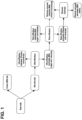
- FIG. 1 illustrates a representative flow diagram of a membrane filtration process that can be used to fractionate raw milk and produce a milk base comprising from 1 to 1.9 wt. % milk sugar (or a milk product comprising from 1 to 1.9 wt. % milk sugar).
- the fractionated components shown in FIG. 1 can then be mixed together to obtain a milk base or a milk product having, for example, a fat content of 1-10 wt. %, a protein content of 1-10 wt. %, a mineral content of 0.2-3 wt. %, and a milk sugar content of 1-1.9 wt. %.
- the sterilized reduced sugar milk base contacting step in the process disclosed herein can be conducted at any suitable conditions, for instance, any suitable aseptic conditions (i.e., sterile conditions).
- a tetra flexidose system or other in-line aseptic filler system can be used.
- the milk base and the lactic acid bacteria culture can be contacted and aseptically packaged in a container (filled and sealed) by mixing the milk base and the lactic acid bacteria culture, and then filling the container and sealing under aseptic conditions.
- the milk base can be fed to the container, followed by the lactic acid bacteria culture, and then sealed under aseptic conditions.
- Other suitable techniques for contacting the milk base with the lactic acid bacteria culture and aseptically packaging in a container can be utilized, as would be recognized by those of skill in the art.
- Any suitable container can be used, such as might be used for the distribution and/or sale of yogurt products in a retail outlet.
- Illustrative and non-limiting examples of typical containers include a cup, a bottle, a bag, or a pouch, and the like.
- the container can be made from any suitable material, such as glass, metal, plastics, and the like, as well as combinations thereof.
- the amount of the lactic acid bacteria culture ranges from 0.0001 to 2 wt. %, such as from about 0.0005 to about 0.05 wt. %, such as from 0.0001 to about 0.01 wt. %, or such as from about 0.0005 to about 0.01 wt. %, based on the weight of the sterilized reduced milk base.
- Other appropriate ranges for the amount of the lactic acid bacteria culture added to the sterilized reduced sugar milk base are readily apparent from this disclosure.
- the form of the lactic acid bacteria culture is not particularly limited; the lactic acid bacteria culture can be bulk, freeze dried, or frozen, and mixtures or combinations can be used as well.
- the lactic acid bacteria culture comprises Lactobacillus bulgaricus, Streptococcus thermophilus, Lactobacillus acidophillus, or a combination thereof.
- Typical lactic acid bacteria cultures that can additionally be used include, but are not limited to, Lactobacillus casei, Lactococcus lactis, Lactococcus cremoris, Latobacillus plantarum, Bifidobacterium, Leuconostoc, and the like, as well as any combination thereof.
- any of the contacting steps disclosed herein can include contacting the milk base, the lactic acid bacteria culture, and a suitable ingredient and aseptically packaging in the container.
- suitable ingredients often used in producing the final yogurt product can include a sweetener, a flavorant, a preservative (e.g., to prevent yeast or mold growth), a stabilizer, an emulsifier, a prebiotic substance, a special probiotic bacteria, a vitamin, a mineral, an omega 3 fatty acid, a phyto-sterol, an antioxidant, or a colorant, and the like, as well as any mixture or combination thereof.
- the process disclosed herein includes a step of storing under conditions sufficient to reduce the pH of the contents in the container to within a range from 4 to 4.6 to produce the yogurt product.
- the yogurt product is then suitable for consumption.
- the pH can be less than about 4.55, or less than about 4.5.
- the pH can be in a range from about 4.1 to about 4.6, from about 4.3 to about 4.6, from about 4.4 to about 4.6, or from about 4 to about 4.35.
- Other appropriate ranges for the pH of the cultured dairy product are readily apparent from this disclosure.
- the "storing" step comprises storing under conditions sufficient to reduce the pH of the contents in the container to within a range from 4 to 4.6 to produce the yogurt product.
- Storing under conditions sufficient comprises any suitable temperature and time conditions, for example, to allow the pH of the cultured dairy to decrease and reach a final pH value within a range from 4 to 4.6.
- Such conditions can include, but are not limited to, from about 5 °C to about 50 °C for at least about 2 hours, from about 10 °C to about 40 °C for from about 1 hour to about 3 weeks, from about 15 °C to about 30 °C for from about 2 hours to about 1 week (or 2 weeks), and the like.
- time periods do not include the time when the product is in distribution (which can last for weeks or months), rather, these time periods are for the time for the pH to fall within a range from 4 to 4.6 or any of the ranges disclosed herein and to equilibrate at a pH value.
- the viscosity of the yogurt product can vary depending upon the type of cultured dairy product that is desired, e.g., drinkable yogurt versus non-drinkable yogurt. Thus, a wide range of suitable viscosities (at 25 °C, centipoise) can be expected.
- the cultured dairy product can have a viscosity in a range from about 0.05 Pa ⁇ s (50 cP) to about 1,000 Pa ⁇ s (1,000,000 cP); alternatively, from about 0.5 Pa ⁇ s (500 cP) to about 100 Pa ⁇ s (100,000 cP); alternatively, from about 0.5 Pa ⁇ s (500 cP) to about 2 Pa ⁇ s (2,000 cP); or alternatively, from about 0.15 Pa ⁇ s (150 cP) to about 1.5 Pa ⁇ s (1,500 cP).
- Other appropriate ranges for the viscosity of the yogurt product are readily apparent from this disclosure.
- the yogurt product produced herein and in accordance with the disclosed process can be subjected to long term storage under ambient or non-refrigerated conditions, and the yogurt product can still be of acceptable quality, without spoiling.
- the yogurt product can be shelf-stable without refrigeration over a wide range of temperature and time conditions, such as from about 10 °C to about 35 °C for from about 2 to about 365 days, from about 15 °C to about 30 °C for from about 7 to about 180 days, from about 20 °C to about 25 °C for from about 14 to about 180 days, or from about 20 °C to about 25 °C for at least about 14 days, and the like.
- Other appropriate storage time and temperature conditions under which the yogurt product is shelf-stable are readily apparent from this disclosure.
- the yogurt product can be produced by a process wherein step (i) comprises (a) subjecting a milk product comprising from 1 to 1.9 wt. % milk sugar to ultra-high temperature (UHT) sterilization to form a sterilized milk product; and (b) cooling the sterilized milk product to a temperature less than or equal to 45 °C to form a sterilized reduced sugar milk base.
- step (a) the milk product can be subjected to ultra-high temperature (UHT) sterilization (also referred to in the art as UHT pasteurization), which refers to the generally high temperature treatment of the milk product for a relatively short time period.
- UHT sterilization can be conducted at a variety of suitable temperature and time conditions, as would be recognized by those of skill in the art.
- UHT conditions include a temperature in a range from about 130 °C to about 150 °C for a time period of from about 1 to about 15 sec, a temperature in a range from about 130 °C to about 150 °C for a time period of from about 2 to about 4 sec, a temperature in a range from about 135 °C to about 145 °C for a time period of from about 1 to about 10 sec, or a temperature in a range from about 135 °C to about 145 °C for a time period of from about 2 to about 5 sec, and the like.
- Other appropriate UHT sterilization temperature and time conditions are readily apparent from this disclosure.
- This invention is not limited by the method or equipment used for performing the UHT sterilization process.
- Any suitable UHT sterilization technique can be employed, such as indirect steam injection, direct steam injection, direct steam infusion, indirect heating, direct heating, a hybrid of direct and indirect heating, and the like.
- the sterilization process also can be a batch sterilization process, such as at 121 °C for 20-30 minutes, or an equivalent. Moreover, combinations of these techniques can be employed, if desired.
- Any suitable sterilization system can be used, such as filter sterilization by microfiltration or by ultraviolet irradiation, high pressure or by ohmic heating, cavitation or by ultra-sonification, and the like.
- the sterilized milk product is cooled to a temperature less than or equal to 45 °C in step (b) to form the sterilized reduced sugar milk base.
- the sterilized milk product is cooled in step (b) to a temperature of less than or equal to about 40 °C, or less than or equal to about 35 °C.
- the sterilized milk product is cooled in step (b) to a temperature in a range from about 5 °C to about 40 °C, in a range from about 8 °C to about 45 °C, in a range from about 10 °C to about 30 °C, in a range from about 20 °C to about 45 °C, in a range from about 15 °C to about 40 °C, or in a range from about 20 °C to about 40 °C, and the like.
- Other appropriate cooling temperatures are readily apparent from this disclosure.
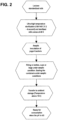
- FIG. 2 An illustrative and non-limiting example of a suitable process for producing a yogurt product, consistent with this invention is shown in FIG. 2 .
- a lactose standardized milk product having a desired amount of milk sugar is subjected to UHT sterilization, for example, at 130-145 °C for 2-4 seconds, and the sterilized milk product is then cooled to 40 °C.
- the resulting milk base is then aseptically contacted with the bacteria or culture, and filled and sealed in a suitable container, such as a bottle, cup, or bag.
- the container and its contents are then stored at ambient or non-refrigerated conditions, such as above 15 °C, and the pH decreases during storage to a pH value within a range from 4 to 4.6.
- the yogurt product is ready for consumption when the pH has dropped to 4.6, or less.
- the lactic acid bacteria acts on the milk sugar, converting it into lactic acid, which results in a decrease in the pH of the milk base.
- the pH of the milk reaches approximately 4.6, the isoelectric point of the most abundant protein occurring in milk (casein). At the isoelectric point, net charges on caseins become zero, and they coagulate and result in formation of curd or coagulum under quiescent conditions.
- the substrate or nutrient for the growth of lactic acid bacteria is limited.
- the milk sugar, nutrient for lactic acid bacteria, in the milk intended for yogurt manufacture is standardized in a specific range by mixing the components of milk as shown in FIG. 1 , or other suitable technique.
- the milk sugar level is selected in such a way that it supports growth of bacteria to produce enough lactic acid (e.g., to result in a pH within a range from 4 to 4.6) as required for the yogurt product formation, but not for over acidification (e.g., where the pH is too low).
- the activity of lactic acid bacteria is controlled to obtain a uniform quality of the yogurt product in terms of acidity and number of bacteria.
- the resultant yogurt product can be stored at ambient temperature, as no more significant fermentation occurs due to limited nutrients for the culture/bacteria to act on.
- the acidity present in the cultured dairy product can act as a preservative to give a long shelf-life to the cultured dairy product at ambient temperature conditions.
- an advantage of the present invention is that there is no need to have incubation rooms at temperatures of 30-40 °C, or maintaining 30-40 °C temperatures of milk in fermentation tanks. Moreover, there is no need to cool the cultured dairy product from 30-40 °C to refrigeration conditions of 8-10 °C or less. The elimination of incubation room and warm temperature tanks, which is followed by subsequent cooling, can result in considerable energy and cost savings.
- the yogurt product contains live lactic acid bacteria or live active cultures, ranging in an amount from 10,000,000 cfu/g to 1,000,000,000 cfu/g.
- the yogurt product can contain from about 15,000,000 cfu/g to about 1,000,000,000 cfu/g, of live bacteria or live active cultures.
- Table I summarizes certain characteristics of two aseptic drinkable yogurt products (Examples 1-2) with live and active cultures that were produced.
- the target yogurt product for Example 1 after storage/aging was a pH of 4.5, 5 wt. % solids, 0.09 wt. % fat, and 3 wt. % protein, from a starting milk product having approximately 1.44 wt. % milk sugar and 0.52 wt. % minerals.
- the milk product was prepared from milk components to result in the component amounts shown in Table I.
- the milk product was subjected to UHT sterilization at a preheat temperature of 85 °C, a final temperature of 143 °C for 3 seconds, and at a pressure of 17.2 MPa.
- the sterilized milk base was inoculated with freeze dried lactic acid bacteria culture (a mixture of Lactobacillus bulgaricus, Streptococcus thermophiles, and Lactobacillus acidophilus) at 10 mg of culture per liter of milk base, and aseptically packaged in pre-sterilized Nalgene containers.
- the containers were stored at 22-35 °C.
- the pH of the yogurt product was monitored for 5, 6, 7, and 16 days after the addition of the yogurt culture to the milk base and aseptic packaging. As shown in Table I, the pH of the yogurt product of Example 1 decreased to 4.36 at 7 days, and equilibrated at 4.17 at 16 days.
- Example 2 was produced similarly to that of Example 1, except for the target yogurt characteristics and the starting milk product components, including a starting milk sugar content of approximately 1.88 wt. %. As shown in Table I, the pH of the yogurt product of Example 2 decreased to 4.37 at 7 days, and equilibrated at 4.09 at 16 days.
- the yogurt products of Examples 1-2 after 16 days were taste tested by five individuals, all of whom agreed that the yogurt products had a clean, fresh yogurt flavor.
- the amounts of live bacteria in the yogurt products of Examples 1-2 after 20 days at 30 °C were 33,000,000 cfu/g and 11,000,000 cfu/g, respectively.
- Table II summarizes certain characteristics of a yogurt product (Example 3) with live and active cultures that was produced.
- the starting milk product before UHT sterilization was prepared from milk components to result in the component amounts shown in Table II.
- Pectin a stabilizer
- the freeze dried culture (9.47 mg culture per 1000 grams of milk base) was added under sterile conditions to the contents in the bottles, and the bottles were sealed/capped under sterile conditions.
- the lactic acid bacteria culture was in freeze dried form, and was a mixture of Lactobacillus bulgaricus, Streptococcus thermophiles, and Lactobacillus acidophilus.
- the bottles containing the yogurt product were stored at 30 °C.
- the pH of the yogurt product of Example 3 and certain component amounts were monitored for 5 and 16 days after the addition of the yogurt culture to the milk base and aseptic packaging. As shown in Table II, the pH of the yogurt product of Example 3 decreased to 4.38 at 5 days, and equilibrated at 4.08 at 16 days. The viscosity of the yogurt product of Example 3 was 95 cP at 20 °C. Table I. Yogurt Examples 1-2. pH Solids Wt. % Fat Wt. % Protein Wt. % Milk Sugar Wt. % Minerals Wt.
Landscapes
- Life Sciences & Earth Sciences (AREA)
- Engineering & Computer Science (AREA)
- Chemical & Material Sciences (AREA)
- Polymers & Plastics (AREA)
- Food Science & Technology (AREA)
- Microbiology (AREA)
- Water Supply & Treatment (AREA)
- Zoology (AREA)
- Wood Science & Technology (AREA)
- Health & Medical Sciences (AREA)
- Nutrition Science (AREA)
- Mycology (AREA)
- Mechanical Engineering (AREA)
- Biochemistry (AREA)
- Molecular Biology (AREA)
- Proteomics, Peptides & Aminoacids (AREA)
- Dairy Products (AREA)
Description
- The present invention relates to a process to produce a yogurt product containing from 10,000,000 cfu/g to 1,000,000,000 cfu/g of live bacteria or live active cultures.
- The traditional yogurt manufacturing process involves heating of milk at temperatures of 85-95 °C for 5-10 min, and then cooling the heated milk to warm temperatures (21-45 °C). Safe and harmless lactic acid bacterial cultures are then added to the warm milk. The culture/warm milk mixtures are then filled into cups or transferred to fermentation tanks. The warm milk/culture mixtures are then incubated at warm temperatures for 2-24 hours until a coagulum is obtained, or a pH of 4.6 of the milk is obtained. The yogurt set in cups is then cooled to below 10 °C. The yogurt set in fermentation tanks is stirred and cooled to below 10 °C, and then filled into cups as drinkable yogurt or stirred yogurt. The whey in yogurt set in fermentation tanks can be strained by passing over filters, or spinning by centrifugal devices resulting in concentrated/strained or Greek yogurt. Flavors or sweeteners can be added before heating the milk or post-fermentation, while fruits are often added post-fermentation. These resultant yogurt products are stored at refrigeration temperatures during distribution, display, and in homes.
- At present, the available shelf-stable yogurts and other cultured dairy products are manufactured by sterilizing in a post-fermentation step, which kills the live beneficial bacteria.
EP 0 061 946 A1 discloses a process for the production of a fermented milk having a long preservation time. It would be beneficial to produce cultured dairy products, such as yogurt, kefir, and sour cream, which could be distributed and stored under ambient or non-refrigerated conditions without diminishing the shelf-life and beneficial qualities of the cultured dairy products. Accordingly, it is to these ends that the present invention is directed. - A process for producing a yogurt product (e.g., a shelf-stable yogurt) is disclosed herein.
- A process to produce a yogurt product containing from 10,000,000 cfu/g to 1,000,000,000 cfu/g of live bacteria or live active cultures is provided. The process comprises the steps of: (i) providing a sterilized reduced sugar milk base comprising from 1 to 1.9 wt. % milk sugar; (ii) contacting the sterilized reduced sugar milk base with from 0.0001 to 2 wt. % of a lactic acid bacteria culture and aseptically packaging in a container, wherein the lactic acid bacteria culture comprises Lactobacillus bulgaricus, Streptococcus thermophilus, Lactobacillus acidophillus, or a combination thereof; and (iii) storing under conditions sufficient to reduce the pH of the contents in the container to within a range from 4 to 4.6 to produce the yogurt product.
- Unexpectedly, and beneficially, the process according to the present invention results in a shelf-stable yogurt product, in particular, a yogurt product that is shelf-stable without refrigeration for up to six months or more. Additionally, the shelf-stable yogurt product has live lactic acid bacteria or live active cultures (i.e., beneficial bacteria).
- According to one embodiment, step (i) comprises the steps of: (a) subjecting a milk product comprising from 1 to 1.9 wt. % milk sugar to ultra-high temperature (UHT) sterilization to form a sterilized milk product; and (b) cooling the sterilized milk product to a temperature less than or equal to 45 °C to form the sterilized reduced sugar milk base.
- According to another embodiment, the milk base comprises from 1 to 1.5 wt. % milk sugar; or from 1.3 to 1.6 wt. % milk sugar.
- According to yet another embodiment, the milk base comprises from 1 to 15 wt. % protein; or from 3 to 11 wt. % protein; or from 2 to 7 wt. % protein.
- According to a further embodiment, the milk base comprises from 0.1 to 20 wt. % fat; or from 0 to 12 wt. % fat; or from 2 to 6 wt. % fat; or from 3 to 12 wt. % fat.
- According to another embodiment, the sterilized milk product is cooled in step (b) to a temperature in a range from 5 °C to 40 °C; or from 8 °C to 45 °C; or from 10 °C to 30 °C; or from 15 °C to 40 °C; or from 20 °C to 40 °C.
- According to yet another embodiment, the amount of the lactic acid bacteria culture in step (ii), based on the milk base, is from 0.0005 to 0.05 wt. %.
- According to a further embodiment, the milk base is contacted with the lactic acid bacteria culture and an ingredient comprising a sweetener, a flavorant, a preservative, a stabilizer, an emulsifier, a prebiotic substance, a special probiotic bacteria, a vitamin, a mineral, an omega 3 fatty acid, a phyto-sterol, an antioxidant, a colorant, or any combinations thereof.
- According to another embodiment, the pH is reduced in step (iii) to a range from 4.4 to 4.6.
- According to yet another embodiment, storing under conditions sufficient comprises: from 5 °C to 50 °C for at least 2 hours; or from 10 °C to 40 °C for from 1 hour to 3 weeks; or from 15 °C to 30 °C for from 2 hours to 2 weeks; or from 15 °C to 30 °C for from 2 hours to 1 week.
- According to a further embodiment, the milk base in (i) or the milk product in step (a) is produced by a membrane filtration process; or a process comprising mixing milk powder, protein powder, lactose powder, and water.
- According to another embodiment, step (ii) comprises combining the milk base with the lactic acid bacteria culture to form a mixture, filling the mixture into the container, and sealing the container; or separately filling the container with the milk base and the lactic acid bacteria culture, and sealing the container.
- According to yet another embodiment, the yogurt product is shelf-stable without refrigeration at a temperature from 10 °C to 35 °C for from 2 to 365 days; or a temperature from 15 °C to 30 °C for from 7 to 180 days; or a temperature from 20°C to 25 °C for from 14 to 180 days.
-
-
FIG. 1 presents a schematic flow diagram of a membrane filtration process for producing a milk base or milk product consistent with this invention. -
FIG. 2 presents a schematic flow diagram of a process for producing a yogurt product consistent with this invention. - While compositions and processes are described herein in terms of "comprising" various components or steps, the compositions and methods can also "consist essentially of" or "consist of" the various components or steps, unless stated otherwise.
- The terms "a," "an," and "the" are intended to include plural alternatives, e.g., at least one, unless otherwise specified. For instance, the disclosure of "a lactic acid bacteria culture" is meant to encompass one, or mixtures or combinations of more than one, lactic acid bacteria culture, unless otherwise specified.
- The terms "contact product," "contacting," and the like, are used herein to describe compositions and processes wherein the components are contacted together in any order, in any manner, and for any length of time, unless otherwise specified. For example, the components can be contacted by blending or mixing. Further, unless otherwise specified, the contacting of any component can occur in the presence or absence of any other component of the compositions and methods described herein. Combining additional materials or components can be done by any suitable method. Further, the term "contact product" includes mixtures, blends, solutions, slurries, reaction products, and the like, or combinations thereof. Although "contact product" can, and often does, include reaction products, it is not required for the respective components to react with one another. Similarly, the term "contacting" is used herein to refer to materials which can be blended, mixed, slurried, dissolved, reacted, treated, or otherwise contacted or combined in some other manner or by any suitable technique. Hence, "contacting" two or more components can result in a mixture, a reaction product, a reaction mixture, etc.
- Although any methods and materials similar or equivalent to those described herein can be used in the practice or testing of the invention, the typical methods and materials are herein described.
- Several types of ranges are disclosed in the present invention. When a range of any type is disclosed or claimed, the intent is to disclose or claim individually each possible number that such a range could reasonably encompass, including end points of the range as well as any sub-ranges and combinations of sub-ranges encompassed therein. As a representative example, the protein content of the milk product and the milk base can be in certain ranges in the aspect and various embodiments of this invention. By a disclosure that the protein content can be in a range from about 1 to about 15 wt. %, the intent is to recite that the protein content can be any protein content within the range and, for example, can be equal to about 1, about 2, about 3, about 4, about 5, about 6, about 7, about 8, about 9, about 10, about 11, about 12, about 13, about 14, or about 15 wt. %. Additionally, the protein content can be within any range from about 1 to about 15 wt. % (for example, from about 3 to about 11 wt. %), and this also includes any combination of ranges between about 1 and about 15 wt. % (for example, the protein content can be in a range from 2 to about 6 wt. % or from about 10 to about 15 wt. %). Likewise, all other ranges disclosed herein should be interpreted in a manner similar to this example.
- A process for producing a yogurt product is disclosed and described herein. The process can be used to produce a yogurt that is shelf-stable without refrigeration for relatively long periods of time. This results in benefits in terms of transportation (non-refrigerated trucks), warehousing and display, and overall cost.
- According to one aspect, a process to produce a yogurt product containing from 10,000,000 cfu/g to 1,000,000,000 cfu/g of live bacteria or live active cultures is provided. The process comprises (i) providing a sterilized reduced sugar milk base comprising from 1 to 1.9 wt. % milk sugar, (ii) contacting the sterilized reduced milk base with from 0.0001 to 2 wt. % of a lactic acid bacteria culture and aseptically packaging in a container, wherein the lactic acid bacteria culture comprises Lactobacillus bulgaricus, Streptococcus thermophilus, Lactobacillus acidophillus, or a combination thereof; and (iii) storing under conditions sufficient to reduce the pH of the contents in the container to within a range from 4 to 4.6 to produce the yogurt product. Step (i) may comprise the steps of (a) subjecting a milk product comprising from 1 to 1.9 wt. % milk sugar to ultra-high temperature (UHT) sterilization to form a sterilized milk product, and (b) cooling the sterilized milk product to a temperature less than or equal to 45 °C to form the sterilized reduced sugar milk base. As would be recognized by those of skill in the art, a sterilized milk product (or milk base) also may be referred to as a pasteurized milk product (or milk base), and UHT sterilization also may be referred to as UHT pasteurization.
- Generally, the features of the process (e.g., further characteristics of the milk product or milk base, the conditions of UHT sterilization, the conditions under which the contents of the containers are stored, among others) are independently described herein and these features can be combined in any combination to further describe the disclosed processes. Moreover, other process steps can be conducted before, during, and/or after any of the steps listed in the disclosed processes, unless stated otherwise. Additionally, the resultant yogurt products (e.g., shelf-stable yogurt products, ready for consumption) produced in accordance with any of the disclosed embodiments are within the scope of this disclosure and are encompassed herein.
- The milk product and sterilized reduced sugar milk base independently has from 1 to 1.9 wt. % milk sugar. The milk product and sterilized reduced sugar milk base independently can have from 1 to about 1.8 wt. %, from 1 to about 1.5 wt. %, or from about 1.3 to about 1.6 wt. % milk sugar. Other appropriate ranges for the amount of milk sugar in the milk product and/or in the sterilized reduced sugar milk base are readily apparent from this disclosure. Moreover, the "milk sugar" can be in any form, for instance, hydrolyzed, un-hydrolyzed, isomerized, and the like. Moreover, "milk sugar" is also meant to encompass glucose/galactose, such as can be produced by the treatment of lactose with lactase enzyme, as would be recognized by one of skill in the art.
- The milk product or the sterilized reduced sugar milk base can have any suitable amounts of protein and fat.
- Generally, the protein content of the milk product and the sterilized reduced sugar milk base is not particularly limited. The milk product and sterilized reduced sugar milk base independently can have from about 1 to about 15 wt. % protein, from about 1 to about 10 wt. % protein, or from about 2 to about 15 wt. % protein. The milk product and sterilized reduced sugar milk base independently can have from about 3 to about 12 wt. % protein, or from about 3 to about 11 wt. % protein. The milk product and sterilized reduced sugar milk base independently can have from about 2 to about 7 wt. % protein, or from about 2 to about 6 wt. % protein. Other appropriate ranges for the amount of protein in the milk product and/or in the sterilized reduced sugar milk base are readily apparent from this disclosure.
- The fat content of the milk product and the sterilized reduced sugar milk base often can range from "fat-free" (less than about 0.5 wt. %, and often less than about 0.1 wt. %) to about 10-20 wt. %. Typical ranges for the fat content of the milk product and sterilized reduced sugar milk base independently can include, but are not limited to, from 0 to about 12 wt. % fat, from 0 to about 6 wt. % fat, from about 0.1 to about 20 wt. % fat, from about 0.1 to about 6 wt. % fat, from about 1 to about 12 wt. % fat, from about 3 to about 12 wt. % fat, from about 2 to about 6 wt. % fat, or from about 3 to about 6 wt. % fat. Other appropriate ranges for the amount of fat in the milk product and/or in the sterilized reduced sugar milk base are readily apparent from this disclosure.
- The sterilized reduced sugar milk base comprising from 1 to 1.9 wt. % milk sugar (or the milk product comprising from 1 to 1.9 wt. % milk sugar) can be produced by any technique known to one of skill in the art. For example, and not to be limited thereto, the milk base or milk product having 1-1.9 wt. % milk sugar can be produced by a membrane filtration process to achieve the desired milk sugar content (and protein and fat contents), or alternatively, by a process comprising mixing milk powder, protein powder, lactose powder, and water, to achieve the desired milk sugar content (and protein and fat contents).
FIG. 1 illustrates a representative flow diagram of a membrane filtration process that can be used to fractionate raw milk and produce a milk base comprising from 1 to 1.9 wt. % milk sugar (or a milk product comprising from 1 to 1.9 wt. % milk sugar). The fractionated components shown inFIG. 1 can then be mixed together to obtain a milk base or a milk product having, for example, a fat content of 1-10 wt. %, a protein content of 1-10 wt. %, a mineral content of 0.2-3 wt. %, and a milk sugar content of 1-1.9 wt. %. - Consistent with this invention, the sterilized reduced sugar milk base contacting step in the process disclosed herein can be conducted at any suitable conditions, for instance, any suitable aseptic conditions (i.e., sterile conditions). A tetra flexidose system or other in-line aseptic filler system can be used. The milk base and the lactic acid bacteria culture can be contacted and aseptically packaged in a container (filled and sealed) by mixing the milk base and the lactic acid bacteria culture, and then filling the container and sealing under aseptic conditions. Alternatively, the milk base can be fed to the container, followed by the lactic acid bacteria culture, and then sealed under aseptic conditions. Other suitable techniques for contacting the milk base with the lactic acid bacteria culture and aseptically packaging in a container can be utilized, as would be recognized by those of skill in the art.
- Any suitable container can be used, such as might be used for the distribution and/or sale of yogurt products in a retail outlet. Illustrative and non-limiting examples of typical containers include a cup, a bottle, a bag, or a pouch, and the like. The container can be made from any suitable material, such as glass, metal, plastics, and the like, as well as combinations thereof.
- The amount of the lactic acid bacteria culture ranges from 0.0001 to 2 wt. %, such as from about 0.0005 to about 0.05 wt. %, such as from 0.0001 to about 0.01 wt. %, or such as from about 0.0005 to about 0.01 wt. %, based on the weight of the sterilized reduced milk base. Other appropriate ranges for the amount of the lactic acid bacteria culture added to the sterilized reduced sugar milk base are readily apparent from this disclosure.
- The form of the lactic acid bacteria culture is not particularly limited; the lactic acid bacteria culture can be bulk, freeze dried, or frozen, and mixtures or combinations can be used as well. The lactic acid bacteria culture comprises Lactobacillus bulgaricus, Streptococcus thermophilus, Lactobacillus acidophillus, or a combination thereof. Typical lactic acid bacteria cultures that can additionally be used include, but are not limited to, Lactobacillus casei, Lactococcus lactis, Lactococcus cremoris, Latobacillus plantarum, Bifidobacterium, Leuconostoc, and the like, as well as any combination thereof.
- In further embodiments of this invention, any of the contacting steps disclosed herein can include contacting the milk base, the lactic acid bacteria culture, and a suitable ingredient and aseptically packaging in the container. Non-limiting examples of such ingredients often used in producing the final yogurt product can include a sweetener, a flavorant, a preservative (e.g., to prevent yeast or mold growth), a stabilizer, an emulsifier, a prebiotic substance, a special probiotic bacteria, a vitamin, a mineral, an omega 3 fatty acid, a phyto-sterol, an antioxidant, or a colorant, and the like, as well as any mixture or combination thereof.
- After the "contacting" step, the process disclosed herein includes a step of storing under conditions sufficient to reduce the pH of the contents in the container to within a range from 4 to 4.6 to produce the yogurt product. The yogurt product is then suitable for consumption. The pH can be less than about 4.55, or less than about 4.5. For example, the pH can be in a range from about 4.1 to about 4.6, from about 4.3 to about 4.6, from about 4.4 to about 4.6, or from about 4 to about 4.35. Other appropriate ranges for the pH of the cultured dairy product are readily apparent from this disclosure.
- The "storing" step comprises storing under conditions sufficient to reduce the pH of the contents in the container to within a range from 4 to 4.6 to produce the yogurt product. Storing under conditions sufficient comprises any suitable temperature and time conditions, for example, to allow the pH of the cultured dairy to decrease and reach a final pH value within a range from 4 to 4.6. Such conditions can include, but are not limited to, from about 5 °C to about 50 °C for at least about 2 hours, from about 10 °C to about 40 °C for from about 1 hour to about 3 weeks, from about 15 °C to about 30 °C for from about 2 hours to about 1 week (or 2 weeks), and the like. These time periods do not include the time when the product is in distribution (which can last for weeks or months), rather, these time periods are for the time for the pH to fall within a range from 4 to 4.6 or any of the ranges disclosed herein and to equilibrate at a pH value.
- The viscosity of the yogurt product can vary depending upon the type of cultured dairy product that is desired, e.g., drinkable yogurt versus non-drinkable yogurt. Thus, a wide range of suitable viscosities (at 25 °C, centipoise) can be expected. For instance, the cultured dairy product can have a viscosity in a range from about 0.05 Pa·s (50 cP) to about 1,000 Pa·s (1,000,000 cP); alternatively, from about 0.5 Pa·s (500 cP) to about 100 Pa·s (100,000 cP); alternatively, from about 0.5 Pa·s (500 cP) to about 2 Pa·s (2,000 cP); or alternatively, from about 0.15 Pa·s (150 cP) to about 1.5 Pa·s (1,500 cP). Other appropriate ranges for the viscosity of the yogurt product are readily apparent from this disclosure.
- The yogurt product produced herein and in accordance with the disclosed process can be subjected to long term storage under ambient or non-refrigerated conditions, and the yogurt product can still be of acceptable quality, without spoiling. Unexpectedly, and beneficially, the yogurt product can be shelf-stable without refrigeration over a wide range of temperature and time conditions, such as from about 10 °C to about 35 °C for from about 2 to about 365 days, from about 15 °C to about 30 °C for from about 7 to about 180 days, from about 20 °C to about 25 °C for from about 14 to about 180 days, or from about 20 °C to about 25 °C for at least about 14 days, and the like. Other appropriate storage time and temperature conditions under which the yogurt product is shelf-stable are readily apparent from this disclosure.
- The yogurt product can be produced by a process wherein step (i) comprises (a) subjecting a milk product comprising from 1 to 1.9 wt. % milk sugar to ultra-high temperature (UHT) sterilization to form a sterilized milk product; and (b) cooling the sterilized milk product to a temperature less than or equal to 45 °C to form a sterilized reduced sugar milk base. In step (a), the milk product can be subjected to ultra-high temperature (UHT) sterilization (also referred to in the art as UHT pasteurization), which refers to the generally high temperature treatment of the milk product for a relatively short time period. UHT sterilization can be conducted at a variety of suitable temperature and time conditions, as would be recognized by those of skill in the art. Representative and non-limiting examples of UHT conditions include a temperature in a range from about 130 °C to about 150 °C for a time period of from about 1 to about 15 sec, a temperature in a range from about 130 °C to about 150 °C for a time period of from about 2 to about 4 sec, a temperature in a range from about 135 °C to about 145 °C for a time period of from about 1 to about 10 sec, or a temperature in a range from about 135 °C to about 145 °C for a time period of from about 2 to about 5 sec, and the like. Other appropriate UHT sterilization temperature and time conditions are readily apparent from this disclosure.
- This invention is not limited by the method or equipment used for performing the UHT sterilization process. Any suitable UHT sterilization technique can be employed, such as indirect steam injection, direct steam injection, direct steam infusion, indirect heating, direct heating, a hybrid of direct and indirect heating, and the like. The sterilization process also can be a batch sterilization process, such as at 121 °C for 20-30 minutes, or an equivalent. Moreover, combinations of these techniques can be employed, if desired. Any suitable sterilization system can be used, such as filter sterilization by microfiltration or by ultraviolet irradiation, high pressure or by ohmic heating, cavitation or by ultra-sonification, and the like.
- After the UHT sterilization step, the sterilized milk product is cooled to a temperature less than or equal to 45 °C in step (b) to form the sterilized reduced sugar milk base. In some embodiments, the sterilized milk product is cooled in step (b) to a temperature of less than or equal to about 40 °C, or less than or equal to about 35 °C. In other embodiments, the sterilized milk product is cooled in step (b) to a temperature in a range from about 5 °C to about 40 °C, in a range from about 8 °C to about 45 °C, in a range from about 10 °C to about 30 °C, in a range from about 20 °C to about 45 °C, in a range from about 15 °C to about 40 °C, or in a range from about 20 °C to about 40 °C, and the like. Other appropriate cooling temperatures are readily apparent from this disclosure.
- An illustrative and non-limiting example of a suitable process for producing a yogurt product, consistent with this invention is shown in
FIG. 2 . First, a lactose standardized milk product having a desired amount of milk sugar is subjected to UHT sterilization, for example, at 130-145 °C for 2-4 seconds, and the sterilized milk product is then cooled to 40 °C. The resulting milk base is then aseptically contacted with the bacteria or culture, and filled and sealed in a suitable container, such as a bottle, cup, or bag. The container and its contents are then stored at ambient or non-refrigerated conditions, such as above 15 °C, and the pH decreases during storage to a pH value within a range from 4 to 4.6. InFIG. 2 , the yogurt product is ready for consumption when the pH has dropped to 4.6, or less. - Consistent with this invention, the lactic acid bacteria acts on the milk sugar, converting it into lactic acid, which results in a decrease in the pH of the milk base. When the pH of the milk reaches approximately 4.6, the isoelectric point of the most abundant protein occurring in milk (casein). At the isoelectric point, net charges on caseins become zero, and they coagulate and result in formation of curd or coagulum under quiescent conditions.
- In accordance with this invention, the substrate or nutrient for the growth of lactic acid bacteria is limited. The milk sugar, nutrient for lactic acid bacteria, in the milk intended for yogurt manufacture is standardized in a specific range by mixing the components of milk as shown in
FIG. 1 , or other suitable technique. The milk sugar level is selected in such a way that it supports growth of bacteria to produce enough lactic acid (e.g., to result in a pH within a range from 4 to 4.6) as required for the yogurt product formation, but not for over acidification (e.g., where the pH is too low). - Again, while not wishing to be bound by theory, the activity of lactic acid bacteria is controlled to obtain a uniform quality of the yogurt product in terms of acidity and number of bacteria. The resultant yogurt product can be stored at ambient temperature, as no more significant fermentation occurs due to limited nutrients for the culture/bacteria to act on. The acidity present in the cultured dairy product can act as a preservative to give a long shelf-life to the cultured dairy product at ambient temperature conditions.
- Thus, an advantage of the present invention is that there is no need to have incubation rooms at temperatures of 30-40 °C, or maintaining 30-40 °C temperatures of milk in fermentation tanks. Moreover, there is no need to cool the cultured dairy product from 30-40 °C to refrigeration conditions of 8-10 °C or less. The elimination of incubation room and warm temperature tanks, which is followed by subsequent cooling, can result in considerable energy and cost savings.
- Further, the yogurt product contains live lactic acid bacteria or live active cultures, ranging in an amount from 10,000,000 cfu/g to 1,000,000,000 cfu/g. The yogurt product can contain from about 15,000,000 cfu/g to about 1,000,000,000 cfu/g, of live bacteria or live active cultures.
- Table I summarizes certain characteristics of two aseptic drinkable yogurt products (Examples 1-2) with live and active cultures that were produced. The target yogurt product for Example 1 after storage/aging was a pH of 4.5, 5 wt. % solids, 0.09 wt. % fat, and 3 wt. % protein, from a starting milk product having approximately 1.44 wt. % milk sugar and 0.52 wt. % minerals. The milk product was prepared from milk components to result in the component amounts shown in Table I. The milk product was subjected to UHT sterilization at a preheat temperature of 85 °C, a final temperature of 143 °C for 3 seconds, and at a pressure of 17.2 MPa. After cooling the sterilized milk product to 21 °C, the sterilized milk base was inoculated with freeze dried lactic acid bacteria culture (a mixture of Lactobacillus bulgaricus, Streptococcus thermophiles, and Lactobacillus acidophilus) at 10 mg of culture per liter of milk base, and aseptically packaged in pre-sterilized Nalgene containers. The containers were stored at 22-35 °C. The pH of the yogurt product was monitored for 5, 6, 7, and 16 days after the addition of the yogurt culture to the milk base and aseptic packaging. As shown in Table I, the pH of the yogurt product of Example 1 decreased to 4.36 at 7 days, and equilibrated at 4.17 at 16 days. Example 2 was produced similarly to that of Example 1, except for the target yogurt characteristics and the starting milk product components, including a starting milk sugar content of approximately 1.88 wt. %. As shown in Table I, the pH of the yogurt product of Example 2 decreased to 4.37 at 7 days, and equilibrated at 4.09 at 16 days.
- The yogurt products of Examples 1-2 after 16 days were taste tested by five individuals, all of whom agreed that the yogurt products had a clean, fresh yogurt flavor. The amounts of live bacteria in the yogurt products of Examples 1-2 after 20 days at 30 °C were 33,000,000 cfu/g and 11,000,000 cfu/g, respectively.
- Table II summarizes certain characteristics of a yogurt product (Example 3) with live and active cultures that was produced. The starting milk product before UHT sterilization was prepared from milk components to result in the component amounts shown in Table II. Pectin (a stabilizer) was added to the milk product, which was then subjected to UHT sterilization using direct heating (pre-heat 85 °C, final heat at 143 °C for 3 seconds) and a pressure of 17.2 MPa. After UHT, the sterilized milk base was cooled to 21 °C, and then aseptically fed into 1-liter pre-sterilized Nalgene bottles. Next, the freeze dried culture (9.47 mg culture per 1000 grams of milk base) was added under sterile conditions to the contents in the bottles, and the bottles were sealed/capped under sterile conditions. The lactic acid bacteria culture was in freeze dried form, and was a mixture of Lactobacillus bulgaricus, Streptococcus thermophiles, and Lactobacillus acidophilus. The bottles containing the yogurt product were stored at 30 °C.
- The pH of the yogurt product of Example 3 and certain component amounts (e.g., fat, milk sugar) were monitored for 5 and 16 days after the addition of the yogurt culture to the milk base and aseptic packaging. As shown in Table II, the pH of the yogurt product of Example 3 decreased to 4.38 at 5 days, and equilibrated at 4.08 at 16 days. The viscosity of the yogurt product of Example 3 was 95 cP at 20 °C.
Table I. Yogurt Examples 1-2. pH Solids Wt. % Fat Wt. % Protein Wt. % Milk Sugar Wt. % Minerals Wt. % Example 1 - Target 4.50 5.0 0.09 3.0 - - Starting milk product 6.81 5.2 0.13 3.0 1.44 0.52 5 days 5.03 -- -- -- -- -- 6 days 5.03 -- -- -- -- -- 7 days 4.36 -- -- -- -- -- 16 days 4.17 4.8 0.15 2.8 -- -- Example 2 - Target 4.50 5.5 0.09 3.0 -- -- Starting milk product 6.75 5.8 0.15 3.0 1.88 0.54 5 days 4.81 -- -- -- -- -- 6 days 4.85 -- -- -- -- -- 7 days 4.37 -- -- -- -- -- 16 days 4.09 5.4 0.14 2.8 -- -- Table II. Yogurt Example 3. pH Solids Wt. % Fat Wt. % Protein Wt. % Milk Sugar Wt. % Viscosity at 20°C (cP) Before UHT 6.60 5.7 0.17 3.01 1.5 -- 5 days 4.38 5.6 0.17 3.01 < 0.5 -- 16 days 4.08 5.6 0.17 3.10 < 0.5 95.4
Claims (13)
- A process to produce a yogurt product containing from 10,000,000 cfu/g to 1,000,000,000 cfu/g of live bacteria or live active cultures, the process comprising:(i) providing a sterilized reduced sugar milk base comprising from 1 to 1.9 wt. % milk sugar;(ii) contacting the sterilized reduced sugar milk base with from 0.0001 to 2 wt. % of a lactic acid bacteria culture and aseptically packaging in a container, wherein the lactic acid bacteria culture comprises Lactobacillus bulgaricus, Streptococcus thermophilus, Lactobacillus acidophillus, or a combination thereof; and(iii) storing under conditions sufficient to reduce the pH of the contents in the container to within a range from 4 to 4.6 to produce the yogurt product.
- The process of claim 1, wherein step (i) comprises the steps of:(a) subjecting a milk product comprising from 1 to 1.9 wt. % milk sugar to ultra-high temperature (UHT) sterilization to form a sterilized milk product; and(b) cooling the sterilized milk product to a temperature less than or equal to 45 °C to form the sterilized reduced sugar milk base.
- The process of claim 1 or 2, wherein the milk base comprises:from 1 to 1.5 wt. % milk sugar; orfrom 1.3 to 1.6 wt. % milk sugar.
- The process of any one of claims 1-3, wherein the milk base comprises:from 1 to 15 wt. % protein; orfrom 3 to 11 wt. % protein; orfrom 2 to 7 wt. % protein.
- The process of any one of claims 1-4, wherein the milk base comprises:from 0.1 to 20 wt. % fat; orfrom 0 to 12 wt. % fat; orfrom 2 to 6 wt. % fat; orfrom 3 to 12 wt. % fat.
- The process of any one of claim 2-5, wherein the sterilized milk product is cooled in step (b) to a temperature in a range:from 5 °C to 40 °C; orfrom 8 °C to 45 °C; orfrom 10 °C to 30 °C; orfrom 15 °C to 40 °C; orfrom 20 °C to 40 °C.
- The process of any one of claims 1-6, wherein the amount of the lactic acid bacteria culture in step (ii), based on the milk base, is:
from 0.0005 to 0.05 wt. %. - The process of any one of claims 1-7, wherein the milk base is contacted with the lactic acid bacteria culture and an ingredient comprising a sweetener, a flavorant, a preservative, a stabilizer, an emulsifier, a prebiotic substance, a special probiotic bacteria, a vitamin, a mineral, an omega 3 fatty acid, a phyto-sterol, an antioxidant, a colorant, or any combinations thereof.
- The process of any one of claims 1-8, wherein the pH is reduced in step (iii) to a range from 4.4 to 4.6.
- The process of any one of claims 1-9, wherein storing under conditions sufficient comprises:from 5 °C to 50 °C for at least 2 hours; orfrom 10 °C to 40 °C for from 1 hour to 3 weeks; orfrom 15 °C to 30 °C for from 2 hours to 2 weeks; orfrom 15 °C to 30 °C for from 2 hours to 1 week.
- The process of any one of claims 1-10, wherein the milk base in (i) or the milk product in step (a) is produced bya membrane filtration process; ora process comprising mixing milk powder, protein powder, lactose powder, and water.
- The process of any one of claims 1-11, wherein step (ii) comprises:combining the milk base with the lactic acid bacteria culture to form a mixture, filling the mixture into the container, and sealing the container; orseparately filling the container with the milk base and the lactic acid bacteria culture, and sealing the container.
- The process of any one of claims 1-12, wherein the yogurt product is shelf-stable without refrigeration at:a temperature from 10 °C to 35 °C for from 2 to 365 days; ora temperature from 15 °C to 30 °C for from 7 to 180 days; ora temperature from 20 °C to 25 °C for from 14 to 180 days.
Applications Claiming Priority (3)
| Application Number | Priority Date | Filing Date | Title |
|---|---|---|---|
| US201562170883P | 2015-06-04 | 2015-06-04 | |
| EP16728182.3A EP3302075B1 (en) | 2015-06-04 | 2016-05-24 | Methods for making shelf-stable cultured dairy products |
| PCT/US2016/033942 WO2016196088A1 (en) | 2015-06-04 | 2016-05-24 | Methods for making shelf-stable cultured dairy products |
Related Parent Applications (1)
| Application Number | Title | Priority Date | Filing Date |
|---|---|---|---|
| EP16728182.3A Division EP3302075B1 (en) | 2015-06-04 | 2016-05-24 | Methods for making shelf-stable cultured dairy products |
Publications (3)
| Publication Number | Publication Date |
|---|---|
| EP3777544A1 EP3777544A1 (en) | 2021-02-17 |
| EP3777544B1 true EP3777544B1 (en) | 2024-11-13 |
| EP3777544C0 EP3777544C0 (en) | 2024-11-13 |
Family
ID=56116569
Family Applications (2)
| Application Number | Title | Priority Date | Filing Date |
|---|---|---|---|
| EP20186468.3A Active EP3777544B1 (en) | 2015-06-04 | 2016-05-24 | Methods for making shelf-stable cultured dairy products |
| EP16728182.3A Active EP3302075B1 (en) | 2015-06-04 | 2016-05-24 | Methods for making shelf-stable cultured dairy products |
Family Applications After (1)
| Application Number | Title | Priority Date | Filing Date |
|---|---|---|---|
| EP16728182.3A Active EP3302075B1 (en) | 2015-06-04 | 2016-05-24 | Methods for making shelf-stable cultured dairy products |
Country Status (12)
| Country | Link |
|---|---|
| US (3) | US10390541B2 (en) |
| EP (2) | EP3777544B1 (en) |
| JP (1) | JP6742347B2 (en) |
| CN (1) | CN107979976A (en) |
| AU (1) | AU2016270507B2 (en) |
| BR (1) | BR112017025948B1 (en) |
| CA (1) | CA2988233C (en) |
| DK (1) | DK3302075T3 (en) |
| ES (1) | ES2817060T3 (en) |
| MX (2) | MX2017015694A (en) |
| PL (1) | PL3302075T3 (en) |
| WO (1) | WO2016196088A1 (en) |
Families Citing this family (8)
| Publication number | Priority date | Publication date | Assignee | Title |
|---|---|---|---|---|
| BR112017025948B1 (en) | 2015-06-04 | 2022-04-05 | Fairlife, Llc | Processes for producing a cultured dairy product and cultured dairy product |
| EP3664624B1 (en) * | 2017-08-10 | 2021-06-16 | Fairlife, LLC | Methods for making high-protein greek yogurt using membrane systems before and after fermentation |
| US11925188B2 (en) | 2018-06-20 | 2024-03-12 | General Mills, Inc. | Cultured dairy products and method of preparation |
| CN109497133B (en) * | 2018-11-08 | 2021-05-04 | 江南大学 | Compound proliferation agent capable of delaying reduction of viable count of lactobacillus plantarum fermented milk |
| US11259535B2 (en) * | 2019-05-07 | 2022-03-01 | Land O'lakes, Inc. | Food products and systems and methods of making same |
| CN112226335B (en) * | 2020-10-22 | 2021-07-20 | 安徽中微微元生物科技有限公司 | A kind of probiotic production and preparation method |
| CN116528678A (en) * | 2020-11-12 | 2023-08-01 | 美丽生活有限责任公司 | Continuous lactose hydrolysis in milk and other dairy products |
| CN112772721A (en) * | 2020-12-24 | 2021-05-11 | 光明乳业股份有限公司 | Normal-temperature solidified fruit-grain-flavored yogurt and preparation method thereof |
Family Cites Families (21)
| Publication number | Priority date | Publication date | Assignee | Title |
|---|---|---|---|---|
| FR2224096A1 (en) * | 1973-04-09 | 1974-10-31 | Dumonteaux Genevieve | Fermented milk products and yoghourts prepn - from ultra-filtered milk having high protein and low lactose contents |
| FR2502465A1 (en) * | 1981-03-25 | 1982-10-01 | Cooperative Lait Region Nantai | PROCESS FOR THE MANUFACTURE OF A FERMENTED MILK |
| CA2260673A1 (en) | 1999-02-04 | 2000-08-04 | Natrel Inc. | A process for making a lactose-free milk without negatively affecting the organoleptic properties thereof; and milk so processed |
| US20030194468A1 (en) | 2002-04-12 | 2003-10-16 | Amy Konkoly | Dairy beverage and method of preparation thereof |
| FI115752B (en) | 2002-05-14 | 2005-07-15 | Valio Oy | Process to be used in the preparation of a lactose-low or lactose-free milk product |
| WO2009059267A1 (en) | 2007-11-02 | 2009-05-07 | Select Milk Producers, Inc. | Yogurt compositions and methods of making |
| US20070166447A1 (en) | 2002-08-27 | 2007-07-19 | Select Milk Producers, Inc. | Dairy compositions and method of making |
| US7169428B2 (en) | 2002-08-27 | 2007-01-30 | Select Milk Producers Inc. | Dairy compositions and method of making |
| FR2895877B1 (en) * | 2006-01-06 | 2012-06-22 | Gervais Danone Sa | FERMENTED MILK POWDER OR YOGURT WITH HIGH DENSITY IN LACTIC FERMENTS |
| US20080286410A1 (en) | 2007-03-06 | 2008-11-20 | Richmond Patricia A | Production of Resistant Starch Product |
| PT2217079T (en) | 2007-11-02 | 2018-11-07 | Select Milk Producers Inc | Methods for casein production |
| US20110206806A1 (en) | 2007-11-02 | 2011-08-25 | Shakeel Ur-Rehman | Methods for Recovering Lactase Enzyme |
| EP2149305A1 (en) * | 2008-07-31 | 2010-02-03 | DSM IP Assets B.V. | Premix emulsion |
| US10624360B2 (en) | 2009-11-16 | 2020-04-21 | Fairlife, Llc | Methods for reducing glycemic value of dairy compositions |
| US20110244077A1 (en) * | 2010-04-06 | 2011-10-06 | Felix Belferman | Process and system for delivering fresh yogurt or kefir |
| US11160290B2 (en) | 2011-10-18 | 2021-11-02 | Fairlife, Llc | Method for producing a flavored milk product |
| SG195398A1 (en) * | 2012-05-09 | 2013-12-30 | Nanyang Polytechnic | A method for minimising post-acidification in cultured product |
| US20150342208A1 (en) | 2012-12-21 | 2015-12-03 | Nestec S.A. | High protein yogurts |
| CN103461486B (en) * | 2013-10-08 | 2015-06-24 | 光明乳业股份有限公司 | Non-lactose lactic acid bacteria beverage and method for preparing beverage |
| CN104026241A (en) * | 2014-07-03 | 2014-09-10 | 谭泮 | Milk product containing Chinese herbal medicinal ingredients and manufacturing method thereof |
| BR112017025948B1 (en) | 2015-06-04 | 2022-04-05 | Fairlife, Llc | Processes for producing a cultured dairy product and cultured dairy product |
-
2016
- 2016-05-24 BR BR112017025948-6A patent/BR112017025948B1/en active IP Right Grant
- 2016-05-24 PL PL16728182T patent/PL3302075T3/en unknown
- 2016-05-24 JP JP2017563103A patent/JP6742347B2/en active Active
- 2016-05-24 EP EP20186468.3A patent/EP3777544B1/en active Active
- 2016-05-24 CN CN201680032336.3A patent/CN107979976A/en active Pending
- 2016-05-24 MX MX2017015694A patent/MX2017015694A/en unknown
- 2016-05-24 DK DK16728182.3T patent/DK3302075T3/en active
- 2016-05-24 EP EP16728182.3A patent/EP3302075B1/en active Active
- 2016-05-24 AU AU2016270507A patent/AU2016270507B2/en active Active
- 2016-05-24 CA CA2988233A patent/CA2988233C/en active Active
- 2016-05-24 ES ES16728182T patent/ES2817060T3/en active Active
- 2016-05-24 WO PCT/US2016/033942 patent/WO2016196088A1/en not_active Ceased
- 2016-05-24 US US15/162,649 patent/US10390541B2/en active Active
-
2017
- 2017-12-04 MX MX2022006047A patent/MX2022006047A/en unknown
-
2019
- 2019-07-03 US US16/502,204 patent/US10952450B2/en active Active
-
2021
- 2021-02-23 US US17/182,320 patent/US11617375B2/en active Active
Also Published As
| Publication number | Publication date |
|---|---|
| AU2016270507B2 (en) | 2020-01-30 |
| CA2988233A1 (en) | 2016-12-08 |
| US20210204556A1 (en) | 2021-07-08 |
| US10390541B2 (en) | 2019-08-27 |
| ES2817060T3 (en) | 2021-04-06 |
| HK1253738A1 (en) | 2019-06-28 |
| US20160353760A1 (en) | 2016-12-08 |
| BR112017025948A2 (en) | 2018-08-14 |
| EP3302075A1 (en) | 2018-04-11 |
| PL3302075T3 (en) | 2021-01-11 |
| JP2018516087A (en) | 2018-06-21 |
| JP6742347B2 (en) | 2020-08-19 |
| DK3302075T3 (en) | 2020-09-28 |
| NZ737564A (en) | 2024-07-05 |
| AU2016270507A1 (en) | 2017-12-07 |
| CN107979976A (en) | 2018-05-01 |
| EP3777544C0 (en) | 2024-11-13 |
| BR112017025948B1 (en) | 2022-04-05 |
| WO2016196088A1 (en) | 2016-12-08 |
| MX2022006047A (en) | 2022-06-24 |
| US11617375B2 (en) | 2023-04-04 |
| CA2988233C (en) | 2023-02-14 |
| EP3302075B1 (en) | 2020-07-22 |
| US10952450B2 (en) | 2021-03-23 |
| MX2017015694A (en) | 2018-04-18 |
| EP3777544A1 (en) | 2021-02-17 |
| US20190327990A1 (en) | 2019-10-31 |
Similar Documents
| Publication | Publication Date | Title |
|---|---|---|
| US11617375B2 (en) | Methods for making shelf-stable cultured dairy products | |
| KR101501300B1 (en) | Fermented whey preparation and method for producing the same | |
| US20200045985A1 (en) | Choline ester-containing composition for oral ingestion | |
| US20190357556A1 (en) | Production method for low-acid fermented milk | |
| JP2018134023A (en) | Method for producing low acidity fermented milk | |
| Sansawal et al. | Yoghurt: A predigested food for lactose-intolerant people | |
| JP5354560B2 (en) | Fermented milk paste and method for producing the same | |
| CN101808526A (en) | Method of producing fermented milk | |
| JPWO2007032459A1 (en) | Method for improving texture of fermented milk | |
| CN109832331A (en) | A kind of long shelf-life fermented dairy product and its production method of high nutritive value | |
| CN114568491A (en) | Method for improving texture of high-protein yoghourt and high-protein yoghourt | |
| JP7232177B2 (en) | Method for producing lactic acid bacteria starter and fermented milk | |
| JP2012530489A (en) | Method for manufacturing yogurt products | |
| JP6901837B2 (en) | Method of producing fermented milk using pasteurized raw material mix | |
| JP2020162489A (en) | Milk foods and drinks and their bitterness reduction methods | |
| HK1253738B (en) | Methods for making shelf-stable cultured dairy products | |
| JP7857136B2 (en) | Method for producing fermented milk and fermented milk-like acidic gel | |
| JP7822153B2 (en) | Method for improving the survival rate of bifidobacteria and method for producing fermented food and drink | |
| JP2018170980A (en) | Method for producing high-ph fermented milk, and fermented milk produced by the method | |
| CN120304466A (en) | A method for preparing yogurt based on ultra-high pressure sterilization technology | |
| CN105379836A (en) | Method for preparing milk-containing beverage and milk-containing beverage prepared according to method | |
| JP2018170981A (en) | Method for producing fermented milk through low-temperature fermentation, and fermented milk produced by the method | |
| US20210282423A1 (en) | Method for producing fermented milk using raw material mix containing material sterilized at ultra-high temperature | |
| Sfakianakis et al. | 15 Dairy technologies in yogurt | |
| HK1142240B (en) | Fermented whey preparation and method for producing the same |
Legal Events
| Date | Code | Title | Description |
|---|---|---|---|
| PUAI | Public reference made under article 153(3) epc to a published international application that has entered the european phase |
Free format text: ORIGINAL CODE: 0009012 |
|
| STAA | Information on the status of an ep patent application or granted ep patent |
Free format text: STATUS: THE APPLICATION HAS BEEN PUBLISHED |
|
| AC | Divisional application: reference to earlier application |
Ref document number: 3302075 Country of ref document: EP Kind code of ref document: P |
|
| AK | Designated contracting states |
Kind code of ref document: A1 Designated state(s): AL AT BE BG CH CY CZ DE DK EE ES FI FR GB GR HR HU IE IS IT LI LT LU LV MC MK MT NL NO PL PT RO RS SE SI SK SM TR |
|
| STAA | Information on the status of an ep patent application or granted ep patent |
Free format text: STATUS: REQUEST FOR EXAMINATION WAS MADE |
|
| 17P | Request for examination filed |
Effective date: 20210714 |
|
| RBV | Designated contracting states (corrected) |
Designated state(s): AL AT BE BG CH CY CZ DE DK EE ES FI FR GB GR HR HU IE IS IT LI LT LU LV MC MK MT NL NO PL PT RO RS SE SI SK SM TR |
|
| STAA | Information on the status of an ep patent application or granted ep patent |
Free format text: STATUS: EXAMINATION IS IN PROGRESS |
|
| 17Q | First examination report despatched |
Effective date: 20230920 |
|
| GRAP | Despatch of communication of intention to grant a patent |
Free format text: ORIGINAL CODE: EPIDOSNIGR1 |
|
| STAA | Information on the status of an ep patent application or granted ep patent |
Free format text: STATUS: GRANT OF PATENT IS INTENDED |
|
| RIC1 | Information provided on ipc code assigned before grant |
Ipc: A23C 3/00 20060101ALI20240521BHEP Ipc: A23L 33/20 20160101ALI20240521BHEP Ipc: A23C 9/142 20060101ALI20240521BHEP Ipc: A23C 9/13 20060101ALI20240521BHEP Ipc: A23C 9/123 20060101ALI20240521BHEP Ipc: A23C 9/12 20060101AFI20240521BHEP |
|
| INTG | Intention to grant announced |
Effective date: 20240618 |
|
| GRAS | Grant fee paid |
Free format text: ORIGINAL CODE: EPIDOSNIGR3 |
|
| GRAA | (expected) grant |
Free format text: ORIGINAL CODE: 0009210 |
|
| STAA | Information on the status of an ep patent application or granted ep patent |
Free format text: STATUS: THE PATENT HAS BEEN GRANTED |
|
| AC | Divisional application: reference to earlier application |
Ref document number: 3302075 Country of ref document: EP Kind code of ref document: P |
|
| AK | Designated contracting states |
Kind code of ref document: B1 Designated state(s): AL AT BE BG CH CY CZ DE DK EE ES FI FR GB GR HR HU IE IS IT LI LT LU LV MC MK MT NL NO PL PT RO RS SE SI SK SM TR |
|
| REG | Reference to a national code |
Ref country code: GB Ref legal event code: FG4D |
|
| REG | Reference to a national code |
Ref country code: CH Ref legal event code: EP |
|
| REG | Reference to a national code |
Ref country code: IE Ref legal event code: FG4D |
|
| REG | Reference to a national code |
Ref country code: DE Ref legal event code: R096 Ref document number: 602016090272 Country of ref document: DE |
|
| U01 | Request for unitary effect filed |
Effective date: 20241212 |
|
| U07 | Unitary effect registered |
Designated state(s): AT BE BG DE DK EE FI FR IT LT LU LV MT NL PT RO SE SI Effective date: 20241223 |
|
| PG25 | Lapsed in a contracting state [announced via postgrant information from national office to epo] |
Ref country code: HR Free format text: LAPSE BECAUSE OF FAILURE TO SUBMIT A TRANSLATION OF THE DESCRIPTION OR TO PAY THE FEE WITHIN THE PRESCRIBED TIME-LIMIT Effective date: 20241113 Ref country code: IS Free format text: LAPSE BECAUSE OF FAILURE TO SUBMIT A TRANSLATION OF THE DESCRIPTION OR TO PAY THE FEE WITHIN THE PRESCRIBED TIME-LIMIT Effective date: 20250313 |
|
| PG25 | Lapsed in a contracting state [announced via postgrant information from national office to epo] |
Ref country code: ES Free format text: LAPSE BECAUSE OF FAILURE TO SUBMIT A TRANSLATION OF THE DESCRIPTION OR TO PAY THE FEE WITHIN THE PRESCRIBED TIME-LIMIT Effective date: 20241113 |
|
| PG25 | Lapsed in a contracting state [announced via postgrant information from national office to epo] |
Ref country code: NO Free format text: LAPSE BECAUSE OF FAILURE TO SUBMIT A TRANSLATION OF THE DESCRIPTION OR TO PAY THE FEE WITHIN THE PRESCRIBED TIME-LIMIT Effective date: 20250213 |
|
| PG25 | Lapsed in a contracting state [announced via postgrant information from national office to epo] |
Ref country code: GR Free format text: LAPSE BECAUSE OF FAILURE TO SUBMIT A TRANSLATION OF THE DESCRIPTION OR TO PAY THE FEE WITHIN THE PRESCRIBED TIME-LIMIT Effective date: 20250214 |
|
| PG25 | Lapsed in a contracting state [announced via postgrant information from national office to epo] |
Ref country code: PL Free format text: LAPSE BECAUSE OF FAILURE TO SUBMIT A TRANSLATION OF THE DESCRIPTION OR TO PAY THE FEE WITHIN THE PRESCRIBED TIME-LIMIT Effective date: 20241113 |
|
| PG25 | Lapsed in a contracting state [announced via postgrant information from national office to epo] |
Ref country code: RS Free format text: LAPSE BECAUSE OF FAILURE TO SUBMIT A TRANSLATION OF THE DESCRIPTION OR TO PAY THE FEE WITHIN THE PRESCRIBED TIME-LIMIT Effective date: 20250213 |
|
| U20 | Renewal fee for the european patent with unitary effect paid |
Year of fee payment: 10 Effective date: 20250522 |
|
| PG25 | Lapsed in a contracting state [announced via postgrant information from national office to epo] |
Ref country code: SM Free format text: LAPSE BECAUSE OF FAILURE TO SUBMIT A TRANSLATION OF THE DESCRIPTION OR TO PAY THE FEE WITHIN THE PRESCRIBED TIME-LIMIT Effective date: 20241113 |
|
| PG25 | Lapsed in a contracting state [announced via postgrant information from national office to epo] |
Ref country code: SK Free format text: LAPSE BECAUSE OF FAILURE TO SUBMIT A TRANSLATION OF THE DESCRIPTION OR TO PAY THE FEE WITHIN THE PRESCRIBED TIME-LIMIT Effective date: 20241113 |
|
| PG25 | Lapsed in a contracting state [announced via postgrant information from national office to epo] |
Ref country code: CZ Free format text: LAPSE BECAUSE OF FAILURE TO SUBMIT A TRANSLATION OF THE DESCRIPTION OR TO PAY THE FEE WITHIN THE PRESCRIBED TIME-LIMIT Effective date: 20241113 |
|
| PLBE | No opposition filed within time limit |
Free format text: ORIGINAL CODE: 0009261 |
|
| STAA | Information on the status of an ep patent application or granted ep patent |
Free format text: STATUS: NO OPPOSITION FILED WITHIN TIME LIMIT |
|
| 26N | No opposition filed |
Effective date: 20250814 |
|
| REG | Reference to a national code |
Ref country code: CH Ref legal event code: H13 Free format text: ST27 STATUS EVENT CODE: U-0-0-H10-H13 (AS PROVIDED BY THE NATIONAL OFFICE) Effective date: 20251223 |
|
| PG25 | Lapsed in a contracting state [announced via postgrant information from national office to epo] |
Ref country code: CH Free format text: LAPSE BECAUSE OF NON-PAYMENT OF DUE FEES Effective date: 20250531 |
|
| PG25 | Lapsed in a contracting state [announced via postgrant information from national office to epo] |
Ref country code: MC Free format text: LAPSE BECAUSE OF FAILURE TO SUBMIT A TRANSLATION OF THE DESCRIPTION OR TO PAY THE FEE WITHIN THE PRESCRIBED TIME-LIMIT Effective date: 20241113 |
|
| PGFP | Annual fee paid to national office [announced via postgrant information from national office to epo] |
Ref country code: GB Payment date: 20260421 Year of fee payment: 11 |
|
| PGFP | Annual fee paid to national office [announced via postgrant information from national office to epo] |
Ref country code: IE Payment date: 20260422 Year of fee payment: 11 |
|
| PG25 | Lapsed in a contracting state [announced via postgrant information from national office to epo] |
Ref country code: CY Free format text: LAPSE BECAUSE OF FAILURE TO SUBMIT A TRANSLATION OF THE DESCRIPTION OR TO PAY THE FEE WITHIN THE PRESCRIBED TIME-LIMIT Effective date: 20241113 |