EP3776292B1 - Vorrichtung und verfahren zur erkennung eines benutzers - Google Patents
Vorrichtung und verfahren zur erkennung eines benutzers Download PDFInfo
- Publication number
- EP3776292B1 EP3776292B1 EP19829775.6A EP19829775A EP3776292B1 EP 3776292 B1 EP3776292 B1 EP 3776292B1 EP 19829775 A EP19829775 A EP 19829775A EP 3776292 B1 EP3776292 B1 EP 3776292B1
- Authority
- EP
- European Patent Office
- Prior art keywords
- user
- images
- shape
- information
- specified
- Prior art date
- Legal status (The legal status is an assumption and is not a legal conclusion. Google has not performed a legal analysis and makes no representation as to the accuracy of the status listed.)
- Active
Links
Images





Classifications
-
- G—PHYSICS
- G06—COMPUTING OR CALCULATING; COUNTING
- G06F—ELECTRIC DIGITAL DATA PROCESSING
- G06F16/00—Information retrieval; Database structures therefor; File system structures therefor
- G06F16/50—Information retrieval; Database structures therefor; File system structures therefor of still image data
- G06F16/58—Retrieval characterised by using metadata, e.g. metadata not derived from the content or metadata generated manually
- G06F16/583—Retrieval characterised by using metadata, e.g. metadata not derived from the content or metadata generated manually using metadata automatically derived from the content
- G06F16/5854—Retrieval characterised by using metadata, e.g. metadata not derived from the content or metadata generated manually using metadata automatically derived from the content using shape and object relationship
-
- G—PHYSICS
- G06—COMPUTING OR CALCULATING; COUNTING
- G06F—ELECTRIC DIGITAL DATA PROCESSING
- G06F21/00—Security arrangements for protecting computers, components thereof, programs or data against unauthorised activity
- G06F21/30—Authentication, i.e. establishing the identity or authorisation of security principals
- G06F21/31—User authentication
-
- G—PHYSICS
- G06—COMPUTING OR CALCULATING; COUNTING
- G06F—ELECTRIC DIGITAL DATA PROCESSING
- G06F16/00—Information retrieval; Database structures therefor; File system structures therefor
- G06F16/50—Information retrieval; Database structures therefor; File system structures therefor of still image data
-
- G—PHYSICS
- G06—COMPUTING OR CALCULATING; COUNTING
- G06F—ELECTRIC DIGITAL DATA PROCESSING
- G06F16/00—Information retrieval; Database structures therefor; File system structures therefor
- G06F16/50—Information retrieval; Database structures therefor; File system structures therefor of still image data
- G06F16/51—Indexing; Data structures therefor; Storage structures
-
- G—PHYSICS
- G06—COMPUTING OR CALCULATING; COUNTING
- G06F—ELECTRIC DIGITAL DATA PROCESSING
- G06F18/00—Pattern recognition
- G06F18/20—Analysing
- G06F18/21—Design or setup of recognition systems or techniques; Extraction of features in feature space; Blind source separation
- G06F18/211—Selection of the most significant subset of features
-
- G—PHYSICS
- G06—COMPUTING OR CALCULATING; COUNTING
- G06F—ELECTRIC DIGITAL DATA PROCESSING
- G06F18/00—Pattern recognition
- G06F18/20—Analysing
- G06F18/21—Design or setup of recognition systems or techniques; Extraction of features in feature space; Blind source separation
- G06F18/214—Generating training patterns; Bootstrap methods, e.g. bagging or boosting
-
- G—PHYSICS
- G06—COMPUTING OR CALCULATING; COUNTING
- G06F—ELECTRIC DIGITAL DATA PROCESSING
- G06F18/00—Pattern recognition
- G06F18/20—Analysing
- G06F18/24—Classification techniques
- G06F18/241—Classification techniques relating to the classification model, e.g. parametric or non-parametric approaches
- G06F18/2411—Classification techniques relating to the classification model, e.g. parametric or non-parametric approaches based on the proximity to a decision surface, e.g. support vector machines
-
- G—PHYSICS
- G06—COMPUTING OR CALCULATING; COUNTING
- G06F—ELECTRIC DIGITAL DATA PROCESSING
- G06F21/00—Security arrangements for protecting computers, components thereof, programs or data against unauthorised activity
- G06F21/30—Authentication, i.e. establishing the identity or authorisation of security principals
- G06F21/31—User authentication
- G06F21/32—User authentication using biometric data, e.g. fingerprints, iris scans or voiceprints
-
- G—PHYSICS
- G06—COMPUTING OR CALCULATING; COUNTING
- G06F—ELECTRIC DIGITAL DATA PROCESSING
- G06F21/00—Security arrangements for protecting computers, components thereof, programs or data against unauthorised activity
- G06F21/30—Authentication, i.e. establishing the identity or authorisation of security principals
- G06F21/45—Structures or tools for the administration of authentication
-
- G—PHYSICS
- G06—COMPUTING OR CALCULATING; COUNTING
- G06T—IMAGE DATA PROCESSING OR GENERATION, IN GENERAL
- G06T7/00—Image analysis
- G06T7/60—Analysis of geometric attributes
-
- G—PHYSICS
- G06—COMPUTING OR CALCULATING; COUNTING
- G06V—IMAGE OR VIDEO RECOGNITION OR UNDERSTANDING
- G06V10/00—Arrangements for image or video recognition or understanding
- G06V10/40—Extraction of image or video features
- G06V10/44—Local feature extraction by analysis of parts of the pattern, e.g. by detecting edges, contours, loops, corners, strokes or intersections; Connectivity analysis, e.g. of connected components
-
- G—PHYSICS
- G06—COMPUTING OR CALCULATING; COUNTING
- G06V—IMAGE OR VIDEO RECOGNITION OR UNDERSTANDING
- G06V10/00—Arrangements for image or video recognition or understanding
- G06V10/70—Arrangements for image or video recognition or understanding using pattern recognition or machine learning
- G06V10/74—Image or video pattern matching; Proximity measures in feature spaces
- G06V10/75—Organisation of the matching processes, e.g. simultaneous or sequential comparisons of image or video features; Coarse-fine approaches, e.g. multi-scale approaches; using context analysis; Selection of dictionaries
- G06V10/752—Contour matching
-
- G—PHYSICS
- G06—COMPUTING OR CALCULATING; COUNTING
- G06V—IMAGE OR VIDEO RECOGNITION OR UNDERSTANDING
- G06V10/00—Arrangements for image or video recognition or understanding
- G06V10/70—Arrangements for image or video recognition or understanding using pattern recognition or machine learning
- G06V10/77—Processing image or video features in feature spaces; using data integration or data reduction, e.g. principal component analysis [PCA] or independent component analysis [ICA] or self-organising maps [SOM]; Blind source separation
- G06V10/778—Active pattern-learning, e.g. online learning of image or video features
- G06V10/7784—Active pattern-learning, e.g. online learning of image or video features based on feedback from supervisors
-
- G—PHYSICS
- G06—COMPUTING OR CALCULATING; COUNTING
- G06V—IMAGE OR VIDEO RECOGNITION OR UNDERSTANDING
- G06V20/00—Scenes; Scene-specific elements
- G06V20/50—Context or environment of the image
- G06V20/52—Surveillance or monitoring of activities, e.g. for recognising suspicious objects
-
- G—PHYSICS
- G06—COMPUTING OR CALCULATING; COUNTING
- G06V—IMAGE OR VIDEO RECOGNITION OR UNDERSTANDING
- G06V40/00—Recognition of biometric, human-related or animal-related patterns in image or video data
- G06V40/10—Human or animal bodies, e.g. vehicle occupants or pedestrians; Body parts, e.g. hands
-
- G—PHYSICS
- G06—COMPUTING OR CALCULATING; COUNTING
- G06V—IMAGE OR VIDEO RECOGNITION OR UNDERSTANDING
- G06V40/00—Recognition of biometric, human-related or animal-related patterns in image or video data
- G06V40/10—Human or animal bodies, e.g. vehicle occupants or pedestrians; Body parts, e.g. hands
- G06V40/103—Static body considered as a whole, e.g. static pedestrian or occupant recognition
-
- G—PHYSICS
- G06—COMPUTING OR CALCULATING; COUNTING
- G06F—ELECTRIC DIGITAL DATA PROCESSING
- G06F21/00—Security arrangements for protecting computers, components thereof, programs or data against unauthorised activity
- G06F21/60—Protecting data
- G06F21/62—Protecting access to data via a platform, e.g. using keys or access control rules
- G06F21/6218—Protecting access to data via a platform, e.g. using keys or access control rules to a system of files or objects, e.g. local or distributed file system or database
- G06F21/6245—Protecting personal data, e.g. for financial or medical purposes
-
- G—PHYSICS
- G06—COMPUTING OR CALCULATING; COUNTING
- G06T—IMAGE DATA PROCESSING OR GENERATION, IN GENERAL
- G06T2207/00—Indexing scheme for image analysis or image enhancement
- G06T2207/10—Image acquisition modality
- G06T2207/10024—Color image
-
- G—PHYSICS
- G06—COMPUTING OR CALCULATING; COUNTING
- G06T—IMAGE DATA PROCESSING OR GENERATION, IN GENERAL
- G06T2207/00—Indexing scheme for image analysis or image enhancement
- G06T2207/30—Subject of image; Context of image processing
- G06T2207/30196—Human being; Person
-
- G—PHYSICS
- G08—SIGNALLING
- G08B—SIGNALLING SYSTEMS, e.g. PERSONAL CALLING SYSTEMS; ORDER TELEGRAPHS; ALARM SYSTEMS
- G08B13/00—Burglar, theft or intruder alarms
- G08B13/18—Actuation by interference with heat, light, or radiation of shorter wavelength; Actuation by intruding sources of heat, light, or radiation of shorter wavelength
- G08B13/189—Actuation by interference with heat, light, or radiation of shorter wavelength; Actuation by intruding sources of heat, light, or radiation of shorter wavelength using passive radiation detection systems
- G08B13/194—Actuation by interference with heat, light, or radiation of shorter wavelength; Actuation by intruding sources of heat, light, or radiation of shorter wavelength using passive radiation detection systems using image scanning and comparing systems
- G08B13/196—Actuation by interference with heat, light, or radiation of shorter wavelength; Actuation by intruding sources of heat, light, or radiation of shorter wavelength using passive radiation detection systems using image scanning and comparing systems using television cameras
- G08B13/19654—Details concerning communication with a camera
- G08B13/19656—Network used to communicate with a camera, e.g. WAN, LAN, Internet
-
- G—PHYSICS
- G08—SIGNALLING
- G08B—SIGNALLING SYSTEMS, e.g. PERSONAL CALLING SYSTEMS; ORDER TELEGRAPHS; ALARM SYSTEMS
- G08B25/00—Alarm systems in which the location of the alarm condition is signalled to a central station, e.g. fire or police telegraphic systems
- G08B25/001—Alarm cancelling procedures or alarm forwarding decisions, e.g. based on absence of alarm confirmation
Definitions
- the disclosure relates to an electronic apparatus and control method for generating shape information for recognizing a user based on an identified shape of the user.
- a user recognition device may train the shape of a specified user, using an image including only the shape of an object, may generate shape information for recognizing a specified user based on the trained information, and may recognize the specified user based on the generated shape information, thereby correctly recognizing the specified user without any problem of privacy.
- the user recognition device 100 may store an image generated under the specified condition, in a database.
- the specified condition may be the case where identification information for distinguishing a user is received from an external electronic apparatus (e.g., a security setting device) or the case where an event is detected in the specified space.
- the user recognition device 100 may identify the shape of the specified user included in each of the plurality of images. For example, the user recognition device 100 may extract the features of a plurality of images and may identify the shape of the user included in the ROI determined based on the extracted features.
- the user recognition device 100 may generate shape information for recognizing the specified user, based on the identified shape. According to an embodiment, the user recognition device 100 may generate shape information for recognizing a specified user, by training the shape of a specified user included in a plurality of images.
- the user recognition device 100 may recognize a specified user, using the shape information.
- the user recognition device 100 may recognize the specified user included in the image, using the generated shape information.
- the image may be an image generated based on an event detected through the DVS module 130.
- the user recognition device 100 may control at least one IoT device, depending on the recognized user.
- the user recognition device 100 may control at least one IOT device through a cloud server.
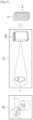
- FIG. 4 is a view illustrating how a user recognition device recognizes a user, using identification information of a user received from an external device, according to an embodiment of the disclosure.
- the external electronic apparatus 30 may receive user identification information to perform a specified operation.
- the specified operation may be an operation for setting or disabling security at the specified location (e.g., home) 10.
- the external electronic apparatus 30 may be a user recognition device included in a security system.
- the external electronic apparatus 30 may receive identification information of the user 1 from a key, a user terminal, a beacon, or the like including an RFIC.
- the external electronic apparatus 30 may receive the identification information by the tagging operation of the user 1.
- the user recognition device 100 may receive identification information for distinguishing the user 1 from the external electronic apparatus 30.
- the external electronic apparatus 30 may transmit the identification information included in the user input, to the user recognition device 100.
- the user recognition device 100 may store the image 3 generated at a point in time when the user recognition device 100 receives the identification information from the external electronic apparatus 30, in a database.
- the user recognition device 100 may store the plurality of images 3 generated within a specified time from a point in time when the user recognition device 100 receives the identification information, in the database.
- the plurality of images 3 may be generated based on the event detected via a DVS module (e.g., the DVS module 130 of FIG. 2 ).
- the user recognition device 100 may store the generated images 3 in the database.
- the generated image 3 includes the plurality of user's shapes, it may be difficult for the user recognition device 100 to distinguish the shape of the user corresponding to the received identification information, and thus the user recognition device 100 may store an image including only a single user shape, in the database.
- the user recognition device 100 may store the images 3 including the shape of a specified user (or specific user), in the database.
- the user recognition device 100 may train the shape of the specified user 1 included in each of a plurality of images stored in the database. According to an embodiment, the user recognition device 100 may generate shape information capable of recognizing the specified user 1, based on the trained information (or data). As such, the user recognition device 100 may recognize the specified user 1 with a high probability, using the generated shape information.
- FIG. 5 is a flowchart illustrating a method of training a shape of a user included in an image, using identification information of a user received from an external device, according to an embodiment of the disclosure.
- the user recognition device 100 may receive identification information of the user 1 from the external electronic apparatus 30.
- the user recognition device 100 may generate the plurality of images 3 within a specified time from a point in time when the user recognition device 100 receives the identification information.
- the user recognition device 100 may determine whether each of the generated plurality of images 3 includes a single user shape. According to an embodiment, when two or more shapes of a user are included in each of the plurality of images 3 (No), in operation 510, the user recognition device 100 may stand by to receive the identification information of the user 1.
- the user recognition device 100 stores the plurality of images 3 in the database.
- the user recognition device 100 may generate shape information for recognizing the specified user 1 by training the shape of the user included in the image stored in the database.
- the user recognition device 100 may recognize the specified user 1, using the shape information.
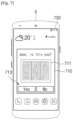
- FIG. 6 is a view illustrating how a user recognition device recognizes a user based on an event detected in a specified space, according to an embodiment of the disclosure.
- the user recognition device 100 may detect an event occurring in a specified space (or a specific space). For example, an event occurring in a space of a high frequency at which a specified user (or a specific user) appears may be detected in the specified space.
- the user recognition device 100 may detect an event occurring in a second room 40a of a house 40.
- the second room 40a of the house 40 may correspond to a personal space of a specified user. Because the other space (e.g., a living room, a kitchen, or a garage) of the house 40 may correspond to a shared space of a plurality of users, it may be difficult for the user recognition device 100 to generate an image including only the shape of the specified user.
- the user recognition device 100 may transmit the generated plurality of images 3 to a user terminal 5. For example, when the shape of the user 1 is included in the plurality of images 3 more than the specified number of times, the user recognition device 100 may transmit the plurality of images 3 to the user terminal 5.
- the user terminal 5 may receive a feedback for determining whether the shape of the specified user (e.g., a user of the user terminal 5) 1 is included in the received plurality of images 3. According to an embodiment, the user terminal 5 may transmit information (or feedback information) about the received feedback, to the user recognition device 100.
- a feedback for determining whether the shape of the specified user (e.g., a user of the user terminal 5) 1 is included in the received plurality of images 3.
- the user terminal 5 may transmit information (or feedback information) about the received feedback, to the user recognition device 100.
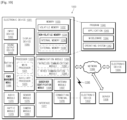
- the interface 1077 may support a designated protocol wired or wirelessly connected to the external electronic device (e.g., the electronic device 1002).
- the interface 1077 may include, for example, an HDMI (high-definition multimedia interface), a USB (universal serial bus) interface, an SD card interface, or an audio interface.
- Some components among the components may be connected to each other through a communication method (e.g., a bus, a GPIO (general purpose input/output), an SPI (serial peripheral interface), or an MIPI (mobile industry processor interface)) used between peripheral devices to exchange signals (e.g., a command or data) with each other.
- a communication method e.g., a bus, a GPIO (general purpose input/output), an SPI (serial peripheral interface), or an MIPI (mobile industry processor interface) used between peripheral devices to exchange signals (e.g., a command or data) with each other.
- the electronic device may be various types of devices.
- the electronic device may include, for example, at least one of a portable communication device (e.g., a smartphone), a computer device, a portable multimedia device, a mobile medical appliance, a camera, a wearable device, or a home appliance.
- a portable communication device e.g., a smartphone
- a computer device e.g
Landscapes
- Engineering & Computer Science (AREA)
- Theoretical Computer Science (AREA)
- Physics & Mathematics (AREA)
- General Physics & Mathematics (AREA)
- Computer Vision & Pattern Recognition (AREA)
- General Engineering & Computer Science (AREA)
- Multimedia (AREA)
- Databases & Information Systems (AREA)
- Data Mining & Analysis (AREA)
- Software Systems (AREA)
- Computer Security & Cryptography (AREA)
- Artificial Intelligence (AREA)
- Evolutionary Computation (AREA)
- Computer Hardware Design (AREA)
- Library & Information Science (AREA)
- Medical Informatics (AREA)
- General Health & Medical Sciences (AREA)
- Computing Systems (AREA)
- Health & Medical Sciences (AREA)
- Human Computer Interaction (AREA)
- Life Sciences & Earth Sciences (AREA)
- Bioinformatics & Cheminformatics (AREA)
- Bioinformatics & Computational Biology (AREA)
- Evolutionary Biology (AREA)
- Geometry (AREA)
- User Interface Of Digital Computer (AREA)
- Image Analysis (AREA)
- Information Retrieval, Db Structures And Fs Structures Therefor (AREA)
Claims (14)
- Elektronische Vorrichtung, umfassend:eine Kommunikationsschnittstelle (100);einen dynamischen Visionssensor, DVS, (132), der eine Vielzahl von Erfassungselementen umfasst, die so konfiguriert sind, dass sie beim Detektieren einer Änderung des einfallenden Lichts ein Ereignissignal ausgeben;einen Speicher (120), der eine Datenbank beinhaltet, in der ein oder mehrere Bilder gespeichert sind; undmindestens einen Prozessor (140), der so konfiguriert ist, dass er:basierend auf Ereignissignalen, die vom DVS ausgegeben werden, Informationen über Zeitpunkte, zu denen die Änderung des Lichts auftrat, in einer Ereigniskarte als Zeitinformationen speichert, wobei die Ereigniskarte eine Vielzahl von Kartenelementen beinhaltet, die der Vielzahl von Erfassungselementen entsprechen,basierend auf den Zeitinformationen, die in der Ereigniskarte gespeichert sind, eine Vielzahl von Bildern generiert, indem ein festgelegter Wert in einem Pixel angezeigt wird, wobei das Pixel den in einem Kartenelement gespeicherten Zeitinformationen entspricht,wenn jedes der Vielzahl von Bildern eine Form eines einzelnen Benutzers enthält, die Vielzahl von Bildern in der Datenbank speichert,die Form des Benutzers identifiziert, die in jedem der Vielzahl von Bildern enthalten ist, die in der Datenbank gespeichert sind, undForminformationen zum Erkennen des Benutzers basierend auf der identifizierten Form des Benutzers generiert.
- Elektronische Vorrichtung nach Anspruch 1, wobei der mindestens eine Prozessor (140) ferner so konfiguriert ist, dass er:Merkmale der identifizierten Formen des Benutzers extrahiert; unddie Forminformationen basierend auf den extrahierten Merkmalen der identifizierten Formen generiert.
- Elektronische Vorrichtung nach Anspruch 1, wobei der mindestens eine Prozessor (140) ferner so konfiguriert ist, dass er:von einer externen elektronischen Vorrichtung über die Kommunikationsschnittstelle (100) Identifikationsinformationen zur Unterscheidung des Benutzers empfängt; unddie Vielzahl von Bildern, die innerhalb einer festgelegten Zeit ab einem Zeitpunkt des Empfangs der Identifikationsinformationen generiert wurden, in der Datenbank speichert.
- Elektronische Vorrichtung nach Anspruch 3, wobei die externe elektronische Vorrichtung die Identifikationsinformationen von einem Schlüssel, einem Benutzer-Endgerät oder einer Funkbake, die einen integrierten Hochfrequenzschaltkreis, RFIC, beinhaltet, empfängt und als Reaktion auf die empfangenen Identifikationsinformationen einen festgelegten Vorgang durchführt.
- Elektronische Vorrichtung nach Anspruch 4, wobei der festgelegte Vorgang ein Vorgang zum Aktivieren oder Deaktivieren eines Sicherheitssystems an einem festgelegten Ort ist und wobei die externe elektronische Vorrichtung ein im Sicherheitssystem enthaltenes Benutzererkennungsgerät ist.
- Elektronische Vorrichtung nach Anspruch 1, wobei der mindestens eine Prozessor (140) ferner so konfiguriert ist, dass er:die Vielzahl von Bildern basierend auf einem über den DVS (132) in einem festgelegten Raum detektierten Ereignis generiert;die Vielzahl von Bildern über die Kommunikationsschnittstelle (100) an ein Benutzer-Endgerät überträgt;Rückmeldungsinformationen zum Bestimmen, ob die Form des Benutzers in der Vielzahl von Bildern enthalten ist, vom Benutzer-Endgerät über die Kommunikationsschnittstelle (100) empfängt; unddie Vielzahl von Bildern in der Datenbank basierend auf den Rückmeldungsinformationen speichert.
- Elektronische Vorrichtung nach Anspruch 1, wobei der mindestens eine Prozessor (140) ferner so konfiguriert ist, dass er:
wenn die Form des Benutzers öfter als eine festgelegte Anzahl von Malen in der Vielzahl von Bildern enthalten ist, die Vielzahl von Bildern an ein Benutzer-Endgerät überträgt. - Elektronische Vorrichtung nach Anspruch 1, wobei der mindestens eine Prozessor (140) ferner so konfiguriert ist, dass er:
den Benutzer durch Identifizieren der Form des Benutzers, die in dem über den DVS (132) generierten Bild enthalten ist, basierend auf den generierten Forminformationen erkennt. - Elektronische Vorrichtung nach Anspruch 1, wobei der mindestens eine Prozessor (140) ferner so konfiguriert ist, dass er:
einen Dienst bereitstellt, der dem erkannten Benutzer entspricht. - Elektronische Vorrichtung nach Anspruch 9, wobei der mindestens eine Prozessor (140) ferner so konfiguriert ist, dass er:
mindestens ein Internet-der-Dinge, IoT, -Gerät abhängig vom erkannten Benutzer steuert. - Elektronische Vorrichtung nach Anspruch 1, wobei der mindestens eine Prozessor (140) ferner so konfiguriert ist, dass er:
die Vielzahl von Bildern über einen externen Server verarbeitet, um die Forminformationen zu generieren. - Steuerverfahren, das durch eine elektronische Vorrichtung durchgeführt wird, wobei das Verfahren umfasst:Ausgeben eines Ereignissignals von einem dynamischen Visionssensor, DVS, (132), der eine Vielzahl von Erfassungselementen umfasst, die so konfiguriert sind, dass sie beim Detektieren einer Änderung des einfallenden Lichts ein Ereignissignal ausgebenbasierend auf dem generierten Ereignissignal, Speichern von Informationen über einen Zeitpunkt, zu dem die Änderung des Lichts auftrat, in einer Ereigniskarte als Zeitinformationen, wobei die Ereigniskarte eine Vielzahl von Kartenelementen beinhaltet, die der Vielzahl von Erfassungselementen entsprechen,basierend auf den Zeitinformationen, die in der Ereigniskarte gespeichert sind, Generieren einer Vielzahl von Bildern, indem ein festgelegter Wert in einem Pixel angezeigt wird, wobei das Pixel den in einem Kartenelement gespeicherten Zeitinformationen entspricht;wenn jedes der Vielzahl von Bildern eine Form eines einzelnen Benutzers enthält, Speichern der Vielzahl von Bildern in einer Datenbank;Identifizieren der Form des Benutzers, die in jedem der Vielzahl von Bildern enthalten ist, in der Datenbank gespeichert sind; undGenerieren von Forminformationen zum Erkennen des Benutzers basierend auf der identifizierten Form des Benutzers.
- Verfahren nach Anspruch 12, wobei das Generieren der Forminformationen beinhaltet:Extrahieren von Merkmalen der identifizierten Formen des Benutzers; undGenerieren der Forminformationen basierend auf den extrahierten Merkmalen der identifizierten Formen.
- Verfahren nach Anspruch 12, ferner umfassend:Empfangen, von einer externen elektronischen Vorrichtung über die Kommunikationsschnittstelle (100), von Identifikationsinformationen zur Unterscheidung des Benutzers,wobei das Speichern der Vielzahl von Bildern in der Datenbank beinhaltet:
Speichern der Vielzahl von Bildern, die innerhalb einer festgelegten Zeit ab einem Zeitpunkt des Empfangs der Identifikationsinformationen generiert wurden, in der Datenbank.
Applications Claiming Priority (2)
| Application Number | Priority Date | Filing Date | Title |
|---|---|---|---|
| KR1020180076875A KR102539947B1 (ko) | 2018-07-03 | 2018-07-03 | 사용자를 인식하는 전자 장치 및 그 전자 장치를 제어하는 방법 |
| PCT/KR2019/007386 WO2020009353A1 (en) | 2018-07-03 | 2019-06-19 | Electronic apparatus for recognizing user and controlling method thereof |
Publications (4)
| Publication Number | Publication Date |
|---|---|
| EP3776292A1 EP3776292A1 (de) | 2021-02-17 |
| EP3776292A4 EP3776292A4 (de) | 2021-04-28 |
| EP3776292B1 true EP3776292B1 (de) | 2025-03-26 |
| EP3776292C0 EP3776292C0 (de) | 2025-03-26 |
Family
ID=69060412
Family Applications (1)
| Application Number | Title | Priority Date | Filing Date |
|---|---|---|---|
| EP19829775.6A Active EP3776292B1 (de) | 2018-07-03 | 2019-06-19 | Vorrichtung und verfahren zur erkennung eines benutzers |
Country Status (6)
| Country | Link |
|---|---|
| US (1) | US11144791B2 (de) |
| EP (1) | EP3776292B1 (de) |
| JP (1) | JP7410659B2 (de) |
| KR (1) | KR102539947B1 (de) |
| CN (1) | CN112136129B (de) |
| WO (1) | WO2020009353A1 (de) |
Citations (1)
| Publication number | Priority date | Publication date | Assignee | Title |
|---|---|---|---|---|
| US20170032536A1 (en) * | 2015-07-30 | 2017-02-02 | Samsung Electronics Co., Ltd. | Method and device for recognizing motion |
Family Cites Families (20)
| Publication number | Priority date | Publication date | Assignee | Title |
|---|---|---|---|---|
| US6775397B1 (en) * | 2000-02-24 | 2004-08-10 | Nokia Corporation | Method and apparatus for user recognition using CCD cameras |
| US7069259B2 (en) | 2002-06-28 | 2006-06-27 | Microsoft Corporation | Multi-attribute specification of preferences about people, priorities and privacy for guiding messaging and communications |
| US20080130958A1 (en) | 2006-11-30 | 2008-06-05 | Motorola, Inc. | Method and system for vision-based parameter adjustment |
| JP2009032116A (ja) | 2007-07-27 | 2009-02-12 | Toshiba Corp | 顔認証装置、顔認証方法および入退場管理装置 |
| KR20120072009A (ko) | 2010-12-23 | 2012-07-03 | 한국전자통신연구원 | 다중 사용자의 인터렉션 인식 장치 및 방법 |
| KR101909082B1 (ko) * | 2012-01-31 | 2018-10-18 | 삼성전자주식회사 | 사용자 인터랙션을 이용하여 이동 단말을 제어하는 장치 및 방법 |
| KR101460902B1 (ko) * | 2013-07-03 | 2014-11-20 | 한국과학기술원 | 차량 주변의 도난 징후 감지를 위한 지능형 블랙박스 시스템 및 그 동작 방법 |
| JP6255207B2 (ja) | 2013-10-17 | 2017-12-27 | 日立ジョンソンコントロールズ空調株式会社 | 空気調和機の室内機及びこれを用いた空気調和機 |
| CN103763430B (zh) * | 2013-12-18 | 2016-07-06 | 深圳市金立通信设备有限公司 | 一种事件提醒方法、装置以及终端设备 |
| KR101541384B1 (ko) * | 2013-12-24 | 2015-08-03 | 전남대학교산학협력단 | 영상 인식 장치 및 방법 |
| JP6096161B2 (ja) | 2014-10-15 | 2017-03-15 | ソニー株式会社 | 情報処理装置および情報処理方法 |
| US10127439B2 (en) * | 2015-01-15 | 2018-11-13 | Samsung Electronics Co., Ltd. | Object recognition method and apparatus |
| US9866507B2 (en) | 2015-04-27 | 2018-01-09 | Agt International Gmbh | Method of monitoring well-being of semi-independent persons and system thereof |
| KR102376700B1 (ko) * | 2015-08-12 | 2022-03-22 | 삼성전자주식회사 | 비디오 컨텐츠 생성 방법 및 그 장치 |
| KR102457724B1 (ko) * | 2015-09-22 | 2022-10-24 | 삼성전자주식회사 | 영상 처리를 수행하기 위한 방법 및 그 전자 장치 |
| US10198660B2 (en) | 2016-01-27 | 2019-02-05 | Samsung Electronics Co. Ltd. | Method and apparatus for event sampling of dynamic vision sensor on image formation |
| CN106154858A (zh) * | 2016-08-15 | 2016-11-23 | 上海了物网络科技有限公司 | 基于物联网的智能沙发及智能家居控制系统 |
| CN108073929B (zh) * | 2016-11-15 | 2023-11-24 | 北京三星通信技术研究有限公司 | 基于动态视觉传感器的物体检测方法及设备 |
| US10614332B2 (en) | 2016-12-16 | 2020-04-07 | Qualcomm Incorportaed | Light source modulation for iris size adjustment |
| US10885396B2 (en) * | 2017-05-24 | 2021-01-05 | Amazon Technologies, Inc. | Generating composite images using audio/video recording and communication devices |
-
2018
- 2018-07-03 KR KR1020180076875A patent/KR102539947B1/ko active Active
-
2019
- 2019-06-19 CN CN201980033576.9A patent/CN112136129B/zh active Active
- 2019-06-19 EP EP19829775.6A patent/EP3776292B1/de active Active
- 2019-06-19 US US16/445,710 patent/US11144791B2/en active Active
- 2019-06-19 WO PCT/KR2019/007386 patent/WO2020009353A1/en not_active Ceased
- 2019-07-03 JP JP2019124577A patent/JP7410659B2/ja active Active
Patent Citations (1)
| Publication number | Priority date | Publication date | Assignee | Title |
|---|---|---|---|---|
| US20170032536A1 (en) * | 2015-07-30 | 2017-02-02 | Samsung Electronics Co., Ltd. | Method and device for recognizing motion |
Non-Patent Citations (1)
| Title |
|---|
| BARUA SOUPTIK ET AL: "Direct face detection and video reconstruction from event cameras", 2016 IEEE WINTER CONFERENCE ON APPLICATIONS OF COMPUTER VISION (WACV), IEEE, 7 March 2016 (2016-03-07), pages 1 - 9, XP032904250, DOI: 10.1109/WACV.2016.7477561 * |
Also Published As
| Publication number | Publication date |
|---|---|
| US11144791B2 (en) | 2021-10-12 |
| EP3776292A4 (de) | 2021-04-28 |
| JP7410659B2 (ja) | 2024-01-10 |
| WO2020009353A1 (en) | 2020-01-09 |
| CN112136129B (zh) | 2024-07-19 |
| JP2020009443A (ja) | 2020-01-16 |
| US20200012901A1 (en) | 2020-01-09 |
| CN112136129A (zh) | 2020-12-25 |
| EP3776292A1 (de) | 2021-02-17 |
| KR20200003992A (ko) | 2020-01-13 |
| EP3776292C0 (de) | 2025-03-26 |
| KR102539947B1 (ko) | 2023-06-07 |
Similar Documents
| Publication | Publication Date | Title |
|---|---|---|
| US11501409B2 (en) | Electronic device for image synthesis and operating method thereof | |
| EP3888082B1 (de) | Verfahren zur steuerung einer externen elektronischen vorrichtung und elektronische vorrichtung zur unterstützung davon | |
| US11455833B2 (en) | Electronic device for tracking user activity and method of operating the same | |
| US20210192924A1 (en) | Sensing device for sensing open-or-closed state of door and method for controlling the same | |
| EP3738025B1 (de) | Elektronische vorrichtung und verfahren zur steuerung einer externen elektronischen vorrichtung auf der grundlage von dem benutzer entsprechenden nutzungsmusterinformationen | |
| KR102458479B1 (ko) | 전자 장치 및 전자 장치의 제어 방법 | |
| US10769475B2 (en) | Method of identifying objects based on region of interest and electronic device supporting the same | |
| US11533189B2 (en) | Electronic device and method for controlling external electronic device | |
| KR102606041B1 (ko) | 상태 정보에 기반하여 식별 정보를 변경하는 전자 장치 및 상기 식별 정보를 확인할 수 있는 다른 전자 장치 | |
| US20220058251A1 (en) | Method for authenticating user and electronic device assisting same | |
| US11570507B2 (en) | Device and method for visually displaying speaker's voice in 360-degree video | |
| US11889181B2 (en) | Electronic device having plurality of lenses where the device changes a visual object corresponding to a recommended lens | |
| US11363189B2 (en) | Apparatus and method for recognizing voice and face on basis of change in camera driving method | |
| KR20190098594A (ko) | 전자 장치 및 전자 장치의 제어 방법 | |
| US11144791B2 (en) | Electronic apparatus for recognizing user and controlling method thereof | |
| CN111656311B (zh) | 电子设备及其操作方法 | |
| US11443135B2 (en) | Method for monitoring object and electronic device for supporting the same | |
| US11042223B2 (en) | Electronic device for recognizing user's gesture |
Legal Events
| Date | Code | Title | Description |
|---|---|---|---|
| STAA | Information on the status of an ep patent application or granted ep patent |
Free format text: STATUS: THE INTERNATIONAL PUBLICATION HAS BEEN MADE |
|
| PUAI | Public reference made under article 153(3) epc to a published international application that has entered the european phase |
Free format text: ORIGINAL CODE: 0009012 |
|
| STAA | Information on the status of an ep patent application or granted ep patent |
Free format text: STATUS: REQUEST FOR EXAMINATION WAS MADE |
|
| 17P | Request for examination filed |
Effective date: 20201026 |
|
| AK | Designated contracting states |
Kind code of ref document: A1 Designated state(s): AL AT BE BG CH CY CZ DE DK EE ES FI FR GB GR HR HU IE IS IT LI LT LU LV MC MK MT NL NO PL PT RO RS SE SI SK SM TR |
|
| AX | Request for extension of the european patent |
Extension state: BA ME |
|
| A4 | Supplementary search report drawn up and despatched |
Effective date: 20210329 |
|
| RIC1 | Information provided on ipc code assigned before grant |
Ipc: G06F 21/31 20130101AFI20210323BHEP Ipc: G06F 21/45 20130101ALI20210323BHEP Ipc: G06F 16/50 20190101ALI20210323BHEP Ipc: G06K 9/00 20060101ALI20210323BHEP Ipc: G06K 9/46 20060101ALI20210323BHEP Ipc: G06K 9/62 20060101ALI20210323BHEP Ipc: G06F 16/583 20190101ALI20210323BHEP Ipc: G06F 21/32 20130101ALI20210323BHEP |
|
| DAV | Request for validation of the european patent (deleted) | ||
| DAX | Request for extension of the european patent (deleted) | ||
| STAA | Information on the status of an ep patent application or granted ep patent |
Free format text: STATUS: EXAMINATION IS IN PROGRESS |
|
| 17Q | First examination report despatched |
Effective date: 20230208 |
|
| REG | Reference to a national code |
Ref country code: DE Ref country code: DE Ref legal event code: R079 Ref document number: 602019067863 Country of ref document: DE Free format text: PREVIOUS MAIN CLASS: G06F0021310000 Ipc: G06F0016583000 |
|
| GRAP | Despatch of communication of intention to grant a patent |
Free format text: ORIGINAL CODE: EPIDOSNIGR1 |
|
| STAA | Information on the status of an ep patent application or granted ep patent |
Free format text: STATUS: GRANT OF PATENT IS INTENDED |
|
| INTG | Intention to grant announced |
Effective date: 20241022 |
|
| RIC1 | Information provided on ipc code assigned before grant |
Ipc: G06V 40/10 20220101ALI20241014BHEP Ipc: G06V 20/52 20220101ALI20241014BHEP Ipc: G06V 10/778 20220101ALI20241014BHEP Ipc: G06V 10/75 20220101ALI20241014BHEP Ipc: G06V 10/44 20220101ALI20241014BHEP Ipc: G06F 21/45 20130101ALI20241014BHEP Ipc: G06F 21/32 20130101ALI20241014BHEP Ipc: G06F 16/583 20190101AFI20241014BHEP |
|
| GRAS | Grant fee paid |
Free format text: ORIGINAL CODE: EPIDOSNIGR3 |
|
| GRAA | (expected) grant |
Free format text: ORIGINAL CODE: 0009210 |
|
| STAA | Information on the status of an ep patent application or granted ep patent |
Free format text: STATUS: THE PATENT HAS BEEN GRANTED |
|
| AK | Designated contracting states |
Kind code of ref document: B1 Designated state(s): AL AT BE BG CH CY CZ DE DK EE ES FI FR GB GR HR HU IE IS IT LI LT LU LV MC MK MT NL NO PL PT RO RS SE SI SK SM TR |
|
| REG | Reference to a national code |
Ref country code: GB Ref legal event code: FG4D |
|
| REG | Reference to a national code |
Ref country code: CH Ref legal event code: EP |
|
| REG | Reference to a national code |
Ref country code: DE Ref legal event code: R096 Ref document number: 602019067863 Country of ref document: DE |
|
| REG | Reference to a national code |
Ref country code: IE Ref legal event code: FG4D |
|
| U01 | Request for unitary effect filed |
Effective date: 20250409 |
|
| U07 | Unitary effect registered |
Designated state(s): AT BE BG DE DK EE FI FR IT LT LU LV MT NL PT RO SE SI Effective date: 20250417 |
|
| PG25 | Lapsed in a contracting state [announced via postgrant information from national office to epo] |
Ref country code: RS Free format text: LAPSE BECAUSE OF FAILURE TO SUBMIT A TRANSLATION OF THE DESCRIPTION OR TO PAY THE FEE WITHIN THE PRESCRIBED TIME-LIMIT Effective date: 20250626 |
|
| PGFP | Annual fee paid to national office [announced via postgrant information from national office to epo] |
Ref country code: GB Payment date: 20250520 Year of fee payment: 7 |
|
| PG25 | Lapsed in a contracting state [announced via postgrant information from national office to epo] |
Ref country code: NO Free format text: LAPSE BECAUSE OF FAILURE TO SUBMIT A TRANSLATION OF THE DESCRIPTION OR TO PAY THE FEE WITHIN THE PRESCRIBED TIME-LIMIT Effective date: 20250626 |
|
| PG25 | Lapsed in a contracting state [announced via postgrant information from national office to epo] |
Ref country code: HR Free format text: LAPSE BECAUSE OF FAILURE TO SUBMIT A TRANSLATION OF THE DESCRIPTION OR TO PAY THE FEE WITHIN THE PRESCRIBED TIME-LIMIT Effective date: 20250326 |
|
| PG25 | Lapsed in a contracting state [announced via postgrant information from national office to epo] |
Ref country code: GR Free format text: LAPSE BECAUSE OF FAILURE TO SUBMIT A TRANSLATION OF THE DESCRIPTION OR TO PAY THE FEE WITHIN THE PRESCRIBED TIME-LIMIT Effective date: 20250627 |
|
| U20 | Renewal fee for the european patent with unitary effect paid |
Year of fee payment: 7 Effective date: 20250624 |
|
| PG25 | Lapsed in a contracting state [announced via postgrant information from national office to epo] |
Ref country code: SM Free format text: LAPSE BECAUSE OF FAILURE TO SUBMIT A TRANSLATION OF THE DESCRIPTION OR TO PAY THE FEE WITHIN THE PRESCRIBED TIME-LIMIT Effective date: 20250326 |
|
| PG25 | Lapsed in a contracting state [announced via postgrant information from national office to epo] |
Ref country code: ES Free format text: LAPSE BECAUSE OF FAILURE TO SUBMIT A TRANSLATION OF THE DESCRIPTION OR TO PAY THE FEE WITHIN THE PRESCRIBED TIME-LIMIT Effective date: 20250326 |
|
| PG25 | Lapsed in a contracting state [announced via postgrant information from national office to epo] |
Ref country code: PL Free format text: LAPSE BECAUSE OF FAILURE TO SUBMIT A TRANSLATION OF THE DESCRIPTION OR TO PAY THE FEE WITHIN THE PRESCRIBED TIME-LIMIT Effective date: 20250326 |
|
| PG25 | Lapsed in a contracting state [announced via postgrant information from national office to epo] |
Ref country code: SK Free format text: LAPSE BECAUSE OF FAILURE TO SUBMIT A TRANSLATION OF THE DESCRIPTION OR TO PAY THE FEE WITHIN THE PRESCRIBED TIME-LIMIT Effective date: 20250326 |
|
| PG25 | Lapsed in a contracting state [announced via postgrant information from national office to epo] |
Ref country code: IS Free format text: LAPSE BECAUSE OF FAILURE TO SUBMIT A TRANSLATION OF THE DESCRIPTION OR TO PAY THE FEE WITHIN THE PRESCRIBED TIME-LIMIT Effective date: 20250726 |
|
| PG25 | Lapsed in a contracting state [announced via postgrant information from national office to epo] |
Ref country code: CZ Free format text: LAPSE BECAUSE OF FAILURE TO SUBMIT A TRANSLATION OF THE DESCRIPTION OR TO PAY THE FEE WITHIN THE PRESCRIBED TIME-LIMIT Effective date: 20250326 |
|
| REG | Reference to a national code |
Ref country code: CH Ref legal event code: H13 Free format text: ST27 STATUS EVENT CODE: U-0-0-H10-H13 (AS PROVIDED BY THE NATIONAL OFFICE) Effective date: 20260127 |
|
| PG25 | Lapsed in a contracting state [announced via postgrant information from national office to epo] |
Ref country code: MC Free format text: LAPSE BECAUSE OF FAILURE TO SUBMIT A TRANSLATION OF THE DESCRIPTION OR TO PAY THE FEE WITHIN THE PRESCRIBED TIME-LIMIT Effective date: 20250326 |
|
| PLBE | No opposition filed within time limit |
Free format text: ORIGINAL CODE: 0009261 |
|
| STAA | Information on the status of an ep patent application or granted ep patent |
Free format text: STATUS: NO OPPOSITION FILED WITHIN TIME LIMIT |
|
| REG | Reference to a national code |
Ref country code: CH Ref legal event code: L10 Free format text: ST27 STATUS EVENT CODE: U-0-0-L10-L00 (AS PROVIDED BY THE NATIONAL OFFICE) Effective date: 20260211 |
|
| 26N | No opposition filed |
Effective date: 20260105 |
|
| PG25 | Lapsed in a contracting state [announced via postgrant information from national office to epo] |
Ref country code: IE Free format text: LAPSE BECAUSE OF NON-PAYMENT OF DUE FEES Effective date: 20250619 |
|
| PG25 | Lapsed in a contracting state [announced via postgrant information from national office to epo] |
Ref country code: CH Free format text: LAPSE BECAUSE OF NON-PAYMENT OF DUE FEES Effective date: 20250630 |