EP3775894B1 - Method for predicting human immune response - Google Patents
Method for predicting human immune response Download PDFInfo
- Publication number
- EP3775894B1 EP3775894B1 EP19799990.7A EP19799990A EP3775894B1 EP 3775894 B1 EP3775894 B1 EP 3775894B1 EP 19799990 A EP19799990 A EP 19799990A EP 3775894 B1 EP3775894 B1 EP 3775894B1
- Authority
- EP
- European Patent Office
- Prior art keywords
- cancer
- antigen
- obi
- globo
- igm
- Prior art date
- Legal status (The legal status is an assumption and is not a legal conclusion. Google has not performed a legal analysis and makes no representation as to the accuracy of the status listed.)
- Active
Links
Images






Classifications
-
- G—PHYSICS
- G01—MEASURING; TESTING
- G01N—INVESTIGATING OR ANALYSING MATERIALS BY DETERMINING THEIR CHEMICAL OR PHYSICAL PROPERTIES
- G01N33/00—Investigating or analysing materials by specific methods not covered by groups G01N1/00 - G01N31/00
- G01N33/48—Biological material, e.g. blood, urine; Haemocytometers
- G01N33/50—Chemical analysis of biological material, e.g. blood, urine; Testing involving biospecific ligand binding methods; Immunological testing
- G01N33/5005—Chemical analysis of biological material, e.g. blood, urine; Testing involving biospecific ligand binding methods; Immunological testing involving human or animal cells
- G01N33/5008—Chemical analysis of biological material, e.g. blood, urine; Testing involving biospecific ligand binding methods; Immunological testing involving human or animal cells for testing or evaluating the effect of chemical or biological compounds, e.g. drugs, cosmetics
- G01N33/5011—Chemical analysis of biological material, e.g. blood, urine; Testing involving biospecific ligand binding methods; Immunological testing involving human or animal cells for testing or evaluating the effect of chemical or biological compounds, e.g. drugs, cosmetics for testing antineoplastic activity
-
- G—PHYSICS
- G01—MEASURING; TESTING
- G01N—INVESTIGATING OR ANALYSING MATERIALS BY DETERMINING THEIR CHEMICAL OR PHYSICAL PROPERTIES
- G01N33/00—Investigating or analysing materials by specific methods not covered by groups G01N1/00 - G01N31/00
- G01N33/48—Biological material, e.g. blood, urine; Haemocytometers
- G01N33/50—Chemical analysis of biological material, e.g. blood, urine; Testing involving biospecific ligand binding methods; Immunological testing
- G01N33/53—Immunoassay; Biospecific binding assay; Materials therefor
- G01N33/575—Immunoassay; Biospecific binding assay; Materials therefor for cancer
- G01N33/5758—Immunoassay; Biospecific binding assay; Materials therefor for cancer involving compounds serving as markers for tumours, cancers or neoplasias, e.g. cellular determinants, receptors, heat shock/stress proteins, A-protein, oligosaccharides or metabolites
- G01N33/5759—Immunoassay; Biospecific binding assay; Materials therefor for cancer involving compounds serving as markers for tumours, cancers or neoplasias, e.g. cellular determinants, receptors, heat shock/stress proteins, A-protein, oligosaccharides or metabolites involving compounds localised on the membrane of tumour or cancer cells
-
- A—HUMAN NECESSITIES
- A61—MEDICAL OR VETERINARY SCIENCE; HYGIENE
- A61K—PREPARATIONS FOR MEDICAL, DENTAL OR TOILETRY PURPOSES
- A61K39/00—Medicinal preparations containing antigens or antibodies
- A61K39/0005—Vertebrate antigens
- A61K39/0011—Cancer antigens
- A61K39/001169—Tumor associated carbohydrates
-
- A—HUMAN NECESSITIES
- A61—MEDICAL OR VETERINARY SCIENCE; HYGIENE
- A61K—PREPARATIONS FOR MEDICAL, DENTAL OR TOILETRY PURPOSES
- A61K39/00—Medicinal preparations containing antigens or antibodies
- A61K39/0005—Vertebrate antigens
- A61K39/0011—Cancer antigens
- A61K39/001169—Tumor associated carbohydrates
- A61K39/001173—Globo-H
-
- G—PHYSICS
- G01—MEASURING; TESTING
- G01N—INVESTIGATING OR ANALYSING MATERIALS BY DETERMINING THEIR CHEMICAL OR PHYSICAL PROPERTIES
- G01N33/00—Investigating or analysing materials by specific methods not covered by groups G01N1/00 - G01N31/00
- G01N33/48—Biological material, e.g. blood, urine; Haemocytometers
- G01N33/50—Chemical analysis of biological material, e.g. blood, urine; Testing involving biospecific ligand binding methods; Immunological testing
- G01N33/53—Immunoassay; Biospecific binding assay; Materials therefor
- G01N33/575—Immunoassay; Biospecific binding assay; Materials therefor for cancer
-
- G—PHYSICS
- G01—MEASURING; TESTING
- G01N—INVESTIGATING OR ANALYSING MATERIALS BY DETERMINING THEIR CHEMICAL OR PHYSICAL PROPERTIES
- G01N2800/00—Detection or diagnosis of diseases
- G01N2800/52—Predicting or monitoring the response to treatment, e.g. for selection of therapy based on assay results in personalised medicine; Prognosis
Definitions
- the present invention relates to a method for evaluating human immune response to therapeutic cancer vaccine.
- This method includes a series of culturing procedures and a modified ELISPOT (Enzyme-Linked ImmunoSpot) assay to detect antigen specific antibody producing ability from human individual's PBMC.
- ELISPOT Enzyme-Linked ImmunoSpot
- Therapeutic cancer vaccine is an emerging concept that can provide long term protection by stimulating patient's own immune response. Like any other treatments that rely on patient's immune response, such as PD-1/PD-L1, it is crucial to identify responsive population that will benefit from the treatment. In regards to cancer vaccine, whether the patient is able to generate antigen specific antibody would be an important indicator.
- carbohydrate antigen Globo H (Fuc ⁇ 1 ⁇ 2 Gal ⁇ 1 ⁇ 3 GalNAc ⁇ 1 ⁇ 3 Gal ⁇ 1 ⁇ 4 Gal ⁇ 1 ⁇ 4 Glc) was first isolated as a ceramide-linked Glycolipid and identified in 1984 from breast cancer MCF-7 cells. ( Bremer E G, et al. (1984) J Biol Chem 259:14773-14777 ).
- Globo H and stage-specific embryonic antigen 3 (Gal ⁇ 1 ⁇ 3GalNAc ⁇ 1 ⁇ 3Gal ⁇ 1 ⁇ 4Gal ⁇ 1 ⁇ 4Glc ⁇ 1) (SSEA-3, also called Gb5) were observed on breast cancer cells and breast cancer stem cells ( WW Chang et al. (2008) Proc Natl Acad Sci USA, 105(33): 11667-11672 ).
- SSEA-4 stage-specific embryonic antigen-4 (Neu5Ac ⁇ 2 ⁇ 3Gal ⁇ 1 ⁇ 3GalNAc ⁇ 1 ⁇ 3Gal ⁇ 1 ⁇ 4Gal ⁇ 1 ⁇ 4Glc ⁇ 1) has been commonly used as a cell surface marker for pluripotent human embryonic stem cells and has been used to isolate mesenchymal stem cells and enrich neural progenitor cells ( Kannagi R et al. (1983) EMBO J, 2:2355-2361 ).
- Globo series antigens (Globo H, SSEA-3 and SSEA-4) are unique targets for cancer therapies and can be used to direct therapeutic agents to targeting cancer cells effectively.
- One of the objective of the present disclosure is to provide a method to evaluate responsivity of a subject to a carbohydrate antigen or its immunogenic fragment before actually administering the carbohydrate antigen to the subject. Another objective, which is not claimed, is to determine the therapeutic efficacy of a cancer vaccine to a subj ect.
- the present disclosure provides a method of obtaining information that can be used to determine and predict the humoral immune response of patient suspected of having cancer for a carbohydrate antigen, comprising the steps of: (a) obtaining a sample from the patient, (b) cultivating a cell from the sample, (c) exposing the cell ex vivo to one or more antigens, (d) identifying the patient is a responder or a non-responder; and (e) continuing a further treatment if the patient is a responder.
- the present invention provides a method for evaluating responsivity of a subject to a carbohydrate antigen or its immunogenic fragment, comprising (a) obtaining a peripheral blood mononuclear cell from the subject; (b) exposing the cell ex-vivo with the carbohydrate antigen or its immunogenic fragment in an Enzyme-Linked ImmunoSpot assay performed by using carbohydrate antigen-coated plate; and (c) determining a biological activity according to the assay to evaluate the responsivity, wherein the carbohydrate antigen or its immunogenic fragment is a Globo series antigen, and wherein the carbohydrate antigen-coated plate is a plate without PVDF.
- the method of the present disclosure is an ex-vivo immunogenicity method on human peripheral blood mononuclear cells (PBMC) to monitor antigen specific antibody production induced by glycan targeting cancer vaccine.
- the method described here comprises exposure procedures to stimulate PBMC with carbohydrate antigen, following by ELISPOT assay to evaluate responsivity.
- the spot number can represent the immune response of a subject, which can be used to evaluate the responsivity of the subject to the carbohydrate antigen.
- SALETTI GIULIETTA ET AL "Enzyme-linked immunospot assays for direct ex vivo measurement of vaccine-induced human humoral immune responses in blood", NATURE PROTOCOLS,vol. 8, no. 61 June 2013 (2013-06-01), pages 1073-1087 , relates to enzyme-linked immunospot assays.
- the present disclosure relates to Globo series antigens (Globo H, SSEA-3 and SSEA-4) vaccine, including pharmaceutical compositions comprising adjuvant.
- the present disclosure also provides a method for determining the therapeutic efficacy of a cancer vaccine, comprising: (a) providing a sample from a subject; (b) cultivating a cell collected from the sample; (c) contacting the cell and assaying the binding of antibodies bound to the antigens; and (d) determining the therapeutic effect of the antineoplastic agent.
- Disclosed is a method of obtaining information that can be used to determine and predict the humoral immune response of patient suspected of having cancer for a carbohydrate antigen comprising the steps of: (a) obtaining a sample from the patient, (b) cultivating a cell from the sample, (c) exposing the cell ex vivo to one or more antigens, (d) identifying the patient is a responder or a non-responder; and (e) continuing a further treatment if the patient is a responder.
- the present disclosure discloses a method for evaluating responsivity of a subject to a carbohydrate antigen or its immunogenic fragment.
- the method comprises a. obtaining a peripheral blood mononuclear cell from the subject; b. exposing the cell ex-vivo with the carbohydrate antigen or its immunogenic fragment in an Enzyme-Linked ImmunoSpot assay performed by using carbohydrate antigen-coated plate; and c. determining a biological activity according to the assay to evaluate the responsivity.
- the present disclosure also provides a method for determining the therapeutic efficacy of a cancer vaccine, comprising: (a) providing a sample from a subject; (b) cultivating a cell collected from the sample; (c) contacting the cell and assaying the binding of antibodies bound to the antigens; and (d) determining the therapeutic effect of the antineoplastic agent.
- patient used herein is not limited to a person who has the disease (ex. cancer) for sure but also includes those who are suspected of having the disease.
- further treatment could involve the usage of the antigen (carbohydrate antigen).
- responder used herein is referred to a person who is in response to the exposure of the carbohydrate antigen to an extend that exceeds a threshold value.
- the threshold value (which in some circumstance can be considered as a cut-off value) could vary depending on the type of disease, the average biological activity of a peer group, the medical practitioner's opinion, etc.
- the tem of "non-responder” is defined on the contrary of "responder” as above.
- the term "responsivity” is referred to the degree of the subject in response to the exposure of the carbohydrate antigen.
- the responsivity represents a biological activity induced directly or indirectly by the carbohydrate antigen.
- biological activity can be defined by a biological change in the product of any effector molecules, including but not limited to IgM, IgM against the carbohydrate antigen, cytokine, or a combination thereof.
- the responsivity can have therapeutic meaning.
- the responsivity can be applied to determine the therapeutic efficacy of the carbohydrate antigen to the subject.
- the responsivity is evaluated by comparing the biological activity with a threshold value and the subject is identified as responsive to the carbohydrate antigen if the biological activity exceeds the threshold value.
- the biological activity is determined by spot number of the Enzyme-Linked ImmunoSpot assay.
- cytokine is a generic term for proteins released by one cell population which act on another cell as intercellular mediators.
- cytokines are lymphokines, monokines, and traditional polypeptide hormones. Included among the cytokines are growth hormone such as human growth hormone; parathyroid hormone; thyroxine; insulin; proinsulin; relaxin; prorelaxin; glycoprotein hormones such as follicle stimulating hormone (FSH), thyroid stimulating hormone (TSH), and luteinizing hormone (LH); hepatic growth factor; fibroblast growth factor; prolactin; placental lactogen; mullerian-inhibiting substance; mouse gonadotropin-associated peptide; inhibin; activin; vascular endothelial growth factor; integrin; thrombopoietin (TPO); nerve growth factors such as NGF- ⁇ ; platelet-growth factor; transforming growth factors (TGFs) such as TGF- ⁇ and TGF- ⁇ ; insulin-like growth factor-I and
- the carbohydrate antigen-coated plate is a plate without PVDF.
- the carbohydrate antigen is a Globo series antigen
- the carbohydrate antigen-coated plate is a Globo series antigen-lipid coated plate.
- the carbohydrate antigen-coated plate is commercially available flat white plate.
- the carbohydrate antigen or its immunogenic fragment is a Globo series antigen.
- Numerous surface carbohydrates are expressed in malignant tumor cells.
- the carbohydrate antigen Globo H (Fuc ⁇ 1 ⁇ 2 Gal ⁇ 1 ⁇ 3 GalNAc ⁇ 1 ⁇ 3 Gal ⁇ 1 ⁇ 4 Gal ⁇ 1 ⁇ 4 Glc) was first isolated as a ceramide-linked Glycolipid and identified in 1984 from breast cancer MCF-7 cells. ( Bremer E G, et al. (1984) J Biol Chem 259: 14773-14777 ).
- Globo H and stage-specific embryonic antigen 3 (Gal ⁇ 1 ⁇ 3GalNAc ⁇ 1 ⁇ 3Gal ⁇ 1 ⁇ 4Gal ⁇ 1 ⁇ 4Glc ⁇ 1) (SSEA-3, also called Gb5) were observed on breast cancer cells and breast cancer stem cells ( WW Chang et al. (2008) Proc Natl Acad Sci USA, 105(33): 11667-11672 ).
- SSEA-4 stage-specific embryonic antigen-4 (Neu5Ac ⁇ 2 ⁇ 3Gal ⁇ 1 ⁇ 3GalNAc ⁇ 1 ⁇ 3Gal ⁇ 1 ⁇ 4Gal ⁇ 1 ⁇ 4Glc ⁇ 1) has been commonly used as a cell surface marker for pluripotent human embryonic stem cells and has been used to isolate mesenchymal stem cells and enrich neural progenitor cells ( Kannagi R et al. (1983) EMBO J, 2:2355-2361 ).
- Globo series antigens (Globo H, SSEA-3 and SSEA-4) are unique targets for cancer therapies and can be used to direct therapeutic agents to targeting cancer cells effectively.
- DT is diphtheria toxin cross-reacting materials (DT-CRM) or diphtheria toxoids.
- a DT-CRM refers to a mutant diphtheria toxin, e.g., by mutation or by chemical modification, such that it no longer possesses sufficient ADP-ribosyl.
- Non limiting examples of DT-CRM include DT-CRM 30, DT-CRM 45, DT-CRM 176, DT-CRM 197 and DT-CRM 228.
- a diphtheria toxoid is a formaldehyde-inactivated diphtheria toxin.
- DT is commercially available from or can be prepared by methods known in the art, such as recombinant DNA technology as described in U.S. Patent No. 5,614,382 .
- the carbohydrate antigen or its immunogenic fragment is conjugated with a carrier protein; wherein, the carrier protein can be, but not limited to KLH (Keyhole limpet hemocyanin), DT-CRM 197 (diphtheria toxin cross-reacting material 197), or a combination thereof.
- the carrier protein can be, but not limited to KLH (Keyhole limpet hemocyanin), DT-CRM 197 (diphtheria toxin cross-reacting material 197), or a combination thereof.
- the carbohydrate antigen might be formulated with an adjuvant into a cancer vaccine.
- the adjuvant comprises, but not limited to, saponin, Freund's adjuvant, ⁇ -galactosyl-ceramide ( ⁇ -GalCer) adjuvant, aluminum phosphate, aluminum hydroxide, MF59 (4.3% w/v squalene, 0.5% w/v polysorbate 80 (Tween 80), 0.5%> w/v sorbitan trioleate (Span 85)), CpG-containing nucleic acid, QS21 (saponin adjuvant), a -Galactosyl-ceramides or synthetic analogs thereof (e.g., C34, see US 8,268,969 ), MPL (Monophosphoryl Lipid A), 3DMPL (3-O-deacylated MPL), extracts from Aquilla, ISCOMS (see, e.g., Sjolander et al.
- LT/CT mutants poly(D,L-lactide-co-glycolide) (PLG) microparticles
- Quil A, QS-21 a saponin from Quillaja saponaria tree bark
- interleukins Freund's
- N-acetyl-muramyl-L-threonyl-D-isoglutamine thr-MDP
- N-acetyl-nor-muramyl-L-alanyl-D-isoglutamine CGP 11637, referred to as nor-MDP
- N-acetylmuramyl-L-alanyl-D-isoglutaminyl-L-alanine-2-( -2'-dip-almitoyl-sn-glycero-3-hydroxyphosphoryloxy)-ethylamine CGP 19835 A, referred to as MTP-PE
- RIBI which contains three components extracted from bacteria
- the cancer vaccine is applied for preventing or treating Globo series antigen expressing cancer including, but are not limited to, sarcoma, skin cancer, leukemia, lymphoma, brain cancer, glioblastoma, lung cancer, breast cancer, oral cancer, head-and-neck cancer, nasopharyngeal cancer, esophagus cancer, stomach cancer, liver cancer, bile duct cancer, gallbladder cancer, bladder cancer, pancreatic cancer, intestinal cancer, colorectal cancer, kidney cancer, cervix cancer, endometrial cancer, ovarian cancer, testical cancer, buccal cancer, oropharyngeal cancer, laryngeal cancer and prostate cancer.
- Globo series antigen expressing cancer including, but are not limited to, sarcoma, skin cancer, leukemia, lymphoma, brain cancer, glioblastoma, lung cancer, breast cancer, oral cancer, head-and-neck cancer, nasopharyngeal cancer, esophagus
- the cancer vaccine can be OBI-822/821, OBI-833/821, OBI-833/834, OBI-866/821 or OBI-866/834.
- Exemplary OBI-822 (Globo H-KLH glycoconjugate) is as described in WO2015/159118 , WO2016/044326 and WO2017/185089 patent applications.
- Exemplary OBI-833 (Globo H-DT glycoconjugate) is as described in WO2010/005598 and WO2014/107652 patent applications, the content of which is incorporated by reference in its entirety.
- Exemplary OBI-866 SSEA4-KLH glycoconjugate
- Exemplary OBI-821 is a saponin adjuvant
- OBI-834 is a ⁇ -galactosyl-ceramide ( ⁇ -GalCer) adjuvant.
- the therapeutic cancer vaccine is OBI-822 (Globo H-KLH glycoconjugate, OBI Pharma, Inc.) combined with adjuvant OBI-821 (saponin adjuvant, OBI Pharma, Inc.) were treated to the human PBMC for their immunogenicity ability test, especially the ability of antigen specific anti-Globo H IgM and IgG induction.
- the therapeutic cancer vaccine is OBI-833 (Globo H-DT glycoconjugate, OBI Pharma, Inc.) combined with adjuvant OBI-821 (saponin adjuvant, OBI Pharma, Inc.) were used to treat the human PBMC to observe their ability to stimulate the production of immunoglobulins, especially the ability of antigen specific anti-Globo H IgM and IgG induction.
- the sample is a body fluid (serum, saliva, lymph node fluid, urine, vaginal swab, or buccal swab) collected from patient.
- body fluid saliva, saliva, lymph node fluid, urine, vaginal swab, or buccal swab
- vaccine saliva, lymph node fluid, urine, vaginal swab, or buccal swab
- anti-plastic agent are interchangeable in this specification.
- FIG. 1 Frozen vial of human PBMC, either from healthy donor or harvested form patients, was thawed and immediately washed once by complete culture medium (RPMI-1640 with 10% FBS, 1% sodium pyruvate, 1% L-glutamine, 0.1% 2-ME, 1% non-essential amino acid, and 1% penicillin-streptomycin). Cell pallet was resuspended in complete culture medium and counted for cell number and cell viability.
- complete culture medium RPMI-1640 with 10% FBS, 1% sodium pyruvate, 1% L-glutamine, 0.1% 2-ME, 1% non-essential amino acid, and 1% penicillin-streptomycin.
- Total IgM induction status was evaluated by commercially available total IgM ELISPOT kit (Cellular Technology Ltd.).
- a 96-well plate coated with human Ig capture antibody was incubated at 4°C overnight. Plate was washed once with PBS and used for seeding of the treated PBMC at 2.5 ⁇ 10 4 cells per well density. Incubate the plates at 37°C overnight, avoid shaking.
- plate was washed twice with PBS, followed by two wash cycles with 0.05% PBST (0.05% Tween-20 in PBS). 80 ⁇ L of biotin-labeled anti-IgM detection antibody were added into each well and incubated at room temperature for 2 hours.
- Plate was washed three times with 0.05% PBST and 80 ⁇ L of Tertiary solution were added into each well. Incubation at room temperature was conducted for 1 hour. Plate was washed twice with 0.05% PBST followed by two wash cycles with ddH 2 O. Plate was added with 80 ⁇ L of mixed blue developer solution per well, and incubated at room temperature for 15 minutes while avoiding light exposure. Plate was rinsed with tap water and put in inverted position to air-dry. Imaging of the 96-well plate was performed using a CCD video camera, and the spot number was determined by ImmunoSpot ® software (Cellular Technology Ltd.).
- Anti-Globo H IgM was evaluated by commercially available total IgM ELISPOT kit (Cellular Technology Ltd.).
- a flat bottom 96-well plate (Catalog #3917; Coming Incorporated) was coated with 0.2 ⁇ g Globo H-lipid (C 78 H 144 N 2 O 33 , MW 1637.9716) in 100 ⁇ L ethanol per well. Plate was incubated at room temperature overnight where the ethanol was completely evaporated. Plate was added with 200 ⁇ L of complete culture medium per well and incubated at room temperature for 1 hour.
- Plate was used for seeding of the treated PBMC at 2 ⁇ 10 5 cells per well density. Incubate the plates at 37°C overnight, avoid shaking. On Day 12, plate was washed twice with PBS, followed by two wash cycles with 0.05% PBST. Each well of the plate was added with 100 ⁇ L of filtered goat anti-human IgM-biotin antibody (Catalog#109-067-043; Jackson ImmunoResearch Inc.) solution in 1% BSA dissolved in PBS at 1:1000 dilution. Plate was incubated at room temperature for 2 hours. Plate was washed with 0.05% PBST three times.
- PBMC cultured supernatant were collected into a 15 mL tube (Catalog #430791; Corning Incorporated), and centrifuged at 400g at room temperature for 5 minutes. Supernatant was transferred into a new 1.5 mL microtube (Cataloge #MCT-150-C; Coming Incorporated), and stored at -80°C. IFN- ⁇ was measured by MSD V-PLEX human proinflammatory cytokine kit (Catalog #K151A0H-2; Meso Scale Diagnostic, LLC). The experimental procedures were performed according to manufacturer's instructions. The results were acquired by MESO SECTOR S600 (Meso Scale Diagnostic, LLC).
- Example 2 The modified anti-Globo H IgM ELISPOT assay
- the conventional and modified ELISPOT assay were compared in parallel (Group A: No antigen; Group B: B-Poly-S TM (Catalog #CTL-hBPOLYS-200; Cellular Technology Ltd.); Group C: OBI-821 adjuvant; Group D: OBI-821 adjuvant+OBI-822 vaccine; Group E: medium only).
- Conventional and modified ELISPOT assays were performed using PVDF bottom 96-well plate (Catalog #MSIPS4510; Merck KGaA) and flat white bottom 96-well plate, respectively. The condition of coating and seeding of PMBC cell number for both assays were identical.
- Figure 2 illustrates higher visibility and sensitivity of modified ELISPOT assay when compared to conventional method.
- the ExpiCHO-S cells (Catalog #A29127; Thermo Fisher Scientific Inc.) were cultured in ExpiCHO expression medium. When cells density reached 4 ⁇ 10 6 to 6 ⁇ 10 6 viable cells/mL, 1.8 ⁇ 10 8 cells were co-transfected by ExpiFectamine CHO transfect kit with 15 ⁇ g of plasmid Zsgreen and anti-human GloboH-IgM antibody in 30 mL ExpiCHO expression medium. After 8 days of transfection, cells were collected for assay. Three types of cells, including CHO cell only, CHO cells transfected with Zsgreen fluorescent protein sequence (SEQ ID No.
- Figure 3A illustrates the transfection efficiency of 55 to 61% on the seeding day (Day 11) by Flow Cytometry.
- Figure 3B and 3C illustrate that only the CHO cells co-transfected with Zsgreen and human Globo H IgM had detectible spots, which confirm the selectivity and accuracy of the modified Globo H IgM ELISPOT assay.
- Example 4 Serum anti-Globo H IgM or IgG concentration of OBI-833/821 vaccinated patients
- Example 5 Ex vivo immunogenicity assay result from patient PBMC
- cytokine production such as IFN- ⁇
- IFN- ⁇ concentration pg/mL
- fold change normalized with no-antigen treatment group are illustrate in Table 3 and Figure 4C , respectively.
- Example 6 Correlation between ex vivo immunogenicity assay results and clinical response
Landscapes
- Health & Medical Sciences (AREA)
- Life Sciences & Earth Sciences (AREA)
- Immunology (AREA)
- Engineering & Computer Science (AREA)
- Molecular Biology (AREA)
- Chemical & Material Sciences (AREA)
- Biomedical Technology (AREA)
- Hematology (AREA)
- Urology & Nephrology (AREA)
- General Health & Medical Sciences (AREA)
- Microbiology (AREA)
- Medicinal Chemistry (AREA)
- Cell Biology (AREA)
- Biochemistry (AREA)
- Oncology (AREA)
- Analytical Chemistry (AREA)
- Food Science & Technology (AREA)
- Biotechnology (AREA)
- General Physics & Mathematics (AREA)
- Pathology (AREA)
- Physics & Mathematics (AREA)
- Epidemiology (AREA)
- Mycology (AREA)
- Pharmacology & Pharmacy (AREA)
- Animal Behavior & Ethology (AREA)
- Public Health (AREA)
- Veterinary Medicine (AREA)
- Tropical Medicine & Parasitology (AREA)
- Toxicology (AREA)
- Bioinformatics & Cheminformatics (AREA)
- Medicines Containing Antibodies Or Antigens For Use As Internal Diagnostic Agents (AREA)
- Measuring Or Testing Involving Enzymes Or Micro-Organisms (AREA)
Description
- The present application claims priority of
United States provisional application having serial number 62/670,105 filed May 11, 2018 - The present invention relates to a method for evaluating human immune response to therapeutic cancer vaccine. This method includes a series of culturing procedures and a modified ELISPOT (Enzyme-Linked ImmunoSpot) assay to detect antigen specific antibody producing ability from human individual's PBMC.
- Therapeutic cancer vaccine is an emerging concept that can provide long term protection by stimulating patient's own immune response. Like any other treatments that rely on patient's immune response, such as PD-1/PD-L1, it is crucial to identify responsive population that will benefit from the treatment. In regards to cancer vaccine, whether the patient is able to generate antigen specific antibody would be an important indicator.
- Numerous surface carbohydrates are expressed in malignant tumor cells. For example, the carbohydrate antigen Globo H (Fucα1→2 Galβ1→3 GalNAcβ1→3 Galα1→4 Galβ1→4 Glc) was first isolated as a ceramide-linked Glycolipid and identified in 1984 from breast cancer MCF-7 cells. (Bremer E G, et al. (1984) J Biol Chem 259:14773-14777). Previous studies have also shown that Globo H and stage-specific embryonic antigen 3 (Galβ1→ 3GalNAcβ1→ 3Galα1→ 4Galβ1→ 4Glcβ1) (SSEA-3, also called Gb5) were observed on breast cancer cells and breast cancer stem cells (WW Chang et al. (2008) Proc Natl Acad Sci USA, 105(33): 11667-11672). In addition, SSEA-4 (stage-specific embryonic antigen-4) (Neu5Acα2→ 3Galβ1→ 3GalNAcβ1→ 3Galα1→ 4Galβ1→ 4Glcβ1) has been commonly used as a cell surface marker for pluripotent human embryonic stem cells and has been used to isolate mesenchymal stem cells and enrich neural progenitor cells (Kannagi R et al. (1983) EMBO J, 2:2355-2361). These findings support that Globo series antigens (Globo H, SSEA-3 and SSEA-4) are unique targets for cancer therapies and can be used to direct therapeutic agents to targeting cancer cells effectively.
- One of the objective of the present disclosure is to provide a method to evaluate responsivity of a subject to a carbohydrate antigen or its immunogenic fragment before actually administering the carbohydrate antigen to the subject. Another objective, which is not claimed, is to determine the therapeutic efficacy of a cancer vaccine to a subj ect.
- In order to achieve the objective, the present disclosure provides a method of obtaining information that can be used to determine and predict the humoral immune response of patient suspected of having cancer for a carbohydrate antigen, comprising the steps of: (a) obtaining a sample from the patient, (b) cultivating a cell from the sample, (c) exposing the cell ex vivo to one or more antigens, (d) identifying the patient is a responder or a non-responder; and (e) continuing a further treatment if the patient is a responder.
- The present invention provides a method for evaluating responsivity of a subject to a carbohydrate antigen or its immunogenic fragment, comprising (a) obtaining a peripheral blood mononuclear cell from the subject; (b) exposing the cell ex-vivo with the carbohydrate antigen or its immunogenic fragment in an Enzyme-Linked ImmunoSpot assay performed by using carbohydrate antigen-coated plate; and (c) determining a biological activity according to the assay to evaluate the responsivity, wherein the carbohydrate antigen or its immunogenic fragment is a Globo series antigen, and wherein the carbohydrate antigen-coated plate is a plate without PVDF.
- The method of the present disclosure is an ex-vivo immunogenicity method on human peripheral blood mononuclear cells (PBMC) to monitor antigen specific antibody production induced by glycan targeting cancer vaccine. The method described here comprises exposure procedures to stimulate PBMC with carbohydrate antigen, following by ELISPOT assay to evaluate responsivity. The spot number can represent the immune response of a subject, which can be used to evaluate the responsivity of the subject to the carbohydrate antigen. SALETTI GIULIETTA ET AL: "Enzyme-linked immunospot assays for direct ex vivo measurement of vaccine-induced human humoral immune responses in blood", NATURE PROTOCOLS,vol. 8, no. 61 June 2013 (2013-06-01), pages 1073-1087, relates to enzyme-linked immunospot assays.
- The present disclosure relates to Globo series antigens (Globo H, SSEA-3 and SSEA-4) vaccine, including pharmaceutical compositions comprising adjuvant.
- The present disclosure also provides a method for determining the therapeutic efficacy of a cancer vaccine, comprising: (a) providing a sample from a subject; (b) cultivating a cell collected from the sample; (c) contacting the cell and assaying the binding of antibodies bound to the antigens; and (d) determining the therapeutic effect of the antineoplastic agent.
- A more complete understanding of the invention may be obtained by reference to the accompanying drawings, when considered in conjunction with the subsequent detailed description. The embodiments illustrated in the drawings are intended only to exemplify the invention and should not be construed as limiting the invention to the illustrated embodiments.
-
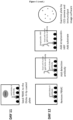
Figure 1 . The scheme of the ex vivo immunogenicity assay procedures, illustrating cancer vaccine treatment and culturing procedure to un-immunized human peripheral blood mononuclear cells. -
Figure 2 . The comparison of conventional and modified anti-Globo H IgM detecting ELISPOT (Group A: No antigen; Group B: B-Poly-S™; Group C: OBI-821 adjuvant; Group D: OBI-821 adjuvant+OBI-822 vaccine; Group E: medium only). Each treatment are seeded in triplicate. -
Figure 3 . The method accuracy of modified anti-Globo H IgM ELISPOT.Figure 3A illustrated the transfection efficiency (PMBC only, Zsgreen only and co-transfect) by flow cytometry analysis on the seeding day (Day 11).Figure 3B illustrated anti-Globo H IgM ELISPOT performed with different seeding CHO cell transfections. The seeding CHO cell numbers were ranging from 0 to 5 × 10⁴ cell/per well. Each treatment are seeded in triplicate.Figure 3C illustrated the quantitative result of anti-Globo H IgM ELISPOT. -
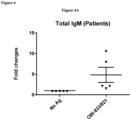
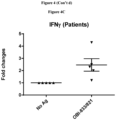
Figure 4 . Total IgM, anti-Globo H IgM, and IFN-γ fold change after applying OBI-833/821 immunization procedures to patient PBMC.Figure 4A , B, and C illustrated the fold change of total IgM ELISPOT, anti-Globo H ELISPOT, and IFN-γ induction compared to no-antigen treatment group, respectively. -
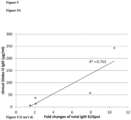
Figure 5 . The correlation between ex vivo immunogenicity assay results and patient clinical anti-Globo H IgM response.Figure 5A , B, and C illustrated the correlation between total IgM ELISPOT, anti-Globo H IgM ELISPOT, or IFN-γ induction and patient maximum anti-Globo H IgM response after OBI-833/821 immunization, respectively. -
Figure 6 . The correlation between ex vivo immunogenicity assay results and patient clinical anti-Globo H IgG response.Figure 6A , B, and C illustrated the correlation between total IgM ELISPOT, anti-Globo H IgM ELISPOT, or IFN-γ induction and patient maximum anti-Globo H IgG response after OBI-833/821 immunization, respectively. - For the descriptions herein and the appended claims, the singular forms "a", and "an" include plural referents unless the context clearly indicates otherwise. Thus, for example, reference to "a protein" includes more than one protein, and reference to "a compound" refers to more than one compound. The use of "comprise," "comprises," "comprising" "include," "includes," and "including" are interchangeable and not intended to be limiting. It is to be further understood that where descriptions of various embodiments use the term "comprising," those skilled in the art would understand that in some specific instances, an embodiment can be alternatively described using language "consisting essentially of' or "consisting of."
- Disclosed is a method of obtaining information that can be used to determine and predict the humoral immune response of patient suspected of having cancer for a carbohydrate antigen, comprising the steps of: (a) obtaining a sample from the patient, (b) cultivating a cell from the sample, (c) exposing the cell ex vivo to one or more antigens, (d) identifying the patient is a responder or a non-responder; and (e) continuing a further treatment if the patient is a responder.
- The present disclosure discloses a method for evaluating responsivity of a subject to a carbohydrate antigen or its immunogenic fragment. The method comprises a. obtaining a peripheral blood mononuclear cell from the subject; b. exposing the cell ex-vivo with the carbohydrate antigen or its immunogenic fragment in an Enzyme-Linked ImmunoSpot assay performed by using carbohydrate antigen-coated plate; and c. determining a biological activity according to the assay to evaluate the responsivity.
- The present disclosure also provides a method for determining the therapeutic efficacy of a cancer vaccine, comprising: (a) providing a sample from a subject; (b) cultivating a cell collected from the sample; (c) contacting the cell and assaying the binding of antibodies bound to the antigens; and (d) determining the therapeutic effect of the antineoplastic agent.
- The term "patient" used herein is not limited to a person who has the disease (ex. cancer) for sure but also includes those who are suspected of having the disease. In a preferable embodiment, the further treatment could involve the usage of the antigen (carbohydrate antigen).
- The term "responder" used herein is referred to a person who is in response to the exposure of the carbohydrate antigen to an extend that exceeds a threshold value. The threshold value (which in some circumstance can be considered as a cut-off value) could vary depending on the type of disease, the average biological activity of a peer group, the medical practitioner's opinion, etc. The tem of "non-responder" is defined on the contrary of "responder" as above.
- The term "responsivity" is referred to the degree of the subject in response to the exposure of the carbohydrate antigen. In an embodiment, the responsivity represents a biological activity induced directly or indirectly by the carbohydrate antigen. The term "biological activity" can be defined by a biological change in the product of any effector molecules, including but not limited to IgM, IgM against the carbohydrate antigen, cytokine, or a combination thereof. In an embodiment, the responsivity can have therapeutic meaning. In a specific embodiment, the responsivity can be applied to determine the therapeutic efficacy of the carbohydrate antigen to the subject. In a preferable embodiment, the responsivity is evaluated by comparing the biological activity with a threshold value and the subject is identified as responsive to the carbohydrate antigen if the biological activity exceeds the threshold value. In a specific embodiment, the biological activity is determined by spot number of the Enzyme-Linked ImmunoSpot assay.
- The term "cytokine" is a generic term for proteins released by one cell population which act on another cell as intercellular mediators. Examples of such cytokines are lymphokines, monokines, and traditional polypeptide hormones. Included among the cytokines are growth hormone such as human growth hormone; parathyroid hormone; thyroxine; insulin; proinsulin; relaxin; prorelaxin; glycoprotein hormones such as follicle stimulating hormone (FSH), thyroid stimulating hormone (TSH), and luteinizing hormone (LH); hepatic growth factor; fibroblast growth factor; prolactin; placental lactogen; mullerian-inhibiting substance; mouse gonadotropin-associated peptide; inhibin; activin; vascular endothelial growth factor; integrin; thrombopoietin (TPO); nerve growth factors such as NGF-β; platelet-growth factor; transforming growth factors (TGFs) such as TGF-α and TGF-β; insulin-like growth factor-I and -II; erythropoietin (EPO); osteoinductive factors; interferons such as interferon-α, -β, and -γ; colony stimulating factors (CSFs) such as macrophage-CSF (M-CSF); granulocyte-macrophage-CSF (GM-CSF); and granulocyte-CSF (G-CSF); interleukins (ILs) such as IL-1, IL-1α, IL-2, IL-3, IL-4, IL-5, IL-6, IL-7, IL-8, IL-9, IL-10, IL-11, IL-12; a tumor necrosis factor such as TNF-α or TNF-β; and other polypeptide factors including LIF and kit ligand (KL). As used herein, the term cytokine includes proteins from natural sources or from recombinant cell culture and biologically active equivalents of the native sequence cytokines.
- In an embodiment, the carbohydrate antigen-coated plate is a plate without PVDF. In a specific embodiment that the carbohydrate antigen is a Globo series antigen, the carbohydrate antigen-coated plate is a Globo series antigen-lipid coated plate. In an exemplary embodiment, the carbohydrate antigen-coated plate is commercially available flat white plate.
- In a preferable embodiment, the carbohydrate antigen or its immunogenic fragment is a Globo series antigen. Numerous surface carbohydrates are expressed in malignant tumor cells. For example, the carbohydrate antigen Globo H (Fucα1→2 Galβ1→3 GalNAcβ1→3 Galα1→4 Galβ1→4 Glc) was first isolated as a ceramide-linked Glycolipid and identified in 1984 from breast cancer MCF-7 cells. (Bremer E G, et al. (1984) J Biol Chem 259: 14773-14777). Previous studies have also shown that Globo H and stage-specific embryonic antigen 3 (Galβ1→ 3GalNAcβ1→ 3Galα1→ 4Galβ1→ 4Glcβ1) (SSEA-3, also called Gb5) were observed on breast cancer cells and breast cancer stem cells (WW Chang et al. (2008) Proc Natl Acad Sci USA, 105(33): 11667-11672). In addition, SSEA-4 (stage-specific embryonic antigen-4) (Neu5Acα2→ 3Galβ1→ 3GalNAcβ1→ 3Galα1→ 4Galβ1→ 4Glcβ1) has been commonly used as a cell surface marker for pluripotent human embryonic stem cells and has been used to isolate mesenchymal stem cells and enrich neural progenitor cells (Kannagi R et al. (1983) EMBO J, 2:2355-2361). These findings support that Globo series antigens (Globo H, SSEA-3 and SSEA-4) are unique targets for cancer therapies and can be used to direct therapeutic agents to targeting cancer cells effectively.
- In a preferable embodiment, DT is diphtheria toxin cross-reacting materials (DT-CRM) or diphtheria toxoids. A DT-CRM refers to a mutant diphtheria toxin, e.g., by mutation or by chemical modification, such that it no longer possesses sufficient ADP-ribosyl. Non limiting examples of DT-CRM include DT-CRM 30, DT-CRM 45, DT-CRM 176, DT-CRM 197 and DT-CRM 228. A diphtheria toxoid is a formaldehyde-inactivated diphtheria toxin. DT is commercially available from or can be prepared by methods known in the art, such as recombinant DNA technology as described in
U.S. Patent No. 5,614,382 . - In a specific embodiment, the carbohydrate antigen or its immunogenic fragment is conjugated with a carrier protein; wherein, the carrier protein can be, but not limited to KLH (Keyhole limpet hemocyanin), DT-CRM 197 (diphtheria toxin cross-reacting material 197), or a combination thereof.
- Practically, the carbohydrate antigen might be formulated with an adjuvant into a cancer vaccine. The adjuvant comprises, but not limited to, saponin, Freund's adjuvant, α-galactosyl-ceramide (α-GalCer) adjuvant, aluminum phosphate, aluminum hydroxide, MF59 (4.3% w/v squalene, 0.5% w/v polysorbate 80 (Tween 80), 0.5%> w/v sorbitan trioleate (Span 85)), CpG-containing nucleic acid, QS21 (saponin adjuvant), a -Galactosyl-ceramides or synthetic analogs thereof (e.g., C34, see
US 8,268,969 ), MPL (Monophosphoryl Lipid A), 3DMPL (3-O-deacylated MPL), extracts from Aquilla, ISCOMS (see, e.g., Sjolander et al. (1998) and J. Leukocyte Biol. 64:713), LT/CT mutants, poly(D,L-lactide-co-glycolide) (PLG) microparticles, Quil A, QS-21 (a saponin from Quillaja saponaria tree bark), interleukins, Freund's, N-acetyl-muramyl-L-threonyl-D-isoglutamine (thr-MDP), N-acetyl-nor-muramyl-L-alanyl-D-isoglutamine (CGP 11637, referred to as nor-MDP), N-acetylmuramyl-L-alanyl-D-isoglutaminyl-L-alanine-2-( -2'-dip-almitoyl-sn-glycero-3-hydroxyphosphoryloxy)-ethylamine (CGP 19835 A, referred to as MTP-PE), and RIBI, which contains three components extracted from bacteria, monophosphoryl lipid A, trehalose dimycolate and cell wall skeleton (MPL+TDM+CWS) in a 2%> squalene/Tween 80 emulsion, or a combination thereof. - The cancer vaccine is applied for preventing or treating Globo series antigen expressing cancer including, but are not limited to, sarcoma, skin cancer, leukemia, lymphoma, brain cancer, glioblastoma, lung cancer, breast cancer, oral cancer, head-and-neck cancer, nasopharyngeal cancer, esophagus cancer, stomach cancer, liver cancer, bile duct cancer, gallbladder cancer, bladder cancer, pancreatic cancer, intestinal cancer, colorectal cancer, kidney cancer, cervix cancer, endometrial cancer, ovarian cancer, testical cancer, buccal cancer, oropharyngeal cancer, laryngeal cancer and prostate cancer.
- Specifically, the cancer vaccine can be OBI-822/821, OBI-833/821, OBI-833/834, OBI-866/821 or OBI-866/834. Exemplary OBI-822 (Globo H-KLH glycoconjugate) is as described in
WO2015/159118 ,WO2016/044326 andWO2017/185089 patent applications. Exemplary OBI-833 (Globo H-DT glycoconjugate) is as described inWO2010/005598 andWO2014/107652 patent applications, the content of which is incorporated by reference in its entirety. Exemplary OBI-866 (SSEA4-KLH glycoconjugate) is as described inWO2018/022933 patent application. Exemplary OBI-821 is a saponin adjuvant and OBI-834 is a α-galactosyl-ceramide (α-GalCer) adjuvant. - In certain embodiment, the therapeutic cancer vaccine is OBI-822 (Globo H-KLH glycoconjugate, OBI Pharma, Inc.) combined with adjuvant OBI-821 (saponin adjuvant, OBI Pharma, Inc.) were treated to the human PBMC for their immunogenicity ability test, especially the ability of antigen specific anti-Globo H IgM and IgG induction.
- In certain embodiment, the therapeutic cancer vaccine is OBI-833 (Globo H-DT glycoconjugate, OBI Pharma, Inc.) combined with adjuvant OBI-821 (saponin adjuvant, OBI Pharma, Inc.) were used to treat the human PBMC to observe their ability to stimulate the production of immunoglobulins, especially the ability of antigen specific anti-Globo H IgM and IgG induction.
- The sample is a body fluid (serum, saliva, lymph node fluid, urine, vaginal swab, or buccal swab) collected from patient. In an embodiment, the term "vaccine", "cancer vaccine" and "antineoplastic agent" are interchangeable in this specification.
- Various features and embodiments of the disclosure are illustrated in the following representative examples, which are intended to be illustrative, and not limiting. Those skilled in the art will readily appreciate that the specific examples are only illustrative of the invention as described more fully in the claims which follow thereafter.
- The overall treatment procedure scheme is shown in
Figure 1 . Frozen vial of human PBMC, either from healthy donor or harvested form patients, was thawed and immediately washed once by complete culture medium (RPMI-1640 with 10% FBS, 1% sodium pyruvate, 1% L-glutamine, 0.1% 2-ME, 1% non-essential amino acid, and 1% penicillin-streptomycin). Cell pallet was resuspended in complete culture medium and counted for cell number and cell viability. Upon confirmation of cell viability greater than 80%, seeding of PBMC into 48-well culture plate (Catalog#150687; Thermo Fisher Scientific Inc.) in the cell density of 1 × 10⁶ cell/per well containing 0.5 mL of complete culture medium was performed. Culture plate was incubated at 37°C, 5% CO2 overnight. OnDay 2, equal volume of antigen and IL-2, IL-7 containing medium were added into each well. Incubate the plates at 37°C until use. OnDay 5, refresh of the medium with antigen and cytokines was performed, then incubate the plates at 37°C until use. OnDay 8, seeding the cells and PBMC was collected and transferred into new 48-well plate at 37°C, 5% CO2. - Total IgM induction status was evaluated by commercially available total IgM ELISPOT kit (Cellular Technology Ltd.). On
Day 10, a 96-well plate coated with human Ig capture antibody was incubated at 4°C overnight. Plate was washed once with PBS and used for seeding of the treated PBMC at 2.5 × 10⁴ cells per well density. Incubate the plates at 37°C overnight, avoid shaking. OnDay 12, plate was washed twice with PBS, followed by two wash cycles with 0.05% PBST (0.05% Tween-20 in PBS). 80 µL of biotin-labeled anti-IgM detection antibody were added into each well and incubated at room temperature for 2 hours. Plate was washed three times with 0.05% PBST and 80 µL of Tertiary solution were added into each well. Incubation at room temperature was conducted for 1 hour. Plate was washed twice with 0.05% PBST followed by two wash cycles with ddH2O. Plate was added with 80 µL of mixed blue developer solution per well, and incubated at room temperature for 15 minutes while avoiding light exposure. Plate was rinsed with tap water and put in inverted position to air-dry. Imaging of the 96-well plate was performed using a CCD video camera, and the spot number was determined by ImmunoSpot® software (Cellular Technology Ltd.). - Anti-Globo H IgM was evaluated by commercially available total IgM ELISPOT kit (Cellular Technology Ltd.). On
Day 10, a flat bottom 96-well plate (Catalog #3917; Coming Incorporated) was coated with 0.2 µg Globo H-lipid (C78H144N2O33, MW 1637.9716) in 100 µL ethanol per well. Plate was incubated at room temperature overnight where the ethanol was completely evaporated. Plate was added with 200 µL of complete culture medium per well and incubated at room temperature for 1 hour. - Plate was used for seeding of the treated PBMC at 2 × 10⁵ cells per well density. Incubate the plates at 37°C overnight, avoid shaking. On
Day 12, plate was washed twice with PBS, followed by two wash cycles with 0.05% PBST. Each well of the plate was added with 100 µL of filtered goat anti-human IgM-biotin antibody (Catalog#109-067-043; Jackson ImmunoResearch Inc.) solution in 1% BSA dissolved in PBS at 1:1000 dilution. Plate was incubated at room temperature for 2 hours. Plate was washed with 0.05% PBST three times. Each well was added with 100 µL of streptavidin-HRP (Catalog#DY998; R&D Systems, Inc.) in 1% BSA buffer at 1:200 dilution. Plate was incubated at room temperature for 1 hour. Two wash steps with 0.05% PBST followed by two washes of ddH2O were performed. Plate was added with 100 µL of mixed substrate solution (Catalog#CTL-STR10; Cellular Technology Ltd.) per well, and incubated at room temperature for 15 minutes while avoiding light exposure. Plate was rinsed with tap water and put in inverted position to air-dry. Imaging of the 96-well plate was performed using a CCD video camera, and the spot number was determined by ImmunoSpot® software (Cellular Technology Ltd.). - On
Day 11, PBMC cultured supernatant were collected into a 15 mL tube (Catalog #430791; Corning Incorporated), and centrifuged at 400g at room temperature for 5 minutes. Supernatant was transferred into a new 1.5 mL microtube (Cataloge #MCT-150-C; Coming Incorporated), and stored at -80°C. IFN-γ was measured by MSD V-PLEX human proinflammatory cytokine kit (Catalog #K151A0H-2; Meso Scale Diagnostic, LLC). The experimental procedures were performed according to manufacturer's instructions. The results were acquired by MESO SECTOR S600 (Meso Scale Diagnostic, LLC). - The conventional and modified ELISPOT assay were compared in parallel (Group A: No antigen; Group B: B-Poly-S™ (Catalog #CTL-hBPOLYS-200; Cellular Technology Ltd.); Group C: OBI-821 adjuvant; Group D: OBI-821 adjuvant+OBI-822 vaccine; Group E: medium only). Conventional and modified ELISPOT assays were performed using PVDF bottom 96-well plate (Catalog #MSIPS4510; Merck KGaA) and flat white bottom 96-well plate, respectively. The condition of coating and seeding of PMBC cell number for both assays were identical.
Figure 2 illustrates higher visibility and sensitivity of modified ELISPOT assay when compared to conventional method. - The ExpiCHO-S cells (Catalog #A29127; Thermo Fisher Scientific Inc.) were cultured in ExpiCHO expression medium. When cells density reached 4 × 10⁶ to 6 × 10⁶ viable cells/mL, 1.8 × 10⁸ cells were co-transfected by ExpiFectamine CHO transfect kit with 15 µg of plasmid Zsgreen and anti-human GloboH-IgM antibody in 30 mL ExpiCHO expression medium. After 8 days of transfection, cells were collected for assay. Three types of cells, including CHO cell only, CHO cells transfected with Zsgreen fluorescent protein sequence (SEQ ID No. 1), and CHO cells co-transfected with Zsgreen and human Globo H IgM, were seeded for anti-Globo H IgM ELISPOT assay,.
Figure 3A illustrates the transfection efficiency of 55 to 61% on the seeding day (Day 11) by Flow Cytometry.Figure 3B and3C illustrate that only the CHO cells co-transfected with Zsgreen and human Globo H IgM had detectible spots, which confirm the selectivity and accuracy of the modified Globo H IgM ELISPOT assay. - Patients were immunized with OBI-833/821 in a
phase 1 clinical study (Trial Identifier #NCT02310464). Anti-Globo H IgM and IgG concentration were measured by glycan chip. Maximum serum Globo H IgM and IgG concentration (µg/mL) of each sample are summarized in Table 1. Patients' anti-Globo H IgM and IgG concentration in serum will be used to compare with ex vivo immunogenicity assay results.Table 1. Serum anti-Globo H IgM or IgG concentration of OBI-833/821 vaccinated patients. OBI-833/821 Patient ID Clinical Globo H IgM (µg/mL) Clinical Globo H IgG (µg/mL) 001-004 6.19 9.11 034-002 57.21 5.06 034-004 242.81 4.15 034-006 10.63 13.72 034-007 25.36 <LLOQ* *LLOQ: Lower Limit of Quantification. - Patient PBMC was collected and cryopreserved prior to OBI-833/821 vaccination. Ex vivo immunogenicity assay was performed following protocols illustrated in
Figure 1 . PBMC from known healthy donor was used as experimental control. Spot number and fold change value normalized with no-antigen treatment group of total IgM and anti-Globo H IgM by ELISPOT assay are summarized in Table 2.Table 2. Total IgM and anti-Globo H IgM ELISPOT result from patient PBMC. Spot Number Fold changes Total IgM ELISpot Globo H IgM ELISpot Total IgM ELISpot Globo H IgM ELISpot Patient ID No Ag OBI-833+ 821 No Ag OBI-833+ 821 No Ag OBI-833+ 821 No Ag OBI-833+ 821 001-004 21 31.5 8 78 1 1.50 1 9.75 034-002 5.3 42 38 65 1 7.92 1 1.71 034-004 17 179 9.6 123 1 10.53 1 12.81 034-006 53 111.6 14.3 30 1 2.11 1 2.10 034-007 22.5 46.6 10.5 18.5 1 2.07 1 1.76 - Total IgM and Globo H IgM responses from five patients' PBMC are illustrated in
Figure 4A and4B , respectively. The results indicated that with ex vivo immunogenicity culturing procedures, various levels of total IgM and/or Globo H IgM were induced using patients' PBMC. - In addition to antibody responses, cytokine production, such as IFN-γ, was evaluated using ex vivo immunogenicity culturing procedures. IFN-γ concentration (pg/mL) detected in the culture supernatant and fold change normalized with no-antigen treatment group are illustrate in Table 3 and
Figure 4C , respectively. The results indicated that with ex vivo immunogenicity culturing procedures, various levels of IFN-γ were induced using patients' PBMCTable 3. IFN-γ induction result from patient PBMC. IFN-γ (pg/mL) Fold changes Patient ID No Ag OBI-833+821 No Ag OBI-833+821 001-004 18795 23142 1 1.23 034-002 10054 24715 1 2.46 034-004 22915 99184 1 4.33 034-006 15754 35523 1 2.25 034-007 4396 8680 1 1.97 - The correlation of patients' maximum serum anti-Globo H IgM concentration (µg/mL) in comparison with either total IgM, anti-Globo H IgM, and IFN-γ cytokine induction are presented in
Figure 5A ,5B , and5C , respectively. ELISPOT result as well as IFN-γ induction are shown in fold change normalized with no-antigen treatment group. Positive correlation between results and patients' serum anti-Globo H IgM level were observed. - In addition, correlation of patients' maximum serum anti-Globo H IgG concentration (µg/mL) in comparison with either total IgM, anti-Globo H IgM, and IFN-γ cytokine induction are presented in
Figure 6A ,6B , and6C respectively. Overall, results showed more obvious correlation with anti-Globo H IgM than anti-Globo H IgG. Patients may have delayed IgG response where correlation cannot be observed yet. - Unless defined otherwise, all technical and scientific terms and any acronyms used herein have the same meanings as commonly understood by one of ordinary skill in the art in the field of this invention. Although any compositions, methods, kits, and means for communicating information similar or equivalent to those described herein can be used to practice this invention, the preferred compositions, methods, kits, and means for communicating information are described herein. All references cited herein and the discussion of those references is intended merely to summarize the assertions made by their authors. No admission is made that any reference (or a portion of any reference) is relevant prior art. Applicants reserve the right to challenge the accuracy and pertinence of any cited reference.
Claims (9)
- A method for evaluating responsivity of a subject to a carbohydrate antigen or its immunogenic fragment, comprising:(a) obtaining a peripheral blood mononuclear cell from the subject;(b) exposing the cell ex-vivo with the carbohydrate antigen or its immunogenic fragment in an Enzyme-Linked ImmunoSpot assay performed by using carbohydrate antigen-coated plate; and(c) determining a biological activity according to the assay to evaluate the responsivity,wherein the carbohydrate antigen or its immunogenic fragment is a Globo series antigen, and wherein the carbohydrate antigen-coated plate is a plate without PVDF.
- The method of claim 1, wherein the Globo series antigen is stage-specific embryonic antigen-4 (SSEA-4), stage-specific embryonic antigen-3 (SSEA-3) or Globo H.
- The method of claim 1, wherein the carbohydrate antigen or its immunogenic fragment is conjugated with a carrier protein, wherein, preferably, the carrier protein comprises KLH (Keyhole limpet hemocyanin) or DT-CRM 197 (diphtheria toxin cross-reacting material 197).
- The method of claim 1, wherein the carbohydrate antigen is formulated with an adjuvant into a cancer vaccine, wherein, preferably, the adjuvant comprises QS-21, saponin, Freund's adjuvant, α-galactosyl-ceramide (α-GalCer) adjuvant, OBI-821, OBI-834, or a combination thereof.
- The method of claim 4, wherein the cancer is a Globo series antigen expressing cancer, wherein, preferably, the Globo series antigen expressing cancer is sarcoma, skin cancer, leukemia, lymphoma, brain cancer, glioblastoma, lung cancer, breast cancer, oral cancer, head-and-neck cancer, nasopharyngeal cancer, esophagus cancer, stomach cancer, liver cancer, bile duct cancer, gallbladder cancer, bladder cancer, pancreatic cancer, intestinal cancer, colorectal cancer, kidney cancer, cervix cancer, endometrial cancer, ovarian cancer, testicular cancer, buccal cancer, oropharyngeal cancer, laryngeal cancer or prostate cancer.
- The method of claim 4, wherein the cancer vaccine is OBI-822/821, OBI-833/821, OBI-833/834, OBI-866/821 or OBI-866/834.
- The method of claim 1, wherein the biological activity comprises production of IgM, IgM against the carbohydrate antigen, cytokine, or a combination thereof, wherein, preferably, the cytokine is human growth hormone, parathyroid hormone, glycoprotein hormone, fibroblast growth factor, TNF-α, TNF-β, vascular endothelial growth factor, integrin, thrombopoietin (TPO), nerve growth factor, platelet-growth factor, TGF-α, TGF-β, interferon-α, interferon-β, interferon-γ, macrophage-CSF (M-CSF), granulocyte-macrophage-CSF (GM-CSF), granulocyte-CSF (G-CSF), IL-1, IL-1α, IL-2, IL-3, IL-4, IL-5, IL-6, IL-7, IL-8, IL-9, IL-10, IL-11 or IL-12.
- The method of claim 1, wherein the biological activity is determined by spot number of the assay.
- The method of claim 1, wherein the responsivity is evaluated by comparing the biological activity with a threshold value and the subject is identified as responsive to the carbohydrate antigen if the biological activity exceeds the threshold value.
Applications Claiming Priority (2)
| Application Number | Priority Date | Filing Date | Title |
|---|---|---|---|
| US201862670105P | 2018-05-11 | 2018-05-11 | |
| PCT/US2019/031960 WO2019217951A1 (en) | 2018-05-11 | 2019-05-13 | Method for predicting human immune response |
Publications (4)
| Publication Number | Publication Date |
|---|---|
| EP3775894A1 EP3775894A1 (en) | 2021-02-17 |
| EP3775894A4 EP3775894A4 (en) | 2022-03-09 |
| EP3775894C0 EP3775894C0 (en) | 2024-04-24 |
| EP3775894B1 true EP3775894B1 (en) | 2024-04-24 |
Family
ID=68467108
Family Applications (1)
| Application Number | Title | Priority Date | Filing Date |
|---|---|---|---|
| EP19799990.7A Active EP3775894B1 (en) | 2018-05-11 | 2019-05-13 | Method for predicting human immune response |
Country Status (5)
| Country | Link |
|---|---|
| US (1) | US20210396759A1 (en) |
| EP (1) | EP3775894B1 (en) |
| CN (1) | CN112513635B (en) |
| TW (1) | TWI842710B (en) |
| WO (1) | WO2019217951A1 (en) |
Families Citing this family (1)
| Publication number | Priority date | Publication date | Assignee | Title |
|---|---|---|---|---|
| JP2023551432A (en) * | 2020-11-19 | 2023-12-08 | オービーアイ ファーマ,インコーポレイテッド | Active cancer immunotherapy by immune modulation with globo series antigens |
Family Cites Families (9)
| Publication number | Priority date | Publication date | Assignee | Title |
|---|---|---|---|---|
| US7713705B2 (en) * | 2002-12-24 | 2010-05-11 | Biosite, Inc. | Markers for differential diagnosis and methods of use thereof |
| EP1920782A1 (en) * | 2006-11-10 | 2008-05-14 | Glycotope Gmbh | Carboyhdrate specific cellular immunity inducing microorganisms and fractions thereof |
| JP2011524375A (en) * | 2008-06-16 | 2011-09-01 | アカデミア シニカ | Compositions that induce immune responses specific to GloboH and SSEA3 and their use in cancer therapy |
| LT2726883T (en) * | 2011-06-29 | 2018-06-11 | Cellestis Limited | A cell mediated immune response assay with enhanced sensitivity |
| GB201212550D0 (en) * | 2012-07-13 | 2012-08-29 | Novartis Ag | B cell assay |
| ES2843509T3 (en) * | 2013-01-04 | 2021-07-19 | Obi Pharma Inc | Vaccines with higher carbohydrate antigen density and new saponin adjuvant |
| AU2015317889B2 (en) * | 2014-09-15 | 2021-06-03 | Obi Pharma, Inc. | Immunogenic/therapeutic glycoconjugate compositions and uses thereof |
| KR20250048399A (en) * | 2016-04-22 | 2025-04-08 | 오비아이 파머 인코퍼레이티드 | Cancer immunotherapy by immune activation or immune modulation via globo series antigens |
| WO2018022933A1 (en) * | 2016-07-27 | 2018-02-01 | Obi Pharma, Inc. | Immunogenic/therapeutic glycan compositions and uses thereof |
-
2019
- 2019-05-13 US US17/053,934 patent/US20210396759A1/en not_active Abandoned
- 2019-05-13 EP EP19799990.7A patent/EP3775894B1/en active Active
- 2019-05-13 CN CN201980031763.3A patent/CN112513635B/en not_active Expired - Fee Related
- 2019-05-13 TW TW108116332A patent/TWI842710B/en active
- 2019-05-13 WO PCT/US2019/031960 patent/WO2019217951A1/en not_active Ceased
Also Published As
| Publication number | Publication date |
|---|---|
| EP3775894A4 (en) | 2022-03-09 |
| TW202012934A (en) | 2020-04-01 |
| TWI842710B (en) | 2024-05-21 |
| CN112513635B (en) | 2024-04-16 |
| WO2019217951A1 (en) | 2019-11-14 |
| US20210396759A1 (en) | 2021-12-23 |
| EP3775894C0 (en) | 2024-04-24 |
| EP3775894A1 (en) | 2021-02-17 |
| CN112513635A (en) | 2021-03-16 |
Similar Documents
| Publication | Publication Date | Title |
|---|---|---|
| Coccia et al. | Cellular and molecular synergy in AS01-adjuvanted vaccines results in an early IFNγ response promoting vaccine immunogenicity | |
| Deng et al. | Age-related impaired type 1 T cell responses to influenza: reduced activation ex vivo, decreased expansion in CTL culture in vitro, and blunted response to influenza vaccination in vivo in the elderly | |
| Saad et al. | Immunogenicity and safety of the 2009 non-adjuvanted influenza A/H1N1 vaccine in a large cohort of autoimmune rheumatic diseases | |
| Sirima et al. | Safety and immunogenicity of the Plasmodium falciparum merozoite surface protein-3 long synthethic peptide (MSP3-LSP) malaria vaccine in healthy, semi-immune adult males in Burkina Faso, West Africa | |
| Wumkes et al. | Serum antibody response to influenza virus vaccination during chemotherapy treatment in adult patients with solid tumours | |
| US11466053B2 (en) | Polypeptide and use thereof | |
| Yohn et al. | Sex-related resistance in hamsters to adenovirus-12 oncogenesis. Influence of thymectomy at three weeks of age | |
| Ong et al. | Establishment, optimisation and quantitation of a bioluminescent murine infection model of visceral leishmaniasis for systematic vaccine screening | |
| Eypper et al. | Transcutaneous immunization of healthy volunteers with an attenuated Listeria monocytogenes vaccine strain and cholera toxin adjuvant | |
| US20210396759A1 (en) | Method for Predicting Human Immune Response | |
| RU2549434C2 (en) | Method for making brucellosis diagnostic serum | |
| CN109414023A (en) | With the composition and method of chimeric poliovirus activated viral antigen presenting cell | |
| Hilke et al. | A comparison of different vaccination schemes used in sheep combining inactivated bluetongue vaccines against serotypes 4 and 8 | |
| RU2607379C2 (en) | Cancer antigen | |
| Lee et al. | Evaluation of cellular responses to ChAdOx1-nCoV-19 and BNT162b2 vaccinations | |
| Esmaeili et al. | Peracute enterotoxemia in saanen and alpine goat herd | |
| HK40042743A (en) | Method for predicting human immune response | |
| US10030232B2 (en) | Methods for preparing inactivated rotavirus | |
| HK40042743B (en) | Method for predicting human immune response | |
| Gudnadóttir et al. | Vaccination delays maedi-visna lentivirus infection in a naturally-infected sheep flock | |
| US11396528B2 (en) | Polypeptide and use thereof | |
| IQBAL et al. | Immune response of rabbits to hemorrhagic septicemia vaccine formulations adjuvanted with montanide ISA-206, paraffin oil and alum | |
| Yue et al. | Modulation of immunogenicity and immunoprotection of mucosal vaccine against coxsackievirus B3 by optimizing the coadministration mode of lymphotactin adjuvant | |
| CN111057683A (en) | Virus diluent for chick embryo inoculation and preparation method and application thereof | |
| Zeng et al. | The immune effects of multiple antigen peptides containing the mimic epitopes of the adhesion protein of Mycoplasma genitalium |
Legal Events
| Date | Code | Title | Description |
|---|---|---|---|
| STAA | Information on the status of an ep patent application or granted ep patent |
Free format text: STATUS: THE INTERNATIONAL PUBLICATION HAS BEEN MADE |
|
| PUAI | Public reference made under article 153(3) epc to a published international application that has entered the european phase |
Free format text: ORIGINAL CODE: 0009012 |
|
| STAA | Information on the status of an ep patent application or granted ep patent |
Free format text: STATUS: REQUEST FOR EXAMINATION WAS MADE |
|
| 17P | Request for examination filed |
Effective date: 20201111 |
|
| AK | Designated contracting states |
Kind code of ref document: A1 Designated state(s): AL AT BE BG CH CY CZ DE DK EE ES FI FR GB GR HR HU IE IS IT LI LT LU LV MC MK MT NL NO PL PT RO RS SE SI SK SM TR |
|
| AX | Request for extension of the european patent |
Extension state: BA ME |
|
| DAV | Request for validation of the european patent (deleted) | ||
| DAX | Request for extension of the european patent (deleted) | ||
| RIC1 | Information provided on ipc code assigned before grant |
Ipc: G01N 33/548 20060101ALI20211101BHEP Ipc: G01N 33/543 20060101ALI20211101BHEP Ipc: G01N 33/53 20060101AFI20211101BHEP |
|
| A4 | Supplementary search report drawn up and despatched |
Effective date: 20220207 |
|
| RIC1 | Information provided on ipc code assigned before grant |
Ipc: G01N 33/548 20060101ALI20220201BHEP Ipc: G01N 33/543 20060101ALI20220201BHEP Ipc: G01N 33/53 20060101AFI20220201BHEP |
|
| GRAP | Despatch of communication of intention to grant a patent |
Free format text: ORIGINAL CODE: EPIDOSNIGR1 |
|
| STAA | Information on the status of an ep patent application or granted ep patent |
Free format text: STATUS: GRANT OF PATENT IS INTENDED |
|
| INTG | Intention to grant announced |
Effective date: 20231117 |
|
| GRAS | Grant fee paid |
Free format text: ORIGINAL CODE: EPIDOSNIGR3 |
|
| GRAA | (expected) grant |
Free format text: ORIGINAL CODE: 0009210 |
|
| STAA | Information on the status of an ep patent application or granted ep patent |
Free format text: STATUS: THE PATENT HAS BEEN GRANTED |
|
| AK | Designated contracting states |
Kind code of ref document: B1 Designated state(s): AL AT BE BG CH CY CZ DE DK EE ES FI FR GB GR HR HU IE IS IT LI LT LU LV MC MK MT NL NO PL PT RO RS SE SI SK SM TR |
|
| REG | Reference to a national code |
Ref country code: GB Ref legal event code: FG4D |
|
| REG | Reference to a national code |
Ref country code: CH Ref legal event code: EP |
|
| REG | Reference to a national code |
Ref country code: DE Ref legal event code: R096 Ref document number: 602019050990 Country of ref document: DE |
|
| REG | Reference to a national code |
Ref country code: IE Ref legal event code: FG4D |
|
| U01 | Request for unitary effect filed |
Effective date: 20240522 |
|
| U07 | Unitary effect registered |
Designated state(s): AT BE BG DE DK EE FI FR IT LT LU LV MT NL PT SE SI Effective date: 20240603 |
|
| U20 | Renewal fee for the european patent with unitary effect paid |
Year of fee payment: 6 Effective date: 20240530 |
|
| PG25 | Lapsed in a contracting state [announced via postgrant information from national office to epo] |
Ref country code: IS Free format text: LAPSE BECAUSE OF FAILURE TO SUBMIT A TRANSLATION OF THE DESCRIPTION OR TO PAY THE FEE WITHIN THE PRESCRIBED TIME-LIMIT Effective date: 20240824 |
|
| PG25 | Lapsed in a contracting state [announced via postgrant information from national office to epo] |
Ref country code: HR Free format text: LAPSE BECAUSE OF FAILURE TO SUBMIT A TRANSLATION OF THE DESCRIPTION OR TO PAY THE FEE WITHIN THE PRESCRIBED TIME-LIMIT Effective date: 20240424 |
|
| PG25 | Lapsed in a contracting state [announced via postgrant information from national office to epo] |
Ref country code: GR Free format text: LAPSE BECAUSE OF FAILURE TO SUBMIT A TRANSLATION OF THE DESCRIPTION OR TO PAY THE FEE WITHIN THE PRESCRIBED TIME-LIMIT Effective date: 20240725 |
|
| PG25 | Lapsed in a contracting state [announced via postgrant information from national office to epo] |
Ref country code: ES Free format text: LAPSE BECAUSE OF FAILURE TO SUBMIT A TRANSLATION OF THE DESCRIPTION OR TO PAY THE FEE WITHIN THE PRESCRIBED TIME-LIMIT Effective date: 20240424 |
|
| PG25 | Lapsed in a contracting state [announced via postgrant information from national office to epo] |
Ref country code: PL Free format text: LAPSE BECAUSE OF FAILURE TO SUBMIT A TRANSLATION OF THE DESCRIPTION OR TO PAY THE FEE WITHIN THE PRESCRIBED TIME-LIMIT Effective date: 20240424 |
|
| PG25 | Lapsed in a contracting state [announced via postgrant information from national office to epo] |
Ref country code: PL Free format text: LAPSE BECAUSE OF FAILURE TO SUBMIT A TRANSLATION OF THE DESCRIPTION OR TO PAY THE FEE WITHIN THE PRESCRIBED TIME-LIMIT Effective date: 20240424 Ref country code: NO Free format text: LAPSE BECAUSE OF FAILURE TO SUBMIT A TRANSLATION OF THE DESCRIPTION OR TO PAY THE FEE WITHIN THE PRESCRIBED TIME-LIMIT Effective date: 20240724 Ref country code: IS Free format text: LAPSE BECAUSE OF FAILURE TO SUBMIT A TRANSLATION OF THE DESCRIPTION OR TO PAY THE FEE WITHIN THE PRESCRIBED TIME-LIMIT Effective date: 20240824 Ref country code: HR Free format text: LAPSE BECAUSE OF FAILURE TO SUBMIT A TRANSLATION OF THE DESCRIPTION OR TO PAY THE FEE WITHIN THE PRESCRIBED TIME-LIMIT Effective date: 20240424 Ref country code: GR Free format text: LAPSE BECAUSE OF FAILURE TO SUBMIT A TRANSLATION OF THE DESCRIPTION OR TO PAY THE FEE WITHIN THE PRESCRIBED TIME-LIMIT Effective date: 20240725 Ref country code: ES Free format text: LAPSE BECAUSE OF FAILURE TO SUBMIT A TRANSLATION OF THE DESCRIPTION OR TO PAY THE FEE WITHIN THE PRESCRIBED TIME-LIMIT Effective date: 20240424 Ref country code: RS Free format text: LAPSE BECAUSE OF FAILURE TO SUBMIT A TRANSLATION OF THE DESCRIPTION OR TO PAY THE FEE WITHIN THE PRESCRIBED TIME-LIMIT Effective date: 20240724 |
|
| REG | Reference to a national code |
Ref country code: CH Ref legal event code: PL |
|
| PG25 | Lapsed in a contracting state [announced via postgrant information from national office to epo] |
Ref country code: CZ Free format text: LAPSE BECAUSE OF FAILURE TO SUBMIT A TRANSLATION OF THE DESCRIPTION OR TO PAY THE FEE WITHIN THE PRESCRIBED TIME-LIMIT Effective date: 20240424 |
|
| PG25 | Lapsed in a contracting state [announced via postgrant information from national office to epo] |
Ref country code: SK Free format text: LAPSE BECAUSE OF FAILURE TO SUBMIT A TRANSLATION OF THE DESCRIPTION OR TO PAY THE FEE WITHIN THE PRESCRIBED TIME-LIMIT Effective date: 20240424 Ref country code: RO Free format text: LAPSE BECAUSE OF FAILURE TO SUBMIT A TRANSLATION OF THE DESCRIPTION OR TO PAY THE FEE WITHIN THE PRESCRIBED TIME-LIMIT Effective date: 20240424 |
|
| REG | Reference to a national code |
Ref country code: DE Ref legal event code: R097 Ref document number: 602019050990 Country of ref document: DE |
|
| PG25 | Lapsed in a contracting state [announced via postgrant information from national office to epo] |
Ref country code: SM Free format text: LAPSE BECAUSE OF FAILURE TO SUBMIT A TRANSLATION OF THE DESCRIPTION OR TO PAY THE FEE WITHIN THE PRESCRIBED TIME-LIMIT Effective date: 20240424 |
|
| PG25 | Lapsed in a contracting state [announced via postgrant information from national office to epo] |
Ref country code: SM Free format text: LAPSE BECAUSE OF FAILURE TO SUBMIT A TRANSLATION OF THE DESCRIPTION OR TO PAY THE FEE WITHIN THE PRESCRIBED TIME-LIMIT Effective date: 20240424 Ref country code: SK Free format text: LAPSE BECAUSE OF FAILURE TO SUBMIT A TRANSLATION OF THE DESCRIPTION OR TO PAY THE FEE WITHIN THE PRESCRIBED TIME-LIMIT Effective date: 20240424 Ref country code: RO Free format text: LAPSE BECAUSE OF FAILURE TO SUBMIT A TRANSLATION OF THE DESCRIPTION OR TO PAY THE FEE WITHIN THE PRESCRIBED TIME-LIMIT Effective date: 20240424 Ref country code: CZ Free format text: LAPSE BECAUSE OF FAILURE TO SUBMIT A TRANSLATION OF THE DESCRIPTION OR TO PAY THE FEE WITHIN THE PRESCRIBED TIME-LIMIT Effective date: 20240424 Ref country code: CH Free format text: LAPSE BECAUSE OF NON-PAYMENT OF DUE FEES Effective date: 20240531 Ref country code: MC Free format text: LAPSE BECAUSE OF FAILURE TO SUBMIT A TRANSLATION OF THE DESCRIPTION OR TO PAY THE FEE WITHIN THE PRESCRIBED TIME-LIMIT Effective date: 20240424 |
|
| PLBE | No opposition filed within time limit |
Free format text: ORIGINAL CODE: 0009261 |
|
| STAA | Information on the status of an ep patent application or granted ep patent |
Free format text: STATUS: NO OPPOSITION FILED WITHIN TIME LIMIT |
|
| GBPC | Gb: european patent ceased through non-payment of renewal fee |
Effective date: 20240724 |
|
| 26N | No opposition filed |
Effective date: 20250127 |
|
| PG25 | Lapsed in a contracting state [announced via postgrant information from national office to epo] |
Ref country code: IE Free format text: LAPSE BECAUSE OF NON-PAYMENT OF DUE FEES Effective date: 20240513 |
|
| PG25 | Lapsed in a contracting state [announced via postgrant information from national office to epo] |
Ref country code: GB Free format text: LAPSE BECAUSE OF NON-PAYMENT OF DUE FEES Effective date: 20240724 |
|
| PG25 | Lapsed in a contracting state [announced via postgrant information from national office to epo] |
Ref country code: CY Free format text: LAPSE BECAUSE OF FAILURE TO SUBMIT A TRANSLATION OF THE DESCRIPTION OR TO PAY THE FEE WITHIN THE PRESCRIBED TIME-LIMIT; INVALID AB INITIO Effective date: 20190513 |
|
| PG25 | Lapsed in a contracting state [announced via postgrant information from national office to epo] |
Ref country code: HU Free format text: LAPSE BECAUSE OF FAILURE TO SUBMIT A TRANSLATION OF THE DESCRIPTION OR TO PAY THE FEE WITHIN THE PRESCRIBED TIME-LIMIT; INVALID AB INITIO Effective date: 20190513 |
|
| U90 | Renewal fees not paid: noting of loss of rights |
Free format text: RENEWAL FEE NOT PAID FOR YEAR 07 Effective date: 20251218 |
|
| U93 | Unitary patent lapsed |
Free format text: RENEWAL FEE NOT PAID Effective date: 20250531 |