EP3762497B1 - Verfahren zur behandlung von mit vegf-assoziierten erkrankungen - Google Patents
Verfahren zur behandlung von mit vegf-assoziierten erkrankungen Download PDFInfo
- Publication number
- EP3762497B1 EP3762497B1 EP19804091.7A EP19804091A EP3762497B1 EP 3762497 B1 EP3762497 B1 EP 3762497B1 EP 19804091 A EP19804091 A EP 19804091A EP 3762497 B1 EP3762497 B1 EP 3762497B1
- Authority
- EP
- European Patent Office
- Prior art keywords
- vegf
- antisense oligonucleotide
- antisense
- oligonucleotide
- aons
- Prior art date
- Legal status (The legal status is an assumption and is not a legal conclusion. Google has not performed a legal analysis and makes no representation as to the accuracy of the status listed.)
- Active
Links
Images




Classifications
-
- A—HUMAN NECESSITIES
- A61—MEDICAL OR VETERINARY SCIENCE; HYGIENE
- A61K—PREPARATIONS FOR MEDICAL, DENTAL OR TOILETRY PURPOSES
- A61K48/00—Medicinal preparations containing genetic material which is inserted into cells of the living body to treat genetic diseases; Gene therapy
- A61K48/005—Medicinal preparations containing genetic material which is inserted into cells of the living body to treat genetic diseases; Gene therapy characterised by an aspect of the 'active' part of the composition delivered, i.e. the nucleic acid delivered
- A61K48/0066—Manipulation of the nucleic acid to modify its expression pattern, e.g. enhance its duration of expression, achieved by the presence of particular introns in the delivered nucleic acid
-
- A—HUMAN NECESSITIES
- A61—MEDICAL OR VETERINARY SCIENCE; HYGIENE
- A61K—PREPARATIONS FOR MEDICAL, DENTAL OR TOILETRY PURPOSES
- A61K31/00—Medicinal preparations containing organic active ingredients
- A61K31/70—Carbohydrates; Sugars; Derivatives thereof
- A61K31/7088—Compounds having three or more nucleosides or nucleotides
- A61K31/7105—Natural ribonucleic acids, i.e. containing only riboses attached to adenine, guanine, cytosine or uracil and having 3'-5' phosphodiester links
-
- C—CHEMISTRY; METALLURGY
- C12—BIOCHEMISTRY; BEER; SPIRITS; WINE; VINEGAR; MICROBIOLOGY; ENZYMOLOGY; MUTATION OR GENETIC ENGINEERING
- C12N—MICROORGANISMS OR ENZYMES; COMPOSITIONS THEREOF; PROPAGATING, PRESERVING, OR MAINTAINING MICROORGANISMS; MUTATION OR GENETIC ENGINEERING; CULTURE MEDIA
- C12N15/00—Mutation or genetic engineering; DNA or RNA concerning genetic engineering, vectors, e.g. plasmids, or their isolation, preparation or purification; Use of hosts therefor
- C12N15/09—Recombinant DNA-technology
- C12N15/11—DNA or RNA fragments; Modified forms thereof; Non-coding nucleic acids having a biological activity
- C12N15/113—Non-coding nucleic acids modulating the expression of genes, e.g. antisense oligonucleotides; Antisense DNA or RNA; Triplex- forming oligonucleotides; Catalytic nucleic acids, e.g. ribozymes; Nucleic acids used in co-suppression or gene silencing
- C12N15/1136—Non-coding nucleic acids modulating the expression of genes, e.g. antisense oligonucleotides; Antisense DNA or RNA; Triplex- forming oligonucleotides; Catalytic nucleic acids, e.g. ribozymes; Nucleic acids used in co-suppression or gene silencing against growth factors, growth regulators, cytokines, lymphokines or hormones
-
- A—HUMAN NECESSITIES
- A61—MEDICAL OR VETERINARY SCIENCE; HYGIENE
- A61P—SPECIFIC THERAPEUTIC ACTIVITY OF CHEMICAL COMPOUNDS OR MEDICINAL PREPARATIONS
- A61P35/00—Antineoplastic agents
-
- C—CHEMISTRY; METALLURGY
- C12—BIOCHEMISTRY; BEER; SPIRITS; WINE; VINEGAR; MICROBIOLOGY; ENZYMOLOGY; MUTATION OR GENETIC ENGINEERING
- C12N—MICROORGANISMS OR ENZYMES; COMPOSITIONS THEREOF; PROPAGATING, PRESERVING, OR MAINTAINING MICROORGANISMS; MUTATION OR GENETIC ENGINEERING; CULTURE MEDIA
- C12N2310/00—Structure or type of the nucleic acid
- C12N2310/10—Type of nucleic acid
- C12N2310/11—Antisense
-
- C—CHEMISTRY; METALLURGY
- C12—BIOCHEMISTRY; BEER; SPIRITS; WINE; VINEGAR; MICROBIOLOGY; ENZYMOLOGY; MUTATION OR GENETIC ENGINEERING
- C12N—MICROORGANISMS OR ENZYMES; COMPOSITIONS THEREOF; PROPAGATING, PRESERVING, OR MAINTAINING MICROORGANISMS; MUTATION OR GENETIC ENGINEERING; CULTURE MEDIA
- C12N2310/00—Structure or type of the nucleic acid
- C12N2310/30—Chemical structure
- C12N2310/31—Chemical structure of the backbone
- C12N2310/314—Phosphoramidates
-
- C—CHEMISTRY; METALLURGY
- C12—BIOCHEMISTRY; BEER; SPIRITS; WINE; VINEGAR; MICROBIOLOGY; ENZYMOLOGY; MUTATION OR GENETIC ENGINEERING
- C12N—MICROORGANISMS OR ENZYMES; COMPOSITIONS THEREOF; PROPAGATING, PRESERVING, OR MAINTAINING MICROORGANISMS; MUTATION OR GENETIC ENGINEERING; CULTURE MEDIA
- C12N2310/00—Structure or type of the nucleic acid
- C12N2310/30—Chemical structure
- C12N2310/31—Chemical structure of the backbone
- C12N2310/314—Phosphoramidates
- C12N2310/3145—Phosphoramidates with the nitrogen in 3' or 5'-position
-
- C—CHEMISTRY; METALLURGY
- C12—BIOCHEMISTRY; BEER; SPIRITS; WINE; VINEGAR; MICROBIOLOGY; ENZYMOLOGY; MUTATION OR GENETIC ENGINEERING
- C12N—MICROORGANISMS OR ENZYMES; COMPOSITIONS THEREOF; PROPAGATING, PRESERVING, OR MAINTAINING MICROORGANISMS; MUTATION OR GENETIC ENGINEERING; CULTURE MEDIA
- C12N2310/00—Structure or type of the nucleic acid
- C12N2310/30—Chemical structure
- C12N2310/31—Chemical structure of the backbone
- C12N2310/315—Phosphorothioates
-
- C—CHEMISTRY; METALLURGY
- C12—BIOCHEMISTRY; BEER; SPIRITS; WINE; VINEGAR; MICROBIOLOGY; ENZYMOLOGY; MUTATION OR GENETIC ENGINEERING
- C12N—MICROORGANISMS OR ENZYMES; COMPOSITIONS THEREOF; PROPAGATING, PRESERVING, OR MAINTAINING MICROORGANISMS; MUTATION OR GENETIC ENGINEERING; CULTURE MEDIA
- C12N2310/00—Structure or type of the nucleic acid
- C12N2310/30—Chemical structure
- C12N2310/32—Chemical structure of the sugar
- C12N2310/323—Chemical structure of the sugar modified ring structure
- C12N2310/3233—Morpholino-type ring
-
- C—CHEMISTRY; METALLURGY
- C12—BIOCHEMISTRY; BEER; SPIRITS; WINE; VINEGAR; MICROBIOLOGY; ENZYMOLOGY; MUTATION OR GENETIC ENGINEERING
- C12N—MICROORGANISMS OR ENZYMES; COMPOSITIONS THEREOF; PROPAGATING, PRESERVING, OR MAINTAINING MICROORGANISMS; MUTATION OR GENETIC ENGINEERING; CULTURE MEDIA
- C12N2320/00—Applications; Uses
- C12N2320/30—Special therapeutic applications
- C12N2320/33—Alteration of splicing
-
- C—CHEMISTRY; METALLURGY
- C12—BIOCHEMISTRY; BEER; SPIRITS; WINE; VINEGAR; MICROBIOLOGY; ENZYMOLOGY; MUTATION OR GENETIC ENGINEERING
- C12N—MICROORGANISMS OR ENZYMES; COMPOSITIONS THEREOF; PROPAGATING, PRESERVING, OR MAINTAINING MICROORGANISMS; MUTATION OR GENETIC ENGINEERING; CULTURE MEDIA
- C12N2320/00—Applications; Uses
- C12N2320/50—Methods for regulating/modulating their activity
- C12N2320/51—Methods for regulating/modulating their activity modulating the chemical stability, e.g. nuclease-resistance
Definitions
- VEGF-A functions of VEGF-A are not restricted to angiogenesis.
- VEGF contribute to a range of different processes, including: the regulation of immune cells in tumour microenvironment; promoting cancer cell stemness and accelerating the recurrence of cancer; and enhancing the survival of cancer stem cells along with formation of aggressive and highly vascularized tumours.
- Overexpression of VEGF "attracts" CD4 + forkhead box protein P3 (FOXP3) + regulatory T cells, which are known to suppress anti-tumour immune response to the tumour.
- Sequestering VEGF increases the activation of CD8 + T cell which lead to the reduction in tumour growth. Recently, Liu et al.
- Anti-VEGF therapy for solid cancers has been studied extensively in the past decades, with investigators trying to block either VEGF expression or the interaction between VEGF and its receptors. Another approach is to manipulate the balance between pro-angiogenic VEGF and anti-angiogenic VEGF-b isoforms, although this hypothesis is under debate since more evidence is required to confirm the existence of these VEGF-b isoforms.
- FDA US Food and Drug Administration
- the present invention is directed to compounds, particularly AONs, which are targeted to a nucleic acid encoding vascular endothelial growth factor A (VEGF-A).
- VEGF-A vascular endothelial growth factor A
- Embodiments of the present invention relate to AONs that are capable of binding to VEGF-A pre-mRNA.
- the present invention is defined in the accompanying claims and relates to isolated or purified antisense oligonucleotides targeted to a nucleic acid molecule encoding vascular endothelial growth factor A (VEGF-A) pre-mRNA, in vitro methods of inducing alternative splicing of VEGF-A pre-mRNA, pharmaceutical, prophylactic, or therapeutic compositions comprising said antisense oligonucleotides, said antisense oligonucleotides for use in the treatment, prevention or amelioration of the effects of a disease associated with VEGF-A, vectors comprising said antisense oligonucleotides, and kits comprising said antisense oligonucleotides.
- VEGF-A vascular endothelial growth factor A
- an isolated or purified AON targeted to a nucleic acid molecule encoding VEGF-A pre-mRNA wherein the AON has a nucleobase sequence selected from the list comprising SEQ ID NO: 1 to SEQ ID NO: 22 and wherein the AON inhibits the expression of human VEGF-A.
- the AON induces alternate splicing of VEGF-A pre-mRNA through exon skipping.
- the AON is a phosphorodiamidate morpholino oligomer. More preferably, the AON is SEQ ID NO: 4.
- the disclosure extends, according to a still further aspect thereof, to cDNA or cloned copies of the AON sequences disclosed herein, as well as to vectors containing one or more of the AON sequences disclosed herein The disclosure extends further to cells containing such sequences and/or vectors.
- a method for inducing alternative splicing of VEGF-A pre-mRNA comprising the step of: providing one or more of the AON's as described herein and allowing the oligonucleotide to bind to a target nucleic acid site.
- a pharmaceutical, prophylactic, or therapeutic composition to treat, prevent or ameliorate the effects of a disease associated with mutations in VEGF-A, the composition comprising one or more AONs as described herein; and one or more pharmaceutically acceptable carriers and/or diluents.
- the disease associated with mutations in VEGF-A is solid tumour cancers, aged-related macular degeneration (AMD), diabetic retinopathy (DR), diabetic macular edema (DME) and rheumatoid arthritis (RA).
- a method for treating, preventing or ameliorating the effects of a disease associated with mutations in VEGF-A comprising the step of: administering to the subject an effective amount of one or more AONs or pharmaceutical composition comprising one or more AONs as described herein.
- kit to treat, prevent or ameliorate the effects of a disease associated with mutations in VEGF-A in a subject comprises at least an AON as described herein, packaged in a suitable container, together with instructions for its use.
- the present disclosure provides a prophylactic or therapeutic method for ameliorating the symptoms of disease using AON therapy. More specifically, the disclosure provides isolated or purified antisense oligonucleotides (AONs) that target to a nucleic acid molecule encoding vascular endothelial growth factor A (VEGF-A) pre-mRNA, wherein the AON has a nucleobase sequence selected from the list comprising SEQ ID NO: 1 to SEQ ID NO: 22 and wherein the AON inhibits the expression of VEGF-A.
- the AON induces alternate splicing of VEGF-A pre-mRNA through exon skipping. More preferably, the AON is a phosphorodiamidate morpholino oligomer. More preferably, the AON is SEQ ID NO: 4.
- Embodiments of the present invention relate generally to improved antisense compounds, and methods or use thereof, which are specifically designed to supress the expression of the VEGF-A gene.
- Expression of the VEGF-A gene has been implicated in diseases such as solid tumour cancers (glioblastoma, medulloblastoma, hepatocellular carcinoma, adeno carcinoma and breast cancer), aged-related macular degeneration (AMD), diabetic retinopathy (DR), diabetic macular edema (DME) and rheumatoid arthritis (RA).
- solid tumour cancers glioblastoma, medulloblastoma, hepatocellular carcinoma, adeno carcinoma and breast cancer
- AMD aged-related macular degeneration
- DR diabetic retinopathy
- DME diabetic macular edema
- RA rheumatoid arthritis
- the present invention is based on the understanding that suppressing the expression of VEGF-A in subjects suffering from various conditions may have the effect of improving survival of these subjects.
- Various polymorphisms have been identified in the VEGF-A gene, and these have been associated with predisposition to cancer development and progression, and increased microvessel density.
- the pathogenesis has been implicated with neovascularization, a process of forming new blood vessels from the pre-existing ones.
- VEGF-A contributes to different processes including inflammation and cellular immunity that occurred in pathological neovascularization, including pathological retinal neovascularization. Therefore, suppression of the VEGF-A gene is hypothesised to result in improved survival of subjects and/or an increase in time to vision impairment.
- VEGF-A The functions of VEGF-A are not restricted to angiogenesis. Recent studies reported that VEGF contributes to different processes including: regulation of immune cells in the tumour microenvironment; promoting cancer cell stemness and accelerating the recurrence of cancer; enhancing the survival of cancer stem cells; enhancing the formation of aggressive and highly vascularized tumours. VEGF also acts as pro-inflammatory cytokine targeting monocytes, macrophages and leukocytes in the neovascularization process. Sequestering VEGF increases the activation of CD8+ T-cells, which leads to a reduction in tumour growth.
- Solid tumour cancers include sarcomas, carcinomas, and lymphomas.
- solid cell cancers include glioblastoma, medulloblastoma, mesothelioma, hepatocellular carcinoma, adeno-carcinoma and breast cancer.
- VEGF-A plays a crucial role in both retinal and choroidal angiogenesis
- inhibition of VEGF-A can be a suitable approach for both AMD and DR treatment.
- DME blood retinal barrier
- the present disclosure provides AONs that are capable of binding a selected target on a nucleic acid molecule encoding VEGF-A so as to induce exon skipping, and consequently result in alternative splicing of the gene, no longer encoding a complete VEGF-A protein.
- the alternatively spliced gene will therefore result in the downregulation of the expression of the full VEGF-A protein.
- This present disclosure provides one or more isolated or purified AONs that targets a nucleic acid molecule encoding vascular endothelial growth factor A (VEGF-A) pre-mRNA, wherein the AON has a nucleobase sequence selected from the list comprising SEQ ID NO: 1 to SEQ ID NO: 22 (Table 1, below) and wherein the AON inhibits the expression of VEGF-A.
- the AON induces alternate splicing of VEGF-A pre-mRNA through exon skipping.
- the AON is a phosphorodiamidate morpholino oligomer. More preferably, the AON is SEQ ID NO: 4.
- the AONs of the present invention target the pre-mRNA (1 copy per gene) of VEGF-A. They can be used to inhibit all predominant VEGF-A isoforms expressed in various solid cancers at the gene transcript level.
- the AONs of the present invention can be synthesised as phosphorodiamidate morpholinos (PMOs) which have been proven to be non-toxic at high doses without any side effects in a subject.
- PMOs phosphorodiamidate morpholinos
- the AONs of the present invention can be conjugated with various chemistries (including PEG) to improve their pharmacodynamics.
- targeting of exon 2 of VEGF-A induces a stop codon in exon 3, and terminates the translation of the VEGFA-165, VEGFA-121 and VEGFA-189 isoforms simultaneously.
- the AONs of the invention are designed to complement suitable sequences within the human VEGF-A pre-mRNA which are required for correct splicing of the targeted exon, thereby blocking splicing reactions that would incorporate the targeted exon into mature mRNA.
- antisense oligomer and “antisense compound” and “antisense oligonucleotide” or “AON” are used interchangeably and refer to a sequence of cyclic subunits, each bearing a base-pairing moiety, linked by intersubunit linkages that allow the base-pairing moieties to hybridize to a target sequence in a nucleic acid (typically an RNA) by Watson-Crick base pairing, to form a nucleic acid:oligomer heteroduplex within the target sequence.
- the cyclic subunits are based on ribose or another pentose sugar or, in a preferred embodiment, a morpholino group (see description of morpholino oligomers below).
- the oligomer may have exact or near sequence complementarity to the target sequence; variations in sequence near the termini of an oligomer are generally preferable to variations in the interior.
- isolated it is meant material that is substantially or essentially free from components that normally accompany it in its native state.
- an "isolated polynucleotide” or “isolated oligonucleotide,” as used herein, may refer to a polynucleotide that has been purified or removed from the sequences that flank it in a naturally-occurring state, e.g., a DNA fragment that is removed from the sequences that are adjacent to the fragment in the genome.
- isolated as it relates to cells refers to the purification of cells (e.g., fibroblasts, lymphoblasts) from a source subject (e.g., a subject with a polynucleotide repeat disease).
- a source subject e.g., a subject with a polynucleotide repeat disease.
- isolated refers to the recovery of mRNA or protein from a source, e.g., cells.
- An AON can be said to be "directed to” or “targeted against” a target sequence with which it hybridizes.
- the target sequence includes a region including the polyadenylation site and surrounding regions.
- the target sequence is typically a region including an AUG start codon of an mRNA, a Translation Suppressing Oligomer, or splice site of a pre-processed mRNA, a Splice Suppressing Oligomer (SSO).
- the target sequence for a splice site may include an mRNA sequence having its 5' end 1 to about 25 base pairs downstream of a normal splice acceptor junction in a pre-processed mRNA.
- a preferred target sequence is any region of a pre-processed mRNA that includes a splice site or is contained entirely within an exon coding sequence or spans a splice acceptor or donor site.
- An oligomer is more generally said to be "targeted against” a biologically relevant target, such as a protein, virus, or bacteria, when it is targeted against the nucleic acid of the target in the manner described above.
- Mismatches are typically less destabilizing toward the end regions of the hybrid duplex than in the middle.
- the number of mismatches allowed will depend on the length of the oligonucleotide, the percentage of G:C base pairs in the duplex, and the position of the mismatch(es) in the duplex, according to well understood principles of duplex stability.
- AON is not necessarily 100% complementary to the target sequence, it is effective to stably and specifically bind to the target sequence, such that cleavage factor binding to the target pre-RNA is modulated.
- the Tm is the temperature at which 50% of a target sequence hybridizes to a complementary polynucleotide. Such hybridization may occur with "near” or “substantial” complementarity of the AON to the target sequence, as well as with exact complementarity.
- an AON of the disclosure consists of less than about 30 nucleotides, it is preferred that the percentage identity is greater than 75%, preferably greater than 85, 86, 87, 88, 89, 90, 91, 92, 93, 94, 95%, 96, 97, 98% or 99% compared with the AONs set out in the sequence listings herein.
- Nucleotide homology comparisons may be conducted by sequence comparison programs such as the GCG Wisconsin Bestfit program or GAP ( Deveraux et al., 1984, Nucleic Acids Research 12, 387-395 ). In this way sequences of a similar or substantially different length to those cited herein could be compared by insertion of gaps into the alignment, such gaps being determined, for example, by the comparison algorithm used by GAP.
- the remaining stretches of oligomer sequence may be intermittently identical with the target sequence; for example, the remaining sequence may have an identical base, followed by a non-identical base, followed by an identical base.
- the oligomer sequence may have several stretches of identical sequence (for example 3, 4, 5 or 6 bases) interspersed with stretches of less than perfect homology. Such sequence mismatches will preferably have no or very little loss of cleavage modifying activity.
- a "decrease" in a response may be statistically significant as compared to the response produced by no antisense compound or a control composition, and may include a 1%, 2%, 3%, 4%, 5%, 6%, 7%, 8%, 9%, 10%, 11%, 12%, 13%, 14%, 15%, 16%, 17%, 18%, 19%, 20%, 25%, 30%, 35%, 40%, 45%, 50%, 55%, 60%, 65%, 70%, 75%, 80%, 85%, 90%, 95%, or 100% decrease, including all integers in between.
- a "decrease" in a response may be statistically significant as compared to the response produced by no AON or a control composition, and may include a 1%, 2%, 3%, 4%, 5%, 6%, 7%, 8%, 9%, 10%, 11%, 12%, 13%, 14%, 15%, 16%, 17%, 18%, 19%, 20%, 25%, 30%, 35%, 40%, 45%, 50%, 55%, 60%, 65%, 70%, 75%, 80%, 85%, 90%, 95%, or 100% decrease, including all integers in between.
- the length of an AON may vary, as long as it is capable of binding selectively to the intended location within the pre-RNA molecule.
- the length of such sequences can be determined in accordance with selection procedures described herein.
- the AON will be from about 10 nucleotides in length, up to about 50 nucleotides in length. It will be appreciated, however, that any length of nucleotides within this range may be used in the method.
- the length of the AON is between 10 and 40, 10 and 35, 15 to 30 nucleotides in length or 20 to 30 nucleotides in length, most preferably about 25 to 30 nucleotides in length.
- the oligomer may be 20, 21, 22, 23, 24, 25, 26, 27, 28, 29 or 30 nucleotides in length.
- an "AON” or “antisense oligonucleotide” refers to a linear sequence of nucleotides, or nucleotide analogs, that allows the nucleobase to hybridize to a target sequence in an RNA by Watson-Crick base pairing, to form an oligonucleotide:RNA heteroduplex within the target sequence.
- the terms “AON” or “antisense oligonucleotide”, “oligomer” and “antisense compound” may be used interchangeably to refer to an oligonucleotide.
- the cyclic subunits may be based on ribose or another pentose sugar or, in certain embodiments, a morpholino group (see description of morpholino oligonucleotides below). Also contemplated are peptide nucleic acids (PNAs), locked nucleic acids (LNAs), and 2'-O-Methyl oligonucleotides, among other antisense agents known in the art.
- PNAs peptide nucleic acids
- LNAs locked nucleic acids
- 2'-O-Methyl oligonucleotides among other antisense agents known in the art.
- the AONs have the chemical composition of a naturally occurring nucleic acid molecule, i.e., the AONs do not include a modified or substituted base, sugar, or inter-subunit linkage.
- the AONs contain a non-natural (e.g. modified or substituted) base.
- the AONs contain a non-natural (e.g. modified or substituted) sugar.
- the AONs contain a non-natural (e.g. modified or substituted) inter-subunit linkage.
- the AONs contain more than one type of modification or substitution, e.g. a non-natural base and/or a non- natural sugar, and/or a non-natural inter-subunit linkage.
- non-naturally-occurring AONs having (i) a modified backbone structure, e.g., a backbone other than the standard phosphodiester linkage found in naturally-occurring oligo- and polynucleotides, and/or (ii) modified sugar moieties, e.g., morpholino moieties rather than ribose or deoxyribose moieties.
- a modified backbone structure e.g., a backbone other than the standard phosphodiester linkage found in naturally-occurring oligo- and polynucleotides
- modified sugar moieties e.g., morpholino moieties rather than ribose or deoxyribose moieties.
- Oligonucleotide analogs support bases capable of hydrogen bonding by Watson-Crick base pairing to standard polynucleotide bases, where the analog backbone presents the bases in a manner to permit such hydrogen bonding in a sequence-specific fashion between the oligonucleotide analog molecule and bases in a standard polynucleotide (e.g., single-stranded RNA or single-stranded DNA).
- Preferred analogs are those having a substantially uncharged, phosphorus containing backbone.
- AONs One method for producing AONs is the methylation of the 2' hydroxyribose position and the incorporation of a phosphorothioate backbone produces molecules that superficially resemble RNA but that are much more resistant to nuclease degradation, although persons skilled in the art of the invention will be aware of other forms of suitable backbones that may be useable in the objectives of the invention.
- the AONs used in the method may be adapted to minimise or prevent cleavage by endogenous RNase H.
- Antisense molecules that do not activate RNase H can be made in accordance with known techniques (see, e.g., U.S. Pat. No. 5,149,797 ). Such antisense molecules, which may be deoxyribonucleotide or ribonucleotide sequences, simply contain any structural modification which sterically hinders or prevents binding of RNase H to a duplex molecule containing the oligonucleotide as one member thereof, which structural modification does not substantially hinder or disrupt duplex formation.
- RNA molecules that do not activate RNase H are available. This property is highly preferred, as the treatment of the RNA with the unmethylated oligomers, either intracellular or in crude extracts that contain RNase H, leads to degradation of the pre-mRNA:AON duplexes. Any form of modified AONs that is capable of by-passing or not inducing such degradation may be used in the present method.
- the nuclease resistance may be achieved by modifying the AONs of the invention so that it comprises partially unsaturated aliphatic hydrocarbon chain and one or more polar or charged groups including carboxylic acid groups, ester groups, and alcohol groups.
- An example of an AON which when duplexed with RNA is not cleaved by cellular RNase H is an 2'-O-methyl derivative.
- Such 2'-O-methyl-oligoribonucleotides are stable in a cellular environment and in animal tissues, and their duplexes with RNA have higher Tm values than their ribo- or deoxyribo- counterparts.
- the nuclease resistant AONs of the invention may have at least one of the last 3'-terminus nucleotides fluoridated.
- nuclease resistant AONs of the invention have phosphorothioate bonds linking between at least two of the last 3-terminus nucleotide bases, preferably having phosphorothioate bonds linking between the last four 3'-terminal nucleotide bases.
- RNA cleavage may also be achieved with alternative oligonucleotide chemistry (see, e.g., U.S. Pat. No. 5,149,797 ).
- the AON may be chosen from the list comprising: phosphoramidate or phosphorodiamidate morpholino oligomer (PMO); PMO-X; PPMO; peptide nucleic acid (PNA); a locked nucleic acid (LNA) and derivatives including alpha-L-LNA, 2'-amino LNA, 4'-methyl LNA and 4'-O-methyl LNA; ethylene bridged nucleic acids (ENA) and their derivatives; phosphorothioate oligomer; tricyclo-DNA oligomer (tcDNA); tricyclophosphorothioate oligomer; 2'O-Methyl-modified oligomer (2'-OMe); 2'-O-methoxy ethyl (2'-MOE); 2'
- the abovementioned modified nucleotides are often conjugated with fatty acids / lipid / cholesterol / amino acids / carbohydrates / polysaccharides / nanoparticles etc. to the sugar or nucleobase moieties.
- conjugated nucleotide derivatives can also be used to construct AONs to induce exon skipping.
- Antisense oligomer-induced exon skipping of the VEGF-A gene transcripts can use oligoribonucleotides, PNAs, 2OMe or MOE modified bases on a phosphorothioate backbone.
- 2OMeAONs are used for oligo design, due to their efficient uptake in vitro when delivered as cationic lipoplexes, these compounds are susceptible to nuclease degradation and are not considered ideal for in vivo or clinical applications.
- the uracil (U) of the sequences provided herein may be replaced by a thymine (T).
- such antisense molecules may be oligonucleotides wherein at least one, or all, of the inter-nucleotide bridging phosphate residues are modified phosphates, such as methyl phosphonates, methyl phosphorothioates, phosphoromorpholidates, phosphoropiperazidates and phosphor amidates.
- modified phosphates such as methyl phosphonates, methyl phosphorothioates, phosphoromorpholidates, phosphoropiperazidates and phosphor amidates.
- every other one of the internucleotide bridging phosphate residues may be modified as described.
- such antisense molecules are molecules wherein at least one, or all, of the nucleotides contain a 2' lower alkyl moiety (e.g., Ci-C4, linear or branched, saturated or unsaturated alkyl, such as methyl, ethyl, ethenyl, propyl, 1-propenyl, 2-propenyl, and isopropyl).
- a 2' lower alkyl moiety e.g., Ci-C4, linear or branched, saturated or unsaturated alkyl, such as methyl, ethyl, ethenyl, propyl, 1-propenyl, 2-propenyl, and isopropyl.
- every other one of the nucleotides may be modified as described.
- AONs useful in this invention include oligonucleotides containing modified backbones or non-natural intersubunit linkages.
- Oligonucleotides having modified backbones include those that retain a phosphorus atom in the backbone and those that do not have a phosphorus atom in the backbone. Modified oligonucleotides that do not have a phosphorus atom in their inter-nucleoside backbone can also be considered to be oligonucleosides.
- both the sugar and the inter-nucleoside linkage, i.e., the backbone, of the nucleotide units are replaced with novel groups.
- the base units are maintained for hybridization with an appropriate nucleic acid target compound.
- an oligomeric compound an oligonucleotide mimetic that has been shown to have excellent hybridization properties, is referred to as a peptide nucleic acid (PNA).
- PNA peptide nucleic acid
- the sugar-backbone of an oligonucleotide is replaced with an amide containing backbone, in particular an aminoethylglycine backbone.
- the nucleo-bases are retained and are bound directly or indirectly to aza nitrogen atoms of the amide portion of the backbone.
- Modified oligonucleotides may also contain one or more substituted sugar moieties. Oligonucleotides may also include nucleobase (often referred to in the art simply as "base") modifications or substitutions. Oligonucleotides containing a modified or substituted base include oligonucleotides in which one or more purine or pyrimidine bases most commonly found in nucleic acids are replaced with less common or non-natural bases.
- Purine bases comprise a pyrimidine ring fused to an imidazole ring; adenine and guanine are the two purine nucleobases most commonly found in nucleic acids. These may be substituted with other naturally-occurring purines, including but not limited to N 6 -methyladenine, N 2 -methylguanine, hypoxanthine, and 7-methylguanine.
- Pyrimidine bases comprise a six-membered pyrimidine ring; cytosine, uracil, and thymine are the pyrimidine bases most commonly found in nucleic acids. These may be substituted with other naturally-occurring pyrimidines, including but not limited to 5-methylcytosine, 5-hydroxymethylcytosine, pseudouracil, and 4-thiouracil. In one embodiment, the oligonucleotides described herein contain thymine bases in place of uracil.
- modified or substituted bases include, but are not limited to, 2,6-diaminopurine, orotic acid, agmatidine, lysidine, 2-thiopyrimidine (e.g. 2-thiouracil, 2-thiothymine), G-clamp and its derivatives, 5-substituted pyrimidine (e.g.
- 5-halouracil 5-propynyluracil, 5-propynylcytosine, 5- aminomethyluracil, 5-hydroxymethyluracil, 5-aminomethylcytosine, 5-hydroxymethylcytosine, Super T), 7-deazaguanine, 7-deazaadenine, 7-aza-2,6-diaminopurine, 8-aza-7-deazaguanine, 8-aza- 7-deazaadenine, 8-aza-7-deaza-2,6-diaminopurine, Super G, Super A, and N4-ethylcytosine, or derivatives thereof; N 2 -cyclopentylguanine (cPent-G), N 2 -cyclopentyl-2-aminopurine (cPent-AP), and N 2 -propyl-2-aminopurine (Pr-AP), pseudouracil or derivatives thereof; and degenerate or universal bases, like 2,6-difluorotoluene or absent bases like
- Pseudouracil is a naturally occurring isomerized version of uracil, with a C-glycoside rather than the regular N- glycoside as in uridine.
- Pseudouridine -containing synthetic mRNA may have an improved safety profile compared to uridine-containing mPvNA (see WO 2009127230 ).
- nucleo-bases are particularly useful for increasing the binding affinity of the AONs of the invention.
- modified or substituted nucleo-bases include 5-substituted pyrimidines, 6-azapyrimidines and N-2, N-6 and 0-6 substituted purines, including 2- aminopropyladenine, 5-propynyluracil and 5-propynylcytosine.
- 5-methylcytosine substitutions have been shown to increase nucleic acid duplex stability by 0.6-1.2°C and are presently preferred base substitutions, even more particularly when combined with 2'-O-methoxyethyl sugar modifications.
- modified or substituted nucleo-bases are useful for facilitating purification of AONs.
- AONs may contain three or more (e.g., 3, 4, 5, 6 or more) consecutive guanine bases.
- a string of three or more consecutive guanine bases can result in aggregation of the oligonucleotides, complicating purification.
- one or more of the consecutive guanines can be substituted with inosine. The substitution of inosine for one or more guanines in a string of three or more consecutive guanine bases can reduce aggregation of the AON, thereby facilitating purification.
- another modification of the AONs involves chemically linking to the oligonucleotide one or more moieties or conjugates that enhance the activity, cellular distribution or cellular uptake of the oligonucleotide.
- moieties include but are not limited to lipid moieties such as a cholesterol moiety, cholic acid, a thioether, e.g., hexyl-5- tritylthiol, a thiocholesterol, an aliphatic chain, e.g., dodecandiol or undecyl residues, a phospholipid, e.g., di-hexadecyl-rac-glycerol or triethylammonium 1,2-di-O-hexadecyl-rac- glycero-3-H-phosphonate, a polyamine or a polyethylene glycol chain, or adamantane acetic acid, a palmityl moiety, or an lipid moi
- the present invention also includes AONs that are chimeric compounds.
- "Chimeric” antisense compounds or “chimeras,” in the context of this invention, are antisense molecules, particularly oligonucleotides, which contain two or more chemically distinct regions, each made up of at least one monomer unit, i.e., a nucleotide in the case of an oligonucleotide compound.
- oligonucleotides typically contain at least one region wherein the oligonucleotide is modified so as to confer upon the increased resistance to nuclease degradation, increased cellular uptake, and an additional region for increased binding affinity for the target nucleic acid.
- the antisense molecules used in accordance with this invention may be conveniently and routinely made through the well-known technique of solid phase synthesis.
- Equipment for such synthesis is sold by several vendors including, for example, Applied Biosystems (Foster City, Calif.).
- Applied Biosystems Fluorescence-Activated Devices
- One method for synthesising oligonucleotides on a modified solid support is described in U.S. Pat. No. 4,458,066 .
- such AONs are molecules wherein at least one, or all, of the nucleotides contain a 2' lower alkyl moiety (such as, for example, C 1 -C 4 , linear or branched, saturated or unsaturated alkyl, such as methyl, ethyl, ethenyl, propyl, 1-propenyl, 2-propenyl, and isopropyl).
- a 2' lower alkyl moiety such as, for example, C 1 -C 4 , linear or branched, saturated or unsaturated alkyl, such as methyl, ethyl, ethenyl, propyl, 1-propenyl, 2-propenyl, and isopropyl.
- every other one of the nucleotides may be modified as described.
- the present invention includes other oligomeric antisense molecules, including but not limited to oligomer mimetics such as are described below.
- PMO phosphorodiamidate morpholino oligomer
- Modified oligomers may also contain one or more substituted sugar moieties. Oligomers may also include nucleobase (often referred to in the art simply as "base") modifications or substitutions. Certain nucleobases are particularly useful for increasing the binding affinity of the oligomeric compounds of the invention. These include 5-substituted pyrimidines, 6-azapyrimidines, and N-2, N-6 and O-6 substituted purines, including 2-aminopropyladenine, 5-propynyluracil and 5-propynylcytosine. 5-methylcytosine substitutions have been shown to increase nucleic acid duplex stability by 0.6-1.2°C, even more particularly when combined with 2'-O-methoxyethyl sugar modifications.
- At least one pyrimidine base of the oligonucleotide comprises a 5-substituted pyrimidine base, wherein the pyrimidine base is selected from the group consisting of cytosine, thymine and uracil.
- the 5-substituted pyrimidine base is 5-methylcytosine.
- at least one purine base of the oligonucleotide comprises an N-2, N-6 substituted purine base.
- the N- 2, N-6 substituted purine base is 2, 6-diaminopurine.
- the AON includes one or more 5-methylcytosine substitutions alone or in combination with another modification, such as 2'-O-methoxyethyl sugar modifications. In yet another embodiment, the AON includes one or more 2, 6-diaminopurine substitutions alone or in combination with another modification.
- the AON is chemically linked to one or more moieties, such as a polyethylene glycol moiety, or conjugates, such as an arginine-rich cell penetrating peptide that enhance the activity, cellular distribution, or cellular uptake of the AON.
- the arginine-rich polypeptide is covalently coupled at its N-terminal or C-terminal residue to the 3' or 5' end of the antisense compound.
- the antisense compound is composed of morpholino subunits and phosphorus-containing inter-subunit linkages joining a morpholino nitrogen of one subunit to a 5' exocyclic carbon of an adjacent subunit.
- the invention provides expression vectors that incorporate the AONs described above, e.g., the AONs of SEQ ID NOs: 1-22.
- the expression vector is a modified retrovirus or non-retroviral vector, such as an adeno-associated viral vector.
- oligomers of the invention involves chemically linking to the oligomer one or more moieties or conjugates that enhance the activity, cellular distribution or cellular uptake of the oligomer.
- moieties include but are not limited to lipid moieties such as a cholesterol moiety, cholic acid, a thioether, e.g., hexyl-S-tritylthiol, a thiocholesterol, an aliphatic chain, e.g., dodecandiol or undecyl residues, a phospholipid, e.g., di-hexadecyl- rac-glycerol or triethylammonium 1,2-di-O-hexadecyl-rac-glycero-3-H- phosphonate, a polyamine or a polyethylene glycol chain, or adamantane acetic acid, a palmityl moiety, myristyl, or an o
- Cell penetrating peptides have been added to phosphorodiamidate morpholino oligomers to enhance cellular uptake and nuclear localization. Different peptide tags have been shown to influence efficiency of uptake and target tissue specificity, as shown in Jearawiriyapaisarn et al. (2008), Mol. Ther., 16(9), 1624-1629 .
- the terms "cell penetrating peptide” and “CPP” are used interchangeably and refer to cationic cell penetrating peptides, also called transport peptides, carrier peptides, or peptide transduction domains.
- the peptides as shown herein, have the capability of inducing cell penetration within 100% of cells of a given cell culture population and allow macromolecular translocation within multiple tissues in vivo upon systemic administration.
- the present invention also includes AONs that are chimeric compounds.
- “Chimeric” AONs or “chimeras,” in the context of this invention, are antisense oligomers, particularly oligomers, which contain two or more chemically distinct regions, each made up of at least one monomer unit, i.e., a nucleotide in the case of an oligomer compound.
- oligomers typically contain at least one region wherein the oligomer is modified so as to confer upon the oligomer or AON increased resistance to nuclease degradation, increased cellular uptake, and an additional region for increased binding affinity for the target nucleic acid.
- AONs and variants thereof can be assayed according to routine techniques in the art.
- isoform forms and expression levels of surveyed RNAs and proteins may be assessed by any of a wide variety of well-known methods for detecting isoforms and/or expression of a transcribed nucleic acid or protein.
- Non-limiting examples of such methods include RT-PCR of isoforms of RNA followed by size separation of PCR products, nucleic acid hybridization methods e.g., Northern blots and/or use of nucleic acid arrays; fluorescent in situ hybridization to detect RNA transcripts inside cells; nucleic acid amplification methods; immunological methods for detection of proteins; protein purification methods; and protein function or activity assays.
- RNA expression levels can be assessed by preparing RNA/cDNA (i.e., a transcribed polynucleotide) from a cell, tissue or organism, and by hybridizing the RNA/cDNA with a reference polynucleotide, which is a complement of the assayed nucleic acid, or a fragment thereof.
- cDNA can, optionally, be amplified using any of a variety of polymerase chain reaction or in vitro transcription methods prior to hybridization with the complementary polynucleotide; preferably, it is not amplified. Expression of one or more transcripts can also be detected using quantitative PCR to assess the level of expression of the transcripT1(s).
- the AONs used in accordance with this invention may be conveniently made through the well-known technique of solid phase synthesis.
- Equipment for such synthesis is sold by several vendors including, for example, Applied Biosystems (Foster City, Calif.).
- One method for synthesising oligomers on a modified solid support is described in U.S. Pat. No. 4,458,066 .
- the AONs of the invention are synthesised in vitro and do not include antisense compositions of biological origin, or genetic vector constructs designed to direct the in vivo synthesis of antisense oligomers.
- the molecules of the invention may also be mixed, encapsulated, conjugated or otherwise associated with other molecules, molecule structures or mixtures of compounds, as for example, liposomes, receptor targeted molecules, oral, rectal, topical or other formulations, for assisting in uptake, distribution and/or absorption.
- vector delivery systems that are capable of expressing the oligomeric, VEGF-A-targeting sequences of the present disclosure, such as vectors that express a polynucleotide sequence comprising any one or more of SEQ ID NOs: 1-22, as described herein.
- the AON is not SEQ ID NO: 8, 10, 11, 17 or 19. More preferably, the AON is SEQ ID NO: 4.
- vector or "nucleic acid construct” is meant a polynucleotide molecule, preferably a DNA molecule derived, for example, from a plasmid, bacteriophage, yeast or virus, into which a polynucleotide can be inserted or cloned.
- a vector preferably contains one or more unique restriction sites and can be capable of autonomous replication in a defined host cell including a target cell or tissue or a progenitor cell or tissue thereof or be integrable with the genome of the defined host such that the cloned sequence is reproducible.
- the vector can be an autonomously replicating vector, i.e., a vector that exists as an extra-chromosomal entity, the replication of which is independent of chromosomal replication, e.g., a linear or closed circular plasmid, an extra-chromosomal element, a mini-chromosome, or an artificial chromosome.
- the vector can contain any means for assuring self-replication.
- the vector can be one which, when introduced into the host cell, is integrated into the genome and replicated together with the chromosome(s) into which it has been integrated.
- the AONs of the present invention also can be used as a prophylactic or therapeutic, which may be utilised for the purpose of treatment of a disease. Accordingly, in one embodiment the present invention provides AONs that bind to a selected target in the VEGF-A RNA to modify cleavage of the RNA as described herein, in a therapeutically effective amount, admixed with a pharmaceutically acceptable carrier, diluent, or excipient.
- an “effective amount” or “therapeutically effective amount” refers to an amount of therapeutic compound, such as an antisense oligomer, administered to a mammalian subject, either as a single dose or as part of a series of doses, which is effective to produce a desired therapeutic effect.
- the subject is an animal, preferably a mammal, most preferably a human.
- the invention therefore provides a pharmaceutical, prophylactic, or therapeutic composition for use in treating, preventing or ameliorating the effects of a disease associated with expression of VEGF-A, the composition comprising:
- the disease associated with expression of VEGF-A is solid tumour cancers, aged-related macular degeneration (AMD), diabetic retinopathy (DR) and diabetic macular edema (DME).
- AMD aged-related macular degeneration
- DR diabetic retinopathy
- DME diabetic macular edema
- the AON used in the present disclosure is chosen from the list of AONs provided in Table 1 or more preferably is SEQ ID NO: 4.
- the composition may comprise about 1 nM to 1000 nM of each of the desired antisense oligomer(s) of the invention.
- the composition may comprise about 1 nM to 500 nM, 10 nM to 500 nM, 50 nM to 750 nM, 10 nM to 500 nM, 1 nM to 100 nM, 1 nM to 50 nM, 1 nM to 40 nM, 1 nM to 30 nM, 1 nM to 20 nM, most preferably between 1 nM and 10 nM of each of the antisense oligomer(s) of the invention.
- the composition may comprise about 1nm, 2nm, 3nm, 4nm, 5nm, 6nm, 7nm, 8nm, 9nm, 10nm, 20nm, 50nm, 75nm, 100nm, 150nm, 200nm, 250nm, 300nm, 350nm, 400nm, 450nm, 500nm, 550nm, 600nm, 650nm, 700nm, 750nm, 800nm, 850nm, 900nm, 950nm or 1000nm of each of the desired antisense oligomer(s) of the invention.
- the present disclosure further provides one or more AONs adapted to aid in the prophylactic or therapeutic treatment, prevention or amelioration of symptoms of a disease or pathology associated with mutations to VEGF-A in a form suitable for delivery to a subject.
- pharmaceutically acceptable refers to molecular entities and compositions that are physiologically tolerable and do not typically produce an allergic or similarly untoward reaction, such as gastric upset and the like, when administered to a subject.
- carrier refers to a diluent, adjuvant, excipient, or vehicle with which the compound is administered.
- Such pharmaceutical carriers can be sterile liquids, such as water and oils, including those of petroleum, animal, vegetable or synthetic origin, such as peanut oil, soybean oil, mineral oil, sesame oil and the like. Water or saline solutions and aqueous dextrose and glycerol solutions are preferably employed as carriers, particularly for injectable solutions. Suitable pharmaceutical carriers are described in Martin, Remington's Pharmaceutical Sciences, 18th Ed., Mack Publishing Co., Easton, PA, (1990 ).
- compositions comprising therapeutically effective amounts of one or more AONs of the invention together with pharmaceutically acceptable diluents, preservatives, solubilizers, emulsifiers, adjuvants, and/or carriers.
- Such compositions include diluents of various buffer content (e.g. Tris-HCl, acetate, phosphate), pH and ionic strength and additives such as detergents and solubilizing agents (e.g. Tween 80, Polysorbate 80), anti-oxidants (e.g., ascorbic acid, sodium metabisulfite), preservatives (e.g.
- compositions may influence the physical state, stability, rate of in vivo release, and rate of in vivo clearance of the present proteins and derivatives. See, for example, Martin, Remington's Pharmaceutical Sciences, 18th Ed. (1990, Mack Publishing Co., Easton, PA 18042) pages 1435-1712 that are herein incorporated by reference.
- the compositions may be prepared in liquid form, or may be in dried powder, such as a lyophilised form.
- compositions provided according to the present invention may be administered by any means known in the art.
- the pharmaceutical compositions for administration are administered by injection, orally, topically or by the pulmonary or nasal route.
- the AONs are more preferably delivered by intravenous, intra-arterial, intraperitoneal, intramuscular or subcutaneous routes of administration.
- the appropriate route may be determined by one of skill in the art, as appropriate to the condition of the subject under treatment.
- Vascular or extravascular circulation, the blood or lymph system, and the cerebrospinal fluid are some non-limiting sites where the AON may be introduced.
- Direct CNS delivery may be employed, for instance, intracerebral ventribular or intrathecal administration may be used as routes of administration.
- Formulations for topical administration include those in which the oligomers of the disclosure are in admixture with a topical delivery agent such as lipids, liposomes, fatty acids, fatty acid esters, steroids, chelating agents and surfactants.
- a topical delivery agent such as lipids, liposomes, fatty acids, fatty acid esters, steroids, chelating agents and surfactants.
- Lipids and liposomes include neutral (e.g. dioleoylphosphatidyl DOPE ethanolamine, dimyristoylphosphatidyl choline DMPC, distearolyphosphatidyl choline) negative (e.g. dimyristoylphosphatidyl glycerol DMPG) and cationic (e.g.
- oligomers of the disclosure may be encapsulated within liposomes or may form complexes thereto, in particular to cationic liposomes.
- oligomers may be complexed to lipids, in particular to cationic lipids.
- Fatty acids and esters, pharmaceutically acceptable salts thereof, and their uses are further described in U.S. Pat. No. 6,287,860 and/or U.S. patent application Ser. No. 09/315,298 filed on May 20, 1999 .
- the AONs of the disclosure can be delivered by transdermal methods (e.g., via incorporation of the AONs into, e.g., emulsions, with such AONs optionally packaged into liposomes).
- transdermal and emulsion/liposome-mediated methods of delivery are described for delivery of AONs in the art, e.g., in U.S. Pat. No. 6,965,025 .
- the AONs described herein may also be delivered via an implantable device.
- Design of such a device is an art-recognized process, with, e.g., synthetic implant design described in, e.g., U.S. Pat. No. 6,969,400 .
- compositions and formulations for oral administration include powders or granules, microparticulates, nanoparticulates, suspensions or solutions in water or non-aqueous media, capsules, gel capsules, sachets, tablets or minitablets. Thickeners, flavoring agents, diluents, emulsifiers, dispersing aids or binders may be desirable.
- Oral formulations are those in which oligomers of the disclosure are administered in conjunction with one or more penetration enhancers surfactants and chelators.
- Surfactants include fatty acids and/or esters or salts thereof, bile acids and/or salts thereof. Bile acids/salts and fatty acids and their uses are further described in U.S. Pat. No.
- the present disclosure provides combinations of penetration enhancers, for example, fatty acids/salts in combination with bile acids/salts.
- An exemplary combination is the sodium salt of lauric acid, capric acid and UDCA.
- Further penetration enhancers include polyoxyethylene-9-lauryl ether, polyoxyethylene-20-cetyl ether.
- Oligomers of the disclosure may be delivered orally, in granular form including sprayed dried particles, or complexed to form micro or nanoparticles. Oligomer complexing agents and their uses are further described in U.S. Pat. No. 6,287,860 . Oral formulations for oligomers and their preparation are described in detail in U.S. 6,887,906 , 09/315,298 filed May 20, 1999 and/or US20030027780 .
- AONs may be achieved by methods previously published.
- intracellular delivery of the AON may be via a composition comprising an admixture of the AON and an effective amount of a block copolymer.
- An example of this method is described in US patent application US20040248833 .
- Other methods of delivery of AONs to the nucleus are described in Mann CJ et al. (2001) Proc, Natl. Acad. Science, 98(1) 42-47 , and in Gebski et al. (2003) Human Molecular Genetics, 12(15): 1801-1811 .
- a method for introducing a nucleic acid molecule into a cell by way of an expression vector either as naked DNA or complexed to lipid carriers, is described in US 6,806,084 .
- the AONs of the invention and therapeutic compositions comprising the same can be delivered by transdermal methods (e.g., via incorporation of the AONs into, e.g., emulsions, with such AONs optionally packaged into liposomes).
- transdermal methods e.g., via incorporation of the AONs into, e.g., emulsions, with such AONs optionally packaged into liposomes.
- transdermal and emulsion/liposome-mediated methods of delivery are described for delivery of AONs in the art, e.g., in U.S. Pat. No. 6,965,025 .
- colloidal dispersion systems include macromolecule complexes, nanocapsules, microspheres, beads, and lipid-based systems including oil-in-water emulsions, micelles, mixed micelles, and liposomes or liposome formulations. These colloidal dispersion systems can be used in the manufacture of therapeutic pharmaceutical compositions.
- Liposomes are artificial membrane vesicles, which are useful as delivery vehicles in vitro and in vivo. These formulations may have net cationic, anionic, or neutral charge characteristics and have useful characteristics for in vitro, in vivo and ex vivo delivery methods. It has been shown that large unilamellar vesicles can encapsulate a substantial percentage of an aqueous buffer containing large macromolecules. RNA and DNA can be encapsulated within the aqueous interior and be delivered to cells in a biologically active form ( Fraley, et al., 1981, Trends Biochem. Sci., 6, 77 ).
- a liposome In order for a liposome to be an efficient gene transfer vehicle, the following characteristics should be present: (1) encapsulation of the AON of interest at high efficiency while not compromising their biological activity; (2) preferential and substantial binding to a target cell in comparison to non-target cells; (3) delivery of the aqueous contents of the vesicle to the target cell cytoplasm at high efficiency; and (4) accurate and effective expression of genetic information ( Mannino, et al., 1988 Biotechniques, 6, 682 ).
- the composition of the liposome is usually a combination of phospholipids, particularly high phase-transition-temperature phospholipids, usually in combination with steroids, especially cholesterol. Other phospholipids or other lipids may also be used.
- liposomes depend on pH, ionic strength, and the presence of divalent cations.
- Cationic liposomes are positively charged liposomes which are believed to interact with negatively charged DNA molecules to form a stable complex. Liposomes that are pH-sensitive or negatively-charged are believed to entrap DNA rather than complex with it. Both cationic and noncationic liposomes have been used to deliver DNA to cells.
- Liposomes also include "sterically stabilized" liposomes, a term which, as used herein, refers to liposomes comprising one or more specialized lipids that, when incorporated into liposomes, result in enhanced circulation lifetimes relative to liposomes lacking such specialized lipids.
- sterically stabilized liposomes are those in which part of the vesicle-forming lipid portion of the liposome comprises one or more glycolipids or is derivatized with one or more hydrophilic polymers, such as a polyethylene glycol (PEG) moiety.
- PEG polyethylene glycol
- the AONs described herein may also be delivered via an implantable device.
- Design of such a device is an art-recognized process, with, e.g., synthetic implant design described in, e.g., U.S. Pat. No. 6,969,400 .
- AONs can be introduced into cells using art-recognized techniques (e.g., transfection, electroporation, fusion, liposomes, colloidal polymeric particles and viral and non-viral vectors as well as other means known in the art).
- the method of delivery selected will depend at least on the cells to be treated and the location of the cells and will be apparent to the skilled artisan. For instance, localization can be achieved by liposomes with specific markers on the surface to direct the liposome, direct injection into tissue containing target cells, specific receptor-mediated uptake, or the like.
- AONs may be delivered using, for example, methods involving liposome-mediated uptake, lipid conjugates, polylysine-mediated uptake, nanoparticle-mediated uptake, and receptor-mediated endocytosis, as well as additional non-endocytic modes of delivery, such as microinjection, permeabilization (e.g., streptolysin-O permeabilization, anionic peptide permeabilization), electroporation, and various non-invasive non-endocytic methods of delivery that are known in the art (refer to Dokka and Rojanasakul, Advanced Drug Delivery Reviews 44, 35-49 ).
- methods involving liposome-mediated uptake, lipid conjugates, polylysine-mediated uptake, nanoparticle-mediated uptake, and receptor-mediated endocytosis as well as additional non-endocytic modes of delivery, such as microinjection, permeabilization (e.g., streptolysin-O permeabilization, anionic peptide permeabilization), electroporation,
- the AON may also be combined with other pharmaceutically acceptable carriers or diluents to produce a pharmaceutical composition.
- Suitable carriers and diluents include isotonic saline solutions, for example phosphate-buffered saline.
- the composition may be formulated for parenteral, intramuscular, intravenous, subcutaneous, intraocular, oral, or transdermal administration.
- the AONs of the invention encompass any pharmaceutically acceptable salts, esters, or salts of such esters, or any other compound which, upon administration to an animal including a human, is capable of providing (directly or indirectly) the biologically active metabolite or residue thereof. Accordingly, as an example, the disclosure is also drawn to prodrugs and pharmaceutically acceptable salts of the compounds of the invention, pharmaceutically acceptable salts of such pro-drugs, and other bioequivalents.
- pharmaceutically acceptable salts refers to physiologically and pharmaceutically acceptable salts of the compounds of the invention: i.e. salts that retain the desired biological activity of the parent compound and do not impart undesired toxicological effects thereto.
- preferred examples of pharmaceutically acceptable salts include but are not limited to (a) salts formed with cations such as sodium, potassium, ammonium, magnesium, calcium, polyamines such as spermine and spermidine, etc.; (b) acid addition salts formed with inorganic acids, for example hydrochloric acid, hydrobromic acid, sulfuric acid, phosphoric acid, nitric acid and the like; (c) salts formed with organic acids such as, for example, acetic acid, oxalic acid, tartaric acid, succinic acid, maleic acid, fumaric acid, gluconic acid, citric acid, malic acid, ascorbic acid, benzoic acid, tannic acid, palmitic acid, alginic acid, polyg
- compositions of the present invention may be administered in a number of ways depending upon whether local or systemic treatment is desired and upon the area to be treated.
- Administration may be topical (including ophthalmic and mucous membranes, as well as rectal delivery), pulmonary, e.g., by inhalation or insufflation of powders or aerosols (including by nebulizer, intratracheal, intranasal, epidermal and transdermal), oral or parenteral.
- Parenteral administration includes intravenous, intra-arterial, subcutaneous, intraperitoneal or intramuscular injection or infusion; or intracranial, e.g., intrathecal or intraventricular, administration.
- Oligomers with at least one 2'-O-methoxyethyl modification are believed to be particularly useful for oral administration.
- the AON is delivered via the subcutaneous or intravenous route.
- the pharmaceutical formulations of the present invention may be prepared according to conventional techniques well known in the pharmaceutical industry. Such techniques include the step of bringing into association the active ingredients with the pharmaceutical carrier(s) or excipients(s). In general, the formulations are prepared by uniformly and intimately bringing into association the active ingredients with liquid carriers or finely divided solid carriers or both, and then, if necessary, shaping the product.
- the disclosures provided herein may include one or more range of values (eg. size, concentration etc).
- a range of values will be understood to include all values within the range, including the values defining the range, and values adjacent to the range which lead to the same or substantially the same outcome as the values immediately adjacent to that value which defines the boundary to the range.
- a person skilled in the field will understand that a 10% variation in upper or lower limits of a range can be totally appropriate and is encompassed by the disclosure. More particularly, the variation in upper or lower limits of a range will be 5% or as is commonly recognised in the art, whichever is greater.
- administer refers to the placement of a composition into a subject by a method or route which results in at least partial localization of the composition at its desired site of action such that desired effect is produced.
- a compound or composition described herein can be administered by any appropriate route known in the art including, but not limited to, oral or parenteral routes, including intravenous, intramuscular, subcutaneous, transdermal, airway (aerosol), pulmonary, nasal, rectal, and topical (including buccal and sublingual) administration.
- active agent may mean one active agent, or may encompass two or more active agents.
- Phosphorothioated (PS) 2'-O-Methyl AOs were designed and prepared in-house on GE AKTA Oligopilot 10 synthesizer (GE Healthcare Life Sciences, Parramatta, NSW, Australia) via standard phosphoramidite chemistry in 1 ⁇ mol scale.
- the synthesized oligonucleotides were deprotected and cleaved from the solid support by treatment with NH 4 OH at 55 0 C overnight.
- the crude oligonucleotides were then purified, desalted and verified by polyacrylamide gel electrophoresis.
- Vexsa2-PMO was ordered from Gene Tools (Philomath, Oregon, USA).
- Human cancer cell lines including DAOY (HTB-186), triple-negative breast cancer cell line MDA-MB231 (HTB-26) were obtained from American Type Culture Collection (Manassas, VA, USA); mesothelioma cell line (CBA-0143) was obtained from Cell Bank Australia (Westmead, NSW, Australia). All three cell lines were cultured in 10% Fetal Bovine Serum (FBS) Dulbecco's Modified Eagle's Medium (DMEM) (Thermo Fisher Scientific, Scoresby, VIC, Australia) in a humidified atmosphere at 37 0 C, 5% CO 2 .
- FBS Fetal Bovine Serum
- DMEM Dulbecco's Modified Eagle's Medium
- Cells were cultured to reach 70-90% confluency, then seeded at a density of 2.5 ⁇ 10 4 (cells/ml) for DAOY, 1 ⁇ 10 5 (cells/ml) for MDA-MB231 and 5 ⁇ 10 4 (cells/ml) for ONE58 into 24-well plates (Thermo Fisher Scientific) 24 hours prior to transfection.
- the day after, the exon-skipping AOs were transfected at 400nM concentration using Lipofectamine 3000 following the manufacturer's protocols for screening purpose. It was also noted that the best performing AO (Vexsa2-2'OMePS) was then transfected using the same protocol but at lower doses at 5, 10, 25 and 50nM. Twenty-four hours after transfection, the cells were collected for RNA extraction.
- Vexsa2-PMO was transfected into DAOY cells at 50, 250 and 1250nM final concentrations by nucleofection method using Primary P3 Nucleofection kit (Lonza, Waverley, VIC, Australia). Briefly, for each treatment, 6 ⁇ 10 5 cells were trypsinised, centrifuged and resuspended in Nucleofection master mix following manufacturer's protocol. Then, the cells were nucleofected with Vexsa2-PMO using program CA-137 by 4D-Nucleofector system X-unit (Lonza). Cells were collected either at 3 days or 5 days timepoints for further analysis.
- the VEGF-A165 and VEGF-A121 products were amplified using the primer set shown in Table 2 with SuperScript ® III One-Step RT-PCR kit (Thermo Fisher Scientific). Briefly, the conditions were 55°C, 30 minutes; 94°C, 2 minutes following by 34 cycles of 94°C, 1 minute, 58°C, 30 seconds and 68°C, 1 minute.
- PCR products were then separated on a 2% agarose gel in Tris-acetate-EDTA buffer and visuallized with Fusion Fx gel documentation system (Vilber Lourmat, Marne-la-Vallee, France). Densitometry was performed by Image J software.
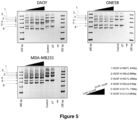
- Exon-skipping is achieved at various levels with different AOs targeting exon 2, 3, 4, 5, 6 in VEGF-A transcript in a triple-negative breast cancer cell line
- VEGF-A dominant isoforms such as 165 and 121 exon-2 were efficiently skipped at all concentrations, and VEGFA-2D (+7-18) (AO4 or Vexsa2) was found to be the best one in inducing exon 2-skipping ( Figure 4 ).
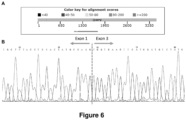
- the AO targets the region within the exon-2 and intron 2-3 junction.
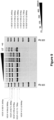
- a Western blot was then used to determine the protein level of VEGF-A after the AO treatment. Briefly, the protein samples were run on the SDS 10% gel and transferred to a nitrocellulose membrane. Then, the VEGF-A primary antibody (1:1000) and secondary HRP antibody (1:2000) were added to the iBind Flex Western Device for 2.5 hrs before visualized under chemiluminescent with the ECL substrate. The results indicated that the VEGF-A protein was downregulated in the treated samples and the effect was most obvious after 5 days-time point ( Figure 8A ). Densitometry analysis by Image J software revealed that at 5 days-time point, the VEGF protein was down-regulated 9%, 47% and 83% in comparison to the untreated sample ( Figure 8B ).
- Exon 2 is efficiently skipped in VEGF-A transcript when treated with the AOs (Vexsa2 and Vexsa2-PMO) in an in vitro angiogenesis model of human umbilical vein endothelial cell (HUVEC)
- HUVEC is a well-known in vitro angiogenesis model which is ideal to further evaluate the exon-skipping efficiency of the Vexsa2 AO.
- the cell line was obtained from Thermo Fisher Scientific and cultured in 20% FBS DMEM/F12 medium (ATCC) supplemented with low serum growth supplement (LSGS, Thermo Fisher Scientific). Once reach 70-90% confluency, cells were seeded at a density of 3 ⁇ 10 4 (cells/ml) into a 24 well-plate and incubated for 24 hrs before transfected with the Vexsa2 AO at 25, 50, 100, 200, 400 and 800nM concentrations using Lipofectamine 3000 following the manufacturer's protocol.
- Vexsa2-PMO was transfected into HUVEC cells at 500 and 2500nM final concentrations by nucleofection method using Primary P3 Nucleofection kit (Lonza, Waverley, VIC, Australia). Briefly, for each treatment, 3 ⁇ 10 5 cells were trypsinised, centrifuged and resuspended in Nucleofection master mix following manufacturer's protocol. Then, the cells were nucleofected with Vexsa2-PMO using program CA-167 by 4D-Nucleofector system X-unit (Lonza). Cells were collected at 48 hrs timepoints for further analysis.
- VEGF-A dominant isoforms such as 165, 121 and 189 exon-2 were efficiently skipped in HUVEC cell lines following a dose-dependent manner except the VEGF-A165 at 200nM ( Figure 9 and Table 4).
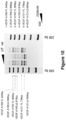
- the gel also demonstrated that at 48 hrs timepoint after nucleofected with the Vexsa2-PMO, VEGF-A dominant isoforms such as 189, 165 and 121 were efficiently skipped ( Figure 10 ).
- Exon 2 is efficiently skipped in VEGF-A transcript when treated with the AOs (Vexsa2 and Vexsa2-PMO) in a human retinal cell line h1RPE7
- Vexsa2-PMO was transfected into h1RPE7 cells at 500 and 2500nM final concentrations by nucleofection method using the abovementioned protocol except 6 ⁇ 10 5 cells were trypsinised and the program EA-104 was used. Cells were then collected at 48 hrs timepoints for further analysis.
- VEGF-A dominant isoforms such as 165, 121 and 189 exon-2 were efficiently skipped in h1RPE7 cell lines following a dose-dependent manner ( Figure 11 and Table 5).
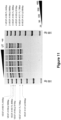
- the gel also demonstrated that at 48 hrs timepoint after nucleofected with the Vexsa2-PMO, VEGF-A dominant isoforms such as 189, 165 and 121 were efficiently skipped ( Figure 12 ).
- Table 5 Percentage of exon-2 skipping in h1RPE7 cell line h1RPE7 165 121 189 25nM 15 11 0.5 50nM 23 18 2 100nM 31 29 5 200nM 51 45 25 400nM 76 62 63
Landscapes
- Health & Medical Sciences (AREA)
- Life Sciences & Earth Sciences (AREA)
- Genetics & Genomics (AREA)
- Engineering & Computer Science (AREA)
- Chemical & Material Sciences (AREA)
- Molecular Biology (AREA)
- Biomedical Technology (AREA)
- Biotechnology (AREA)
- Biochemistry (AREA)
- General Health & Medical Sciences (AREA)
- Organic Chemistry (AREA)
- Zoology (AREA)
- Wood Science & Technology (AREA)
- Bioinformatics & Cheminformatics (AREA)
- General Engineering & Computer Science (AREA)
- Medicinal Chemistry (AREA)
- Veterinary Medicine (AREA)
- Public Health (AREA)
- Animal Behavior & Ethology (AREA)
- Epidemiology (AREA)
- Pharmacology & Pharmacy (AREA)
- Endocrinology (AREA)
- Physics & Mathematics (AREA)
- Biophysics (AREA)
- Plant Pathology (AREA)
- Microbiology (AREA)
- Pharmaceuticals Containing Other Organic And Inorganic Compounds (AREA)
- Medicines That Contain Protein Lipid Enzymes And Other Medicines (AREA)
Claims (12)
- Isoliertes oder gereinigtes Antisense-Oligonukleotid, das auf ein Nukleinsäuremolekül abzielt, das für den vaskulären endothelialen Wachstumsfaktor A (VEGF-A) pre-mRNA codiert, wobei das Antisense-Oligonukleotid die Nukleobasensequenz SEQ ID NO: 4, die ein modifiziertes Grundgerüst aufweist, und Sequenzen mit mindestens 95 % Sequenzidentität zu SEQ ID NO: 4, die ein modifiziertes Grundgerüst aufweist, aufweist, und wobei das Antisense-Oligonukleotid die Expression von menschlichem VEGF-A hemmt.
- Antisense-Oligonukleotid nach Anspruch 1, das alternatives Spleißen von VEGF-A pre-mRNA durch Exon-Skipping induziert.
- Antisense-Oligonukleotid nach Anspruch 1, wobei das Antisense-Oligonukleotid eine oder mehrere Nukleotidpositionen enthält, die einer alternativen Chemie oder Modifikation unterliegen, die aus der Liste ausgewählt ist, umfassend: (i) modifizierte Zuckereinheiten; (ii) Resistenz gegen RNase H; (iii) oligomere mimetische Chemie.
- Antisense-Oligonukleotid nach Anspruch 1, wobei das Antisense-Oligonukleotid ferner modifiziert ist durch:(i) chemische Konjugation mit einer Komponente und/oder(ii) Kennzeichnung mit einem zelldurchdringenden Peptid.
- Antisense-Oligonukleotid nach Anspruch 1, wobei, wenn ein Uracil in dem Antisense-Oligonukleotid vorhanden ist, das Uracil (U) des Antisense-Oligonukleotids durch ein Thymin (T) ersetzt ist.
- Antisense-Oligonukleotid nach Anspruch 1, das ein Phosphorodiamidat-Morpholino-Oligonukleotid oder ein 2'-O-Methyl-RNA-Oligonukleotid ist.
- In vitro-Verfahren zum Induzieren von alternativem Spleißen von VEGF-A pre-mRNA, das Verfahren umfassend die folgenden Schritte:a) Bereitstellen eines oder mehrerer der Antisense-Oligonukleotide nach einem der Ansprüche 1 bis 6; undb) Ermöglichen der Bindung des Oligonukleotids bzw der Oligonukleotide an eine Zielnukleinsäurestelle.
- Pharmazeutische, prophylaktische oder therapeutische Zusammensetzung, umfassend:a) ein oder mehrere Antisense-Oligonukleotide nach einem der Ansprüche 1 bis 6; undb) einen oder mehrere pharmazeutisch verträgliche Träger und/oder Verdünnungsmittel.
- Antisense-Oligonukleotid nach einem der Ansprüche 1 bis 6 oder eine pharmazeutische, prophylaktische oder therapeutische Zusammensetzung nach Anspruch 8 zur Verwendung bei der Behandlung, Vorbeugung oder Verbesserung der Wirkungen einer mit VEGF-A zugeordneten Krankheit, wobei die mit VEGF-A zugeordnete Krankheit ausgewählt ist aus soliden Tumorkarzinomen, altersbedingter Makuladegeneration (AMD), diabetischer Retinopathie (DR), rheumatoider Arthritis (RA) und diabetischem Makulaödem (DME).
- Antisense-Oligonukleotid oder eine pharmazeutische, prophylaktische oder therapeutische Zusammensetzung zur Verwendung nach Anspruch 9, wobei eine wirksame Menge des gereinigten und isolierten Antisense-Oligonukleotids oder der pharmazeutischen, prophylaktischen oder therapeutischen Zusammensetzung an ein Subjekt verabreicht wird.
- Expressionsvektor, umfassend das Antisense-Oligonukleotid nach einem der Ansprüche 1 bis 6.
- Kit zur Behandlung, Vorbeugung oder Verbesserung der Wirkungen einer Krankheit, die VEGF-A zugeordnet ist, in einem Subjekt, wobei das Kit mindestens ein Antisense-Oligonukleotid nach einem der Ansprüche 1 bis 6 umfasst, verpackt in einem geeigneten Behälter, zusammen mit Anweisungen für seine Verwendung.
Applications Claiming Priority (2)
| Application Number | Priority Date | Filing Date | Title |
|---|---|---|---|
| AU2018901653A AU2018901653A0 (en) | 2018-05-14 | Methods For Treating VEGF-Related Conditions | |
| PCT/AU2019/050438 WO2019217997A1 (en) | 2018-05-14 | 2019-05-10 | Methods for treating vegf-related conditions |
Publications (3)
| Publication Number | Publication Date |
|---|---|
| EP3762497A1 EP3762497A1 (de) | 2021-01-13 |
| EP3762497A4 EP3762497A4 (de) | 2022-08-03 |
| EP3762497B1 true EP3762497B1 (de) | 2025-03-05 |
Family
ID=68539112
Family Applications (1)
| Application Number | Title | Priority Date | Filing Date |
|---|---|---|---|
| EP19804091.7A Active EP3762497B1 (de) | 2018-05-14 | 2019-05-10 | Verfahren zur behandlung von mit vegf-assoziierten erkrankungen |
Country Status (4)
| Country | Link |
|---|---|
| US (1) | US11786611B2 (de) |
| EP (1) | EP3762497B1 (de) |
| AU (1) | AU2019271311B2 (de) |
| WO (1) | WO2019217997A1 (de) |
Families Citing this family (2)
| Publication number | Priority date | Publication date | Assignee | Title |
|---|---|---|---|---|
| IT202000019045A1 (it) * | 2020-08-03 | 2022-02-03 | St Fisioterapici Ospitalieri Ifo | Metodo per la diagnosi in vitro del rischio di recidiva e/o metastasi nei pazienti con tumore della mammella triplo negativo e relativo kit |
| WO2025067351A2 (en) * | 2023-09-27 | 2025-04-03 | Neuro3 Therapeutics, Inc. | Novel sirna constructs, therapeutics, and modifications |
Family Cites Families (26)
| Publication number | Priority date | Publication date | Assignee | Title |
|---|---|---|---|---|
| US6683A (en) | 1849-08-28 | And john w | ||
| US173A (en) | 1837-04-20 | Improvement in the manufacture of hat-bodies | ||
| US4458066A (en) | 1980-02-29 | 1984-07-03 | University Patents, Inc. | Process for preparing polynucleotides |
| US5149797A (en) | 1990-02-15 | 1992-09-22 | The Worcester Foundation For Experimental Biology | Method of site-specific alteration of rna and production of encoded polypeptides |
| US20020123476A1 (en) | 1991-03-19 | 2002-09-05 | Emanuele R. Martin | Therapeutic delivery compositions and methods of use thereof |
| US6806084B1 (en) | 1992-06-04 | 2004-10-19 | The Regents Of The University Of California | Methods for compositions for in vivo gene delivery |
| ATE330644T1 (de) | 1995-12-18 | 2006-07-15 | Angiotech Biomaterials Corp | Vernetzten polymerisatmassen und verfahren für ihre verwendung |
| US20020165174A1 (en) * | 1997-01-31 | 2002-11-07 | Gill Parkash S. | Methods and compositions for antisense VEGF oligonucleotides |
| CA2294988C (en) | 1997-07-01 | 2015-11-24 | Isis Pharmaceuticals Inc. | Compositions and methods for the delivery of oligonucleotides via the alimentary canal |
| CA2266805C (en) * | 1998-03-27 | 2015-04-28 | An-Go-Gen Inc. | Cell-based gene therapy in the treatment of pulmonary disorders |
| AU3243300A (en) | 1999-02-23 | 2000-09-14 | Isis Pharmaceuticals, Inc. | Multiparticulate formulation |
| CN1307303C (zh) * | 2000-01-19 | 2007-03-28 | 帕卡什·S·吉尔 | 针对反义vegf寡核苷酸的方法和组合物 |
| US6287860B1 (en) | 2000-01-20 | 2001-09-11 | Isis Pharmaceuticals, Inc. | Antisense inhibition of MEKK2 expression |
| US6965025B2 (en) | 2001-12-10 | 2005-11-15 | Isis Pharmaceuticals, Inc. | Antisense modulation of connective tissue growth factor expression |
| US20050244851A1 (en) * | 2004-01-13 | 2005-11-03 | Affymetrix, Inc. | Methods of analysis of alternative splicing in human |
| WO2008045576A2 (en) * | 2006-10-12 | 2008-04-17 | Yijia Liu | Compositions and methods of rnai therapeutics for treatment of cancer and other neovascularization diseases |
| US20100105134A1 (en) * | 2007-03-02 | 2010-04-29 | Mdrna, Inc. | Nucleic acid compounds for inhibiting gene expression and uses thereof |
| US20080286866A1 (en) * | 2007-03-02 | 2008-11-20 | Nastech Pharmaceutical Company Inc. | Nucleic acid compounds for inhibiting vegf gene expression and uses thereof |
| GB0704678D0 (en) * | 2007-03-09 | 2007-04-18 | Univ Bristol | Pro- and anti-angiogenic treatments |
| TW200927177A (en) * | 2007-10-24 | 2009-07-01 | Nat Inst Of Advanced Ind Scien | Lipid-modified double-stranded RNA having potent RNA interference effect |
| RU2501859C2 (ru) * | 2008-03-31 | 2013-12-20 | Нэшнл Инститьют Оф Эдванст Индастриал Сайенс Энд Текнолоджи | Модифицированная липидами двухцепочечная рнк, обладающая мощным эффектом рнк-интерференции |
| WO2009127230A1 (en) | 2008-04-16 | 2009-10-22 | Curevac Gmbh | MODIFIED (m)RNA FOR SUPPRESSING OR AVOIDING AN IMMUNOSTIMULATORY RESPONSE AND IMMUNOSUPPRESSIVE COMPOSITION |
| US8927511B2 (en) * | 2008-12-04 | 2015-01-06 | Curna, Inc. | Treatment of vascular endothelial growth factor (VEGF) related diseases by inhibition of natural antisense transcript to VEGF |
| WO2011139710A1 (en) * | 2010-04-26 | 2011-11-10 | Marina Biotech, Inc. | Nucleic acid compounds with conformationally restricted monomers and uses thereof |
| CN103930178B (zh) | 2011-08-25 | 2016-03-16 | Db装备有限公司 | 具有加强的侧壁和可变长度的装备包 |
| WO2016130691A1 (en) * | 2015-02-10 | 2016-08-18 | Duke University | Method of treating heart failure |
-
2019
- 2019-05-10 EP EP19804091.7A patent/EP3762497B1/de active Active
- 2019-05-10 WO PCT/AU2019/050438 patent/WO2019217997A1/en not_active Ceased
- 2019-05-10 US US16/982,704 patent/US11786611B2/en active Active
- 2019-05-10 AU AU2019271311A patent/AU2019271311B2/en active Active
Also Published As
| Publication number | Publication date |
|---|---|
| WO2019217997A1 (en) | 2019-11-21 |
| EP3762497A1 (de) | 2021-01-13 |
| US11786611B2 (en) | 2023-10-17 |
| AU2019271311B2 (en) | 2025-03-27 |
| EP3762497A4 (de) | 2022-08-03 |
| US20220241435A1 (en) | 2022-08-04 |
| AU2019271311A1 (en) | 2020-10-08 |
Similar Documents
| Publication | Publication Date | Title |
|---|---|---|
| US11459563B2 (en) | Treatment for NEAT1 associated disease | |
| EP3762497B1 (de) | Verfahren zur behandlung von mit vegf-assoziierten erkrankungen | |
| AU2019362923B2 (en) | Antisense therapy for PTP1B related conditions | |
| US20220290141A1 (en) | Antisense oligonucleotide therapy for cancer | |
| US20250368988A1 (en) | Compositions and Methods for Treating FUS Associated Diseases | |
| CA3138115A1 (en) | Treatment for sod1 associated disease | |
| CA3149735C (en) | Antisense oligonucleotide therapy for cancer | |
| US20250270548A1 (en) | Compositions and methods for treating tardbp associated diseases | |
| WO2025081230A1 (en) | Treatments for psoriasis | |
| WO2024107636A2 (en) | Thiomorpholino antisense oligonucleotides for the treatment of ptp1b related diseases | |
| WO2026025143A1 (en) | Antisense treatment for metabolic diseases | |
| WO2023087062A1 (en) | Method for treating cyclophilin b associated diseases | |
| WO2023087061A1 (en) | Method for treating cyclophilin d associated diseases | |
| CA3166000A1 (en) | Antisense oligomers and methods for treating parkin-related pathologies |
Legal Events
| Date | Code | Title | Description |
|---|---|---|---|
| STAA | Information on the status of an ep patent application or granted ep patent |
Free format text: STATUS: THE INTERNATIONAL PUBLICATION HAS BEEN MADE |
|
| PUAI | Public reference made under article 153(3) epc to a published international application that has entered the european phase |
Free format text: ORIGINAL CODE: 0009012 |
|
| STAA | Information on the status of an ep patent application or granted ep patent |
Free format text: STATUS: REQUEST FOR EXAMINATION WAS MADE |
|
| 17P | Request for examination filed |
Effective date: 20201008 |
|
| AK | Designated contracting states |
Kind code of ref document: A1 Designated state(s): AL AT BE BG CH CY CZ DE DK EE ES FI FR GB GR HR HU IE IS IT LI LT LU LV MC MK MT NL NO PL PT RO RS SE SI SK SM TR |
|
| AX | Request for extension of the european patent |
Extension state: BA ME |
|
| DAV | Request for validation of the european patent (deleted) | ||
| DAX | Request for extension of the european patent (deleted) | ||
| RIC1 | Information provided on ipc code assigned before grant |
Ipc: A61K 48/00 20060101ALI20220307BHEP Ipc: A61K 31/7125 20060101ALI20220307BHEP Ipc: A61K 31/712 20060101ALI20220307BHEP Ipc: C12N 15/113 20100101AFI20220307BHEP |
|
| A4 | Supplementary search report drawn up and despatched |
Effective date: 20220630 |
|
| RIC1 | Information provided on ipc code assigned before grant |
Ipc: A61K 48/00 20060101ALI20220624BHEP Ipc: A61K 31/7125 20060101ALI20220624BHEP Ipc: A61K 31/712 20060101ALI20220624BHEP Ipc: C12N 15/113 20100101AFI20220624BHEP |
|
| STAA | Information on the status of an ep patent application or granted ep patent |
Free format text: STATUS: EXAMINATION IS IN PROGRESS |
|
| 17Q | First examination report despatched |
Effective date: 20240326 |
|
| GRAP | Despatch of communication of intention to grant a patent |
Free format text: ORIGINAL CODE: EPIDOSNIGR1 |
|
| STAA | Information on the status of an ep patent application or granted ep patent |
Free format text: STATUS: GRANT OF PATENT IS INTENDED |
|
| INTG | Intention to grant announced |
Effective date: 20240925 |
|
| GRAS | Grant fee paid |
Free format text: ORIGINAL CODE: EPIDOSNIGR3 |
|
| GRAA | (expected) grant |
Free format text: ORIGINAL CODE: 0009210 |
|
| STAA | Information on the status of an ep patent application or granted ep patent |
Free format text: STATUS: THE PATENT HAS BEEN GRANTED |
|
| AK | Designated contracting states |
Kind code of ref document: B1 Designated state(s): AL AT BE BG CH CY CZ DE DK EE ES FI FR GB GR HR HU IE IS IT LI LT LU LV MC MK MT NL NO PL PT RO RS SE SI SK SM TR |
|
| REG | Reference to a national code |
Ref country code: GB Ref legal event code: FG4D |
|
| REG | Reference to a national code |
Ref country code: CH Ref legal event code: EP |
|
| REG | Reference to a national code |
Ref country code: DE Ref legal event code: R096 Ref document number: 602019066939 Country of ref document: DE |
|
| REG | Reference to a national code |
Ref country code: IE Ref legal event code: FG4D |
|
| PGFP | Annual fee paid to national office [announced via postgrant information from national office to epo] |
Ref country code: FR Payment date: 20250306 Year of fee payment: 7 |
|
| PGFP | Annual fee paid to national office [announced via postgrant information from national office to epo] |
Ref country code: GB Payment date: 20250306 Year of fee payment: 7 |
|
| PG25 | Lapsed in a contracting state [announced via postgrant information from national office to epo] |
Ref country code: RS Free format text: LAPSE BECAUSE OF FAILURE TO SUBMIT A TRANSLATION OF THE DESCRIPTION OR TO PAY THE FEE WITHIN THE PRESCRIBED TIME-LIMIT Effective date: 20250605 |
|
| PG25 | Lapsed in a contracting state [announced via postgrant information from national office to epo] |
Ref country code: FI Free format text: LAPSE BECAUSE OF FAILURE TO SUBMIT A TRANSLATION OF THE DESCRIPTION OR TO PAY THE FEE WITHIN THE PRESCRIBED TIME-LIMIT Effective date: 20250305 |
|
| PGFP | Annual fee paid to national office [announced via postgrant information from national office to epo] |
Ref country code: DE Payment date: 20250519 Year of fee payment: 7 |
|
| REG | Reference to a national code |
Ref country code: NL Ref legal event code: MP Effective date: 20250305 |
|
| PG25 | Lapsed in a contracting state [announced via postgrant information from national office to epo] |
Ref country code: ES Free format text: LAPSE BECAUSE OF FAILURE TO SUBMIT A TRANSLATION OF THE DESCRIPTION OR TO PAY THE FEE WITHIN THE PRESCRIBED TIME-LIMIT Effective date: 20250305 |
|
| REG | Reference to a national code |
Ref country code: LT Ref legal event code: MG9D |
|
| PG25 | Lapsed in a contracting state [announced via postgrant information from national office to epo] |
Ref country code: NO Free format text: LAPSE BECAUSE OF FAILURE TO SUBMIT A TRANSLATION OF THE DESCRIPTION OR TO PAY THE FEE WITHIN THE PRESCRIBED TIME-LIMIT Effective date: 20250605 |
|
| PG25 | Lapsed in a contracting state [announced via postgrant information from national office to epo] |
Ref country code: HR Free format text: LAPSE BECAUSE OF FAILURE TO SUBMIT A TRANSLATION OF THE DESCRIPTION OR TO PAY THE FEE WITHIN THE PRESCRIBED TIME-LIMIT Effective date: 20250305 |
|
| PG25 | Lapsed in a contracting state [announced via postgrant information from national office to epo] |
Ref country code: LV Free format text: LAPSE BECAUSE OF FAILURE TO SUBMIT A TRANSLATION OF THE DESCRIPTION OR TO PAY THE FEE WITHIN THE PRESCRIBED TIME-LIMIT Effective date: 20250305 |
|
| PG25 | Lapsed in a contracting state [announced via postgrant information from national office to epo] |
Ref country code: GR Free format text: LAPSE BECAUSE OF FAILURE TO SUBMIT A TRANSLATION OF THE DESCRIPTION OR TO PAY THE FEE WITHIN THE PRESCRIBED TIME-LIMIT Effective date: 20250606 Ref country code: BG Free format text: LAPSE BECAUSE OF FAILURE TO SUBMIT A TRANSLATION OF THE DESCRIPTION OR TO PAY THE FEE WITHIN THE PRESCRIBED TIME-LIMIT Effective date: 20250305 |
|
| REG | Reference to a national code |
Ref country code: AT Ref legal event code: MK05 Ref document number: 1772981 Country of ref document: AT Kind code of ref document: T Effective date: 20250305 |
|
| PG25 | Lapsed in a contracting state [announced via postgrant information from national office to epo] |
Ref country code: NL Free format text: LAPSE BECAUSE OF FAILURE TO SUBMIT A TRANSLATION OF THE DESCRIPTION OR TO PAY THE FEE WITHIN THE PRESCRIBED TIME-LIMIT Effective date: 20250305 |
|
| PG25 | Lapsed in a contracting state [announced via postgrant information from national office to epo] |
Ref country code: SE Free format text: LAPSE BECAUSE OF FAILURE TO SUBMIT A TRANSLATION OF THE DESCRIPTION OR TO PAY THE FEE WITHIN THE PRESCRIBED TIME-LIMIT Effective date: 20250305 |
|
| PG25 | Lapsed in a contracting state [announced via postgrant information from national office to epo] |
Ref country code: SM Free format text: LAPSE BECAUSE OF FAILURE TO SUBMIT A TRANSLATION OF THE DESCRIPTION OR TO PAY THE FEE WITHIN THE PRESCRIBED TIME-LIMIT Effective date: 20250305 |
|
| PG25 | Lapsed in a contracting state [announced via postgrant information from national office to epo] |
Ref country code: PT Free format text: LAPSE BECAUSE OF FAILURE TO SUBMIT A TRANSLATION OF THE DESCRIPTION OR TO PAY THE FEE WITHIN THE PRESCRIBED TIME-LIMIT Effective date: 20250707 |
|
| PG25 | Lapsed in a contracting state [announced via postgrant information from national office to epo] |
Ref country code: PL Free format text: LAPSE BECAUSE OF FAILURE TO SUBMIT A TRANSLATION OF THE DESCRIPTION OR TO PAY THE FEE WITHIN THE PRESCRIBED TIME-LIMIT Effective date: 20250305 Ref country code: IT Free format text: LAPSE BECAUSE OF FAILURE TO SUBMIT A TRANSLATION OF THE DESCRIPTION OR TO PAY THE FEE WITHIN THE PRESCRIBED TIME-LIMIT Effective date: 20250305 |
|
| PG25 | Lapsed in a contracting state [announced via postgrant information from national office to epo] |
Ref country code: AT Free format text: LAPSE BECAUSE OF FAILURE TO SUBMIT A TRANSLATION OF THE DESCRIPTION OR TO PAY THE FEE WITHIN THE PRESCRIBED TIME-LIMIT Effective date: 20250305 |
|
| PG25 | Lapsed in a contracting state [announced via postgrant information from national office to epo] |
Ref country code: CZ Free format text: LAPSE BECAUSE OF FAILURE TO SUBMIT A TRANSLATION OF THE DESCRIPTION OR TO PAY THE FEE WITHIN THE PRESCRIBED TIME-LIMIT Effective date: 20250305 Ref country code: EE Free format text: LAPSE BECAUSE OF FAILURE TO SUBMIT A TRANSLATION OF THE DESCRIPTION OR TO PAY THE FEE WITHIN THE PRESCRIBED TIME-LIMIT Effective date: 20250305 |
|
| PG25 | Lapsed in a contracting state [announced via postgrant information from national office to epo] |
Ref country code: RO Free format text: LAPSE BECAUSE OF FAILURE TO SUBMIT A TRANSLATION OF THE DESCRIPTION OR TO PAY THE FEE WITHIN THE PRESCRIBED TIME-LIMIT Effective date: 20250305 |
|
| PG25 | Lapsed in a contracting state [announced via postgrant information from national office to epo] |
Ref country code: SK Free format text: LAPSE BECAUSE OF FAILURE TO SUBMIT A TRANSLATION OF THE DESCRIPTION OR TO PAY THE FEE WITHIN THE PRESCRIBED TIME-LIMIT Effective date: 20250305 |
|
| PG25 | Lapsed in a contracting state [announced via postgrant information from national office to epo] |
Ref country code: IS Free format text: LAPSE BECAUSE OF FAILURE TO SUBMIT A TRANSLATION OF THE DESCRIPTION OR TO PAY THE FEE WITHIN THE PRESCRIBED TIME-LIMIT Effective date: 20250705 |
|
| REG | Reference to a national code |
Ref country code: DE Ref legal event code: R097 Ref document number: 602019066939 Country of ref document: DE |
|
| REG | Reference to a national code |
Ref country code: CH Ref legal event code: H13 Free format text: ST27 STATUS EVENT CODE: U-0-0-H10-H13 (AS PROVIDED BY THE NATIONAL OFFICE) Effective date: 20251223 |
|
| PLBE | No opposition filed within time limit |
Free format text: ORIGINAL CODE: 0009261 |
|
| STAA | Information on the status of an ep patent application or granted ep patent |
Free format text: STATUS: NO OPPOSITION FILED WITHIN TIME LIMIT |
|
| PG25 | Lapsed in a contracting state [announced via postgrant information from national office to epo] |
Ref country code: DK Free format text: LAPSE BECAUSE OF FAILURE TO SUBMIT A TRANSLATION OF THE DESCRIPTION OR TO PAY THE FEE WITHIN THE PRESCRIBED TIME-LIMIT Effective date: 20250305 |
|
| REG | Reference to a national code |
Ref country code: CH Ref legal event code: L10 Free format text: ST27 STATUS EVENT CODE: U-0-0-L10-L00 (AS PROVIDED BY THE NATIONAL OFFICE) Effective date: 20260114 |
|
| PG25 | Lapsed in a contracting state [announced via postgrant information from national office to epo] |
Ref country code: LU Free format text: LAPSE BECAUSE OF NON-PAYMENT OF DUE FEES Effective date: 20250510 |
|
| PG25 | Lapsed in a contracting state [announced via postgrant information from national office to epo] |
Ref country code: CH Free format text: LAPSE BECAUSE OF NON-PAYMENT OF DUE FEES Effective date: 20250531 |
|
| REG | Reference to a national code |
Ref country code: BE Ref legal event code: MM Effective date: 20250531 |
|
| PG25 | Lapsed in a contracting state [announced via postgrant information from national office to epo] |
Ref country code: MC Free format text: LAPSE BECAUSE OF FAILURE TO SUBMIT A TRANSLATION OF THE DESCRIPTION OR TO PAY THE FEE WITHIN THE PRESCRIBED TIME-LIMIT Effective date: 20250305 |
|
| 26N | No opposition filed |
Effective date: 20251208 |