EP3760706A1 - Transformant, and method using said transformant to detect presence or absence of reduced phosphorous compound - Google Patents
Transformant, and method using said transformant to detect presence or absence of reduced phosphorous compound Download PDFInfo
- Publication number
- EP3760706A1 EP3760706A1 EP19761315.1A EP19761315A EP3760706A1 EP 3760706 A1 EP3760706 A1 EP 3760706A1 EP 19761315 A EP19761315 A EP 19761315A EP 3760706 A1 EP3760706 A1 EP 3760706A1
- Authority
- EP
- European Patent Office
- Prior art keywords
- protein
- transformant
- phosphate
- seq
- signal peptide
- Prior art date
- Legal status (The legal status is an assumption and is not a legal conclusion. Google has not performed a legal analysis and makes no representation as to the accuracy of the status listed.)
- Pending
Links
Images



Classifications
-
- C—CHEMISTRY; METALLURGY
- C12—BIOCHEMISTRY; BEER; SPIRITS; WINE; VINEGAR; MICROBIOLOGY; ENZYMOLOGY; MUTATION OR GENETIC ENGINEERING
- C12Q—MEASURING OR TESTING PROCESSES INVOLVING ENZYMES, NUCLEIC ACIDS OR MICROORGANISMS; COMPOSITIONS OR TEST PAPERS THEREFOR; PROCESSES OF PREPARING SUCH COMPOSITIONS; CONDITION-RESPONSIVE CONTROL IN MICROBIOLOGICAL OR ENZYMOLOGICAL PROCESSES
- C12Q1/00—Measuring or testing processes involving enzymes, nucleic acids or microorganisms; Compositions therefor; Processes of preparing such compositions
- C12Q1/02—Measuring or testing processes involving enzymes, nucleic acids or microorganisms; Compositions therefor; Processes of preparing such compositions involving viable microorganisms
- C12Q1/04—Determining presence or kind of microorganism; Use of selective media for testing antibiotics or bacteriocides; Compositions containing a chemical indicator therefor
- C12Q1/06—Quantitative determination
-
- C—CHEMISTRY; METALLURGY
- C07—ORGANIC CHEMISTRY
- C07K—PEPTIDES
- C07K14/00—Peptides having more than 20 amino acids; Gastrins; Somatostatins; Melanotropins; Derivatives thereof
- C07K14/195—Peptides having more than 20 amino acids; Gastrins; Somatostatins; Melanotropins; Derivatives thereof from bacteria
-
- C—CHEMISTRY; METALLURGY
- C12—BIOCHEMISTRY; BEER; SPIRITS; WINE; VINEGAR; MICROBIOLOGY; ENZYMOLOGY; MUTATION OR GENETIC ENGINEERING
- C12N—MICROORGANISMS OR ENZYMES; COMPOSITIONS THEREOF; PROPAGATING, PRESERVING, OR MAINTAINING MICROORGANISMS; MUTATION OR GENETIC ENGINEERING; CULTURE MEDIA
- C12N1/00—Microorganisms; Compositions thereof; Processes of propagating, maintaining or preserving microorganisms or compositions thereof; Processes of preparing or isolating a composition containing a microorganism; Culture media therefor
- C12N1/12—Unicellular algae; Culture media therefor
-
- C—CHEMISTRY; METALLURGY
- C12—BIOCHEMISTRY; BEER; SPIRITS; WINE; VINEGAR; MICROBIOLOGY; ENZYMOLOGY; MUTATION OR GENETIC ENGINEERING
- C12N—MICROORGANISMS OR ENZYMES; COMPOSITIONS THEREOF; PROPAGATING, PRESERVING, OR MAINTAINING MICROORGANISMS; MUTATION OR GENETIC ENGINEERING; CULTURE MEDIA
- C12N15/00—Mutation or genetic engineering; DNA or RNA concerning genetic engineering, vectors, e.g. plasmids, or their isolation, preparation or purification; Use of hosts therefor
- C12N15/09—Recombinant DNA-technology
- C12N15/11—DNA or RNA fragments; Modified forms thereof; Non-coding nucleic acids having a biological activity
- C12N15/52—Genes encoding for enzymes or proenzymes
-
- C—CHEMISTRY; METALLURGY
- C12—BIOCHEMISTRY; BEER; SPIRITS; WINE; VINEGAR; MICROBIOLOGY; ENZYMOLOGY; MUTATION OR GENETIC ENGINEERING
- C12N—MICROORGANISMS OR ENZYMES; COMPOSITIONS THEREOF; PROPAGATING, PRESERVING, OR MAINTAINING MICROORGANISMS; MUTATION OR GENETIC ENGINEERING; CULTURE MEDIA
- C12N15/00—Mutation or genetic engineering; DNA or RNA concerning genetic engineering, vectors, e.g. plasmids, or their isolation, preparation or purification; Use of hosts therefor
- C12N15/09—Recombinant DNA-technology
- C12N15/63—Introduction of foreign genetic material using vectors; Vectors; Use of hosts therefor; Regulation of expression
- C12N15/74—Vectors or expression systems specially adapted for prokaryotic hosts other than E. coli, e.g. Lactobacillus, Micromonospora
-
- C—CHEMISTRY; METALLURGY
- C12—BIOCHEMISTRY; BEER; SPIRITS; WINE; VINEGAR; MICROBIOLOGY; ENZYMOLOGY; MUTATION OR GENETIC ENGINEERING
- C12N—MICROORGANISMS OR ENZYMES; COMPOSITIONS THEREOF; PROPAGATING, PRESERVING, OR MAINTAINING MICROORGANISMS; MUTATION OR GENETIC ENGINEERING; CULTURE MEDIA
- C12N9/00—Enzymes; Proenzymes; Compositions thereof; Processes for preparing, activating, inhibiting, separating or purifying enzymes
- C12N9/0004—Oxidoreductases (1.)
-
- C—CHEMISTRY; METALLURGY
- C12—BIOCHEMISTRY; BEER; SPIRITS; WINE; VINEGAR; MICROBIOLOGY; ENZYMOLOGY; MUTATION OR GENETIC ENGINEERING
- C12Y—ENZYMES
- C12Y120/00—Oxidoreductases acting on phosphorus or arsenic in donors (1.20)
- C12Y120/01—Oxidoreductases acting on phosphorus or arsenic in donors (1.20) with NAD+ or NADP+ as acceptor (1.20.1)
- C12Y120/01001—Phosphonate dehydrogenase (1.20.1.1)
Definitions
- the present invention relates to a transformant and a method for detecting the presence of a reduced phosphorous compound with use of the transformant.
- genetically modified organisms applicable to various uses have been prepared.
- the genetically modified organisms thus prepared are expected to be used for the purpose of, for example, oral vaccines or improvement of natural environment.
- Non-Patent Literature 1 is a specific example which discloses the method.
- Non-Patent Literature 1 discloses that the inventors of the present application modified the metabolism of Escherichia coli ( E. coli ) such that the growth of the E . coli depends on phosphite, whose presence is rare in the environment, and the inventors thus successfully prepared an E . coli transformant by which the highest level of containment effect known is obtained.
- Non-Patent Literature 1 Ryuichi Hirota et. al., A Novel Biocontainment Strategy Makes Bacterial Growth and Survival Dependent on Phosphite, Scientific RepoRts, 20 March 2017
- the transformant developed by the inventors of the present application enables obtaining a high containment effect and reducing cost for proliferation of the transformant, in contrast to a conventional transformant that has been made to be auxotrophic.
- development of transformants, whose proliferation depends on phosphite, of various host organisms not confined to E . coli is expected, as well as development of means for reliably selecting an appropriate place (i.e., a place where no phosphite compound is included) in nature and culturing the transformant only in that place.
- the inventors of the present application tried to apply the technique of preparing the E . coli transformant to other hosts, but could not obtain a desired transformant with use of the other hosts. As a result of diligent study, the inventors of the present application found that localization of a particular protein to be expressed in a host is involved in whether or not a desired transformant is successfully prepared. Based on this finding, the inventors of the present application made the present invention.
- a transformant in accordance with an aspect of the present invention is a transformant which is defective in functions of a gene encoding a phosphate transporter protein and a gene encoding a phosphate ester transporter protein and into which a gene encoding a hypophosphite transporter protein is introduced, the transformant being incapable of utilizing phosphate for proliferation but capable of utilizing phosphite for proliferation, the hypophosphite transporter protein including a hypophosphite binding protein as a constituent element, a signal peptide of the hypophosphite binding protein being substituted with a signal peptide derived from a host or a species of organism closely related to the host.
- a method for detecting the presence of a reduced phosphorous compound in accordance with an aspect of the present invention is a method for detecting the presence of a reduced phosphorous compound in a culture medium which is a detection target, the method including the steps of: culturing a transformant in accordance with an aspect of the present invention, with use of a culture medium as a detection target; and detecting whether or not the transformant proliferated in the step of culturing.
- a signal peptide of a hypophosphite transporter protein which is a constituent element of a hypophosphite transporter protein, is substituted with a signal peptide derived from a host or a species of organism closely related to the host.
- This enables a function of the hypophosphite transporter protein to be reliably expressed in the host. Accordingly, it is possible to provide transformants, whose proliferation depends on phosphite and by which a high containment effect is obtained, of various species of organism.
- a transformant in accordance with an aspect of the present invention makes it possible to reduce cost for proliferation of the transformant, since the transformant is cultured by use of an inexpensive reduced phosphorous compound.
- a transformant in accordance with an aspect of the present invention makes it possible to reduce cost for proliferation of the transformant, since the transformant is cultured without use of an expensive antibiotic substance.
- a method for detecting the presence of a reduced phosphorous compound in accordance with an aspect of the present invention makes it possible to provide a method for detecting the presence of a reduced phosphorous compound which method uses a transformant whose proliferation depends on an inexpensive reduced phosphorous compound, and thus enables eliminating the need for a complicated step and reducing cost for proliferation of the transformant.
- a reduced phosphorous compound e.g., phosphite and hypophosphite
- phosphite and hypophosphite are absent or if any, only a very small amount of reduced phosphorous compound is present.
- the transformant cannot proliferate in nature even if the transformant leaks into nature.
- the inventors of the present application focused on this point and prepared a transformant whose proliferation does not depend on phosphate but depends on a reduced phosphorous compound. As a result, the inventors of the present application successfully provided a transformant by which a high containment effect is obtained.
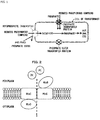
- Fig. 1 is a diagram illustrating a structure of a transformant of an aspect of the present invention. As illustrated in Fig. 1 , a phosphate transporter protein and a phosphate ester transporter protein are basically present in organisms.
- the phosphate transporter protein is a protein for uptake of phosphate and a reduced phosphorous compound into cells.
- the phosphate ester transporter protein is a protein for uptake of phosphate ester into cells. Note that when phosphate ester is taken into cells, the phosphate ester is indirectly utilized as a phosphorus source (P source) in a metabolic system of the cells.
- phosphate When phosphate is supplied from nature to cells, a transformant proliferates in nature dependently on the phosphate. To prevent this, the inventors of the present application first caused functions of both of the phosphate transporter protein and the phosphate ester transporter protein to be defective in the transformant. As a result, the inventors successfully prevented supply of phosphate from nature to cells of the transformant.
- hypophosphite transporter protein encoded by HtxBCDE gene or HtxBCD gene
- HtxBCDE gene or HtxBCD gene
- the inventors of the present application prepared a transformant capable of utilizing only a reduced phosphorous compound, by causing a function of a phosphate transport system of a host to be defective and introducing HtxBCDE gene (or HtxBCD gene) into the host. If the transformant expresses HtxBCDE protein (or HtxBCD protein), the transformant can take only a reduced phosphorous compound into cells. The reduced phosphorous compound is converted to phosphate in a metabolic system of cells. Then, the transformant can proliferate by utilizing the phosphate.
- the above-described transformant invented by the inventors of the present application is prepared without the need of a complicated step and enables reducing cost for proliferation of the transformant, in contrast to a conventional transformant (specifically, an E . coli transformant) that has been made to be auxotrophic. Further, a high containment effect is obtained by the transformant. As such, development of transformants, whose proliferation depends on a reduced phosphorous compound, of various host organisms including E . coli was expected.
- microalgae examples of organisms, other than E . coli, with respect to which the preparation of the transformants is expected include microalgae, which is a typical example of prokaryote. Microalgae proliferate faster than plants and are capable of synthesizing various useful substances while fixing carbon dioxide. Further, microalgae are capable of producing substances having low environmental impact. For the above reasons, microalgae are expected to be utilized as a host. Further, with the advancement of genetic modification technology, modified microalgae having various useful characters are expected to be developed and commercially used.
- cyanobacteria which is a typical example of prokaryote
- the inventors of the present application tried to prepare the transformant by subjecting cyanobacteria to the following three steps: (i) causing functions of a phosphate transporter protein and a phosphate ester transporter protein to be defective, (ii) introducing a phosphite dehydrogenase protein which converts phosphite into phosphate, and (iii) expressing HtxBCDE protein (or HtxBCD protein).
- HtxBCDE protein or HtxBCD protein
- Fig. 2 is a diagram of a structure of each of HtxBCDE protein and HtxBCD protein bound to a membrane, the structure being schematically illustrated for convenience of explanation.
- the HtxBCDE protein and the HtxBCD protein are each a membrane-bound protein complex which is composed of HtxB protein, HtxC protein, and HtxD protein, and optionally further includes HtxE protein (not illustrated).
- HtxB is a protein which is localized in periplasm on an outer side of a cell membrane.
- HtxC is a protein which is bound to a cell membrane.
- HtxD is a protein which is present in cytoplasm and has an ATPase activity. As illustrated in Fig. 2 , HtxB among these proteins is bound to phosphite (Pt in Fig. 2 ) in a substrate.
- HtxB protein could not be localized in an appropriate place (specifically, periplasm) (see a portion on the left of a broken line arrow in Fig. 2 ), and this prevented functions of HtxBCDE protein and HtxBCD protein from being expressed.
- a portion on the right of the broken line arrow in Fig. 2 represents localization of HtxB when functions of HtxBCDE protein and HtxBCD protein are expressed.
- the inventors of the present application formed and tested a hypothesis that substituting a sequence of a signal peptide in a sequence of HtxB protein with a sequence of a signal peptide derived from a host and causing the HtxBCDE protein containing the HtxB protein in which the substitution has been made to be expressed in cyanobacteria would allow the HtxB protein to be localized appropriately in periplasm of the cyanobacteria.
- the inventors of the present application carried out the above-described steps (i) and (ii) and also the following step as the above-described step (iii). That is, the inventors substituted a sequence of a signal peptide of HtxB protein in a sequence of HtxBCDE protein with a signal peptide of a periplasmic protein derived from microalgae.
- a signal peptide sequence of periplasmic protein PtxB included in Anabaena ( Anabaena sp. PCC7120), which is a type of cyanobacteria was substituted with a sequence of a signal peptide of HtxB protein.
- a transformant in accordance with the present embodiment of the present invention is a transformant which is defective in functions of a gene encoding a phosphate transporter protein and a gene encoding a phosphate ester transporter protein and into which a gene encoding a hypophosphite transporter protein is introduced, the transformant being incapable of utilizing phosphate for proliferation but capable of utilizing phosphite for proliferation, the hypophosphite transporter protein including a hypophosphite binding protein as a constituent element, a signal peptide of the hypophosphite binding protein being substituted with a signal peptide derived from a host or a species of organism closely related to the host.
- a "species of organism closely related to a host” means, for example, an organism belonging to the same genus as a host.
- Examples of a host of the transformant in accordance with the present embodiment encompass prokaryotes (specifically, E . coli, microalgae, and the like), eukaryotes (yeast and the like).
- the host is of course not limited to these examples.
- a transformant in accordance with an embodiment of the present invention can be prepared by manipulation of a small number of genes. Therefore, any organism (e.g., microorganism) can be the host.
- E . coli used as the host encompass K-12 strain, BL21 strain, and the like.
- microalgae examples encompass cyanobacteria, Euglena, diatoms, Botryococcus, and the like.
- Examples of the cyanobacteria used as the host encompass Anabaena sp. PCC7120, Synechocystis sp., Synechococcus sp., and the like.
- phosphate transporter protein herein means a protein which has activity to take both phosphate and a reduced phosphorous compound into cells.
- phosphate ester transporter protein herein means a protein which has activity to take phosphate ester into cells.
- the transformant which is defective in the functions of the gene encoding a phosphate transporter protein and the gene encoding a phosphate ester transporter protein, can be prepared by artificially mutating a host.
- the transformant may be prepared by using a host which originally has neither of the functions of the gene encoding a phosphate transporter protein and the gene encoding a phosphate ester transporter protein (e.g., a host having a genome in which both the gene encoding a phosphate transporter protein and the gene encoding a phosphate ester transporter protein are absent, or a host which expresses neither a phosphate transporter protein nor a phosphate ester transporter protein).
- phosphate transporter protein and different types of phosphate ester transporter protein exist in cells of different species of organism. Therefore, there is no limitation to particular types of phosphate transporter protein and phosphate ester transporter protein which have functions defective in the transformant in accordance with the present embodiment. It is possible to determine as appropriate, depending on a host, the gene encoding a phosphate transporter protein and the gene encoding a phosphate ester transporter protein, which genes have functions that are caused to be defective in the host.
- a host of the transformant is cyanobacteria ( Synechococcus elongatus PCC7942, hereinafter referred to as "7942 strain")
- examples of a phosphate transporter protein whose function is to be made defective encompass pit, sphX-pstSCAB, and the like.
- genome data (cyanobase: http://genome.microbedb.jp/cyanobase/) of PCC 7942 strain published in Kazusa Genome Resource suggests that the pit protein and the sphX-pstSCAB protein are phosphate transporter proteins present in PCC 7942 strain.
- the Pit protein is (1) a protein consisting of an amino acid sequence of SEQ ID NO: 2, (2) a protein (i) consisting of an amino acid sequence obtained by deletion, substitution, or addition of one or several amino acids in the amino acid sequence of SEQ ID NO: 2 and (ii) functioning as a phosphate transporter, (3) a protein encoded by a gene consisting of a polynucleotide consisting of a base sequence of SEQ ID NO: 1, or (4) a protein encoded by a gene consisting of a polynucleotide (i) being hybridizable, under a stringent condition, with DNA consisting of a base sequence complementary to the base sequence of SEQ ID NO: 1 and (ii) encoding a protein which has phosphate transport activity.
- the sphX-pstSCAB protein is composed of sphX, pstS, pstC, pstA, and pstB proteins.
- the sphX protein may be (5) a protein consisting of an amino acid sequence of SEQ ID NO: 16 or (6) a protein (i) consisting of an amino acid sequence obtained by deletion, substitution, or addition of one or several amino acids in the amino acid sequence of SEQ ID NO: 16 and (ii) functioning as a phosphate transporter together with the pstS, pstC, pstA, and pstB proteins;
- the pstS protein may be (7) a protein consisting of an amino acid sequence of SEQ ID NO: 34 or (8) a protein (i) consisting of an amino acid sequence obtained by deletion, substitution, or addition of one or several amino acids in the amino acid sequence of SEQ ID NO: 34 and (ii) functioning as a phosphate transporter together with the sphX, pstC, pstA, and pstB proteins;
- the pstC protein may be (9) a protein consisting of an amino acid sequence of SEQ
- the above sphX-pstSCAB gene is composed of polynucleotides respectively encoding the sphX, pstS, pstA, pstC, and pstB proteins constituting the phosphate transporter. That is, the sphX-pstSCAB protein may be a protein encoded by the sphX-pstSCAB gene.
- the polynucleotide encoding the sphX protein may be (15) a nucleotide consisting of a base sequence of SEQ ID NO: 15 or (16) a nucleotide (i) being hybridizable, under a stringent condition, with a base sequence complementary to the polynucleotide consisting of the base sequence of SEQ ID NO: 15 and (ii) encoding a protein functioning as a phosphate transporter together with the pstS, pstC, pstA, and pstB proteins;
- the polynucleotide encoding the pstS protein may be (17) a nucleotide consisting of a base sequence of SEQ ID NO: 33 or (18) a nucleotide (i) being hybridizable, under a stringent condition, with a base sequence complementary to the polynucleotide consisting of the base sequence of SEQ ID NO: 33 and (ii) encoding
- Whether a protein has phosphate transport activity can be checked by (i) introducing a gene encoding a chosen protein in an expressible manner into an organism that is defective in the functions of the gene encoding a phosphate transporter protein and the gene encoding a phosphate ester transporter protein and (ii) causing the organism to proliferate in culture media containing various phosphorus sources. If the organism proliferates in a culture medium containing phosphate, it can be determined that the above protein has phosphate transport activity.
- a protein has phosphate ester transport activity can be checked by (i) introducing a gene encoding a chosen protein in an expressible manner into an organism that is defective in the functions of the gene encoding a phosphate transporter protein and the gene encoding a phosphate ester transporter protein and (ii) causing the organism to proliferate in culture media containing various phosphorus sources. If the organism proliferates in a culture medium containing phosphate ester, it can be determined that the above protein has phosphate ester transport activity.
- a transformant that is defective in a function of a gene encoding a phosphate transporter protein can be used. It is known that in E . coli, there are four phosphate transporter proteins including PitA, PitB, PstSCAB, and PhnCDE. As a strain in which genes encoding the above-described four phosphate transporter proteins and a gene encoding phoA protein are disrupted, MT2012 strain ( ⁇ pitA, ⁇ pitB, ⁇ phnC, ⁇ pstSCABphoU, ⁇ phoA) has been previously prepared ( Motomura, K. et al. Overproduction of YjbB reduces the level of polyphosphate in Escherichia coli: a hypothetical role of YjbB in phosphate export and polyphosphate accumulation. FEMS microbiology letters 320, 25-32, 2011 ).
- hypophosphite transporter protein herein means a protein which has activity to take phosphite or hypophosphite into cells.
- examples of the hypophosphite transporter protein encompass HtxBCDE protein, HtxBCD protein, and the like.
- the gene encoding the HtxBCDE protein and the gene encoding the HtxBCD protein may be each a gene derived from Pseudomonas stutzeri WM88.
- the HtxBCDE protein is a protein complex composed of HtxB, HtxC, HtxD, and HtxE.
- the hypophosphite transporter protein includes a hypophosphite binding protein as a constituent element, a signal peptide of the hypophosphite binding protein being substituted with a signal peptide derived from a host or a species of organism closely related to the host.
- hypophosphite binding protein herein means a protein which has binding capacity with respect to a substrate (specifically, phosphate or phosphite).
- a sequence of the "signal peptide derived from a host or a species of organism closely related to the host” it is possible to employ a sequence of a signal peptide of a periplasmic protein (e.g., ptxB protein) of Anabaeba ( Anabaena sp. PCC7120, hereinafter referred to as "7120 strain"), which is a type of cyanobacteria, in a case where, for example, (i) the host is cyanobacteria (7942 strain) and (ii) the hypophosphite transporter protein is HtxBCDE protein or HtxBCD protein.
- a transformant in accordance with an embodiment of the present invention.
- the host may be various prokaryotes not confined to cyanobacteria.
- E . coli e.g., K-12 strain, BL21 strain, or the like
- hypophosphite transporter protein is HtxBCDE
- a signal peptide of a periplasmic protein e.g., PtxB protein or the like
- Ralstonia Ralstonia sp. 4506, hereinafter referred to as "4506 strain
- hypophosphite transporter protein in accordance with the present embodiment may be composed of HtxB protein (in which a signal peptide has been substituted), HtxC protein, and HtxD protein, and may optionally further include HtxE protein which serves as a cell membrane-bound protein.
- a sequence of a signal peptide of a periplasmic protein PtxB derived from Anabaena may be (25) a protein consisting of an amino acid sequence of SEQ ID NO: 54 or (26) a protein (i) consisting of an amino acid sequence obtained by deletion, substitution, or addition of one or several amino acids in the amino acid sequence of SEQ ID NO: 54 and (ii) having activity as a signal peptide of a periplasmic protein.
- a nucleotide encoding a signal peptide of a periplasmic protein PtxB derived from Anabaena may be (27) a polynucleotide consisting of a base sequence of SEQ ID NO: 55 or (28) a nucleotide (i) being hybridizable, under a stringent condition, with a base sequence complementary to the polynucleotide consisting of the base sequence of SEQ ID NO: 55 and (ii) encoding a protein having activity as a signal peptide of a periplasmic protein.
- the above-described HtxB protein in which the sequence of a signal peptide has been substituted with the sequence of the signal peptide of the periplasmic protein PtxB derived from Anabaena may be, for example, (29) a protein consisting of an amino acid sequence of SEQ ID NO: 6 or (30) a protein (i) consisting of an amino acid sequence obtained by deletion, substitution, or addition of one or several amino acids in the amino acid sequence of SEQ ID NO: 6 and (ii) functioning as a hypophosphite transporter together with the HtxC protein and the HtxD protein or with the HtxC protein, the HtxD protein, and the HtxE protein;
- the HtxC protein may be (31) a protein consisting of an amino acid sequence of SEQ ID NO: 8 or (32) a protein (i) consisting of an amino acid sequence obtained by deletion, substitution, or addition of one or several amino acids in the amino acid sequence of SEQ ID NO: 8 and (ii) functioning as
- the above-described HtxBCDE gene is composed of polynucleotides respectively encoding the HtxB, HtxC, HtxD, and HtxE proteins.
- the polynucleotide encoding the HtxB protein may be (37) a nucleotide consisting of a base sequence of SEQ ID NO: 5 or (38) a nucleotide (i) being hybridizable, under a stringent condition, with a base sequence complementary to the polynucleotide consisting of the base sequence of SEQ ID NO: 5 and (ii) encoding a protein functioning as a hypophosphite transporter together with the HtxC protein and the HtxD protein or with the HtxC protein, the HtxD protein, and the HtxE protein;
- the polynucleotide encoding the HtxC protein may be (39) a nucleotide consisting of a base sequence of SEQ ID NO: 7 or (40) a nucleotide (i) being hybridizable, under a stringent condition, with a base sequence complementary to the polynucleotide consisting of the base sequence of SEQ ID
- HtxE protein is a protein which serves as a cell membrane-bound protein.
- HtxBCD protein which is a part of the above-described HtxBCDE protein excluding the HtxE protein can be utilized as a hypophosphite transporter protein.
- a signal peptide of a hypophosphite binding protein which is a constituent element of the hypophosphite transporter protein, is substituted with a signal peptide derived from a host or a species of organism closely related to the host, by genetic modification which may be a well-known method.
- a gene encoding a phosphite dehydrogenase protein can be further introduced.
- the reduced phosphorous compound taken into cells can be efficiently converted to phosphate. This allows the transformant in accordance with an embodiment of the present invention to proliferate better dependently on phosphite.
- the gene encoding a phosphite dehydrogenase protein can be a gene derived from Pseudomonas stutzeri WM88 (e.g., PtxD gene).
- the phosphite dehydrogenase protein can be a protein consisting of the following protein (45) or (46), a protein including, as at least part thereof, the following protein (45) or (46), a protein consisting of a protein encoded by a gene consisting of the following polynucleotide (47) or (48), or a protein including, as at least part thereof, the protein encoded by the gene consisting of the following polynucleotide (47) or (48):
- Whether a protein has phosphite dehydrogenase activity can be checked on the basis of whether or not the protein produces HPO 4 2- by NADP + dependently or NADP + dependently oxidizing phosphite. More specifically, it can be determined that a chosen protein has phosphite dehydrogenase activity, if HPO 4 2- is produced after the chosen protein, HPO 3 2- , and NAD + or NADP + are mixed together.
- the transformant in accordance with an embodiment of the present invention may be preferably further defective in a function of a gene encoding an alkaline phosphatase protein (e.g., PhoA gene).
- the alkaline phosphatase protein acts to convert, to phosphate, phosphite which is present outside the cells, and to thereby decrease a phosphite concentration outside the cells.
- an alkaline phosphatase protein of a species of organism other than E . coli may have the above-described activity, similarly to the alkaline phosphatase protein of E . coli.
- the transformant defective in the function of the gene encoding an alkaline phosphatase protein can keep the phosphite concentration outside the cells high. Accordingly, with this configuration, an amount of the reduced phosphorous compound taken into cells can be increased. This consequently allows the transformant in accordance with an embodiment of the present invention to grow better dependently on the reduced phosphorous compound.
- alkaline phosphatase protein exists in cells of different species of organism. Therefore, there is no limitation to a particular type of alkaline phosphatase protein which has a function defective in the transformant in accordance with the present embodiment. It is possible to determine as appropriate, depending on a host, the gene encoding an alkaline phosphatase protein, which gene has a function that is caused to be defective in the host.
- the alkaline phosphatase protein can be a protein consisting of a protein encoded by a gene consisting of the following polynucleotide (49) or (50), a protein including, as at least part thereof, a protein encoded by a gene consisting of the following polynucleotide (49) or (50), a protein consisting of the following protein (51) or (52), or a protein including, as at least part thereof, the following protein (51) or (52):
- an amino acid sequence obtained by deletion, substitution, or addition of one or several amino acids a position where one or several amino acids are deleted, substituted or added is not particularly limited.
- the number of amino acids intended by the wording "one or several amino acids” is not particularly limited, and can be not more than 50, not more than 40, not more than 30, not more than 20, not more than 19, not more than 18, not more than 17, not more than 16, not more than 15, not more than 14, not more than 13, not more than 12, not more than 11, not more than 10, not more than 9, not more than 8, not more than 7, not more than 6, not more than 5, not more than 4, not more than 3, not more than 2, or not more than 1.
- substitution of an amino acid be a conservative substitution.
- conservative substitution refers to a substitution of a particular amino acid by another amino acid having a chemical property and/or a structure that is/are similar to that/those of the particular amino acid.
- the chemical property include a degree of hydrophobicity (hydrophobicity and hydrophilicity) and electric charge (neutrality, acidity, and basicity).
- the structure include an aromatic ring, an aliphatic hydrocarbon group, and a carboxyl group, which are present as a side chain or as a functional group of a side chain.
- conservative substitution examples include a substitution between serine and threonine, a substitution between lysine and arginine, and a substitution between phenylalanine and triptophan.
- the substitution in an embodiment of the present invention is, of course, not limited to the above-described substitutions.
- stringent condition refers to a condition under which a so-called base sequence specific double-stranded polynucleotide is formed whereas a base-sequence non-specific double-stranded polynucleotide is not formed.
- the "stringent condition” can be expressed as a condition under which hybridization is carried out at a temperature in a range from (i) a melting temperature (Tm) of nucleic acids having a high homology (e.g., a perfectly-matched hybrid) to (ii) 15°C lower than the melting temperature (Tm), preferably 10°C lower than the melting temperature (Tm), further preferably 5°C lower than the melting temperature (Tm).
- hybridization can be carried out in a buffer solution (including 0.25M Na 2 HPO 4 , pH 7.2, 7% SDS, 1 mM EDTA, and 1 ⁇ Denhardt's solution) for 16 hours to 24 hours at a temperature in a range from 60°C to 68°C, preferably at 65°C, further preferably at 68°C, and then washing can be carried out twice in a buffer solution (including 20 mM Na 2 HPO 4 , pH 7.2, 1% SDS, and 1 mM EDTA) for 15 minutes at a temperature in a range from 60°C to 68°C, preferably at 65°C, further preferably at 68°C.
- a buffer solution including 0.25M Na 2 HPO 4 , pH 7.2, 7% SDS, 1 mM EDTA, and 1 ⁇ Denhardt's solution
- prehybridization is carried out overnight at 42°C in a hybridization solution (including 25% formamide or 50% formamide (for a severer condition), 4 ⁇ SSC (sodium chloride/sodium citrate), 50 mM Hepes pH 7.0, 10 ⁇ Denhardt's solution, and 20 pg/ml denatured salmon sperm DNA), and then hybridization is carried out by adding a labeled probe thereto and keeping a resulting solution at 42°C overnight.
- a hybridization solution including 25% formamide or 50% formamide (for a severer condition), 4 ⁇ SSC (sodium chloride/sodium citrate), 50 mM Hepes pH 7.0, 10 ⁇ Denhardt's solution, and 20 pg/ml denatured salmon sperm DNA
- conditions for a washing solution and a temperature are approximately "1 ⁇ SSC, 0.1% SDS, 37°C", approximately “0.5 ⁇ SSC, 0.1% SDS, 42°C” for a severer condition, approximately “0.2 ⁇ SSC, 0.1% SDS, 65°C” for a further severer condition.
- the specificity of hybridization becomes higher.
- the above-indicated combinations of conditions on SSC, SDS, and temperature are merely examples.
- a person skilled in the art can provide a stringency similar to the above by appropriately combining the above-described or other elements (e.g., a probe concentration, a probe length, and a time period for a hybridization reaction) that determine the stringency of hybridization.
- elements e.g., a probe concentration, a probe length, and a time period for a hybridization reaction
- a method for detecting the presence of a reduced phosphorous compound in accordance with an embodiment of the present invention is a method for detecting the presence of a reduced phosphorous compound in a culture medium which is a detection target, the method including the steps of: culturing a transformant in accordance with an embodiment of the present invention, with use of a culture medium as a detection target; and detecting whether or not the transformant proliferated in the step of culturing.
- the above method for detecting the presence of a reduced phosphorous compound can be used in, for example, determining a place in which outdoor culture such as open pond culture is to be conducted.
- a reduced phosphorous compound e.g., phosphite and hypophosphite
- a transformant in accordance with an embodiment of the present invention cannot proliferate in nature even if the transformant leaks into nature.
- a reduced phosphorous compound may be contained in an agricultural material, an industrial material, and the like. As such, a reduced phosphorous compound which has leaked out of such materials may be present in nature.
- the transformant may proliferate in a scale greater than what was intended by a person skilled in the art.
- a method for detecting in accordance with an embodiment of the present invention can be used. Specifically, a substance, such as water, which is present in a chosen place for conducting proliferation of a transformant in accordance with an embodiment of the present invention is collected, and the sample thus collected is supplied as a phosphorus source to a culture medium.
- the transformant in accordance with an embodiment of the present invention is cultured in the culture medium which serves as a detection target. If a result of the culture shows that the transformant in accordance with an embodiment of the present invention did not proliferate, it can be determined that no reduced phosphorous compound is contained in the place from which the sample was collected. It can then be determined that it is possible to cause the transformant in accordance with an embodiment of the present invention to proliferate in the place from which the sample was collected.
- a reduced phosphorous compound is contained in the culture medium as the detection target if the transformant proliferated in the step of culturing.
- ingredients and form of the culture medium as a detection target is not particularly limited.
- the form of the culture medium as a detection target can be a liquid form or a solid form.
- the culture medium as a detection target is in the liquid form
- whether or not the transformant proliferated in the step of culturing can be detected in the step of detecting by measuring for example, turbidity (e.g., OD600) of the culture medium.
- turbidity e.g., OD600
- whether or not the transformant proliferated in the step of culturing can be detected in the step of detecting, by confirming the presence of colonies of the transformant, which are formed on the culture medium in the solid form.
- the reduced phosphorous compound to be detected by the method for detecting in accordance with the present embodiment is not particularly limited.
- Examples of the reduced phosphorous compound encompass phosphite and hypophosphite.
- a transformant in accordance with an aspect of the present invention is a transformant which is defective in functions of a gene encoding a phosphate transporter protein and a gene encoding a phosphate ester transporter protein and into which a gene encoding a hypophosphite transporter protein is introduced, the transformant being incapable of utilizing phosphate for proliferation but capable of utilizing phosphite for proliferation, the hypophosphite transporter protein including a hypophosphite binding protein as a constituent element, a signal peptide of the hypophosphite binding protein being substituted with a signal peptide derived from a host or a species of organism closely related to the host.
- a gene encoding a phosphite dehydrogenase protein can be further introduced.
- a transformant in accordance with an aspect of the present invention can be further configured to be defective in a function of a gene encoding an alkaline phosphatase protein.
- a transformant in accordance with an aspect of the present invention can be a transformant of a prokaryote.
- a transformant in accordance with an aspect of the present invention can be a transformant of cyanobacteria.
- a method for detecting the presence of a reduced phosphorous compound in accordance with an aspect of the present invention is a method for detecting the presence of a reduced phosphorous compound in a culture medium which is a detection target, the method including the steps of: culturing a transformant in accordance with an aspect of the present invention, with use of a culture medium as a detection target; and detecting whether or not the transformant proliferated in the step of culturing.
- a plasmid pNSptxAD (SEQ ID NO: 63) thus obtained was introduced into a 7942 strain by spontaneous transformation. Specifically, first, the 7942 strain was cultured in a BG-11 medium (10 ml) until OD750 was approximately 0.7 to 1.0, and then bacteria were collected by centrifugation (6000 rpm, 5 min). Cells thus collected were re-suspended in 1.0 ml of a BG-11 medium. To 400 ⁇ l of a suspension thus obtained, approximately 0.1 ⁇ g of the above plasmid was added and mixed by a shaker in a 30°C incubator for 12 hours while shielded from light with aluminum foil.
- the mixed solution was spread on a BG-11 plate medium containing spectinomycin (40 ⁇ g/ml), and was cultured in a plant incubator (illuminance: 2000 lux to 3000 lux, temperature: 30°C). Approximately 10 days later, a colony which had appeared was obtained using a colony picker and streaked on a BG-11 plate medium having the same composition as the above plate medium.
- a colony was obtained and subjected to analysis as a modified body (spectinomycin resistance strain).
- the spectinomycin resistance strain was cultured, while supplied with 2% of CO 2 gas, in a BG-11 liquid medium (BG-11Pt) which contained phosphite (final concentration: 0.2 mM) as a phosphorus source and to which 0.1 mM IPTG had been added.
- BG-11Pt BG-11 liquid medium
- phosphite final concentration: 0.2 mM
- IPTG 0.1 mM IPTG
- HtxBCDE protein is a hypophosphite transporter derived from Pseudomonas stutzeri WM88 strain.
- An expression plasmid for HtxBCDE protein was prepared by the following method.
- pNSptxAD was cleaved by SalI and EcoRI, and approximately 9.9 kb of a DNA fragment thus obtained was used as a vector.
- a DNA fragment (approximately 3.3 kb) was prepared as an insert DNA by amplification using pSTVhtxAE (Reference Literature 2: Hirota et al., Sci. Rep. 2017, 44748 ) (SEQ ID NO: 64) as a template as well as the following primers:
- the vector and the insert DNA were ligated by use of In-Fusion HD Cloning Kit. Then, a resultant plasmid pNShtxBCDE-ptxD (SEQ ID NO: 65) was introduced into a 7942 strain. A transformant thus obtained was cultured in 50 mL of BG-11, into which 0.1 mM IPTG and 40 pg/mL spectinomycin had been added, for 7 days and then subjected to centrifugation to obtain a pellet of bacteria.
- the pellet of bacteria was suspended in 2 mL of a MOPS(0) solution, and then a resultant suspension was homogenized ultrasonically (Digital sonifier, BRANSON) with an output of 20% for 10 minutes.
- the MOPS(0) solution thus ultrasonically homogenized was dispensed into centrifuge tubes (Centrifuge Tubes, BECKMAN, 349622), and the centrifuge tubes were subjected to ultracentrifugation (270,000 ⁇ g, 4°C, 30 minutes) using a ultracentrifugal separator (OptimaTM TLX Ultracentrifuge, BECKMAN COULTER).
- a supernatant was collected from each of the tubes after the ultracentrifugation and used as a crude extract for measurement of phosphite dehydrogenase activity.
- a reaction solution in a total amount of 1000 ⁇ L containing the crude extract (amount of protein: 10 pg), NAD + (1 mM), phosphite (1 mM), and MOPS-KOH buffer (20 mM, pH 7.4) was prepared, and the reaction solution was heated to a temperature of 37°C to start a reaction.
- Expression plasmids were prepared by substituting a signal peptide sequence (SEQ ID NO: 60) of HtxB protein with respective signal peptide sequences derived from three types of bacteria proteins of cyanobacteria and the like, and an effect of each of these expression plasmids was studied.
- an expression vector for HtxB was prepared by inverse PCR using pSTVhtxAE as a template as well as primers P0268 and P0269 to remove a signal peptide sequence:
- a signal peptide to be substituted with the signal peptide of HtxB As a signal peptide to be substituted with the signal peptide of HtxB, a signal peptide of PtxB derived from a 4506 strain (SEQ ID NOS: 58 and 59), a signal peptide of PstS derived from a 7942 strain (SEQ ID NOS: 56 and 57), and a signal peptide of PtxB derived from Anabaena sp. PCC7120 strain (hereinafter referred to as "7120 strain”) (SEQ ID NOS: 54 and 55) were each used.
- 7120 strain Anabaena sp. PCC7120 strain
- DNA fragments of the signal peptides used were DNA fragments amplified by PCR using respective chromosomes of the 4506, 7942, and 7120 strains as templates and respective primer pairs (P0270 (SEQ ID NO: 17)/P0271 (SEQ ID NO: 18), P0274 (SEQ ID NO: 21)/P0275 (SEQ ID NO: 22), and P0272 (SEQ ID NO: 19)/P0273 (SEQ ID NO: 20), see Table 1). [Table 1] SEQ ID NO.
- Plasmids thus obtained are referred to as pSTVhtxBE 4506-SP , pSTVhtxBE 7942-SP , and pSTVhtxBE 7120-SP . Subsequently, with use of these three types of plasmids and in a similar manner to the above-described method for preparing pNShtxBCDE-ptxD, HtxBE gene sequences in each of which a signal peptide sequence had been substituted were respectively prepared.
- Plasmids thus obtained are referred to as pNShtxBE 4506-SP -ptxD, pNShtxBE 7942-SP -ptxD, and pNShtxBE 7120-SP -ptxD (see Fig. 4 , in which "SP” is an acronym for "signal peptide”). These three types of plasmids were each used to transform 7942 strain to obtain a strain expressing HtxBE-ptxD.
- strains were each cultured in BG-11 mediums (a phosphor-free medium, a phosphate-containing medium, and a phosphite-containing medium) containing spectinomycin (40 pg/ml) and 0.1 mM IPTG to study proliferation of the strains.
- BG-11 mediums a phosphor-free medium, a phosphate-containing medium, and a phosphite-containing medium
- spectinomycin 40 pg/ml
- IPTG IPTG
- Fig. 5 shows images of results of phosphate-dependent proliferation and phosphite-dependent proliferation.
- Fig. 5 shows graphs indicative of results of phosphate-dependent proliferation and phosphite-dependent proliferation. Note that "Pi” represents BG-11 containing phosphate, “Pt” represents BG-11 containing phosphite, and “none” represents BG-11 containing no phosphor.
- 4506-SP represents a 7942 strain transformed by pNShtxBE 4506-SP -ptxD (SEQ ID NO: 67)
- 7942-SP represents a 7942 strain transformed by pNShtxBE 7942-SP -ptxD (SEQ ID NO: 68)
- 7120-SP represents a 7942 strain transformed by pNShtxBE 7120-SP -ptxD.
- a phosphate transporter gene of a 7942 strain was disrupted. From genome data (cyanobase: http://genome.microbedb.jp/cyanobase/) of 7942 strain published in Kazusa Genome Resource, it was suggested that the following two types of phosphate transporter genes are present in PCC7942: pit (gene name in the database: Synpcc7942_0184) and sphX-pstSCAB (gene name in the database: Synpcc7942_2445-2441). Based on the suggestion, the two types of genes were disrupted using homologous recombination.
- the genes were disrupted by: carrying out overlap extension-PCR to prepare (i) a DNA fragment in which a gentamicin resistance gene (SEQ ID NO: 29) was inserted between approximately 1 kb of a sequence upstream of pit (SEQ ID NO: 1) and approximately 1 kb of a sequence downstream of pit and (ii) a DNA fragment in which a kanamycin resistance gene (SEQ ID NO: 30) was inserted between approximately 1.5 kb of a sequence upstream of sphX-pstSCAB (SEQ ID NO: 3) and approximately 1.5 kb of a sequence downstream of sphX-pstSCAB; and transforming a 7942 strain with use of approximately 0.1 ⁇ g of each of the DNA fragments thus obtained.
- RH714 was cultured in BG-11 (Pt). Then, the RH714 was inoculated on BG-11 (containing phosphate) or BG-11 (Pt) and cultured while irradiated with white light (50 pmol photons/m 2 /s) and supplied with 2% of CO 2 gas.
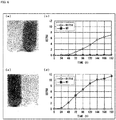
- Fig. 6 shows results of conducting the culture.
- (a) and (c) of Fig. 6 each show images of states of proliferation of RH714 and a wild strain after 192 hours.
- (b) and (d) of Fig. 6 each show a graph indicative of changes over time of proliferation of RH714 and the wild strain. Note that (a) and (b) show results of culture conducted in BG-11 (containing phosphite), and (c) and (d) show results of culture conducted in BG-11 (containing phosphate).
- RH714 grew well in BG-11 containing phosphite but could not proliferate at all in the ordinary BG-11 medium. It was confirmed from these results that RH714 is unable to utilize phosphate but proliferates in a culture medium containing phosphite as a phosphorus source.
- Fig. 7 shows images of states of proliferation of RH714 cultured in the culture mediums containing respective phosphorus compounds as a phosphorus source.
- a phosphorus source other than phosphite was used, RH714 was unable to proliferate. It was confirmed from these results that the series of genetic modifications successfully imparted a full phosphite dependency to the 7942 strain.
- RH714 was cultured in 25 mL of a BG-11Pt liquid medium for 5 days and collected by centrifugation. Bacteria thus collected were washed 3 times in a phosphate-free BG-11 medium and re-suspended in approximately 10 mL of an identical culture medium. 0.1 mL of a resultant suspension containing the bacteria was 10 -5 -fold to 10 -8 -fold diluted. Then, 0.1 mL of a resultant diluted suspension containing the bacteria was spread on a BG-11Pt plate (permissive culture medium). The remaining portion of the suspension containing the bacteria was spread, in an amount of approximately 2.0 mL, on each of five BG-11 plates (non-permissive culture mediums), which were prepared by using a 245 mm ⁇ 245 mm square dish.
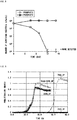
- Fig. 8 shows a graph indicative of changes over time of the number of surviving bacteria of RH714.
- the number of surviving bacteria of RH714 was 0 in the BG-11 liquid medium.
- RH714 maintained a large number of surviving bacteria in the BG-11Pt liquid medium. It was thus confirmed that a high biocontainment effect was obtained by RH714.
- SEQ ID NO: 31 corresponds to a base sequence of a full length of ptxB (derived from Ralstonia sp. 4506) gene
- SEQ ID NO: 32 corresponds to an amino acid sequence of a full length of PtxB (derived from Ralstonia sp. 4506) protein
- SEQ ID NO: 35 corresponds to a base sequence of a full length of ptxB (derived from Anabaena sp. 7120) gene
- SEQ ID NO: 36 corresponds to an amino acid sequence of a full length of PtxB (derived from Anabaena sp. 7120) protein.
- Expression plasmids for HtxBCDE protein were prepared by substituting a signal peptide sequence (SEQ ID NO: 60) of HtxB protein with respective signal peptide sequences derived from three types of proteins of cyanobacteria and the like, and each of the expression plasmids was introduced into E. coli.
- An expression vector for HtxB was prepared by a procedure similar to the above section ⁇ 2-2> such that a signal peptide sequence was removed from the expression vector.
- a signal peptide to be substituted with the signal peptide of HtxB a signal peptide of PtxB derived from a 4506 strain (SEQ ID NOS: 58 and 59), a signal peptide of PstS derived from a 7942 strain (SEQ ID NOS: 56 and 57), and a signal peptide of PtxB derived from Anabaena sp. PCC7120 strain (hereinafter referred to as "7120 strain”) (SEQ ID NOS: 54 and 55) were each used.
- Plasmids thus obtained are referred to as pSTVhtxBE 4506-SP , pSTVhtxBE 7942-SP , and pSTVhtxBE 7120-SP .
- pSTVhtxBE 4506-SP pSTVhtxBE 7942-SP
- pSTVhtxBE 7120-SP E .
- coli strain MT2012 into which ptxD/pTWV229 (SEQ ID NO: 69) was introduced and in which a function of a gene encoding a phosphate ester transporter protein was made defective was transformed to obtain a strain expressing HtxBE-ptxD.
- These strains were each cultured in a morpholinopropanesulfonic acid (MOPS) medium (containing 0.5 mM of phosphite) containing chloramphenicol (30 ⁇ g/ml) and ampicillin (50 ⁇ g/ml) to study proliferation of the strains.
- MOPS morpholinopropanesulfonic acid
- Fig. 9 shows a graph indicative of results of phosphite-dependent proliferation.
- 4506-SP represents the MT2012 strain into which the plasmid pSTVhtxBE 4506-SP was introduced
- 7942-SP represents the MT2012 strain into which the plasmid pSTVhtxBE 7942-SP was introduced
- 7120-SP represents the MT2012 strain into which the plasmid pSTVhtxBE 7120-SP was introduced.
- An embodiment of the present invention can be widely used in fields which require transformants (e.g., the field of oral vaccine production, fields aiming at improvement of natural environment, and fields of biofuel production).
- transformants e.g., the field of oral vaccine production, fields aiming at improvement of natural environment, and fields of biofuel production.
Landscapes
- Health & Medical Sciences (AREA)
- Chemical & Material Sciences (AREA)
- Life Sciences & Earth Sciences (AREA)
- Organic Chemistry (AREA)
- Genetics & Genomics (AREA)
- Engineering & Computer Science (AREA)
- Zoology (AREA)
- Wood Science & Technology (AREA)
- Bioinformatics & Cheminformatics (AREA)
- Biotechnology (AREA)
- General Health & Medical Sciences (AREA)
- Biochemistry (AREA)
- General Engineering & Computer Science (AREA)
- Molecular Biology (AREA)
- Biomedical Technology (AREA)
- Microbiology (AREA)
- Biophysics (AREA)
- Medicinal Chemistry (AREA)
- Proteomics, Peptides & Aminoacids (AREA)
- Physics & Mathematics (AREA)
- Plant Pathology (AREA)
- Gastroenterology & Hepatology (AREA)
- Toxicology (AREA)
- Analytical Chemistry (AREA)
- Immunology (AREA)
- Botany (AREA)
- Cell Biology (AREA)
- Tropical Medicine & Parasitology (AREA)
- Virology (AREA)
- Micro-Organisms Or Cultivation Processes Thereof (AREA)
- Measuring Or Testing Involving Enzymes Or Micro-Organisms (AREA)
Abstract
Description
- The present invention relates to a transformant and a method for detecting the presence of a reduced phosphorous compound with use of the transformant.
- Recently, genetically modified organisms applicable to various uses have been prepared. The genetically modified organisms thus prepared are expected to be used for the purpose of, for example, oral vaccines or improvement of natural environment.
- Meanwhile, there are several demands which should be satisfied when genetically modified organisms are actually used. As one of the demands, it is necessary to prepare a genetically modified organism which can proliferate only in a limited place but cannot proliferate outside the limited place (in other words, a genetically modified organism by which a high containment effect is obtained). In the case of such a genetically modified organism, the genetically modified organism cannot proliferate in nature even if the genetically modified organism leaks into nature. Therefore, it is possible to prevent contamination of nature by the genetically modified organism.
- Various methods for preparing such a genetically modified organism have been developed. One of the methods is a method in which an organism is made to be auxotrophic for a compound that does not naturally occur (synthetic auxotrophy).
Non-Patent Literature 1 is a specific example which discloses the method.Non-Patent Literature 1 discloses that the inventors of the present application modified the metabolism of Escherichia coli (E. coli) such that the growth of the E. coli depends on phosphite, whose presence is rare in the environment, and the inventors thus successfully prepared an E. coli transformant by which the highest level of containment effect known is obtained. - [Non-Patent Literature 1]
Ryuichi Hirota et. al., A Novel Biocontainment Strategy Makes Bacterial Growth and Survival Dependent on Phosphite, Scientific RepoRts, 20 March 2017 - The transformant developed by the inventors of the present application enables obtaining a high containment effect and reducing cost for proliferation of the transformant, in contrast to a conventional transformant that has been made to be auxotrophic. As such, development of transformants, whose proliferation depends on phosphite, of various host organisms not confined to E. coli is expected, as well as development of means for reliably selecting an appropriate place (i.e., a place where no phosphite compound is included) in nature and culturing the transformant only in that place.
- It is an object of an aspect of the present invention to provide (i) transformants, whose proliferation depends on phosphite, of various species of organism and (ii) a method for detecting the presence of a reduced phosphorous compound with use of such a transformant.
- The inventors of the present application tried to apply the technique of preparing the E. coli transformant to other hosts, but could not obtain a desired transformant with use of the other hosts. As a result of diligent study, the inventors of the present application found that localization of a particular protein to be expressed in a host is involved in whether or not a desired transformant is successfully prepared. Based on this finding, the inventors of the present application made the present invention.
- In order to attain the object, a transformant in accordance with an aspect of the present invention is a transformant which is defective in functions of a gene encoding a phosphate transporter protein and a gene encoding a phosphate ester transporter protein and into which a gene encoding a hypophosphite transporter protein is introduced, the transformant being incapable of utilizing phosphate for proliferation but capable of utilizing phosphite for proliferation, the hypophosphite transporter protein including a hypophosphite binding protein as a constituent element, a signal peptide of the hypophosphite binding protein being substituted with a signal peptide derived from a host or a species of organism closely related to the host.
- In order to attain the object, a method for detecting the presence of a reduced phosphorous compound in accordance with an aspect of the present invention is a method for detecting the presence of a reduced phosphorous compound in a culture medium which is a detection target, the method including the steps of: culturing a transformant in accordance with an aspect of the present invention, with use of a culture medium as a detection target; and detecting whether or not the transformant proliferated in the step of culturing.
- In a transformant in accordance with an aspect of the present invention, a signal peptide of a hypophosphite transporter protein, which is a constituent element of a hypophosphite transporter protein, is substituted with a signal peptide derived from a host or a species of organism closely related to the host. This enables a function of the hypophosphite transporter protein to be reliably expressed in the host. Accordingly, it is possible to provide transformants, whose proliferation depends on phosphite and by which a high containment effect is obtained, of various species of organism.
- A transformant in accordance with an aspect of the present invention makes it possible to reduce cost for proliferation of the transformant, since the transformant is cultured by use of an inexpensive reduced phosphorous compound.
- A transformant in accordance with an aspect of the present invention makes it possible to reduce cost for proliferation of the transformant, since the transformant is cultured without use of an expensive antibiotic substance.
- A method for detecting the presence of a reduced phosphorous compound in accordance with an aspect of the present invention makes it possible to provide a method for detecting the presence of a reduced phosphorous compound which method uses a transformant whose proliferation depends on an inexpensive reduced phosphorous compound, and thus enables eliminating the need for a complicated step and reducing cost for proliferation of the transformant.
-
-
Fig. 1 is a diagram illustrating a structure of a transformant of an aspect of the present invention. -
Fig. 2 is a diagram illustrating a structure of HtxBCD protein bound to a membrane. -
Fig. 3 is a diagram illustrating a signal peptide of HtxB, signals peptide to be substituted with a signal peptide of HtxB, and an HtxBCDE-PtxD fusion plasmid in which a signal peptide of HtxB has been substituted. -
Fig. 4 is a diagram illustrating structures of plasmids in accordance with an Example.- (a) of
Fig. 5 shows images of results of phosphate-dependent proliferation and phosphite-dependent proliferation. (b) ofFig. 5 shows graphs indicative of results of phosphate-dependent proliferation and phosphite-dependent proliferation. - (a) and (c) of
Fig. 6 each show images of states of proliferation of a disrupted strain RH714 and a wild strain after 192 hours. (b) and (d) ofFig. 6 each show a graph indicative of changes over time of proliferation of the disrupted strain RH714 and the wild strain.
- (a) of
-
Fig. 7 shows images of states of proliferation of the disrupted strain RH714 cultured in culture mediums containing respective phosphorus compounds as a phosphorus source. -
Fig. 8 shows a graph indicative of changes over time of the number of surviving bacteria of the disrupted strain RH714. -
Fig. 9 shows a graph indicative of results of phosphite-dependent proliferation. - An embodiment of the present invention will be discussed below. Note, however, that the present invention is not limited to such an embodiment. The present invention is not limited to arrangements described below, but can be altered within the scope of the claims. Any embodiment and example derived from a combination of technical means disclosed in different embodiments and/or examples is also encompassed in the technical scope of the present invention. All literatures listed herein are incorporated herein by reference. Note that a numerical range "A to B" herein means "not less than A and not more than B".
- In nature, whereas a large amount of phosphate (or phosphate compound) exists, a reduced phosphorous compound (e.g., phosphite and hypophosphite) is absent or if any, only a very small amount of reduced phosphorous compound is present. In this condition, in a case where a transformant, whose proliferation does not depend on phosphate but depends on a reduced phosphorous compound, is prepared, the transformant cannot proliferate in nature even if the transformant leaks into nature. The inventors of the present application focused on this point and prepared a transformant whose proliferation does not depend on phosphate but depends on a reduced phosphorous compound. As a result, the inventors of the present application successfully provided a transformant by which a high containment effect is obtained.
- The transformant will be described below with reference to
Fig. 1. Fig. 1 is a diagram illustrating a structure of a transformant of an aspect of the present invention. As illustrated inFig. 1 , a phosphate transporter protein and a phosphate ester transporter protein are basically present in organisms. - The phosphate transporter protein is a protein for uptake of phosphate and a reduced phosphorous compound into cells. On the other hand, the phosphate ester transporter protein is a protein for uptake of phosphate ester into cells. Note that when phosphate ester is taken into cells, the phosphate ester is indirectly utilized as a phosphorus source (P source) in a metabolic system of the cells.
- When phosphate is supplied from nature to cells, a transformant proliferates in nature dependently on the phosphate. To prevent this, the inventors of the present application first caused functions of both of the phosphate transporter protein and the phosphate ester transporter protein to be defective in the transformant. As a result, the inventors successfully prevented supply of phosphate from nature to cells of the transformant.
- However, when the functions of both the phosphate transporter protein and the phosphate ester transporter protein were caused to be defective, neither phosphate nor a reduced phosphorous compound were supplied any longer from nature to cells. In this case, the transformant cannot proliferate dependently on the reduced phosphorous compound.
- The inventors of the present application found that a hypophosphite transporter protein encoded by HtxBCDE gene (or HtxBCD gene) derived from Pseudomonas stutzeri WM88 has a function to transport a reduced phosphorous compound but no phosphate. Based on the finding, the inventors solved the above problem.
- That is, the inventors of the present application prepared a transformant capable of utilizing only a reduced phosphorous compound, by causing a function of a phosphate transport system of a host to be defective and introducing HtxBCDE gene (or HtxBCD gene) into the host. If the transformant expresses HtxBCDE protein (or HtxBCD protein), the transformant can take only a reduced phosphorous compound into cells. The reduced phosphorous compound is converted to phosphate in a metabolic system of cells. Then, the transformant can proliferate by utilizing the phosphate.
- The above-described transformant invented by the inventors of the present application is prepared without the need of a complicated step and enables reducing cost for proliferation of the transformant, in contrast to a conventional transformant (specifically, an E. coli transformant) that has been made to be auxotrophic. Further, a high containment effect is obtained by the transformant. As such, development of transformants, whose proliferation depends on a reduced phosphorous compound, of various host organisms including E. coli was expected.
- Examples of organisms, other than E. coli, with respect to which the preparation of the transformants is expected include microalgae, which is a typical example of prokaryote. Microalgae proliferate faster than plants and are capable of synthesizing various useful substances while fixing carbon dioxide. Further, microalgae are capable of producing substances having low environmental impact. For the above reasons, microalgae are expected to be utilized as a host. Further, with the advancement of genetic modification technology, modified microalgae having various useful characters are expected to be developed and commercially used.
- However, it is difficult to obtain permission for using modified organisms in outdoor culture, in which physical containment is difficult to achieve. It is thus difficult to practice outdoor culture of the modified organisms. Accordingly, with respect to various organisms, provision of transformants by which a high biological containment effect is obtained was expected.
- Then, the inventors of the present application tried to prepare a transformant with use of cyanobacteria, which is a typical example of prokaryote, as a host. Specifically, the inventors of the present application tried to prepare the transformant by subjecting cyanobacteria to the following three steps: (i) causing functions of a phosphate transporter protein and a phosphate ester transporter protein to be defective, (ii) introducing a phosphite dehydrogenase protein which converts phosphite into phosphate, and (iii) expressing HtxBCDE protein (or HtxBCD protein). However, the function of HtxBCDE protein (or HtxBCD protein) was not expressed in the cyanobacteria.
- The following description will discuss details of HtxBCDE protein and HtxBCD protein with reference to
Fig. 2. Fig. 2 is a diagram of a structure of each of HtxBCDE protein and HtxBCD protein bound to a membrane, the structure being schematically illustrated for convenience of explanation. The HtxBCDE protein and the HtxBCD protein are each a membrane-bound protein complex which is composed of HtxB protein, HtxC protein, and HtxD protein, and optionally further includes HtxE protein (not illustrated). - HtxB is a protein which is localized in periplasm on an outer side of a cell membrane. HtxC is a protein which is bound to a cell membrane. HtxD is a protein which is present in cytoplasm and has an ATPase activity. As illustrated in
Fig. 2 , HtxB among these proteins is bound to phosphite (Pt inFig. 2 ) in a substrate. - The inventors of the present application predicted, among many possible explanations for the cause of failure, that when HtxBCDE gene was introduced into cyanobacteria, HtxB protein could not be localized in an appropriate place (specifically, periplasm) (see a portion on the left of a broken line arrow in
Fig. 2 ), and this prevented functions of HtxBCDE protein and HtxBCD protein from being expressed. Note that a portion on the right of the broken line arrow inFig. 2 represents localization of HtxB when functions of HtxBCDE protein and HtxBCD protein are expressed. - Then, the inventors of the present application formed and tested a hypothesis that substituting a sequence of a signal peptide in a sequence of HtxB protein with a sequence of a signal peptide derived from a host and causing the HtxBCDE protein containing the HtxB protein in which the substitution has been made to be expressed in cyanobacteria would allow the HtxB protein to be localized appropriately in periplasm of the cyanobacteria.
- The inventors of the present application carried out the above-described steps (i) and (ii) and also the following step as the above-described step (iii). That is, the inventors substituted a sequence of a signal peptide of HtxB protein in a sequence of HtxBCDE protein with a signal peptide of a periplasmic protein derived from microalgae. Specifically, a signal peptide sequence of periplasmic protein PtxB included in Anabaena (Anabaena sp. PCC7120), which is a type of cyanobacteria, was substituted with a sequence of a signal peptide of HtxB protein. Then, a gene encoding the HtxBCDE protein containing the HtxB protein after the substitution was introduced into cyanobacteria. As a result, a transformant of cyanobacteria was obtained, and it was confirmed that the transformant proliferated independently of phosphate and dependently of phosphite. It was also verified that a high containment effect was obtained by the transformant.
- The following will discuss an embodiment of the present invention in more details.
- A transformant in accordance with the present embodiment of the present invention is a transformant which is defective in functions of a gene encoding a phosphate transporter protein and a gene encoding a phosphate ester transporter protein and into which a gene encoding a hypophosphite transporter protein is introduced, the transformant being incapable of utilizing phosphate for proliferation but capable of utilizing phosphite for proliferation, the hypophosphite transporter protein including a hypophosphite binding protein as a constituent element, a signal peptide of the hypophosphite binding protein being substituted with a signal peptide derived from a host or a species of organism closely related to the host.
- Specifically, a "species of organism closely related to a host" means, for example, an organism belonging to the same genus as a host.
- Examples of a host of the transformant in accordance with the present embodiment encompass prokaryotes (specifically, E. coli, microalgae, and the like), eukaryotes (yeast and the like). The host is of course not limited to these examples. A transformant in accordance with an embodiment of the present invention can be prepared by manipulation of a small number of genes. Therefore, any organism (e.g., microorganism) can be the host.
- Examples of the E. coli used as the host encompass K-12 strain, BL21 strain, and the like.
- Examples of the microalgae encompass cyanobacteria, Euglena, diatoms, Botryococcus, and the like.
- Examples of the cyanobacteria used as the host encompass Anabaena sp. PCC7120, Synechocystis sp., Synechococcus sp., and the like.
- The term "phosphate transporter protein" herein means a protein which has activity to take both phosphate and a reduced phosphorous compound into cells. On the other hand, the term "phosphate ester transporter protein" herein means a protein which has activity to take phosphate ester into cells.
- In this case, the transformant, which is defective in the functions of the gene encoding a phosphate transporter protein and the gene encoding a phosphate ester transporter protein, can be prepared by artificially mutating a host. Alternatively, the transformant may be prepared by using a host which originally has neither of the functions of the gene encoding a phosphate transporter protein and the gene encoding a phosphate ester transporter protein (e.g., a host having a genome in which both the gene encoding a phosphate transporter protein and the gene encoding a phosphate ester transporter protein are absent, or a host which expresses neither a phosphate transporter protein nor a phosphate ester transporter protein).
- Different types of phosphate transporter protein and different types of phosphate ester transporter protein exist in cells of different species of organism. Therefore, there is no limitation to particular types of phosphate transporter protein and phosphate ester transporter protein which have functions defective in the transformant in accordance with the present embodiment. It is possible to determine as appropriate, depending on a host, the gene encoding a phosphate transporter protein and the gene encoding a phosphate ester transporter protein, which genes have functions that are caused to be defective in the host.
- For example, in a case where a host of the transformant is cyanobacteria (Synechococcus elongatus PCC7942, hereinafter referred to as "7942 strain"), examples of a phosphate transporter protein whose function is to be made defective encompass pit, sphX-pstSCAB, and the like. Note here that genome data (cyanobase: http://genome.microbedb.jp/cyanobase/) of
PCC 7942 strain published in Kazusa Genome Resource suggests that the pit protein and the sphX-pstSCAB protein are phosphate transporter proteins present inPCC 7942 strain. - More specifically, the Pit protein is (1) a protein consisting of an amino acid sequence of SEQ ID NO: 2, (2) a protein (i) consisting of an amino acid sequence obtained by deletion, substitution, or addition of one or several amino acids in the amino acid sequence of SEQ ID NO: 2 and (ii) functioning as a phosphate transporter, (3) a protein encoded by a gene consisting of a polynucleotide consisting of a base sequence of SEQ ID NO: 1, or (4) a protein encoded by a gene consisting of a polynucleotide (i) being hybridizable, under a stringent condition, with DNA consisting of a base sequence complementary to the base sequence of SEQ ID NO: 1 and (ii) encoding a protein which has phosphate transport activity.
- The sphX-pstSCAB protein is composed of sphX, pstS, pstC, pstA, and pstB proteins.
- Specifically, the sphX protein may be (5) a protein consisting of an amino acid sequence of SEQ ID NO: 16 or (6) a protein (i) consisting of an amino acid sequence obtained by deletion, substitution, or addition of one or several amino acids in the amino acid sequence of SEQ ID NO: 16 and (ii) functioning as a phosphate transporter together with the pstS, pstC, pstA, and pstB proteins; the pstS protein may be (7) a protein consisting of an amino acid sequence of SEQ ID NO: 34 or (8) a protein (i) consisting of an amino acid sequence obtained by deletion, substitution, or addition of one or several amino acids in the amino acid sequence of SEQ ID NO: 34 and (ii) functioning as a phosphate transporter together with the sphX, pstC, pstA, and pstB proteins; the pstC protein may be (9) a protein consisting of an amino acid sequence of SEQ ID NO: 37 or (10) a protein (i) consisting of an amino acid sequence obtained by deletion, substitution, or addition of one or several amino acids in the amino acid sequence of SEQ ID NO: 37 and (ii) functioning as a phosphate transporter together with the sphX, pstS, pstA, and pstB proteins; the pstA protein may be (11) a protein consisting of an amino acid sequence of SEQ ID NO: 39 or (12) a protein (i) consisting of an amino acid sequence obtained by deletion, substitution, or addition of one or several amino acids in the amino acid sequence of SEQ ID NO: 39 and (ii) functioning as a phosphate transporter together with the sphX, pstS, pstC, and pstB proteins; and the pstB protein may be (13) a protein consisting of an amino acid sequence of SEQ ID NO: 41 or (14) a protein (i) consisting of an amino acid sequence obtained by deletion, substitution, or addition of one or several amino acids in the amino acid sequence of SEQ ID NO: 41 and (ii) functioning as a phosphate transporter together with the sphX, pstS, pstA, and pstC proteins.
- The above sphX-pstSCAB gene is composed of polynucleotides respectively encoding the sphX, pstS, pstA, pstC, and pstB proteins constituting the phosphate transporter. That is, the sphX-pstSCAB protein may be a protein encoded by the sphX-pstSCAB gene.
- Specifically, the polynucleotide encoding the sphX protein may be (15) a nucleotide consisting of a base sequence of SEQ ID NO: 15 or (16) a nucleotide (i) being hybridizable, under a stringent condition, with a base sequence complementary to the polynucleotide consisting of the base sequence of SEQ ID NO: 15 and (ii) encoding a protein functioning as a phosphate transporter together with the pstS, pstC, pstA, and pstB proteins; the polynucleotide encoding the pstS protein may be (17) a nucleotide consisting of a base sequence of SEQ ID NO: 33 or (18) a nucleotide (i) being hybridizable, under a stringent condition, with a base sequence complementary to the polynucleotide consisting of the base sequence of SEQ ID NO: 33 and (ii) encoding a protein functioning as a phosphate transporter together with the sphX, pstC, pstA, and pstB proteins; the polynucleotide encoding the pstC protein may be (19) a nucleotide consisting of a base sequence of SEQ ID NO: 38 or (20) a nucleotide (i) being hybridizable, under a stringent condition, with a base sequence complementary to the polynucleotide consisting of the base sequence of SEQ ID NO: 38 and (ii) encoding a protein functioning as a phosphate transporter together with the sphX, pstS, pstA, and pstB proteins; the polynucleotide encoding the pstA protein may be (21) a nucleotide consisting of a base sequence of SEQ ID NO: 40 or (22) a nucleotide (i) being hybridizable, under a stringent condition, with a base sequence complementary to the polynucleotide consisting of the base sequence of SEQ ID NO: 40 and (ii) encoding a protein functioning as a phosphate transporter together with the sphX, pstS, pstC, and pstB proteins; and the polynucleotide encoding the pstB protein may be (23) a nucleotide consisting of a base sequence of SEQ ID NO: 42 or (24) a nucleotide (i) being hybridizable, under a stringent condition, with a base sequence complementary to the polynucleotide consisting of the base sequence of SEQ ID NO: 42 and (ii) encoding a protein functioning as a phosphate transporter together with the sphX, pstS, pstA, and pstC proteins.
- Whether a protein has phosphate transport activity can be checked by (i) introducing a gene encoding a chosen protein in an expressible manner into an organism that is defective in the functions of the gene encoding a phosphate transporter protein and the gene encoding a phosphate ester transporter protein and (ii) causing the organism to proliferate in culture media containing various phosphorus sources. If the organism proliferates in a culture medium containing phosphate, it can be determined that the above protein has phosphate transport activity.
- Further, whether a protein has phosphate ester transport activity can be checked by (i) introducing a gene encoding a chosen protein in an expressible manner into an organism that is defective in the functions of the gene encoding a phosphate transporter protein and the gene encoding a phosphate ester transporter protein and (ii) causing the organism to proliferate in culture media containing various phosphorus sources. If the organism proliferates in a culture medium containing phosphate ester, it can be determined that the above protein has phosphate ester transport activity.
- Further, in a case where the host of the transformant is E. coli, for example, a transformant that is defective in a function of a gene encoding a phosphate transporter protein can be used. It is known that in E. coli, there are four phosphate transporter proteins including PitA, PitB, PstSCAB, and PhnCDE. As a strain in which genes encoding the above-described four phosphate transporter proteins and a gene encoding phoA protein are disrupted, MT2012 strain (ΔpitA, ΔpitB, ΔphnC, ΔpstSCABphoU, ΔphoA) has been previously prepared (Motomura, K. et al. Overproduction of YjbB reduces the level of polyphosphate in Escherichia coli: a hypothetical role of YjbB in phosphate export and polyphosphate accumulation. FEMS microbiology letters 320, 25-32, 2011).
- The term "hypophosphite transporter protein" herein means a protein which has activity to take phosphite or hypophosphite into cells. Examples of the hypophosphite transporter protein encompass HtxBCDE protein, HtxBCD protein, and the like. Note that the gene encoding the HtxBCDE protein and the gene encoding the HtxBCD protein may be each a gene derived from Pseudomonas stutzeri WM88.
- The HtxBCDE protein is a protein complex composed of HtxB, HtxC, HtxD, and HtxE.
- In a transformant in accordance with an embodiment of the present invention, the hypophosphite transporter protein includes a hypophosphite binding protein as a constituent element, a signal peptide of the hypophosphite binding protein being substituted with a signal peptide derived from a host or a species of organism closely related to the host. With this arrangement, it is possible to cause a hypophosphite binding protein to be localized in an appropriate place in a host.
- The term "hypophosphite binding protein" herein means a protein which has binding capacity with respect to a substrate (specifically, phosphate or phosphite).
- As a sequence of the "signal peptide derived from a host or a species of organism closely related to the host", it is possible to employ a sequence of a signal peptide of a periplasmic protein (e.g., ptxB protein) of Anabaeba (Anabaena sp. PCC7120, hereinafter referred to as "7120 strain"), which is a type of cyanobacteria, in a case where, for example, (i) the host is cyanobacteria (7942 strain) and (ii) the hypophosphite transporter protein is HtxBCDE protein or HtxBCD protein. By substituting an original signal peptide of HtxB protein with the above signal peptide, it is possible to obtain a transformant in accordance with an embodiment of the present invention.
- Further, the host may be various prokaryotes not confined to cyanobacteria. For example, in a case where the host is E. coli (e.g., K-12 strain, BL21 strain, or the like) and the hypophosphite transporter protein is HtxBCDE, it is possible to employ a signal peptide of a periplasmic protein (e.g., PtxB protein or the like) of Ralstonia (Ralstonia sp. 4506, hereinafter referred to as "4506 strain"), which is a species closely related to gram-negative soil bacteria. By substituting an original signal peptide of HtxB protein with the above signal peptide, it is possible to obtain a transformant in accordance with an embodiment of the present invention.
- Specifically, the hypophosphite transporter protein in accordance with the present embodiment may be composed of HtxB protein (in which a signal peptide has been substituted), HtxC protein, and HtxD protein, and may optionally further include HtxE protein which serves as a cell membrane-bound protein.
- Specifically, a sequence of a signal peptide of a periplasmic protein PtxB derived from Anabaena may be (25) a protein consisting of an amino acid sequence of SEQ ID NO: 54 or (26) a protein (i) consisting of an amino acid sequence obtained by deletion, substitution, or addition of one or several amino acids in the amino acid sequence of SEQ ID NO: 54 and (ii) having activity as a signal peptide of a periplasmic protein.
- Further, a nucleotide encoding a signal peptide of a periplasmic protein PtxB derived from Anabaena may be (27) a polynucleotide consisting of a base sequence of SEQ ID NO: 55 or (28) a nucleotide (i) being hybridizable, under a stringent condition, with a base sequence complementary to the polynucleotide consisting of the base sequence of SEQ ID NO: 55 and (ii) encoding a protein having activity as a signal peptide of a periplasmic protein.
- The above-described HtxB protein in which the sequence of a signal peptide has been substituted with the sequence of the signal peptide of the periplasmic protein PtxB derived from Anabaena may be, for example, (29) a protein consisting of an amino acid sequence of SEQ ID NO: 6 or (30) a protein (i) consisting of an amino acid sequence obtained by deletion, substitution, or addition of one or several amino acids in the amino acid sequence of SEQ ID NO: 6 and (ii) functioning as a hypophosphite transporter together with the HtxC protein and the HtxD protein or with the HtxC protein, the HtxD protein, and the HtxE protein; the HtxC protein may be (31) a protein consisting of an amino acid sequence of SEQ ID NO: 8 or (32) a protein (i) consisting of an amino acid sequence obtained by deletion, substitution, or addition of one or several amino acids in the amino acid sequence of SEQ ID NO: 8 and (ii) functioning as a hypophosphite transporter together with the HtxB protein and the HtxD protein or with the HtxB protein, the HtxD protein, and the HtxE protein; the HtxD protein may be (33) a protein consisting of an amino acid sequence of SEQ ID NO: 10 or (34) a protein (i) consisting of an amino acid sequence obtained by deletion, substitution, or addition of one or several amino acids in the amino acid sequence of SEQ ID NO: 10 and (ii) functioning as a hypophosphite transporter together with the HtxB protein and the HtxC protein or with the HtxB protein, the HtxC protein, and the HtxE protein; the HtxE protein may be (35) a protein consisting of an amino acid sequence of SEQ ID NO: 12 or (36) a protein (i) consisting of an amino acid sequence obtained by deletion, substitution, or addition of one or several amino acids in the amino acid sequence of SEQ ID NO: 12 and (ii) functioning as a phosphate transporter together with the HtxB protein, the HtxC protein, and the HtxD protein.
- The above-described HtxBCDE gene is composed of polynucleotides respectively encoding the HtxB, HtxC, HtxD, and HtxE proteins.
- The polynucleotide encoding the HtxB protein may be (37) a nucleotide consisting of a base sequence of SEQ ID NO: 5 or (38) a nucleotide (i) being hybridizable, under a stringent condition, with a base sequence complementary to the polynucleotide consisting of the base sequence of SEQ ID NO: 5 and (ii) encoding a protein functioning as a hypophosphite transporter together with the HtxC protein and the HtxD protein or with the HtxC protein, the HtxD protein, and the HtxE protein; the polynucleotide encoding the HtxC protein may be (39) a nucleotide consisting of a base sequence of SEQ ID NO: 7 or (40) a nucleotide (i) being hybridizable, under a stringent condition, with a base sequence complementary to the polynucleotide consisting of the base sequence of SEQ ID NO: 7 and (ii) encoding a protein functioning as a hypophosphite transporter together with the HtxB protein and the HtxD protein or with the HtxB protein, the HtxD protein, and the HtxE protein; the polynucleotide encoding the HtxD protein may be (41) a nucleotide consisting of a base sequence of SEQ ID NO: 9 or (42) a nucleotide (i) being hybridizable, under a stringent condition, with a base sequence complementary to the polynucleotide consisting of the base sequence of SEQ ID NO: 9 and (ii) encoding a protein functioning as a phosphate transporter together with the HtxB protein and the HtxC protein or with the HtxB protein, the HtxC protein, and the HtxE protein; the polynucleotide encoding the HtxE protein may be (43) a nucleotide consisting of a base sequence of SEQ ID NO: 11 or (44) a nucleotide (i) being hybridizable, under a stringent condition, with a base sequence complementary to the polynucleotide consisting of the base sequence of SEQ ID NO: 11 and (ii) encoding a protein functioning as a hypophosphite transporter together with the HtxB protein, the HtxC protein, and the HtxD protein.
- Note that HtxE protein is a protein which serves as a cell membrane-bound protein. As such, HtxBCD protein, which is a part of the above-described HtxBCDE protein excluding the HtxE protein can be utilized as a hypophosphite transporter protein.
- In a transformant in accordance with an embodiment of the present invention, a signal peptide of a hypophosphite binding protein, which is a constituent element of the hypophosphite transporter protein, is substituted with a signal peptide derived from a host or a species of organism closely related to the host, by genetic modification which may be a well-known method.
- In the transformant in accordance with an embodiment of the present invention, a gene encoding a phosphite dehydrogenase protein can be further introduced. In this arrangement, the reduced phosphorous compound taken into cells can be efficiently converted to phosphate. This allows the transformant in accordance with an embodiment of the present invention to proliferate better dependently on phosphite.
- The gene encoding a phosphite dehydrogenase protein can be a gene derived from Pseudomonas stutzeri WM88 (e.g., PtxD gene).
- More specifically, the phosphite dehydrogenase protein can be a protein consisting of the following protein (45) or (46), a protein including, as at least part thereof, the following protein (45) or (46), a protein consisting of a protein encoded by a gene consisting of the following polynucleotide (47) or (48), or a protein including, as at least part thereof, the protein encoded by the gene consisting of the following polynucleotide (47) or (48):
- (45) a protein consisting of the amino acid sequence of SEQ ID NO: 14;
- (46) a protein (i) consisting of an amino acid sequence obtained by deletion, substitution, or addition of one or several amino acids in the amino acid sequence of SEQ ID NO: 14 and (ii) having phosphite dehydrogenase activity;
- (47) a polynucleotide consisting of the base sequence of SEQ ID NO: 13; or
- (48) a polynucleotide (i) being hybridizable, under a stringent condition, with DNA consisting of a base sequence complementary to the base sequence of SEQ ID NO: 13, and (ii) encoding a protein which has phosphite dehydrogenase activity.
- Whether a protein has phosphite dehydrogenase activity can be checked on the basis of whether or not the protein produces HPO4 2- by NADP+ dependently or NADP+ dependently oxidizing phosphite. More specifically, it can be determined that a chosen protein has phosphite dehydrogenase activity, if HPO4 2- is produced after the chosen protein, HPO3 2-, and NAD+ or NADP+ are mixed together.
- The transformant in accordance with an embodiment of the present invention may be preferably further defective in a function of a gene encoding an alkaline phosphatase protein (e.g., PhoA gene). For example, the alkaline phosphatase protein acts to convert, to phosphate, phosphite which is present outside the cells, and to thereby decrease a phosphite concentration outside the cells. Further, an alkaline phosphatase protein of a species of organism other than E. coli may have the above-described activity, similarly to the alkaline phosphatase protein of E. coli. The transformant defective in the function of the gene encoding an alkaline phosphatase protein can keep the phosphite concentration outside the cells high. Accordingly, with this configuration, an amount of the reduced phosphorous compound taken into cells can be increased. This consequently allows the transformant in accordance with an embodiment of the present invention to grow better dependently on the reduced phosphorous compound.
- Different types of alkaline phosphatase protein exist in cells of different species of organism. Therefore, there is no limitation to a particular type of alkaline phosphatase protein which has a function defective in the transformant in accordance with the present embodiment. It is possible to determine as appropriate, depending on a host, the gene encoding an alkaline phosphatase protein, which gene has a function that is caused to be defective in the host.
- For example, in a case where the host of the transformant is cyanobacteria (Synechococcus elongatus PCC7942), the alkaline phosphatase protein can be a protein consisting of a protein encoded by a gene consisting of the following polynucleotide (49) or (50), a protein including, as at least part thereof, a protein encoded by a gene consisting of the following polynucleotide (49) or (50), a protein consisting of the following protein (51) or (52), or a protein including, as at least part thereof, the following protein (51) or (52):
- (49) a polynucleotide consisting of the base sequence of SEQ ID NO: 61; or
- (50) a polynucleotide (i) being hybridizable, under a stringent condition, with DNA consisting of a base sequence complementary to the base sequence of SEQ ID NO: 61, and (ii) encoding a protein which has an alkaline phosphatase activity.
- (51) a protein consisting of the amino acid sequence of SEQ ID NO: 62;
- (52) a protein (i) consisting of an amino acid sequence obtained by deletion, substitution, or addition of one or several amino acids in the amino acid sequence of SEQ ID NO: 62 and (ii) having an alkaline phosphatase activity;
- With regard the wording "an amino acid sequence obtained by deletion, substitution, or addition of one or several amino acids", a position where one or several amino acids are deleted, substituted or added is not particularly limited.
- Further, the number of amino acids intended by the wording "one or several amino acids" is not particularly limited, and can be not more than 50, not more than 40, not more than 30, not more than 20, not more than 19, not more than 18, not more than 17, not more than 16, not more than 15, not more than 14, not more than 13, not more than 12, not more than 11, not more than 10, not more than 9, not more than 8, not more than 7, not more than 6, not more than 5, not more than 4, not more than 3, not more than 2, or not more than 1.
- It is preferable that the substitution of an amino acid be a conservative substitution. Note that the term "conservative substitution" refers to a substitution of a particular amino acid by another amino acid having a chemical property and/or a structure that is/are similar to that/those of the particular amino acid. Examples of the chemical property include a degree of hydrophobicity (hydrophobicity and hydrophilicity) and electric charge (neutrality, acidity, and basicity). Examples of the structure include an aromatic ring, an aliphatic hydrocarbon group, and a carboxyl group, which are present as a side chain or as a functional group of a side chain.
- Examples of the conservative substitution include a substitution between serine and threonine, a substitution between lysine and arginine, and a substitution between phenylalanine and triptophan. The substitution in an embodiment of the present invention is, of course, not limited to the above-described substitutions.
- The term "stringent condition" as used herein refers to a condition under which a so-called base sequence specific double-stranded polynucleotide is formed whereas a base-sequence non-specific double-stranded polynucleotide is not formed. In other words, the "stringent condition" can be expressed as a condition under which hybridization is carried out at a temperature in a range from (i) a melting temperature (Tm) of nucleic acids having a high homology (e.g., a perfectly-matched hybrid) to (ii) 15°C lower than the melting temperature (Tm), preferably 10°C lower than the melting temperature (Tm), further preferably 5°C lower than the melting temperature (Tm).
- In one example of the stringent condition, hybridization can be carried out in a buffer solution (including 0.25M Na2HPO4, pH 7.2, 7% SDS, 1 mM EDTA, and 1 × Denhardt's solution) for 16 hours to 24 hours at a temperature in a range from 60°C to 68°C, preferably at 65°C, further preferably at 68°C, and then washing can be carried out twice in a buffer solution (including 20 mM Na2HPO4, pH 7.2, 1% SDS, and 1 mM EDTA) for 15 minutes at a temperature in a range from 60°C to 68°C, preferably at 65°C, further preferably at 68°C.
- In another example, prehybridization is carried out overnight at 42°C in a hybridization solution (including 25% formamide or 50% formamide (for a severer condition), 4 × SSC (sodium chloride/sodium citrate), 50 mM Hepes pH 7.0, 10 × Denhardt's solution, and 20 pg/ml denatured salmon sperm DNA), and then hybridization is carried out by adding a labeled probe thereto and keeping a resulting solution at 42°C overnight. In washing following the hybridization, conditions for a washing solution and a temperature are approximately "1 × SSC, 0.1% SDS, 37°C", approximately "0.5 × SSC, 0.1% SDS, 42°C" for a severer condition, approximately "0.2 × SSC, 0.1% SDS, 65°C" for a further severer condition. As such, as the conditions for the washing following the hybridization become severer, the specificity of hybridization becomes higher. However, the above-indicated combinations of conditions on SSC, SDS, and temperature are merely examples. A person skilled in the art can provide a stringency similar to the above by appropriately combining the above-described or other elements (e.g., a probe concentration, a probe length, and a time period for a hybridization reaction) that determine the stringency of hybridization. This is disclosed in, for example, Sambrook et al., Molecular Cloning, A Laboratory Manual, 3rd Ed., Cold Spring Harbor Laboratory (2001).
- A method for detecting the presence of a reduced phosphorous compound in accordance with an embodiment of the present invention is a method for detecting the presence of a reduced phosphorous compound in a culture medium which is a detection target, the method including the steps of: culturing a transformant in accordance with an embodiment of the present invention, with use of a culture medium as a detection target; and detecting whether or not the transformant proliferated in the step of culturing.
- With this arrangement, it is possible to provide a method for detecting the presence of a reduced phosphorous compound which method uses a transformant whose proliferation depends on an inexpensive reduced phosphorous compound, and thus enables eliminating the need for a complicated step and reducing cost for proliferation of the transformant.
- The above method for detecting the presence of a reduced phosphorous compound can be used in, for example, determining a place in which outdoor culture such as open pond culture is to be conducted. A reduced phosphorous compound (e.g., phosphite and hypophosphite) is absent or if any, only a very small amount of reduced phosphorous compound is present. In this condition, a transformant in accordance with an embodiment of the present invention cannot proliferate in nature even if the transformant leaks into nature. However, a reduced phosphorous compound may be contained in an agricultural material, an industrial material, and the like. As such, a reduced phosphorous compound which has leaked out of such materials may be present in nature. In outdoor culture, if a transformant in accordance with an embodiment of the present invention is cultured in a place containing a reduced phosphorous compound, the transformant may proliferate in a scale greater than what was intended by a person skilled in the art.
- In order to avoid the above-described problem, a method for detecting in accordance with an embodiment of the present invention can be used. Specifically, a substance, such as water, which is present in a chosen place for conducting proliferation of a transformant in accordance with an embodiment of the present invention is collected, and the sample thus collected is supplied as a phosphorus source to a culture medium. The transformant in accordance with an embodiment of the present invention is cultured in the culture medium which serves as a detection target. If a result of the culture shows that the transformant in accordance with an embodiment of the present invention did not proliferate, it can be determined that no reduced phosphorous compound is contained in the place from which the sample was collected. It can then be determined that it is possible to cause the transformant in accordance with an embodiment of the present invention to proliferate in the place from which the sample was collected.
- In the method for detecting the presence of a reduced phosphorous compound in accordance with the present embodiment, it can be determined that a reduced phosphorous compound is contained in the culture medium as the detection target if the transformant proliferated in the step of culturing. In contrast, in the method, it can be determined that no reduced phosphorous compound is contained in the culture medium as the detection target if the transformant did not proliferate in the step of culturing.
- Ingredients and form of the culture medium as a detection target is not particularly limited. For example, the form of the culture medium as a detection target can be a liquid form or a solid form.
- In a case where the culture medium as a detection target is in the liquid form, whether or not the transformant proliferated in the step of culturing can be detected in the step of detecting, by measuring for example, turbidity (e.g., OD600) of the culture medium. In contrast, in a case where the culture medium as a detection target is in the solid form, whether or not the transformant proliferated in the step of culturing can be detected in the step of detecting, by confirming the presence of colonies of the transformant, which are formed on the culture medium in the solid form.
- The reduced phosphorous compound to be detected by the method for detecting in accordance with the present embodiment is not particularly limited. Examples of the reduced phosphorous compound encompass phosphite and hypophosphite.
- Aspects of the present invention can also be expressed as follows:
A transformant in accordance with an aspect of the present invention is a transformant which is defective in functions of a gene encoding a phosphate transporter protein and a gene encoding a phosphate ester transporter protein and into which a gene encoding a hypophosphite transporter protein is introduced, the transformant being incapable of utilizing phosphate for proliferation but capable of utilizing phosphite for proliferation, the hypophosphite transporter protein including a hypophosphite binding protein as a constituent element, a signal peptide of the hypophosphite binding protein being substituted with a signal peptide derived from a host or a species of organism closely related to the host. - In a transformant in accordance with an aspect of the present invention, a gene encoding a phosphite dehydrogenase protein can be further introduced.
- A transformant in accordance with an aspect of the present invention can be further configured to be defective in a function of a gene encoding an alkaline phosphatase protein.
- A transformant in accordance with an aspect of the present invention can be a transformant of a prokaryote.
- A transformant in accordance with an aspect of the present invention can be a transformant of cyanobacteria.
- A method for detecting the presence of a reduced phosphorous compound in accordance with an aspect of the present invention is a method for detecting the presence of a reduced phosphorous compound in a culture medium which is a detection target, the method including the steps of: culturing a transformant in accordance with an aspect of the present invention, with use of a culture medium as a detection target; and detecting whether or not the transformant proliferated in the step of culturing.
- The following description will discuss examples of the present invention.
- An expression vector for imparting a phosphite-utilizing ability to cyanobacteria was prepared. First, pNSHA (Reference Literature 1: Watanabe et al., Mol Microbiol. 2012 Feb; 83(4): 856-65) which is an expression vector for Synechococcus elongatus PCC7942 strain (hereinafter referred to as "7942 strain") was cleaved by EcoRI and HindIII. Into the expression vector which has been cleaved, a DNA fragment (approximately 3.6 kb) amplified by PCR using a chromosome of Ralstonia sp. 4506 strain (hereinafter referred to as "4506 strain") as a template as well as the following primers was inserted using In-Fusion HD cloning kit (Takara-Bio Inc.):
- P0048: 5'-acagaccatggaattcGTGTCATATCACGACATTACCATCG-3' (SEQ ID NO: 23); and
- P0049: 5'-caaaacagccaagcttTCACGCCGCCTTTACTCCCGGATAC-3' (SEQ ID NO: 24)
- A plasmid pNSptxAD (SEQ ID NO: 63) thus obtained was introduced into a 7942 strain by spontaneous transformation. Specifically, first, the 7942 strain was cultured in a BG-11 medium (10 ml) until OD750 was approximately 0.7 to 1.0, and then bacteria were collected by centrifugation (6000 rpm, 5 min). Cells thus collected were re-suspended in 1.0 ml of a BG-11 medium. To 400 µl of a suspension thus obtained, approximately 0.1 µg of the above plasmid was added and mixed by a shaker in a 30°C incubator for 12 hours while shielded from light with aluminum foil.
- Then, the aluminum was removed and a resultant mixture was mixed for another 1 hour to obtain a mixed solution of the bacteria and the plasmid. The mixed solution was spread on a BG-11 plate medium containing spectinomycin (40 µg/ml), and was cultured in a plant incubator (illuminance: 2000 lux to 3000 lux, temperature: 30°C). Approximately 10 days later, a colony which had appeared was obtained using a colony picker and streaked on a BG-11 plate medium having the same composition as the above plate medium.
- Approximately 5 days later, a colony was obtained and subjected to analysis as a modified body (spectinomycin resistance strain). The spectinomycin resistance strain was cultured, while supplied with 2% of CO2 gas, in a BG-11 liquid medium (BG-11Pt) which contained phosphite (final concentration: 0.2 mM) as a phosphorus source and to which 0.1 mM IPTG had been added. As a result, a transformant thus obtained was able to grow by utilizing the phosphite. In contrast, a wild strain was unable to proliferate by utilizing the phosphite. It was thus indicated that this express system enabled PtxD to be functionally expressed, that is, the express system imparted a phosphite-utilizing ability.
- HtxBCDE protein is a hypophosphite transporter derived from Pseudomonas stutzeri WM88 strain. An expression plasmid for HtxBCDE protein was prepared by the following method.
- First, pNSptxAD was cleaved by SalI and EcoRI, and approximately 9.9 kb of a DNA fragment thus obtained was used as a vector. A DNA fragment (approximately 3.3 kb) was prepared as an insert DNA by amplification using pSTVhtxAE (Reference Literature 2: Hirota et al., Sci. Rep. 2017, 44748) (SEQ ID NO: 64) as a template as well as the following primers:
- P0132: 5'-ACAGACCATGGAATTCATGCAAGTTTTTACTCTGTT-3' (SEQ ID NO: 25); and
- P0133: 5'-AGCTGAAGGCGTCGACTAGTAGTTGCGGGCCGCGA-3' (SEQ ID NO: 26).
- The vector and the insert DNA were ligated by use of In-Fusion HD Cloning Kit. Then, a resultant plasmid pNShtxBCDE-ptxD (SEQ ID NO: 65) was introduced into a 7942 strain. A transformant thus obtained was cultured in 50 mL of BG-11, into which 0.1 mM IPTG and 40 pg/mL spectinomycin had been added, for 7 days and then subjected to centrifugation to obtain a pellet of bacteria.
- The pellet of bacteria was suspended in 2 mL of a MOPS(0) solution, and then a resultant suspension was homogenized ultrasonically (Digital sonifier, BRANSON) with an output of 20% for 10 minutes. The MOPS(0) solution thus ultrasonically homogenized was dispensed into centrifuge tubes (Centrifuge Tubes, BECKMAN, 349622), and the centrifuge tubes were subjected to ultracentrifugation (270,000 × g, 4°C, 30 minutes) using a ultracentrifugal separator (OptimaTM TLX Ultracentrifuge, BECKMAN COULTER).
- A supernatant was collected from each of the tubes after the ultracentrifugation and used as a crude extract for measurement of phosphite dehydrogenase activity. A reaction solution in a total amount of 1000 µL containing the crude extract (amount of protein: 10 pg), NAD+ (1 mM), phosphite (1 mM), and MOPS-KOH buffer (20 mM, pH 7.4) was prepared, and the reaction solution was heated to a temperature of 37°C to start a reaction.
- An absorbance (340 nm) of each sample was measured for a predetermined time (0 min to 30 min). Phosphite dehydrogenase activity was evaluated such that an amount of NADH produced by 1 mg of protein per unit of time was considered to be 1 unit. As a result, approximately 40 milliunits of PtxD activity was detected in the transformant. Even though sufficient PtxD activity was thus detected, no proliferation was observed in a BG-11Pt medium. This suggested that HtxBCDE was not expressed functionally.
- Expression plasmids were prepared by substituting a signal peptide sequence (SEQ ID NO: 60) of HtxB protein with respective signal peptide sequences derived from three types of bacteria proteins of cyanobacteria and the like, and an effect of each of these expression plasmids was studied. First, an expression vector for HtxB was prepared by inverse PCR using pSTVhtxAE as a template as well as primers P0268 and P0269 to remove a signal peptide sequence:
- P0268: 5'-CATGGTGATGCTCCTAGGATCCCCG-3' (SEQ ID NO: 27); and
- P0269: 5'-GCTGAGGTTGTCAATGGTAAACTTC-3' (SEQ ID NO: 28).
- As a signal peptide to be substituted with the signal peptide of HtxB, a signal peptide of PtxB derived from a 4506 strain (SEQ ID NOS: 58 and 59), a signal peptide of PstS derived from a 7942 strain (SEQ ID NOS: 56 and 57), and a signal peptide of PtxB derived from Anabaena sp. PCC7120 strain (hereinafter referred to as "7120 strain") (SEQ ID NOS: 54 and 55) were each used. As a sequence of each of these signal peptides, a sequence of a signal peptide obtained by use of EMBOSS sigcleave (http://emboss.sourceforge.net/apps/release/6.5/emboss/a pps/sigcleave.html) was used as illustrated in
Fig. 3 . - DNA fragments of the signal peptides used were DNA fragments amplified by PCR using respective chromosomes of the 4506, 7942, and 7120 strains as templates and respective primer pairs (P0270 (SEQ ID NO: 17)/P0271 (SEQ ID NO: 18), P0274 (SEQ ID NO: 21)/P0275 (SEQ ID NO: 22), and P0272 (SEQ ID NO: 19)/P0273 (SEQ ID NO: 20), see Table 1).
[Table 1] SEQ ID NO. Name Sequence (5'-3') 17 270 CCTAGGAGCATCACCATGAAAAAACTCGCATC 18 271 ATTGACAACCTCAGCGGATGATGCATGGCC 19 272 CCTAGGAGCATCACCATGGCGATCGCAATC 20 273 ATTGACAACCTCAGCAGCTGCGCTCTTTGC 21 274 CCTAGGAGCATCACCATGGCTTCCCTAAAATTCC 22 275 ATTGACAACCTCAGCACCAGAGCTGCAAGC - Each of these DNA fragments and the vector DNA were ligated in a similar manner to the above-described technique. Plasmids thus obtained are referred to as pSTVhtxBE4506-SP, pSTVhtxBE7942-SP, and pSTVhtxBE7120-SP. Subsequently, with use of these three types of plasmids and in a similar manner to the above-described method for preparing pNShtxBCDE-ptxD, HtxBE gene sequences in each of which a signal peptide sequence had been substituted were respectively prepared. Plasmids thus obtained are referred to as pNShtxBE4506-SP-ptxD, pNShtxBE7942-SP-ptxD, and pNShtxBE7120-SP-ptxD (see
Fig. 4 , in which "SP" is an acronym for "signal peptide"). These three types of plasmids were each used to transform 7942 strain to obtain a strain expressing HtxBE-ptxD. These strains were each cultured in BG-11 mediums (a phosphor-free medium, a phosphate-containing medium, and a phosphite-containing medium) containing spectinomycin (40 pg/ml) and 0.1 mM IPTG to study proliferation of the strains. - The results are shown in
Fig. 5 . (a) ofFig. 5 shows images of results of phosphate-dependent proliferation and phosphite-dependent proliferation. (b) ofFig. 5 shows graphs indicative of results of phosphate-dependent proliferation and phosphite-dependent proliferation. Note that "Pi" represents BG-11 containing phosphate, "Pt" represents BG-11 containing phosphite, and "none" represents BG-11 containing no phosphor. "4506-SP" represents a 7942 strain transformed by pNShtxBE4506-SP-ptxD (SEQ ID NO: 67), "7942-SP" represents a 7942 strain transformed by pNShtxBE7942-SP-ptxD (SEQ ID NO: 68), and "7120-SP" represents a 7942 strain transformed by pNShtxBE7120-SP-ptxD. As shown in (a) and (b) ofFig. 5 , it was confirmed that a strain (RH693) into which an expression construct pNShtxBE7120-SP-ptxD (SEQ ID NO: 66), in which a signal peptide sequence had been substituted with a signal peptide sequence derived from PtxB of the 7120 strain, was introduced proliferated dependently on phosphite. It was thus revealed that in order for an Htx transporter to be expressed functionally in cyanobacteria, it is effective to employ a signal peptide sequence having a higher compatibility. - In order to cause a defect in dependency on phosphate, a phosphate transporter gene of a 7942 strain was disrupted. From genome data (cyanobase: http://genome.microbedb.jp/cyanobase/) of 7942 strain published in Kazusa Genome Resource, it was suggested that the following two types of phosphate transporter genes are present in PCC7942: pit (gene name in the database: Synpcc7942_0184) and sphX-pstSCAB (gene name in the database: Synpcc7942_2445-2441). Based on the suggestion, the two types of genes were disrupted using homologous recombination. The genes were disrupted by: carrying out overlap extension-PCR to prepare (i) a DNA fragment in which a gentamicin resistance gene (SEQ ID NO: 29) was inserted between approximately 1 kb of a sequence upstream of pit (SEQ ID NO: 1) and approximately 1 kb of a sequence downstream of pit and (ii) a DNA fragment in which a kanamycin resistance gene (SEQ ID NO: 30) was inserted between approximately 1.5 kb of a sequence upstream of sphX-pstSCAB (SEQ ID NO: 3) and approximately 1.5 kb of a sequence downstream of sphX-pstSCAB; and transforming a 7942 strain with use of approximately 0.1 µg of each of the DNA fragments thus obtained. Primers shown in Table 2 were used.
[Table 2] SEQ ID NO. Name Sequence (5'-3') 43 2445us1500-f GGCGGACATTGCCGACGCCAACGCGGG 44 2445us-Km-r2 cgctcacaattccacTTAGACTTTGGTGCGATCGGTA 45 2445us-Km-f3 TCGCACCAAAGTCTAAgtggaattgtgagcggataacaat 46 Km-2441ds-r4 GTGATGGCTTCAGGGGTttagaaaaactcatcgagcatcaaatga 47 Km-2441ds- f5 gatgagtttttctaaACCCCTGAAGCCATCACCCTTT 48 2441ds1500-r GCCCATCGAGGTGGAGCCGTTGG 49 0184us1000-f CCGGTGCGAGATGTTCAGCG 50 0184us-Gm-r gcgtcacccggcaaTCATGAGCGAGGCGGCAAGGACT 51 0184us-Gm-f GCCGCCTCGCTCATGAttgccgggtgacgcacaccgtggaaa 52 Gm-0184ds-r CAACAACGGTGAGCAttaggtggcggtacttgggtc 53 Gm-0184ds- f gtaccgccacctaaTGCTCACCGTTGTTGTCAGG 4 0184ds1000-r ACCTGTCAGAAATTGGCGATCGAT - Confirmation of disruption of the genes was conducted by PCR. There were a plurality of copies of genes to be disrupted in the 7942 strain, and it was confirmed that all of the copies of genes had been disrupted. Pit gene disruption was conducted with respect to RH693, and a disrupted strain (RH713) was obtained in a BG-11 agar medium containing gentamicin (2.0 µg/ml). Pit-pst double disruption was conducted such that Pst gene disruption was conducted with respect to RH713, and screening was conducted in a BG-11 (Pt) agar medium containing gentamicin (2.0 µg/ml), kanamycin (10 µg/ml), and 0.1 mM IPTG to obtain a disrupted strain (hereinafter referred to as "RH714").
- In order to confirm dependency of RH714 on phosphite, RH714 was cultured in BG-11 (Pt). Then, the RH714 was inoculated on BG-11 (containing phosphate) or BG-11 (Pt) and cultured while irradiated with white light (50 pmol photons/m2/s) and supplied with 2% of CO2 gas.
-
Fig. 6 shows results of conducting the culture. (a) and (c) ofFig. 6 each show images of states of proliferation of RH714 and a wild strain after 192 hours. (b) and (d) ofFig. 6 each show a graph indicative of changes over time of proliferation of RH714 and the wild strain. Note that (a) and (b) show results of culture conducted in BG-11 (containing phosphite), and (c) and (d) show results of culture conducted in BG-11 (containing phosphate). As shown in (a) through (d) ofFig. 6 , RH714 grew well in BG-11 containing phosphite but could not proliferate at all in the ordinary BG-11 medium. It was confirmed from these results that RH714 is unable to utilize phosphate but proliferates in a culture medium containing phosphite as a phosphorus source. - Further, in order to study effects of various phosphate compounds on proliferation of RH714, similar culture was conducted in culture mediums respectively obtained by replacing the phosphorus source of BG-11 medium with various types of phosphorus compounds. As a sample phosphorus compound, aminoethylphosphonic acid, methylphosphonic acid, glucose 6-phosphate, ATP, pyrophosphoric acid, and salmon sperm DNA were each used in a BG-11 medium at a final concentration of 0.2 mM in terms of phosphate. Further, in order to study influence of a phosphorus source contained in a natural river on proliferation of RH714, a similar experiment was conducted using water collected from a lake or a river in Higashi-Hiroshima City.
- The results are shown in
Fig. 7. Fig. 7 shows images of states of proliferation of RH714 cultured in the culture mediums containing respective phosphorus compounds as a phosphorus source. In all of the images in which a phosphorus source other than phosphite was used, RH714 was unable to proliferate. It was confirmed from these results that the series of genetic modifications successfully imparted a full phosphite dependency to the 7942 strain. - RH714 was cultured in 25 mL of a BG-11Pt liquid medium for 5 days and collected by centrifugation. Bacteria thus collected were washed 3 times in a phosphate-free BG-11 medium and re-suspended in approximately 10 mL of an identical culture medium. 0.1 mL of a resultant suspension containing the bacteria was 10-5-fold to 10-8-fold diluted. Then, 0.1 mL of a resultant diluted suspension containing the bacteria was spread on a BG-11Pt plate (permissive culture medium). The remaining portion of the suspension containing the bacteria was spread, in an amount of approximately 2.0 mL, on each of five BG-11 plates (non-permissive culture mediums), which were prepared by using a 245 mm × 245 mm square dish.
- These plates were cultured at 30°C for 28 days while irradiated with white light. The plates were observed every day and appearance of colonies was checked. On the non-permissive culture mediums, RH714 growth was not confirmed. A detection limit in the present experimental system was expressed by a numerical value obtained by the following calculation formula:

- Further, in order to measure survivability of RH714, 10 mL of bacteria in a mid-log phase were collected, washed 3 times in 5 mL of phosphor-free BG-11, and re-suspended in 5 mL of phosphor-free BG-11. A resultant suspension containing cells was inoculated on a BG-11 liquid medium and a BG-11Pt liquid medium so as to achieve an absorbance (OD750 value) of approximately 0.8, and an appropriately diluted culture fluid was spread on the BG-11Pt plate every 3 days. Formation of colonies was observed 10 days later, and the number of surviving bacteria was counted.
- The results are shown in
Fig. 8. Fig. 8 shows a graph indicative of changes over time of the number of surviving bacteria of RH714. As shown inFig. 8 , the number of surviving bacteria of RH714 was 0 in the BG-11 liquid medium. In contrast, RH714 maintained a large number of surviving bacteria in the BG-11Pt liquid medium. It was thus confirmed that a high biocontainment effect was obtained by RH714. - Note that SEQ ID NO: 31 corresponds to a base sequence of a full length of ptxB (derived from Ralstonia sp. 4506) gene, SEQ ID NO: 32 corresponds to an amino acid sequence of a full length of PtxB (derived from Ralstonia sp. 4506) protein, SEQ ID NO: 35 corresponds to a base sequence of a full length of ptxB (derived from Anabaena sp. 7120) gene, and SEQ ID NO: 36 corresponds to an amino acid sequence of a full length of PtxB (derived from Anabaena sp. 7120) protein.
- Expression plasmids for HtxBCDE protein were prepared by substituting a signal peptide sequence (SEQ ID NO: 60) of HtxB protein with respective signal peptide sequences derived from three types of proteins of cyanobacteria and the like, and each of the expression plasmids was introduced into E. coli.
- An expression vector for HtxB was prepared by a procedure similar to the above section <2-2> such that a signal peptide sequence was removed from the expression vector. As a signal peptide to be substituted with the signal peptide of HtxB, a signal peptide of PtxB derived from a 4506 strain (SEQ ID NOS: 58 and 59), a signal peptide of PstS derived from a 7942 strain (SEQ ID NOS: 56 and 57), and a signal peptide of PtxB derived from Anabaena sp. PCC7120 strain (hereinafter referred to as "7120 strain") (SEQ ID NOS: 54 and 55) were each used.
- Each of DNA fragments of these signal peptides and vector DNA were ligated in a similar manner to the above-described technique. Plasmids thus obtained are referred to as pSTVhtxBE4506-SP, pSTVhtxBE7942-SP, and pSTVhtxBE7120-SP. With use of each of the plasmids pSTVhtxBE4506-SP, pSTVhtxBE7942-SP, and pSTVhtxBE7120-SP, E. coli strain MT2012 into which ptxD/pTWV229 (SEQ ID NO: 69) was introduced and in which a function of a gene encoding a phosphate ester transporter protein was made defective was transformed to obtain a strain expressing HtxBE-ptxD. These strains were each cultured in a morpholinopropanesulfonic acid (MOPS) medium (containing 0.5 mM of phosphite) containing chloramphenicol (30 µg/ml) and ampicillin (50 µg/ml) to study proliferation of the strains.
- The results are shown in
Fig. 9. Fig. 9 shows a graph indicative of results of phosphite-dependent proliferation. Note that "4506-SP" represents the MT2012 strain into which the plasmid pSTVhtxBE4506-SP was introduced, "7942-SP" represents the MT2012 strain into which the plasmid pSTVhtxBE7942-SP was introduced, and "7120-SP" represents the MT2012 strain into which the plasmid pSTVhtxBE7120-SP was introduced. - As shown in
Fig. 9 , it was confirmed that the strain into which a plasmid in which a signal peptide sequence was substituted with a signal peptide sequence derived from PtxB of the 4506 strain was introduced proliferated dependently on phosphite. Further, it was confirmed that the strain into which a plasmid in which a signal peptide sequence was substituted with a signal peptide sequence derived from PstS of the 7942 strain was introduced proliferated, although it took a longer time for the strain to start proliferating than the strain into which the plasmid in which a signal peptide sequence was substituted with the signal peptide sequence derived from PtxB of the 4506 strain. In contrast, the strain into which a plasmid in which a signal peptide sequence was substituted with a signal peptide sequence derived from PtxB of the 7120 strain was introduced did not proliferate. - This indicates that a compatible signal peptide varies among hosts, and it was revealed that in the case of E. coli , a good result is obtained by selecting a signal peptide of a species closely related to the E. coli.
- An embodiment of the present invention can be widely used in fields which require transformants (e.g., the field of oral vaccine production, fields aiming at improvement of natural environment, and fields of biofuel production).

























Claims (6)
- A transformant which is defective in functions of a gene encoding a phosphate transporter protein and a gene encoding a phosphate ester transporter protein and into which a gene encoding a hypophosphite transporter protein is introduced, the transformant being incapable of utilizing phosphate for proliferation but capable of utilizing phosphite for proliferation,
the hypophosphite transporter protein including a hypophosphite binding protein as a constituent element, a signal peptide of the hypophosphite binding protein being substituted with a signal peptide derived from a host or a species of organism closely related to the host. - The transformant as set forth in claim 1, wherein:
a gene encoding a phosphite dehydrogenase protein is further introduced. - The transformant as set forth in claim 1 or 2, defective in a function of a gene encoding an alkaline phosphatase protein.
- The transformant as set forth in any one of claims 1 to 3, being a transformant of a prokaryote.
- The transformant as set forth in claim 4, being a transformant of cyanobacteria.
- A method for detecting the presence of a reduced phosphorous compound in a culture medium which is a detection target, the method comprising the steps of:culturing a transformant recited in any one of claims 1 to 5, with use of the culture medium as the detection target; anddetecting whether or not the transformant proliferated in the step of culturing.
Applications Claiming Priority (2)
| Application Number | Priority Date | Filing Date | Title |
|---|---|---|---|
| JP2018038036 | 2018-03-02 | ||
| PCT/JP2019/008137 WO2019168163A1 (en) | 2018-03-02 | 2019-03-01 | Transformant, and method using said transformant to detect presence or absence of reduced phosphorous compound |
Publications (2)
| Publication Number | Publication Date |
|---|---|
| EP3760706A1 true EP3760706A1 (en) | 2021-01-06 |
| EP3760706A4 EP3760706A4 (en) | 2021-04-28 |
Family
ID=67805495
Family Applications (1)
| Application Number | Title | Priority Date | Filing Date |
|---|---|---|---|
| EP19761315.1A Pending EP3760706A4 (en) | 2018-03-02 | 2019-03-01 | TRANSFORMER, AND PROCESS USING THE TRANSFORMER TO DETECT THE PRESENCE OR ABSENCE OF REDUCED PHOSPHORUS COMPOUND |
Country Status (4)
| Country | Link |
|---|---|
| US (1) | US12180533B2 (en) |
| EP (1) | EP3760706A4 (en) |
| JP (1) | JP7236161B2 (en) |
| WO (1) | WO2019168163A1 (en) |
Cited By (1)
| Publication number | Priority date | Publication date | Assignee | Title |
|---|---|---|---|---|
| CN113166718A (en) * | 2018-12-04 | 2021-07-23 | 南洋理工大学 | Genetically engineered cyanobacteria grown under non-sterile conditions using antibiotic-free selection |
Families Citing this family (2)
| Publication number | Priority date | Publication date | Assignee | Title |
|---|---|---|---|---|
| KR20220070246A (en) | 2019-09-23 | 2022-05-30 | 디디에스 리서치 인크. | Lipid Vesicle Compositions with Penetration Enhancers |
| MX2023011157A (en) | 2021-03-24 | 2024-01-25 | Glo Pharma Inc | Peptides and methods for reducing skin pigmentation. |
Family Cites Families (7)
| Publication number | Priority date | Publication date | Assignee | Title |
|---|---|---|---|---|
| JP5892621B2 (en) | 2011-04-26 | 2016-03-23 | 国立大学法人広島大学 | Method for producing phosphite dehydrogenase protein and use thereof |
| JP5988260B2 (en) | 2011-06-29 | 2016-09-07 | 国立大学法人広島大学 | Transformed plant and method for growing transformed plant |
| MX2013015327A (en) | 2011-06-30 | 2014-01-31 | Exxonmobil Res & Eng Co | Regulation of toxin and antitoxin genes for biological containment. |
| US9499822B2 (en) | 2012-08-09 | 2016-11-22 | Hiroshima University | Method for selectively culturing microorganism using phosphite dehydrogenase gene as marker |
| JP2015128397A (en) | 2014-01-08 | 2015-07-16 | 国立大学法人広島大学 | Phosphorous acid dehydrogenase gene, and selective culture method of budding yeast using gene concerned |
| WO2016073079A2 (en) | 2014-09-26 | 2016-05-12 | Yale University | Compositions and methods for biocontainment of microorganisms |
| JP6993660B2 (en) * | 2016-08-31 | 2022-02-15 | 国立大学法人広島大学 | A transformant, a method for producing the transformant, and a method for detecting the presence or absence of a reduced phosphorus compound using the transformant. |
-
2019
- 2019-03-01 JP JP2020503650A patent/JP7236161B2/en active Active
- 2019-03-01 WO PCT/JP2019/008137 patent/WO2019168163A1/en not_active Ceased
- 2019-03-01 EP EP19761315.1A patent/EP3760706A4/en active Pending
- 2019-03-01 US US16/976,267 patent/US12180533B2/en active Active
Cited By (1)
| Publication number | Priority date | Publication date | Assignee | Title |
|---|---|---|---|---|
| CN113166718A (en) * | 2018-12-04 | 2021-07-23 | 南洋理工大学 | Genetically engineered cyanobacteria grown under non-sterile conditions using antibiotic-free selection |
Also Published As
| Publication number | Publication date |
|---|---|
| WO2019168163A1 (en) | 2019-09-06 |
| JPWO2019168163A1 (en) | 2021-02-12 |
| US12180533B2 (en) | 2024-12-31 |
| US20200407768A1 (en) | 2020-12-31 |
| JP7236161B2 (en) | 2023-03-09 |
| EP3760706A4 (en) | 2021-04-28 |
Similar Documents
| Publication | Publication Date | Title |
|---|---|---|
| US10190123B2 (en) | Engineering of multi-carbon substrate utilization pathways in methanotrophic bacteria | |
| JP6518955B2 (en) | Selective culture method of microorganism using phosphite dehydrogenase gene as marker | |
| US12180533B2 (en) | Transformant, and method using said transformant to detect presence or absence of reduced phosphorous compound | |
| US20220325312A1 (en) | Modified cyanobacterium, modified cyanobacterium production method, and protein production method | |
| EP3508575B1 (en) | Transformant, method for producing transformant, and method for detecting presence or absence of reduced phosphorus compound using transformant | |
| JP2022134906A (en) | Methods for producing biofilms, biofilms and methods for producing organic materials | |
| CN114806913A (en) | High-yield succinic acid yeast engineering strain with mitochondrion positioning reduction TCA (trichloroacetic acid) approach as well as construction method and application thereof | |
| Murakami et al. | Assessment of horizontal gene transfer-mediated destabilization of Synechococcus elongatus PCC 7942 biocontainment system | |
| US20220033828A1 (en) | Genetically engineered cyanobacteria for growth in unsterilized conditions using antibiotic-free selection | |
| CN119522288A (en) | Method for determining outer membrane peeling of cyanobacteria, device for determining outer membrane peeling of cyanobacteria, and program | |
| Povkhanych | Elucidation of the molecular mechanisms underlying the production of cyanobacterial extracellular polymeric substances (EPS) | |
| JP6011980B2 (en) | Protein showing selenate reducing activity | |
| CN101993849A (en) | Biological hydrogen production genetic engineering bacteria for relieving ammonium repression and construction method thereof | |
| US20240084245A1 (en) | Modified cyanobacterium, modified cyanobacterium production method, and protein production method | |
| JP2026025983A (en) | Transformant and method for detecting the presence or absence of hypophosphorous acid using said transformant | |
| Effendi | STUDIES ON MECHANISM TO COPE WITH HARSH ENVIRONMENTS IN FILAMENTOUS CYANOBACTERIA | |
| Akinyemi | Phosphate-Dependent Regulation in the Methane-Producing Archaeon Methanococcus maripaludis | |
| Hapke | Biofuel production by sunlight using the biohybrid system Shewanella oneidensis-CdS | |
| KR101858044B1 (en) | Novel FabG-h gene resistant to triclosan from soil metagenome and uses thereof | |
| JP2022134907A (en) | Methods for producing biofilms, biofilms and methods for producing organic materials | |
| Singh | Functional relationships among Rubisco family members | |
| Mavromatis et al. | Genome Analysis of the Anaerobic Thermohalophilic Bacterium Halothermothrix | |
| Nies | Transformation of the filamentous Cyanobacterium Phormidium lacuna Electroporation versus Natural Transformation | |
| Zhao | The Function of Pap in the Sinorhizobium meliloti Pap-Pit Low Affinity Phosphate Transport System | |
| Pankowski | Characterization of psychrophilic alleles of essential genes as means of generating temperature-sensitive strains of mesophilic organisms |
Legal Events
| Date | Code | Title | Description |
|---|---|---|---|
| STAA | Information on the status of an ep patent application or granted ep patent |
Free format text: STATUS: THE INTERNATIONAL PUBLICATION HAS BEEN MADE |
|
| PUAI | Public reference made under article 153(3) epc to a published international application that has entered the european phase |
Free format text: ORIGINAL CODE: 0009012 |
|
| STAA | Information on the status of an ep patent application or granted ep patent |
Free format text: STATUS: REQUEST FOR EXAMINATION WAS MADE |
|
| 17P | Request for examination filed |
Effective date: 20200929 |
|
| AK | Designated contracting states |
Kind code of ref document: A1 Designated state(s): AL AT BE BG CH CY CZ DE DK EE ES FI FR GB GR HR HU IE IS IT LI LT LU LV MC MK MT NL NO PL PT RO RS SE SI SK SM TR |
|
| AX | Request for extension of the european patent |
Extension state: BA ME |
|
| A4 | Supplementary search report drawn up and despatched |
Effective date: 20210325 |
|
| RIC1 | Information provided on ipc code assigned before grant |
Ipc: C12N 1/13 20060101AFI20210319BHEP Ipc: C12Q 1/04 20060101ALI20210319BHEP Ipc: C12N 15/53 20060101ALI20210319BHEP Ipc: C07K 14/195 20060101ALI20210319BHEP Ipc: C12N 1/12 20060101ALI20210319BHEP Ipc: C12N 9/02 20060101ALI20210319BHEP Ipc: C12N 15/52 20060101ALI20210319BHEP |
|
| DAV | Request for validation of the european patent (deleted) | ||
| DAX | Request for extension of the european patent (deleted) | ||
| STAA | Information on the status of an ep patent application or granted ep patent |
Free format text: STATUS: EXAMINATION IS IN PROGRESS |
|
| 17Q | First examination report despatched |
Effective date: 20230116 |