EP3740282B1 - Metallothionein inhibitors for treating diabetes, hepatitis, and/or inflammatory liver disease - Google Patents
Metallothionein inhibitors for treating diabetes, hepatitis, and/or inflammatory liver disease Download PDFInfo
- Publication number
- EP3740282B1 EP3740282B1 EP19703874.8A EP19703874A EP3740282B1 EP 3740282 B1 EP3740282 B1 EP 3740282B1 EP 19703874 A EP19703874 A EP 19703874A EP 3740282 B1 EP3740282 B1 EP 3740282B1
- Authority
- EP
- European Patent Office
- Prior art keywords
- composition
- subject
- diabetes
- liver disease
- antibody
- Prior art date
- Legal status (The legal status is an assumption and is not a legal conclusion. Google has not performed a legal analysis and makes no representation as to the accuracy of the status listed.)
- Active
Links
Images




Classifications
-
- A—HUMAN NECESSITIES
- A61—MEDICAL OR VETERINARY SCIENCE; HYGIENE
- A61K—PREPARATIONS FOR MEDICAL, DENTAL OR TOILETRY PURPOSES
- A61K38/00—Medicinal preparations containing peptides
- A61K38/16—Peptides having more than 20 amino acids; Gastrins; Somatostatins; Melanotropins; Derivatives thereof
- A61K38/17—Peptides having more than 20 amino acids; Gastrins; Somatostatins; Melanotropins; Derivatives thereof from animals; from humans
- A61K38/1703—Peptides having more than 20 amino acids; Gastrins; Somatostatins; Melanotropins; Derivatives thereof from animals; from humans from vertebrates
- A61K38/1709—Peptides having more than 20 amino acids; Gastrins; Somatostatins; Melanotropins; Derivatives thereof from animals; from humans from vertebrates from mammals
-
- A—HUMAN NECESSITIES
- A61—MEDICAL OR VETERINARY SCIENCE; HYGIENE
- A61K—PREPARATIONS FOR MEDICAL, DENTAL OR TOILETRY PURPOSES
- A61K31/00—Medicinal preparations containing organic active ingredients
- A61K31/70—Carbohydrates; Sugars; Derivatives thereof
- A61K31/7088—Compounds having three or more nucleosides or nucleotides
- A61K31/7105—Natural ribonucleic acids, i.e. containing only riboses attached to adenine, guanine, cytosine or uracil and having 3'-5' phosphodiester links
-
- A—HUMAN NECESSITIES
- A61—MEDICAL OR VETERINARY SCIENCE; HYGIENE
- A61K—PREPARATIONS FOR MEDICAL, DENTAL OR TOILETRY PURPOSES
- A61K39/00—Medicinal preparations containing antigens or antibodies
- A61K39/395—Antibodies; Immunoglobulins; Immune serum, e.g. antilymphocytic serum
- A61K39/39533—Antibodies; Immunoglobulins; Immune serum, e.g. antilymphocytic serum against materials from animals
- A61K39/3955—Antibodies; Immunoglobulins; Immune serum, e.g. antilymphocytic serum against materials from animals against proteinaceous materials, e.g. enzymes, hormones, lymphokines
-
- A—HUMAN NECESSITIES
- A61—MEDICAL OR VETERINARY SCIENCE; HYGIENE
- A61K—PREPARATIONS FOR MEDICAL, DENTAL OR TOILETRY PURPOSES
- A61K45/00—Medicinal preparations containing active ingredients not provided for in groups A61K31/00 - A61K41/00
- A61K45/06—Mixtures of active ingredients without chemical characterisation, e.g. antiphlogistics and cardiaca
-
- A—HUMAN NECESSITIES
- A61—MEDICAL OR VETERINARY SCIENCE; HYGIENE
- A61K—PREPARATIONS FOR MEDICAL, DENTAL OR TOILETRY PURPOSES
- A61K47/00—Medicinal preparations characterised by the non-active ingredients used, e.g. carriers or inert additives; Targeting or modifying agents chemically bound to the active ingredient
- A61K47/50—Medicinal preparations characterised by the non-active ingredients used, e.g. carriers or inert additives; Targeting or modifying agents chemically bound to the active ingredient the non-active ingredient being chemically bound to the active ingredient, e.g. polymer-drug conjugates
- A61K47/51—Medicinal preparations characterised by the non-active ingredients used, e.g. carriers or inert additives; Targeting or modifying agents chemically bound to the active ingredient the non-active ingredient being chemically bound to the active ingredient, e.g. polymer-drug conjugates the non-active ingredient being a modifying agent
- A61K47/62—Medicinal preparations characterised by the non-active ingredients used, e.g. carriers or inert additives; Targeting or modifying agents chemically bound to the active ingredient the non-active ingredient being chemically bound to the active ingredient, e.g. polymer-drug conjugates the non-active ingredient being a modifying agent the modifying agent being a protein, peptide or polyamino acid
- A61K47/64—Drug-peptide, drug-protein or drug-polyamino acid conjugates, i.e. the modifying agent being a peptide, protein or polyamino acid which is covalently bonded or complexed to a therapeutically active agent
-
- A—HUMAN NECESSITIES
- A61—MEDICAL OR VETERINARY SCIENCE; HYGIENE
- A61K—PREPARATIONS FOR MEDICAL, DENTAL OR TOILETRY PURPOSES
- A61K48/00—Medicinal preparations containing genetic material which is inserted into cells of the living body to treat genetic diseases; Gene therapy
- A61K48/005—Medicinal preparations containing genetic material which is inserted into cells of the living body to treat genetic diseases; Gene therapy characterised by an aspect of the 'active' part of the composition delivered, i.e. the nucleic acid delivered
-
- A—HUMAN NECESSITIES
- A61—MEDICAL OR VETERINARY SCIENCE; HYGIENE
- A61P—SPECIFIC THERAPEUTIC ACTIVITY OF CHEMICAL COMPOUNDS OR MEDICINAL PREPARATIONS
- A61P1/00—Drugs for disorders of the alimentary tract or the digestive system
- A61P1/16—Drugs for disorders of the alimentary tract or the digestive system for liver or gallbladder disorders, e.g. hepatoprotective agents, cholagogues, litholytics
-
- A—HUMAN NECESSITIES
- A61—MEDICAL OR VETERINARY SCIENCE; HYGIENE
- A61P—SPECIFIC THERAPEUTIC ACTIVITY OF CHEMICAL COMPOUNDS OR MEDICINAL PREPARATIONS
- A61P29/00—Non-central analgesic, antipyretic or antiinflammatory agents, e.g. antirheumatic agents; Non-steroidal antiinflammatory drugs [NSAID]
-
- A—HUMAN NECESSITIES
- A61—MEDICAL OR VETERINARY SCIENCE; HYGIENE
- A61P—SPECIFIC THERAPEUTIC ACTIVITY OF CHEMICAL COMPOUNDS OR MEDICINAL PREPARATIONS
- A61P3/00—Drugs for disorders of the metabolism
- A61P3/08—Drugs for disorders of the metabolism for glucose homeostasis
-
- A—HUMAN NECESSITIES
- A61—MEDICAL OR VETERINARY SCIENCE; HYGIENE
- A61P—SPECIFIC THERAPEUTIC ACTIVITY OF CHEMICAL COMPOUNDS OR MEDICINAL PREPARATIONS
- A61P3/00—Drugs for disorders of the metabolism
- A61P3/08—Drugs for disorders of the metabolism for glucose homeostasis
- A61P3/10—Drugs for disorders of the metabolism for glucose homeostasis for hyperglycaemia, e.g. antidiabetics
-
- A—HUMAN NECESSITIES
- A61—MEDICAL OR VETERINARY SCIENCE; HYGIENE
- A61K—PREPARATIONS FOR MEDICAL, DENTAL OR TOILETRY PURPOSES
- A61K39/00—Medicinal preparations containing antigens or antibodies
- A61K2039/505—Medicinal preparations containing antigens or antibodies comprising antibodies
-
- C—CHEMISTRY; METALLURGY
- C07—ORGANIC CHEMISTRY
- C07K—PEPTIDES
- C07K16/00—Immunoglobulins [IGs], e.g. monoclonal or polyclonal antibodies
- C07K16/18—Immunoglobulins [IGs], e.g. monoclonal or polyclonal antibodies against material from animals or humans
-
- C—CHEMISTRY; METALLURGY
- C07—ORGANIC CHEMISTRY
- C07K—PEPTIDES
- C07K2317/00—Immunoglobulins specific features
- C07K2317/20—Immunoglobulins specific features characterized by taxonomic origin
- C07K2317/24—Immunoglobulins specific features characterized by taxonomic origin containing regions, domains or residues from different species, e.g. chimeric, humanized or veneered
-
- C—CHEMISTRY; METALLURGY
- C07—ORGANIC CHEMISTRY
- C07K—PEPTIDES
- C07K2319/00—Fusion polypeptide
- C07K2319/33—Fusion polypeptide fusions for targeting to specific cell types, e.g. tissue specific targeting, targeting of a bacterial subspecies
Definitions
- the present invention relates to a composition
- a composition comprising an inhibitor of extracellular human metallothionein (MT) for use in treating or limiting development of a disorder selected from the group consisting of type 2 diabetes, hepatitis caused by heavy alcohol use, medications, toxins or non-alcoholic steatohepatitis (NASH), and inflammatory liver disease.
- MT extracellular human metallothionein
- Diabetes is most often treated with insulin replacement. There is research being done to replace the islets that are damaged in diabetes, but unless the inflammatory processes that damage the islet producing insulin is arrested, islet transplants or stem cell repopulation of the islets in the pancreas will be short-lived treatments. Similarly, current methods for treating hepatitis and/or inflammatory liver disease are inadequate.
- WO 2014/172606 A1 discloses compositions comprising inhibitors of MT1 and/or MT2 useful in the treatment of chronic immune conditions, such as persistent infections, cancer, and autoimmune disease.
- the invention relates to the subject matter of claims 1 to 15.
- the disclosure provides a composition comprising an inhibitor of extracellular human metallothionein (MT) for use in treating or limiting development of a disorder selected from the group consisting of type 2 diabetes, hepatitis, and/or inflammatory liver disease, wherein the use comprises administering to a subject with the disorder or at risk of the disorder a therapeutically effective amount of a composition comprising an inhibitor of extracellular human metallothionein (MT) to treat or limit development of the disorder.
- the subject has type 2 diabetes or is at risk of developing diabetes, and the use serves to treat or limit development of type 2 diabetes.
- the subject is at risk of type 2 diabetes, and the use serves to limit development of type 2 diabetes in the subject; in one such embodiment, the subject may have one or more risk factors for type 2 diabetes, including but not limited to obesity, smoking, a sedentary lifestyle, a parent or sibling with type 2 diabetes, pre-diabetes, a parent or sibling with pre-diabetes, poor eating habits (ex: too much fat, not enough fiber, too many simple carbohydrates, etc.), age 50 or older, high blood pressure, high cholesterol, testosterone deficiency, metallothionein 1 A (MT1A) rs8052394 locus (G alteration) single nucleotide polymorphism, and a history of gestational diabetes.
- risk factors for type 2 diabetes including but not limited to obesity, smoking, a sedentary lifestyle, a parent or sibling with type 2 diabetes, pre-diabetes, a parent or sibling with pre-diabetes, poor eating habits (ex: too much fat, not enough
- the subject has type 2 diabetes, and the use serves to treat type 2 diabetes in the subject; in one such embodiment, the treating may comprise limiting one or more of type 2 diabetic complications, including but not limited to hyperglycemia, hypoglycemia, insulin resistance, diabetic nephropathy, diabetic neuropathy, diabetic retinopathy, proteinuria, impaired glomerular clearance, diabetic circulatory disorders, kidney failure, cardiovascular disease, polyuria, polydipsia, weight loss, stroke, and reducing frequency of need for insulin or other therapy.
- type 2 diabetic complications including but not limited to hyperglycemia, hypoglycemia, insulin resistance, diabetic nephropathy, diabetic neuropathy, diabetic retinopathy, proteinuria, impaired glomerular clearance, diabetic circulatory disorders, kidney failure, cardiovascular disease, polyuria, polydipsia, weight loss, stroke, and reducing frequency of need for insulin or other therapy.
- the subject has hepatitis, and the use serves to treat hepatitis in the subject; in one such embodiment, the treating may comprise limiting or slowing progression of one or more complications of hepatitis, including but not limited to yellow discoloration of the skin and/or whites of the eyes, poor appetite, vomiting, fatigue, abdominal pain, diarrhea, acute liver failure, scarring of the liver, liver failure, and liver cancer.
- the treating may comprise limiting or slowing progression of one or more complications of hepatitis, including but not limited to yellow discoloration of the skin and/or whites of the eyes, poor appetite, vomiting, fatigue, abdominal pain, diarrhea, acute liver failure, scarring of the liver, liver failure, and liver cancer.
- the subject has an inflammatory liver disease, and the use serves to treat the inflammatory liver disease in the subject.
- the inflammatory liver disease may be selected from the group consisting of nonalcoholic steatohepatitis (NASH) and/or non-alcoholic fatty liver disease (NAFLD).
- the treating may comprise limiting or slowing progression of one or more complications of inflammatory liver disease including but not limited to fatigue, malaise, hepatic fibrosis, hepatic cancer, and/or cirrhosis of the liver.
- the inhibitor of extracellular human MT comprises an anti-MT antibody or an antigen-binding fragment thereof and/or an aptamer which specifically binds to extracellular human MT.
- the inhibitor of extracellular human MT comprises an anti-MT antibody or an antigen-binding fragment thereof, including but not limited to a monoclonal antibody or an antigen binding fragment thereof, and a humanized anti-MT antibody, or an antigen binding fragment thereof.
- the inhibitor of extracellular human MT is linked to a pancreatic or hepatic cell targeting moiety.
- the pancreatic cell targeting moiety may comprise one or more peptides or other moieties that preferentially bind pancreatic ⁇ cells, selected from the group consisting of glucagon-like peptide-1 (GLP-1), glucagon-like peptide-2 (GLP-2), peptide YY (PYY), neuropeptide Y (NPY), pancreatic peptide (PPY), and exendin-4.
- the hepatic cell targeting moiety may include, but is not limited to, circumsporozoite protein (CSP), CSP region I, CSP region I-plus, lactosaminated human serum albumin, glycosylated lipoprotein, and/or arabinogalactan.
- CSP circumsporozoite protein
- CSP region I CSP region I-plus
- lactosaminated human serum albumin lactosaminated human serum albumin
- glycosylated lipoprotein glycosylated lipoprotein
- arabinogalactan arabinogalactan
- the subject is a mammal, including but not limited to a human subject.
- antibody includes an immunoglobulin molecule immunologically reactive with human MT (preferably selective for human MT, or selective for a one or more human MT isoforms) or fragments thereof, and includes monoclonal antibodies.
- Various isotypes of antibodies exist, for example IgG1, IgG2, IgG3, IgG4, and other Ig, e.g., IgM, IgA, IgE isotypes.
- the term also includes genetically engineered forms such as chimeric antibodies (e.g ., humanized murine antibodies) and heteroconjugate antibodies ( e.g ., bispecific antibodies), fully humanized antibodies, and human antibodies.
- Fv framework region (FR) residues of the human immunoglobulin are replaced by corresponding non-human residues.
- the humanized antibody may comprise residues that are found neither in the recipient antibody nor in the imported CDR or framework sequences, but are included to further refine and optimize antibody performance.
- the humanized antibody will comprise substantially all of at least one, and typically two, variable domains, in which all or substantially all of the CDR regions correspond to those of a non-human immunoglobulin and all or substantially all of the FR regions are those of a human immunoglobulin consensus sequence.
- the humanized antibody optimally also will comprise at least a portion of an immunoglobulin constant region or domain (Fc), typically that of a human immunoglobulin.
- Antibodies may have Fc regions modified as described in WO 99/58572 .
- Other forms of humanized antibodies have one or more CDRs (one, two, three, four, five, six) which are altered with respect to the original antibody, which are also termed one or more CDRs "derived from" one or more CDRs from the original antibody.
- Humanized antibodies may also involve affinity maturation.
- treat or “treating” means accomplishing one or more of the following in an individual that has one or more of the recited disorders: (a) reducing the severity of the disorder; (b) limiting or preventing development of symptoms characteristic of the disorder(s) being treated; (c) inhibiting worsening of symptoms characteristic of the disorder(s) being treated; (d) limiting or preventing recurrence of the disorder(s) in patients that have previously had the disorder(s); and/or (e) limiting or preventing recurrence of symptoms in patients that were previously symptomatic for the disorder(s). Any amount of such "treating" is of great benefit to a subject one of the recited disorders.
- limit or “limiting development of” means accomplishing one or more of the following in an individual that is at risk one or more of the recited disorders: (a) slowing progression to the disorder and/or (b) limiting or preventing development of symptoms characteristic of progression to the disorder. Any amount of such "limiting development” is of great benefit to a subject at risk of one of the recited disorders.
- Such treating or limiting development of may comprise use of the extracellular MT inhibitor as the sole therapeutic, or may comprise its use to complement or augment other therapeutic interventions, as deemed appropriate by attending medical personnel.
- the subject has type 2 diabetes or is at risk of developing type 2 diabetes, and the use serves to treat or limit development of type 2 diabetes.
- the subject is at risk of type 2 diabetes, and the use serves to limit development of type 2 diabetes (T2D) in the subject.
- T2D is a metabolic disorder characterized by hyperglycemia, insulin resistance, and relative lack of insulin. Symptoms and/or complications include, but are not limited to, hypoglycemia, insulin resistance, diabetic nephropathy, diabetic neuropathy, diabetic retinopathy, proteinuria, impaired glomerular clearance, diabetic circulatory disorders, kidney failure, cardiovascular disease, polyuria, polydipsia, weight loss, and stroke.
- the limiting development of type 2 diabetes may comprise a reduction of 10%, 15%, 20% or greater in blood glucose levels (mg/dL), such as, for example, within 20-120 minutes after administration of the inhibitor.
- Risk factors for T2D include, but are not limited to, obesity, smoking, a sedentary lifestyle, a parent or sibling with type 2 diabetes, pre-diabetes, a parent or sibling with pre-diabetes, poor eating habits (ex: too much fat, not enough fiber, too many simple carbohydrates, etc.), age 50 or older, high blood pressure, high cholesterol, testosterone deficiency, metallothionein 1 A (MT1A) rs8052394 locus (G alteration) single nucleotide polymorphism, and a history of gestational diabetes.
- the subject has one or more of these risk factors, and the use serves to slow progression to T2D and/or (b) limit or prevent development of symptoms characteristic of T2D.
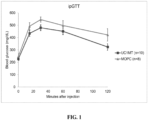
- the uses of the invention significantly improve glucose tolerance in a mouse model of T2D.
- the subject has T2D, and the use serves to treat T2D in the subject.
- the treating may comprise limiting one or more of type 2 diabetic complications, including but not limited to hyperglycemia, hypoglycemia, insulin resistance, diabetic nephropathy, diabetic neuropathy, diabetic retinopathy, proteinuria, impaired glomerular clearance, diabetic circulatory disorders, kidney failure, cardiovascular disease, polyuria, polydipsia, weight loss, stroke, and reducing frequency of need for insulin or other therapy. Any amount of limiting of these symptoms/complications is of great benefit to a subject with T2D.
- the treating may comprise a reduction of 10%, 15%, 20% or greater in blood glucose levels (mg/dL), such as, for example, within 20-120 minutes after administration of the inhibitor.
- the subject has hepatitis, and the use serves to treat hepatitis in the subject.
- MT inhibitors are effective in limiting tissue inflammation, and decreased pro-inflammatory cytokines MCP-1 and TNF-a while increasing the anti-inflammatory IL-10 signal in liver tissue.
- Hepatitis is an inflammation of the liver tissue. Symptoms include, but are not limited to yellow discoloration of the skin and whites of the eyes, poor appetite, vomiting, tiredness, abdominal pain, diarrhea, acute liver failure, scarring of the liver, liver failure, or liver cancer.
- the subject has an inflammatory liver disease, and the use serves to treat the inflammatory liver disease in the subject.
- inflammatory liver disease is a condition associated with intracytoplasmic accumulation of large vacuoles of triglyceride fat in liver cells via steatosis (i.e., abnormal retention of lipids within a cell).
- the liver plays a large role in systemic metabolism and energy imbalance is particularly associated with defects in liver lipid metabolism. Specifically, obesity and insulin resistance are often associated by increased lipid deposition in the liver characteristic of nonalcoholic fatty liver disease (NAFLD).
- NAFLD nonalcoholic fatty liver disease
- liver fibrosis can lead to cirrhosis, cancer and significantly increases the risk of cardiovascular disease. This raises the potential for blocking recruitment of immune cells to the liver to ameliorate the risks of non-alcoholic fatty liver disease (NAFLD).
- NAFLD non-alcoholic fatty liver disease
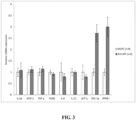
- MT inhibitor treatment was responsible for an increase in the wet tissue weight of epididimal white adipose tissue, and decreased total triglyceride levels, as well as decreased pro-inflammatory cytokines MCP-1 and TNF-a while increasing the anti-inflammatory IL-10 signal.
- the inflammatory liver disease may be steatosis (non-alcoholic fatty liver (NAFL)).
- fatty liver disease may non-alcoholic fatty liver disease (NAFLD), including but not limited to non-alcoholic steatohepatitis (NASH), the most extreme form of NAFLD.
- NAFLD is one of the types of inflammatory liver disease which occurs when fat is deposited (steatosis) in the liver due to causes other than excessive alcohol use.
- Symptoms of NASH and NAFLD may include, but are not limited to, fatigue, malaise, dull right-upper-quadrant abdominal discomfort, mild jaundice, and abnormal liver function tests during routine blood tests; complications of NASH and NAFLD may include, but are not limited to hepatic fibrosis, hepatic cancer, and/or cirrhosis of the liver.
- the inflammatory liver disease is selected from the group consisting of nonalcoholic steatohepatitis (NASH) and/or non-alcoholic fatty liver disease (NAFLD).
- the treating comprises limiting or slowing progression of one or more complications of inflammatory liver disease including but not limited to fatigue, malaise, hepatic fibrosis, hepatic cancer, and/or cirrhosis of the liver.
- the MT inhibitor including but not limited to an anti-MT antibody, may be linked to a pancreatic cell targeting moiety, to specifically target pancreatic cells producing MT, such as pancreatic beta cells.
- a pancreatic cell targeting moiety comprises one or more peptides or other moieties that preferentially bind pancreatic ⁇ cells, including but not limited to glucagon-like peptide-1 (GLP-1), glucagon-like peptide-2 (GLP-2), peptide YY (PYY), neuropeptide Y (NPY), pancreatic peptide (PPY), and exendin-4.
- Attaching the pancreatic cell targeting moiety to the MT inhibitor may be accomplished by any chemical reaction that will bind the two molecules so long as the pancreatic cell targeting moiety and the MT antibody or fragment thereof, or the aptamer, retain their respective activities.
- the extracellular MT inhibitor comprises an antibody or fragment thereof
- the composition comprises a recombinant fusion protein.
- a linkage between the pancreatic cell targeting moiety and the MT antibody or fragment thereof can include many chemical mechanisms, for instance covalent binding, affinity binding, intercalation, coordinate binding and complexation. Covalent binding can be achieved either by direct condensation of existing side chains or by the incorporation of external bridging molecules.
- bivalent or polyvalent linking agents are useful in coupling protein molecules, such as the antibodies, to other molecules.
- representative, non-limiting examples of coupling agents can be organic compounds such as thioesters, carbodiimides, succinimide esters, disocyanates, glutaraldehydes, diazobenzenes and hexamethylene diamines.
- the subject may be any subject that can benefit from the methods of treatment disclosed herein, including mammals, humans, cattle, dogs, cats, horses, chickens, and so on. In one embodiment, the subject is human.
- compositions for administration are typically formulated as a pharmaceutical composition to include a pharmaceutically acceptable carrier.
- suitable acids which are capable of forming pharmaceutically acceptable salts include inorganic acids such as hydrochloric acid, hydrobromic acid, perchloric acid, nitric acid, thiocyanic acid, sulfuric acid, phosphoric acid and the like; and organic acids such as formic acid, acetic acid, propionic acid, glycolic acid, lactic acid, pyruvic acid, oxalic acid, malonic acid, succinic acid, maleic acid, fumaric acid, anthranilic acid, cinnamic acid, naphthalene sulfonic acid, sulfanilic acid and the like.
- Suitable bases capable of forming such salts include inorganic bases such as sodium hydroxide, ammonium hydroxide, potassium hydroxide and the like; and organic bases such as mono-, di- and tri-alkyl and aryl amines (e.g., triethylamine, diisopropyl amine, methyl amine, dimethyl amine and the like) and optionally substituted ethanol-amines (e.g., ethanolamine, diethanolamine and the like).
- inorganic bases such as sodium hydroxide, ammonium hydroxide, potassium hydroxide and the like
- organic bases such as mono-, di- and tri-alkyl and aryl amines (e.g., triethylamine, diisopropyl amine, methyl amine, dimethyl amine and the like) and optionally substituted ethanol-amines (e.g., ethanolamine, diethanolamine and the like).
- the pharmaceutical composition may comprise in addition to the composition and carrier (a) a lyoprotectant; (b) a surfactant; (c) a bulking agent; (d) a tonicity adjusting agent; (e) a stabilizer; (f) a preservative and/or (g) a buffer.
- the buffer in the pharmaceutical composition is a Tris buffer, a histidine buffer, a phosphate buffer, a citrate buffer or an acetate buffer.
- the pharmaceutical composition may also include a lyoprotectant, e.g. sucrose, sorbitol or trehalose.
- the pharmaceutical composition includes a preservative e.g.
- the pharmaceutical composition includes a bulking agent, like glycine.
- the pharmaceutical composition includes a surfactant e.g., polysorbate-20, polysorbate-40, polysorbate- 60, polysorbate-65, polysorbate-80 polysorbate-85, poloxamer-188, sorbitan monolaurate, sorbitan monopalmitate, sorbitan monostearate, sorbitan monooleate, sorbitan trilaurate, sorbitan tristearate, sorbitan trioleaste, or a combination thereof.
- the pharmaceutical composition may also include a tonicity adjusting agent, e.g., a compound that renders the formulation substantially isotonic or isoosmotic with human blood.
- Exemplary tonicity adjusting agents include sucrose, sorbitol, glycine, methionine, mannitol, dextrose, inositol, sodium chloride, arginine and arginine hydrochloride.
- the pharmaceutical composition additionally includes a stabilizer, e.g., a molecule which, when combined with a protein-based composition substantially prevents or reduces chemical and/or physical instability of the protein in lyophilized or liquid form.
- Exemplary stabilizers include sucrose, sorbitol, glycine, inositol, sodium chloride, methionine, arginine, and arginine hydrochloride.
- compositions can be administered via any suitable route, including orally, parentally, by inhalation spray, rectally, or topically in dosage unit formulations containing conventional pharmaceutically acceptable carriers, adjuvants, and vehicles.
- parenteral as used herein includes, subcutaneous, intravenous, intra-arterial, intramuscular, intrasternal, intratendinous, intraspinal, intracranial, intrathoracic, infusion techniques or intraperitoneally. Dosage regimens can be adjusted to provide the optimum desired response (e.g., a therapeutic or prophylactic response).
- a suitable dosage range may, for instance, be 0.1 ug/kg-100 mg/kg body weight; alternatively, it may be 0.5 ug/kg to 50 mg/kg; 1 ug/kg to 25 mg/kg, or 5 ug/kg to 10 mg/kg body weight.
- the compositions can be delivered in a single bolus, or may be administered more than once (e.g., 2, 3, 4, 5, or more times) as determined by attending medical personnel.
- the compositions may be the sole therapeutic administered, or may be administered together with one or more other therapeutic (either separately or as a combination) as deemed appropriate by attending medical personnel.
- the subject has or is at risk of T2D
- the inhibitor may be used together with one or more of metformin, sulfonylureas (including but not limited to glyburide, glipizide, and glimepiride), meglitinides (including but not limited to repaglinide and nateglinide), thiazolidinediones (including but not limited to rosiglitazone and pioglitazone), DPP-4 inhibitors (including but not limited to sitagliptin, saxagliptin, and linagliptin), GLP-1 receptor agonists (including but not limited to exenatide, liraglutide, and semaglutide), SGLT2 inhibitors (including but not limited to canagliflozin, dapagliflozin, and empagliflozin), or insulin.
- metformin including but not limited to glyburide, glipizide, and glimepiride
- the subject has or is at risk of hepatitis
- the inhibitor may be used in combination with one or more of entecavir, tenofovir, lamivudine, adefovir, telbivudine, simeprevir, sofosbuvir, interferon or ribavirin.
- the cell targeting moiety is a hepatic cell targeting moiety.
- the hepatic cell targeting moiety includes but is not limited to circumsporozoite protein (CSP), CSP region I, CSP region I-plus, lactosaminated human serum albumin, glycosylated lipoprotein, and/or arabinogalactan.
- CSP circumsporozoite protein
- the hepatic cell binding moeity is peptidic and selected from CSP, CSP region I, CSP region I plus, or hepatic cell binding fragments thereof.
- CSP circumsporozoite protein
- the N-terminal region also contains upstream from region I, two consensus heparin sulfate binding sequences.
- Peptides containing both the conserved region I amino acids and two consensus heparin binding sequences upstream from region I have been named "region I-plus” ( Prudêncio et al., Nature Reviews Microbiology. 2006;4(11):849-856 ).
- the cell targeting moiety is a pancreatic cell targeting moiety, including but not limited to glucagon-like peptide-1 (GLP-1), glucagon-like peptide-2 (GLP-2), peptide YY (PYY), neuropeptide Y (NPY), pancreatic peptide (PPY), and exendin-4; exemplary amino acid sequences for such peptides are described above.
- GLP-1 glucagon-like peptide-1
- GLP-2 glucagon-like peptide-2
- PYY peptide YY
- NPY neuropeptide Y
- PPY pancreatic peptide
- exendin-4 exendin-4
- Attaching the cell targeting moiety to the MT inhibitor may be accomplished by any chemical reaction that will bind the two molecules so long as the cell targeting moiety and the MT antibody or fragment thereof, or the aptamer, retain their respective activities.
- the extracellular MT inhibitor comprises an antibody or fragment thereof and the cell targeting moiety is peptidic
- the composition comprises a recombinant fusion protein.
- a linkage between the cell targeting moiety and the MT antibody or fragment thereof can include many chemical mechanisms, for instance covalent binding, affinity binding, intercalation, coordinate binding and complexation. Covalent binding can be achieved either by direct condensation of existing side chains or by the incorporation of external bridging molecules.
- bivalent or polyvalent linking agents are useful in coupling protein molecules, such as the antibodies, to other molecules.
- representative, non-limiting examples of coupling agents can be organic compounds such as thioesters, carbodiimides, succinimide esters, disocyanates, glutaraldehydes, diazobenzenes and hexamethylene diamines.
- recombinant nucleic acids encoding recombinant fusion polypeptides of anti-MT antibodies, or fragments thereof fused to the peptidic targeting moieties, including those specifically disclosed herein.
- the recombinant nucleic acid sequence may comprise single stranded or double stranded RNA or DNA, and derivatives thereof.
- Such recombinant nucleic acid sequences may comprise additional sequences useful for promoting expression and/or purification of the encoded protein, including but not limited to polyA sequences, modified Kozak sequences, and sequences encoding epitope tags, export signals, and secretory signals, nuclear localization signals, and plasma membrane localization signals.
- recombinant expression vectors comprising the recombinant nucleic acid of any embodiment or combination of embodiments of the disclosure operatively linked to a suitable control sequence.
- Recombinant expression vector includes vectors that operatively link a nucleic acid coding region or gene to any control sequences capable of effecting expression of the gene product.
- Control sequences operably linked to the nucleic acid sequences of the invention are nucleic acid sequences capable of effecting the expression of the nucleic acid molecules. The control sequences need not be contiguous with the nucleic acid sequences, so long as they function to direct the expression thereof.
- intervening untranslated yet transcribed sequences can be present between a promoter sequence and the nucleic acid sequences and the promoter sequence can still be considered " operatively linked" to the coding sequence.
- Other such control sequences include, but are not limited to, polyadenylation signals, termination signals, and ribosome binding sites.
- Such expression vectors can be of any type, including but not limited to plasmid and viral-based expression vectors.
- the expression vector may be replicable in the host organisms either as an episome or by integration into host chromosomal DNA.
- the expression vector may comprise a plasmid or a viral vector.
- Figure 2 shows the change in glucose tolerance test results normalized to the initial measure from each animal in the group. Control animals developed fatty liver and glucose intolerance, however mice treated with UC1MT showed improved glucose tolerance compared to controls. These data demonstrate that anti-MT antibodies can be used to treat impaired glucose tolerance. Since glucose tolerance can be modulated by inflammatory status, these results also suggest that UC1MT improves the inflammatory profile of the mice, and thus improves the ability of the HFD-fed mice to manage a large glucose challenge.
- the liver plays a large role in systemic metabolism and energy imbalance is particularly associated with defects in liver lipid metabolism. Specifically, obesity and insulin resistance are often associated by increased lipid deposition in the liver characteristic of nonalcoholic fatty liver disease (NAFLD) ( Katsiki N et al, Metabolism 2016 PMID: 27237577 ). Although lipid metabolism is highly dynamic ( Sakaguchi M et al, Cell Metab 2017 PMID: 28065828 ), chronic lipid overload causes tissue damage in the liver resulting in recruitment of liver-resident and non-resident immune cells which can cause fibrosis characteristic of nonalcoholic steatohepatitis (NASH) ( Narayanan S et al, Immune Netw 2016 PMID: 27340383 ). Liver fibrosis can lead to cirrhosis, cancer and significantly increases the risk of cardiovascular disease. This raises the potential for blocking recruitment of immune cells to the liver to ameliorate the risks of non-alcoholic fatty liver disease (NAFLD).
- NAFLD nonalcoholic fatty liver disease
- UC1MT treatment had effects on some of the gene expression of white epididimal adipose tissue (notably Peroxisome proliferator-activated receptor gamma coactivator 1-alpha (PGC-1a), a transcriptional coactivator that regulates energy metabolism, and Peroxisome proliferator-activated receptor (PPAR gamma)) ( Figure 3 ).
- POC-1a Peroxisome proliferator-activated receptor gamma coactivator 1-alpha
- PPAR gamma Peroxisome proliferator-activated receptor
- liver, pancreas, squamous white adipose tissue, eWAT, intrascapular brown adipose tissue, and serum were collected.
- Half of each sample was used for RNA, half for histology (all tissues were fixed in formalin except pancreas which was fixed in Z-FIX TM (Fisher Scientific). The data show that the anti-MT antibody was responsible for:
- Anti-metallothionein antibody did not alter body weight or weight gain in high fat diet-treated mice, nor did it significantly alter liver histology.
- mice treated with anti-MT antibodies had decreased liver triglyceride levels.
- the NOD/ShiLtJ mouse strain (commonly called NOD) is a polygenic model for autoimmune type 1 diabetes. Diabetes in NOD mice is characterized by hyperglycemia and insulitis, a leukocytic infiltration of the pancreatic islets. Marked decreases in pancreatic insulin content occur in females at about 12 weeks of age and several weeks later in males. 80% of females and 45% of males become diabetic by 30 weeks; median female incidence is 17 weeks.
- Immune phenotypes in the NOD background consist of defects in antigen presentation, T lymphocyte repertoire, NK cell function, macrophage cytokine production, wound healing, and C5 complement. These defects make the NOD background a common choice for immunodeficient mouse strains.
Landscapes
- Health & Medical Sciences (AREA)
- Life Sciences & Earth Sciences (AREA)
- Chemical & Material Sciences (AREA)
- Medicinal Chemistry (AREA)
- General Health & Medical Sciences (AREA)
- Pharmacology & Pharmacy (AREA)
- Veterinary Medicine (AREA)
- Public Health (AREA)
- Animal Behavior & Ethology (AREA)
- Organic Chemistry (AREA)
- Diabetes (AREA)
- Engineering & Computer Science (AREA)
- Bioinformatics & Cheminformatics (AREA)
- Nuclear Medicine, Radiotherapy & Molecular Imaging (AREA)
- General Chemical & Material Sciences (AREA)
- Chemical Kinetics & Catalysis (AREA)
- Endocrinology (AREA)
- Obesity (AREA)
- Emergency Medicine (AREA)
- Hematology (AREA)
- Epidemiology (AREA)
- Molecular Biology (AREA)
- Proteomics, Peptides & Aminoacids (AREA)
- Immunology (AREA)
- Gastroenterology & Hepatology (AREA)
- Genetics & Genomics (AREA)
- Biochemistry (AREA)
- Biophysics (AREA)
- Rheumatology (AREA)
- Pain & Pain Management (AREA)
- Mycology (AREA)
- Zoology (AREA)
- Microbiology (AREA)
- Biotechnology (AREA)
- Marine Sciences & Fisheries (AREA)
- Medicines That Contain Protein Lipid Enzymes And Other Medicines (AREA)
- Pharmaceuticals Containing Other Organic And Inorganic Compounds (AREA)
- Medicines Containing Antibodies Or Antigens For Use As Internal Diagnostic Agents (AREA)
- Acyclic And Carbocyclic Compounds In Medicinal Compositions (AREA)
- Micro-Organisms Or Cultivation Processes Thereof (AREA)
Priority Applications (4)
| Application Number | Priority Date | Filing Date | Title |
|---|---|---|---|
| RS20250601A RS66918B1 (sr) | 2018-01-17 | 2019-01-17 | Inhibitori metalotioneina za lečenje dijabetesa, hepatitisa, i/ili inflamatorne bolesti jetre |
| EP25158063.5A EP4596042A3 (en) | 2018-01-17 | 2019-01-17 | Methods for treating diabetes, hepatitis, and/or inflammatory liver disease |
| HRP20250727TT HRP20250727T1 (hr) | 2018-01-17 | 2019-01-17 | Inhibitori metalotioneina za liječenje dijabetesa, hepatitisa, i/ili upalne bolesti jetre |
| SM20250233T SMT202500233T1 (it) | 2018-01-17 | 2019-01-17 | Inibitori della metallotioneina per il trattamento del diabete, dell'epatite e/o della malattia infiammatoria del fegato |
Applications Claiming Priority (2)
| Application Number | Priority Date | Filing Date | Title |
|---|---|---|---|
| US201862618332P | 2018-01-17 | 2018-01-17 | |
| PCT/US2019/013934 WO2019143767A1 (en) | 2018-01-17 | 2019-01-17 | Methods for treating diabetes, hepatitis, and/or inflammatory liver disease |
Related Child Applications (2)
| Application Number | Title | Priority Date | Filing Date |
|---|---|---|---|
| EP25158063.5A Division EP4596042A3 (en) | 2018-01-17 | 2019-01-17 | Methods for treating diabetes, hepatitis, and/or inflammatory liver disease |
| EP25158063.5A Division-Into EP4596042A3 (en) | 2018-01-17 | 2019-01-17 | Methods for treating diabetes, hepatitis, and/or inflammatory liver disease |
Publications (3)
| Publication Number | Publication Date |
|---|---|
| EP3740282A1 EP3740282A1 (en) | 2020-11-25 |
| EP3740282B1 true EP3740282B1 (en) | 2025-03-26 |
| EP3740282C0 EP3740282C0 (en) | 2025-03-26 |
Family
ID=65324621
Family Applications (2)
| Application Number | Title | Priority Date | Filing Date |
|---|---|---|---|
| EP25158063.5A Pending EP4596042A3 (en) | 2018-01-17 | 2019-01-17 | Methods for treating diabetes, hepatitis, and/or inflammatory liver disease |
| EP19703874.8A Active EP3740282B1 (en) | 2018-01-17 | 2019-01-17 | Metallothionein inhibitors for treating diabetes, hepatitis, and/or inflammatory liver disease |
Family Applications Before (1)
| Application Number | Title | Priority Date | Filing Date |
|---|---|---|---|
| EP25158063.5A Pending EP4596042A3 (en) | 2018-01-17 | 2019-01-17 | Methods for treating diabetes, hepatitis, and/or inflammatory liver disease |
Country Status (20)
| Country | Link |
|---|---|
| US (3) | US11866488B2 (enExample) |
| EP (2) | EP4596042A3 (enExample) |
| JP (2) | JP7486423B2 (enExample) |
| KR (1) | KR20200110659A (enExample) |
| CN (2) | CN111801140B (enExample) |
| AU (2) | AU2019209491B2 (enExample) |
| BR (1) | BR112020014346A2 (enExample) |
| CA (1) | CA3088661A1 (enExample) |
| EA (1) | EA202091533A1 (enExample) |
| ES (1) | ES3033317T3 (enExample) |
| HR (1) | HRP20250727T1 (enExample) |
| HU (1) | HUE072418T2 (enExample) |
| IL (2) | IL316486A (enExample) |
| MX (1) | MX2020007384A (enExample) |
| PH (1) | PH12020551076A1 (enExample) |
| PL (1) | PL3740282T3 (enExample) |
| RS (1) | RS66918B1 (enExample) |
| SG (1) | SG11202006421RA (enExample) |
| SM (1) | SMT202500233T1 (enExample) |
| WO (1) | WO2019143767A1 (enExample) |
Families Citing this family (6)
| Publication number | Priority date | Publication date | Assignee | Title |
|---|---|---|---|---|
| US12233108B2 (en) | 2019-03-13 | 2025-02-25 | University Of Virginia Patent Foundation | Compositions and methods for promoting islet viability and enhancing insulin secretion |
| AU2020315367A1 (en) * | 2019-07-15 | 2022-02-03 | University Of Connecticut | Metallothionein antibodies and their use |
| CN110551726B (zh) * | 2019-09-06 | 2021-04-09 | 上海市肺科医院 | 一种结核杆菌阿拉伯半乳聚糖适配子及其应用 |
| US11478533B2 (en) | 2020-04-27 | 2022-10-25 | Novo Nordisk A/S | Semaglutide for use in medicine |
| KR102191405B1 (ko) * | 2020-09-15 | 2020-12-16 | 주식회사 에이스바이오메드 | 간 질환 예방 또는 치료용 조성물 |
| CN115317502B (zh) * | 2021-12-21 | 2023-07-07 | 青岛市市立医院 | 一种线性硬毛藻提取的粗多糖在制备非酒精性脂肪性肝药物中的应用 |
Family Cites Families (10)
| Publication number | Priority date | Publication date | Assignee | Title |
|---|---|---|---|---|
| GB9809951D0 (en) | 1998-05-08 | 1998-07-08 | Univ Cambridge Tech | Binding molecules |
| US20030007973A1 (en) * | 2001-06-22 | 2003-01-09 | Lynes Michael A. | Methods and compositions for manipulation of the immune response using anti-metallothionein antibody |
| WO2007012188A1 (en) | 2005-07-27 | 2007-02-01 | Qinghua Wang | GLP/1/EXENDM 4 IgG Fc FUSION CONSTRUCTS FOR TREATMENT OF DIABETES |
| CN102725312B (zh) * | 2009-10-20 | 2014-10-01 | 佐治亚州立大学研究基金会公司 | 用于糖尿病治疗和β细胞成像的蛋白药物 |
| JP5676769B2 (ja) | 2010-10-14 | 2015-02-25 | イムナール アクティエボラーグ | Ahr活性化因子としての1,2‐ジヒドロ‐4‐ヒドロキシ‐2‐オキソ‐キノリン‐3‐カルボキシアニリド |
| US20140141009A1 (en) * | 2011-07-08 | 2014-05-22 | Univeristy Of Connecticut | Use of antagonists targeting metallothionein to treat intestinal inflammation |
| US20160215042A1 (en) * | 2013-04-19 | 2016-07-28 | The Brigham And Women's Hospital, Inc. | Methods for modulating immune responses during chronic immune conditions by targeting metallothioneins |
| TR201402685A1 (tr) | 2014-03-06 | 2015-09-21 | Sanovel Ilac Sanayi Ve Ticaret Anonim Sirketi | Vildagliptinin farmasotik formulasyonları. |
| WO2015179918A1 (en) * | 2014-05-27 | 2015-12-03 | The University Of Queensland | Modulation of cellular stress |
| JP2017523790A (ja) | 2014-08-07 | 2017-08-24 | レグルス セラピューティクス インコーポレイテッド | 代謝障害のためのマイクロrnaの標的化 |
-
2019
- 2019-01-17 SG SG11202006421RA patent/SG11202006421RA/en unknown
- 2019-01-17 WO PCT/US2019/013934 patent/WO2019143767A1/en not_active Ceased
- 2019-01-17 EP EP25158063.5A patent/EP4596042A3/en active Pending
- 2019-01-17 HR HRP20250727TT patent/HRP20250727T1/hr unknown
- 2019-01-17 JP JP2020537722A patent/JP7486423B2/ja active Active
- 2019-01-17 US US16/961,327 patent/US11866488B2/en active Active
- 2019-01-17 EP EP19703874.8A patent/EP3740282B1/en active Active
- 2019-01-17 MX MX2020007384A patent/MX2020007384A/es unknown
- 2019-01-17 KR KR1020207022117A patent/KR20200110659A/ko active Pending
- 2019-01-17 CA CA3088661A patent/CA3088661A1/en active Pending
- 2019-01-17 IL IL316486A patent/IL316486A/en unknown
- 2019-01-17 CN CN201980008316.6A patent/CN111801140B/zh active Active
- 2019-01-17 CN CN202510512846.1A patent/CN120267797A/zh active Pending
- 2019-01-17 HU HUE19703874A patent/HUE072418T2/hu unknown
- 2019-01-17 RS RS20250601A patent/RS66918B1/sr unknown
- 2019-01-17 EA EA202091533A patent/EA202091533A1/ru unknown
- 2019-01-17 SM SM20250233T patent/SMT202500233T1/it unknown
- 2019-01-17 IL IL276097A patent/IL276097B2/en unknown
- 2019-01-17 AU AU2019209491A patent/AU2019209491B2/en active Active
- 2019-01-17 ES ES19703874T patent/ES3033317T3/es active Active
- 2019-01-17 BR BR112020014346-4A patent/BR112020014346A2/pt unknown
- 2019-01-17 PL PL19703874.8T patent/PL3740282T3/pl unknown
-
2020
- 2020-07-14 PH PH12020551076A patent/PH12020551076A1/en unknown
-
2022
- 2022-08-12 AU AU2022215285A patent/AU2022215285B2/en active Active
-
2023
- 2023-07-24 US US18/357,632 patent/US20240025981A1/en active Pending
- 2023-10-27 US US18/496,279 patent/US20240067710A1/en active Pending
-
2024
- 2024-01-11 JP JP2024002422A patent/JP2024028454A/ja active Pending
Also Published As
Similar Documents
| Publication | Publication Date | Title |
|---|---|---|
| EP3740282B1 (en) | Metallothionein inhibitors for treating diabetes, hepatitis, and/or inflammatory liver disease | |
| JP6633108B2 (ja) | 脂肪組織の集積を処置するための組成物および方法 | |
| US20190359703A1 (en) | Anti-il4-il13 bispecific antibodies | |
| KR20250016223A (ko) | 항인슐린 수용체 항체를 위한 제형 및 이의 용도 | |
| WO2017062693A1 (en) | Methods for treating rare genetic disorders using glucagon receptor antagonistic antibodies | |
| HK40040177A (en) | Metallothionein inhibitors for treating diabetes, hepatitis, and/or inflammatory liver disease | |
| HK40040177B (en) | Metallothionein inhibitors for treating diabetes, hepatitis, and/or inflammatory liver disease | |
| EA048509B1 (ru) | Способы лечения диабета, гепатита и/или воспалительного заболевания печени | |
| US12508299B2 (en) | Compositions and methods for treating obesity and hyperphagia | |
| US20230020626A1 (en) | Compositions and methods for treating obesity and hyperphagia |
Legal Events
| Date | Code | Title | Description |
|---|---|---|---|
| REG | Reference to a national code |
Ref country code: HR Ref legal event code: TUEP Ref document number: P20250727T Country of ref document: HR |
|
| STAA | Information on the status of an ep patent application or granted ep patent |
Free format text: STATUS: UNKNOWN |
|
| STAA | Information on the status of an ep patent application or granted ep patent |
Free format text: STATUS: THE INTERNATIONAL PUBLICATION HAS BEEN MADE |
|
| PUAI | Public reference made under article 153(3) epc to a published international application that has entered the european phase |
Free format text: ORIGINAL CODE: 0009012 |
|
| STAA | Information on the status of an ep patent application or granted ep patent |
Free format text: STATUS: REQUEST FOR EXAMINATION WAS MADE |
|
| 17P | Request for examination filed |
Effective date: 20200714 |
|
| AK | Designated contracting states |
Kind code of ref document: A1 Designated state(s): AL AT BE BG CH CY CZ DE DK EE ES FI FR GB GR HR HU IE IS IT LI LT LU LV MC MK MT NL NO PL PT RO RS SE SI SK SM TR |
|
| AX | Request for extension of the european patent |
Extension state: BA ME |
|
| DAV | Request for validation of the european patent (deleted) | ||
| DAX | Request for extension of the european patent (deleted) | ||
| REG | Reference to a national code |
Ref country code: HK Ref legal event code: DE Ref document number: 40040177 Country of ref document: HK |
|
| STAA | Information on the status of an ep patent application or granted ep patent |
Free format text: STATUS: EXAMINATION IS IN PROGRESS |
|
| 17Q | First examination report despatched |
Effective date: 20230201 |
|
| REG | Reference to a national code |
Ref country code: DE Ref legal event code: R079 Free format text: PREVIOUS MAIN CLASS: A61P0001160000 Ipc: A61K0039395000 Ref country code: DE Ref legal event code: R079 Ref document number: 602019067723 Country of ref document: DE Free format text: PREVIOUS MAIN CLASS: A61P0001160000 Ipc: A61K0039395000 |
|
| GRAP | Despatch of communication of intention to grant a patent |
Free format text: ORIGINAL CODE: EPIDOSNIGR1 |
|
| STAA | Information on the status of an ep patent application or granted ep patent |
Free format text: STATUS: GRANT OF PATENT IS INTENDED |
|
| RIC1 | Information provided on ipc code assigned before grant |
Ipc: A61P 3/10 20060101ALI20241002BHEP Ipc: A61P 3/08 20060101ALI20241002BHEP Ipc: A61P 1/16 20060101ALI20241002BHEP Ipc: A61K 39/395 20060101AFI20241002BHEP |
|
| INTG | Intention to grant announced |
Effective date: 20241016 |
|
| RAP3 | Party data changed (applicant data changed or rights of an application transferred) |
Owner name: JOSLIN DIABETES CENTER, INC. Owner name: UNIVERSITY OF CONNECTICUT |
|
| GRAS | Grant fee paid |
Free format text: ORIGINAL CODE: EPIDOSNIGR3 |
|
| GRAA | (expected) grant |
Free format text: ORIGINAL CODE: 0009210 |
|
| STAA | Information on the status of an ep patent application or granted ep patent |
Free format text: STATUS: THE PATENT HAS BEEN GRANTED |
|
| AK | Designated contracting states |
Kind code of ref document: B1 Designated state(s): AL AT BE BG CH CY CZ DE DK EE ES FI FR GB GR HR HU IE IS IT LI LT LU LV MC MK MT NL NO PL PT RO RS SE SI SK SM TR |
|
| REG | Reference to a national code |
Ref country code: GB Ref legal event code: FG4D |
|
| REG | Reference to a national code |
Ref country code: CH Ref legal event code: EP |
|
| REG | Reference to a national code |
Ref country code: DE Ref legal event code: R096 Ref document number: 602019067723 Country of ref document: DE |
|
| REG | Reference to a national code |
Ref country code: IE Ref legal event code: FG4D |
|
| U01 | Request for unitary effect filed |
Effective date: 20250327 |
|
| U07 | Unitary effect registered |
Designated state(s): AT BE BG DE DK EE FI FR IT LT LU LV MT NL PT RO SE SI Effective date: 20250403 |
|
| REG | Reference to a national code |
Ref country code: ES Ref legal event code: FG2A Ref document number: 3033317 Country of ref document: ES Kind code of ref document: T3 Effective date: 20250801 |
|
| REG | Reference to a national code |
Ref country code: GR Ref legal event code: EP Ref document number: 20250401251 Country of ref document: GR Effective date: 20250707 Ref country code: SK Ref legal event code: T3 Ref document number: E 46647 Country of ref document: SK |
|
| REG | Reference to a national code |
Ref country code: HR Ref legal event code: T1PR Ref document number: P20250727 Country of ref document: HR |
|
| REG | Reference to a national code |
Ref country code: HU Ref legal event code: AG4A Ref document number: E072418 Country of ref document: HU |