EP3731504A1 - Telephone device, method for controlling telephone device, and program - Google Patents
Telephone device, method for controlling telephone device, and program Download PDFInfo
- Publication number
- EP3731504A1 EP3731504A1 EP19886041.3A EP19886041A EP3731504A1 EP 3731504 A1 EP3731504 A1 EP 3731504A1 EP 19886041 A EP19886041 A EP 19886041A EP 3731504 A1 EP3731504 A1 EP 3731504A1
- Authority
- EP
- European Patent Office
- Prior art keywords
- volume
- signal
- frequency characteristics
- reception
- sidetone
- Prior art date
- Legal status (The legal status is an assumption and is not a legal conclusion. Google has not performed a legal analysis and makes no representation as to the accuracy of the status listed.)
- Granted
Links
Images


Classifications
-
- H—ELECTRICITY
- H04—ELECTRIC COMMUNICATION TECHNIQUE
- H04M—TELEPHONIC COMMUNICATION
- H04M9/00—Arrangements for interconnection not involving centralised switching
- H04M9/08—Two-way loud-speaking telephone systems with means for conditioning the signal, e.g. for suppressing echoes for one or both directions of traffic
- H04M9/082—Two-way loud-speaking telephone systems with means for conditioning the signal, e.g. for suppressing echoes for one or both directions of traffic using echo cancellers
-
- H—ELECTRICITY
- H04—ELECTRIC COMMUNICATION TECHNIQUE
- H04M—TELEPHONIC COMMUNICATION
- H04M1/00—Substation equipment, e.g. for use by subscribers
- H04M1/58—Anti-side-tone circuits
-
- H—ELECTRICITY
- H04—ELECTRIC COMMUNICATION TECHNIQUE
- H04M—TELEPHONIC COMMUNICATION
- H04M7/00—Arrangements for interconnection between switching centres
- H04M7/12—Arrangements for interconnection between switching centres for working between exchanges having different types of switching equipment, e.g. power-driven and step by step or decimal and non-decimal
- H04M7/1205—Arrangements for interconnection between switching centres for working between exchanges having different types of switching equipment, e.g. power-driven and step by step or decimal and non-decimal where the types of switching equipement comprises PSTN/ISDN equipment and switching equipment of networks other than PSTN/ISDN, e.g. Internet Protocol networks
- H04M7/1295—Details of dual tone multiple frequency signalling
Definitions
- the present disclosure relates to a telephone apparatus, a method of controlling a telephone apparatus, and a program.
- Patent Literature 1 discloses a technique of making a conversation over the phone more natural by determining the sum of the attenuation values of a transmission signal and a reception signal to be a proper value. Specifically, in Patent Literature 1, first, a white noise is input to a telephone line and the white noise is input as a sidetone into a reception signal path by line coupling, and then a difference between the level of detection of the white noise on the reception side and that of the transmission side is calculated. Next, based on the above difference between the levels of detection, each of an acoustic coupling amount and a line coupling amount is calculated, and based on the result of the calculation, the sum of the attenuation amounts of the transmission signal and the reception signal is set.
- Patent Literature 1 Japanese Unexamined Patent Application Publication No. H08-335976
- Patent Literature 1 for example, if a reception volume is set large when a line echo amount is large, a howling noise is generated when placing the telephone handset down while on line or placing the telephone handset back onto the telephone set after the end of the conversation.
- An object of the present disclosure is to provide a telephone apparatus that can prevent generation of a howling noise more reliably, a method of controlling a telephone apparatus, and a program.
- a telephone apparatus includes:
- a method of controlling a telephone apparatus includes performing, by a control unit of the telephone apparatus, a first processing of:
- a program according to a third aspect causes a control unit of a telephone apparatus to perform a first processing of:
- a telephone apparatus 100 includes, as shown in Fig. 1 , at least a handset 104, a sidetone volume 105, a transmission volume 106, a DTMF (Dual Tone Multiple Frequency) signal generation unit 108, a line interface unit 109, a line volume measurement unit 110, a reception volume 111, a control unit 113, and a storage unit 114 etc. Further, as shown in Fig. 1 , the telephone apparatus 100 is connected to a line 200 via a line interface unit 109.
- a DTMF Dual Tone Multiple Frequency
- control unit 113 estimates a line echo amount based on a volume of the DTMF signal generated by the DTMF signal generation unit 108 based on a telephone number and a volume of the DTMF signal input from the line 200.
- control unit 113 calculates a howling noise threshold value based on a maximum value of an acoustic echo generated at the handset that is stored in the storage unit 114 and set values of the sidetone volume 105, the transmission volume 106, and the reception volume 111.
- control unit 113 performs a first processing of calculating a difference between the line echo amount and the howling noise threshold value as an adjustment requisite amount when the line echo amount is larger than the howling noise threshold value and lowering the set value of the sidetone volume 105 by the adjustment requisite amount.
- the control unit 113 lowers set value of the sidetone volume 105 by the adjustment requisite amount whereby the howling noise can be prevented.
- the maximum value of the acoustic echo used to calculate the howling noise threshold value is the maximum value of the acoustic echo generated at the handset 104, for example, it is possible to prevent generation of the howling noise that is generated when the handset is placed down while on line. Accordingly, it is possible to provide the telephone apparatus 100 that can prevent generation of a howling noise more reliably.
- Fig. 2 is a block diagram showing an example of the telephone apparatus 100 according to the first example embodiment.
- the telephone apparatus 100 includes dial buttons 101, a reception volume switching button 102, a button detection unit 103, the handset 104, the sidetone volume 105, the transmission volume 106, a transmission frequency characteristics adjustment unit 107, the DTMF signal generation unit 108, the line interface unit 109, the line volume measurement unit 110, the reception volume 111, a reception frequency characteristics adjustment unit 112, the control unit 113, and the storage unit 114, etc.
- the telephone apparatus 100 is connected to the line 200 via the line interface unit 109.
- the dial buttons 101 have the numbers 0 to 9 etc. and when a user presses the buttons, it is detected by the button detection unit 103.
- the reception volume switching button 102 includes, for example, a volume-up button (not shown) and a volume-down button (not shown).
- a volume-up button (not shown)
- a volume-down button (not shown).
- the button detection unit 103 detects that the dial buttons 101 have been pressed and inputs information related to a telephone number that has been designated by the pressing of the dial buttons 101 to the control unit 113. Further, the button detection unit 103 detects that the reception volume switching button 102 has been pressed and inputs reception volume switching information to the control unit 113.
- the handset 104 is equipped with, for example, a microphone 104A, a speaker 104B etc.
- the microphone 104A detects a voice of the user, converts it into an electrical signal, and inputs it as a transmission signal S1 to the sidetone volume 105 and the transmission volume 106.
- the speaker 104B converts an electrical signal which is a voice of the person to whom the user is speaking into a voice and outputs it.
- the sidetone volume 105 adjusts a volume of a sidetone signal S3. Specifically, the sidetone volume 105 adjusts the volume of the sidetone signal S3 in accordance with the set value input from the control unit 113.
- the transmission volume 106 adjusts a volume of the transmission signal S1. Specifically, the transmission volume 106 adjusts the volume of the transmission signal in accordance with the set value input from the control unit 113.
- the transmission frequency characteristics adjustment unit 107 adjusts the frequency characteristics of the transmission signal S1 which is a voice of the user. Specifically, the transmission frequency characteristics adjustment unit 107 adjusts the frequency characteristics of the transmission signal S1 in accordance with the set value input from the control unit 113.
- the DTMF signal generation unit 108 generates a DTMF signal based on the information related to the telephone number input from the button detection unit 103 to the control unit 113. Specifically, the information related to the telephone number is input from the control unit 113 to the DTMF signal generation unit 108. Further, the DTMF signal generation unit 108 generates the DTMF signal based on the information related to the telephone number. Further, the DTMF signal generation unit 108 adds the generated DTMF signal to the transmission signal S1 output from the transmission frequency characteristics adjustment unit 107.
- the line interface unit 109 controls connection between the telephone apparatus 100 and the line 200. Specifically, the line interface unit 109 outputs the transmission signal S1 to which the DTMF signal generated by the DTMF signal generation unit 108 is added to the line 200. Further, the line interface unit 109 inputs the reception signal S2 input from the line 200 to the line volume measurement unit 110.
- the line volume measurement unit 110 measures the volume of the reception signal S2 input from the line 200 through the line interface unit 109.
- the reception signal S2 is a signal that is obtained by converting the voice of the person to whom the user is speaking into an electrical signal.
- the line volume measurement unit 110 according to the first example embodiment measures the volume of the DTMF signal input as the reception signal S2 by the line echo in the line 200 and inputs the value of the volume of the measured DTMF signal into the control unit 113.
- the reception volume 111 adjusts the volume of the reception signal S2 input from the line 200 through the line interface unit 109 and the line volume measurement unit 110. Specifically, the reception volume 111 adjusts the volume of the reception signal in accordance with the set value input from the control unit 113.
- the reception frequency characteristics adjustment unit 112 adjusts the frequency characteristics of the reception signal S2 which is a voice of the person to whom the user is speaking. Specifically, the reception frequency characteristics adjustment unit 112 adjusts the frequency characteristics of the reception signal S2 in accordance with the set value input from the control unit 113.
- the control unit 113 includes a CPU (Central Processing Unit) etc. (not shown). By causing the CPU to execute a program stored in the storage unit 114, all of the processing performed by the control unit 113 is realized. Specifically, by causing the CPU to the program stored in the storage unit 114, the control unit 113 controls each unit of the telephone apparatus 100. Specifically, the control unit 113 controls the sidetone volume 105, the transmission volume 106, the transmission frequency characteristics adjustment unit 107, the DTMF signal generation unit 108, the line volume measurement unit 110, the reception volume 111, and the reception frequency characteristics adjustment unit 112. Further, the program stored in the storage unit 114 includes a code for realizing each processing performed by the control unit 113 by being executed by the CPU.
- a CPU Central Processing Unit
- the storage unit 114 is configured, for example, so as to include an arbitrary storage unit that stores the program described above or various information used in the processing performed by the control unit 113.
- the storage device is, for example, a memory or the like.
- control unit 113 compares, for example, the volume of the DTMF signal which is added to the transmission signal S1 by the DTMF signal generation unit 108 with the volume of the DTMF signal which is measured by the line volume measurement unit 110 and estimates the line echo amount in the line 200.
- control unit 113 reads out the maximum acoustic echo amount stored in the storage unit 114 and calculates the howling noise threshold value of the line echo amount in the line 200 where the howling noise occurs based on the maximum acoustic echo amount and the set values of the sidetone volume 105, the transmission volume 106, the transmission frequency characteristics adjustment unit 107, the reception volume 111, and the reception frequency characteristics adjustment unit 112.
- set value of the sidetone volume 105 is a prescribed value indicating the volume of the sidetone signal S3.
- the set value of the transmission volume 106 is a prescribed value indicating the volume of the transmission signal S1.
- the set value of the reception volume 111 is a prescribed value indicating the volume of the transmission signal S2.
- the set value of the transmission frequency characteristics adjustment unit 107 is a prescribed value indicating the frequency characteristics of the transmission signal S1.
- the reception frequency characteristics adjustment unit 112 is a prescribed value indicating the frequency characteristics of the reception signal S2.
- the frequency characteristics refers to a relationship between the frequency and the output value of the frequency. That is, the set value of the transmission frequency characteristics adjustment unit 107 refers to the prescribed output value of the prescribed frequency of the transmission signal S1. Similarly, the set value of the reception frequency characteristic adjustment unit 112 refers to the prescribed output value of the prescribed frequency of the reception signal S2.
- control unit 113 compares the estimated line echo amount with the calculated howling noise threshold value. Then the control unit 113 performs the processing (1) to (3) described below.
- the button detection unit 103 inputs the reception volume switching information indicating that the volume is to be raised to the control unit 113. Then, the control unit 113 compares the estimated line echo amount with the calculated howling noise threshold value and performs the aforementioned processing (1), (2), and (3) in this order. Accordingly, the howling noise can be prevented.
- the button detection unit 103 inputs the reception volume switching information indicating that the volume is to be lowered to the control unit 113. Then, the control unit 113 restores the set values (the frequency characteristics) of the transmission frequency characteristics adjustment unit 107 and the reception frequency characteristics adjustment unit 112 to the initial values after restoring the set values of the transmission volume 106 and the reception volume 111 to the initial values and then restores the set value of the sidetone volume 105 to the initial value.
- the storage unit 114 stores the maximum value of the acoustic echo between the microphone 104A and the speaker 104B of the telephone apparatus 100 and the set values of the sidetone volume 105, the transmission volume 106, and the reception volume 111.
- the control unit 113 controls the microphone 104A and measures the acoustic echo amount of the state under which the acoustic echo amount becomes the largest such as when the handset is placed down while on line etc., and stores the acoustic echo amount as the maximum echo amount in the storage unit 114.
- the control unit 113 sets the set values of the sidetone volume 105, the transmission volume 106, the transmission frequency characteristics adjustment unit 107, the reception volume 111, and the reception frequency characteristics adjustment unit 112 to the prescribed initial values (Step S101).
- Step S102 when the user takes the handset 104 off the hook, the telephone apparatus 100 is connected to the line 200 to be in a state of waiting for a telephone number to be input.
- the button detection unit 103 detects that the dial buttons 101 have been pressed and inputs the information related to the telephone number to the control unit 113 (Step S103).
- control unit 113 inputs the information related to the telephone number to the DTMF signal generation unit 108 and the DTMF signal generation unit 108 generates the DTMF signal based on the information related to the telephone number and adds the generated DTMF signal to the transmission signal S1 (Step S104).
- the line interface unit 109 transmits the transmission signal S1 to which the DTMF signal is added to the line 200 (Step S105). Further, the line interface unit 109 inputs the reception signal S2 input from the line 200 to the line volume measurement unit 110 (Step S106). Here, the DTMF signal transmitted from the line interface unit 109 is input to the telephone apparatus 100 as the reception signal S2 due to the line echo in the line 200.
- the line volume measurement unit 110 measures the volume of the DTMF signal input as the reception signal S2 and inputs the volume of the measured DTMF signal to the control unit 113 (Step S107).
- control unit 113 compares the volume of the DTMF signal which is added to the transmission signal S1 by the DTMF signal generation unit 108 with the volume of the DTMF signal which is measured by the line volume measurement unit 110 and estimates the line echo amount in the line 200 (Step S108).
- control unit 113 calculates a howling noise threshold value based on a maximum acoustic echo amount stored in the storage unit 114 and the set values of the sidetone volume 105, the transmission volume 106, the transmission frequency characteristics adjustment unit 107, the reception volume 111, and the reception frequency characteristics adjustment unit 112 (Step S109).
- control unit 113 determines whether or not the estimated line echo amount is larger than the calculated howling noise threshold value (Step S110).
- Step S110 when the estimated line echo amount is equal to or lower than the calculated howling noise threshold value (Step S110; No), this processing ends.
- Step S110 when the estimated line echo amount exceeds the calculated howling noise threshold value (Step S110; Yes), the control unit 113 calculates the amount of difference between the line echo amount and the howling noise threshold value as the adjustment requisite amount (Step S111).
- control unit 113 determines whether not the set value of the sidetone volume 105 becomes smaller the prescribed minimum value when the set value of the sidetone volume 105 is lowered by the adjustment requisite amount calculated in Step S110 (Step S112).
- Step S112 when the set value of the sidetone volume 105 is equal to or larger than the prescribed minimum value even when the set value of the sidetone volume 105 is lowered by the adjustment requisite amount (Step S112; No), the control unit 113 automatically lowers the set value of the sidetone volume 105 by the adjustment requisite amount (Step S113), and this processing ends.
- Step S112 in the case where the set value of the sidetone volume 105 becomes smaller than the prescribed minimum value when the set value of the sidetone volume 105 is lowered by the adjustment requisite amount (Step S112; Yes), the control unit 113 sets the set value of the sidetone volume 105 to the minimum value (Step S114).
- control unit 113 adjusts the frequency characteristics of the transmission frequency characteristics adjustment unit 107 and the reception frequency characteristics adjustment unit 112 as the set value of the sidetone volume 105 is set to the minimum value and determines whether or not the adjustment amount exceeds the prescribed adjustable range (Step S115).
- Step S115 when the adjustment amounts of the frequency characteristics of the transmission frequency characteristics adjustment unit 107 and the reception frequency characteristics adjustment unit 112 are within the prescribed adjustable range (Step S115; No), the control unit 113 adjusts the frequency characteristics of the transmission frequency characteristics unit 107 and the reception frequency characteristics adjustment unit 112 as the set value of the sidetone volume 105 is set to the minimum value (Step S116), and this processing ends.
- Step S115 when the adjustment amounts of the frequency characteristics of the transmission frequency characteristics adjustment unit 107 and the reception frequency characteristics adjustment unit 112 exceed the prescribed adjustable range (Step S115; Yes), the control unit 113 automatically lowers the set values of the transmission volume 106 and the reception volume 111 by the adjustment requisite amount (Step S117), and this processing ends.
- control unit 113 may perform the processing of aforementioned Steps S110 to S117.
- the control unit 113 restores the set values of the transmission volume 106 and the reception volume 111 to the initial values.
- the control unit 113 restores the set values (the frequency characteristics) of the transmission frequency characteristics adjustment unit 107 and the reception frequency characteristics adjustment unit 112 to the initial values.
- the control unit 113 restores the set value of the sidetone volume 105 to the initial value.
- the control unit 113 lowers the set value of the sidetone volume 105 by the adjustment requisite amount (the first processing). Accordingly, the howling noise can be prevented.
- the maximum value of the acoustic echo used for calculation of the howling noise threshold value is the maximum value of the acoustic echo generated in the handset 104, it is possible to prevent, for example, the howling noise that is generated when the handset 104 is placed down while on line etc. Accordingly, it is possible to provide the telephone apparatus 100 that can prevent generation of a howling noise more reliably, a method of controlling the telephone apparatus, and a program.
- the control unit 113 sets the set value of the sidetone volume 105 to the minimum value.
- the control unit 113 controls the transmission frequency characteristics adjustment unit 107 and the reception frequency characteristics adjustment unit 112 and adjusts the frequency characteristics of the transmission signal S1 and the reception signal S2 (the second processing). In other words, the control unit 113 lowers the frequency characteristics of the set value by the adjustment requisite amount, while taking into account the lowered amount of the set value of the sidetone volume 105.
- the set values of the transmission frequency characteristics adjustment unit 107 and the reception frequency characteristics adjustment unit 112 are lowered by a value obtained by subtracting the lowered amount of the set value of the sidetone volume 105 from the adjustment requisite amount. Accordingly, the howling noise threshold value becomes equal to or larger than the line echo amount, and thus the howling noise can be prevented more reliably.
- the control unit 113 automatically lowers the set values of the transmission volume 106 and the reception volume 111 by the adjustment requisite amount (the third processing). Accordingly, the howling noise threshold value becomes equal to or larger than the line echo amount, and thus the howling noise can be prevented even more reliably.
- control unit 113 performs the aforementioned processing even when the volume-up button (not shown) of the reception volume switching button 102 is pressed while talking, it is also possible to prevent the howling noise even if the volume of the reception signal S2 is raised.
- the control unit 113 restores the set values (the frequency characteristics) of the transmission frequency characteristics adjustment unit 107 and the reception frequency characteristics adjustment unit 112 to the initial values after restoring the set values of the transmission volume 106 and the reception volume 111 to the initial values and then restores the set value of the sidetone volume 105 to the initial value.
- Steps S107 to S109 may be performed simultaneously.
- Non-transitory computer readable media include any type of tangible storage media. Examples of non-transitory computer readable media include magnetic storage media (such as floppy disks, magnetic tapes, hard disk drives, etc.), optical magnetic storage media (e.g.
- the program may be provided to a computer using any type of transitory computer readable media.
- transitory computer readable media include electric signals, optical signals, and electromagnetic waves.
- Transitory computer readable media can provide the program to a computer via a wired communication line (e.g. electric wires, and optical fibers) or a wireless communication line.
Landscapes
- Engineering & Computer Science (AREA)
- Signal Processing (AREA)
- Computer Networks & Wireless Communication (AREA)
- Telephone Function (AREA)
- Circuit For Audible Band Transducer (AREA)
- Cable Transmission Systems, Equalization Of Radio And Reduction Of Echo (AREA)
Abstract
Description
- The present disclosure relates to a telephone apparatus, a method of controlling a telephone apparatus, and a program.
-
Patent Literature 1 discloses a technique of making a conversation over the phone more natural by determining the sum of the attenuation values of a transmission signal and a reception signal to be a proper value. Specifically, inPatent Literature 1, first, a white noise is input to a telephone line and the white noise is input as a sidetone into a reception signal path by line coupling, and then a difference between the level of detection of the white noise on the reception side and that of the transmission side is calculated. Next, based on the above difference between the levels of detection, each of an acoustic coupling amount and a line coupling amount is calculated, and based on the result of the calculation, the sum of the attenuation amounts of the transmission signal and the reception signal is set. - Patent Literature 1: Japanese Unexamined Patent Application Publication No.
H08-335976 - However, as disclosed in
Patent Literature 1, for example, if a reception volume is set large when a line echo amount is large, a howling noise is generated when placing the telephone handset down while on line or placing the telephone handset back onto the telephone set after the end of the conversation. - Further, although there is a method of cancelling a howling noise using a line echo canceller, not only is there a possibility that the quality of conversation may be degraded due to the echo estimation, but also the cost of the telephone apparatus increases.
- An object of the present disclosure is to provide a telephone apparatus that can prevent generation of a howling noise more reliably, a method of controlling a telephone apparatus, and a program.
- A telephone apparatus according to a first aspect includes:
- a DTMF signal generation unit configured to generate a DTMF signal based on a telephone number;
- a line interface unit configured to transmit the DTMF signal to a line;
- a line volume measurement unit configured to measure a volume of the DTMF signal input from the line;
- a sidetone volume configured to adjust a volume of a sidetone signal;
- a transmission volume configured to adjust a volume of a transmission signal;
- a reception volume configured to adjust a volume of a reception signal;
- a control unit configured to control the sidetone volume, the transmission volume, and the reception volume; and
- a storage unit configured to store a maximum value of an acoustic echo generated at a handset and set values of the sidetone volume, the transmission volume, and the reception volume,
- in which the control unit is configured to perform a first processing of:
- estimating a line echo amount based on a volume of the DTMF signal generated by the DTMF signal generation unit and a volume of the DTMF signal input from the line;
- calculating a howling noise threshold value based on the maximum value of the acoustic echo and the set values of the sidetone volume, the transmission volume, and the reception volume; and
- calculating a difference between the line echo amount and the howling noise threshold value as an adjustment requisite amount and lowering the set value of the sidetone volume by the adjustment requisite amount when the line echo amount is larger than the howling noise threshold value.
- A method of controlling a telephone apparatus according to a second aspect includes performing, by a control unit of the telephone apparatus, a first processing of:
- estimating a line echo amount based on a volume of a DTMF signal generated based on a telephone number and a volume of the DTMF signal input from a line;
- calculating a howling noise threshold value based on a maximum value of an acoustic echo generated at a handset and set values of a volume of a sidetone signal, a volume of a transmission signal, and a volume of a reception signal; and
- calculating a difference between the line echo amount and the howling noise threshold value as an adjustment requisite amount and lowering the set value of the volume of the sidetone signal by the adjustment requisite amount when the line echo amount is larger than the howling noise threshold value.
- A program according to a third aspect causes a control unit of a telephone apparatus to perform a first processing of:
- estimating a line echo amount based on a volume of a DTMF signal generated based on a telephone number and a volume of the DTMF signal input from a line;
- calculating a howling noise threshold value based on a maximum value of an acoustic echo generated at a handset and set values of a volume of a sidetone signal, a volume of a transmission signal, and a volume of a reception signal; and
- calculating a difference between the line echo amount and the howling noise threshold value as an adjustment requisite amount and lowering the set value of the volume of the sidetone signal by the adjustment requisite amount when the line echo amount is larger than the howling noise threshold value.
- According to the present disclosure, it is possible to provide a telephone apparatus that can prevent generation of a howling noise more reliably, a method of controlling the telephone apparatus, and a program.
-
-
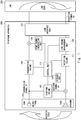
Fig. 1 is a block diagram showing an example of a telephone apparatus according to a first example embodiment; -
Fig. 2 is a block diagram showing an example of the telephone apparatus according to the first example embodiment; -
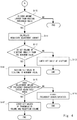
Fig. 3 is a flowchart showing an example of the telephone apparatus according to the first example embodiment; and -
Fig. 4 is a flowchart showing an example of the telephone apparatus according to the first example embodiment. - Hereinbelow, example embodiments of the present disclosure are explained with reference to the drawings.
- A
telephone apparatus 100 according to the first example embodiment includes, as shown inFig. 1 , at least ahandset 104, asidetone volume 105, atransmission volume 106, a DTMF (Dual Tone Multiple Frequency)signal generation unit 108, aline interface unit 109, a linevolume measurement unit 110, areception volume 111, acontrol unit 113, and astorage unit 114 etc. Further, as shown inFig. 1 , thetelephone apparatus 100 is connected to aline 200 via aline interface unit 109. - Then, the
control unit 113 estimates a line echo amount based on a volume of the DTMF signal generated by the DTMFsignal generation unit 108 based on a telephone number and a volume of the DTMF signal input from theline 200. - Further, the
control unit 113 calculates a howling noise threshold value based on a maximum value of an acoustic echo generated at the handset that is stored in thestorage unit 114 and set values of thesidetone volume 105, thetransmission volume 106, and thereception volume 111. - Further, the
control unit 113 performs a first processing of calculating a difference between the line echo amount and the howling noise threshold value as an adjustment requisite amount when the line echo amount is larger than the howling noise threshold value and lowering the set value of thesidetone volume 105 by the adjustment requisite amount. - In the
telephone apparatus 100 according to the first example embodiment, when the line echo amount exceeds the howling noise threshold value, namely, when the sum of the line echo amount estimated using the DTMF signal, the maximum value of the acoustic echo amount, the set value of thetransmission volume 106, the set value of thereception volume 111, and the set value of thesidetone volume 105 is a positive value, thecontrol unit 113 lowers set value of thesidetone volume 105 by the adjustment requisite amount whereby the howling noise can be prevented. Further, since the maximum value of the acoustic echo used to calculate the howling noise threshold value is the maximum value of the acoustic echo generated at thehandset 104, for example, it is possible to prevent generation of the howling noise that is generated when the handset is placed down while on line. Accordingly, it is possible to provide thetelephone apparatus 100 that can prevent generation of a howling noise more reliably. -
Fig. 2 is a block diagram showing an example of thetelephone apparatus 100 according to the first example embodiment. As shown inFig. 2 , thetelephone apparatus 100 includesdial buttons 101, a receptionvolume switching button 102, abutton detection unit 103, thehandset 104, thesidetone volume 105, thetransmission volume 106, a transmission frequencycharacteristics adjustment unit 107, the DTMFsignal generation unit 108, theline interface unit 109, the linevolume measurement unit 110, thereception volume 111, a reception frequencycharacteristics adjustment unit 112, thecontrol unit 113, and thestorage unit 114, etc. Further, as shown inFig. 2 , thetelephone apparatus 100 is connected to theline 200 via theline interface unit 109. - The
dial buttons 101 have the numbers 0 to 9 etc. and when a user presses the buttons, it is detected by thebutton detection unit 103. - The reception
volume switching button 102 includes, for example, a volume-up button (not shown) and a volume-down button (not shown). When the volume-up button of the receptionvolume switching button 102 is pressed, it is detected by thebutton detection unit 103. - The
button detection unit 103 detects that thedial buttons 101 have been pressed and inputs information related to a telephone number that has been designated by the pressing of thedial buttons 101 to thecontrol unit 113. Further, thebutton detection unit 103 detects that the receptionvolume switching button 102 has been pressed and inputs reception volume switching information to thecontrol unit 113. - The
handset 104 is equipped with, for example, amicrophone 104A, aspeaker 104B etc. - The
microphone 104A detects a voice of the user, converts it into an electrical signal, and inputs it as a transmission signal S1 to thesidetone volume 105 and thetransmission volume 106. - The
speaker 104B converts an electrical signal which is a voice of the person to whom the user is speaking into a voice and outputs it. - The
sidetone volume 105 adjusts a volume of a sidetone signal S3. Specifically, thesidetone volume 105 adjusts the volume of the sidetone signal S3 in accordance with the set value input from thecontrol unit 113. - The
transmission volume 106 adjusts a volume of the transmission signal S1. Specifically, thetransmission volume 106 adjusts the volume of the transmission signal in accordance with the set value input from thecontrol unit 113. - The transmission frequency
characteristics adjustment unit 107 adjusts the frequency characteristics of the transmission signal S1 which is a voice of the user. Specifically, the transmission frequencycharacteristics adjustment unit 107 adjusts the frequency characteristics of the transmission signal S1 in accordance with the set value input from thecontrol unit 113. - The DTMF
signal generation unit 108 generates a DTMF signal based on the information related to the telephone number input from thebutton detection unit 103 to thecontrol unit 113. Specifically, the information related to the telephone number is input from thecontrol unit 113 to the DTMFsignal generation unit 108. Further, the DTMFsignal generation unit 108 generates the DTMF signal based on the information related to the telephone number. Further, the DTMFsignal generation unit 108 adds the generated DTMF signal to the transmission signal S1 output from the transmission frequencycharacteristics adjustment unit 107. - The
line interface unit 109 controls connection between thetelephone apparatus 100 and theline 200. Specifically, theline interface unit 109 outputs the transmission signal S1 to which the DTMF signal generated by the DTMFsignal generation unit 108 is added to theline 200. Further, theline interface unit 109 inputs the reception signal S2 input from theline 200 to the linevolume measurement unit 110. - The line
volume measurement unit 110 measures the volume of the reception signal S2 input from theline 200 through theline interface unit 109. Here, the reception signal S2 is a signal that is obtained by converting the voice of the person to whom the user is speaking into an electrical signal. Further, the linevolume measurement unit 110 according to the first example embodiment measures the volume of the DTMF signal input as the reception signal S2 by the line echo in theline 200 and inputs the value of the volume of the measured DTMF signal into thecontrol unit 113. - The
reception volume 111 adjusts the volume of the reception signal S2 input from theline 200 through theline interface unit 109 and the linevolume measurement unit 110. Specifically, thereception volume 111 adjusts the volume of the reception signal in accordance with the set value input from thecontrol unit 113. - The reception frequency
characteristics adjustment unit 112 adjusts the frequency characteristics of the reception signal S2 which is a voice of the person to whom the user is speaking. Specifically, the reception frequencycharacteristics adjustment unit 112 adjusts the frequency characteristics of the reception signal S2 in accordance with the set value input from thecontrol unit 113. - The
control unit 113 includes a CPU (Central Processing Unit) etc. (not shown). By causing the CPU to execute a program stored in thestorage unit 114, all of the processing performed by thecontrol unit 113 is realized. Specifically, by causing the CPU to the program stored in thestorage unit 114, thecontrol unit 113 controls each unit of thetelephone apparatus 100. Specifically, thecontrol unit 113 controls thesidetone volume 105, thetransmission volume 106, the transmission frequencycharacteristics adjustment unit 107, the DTMFsignal generation unit 108, the linevolume measurement unit 110, thereception volume 111, and the reception frequencycharacteristics adjustment unit 112. Further, the program stored in thestorage unit 114 includes a code for realizing each processing performed by thecontrol unit 113 by being executed by the CPU. - Note that the
storage unit 114 is configured, for example, so as to include an arbitrary storage unit that stores the program described above or various information used in the processing performed by thecontrol unit 113. The storage device is, for example, a memory or the like. - More specifically, the
control unit 113 compares, for example, the volume of the DTMF signal which is added to the transmission signal S1 by the DTMFsignal generation unit 108 with the volume of the DTMF signal which is measured by the linevolume measurement unit 110 and estimates the line echo amount in theline 200. - Further, the
control unit 113 reads out the maximum acoustic echo amount stored in thestorage unit 114 and calculates the howling noise threshold value of the line echo amount in theline 200 where the howling noise occurs based on the maximum acoustic echo amount and the set values of thesidetone volume 105, thetransmission volume 106, the transmission frequencycharacteristics adjustment unit 107, thereception volume 111, and the reception frequencycharacteristics adjustment unit 112. Here, set value of thesidetone volume 105 is a prescribed value indicating the volume of the sidetone signal S3. Further, the set value of thetransmission volume 106 is a prescribed value indicating the volume of the transmission signal S1. Further, the set value of thereception volume 111 is a prescribed value indicating the volume of the transmission signal S2. Further, the set value of the transmission frequencycharacteristics adjustment unit 107 is a prescribed value indicating the frequency characteristics of the transmission signal S1. Further, the reception frequencycharacteristics adjustment unit 112 is a prescribed value indicating the frequency characteristics of the reception signal S2. Further, the frequency characteristics refers to a relationship between the frequency and the output value of the frequency. That is, the set value of the transmission frequencycharacteristics adjustment unit 107 refers to the prescribed output value of the prescribed frequency of the transmission signal S1. Similarly, the set value of the reception frequencycharacteristic adjustment unit 112 refers to the prescribed output value of the prescribed frequency of the reception signal S2. - Further, the
control unit 113 compares the estimated line echo amount with the calculated howling noise threshold value. Then thecontrol unit 113 performs the processing (1) to (3) described below. - (1) When the line echo amount is larger than the howling noise threshold value, the
control unit 113 calculates the amount of difference between the line echo amount and the howling noise threshold value as the adjustment requisite amount. Further, thecontrol unit 113 automatically lowers the set value of thesidetone volume 105 by the adjustment requisite amount (the first processing).
Accordingly, the howling noise threshold value becomes equal to or larger than the line echo amount, and thus the howling noise can be prevented. Further, even when the set value of thesidetone volume 105 is lowered, the line echo can be heard as a sidetone, and thus there is no situation where the sidetone cannot be heard. - (2) Further, in the case where the set value of the
sidetone volume 105 becomes smaller than the minimum value when the adjustment requisite amount is large and the set value of thesidetone volume 105 is lowered by the adjustment requisite amount, thecontrol unit 113 sets the set value of thesidetone volume 105 to the minimum value. At the same time, thecontrol unit 113 controls the transmission frequencycharacteristics adjustment unit 107 and the reception frequencycharacteristics adjustment unit 112 and adjusts the frequency characteristics of the transmission signal S1 and the reception signal S2 (a second processing). Normally, the frequency characteristics of the transmission signal S1 and the reception signal S2 are set such that the volume (the output value) equal to or larger than 2kHz is set larger than the volume (the output value) smaller than 2kHz, while taking into account an attenuation of the volume of high frequency due to the loss of the line. Therefore, the volume (the output value) of the frequency that is set large is automatically lowered by the adjustment requisite amount, while taking into account the lowered amount of the set value of theside volume 105. Specifically, the set values of the transmission frequencycharacteristics adjustment unit 107 and the reception frequencycharacteristics adjustment unit 112 are lowered by a value obtained by subtracting the lowered amount of the set value of thesidetone volume 105 from the adjustment requisite amount. Accordingly, the howling noise threshold value becomes equal to or larger than the line echo amount, and thus the howling noise can be prevented. - (3) Further, when the adjustment requisite amount is larger such that the adjustment amounts of the transmission frequency
characteristics adjustment unit 107 and the reception frequencycharacteristics adjustment unit 112 exceed a prescribed adjustable range, thecontrol unit 113 automatically lowers the set values of thetransmission volume 106 and thereception volume 111 by the adjustment requisite amount (a third processing). Accordingly, the howling noise threshold value becomes equal to or larger than the line echo amount, and thus the howling noise can be prevented. - Further, when the volume-up button (not shown) of the reception
volume switching button 102 is pressed while talking, thebutton detection unit 103 inputs the reception volume switching information indicating that the volume is to be raised to thecontrol unit 113. Then, thecontrol unit 113 compares the estimated line echo amount with the calculated howling noise threshold value and performs the aforementioned processing (1), (2), and (3) in this order. Accordingly, the howling noise can be prevented. - Further, when the volume-down button (not shown) of the reception
volume switching button 102 is pressed while talking after the aforementioned processing (1) to (3) performed, thebutton detection unit 103 inputs the reception volume switching information indicating that the volume is to be lowered to thecontrol unit 113. Then, thecontrol unit 113 restores the set values (the frequency characteristics) of the transmission frequencycharacteristics adjustment unit 107 and the reception frequencycharacteristics adjustment unit 112 to the initial values after restoring the set values of thetransmission volume 106 and thereception volume 111 to the initial values and then restores the set value of thesidetone volume 105 to the initial value. - The
storage unit 114 stores the maximum value of the acoustic echo between themicrophone 104A and thespeaker 104B of thetelephone apparatus 100 and the set values of thesidetone volume 105, thetransmission volume 106, and thereception volume 111. Thecontrol unit 113 controls themicrophone 104A and measures the acoustic echo amount of the state under which the acoustic echo amount becomes the largest such as when the handset is placed down while on line etc., and stores the acoustic echo amount as the maximum echo amount in thestorage unit 114. - Next, the method controlling the telephone apparatus according to the first example embodiment is explained with reference to
Figs. 3 and4 . - First, when the
telephone apparatus 100 is activated, thecontrol unit 113 sets the set values of thesidetone volume 105, thetransmission volume 106, the transmission frequencycharacteristics adjustment unit 107, thereception volume 111, and the reception frequencycharacteristics adjustment unit 112 to the prescribed initial values (Step S101). - Next, when the user takes the
handset 104 off the hook, thetelephone apparatus 100 is connected to theline 200 to be in a state of waiting for a telephone number to be input (Step S102). - Next, when the user inputs a telephone number by pressing the
dial buttons 101, thebutton detection unit 103 detects that thedial buttons 101 have been pressed and inputs the information related to the telephone number to the control unit 113 (Step S103). - Next, the
control unit 113 inputs the information related to the telephone number to the DTMFsignal generation unit 108 and the DTMFsignal generation unit 108 generates the DTMF signal based on the information related to the telephone number and adds the generated DTMF signal to the transmission signal S1 (Step S104). - Next, the
line interface unit 109 transmits the transmission signal S1 to which the DTMF signal is added to the line 200 (Step S105). Further, theline interface unit 109 inputs the reception signal S2 input from theline 200 to the line volume measurement unit 110 (Step S106). Here, the DTMF signal transmitted from theline interface unit 109 is input to thetelephone apparatus 100 as the reception signal S2 due to the line echo in theline 200. - Next, the line
volume measurement unit 110 measures the volume of the DTMF signal input as the reception signal S2 and inputs the volume of the measured DTMF signal to the control unit 113 (Step S107). - Next, the
control unit 113 compares the volume of the DTMF signal which is added to the transmission signal S1 by the DTMFsignal generation unit 108 with the volume of the DTMF signal which is measured by the linevolume measurement unit 110 and estimates the line echo amount in the line 200 (Step S108). - Next, the
control unit 113 calculates a howling noise threshold value based on a maximum acoustic echo amount stored in thestorage unit 114 and the set values of thesidetone volume 105, thetransmission volume 106, the transmission frequencycharacteristics adjustment unit 107, thereception volume 111, and the reception frequency characteristics adjustment unit 112 (Step S109). - Next, the
control unit 113 determines whether or not the estimated line echo amount is larger than the calculated howling noise threshold value (Step S110). - In Step S110, when the estimated line echo amount is equal to or lower than the calculated howling noise threshold value (Step S110; No), this processing ends.
- In Step S110, when the estimated line echo amount exceeds the calculated howling noise threshold value (Step S110; Yes), the
control unit 113 calculates the amount of difference between the line echo amount and the howling noise threshold value as the adjustment requisite amount (Step S111). - Next, the
control unit 113 determines whether not the set value of thesidetone volume 105 becomes smaller the prescribed minimum value when the set value of thesidetone volume 105 is lowered by the adjustment requisite amount calculated in Step S110 (Step S112). - In Step S112, when the set value of the
sidetone volume 105 is equal to or larger than the prescribed minimum value even when the set value of thesidetone volume 105 is lowered by the adjustment requisite amount (Step S112; No), thecontrol unit 113 automatically lowers the set value of thesidetone volume 105 by the adjustment requisite amount (Step S113), and this processing ends. - In Step S112, in the case where the set value of the
sidetone volume 105 becomes smaller than the prescribed minimum value when the set value of thesidetone volume 105 is lowered by the adjustment requisite amount (Step S112; Yes), thecontrol unit 113 sets the set value of thesidetone volume 105 to the minimum value (Step S114). - Next, the
control unit 113 adjusts the frequency characteristics of the transmission frequencycharacteristics adjustment unit 107 and the reception frequencycharacteristics adjustment unit 112 as the set value of thesidetone volume 105 is set to the minimum value and determines whether or not the adjustment amount exceeds the prescribed adjustable range (Step S115). - In Step S115, when the adjustment amounts of the frequency characteristics of the transmission frequency
characteristics adjustment unit 107 and the reception frequencycharacteristics adjustment unit 112 are within the prescribed adjustable range (Step S115; No), thecontrol unit 113 adjusts the frequency characteristics of the transmissionfrequency characteristics unit 107 and the reception frequencycharacteristics adjustment unit 112 as the set value of thesidetone volume 105 is set to the minimum value (Step S116), and this processing ends. - In Step S115, when the adjustment amounts of the frequency characteristics of the transmission frequency
characteristics adjustment unit 107 and the reception frequencycharacteristics adjustment unit 112 exceed the prescribed adjustable range (Step S115; Yes), thecontrol unit 113 automatically lowers the set values of thetransmission volume 106 and thereception volume 111 by the adjustment requisite amount (Step S117), and this processing ends. - Note that when the volume-up button (not shown) of the reception
volume switching button 102 is pressed while talking, thecontrol unit 113 may perform the processing of aforementioned Steps S110 to S117. - Further, when the volume-down button (not shown) of the reception
volume switching button 102 is pressed while talking after performing the processing of the aforementioned steps S110 to S117, first, thecontrol unit 113 restores the set values of thetransmission volume 106 and thereception volume 111 to the initial values. Next, thecontrol unit 113 restores the set values (the frequency characteristics) of the transmission frequencycharacteristics adjustment unit 107 and the reception frequencycharacteristics adjustment unit 112 to the initial values. Next, thecontrol unit 113 restores the set value of thesidetone volume 105 to the initial value. - According to the
telephone apparatus 100, the method of controlling thetelephone apparatus 100, and the program according to the first example embodiment described above, when the line echo amount is larger than the howling noise threshold value, that is, when the sum of the line echo amount estimated using the DTMF signal, the maximum value of the acoustic echo amount, the set value of thetransmission volume 106, the set value of thereception volume 111, and the set value of thesidetone volume 105 are a positive value, thecontrol unit 113 lowers the set value of thesidetone volume 105 by the adjustment requisite amount (the first processing). Accordingly, the howling noise can be prevented. Further, the since the maximum value of the acoustic echo used for calculation of the howling noise threshold value is the maximum value of the acoustic echo generated in thehandset 104, it is possible to prevent, for example, the howling noise that is generated when thehandset 104 is placed down while on line etc. Accordingly, it is possible to provide thetelephone apparatus 100 that can prevent generation of a howling noise more reliably, a method of controlling the telephone apparatus, and a program. - Further, in the case where the set value of the
sidetone volume 105 becomes smaller than the minimum value when the adjustment requisite amount is large and the set value of thesidetone volume 105 is lowered by the adjustment requisite amount, thecontrol unit 113 sets the set value of thesidetone volume 105 to the minimum value. At the same time, thecontrol unit 113 controls the transmission frequencycharacteristics adjustment unit 107 and the reception frequencycharacteristics adjustment unit 112 and adjusts the frequency characteristics of the transmission signal S1 and the reception signal S2 (the second processing). In other words, thecontrol unit 113 lowers the frequency characteristics of the set value by the adjustment requisite amount, while taking into account the lowered amount of the set value of thesidetone volume 105. Specifically, the set values of the transmission frequencycharacteristics adjustment unit 107 and the reception frequencycharacteristics adjustment unit 112 are lowered by a value obtained by subtracting the lowered amount of the set value of thesidetone volume 105 from the adjustment requisite amount. Accordingly, the howling noise threshold value becomes equal to or larger than the line echo amount, and thus the howling noise can be prevented more reliably. - Further, when the adjustment requisite amount is even larger and the adjustment amounts of the transmission frequency
characteristics adjustment unit 107 and the reception frequencycharacteristics adjustment unit 112 exceed the prescribed adjustable range, thecontrol unit 113 automatically lowers the set values of thetransmission volume 106 and thereception volume 111 by the adjustment requisite amount (the third processing). Accordingly, the howling noise threshold value becomes equal to or larger than the line echo amount, and thus the howling noise can be prevented even more reliably. - Further, since the
control unit 113 performs the aforementioned processing even when the volume-up button (not shown) of the receptionvolume switching button 102 is pressed while talking, it is also possible to prevent the howling noise even if the volume of the reception signal S2 is raised. - Further, when the volume-down button (not shown) of the reception
volume switching button 102 is pressed while talking after the aforementioned first to third processing are performed, thecontrol unit 113 restores the set values (the frequency characteristics) of the transmission frequencycharacteristics adjustment unit 107 and the reception frequencycharacteristics adjustment unit 112 to the initial values after restoring the set values of thetransmission volume 106 and thereception volume 111 to the initial values and then restores the set value of thesidetone volume 105 to the initial value. By this configuration, it is possible to avoid the set values of thesidetone volume 105, thetransmission volume 106, and thereception volume 111 or the set values (the frequency characteristics) of the transmission frequencycharacteristics adjustment unit 107 and the reception frequencycharacteristics adjustment unit 112 from being kept lowered unnecessarily. - Note that the present disclosure is not limited to the aforementioned example embodiments and can be modified as appropriate without departing from the gist of the disclosure. For example, Steps S107 to S109 may be performed simultaneously.
- Further, in the example embodiments described above, the present disclosure has been explained as a hardware configuration, however present disclosure is not limited thereto. The present disclosure can also be realized by executing the procedure shown in the flowcharts of
Figs. 3 and4 by causing the CPU (Central Processing Unit) to execute a computer program. The program can be stored and provided to a computer using any type of non-transitory computer readable media. Non-transitory computer readable media include any type of tangible storage media. Examples of non-transitory computer readable media include magnetic storage media (such as floppy disks, magnetic tapes, hard disk drives, etc.), optical magnetic storage media (e.g. magneto-optical disks), CD-ROM (compact disc read only memory), CD-R (compact disc recordable), CD-R/W (compact disc rewritable), and semiconductor memories (such as mask ROM, PROM (programmable ROM), EPROM (erasable PROM), flash ROM, RAM (random access memory), etc.). The program may be provided to a computer using any type of transitory computer readable media. Examples of transitory computer readable media include electric signals, optical signals, and electromagnetic waves. Transitory computer readable media can provide the program to a computer via a wired communication line (e.g. electric wires, and optical fibers) or a wireless communication line. - The whole or part of the example embodiments disclosed above can be described as, but not limited to, the following supplementary notes.
- (Supplementary note 1)
A telephone apparatus
comprising:- a DTMF signal generation unit configured to generate a DTMF signal based on a telephone number;
- a line interface unit configured to transmit the DTMF signal to a line;
- a line volume measurement unit configured to measure a volume of the DTMF signal input from the line;
- a sidetone volume configured to adjust a volume of a sidetone signal;
- a transmission volume configured to adjust a volume of a transmission signal;
- a reception volume configured to adjust a volume of a reception signal;
- a control unit configured to control the sidetone volume, the transmission volume, and the reception volume; and
- a storage unit configured to store
- a maximum value of an acoustic echo generated at a handset and
- set values of the sidetone volume, the transmission volume, and the reception volume,
- the control unit is configured to perform a first processing of:
- estimating a line echo amount based on
- a volume of the DTMF signal generated by the DTMF signal generation unit and
- a volume of the DTMF signal input from the line;
- calculating a howling noise threshold value based on
- the maximum value of the acoustic echo and
- the set values of the sidetone volume, the
- transmission volume, and the reception volume; and
- calculating a difference between the line echo amount and the howling noise threshold value as an adjustment requisite amount and
- lowering the set value of the sidetone volume by the adjustment requisite amount
- when the line echo amount is larger than the howling noise threshold value.
- estimating a line echo amount based on
- (Supplementary note 2)
The telephone apparatus described inSupplementary note 1, further comprising:- a transmission frequency characteristics adjustment unit configured to adjust frequency characteristics of the transmission signal; and
- a reception frequency characteristics adjustment unit configured to adjust frequency characteristics of the reception signal, wherein
- the storage unit is configured to store
- a set value of the transmission frequency characteristics adjustment unit and
- a set value of the reception frequency characteristics adjustment unit, and
- the control unit is configured to perform a second processing of:
- calculating the howling noise threshold value based on
- the maximum value of the acoustic echo,
- the set values of the sidetone volume, the transmission volume, and the reception volume, and
- the set values of the transmission frequency characteristics adjustment unit and the reception frequency characteristics adjustment unit; and
- setting the set value of the sidetone volume to the minimum value and
- lowering the set values of the transmission frequency characteristics adjustment unit and the reception frequency characteristics adjustment unit by the adjustment requisite amount,
- while taking into account the lowered amount of the set value of the sidetone volume,
- in the case where the set value of the sidetone volume becomes smaller than a prescribed minimum value
- when the set value of the sidetone volume is lowered by the adjustment requisite amount.
- calculating the howling noise threshold value based on
- (Supplementary note 3)
The telephone apparatus described inSupplementary note 2, wherein
the control unit is configured to perform a third processing of- lowering the set values of the transmission volume and the reception volume by the adjustment requisite amount
- in the case where
- the adjustment amounts of the frequency characteristics of the transmission frequency characteristics adjustment unit and the reception frequency characteristics adjustment unit exceed an adjustable range,
- when the set values of the transmission frequency characteristics adjustment unit and the reception frequency characteristics adjustment unit are lowered by the adjustment requisite amount,
- while taking into account the lowered amount of the set value of the sidetone volume.
- (Supplementary note 4)
The telephone apparatus described inSupplementary note 3, further comprising- an operation unit configured to input a signal indicating that a volume of the reception signal is to be adjusted to the telephone apparatus,
wherein - the control unit performs
- the first processing, the second processing and the third processing in this order
- when a signal indicating that a volume of the reception signal is to be raised is input from the operation unit while talking.
- an operation unit configured to input a signal indicating that a volume of the reception signal is to be adjusted to the telephone apparatus,
- (Supplementary note 5)
The telephone apparatus described in Supplementary note 4, wherein- when a signal indicating that the volume of the reception signal is to be lowered is input from the operation unit while talking
- after the first processing, the second processing, and the third processing are performed in this order,
- the control unit
- restores the set values of the transmission frequency characteristics adjustment unit and the reception frequency characteristics adjustment unit to prescribed initial values
- after restoring the set values of the transmission volume and the reception volume to prescribed initial values, and then
- restores the set value of the sidetone volume to a prescribed initial value.
- (Supplementary note 6)
A method of controlling a telephone apparatus
comprising
performing, by a control unit of the telephone apparatus, a first processing of:- estimating a line echo amount based on
- a volume of a DTMF signal generated based on a telephone number and
- a volume of the DTMF signal input from a line; calculating a howling noise threshold value based on
- a maximum value of an acoustic echo generated at a handset and
- set values of a volume of a sidetone signal, a volume of a transmission signal, and a volume of a reception signal; and
- calculating a difference between the line echo amount and the howling noise threshold value as an adjustment requisite amount and
- lowering the set value of the volume of the sidetone signal by the adjustment requisite amount
- when the line echo amount is larger than the howling noise threshold value.
- estimating a line echo amount based on
- (Supplementary note 7)
The method of controlling the telephone apparatus described in Supplementary note 6,
further comprising
performing, by the control unit, a second processing of:- calculating the howling noise threshold value based on
- the maximum value of the acoustic echo,
- the set values of the volume of the sidetone signal, the volume of the transmission signal, and the volume of the reception signal, and
- the set values of the frequency characteristics of the transmission signal and the frequency characteristics of the reception signal; and
- setting the set value of the volume of the sidetone signal to the minimum value and
- lowering the set values of the frequency characteristics of the transmission signal and the frequency characteristics of the reception signal by the adjustment requisite amount,
- while taking into account the lowered amount of the set value of the volume of the sidetone signal,
- in the case where the set value of the volume of the sidetone signal becomes smaller than a prescribed minimum value
- when the set value of the volume of the sidetone signal is lowered by the adjustment requisite amount.
- calculating the howling noise threshold value based on
- (Supplementary note 8) The method of controlling the telephone apparatus described in Supplementary note 7,
further comprising
performing, by the control unit, a third processing of:- lowering the set values of the volume of the transmission signal and the volume of the reception signal by the adjustment requisite amount
- in the case where
- the adjustment amounts of the frequency characteristics of the transmission signal and the frequency characteristics of the reception signal exceed an adjustable range,
- when the set values of the frequency characteristics of the transmission signal and the frequency characteristics of the reception signal are lowered by the adjustment requisite amount,
- while taking into account the lowered amount of the set values of the volume of the sidetone signal.
- (Supplementary note 9)
The method of controlling the telephone apparatus described in Supplementary note 8,
wherein
performing, by the control unit,- the first processing, the second processing, and the third processing in this order
- when a signal indicating that a volume of the reception signal is to be raised is input while talking.
- (Supplementary note 10)
The method of controlling the telephone apparatus described in Supplementary note 9,
wherein- when a signal indicating that the volume of the reception signal is to be lowered is input while talking after the first processing, the second processing, and the third processing are performed in this order,
- by the control unit,
- restoring the set values of the frequency characteristics of the transmission signal and the frequency characteristics of the reception signal to prescribed initial values
- after restoring the set values of the volume of the transmission signal and the volume of the reception signal to prescribed initial values, and then
- restoring the set value of the volume of the sidetone to a prescribed initial value.
- (Supplementary note 11)
A program for a causing
a control unit of a telephone apparatus to perform a first processing of:- estimating a line echo amount based on
- a volume of a DTMF signal generated based on a telephone number and
- a volume of the DTMF signal input from a line; calculating a howling noise threshold value based on
- a maximum value of an acoustic echo generated at a handset and
- set values of a volume of a sidetone signal, a volume of a transmission signal, and a volume of a reception signal; and
- calculating a difference between the line echo amount and the howling noise threshold value as an adjustment requisite amount and
- lowering the set value of the volume of the sidetone signal by the adjustment requisite amount
- when the line echo amount is larger than the howling noise threshold value.
- estimating a line echo amount based on
- (Supplementary note 12)
The program described in Supplementary note 11 for causing
the control unit to perform a second processing of:- calculating the howling noise threshold value based on
- the maximum value of the acoustic echo,
- the set values of the volume of the sidetone signal, the volume of the transmission signal, and the volume of the reception signal, and
- the set values of the frequency characteristics of the transmission signal and the frequency characteristics of the reception signal; and
- setting the set value of the volume of the sidetone signal to the minimum value and
- lowering the set values of the frequency characteristics of the transmission signal and the frequency characteristics of the reception signal by the adjustment requisite amount,
- while taking into account the lowered amount of the set value of the volume of the sidetone signal,
- in the case where the set value of the volume of the sidetone signal becomes smaller than a prescribed minimum value
- when the set value of the volume of the sidetone signal is lowered by the adjustment requisite amount.
- calculating the howling noise threshold value based on
- (Supplementary note 13)
The program described in Supplementary note 12 for causing
the control unit to perform a third processing of- lowering the set values of the volume of the transmission signal and the volume of the reception signal by the adjustment requisite amount
- in the case where
- the adjustment amounts of the frequency characteristics of the transmission signal and the frequency characteristics of the reception signal exceed an adjustable range,
- when the set values of the frequency characteristics of the transmission signal and the frequency characteristics of the reception signal are lowered by the adjustment requisite amount,
- while taking into account the lowered amount of the set value of the volume of the sidetone signal.
- (Supplementary note 14)
The program described in Supplementary note 13 for causing the control unit to perform- the first processing, the second processing, and the third processing in this order
- when a signal indicating that a volume of the reception signal is to be raised is input while talking.
- (Supplementary note 15)
The program described in Supplementary note 14 for causing,- when a signal indicating that the volume of the reception signal is to be lowered is input while talking
- after the first processing, the second processing, and the third processing are performed in this order,
- the control unit to
- restore the set values of the frequency characteristics of the transmission signal and the frequency characteristics of the reception signal to prescribed initial values after restoring the set values of the volume of the transmission signal and the volume of the reception signal to prescribed initial values, and then
- restore the set value of the volume of the sidetone signal a prescribed initial value.
- While the disclosure has been particularly shown and described with reference to example embodiments thereof, the disclosure is not limited to these example embodiments. It will be understood by those of ordinary skill in the art that various changes in form and details may be made therein without departing from the scope of the present disclosure.
- This application is based upon and claims the benefit of priority from Japanese Patent Application No.
2019-045474, filed on March 13, 2019 - According to the present disclosure, it is possible to provide a telephone apparatus that can prevent generation of a howling noise more reliably, a method of controlling the telephone apparatus, and a program.
-
- 100 TELEPHONE APPARATU
- 101 DIAL BUTTONS
- 102 RECEPTION VOLUME SWITCHING BUTTON
- 103 BUTTON DETECTION UNIT
- 104 HANDSET
- 104A MICROPHONE
- 104B SPEAKER
- 105 SIDETONE VOLUME
- 106 TRANSMISSION VOLUME
- 107 TRANSMISSION FREQUENCY CHARACTERISTICS ADJUSTMENT UNIT
- 108 DTMF SIGNAL GENERATION UNIT
- 109 LINE INTERFACE UNIT
- 110 LINE VOLUME MEASUREMENT UNIT
- 111 RECEPTION VOLUME
- 112 RECEPTION FREQUENCY CHARACTERISTICS ADJUSTMENT UNIT
- 113 CONTROL UNIT
- 114 STORAGE UNIT
- 200 LINE
- S1 TRANSMISSION SIGNAL
- S2 RECEPTION SIGNAL
- S3 SIDETONE SIGNAL
Claims (15)
- A telephone apparatus
comprising:a DTMF signal generation unit configured to generate a DTMF signal based on a telephone number;a line interface unit configured to transmit the DTMF signal to a line;a line volume measurement unit configured to measure a volume of the DTMF signal input from the line;a sidetone volume configured to adjust a volume of a sidetone signal;a transmission volume configured to adjust a volume of a transmission signal;a reception volume configured to adjust a volume of a reception signal;a control unit configured to control the sidetone volume, the transmission volume, and the reception volume; anda storage unit configured to storea maximum value of an acoustic echo generated at a handset andset values of the sidetone volume, the transmission volume, and the reception volume,whereinthe control unit is configured to perform a first processing of:estimating a line echo amount based ona volume of the DTMF signal generated by the DTMF signal generation unit anda volume of the DTMF signal input from the line; calculating a howling noise threshold value based onthe maximum value of the acoustic echo andthe set values of the sidetone volume, the transmission volume, and the reception volume; andcalculating a difference between the line echo amount and the howling noise threshold value as an adjustment requisite amount andlowering the set value of the sidetone volume by the adjustment requisite amountwhen the line echo amount is larger than the howling noise threshold value. - The telephone apparatus according to Claim 1,
further comprising:a transmission frequency characteristics adjustment unit configured to adjust frequency characteristics of the transmission signal; anda reception frequency characteristics adjustment unit configured to adjust frequency characteristics of the reception signal,
whereinthe storage unit is configured to storea set value of the transmission frequency characteristics adjustment unit anda set value of the reception frequency characteristics adjustment unit, andthe control unit is configured to perform a second processing of:calculating the howling noise threshold value based onthe maximum value of the acoustic echo,the set values of the sidetone volume, the transmission volume, and the reception volume, andthe set values of the transmission frequency characteristics adjustment unit and the reception frequency characteristics adjustment unit; andsetting the set value of the sidetone volume to the minimum value andlowering the set values of the transmission frequency characteristics adjustment unit and the reception frequency characteristics adjustment unit by the adjustment requisite amount,while taking into account the lowered amount of the set value of the sidetone volume,in the case where the set value of the sidetone volume becomes smaller than a prescribed minimum valuewhen the set value of the sidetone volume is lowered by the adjustment requisite amount. - The telephone apparatus according to Claim 2,
wherein
the control unit is configured to perform a third processing oflowering the set values of the transmission volume and the reception volume by the adjustment requisite amountin the case wherethe adjustment amounts of the frequency characteristics of the transmission frequency characteristics adjustment unit and the reception frequency characteristics adjustment unit exceed an adjustable range,when the set values of the transmission frequency characteristics adjustment unit and the reception frequency characteristics adjustment unit are lowered by the adjustment requisite amount,while taking into account the lowered amount of the set value of the sidetone volume. - The telephone apparatus according to Claim 3,
further comprisingan operation unit configured to input a signal indicating that a volume of the reception signal is to be adjusted to the telephone apparatus,
whereinthe control unit performsthe first processing, the second processing and the third processing in this orderwhen a signal indicating that a volume of the reception signal is to be raised is input from the operation unit while talking. - The telephone apparatus according to Claim 4,
wherein
when a signal indicating that the volume of the reception signal is to be lowered is input from the operation unit while talking
after the first processing, the second processing, and the third processing are performed in this order,
the control unitrestores the set values of the transmission frequency characteristics adjustment unit and the reception frequency characteristics adjustment unit to prescribed initial valuesafter restoring the set values of the transmission volume and the reception volume to prescribed initial values, and thenrestores the set value of the sidetone volume to a prescribed initial value. - A method of controlling a telephone apparatus comprising
performing, by a control unit of the telephone apparatus, a first processing of:estimating a line echo amount based ona volume of a DTMF signal generated based on a telephone number anda volume of the DTMF signal input from a line; calculating a howling noise threshold value based ona maximum value of an acoustic echo generated at a handset andset values of a volume of a sidetone signal, a volume of a transmission signal, and a volume of a reception signal; andcalculating a difference between the line echo amount and the howling noise threshold value as an adjustment requisite amount andlowering the set value of the volume of the sidetone signal by the adjustment requisite amountwhen the line echo amount is larger than the howling noise threshold value. - The method of controlling the telephone apparatus according to Claim 6,
further comprising
performing, by the control unit, a second processing of:calculating the howling noise threshold value based onthe maximum value of the acoustic echo,the set values of the volume of the sidetone signal, the volume of the transmission signal, and the volume of the reception signal, andthe set values of the frequency characteristics of the transmission signal and the frequency characteristics of the reception signal; andsetting the set value of the volume of the sidetone signal to the minimum value andlowering the set values of the frequency characteristics of the transmission signal and the frequency characteristics of the reception signal by the adjustment requisite amount,while taking into account the lowered amount of the set value of the volume of the sidetone signal,in the case where the set value of the volume of the sidetone signal becomes smaller than a prescribed minimum valuewhen the set value of the volume of the sidetone signal is lowered by the adjustment requisite amount. - The method of controlling the telephone apparatus according to Claim 7,
further comprising
performing, by the control unit, a third processing of:lowering the set values of the volume of the transmission signal and the volume of the reception signal by the adjustment requisite amountin the case wherethe adjustment amounts of the frequency characteristics of the transmission signal and the frequency characteristics of the reception signal exceed an adjustable range,when the set values of the frequency characteristics of the transmission signal and the frequency characteristics of the reception signal are lowered by the adjustment requisite amount,while taking into account the lowered amount of the set values of the volume of the sidetone signal. - The method of controlling the telephone apparatus according to Claim 8,
wherein
performing, by the control unit,the first processing, the second processing, and the third processing in this orderwhen a signal indicating that a volume of the reception signal is to be raised is input while talking. - The method of controlling the telephone apparatus according to Claim 9,
whereinwhen a signal indicating that the volume of the reception signal is to be lowered is input while talking after the first processing, the second processing, and the third processing are performed in this order,by the control unit,restoring the set values of the frequency characteristics of the transmission signal and the frequency characteristics of the reception signal to prescribed initial valuesafter restoring the set values of the volume of the transmission signal and the volume of the reception signal to prescribed initial values, and thenrestoring the set value of the volume of the sidetone to a prescribed initial value. - A program for a causing
a control unit of a telephone apparatus to perform a first processing of:estimating a line echo amount based ona volume of a DTMF signal generated based on a telephone number anda volume of the DTMF signal input from a line; calculating a howling noise threshold value based ona maximum value of an acoustic echo generated at a handset andset values of a volume of a sidetone signal, a volume of a transmission signal, and a volume of a reception signal; andcalculating a difference between the line echo amount and the howling noise threshold value as an adjustment requisite amount andlowering the set value of the volume of the sidetone signal by the adjustment requisite amountwhen the line echo amount is larger than the howling noise threshold value. - The program according to Claim 11 for causing the control unit to perform a second processing of:calculating the howling noise threshold value based onthe maximum value of the acoustic echo,the set values of the volume of the sidetone signal, the volume of the transmission signal, and the volume of the reception signal, andthe set values of the frequency characteristics of the transmission signal and the frequency characteristics of the reception signal; andsetting the set value of the volume of the sidetone signal to the minimum value andlowering the set values of the frequency characteristics of the transmission signal and the frequency characteristics of the reception signal by the adjustment requisite amount,while taking into account the lowered amount of the set value of the volume of the sidetone signal,in the case where the set value of the volume of the sidetone signal becomes smaller than a prescribed minimum valuewhen the set value of the volume of the sidetone signal is lowered by the adjustment requisite amount.
- The program according to Claim 12 for causing the control unit to perform a third processing oflowering the set values of the volume of the transmission signal and the volume of the reception signal by the adjustment requisite amountin the case wherethe adjustment amounts of the frequency characteristics of the transmission signal and the frequency characteristics of the reception signal exceed an adjustable range,when the set values of the frequency characteristics of the transmission signal and the frequency characteristics of the reception signal are lowered by the adjustment requisite amount,while taking into account the lowered amount of the set value of the volume of the sidetone signal.
- The program according to Claim 13 for causing the control unit to performthe first processing, the second processing, and the third processing in this orderwhen a signal indicating that a volume of the reception signal is to be raised is input while talking.
- The program according to Claim 14 for causing,
when a signal indicating that the volume of the reception signal is to be lowered is input while talking
after the first processing, the second processing, and the third processing are performed in this order,
the control unit torestore the set values of the frequency characteristics of the transmission signal and the frequency characteristics of the reception signal to prescribed initial values after restoring the set values of the volume of the transmission signal and the volume of the reception signal to prescribed initial values, and thenrestore the set value of the volume of the sidetone signal a prescribed initial value.
Applications Claiming Priority (2)
| Application Number | Priority Date | Filing Date | Title |
|---|---|---|---|
| JP2019045474A JP6632043B1 (en) | 2019-03-13 | 2019-03-13 | Telephone device and method of controlling telephone device |
| PCT/JP2019/048958 WO2020183833A1 (en) | 2019-03-13 | 2019-12-13 | Telephone device, method for controlling telephone device, and program |
Publications (3)
| Publication Number | Publication Date |
|---|---|
| EP3731504A1 true EP3731504A1 (en) | 2020-10-28 |
| EP3731504A4 EP3731504A4 (en) | 2021-06-30 |
| EP3731504B1 EP3731504B1 (en) | 2022-02-02 |
Family
ID=69146714
Family Applications (1)
| Application Number | Title | Priority Date | Filing Date |
|---|---|---|---|
| EP19886041.3A Active EP3731504B1 (en) | 2019-03-13 | 2019-12-13 | Telephone device, method for controlling telephone device, and program |
Country Status (7)
| Country | Link |
|---|---|
| US (1) | US11496627B2 (en) |
| EP (1) | EP3731504B1 (en) |
| JP (1) | JP6632043B1 (en) |
| CN (1) | CN111937371B (en) |
| AU (1) | AU2019382298B2 (en) |
| CA (1) | CA3084198C (en) |
| WO (1) | WO2020183833A1 (en) |
Cited By (1)
| Publication number | Priority date | Publication date | Assignee | Title |
|---|---|---|---|---|
| CN114449408A (en) * | 2020-11-04 | 2022-05-06 | 原相科技股份有限公司 | Communication device and method for adjusting sidetone volume |
Families Citing this family (2)
| Publication number | Priority date | Publication date | Assignee | Title |
|---|---|---|---|---|
| JP6632043B1 (en) * | 2019-03-13 | 2020-01-15 | Necプラットフォームズ株式会社 | Telephone device and method of controlling telephone device |
| CN112653966A (en) * | 2020-12-24 | 2021-04-13 | 昆腾微电子股份有限公司 | Earphone interface circuit and electronic equipment |
Family Cites Families (39)
| Publication number | Priority date | Publication date | Assignee | Title |
|---|---|---|---|---|
| JPS57157224A (en) * | 1981-03-23 | 1982-09-28 | Olympus Optical Co Ltd | Display device for focusing of camera |
| JPS59167128A (en) | 1983-03-14 | 1984-09-20 | Toshiba Corp | Echo cancelling device |
| US5138651A (en) * | 1989-02-23 | 1992-08-11 | Fujitsu Limited | Cordless loud speaking telephone |
| CA2086573C (en) * | 1992-12-31 | 1996-04-09 | Christopher M. Forrester | Automatic sidetone selector |
| JPH0738635A (en) * | 1993-07-22 | 1995-02-07 | Nec Corp | Side tone level control circuit for telephone set |
| JPH08335977A (en) * | 1995-06-06 | 1996-12-17 | Kobe Steel Ltd | Loudspeaking device |
| JPH08335976A (en) | 1995-06-06 | 1996-12-17 | Kobe Steel Ltd | Loudspeaking device |
| US6185300B1 (en) * | 1996-12-31 | 2001-02-06 | Ericsson Inc. | Echo canceler for use in communications system |
| GB2330744B (en) * | 1997-10-24 | 2002-05-29 | Mitel Corp | Howling controller |
| JPH11234176A (en) * | 1998-02-16 | 1999-08-27 | Matsushita Electric Ind Co Ltd | Telephone |
| US6873837B1 (en) * | 1999-02-03 | 2005-03-29 | Matsushita Electric Industrial Co., Ltd. | Emergency reporting system and terminal apparatus therein |
| JP3241687B2 (en) | 1999-04-02 | 2001-12-25 | 松下電送システム株式会社 | Facsimile machine |
| JP2000295344A (en) | 1999-04-08 | 2000-10-20 | Funai Electric Co Ltd | Communication terminal equipment |
| US6795547B1 (en) * | 2000-08-02 | 2004-09-21 | Conexant Systems, Inc. | Full duplex speaker-phone providing increased loop stability |
| JP2003046636A (en) * | 2001-07-31 | 2003-02-14 | Iwatsu Electric Co Ltd | Handset device |
| JP3984842B2 (en) * | 2002-03-12 | 2007-10-03 | 松下電器産業株式会社 | Howling control device |
| JP2004165888A (en) * | 2002-11-12 | 2004-06-10 | Oki Electric Ind Co Ltd | Howling processor |
| JP2005176177A (en) * | 2003-12-15 | 2005-06-30 | Matsushita Electric Ind Co Ltd | Hands-free device |
| JP4287762B2 (en) * | 2004-02-20 | 2009-07-01 | パナソニック株式会社 | Howling detection method and apparatus, and acoustic apparatus including the same |
| GB0404911D0 (en) * | 2004-03-04 | 2004-04-07 | Mitel Networks Corp | Method of selecting impedance setting for loop start trunk line |
| US7092513B1 (en) | 2004-07-01 | 2006-08-15 | Plantronics, Inc. | Limiting maximum gain in duplex communications devices including telephone sets |
| JP2006108777A (en) * | 2004-09-30 | 2006-04-20 | Toshiba Corp | Telephone terminal, telephone system using the telephone terminal, and telephone terminal control method |
| US8050398B1 (en) | 2007-10-31 | 2011-11-01 | Clearone Communications, Inc. | Adaptive conferencing pod sidetone compensator connecting to a telephonic device having intermittent sidetone |
| EP2337376A4 (en) * | 2008-09-24 | 2014-02-26 | Yamaha Corp | Loop gain estimating apparatus and howling preventing apparatus |
| US8504115B2 (en) * | 2008-11-21 | 2013-08-06 | Plantronics, Inc. | Automatic sidetone control |
| JP5729771B2 (en) * | 2012-11-29 | 2015-06-03 | Necプラットフォームズ株式会社 | Echo generation prevention device, telephone apparatus including the device, echo generation prevention method, and echo generation prevention program |
| CN202998253U (en) * | 2012-12-13 | 2013-06-12 | 深圳市音络科技有限公司 | Howling elimination system and hand-free phone |
| US9491306B2 (en) | 2013-05-24 | 2016-11-08 | Broadcom Corporation | Signal processing control in an audio device |
| SG11201510419UA (en) * | 2013-06-19 | 2016-01-28 | Creative Tech Ltd | Acoustic feedback canceller |
| KR20150043858A (en) * | 2013-10-15 | 2015-04-23 | 한국전자통신연구원 | Apparatus and methdo for howling suppression |
| KR102263700B1 (en) * | 2015-08-06 | 2021-06-10 | 삼성전자주식회사 | Terminal and method for operaing terminal |
| JP2017046128A (en) * | 2015-08-26 | 2017-03-02 | 株式会社沖データ | Communication device |
| JP2018170534A (en) * | 2015-08-28 | 2018-11-01 | 旭化成株式会社 | Transmission device, transmission system, transmission method, and program |
| CN107645696B (en) * | 2016-07-20 | 2019-04-19 | 腾讯科技(深圳)有限公司 | Howling detection method and device |
| CN106657700B (en) * | 2017-01-11 | 2019-12-10 | 广州广有通信设备有限公司 | hand-free talking device capable of eliminating echo and its control method |
| US10348887B2 (en) * | 2017-04-21 | 2019-07-09 | Omnivision Technologies, Inc. | Double talk detection for echo suppression in power domain |
| JP7099875B2 (en) | 2017-08-30 | 2022-07-12 | セイコーインスツル株式会社 | Reading processing device for temperature display device |
| JP6447763B1 (en) * | 2018-03-27 | 2019-01-09 | 株式会社ナカヨ | Handset |
| JP6632043B1 (en) * | 2019-03-13 | 2020-01-15 | Necプラットフォームズ株式会社 | Telephone device and method of controlling telephone device |
-
2019
- 2019-03-13 JP JP2019045474A patent/JP6632043B1/en active Active
- 2019-12-13 US US16/766,788 patent/US11496627B2/en active Active
- 2019-12-13 CA CA3084198A patent/CA3084198C/en active Active
- 2019-12-13 WO PCT/JP2019/048958 patent/WO2020183833A1/en not_active Ceased
- 2019-12-13 EP EP19886041.3A patent/EP3731504B1/en active Active
- 2019-12-13 CN CN201980006030.4A patent/CN111937371B/en active Active
- 2019-12-13 AU AU2019382298A patent/AU2019382298B2/en active Active
Cited By (1)
| Publication number | Priority date | Publication date | Assignee | Title |
|---|---|---|---|---|
| CN114449408A (en) * | 2020-11-04 | 2022-05-06 | 原相科技股份有限公司 | Communication device and method for adjusting sidetone volume |
Also Published As
| Publication number | Publication date |
|---|---|
| AU2019382298A1 (en) | 2020-10-01 |
| US20210243307A1 (en) | 2021-08-05 |
| CA3084198A1 (en) | 2020-09-13 |
| US11496627B2 (en) | 2022-11-08 |
| JP2020150385A (en) | 2020-09-17 |
| AU2019382298B2 (en) | 2023-01-05 |
| WO2020183833A1 (en) | 2020-09-17 |
| JP6632043B1 (en) | 2020-01-15 |
| CA3084198C (en) | 2022-11-01 |
| EP3731504B1 (en) | 2022-02-02 |
| CN111937371B (en) | 2021-11-02 |
| CN111937371A (en) | 2020-11-13 |
| EP3731504A4 (en) | 2021-06-30 |
Similar Documents
| Publication | Publication Date | Title |
|---|---|---|
| US10841431B2 (en) | Detection of acoustic echo cancellation | |
| CN110225214B (en) | Method, attenuation unit, system and medium for attenuating signals | |
| CN105577961B (en) | Automatic tuning of gain controller | |
| JP4568439B2 (en) | Echo suppression device | |
| US20050018862A1 (en) | Digital signal processing system and method for a telephony interface apparatus | |
| EP3731504B1 (en) | Telephone device, method for controlling telephone device, and program | |
| JPH08251084A (en) | Optimization of Adaptive Filter Tap Settings for Subband Acoustic Echo Canceller in Teleconference | |
| EP1101342B1 (en) | Telephone apparatus with volume control | |
| US8498862B2 (en) | Speech signal processing apparatus | |
| CN109474877B (en) | Method for identifying defects in a hearing device | |
| JP5086769B2 (en) | Loudspeaker | |
| JP6903884B2 (en) | Signal processing equipment, programs and methods, and communication equipment | |
| TR201807595T4 (en) | Audio signal processing in a communication system. | |
| JP6835424B2 (en) | A program that controls a telephone device | |
| US7760869B2 (en) | Method and apparatus for controlling the transmit volume level of a speakerphone | |
| JP2012147326A (en) | Outside line transfer apparatus for apartment house intercom system | |
| US10827076B1 (en) | Echo path change monitoring in an acoustic echo canceler | |
| JP5771774B2 (en) | Automatic volume correction device, audio transfer device, and intercom system | |
| JP5288500B2 (en) | Hands-free telephone device, hands-free calling method, and hands-free calling program | |
| JP6855954B2 (en) | Howling prevention device and telephone device | |
| JP4458002B2 (en) | Loudspeaker | |
| JP2007036739A (en) | Loudspeaking telephone call apparatus | |
| JP4380688B2 (en) | Telephone device | |
| JP2004274250A (en) | Calling device | |
| JP2005311903A (en) | Speech amplifying talking apparatus |
Legal Events
| Date | Code | Title | Description |
|---|---|---|---|
| STAA | Information on the status of an ep patent application or granted ep patent |
Free format text: STATUS: UNKNOWN |
|
| STAA | Information on the status of an ep patent application or granted ep patent |
Free format text: STATUS: THE INTERNATIONAL PUBLICATION HAS BEEN MADE |
|
| PUAI | Public reference made under article 153(3) epc to a published international application that has entered the european phase |
Free format text: ORIGINAL CODE: 0009012 |
|
| STAA | Information on the status of an ep patent application or granted ep patent |
Free format text: STATUS: REQUEST FOR EXAMINATION WAS MADE |
|
| 17P | Request for examination filed |
Effective date: 20200526 |
|
| AK | Designated contracting states |
Kind code of ref document: A1 Designated state(s): AL AT BE BG CH CY CZ DE DK EE ES FI FR GB GR HR HU IE IS IT LI LT LU LV MC MK MT NL NO PL PT RO RS SE SI SK SM TR |
|
| AX | Request for extension of the european patent |
Extension state: BA ME |
|
| RIN1 | Information on inventor provided before grant (corrected) |
Inventor name: FUJII ATSUSHI |
|
| REG | Reference to a national code |
Ref country code: DE Ref legal event code: R079 Ref document number: 602019011373 Country of ref document: DE Free format text: PREVIOUS MAIN CLASS: H04M0001600000 Ipc: H04M0001580000 |
|
| A4 | Supplementary search report drawn up and despatched |
Effective date: 20210528 |
|
| RIC1 | Information provided on ipc code assigned before grant |
Ipc: H04M 1/58 20060101AFI20210521BHEP Ipc: H04M 9/08 20060101ALI20210521BHEP |
|
| GRAJ | Information related to disapproval of communication of intention to grant by the applicant or resumption of examination proceedings by the epo deleted |
Free format text: ORIGINAL CODE: EPIDOSDIGR1 |
|
| STAA | Information on the status of an ep patent application or granted ep patent |
Free format text: STATUS: GRANT OF PATENT IS INTENDED |
|
| GRAP | Despatch of communication of intention to grant a patent |
Free format text: ORIGINAL CODE: EPIDOSNIGR1 |
|
| DAV | Request for validation of the european patent (deleted) | ||
| DAX | Request for extension of the european patent (deleted) | ||
| INTG | Intention to grant announced |
Effective date: 20211006 |
|
| GRAS | Grant fee paid |
Free format text: ORIGINAL CODE: EPIDOSNIGR3 |
|
| GRAA | (expected) grant |
Free format text: ORIGINAL CODE: 0009210 |
|
| STAA | Information on the status of an ep patent application or granted ep patent |
Free format text: STATUS: THE PATENT HAS BEEN GRANTED |
|
| AK | Designated contracting states |
Kind code of ref document: B1 Designated state(s): AL AT BE BG CH CY CZ DE DK EE ES FI FR GB GR HR HU IE IS IT LI LT LU LV MC MK MT NL NO PL PT RO RS SE SI SK SM TR |
|
| REG | Reference to a national code |
Ref country code: GB Ref legal event code: FG4D |
|
| REG | Reference to a national code |
Ref country code: CH Ref legal event code: EP Ref country code: AT Ref legal event code: REF Ref document number: 1466886 Country of ref document: AT Kind code of ref document: T Effective date: 20220215 |
|
| REG | Reference to a national code |
Ref country code: DE Ref legal event code: R096 Ref document number: 602019011373 Country of ref document: DE |
|
| REG | Reference to a national code |
Ref country code: IE Ref legal event code: FG4D |
|
| REG | Reference to a national code |
Ref country code: NL Ref legal event code: FP |
|
| REG | Reference to a national code |
Ref country code: LT Ref legal event code: MG9D |
|
| REG | Reference to a national code |
Ref country code: AT Ref legal event code: MK05 Ref document number: 1466886 Country of ref document: AT Kind code of ref document: T Effective date: 20220202 |
|
| PG25 | Lapsed in a contracting state [announced via postgrant information from national office to epo] |
Ref country code: SE Free format text: LAPSE BECAUSE OF FAILURE TO SUBMIT A TRANSLATION OF THE DESCRIPTION OR TO PAY THE FEE WITHIN THE PRESCRIBED TIME-LIMIT Effective date: 20220202 Ref country code: RS Free format text: LAPSE BECAUSE OF FAILURE TO SUBMIT A TRANSLATION OF THE DESCRIPTION OR TO PAY THE FEE WITHIN THE PRESCRIBED TIME-LIMIT Effective date: 20220202 Ref country code: PT Free format text: LAPSE BECAUSE OF FAILURE TO SUBMIT A TRANSLATION OF THE DESCRIPTION OR TO PAY THE FEE WITHIN THE PRESCRIBED TIME-LIMIT Effective date: 20220602 Ref country code: NO Free format text: LAPSE BECAUSE OF FAILURE TO SUBMIT A TRANSLATION OF THE DESCRIPTION OR TO PAY THE FEE WITHIN THE PRESCRIBED TIME-LIMIT Effective date: 20220502 Ref country code: LT Free format text: LAPSE BECAUSE OF FAILURE TO SUBMIT A TRANSLATION OF THE DESCRIPTION OR TO PAY THE FEE WITHIN THE PRESCRIBED TIME-LIMIT Effective date: 20220202 Ref country code: HR Free format text: LAPSE BECAUSE OF FAILURE TO SUBMIT A TRANSLATION OF THE DESCRIPTION OR TO PAY THE FEE WITHIN THE PRESCRIBED TIME-LIMIT Effective date: 20220202 Ref country code: ES Free format text: LAPSE BECAUSE OF FAILURE TO SUBMIT A TRANSLATION OF THE DESCRIPTION OR TO PAY THE FEE WITHIN THE PRESCRIBED TIME-LIMIT Effective date: 20220202 Ref country code: BG Free format text: LAPSE BECAUSE OF FAILURE TO SUBMIT A TRANSLATION OF THE DESCRIPTION OR TO PAY THE FEE WITHIN THE PRESCRIBED TIME-LIMIT Effective date: 20220502 |
|
| PG25 | Lapsed in a contracting state [announced via postgrant information from national office to epo] |
Ref country code: PL Free format text: LAPSE BECAUSE OF FAILURE TO SUBMIT A TRANSLATION OF THE DESCRIPTION OR TO PAY THE FEE WITHIN THE PRESCRIBED TIME-LIMIT Effective date: 20220202 Ref country code: LV Free format text: LAPSE BECAUSE OF FAILURE TO SUBMIT A TRANSLATION OF THE DESCRIPTION OR TO PAY THE FEE WITHIN THE PRESCRIBED TIME-LIMIT Effective date: 20220202 Ref country code: GR Free format text: LAPSE BECAUSE OF FAILURE TO SUBMIT A TRANSLATION OF THE DESCRIPTION OR TO PAY THE FEE WITHIN THE PRESCRIBED TIME-LIMIT Effective date: 20220503 Ref country code: FI Free format text: LAPSE BECAUSE OF FAILURE TO SUBMIT A TRANSLATION OF THE DESCRIPTION OR TO PAY THE FEE WITHIN THE PRESCRIBED TIME-LIMIT Effective date: 20220202 Ref country code: AT Free format text: LAPSE BECAUSE OF FAILURE TO SUBMIT A TRANSLATION OF THE DESCRIPTION OR TO PAY THE FEE WITHIN THE PRESCRIBED TIME-LIMIT Effective date: 20220202 |
|
| PG25 | Lapsed in a contracting state [announced via postgrant information from national office to epo] |
Ref country code: IS Free format text: LAPSE BECAUSE OF FAILURE TO SUBMIT A TRANSLATION OF THE DESCRIPTION OR TO PAY THE FEE WITHIN THE PRESCRIBED TIME-LIMIT Effective date: 20220602 |
|
| PG25 | Lapsed in a contracting state [announced via postgrant information from national office to epo] |
Ref country code: SM Free format text: LAPSE BECAUSE OF FAILURE TO SUBMIT A TRANSLATION OF THE DESCRIPTION OR TO PAY THE FEE WITHIN THE PRESCRIBED TIME-LIMIT Effective date: 20220202 Ref country code: SK Free format text: LAPSE BECAUSE OF FAILURE TO SUBMIT A TRANSLATION OF THE DESCRIPTION OR TO PAY THE FEE WITHIN THE PRESCRIBED TIME-LIMIT Effective date: 20220202 Ref country code: RO Free format text: LAPSE BECAUSE OF FAILURE TO SUBMIT A TRANSLATION OF THE DESCRIPTION OR TO PAY THE FEE WITHIN THE PRESCRIBED TIME-LIMIT Effective date: 20220202 Ref country code: EE Free format text: LAPSE BECAUSE OF FAILURE TO SUBMIT A TRANSLATION OF THE DESCRIPTION OR TO PAY THE FEE WITHIN THE PRESCRIBED TIME-LIMIT Effective date: 20220202 Ref country code: DK Free format text: LAPSE BECAUSE OF FAILURE TO SUBMIT A TRANSLATION OF THE DESCRIPTION OR TO PAY THE FEE WITHIN THE PRESCRIBED TIME-LIMIT Effective date: 20220202 Ref country code: CZ Free format text: LAPSE BECAUSE OF FAILURE TO SUBMIT A TRANSLATION OF THE DESCRIPTION OR TO PAY THE FEE WITHIN THE PRESCRIBED TIME-LIMIT Effective date: 20220202 |
|
| REG | Reference to a national code |
Ref country code: DE Ref legal event code: R097 Ref document number: 602019011373 Country of ref document: DE |
|
| PG25 | Lapsed in a contracting state [announced via postgrant information from national office to epo] |
Ref country code: AL Free format text: LAPSE BECAUSE OF FAILURE TO SUBMIT A TRANSLATION OF THE DESCRIPTION OR TO PAY THE FEE WITHIN THE PRESCRIBED TIME-LIMIT Effective date: 20220202 |
|
| PLBE | No opposition filed within time limit |
Free format text: ORIGINAL CODE: 0009261 |
|
| STAA | Information on the status of an ep patent application or granted ep patent |
Free format text: STATUS: NO OPPOSITION FILED WITHIN TIME LIMIT |
|
| 26N | No opposition filed |
Effective date: 20221103 |
|
| PG25 | Lapsed in a contracting state [announced via postgrant information from national office to epo] |
Ref country code: SI Free format text: LAPSE BECAUSE OF FAILURE TO SUBMIT A TRANSLATION OF THE DESCRIPTION OR TO PAY THE FEE WITHIN THE PRESCRIBED TIME-LIMIT Effective date: 20220202 |
|
| PG25 | Lapsed in a contracting state [announced via postgrant information from national office to epo] |
Ref country code: IT Free format text: LAPSE BECAUSE OF FAILURE TO SUBMIT A TRANSLATION OF THE DESCRIPTION OR TO PAY THE FEE WITHIN THE PRESCRIBED TIME-LIMIT Effective date: 20220202 |
|
| REG | Reference to a national code |
Ref country code: CH Ref legal event code: PL |
|
| REG | Reference to a national code |
Ref country code: BE Ref legal event code: MM Effective date: 20221231 |
|
| PG25 | Lapsed in a contracting state [announced via postgrant information from national office to epo] |
Ref country code: LU Free format text: LAPSE BECAUSE OF NON-PAYMENT OF DUE FEES Effective date: 20221213 |
|
| PG25 | Lapsed in a contracting state [announced via postgrant information from national office to epo] |
Ref country code: LI Free format text: LAPSE BECAUSE OF NON-PAYMENT OF DUE FEES Effective date: 20221231 Ref country code: IE Free format text: LAPSE BECAUSE OF NON-PAYMENT OF DUE FEES Effective date: 20221213 Ref country code: CH Free format text: LAPSE BECAUSE OF NON-PAYMENT OF DUE FEES Effective date: 20221231 |
|
| PG25 | Lapsed in a contracting state [announced via postgrant information from national office to epo] |
Ref country code: BE Free format text: LAPSE BECAUSE OF NON-PAYMENT OF DUE FEES Effective date: 20221231 Ref country code: FR Free format text: LAPSE BECAUSE OF NON-PAYMENT OF DUE FEES Effective date: 20221231 |
|
| PG25 | Lapsed in a contracting state [announced via postgrant information from national office to epo] |
Ref country code: CY Free format text: LAPSE BECAUSE OF FAILURE TO SUBMIT A TRANSLATION OF THE DESCRIPTION OR TO PAY THE FEE WITHIN THE PRESCRIBED TIME-LIMIT Effective date: 20220202 |
|
| PG25 | Lapsed in a contracting state [announced via postgrant information from national office to epo] |
Ref country code: MK Free format text: LAPSE BECAUSE OF FAILURE TO SUBMIT A TRANSLATION OF THE DESCRIPTION OR TO PAY THE FEE WITHIN THE PRESCRIBED TIME-LIMIT Effective date: 20220202 Ref country code: HU Free format text: LAPSE BECAUSE OF FAILURE TO SUBMIT A TRANSLATION OF THE DESCRIPTION OR TO PAY THE FEE WITHIN THE PRESCRIBED TIME-LIMIT; INVALID AB INITIO Effective date: 20191213 |
|
| PG25 | Lapsed in a contracting state [announced via postgrant information from national office to epo] |
Ref country code: MC Free format text: LAPSE BECAUSE OF FAILURE TO SUBMIT A TRANSLATION OF THE DESCRIPTION OR TO PAY THE FEE WITHIN THE PRESCRIBED TIME-LIMIT Effective date: 20220202 |
|
| PG25 | Lapsed in a contracting state [announced via postgrant information from national office to epo] |
Ref country code: MC Free format text: LAPSE BECAUSE OF FAILURE TO SUBMIT A TRANSLATION OF THE DESCRIPTION OR TO PAY THE FEE WITHIN THE PRESCRIBED TIME-LIMIT Effective date: 20220202 |
|
| PG25 | Lapsed in a contracting state [announced via postgrant information from national office to epo] |
Ref country code: MT Free format text: LAPSE BECAUSE OF FAILURE TO SUBMIT A TRANSLATION OF THE DESCRIPTION OR TO PAY THE FEE WITHIN THE PRESCRIBED TIME-LIMIT Effective date: 20220202 |
|
| PG25 | Lapsed in a contracting state [announced via postgrant information from national office to epo] |
Ref country code: TR Free format text: LAPSE BECAUSE OF FAILURE TO SUBMIT A TRANSLATION OF THE DESCRIPTION OR TO PAY THE FEE WITHIN THE PRESCRIBED TIME-LIMIT Effective date: 20220202 |
|
| PGFP | Annual fee paid to national office [announced via postgrant information from national office to epo] |
Ref country code: DE Payment date: 20251211 Year of fee payment: 7 |
|
| PGFP | Annual fee paid to national office [announced via postgrant information from national office to epo] |
Ref country code: GB Payment date: 20251219 Year of fee payment: 7 |
|
| PGFP | Annual fee paid to national office [announced via postgrant information from national office to epo] |
Ref country code: NL Payment date: 20251219 Year of fee payment: 7 |