EP3726484A1 - Method for managing vehicle control permissions, and apparatus - Google Patents
Method for managing vehicle control permissions, and apparatus Download PDFInfo
- Publication number
- EP3726484A1 EP3726484A1 EP18889268.1A EP18889268A EP3726484A1 EP 3726484 A1 EP3726484 A1 EP 3726484A1 EP 18889268 A EP18889268 A EP 18889268A EP 3726484 A1 EP3726484 A1 EP 3726484A1
- Authority
- EP
- European Patent Office
- Prior art keywords
- request
- vehicle
- vehicle control
- user
- cloud
- Prior art date
- Legal status (The legal status is an assumption and is not a legal conclusion. Google has not performed a legal analysis and makes no representation as to the accuracy of the status listed.)
- Pending
Links
- 238000000034 method Methods 0.000 title claims abstract description 91
- 238000013475 authorization Methods 0.000 claims abstract description 10
- 230000004044 response Effects 0.000 claims abstract description 6
- 238000004590 computer program Methods 0.000 claims description 13
- 230000003993 interaction Effects 0.000 claims description 13
- 238000005516 engineering process Methods 0.000 abstract description 5
- 230000008569 process Effects 0.000 description 33
- 238000010586 diagram Methods 0.000 description 6
- 239000000284 extract Substances 0.000 description 2
- 230000006870 function Effects 0.000 description 2
- 238000012423 maintenance Methods 0.000 description 2
- 238000004891 communication Methods 0.000 description 1
- 238000011161 development Methods 0.000 description 1
- 230000008571 general function Effects 0.000 description 1
- 238000012360 testing method Methods 0.000 description 1
- 238000012795 verification Methods 0.000 description 1
Images




Classifications
-
- G—PHYSICS
- G07—CHECKING-DEVICES
- G07C—TIME OR ATTENDANCE REGISTERS; REGISTERING OR INDICATING THE WORKING OF MACHINES; GENERATING RANDOM NUMBERS; VOTING OR LOTTERY APPARATUS; ARRANGEMENTS, SYSTEMS OR APPARATUS FOR CHECKING NOT PROVIDED FOR ELSEWHERE
- G07C9/00—Individual registration on entry or exit
- G07C9/20—Individual registration on entry or exit involving the use of a pass
- G07C9/27—Individual registration on entry or exit involving the use of a pass with central registration
-
- B—PERFORMING OPERATIONS; TRANSPORTING
- B60—VEHICLES IN GENERAL
- B60R—VEHICLES, VEHICLE FITTINGS, OR VEHICLE PARTS, NOT OTHERWISE PROVIDED FOR
- B60R25/00—Fittings or systems for preventing or indicating unauthorised use or theft of vehicles
- B60R25/20—Means to switch the anti-theft system on or off
- B60R25/24—Means to switch the anti-theft system on or off using electronic identifiers containing a code not memorised by the user
-
- G—PHYSICS
- G07—CHECKING-DEVICES
- G07C—TIME OR ATTENDANCE REGISTERS; REGISTERING OR INDICATING THE WORKING OF MACHINES; GENERATING RANDOM NUMBERS; VOTING OR LOTTERY APPARATUS; ARRANGEMENTS, SYSTEMS OR APPARATUS FOR CHECKING NOT PROVIDED FOR ELSEWHERE
- G07C9/00—Individual registration on entry or exit
- G07C9/00174—Electronically operated locks; Circuits therefor; Nonmechanical keys therefor, e.g. passive or active electrical keys or other data carriers without mechanical keys
-
- G—PHYSICS
- G07—CHECKING-DEVICES
- G07C—TIME OR ATTENDANCE REGISTERS; REGISTERING OR INDICATING THE WORKING OF MACHINES; GENERATING RANDOM NUMBERS; VOTING OR LOTTERY APPARATUS; ARRANGEMENTS, SYSTEMS OR APPARATUS FOR CHECKING NOT PROVIDED FOR ELSEWHERE
- G07C9/00—Individual registration on entry or exit
- G07C9/00174—Electronically operated locks; Circuits therefor; Nonmechanical keys therefor, e.g. passive or active electrical keys or other data carriers without mechanical keys
- G07C9/00182—Electronically operated locks; Circuits therefor; Nonmechanical keys therefor, e.g. passive or active electrical keys or other data carriers without mechanical keys operated with unidirectional data transmission between data carrier and locks
-
- G—PHYSICS
- G07—CHECKING-DEVICES
- G07C—TIME OR ATTENDANCE REGISTERS; REGISTERING OR INDICATING THE WORKING OF MACHINES; GENERATING RANDOM NUMBERS; VOTING OR LOTTERY APPARATUS; ARRANGEMENTS, SYSTEMS OR APPARATUS FOR CHECKING NOT PROVIDED FOR ELSEWHERE
- G07C9/00—Individual registration on entry or exit
- G07C9/00174—Electronically operated locks; Circuits therefor; Nonmechanical keys therefor, e.g. passive or active electrical keys or other data carriers without mechanical keys
- G07C9/00571—Electronically operated locks; Circuits therefor; Nonmechanical keys therefor, e.g. passive or active electrical keys or other data carriers without mechanical keys operated by interacting with a central unit
-
- G—PHYSICS
- G07—CHECKING-DEVICES
- G07C—TIME OR ATTENDANCE REGISTERS; REGISTERING OR INDICATING THE WORKING OF MACHINES; GENERATING RANDOM NUMBERS; VOTING OR LOTTERY APPARATUS; ARRANGEMENTS, SYSTEMS OR APPARATUS FOR CHECKING NOT PROVIDED FOR ELSEWHERE
- G07C9/00—Individual registration on entry or exit
- G07C9/00174—Electronically operated locks; Circuits therefor; Nonmechanical keys therefor, e.g. passive or active electrical keys or other data carriers without mechanical keys
- G07C9/00896—Electronically operated locks; Circuits therefor; Nonmechanical keys therefor, e.g. passive or active electrical keys or other data carriers without mechanical keys specially adapted for particular uses
-
- H—ELECTRICITY
- H04—ELECTRIC COMMUNICATION TECHNIQUE
- H04L—TRANSMISSION OF DIGITAL INFORMATION, e.g. TELEGRAPHIC COMMUNICATION
- H04L63/00—Network architectures or network communication protocols for network security
- H04L63/08—Network architectures or network communication protocols for network security for authentication of entities
-
- H—ELECTRICITY
- H04—ELECTRIC COMMUNICATION TECHNIQUE
- H04L—TRANSMISSION OF DIGITAL INFORMATION, e.g. TELEGRAPHIC COMMUNICATION
- H04L63/00—Network architectures or network communication protocols for network security
- H04L63/10—Network architectures or network communication protocols for network security for controlling access to devices or network resources
- H04L63/102—Entity profiles
-
- H—ELECTRICITY
- H04—ELECTRIC COMMUNICATION TECHNIQUE
- H04W—WIRELESS COMMUNICATION NETWORKS
- H04W12/00—Security arrangements; Authentication; Protecting privacy or anonymity
- H04W12/06—Authentication
-
- H—ELECTRICITY
- H04—ELECTRIC COMMUNICATION TECHNIQUE
- H04W—WIRELESS COMMUNICATION NETWORKS
- H04W12/00—Security arrangements; Authentication; Protecting privacy or anonymity
- H04W12/08—Access security
-
- G—PHYSICS
- G07—CHECKING-DEVICES
- G07C—TIME OR ATTENDANCE REGISTERS; REGISTERING OR INDICATING THE WORKING OF MACHINES; GENERATING RANDOM NUMBERS; VOTING OR LOTTERY APPARATUS; ARRANGEMENTS, SYSTEMS OR APPARATUS FOR CHECKING NOT PROVIDED FOR ELSEWHERE
- G07C9/00—Individual registration on entry or exit
- G07C9/00174—Electronically operated locks; Circuits therefor; Nonmechanical keys therefor, e.g. passive or active electrical keys or other data carriers without mechanical keys
- G07C9/00182—Electronically operated locks; Circuits therefor; Nonmechanical keys therefor, e.g. passive or active electrical keys or other data carriers without mechanical keys operated with unidirectional data transmission between data carrier and locks
- G07C2009/00261—Electronically operated locks; Circuits therefor; Nonmechanical keys therefor, e.g. passive or active electrical keys or other data carriers without mechanical keys operated with unidirectional data transmission between data carrier and locks the keyless data carrier having more than one function
-
- G—PHYSICS
- G07—CHECKING-DEVICES
- G07C—TIME OR ATTENDANCE REGISTERS; REGISTERING OR INDICATING THE WORKING OF MACHINES; GENERATING RANDOM NUMBERS; VOTING OR LOTTERY APPARATUS; ARRANGEMENTS, SYSTEMS OR APPARATUS FOR CHECKING NOT PROVIDED FOR ELSEWHERE
- G07C9/00—Individual registration on entry or exit
- G07C9/00174—Electronically operated locks; Circuits therefor; Nonmechanical keys therefor, e.g. passive or active electrical keys or other data carriers without mechanical keys
- G07C9/00309—Electronically operated locks; Circuits therefor; Nonmechanical keys therefor, e.g. passive or active electrical keys or other data carriers without mechanical keys operated with bidirectional data transmission between data carrier and locks
- G07C2009/00507—Electronically operated locks; Circuits therefor; Nonmechanical keys therefor, e.g. passive or active electrical keys or other data carriers without mechanical keys operated with bidirectional data transmission between data carrier and locks keyless data carrier having more than one function
-
- G—PHYSICS
- G07—CHECKING-DEVICES
- G07C—TIME OR ATTENDANCE REGISTERS; REGISTERING OR INDICATING THE WORKING OF MACHINES; GENERATING RANDOM NUMBERS; VOTING OR LOTTERY APPARATUS; ARRANGEMENTS, SYSTEMS OR APPARATUS FOR CHECKING NOT PROVIDED FOR ELSEWHERE
- G07C9/00—Individual registration on entry or exit
- G07C9/00174—Electronically operated locks; Circuits therefor; Nonmechanical keys therefor, e.g. passive or active electrical keys or other data carriers without mechanical keys
- G07C2009/00753—Electronically operated locks; Circuits therefor; Nonmechanical keys therefor, e.g. passive or active electrical keys or other data carriers without mechanical keys operated by active electrical keys
- G07C2009/00769—Electronically operated locks; Circuits therefor; Nonmechanical keys therefor, e.g. passive or active electrical keys or other data carriers without mechanical keys operated by active electrical keys with data transmission performed by wireless means
- G07C2009/00793—Electronically operated locks; Circuits therefor; Nonmechanical keys therefor, e.g. passive or active electrical keys or other data carriers without mechanical keys operated by active electrical keys with data transmission performed by wireless means by Hertzian waves
-
- G—PHYSICS
- G07—CHECKING-DEVICES
- G07C—TIME OR ATTENDANCE REGISTERS; REGISTERING OR INDICATING THE WORKING OF MACHINES; GENERATING RANDOM NUMBERS; VOTING OR LOTTERY APPARATUS; ARRANGEMENTS, SYSTEMS OR APPARATUS FOR CHECKING NOT PROVIDED FOR ELSEWHERE
- G07C2209/00—Indexing scheme relating to groups G07C9/00 - G07C9/38
- G07C2209/04—Access control involving a hierarchy in access rights
Definitions
- the invention relates to automotive electronic technologies, and in particular to a method and system for managing vehicle control permissions, a vehicle control system, and a computer storage medium for implementing the method.
- a sport mode may be a driving mode which is not permitted; for another example, in a maintaining process for the vehicle, maintenance workers may need to move the vehicle, and in this case it is necessary to limit a driving range of the workers.
- a sport mode may be a driving mode which is not permitted; for another example, in a maintaining process for the vehicle, maintenance workers may need to move the vehicle, and in this case it is necessary to limit a driving range of the workers.
- vehicles are given more and more functions, which further increases difficulties in management and assignment of vehicle control permissions.
- An object of the invention is to provide a method and system for managing vehicle control permissions, which have advantages such as efficiency and flexibility.
- a method for managing vehicle control permissions comprises the steps of:
- the vehicle control permissions comprise a vehicle operating permission, a centre console screen setting permission, a personal centre setting permission, a system setting permission, an in-vehicle application permission and a remote control permission.
- the roles are set based on business application scenarios.
- the vehicle control permissions are provided in the following manner:
- a method for managing vehicle control permissions comprises the steps of:
- the request for acquiring the user data is sent in the following manner:
- the request for acquiring the user data is sent in the following manner:
- the request for acquiring the user data is sent in the following manner:
- the request for acquiring the user data is sent in the following manner:
- a system for managing vehicle control permissions comprises a memory, a processor and a computer program stored on the memory and operable on the processor, and the system executes the program to implement the method described above.
- a vehicle control system comprises a memory, a processor and a computer program stored on the memory and operable on the processor, and the vehicle control system executes the program to implement the method described above.
- a computer readable storage medium having a computer program stored thereon is provided, wherein the program implements, when executed by a processor, the method described above.
- first and second are not used to indicate sequences of units in terms of time, space, size, and the like, and are only used to distinguish between the units.
- Couple should be construed as comprising a case in which electrical energy or electrical signals are directly transmitted between two units or a case in which electrical energy or electrical signals are indirectly transmitted via one or more third units.
- the term "head unit”, is exemplarily an information entertainment system of a vehicle, may refer to a controller of the system in some cases, and may particularly refer to an display screen (if any) of the system in some cases, which can be determined in combination with the context.
- the information entertainment system according to this application comprises various functions such as audio and video playing, navigation, weather and mileage hinting, or combinations thereof, and can also be called an operating system of the vehicle in some cases.
- FIG. 1 is a schematic diagram of a "user-role-permission" association model.
- each of the users from user 1 to user n may be assigned with one or more of the roles from role 1 to role n, and each role may be given one or more of the vehicle control permissions from vehicle control permission 1 to vehicle control permission n.
- different vehicle control permissions can be assigned to different users.
- the number of users, the number of roles and the number of vehicle control permissions are identical, but they may also be different from each other or partially identical.
- the vehicle control permissions may comprise the following types: a vehicle operating permission, a centre console screen setting permission, a personal centre setting permission, a system setting permission, an in-vehicle application permission, a remote control permission, and the like.
- the vehicle operating permission for example, may comprise operating permissions on a vehicle door, a trunk, a vehicle driving system, and the like.
- the centre console screen setting permission refers to a permission to operate vehicle components through a human-machine interface on a centre console screen, the vehicle components, for example, comprising vehicle lamps, windscreen wipers, reflectors, rear view mirrors, an air conditioner, seat heaters, and the like.
- the personal centre setting permission for example, comprises permissions to set vehicle authorization, a guest mode, account switching, and the like.
- the system setting permission for example, comprises permissions to set general functions, such as network, language, time and system upgrading.
- the in-vehicle application permission for example, comprises permissions to use a navigation system, a phone, a music player, and the like.
- the remote control permission for example, comprises control permissions to remotely open and close the vehicle door, remotely open and close the trunk, and the like.
- one or more of the vehicle control permissions can be assigned to one role, that is, an association relationship can be established between one role and one set (subset or complete set) of the vehicle control permissions.
- corresponding roles can be created for various business application scenarios, and instances of the roles include, but are not limited to, self driving, renting a car, test driving, valet maintenance, battery charging and swap, valet parking, and the like.
- the roles are equivalent to services, and authorization for the roles is equivalent to authorization for the services. For example, assigning vehicle control permissions to role 1 is equivalent to assigning control permissions to a service corresponding to role 1.
- role 1 is battery charging and swap
- the permissions may comprise permissions to open the vehicle door, drive the vehicle, operate a battery, and the like.
- control permissions of the service role 1 are going to be further implemented on a user, for example, a service person helping the owner of the vehicle (i.e., the vehicle owner) to perform battery charging and swap.
- FIG. 2 is a flowchart of a method for managing vehicle control permissions according to one embodiment of the invention.
- a user list U and a role list R are first created at a cloud.
- the role list R contains a plurality of roles, wherein each role is assigned with one or more vehicle control permissions.
- the user list U contains identity identifiers of a plurality of users and an association relationship between each user and a role (i.e., the role with which each user is allowed to associate).
- the association relationship between each user and the role can have a time attribute, the attribute defines whether the association relationship between the user and the role is permanent or temporary, and if the association relationship is temporary, start and end times of the association relationship are set.
- the user list U may further store other information of each user, such as the name, contact information, address, driving preference, hobbies and interests.
- at least one user in the user list U is the vehicle owner, the vehicle owner has the most extensive control permissions, and therefore, according to this example, the vehicle owner is assigned with all the roles and all the permissions.
- the vehicle owner may be independent of the user list U, and is assigned with the most extensive control permissions.
- a user can also modify, via the cloud, the user list U and the role list created already.
- the user may modify the user list and/or the role list through human-machine interaction of a head unit, and the head unit uploads the modified user list and/or role list to the cloud so as to update corresponding information at the cloud.
- the user may also modify the user list and/or the role list through a human-machine interaction interface of a user terminal (such as a mobile phone), and the user terminal uploads the modified user list and/or the role list to the cloud so as to update corresponding information at the cloud.
- the vehicle owner has permissions to modify the user list and/or the role list, or the vehicle owner has permissions to modify and update modifiable data, such as related identity data in the cloud in this application, but other users may not have such permissions. This can be determined according to practical application.
- operations of the user at the head unit can be performed through the human-machine interaction interface of the head unit.
- Operations of the user on the user terminal can be performed through the human-machine interaction interface of the user terminal.
- These human-machine interaction interfaces can be implemented as applications (APP).
- the cloud determines whether a request for acquiring user data is received from a vehicle control apparatus (such as the head unit but not limited thereto, other control components in the vehicle are also usable according to practical application).
- the request contains at least an identity identifier of the user and an identifier of the vehicle so as to enable the cloud to search the user list U of the vehicle for the corresponding user data. If it is determined that the request for acquiring the user data is received, the process proceeds to step 230, and otherwise, the process continues to wait.
- step 230 the cloud searches the user list U for the user corresponding to the identity identifier in the request and a role of the user, and determines vehicle control permissions associated with the user according to the role.
- step 240 the cloud generates the user data based on information obtained through searching in step 230, the user data at least containing the vehicle control permissions of the user associated with the identity identifier, so that the vehicle control apparatus provides the corresponding vehicle control permissions to the user.
- step 250 the cloud returns the user data to the vehicle control apparatus.
- FIG. 2 how to assign, to a user of a request, control permissions matching a role corresponding to the user is described in combination with the example provided in FIG. 2 .
- the example of FIG. 2 is assigning, according to a service type, control permissions to a user corresponding to a role of the service type.
- the example of FIG. 2 has no description of how to assign permissions to the vehicle owner.
- the cloud determines that the request received from the vehicle control apparatus (such as the head unit) comes from the vehicle owner (the user request comprises identity recognition data, and whereby the cloud determines whether the user is the vehicle owner), the cloud grants all the permissions to the vehicle owner.
- the user list comprises the vehicle owner
- the request received from the vehicle control apparatus such as the head unit
- permissions corresponding to all the roles can be assigned to the vehicle owner.
- the method according to the invention further comprises that the user as the vehicle owner can assign at least one of the plurality of vehicle control permissions to other users or roles.
- the vehicle owner may directly assign control permissions to other users, for example, the vehicle owner sets information through the interaction interface of the head unit of the vehicle or a user terminal of the vehicle owner, wherein the information shows which control permissions are going to be assigned to the other users, and the set information is sent to the cloud.
- the other users can be authorized through any one of the following examples in combination with FIGs. 4 to 8 . It should be noted that, when the vehicle owner assigns the permissions to the other users for the first time, identity information of the users will be sent to the cloud together with the set information.
- the vehicle owner may also assign different control permissions to roles, an assignment process is similar to assigning the control permissions to the others, and the difference lies in that, if the vehicle owner assigns the permissions to the other users in this example, the vehicle owner can directly assign the roles to the users.
- the vehicle owner authorizes someone else to use the vehicle according to a role, which can also can be considered that the vehicle owner authorizes someone else to use the vehicle according to a service type, for example, identity information of user 1 is input by the vehicle owner with the head unit of the vehicle or by the user, the user 1 is set to be role 1 at the same time, and after the information is transmitted to the cloud, it is considered that a role of user 1 is role 1 and corresponds to permissions of role 1.
- a process of user 1 being authorized can be any one of the following examples in combination with FIGs. 4 to 8 .
- FIG. 3 is a schematic block diagram of a system for managing vehicle control permissions according to a further embodiment of the invention.
- the system 30 shown in FIG. 3 comprises a memory 310, a processor 320 and a computer program 330 stored on the memory 310 and operable on the processor 320, wherein the above method for managing vehicle control permissions described with FIG. 2 can be implemented by executing the computer program 330.
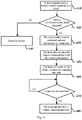
- FIG. 4 is a flowchart of a method for managing vehicle control permissions according to another embodiment of the invention.
- a head unit when receiving a request for unlocking a vehicle that is sent by a vehicle key through wireless signals, extracts identity information contained in the request.
- a vehicle key number can be bound with a specified user in advance, so that after the vehicle is unlocked with a vehicle key, the head unit can recognize a corresponding user according to a vehicle key number.
- step 420 the head unit sends, to a cloud, a request for acquiring user data that contains the identity identifier.
- the process proceeds to step 430, the head unit determines whether the user data is received from the cloud.
- the cloud can generate the user data according to the above method in the embodiment described with FIG. 2 , and return the user data to the head unit. If it is determined that the user data is received, the process proceeds to step 440, and otherwise, the process continues to wait.
- step 440 the head unit provides corresponding vehicle control permissions for a requesting party or the user indicated in the request for unlocking the vehicle.
- FIG. 5 is a flowchart of a method for managing vehicle control permissions according to another embodiment of the invention.
- a user terminal (such as a mobile phone, a tablet computer and a smart watch) sends, to a cloud, a request for generating near field communication (NFC) certificate data.
- NFC near field communication
- the cloud inquires information about control permissions of the user, and then returns a message containing an NFC certificate, the control permissions of the user and identity information of the user to the user terminal.
- the process proceeds to step 530, the user terminal sends, to a head unit through NFC, a request for unlocking the vehicle that contains the NFC certificate, the control permissions, the identity information of the user, and the like.
- step 540 when receiving the request for unlocking the vehicle from the user terminal (such as a mobile phone, a tablet commuter and a smart watch), the head unit extracts an identity identifier contained in the request.
- the user terminal such as a mobile phone, a tablet commuter and a smart watch
- step 550 the head unit sends, to the cloud, a request for acquiring user data that contains the identity identifier.
- the process proceeds to step 560, the head unit determines whether the user data is received from the cloud.
- the cloud can generate the user data according to the above method in the embodiment described with FIG. 2 , and return the user data to the head unit. If it is determined that the user data is received, the process proceeds to step 570, and otherwise, the process continues to wait.
- step 570 the head unit compares, with the user data returned by the cloud in step 560, the information (such as the NFC certificate and the control permissions of the user) sent by the user terminal and contained in the request for unlocking the vehicle, if the information matches the user data, the process proceeds to step 580, and corresponding vehicle control permissions are provided for a requesting party or the user indicated in the request for unlocking the vehicle; otherwise, the process proceeds to step 590, and provision of the control permissions is refused.
- the information such as the NFC certificate and the control permissions of the user
- FIG. 6 is a flowchart of a method for managing vehicle control permissions according to another embodiment of the invention.
- step 610 a user terminal sends, to a cloud, a remote control command for unlocking a vehicle.
- step 620 the cloud verifies an identity of the user terminal, if the verification succeeds, the process proceeds to step 630, and otherwise, the process proceeds to step 640.
- step 630 the cloud sends a control command and user information to a head unit.
- step 630 the process proceeds to step 650.
- the head unit executes the control command and loads the user information.
- step 660 the head unit sends, to the cloud, a request for acquiring user data that contains an identity identifier.
- step 670 the head unit determines whether the user data is received from the cloud.
- the cloud can generate the user data according to the above method in the embodiment described with FIG. 2 , and return the user data to the head unit. If it is determined that the user data is received, the process proceeds to step 680, and otherwise, the process continues to wait.
- step 680 the head unit provides corresponding vehicle control permissions for a requesting party or the user indicated in the request for unlocking the vehicle.
- step 620 The process returns back to another branch step 640 of step 620.
- the cloud returns a message of denial of service to the user terminal.
- FIG. 7 is a flowchart of a method for managing vehicle control permissions according to another embodiment of the invention.
- step 710 when receiving a request for user switching (for example, a user clicks a menu option of account switching on a human-machine interface of a head unit), the head unit will invoke a QR code generation interface of a cloud.
- a request for user switching for example, a user clicks a menu option of account switching on a human-machine interface of a head unit
- step 720 the cloud generates a QR code and returns QR code data to the head unit, the QR code data containing a corresponding identifier.
- step 730 the head unit displays the QR code on the human-machine interface for the user terminal to scan.
- step 740 after scanning the QR code and completes a login operation, the user terminal sends, to the cloud, information (such as a QR code identifier) contained in the QR code and an identity identifier associated with the user terminal.
- information such as a QR code identifier
- step 750 the cloud updates a status of the QR code corresponding to the QR code identifier to indicate that a new user has completed login.
- step 760 when receiving a QR code status inquiry request from the head unit, the cloud returns, to the head unit, the status of the QR code corresponding to the identifier and the identity identifier associated with the user terminal.
- step 770 the head unit sends, to the cloud, a request for acquiring user data that contains the identity identifier.
- step 780 the head unit determines whether the user data is received from the cloud.
- the cloud can generate the user data according to the above method in the embodiment described with FIG. 2 , and return the user data to the head unit. If it is determined that the user data is received, the process proceeds to step 790, and otherwise, the process continues to wait.
- step 790 the head unit provides corresponding vehicle control permissions to a requesting party or the user indicated in the request for unlocking the vehicle.
- FIG. 8 is a schematic block diagram of a vehicle control system according to a further embodiment of the invention.
- the system 80 shown in FIG. 8 comprises a memory 810, a processor 820 and a computer program 830 stored on the memory 810 and operable on the processor 820, wherein the above method for managing vehicle control permissions described with FIGs. 4 to 7 can be implemented by executing the computer program 830.
- a computer readable storage medium having a computer program stored thereon is also provided, and the program can implement, when executed by a processor, the above method for managing vehicle control permissions described with FIG. 2 .
- a computer readable storage medium having a computer program stored thereon is also provided, and the program can implement, when executed by a processor, the above method for managing vehicle control permissions described with FIGs. 4 to 7 .
- the invention also provides an application or an application program applied to an electronic device, the application provides an interaction interface for a user, so that through the interaction interface, the user sends, to a cloud, a request for acquiring user data and receive the user data sent by the cloud.
- the electronic device for example, is a head unit of a vehicle.
- the electronic device for example, is also a user terminal of the user.
- the interaction interface for enabling the user to perform interaction with the cloud at the head unit and/or the user terminal are all examples of this application.
Landscapes
- Engineering & Computer Science (AREA)
- Computer Networks & Wireless Communication (AREA)
- Physics & Mathematics (AREA)
- General Physics & Mathematics (AREA)
- Computer Security & Cryptography (AREA)
- Signal Processing (AREA)
- Computer Hardware Design (AREA)
- Computing Systems (AREA)
- General Engineering & Computer Science (AREA)
- Mechanical Engineering (AREA)
- Lock And Its Accessories (AREA)
- Traffic Control Systems (AREA)
Abstract
Description
- The invention relates to automotive electronic technologies, and in particular to a method and system for managing vehicle control permissions, a vehicle control system, and a computer storage medium for implementing the method.
- In a case in which the same vehicle is used by a plurality of users, different vehicle control permissions need to be assigned to different users. For example, for a user with relatively less driving experience, a sport mode may be a driving mode which is not permitted; for another example, in a maintaining process for the vehicle, maintenance workers may need to move the vehicle, and in this case it is necessary to limit a driving range of the workers. But there is no technology for customizing vehicle control permissions in the market at present, and each user obtains the same vehicle control permission after unlocking and getting on the vehicle. With the development of automotive technologies, vehicles are given more and more functions, which further increases difficulties in management and assignment of vehicle control permissions.
- Therefore, there is an urgent need for a method for managing vehicle control permissions, and an apparatus to realize efficient management of vehicle control permissions.
- An object of the invention is to provide a method and system for managing vehicle control permissions, which have advantages such as efficiency and flexibility.
- According to one aspect of the invention, a method for managing vehicle control permissions comprises the steps of:
- assigning at least one of a plurality of vehicle control permissions to each of a plurality of roles, and assigning at least one of the plurality of roles to each of a plurality of users to enable the user to have a corresponding vehicle control permission; and
- providing, by means of a vehicle control apparatus, a requesting party with a vehicle control permission of a user corresponding to an authorization request in response to the authorization request.
- Preferably, in the method described above, the vehicle control permissions comprise a vehicle operating permission, a centre console screen setting permission, a personal centre setting permission, a system setting permission, an in-vehicle application permission and a remote control permission.
- Preferably, in the method described above, the roles are set based on business application scenarios.
- Preferably, in the method described above, the vehicle control permissions are provided in the following manner:
- receiving, from the vehicle control apparatus, a request for acquiring user data, the request containing an identity identifier of the user;
- determining a role of the user associated with the identity identifier; and
- returning the user data to the vehicle control apparatus, the user data containing vehicle control permissions of the user associated with the identity identifier.
- According to one aspect of the invention, a method for managing vehicle control permissions comprises the steps of:
- sending, to a cloud, a request for acquiring user data, the authorization request containing an identity identifier of the user; and
- providing vehicle control permissions to a requesting party according to the user data returned by the cloud, wherein the user data contains vehicle control permissions of the user associated with the identity identifier,
- wherein at least one of a plurality of vehicle control permissions is assigned to each of a plurality of roles, and at least one of the plurality of roles is assigned to each of a plurality of users to enable the user to have a corresponding vehicle control permission.
- Preferably, in the method described above, the request for acquiring the user data is sent in the following manner:
- receiving a request for unlocking the vehicle from a vehicle key, the request containing an identity identifier of the requesting party; and
- extracting the identity identifier from the request for unlocking the vehicle and sending, to the cloud, the request for acquiring the user data that contains the identity identifier.
- Preferably, in the method described above, the request for acquiring the user data is sent in the following manner:
- receiving a request for unlocking the vehicle from a user terminal, the request containing an identity identifier of the requesting party that is obtained by the user terminal from the cloud; and
- extracting the identity identifier from the request for unlocking the vehicle and sending, to the cloud, the request for acquiring the user data that contains the identity identifier.
- Preferably, in the method described above, the request for acquiring the user data is sent in the following manner:
- receiving, from the cloud, a request for unlocking the vehicle that is forwarded by a user terminal via the cloud, the request containing an identity identifier of the requesting party that is provided by the cloud; and
- extracting the identity identifier from the request for unlocking the vehicle and sending, to the cloud, the request for acquiring the user data that contains the identity identifier.
- Preferably, in the method described above, the request for acquiring the user data is sent in the following manner:
- receiving a request for unlocking the vehicle from the cloud, the request containing an identity identifier of the requesting party that is provided by the cloud, wherein in response to an event that a user terminal scans a QR code and a login operation is performed on the user terminal, the cloud sends the request for unlocking the vehicle, the QR code being presented on a display screen of a vehicle control apparatus; and
- extracting the identity identifier from the request for unlocking the vehicle and sending, to the cloud, the request for acquiring the user data that contains the identity identifier.
- According to another aspect of the invention, a system for managing vehicle control permissions comprises a memory, a processor and a computer program stored on the memory and operable on the processor, and the system executes the program to implement the method described above.
- According to another aspect of the invention, a vehicle control system comprises a memory, a processor and a computer program stored on the memory and operable on the processor, and the vehicle control system executes the program to implement the method described above.
- According to a further aspect of the invention, a computer readable storage medium having a computer program stored thereon is provided, wherein the program implements, when executed by a processor, the method described above.
- The foregoing and/or other aspects and advantages of the invention will be clearer and more comprehensible from the following description of various aspects in combination with the drawings, and the same or similar units in the drawings are represented by the same numerals. The drawings comprise:
-
FIG. 1 is a schematic diagram of a "user-role-permission" association model. -
FIG. 2 is a flowchart of a method for managing vehicle control permissions according to one embodiment of the invention. -
FIG. 3 is a schematic block diagram of a system for managing vehicle control permissions according to a further embodiment of the invention. -
FIG. 4 is a flowchart of a method for managing vehicle control permissions according to another embodiment of the invention. -
FIG. 5 is a flowchart of a method for managing vehicle control permissions according to another embodiment of the invention. -
FIG. 6 is a flowchart of a method for managing vehicle control permissions according to another embodiment of the invention. -
FIG. 7 is a flowchart of a method for managing vehicle control permissions according to another embodiment of the invention. -
FIG. 8 is a schematic block diagram of a vehicle control system according to a further embodiment of the invention. - The invention is described below more comprehensively with reference to the drawings showing schematic embodiments of the invention. However, the invention can be implemented in different forms and should not be construed as being only limited to the embodiments herein. The embodiments provided above are only intended to make the disclosure of this specification comprehensive and complete, so as to convey the protection scope of the invention to those skilled in the art more comprehensively.
- In this specification, the terms such as "contain" and "comprise" indicate that in addition to the units and steps that are directly and clearly described in the specification and claims, other units and steps that are not directly or clearly described are not excluded in the technical solutions of the invention.
- The terms such as "first" and "second" are not used to indicate sequences of units in terms of time, space, size, and the like, and are only used to distinguish between the units.
- "Couple" should be construed as comprising a case in which electrical energy or electrical signals are directly transmitted between two units or a case in which electrical energy or electrical signals are indirectly transmitted via one or more third units.
- In various examples of this application, the term "head unit", is exemplarily an information entertainment system of a vehicle, may refer to a controller of the system in some cases, and may particularly refer to an display screen (if any) of the system in some cases, which can be determined in combination with the context. It should be particularly pointed out that, the information entertainment system according to this application comprises various functions such as audio and video playing, navigation, weather and mileage hinting, or combinations thereof, and can also be called an operating system of the vehicle in some cases.
- According to one aspect of the invention, by constructing a "user-role-permission" association model, the user is associated with the vehicle control permission through the role, thereby improving management and control efficiency of the vehicle control permissions.
FIG. 1 is a schematic diagram of a "user-role-permission" association model. As shown inFIG. 1 , each of the users fromuser 1 to user n may be assigned with one or more of the roles fromrole 1 to role n, and each role may be given one or more of the vehicle control permissions fromvehicle control permission 1 to vehicle control permission n. Thus, different vehicle control permissions can be assigned to different users. It should be pointed out that, in the examples given here, the number of users, the number of roles and the number of vehicle control permissions are identical, but they may also be different from each other or partially identical. - In one embodiment of the invention, the vehicle control permissions may comprise the following types: a vehicle operating permission, a centre console screen setting permission, a personal centre setting permission, a system setting permission, an in-vehicle application permission, a remote control permission, and the like. The vehicle operating permission, for example, may comprise operating permissions on a vehicle door, a trunk, a vehicle driving system, and the like. The centre console screen setting permission refers to a permission to operate vehicle components through a human-machine interface on a centre console screen, the vehicle components, for example, comprising vehicle lamps, windscreen wipers, reflectors, rear view mirrors, an air conditioner, seat heaters, and the like. The personal centre setting permission, for example, comprises permissions to set vehicle authorization, a guest mode, account switching, and the like. The system setting permission, for example, comprises permissions to set general functions, such as network, language, time and system upgrading. The in-vehicle application permission, for example, comprises permissions to use a navigation system, a phone, a music player, and the like. The remote control permission, for example, comprises control permissions to remotely open and close the vehicle door, remotely open and close the trunk, and the like.
- In another embodiment of the invention, one or more of the vehicle control permissions can be assigned to one role, that is, an association relationship can be established between one role and one set (subset or complete set) of the vehicle control permissions. Preferably, corresponding roles can be created for various business application scenarios, and instances of the roles include, but are not limited to, self driving, renting a car, test driving, valet maintenance, battery charging and swap, valet parking, and the like. Furthermore, in some examples, the roles are equivalent to services, and authorization for the roles is equivalent to authorization for the services. For example, assigning vehicle control permissions to
role 1 is equivalent to assigning control permissions to a service corresponding torole 1. Ifrole 1 is battery charging and swap, this is equivalent to assigning corresponding permissions to the service of battery charging and swap, and the permissions may comprise permissions to open the vehicle door, drive the vehicle, operate a battery, and the like. It should be understood that the control permissions of theservice role 1 are going to be further implemented on a user, for example, a service person helping the owner of the vehicle (i.e., the vehicle owner) to perform battery charging and swap. -
FIG. 2 is a flowchart of a method for managing vehicle control permissions according to one embodiment of the invention. - As shown in
FIG. 2 , instep 210, a user list U and a role list R are first created at a cloud. The role list R contains a plurality of roles, wherein each role is assigned with one or more vehicle control permissions. The user list U contains identity identifiers of a plurality of users and an association relationship between each user and a role (i.e., the role with which each user is allowed to associate). Preferably, the association relationship between each user and the role can have a time attribute, the attribute defines whether the association relationship between the user and the role is permanent or temporary, and if the association relationship is temporary, start and end times of the association relationship are set. Preferably, the user list U may further store other information of each user, such as the name, contact information, address, driving preference, hobbies and interests. It should be noted that, in some examples, at least one user in the user list U is the vehicle owner, the vehicle owner has the most extensive control permissions, and therefore, according to this example, the vehicle owner is assigned with all the roles and all the permissions. In some other examples, the vehicle owner may be independent of the user list U, and is assigned with the most extensive control permissions. In this step, a user can also modify, via the cloud, the user list U and the role list created already. As an example, the user may modify the user list and/or the role list through human-machine interaction of a head unit, and the head unit uploads the modified user list and/or role list to the cloud so as to update corresponding information at the cloud. As an example, the user may also modify the user list and/or the role list through a human-machine interaction interface of a user terminal (such as a mobile phone), and the user terminal uploads the modified user list and/or the role list to the cloud so as to update corresponding information at the cloud. It should be understood that, generally, the vehicle owner has permissions to modify the user list and/or the role list, or the vehicle owner has permissions to modify and update modifiable data, such as related identity data in the cloud in this application, but other users may not have such permissions. This can be determined according to practical application. - In all the examples of the invention, operations of the user at the head unit can be performed through the human-machine interaction interface of the head unit. Operations of the user on the user terminal can be performed through the human-machine interaction interface of the user terminal. These human-machine interaction interfaces can be implemented as applications (APP).
- Then, the process proceeds to step 220, the cloud determines whether a request for acquiring user data is received from a vehicle control apparatus (such as the head unit but not limited thereto, other control components in the vehicle are also usable according to practical application). The request contains at least an identity identifier of the user and an identifier of the vehicle so as to enable the cloud to search the user list U of the vehicle for the corresponding user data. If it is determined that the request for acquiring the user data is received, the process proceeds to step 230, and otherwise, the process continues to wait.
- In
step 230, the cloud searches the user list U for the user corresponding to the identity identifier in the request and a role of the user, and determines vehicle control permissions associated with the user according to the role. - Then, the process proceeds to step 240, the cloud generates the user data based on information obtained through searching in
step 230, the user data at least containing the vehicle control permissions of the user associated with the identity identifier, so that the vehicle control apparatus provides the corresponding vehicle control permissions to the user. - Then, in
step 250, the cloud returns the user data to the vehicle control apparatus. - Here, how to assign, to a user of a request, control permissions matching a role corresponding to the user is described in combination with the example provided in
FIG. 2 . In combination with the above description about the role and the service, it can be seen that, from a certain perspective, the example ofFIG. 2 is assigning, according to a service type, control permissions to a user corresponding to a role of the service type. - In a case in which the vehicle owner is not in the user list, the example of
FIG. 2 has no description of how to assign permissions to the vehicle owner. Briefly, if the cloud determines that the request received from the vehicle control apparatus (such as the head unit) comes from the vehicle owner (the user request comprises identity recognition data, and whereby the cloud determines whether the user is the vehicle owner), the cloud grants all the permissions to the vehicle owner. In a case in which the user list comprises the vehicle owner, in the example ofFIG. 2 , when it is determined that the request received from the vehicle control apparatus (such as the head unit) comes from the vehicle owner, permissions corresponding to all the roles can be assigned to the vehicle owner. - The method according to the invention further comprises that the user as the vehicle owner can assign at least one of the plurality of vehicle control permissions to other users or roles.
- Here, the vehicle owner may directly assign control permissions to other users, for example, the vehicle owner sets information through the interaction interface of the head unit of the vehicle or a user terminal of the vehicle owner, wherein the information shows which control permissions are going to be assigned to the other users, and the set information is sent to the cloud. Thus, the other users can be authorized through any one of the following examples in combination with
FIGs. 4 to 8 . It should be noted that, when the vehicle owner assigns the permissions to the other users for the first time, identity information of the users will be sent to the cloud together with the set information. - Alternatively, the vehicle owner may also assign different control permissions to roles, an assignment process is similar to assigning the control permissions to the others, and the difference lies in that, if the vehicle owner assigns the permissions to the other users in this example, the vehicle owner can directly assign the roles to the users. Back to the role and the service type mentioned above, here, the vehicle owner authorizes someone else to use the vehicle according to a role, which can also can be considered that the vehicle owner authorizes someone else to use the vehicle according to a service type, for example, identity information of
user 1 is input by the vehicle owner with the head unit of the vehicle or by the user, theuser 1 is set to berole 1 at the same time, and after the information is transmitted to the cloud, it is considered that a role ofuser 1 isrole 1 and corresponds to permissions ofrole 1. A process ofuser 1 being authorized can be any one of the following examples in combination withFIGs. 4 to 8 . -
FIG. 3 is a schematic block diagram of a system for managing vehicle control permissions according to a further embodiment of the invention. - The
system 30 shown inFIG. 3 comprises amemory 310, aprocessor 320 and acomputer program 330 stored on thememory 310 and operable on theprocessor 320, wherein the above method for managing vehicle control permissions described withFIG. 2 can be implemented by executing thecomputer program 330. -
FIG. 4 is a flowchart of a method for managing vehicle control permissions according to another embodiment of the invention. - As shown in
FIG. 4 , instep 410, when receiving a request for unlocking a vehicle that is sent by a vehicle key through wireless signals, a head unit extracts identity information contained in the request. In this embodiment, a vehicle key number can be bound with a specified user in advance, so that after the vehicle is unlocked with a vehicle key, the head unit can recognize a corresponding user according to a vehicle key number. - Then, the process proceeds to step 420, the head unit sends, to a cloud, a request for acquiring user data that contains the identity identifier.
- Then, the process proceeds to step 430, the head unit determines whether the user data is received from the cloud. Exemplarily, in this embodiment, the cloud can generate the user data according to the above method in the embodiment described with
FIG. 2 , and return the user data to the head unit. If it is determined that the user data is received, the process proceeds to step 440, and otherwise, the process continues to wait. - In
step 440, the head unit provides corresponding vehicle control permissions for a requesting party or the user indicated in the request for unlocking the vehicle. -
FIG. 5 is a flowchart of a method for managing vehicle control permissions according to another embodiment of the invention. - As shown in
FIG. 5 , instep 510, a user terminal (such as a mobile phone, a tablet computer and a smart watch) sends, to a cloud, a request for generating near field communication (NFC) certificate data. Then, instep 520, after receiving the request for generating the NFC certificate data, the cloud inquires information about control permissions of the user, and then returns a message containing an NFC certificate, the control permissions of the user and identity information of the user to the user terminal. Then, the process proceeds to step 530, the user terminal sends, to a head unit through NFC, a request for unlocking the vehicle that contains the NFC certificate, the control permissions, the identity information of the user, and the like. - In
step 540, when receiving the request for unlocking the vehicle from the user terminal (such as a mobile phone, a tablet commuter and a smart watch), the head unit extracts an identity identifier contained in the request. - Then, the process proceeds to step 550, the head unit sends, to the cloud, a request for acquiring user data that contains the identity identifier.
- Then, the process proceeds to step 560, the head unit determines whether the user data is received from the cloud. Exemplarily, in this embodiment, the cloud can generate the user data according to the above method in the embodiment described with
FIG. 2 , and return the user data to the head unit. If it is determined that the user data is received, the process proceeds to step 570, and otherwise, the process continues to wait. - In
step 570, the head unit compares, with the user data returned by the cloud instep 560, the information (such as the NFC certificate and the control permissions of the user) sent by the user terminal and contained in the request for unlocking the vehicle, if the information matches the user data, the process proceeds to step 580, and corresponding vehicle control permissions are provided for a requesting party or the user indicated in the request for unlocking the vehicle; otherwise, the process proceeds to step 590, and provision of the control permissions is refused. -
FIG. 6 is a flowchart of a method for managing vehicle control permissions according to another embodiment of the invention. - As shown in
FIG. 6 , instep 610, a user terminal sends, to a cloud, a remote control command for unlocking a vehicle. Then, instep 620, the cloud verifies an identity of the user terminal, if the verification succeeds, the process proceeds to step 630, and otherwise, the process proceeds to step 640. - In
step 630, the cloud sends a control command and user information to a head unit. - After
step 630, the process proceeds to step 650. In this step, the head unit executes the control command and loads the user information. - Then, the process proceeds to step 660, the head unit sends, to the cloud, a request for acquiring user data that contains an identity identifier.
- Then, the process proceeds to step 670, the head unit determines whether the user data is received from the cloud. Exemplarily, in this embodiment, the cloud can generate the user data according to the above method in the embodiment described with
FIG. 2 , and return the user data to the head unit. If it is determined that the user data is received, the process proceeds to step 680, and otherwise, the process continues to wait. - In
step 680, the head unit provides corresponding vehicle control permissions for a requesting party or the user indicated in the request for unlocking the vehicle. - The process returns back to another
branch step 640 ofstep 620. In this step, the cloud returns a message of denial of service to the user terminal. -
FIG. 7 is a flowchart of a method for managing vehicle control permissions according to another embodiment of the invention. - As shown in
FIG. 7 , instep 710, when receiving a request for user switching (for example, a user clicks a menu option of account switching on a human-machine interface of a head unit), the head unit will invoke a QR code generation interface of a cloud. - Then, in
step 720, the cloud generates a QR code and returns QR code data to the head unit, the QR code data containing a corresponding identifier. - Then, the process proceeds to step 730, the head unit displays the QR code on the human-machine interface for the user terminal to scan.
- Then, in
step 740, after scanning the QR code and completes a login operation, the user terminal sends, to the cloud, information (such as a QR code identifier) contained in the QR code and an identity identifier associated with the user terminal. - Subsequently, the process proceeds to step 750, the cloud updates a status of the QR code corresponding to the QR code identifier to indicate that a new user has completed login.
- Then, the process proceeds to step 760, when receiving a QR code status inquiry request from the head unit, the cloud returns, to the head unit, the status of the QR code corresponding to the identifier and the identity identifier associated with the user terminal.
- Then, the process proceeds to step 770, the head unit sends, to the cloud, a request for acquiring user data that contains the identity identifier.
- Then, the process proceeds to step 780, the head unit determines whether the user data is received from the cloud. Exemplarily, in this embodiment, the cloud can generate the user data according to the above method in the embodiment described with
FIG. 2 , and return the user data to the head unit. If it is determined that the user data is received, the process proceeds to step 790, and otherwise, the process continues to wait. - In
step 790, the head unit provides corresponding vehicle control permissions to a requesting party or the user indicated in the request for unlocking the vehicle. -
FIG. 8 is a schematic block diagram of a vehicle control system according to a further embodiment of the invention. - The
system 80 shown inFIG. 8 comprises amemory 810, aprocessor 820 and acomputer program 830 stored on thememory 810 and operable on theprocessor 820, wherein the above method for managing vehicle control permissions described withFIGs. 4 to 7 can be implemented by executing thecomputer program 830. - According to another aspect of the invention, a computer readable storage medium having a computer program stored thereon is also provided, and the program can implement, when executed by a processor, the above method for managing vehicle control permissions described with
FIG. 2 . - According to another aspect of the invention, a computer readable storage medium having a computer program stored thereon is also provided, and the program can implement, when executed by a processor, the above method for managing vehicle control permissions described with
FIGs. 4 to 7 . - The invention also provides an application or an application program applied to an electronic device, the application provides an interaction interface for a user, so that through the interaction interface, the user sends, to a cloud, a request for acquiring user data and receive the user data sent by the cloud. The electronic device, for example, is a head unit of a vehicle. The electronic device, for example, is also a user terminal of the user. In various examples above, the interaction interface for enabling the user to perform interaction with the cloud at the head unit and/or the user terminal are all examples of this application.
- The embodiments and examples proposed herein are provided to describe as adequately as possible embodiments according to the technology and specific applications thereof and enable those skilled in the art to implement and use the invention. However, those skilled in the art will know that the above description and examples are provided only for description and illustration. The proposed description is not intended to cover all aspects of the invention or limit the invention to the disclosed precise forms.
- In view of the description above, the scope of the present disclosure is defined by the following claims.
Claims (20)
- A method for managing vehicle control permissions, characterized by comprising the steps of:
assigning, by a vehicle owner, at least one of a plurality of vehicle control permissions to other users or roles. - The method of claim 1, characterized in that the vehicle owner sets information through an interaction interface of a head unit of the vehicle or a user terminal of the vehicle owner, wherein the information shows that at least one of the plurality of vehicle control permissions is assigned to other users or roles; and the set information is sent to a cloud.
- The method of claim 2, characterized in that in a case in which the other users are assigned with permissions for the first time, the vehicle owner transmits, to the cloud, identity information of the other users as part of the set information.
- The method of claim 3, characterized in that in response to a request for control permissions, the cloud verifies identity information of the requesting party, and returns data to show which permissions are going to be assigned to the requesting party.
- A method for managing vehicle control permissions, characterized by comprising the steps of:assigning at least one of a plurality of vehicle control permissions to each of a plurality of roles, and assigning at least one of the plurality of roles to each of a plurality of users to enable the user to have a corresponding vehicle control permission; andproviding, by means of a vehicle control apparatus, a requesting party with a vehicle control permission of a user corresponding to an authorization request in response to the authorization request.
- The method of claim 4, wherein the vehicle control permissions comprise a vehicle operating permission, a centre console screen setting permission, a personal centre setting permission, a system setting permission, an in-vehicle application permission and a remote control permission.
- The method of claim 4, wherein the roles are set based on business application scenarios.
- The method of claim 4, wherein the vehicle control permissions are provided in the following manner:receiving, from the vehicle control apparatus, a request for acquiring user data, the request containing an identity identifier of the user;determining a role of the user associated with the identity identifier; andreturning the user data to the vehicle control apparatus, the user data containing vehicle control permissions of the user associated with the identity identifier.
- A system for managing vehicle control permissions, comprising a memory, a processor and a computer program stored on the memory and operable on the processor, characterized in that the program is executed to implement the method of any one of claims 5 to 8.
- A computer readable storage medium having a computer program stored thereon, characterized in that the program implements, when executed by a processor, the method of any one of claims 5 to 8.
- A method for managing vehicle control permissions, characterized by comprising the steps of:sending, to a cloud, a request for acquiring user data, the request containing an identity identifier of the user; andproviding vehicle control permissions to a requesting party according to the user data returned by the cloud, wherein the user data contains vehicle control permissions of the user associated with the identity identifier,wherein at least one of a plurality of vehicle control permissions is assigned to each of a plurality of roles, and at least one of the plurality of roles is assigned to each of a plurality of users to enable the user to have a corresponding vehicle control permission.
- The method of claim 11, wherein the vehicle control permissions comprise a vehicle operating permission, a centre console screen setting permission, a personal centre setting permission, a system setting permission, an in-vehicle application permission and a remote control permission.
- The method of claim 11, wherein the roles are set based on business application scenarios.
- The method of claim 11, wherein the request for acquiring the user data is sent in the following manner:receiving a request for unlocking the vehicle from a vehicle key, the request containing an identity identifier of the requesting party; andextracting the identity identifier from the request for unlocking the vehicle and sending, to the cloud, the request for acquiring the user data that contains the identity identifier.
- The method of claim 11, wherein the request for acquiring the user data is sent in the following manner:receiving a request for unlocking the vehicle from a user terminal, the request containing an identity identifier of the requesting party that is obtained by the user terminal from the cloud; andextracting the identity identifier from the request for unlocking the vehicle and sending, to the cloud, the request for acquiring the user data that contains the identity identifier.
- The method of claim 11, wherein the request for acquiring the user data is sent in the following manner:receiving, from the cloud, a request for unlocking the vehicle that is forwarded by a user terminal via the cloud, the request containing an identity identifier of the requesting party that is provided by the cloud; andextracting the identity identifier from the request for unlocking the vehicle and sending, to the cloud, the request for acquiring the user data that contains the identity identifier.
- The method of claim 11, wherein the request for acquiring the user data is sent in the following manner:receiving a request for unlocking the vehicle from the cloud, the request containing an identity identifier of the requesting party that is provided by the cloud, wherein in response to an event that a user terminal scans a QR code and a login operation is performed on the user terminal, the cloud sends the request for unlocking the vehicle, the QR code being presented on a display screen of a vehicle control apparatus; andextracting the identity identifier from the request for unlocking the vehicle and sending, to the cloud, the request for acquiring the user data that contains the identity identifier.
- A vehicle control system, comprising a memory, a processor and a computer program stored on the memory and operable on the processor, characterized in that the program is executed to implement the method of any one of claims 11 to 17.
- A computer readable storage medium having a computer program stored thereon, characterized in that the program implements, when executed by a processor, the method of any one of claims 11 to 17.
- An application applied to an electronic device, characterized in that the application provides an interaction interface for a user, so that through the interaction interface, the user sends, to a cloud, a request for acquiring user data and receive the user data sent by the cloud.
Applications Claiming Priority (3)
| Application Number | Priority Date | Filing Date | Title |
|---|---|---|---|
| CN201711345293 | 2017-12-15 | ||
| CN201810506505.3A CN109102593B (en) | 2017-12-15 | 2018-05-24 | Method and apparatus for managing vehicle control authority |
| PCT/CN2018/119514 WO2019114600A1 (en) | 2017-12-15 | 2018-12-06 | Method for managing vehicle control permissions, and apparatus |
Publications (2)
| Publication Number | Publication Date |
|---|---|
| EP3726484A1 true EP3726484A1 (en) | 2020-10-21 |
| EP3726484A4 EP3726484A4 (en) | 2021-08-25 |
Family
ID=64796495
Family Applications (1)
| Application Number | Title | Priority Date | Filing Date |
|---|---|---|---|
| EP18889268.1A Pending EP3726484A4 (en) | 2017-12-15 | 2018-12-06 | Method for managing vehicle control permissions, and apparatus |
Country Status (4)
| Country | Link |
|---|---|
| EP (1) | EP3726484A4 (en) |
| CN (1) | CN109102593B (en) |
| TW (1) | TWI788354B (en) |
| WO (1) | WO2019114600A1 (en) |
Cited By (2)
| Publication number | Priority date | Publication date | Assignee | Title |
|---|---|---|---|---|
| US20230101183A1 (en) * | 2018-09-30 | 2023-03-30 | Strong Force Tp Portfolio 2022, Llc | Intelligent transportation systems including digital twin interface for a passenger vehicle |
| US12380746B2 (en) | 2018-09-30 | 2025-08-05 | Strong Force Tp Portfolio 2022, Llc | Digital twin systems and methods for transportation systems |
Families Citing this family (14)
| Publication number | Priority date | Publication date | Assignee | Title |
|---|---|---|---|---|
| CN111770469A (en) * | 2019-04-02 | 2020-10-13 | 北京车和家信息技术有限公司 | Vehicle control method, device, vehicle, and computer-readable storage medium |
| CN110116706A (en) * | 2019-05-09 | 2019-08-13 | 宝能汽车有限公司 | The control method and control system of vehicle |
| CN110979225A (en) * | 2019-12-12 | 2020-04-10 | 海尔优家智能科技(北京)有限公司 | Method and device for configuring use scene based on user role and vehicle |
| CN111431965A (en) * | 2020-02-21 | 2020-07-17 | 浙江吉利控股集团有限公司 | A vehicle operation authority management method, terminal and system |
| CN111815863B (en) * | 2020-04-17 | 2022-06-03 | 北京嘀嘀无限科技发展有限公司 | Vehicle control method, storage medium, and electronic device |
| CN113766448A (en) | 2020-06-01 | 2021-12-07 | 富顶精密组件(深圳)有限公司 | Vehicle control method, intelligent vehicle key and mobile terminal |
| CN112477786A (en) * | 2020-12-11 | 2021-03-12 | 浙江锐镁新能源科技有限责任公司 | Vehicle permission setting system and control method thereof |
| JP2022175426A (en) * | 2021-05-13 | 2022-11-25 | トヨタ自動車株式会社 | Information processing program and first terminal |
| CN114312667A (en) * | 2021-11-24 | 2022-04-12 | 东风越野车有限公司 | Vehicle control authority enabling control method, system and medium |
| CN118202676A (en) * | 2022-01-24 | 2024-06-14 | Oppo广东移动通信有限公司 | Digital car key sharing method, device, equipment and storage medium |
| CN119213433A (en) * | 2022-05-17 | 2024-12-27 | 深圳引望智能技术有限公司 | Vehicle access permission control method and related device |
| CN115257792A (en) * | 2022-07-25 | 2022-11-01 | 珠海市魅族科技有限公司 | Vehicle control right sharing method, device, equipment and storage medium |
| CN115459978B (en) * | 2022-08-30 | 2025-08-05 | 徐州重型机械有限公司 | A differentiated user identification and authorization system and method based on encryption key algorithm |
| CN118366251A (en) * | 2024-04-29 | 2024-07-19 | 合众新能源汽车股份有限公司 | Vehicle unlocking method and vehicle |
Family Cites Families (15)
| Publication number | Priority date | Publication date | Assignee | Title |
|---|---|---|---|---|
| US6609061B2 (en) * | 2001-09-27 | 2003-08-19 | International Business Machines Corporation | Method and system for allowing vehicles to negotiate roles and permission sets in a hierarchical traffic control system |
| US9032493B2 (en) * | 2011-03-31 | 2015-05-12 | Intel Corporation | Connecting mobile devices, internet-connected vehicles, and cloud services |
| US20170286922A1 (en) * | 2012-05-11 | 2017-10-05 | Allstate Insurance Company | Vehicle title transfer and lien payoff |
| CN202815906U (en) * | 2012-06-29 | 2013-03-20 | 深圳市赛格导航科技股份有限公司 | Vehicle use permission management system |
| US9008917B2 (en) * | 2012-12-27 | 2015-04-14 | GM Global Technology Operations LLC | Method and system for detecting proximity of an end device to a vehicle based on signal strength information received over a bluetooth low energy (BLE) advertising channel |
| TWI551488B (en) * | 2014-01-28 | 2016-10-01 | 華創車電技術中心股份有限公司 | Vehicle activation management method |
| US9767264B2 (en) * | 2014-05-23 | 2017-09-19 | Ricoh Company, Ltd. | Apparatus, method for controlling apparatus, and program |
| KR102443186B1 (en) * | 2014-06-11 | 2022-09-14 | 베라디움 아이피 리미티드 | Systems and methods for enabling user access to vehicles based on biometric information |
| US9608976B2 (en) * | 2015-05-26 | 2017-03-28 | Google Inc. | In-vehicle shared-screen system with write back to multiple user accounts |
| US9786108B2 (en) * | 2015-06-03 | 2017-10-10 | Nxp B.V. | NFC based secure car key |
| CN106314360A (en) * | 2015-06-26 | 2017-01-11 | 东莞酷派软件技术有限公司 | Vehicle control method, message sending method and terminal, vehicle-mounted terminal and vehicle |
| CN106096855A (en) * | 2016-06-22 | 2016-11-09 | 陈时军 | A kind of testing vehicle register management method |
| CN106250560A (en) * | 2016-08-17 | 2016-12-21 | 福建省汽车工业集团云度新能源汽车股份有限公司 | A kind of intelligent automobile user data management |
| CN106909816A (en) * | 2017-01-25 | 2017-06-30 | 斑马信息科技有限公司 | One vehicle Rights Management System and its management method |
| CN107415891A (en) * | 2017-07-13 | 2017-12-01 | 大局科技信息技术(深圳)有限公司 | Vehicle licenses system, method, car-mounted terminal and management platform |
-
2018
- 2018-05-24 CN CN201810506505.3A patent/CN109102593B/en active Active
- 2018-05-24 TW TW107117824A patent/TWI788354B/en not_active IP Right Cessation
- 2018-12-06 EP EP18889268.1A patent/EP3726484A4/en active Pending
- 2018-12-06 WO PCT/CN2018/119514 patent/WO2019114600A1/en not_active Ceased
Cited By (5)
| Publication number | Priority date | Publication date | Assignee | Title |
|---|---|---|---|---|
| US20230101183A1 (en) * | 2018-09-30 | 2023-03-30 | Strong Force Tp Portfolio 2022, Llc | Intelligent transportation systems including digital twin interface for a passenger vehicle |
| US12154391B2 (en) * | 2018-09-30 | 2024-11-26 | Strong Force Tp Portfolio 2022, Llc | Intelligent transportation systems including digital twin interface for a passenger vehicle |
| US12169987B2 (en) | 2018-09-30 | 2024-12-17 | Strong Force Tp Portfolio 2022, Llc | Intelligent transportation systems including digital twin interface for a passenger vehicle |
| US12283140B2 (en) | 2018-09-30 | 2025-04-22 | Strong Force Tp Portfolio 2022, Llc | Vehicle dynamics control using deep learning to update an operational parameter of a vehicle drive train |
| US12380746B2 (en) | 2018-09-30 | 2025-08-05 | Strong Force Tp Portfolio 2022, Llc | Digital twin systems and methods for transportation systems |
Also Published As
| Publication number | Publication date |
|---|---|
| EP3726484A4 (en) | 2021-08-25 |
| CN109102593A (en) | 2018-12-28 |
| WO2019114600A1 (en) | 2019-06-20 |
| CN109102593B (en) | 2022-04-19 |
| TWI788354B (en) | 2023-01-01 |
| TW201928770A (en) | 2019-07-16 |
Similar Documents
| Publication | Publication Date | Title |
|---|---|---|
| CN109102593B (en) | Method and apparatus for managing vehicle control authority | |
| US20230106867A1 (en) | Cloud-based management of user accounts, user profiles and user devices associated with a vehicle | |
| US11578984B2 (en) | Vehicle control device and program | |
| US20230249560A1 (en) | Facilitating access to an electric vehicle charging network | |
| US11777939B2 (en) | Method and device for processing information, and storage medium | |
| CN110091828B (en) | Vehicle key control method and device | |
| US20180326947A1 (en) | Operating a key fob in a car sharing system | |
| CN109410634B (en) | Vehicle management method, system and storage medium | |
| US20190228383A1 (en) | System and method of servicing a vehicle | |
| CN113709695B (en) | Vehicle use authorization method and system | |
| JP2019109630A (en) | Management device for designated parking service, method for supporting usage of the same, and program | |
| WO2018086361A1 (en) | Intelligent control method and system for value added service of car | |
| CN110091829B (en) | Method and device for controlling a vehicle key | |
| WO2020228442A1 (en) | Car key control method and apparatus | |
| CN112905981A (en) | Method, electronic device and computer-readable storage medium for information sharing | |
| CN103419790B (en) | The hierarchical identification of vehicle driver and vehicle based on this identification arrange activation and select | |
| CN112911550A (en) | Vehicle data configuration method and electronic equipment | |
| CN109379403B (en) | Control method and device of Internet of things equipment, server and terminal equipment | |
| CN105554003A (en) | Method and system for enabling on-board cloud service | |
| JP2013126802A (en) | Method for downloading application software to on-board device, and the on-board device | |
| CN111107545A (en) | Account synchronization method, medium and terminal based on NFC | |
| JP2017215889A (en) | Control device, program update method, and computer program | |
| CN111507784B (en) | Cloud server, vehicle sharing renting method and system | |
| CN112532682A (en) | Online car booking reservation method, car booking equipment, hotel server and online car booking server | |
| JP2026511946A (en) | A method for establishing a communication connection between a new car key and a vehicle, and a system for carrying out this method. |
Legal Events
| Date | Code | Title | Description |
|---|---|---|---|
| STAA | Information on the status of an ep patent application or granted ep patent |
Free format text: STATUS: THE INTERNATIONAL PUBLICATION HAS BEEN MADE |
|
| PUAI | Public reference made under article 153(3) epc to a published international application that has entered the european phase |
Free format text: ORIGINAL CODE: 0009012 |
|
| STAA | Information on the status of an ep patent application or granted ep patent |
Free format text: STATUS: REQUEST FOR EXAMINATION WAS MADE |
|
| 17P | Request for examination filed |
Effective date: 20200715 |
|
| AK | Designated contracting states |
Kind code of ref document: A1 Designated state(s): AL AT BE BG CH CY CZ DE DK EE ES FI FR GB GR HR HU IE IS IT LI LT LU LV MC MK MT NL NO PL PT RO RS SE SI SK SM TR |
|
| AX | Request for extension of the european patent |
Extension state: BA ME |
|
| RAP1 | Party data changed (applicant data changed or rights of an application transferred) |
Owner name: NIO (ANHUI) HOLDING CO., LTD. |
|
| DAV | Request for validation of the european patent (deleted) | ||
| DAX | Request for extension of the european patent (deleted) | ||
| A4 | Supplementary search report drawn up and despatched |
Effective date: 20210727 |
|
| RIC1 | Information provided on ipc code assigned before grant |
Ipc: G07C 9/00 20200101AFI20210721BHEP Ipc: B60R 25/24 20130101ALI20210721BHEP Ipc: H04L 29/06 20060101ALI20210721BHEP Ipc: G07C 9/27 20200101ALI20210721BHEP |
|
| STAA | Information on the status of an ep patent application or granted ep patent |
Free format text: STATUS: EXAMINATION IS IN PROGRESS |
|
| 17Q | First examination report despatched |
Effective date: 20240807 |