EP3720175A1 - Wörterbuchkonfigurationsverfahren, puffersteuerungsverfahren, netzwerkseitige vorrichtung und benutzergerät - Google Patents
Wörterbuchkonfigurationsverfahren, puffersteuerungsverfahren, netzwerkseitige vorrichtung und benutzergerät Download PDFInfo
- Publication number
- EP3720175A1 EP3720175A1 EP18884113.4A EP18884113A EP3720175A1 EP 3720175 A1 EP3720175 A1 EP 3720175A1 EP 18884113 A EP18884113 A EP 18884113A EP 3720175 A1 EP3720175 A1 EP 3720175A1
- Authority
- EP
- European Patent Office
- Prior art keywords
- dictionary
- side device
- network side
- udc
- indication
- Prior art date
- Legal status (The legal status is an assumption and is not a legal conclusion. Google has not performed a legal analysis and makes no representation as to the accuracy of the status listed.)
- Pending
Links
- 238000000034 method Methods 0.000 title claims abstract description 114
- 238000007906 compression Methods 0.000 claims abstract description 157
- 230000006835 compression Effects 0.000 claims abstract description 157
- 230000006837 decompression Effects 0.000 claims abstract description 40
- 230000003213 activating effect Effects 0.000 claims description 119
- 238000004590 computer program Methods 0.000 claims description 18
- 230000006870 function Effects 0.000 claims description 11
- 230000008569 process Effects 0.000 claims description 10
- 238000013144 data compression Methods 0.000 claims description 9
- 230000003068 static effect Effects 0.000 description 10
- 230000005540 biological transmission Effects 0.000 description 5
- 230000011664 signaling Effects 0.000 description 3
- 230000000694 effects Effects 0.000 description 2
- 238000012986 modification Methods 0.000 description 2
- 230000004048 modification Effects 0.000 description 2
- 208000033748 Device issues Diseases 0.000 description 1
- 108091005487 SCARB1 Proteins 0.000 description 1
- 102100037118 Scavenger receptor class B member 1 Human genes 0.000 description 1
- 230000009286 beneficial effect Effects 0.000 description 1
- 230000008859 change Effects 0.000 description 1
- 230000000977 initiatory effect Effects 0.000 description 1
- 230000007774 longterm Effects 0.000 description 1
- 238000007726 management method Methods 0.000 description 1
Images


Classifications
-
- H—ELECTRICITY
- H04—ELECTRIC COMMUNICATION TECHNIQUE
- H04L—TRANSMISSION OF DIGITAL INFORMATION, e.g. TELEGRAPHIC COMMUNICATION
- H04L69/00—Network arrangements, protocols or services independent of the application payload and not provided for in the other groups of this subclass
- H04L69/04—Protocols for data compression, e.g. ROHC
-
- H—ELECTRICITY
- H04—ELECTRIC COMMUNICATION TECHNIQUE
- H04L—TRANSMISSION OF DIGITAL INFORMATION, e.g. TELEGRAPHIC COMMUNICATION
- H04L47/00—Traffic control in data switching networks
- H04L47/10—Flow control; Congestion control
- H04L47/30—Flow control; Congestion control in combination with information about buffer occupancy at either end or at transit nodes
-
- H—ELECTRICITY
- H04—ELECTRIC COMMUNICATION TECHNIQUE
- H04L—TRANSMISSION OF DIGITAL INFORMATION, e.g. TELEGRAPHIC COMMUNICATION
- H04L47/00—Traffic control in data switching networks
- H04L47/10—Flow control; Congestion control
- H04L47/38—Flow control; Congestion control by adapting coding or compression rate
-
- H—ELECTRICITY
- H04—ELECTRIC COMMUNICATION TECHNIQUE
- H04W—WIRELESS COMMUNICATION NETWORKS
- H04W28/00—Network traffic management; Network resource management
- H04W28/02—Traffic management, e.g. flow control or congestion control
- H04W28/0278—Traffic management, e.g. flow control or congestion control using buffer status reports
-
- H—ELECTRICITY
- H04—ELECTRIC COMMUNICATION TECHNIQUE
- H04W—WIRELESS COMMUNICATION NETWORKS
- H04W80/00—Wireless network protocols or protocol adaptations to wireless operation
- H04W80/08—Upper layer protocols
-
- H—ELECTRICITY
- H03—ELECTRONIC CIRCUITRY
- H03M—CODING; DECODING; CODE CONVERSION IN GENERAL
- H03M7/00—Conversion of a code where information is represented by a given sequence or number of digits to a code where the same, similar or subset of information is represented by a different sequence or number of digits
- H03M7/30—Compression; Expansion; Suppression of unnecessary data, e.g. redundancy reduction
- H03M7/3084—Compression; Expansion; Suppression of unnecessary data, e.g. redundancy reduction using adaptive string matching, e.g. the Lempel-Ziv method
- H03M7/3088—Compression; Expansion; Suppression of unnecessary data, e.g. redundancy reduction using adaptive string matching, e.g. the Lempel-Ziv method employing the use of a dictionary, e.g. LZ78
-
- H—ELECTRICITY
- H03—ELECTRONIC CIRCUITRY
- H03M—CODING; DECODING; CODE CONVERSION IN GENERAL
- H03M7/00—Conversion of a code where information is represented by a given sequence or number of digits to a code where the same, similar or subset of information is represented by a different sequence or number of digits
- H03M7/30—Compression; Expansion; Suppression of unnecessary data, e.g. redundancy reduction
- H03M7/40—Conversion to or from variable length codes, e.g. Shannon-Fano code, Huffman code, Morse code
- H03M7/4031—Fixed length to variable length coding
- H03M7/4037—Prefix coding
- H03M7/4043—Adaptive prefix coding
- H03M7/4062—Coding table adaptation
-
- H—ELECTRICITY
- H03—ELECTRONIC CIRCUITRY
- H03M—CODING; DECODING; CODE CONVERSION IN GENERAL
- H03M7/00—Conversion of a code where information is represented by a given sequence or number of digits to a code where the same, similar or subset of information is represented by a different sequence or number of digits
- H03M7/30—Compression; Expansion; Suppression of unnecessary data, e.g. redundancy reduction
- H03M7/60—General implementation details not specific to a particular type of compression
- H03M7/6052—Synchronisation of encoder and decoder
-
- H—ELECTRICITY
- H04—ELECTRIC COMMUNICATION TECHNIQUE
- H04W—WIRELESS COMMUNICATION NETWORKS
- H04W28/00—Network traffic management; Network resource management
- H04W28/02—Traffic management, e.g. flow control or congestion control
- H04W28/06—Optimizing the usage of the radio link, e.g. header compression, information sizing, discarding information
-
- H—ELECTRICITY
- H04—ELECTRIC COMMUNICATION TECHNIQUE
- H04W—WIRELESS COMMUNICATION NETWORKS
- H04W76/00—Connection management
- H04W76/10—Connection setup
- H04W76/19—Connection re-establishment
-
- H—ELECTRICITY
- H04—ELECTRIC COMMUNICATION TECHNIQUE
- H04W—WIRELESS COMMUNICATION NETWORKS
- H04W76/00—Connection management
- H04W76/20—Manipulation of established connections
- H04W76/27—Transitions between radio resource control [RRC] states
-
- H—ELECTRICITY
- H04—ELECTRIC COMMUNICATION TECHNIQUE
- H04W—WIRELESS COMMUNICATION NETWORKS
- H04W8/00—Network data management
- H04W8/22—Processing or transfer of terminal data, e.g. status or physical capabilities
- H04W8/24—Transfer of terminal data
-
- H—ELECTRICITY
- H04—ELECTRIC COMMUNICATION TECHNIQUE
- H04W—WIRELESS COMMUNICATION NETWORKS
- H04W80/00—Wireless network protocols or protocol adaptations to wireless operation
- H04W80/02—Data link layer protocols
Definitions
- the present disclosure relates to the field of radio technology, in particular to a dictionary configuration method, a buffer control method, a network side device and a User Equipment (UE).
- UE User Equipment
- data may be compressed by using a dictionary.
- Data compression aims to compress a large quantity of to-be-transmitted data into a small quantity of data in accordance with the dictionary, so as to perform the data transmission rapidly and efficiently.
- a dictionary is pre-stored in a UE, and a same dictionary is pre-stored in a network side device.
- the data is compressed by a transmitter using the dictionary, and decompressed by a receiver using the same dictionary.
- An object of the present disclosure is to provide a dictionary configuration method, a buffer control method, a network side device and a UE, so as to enable the network side device to configure a most appropriate dictionary for the UE.
- the present disclosure provides in some embodiments a buffer control method for a network side device, including: receiving, by the network side device, first check information transmitted by a UE; determining, by the network side device, whether content in a compression buffer of the UE is identical to content in a decompression buffer of the network side device; and when the content in the compression buffer is different from the content in the decompression buffer, transmitting, by the network side device, first buffer resetting information to the UE.
- the buffer control method prior to receiving, by the network side device, the first check information transmitted by the UE, the buffer control method further includes acquiring, by the network side device, capability information of the UE, and the capability information includes an indication indicating whether the UE supports an Uplink Data Compression (UDC).
- UDC Uplink Data Compression
- the first buffer resetting information is used to indicate the UE to release or empty the compression buffer of the UE.
- the transmitting, by the network side device, the first buffer resetting information to the UE includes transmitting, by the network side device, the first buffer resetting information through Packet Data Convergence Protocol (PDCP) Protocol Data Unit (PDU).
- PDCP Packet Data Convergence Protocol
- PDU Protocol Data Unit
- the buffer control method further includes, when the UE supports the UDC, transmitting, by the network side device, at least one of UDC activating indication, dictionary activating or enabling indication, and M th dictionary activating or enabling indication to the UE, where M is positive integer greater than 1.
- the buffer control method further includes, when the UE is in a connected state, transmitting, by the network side device, UDC configuration information to the UE, and the UDC configuration information includes one or more of UDC deactivating indication, UDC dictionary resetting indication and UDC dictionary reloading indication.
- the buffer control method further includes: transmitting, by the network side device, second check information to the UE; and receiving, by the network side device, second buffer resetting information transmitted by the UE.
- the second buffer resetting information is used to indicate the network side device to release or empty a compression buffer of the network side device.
- the present disclosure provides in some embodiments a buffer control method for a UE, including: transmitting, by the UE, first check information to a network side device; receiving, by the UE, first buffer resetting information from the network side device; and releasing or emptying a current compression buffer of the UE in accordance with content in the first buffer resetting information.
- the buffer control method further includes receiving, by the UE, at least one of UDC activating indication, dictionary activating or enabling indication, and M th dictionary activating or enabling indication from the network side device, where M is positive integer greater than 1.
- the buffer control method further includes: when the UE receives the UDC activating indication, comparing, by the UE, each PDCP data packet with content in the compression buffer of the UE, and replacing the original PDCP data packet with an identifier of the compression buffer, so as to achieve UDC; when the UE receives the dictionary activating or enabling indication, storing, by the UE, a dictionary into the compression buffer, compressing a first PDCP data packet in a current bearer using a dictionary in the compression buffer, continuously updating the compression buffer in accordance with transmitted data packets, and continuing to compress a subsequent data packet using the updated compression buffer; and when the UE receives the M th dictionary activating or enabling indication, storing, by the UE, an M th dictionary in the dictionaries previously received and configured by the network side device into the compression buffer, compressing the first PDCP data packet in the current bearer using the M th dictionary, continuously updating the compression buffer in accordance with the transmitted data packets, and continuing
- the buffer control method further includes, when the UE is in a connected state, receiving, by the UE, UDC configuration information from the network side device.
- the UDC configuration information includes one or more of UDC deactivating indication, UDC dictionary resetting indication and UDC dictionary reloading indication.
- the buffer control method further includes: when the UE receives the UDC deactivating indication, disabling, by the UE, the UDC, and not performing the UDC on a subsequent PDCP data packet; when the UE receives the UDC dictionary resetting indication, emptying, by the UE, the compression buffer; and when the UE receives the UDC dictionary reloading indication, reloading, by the UE, dictionaries into the compression buffer.
- the buffer control method further includes: receiving, by the UE, second check information transmitted by the network side device; determining, by the UE, whether content in a decompression buffer of the UE is identical to content in a compression buffer of the network side device; and when the content in the compression buffer of the network side device is different from the content in the decompression buffer of the UE, transmitting, by the UE, second buffer resetting information to the network side device.
- the second buffer resetting information is used to indicate the network side device to release or empty the compression buffer of the network side device.
- the present disclosure provides in some embodiments a dictionary configuration method for a network side device, including: configuring, by the network side device for a UE, a dictionary for UDC; and notifying, by the network side device, the dictionary for the UDC to the UE.
- the notifying, by the network side device, the dictionary for the UDC to the UE includes notifying, by the network side device, the UE to activate, deactivate or reset the dictionary for the UDC, or transmitting, by the network side device, the dictionary to the UE.
- the dictionary configuration method prior to configuring, by the network side device for the UE, the dictionary for the UDC, the dictionary configuration method further includes: acquiring, by the network side device, capability information of the UE, the capability information including an indication indicating whether the UE supports the UDC; and when the UE supports the UDC, configuring, by the network side device for the UE, the dictionary for the UDC.
- the notifying, by the network side device, the UE to activate, deactivate or reset the dictionary for the UDC includes transmitting, by the network side device, a Radio Resource Control (RRC) connection reconfiguration message to the UE, wherein the RRC connection reconfiguration message includes at least one of dictionary activating or enabling indication and M th dictionary activating or enabling indication, wherein an M th dictionary is one of the dictionaries pre-stored in the UE, and M is a positive integer.
- RRC Radio Resource Control
- the dictionary configuration method subsequent to notifying, by the network side device, the dictionary for the UDC to the UE, the dictionary configuration method further includes transmitting, by the network side device, an RRC message to the UE, and the RRC message includes at least one of a dictionary deactivating or disabling indication, a dictionary resetting indication and UDC dictionary reloading indication.
- the notifying, by the network side device, the UE to activate, deactivate or reset the dictionary for the UDC includes transmitting, by the network side device, PDCP PDU to the UE, and the PDCP PDU carries at least one of a dictionary deactivating or disabling indication, dictionary activating or enabling indication, a dictionary resetting indication, and an identifier of one of the dictionaries pre-stored in the UE.
- the notifying, by the network side device, the UE to activate, deactivate or reset the dictionary for the UDC includes transmitting, by the network side device, a system broadcast message, the system broadcast message includes at least one of a dictionary deactivating or disabling indication for a bearer having a Quality of Service (QoS) Class Identifier (QCI) of N, dictionary activating or enabling indication for the bearer having the QCI of N, a dictionary resetting indication for the bearer having the QCI of N, and M th dictionary activating indication for the bearer having the QCI of N, and an M th dictionary is one of the dictionaries pre-stored in the UE.
- QoS Quality of Service
- QCI Quality of Service
- M th dictionary activating indication for the bearer having the QCI of N a dictionary resetting indication for the bearer having the QCI of N
- M th dictionary activating indication for the bearer having the QCI of N and an M th dictionary is one of the dictionaries pre-stored
- the present disclosure provides in some embodiments a dictionary configuration method for a UE, including: acquiring, by the UE, an indication or a dictionary from a network side device; and activating, deactivating or resetting, by the UE, a dictionary for UDC in accordance with the indication from the network side device.
- the dictionary configuration method prior to acquiring, by the UE, the indication or a dictionary from the network side device, the dictionary configuration method further includes, when the UE is in a Track Area Update (TAU) process, reporting, by the UE, capability information of the UE to the network side device, wherein the capability information includes an indication indicating whether the UE supports the UDC.
- TAU Track Area Update
- the acquiring, by the UE, the indication from the network side device includes receiving, by the UE, an RRC connection reconfiguration message transmitted by the network side device, the RRC connection reconfiguration message includes at least one of dictionary activating or enabling indication and M th dictionary activating or enabling indication, an M th dictionary is one of the dictionaries pre-stored in the UE, and M is a positive integer.
- the dictionary configuration method further includes: when the RRC connection reconfiguration message includes the dictionary activating or enabling indication, storing, by the UE, a dictionary into a compression buffer, and compressing a first PDCP data packet in a current bearer using the dictionary; or when the RRC connection reconfiguration message includes the M th dictionary activating or enabling indication, storing, by the UE, an M th dictionary in the plurality of pre-stored dictionaries into the compression buffer, and compressing the first PDCP data packet in the current bearer using the M th dictionary.
- the acquiring, by the UE, the indication from the network side device includes receiving, by the UE, an RRC message transmitted by the network side device, and the RRC message includes at least one of a dictionary deactivating or disabling indication, a dictionary resetting indication and UDC dictionary reloading indication.
- the dictionary configuration method further includes: when the RRC message includes the dictionary deactivating or disabling indication, disabling, by the UE, a UDC function, or when the RRC message includes the dictionary resetting indication, emptying, by the UE, the compression buffer for UDC; or when the RRC message includes the UDC dictionary reloading indication, reloading, by the UE, the compression buffer for the UDC using the dictionary.
- the acquiring, by the UE, the indication from the network side device includes receiving, by the UE, PDCP PDU transmitted by the network side device, and activating or deactivating a dictionary for the UDC in accordance with the PDCP PDU.
- the PDCP PDU carries at least one of a dictionary deactivating or disabling indication, dictionary activating or enabling indication, a dictionary resetting indication, and an identifier of one of a plurality of dictionaries pre-stored in the UE.
- the acquiring, by the UE, the indication from the network side device includes receiving, by the UE, a system broadcast message transmitted by the network side device, and activating or deactivating the dictionary for the UDC of a bearer in accordance with the system broadcast message.
- the system broadcast message includes at least one of a dictionary deactivating or disabling indication for a bearer having a QCI of N, dictionary activating or enabling indication for the bearer having the QCI of N, a dictionary resetting indication for the bearer having the QCI of N, and M th dictionary activating indication for the bearer having the QCI of N, and an M th dictionary is one of the dictionaries pre-stored in the UE.
- the present disclosure provides in some embodiments a network side device, including a processor, a transceiver and a decompression buffer.
- the transceiver is configured to receive first check information transmitted by a UE.
- the processor is configured to: determine whether content in a compression buffer of the UE is identical to content in the decompression buffer; and when the content in the compression buffer is different from the content in the decompression buffer, transmit through the transceiver first buffer resetting information to the UE.
- the transceiver is further configured to, prior to receiving the first check information transmitted by the UE, acquire capability information of the UE, and the capability information includes an indication indicating whether the UE supports a UDC.
- the first buffer resetting information is used to indicate the UE to release or empty the compression buffer of the UE.
- the transceiver is further configured to transmit the first buffer resetting information through PDCP PDU.
- the transceiver is further configured to, when the UE supports the UDC, transmit at least one of UDC activating indication, dictionary activating or enabling indication, and M th dictionary activating or enabling indication to the UE, where M is positive integer greater than 1.
- the transceiver is further configured to, when the UE is in a connected state, transmit UDC configuration information to the UE, and the UDC configuration information includes one or more of UDC deactivating indication, UDC dictionary resetting indication and UDC dictionary reloading indication.
- the network side device further includes a compression buffer
- the processor is further configured to: transmit through the transceiver second check information to the UE; and receive through the transceiver second buffer resetting information transmitted by the UE.
- the second buffer resetting information is used to indicate the network side device to release or empty the compression buffer of the network side device.
- the present disclosure provides in some embodiments a UE, including a processor, a transceiver and a compression buffer.
- the transceiver is configured to transmit first check information to a network side device and receive first buffer resetting information from the network side device.
- the processor is configured to release or empty the compression buffer of the UE in accordance with content in the first buffer resetting information.
- the transceiver is further configured to receive at least one of UDC activating indication, dictionary activating or enabling indication, and M th dictionary activating or enabling indication from the network side device, where M is positive integer greater than 1.
- the processor is further configured to: when the transceiver receives the UDC activating indication, compare each PDCP data packet with content in the compression buffer of the UE, and replace the original PDCP data packet with an identifier of the compression buffer, so as to achieve UDC; when the transceiver receives the dictionary activating or enabling indication, store a dictionary into the compression buffer, compress a first PDCP data packet in a current bearer using a dictionary in the compression buffer, continuously update the compression buffer in accordance with transmitted data packets, and continue to compress a subsequent data packet using the updated compression buffer; and when the transceiver receives the M th dictionary activating or enabling indication, store an M th dictionary in dictionaries previously received and configured by the network side device into the compression buffer, compress the first PDCP data packet in the current bearer using the M th dictionary, continuously update the compression buffer in accordance with the transmitted data packets, and continue to compress the subsequent data packet using the updated compression buffer.
- the transceiver is further configured to, when the UE is in a connected state, receive UDC configuration information from the network side device, and the UDC configuration information includes one or more of UDC deactivating indication, UDC dictionary resetting indication and UDC dictionary reloading indication.
- the processor is further configured to: when the transceiver receives the UDC deactivating indication, disable the UDC, and not perform UDC on a subsequent PDCP data packet; when the transceiver receives the UDC dictionary resetting indication, empty the compression buffer; and when the transceiver receives the UDC dictionary reloading indication, reload a dictionary into the compression buffer.
- the UE further includes a decompression buffer
- the transceiver is further configured to receive second check information transmitted by the network side device
- the processor is further configured to determine whether content in the decompression buffer of the UE is identical to content in a compression buffer of the network side device, and when the content in the decompression buffer of the UE is different from the content in the compression buffer of the network side device, transmit second buffer resetting information to the network side device through the transceiver.
- the present disclosure provides in some embodiments a network side device, including a memory, a processor, and a computer program stored in the memory and configured to be executed by the processor.
- the processor is configured to execute the computer program so as to implement the above-mentioned buffer control method in the first aspect.
- the present disclosure provides in some embodiments a UE, including a memory, a processor, and a computer program stored in the memory and configured to be executed by the processor.
- the processor is configured to execute the computer program so as to implement the above-mentioned buffer control method in the second aspect.
- the present disclosure provides in some embodiments a non-volatile computer-readable storage medium storing therein a computer program.
- the computer program is configured to be executed by a processor so as to implement the above-mentioned buffer control method in the first aspect or the above-mentioned buffer control method in the second aspect.
- the network side device may dynamically configure for the UE the dictionary for the UDC, and notify the UE to activate, deactivate or reset the dictionary. Then, the UE may perform the UDC in accordance with the dictionary acquired from the network side device.
- the UE may perform the UDC using the dictionary dynamically configured by the network side device rather than a pre-stored static dictionary, so it is able for the network side device to configure a most appropriate dictionary for the UE.
- a same static dictionary is pre-stored in a UE and a network side device, and data compression and decompression is performed using the static dictionary during the data transmission.
- the same static dictionary is used, it is unable to perform the data compression and decompression flexibly.
- different dictionaries may be used at different regions in a network and used within different time periods at a same region, so it is difficult to configure a most appropriate dictionary for the UE through the pre-stored static dictionaries.
- a dictionary configuration method, a buffer control method, a network side device and a UE are provided, so as to enable the network side device to configure for the UE a most appropriate dictionary for UDC.
- the present disclosure provides in some embodiments a dictionary configuration method for a network side device which, as shown in Fig.1 , includes: Step 101 of configuring, by the network side device for a UE, a dictionary for UDC; and Step 102 of notifying, by the network side device, the dictionary for the UDC to the UE.
- the network side device may dynamically configure for the UE the dictionary for the UDC for the UE, and notify the UE of the dictionary configured by the network side device. Then, the UE may acquire the dictionary for the UDC configured by the network side device for the UE, and perform the UDC in accordance with the acquired dictionary configured by the network side device.
- the UE may perform the UDC using the dictionary dynamically configured by the network side device rather than a pre-stored static dictionary, so it is able for the network side device to configure a most appropriate dictionary for the UE.
- the network side device may be a base station.
- To-be-compressed data may be Session Initiation Protocol (SIP) signaling (e.g., first SIP signaling "invite") for a Voice over Long Term Evolution (VoLTE, an Internet Protocol (IP) Multimedia Subsystem (IMS)-based voice service), a Hyper Text Transfer Protocol (HTTP) webpage request, or a File Transfer Protocol (FTP) data packet.
- SIP Session Initiation Protocol
- VoIP Voice over Long Term Evolution
- IMS Internet Protocol
- HTTP Hyper Text Transfer Protocol
- FTP File Transfer Protocol
- the network side device may configure one dictionary for the UE and notify the UE to activate the dictionary for the UDC, and then the UE may perform the UDC using the configured dictionary in accordance with a notification from the network side device.
- the network side device may configure a plurality of dictionaries for the UE in advance and these dictionaries may be stored in the UE.
- the network side device may broadcast to the UE a dictionary identity to be used in a current cell through a broadcast message, or transmit the dictionary identity to the UE through an RRC message. Then, the UE may select a dictionary corresponding to the dictionary identity from the preconfigured plurality of dictionaries according to the received dictionary identity transmitted by the network side device, so as to perform the UDC.
- the network side device may notify the UE to activate the dictionary for the UDC, and the UE may perform the UDC using a default dictionary stored in the UE.
- the notifying, by the network side device, the dictionary for the UDC to the UE may include notifying, by the network side device, the UE to activate, deactivate or reset the dictionary for the UDC, or transmitting, by the network side device, the dictionary to the UE.
- the dictionary configuration method may further include: acquiring, by the network side device, capability information of the UE, and the capability information may include an indication indicating whether the UE supports a UDC.
- the configuring, by the network side device for the UE, the dictionary for the UDC may include, when the UE supports the UDC, configuring, by the network side device for the UE, the dictionary for the UDC.
- the UE may report an identifier of a cell or area where a dictionary have been acquired by the UE currently or were acquired previously to the network side device when the UE moves to a new Tracking Area (TA) and needs to initiate a TAU process.
- the network side device may issue a new dictionary to the UE; or the network side device may not issue a new dictionary to the UE and an original dictionary may be still used by the UE.
- the dictionary may be checked or a new dictionary may be issued by the network side device to the UE when the UE enters a connected state each time.
- the network side device may configure a TA list for the UE.
- the UE may initiate the TAU process.
- the UE may transmit an uplink RRC message to the network side device, and the uplink RRC message may include Network Access Server (NAS) layer TAU information and UDC information.
- the UDC information may include at least one of state information of the UDC supported by the UE, information of the dictionaries supported by the UE, and a dictionary identification number.
- the state information of the UDC supported by the UE may be used to notify the network side device of a supporting state for the UE to support the UDC, the information of the dictionaries supported by the UE may be used by the network side device to acquire the dictionaries capable of being supported by the UE (i.e., the dictionaries capable of being configured for the UE), and the dictionary identification number may be used by the network side device to acquire dictionaries that have been currently stored in the UE.
- the notifying, by the network side device, the UE to activate, deactivate or reset the dictionary for the UDC may include transmitting, by the network side device, an RRC connection reconfiguration message to the UE, and the RRC connection reconfiguration message may include at least one of dictionary activating or enabling indication and M th dictionary activating or enabling indication.
- a dictionary to be activated or enabled may refer to a dictionary which is started to be used, and it may be a dictionary for the UDC notified by the network device to the UE.
- an M th dictionary may be one of the dictionaries pre-stored in the UE, where M is a positive integer.
- the RRC connection reconfiguration message may further include UDC activating indication which is used to indicate the UE to enable the UDC function.
- the dictionary configuration method may further include transmitting, by the network side device, an RRC message to the UE, and the RRC message may include at least one of a dictionary deactivating or disabling indication, a dictionary resetting indication and UDC dictionary reloading indication.
- the dictionary deactivating or disabling indication may be used to indicate the UE to disable the dictionary for the UDC.
- the RRC message may further include UDC deactivating indication which is used to indicate the UE to disable the UDC function.
- the notifying, by the network side device, the UE to activate, deactivate or reset the dictionary for the UDC may include transmitting, by the network side device, PDCP PDU to the UE, and the PDCP PDU may carry at least one of a dictionary deactivating or disabling indication, dictionary activating or enabling indication, M th dictionary activating or enabling indication, a dictionary resetting indication, and UDC dictionary reloading indication.
- the PDCP PDU may further include UDC activating indication which is used to indicate the UE to enable the UDC function.
- the notifying, by the network side device, the UE to activate, deactivate or reset the dictionary for the UDC may include transmitting, by the network side device, a system broadcast message, the system broadcast message may include at least one of a dictionary deactivating or disabling indication for a bearer having a QCI of N, dictionary activating or enabling indication for the bearer having the QCI of N, a dictionary resetting indication for the bearer having the QCI of N, and M th dictionary activating indication for the bearer having the QCI of N, and an M th dictionary may be one of the dictionaries pre-stored in the UE, where N is a positive integer.
- system broadcast message may further include UDC activating indication for the bearer having the QCI of N, which is used to indicate the bearer having the QCI of N to enable the UDC function.
- the present disclosure further provides in some embodiments a dictionary configuration method for a UE which, as shown in Fig.2 , includes: Step 201 of acquiring, by the UE, an indication or a dictionary from a network side device; and Step 202 of activating, or deactivating or resetting, by the UE, a dictionary for the UDC in accordance with the indication from the network side device.
- the network side device may dynamically configure for the UE the dictionary for the UDC, and notify the UE of the dictionary configured by the network side device. Then, the UE may activate, deactivate or reset the dictionary in accordance with a notification from the network side device, acquire the dictionary for the UDC configured by the network side device for the UE, and perform the UDC in accordance with the acquired dictionary configured by the network side device configured by the network side device.
- the UE may perform the UDC using the dictionary dynamically configured by the network side device rather than a pre-stored static dictionary, so it is able for the network side device to configure a most appropriate dictionary for the UE.
- the dictionary configuration method may further include, in a TAU process, reporting, by the UE, capability information of the UE to the network side device, and the capability information may include an indication indicating whether the UE supports a UDC. Then, the UE may activate, deactivate or reset the dictionary for the UDC in accordance with the indication from the network side device.
- the acquiring, by the UE, the indication from the network side device may include receiving, by the UE, an RRC connection reconfiguration message transmitted by the network side device, the RRC connection reconfiguration message may include at least one of dictionary activating or enabling indication and M th dictionary activating or enabling indication, the M th dictionary is one of the dictionaries pre-stored in the UE, and M is a positive integer.
- the dictionary configuration method may further include: when the RRC connection reconfiguration message includes the dictionary activating or enabling indication, storing, by the UE, a dictionary into a compression buffer, and compressing a first PDCP data packet in a current bearer using the dictionary; or when the RRC connection reconfiguration message includes the M th dictionary activating or enabling indication, storing, by the UE, an M th dictionary in the plurality of pre-stored dictionaries into the compression buffer, and compressing the first PDCP data packet in the current bearer using the M th dictionary.
- the compression buffer involved in the embodiments of the present disclosure may be a dedicated physical or virtual buffer allocated by the UE for a compression operation.
- the RRC connection reconfiguration message may further include UDC activating indication which is used to indicate the UE to enable the UDC function.
- the acquiring, by the UE, the indication from the network side device may include receiving, by the UE, an RRC message transmitted by the network side device, and the RRC message may include at least one of a dictionary deactivating or disabling indication, a dictionary resetting indication and UDC dictionary reloading indication.
- the dictionary configuration method may further include: when the RRC message includes the dictionary deactivating or disabling indication, disabling, by the UE, a UDC function; or when the RRC message includes the dictionary resetting indication, emptying, by the UE, the compression buffer for UDC; or when the RRC message includes the UDC dictionary reloading indication, reloading, by the UE, the compression buffer for the UDC using the dictionary.
- the RRC message may further include UDC deactivating indication which is used to indicate the UE to disable the UDC function.
- the acquiring, by the UE, the indication from the network side device may include receiving, by the UE, PDCP PDU transmitted by the network side device, and activating or deactivating a dictionary for the UDC in accordance with the PDCP PDU.
- the PDCP PDU may carry at least one of a dictionary deactivating or disabling indication, dictionary activating or enabling indication, a dictionary resetting indication, and an identifier of a dictionary in a plurality of dictionaries pre-stored in the UE.
- the acquiring, by the UE, the indication from the network side device may include receiving, by the UE, a system broadcast message transmitted by the network side device, and activating or deactivating, by the UE, the dictionary for the UDC in accordance with the system broadcast message.
- the system broadcast message may include at least one of a dictionary deactivating or disabling indication for a bearer having a QCI of N, dictionary activating or enabling indication for the bearer having the QCI of N, a dictionary resetting indication for the bearer having the QCI of N, and M th dictionary activating indication for the bearer having the QCI of N, and an M th dictionary may be one of the dictionaries stored in the UE, where N is a positive integer.
- the present disclosure further provides in some embodiments a buffer control method for a network side device, so as create uniform buffer content between the network side device and a UE.
- the buffer control method includes: Step 301 of receiving, by the network side device, first check information transmitted by the UE; Step 302 of determining, by the network side device, whether content in a compression buffer of the UE is identical to content in a decompression buffer of the network side device; and Step 303 of, when the content in the compression buffer is different from the content in the decompression buffer, transmitting, by the network side device, first buffer resetting information to the UE.
- the first buffer resetting information may be used to indicate the UE to release or empty the compression buffer of the UE.
- the network side device may determine whether the content in the compression buffer of the UE is identical to the content in the decompression buffer of the network side device in accordance with the first check information.
- the buffer control method may further include acquiring, by the network side device, capability information of the UE, and the capability information may include an indication indicating whether the UE supports UDC.
- the network side device may acquire the capability information of the UE from a core network device, or the UE may report the capability information of the UE to the network side device.
- the network side device may also include a compression buffer and the UE may also include a decompression buffer.
- the buffer control method may further include: Step 401 of transmitting, by the network side device, second check information to the UE; and Step 402 of receiving, by the network side device, second buffer resetting information transmitted by the UE.
- the second buffer resetting information may be used to indicate the network side device to release or empty the compression buffer of the network side device.
- the second check information may be used by the UE to determine whether the content in the decompression buffer of the UE is identical to the content in the compression buffer of the network side device.
- Step 402 when the UE has determined that the content in the decompression buffer of the UE is different from the content in the compression buffer of the network side device, the network side device may receive the second buffer resetting information transmitted by the UE.
- the transmitting, by the network side device, the first buffer resetting information to the UE may include transmitting, by the network side device, the first buffer resetting information through PDCP PDU.
- the receiving, by the network side device, the second buffer resetting information transmitted by the UE may include receiving, by the network side device, the second buffer resetting information transmitted by the UE through the PDCP PDU.
- the buffer control method may further include, when the UE supports the UDC, transmitting, by the network side device, at least one of UDC activating indication, dictionary activating or enabling indication, and M th dictionary activating or enabling indication to the UE, where M is positive integer greater than 1.
- the buffer control method may further include, when the UE is in a connected state, transmitting, by the network side device, UDC configuration information to the UE, and the UDC configuration information may include one or more of UDC deactivating indication, UDC dictionary resetting indication and UDC dictionary reloading indication.
- Steps 301 to 303 may be performed before, after or simultaneously with Step 401 to 402.
- the present disclosure further provides in some embodiments a buffer control method for a UE, so as to create uniform buffer content between a network side device and the UE.
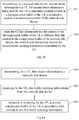
- the buffer control method includes: Step 501 of transmitting, by the UE, first check information to the network side device; Step 502 of receiving, by the UE, the first buffer resetting information from the network side device; and Step 503 of releasing or emptying, by the UE, a current compression buffer of the UE in accordance with content in the first buffer resetting information.
- the first check information may be used by the network side device to determine whether content in a compression buffer of the UE is identical to content in a decompression buffer of the network side device.
- Step 502 when the network side device has determined that the content in the compression buffer of the UE is different from the content in the decompression buffer of the network side device, the network side device may transmit the first buffer resetting information to the UE.
- the buffer control method may further include receiving, by the UE, at least one of UDC activating indication, dictionary activating or enabling indication, and M th dictionary activating or enabling indication from the network side device, where M is positive integer greater than 1.
- the buffer control method may further include: when the UE receives the UDC activating indication, comparing, by the UE, each PDCP data packet with content in the compression buffer of the UE, and replacing the original PDCP data packet with an identifier of the compression buffer, so as to achieve a UDC; when the UE receives the dictionary activating or enabling indication, storing, by the UE, a dictionary into the compression buffer, compressing a first PDCP data packet in a current bearer using a dictionary in the compression buffer, continuously updating the compression buffer in accordance with transmitted data packets, and continuing to compress a subsequent data packet using the updated compression buffer; and when the UE receives the M th dictionary activating or enabling indication, storing, by the UE, an M th dictionary in dictionaries previously received and configured by the network side device into the compression buffer, compressing the first PDCP data packet in the current bearer using the M th dictionary, continuously updating the compression buffer in accordance with the transmitted data packets,
- the buffer control method may further include, when the UE is in a connected state, receiving, by the UE, UDC configuration information from the network side device, and the UDC configuration information may include one or more of UDC deactivating indication, UDC dictionary resetting indication and UDC dictionary reloading indication.
- the buffer control method may further include: when the UE receives the UDC deactivating indication, disabling, by the UE, the UDC, and not performing the UDC on a subsequent PDCP data packet; when the UE receives the UDC dictionary resetting indication, emptying, by the UE, the compression buffer; and when the UE receives the UDC dictionary reloading indication, reloading, by the UE, dictionaries into the compression buffer.
- the network side device may also include a compression buffer and the UE may also include a decompression buffer.
- the buffer control method for the UE may further include: Step 601 of receiving, by the UE, second check information transmitted by the network side device, wherein the second check information is used by the UE to determine whether the content in the compression buffer of the network side device is identical to the content in the decompression buffer of the UE; Step 602 of determining, by the UE, whether content in a compression buffer of the network side device is identical to content in a decompression buffer of the UE; and Step 603 of when the content in the compression buffer is different from the content in the decompression buffer, transmitting, by the UE, second buffer resetting information to the network side device.
- the UE may determine whether the content in the compression buffer of the network side device is identical to the content in the decompression buffer of the UE in accordance with the second check information.
- the second buffer resetting information may be used to indicate the network side device to release or empty the compression buffer of the network side device.
- the transmitting, by the UE, the second buffer resetting information to the network side device may include transmitting, by the UE, the second buffer resetting information through PDCP PDU.
- Steps 501 to 503 may be performed before, after or simultaneously with Step 601 to 603.
- the dictionary for the UDC may be activated and deactivated through the RRC message.
- the UE When the UE needs to initiate a service, the UE may initiate a random access process, and an evolved Node B (eNB) may configure and establish a dedicated bearer, e.g., an SRB1 bearer or a QCI5 bearer, for the UE.
- the eNB base station
- MME Mobility Management Entity
- the capability information may include an indication indicating whether the UE supports the UDC.
- the eNB may transmit the RRC connection reconfiguration message to the UE, and the RRC connection reconfiguration message may include at least one of the UDC activating indication, the dictionary activating or enabling indication and the M th dictionary activating or enabling indication.
- the RRC connection reconfiguration message may include the UDC activating indication and the dictionary activating or enabling indication, or include the UDC activating indication and the M th dictionary activating or enabling indication.
- the dictionary activating or enabling indication may be used to indicate that a blank dictionary is to be enabled.
- the UE may enable the UDC function for a current bearer, i.e., compare each PDCP data packet with the compression buffer of the UE and replace the original PDCP data packet with an identifier of the compression buffer, so as to implement the UDC.
- the UE may transmit check information to the eNB, and the check information may be acquired through data buffered in the compression buffer of the UE (e.g., a check sum acquired through checking a part of data from the data buffered in the compression buffer).
- the check information may be used by a decompressor of the eNB to determine whether the content in the compression buffer of the UE is identical to the content in the decompression buffer of the eNB, so as to present a decompression failure when the two are different from each other.
- the eNB may transmit buffer resetting information to the UE, so as to enable the content in the compression buffer of the UE to be consistent with the content in the decompression buffer of the eNB.
- the buffer resetting information may be information indicating the UE to release or empty the current compression buffer of the UE.
- the UE may release or empty the current compression buffer of the UE in accordance with content in the buffer resetting information.
- the buffer resetting information may be transmitted through the PDCP PDU.
- the UE may store the dictionary into the compression buffer, and compress a first PDCP data packet in the current bearer using the dictionary in the compression buffer.
- the compression buffer may be continuously updated in accordance with transmitted data packets, and a subsequent data packet may be continued to be compressed by using the updated compression buffer.
- the UE may store the M th dictionary in the dictionaries configured by and previously received from the eNB into the compression buffer, and compress a first PDCP data packet in the current bearer using the M th dictionary.
- the compression buffer may be continuously updated in accordance with transmitted data packets, and a subsequent data packet may be continued to be compressed by using the updated compression buffer.
- the eNB may transmit the UDC configuration information to the UE, and the UDC configuration information may include one or more of the UDC deactivating indication, the UDC dictionary resetting indication and the UDC dictionary reloading indication.
- the UE may disable the UDC and the UDC may not be performed on the subsequent PDCP data packet.
- the UE may empty the compression buffer.
- the UE may reload the compression buffer for the UDC using the dictionaries.
- the network side device may activate and deactivate the UDC dictionary through the PDCP PDU.
- the eNB may transmit the PDCP PDU to the UE.
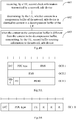
- the PDCP PDU may include one or more of the following fields.
- the eNB may transmit the PDCP PDU to the UE so as to disable the UDC, i.e., set the UDC field as 0, or modify the currently-used dictionary, i.e., fill a dictionary ID of the new dictionary to be activated in the PD ID field.
- Fig.5B shows a PDCP control PDU carrying a UDC feedback message, where FE represents whether the checksum is erroneous, 0 represents that the checksum is errorless, and 1 represents that the checksum is erroneous.
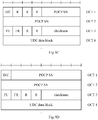
- Fig.5C shows a PDCP data PDU of a 12-bit Sequence Number (SN), where "checksum” represents checksum information, FU represents whether UDC is to be used, and FR represents whether the compression buffer is to be reset.
- SN Sequence Number
- Fig.5D shows a PDCP data PDU of a 15-bit SN, where "checksum” represents checksum information, FU represents whether the UDC is to be used, and FR represents whether the compression buffer is to be reset.
- Fig.5D shows a PDCP data PDU of an 18-bit SN, where "checksum" represents checksum information, FU represents whether the UDC is to be used, and FR represents whether the compression buffer is to be reset.
- the network side device may activate or deactivate the dictionary for the UDC through a broadcast message.
- Each Data Resource Bearer corresponds to a QCI.
- QCI Data Resource Bearer
- the eNB may broadcast one or more pieces of the following information through the system message.
- the UE may report to the network side device that the UE has a UDC capability and/or a dictionary pre-storing capability.
- the network side device may issue an appropriate dictionary for the UE in a current region.
- the base station may issue the appropriate dictionary through the RRC connection reconfiguration message in the TAU process, or the MME may issue the appropriate dictionary to the UE through an NAS message.
- One or more dictionaries may be configured for the UE.
- a set of default dictionaries may be installed in the UE in advance.
- the UE may perform the data compression using the configured dictionary.
- the UE may perform the data compression using the default dictionary.
- the network side device may number each dictionary, i.e., a first dictionary, a second dictionary, a third dictionary, and so on.
- the plurality of dictionaries may be stored in the UE.
- the network side device may transmit the dictionary ID, e.g., number two, to the UE through the system broadcast message, and the UE in a current cell may perform the data compression using the second dictionary corresponding to the dictionary ID.
- the network side device may also transmit the dictionary ID to the UE through the RRC message, and the UE may perform the data compression using the corresponding dictionary.
- the network side device may transmit an RRC reconfiguration message to the UE, and the RRC reconfiguration message may include a UDC indication.
- the UE may perform the compression on a first message transmitted on the bearer using the configured dictionary.
- the UE may report to the network side device an identifier of a cell or area where the dictionary indication has been acquired by the UE currently and/or where the dictionary ID has been acquired and/or where the dictionary has been acquired.
- the network side device issues a new dictionary to the UE, the UE may discard the previously-stored dictionary, and when the network side device fails to issue the new dictionary to the UE, the UE may continue to use the original dictionary.
- the network side device may issue the dictionary to the UE through RRC signaling.
- the UE may initiate a random access process and enter the connected state.
- the network side device may establish a QCI5 bearer for the UE through the RRC message, and transmit the dictionary to the UE through the RRC message.
- the UE may compress the message "invite” using the dictionary, and the network side device may decompress the data packet using the dictionary.
- the network side device may transmit the dictionary to the UE through the RRC message, and this dictionary may be merely used in a current connection process.
- the network side device may transmit a new dictionary to the UE.
- the present disclosure further provides in some embodiments a network side device which, as shown in Fig.6 , includes a processor 61 and a transceiver 62.
- the transceiver 62 is configured to notify a UE to activate, deactivate or reset a dictionary for UDC.
- the network side device may dynamically configure for the UE the dictionary for the UDC, and notify the UE to activate, deactivate, or reset the dictionary. Then, the UE may acquire the dictionary for the UDC configured by the network side device for the UE, and perform the UDC in accordance with the acquired dictionary configured by the networks side device. The UE may perform the UDC using the dictionary dynamically configured by the network side device rather than a pre-stored static dictionary, so it is able for the network side device to configure a most appropriate dictionary for the UE.
- the processor 61 is further configured to: acquire capability information of the UE, the capability information including an indication indicating whether the UE supports an UDC; and when the UE supports the UDC, configure for the UE the dictionary for the UDC.
- the transceiver 62 is specifically configured to transmit an RRC connection reconfiguration message to the UE, the RRC connection reconfiguration message may include at least one of dictionary activating or enabling indication and M th dictionary activating or enabling indication, and an M th dictionary may be one of the dictionaries pre-stored in the UE.
- the transceiver 62 is further configured to transmit an RRC message to the UE, and the RRC message may include at least one of a dictionary deactivating or disabling indication, a dictionary resetting indication and UDC dictionary reloading indication.
- the transceiver 62 is specifically configured to transmit PDCP PDU to the UE, and the PDCP PDU may carry at least one of a dictionary deactivating or disabling indication, dictionary activating or enabling indication, a dictionary resetting indication, and an identifier of one of the dictionaries pre-stored in the UE.
- the transceiver 62 is specifically configured to transmit a system broadcast message
- the system broadcast message may include at least one of a dictionary deactivating or disabling indication for a bearer having a QCI of N, dictionary activating or enabling indication for the bearer having the QCI of N, a dictionary resetting indication for the bearer having the QCI of N, and M th dictionary activating indication for the bearer having the QCI of N
- an M th dictionary may be one of a plurality of dictionaries pre-stored in the UE.
- the present disclosure further provides in some embodiments a UE which, as shown in Fig.7 , includes a processor 71 and a transceiver 72.
- the processor 71 is configured to activate, deactivate or reset a dictionary for UDC in accordance with an indication from a network side device.
- the network side device may dynamically configure for the UE the dictionary for the UDC, and notify the UE to activate, deactivate, or reset the dictionary. Then, the UE may acquire the dictionary for the UDC configured by the network side device for the UE, and perform the UDC in accordance with the acquired dictionary configured by the networks side device. The UE may perform the UDC using the dictionary dynamically configured by the network side device rather than a pre-stored static dictionary, so it is able for the network side device to configure a most appropriate dictionary for the UE.
- the transceiver 72 is further configured to: report capability information of the UE to the network side device, the capability information including an indication indicating whether the UE supports a UDC; and acquiring a dictionary for UDC configured by the network side device for the UE.
- the transceiver 72 is specifically configured to receive an RRC connection reconfiguration message from the network side device, the RRC connection reconfiguration message may include at least one of dictionary activating or enabling indication and M th dictionary activating or enabling indication, and an M th dictionary may be one of the dictionaries pre-stored in the UE.
- the processor is further configured to: when the RRC connection reconfiguration message includes the dictionary activating or enabling indication, store a dictionary into a compression buffer, and compress a first PDCP data packet in a current bearer using the dictionary; or when the RRC connection reconfiguration message includes the M th dictionary activating or enabling indication, store the M th dictionary in the plurality of pre-stored dictionaries into the compression buffer, and compress the first PDCP data packet in the current bearer using the M th dictionary.
- the transceiver 72 is further configured to receive an RRC message from the network side device, and the RRC message may include at least one of a dictionary deactivating or disabling indication, a dictionary resetting indication and UDC dictionary reloading indication.
- the processor is further configured to: when the RRC message includes the dictionary deactivating or disabling indication, disable the UDC function; or when the RRC message includes the dictionary resetting indication, empty the compression buffer for UDC; or when the RRC message includes the UDC dictionary reloading indication, reload the compression buffer for the UDC using the dictionary.
- the transceiver 72 is specifically configured to receive PDCP PDU from the network side device, and activate or deactivate a dictionary for the UDC in accordance with the PDCP PDU.
- the PDCP PDU may carry at least one of a dictionary deactivating or disabling indication, dictionary activating or enabling indication, a dictionary resetting indication, and an identifier of a dictionary in a plurality of dictionaries pre-stored in the UE.
- the transceiver 72 is specifically configured to receive a system broadcast message from the network side device, and activate or deactivate the dictionary for the UDC of a bearer in accordance with the system broadcast message.
- the system broadcast message may include at least one of a dictionary deactivating or disabling indication for a bearer having a QCI of N, dictionary activating or enabling indication for the bearer having the QCI of N, a dictionary resetting indication for the bearer having the QCI of N, and M th dictionary activating indication for the bearer having the QCI of N, and an M th dictionary may be one of the dictionaries pre-stored in the UE.
- the present disclosure further provides in some embodiments a network side device, which includes a memory, a processor, and a computer program stored in the memory and configured to be executed by a processor.
- the processor is configured to execute the computer program so as to implement the steps of the above-mentioned buffer control method. All technical details and effects of the network side device may refer to those of the buffer control method for the network side device, and thus will not be particularly defined herein.
- the present disclosure further provides in some embodiments a UE, which includes a memory, a processor, and a computer program stored in the memory and configured to be executed by a processor.
- the processor is configured to execute the computer program so as to implement the steps of the above-mentioned buffer control method. All technical details and effects of the UE may refer to those of the buffer control method for the UE, and thus will not be particularly defined herein.
- the present disclosure further provides in some embodiments a computer-readable storage medium storing therein a computer program.
- the computer program is executed by a processor so as to implement the steps of the above-mentioned dictionary configuration methods or the steps of the above-mentioned buffer control methods.
- the computer-readable storage medium may include volatile or nonvolatile, mobile or immobile storage medium capable of storing therein information using any method or technique.
- the information may be a computer-readable instruction, a data structure, a program module or other data.
- the computer-readable storage medium may include, but not limited to, a Random Access Memory (e.g., Phase change Random Access Memory (PRAM), Static Random Access Memory (SRAM) or Dynamic Random Access Memory (DRAM)), a Read Only Memory (ROM), an Electrically Erasable Programmable Read Only Memory (EEPROM), a flash memory, a Compact Disc Read Only Memory (CD-ROM) or a Digital Versatile Disc (DVD), a magnetic storage device (e.g., a cassette magnetic tape or a magnetic disk), or any other non-transmission medium capable of storing therein information which can be accessed by a computing device.
- the computer-readable storage medium may not include any transitory media, e.g., modulated data signal or carrier.
Landscapes
- Engineering & Computer Science (AREA)
- Computer Networks & Wireless Communication (AREA)
- Signal Processing (AREA)
- Databases & Information Systems (AREA)
- Computer Security & Cryptography (AREA)
- Mobile Radio Communication Systems (AREA)
- Compression, Expansion, Code Conversion, And Decoders (AREA)
- Telephonic Communication Services (AREA)
- Information Transfer Between Computers (AREA)
Applications Claiming Priority (2)
| Application Number | Priority Date | Filing Date | Title |
|---|---|---|---|
| CN201711215247.5A CN109842905B (zh) | 2017-11-28 | 2017-11-28 | 字典配置方法、网络侧设备及用户终端 |
| PCT/CN2018/117415 WO2019105321A1 (zh) | 2017-11-28 | 2018-11-26 | 字典配置方法、缓存控制方法、网络侧设备及用户设备 |
Publications (2)
| Publication Number | Publication Date |
|---|---|
| EP3720175A1 true EP3720175A1 (de) | 2020-10-07 |
| EP3720175A4 EP3720175A4 (de) | 2021-08-25 |
Family
ID=66664328
Family Applications (1)
| Application Number | Title | Priority Date | Filing Date |
|---|---|---|---|
| EP18884113.4A Pending EP3720175A4 (de) | 2017-11-28 | 2018-11-26 | Wörterbuchkonfigurationsverfahren, puffersteuerungsverfahren, netzwerkseitige vorrichtung und benutzergerät |
Country Status (4)
| Country | Link |
|---|---|
| US (2) | US11627491B2 (de) |
| EP (1) | EP3720175A4 (de) |
| CN (1) | CN109842905B (de) |
| WO (1) | WO2019105321A1 (de) |
Cited By (2)
| Publication number | Priority date | Publication date | Assignee | Title |
|---|---|---|---|---|
| EP4013090A4 (de) * | 2019-08-14 | 2022-10-05 | Huawei Technologies Co., Ltd. | Verfahren und vorrichtung für benutzergerät zur meldung von udc-informationen |
| EP4099757A4 (de) * | 2020-02-21 | 2023-07-05 | Huawei Technologies Co., Ltd. | Kommunikationsverfahren und -vorrichtung |
Families Citing this family (11)
| Publication number | Priority date | Publication date | Assignee | Title |
|---|---|---|---|---|
| KR102780963B1 (ko) * | 2019-05-08 | 2025-03-14 | 삼성전자 주식회사 | 무선 통신 시스템에서 데이터 유실을 방지하는 사용자 데이터 압축 방법 및 장치 |
| CN112187400B (zh) * | 2019-07-03 | 2022-04-12 | 大唐移动通信设备有限公司 | 数据传输方法及装置 |
| CN112188554B (zh) * | 2019-07-03 | 2022-08-19 | 大唐移动通信设备有限公司 | 信息传输方法及装置 |
| CN112333769B (zh) * | 2019-08-05 | 2022-10-11 | 华为技术有限公司 | 一种通信方法和装置 |
| CN114157723B (zh) * | 2019-08-15 | 2023-08-22 | 华为技术有限公司 | 一种通信方法及装置 |
| CN113556129B (zh) * | 2020-04-23 | 2025-07-29 | 华为技术有限公司 | 数据处理方法和装置 |
| CN114070324B (zh) * | 2020-08-05 | 2025-01-10 | 大唐移动通信设备有限公司 | 一种数据压缩方法、装置及存储介质 |
| CN113411837B (zh) * | 2021-06-23 | 2025-10-03 | 素泰智能科技(上海)有限公司 | 一种udc更新解压缩字典的数据传输方法和终端 |
| CN119967479A (zh) * | 2023-11-08 | 2025-05-09 | 华为技术有限公司 | 数据压缩传输方法、装置、设备以及存储介质 |
| WO2025103598A1 (en) * | 2023-11-16 | 2025-05-22 | Huawei Technologies Co., Ltd. | A method and devices for providing enhanced buffer synchronisation |
| CN120881566A (zh) * | 2024-04-30 | 2025-10-31 | 华为技术有限公司 | 通信方法及装置 |
Family Cites Families (16)
| Publication number | Priority date | Publication date | Assignee | Title |
|---|---|---|---|---|
| CN102147768B (zh) * | 2010-05-21 | 2014-03-05 | 苏州捷泰科信息技术有限公司 | 存储器、固态缓存系统及缓存数据处理方法 |
| CN102457387B (zh) * | 2010-10-22 | 2014-05-28 | 英业达集团(天津)电子技术有限公司 | 多播封包的接收方法 |
| CN103051434A (zh) * | 2012-12-20 | 2013-04-17 | 中兴通讯股份有限公司 | 数据的解压缩、解压缩处理方法及装置 |
| CN103457609B (zh) * | 2013-08-20 | 2016-04-13 | 许继集团有限公司 | 故障录波数据无损压缩、解压缩方法 |
| US9674803B2 (en) * | 2013-09-23 | 2017-06-06 | Qualcomm Incorporated | Out-of synchronization detection and correction during compression |
| CN103944972A (zh) * | 2014-04-02 | 2014-07-23 | 深圳市中博科创信息技术有限公司 | 一种上传、下载数据的方法及网关 |
| US10341466B2 (en) * | 2014-11-14 | 2019-07-02 | Qualcomm Incorporated | Evolved data compression scheme signaling |
| US10412619B2 (en) * | 2014-11-14 | 2019-09-10 | Qualcomm Incorporated | Buffer status report for eDCS |
| EP3244677B1 (de) | 2016-05-13 | 2020-04-29 | Panasonic Intellectual Property Corporation of America | Verbesserter mechanismus zur qos-implementierung in der fahrzeugkommunikation |
| KR102324214B1 (ko) * | 2017-01-06 | 2021-11-12 | 삼성전자 주식회사 | 차세대 이동 통신 시스템에서 이중 접속의 데이터 처리를 가속화하는 방법 및 장치 |
| CN107302585B (zh) * | 2017-07-11 | 2020-05-26 | 电信科学技术研究院 | 一种预置字典同步方法及设备 |
| US10855814B2 (en) * | 2017-10-20 | 2020-12-01 | Comcast Cable Communications, Llc | Non-access stratum capability information |
| US20190141567A1 (en) * | 2017-11-06 | 2019-05-09 | Mediatek Inc. | Uplink Data Compression Transaction Flow |
| EP3707940A4 (de) * | 2017-11-10 | 2021-08-18 | Telefonaktiebolaget LM Ericsson (publ) | Übertragungsvorrichtung, empfangsvorrichtung und darin ausgeführte verfahren zur handhabung von pufferrücksetzung |
| KR102352684B1 (ko) * | 2017-11-16 | 2022-01-18 | 삼성전자주식회사 | 무선통신 시스템에서 통신 방법 및 장치 |
| KR102509070B1 (ko) * | 2017-11-24 | 2023-03-10 | 삼성전자주식회사 | 무선 통신 시스템에서 데이터 처리 방법 및 장치 |
-
2017
- 2017-11-28 CN CN201711215247.5A patent/CN109842905B/zh active Active
-
2018
- 2018-11-26 WO PCT/CN2018/117415 patent/WO2019105321A1/zh not_active Ceased
- 2018-11-26 EP EP18884113.4A patent/EP3720175A4/de active Pending
- 2018-11-26 US US16/767,159 patent/US11627491B2/en active Active
-
2023
- 2023-04-07 US US18/297,092 patent/US12289637B2/en active Active
Cited By (2)
| Publication number | Priority date | Publication date | Assignee | Title |
|---|---|---|---|---|
| EP4013090A4 (de) * | 2019-08-14 | 2022-10-05 | Huawei Technologies Co., Ltd. | Verfahren und vorrichtung für benutzergerät zur meldung von udc-informationen |
| EP4099757A4 (de) * | 2020-02-21 | 2023-07-05 | Huawei Technologies Co., Ltd. | Kommunikationsverfahren und -vorrichtung |
Also Published As
| Publication number | Publication date |
|---|---|
| WO2019105321A1 (zh) | 2019-06-06 |
| CN109842905A (zh) | 2019-06-04 |
| US11627491B2 (en) | 2023-04-11 |
| US20230247481A1 (en) | 2023-08-03 |
| CN109842905B (zh) | 2021-08-06 |
| US20200389812A1 (en) | 2020-12-10 |
| EP3720175A4 (de) | 2021-08-25 |
| US12289637B2 (en) | 2025-04-29 |
Similar Documents
| Publication | Publication Date | Title |
|---|---|---|
| US12289637B2 (en) | Buffer control method and user equipment | |
| US12003592B2 (en) | Method and apparatus for service discovery | |
| US9497792B2 (en) | Routing of messages for mobile communication devices during emergency calls | |
| US10083021B2 (en) | Method and apparatus for providing firmware over the air service to user equipments | |
| CN111372327A (zh) | 基于5g sa网络的呼叫方法、电子设备及系统 | |
| US11388602B2 (en) | Network slicing with a radio access network node | |
| US9900836B2 (en) | Network node, radio network node, and methods for sending a second secondary cell of a wireless device | |
| US9992240B2 (en) | Preserving S1-AP UE contexts on SCTP failover | |
| US10616808B2 (en) | Exchanging network server registration credentials over a D2D network | |
| US20250260727A1 (en) | Method and apparatus for restoration of proxy call session control function | |
| US20200145865A1 (en) | Transfer of measurement configuration information in wireless communication networks | |
| US10645003B2 (en) | Data packet transmission method, network side device, and user equipment | |
| US20230362743A1 (en) | Method and apparatus for triggering fallback using rrc establishment cause in communicatons system | |
| WO2022244533A1 (ja) | Smfノード、afノード、ue、及びこれらの方法 | |
| KR20220026721A (ko) | Amf에서의 컨텍스트 정보처리 장치 및 방법 | |
| WO2021104263A1 (en) | Method and apparatus for handover | |
| US11252769B2 (en) | Method and apparatus for supporting various services in wireless communication system | |
| US20150215158A1 (en) | Discriminating or prioritizing users during failover in a voip system | |
| HK40030283A (en) | Dictionary configuration method, buffer control method, network-side device, and user equipment | |
| WO2023131166A1 (en) | Method and apparatus for p-cscf restoration and p-cscf information registration | |
| WO2023130999A1 (en) | Method and apparatus for p-cscf restoration | |
| US20250227597A1 (en) | Terminal behavior control for network registration | |
| WO2023208040A1 (en) | Method and apparatus for eps pdn connection context information update | |
| US20260046323A1 (en) | Method and device for supporting communication by using satellite in wireless communication system | |
| HK1224487A1 (zh) | 多个无线电接入网络中的资源管理 |
Legal Events
| Date | Code | Title | Description |
|---|---|---|---|
| STAA | Information on the status of an ep patent application or granted ep patent |
Free format text: STATUS: THE INTERNATIONAL PUBLICATION HAS BEEN MADE |
|
| PUAI | Public reference made under article 153(3) epc to a published international application that has entered the european phase |
Free format text: ORIGINAL CODE: 0009012 |
|
| STAA | Information on the status of an ep patent application or granted ep patent |
Free format text: STATUS: REQUEST FOR EXAMINATION WAS MADE |
|
| 17P | Request for examination filed |
Effective date: 20200529 |
|
| AK | Designated contracting states |
Kind code of ref document: A1 Designated state(s): AL AT BE BG CH CY CZ DE DK EE ES FI FR GB GR HR HU IE IS IT LI LT LU LV MC MK MT NL NO PL PT RO RS SE SI SK SM TR |
|
| AX | Request for extension of the european patent |
Extension state: BA ME |
|
| REG | Reference to a national code |
Ref country code: HK Ref legal event code: DE Ref document number: 40030283 Country of ref document: HK |
|
| DAV | Request for validation of the european patent (deleted) | ||
| DAX | Request for extension of the european patent (deleted) | ||
| A4 | Supplementary search report drawn up and despatched |
Effective date: 20210723 |
|
| RIC1 | Information provided on ipc code assigned before grant |
Ipc: H04W 28/06 20090101AFI20210719BHEP Ipc: H04L 29/06 20060101ALI20210719BHEP Ipc: H03M 7/30 20060101ALN20210719BHEP |
|
| STAA | Information on the status of an ep patent application or granted ep patent |
Free format text: STATUS: EXAMINATION IS IN PROGRESS |
|
| 17Q | First examination report despatched |
Effective date: 20230425 |