EP3709679B1 - Drahtloskommunikationsverfahren und -vorrichtungen - Google Patents
Drahtloskommunikationsverfahren und -vorrichtungen Download PDFInfo
- Publication number
- EP3709679B1 EP3709679B1 EP17932242.5A EP17932242A EP3709679B1 EP 3709679 B1 EP3709679 B1 EP 3709679B1 EP 17932242 A EP17932242 A EP 17932242A EP 3709679 B1 EP3709679 B1 EP 3709679B1
- Authority
- EP
- European Patent Office
- Prior art keywords
- parameter set
- broadcast message
- paging
- terminal device
- message transmission
- Prior art date
- Legal status (The legal status is an assumption and is not a legal conclusion. Google has not performed a legal analysis and makes no representation as to the accuracy of the status listed.)
- Active
Links
Images



Classifications
-
- H—ELECTRICITY
- H04—ELECTRIC COMMUNICATION TECHNIQUE
- H04W—WIRELESS COMMUNICATION NETWORKS
- H04W68/00—User notification, e.g. alerting and paging, for incoming communication, change of service or the like
-
- H—ELECTRICITY
- H04—ELECTRIC COMMUNICATION TECHNIQUE
- H04W—WIRELESS COMMUNICATION NETWORKS
- H04W68/00—User notification, e.g. alerting and paging, for incoming communication, change of service or the like
- H04W68/005—Transmission of information for alerting of incoming communication
-
- H—ELECTRICITY
- H04—ELECTRIC COMMUNICATION TECHNIQUE
- H04W—WIRELESS COMMUNICATION NETWORKS
- H04W72/00—Local resource management
- H04W72/20—Control channels or signalling for resource management
- H04W72/23—Control channels or signalling for resource management in the downlink direction of a wireless link, i.e. towards a terminal
-
- H—ELECTRICITY
- H04—ELECTRIC COMMUNICATION TECHNIQUE
- H04W—WIRELESS COMMUNICATION NETWORKS
- H04W4/00—Services specially adapted for wireless communication networks; Facilities therefor
- H04W4/06—Selective distribution of broadcast services, e.g. multimedia broadcast multicast service [MBMS]; Services to user groups; One-way selective calling services
-
- H—ELECTRICITY
- H04—ELECTRIC COMMUNICATION TECHNIQUE
- H04W—WIRELESS COMMUNICATION NETWORKS
- H04W68/00—User notification, e.g. alerting and paging, for incoming communication, change of service or the like
- H04W68/02—Arrangements for increasing efficiency of notification or paging channel
-
- H—ELECTRICITY
- H04—ELECTRIC COMMUNICATION TECHNIQUE
- H04W—WIRELESS COMMUNICATION NETWORKS
- H04W72/00—Local resource management
- H04W72/04—Wireless resource allocation
- H04W72/044—Wireless resource allocation based on the type of the allocated resource
- H04W72/0446—Resources in time domain, e.g. slots or frames
-
- H—ELECTRICITY
- H04—ELECTRIC COMMUNICATION TECHNIQUE
- H04W—WIRELESS COMMUNICATION NETWORKS
- H04W72/00—Local resource management
- H04W72/04—Wireless resource allocation
- H04W72/044—Wireless resource allocation based on the type of the allocated resource
- H04W72/0453—Resources in frequency domain, e.g. a carrier in FDMA
-
- H—ELECTRICITY
- H04—ELECTRIC COMMUNICATION TECHNIQUE
- H04W—WIRELESS COMMUNICATION NETWORKS
- H04W72/00—Local resource management
- H04W72/04—Wireless resource allocation
- H04W72/044—Wireless resource allocation based on the type of the allocated resource
- H04W72/046—Wireless resource allocation based on the type of the allocated resource the resource being in the space domain, e.g. beams
Definitions
- This application relates to the field of communications, and more specifically, to wireless communication methods, a network device and a terminal device.
- a network device and a terminal device may determine, within a paging cycle, a paging occasion on which the network device pages the terminal device.
- LTE long term evolution
- NR new radio
- HUAWEI ET AL "Offline summary for AI 7.1.3 on Paging for NR", 3GPP DRAFT; R1-1719037 SUMMARY ON PAGING V 3.0, 3RD GENERATION PARTNERSHIP PROJECT (3GPP), MOBILE COMPETENCE CENTRE; 650 ROUTE DES LUCIOLES; F-06921 SOPHIA-ANTIPOLIS CEDEX; FRANCE, vol. RAN WG1, no. Prague, Czech Republic; 20171009 - 20171013, 13 October 2017 (2017-10-13 ), provides a summary of the open issues and proposals on AI 7.1.3: “Remaining details on Paging”.
- the present invention is defined in the independent claims.
- the present application provides wireless communication methods, a network device and a terminal device, to improve flexibility in an aspect of paging or an aspect of broadcast message transmission.
- a first aspect provides a wireless communication method defined in claim 1.
- the first scheme corresponding to the first parameter set and the second scheme corresponding to the second parameter set may be used by the network device to perform paging or broadcast message transmission, and flexibility of performing paging or broadcast message transmission to the terminal device by the network device may be enhanced.
- a second aspect provides a wireless communication method defined in claim 7.
- the first scheme corresponding to the first parameter set and the second scheme corresponding to the second parameter set may be used by the network device to perform paging or broadcast message transmission, and flexibility of performing paging or broadcast message transmission to the terminal device by the network device may be enhanced.
- a third aspect provides a network device defined in claim 15.
- a fourth aspect provides a terminal device defined in claim 21.
- a fifth aspect provides a network device, including a processor, a memory, and a transceiver, which is not part of the invention.
- a sixth aspect provides a terminal device, including a processor, a memory, and a transceiver, which is not part of the invention.
- a seventh aspect provides a computer readable medium not being part of the invention.
- An eighth aspect provides a computer program product not being part of the invention.
- GSM Global System for Mobile Communications
- CDMA Code Division Multiple Access
- WCDMA Wideband Code Division Multiple Access
- GPRS General Packet Radio Service
- LTE Long Term Evolution
- FDD Frequency Division Duplex
- TDD Time Division Duplex
- UMTS Universal Mobile Telecommunications System
- WiMAX Worldwide Interoperability for Microwave Access
- FIG. 1 shows a wireless communications system 100 to which an embodiment of this application is applied.
- the wireless communications system 100 may include a network device 110.
- the network device 100 may be a device communicating with a terminal device.
- the network device 100 may provide communications coverage to a particular geographic area, and may communicate with a terminal device (for example, UE) located within the coverage area.
- UE terminal device
- the network device 100 may be a base transceiver station (BTS) in a GSM system or CDMA system, or may be a NodeB (NB) in a WCDMA system, or may be an evolved NodeB (eNB or eNodeB) in an LTE system, or a wireless controller in a cloud radio access network (CRAN), or the network device may be a relay station, an access point, an in-vehicle device, a wearable device, a network side device in a future 5G network, a network device in a future evolved public land mobile network (PLMN) or the like.
- BTS base transceiver station
- NB NodeB
- eNB or eNodeB evolved NodeB
- LTE Long Term Evolution
- CRAN cloud radio access network
- PLMN public land mobile network
- the wireless communications system 100 further includes at least one terminal device 120 located within the coverage range of the network device 110.
- the terminal device 120 may be mobile or fixed.
- the terminal device 120 may be an access terminal, user equipment (UE), a subscriber unit, a subscriber station, a mobile station, a mobile console, a remote station, a remote terminal, a mobile device, a user terminal, a terminal, a wireless communications device, a user agent, or a user apparatus.
- UE user equipment
- the access terminal may be a cellular phone, a cordless phone, a Session Initiation Protocol (SIP) phone, a wireless local loop (WLL) station, a personal digital assistant (PDA), a handheld device having a wireless communication function, a computing device, another processing device connected to a wireless modem, an in-vehicle device, a wearable device, a terminal device in a future 5G network, a terminal device in a future evolved PLMN or the like.
- SIP Session Initiation Protocol
- WLL wireless local loop
- PDA personal digital assistant
- the terminal devices 120 may perform device to device (D2D) communication with each other.
- D2D device to device
- the 5G system or network may be further referred to as a new radio (NR) system or network.
- NR new radio
- FIG. 1 shows one network device and two terminal devices as an example.
- the wireless communications system 100 may include a plurality of network devices and coverage of each network device may include another quantity of terminal devices. This is not limited in this embodiment of this application.
- the wireless communications system 100 may further include other network entities such as a network controller and a mobility management entity. This is not limited in this embodiment of this application.
- FIG. 2 is a schematic flowchart of a wireless communication method 200 according to an embodiment of this application.
- the method 200 may be optionally applied to the system shown in FIG. 1 , but is not limited thereto.
- the method 200 includes the following content.
- a network device determines a scheme for performing paging or broadcast message transmission to a terminal device, where the determined scheme is one of a first scheme and a second scheme, where in the first scheme, a first parameter set is used for performing paging or broadcast message transmission at a specific frequency point, and in the second scheme, a second parameter set is used for performing paging or broadcast message transmission at a specific frequency point.
- the network device selects one scheme from the first scheme and the second scheme as the scheme for performing paging or broadcast message transmission to the terminal device, where the selecting a scheme for performing paging or broadcast message transmission aims to determine a parameter set used for performing paging or broadcast message transmission to the terminal device, and the network device performs paging or broadcast message transmission to the terminal device according to the parameter set corresponding to the selected scheme.
- Types of parameters included in the first parameter set corresponding to the first scheme and the second parameter set corresponding to the second scheme may be the same, but values of at least one type of parameters are different. Specifically, values of at least one of a time location, a time length, a subcarrier spacing, and a spacing between time locations may be different.
- a length of a time location corresponding to the first parameter set and a length of a time location corresponding to the second parameter set are different, the length of the time location corresponding to the first parameter set is four symbols, and the length of the time location corresponding to the second parameter set is two symbols.
- a quantity of time locations corresponding to the first parameter set and a quantity of time locations corresponding to the second parameter set are different, the quantity of time locations corresponding to the first parameter set is two, and the quantity of time locations corresponding to the second parameter set is four.
- a subcarrier spacing corresponding to the first parameter set and a subcarrier spacing corresponding to the second parameter set are different, the subcarrier spacing corresponding to the first parameter set is 30 KHz, and the subcarrier spacing corresponding to the second parameter set is 15 KHz.
- the first parameter set and the second parameter set respectively includes a subcarrier spacing for performing paging or broadcast message transmission, and may further include at least one of: a time location that needs to be occupied for performing paging or broadcast message transmission, a time length for performing paging or broadcast message transmission, and a spacing between time locations.
- the time location mentioned in this embodiment of this application may include at least one symbol, and when the time location includes a plurality of symbols, the plurality of symbols may be consecutive.
- each time location corresponds to single beam scanning, and different time locations of performing paging or broadcast message transmission once may correspond to different beams.
- that the network device performs paging to the terminal device may mean that a physical downlink control channel (PDCCH) and/or a physical downlink shared channel (PDSCH) used for paging is transmitted on a corresponding time location.
- a physical downlink control channel (PDCCH) and/or a physical downlink shared channel (PDSCH) used for paging is transmitted on a corresponding time location.
- PDCH physical downlink control channel
- PDSCH physical downlink shared channel
- the broadcast message mentioned in this embodiment of this application may be a message carrying RMSI, OSI, or on-demand system information.
- one time location mentioned in this embodiment of this application may be used for carrying a PDSCH and a PDCCH that perform frequency division multiplexing; different symbols of one time location are respectively used for carrying a PDSCH and a PDCCH; one time location is used for carrying only a PDCCH or a PDSCH; or a PDSCH occupies a plurality of symbols of one time location, and a PDCCH performs frequency division multiplexing with the PDSCH on at least some symbols of the plurality of symbols.
- the time length mentioned in this embodiment of this application may be represented through a quantity of symbols, and the time length mentioned in this application may be a time length occupied by single beam scanning, or may be a time length occupied by one time of complete beam scanning (which includes a plurality of beams).
- the spacing between time locations mentioned in this embodiment of this application may be a spacing between center symbols of two time locations, or may a spacing between first symbols of two time locations, a spacing between last symbols of two time locations, or a spacing between a last symbol of a former time location and a first symbol of a latter time location.
- a time length of performing paging or broadcast message transmission may be two, four, or seven symbols, or duration corresponding to one slot.
- the first parameter set and the second parameter set may have different values for at least one of a time location, a time length, a subcarrier spacing, and a spacing between time locations.
- the first parameter set and the second parameter set may further include a parameter other than at least one of a time location, a time length, a subcarrier spacing, and a spacing between time locations, and this is not specifically limited in this embodiment of this application.
- the particular frequency mentioned in this embodiment of this application may be a frequency of communicating with the terminal device.
- parameter values of the first parameter set and/or the second parameter set may be different.
- the first parameter set refers to a parameter set used for an actually transmitted synchronization signal block.
- the second parameter set does not refer to a parameter set used for an actually transmitted synchronization signal block.
- That the second parameter set does not refer to the parameter set used for an actually transmitted synchronization signal block means only that when the second parameter set is obtained or the second parameter set is preset, the network device or the terminal device does not consider such a factor of sending of a synchronization signal block, but may consider another factor.
- a synchronization signal block (SS Block or SSB) is transmitted in cycles.
- an SS burst set at a specific frequency point may be limited to being within a time window of 5 ms, and a maximum quantity of SS blocks is L, where
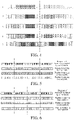
- slot distribution of an SS block may be shown in FIG. 2 .
- FIG. 4 shows distribution of patterns within a slot on 15 KHz, 30 KHz, 120 KHz, and 240 KHz.
- At least one or two symbols used for downlink control are reserved at the beginning of 14 symbols, and at least two symbols used for, for example, a guard interval or uplink control are reserved at the end of the 14 symbols.
- At least two symbols used for downlink control are reserved at the beginning of 14 symbols, and at least two symbols used for, for example, a guard interval or uplink control are reserved at the end of the 14 symbols.
- the network device determines a paging occasion of performing paging to the terminal device; and the network device determines a scheme for performing paging to the terminal device on the paging occasion.
- the paging occasion mentioned in this embodiment of this application may be used for transmitting a PDSCH and/or a PDCCH.
- the PDSCH and the PDCCH may be transmitted on a same time location (occupying a same symbol).
- the PDSCH and the PDCCH may perform frequency division multiplexing.
- the PDSCH and the PDCCH may be transmitted on different time locations.
- the PDCCH may be first transmitted through a plurality of beams, and then the PDSCH is transmitted through a plurality of beams.
- the PDCCH and the PDSCH may be transmitted once on different symbols respectively through a same beam or different beams, and then the PDCCH and the PDSCH are transmitted once again on other different symbols respectively through a same beam or different beams. The rest can be deduced by analogy.
- the terminal device may attempt to receive a paging message in a particular subframe (referred to as a PO) of a particular frame (referred to as a PF) within a paging cycle thereof.
- the paging occasion (PO) may be a subframe.
- the subframe there may be a PDCCH that is scrambled by using a paging radio network temporary identifier (P-RNTI) and indicates the paging message.
- P-RNTI paging radio network temporary identifier
- DRX discontinuous reception
- the terminal device may need to detect only one PO on each DRX cycle. That is, corresponding to each terminal device, only one subframe within each paging cycle may be used for transmitting paging.
- the DRX cycle may be the same as the paging cycle.
- a paging frame (PF) may be a radio frame, and the frame may include one or more POs.
- the network device performs paging or broadcast message transmission to the terminal device at the specific frequency point according to the determined scheme.
- the terminal device determines a scheme in which a network device performs paging or broadcast message transmission to the terminal device, where the determined scheme is one of a first scheme and a second scheme.
- the terminal device determines a paging occasion on which the network device performs paging to the terminal device; and the terminal device determines a scheme in which the network device performs paging to the terminal device on the paging occasion.
- the terminal device monitors, at the specific frequency point according to the determined scheme, paging performed by the terminal device or the broadcast message transmitted by the network device to the terminal device.
- the terminal device monitors, on the corresponding time location according to the determined scheme, to a PDCCH and/or a PDSCH used for paging or the broadcast message transmission.
- the network device transmits first information to the terminal device, where the first information is used to notify a scheme for performing paging or broadcast message transmission or notify the first parameter set and/or the second parameter set.
- the terminal device may receive the first information transmitted by the network device, and based on the first information, the terminal device may obtain a scheme for performing paging or broadcast message transmission to the terminal device by the network device, or obtain the first parameter set and/or the second parameter set.
- the first information is carried in remaining minimum system information (RMSI), other system information (OSI), on-demand system information, or a radio resource control (RRC) message.
- RMSI remaining minimum system information
- OSI system information
- RRC radio resource control
- the first information when being used for paging, may be carried in remaining minimum system information (RMSI), other system information (OSI), on-demand system information, or a radio resource control (RRC) message.
- RMSI remaining minimum system information
- OSI system information
- RRC radio resource control
- the first information When being used for broadcast message transmission, the first information may be carried in remaining minimum system information (RMSI), other system information (OSI), or on-demand system information.
- RMSI remaining minimum system information
- OSI system information
- on-demand system information the first information may be carried in remaining minimum system information (RMSI), other system information (OSI), or on-demand system information.
- the network device determines, according to a paging occasion of currently performing paging or a time period in which the broadcast message is transmitted, the scheme for performing paging or broadcast message transmission to the terminal device.
- the terminal device may alternatively determine, according to a time period in which the network device currently performs paging or broadcast message transmission to the terminal device, a scheme in which the network device performs paging or broadcast message transmission to the terminal device.
- the scheme for performing paging or broadcast message transmission is related to the paging occasion or the time period in which a broadcast message is transmitted.
- the first scheme may be used in a first time period
- the second scheme is used in a second time period adjacent to the first time period
- the first scheme is used in a subsequent third time period.
- the network device transmits second information to the terminal device, where the second information is used to notify an association relationship between the scheme for performing paging or broadcast message transmission and the time period. Therefore, the terminal device may obtain, according to the second information transmitted by the network device, an association relationship between the scheme for performing paging or broadcast message transmission to the terminal device by the network device and the time period.
- the second information is carried in remaining minimum system information RMSI, other system information OSI, on-demand system information, or a radio resource control RRC message.
- the second information when being used for paging, may be carried in remaining minimum system information (RMSI), other system information (OSI), on-demand system information, or a radio resource control (RRC) message.
- RMSI remaining minimum system information
- OSI system information
- RRC radio resource control
- the second information may be carried in remaining minimum system information (RMSI), other system information (OSI), or on-demand system information.
- RMSI remaining minimum system information
- OSI system information
- on-demand system information the second information may be carried in remaining minimum system information.
- the association relationship between the scheme for performing paging or broadcast message transmission to the terminal device by the network device and the time period may be preset on each of the network device and the terminal device, and therefore the network device does not need to transmit the second information to notify the association relationship to the terminal device.
- the network device or the terminal device may determine, according to whether a synchronization signal block is transmitted or there is a candidate transmission time location of a synchronization signal block within a time range of performing paging or broadcast message transmission, a scheme for performing paging or broadcast message transmission.
- the network device or the terminal device determines, if a synchronization signal block is transmitted or there is a candidate transmission time location of a synchronization signal block within the time range of performing paging or broadcast message transmission, that the scheme for performing paging or broadcast message transmission is the first scheme; or determines, if no synchronization signal block is transmitted or there is no candidate transmission time location of a synchronization signal block within the time range of performing paging or broadcast message transmission, that the scheme for performing paging or broadcast message transmission is the second scheme.
- the terminal device may determine, according to whether the synchronization signal block is actually detected or according to a notification message of the network device, whether the network device transmits the synchronization signal block within a time range of performing paging or broadcast message transmission to the terminal device by the network device.
- the network device determines, when the determined scheme is the first scheme, at least one of a time length of an actually transmitted synchronization signal block at the specific frequency point, at least some symbols in a time location, a subcarrier spacing, and a spacing between time locations, as at least one of a time length required for performing paging or broadcast message transmission at the specific frequency point, at least some symbols in a time location, a subcarrier spacing, and a spacing between time locations; and performs paging or broadcast message transmission to the terminal device at the specific frequency point according to the determined at least one of the time length, the time location, the subcarrier spacing, and the spacing between the time locations.
- the network device may perform paging or broadcast message transmission to the terminal device at the specific frequency point by using a beam parameter setting the same as that for transmitting a synchronization signal block.
- the SSB and the paging or broadcast message multiplex a beam no additional beam scanning cycle is required; or if the SSB and the paging or broadcast message multiplex no beam, an independent time length, time location, subcarrier spacing, or the like is used, thereby better matching load of performing paging or broadcast message transmission.
- the network device may alternatively perform paging or broadcast message transmission to the terminal device by using a beam parameter setting different from that for transmitting a synchronization signal block.
- the terminal device determines, when the determined scheme is the first scheme, at least one of a time length, at least some symbols in a time location, a subcarrier spacing, and a spacing between time locations in which the network device actually transmits a synchronization signal block at the specific frequency point, as at least one of a time length, at least some symbols in a time location, a subcarrier spacing, and a spacing between time locations used by the network device to perform paging or broadcast message transmission to the terminal device at the specific frequency point; and the terminal device monitors, at the specific frequency point according to the determined time length, time location, subcarrier spacing and/or spacing between time locations, paging performed by the terminal device or the broadcast message transmitted by the network device to the terminal device.
- a location of performing paging or broadcast message transmission refers to a candidate location on which L is equal to a maximum of four SSBs, and corresponding to each candidate location, a possible symbol location occupied by a paging message of two symbols, four symbols, or seven symbols is shown in FIG. 5 .
- a paging message or a broadcast message corresponding to the SSB is also correspondingly transmitted. Otherwise, if an SSB on a location is actually not transmitted, a paging message or a broadcast message is correspondingly not transmitted on the location either. For example, as shown in FIG. 6 , SSBs on the first location and the fourth location are transmitted, and therefore paging is performed or a broadcast message is transmitted to the terminal on the first location and the fourth location as well.
- a quantity of symbols occupied by one actual transmission location or candidate transmission location of a synchronization signal block is L times a quantity of symbols occupied by one time location of a broadcast message or a paging message
- the symbols occupied by the time location of the broadcast message or the paging message all belong to the symbols occupied by the actual transmission location or the candidate transmission location of the synchronization signal block, where L is an integer is greater than or equal to 1.
- the network device may indicate actual transmission locations or candidate locations of a synchronization signal block that are used for simultaneously performing paging or broadcast message transmission.
- the indication may be performed in a bit mapping scheme. Assuming that a quantity of actual transmission locations or candidate locations of the synchronization signal block is also N, symbols that may be used for performing paging or broadcast message transmission may be indicated by using N ⁇ L bits.
- each available candidate location of an SSB there are four symbols available for the SSB, and therefore when a paging message or a broadcast message is transmitted by using four symbols, four symbols on an SSB location in an SSB distribution pattern within one slot may be multiplexed.
- a group of four available symbols in the pattern may be multiplexed in two times of transmission of the paging message.
- FIG. 5 to FIG. 7 mainly show cases in which two symbols, four symbols, and seven symbols are occupied to perform paging or broadcast message transmission, but in this embodiment of this application, another quantity of symbols such as five symbols or six symbols may be further occupied to perform paging or broadcast message transmission.
- symbols on neighboring SSB candidate locations are consecutive. Consequently, a maximum of four symbols may be used for paging transmission or broadcast message transmission; and preferentially, a quantity of symbols for paging transmission or broadcast message transmission is four.
- transmission duration for paging or broadcast message transmission is two, four, or seven symbols, or duration corresponding to one slot.
- the transmission duration for paging or broadcast message transmission is two or four symbols
- paging or a broadcast message is transmitted within a symbol occupied by the SS block; and frequency division multiplexing is performed for the paging or the broadcast message and the SS block.
- duration of performing paging or broadcast message transmission on all SS blocks is the same.
- the determined scheme is the second scheme
- paging is performed or a broadcast message is transmitted on N consecutive time locations at the specific frequency point.
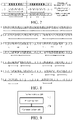
- the N time locations occupy Q slots, and a start point of the N time locations is an M th symbol of a first slot of the Q slots, where Q is an integer greater than or equal to 1, and M is an integer greater than or equal to 1. For example, this is shown in the first row in FIG. 8 .
- the determined time start point may be a start point (that is, the first symbol) of a slot of a PO, or may be an offset start symbol location in a slot within Poslot; and the start point may be predetermined by the network and the terminal, or be notified by the network to the terminal.
- the determined scheme is the second scheme
- paging is performed or a broadcast message is transmitted on N time locations, where the N time locations have at least two neighboring time locations that are inconsecutive. For example, this is shown in the second to seventh rows in FIG. 8 .
- the N time locations occupy R slots, and each slot includes T time locations, where R is an integer greater than or equal to 1, and T is an integer greater than or equal to 1.
- a start point of the T time locations is an S th symbol of the each slot, where S is an integer greater than or equal to 1. For example, this is shown in the second to seventh rows in FIG. 8 , where S is greater than 1.
- an end point of the T time locations is a last but P-1 symbol of the each slot, where P is an integer greater than or equal to 1. This is shown in the third to seventh rows in FIG. 8 , where P is greater than 1.
- any two time locations of the T time locations are inconsecutive. This is shown in the fifth and sixth rows in FIG. 8 .
- K times of paging message transmission that are discontinuously arranged are performed starting from an M th symbol in each slot within the PO according to duration of a paging message, and two neighboring times of paging message transmission may be spaced apart by N symbols, until paging corresponding to all actually transmitted SSBs is transmitted completely.
- M may be 1, 2, or 3
- N may be 1, 2, or 3
- K 1 to 3.
- the T time locations have at least two consecutive time locations. For example, this is shown in the second to fourth rows in FIG. 8 .
- K times of paging message transmission that are continuously arranged are performed starting from an M th symbol in each slot within the PO according to duration of a paging message, until paging corresponding to all actually transmitted SSBs is transmitted completely.
- the at least two consecutive time locations and at least two consecutive time locations adjacent to the at least two consecutive time locations are spaced apart by at least one symbol. For example, this is shown in the second to fourth rows in FIG. 8 .
- the description made by using an example in which the first parameter set refers to a parameter set used for an actually transmitted synchronization signal block and the second parameter set does not refer to a parameter set used for an actually transmitted synchronization signal block has been introduced above.
- this embodiment of this application is not limited thereto, and both the first parameter set and the second parameter set refer to a parameter set used for an actually transmitted synchronization signal block.
- both the first parameter set and the second parameter set refer to a parameter used for actually transmitted different signal blocks, but values for the parameter are different.
- the time length of an actually transmitted synchronization signal block is four symbols
- lengths of time locations corresponding to the first parameter set and the second parameter set are both less than or equal to four symbols, where the length of the time location corresponding to the first parameter set is two symbols, and the length of the time location corresponding to the second parameter set is four symbols.
- the first parameter set and the second parameter set respectively refer to different parameters for an actually transmitted synchronization signal block.
- the first parameter set refers to a subcarrier spacing for an actually transmitted synchronization signal block
- the second parameter set refers to a length of a time location for an actually transmitted synchronization signal block.
- the first scheme corresponding to the first parameter set and the second scheme corresponding to the second parameter set may be used by the network device to perform paging or broadcast message transmission, and flexibility of performing paging or broadcast message transmission to the terminal device by the network device may be enhanced.
- FIG. 9 is a schematic block diagram of a network device 300 according to an embodiment of this application. As shown in FIG. 9 , the network device 300 includes a processing unit 310 and a communications unit 320.
- the processing unit 310 is configured to determine a scheme for performing paging or broadcast message transmission to a terminal device, where the determined scheme is one of a first scheme and a second scheme, where
- the network device 300 corresponds to the network device in the method embodiment, and implements corresponding operations implemented by the network device in the method embodiment. For brevity, details are not described herein again.
- FIG. 10 is a schematic block diagram of a terminal device 400 according to an embodiment of this application. As shown in FIG. 10 , the terminal device 400 includes a processing unit 410 and a communications unit 420.
- the processing unit 410 is configured to: determine a scheme in which a network device performs paging or broadcast message transmission to the terminal device, where the determined scheme is one of a first scheme and a second scheme, where
- the terminal device 400 corresponds to the terminal device in the method embodiment, and implements corresponding operations implemented by the terminal device in the method embodiment. For brevity, details are not described herein again.
- FIG. 11 is a schematic structural diagram of a system chip 600 not forming part of the invention.
- the system chip 600 in FIG. 11 includes an input interface 601, an output interface 602, a processor 603 and a memory 604 that may be connected to each other by using an internal communications connection line, and the processor 603 is configured to execute code in the memory 604.
- the processor 603 when the code is executed, the processor 603 implements the method performed by the network device in the method embodiment. For brevity, details are not described herein again.
- the processor 603 when the code is executed, the processor 603 implements the method performed by the terminal device in the method embodiment. For brevity, details are not described herein again.
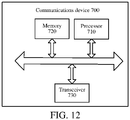
- FIG. 12 is a schematic block diagram of a communications device 700 not forming part of the invention.
- the communications device 700 includes a processor 710 and a memory 720.
- the memory 720 may store program code, and the processor 710 may execute the program code stored in the memory 720.
- the communications device 700 may include a transceiver 730, and the processor 710 may control the transceiver 730 to communicate with the outside.
- the processor 710 may invoke program code stored in the memory 720, to perform corresponding operations of the network device in the method embodiment.
- program code stored in the memory 720, to perform corresponding operations of the network device in the method embodiment.
- the processor 710 may invoke program code stored in the memory 720, to perform corresponding operations of the terminal device in the method embodiment.
- program code stored in the memory 720, to perform corresponding operations of the terminal device in the method embodiment.
- the processor of this application may be an integrated circuit chip, and has a signal processing capability.
- the steps of the foregoing method embodiment may be implemented by using a hardware integrated logic circuit in the processor or implemented by using an instruction in a software form.
- the foregoing processor may be a general purpose processor, a digital signal processor (DSP), an application-specific integrated circuit (ASIC), a field programmable gate array (FPGA), or another programmable logical device, discrete gate or transistor logical device, or discrete hardware component.
- the processor may implement or perform methods, steps and logical block diagrams disclosed in the embodiments of this application.
- the general purpose processor may be a microprocessor or the processor may be any conventional processor and the like.
- Steps of the methods disclosed with reference to the embodiments of this application may be directly executed and completed by means of a hardware decoding processor, or may be executed and completed by using a combination of hardware and software modules in the decoding processor.
- the software module may be located in a mature storage medium in the field, such as a random access memory, a flash memory, a read-only memory, a programmable read-only memory, an electrically-erasable programmable memory, or a register.
- the storage medium is located in the memory, and the processor reads information in the memory and completes the steps in the foregoing methods in combination with hardware of the processor.
- the memory in this application may be a volatile memory or a non-volatile memory, or may include both a volatile memory and a non-volatile memory.
- the non-volatile memory may be a read-only memory (ROM), a programmable read-only memory (PROM), an erasable programmable read-only memory (EPROM), an electrically erasable programmable read-only memory (EEPROM) or a flash memory.
- the volatile memory may be a random access memory (RAM), and is used as an external cache.
- RAMs may be used, for example, a static random access memory (SRAM), a dynamic random access memory (DRAM), a synchronous dynamic random access memory (SDRAM), a double data rate synchronous dynamic random access memory (DDR SDRAM), an enhanced synchronous dynamic random access memory (ESDRAM), a synchlink dynamic random access memory (SLDRAM) and a direct rambus random access memory (DR RAM).
- SRAM static random access memory
- DRAM dynamic random access memory
- SDRAM synchronous dynamic random access memory
- DDR SDRAM double data rate synchronous dynamic random access memory
- ESDRAM enhanced synchronous dynamic random access memory
- SLDRAM synchlink dynamic random access memory
- DR RAM direct rambus random access memory
- the disclosed system, apparatus, and method may be implemented in other schemes.
- the described apparatus embodiment is merely exemplary.
- the unit division is merely logical function division and may be other division in actual implementation.
- a plurality of units or components may be combined or integrated into another system, or some features may be ignored or not performed.
- the displayed or discussed mutual couplings or direct couplings or communication connections may be implemented through some interfaces.
- the indirect couplings or communication connections between the apparatuses or units may be implemented in electrical, mechanical or other forms.
- the units described as separate parts may or may not be physically separate, and parts displayed as units may or may not be physical units, may be located in one position, or may be distributed on a plurality of network units. Some or all of the units may be selected according to actual needs to achieve the objectives of the solutions of the embodiments.
- the functions When the functions are implemented in a form of a software functional module and sold or used as an independent product, the functions may be stored in a computer-readable storage medium. Based on such an understanding, the technical solutions of this application essentially, or the part contributing to the prior art, or part of the technical solutions may be implemented in the form of a software product.
- the computer software product is stored in a storage medium, and includes several instructions for instructing a computer device (which may be a personal computer, a server, a network device, and the like) to perform all or a part of the steps of the method described in the embodiment of this application.
- the foregoing storage medium includes: any medium that can store program codes, such as a USB flash disk, a removable hard disk, a read-only memory (ROM), a random access memory (RAM), a magnetic disk, or an optical disk.
Landscapes
- Engineering & Computer Science (AREA)
- Computer Networks & Wireless Communication (AREA)
- Signal Processing (AREA)
- Multimedia (AREA)
- Mobile Radio Communication Systems (AREA)
- Developing Agents For Electrophotography (AREA)
- Input Circuits Of Receivers And Coupling Of Receivers And Audio Equipment (AREA)
- Telephone Function (AREA)
Claims (28)
- Drahtloskommunikationsverfahren, dadurch gekennzeichnet, dass es Folgendes umfasst:Bestimmen, durch eine Netzvorrichtung, eines Parametersatzes zum Durchführen von Pagen oder Rundsendungsnachrichtenübertragung an eine Endgerätevorrichtung, wobei der bestimmte Parametersatz ein erster Parametersatz oder ein zweiter Parametersatz ist, der erste Parametersatz einen ersten Subträgerabstand, der zum Durchführen von Pagen oder Rundsendungsnachrichtenübertragung verwendet wird, umfasst, der zweite Parametersatz einen zweiten Subträgerabstand, der zum Durchführen von Pagen oder Rundsendungsnachrichtenübertragung verwendet wird, umfasst; und sich Werte mindestens eines Parametertyps der zwei Parametersätze unterscheiden;Durchführen, durch die Netzvorrichtung, von Pagen oder Rundsendungsnachrichtenübertragung an die Endgerätevorrichtung an einem spezifischen Frequenzpunkt unter Verwendung des bestimmten Parametersatzes.
- Verfahren nach Anspruch 1, wobei das Bestimmen, durch die Netzvorrichtung, des Parametersatzes zum Durchführen von Pagen oder Rundsendungsnachrichtenübertragung an die Endgerätevorrichtung Folgendes umfasst:Bestimmen (210), durch die Netzvorrichtung, eines Schemas zum Durchführen von Pagen oder Rundsendungsnachrichtenübertragung an die Endgerätevorrichtung, wobei das bestimmte Schema ein erstes Schema oder ein zweites Schema ist, wobei in dem ersten Schema, der erste Parametersatz zum Durchführen von Pagen oder Rundsendungsnachrichtenübertragung an einem spezifischen Frequenzpunkt verwendet wird, und, in dem zweiten Schema, der zweite Parametersatz zum Durchführen von Pagen oder Rundsendungsnachrichtenübertragung an einem spezifischen Frequenzpunkt verwendet wird; undwobei Durchführen, durch die Netzvorrichtung, von Pagen oder Rundsendungsnachrichtenübertragung an die Endgerätevorrichtung an einem spezifischen Frequenzpunkt unter Verwendung des bestimmten Parametersatzes Folgendes umfasst:
Durchführen (220), durch die Netzvorrichtung, von Pagen oder Rundsendungsnachrichtenübertragung an die Endgerätevorrichtung an dem spezifischen Frequenzpunkt gemäß dem bestimmten Schema. - Verfahren nach Anspruch 1 oder 2, wobei der erste Parametersatz ferner einen ersten Zeitort umfasst, der zum Durchführen von Pagen oder Rundsendungsnachrichtenübertragung verwendet wird;
der zweite Parametersatz ferner einen zweiten Zeitort umfasst, der zum Durchführen von Pagen oder Rundsendungsnachrichtenübertragung verwendet wird. - Verfahren nach Anspruch 3, wobei das Durchführen, durch die Netzvorrichtung, von Pagen oder Rundsendungsnachrichtenübertragung an die Endgerätevorrichtung Folgendes umfasst:
Übertragen, an dem ersten Zeitort oder dem zweiten Zeitort, eines zum Pagen verwendeten PDCCH. - Verfahren nach einem der Ansprüche 1 bis 4, wobei sich der erste Parametersatz auf einen Parametersatz bezieht, der zum tatsächlichen Senden eines Synchronisationssignalblocks verwendet wird; und sich der zweite Parametersatz nicht auf den zum tatsächlichen Senden des Synchronisationssignalblocks verwendeten Parametersatz bezieht.
- Verfahren nach einem der Ansprüche 1 bis 5, wobei das Verfahren ferner Folgendes umfasst:
Übertragen, durch die Netzvorrichtung, von ersten Informationen an die Endgerätevorrichtung, wobei die ersten Informationen zum Melden des ersten Parametersatzes und/oder des zweiten Parametersatzes verwendet werden. - Drahtloskommunikationsverfahren, dadurch gekennzeichnet, dass es Folgendes umfasst:Bestimmen, durch eine Endgerätevorrichtung, eines Parametersatzes für eine Netzvorrichtung zum Durchführen von Pagen oder Rundsendungsnachrichtenübertragung an die Endgerätevorrichtung, wobei der bestimmte Parametersatz ein erster Parametersatz oder ein zweiter Parametersatz ist, der erste Parametersatz einen ersten Subträgerabstand, der zum Durchführen von Pagen oder Rundsendungsnachrichtenübertragung verwendet wird, umfasst, der zweite Parametersatz einen zweiten Subträgerabstand, der zum Durchführen von Pagen oder Rundsendungsnachrichtenübertragung verwendet wird, umfasst; und sich Werte mindestens eines Parametertyps der zwei Parametersätze unterscheiden;Überwachen, durch die Endgerätevorrichtung an einem spezifischen Frequenzpunkt unter Verwendung des bestimmten Parametersatzes, von Pagen, durchgeführt durch die Netzvorrichtung, oder der durch die Netzvorrichtung an die Endgerätevorrichtung übertragenen Rundsendungsnachricht.
- Verfahren nach Anspruch 7, wobei das Bestimmen, durch die Endgerätevorrichtung, des Parametersatzes für die Netzvorrichtung zum Durchführen von Pagen oder Rundsendungsnachrichtenübertragung an die Endgerätevorrichtung Folgendes umfasst:Bestimmen (230), durch die Endgerätevorrichtung, eines Schemas, in dem die Netzvorrichtung Pagen oder Rundsendungsnachrichtenübertragung an die Endgerätevorrichtung durchführt, wobei das bestimmte Schema ein erstes Schema oder ein zweites Schema ist, wobeiin dem ersten Schema, der erste Parametersatz zum Durchführen von Pagen oder Rundsendungsnachrichtenübertragung an einem spezifischen Frequenzpunkt verwendet wird, und, in dem zweiten Schema, der zweite Parametersatz zum Durchführen von Pagen oder Rundsendungsnachrichtenübertragung an einem spezifischen Frequenzpunkt verwendet wird; undÜberwachen, durch die Endgerätevorrichtung an einem spezifischen Frequenzpunkt unter Verwendung des bestimmten Parametersatzes, von Pagen, durchgeführt durch die Netzvorrichtung, oder der durch die Netzvorrichtung an die Endgerätevorrichtung übertragenen Rundsendungsnachricht Folgendes umfasst:
Überwachen (240), durch die Endgerätevorrichtung an dem spezifischen Frequenzpunkt gemäß dem bestimmten Schema, von Pagen, durchgeführt durch die Netzvorrichtung, oder der durch die Netzvorrichtung an die Endgerätevorrichtung übertragenen Rundsendungsnachricht. - Verfahren nach Anspruch 7 oder 8, wobei der erste Parametersatz ferner einen ersten Zeitort umfasst, der zum Durchführen von Pagen oder Rundsendungsnachrichtenübertragung verwendet wird;
der zweite Parametersatz ferner einen zweiten Zeitort umfasst, der zum Durchführen von Pagen oder Rundsendungsnachrichtenübertragung verwendet wird. - Verfahren nach Anspruch 9, wobei das Überwachen, durch die Endgerätevorrichtung, von Pagen, durchgeführt durch die Netzvorrichtung, oder der durch die Netzvorrichtung an die Endgerätevorrichtung übertragenen Rundsendungsnachricht Folgendes umfasst:
Überwachen, durch die Endgerätevorrichtung an dem ersten Zeitort oder dem zweiten Zeitort, eines zum Pagen verwendeten PDCCH. - Verfahren nach Anspruch 9, wobei der erste Zeitort zumindest Teil von Symbolen ist, die durch einen Synchronisationssignalblock, der tatsächlich an dem spezifischen Frequenzpunkt übertragen wurde, belegt werden.
- Verfahren nach einem der Ansprüche 7 bis 11, wobei das Verfahren ferner Folgendes umfasst:
Empfangen, durch die Endgerätevorrichtung, von ersten Informationen, die durch die Netzvorrichtung übertragen wurden, wobei die ersten Informationen verwendet werden zum:Bekanntgeben des Schemas zum Durchführen von Pagen oder Rundsendungsnachrichtenübertragung, oderBekanntgeben des ersten Parametersatzes und/oder des zweiten Parametersatzes. - Verfahren nach Anspruch 12, wobei die ersten Informationen in einer Restminimalsysteminformationen-Nachricht bzw. RMSI-Nachricht oder einer Funkressourcensteuerung-Nachricht bzw. RRC-Nachricht geführt werden.
- Verfahren nach einem der Ansprüche 7 bis 13, wobei sich der erste Parametersatz auf einen Parametersatz bezieht, der zum tatsächlichen Senden des Synchronisationssignalblocks verwendet wird; und sich der zweite Parametersatz nicht auf den zum tatsächlichen Senden des Synchronisationssignalblocks verwendeten Parametersatz bezieht.
- Netzvorrichtung, die eine Verarbeitungseinheit (310) und eine Kommunikationseinheit (320) umfasst, dadurch gekennzeichnet, dassdie Verarbeitungseinheit ausgelegt ist zum Bestimmen eines Parametersatzes zum Durchführen von Pagen oder Rundsendungsnachrichtenübertragung an eine Endgerätevorrichtung, wobei der bestimmte Parametersatz ein erster Parametersatz oder ein zweiter Parametersatz ist, der erste Parametersatz einen ersten Subträgerabstand, der zum Durchführen von Pagen oder Rundsendungsnachrichtenübertragung verwendet wird, umfasst, der zweite Parametersatz einen zweiten Subträgerabstand, der zum Durchführen von Pagen oder Rundsendungsnachrichtenübertragung verwendet wird, umfasst; und sich Werte mindestens eines Parametertyps der zwei Parametersätze unterscheiden;die Kommunikationseinheit ausgelegt ist zum Durchführen von Pagen oder Rundsendungsnachrichtenübertragung an die Endgerätevorrichtung an einem spezifischen Frequenzpunkt unter Verwendung des bestimmten Parametersatzes.
- Netzvorrichtung nach Anspruch 15, wobeidie Verarbeitungseinheit ferner ausgelegt ist zum Bestimmen eines Schemas zum Durchführen von Pagen oder Rundsendungsnachrichtenübertragung an die Endgerätevorrichtung, wobei das bestimmte Schema ein erstes Schema oder ein zweites Schema ist, wobeiin dem ersten Schema, der erste Parametersatz zum Durchführen von Pagen oder Rundsendungsnachrichtenübertragung an einem spezifischen Frequenzpunkt verwendet wird, und, in dem zweiten Schema, der zweite Parametersatz zum Durchführen von Pagen oder Rundsendungsnachrichtenübertragung an einem spezifischen Frequenzpunkt verwendet wird; unddie Kommunikationseinheit ferner ausgelegt ist zum Durchführen von Pagen oder Rundsendungsnachrichtenübertragung an die Endgerätevorrichtung an dem spezifischen Frequenzpunkt gemäß dem bestimmten Schema.
- Netzvorrichtung nach Anspruch 15 oder 16, wobeider erste Parametersatz ferner einen ersten Zeitort umfasst, der zum Durchführen von Pagen oder Rundsendungsnachrichtenübertragung verwendet wird;der zweite Parametersatz ferner einen zweiten Zeitort umfasst, der zum Durchführen von Pagen oder Rundsendungsnachrichtenübertragung verwendet wird.
- Netzvorrichtung nach Anspruch 17, wobei der erste Zeitort zumindest Teil von Symbolen ist, die durch einen Synchronisationssignalblock, der tatsächlich an dem spezifischen Frequenzpunkt übertragen wurde, belegt werden.
- Netzvorrichtung nach einem der Ansprüche 15 bis 18, wobei die Kommunikationseinheit ferner ausgelegt ist zum:
Übertragen von ersten Informationen an die Endgerätevorrichtung, wobei die ersten Informationen verwendet werden zum:Bekanntgeben des Schemas zum Durchführen von Pagen oder Rundsendungsnachrichtenübertragung, oderBekanntgeben des ersten Parametersatzes und/oder des zweiten Parametersatzes,wobei die ersten Informationen in einer Restminimalsysteminformationen-Nachricht bzw. RMSI-Nachricht oder einer Funkressourcensteuerung-Nachricht bzw. RRC-Nachricht geführt werden. - Netzvorrichtung nach einem der Ansprüche 15 bis 19, wobei sich der erste Parametersatz auf einen Parametersatz bezieht, der zum tatsächlichen Senden des Synchronisationssignalblocks verwendet wird; und sich der zweite Parametersatz nicht auf den zum tatsächlichen Senden des Synchronisationssignalblocks verwendeten Parametersatz bezieht.
- Endgerätevorrichtung, die eine Verarbeitungseinheit (410) und eine Kommunikationseinheit (420) umfasst, dadurch gekennzeichnet, dassdie Verarbeitungseinheit ausgelegt ist zum: Bestimmen eines Parametersatzes für eine Netzvorrichtung zum Durchführen von Pagen oder Rundsendungsnachrichtenübertragung an die Endgerätevorrichtung, wobei der bestimmte Parametersatz ein erster Parametersatz oder ein zweiter Parametersatz ist, der erste Parametersatz einen ersten Subträgerabstand, der zum Durchführen von Pagen oder Rundsendungsnachrichtenübertragung verwendet wird, umfasst, der zweite Parametersatz einen zweiten Subträgerabstand, der zum Durchführen von Pagen oder Rundsendungsnachrichtenübertragung verwendet wird, umfasst; und sich Werte mindestens eines Parametertyps der zwei Parametersätze unterscheiden;die Kommunikationseinheit ausgelegt ist zum Überwachen, an einem spezifischen Frequenzpunkt unter Verwendung des bestimmten Parametersatzes, von Pagen, durchgeführt durch die Netzvorrichtung, oder der durch die Netzvorrichtung an die Endgerätevorrichtung übertragenen Rundsendungsnachricht.
- Endgerätevorrichtung nach Anspruch 21, wobei die Verarbeitungseinheit ferner ausgelegt ist zum:Bestimmen eines Schemas, in dem die Netzvorrichtung Pagen oder Rundsendungsnachrichtenübertragung an die Endgerätevorrichtung durchführt, wobei das bestimmte Schema ein erstes Schema oder ein zweites Schema ist, wobeiin dem ersten Schema, der erste Parametersatz zum Durchführen von Pagen oder Rundsendungsnachrichtenübertragung an einem spezifischen Frequenzpunkt verwendet wird, und, in dem zweiten Schema, der zweite Parametersatz zum Durchführen von Pagen oder Rundsendungsnachrichtenübertragung an einem spezifischen Frequenzpunkt verwendet wird; unddie Kommunikationseinheit ferner ausgelegt ist zum:
Überwachen an dem spezifischen Frequenzpunkt gemäß dem bestimmten Schema, von Pagen, durchgeführt durch die Netzvorrichtung, oder der durch die Netzvorrichtung an die Endgerätevorrichtung übertragenen Rundsendungsnachricht. - Endgerätevorrichtung nach Anspruch 21 oder 22, wobeider erste Parametersatz ferner einen ersten Zeitort umfasst, der zum Durchführen von Pagen oder Rundsendungsnachrichtenübertragung verwendet wird;der zweite Parametersatz ferner einen zweiten Zeitort umfasst, der zum Durchführen von Pagen oder Rundsendungsnachrichtenübertragung verwendet wird.
- Endgerätevorrichtung nach Anspruch 23, wobei die Kommunikationseinheit ferner ausgelegt ist zum:
Überwachen, an dem ersten Zeitort oder dem zweiten Zeitort, eines zum Pagen verwendeten PDCCH. - Endgerätevorrichtung nach Anspruch 23, wobei der erste Zeitort zumindest Teil von Symbolen ist, die durch einen Synchronisationssignalblock, der tatsächlich an dem spezifischen Frequenzpunkt übertragen wurde, belegt werden.
- Endgerätevorrichtung nach einem der Ansprüche 21 bis 25, wobei die Kommunikationseinheit ferner ausgelegt ist zum:
Empfangen von ersten Informationen, die durch die Netzvorrichtung übertragen wurden, wobei die ersten Informationen verwendet werden zum:
Bekanntgeben eines Schemas zum Durchführen von Pagen oder Rundsendungsnachrichtenübertragung, oder Bekanntgeben des ersten Parametersatzes und/oder des zweiten Parametersatzes. - Endgerätevorrichtung nach Anspruch 26, wobei die ersten Informationen in einer Restminimalsysteminformationen-Nachricht bzw. RMSI-Nachricht oder einer Funkressourcensteuerung-Nachricht bzw. RRC-Nachricht geführt werden.
- Endgerätevorrichtung nach einem der Ansprüche 21 bis 27, wobei sich der erste Parametersatz auf einen Parametersatz bezieht, der zum tatsächlichen Senden des Synchronisationssignalblocks verwendet wird; und sich der zweite Parametersatz nicht auf den zum tatsächlichen Senden des Synchronisationssignalblocks verwendeten Parametersatz bezieht.
Priority Applications (1)
| Application Number | Priority Date | Filing Date | Title |
|---|---|---|---|
| EP22198561.7A EP4135431B1 (de) | 2017-11-14 | 2017-11-14 | Verfahren und vorrichtungen zur drahtlosen kommunikation |
Applications Claiming Priority (1)
| Application Number | Priority Date | Filing Date | Title |
|---|---|---|---|
| PCT/CN2017/110968 WO2019095120A1 (zh) | 2017-11-14 | 2017-11-14 | 无线通信方法和设备 |
Related Child Applications (1)
| Application Number | Title | Priority Date | Filing Date |
|---|---|---|---|
| EP22198561.7A Division EP4135431B1 (de) | 2017-11-14 | 2017-11-14 | Verfahren und vorrichtungen zur drahtlosen kommunikation |
Publications (3)
| Publication Number | Publication Date |
|---|---|
| EP3709679A1 EP3709679A1 (de) | 2020-09-16 |
| EP3709679A4 EP3709679A4 (de) | 2020-11-25 |
| EP3709679B1 true EP3709679B1 (de) | 2022-10-26 |
Family
ID=66539214
Family Applications (2)
| Application Number | Title | Priority Date | Filing Date |
|---|---|---|---|
| EP22198561.7A Active EP4135431B1 (de) | 2017-11-14 | 2017-11-14 | Verfahren und vorrichtungen zur drahtlosen kommunikation |
| EP17932242.5A Active EP3709679B1 (de) | 2017-11-14 | 2017-11-14 | Drahtloskommunikationsverfahren und -vorrichtungen |
Family Applications Before (1)
| Application Number | Title | Priority Date | Filing Date |
|---|---|---|---|
| EP22198561.7A Active EP4135431B1 (de) | 2017-11-14 | 2017-11-14 | Verfahren und vorrichtungen zur drahtlosen kommunikation |
Country Status (13)
| Country | Link |
|---|---|
| US (3) | US11330552B2 (de) |
| EP (2) | EP4135431B1 (de) |
| JP (2) | JP7221978B2 (de) |
| KR (2) | KR102370432B1 (de) |
| CN (2) | CN111226446B (de) |
| AU (1) | AU2017440250B2 (de) |
| CA (1) | CA3082495C (de) |
| ES (1) | ES2934259T3 (de) |
| FI (1) | FI3709679T3 (de) |
| MX (1) | MX2020004983A (de) |
| RU (1) | RU2746222C1 (de) |
| SG (1) | SG11202004452YA (de) |
| WO (1) | WO2019095120A1 (de) |
Families Citing this family (4)
| Publication number | Priority date | Publication date | Assignee | Title |
|---|---|---|---|---|
| CN119420458A (zh) | 2018-05-11 | 2025-02-11 | 诺基亚技术有限公司 | 在物理下行链路共享信道和同步信号块接收之间区分优先级的装置和方法 |
| US12256347B2 (en) * | 2020-04-29 | 2025-03-18 | Qualcomm Incorporated | Applying zero element beam in search and measurement procedure for power savings in MMW |
| CN116318584A (zh) * | 2020-07-27 | 2023-06-23 | 大唐移动通信设备有限公司 | 一种广播数据传输的方法和装置及设备 |
| CN115152287B (zh) * | 2020-12-08 | 2025-07-04 | 北京小米移动软件有限公司 | 一种参数配置方法、参数配置装置及存储介质 |
Family Cites Families (37)
| Publication number | Priority date | Publication date | Assignee | Title |
|---|---|---|---|---|
| US5434798A (en) * | 1991-05-23 | 1995-07-18 | Telefonaktiebolaget L M Ericcson | Reconfiguration in a cellular communications network |
| ES2361246T3 (es) * | 2006-08-22 | 2011-06-15 | Telefonaktiebolaget Lm Ericsson (Publ) | Métodos y disposiciones para paginar en e-utran. |
| US9271228B2 (en) * | 2008-07-09 | 2016-02-23 | Qualcomm Incorporated | Paging and power management schemes for local network access |
| US9839001B2 (en) * | 2009-03-23 | 2017-12-05 | Apple Inc. | Methods and apparatus for optimizing paging mechanisms and publication of dynamic paging mechanisms |
| WO2012042379A1 (en) * | 2010-09-30 | 2012-04-05 | Alcatel Lucent | Method, network device and terminal device for paging terminal devices |
| CN102740459B (zh) * | 2011-03-31 | 2014-11-05 | 中国移动通信集团公司 | 一种下行消息接收方法及移动终端 |
| CN102821358B (zh) * | 2011-06-09 | 2016-03-02 | 普天信息技术有限公司 | 一种组呼业务的实现方法 |
| CN102843768B (zh) * | 2011-06-20 | 2017-02-01 | 华为技术有限公司 | 寻呼方法和设备 |
| CN103139880B (zh) * | 2011-11-29 | 2015-07-08 | 鼎桥通信技术有限公司 | 寻呼方法 |
| CN103874009B (zh) * | 2012-12-12 | 2018-07-24 | 中兴通讯股份有限公司 | 定位消息指示方法及信号发送装置、接入点、终端及系统 |
| WO2014094877A1 (en) * | 2012-12-21 | 2014-06-26 | Phonak Ag | Pairing method for establishing a wireless audio network |
| CN104244412B (zh) | 2013-06-09 | 2020-05-22 | 索尼公司 | 无线通信设备、无线通信方法以及基站 |
| US10862634B2 (en) | 2014-03-07 | 2020-12-08 | Huawei Technologies Co., Ltd. | Systems and methods for OFDM with flexible sub-carrier spacing and symbol duration |
| CN105230094B (zh) * | 2014-04-11 | 2019-01-11 | 华为技术有限公司 | 一种寻呼方法、接收寻呼消息的方法、设备及系统 |
| WO2015184630A1 (en) | 2014-06-06 | 2015-12-10 | Telefonaktiebolaget L M Ericsson (Publ) | Cluster-based beacon signal transmission |
| CN107409004A (zh) * | 2015-03-25 | 2017-11-28 | 华为技术有限公司 | 一种终端设备、网络设备,以及寻呼消息的传输方法 |
| KR102513274B1 (ko) * | 2015-08-21 | 2023-03-24 | 삼성전자주식회사 | 무선 통신 시스템에서 복합 재전송을 수행하는 방법 및 장치 |
| CN106535330B (zh) * | 2015-09-11 | 2020-12-04 | 华为技术有限公司 | 无线通信的方法和装置 |
| US10064217B2 (en) * | 2015-10-16 | 2018-08-28 | Samsung Electronics Co., Ltd. | Method and apparatus for enabling flexible numerology in multi-user MIMO system |
| US10536946B2 (en) * | 2015-12-08 | 2020-01-14 | Huawei Technologies Co., Ltd. | Method and system for performing network slicing in a radio access network |
| CN108702687B (zh) * | 2016-01-15 | 2021-10-08 | 株式会社Ntt都科摩 | 用户终端、无线基站及无线通信方法 |
| WO2017157348A1 (zh) * | 2016-03-14 | 2017-09-21 | 中兴通讯股份有限公司 | 监听、发送寻呼、寻呼终端的方法和设备、计算机存储介质 |
| WO2017171351A2 (ko) * | 2016-03-29 | 2017-10-05 | 한국전자통신연구원 | 스케줄링 방법 및 장치 |
| CN107295542B (zh) * | 2016-03-31 | 2023-11-03 | 华为技术有限公司 | 信息的传输方法、用户设备和网络设备 |
| WO2017176438A1 (en) * | 2016-04-04 | 2017-10-12 | Intel IP Corporation | Paging design for stand-alone beamformed system |
| US11317342B2 (en) * | 2016-04-12 | 2022-04-26 | Telefonaktiebolaget Lm Ericsson (Publ) | Transmission and reception of system information in parts |
| CN107666709B (zh) * | 2016-07-28 | 2022-03-29 | 夏普株式会社 | 用户设备、基站及其用于寻呼的方法 |
| CN106231614A (zh) * | 2016-07-30 | 2016-12-14 | 深圳市金立通信设备有限公司 | 一种信号传输方法及相关网元 |
| CN106376050B (zh) * | 2016-09-30 | 2022-03-18 | 宇龙计算机通信科技(深圳)有限公司 | 子载波间隔的设置/确定方法、装置、基站和终端 |
| CN106788931B (zh) * | 2016-09-30 | 2019-01-04 | 展讯通信(上海)有限公司 | 通信系统中信息传输的方法及基站、用户设备 |
| US10959206B2 (en) * | 2017-01-09 | 2021-03-23 | Qualcomm Incorporated | Conveying paging group information through control channel transmissions |
| CN108923896B (zh) * | 2017-04-19 | 2021-03-26 | 上海朗帛通信技术有限公司 | 一种被用于寻呼的用户设备、基站中的方法和装置 |
| JP2020109886A (ja) | 2017-04-28 | 2020-07-16 | シャープ株式会社 | 端末装置および方法 |
| US11317372B2 (en) * | 2017-08-07 | 2022-04-26 | Beijing Xiaomi Mobile Software Co., Ltd. | Information transmission method and apparatus, and computer-readable storage medium |
| CN109391454B (zh) * | 2017-08-11 | 2021-09-14 | 华为技术有限公司 | 一种信息发送、接收方法及装置 |
| US11129132B2 (en) * | 2017-08-23 | 2021-09-21 | Telefonaktiebolaget Lm Ericsson (Publ) | Flexible paging signal configuration in relation to system access signals |
| JP7100050B2 (ja) * | 2017-10-06 | 2022-07-12 | 株式会社Nttドコモ | 端末、無線通信方法、基地局及びシステム |
-
2017
- 2017-11-14 EP EP22198561.7A patent/EP4135431B1/de active Active
- 2017-11-14 KR KR1020207016994A patent/KR102370432B1/ko active Active
- 2017-11-14 RU RU2020119544A patent/RU2746222C1/ru active
- 2017-11-14 CN CN201780095942.4A patent/CN111226446B/zh active Active
- 2017-11-14 AU AU2017440250A patent/AU2017440250B2/en active Active
- 2017-11-14 ES ES17932242T patent/ES2934259T3/es active Active
- 2017-11-14 CN CN202010489392.8A patent/CN111787619B/zh active Active
- 2017-11-14 CA CA3082495A patent/CA3082495C/en active Active
- 2017-11-14 FI FIEP17932242.5T patent/FI3709679T3/fi active
- 2017-11-14 SG SG11202004452YA patent/SG11202004452YA/en unknown
- 2017-11-14 KR KR1020227006839A patent/KR102511434B1/ko active Active
- 2017-11-14 EP EP17932242.5A patent/EP3709679B1/de active Active
- 2017-11-14 MX MX2020004983A patent/MX2020004983A/es unknown
- 2017-11-14 WO PCT/CN2017/110968 patent/WO2019095120A1/zh not_active Ceased
- 2017-11-14 JP JP2020544081A patent/JP7221978B2/ja active Active
-
2020
- 2020-05-14 US US16/874,454 patent/US11330552B2/en active Active
-
2022
- 2022-04-12 US US17/658,931 patent/US11737053B2/en active Active
- 2022-11-18 JP JP2022185175A patent/JP7542588B2/ja active Active
-
2023
- 2023-06-26 US US18/341,746 patent/US12471058B2/en active Active
Also Published As
Similar Documents
| Publication | Publication Date | Title |
|---|---|---|
| US12041653B2 (en) | Method and device for wireless communication on an unlicensed spectrum | |
| US12471058B2 (en) | Wireless communication method and device | |
| EP3611983B1 (de) | Ressourcenzuweisungsverfahren, benutzergerät und netzwerkvorrichtung | |
| EP3720036B1 (de) | Drahtloskommunikationsverfahren und -vorrichtungen | |
| JP7307081B2 (ja) | 無線通信方法及び装置 | |
| CN111565466A (zh) | 无线通信方法、网络设备和终端设备 | |
| EP4075713B1 (de) | Verfahren und -vorrichtung zur drahtlosen kommunikation |
Legal Events
| Date | Code | Title | Description |
|---|---|---|---|
| STAA | Information on the status of an ep patent application or granted ep patent |
Free format text: STATUS: THE INTERNATIONAL PUBLICATION HAS BEEN MADE |
|
| PUAI | Public reference made under article 153(3) epc to a published international application that has entered the european phase |
Free format text: ORIGINAL CODE: 0009012 |
|
| STAA | Information on the status of an ep patent application or granted ep patent |
Free format text: STATUS: REQUEST FOR EXAMINATION WAS MADE |
|
| 17P | Request for examination filed |
Effective date: 20200612 |
|
| AK | Designated contracting states |
Kind code of ref document: A1 Designated state(s): AL AT BE BG CH CY CZ DE DK EE ES FI FR GB GR HR HU IE IS IT LI LT LU LV MC MK MT NL NO PL PT RO RS SE SI SK SM TR |
|
| AX | Request for extension of the european patent |
Extension state: BA ME |
|
| A4 | Supplementary search report drawn up and despatched |
Effective date: 20201026 |
|
| RIC1 | Information provided on ipc code assigned before grant |
Ipc: H04W 68/00 20090101AFI20201020BHEP |
|
| DAV | Request for validation of the european patent (deleted) | ||
| DAX | Request for extension of the european patent (deleted) | ||
| REG | Reference to a national code |
Ref country code: DE Ref legal event code: R079 Ref document number: 602017063169 Country of ref document: DE Free format text: PREVIOUS MAIN CLASS: H04W0004020000 Ipc: H04W0068000000 |
|
| RIC1 | Information provided on ipc code assigned before grant |
Ipc: H04W 68/00 20090101AFI20210607BHEP |
|
| GRAP | Despatch of communication of intention to grant a patent |
Free format text: ORIGINAL CODE: EPIDOSNIGR1 |
|
| STAA | Information on the status of an ep patent application or granted ep patent |
Free format text: STATUS: GRANT OF PATENT IS INTENDED |
|
| INTG | Intention to grant announced |
Effective date: 20210819 |
|
| GRAJ | Information related to disapproval of communication of intention to grant by the applicant or resumption of examination proceedings by the epo deleted |
Free format text: ORIGINAL CODE: EPIDOSDIGR1 |
|
| STAA | Information on the status of an ep patent application or granted ep patent |
Free format text: STATUS: REQUEST FOR EXAMINATION WAS MADE |
|
| STAA | Information on the status of an ep patent application or granted ep patent |
Free format text: STATUS: EXAMINATION IS IN PROGRESS |
|
| INTC | Intention to grant announced (deleted) | ||
| 17Q | First examination report despatched |
Effective date: 20211103 |
|
| GRAP | Despatch of communication of intention to grant a patent |
Free format text: ORIGINAL CODE: EPIDOSNIGR1 |
|
| STAA | Information on the status of an ep patent application or granted ep patent |
Free format text: STATUS: GRANT OF PATENT IS INTENDED |
|
| INTG | Intention to grant announced |
Effective date: 20220512 |
|
| GRAS | Grant fee paid |
Free format text: ORIGINAL CODE: EPIDOSNIGR3 |
|
| GRAA | (expected) grant |
Free format text: ORIGINAL CODE: 0009210 |
|
| STAA | Information on the status of an ep patent application or granted ep patent |
Free format text: STATUS: THE PATENT HAS BEEN GRANTED |
|
| AK | Designated contracting states |
Kind code of ref document: B1 Designated state(s): AL AT BE BG CH CY CZ DE DK EE ES FI FR GB GR HR HU IE IS IT LI LT LU LV MC MK MT NL NO PL PT RO RS SE SI SK SM TR |
|
| REG | Reference to a national code |
Ref country code: GB Ref legal event code: FG4D |
|
| REG | Reference to a national code |
Ref country code: CH Ref legal event code: EP |
|
| REG | Reference to a national code |
Ref country code: AT Ref legal event code: REF Ref document number: 1528014 Country of ref document: AT Kind code of ref document: T Effective date: 20221115 |
|
| REG | Reference to a national code |
Ref country code: DE Ref legal event code: R096 Ref document number: 602017063169 Country of ref document: DE |
|
| REG | Reference to a national code |
Ref country code: IE Ref legal event code: FG4D |
|
| REG | Reference to a national code |
Ref country code: NL Ref legal event code: FP |
|
| REG | Reference to a national code |
Ref country code: DK Ref legal event code: T3 Effective date: 20221220 |
|
| REG | Reference to a national code |
Ref country code: LT Ref legal event code: MG9D |
|
| REG | Reference to a national code |
Ref country code: ES Ref legal event code: FG2A Ref document number: 2934259 Country of ref document: ES Kind code of ref document: T3 Effective date: 20230220 |
|
| REG | Reference to a national code |
Ref country code: AT Ref legal event code: MK05 Ref document number: 1528014 Country of ref document: AT Kind code of ref document: T Effective date: 20221026 |
|
| PG25 | Lapsed in a contracting state [announced via postgrant information from national office to epo] |
Ref country code: SE Free format text: LAPSE BECAUSE OF FAILURE TO SUBMIT A TRANSLATION OF THE DESCRIPTION OR TO PAY THE FEE WITHIN THE PRESCRIBED TIME-LIMIT Effective date: 20221026 Ref country code: PT Free format text: LAPSE BECAUSE OF FAILURE TO SUBMIT A TRANSLATION OF THE DESCRIPTION OR TO PAY THE FEE WITHIN THE PRESCRIBED TIME-LIMIT Effective date: 20230227 Ref country code: NO Free format text: LAPSE BECAUSE OF FAILURE TO SUBMIT A TRANSLATION OF THE DESCRIPTION OR TO PAY THE FEE WITHIN THE PRESCRIBED TIME-LIMIT Effective date: 20230126 Ref country code: LT Free format text: LAPSE BECAUSE OF FAILURE TO SUBMIT A TRANSLATION OF THE DESCRIPTION OR TO PAY THE FEE WITHIN THE PRESCRIBED TIME-LIMIT Effective date: 20221026 Ref country code: AT Free format text: LAPSE BECAUSE OF FAILURE TO SUBMIT A TRANSLATION OF THE DESCRIPTION OR TO PAY THE FEE WITHIN THE PRESCRIBED TIME-LIMIT Effective date: 20221026 |
|
| PG25 | Lapsed in a contracting state [announced via postgrant information from national office to epo] |
Ref country code: RS Free format text: LAPSE BECAUSE OF FAILURE TO SUBMIT A TRANSLATION OF THE DESCRIPTION OR TO PAY THE FEE WITHIN THE PRESCRIBED TIME-LIMIT Effective date: 20221026 Ref country code: PL Free format text: LAPSE BECAUSE OF FAILURE TO SUBMIT A TRANSLATION OF THE DESCRIPTION OR TO PAY THE FEE WITHIN THE PRESCRIBED TIME-LIMIT Effective date: 20221026 Ref country code: LV Free format text: LAPSE BECAUSE OF FAILURE TO SUBMIT A TRANSLATION OF THE DESCRIPTION OR TO PAY THE FEE WITHIN THE PRESCRIBED TIME-LIMIT Effective date: 20221026 Ref country code: IS Free format text: LAPSE BECAUSE OF FAILURE TO SUBMIT A TRANSLATION OF THE DESCRIPTION OR TO PAY THE FEE WITHIN THE PRESCRIBED TIME-LIMIT Effective date: 20230226 Ref country code: HR Free format text: LAPSE BECAUSE OF FAILURE TO SUBMIT A TRANSLATION OF THE DESCRIPTION OR TO PAY THE FEE WITHIN THE PRESCRIBED TIME-LIMIT Effective date: 20221026 Ref country code: GR Free format text: LAPSE BECAUSE OF FAILURE TO SUBMIT A TRANSLATION OF THE DESCRIPTION OR TO PAY THE FEE WITHIN THE PRESCRIBED TIME-LIMIT Effective date: 20230127 |
|
| P01 | Opt-out of the competence of the unified patent court (upc) registered |
Effective date: 20230412 |
|
| REG | Reference to a national code |
Ref country code: CH Ref legal event code: PL |
|
| REG | Reference to a national code |
Ref country code: DE Ref legal event code: R097 Ref document number: 602017063169 Country of ref document: DE Ref country code: BE Ref legal event code: MM Effective date: 20221130 |
|
| PG25 | Lapsed in a contracting state [announced via postgrant information from national office to epo] |
Ref country code: SM Free format text: LAPSE BECAUSE OF FAILURE TO SUBMIT A TRANSLATION OF THE DESCRIPTION OR TO PAY THE FEE WITHIN THE PRESCRIBED TIME-LIMIT Effective date: 20221026 Ref country code: RO Free format text: LAPSE BECAUSE OF FAILURE TO SUBMIT A TRANSLATION OF THE DESCRIPTION OR TO PAY THE FEE WITHIN THE PRESCRIBED TIME-LIMIT Effective date: 20221026 Ref country code: MC Free format text: LAPSE BECAUSE OF FAILURE TO SUBMIT A TRANSLATION OF THE DESCRIPTION OR TO PAY THE FEE WITHIN THE PRESCRIBED TIME-LIMIT Effective date: 20221026 Ref country code: LI Free format text: LAPSE BECAUSE OF NON-PAYMENT OF DUE FEES Effective date: 20221130 Ref country code: EE Free format text: LAPSE BECAUSE OF FAILURE TO SUBMIT A TRANSLATION OF THE DESCRIPTION OR TO PAY THE FEE WITHIN THE PRESCRIBED TIME-LIMIT Effective date: 20221026 Ref country code: CZ Free format text: LAPSE BECAUSE OF FAILURE TO SUBMIT A TRANSLATION OF THE DESCRIPTION OR TO PAY THE FEE WITHIN THE PRESCRIBED TIME-LIMIT Effective date: 20221026 Ref country code: CH Free format text: LAPSE BECAUSE OF NON-PAYMENT OF DUE FEES Effective date: 20221130 |
|
| PG25 | Lapsed in a contracting state [announced via postgrant information from national office to epo] |
Ref country code: SK Free format text: LAPSE BECAUSE OF FAILURE TO SUBMIT A TRANSLATION OF THE DESCRIPTION OR TO PAY THE FEE WITHIN THE PRESCRIBED TIME-LIMIT Effective date: 20221026 Ref country code: LU Free format text: LAPSE BECAUSE OF NON-PAYMENT OF DUE FEES Effective date: 20221114 Ref country code: AL Free format text: LAPSE BECAUSE OF FAILURE TO SUBMIT A TRANSLATION OF THE DESCRIPTION OR TO PAY THE FEE WITHIN THE PRESCRIBED TIME-LIMIT Effective date: 20221026 |
|
| PLBE | No opposition filed within time limit |
Free format text: ORIGINAL CODE: 0009261 |
|
| STAA | Information on the status of an ep patent application or granted ep patent |
Free format text: STATUS: NO OPPOSITION FILED WITHIN TIME LIMIT |
|
| 26N | No opposition filed |
Effective date: 20230727 |
|
| PG25 | Lapsed in a contracting state [announced via postgrant information from national office to epo] |
Ref country code: IE Free format text: LAPSE BECAUSE OF NON-PAYMENT OF DUE FEES Effective date: 20221114 |
|
| PG25 | Lapsed in a contracting state [announced via postgrant information from national office to epo] |
Ref country code: SI Free format text: LAPSE BECAUSE OF FAILURE TO SUBMIT A TRANSLATION OF THE DESCRIPTION OR TO PAY THE FEE WITHIN THE PRESCRIBED TIME-LIMIT Effective date: 20221026 Ref country code: BE Free format text: LAPSE BECAUSE OF NON-PAYMENT OF DUE FEES Effective date: 20221130 |
|
| PG25 | Lapsed in a contracting state [announced via postgrant information from national office to epo] |
Ref country code: CY Free format text: LAPSE BECAUSE OF FAILURE TO SUBMIT A TRANSLATION OF THE DESCRIPTION OR TO PAY THE FEE WITHIN THE PRESCRIBED TIME-LIMIT Effective date: 20221026 |
|
| PG25 | Lapsed in a contracting state [announced via postgrant information from national office to epo] |
Ref country code: MK Free format text: LAPSE BECAUSE OF FAILURE TO SUBMIT A TRANSLATION OF THE DESCRIPTION OR TO PAY THE FEE WITHIN THE PRESCRIBED TIME-LIMIT Effective date: 20221026 Ref country code: HU Free format text: LAPSE BECAUSE OF FAILURE TO SUBMIT A TRANSLATION OF THE DESCRIPTION OR TO PAY THE FEE WITHIN THE PRESCRIBED TIME-LIMIT; INVALID AB INITIO Effective date: 20171114 |
|
| PG25 | Lapsed in a contracting state [announced via postgrant information from national office to epo] |
Ref country code: BG Free format text: LAPSE BECAUSE OF FAILURE TO SUBMIT A TRANSLATION OF THE DESCRIPTION OR TO PAY THE FEE WITHIN THE PRESCRIBED TIME-LIMIT Effective date: 20221026 |
|
| PG25 | Lapsed in a contracting state [announced via postgrant information from national office to epo] |
Ref country code: MT Free format text: LAPSE BECAUSE OF FAILURE TO SUBMIT A TRANSLATION OF THE DESCRIPTION OR TO PAY THE FEE WITHIN THE PRESCRIBED TIME-LIMIT Effective date: 20221026 |
|
| PG25 | Lapsed in a contracting state [announced via postgrant information from national office to epo] |
Ref country code: TR Free format text: LAPSE BECAUSE OF FAILURE TO SUBMIT A TRANSLATION OF THE DESCRIPTION OR TO PAY THE FEE WITHIN THE PRESCRIBED TIME-LIMIT Effective date: 20221026 |
|
| PGFP | Annual fee paid to national office [announced via postgrant information from national office to epo] |
Ref country code: NL Payment date: 20251127 Year of fee payment: 9 |
|
| PGFP | Annual fee paid to national office [announced via postgrant information from national office to epo] |
Ref country code: DE Payment date: 20251124 Year of fee payment: 9 |
|
| PGFP | Annual fee paid to national office [announced via postgrant information from national office to epo] |
Ref country code: GB Payment date: 20251126 Year of fee payment: 9 |
|
| PGFP | Annual fee paid to national office [announced via postgrant information from national office to epo] |
Ref country code: IT Payment date: 20251120 Year of fee payment: 9 Ref country code: FI Payment date: 20251124 Year of fee payment: 9 Ref country code: DK Payment date: 20251127 Year of fee payment: 9 |
|
| PGFP | Annual fee paid to national office [announced via postgrant information from national office to epo] |
Ref country code: FR Payment date: 20251126 Year of fee payment: 9 |
|
| PGFP | Annual fee paid to national office [announced via postgrant information from national office to epo] |
Ref country code: ES Payment date: 20251202 Year of fee payment: 9 |