EP3707244B1 - Makroträger - Google Patents
Makroträger Download PDFInfo
- Publication number
- EP3707244B1 EP3707244B1 EP18804082.8A EP18804082A EP3707244B1 EP 3707244 B1 EP3707244 B1 EP 3707244B1 EP 18804082 A EP18804082 A EP 18804082A EP 3707244 B1 EP3707244 B1 EP 3707244B1
- Authority
- EP
- European Patent Office
- Prior art keywords
- macrocarrier
- cells
- pcl
- cell
- temperature
- Prior art date
- Legal status (The legal status is an assumption and is not a legal conclusion. Google has not performed a legal analysis and makes no representation as to the accuracy of the status listed.)
- Active
Links
Images






Classifications
-
- C—CHEMISTRY; METALLURGY
- C12—BIOCHEMISTRY; BEER; SPIRITS; WINE; VINEGAR; MICROBIOLOGY; ENZYMOLOGY; MUTATION OR GENETIC ENGINEERING
- C12N—MICROORGANISMS OR ENZYMES; COMPOSITIONS THEREOF; PROPAGATING, PRESERVING, OR MAINTAINING MICROORGANISMS; MUTATION OR GENETIC ENGINEERING; CULTURE MEDIA
- C12N5/00—Undifferentiated human, animal or plant cells, e.g. cell lines; Tissues; Cultivation or maintenance thereof; Culture media therefor
- C12N5/0068—General culture methods using substrates
-
- C—CHEMISTRY; METALLURGY
- C12—BIOCHEMISTRY; BEER; SPIRITS; WINE; VINEGAR; MICROBIOLOGY; ENZYMOLOGY; MUTATION OR GENETIC ENGINEERING
- C12N—MICROORGANISMS OR ENZYMES; COMPOSITIONS THEREOF; PROPAGATING, PRESERVING, OR MAINTAINING MICROORGANISMS; MUTATION OR GENETIC ENGINEERING; CULTURE MEDIA
- C12N5/00—Undifferentiated human, animal or plant cells, e.g. cell lines; Tissues; Cultivation or maintenance thereof; Culture media therefor
- C12N5/06—Animal cells or tissues; Human cells or tissues
- C12N5/0602—Vertebrate cells
- C12N5/0652—Cells of skeletal and connective tissues; Mesenchyme
- C12N5/0656—Adult fibroblasts
-
- C—CHEMISTRY; METALLURGY
- C12—BIOCHEMISTRY; BEER; SPIRITS; WINE; VINEGAR; MICROBIOLOGY; ENZYMOLOGY; MUTATION OR GENETIC ENGINEERING
- C12M—APPARATUS FOR ENZYMOLOGY OR MICROBIOLOGY; APPARATUS FOR CULTURING MICROORGANISMS FOR PRODUCING BIOMASS, FOR GROWING CELLS OR FOR OBTAINING FERMENTATION OR METABOLIC PRODUCTS, i.e. BIOREACTORS OR FERMENTERS
- C12M25/00—Means for supporting, enclosing or fixing the microorganisms, e.g. immunocoatings
- C12M25/16—Particles; Beads; Granular material; Encapsulation
- C12M25/18—Fixed or packed bed
-
- C—CHEMISTRY; METALLURGY
- C12—BIOCHEMISTRY; BEER; SPIRITS; WINE; VINEGAR; MICROBIOLOGY; ENZYMOLOGY; MUTATION OR GENETIC ENGINEERING
- C12N—MICROORGANISMS OR ENZYMES; COMPOSITIONS THEREOF; PROPAGATING, PRESERVING, OR MAINTAINING MICROORGANISMS; MUTATION OR GENETIC ENGINEERING; CULTURE MEDIA
- C12N5/00—Undifferentiated human, animal or plant cells, e.g. cell lines; Tissues; Cultivation or maintenance thereof; Culture media therefor
- C12N5/06—Animal cells or tissues; Human cells or tissues
- C12N5/0602—Vertebrate cells
- C12N5/0652—Cells of skeletal and connective tissues; Mesenchyme
- C12N5/0662—Stem cells
-
- C—CHEMISTRY; METALLURGY
- C12—BIOCHEMISTRY; BEER; SPIRITS; WINE; VINEGAR; MICROBIOLOGY; ENZYMOLOGY; MUTATION OR GENETIC ENGINEERING
- C12N—MICROORGANISMS OR ENZYMES; COMPOSITIONS THEREOF; PROPAGATING, PRESERVING, OR MAINTAINING MICROORGANISMS; MUTATION OR GENETIC ENGINEERING; CULTURE MEDIA
- C12N5/00—Undifferentiated human, animal or plant cells, e.g. cell lines; Tissues; Cultivation or maintenance thereof; Culture media therefor
- C12N5/06—Animal cells or tissues; Human cells or tissues
- C12N5/0602—Vertebrate cells
- C12N5/0652—Cells of skeletal and connective tissues; Mesenchyme
- C12N5/0662—Stem cells
- C12N5/0663—Bone marrow mesenchymal stem cells (BM-MSC)
-
- C—CHEMISTRY; METALLURGY
- C12—BIOCHEMISTRY; BEER; SPIRITS; WINE; VINEGAR; MICROBIOLOGY; ENZYMOLOGY; MUTATION OR GENETIC ENGINEERING
- C12N—MICROORGANISMS OR ENZYMES; COMPOSITIONS THEREOF; PROPAGATING, PRESERVING, OR MAINTAINING MICROORGANISMS; MUTATION OR GENETIC ENGINEERING; CULTURE MEDIA
- C12N2523/00—Culture process characterised by temperature
-
- C—CHEMISTRY; METALLURGY
- C12—BIOCHEMISTRY; BEER; SPIRITS; WINE; VINEGAR; MICROBIOLOGY; ENZYMOLOGY; MUTATION OR GENETIC ENGINEERING
- C12N—MICROORGANISMS OR ENZYMES; COMPOSITIONS THEREOF; PROPAGATING, PRESERVING, OR MAINTAINING MICROORGANISMS; MUTATION OR GENETIC ENGINEERING; CULTURE MEDIA
- C12N2531/00—Microcarriers
-
- C—CHEMISTRY; METALLURGY
- C12—BIOCHEMISTRY; BEER; SPIRITS; WINE; VINEGAR; MICROBIOLOGY; ENZYMOLOGY; MUTATION OR GENETIC ENGINEERING
- C12N—MICROORGANISMS OR ENZYMES; COMPOSITIONS THEREOF; PROPAGATING, PRESERVING, OR MAINTAINING MICROORGANISMS; MUTATION OR GENETIC ENGINEERING; CULTURE MEDIA
- C12N2533/00—Supports or coatings for cell culture, characterised by material
- C12N2533/30—Synthetic polymers
-
- C—CHEMISTRY; METALLURGY
- C12—BIOCHEMISTRY; BEER; SPIRITS; WINE; VINEGAR; MICROBIOLOGY; ENZYMOLOGY; MUTATION OR GENETIC ENGINEERING
- C12N—MICROORGANISMS OR ENZYMES; COMPOSITIONS THEREOF; PROPAGATING, PRESERVING, OR MAINTAINING MICROORGANISMS; MUTATION OR GENETIC ENGINEERING; CULTURE MEDIA
- C12N2533/00—Supports or coatings for cell culture, characterised by material
- C12N2533/30—Synthetic polymers
- C12N2533/40—Polyhydroxyacids, e.g. polymers of glycolic or lactic acid (PGA, PLA, PLGA); Bioresorbable polymers
-
- C—CHEMISTRY; METALLURGY
- C12—BIOCHEMISTRY; BEER; SPIRITS; WINE; VINEGAR; MICROBIOLOGY; ENZYMOLOGY; MUTATION OR GENETIC ENGINEERING
- C12N—MICROORGANISMS OR ENZYMES; COMPOSITIONS THEREOF; PROPAGATING, PRESERVING, OR MAINTAINING MICROORGANISMS; MUTATION OR GENETIC ENGINEERING; CULTURE MEDIA
- C12N2539/00—Supports and/or coatings for cell culture characterised by properties
- C12N2539/10—Coating allowing for selective detachment of cells, e.g. thermoreactive coating
Definitions
- the present disclosure relates to a macrocarrier for the propagation of biological cells.
- the present disclosure also relates to system for the propagation of biological cells, as well as to a process for the propagation of biological cells.
- Cells may be propagated in a bioreactor, where cells are grown on suspended microcarriers in a culture medium.
- the microcarriers act as supporting substrates to which cells are anchored during cell culturing process.
- Microcarriers are relatively small and typically range from 125 to 250 ⁇ m in size. Accordingly, they are easily suspended in culturing media and have a relatively high surface area to volume ratio for supporting cell attachment and growth.
- the anchored cells require separation from the microcarrier beads in order to be recovered.
- the cells may be recovered by enzymatic digestion, for example, using trypsin, accutase or collagenase.
- the treatment can sometimes have a negative effect on the physiology of the cells produced. This can have a negative effect on the quality and viability of the recovered cells.
- Thermoresponsive polymers are polymers that show a significant change in properties upon a small change in temperature.
- An example of such a polymer is poly-N-isopropylacrylamide (PNIPAAm).
- PNIPAAm poly-N-isopropylacrylamide
- PNIPAAm can change from a hydrophilic, random coil conformation to a hydrophobic, collapsed globular conformation.
- Biological cells are typically attracted to the hydrophobic surface and repelled from the hydrophilic surface.
- the polymer can be used to provide a cell-receiving surface e.g. above a threshold temperature and a cell-releasing surface as the temperature falls.
- cells may be anchored to the polymer above a threshold temperature, until such time as separation and isolation are required, whereby the temperature is lowered, and the cells detach. Unlike enzymatic treatments, this method of detachment may reduce the risk of damage to the physiology of the cell.
- the thermosensitive polymer PNIPAAm
- the thermosensitive polymer is conjugated onto microcarrier beads having a diameter of 170 to 380 microns.
- WO 2014/143871 A2 describes a scaffold for culturing cells, which comprises a thermoresponsive polymer, such as N-isopropylacrylamide (NIPAAm).
- NIPAAm N-isopropylacrylamide
- US 2012/156777 A1 describes a carrier for growing adherent cells, which comprises one or more outer surfaces; and one or more structured indentations on one or more of the outer surfaces, wherein the carrier has a length at least about 0.2 mm, a width at least about 0.2 mm, and a height in a range from about 0.05 mm to 1.2 mm and each of the structured indentations has a major axis in a range from about 0.1 mm to 0.5 mm, a minor axis in a range from about 0.1 mm to 0.5 mm and a depth in a range from about 0.025 mm to about 0.5 mm.
- WO 2008/005520 A2 describes a cell culture substrate comprising: a support coated with a temperature-responsive polymer or copolymer; wherein the support is a cell-compatible microcarrier; wherein the temperature-responsive polymer binds cells at a first temperature compatible with cell proliferation and releases cells at a second temperature that is compatible with cell viability.
- US 2017/081638 A1 describes a method comprises culturing stem cells in a bioreactor system in the presence of a thermally responsive microcarrier.
- a macrocarrier for the propagation of biological cells.
- the macrocarrier comprises substrate particles that are coated with a thermoresponsive polymer that provides the macrocarrier with a cell-receiving surface and responding to a change in temperature to release cells from the macrocarrier, wherein: the cell-receiving surface is porous; each substrate particle has a spherical, ellipsoid, ovoid or ring shape; and at least 50% of the substrate particles have a particle size of at least 1 mm, wherein the particle size is the largest linear dimension across the substrate particle.
- a system for the propagation of biological cells comprises a bio-reactor and a macrocarrier as described in the present disclosure.
- a process for the propagation of biological cells comprises contacting biological cells with a macrocarrier of the present disclosure in a cell culturing medium; subjecting the macrocarrier to a temperature at which the thermoresponsive polymer presents a cell-receiving surface and propagating the cells on the macrocarrier; and subsequently altering the temperature of the macrocarrier to release any propagated cells from the macrocarrier.
- a significant proportion of the substrate particles have a particle size of at least 1 mm.
- a larger particle size can present biological cells with a 'flatter' surface upon which to adhere. It is believed that this flatter surface results in the adhered cells being less torsional constrained, or twisted, and subjected to less shearing force or mechanical stress during agitation in the bioreactor. As a result, the cells may be exposed to a gentler, more uniform, and optimal growing environment. This can help to improve the quality (e.g. viability and health) of the cells produced.
- the macrocarriers of the present disclosure are coated with a thermoresponsive polymer, cells can be released from the macrocarrier by changing the surrounding temperature. This allows the cells to be recovered without the need, for example, of enzymatic treatments that can present an increased risk of cell damage.
- the larger particle size may also aid cell collection and separation from the macrocarrier when compared to a microcarrier. It is thought that a cell will require more energy to detach from a microcarrier in comparison to a macrocarrier, due to differences in the radii and surface area curvatures of the carriers.
- microcarriers On microcarriers, cells tend to clump and grow in aggregate when they are cultured in a bioreactor. In many clinical, biotechnological and tissue engineering settings, it is necessary to produce discrete cells and the production of clumps of cells can be problematic. When cells are cultured on macrocarriers in a bioreactor they do not, in general, aggregate. Cells attached to a macrocarrier are also less likely to suffer damage in a bioreactor compared to cells attached to a microcarrier.
- At least 50% of the substrate particles have a particle size of at least 1 mm.
- at least 70%, preferably at least 80 or 90% of the substrate particles have a particle size of at least 1 mm.
- the substrate particles have a relatively narrow size distribution.
- the substrate particles may be sufficiently large to present a desirable surface for cell attachment and propagation but, at the same time, be sufficiently small to be suspended in the culture medium of a bioreactor.
- at least 50% of the substrate particles may have a particle size of 1 mm to 10 mm.
- at least 50% of the substrate particles have a particle size of 2 mm to 6 mm.
- at least 50% of the substrate particles have a particle size of 3 mm to 5 mm.
- at least 70% of the substrate particles have a particle size of 1 mm to 10 mm.
- at least 70% of the substrate particles have a particle size of 2 mm to 6 mm.
- At least 70% of the substrate particles have a particle size of 3 mm to 5 mm. In other examples, at least 80% or 90% of the substrate particles have a particle size of 1 mm to 10 mm. In other examples, at least 80% or 90% of the substrate particles have a particle size of 2 mm to 6 mm. In other examples, at least 80% or 90% of the substrate particles have a particle size of 3 mm to 5 mm. In a preferred embodiment, 95 to 100% of the substrate particles have a particle size of 1 to 10 mm, preferably 2 to 6 mm, and more preferably 3 to 5 mm.
- any suitable substrate particle may be used in the macrocarrier of the present disclosure.
- the substrate has a substantially spherical, ellipsoid, ovoid, or ring shape.
- the substrate particle may take the form of a bead.
- the bead has a substantially spherical, elliptical, ovoid, or ring.
- their particle size refers to the largest linear dimension across the substrate particle.
- the substrate particles are ellipsoid
- the particle size refers to the length of the major axis of the ellipsoid. It may be preferable that the substrate particle(s) is/are substantially spherical.
- the substrate particle may be formed of any suitable material.
- the material is a biocompatible material, for example, a biocompatible polymer.
- the material is biocompatible according to ISO 10993.
- Suitable materials include polysaccharide, protein, glass, polystyrene, polyester, polyolefin, silica, silicone, polyacrylamide and polyacrylate.
- Suitable polysaccharides include dextran (e.g. diethylaminoethanol (DEAE) - dextran), chitosan and alginate.
- a suitable protein may be collagen.
- An example of a suitable polyacrylate is poly(2-hydroxyethyl methacrylate).
- the substrate particle comprises a polyester.
- the substrate particle comprises a polyester selected from the group consisting of polylactic acid (“PLA”), polyglycolic acid (“PGA”), polycaprolactone (“PCL”), polybutyrolactone (“PBL”), polyvalerolactone (“PVL”), polyhydroxybutyrate (“PHB”), poly (3-hydroxy valerate), poly(ethylene succinate) (“PESu”), and poly(butylene succinate) (“PBSu”).
- the polyester is PCL.
- thermoresponsive polymer any suitable thermoresponsive polymer may be used in the macrocarrier of the present disclosure.
- a thermoresponsive polymer also referred to as a thermosensitive polymer, is a polymer that shows a significant change in properties upon a small change in temperature.
- the thermoresponsive polymer that is used to coat the substrate particles is capable of providing the macrocarrier with a cell-receiving surface onto which cells can be attached. The thermoresponsive polymer, however, responds to a change in temperature to release cells from the macrocarrier.
- thermoresponsive polymer is one that changes its morphology upon exposure to a change in temperature.
- the thermoresponsive polymer may be made up of hydrophobic and hydrophilic parts that change their orientation upon a change in temperature, so as to present a hydrophobic surface or a hydrophilic surface to the external environment.
- the thermoresponsive polymer changes from a hydrophilic, random coil conformation to a hydrophobic, collapsed globular conformation in response to a change in temperature.
- the hydrophobic surface may be presented to allow, for example, immobilisation or attachment of cells.
- the hydrophilic surface may repel the attached cells, allowing them to be released from the polymer surface.
- the threshold temperature is at or below a temperature suitable for culturing, propagating, or differentiating cells. In another example, the threshold temperature is above a temperature suitable for detaching cells but maintaining quality and viability of the cells.
- the temperature range difference between the thermoresponsive polymer providing a cell-receiving surface and a cell-repelling surface is optimised so as to maximise cell tethering for culturing, propagation or differentiation, but maximise cell detaching once the culturing, propagation or differentiation step is complete.
- the difference in temperature between that at which cells tether and that at which cells detach should be minimised so as to reduce the possibility of cold shock, or low-temperature stress, on the propagated cells.
- the thermoresponsive polymer provides the macrocarrier with a cell-receiving (e.g. hydrophobic) surface above a threshold temperature and releases cells (e.g. by presenting a hydrophilic surface) from the macrocarrier below the threshold temperature.
- a cell-receiving e.g. hydrophobic
- the macrocarrier may be maintained above the threshold temperature (e.g. in a bioreactor) to allow attachment of cells and facilitate their propagation. Subsequently, the temperature may be reduced below the threshold temperature to release the propagated cells from the macrocarrier. This can allow convenient cell recovery.
- the threshold temperature may be a temperature of between 20°C and 40°C. In some examples, the threshold temperature is a temperature of between 30°C and 40°C. In some examples, the threshold temperature is a temperature of between 30°C to 37°C. In some examples, the threshold temperature is about 32°C.
- the macrocarrier may be maintained above the threshold temperature at a temperature that facilitates or optimises cell propagation and growth in order to allow for cell attachment and propagation on the macrocarrier.
- This temperature may be, for example, about 34 to 39 °C, preferably, at about 37 °C.
- the macrocarrier may be cooled, for instance, to below the threshold temperature of the thermoresponsive polymer to release the cells.
- This macrocarrier may be cooled to a temperature below 33 °C, for instance, below 32 °C.
- the macrocarrier may be cooled to 30 °C to release the propagated cells.
- thermoresponsive polymers may be used to coat the macrocarrier, such as a polymer selected from the group consisting of poly(N-isopropyl acrylamide) (“PNIPAAm”), poly(butylmethacrylate) (“PBMA”), poly(D,L-lactide) (“PDDLA”), poly(N,N-diethylacrylamide) (“PDEAAm”), poly(N-vinylcaprolactam) (“PNVCL”), poly[2-(dimethylamino)ethyl methacrylate] (“PDMAEMA”), poly(ethylene oxide-b-propylene oxide-b-ethylene oxide) (“PEO-PPO-PEO”), poly(ethylene glycol-b-(DL-lactic acid-co-glycolic acid)-b-ethylene glycol) (“PEG-PLGA-PEG”), poly(methyl 2-propionamidoacrylate) (“PMPA”), poly([DL-lactic acid-co-glycolic acid]-b-ethylene glycol-b-[DL
- thermoresponsive polymer may be coated onto the substrate particles using any suitable method.
- the substrate particles may be at least partially coated with the thermoresponsive polymer.
- thermoresponsive polymer may be covalently attached to the substrate particle.
- the thermoresponsive polymer may be suitably functionalised with a group capable of forming a covalent bond to a suitably functionalised substrate particle.
- the thermoresponsive polymer may be functionalised with more than one type of functional group.
- the substrate particle may be functionalised with more than one type of functional group.
- more than one thermoresponsive polymer is attached to one substrate particle.
- the thermoresponsive polymer is functionalised with an amino group and the substrate particle is functionalised with an acid group, thereby allowing the formation of an amide bond as the covalent linkage.
- thermoresponsive polymer could be functionalised with the acid group and the substrate particle functionalised with the amino group, thereby allowing the reverse amide bond to be formed as the covalent linkage.
- thermoresponsive polymer is PNIPAAm that is functionalised with an amino group
- the substrate particle is PCL that is functionalised with an acid group.
- Other complementary groups on PCL and PNIPAAm capable of forming amide bonds such as for example esters, acyl halides, and anhydrides, are encompassed within the scope of the disclosure, as are complementary groups capable of forming covalent bonds other than amide bonds.
- the substrate particle does not comprise a thermoresponsive polymer.
- the substrate particle may not be made of a thermoresponsive polymer.
- the substrate particles may be solid or porous. Where porous particles are used, oxygen in the culture medium may diffuse through the particles towards any cells attached to the particles surface. Porous particles may have a lower density than non-porous particles made of the same material that occupy the same volume. When the substrate particles have a relatively low density, the resulting macrocarriers may float in the bioreactor or may be easily stirred or swirled within the bioreactor.
- the substrate particles may have a relative density with respect to water of less than 1 (i.e. at atmospheric pressure and a temperature of 20 °C), such as ⁇ 0.85, particularly ⁇ 0.70.
- the bulk density of the substrate particles is typically less than the true density of the solid material from which the substrate particles is made.
- the term "bulk density” as used herein refers to the mass of one or more substrate particles divided by the total volume that they occupy.
- the bulk density measurement includes the volume of the solid material from which the particles are made and any pores, whether open or closed.
- the term "true density” as used herein refers to the density of the solid material from which the particles are made. The measurement of true density therefore excludes the volume of any open and closed pores.
- the substrate particles may have a ratio of bulk density to true density of ⁇ 0.80:1, such as ⁇ 0.70:1, particularly ⁇ 0.60:1.
- the bulk density and true density measurements should be determined at atmospheric pressure and a temperature of 20 °C.
- the surfaces of the substrate particles may be porous.
- the porous surfaces of the substrate particles may be retained after coating with a thermoresponsive polymer.
- the macrocarrier of the present disclosure has a cell-receiving surface that is porous.
- the pores on the surface of the macrocarrier can absorb and retain both nutrients and medium, which are needed for cell growth.
- the close proximity of nutrients and medium may facilitate the rapid propagation of cells, such that a significant number of high quality cells can be produced over a shorter time.
- the stationary phase for cell growth may be reached more quickly using macrocarriers having a porous surface compared to macrocarriers having a non-porous and dense surface.
- the surface of porous macrocarriers is relatively rough. This relatively rough surface can aid cell proliferation because cells adhere to rough surfaces better than they adhere to smooth surfaces.
- the pores may have a size of ⁇ 20 ⁇ m, such as ⁇ 10 ⁇ m, particularly ⁇ 5 ⁇ m.
- the pores typically have a size that is less than the size of a grown cell. Pore size may be determined by SEM imaging.
- the macrocarrier of the present disclosure may be used to propagate any biological cell.
- the cells may be any cell capable of adhering and growing on the surface of the macrocarrier. Examples include mammalian as well as hybrid cell lines and tumour-based cells. Preferably, the cells are mammalian cells.
- the mammalian cells may be cultured for the following tissue types: for example, bone marrow, carcinoma, conjunctiva, cornea, endothelium, epithelium, fibroblast, fibrosarcoma, heart, hepatoma, liver, lung, macrophage, melanoma, muscle, neuroblastoma, osteosarcoma, ovary, pancreas, pituitary, rhabdomyosarcoma, synovial fluid, thyroid, and the like.
- tissue types for example, bone marrow, carcinoma, conjunctiva, cornea, endothelium, epithelium, fibroblast, fibrosarcoma, heart, hepatoma, liver, lung, macrophage, melanoma, muscle, neuroblastoma, osteosarcoma, ovary, pancreas, pituitary, rhabdomyosarcoma, synovial fluid, thyroid, and the like.
- the following cell types may be propagated on macrocarriers of the present disclosure: bovine (endothelial, kidney, muscle), canine (MDCK), chicken (embryo, fibroblast, muscle, myoblasts), fish (RTG-2, AS, CHSE-214), guinea pig (GPK), hamster (BHK, BHK21, BHK21 C13, CHO, CHO-K1, CHO-recombinant)), human (adenocarcinoma, amniotic, bladder cancer, breast cancer, endothelial, fibroblast, FS, FS-4, HeLa, HEL 299, IMR, K-562, KB, kidney, lymphoblastoid, lymphocyte, MCF-7, monocyte, MRC-5, osteosarcoma, pancreas), monkey (BSC-1, CV-1, kidney, LLC-MK, Vero), mouse (fibroblast, L-929, macrophage, mesenchyme), pig (endothelial, testi
- a composition is provided of a plurality of cells tethered to a macrocarrier.
- Some examples are mesenchymal stem cells (“MSCs”), human dermal fibroblasts (“HDFs”), human umbilical vein endothelial cells (HUVEC) and neuroblastoma Sy5y cells.
- a system for biochemical engineering, wherein the proliferated cells remain tethered to the macrocarrier for further culturing so as to generate a variety of downstream products, prior to cell release.
- downstream products could include for example cell therapy products from bioprocessed stem cells, recombinant protein production, antibody and virus generation, and gene amplification, to name a few possible biomanufacturing applications.
- Conditions for fibroblast cell culture systems for synthesizing extracellular matrix and collagen could be utilised in the tethered fibroblast macrocarrier system herein.
- PCL-PNIPAAm macro-carriers were synthesized by conjugating PCL-COO - pellets with PNIPAAm-NH 2 through an amidation reaction.
- PCL-COO - pellets were activated by 1-ethyl-3-[3-dimethylaminopropyl]carbodiimide hydrochloride (EDC, 0.12M) and Sulfo-N-hydroxysuccinimide (Sulfo-NHS, 0.06M) in 0.05M morpholinoethanesulphonic acid (MES, 0.05M) buffer solution (pH 6) for 3 h at room temperature.
- MES 0.05M morpholinoethanesulphonic acid
- PNIPAAm-NH 2 was added to the activated PCL-COO - solution and gently shaken at 4 °C overnight.
- the solution containing PCL-PNIPAAm macro-carriers was centrifuged at 1500 rpm for 10 min, washed five times with deionized distilled water, and lyophilized for 2 days.
- FTIR Fourier transform infrared
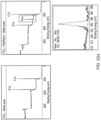
- X-ray photoelectron spectroscopy (XPS) spectra for PCL and PCL-PNIPAAm were obtained base pressure 1 ⁇ 10 -9 torr, variable aperture 3-10 mm and data analysed using CasaXPS peak fitting software.
- Human dermal fibroblast cells (HDF, ThermoFisher Scientific) were cultured in Dulbecco's modified Eagle's medium (DMEM 4.5 mg/l of glucose; Gibco BRL, Gaithersburg, MD, USA) supplemented with 10% (v/v) fetal bovine serum (FBS; Gibco BRL) and 1% (v/v) penicillin-streptomycin (PS; Gibco BRL) and Green Fluorescence Protein (GFP) was cloned into Mesenchymal stem cells (MSC, kindly provided from Department of Paediatrics and Adolescent Medicine, LKS Faculty of Medicine, The University of Hong Kong).
- DMEM Dulbecco's modified Eagle's medium
- FBS fetal bovine serum
- PS penicillin-streptomycin
- GFP Green Fluorescence Protein
- Siliconized (Sigmacote ® treated) glass bottles were prepared prior to use to prevent cells adhering to the bottle walls.
- PCL and PCL-PNIPAAm macrocarriers were washed with phosphate buffer saline (PBS) for 15 min and incubated in DMEM at 37 °C, overnight.
- PBS phosphate buffer saline
- ECM protein expression of HDF was analysed by western blot analysis.
- anti-fibronectin (1:200, Santa Cruz, Biotechnology, CA, USA)
- anti-laminin (1:200, Santa Cruz, Biotechnology, CA, USA)
- anti-collagen I (1:50, Santa Cruz, Biotechnology, CA, USA) anti-bodies were used.
- HDF were rinsed and harvested in lysis buffer (RIPA, Millipore, Milford, MA, USA), vortexed on ice 5 times within 20 min and centrifuged for 10 min at 13,000 rpm at 4 °C.
- Anti-fibronectin, anti-laminin and anti-collagen type I antibodies were used as proteins for the analysis.
- Anti-beta actin antibody was used as housekeeping control. The immunocomplexes were visualized using enhanced chemiluminescence reagent.
- Figure 1 shows a schematic diagram of thermo-responsive polymer grafting onto the surfaces of PCL and the temperature-dependent effect of cell attachment to and detachment from the grafted surface.
- Lowering the temperature as low as 30 °C cause cellular detachment due to the hydrophilic conformation of PNIPAAm.
- the conformation of PNIPAAm is globular conformation which provides a hydrophobic surface on the PCL macrocarrier.
- the conformation changes to randomised coil causing the surface to become hydrophilic in nature.
- a hydrophobic surface attracts cells and a hydrophilic surface repels the cells.
- PNIPAAm-NH 2 polymers were conjugated with PCL beads through amidation between the carboxylate molecule on PCL beads' surface and the amine end group of PNIPAAm-NH 2 .
- PCL pellets were initially treated with NaOH, which cause the base hydrolysis of esters bonds in PCL creating carboxylate ions.
- This carboxyl functional groups on PCL beads can be activated by EDC and NHS to form succinimide esters, which in turn spontaneously react with the amine groups on the PNIPAAm-NH 2 .
- the reaction of carboxylate with EDC creating an unstable reactive O-acylisourea ester.
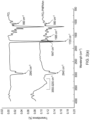
- FTIR spectroscopy was used to confirm the conjugation of PNIPAAm-NH 2 to the surface of PCL beads.
- the FTIR spectrum in figure 2a shows the appearance of several new peaks due to PNIPAAm-NH 2 introduction onto PCL-COOH.
- the wide peak between 3550 and 3200 cm -1 belongs to the N-H stretching of the modified PCL beads.
- the increasing of peak at 2940 cm -1 is attributed to the vibration of aliphatic groups (-CH 2 -) n of the copolymer.
- the peaks at 1565 cm -1 corresponding to amide II bond, arising from N-H bending and C-N stretching of PNIPAAm. This suggested that the conjugation of the PNIPAAm on PCL beads was successful.
- XPS determines the chemical composition of a surfaces top several nanometres.
- the appearance of a new N1s signal with binding energy at 400 eV after PNIPAAm grafting in the wide scan XPS spectra in figure 2b were indicative of successful grafting of PNIPAAm on the PCL macrocarriers surface.
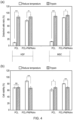
- Figure 4a shows that both HDF cells and MSCs in reduced temperature conditions (30 °C) showed a significantly higher cell-detachment ratio from PCL-PNIPAAm surfaces than from PCL only surfaces. Trypsinization did not show a significant difference in the extent of cell detachment between the surfaces but this technique showed more detachment of cells from the surfaces of both PCL and PCL-PNIPAAm surfaces.
- Figure 4b shows that a higher cell viability rate was observed in temperature dependent cell recovery technique than by trypsinization. Both HDF and MSCs had higher survival when recovered from PCL-PNIPAAm than by trypsinization (* p ⁇ 0.05; ** p ⁇ 0.01; *** p ⁇ 0.001; ns: no significant difference).
- Figures 4a and 4b show that more than 70% of the cells were detached from PNIPAAm-grafted PCL surfaces by simply lowering the temperature.
- trypsinization had a higher detachment rate than the reduced temperature technique of thermoresponsive polymer. This was not surprising; other research groups have also reported higher detachment rates with enzymatic digestion than with the thermal reduction technique.
- the physiological damage caused by trypsin or other enzymes is the major reason why researchers wish to avoid enzymatic digestion in clinical applications.
- ECM proteins The fate of the expression of ECM proteins on cells detached from PCL-PNIPAAm by either trypsin or reduces temperature was observed by immunoblotting.
- Three major structural ECM proteins such as Fibronectin (FN), Laminin (LM) and Collagen type I (Col I), which are the most abundant and important ECM proteins found in cells/tissues, play various roles in foetal development, tissue repair and angiogenesis. Because of their 'glue-like' properties, these proteins usually play a role in cell attachment on the surfaces. Here we studied these proteins to see whether the process employed to cell recovery affected their expression or not.
- the expression patterns of Fibronectin, Laminin and Collagen I in recovered HDF cells were analysed by Western blot as shown in figure 6 .
- Total proteins were collected from cells grown in tissue culture plates by harvesting the total cells either using trypsin-EDTA (Control-TE) or by scraping the monolayer of cells by a scraper (Control-Scraper). Cells were also grown on PCL-PNIPAAm beads and harvested either by trypsin-EDTA (PCL-P-TE) by reducing the temperature (PCL-P-Reduce).
- Antigen against laminin, Fibronectin and Col 1 were used to detect the expression of these proteins by Western blot after harvesting these cells in four different ways.
- B-actin is the housekeeping protein.
- Polycaprolactone pellets PCL, Mn 80,000
- DCM dichloromethane
- DI water Deionised water used in this study was obtained from an ultrapure water purification system (Elix TM , Millipore).
- PCL macro-beads were prepared using an established emulsion method, followed by the evaporation of the solvent used to liquefy the macrosphere polymer.
- a needle syringe (containing 5 ml of PCL solution) was placed on a pump which was used to form PCL/DCM solution droplets, which are precursors to the solidified beads.
- the 5 mL of formed PCL/DCM droplets were collected in a petri dish, containing 10 mL of PVA solution.
- the PVA solution was then decanted.
- DCM solvent was allowed to evaporate through the aqueous phase, thus resulting in droplet solidification, over 3 days in a fume hood.
- PCL beads were prepared by the o/w emulsion solvent evaporation process.
- the organic phase was emulsified in the aqueous external phase.
- the organic phase was dichloromethane. Due to the low evaporation temperature of dichloromethane, the macrospheres formed faster than with other solvents having a higher evaporation temperature, such as chloroform.
- the concentration of PCL increases and reaches a critical point at which the polymer concentration exceeds its solubility in the organic phase. At this critical point, it precipitates to produce macrospheres.
- the method used for fabrication of PCL macrospheres is shown in figure 7 .
- the PCL pellets that were prepared from this method are also shown in figure 7 (see "PCL pellets - Oxford") alongside the PCL pellets that were purchased from Sigma-Aldrich (“PCL pellets - Sigma").
- Table 2 shows the relationship between the flow rate and the size of the beads. Table 2. Effect of flow rates on bead size PCL concentration (wt/v%) PVA concentration (wt/v%) Rate of pump (ml/min) Size of beads (mm) 15 3 0.2 ⁇ 0.5 0.4 0.5 - 2.0 0.8 2.0 - 3.0 1.2 Too fast
- PVA was used as the emulsifier. After preparing the macrospheres as described above, the macrospheres were rinsed with DI water several times to remove the PVA.
- the hydroxyl groups in PVA interact with the water phase, while the polymer chain interacts with the dichloromethane, which makes the formed emulsion more stable. Variation in PVA concentration and volume can affect the emulsion stability, which can, in turn, affect the size of the macrospheres. As shown in Table 3, an increase in the PVA concentration led to a decrease in the size of the macrospheres. Table 3.
- SEM Scanning electron microscopy
- EDS Energy Dispersion Spectroscopy
- FTIR Fourier transform infrared
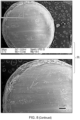
- FIG 8 shows the morphology of PCL macro-beads that were prepared using the method described above (see the images labelled (A), which are the “PCL-Oxford” beads) and those purchased from Sigma (see the images labelled (B), which are the “PCL-Sigma” beads).
- the surface of the bead shown in (A) was porous while the surface of the bead shown in (B) was non-porous and dense.
- the pores may be formed by the rapid precipitation of PCL, such as by using an organic solvent (e.g. DCM) having a low evaporation temperature during the solidification step.
- the pores can absorb and retain nutrients and medium on the surface of the beads.
- the porous surface can support cell adherence and growth better than a dense surface.
- the porous PCL macro-beads (e.g. "PCL-Oxford” beads) were coated with PNIPAAm using the method described in Example 1.
- the surface morphology of the PCL and the resulting PCL-PNIPAAm macro-beads was characterized by SEM as shown in figure 11 (the PCL-PNIPAAm macro-beads are labelled "PCL-P" in the figure).
- the step of grafting PNIPAAm onto the porous PCL beads did not affect their surface morphology. This can be seen from figure 12 , which shows a pore on the surface of a PCL-PNIPAAm macro-bead.
- Green Fluorescence Protein was cloned into Mesenchymal stem cells (MSC, provided by the Department of Paediatrics and Adolescent Medicine, LKS Faculty of Medicine, The University of Hong Kong). Briefly, primary mesenchymal cells (obtained from unfractionated bone marrow mononuclear cells of a healthy donor) were cultured for 2 months. Cells were infected with a VSV-G (expressing the G glycoprotein of the vesicular stomatitis virus) pseudotyped retroviral vector that contained the hTERT and green fluorescent protein (GFP) genes, separated by an internal ribosome entry site (IRES), under the control of the murine stem cell virus (MSCV) long-terminal repeat (LTR).
- VSV-G expressing the G glycoprotein of the vesicular stomatitis virus
- IFS internal ribosome entry site
- LTR murine stem cell virus
- MSC-GFP were cultures in Dulbecco's modified Eagle's medium (DMEM 1.0 mg/l of glucose, Gibco BRL, Gaithersburg, MD, USA) supplemented with 10% (v/v) fetal bovine serum (FBS, Gibco BRL) and 0.1% (v/v) penicillin-streptomycin (PS, Gibco BRL).
- DMEM Dulbecco's modified Eagle's medium
- FBS fetal bovine serum
- PS penicillin-streptomycin
- PCL and PCL-PNIPAAm macro-beads prepared above were placed in a laminar hood and UV radiation was applied for 30 minutes.
- the PCL and PCL-PNIPAAm beads were immersed in 70% ethanol for 3 hours, washed with phosphate buffer saline (PBS) for 10 min and incubated in DMEM at 37 °C, overnight.
- Cell seeding density was 2.8 ⁇ 10 5 cells/ml.
- FIG. 13 shows the cell proliferation of MSC seeded onto PCL and PCL-PNIPAAm after 3 and 7 days of incubation as determined by Hoechst staining and Green fluorescence protein (GFP) images.
- Figure 13 shows the cell proliferation of MSC seeded on PCL (see (A)) and PCL-PNIPAAm (see (B)) after 3 and 7 days, stained by Hoechst (Nuclei staining in blue dot), observed by fluorescence microscope in low magnification.
- Figure 14 shows the cell proliferation of MSC seeded on PCL (see (A)) and PCL-PNIPAAm (see (B)) after 3 and 7 days, stained by Hoechst (Nuclei staining in blue dot) and green fluorescence protein, observed my fluorescence microscope in high magnification.
- the black background including the large blue dot areas are the beads.
- PCL-PNIPAAm grafted surfaces
- the CCK-8 assay (Sigma) was performed after 1, 7, 14 and 21 days of incubation. Cell seeding density was 5 ⁇ 10 3 cells/ml. For this experiment, around 20 g of PCL beads were prepared in the laboratory.
- MSC proliferation was shown from 1 to 21 days on PCL-PNIPAAm and growth-proliferation was compared to different controls, which included on tissue culture plate (TCP), non-coated PCL beads and PCL beads from Sigma. The results are shown in figure 15 .
Landscapes
- Health & Medical Sciences (AREA)
- Engineering & Computer Science (AREA)
- Life Sciences & Earth Sciences (AREA)
- Biomedical Technology (AREA)
- Organic Chemistry (AREA)
- Chemical & Material Sciences (AREA)
- Zoology (AREA)
- Wood Science & Technology (AREA)
- Bioinformatics & Cheminformatics (AREA)
- Genetics & Genomics (AREA)
- Biotechnology (AREA)
- Microbiology (AREA)
- Biochemistry (AREA)
- General Engineering & Computer Science (AREA)
- General Health & Medical Sciences (AREA)
- Cell Biology (AREA)
- Rheumatology (AREA)
- Developmental Biology & Embryology (AREA)
- Immunology (AREA)
- Hematology (AREA)
- Sustainable Development (AREA)
- Micro-Organisms Or Cultivation Processes Thereof (AREA)
- Apparatus Associated With Microorganisms And Enzymes (AREA)
- Immobilizing And Processing Of Enzymes And Microorganisms (AREA)
Claims (15)
- Makroträger zur Vermehrung biologischer Zellen, wobei der Makroträger Substratpartikel umfasst, die mit einem thermoresponsiven Polymer beschichtet sind, das dem Makroträger eine zellaufnehmende Oberfläche bereitstellt und auf eine Temperaturänderung reagiert, um Zellen von dem Makroträger freizusetzen, wobei:die zellaufnehmende Oberfläche porös ist;jedes Substratpartikel eine Kugel-, Ellipsoid-, Ovoid- oder Ringform aufweist; undmindestens 50 % der Substratpartikel eine Partikelgröße von mindestens 1 mm aufweisen, wobei die Partikelgröße die größte lineare Abmessung über das Substratpartikel ist.
- Makroträger nach Anspruch 1, wobei mindestens 90 % der Substratpartikel eine Partikelgröße von 2 bis 6 mm aufweisen.
- Makroträger nach Anspruch 1 oder Anspruch 2, wobei die Substratpartikel teilweise mit dem thermoresponsiven Polymer beschichtet sind.
- Makroträger nach einem der vorhergehenden Ansprüche, wobei das Substratpartikel aus einem biokompatiblen Material gebildet ist, wobei das Material gemäß ISO 10993 biokompatibel ist und optional aus Polysaccharid, Protein, Glas, Polystyrol, Polyester, Polyolefin, Siliciumdioxid, Silicon, Polyacrylamid und Polyacrylat ausgewählt ist.
- Makroträger nach einem der vorhergehenden Ansprüche, wobei das Substratpartikel Polycaprolacton umfasst.
- Makroträger nach einem der vorhergehenden Ansprüche, wobei das thermoresponsive Polymer über einer Schwellentemperatur dem Makroträger eine zellaufnehmende Oberfläche bereitstellt und unter der Schwellentemperatur Zellen von dem Makroträger freisetzt.
- Makroträger nach Anspruch 6, wobei die Schwellentemperatur eine Temperatur von 20 bis 40 Grad C ist.
- Makroträger nach Anspruch 1, wobei das thermoresponsive Polymer dazu in der Lage ist, sich als Reaktion auf eine Temperaturänderung von einem hydrophilen, zellaufnehmenden Zustand in einen hydrophoben, zellfreisetzenden Zustand umzuwandeln.
- Makroträger nach einem der vorhergehenden Ansprüche, wobei das thermoresponsive Polymer Poly(N-isopropylacrylamid) (PNIPAAm) umfasst.
- Makroträger nach Anspruch 6, wobei die Substratpartikel Polycaprolacton umfassen und wobei das Poly(N-isopropylacrylamid) (PNIPAAm) über eine Amidbindung an das Polycaprolacton gekoppelt ist.
- Makroträger nach einem der vorhergehenden Ansprüche, der ferner biologische Zellen umfasst, die an dem thermoresponsiven Polymer angebracht sind, wobei optional die biologischen Zellen aus mesenchymalen Stammzellen ("MSCs"), humanen dermalen Fibroblasten ("HDFs"), Endothelzellen aus humanen Nabelschnurvenen (HUVEC) und Neuroblastom-Sy5y-Zellen ausgewählt sind.
- System zur Vermehrung biologischer Zellen, wobei das System einen Bioreaktor und einen Makroträger nach einem der Ansprüche 1 bis 11 umfasst.
- Vorgang zur Vermehrung biologischer Zellen, wobei der Vorgang Folgendes umfasst:a. Kontaktieren biologischer Zellen mit einem Makroträger nach einem der Ansprüche 1 bis 11 in einem Zellkulturmedium;b. Vermehren der Zellen auf dem Makroträger, indem der Makroträger einer Temperatur unterworfen wird, bei der das thermoresponsive Polymer eine zellaufnehmende Oberfläche darstellt; undc. Verändern der Temperatur des Makroträgers, um etwaige vermehrte Zellen von dem Makroträger freizusetzen.
- Vorgang nach Anspruch 13, wobei die biologischen Zellen in einem Bioreaktor mit dem Makroträger kontaktiert werden.
- Vorgang nach Anspruch 13 oder 14, wobei der Makroträger einer ersten Temperatur von 20 bis 40 Grad ausgesetzt wird, um die Zellen zu vermehren, und wobei die Temperatur des Makroträgers unter die erste Temperatur reduziert wird, um die vermehrten Zellen freizusetzen.
Applications Claiming Priority (2)
| Application Number | Priority Date | Filing Date | Title |
|---|---|---|---|
| GBGB1718556.2A GB201718556D0 (en) | 2017-11-09 | 2017-11-09 | Macrocarrier |
| PCT/GB2018/053249 WO2019092434A1 (en) | 2017-11-09 | 2018-11-09 | Macrocarrier |
Publications (2)
| Publication Number | Publication Date |
|---|---|
| EP3707244A1 EP3707244A1 (de) | 2020-09-16 |
| EP3707244B1 true EP3707244B1 (de) | 2024-04-03 |
Family
ID=60788275
Family Applications (1)
| Application Number | Title | Priority Date | Filing Date |
|---|---|---|---|
| EP18804082.8A Active EP3707244B1 (de) | 2017-11-09 | 2018-11-09 | Makroträger |
Country Status (13)
| Country | Link |
|---|---|
| US (1) | US20210198623A1 (de) |
| EP (1) | EP3707244B1 (de) |
| JP (2) | JP2021502081A (de) |
| KR (1) | KR20200078549A (de) |
| CN (1) | CN111315870A (de) |
| AU (1) | AU2018364433A1 (de) |
| BR (1) | BR112020009225A2 (de) |
| CA (1) | CA3079649A1 (de) |
| GB (2) | GB201718556D0 (de) |
| IL (1) | IL274496A (de) |
| MX (1) | MX2020004903A (de) |
| SG (1) | SG11202003721TA (de) |
| WO (1) | WO2019092434A1 (de) |
Families Citing this family (2)
| Publication number | Priority date | Publication date | Assignee | Title |
|---|---|---|---|---|
| TWI856287B (zh) * | 2022-02-11 | 2024-09-21 | 國立臺灣科技大學 | 可溶解感溫型的微載體、其製備方法及其使用方法 |
| CN115369066A (zh) * | 2022-10-25 | 2022-11-22 | 华清智美(深圳)生物科技有限公司 | 一种聚合物复合微载体及其制备方法 |
Family Cites Families (9)
| Publication number | Priority date | Publication date | Assignee | Title |
|---|---|---|---|---|
| CA2657013A1 (en) * | 2006-07-06 | 2008-01-10 | Organogenesis Inc. | Temperature-responsive microcarrier |
| KR100871652B1 (ko) * | 2007-07-30 | 2008-12-02 | 한양대학교 산학협력단 | 세포 배양용 3차원 마이크로 캐리어, 이의 제조방법 및이를 이용한 세포의 3차원 부유 배양법 |
| SG188918A1 (de) * | 2008-03-17 | 2013-04-30 | Agency Science Tech & Res | |
| US20120156777A1 (en) * | 2010-12-16 | 2012-06-21 | General Electric Company | Cell carrier, associated methods for making cell carrier and culturing cells using the same |
| CN103649305A (zh) * | 2011-04-08 | 2014-03-19 | 阿克伦大学 | 温敏细胞培养支持物 |
| WO2014143871A2 (en) * | 2013-03-15 | 2014-09-18 | Garnet Biotherapeutics, Inc. | Thermoresponsive polymer applications for adherent cell culture and recovery |
| EP2983728B1 (de) * | 2013-04-10 | 2018-06-06 | Agency For Science, Technology And Research | Polycaprolactonmikroträger für stammzellenkultur und herstellung davon |
| US20170081638A1 (en) * | 2014-02-28 | 2017-03-23 | Florida State University Research Foundation, Inc. | Materials and methods for expansion of stem cells |
| CN106754627A (zh) * | 2017-02-27 | 2017-05-31 | 南京新诺丹生物技术有限公司 | 一种用于培养细胞的载体 |
-
2017
- 2017-11-09 GB GBGB1718556.2A patent/GB201718556D0/en not_active Ceased
-
2018
- 2018-11-09 CN CN201880072750.6A patent/CN111315870A/zh active Pending
- 2018-11-09 SG SG11202003721TA patent/SG11202003721TA/en unknown
- 2018-11-09 KR KR1020207014222A patent/KR20200078549A/ko not_active Withdrawn
- 2018-11-09 WO PCT/GB2018/053249 patent/WO2019092434A1/en not_active Ceased
- 2018-11-09 MX MX2020004903A patent/MX2020004903A/es unknown
- 2018-11-09 CA CA3079649A patent/CA3079649A1/en active Pending
- 2018-11-09 BR BR112020009225-8A patent/BR112020009225A2/pt not_active IP Right Cessation
- 2018-11-09 GB GBGB2005446.6A patent/GB202005446D0/en not_active Ceased
- 2018-11-09 AU AU2018364433A patent/AU2018364433A1/en not_active Abandoned
- 2018-11-09 JP JP2020524781A patent/JP2021502081A/ja not_active Ceased
- 2018-11-09 US US16/761,825 patent/US20210198623A1/en not_active Abandoned
- 2018-11-09 EP EP18804082.8A patent/EP3707244B1/de active Active
-
2020
- 2020-05-06 IL IL274496A patent/IL274496A/en unknown
-
2023
- 2023-07-27 JP JP2023122272A patent/JP2023156364A/ja active Pending
Also Published As
| Publication number | Publication date |
|---|---|
| GB201718556D0 (en) | 2017-12-27 |
| RU2020117566A (ru) | 2021-12-09 |
| JP2023156364A (ja) | 2023-10-24 |
| SG11202003721TA (en) | 2020-05-28 |
| RU2020117566A3 (de) | 2022-03-28 |
| GB202005446D0 (en) | 2020-05-27 |
| AU2018364433A1 (en) | 2020-05-07 |
| BR112020009225A2 (pt) | 2020-10-20 |
| EP3707244A1 (de) | 2020-09-16 |
| IL274496A (en) | 2020-06-30 |
| US20210198623A1 (en) | 2021-07-01 |
| CN111315870A (zh) | 2020-06-19 |
| CA3079649A1 (en) | 2019-05-16 |
| WO2019092434A1 (en) | 2019-05-16 |
| JP2021502081A (ja) | 2021-01-28 |
| KR20200078549A (ko) | 2020-07-01 |
| MX2020004903A (es) | 2020-10-19 |
Similar Documents
| Publication | Publication Date | Title |
|---|---|---|
| JP6416206B2 (ja) | 幹細胞培養のためのポリカプロラクトン・マイクロキャリアーおよびその製造 | |
| US20220186178A1 (en) | Cell culture article and methods thereof | |
| TWI744586B (zh) | 幹細胞培養用支架材料及使用其之幹細胞培養方法 | |
| EP2361968B1 (de) | Synthetische Polysaccharid-Mikroträger zur Kultivierung von Zellen | |
| US20160145567A1 (en) | Cell culture article and methods thereof | |
| US20200354664A1 (en) | A Bioactive 3D Encapsulation Culture System For Cell Expansion | |
| JPWO2016167373A1 (ja) | 培地添加物及び培地組成物並びにそれらを用いた細胞又は組織の培養方法 | |
| JP2023156364A (ja) | マクロキャリア | |
| US20180179489A1 (en) | Digestible substrates for cell culture | |
| Li et al. | Preparation of microcarriers based on zein and their application in cell culture | |
| RU2800523C2 (ru) | Макроноситель | |
| HK40022866A (en) | Macrocarrier | |
| Kuriyama et al. | Mass cultivation of human retinal pigment epithelial cells with microcarrier | |
| Samsudin et al. | Surface modification of Microcporous of polycaprolactone (PCL) microcarrier to improve microcarrier biocompatibility | |
| JP7107450B1 (ja) | 立体的細胞構造体の製造方法 | |
| Cui et al. | Development of thermo-responsive polycaprolactone macrocarriers conjugated with poly (N-isopropyl acrylamide) for cell culture | |
| Malagón-Romero et al. | Proliferation of 3T3 fibroblasts in a spinner type reactor on microcarriers of fibrin-alginate | |
| TWI745906B (zh) | 烯丙胍聚合物及其製備方法與應用 | |
| Kilic Bektas et al. | Self-Assembled Hydrogel Microparticle-Based Tooth-Germ Organoids. Bioengineering 2022, 9, 215 | |
| Bayoussef et al. | 3.2. Aggregation in rotation culture | |
| Chou | The study and fabrication of a novel thermally responsive microcarrier for cell culture application | |
| Bayoussef et al. | Aggregation of cells using biomaterials and bioreactors |
Legal Events
| Date | Code | Title | Description |
|---|---|---|---|
| STAA | Information on the status of an ep patent application or granted ep patent |
Free format text: STATUS: UNKNOWN |
|
| STAA | Information on the status of an ep patent application or granted ep patent |
Free format text: STATUS: THE INTERNATIONAL PUBLICATION HAS BEEN MADE |
|
| PUAI | Public reference made under article 153(3) epc to a published international application that has entered the european phase |
Free format text: ORIGINAL CODE: 0009012 |
|
| STAA | Information on the status of an ep patent application or granted ep patent |
Free format text: STATUS: REQUEST FOR EXAMINATION WAS MADE |
|
| 17P | Request for examination filed |
Effective date: 20200414 |
|
| AK | Designated contracting states |
Kind code of ref document: A1 Designated state(s): AL AT BE BG CH CY CZ DE DK EE ES FI FR GB GR HR HU IE IS IT LI LT LU LV MC MK MT NL NO PL PT RO RS SE SI SK SM TR |
|
| AX | Request for extension of the european patent |
Extension state: BA ME |
|
| REG | Reference to a national code |
Ref country code: HK Ref legal event code: DE Ref document number: 40029025 Country of ref document: HK |
|
| DAV | Request for validation of the european patent (deleted) | ||
| DAX | Request for extension of the european patent (deleted) | ||
| STAA | Information on the status of an ep patent application or granted ep patent |
Free format text: STATUS: EXAMINATION IS IN PROGRESS |
|
| 17Q | First examination report despatched |
Effective date: 20220413 |
|
| GRAP | Despatch of communication of intention to grant a patent |
Free format text: ORIGINAL CODE: EPIDOSNIGR1 |
|
| STAA | Information on the status of an ep patent application or granted ep patent |
Free format text: STATUS: GRANT OF PATENT IS INTENDED |
|
| INTG | Intention to grant announced |
Effective date: 20231123 |
|
| RIN1 | Information on inventor provided before grant (corrected) |
Inventor name: CUI, ZHANFENG Inventor name: YE, HUA Inventor name: NGUYEN THUY BA, LINH |
|
| GRAS | Grant fee paid |
Free format text: ORIGINAL CODE: EPIDOSNIGR3 |
|
| GRAA | (expected) grant |
Free format text: ORIGINAL CODE: 0009210 |
|
| STAA | Information on the status of an ep patent application or granted ep patent |
Free format text: STATUS: THE PATENT HAS BEEN GRANTED |
|
| AK | Designated contracting states |
Kind code of ref document: B1 Designated state(s): AL AT BE BG CH CY CZ DE DK EE ES FI FR GB GR HR HU IE IS IT LI LT LU LV MC MK MT NL NO PL PT RO RS SE SI SK SM TR |
|
| P01 | Opt-out of the competence of the unified patent court (upc) registered |
Effective date: 20240227 |
|
| REG | Reference to a national code |
Ref country code: GB Ref legal event code: FG4D |
|
| REG | Reference to a national code |
Ref country code: CH Ref legal event code: EP |
|
| REG | Reference to a national code |
Ref country code: DE Ref legal event code: R096 Ref document number: 602018067579 Country of ref document: DE |
|
| REG | Reference to a national code |
Ref country code: IE Ref legal event code: FG4D |
|
| REG | Reference to a national code |
Ref country code: LT Ref legal event code: MG9D |
|
| REG | Reference to a national code |
Ref country code: NL Ref legal event code: MP Effective date: 20240403 |
|
| REG | Reference to a national code |
Ref country code: AT Ref legal event code: MK05 Ref document number: 1672347 Country of ref document: AT Kind code of ref document: T Effective date: 20240403 |
|
| PG25 | Lapsed in a contracting state [announced via postgrant information from national office to epo] |
Ref country code: NL Free format text: LAPSE BECAUSE OF FAILURE TO SUBMIT A TRANSLATION OF THE DESCRIPTION OR TO PAY THE FEE WITHIN THE PRESCRIBED TIME-LIMIT Effective date: 20240403 |
|
| PG25 | Lapsed in a contracting state [announced via postgrant information from national office to epo] |
Ref country code: NL Free format text: LAPSE BECAUSE OF FAILURE TO SUBMIT A TRANSLATION OF THE DESCRIPTION OR TO PAY THE FEE WITHIN THE PRESCRIBED TIME-LIMIT Effective date: 20240403 |
|
| PG25 | Lapsed in a contracting state [announced via postgrant information from national office to epo] |
Ref country code: IS Free format text: LAPSE BECAUSE OF FAILURE TO SUBMIT A TRANSLATION OF THE DESCRIPTION OR TO PAY THE FEE WITHIN THE PRESCRIBED TIME-LIMIT Effective date: 20240803 |
|
| PG25 | Lapsed in a contracting state [announced via postgrant information from national office to epo] |
Ref country code: BG Free format text: LAPSE BECAUSE OF FAILURE TO SUBMIT A TRANSLATION OF THE DESCRIPTION OR TO PAY THE FEE WITHIN THE PRESCRIBED TIME-LIMIT Effective date: 20240403 |
|
| PG25 | Lapsed in a contracting state [announced via postgrant information from national office to epo] |
Ref country code: HR Free format text: LAPSE BECAUSE OF FAILURE TO SUBMIT A TRANSLATION OF THE DESCRIPTION OR TO PAY THE FEE WITHIN THE PRESCRIBED TIME-LIMIT Effective date: 20240403 Ref country code: FI Free format text: LAPSE BECAUSE OF FAILURE TO SUBMIT A TRANSLATION OF THE DESCRIPTION OR TO PAY THE FEE WITHIN THE PRESCRIBED TIME-LIMIT Effective date: 20240403 |
|
| PG25 | Lapsed in a contracting state [announced via postgrant information from national office to epo] |
Ref country code: GR Free format text: LAPSE BECAUSE OF FAILURE TO SUBMIT A TRANSLATION OF THE DESCRIPTION OR TO PAY THE FEE WITHIN THE PRESCRIBED TIME-LIMIT Effective date: 20240704 |
|
| PG25 | Lapsed in a contracting state [announced via postgrant information from national office to epo] |
Ref country code: PT Free format text: LAPSE BECAUSE OF FAILURE TO SUBMIT A TRANSLATION OF THE DESCRIPTION OR TO PAY THE FEE WITHIN THE PRESCRIBED TIME-LIMIT Effective date: 20240805 |
|
| PG25 | Lapsed in a contracting state [announced via postgrant information from national office to epo] |
Ref country code: ES Free format text: LAPSE BECAUSE OF FAILURE TO SUBMIT A TRANSLATION OF THE DESCRIPTION OR TO PAY THE FEE WITHIN THE PRESCRIBED TIME-LIMIT Effective date: 20240403 |
|
| PG25 | Lapsed in a contracting state [announced via postgrant information from national office to epo] |
Ref country code: CZ Free format text: LAPSE BECAUSE OF FAILURE TO SUBMIT A TRANSLATION OF THE DESCRIPTION OR TO PAY THE FEE WITHIN THE PRESCRIBED TIME-LIMIT Effective date: 20240403 |
|
| PG25 | Lapsed in a contracting state [announced via postgrant information from national office to epo] |
Ref country code: AT Free format text: LAPSE BECAUSE OF FAILURE TO SUBMIT A TRANSLATION OF THE DESCRIPTION OR TO PAY THE FEE WITHIN THE PRESCRIBED TIME-LIMIT Effective date: 20240403 |
|
| PG25 | Lapsed in a contracting state [announced via postgrant information from national office to epo] |
Ref country code: PL Free format text: LAPSE BECAUSE OF FAILURE TO SUBMIT A TRANSLATION OF THE DESCRIPTION OR TO PAY THE FEE WITHIN THE PRESCRIBED TIME-LIMIT Effective date: 20240403 |
|
| PG25 | Lapsed in a contracting state [announced via postgrant information from national office to epo] |
Ref country code: LV Free format text: LAPSE BECAUSE OF FAILURE TO SUBMIT A TRANSLATION OF THE DESCRIPTION OR TO PAY THE FEE WITHIN THE PRESCRIBED TIME-LIMIT Effective date: 20240403 |
|
| PG25 | Lapsed in a contracting state [announced via postgrant information from national office to epo] |
Ref country code: PT Free format text: LAPSE BECAUSE OF FAILURE TO SUBMIT A TRANSLATION OF THE DESCRIPTION OR TO PAY THE FEE WITHIN THE PRESCRIBED TIME-LIMIT Effective date: 20240805 Ref country code: PL Free format text: LAPSE BECAUSE OF FAILURE TO SUBMIT A TRANSLATION OF THE DESCRIPTION OR TO PAY THE FEE WITHIN THE PRESCRIBED TIME-LIMIT Effective date: 20240403 Ref country code: NO Free format text: LAPSE BECAUSE OF FAILURE TO SUBMIT A TRANSLATION OF THE DESCRIPTION OR TO PAY THE FEE WITHIN THE PRESCRIBED TIME-LIMIT Effective date: 20240703 Ref country code: LV Free format text: LAPSE BECAUSE OF FAILURE TO SUBMIT A TRANSLATION OF THE DESCRIPTION OR TO PAY THE FEE WITHIN THE PRESCRIBED TIME-LIMIT Effective date: 20240403 Ref country code: IS Free format text: LAPSE BECAUSE OF FAILURE TO SUBMIT A TRANSLATION OF THE DESCRIPTION OR TO PAY THE FEE WITHIN THE PRESCRIBED TIME-LIMIT Effective date: 20240803 Ref country code: HR Free format text: LAPSE BECAUSE OF FAILURE TO SUBMIT A TRANSLATION OF THE DESCRIPTION OR TO PAY THE FEE WITHIN THE PRESCRIBED TIME-LIMIT Effective date: 20240403 Ref country code: GR Free format text: LAPSE BECAUSE OF FAILURE TO SUBMIT A TRANSLATION OF THE DESCRIPTION OR TO PAY THE FEE WITHIN THE PRESCRIBED TIME-LIMIT Effective date: 20240704 Ref country code: FI Free format text: LAPSE BECAUSE OF FAILURE TO SUBMIT A TRANSLATION OF THE DESCRIPTION OR TO PAY THE FEE WITHIN THE PRESCRIBED TIME-LIMIT Effective date: 20240403 Ref country code: ES Free format text: LAPSE BECAUSE OF FAILURE TO SUBMIT A TRANSLATION OF THE DESCRIPTION OR TO PAY THE FEE WITHIN THE PRESCRIBED TIME-LIMIT Effective date: 20240403 Ref country code: CZ Free format text: LAPSE BECAUSE OF FAILURE TO SUBMIT A TRANSLATION OF THE DESCRIPTION OR TO PAY THE FEE WITHIN THE PRESCRIBED TIME-LIMIT Effective date: 20240403 Ref country code: BG Free format text: LAPSE BECAUSE OF FAILURE TO SUBMIT A TRANSLATION OF THE DESCRIPTION OR TO PAY THE FEE WITHIN THE PRESCRIBED TIME-LIMIT Effective date: 20240403 Ref country code: AT Free format text: LAPSE BECAUSE OF FAILURE TO SUBMIT A TRANSLATION OF THE DESCRIPTION OR TO PAY THE FEE WITHIN THE PRESCRIBED TIME-LIMIT Effective date: 20240403 Ref country code: RS Free format text: LAPSE BECAUSE OF FAILURE TO SUBMIT A TRANSLATION OF THE DESCRIPTION OR TO PAY THE FEE WITHIN THE PRESCRIBED TIME-LIMIT Effective date: 20240703 |
|
| REG | Reference to a national code |
Ref country code: DE Ref legal event code: R097 Ref document number: 602018067579 Country of ref document: DE |
|
| PG25 | Lapsed in a contracting state [announced via postgrant information from national office to epo] |
Ref country code: DK Free format text: LAPSE BECAUSE OF FAILURE TO SUBMIT A TRANSLATION OF THE DESCRIPTION OR TO PAY THE FEE WITHIN THE PRESCRIBED TIME-LIMIT Effective date: 20240403 |
|
| PG25 | Lapsed in a contracting state [announced via postgrant information from national office to epo] |
Ref country code: EE Free format text: LAPSE BECAUSE OF FAILURE TO SUBMIT A TRANSLATION OF THE DESCRIPTION OR TO PAY THE FEE WITHIN THE PRESCRIBED TIME-LIMIT Effective date: 20240403 |
|
| PG25 | Lapsed in a contracting state [announced via postgrant information from national office to epo] |
Ref country code: SK Free format text: LAPSE BECAUSE OF FAILURE TO SUBMIT A TRANSLATION OF THE DESCRIPTION OR TO PAY THE FEE WITHIN THE PRESCRIBED TIME-LIMIT Effective date: 20240403 Ref country code: RO Free format text: LAPSE BECAUSE OF FAILURE TO SUBMIT A TRANSLATION OF THE DESCRIPTION OR TO PAY THE FEE WITHIN THE PRESCRIBED TIME-LIMIT Effective date: 20240403 |
|
| PG25 | Lapsed in a contracting state [announced via postgrant information from national office to epo] |
Ref country code: SM Free format text: LAPSE BECAUSE OF FAILURE TO SUBMIT A TRANSLATION OF THE DESCRIPTION OR TO PAY THE FEE WITHIN THE PRESCRIBED TIME-LIMIT Effective date: 20240403 |
|
| PG25 | Lapsed in a contracting state [announced via postgrant information from national office to epo] |
Ref country code: SM Free format text: LAPSE BECAUSE OF FAILURE TO SUBMIT A TRANSLATION OF THE DESCRIPTION OR TO PAY THE FEE WITHIN THE PRESCRIBED TIME-LIMIT Effective date: 20240403 Ref country code: SK Free format text: LAPSE BECAUSE OF FAILURE TO SUBMIT A TRANSLATION OF THE DESCRIPTION OR TO PAY THE FEE WITHIN THE PRESCRIBED TIME-LIMIT Effective date: 20240403 Ref country code: RO Free format text: LAPSE BECAUSE OF FAILURE TO SUBMIT A TRANSLATION OF THE DESCRIPTION OR TO PAY THE FEE WITHIN THE PRESCRIBED TIME-LIMIT Effective date: 20240403 Ref country code: EE Free format text: LAPSE BECAUSE OF FAILURE TO SUBMIT A TRANSLATION OF THE DESCRIPTION OR TO PAY THE FEE WITHIN THE PRESCRIBED TIME-LIMIT Effective date: 20240403 Ref country code: DK Free format text: LAPSE BECAUSE OF FAILURE TO SUBMIT A TRANSLATION OF THE DESCRIPTION OR TO PAY THE FEE WITHIN THE PRESCRIBED TIME-LIMIT Effective date: 20240403 |
|
| PLBE | No opposition filed within time limit |
Free format text: ORIGINAL CODE: 0009261 |
|
| STAA | Information on the status of an ep patent application or granted ep patent |
Free format text: STATUS: NO OPPOSITION FILED WITHIN TIME LIMIT |
|
| 26N | No opposition filed |
Effective date: 20250106 |
|
| PG25 | Lapsed in a contracting state [announced via postgrant information from national office to epo] |
Ref country code: SI Free format text: LAPSE BECAUSE OF FAILURE TO SUBMIT A TRANSLATION OF THE DESCRIPTION OR TO PAY THE FEE WITHIN THE PRESCRIBED TIME-LIMIT Effective date: 20240403 |
|
| REG | Reference to a national code |
Ref country code: CH Ref legal event code: PL |
|
| PG25 | Lapsed in a contracting state [announced via postgrant information from national office to epo] |
Ref country code: MC Free format text: LAPSE BECAUSE OF FAILURE TO SUBMIT A TRANSLATION OF THE DESCRIPTION OR TO PAY THE FEE WITHIN THE PRESCRIBED TIME-LIMIT Effective date: 20240403 |
|
| PG25 | Lapsed in a contracting state [announced via postgrant information from national office to epo] |
Ref country code: LU Free format text: LAPSE BECAUSE OF NON-PAYMENT OF DUE FEES Effective date: 20241109 |
|
| REG | Reference to a national code |
Ref country code: CH Ref legal event code: PL |
|
| PG25 | Lapsed in a contracting state [announced via postgrant information from national office to epo] |
Ref country code: CH Free format text: LAPSE BECAUSE OF NON-PAYMENT OF DUE FEES Effective date: 20241130 |
|
| REG | Reference to a national code |
Ref country code: BE Ref legal event code: MM Effective date: 20241130 |
|
| PG25 | Lapsed in a contracting state [announced via postgrant information from national office to epo] |
Ref country code: SE Free format text: LAPSE BECAUSE OF FAILURE TO SUBMIT A TRANSLATION OF THE DESCRIPTION OR TO PAY THE FEE WITHIN THE PRESCRIBED TIME-LIMIT Effective date: 20240403 |
|
| PG25 | Lapsed in a contracting state [announced via postgrant information from national office to epo] |
Ref country code: BE Free format text: LAPSE BECAUSE OF NON-PAYMENT OF DUE FEES Effective date: 20241130 |
|
| PG25 | Lapsed in a contracting state [announced via postgrant information from national office to epo] |
Ref country code: IE Free format text: LAPSE BECAUSE OF NON-PAYMENT OF DUE FEES Effective date: 20241109 |
|
| PGFP | Annual fee paid to national office [announced via postgrant information from national office to epo] |
Ref country code: DE Payment date: 20251022 Year of fee payment: 8 |
|
| PGFP | Annual fee paid to national office [announced via postgrant information from national office to epo] |
Ref country code: GB Payment date: 20251022 Year of fee payment: 8 |
|
| PGFP | Annual fee paid to national office [announced via postgrant information from national office to epo] |
Ref country code: FR Payment date: 20251022 Year of fee payment: 8 |
|
| PG25 | Lapsed in a contracting state [announced via postgrant information from national office to epo] |
Ref country code: IT Free format text: LAPSE BECAUSE OF FAILURE TO SUBMIT A TRANSLATION OF THE DESCRIPTION OR TO PAY THE FEE WITHIN THE PRESCRIBED TIME-LIMIT Effective date: 20240403 |
|
| PG25 | Lapsed in a contracting state [announced via postgrant information from national office to epo] |
Ref country code: HU Free format text: LAPSE BECAUSE OF FAILURE TO SUBMIT A TRANSLATION OF THE DESCRIPTION OR TO PAY THE FEE WITHIN THE PRESCRIBED TIME-LIMIT; INVALID AB INITIO Effective date: 20181109 |
|
| PG25 | Lapsed in a contracting state [announced via postgrant information from national office to epo] |
Ref country code: CY Free format text: LAPSE BECAUSE OF FAILURE TO SUBMIT A TRANSLATION OF THE DESCRIPTION OR TO PAY THE FEE WITHIN THE PRESCRIBED TIME-LIMIT; INVALID AB INITIO Effective date: 20181109 |