EP3706350B1 - Datenübertragungsverfahren und -vorrichtung - Google Patents
Datenübertragungsverfahren und -vorrichtung Download PDFInfo
- Publication number
- EP3706350B1 EP3706350B1 EP17931557.7A EP17931557A EP3706350B1 EP 3706350 B1 EP3706350 B1 EP 3706350B1 EP 17931557 A EP17931557 A EP 17931557A EP 3706350 B1 EP3706350 B1 EP 3706350B1
- Authority
- EP
- European Patent Office
- Prior art keywords
- carrier
- base station
- data transmission
- terminal
- rejection rule
- Prior art date
- Legal status (The legal status is an assumption and is not a legal conclusion. Google has not performed a legal analysis and makes no representation as to the accuracy of the status listed.)
- Active
Links
Images



Classifications
-
- H—ELECTRICITY
- H04—ELECTRIC COMMUNICATION TECHNIQUE
- H04B—TRANSMISSION
- H04B1/00—Details of transmission systems, not covered by a single one of groups H04B3/00 - H04B13/00; Details of transmission systems not characterised by the medium used for transmission
- H04B1/06—Receivers
- H04B1/10—Means associated with receiver for limiting or suppressing noise or interference
- H04B1/109—Means associated with receiver for limiting or suppressing noise or interference by improving strong signal performance of the receiver when strong unwanted signals are present at the receiver input
-
- H—ELECTRICITY
- H04—ELECTRIC COMMUNICATION TECHNIQUE
- H04J—MULTIPLEX COMMUNICATION
- H04J11/00—Orthogonal multiplex systems, e.g. using WALSH codes
- H04J11/0023—Interference mitigation or co-ordination
- H04J11/005—Interference mitigation or co-ordination of intercell interference
-
- H—ELECTRICITY
- H04—ELECTRIC COMMUNICATION TECHNIQUE
- H04W—WIRELESS COMMUNICATION NETWORKS
- H04W72/00—Local resource management
- H04W72/20—Control channels or signalling for resource management
-
- H—ELECTRICITY
- H04—ELECTRIC COMMUNICATION TECHNIQUE
- H04L—TRANSMISSION OF DIGITAL INFORMATION, e.g. TELEGRAPHIC COMMUNICATION
- H04L5/00—Arrangements affording multiple use of the transmission path
- H04L5/003—Arrangements for allocating sub-channels of the transmission path
- H04L5/0053—Allocation of signalling, i.e. of overhead other than pilot signals
-
- H—ELECTRICITY
- H04—ELECTRIC COMMUNICATION TECHNIQUE
- H04L—TRANSMISSION OF DIGITAL INFORMATION, e.g. TELEGRAPHIC COMMUNICATION
- H04L5/00—Arrangements affording multiple use of the transmission path
- H04L5/0091—Signalling for the administration of the divided path, e.g. signalling of configuration information
- H04L5/0096—Indication of changes in allocation
- H04L5/0098—Signalling of the activation or deactivation of component carriers, subcarriers or frequency bands
-
- H—ELECTRICITY
- H04—ELECTRIC COMMUNICATION TECHNIQUE
- H04W—WIRELESS COMMUNICATION NETWORKS
- H04W48/00—Access restriction; Network selection; Access point selection
- H04W48/02—Access restriction performed under specific conditions
-
- H—ELECTRICITY
- H04—ELECTRIC COMMUNICATION TECHNIQUE
- H04W—WIRELESS COMMUNICATION NETWORKS
- H04W72/00—Local resource management
- H04W72/04—Wireless resource allocation
- H04W72/044—Wireless resource allocation based on the type of the allocated resource
- H04W72/0446—Resources in time domain, e.g. slots or frames
-
- H—ELECTRICITY
- H04—ELECTRIC COMMUNICATION TECHNIQUE
- H04W—WIRELESS COMMUNICATION NETWORKS
- H04W72/00—Local resource management
- H04W72/04—Wireless resource allocation
- H04W72/044—Wireless resource allocation based on the type of the allocated resource
- H04W72/0453—Resources in frequency domain, e.g. a carrier in FDMA
-
- H—ELECTRICITY
- H04—ELECTRIC COMMUNICATION TECHNIQUE
- H04W—WIRELESS COMMUNICATION NETWORKS
- H04W76/00—Connection management
- H04W76/20—Manipulation of established connections
- H04W76/27—Transitions between radio resource control [RRC] states
-
- H—ELECTRICITY
- H04—ELECTRIC COMMUNICATION TECHNIQUE
- H04W—WIRELESS COMMUNICATION NETWORKS
- H04W88/00—Devices specially adapted for wireless communication networks, e.g. terminals, base stations or access point devices
- H04W88/02—Terminal devices
- H04W88/06—Terminal devices adapted for operation in multiple networks or having at least two operational modes, e.g. multi-mode terminals
Definitions
- the present invention generally relates to the technical field of communication technologies, and more particularly, to data transmission methods, devices and non-transitory computer-readable storage media.
- a new application scenario i.e., an Evolved Universal Mobile Telecommunications System (UMTS) Terrestrial Radio Access Network (EUTRAN) New Radio (NR)-Dual Connectivity (EN-DC) (dual connectivity of an LTE network and an NR network) scenario, the LTE network being a 4th-Generation (4G) network and the NR network being a 5th-Generation (5G) network.
- UMTS Universal Mobile Telecommunications System
- EUTRAN Terrestrial Radio Access Network
- NR New Radio
- EN-DC New Radio
- 5G 5th-Generation
- a terminal is required to keep two communication links at the same time: one is an LTE communication link and the other is an NR communication link.
- a terminal simultaneously performs uplink transmission in two bands there may be serious inter-modulation distortion in downlink reception in a certain band, resulting in reduction of performance of the terminal.
- Etsi ET AL "LTE; Evolved Universal Terrestrial Radio Access (E-UTRA); Radio Resource Control (RRC); Protocol specification (3GPP TS 36.331 version 13.2.0 Release 13)", ETSI TS 136 331 V13.2.0, 11 July 2016 (2016-07-11 ) specifies the Radio Resource Control protocol for the radio interface between UE and E-UTRAN as well as for the radio interface between RN and E-UTRAN.
- US 2017302419 A1 provides various techniques for facilitating SRS switching.
- a radio resource control (RRC) message may be used to signal a periodic SRS configuration parameter.
- a downlink control indication (DCI) message may be used to signal an aperiodic SRS configuration parameter.
- RRC radio resource control
- DCI downlink control indication
- LTE Evolved Universal Terrestrial Radio Access
- E-UTRAN Evolved Universal Terrestrial Radio Access Network
- Stage 2 (3GPP TS 36.300 version 11.14.0 Release 11)", TECHNICAL SPECIFICATION, EUROPEAN TELECOMMUNICATIONS STANDARDS INSTITUTE (ETSI), 650, ROUTE DES LUCIOLES; F-06921 SOPHIA-ANTIPOLIS; FRANCE, vol. 3GPP RAN 2, no. V11.14.0, 1 January 2016 (2016-01-01 ), provides an overview and overall description of the E-UTRAN radio interface protocol architecture.
- embodiments of the present invention provide data transmission methods, devices non-transitory computer-readable storage media.
- a data transmission method is provided in claim 1.
- a data transmission method is provided in claim 6.
- a data transmission device is provided in claim 10.
- a data transmission device is provided in claim 11.
- a non-transitory computer-readable storage medium is provided in claim 12.
- a non-transitory computer-readable storage medium is provided in claim 13.
- the primary base station when configuring the secondary base station for the terminal, may configure the carrier parameter used by the secondary base station for the secondary base station, configure the autonomous rejection rule for the inter-modulation distortion occurred between the carrier used by the secondary base station and the carrier used by the primary base station for the terminal and send the carrier parameter and autonomous rejection rule configured by the primary base station to the terminal.
- the terminal determines the carrier used by the secondary base station according to the carrier parameter configured by the primary base station and, in response to the inter-modulation distortion occurring between the carrier used by the secondary base station and the carrier used by the primary base station, determine the autonomously rejected carrier according to the autonomous rejection rule configured by the primary base station and perform data transmission with the other carrier except the determined autonomously rejected carrier, so that important downlink signaling reception or important uplink signaling transmission of the terminal is ensured, and communication quality is improved.
- the terminal receives the carrier parameter and autonomous rejection rule sent by the primary base station, determines the carrier used by the secondary base station according to the carrier parameter configured by the primary base station and, when the inter-modulation distortion occurs between the carrier used by the secondary base station and the carrier used by the primary base station, determines the autonomously rejected carrier according to the autonomous rejection rule configured by the primary base station and performs data transmission with the other carrier except the determined autonomously rejected carrier, so that important downlink signaling reception or important uplink signaling transmission of the terminal is ensured, and the communication quality is improved.
- first, second, third and the like may be adopted to describe various information in the present invention, the information should not be limited by these terms. These terms are only adopted to distinguish the information of the same type.
- first information may also be called second information and, similarly, second information may also be called first information.
- second information may also be called first information.
- term “if” used herein may be explained as “while” or “when” or “responsive to determining”, which depends on the context.
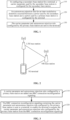
- Fig. 1 is a flow chart showing a data transmission method, according to an embodiment.
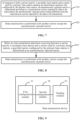
- Fig. 2 is a scenario diagram of a data transmission method, according to an exemplary embodiment.
- the data transmission method is applied to a primary base station, for example, an LTE base station.
- the data transmission method includes the following operations 110-130.
- a carrier parameter used by the secondary base station is configured for the secondary base station.
- the terminal establishes connections with both the primary base station and the secondary base station, and is not only served by the primary base station but also served by the secondary base station.
- the network service provided by the primary base station is service provided by a 4G network
- the network service provided by the secondary base station is service provided by a 5G network.
- the primary base station when configuring the secondary base station for the terminal, may configure the carrier parameter used by the secondary base station for the secondary base station for a purpose of enabling the terminal to learn a carrier used by the secondary base station according to the carrier parameter and perform data transmission with the carrier.
- the carrier parameter configured by the primary base station may include, but not limited to, a carrier frequency, a configuration parameter for each protocol layer and the like.
- an autonomous rejection rule for an inter-modulation distortion occurred between a carrier used by the secondary base station and a carrier used by the primary base station is configured for the terminal.
- the primary base station when configuring the carrier parameter for the secondary base station, also indicates the autonomous rejection rule for the configured carrier in case of the inter-modulation distortion to the terminal.
- the carrier parameter and autonomous rejection rule configured by the primary base station are sent to the terminal.
- the terminal determines the carrier used by the secondary base station according to the carrier parameter configured by the primary base station and, when the inter-modulation distortion occurs between the carrier used by the secondary base station and the carrier used by the primary base station, determines the autonomously rejected carrier according to the autonomous rejection rule configured by the primary base station and performs data transmission with the other carrier except the determined autonomously rejected carrier.
- the primary base station is an LTE base station
- the secondary base station is an NR base station.
- a scenario of the embodiment includes a 5G terminal, an LTE base station and an NR base station, and the 5G terminal is connected with the LTE base station and the NR base station respectively.
- the LTE base station when configuring the NR base station for the 5G terminal as a secondary base station and configuring a carrier parameter used by the NR base station, may also indicate an autonomous rejection rule for a configured carrier in case of an inter-modulation distortion to the 5G terminal.
- the 5G terminal may determine a carrier used by the NR base station according to the carrier parameter configured for the NR base station by the LTE base station.
- the 5G terminal may determine an autonomously rejected carrier according to the autonomous rejection rule configured for the 5G terminal by the LTE base station and perform data transmission with another carrier except the determined autonomously rejected carrier.
- the carrier parameter used by the secondary base station is configured for the secondary base station
- the autonomous rejection rule for the inter-modulation distortion occurred between the carrier used by the secondary base station and the carrier used by the primary base station is configured for the terminal
- the carrier parameter and autonomous rejection rule configured by the primary base station are sent to the terminal.
- the terminal determines the carrier used by the secondary base station according to the carrier parameter configured by the primary base station and, when the inter-modulation distortion occurs between the carrier used by the secondary base station and the carrier used by the primary base station, determines the autonomously rejected carrier according to the autonomous rejection rule configured by the primary base station and performs data transmission with the other carrier except the determined autonomously rejected carrier, so that important downlink signaling reception or important uplink signaling transmission by the terminal is ensured, and communication quality is improved.
- the autonomous rejection rule configured for the terminal by the primary base station at block 120 may include a specified number and a specified number of times.
- the specified number is configured for representing the number of consecutive subframes in a carrier, and the specified number of times is configured for representing the number of times that uplink subframe transmission is allowed to be autonomously rejected in the specified number of consecutive subframes.
- the specified number may refer to a specified number of subframes, and the specified number of times may be the specified number of rejections.
- the specified number and the specified number of times are configured for the terminal, the specified number being configured for representing the number of the consecutive subframes in a carrier and the specified number of times being configured for representing the number of times that uplink subframe transmission is allowed to be autonomously rejected in the specified number of consecutive subframes.
- the terminal may determine a carrier meeting the specified number and the specified number of times as the autonomously rejected carrier and perform data transmission with the other carrier except the autonomously rejected carrier, so that the inter-modulation distortion is avoided, and reliability of the data transmission is improved.
- the autonomous rejection rule configured for the terminal by the primary base station at block 120 may include the specified number and the specified number of times, and may further include a specified carrier.
- the specified number is configured for representing the number of the consecutive subframes in a carrier.
- the specified number of times is configured for representing the number of times that uplink subframe transmission is allowed to be autonomously rejected in the specified number of consecutive subframes.
- the specified carrier is configured for representing a carrier allowed to be autonomously rejected in carriers configured for the secondary base station by the primary base station.
- the specified carrier is configured for the terminal, and the specified carrier represents the carrier allowed to be autonomously rejected in the carriers configured for the secondary base station by the primary base station.
- the terminal may directly determine the specified carrier as the autonomously rejected carrier and perform data transmission with the other carrier except the autonomously rejected carrier, so that efficiency in determining the autonomously rejected carrier by the terminal is improved, the inter-modulation distortion is also avoided, and the reliability of the data transmission is improved.
- the carrier parameter and autonomous rejection rule configured by the primary base station may be sent to the terminal in, but not limited to, the following manner, namely through blocks 310-320, as shown in Fig. 3 .
- the carrier parameter and autonomous rejection rule configured by the primary base station are added into RRC connection configuration (RRCConnectionReconfiguration) signaling.
- NR secondary cell group configuration (NR-secondaryCellGroupConfig) signaling that the terminal may automatically reject uplink subframe transmission for M times in N consecutive subframes on a certain configured carrier and/or implement automatic rejection on a G carrier.
- the NR secondary cell group configuration signaling is included in the RRC connection configuration signaling, and is applied to NR secondary carrier configuration of the terminal to enable the terminal to perform data transmission with NR.
- the RRC connection configuration signaling containing the carrier parameter and autonomous rejection rule configured by the primary base station is sent to the terminal, such that the terminal acquires the carrier parameter and autonomous rejection rule configured by the primary base station from the RRC connection configuration signaling.
- the carrier parameter and autonomous rejection rule configured by the primary base station are added into the RRC connection configuration signaling and the RRC connection configuration signaling containing the carrier parameter and autonomous rejection rule configured by the primary base station is sent to the terminal, to enable the terminal to accurately and rapidly acquire the carrier parameter and autonomous rejection rule configured by the primary base station from the RRC connection configuration signaling, so that efficiency of acquiring configuration information of the primary base station by the terminal is improved.
- Fig. 4 is a flow chart showing a data transmission method, according to an embodiment.
- the data transmission method is applied to a terminal, for example, a 5G terminal.
- the data transmission method includes the following operations 410-430.
- a carrier parameter and autonomous rejection rule sent by a primary base station are received.
- the carrier parameter is a carrier parameter configured for a secondary base station by the primary base station and used by the secondary base station
- the autonomous rejection rule is an autonomous rejection rule configured for the terminal by the primary base station for the terminal to address an inter-modulation distortion.
- a carrier used by the secondary base station is determined according to the carrier parameter configured by the primary base station.
- an autonomously rejected carrier is determined according to the autonomous rejection rule configured by the primary base station, and data transmission is performed with another carrier except the autonomously rejected carrier.
- the terminal after receiving the autonomous rejection rule configured by the primary base station and when being required to receive important downlink signaling or required to send important uplink signaling, may autonomously determine uplink transmission in a certain carrier to be suspended according to the autonomous rejection rule to avoid inter-modulation distortion in downlink reception in another carrier.
- the primary base station may be an LTE base station
- the secondary base station may be an NR base station, as shown in the embodiment scenario in Fig. 2 .
- the terminal is required to receive downlink signaling in an LTE carrier, and if uplink transmission is performed in an NR carrier and the LTE carrier at the same time, there may be inter-modulation distortion to reception of the downlink signaling in the LTE carrier. In such case, the terminal may autonomously reject uplink transmission in the NR carrier.
- the terminal is required to send a Hybrid Automatic Repeat-reQuest (HARQ) feedback for an NR downlink carrier in an NR uplink carrier, and in such case, the terminal may autonomously reject uplink transmission in an LTE carrier.
- HARQ Hybrid Automatic Repeat-reQuest
- the terminal may autonomously reject uplink transmission in an LTE carrier. Since inter-modulation distortion may be generated when the terminal simultaneously performs uplink transmission in an NR carrier and an LTE carrier, the terminal needs to reject a certain carrier to prevent the inter-modulation distortion.
- the terminal selects to reject uplink transmission in the LTE carrier, thereby ensuring uplink transmission of the terminal in the NR carrier and also avoiding the inter-modulation distortion.
- the carrier parameter and autonomous rejection rule sent by the primary base station are received, the carrier used by the secondary base station is determined according to the carrier parameter configured by the primary base station, and when the inter-modulation distortion occurs between the carrier used by the secondary base station and the carrier used by the primary base station, the autonomously rejected carrier is determined according to the autonomous rejection rule configured by the primary base station and data transmission is performed with the other carrier except the determined autonomously rejected carrier. Therefore, important downlink signaling reception or important uplink signaling transmission of the terminal is ensured, and communication quality is improved.
- the carrier parameter and autonomous rejection rule sent by the primary base station may be received in, but not limited to, the following manner, namely through blocks 510-520, as shown in Fig. 5 .
- RRC connection configuration signaling sent by the primary base station is received.
- the RRC connection configuration signaling includes the carrier parameter and autonomous rejection rule configured by the primary base station.
- the carrier parameter and autonomous rejection rule configured by the primary base station are acquired from the RRC connection configuration signaling.
- the RRC connection configuration signaling sent by the primary base station is received and the carrier parameter and autonomous rejection rule configured by the primary base station are acquired from the RRC connection configuration signaling, so that efficiency of acquiring configuration information of the primary base station by the terminal is improved.
- the autonomous rejection rule configured for the terminal by the primary base station may include a specified number and a specified number of times.
- the specified number is configured for representing the number of consecutive subframes in a carrier, and the specified number of times is configured for representing the number of times that uplink subframe transmission is allowed to be autonomously rejected in the specified number of consecutive subframes.
- the block 430 may be implemented in, but not limited to, the following manner, namely through blocks 610-620.
- the carrier meeting the autonomous rejection rule configured by the primary base station in the carrier used by the secondary base station and the carrier used by the primary base station is determined as the autonomously rejected carrier.
- data transmission is performed with the other carrier except the autonomously rejected carrier.
- the carrier meeting the autonomous rejection rule configured by the primary base station is determined as the autonomously rejected carrier and data transmission is performed with the other carrier except the autonomously rejected carrier, so that the inter-modulation distortion is avoided, and reliability of data transmission is improved.
- the operation that the carrier meeting the autonomous rejection rule in the carrier used by the secondary base station and the carrier used by the primary base station is determined as the autonomously rejected carrier may be implemented in, but not limited to the following manner, namely through block 710, as shown in Fig. 7 .
- the autonomously rejected carrier is determined according to a transmission carrier required by data to be transmitted, the autonomously rejected carrier being different from the transmission carrier required by the data to be transmitted.
- the autonomously rejected carrier is determined according to the transmission carrier required by the data to be transmitted, and the autonomously rejected carrier is different from the transmission carrier required by the data to be transmitted, so that autonomous rejection manners for the terminal are enriched, and an applicability of data transmission is improved.
- the autonomous rejection rule configured for the terminal by the primary base station may include the specified number and the specified number of times, and may further include a specified carrier.
- the specified number is configured for representing the number of the consecutive subframes in a carrier.
- the specified number of times is configured for representing the number of times that uplink subframe transmission is allowed to be autonomously rejected in the specified number of consecutive subframes
- the specified carrier is configured for representing a carrier allowed to be autonomously rejected in carriers configured for the secondary base station by the primary base station.
- the block 430 may be implemented in, but not limited to, the following manner, namely through blocks 810-820.
- the specified carrier configured by the primary base station is determined as the autonomously rejected carrier.
- data transmission is performed with the other carrier except the autonomously rejected carrier.
- the specified carrier configured by the primary base station is directly determined as the autonomously rejected carrier and data transmission is performed with the other carrier except the autonomously rejected carrier, so that efficiency in determining the autonomously rejected carrier by the terminal is improved, the inter-modulation distortion is also avoided, and reliability of the data transmission is improved.
- the present invention also provides embodiments of a data transmission device.
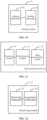
- Fig. 9 is a block diagram of a data transmission device, according to an exemplary embodiment not being part of the invention.
- the device is applied to a primary base station, and is configured to execute the data transmission method shown in Fig. 1 .
- the data transmission device may include a first configuration module 91, a second configuration module 92 and a sending module 93.
- the first configuration module 91 is configured to, in configuring a secondary base station for a terminal, configure a carrier parameter used by the secondary base station for the secondary base station.
- the second configuration module 92 is configured to configure an autonomous rejection rule for an inter-modulation distortion occurred between a carrier used by the secondary base station and a carrier used by the primary base station for the terminal.
- the sending module 93 is configured to send the carrier parameter and the autonomous rejection rule to the terminal.
- the primary base station is an LTE base station
- the secondary base station is an NR base station.
- the terminal may determine the carrier used by the secondary base station according to the carrier parameter configured by the primary base station and, when the inter-modulation distortion occurs between the carrier used by the secondary base station and the carrier used by the primary base station, determine the autonomously rejected carrier according to the autonomous rejection rule configured by the primary base station and perform data transmission with the other carrier except the determined autonomously rejected carrier. Therefore, important downlink signaling reception or important uplink signaling transmission of the terminal is ensured, and communication quality is improved.
- the autonomous rejection rule includes a specified number and a specified number of times.
- the specified number is configured for representing the number of consecutive subframes in a carrier, and the specified number of times is configured for representing the number of times that uplink subframe transmission is allowed to be autonomously rejected in the specified number of consecutive subframes.
- the specified number and the specified number of times are configured for the terminal, the specified number being configured for representing the number of the consecutive subframes in a carrier and the specified number of times being configured for representing the number of times that uplink subframe transmission is allowed to be autonomously rejected in the specified number of consecutive subframes.
- the terminal may determine a carrier meeting the specified number and the specified number of times as the autonomously rejected carrier and perform data transmission with the other carrier except the autonomously rejected carrier, so that the inter-modulation distortion is avoided, and reliability of data transmission is improved.
- the autonomous rejection rule further includes a specified carrier, and the specified carrier is configured for representing a carrier allowed to be autonomously rejected in carriers configured for the secondary base station by the primary base station.
- the specified carrier is configured for the terminal, and the specified carrier is configured for representing the carrier allowed to be autonomously rejected in the carriers configured for the secondary base station by the primary base station. Therefore, the terminal may directly determine the specified carrier as the autonomously rejected carrier and perform data transmission with the other carrier except the autonomously rejected carrier, so that efficiency in determining the autonomously rejected carrier by the terminal is improved, the inter-modulation distortion is also avoided, and the reliability of the data transmission is improved.
- Fig. 10 is a block diagram of another data transmission device, according to an exemplary embodiment not being part of the invention.
- the device is applied to a primary base station, and is established based on the device shown in Fig. 9 .
- the sending module 93 may include an addition submodule 101 and a sending submodule 102.
- the addition submodule 101 is configured to add the carrier parameter and the autonomous rejection rule into RRC connection configuration signaling.
- the sending submodule 102 is configured to send the RRC connection configuration signaling containing the carrier parameter and the autonomous rejection rule to the terminal, to enable the terminal to acquire the carrier parameter and the autonomous rejection rule from the RRC connection configuration signaling.
- the carrier parameter and autonomous rejection rule configured by the primary base station are added into the RRC connection configuration signaling and the RRC connection configuration signaling containing the carrier parameter and autonomous rejection rule configured by the primary base station is sent to the terminal. Therefore, the terminal may accurately and rapidly acquire the carrier parameter and autonomous rejection rule configured by the primary base station from the RRC connection configuration signaling, so that efficiency in acquiring configuration information of the primary base station by the terminal is improved.
- Fig. 11 is a block diagram of a data transmission device, according to an exemplary embodiment not being part of the invention.
- the device is applied to a terminal, and is configured to execute the data transmission method shown in Fig. 4 .
- the data transmission device may include a receiving module 111, a determination module 112 and a data transmission module 113.
- the receiving module 111 is configured to receive a carrier parameter and autonomous rejection rule sent by a primary base station.
- the carrier parameter is a carrier parameter configured for a secondary base station by the primary base station and used by the secondary base station
- the autonomous rejection rule is an autonomous rejection rule configured for the terminal by the primary base station for the terminal to address an inter-modulation distortion.
- the determination module 112 is configured to determine a carrier used by the secondary base station according to the carrier parameter.
- the data transmission module 113 is configured to, in response to the inter-modulation distortion occurring between the carrier used by the secondary base station and a carrier used by the primary base station, determine an autonomously rejected carrier according to the autonomous rejection rule and perform data transmission with another carrier except the autonomously rejected carrier.
- the primary base station is an LTE base station
- the secondary base station is an NR base station.
- the carrier parameter and autonomous rejection rule sent by the primary base station are received, the carrier used by the secondary base station is determined according to the carrier parameter configured by the primary base station, and when the inter-modulation distortion occurs between the carrier used by the secondary base station and the carrier used by the primary base station, the autonomously rejected carrier is determined according to the autonomous rejection rule configured by the primary base station and data transmission is performed with the other carrier except the determined autonomously rejected carrier. Therefore, important downlink signaling reception or important uplink signaling transmission of the terminal is ensured, and communication quality is improved.
- Fig. 12 is a block diagram of another data transmission device, according to an exemplary embodiment not being part of the invention.
- the device is applied to a terminal, and is established based on the device shown in Fig. 11 .
- the data transmission device may include the following submodules.
- the receiving module 111 may include a receiving submodule 121 and an acquisition submodule 122.
- the receiving submodule 121 is configured to receive RRC connection configuration signaling sent by the primary base station.
- the RRC connection configuration signaling contains the carrier parameter and the autonomous rejection rule.
- the acquisition submodule 122 is configured to acquire the carrier parameter and the autonomous rejection rule from the RRC connection configuration signaling.
- the RRC connection configuration signaling sent by the primary base station is received and the carrier parameter and autonomous rejection rule configured by the primary base station are acquired from the RRC connection configuration signaling, so that efficiency in acquiring configuration information of the primary base station by the terminal is improved.
- Fig. 13 is a block diagram of another data transmission device, according to an exemplary embodiment not being part of the invention.
- the device is applied to a terminal, and is established based on the device shown in Fig. 11 .
- the autonomous rejection rule includes a specified number and a specified number of times, the specified number is configured for representing the number of consecutive subframes in a carrier, and the specified number of times is configured for representing the number of times that uplink subframe transmission is allowed to be autonomously rejected in the specified number of consecutive subframes.
- the data transmission module 113 may include a first determination submodule 131 and a first transmission submodule 132.
- the first determination submodule 131 is configured to, in response to the inter-modulation distortion occurring between the carrier used by the secondary base station and the carrier used by the primary base station, determine, in the carrier used by the secondary base station and the carrier used by the primary base station, the carrier meeting the autonomous rejection rule as the autonomously rejected carrier.
- the first transmission submodule 132 is configured to perform data transmission with the other carrier except the autonomously rejected carrier.
- the carrier meeting the autonomous rejection rule configured by the primary base station is determined as the autonomously rejected carrier and data transmission is performed with the other carrier except the autonomously rejected carrier, so that the inter-modulation distortion is avoided, and reliability of data transmission is improved.
- Fig. 14 is a block diagram of another data transmission device, according to an exemplary embodiment not being part of the invention.
- the device is applied to a terminal, and is established based on the device shown in Fig. 13 .
- the first determination submodule 131 may include a second determination submodule 141.
- the second determination submodule 141 is configured to, in response to both the carrier used by the secondary base station and the carrier used by the primary base station meeting the autonomous rejection rule, determine the autonomously rejected carrier according to a transmission carrier required by data to be transmitted, the autonomously rejected carrier being different from the transmission carrier required by the data to be transmitted.
- the autonomously rejected carrier is determined according to the transmission carrier required by the data to be transmitted, and the autonomously rejected carrier is different from the transmission carrier required by the data to be transmitted, so that autonomous rejection manners for the terminal are enriched, and an applicability of data transmission is improved.
- Fig. 15 is a block diagram of another data transmission device, according to an exemplary embodiment not being part of the invention.
- the device is applied to a terminal, and is established based on the device shown in Fig. 13 .
- the autonomous rejection rule further includes a specified carrier, and the specified carrier is configured for representing a carrier allowed to be autonomously rejected in carriers configured for the secondary base station by the primary base station.
- the data transmission module 113 may include a third determination submodule 151 and a second transmission submodule 152.
- the third determination submodule 151 is configured to determine the specified carrier as the autonomously rejected carrier.
- the second transmission submodule 152 is configured to perform data transmission with the other carrier except the autonomously rejected carrier.
- the specified carrier configured by the primary base station is directly determined as the autonomously rejected carrier and data transmission is performed with the other carrier except the autonomously rejected carrier, so that efficiency in determining the autonomously rejected carrier by the terminal is improved, the inter-modulation distortion is also avoided, and the reliability of the data transmission is improved.
- the device substantially corresponds to the method embodiments, and thus related parts refer to part of descriptions of the method embodiments.
- the device described above is only schematic, units described as separate parts therein may or may not be physically separated, and parts displayed as units may or may not be physical units, and namely may be located in the same place or may also be distributed to multiple network units. Part or all of the modules therein may be selected according to a practical requirement to achieve the purpose of the solutions of the present invention. Those of ordinary skill in the art may understand and implement without creative work.
- the present invention also provides a non-transitory computer-readable storage medium having stored therein a computer program for executing the data transmission method shown in any one of Fig. 1 to Fig. 3 .
- the present invention also provides a non-transitory computer-readable storage medium having stored therein a computer program for executing the data transmission method shown in any one of Fig. 4 to Fig. 8 .
- the present invention also provides a data transmission device, which is applied to a primary base station and includes:
- the processor is configured to perform the following operations.
- a carrier parameter used by the secondary base station is configured for the secondary base station.
- An autonomous rejection rule for an inter-modulation distortion occurred between a carrier used by the secondary base station and a carrier used by the primary base station is configured for the terminal.
- the carrier parameter and the autonomous rejection rule are sent to the terminal.
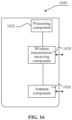
- Fig. 16 is a structure diagram of a data transmission device, according to an exemplary embodiment.
- the device 1600 may be provided as a base station.
- the device 1600 includes a processing component 1622, a wireless transmission/receiving component 1624, an antenna component 1626 and a wireless interface-specific signal processing part, and the processing component 1622 may further include one or more processors.
- One processor in the processing component 1622 may be configured to execute any of the data transmission methods.
- the present invention also provides a data transmission device, which is applied to a terminal and includes:
- the processor is configured to perform the following operations.
- a carrier parameter and autonomous rejection rule sent by a primary base station are received.
- the carrier parameter is a carrier parameter configured for a secondary base station by the primary base station and used by the secondary base station
- the autonomous rejection rule is an autonomous rejection rule configured for the terminal by the primary base station for the terminal to address an inter-modulation distortion.
- a carrier used by the secondary base station is determined according to the carrier parameter.
- an autonomously rejected carrier is determined according to the autonomous rejection rule and data transmission is performed with another carrier except the autonomously rejected carrier.
- Fig. 17 is a structure diagram of a data transmission device, according to an exemplary embodiment.
- Fig. 17 illustrates a data transmission device 1700 according to an exemplary embodiment.
- the device 1700 may be a terminal such as a computer, a mobile phone, a digital broadcast terminal, a messaging device, a gaming console, a tablet, a medical device, exercise equipment and a personal digital assistant.
- the device 1700 may include one or more of the following components: a processing component 1701, a memory 1702, a power component 1703, a multimedia component 1704, an audio component 1705, an Input/Output (I/O) interface 1706, a sensor component 1707, and a communication component 1708.
- the processing component 1701 typically controls overall operations of the device 1700, such as the operations associated with display, telephone calls, data communications, camera operations, and recording operations.
- the processing component 1701 may include one or more processors 1709 to execute instructions to perform all or part of the steps in the abovementioned method.
- the processing component 1701 may include one or more modules which facilitate interaction between the processing component 1701 and the other components.
- the processing component 1701 may include a multimedia module to facilitate interaction between the multimedia component 1704 and the processing component 1701.
- the memory 1702 is configured to store various types of data to support the operation of the device 1700. Examples of such data include instructions for any applications or methods operated on the device 1700, contact data, phonebook data, messages, pictures, video, etc.
- the memory 1702 may be implemented by any type of volatile or non-volatile memory devices, or a combination thereof, such as a Static Random Access Memory (SRAM), an Electrically Erasable Programmable Read-Only Memory (EEPROM), an Erasable Programmable Read-Only Memory (EPROM), a Programmable Read-Only Memory (PROM), a Read-Only Memory (ROM), a magnetic memory, a flash memory, a magnetic disk or an optical disk.
- SRAM Static Random Access Memory
- EEPROM Electrically Erasable Programmable Read-Only Memory
- EPROM Erasable Programmable Read-Only Memory
- PROM Programmable Read-Only Memory
- ROM Read-Only Memory
- the power component 1703 provides power for various components of the device 1700.
- the power component 1703 may include a power management system, one or more power supplies, and other components associated with generation, management and distribution of power for the device 1700.
- the multimedia component 1704 includes a screen that provides an output interface between the device 1700 and a user.
- the screen may include a Liquid Crystal Display (LCD) and a Touch Panel (TP). If the screen includes the TP, the screen may be implemented as a touch screen to receive an input signal from the user.
- the TP includes one or more touch sensors to sense touches, swipes and gestures on the TP. The touch sensors may not only sense a boundary of a touch or swipe action but also detect a duration and pressure associated with the touch or swipe action.
- the multimedia component 1704 includes a front camera and/or a rear camera.
- the front camera and/or the rear camera may receive external multimedia data when the device 1700 is in an operation mode, such as a photographing mode or a video mode.
- an operation mode such as a photographing mode or a video mode.
- Each of the front camera and the rear camera may be a fixed optical lens system or have focusing and optical zooming capabilities.
- the audio component 1705 is configured to output and/or input an audio signal.
- the audio component 1705 includes a Microphone (MIC), and the MIC is configured to receive an external audio signal when the device 1700 is in the operation mode, such as a call mode, a recording mode and a voice recognition mode.
- the received audio signal may further be stored in the memory 1702 or sent through the communication component 1708.
- the audio component 1705 further includes a speaker configured to output the audio signal.
- the I/O interface 1706 provides an interface between the processing component 1701 and a peripheral interface module, and the peripheral interface module may be a keyboard, a click wheel, a button and the like.
- the button may include, but not limited to: a home button, a volume button, a starting button and a locking button.
- the sensor component 1707 includes one or more sensors configured to provide status assessment in various aspects for the device 1700. For instance, the sensor component 1707 may detect an on/off status of the device 1700 and relative positioning of components, such as a display and small keyboard of the device 1700. The sensor component 1707 may further detect a change in a position of the device 1700 or a component of the device 1700, presence or absence of contact between the user and the device 1700, orientation or acceleration/deceleration of the device 1700 and a change in temperature of the device 1700.
- the sensor component 1707 may include a proximity sensor capable of detecting presence of nearby objects without any physical contact.
- the sensor component 1707 may also include a light sensor, such as a Complementary Metal Oxide Semiconductor (CMOS) or Charge Coupled Device (CCD) image sensor, configured for use in an imaging application.
- CMOS Complementary Metal Oxide Semiconductor
- CCD Charge Coupled Device
- the sensor component 1707 may also include an acceleration sensor, a gyroscope sensor, a magnetic sensor, a pressure sensor or a temperature sensor.
- the communication component 1708 is configured to facilitate wired or wireless communication between the device 1700 and another device.
- the device 1700 may access a communication-standard-based wireless network, such as a Wireless Fidelity (WiFi) network, a 2nd-Generation (2G) or 3rd-Generation (3G) network or a combination thereof.
- WiFi Wireless Fidelity
- 2G 2nd-Generation
- 3G 3rd-Generation
- the communication component 1708 receives a broadcast signal or broadcast associated information from an external broadcast management system through a broadcast channel.
- the communication component 1708 further includes a Near Field Communication (NFC) module to facilitate short-range communication.
- NFC Near Field Communication
- the NFC module may be implemented based on a Radio Frequency Identification (RFID) technology, an Infrared Data Association (IrDA) technology, an Ultra-WideBand (UWB) technology, a Bluetooth (BT) technology and another technology.
- RFID Radio Frequency Identification
- IrDA Infrared Data Association
- UWB Ultra-WideBand
- BT Bluetooth
- the device 1700 may be implemented by one or more Application Specific Integrated Circuits (ASICs), Digital Signal Processors (DSPs), Digital Signal Processing Devices (DSPDs), Programmable Logic Devices (PLDs), Field Programmable Gate Arrays (FPGAs), controllers, micro-controllers, microprocessors or other electronic components, and is configured to execute the abovementioned method.
- ASICs Application Specific Integrated Circuits
- DSPs Digital Signal Processors
- DSPDs Digital Signal Processing Devices
- PLDs Programmable Logic Devices
- FPGAs Field Programmable Gate Arrays
- controllers micro-controllers, microprocessors or other electronic components, and is configured to execute the abovementioned method.
- a non-transitory computer-readable storage medium including instructions, such as the memory 1702 including instructions, and the instructions may be executed by the processor 1709 of the device 1700 to implement the abovementioned method.
- the non-transitory computer-readable storage medium may be a ROM, a Random Access Memory (RAM), a Compact Disc Read-Only Memory (CD-ROM), a magnetic tape, a floppy disc, an optical data storage device and the like.
- the instructions in the storage medium are executed by the processor to enable the device 1700 to execute any of the above data transmission methods.
Landscapes
- Engineering & Computer Science (AREA)
- Signal Processing (AREA)
- Computer Networks & Wireless Communication (AREA)
- Computer Security & Cryptography (AREA)
- Mobile Radio Communication Systems (AREA)
Claims (13)
- Ein Datenübertragungsverfahren, das von einer primären Basisstation durchgeführt wird, wobei das Verfahren Folgendes umfasst:Bestimmen einer Angabe eines ersten Trägers für die Kommunikation zwischen der primären Basisstation und einem Endgerät;Bestimmen einer Angabe eines zweiten Trägers für die Kommunikation zwischen einer sekundären Basisstation und dem Endgerät; undSenden (130) eines Parameters und einer Angabe einer Ablehnungsregel an das Endgerät, wobei der Parameter zur Bestimmung des zweiten Trägers dient, wobei die Ablehnungsregel eine Regel für das Endgerät ist, um beim Auftreten von Intermodulationsverzerrungen beim Downlink-Empfang, die durch gleichzeitige Uplink-Übertragungen auf dem ersten Träger und dem zweiten Träger verursacht werden, zwischen Folgendem zu wählen:Durchführen einer Datenübertragung auf dem ersten Träger, aber nicht auf dem zweiten Träger, wobei der zweite Träger als abgelehnter Träger bezeichnet wird, undDurchführen einer Datenübertragung auf dem zweiten Träger, aber nicht auf dem ersten Träger, wobei der erste Träger als abgelehnter Träger bezeichnet wird,dadurch gekennzeichnet, dassdie Ablehnungsregel eine erste Zahl und eine zweite Zahl umfasst,die Datenübertragung auf dem ersten Träger und die Datenübertragung auf dem zweiten Träger Uplink-Unterrahmenübertragungen sind,die erste Zahl eine Anzahl von aufeinanderfolgenden Unterrahmen für die Anwendung der Auswahl durch die Ablehnungsregel ist; unddie zweite Zahl eine Anzahl von Malen ist, die es erlaubt, Uplink-Unterrahmenübertragungen auf dem abgelehnten Träger innerhalb der ersten Anzahl von aufeinanderfolgenden Unterrahmen abzulehnen.
- Das Verfahren nach Anspruch 1, wobei die primäre Basisstation eine Long Term Evolution- (LTE-) Basisstation ist und die sekundäre Basisstation eine New Radio- (NR-) Basisstation ist.
- Das Verfahren nach Anspruch 1, wobei die Angabe der Ablehnungsregel eine Angabe des zweiten Trägers umfasst und der zweite Träger der abgelehnte Träger ist.
- Das Verfahren nach Anspruch 1 oder 2, wobei das Senden des Parameters und die Angabe der Ablehnungsregel Folgendes umfasst:Hinzufügen (310) des Parameters und der Angabe der Ablehnungsregel zur Radio Resource Control- (RRC-) Verbindungskonfigurationssignalisierung; undSenden(320) der RRC-Verbindungskonfigurationssignalisierung an das Endgerät.
- Ein Datenübertragungsverfahren, das von einem Endgerät durchgeführt wird, wobei das Verfahren Folgendes umfasst:
Empfangen (410) eines Parameters und einer Angabe einer Ablehnungsregel von einer primären Basisstation, wobei der Parameter zur Bestimmung eines zweiten Trägers dient, wobei der zweite Träger zur Kommunikation zwischen einer sekundären Basisstation und dem Endgerät dient;für einen ersten Träger, der zur Kommunikation zwischen der primären Basisstation und dem Endgerät dient, Auswählen, gemäß der Ablehnungsregel, wenn eine Intermodulationsverzerrung beim Downlink-Empfang, verursacht durch gleichzeitige Uplink-Übertragungen auf dem ersten Träger und dem zweiten Träger, auftritt, zwischen:Durchführen einer Datenübertragung auf dem ersten Träger, aber nicht auf dem zweiten Träger, wobei der zweite Träger als abgelehnter Träger bezeichnet wird, undDurchführen einer Datenübertragung auf dem zweiten Träger, aber nicht auf dem ersten Träger, wobei der erste Träger als abgelehnter Träger bezeichnet wird, undDurchführen der ausgewählten Datenübertragung,dadurch gekennzeichnet, dassdie Ablehnungsregel eine erste Zahl und eine zweite Zahl umfasst,die Datenübertragung auf dem ersten Träger und die Datenübertragung auf dem zweiten Träger Uplink-Unterrahmenübertragungen sind,die erste Zahl eine Anzahl von aufeinanderfolgenden Unterrahmen für die Anwendung der Auswahl durch die Ablehnungsregel ist; unddie zweite Zahl eine Anzahl von Malen ist, die es erlaubt, Uplink-Unterrahmenübertragungen auf dem abgelehnten Träger innerhalb der ersten Anzahl von aufeinanderfolgenden Unterrahmen abzulehnen. - Das Verfahren nach Anspruch 5, wobei die primäre Basisstation eine Long Term Evolution- (LTE-) Basisstation ist und die sekundäre Basisstation eine New Radio- (NR-) Basisstation ist.
- Das Verfahren nach Anspruch 5 oder 6, wobei der Empfang des Parameters und die Angabe der Ablehnungsregel Folgendes umfasst:Empfangen (510) von Radio Resource Control- (RRC-) Verbindungskonfigurationssignalisierung, der von der primären Basisstation gesendet werde, wobei die RRC-Verbindungskonfigurationssignalisierung den Parameter und die Angabe der Ablehnungsregel enthalt; undErfassen (520) des Parameters und der Angabe der Ablehnungsregel aus der RRC-Verbindungskonfigurationssignalisierung.
- Das Verfahren nach Anspruch 5, wobeinach dem Bestimmen einer Anforderung, Daten auf dem ersten Träger zu übertragen, die Auswahl darin besteht, die Datenübertragung auf dem ersten Träger durchzuführen und den zweiten Träger als abgelehnten Träger zu haben, undnach dem Bestimmung einer Anforderung, Daten auf dem zweiten Träger zu übertragen, die Auswahl darin besteht, die Datenübertragung auf dem zweiten Träger durchzuführen und den ersten Träger als abgelehnten Träger zu haben.
- Das Verfahren nach Anspruch 5, wobei die Ablehnungsregel eine Angabe des zweiten Trägers umfasst und der zweite Träger der abgelehnte Träger ist.
- Eine Datenübertragungsvorrichtung, umfassend:einen Prozessor; undeinen Speicher, der vom Prozessor ausführbare Anweisungen speichert, um das Verfahren nach einem der Ansprüche 1-4 durchzuführen.
- Eine Datenübertragungsvorrichtung, umfassend:einen Prozessor; undeinen Speicher, der vom Prozessor ausführbare Anweisungen speichert, um das Verfahren nach einem der Ansprüche 5-9 durchzuführen.
- Ein Nichtflüchtiges, computerlesbares Speichermedium, auf dem ein Computerprogramm zur Ausführung des Datenübertragungsverfahrens nach einem der Ansprüche 1-4 gespeichert ist.
- Eine Nichtflüchtiges computerlesbares Speichermedium, auf dem ein Computerprogramm zur Ausführung des Datenübertragungsverfahrens nach einem der Ansprüche 5-9 gespeichert ist.
Applications Claiming Priority (1)
| Application Number | Priority Date | Filing Date | Title |
|---|---|---|---|
| PCT/CN2017/110537 WO2019090723A1 (zh) | 2017-11-10 | 2017-11-10 | 数据传输方法及装置 |
Publications (3)
| Publication Number | Publication Date |
|---|---|
| EP3706350A1 EP3706350A1 (de) | 2020-09-09 |
| EP3706350A4 EP3706350A4 (de) | 2021-07-07 |
| EP3706350B1 true EP3706350B1 (de) | 2024-01-17 |
Family
ID=65532949
Family Applications (1)
| Application Number | Title | Priority Date | Filing Date |
|---|---|---|---|
| EP17931557.7A Active EP3706350B1 (de) | 2017-11-10 | 2017-11-10 | Datenübertragungsverfahren und -vorrichtung |
Country Status (6)
| Country | Link |
|---|---|
| US (2) | US11431366B2 (de) |
| EP (1) | EP3706350B1 (de) |
| CN (1) | CN109451860B (de) |
| ES (1) | ES2973523T3 (de) |
| PL (1) | PL3706350T3 (de) |
| WO (1) | WO2019090723A1 (de) |
Families Citing this family (3)
| Publication number | Priority date | Publication date | Assignee | Title |
|---|---|---|---|---|
| PL3706350T3 (pl) * | 2017-11-10 | 2024-05-20 | Beijing Xiaomi Mobile Software Co., Ltd. | Sposób i urządzenie do transmisji danych |
| CN111093234B (zh) * | 2019-11-04 | 2024-11-26 | 中兴通讯股份有限公司 | 交叉流程的处理方法、装置、设备和存储介质 |
| US12185118B2 (en) * | 2021-07-21 | 2024-12-31 | At&T Intellectual Property I, L.P. | Dual connectivity cell selection with dynamic spectrum sharing |
Family Cites Families (10)
| Publication number | Priority date | Publication date | Assignee | Title |
|---|---|---|---|---|
| US9462593B2 (en) | 2012-05-04 | 2016-10-04 | Broadcom Corporation | Interference suppression for cellular networks |
| US20140126552A1 (en) * | 2012-11-02 | 2014-05-08 | Qualcomm Incorporated | Autonomous denial configurations for multi-radio coexistence |
| WO2014113990A1 (en) * | 2013-01-28 | 2014-07-31 | Qualcomm Incorporated | Ue transmitter sharing by gsm and lte |
| WO2016075046A1 (en) * | 2014-11-10 | 2016-05-19 | Telefonaktiebolaget L M Ericsson (Publ) | Reducing interference caused by uplink carrier aggregation |
| CN105704075A (zh) * | 2014-11-25 | 2016-06-22 | 中兴通讯股份有限公司 | 校正处理方法及装置 |
| CN106304403A (zh) * | 2015-06-10 | 2017-01-04 | 电信科学技术研究院 | 一种多连接建立方法及相关设备 |
| CN106330419A (zh) | 2015-06-26 | 2017-01-11 | 深圳市中兴微电子技术有限公司 | 一种解决干扰的方法及用户设备 |
| ES2914649T3 (es) | 2016-04-01 | 2022-06-15 | Huawei Tech Co Ltd | Sistema y método de conmutación, transmisión y mejoras SRS |
| CN107148085B (zh) | 2017-06-30 | 2019-03-01 | 维沃移动通信有限公司 | 一种载波聚合方法及移动终端 |
| PL3706350T3 (pl) * | 2017-11-10 | 2024-05-20 | Beijing Xiaomi Mobile Software Co., Ltd. | Sposób i urządzenie do transmisji danych |
-
2017
- 2017-11-10 PL PL17931557.7T patent/PL3706350T3/pl unknown
- 2017-11-10 CN CN201780001808.3A patent/CN109451860B/zh active Active
- 2017-11-10 US US16/760,739 patent/US11431366B2/en active Active
- 2017-11-10 ES ES17931557T patent/ES2973523T3/es active Active
- 2017-11-10 EP EP17931557.7A patent/EP3706350B1/de active Active
- 2017-11-10 WO PCT/CN2017/110537 patent/WO2019090723A1/zh not_active Ceased
-
2022
- 2022-07-26 US US17/815,074 patent/US11742884B2/en active Active
Also Published As
| Publication number | Publication date |
|---|---|
| US20200350936A1 (en) | 2020-11-05 |
| WO2019090723A1 (zh) | 2019-05-16 |
| CN109451860B (zh) | 2023-06-23 |
| EP3706350A1 (de) | 2020-09-09 |
| EP3706350A4 (de) | 2021-07-07 |
| US11742884B2 (en) | 2023-08-29 |
| US11431366B2 (en) | 2022-08-30 |
| ES2973523T3 (es) | 2024-06-20 |
| CN109451860A (zh) | 2019-03-08 |
| US20220368362A1 (en) | 2022-11-17 |
| PL3706350T3 (pl) | 2024-05-20 |
Similar Documents
| Publication | Publication Date | Title |
|---|---|---|
| EP3833081B1 (de) | Konfigurationsverfahren und vorrichtung zur anzeige einer übertragungskonfiguration | |
| US11937183B2 (en) | Method and device for monitoring power-saving signal | |
| EP4033813B1 (de) | Aktivierungsverfahren und -vorrichtung für übertragungskonfigurationsstatus und speichermedium | |
| US11191085B2 (en) | Method and apparatus for coordinating in-device coexistence interference, user equipment and communication device | |
| US11350394B2 (en) | Resource configuration method, apparatus, user equipment, and base station | |
| EP3905803A1 (de) | Datenübertragungsverfahren, basisstation, benutzergerät und speichermedium | |
| EP3644671B1 (de) | Verfahren und vorrichtung zur anzeige von funkträgern | |
| US11742884B2 (en) | Data transmission method and device, and communication system | |
| EP3709688B1 (de) | Verfahren und vorrichtung zur aktualisierung der übertragungsfähigkeit | |
| EP3713325B1 (de) | Verfahren und vorrichtung zur konfiguration von kommunikationsverbindungen | |
| CN108476446B (zh) | 蜂窝网络中实现全双工传输的方法、装置、设备及基站 | |
| EP4380240A1 (de) | Energiesparendes konfigurationsverfahren und vorrichtung | |
| EP4387297A1 (de) | Verfahren und vorrichtung zur durchführung kleiner datenübertragung, verfahren und vorrichtung zur bestimmung eines direktzugriffsnachrichtenübertragungsmodus, vorrichtung und speichermedium | |
| US11540294B2 (en) | Method and apparatus for eliminating intermodulation interference, user equipment and base station | |
| US12587294B2 (en) | Modulation and coding scheme (MCS) configuration method and apparatus, and communication device | |
| US11496281B2 (en) | Method and device for indicating transmission direction | |
| EP3694282B1 (de) | Verfahren zur kommunikationssteuerung und vorrichtung zur kommunikationssteuerung | |
| US20190132863A1 (en) | Data transmission method and device, and computer-readable storage medium | |
| EP3672316B1 (de) | Verfahren und vorrichtung zur signalisierungsdetektion, benutzergerät und basisstation | |
| US11871430B2 (en) | Downlink control channel receiving and transmitting method and device | |
| US11178654B2 (en) | Configuration method and device for downlink control information | |
| US12483962B2 (en) | Adjustment indication method and device, and communication link adjustment method and device | |
| CN114902713A (zh) | 一种信息传输方法、装置、设备及存储介质 |
Legal Events
| Date | Code | Title | Description |
|---|---|---|---|
| STAA | Information on the status of an ep patent application or granted ep patent |
Free format text: STATUS: THE INTERNATIONAL PUBLICATION HAS BEEN MADE |
|
| PUAI | Public reference made under article 153(3) epc to a published international application that has entered the european phase |
Free format text: ORIGINAL CODE: 0009012 |
|
| STAA | Information on the status of an ep patent application or granted ep patent |
Free format text: STATUS: REQUEST FOR EXAMINATION WAS MADE |
|
| 17P | Request for examination filed |
Effective date: 20200602 |
|
| AK | Designated contracting states |
Kind code of ref document: A1 Designated state(s): AL AT BE BG CH CY CZ DE DK EE ES FI FR GB GR HR HU IE IS IT LI LT LU LV MC MK MT NL NO PL PT RO RS SE SI SK SM TR |
|
| AX | Request for extension of the european patent |
Extension state: BA ME |
|
| DAV | Request for validation of the european patent (deleted) | ||
| DAX | Request for extension of the european patent (deleted) | ||
| A4 | Supplementary search report drawn up and despatched |
Effective date: 20210609 |
|
| RIC1 | Information provided on ipc code assigned before grant |
Ipc: H04L 5/00 20060101AFI20210603BHEP Ipc: H04J 11/00 20060101ALI20210603BHEP Ipc: H04L 25/03 20060101ALI20210603BHEP Ipc: H04W 72/04 20090101ALI20210603BHEP Ipc: H04W 72/08 20090101ALI20210603BHEP Ipc: H04W 72/12 20090101ALI20210603BHEP Ipc: H04W 88/06 20090101ALI20210603BHEP Ipc: H04W 88/10 20090101ALI20210603BHEP Ipc: H04B 1/10 20060101ALI20210603BHEP |
|
| GRAP | Despatch of communication of intention to grant a patent |
Free format text: ORIGINAL CODE: EPIDOSNIGR1 |
|
| STAA | Information on the status of an ep patent application or granted ep patent |
Free format text: STATUS: GRANT OF PATENT IS INTENDED |
|
| RIC1 | Information provided on ipc code assigned before grant |
Ipc: H04L 25/03 20060101ALI20230731BHEP Ipc: H04W 76/27 20180101ALI20230731BHEP Ipc: H04J 11/00 20060101ALI20230731BHEP Ipc: H04L 5/00 20060101AFI20230731BHEP |
|
| INTG | Intention to grant announced |
Effective date: 20230823 |
|
| RIC1 | Information provided on ipc code assigned before grant |
Ipc: H04L 25/03 20060101ALI20230811BHEP Ipc: H04W 76/27 20180101ALI20230811BHEP Ipc: H04J 11/00 20060101ALI20230811BHEP Ipc: H04W 88/06 20090101ALI20230811BHEP Ipc: H04L 5/00 20060101AFI20230811BHEP |
|
| P01 | Opt-out of the competence of the unified patent court (upc) registered |
Effective date: 20230925 |
|
| GRAS | Grant fee paid |
Free format text: ORIGINAL CODE: EPIDOSNIGR3 |
|
| GRAA | (expected) grant |
Free format text: ORIGINAL CODE: 0009210 |
|
| STAA | Information on the status of an ep patent application or granted ep patent |
Free format text: STATUS: THE PATENT HAS BEEN GRANTED |
|
| AK | Designated contracting states |
Kind code of ref document: B1 Designated state(s): AL AT BE BG CH CY CZ DE DK EE ES FI FR GB GR HR HU IE IS IT LI LT LU LV MC MK MT NL NO PL PT RO RS SE SI SK SM TR |
|
| REG | Reference to a national code |
Ref country code: GB Ref legal event code: FG4D |
|
| REG | Reference to a national code |
Ref country code: DE Ref legal event code: R096 Ref document number: 602017078612 Country of ref document: DE |
|
| REG | Reference to a national code |
Ref country code: CH Ref legal event code: EP |
|
| REG | Reference to a national code |
Ref country code: IE Ref legal event code: FG4D |
|
| REG | Reference to a national code |
Ref country code: NL Ref legal event code: FP |
|
| REG | Reference to a national code |
Ref country code: LT Ref legal event code: MG9D |
|
| REG | Reference to a national code |
Ref country code: AT Ref legal event code: MK05 Ref document number: 1651241 Country of ref document: AT Kind code of ref document: T Effective date: 20240117 |
|
| PG25 | Lapsed in a contracting state [announced via postgrant information from national office to epo] |
Ref country code: IS Free format text: LAPSE BECAUSE OF FAILURE TO SUBMIT A TRANSLATION OF THE DESCRIPTION OR TO PAY THE FEE WITHIN THE PRESCRIBED TIME-LIMIT Effective date: 20240517 |
|
| PG25 | Lapsed in a contracting state [announced via postgrant information from national office to epo] |
Ref country code: LT Free format text: LAPSE BECAUSE OF FAILURE TO SUBMIT A TRANSLATION OF THE DESCRIPTION OR TO PAY THE FEE WITHIN THE PRESCRIBED TIME-LIMIT Effective date: 20240117 |
|
| PG25 | Lapsed in a contracting state [announced via postgrant information from national office to epo] |
Ref country code: GR Free format text: LAPSE BECAUSE OF FAILURE TO SUBMIT A TRANSLATION OF THE DESCRIPTION OR TO PAY THE FEE WITHIN THE PRESCRIBED TIME-LIMIT Effective date: 20240418 |
|
| PG25 | Lapsed in a contracting state [announced via postgrant information from national office to epo] |
Ref country code: RS Free format text: LAPSE BECAUSE OF FAILURE TO SUBMIT A TRANSLATION OF THE DESCRIPTION OR TO PAY THE FEE WITHIN THE PRESCRIBED TIME-LIMIT Effective date: 20240417 Ref country code: HR Free format text: LAPSE BECAUSE OF FAILURE TO SUBMIT A TRANSLATION OF THE DESCRIPTION OR TO PAY THE FEE WITHIN THE PRESCRIBED TIME-LIMIT Effective date: 20240117 |
|
| PG25 | Lapsed in a contracting state [announced via postgrant information from national office to epo] |
Ref country code: AT Free format text: LAPSE BECAUSE OF FAILURE TO SUBMIT A TRANSLATION OF THE DESCRIPTION OR TO PAY THE FEE WITHIN THE PRESCRIBED TIME-LIMIT Effective date: 20240117 |
|
| PG25 | Lapsed in a contracting state [announced via postgrant information from national office to epo] |
Ref country code: RS Free format text: LAPSE BECAUSE OF FAILURE TO SUBMIT A TRANSLATION OF THE DESCRIPTION OR TO PAY THE FEE WITHIN THE PRESCRIBED TIME-LIMIT Effective date: 20240417 Ref country code: NO Free format text: LAPSE BECAUSE OF FAILURE TO SUBMIT A TRANSLATION OF THE DESCRIPTION OR TO PAY THE FEE WITHIN THE PRESCRIBED TIME-LIMIT Effective date: 20240417 Ref country code: LT Free format text: LAPSE BECAUSE OF FAILURE TO SUBMIT A TRANSLATION OF THE DESCRIPTION OR TO PAY THE FEE WITHIN THE PRESCRIBED TIME-LIMIT Effective date: 20240117 Ref country code: IS Free format text: LAPSE BECAUSE OF FAILURE TO SUBMIT A TRANSLATION OF THE DESCRIPTION OR TO PAY THE FEE WITHIN THE PRESCRIBED TIME-LIMIT Effective date: 20240517 Ref country code: HR Free format text: LAPSE BECAUSE OF FAILURE TO SUBMIT A TRANSLATION OF THE DESCRIPTION OR TO PAY THE FEE WITHIN THE PRESCRIBED TIME-LIMIT Effective date: 20240117 Ref country code: GR Free format text: LAPSE BECAUSE OF FAILURE TO SUBMIT A TRANSLATION OF THE DESCRIPTION OR TO PAY THE FEE WITHIN THE PRESCRIBED TIME-LIMIT Effective date: 20240418 Ref country code: FI Free format text: LAPSE BECAUSE OF FAILURE TO SUBMIT A TRANSLATION OF THE DESCRIPTION OR TO PAY THE FEE WITHIN THE PRESCRIBED TIME-LIMIT Effective date: 20240117 Ref country code: BG Free format text: LAPSE BECAUSE OF FAILURE TO SUBMIT A TRANSLATION OF THE DESCRIPTION OR TO PAY THE FEE WITHIN THE PRESCRIBED TIME-LIMIT Effective date: 20240117 Ref country code: AT Free format text: LAPSE BECAUSE OF FAILURE TO SUBMIT A TRANSLATION OF THE DESCRIPTION OR TO PAY THE FEE WITHIN THE PRESCRIBED TIME-LIMIT Effective date: 20240117 |
|
| PG25 | Lapsed in a contracting state [announced via postgrant information from national office to epo] |
Ref country code: PT Free format text: LAPSE BECAUSE OF FAILURE TO SUBMIT A TRANSLATION OF THE DESCRIPTION OR TO PAY THE FEE WITHIN THE PRESCRIBED TIME-LIMIT Effective date: 20240517 |
|
| PG25 | Lapsed in a contracting state [announced via postgrant information from national office to epo] |
Ref country code: SE Free format text: LAPSE BECAUSE OF FAILURE TO SUBMIT A TRANSLATION OF THE DESCRIPTION OR TO PAY THE FEE WITHIN THE PRESCRIBED TIME-LIMIT Effective date: 20240117 Ref country code: PT Free format text: LAPSE BECAUSE OF FAILURE TO SUBMIT A TRANSLATION OF THE DESCRIPTION OR TO PAY THE FEE WITHIN THE PRESCRIBED TIME-LIMIT Effective date: 20240517 Ref country code: LV Free format text: LAPSE BECAUSE OF FAILURE TO SUBMIT A TRANSLATION OF THE DESCRIPTION OR TO PAY THE FEE WITHIN THE PRESCRIBED TIME-LIMIT Effective date: 20240117 |
|
| PG25 | Lapsed in a contracting state [announced via postgrant information from national office to epo] |
Ref country code: DK Free format text: LAPSE BECAUSE OF FAILURE TO SUBMIT A TRANSLATION OF THE DESCRIPTION OR TO PAY THE FEE WITHIN THE PRESCRIBED TIME-LIMIT Effective date: 20240117 |
|
| PG25 | Lapsed in a contracting state [announced via postgrant information from national office to epo] |
Ref country code: SM Free format text: LAPSE BECAUSE OF FAILURE TO SUBMIT A TRANSLATION OF THE DESCRIPTION OR TO PAY THE FEE WITHIN THE PRESCRIBED TIME-LIMIT Effective date: 20240117 |
|
| REG | Reference to a national code |
Ref country code: DE Ref legal event code: R097 Ref document number: 602017078612 Country of ref document: DE |
|
| PG25 | Lapsed in a contracting state [announced via postgrant information from national office to epo] |
Ref country code: EE Free format text: LAPSE BECAUSE OF FAILURE TO SUBMIT A TRANSLATION OF THE DESCRIPTION OR TO PAY THE FEE WITHIN THE PRESCRIBED TIME-LIMIT Effective date: 20240117 Ref country code: CZ Free format text: LAPSE BECAUSE OF FAILURE TO SUBMIT A TRANSLATION OF THE DESCRIPTION OR TO PAY THE FEE WITHIN THE PRESCRIBED TIME-LIMIT Effective date: 20240117 |
|
| PG25 | Lapsed in a contracting state [announced via postgrant information from national office to epo] |
Ref country code: SK Free format text: LAPSE BECAUSE OF FAILURE TO SUBMIT A TRANSLATION OF THE DESCRIPTION OR TO PAY THE FEE WITHIN THE PRESCRIBED TIME-LIMIT Effective date: 20240117 |
|
| PG25 | Lapsed in a contracting state [announced via postgrant information from national office to epo] |
Ref country code: SM Free format text: LAPSE BECAUSE OF FAILURE TO SUBMIT A TRANSLATION OF THE DESCRIPTION OR TO PAY THE FEE WITHIN THE PRESCRIBED TIME-LIMIT Effective date: 20240117 Ref country code: SK Free format text: LAPSE BECAUSE OF FAILURE TO SUBMIT A TRANSLATION OF THE DESCRIPTION OR TO PAY THE FEE WITHIN THE PRESCRIBED TIME-LIMIT Effective date: 20240117 Ref country code: EE Free format text: LAPSE BECAUSE OF FAILURE TO SUBMIT A TRANSLATION OF THE DESCRIPTION OR TO PAY THE FEE WITHIN THE PRESCRIBED TIME-LIMIT Effective date: 20240117 Ref country code: DK Free format text: LAPSE BECAUSE OF FAILURE TO SUBMIT A TRANSLATION OF THE DESCRIPTION OR TO PAY THE FEE WITHIN THE PRESCRIBED TIME-LIMIT Effective date: 20240117 Ref country code: CZ Free format text: LAPSE BECAUSE OF FAILURE TO SUBMIT A TRANSLATION OF THE DESCRIPTION OR TO PAY THE FEE WITHIN THE PRESCRIBED TIME-LIMIT Effective date: 20240117 |
|
| PLBE | No opposition filed within time limit |
Free format text: ORIGINAL CODE: 0009261 |
|
| STAA | Information on the status of an ep patent application or granted ep patent |
Free format text: STATUS: NO OPPOSITION FILED WITHIN TIME LIMIT |
|
| 26N | No opposition filed |
Effective date: 20241018 |
|
| PG25 | Lapsed in a contracting state [announced via postgrant information from national office to epo] |
Ref country code: SI Free format text: LAPSE BECAUSE OF FAILURE TO SUBMIT A TRANSLATION OF THE DESCRIPTION OR TO PAY THE FEE WITHIN THE PRESCRIBED TIME-LIMIT Effective date: 20240117 |
|
| REG | Reference to a national code |
Ref country code: CH Ref legal event code: PL |
|
| PG25 | Lapsed in a contracting state [announced via postgrant information from national office to epo] |
Ref country code: MC Free format text: LAPSE BECAUSE OF FAILURE TO SUBMIT A TRANSLATION OF THE DESCRIPTION OR TO PAY THE FEE WITHIN THE PRESCRIBED TIME-LIMIT Effective date: 20240117 |
|
| PG25 | Lapsed in a contracting state [announced via postgrant information from national office to epo] |
Ref country code: LU Free format text: LAPSE BECAUSE OF NON-PAYMENT OF DUE FEES Effective date: 20241110 |
|
| REG | Reference to a national code |
Ref country code: CH Ref legal event code: PL |
|
| PG25 | Lapsed in a contracting state [announced via postgrant information from national office to epo] |
Ref country code: CH Free format text: LAPSE BECAUSE OF NON-PAYMENT OF DUE FEES Effective date: 20241130 |
|
| REG | Reference to a national code |
Ref country code: BE Ref legal event code: MM Effective date: 20241130 |
|
| PG25 | Lapsed in a contracting state [announced via postgrant information from national office to epo] |
Ref country code: BE Free format text: LAPSE BECAUSE OF NON-PAYMENT OF DUE FEES Effective date: 20241130 |
|
| PG25 | Lapsed in a contracting state [announced via postgrant information from national office to epo] |
Ref country code: IE Free format text: LAPSE BECAUSE OF NON-PAYMENT OF DUE FEES Effective date: 20241110 |
|
| PGFP | Annual fee paid to national office [announced via postgrant information from national office to epo] |
Ref country code: NL Payment date: 20251119 Year of fee payment: 9 |
|
| PGFP | Annual fee paid to national office [announced via postgrant information from national office to epo] |
Ref country code: DE Payment date: 20251119 Year of fee payment: 9 |
|
| PGFP | Annual fee paid to national office [announced via postgrant information from national office to epo] |
Ref country code: GB Payment date: 20251121 Year of fee payment: 9 |
|
| PGFP | Annual fee paid to national office [announced via postgrant information from national office to epo] |
Ref country code: IT Payment date: 20251125 Year of fee payment: 9 |
|
| PGFP | Annual fee paid to national office [announced via postgrant information from national office to epo] |
Ref country code: FR Payment date: 20251126 Year of fee payment: 9 |
|
| PGFP | Annual fee paid to national office [announced via postgrant information from national office to epo] |
Ref country code: PL Payment date: 20251031 Year of fee payment: 9 |
|
| PGFP | Annual fee paid to national office [announced via postgrant information from national office to epo] |
Ref country code: RO Payment date: 20251103 Year of fee payment: 9 |
|
| PGFP | Annual fee paid to national office [announced via postgrant information from national office to epo] |
Ref country code: ES Payment date: 20251229 Year of fee payment: 9 |
|
| PG25 | Lapsed in a contracting state [announced via postgrant information from national office to epo] |
Ref country code: HU Free format text: LAPSE BECAUSE OF FAILURE TO SUBMIT A TRANSLATION OF THE DESCRIPTION OR TO PAY THE FEE WITHIN THE PRESCRIBED TIME-LIMIT; INVALID AB INITIO Effective date: 20171110 |
|
| PG25 | Lapsed in a contracting state [announced via postgrant information from national office to epo] |
Ref country code: CY Free format text: LAPSE BECAUSE OF FAILURE TO SUBMIT A TRANSLATION OF THE DESCRIPTION OR TO PAY THE FEE WITHIN THE PRESCRIBED TIME-LIMIT; INVALID AB INITIO Effective date: 20171110 |