EP3703777B1 - Dextrosekonzentrat für das dialysat und zum desinfektieren - Google Patents
Dextrosekonzentrat für das dialysat und zum desinfektieren Download PDFInfo
- Publication number
- EP3703777B1 EP3703777B1 EP18801212.4A EP18801212A EP3703777B1 EP 3703777 B1 EP3703777 B1 EP 3703777B1 EP 18801212 A EP18801212 A EP 18801212A EP 3703777 B1 EP3703777 B1 EP 3703777B1
- Authority
- EP
- European Patent Office
- Prior art keywords
- concentrate
- disposable set
- dialysis fluid
- control unit
- treatment
- Prior art date
- Legal status (The legal status is an assumption and is not a legal conclusion. Google has not performed a legal analysis and makes no representation as to the accuracy of the status listed.)
- Active
Links
Images

Classifications
-
- A—HUMAN NECESSITIES
- A61—MEDICAL OR VETERINARY SCIENCE; HYGIENE
- A61M—DEVICES FOR INTRODUCING MEDIA INTO, OR ONTO, THE BODY; DEVICES FOR TRANSDUCING BODY MEDIA OR FOR TAKING MEDIA FROM THE BODY; DEVICES FOR PRODUCING OR ENDING SLEEP OR STUPOR
- A61M1/00—Suction or pumping devices for medical purposes; Devices for carrying-off, for treatment of, or for carrying-over, body-liquids; Drainage systems
- A61M1/14—Dialysis systems; Artificial kidneys; Blood oxygenators ; Reciprocating systems for treatment of body fluids, e.g. single needle systems for hemofiltration or pheresis
- A61M1/28—Peritoneal dialysis ; Other peritoneal treatment, e.g. oxygenation
- A61M1/282—Operational modes
- A61M1/284—Continuous flow peritoneal dialysis [CFPD]
-
- A—HUMAN NECESSITIES
- A61—MEDICAL OR VETERINARY SCIENCE; HYGIENE
- A61M—DEVICES FOR INTRODUCING MEDIA INTO, OR ONTO, THE BODY; DEVICES FOR TRANSDUCING BODY MEDIA OR FOR TAKING MEDIA FROM THE BODY; DEVICES FOR PRODUCING OR ENDING SLEEP OR STUPOR
- A61M1/00—Suction or pumping devices for medical purposes; Devices for carrying-off, for treatment of, or for carrying-over, body-liquids; Drainage systems
- A61M1/14—Dialysis systems; Artificial kidneys; Blood oxygenators ; Reciprocating systems for treatment of body fluids, e.g. single needle systems for hemofiltration or pheresis
- A61M1/15—Dialysis systems; Artificial kidneys; Blood oxygenators ; Reciprocating systems for treatment of body fluids, e.g. single needle systems for hemofiltration or pheresis with a cassette forming partially or totally the flow circuit for the treating fluid, e.g. the dialysate fluid circuit or the treating gas circuit
- A61M1/155—Dialysis systems; Artificial kidneys; Blood oxygenators ; Reciprocating systems for treatment of body fluids, e.g. single needle systems for hemofiltration or pheresis with a cassette forming partially or totally the flow circuit for the treating fluid, e.g. the dialysate fluid circuit or the treating gas circuit with treatment-fluid pumping means or components thereof
-
- A—HUMAN NECESSITIES
- A61—MEDICAL OR VETERINARY SCIENCE; HYGIENE
- A61M—DEVICES FOR INTRODUCING MEDIA INTO, OR ONTO, THE BODY; DEVICES FOR TRANSDUCING BODY MEDIA OR FOR TAKING MEDIA FROM THE BODY; DEVICES FOR PRODUCING OR ENDING SLEEP OR STUPOR
- A61M1/00—Suction or pumping devices for medical purposes; Devices for carrying-off, for treatment of, or for carrying-over, body-liquids; Drainage systems
- A61M1/14—Dialysis systems; Artificial kidneys; Blood oxygenators ; Reciprocating systems for treatment of body fluids, e.g. single needle systems for hemofiltration or pheresis
- A61M1/15—Dialysis systems; Artificial kidneys; Blood oxygenators ; Reciprocating systems for treatment of body fluids, e.g. single needle systems for hemofiltration or pheresis with a cassette forming partially or totally the flow circuit for the treating fluid, e.g. the dialysate fluid circuit or the treating gas circuit
- A61M1/156—Constructional details of the cassette, e.g. specific details on material or shape
- A61M1/1561—Constructional details of the cassette, e.g. specific details on material or shape at least one cassette surface or portion thereof being flexible, e.g. the cassette having a rigid base portion with preformed channels and being covered with a foil
-
- A—HUMAN NECESSITIES
- A61—MEDICAL OR VETERINARY SCIENCE; HYGIENE
- A61M—DEVICES FOR INTRODUCING MEDIA INTO, OR ONTO, THE BODY; DEVICES FOR TRANSDUCING BODY MEDIA OR FOR TAKING MEDIA FROM THE BODY; DEVICES FOR PRODUCING OR ENDING SLEEP OR STUPOR
- A61M1/00—Suction or pumping devices for medical purposes; Devices for carrying-off, for treatment of, or for carrying-over, body-liquids; Drainage systems
- A61M1/14—Dialysis systems; Artificial kidneys; Blood oxygenators ; Reciprocating systems for treatment of body fluids, e.g. single needle systems for hemofiltration or pheresis
- A61M1/15—Dialysis systems; Artificial kidneys; Blood oxygenators ; Reciprocating systems for treatment of body fluids, e.g. single needle systems for hemofiltration or pheresis with a cassette forming partially or totally the flow circuit for the treating fluid, e.g. the dialysate fluid circuit or the treating gas circuit
- A61M1/156—Constructional details of the cassette, e.g. specific details on material or shape
- A61M1/1565—Details of valves
-
- A—HUMAN NECESSITIES
- A61—MEDICAL OR VETERINARY SCIENCE; HYGIENE
- A61M—DEVICES FOR INTRODUCING MEDIA INTO, OR ONTO, THE BODY; DEVICES FOR TRANSDUCING BODY MEDIA OR FOR TAKING MEDIA FROM THE BODY; DEVICES FOR PRODUCING OR ENDING SLEEP OR STUPOR
- A61M1/00—Suction or pumping devices for medical purposes; Devices for carrying-off, for treatment of, or for carrying-over, body-liquids; Drainage systems
- A61M1/14—Dialysis systems; Artificial kidneys; Blood oxygenators ; Reciprocating systems for treatment of body fluids, e.g. single needle systems for hemofiltration or pheresis
- A61M1/15—Dialysis systems; Artificial kidneys; Blood oxygenators ; Reciprocating systems for treatment of body fluids, e.g. single needle systems for hemofiltration or pheresis with a cassette forming partially or totally the flow circuit for the treating fluid, e.g. the dialysate fluid circuit or the treating gas circuit
- A61M1/159—Dialysis systems; Artificial kidneys; Blood oxygenators ; Reciprocating systems for treatment of body fluids, e.g. single needle systems for hemofiltration or pheresis with a cassette forming partially or totally the flow circuit for the treating fluid, e.g. the dialysate fluid circuit or the treating gas circuit specially adapted for peritoneal dialysis
-
- A—HUMAN NECESSITIES
- A61—MEDICAL OR VETERINARY SCIENCE; HYGIENE
- A61M—DEVICES FOR INTRODUCING MEDIA INTO, OR ONTO, THE BODY; DEVICES FOR TRANSDUCING BODY MEDIA OR FOR TAKING MEDIA FROM THE BODY; DEVICES FOR PRODUCING OR ENDING SLEEP OR STUPOR
- A61M1/00—Suction or pumping devices for medical purposes; Devices for carrying-off, for treatment of, or for carrying-over, body-liquids; Drainage systems
- A61M1/14—Dialysis systems; Artificial kidneys; Blood oxygenators ; Reciprocating systems for treatment of body fluids, e.g. single needle systems for hemofiltration or pheresis
- A61M1/16—Dialysis systems; Artificial kidneys; Blood oxygenators ; Reciprocating systems for treatment of body fluids, e.g. single needle systems for hemofiltration or pheresis with membranes
- A61M1/1654—Dialysates therefor
- A61M1/1656—Apparatus for preparing dialysates
-
- A—HUMAN NECESSITIES
- A61—MEDICAL OR VETERINARY SCIENCE; HYGIENE
- A61M—DEVICES FOR INTRODUCING MEDIA INTO, OR ONTO, THE BODY; DEVICES FOR TRANSDUCING BODY MEDIA OR FOR TAKING MEDIA FROM THE BODY; DEVICES FOR PRODUCING OR ENDING SLEEP OR STUPOR
- A61M1/00—Suction or pumping devices for medical purposes; Devices for carrying-off, for treatment of, or for carrying-over, body-liquids; Drainage systems
- A61M1/14—Dialysis systems; Artificial kidneys; Blood oxygenators ; Reciprocating systems for treatment of body fluids, e.g. single needle systems for hemofiltration or pheresis
- A61M1/16—Dialysis systems; Artificial kidneys; Blood oxygenators ; Reciprocating systems for treatment of body fluids, e.g. single needle systems for hemofiltration or pheresis with membranes
- A61M1/168—Sterilisation or cleaning before or after use
- A61M1/169—Sterilisation or cleaning before or after use using chemical substances
-
- A—HUMAN NECESSITIES
- A61—MEDICAL OR VETERINARY SCIENCE; HYGIENE
- A61M—DEVICES FOR INTRODUCING MEDIA INTO, OR ONTO, THE BODY; DEVICES FOR TRANSDUCING BODY MEDIA OR FOR TAKING MEDIA FROM THE BODY; DEVICES FOR PRODUCING OR ENDING SLEEP OR STUPOR
- A61M1/00—Suction or pumping devices for medical purposes; Devices for carrying-off, for treatment of, or for carrying-over, body-liquids; Drainage systems
- A61M1/14—Dialysis systems; Artificial kidneys; Blood oxygenators ; Reciprocating systems for treatment of body fluids, e.g. single needle systems for hemofiltration or pheresis
- A61M1/28—Peritoneal dialysis ; Other peritoneal treatment, e.g. oxygenation
-
- A—HUMAN NECESSITIES
- A61—MEDICAL OR VETERINARY SCIENCE; HYGIENE
- A61M—DEVICES FOR INTRODUCING MEDIA INTO, OR ONTO, THE BODY; DEVICES FOR TRANSDUCING BODY MEDIA OR FOR TAKING MEDIA FROM THE BODY; DEVICES FOR PRODUCING OR ENDING SLEEP OR STUPOR
- A61M1/00—Suction or pumping devices for medical purposes; Devices for carrying-off, for treatment of, or for carrying-over, body-liquids; Drainage systems
- A61M1/14—Dialysis systems; Artificial kidneys; Blood oxygenators ; Reciprocating systems for treatment of body fluids, e.g. single needle systems for hemofiltration or pheresis
- A61M1/28—Peritoneal dialysis ; Other peritoneal treatment, e.g. oxygenation
- A61M1/285—Catheters therefor
-
- A—HUMAN NECESSITIES
- A61—MEDICAL OR VETERINARY SCIENCE; HYGIENE
- A61M—DEVICES FOR INTRODUCING MEDIA INTO, OR ONTO, THE BODY; DEVICES FOR TRANSDUCING BODY MEDIA OR FOR TAKING MEDIA FROM THE BODY; DEVICES FOR PRODUCING OR ENDING SLEEP OR STUPOR
- A61M1/00—Suction or pumping devices for medical purposes; Devices for carrying-off, for treatment of, or for carrying-over, body-liquids; Drainage systems
- A61M1/14—Dialysis systems; Artificial kidneys; Blood oxygenators ; Reciprocating systems for treatment of body fluids, e.g. single needle systems for hemofiltration or pheresis
- A61M1/28—Peritoneal dialysis ; Other peritoneal treatment, e.g. oxygenation
- A61M1/287—Dialysates therefor
-
- A—HUMAN NECESSITIES
- A61—MEDICAL OR VETERINARY SCIENCE; HYGIENE
- A61M—DEVICES FOR INTRODUCING MEDIA INTO, OR ONTO, THE BODY; DEVICES FOR TRANSDUCING BODY MEDIA OR FOR TAKING MEDIA FROM THE BODY; DEVICES FOR PRODUCING OR ENDING SLEEP OR STUPOR
- A61M1/00—Suction or pumping devices for medical purposes; Devices for carrying-off, for treatment of, or for carrying-over, body-liquids; Drainage systems
- A61M1/14—Dialysis systems; Artificial kidneys; Blood oxygenators ; Reciprocating systems for treatment of body fluids, e.g. single needle systems for hemofiltration or pheresis
- A61M1/16—Dialysis systems; Artificial kidneys; Blood oxygenators ; Reciprocating systems for treatment of body fluids, e.g. single needle systems for hemofiltration or pheresis with membranes
- A61M1/1654—Dialysates therefor
- A61M1/1656—Apparatus for preparing dialysates
- A61M1/166—Heating
-
- A—HUMAN NECESSITIES
- A61—MEDICAL OR VETERINARY SCIENCE; HYGIENE
- A61M—DEVICES FOR INTRODUCING MEDIA INTO, OR ONTO, THE BODY; DEVICES FOR TRANSDUCING BODY MEDIA OR FOR TAKING MEDIA FROM THE BODY; DEVICES FOR PRODUCING OR ENDING SLEEP OR STUPOR
- A61M1/00—Suction or pumping devices for medical purposes; Devices for carrying-off, for treatment of, or for carrying-over, body-liquids; Drainage systems
- A61M1/14—Dialysis systems; Artificial kidneys; Blood oxygenators ; Reciprocating systems for treatment of body fluids, e.g. single needle systems for hemofiltration or pheresis
- A61M1/16—Dialysis systems; Artificial kidneys; Blood oxygenators ; Reciprocating systems for treatment of body fluids, e.g. single needle systems for hemofiltration or pheresis with membranes
- A61M1/1694—Dialysis systems; Artificial kidneys; Blood oxygenators ; Reciprocating systems for treatment of body fluids, e.g. single needle systems for hemofiltration or pheresis with membranes with recirculating dialysing liquid
-
- A—HUMAN NECESSITIES
- A61—MEDICAL OR VETERINARY SCIENCE; HYGIENE
- A61M—DEVICES FOR INTRODUCING MEDIA INTO, OR ONTO, THE BODY; DEVICES FOR TRANSDUCING BODY MEDIA OR FOR TAKING MEDIA FROM THE BODY; DEVICES FOR PRODUCING OR ENDING SLEEP OR STUPOR
- A61M1/00—Suction or pumping devices for medical purposes; Devices for carrying-off, for treatment of, or for carrying-over, body-liquids; Drainage systems
- A61M1/14—Dialysis systems; Artificial kidneys; Blood oxygenators ; Reciprocating systems for treatment of body fluids, e.g. single needle systems for hemofiltration or pheresis
- A61M1/28—Peritoneal dialysis ; Other peritoneal treatment, e.g. oxygenation
- A61M1/288—Priming
-
- A—HUMAN NECESSITIES
- A61—MEDICAL OR VETERINARY SCIENCE; HYGIENE
- A61M—DEVICES FOR INTRODUCING MEDIA INTO, OR ONTO, THE BODY; DEVICES FOR TRANSDUCING BODY MEDIA OR FOR TAKING MEDIA FROM THE BODY; DEVICES FOR PRODUCING OR ENDING SLEEP OR STUPOR
- A61M2205/00—General characteristics of the apparatus
- A61M2205/12—General characteristics of the apparatus with interchangeable cassettes forming partially or totally the fluid circuit
-
- A—HUMAN NECESSITIES
- A61—MEDICAL OR VETERINARY SCIENCE; HYGIENE
- A61M—DEVICES FOR INTRODUCING MEDIA INTO, OR ONTO, THE BODY; DEVICES FOR TRANSDUCING BODY MEDIA OR FOR TAKING MEDIA FROM THE BODY; DEVICES FOR PRODUCING OR ENDING SLEEP OR STUPOR
- A61M2205/00—General characteristics of the apparatus
- A61M2205/75—General characteristics of the apparatus with filters
- A61M2205/7509—General characteristics of the apparatus with filters for virus
-
- A—HUMAN NECESSITIES
- A61—MEDICAL OR VETERINARY SCIENCE; HYGIENE
- A61M—DEVICES FOR INTRODUCING MEDIA INTO, OR ONTO, THE BODY; DEVICES FOR TRANSDUCING BODY MEDIA OR FOR TAKING MEDIA FROM THE BODY; DEVICES FOR PRODUCING OR ENDING SLEEP OR STUPOR
- A61M2205/00—General characteristics of the apparatus
- A61M2205/75—General characteristics of the apparatus with filters
- A61M2205/7518—General characteristics of the apparatus with filters bacterial
Definitions
- the cycler includes equipment programmed via its control unit to prepare fresh dialysis solution at the point of use, pump the freshly prepared dialysis fluid to a patient, allow the dialysis fluid to dwell within the patient, then pump used dialysis fluid to a drain. The above cycles are then repeated over the course of treatment.
- the cycler in one embodiment includes a heater under control of the control unit for heating the dialysis fluid as it is being mixed, so that dialysis fluid delivered to the patient is at least approximately at body temperature, e.g., about 37°C.
- the heater may for example be located at the top of a housing of the cycler, e.g., beneath a heating lid.
- control unit is further programmed to pump one of the concentrates used to make peritoneal dialysis fluid into the disposable set to disinfect the set between uses.
- the dextrose concentrate and the buffer concentrate may both be acidic and have average pH values lower than 7.0.
- Dextrose concentrate is more acidic than buffer concentrate. Dextrose is used accordingly for reuse in one preferred embodiment. It is believed that the disinfecting power of the concentrates, and in particular dextrose concentrate, is due to one or both of the low pH of the concentrate and/or the lower water activity of the concentrate. For example 50% or 70% dextrose concentrate solution may yield a water activity that helps to prevent the spread of bacteria and other organisms (yeast, mold, etc.).
- the renal failure therapy system is a peritoneal dialysis system and the dialysis pumping unit is a peritoneal dialysis cycler.
- the removed concentrate is replaced with water made suitable for treatment.
- Another method includes moving a last bag fill of dialysis fluid through the disposable set to perform a dialysis treatment between the removing and the disinfecting.
- Another method includes removing a prior delivered concentrate for disinfecting the at least a portion of the disposable set before mixing water made suitable for dialysis with the at least one concentrate.
- the examples described herein are applicable to any medical fluid therapy system that delivers a medical fluid that may be mixed at the point of use, prior to and/or during treatment, such as dialysis fluid, substitution fluid, or an intravenous drug.
- the examples are particularly well suited for kidney failure therapies, such as all forms of peritoneal dialysis (“PD"), hemodialysis (“HD”), hemofiltration (“HF”), hemodiafiltration (“HDF”) and continuous renal replacement therapies (“CRRT”), referred to herein collectively or generally individually as renal failure therapy.
- kidney failure therapies such as all forms of peritoneal dialysis (“PD”), hemodialysis (“HD”), hemofiltration (“HF”), hemodiafiltration (“HDF”) and continuous renal replacement therapies ("CRRT”), referred to herein collectively or generally individually as renal failure therapy.
- PD peritoneal dialysis
- HD hemodialysis
- HF hemofiltration
- HDF hemodiafiltration
- CRRT continuous renal replacement therapies
- the systems and methods described herein may be used in clinical
- the systems and methods may be used in a home PD or HD machine, which can for example be run at night while the patient is sleeping.
- the systems and methods discussed herein are also applicable to medical delivery or intravenous drug applications.
- the following examples will be described in the setting of a peritoneal dialysis system having extended use point of care dialysis fluid production but may instead be used to make extended use point of care treatment fluid for any of the above modalities.
- Control unit 22 further incudes a wired or wireless transceiver for sending information to and receiving information from a water purifier 110.
- Water purifier 110 also includes a control unit 112 having at least one processor and at least one memory.
- Control unit 112 further includes a wired or wireless transceiver for sending information to and receiving information from control unit 22 of cycler 20.
- Wired communication may be via Ethernet connection, for example.
- Wireless communication may be performed via any of Bluetooth TM , WiFi TM , Zigbee ® , Z-Wave ® , wireless Universal Serial Bus (“USB”), or infrared protocols, or via any other suitable wireless communication technology.
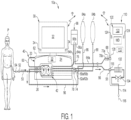
- Cycler 20 includes a housing 24, which holds equipment programmed via control unit 22 to prepare fresh dialysis solution at the point of use, pump the freshly prepared dialysis fluid to patient P, allow the dialysis fluid to dwell within patient P, then pump used dialysis fluid to a drain.
- water purifier includes a drain line 114 leading to a drain 116, which can be a house drain or a drain container.
- the equipment programmed via control unit 22 to prepare fresh dialysis solution at the point of use in an embodiment includes equipment for a pneumatic pumping system, including but not limited to (i) one or more positive pressure reservoir, (ii) one or more negative pressure reservoir, (iii) a compressor and a vacuum pump each under control of control unit 22, or a single pump creating both positive and negative pressure under control of control unit 22, to provide positive and negative pressure to be stored at the one or more positive and negative pressure reservoirs, (iv) plural pneumatic valve chambers for delivering positive and negative pressure to plural fluid valve chambers, (v) plural pneumatic pump chambers for delivering positive and negative pressure to plural fluid pump chambers, (vi) plural electrically actuated on/off pneumatic solenoid valves under control of control unit 22 located between the plural pneumatic valve chambers and the positive and negative pressure reservoirs, (vii) plural electrically actuated variable orifice pneumatic valves under control of control unit 22 located between the plural pneumatic pump chambers and the positive and negative pressure reservoirs, (viii)
- the plural pneumatic valve chambers and the plural pneumatic pump chambers are located on a front face or surface of housing 24 of cycler 20.
- the heater is located inside housing 24 and in an embodiment includes heating coils that contact a heating pan, which is located at the top of housing 24, beneath a heating lid (not seen in Fig. 1 ).
- Cycler 20 in the illustrated embodiment includes a user interface 30.
- Control unit 22 in an embodiment includes a video controller, which may have its own processing and memory for interacting with primary control processing and memory of control unit 22.
- User interface 30 includes a video monitor 32, which may operate with a touch screen overlay placed onto video monitor 32 for inputting commands via user interface 30 into control unit 22.
- User interface 30 may also include one or more electromechanical input device, such as a membrane switch or other button.
- Control unit 22 may further include an audio controller for playing sound files, such as voice activation commands, at one or more speaker 34.
- Water purifier 110 in the illustrated embodiment also includes a user interface 120.
- Control unit 112 of water purifier 110 in an embodiment includes a video controller, which may have its own processing and memory for interacting with primary control processing and memory of control unit 112.
- User interface 120 includes a video monitor 122, which may likewise operate with a touch screen overlay placed onto video monitor 122 for inputting commands into control unit 112.
- User interface 120 may also include one or more electromechanical input device, such as a membrane switch or other button.
- Control unit 112 may further include an audio controller for playing sound files, such as alarm or alert sounds, at one or more speaker 124 of water purifier 110.
- Disposable set 40 is also illustrated in Fig. 1 , mated to cycler 20 to move fluid within the disposable set 40, e.g., to mix dialysis fluid as discussed herein.
- Disposable set 40 in the illustrated embodiment includes a disposable cassette 42, which may include a planar rigid plastic piece covered on one or both sides by a flexible membrane. The membrane pressed against housing 24 of cycler 20 forms a pumping and valving membrane.
- Fig. 2 illustrates that disposable cassette 42 includes fluid pump chambers 44 that operate with the pneumatic pump chambers located at housing 24 of cycler 20 and fluid valve chambers 46 that operate with the pneumatic valve chambers located at housing 24 of cycler 20.
- Figs. 1 and 2 illustrate that disposable set 40 includes a patient line 50 that extends from a patient line port of cassette 42 and terminates at a patient line connector 52.
- Fig. 1 illustrates that patient line connector 52 connects to a patient transfer set 54, which in turn connects to an indwelling catheter located in the peritoneal cavity of patient P.
- Disposable set 40 includes a drain line 56 that extends from a drain line port of cassette 42 and terminates at a drain line connector 58.
- Fig. 1 illustrates that drain line connector 58 connects removeably to a drain connector 118 of water purifier 110.
- Water purifier 110 includes its own drain line 114 that runs from drain line connector 58 past a conductivity sensor 132 ahead of a solenoid drain valve 134, which is under the control of control unit 112 of the water purifier.
- conductivity sensor 132 is used to sense that concentrate has indeed been introduced into disposable set 40 (concentrate has a different conductivity than water). If control unit 112 receives a reading from conductivity sensor 132 indicating that disinfecting concentrate is present, control unit 112 sends an, e.g., wireless, signal to control unit 22 of cycler 20 indicating same. Control unit 22 may then cause user interface 30 to display a timer on video monitor 32 of cycler 20 that shows how long the disinfecting fluid has been disinfecting the disposable set. If no such signal is received at control unit 22 after a period of time in which control unit 22 expects such a signal, control unit 22 may provide an audio, visual or audiovisual alarm at user interface 30 indicating that an issue with disinfection needs to be addressed.
- Figs. 1 and 2 further illustrate that disposable set 40 includes a heater/mixing line 60 that extends from a heater/mixing line port of cassette 42 and terminates at a heater/mixing bag 62.
- Disposable set 40 includes an upstream water line segment 64a that extends to a water inlet 66a of water accumulator 66.
- a downstream water line segment 64b extends from a water outlet 66b of water accumulator 66 to cassette 42.
- upstream water line segment 64a begins at a water line connector 68 and is located upstream from water accumulator 66.
- Fig. 1 illustrates that water line connector 68 is removeably connected to a water outlet connector 128 of water purifier 110.
- Water purifier 110 outputs water and possibly water suitable for peritoneal dialysis ("WFPD").
- WFPD peritoneal dialysis
- a sterile sterilizing grade filter 70a is placed upstream from a downstream sterile sterilizing grade filter 70b, respectively.
- Filters 70a and 70b may be placed in water line segment 64a upstream of water accumulator 66.
- Sterile sterilizing grade filters 70a and 70b may be pass-through filters that do not have a reject line. Pore sizes for filters 70a and 70b may, for example, be less than a micron.
- Suitable sterile sterilizing grade filters 70a and 70b may be provided by the assignee of the present disclosure. In an embodiment, only one of upstream or downstream sterilizing filter 70a and 70b is needed to produce WFPD, nevertheless, two sterile sterilizing grade filters 70a and 70b are provided in the illustrated embodiment for redundancy in case one fails.
- Fig. 2 further illustrates that a last bag or sample line 72 may be provided that extends from a last bag or sample port of cassette 42.
- Last bag or sample line 72 terminates at a connector 74, which may be connected to a mating connector of a premixed last fill bag of dialysis fluid or to a sample bag or other sample collecting container.
- Last bag or sample line 72 and connector 74 may be used alternatively for a third type of concentrate if desired.
- Last bag or sample line 72 and connector 74 may also be used after treatment for the extended use disinfection discussed herein, where patient P disconnects patient connector 52 of patient line 50 from transfer set 54 and then reconnects patient connector 52 to connector 74 of line 72, forming a loop between patient line 50 and cassette 42 for a disinfecting concentrate to circulate between treatments to provide disinfection.
- drain line 56 is provided with a Y-connector or T-connector having a free port that is normally capped (not illustrated).
- patient P removes the cap from the free port of the Y-connector or T-connector and connects patient connector 52 to the free port.
- a loop is thereby formed between patient line 50, drain line 56 and cassette 42 for a disinfecting concentrate to circulate between treatments to provide disinfection.
- patient P when patient P disconnects patient connector 52 of patient line 50 from transfer set 54 after treatment, patient P applies, e.g., threads, a cap (not illustrated) onto patient connector 52.
- the cap may be provided with a disinfectant that spreads over patient connector 52 when applied.
- the cap may also be provided with a hydrophobic vent that vents air out of the patient line 50, allowing an easier flow of concentrate into the patient line for disinfection.
- Figs. 1 and 2 illustrate that disposable set 40 includes a first, e.g., dextrose, concentrate line 76 extending from a first concentrate port of cassette 42 and terminates at a first, e.g., dextrose, cassette concentrate connector 80a.
- a second, e.g., buffer, concentrate line 78 extends from a second concentrate port of cassette 42 and terminates at a second, e.g., buffer, cassette concentrate connector 82a.
- Fig. 1 illustrates that a first concentrate container 84a holds a first, e.g., dextrose, concentrate, which is pumped from container 84a through a container line 86 to a first container concentrate connector 80b, which mates with first cassette concentrate connector 80a.
- a second concentrate container 84b holds a second, e.g., buffer, concentrate, which is pumped from container 84b through a container line 88 to a second container concentrate connector 82b, which mates with second cassette concentrate connector 82a.
- a first concentrate container 84a holds a first, e.g., dextrose, concentrate, which is pumped from container 84a through a container line 86 to a first container concentrate connector 80b, which mates with first cassette concentrate connector 80a.
- a second concentrate container 84b holds a second, e.g., buffer, concentrate, which is pumped from container 84b through a container line 88 to a second container concentrate connector 82b, which mates with second
- dextrose concentrate is used in one embodiment to disinfect disposable set 40 between treatments. Assuming first concentrate container 84a and container line 86 to hold dextrose and second concentrate container 84b and container line 88 to hold buffer concentrate, it should be appreciated that because buffer concentrate is high in sodium chloride concentration and has high osmolality in low water activity, the buffer concentrate also displays an ability to disinfect, so that dextrose does not need to be introduced into buffer line 88 or buffer container 84b for disinfection. Similarly, it is believed that water accumulator 66 and upstream water line segment 64a do not need to receive disinfecting fluid between treatments. Downstream water line segment 64b may or may not receive disinfecting fluid between treatments.
- first and second concentrate containers 84a and 84b are sized in one embodiment to hold enough concentrate for the entire duration of a single disposable set 40 (e.g., 4 to 6 liters of dextrose for three treatments plus two disinfection sessions and 3 liters of buffer for three treatments), it is also possible to replace the concentrate containers after each treatment and associated disinfection.
- patient P When a new disposable set 40 is removed from its sterile packaging and used for the first time, patient P (or caregiver) in one procedure loads cassette 42 into cycler 20 and in a random or designated order (i) places heater/mixing bag 62 onto cycler 20, (ii) connects upstream water line segment 64a to water outlet connector 128 of water purifier 110, (iii) connects drain line 56 to drain connector 118 of water purifier 110, (iv) connects first cassette concentrate connector 80a to first container concentrate connector 80b, and (v) connects second cassette concentrate connector 82a to second container concentrate connector 82b. At this point, patient connector 52 is still capped.
- patient line 50 is primed with fresh dialysis fluid, after which patient P may connect patient line connector 52 to transfer set 54 for treatment.
- patient P may connect patient line connector 52 to transfer set 54 for treatment.
- control unit 22 of cycler 20 in an embodiment causes a vacuum to be pulled on the fluid pumping chambers of disposable cassette 42 with all cassette fluid valves closed except the cassette fluid valve to heater/mixing bag 62, causing air to move from the heater/mixing bag 62 to the fluid pump chambers.
- control unit 22 of cycler 20 causes the cassette fluid valve to heater/mixing bag 62 to close and the cassette fluid valve to drain line 56 to open, and apply a positive pressure to the fluid pump chambers to push air from the chambers to drain.
- the above cycle is repeated until the heater/mixing bag 62 is fully evacuated, pulling its sheets together. In this manner, the amount of disinfecting fluid needed to wet all internal surfaces of the heater/mixing bag 62 is minimized.
- the rigid portion of cassette 42 may be made for example of a thermal olefin polymer of amorphous structure ("TOPAS") cyclic olefin copolymer (“coc”).
- the flexible membranes of cassette 42 may be made for example of a copolyletser ether (“PCCE”) and may be of one or more layer. Any of the tubing or lines may be made for example of polyvinyl chloride (“PVC").
- any of the connectors may be made for example of acrylonitrile-butadienestyrene ("ABS", e.g., for the connectors of heater/mixing bag 62, for concentrate connectors 80a, 80b, 82a, 82b and the connectors for any other line of disposable cassette 42, including Y-connectors, T-connectors and caps for any of the lines), acrylic (e.g., for drain line connector 58) or PVC (e.g., for water line connector water line connector 68).
- Any of the bags or containers, such as heater/mixing bag or container 62 and concentrate bags or containers 84a and 84b may be made of PVC. The materials for any of the above components may be changed over time.
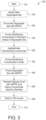
- method 150 illustrates one procedure for using concentrate such as dextrose, which is otherwise used to prepare dialysis fluid, to disinfect a disposable item for a dialysis treatment.
- concentrate such as dextrose
- method 150 begins.
- user interface 30 of cycler 20 prompts patient P to install a new disposable set 40 and walks patient P though setup.
- control unit 22 causes cycler 20 to prime disposable set 40 with WFPD.
- WFPD is in one method pumped to cassette 42, patient line 50, heater/mixing line 60 and bag 62, and drain line 56, sending air down drain lines 56 and 114 to drain 116.
- the concentrate lines leading to cassette 42 are primed using their respective concentrates in one method, but could be primed alternatively with WFPD.
- control unit 22 causes cycler 20 to pump a disinfecting concentrate, such as dextrose, to pertinent areas of disposable set 40.
- the pertinent areas of disposable set 40 include all fluid pathways, pump chambers and valve chambers of cassette 42, patient line 50, heater/mixing line 60, heater/mixing bag 62, at least a portion of drain line 56, and perhaps downstream water line segment 64b.
- the disinfecting concentrate is pumped to contact cassette 42 and at least a portion of drain line 56, and not to heater/mixing line 60, heater/mixing 62 and patient line 50.
- One primary goal of the present disclosure is to kill any bacteria or other organisms that may have entered set 40 when the concentrates are connected, which are then flushed to cassette 42 when the concentrate lines are primed using their respective concentrates.
- concentrate line 88 will then be disinfected via concentrate, e.g., buffer, via concentrate container 84b.
- cassette 42 is wetted first with dextrose concentrate via line 86 for disinfection.
- the remaining lines may be wetted in any desired order, e.g., (i) buffer concentrate line, (ii) heater/mixing line/bag, (ii) patient line, and (iii) drain line.
- heater/mixing bag 62 may be collapsed under negative pressure from cycler 20 prior to receiving disinfecting concentrate so as to limit the amount of disinfecting concentrate needed to properly wet the inner surfaces of the heater/mixing bag.
- control unit 22 causes cycler 20 to perform an optional disinfecting concentrate heating and/or agitation sequence.
- cycler 20 may cause its fluid heater to heat the disinfecting concentrate within heater/mixing bag 62 and then circulate the heated disinfecting fluid to different desired areas of disposable set 40.
- Cycler 20 may cause the disinfecting concentrate to reverse directions one or more times to aid the disinfecting concentrate in contacting all needed interior surfaces of disposable set 40.
- control unit 22 causes cycler 20 to pump the disinfecting concentrate down drain lines 56 and 114 to drain 116.
- disposable set 40 may be at least substantially dry and disinfected for an upcoming treatment.
- control unit 22 causes cycler 20 to again prime disposable set 40 with WFPD.
- WFPD is pumped to cassette 42, patient line 50, heater/mixing line 60 and bag 62, and drain line 56, sending air down drain lines 56 and 114 to drain 116 in one method, which helps to also flush any remnants of the disinfecting fluid also to drain. Priming may be performed alternatively after dialysis fluid made from WFPD is prepared using the dialysis fluid.
- control unit 22 causes cycler 20 to mix the same disinfecting concentrate, e.g., dextrose and an additional concentrate, e.g., buffer, with WFPD from water accumulator 66 to prepare dialysis fluid for treatment.
- a disinfecting concentrate e.g., dextrose and an additional concentrate, e.g., buffer
- conductivity sensor 132 in drain line 56 is used to provide feedback to control unit 22 indicating that the dialysis fluid has been mixed properly for treatment.
- control unit 22 causes cycler 20 to perform plural drain, fill and dwell cycles (assuming patient P is full initially with the previous day's last fill, otherwise cycle order is fill, dwell and drain). Each of the cycles removes additional patient fluid known as ultrafiltration, which is sent to drain. It is contemplated that heater/mixing bag 62 can hold multiple fill cycles' worth of dialysis fluid, however, cycler 20 may have to mix additional dialysis fluid during treatment.
- a last fill of a dialysis solution is provided to patient P.
- the last fill dialysis fluid is formulated to remain within patient P over a prolonged period of time, e.g., until a day exchange or until the next full treatment.
- method 150 ends.
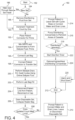
- method 180 illustrates one procedure for using concentrate such as dextrose, which is otherwise used to prepare dialysis fluid, to disinfect a disposable item between treatments, so that the disposable item may be used for multiple treatments.
- concentrate such as dextrose
- control unit determines whether a new disposable set 40 needs to be installed. It is contemplated that using the disinfecting concentrate between treatments allows the disposable set to be reused over multiple treatments but not indefinitely. Accordingly, a number of treatments that may be performed using a same disposable set 40 is to be determined either theoretically or empirically. For example, the same disposable set 40 may be used for three to five treatments with a concentrate disinfection between each of the treatments.
- Control unit 22 counts how many treatments have been performed using the same disposable set 40. At block 184, when the counted number reaches the limit, control unit 22 causes user interface 30 of cycler 20 to request that a new disposable set 40 be installed for the next treatment.
- user interface 30 may audibly, visually, or audiovisually tell the patient or caregiver to remove the existing set 40 at the end of treatment when the number of treatments limit has been reached and not perform a disinfecting concentrate.
- the used-up disposable set may remain connected to cycler 20 without receiving disinfecting concentrate until the next treatment, where, user interface 30 audibly, visually, or audiovisually tells the patient or caregiver to remove the existing set 40 and install a new disposable set 40.
- user interface 30 in the present treatment prompts the patient or caregiver to install a new disposable set 40 and audibly visually or audiovisually walks the user through the setup steps in one method.
- Cycler 20 pumps the currently residing disinfecting concentrate, e.g., dextrose, from heater/mixing bag 62, heater/mixing line 60, patient line 50, and dextrose concentrate line 86, through disposable cassette 42, down drain lines 56 and 114 to drain 116. Cycler 20 may also pump existing buffer concentrate from buffer line 86, through disposable cassette 42, down drain lines 56 and 114 to drain 116. At the end of block 188, disposable set 40 should be at least substantially free of the disinfecting concentrate dwelling within in disposable set 40 prior to treatment.
- disinfecting concentrate e.g., dextrose
- control unit 22 of cycler 20 increments a number of treatments counter by one. If a new disposable set 40 has instead been installed at cycler 20, control unit will still increment the number of treatments by one because system 10 in an embodiment is operable to fill disposable set 40 with disinfecting concentrate even if treatment is aborted. Once disposable set 40 is removed from its sterile packaging, it is prone to bacteria or other organisms even if treatment is aborted.
- a new or disinfected disposable set 40 installed at cycler 20 (e.g., cassette 42 loaded into cycler 20, heater/mixing bag 62 placed onto the heater of cycler 20, upstream water line segment 64a connected to water outlet connector 128 of water purifier 110, drain line 56 connected to drain connector 118 of water purifier 110, first cassette concentrate connector 80a connected to first container concentrate connector 80b, and second cassette concentrate connector 82a connected to second container concentrate connector 82b).
- Patient P maneuvers patient connector 52 into a position for priming, e.g., against a patient line prime clip/sensor provided by cycler 20.
- disposable set 40 patient P simply places the patient connector 52 into a priming clip/sensor on cycler 20 that holds connector 52 at a desired height for priming. If disposable set 40 is reused and patient connector 52 is connected to either cassette 42 or drain line 56, patient P removes the patient connector from the cassette or drain line, places the patient connector 52 into the priming clip/sensor on cycler 20, and caps the exposed port at the cassette or drain line. If disposable set 40 is reused and patient connector 52 is instead capped, patient P may leave the cap in place if vented or remove the cap if not vented and place the patient connector 52 into the priming clip/sensor on cycler 20.
- control unit 22 causes cycler 20 to mix WFPD with dextrose and buffer concentrates and to pump the mixture back and forth between cassette 42 and heater/mixing bag 62 in a mixing sequence, while heating the mixture at heater/mixing bag 62.
- control unit 22 causes cycler to prime any remaining areas of disposable set 40, e.g., patient line 50, which has been positioned for priming, pushing air to heater/mixing bag 62 and/or to drain 116.
- priming may be performed alternatively using WFPD only, after which dialysis fluid using WFPD is prepared.
- control unit 22 causes user interface 30 to prompt patient P or a caregiver to connect the last bag of dialysis fluid to last bag or sample line 72 of cassette 42.
- the last bag of dialysis fluid is different physiologically from the dialysis fluid made online in one method, so a new last bag may be used for each new treatment when the last bag is prescribed for the patient.
- Control unit 22 of cycler 20 opens the valve to last bag or sample line 72 of cassette 42 and pulls last bag solution into line 72 to prime the line, pushing air to heater/mixing bag 62 and/or drain.
- the last bag may be sized to hold enough last bag dialysis fluid for multiple, e.g., each, of the extended use treatments, so that patient P switches disposable set 40 and the last bag together at the end of the multiple extended use treatments. In such a case, block 196 is not needed.
- control unit 22 causes cycler 20 to perform plural drain, fill and dwell cycles (assuming patient P is full initially with the previous day's last fill, otherwise cycle order is fill, dwell and drain). Each of the cycles removes additional patient fluid known as ultrafiltration, which is sent to drain. It is contemplated that heater/mixing bag 62 can hold multiple fill cycles' worth of dialysis fluid, however, cycler 20 may have to mix additional dialysis fluid during treatment.
- control unit 22 causes cycler 20 to deliver a last bag fill to the patient.
- the last bag volume remains with patient P even after disconnection from disposable set 40 until manually drained on the next treatment.
- control unit 22 causes user interface 30 to prompt patient P to disconnect patient connector 52 from transfer set 54 and to (i) reconnect patient connector 52 to sample line 72 of cassette 42, (ii) reconnect patient connector 52 to drain line 56 or (iii) place a disinfectant cap on patient connector 52.
- control unit 22 causes cycler 20 to pump any dialysis fluid, concentrate, and/or water remaining in disposable set 40, through drain lines 56 and 114 to drain 116.
- Dialysis fluid from heater/mixing bag 62, heater/mixing line 60, patient line 50 and cassette 42 is pumped to drain 116.
- the draining of heater/mixing bag 62 in one method also collapses the heater/mixing bag under negative pressure from cycler 20. Doing so prior to receiving disinfecting concentrate limits the amount of disinfecting concentrate needed to properly wet the inner surfaces of the heater/mixing bag, e.g., to half the total volume of the bag.
- Any WFPD remaining in water accumulator 66 and associated lines 64a and 64b is also pumped to drain 116. Buffer in concentrate line 88 may also be removed to drain 116. Alternatively, WFPD remaining in water accumulator 66 and associated lines 64a and 64b and/or buffer in concentrate line 88 may be maintained within disposable set.
- heater/mixing bag 62 and line 60, concentrate bags 84a and 84b and associated lines, the last fill bag and line 72, and water accumulator 66 and associated lines are drained to empty. If it is determined at diamond 208 that the updated number of treatments has not reached the limit of treatments, and disposable set 40 is to be disinfected, then only heater/mixing bag 62 and line 60 water accumulator 66 and associated lines are drained in one method. It should be noted that methods 170 and 180 are not limited to the steps being performed in the order illustrated and described in Figs. 3 and 4 . For example, the determination at diamond 208 may be made well in advance, e.g., at diamond 184.
- control unit 22 at block 210 may cause user interface 30 to prompt patient P to either (i) disconnect upstream water line segment 64a and drain line 56 from water purifier 110, reconnect those lines together at connectors 68 and 58, and remove disposable set 40 from cycler or (ii) disconnect upstream water line segment 64a and drain line 56 from water purifier 110, reconnect those lines together at connectors 68 and 58, but leave disposable set 40 connected to cycler.
- method 180 ends.
- control unit 22 at block 214 may cause user interface 30 to prompt patient P to either (i) leave disposable set 40 connected to cycler with water line segment 64a and drain line 56 connected to water purifier 110 or (ii) disconnect upstream water line segment 64a and drain line 56 from water purifier 110, reconnect those lines together at connectors 68 and 58, and leave disposable set 40 connected to cycler.
- control unit 22 causes cycler 20 to pump a disinfecting concentrate, e.g., dextrose to disposable set 40, including cassette 42, heater/mixing line 60 and bag 62, patient line 50, and drain line 56.
- a disinfecting concentrate e.g., dextrose
- Cassette 42, heater/mixing line 60 and bag 62, patient line 50, and at least a portion of drain line 56 are in one alternative completely filled with the disinfecting concentrate to perform the disinfection.
- control unit 22 looks for a signal from control unit 112 of water purifier 110 indicating that conductivity sensor 132 ahead of a solenoid drain valve 134 sees the disinfecting concentrate, e.g., dextrose. If the disinfectant detected signal is not received in an expected amount of time, control unit 22 causes user interface 30 at block 220 to provide an audio, visual or audiovisual alarm indicating an issue with disinfection. Method 180 then ends at oval 212.
- control unit 22 If the disinfectant detected signal is received within the expected amount of time, control unit 22 at block 222 sends a signal, e.g., wireless, to control unit 112 of water purifier 110 to close solenoid drain valve 134 and begins running a disinfection timer, which may be displayed on user interface 30.
- control unit 22 causes cycler 20 to perform an optional disinfecting concentrate heating and/or agitation sequence.
- cycler 20 may cause its fluid heater to heat the disinfecting concentrate within heater/mixing bag 62 and then circulate the heated disinfecting fluid to different desired areas of disposable set 40.
- Cycler 20 alternatively or additionally may cause the disinfecting concentrate to reverse directions one or more times to aid the disinfecting concentrate in contacting all needed interior surfaces of disposable set 40.
- Method 180 then ends at oval 212.
- a log difference of > 1 log indicates growth of the test organisms
- a log difference of ⁇ 1 and > -1 indicates no growth or death of the test organisms
- a log difference of ⁇ -1 indicates death of the test organisms.
- the buffer concentrate which has a slight acidic pH of approximately 6.3
- most test organisms exhibited no growth or death, with two organisms exhibiting death.
- the dextrose concentrate which has a more acidic pH of 3.5, two test organisms exhibited no growth or death, with all other test organisms dying.
- the water activity of the concentrates may also play a role in their disinfecting (or organism growth stunting) properties.
Landscapes
- Health & Medical Sciences (AREA)
- Heart & Thoracic Surgery (AREA)
- Urology & Nephrology (AREA)
- Emergency Medicine (AREA)
- Hematology (AREA)
- General Health & Medical Sciences (AREA)
- Anesthesiology (AREA)
- Biomedical Technology (AREA)
- Vascular Medicine (AREA)
- Life Sciences & Earth Sciences (AREA)
- Animal Behavior & Ethology (AREA)
- Engineering & Computer Science (AREA)
- Public Health (AREA)
- Veterinary Medicine (AREA)
- Chemical & Material Sciences (AREA)
- Chemical Kinetics & Catalysis (AREA)
- General Chemical & Material Sciences (AREA)
- External Artificial Organs (AREA)
Claims (15)
- Ein Niereninsuffizienz-Therapiesystem (10), welches Folgendes umfasst:eine Dialyseflüssigkeitspumpeneinheit (20) mit einer Dialyseflüssigkeitspumpe;ein Einwegset (40), das mit der Dialyseflüssigkeitspumpeneinheit betrieben werden kann, so dass die Dialyseflüssigkeitspumpe Dialyseflüssigkeit aus dem Einwegset pumpen kann;ein Konzentrat in Flüssigkeitsverbindung mit dem Einwegset, wobei das Konzentrat zur Herstellung der Dialyseflüssigkeit verwendet wird;einen Leitfähigkeitssensor (132), der so konfiguriert ist, dass er erkennt, wann das Konzentrat in das Einwegset eingeführt wurde; undeine Steuereinheit (22), die die Dialyseflüssigkeitspumpe betreibt,dadurch gekennzeichnet, dass die Steuereinheit konfiguriert ist, um:(i) zu veranlassen, dass ein Teil des Konzentrats zumindest einen Teil des Einwegsets zwischen den Behandlungen füllt, wobei das Konzentrat als Desinfektionsmittel wirkt, so dass dasselbe Einwegset für mehrere Behandlungen mit der Dialyseflüssigkeitspumpeneinheit verwendet werden kann,(ii) eine Ausgabe des Leitfähigkeitssensors zu verwenden, um zu bestimmen, ob das Konzentrat den mindestens einen Teil des Einwegsets gefüllt hat,(iii) wenn das Konzentrat den mindestens einen Teil des Einwegsets nicht gefüllt hat, einen Alarm auszulösen, der auf ein Problem mit dem Konzentrat hinweist, und(iv) zu bestimmen, ob das Einwegset über das desinfizierende Konzentrat in (i) wieder verwendet werden darf.
- Das Niereninsuffizienz-Therapiesystem nach Anspruch 1, wobei die Steuereinheit (22) so konfiguriert ist, dass sie die Dialyseflüssigkeitspumpe veranlasst, den Teil des Konzentrats zu pumpen, um den mindestens einen Teil des Einwegsets (40) zwischen den Behandlungen zu füllen.
- Das Niereninsuffizienz-Therapiesystem nach Anspruch 1 oder 2, wobei es sich bei dem Niereninsuffizienz-Therapiesystem um ein Peritonealdialysesystem und bei der Dialysierflüssigkeitspumpe um einen Peritonealdialysecycler handelt.
- Das Niereninsuffizienz-Therapiesystem nach einem der Ansprüche 1 bis 3, wobei mindestens ein Teil des Einwegsets (40), welches das Konzentrat zwischen den Behandlungen aufbewahrt, eine Pumpkassette (42) umfasst, die mit der Dialyseflüssigkeitspumpe betrieben werden kann, und mindestens eine Leitung (50, 60, 72) in Flüssigkeitsverbindung mit der Pumpkassette enthält, wobei die Pumpkassette eine Patientenleitung (50) enthält und wobei (i) die Pumpkassette so konfiguriert ist, dass sie zwischen den Behandlungen an ein distales Ende der Patientenleitung angeschlossen werden kann, oder (ii) eine Kappe vorgesehen ist, um das distale Ende der Patientenleitung (50) zwischen den Behandlungen abzudecken.
- Das Niereninsuffizienz-Therapiesystem nach einem der Ansprüche 1 bis 4, wobei das Konzentrat Dextrose enthält.
- Das Niereninsuffizienz-Therapiesystem nach einem der Ansprüche 1 bis 5, das einen Vorrat an für die Behandlung geeignetem Wasser enthält, und bei dem die Steuereinheit (22) so konfiguriert ist, dass sie das Konzentrat mit dem für die Behandlung geeigneten Wasser mischt, um die Dialyseflüssigkeit zu bilden.
- Das Niereninsuffizienz-Therapiesystem nach Anspruch 6, wobei das Einwegset (40) einen Behälter (66) zum Sammeln von für die Behandlung geeignetem Wasser enthält und wobei der Sammelbehälter das Konzentrat zwischen den Behandlungen nicht aufnimmt.
- Das Niereninsuffizienz-Therapiesystem nach Anspruch 6 oder 7, wobei das Konzentrat ein erstes Konzentrat ist und ein zweites Konzentrat enthält und wobei die Steuereinheit (22) so konfiguriert ist, dass sie das erste und das zweite Konzentrat mit dem für die Behandlung geeigneten Wasser mischt, um die Dialyseflüssigkeit zu bilden.
- Das Niereninsuffizienz-Therapiesystem nach Anspruch 8, wobei das zweite Konzentrat zur Desinfektion einer zweiten Konzentratleitung (78) des Einwegsets (40) zwischen den Behandlungen verwendet wird.
- Das Niereninsuffizienz-Therapiesystem nach einem der Ansprüche 1 bis 9, wobei das Konzentrat in einem ersten Behälter (84a) in einer solchen Menge bereitgestellt wird, dass nach der Verwendung des Konzentrats zur Herstellung von Dialyseflüssigkeit für die Behandlung genügend Konzentrat übrig bleibt, um zumindest den Teil des Einwegsets (40) für die Desinfektion zu füllen, und wobei entweder genügend Konzentrat in dem ersten Behälter verbleibt, um Dialyseflüssigkeit für eine nachfolgende Behandlung weiter herzustellen, oder ein zweiter Behälter (84b) mit Konzentrat für die nachfolgende Behandlung verwendet wird.
- Das Niereninsuffizienz-Therapiesystem nach einem der Ansprüche 1 bis 10, wobei die Steuereinheit (22) so konfiguriert ist, dass sie die Dialyseflüssigkeitspumpe veranlasst, das Konzentrat vor der Zubereitung der Dialyseflüssigkeit für eine nachfolgende Behandlung aus dem mindestens einen Teil des Einwegsets (40) zu entfernen.
- Das Niereninsuffizienz-Therapiesystem nach einem der Ansprüche 1 bis 11, wobei das Einwegset (40) einen Heiz-/Mischbeutel (62) enthält und wobei die Steuereinheit (22) so programmiert ist, dass sie den Heiz-/Mischbeutel zum Kollabieren bringt, bevor das Konzentrat zur Desinfektion in den Heiz-/Mischbeutel eingeführt wird.
- Das Niereninsuffizienz-Therapiesystem nach einem der Ansprüche 1 bis 12, das einen letzten Beutel mit Dialyseflüssigkeit enthält, die anders formuliert ist als die Dialyseflüssigkeit, die aus dem zur Desinfektion verwendeten Konzentrat hergestellt wurde, und wobei der letzte Beutel mit ausreichend Dialyseflüssigkeit für eine einzelne Behandlung oder der letzte Beutel mit ausreichend Dialyseflüssigkeit für mehrere Behandlungen unter Verwendung desselben Einwegsets (40) versehen ist.
- Ein Niereninsuffizienz-Therapiesystem, welches Folgendes umfasst:eine Dialyseflüssigkeitspumpeneinheit (20) mit einer Dialyseflüssigkeitspumpe;ein Einwegset (40), das mit der Dialyseflüssigkeitspumpeneinheit betrieben werden kann, so dass die Dialyseflüssigkeitspumpe Dialyseflüssigkeit aus dem Einwegset pumpen kann;ein Konzentrat in Flüssigkeitsverbindung mit dem Einwegset, wobei das Konzentrat zur Herstellung der Dialyseflüssigkeit verwendet wird;einen Leitfähigkeitssensor (132), der so konfiguriert ist, dass er erkennt, wann das Konzentrat in das Einwegset eingeführt wurde; undeine Steuereinheit (22), die die Dialyseflüssigkeitspumpe betreibt,dadurch gekennzeichnet, dass die Steuereinheit konfiguriert ist, um:(i) zu veranlassen, dass ein Teil des Konzentrats zumindest einen Teil des Einwegsets vor der Behandlung füllt, wobei das Konzentrat als Desinfektionsmittel wirkt, umzumindest einen Teil des Einwegsets vor der Behandlung zu dezifizieren,(ii) eine Ausgabe des Leitfähigkeitssensors zu verwenden, um zu bestimmen, ob das Konzentrat den mindestens einen Teil des Einwegsets gefüllt hat,(iii) wenn das Konzentrat den mindestens einen Teil des Einwegsets nicht gefüllt hat, einen Alarm auszulösen, der auf ein Problem mit dem Konzentrat hinweist, und(iv) zu bestimmen, ob das Einwegset über das desinfizierende Konzentrat in (i) wieder verwendet werden darf.
- Das Niereninsuffizienz-Therapiesystem nach einem der Ansprüche 1 bis 14, wobei die Bestimmung, ob das Einwegset (40) über das Desinfektionskonzentrat wieder verwendet werden darf, das Erhöhen eines Zählers jedes Mal, wenn das Konzentrat als Desinfektionsmittel verwendet wird, und den Vergleich des Zählers mit einem Grenzwert einschließt.
Applications Claiming Priority (2)
| Application Number | Priority Date | Filing Date | Title |
|---|---|---|---|
| US201762578841P | 2017-10-30 | 2017-10-30 | |
| PCT/US2018/057977 WO2019089447A1 (en) | 2017-10-30 | 2018-10-29 | Dextrose concentrate for the dialysate and for disinfecting |
Publications (2)
| Publication Number | Publication Date |
|---|---|
| EP3703777A1 EP3703777A1 (de) | 2020-09-09 |
| EP3703777B1 true EP3703777B1 (de) | 2024-07-03 |
Family
ID=64277899
Family Applications (1)
| Application Number | Title | Priority Date | Filing Date |
|---|---|---|---|
| EP18801212.4A Active EP3703777B1 (de) | 2017-10-30 | 2018-10-29 | Dextrosekonzentrat für das dialysat und zum desinfektieren |
Country Status (4)
| Country | Link |
|---|---|
| US (1) | US20190125954A1 (de) |
| EP (1) | EP3703777B1 (de) |
| JP (1) | JP7125015B2 (de) |
| WO (1) | WO2019089447A1 (de) |
Cited By (1)
| Publication number | Priority date | Publication date | Assignee | Title |
|---|---|---|---|---|
| WO2026114845A1 (en) * | 2024-11-26 | 2026-06-04 | Gambro Lundia Ab | Medical fluid generation apparatus |
Families Citing this family (16)
| Publication number | Priority date | Publication date | Assignee | Title |
|---|---|---|---|---|
| JP6909506B2 (ja) | 2016-02-01 | 2021-07-28 | リベルディーアイ,リミテッド | コネクタを備えた透析システムポンプ |
| WO2017176695A1 (en) | 2016-04-04 | 2017-10-12 | Medtronic, Inc. | Peritoneal dialysate fluid generation system |
| US12329892B2 (en) | 2016-04-04 | 2025-06-17 | Mozarc Medical Us Llc | Dextrose concentration sensor for a peritoneal dialysis system |
| US12491301B2 (en) | 2016-04-04 | 2025-12-09 | Mozarc Medical Us Llc | Peritoneal dialysate preparation and sensor system |
| US10994064B2 (en) | 2016-08-10 | 2021-05-04 | Medtronic, Inc. | Peritoneal dialysate flow path sensing |
| MX2019008791A (es) | 2017-02-01 | 2019-09-26 | Liberdi Ltd | Dispositivo inteligente para dialisis peritoneal. |
| MX2022007673A (es) * | 2019-12-18 | 2022-09-29 | Liberdi Ltd | Sistemas, dispositivos y métodos para la producción y suministro de dialisado peritoneal. |
| EP4691513A3 (de) * | 2020-12-29 | 2026-04-08 | Vantive US Healthcare LLC | Dauerhaftes mehrzweck-peritonaldialysecycler mit desinfektion |
| ES3034088T3 (en) * | 2020-12-29 | 2025-08-12 | Baxter Int | Peritoneal dialysis cycler having heat cleaning |
| EP4301430A1 (de) * | 2021-03-01 | 2024-01-10 | Baxter International Inc. | Pod-pumpen-flüssigkeitsverwaltungssystem |
| CN117120118A (zh) * | 2021-04-09 | 2023-11-24 | 甘布罗伦迪亚股份公司 | 使用正向渗透有效生产透析流体的设备和方法 |
| US12433983B2 (en) | 2021-06-08 | 2025-10-07 | Baxter International Inc. | Online fluid generating peritoneal dialysis cycler |
| US12154673B2 (en) | 2021-08-02 | 2024-11-26 | Mozarc Medical Us Llc | Artificial intelligence assisted home therapy settings for dialysis |
| US11965763B2 (en) | 2021-11-12 | 2024-04-23 | Mozarc Medical Us Llc | Determining fluid flow across rotary pump |
| WO2023129945A1 (en) * | 2021-12-28 | 2023-07-06 | Baxter International Inc. | Peritoneal dialysis cycler having decreased ph disinfection |
| WO2026109419A1 (en) * | 2024-11-22 | 2026-05-28 | Gambro Lundia Ab | Storage of machines for generation of medical fluid |
Citations (7)
| Publication number | Priority date | Publication date | Assignee | Title |
|---|---|---|---|---|
| US20100312174A1 (en) | 2009-06-06 | 2010-12-09 | Hoffman Josef C A | Peritoneal Dialysis System |
| DE102009038213A1 (de) | 2009-08-20 | 2011-09-08 | Fresenius Medical Care Deutschland Gmbh | Desinfektionsmittel, dessen Verwendung und Desinfektionsverfahren |
| WO2012163737A1 (en) | 2011-05-27 | 2012-12-06 | Gambro Lundia Ab | Blood treatment apparatus adapted to preserve parts thereof |
| WO2013141896A1 (en) | 2012-03-23 | 2013-09-26 | Nxstage Medical, Inc. | Peritoneal dialysis systems, devices, and methods |
| WO2014155120A1 (en) | 2013-03-28 | 2014-10-02 | Quanta Fluid Solutions | Re-use of a hemodialysis cartridge |
| EP2714123B1 (de) * | 2011-05-24 | 2017-08-09 | DEKA Products Limited Partnership | Blutbehandlungssysteme und -verfahren |
| WO2018033566A1 (en) | 2016-08-18 | 2018-02-22 | Gambro Lundia Ab | Renal failure therapy system and method of cleaning using citric acid |
Family Cites Families (4)
| Publication number | Priority date | Publication date | Assignee | Title |
|---|---|---|---|---|
| US6254567B1 (en) * | 1999-02-26 | 2001-07-03 | Nxstage Medical, Inc. | Flow-through peritoneal dialysis systems and methods with on-line dialysis solution regeneration |
| MXPA05000816A (es) * | 2002-07-19 | 2005-04-28 | Baxter Int | Sistemas y metodos para realizar dialisis peritoneal. |
| CA2862208A1 (en) * | 2012-01-19 | 2013-07-25 | Baxter International Inc. | Method and composition for removing uremic toxins in dialysis processes |
| JP6936250B2 (ja) * | 2016-05-06 | 2021-09-15 | ガンブロ ルンディア アー・ベー | 使用場所での透析流体調製を有し、かつその試験を含む腹膜透析のためのシステムおよび方法 |
-
2018
- 2018-10-29 JP JP2020520272A patent/JP7125015B2/ja active Active
- 2018-10-29 US US16/173,609 patent/US20190125954A1/en not_active Abandoned
- 2018-10-29 WO PCT/US2018/057977 patent/WO2019089447A1/en not_active Ceased
- 2018-10-29 EP EP18801212.4A patent/EP3703777B1/de active Active
Patent Citations (7)
| Publication number | Priority date | Publication date | Assignee | Title |
|---|---|---|---|---|
| US20100312174A1 (en) | 2009-06-06 | 2010-12-09 | Hoffman Josef C A | Peritoneal Dialysis System |
| DE102009038213A1 (de) | 2009-08-20 | 2011-09-08 | Fresenius Medical Care Deutschland Gmbh | Desinfektionsmittel, dessen Verwendung und Desinfektionsverfahren |
| EP2714123B1 (de) * | 2011-05-24 | 2017-08-09 | DEKA Products Limited Partnership | Blutbehandlungssysteme und -verfahren |
| WO2012163737A1 (en) | 2011-05-27 | 2012-12-06 | Gambro Lundia Ab | Blood treatment apparatus adapted to preserve parts thereof |
| WO2013141896A1 (en) | 2012-03-23 | 2013-09-26 | Nxstage Medical, Inc. | Peritoneal dialysis systems, devices, and methods |
| WO2014155120A1 (en) | 2013-03-28 | 2014-10-02 | Quanta Fluid Solutions | Re-use of a hemodialysis cartridge |
| WO2018033566A1 (en) | 2016-08-18 | 2018-02-22 | Gambro Lundia Ab | Renal failure therapy system and method of cleaning using citric acid |
Cited By (1)
| Publication number | Priority date | Publication date | Assignee | Title |
|---|---|---|---|---|
| WO2026114845A1 (en) * | 2024-11-26 | 2026-06-04 | Gambro Lundia Ab | Medical fluid generation apparatus |
Also Published As
| Publication number | Publication date |
|---|---|
| JP7125015B2 (ja) | 2022-08-24 |
| WO2019089447A1 (en) | 2019-05-09 |
| EP3703777A1 (de) | 2020-09-09 |
| JP2021507729A (ja) | 2021-02-25 |
| US20190125954A1 (en) | 2019-05-02 |
Similar Documents
| Publication | Publication Date | Title |
|---|---|---|
| US20190125954A1 (en) | Dialysis system and method having extended use point of care dialysis fluid generation | |
| AU2020200961B2 (en) | System and method for performing alternative and sequential blood and peritoneal dialysis modalities | |
| EP3703774B1 (de) | Mischung zum online-erzeugung von medizinische flüssigkeiten | |
| JP7620064B2 (ja) | 滅菌フィルタおよび排出迂回部を伴う腹膜透析患者ライン | |
| EP4188476B1 (de) | Dialysesystem und verfahren mit einem strömungswegisolator | |
| EP3793636B1 (de) | Dialysetransferset mit filterintegritätsprüfung | |
| US20240424180A1 (en) | Peritoneal dialysis cycler using sorbent | |
| CN119343157A (zh) | 具有包括防滴液的增强特征的透析系统 | |
| JP2024540171A (ja) | デュアルルーメン患者ラインを伴う腹膜透析システムおよび閉塞の検出方法 | |
| CN118450914A (zh) | 具有降低的ph消毒的腹膜透析循环仪 | |
| US20250009950A1 (en) | Peritoneal dialysis system including a patient line filter having a tubular membrane | |
| US20230414851A1 (en) | Dialysis system having a disinfection unit | |
| US20250009949A1 (en) | Peritoneal dialysis system having a capillary patient line filter | |
| US20240269363A1 (en) | Online fluid generating peritoneal dialysis cycler | |
| JP2025501115A (ja) | 空気支援型ポンピングシーケンスを有する腹膜透析システム |
Legal Events
| Date | Code | Title | Description |
|---|---|---|---|
| STAA | Information on the status of an ep patent application or granted ep patent |
Free format text: STATUS: UNKNOWN |
|
| STAA | Information on the status of an ep patent application or granted ep patent |
Free format text: STATUS: THE INTERNATIONAL PUBLICATION HAS BEEN MADE |
|
| PUAI | Public reference made under article 153(3) epc to a published international application that has entered the european phase |
Free format text: ORIGINAL CODE: 0009012 |
|
| STAA | Information on the status of an ep patent application or granted ep patent |
Free format text: STATUS: REQUEST FOR EXAMINATION WAS MADE |
|
| 17P | Request for examination filed |
Effective date: 20200407 |
|
| AK | Designated contracting states |
Kind code of ref document: A1 Designated state(s): AL AT BE BG CH CY CZ DE DK EE ES FI FR GB GR HR HU IE IS IT LI LT LU LV MC MK MT NL NO PL PT RO RS SE SI SK SM TR |
|
| AX | Request for extension of the european patent |
Extension state: BA ME |
|
| DAV | Request for validation of the european patent (deleted) | ||
| DAX | Request for extension of the european patent (deleted) | ||
| STAA | Information on the status of an ep patent application or granted ep patent |
Free format text: STATUS: EXAMINATION IS IN PROGRESS |
|
| 17Q | First examination report despatched |
Effective date: 20230216 |
|
| GRAP | Despatch of communication of intention to grant a patent |
Free format text: ORIGINAL CODE: EPIDOSNIGR1 |
|
| STAA | Information on the status of an ep patent application or granted ep patent |
Free format text: STATUS: GRANT OF PATENT IS INTENDED |
|
| INTG | Intention to grant announced |
Effective date: 20240129 |
|
| GRAS | Grant fee paid |
Free format text: ORIGINAL CODE: EPIDOSNIGR3 |
|
| GRAA | (expected) grant |
Free format text: ORIGINAL CODE: 0009210 |
|
| STAA | Information on the status of an ep patent application or granted ep patent |
Free format text: STATUS: THE PATENT HAS BEEN GRANTED |
|
| AK | Designated contracting states |
Kind code of ref document: B1 Designated state(s): AL AT BE BG CH CY CZ DE DK EE ES FI FR GB GR HR HU IE IS IT LI LT LU LV MC MK MT NL NO PL PT RO RS SE SI SK SM TR |
|
| REG | Reference to a national code |
Ref country code: CH Ref legal event code: EP |
|
| REG | Reference to a national code |
Ref country code: DE Ref legal event code: R096 Ref document number: 602018071350 Country of ref document: DE |
|
| REG | Reference to a national code |
Ref country code: LT Ref legal event code: MG9D |
|
| REG | Reference to a national code |
Ref country code: NL Ref legal event code: MP Effective date: 20240703 |
|
| PG25 | Lapsed in a contracting state [announced via postgrant information from national office to epo] |
Ref country code: PT Free format text: LAPSE BECAUSE OF FAILURE TO SUBMIT A TRANSLATION OF THE DESCRIPTION OR TO PAY THE FEE WITHIN THE PRESCRIBED TIME-LIMIT Effective date: 20241104 |
|
| REG | Reference to a national code |
Ref country code: AT Ref legal event code: MK05 Ref document number: 1699143 Country of ref document: AT Kind code of ref document: T Effective date: 20240703 |
|
| PG25 | Lapsed in a contracting state [announced via postgrant information from national office to epo] |
Ref country code: NL Free format text: LAPSE BECAUSE OF FAILURE TO SUBMIT A TRANSLATION OF THE DESCRIPTION OR TO PAY THE FEE WITHIN THE PRESCRIBED TIME-LIMIT Effective date: 20240703 |
|
| PG25 | Lapsed in a contracting state [announced via postgrant information from national office to epo] |
Ref country code: PT Free format text: LAPSE BECAUSE OF FAILURE TO SUBMIT A TRANSLATION OF THE DESCRIPTION OR TO PAY THE FEE WITHIN THE PRESCRIBED TIME-LIMIT Effective date: 20241104 Ref country code: NL Free format text: LAPSE BECAUSE OF FAILURE TO SUBMIT A TRANSLATION OF THE DESCRIPTION OR TO PAY THE FEE WITHIN THE PRESCRIBED TIME-LIMIT Effective date: 20240703 |
|
| PG25 | Lapsed in a contracting state [announced via postgrant information from national office to epo] |
Ref country code: NO Free format text: LAPSE BECAUSE OF FAILURE TO SUBMIT A TRANSLATION OF THE DESCRIPTION OR TO PAY THE FEE WITHIN THE PRESCRIBED TIME-LIMIT Effective date: 20241003 |
|
| PG25 | Lapsed in a contracting state [announced via postgrant information from national office to epo] |
Ref country code: GR Free format text: LAPSE BECAUSE OF FAILURE TO SUBMIT A TRANSLATION OF THE DESCRIPTION OR TO PAY THE FEE WITHIN THE PRESCRIBED TIME-LIMIT Effective date: 20241004 Ref country code: FI Free format text: LAPSE BECAUSE OF FAILURE TO SUBMIT A TRANSLATION OF THE DESCRIPTION OR TO PAY THE FEE WITHIN THE PRESCRIBED TIME-LIMIT Effective date: 20240703 Ref country code: PL Free format text: LAPSE BECAUSE OF FAILURE TO SUBMIT A TRANSLATION OF THE DESCRIPTION OR TO PAY THE FEE WITHIN THE PRESCRIBED TIME-LIMIT Effective date: 20240703 |
|
| PG25 | Lapsed in a contracting state [announced via postgrant information from national office to epo] |
Ref country code: BG Free format text: LAPSE BECAUSE OF FAILURE TO SUBMIT A TRANSLATION OF THE DESCRIPTION OR TO PAY THE FEE WITHIN THE PRESCRIBED TIME-LIMIT Effective date: 20240703 |
|
| PG25 | Lapsed in a contracting state [announced via postgrant information from national office to epo] |
Ref country code: LV Free format text: LAPSE BECAUSE OF FAILURE TO SUBMIT A TRANSLATION OF THE DESCRIPTION OR TO PAY THE FEE WITHIN THE PRESCRIBED TIME-LIMIT Effective date: 20240703 |
|
| PG25 | Lapsed in a contracting state [announced via postgrant information from national office to epo] |
Ref country code: IS Free format text: LAPSE BECAUSE OF FAILURE TO SUBMIT A TRANSLATION OF THE DESCRIPTION OR TO PAY THE FEE WITHIN THE PRESCRIBED TIME-LIMIT Effective date: 20241103 Ref country code: AT Free format text: LAPSE BECAUSE OF FAILURE TO SUBMIT A TRANSLATION OF THE DESCRIPTION OR TO PAY THE FEE WITHIN THE PRESCRIBED TIME-LIMIT Effective date: 20240703 |
|
| PG25 | Lapsed in a contracting state [announced via postgrant information from national office to epo] |
Ref country code: HR Free format text: LAPSE BECAUSE OF FAILURE TO SUBMIT A TRANSLATION OF THE DESCRIPTION OR TO PAY THE FEE WITHIN THE PRESCRIBED TIME-LIMIT Effective date: 20240703 Ref country code: CZ Free format text: LAPSE BECAUSE OF FAILURE TO SUBMIT A TRANSLATION OF THE DESCRIPTION OR TO PAY THE FEE WITHIN THE PRESCRIBED TIME-LIMIT Effective date: 20240703 |
|
| PG25 | Lapsed in a contracting state [announced via postgrant information from national office to epo] |
Ref country code: RS Free format text: LAPSE BECAUSE OF FAILURE TO SUBMIT A TRANSLATION OF THE DESCRIPTION OR TO PAY THE FEE WITHIN THE PRESCRIBED TIME-LIMIT Effective date: 20241003 Ref country code: ES Free format text: LAPSE BECAUSE OF FAILURE TO SUBMIT A TRANSLATION OF THE DESCRIPTION OR TO PAY THE FEE WITHIN THE PRESCRIBED TIME-LIMIT Effective date: 20240703 |
|
| PG25 | Lapsed in a contracting state [announced via postgrant information from national office to epo] |
Ref country code: RS Free format text: LAPSE BECAUSE OF FAILURE TO SUBMIT A TRANSLATION OF THE DESCRIPTION OR TO PAY THE FEE WITHIN THE PRESCRIBED TIME-LIMIT Effective date: 20241003 Ref country code: PL Free format text: LAPSE BECAUSE OF FAILURE TO SUBMIT A TRANSLATION OF THE DESCRIPTION OR TO PAY THE FEE WITHIN THE PRESCRIBED TIME-LIMIT Effective date: 20240703 Ref country code: NO Free format text: LAPSE BECAUSE OF FAILURE TO SUBMIT A TRANSLATION OF THE DESCRIPTION OR TO PAY THE FEE WITHIN THE PRESCRIBED TIME-LIMIT Effective date: 20241003 Ref country code: LV Free format text: LAPSE BECAUSE OF FAILURE TO SUBMIT A TRANSLATION OF THE DESCRIPTION OR TO PAY THE FEE WITHIN THE PRESCRIBED TIME-LIMIT Effective date: 20240703 Ref country code: IS Free format text: LAPSE BECAUSE OF FAILURE TO SUBMIT A TRANSLATION OF THE DESCRIPTION OR TO PAY THE FEE WITHIN THE PRESCRIBED TIME-LIMIT Effective date: 20241103 Ref country code: HR Free format text: LAPSE BECAUSE OF FAILURE TO SUBMIT A TRANSLATION OF THE DESCRIPTION OR TO PAY THE FEE WITHIN THE PRESCRIBED TIME-LIMIT Effective date: 20240703 Ref country code: GR Free format text: LAPSE BECAUSE OF FAILURE TO SUBMIT A TRANSLATION OF THE DESCRIPTION OR TO PAY THE FEE WITHIN THE PRESCRIBED TIME-LIMIT Effective date: 20241004 Ref country code: FI Free format text: LAPSE BECAUSE OF FAILURE TO SUBMIT A TRANSLATION OF THE DESCRIPTION OR TO PAY THE FEE WITHIN THE PRESCRIBED TIME-LIMIT Effective date: 20240703 Ref country code: ES Free format text: LAPSE BECAUSE OF FAILURE TO SUBMIT A TRANSLATION OF THE DESCRIPTION OR TO PAY THE FEE WITHIN THE PRESCRIBED TIME-LIMIT Effective date: 20240703 Ref country code: CZ Free format text: LAPSE BECAUSE OF FAILURE TO SUBMIT A TRANSLATION OF THE DESCRIPTION OR TO PAY THE FEE WITHIN THE PRESCRIBED TIME-LIMIT Effective date: 20240703 Ref country code: BG Free format text: LAPSE BECAUSE OF FAILURE TO SUBMIT A TRANSLATION OF THE DESCRIPTION OR TO PAY THE FEE WITHIN THE PRESCRIBED TIME-LIMIT Effective date: 20240703 Ref country code: AT Free format text: LAPSE BECAUSE OF FAILURE TO SUBMIT A TRANSLATION OF THE DESCRIPTION OR TO PAY THE FEE WITHIN THE PRESCRIBED TIME-LIMIT Effective date: 20240703 |
|
| REG | Reference to a national code |
Ref country code: DE Ref legal event code: R026 Ref document number: 602018071350 Country of ref document: DE |
|
| PLBI | Opposition filed |
Free format text: ORIGINAL CODE: 0009260 |
|
| PLAX | Notice of opposition and request to file observation + time limit sent |
Free format text: ORIGINAL CODE: EPIDOSNOBS2 |
|
| PG25 | Lapsed in a contracting state [announced via postgrant information from national office to epo] |
Ref country code: RO Free format text: LAPSE BECAUSE OF FAILURE TO SUBMIT A TRANSLATION OF THE DESCRIPTION OR TO PAY THE FEE WITHIN THE PRESCRIBED TIME-LIMIT Effective date: 20240703 Ref country code: DK Free format text: LAPSE BECAUSE OF FAILURE TO SUBMIT A TRANSLATION OF THE DESCRIPTION OR TO PAY THE FEE WITHIN THE PRESCRIBED TIME-LIMIT Effective date: 20240703 Ref country code: SM Free format text: LAPSE BECAUSE OF FAILURE TO SUBMIT A TRANSLATION OF THE DESCRIPTION OR TO PAY THE FEE WITHIN THE PRESCRIBED TIME-LIMIT Effective date: 20240703 |
|
| PG25 | Lapsed in a contracting state [announced via postgrant information from national office to epo] |
Ref country code: EE Free format text: LAPSE BECAUSE OF FAILURE TO SUBMIT A TRANSLATION OF THE DESCRIPTION OR TO PAY THE FEE WITHIN THE PRESCRIBED TIME-LIMIT Effective date: 20240703 |
|
| PG25 | Lapsed in a contracting state [announced via postgrant information from national office to epo] |
Ref country code: SK Free format text: LAPSE BECAUSE OF FAILURE TO SUBMIT A TRANSLATION OF THE DESCRIPTION OR TO PAY THE FEE WITHIN THE PRESCRIBED TIME-LIMIT Effective date: 20240703 Ref country code: IT Free format text: LAPSE BECAUSE OF FAILURE TO SUBMIT A TRANSLATION OF THE DESCRIPTION OR TO PAY THE FEE WITHIN THE PRESCRIBED TIME-LIMIT Effective date: 20240703 |
|
| 26 | Opposition filed |
Opponent name: QUANTA DIALYSIS TECHNOLOGIES LIMITED Effective date: 20250403 |
|
| REG | Reference to a national code |
Ref country code: CH Ref legal event code: PL |
|
| PG25 | Lapsed in a contracting state [announced via postgrant information from national office to epo] |
Ref country code: MC Free format text: LAPSE BECAUSE OF FAILURE TO SUBMIT A TRANSLATION OF THE DESCRIPTION OR TO PAY THE FEE WITHIN THE PRESCRIBED TIME-LIMIT Effective date: 20240703 |
|
| PG25 | Lapsed in a contracting state [announced via postgrant information from national office to epo] |
Ref country code: BE Free format text: LAPSE BECAUSE OF NON-PAYMENT OF DUE FEES Effective date: 20241031 Ref country code: LU Free format text: LAPSE BECAUSE OF NON-PAYMENT OF DUE FEES Effective date: 20241029 |
|
| PG25 | Lapsed in a contracting state [announced via postgrant information from national office to epo] |
Ref country code: CH Free format text: LAPSE BECAUSE OF NON-PAYMENT OF DUE FEES Effective date: 20241031 |
|
| PLBB | Reply of patent proprietor to notice(s) of opposition received |
Free format text: ORIGINAL CODE: EPIDOSNOBS3 |
|
| REG | Reference to a national code |
Ref country code: BE Ref legal event code: MM Effective date: 20241031 |
|
| PG25 | Lapsed in a contracting state [announced via postgrant information from national office to epo] |
Ref country code: SE Free format text: LAPSE BECAUSE OF FAILURE TO SUBMIT A TRANSLATION OF THE DESCRIPTION OR TO PAY THE FEE WITHIN THE PRESCRIBED TIME-LIMIT Effective date: 20240703 |
|
| PGFP | Annual fee paid to national office [announced via postgrant information from national office to epo] |
Ref country code: GB Payment date: 20250923 Year of fee payment: 8 |
|
| PGFP | Annual fee paid to national office [announced via postgrant information from national office to epo] |
Ref country code: FR Payment date: 20250923 Year of fee payment: 8 |
|
| PG25 | Lapsed in a contracting state [announced via postgrant information from national office to epo] |
Ref country code: IE Free format text: LAPSE BECAUSE OF NON-PAYMENT OF DUE FEES Effective date: 20241029 |
|
| REG | Reference to a national code |
Ref country code: GB Ref legal event code: 732E Free format text: REGISTERED BETWEEN 20251030 AND 20251105 |
|
| PGFP | Annual fee paid to national office [announced via postgrant information from national office to epo] |
Ref country code: DE Payment date: 20250923 Year of fee payment: 8 |
|
| PG25 | Lapsed in a contracting state [announced via postgrant information from national office to epo] |
Ref country code: HU Free format text: LAPSE BECAUSE OF FAILURE TO SUBMIT A TRANSLATION OF THE DESCRIPTION OR TO PAY THE FEE WITHIN THE PRESCRIBED TIME-LIMIT; INVALID AB INITIO Effective date: 20181029 |
|
| PG25 | Lapsed in a contracting state [announced via postgrant information from national office to epo] |
Ref country code: CY Free format text: LAPSE BECAUSE OF FAILURE TO SUBMIT A TRANSLATION OF THE DESCRIPTION OR TO PAY THE FEE WITHIN THE PRESCRIBED TIME-LIMIT; INVALID AB INITIO Effective date: 20181029 |
|
| PG25 | Lapsed in a contracting state [announced via postgrant information from national office to epo] |
Ref country code: TR Free format text: LAPSE BECAUSE OF FAILURE TO SUBMIT A TRANSLATION OF THE DESCRIPTION OR TO PAY THE FEE WITHIN THE PRESCRIBED TIME-LIMIT Effective date: 20240703 |
|
| PG25 | Lapsed in a contracting state [announced via postgrant information from national office to epo] |
Ref country code: SI Free format text: LAPSE BECAUSE OF FAILURE TO SUBMIT A TRANSLATION OF THE DESCRIPTION OR TO PAY THE FEE WITHIN THE PRESCRIBED TIME-LIMIT Effective date: 20240703 |
|
| PG25 | Lapsed in a contracting state [announced via postgrant information from national office to epo] |
Ref country code: LT Free format text: LAPSE BECAUSE OF FAILURE TO SUBMIT A TRANSLATION OF THE DESCRIPTION OR TO PAY THE FEE WITHIN THE PRESCRIBED TIME-LIMIT Effective date: 20240703 |