EP3702865B1 - Verfahren, system und computerprogrammprodukt zur steuerung einer bewegung eines fahrzeugs - Google Patents
Verfahren, system und computerprogrammprodukt zur steuerung einer bewegung eines fahrzeugs Download PDFInfo
- Publication number
- EP3702865B1 EP3702865B1 EP19159913.3A EP19159913A EP3702865B1 EP 3702865 B1 EP3702865 B1 EP 3702865B1 EP 19159913 A EP19159913 A EP 19159913A EP 3702865 B1 EP3702865 B1 EP 3702865B1
- Authority
- EP
- European Patent Office
- Prior art keywords
- sensor
- tactile
- vehicle
- interaction
- signal
- Prior art date
- Legal status (The legal status is an assumption and is not a legal conclusion. Google has not performed a legal analysis and makes no representation as to the accuracy of the status listed.)
- Active
Links
Images


Classifications
-
- G—PHYSICS
- G05—CONTROLLING; REGULATING
- G05D—SYSTEMS FOR CONTROLLING OR REGULATING NON-ELECTRIC VARIABLES
- G05D1/00—Control of position, course, altitude or attitude of land, water, air or space vehicles, e.g. using automatic pilots
- G05D1/0011—Control of position, course, altitude or attitude of land, water, air or space vehicles, e.g. using automatic pilots associated with a remote control arrangement
- G05D1/0016—Control of position, course, altitude or attitude of land, water, air or space vehicles, e.g. using automatic pilots associated with a remote control arrangement characterised by the operator's input device
-
- B—PERFORMING OPERATIONS; TRANSPORTING
- B62—LAND VEHICLES FOR TRAVELLING OTHERWISE THAN ON RAILS
- B62D—MOTOR VEHICLES; TRAILERS
- B62D1/00—Steering controls, i.e. means for initiating a change of direction of the vehicle
- B62D1/02—Steering controls, i.e. means for initiating a change of direction of the vehicle vehicle-mounted
-
- B—PERFORMING OPERATIONS; TRANSPORTING
- B60—VEHICLES IN GENERAL
- B60K—ARRANGEMENT OR MOUNTING OF PROPULSION UNITS OR OF TRANSMISSIONS IN VEHICLES; ARRANGEMENT OR MOUNTING OF PLURAL DIVERSE PRIME-MOVERS IN VEHICLES; AUXILIARY DRIVES FOR VEHICLES; INSTRUMENTATION OR DASHBOARDS FOR VEHICLES; ARRANGEMENTS IN CONNECTION WITH COOLING, AIR INTAKE, GAS EXHAUST OR FUEL SUPPLY OF PROPULSION UNITS IN VEHICLES
- B60K26/00—Arrangement or mounting of propulsion-unit control devices in vehicles
- B60K26/02—Arrangement or mounting of propulsion-unit control devices in vehicles of initiating means or elements
-
- B—PERFORMING OPERATIONS; TRANSPORTING
- B60—VEHICLES IN GENERAL
- B60K—ARRANGEMENT OR MOUNTING OF PROPULSION UNITS OR OF TRANSMISSIONS IN VEHICLES; ARRANGEMENT OR MOUNTING OF PLURAL DIVERSE PRIME-MOVERS IN VEHICLES; AUXILIARY DRIVES FOR VEHICLES; INSTRUMENTATION OR DASHBOARDS FOR VEHICLES; ARRANGEMENTS IN CONNECTION WITH COOLING, AIR INTAKE, GAS EXHAUST OR FUEL SUPPLY OF PROPULSION UNITS IN VEHICLES
- B60K35/00—Instruments specially adapted for vehicles; Arrangement of instruments in or on vehicles
- B60K35/10—Input arrangements, i.e. from user to vehicle, associated with vehicle functions or specially adapted therefor
-
- B—PERFORMING OPERATIONS; TRANSPORTING
- B60—VEHICLES IN GENERAL
- B60K—ARRANGEMENT OR MOUNTING OF PROPULSION UNITS OR OF TRANSMISSIONS IN VEHICLES; ARRANGEMENT OR MOUNTING OF PLURAL DIVERSE PRIME-MOVERS IN VEHICLES; AUXILIARY DRIVES FOR VEHICLES; INSTRUMENTATION OR DASHBOARDS FOR VEHICLES; ARRANGEMENTS IN CONNECTION WITH COOLING, AIR INTAKE, GAS EXHAUST OR FUEL SUPPLY OF PROPULSION UNITS IN VEHICLES
- B60K35/00—Instruments specially adapted for vehicles; Arrangement of instruments in or on vehicles
- B60K35/20—Output arrangements, i.e. from vehicle to user, associated with vehicle functions or specially adapted therefor
- B60K35/28—Output arrangements, i.e. from vehicle to user, associated with vehicle functions or specially adapted therefor characterised by the type of the output information, e.g. video entertainment or vehicle dynamics information; characterised by the purpose of the output information, e.g. for attracting the attention of the driver
-
- B—PERFORMING OPERATIONS; TRANSPORTING
- B62—LAND VEHICLES FOR TRAVELLING OTHERWISE THAN ON RAILS
- B62D—MOTOR VEHICLES; TRAILERS
- B62D15/00—Steering not otherwise provided for
- B62D15/02—Steering position indicators ; Steering position determination; Steering aids
- B62D15/027—Parking aids, e.g. instruction means
- B62D15/0285—Parking performed automatically
-
- G—PHYSICS
- G05—CONTROLLING; REGULATING
- G05D—SYSTEMS FOR CONTROLLING OR REGULATING NON-ELECTRIC VARIABLES
- G05D1/00—Control of position, course, altitude or attitude of land, water, air or space vehicles, e.g. using automatic pilots
- G05D1/0011—Control of position, course, altitude or attitude of land, water, air or space vehicles, e.g. using automatic pilots associated with a remote control arrangement
- G05D1/0033—Control of position, course, altitude or attitude of land, water, air or space vehicles, e.g. using automatic pilots associated with a remote control arrangement by having the operator tracking the vehicle either by direct line of sight or via one or more cameras located remotely from the vehicle
-
- B—PERFORMING OPERATIONS; TRANSPORTING
- B60—VEHICLES IN GENERAL
- B60K—ARRANGEMENT OR MOUNTING OF PROPULSION UNITS OR OF TRANSMISSIONS IN VEHICLES; ARRANGEMENT OR MOUNTING OF PLURAL DIVERSE PRIME-MOVERS IN VEHICLES; AUXILIARY DRIVES FOR VEHICLES; INSTRUMENTATION OR DASHBOARDS FOR VEHICLES; ARRANGEMENTS IN CONNECTION WITH COOLING, AIR INTAKE, GAS EXHAUST OR FUEL SUPPLY OF PROPULSION UNITS IN VEHICLES
- B60K2360/00—Indexing scheme associated with groups B60K35/00 or B60K37/00 relating to details of instruments or dashboards
- B60K2360/143—Touch sensitive instrument input devices
- B60K2360/1434—Touch panels
-
- B—PERFORMING OPERATIONS; TRANSPORTING
- B60—VEHICLES IN GENERAL
- B60K—ARRANGEMENT OR MOUNTING OF PROPULSION UNITS OR OF TRANSMISSIONS IN VEHICLES; ARRANGEMENT OR MOUNTING OF PLURAL DIVERSE PRIME-MOVERS IN VEHICLES; AUXILIARY DRIVES FOR VEHICLES; INSTRUMENTATION OR DASHBOARDS FOR VEHICLES; ARRANGEMENTS IN CONNECTION WITH COOLING, AIR INTAKE, GAS EXHAUST OR FUEL SUPPLY OF PROPULSION UNITS IN VEHICLES
- B60K2360/00—Indexing scheme associated with groups B60K35/00 or B60K37/00 relating to details of instruments or dashboards
- B60K2360/16—Type of output information
- B60K2360/167—Vehicle dynamics information
-
- B—PERFORMING OPERATIONS; TRANSPORTING
- B60—VEHICLES IN GENERAL
- B60K—ARRANGEMENT OR MOUNTING OF PROPULSION UNITS OR OF TRANSMISSIONS IN VEHICLES; ARRANGEMENT OR MOUNTING OF PLURAL DIVERSE PRIME-MOVERS IN VEHICLES; AUXILIARY DRIVES FOR VEHICLES; INSTRUMENTATION OR DASHBOARDS FOR VEHICLES; ARRANGEMENTS IN CONNECTION WITH COOLING, AIR INTAKE, GAS EXHAUST OR FUEL SUPPLY OF PROPULSION UNITS IN VEHICLES
- B60K2360/00—Indexing scheme associated with groups B60K35/00 or B60K37/00 relating to details of instruments or dashboards
- B60K2360/77—Instrument locations other than the dashboard
- B60K2360/797—Instrument locations other than the dashboard at the vehicle exterior
-
- B—PERFORMING OPERATIONS; TRANSPORTING
- B60—VEHICLES IN GENERAL
- B60K—ARRANGEMENT OR MOUNTING OF PROPULSION UNITS OR OF TRANSMISSIONS IN VEHICLES; ARRANGEMENT OR MOUNTING OF PLURAL DIVERSE PRIME-MOVERS IN VEHICLES; AUXILIARY DRIVES FOR VEHICLES; INSTRUMENTATION OR DASHBOARDS FOR VEHICLES; ARRANGEMENTS IN CONNECTION WITH COOLING, AIR INTAKE, GAS EXHAUST OR FUEL SUPPLY OF PROPULSION UNITS IN VEHICLES
- B60K35/00—Instruments specially adapted for vehicles; Arrangement of instruments in or on vehicles
- B60K35/60—Instruments characterised by their location or relative disposition in or on vehicles
Definitions
- the present invention relates to a method for controlling a movement of a vehicle.
- a multi-modal tactile sensor may be used to control the movement of the vehicle.
- Current vehicles may use multiple sensors to detect objects in the environment of the vehicle. For example, current vehicles may use camera, LIDAR, radar, and further sensors to detect objects in the environment. Further, current vehicles may comprise a touch sensor or a proximity sensor in the exterior of the vehicle which may be used to unlock a door of the vehicle. However, current vehicle cannot detect a tactile interaction with the exterior the vehicle which allows controlling a movement of the vehicle.
- US 2017/192428 A1 describes a method for controlling an autonomous vehicle using an external interface.
- the method includes an external interface that is in operable communication with one or more control systems of the autonomous vehicle.
- the method allows an entity in proximity of an outside of the autonomous vehicle to interact with the external interface, receives from the entity one or more control inputs, and controls one or more operations of the autonomous vehicle based on the one or more control inputs.
- GB 2536709 A described an external control device for controlling dynamic operations of a vehicle from outside the vehicle.
- the external control device includes a user interface for receiving user inputs.
- the control device includes mounting means for releasably mounting it to the vehicle.
- the movement of the vehicle is simplified using the at least one multi-modal tactile sensor.
- the position of the vehicle may be efficiently adapted from outside of the vehicle by tactile interaction with the vehicle.
- the first signal comprises a signal of the at least one temperature sensor of the at least one multi-model tactile sensor and comprises a signal of the at least one proximity sensor of the at least one multi-model tactile sensor.
- the first tactile interaction comprises a human interaction or an object-based interaction. This may provide the advantage that different tactile interactions may be detected more efficiently.
- the second tactile interaction provides the advantage that more complex tactile interactions may be determined efficiently.
- the movement pattern depends on a force distribution of the at least one pressure sensor, and the at least one a shear force sensor of the at least one multi-model tactile sensor. This may provide the advantage that the vehicle may be moved efficiently by one or more tactile interactions.
- the vehicle may be a parked vehicle, and/or the vehicle may be a stationary vehicle.
- This may provide the advantage that a parking vehicle may be efficiently moved by the first and second touch interaction. Accordingly, the vehicle may be repositioned in a parking space by tactile interaction with the vehicle in order to make further parking space available.
- the vehicle body part of the exterior of the vehicle may comprise an array of multi-modal tactile sensors. This may provide the advantage that a larger space of the exterior of the vehicle may be used for tactile interaction with the vehicle.
- each multi-modal tactile sensor may comprise at least one pressure sensor, at least one a shear force sensor, at least one proximity sensor, at least one accelerometer sensor, and at least one temperature sensor. This may provide the advantage that each multi-modal tactile sensor is able to measure a plurality of different and/or complex tactile interactions. Accordingly, a multi-modal tactile sensor may be used more flexible.
- the second signal may comprise a signal of at least one pressure sensor, at least one a shear force sensor, at least one proximity sensor, and at least one accelerometer sensor of the at least one multi-model tactile sensor. This may provide the advantage that multiple tactile interactions may be efficiently measured by the at least one multi-modal tactile sensor.
- the second tactile interaction may comprise an object-vehicle-distance interaction if the first tactile interaction indicates an object-based interaction. This may provide the advantage that a collision of the object with the vehicle may be efficiently avoided.
- the system may further comprise instructions stored within the memory, wherein the instructions, when executed on the processor, cause the system to carry out the method as described above.
- a computer program product for controlling the movement of a vehicle
- the computer program product when being executed by a processor, is adapted for controlling and/or for carrying out the method as described above.
- reference to a computer program or a computer program product is intended to be equivalent to a reference to a program element and/or to a computer readable medium containing instructions for controlling a computer system to coordinate the performance of the above described method.
- the computer program may be implemented as computer readable instruction code in any suitable programming language and may be stored on a computer-readable medium (removable disk, volatile or non-volatile memory, embedded memory/processor, etc.).
- the instruction code is operable to program a computer or any other programmable device to carry out the intended functions.
- the computer program may be available from a network, such as the World Wide Web, from which it may be downloaded.
- the invention may be realized by means of a computer program respectively software. However, the invention may also be realized by means of one or more specific electronic circuits respectively hardware. Furthermore, the invention may also be realized in a hybrid form, i.e. in a combination of software modules and hardware modules.
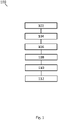
- Figure 1 shows an exemplary method 100 for controlling a movement of a vehicle. Additionally or alternatively, the method 100 may control a movement of a vehicle body part, e.g. a door of the vehicle. Further, the method may control a movement of the vehicle and a vehicle body part, e.g. the vehicle and the vehicle body part may be controlled in a manner that the vehicle and the vehicle body part may move independently from each other at the same time.
- a vehicle body part e.g. a door of the vehicle.
- the method may control a movement of the vehicle and a vehicle body part, e.g. the vehicle and the vehicle body part may be controlled in a manner that the vehicle and the vehicle body part may move independently from each other at the same time.
- the vehicle may comprise at least one vehicle body part of an exterior of the vehicle.
- the at least one vehicle body part of the exterior of the vehicle may comprise at least one multi-modal tactile sensor.
- multiple vehicle body parts of the exterior of the vehicle may comprise at least one multi-modal tactile sensor.
- each vehicle body part comprises an array of multi-modal tactile sensors. The number of multi-modal tactile sensors may depend from the size of the vehicle body part and/or the size of an area of the vehicle body part which may receive tactile input.
- each multi-modal tactile sensor 204 may comprise at least one temperature sensor 206, at least one pressure sensor 208, at least one a shear force sensor 210, at least one proximity sensor 212, and at least one accelerometer sensor 214.
- a temperature sensor 206 of the multi-modal tactile sensor 204 may measure a temperature of an object and/or a person touching the vehicle body part 202.
- a pressure sensor 208 of the multi-modal tactile sensor 204 may measure a normal force.
- a shear force sensor 210 of the multi-modal tactile sensor 204 may measure a tangential force.
- a proximity sensor 212 of the multi-modal tactile sensor 204 may measure a pre-touch distance and/or a pre-contact distance between an object or a person and the vehicle body part 202.
- An accelerator sensor 214 of the multi-modal tactile sensor 204 may measure a micro vibration and/or a vibration-tactile contact of an object and/or a person.
- the method 100 may receive 102 a first signal of the at least one multi-modal tactile sensor 204 of the vehicle body part 202.
- the method 100 may receive the first signal of a sensor included in the at least one multi-modal tactile sensor 204.
- the method may receive the first signal from a temperature sensor of the at least one multi-modal tactile sensor 204.
- the method 100 may determine 104 a first tactile interaction with the vehicle body 202 part based on the first signal of the at least one multi-model tactile sensor 204.
- the first tactile interaction may comprise a person touching the vehicle body part 202 or an object approaching and/or touching the vehicle body part 202.
- the method 100 may further receive 106 a second signal of the at least one multi-modal tactile sensor 204 of the vehicle body part 202.
- the second signal may be a signal of a further sensor of the at least one multi-modal tactile sensor 204.
- the second signal may depend on the first tactile interaction.
- the method 100 may determine 108 a second tactile interaction with the vehicle body part 202 based on the second signal of the at least one multi-modal tactile sensor 204. Based on the second tactile interaction, the method 100 may determine 110 a movement pattern of the vehicle and/or at least the vehicle body part 202.
- the method 100 may control 112 the movement of the vehicle and/or at least the movement of the vehicle body part 202 using the movement pattern.
- Figure 3 shows an exemplary scenario 300 of a human-controlled movement of a vehicle 302.
- a person 304 touches a vehicle body part 202 of the vehicle 302.
- the method 100 may receive 102 a first signal of a temperature sensor 206 of the at least one multi-modal tactile sensor 204 of the vehicle body part 202.
- the method 100 may determine 104 a person 304 touching the vehicle body part 202 as the first tactile interaction based on the received first signal. For example, if the first signal indicates a temperature of a person 304, the method 100 may determine that a person 304 is touching the vehicle body part 202 as the first tactile interaction.
- the method 100 may receive a force distribution as the second signal.
- the force distribution may be generated using the pressure sensor 208 of the at least one multi-modal tactile sensor 204 and the shear force sensor 210 of the at least one multi-modal tactile sensor 204.
- the method 100 may determine 108 a person pushing the vehicle body part 306 as the second tactile interaction based on the received force distribution. Based on the force distribution, the method 100 may determine a movement pattern of the vehicle 302 and may control the movement of the vehicle 302 using the movement pattern. Accordingly, a person 304 may move the vehicle 302 using the at least one multi-modal tactile sensor 204.
- Figure 4 shows an exemplary scenario 400 of an object-controlled movement of the vehicle 302.
- an object 402 approaches and/or touches the vehicle body part 306 of the vehicle 302.
- the method 100 may receive 102 a first signal of a temperature sensor 206 of the at least one multi-modal tactile sensor 204 of the vehicle body part 306. Additionally or alternatively, the method 100 may receive 102 a first signal of the proximity sensor 212 of the at least one multi-modal tactile sensor 204. Additionally or alternatively, the method 100 may receive 102 a first signal of an accelerator sensor 214 of the at least one multi-modal tactile sensor 204.
- the method 100 may determine 104 the object 402 approaching and/or touching the vehicle body part 202 as the first tactile interaction based on the received first signal. For example, if the first signal indicates a temperature of an object, e.g. a temperature different from the temperature of a person, the method 100 may determine that the object 402 is approaching or touching the vehicle body part 202 as the first tactile interaction.
- the method 100 may receive a micro vibration as the second signal. Additionally or alternatively, the method 100 may receive 102 a distance of the object 402 as the second signal. The method 100 may determine 108 the object 402 approaching and/or touching the vehicle body part 306 as the second tactile interaction based on the received micro vibration and/or the received distance of the object. The method 100 may determine a movement pattern 308 of the vehicle 302 to avoid a collision of the object 402 and may control the movement of the vehicle 302 using the movement pattern. Accordingly, the object 402 may move the vehicle 302 to avoid a collision using the at least one multi-modal tactile sensor 204.
- Figure 5 shows an exemplary scenario 500 of an object-controlled movement of a vehicle body part 502, for example a door of the vehicle 302.
- an object 402 approaches and/or touches the vehicle body part 502 of the vehicle 302.
- the method 100 may receive 102 a first signal of a temperature sensor 206 of the at least one multi-modal tactile sensor 204 of the vehicle body part 502. Additionally or alternatively, the method 100 may receive 102 a first signal of the proximity sensor 212 of the at least one multi-modal tactile sensor 204. Additionally or alternatively, the method 100 may receive 102 a first signal of an accelerator sensor 214 of the at least one multi-modal tactile sensor 204.
- the method 100 may determine 104 the object 402 approaching and/or touching the vehicle body part 306 as the first tactile interaction based on the received first signal. For example, if the first signal indicates a temperature of an object, e.g. a temperature different from a temperature of a person, the method 100 may determine that an object is approaching and/or touching the vehicle body part 502 as the first tactile interaction.
- the first signal indicates a temperature of an object, e.g. a temperature different from a temperature of a person
- the method 100 may determine that an object is approaching and/or touching the vehicle body part 502 as the first tactile interaction.
- the method 100 may receive a micro vibration as the second signal. Additionally or alternatively, the method 100 may receive 102 a distance of the object 402 as the second signal. The method 100 may determine 108 the object 402 approaching and/or touching the vehicle body part 502 as the second tactile interaction based on the received micro vibration and/or the received distance of the object 402. The method 100 may determine a movement pattern 308 of the vehicle body part 502 to avoid a collision of the object with the vehicle body part 502 and may control the movement of the vehicle body part 502 of the vehicle 302 using the movement pattern. Accordingly, an object may move the vehicle body part 502 using the at least one multi-modal tactile sensor 204.
- a person may efficiently move a vehicle, e.g. a car, into a parking space by pushing and/or touching the vehicle using at least one multi-modal tactile sensor.
- a person may also use the at least one multi-model tactile sensor to move vehicle in order to increase a parking space so that the vehicle may use the parking space.
- a person may efficiently move a vehicle out of a parking space.
- the multi-modal tactile sensor may efficiently enable additional functionality by adding further tactile interaction pattern which are associated to different vehicle functions. For example, the vehicle may be turned-off or turned-on by tapping on a particular vehicle body part of the exterior of the vehicle, and/or the vehicle may detect a collision or a hit of another parking vehicle.
Landscapes
- Engineering & Computer Science (AREA)
- Chemical & Material Sciences (AREA)
- Combustion & Propulsion (AREA)
- Transportation (AREA)
- Mechanical Engineering (AREA)
- Physics & Mathematics (AREA)
- Aviation & Aerospace Engineering (AREA)
- Radar, Positioning & Navigation (AREA)
- Remote Sensing (AREA)
- General Physics & Mathematics (AREA)
- Automation & Control Theory (AREA)
- Mathematical Physics (AREA)
- Theoretical Computer Science (AREA)
- Computing Systems (AREA)
- Regulating Braking Force (AREA)
Claims (9)
- Verfahren (100) zum Steuern einer Bewegung eines Fahrzeugs, wobei das Fahrzeug einen Karosserieteil (202) eines Äußeren des Fahrzeugs umfasst und wobei der Karosserieteil (202) des Äußeren des Fahrzeugs mindestens einen multimodalen Tastsensor (204) umfasst, wobei der mindestens eine multimodale Tastsensor in den Karosserieteil (202) integriert ist, wobei
jeder multimodale Tastsensor (204) mindestens einen Drucksensor (208), mindestens einen Scherkraftsensor (210), mindestens einen Proximitätssensor ((212) und mindestens einen Temperatursensor (206) umfasst, wobei das Verfahren Folgendes umfasst:- Empfangen (102) eines ersten Signals des mindestens einen multimodalen Tastsensors (204) des Karosserieteils,
wobei das erste Signal ein Signal des mindestens einen Temperatursensors (206) des mindestens einen multimodalen Tastsensors (204) und ein Signal des mindestens einen Proximitätssensors (212) des mindestens einen multimodalen Tastsensors (204) umfasst;- Bestimmen (104) einer ersten Tastinteraktion mit dem Karosserieteil auf der Basis des ersten Signals des mindestens einen multimodalen Tastsensors (204),wobei die erste Tastinteraktion eine menschliche Interaktion oder eine Interaktion auf Objektbasis umfasst undwobei die erste Tastinteraktion die menschliche Interaktion umfasst, wenn Temperatur des mindestens einen Temperatursensors (206) des mindestens einen multimodalen Tastsensors (204) eine Temperatur einer Person angibt (304);- Empfangen (106) eines zweiten Signals des mindestens einen multimodalen Tastsensors (204) des Karosserieteils (202), wobei das zweite Signal von der ersten Tastinteraktion abhängt,
wobei das zweite Signal eine Kraftverteilung umfasst, wobei die Kraftverteilung unter Verwendung des Drucksensors (208) des mindestens einen multimodalen Tastsensors (204) und des Scherkraftsensors (210) des mindestens einen multimodalen Tastsensors (204) erzeugt wird;- Bestimmen (108) einer zweiten Tastinteraktion mit dem Karosserieteil auf der Basis des zweiten Signals des mindestens einen multimodalen Tastsensors (204),
wobei die zweite Tastinteraktion auf der Basis der Kraftverteilung umfassen kann, dass eine Person den Karosserieteil 306 drückt;- Bestimmen (110) eines Bewegungsmusters des Fahrzeugs auf der Basis der zweiten Tastinteraktion, wobei das Bewegungsmuster von der Kraftverteilung des mindestens einen Drucksensors und des mindestens einen Scherkraftsensors des mindestens einen multimodalen Tastsensors (204) abhängt; und- Steuern (112) der Bewegung des Fahrzeugs unter Verwendung des Bewegungsmusters. - Verfahren nach Anspruch 1, wobei das Fahrzeug ein geparktes Fahrzeug ist und/oder wobei das Fahrzeug ein stationäres Fahrzeug ist.
- Verfahren nach einem der Ansprüche 1 bis 2, wobei der Karosserieteil des Äußeren des Fahrzeugs ein Array von multimodalen Tastsensoren (200) umfasst.
- Verfahren nach einem der Ansprüche 1 bis 3, wobei jeder multimodale Tastsensor (204) mindestens einen Beschleunigungsmessersensor (214) umfasst.
- Verfahren nach einem der Ansprüche 1 bis 4, wobei das zweite Signal ein Signal mindestens eines Drucksensors (208), mindestens eines Scherkraftsensors (210), mindestens eines Proximitätssensors (212) und mindestens eines Beschleunigungsmessersensors (214) des mindestens einen multimodalen Tastsensors (204) umfasst.
- Verfahren nach einem der Ansprüche 1 bis 5, wobei die zweite Tastinteraktion eine Objekt-Fahrzeug-Distanzinteraktion umfasst, wenn die erste Tastinteraktion eine Interaktion auf Objektbasis angibt.
- System zur Steuerung einer Bewegung eines Fahrzeugs, wobei das Fahrzeug einen Karosserieteil eines Äußeren des Fahrzeugs umfasst und mindestens ein multimodaler Tastsensor in dem Karosserieteil des Äußeren des Fahrzeugs integriert ist, wobei der mindestens eine multimodale Tastsensor mindestens einen Proximitätssensor (212), mindestens einen Temperatursensor (206), mindestens einen Drucksensor (208) und mindestens einen Scherkraftsensor (210) umfasst, wobei das System Folgendes umfasst:einen Prozessor,einen Speicher undin dem Speicher gespeicherte Anweisungen, wobei die Anweisungen, wenn sie auf dem Prozessor ausgeführt werden, das System veranlassen zum- Empfangen (102) eines ersten Signals des mindestens einen multimodalen Tastsensors des Karosserieteils, wobei das erste Signal ein Signal des mindestens einen Temperatursensors (206) des mindestens einen multimodalen Tastsensors (204) und ein Signal des mindestens einen Proximitätssensors (212) des mindestens einen multimodalen Tastsensors (204) umfasst;- Bestimmen (104) einer ersten Tastinteraktion mit dem Karosserieteil auf der Basis des ersten Signals des mindestens einen multimodalen Tastsensors,wobei die erste Tastinteraktion eine menschliche Interaktion oder eine Interaktion auf Objektbasis umfasst undwobei die erste Tastinteraktion die menschliche Interaktion umfasst, wenn Temperatur des mindestens einen Temperatursensors (206) des mindestens einen multimodalen Tastsensors (204) eine Temperatur einer Person angibt (304);- Empfangen (106) eines zweiten Signals des mindestens einen multimodalen Tastsensors des Karosserieteils, wobei das zweite Signal von der ersten Tastinteraktion abhängt,
wobei das zweite Signal eine Kraftverteilung umfasst, wobei die Kraftverteilung unter Verwendung des Drucksensors (208) des mindestens einen multimodalen Tastsensors (204) und des Scherkraftsensors (210) des mindestens einen multimodalen Tastsensors (204) erzeugt wird;- Bestimmen (108) einer zweiten Tastinteraktion mit dem Karosserieteil auf der Basis des zweiten Signals des mindestens einen multimodalen Tastsensors,
wobei die zweite Tastinteraktion auf der Basis der Kraftverteilung umfassen kann, dass eine Person den Karosserieteil (306) drückt;- Bestimmen (110) eines Bewegungsmusters des Fahrzeugs auf der Basis der zweiten Tastinteraktion, wobei das Bewegungsmuster von der Kraftverteilung des mindestens einen Drucksensors und des mindestens einen Scherkraftsensors des mindestens einen multimodalen Tastsensors (204) abhängt; und- Steuern (112) der Bewegung des Fahrzeugs unter Verwendung des Bewegungsmusters. - System nach Anspruch 7, wobei das System ferner in dem Speicher gespeicherte Anweisungen umfasst, wobei die Anweisungen, wenn sie auf dem Prozessor ausgeführt werden, das System dazu veranlassen, das Verfahren nach einem der Ansprüche 2 bis 6 auszuführen.
- Computerprogrammprodukt zum Steuern der Bewegung eines Fahrzeugs, wobei das Computerprogrammprodukt, wenn es durch einen Prozessor ausgeführt wird, ausgelegt ist zum Steuern und/oder Ausführen des Verfahrens nach einem der Ansprüche 1 bis 6.
Priority Applications (1)
| Application Number | Priority Date | Filing Date | Title |
|---|---|---|---|
| EP19159913.3A EP3702865B1 (de) | 2019-02-28 | 2019-02-28 | Verfahren, system und computerprogrammprodukt zur steuerung einer bewegung eines fahrzeugs |
Applications Claiming Priority (1)
| Application Number | Priority Date | Filing Date | Title |
|---|---|---|---|
| EP19159913.3A EP3702865B1 (de) | 2019-02-28 | 2019-02-28 | Verfahren, system und computerprogrammprodukt zur steuerung einer bewegung eines fahrzeugs |
Publications (2)
| Publication Number | Publication Date |
|---|---|
| EP3702865A1 EP3702865A1 (de) | 2020-09-02 |
| EP3702865B1 true EP3702865B1 (de) | 2022-09-07 |
Family
ID=65801818
Family Applications (1)
| Application Number | Title | Priority Date | Filing Date |
|---|---|---|---|
| EP19159913.3A Active EP3702865B1 (de) | 2019-02-28 | 2019-02-28 | Verfahren, system und computerprogrammprodukt zur steuerung einer bewegung eines fahrzeugs |
Country Status (1)
| Country | Link |
|---|---|
| EP (1) | EP3702865B1 (de) |
Families Citing this family (3)
| Publication number | Priority date | Publication date | Assignee | Title |
|---|---|---|---|---|
| FR3106328A1 (fr) * | 2020-01-17 | 2021-07-23 | Psa Automobiles Sa | Procédé et système pour gérer une manœuvre d’un véhicule automobile en regard d’un emplacement de stationnement par force appliquée |
| CN116991153B (zh) * | 2022-08-20 | 2025-12-05 | 腾讯科技(深圳)有限公司 | 移动机器人的运动控制方法和移动机器人 |
| CN116373847B (zh) * | 2023-03-27 | 2025-11-11 | 智己汽车科技有限公司 | 一种应用于泊车场景的车辆控制方法及系统 |
Family Cites Families (3)
| Publication number | Priority date | Publication date | Assignee | Title |
|---|---|---|---|---|
| GB2536709B (en) * | 2015-03-27 | 2019-06-26 | Jaguar Land Rover Ltd | External vehicle control system |
| US10386835B2 (en) * | 2016-01-04 | 2019-08-20 | GM Global Technology Operations LLC | System and method for externally interfacing with an autonomous vehicle |
| TWI549668B (zh) * | 2016-01-05 | 2016-09-21 | 輪椅控制系統及其控制方法 |
-
2019
- 2019-02-28 EP EP19159913.3A patent/EP3702865B1/de active Active
Also Published As
| Publication number | Publication date |
|---|---|
| EP3702865A1 (de) | 2020-09-02 |
Similar Documents
| Publication | Publication Date | Title |
|---|---|---|
| US9358887B2 (en) | User interface | |
| EP3702865B1 (de) | Verfahren, system und computerprogrammprodukt zur steuerung einer bewegung eines fahrzeugs | |
| JP6222879B2 (ja) | 移動体の制御方法、装置及び移動デバイス | |
| CN105026203B (zh) | 用于对机动车的显示装置进行同步的方法 | |
| US10883596B2 (en) | Remote vehicle control | |
| US10394370B2 (en) | Apparatus and method for recognizing touch input using interpolation | |
| US9949107B2 (en) | Method and system for detecting an input to a device | |
| WO2019150468A1 (ja) | タッチパネル装置 | |
| US9846495B2 (en) | Human machine interface system for controlling vehicular graphical user interface display | |
| US20220097525A1 (en) | Systems and methods for locking an input area associated with detected touch location in a force-based touch display | |
| CN112689174A (zh) | 遥控器的控制方法、控制系统、遥控器和智能电视 | |
| US9823780B2 (en) | Touch operation detection apparatus | |
| CN115003462A (zh) | 机器人机械手碰撞时的力限制 | |
| CN104395859A (zh) | 用于机动车辆的操作系统 | |
| US9971447B2 (en) | Electronic apparatus and coordinates detection method | |
| CN104951160A (zh) | 一种信息处理方法及电子设备 | |
| US20240168589A1 (en) | Controlling a user interface of a vehicle | |
| KR102376547B1 (ko) | Ux 제공을 위한 차량 제어 구성을 포함하는 차량용 조향 장치 | |
| CN108778818A (zh) | 操作装置和用于检测操作装置的至少一个操作功能的用户选择的方法 | |
| US11126265B2 (en) | Wearable haptic feedback | |
| WO2012012099A2 (en) | System and method for distinguishing input objects | |
| WO2024067592A1 (zh) | 触摸检测方法和系统 | |
| US11880525B2 (en) | Method and device for selecting input fields displayed on a screen and/or for activating input content displayed in a selected input field on the screen by means of manual inputs | |
| KR102501658B1 (ko) | 운동 모델을 이용하여 위치 측정치를 오브젝트에 매핑하는 방법 | |
| CN103176649A (zh) | 一种触摸控制方法及相应的电子装置 |
Legal Events
| Date | Code | Title | Description |
|---|---|---|---|
| PUAI | Public reference made under article 153(3) epc to a published international application that has entered the european phase |
Free format text: ORIGINAL CODE: 0009012 |
|
| STAA | Information on the status of an ep patent application or granted ep patent |
Free format text: STATUS: THE APPLICATION HAS BEEN PUBLISHED |
|
| AK | Designated contracting states |
Kind code of ref document: A1 Designated state(s): AL AT BE BG CH CY CZ DE DK EE ES FI FR GB GR HR HU IE IS IT LI LT LU LV MC MK MT NL NO PL PT RO RS SE SI SK SM TR |
|
| AX | Request for extension of the european patent |
Extension state: BA ME |
|
| STAA | Information on the status of an ep patent application or granted ep patent |
Free format text: STATUS: REQUEST FOR EXAMINATION WAS MADE |
|
| 17P | Request for examination filed |
Effective date: 20210128 |
|
| RBV | Designated contracting states (corrected) |
Designated state(s): AL AT BE BG CH CY CZ DE DK EE ES FI FR GB GR HR HU IE IS IT LI LT LU LV MC MK MT NL NO PL PT RO RS SE SI SK SM TR |
|
| STAA | Information on the status of an ep patent application or granted ep patent |
Free format text: STATUS: EXAMINATION IS IN PROGRESS |
|
| 17Q | First examination report despatched |
Effective date: 20210728 |
|
| GRAP | Despatch of communication of intention to grant a patent |
Free format text: ORIGINAL CODE: EPIDOSNIGR1 |
|
| STAA | Information on the status of an ep patent application or granted ep patent |
Free format text: STATUS: GRANT OF PATENT IS INTENDED |
|
| RIC1 | Information provided on ipc code assigned before grant |
Ipc: B62D 51/00 20060101ALN20220519BHEP Ipc: B62D 15/02 20060101ALN20220519BHEP Ipc: B60K 26/00 20060101ALN20220519BHEP Ipc: B60W 50/00 20060101ALN20220519BHEP Ipc: G05D 1/00 20060101AFI20220519BHEP |
|
| INTG | Intention to grant announced |
Effective date: 20220603 |
|
| GRAS | Grant fee paid |
Free format text: ORIGINAL CODE: EPIDOSNIGR3 |
|
| GRAA | (expected) grant |
Free format text: ORIGINAL CODE: 0009210 |
|
| STAA | Information on the status of an ep patent application or granted ep patent |
Free format text: STATUS: THE PATENT HAS BEEN GRANTED |
|
| AK | Designated contracting states |
Kind code of ref document: B1 Designated state(s): AL AT BE BG CH CY CZ DE DK EE ES FI FR GB GR HR HU IE IS IT LI LT LU LV MC MK MT NL NO PL PT RO RS SE SI SK SM TR |
|
| REG | Reference to a national code |
Ref country code: GB Ref legal event code: FG4D |
|
| REG | Reference to a national code |
Ref country code: CH Ref legal event code: EP Ref country code: AT Ref legal event code: REF Ref document number: 1517585 Country of ref document: AT Kind code of ref document: T Effective date: 20220915 |
|
| REG | Reference to a national code |
Ref country code: IE Ref legal event code: FG4D |
|
| REG | Reference to a national code |
Ref country code: DE Ref legal event code: R096 Ref document number: 602019019131 Country of ref document: DE |
|
| REG | Reference to a national code |
Ref country code: LT Ref legal event code: MG9D |
|
| REG | Reference to a national code |
Ref country code: NL Ref legal event code: MP Effective date: 20220907 |
|
| PG25 | Lapsed in a contracting state [announced via postgrant information from national office to epo] |
Ref country code: SE Free format text: LAPSE BECAUSE OF FAILURE TO SUBMIT A TRANSLATION OF THE DESCRIPTION OR TO PAY THE FEE WITHIN THE PRESCRIBED TIME-LIMIT Effective date: 20220907 Ref country code: RS Free format text: LAPSE BECAUSE OF FAILURE TO SUBMIT A TRANSLATION OF THE DESCRIPTION OR TO PAY THE FEE WITHIN THE PRESCRIBED TIME-LIMIT Effective date: 20220907 Ref country code: NO Free format text: LAPSE BECAUSE OF FAILURE TO SUBMIT A TRANSLATION OF THE DESCRIPTION OR TO PAY THE FEE WITHIN THE PRESCRIBED TIME-LIMIT Effective date: 20221207 Ref country code: LV Free format text: LAPSE BECAUSE OF FAILURE TO SUBMIT A TRANSLATION OF THE DESCRIPTION OR TO PAY THE FEE WITHIN THE PRESCRIBED TIME-LIMIT Effective date: 20220907 Ref country code: LT Free format text: LAPSE BECAUSE OF FAILURE TO SUBMIT A TRANSLATION OF THE DESCRIPTION OR TO PAY THE FEE WITHIN THE PRESCRIBED TIME-LIMIT Effective date: 20220907 Ref country code: FI Free format text: LAPSE BECAUSE OF FAILURE TO SUBMIT A TRANSLATION OF THE DESCRIPTION OR TO PAY THE FEE WITHIN THE PRESCRIBED TIME-LIMIT Effective date: 20220907 |
|
| REG | Reference to a national code |
Ref country code: AT Ref legal event code: MK05 Ref document number: 1517585 Country of ref document: AT Kind code of ref document: T Effective date: 20220907 |
|
| PG25 | Lapsed in a contracting state [announced via postgrant information from national office to epo] |
Ref country code: HR Free format text: LAPSE BECAUSE OF FAILURE TO SUBMIT A TRANSLATION OF THE DESCRIPTION OR TO PAY THE FEE WITHIN THE PRESCRIBED TIME-LIMIT Effective date: 20220907 Ref country code: GR Free format text: LAPSE BECAUSE OF FAILURE TO SUBMIT A TRANSLATION OF THE DESCRIPTION OR TO PAY THE FEE WITHIN THE PRESCRIBED TIME-LIMIT Effective date: 20221208 |
|
| PG25 | Lapsed in a contracting state [announced via postgrant information from national office to epo] |
Ref country code: SM Free format text: LAPSE BECAUSE OF FAILURE TO SUBMIT A TRANSLATION OF THE DESCRIPTION OR TO PAY THE FEE WITHIN THE PRESCRIBED TIME-LIMIT Effective date: 20220907 Ref country code: RO Free format text: LAPSE BECAUSE OF FAILURE TO SUBMIT A TRANSLATION OF THE DESCRIPTION OR TO PAY THE FEE WITHIN THE PRESCRIBED TIME-LIMIT Effective date: 20220907 Ref country code: PT Free format text: LAPSE BECAUSE OF FAILURE TO SUBMIT A TRANSLATION OF THE DESCRIPTION OR TO PAY THE FEE WITHIN THE PRESCRIBED TIME-LIMIT Effective date: 20230109 Ref country code: ES Free format text: LAPSE BECAUSE OF FAILURE TO SUBMIT A TRANSLATION OF THE DESCRIPTION OR TO PAY THE FEE WITHIN THE PRESCRIBED TIME-LIMIT Effective date: 20220907 Ref country code: CZ Free format text: LAPSE BECAUSE OF FAILURE TO SUBMIT A TRANSLATION OF THE DESCRIPTION OR TO PAY THE FEE WITHIN THE PRESCRIBED TIME-LIMIT Effective date: 20220907 Ref country code: AT Free format text: LAPSE BECAUSE OF FAILURE TO SUBMIT A TRANSLATION OF THE DESCRIPTION OR TO PAY THE FEE WITHIN THE PRESCRIBED TIME-LIMIT Effective date: 20220907 |
|
| PG25 | Lapsed in a contracting state [announced via postgrant information from national office to epo] |
Ref country code: SK Free format text: LAPSE BECAUSE OF FAILURE TO SUBMIT A TRANSLATION OF THE DESCRIPTION OR TO PAY THE FEE WITHIN THE PRESCRIBED TIME-LIMIT Effective date: 20220907 Ref country code: PL Free format text: LAPSE BECAUSE OF FAILURE TO SUBMIT A TRANSLATION OF THE DESCRIPTION OR TO PAY THE FEE WITHIN THE PRESCRIBED TIME-LIMIT Effective date: 20220907 Ref country code: IS Free format text: LAPSE BECAUSE OF FAILURE TO SUBMIT A TRANSLATION OF THE DESCRIPTION OR TO PAY THE FEE WITHIN THE PRESCRIBED TIME-LIMIT Effective date: 20230107 Ref country code: EE Free format text: LAPSE BECAUSE OF FAILURE TO SUBMIT A TRANSLATION OF THE DESCRIPTION OR TO PAY THE FEE WITHIN THE PRESCRIBED TIME-LIMIT Effective date: 20220907 |
|
| REG | Reference to a national code |
Ref country code: DE Ref legal event code: R097 Ref document number: 602019019131 Country of ref document: DE |
|
| P01 | Opt-out of the competence of the unified patent court (upc) registered |
Effective date: 20230502 |
|
| PG25 | Lapsed in a contracting state [announced via postgrant information from national office to epo] |
Ref country code: NL Free format text: LAPSE BECAUSE OF FAILURE TO SUBMIT A TRANSLATION OF THE DESCRIPTION OR TO PAY THE FEE WITHIN THE PRESCRIBED TIME-LIMIT Effective date: 20220907 Ref country code: AL Free format text: LAPSE BECAUSE OF FAILURE TO SUBMIT A TRANSLATION OF THE DESCRIPTION OR TO PAY THE FEE WITHIN THE PRESCRIBED TIME-LIMIT Effective date: 20220907 |
|
| PLBE | No opposition filed within time limit |
Free format text: ORIGINAL CODE: 0009261 |
|
| STAA | Information on the status of an ep patent application or granted ep patent |
Free format text: STATUS: NO OPPOSITION FILED WITHIN TIME LIMIT |
|
| PG25 | Lapsed in a contracting state [announced via postgrant information from national office to epo] |
Ref country code: DK Free format text: LAPSE BECAUSE OF FAILURE TO SUBMIT A TRANSLATION OF THE DESCRIPTION OR TO PAY THE FEE WITHIN THE PRESCRIBED TIME-LIMIT Effective date: 20220907 |
|
| 26N | No opposition filed |
Effective date: 20230608 |
|
| PG25 | Lapsed in a contracting state [announced via postgrant information from national office to epo] |
Ref country code: SI Free format text: LAPSE BECAUSE OF FAILURE TO SUBMIT A TRANSLATION OF THE DESCRIPTION OR TO PAY THE FEE WITHIN THE PRESCRIBED TIME-LIMIT Effective date: 20220907 |
|
| PG25 | Lapsed in a contracting state [announced via postgrant information from national office to epo] |
Ref country code: MC Free format text: LAPSE BECAUSE OF FAILURE TO SUBMIT A TRANSLATION OF THE DESCRIPTION OR TO PAY THE FEE WITHIN THE PRESCRIBED TIME-LIMIT Effective date: 20220907 |
|
| REG | Reference to a national code |
Ref country code: CH Ref legal event code: PL |
|
| REG | Reference to a national code |
Ref country code: BE Ref legal event code: MM Effective date: 20230228 |
|
| GBPC | Gb: european patent ceased through non-payment of renewal fee |
Effective date: 20230228 |
|
| PG25 | Lapsed in a contracting state [announced via postgrant information from national office to epo] |
Ref country code: LU Free format text: LAPSE BECAUSE OF NON-PAYMENT OF DUE FEES Effective date: 20230228 Ref country code: LI Free format text: LAPSE BECAUSE OF NON-PAYMENT OF DUE FEES Effective date: 20230228 Ref country code: CH Free format text: LAPSE BECAUSE OF NON-PAYMENT OF DUE FEES Effective date: 20230228 |
|
| REG | Reference to a national code |
Ref country code: IE Ref legal event code: MM4A |
|
| PG25 | Lapsed in a contracting state [announced via postgrant information from national office to epo] |
Ref country code: GB Free format text: LAPSE BECAUSE OF NON-PAYMENT OF DUE FEES Effective date: 20230228 |
|
| PG25 | Lapsed in a contracting state [announced via postgrant information from national office to epo] |
Ref country code: IE Free format text: LAPSE BECAUSE OF NON-PAYMENT OF DUE FEES Effective date: 20230228 Ref country code: GB Free format text: LAPSE BECAUSE OF NON-PAYMENT OF DUE FEES Effective date: 20230228 Ref country code: FR Free format text: LAPSE BECAUSE OF NON-PAYMENT OF DUE FEES Effective date: 20230228 |
|
| PG25 | Lapsed in a contracting state [announced via postgrant information from national office to epo] |
Ref country code: BE Free format text: LAPSE BECAUSE OF NON-PAYMENT OF DUE FEES Effective date: 20230228 |
|
| PG25 | Lapsed in a contracting state [announced via postgrant information from national office to epo] |
Ref country code: IT Free format text: LAPSE BECAUSE OF FAILURE TO SUBMIT A TRANSLATION OF THE DESCRIPTION OR TO PAY THE FEE WITHIN THE PRESCRIBED TIME-LIMIT Effective date: 20220907 |
|
| PG25 | Lapsed in a contracting state [announced via postgrant information from national office to epo] |
Ref country code: BG Free format text: LAPSE BECAUSE OF FAILURE TO SUBMIT A TRANSLATION OF THE DESCRIPTION OR TO PAY THE FEE WITHIN THE PRESCRIBED TIME-LIMIT Effective date: 20220907 |
|
| PG25 | Lapsed in a contracting state [announced via postgrant information from national office to epo] |
Ref country code: BG Free format text: LAPSE BECAUSE OF FAILURE TO SUBMIT A TRANSLATION OF THE DESCRIPTION OR TO PAY THE FEE WITHIN THE PRESCRIBED TIME-LIMIT Effective date: 20220907 |
|
| PG25 | Lapsed in a contracting state [announced via postgrant information from national office to epo] |
Ref country code: CY Free format text: LAPSE BECAUSE OF FAILURE TO SUBMIT A TRANSLATION OF THE DESCRIPTION OR TO PAY THE FEE WITHIN THE PRESCRIBED TIME-LIMIT; INVALID AB INITIO Effective date: 20190228 |
|
| PG25 | Lapsed in a contracting state [announced via postgrant information from national office to epo] |
Ref country code: HU Free format text: LAPSE BECAUSE OF FAILURE TO SUBMIT A TRANSLATION OF THE DESCRIPTION OR TO PAY THE FEE WITHIN THE PRESCRIBED TIME-LIMIT; INVALID AB INITIO Effective date: 20190228 |
|
| PG25 | Lapsed in a contracting state [announced via postgrant information from national office to epo] |
Ref country code: TR Free format text: LAPSE BECAUSE OF FAILURE TO SUBMIT A TRANSLATION OF THE DESCRIPTION OR TO PAY THE FEE WITHIN THE PRESCRIBED TIME-LIMIT Effective date: 20220907 |
|
| PGFP | Annual fee paid to national office [announced via postgrant information from national office to epo] |
Ref country code: DE Payment date: 20260210 Year of fee payment: 8 |