EP3701064B1 - Formulierung zur korrosionsinhibierung - Google Patents
Formulierung zur korrosionsinhibierung Download PDFInfo
- Publication number
- EP3701064B1 EP3701064B1 EP18804145.3A EP18804145A EP3701064B1 EP 3701064 B1 EP3701064 B1 EP 3701064B1 EP 18804145 A EP18804145 A EP 18804145A EP 3701064 B1 EP3701064 B1 EP 3701064B1
- Authority
- EP
- European Patent Office
- Prior art keywords
- corrosion inhibitor
- formulation
- alkyl
- quaternary ammonium
- ammonium salt
- Prior art date
- Legal status (The legal status is an assumption and is not a legal conclusion. Google has not performed a legal analysis and makes no representation as to the accuracy of the status listed.)
- Active
Links
Images

Classifications
-
- C—CHEMISTRY; METALLURGY
- C23—COATING METALLIC MATERIAL; COATING MATERIAL WITH METALLIC MATERIAL; CHEMICAL SURFACE TREATMENT; DIFFUSION TREATMENT OF METALLIC MATERIAL; COATING BY VACUUM EVAPORATION, BY SPUTTERING, BY ION IMPLANTATION OR BY CHEMICAL VAPOUR DEPOSITION, IN GENERAL; INHIBITING CORROSION OF METALLIC MATERIAL OR INCRUSTATION IN GENERAL
- C23F—NON-MECHANICAL REMOVAL OF METALLIC MATERIAL FROM SURFACE; INHIBITING CORROSION OF METALLIC MATERIAL OR INCRUSTATION IN GENERAL; MULTI-STEP PROCESSES FOR SURFACE TREATMENT OF METALLIC MATERIAL INVOLVING AT LEAST ONE PROCESS PROVIDED FOR IN CLASS C23 AND AT LEAST ONE PROCESS COVERED BY SUBCLASS C21D OR C22F OR CLASS C25
- C23F11/00—Inhibiting corrosion of metallic material by applying inhibitors to the surface in danger of corrosion or adding them to the corrosive agent
- C23F11/08—Inhibiting corrosion of metallic material by applying inhibitors to the surface in danger of corrosion or adding them to the corrosive agent in other liquids
- C23F11/10—Inhibiting corrosion of metallic material by applying inhibitors to the surface in danger of corrosion or adding them to the corrosive agent in other liquids using organic inhibitors
- C23F11/14—Nitrogen-containing compounds
- C23F11/141—Amines; Quaternary ammonium compounds
- C23F11/143—Salts of amines
-
- C—CHEMISTRY; METALLURGY
- C23—COATING METALLIC MATERIAL; COATING MATERIAL WITH METALLIC MATERIAL; CHEMICAL SURFACE TREATMENT; DIFFUSION TREATMENT OF METALLIC MATERIAL; COATING BY VACUUM EVAPORATION, BY SPUTTERING, BY ION IMPLANTATION OR BY CHEMICAL VAPOUR DEPOSITION, IN GENERAL; INHIBITING CORROSION OF METALLIC MATERIAL OR INCRUSTATION IN GENERAL
- C23F—NON-MECHANICAL REMOVAL OF METALLIC MATERIAL FROM SURFACE; INHIBITING CORROSION OF METALLIC MATERIAL OR INCRUSTATION IN GENERAL; MULTI-STEP PROCESSES FOR SURFACE TREATMENT OF METALLIC MATERIAL INVOLVING AT LEAST ONE PROCESS PROVIDED FOR IN CLASS C23 AND AT LEAST ONE PROCESS COVERED BY SUBCLASS C21D OR C22F OR CLASS C25
- C23F11/00—Inhibiting corrosion of metallic material by applying inhibitors to the surface in danger of corrosion or adding them to the corrosive agent
- C23F11/08—Inhibiting corrosion of metallic material by applying inhibitors to the surface in danger of corrosion or adding them to the corrosive agent in other liquids
- C23F11/10—Inhibiting corrosion of metallic material by applying inhibitors to the surface in danger of corrosion or adding them to the corrosive agent in other liquids using organic inhibitors
-
- C—CHEMISTRY; METALLURGY
- C09—DYES; PAINTS; POLISHES; NATURAL RESINS; ADHESIVES; COMPOSITIONS NOT OTHERWISE PROVIDED FOR; APPLICATIONS OF MATERIALS NOT OTHERWISE PROVIDED FOR
- C09K—MATERIALS FOR MISCELLANEOUS APPLICATIONS, NOT PROVIDED FOR ELSEWHERE
- C09K8/00—Compositions for drilling of boreholes or wells; Compositions for treating boreholes or wells, e.g. for completion or for remedial operations
- C09K8/54—Compositions for in situ inhibition of corrosion in boreholes or wells
-
- C—CHEMISTRY; METALLURGY
- C23—COATING METALLIC MATERIAL; COATING MATERIAL WITH METALLIC MATERIAL; CHEMICAL SURFACE TREATMENT; DIFFUSION TREATMENT OF METALLIC MATERIAL; COATING BY VACUUM EVAPORATION, BY SPUTTERING, BY ION IMPLANTATION OR BY CHEMICAL VAPOUR DEPOSITION, IN GENERAL; INHIBITING CORROSION OF METALLIC MATERIAL OR INCRUSTATION IN GENERAL
- C23F—NON-MECHANICAL REMOVAL OF METALLIC MATERIAL FROM SURFACE; INHIBITING CORROSION OF METALLIC MATERIAL OR INCRUSTATION IN GENERAL; MULTI-STEP PROCESSES FOR SURFACE TREATMENT OF METALLIC MATERIAL INVOLVING AT LEAST ONE PROCESS PROVIDED FOR IN CLASS C23 AND AT LEAST ONE PROCESS COVERED BY SUBCLASS C21D OR C22F OR CLASS C25
- C23F11/00—Inhibiting corrosion of metallic material by applying inhibitors to the surface in danger of corrosion or adding them to the corrosive agent
- C23F11/08—Inhibiting corrosion of metallic material by applying inhibitors to the surface in danger of corrosion or adding them to the corrosive agent in other liquids
- C23F11/10—Inhibiting corrosion of metallic material by applying inhibitors to the surface in danger of corrosion or adding them to the corrosive agent in other liquids using organic inhibitors
- C23F11/12—Oxygen-containing compounds
- C23F11/128—Esters of carboxylic acids
-
- C—CHEMISTRY; METALLURGY
- C23—COATING METALLIC MATERIAL; COATING MATERIAL WITH METALLIC MATERIAL; CHEMICAL SURFACE TREATMENT; DIFFUSION TREATMENT OF METALLIC MATERIAL; COATING BY VACUUM EVAPORATION, BY SPUTTERING, BY ION IMPLANTATION OR BY CHEMICAL VAPOUR DEPOSITION, IN GENERAL; INHIBITING CORROSION OF METALLIC MATERIAL OR INCRUSTATION IN GENERAL
- C23F—NON-MECHANICAL REMOVAL OF METALLIC MATERIAL FROM SURFACE; INHIBITING CORROSION OF METALLIC MATERIAL OR INCRUSTATION IN GENERAL; MULTI-STEP PROCESSES FOR SURFACE TREATMENT OF METALLIC MATERIAL INVOLVING AT LEAST ONE PROCESS PROVIDED FOR IN CLASS C23 AND AT LEAST ONE PROCESS COVERED BY SUBCLASS C21D OR C22F OR CLASS C25
- C23F11/00—Inhibiting corrosion of metallic material by applying inhibitors to the surface in danger of corrosion or adding them to the corrosive agent
- C23F11/08—Inhibiting corrosion of metallic material by applying inhibitors to the surface in danger of corrosion or adding them to the corrosive agent in other liquids
- C23F11/10—Inhibiting corrosion of metallic material by applying inhibitors to the surface in danger of corrosion or adding them to the corrosive agent in other liquids using organic inhibitors
- C23F11/14—Nitrogen-containing compounds
- C23F11/141—Amines; Quaternary ammonium compounds
-
- C—CHEMISTRY; METALLURGY
- C23—COATING METALLIC MATERIAL; COATING MATERIAL WITH METALLIC MATERIAL; CHEMICAL SURFACE TREATMENT; DIFFUSION TREATMENT OF METALLIC MATERIAL; COATING BY VACUUM EVAPORATION, BY SPUTTERING, BY ION IMPLANTATION OR BY CHEMICAL VAPOUR DEPOSITION, IN GENERAL; INHIBITING CORROSION OF METALLIC MATERIAL OR INCRUSTATION IN GENERAL
- C23G—CLEANING OR DE-GREASING OF METALLIC MATERIAL BY CHEMICAL METHODS OTHER THAN ELECTROLYSIS
- C23G1/00—Cleaning or pickling metallic material with solutions or molten salts
- C23G1/02—Cleaning or pickling metallic material with solutions or molten salts with acid solutions
- C23G1/04—Cleaning or pickling metallic material with solutions or molten salts with acid solutions using inhibitors
- C23G1/06—Cleaning or pickling metallic material with solutions or molten salts with acid solutions using inhibitors organic inhibitors
- C23G1/061—Cleaning or pickling metallic material with solutions or molten salts with acid solutions using inhibitors organic inhibitors nitrogen-containing compounds
-
- C—CHEMISTRY; METALLURGY
- C23—COATING METALLIC MATERIAL; COATING MATERIAL WITH METALLIC MATERIAL; CHEMICAL SURFACE TREATMENT; DIFFUSION TREATMENT OF METALLIC MATERIAL; COATING BY VACUUM EVAPORATION, BY SPUTTERING, BY ION IMPLANTATION OR BY CHEMICAL VAPOUR DEPOSITION, IN GENERAL; INHIBITING CORROSION OF METALLIC MATERIAL OR INCRUSTATION IN GENERAL
- C23G—CLEANING OR DE-GREASING OF METALLIC MATERIAL BY CHEMICAL METHODS OTHER THAN ELECTROLYSIS
- C23G1/00—Cleaning or pickling metallic material with solutions or molten salts
- C23G1/02—Cleaning or pickling metallic material with solutions or molten salts with acid solutions
- C23G1/08—Iron or steel
- C23G1/088—Iron or steel solutions containing organic acids
-
- C—CHEMISTRY; METALLURGY
- C09—DYES; PAINTS; POLISHES; NATURAL RESINS; ADHESIVES; COMPOSITIONS NOT OTHERWISE PROVIDED FOR; APPLICATIONS OF MATERIALS NOT OTHERWISE PROVIDED FOR
- C09K—MATERIALS FOR MISCELLANEOUS APPLICATIONS, NOT PROVIDED FOR ELSEWHERE
- C09K2208/00—Aspects relating to compositions of drilling or well treatment fluids
- C09K2208/32—Anticorrosion additives
Definitions
- the present disclosure relates to a corrosion inhibitor composition that prevents or retards corrosion of metal surfaces.
- the disclosure relates to a novel corrosion inhibitor composition that prevents internal corrosion of metallurgies such as carbon steel, stainless steel, copper, brass, lead, and zinc involved in fuel storage and transportation through pipelines.
- Mild steel is a major construction material in various industries including food, petroleum, and power production, chemical, and electrochemical industries.
- Transportation of fuel through steel pipelines is an essential part of the infrastructure of modern society due to its low-cost, safe mode of long distance transportation of petroleum products.
- gaseous products such as liquefied petroleum gases (LPG), natural gases are transported through pipeline under high pressure conditions.
- LPG liquefied petroleum gases
- corrosion has been identified as the major problem in the gas transmission pipeline which leads to the occurrence of leakage of gases, and explosion. In some cases, apart from economic losses, consequence of this failure leads the death of several people through smoke inhalation etc.
- Corrosion is basically an electrochemical process that involves rearrangement of electrons between metal surface and an aqueous electrolytic solution. In other words, corrosion is destructive disintegration of the metal which is generally afforded by an electrochemical reaction. The process of corrosion could create cracks or holes in aircrafts, automobiles, ships, plumbing, and the like.
- Carbon steel is a common construction material in oilfield facilities due to lower cost than corrosion resistant alloys (CRAs), but with a poor corrosion resistance. Controlling internal corrosion is the main problem encountered in flowlines and pipelines made from carbon steel. The corrosion process is primarily associated with the presence of free water in offshore or onshore production facilities, particularly when it is accompanied by carbon dioxide gas. Internal corrosion is usually associated with significant partial pressures of CO 2 and/or H 2 S in the line. Additionally, the probability of having appreciable concentration of O 2 inside a gas transmission line is apparently quite low, even a small partial pressure of O 2 can produce surprisingly high internal corrosion rate in steel pipes. Corrosion inhibitor injection in oilfields is a very common and useful method for pipeline internal corrosion prevention.
- CRAs corrosion resistant alloys
- a variety of corrosion inhibitors have been used with the gas transmission pipelines to inhibit such corrosion in the metallurgy during storage, pipeline transportation. These inhibitors have been disclosed to include, amongst others, aliphatic and aromatic amines, amine salts of acids, heterocyclic amines, alkenyl succinic acid, triazoles, and the like.
- the efficiency of the corrosion inhibitor may vary in the same industrial equipment.
- An adequate material selection suitable for the operating conditions is essential to find a corrosion resistant material.
- the effectiveness of a corrosion inhibitor lies in the fact that it must be able to transfer water from the metal surface, interact with anodic and cathodic reaction sites to retard oxidation and reduction corrosion reaction and prevent transportation of water and corrosion active species on metal surface.
- An additional shortcoming associated with inhibitors used for fuel pipelines, is that they tend to alter the fuel quality, thereby compromising on the standards, such as, BIS and ASTM.
- CN 106 190 078 A discloses a composition for removing parrafin in oil pipes, and which does not corrode the oil pipes.
- the composition comprises 3 wt.% of a quaternary ammonium salt, 10 wt.% of C16-18 fatty acid methyl ester, 7 wt.% of polyalkylalcoholether phosphate, and 80 wt.% of water.
- the present invention relates to a corrosion inhibitor formulation according to claim 1.
- the present invention further relates to a process for the preparation of the corrosion inhibitor formulation according to claim 7, respectively, to a use of the corrosion inhibitor formulation according to claim 10, and a process of protecting a metal surface against corrosion according to claim 15.
- Ratios, concentrations, amounts, and other numerical data may be presented herein in a range format. It is to be understood that such range format is used merely for convenience and brevity and should be interpreted flexibly to include not only the numerical values explicitly recited as the limits of the range, but also to include all the individual numerical values or sub-ranges encompassed within that range as if each numerical value and sub-range is explicitly recited.
- a temperature range of about 25°C to about 95°C should be interpreted to include not only the explicitly recited limits of about 25°C to about 95°C, but also to include sub-ranges, such as 30°C to 45°C, 75°C to 90°C, and so forth, as well as individual amounts, including fractional amounts, within the specified ranges, such as 27.2°C, 40.6°C, and 71.3°C, for example.
- oil-soluble is used to refer to the compounds that are essentially “dissolved” or completely dissociated from other compounds or molecules in an oil or hydrocarbon feedstock.
- the term "steel' refers to an alloy of iron, mainly comprising varying amounts of carbon and other metals.
- the corrosion inhibitor formulation as described by the present disclosure is effective on a range of metallurgies including mild steel, carbon steel, stainless steel, among others.
- oil or “fuel” or hydrocarbon” are used in the present disclosure interchangeably to refer to hydrocarbon fuel such as liquefied petroleum gas that are extracted from remote sources and transported via pipelines.
- alkyl refers to a saturated hydrocarbon chain having the specified number of carbon atoms.
- C 1-6 alkyl refers to an alkyl group having from 1 - 6 carbon atoms.
- Alkyl groups may be straight or branched chained groups. Representative branched alkyl groups have one, two, or three branches.
- Preferred alkyl groups include, without limitation, methyl, ethyl, n-propyl, isopropyl, butyl, isobutyl.
- alkenyl refers to an unsaturated hydrocarbon chain having the specified number of carbon atoms and at least one double bond.
- C 2-6 alkenyl refers to an alkenyl group having from 2 - 6 carbon atoms.
- Alkenyl groups may be straight or branched chain groups. Representative branched alkenyl groups have one, two, or three branches.
- Preferred alkenyl groups include, without limitation, ethenyl, propenyl, but-1-enyl and but-2-enyl.
- alkynyl refers to an unsaturated hydrocarbon chain having the specified number of carbon atoms and at least one double bond.
- C 2-6 alkynyl refers to an alkynyl group having from 2 - 6 carbon atoms.
- Alkynyl groups may be straight or branched chain groups. Representative branched alkynyl groups have one, two, or three branches.
- Preferred alkynyl groups include, without limitation, ethynyl, propynyl, but-1-ynyl and but-2-ynyl.
- aryl refers to a hydrocarbon functional group derived from an aromatic ring. Aryl groups maybe further substituted with alkyl groups in ortho, meta and/or para positions. Preferred aryl groups include, without limitation, phenyl and napthyl.
- the corrosion inhibitor formulation comprises: a) at least one quaternary ammonium salt; b) at least one fatty acid methyl ester; c) at least one viscosity reducing agent; and d) at least one solubilizing agent, wherein the at least one quaternary ammonium salt to the at least one fatty acid methyl ester weight ratio is in the range of 1:0.2 - 1:5.0.
- the at least one quaternary ammonium salt to the at least one fatty acid methyl ester weight ratio is in the range of 1:0.5 - 1:4.5.
- the at least one quaternary ammonium salt is a combination of alkyldimethylbenzylammonium chloride and a compound selected from the group consisting of Formula I, and Formula II,
- a corrosion inhibitor formulation comprising: a) at least one quaternary ammonium salt; b) at least one fatty acid methyl ester; c) at least one viscosity reducing agent; and d) at least one solubilizing agent, wherein the at least one quaternary ammonium salt to the at least one fatty acid methyl ester weight ratio is in the range of 1:0.2 - 1:5.0, and wherein the at least one quaternary ammonium salt is a combination of alkyldimethylbenzylammonium chloride and a compound selected from the group consisting of Formula I, and Formula II,
- a corrosion inhibitor formulation as described herein, wherein the at least one quaternary ammonium salt is a combination of alkyldimethylbenzylammonium chloride and a compound selected from the group consisting of Formula I, and Formula II,
- a corrosion inhibitor formulation as described herein, wherein the at least one quaternary ammonium salt is a combination of alkyldimethylbenzylammonium chloride and a compound selected from the group consisting of Formula I, and Formula II,
- a corrosion inhibitor formulation comprising: a) at least one quaternary ammonium salt; b) at least one fatty acid methyl ester; c) at least one viscosity reducing agent; and d) at least one solubilizing agent, wherein the at least one quaternary ammonium salt to the at least one fatty acid methyl ester weight ratio is in the range of 1:0.2 - 1:5.0, and wherein the at least one quaternary ammonium salt is a combination of alkyldimethylbenzylammonium chloride and a compound selected from the group consisting of Formula I, and Formula II,
- a corrosion inhibitor formulation as described herein, wherein the at least one quaternary ammonium salt is a combination of alkyldimethylbenzylammonium chloride and a compound of Formula III wherein R 1 is C 14 H 29 .
- a corrosion inhibitor formulation as described herein wherein the at least one quaternary ammonium salt is a combination of alkyldimethylbenzylammonium chloride and a compound of Formula IV wherein R 1 is C 14 H 29 .
- a corrosion inhibitor formulation as described herein wherein the at least one quaternary ammonium salt is a combination of alkyldimethylbenzylammonium chloride and a compound of Formula V wherein R 1 is C 14 H 29 .
- a corrosion inhibitor formulation as described herein, wherein the at least one quaternary ammonium salt is a combination of alkyldimethylbenzylammonium chloride and a compound of Formula VI wherein R 1 is C 16 H 33 .
- a corrosion inhibitor formulation as described herein wherein the at least one quaternary ammonium salt is a combination of alkyldimethylbenzylammonium chloride and a compound of Formula VII wherein R 1 is C 18 H 37 .
- a corrosion inhibitor formulation as described herein, wherein the at least one quaternary ammonium salt is a combination of alkyldimethylbenzylammonium chloride and a compound of Formula VIII wherein R 1 is C 16 H 33 .
- a corrosion inhibitor formulation comprising: a) at least one quaternary ammonium salt is a combination of alkyldimethylbenzylammonium chloride and a compound of Formula III, IV, V, VI, VII, or VIII; b) at least one fatty acid methyl ester; c) at least one viscosity reducing agent; and d) at least one solubilizing agent, wherein the at least one quaternary ammonium salt to the at least one fatty acid methyl ester weight ratio is in the range of 1:0.2 - 1:5.0.
- alkyldimethylbenzylammonium chloride to compound of Formula I or Formula II has a weight ratio in the range of 1:0.01 to 1:1.
- alkyldimethylbenzylammonium chloride to compound of Formula I or Formula II has a weight ratio in the range of 1:0.05 to 1:0.5.
- a corrosion inhibitor formulation as described herein wherein the at least one fatty acid methyl ester is selected from the group consisting of soyabean methyl ester, bio-oil derived fatty acid ester, sunflower oil, castor oil, palmitic acid methyl ester, stearic acid methyl ester, oleic acid methyl ester, linoleic acid methyl ester, rapeseed methyl ester, and combinations thereof.
- the at least one fatty acid methyl ester is soyabean methyl ester.
- the at least one fatty acid methyl ester is rapeseed methyl ester.
- the at least one viscosity reducing agent is selected from the group consisting of isopropanol, propanol, ethanol, toluene, benzene, hexane, kerosene, diesel, propargyl alcohol and combinations thereof.
- the at least one viscosity regulator is isopropanol.
- the at least one solubilizing agent is selected from the group consisting of acetic acid, hydroxyacetic acid, tannic acid, 2,6-pyridine dicarboxylic acid, lactic acid, glucono 6-lactone (gluconic acid), 2-puroic acid, thiophene-2-carboxylic acid, 2,3-pyridine dicarboxylic acid, phosphonoacetic acid, thiophene-2-acetic acid, mercaptoacetic acid, propionic acid, butanoic acid, pentanoic acid, benzoic acid, and combinations thereof.
- the at least one solubilizing agent is acetic acid.
- a corrosion inhibitor formulation as described herein, wherein the formulation comprising: a) at least one quaternary ammonium salt having weight percentage in the range of 10-50 % with respect to the formulation; b) at least one fatty acid methyl ester having weight percentage in the range of 10 - 50 % with respect to the formulation; c) at least one viscosity reducing agent having weight percentage in the range of 1.0 - 5.0 % with respect to the formulation; and d) at least one solubilizing agent present in the range of 0.3 - 3 % with respect to the formulation.
- a corrosion inhibitor formulation comprising: a) at least one quaternary ammonium salt having weight percentage in the range of 10-50 % with respect to the formulation; b) at least one fatty acid methyl ester having weight percentage in the range of 10 - 50 % with respect to the formulation; c) at least one viscosity reducing agent having weight percentage in the range of 1.0 - 5.0 % with respect to the formulation; and d) at least one solubilizing agent present in the range of 0.3 - 3 % with respect to the formulation, wherein the at least one quaternary ammonium salt to the at least one fatty acid methyl ester weight ratio is in the range of 1:0.2 - 1:5.0.
- the formulation has alkyldimethylbenzylammonium chloride in the weight range of 4 - 6% with respect to the formulation.
- a corrosion inhibitor formulation as described herein, wherein the formulation comprising: a) at least one quaternary ammonium salt having weight percentage in the range of 15-50 % with respect to the formulation; b) at least one fatty acid methyl ester having weight percentage in the range of 15 - 50 % with respect to the formulation; c) at least one viscosity reducing agent having weight percentage in the range of 1.0 - 5.0 % with respect to the formulation; and d) at least one solubilizing agent present in the range of 0.5 - 2.5 ppm with respect to the formulation.
- a corrosion inhibitor formulation as described herein, wherein the formulation comprising: a) at least one quaternary ammonium salt having weight percentage in the range of 10-50 % with respect to the formulation is a combination of alkyldimethylbenzylammonium chloride and a compound of Formula III, IV, V, VI, VII, or VIII; b) at least one fatty acid methyl ester having weight percentage in the range of 10 - 50 % with respect to the formulation is soyabean methyl ester or rapeseed methyl ester; c) at least one viscosity reducing agent having weight percentage in the range of 1.0 - 5.0 % with respect to the formulation is isopropanol; and d) at least one solubilizing agent present in the range of 0.3 - 3 % with respect to the formulation is acetic acid, and wherein the at least one quaternary ammonium salt to the at least one fatty acid methyl ester weight ratio is in the
- a corrosion inhibitor formulation as described herein, wherein the dosage of the corrosion inhibitor formulation has a dosage in the range of 3 - 500 ppm. In another embodiment of the present disclosure the dosage of the corrosion inhibitor formulation is from 20 - 450 ppm.
- the term dosage is to be understood as the appropriate amount of formulation usable along with a fuel (such as gas or oil). The range 3 - 500 ppm is to be taken with respect to the said fuel.
- a process for the preparation of the corrosion inhibitor formulation as described herein comprising: a) obtaining the at least one quaternary ammonium salt; b) obtaining the at least one fatty acid methyl ester; c) obtaining the at least one viscosity reducing agent; d) obtaining the at least one solubilizing agent; and e) contacting the at least one quaternary ammonium salt, the at least one fatty acid methyl ester, the at least one solubilizing agent, and the at least one viscosity reducing agent to obtain the corrosion inhibitor formulation.
- obtaining the at least one quaternary ammonium salt comprises: (a) contacting (i) at least one fatty alcohol; and (ii) chloroacetyl chloride, in the presence of at least one solvent to obtain a first mixture; (b) contacting the first mixture, and at least one tertiary amine to obtain a compound of Formula I; (c) contacting the compound of Formula I with alkyldimethylbenzylammonium chloride to obtain the at least one quaternary ammonium salt.
- obtaining the at least one quaternary ammonium salt comprises: (a) contacting (i) at least one fatty alcohol; and (ii) chloroacetyl chloride, in the presence of at least one solvent to obtain a first mixture; (b) contacting the first mixture, and at least one tertiary amine to obtain a compound of Formula V; (c) contacting the compound of Formula V with alkyldimethylbenzylammonium chloride to obtain the at least one quaternary ammonium salt.
- obtaining the at least one quaternary ammonium salt comprises: (a) contacting (i) at least one fatty alcohol; and (ii) chloroacetyl chloride, in the presence of at least one solvent to obtain a first mixture; (b) contacting the first mixture, and at least one tertiary amine to obtain a compound of Formula VI; (c) contacting the compound of Formula VI with alkyldimethylbenzylammonium chloride to obtain the at least one quaternary ammonium salt.
- obtaining the at least one quaternary ammonium salt comprises: (a) contacting (i) at least one fatty alcohol; and (ii) chloroacetyl chloride, in the presence of at least one solvent to obtain a first mixture; (b) contacting the first mixture, and at least one tertiary amine to obtain a compound of Formula VII; (c) contacting the compound of Formula VII with alkyldimethylbenzylammonium chloride to obtain the at least one quaternary ammonium salt.
- obtaining the at least one quaternary ammonium salt comprises: (a) contacting (i) at least one amine selected from aniline or N-alkyl aniline; and (ii) chloroacetyl chloride, in the presence of at least one solvent to obtain a first mixture; and (b) contacting the first mixture, and at least one tertiary amine to obtain a compound of Formula II; (c) contacting the compound of Formula II with alkyldimethylbenzylammonium chloride to obtain the at least one quaternary ammonium salt.
- obtaining the at least one quaternary ammonium salt comprises: (a) contacting (i) aniline; and (ii) chloroacetyl chloride, in the presence of at least one solvent to obtain a first mixture; and (b) contacting the first mixture, and at least one tertiary amine to obtain a compound of Formula III; (c) contacting the compound of Formula III with alkyldimethylbenzylammonium chloride to obtain the at least one quaternary ammonium salt.
- obtaining the at least one quaternary ammonium salt comprises: (a) contacting (i) N-methyl aniline; and (ii) chloroacetyl chloride, in the presence of at least one solvent to obtain a first mixture; and (b) contacting the first mixture, and at least one tertiary amine to obtain a compound of Formula IV; (c) contacting the compound of Formula IV with alkyldimethylbenzylammonium chloride to obtain the at least one quaternary ammonium salt.
- obtaining the at least one quaternary ammonium salt comprises: (a) contacting (i) N-methyl aniline; and (ii) chloroacetyl chloride, in the presence of at least one solvent to obtain a first mixture; and (b) contacting the first mixture, and at least one tertiary amine to obtain a compound of Formula VIII; (c) contacting the compound of Formula VIII with alkyldimethylbenzylammonium chloride to obtain the at least one quaternary ammonium salt.
- the at least one fatty alcohol is selected from C 6-20 alcohols.
- the at least one fatty alcohol is selected from a group consisting of oleyl alcohol, linoleic alcohol, decene-1-ol, dodecene-2-ol, myristyl alcohol, cetyl alcohol, stearyl alcohol, palmitic alcohol, and combinations thereof.
- the at least one fatty alcohol is oleyl alcohol.
- the at least one fatty alcohol is steric alcohol.
- the at least one fatty alcohol is palmitic alcohol.
- the at least one tertiary amine is selected from the group consisting of triethylamine, triethanol amine, N,N-dimethyl benzyl amine, N,N-Dimethyl octadecyl amine, N,N-dimethyl tetradecyl amine, N,N-dimethyl octadecyl amine, N,N-diethyl benzyl amine, and combinations thereof.
- the at least one tertiary amine is N, N-dimethyl benzyl amine.
- the at least one tertiary amine is N, N-dimethyl octadecyl amine. In another embodiment of the present disclosure the at least one tertiary amine is N, N-dimethyl tetradecyl amine.
- the at least one fatty alcohol selected from the group consisting of oleyl alcohol, stearic alcohol, palmitic alcohol, and combinations thereof; and the at least one tertiary amine is selected from the group consisting of N, N-dimethyl benzyl amine, N, N-dimethyl octadecyl amine, N, N-dimethyl tetradecyl amine, N, N-dimethyl hexadecyl amine, and combinations thereof.
- the at least one fatty alcohol is oleyl alcohol and the at least one tertiary amine is N, N-dimethyl benzyl amine.
- the at least one fatty alcohol is stearic alcohol and the at least one tertiary amine is N, N-dimethyl octadecyl amine.
- the at least one fatty alcohol is palmitic alcohol and the at least one tertiary amine is N, N-dimethyl hexadecyl amine.
- the at least one solvent is selected from the group consisting of dichloromethane, chloroform, dimethylformamide, tetrahydrofuran, dimethysulfoxide, and combinations thereof.
- the at least one solvent is dichloromethane.
- the solvent is chloroform.
- the formulation has alkyldimethylbenzylammonium chloride in the weight range of 4 - 6% with respect to the formulation.
- a process as described herein wherein (a) contacting (i) at least one fatty alcohol; and (ii) chloroacetyl chloride, in the presence of at least one solvent to obtain a first mixture is carried out at a temperature in the range of 0 - 5 °C for a period of 1 - 6 hours; and (b) contacting the first mixture, and at least one tertiary amine to obtain the compound of Formula I out at a temperature in the range of 25 - 95 °C for a period of 6 - 24 hours; (c) contacting the compound of Formula I with alkyldimethylbenzylammonium chloride to obtain to obtain the at least one quaternary ammonium salt is carried out at a temperature in the range of 25 - 95 °C for a period of 6 - 24 hours.
- a process as described herein wherein (a) contacting (i) at least one amine selected from aniline or N-alkyl aniline; and (ii) chloroacetyl chloride, in the presence of at least one solvent to obtain a first mixture is carried out at a temperature in the range of 0 - 5 °C for a period of 1 - 6 hours; and (b) contacting the first mixture, and at least one tertiary amine to obtain the compound of Formula II; (c) contacting the compound of Formula II with alkyldimethylbenzylammonium chloride to obtain at least one quaternary ammonium salt is carried out at a temperature in the range of 25 - 95 °C for a period of 6 - 24 hours.
- a corrosion inhibitor formulation as described herein, wherein the corrosion inhibitor formulation is suitable for corrosion prevention of metallurgies comprising carbon steel, copper, brass, lead and zinc involved in fuel storage tanks, vehicles fuel tanks during transportation, and fuel distribution systems.
- the corrosion inhibition formulation is suitable for corrosion prevention of carbon steel.
- a corrosion inhibitor formulation as described herein, wherein the corrosion inhibitor formulation has a corrosion current density of less than 0.4 and inhibition efficiency of 94 to 96% for metallurgies comprising carbon steel, copper and brass.
- a corrosion inhibitor formulation as described herein, wherein the corrosion inhibitor formulation is suitable for prevention of corrosion of metallurgies selected from the group consisting of carbon steel, copper, mild steel, stainless steel, chromium steel alloys and brass at operating temperature in the range of 0 - 100 °C containing hydrocarbon fuel composition.
- the hydrocarbon fuel composition is liquified petroleum gas (LPG).
- a corrosion inhibitor formulation as described herein, wherein the corrosion inhibitor formulation is suitable for prevention of corrosion at operating temperature in the range of 10 - 70 °C and a moisture range of 0 - 5 % with respect to the hydrocarbon fuel composition.
- a process of protecting a metal surface against corrosion comprising: contacting a downhole metal surface with the corrosion inhibitor formulation as described herein.
- a corrosion inhibitor formulation as described herein, wherein the formulation is effective in presence of a variety of hydrocarbon fuels including liquefied petroleum gas (LPG), diesel, petroleum, and mixtures thereof.
- hydrocarbon fuels including liquefied petroleum gas (LPG), diesel, petroleum, and mixtures thereof.
- a corrosion inhibitor formulation as described herein, wherein the formulation does not have any adverse effect on fuel quality.
- the formulation does not change or alter any of the properties of fuel, wherein the properties are as per ASTM and BIS specifications.
- Example 3 was prepared in a manner similar to the one described above in Example 1 and 2, wherein the compatible solvents for the process were dichloromethane, chloroform or dimethylformamide. Briefly, to a stirred solution of chloroacetyl chloride (1 eq), N-Methyl aniline (1.1 eq) was added dropwise at 10 °C to room temperature and stirred for 2 hours at room temperature ( ⁇ 25 °C). To the above solution, C 16 H 33 NMe 2 was added at room temperature and refluxed at 90 °C for 4 hours to obtain the ammonium salt as a yellow colour compound. The LC-MS (m/z at 370) confirmed the formation of below compound wherein R 4 is C 16 H 33 .
- the first mixture obtained by Examples 1-3 were mixed with appropriate amounts of alkyldimethylbenzylammonium chloride (at least one quaternary ammonium salt) and other critical ingredients as mentioned below to obtain the corrosion inhibitor formulation.
- a corrosion inhibitor formulation was formed from the corrosion inhibitor as obtained in Example-2. 50% (w/w) of the corrosion inhibitor was mixed into soya methyl ester, 5% (w/w) of the commercial benzalkonium chloride (or alkyldimethylbenzylammonium chloride),2.5% acetic acid and 0.5 % of isopropanol to yield corrosion inhibitor formulation A.
- a corrosion inhibitor formulation was formed from the corrosion inhibitor as obtained in Example-2. 50% (w/w) of the corrosion inhibitor was mixed into rapeseed methyl ester, 5% (w/w) of the commercial benzalkonium chloride, 2.5% acetic acid and 0.5 % of isopropanol to yield corrosion inhibitor formulation B.
- a corrosion inhibitor formulation was formed from the product as obtained in Example-6. 50% (w/w) of the corrosion inhibitor was mixed into soya methyl ester, 5% of the commercial benzalkonium chloride, 2.5% acetic acid and 0.5 % of isopropanol to yield corrosion inhibitor formulation C.
- a corrosion inhibitor formulation was formed from the corrosion inhibitor as obtained in Example-8. 50% (w/w) of the corrosion inhibitor was mixed into soya methyl ester, 5% (w/w) of the commercial benzalkonium chloride, 2.5% acetic acid and. 0.5 % of isopropanol yield corrosion inhibitor formulation D.
- a corrosion inhibitor formulation was formed from the product as obtained in Example-10. 50% (w/w) of the corrosion inhibitor was mixed into soya methyl ester, 5% (w/w) of the commercial benzalkonium chloride and 2.5% acetic acid was further added. Finally, 0.5% of isopropanol was added as viscosity reducing agent to yield corrosion inhibitor formulation E.
- the corrosion inhibitor formulation was formed from the corrosion inhibitor as obtained in Example 3. 5 % (w/w) of compound of Example 3; 45 % of commercial benzalkonium chloride was mixed into soya methyl ester, along with the 2.5% acetic acid and , 0.5% of isopropanol.
- the LPR test method measured the corrosion rate in real time electrochemically.
- Metal electrodes typically well-characterized carbon steel, were used to determine the corrosion rate of the corrosive fluid.
- the reference and auxiliary electrodes were sometimes made of the same material and sometimes from different materials.
- the test vessel contained the electrodes, sparge and gas outlet tubes, thermometer or thermocouple, and stirrer.
- the test vessel was heated by a heating mantle, constant temperature bath, hot plate, or lamp.
- the fluids were stirred by a stir bar or overhead stirrer.
- the test fluid was a conductive liquid such as brine or a brine/oil mixture. To simulate field conditions and maintain the corrosiveness of the fluid, the test vessel was sparged with CO 2 , H 2 S, or gas mixtures.
- the fluids were added to the corrosion test vessels. These vessels were usually glass flasks equipped so that the fluids could be agitated and heated. The fluids were heated to the test temperature while being sparged with the corrosive gases. The fluids were under continuous agitation. Field conditions were considered in the determination of the degree of agitation. A suitable amount of corrosion inhibitor was added and the corrosion rate determined. This step was repeated for increasing inhibitor dosages. Linear polarization was performed by (1) controlling the potential and measuring the current or (2) controlling the current and measuring the potential. The maximum potential excursion was typically 25 mV. LPR data were analysed by fitting multiple data points or a simple analysis using a single data point.
- the quaternary ammonium compounds synthesized in the present disclosure are used for preparing the corrosion inhibitor formulations.
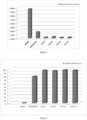
- the valuation of these formulations was performed by rotating cage experiment (weight loss technique). The results indicated that the formulations show excellent corrosion inhibition properties based on their corrosion inhibition efficiency compared to the commercial product.
- the present disclosure describes a hydrocarbon (such as LPG) fuel composition that prevents corrosion of metallurgies at operating temperatures of 0 - 100 °C and is effective in a moisture content ranging from 0-5% in the LPG fuel (hydrocarbon fuel) composition.
Landscapes
- Chemical & Material Sciences (AREA)
- Engineering & Computer Science (AREA)
- Materials Engineering (AREA)
- Organic Chemistry (AREA)
- Mechanical Engineering (AREA)
- Metallurgy (AREA)
- Life Sciences & Earth Sciences (AREA)
- General Life Sciences & Earth Sciences (AREA)
- Chemical Kinetics & Catalysis (AREA)
- General Chemical & Material Sciences (AREA)
- Preventing Corrosion Or Incrustation Of Metals (AREA)
Claims (15)
- Korrosionsschutzmittelformulierung, umfassend:a) mindestens ein quartäres Ammoniumsalz;b) mindestens einen Fettsäuremethylester;c) mindestens ein Mittel zur Senkung der Viskosität, das aus der Gruppe bestehend aus Isopropanol, Propanol, Ethanol, Toluol, Benzol, Hexan, Kerosin, Diesel, Propargylalkohol und Kombinationen davon ausgewählt ist; undd) mindestens einen Lösungsvermittler, der aus der Gruppe bestehend aus Essigsäure, Hydroxyessigsäure, Gerbsäure, 2,6-Pyridindicarbonsäure, Milchsäure, Glucono-6-lacton (Gluconsäure), 2-Furonsäure, Thiophen-2-carbonsäure, 2,3-Pyridindicarbonsäure, Phosphonoessigsäure, Thiophen-2-essigsäure, Mercaptoessigsäure, Propansäure, Butansäure, Pentansäure, Benzoesäure und Kombinationen davon ausgewählt ist,wobei das Gewichtsverhältnis des mindestens einen quartären Ammoniumsalzes zu dem mindestens einen Fettsäuremethylester im Bereich von 1:0,2-1:5,0 liegt,wobei das mindestens eine quartäre Ammoniumsalz eine Kombination von Alkyldimethylbenzylammoniumchlorid und einer Verbindung ist, die aus der Gruppe bestehend aus Formel I,
 und Formel II,
 ausgewählt ist,wobei Y aus O, -NH oder -NR3 ausgewählt ist;X aus O oder S ausgewählt ist;A aus Fluor, Chlor, Brom, Iod, Hexafluorphosphat, OH-, HCO3-, CO3 2-, R4COO-, R4SO4 - oder R4SO3 - ausgewählt ist, wobei R4 aus der Gruppe bestehend aus Wasserstoff, C1-6-Alkyl und C5-10-Aryl ausgewählt ist, wobei C1-6-Alkyl und C5-10-Aryl optional mit Hydroxyl, Nitro, Halogen, Alkyl, Aryl oder -COOR4 substituiert sind;R1 C1-20-Alkyl, C2-20-Alkenyl, C2-20-Alkinyl und C5-6-Aryl ist, wobei C1-20-Alkyl, C2-20-Alkenyl, C2-20-Alkinyl und C5-6-Aryl optional mit C1-6-Alkyl, C2-6-Alkenyl, C2-6-Alkinyl und C5-6-Aryl substituiert sind; und n um m unabhängig 5 bis 10 sind; undR2 und R3 unabhängig C1-6-Alkyl sind.
 - Korrosionsschutzmittelformulierung nach Anspruch 1, wobei das mindestens eine quartäre Ammoniumsalz eine Kombination von Alkyldimethylbenzylammoniumchlorid und einer Verbindung ist, die aus der Gruppe bestehend aus Formel I,

 ausgewählt ist,wobei Y aus -NH, -NC1-Alkyl ausgewählt ist;X aus O oder S ausgewählt ist;A aus Fluor, Chlor, Brom oder Iod, ausgewählt ist;R1 C1-20-Alkyl ist, wobei das C1-20-Alkyl optional mit C1-6-Alkyl, C2-6-Alkenyl, C2-6-Alkinyl und C5-6-Aryl substituiert ist; und n um m unabhängig 5 bis 10 sind; undR2 und R3 unabhängig C1-Alkyl sind.
 - Korrosionsschutzmittelformulierung nach Anspruch 2, wobei das Gewichtsverhältnis von Alkyldimethylbenzylammoniumchlorid zu der Verbindung der Formel I oder Formel II im Bereich von 1:0,01 bis 1:1 liegt.
- Korrosionsschutzmittelformulierung nach Anspruch 1, wobei der mindestens eine Fettsäuremethylester aus der Gruppe bestehend aus Sojamethylester, von Bioöl abgeleitetem Fettsäureester, Sonnenblumenöl, Rizinusöl, Palmitinsäuremethylester, Stearinsäuremethylester, Ölsäuremethylester, Linolsäuremethylester, Rapsmethylester und Kombinationen davon ausgewählt ist.
- Korrosionsschutzmittelformulierung nach Anspruch 1, die umfasst:a) mindestens ein quartäres Ammoniumsalz mit einem Gewichtsprozentanteil im Bereich von 10-50%, bezogen auf die Formulierung;b) mindestens einen Fettsäuremethylester mit einem Gewichtsprozentanteil im Bereich von 10-50%, bezogen auf die Formulierung;c) mindestens ein Mittel zur Senkung der Viskosität mit einem Gewichtsprozentanteil im Bereich von 1,0-5,0%, bezogen auf die Formulierung; undd) mindestens einen Lösungsvermittler, der im Bereich von 0,3-3% vorliegt, bezogen auf die Formulierung.
- Korrosionsschutzmittelformulierung nach einem der Ansprüche 1 bis 5, wobei die Korrosionsschutzmittelformulierung eine Dosierung im Bereich von 3-500 ppm aufweist.
- Verfahren zur Herstellung der Korrosionsschutzmittelformulierung nach einem der Ansprüche 1 bis 6, wobei das Verfahren umfasst:a) Beziehen des mindestens einen quartären Ammoniumsalzes;b) Beziehen des mindestens einen Fettsäuremethylesters;c) Beziehen des mindestens einen Mittels zur Senkung der Viskosität;d) Beziehen des mindestens einen Lösungsvermittlers; unde) Inkontaktbringen des mindestens einen quartären Ammoniumsalzes, des mindestens einen Fettsäuremethylesters, des mindestens einen Lösungsvermittlers und des mindestens einen Mittels zur Senkung der Viskosität, um die Korrosionsschutzmittelformulierung zu erhalten.
- Verfahren zur Herstellung der Korrosionsschutzmittelformulierung nach Anspruch 7, wobei das Beziehen des mindestens einen quartären Ammoniumsalzes umfasst: (a) Inkontaktbringen von (i) mindestens einem Fettalkohol, der vorzugsweise aus C6-20-Alkoholen ausgewählt ist, wie Oleylalkohol, Stearylalkohol, Linolylalkohol, Decen-1-ol, Dodecen-2-ol, Myristylalkohol, Cetylalkohol, Palmitylalkohol und Kombinationen davon; und (ii) Chloracetylchlorid in Gegenwart von mindestens einem Lösungsmittel, das vorzugsweise aus der Gruppe bestehend aus Dichlormethan, Chloroform, Dimethylformamid, Tetrahydrofuran, Dimethylsulfoxid und Kombinationen davon ausgewählt ist, um ein erstes Gemisch zu erhalten; (b) Inkontaktbringen von dem ersten Gemisch und mindestens einem tertiären Amin, das vorzugsweise aus der Gruppe bestehend aus N,N-Dimethylbenzylamin, N,N-Dimethyloctadecylamin, N,N-Dimethyltetradecylamin, N,N-Dimethylhexadecylamin und Kombinationen davon ausgewählt ist, um eine Verbindung der Formel I zu erhalten; (c) Inkontaktbringen von der Verbindung der Formel I mit Alkyldimethylbenzylammoniumchlorid, um das mindestens eine quartäre Ammoniumsalz zu erhalten.
- Verfahren zur Herstellung der Korrosionsschutzmittelformulierung nach Anspruch 7, wobei das Beziehen des mindestens einen quartären Ammoniumsalzes umfasst: (a) Inkontaktbringen von (i) mindestens einem Amin, das aus Anilin oder N-Alkylanilin ausgewählt ist; und (ii) Chloracetylchlorid in Gegenwart von mindestens einem Lösungsmittel, um ein erstes Gemisch zu erhalten; und (b) Inkontaktbringen von dem ersten Gemisch und mindestens einem tertiären Amin, um eine Verbindung der Formel II zu erhalten; (c) Inkontaktbringen von der Verbindung der Formel II mit Alkyldimethylbenzylammoniumchlorid, um das mindestens eine quartäre Ammoniumsalz zu erhalten.
- Verwendung der Korrosionsschutzmittelformulierung nach einem der Ansprüche 1 bis 6 zum Schutz vor Korrosion und zur Entfernung von kohlenwasserstoffhaltigen Ablagerungen in Öl- und Gasanwendungen.
- Verwendung der Korrosionsschutzmittelformulierung nach Anspruch 10 zur Korrosionsverhinderung in Metallurgien, umfassend Kohlenstoffstahl, Kupfer, Messing, Blei und Zink, die in Brennstofflagertanks, Kraftfahrzeugkraftstofftanks während eines Transports und Brennstoffverteilungssystemen beinhaltet ist.
- Korrosionsschutzmittelformulierung nach einem der Ansprüche 1 bis 6, wobei die Korrosionsschutzmittelformulierung eine Korrosionsstromdichte von weniger als 0,4 und eine Schutzeffizienz von 96 bis 96% für Metallurgien, umfassend Kohlenstoffstahl, Kupfer und Messing, aufweist.
- Verwendung der Korrosionsschutzmittelformulierung nach Anspruch 10 zur Verhinderung einer Korrosion in Metallurgien, die aus der Gruppe bestehend aus Kohlenstoffstahl, Kupfer, Weichstahl, Edelstahl, Chrom-Stahl-Legierungen und Messing ausgewählt sind, bei einer Betriebstemperatur im Bereich von 0-100°C, enthaltend eine Kohlenwasserstoffbrennstoffzusammensetzung.
- Verwendung der Korrosionsschutzmittelformulierung nach Anspruch 13 zur Verhinderung einer Korrosion bei einer Betriebstemperatur im Bereich von 10-70°C und einem Feuchtigkeitsbereich von 0-5% bezogen auf die Kohlenwasserstoffbrennstoffzusammensetzung.
- Verfahren zum Schutz einer Metalloberfläche gegen Korrosion, umfassend: Inkontaktbringen einer Schrägbohrloch-Metalloberfläche mit der Korrosionsschutzmittelformulierung nach einem der Ansprüche 1 bis 6.
Applications Claiming Priority (2)
| Application Number | Priority Date | Filing Date | Title |
|---|---|---|---|
| IN201721037647 | 2017-10-24 | ||
| PCT/IN2018/050686 WO2019082205A1 (en) | 2017-10-24 | 2018-10-23 | FORMULATION FOR THE INHIBITION OF CORROSION |
Publications (3)
| Publication Number | Publication Date |
|---|---|
| EP3701064A1 EP3701064A1 (de) | 2020-09-02 |
| EP3701064C0 EP3701064C0 (de) | 2023-07-19 |
| EP3701064B1 true EP3701064B1 (de) | 2023-07-19 |
Family
ID=64332147
Family Applications (1)
| Application Number | Title | Priority Date | Filing Date |
|---|---|---|---|
| EP18804145.3A Active EP3701064B1 (de) | 2017-10-24 | 2018-10-23 | Formulierung zur korrosionsinhibierung |
Country Status (4)
| Country | Link |
|---|---|
| US (1) | US11905604B2 (de) |
| EP (1) | EP3701064B1 (de) |
| MY (1) | MY203429A (de) |
| WO (1) | WO2019082205A1 (de) |
Families Citing this family (2)
| Publication number | Priority date | Publication date | Assignee | Title |
|---|---|---|---|---|
| EP4004143A1 (de) * | 2019-07-29 | 2022-06-01 | Stepan Company | Korrosionshemmende tenside |
| CN115785932B (zh) * | 2022-11-09 | 2023-11-14 | 中石化石油工程技术服务有限公司 | 一种乳酸酸化缓蚀剂及其制备方法 |
Family Cites Families (7)
| Publication number | Priority date | Publication date | Assignee | Title |
|---|---|---|---|---|
| US5573725A (en) | 1989-05-12 | 1996-11-12 | Texaco Inc. | Corrosion inhibition system featuring the reaction product of a polythioether polyol and fatty acid |
| JP3667707B2 (ja) * | 2002-03-27 | 2005-07-06 | 株式会社資生堂 | 皮膚外用剤 |
| US6800594B2 (en) * | 2003-01-24 | 2004-10-05 | Cortec Corporation | Corrosion inhibitor barrier for ferrous and non-ferrous metals |
| GB201018916D0 (en) * | 2010-11-09 | 2010-12-22 | Champion Technologies Ltd | Corrosion inhibition |
| US9303236B2 (en) | 2013-07-02 | 2016-04-05 | Ecolab Usa Inc. | Oilfield cleaner and corrosion inhibitor comprising a polyamine sulfonic acid salt |
| US10858573B2 (en) * | 2014-01-16 | 2020-12-08 | Wilmar Trading Pte Ltd | Olefinic ester compositions and their use as cleaning agents |
| CN106190078B (zh) | 2016-07-14 | 2018-12-18 | 北京盛昌百年石油科技有限公司 | 一种环保型微乳液清防蜡剂及制备方法 |
-
2018
- 2018-10-23 WO PCT/IN2018/050686 patent/WO2019082205A1/en not_active Ceased
- 2018-10-23 US US16/758,607 patent/US11905604B2/en active Active
- 2018-10-23 MY MYPI2020001306A patent/MY203429A/en unknown
- 2018-10-23 EP EP18804145.3A patent/EP3701064B1/de active Active
Also Published As
| Publication number | Publication date |
|---|---|
| EP3701064C0 (de) | 2023-07-19 |
| EP3701064A1 (de) | 2020-09-02 |
| WO2019082205A1 (en) | 2019-05-02 |
| MY203429A (en) | 2024-06-27 |
| US11905604B2 (en) | 2024-02-20 |
| US20210180193A1 (en) | 2021-06-17 |
Similar Documents
| Publication | Publication Date | Title |
|---|---|---|
| Zhang et al. | Tetrahydroacridines as corrosion inhibitor for X80 steel corrosion in simulated acidic oilfield water | |
| Tristijanto et al. | Corrosion inhibition of welded of X–52 steel pipelines by sodium molybdate in 3.5% NaCl solution | |
| Flores et al. | Sodium phthalamates as corrosion inhibitors for carbon steel in aqueous hydrochloric acid solution | |
| Shaban et al. | Evaluation of some cationic surfactants based on dimethylaminopropylamine as corrosion inhibitors | |
| Fouda et al. | Evaluation of N-(3-(dimethyl hexadecyl ammonio) propyl) palmitamide bromide as cationic surfactant corrosion inhibitor for API N80 steel in acidic environment | |
| AU2010221497A1 (en) | Compositions containing amide surfactants and methods for inhibiting the formation of hydrate agglomerates | |
| Kamal et al. | Synthesis, characterization and performance of succinimide derivatives as anti-corrosion and anti-scalant in petroleum applications | |
| EP3701064B1 (de) | Formulierung zur korrosionsinhibierung | |
| CN105483708B (zh) | 适用于油气田含h 2s/co 2腐蚀环境输送管线的缓蚀剂及其制备方法 | |
| Atef et al. | Ionic liquids based on different chain fatty acids as green corrosion inhibitors for C-steel in produced oilfield water | |
| Attia et al. | Isonicotinohydrazide chalcone and Its Ni complex as corrosion inhibitors during acid cleaning: Theoretical and experimental approaches | |
| US10844282B2 (en) | Corrosion inhibiting formulations and uses thereof | |
| EP3110905B1 (de) | Quaternäre fettsäureester als korrosionsinhibitoren | |
| RU2734393C1 (ru) | Ослабление внутренней коррозии в трубопроводе для транспортирования сырой нефти | |
| EP3655495B1 (de) | Korrosionsinhibitorformulierung, die ein bis-quaternäres ammoniumsalz enthält, und verfahren zu ihrer herstellung | |
| Bahtiti et al. | Anti-corrosive effect of Jordanian-bay-leaves aqueous extract on mild steel in 1.0 M hydrochloric acid solution | |
| NZ545439A (en) | Inhibition of corrosion in fluid systems | |
| Galai et al. | The effect of temperature on the inhibition of acid hydrochloric corrosion of carbon steel by hexa propylene glycol cyclotriphosphazene | |
| US2925781A (en) | Corrosion prevention | |
| US2902447A (en) | Composition and method for inhibition of corrosion | |
| RU2723123C1 (ru) | Применение амидов, являющихся продуктами конденсации анизидина или его производных с нафтеновой кислотой в качестве ингибитора коррозии и водородного охрупчивания | |
| Sobaih et al. | Analysis of corrosion behaviour of carbon steel in a Qatari GTL plant process water | |
| Mazitova et al. | Obtaining corrosion inhibitors containing synergistic nanoadditives | |
| Misirov et al. | Study of the inhibiting efficiency of PKA-1 male corrosion inhibitor in hydrogen sulfide environment | |
| Dimitrova et al. | SYNTHESIS OF A COMPLEX OIL-SOLUBLE INHIBITOR. |
Legal Events
| Date | Code | Title | Description |
|---|---|---|---|
| STAA | Information on the status of an ep patent application or granted ep patent |
Free format text: STATUS: UNKNOWN |
|
| STAA | Information on the status of an ep patent application or granted ep patent |
Free format text: STATUS: THE INTERNATIONAL PUBLICATION HAS BEEN MADE |
|
| PUAI | Public reference made under article 153(3) epc to a published international application that has entered the european phase |
Free format text: ORIGINAL CODE: 0009012 |
|
| STAA | Information on the status of an ep patent application or granted ep patent |
Free format text: STATUS: REQUEST FOR EXAMINATION WAS MADE |
|
| 17P | Request for examination filed |
Effective date: 20200319 |
|
| AK | Designated contracting states |
Kind code of ref document: A1 Designated state(s): AL AT BE BG CH CY CZ DE DK EE ES FI FR GB GR HR HU IE IS IT LI LT LU LV MC MK MT NL NO PL PT RO RS SE SI SK SM TR |
|
| AX | Request for extension of the european patent |
Extension state: BA ME |
|
| DAV | Request for validation of the european patent (deleted) | ||
| DAX | Request for extension of the european patent (deleted) | ||
| GRAP | Despatch of communication of intention to grant a patent |
Free format text: ORIGINAL CODE: EPIDOSNIGR1 |
|
| STAA | Information on the status of an ep patent application or granted ep patent |
Free format text: STATUS: GRANT OF PATENT IS INTENDED |
|
| INTG | Intention to grant announced |
Effective date: 20230310 |
|
| GRAS | Grant fee paid |
Free format text: ORIGINAL CODE: EPIDOSNIGR3 |
|
| GRAA | (expected) grant |
Free format text: ORIGINAL CODE: 0009210 |
|
| STAA | Information on the status of an ep patent application or granted ep patent |
Free format text: STATUS: THE PATENT HAS BEEN GRANTED |
|
| AK | Designated contracting states |
Kind code of ref document: B1 Designated state(s): AL AT BE BG CH CY CZ DE DK EE ES FI FR GB GR HR HU IE IS IT LI LT LU LV MC MK MT NL NO PL PT RO RS SE SI SK SM TR |
|
| REG | Reference to a national code |
Ref country code: GB Ref legal event code: FG4D |
|
| REG | Reference to a national code |
Ref country code: CH Ref legal event code: EP |
|
| REG | Reference to a national code |
Ref country code: DE Ref legal event code: R096 Ref document number: 602018053712 Country of ref document: DE |
|
| REG | Reference to a national code |
Ref country code: IE Ref legal event code: FG4D |
|
| U01 | Request for unitary effect filed |
Effective date: 20230818 |
|
| U07 | Unitary effect registered |
Designated state(s): AT BE BG DE DK EE FI FR IT LT LU LV MT NL PT SE SI Effective date: 20230824 |
|
| U1N | Appointed representative for the unitary patent procedure changed after the registration of the unitary effect |
Representative=s name: FENIX LEGAL KB; SE |
|
| REG | Reference to a national code |
Ref country code: LT Ref legal event code: MG9D |
|
| U20 | Renewal fee for the european patent with unitary effect paid |
Year of fee payment: 6 Effective date: 20231027 |
|
| PG25 | Lapsed in a contracting state [announced via postgrant information from national office to epo] |
Ref country code: GR Free format text: LAPSE BECAUSE OF FAILURE TO SUBMIT A TRANSLATION OF THE DESCRIPTION OR TO PAY THE FEE WITHIN THE PRESCRIBED TIME-LIMIT Effective date: 20231020 |
|
| PG25 | Lapsed in a contracting state [announced via postgrant information from national office to epo] |
Ref country code: IS Free format text: LAPSE BECAUSE OF FAILURE TO SUBMIT A TRANSLATION OF THE DESCRIPTION OR TO PAY THE FEE WITHIN THE PRESCRIBED TIME-LIMIT Effective date: 20231119 |
|
| PG25 | Lapsed in a contracting state [announced via postgrant information from national office to epo] |
Ref country code: RS Free format text: LAPSE BECAUSE OF FAILURE TO SUBMIT A TRANSLATION OF THE DESCRIPTION OR TO PAY THE FEE WITHIN THE PRESCRIBED TIME-LIMIT Effective date: 20230719 Ref country code: NO Free format text: LAPSE BECAUSE OF FAILURE TO SUBMIT A TRANSLATION OF THE DESCRIPTION OR TO PAY THE FEE WITHIN THE PRESCRIBED TIME-LIMIT Effective date: 20231019 Ref country code: IS Free format text: LAPSE BECAUSE OF FAILURE TO SUBMIT A TRANSLATION OF THE DESCRIPTION OR TO PAY THE FEE WITHIN THE PRESCRIBED TIME-LIMIT Effective date: 20231119 Ref country code: HR Free format text: LAPSE BECAUSE OF FAILURE TO SUBMIT A TRANSLATION OF THE DESCRIPTION OR TO PAY THE FEE WITHIN THE PRESCRIBED TIME-LIMIT Effective date: 20230719 Ref country code: GR Free format text: LAPSE BECAUSE OF FAILURE TO SUBMIT A TRANSLATION OF THE DESCRIPTION OR TO PAY THE FEE WITHIN THE PRESCRIBED TIME-LIMIT Effective date: 20231020 |
|
| PG25 | Lapsed in a contracting state [announced via postgrant information from national office to epo] |
Ref country code: PL Free format text: LAPSE BECAUSE OF FAILURE TO SUBMIT A TRANSLATION OF THE DESCRIPTION OR TO PAY THE FEE WITHIN THE PRESCRIBED TIME-LIMIT Effective date: 20230719 |
|
| REG | Reference to a national code |
Ref country code: DE Ref legal event code: R097 Ref document number: 602018053712 Country of ref document: DE |
|
| PG25 | Lapsed in a contracting state [announced via postgrant information from national office to epo] |
Ref country code: ES Free format text: LAPSE BECAUSE OF FAILURE TO SUBMIT A TRANSLATION OF THE DESCRIPTION OR TO PAY THE FEE WITHIN THE PRESCRIBED TIME-LIMIT Effective date: 20230719 |
|
| PG25 | Lapsed in a contracting state [announced via postgrant information from national office to epo] |
Ref country code: SM Free format text: LAPSE BECAUSE OF FAILURE TO SUBMIT A TRANSLATION OF THE DESCRIPTION OR TO PAY THE FEE WITHIN THE PRESCRIBED TIME-LIMIT Effective date: 20230719 Ref country code: RO Free format text: LAPSE BECAUSE OF FAILURE TO SUBMIT A TRANSLATION OF THE DESCRIPTION OR TO PAY THE FEE WITHIN THE PRESCRIBED TIME-LIMIT Effective date: 20230719 Ref country code: ES Free format text: LAPSE BECAUSE OF FAILURE TO SUBMIT A TRANSLATION OF THE DESCRIPTION OR TO PAY THE FEE WITHIN THE PRESCRIBED TIME-LIMIT Effective date: 20230719 Ref country code: CZ Free format text: LAPSE BECAUSE OF FAILURE TO SUBMIT A TRANSLATION OF THE DESCRIPTION OR TO PAY THE FEE WITHIN THE PRESCRIBED TIME-LIMIT Effective date: 20230719 Ref country code: SK Free format text: LAPSE BECAUSE OF FAILURE TO SUBMIT A TRANSLATION OF THE DESCRIPTION OR TO PAY THE FEE WITHIN THE PRESCRIBED TIME-LIMIT Effective date: 20230719 |
|
| PLBE | No opposition filed within time limit |
Free format text: ORIGINAL CODE: 0009261 |
|
| STAA | Information on the status of an ep patent application or granted ep patent |
Free format text: STATUS: NO OPPOSITION FILED WITHIN TIME LIMIT |
|
| PG25 | Lapsed in a contracting state [announced via postgrant information from national office to epo] |
Ref country code: MC Free format text: LAPSE BECAUSE OF FAILURE TO SUBMIT A TRANSLATION OF THE DESCRIPTION OR TO PAY THE FEE WITHIN THE PRESCRIBED TIME-LIMIT Effective date: 20230719 |
|
| REG | Reference to a national code |
Ref country code: CH Ref legal event code: PL |
|
| 26N | No opposition filed |
Effective date: 20240422 |
|
| GBPC | Gb: european patent ceased through non-payment of renewal fee |
Effective date: 20231023 |
|
| PG25 | Lapsed in a contracting state [announced via postgrant information from national office to epo] |
Ref country code: GB Free format text: LAPSE BECAUSE OF NON-PAYMENT OF DUE FEES Effective date: 20231023 |
|
| PG25 | Lapsed in a contracting state [announced via postgrant information from national office to epo] |
Ref country code: CH Free format text: LAPSE BECAUSE OF NON-PAYMENT OF DUE FEES Effective date: 20231031 |
|
| PG25 | Lapsed in a contracting state [announced via postgrant information from national office to epo] |
Ref country code: GB Free format text: LAPSE BECAUSE OF NON-PAYMENT OF DUE FEES Effective date: 20231023 Ref country code: CH Free format text: LAPSE BECAUSE OF NON-PAYMENT OF DUE FEES Effective date: 20231031 |
|
| PG25 | Lapsed in a contracting state [announced via postgrant information from national office to epo] |
Ref country code: IE Free format text: LAPSE BECAUSE OF NON-PAYMENT OF DUE FEES Effective date: 20231023 |
|
| PG25 | Lapsed in a contracting state [announced via postgrant information from national office to epo] |
Ref country code: IE Free format text: LAPSE BECAUSE OF NON-PAYMENT OF DUE FEES Effective date: 20231023 |
|
| U20 | Renewal fee for the european patent with unitary effect paid |
Year of fee payment: 7 Effective date: 20241018 |
|
| PG25 | Lapsed in a contracting state [announced via postgrant information from national office to epo] |
Ref country code: CY Free format text: LAPSE BECAUSE OF FAILURE TO SUBMIT A TRANSLATION OF THE DESCRIPTION OR TO PAY THE FEE WITHIN THE PRESCRIBED TIME-LIMIT; INVALID AB INITIO Effective date: 20181023 |
|
| PG25 | Lapsed in a contracting state [announced via postgrant information from national office to epo] |
Ref country code: HU Free format text: LAPSE BECAUSE OF FAILURE TO SUBMIT A TRANSLATION OF THE DESCRIPTION OR TO PAY THE FEE WITHIN THE PRESCRIBED TIME-LIMIT; INVALID AB INITIO Effective date: 20181023 |
|
| U20 | Renewal fee for the european patent with unitary effect paid |
Year of fee payment: 8 Effective date: 20251028 |
|
| PG25 | Lapsed in a contracting state [announced via postgrant information from national office to epo] |
Ref country code: TR Free format text: LAPSE BECAUSE OF FAILURE TO SUBMIT A TRANSLATION OF THE DESCRIPTION OR TO PAY THE FEE WITHIN THE PRESCRIBED TIME-LIMIT Effective date: 20230719 |