EP3696797B1 - Registriervorrichtung, suchvorgansvorrichtung, datenverwaltungsvorrichtung, registrierungsprogramm, suchvorgangsprogramm und datenverwaltungsprogramm - Google Patents
Registriervorrichtung, suchvorgansvorrichtung, datenverwaltungsvorrichtung, registrierungsprogramm, suchvorgangsprogramm und datenverwaltungsprogramm Download PDFInfo
- Publication number
- EP3696797B1 EP3696797B1 EP18901471.5A EP18901471A EP3696797B1 EP 3696797 B1 EP3696797 B1 EP 3696797B1 EP 18901471 A EP18901471 A EP 18901471A EP 3696797 B1 EP3696797 B1 EP 3696797B1
- Authority
- EP
- European Patent Office
- Prior art keywords
- function
- value
- attribute
- input
- taking
- Prior art date
- Legal status (The legal status is an assumption and is not a legal conclusion. Google has not performed a legal analysis and makes no representation as to the accuracy of the status listed.)
- Not-in-force
Links
Images












Classifications
-
- H—ELECTRICITY
- H04—ELECTRIC COMMUNICATION TECHNIQUE
- H04L—TRANSMISSION OF DIGITAL INFORMATION, e.g. TELEGRAPHIC COMMUNICATION
- H04L9/00—Cryptographic mechanisms or cryptographic arrangements for secret or secure communications; Network security protocols
- H04L9/06—Cryptographic mechanisms or cryptographic arrangements for secret or secure communications; Network security protocols the encryption apparatus using shift registers or memories for block-wise or stream coding, e.g. DES systems or RC4; Hash functions; Pseudorandom sequence generators
- H04L9/065—Encryption by serially and continuously modifying data stream elements, e.g. stream cipher systems, RC4, SEAL or A5/3
- H04L9/0656—Pseudorandom key sequence combined element-for-element with data sequence, e.g. one-time-pad [OTP] or Vernam's cipher
- H04L9/0662—Pseudorandom key sequence combined element-for-element with data sequence, e.g. one-time-pad [OTP] or Vernam's cipher with particular pseudorandom sequence generator
-
- H—ELECTRICITY
- H04—ELECTRIC COMMUNICATION TECHNIQUE
- H04L—TRANSMISSION OF DIGITAL INFORMATION, e.g. TELEGRAPHIC COMMUNICATION
- H04L9/00—Cryptographic mechanisms or cryptographic arrangements for secret or secure communications; Network security protocols
- H04L9/06—Cryptographic mechanisms or cryptographic arrangements for secret or secure communications; Network security protocols the encryption apparatus using shift registers or memories for block-wise or stream coding, e.g. DES systems or RC4; Hash functions; Pseudorandom sequence generators
-
- G—PHYSICS
- G06—COMPUTING OR CALCULATING; COUNTING
- G06F—ELECTRIC DIGITAL DATA PROCESSING
- G06F16/00—Information retrieval; Database structures therefor; File system structures therefor
- G06F16/90—Details of database functions independent of the retrieved data types
- G06F16/903—Querying
- G06F16/9035—Filtering based on additional data, e.g. user or group profiles
-
- G—PHYSICS
- G06—COMPUTING OR CALCULATING; COUNTING
- G06F—ELECTRIC DIGITAL DATA PROCESSING
- G06F21/00—Security arrangements for protecting computers, components thereof, programs or data against unauthorised activity
- G06F21/60—Protecting data
- G06F21/62—Protecting access to data via a platform, e.g. using keys or access control rules
- G06F21/6218—Protecting access to data via a platform, e.g. using keys or access control rules to a system of files or objects, e.g. local or distributed file system or database
- G06F21/6227—Protecting access to data via a platform, e.g. using keys or access control rules to a system of files or objects, e.g. local or distributed file system or database where protection concerns the structure of data, e.g. records, types, queries
-
- G—PHYSICS
- G06—COMPUTING OR CALCULATING; COUNTING
- G06F—ELECTRIC DIGITAL DATA PROCESSING
- G06F9/00—Arrangements for program control, e.g. control units
- G06F9/06—Arrangements for program control, e.g. control units using stored programs, i.e. using an internal store of processing equipment to receive or retain programs
- G06F9/30—Arrangements for executing machine instructions, e.g. instruction decode
- G06F9/30098—Register arrangements
-
- H—ELECTRICITY
- H04—ELECTRIC COMMUNICATION TECHNIQUE
- H04L—TRANSMISSION OF DIGITAL INFORMATION, e.g. TELEGRAPHIC COMMUNICATION
- H04L63/00—Network architectures or network communication protocols for network security
- H04L63/04—Network architectures or network communication protocols for network security for providing a confidential data exchange among entities communicating through data packet networks
- H04L63/0428—Network architectures or network communication protocols for network security for providing a confidential data exchange among entities communicating through data packet networks wherein the data content is protected, e.g. by encrypting or encapsulating the payload
-
- H—ELECTRICITY
- H04—ELECTRIC COMMUNICATION TECHNIQUE
- H04L—TRANSMISSION OF DIGITAL INFORMATION, e.g. TELEGRAPHIC COMMUNICATION
- H04L9/00—Cryptographic mechanisms or cryptographic arrangements for secret or secure communications; Network security protocols
- H04L9/08—Key distribution or management, e.g. generation, sharing or updating, of cryptographic keys or passwords
- H04L9/0861—Generation of secret information including derivation or calculation of cryptographic keys or passwords
- H04L9/0869—Generation of secret information including derivation or calculation of cryptographic keys or passwords involving random numbers or seeds
Definitions
- the present invention relates to a searchable encryption technology.
- Searchable encryption is a technology of searching for encrypted data while the data remains encrypted.
- the searchable encryption is a technology of searching for encrypted data without decrypting the encrypted data.
- the searchable encryption has attracted attention as a security technology to protect confidential information from being eavesdropped by server administrators in cloud services.
- the searchable encryption has attracted attention as a security technology applicable when data is managed on the Internet.
- the registrant is a user who registers encrypted data
- the searcher is a user who searches for encrypted data.
- a basic flow of a process by the registrant is as below:
- a basic flow of a process by the searcher is as below:
- a basic flow of a process by the datacenter apparatus is as below:
- searchable encryption schemes There are two types of searchable encryption schemes: a common key scheme and a public key scheme.
- the common key scheme uses a common key encryption technology, and limits who to be a registrant and a searcher.
- the public key scheme uses a public key encryption technology, and limits searchers but not registrants.
- Non-Patent Literature 1 discloses a common key scheme under which a registrant and a searcher do not share the same secret information among them, in order to lower a sharing cost of the secret information and a degree of influence that arises if the secret information is leaked.
- Non-Patent Literature 1 discloses a multi-user common key scheme.
- settings can be made for a user who is allowed to perform a search and a user who is not allowed to perform the search.
- Non-Patent Literature 1 notes a fact that a well-known multi-user settings increase a size of the search query, and discloses a scheme to hold down a size of a search query using a proxy re-encryption technology.
- the proxy re-encryption technology is a technology of converting encrypted data of one user into encrypted data that can be decrypted by another user, without decrypting the encrypted data of the one user.
- Non-Patent Literature 1 has a problem regarding a search speed since the proxy re-encryption technology uses a public key encryption technology.
- Non-Patent Literature 1 is available for an exact match search, but not for a partial match search. In other words, it is possible to determine whether a keyword used for a search exactly matches a keyword used for registration, but not whether the keyword used for the search is included in the keyword used for the registration as a partial character string.
- Non-Patent Literature 1 is not available for a range search. In other words, if a keyword used for registration is a numerical value and a keyword used for a search is a numerical interval, it is impossible to determine whether the numerical value used for the registration is within the numerical interval used for the search.
- Patent Literature 1 discloses a searchable encryption scheme available for a partial match. According to this scheme, it is possible to determine whether a keyword used for a search is included in a keyword used for registration as a partial character string, in an encrypted state.
- Non-Patent Literature 2 is not a searchable encryption technology, however, discloses an encryption scheme with an access control function.
- This scheme allows generation of encrypted data that can be decrypted by one user, but not by another user, based on attribute information of each user.
- This scheme uses a common key encryption technology. Therefore, although registrants and searchers are limited, this scheme delivers a high efficiency.
- An objective of the present invention is to enable searchable encryption under a multi-user common key encryption scheme.
- a registration apparatus includes:
- encrypted data C that is generated using multiple functions is registered. This enables searchable encryption under a multi-user common key encryption scheme.
- the searchable encryption system 100 is provided with a master key apparatus 200, a registration key apparatus 300, a user key apparatus 400, a registration apparatus 500, a search operation apparatus 600, and a data management apparatus 700.
- the apparatuses of the searchable encryption system 100 communicate with each other via a network 101.
- the master key apparatus 200 is a computer provided with hardware devices such as a processor 201, a memory 202, an auxiliary storage device 203, an input/output interface 204, and a communication device 205. These pieces of hardware are connected with each other via a signal line.
- the processor 201 is an integrated circuit (IC) that performs a computation processing, and controls the other hardware devices.
- a processor 201 is a central processing unit (CPU), a digital signal processor (DSP), or a graphics processing unit (GPU).
- the memory 202 is a volatile storage device.
- the memory 202 is called also a main storage device or a main memory.
- the memory 202 is a random-access memory (RAM).
- RAM random-access memory
- the auxiliary storage device 203 is a nonvolatile storage device.
- the auxiliary storage device 203 is a read-only memory (ROM), a hard disk drive (HDD), or a flash memory. Data stored in the auxiliary storage device 203 is loaded, as necessary, into the memory 202.
- the input/output interface 204 is a port to which an input device(s) and an output device are connected.
- the input/output interface 204 is a USB terminal
- the input devices are a keyboard and a mouse
- the output device is a display.
- USB is an abbreviation for Universal Serial Bus.
- the communication device 205 is a receiver/transmitter.
- the communication device 205 is a communication chip or a network interface card (NIC).
- NIC network interface card
- the master key apparatus 200 is provided with components such as an acceptance unit 210, a generation unit 220, and an output unit 230. These components are implemented by software.
- a master key program to cause the computer to function as the acceptance unit 210, the generation unit 220, the output unit 230, and a storage unit 291 is stored.
- the master key program is loaded into the memory 202, and executed by the processor 201.
- an operating system (OS) is stored. At least part of the OS is loaded into the memory 202, and executed by the processor 201.
- the processor 201 executes the master key program while executing the OS.
- Data obtained by executing the master key program is stored in a storage device such as the memory 202, the auxiliary storage device 203, and a register or cache memory in the processor 201.
- the auxiliary storage device 203 functions as the storage unit 291.
- another storage device may function as the storage unit 291, instead of the auxiliary storage device 203 or together with the auxiliary storage device 203.
- the master key apparatus 200 may be provided with a plurality of processors that substitute for the processor 201.
- the plurality of processors divide a role of the processor 201 among themselves.
- the master key program can be recorded (stored) in a computer-readable way in a nonvolatile recording medium such as an optical disc and a flash memory.
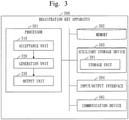
- the registration key apparatus 300 is a computer provided with hardware devices such as an acceptance unit 310, a generation unit 320, and an output unit 330. These hardware devices are connected to each other via a signal line.
- a processor 301 is an IC that performs a computation processing, and controls the other hardware devices.
- the processor 301 is a CPU, a DSP, or a GPU.
- a memory 302 is a volatile storage device.
- the memory 302 is called also a main storage device or a main memory.
- the memory 302 is a RAM. Data stored in the memory 302 is saved, as necessary, in an auxiliary storage device 303.
- the auxiliary storage device 303 is a nonvolatile storage device.
- the auxiliary storage device 303 is a ROM, an HDD, or a flash memory. Data stored in the auxiliary storage device 303 is loaded, as necessary, into the memory 302.
- An input/output interface 304 is a port to which an input device(s) and an output device are connected.
- the input/output interface 304 is a USB terminal
- the input devices are a keyboard and a mouse
- the output device is a display.
- a communication device 305 includes a receiver and a transmitter.
- the communication device 305 is a communication chip or a NIC.
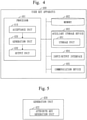
- the registration key apparatus 300 is provide with components such as the acceptance unit 310, the generation unit 320, and the output unit 330. These components are implemented by software.
- a registration key program to cause the computer to function as the acceptance unit 310, the generation unit 320, the output unit 330, and a storage unit 391 is stored.
- the registration key program is loaded into the memory 302, and executed by the processor 301.
- an OS is stored in the auxiliary storage device 303. At least part of the OS is loaded into the memory 302, and executed by the processor 301.
- the processor 301 executes the registration key program while executing the OS.
- Data obtained by executing the registration key program is stored in a storage device such as the memory 302, the auxiliary storage device 303, and a register or cache memory in the processor 301.
- the auxiliary storage device 303 functions as the storage unit 391.
- another storage device may function as the storage unit 391, instead of the auxiliary storage device 303 or together with the auxiliary storage device 303.
- the registration key apparatus 300 may be provided with a plurality of processors that substitute for the processor 301.
- the plurality of processors divide a role of the processor 301 among themselves.
- the registration key program can be recorded (stored) in a computer-readable way in a nonvolatile recording medium such as an optical disc or a flash memory.
- the user key apparatus 400 is a computer provided with hardware devices such as a processor 401, a memory 402, an auxiliary storage device 403, an input/output interface 404, and a communication device 405. These pieces of hardware are connected to each other via a signal line.
- the processor 401 is an IC that performs a computation processing, and controls the other hardware devices.
- the processor 401 is a CPU, a DSP, or a GPU.
- the memory 402 is a volatile storage device.
- the memory 402 is called also a main storage device or a main memory.
- the memory 402 is a RAM. Data stored in the memory 402 is saved, as necessary, in the auxiliary storage device 403.
- the auxiliary storage device 403 is a nonvolatile storage device.
- the auxiliary storage device 403 is a ROM, an HDD, or a flash memory. Data stored in the auxiliary storage device 403 is loaded, as necessary, into the memory 402.
- the input/output interface 404 is a port to which an input device(s) and an output device are connected.
- the input/output interface 404 is a USB terminal
- the input devices are a keyboard and a mouse
- the output device is a display.
- the communication device 405 is a receiver/transmitter.
- the communication device 405 is a communication chip or a NIC.
- the user key apparatus 400 is provided with components such as an acceptance unit 410, a generation unit 420, and an output unit 430. These components are implemented by software.
- auxiliary storage device 403 a user key program to cause the computer to function as the acceptance unit 410, the generation unit 420, the output unit 430, and a storage unit 491 is stored.
- the user key program is loaded into the memory 402, and executed by the processor 401.
- an OS is stored in the auxiliary storage device 403, an OS is stored. At least part of the OS is loaded into the memory 402, and executed by the processor 401.
- the processor 401 executes the user key program while executing the OS.
- Data obtained by executing the user key program is stored in a storage device such as the memory 402, the auxiliary storage device 403, and a register or cache memory in the processor 401.
- the auxiliary storage device 403 functions as the storage unit 491.
- another storage device may function as the storage unit 491, instead of the auxiliary storage device 403 or together with the auxiliary storage device 403.
- the user key apparatus 400 may be provided with a plurality of processors that substitute for the processor 401.
- the plurality of processors divide a role of the processor 401 among themselves.
- the user key program can be recorded (stored) in a computer-readable way in a nonvolatile recording medium such as an optical disc and a flash memory.
- the generation unit 420 is provided with an attribute key generation unit 422.
- the registration apparatus 500 is a computer provided with hardware devices such as a processor 501, a memory 502, an auxiliary storage device 503, an input/output interface 504, and a communication device 505. These hardware devices are connected to each other via a signal line.
- the processor 501 is an IC that performs a computation processing, and controls the other hardware devices.
- the processor 501 is a CPU, a DSP, or a GPU.
- the memory 502 is a volatile storage device.
- the memory 502 is called also a main storage device or a main memory.
- the memory 502 is a RAM. Data stored in the memory 502 is saved, as necessary, in the auxiliary storage device 503.
- the auxiliary storage device 503 is a nonvolatile storage device.
- the auxiliary storage device 503 is a ROM, an HDD, or a flash memory. Data stored in the auxiliary storage device 503 is loaded, as necessary, into the memory 502.
- the input/output interface 504 is a port to which an input device(s) and an output device are connected.
- the input/output interface 504 is a USB terminal
- the input devices are a keyboard and a mouse
- the output device is a display.
- the communication device 505 is a receiver/transmitter.
- the communication device 505 is a communication chip or a NIC.
- the registration apparatus 500 is provided with components such as an acceptance unit 510, a generation unit 520, and a registration unit 530. These components are implemented by software.
- a registration program to cause the computer to function as the acceptance unit 510, the generation unit 520, the registration unit 530, and a storage unit 591 is stored.
- the registration program is loaded into the memory 502, and executed by the processor 501.
- an OS is stored in the auxiliary storage device 503, an OS is stored. At least part of the OS is loaded into the memory 502, and executed by the processor 501.
- the processor 501 executes the registration program while executing the OS.
- Data obtained by executing the registration program is stored in a storage device, such as the memory 502, the auxiliary storage device 503, and a register or cache memory in the processor 501.
- the auxiliary storage device 503 functions as the storage unit 591.
- another storage device may function as the storage unit 591, instead of the auxiliary storage device 503 or together with the auxiliary storage device 503.
- the registration apparatus 500 is provided with a plurality of processors that substitute for the processor 501.
- the plurality of processors divide a role of the processor 501 among themselves.
- the registration program can be recorded (stored) in a computer-readable way in a nonvolatile recording medium such as an optical disc and a flash memory.
- the generation unit 520 is provided with a random number generation unit 521, an encrypted data generation unit 522, a keyword acquisition unit 523, and an encrypted tag generation unit 524.
- the search operation apparatus 600 is a computer is provided with hardware devices such as a processor 601, a memory 602, an auxiliary storage device 603, an input/output interface 604, and a communication device 605. These hardware devices are connected to each other via a signal line.
- the processor 601 is an IC that performs a computation processing, and controls the other hardware devices.
- the processor 601 is a CPU, a DSP, or a GPU.
- the memory 602 is a volatile storage device.
- the memory 602 is called also a main storage device or a main memory.
- the memory 602 is a RAM. Data stored in the memory 602 is saved, as necessary, in the auxiliary storage device 603.
- the auxiliary storage device 603 is a nonvolatile storage device.
- the auxiliary storage device 603 is a ROM, an HDD, or a flash memory. Data stored in the auxiliary storage device 603 is loaded, as necessary, into the memory 602.
- the input/output interface 604 is a port to which an input device(s) and an output device are connected.
- the input/output interface 604 is a USB terminal
- the input devices are a keyboard and a mouse
- the output device is a display.
- the communication device 605 is a receiver/transmitter.
- the communication device 605 is a communication chip or a NIC.
- the search operation apparatus 600 is provided with components such as an acceptance unit 610, a generation unit 620, a request unit 630, a decryption unit 640, and an output unit 650. These components are implemented by software.
- a search operation program to cause the computer to function as the acceptance unit 610, the generation unit 620, a request unit 630, a decryption unit 640, the output unit 650, and a storage unit 691 is stored.
- the search operation program is loaded into the memory 602, and executed by the processor 601.
- an OS is stored in the auxiliary storage device 603, an OS is stored. At least part of the OS is loaded into the memory 602, and executed by the processor 601.
- the processor 601 executes the search operation program while executing the OS.
- Data obtained by executing the search operation program is stored in a storage device such as the memory 602, the auxiliary storage device 603, and a register or cache memory in the processor 601.
- the auxiliary storage device 603 functions as the storage unit 691.
- another storage device may function as the storage unit 691, instead of the auxiliary storage device 603 or together with the auxiliary storage device 603.
- the search operation apparatus 600 may include a plurality of processors that substitute for the processor 601.
- the plurality of processors divide a role of the processor 601 among themselves.
- the search operation program can be recorded (stored) in a computer-readable way in a nonvolatile recording medium such as an optical disc or a flash memory.
- the generation unit 620 provided with a search query generation unit 622.
- the data management apparatus 700 is a computer provided with hardware devices such as a processor 701, a memory 702, an auxiliary storage device 703, an input/output interface 704, and a communication device 705. These hardware devices are connected to each other via a signal line.
- the processor 701 is an IC that performs a computation processing, and controls the other hardware devices.
- the processor 701 is a CPU, a DSP, or a GPU.
- the memory 702 is a volatile storage device.
- the memory 702 is called also a main storage device or a main memory.
- the memory 702 is a RAM. Data stored in the memory 702 is saved, as necessary, in the auxiliary storage device 703.
- the auxiliary storage device 703 is a nonvolatile storage device.
- the auxiliary storage device 703 is a ROM, an HDD, or a flash memory. Data stored in the auxiliary storage device 703 is loaded, as necessary, into the memory 702.
- the input/output interface 704 is a port to which an input device(s) and an output device are connected.
- the input/output interface 704 is a USB terminal
- the input devices are a keyboard and a mouse
- the output device is a display.
- the communication device 705 is a receiver/transmitter.
- the communication device 705 is a communication chip or a NIC.
- the data management apparatus 700 is provided with components such as an acceptance unit 710, a collation unit 721, and an output unit 730. These components are implemented by software.
- auxiliary storage device 703 a data management program to cause the computer to function as the acceptance unit 710, the collation unit 721, the output unit 730, and a storage unit 791 is stored.
- the data management program is loaded into the memory 702, and executed by the processor 701.
- an OS is stored in the auxiliary storage device 703, an OS is stored. At least part of the OS is loaded into the memory 702, and executed by the processor 701.
- the processor 701 executes the data management program while executing the OS.
- Data obtained by executing the data management program is stored in a storage device such as the memory 702, the auxiliary storage device 703, and a register or cache memory in the processor 701.
- the auxiliary storage device 703 functions as the storage unit 791.
- another other storage device may function as the storage unit 791, instead of the auxiliary storage device 703 or together with the auxiliary storage device 703.
- the data management apparatus 700 may be provided with a plurality of processors that substitute for the processor 701.
- the plurality of processors divide a role of the processor 701 among themselves.
- the data management program can be recorded (stored) in a computer-readable way in a nonvolatile storing medium such as an optical disc or a flash memory.
- Operation of the searchable encryption system 100 is equivalent to a searchable encryption method.
- Master key generation is a process to be executed by the master key apparatus 200.
- step S111 the acceptance unit 210 accepts key size BIT(i) and a generation number i.
- the acceptance unit 210 accepts via the input/output interface 204, key size BIT(i) and a generation number i inputted to the master key apparatus 200.
- the acceptance unit 210 may accept the key size BIT(i) and the generation number i from an application program.
- the key size BIT(i) is a bit length of a master key MK(i).
- the generation number i is a generation number of the master key MK(i), and does not overlap with any of past generation numbers.
- the generation number i is a serial number or time and date.
- the master key MK(i) is a master key MK of a generation number i.
- step S112 the generation unit 220 generates the master key MK(i).
- the generation unit 220 generates a random bit string of the same length as the key size BIT(i).
- the generated bit string is the master key MK(i).
- the generation unit 220 For example, if the key size BIT(i) is 256 bits, the generation unit 220 generates a random bit string of 256 bits. In this way, a master key MK(i) of 256 bits can be obtained.
- step S113 the generation unit 220 stores the master key data MSK(i) in the storage unit 291. Then, the master key data MSK(i) is saved in the storage unit 291.
- the master key data MSK(i) is a tuple of a master key MK(i) and a generation number i, and called master key data MSK of the generation number i.
- step S114 the output unit 230 outputs the master key data MSK(i).
- the output unit 230 transmits the master key data MSK(i) to the registration key apparatus 300, using the communication device 205.
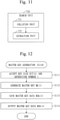
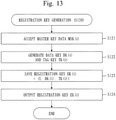
- Registration key generation is a process to be executed by the registration key apparatus 300.
- step S121 the acceptance unit 310 accepts the master key data MSK(i).
- the acceptance unit 310 accepts the master key data MSK(i) from the master key apparatus 200, using the communication device 305.
- the acceptance unit 310 may accept via the input/output interface 304, master key data MSK(i) inputted to the registration key apparatus 300.
- step S122 the generation unit 320, using the master key MK(i) included in the master key data MSK(i), generates a data key DK(i) and a tag key TK(i).
- the generation unit 320 generates two random numbers by executing a function F_1 by taking as input the master key MK(i). Each of the random numbers is a random bit string.
- the function F_1 is a pseudo random function.
- the pseudo random function is a cryptographic function, and deterministically returns a random number in response to an input value once a key is determined.
- a cryptographic hash function such as SHA-1, or a function under a common key encryption scheme such as AES, may be used as the function F_1.
- the other of the random numbers is the tag key TK(i).
- step S123 the generation unit 320 stores a registration key EK(i) in the storage unit 391. Then the registration key EK(i) is saved in the storage unit 391.
- the registration key EK(i) is a tuple of a generation number i, a data key DK(i), and a tag key TK(i), and is called a registration key EK of the generation number i.
- step S124 the output unit 330 outputs the registration key EK(i).
- the output unit 330 transmits a registration key EK(i) to each of the user key apparatus 400 and the registration apparatus 500, using the communication device 305.
- User key generation is a process to be executed by the user key apparatus 400.
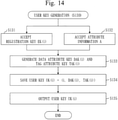
- step S131 the acceptance unit 410 accepts a registration key EK(i).
- the acceptance unit 410 accepts a registration key EK(i) from the registration key apparatus 300, using the communication device 405.
- the acceptance unit 410 may accept via the input/output interface 404, a registration key EK(i) inputted to the user key apparatus 400.
- the acceptance unit 410 stores the registration key EK(i) in the storage unit 491. Then the registration key EK(i) is saved in the storage unit 491.
- step S131 is not necessary.
- the registration key EK(i) includes a generation number i, a data key DK(i), and a tag key TK(i).
- step S132 the acceptance unit 410 accepts attribute information A.
- the acceptance unit 410 accepts via the input/output interface 404, attribute information A inputted to the user key apparatus 400.
- the acceptance unit 410 may accept the attribute information A from an application program.
- the attribute information A is attribute information of the searcher.
- the attribute information A relates to an authorization control for search and decryption.
- the searcher is a user who performs a search.
- the searcher is a user of the search operation apparatus 600.
- a user attribute forms a hierarchy.
- Attribute information indicates attribute values by level of the user.
- the attribute information A indicates an attribute value by level of the hierarchy of the searcher.
- a user attribute forms a hierarchy.
- a user attribute is composed of a four-level hierarchy.
- First level of the attribute represents a division.
- Second level of the attribute represents a department.
- Third level of the attribute represents a section.
- Fourth level of the attribute represents a name.
- Ne belongs to section Sc of department De of division Di.
- Second attribute information is Nf's attribute information. Nf belongs to section Sd of department De of division Di.
- Third attribute information is attribute information of a member of section Sc.
- the member of section Sc belongs to section Sc of department De of division Di. Since the fourth attribute is a wildcard " ⁇ ", the name is not limited.
- Fourth attribute information is attribute information of a member of department De.
- the member of department De belongs to department De of division Di. Since the third and fourth attributes are both wildcards " ⁇ ", the section and the name are not limited.
- a user attribute is composed of L levels, and attribute information includes L of attribute values, where L is an integer of 2 or more.
- step S133 An explanation will be continued from step S133.
- step S133 the attribute key generation unit 422, using the data key DK(i) and the attribute information A, generates data attribute key data DAK(i).
- the data attribute key data DAK(i) is data attribute key data DAK of a generation number i.
- the data attribute key data DAK(i) involves a data attribute key DAK_j and a flag value Db_j where j is an integer of 1 or more and L or less.
- the attribute key generation unit 422 calculates the data attribute key DAK_j as below:
- the attribute key generation unit 422 concatenates an attribute value A_j and a number j.
- a value represented by an obtained bit string is called a concatenated value (A_j).
- the attribute key generation unit 422 executes a function F_2 by taking as input the data key DK(i) and the concatenated value (A_j). An obtained value is the data attribute key DAK_j.
- the function F_2 is a pseudo random function, a hash function, or a function under a common key encryption scheme, as the function F_1 is.
- the attribute key generation unit 422 calculates the flag value Db_j as below:
- the attribute key generation unit 422 determines whether the attribute value A_j is a wildcard " ⁇ ".
- the flag value Db_j is 1.
- the data attribute key data DAK(i) can be expressed as below: where "x
- the attribute key generation unit 422 uses the tag key TK(i) and the attribute information A, generates tag attribute key data TAK(i).
- the tag attribute key data TAK(i) is tag attribute key data TAK of a generation number i.
- the tag attribute key data TAK(i) involves a tag attribute key TAK_j and a flag value Tb_j.
- the attribute key generation unit 422 calculates the tag attribute key TAK_j as below:
- the flag value Tb_j indicates whether or not an attribute value A_j is a wildcard " ⁇ ".
- the flag value Tb_j is 1.
- the tag attribute key data TAK(i) can be expressed as below:
- step S134 the generation unit 420 stores a user key UK(i) in the storage unit 491. Then, the user key UK(i) is saved in the storage unit 491.
- the user key UK(i) is a tuple of a generation number i, data attribute key data DAK(i), and tag attribute key data TAK(i).
- the user key UK(i) is a user key UK of a generation number i corresponding to attribute information A.
- step S135 the output unit 430 outputs the user key UK(i).
- the output unit 430 transmits a user key UK(i) to the search operation apparatus 600, using the communication device 405.
- Data registration is a process to be executed by the registration apparatus 500.
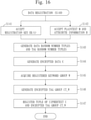
- step S141 the acceptance unit 510 accepts a registration key EK(i).
- the acceptance unit 510 accepts a registration key EK(i) from the registration key apparatus 300, using the communication device 505.
- the acceptance unit 510 may accept via the input/output interface 504, a registration key EK(i) inputted to the registration apparatus 500.
- the acceptance unit 510 stores the registration key EK(i) in the storage unit 591. Then the registration key EK(i) is saved in the storage unit 591.
- step S141 is not necessary.
- the registration key EK(i) includes a generation number i, a data key DK(i), and a tag key TK(i).
- the acceptance unit 510 stores the registration key EK(i) in the storage unit 591. Then the registration key EK(i) is saved in the storage unit 591.
- step S142 the acceptance unit 510 accepts a plaintext M and attribute information B.
- the acceptance unit 510 accepts via the input/output interface 504, a plaintext M and attribute information B inputted to the registration apparatus 500.
- the acceptance unit 510 may accept the plaintext M and the attribute information B from an application program.
- the plaintext M is data that has not been encrypted.
- the plaintext M includes a file name File(M) as metadata.
- the attribute information B is attribute information of an authorized person, and indicates an attribute value by level of the authorized person.
- the attribute information B relates to an authorization control for search and decryption, as attribute information A does.
- the authorized person is a user who is authorized to refer to the plaintext M. In other words, the authorized person is part of users of the search operation apparatus 600.
- step S143 the random number generation unit 521 generates three data random number tuples (R, s, S) and three tag random number tuples (R', s' , S').
- Each data random number tuple (R, s, S) is a tuple of random numbers whose quantity is the same as a level quantity L of a hierarchy of an attribute.
- each of a data random number tuple R, a data random number tuple s, and a data random number tuple S is a tuple of L of random numbers.
- the L of random numbers of each of the data random number tuples are generated uniform-randomly.
- Each tag random number tuple (R', s' , S') consists of random numbers whose quantity is the same as the level quantity L of the hierarchy of the attribute.
- each of a tag random number tuple R', a tag random number tuple s', and a tag random number tuple S' is a tuple of L of random numbers.
- the L of random numbers of each of the tag random number tuples are generated uniform- randomly.
- step S144 the encrypted data generation unit 522, using the data key DK(i), the plaintext M, the attribute information B, and the three data random number tuples (R, s, S), generates encrypted data C.
- the encrypted data C includes an attribute element C_ ⁇ j, 0, 0 ⁇ , an attribute element C_ ⁇ j, 0, 1), a wildcard element C_ ⁇ j, 1, 0 ⁇ , and a wildcard element C_ ⁇ j, 1, 1 ⁇ .
- j is an integer of 1 or more and L or less, and represents a level number.
- the encrypted data C further includes a ciphertext C_ ⁇ L +1 ⁇ .
- the encrypted data C includes the file name File(M) as metadata of the plaintext M.
- the file name File(M) may be encrypted.
- the encrypted data generation unit 522 calculates the attribute element C_ ⁇ j, 0, 0 ⁇ as below:
- the function F_3 is a pseudo random function, a hash function, or a function under a common key encryption scheme, as the function F_1 and the function F_2 are.
- the encrypted data generation unit 522 sets the random number sj to the attribute element C_ ⁇ j, 0, 1 ⁇ .
- the encrypted data generation unit 522 calculates the wildcard element C_ ⁇ j, 1, 0 ⁇ as below:
- the encrypted data generation unit 522 sets the random number S_j to the wildcard element C_ ⁇ j, 1, 1 ⁇ .
- the encrypted data generation unit 522 calculates the ciphertext C_ ⁇ L + 1 ⁇ as below:
- An example of the function F_4 is a function under a common key encryption scheme, such as AES.
- the encrypted data C can be expressed as below. Note that in Embodiment 1, "+” means an exclusive-or (XOR):
- step S145 the keyword acquisition unit 523 acquires a keyword group regarding the plaintext M.
- the keyword group consists of 1 or more keywords.
- the keyword acquisition unit 523 extracts the keyword group from the plaintext M by performing a morphological analysis, natural language processing, or the like on the plaintext M.
- the keyword acquisition unit 523 may accept via the input/output interface 504, a keyword group inputted to the registration apparatus 500. Alternatively, the keyword acquisition unit 523 may accept the keyword group from an application program.
- a keyword group acquired is called a registered keyword group W.
- N is an integer of 2 or more.
- step S146 the encrypted tag generation unit 524, using the tag key TK(i), the attribute information B, the tag random number tuple S', and the registered keyword group W, generates an encrypted tag group CT_W.
- the encrypted tag group CT_W is a plurality of encrypted tags CT_ ⁇ W_n ⁇ corresponding to a plurality of registered keywords W_n.
- n is an integer of 1 or more and N or less, and represents a number of a registered keyword.
- the encrypted tag CT_ ⁇ W_n ⁇ includes an attribute element CT_ ⁇ j, 0, 0, W_n ⁇ , an attribute element CT_ ⁇ j, 0, 1, W_n ⁇ , a wildcard element CT_ ⁇ j, 1, 0, W_n ⁇ , and a wildcard element CT_ ⁇ j, 1, 1, W_n ⁇ .
- the encrypted tag CT_ ⁇ W_n ⁇ includes a determination element CT_ ⁇ L + 1, W_n ⁇ .
- the encrypted tag generation unit 524 calculates the attribute element CT_ ⁇ j, 0, 0, W_n ⁇ as below:
- the encrypted tag generation unit 524 concatenates an attribute value B_j and a number j.
- a value represented by an obtained bit string is called a concatenated value (B_j).
- the encrypted tag generation unit 524 executes the function F_2 by taking as input the tag key TK(i) and the concatenated value (B_j). An obtained value is called a function value (B_j ⁇ ).
- the encrypted tag generation unit 524 executes a function F_5 by taking as input the function value (B_j ⁇ ) and a registered keyword W_n. An obtained value is called a function value (B_jW_n ⁇ ).
- the encrypted tag generation unit 524 executes a function F_6 by taking as input the function value (B_jW_n ⁇ ) and a random number s'_j. An obtained value is called a function value (B_jW_n ⁇ ).
- the encrypted tag generation unit 524 calculates an exclusive-or of the function value (B_jW_n ⁇ ) and a random number R'_j.
- An obtained value is the attribute element CT_ ⁇ j, 0, 0, W_n ⁇ .
- Each of the function F_5 and the function F_6 is a pseudo random function, a hash function, or a function under a common key encryption scheme, as the function F_1, the function F_2, and the function F_3 are.
- the encrypted tag generation unit 524 sets the random number s'_j to the attribute element CT_ ⁇ j, 0, 1, W_n ⁇ .
- the encrypted tag generation unit 524 calculates the wildcard element CT_ ⁇ j, 1, 0, W_n ⁇ as below:
- the encrypted tag generation unit 524 regards the wildcard element CT_ ⁇ j, 1, 1, W_n ⁇ as the random number S'_j.
- the encrypted tag generation unit 524 calculates the determination element CT_ ⁇ L + 1, W_n ⁇ as below:
- An example of the function F_7 is a hash function such as SHA-1.
- CT_W CT _ W _ 1 , ... , CT _ W _ N
- CT_ ⁇ W_n ⁇ ((CT_ ⁇ 1, 0, 0, W_n ⁇ , CT_ ⁇ 1, 0, 1, W_n ⁇ , CT_ ⁇ 1, 1, 0, W_n ⁇ , CT_ ⁇ 1, 1, 1, W_n ⁇ ), ..., (CT_ ⁇ L, 0, 0, W_n ⁇ , CT_ ⁇ L, 0, 1, W_n ⁇ , CT_ ⁇ L, 1, 0, W_n ⁇ , CT_ ⁇ L, 1, 1, W_n ⁇ ), CT_ ⁇ L+1,W_n ⁇ ) where n is an integer of 1 or more and N or less.
- an encrypted tag CT_ ⁇ W_n ⁇ is shortened to be an encrypted tag CT.
- step S147 the registration unit 530 registers a tuple of the encrypted data C and the encrypted tag group CT_W in the data management apparatus 700.
- the registration unit 530 transmits the tuple of the encrypted data C and the encrypted tag group CT_W to the data management apparatus 700.
- the acceptance unit 710 receives the tuple of the encrypted data C and the encrypted tag group CT_W, and stores the received tuple in the storage unit 791.
- the acceptance unit 710 stores in the storage unit 791 the encrypted data C and the encrypted tag group CT_W being associated with each other. Then, the tuple of the encrypted data C and the encrypted tag group CT_W is saved in the storage unit 791.
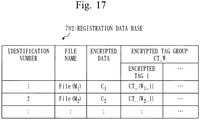
- the data management apparatus 700 registers in the registration database 792 an identification number, a file name, encrypted data C, and encrypted tag group CT_W being associated with each other.
- the registration database 792 is stored in the storage unit 791.
- Search operation (S150) is a process to be executed by the search operation apparatus 600.
- step S151 the acceptance unit 610 accepts a user key UK(i).
- the acceptance unit 610 accepts a user key UK(i) from the user key apparatus 400, using the communication device 605.
- the acceptance unit 610 may accept via the input/output interface 604, a user key UK(i) inputted to the search operation apparatus 600.
- the acceptance unit 610 stores the user key UK(i) in the storage unit 691. Then, the user key UK(i) is saved in the storage unit 691.
- step S151 is not necessary.
- the user key UK(i) includes a generation number i, data attribute key data DAK(i), tag attribute key data TAK(i), and a search key SK(i).
- step S152 the acceptance unit 610 accepts a search keyword w.
- the acceptance unit 610 accepts via the input/output interface 604, a search keyword w inputted to the search operation apparatus 600.
- the acceptance unit 610 may accept the search keyword w from an application program.
- step S153 the search query generation unit 622, using the tag attribute key data TAK(i) and the search keyword w, generates a search query Q.
- the search query Q includes a flag element Qb_j and an attribute keyword element Q_j.
- the search query generation unit 622 calculates the flag element Qb_j as below:
- the search query generation unit 622 extracts a flag value Tb_j from the tag attribute key data TAK(i).
- the flag element Qb_j is of the same value as the flag value Tb_j.
- the search query generation unit 622 calculates the attribute keyword element Q_j as below:
- step S154 the request unit 630 transmits the search query Q to the data management apparatus 700, using the communication device 605.
- step S155 the request unit 630 receives a search result ⁇ C ⁇ from the data management apparatus 700, using the communication device 605.
- the search result ⁇ C ⁇ is a set of encrypted data C having hit a search.
- step S156 the decryption unit 640 decrypts each of the encrypted data C into a plaintext M using the data attribute key data DAK(i).
- the decryption unit 640 decrypts the encrypted data C into the plaintext M as below:
- the decryption function F_4 ⁇ -1 ⁇ is a decryption function of the function F_4.
- the decryption unit 640 calculates the computation value U as below:
- a plaintext M can be obtained by calculating F_4 ⁇ -1 ⁇ (U, C_ ⁇ L+ 1 ⁇ ).
- step S156 is not necessary.
- a set of plaintexts M obtained in step S156 is called a search result ⁇ M ⁇ .
- step S157 the output unit 650 outputs a search result ⁇ M ⁇ .
- the output unit 650 displays the search result ⁇ M ⁇ on a display via the input/output interface 604.
- the output unit 650 displays a message informing that there is no plaintext M having hit the search.
- Data search is a process to be executed by the data management apparatus 700.
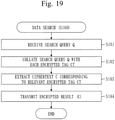
- step S161 the acceptance unit 710 receives a search query Q from the search operation apparatus 600, using the communication device 705.
- step S162 the collation unit 721 selects an encrypted tag CT that agrees with the search query Q by collating the search query Q with each encrypted tag CT.
- the collation unit 721 collates the search query Q with each encrypted tag CT as below:
- the collation unit 721 calculates the computation value V_1 as below:
- V_1 R _ 1 + ... + R ′ _ L
- V _ 2 F _ 7
- the encrypted tag CT selected in step S162 in other words, an encrypted tag CT that agrees with the search query Q is called a relevant encrypted tag CT.
- step S163 an extraction unit 722 extracts encrypted data C corresponding to the relevant encrypted tag CT. Extracted encrypted data C is called relevant encrypted data C.
- step S164 the output unit 730 transmits an encryption result ⁇ C ⁇ to the search operation apparatus 600, using the communication device 705.
- the encryption result ⁇ C ⁇ is a set of the relevant encrypted data C.
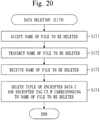
- Data deletion is a process to be executed by the search operation apparatus 600 and the data management apparatus 700.
- step S171 the acceptance unit 610 of the search operation apparatus 600 accepts a name of file to be deleted.
- the acceptance unit 610 accepts via the input/output interface 604, a name of file to be deleted which is inputted to the search operation apparatus 600.
- the acceptance unit 610 may accept the name of file to be deleted, from an application program.
- a name of file to be deleted is acquired by the search operation (S150).
- step S172 the output unit 650 of the search operation apparatus 600 transmits the name of file to be deleted to the data management apparatus 700, using the communication device 605.
- step S173 the acceptance unit 710 of the data management apparatus 700 receives the name of file to be deleted from the search operation apparatus 600, using the communication device 705.
- step S174 the acceptance unit 710 of the data management apparatus 700 deletes from the storage unit 791, encrypted data C and an encrypted tag CT_W corresponding to the name of file to be deleted.
- Multi-user searchable encryption can be realized using a common key encryption technology, without using a public key encryption technology. Since the public key encryption technology is not used, it is possible to perform data registration and search at a high speed.
- searchable encryption if a search keyword is an exact match to a registered keyword, a search is hit.
- the generation unit 520 includes a random number generation unit 525, an encrypted data generation unit 522, a keyword acquisition unit 523, a partially matching keyword generation unit 526, and an encrypted tag generation unit 527.
- the search unit 720 includes a collation unit 723 and an extraction unit 722.
- a master key apparatus 200 In master key generation (S110), a master key apparatus 200 generates master key data MSK(i).
- the master key data MSK(i) is a tuple of a master key MK(i) and a generation number i.
- Registration key generation (S120) is as explained in Embodiment 1 (see Fig. 13 ).
- a registration key apparatus 300 In registration key generation (S120), a registration key apparatus 300 generates a registration key EK(i).
- the registration key EK(i) is a tuple of a generation number i, a data key DK(i), and a tag key TK(i).
- the data key DK(i) is generated with using a master key MK(i) included in the master key data MSK(i).
- the tag key TK(i) is generated with using the master key MK(i) included in the master key data MSK(i)
- a user key apparatus 400 In user key generation (S 130), a user key apparatus 400 generates a user key UK(i).
- the user key UK(i) is a tuple of a generation number i, data attribute key data DAK(i), and tag attribute key data TAK(i).
- the data attribute key data DAK(i) is generated with using attribute information A and the data key DK(i) which is included in the registration key EK(i).
- the tag attribute key data TAK(i) is generated with using the attribute information A and the tag key TK(i) which is included in the registration key EK(i).
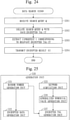
- a registration apparatus 500 registers a tuple of a ciphertext C and an encrypted tag group CT_PMW in a data management apparatus 700.
- step S241 an acceptance unit 510 accepts a registration key EK(i).
- Step S241 is the same as step S141 in Embodiment 1 (see Fig. 16 ).
- step S242 the acceptance unit 510 accepts a plaintext M and attribute information B.
- Step S242 is the same as step S142 in Embodiment 1 (see Fig. 16 ).
- step S243 the random number generation unit 525 generates three data random number tuples (R, s, S), one tag random number tuple R', and one tag random number S'.
- the three data random number tuples (R, s, S) are as explained in Embodiment 1 (see step S143 in Fig. 16 ).
- the tag random number tuple R' consists of random numbers whose quantity is the same as a level quantity L of an attribute. In other words, the tag random number tuple R' consists of L of random numbers. Each of the random numbers is generated uniform- randomly.
- the tag random number S' is one random number that is generated uniform-randomly.
- step S244 the encrypted data generation unit 522 generates encrypted data C using a data key DK(i), the plaintext M, the attribute information B, and the three data random number tuples (R, s, S).
- Step S244 is the same as step S144 in Embodiment 1 (see Fig. 16 ).
- step S245 the keyword acquisition unit 523 acquires a registered keyword group W.
- Step S245 is the same as step S145 in Embodiment 1 (see Fig. 16 ).
- the registered keyword group W consists of N of registered keyword(s) W_n. Note that N is an integer of 1 or more, and n is an integer of 1 or more and N or less.
- step S246 the partially matching keyword generation unit 526, by generating a partially matching keyword group PM(W_n) for each of the registered keywords W_n, generates a partially matching keyword group PMW corresponding to the registered keyword group W.
- the partially matching keyword group PM(W_n) consists of K of partially matching keyword(s) PM(W_n[k]). Note that K is an integer of 1 or more, and k is an integer of 1 or more and K or less.
- the partially matching keyword PM(W_n[k]) is a tuple of a partially matching keyword and a starting position number.
- the starting position number indicates a position of a character from which the partially matching keyword starts in a registered keyword.
- the partially matching keyword generation unit 526 generates a partially matching keyword group PM(W_n) corresponding to a registered keyword W_n as below:
- a quantity of partial keywords obtained by dividing a registered keyword W_n is "X”
- the partially matching keyword generation unit 526 may divide the registered keyword W_n into phrases.
- the registered keyword W_n "tokyoto” is divided into “tokyo” and “to”.
- “tokyo” and “tokyoto” starting with the first phrase “tokyo” in the registered keyword W_n “tokyoto” are listed.
- “tokyo” is a character string from the first phrase to the first phrase
- “tokyoto” is a character string from the first phrase to the second phrase.
- “to” starting with the second phrase “to” in the registered keyword W_n “tokyoto” is listed.
- “to” is a character string from the second phrase to the second phrase.
- the partially matching keyword generation unit 526 may divide the registered keyword W_n into units other than characters or phrases.
- the partially matching keyword generation unit 526 may change a dividing unit depending on a registered keyword W_n.
- the partially matching keyword generation unit 526 does not need to perform division. If a registered keyword W_n is not divided, the registered keyword W_n will subject to an exact match search, but not to a partial match search.
- step S247 the encrypted tag generation unit 527 generates an encrypted tag group CT_PMW using a tag key TK(i), the attribute information B, the tag random number tuple R', the tag random number S', and the partially matching keyword group PMW.
- the encrypted tag group CT_PMW consists of a plurality of encrypted tags CT_ ⁇ PM(W_n) ⁇ corresponding to a plurality of registered keywords W_n.
- n is an integer of 1 or more and N or less, and represents a number of a registered keyword W_n.
- the encrypted tag CT_ ⁇ PM(W_n) ⁇ includes a random number element CT_ ⁇ 0, PM(W_n) ⁇ .
- the encrypted tag generation unit 527 sets the tag random number S' to the random number element CT_ ⁇ 0, PM(W_n) ⁇ .
- the encrypted tag CT_ ⁇ PM(W_n) ⁇ further includes an attribute element CT_ ⁇ j, 0, PM(W_n) ⁇ .
- j is an integer of 1 or more and L or less, and represents a number of an attribute value B_j.
- the encrypted tag generation unit 527 calculates the attribute element CT_ ⁇ j, 0, PM(W_n)[k] ⁇ as below. Note that k is an integer of 1 or more and K or less:
- Each of the function F_5 and the function F_6 is a pseudo random function, a hash function, or a function under a common key encryption scheme, as the function F_1, the function F_2, and the function F_3 are.
- the encrypted tag CT_ ⁇ PM(W_n) ⁇ further includes a wildcard element CT_ ⁇ j, 1, PM(W_n) ⁇ .
- j is an integer of 1 or more and L or less, and represents a number of the attribute value B_j.
- the encrypted tag generation unit 527 calculates a wildcard element CT_ ⁇ j, 1, PM(W_n)[k] ⁇ as below. Note that k is an integer of 1 or more and K or less.
- the encrypted tag generation unit 527 concatenates a wildcard " ⁇ " and a number j.
- a value represented by an obtained bit string is called a concatenated value ( ⁇ _j).
- the encrypted tag generation unit 527 executes the function F_2 by taking as input the value of the tag key TK(i) and the concatenated value ( ⁇ _j). An obtained value is called a function value ( ⁇ _j ⁇ ).
- the encrypted tag generation unit 527 executes the function F_5 by taking as input the function value ( ⁇ _j ⁇ ) and the partially matching keyword PM(W_n)[k][0]. An obtained value is called a function value ( ⁇ _jPM(W_n)[k] ⁇ ).
- the encrypted tag generation unit 527 executes the function F_6 by taking as input the function value ( ⁇ _jPM(W_n)[k] ⁇ ), a starting position number PM(W_n)[k][1], and the random number element CT_ ⁇ 0, PM(W_n) ⁇ .
- An obtained value is called a function value ( ⁇ _jPM(W_n)[k] ⁇ ).
- the encrypted tag generation unit 527 calculates an exclusive-or of the function value ( ⁇ _jPM(W_n)[k] ⁇ ) and a random number R'_j.
- An obtained value is the wildcard element CT_ ⁇ j, 1, PM(W_n)[k] ⁇ .
- the encrypted tag CT_ ⁇ PM(W_n) ⁇ further includes a determination element CT_ ⁇ L+1, PM(W_n) ⁇ .
- the encrypted tag generation unit 527 calculates the determination element CT_ ⁇ L+1, PM(W_n) ⁇ as below:
- An example of the function F_7 is a hash function such as SHA-1.
- CT_PMW CT _ PM W _ 1 , ... , CT _ PM W _ N
- CT_ ⁇ PM(W_n) ⁇ (CT_ ⁇ 0, PM(W_n) ⁇ , CT_ ⁇ 1, 0, PM(W_n)[1] ⁇ , ..., CT_ ⁇ L, 0, PM(W_n)[1] ⁇ , ..., CT_ ⁇ 1, 0, PM(W_n)[K] ⁇ , ..., CT_ ⁇ L, 0, PM(W_n)[K] ⁇ , CT_ ⁇ 1, 1, PM(W_n)[1] ⁇ , ..., CT_ ⁇ L, 1, PM(W_n)[1] ⁇ , ..., CT_ ⁇ 1, 1, PM(W_n)[K] ⁇ , ..., CT_ ⁇ L, 1, PM(W_n)[K] ⁇ , CT_ ⁇ L+1, PM(W_n) ⁇ ) where n is an integer of 1 or more and N or less.
- CT CT _ 0 , CT _ 1,0 1 , ... , CT _ L 0 1 , ... , CT _ 1,0 K , ... , CT _ L , 0 , K , CT _ 1,1 1 , ... , CT _ L 1 1 , ... , CT _ 1,1 K , CT _ L 1 K , CT _ L + 1
- a registration unit 530 registers a tuple of encrypted data C and the encrypted tag group CT_PMW in the data management apparatus 700.
- the registration unit 530 transmits the tuple of the encrypted data C and the encrypted tag group CT_PMW to the data management apparatus 700.
- the acceptance unit 710 receives the tuple of the encrypted data C and the encrypted tag group CT_PMW, and stores the received tuple in the storage unit 791.
- the acceptance unit 710 stores in the storage unit 791 the encrypted data C and the encrypted tag group CT_PMW being associated with each other. Then, the tuple of the encrypted data C and the encrypted tag group CT_PMW is saved in the storage unit 791.
- a search operation apparatus 600 accepts a user key UK(i) and a search keyword W, and outputs a search result ⁇ M ⁇ .
- the data management apparatus 700 receives a search query Q, and transmits an encryption result ⁇ C ⁇ .
- step S261 the acceptance unit 710 receives a search query Q from the search operation apparatus 600.
- Step S261 is the same as step S161 in Embodiment 1 (see Fig. 19 ).
- step S262 the collation unit 723 selects an encrypted tag CT that agrees with the search query Q by collating the search query Q with each encrypted tag CT.
- the collation unit 723 collates the search query Q with each encrypted tag CT as below.
- a symbol ⁇ PM(W_n) ⁇ of a registered keyword is omitted:
- the collation unit 723 calculates the computation value V_1[x, k] as below:
- the collation unit 723 selects the tuple CTj0 of attribute elements or the tuple CTj 1 of wildcard elements as below:
- V_1[x, k] and the collation value V_2[x, k] can be expressed as below:
- V _ 1 x k F _ 6 Q _ 1 , x , CT _ 0 + CT _ 1 , Qb _ 1 , k + ... + F _ 6 Q _ L , x CT _ 0 + CT _ L , Qb _ L , k
- V _ 2 x k F _ 7 V _ 1 x k
- An encrypted tag CT selected in step S262 in other words, an encrypted tag CT that agrees with a search query Q is called a relevant encrypted tag CT.
- step S263 the extraction unit 722 extracts encrypted data C corresponding to the relevant encrypted tag CT.
- the extracted encrypted data C is called relevant encrypted data C.
- Step S263 is the same as step S163 in Embodiment 1 (see Fig. 19 ).
- an output unit 730 transmits an encryption result ⁇ C ⁇ to the search operation apparatus 600.
- the encryption result ⁇ C ⁇ is a set of the relevant encrypted data C.
- Step S264 is the same as step S164 in Embodiment 1 (see Fig. 19 ).
- the data management apparatus 700 deletes a tuple of encrypted data C and an encrypted tag CT_W corresponding to a name of file to be deleted.
- Embodiment 2 if a search keyword is included in a registered keyword, in other words, if the search keyword is a partial match to the registered keyword, a search is hit.
- a range search is a search to find a registered numerical value included in a search range.
- search range is [78, 111]
- range search is performed to find a registered numerical value X that satisfies 78 ⁇ X ⁇ 111.
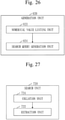
- the generation unit 520 is provided with a random number generation unit 525, an encrypted data generation unit 522, a keyword acquisition unit 523, a generalized numerical value generation unit 528, and an encrypted tag generation unit 527.
- the generation unit 620 is provided with a numerical value listing unit 623 and a search query generation unit 624.
- the search unit 720 is provided with a collation unit 724 and an extraction unit 722.
- a master key apparatus 200 In master key generation (S110), a master key apparatus 200 generates master key data MSK(i).
- the master key data MSK(i) is a tuple of a master key MK(i) and a generation number i.
- Registration key generation (S120) is as explained in Embodiment 1 (see Fig. 13 ).
- a registration key apparatus 300 In registration key generation (S120), a registration key apparatus 300 generates a registration key EK(i).
- the registration key EK(i) is a tuple of a generation number i, a data key DK(i), and a tag key TK(i).
- the data key DK(i) is generated with using a master key MK(i) included in master key data MSK(i).
- the tag key TK(i) is generated with using the master key MK(i) included in the master key data MSK(i).
- a user key apparatus 400 In user key generation (S130), a user key apparatus 400 generates a user key UK(i).
- the user key UK(i) is a tuple of a generation number i, data attribute key data DAK(i), and tag attribute key data TAK(i).
- the data attribute key data DAK(i) is generated with using attribute information A and a data key DK(i) which is included in a registration key EK(i).
- the tag attribute key data TAK(i) is generated with using the attribute information A and a tag key TK(i) which is included in the registration key EK(i).
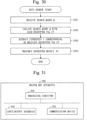
- a registration apparatus 500 registers a tuple of a ciphertext C and an encrypted tag group CT_GNUM in a data management apparatus 700.
- step S341 an acceptance unit 510 accepts a registration key EK(i).
- Step S341 is the same as step S141 in Embodiment 1 (see Fig. 16 ).
- step S342 the acceptance unit 510 accepts a plaintext M and attribute information B.
- Step S342 is the same as step S142 in Embodiment 1 (see Fig. 16 ).
- step S343 the random number generation unit 525 generates three data random number tuples (R, s, S), one tag random number tuple R', and one tag random number S'.
- Step S343 is the same as step S243 in Embodiment 2 (see Fig. 23 ).
- the tag random number tuple R' consists of random numbers whose quantity is the same as a level quantity L of an attribute. In other words, the tag random number tuple R' consists of L of random numbers. Each of the random numbers is generated uniform-randomly.
- the tag random number S' is one random number that is generated uniform-randomly.
- step S344 the encrypted data generation unit 522 generates encrypted data C using a data key DK(i), the plaintext M, the attribute information B, and the three data random number tuples (R, s, S).
- Step S344 is the same as step S144 in Embodiment 1 (see Fig. 16 ).
- step S345 the keyword acquisition unit 523 acquires a registered numerical value group NUM.
- the registered numerical value group NUM consists of 1 or more registered numerical values.
- the registered numerical value group NUM is equivalent to a registered keyword group W.
- the registered numerical value is equivalent to a registered keyword.
- step S346 the generalized numerical value generation unit 528 generates a generalized numerical value group GNUM corresponding to the registered numerical value group NUM.
- GNUM GNUM W _ 1 , ... , GNUM W _ N
- the generalized numerical value generation unit 528 by regarding a registered numerical value W_n as a character string and listing all keywords that forward-match the registered numerical value W_n, generates the generalized numerical value group GNUM.
- n is an integer of 1 or more and N or less.
- a length of the generalized numerical value GNUM(W_n), that is, the quantity K of elements of the generalized numerical value GNUM(W_n) matches a quantity of digits of the registered numerical value W_n.
- step S347 the encrypted tag generation unit 527, using a tag key TK(i), the attribute information B, the tag random number tuple R', the tag random number S', and the generalized numerical value group GNUM, generates an encrypted tag group CT_GNUM.
- the encrypted tag group CT_GNUM is a plurality of encrypted tags CT_ ⁇ GNUM(W_n) ⁇ .
- n is an integer of 1 or more and N or less, and represents a number of the registered numerical value W_n.
- the encrypted tag CT_ ⁇ GNUM(W_n) ⁇ includes a random number element CT_ ⁇ 0, GNUM(W_n) ⁇ .
- the encrypted tag generation unit 527 sets the tag random number S' to the random number element CT_ ⁇ 0, GNUM(W n) ⁇ .
- the encrypted tag CT_ ⁇ GNUM(W_n) ⁇ further includes an attribute element CT_ ⁇ j, 0, GNUM(W_n) ⁇ .
- j is an integer of 1 or more and L or less.
- the encrypted tag generation unit 527 calculates the attribute element CT_ ⁇ j, 0, GNUM(W_n) ⁇ as below. Note that k is an integer of 1 or more and K or less:
- Each of the function F_5 and the function F_6 is a pseudo random function, a hash function, or a function under a common key encryption scheme, as the function F_1, the function F_2, and the function F_3 are.
- the encrypted tag CT_ ⁇ GNUM(W_n) ⁇ includes a wildcard element CT_ ⁇ j, 1, GNUM(W_n) ⁇ .
- the encrypted tag generation unit 527 calculates the wildcard element CT_ ⁇ j, 1, GNUM(W _n) ⁇ as below. Note that k is an integer of 1 or more and K or less:
- the encrypted tag CT_ ⁇ GNUM(W_n) ⁇ further includes a determination element CT_ ⁇ L+1, GNUM(W_n) ⁇ .
- the encrypted tag generation unit 527 calculates the determination element CT_ ⁇ L+1, GNUM(W_n) ⁇ as below:
- An example of the function F_7 is a hash function such as SHA-1.
- CT_GNUM CT_ GNUM W_1 , ... , CT_ GNUM W_N
- CT_ GNUM W_n ( CT_ 0 , GNUM W_n , CT_ ⁇ 1 , 0 , GNUM W_n 1 , ... , CT_ L , 0 , GNUM W_n 1 , ... , CT- ⁇ 1 , 0 , GNUM W_n K , ... , CT_ L , 0 , GNUM W_n K , CT_ 1 , 1 , GNUM W_n 1 , ...
- n is an integer of 1 or more and N or less.
- R ′ + R ′ _ 1 + ... + R ′ _ L CT _ L + 1
- GNUM W _ n R _ 7 R ′ +
- a registration unit 530 registers a tuple of the encrypted data C and the encrypted tag group CT_GNUM in the data management apparatus 700.
- the registration unit 530 transmits the tuple of the encrypted data C and the encrypted tag group CT_GNUM to the data management apparatus 700.
- an acceptance unit 710 receives the tuple of the encrypted data C and the encrypted tag group CT GNUM, and stores the received tuple in a storage unit 791.
- the acceptance unit 710 stores in the storage unit 791 the encrypted data C and the encrypted tag group CT_GNUM being associated with each other. Then, the tuple of the encrypted data C and the encrypted tag group CT_GNUM is saved in the storage unit 791.
- a search operation apparatus 600 accepts a user key UK(i) and a search range [FROM, TO], and outputs a search result ⁇ M ⁇ .
- step S351 an acceptance unit 610 accepts a user key UK(i).
- Step S351 is the same as step S151 in Embodiment 1 (see Fig. 18 ).
- step S352 the acceptance unit 610 accepts a search range [FROM, TO].
- FROM means a lower-limit value in a search range.
- TO means an upper-limit value in the search range.
- [FROM, TO] means a numerical value of "FROM” or more and “TO” or less.
- the acceptance unit 610 accepts via an input/output interface 604, a search range [FROM, TO] inputted in the search operation apparatus 600.
- the acceptance unit 610 may accept the search range [FROM, TO] from an application program.
- step S353 the numerical value listing unit 623 generates a number set RANGE corresponding to the search range [FROM, TO].
- the number set RANGE is a set that includes all numerical values from "FROM” to "TO".
- the numerical value listing unit 623 lists all numerical values included in [FROM, TO].
- the numerical value listing unit 623 generalizes the listed numerical values.
- the numerical value listing unit 623 lists 34 of integers from 78 to 111. Then, the numerical value listing unit 623 replaces integers from 80 to 89 by "8?", replaces integers from 90 to 99 by "9?", and replaces integers from 100 to 109 by "10?". As a result, seven generalized numerical values of "78", "79", “8?", “9?", “10?", “110”, and "111" are obtained.
- RANGE[y] is an integer of 1 or more and Y or less:
- the listed numerical values may include a decimal. In such case, it is advisable to determine in advance up to how many decimal places to enumerate in each listed numerical value.
- step S354 the search query generation unit 624, using a tag attribute key data TAK(i) and the number set RANGE, generates a search query Q.
- the search query Q includes a flag element Qb_j.
- the search query generation unit 624 calculates the flag element Qb_j as below:
- the search query Q further includes an attribute keyword element Q_j[y].
- the search query generation unit 624 calculates the attribute keyword element Q_j[y] as below:
- step S355 a request unit 630 transmits the search query Q to the data management apparatus 700.
- Step S355 is the same as step S154 in Embodiment 1 (see Fig. 18 ).
- step S356 the request unit 630 receives a search result ⁇ C ⁇ from the data management apparatus 700.
- the search result ⁇ C ⁇ is a set of encrypted data C having hit a search.
- Step S356 is the same as step S155 in Embodiment 1.
- step S357 a decryption unit 640, using the data attribute key data DAK(i), decrypts each encrypted data C into a plaintext M.
- a set of the plaintexts M is called a search result ⁇ M ⁇ .
- Step S357 is the same as step S156 in Embodiment 1.
- step S358 an output unit 650 outputs the search result ⁇ M ⁇ .
- Step S358 is the same as step S157 in Embodiment 1.
- the data management apparatus 700 receives a search query Q and transmits an encryption result ⁇ C ⁇ .
- step S361 the acceptance unit 710 receives a search query Q from the search operation apparatus 600.
- Step S361 is the same as step S161 in Embodiment 1 (see Fig. 19 ).
- step S362 the collation unit 724 selects an encrypted tag CT that agrees with the search query Q by collating the search query Q with each encrypted tag CT.
- the collation unit 724 collates a search query Q with each encrypted tag CT as below.
- y is an integer of 1 or more and Y or less
- k is an integer of 1 or more and K or less:
- the collation unit 724 calculates the computation value V_1[y, k] as below:
- the collation unit 724 selects the tuple CTj0 of attribute elements or the tuple CTj1 of wildcard elements as below:
- V_1[y, k] and the collation value V_2[y, k] can be expressed as below:
- V _ 1 y k F _ 6 Q _ 1 y , CT _ 0 + CT _ 1 , Qb _ 1 , K + ... + F _ 6 Q _ L y , CT _ 0 + CT _ L , Qb _ L , k
- V _ 2 y k F _ 7 V _ 1 y k
- the encrypted tag CT selected in step S362 in other words, the encrypted tag CT that agrees with the search query Q is called a relevant encrypted tag CT.
- step S363 the extraction unit 722 extracts encrypted data C corresponding to the relevant encrypted tag CT.
- the extracted encrypted data C is called relevant encrypted data C.
- Step S363 is the same as step S163 in Embodiment 1 (see Fig. 19 ).
- an output unit 730 transmits an encryption result ⁇ C ⁇ to the search operation apparatus 600.
- the encryption result ⁇ C ⁇ is a set of the relevant encrypted data C.
- Step S364 is the same as step S164 in Embodiment 1 (see Fig. 19 ).
- the data management apparatus 700 deletes a tuple of encrypted data C and an encrypted tag CT_W corresponding to a name of file to be deleted.
- Embodiment 3 if a registered numerical value is included in a search range, a search is hit.
- Embodiment 1 enables multi-user searchable encryption available for an exact match search.
- Embodiment 2 enables multi-user searchable encryption available for a partial match search.
- Embodiment 3 enables multi-user searchable encryption available for a range search.
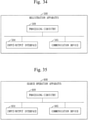
- the master key apparatus 200 includes processing circuitry 209.
- the processing circuitry 209 is hardware to realize the acceptance unit 210, the generation unit 220, the output unit 230, and the storage unit 291.
- the processing circuitry 209 may be dedicated hardware, or may be the processor 201 to execute a program that is stored in the memory 202.
- the processing circuitry 209 is dedicated hardware, the processing circuitry 209 is, for example, a single circuit, a composite circuit, a programmed processor, a parallel-programmed processor, an ASIC, or an FPGA; or a combination of them.
- ASIC is an abbreviation for Application Specific Integrated Circuit
- FPGA is an abbreviation for Field Programmable Gate Array.
- the master key apparatus 200 may be provided with a plurality of processing circuits that substitute for the processing circuitry 209.
- the plurality of processing circuits divide a role of the processing circuitry 209 among themselves.
- the master key apparatus 200 some functions may be implemented by the dedicated hardware, and remaining functions may be implemented by software or firmware.
- processing circuitry 209 can be implemented by hardware, software, or firmware; or a combination of them.
- the registration key apparatus 300 is provided with processing circuitry 309.
- the processing circuitry 309 is hardware to implement the acceptance unit 310, the generation unit 320, the output unit 330, and the storage unit 391.
- the processing circuitry 309 may be dedicated hardware, or may be the processor 301 to execute a program that is stored in the memory 302.
- the processing circuitry 309 is the dedicated hardware, the processing circuitry 309 is, for example, a single circuit, a composite circuit, a programmed processor, a parallel-programmed processor, an ASIC, or an FPGA; or a combination of them.
- the registration key apparatus 300 may be provided with a plurality of processing circuits that substitute for the processing circuitry 309.
- the plurality of processing circuits divide a role of the processing circuitry 309 among themselves.
- registration key apparatus 300 some functions may be implemented by dedicated hardware, and remaining functions may be implemented by software or firmware.
- processing circuitry 309 can be implemented by hardware, software, or firmware; or a combination of them.
- the user key apparatus 400 may be provided with processing circuitry 409.
- the processing circuitry 409 is hardware to implement the acceptance unit 410, the generation unit 420, the output unit 430, and the storage unit 491.
- the processing circuitry 409 may be dedicated hardware, or may be the processor 401 to execute a program that is stored in the memory 402.
- the processing circuitry 409 is dedicated hardware, the processing circuitry 409 is, for example, a single circuit, a composite circuit, a programmed processor, a parallel-programmed processor, an ASIC, or an FPGA; or a combination of. them
- the user key apparatus 400 may be provided with a plurality of processing circuits that substitute for the processing circuitry 409.
- the plurality of processing circuits divide a role of the processing circuitry 409 among themselves.
- processing circuitry 409 can be implemented by hardware, software, or firmware; or a combination of them.
- the registration apparatus 500 is provided with processing circuitry 509.
- the processing circuitry 509 is hardware to implement the acceptance unit 510, the generation unit 520, the registration unit 530, and the storage unit 591.
- the processing circuitry 509 may be dedicated hardware, or may be the processor 501 to execute a program that is stored in the memory 502.
- the processing circuitry 509 is dedicated hardware, the processing circuitry 509 is, for example, a single circuit, a composite circuit, a programmed processor, a parallel-programmed processor, an ASIC, or an FPGA; or a combination of them.
- the registration apparatus 500 may be provided with a plurality of processing circuits that substitute for the processing circuitry 509.
- the plurality of processing circuits divide a role of the processing circuitry 509 among themselves.
- registration apparatus 500 some functions may be implemented by dedicated hardware, and remaining functions may be implemented by software or firmware.
- processing circuitry 509 can be implemented by hardware, software, or firmware; or a combination of them.
- the search operation apparatus 600 is provided with processing circuitry 609.
- the processing circuitry 609 is hardware to implement the acceptance unit 610, the generation unit 620, the request unit 630, the decryption unit 640, the output unit 650, and the storage unit 691.
- the processing circuitry 609 may be dedicated hardware, or may be the processor 601 to execute a program that is stored in the memory 602.
- the processing circuitry 609 is dedicated hardware, the processing circuitry 609 is, for example, a single circuit, a composite circuit, a programmed processor, a parallel-programmed processor, an ASIC, or an FPGA; or a combination of them.
- the search operation apparatus 600 may be provided with a plurality of processing circuits that substitute for the processing circuitry 609.
- the plurality of processing circuits divide a role of the processing circuitry 609 among themselves.
- search operation apparatus 600 some functions may be implemented by the dedicated hardware, and remaining functions may be implemented by software or firmware.
- processing circuitry 609 can be implemented by hardware, software, or firmware; or a combination of them.
- the data management apparatus 700 is provided with processing circuitry 709.
- the processing circuitry 709 is hardware to implement the acceptance unit 710, the search unit 720, the output unit 730, and the storage unit 791.
- the processing circuitry 709 may be dedicated hardware, or may be the processor 701 to execute a program that is stored in the memory 702.
- the processing circuitry 709 is dedicated hardware, the processing circuitry 709 is, for example, a single circuit, a composite circuit, a programmed processor, a parallel-programmed processor, an ASIC, or an FPGA; or a combination of them.
- the data management apparatus 700 may include a plurality of processing circuits that substitute for the processing circuitry 709.
- the plurality of processing circuits divide a role of the processing circuitry 709 among themselves.
- processing circuitry 709 can be implemented by hardware, software, or firmware; or a combination of them.
- 100 searchable encryption system; 101: network; 200: master key apparatus; 201: processor; 202: memory; 203: auxiliary storage device; 204: input/output interface; 205: communication device; 209: processing circuitry; 210: acceptance unit; 220: generation unit; 230: output unit; 291: storage unit; 300: registration key apparatus; 301: processor; 302: memory; 303: auxiliary storage device; 304: input/output interface; 305: communication device; 309: processing circuitry; 310: acceptance unit; 320: generation unit; 330: output unit; 391: storage unit; 400: user key apparatus; 401: processor; 402: memory; 403: auxiliary storage device; 404: input/output interface; 405: communication device; 409: processing circuitry; 410: acceptance unit; 420: generation unit; 422: attribute key generation unit; 430: output unit; 491: storage unit; 500: registration apparatus; 501: processor; 502: memory; 503: auxiliary storage device; 504:
Landscapes
- Engineering & Computer Science (AREA)
- Theoretical Computer Science (AREA)
- Computer Security & Cryptography (AREA)
- Signal Processing (AREA)
- Computer Networks & Wireless Communication (AREA)
- General Engineering & Computer Science (AREA)
- Physics & Mathematics (AREA)
- Software Systems (AREA)
- General Physics & Mathematics (AREA)
- Databases & Information Systems (AREA)
- Computer Hardware Design (AREA)
- Computational Linguistics (AREA)
- Data Mining & Analysis (AREA)
- General Health & Medical Sciences (AREA)
- Bioethics (AREA)
- Health & Medical Sciences (AREA)
- Computing Systems (AREA)
- Information Retrieval, Db Structures And Fs Structures Therefor (AREA)
- Storage Device Security (AREA)
Claims (14)
- Registrierungsvorrichtung (500), umfassend:eine Zufallszahl-Generierungseinheit (521), um ein Daten-Zufallszahl-Tupel R zu generieren, das ein Tupel von Zufallszahlen ist, dessen Größe gleich einer Ebenengröße L einer Hierarchie ist, die von einem Benutzer-Attribut gebildet wird, und das außerdem ein Tupel von gleichmäßig zufälligen Zahlen ist, und ein Tag-Zufallszahl-Tupel R', das ein Tupel von Zufallszahlen ist, dessen Größe gleich der Ebenengröße L ist, und das außerdem ein Tupel von gleichmäßig zufälligen Zahlen ist;eine Akzeptierungseinheit (510), um einen Klartext M und Attributinformationen B zu akzeptieren, die einen Attributwert nach Ebene eines Benutzers angeben, dem es erlaubt ist, sich auf den Klartext M zu beziehen ;eine Verschlüsselte-Daten-Generierungseinheit (522), um eine Funktion F_2 auszuführen durch Nehmen als Eingabe eines verketteten Werts aus einem Attributwert jeder Ebene j in den Attributinformationen B und einer Zahl jeder Ebene j, um eine Funktion F_3 auszuführen durch Nehmen als Eingabe eines Funktionswerts der Funktion F_2, um ein Attributelement C_{j, 0, 0} zu berechnen, das ein Exklusiv-Oder eines Funktionswerts der Funktion F_3 und einer j-ten Zufallszahl des Daten-Zufallszahl-Tupels R ist, eine Funktion F_4 auszuführen durch Nehmen als Eingabe des Klartexts M und eines Exklusiv-Oder des Daten-Zufallszahl-Tupels R, und verschlüsselte Daten C zu generieren, die das Attributelement C_{j, 0, 0} und einen Chiffretext C_{L + 1}, der ein Funktionswert der Funktion F_4 ist, enthalten;eine Verschlüsseltes-Tag-Generierungseinheit (524), um die Funktion F_2 auszuführen durch Nehmen als Eingabe eines verketteten Werts aus einem Attributwert jeder Ebene j in den Attributinformationen B und einer Zahl jeder Ebene j, um eine Funktion F_5 auszuführen durch Nehmen als Eingabe eines Funktionswerts der Funktion F_2 und eines registrierten Schlüsselworts, um eine Funktion F_6 auszuführen durch Nehmen als Eingabe eines Funktionswerts der Funktion F_5, um ein Attributelement CT_{j, 0, 0}, das ein Exklusiv-Oder eines Funktionswerts der Funktion F_6 und einer j-ten Zufallszahl des Tag-Zufallszahl-Tupels R' ist, zu berechnen, eine Funktion F_7 auszuführen durch Nehmen als Eingabe eines Exklusiv-Oder des Tag-Zufallszahl-Tupels R', und ein verschlüsseltes Tag CT_{W_n} zu generieren, das das Attributelement CT_{j, 0, 0} und ein Bestimmungselement CT_{L + 1} enthält, das ein Funktionswert der Funktion F_7 ist; undeine Registrierungseinheit (530), um ein Tupel der verschlüsselten Daten C und des verschlüsselten Tags CT_{W_n} in einer Datenverwaltungsvorrichtung (700) zu registrieren.
- Registrierungsvorrichtung (500) nach Anspruch 1,
wobei jede von der Funktion F_2 und der Funktion F_3 eine Pseudozufallsfunktion, eine Hash-Funktion oder eine Funktion unter einem gemeinsamer-Schlüssel-Verschlüsselungsschema ist, und die Funktion F_4 die Funktion unter dem gemeinsamer-Schlüssel-Verschlüsselungsschema ist. - Registrierungsvorrichtung (500) nach Anspruch 1 oder 2,
wobei jede von der Funktion F_5 und der Funktion F_6 eine Pseudozufallsfunktion, eine Hash-Funktion oder eine Funktion unter einem gemeinsamer-Schlüssel-Verschlüsselungsschema ist, und die Funktion F_7 eine Hash-Funktion ist. - Registrierungsvorrichtung (500) nach Anspruch 1 oder 2,wobei die Registrierungsvorrichtung (500) umfasst: eine Partiell-Übereinstimmendes-Schlüsselwort-Generierungseinheit (526), die ein partiell übereinstimmendes Schlüsselwort, das Teil eines registrierten Passworts ist, generiert, undeine Verschlüsseltes-Tag-Generierungseinheit (527) für eine partielle-Übereinstimmung-Suche, welche die Funktion F_2 ausführt durch Nehmen als Eingabe eines verketteten Werts aus einem Attributwert jeder Ebene j in den Attributinformationen B und einer Zahl jeder Ebene j, eine Funktion F_5 ausführt durch Nehmen als Eingabe eines Funktionswerts der Funktion F_2 und des partiell übereinstimmenden Schlüsselworts, eine Funktion F_6 ausführt durch Nehmen als Eingabe eines Funktionswerts der Funktion F_5 und einer Startpositionszahl, die eine Startposition des partiell übereinstimmenden Schlüsselworts in dem registrierten Schlüsselwort angibt, ein Attributelement CT_{j, 0, PM}, das ein Exklusiv-Oder eines Funktionswerts der Funktion F_6 und einer j-ten Zufallszahl des Tag-Zufallszahl-Tupels R' ist, berechnet, eine Funktion F_7 ausführt durch Nehmen als Eingabe eines Exklusiv-Oder des Tag-Zufallszahl-Tupels R', und ein verschlüsseltes Tag CT_{PM(W_n)} generiert, das das Attributelement CT_{j, 0, PM} undein Bestimmungselement CT_{L+1, PM} enthält, das ein Funktionswert der Funktion F_7 ist, und
wobei die Registrierungseinheit (530) ein Tupel der verschlüsselten Daten C und des verschlüsselten Tags CT_{PM(W_n)} in einer Datenverwaltungsvorrichtung (700) registriert. - Registrierungsvorrichtung (500) nach Anspruch 1 oder 2,wobei die Registrierungsvorrichtung (500) umfasst: eine Generalisierter-Numerischer-Wert-Generierungseinheit (528), die einen registrierten numerischen Wert generalisiert und dadurch einen generalisierten numerischen Wert generiert; undeine Verschlüsseltes-Tag-Generierungseinheit (527), die die Funktion F_2 ausführt durch Nehmen als Eingabe eines verketteten Werts aus einem Attributwert jeder Ebene j in den Attributinformationen B und einer Zahl jeder Ebene j, eine Funktion F_5 ausführt durch Nehmen als Eingabe eines Funktionswerts der Funktion F_2 und des generalisierten numerischen Werts, eine Funktion F_6 ausführt durch Nehmen als Eingabe eines Funktionswerts der Funktion F_5, ein Attributelement CT_{j, 0, GNUM}, das ein Exklusiv-Oder eines Funktionswerts der Funktion F_6 und einer j-ten Zufallszahl des Tag-Zufallszahl-Tupels R' ist, berechnet, eine Funktion F_7 ausführt durch Nehmen als Eingabe eines Exklusiv-Oder des Tag-Zufallszahl-Tupels R', und ein verschlüsseltes Tag CT_{GNUM(W_n)} generiert, das das Attributelement CT_{j, 0, GNUM} und ein Bestimmungselement CT_{L+1, GNUM}, das ein Funktionswert der Funktion F_7 ist, enthält, undwobei die Registrierungseinheit (530) ein Tupel der verschlüsselten Daten C und des verschlüsselten Tags CT_{GNUM(W_n)} in der Datenverwaltungsvorrichtung (700) registriert.
- Suchoperationsvorrichtung (600), umfassend:eine Suchabfrage-Generierungseinheit (622), um ein Attribut-Schlüsselwortelement Q_j, das ein Wert ist, der durch Ausführen einer Funktion F_5 durch Nehmen als Eingabe eines Suchschlüsselworts w erhalten wird, zu berechnen, und eine Suchabfrage Q, die das Attribut-Schlüsselwortelement Q_j enthält, zu generieren;eine Abfrageeinheit (630), um die Suchabfrage Q an eine Datenverwaltungsvorrichtung (700) zu übertragen und verschlüsselten Date C von der Datenverwaltungsvorrichtung zu empfangen; undeine Entschlüsselungseinheit (640), um Entschlüsselung in einen Klartext M durch Ausführen einer Entschlüsselungsfunktion einer Funktion F_4 durch Nehmen als Eingabe eines in den verschlüsselten Daten C enthaltenen Chiffretextes C_{L + 1} durchzuführen,wobei die Datenverwaltungsvorrichtung (700) umfasst:eine Speichereinheit (791), in der ein Tupel der verschlüsselten Daten C und eines verschlüsselten Tags CT_{W_n} durch eine Registrierungsvorrichtung (500) registriert ist;eine Akzeptierungseinheit (710), um die Suchabfrage Q von der Suchoperationsvorrichtung (600) zu empfangen;eine Kollationierungseinheit (721), um eine Funktion F_6 auszuführen durch Nehmen als Eingabe des in der Suchabfrage Q enthaltenen Attribut-Schlüsselwortelements Q_j, um eine Funktion F_7 auszuführen durch Nehmen als Eingabe eines Berechnungswerts V_1, der auf einem Funktionswert der Funktion F_6 basiert, und um einen Kollationierungswert V_2, der ein durch Ausführen der Funktion F_7 erhaltener Wert ist, mit einem Bestimmungselement CT_{L + 1}, das in dem verschlüsselten Tag CT_{W_n} enthalten ist, zu vergleichen; undeine Ausgabeeinheit (730), um die verschlüsselten Daten C an die Suchoperationsvorrichtung (600) zu übertragen, falls der Kollationierungswert V_2 mit dem Bestimmungselement CT_{L +1} übereinstimmt, undwobei die Registrierungsvorrichtung (500) umfasst:eine Zufallszahl-Generierungseinheit (521), um ein Daten-Zufallszahl-Tupel R und ein Tag-Zufallszahl-Tupel R', die jeweils ein Tupel von Zufallszahlen sind, deren Größe gleich einer Ebenengröße L einer Hierarchie ist, die von einem ein Benutzer-Attribut gebildet wird, und die jeweils außerdem ein Tupel von gleichmäßig zufälligen Zahlen sind, zu generieren;eine Akzeptierungseinheit (510), um den Klartext M und Attributinformationen B, die einen Attributwert nach Ebene eines Benutzers, dem es erlaubt ist, sich auf den Klartext M zu beziehen, angeben, zu akzeptieren;eine Verschlüsselte-Daten-Generierungseinheit (522), um eine Funktion F_2 auszuführen durch Nehmen als Eingabe eines verketteten Werts aus einem Attributwert jeder Ebene j in den Attributinformationen B und einer Zahl jeder Ebene j, um eine Funktion F_3 auszuführen durch Nehmen als Eingabe eines Funktionswerts der Funktion F_2, um ein Attributelement C_{j, 0, 0}, das ein Exklusiv-Oder eines Funktionswerts der Funktion F_3 und einer j-ten Zufallszahl des Daten-Zufallszahl-Tupels R ist, zu berechnen, um die Funktion F_4 auszuführen durch Nehmen als Eingabe des Klartexts M und eines Exklusiv-Oder des Daten-Zufallszahl-Tupels R, und die verschlüsselten Daten C, die das Attributelement C_{j, 0, 0} und den Chiffretext C_{L + 1}, der ein Funktionswert der Funktion F_4 ist, enthalten, zu generieren;eine Verschlüsseltes-Tag-Generierungseinheit (524), um die Funktion F_2 auszuführen durch Nehmen als Eingabe eines verketteten Werts aus einem Attributwert jeder Ebene j in den Attributinformationen B und einer Zahl jeder Ebene j, um die Funktion F_5 auszuführen durch Nehmen als Eingabe eines Funktionswerts der Funktion F_2 und eines registrierten Schlüsselworts, um die Funktion F_6 auszuführen durch Nehmen als Eingabe eines Funktionswerts der Funktion F_5, um ein Attributelement CT_{j, 0, 0}, das ein Exklusiv-Oder eines Funktionswertes der Funktion F_6 und einer j-ten Zufallszahl des Tag-Zufallszahl-Tupels R' ist, zu berechnen, um die Funktion F_7 auszuführen durch Nehmen als Eingabe eines Exklusiv-Oder des Tag-Zufallszahl-Tupels R', und das verschlüsselte Tag CT_{W_n}, das das Attributelement CT_{j, 0, 0} und das Bestimmungselement CT_{L + 1}, das ein Funktionswert der Funktion F_7 ist, enthält, zu generieren; undeine Registrierungseinheit (530), um ein Tupel der verschlüsselten Daten C und des verschlüsselten Tags CT_{W_n} in der Datenverwaltungsvorrichtung (700) zu registrieren.
- Suchoperationsvorrichtung (600) nach Anspruch 6, wobei in der Speichereinheit (791) ein Tupel der verschlüsselten Daten C und eines verschlüsselten Tags CT_{PM(W_n)} durch eine Registrierungsvorrichtung (500) registriert ist, wobei die Kollationierungseinheit (721) eine Funktion F_6 ausführt durch Nehmen als Eingabe des in der Suchabfrage Q enthaltenen Attributschlüsselwortelements Q_j, eine Funktion F_7 ausführt durch Nehmen als Eingabe eines Berechnungswerts V_1, der auf einem Funktionswert der Funktion F_6 basiert, und einen Kollationierungswert V_2, der ein durch Ausführen der Funktion F_7 erhaltener Wert ist, mit einem Bestimmungselement CT_{L+1, PM}, das in dem verschlüsselten Tag CT_{PM(W_n)} enthalten ist, vergleicht, undwobei die Ausgabeeinheit (730), falls der Kollationierungswert V_2 mit dem Bestimmungselement CT_{L+1, PM} übereinstimmt, die verschlüsselten Daten C an die Suchoperationsvorrichtung (600) überträgt,wobei die Registrierungsvorrichtung (500) umfasst: eine Partiell-Übereinstimmendes-Schlüsselwort-Generierungseinheit (526), um ein partiell übereinstimmendes Schlüsselwort, das Teil eines registrierten Schlüsselworts ist, zu generieren; undeine Verschlüsseltes-Tag-Generierungseinheit (527), um die Funktion F_2 auszuführen durch Nehmen als Eingabe eines verketteten Werts aus einem Attributwert jeder Ebene j in den Attributinformationen B und einer Zahl jeder Ebene j, um die Funktion F_5 auszuführen durch Nehmen als Eingabe eines Funktionswerts der Funktion F_2 und des partiell übereinstimmenden Schlüsselworts, um die Funktion F_6 auszuführen durch Nehmen als Eingabe eines Funktionswerts der Funktion F_5 und einer Startpositionszahl, die eine Startposition des partiell übereinstimmenden Schlüsselworts in dem registrierten Schlüsselwort angibt, um ein Attributelement CT_{j, 0, PM}, das ein Exklusiv-Oder eines Funktionswertes der Funktion F_6 und einer j-ten Zufallszahl des Tag-Zufallszahl-Tupels R' ist, zu berechnen, um die Funktion F_7 auszuführen durch Nehmen als Eingabe eines Exklusiv-Oder des Tag-Zufallszahl-Tupels R', und das verschlüsselte Tag CT_{PM(W_n)}, das das Attributelement CT_{j, 0, PM} und das Bestimmungselement CT_{L+1, PM}, das ein Funktionswert der Funktion F_7 ist, enthält, zu generieren, undwobei die Registrierungseinheit (530) ein Tupel der verschlüsselten Daten C und des verschlüsselten Tags CT_{PM(W_n)} in einer Datenverwaltungsvorrichtung (700) registriert.
- Suchoperationsvorrichtung (600) nach Anspruch 6,wobei die Suchoperationsvorrichtung (600) umfasst:eine Numerischer-Wert-Auflistung-Einheit (623), um einen numerischen Wert eines Suchbereichs zu generalisieren und dadurch einen generalisierten numerischen Wert zu generieren; undeine Suchabfrage-Generierungseinheit (624), um ein Attribut-Schlüsselelement QJ, das ein Wert ist, der durch Ausführen einer Funktion F_5 druch Nehmen als Eingabe des generalisierten numerischen Werts erhalten wird, zu berechnen, und um eine Suchabfrage Q, die das Attribut-Schlüsselelement Q_j enthält, wobei in der Speichereinheit (791) ein Tupel der verschlüsselten Daten C und ein verschlüsseltes Tag CT_{GNUM(W_n)} durch eine Registrierungsvorrichtung (500) registriert ist, zu generieren, wobei die Kollationierungseinheit (724) eine Funktion F_6 ausführt durch Nehmen als Eingabe des in der Suchabfrage Q enthaltene Attributschlüsselwortelements QJ, eine Funktion F_7 ausführt durch Nehmen als Eingabe eines Berechnungswerts V_1, der auf einem Funktionswert der Funktion F_6 basiert, und einen Kollationierungswert V_2, der ein durch Ausführen der Funktion F_7 erhaltener Wert ist, mit einem Bestimmungselement CT_{L+1, GNUM}, das in dem verschlüsselten Tag CT_{GNUM(W_n)} enthalten ist, vergleicht,wobei die Ausgabeeinheit (730) die verschlüsselten Daten C an die Suchoperationsvorrichtung (600) überträgt, falls der Kollationierungswert V_2 mit dem Bestimmungselement CT_{L + +1} übereinstimmt,wobei die Registrierungsvorrichtung (500) umfasst: eine Generalisierter-Numerischer-Wert-Generierungseinheit (528), um einen registrierten numerischen Wert zu generalisieren und dadurch einen generalisierten numerischen Wert zu generieren; undeine Verschlüsseltes-Tag-Generierungseinheit (527), um die Funktion F_2 auszuführen durch Nehmen als Eingabe eines verketteten Werts aus einem Attributwert jeder Ebene j in den Attributinformationen B und einer Zahl jeder Ebene j, um die Funktion F_5 auszuführen durch Nehmen als Eingabe eines Funktionswerts der Funktion F_2 und des generalisierten numerischen Werts, um die Funktion F_6 auszuführen durch Nehmen als Eingabe eines Funktionswerts der Funktion F_5, um ein Attributelement CT_{j, 0, GNUM}, das ein Exklusiv-Oder eines Funktionswertes der Funktion F_6 und einer j-ten Zufallszahl des Tag-Zufallszahl-Tupels R' ist, zu berechnen, um die Funktion F_7 auszuführen durch Nehmen als Eingabe eines Exklusiv-Oder des Tag-Zufallszahl-Tupels R', und das verschlüsselte Tag CT_{GNUM(W_n)}, das das Attributelement CT_{j, 0, GNUM} und das Bestimmungselement CT_{L+1, GNUM}, das ein Funktionswert der Funktion F_7 ist, enthält, zu generieren, undwobei die Registrierungseinheit (530) ein Tupel der verschlüsselten Daten C und des verschlüsselten Tags CT_{GNUM(W_n)} in der Datenverwaltungsvorrichtung (700) registriert.
- Datenverwaltungsvorrichtung (700), umfassend:eine Speichereinheit (791), in der ein Tupel von verschlüsselten Daten C und eines verschlüsselten Tags CT_{W_n} durch eine Registrierungsvorrichtung (500) registriert ist;eine Akzeptierungseinheit (710), um eine Suchabfrage Q von einer Suchoperationsvorrichtung (600) zu empfangen;eine Kollationierungseinheit (721), um eine Funktion F_6 auszuführen durch Nehmen als Eingabe eines in der Suchabfrage Q enthaltenen Attributschlüsselwortelements Q_j, um eine Funktion F_7 auszuführen durch Nehmen als Eingabe eines Berechnungswerts V_1, der auf einem Funktionswert der Funktion F_6 basiert, und um einen Kollationierungswert V_2, der ein durch Ausführen der Funktion F_7 erhaltener Wert ist, mit einem Bestimmungselement CT_{L + 1}, das in dem verschlüsselten Tag CTJ W_n} enthalten ist, zu vergleichen; undeine Ausgabeeinheit (730), um die verschlüsselten Daten C an die Suchoperationsvorrichtung (600) zu übertragen, falls der Kollationierungswert V_2 mit dem Bestimmungselement CT_{L + 1} übereinstimmt,wobei die Suchoperationsvorrichtung (600) umfasst:eine Suchabfrage-Generierungseinheit (622), um das Attribut-Schlüsselwortelements Q_j, das ein Wert ist, der durch Ausführen einer Funktion F_5 durch Nehmen als Eingabe eines Suchschlüsselworts w erhalten wird, zu berechnen und die Suchabfrage Q, die das Attribut-Schlüsselwortelement Q_j enthält, zu generieren;eine Abfrageeinheit (630), um die Suchabfrage Q an die Datenverwaltungsvorrichtung (700) zu übertragen und die verschlüsselten Daten C von der Datenverwaltungsvorrichtung zu empfangen; undeine Entschlüsselungseinheit (640), um Entschlüsselung in einen Klartext M durchzuführen durch Ausführen einer Entschlüsselungsfunktion einer Funktion F_4 durch Nehmen als Eingabe eines in den verschlüsselten Daten C enthaltenen Chiffretexts C_{L + 1}, undwobei die Registrierungsvorrichtung (500) umfasst:eine Zufallszahl-Generierungseinheit (521), um ein Daten-Zufallszahl-Tupel R und ein Tag-Zufallszahl-Tupel R', die jeweils ein Tupel von Zufallszahlen sind, deren Größe gleich einer Ebenengröße L einer Hierarchie ist, die von einem Benutzer-Attribut gebildet wird, und die jeweils außerdem ein Tupel von gleichmäßig zufälligen Zahlen sind, zu generieren;eine Akzeptierungseinheit (510), um den Klartext M und Attributinformationen B, die einen Attributwert nach Ebene eines Benutzers, dem es erlaubt sich, sich auf den Klartext M zu beziehen, enthalten, zu akzeptieren;eine Verschlüsselte-Daten-Generierungseinheit (522), um eine Funktion F_2 auszuführen durch Nehmen als Eingabe eines verketteten Werts aus einem Attributwert jeder Ebene j in den Attributinformationen B und einer Zahl jeder Ebene j, um eine Funktion F_3 auszuführen durch Nehmen als Eingabe eines Funktionswerts der Funktion F_2, um ein Attributelement C_{j, 0, 0}, das ein Exklusiv-Oder eines Funktionswerts der Funktion F_3 und einer j-ten Zufallszahl des Daten-Zufallszahl-Tupels R ist, zu berechnen, um die Funktion F_4 auszuführen durch Nehmen als Eingabe des Klartexts M und eines Exklusiv-Oder des Daten-Zufallszahl-Tupels R, und die verschlüsselten Daten C, die das Attributelement C_{j, 0, 0} und den Chiffretext C_{L + 1}, der ein Funktionswert der Funktion F_4 ist, enthalten, zu generieren;eine Verschlüsseltes-Tag-Generierungseinheit (524), um die Funktion F_2 auszuführen durch Nehmen als Eingabe eines verketteten Werts aus einem Attributwert jeder Ebene j in den Attributinformationen B und einer Zahl jeder Ebene j, um die Funktion F_5 auszuführen durch Nehmen als Eingabe eines Funktionswerts der Funktion F_2 und eines registrierten Schlüsselworts, um die Funktion F_6 auszuführen durch Nehmen als Eingabe eines Funktionswerts der Funktion F_5, um ein Attributelement CT_{j, 0, 0}, das ein Exklusiv-Oder eines Funktionswerts der Funktion F_6 und einer j-ten Zufallszahl des Tag-Zufallszahl-Tupels R' ist, zu berechnen, um die Funktion F_7 auszuführen durch Nehmen als Eingabe eines Exklusiv-Oder des Tag-Zufallszahl-Tupels R', und das verschlüsselte Tag CT_{W_n}, das das Attributelement CT_{j, 0, 0} und das Bestimmungselement CT_{L + 1}, das ein Funktionswert der Funktion F_7 ist, enthält, zu generieren; undeine Registrierungseinheit (530), um ein Tupel der verschlüsselten Daten C und des verschlüsselten Tags CT_{W_n} in der Datenverwaltungsvorrichtung (700) zu registrieren.
- Datenverwaltungsvorrichtung (700) nach Anspruch 9,wobei in der Speichereinheit (791) ein Tupel von verschlüsselten Daten C und eines verschlüsselten Tags CT_{PM(W_n)} durch eine Registrierungsvorrichtung (500) registriert ist, wobei die Kollationierungseinheit (721) eine Funktion F_6 ausführt durch Nehmen als Eingabe eines Attribut-Schlüsselwortelements QJ, das in der Suchabfrage Q enthalten ist, eine Funktion F_7 ausführt durch Nehmen als Eingabe eines Berechnungswerts V_1, der auf einem Funktionswert der Funktion F_6 basiert, und einen Kollationierungswert V_2, der ein durch Ausführen der Funktion F_7 erhaltener Wert ist, mit einem Bestimmungselement CT_{L+1, PM], das in dem verschlüsselten Tag CT_{PM(W_n)} enthalten ist, vergleicht,wobei die Ausgabeeinheit (730), falls der Kollationierungswert V_2 mit dem Bestimmungselement CT_{L+1, PM} übereinstimmt, die verschlüsselten Daten C an die Suchoperationsvorrichtung (600) überträgt, wobei die Registrierungsvorrichtung (500) umfasst: eine Partiell-Übereinstimmendes-Schlüsselwort-Generierungseinheit (526), um ein partiell übereinstimmendes Passwort, das Teil eines registrierten Passworts ist, zu generieren,wobei die Verschlüsseltes-Tag-Generierungseinheit (527) die Funktion F_2 ausführt durch Nehmen als Eingabe eines verketteten Werts aus einem Attributwert jeder Ebene j in den Attributinformationen B und einer Zahl jeder Ebene j, die Funktion F_5 ausführt durch Nehmen als Eingabe eines Funktionswerts der Funktion F_2 und des partiell übereinstimmenden Schlüsselworts, die Funktion F_6 ausführt durch Nehmen als Eingabe einen Funktionswert der Funktion F_5 und einer Startpositionszahl, die eine Startposition des partiell übereinstimmenden Schlüsselworts in dem registrierten Schlüsselwort angibt, ein Attributelement CT_{j, 0, PM}, das ein Exklusiv-Oder eines Funktionswerts der Funktion F_6 und einer j-ten Zufallszahl des Tag-Zufallszahl-Tupels R' ist, berechnet, die Funktion F_7 ausführt durch Nehmen als Eingabe eines Exklusiv-Oder des Tag-Zufallszahl-Tupels R', und das verschlüsselte Tag CT_{PM(W_n)}, das das Attributelement CT_{j, 0, PM} und das Bestimmungselement CT_{L+1, PM}, das ein Funktionswert der Funktion F_7 ist, enthält, generiert, undwobei die Registrierungseinheit (530) ein Tupel der verschlüsselten Daten C und des verschlüsselten Tags CT_{PM(W_n)} in einer Datenverwaltungsvorrichtung (700) registriert.
- Datenverwaltungsvorrichtung (700) nach Anspruch 9,wobei in der Speichereinheit (791) ein Tupel von verschlüsselten Daten C und eines verschlüsselten Tags CT_{GNUM(W_n)} durch eine Registrierungsvorrichtung (500) registriert ist, wobei die Kollationierungseinheit (724) eine Funktion F_6 ausführt durch Nehmen als Eingabe eines Attribut-Schlüsselwortelements QJ, das in der Suchabfrage Q enthalten ist, eine Funktion F_7 ausführt durch Nehmen als Eingabe eines Berechnungswerts V_1, der auf einem Funktionswert der Funktion F_6 basiert, und einen Kollationierungswert V_2, der ein durch Ausführen der Funktion F_7 erhaltener Wert ist, mit einem Bestimmungselement CT_{L+1, GNUM}, das in dem verschlüsselten Tag CT_{GNUM(W_n)} enthalten ist, vergleicht,wobei die Ausgabeeinheit (730) die verschlüsselten Daten C an die Suchoperationsvorrichtung (600) überträgt, falls der Kollationierungswert V_2 mit dem Bestimmungselement CT{L+1, GNUM} übereinstimmt,wobei die Suchoperationsvorrichtung (600) umfasst:eine Numerischer-Wert-Auflistung-Einheit (623), um einen numerischen Wert eines Suchbereichs zu generalisieren und dadurch einen generalisierten numerischen Wert zu generieren; undeine Suchabfrage-Generierungseinheit (624), um das Attribut-Schlüsselwortelement Q_j, das ein Wert ist, der durch Ausführen der Funktion F_5 durch Nehmen als Eingabe des generalisierten numerischen Werts erhalten wird, zu berechnen, und um die Suchabfrage Q, die das Attribut-Schlüsselwortelement Q_j enthält, zu generieren, wobei die Registrierungsvorrichtung (500) umfasst:eine Generalisierter-Numerischer-Wert-Generierungseinheit (528), um einen registrierten numerischen Wert zu generalisieren und dadurch einen generalisierten numerischen Wert zu generieren; undeine Verschlüsseltes-Tag-Generierungseinheit (527), um die Funktion F_2 auszuführen durch Nehmen als Eingabe eines verketteten Werts aus einem Attributwert jeder Ebene j in den Attributinformationen B und einer Zahl jeder Ebene j, um die Funktion F_5 auszuführen durch Nehmen als Eingabe eines Funktionswerts der Funktion F_2 und des generalisierten numerischen Werts, um die Funktion F_6 auszuführen durch Nehmen als Eingabe eines Funktionswerts der Funktion F_5, um ein Attributelement CT_{j, 0, GNUM}, das ein Exklusiv-Oder eines Funktionswertes der Funktion F_6 und einer j-ten Zufallszahl des Tag-Zufallszahl-Tupels R' ist, zu berechnen, um die Funktion F_7 auszuführen durch Nehmen als Eingabe eines Exklusiv-Oder des Tag-Zufallszahl-Tupels R', und das verschlüsselte Tag CT_{GNUM(W_n)}, das das Attributelement CT_{j, 0, GNUM} und das Bestimmungselement CT_{L+1, GNUM}, das ein Funktionswert der Funktion F_7 ist, enthält, zu generieren, undwobei die Registrierungseinheit (530) ein Tupel der verschlüsselten Daten C und des verschlüsselten Tags CT_{GNUM(W_n)} in der Datenverwaltungsvorrichtung (700) registriert.
- Registrierungsprogramm, um einen Computer zu veranlassen, auszuführen:einen Zufallszahl-Generierungsprozess des Generierens eines Daten-Zufallszahl-Tupels R, das ein Tupel von Zufallszahlen ist, dessen Größe gleich einer Ebenengröße L einer Hierarchie ist, die von einem Benutzer-Attribut gebildet wird, und das außerdem ein Tupel von gleichmäßig zufälligen Zahlen ist, und eines Tag-Zufallszahl-Tupels R', das ein Tupel von Zufallszahlen ist, dessen Größe gleich der Ebenengröße L ist, und das außerdem ein Tupel von gleichmäßig zufälligen Zahlen ist;einen Akzeptierungsprozess des Akzeptierens eines Klartextes M und Attributinformationen B, die einen Attributwert nach Ebene eines Benutzers, dem es erlaubt ist, sich auf den Klartext M zu beziehen, enthalten;einen verschlüsselte-Daten-Generierungsprozess des Ausführens einer Funktion F_2 durch Nehmen als Eingabe eines verketteten Werts aus einem Attributwert jeder Ebene j in den Attributinformationen B und einer Zahl jeder Ebene j, Ausführens einer Funktion F_3 durch Nehmen als Eingabe eines Funktionswerts der Funktion F_2, Berechnens eines Attributelements C_{j, 0, 0}, das ein Exklusiv-Oder eines Funktionswertes der Funktion F_3 und einer j-ten Zufallszahl des Daten-Zufallszahl-Tupels R ist, Ausführens einer Funktion F_4 durch Nehmen als Eingabe des Klartexts M und eines Exklusiv-Oder des Daten-Zufallszahl-Tupels R, und Erzeugens verschlüsselter Daten C, die das Attributelement C_{j, 0, 0} und einen Chiffretext C_{L + 1}, der ein Funktionswert der Funktion F_4 ist, ehthalten;und einen Verschlüsseltes-Tag-Generierungsprozess des Ausführens der Funktion F_2 durch Nehmen als Eingabe eines verketteten Werts aus einem Attributwert jeder Ebene j in den Attributinformationen B und einer Zahl jeder Ebene j, Ausführens einer Funktion F_5 durch Nehmen als Eingabe eines Funktionswerts der Funktion F_2 und eines registrierten Schlüsselworts, Ausführens einer Funktion F_6 durch Nehmen als Eingabe eines Funktionswerts der Funktion F_5, Berechnens eines Attributelements CT_{j, 0, 0}, das ein Exklusiv-Oder ein Funktionswert der Funktion F_6 und einer j-ten Zufallszahl des Tag-Zufallszahlentupels R' ist, Ausführens einer Funktion F_7 durch Nehmen als Eingabe eines Exklusiv-Oder des Tag-Zufallszahl-Tupels R', und Generierens eines verschlüsselten Tags CT_{W_n}, das das Attributelement CT_{j, 0, 0} und ein Bestimmungselement CT_{L + 1}, das ein Funktionswert der Funktion F_7 ist, enthält; undeinen Registrierungsprozess des Registrierens eines Tupels der verschlüsselten Daten C und des verschlüsselten Tags CT_{W_n} in einer Datenverwaltungsvorrichtung (700).
- Suchoperationsprogramm, das einen Computer veranlasst, auszuführen:einen Suchabfrage-Generierungsprozess des Berechnens eines Attribut-Schlüsselwortelements Q_j, das ein Wert ist, der durch Ausführen einer Funktion F_5 durch Nehmen als Eingabe eines Suchschlüsselworts w erhalten wird, und Generierens einer Suchabfrage Q, die das Attribut-Schlüsselwortelement Q_j enthält;einen Anforderungsprozess des Übertragens der Suchabfrage Q an eine Datenverwaltungsvorrichtung (700) und Empfangens verschlüsselter Daten C von der Datenverwaltungsvorrichtung; undeinen Entschlüsselungsprozess des Durchführens von Entschlüsselung in einen Klartext M durch Ausführen einer Entschlüsselungsfunktion einer Funktion F_4 durch Nehmen als Eingabe eines in den verschlüsselten Daten C enthaltenen Chiffretexts C_{L + 1},wobei die Datenverwaltungsvorrichtung (700) umfasst:eine Speichereinheit (791), in der ein Tupel der verschlüsselten Daten C und eines verschlüsselten Tags CT_{W_n} durch eine Registrierungsvorrichtung (500) registriert ist;eine Akzeptierungseinheit (710), um die Suchabfrage Q zu empfangen;eine Kollationierungseinheit (721), um eine Funktion F_6 auszuführen durch Nehmen als Eingabe des in der Suchabfrage Q enthaltenen Attribut-Schlüsselwortelements Q_j, um eine Funktion F_7 auszuführen durch Nehmen als Eingabe eines Berechnungswerts V_1, der auf einem Funktionswert der Funktion F_6 basiert, und um einen Kollationierungswert V_2, der ein durch Ausführen der Funktion F_7 erhaltener Wert ist, mit einem Bestimmungselement CT_{L + 1}, das in dem verschlüsselten Tag CT_{W_n} enthalten ist, zu vergleichen; undeine Ausgabeeinheit (730), um die verschlüsselten Daten C zu übertragen, falls der Kollationierungswert V_2 mit dem Bestimmungselement CT_{L + 1} übereinstimmt, undwobei die Registrierungsvorrichtung (500) umfasst:eine Zufallszahl-Generierungseinheit (521), um ein Daten-Zufallszahl-Tupel R und ein Tag-Zufallszahl-Tupel R', die jeweils ein Tupel von Zufallszahlen sind, deren Größe gleich einer Ebenengröße L einer Hierarchie ist, die von einem Benutzer-Attribut gebildet wird, und die jeweils außerdem ein Tupel von gleichmäßig zufälligen Zahlen sind, zu generieren;eine Akzeptierungseinheit (510), um den Klartext M und Attributinformationen B, die einen Attributwert nach Ebene eines Benutzers, dem es erlaubt ist, sich auf den Klartext M zu beziehen, angeben, zu akzeptieren;eine Verschlüsselte-Daten-Generierungseinheit (522), um eine Funktion F_2 auszuführen durch Nehmen als Eingabe eines verketteten Werts aus einem Attributwert jeder Ebene j in den Attributinformationen B und einer Zahl jeder Ebene j, um eine Funktion F_3 auszuführen durch Nehmen als Eingabe eines Funktionswerts der Funktion F_2, um ein Attributelement C_{j, 0, 0}, das ein Exklusiv-Oder eines Funktionswerts der Funktion F_3 und einer j-ten Zufallszahl des Daten-Zufallszahl-Tupels R ist, zu berechnen, um die Funktion F_4 auszuführen durch Nehmen als Eingabe des Klartexts M und eines Exklusiv-Oder des Daten-Zufallszahl-Tupels R, und die verschlüsselten Daten C, die das Attributelement C_{j, 0, 0} und den Chiffretext C_{L + 1}, der ein Funktionswert der Funktion F_4 ist, enthalten, zu generieren;eine Verschlüsseltes-Tag-Generierungseinheit (524), um die Funktion F_2 auszuführen durch Nehmen als Eingabe eines verketteten Werts aus einem Attributwert jeder Ebene j in den Attributinformationen B und einer Zahl jeder Ebene j, um die Funktion F_5 auszuführen durch Nehmen als Eingabe eines Funktionswerts der Funktion F_2 und eines registrierten Schlüsselworts, um die Funktion F_6 auszuführen durch Nehmen als Eingabe eines Funktionswerts der Funktion F_5, um ein Attributelement CT_{j, 0, 0}, das ein Exklusiv-Oder eines Funktionswerts der Funktion F_6 und einer j-ten Zufallszahl des Tag-Zufallszahl-Tupels R' ist, zu berechnen, um die Funktion F_7 auszuführen durch Nehmen als Eingabe eines Exklusiv-Oder des Tag-Zufallszahl-Tupels R', und das verschlüsselte Tag CT_{W_n}, das das Attributelement CT_{j, 0, 0} und das Bestimmungselement CT_{L + 1}, das ein Funktionswert der Funktion F_7 ist, enthält, zu generieren; undeine Registrierungseinheit (530), um ein Tupel der verschlüsselten Daten C und des verschlüsselten Tags CT_{W_n} in der Datenverwaltungsvorrichtung (700) zu registrieren.
- Datenverwaltungsprogramm, um einen Computer zu veranlassen, auszuführen:einen Akzeptierungsprozessprozess des Akzeptierens einer Suchabfrage Q von einer Suchoperationsvorrichtung (600), nachdem ein Tupel von verschlüsselten Daten C und eines verschlüsselten Tags CT_{W_n} durch eine Registrierungsvorrichtung (500) registriert wurde;einen Kollationierungsprozess des Ausführens einer Funktion F_6 durch Nehmen als Eingabe eines in der Suchabfrage Q enthaltenen Attribut-Schlüsselwortelements Q_J, Ausführens einer Funktion F_7 durch Nehmen als Eingabe eines Berechnungswerts V_1, der auf einem Funktionswert der Funktion F_6 basiert, und Vergleichens eines Kollationierungswerts V_2, der ein durch Ausführen der Funktion F_7 erhaltener Wert ist, mit einem Bestimmungselement CT_{L + 1}, das in dem verschlüsselten Tag CT_{W_n} enthalten ist; undeinen Ausgabeprozess des, falls der Kollationierungswert V_2 mit dem Bestimmungselement CT_{L + 1} übereinstimmt, Übertragens der verschlüsselten Daten C an die Suchoperationsvorrichtung (600),wobei die Suchoperationsvorrichtung (600) umfasst:eine Suchabfrage-Generierungseinheit (622), um das Attribut-Schlüsselwortelement Q_j, das ein Wert ist, der durch Ausführen einer Funktion F_5 durch Nehmen als Eingabe eines Suchschlüsselworts w als erhalten wird, zu berechnen, und die Suchabfrage Q, die das Attribut-Schlüsselwortelement Q_j enthält, zu generieren;eine Abfrageeinheit (630), um die Suchabfrage Q zu übertragen und die verschlüsselten Daten C zu empfangen; undeine Entschlüsselungseinheit (640), um Entschlüsselung in einen Klartext M durchzuführen durch Ausführen einer Entschlüsselungsfunktion einer Funktion F_4 durch Nehmen als Eingabe eines in den verschlüsselten Daten C enthaltenen Chiffretexts C_{L + 1}, undwobei die Registrierungsvorrichtung (500) umfasst:eine Zufallszahl-Generierungseinheit (521), um ein Daten-Zufallszahl-Tupel R und ein Tag-Zufallszahl-Tupel R', die jeweils ein Tupel von Zufallszahlen sind, deren Größe gleich einer Ebenengröße L einer Hierarchie ist, die von einem Benutzer-Attribut gebildet wird, und die jeweils außerdem ein Tupel von gleichmäßig zufälligen Zahlen sind, zu generieren;eine Akzeptierungseinheit (510), um den Klartext M und Attributinformationen B, die einen Attributwert nach Ebene eines Benutzers, dem es erlaubt ist, sich auf den Klartext M zu beziehen, angeben, zu akzeptieren;eine Verschlüsselte-Daten-Generierungseinheit (522), um eine Funktion F_2 auszuführen durch Nehmen als Eingabe eines verketteten Werts aus einem Attributwert jeder Ebene j in den Attributinformationen B und einer Zahl jeder Ebene j, um eine Funktion F_3 auszuführen durch Nehmen als Eingabe eines Funktionswerts der Funktion F_2, um ein Attributelement C_{j, 0, 0}, das ein Exklusiv-Oder eines Funktionswerts der Funktion F_3 und einer j-ten Zufallszahl des Daten-Zufallszahl-Tupels R ist, zu berechnen, um die Funktion F_4 auszuführen durch Nehmen als Eingabe des Klartexts M und eines Exklusiv-Oder des Daten-Zufallszahl-Tupels R, und die verschlüsselten Daten C, die das Attributelement C_{j, 0, 0} und den Chiffretext C_{L + 1}, der ein Funktionswert der Funktion F_4 ist, enthalten, zu generieren;eine Verschlüsseltes-Tag-Generierungseinheit (524), um die Funktion F_2 auszuführen durch Nehmen als Eingabe eines verketteten Werts aus einem Attributwert jeder Ebene j in den Attributinformationen B und einer Zahl jeder Ebene j, um die Funktion F_5 auszuführen durch Nehmen als Eingabe eines Funktionswerts der Funktion F_2 und eines registrierten Schlüsselworts, um die Funktion F_6 auszuführen durch Nehmen als Eingabe eines Funktionswerts der Funktion F_5, um ein Attributelement CT_{j, 0, 0}, das ein Exklusiv-Oder eines Funktionswerts der Funktion F_6 und einer j-ten Zufallszahl des Tag-Zufallszahl-Tupels R' ist, zu berechnen, um die Funktion F_7 auszuführen durch Nehmen als Eingabe eines Exklusiv-Oder des Tag-Zufallszahl-Tupels R', und das verschlüsselte Tag CT_{W_n}, das das Attributelement CT_{j, 0, 0} und das Bestimmungselement CT_{L + 1}, das ein Funktionswert der Funktion F_7 ist, enthält, zu generieren; undeine Registrierungseinheit (530) zum Registrieren eines Tupels der verschlüsselten Daten C und des verschlüsselten Tags CT_{W_n}.
Applications Claiming Priority (2)
| Application Number | Priority Date | Filing Date | Title |
|---|---|---|---|
| PCT/JP2018/001233 WO2019142268A1 (ja) | 2018-01-17 | 2018-01-17 | 登録装置、検索操作装置、データ管理装置、登録プログラム、検索操作プログラムおよびデータ管理プログラム |
| PCT/JP2018/048547 WO2019142651A1 (ja) | 2018-01-17 | 2018-12-28 | 登録装置、検索操作装置、データ管理装置、登録プログラム、検索操作プログラムおよびデータ管理プログラム |
Publications (3)
| Publication Number | Publication Date |
|---|---|
| EP3696797A1 EP3696797A1 (de) | 2020-08-19 |
| EP3696797A4 EP3696797A4 (de) | 2020-12-09 |
| EP3696797B1 true EP3696797B1 (de) | 2022-02-16 |
Family
ID=67301759
Family Applications (1)
| Application Number | Title | Priority Date | Filing Date |
|---|---|---|---|
| EP18901471.5A Not-in-force EP3696797B1 (de) | 2018-01-17 | 2018-12-28 | Registriervorrichtung, suchvorgansvorrichtung, datenverwaltungsvorrichtung, registrierungsprogramm, suchvorgangsprogramm und datenverwaltungsprogramm |
Country Status (5)
| Country | Link |
|---|---|
| US (1) | US11233629B2 (de) |
| EP (1) | EP3696797B1 (de) |
| JP (1) | JP6910477B2 (de) |
| CN (1) | CN111587452B (de) |
| WO (2) | WO2019142268A1 (de) |
Families Citing this family (10)
| Publication number | Priority date | Publication date | Assignee | Title |
|---|---|---|---|---|
| WO2019142268A1 (ja) * | 2018-01-17 | 2019-07-25 | 三菱電機株式会社 | 登録装置、検索操作装置、データ管理装置、登録プログラム、検索操作プログラムおよびデータ管理プログラム |
| BR112022003400A2 (pt) * | 2019-08-26 | 2022-05-17 | Koninklijke Philips Nv | Métodos para acessar e configurar com segurança uma base de dados de pacientes por um cliente, sistema e servidor |
| CN114945963B (zh) * | 2020-01-14 | 2025-11-25 | 三菱电机株式会社 | 登记装置、检索操作装置、数据管理装置以及计算机可读取的记录介质 |
| DE112020005626T5 (de) | 2020-01-14 | 2022-09-01 | Mitsubishi Electric Corporation | Durchsuchbares verschlüsselungssystem, durchsuchbares verschlüsselungsverfahren und durchsuchbares verschlüsselungsprogramm |
| JP7713218B2 (ja) * | 2021-05-07 | 2025-07-25 | 日本メナード化粧品株式会社 | 内服用保湿剤 |
| WO2022259515A1 (ja) | 2021-06-11 | 2022-12-15 | 三菱電機株式会社 | 暗号化タグ生成装置、秘匿検索システム、暗号化タグ生成方法及び暗号化タグ生成プログラム |
| CN114756886B (zh) * | 2022-06-13 | 2022-08-16 | 华控清交信息科技(北京)有限公司 | 一种匿踪查询方法、装置和用于匿踪查询的装置 |
| CN120380720A (zh) * | 2022-12-28 | 2025-07-25 | 三菱电机株式会社 | 登记请求装置、检索请求装置、数据管理装置、隐匿检索系统、登记请求方法、登记请求程序、检索请求方法、检索请求程序、数据管理方法和数据管理程序 |
| CN117932677B (zh) * | 2024-01-26 | 2024-12-03 | 北京字跳网络技术有限公司 | 用于安全计算的数据元组生成方法、装置、介质及设备 |
| WO2026009459A1 (ja) * | 2024-07-02 | 2026-01-08 | 三菱電機株式会社 | 秘匿検索システム、登録装置、検索操作装置、秘匿検索方法、登録方法、検索操作方法、登録プログラムおよび検索操作プログラム |
Family Cites Families (27)
| Publication number | Priority date | Publication date | Assignee | Title |
|---|---|---|---|---|
| JPS6038427B2 (ja) | 1976-07-12 | 1985-08-31 | 関西ペイント株式会社 | 水性被覆用組成物 |
| JP4050050B2 (ja) | 2001-12-17 | 2008-02-20 | 株式会社アクアキャスト | リレーショナルデータベース及びそのリレーショナルデータベースにおけるインデックステーブルの作成方法並びに該リレーショナルデータベースにおける範囲検索の方法およびその範囲検索のための順位検索方法 |
| US7617793B2 (en) * | 2002-08-28 | 2009-11-17 | Van Oossanen & Associates | Vessel provided with a foil situated below the waterline |
| JP2005242740A (ja) | 2004-02-27 | 2005-09-08 | Open Loop:Kk | 情報セキュリティシステムのプログラム、記憶媒体、及び情報処理装置 |
| US7680789B2 (en) * | 2006-01-18 | 2010-03-16 | Microsoft Corporation | Indexing and searching numeric ranges |
| US8233619B2 (en) * | 2006-06-07 | 2012-07-31 | Stmicroelectronics S.R.L. | Implementation of AES encryption circuitry with CCM |
| WO2008105343A1 (ja) * | 2007-02-28 | 2008-09-04 | Nec Corporation | メッセージ認証装置 |
| JP5447510B2 (ja) * | 2009-05-11 | 2014-03-19 | 日本電気株式会社 | タグ生成装置、タグ検証装置、通信システム、タグ生成方法、タグ検証方法および記録媒体 |
| CN102713995B (zh) * | 2010-01-15 | 2015-06-24 | 三菱电机株式会社 | 隐匿检索系统以及密码处理系统 |
| JP5425307B2 (ja) * | 2010-07-08 | 2014-02-26 | 三菱電機株式会社 | キーワード変換装置、キーワード変換プログラム、記録媒体及びキーワード変換方法 |
| JP5412414B2 (ja) * | 2010-12-08 | 2014-02-12 | 株式会社日立製作所 | 検索可能暗号処理システム |
| JP5420085B2 (ja) * | 2011-01-13 | 2014-02-19 | 三菱電機株式会社 | データ処理装置及びデータ保管装置 |
| JP5391212B2 (ja) | 2011-01-21 | 2014-01-15 | 日本電信電話株式会社 | セキュア検索システム、秘密検索装置、セキュア検索方法、セキュア検索プログラム |
| WO2013018683A1 (ja) | 2011-07-29 | 2013-02-07 | 日本電気株式会社 | 情報漏えいに耐性を持つインデックス生成システム及びインデックス生成装置並びにその方法 |
| WO2013111284A1 (ja) * | 2012-01-25 | 2013-08-01 | 三菱電機株式会社 | データ検索装置、データ検索方法、データ検索プログラム、データ登録装置、データ登録方法、データ登録プログラムおよび情報処理装置 |
| JP5511925B2 (ja) * | 2012-10-06 | 2014-06-04 | 三菱電機株式会社 | アクセス権付き暗号化装置、アクセス権付き暗号システム、アクセス権付き暗号化方法およびアクセス権付き暗号化プログラム |
| US9646166B2 (en) * | 2013-08-05 | 2017-05-09 | International Business Machines Corporation | Masking query data access pattern in encrypted data |
| JP2015170057A (ja) | 2014-03-05 | 2015-09-28 | 富士通株式会社 | 秘匿検索装置、秘匿検索方法および秘匿検索プログラム |
| CN104217230B (zh) * | 2014-08-29 | 2017-03-15 | 公安部交通管理科学研究所 | 隐藏超高频电子标签识别号的安全认证方法 |
| JP2016115997A (ja) * | 2014-12-11 | 2016-06-23 | 国立大学法人東京工業大学 | 蓄積情報アクセス制御方法およびそのプログラム |
| JP6419633B2 (ja) | 2015-04-09 | 2018-11-07 | 株式会社日立ソリューションズ | 検索システム |
| WO2017122326A1 (ja) * | 2016-01-14 | 2017-07-20 | 三菱電機株式会社 | 秘匿検索システム、秘匿検索方法及び秘匿検索プログラム |
| WO2017122352A1 (ja) * | 2016-01-15 | 2017-07-20 | 三菱電機株式会社 | 暗号化装置、暗号化方法及び暗号化プログラム |
| CN110140161B (zh) | 2017-01-12 | 2023-02-17 | 三菱电机株式会社 | 加密标签生成装置、检索查询生成装置和隐匿检索系统 |
| JP6632780B2 (ja) * | 2017-09-12 | 2020-01-22 | 三菱電機株式会社 | データ処理装置、データ処理方法及びデータ処理プログラム |
| WO2019142268A1 (ja) * | 2018-01-17 | 2019-07-25 | 三菱電機株式会社 | 登録装置、検索操作装置、データ管理装置、登録プログラム、検索操作プログラムおよびデータ管理プログラム |
| CN111602127B (zh) * | 2018-01-17 | 2023-05-16 | 三菱电机株式会社 | 数据管理装置、数据管理方法和计算机能读取的存储介质 |
-
2018
- 2018-01-17 WO PCT/JP2018/001233 patent/WO2019142268A1/ja not_active Ceased
- 2018-12-28 WO PCT/JP2018/048547 patent/WO2019142651A1/ja not_active Ceased
- 2018-12-28 US US16/961,365 patent/US11233629B2/en active Active
- 2018-12-28 CN CN201880085839.6A patent/CN111587452B/zh active Active
- 2018-12-28 JP JP2019566400A patent/JP6910477B2/ja active Active
- 2018-12-28 EP EP18901471.5A patent/EP3696797B1/de not_active Not-in-force
Also Published As
| Publication number | Publication date |
|---|---|
| EP3696797A1 (de) | 2020-08-19 |
| CN111587452A (zh) | 2020-08-25 |
| CN111587452B (zh) | 2023-03-31 |
| US11233629B2 (en) | 2022-01-25 |
| US20200351081A1 (en) | 2020-11-05 |
| JPWO2019142651A1 (ja) | 2020-10-22 |
| WO2019142651A1 (ja) | 2019-07-25 |
| JP6910477B2 (ja) | 2021-07-28 |
| WO2019142268A1 (ja) | 2019-07-25 |
| EP3696797A4 (de) | 2020-12-09 |
Similar Documents
| Publication | Publication Date | Title |
|---|---|---|
| EP3696797B1 (de) | Registriervorrichtung, suchvorgansvorrichtung, datenverwaltungsvorrichtung, registrierungsprogramm, suchvorgangsprogramm und datenverwaltungsprogramm | |
| US11042664B2 (en) | Efficient implementation for differential privacy using cryptographic functions | |
| US9355271B2 (en) | System and method for dynamic, non-interactive, and parallelizable searchable symmetric encryption | |
| US10361840B2 (en) | Server apparatus, search system, terminal apparatus, search method, non-transitory computer readable medium storing server program, and non-transitory computer readable medium storing terminal program | |
| CN110110163A (zh) | 安全子字符串搜索以过滤加密数据 | |
| CN109361644B (zh) | 一种支持快速搜索和解密的模糊属性基加密方法 | |
| CN105282167A (zh) | 一种可搜索的无证书公钥加密方法 | |
| EP3373504B1 (de) | Verschlüsselungsvorrichtung, abrufvorrichtung, verschlüsselungsprogramm, abrufprogramm, verschlüsselungsverfahren und abrufverfahren | |
| JP6672451B2 (ja) | 暗号化検索インデックスマージサーバ、暗号化検索インデックスマージシステム、及び暗号化検索インデックスマージ方法 | |
| WO2026020570A1 (zh) | 基于商用密码算法的高效保序加解密方法和计算机设备 | |
| Hahn | Towards Secure and Efficient Wildcard Search for Cloud Storage | |
| JP7217836B1 (ja) | データ管理装置、秘匿検索システム、秘匿検索方法、および、秘匿検索プログラム | |
| US20230289345A1 (en) | Searchable encryption system | |
| JP6987330B1 (ja) | 登録装置、検索操作装置、データ管理装置、登録プログラム、検索操作プログラムおよびデータ管理プログラム | |
| JP7573797B1 (ja) | 登録要求装置、検索要求装置、データ管理装置、秘匿検索システム、登録要求方法、登録要求プログラム、検索要求方法、検索要求プログラム、データ管理方法及びデータ管理プログラム | |
| CN101364868A (zh) | 基于广义信息域的伪随机码发生器及其发生方法 | |
| Duan et al. | A searchable encryption scheme with hidden search pattern and access pattern on distributed cloud system | |
| Baudet et al. | Guessing attacks and the computational soundness of static equivalence | |
| Jiang et al. | Secure cloud storage service with an efficient doks protocol | |
| Becker et al. | Automated Analysis of Inference Attacks on Property Preserving Encryption in the Symbolic Model | |
| CN121098500A (zh) | 抗量子的模糊关键词处理方法、系统及电子设备 | |
| CN201252559Y (zh) | 基于广义信息域的伪随机码发生器 | |
| Park | Encrypted similarity search feasible of keyword index search schemes | |
| Strizhov | Towards a secure and efficient search over encrypted cloud data |
Legal Events
| Date | Code | Title | Description |
|---|---|---|---|
| STAA | Information on the status of an ep patent application or granted ep patent |
Free format text: STATUS: THE INTERNATIONAL PUBLICATION HAS BEEN MADE |
|
| PUAI | Public reference made under article 153(3) epc to a published international application that has entered the european phase |
Free format text: ORIGINAL CODE: 0009012 |
|
| STAA | Information on the status of an ep patent application or granted ep patent |
Free format text: STATUS: REQUEST FOR EXAMINATION WAS MADE |
|
| 17P | Request for examination filed |
Effective date: 20200514 |
|
| AK | Designated contracting states |
Kind code of ref document: A1 Designated state(s): AL AT BE BG CH CY CZ DE DK EE ES FI FR GB GR HR HU IE IS IT LI LT LU LV MC MK MT NL NO PL PT RO RS SE SI SK SM TR |
|
| AX | Request for extension of the european patent |
Extension state: BA ME |
|
| REG | Reference to a national code |
Ref country code: DE Ref legal event code: R079 Ref document number: 602018031074 Country of ref document: DE Free format text: PREVIOUS MAIN CLASS: G09C0001000000 Ipc: H04L0009060000 |
|
| A4 | Supplementary search report drawn up and despatched |
Effective date: 20201111 |
|
| RIC1 | Information provided on ipc code assigned before grant |
Ipc: G06F 21/62 20130101ALI20201105BHEP Ipc: H04L 29/06 20060101ALI20201105BHEP Ipc: G06F 16/00 20190101ALI20201105BHEP Ipc: H04L 9/06 20060101AFI20201105BHEP |
|
| DAV | Request for validation of the european patent (deleted) | ||
| DAX | Request for extension of the european patent (deleted) | ||
| GRAP | Despatch of communication of intention to grant a patent |
Free format text: ORIGINAL CODE: EPIDOSNIGR1 |
|
| STAA | Information on the status of an ep patent application or granted ep patent |
Free format text: STATUS: GRANT OF PATENT IS INTENDED |
|
| INTG | Intention to grant announced |
Effective date: 20210906 |
|
| GRAS | Grant fee paid |
Free format text: ORIGINAL CODE: EPIDOSNIGR3 |
|
| GRAA | (expected) grant |
Free format text: ORIGINAL CODE: 0009210 |
|
| STAA | Information on the status of an ep patent application or granted ep patent |
Free format text: STATUS: THE PATENT HAS BEEN GRANTED |
|
| AK | Designated contracting states |
Kind code of ref document: B1 Designated state(s): AL AT BE BG CH CY CZ DE DK EE ES FI FR GB GR HR HU IE IS IT LI LT LU LV MC MK MT NL NO PL PT RO RS SE SI SK SM TR |
|
| REG | Reference to a national code |
Ref country code: GB Ref legal event code: FG4D |
|
| REG | Reference to a national code |
Ref country code: CH Ref legal event code: EP |
|
| REG | Reference to a national code |
Ref country code: DE Ref legal event code: R096 Ref document number: 602018031074 Country of ref document: DE |
|
| REG | Reference to a national code |
Ref country code: AT Ref legal event code: REF Ref document number: 1469561 Country of ref document: AT Kind code of ref document: T Effective date: 20220315 |
|
| REG | Reference to a national code |
Ref country code: IE Ref legal event code: FG4D |
|
| REG | Reference to a national code |
Ref country code: LT Ref legal event code: MG9D |
|
| REG | Reference to a national code |
Ref country code: NL Ref legal event code: MP Effective date: 20220216 |
|
| REG | Reference to a national code |
Ref country code: AT Ref legal event code: MK05 Ref document number: 1469561 Country of ref document: AT Kind code of ref document: T Effective date: 20220216 |
|
| PG25 | Lapsed in a contracting state [announced via postgrant information from national office to epo] |
Ref country code: SE Free format text: LAPSE BECAUSE OF FAILURE TO SUBMIT A TRANSLATION OF THE DESCRIPTION OR TO PAY THE FEE WITHIN THE PRESCRIBED TIME-LIMIT Effective date: 20220216 Ref country code: RS Free format text: LAPSE BECAUSE OF FAILURE TO SUBMIT A TRANSLATION OF THE DESCRIPTION OR TO PAY THE FEE WITHIN THE PRESCRIBED TIME-LIMIT Effective date: 20220216 Ref country code: PT Free format text: LAPSE BECAUSE OF FAILURE TO SUBMIT A TRANSLATION OF THE DESCRIPTION OR TO PAY THE FEE WITHIN THE PRESCRIBED TIME-LIMIT Effective date: 20220616 Ref country code: NO Free format text: LAPSE BECAUSE OF FAILURE TO SUBMIT A TRANSLATION OF THE DESCRIPTION OR TO PAY THE FEE WITHIN THE PRESCRIBED TIME-LIMIT Effective date: 20220516 Ref country code: NL Free format text: LAPSE BECAUSE OF FAILURE TO SUBMIT A TRANSLATION OF THE DESCRIPTION OR TO PAY THE FEE WITHIN THE PRESCRIBED TIME-LIMIT Effective date: 20220216 Ref country code: LT Free format text: LAPSE BECAUSE OF FAILURE TO SUBMIT A TRANSLATION OF THE DESCRIPTION OR TO PAY THE FEE WITHIN THE PRESCRIBED TIME-LIMIT Effective date: 20220216 Ref country code: HR Free format text: LAPSE BECAUSE OF FAILURE TO SUBMIT A TRANSLATION OF THE DESCRIPTION OR TO PAY THE FEE WITHIN THE PRESCRIBED TIME-LIMIT Effective date: 20220216 Ref country code: ES Free format text: LAPSE BECAUSE OF FAILURE TO SUBMIT A TRANSLATION OF THE DESCRIPTION OR TO PAY THE FEE WITHIN THE PRESCRIBED TIME-LIMIT Effective date: 20220216 Ref country code: BG Free format text: LAPSE BECAUSE OF FAILURE TO SUBMIT A TRANSLATION OF THE DESCRIPTION OR TO PAY THE FEE WITHIN THE PRESCRIBED TIME-LIMIT Effective date: 20220516 |
|
| PG25 | Lapsed in a contracting state [announced via postgrant information from national office to epo] |
Ref country code: PL Free format text: LAPSE BECAUSE OF FAILURE TO SUBMIT A TRANSLATION OF THE DESCRIPTION OR TO PAY THE FEE WITHIN THE PRESCRIBED TIME-LIMIT Effective date: 20220216 Ref country code: LV Free format text: LAPSE BECAUSE OF FAILURE TO SUBMIT A TRANSLATION OF THE DESCRIPTION OR TO PAY THE FEE WITHIN THE PRESCRIBED TIME-LIMIT Effective date: 20220216 Ref country code: GR Free format text: LAPSE BECAUSE OF FAILURE TO SUBMIT A TRANSLATION OF THE DESCRIPTION OR TO PAY THE FEE WITHIN THE PRESCRIBED TIME-LIMIT Effective date: 20220517 Ref country code: FI Free format text: LAPSE BECAUSE OF FAILURE TO SUBMIT A TRANSLATION OF THE DESCRIPTION OR TO PAY THE FEE WITHIN THE PRESCRIBED TIME-LIMIT Effective date: 20220216 Ref country code: AT Free format text: LAPSE BECAUSE OF FAILURE TO SUBMIT A TRANSLATION OF THE DESCRIPTION OR TO PAY THE FEE WITHIN THE PRESCRIBED TIME-LIMIT Effective date: 20220216 |
|
| PG25 | Lapsed in a contracting state [announced via postgrant information from national office to epo] |
Ref country code: IS Free format text: LAPSE BECAUSE OF FAILURE TO SUBMIT A TRANSLATION OF THE DESCRIPTION OR TO PAY THE FEE WITHIN THE PRESCRIBED TIME-LIMIT Effective date: 20220617 |
|
| PG25 | Lapsed in a contracting state [announced via postgrant information from national office to epo] |
Ref country code: SM Free format text: LAPSE BECAUSE OF FAILURE TO SUBMIT A TRANSLATION OF THE DESCRIPTION OR TO PAY THE FEE WITHIN THE PRESCRIBED TIME-LIMIT Effective date: 20220216 Ref country code: SK Free format text: LAPSE BECAUSE OF FAILURE TO SUBMIT A TRANSLATION OF THE DESCRIPTION OR TO PAY THE FEE WITHIN THE PRESCRIBED TIME-LIMIT Effective date: 20220216 Ref country code: RO Free format text: LAPSE BECAUSE OF FAILURE TO SUBMIT A TRANSLATION OF THE DESCRIPTION OR TO PAY THE FEE WITHIN THE PRESCRIBED TIME-LIMIT Effective date: 20220216 Ref country code: EE Free format text: LAPSE BECAUSE OF FAILURE TO SUBMIT A TRANSLATION OF THE DESCRIPTION OR TO PAY THE FEE WITHIN THE PRESCRIBED TIME-LIMIT Effective date: 20220216 Ref country code: DK Free format text: LAPSE BECAUSE OF FAILURE TO SUBMIT A TRANSLATION OF THE DESCRIPTION OR TO PAY THE FEE WITHIN THE PRESCRIBED TIME-LIMIT Effective date: 20220216 Ref country code: CZ Free format text: LAPSE BECAUSE OF FAILURE TO SUBMIT A TRANSLATION OF THE DESCRIPTION OR TO PAY THE FEE WITHIN THE PRESCRIBED TIME-LIMIT Effective date: 20220216 |
|
| REG | Reference to a national code |
Ref country code: DE Ref legal event code: R097 Ref document number: 602018031074 Country of ref document: DE |
|
| PG25 | Lapsed in a contracting state [announced via postgrant information from national office to epo] |
Ref country code: AL Free format text: LAPSE BECAUSE OF FAILURE TO SUBMIT A TRANSLATION OF THE DESCRIPTION OR TO PAY THE FEE WITHIN THE PRESCRIBED TIME-LIMIT Effective date: 20220216 |
|
| PLBE | No opposition filed within time limit |
Free format text: ORIGINAL CODE: 0009261 |
|
| STAA | Information on the status of an ep patent application or granted ep patent |
Free format text: STATUS: NO OPPOSITION FILED WITHIN TIME LIMIT |
|
| 26N | No opposition filed |
Effective date: 20221117 |
|
| PG25 | Lapsed in a contracting state [announced via postgrant information from national office to epo] |
Ref country code: SI Free format text: LAPSE BECAUSE OF FAILURE TO SUBMIT A TRANSLATION OF THE DESCRIPTION OR TO PAY THE FEE WITHIN THE PRESCRIBED TIME-LIMIT Effective date: 20220216 |
|
| P01 | Opt-out of the competence of the unified patent court (upc) registered |
Effective date: 20230512 |
|
| PG25 | Lapsed in a contracting state [announced via postgrant information from national office to epo] |
Ref country code: IT Free format text: LAPSE BECAUSE OF FAILURE TO SUBMIT A TRANSLATION OF THE DESCRIPTION OR TO PAY THE FEE WITHIN THE PRESCRIBED TIME-LIMIT Effective date: 20220216 |
|
| REG | Reference to a national code |
Ref country code: CH Ref legal event code: PL |
|
| REG | Reference to a national code |
Ref country code: BE Ref legal event code: MM Effective date: 20221231 |
|
| PG25 | Lapsed in a contracting state [announced via postgrant information from national office to epo] |
Ref country code: LU Free format text: LAPSE BECAUSE OF NON-PAYMENT OF DUE FEES Effective date: 20221228 |
|
| PG25 | Lapsed in a contracting state [announced via postgrant information from national office to epo] |
Ref country code: LI Free format text: LAPSE BECAUSE OF NON-PAYMENT OF DUE FEES Effective date: 20221231 Ref country code: IE Free format text: LAPSE BECAUSE OF NON-PAYMENT OF DUE FEES Effective date: 20221228 Ref country code: CH Free format text: LAPSE BECAUSE OF NON-PAYMENT OF DUE FEES Effective date: 20221231 |
|
| PG25 | Lapsed in a contracting state [announced via postgrant information from national office to epo] |
Ref country code: FR Free format text: LAPSE BECAUSE OF NON-PAYMENT OF DUE FEES Effective date: 20221231 Ref country code: BE Free format text: LAPSE BECAUSE OF NON-PAYMENT OF DUE FEES Effective date: 20221231 |
|
| PGFP | Annual fee paid to national office [announced via postgrant information from national office to epo] |
Ref country code: GB Payment date: 20231109 Year of fee payment: 6 |
|
| PGFP | Annual fee paid to national office [announced via postgrant information from national office to epo] |
Ref country code: DE Payment date: 20231031 Year of fee payment: 6 |
|
| PG25 | Lapsed in a contracting state [announced via postgrant information from national office to epo] |
Ref country code: CY Free format text: LAPSE BECAUSE OF FAILURE TO SUBMIT A TRANSLATION OF THE DESCRIPTION OR TO PAY THE FEE WITHIN THE PRESCRIBED TIME-LIMIT Effective date: 20220216 |
|
| PG25 | Lapsed in a contracting state [announced via postgrant information from national office to epo] |
Ref country code: MK Free format text: LAPSE BECAUSE OF FAILURE TO SUBMIT A TRANSLATION OF THE DESCRIPTION OR TO PAY THE FEE WITHIN THE PRESCRIBED TIME-LIMIT Effective date: 20220216 Ref country code: HU Free format text: LAPSE BECAUSE OF FAILURE TO SUBMIT A TRANSLATION OF THE DESCRIPTION OR TO PAY THE FEE WITHIN THE PRESCRIBED TIME-LIMIT; INVALID AB INITIO Effective date: 20181228 |
|
| PG25 | Lapsed in a contracting state [announced via postgrant information from national office to epo] |
Ref country code: MC Free format text: LAPSE BECAUSE OF FAILURE TO SUBMIT A TRANSLATION OF THE DESCRIPTION OR TO PAY THE FEE WITHIN THE PRESCRIBED TIME-LIMIT Effective date: 20220216 |
|
| PG25 | Lapsed in a contracting state [announced via postgrant information from national office to epo] |
Ref country code: TR Free format text: LAPSE BECAUSE OF FAILURE TO SUBMIT A TRANSLATION OF THE DESCRIPTION OR TO PAY THE FEE WITHIN THE PRESCRIBED TIME-LIMIT Effective date: 20220216 Ref country code: MC Free format text: LAPSE BECAUSE OF FAILURE TO SUBMIT A TRANSLATION OF THE DESCRIPTION OR TO PAY THE FEE WITHIN THE PRESCRIBED TIME-LIMIT Effective date: 20220216 |
|
| PG25 | Lapsed in a contracting state [announced via postgrant information from national office to epo] |
Ref country code: MT Free format text: LAPSE BECAUSE OF FAILURE TO SUBMIT A TRANSLATION OF THE DESCRIPTION OR TO PAY THE FEE WITHIN THE PRESCRIBED TIME-LIMIT Effective date: 20220216 |
|
| REG | Reference to a national code |
Ref country code: DE Ref legal event code: R119 Ref document number: 602018031074 Country of ref document: DE |
|
| GBPC | Gb: european patent ceased through non-payment of renewal fee |
Effective date: 20241228 |
|
| PG25 | Lapsed in a contracting state [announced via postgrant information from national office to epo] |
Ref country code: DE Free format text: LAPSE BECAUSE OF NON-PAYMENT OF DUE FEES Effective date: 20250701 |
|
| PG25 | Lapsed in a contracting state [announced via postgrant information from national office to epo] |
Ref country code: GB Free format text: LAPSE BECAUSE OF NON-PAYMENT OF DUE FEES Effective date: 20241228 |