EP3696547A1 - Grp78-derived peptide for identifying high-efficiency stem cells - Google Patents
Grp78-derived peptide for identifying high-efficiency stem cells Download PDFInfo
- Publication number
- EP3696547A1 EP3696547A1 EP18866139.1A EP18866139A EP3696547A1 EP 3696547 A1 EP3696547 A1 EP 3696547A1 EP 18866139 A EP18866139 A EP 18866139A EP 3696547 A1 EP3696547 A1 EP 3696547A1
- Authority
- EP
- European Patent Office
- Prior art keywords
- stem cells
- grp78
- peptide
- seq
- highly efficient
- Prior art date
- Legal status (The legal status is an assumption and is not a legal conclusion. Google has not performed a legal analysis and makes no representation as to the accuracy of the status listed.)
- Granted
Links
Images


Classifications
-
- G—PHYSICS
- G01—MEASURING; TESTING
- G01N—INVESTIGATING OR ANALYSING MATERIALS BY DETERMINING THEIR CHEMICAL OR PHYSICAL PROPERTIES
- G01N33/00—Investigating or analysing materials by specific methods not covered by groups G01N1/00 - G01N31/00
- G01N33/48—Biological material, e.g. blood, urine; Haemocytometers
- G01N33/50—Chemical analysis of biological material, e.g. blood, urine; Testing involving biospecific ligand binding methods; Immunological testing
- G01N33/53—Immunoassay; Biospecific binding assay; Materials therefor
- G01N33/569—Immunoassay; Biospecific binding assay; Materials therefor for microorganisms, e.g. protozoa, bacteria, viruses
- G01N33/56966—Animal cells
-
- C—CHEMISTRY; METALLURGY
- C07—ORGANIC CHEMISTRY
- C07K—PEPTIDES
- C07K16/00—Immunoglobulins [IG], e.g. monoclonal or polyclonal antibodies
- C07K16/18—Immunoglobulins [IG], e.g. monoclonal or polyclonal antibodies against material from animals or humans
-
- A—HUMAN NECESSITIES
- A61—MEDICAL OR VETERINARY SCIENCE; HYGIENE
- A61K—PREPARATIONS FOR MEDICAL, DENTAL OR TOILETRY PURPOSES
- A61K38/00—Medicinal preparations containing peptides
- A61K38/04—Peptides having up to 20 amino acids in a fully defined sequence; Derivatives thereof
- A61K38/10—Peptides having 12 to 20 amino acids
-
- C—CHEMISTRY; METALLURGY
- C07—ORGANIC CHEMISTRY
- C07K—PEPTIDES
- C07K7/00—Peptides having 5 to 20 amino acids in a fully defined sequence; Derivatives thereof
- C07K7/04—Linear peptides containing only normal peptide links
- C07K7/08—Linear peptides containing only normal peptide links having 12 to 20 amino acids
-
- C—CHEMISTRY; METALLURGY
- C07—ORGANIC CHEMISTRY
- C07K—PEPTIDES
- C07K9/00—Peptides having up to 20 amino acids, containing saccharide radicals and having a fully defined sequence; Derivatives thereof
-
- G—PHYSICS
- G01—MEASURING; TESTING
- G01N—INVESTIGATING OR ANALYSING MATERIALS BY DETERMINING THEIR CHEMICAL OR PHYSICAL PROPERTIES
- G01N33/00—Investigating or analysing materials by specific methods not covered by groups G01N1/00 - G01N31/00
- G01N33/48—Biological material, e.g. blood, urine; Haemocytometers
- G01N33/50—Chemical analysis of biological material, e.g. blood, urine; Testing involving biospecific ligand binding methods; Immunological testing
- G01N33/5005—Chemical analysis of biological material, e.g. blood, urine; Testing involving biospecific ligand binding methods; Immunological testing involving human or animal cells
- G01N33/5008—Chemical analysis of biological material, e.g. blood, urine; Testing involving biospecific ligand binding methods; Immunological testing involving human or animal cells for testing or evaluating the effect of chemical or biological compounds, e.g. drugs, cosmetics
- G01N33/5044—Chemical analysis of biological material, e.g. blood, urine; Testing involving biospecific ligand binding methods; Immunological testing involving human or animal cells for testing or evaluating the effect of chemical or biological compounds, e.g. drugs, cosmetics involving specific cell types
- G01N33/5073—Stem cells
-
- G—PHYSICS
- G01—MEASURING; TESTING
- G01N—INVESTIGATING OR ANALYSING MATERIALS BY DETERMINING THEIR CHEMICAL OR PHYSICAL PROPERTIES
- G01N33/00—Investigating or analysing materials by specific methods not covered by groups G01N1/00 - G01N31/00
- G01N33/48—Biological material, e.g. blood, urine; Haemocytometers
- G01N33/50—Chemical analysis of biological material, e.g. blood, urine; Testing involving biospecific ligand binding methods; Immunological testing
- G01N33/53—Immunoassay; Biospecific binding assay; Materials therefor
-
- G—PHYSICS
- G01—MEASURING; TESTING
- G01N—INVESTIGATING OR ANALYSING MATERIALS BY DETERMINING THEIR CHEMICAL OR PHYSICAL PROPERTIES
- G01N33/00—Investigating or analysing materials by specific methods not covered by groups G01N1/00 - G01N31/00
- G01N33/48—Biological material, e.g. blood, urine; Haemocytometers
- G01N33/50—Chemical analysis of biological material, e.g. blood, urine; Testing involving biospecific ligand binding methods; Immunological testing
- G01N33/58—Chemical analysis of biological material, e.g. blood, urine; Testing involving biospecific ligand binding methods; Immunological testing involving labelled substances
- G01N33/582—Chemical analysis of biological material, e.g. blood, urine; Testing involving biospecific ligand binding methods; Immunological testing involving labelled substances with fluorescent label
-
- G—PHYSICS
- G01—MEASURING; TESTING
- G01N—INVESTIGATING OR ANALYSING MATERIALS BY DETERMINING THEIR CHEMICAL OR PHYSICAL PROPERTIES
- G01N33/00—Investigating or analysing materials by specific methods not covered by groups G01N1/00 - G01N31/00
- G01N33/48—Biological material, e.g. blood, urine; Haemocytometers
- G01N33/50—Chemical analysis of biological material, e.g. blood, urine; Testing involving biospecific ligand binding methods; Immunological testing
- G01N33/68—Chemical analysis of biological material, e.g. blood, urine; Testing involving biospecific ligand binding methods; Immunological testing involving proteins, peptides or amino acids
-
- C—CHEMISTRY; METALLURGY
- C07—ORGANIC CHEMISTRY
- C07K—PEPTIDES
- C07K2319/00—Fusion polypeptide
-
- C—CHEMISTRY; METALLURGY
- C07—ORGANIC CHEMISTRY
- C07K—PEPTIDES
- C07K2319/00—Fusion polypeptide
- C07K2319/40—Fusion polypeptide containing a tag for immunodetection, or an epitope for immunisation
-
- C—CHEMISTRY; METALLURGY
- C07—ORGANIC CHEMISTRY
- C07K—PEPTIDES
- C07K2319/00—Fusion polypeptide
- C07K2319/60—Fusion polypeptide containing spectroscopic/fluorescent detection, e.g. green fluorescent protein [GFP]
-
- G—PHYSICS
- G01—MEASURING; TESTING
- G01N—INVESTIGATING OR ANALYSING MATERIALS BY DETERMINING THEIR CHEMICAL OR PHYSICAL PROPERTIES
- G01N2440/00—Post-translational modifications [PTMs] in chemical analysis of biological material
- G01N2440/14—Post-translational modifications [PTMs] in chemical analysis of biological material phosphorylation
-
- G—PHYSICS
- G01—MEASURING; TESTING
- G01N—INVESTIGATING OR ANALYSING MATERIALS BY DETERMINING THEIR CHEMICAL OR PHYSICAL PROPERTIES
- G01N2560/00—Chemical aspects of mass spectrometric analysis of biological material
-
- G—PHYSICS
- G01—MEASURING; TESTING
- G01N—INVESTIGATING OR ANALYSING MATERIALS BY DETERMINING THEIR CHEMICAL OR PHYSICAL PROPERTIES
- G01N2570/00—Omics, e.g. proteomics, glycomics or lipidomics; Methods of analysis focusing on the entire complement of classes of biological molecules or subsets thereof, i.e. focusing on proteomes, glycomes or lipidomes
Definitions
- the present invention relates to a GRP78-derived peptide for screening highly efficient stem cells and the use thereof, and more particularly, to screening highly efficient stem cells using, as a marker, a GRP78-derived peptide capable of binding to the binding domain of GRP78 protein on the cell surface.
- stem cells As cell therapy by differentiating stem cells, such as embryonic stem cells and adult stem cells, into various cells.
- Multipotent embryonic stem cells have attracted attention as cell therapy products due to their ability to differentiate into various cells.
- embryonic stem cells poses ethical problems, and hence it is difficult to use these embryonic stem cells as cell therapy in practice.
- studies on the use of adult stem cells have been actively conducted ( Trends in Neurosciences 23:450, 2000 ).
- adult stem cells have disadvantages in that when these cells are transplanted into other persons, they carry the risk of infection and have a relatively low differentiation potential, these cells have advantages in that they can be obtained in large numbers and are very safe for medical applications. Specifically, even when these cells are transplanted into the body for organ regeneration, they do not cause cancer, and do not cause immune rejection because they have originated from the adult body. Thus, these adult stem cells can be used for autologous transplantation. In addition, adult stem cells have site-specific differentiation potential according to the characteristics of surrounding tissue, and do not cause cancer even when they are injected in an undifferentiated state. Thus, these adult stem cells advantageously have the potential to produce necessary cells immediately after transplantation and also have self-renewal potential to create and store undifferentiated stem cells, if necessary ( JACC: Basic to Translational Science 2:702-716, 2017 ).
- GRP78 is an HSP 70 family chaperone protein that is present in the ER lumen. GRP78 is an important factor in protein transport/transfer into the ER and is a functional protein that is a key to maintaining intracellular calcium homeostasis.
- This protein consists of two domains connected to each other: one is a nucleotide-binding domain (NBD) that binds and degrades nucleotides in the ER, more specifically ATP, and the other is a substrate-binding domain (SBD) that binds to metabolic enzymes such as ATPase, as well as metabolism-related proteins and metabolic substrates (e.g., ADP) ( Gene 618:14-23, 2017 ). These domains regulate energy metabolism and calcium metabolism inside and outside the ER while degrading ATP depending on intracellular calcium and ATP concentrations during metabolism.
- NBD nucleotide-binding domain
- SBD substrate-binding domain
- ADP metabolism-related proteins and metabolic substrates
- the present inventors have made extensive efforts to find markers which may be used to remove old stem cells and screen only highly efficient stem cells, and as a result, have found that the protein GRP78 associated with glucose metabolism can be used as a senescence-associated stem cell marker as the number of passages increases during long-term culture of adult stem cells, and also found that the effect of the GRP78 protein can be enhanced by introducing the GRP78 protein into cells, thereby completing the present invention.
- An object of the present invention is to provide a peptide comprising a specific amino acid sequence capable of recognizing highly efficient stem cells, or a peptide capable of enhancing the effect of GRP78 protein, among the amino acid sequences of the marker GRP78 for developing a cell therapy product using adult stem cells and controlling the quality of the cell therapy product.
- Another object of the present invention is to provide a method of screening highly efficient stem cells using the peptide or a method of increasing the efficiency of stem cells using the peptide to produce a stem cell therapy product having excellent efficacy.
- the present invention provides a peptide for screening highly efficient stem cells or increasing the efficiency of stem cells, the peptide being represented by an amino acid sequence selected from the group consisting of SEQ ID NOs: 1 to 18.
- the present invention also provides a method of screening highly efficient stem cells using the peptide.
- the present invention also provides a composition for screening highly efficient stem cells comprising the peptide.
- the present invention also provides a kit for screening highly efficient stem cells comprising the peptide.
- the present invention also provides a method of increasing the efficiency of stem cells by treating the stem cells with the peptide.
- the present invention also provides a composition for increasing the efficiency of stem cells comprising the peptide.
- GRP78 glucose-regulated protein 78 showing a significant expression change in old stem cells was identified by examining proteomic changes as senescence of adult stem cells progressed. It was confirmed that the expressions of GRP78 gene and protein in old stem cells significantly decreased compared to those in young highly efficient stem cells. Accordingly, the amino acid sequence of the GRP78 protein was analyzed by MALDI-TOF/TOF and a wild-type peptide sequence identified as a GRP78 recognition site and variant peptide sequence were obtained. Also, protein structure analysis and sequencing were performed and peptide sequences having phosphorylation and oxidation potentials among the full-length sequence of the GRP78 protein were obtained.
- the GRP78-derived peptide of the present invention can serve as a cell surface marker that binds to the binding domain of the GRP78 protein on the cell surface, thereby screening cells labeling GRP78.
- the effect of the GRP78 protein can be increased by treating cells, which have decreased expression of the GRP78 protein, with the GRP78-derived peptide, or introducing the GRP78-derived peptide into the cells.
- one aspect of the present invention is directed to a peptide for screening highly efficient stem cells or enhancing the efficiency of stem cells, the peptide being represented by an amino acid sequence selected from the group consisting of SEQ ID NOs: 1 to 18.
- the peptide may be derived from GRP78.
- the nucleotide sequence and amino acid sequence of GRP78 of the present invention may be obtained from a known database such as NCBI's GenBank (e.g., GenBank Accession AAA52614.1).
- the peptides represented by the amino acid sequences of SEQ ID NOs: 1 to 3 may recognize the 1-32 site of GRP78, and may be the 1-32 wild-type recognition site (WT): MEHRTRSWALGLSILGFFALLFSAGFVQQAHA (SEQ ID NO: 1), the 1-32 variant recognition site (KO1): MEHRNRSWALGLSILGFFALLFSAGFVQQAHA (SEQ ID NO: 2), and the 1-32 variant recognition site (KO2): MDHRNRSWALGLSILGFFALLFSAGFVQQAHA (SEQ ID NO: 3).
- WT 1-32 wild-type recognition site
- K1 MEHRNRSWALGLSILGFFALLFSAGFVQQAHA
- K1 MEHRNRSWALGLSILGFFALLFSAGFVQQAHA
- K2 MEHRNRSWALGLSILGFFALLFSAGFVQQAHA
- the peptides represented by the amino acid sequences of SEQ ID NOs: 4 to 6 preferably recognize the phosphorylation or oxidation site of the GRP78 protein, and may more preferably be 139-152 TFAPEEISAMVLTK (SEQ ID NO: 4), 186-197 DAGTIAGLNVMR (SEQ ID NO: 5), and 325-336 AKFEELNMDLFR (SEQ ID NO: 6).
- the peptides represented by the amino acid sequences of SEQ ID NOs: 7 to 14 may be the 125-280 site of GRP78, may preferably recognize ATP in the nucleus, which is regulated by GRP78, and may more preferably be KPYIQVDIGGGQTKTFAPEEISA (SEQ ID NO: 7), MVLTKMKETAEAYLGKKVTH (SEQ ID NO: 8), AVVTVPAYFNDAQRQAT (SEQ ID NO: 9), KDAGTIAGLNVMRIINEPTAAA (SEQ ID NO: 10), IAYGLDKREGEKNILVFDLGGG (SEQ ID NO: 11), TFDVSLLTIDNGVFEV (SEQ ID NO: 12), VATNGDTHLGGEDFDQRV (SEQ ID NO: 13), and MEHFIKLYKKKTGKDVRK (SEQ ID NO: 14).
- KPYIQVDIGGGQTKTFAPEEISA SEQ ID NO: 7
- MVLTKMKETAEAYLGKKVTH
- the peptides represented by the amino acid sequences of SEQ ID NOs: 7 to 14 are preferably peptides having a nucleotide-binding domain (NBD), and can increase the efficiency of stem cells by regulating the homeostasis of ATP and calcium in the ER.
- NBD nucleotide-binding domain
- the peptides represented by the amino acid sequences of SEQ ID NOs: 15 to 18 may be the 420-500 site of GRP78, preferably recognize other substrates that are ATP degradation products in the nucleus, which are regulated by GRP78, and may more preferably be CPLTLGIETVGGVMTKLIPR (SEQ ID NO: 15), NTVVPTKKSQIFSTASDNQP (SEQ ID NO: 16), TVTIKVYEGERPLTKDNHLL (SEQ ID NO: 17), and GTFDLTGIPPAPRGVPQIEVT (SEQ ID NO: 18).
- the peptides represented by the amino acid sequences of SEQ ID NOs: 15 to 18 are preferably peptides having a substrate-binding domain (SBD), and may bind to a substrate so as to be able to bind to ATP itselfs, thereby increasing the efficiency of stem cells.
- SBD substrate-binding domain
- the peptide of the present invention may be used to screen stem cells expressing the GRP78 protein on the cell surface.
- the peptide of the present invention may be introduced into the cytoplasm of stem cells in which intracellular expression of the GRP78 protein decreased due to senescence or external stimulation, thereby screening highly efficient stem cells and increasing sternness.
- the peptide of the present invention may be easily produced by chemical synthesis methods known in the art ( Creighton, Proteins; Structures and Molecular Principles, W H Freeman and Co, NY, 1983 ). Typical methods include, but are not limited to, liquid or solid phase synthesis, fragment condensation, and F-MOC or T-BOC chemistry ( Chemical Approaches to the Synthesis of Peptides and Proteins, Williams et al, Eds., CRC Press, Boca Raton Florida, 1997 ; Chemistry of peptide synthesis, N. Leo Benoiton, Taylor & Francis, 2005, CRC press, page 140-143 ).
- the peptide of the present invention may be produced by genetic engineering methods.
- a DNA sequence encoding the peptide is constructed according to a conventional method.
- the DNA sequence may be constructed by PCR amplification using suitable primers.
- the DNA sequence may also be synthesized by a standard method known in the art, for example, an automated DNA synthesizer (e.g., commercially available from Biosearch or Applied Biosystems).
- the constructed DNA sequence is inserted into a vector comprising one or more expression control sequences (for example, promoters, enhancers, etc.), which are operatively linked to the DNA sequence and regulate the expression of the DNA sequence, and a host cell is transformed with the resulting recombinant expression vector.
- expression control sequences for example, promoters, enhancers, etc.
- the resulting transformant is cultured in suitable medium under suitable culture conditions so that the DNA sequence is expressed, and then a substantially pure peptide encoded by the DNA sequence is recovered from the cell culture.
- the recovery of peptide may be carried out by a conventional method known in the art (for example, chromatography).
- substantially pure peptide means that the peptide according to the present invention is substantially free from any other proteins derived from the host.
- the genetic engineering method for synthesis of the peptide of the present invention can be found in the following literature: Maniatis et al, Molecular Cloning; A laboratory Manual, Cold Spring Harbor laboratory, 1982 ; Sambrook et al, Molecular Cloning: A Laboratory Manual, Cold Spring Harbor Press, NY, Second(1998 ) and Third(2000) Edition; and Hitzeman et al, J Biol Chem, 255:12073-12080, 1990 .
- the highly efficient stem cells may express GRP78.
- the highly efficient stem cells may be non-senescent young stem cells.
- the stem cells are preferably adult stem cells, but are not limited thereto.
- stem cells refers to pluripotent cells capable of differentiating into endodermal, mesodermal and ectodermal cells in animals, or multipotent cells capable of differentiating into closely related cells in tissues or functions.
- the term refers to a cell capable of dividing into two or more new cells while having self-renewal ability, and the stem cells may be classified into totipotent stem cells, pluripotent stem cells, and multipotent stem cells.
- adult stem cells refers to multipotent cells obtained by isolating stem cells from each tissue and culturing the isolated stem cells in vitro, and includes bone marrow stem cells, retinal stem cells, retinal Muller glial cells, neural stem cells, and the like.
- the stem cells may be derived from mammals, including humans and primates, as well as livestock such as cattle, pigs, sheep, horses, dogs, rats, rats, and cats.
- the stem cells may be derived from humans.
- the term “senescence” means that the differentiation or proliferation potential of adult stem cells decreases due to an increase in the age of an individual or an increase in the number of passages.
- the term "passage" means replacing a culture vessel or dividing and culturing a cell population, in a method in which a portion of cells are periodically transferred to a fresh culture vessel in order to continuously culture the cells in a healthy state for a long period of time, and then the cells are continuously subcultured while the culture medium is replaced.
- One passage refers to replacing the culture vessel once or dividing and culturing the cell population.
- low-passage or young-passage stem cells may refer to stem cells having a high differentiation ability or therapeutic effect
- high-passage or old-passage stem cells may refer to stem cells having a low differentiation ability or therapeutic effect, but are not limited thereto.
- the young passage may have a passage number of 0 to 3, preferably 0 to 2.
- the old passage may have a passage number of 15 to 25, preferably 20 to 25.
- the young stem cells may have a passage number of 0 to 3, preferably 0 to 2.
- the old stem cells may have a passage number of 15 to 25, preferably 20 to 25.
- the "old stem cells” in the present invention refers to stem cells in which the differentiation or proliferation ability of adult stem cells has decreased due to an increase in the number of passages
- the “highly efficient stem cells” refers to stem cells that have excellent efficacy as cell therapy products because the adult stem cells therein have a very high differentiation or proliferation ability.
- the “highly efficient stem cells” refers to those that exhibit the differentiation or proliferation potential equivalent to young-passage stem cells.
- Another aspect of the present invention is directed to a method of screening highly efficient stem cells using a peptide represented by an amino acid sequence selected from the group consisting of SEQ ID NOs: 1 to 18.
- the method may comprise steps of: (a) conjugating a fluorescent to a peptide specific for GRP78; (b) binding the fluorescent-conjugated peptide to stem cells; and (c) screening GRP78-expressing stem cells under a fluorescence microscope.
- Still another aspect of the present invention is directed to a composition for screening highly efficient stem cells, the composition comprising a peptide represented by an amino acid sequence selected from the group consisting of SEQ ID NOs: 1 to 18.
- kits for screening highly efficient stem cells comprising a peptide represented by an amino acid sequence selected from the group consisting of SEQ ID NOs: 1 to 18.
- the kit may be an RT-PCR kit, a DNA chip kit or a protein chip kit.
- the kit of the present invention may be a diagnostic kit composed of one or more compositions, solutions or instruments, which are suitable for analysis methods, and may be an RT-PCR kit, a DNA chip kit or a protein chip kit.
- the RT-PCR kit may comprise, in addition to each primer pair specific for the marker gene, a test tube or another suitable container, a reaction buffer, deoxynucleotides (dNTPs), enzymes such as Taq-polymerase, reverse transcriptase and DNase, an RNase inhibitor, DEPC-water, sterile water, etc. Also, it may comprise a primer pair specific to a gene which is used as a quantitative control.
- the DNA chip kit may comprise a substrate in which cDNA corresponding to the gene or a fragment thereof is attached as a probe. The substrate may contain cDNA corresponding to a quantification control gene or a fragment thereof.
- the kit according to the present invention may be a diagnostic kit comprising an agent for measuring the protein level, in which the agent for measuring the protein level is preferably an antibody specific for the protein.
- the kit comprising the agent for measuring the protein level may be a kit for detection of markers, which comprises essential elements required for carrying out, for example, ELISA.
- This kit may also comprise reagents that may detect antibodies forming "antigen-antibody complexes", for example, labeled secondary antibodies, chromophores, enzymes (e.g., conjugated with antibodies) and their substrates. Also, it may comprise an antibody specific to a control protein for quantification.
- the amount of antigen-antibody complexes formed may be quantitatively determined by measuring the signal intensity of a detection label.
- a detection label may be selected from the group consisting of, but not necessarily limited to, enzymes, fluorescent substances, ligands, luminescent substances, microparticles, redox molecules and radioactive isotopes.
- Methods for measuring protein levels include, but not necessarily limited to, Western blotting, ELISA, radioimmunoassay, radioimmunodiffusion, Ouchterlony immunodiffusion assay, rocket immunoelectrophoresis assay, immunohistostaining assay, immunoprecipitation assay, complement fixation assay, fluorescence activated cell sorter (FACS), protein chip assay, etc., and the protein level may be measured using methods known to those skilled in the art.
- Yet another aspect of the present invention is directed to a method of increasing the efficiency of stem cells by treating the stem cells with a peptide represented by an amino acid selected from the group consisting of SEQ ID NOs: 1 to 18, or introducing the peptide into the stem cell.
- the stem cells having increased efficiency may express GRP78.
- the stem cells are preferably adult stem cells, but are not limited thereto.
- stem cells refers to pluripotent cells capable of differentiating into endodermal, mesodermal and ectodermal cells in animals, or multipotent cells capable of differentiating into closely related cells in tissues or functions.
- the term refers to a cell capable of dividing into two or more new cells while having self-renewal ability, and the stem cells may be classified into totipotent stem cells, pluripotent stem cells, and multipotent stem cells.
- adult stem cells refers to multipotent cells obtained by isolating stem cells from each tissue and culturing the isolated stem cells in vitro, and includes bone marrow stem cells, retinal stem cells, retinal Muller glial cells, neural stem cells, and the like.
- the stem cells may be derived from mammals, including humans and primates, as well as livestock such as cattle, pigs, sheep, horses, dogs, mouse, rats, and cats.
- the stem cells may be derived from humans.
- the term “increasing the efficiency” of stem cells means that the differentiation or proliferation potential of adult stem cells increases.
- the term “highly efficient stem cells” or “stem cells having increased efficiency” refers to those that exhibit the differentiation or proliferation potential equivalent to young-passage stem cells.
- treating with the peptide or “introducing the peptide into” may be performed by treating a cell culture medium directly with the peptide or treating the cell culture medium with a mixture of the peptide and a biomaterial for culture, and the biomaterial refers to a synthetic polymer or a natural polymer.
- the synthetic polymer is preferably selected from among poloxamer, polyethylene glycol and polypropylene glycol
- the natural polymer is preferably selected from among vitronectin, collagen, gelatin, alginic acid, chondroitin sulfate, fibronectin and extracellular matrix protein, but the scope of the present invention is not limited thereto.
- compositions for increasing efficiency of stem cells comprising a peptide represented by an amino acid sequence selected from the group consisting of SEQ ID NOs: 1 to 18.
- proteomic analysis was performed using each cell pellet cultured at each passage.
- Protein extraction from a sample was performed as follows. A 2DE lysis solution composed of 7M urea, 2M thiourea, 4% (w/v) 3-[(3-cholamidopropyl)dimethylammonio]-1-propanesulfonate (CHAPS), 1% (w/v) dithiothreitol (DTT), 2% (v/v) Pharmalyte and 1 mM benzamidine was added to the sample. For protein extraction, the mixture was vortexed for 1 hour and centrifuged at 12,000 rpm and 25°C for 1 hour. The supernatant was used as a sample for two-dimensional electrophoresis. Measurement of protein concentration was performed by the Bradford method.
- IPG strips were reswollen in a reswelling buffer (containing 7M urea, 2M thiourea, 2% 3-[(3-cholamidopropy)dimethyammonio]-1-propanesulfonate (CHAPS), 1% dithiothreitol (DTT), and 1% Pharmalyte) at room temperature for about 12 to 16 hours.
- a reswelling buffer containing 7M urea, 2M thiourea, 2% 3-[(3-cholamidopropy)dimethyammonio]-1-propanesulfonate (CHAPS), 1% dithiothreitol (DTT), and 1% Pharmalyte
- CHAPS 3-[(3-cholamidopropy)dimethyammonio]-1-propanesulfonate
- DTT dithiothreitol
- Pharmalyte 100 ⁇ g of the sample per strip was used, and IEF was performed at 20°
- IPG strips were incubated in a 1% DTT-containing equilibration buffer (50 mM Tris-Cl, pH 6.8, 6M urea, 2% SDS, and 30% glycerol) for 10 minutes, and immediately further incubated in a 2.5% iodoacetamide-containing equilibration buffer for 10 minutes.
- Equilibrated strips were arranged on SDS-PAGE gels (20 ⁇ 24 cm, 10 to 16%), and run at 1.7 kVh and 20°C using a Hoefer DALT 2D system. After 2D electrophoresis was completed, proteins on the 2D gels were visualized by silver staining according to the method described in Oakley et al., Anal. Biochem. 1980, 105:361-363 , and a glutaraldehyde treatment step was omitted for protein identification by mass spectrometry. The silver-stained 2D gel was scanned, and stored as a TIFF file.
- Quantitative analysis for examining changes in expression of protein spots from the scanned image was performed using PDQuest software (version 7.0, BioRad). The quantity of each spot was normalized by the total valid spot intensity, and protein spots showing at least 2-fold significant changes in expression compared to control were selected.
- the protein spot selected in the 2DE analysis was washed with 50% acetonitrile, dried under vacuum, and then subjected to in-gel digestion with trypsin.
- the degraded sample was analyzed using a BRUKER AUTOFLEX SPEED with LIFTTM ion optics.
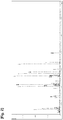
- the results of the mass spectrometry sequencing of the peptide were provided in the MASCOT search form ( FIG. 2 ).
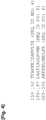
- FIG. 3 shows a wild-type peptide sequence, identified as a GRP78 recognition site by MALDI-TOF-TOF analysis, and variant peptide sequences thereof, developed by the present inventors.
- the sequence consisting of 1 st to 32 nd amino acids of the GRP78 protein was selected as a wild-type sequence, and variant sequences were selected.
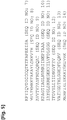
- FIG. 4 shows peptide sequences identified as having phosphorylation and oxidation potentials among the full-length sequence of GRP78 protein by protein structure analysis and sequencing. In this Example, sites predicted to have the binding domain or a major functional domain in the GRP78 protein were selected and synthesized.
- NP_005338.1 the endoplasmic reticulum chaperone BiP protein [Homo sapiens] (NP_005338.1) (SEQ ID NO: 19), which consists of 654 amino acids, was used.
- various sequences including the GRP78 binding domain WIFPWIQL may be used.
- Other detailed information is available from https://www.uniprot.org/uniprot/P11021.
- Peptides for GRP78 screening were synthesized in large amounts using a peptide synthesizer (Apex 396, AAPPTec, Louisville, KY, USA).
- the synthesized peptides were purified by reverse phase high-performance chromatography (HPLC) using a Vydac C18 column and a 0.1% TFA-containing water/acetonitrile gradient.
- HPLC reverse phase high-performance chromatography
- the synthesized peptides having a purity of 98% or higher were used.
- the synthesized peptides were freeze-dried, and then stored in dark at -80°C until use.
- nucleotide or amino acid sequences containing the 125-280 sequence of GRP78, or those containing the following sequences were selected.
- NBD nucleotide binding domain
- I and II spherical domains
- SEQ ID NOs: 7 and 8 contain IA
- SEQ ID NOs: 9 and 10 contain IB
- SEQ ID NOs: 11 and 12 contains IIA
- SEQ ID NOs: 13 and 14 contain IIB.
- the peptides recognize and bind to ATP (nucleotide) which is regulated by GRP78 in cells.
- the eight sequences are as follows and are also shown in FIG. 5 .
- the peptides of SEQ ID NOs: 7 and 8 were synthesized starting from the N-terminus by F-moc solid phase peptide synthesis.
- the synthesized peptide sequences were cut from resin, washed, freeze-dried, and then separated and purified by liquid chromatography.
- the molecular weights of the purified peptides were analyzed by MALDI-TOF analysis.
- sequences containing the 420-500 sequence of GRP78 or those containing the following sequences were selected.
- SBD substrate binding domain
- the SBD is divided into two domains: SBD alpha, and SBD beta.
- the two domains are represented by SEQ ID NOs: 15 and 16, and SEQ ID NOs: 17 and 18, respectively.
- the four sequences are as follows and are shown in FIG. 6 .
- the peptides of SEQ ID NOs: 15 to 18 were synthesized by F-moc solid phase peptide synthesis.
- the synthesized peptide sequences were cut from resin, washed, freeze-dried, and then separated and purified by liquid chromatography.
- the molecular weights of the purified peptides were analyzed by MALDI-TOF analysis.
- fluorescent-labeled GRP78 peptides were used. That is, cells expressing GRP78 on the cell surface were screened. Alternatively, the GRP78 protein in the nucleus or other intracellular organelle was labeled with fluorescent to distinguish the GRP78 labeled in the nucleus from the one in the membrane. The cell permeability and change in intracellular distribution of each of the peptides were evaluated.
- each of the fluorescent-labeled peptides was cultured in a 12-well plate in a 5% CO 2 humidified chamber at 37°C and attached, and then the culture medium was removed. Each of the peptides was added to the cells at an optimal concentration, and control cells were treated with PBS. After culturing in a 5% CO 2 humidified chamber at 37°C for 2 hours and 8 hours, the cells were carefully washed three times with PBS, and were incubated with DAPI for 30 minutes, and the distribution of the peptide in the nucleus was observed. After incubation, the cells were washed twice with PBS and analyzed by fluorescence imaging with a fluorescence microscope (OLYMPUS IX-70).
- the GRP78-derived peptide comprising only a specific amino acid sequence capable of recognizing highly efficient stem cells, among the amino acid sequence of GRP78, makes it possible to screen only non-senescent young stem cells.
- stem cells are treated with the GRP78-derived peptide or the GRP78-derived peptide is introduced into stem cells, the efficiency of the stem cells can be increased.
- the GRP78-derived peptide is useful for the production of stem cell therapy products having excellent efficacy.
Landscapes
- Health & Medical Sciences (AREA)
- Life Sciences & Earth Sciences (AREA)
- Engineering & Computer Science (AREA)
- Chemical & Material Sciences (AREA)
- Immunology (AREA)
- Molecular Biology (AREA)
- Biomedical Technology (AREA)
- Urology & Nephrology (AREA)
- Hematology (AREA)
- General Health & Medical Sciences (AREA)
- Medicinal Chemistry (AREA)
- Cell Biology (AREA)
- Biochemistry (AREA)
- General Physics & Mathematics (AREA)
- Analytical Chemistry (AREA)
- Biotechnology (AREA)
- Pathology (AREA)
- Microbiology (AREA)
- Food Science & Technology (AREA)
- Physics & Mathematics (AREA)
- Proteomics, Peptides & Aminoacids (AREA)
- Organic Chemistry (AREA)
- Tropical Medicine & Parasitology (AREA)
- Biophysics (AREA)
- Genetics & Genomics (AREA)
- Bioinformatics & Cheminformatics (AREA)
- Developmental Biology & Embryology (AREA)
- Virology (AREA)
- Zoology (AREA)
- Toxicology (AREA)
- Pharmacology & Pharmacy (AREA)
- Veterinary Medicine (AREA)
- Public Health (AREA)
- Animal Behavior & Ethology (AREA)
- Epidemiology (AREA)
- Gastroenterology & Hepatology (AREA)
- Peptides Or Proteins (AREA)
- Medicines That Contain Protein Lipid Enzymes And Other Medicines (AREA)
- Measuring Or Testing Involving Enzymes Or Micro-Organisms (AREA)
- Micro-Organisms Or Cultivation Processes Thereof (AREA)
Abstract
Description
- The present invention relates to a GRP78-derived peptide for screening highly efficient stem cells and the use thereof, and more particularly, to screening highly efficient stem cells using, as a marker, a GRP78-derived peptide capable of binding to the binding domain of GRP78 protein on the cell surface.
- In recent years, various studies have been conducted on the possibility of using stem cells as cell therapy by differentiating stem cells, such as embryonic stem cells and adult stem cells, into various cells. Multipotent embryonic stem cells have attracted attention as cell therapy products due to their ability to differentiate into various cells. However, the use of embryonic stem cells poses ethical problems, and hence it is difficult to use these embryonic stem cells as cell therapy in practice. To avoid such ethical problems, studies on the use of adult stem cells have been actively conducted (Trends in Neurosciences 23:450, 2000).
- Although adult stem cells have disadvantages in that when these cells are transplanted into other persons, they carry the risk of infection and have a relatively low differentiation potential, these cells have advantages in that they can be obtained in large numbers and are very safe for medical applications. Specifically, even when these cells are transplanted into the body for organ regeneration, they do not cause cancer, and do not cause immune rejection because they have originated from the adult body. Thus, these adult stem cells can be used for autologous transplantation. In addition, adult stem cells have site-specific differentiation potential according to the characteristics of surrounding tissue, and do not cause cancer even when they are injected in an undifferentiated state. Thus, these adult stem cells advantageously have the potential to produce necessary cells immediately after transplantation and also have self-renewal potential to create and store undifferentiated stem cells, if necessary (JACC: Basic to Translational Science 2:702-716, 2017).
- During development of stem cells into a cell therapy product, a process of culturing isolated stem cells for a long period of time is essential in order to obtain the number of cells required to have an optimal therapeutic effect. Due to the long-term culture, development of the cell therapy product is inevitably performed in a state in which a large number of old cells is mixed or cells at various passages are mixed. This can cause problems in the stability and effectiveness of the stem cell therapy product, as well as quality control (European Cells and Materials 31:136-159, 2016). Therefore, in order to develop a cell therapy product using adult stem cells, a process of screening old cells mixed due to long-term culture is necessary. Although various efforts have, in fact, been made to control the quality of stem cell therapy products, established clear markers are still insufficient.
- Meanwhile, GRP78 is an HSP 70 family chaperone protein that is present in the ER lumen. GRP78 is an important factor in protein transport/transfer into the ER and is a functional protein that is a key to maintaining intracellular calcium homeostasis. This protein consists of two domains connected to each other: one is a nucleotide-binding domain (NBD) that binds and degrades nucleotides in the ER, more specifically ATP, and the other is a substrate-binding domain (SBD) that binds to metabolic enzymes such as ATPase, as well as metabolism-related proteins and metabolic substrates (e.g., ADP) (Gene 618:14-23, 2017). These domains regulate energy metabolism and calcium metabolism inside and outside the ER while degrading ATP depending on intracellular calcium and ATP concentrations during metabolism.
- Accordingly, the present inventors have made extensive efforts to find markers which may be used to remove old stem cells and screen only highly efficient stem cells, and as a result, have found that the protein GRP78 associated with glucose metabolism can be used as a senescence-associated stem cell marker as the number of passages increases during long-term culture of adult stem cells, and also found that the effect of the GRP78 protein can be enhanced by introducing the GRP78 protein into cells, thereby completing the present invention.
- The above information disclosed in this Background section is only for enhancement of understanding of the background of the present invention. Therefore, it may not contain information that forms a conventional art that is already known in the art to which the present invention pertains.
- An object of the present invention is to provide a peptide comprising a specific amino acid sequence capable of recognizing highly efficient stem cells, or a peptide capable of enhancing the effect of GRP78 protein, among the amino acid sequences of the marker GRP78 for developing a cell therapy product using adult stem cells and controlling the quality of the cell therapy product.
- Another object of the present invention is to provide a method of screening highly efficient stem cells using the peptide or a method of increasing the efficiency of stem cells using the peptide to produce a stem cell therapy product having excellent efficacy.
- To achieve the above objects, the present invention provides a peptide for screening highly efficient stem cells or increasing the efficiency of stem cells, the peptide being represented by an amino acid sequence selected from the group consisting of SEQ ID NOs: 1 to 18.
- The present invention also provides a method of screening highly efficient stem cells using the peptide.
- The present invention also provides a composition for screening highly efficient stem cells comprising the peptide.
- The present invention also provides a kit for screening highly efficient stem cells comprising the peptide.
- The present invention also provides a method of increasing the efficiency of stem cells by treating the stem cells with the peptide.
- The present invention also provides a composition for increasing the efficiency of stem cells comprising the peptide.
-
-
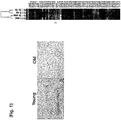
FIG. 1 is a list of proteins showing significant changes as a result of proteomic analysis performed on young cells and old cells. -
FIG. 2 shows the peptide peaks identified by MALDI-TOF-TOF analysis of GRP78 protein which showed a tendency to significantly decrease in old cells. -
FIG. 3 shows a wild-type peptide sequence, identified as a GRP78 recognition site by MALDI-TOF-TOF analysis, and variant peptide sequences thereof. -
FIG. 4 shows peptide sequences identified as having phosphorylation and oxidation potentials among the full-length sequence of GRP78 protein by protein structure analysis and sequencing. -
FIG. 5 shows peptide sequences that bind to nucleotides in the nucleus, among GRP78-derived peptides. -
FIG. 6 shows peptide sequences that bind to other substrates, among GRP78-derived peptides. - Unless otherwise defined, all the technical and scientific terms used in the present specification have the same meanings as commonly understood by those skilled in the art to which the present disclosure pertains. In general, the nomenclature used in the present specification is well known and commonly used in the art.
- In the present invention, GRP78 (glucose-regulated protein 78) showing a significant expression change in old stem cells was identified by examining proteomic changes as senescence of adult stem cells progressed. It was confirmed that the expressions of GRP78 gene and protein in old stem cells significantly decreased compared to those in young highly efficient stem cells. Accordingly, the amino acid sequence of the GRP78 protein was analyzed by MALDI-TOF/TOF and a wild-type peptide sequence identified as a GRP78 recognition site and variant peptide sequence were obtained. Also, protein structure analysis and sequencing were performed and peptide sequences having phosphorylation and oxidation potentials among the full-length sequence of the GRP78 protein were obtained. In addition, using endoplasmic reticulum chaperone BiP protein, peptides for GRP78 screening, which bind to nucleotides in the nucleus, and peptides for GRP78 screening, which bind to other substrates, were synthesized.
- The GRP78-derived peptide of the present invention can serve as a cell surface marker that binds to the binding domain of the GRP78 protein on the cell surface, thereby screening cells labeling GRP78. In addition, the effect of the GRP78 protein can be increased by treating cells, which have decreased expression of the GRP78 protein, with the GRP78-derived peptide, or introducing the GRP78-derived peptide into the cells.
- Therefore, one aspect of the present invention is directed to a peptide for screening highly efficient stem cells or enhancing the efficiency of stem cells, the peptide being represented by an amino acid sequence selected from the group consisting of SEQ ID NOs: 1 to 18.
- In the present invention, the peptide may be derived from GRP78.
- The nucleotide sequence and amino acid sequence of GRP78 of the present invention may be obtained from a known database such as NCBI's GenBank (e.g., GenBank Accession AAA52614.1).
- In the present invention, the peptides represented by the amino acid sequences of SEQ ID NOs: 1 to 3 may recognize the 1-32 site of GRP78, and may be the 1-32 wild-type recognition site (WT): MEHRTRSWALGLSILGFFALLFSAGFVQQAHA (SEQ ID NO: 1), the 1-32 variant recognition site (KO1): MEHRNRSWALGLSILGFFALLFSAGFVQQAHA (SEQ ID NO: 2), and the 1-32 variant recognition site (KO2): MDHRNRSWALGLSILGFFALLFSAGFVQQAHA (SEQ ID NO: 3).
- In the present invention, the peptides represented by the amino acid sequences of SEQ ID NOs: 4 to 6 preferably recognize the phosphorylation or oxidation site of the GRP78 protein, and may more preferably be 139-152 TFAPEEISAMVLTK (SEQ ID NO: 4), 186-197 DAGTIAGLNVMR (SEQ ID NO: 5), and 325-336 AKFEELNMDLFR (SEQ ID NO: 6).
- In the present invention, the peptides represented by the amino acid sequences of SEQ ID NOs: 7 to 14 may be the 125-280 site of GRP78, may preferably recognize ATP in the nucleus, which is regulated by GRP78, and may more preferably be KPYIQVDIGGGQTKTFAPEEISA (SEQ ID NO: 7), MVLTKMKETAEAYLGKKVTH (SEQ ID NO: 8), AVVTVPAYFNDAQRQAT (SEQ ID NO: 9), KDAGTIAGLNVMRIINEPTAAA (SEQ ID NO: 10), IAYGLDKREGEKNILVFDLGGG (SEQ ID NO: 11), TFDVSLLTIDNGVFEV (SEQ ID NO: 12), VATNGDTHLGGEDFDQRV (SEQ ID NO: 13), and MEHFIKLYKKKTGKDVRK (SEQ ID NO: 14).
- Since GRP78 regulates homeostasis of ATP and calcium in the endoplasmic reticulum (ER) and ATP is a nucleotide, the peptides represented by the amino acid sequences of SEQ ID NOs: 7 to 14 are preferably peptides having a nucleotide-binding domain (NBD), and can increase the efficiency of stem cells by regulating the homeostasis of ATP and calcium in the ER.
- In the present invention, the peptides represented by the amino acid sequences of SEQ ID NOs: 15 to 18 may be the 420-500 site of GRP78, preferably recognize other substrates that are ATP degradation products in the nucleus, which are regulated by GRP78, and may more preferably be CPLTLGIETVGGVMTKLIPR (SEQ ID NO: 15), NTVVPTKKSQIFSTASDNQP (SEQ ID NO: 16), TVTIKVYEGERPLTKDNHLL (SEQ ID NO: 17), and GTFDLTGIPPAPRGVPQIEVT (SEQ ID NO: 18).
- Since GRP78 regulates homeostasis of ATP and calcium in the endoplasmic reticulum (ER) and stimulates ATP degradation, the peptides represented by the amino acid sequences of SEQ ID NOs: 15 to 18 are preferably peptides having a substrate-binding domain (SBD), and may bind to a substrate so as to be able to bind to ATP itselfs, thereby increasing the efficiency of stem cells.
- The peptide of the present invention may be used to screen stem cells expressing the GRP78 protein on the cell surface. In addition, the peptide of the present invention may be introduced into the cytoplasm of stem cells in which intracellular expression of the GRP78 protein decreased due to senescence or external stimulation, thereby screening highly efficient stem cells and increasing sternness.
- The peptide of the present invention may be easily produced by chemical synthesis methods known in the art (Creighton, Proteins; Structures and Molecular Principles, W H Freeman and Co, NY, 1983). Typical methods include, but are not limited to, liquid or solid phase synthesis, fragment condensation, and F-MOC or T-BOC chemistry (Chemical Approaches to the Synthesis of Peptides and Proteins, Williams et al, Eds., CRC Press, Boca Raton Florida, 1997; Chemistry of peptide synthesis, N. Leo Benoiton, Taylor & Francis, 2005, CRC press, page 140-143).
- In addition, the peptide of the present invention may be produced by genetic engineering methods. First, a DNA sequence encoding the peptide is constructed according to a conventional method. The DNA sequence may be constructed by PCR amplification using suitable primers. Alternatively, the DNA sequence may also be synthesized by a standard method known in the art, for example, an automated DNA synthesizer (e.g., commercially available from Biosearch or Applied Biosystems). The constructed DNA sequence is inserted into a vector comprising one or more expression control sequences (for example, promoters, enhancers, etc.), which are operatively linked to the DNA sequence and regulate the expression of the DNA sequence, and a host cell is transformed with the resulting recombinant expression vector. The resulting transformant is cultured in suitable medium under suitable culture conditions so that the DNA sequence is expressed, and then a substantially pure peptide encoded by the DNA sequence is recovered from the cell culture. The recovery of peptide may be carried out by a conventional method known in the art (for example, chromatography). As used herein, the term "substantially pure peptide" means that the peptide according to the present invention is substantially free from any other proteins derived from the host. The genetic engineering method for synthesis of the peptide of the present invention can be found in the following literature: Maniatis et al, Molecular Cloning; A laboratory Manual, Cold Spring Harbor laboratory, 1982; Sambrook et al, Molecular Cloning: A Laboratory Manual, Cold Spring Harbor Press, NY, Second(1998) and Third(2000) Edition; and Hitzeman et al, J Biol Chem, 255:12073-12080, 1990.
- In the present invention, the highly efficient stem cells may express GRP78.
- In the present invention, the highly efficient stem cells may be non-senescent young stem cells.
- In the present invention, the stem cells are preferably adult stem cells, but are not limited thereto.
- As used herein, the term "stem cells" refers to pluripotent cells capable of differentiating into endodermal, mesodermal and ectodermal cells in animals, or multipotent cells capable of differentiating into closely related cells in tissues or functions. The term refers to a cell capable of dividing into two or more new cells while having self-renewal ability, and the stem cells may be classified into totipotent stem cells, pluripotent stem cells, and multipotent stem cells.
- As used herein, the term "adult stem cells" refers to multipotent cells obtained by isolating stem cells from each tissue and culturing the isolated stem cells in vitro, and includes bone marrow stem cells, retinal stem cells, retinal Muller glial cells, neural stem cells, and the like. The stem cells may be derived from mammals, including humans and primates, as well as livestock such as cattle, pigs, sheep, horses, dogs, rats, rats, and cats. Preferably, the stem cells may be derived from humans.
- As used herein, the term "senescence" means that the differentiation or proliferation potential of adult stem cells decreases due to an increase in the age of an individual or an increase in the number of passages.
- As used herein, the term "passage" means replacing a culture vessel or dividing and culturing a cell population, in a method in which a portion of cells are periodically transferred to a fresh culture vessel in order to continuously culture the cells in a healthy state for a long period of time, and then the cells are continuously subcultured while the culture medium is replaced. One passage refers to replacing the culture vessel once or dividing and culturing the cell population. In the present invention, low-passage or young-passage stem cells may refer to stem cells having a high differentiation ability or therapeutic effect, and high-passage or old-passage stem cells may refer to stem cells having a low differentiation ability or therapeutic effect, but are not limited thereto.
- In the present invention, the young passage may have a passage number of 0 to 3, preferably 0 to 2. In addition, the old passage may have a passage number of 15 to 25, preferably 20 to 25.
- In the present invention, the young stem cells may have a passage number of 0 to 3, preferably 0 to 2. In addition, the old stem cells may have a passage number of 15 to 25, preferably 20 to 25.
- That is, the "old stem cells" in the present invention refers to stem cells in which the differentiation or proliferation ability of adult stem cells has decreased due to an increase in the number of passages, and the "highly efficient stem cells" refers to stem cells that have excellent efficacy as cell therapy products because the adult stem cells therein have a very high differentiation or proliferation ability. In other words, the "highly efficient stem cells" refers to those that exhibit the differentiation or proliferation potential equivalent to young-passage stem cells.
- Another aspect of the present invention is directed to a method of screening highly efficient stem cells using a peptide represented by an amino acid sequence selected from the group consisting of SEQ ID NOs: 1 to 18.
- In the present invention, the method may comprise steps of: (a) conjugating a fluorescent to a peptide specific for GRP78; (b) binding the fluorescent-conjugated peptide to stem cells; and (c) screening GRP78-expressing stem cells under a fluorescence microscope.
- Still another aspect of the present invention is directed to a composition for screening highly efficient stem cells, the composition comprising a peptide represented by an amino acid sequence selected from the group consisting of SEQ ID NOs: 1 to 18.
- Yet another aspect of the present invention is directed to a kit for screening highly efficient stem cells, the kit comprising a peptide represented by an amino acid sequence selected from the group consisting of SEQ ID NOs: 1 to 18.
- In the present invention, the kit may be an RT-PCR kit, a DNA chip kit or a protein chip kit.
- The kit of the present invention may be a diagnostic kit composed of one or more compositions, solutions or instruments, which are suitable for analysis methods, and may be an RT-PCR kit, a DNA chip kit or a protein chip kit. The RT-PCR kit may comprise, in addition to each primer pair specific for the marker gene, a test tube or another suitable container, a reaction buffer, deoxynucleotides (dNTPs), enzymes such as Taq-polymerase, reverse transcriptase and DNase, an RNase inhibitor, DEPC-water, sterile water, etc. Also, it may comprise a primer pair specific to a gene which is used as a quantitative control. The DNA chip kit may comprise a substrate in which cDNA corresponding to the gene or a fragment thereof is attached as a probe. The substrate may contain cDNA corresponding to a quantification control gene or a fragment thereof.
- In addition, the kit according to the present invention may be a diagnostic kit comprising an agent for measuring the protein level, in which the agent for measuring the protein level is preferably an antibody specific for the protein. Thus, the kit comprising the agent for measuring the protein level may be a kit for detection of markers, which comprises essential elements required for carrying out, for example, ELISA. This kit may also comprise reagents that may detect antibodies forming "antigen-antibody complexes", for example, labeled secondary antibodies, chromophores, enzymes (e.g., conjugated with antibodies) and their substrates. Also, it may comprise an antibody specific to a control protein for quantification.
- Furthermore, the amount of antigen-antibody complexes formed may be quantitatively determined by measuring the signal intensity of a detection label. Such a detection label may be selected from the group consisting of, but not necessarily limited to, enzymes, fluorescent substances, ligands, luminescent substances, microparticles, redox molecules and radioactive isotopes.
- Methods for measuring protein levels include, but not necessarily limited to, Western blotting, ELISA, radioimmunoassay, radioimmunodiffusion, Ouchterlony immunodiffusion assay, rocket immunoelectrophoresis assay, immunohistostaining assay, immunoprecipitation assay, complement fixation assay, fluorescence activated cell sorter (FACS), protein chip assay, etc., and the protein level may be measured using methods known to those skilled in the art.
- Yet another aspect of the present invention is directed to a method of increasing the efficiency of stem cells by treating the stem cells with a peptide represented by an amino acid selected from the group consisting of SEQ ID NOs: 1 to 18, or introducing the peptide into the stem cell.
- In the present invention, the stem cells having increased efficiency may express GRP78.
- In the present invention, the stem cells are preferably adult stem cells, but are not limited thereto.
- As used herein, the term "stem cells" refers to pluripotent cells capable of differentiating into endodermal, mesodermal and ectodermal cells in animals, or multipotent cells capable of differentiating into closely related cells in tissues or functions. The term refers to a cell capable of dividing into two or more new cells while having self-renewal ability, and the stem cells may be classified into totipotent stem cells, pluripotent stem cells, and multipotent stem cells.
- As used herein, the term "adult stem cells" refers to multipotent cells obtained by isolating stem cells from each tissue and culturing the isolated stem cells in vitro, and includes bone marrow stem cells, retinal stem cells, retinal Muller glial cells, neural stem cells, and the like. The stem cells may be derived from mammals, including humans and primates, as well as livestock such as cattle, pigs, sheep, horses, dogs, mouse, rats, and cats. Preferably, the stem cells may be derived from humans.
- As used herein, the term "increasing the efficiency" of stem cells means that the differentiation or proliferation potential of adult stem cells increases. The term "highly efficient stem cells" or "stem cells having increased efficiency" refers to those that exhibit the differentiation or proliferation potential equivalent to young-passage stem cells.
- In the present invention, "treating with the peptide" or "introducing the peptide into" may be performed by treating a cell culture medium directly with the peptide or treating the cell culture medium with a mixture of the peptide and a biomaterial for culture, and the biomaterial refers to a synthetic polymer or a natural polymer.
- In the present invention, the synthetic polymer is preferably selected from among poloxamer, polyethylene glycol and polypropylene glycol, and the natural polymer is preferably selected from among vitronectin, collagen, gelatin, alginic acid, chondroitin sulfate, fibronectin and extracellular matrix protein, but the scope of the present invention is not limited thereto.
- Yet another aspect of the present invention is directed to a composition for increasing efficiency of stem cells, the composition comprising a peptide represented by an amino acid sequence selected from the group consisting of SEQ ID NOs: 1 to 18.
- Hereinafter, the present invention will be described in more detail with reference to examples. It will be obvious to skilled in the art that these examples are merely to illustrate the present invention, and the scope of the present invention is not limited by these examples.
- In order to examine the changes in proteomics with the progress of senescence of adult stem cells, proteomic analysis was performed using each cell pellet cultured at each passage.
- Protein extraction from a sample was performed as follows. A 2DE lysis solution composed of 7M urea, 2M thiourea, 4% (w/v) 3-[(3-cholamidopropyl)dimethylammonio]-1-propanesulfonate (CHAPS), 1% (w/v) dithiothreitol (DTT), 2% (v/v) Pharmalyte and 1 mM benzamidine was added to the sample. For protein extraction, the mixture was vortexed for 1 hour and centrifuged at 12,000 rpm and 25°C for 1 hour. The supernatant was used as a sample for two-dimensional electrophoresis. Measurement of protein concentration was performed by the Bradford method.
- For primary isoelectric focusing (IEF), IPG strips were reswollen in a reswelling buffer (containing 7M urea, 2M thiourea, 2% 3-[(3-cholamidopropy)dimethyammonio]-1-propanesulfonate (CHAPS), 1% dithiothreitol (DTT), and 1% Pharmalyte) at room temperature for about 12 to 16 hours. 100 µg of the sample per strip was used, and IEF was performed at 20°C using the Multiphore II system (Amersham Biosciences) according to the manufacturer's manual. For IEF, the voltage was increased from 150V to 3,500V within 3 hours and maintained at 3,500V for 26 hours, and IEF was completed at 96 kVh.
- Before SDS-PAGE was performed, IPG strips were incubated in a 1% DTT-containing equilibration buffer (50 mM Tris-Cl, pH 6.8, 6M urea, 2% SDS, and 30% glycerol) for 10 minutes, and immediately further incubated in a 2.5% iodoacetamide-containing equilibration buffer for 10 minutes. Equilibrated strips were arranged on SDS-PAGE gels (20×24 cm, 10 to 16%), and run at 1.7 kVh and 20°C using a Hoefer DALT 2D system. After 2D electrophoresis was completed, proteins on the 2D gels were visualized by silver staining according to the method described in Oakley et al., Anal. Biochem. 1980, 105:361-363, and a glutaraldehyde treatment step was omitted for protein identification by mass spectrometry. The silver-stained 2D gel was scanned, and stored as a TIFF file.
- Quantitative analysis for examining changes in expression of protein spots from the scanned image was performed using PDQuest software (version 7.0, BioRad). The quantity of each spot was normalized by the total valid spot intensity, and protein spots showing at least 2-fold significant changes in expression compared to control were selected.
- The protein spot selected in the 2DE analysis was washed with 50% acetonitrile, dried under vacuum, and then subjected to in-gel digestion with trypsin. The degraded sample was analyzed using a BRUKER AUTOFLEX SPEED with LIFTTM ion optics. The results of the mass spectrometry sequencing of the peptide were provided in the MASCOT search form (
FIG. 2 ). -
FIG. 3 shows a wild-type peptide sequence, identified as a GRP78 recognition site by MALDI-TOF-TOF analysis, and variant peptide sequences thereof, developed by the present inventors. - 1-32 wild-type recognition site (WT): MEHRTRSWALGLSILGFFALLFSAGFVQQAHA (SEQ ID NO: 1)
- 1-32 variant recognition site (KO1): MEHRNRSWALGLSILGFFALLFSAGFVQQAHA (SEQ ID NO: 2)
- 1-32 variant recognition site (KO2): MDHRNRSWALGLSILGFFALLFSAGFVQQAHA (SEQ ID NO: 3)
- The sequence consisting of 1st to 32nd amino acids of the GRP78 protein was selected as a wild-type sequence, and variant sequences were selected.
-
FIG. 4 shows peptide sequences identified as having phosphorylation and oxidation potentials among the full-length sequence of GRP78 protein by protein structure analysis and sequencing. In this Example, sites predicted to have the binding domain or a major functional domain in the GRP78 protein were selected and synthesized. - 139-152 TFAPEEISAMVLTK (SEQ ID NO: 4)
- 186-197 DAGTIAGLNVMR (SEQ ID NO: 5)
- 325-336 AKFEELNMDLFR (SEQ ID NO: 6)
- To synthesize peptides for GRP78 screening, the endoplasmic reticulum chaperone BiP protein [Homo sapiens] (NP_005338.1) (SEQ ID NO: 19), which consists of 654 amino acids, was used. In addition to this sequence, various sequences including the GRP78 binding domain WIFPWIQL (SEQ ID NO: 20) may be used. Other detailed information is available from https://www.uniprot.org/uniprot/P11021.
- Peptides for GRP78 screening were synthesized in large amounts using a peptide synthesizer (Apex 396, AAPPTec, Louisville, KY, USA). The synthesized peptides were purified by reverse phase high-performance chromatography (HPLC) using a Vydac C18 column and a 0.1% TFA-containing water/acetonitrile gradient. The synthesized peptides having a purity of 98% or higher were used. The synthesized peptides were freeze-dried, and then stored in dark at -80°C until use.
- To synthesize peptides for GRP78 screening that bind to nucleotides in the nucleus, nucleotide or amino acid sequences containing the 125-280 sequence of GRP78, or those containing the following sequences were selected.
- As a proteins in the structure of GRP78, NBD (nucleotide binding domain) is divided into two large spherical domains (I and II), and each of the domains is subdivided into subdomains A and B. That is, NBD is divided into IA, IB, IIA and IIB sequences. SEQ ID NOs: 7 and 8 contain IA, SEQ ID NOs: 9 and 10 contain IB, SEQ ID NOs: 11 and 12 contains IIA, and SEQ ID NOs: 13 and 14 contain IIB. The peptides recognize and bind to ATP (nucleotide) which is regulated by GRP78 in cells.
- The eight sequences are as follows and are also shown in
FIG. 5 . - KPYIQVDIGGGQTKTFAPEEISA (SEQ ID NO: 7)
- MVLTKMKETAEAYLGKKVTH (SEQ ID NO: 8)
- AVVTVPAYFNDAQRQAT (SEQ ID NO: 9)
- KDAGTIAGLNVMRIINEPTAAA (SEQ ID NO: 10)
- IAYGLDKREGEKNILVFDLGGG (SEQ ID NO: 11)
- TFDVSLLTIDNGVFEV (SEQ ID NO: 12)
- VATNGDTHLGGEDFDQRV (SEQ ID NO: 13)
- MEHFIKLYKKKTGKDVRK (SEQ ID NO: 14)
- The peptides of SEQ ID NOs: 7 and 8 were synthesized starting from the N-terminus by F-moc solid phase peptide synthesis. The synthesized peptide sequences were cut from resin, washed, freeze-dried, and then separated and purified by liquid chromatography. The molecular weights of the purified peptides were analyzed by MALDI-TOF analysis.
- To synthesize peptides for GRP78 screening that bind to other substrates, sequences containing the 420-500 sequence of GRP78 or those containing the following sequences were selected.
- After ATP binds to the NBD of GRP78 during ATP degradation, a change in the structure of the SBD (substrate binding domain) of the GRP78 sequence occurs to promote the degradation process occurring in the NBD. The SBD is divided into two domains: SBD alpha, and SBD beta. The two domains are represented by SEQ ID NOs: 15 and 16, and SEQ ID NOs: 17 and 18, respectively. These peptides bind to substrates that bind to degradation products produced by the degradation of ATP that is regulated by GRP78. These peptides may further promote the degradation process.
- The four sequences are as follows and are shown in
FIG. 6 . - CPLTLGIETVGGVMTKLIPR (SEQ ID NO: 15)
- NTVVPTKKSQIFSTASDNQP (SEQ ID NO: 16)
- TVTIKVYEGERPLTKDNHLL (SEQ ID NO: 17)
- GTFDLTGIPPAPRGVPQIEVT (SEQ ID NO: 18)
- The peptides of SEQ ID NOs: 15 to 18 were synthesized by F-moc solid phase peptide synthesis. The synthesized peptide sequences were cut from resin, washed, freeze-dried, and then separated and purified by liquid chromatography. The molecular weights of the purified peptides were analyzed by MALDI-TOF analysis.
- To screen highly efficient stem cells using the peptides synthesized in Examples 3 to 5, fluorescent-labeled GRP78 peptides were used. That is, cells expressing GRP78 on the cell surface were screened. Alternatively, the GRP78 protein in the nucleus or other intracellular organelle was labeled with fluorescent to distinguish the GRP78 labeled in the nucleus from the one in the membrane. The cell permeability and change in intracellular distribution of each of the peptides were evaluated.
- To evaluate the cell permeability of each of the fluorescent-labeled peptides, cells were cultured in a 12-well plate in a 5% CO2 humidified chamber at 37°C and attached, and then the culture medium was removed. Each of the peptides was added to the cells at an optimal concentration, and control cells were treated with PBS. After culturing in a 5% CO2 humidified chamber at 37°C for 2 hours and 8 hours, the cells were carefully washed three times with PBS, and were incubated with DAPI for 30 minutes, and the distribution of the peptide in the nucleus was observed. After incubation, the cells were washed twice with PBS and analyzed by fluorescence imaging with a fluorescence microscope (OLYMPUS IX-70).
- According to the present invention, the GRP78-derived peptide comprising only a specific amino acid sequence capable of recognizing highly efficient stem cells, among the amino acid sequence of GRP78, makes it possible to screen only non-senescent young stem cells. In addition, when stem cells are treated with the GRP78-derived peptide or the GRP78-derived peptide is introduced into stem cells, the efficiency of the stem cells can be increased. Thus, the GRP78-derived peptide is useful for the production of stem cell therapy products having excellent efficacy.
- Although the present invention has been described in detail with reference to specific features, it will be apparent to those skilled in the art that this description is only of a preferred embodiment thereof, and does not limit the scope of the present invention. Thus, the substantial scope of the present invention will be defined by the appended claims and equivalents thereto.
- Electronic file attached


Claims (14)
- A peptide for screening highly efficient stem cells, the peptide being represented by an amino acid sequence selected from the group consisting of SEQ ID NOs: 1 to 18.
- The peptide of claim 1, wherein the peptide is derived from GRP78.
- The peptide of claim 1, wherein the peptides represented by the amino acid sequences of SEQ ID NOs: 1 to 3 recognize the 1-32 site of GRP78.
- The peptide of claim 1, wherein the peptides represented by the amino acid sequences of SEQ ID NOs: 4 to 6 recognize the phosphorylation or oxidation site of the GRP78 protein.
- The peptide of claim 1, wherein the peptides represented by the amino acid sequences of SEQ ID NOs: 7 to 14 recognize ATP in the nucleus, which is regulated by GRP78.
- The peptide of claim 1, wherein the peptides represented by the amino acid sequences of SEQ ID NOs: 15 to 18 recognize ATP degradation products in the nucleus, which are regulated by GRP78.
- The peptide of claim 1, wherein the highly efficient stem cells express GRP78.
- A method of screening highly efficient stem cells using the peptide of any one of claims 1 to 7.
- The method of claim 8, comprising steps of:(a) conjugating a fluorescent to a peptide specific for GRP78;(b) binding the fluorescent-conjugated peptide to stem cells; and(c) screening GRP78-expressing stem cells under a fluorescence microscope.
- A composition for screening highly efficient stem cells comprising the peptide of any one of claims 1 to 7.
- A kit for screening highly efficient stem cells comprising the peptide of any one of claims 1 to 7.
- A method of increasing efficiency of stem cells by treating the stem cells with the peptide of any one of claims 1 to 7.
- The method of claim 12, wherein the stem cells having increased efficiency express GRF78.
- A composition for increasing efficiency of stem cells comprising the peptide of any one of claims 1 to 7.
Priority Applications (1)
| Application Number | Priority Date | Filing Date | Title |
|---|---|---|---|
| EP25188763.4A EP4614154A3 (en) | 2017-10-13 | 2018-10-15 | Grp78-derived peptide for identifying high-efficiency stem cells |
Applications Claiming Priority (2)
| Application Number | Priority Date | Filing Date | Title |
|---|---|---|---|
| KR20170133614 | 2017-10-13 | ||
| PCT/KR2018/012118 WO2019074343A1 (en) | 2017-10-13 | 2018-10-15 | Grp78-derived peptide for identifying high-efficiency stem cells |
Related Child Applications (2)
| Application Number | Title | Priority Date | Filing Date |
|---|---|---|---|
| EP25188763.4A Division EP4614154A3 (en) | 2017-10-13 | 2018-10-15 | Grp78-derived peptide for identifying high-efficiency stem cells |
| EP25188763.4A Division-Into EP4614154A3 (en) | 2017-10-13 | 2018-10-15 | Grp78-derived peptide for identifying high-efficiency stem cells |
Publications (3)
| Publication Number | Publication Date |
|---|---|
| EP3696547A1 true EP3696547A1 (en) | 2020-08-19 |
| EP3696547A4 EP3696547A4 (en) | 2021-09-22 |
| EP3696547B1 EP3696547B1 (en) | 2025-08-13 |
Family
ID=66101669
Family Applications (2)
| Application Number | Title | Priority Date | Filing Date |
|---|---|---|---|
| EP25188763.4A Pending EP4614154A3 (en) | 2017-10-13 | 2018-10-15 | Grp78-derived peptide for identifying high-efficiency stem cells |
| EP18866139.1A Active EP3696547B1 (en) | 2017-10-13 | 2018-10-15 | Grp78-derived peptide for identifying high-efficiency stem cells |
Family Applications Before (1)
| Application Number | Title | Priority Date | Filing Date |
|---|---|---|---|
| EP25188763.4A Pending EP4614154A3 (en) | 2017-10-13 | 2018-10-15 | Grp78-derived peptide for identifying high-efficiency stem cells |
Country Status (6)
| Country | Link |
|---|---|
| US (1) | US11760792B2 (en) |
| EP (2) | EP4614154A3 (en) |
| KR (1) | KR102210543B1 (en) |
| CN (1) | CN111727374B (en) |
| ES (1) | ES3045715T3 (en) |
| WO (1) | WO2019074343A1 (en) |
Families Citing this family (1)
| Publication number | Priority date | Publication date | Assignee | Title |
|---|---|---|---|---|
| KR20250083159A (en) * | 2023-11-28 | 2025-06-09 | 충북대학교 산학협력단 | Use of GRP78-Like Peptides |
Family Cites Families (15)
| Publication number | Priority date | Publication date | Assignee | Title |
|---|---|---|---|---|
| US20010034042A1 (en) * | 2000-01-20 | 2001-10-25 | Srivastava Pramod K. | Complexes of peptide-binding fragments of heat shock proteins and their use as immunotherapeutic agents |
| FR2838444B1 (en) * | 2002-04-10 | 2016-01-01 | Neovacs | NEW PEPTIDES AND THEIR THERAPEUTIC APPLICATION |
| EP2057195A4 (en) | 2006-08-29 | 2010-05-12 | Forhumantech Co Ltd | Pharmaceutical composition for suppression of apoptosis and method for delivering the same |
| JP5186632B2 (en) * | 2006-10-19 | 2013-04-17 | ブリッタ ハーディ, | Compositions and methods for inducing angiogenesis |
| KR101175175B1 (en) | 2008-07-28 | 2012-08-20 | 서울대학교병원 | Method for separating high activity stem cells form human stem cells and high activity stem cells separated by the method |
| WO2010054328A2 (en) | 2008-11-07 | 2010-05-14 | Research Development Foundation | Compositions and methods for the inhibition of cripto/grp78 complex formation and signaling |
| CN101445551A (en) * | 2008-12-25 | 2009-06-03 | 中国科学院广州生物医药与健康研究院 | BiP protein antigen epitope peptide, filtration method and application thereof |
| WO2013040142A2 (en) * | 2011-09-16 | 2013-03-21 | Iogenetics, Llc | Bioinformatic processes for determination of peptide binding |
| WO2011119484A1 (en) | 2010-03-23 | 2011-09-29 | Iogenetics, Llc | Bioinformatic processes for determination of peptide binding |
| CA2708753C (en) * | 2010-06-25 | 2014-02-18 | Raymond J. Dattwyler | Peptide diagnostic agent for lyme disease |
| WO2014107718A2 (en) * | 2013-01-07 | 2014-07-10 | H. Lee Moffitt Cancer Center And Research Institute, Inc. | Heat shock protein (hsp) inhibition and monitoring effectiveness thereof |
| HK1220368A1 (en) * | 2013-03-13 | 2017-05-05 | Cour Pharmaceuticals Development Company | Immune-modifying particles for the treatment of inflammation |
| RU2015142815A (en) | 2013-03-14 | 2017-04-12 | Паркаш ГИЛЛ | TREATMENT OF CANCER USING ANTIBODIES COMBINING WITH SURFACE GRP78 |
| KR101508129B1 (en) | 2013-06-18 | 2015-04-06 | 한국원자력의학원 | Marker for diagnosing cell senescence and use thereof |
| KR101828812B1 (en) | 2016-04-08 | 2018-02-13 | 파미셀 주식회사 | Kit for Detecting Senescence of Stem cells |
-
2018
- 2018-10-15 KR KR1020180122816A patent/KR102210543B1/en active Active
- 2018-10-15 EP EP25188763.4A patent/EP4614154A3/en active Pending
- 2018-10-15 EP EP18866139.1A patent/EP3696547B1/en active Active
- 2018-10-15 ES ES18866139T patent/ES3045715T3/en active Active
- 2018-10-15 US US16/755,373 patent/US11760792B2/en active Active
- 2018-10-15 WO PCT/KR2018/012118 patent/WO2019074343A1/en not_active Ceased
- 2018-10-15 CN CN201880074387.1A patent/CN111727374B/en active Active
Also Published As
| Publication number | Publication date |
|---|---|
| EP3696547A4 (en) | 2021-09-22 |
| US11760792B2 (en) | 2023-09-19 |
| ES3045715T3 (en) | 2025-11-28 |
| WO2019074343A1 (en) | 2019-04-18 |
| CN111727374A (en) | 2020-09-29 |
| US20200369753A1 (en) | 2020-11-26 |
| EP4614154A2 (en) | 2025-09-10 |
| EP3696547B1 (en) | 2025-08-13 |
| KR20190041959A (en) | 2019-04-23 |
| KR102210543B1 (en) | 2021-02-01 |
| EP4614154A3 (en) | 2025-11-26 |
| CN111727374B (en) | 2024-02-20 |
Similar Documents
| Publication | Publication Date | Title |
|---|---|---|
| US20200347112A1 (en) | Compositions of engineered exosomes and methods of loading luminal exosomes pay-loads | |
| Verschuure et al. | Expression of small heat shock proteins HspB2, HspB8, Hsp20 and cvHsp in different tissues of the perinatal developing pig | |
| Doran et al. | Opposite pathobiochemical fate of pyruvate kinase and adenylate kinase in aged rat skeletal muscle as revealed by proteomic DIGE analysis | |
| Bumke et al. | Modulation of gene expression by extracellular pH variations in human fibroblasts: a transcriptomic and proteomic study | |
| Sintsova et al. | Anti-inflammatory activity of a polypeptide from the Heteractis crispa sea anemone | |
| Plowman et al. | Unravelling the proteome of wool: towards markers of wool quality traits | |
| Stastna et al. | Posttranslational modifications of lysine and evolving role in heart pathologies—Recent developments | |
| Rosenberg et al. | Occurrence of heterogenous forms of the subunits of creatine kinase in various muscle and nonmuscle tissues and their behaviour during myogenesis | |
| KR20200029569A (en) | Method for purifying protein having tubulin carboxypeptidase activity and peptide-based inhibitors thereof | |
| Tanaka et al. | Smooth muscle-like Ca2+-regulation of actin–myosin interaction in adult jellyfish striated muscle | |
| US11760792B2 (en) | GRP78-derived peptide for identifying high-efficiency stem cells | |
| Oe et al. | Muscle type specific expression of tropomyosin isoforms in bovine skeletal muscles | |
| Doi et al. | Regulation of the tubulin polymerization-promoting protein by Ca2+/S100 proteins | |
| Fonseca et al. | Identification of an osteopontin‐like protein in fish associated with mineral formation | |
| Gerrits et al. | Gene duplication and conversion events shaped three homologous, differentially expressed myosin regulatory light chain (MLC2) genes | |
| Matsuo et al. | A novel nitric oxide synthase expressed specifically in the olfactory center | |
| KR102129380B1 (en) | Method of Screening Highly Efficient Stem Cell Using GRP78 Protein Biomarker | |
| McGrath et al. | An abundant nucleolar phosphoprotein is associated with ribosomal DNA in Tetrahymena macronuclei. | |
| Xue et al. | CHIP mediates down-regulation of nucleobindin-1 in preosteoblast cell line models | |
| Kim et al. | Developmental proteomic profiling of porcine skeletal muscle during postnatal development | |
| Di Poto et al. | 2‐DE and MALDI‐TOF‐MS for a comparative analysis of proteins expressed in different cellular models of amyotrophic lateral sclerosis | |
| KR20160083742A (en) | Method for screening EMT inhibitor | |
| Zhu et al. | Proteomic profiling of human placenta-derived mesenchymal stem cells upon transforming LIM mineralization protein-1 stimulation | |
| JP2023132271A (en) | Method for evaluating aging of sweat gland cells and sweat gland tissue, and method for evaluating aging adjustment effect of test sample on sweat gland cells and sweat gland tissue | |
| Wu et al. | Osterix Facilitates Osteocytic Communication by Targeting Connexin43 |
Legal Events
| Date | Code | Title | Description |
|---|---|---|---|
| STAA | Information on the status of an ep patent application or granted ep patent |
Free format text: STATUS: THE INTERNATIONAL PUBLICATION HAS BEEN MADE |
|
| PUAI | Public reference made under article 153(3) epc to a published international application that has entered the european phase |
Free format text: ORIGINAL CODE: 0009012 |
|
| STAA | Information on the status of an ep patent application or granted ep patent |
Free format text: STATUS: REQUEST FOR EXAMINATION WAS MADE |
|
| 17P | Request for examination filed |
Effective date: 20200421 |
|
| AK | Designated contracting states |
Kind code of ref document: A1 Designated state(s): AL AT BE BG CH CY CZ DE DK EE ES FI FR GB GR HR HU IE IS IT LI LT LU LV MC MK MT NL NO PL PT RO RS SE SI SK SM TR |
|
| AX | Request for extension of the european patent |
Extension state: BA ME |
|
| DAV | Request for validation of the european patent (deleted) | ||
| DAX | Request for extension of the european patent (deleted) | ||
| RIC1 | Information provided on ipc code assigned before grant |
Ipc: G01N 33/68 20060101ALI20210508BHEP Ipc: G01N 33/569 20060101AFI20210508BHEP |
|
| A4 | Supplementary search report drawn up and despatched |
Effective date: 20210824 |
|
| RIC1 | Information provided on ipc code assigned before grant |
Ipc: G01N 33/68 20060101ALI20210818BHEP Ipc: G01N 33/569 20060101AFI20210818BHEP |
|
| STAA | Information on the status of an ep patent application or granted ep patent |
Free format text: STATUS: EXAMINATION IS IN PROGRESS |
|
| 17Q | First examination report despatched |
Effective date: 20240312 |
|
| GRAP | Despatch of communication of intention to grant a patent |
Free format text: ORIGINAL CODE: EPIDOSNIGR1 |
|
| STAA | Information on the status of an ep patent application or granted ep patent |
Free format text: STATUS: GRANT OF PATENT IS INTENDED |
|
| INTG | Intention to grant announced |
Effective date: 20250311 |
|
| GRAS | Grant fee paid |
Free format text: ORIGINAL CODE: EPIDOSNIGR3 |
|
| GRAA | (expected) grant |
Free format text: ORIGINAL CODE: 0009210 |
|
| STAA | Information on the status of an ep patent application or granted ep patent |
Free format text: STATUS: THE PATENT HAS BEEN GRANTED |
|
| AK | Designated contracting states |
Kind code of ref document: B1 Designated state(s): AL AT BE BG CH CY CZ DE DK EE ES FI FR GB GR HR HU IE IS IT LI LT LU LV MC MK MT NL NO PL PT RO RS SE SI SK SM TR |
|
| REG | Reference to a national code |
Ref country code: GB Ref legal event code: FG4D |
|
| REG | Reference to a national code |
Ref country code: CH Ref legal event code: EP |
|
| REG | Reference to a national code |
Ref country code: DE Ref legal event code: R096 Ref document number: 602018084625 Country of ref document: DE |
|
| REG | Reference to a national code |
Ref country code: NL Ref legal event code: FP |
|
| REG | Reference to a national code |
Ref country code: IE Ref legal event code: FG4D |
|
| P01 | Opt-out of the competence of the unified patent court (upc) registered |
Free format text: CASE NUMBER: UPC_APP_4046_3696547/2025 Effective date: 20250822 |
|
| REG | Reference to a national code |
Ref country code: CH Ref legal event code: U11 Free format text: ST27 STATUS EVENT CODE: U-0-0-U10-U11 (AS PROVIDED BY THE NATIONAL OFFICE) Effective date: 20251103 |
|
| PGFP | Annual fee paid to national office [announced via postgrant information from national office to epo] |
Ref country code: NL Payment date: 20251023 Year of fee payment: 8 |
|
| REG | Reference to a national code |
Ref country code: ES Ref legal event code: FG2A Ref document number: 3045715 Country of ref document: ES Kind code of ref document: T3 Effective date: 20251128 |
|
| PG25 | Lapsed in a contracting state [announced via postgrant information from national office to epo] |
Ref country code: IS Free format text: LAPSE BECAUSE OF FAILURE TO SUBMIT A TRANSLATION OF THE DESCRIPTION OR TO PAY THE FEE WITHIN THE PRESCRIBED TIME-LIMIT Effective date: 20251213 |
|
| PGFP | Annual fee paid to national office [announced via postgrant information from national office to epo] |
Ref country code: DE Payment date: 20251028 Year of fee payment: 8 |
|
| PGFP | Annual fee paid to national office [announced via postgrant information from national office to epo] |
Ref country code: GB Payment date: 20251024 Year of fee payment: 8 |
|
| PG25 | Lapsed in a contracting state [announced via postgrant information from national office to epo] |
Ref country code: NO Free format text: LAPSE BECAUSE OF FAILURE TO SUBMIT A TRANSLATION OF THE DESCRIPTION OR TO PAY THE FEE WITHIN THE PRESCRIBED TIME-LIMIT Effective date: 20251113 |
|
| REG | Reference to a national code |
Ref country code: LT Ref legal event code: MG9D |
|
| PG25 | Lapsed in a contracting state [announced via postgrant information from national office to epo] |
Ref country code: PT Free format text: LAPSE BECAUSE OF FAILURE TO SUBMIT A TRANSLATION OF THE DESCRIPTION OR TO PAY THE FEE WITHIN THE PRESCRIBED TIME-LIMIT Effective date: 20251215 |
|
| PG25 | Lapsed in a contracting state [announced via postgrant information from national office to epo] |
Ref country code: FI Free format text: LAPSE BECAUSE OF FAILURE TO SUBMIT A TRANSLATION OF THE DESCRIPTION OR TO PAY THE FEE WITHIN THE PRESCRIBED TIME-LIMIT Effective date: 20250813 |
|
| PGFP | Annual fee paid to national office [announced via postgrant information from national office to epo] |
Ref country code: IT Payment date: 20251128 Year of fee payment: 8 |
|
| PG25 | Lapsed in a contracting state [announced via postgrant information from national office to epo] |
Ref country code: HR Free format text: LAPSE BECAUSE OF FAILURE TO SUBMIT A TRANSLATION OF THE DESCRIPTION OR TO PAY THE FEE WITHIN THE PRESCRIBED TIME-LIMIT Effective date: 20250813 |
|
| PGFP | Annual fee paid to national office [announced via postgrant information from national office to epo] |
Ref country code: FR Payment date: 20251022 Year of fee payment: 8 |
|
| PG25 | Lapsed in a contracting state [announced via postgrant information from national office to epo] |
Ref country code: GR Free format text: LAPSE BECAUSE OF FAILURE TO SUBMIT A TRANSLATION OF THE DESCRIPTION OR TO PAY THE FEE WITHIN THE PRESCRIBED TIME-LIMIT Effective date: 20251114 |
|
| PGFP | Annual fee paid to national office [announced via postgrant information from national office to epo] |
Ref country code: CH Payment date: 20251103 Year of fee payment: 8 |
|
| PG25 | Lapsed in a contracting state [announced via postgrant information from national office to epo] |
Ref country code: SE Free format text: LAPSE BECAUSE OF FAILURE TO SUBMIT A TRANSLATION OF THE DESCRIPTION OR TO PAY THE FEE WITHIN THE PRESCRIBED TIME-LIMIT Effective date: 20250813 |
|
| PG25 | Lapsed in a contracting state [announced via postgrant information from national office to epo] |
Ref country code: LV Free format text: LAPSE BECAUSE OF FAILURE TO SUBMIT A TRANSLATION OF THE DESCRIPTION OR TO PAY THE FEE WITHIN THE PRESCRIBED TIME-LIMIT Effective date: 20250813 |
|
| PG25 | Lapsed in a contracting state [announced via postgrant information from national office to epo] |
Ref country code: BG Free format text: LAPSE BECAUSE OF FAILURE TO SUBMIT A TRANSLATION OF THE DESCRIPTION OR TO PAY THE FEE WITHIN THE PRESCRIBED TIME-LIMIT Effective date: 20250813 Ref country code: PL Free format text: LAPSE BECAUSE OF FAILURE TO SUBMIT A TRANSLATION OF THE DESCRIPTION OR TO PAY THE FEE WITHIN THE PRESCRIBED TIME-LIMIT Effective date: 20250813 |
|
| PG25 | Lapsed in a contracting state [announced via postgrant information from national office to epo] |
Ref country code: RS Free format text: LAPSE BECAUSE OF FAILURE TO SUBMIT A TRANSLATION OF THE DESCRIPTION OR TO PAY THE FEE WITHIN THE PRESCRIBED TIME-LIMIT Effective date: 20251113 |
|
| PGFP | Annual fee paid to national office [announced via postgrant information from national office to epo] |
Ref country code: ES Payment date: 20251114 Year of fee payment: 8 |
|
| REG | Reference to a national code |
Ref country code: AT Ref legal event code: MK05 Ref document number: 1825179 Country of ref document: AT Kind code of ref document: T Effective date: 20250813 |
|
| PG25 | Lapsed in a contracting state [announced via postgrant information from national office to epo] |
Ref country code: RO Free format text: LAPSE BECAUSE OF FAILURE TO SUBMIT A TRANSLATION OF THE DESCRIPTION OR TO PAY THE FEE WITHIN THE PRESCRIBED TIME-LIMIT Effective date: 20250813 |
|
| PG25 | Lapsed in a contracting state [announced via postgrant information from national office to epo] |
Ref country code: SM Free format text: LAPSE BECAUSE OF FAILURE TO SUBMIT A TRANSLATION OF THE DESCRIPTION OR TO PAY THE FEE WITHIN THE PRESCRIBED TIME-LIMIT Effective date: 20250813 |
|
| PG25 | Lapsed in a contracting state [announced via postgrant information from national office to epo] |
Ref country code: DK Free format text: LAPSE BECAUSE OF FAILURE TO SUBMIT A TRANSLATION OF THE DESCRIPTION OR TO PAY THE FEE WITHIN THE PRESCRIBED TIME-LIMIT Effective date: 20250813 |
|
| PG25 | Lapsed in a contracting state [announced via postgrant information from national office to epo] |
Ref country code: AT Free format text: LAPSE BECAUSE OF FAILURE TO SUBMIT A TRANSLATION OF THE DESCRIPTION OR TO PAY THE FEE WITHIN THE PRESCRIBED TIME-LIMIT Effective date: 20250813 |
|
| PG25 | Lapsed in a contracting state [announced via postgrant information from national office to epo] |
Ref country code: CZ Free format text: LAPSE BECAUSE OF FAILURE TO SUBMIT A TRANSLATION OF THE DESCRIPTION OR TO PAY THE FEE WITHIN THE PRESCRIBED TIME-LIMIT Effective date: 20250813 |
|
| PG25 | Lapsed in a contracting state [announced via postgrant information from national office to epo] |
Ref country code: EE Free format text: LAPSE BECAUSE OF FAILURE TO SUBMIT A TRANSLATION OF THE DESCRIPTION OR TO PAY THE FEE WITHIN THE PRESCRIBED TIME-LIMIT Effective date: 20250813 Ref country code: SK Free format text: LAPSE BECAUSE OF FAILURE TO SUBMIT A TRANSLATION OF THE DESCRIPTION OR TO PAY THE FEE WITHIN THE PRESCRIBED TIME-LIMIT Effective date: 20250813 |