EP3691255B1 - Method for playing multiple videos on mobile terminal, mobile terminal, and readable storage medium - Google Patents
Method for playing multiple videos on mobile terminal, mobile terminal, and readable storage medium Download PDFInfo
- Publication number
- EP3691255B1 EP3691255B1 EP18861851.6A EP18861851A EP3691255B1 EP 3691255 B1 EP3691255 B1 EP 3691255B1 EP 18861851 A EP18861851 A EP 18861851A EP 3691255 B1 EP3691255 B1 EP 3691255B1
- Authority
- EP
- European Patent Office
- Prior art keywords
- window
- playing
- player
- window player
- fragment
- Prior art date
- Legal status (The legal status is an assumption and is not a legal conclusion. Google has not performed a legal analysis and makes no representation as to the accuracy of the status listed.)
- Active
Links
Images


Classifications
-
- H—ELECTRICITY
- H04—ELECTRIC COMMUNICATION TECHNIQUE
- H04N—PICTORIAL COMMUNICATION, e.g. TELEVISION
- H04N21/00—Selective content distribution, e.g. interactive television or video on demand [VOD]
- H04N21/40—Client devices specifically adapted for the reception of or interaction with content, e.g. set-top-box [STB]; Operations thereof
- H04N21/43—Processing of content or additional data, e.g. demultiplexing additional data from a digital video stream; Elementary client operations, e.g. monitoring of home network or synchronising decoder's clock; Client middleware
- H04N21/4302—Content synchronisation processes, e.g. decoder synchronisation
- H04N21/4307—Synchronising the rendering of multiple content streams or additional data on devices, e.g. synchronisation of audio on a mobile phone with the video output on the TV screen
-
- H—ELECTRICITY
- H04—ELECTRIC COMMUNICATION TECHNIQUE
- H04M—TELEPHONIC COMMUNICATION
- H04M1/00—Substation equipment, e.g. for use by subscribers
- H04M1/72—Mobile telephones; Cordless telephones, i.e. devices for establishing wireless links to base stations without route selection
- H04M1/724—User interfaces specially adapted for cordless or mobile telephones
- H04M1/72469—User interfaces specially adapted for cordless or mobile telephones for operating the device by selecting functions from two or more displayed items, e.g. menus or icons
-
- H—ELECTRICITY
- H04—ELECTRIC COMMUNICATION TECHNIQUE
- H04N—PICTORIAL COMMUNICATION, e.g. TELEVISION
- H04N21/00—Selective content distribution, e.g. interactive television or video on demand [VOD]
- H04N21/40—Client devices specifically adapted for the reception of or interaction with content, e.g. set-top-box [STB]; Operations thereof
- H04N21/41—Structure of client; Structure of client peripherals
- H04N21/422—Input-only peripherals, i.e. input devices connected to specially adapted client devices, e.g. global positioning system [GPS]
-
- H—ELECTRICITY
- H04—ELECTRIC COMMUNICATION TECHNIQUE
- H04N—PICTORIAL COMMUNICATION, e.g. TELEVISION
- H04N21/00—Selective content distribution, e.g. interactive television or video on demand [VOD]
- H04N21/40—Client devices specifically adapted for the reception of or interaction with content, e.g. set-top-box [STB]; Operations thereof
- H04N21/41—Structure of client; Structure of client peripherals
- H04N21/422—Input-only peripherals, i.e. input devices connected to specially adapted client devices, e.g. global positioning system [GPS]
- H04N21/42204—User interfaces specially adapted for controlling a client device through a remote control device; Remote control devices therefor
-
- H—ELECTRICITY
- H04—ELECTRIC COMMUNICATION TECHNIQUE
- H04N—PICTORIAL COMMUNICATION, e.g. TELEVISION
- H04N21/00—Selective content distribution, e.g. interactive television or video on demand [VOD]
- H04N21/40—Client devices specifically adapted for the reception of or interaction with content, e.g. set-top-box [STB]; Operations thereof
- H04N21/43—Processing of content or additional data, e.g. demultiplexing additional data from a digital video stream; Elementary client operations, e.g. monitoring of home network or synchronising decoder's clock; Client middleware
- H04N21/431—Generation of visual interfaces for content selection or interaction; Content or additional data rendering
-
- H—ELECTRICITY
- H04—ELECTRIC COMMUNICATION TECHNIQUE
- H04N—PICTORIAL COMMUNICATION, e.g. TELEVISION
- H04N21/00—Selective content distribution, e.g. interactive television or video on demand [VOD]
- H04N21/40—Client devices specifically adapted for the reception of or interaction with content, e.g. set-top-box [STB]; Operations thereof
- H04N21/43—Processing of content or additional data, e.g. demultiplexing additional data from a digital video stream; Elementary client operations, e.g. monitoring of home network or synchronising decoder's clock; Client middleware
- H04N21/431—Generation of visual interfaces for content selection or interaction; Content or additional data rendering
- H04N21/4312—Generation of visual interfaces for content selection or interaction; Content or additional data rendering involving specific graphical features, e.g. screen layout, special fonts or colors, blinking icons, highlights or animations
- H04N21/4314—Generation of visual interfaces for content selection or interaction; Content or additional data rendering involving specific graphical features, e.g. screen layout, special fonts or colors, blinking icons, highlights or animations for fitting data in a restricted space on the screen, e.g. EPG data in a rectangular grid
-
- H—ELECTRICITY
- H04—ELECTRIC COMMUNICATION TECHNIQUE
- H04N—PICTORIAL COMMUNICATION, e.g. TELEVISION
- H04N21/00—Selective content distribution, e.g. interactive television or video on demand [VOD]
- H04N21/40—Client devices specifically adapted for the reception of or interaction with content, e.g. set-top-box [STB]; Operations thereof
- H04N21/43—Processing of content or additional data, e.g. demultiplexing additional data from a digital video stream; Elementary client operations, e.g. monitoring of home network or synchronising decoder's clock; Client middleware
- H04N21/431—Generation of visual interfaces for content selection or interaction; Content or additional data rendering
- H04N21/4312—Generation of visual interfaces for content selection or interaction; Content or additional data rendering involving specific graphical features, e.g. screen layout, special fonts or colors, blinking icons, highlights or animations
- H04N21/4316—Generation of visual interfaces for content selection or interaction; Content or additional data rendering involving specific graphical features, e.g. screen layout, special fonts or colors, blinking icons, highlights or animations for displaying supplemental content in a region of the screen, e.g. an advertisement in a separate window
-
- H—ELECTRICITY
- H04—ELECTRIC COMMUNICATION TECHNIQUE
- H04N—PICTORIAL COMMUNICATION, e.g. TELEVISION
- H04N21/00—Selective content distribution, e.g. interactive television or video on demand [VOD]
- H04N21/40—Client devices specifically adapted for the reception of or interaction with content, e.g. set-top-box [STB]; Operations thereof
- H04N21/43—Processing of content or additional data, e.g. demultiplexing additional data from a digital video stream; Elementary client operations, e.g. monitoring of home network or synchronising decoder's clock; Client middleware
- H04N21/443—OS processes, e.g. booting an STB, implementing a Java virtual machine in an STB or power management in an STB
-
- H—ELECTRICITY
- H04—ELECTRIC COMMUNICATION TECHNIQUE
- H04N—PICTORIAL COMMUNICATION, e.g. TELEVISION
- H04N21/00—Selective content distribution, e.g. interactive television or video on demand [VOD]
- H04N21/40—Client devices specifically adapted for the reception of or interaction with content, e.g. set-top-box [STB]; Operations thereof
- H04N21/43—Processing of content or additional data, e.g. demultiplexing additional data from a digital video stream; Elementary client operations, e.g. monitoring of home network or synchronising decoder's clock; Client middleware
- H04N21/443—OS processes, e.g. booting an STB, implementing a Java virtual machine in an STB or power management in an STB
- H04N21/4438—Window management, e.g. event handling following interaction with the user interface
-
- H—ELECTRICITY
- H04—ELECTRIC COMMUNICATION TECHNIQUE
- H04N—PICTORIAL COMMUNICATION, e.g. TELEVISION
- H04N21/00—Selective content distribution, e.g. interactive television or video on demand [VOD]
- H04N21/40—Client devices specifically adapted for the reception of or interaction with content, e.g. set-top-box [STB]; Operations thereof
- H04N21/47—End-user applications
- H04N21/472—End-user interface for requesting content, additional data or services; End-user interface for interacting with content, e.g. for content reservation or setting reminders, for requesting event notification, for manipulating displayed content
-
- H—ELECTRICITY
- H04—ELECTRIC COMMUNICATION TECHNIQUE
- H04N—PICTORIAL COMMUNICATION, e.g. TELEVISION
- H04N21/00—Selective content distribution, e.g. interactive television or video on demand [VOD]
- H04N21/40—Client devices specifically adapted for the reception of or interaction with content, e.g. set-top-box [STB]; Operations thereof
- H04N21/47—End-user applications
- H04N21/472—End-user interface for requesting content, additional data or services; End-user interface for interacting with content, e.g. for content reservation or setting reminders, for requesting event notification, for manipulating displayed content
- H04N21/47217—End-user interface for requesting content, additional data or services; End-user interface for interacting with content, e.g. for content reservation or setting reminders, for requesting event notification, for manipulating displayed content for controlling playback functions for recorded or on-demand content, e.g. using progress bars, mode or play-point indicators or bookmarks
-
- H—ELECTRICITY
- H04—ELECTRIC COMMUNICATION TECHNIQUE
- H04N—PICTORIAL COMMUNICATION, e.g. TELEVISION
- H04N7/00—Television systems
- H04N7/18—Closed-circuit television [CCTV] systems, i.e. systems in which the video signal is not broadcast
Definitions
- the present disclosure relates to the field of communications and, for example, to a method for playing multiple videos on a mobile terminal, a mobile terminal and a computer readable storage medium.
- the present disclosure provides a method for playing multiple videos on a mobile terminal, a mobile terminal and a computer readable storage medium.
- a multi-window player is docked with a packaged playing SDK and playing of the multi-window player is managed through a multi-window player management fragment, such that multiple videos are played on the mobile terminal and the user can view the multiple videos at any time and place through the mobile terminal, thereby greatly enriching the user experience.
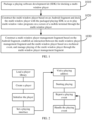
- This embodiment provides a method for playing multiple videos on a mobile terminal. Referring to FIG. 1 , the method provided by this embodiment includes the steps described below.
- a playing software development kit (SDK) is packaged for docking a multi-window player.
- SDK software development kit
- the multi-window player is constructed based on an Android fragment, and the multi-window player is docked with the packaged playing SDK, such that multi-window video programs are played on a screen of a mobile terminal through the multi-window player.
- a multi-window player management fragment is constructed based on the Android fragment, an interaction between the multi-window player management fragment and the multi-window player is established based on a technical event, and playing of the multi-window player is managed through the multi-window player management fragment.
- a multi-window player is docked with a packaged playing SDK and playing of the multi-window player is managed through a multi-window player management fragment, such that multiple videos are played on the mobile terminal and the user can view the multiple videos at any time and place through the mobile terminal, thereby greatly enriching the user experience.
- the packaged SDK is connected with the existing player, constructs the multi-window player, and then the multi-window player is connected and connected with the packaged SDK, finally the playing of the multi-window player is managed through the multi-window player management fragment to implement the multi-window playing on the mobile terminal.
- the step in which the playing SDK is packaged for docking the player includes: loading a player library, creating a player, initializing the player, setting a playing interface, visiting a playing address, starting playing, reporting a playing event and processing the playing event.
- the packaged playing SDK is connected with multiple types of players, so that the mobile terminal is able to play videos in multiple formats.
- the packaged SDK in this embodiment is used for meeting needs of multi-window playing of the user.
- the present disclosure eliminates difference between various mainstream players, solves some problems of different players on different devices and satisfies adaptation to different devices of the multi-window playing.
- a playing function interface is packaged, functions such as player creation, player initialization, visiting a playing address, starting playing and playing event reporting are provided.
- how to solve the problems in the one video playing and the problems in the multi-window playing are fully considered and a reasonable work division is achieved.
- FIG. 2 is a flowchart of packaging the playing SDK provided by an embodiment.
- the packaging process of the playing SDK includes: completing the docking between the playing SDK and the player interface to implement a basic playing process, such as player creation, player initialization, playing link visiting and starting playing.
- This embodiment provides a packaging process which is suitable to most players.
- the process includes the steps described below.
- step 2010 loading the player library is completed.
- a static mode is adopted. Once the player class is loaded, the player library is loaded first.
- step 2020 the player creation is completed.
- the playing SDK needs to perform different creation manners for docking.
- step 2030 the player initialization is completed.
- the player initialization includes player engine registration and monitoring event registration.
- step 2040 configuring the playing interface is completed.
- Configuring the playing interface includes processes such as interface creation, interface registration and interface callback monitoring.
- step 2050 playing address visiting is completed.
- step 2060 the starting playing of the videos is completed.
- the corresponding playing can be performed by calling the starting playing, and the starting playing is to output content decoded by the player to the playing interface for viewing.
- step 2070 the player event reporting is completed.
- step 2080 the player event is processed.
- playing event reporting is monitored and corresponding processing is performed on different events.
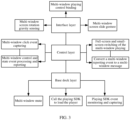
- constructing the multi-window player based on the Android fragment includes: constructing an interface layer, a control layer and a base dock layer of the multi-window player based on the Android fragment; docking the playing SDK through the base dock layer, calling the playing SDK to complete loading of the player, performing multi-window mute and performing monitoring and capturing on the playing event; controlling multi-window playing through the control layer, binding a multi-window control through the interface layer, and performing gravity sensing on multi-window screen rotation and detection on a multi-window screen slide gesture.
- the playing of the mobile terminal is smooth and the operation is sensitive when multiple windows are played simultaneously.
- control includes multi-window click event capturing, converting a multi-window monitoring event to a multi-window message, multi-window playing event reporting, and switching between a full-screen window and smaller windows during the multi-window playing.
- the present disclosure forms a complete multi-window player through loading the playing SDK, and through configuring the base dock layer, the control layer, and the interface layer, as shown in FIG. 3 .
- the base dock layer is used for docking the playing SDK, calling the playing SDK to complete the loading of the player, providing a multi-window mute function, and performing the playing event monitoring and capturing. For example: calling the playing SDK to load the player, providing playing ability of universal players, and supporting the playing ability in multi-window playing.
- the multi-window mute function means that in the multi-window playing, only the video the user wants to watch has sound and other videos have no sound. This function implements a function of turning on the video sound and turning off the video sound in the multi-window playing.
- the playing SDK event monitoring and capturing means that the playing encounters a variety of cases in the playing process and the corresponding event is reported. This function completes the processing of corresponding event in the playing SDK.
- the control layer completes the corresponding control in the multi-window playing, which includes the multi-window click event capturing, the converting the multi-window monitoring event to the multi-window message, the multi-window playing event reporting, and switching between a full-screen window and smaller windows during the multi-window playing.
- the multi-window click event capturing in the multi-window playing, when clicking one window, the user needs to determine which window is selected, determine whether this window is a main playing window, whether there is sound, whether to perform switching between a full-screen window and smaller windows, a series of processes are completed.
- Multi-window control event processing and reporting in the multi-window playing, multi-window playing control and state event processing and reporting exists, including: processing such as back-end switching of the multi-window playing, identity of a container in which multiple windows are located, whether the multi-window playing is one window, whether in a mute state, and converting to the multi-window message to report to the multi-window player management fragment.
- each multi-window player reports the event to facilitate the upper multi-window player management fragment to achieve intercommunication between multiple multi-window players.
- This function converts the multi-window reporting event into the multi-window message to facilitate management of the multi-window player management fragment.
- Switching between a full-screen window and smaller windows during the multi-window playing in the multi-window playing, through the switching between a full-screen window and smaller windows, the user switches between multiple windows playing and single window full-screen playing.
- this window is configured to be full screen and play the sound.
- this window is reduced to a multi-window state and configured to play the sound, and other multi-windows are displayed again.
- the interface layer the interface layer of the multi-window playing completes multi-window control binding, multi-window screen rotation gravity sensing and multi-window screen slide gesture detection.
- Multi-window playing control binding multi-window playing interface control binding is divided into two states: a smaller windows state and a full-screen state. In the smaller windows state, since multiple windows are on the screen, each window has a small size, and fewer controls are bound to the multiple windows, and only a button for switching between a full-screen window and smaller windows and a playing progress bar are provided. The full screen is bound with more controls, including the button for switching between a full-screen window and smaller windows, the playing progress bar, the sound configuration bar, a playing pause button and a playing exit button.
- Multi-window playing screen rotation gravity sensing mainly completes the switching between a horizontal screen and a vertical screen during the multi-window playing when the screen rotates. Only when a screen rotation angle is greater than 45 degrees, the screen rotation is performed. After the rotation is completed, it needs to acquire a size of a multi-window interface and to complete the multi-window interface refreshing.
- Multi-window screen slide gesture detection the multi-window screen slide gesture includes gesture control fast forward, fast backward, and screen sound magnitude.
- a problem that a gesture sliding position controls which one of the multiple windows is mainly solved, a solution is to determine according to the number of multiple windows and a position of the multi-window interface.
- managing playing of the multi-window player through the multi-window player management fragment includes: acquiring a size of the playing interface of the multi-window player through the multi-window player management fragment, multi-window player selecting and refreshing, multi-window player management data structure setting, multi-window player position arrangement refreshing, multi-window player sound setting, information synchronization and communication between multi-window players, switching between a multi-window state of the multi-window player and a full-screen window state of the multi-window player, and screen direction changing of the multi-window player management interface.
- the multi-window player management fragment of this embodiment is used for managing the playing of multiple windows, so that multiple windows can work at the same time, and the selected window may have the sound.
- the present disclosure docks the multi-window player with the multi-window player management fragment, i.e., the multi-window player management fragment is not only a manager of the multi-window player, but also is a multi-video interface container, carries the multi-window player, implements operation and communication between the multi-window player management fragment and the multi-window player, includes functions such as loading, releasing, player interface refreshing and screen direction changing of the multi-window player.
- the multi-window player management fragment designed based on the Android Fragment technology may manage the multi-window playing, and include the following functions: information synchronization and communication between multiple players, management interface refreshing after loading, release and operation of multiple players, position arrangement problems of multiple playing windows, multiple player selection and sound control, window size acquisition of multiple window players and gravity sensing of multiple players.
- FIG. 4 is a diagram of functions implemented by a multi-window player management fragment provided by an embodiment.
- the multi-window player management fragment is designed based on the Android fragment, and the function implementation of the multi-window player management fragment conforms to a life cycle of the Android fragment and provides corresponding interfaces.
- the functions of the multi-window player management fragment include window size acquisition, multi-window selecting and refreshing, a multi-window management data structure design, multi-window player position arrangement refreshing, multi-window sound setting, information synchronization and communication between multi-window players, switching between a full-screen window and smaller windows of the multi-window player, and screen direction changing of the multi-window player management interface.
- Window size acquisition the window size is acquired through acquiring a multi-window container size, and performing corresponding screen division calculation.
- the window size is monitored by using a monitor view tree in a changing monitor class. When the screen rotates and switching between the full-screen window state and the multi-window state is performed, this monitoring can acquire a corresponding window width and height, i.e., the window size.
- These window size parameters provide support for the screen rotation and switching.
- multi-window management data structure is designed as a Java component, including contents such as the multi-window player, a container in which the multi-window player is located, whether the multi-window player is muted and a content address of multi-window player playing interface.
- Multiple multi-window players in the multi-window player management fragment forms a linked list.
- Multi-window player position arrangement refresh in the multi-window playing, one or more multi-window players work simultaneously. How to arrange these multi-window players is a core issue for the multi-window management.
- the multi-window player containers are formed into a link list.
- the Java component list of the multi-window players is compared with the container link list. Through comparing the container address, an unused container is selected from the container link list for carrying the multi-window player.
- position refreshing refreshing only needs to be performed according to the number of existing multi-window players, the container size and corresponding position are configured.
- Multi-window player communication and information synchronization the designed multi-window player list and multi-window management data structure are used.
- a window player in the multi-window player sends a message, through traversing the multi-window player list, information is delivered to all multi-window players or the corresponding multi-window players to complete information synchronization. Scenarios such as full exiting of the multi-window playing, refreshing of multiple or all multi-window players, determining the number of multi-window players after performing some operations.
- Multi-window selecting and refreshing in the multi-window playing, when multiple windows are provided, the user will select a window as the main window for viewing.
- the multi-window player captures this click, and then reports container address information to the multi-window player management fragment.
- the multi-window player management fragment traverses the container list through the container address, configures borders of the corresponding window playing container to be red, configures this playing window to be volume on, refreshes other multi-window players, cancels red borders of other multi-window players, turns off sound of the window.
- the above process is multi-window selecting and refreshing function.
- Multi-window sound setting during the multi-window playing, multiple windows may be configured to have sound simultaneously, which may be completed through the sound setting of the multi-window player interface. After the interface configuration is completed, the event is reported to the multi-window player management fragment. In this case, the multi-window player management fragment needs to search a multi-window player list through the container address, and configures the sound item in the corresponding multi-window data structure to be in a mute or unmute state, i.e., updating multi-window player management fragment sound information.
- the user may switch the multi-screen state and the full-screen state through a button on the multi-window player interface. After the user clicks the button, the multi-window player completes a series of operations and reports the event to the multi-window player management fragment.
- the multi-window player management fragment calls a multi-window magnitude function to acquire the multi-window size, and configures the multi-window container list to display or hide the corresponding multi-window, and configures the window according to the window size parameters and completes the switching between the multi-window state and the full-screen window state.
- the multi-window management interface is the carrying interface of all multi-windows.
- the event is reported to the multi-window management interface.
- the screen direction of the multi-window management interface should rotate synchronously along with the multi-window player, and complete the function of switching between a horizontal screen and a vertical screen multi-window playing.
- the interaction between the multi-window player management fragment and the multi-window player in this embodiment includes one or more of the following modes: multi-window video program addition, multi-window video program deletion, multi-window playing environment detection, multi-window video program display, multi-window video display synchronization, and multi-window playing state switching.
- the interaction between the multi-channel video management fragment and the video program interface is based on the technical event EventBus to realize the interaction between the program interface and the multi-window player management fragment.
- the interaction mainly includes functions such as opening or closing of the multi-video playing mode, the multi-window video program addition or deletion, a name and display of the corresponding content of the multi-video playing program, synchronization of corresponding information of the program interface when an abnormal situation occurs in the process of multi-video playing.
- the interaction between the user and the multi-video provides the user with a convenient, fast and smooth multi-channel video operation interaction mode.
- FIG. 5 is a diagram of an interaction between a multi-window player management fragment and a multi-window player provided by an embodiment.
- the interaction modes include: the multi-window video program addition, the multi-window video program deletion, the multi-window playing environment detection, the multi-window video program display, the multi-window video program display synchronization, and the multi-window playing state switching.
- the multi-window video program addition is divided into two kinds of processes. In one process, it needs to create the multi-window player management fragment first when it is determined that the multi-window playing is started the first time. In the process of creating and starting, a first multi-window player is automatically started and loaded and the multi-window video program addition is implemented. In the other process, when it is determined that the multi-window playing is not started the first time (i.e., the multi-window player management fragment has been started), the started multi-window player management fragment is acquired, a new multi-window player is created and added to the multi-window player management fragment, and the multi-window playing video addition is completed.
- Multi-window video program display and synchronization after the multi-window player starts playing, the program interface needs to display all the video programs being played, i.e., after the multi-window player is successfully created, the video programs are added to create a video program display window.
- the video program display window is maintained to be synchronized with the multi-window player, i.e., when the multi-window player exits abnormally, the content of the video program display window about the multi-window player will disappear.
- Multi-window playing environment detection during the multi-window playing process, when the video program is added, the current playing environment will be detected. When the number of multiple windows reaches the maximum number and the added video program is already playing, this video program is not allowed to be added.
- the multi-window video program deletion after the multi-window playing starts, the program interface displays all the contents played by the multi-window player being played. The user may select to delete any program on the interface, after deleting the program, the multi-window playing management interface receives the event, this multi-window player is released, the multi-window player arrangement mode is synchronously refreshed, and the video program deletion is completed.
- Multi-window playing state switching the multi-window playing state switching is used for turning on and off the multi-window playing.
- the program display interface needs to start the multi-window program display function.
- the program display interface needs to turn off the multi-window program display function.
- the present disclosure enables the user to simultaneously watch multiple videos on an Android mobile terminal, so that the user does not miss the highlight of each video, and can freely switch the video viewing mode (switching between multi-video simultaneous viewing and one-video full-screen viewing), configure sound switching of the multiple videos and freely enjoy video surfing.
- the present disclosure implements multi-window (multi-video) playing on the Android mobile terminal, and has characteristics of user-friendliness, high sensitivity, ingenious design and small calculation amount, simple multi-channel video management, and various viewing modes switching and rich broadcasting operation).
- the device includes: a packaging unit 310, which is configured to package a playing SDK for docking a multi-window player; a construction unit 320, which is configured to construct the multi-window player based on an Android fragment, and dock the multi-window player with the packaged playing SDK so as to play multi-window video programs on a screen of a mobile terminal through the multi-window player; and a processing unit 330, which is configured to construct a multi-window player management fragment based on the Android fragment, establish an interaction between the multi-window player management fragment and the multi-window player based on a technical event, and manage playing of the multi-window player through the multi-window player management fragment.
- a packaging unit 310 which is configured to package a playing SDK for docking a multi-window player
- a construction unit 320 which is configured to construct the multi-window player based on an Android fragment, and dock the multi-window player with the packaged playing SDK so as to play multi-window video programs on
- the present disclosure packages the SDK through the packaging unit, docks the multi-window player and the packaged playing SDK through the construction unit and manages playing of the multi-window player through the multi-window player management fragment, finally establishes docking between the multi-window player management fragment and the program interface based on the technical event, thus implementing the playing of the multiple videos on the mobile terminal, the user is able to viewing the multiple videos at any time and place through the mobile terminal, thereby greatly enriching the user experience.
- the packaging unit 310 is configured to load a player library, create a player, initialize the player, set a playing interface, visit a playing address, start playing, report a playing event and handle the playing event.
- This embodiment packages the playing SDK through the packaging unit 310 and establishes a connection with multiple players, so that the mobile terminal is able to play videos in multiple formats, and the packaged SDK in this embodiment is used for meeting needs of multi-window playing of the user.
- the present disclosure describes the method of the present disclosure only by taking an Android system as an example, and those skilled in the art may also implement the method provided by the present disclosure on other mobile terminal systems according to the method provided by the present disclosure.
- the present disclosure eliminates difference between various mainstream players through docking the players with the playing SDK and packaging of the playing SDK, solves some problems of different players on different devices, and satisfies adaptation to different devices of the multi-window playing.
- a playing function interface is packaged, functions such as player creation, player initialization, visiting a playing address, starting playing and playing event reporting are provided.
- how to solve the problems in the one video playing and the problems in the multi-window playing are fully considered and a reasonable work division is achieved.
- the construction unit 320 is configured to construct the multi-window player based on the Android fragment and dock the multi-window player with the packaged playing SDK in the following manner: constructing an interface layer, a control layer and a base dock layer of the based on the Android fragment; docking the playing SDK through the base dock layer, calling the playing SDK to complete loading of the player, performing multi-window mute and performing monitoring and capturing on the playing event; control multi-window playing through the control layer, binding a multi-window control through the interface layer, and performing gravity sensing on multi-window screen rotation and detection on a multi-window screen slide gesture.
- the present disclosure enables the mobile terminal to play smoothly and be operated sensitively when multiple windows are played simultaneously through rationally layering and rationally allocating functions of each layer.
- the construction unit 320 is further configured to acquire a size of a playing interface of the multi-window player, multi-window player selecting and refreshing, multi-window player management data structure setting, multi-window player position arrangement refreshing, multi-window player sound setting, information synchronization and communication between multi-window players, switching between a full-screen window and smaller windows of the multi-window player, and screen direction changing of the multi-window player management interface. Multiple multi-window players are provided.
- the construction unit 320 of this embodiment is configured to manage the playing of multi-window players, so that the multi-window players can work at the same time, and the selected window has sound, and a viewing mode in which a one-video-full-screen playing and a multiple-videos-simultaneous-playing can be switched is provided and a communication function of multi-window players is completed.
- the present disclosure docks the multi-window player with the multi-window player management fragment, i.e., the multi-window player management fragment is not only a multi-window player manager, but also is a multi-window player container, carrying the multi-window player.
- the operation and communication between the multi-window player management fragment and the multi-window player are implemented, including loading and releasing of the multi-window player, the multi-window player interface refreshing, the screen direction changing and the like.
- an embodiment of the present disclosure provides a mobile terminal, which includes: a processor 710, a memory 720 and a communication bus.
- the communication bus is configured to implement communication between the processor 710 and the memory 720; the memory 720 is configured to store computer instructions and the processor 710 is configured to execute computer instructions stored in the memory 720 to implement the following steps: packaging a playing software development kit (SDK) for docking a multi-window player; constructing the multi-window player based on an Android fragment, and docking the multi-window player with the packaged playing SDK so as to play multi-window video programs on a screen of a mobile terminal through the multi-window player; and constructing a multi-window player management fragment based on the Android fragment, establishing an interaction between the multi-window player management fragment and the multi-window player based on a technical event EventBus, and managing playing of the multi-window player through the multi-window player management fragment.
- SDK software development kit
- a multi-window player is docked with a packaged playing SDK and playing of the multi-window player is managed through a multi-window player management fragment, such that multiple videos are played on the mobile terminal and the user can view the multiple videos at any time and place through the mobile terminal, thereby greatly enriching the user experience.
- An embodiment of the present disclosure further provides a computer-readable storage medium for storing one or more program codes which, when executed by one or more processors, implement any method for playing multiple videos on the mobile terminal provided by the present disclosure. Therefore, corresponding technical effects are also be implemented, which has been explained above, and will not be described herein.
Landscapes
- Engineering & Computer Science (AREA)
- Signal Processing (AREA)
- Multimedia (AREA)
- Human Computer Interaction (AREA)
- Software Systems (AREA)
- Databases & Information Systems (AREA)
- Business, Economics & Management (AREA)
- Marketing (AREA)
- Computer Networks & Wireless Communication (AREA)
- User Interface Of Digital Computer (AREA)
- Two-Way Televisions, Distribution Of Moving Picture Or The Like (AREA)
- Transforming Electric Information Into Light Information (AREA)
Applications Claiming Priority (2)
| Application Number | Priority Date | Filing Date | Title |
|---|---|---|---|
| CN201710913434.4A CN109600652B (zh) | 2017-09-30 | 2017-09-30 | 移动终端播放多路视频的方法、移动终端及可读存储介质 |
| PCT/CN2018/109093 WO2019063013A1 (zh) | 2017-09-30 | 2018-09-30 | 移动终端播放多路视频的方法、移动终端及可读存储介质 |
Publications (3)
| Publication Number | Publication Date |
|---|---|
| EP3691255A1 EP3691255A1 (en) | 2020-08-05 |
| EP3691255A4 EP3691255A4 (en) | 2021-03-31 |
| EP3691255B1 true EP3691255B1 (en) | 2024-08-07 |
Family
ID=65900891
Family Applications (1)
| Application Number | Title | Priority Date | Filing Date |
|---|---|---|---|
| EP18861851.6A Active EP3691255B1 (en) | 2017-09-30 | 2018-09-30 | Method for playing multiple videos on mobile terminal, mobile terminal, and readable storage medium |
Country Status (6)
| Country | Link |
|---|---|
| US (1) | US20200221172A1 (enExample) |
| EP (1) | EP3691255B1 (enExample) |
| JP (1) | JP7095835B2 (enExample) |
| CN (1) | CN109600652B (enExample) |
| RU (1) | RU2734109C1 (enExample) |
| WO (1) | WO2019063013A1 (enExample) |
Families Citing this family (14)
| Publication number | Priority date | Publication date | Assignee | Title |
|---|---|---|---|---|
| CN110662101A (zh) * | 2018-06-29 | 2020-01-07 | 深圳联友科技有限公司 | 一种基于udp协议的网络视频多路显示方法及装置 |
| JP2023500450A (ja) * | 2019-11-01 | 2023-01-06 | ループ ナウ テクノロジーズ インコーポレイテッド | デバイス回転メトリックに基づく音声および映像ストリームのレンダリング修正 |
| CN111263233B (zh) * | 2020-02-20 | 2021-10-22 | 腾讯科技(深圳)有限公司 | 电视多窗口处理方法、装置、计算机设备和存储介质 |
| CN111919451A (zh) * | 2020-06-30 | 2020-11-10 | 深圳盈天下视觉科技有限公司 | 一种直播方法、直播装置及终端 |
| CN111988667B (zh) * | 2020-08-18 | 2022-06-21 | 视若飞信息科技(上海)有限公司 | 智能终端媒体播放器管理方法和系统 |
| CN112492398B (zh) * | 2020-10-22 | 2023-06-16 | 北京奇艺世纪科技有限公司 | 一种视频播放方法、装置及电子设备 |
| CN112995743B (zh) * | 2021-02-03 | 2023-01-24 | 上海哔哩哔哩科技有限公司 | 视频播放方法及装置 |
| CN113709538B (zh) * | 2021-07-09 | 2023-03-21 | 北京达佳互联信息技术有限公司 | 一种多媒体数据播放方法、装置、电子设备及存储介质 |
| CN113965800A (zh) * | 2021-10-25 | 2022-01-21 | 广东博华超高清创新中心有限公司 | 实现多屏异显的视频播放方法、系统、计算机设备及应用 |
| CN115086768B (zh) * | 2022-06-16 | 2023-07-25 | 四川长虹电器股份有限公司 | 多sdk播放器的控制方法 |
| CN115396712A (zh) * | 2022-07-25 | 2022-11-25 | 北京达佳互联信息技术有限公司 | 视频播放方法、装置、电子设备及存储介质 |
| CN116962832B (zh) * | 2023-07-28 | 2024-02-27 | 加客云科技(河北)有限公司 | 一种多页面切换的连续视频播放方法、终端及介质 |
| CN117641006B (zh) * | 2023-11-30 | 2024-08-23 | 书行科技(北京)有限公司 | 一种视频播放控制方法、装置及相关设备 |
| CN119233031B (zh) * | 2024-11-29 | 2025-03-21 | 浙江大华技术股份有限公司 | 一种多窗口视频播放方法及系统、终端设备 |
Citations (3)
| Publication number | Priority date | Publication date | Assignee | Title |
|---|---|---|---|---|
| CN103581754A (zh) * | 2012-07-20 | 2014-02-12 | 腾讯科技(深圳)有限公司 | 一种数据显示方法及智能设备 |
| WO2014137025A1 (ko) * | 2013-03-08 | 2014-09-12 | (주)인프라웨어테크놀러지 | 안드로이드 어플리케이션의 타이젠 설치가능 패키지 자동변환 방법 |
| WO2017030615A1 (en) * | 2015-08-14 | 2017-02-23 | Oracle International Corporation | Restoration of ui state in transactional systems |
Family Cites Families (14)
| Publication number | Priority date | Publication date | Assignee | Title |
|---|---|---|---|---|
| EP2345228A4 (en) * | 2008-10-08 | 2012-08-22 | Nokia Corp | SYSTEM AND METHOD FOR STORING MULTI-SOURCE MULTIMEDIA PRESENTATIONS |
| US20120198507A1 (en) * | 2011-01-31 | 2012-08-02 | Reinold Geiling | Multichannel Video Player System |
| KR101888457B1 (ko) * | 2011-11-16 | 2018-08-16 | 삼성전자주식회사 | 복수 개의 어플리케이션을 실행하는 터치스크린을 가지는 장치 및 그 제어 방법 |
| CN103064662B (zh) * | 2012-08-28 | 2016-09-21 | 华南理工大学 | 基于Android平台的PhoneGap跨平台媒体扩展框架 |
| CN104216772A (zh) * | 2013-06-03 | 2014-12-17 | 上海帛茂信息科技有限公司 | 支持多窗口的电子设备对不同窗口对应音频的控制方法 |
| CN103596053A (zh) * | 2013-11-18 | 2014-02-19 | 深圳创维数字技术股份有限公司 | 一种pip播放的方法及终端 |
| US20150326921A1 (en) * | 2014-05-08 | 2015-11-12 | Comigo Ltd. | System and method for providing an event-driven video/audio content platform |
| CN103957447B (zh) * | 2014-05-08 | 2017-07-18 | 济南四叶草信息技术有限公司 | 悬浮多窗口播放系统 |
| CN104159086A (zh) * | 2014-08-22 | 2014-11-19 | 安徽皖通科技股份有限公司 | 一种省域路网数字化视频监控平台 |
| US10620773B2 (en) * | 2015-08-31 | 2020-04-14 | Mitsubishi Electric Corporation | Display control apparatus and display control method |
| CN105898370A (zh) * | 2015-11-13 | 2016-08-24 | 乐视云计算有限公司 | 用于多机位的视频播放器、播放系统及播放方法 |
| CN105898538A (zh) * | 2015-12-14 | 2016-08-24 | 乐视网信息技术(北京)股份有限公司 | 用于安卓平台的播放方法、装置及移动终端设备 |
| CN106454186A (zh) * | 2016-11-02 | 2017-02-22 | 深圳瑞芯通智能科技有限公司 | 基于安卓系统的多路视频录制及平台交互的方法及装置 |
| CN106557690B (zh) * | 2016-11-29 | 2019-10-22 | 北京元心科技有限公司 | 管理多容器系统的方法及装置 |
-
2017
- 2017-09-30 CN CN201710913434.4A patent/CN109600652B/zh active Active
-
2018
- 2018-09-30 RU RU2019143852A patent/RU2734109C1/ru active
- 2018-09-30 EP EP18861851.6A patent/EP3691255B1/en active Active
- 2018-09-30 JP JP2019572207A patent/JP7095835B2/ja active Active
- 2018-09-30 WO PCT/CN2018/109093 patent/WO2019063013A1/zh not_active Ceased
- 2018-09-30 US US16/627,555 patent/US20200221172A1/en not_active Abandoned
Patent Citations (3)
| Publication number | Priority date | Publication date | Assignee | Title |
|---|---|---|---|---|
| CN103581754A (zh) * | 2012-07-20 | 2014-02-12 | 腾讯科技(深圳)有限公司 | 一种数据显示方法及智能设备 |
| WO2014137025A1 (ko) * | 2013-03-08 | 2014-09-12 | (주)인프라웨어테크놀러지 | 안드로이드 어플리케이션의 타이젠 설치가능 패키지 자동변환 방법 |
| WO2017030615A1 (en) * | 2015-08-14 | 2017-02-23 | Oracle International Corporation | Restoration of ui state in transactional systems |
Also Published As
| Publication number | Publication date |
|---|---|
| CN109600652B (zh) | 2022-03-29 |
| US20200221172A1 (en) | 2020-07-09 |
| JP7095835B2 (ja) | 2022-07-05 |
| CN109600652A (zh) | 2019-04-09 |
| JP2020526120A (ja) | 2020-08-27 |
| RU2734109C1 (ru) | 2020-10-13 |
| WO2019063013A1 (zh) | 2019-04-04 |
| EP3691255A4 (en) | 2021-03-31 |
| EP3691255A1 (en) | 2020-08-05 |
Similar Documents
| Publication | Publication Date | Title |
|---|---|---|
| EP3691255B1 (en) | Method for playing multiple videos on mobile terminal, mobile terminal, and readable storage medium | |
| US20220248077A1 (en) | Video projection method, apparatus and device, and storage medium | |
| US9671927B2 (en) | Selecting an option based on context after waking from sleep | |
| US9021371B2 (en) | Customizing a user interface having a plurality of top-level icons based on a change in context | |
| JP2020526120A5 (enExample) | ||
| US8937636B2 (en) | Using previous selection information in a user interface having a plurality of icons | |
| CN108205419A (zh) | 双屏控制方法、装置、移动终端及计算机可读存储介质 | |
| CN105378644A (zh) | 用于多个显示器的用户界面元素 | |
| US20230137492A1 (en) | Landscape interaction method and apparatus, electronic device, and storage medium | |
| CN110401877B (zh) | 视频播放的控制方法、装置、电子设备、及存储介质 | |
| US9733897B2 (en) | Method and apparatus of searching content | |
| EP2460350B1 (en) | Video reproduction apparatus, control method thereof, and computer-readable storage medium storing program | |
| CN111901832B (zh) | 一种一体机的无线投屏模块及投屏方法 | |
| US12293063B2 (en) | Display orientation locking method, electronic device, and medium | |
| US20240137617A1 (en) | Video playing method and apparatus, and storage medium | |
| US8970658B2 (en) | User interface allowing a participant to rejoin a previously left videoconference | |
| CN110321042B (zh) | 界面信息展示方法、装置及电子设备 | |
| JP6317433B2 (ja) | インタフェース機能の解析と表示方法、装置及びコンピュータ記憶媒体 | |
| CN109947506B (zh) | 界面切换方法、装置及电子设备 | |
| CN109831688A (zh) | 一种基于iOS系统的视频悬浮播放方法及装置 | |
| CN110267088B (zh) | 视频播放的控制方法、装置、电子设备、及存储介质 | |
| CN103412700B (zh) | 一种分场景展示多媒体资源的方法及装置 | |
| US20160269695A1 (en) | Information processing method and electronic device | |
| US6947048B2 (en) | Method for sharing a graphics display as a resource in an embedded system | |
| CN113923469A (zh) | 直播中礼物连送的处理方法、装置、设备和存储介质 |
Legal Events
| Date | Code | Title | Description |
|---|---|---|---|
| STAA | Information on the status of an ep patent application or granted ep patent |
Free format text: STATUS: THE INTERNATIONAL PUBLICATION HAS BEEN MADE |
|
| PUAI | Public reference made under article 153(3) epc to a published international application that has entered the european phase |
Free format text: ORIGINAL CODE: 0009012 |
|
| STAA | Information on the status of an ep patent application or granted ep patent |
Free format text: STATUS: REQUEST FOR EXAMINATION WAS MADE |
|
| 17P | Request for examination filed |
Effective date: 20191220 |
|
| AK | Designated contracting states |
Kind code of ref document: A1 Designated state(s): AL AT BE BG CH CY CZ DE DK EE ES FI FR GB GR HR HU IE IS IT LI LT LU LV MC MK MT NL NO PL PT RO RS SE SI SK SM TR |
|
| AX | Request for extension of the european patent |
Extension state: BA ME |
|
| DAV | Request for validation of the european patent (deleted) | ||
| DAX | Request for extension of the european patent (deleted) | ||
| A4 | Supplementary search report drawn up and despatched |
Effective date: 20210303 |
|
| RIC1 | Information provided on ipc code assigned before grant |
Ipc: H04N 21/431 20110101ALI20210224BHEP Ipc: H04N 21/43 20110101ALI20210224BHEP Ipc: H04N 7/18 20060101AFI20210224BHEP |
|
| STAA | Information on the status of an ep patent application or granted ep patent |
Free format text: STATUS: EXAMINATION IS IN PROGRESS |
|
| 17Q | First examination report despatched |
Effective date: 20220928 |
|
| GRAP | Despatch of communication of intention to grant a patent |
Free format text: ORIGINAL CODE: EPIDOSNIGR1 |
|
| STAA | Information on the status of an ep patent application or granted ep patent |
Free format text: STATUS: GRANT OF PATENT IS INTENDED |
|
| INTG | Intention to grant announced |
Effective date: 20240416 |
|
| RIN1 | Information on inventor provided before grant (corrected) |
Inventor name: ZHANG, LIANG Inventor name: CHAN, HAOPENG |
|
| GRAS | Grant fee paid |
Free format text: ORIGINAL CODE: EPIDOSNIGR3 |
|
| GRAA | (expected) grant |
Free format text: ORIGINAL CODE: 0009210 |
|
| STAA | Information on the status of an ep patent application or granted ep patent |
Free format text: STATUS: THE PATENT HAS BEEN GRANTED |
|
| AK | Designated contracting states |
Kind code of ref document: B1 Designated state(s): AL AT BE BG CH CY CZ DE DK EE ES FI FR GB GR HR HU IE IS IT LI LT LU LV MC MK MT NL NO PL PT RO RS SE SI SK SM TR |
|
| REG | Reference to a national code |
Ref country code: GB Ref legal event code: FG4D |
|
| REG | Reference to a national code |
Ref country code: CH Ref legal event code: EP |
|
| REG | Reference to a national code |
Ref country code: IE Ref legal event code: FG4D |
|
| REG | Reference to a national code |
Ref country code: DE Ref legal event code: R096 Ref document number: 602018072908 Country of ref document: DE |
|
| REG | Reference to a national code |
Ref country code: LT Ref legal event code: MG9D |
|
| REG | Reference to a national code |
Ref country code: NL Ref legal event code: MP Effective date: 20240807 |
|
| PG25 | Lapsed in a contracting state [announced via postgrant information from national office to epo] |
Ref country code: NO Free format text: LAPSE BECAUSE OF FAILURE TO SUBMIT A TRANSLATION OF THE DESCRIPTION OR TO PAY THE FEE WITHIN THE PRESCRIBED TIME-LIMIT Effective date: 20241107 |
|
| REG | Reference to a national code |
Ref country code: AT Ref legal event code: MK05 Ref document number: 1712174 Country of ref document: AT Kind code of ref document: T Effective date: 20240807 |
|
| PG25 | Lapsed in a contracting state [announced via postgrant information from national office to epo] |
Ref country code: NL Free format text: LAPSE BECAUSE OF FAILURE TO SUBMIT A TRANSLATION OF THE DESCRIPTION OR TO PAY THE FEE WITHIN THE PRESCRIBED TIME-LIMIT Effective date: 20240807 Ref country code: FI Free format text: LAPSE BECAUSE OF FAILURE TO SUBMIT A TRANSLATION OF THE DESCRIPTION OR TO PAY THE FEE WITHIN THE PRESCRIBED TIME-LIMIT Effective date: 20240807 Ref country code: PL Free format text: LAPSE BECAUSE OF FAILURE TO SUBMIT A TRANSLATION OF THE DESCRIPTION OR TO PAY THE FEE WITHIN THE PRESCRIBED TIME-LIMIT Effective date: 20240807 Ref country code: GR Free format text: LAPSE BECAUSE OF FAILURE TO SUBMIT A TRANSLATION OF THE DESCRIPTION OR TO PAY THE FEE WITHIN THE PRESCRIBED TIME-LIMIT Effective date: 20241108 Ref country code: PT Free format text: LAPSE BECAUSE OF FAILURE TO SUBMIT A TRANSLATION OF THE DESCRIPTION OR TO PAY THE FEE WITHIN THE PRESCRIBED TIME-LIMIT Effective date: 20241209 |
|
| PG25 | Lapsed in a contracting state [announced via postgrant information from national office to epo] |
Ref country code: BG Free format text: LAPSE BECAUSE OF FAILURE TO SUBMIT A TRANSLATION OF THE DESCRIPTION OR TO PAY THE FEE WITHIN THE PRESCRIBED TIME-LIMIT Effective date: 20240807 |
|
| PG25 | Lapsed in a contracting state [announced via postgrant information from national office to epo] |
Ref country code: LV Free format text: LAPSE BECAUSE OF FAILURE TO SUBMIT A TRANSLATION OF THE DESCRIPTION OR TO PAY THE FEE WITHIN THE PRESCRIBED TIME-LIMIT Effective date: 20240807 |
|
| PG25 | Lapsed in a contracting state [announced via postgrant information from national office to epo] |
Ref country code: AT Free format text: LAPSE BECAUSE OF FAILURE TO SUBMIT A TRANSLATION OF THE DESCRIPTION OR TO PAY THE FEE WITHIN THE PRESCRIBED TIME-LIMIT Effective date: 20240807 Ref country code: IS Free format text: LAPSE BECAUSE OF FAILURE TO SUBMIT A TRANSLATION OF THE DESCRIPTION OR TO PAY THE FEE WITHIN THE PRESCRIBED TIME-LIMIT Effective date: 20241207 |
|
| PG25 | Lapsed in a contracting state [announced via postgrant information from national office to epo] |
Ref country code: HR Free format text: LAPSE BECAUSE OF FAILURE TO SUBMIT A TRANSLATION OF THE DESCRIPTION OR TO PAY THE FEE WITHIN THE PRESCRIBED TIME-LIMIT Effective date: 20240807 |
|
| PG25 | Lapsed in a contracting state [announced via postgrant information from national office to epo] |
Ref country code: RS Free format text: LAPSE BECAUSE OF FAILURE TO SUBMIT A TRANSLATION OF THE DESCRIPTION OR TO PAY THE FEE WITHIN THE PRESCRIBED TIME-LIMIT Effective date: 20241107 Ref country code: ES Free format text: LAPSE BECAUSE OF FAILURE TO SUBMIT A TRANSLATION OF THE DESCRIPTION OR TO PAY THE FEE WITHIN THE PRESCRIBED TIME-LIMIT Effective date: 20240807 |
|
| PG25 | Lapsed in a contracting state [announced via postgrant information from national office to epo] |
Ref country code: RS Free format text: LAPSE BECAUSE OF FAILURE TO SUBMIT A TRANSLATION OF THE DESCRIPTION OR TO PAY THE FEE WITHIN THE PRESCRIBED TIME-LIMIT Effective date: 20241107 Ref country code: PT Free format text: LAPSE BECAUSE OF FAILURE TO SUBMIT A TRANSLATION OF THE DESCRIPTION OR TO PAY THE FEE WITHIN THE PRESCRIBED TIME-LIMIT Effective date: 20241209 Ref country code: PL Free format text: LAPSE BECAUSE OF FAILURE TO SUBMIT A TRANSLATION OF THE DESCRIPTION OR TO PAY THE FEE WITHIN THE PRESCRIBED TIME-LIMIT Effective date: 20240807 Ref country code: NO Free format text: LAPSE BECAUSE OF FAILURE TO SUBMIT A TRANSLATION OF THE DESCRIPTION OR TO PAY THE FEE WITHIN THE PRESCRIBED TIME-LIMIT Effective date: 20241107 Ref country code: NL Free format text: LAPSE BECAUSE OF FAILURE TO SUBMIT A TRANSLATION OF THE DESCRIPTION OR TO PAY THE FEE WITHIN THE PRESCRIBED TIME-LIMIT Effective date: 20240807 Ref country code: LV Free format text: LAPSE BECAUSE OF FAILURE TO SUBMIT A TRANSLATION OF THE DESCRIPTION OR TO PAY THE FEE WITHIN THE PRESCRIBED TIME-LIMIT Effective date: 20240807 Ref country code: IS Free format text: LAPSE BECAUSE OF FAILURE TO SUBMIT A TRANSLATION OF THE DESCRIPTION OR TO PAY THE FEE WITHIN THE PRESCRIBED TIME-LIMIT Effective date: 20241207 Ref country code: HR Free format text: LAPSE BECAUSE OF FAILURE TO SUBMIT A TRANSLATION OF THE DESCRIPTION OR TO PAY THE FEE WITHIN THE PRESCRIBED TIME-LIMIT Effective date: 20240807 Ref country code: GR Free format text: LAPSE BECAUSE OF FAILURE TO SUBMIT A TRANSLATION OF THE DESCRIPTION OR TO PAY THE FEE WITHIN THE PRESCRIBED TIME-LIMIT Effective date: 20241108 Ref country code: FI Free format text: LAPSE BECAUSE OF FAILURE TO SUBMIT A TRANSLATION OF THE DESCRIPTION OR TO PAY THE FEE WITHIN THE PRESCRIBED TIME-LIMIT Effective date: 20240807 Ref country code: ES Free format text: LAPSE BECAUSE OF FAILURE TO SUBMIT A TRANSLATION OF THE DESCRIPTION OR TO PAY THE FEE WITHIN THE PRESCRIBED TIME-LIMIT Effective date: 20240807 Ref country code: BG Free format text: LAPSE BECAUSE OF FAILURE TO SUBMIT A TRANSLATION OF THE DESCRIPTION OR TO PAY THE FEE WITHIN THE PRESCRIBED TIME-LIMIT Effective date: 20240807 Ref country code: AT Free format text: LAPSE BECAUSE OF FAILURE TO SUBMIT A TRANSLATION OF THE DESCRIPTION OR TO PAY THE FEE WITHIN THE PRESCRIBED TIME-LIMIT Effective date: 20240807 |
|
| PG25 | Lapsed in a contracting state [announced via postgrant information from national office to epo] |
Ref country code: DK Free format text: LAPSE BECAUSE OF FAILURE TO SUBMIT A TRANSLATION OF THE DESCRIPTION OR TO PAY THE FEE WITHIN THE PRESCRIBED TIME-LIMIT Effective date: 20240807 Ref country code: SM Free format text: LAPSE BECAUSE OF FAILURE TO SUBMIT A TRANSLATION OF THE DESCRIPTION OR TO PAY THE FEE WITHIN THE PRESCRIBED TIME-LIMIT Effective date: 20240807 Ref country code: RO Free format text: LAPSE BECAUSE OF FAILURE TO SUBMIT A TRANSLATION OF THE DESCRIPTION OR TO PAY THE FEE WITHIN THE PRESCRIBED TIME-LIMIT Effective date: 20240807 |
|
| PG25 | Lapsed in a contracting state [announced via postgrant information from national office to epo] |
Ref country code: EE Free format text: LAPSE BECAUSE OF FAILURE TO SUBMIT A TRANSLATION OF THE DESCRIPTION OR TO PAY THE FEE WITHIN THE PRESCRIBED TIME-LIMIT Effective date: 20240807 |
|
| PG25 | Lapsed in a contracting state [announced via postgrant information from national office to epo] |
Ref country code: CZ Free format text: LAPSE BECAUSE OF FAILURE TO SUBMIT A TRANSLATION OF THE DESCRIPTION OR TO PAY THE FEE WITHIN THE PRESCRIBED TIME-LIMIT Effective date: 20240807 |
|
| PG25 | Lapsed in a contracting state [announced via postgrant information from national office to epo] |
Ref country code: SK Free format text: LAPSE BECAUSE OF FAILURE TO SUBMIT A TRANSLATION OF THE DESCRIPTION OR TO PAY THE FEE WITHIN THE PRESCRIBED TIME-LIMIT Effective date: 20240807 |
|
| REG | Reference to a national code |
Ref country code: CH Ref legal event code: PL |
|
| REG | Reference to a national code |
Ref country code: DE Ref legal event code: R097 Ref document number: 602018072908 Country of ref document: DE |
|
| PG25 | Lapsed in a contracting state [announced via postgrant information from national office to epo] |
Ref country code: LU Free format text: LAPSE BECAUSE OF NON-PAYMENT OF DUE FEES Effective date: 20240930 |
|
| PLBE | No opposition filed within time limit |
Free format text: ORIGINAL CODE: 0009261 |
|
| STAA | Information on the status of an ep patent application or granted ep patent |
Free format text: STATUS: NO OPPOSITION FILED WITHIN TIME LIMIT |
|
| PG25 | Lapsed in a contracting state [announced via postgrant information from national office to epo] |
Ref country code: MC Free format text: LAPSE BECAUSE OF FAILURE TO SUBMIT A TRANSLATION OF THE DESCRIPTION OR TO PAY THE FEE WITHIN THE PRESCRIBED TIME-LIMIT Effective date: 20240807 |
|
| REG | Reference to a national code |
Ref country code: BE Ref legal event code: MM Effective date: 20240930 |
|
| PG25 | Lapsed in a contracting state [announced via postgrant information from national office to epo] |
Ref country code: BE Free format text: LAPSE BECAUSE OF NON-PAYMENT OF DUE FEES Effective date: 20240930 |
|
| 26N | No opposition filed |
Effective date: 20250508 |
|
| PG25 | Lapsed in a contracting state [announced via postgrant information from national office to epo] |
Ref country code: CH Free format text: LAPSE BECAUSE OF NON-PAYMENT OF DUE FEES Effective date: 20240930 |
|
| PG25 | Lapsed in a contracting state [announced via postgrant information from national office to epo] |
Ref country code: IE Free format text: LAPSE BECAUSE OF NON-PAYMENT OF DUE FEES Effective date: 20240930 |
|
| PG25 | Lapsed in a contracting state [announced via postgrant information from national office to epo] |
Ref country code: SE Free format text: LAPSE BECAUSE OF FAILURE TO SUBMIT A TRANSLATION OF THE DESCRIPTION OR TO PAY THE FEE WITHIN THE PRESCRIBED TIME-LIMIT Effective date: 20240807 |
|
| PGFP | Annual fee paid to national office [announced via postgrant information from national office to epo] |
Ref country code: DE Payment date: 20250805 Year of fee payment: 8 |
|
| PGFP | Annual fee paid to national office [announced via postgrant information from national office to epo] |
Ref country code: GB Payment date: 20250807 Year of fee payment: 8 |
|
| PGFP | Annual fee paid to national office [announced via postgrant information from national office to epo] |
Ref country code: FR Payment date: 20250808 Year of fee payment: 8 |