EP3688952B1 - Verwaltung eines heim-gateways mit mobiler konnektivität zu einem weitbereichsnetzwerk - Google Patents
Verwaltung eines heim-gateways mit mobiler konnektivität zu einem weitbereichsnetzwerk Download PDFInfo
- Publication number
- EP3688952B1 EP3688952B1 EP18773194.8A EP18773194A EP3688952B1 EP 3688952 B1 EP3688952 B1 EP 3688952B1 EP 18773194 A EP18773194 A EP 18773194A EP 3688952 B1 EP3688952 B1 EP 3688952B1
- Authority
- EP
- European Patent Office
- Prior art keywords
- home gateway
- mobile device
- user
- personal mobile
- location
- Prior art date
- Legal status (The legal status is an assumption and is not a legal conclusion. Google has not performed a legal analysis and makes no representation as to the accuracy of the status listed.)
- Active
Links
Images

Classifications
-
- H—ELECTRICITY
- H04—ELECTRIC COMMUNICATION TECHNIQUE
- H04W—WIRELESS COMMUNICATION NETWORKS
- H04W76/00—Connection management
- H04W76/10—Connection setup
-
- H—ELECTRICITY
- H04—ELECTRIC COMMUNICATION TECHNIQUE
- H04W—WIRELESS COMMUNICATION NETWORKS
- H04W4/00—Services specially adapted for wireless communication networks; Facilities therefor
- H04W4/02—Services making use of location information
-
- H—ELECTRICITY
- H04—ELECTRIC COMMUNICATION TECHNIQUE
- H04L—TRANSMISSION OF DIGITAL INFORMATION, e.g. TELEGRAPHIC COMMUNICATION
- H04L12/00—Data switching networks
- H04L12/66—Arrangements for connecting between networks having differing types of switching systems, e.g. gateways
-
- H—ELECTRICITY
- H04—ELECTRIC COMMUNICATION TECHNIQUE
- H04L—TRANSMISSION OF DIGITAL INFORMATION, e.g. TELEGRAPHIC COMMUNICATION
- H04L63/00—Network architectures or network communication protocols for network security
- H04L63/10—Network architectures or network communication protocols for network security for controlling access to devices or network resources
- H04L63/107—Network architectures or network communication protocols for network security for controlling access to devices or network resources wherein the security policies are location-dependent, e.g. entities privileges depend on current location or allowing specific operations only from locally connected terminals
-
- H—ELECTRICITY
- H04—ELECTRIC COMMUNICATION TECHNIQUE
- H04W—WIRELESS COMMUNICATION NETWORKS
- H04W12/00—Security arrangements; Authentication; Protecting privacy or anonymity
- H04W12/08—Access security
-
- H—ELECTRICITY
- H04—ELECTRIC COMMUNICATION TECHNIQUE
- H04W—WIRELESS COMMUNICATION NETWORKS
- H04W12/00—Security arrangements; Authentication; Protecting privacy or anonymity
- H04W12/60—Context-dependent security
- H04W12/63—Location-dependent; Proximity-dependent
-
- H—ELECTRICITY
- H04—ELECTRIC COMMUNICATION TECHNIQUE
- H04W—WIRELESS COMMUNICATION NETWORKS
- H04W4/00—Services specially adapted for wireless communication networks; Facilities therefor
- H04W4/80—Services using short range communication, e.g. near-field communication [NFC], radio-frequency identification [RFID] or low energy communication
-
- H—ELECTRICITY
- H04—ELECTRIC COMMUNICATION TECHNIQUE
- H04W—WIRELESS COMMUNICATION NETWORKS
- H04W64/00—Locating users or terminals or network equipment for network management purposes, e.g. mobility management
- H04W64/003—Locating users or terminals or network equipment for network management purposes, e.g. mobility management locating network equipment
-
- H—ELECTRICITY
- H04—ELECTRIC COMMUNICATION TECHNIQUE
- H04W—WIRELESS COMMUNICATION NETWORKS
- H04W8/00—Network data management
- H04W8/18—Processing of user or subscriber data, e.g. subscribed services, user preferences or user profiles; Transfer of user or subscriber data
-
- H—ELECTRICITY
- H04—ELECTRIC COMMUNICATION TECHNIQUE
- H04M—TELEPHONIC COMMUNICATION
- H04M1/00—Substation equipment, e.g. for use by subscribers
- H04M1/72—Mobile telephones; Cordless telephones, i.e. devices for establishing wireless links to base stations without route selection
- H04M1/724—User interfaces specially adapted for cordless or mobile telephones
- H04M1/72403—User interfaces specially adapted for cordless or mobile telephones with means for local support of applications that increase the functionality
- H04M1/72409—User interfaces specially adapted for cordless or mobile telephones with means for local support of applications that increase the functionality by interfacing with external accessories
- H04M1/72412—User interfaces specially adapted for cordless or mobile telephones with means for local support of applications that increase the functionality by interfacing with external accessories using two-way short-range wireless interfaces
-
- H—ELECTRICITY
- H04—ELECTRIC COMMUNICATION TECHNIQUE
- H04W—WIRELESS COMMUNICATION NETWORKS
- H04W84/00—Network topologies
- H04W84/02—Hierarchically pre-organised networks, e.g. paging networks, cellular networks, WLAN [Wireless Local Area Network] or WLL [Wireless Local Loop]
- H04W84/10—Small scale networks; Flat hierarchical networks
- H04W84/12—WLAN [Wireless Local Area Networks]
-
- H—ELECTRICITY
- H04—ELECTRIC COMMUNICATION TECHNIQUE
- H04W—WIRELESS COMMUNICATION NETWORKS
- H04W88/00—Devices specially adapted for wireless communication networks, e.g. terminals, base stations or access point devices
- H04W88/16—Gateway arrangements
Definitions
- the present invention relates to the field of communication networks.
- the present invention relates to a method and system for managing a home gateway with mobile connectivity to a wide area network (WAN).
- WAN wide area network
- a home gateway is a device located at a user's premises which allows the user to access - by means of user's terminals (e.g. smartphones, computers, tablets, smart TVs, etc.) - fixed broadband services, namely broadband services which may be accessed only at a predefined fixed location (typically, the user's home).
- user's terminals e.g. smartphones, computers, tablets, smart TVs, etc.
- fixed broadband services namely broadband services which may be accessed only at a predefined fixed location (typically, the user's home).
- a home gateway On the user side, a home gateway provides wired (e.g. Ethernet) and/or wireless (e.g. Wi-Fi) connectivity to the user terminals.
- the home gateway On the network side, the home gateway is typically connected to a wide area network (WAN) by means of a broadband connection.
- WAN wide area network
- Such broadband connection may be a wired connection, e.g. an optical fibre connection or an ADSL (Asymmetric Digital Subscriber Line) connection.
- a wired connection e.g. an optical fibre connection or an ADSL (Asymmetric Digital Subscriber Line) connection.
- ADSL Asymmetric Digital Subscriber Line
- Home gateways are also known which are connected to the WAN by means of wireless broadband connections, in particular mobile broadband connections (HSPA, LTE, WiMAX, etc.). Such home gateways are typically used to provide users with fixed broadband services in areas where wired broadband connections to WANs are not available (e.g. low density population areas, rural areas, etc.), or to allow users to use a same home gateway in different locations.
- wireless broadband connections in particular mobile broadband connections (HSPA, LTE, WiMAX, etc.).
- FR 2 810 837 describes a system for verifying the position of a mobile telephone having a SIM card.
- the SIM card has a position finding application that, in a learning mode, registers RF parameters of the surrounding environment. In a later verification mode, the RF parameters are measured again and compared with the registered values. This allows binding use of the mobile telephone to a certain location (e.g. his/her premises).
- US2010122338A1 discloses a method for verifying that the physical connection location of a home gateway is authorized.
- the DHCP server issues an IP address to the home gateway device
- the DHCP server not only passes a circuit-ID-based identifier to the home gateway device, but also transmits the identifier and information about the home gateway device to the server.
- a communication equipment Upon receipt of the identifier through the home gateway device, a communication equipment requests to establish IP communication with the server by using the identifier and the information about the home gateway device to which the communication equipment is connected. This permits the server to check whether the connection path of the communication equipment that has requested to be connected is proper.
- a home gateway with a mobile broadband connection to a WAN which is used to provide a user with fixed broadband services, should be managed so that the user is allowed to:
- the user would be prevented from misusing the home gateway, e.g. using it to access broadband services from any desired location as if it were a mobile device while - at the same time-enjoying a tariff plan for fixed services, which is typically cheaper than tariff plans for mobile services.
- the Applicant has therefore perceived the need to provide a method and system for managing a home gateway with mobile connectivity to a WAN which - similarly to the known method of FR 2 810 837 - binds use of the home gateway to one or more locations at the choice of the user.
- the Applicant has considered that such binding first of all requires that the user somehow selects the location(s) to which use of the home gateway shall be bound.
- the user could select the location(s) upon signing of the contract for the provision of the fixed broadband services, e.g. during a call with the customer care service, or in written form, or by manually selecting the location(s) on a map displayed on a web page of the mobile network provider.
- the mobile network provider then centrally manages the home gateway so that it is enabled to operate only at the selected location.
- the installation of the home gateway at the user's premises could be performed by a field operator, who configures the home gateway so that it is enabled to operate only at the installation location.
- the procedure for the location change is quite complex, in that it requires sending a location change request to the mobile network provider and/or receiving a further visit of a field operator to reconfigure the home gateway at the new location.
- the Applicant has tackled the problem of providing a method and system for managing a home gateway with mobile connectivity to a wide area network which guarantees that use of the home gateway is bound to a certain location selected by the user and, at the same time, which allows the user to select the location to which use of the home gateway shall be bound without having to perform any complex or lengthy operation that may delay activation of the home gateway and allows the user to change the location (for a limited number of times) in a convenient way.
- a management server receives from the home gateway its current position and activates it only if the current position of the home gateway matches a previously selected location to which use of the home gateway shall be bound.
- a personal mobile device of the user namely, a personal device provided with autonomous mobile connectivity with the mobile communication network, such as the user's smartphone
- the personal mobile device requests the user to confirm that its detected current position is the location to which use of the home gateway shall be bound.
- the personal mobile device sends its detected current position to the management server, which will then use it as the previously selected location to which use of the home gateway shall be bound, for determining whether to activate the home gateway or not, as described above.
- the method and system of the present invention therefore, advantageously guarantees that use of the home gateway is bound to the location selected by the user, while allowing the user to select the location to which use of the home gateway shall be bound without having to perform any complex or lengthy operation.
- her/his personal mobile device e.g. her/his smartphone provided with a suitable app
- Such operations are particularly easy and simple for the user, who is typically very familiar with her/his personal mobile device and its functions.
- the location to which use of the home gateway shall be bound is automatically sent to the management server, which then may readily activate the home gateway.
- the home gateway therefore becomes activated without the need to wait any installation operation by field operators.
- the present invention provides a method for managing a home gateway with mobile connectivity to a wide area network, the method comprising, at a management server:
- the user of the personal mobile device is associated with the home gateway, the associating comprising storing an association between a unique identifier IDu of the user and a unique identifier ID HG of the home gateway in a home gateway database accessible by the management server.
- the method comprises determining one or more home gateways associated with the user, determining whether, amongst the one or more home gateways associated with the user, there is a home gateway whose current position is compatible with the current position of the personal mobile device and:
- the method comprises, before step a):
- retrieving the random code from the home gateway comprises:
- steps a), b) and c) are performed by a client application executed by the personal mobile device and interacting with the management server.
- the client application is automatically started by the management server as the management server determines that no location to which use of the home gateway shall be bound has been selected yet.
- steps a), b) and c) are performed if it is determined that no location to which use of the home gateway shall be bound has been selected yet.
- the method further comprises, if the received current position of the home gateway does not match the previously selected location to which use of the home gateway shall be bound, checking whether the user is allowed to change the location to which use of the home gateway shall be bound and, in the affirmative, repeating steps a), b) and c).
- checking whether the user is allowed to change the location to which use of the home gateway shall be bound comprises:
- an extension program is started, which comprises payment of an extra-cost by said user for a further location change.
- the method further comprises checking that the personal mobile device is periodically brought next to the home gateway and allowing the home gateway continuing being active only in the affirmative.
- step c) further comprises showing on a display of the personal mobile device a map where an area in which the home gateway is allowed to operate is graphically indicated.
- the present invention provides a system for managing a home gateway with mobile connectivity to a wide area network, the system comprising a management server configured to:
- the present invention provides computer program product loadable in the memory of at least one computer and including software code portions for performing the steps of the method as set forth above, when the product is run on at least one computer.
- Figure 1 schematically shows a system 1 for managing home gateways according to an embodiment of the present invention.
- the management system 1 preferably comprises a management server 10 cooperating with a mobile communication network 2.
- the management server 10 may be implemented within the infrastructure of the mobile communication network 2.
- the system 1 also preferably comprises a client application 11 suitable for being installed on a personal mobile device 3 of a user, wherein the expression "personal mobile device” indicates a personal device of the user, which is provided with autonomous mobile connectivity with the mobile communication network 2.
- the personal mobile device 3 may be for instance the user's smartphone.
- the client application 11 is preferably configured to, when executed by the personal mobile device 3, interact with the management server 10 via the mobile communication network 2, for the purpose of providing the management server 10 with information allowing the management server 10 to properly manage home gateways, as it will be described in detail herein after.
- the client application 11 may be e.g. an app downloadable by the personal mobile device 3 from an app online store (iTunes Store, Google Play, etc.).
- the system 1 also preferably comprises one or more databases.
- the system 1 preferably comprises:
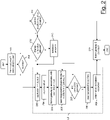
- the user buys a home gateway 5, either in a shop or via an ecommerce site.
- the home gateway 5 is preferably associated with the user (step 201).
- the association between user and home gateway 5 may be performed at the desk of the shop.
- the user may perform the association later, e.g. from a web page of the mobile network provider.
- an association between a unique identifier IDu of the user and a unique identifier ID HG of the home gateway 5 is preferably recorded in the home gateway database 13.
- the unique identifier IDu of the user may comprise:
- the unique identifier ID HG of the home gateway 5 may comprise:
- the user preferably places the home gateway 5 at a desired location, such as her/his premises 6, and switches it on.
- a desired location such as her/his premises 6, and switches it on.
- the home gateway 5 connects to the mobile communication network 2 by means of a wireless broadband connection, in particular a mobile broadband connections such as, for example, an HSPA, LTE or WiMAX connection.
- the management server 10 preferably checks whether the user has already selected a location to which use of the home gateway 5 shall be bound (step 202). For the purpose of making this check, the management server 10 preferably retrieves from the home gateway 5 its unique identifier ID HG and uses it for retrieving in the home gateway database 13 any information relating to the home gateway 5 which might be stored therein. The management server 10 then preferably checks whether such information specifies any location to which use of the home gateway 5 shall be bound.
- the system 1 preferably starts a location procedure LP.
- the above mentioned client application 11 is started at the personal mobile device 3 of the user (step 203).
- the management server 10 may force the start of the client application 11 onto the personal mobile device 3. Otherwise, the client application 11 may be started manually.
- the client application 11 preferably identifies the user (step 204). To this purpose, the client application 11 preferably retrieves the unique identifier IDu of the user from the personal mobile device 3.
- the management server 10 preferably determines the home gateway(s) associated with the user (step 205).
- the client application 11 preferably sends the unique identifier IDu of the user retrieved at step 204 to the management server 10, which then uses it for reading from the home gateway database 13 the unique identifier(s) of the home gateway(s) associated therewith, including the unique identifier ID HG of the home gateway 5 (the user may have associated other home gateways, in addition to the home gateway 5).
- the client application 11 then preferably requests the user to place the personal mobile device 3 next to the home gateway she/he wishes to activate, namely the home gateway 5 (step 206).
- the management server 10 determines whether - amongst the home gateways associated with the user - there is any home gateway whose current position is compatible with that of the personal mobile device 3 (step 207).
- the management server 10 preferably requests to both the personal mobile device 3 and the home gateway(s) associated with the user (including the home gateway 5) to detect their respective current positions.
- such devices may use any known technique, such as for instance determine the identifier of the cell of the mobile communication network 2 in which they are located.
- the management server 10 in this case concludes that the home gateway 5 has a current position compatible with that of the personal mobile device 3 if the cell identifier determined by the home gateway 5 matches the cell identifier determined by the personal mobile device 3.
- a triangulation technique may be used, by which the home gateway(s) associated with the user and the personal mobile device 3 of the user infer their geographical coordinates.
- the management server 10 preferably concludes that the home gateway 5 has a current position compatible with that of the personal mobile device 3 if the distance between their geographical coordinates is below a certain maximum distance.
- the management server 10 preferably instructs the client application 11 to revert to step 206, namely request again the user to place the personal mobile device 3 next to the home gateway that she/he wishes to activate.
- the management server 10 determines that a home gateway associated with the user has a current position compatible with that of the personal mobile device 3 (which is the home gateway 5, since the user has brought the personal mobile device 3 next to it), the management server 10 preferably instructs the client application 11 to request to the user a confirmation that the current position of the personal mobile device 3 (and of the home gateway 5, which is next to it) is the location to which use of the home gateway 5 shall be bound (step 208).
- the client application 11 may also show on the display of the personal mobile device 3 a map where the area in which the home gateway 5 will be allowed to operate is graphically indicated.
- the client application 11 then preferably transmits the confirmation to the management server 10, which records in the home gateway database 13 - next to the already recorded unique identifier ID HG of the home gateway 5 and the unique identifier IDu of the user to which it is associated - the location to which use of the home gateway 5 shall be bound as selected by the user (step 209), namely the current position of the personal mobile device 3.
- the management server 10 then preferably activates the home gateway 5 (step 210).
- the home gateway 5 may provide wireless connectivity (e.g. via Wi-Fi) and/or wired connectivity (e.g. Ethernet) to a plurality of user terminals 7 (such as smartphones, smart-TVs, tables, PCs, etc.) including the personal mobile device 3 itself, and connect them to a WAN 8 through the mobile access network 2, to provide such user terminals with fixed broadband communication services.
- Wi-Fi wireless connectivity
- wired connectivity e.g. Ethernet
- the user indeed only has to briefly interact with her/his personal mobile device 3, i.e. bring it next to the home gateway 5 (step 206) and confirm that the current position of the personal mobile device 3 as automatically detected by the device 3 itself is the location to which use of the home gateway 5 shall be bound (step 208).
- Such operations are particularly easy and simple for the user, who is typically very familiar with her/his personal mobile device 3 and its functions.
- the location to which use of the home gateway 5 shall be bound is automatically sent to the management server 10, which then may readily activate the home gateway 5 (step 210).
- the home gateway 5 therefore becomes activated without the need to wait any installation operation by field operators.
- the management server 10 determines that the user has already selected a location to which use of the home gateway 5 shall be bound (which is the case when the above described location procedure LP has already been performed for the home gateway 5), the management server 10 preferably checks whether the current position of the home gateway 5 matches the location to which use of the home gateway 5 shall be bound as stored in the home gateway database 13 (step 211).
- the management server 10 preferably retrieves from the home gateway 5 its current position as detected by the home gateway 5 itself. Again, in order to detect its own position, the home gateway 5 may use any known technique, including e.g. determination of the identifier of the cell in which it is located, or a triangulation technique providing its current position in terms of geographical coordinates. The home gateway 5 then preferably sends its detected current position to the management server 10, which compares it with the location to which use of the home gateway 5 shall be bound as stored in the home gateway database 13.
- the management server 10 directly goes to step 210, namely it activates the home gateway 5.
- the management server 10 preferably checks whether the user is allowed to change the location to which use of the home gateway 5 shall be bound (step 212).
- Nmax a predefined number of location changes.
- the management server 10 preferably increases a counter, which is preferably also stored in the home gateway database 13 together with the other information on the home gateway 5. The counter value is increased by one each time a location procedure LP for the home gateway 5 is successfully concluded.
- the value of the counter is compared with Nmax. As far as the counter value is not higher than Nmax, the management server 10 concludes that a change of location is allowed. Otherwise, the management server 10 concludes that no further changes of location are allowed.
- the management server 10 determines that a change of location is allowed, the management system 1 starts a new location procedure LP, namely it reverts to step 203 (start of the client application 11 on the personal mobile device 3).
- the management system 1 may activate an extension program (step 213).
- extension program may provide, for instance, the payment of an extra-cost by the user for each change of location exceeding Nmax.
- the management system 1 starts a new location procedure LP, namely it reverts to step 203 (start of the client application 11 on the personal mobile device 3).
- the user when the user wishes to change the location to which use of the home gateway 5 shall be bound (e.g. due to a change of address), she/he simply has to interact again with her/his personal mobile device 3 (and comply with the requirements of the extension program, where applicable), in order to provide the management server 10 with the new current position of the personal mobile device 3.
- the location change procedure is therefore convenient for the user and does not entail any delay in the reactivation of the home gateway 5 at the new location.
- the system 1 executes the steps of the flow chart of Figure 2 :
- the management server 10 is operating at the location selected by the user as described above.
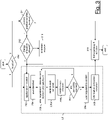
- Figure 3 is a flow chart of the operation of the management system 1 according to a second variant of the present invention.
- the home gateway 5 is not associated with the user, namely step 201 of Figure 2 is omitted.
- the home gateway database 13 does not store any association between the unique identifier IDu of the user and the unique identifier ID HG of the home gateway 5.
- the home gateway 5 As the home gateway 5 is switched on, it connects to the mobile communication network 2 and the system 1 performs steps 202-204 described above, namely: the central server 10 checks whether the user has already selected a location to which use of the home gateway 5 shall be bound (step 202) and, in the negative, a location procedure is started by the user, who manually starts the client application 11 at his/her personal mobile device 3 (step 203), so that the client application 11 identifies the user (step 204).
- the management server 10 since the home gateway database 13 still does not store any association between unique identifier IDu of the user and unique identifier(s) of home gateway(s) associated therewith, the management server 10 does not perform the above described step 205 of determining the home gateway(s) associated with the user.
- the client application 11 preferably requests the personal mobile phone 3 to retrieve a random code from the home gateway 5 (step 206a).
- the home gateway 5 may be pre-configured with the random code upon manufacturing, the random code in such case being known to the management server 10 and being preferably stored in the home gateway database 13 together with the unique identified ID HG .
- the random code may be generated by the home gateway 5 upon its switching on.
- the home gateway 5 preferably sends the random code to the management server 10 after it has generated it, together with its unique identifier ID HG , so that the management server 10 may record both the random code and the unique identifier ID HG in the home gateway database 13.
- the home gateway 5 may provide the random code to the personal mobile device 3 in different ways. For instance:
- the personal mobile device 3 After the personal mobile device 3 has retrieved the random code from the home gateway 5, it preferably sends it to the management server 10, which checks it (step 206b). In particular, the management server 10 preferably checks whether the random code as received from the personal mobile device 3 of the user corresponds to the random code as previously stored in the home gateway database 13 (step 206b). If the two random codes do not match, the management sever 10 preferably instructs the client application 11 to stop the location procedure LP and inform the user, e.g. by means of a text message shown on the display of the personal mobile device 3 (step not shown in the drawings). If instead the two random codes match, then the home gateway 5 is associated with the user, namely an association between the unique identifier IDu of the user and the unique identifier ID HG of the home gateway 5 is recorded in the home gateway database 13.
- the system 1 preferably completes the location procedure LP by performing steps 207-209 described above, namely: the management server 10 checks whether the current position of the home gateway 5 is compatible with the current position of the personal mobile device 3 (step 207); in the affirmative, the client application 11 requests the user to confirm that the current position of the personal mobile device 3 is the location to which use of the home gateway 5 shall be bound (step 208); and the confirmation is sent to the management server 10 (step 209), which eventually activates the home gateway 5 (step 210).
- the management server 10 determines that the user has already selected the location to which use of the home gateway 5 shall be bound, the management server 211 preferably checks whether the current position of the home gateway 5 matches the location to which use of the home gateway 5 shall be bound (step 211). In the affirmative, the management server 10 preferably activates the home gateway 5 (step 210). Otherwise, according to preferred embodiments the management server 10 preferably checks whether a change of location is allowed (step 212). In the affirmative, it starts a new location procedure (steps 203-209) and then activates the home gateway 5 at the new location (step 210). Otherwise, it may activate an extension program (step 213) as described above.
- the method and system of the present invention therefore, advantageously guarantees that use of a home gateway is bound to the location selected by its user, while allowing the user to select the location to which use of the home gateway shall be bound without having to perform any complex or lengthy operation.
- her/his personal mobile device e.g. her/his smartphone provided with a suitable app
- Such operations are particularly easy and simple for the user, who is typically very familiar with her/his personal mobile device and its functions.
- the location to which use of the home gateway shall be bound is automatically sent to the management server, which then may readily activate the home gateway.
- the home gateway therefore becomes activated without the need to wait any installation operation by field operators.
Landscapes
- Engineering & Computer Science (AREA)
- Computer Networks & Wireless Communication (AREA)
- Signal Processing (AREA)
- Computer Security & Cryptography (AREA)
- Databases & Information Systems (AREA)
- Computer Hardware Design (AREA)
- Computing Systems (AREA)
- General Engineering & Computer Science (AREA)
- Mobile Radio Communication Systems (AREA)
- Telephonic Communication Services (AREA)
Claims (15)
- Verfahren zum Verwalten eines Heimgateways (5) mit mobiler Konnektivität (2) zu einem Weitbereichsnetzwerk (8), wobei das Verfahren an einem Verwaltungsserver (10) Folgendes umfasst:- Empfangen einer aktuellen Position des Heimgateways (5) und- Aktivieren des Heimgateways (5), wenn die empfangene aktuelle Position des Heimgateways (5) mit einem zuvor ausgewählten Standort, an den die Verwendung des Heimgateways (5) gebunden sein soll, übereinstimmt,dadurch gekennzeichnet, dass eine vorherige Auswahl des Standorts, an die Verwendung des Heimgateways (5) gebunden sein soll, an einer persönlichen mobilen Vorrichtung (3) eines Benutzers des Heimgateways (5) Folgendes umfasst:a) Anfordern, dass der Benutzer die persönliche mobile Vorrichtung (3) neben dem Heimgateway (5) platziert, und Detektieren einer aktuellen Position der persönlichen mobilen Vorrichtung (3);b) Anfordern, dass der Benutzer bestätigt, dass die detektierte aktuelle Position der persönlichen mobilen Vorrichtung (3) der Standort ist, an den die Verwendung des Heimgateways (5) gebunden sein soll; undc) im positiven Fall Senden der detektierten aktuellen Position der persönlichen mobilen Vorrichtung (3) an den Verwaltungsserver (10), der sie als den zuvor ausgewählten Standort, an den die Verwendung des Heimgateways (5) gebunden sein soll, verwendet.
- Verfahren nach Anspruch 1, wobei es vor dem Schritt a) das Verknüpfen des Benutzers der persönlichen mobilen Vorrichtung (3) mit dem Heimgateway (5) umfasst, wobei das Verknüpfen das Speichern einer Verknüpfung zwischen einer eindeutigen Kennung IDU des Benutzers und einer eindeutigen Kennung IDHG des Heimgateways (5) in einer Heimgatewaydatenbank (13), auf die der Verwaltungsserver (10) zugreifen kann, umfasst.
- Verfahren nach Anspruch 2, wobei es nach dem Schritt a) das Bestimmen von einem oder mehreren Heimgateways, die mit dem Benutzer verknüpft sind, das Bestimmen, ob sich unter dem einen oder den mehreren Heimgateways, die mit dem Benutzer verknüpft sind, ein Heimgateway befindet, dessen aktuelle Position mit der aktuellen Position der persönlichen mobilen Vorrichtung (3) kompatibel ist, befindet, sowie Folgendes umfasst:- im negativen Fall Wiederholen des Schritts a) und- im positiven Fall Durchführen des Schritts b).
- Verfahren nach Anspruch 1, wobei es vor dem Schritt a) Folgendes umfasst:- Anfordern, dass die persönliche mobile Vorrichtung (3) einen willkürlichen Code vom Heimgateway (5) abruft;- Vergleichen des willkürlichen Codes, der von der persönlichen mobilen Vorrichtung (3) abgerufen wurde, mit einem erwarteten willkürlichen Code;- wenn der abgerufene willkürliche Code mit dem erwarteten willkürlichen Code übereinstimmt, Durchführen der Schritte a), b) und c) und- wenn der abgerufene willkürliche Code nicht mit dem erwarteten willkürlichen Code übereinstimmt, Verhindern der Ausführung der Schritte a), b) und c).
- Verfahren nach Anspruch 4, wobei das Abrufen des willkürlichen Codes vom Heimgateway (5) Folgendes umfasst:- Lesen des willkürlichen Codes auf einer Anzeige des Heimgateways (5) und manuelles Eingeben des gelesenen willkürlichen Codes an der persönlichen mobilen Vorrichtung (3);- Übertragen des willkürlichen Codes vom Heimgateway (5) mittels einer Kurzreichweitenverbindung zwischen dem Heimgateway (5) und der persönlichen mobilen Vorrichtung (3) zur persönlichen mobilen Vorrichtung (3) oder- automatisches Erfassen des willkürlichen Codes in Form eines QR-Codes oder eines Barcodes, der auf dem Heimgateway (5) angezeigt wird, mittels einer Kamera der persönlichen mobilen Vorrichtung (3).
- Verfahren nach einem der vorhergehenden Ansprüche, wobei die Schritte a), b) und c) von einer Clientanwendung (11) durchgeführt werden, die von der persönlichen mobilen Vorrichtung (3) ausgeführt wird und mit dem Verwaltungsserver (10) interagiert.
- Verfahren nach Anspruch 6, wobei die Clientanwendung (11) automatisch vom Verwaltungsserver (10) gestartet wird, wenn der Verwaltungsserver (10) bestimmt, dass noch kein Standort, an den die Verwendung des Heimgateways (5) gebunden sein soll, ausgewählt wurde.
- Verfahren nach einem der vorhergehenden Ansprüche, wobei die Schritte a), b) und c) durchgeführt werden, wenn bestimmt wird, dass noch kein Standort, an den die Verwendung des Heimgateways (5) gebunden sein soll, ausgewählt wurde.
- Verfahren nach einem der vorhergehenden Ansprüche, wobei es, wenn die empfangene aktuelle Position des Heimgateways (5) nicht mit dem zuvor ausgewählten Standort, an den die Verwendung des Heimgateways (5) gebunden sein soll, übereinstimmt, ferner das Prüfen, ob es dem Benutzer erlaubt ist, den Standort, an den die Verwendung des Heimgateways (5) gebunden sein soll, zu ändern, und, im positiven Fall, das Wiederholen der Schritte a), b) und c) umfasst.
- Verfahren nach Anspruch 9, wobei das Prüfen, ob es dem Benutzer erlaubt ist, den Standort, an den die Verwendung des Heimgateways (5) gebunden sein soll, zu ändern, Folgendes umfasst:- Erhöhen eines Zählers, jedes Mal wenn die Schritte a), b) und c) für das Heimgateway (5) erfolgreich abgeschlossen werden;- jedes Mal wenn eine Standortänderung für das Heimgateway (5) angefordert wird, Vergleichen des Zählers mit einer vordefinierten maximalen Anzahl Nmax von Standortänderungen und- sofern der Zähler nicht höher ist als Nmax, Erlauben einer Standortänderung für das Heimgateway (5) und Wiederholen der Schritte a), b) und c).
- Verfahren nach Anspruch 9 oder 10, wobei, wenn bestimmt wird, dass es dem Benutzer nicht mehr erlaubt ist, den Standort, an den die Verwendung des Heimgateways (5) gebunden sein soll, zu ändern, ein Erweiterungsprogramm gestartet wird, das die Zahlung von zusätzlichen Kosten durch den Benutzer für eine weitere Standortänderung umfasst.
- Verfahren nach einem der vorhergehenden Ansprüche, wobei es ferner das Prüfen, dass die persönliche mobile Vorrichtung (3) regelmäßig neben das Heimgateway (5) gebracht wird, und nur im positiven Fall das Erlauben, dass das Heimgateway (5) weiterhin aktiv ist, umfasst.
- Verfahren nach einem der vorhergehenden Ansprüche, wobei Schritt c) ferner das Zeigen einer Karte, auf der ein Bereich, in dem das Heimgateway (5) betrieben werden darf, grafisch angezeigt wird, auf einer Anzeige der persönlichen mobilen Vorrichtung (3) umfasst.
- System (1) zum Verwalten eines Heimgateways (5) mit mobiler Konnektivität (2) zu einem Weitbereichsnetzwerk (8), wobei das System (1) einen Verwaltungsserver (10) umfasst, der zu Folgendem ausgelegt ist:- Empfangen einer aktuellen Position des Heimgateways (5) und- Aktivieren des Heimgateways (5), wenn die empfangene aktuelle Position des Heimgateways (5) mit einem zuvor ausgewählten Standort, an den die Verwendung des Heimgateways (5) gebunden sein soll, übereinstimmt,wobei das System (1) dadurch gekennzeichnet ist, dass es ferner eine Clientanwendung (11) umfasst, die zum Ausführen durch eine persönliche mobile Vorrichtung (3) eines Benutzers des Heimgateways (5) und Implementieren einer vorherigen Auswahl des Standorts, an den die Verwendung des Heimgateways (5) gebunden sein soll, geeignet ist, wobei die Clientanwendung (11) zu Folgendem ausgelegt ist:a) Anfordern, dass der Benutzer die persönliche mobile Vorrichtung (3) neben dem Heimgateway (5) platziert, und Detektieren einer aktuellen Position der persönlichen mobilen Vorrichtung (3);b) Anfordern, dass der Benutzer bestätigt, dass die detektierte aktuelle Position der persönlichen mobilen Vorrichtung (3) der Standort ist, an den die Verwendung des Heimgateways (5) gebunden sein soll; undc) im positiven Fall Senden der detektierten aktuellen Position der persönlichen mobilen Vorrichtung (3) an den Verwaltungsserver (10), der sie als den zuvor ausgewählten Standort, an den die Verwendung des Heimgateways (5) gebunden sein soll, verwendet.
- Computerprogrammprodukt, das in den Speicher einer Vielzahl von Computern ladbar ist und Softwarecodeabschnitte zum Durchführen der Schritte des Verfahrens nach einem der Ansprüche 1 bis 13 beinhaltet, wenn das Produkt auf mindestens einem Computer an einem Verwaltungsserver und einem Computer an einer persönlichen mobilen Vorrichtung läuft.
Applications Claiming Priority (2)
| Application Number | Priority Date | Filing Date | Title |
|---|---|---|---|
| IT102017000108358A IT201700108358A1 (it) | 2017-09-27 | 2017-09-27 | Gestione di un home gateway con connettività mobile ad una rete di comunicazione geografica |
| PCT/EP2018/076045 WO2019063579A1 (en) | 2017-09-27 | 2018-09-26 | MANAGING A DOMESTIC GATEWAY WITH MOBILE CONNECTIVITY TO AN EXTENDED NETWORK |
Publications (2)
| Publication Number | Publication Date |
|---|---|
| EP3688952A1 EP3688952A1 (de) | 2020-08-05 |
| EP3688952B1 true EP3688952B1 (de) | 2022-06-29 |
Family
ID=61187625
Family Applications (1)
| Application Number | Title | Priority Date | Filing Date |
|---|---|---|---|
| EP18773194.8A Active EP3688952B1 (de) | 2017-09-27 | 2018-09-26 | Verwaltung eines heim-gateways mit mobiler konnektivität zu einem weitbereichsnetzwerk |
Country Status (4)
| Country | Link |
|---|---|
| US (1) | US11259340B2 (de) |
| EP (1) | EP3688952B1 (de) |
| IT (1) | IT201700108358A1 (de) |
| WO (1) | WO2019063579A1 (de) |
Families Citing this family (1)
| Publication number | Priority date | Publication date | Assignee | Title |
|---|---|---|---|---|
| CN110072284A (zh) * | 2019-05-05 | 2019-07-30 | 江苏阳廷电气科技有限公司 | 一种智能网关分布确定方法 |
Family Cites Families (19)
| Publication number | Priority date | Publication date | Assignee | Title |
|---|---|---|---|---|
| FR2810837B1 (fr) | 2000-06-21 | 2003-06-13 | Alexandre Moatti | Procede de verification du lieu d'utilisation d'un radiotelephone mobile, dispositif et application |
| US7319878B2 (en) * | 2004-06-18 | 2008-01-15 | Qualcomm Incorporated | Method and apparatus for determining location of a base station using a plurality of mobile stations in a wireless mobile network |
| GB2439368B (en) * | 2006-06-23 | 2008-05-21 | Motorola Inc | Method and apparatus for supporting voice communications |
| GB2480406B (en) * | 2007-02-02 | 2012-02-22 | Ubiquisys Ltd | Location of basestation |
| GB2480191A (en) * | 2007-02-02 | 2011-11-09 | Ubiquisys Ltd | Determining the location of a base station |
| JP2010118752A (ja) * | 2008-11-11 | 2010-05-27 | Hitachi Ltd | ネットワークシステム、dhcpサーバ装置、及びdhcpクライアント装置 |
| US9207304B2 (en) * | 2009-02-17 | 2015-12-08 | Cisco Technology, Inc. | Radio access point location verification using GPS location and radio environment data |
| US8750098B2 (en) * | 2010-07-28 | 2014-06-10 | At&T Intellectual Property I, L.P. | Femtocell service through a secondary connection |
| US9264972B2 (en) * | 2012-06-11 | 2016-02-16 | Qualcomm Incorporated | Home networking with integrated cellular communication |
| US9197498B2 (en) * | 2012-08-31 | 2015-11-24 | Cisco Technology, Inc. | Method for automatically applying access control policies based on device types of networked computing devices |
| US9756047B1 (en) * | 2013-10-17 | 2017-09-05 | Mobile Iron, Inc. | Embedding security posture in network traffic |
| US9407624B1 (en) * | 2015-05-14 | 2016-08-02 | Delphian Systems, LLC | User-selectable security modes for interconnected devices |
| US10880942B2 (en) * | 2015-05-19 | 2020-12-29 | Telefonaktiebolaget Lm Ericsson (Publ) | Connectivity management mechanism for multi-hop capillary networks |
| JP2016220174A (ja) * | 2015-05-26 | 2016-12-22 | 株式会社東芝 | 家電制御方法及び家電制御装置 |
| US10206076B2 (en) * | 2015-06-09 | 2019-02-12 | Lg Electronics Inc. | Communication method for user equipment in V2X communication system, and user equipment |
| US9948548B2 (en) * | 2015-08-27 | 2018-04-17 | Cisco Technology, Inc. | System and method for providing small cell gateway redundancy |
| US10520576B2 (en) * | 2015-10-27 | 2019-12-31 | Sk Planet Co., Ltd. | Method and apparatus for providing indoor travel path based on beacon |
| US9445270B1 (en) * | 2015-12-04 | 2016-09-13 | Samsara | Authentication of a gateway device in a sensor network |
| US10034149B2 (en) * | 2016-03-02 | 2018-07-24 | Cisco Technology, Inc. | System and method for providing home node B gateway redundancy in a network environment |
-
2017
- 2017-09-27 IT IT102017000108358A patent/IT201700108358A1/it unknown
-
2018
- 2018-09-26 WO PCT/EP2018/076045 patent/WO2019063579A1/en not_active Ceased
- 2018-09-26 EP EP18773194.8A patent/EP3688952B1/de active Active
- 2018-09-26 US US16/651,658 patent/US11259340B2/en active Active
Also Published As
| Publication number | Publication date |
|---|---|
| WO2019063579A1 (en) | 2019-04-04 |
| US11259340B2 (en) | 2022-02-22 |
| IT201700108358A1 (it) | 2019-03-27 |
| EP3688952A1 (de) | 2020-08-05 |
| US20200314921A1 (en) | 2020-10-01 |
Similar Documents
| Publication | Publication Date | Title |
|---|---|---|
| US12143529B2 (en) | System and method for programmatic device connectivity | |
| US10205833B2 (en) | Graphical user interface and method for mobile device activation | |
| JP5175025B2 (ja) | 無線デバイスとサーバとの間でハンドシェイクするためのシステム及び方法 | |
| US9148841B2 (en) | Methods and apparatus for correcting error events associated with identity provisioning | |
| JP6785773B2 (ja) | データ更新方法、装置、および埋め込まれた汎用集積回路カード | |
| EP1942698A1 (de) | Verfahren und System zur Aktivierung von mobilen Vorrichtungen | |
| KR101822605B1 (ko) | 모바일 네트워크 운영자 식별 기법 | |
| KR20150069512A (ko) | 서비스 쉐어링 시스템 및 장치 | |
| WO2014208612A1 (ja) | 制御装置、制御方法、通信システムおよびプログラム | |
| CN115250213B (zh) | 一种家电产品连接到产品服务端的方法 | |
| JP2017005735A (ja) | 無線通信装置、無線通信方法およびプログラム | |
| US9241269B1 (en) | Method to identify a customer on a Wi-Fi network | |
| WO2013154493A1 (en) | A method for storage and provisioning of wi-fi network credentials | |
| US11259340B2 (en) | Management of a home gateway with mobile connectivity to a wide area network | |
| JP2014505404A (ja) | デバイスを通信ネットワークに接続するためのシステム、方法、ネットワークエンティティ及びデバイス | |
| JP6298245B2 (ja) | 中継装置、dnsサーバ及びそれらを備えた通信システム並びにdnsサーバの通信用プログラム及び中継装置の通信用プログラム | |
| US9479586B2 (en) | Distributed system for storing digital data | |
| CN103796178A (zh) | 一种服务提供方法、装置及数据卡 | |
| US8424070B1 (en) | Dynamic network-centric generation of public service access identification | |
| CN114124595A (zh) | 一种家电产品连接到网络的方法 | |
| EP3370400B1 (de) | Kommunikationssystemverwaltungsverfahren | |
| EP3192291A1 (de) | Verfahren zur interaktion einer drahtloskommunikationsvorrichtung mit einer identifikationseinheit | |
| EP3254486B1 (de) | Netzwerkabonnement für ein neues gerät | |
| JP2020198541A (ja) | 通信システム、通信制御装置及び通信制御方法 |
Legal Events
| Date | Code | Title | Description |
|---|---|---|---|
| STAA | Information on the status of an ep patent application or granted ep patent |
Free format text: STATUS: UNKNOWN |
|
| STAA | Information on the status of an ep patent application or granted ep patent |
Free format text: STATUS: THE INTERNATIONAL PUBLICATION HAS BEEN MADE |
|
| PUAI | Public reference made under article 153(3) epc to a published international application that has entered the european phase |
Free format text: ORIGINAL CODE: 0009012 |
|
| STAA | Information on the status of an ep patent application or granted ep patent |
Free format text: STATUS: REQUEST FOR EXAMINATION WAS MADE |
|
| 17P | Request for examination filed |
Effective date: 20200327 |
|
| AK | Designated contracting states |
Kind code of ref document: A1 Designated state(s): AL AT BE BG CH CY CZ DE DK EE ES FI FR GB GR HR HU IE IS IT LI LT LU LV MC MK MT NL NO PL PT RO RS SE SI SK SM TR |
|
| AX | Request for extension of the european patent |
Extension state: BA ME |
|
| DAV | Request for validation of the european patent (deleted) | ||
| DAX | Request for extension of the european patent (deleted) | ||
| REG | Reference to a national code |
Ref country code: DE Ref legal event code: R079 Ref document number: 602018037360 Country of ref document: DE Free format text: PREVIOUS MAIN CLASS: H04L0029060000 Ipc: H04W0064000000 |
|
| GRAP | Despatch of communication of intention to grant a patent |
Free format text: ORIGINAL CODE: EPIDOSNIGR1 |
|
| STAA | Information on the status of an ep patent application or granted ep patent |
Free format text: STATUS: GRANT OF PATENT IS INTENDED |
|
| RIC1 | Information provided on ipc code assigned before grant |
Ipc: H04W 12/08 20090101ALI20220120BHEP Ipc: H04W 4/02 20180101ALI20220120BHEP Ipc: H04W 64/00 20090101AFI20220120BHEP |
|
| INTG | Intention to grant announced |
Effective date: 20220214 |
|
| GRAS | Grant fee paid |
Free format text: ORIGINAL CODE: EPIDOSNIGR3 |
|
| GRAA | (expected) grant |
Free format text: ORIGINAL CODE: 0009210 |
|
| STAA | Information on the status of an ep patent application or granted ep patent |
Free format text: STATUS: THE PATENT HAS BEEN GRANTED |
|
| AK | Designated contracting states |
Kind code of ref document: B1 Designated state(s): AL AT BE BG CH CY CZ DE DK EE ES FI FR GB GR HR HU IE IS IT LI LT LU LV MC MK MT NL NO PL PT RO RS SE SI SK SM TR |
|
| REG | Reference to a national code |
Ref country code: CH Ref legal event code: EP |
|
| REG | Reference to a national code |
Ref country code: AT Ref legal event code: REF Ref document number: 1502125 Country of ref document: AT Kind code of ref document: T Effective date: 20220715 |
|
| REG | Reference to a national code |
Ref country code: IE Ref legal event code: FG4D |
|
| REG | Reference to a national code |
Ref country code: DE Ref legal event code: R096 Ref document number: 602018037360 Country of ref document: DE |
|
| REG | Reference to a national code |
Ref country code: LT Ref legal event code: MG9D |
|
| PG25 | Lapsed in a contracting state [announced via postgrant information from national office to epo] |
Ref country code: SE Free format text: LAPSE BECAUSE OF FAILURE TO SUBMIT A TRANSLATION OF THE DESCRIPTION OR TO PAY THE FEE WITHIN THE PRESCRIBED TIME-LIMIT Effective date: 20220629 Ref country code: NO Free format text: LAPSE BECAUSE OF FAILURE TO SUBMIT A TRANSLATION OF THE DESCRIPTION OR TO PAY THE FEE WITHIN THE PRESCRIBED TIME-LIMIT Effective date: 20220929 Ref country code: LT Free format text: LAPSE BECAUSE OF FAILURE TO SUBMIT A TRANSLATION OF THE DESCRIPTION OR TO PAY THE FEE WITHIN THE PRESCRIBED TIME-LIMIT Effective date: 20220629 Ref country code: HR Free format text: LAPSE BECAUSE OF FAILURE TO SUBMIT A TRANSLATION OF THE DESCRIPTION OR TO PAY THE FEE WITHIN THE PRESCRIBED TIME-LIMIT Effective date: 20220629 Ref country code: GR Free format text: LAPSE BECAUSE OF FAILURE TO SUBMIT A TRANSLATION OF THE DESCRIPTION OR TO PAY THE FEE WITHIN THE PRESCRIBED TIME-LIMIT Effective date: 20220930 Ref country code: FI Free format text: LAPSE BECAUSE OF FAILURE TO SUBMIT A TRANSLATION OF THE DESCRIPTION OR TO PAY THE FEE WITHIN THE PRESCRIBED TIME-LIMIT Effective date: 20220629 Ref country code: BG Free format text: LAPSE BECAUSE OF FAILURE TO SUBMIT A TRANSLATION OF THE DESCRIPTION OR TO PAY THE FEE WITHIN THE PRESCRIBED TIME-LIMIT Effective date: 20220929 |
|
| REG | Reference to a national code |
Ref country code: NL Ref legal event code: MP Effective date: 20220629 |
|
| REG | Reference to a national code |
Ref country code: AT Ref legal event code: MK05 Ref document number: 1502125 Country of ref document: AT Kind code of ref document: T Effective date: 20220629 |
|
| PG25 | Lapsed in a contracting state [announced via postgrant information from national office to epo] |
Ref country code: RS Free format text: LAPSE BECAUSE OF FAILURE TO SUBMIT A TRANSLATION OF THE DESCRIPTION OR TO PAY THE FEE WITHIN THE PRESCRIBED TIME-LIMIT Effective date: 20220629 Ref country code: LV Free format text: LAPSE BECAUSE OF FAILURE TO SUBMIT A TRANSLATION OF THE DESCRIPTION OR TO PAY THE FEE WITHIN THE PRESCRIBED TIME-LIMIT Effective date: 20220629 |
|
| PG25 | Lapsed in a contracting state [announced via postgrant information from national office to epo] |
Ref country code: NL Free format text: LAPSE BECAUSE OF FAILURE TO SUBMIT A TRANSLATION OF THE DESCRIPTION OR TO PAY THE FEE WITHIN THE PRESCRIBED TIME-LIMIT Effective date: 20220629 |
|
| PG25 | Lapsed in a contracting state [announced via postgrant information from national office to epo] |
Ref country code: SM Free format text: LAPSE BECAUSE OF FAILURE TO SUBMIT A TRANSLATION OF THE DESCRIPTION OR TO PAY THE FEE WITHIN THE PRESCRIBED TIME-LIMIT Effective date: 20220629 Ref country code: SK Free format text: LAPSE BECAUSE OF FAILURE TO SUBMIT A TRANSLATION OF THE DESCRIPTION OR TO PAY THE FEE WITHIN THE PRESCRIBED TIME-LIMIT Effective date: 20220629 Ref country code: RO Free format text: LAPSE BECAUSE OF FAILURE TO SUBMIT A TRANSLATION OF THE DESCRIPTION OR TO PAY THE FEE WITHIN THE PRESCRIBED TIME-LIMIT Effective date: 20220629 Ref country code: PT Free format text: LAPSE BECAUSE OF FAILURE TO SUBMIT A TRANSLATION OF THE DESCRIPTION OR TO PAY THE FEE WITHIN THE PRESCRIBED TIME-LIMIT Effective date: 20221031 Ref country code: ES Free format text: LAPSE BECAUSE OF FAILURE TO SUBMIT A TRANSLATION OF THE DESCRIPTION OR TO PAY THE FEE WITHIN THE PRESCRIBED TIME-LIMIT Effective date: 20220629 Ref country code: EE Free format text: LAPSE BECAUSE OF FAILURE TO SUBMIT A TRANSLATION OF THE DESCRIPTION OR TO PAY THE FEE WITHIN THE PRESCRIBED TIME-LIMIT Effective date: 20220629 Ref country code: AT Free format text: LAPSE BECAUSE OF FAILURE TO SUBMIT A TRANSLATION OF THE DESCRIPTION OR TO PAY THE FEE WITHIN THE PRESCRIBED TIME-LIMIT Effective date: 20220629 |
|
| PG25 | Lapsed in a contracting state [announced via postgrant information from national office to epo] |
Ref country code: PL Free format text: LAPSE BECAUSE OF FAILURE TO SUBMIT A TRANSLATION OF THE DESCRIPTION OR TO PAY THE FEE WITHIN THE PRESCRIBED TIME-LIMIT Effective date: 20220629 Ref country code: IS Free format text: LAPSE BECAUSE OF FAILURE TO SUBMIT A TRANSLATION OF THE DESCRIPTION OR TO PAY THE FEE WITHIN THE PRESCRIBED TIME-LIMIT Effective date: 20221029 |
|
| REG | Reference to a national code |
Ref country code: DE Ref legal event code: R097 Ref document number: 602018037360 Country of ref document: DE |
|
| PG25 | Lapsed in a contracting state [announced via postgrant information from national office to epo] |
Ref country code: AL Free format text: LAPSE BECAUSE OF FAILURE TO SUBMIT A TRANSLATION OF THE DESCRIPTION OR TO PAY THE FEE WITHIN THE PRESCRIBED TIME-LIMIT Effective date: 20220629 |
|
| PG25 | Lapsed in a contracting state [announced via postgrant information from national office to epo] |
Ref country code: MC Free format text: LAPSE BECAUSE OF FAILURE TO SUBMIT A TRANSLATION OF THE DESCRIPTION OR TO PAY THE FEE WITHIN THE PRESCRIBED TIME-LIMIT Effective date: 20220629 Ref country code: DK Free format text: LAPSE BECAUSE OF FAILURE TO SUBMIT A TRANSLATION OF THE DESCRIPTION OR TO PAY THE FEE WITHIN THE PRESCRIBED TIME-LIMIT Effective date: 20220629 Ref country code: CZ Free format text: LAPSE BECAUSE OF FAILURE TO SUBMIT A TRANSLATION OF THE DESCRIPTION OR TO PAY THE FEE WITHIN THE PRESCRIBED TIME-LIMIT Effective date: 20220629 |
|
| REG | Reference to a national code |
Ref country code: CH Ref legal event code: PL |
|
| PLBE | No opposition filed within time limit |
Free format text: ORIGINAL CODE: 0009261 |
|
| STAA | Information on the status of an ep patent application or granted ep patent |
Free format text: STATUS: NO OPPOSITION FILED WITHIN TIME LIMIT |
|
| REG | Reference to a national code |
Ref country code: BE Ref legal event code: MM Effective date: 20220930 |
|
| 26N | No opposition filed |
Effective date: 20230330 |
|
| PG25 | Lapsed in a contracting state [announced via postgrant information from national office to epo] |
Ref country code: LU Free format text: LAPSE BECAUSE OF NON-PAYMENT OF DUE FEES Effective date: 20220926 |
|
| P01 | Opt-out of the competence of the unified patent court (upc) registered |
Effective date: 20230526 |
|
| PG25 | Lapsed in a contracting state [announced via postgrant information from national office to epo] |
Ref country code: LI Free format text: LAPSE BECAUSE OF NON-PAYMENT OF DUE FEES Effective date: 20220930 Ref country code: IE Free format text: LAPSE BECAUSE OF NON-PAYMENT OF DUE FEES Effective date: 20220926 Ref country code: CH Free format text: LAPSE BECAUSE OF NON-PAYMENT OF DUE FEES Effective date: 20220930 |
|
| PG25 | Lapsed in a contracting state [announced via postgrant information from national office to epo] |
Ref country code: SI Free format text: LAPSE BECAUSE OF FAILURE TO SUBMIT A TRANSLATION OF THE DESCRIPTION OR TO PAY THE FEE WITHIN THE PRESCRIBED TIME-LIMIT Effective date: 20220629 |
|
| PG25 | Lapsed in a contracting state [announced via postgrant information from national office to epo] |
Ref country code: BE Free format text: LAPSE BECAUSE OF NON-PAYMENT OF DUE FEES Effective date: 20220930 |
|
| PG25 | Lapsed in a contracting state [announced via postgrant information from national office to epo] |
Ref country code: CY Free format text: LAPSE BECAUSE OF FAILURE TO SUBMIT A TRANSLATION OF THE DESCRIPTION OR TO PAY THE FEE WITHIN THE PRESCRIBED TIME-LIMIT Effective date: 20220629 |
|
| PG25 | Lapsed in a contracting state [announced via postgrant information from national office to epo] |
Ref country code: MK Free format text: LAPSE BECAUSE OF FAILURE TO SUBMIT A TRANSLATION OF THE DESCRIPTION OR TO PAY THE FEE WITHIN THE PRESCRIBED TIME-LIMIT Effective date: 20220629 Ref country code: HU Free format text: LAPSE BECAUSE OF FAILURE TO SUBMIT A TRANSLATION OF THE DESCRIPTION OR TO PAY THE FEE WITHIN THE PRESCRIBED TIME-LIMIT; INVALID AB INITIO Effective date: 20180926 |
|
| PG25 | Lapsed in a contracting state [announced via postgrant information from national office to epo] |
Ref country code: MT Free format text: LAPSE BECAUSE OF FAILURE TO SUBMIT A TRANSLATION OF THE DESCRIPTION OR TO PAY THE FEE WITHIN THE PRESCRIBED TIME-LIMIT Effective date: 20220629 |
|
| PG25 | Lapsed in a contracting state [announced via postgrant information from national office to epo] |
Ref country code: BG Free format text: LAPSE BECAUSE OF FAILURE TO SUBMIT A TRANSLATION OF THE DESCRIPTION OR TO PAY THE FEE WITHIN THE PRESCRIBED TIME-LIMIT Effective date: 20220629 |
|
| PG25 | Lapsed in a contracting state [announced via postgrant information from national office to epo] |
Ref country code: BG Free format text: LAPSE BECAUSE OF FAILURE TO SUBMIT A TRANSLATION OF THE DESCRIPTION OR TO PAY THE FEE WITHIN THE PRESCRIBED TIME-LIMIT Effective date: 20220629 |
|
| PGFP | Annual fee paid to national office [announced via postgrant information from national office to epo] |
Ref country code: DE Payment date: 20250919 Year of fee payment: 8 |
|
| PGFP | Annual fee paid to national office [announced via postgrant information from national office to epo] |
Ref country code: GB Payment date: 20250923 Year of fee payment: 8 |
|
| PGFP | Annual fee paid to national office [announced via postgrant information from national office to epo] |
Ref country code: FR Payment date: 20250923 Year of fee payment: 8 |
|
| PG25 | Lapsed in a contracting state [announced via postgrant information from national office to epo] |
Ref country code: TR Free format text: LAPSE BECAUSE OF FAILURE TO SUBMIT A TRANSLATION OF THE DESCRIPTION OR TO PAY THE FEE WITHIN THE PRESCRIBED TIME-LIMIT Effective date: 20220629 |
|
| PGFP | Annual fee paid to national office [announced via postgrant information from national office to epo] |
Ref country code: IT Payment date: 20250930 Year of fee payment: 8 |