EP3674015A1 - Low pressure casting process for aluminum alloy parts - Google Patents
Low pressure casting process for aluminum alloy parts Download PDFInfo
- Publication number
- EP3674015A1 EP3674015A1 EP19196296.8A EP19196296A EP3674015A1 EP 3674015 A1 EP3674015 A1 EP 3674015A1 EP 19196296 A EP19196296 A EP 19196296A EP 3674015 A1 EP3674015 A1 EP 3674015A1
- Authority
- EP
- European Patent Office
- Prior art keywords
- pressure
- mbar
- aluminum alloy
- mold cavity
- rate
- Prior art date
- Legal status (The legal status is an assumption and is not a legal conclusion. Google has not performed a legal analysis and makes no representation as to the accuracy of the status listed.)
- Granted
Links
Images


Classifications
-
- B—PERFORMING OPERATIONS; TRANSPORTING
- B22—CASTING; POWDER METALLURGY
- B22D—CASTING OF METALS; CASTING OF OTHER SUBSTANCES BY THE SAME PROCESSES OR DEVICES
- B22D18/00—Pressure casting; Vacuum casting
- B22D18/04—Low pressure casting, i.e. making use of pressures up to a few bars to fill the mould
-
- B—PERFORMING OPERATIONS; TRANSPORTING
- B22—CASTING; POWDER METALLURGY
- B22D—CASTING OF METALS; CASTING OF OTHER SUBSTANCES BY THE SAME PROCESSES OR DEVICES
- B22D21/00—Casting non-ferrous metals or metallic compounds so far as their metallurgical properties are of importance for the casting procedure; Selection of compositions therefor
- B22D21/02—Casting exceedingly oxidisable non-ferrous metals, e.g. in inert atmosphere
- B22D21/04—Casting aluminium or magnesium
-
- B—PERFORMING OPERATIONS; TRANSPORTING
- B22—CASTING; POWDER METALLURGY
- B22D—CASTING OF METALS; CASTING OF OTHER SUBSTANCES BY THE SAME PROCESSES OR DEVICES
- B22D15/00—Casting using a mould or core of which a part significant to the process is of high thermal conductivity, e.g. chill casting; Moulds or accessories specially adapted therefor
- B22D15/005—Casting using a mould or core of which a part significant to the process is of high thermal conductivity, e.g. chill casting; Moulds or accessories specially adapted therefor of rolls, wheels or the like
-
- B—PERFORMING OPERATIONS; TRANSPORTING
- B22—CASTING; POWDER METALLURGY
- B22D—CASTING OF METALS; CASTING OF OTHER SUBSTANCES BY THE SAME PROCESSES OR DEVICES
- B22D21/00—Casting non-ferrous metals or metallic compounds so far as their metallurgical properties are of importance for the casting procedure; Selection of compositions therefor
- B22D21/002—Castings of light metals
- B22D21/007—Castings of light metals with low melting point, e.g. Al 659 degrees C, Mg 650 degrees C
-
- B—PERFORMING OPERATIONS; TRANSPORTING
- B60—VEHICLES IN GENERAL
- B60B—VEHICLE WHEELS; CASTORS; AXLES FOR WHEELS OR CASTORS; INCREASING WHEEL ADHESION
- B60B1/00—Spoked wheels; Spokes thereof
- B60B1/06—Wheels with compression spokes
- B60B1/08—Wheels with compression spokes formed by casting
-
- C—CHEMISTRY; METALLURGY
- C22—METALLURGY; FERROUS OR NON-FERROUS ALLOYS; TREATMENT OF ALLOYS OR NON-FERROUS METALS
- C22C—ALLOYS
- C22C21/00—Alloys based on aluminium
Definitions
- the invention relates to a metal casting process, in particular to a casting process for aluminum alloy parts.
- Vehicle wheels are important parts in vehicles, which directly affect the safety of vehicles.
- Aluminum alloy wheels have the advantages of light weight, easy molding, good mechanical properties, physical properties, corrosion resistance, and the like, so they are widely used in the vehicle field.
- low-pressure casting process is mainly used, and the low-pressure casting has the advantages of easy mechanization, good filling, high yield, suitable for mass production and the like, and the aluminum liquid is solidified under pressure during the casting process, so that the strength of the finished product after solidification is high.
- the problem of the insufficient comprehensive performance of wheel castings, especially the low elongation rate is becoming increasingly prominent.
- an object of the present invention is to provide a casting process for aluminum alloy parts, which can effectively improve the comprehensive performance of the aluminum alloy parts.
- a casting process for aluminum alloy parts comprises the following steps:
- the casting process for aluminum alloy parts the step of solidifying consisted of at least two stages of different pressure settings comprises the following steps:
- the casting process for aluminum alloy parts, the first high pressure solidifying stage comprises: increasing the pressure in the mold cavity to 1400-1800 Mbar at a rate of 100-200 Mbar/s, and reducing the pressure in the mold cavity to 700-1100 Mbar at a rate of 100-200 Mbar/s after maintaining the pressure for 3-8 s.
- the casting process for aluminum alloy parts, the first low pressure solidifying stage, the second low pressure solidifying stage and the third low pressure solidifying stage each comprise: maintaining the pressure in the mold cavity at 700-1100 Mbar for a preset time.
- the casting process for aluminum alloy parts, the second high pressure solidifying stage comprises: increasing the pressure in the mold cavity to 1500-3000 Mbar at a rate of 120-250 Mbar/s, and reducing the pressure in the mold cavity to 700-1100 Mbar at a rate of 120-250 Mbar/s after maintaining the pressure for 3-12 s.
- the casting process for aluminum alloy parts, the third high pressure solidifying stage comprises: increasing the pressure in the mold cavity to 3000-4500 Mbar at a rate of 120-250 Mbar/s, and reducing the pressure in the mold cavity to 700-1100 Mbar at a rate of 120-250 Mbar/s after maintaining the pressure for 3-12 s.
- the casting process for aluminum alloy parts comprises: increasing the pressure of the aluminum liquid in the crucible to 200 Mbar at a rate of 10-30 Mbar/s.
- the casting process for aluminum alloy parts comprises: increasing the pressure of the aluminum liquid to 360 Mbar at a rate of 5-15 Mbar/s.
- the casting process for aluminum alloy parts comprises: increasing the pressure in the mold cavity to 700-1100 Mbar at a rate of 40-80 Mbar/s.
- the casting process for aluminum alloy parts comprises: reducing the pressure in the mold cavity to 0 Mbar from 700-1100 Mbar.
- the present invention provides a casting process for aluminum alloy parts.
- the process comprises the steps as follows: raising liquid; filling mold; increasing pressure; solidifying consisted of at least two stages of different pressure settings; and relieving pressure. It can be seen that the casting process for aluminum alloy parts provided by the present invention can effectively improve the comprehensive performance and production efficiency of the aluminum alloy parts by dividing the solidification process of casting the aluminum alloy parts into several stages, wherein the pressure of each stage is different.
- the casting process for aluminum alloy wheels is as follows: raising liquid, filling mold, increasing pressure, solidifying under low pressure, and relieving pressure, wherein the pressure setting at each stage of the casting process is shown in Figure 1 , and the specific process steps are as follows:
- a certain intensity of air or water cooling may be applied to the corresponding position of the mold for a certain period of time to ensure that the aluminum alloy wheels are solidified in the order of the rim, the spokes and the flange, while ensuring the solidification speed.
- the present embodiment adopts the above casting process, the stable production process period of which is more than 310 s.
- the performance is measured by sampling at different positions of the aluminum alloy wheel castings (take the average value of the samples of the six wheels at the same position), and the measuring results are shown in Table 1:
- Table 1 sampling position Elongation rate % yield strength MPa tensile strength MPa rim 4.0 192 255 spoke 3.5 188 250 flange 3.2 185 246
- an embodiment of the present invention provides a casting process for aluminum alloy parts, wherein the process comprises the following steps: raising liquid; filling mold; increasing pressure; solidifying consisted of at least two stages of different pressure settings; and relieving pressure.
- the casting process of the aluminum alloy parts provided by the embodiments of the present invention divides the solidification process of the cast aluminum alloy parts into multiple stages, and the pressure of each stage is different, so as to effectively improve the comprehensive performance and production efficiency of the cast aluminum alloy parts.
- the step of raising liquid comprises: increasing the pressure of the aluminum liquid in the crucible to 200 Mbar at a rate of 10-30 Mbar/s, and under this pressure, the aluminum liquid can be smoothly raised to the entrance of the mold cavity to ensure stably raising liquid, thereby avoiding the incorporation of gas, oxidizing slag, etc. into the aluminum liquid, which affect the purity of the aluminum liquid.
- the step of filling mold comprises: increasing the pressure of the aluminum liquid to 360 Mbar at a rate of 5-15 Mbar/s, and under this pressure, the mold cavity can be filled with the aluminum liquid, and ensure stably filling mold, thereby avoiding porosity generation, slag inclusion, etc., which affect the quality of castings.
- the step of increasing pressure comprises: increasing the pressure in the mold cavity to 700-1100 Mbar at a rate of 40-80 Mbar/s, and under this pressure, the density of the aluminum liquid in the mold cavity and the fit of the aluminum liquid to the mold cavity are increased.
- the step of solidifying consisted of at least two stages of different pressure settings comprises the following steps: a first high pressure solidifying stage; a first low pressure solidifying stage; a second high pressure solidifying stage; a second low pressure solidifying stage; a third high pressure solidifying stage; and a third low pressure solidifying stage.
- the first high pressure solidifying stage comprises: increasing the pressure in the mold cavity to 1400-1800 Mbar at a rate of 100-200 Mbar/s, and reducing the pressure in the mold cavity to 700-1100 Mbar at a rate of 100-200 Mbar/s after maintaining the pressure for 3-8 s. Further increasing the pressure in the mold cavity can make the aluminum liquid of the first structure portion of the aluminum alloy part solidify under high pressure, increasing the metal density of this structure portion; after a few seconds, the pressure is reduced to a low pressure, avoiding the influence of long time high pressure on the process and mold state, etc., thereby improving the process stability.
- the rate of increasing pressure, final pressure and maintaining time can be determined according to the specific material, equipment size, temperature and humidity. The principle of determination is based on the existing low-pressure casting technology. The rate of increasing pressure, final pressure and maintaining time in the following steps are also determined according to this principle.
- the first low pressure solidifying stage, the second low pressure solidifying stage and the third low pressure solidifying stage each comprise: maintaining the pressure in the mold cavity at 700-1100 Mbar for a preset time.
- the first low pressure solidifying stage the first structure portion that is firstly solidified can be solidified
- the second low pressure solidifying stage the second structure portion that is secondly solidified can be solidified
- the third structure portion that is thirdly solidified can be solidified.
- the aluminum alloy part is an aluminum alloy wheel
- the first structure portion may be a rim portion
- the second structure portion may be a spoke portion
- the third structure portion may be a flange portion.
- the preset time may be 40-90S.
- the second high pressure solidifying stage comprises: increasing the pressure in the mold cavity to 1500-3000 Mbar at a rate of 120-250 Mbar/s, and reducing the pressure in the mold cavity to 700-1100 Mbar at a rate of 120-250 Mbar/s after maintaining the pressure for 3-12 s.
- the third high pressure solidifying stage comprises: increasing the pressure in the mold cavity to 3000-4500 Mbar at a rate of 120-250 Mbar/s, and reducing the pressure in the mold cavity to 700-1100 Mbar at a rate of 120-250 Mbar/s after maintaining the pressure for 3-12 s.
- the step of relieving pressure comprises: reducing the pressure in the mold cavity to 0 Mbar from 700-1100 Mbar, and the casting of the aluminum alloy part is completed.
- the solidification time and solidification sequence of different aluminum alloy parts and different portions of one aluminum alloy part are different.
- a certain intensity of air cooling or water cooling is applied to the key position of the mold for an appropriate time to control the solidification sequence and solidification speed of the aluminum alloy parts.
- the key portions include a rim, a spoke and a flange.
- the casting of the aluminum alloy wheel is controlled to be sequentially solidified in the order of the rim, the spoke and the flange, and the solidification time is controlled.
- the rim, the spoke and the flange may correspond to the first structure portion, the second structure portion and the third structure portion, respectively.
- cooling conditions to the mold it is also possible to refine the crystal grains and avoid casting defects at the same time.
- the casting process in the embodiment of the present invention only includes the pouring process in the casting process, and does not include processes such as metal melting, mold preparation, and demolding, etc.
- the aluminum alloy parts of the present embodiment are aluminum alloy wheels, and the casting process are as follows: raising liquid, filling mold, increasing pressure, a first high pressure solidifying stage, a first low pressure solidifying stage, a second high pressure solidifying stage, a second low pressure solidifying stage, a third high pressure solidifying stage, a third low pressure solidifying stage, and relieving pressure. That is, the solidification process of casting the aluminum alloy wheel is divided into six stages: a first high pressure solidifying stage, a first low pressure solidifying stage, a second high pressure solidifying stage, a second low pressure solidifying stage, a third high pressure solidifying stage, and a third low pressure solidifying stage, and different pressures are set at each stage.
- the spokes of the aluminum alloy wheel begin to solidify when the solidification of the rim is completed, wherein the solidification process of the spoke includes steps 206 and 207.
- Step 206 a second high pressure solidifying stage.
- the pressure in the mold cavity is increased to 2500 Mbar at a rate of 150 Mbar/s, and the pressure in the mold cavity is reduced to 850 Mbar at a rate of 150 Mbar/s after maintaining the pressure for 5 s.
- Step 207 a second low pressure solidifying stage.
- the pressure in the mold cavity is maintained at 850 Mbar for a period of 50-60 s, that is, the pressure is maintained until the solidification of the spoke is completed.
- the flange of the aluminum alloy wheel begins to solidify when the solidification of the spoke is completed, and the solidification process of the flange includes steps 208 and 209.
- Step 208 a third high pressure solidifying stage.
- the pressure in the mold cavity is increased to 3500 Mbar at a rate of 200 Mbar/s, and the pressure in the mold cavity is reduced to 850 Mbar at a rate of 200 Mbar/s after maintaining the pressure for 5 s.
- Step 209 a third low pressure solidifying stage.
- the pressure in the mold cavity is maintained at 850 Mbar for a maintenance time of 50-60 s, that is, the pressure is maintained until the solidification of the flange is completed.
- Step 210 relieving pressure.
- the pressure in the mold cavity is reduced to 0 Mbar from 850 Mbar, and the casting of the aluminum alloy wheel is completed.
- the present embodiment adopts the above casting process, the stable production process period of which is 280 s.
- the performance is measured by sampling at different positions of the aluminum alloy wheel castings (take the average value of the samples of the six wheels at the same position), and the measuring results are shown in Table 2:
- Table 2 sampling position Elongation rate % yield strength MPa tensile strength MPa rim 5.2 200 260 spoke 4.5 195 259 flange 3.9 194 252
- the solidification process of casting the aluminum alloy wheel in the present embodiment is divided into six stages, and the pressure at each stage is set differently, so that the elongation rate of the three key positions of the rim, the spoke and the flange of the cast aluminum alloy wheel is respectively improved by 30%, 29%, and 22%, the strength is slightly increased, and the production efficiency is increased by 10%.
- the aluminum alloy parts of the present embodiment are aluminum alloy wheels, and the specific process steps of the present embodiment are as follows:
- the spokes of the aluminum alloy wheel begin to solidify when the solidification of the rim is completed, wherein the solidification process of the spoke includes steps 306 and 307.
- Step 306 a second high pressure solidifying stage.
- the pressure in the mold cavity is increased to 3000 Mbar at a rate of 200 Mbar/s, and the pressure in the mold cavity is reduced to 850 Mbar at a rate of 200 Mbar/s after maintaining the pressure for 5 s.
- Step 307 a second low pressure solidifying stage.
- the pressure in the mold cavity is maintained at 850 Mbar for a period of 40-50 s, that is, the pressure is maintained until the solidification of the spoke is completed.
- the flange of the aluminum alloy wheel begins to solidify when the solidification of the spoke is completed, and the solidification process of the flange includes steps 308 and 309.
- Step 308 a third high pressure solidifying stage.
- the pressure in the mold cavity is increased to 4500 Mbar at a rate of 250 Mbar/s, and the pressure in the mold cavity is reduced to 850 Mbar at a rate of 250 Mbar/s after maintaining the pressure for 5 s.
- Step 309 a third low pressure solidifying stage.
- the pressure in the mold cavity is maintained at 850 Mbar for a maintenance time of 40-50 s, that is, the pressure is maintained until the solidification of the flange is completed.
- Step 310 relieving pressure.
- the pressure in the mold cavity is reduced to 0 Mbar from 850 Mbar, and the casting of the aluminum alloy wheel is completed.
- the process flow content of the present embodiment is the same as that of Embodiment 1 except that the parameters of the solidification stage are different from those of embodiment 1, so the flow diagram is no longer shown separately.
- the present embodiment adopts the above casting process, the stable production process period of which is 260 s.
- the performance is measured by sampling at different positions of the aluminum alloy wheel castings (take the average value of the samples of the six wheels at the same position), and the measuring results are shown in Table 3:
- Table 3 sampling position Elongation rate % yield strength MPa tensile strength MPa rim 6.0 202 266 spoke 5.5 198 260 flange 4.6 198 255
- the pressure during the solidification process of casting the aluminum alloy wheel in the present embodiment is adjusted and changed, so that the elongation rate of the three key positions of the rim, the spoke and the flange of the cast aluminum alloy wheel is respectively improved by 50%, 57%, and 44%, the strength is slightly increased, and the production efficiency is increased by 16%.
- the aluminum alloy parts of the present embodiment are aluminum alloy wheels, and the specific process steps of the present embodiment are as follows:
- the spokes of the aluminum alloy wheel begin to solidify when the solidification of the rim is completed, wherein the solidification process of the spoke includes steps 406 and 407.
- Step 406 a second high pressure solidifying stage.
- the pressure in the mold cavity is increased to 1500 Mbar at a rate of 120 Mbar/s, and the pressure in the mold cavity is reduced to 700 Mbar at a rate of 120 Mbar/s after maintaining the pressure for 3 s.
- Step 407 a second low pressure solidifying stage.
- the pressure in the mold cavity is maintained at 700 Mbar for a period of 40-50 s, that is, the pressure is maintained until the solidification of the spoke is completed.
- the flange of the aluminum alloy wheel begins to solidify when the solidification of the spoke is completed, and the solidification process of the flange includes steps 408 and 409.
- Step 408 a third high pressure solidifying stage.
- the pressure in the mold cavity is increased to 3000 Mbar at a rate of 120 Mbar/s, and the pressure in the mold cavity is reduced to 700 Mbar at a rate of 120 Mbar/s after maintaining the pressure for 3 s.
- Step 409 a third low pressure solidifying stage.
- the pressure in the mold cavity is maintained at 700 Mbar for a maintenance time of 40-50 s, that is, the pressure is maintained until the solidification of the flange is completed.
- Step 410 relieving pressure.
- the pressure in the mold cavity is reduced to 0 Mbar from 700 Mbar, and the casting of the aluminum alloy wheel is completed.
- the process flow content of the present embodiment is the same as that of embodiment 1 except that the parameters of the solidification stage are different from those of embodiment 1, so the flow diagram is no longer shown separately.
- the present embodiment adopts the above casting process, the stable production process period of which is 285 s.
- the performance is measured by sampling at different positions of the aluminum alloy wheel castings (take the average value of the samples of the six wheels at the same position), and the measuring results are shown in Table 4:
- Table 4 sampling position Elongation rate % yield strength MPa tensile strength MPa rim 4.8 198 258 spoke 4.2 194 244 flange 3.7 192 250
- the pressure during the solidification process of casting the aluminum alloy wheel in the present embodiment is adjusted and changed, so that the elongation rate of the three key positions of the rim, the spoke and the flange of the cast aluminum alloy wheel is respectively improved by 20%, 20%, and 16%, the strength is slightly increased, and the production efficiency is increased by 8%.
- the aluminum alloy parts of the present embodiment are aluminum alloy wheels, and the specific process steps of the present embodiment are as follows:
- the spokes of the aluminum alloy wheel begin to solidify when the solidification of the rim is completed, wherein the solidification process of the spoke includes steps 506 and 507.
- Step 506 a second high pressure solidifying stage.
- the pressure in the mold cavity is increased to 3000 Mbar at a rate of 250 Mbar/s, and the pressure in the mold cavity is reduced to 1100 Mbar at a rate of 250 Mbar/s after maintaining the pressure for 12 s.
- Step 507 a second low pressure solidifying stage.
- the pressure in the mold cavity is maintained at 1100 Mbar for a period of 40-50 s, that is, the pressure is maintained until the solidification of the spoke is completed.
- the flange of the aluminum alloy wheel begins to solidify when the solidification of the spoke is completed, and the solidification process of the flange includes steps 508 and 509.
- Step 508 a third high pressure solidifying stage.
- the pressure in the mold cavity is increased to 4500 Mbar at a rate of 250 Mbar/s, and the pressure in the mold cavity is reduced to 1100 Mbar at a rate of 250 Mbar/s after maintaining the pressure for 12 s.
- Step 509 a third low pressure solidifying stage.
- the pressure in the mold cavity is maintained at 1100 Mbar for a maintenance time of 40-50 s, that is, the pressure is maintained until the solidification of the flange is completed.
- Step 510 relieving pressure.
- the pressure in the mold cavity is reduced to 0 Mbar from 1100 Mbar, and the casting of the aluminum alloy wheel is completed.
- the process flow content of the present embodiment is the same as that of embodiment 1 except that the parameters of the solidification stage are different from those of embodiment 1, so the flow diagram is no longer shown separately.
- the present embodiment adopts the above casting process, the stable production process period of which is 254 s.
- the performance is measured by sampling at different positions of the aluminum alloy wheel castings (take the average value of the samples of the six wheels at the same position), and the measuring results are shown in Table 5:
- Table 5 sampling position Elongation rate % yield strength MPa tensile strength MPa rim 6.5 205 268 spoke 5.7 199 263 flange 4.8 200 257
- the pressure during the solidification process of casting the aluminum alloy wheel in the present embodiment is adjusted and changed, so that the elongation rate of the three key positions of the rim, the spoke and the flange of the cast aluminum alloy wheel is respectively improved by 62%, 63%, and 50%, the strength is slightly increased, and the production efficiency is increased by 18%.
- the aluminum alloy parts of the present embodiment are aluminum alloy wheels, and the specific process steps of the present embodiment are as follows:
- the spokes of the aluminum alloy wheel begin to solidify when the solidification of the rim is completed, wherein the solidification process of the spoke includes steps 606 and 607.
- Step 606 a second high pressure solidifying stage.
- the pressure in the mold cavity is increased to 2250 Mbar at a rate of 185 Mbar/s, and the pressure in the mold cavity is reduced to 900 Mbar at a rate of 185 Mbar/s after maintaining the pressure for 8 s.
- Step 607 a second low pressure solidifying stage.
- the pressure in the mold cavity is maintained at 900 Mbar for a period of 45-55 s, that is, the pressure is maintained until the solidification of the spoke is completed.
- the flange of the aluminum alloy wheel begins to solidify when the solidification of the spoke is completed, and the solidification process of the flange includes steps 608 and 609.
- Step 608 a third high pressure solidifying stage.
- the pressure in the mold cavity is increased to 3750 Mbar at a rate of 185 Mbar/s, and the pressure in the mold cavity is reduced to 900 Mbar at a rate of 185 Mbar/s after maintaining the pressure for 8 s.
- Step 609 a third low pressure solidifying stage.
- the pressure in the mold cavity is maintained at 900 Mbar for a maintenance time of 45-55 s, that is, the pressure is maintained until the solidification of the flange is completed.
- Step 610 relieving pressure.
- the pressure in the mold cavity is reduced to 0 Mbar from 900 Mbar, and the casting of the aluminum alloy wheel is completed.
- the present embodiment adopts the above casting process, the stable production process period of which is 272 s.
- the performance is measured by sampling at different positions of the aluminum alloy wheel castings (take the average value of the samples of the six wheels at the same position), and the measuring results are shown in Table 6:
- Table 6 sampling position Elongation rate % yield strength MPa tensile strength MPa rim 5.6 198 262 spoke 4.5 195 261 flange 4.1 194 253
- the pressure during the solidification process of casting the aluminum alloy wheel in the present embodiment is adjusted and changed, so that the elongation rate of the three key positions of the rim, the spoke and the flange of the cast aluminum alloy wheel is respectively improved by 40%, 28%, and 28%, the strength is slightly increased, and the production efficiency is increased by 12%.
- the present invention adjusts the pressure during the pressure casting solidification process of the aluminum alloy wheel, that is, a high pressure is applied at the beginning of the solidification of each key portion, and after a few seconds, the pressure reduces to a low pressure to make the key portion solidify under maintaining pressure, while cooperating with a reasonable cooling process, so that the production efficiency of cast aluminum alloy wheels is increased by 8-18%, and the elongation is increased by 16-50%.
Landscapes
- Engineering & Computer Science (AREA)
- Mechanical Engineering (AREA)
- Molds, Cores, And Manufacturing Methods Thereof (AREA)
- Forging (AREA)
Abstract
Description
- The invention relates to a metal casting process, in particular to a casting process for aluminum alloy parts.
- With the development of society, vehicles have become an indispensable means of transportation for people. Vehicle wheels are important parts in vehicles, which directly affect the safety of vehicles. Aluminum alloy wheels have the advantages of light weight, easy molding, good mechanical properties, physical properties, corrosion resistance, and the like, so they are widely used in the vehicle field.
- At present, for casting aluminum alloy wheels, low-pressure casting process is mainly used, and the low-pressure casting has the advantages of easy mechanization, good filling, high yield, suitable for mass production and the like, and the aluminum liquid is solidified under pressure during the casting process, so that the strength of the finished product after solidification is high. However, with the rapid development of the vehicle industry and the continuous improvement of safety requirements for aluminum alloy wheels, the problem of the insufficient comprehensive performance of wheel castings, especially the low elongation rate, is becoming increasingly prominent.
- In view of the above, an object of the present invention is to provide a casting process for aluminum alloy parts, which can effectively improve the comprehensive performance of the aluminum alloy parts.
- In order to achieve the above object, the technical solution of the present invention is achieved as follows:
A casting process for aluminum alloy parts, comprises the following steps: - raising liquid;
- filling mold;
- increasing pressure;
- solidifying consisted of at least two stages of different pressure settings; and
- relieving pressure.
- The casting process for aluminum alloy parts, the step of solidifying consisted of at least two stages of different pressure settings comprises the following steps:
- a first high pressure solidifying stage;
- a first low pressure solidifying stage;
- a second high pressure solidifying stage;
- a second low pressure solidifying stage;
- a third high pressure solidifying stage; and
- a third low pressure solidifying stage.
- The casting process for aluminum alloy parts, the first high pressure solidifying stage comprises:
increasing the pressure in the mold cavity to 1400-1800 Mbar at a rate of 100-200 Mbar/s, and reducing the pressure in the mold cavity to 700-1100 Mbar at a rate of 100-200 Mbar/s after maintaining the pressure for 3-8 s. - The casting process for aluminum alloy parts, the first low pressure solidifying stage, the second low pressure solidifying stage and the third low pressure solidifying stage each comprise:
maintaining the pressure in the mold cavity at 700-1100 Mbar for a preset time. - The casting process for aluminum alloy parts, the second high pressure solidifying stage comprises:
increasing the pressure in the mold cavity to 1500-3000 Mbar at a rate of 120-250 Mbar/s, and reducing the pressure in the mold cavity to 700-1100 Mbar at a rate of 120-250 Mbar/s after maintaining the pressure for 3-12 s. - The casting process for aluminum alloy parts, the third high pressure solidifying stage comprises:
increasing the pressure in the mold cavity to 3000-4500 Mbar at a rate of 120-250 Mbar/s, and reducing the pressure in the mold cavity to 700-1100 Mbar at a rate of 120-250 Mbar/s after maintaining the pressure for 3-12 s. - The casting process for aluminum alloy parts, the step of raising liquid comprises:
increasing the pressure of the aluminum liquid in the crucible to 200 Mbar at a rate of 10-30 Mbar/s. - The casting process for aluminum alloy parts, the step of filling mold comprises:
increasing the pressure of the aluminum liquid to 360 Mbar at a rate of 5-15 Mbar/s. - The casting process for aluminum alloy parts, the step of increasing pressure comprises:
increasing the pressure in the mold cavity to 700-1100 Mbar at a rate of 40-80 Mbar/s. - The casting process for aluminum alloy parts, the step of relieving pressure comprises:
reducing the pressure in the mold cavity to 0 Mbar from 700-1100 Mbar. - The present invention provides a casting process for aluminum alloy parts. The process comprises the steps as follows: raising liquid; filling mold; increasing pressure; solidifying consisted of at least two stages of different pressure settings; and relieving pressure. It can be seen that the casting process for aluminum alloy parts provided by the present invention can effectively improve the comprehensive performance and production efficiency of the aluminum alloy parts by dividing the solidification process of casting the aluminum alloy parts into several stages, wherein the pressure of each stage is different.
- Other advantageous effects of the present invention will be further illustrated in the detailed description in conjunction with the specific technical solutions.
-
-
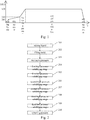
Fig. 1 is a schematic diagram showing the pressure setting at each stage in the casting process for aluminum alloy wheels in the prior art; -
Fig. 2 is a schematic flow chart showing the casting process for aluminum alloy wheels according to embodiment 1 of the present invention; -
Fig. 3 is a schematic diagram showing the pressure setting at each stage in the casting process for aluminum alloy wheels according to embodiment 1 of the present invention; -
Fig. 4 is a schematic diagram showing the pressure setting at each stage in the casting process for aluminum alloy wheels according to embodiment 2 of the present invention. - At present, the casting process for aluminum alloy wheels is as follows: raising liquid, filling mold, increasing pressure, solidifying under low pressure, and relieving pressure, wherein the pressure setting at each stage of the casting process is shown in
Figure 1 , and the specific process steps are as follows: - Step 101: raising liquid. The pressure of the aluminum liquid in the crucible is increased to 200 Mbar at a rate of 20 Mbar/s. Under this pressure, the aluminum liquid can be smoothly raised to the entrance of the mold cavity.
- Step 102: filling mold. The pressure of the aluminum liquid is increased to 360 Mbar at a rate of 10 Mbar/s, and the mold cavity is filled with the aluminum liquid at this time.
- Step 103: increasing pressure. The pressure in the mold cavity is increased to 850 Mbar at a rate of 47 Mbar/s; after completion of the stage of filling mold, the aluminum alloy wheel begins to solidify, and the solidification process of the wheel includes steps 103 and 104.
- Step 104: solidifying under low pressure. The pressure in the mold cavity is maintained at 850 mbar until the overall solidification of the aluminum alloy wheel is completed, and the maintenance time is 270-280 s.
- Step 105: relieving pressure. The pressure in the mold cavity is reduced to 0 Mbar from 850 Mbar, and the casting of aluminum alloy wheel is completed.
- During the stages of increasing pressure and solidifying under low pressure, a certain intensity of air or water cooling may be applied to the corresponding position of the mold for a certain period of time to ensure that the aluminum alloy wheels are solidified in the order of the rim, the spokes and the flange, while ensuring the solidification speed.
- The present embodiment adopts the above casting process, the stable production process period of which is more than 310 s. After heat treatment, the performance is measured by sampling at different positions of the aluminum alloy wheel castings (take the average value of the samples of the six wheels at the same position), and the measuring results are shown in Table 1:
Table 1 sampling position Elongation rate % yield strength MPa tensile strength MPa rim 4.0 192 255 spoke 3.5 188 250 flange 3.2 185 246 - It can be seen from the above that the comprehensive performance of the aluminum alloy wheel castings is insufficient, especially the elongation rate is low, and the casting process time is relatively long.
- In view of the above problems, an embodiment of the present invention provides a casting process for aluminum alloy parts, wherein the process comprises the following steps: raising liquid; filling mold; increasing pressure; solidifying consisted of at least two stages of different pressure settings; and relieving pressure.
- The casting process of the aluminum alloy parts provided by the embodiments of the present invention divides the solidification process of the cast aluminum alloy parts into multiple stages, and the pressure of each stage is different, so as to effectively improve the comprehensive performance and production efficiency of the cast aluminum alloy parts.
- In one embodiment, the step of raising liquid comprises: increasing the pressure of the aluminum liquid in the crucible to 200 Mbar at a rate of 10-30 Mbar/s, and under this pressure, the aluminum liquid can be smoothly raised to the entrance of the mold cavity to ensure stably raising liquid, thereby avoiding the incorporation of gas, oxidizing slag, etc. into the aluminum liquid, which affect the purity of the aluminum liquid.
- In one embodiment, the step of filling mold comprises: increasing the pressure of the aluminum liquid to 360 Mbar at a rate of 5-15 Mbar/s, and under this pressure, the mold cavity can be filled with the aluminum liquid, and ensure stably filling mold, thereby avoiding porosity generation, slag inclusion, etc., which affect the quality of castings.
- In one embodiment, the step of increasing pressure comprises: increasing the pressure in the mold cavity to 700-1100 Mbar at a rate of 40-80 Mbar/s, and under this pressure, the density of the aluminum liquid in the mold cavity and the fit of the aluminum liquid to the mold cavity are increased.
- In one embodiment, the step of solidifying consisted of at least two stages of different pressure settings comprises the following steps: a first high pressure solidifying stage; a first low pressure solidifying stage; a second high pressure solidifying stage; a second low pressure solidifying stage; a third high pressure solidifying stage; and a third low pressure solidifying stage. By alternately applying high and low pressure during the solidification process of the aluminum alloy parts, the key portions of the aluminum alloy parts are solidified under high pressure, which increases the metal density of the key portions, thereby improving the comprehensive performance of the aluminum alloy parts.
- In one embodiment, the first high pressure solidifying stage comprises: increasing the pressure in the mold cavity to 1400-1800 Mbar at a rate of 100-200 Mbar/s, and reducing the pressure in the mold cavity to 700-1100 Mbar at a rate of 100-200 Mbar/s after maintaining the pressure for 3-8 s. Further increasing the pressure in the mold cavity can make the aluminum liquid of the first structure portion of the aluminum alloy part solidify under high pressure, increasing the metal density of this structure portion; after a few seconds, the pressure is reduced to a low pressure, avoiding the influence of long time high pressure on the process and mold state, etc., thereby improving the process stability. Here, the rate of increasing pressure, final pressure and maintaining time can be determined according to the specific material, equipment size, temperature and humidity. The principle of determination is based on the existing low-pressure casting technology. The rate of increasing pressure, final pressure and maintaining time in the following steps are also determined according to this principle.
- In one embodiment, the first low pressure solidifying stage, the second low pressure solidifying stage and the third low pressure solidifying stage each comprise: maintaining the pressure in the mold cavity at 700-1100 Mbar for a preset time. In the first low pressure solidifying stage, the first structure portion that is firstly solidified can be solidified, and in the second low pressure solidifying stage, the second structure portion that is secondly solidified can be solidified, and in the third low pressure solidifying stage, the third structure portion that is thirdly solidified can be solidified. For example, the aluminum alloy part is an aluminum alloy wheel, the first structure portion may be a rim portion, the second structure portion may be a spoke portion, and the third structure portion may be a flange portion. Here, the preset time may be 40-90S.
- In one embodiment, the second high pressure solidifying stage comprises: increasing the pressure in the mold cavity to 1500-3000 Mbar at a rate of 120-250 Mbar/s, and reducing the pressure in the mold cavity to 700-1100 Mbar at a rate of 120-250 Mbar/s after maintaining the pressure for 3-12 s. By increasing the pressure in the mold cavity again, the aluminum liquid of the second structure portion of the aluminum alloy part can be solidified under high pressure, increasing the metal density of this portion; after a few seconds, the pressure is reduced to a low pressure, avoiding the influence of long time high pressure on the process and mold state, etc., thereby improving the process stability.
- In one embodiment, the third high pressure solidifying stage comprises: increasing the pressure in the mold cavity to 3000-4500 Mbar at a rate of 120-250 Mbar/s, and reducing the pressure in the mold cavity to 700-1100 Mbar at a rate of 120-250 Mbar/s after maintaining the pressure for 3-12 s. By increasing the pressure in the mold cavity again, the aluminum liquid of the third structure portion of the aluminum alloy part can be solidified under high pressure, increasing the metal density of this portion; after a few seconds, the pressure is reduced to a low pressure, avoiding the influence of long time high pressure on the process and mold state, etc., thereby improving the process stability.
- In one embodiment, the step of relieving pressure comprises: reducing the pressure in the mold cavity to 0 Mbar from 700-1100 Mbar, and the casting of the aluminum alloy part is completed.
- Due to the different shapes of different aluminum alloy parts, there are also different thickness portions on one aluminum alloy part. Therefore, the solidification time and solidification sequence of different aluminum alloy parts and different portions of one aluminum alloy part are different. In actual production, in the above high and low pressure solidifying stages, a certain intensity of air cooling or water cooling is applied to the key position of the mold for an appropriate time to control the solidification sequence and solidification speed of the aluminum alloy parts. For example, in case of casting an aluminum alloy wheel, the key portions include a rim, a spoke and a flange. By sequentially applying cooling to the positions of mold respectively corresponding to the rim, the spoke and the flange, the casting of the aluminum alloy wheel is controlled to be sequentially solidified in the order of the rim, the spoke and the flange, and the solidification time is controlled. In this way, the rim, the spoke and the flange may correspond to the first structure portion, the second structure portion and the third structure portion, respectively. In addition, by applying cooling conditions to the mold, it is also possible to refine the crystal grains and avoid casting defects at the same time.
- It should be understood by the person skilled in the art that in actual production, since the temperature of the mold cannot reach the temperature of the aluminum liquid, in the stage of filling mold, the aluminum liquid inevitably solidifies first on the surface in contact with the mold, but it will not affect the comprehensive performance of the aluminum alloy parts as a whole.
- The present invention will be further described in detail below in conjunction with the drawings and specific embodiments. It is understood that the specific embodiments described herein are merely illustrative of the invention and are not intended to limit the invention.
- It should be noted that the casting process in the embodiment of the present invention only includes the pouring process in the casting process, and does not include processes such as metal melting, mold preparation, and demolding, etc.
- The aluminum alloy parts of the present embodiment are aluminum alloy wheels, and the casting process are as follows: raising liquid, filling mold, increasing pressure, a first high pressure solidifying stage, a first low pressure solidifying stage, a second high pressure solidifying stage, a second low pressure solidifying stage, a third high pressure solidifying stage, a third low pressure solidifying stage, and relieving pressure. That is, the solidification process of casting the aluminum alloy wheel is divided into six stages: a first high pressure solidifying stage, a first low pressure solidifying stage, a second high pressure solidifying stage, a second low pressure solidifying stage, a third high pressure solidifying stage, and a third low pressure solidifying stage, and different pressures are set at each stage.
- The casting process of the aluminum alloy wheel is described in detail below as shown in
FIG. 2 , and the specific process steps are as follows: - Step 201: raising liquid. The pressure of the aluminum liquid in the crucible is increased to 200 Mbar at a rate of 20 Mbar/s.
- Step 202: filling mold. The pressure of the aluminum liquid is increased to 360 Mbar at a rate of 10 Mbar/s.
- Step 203: increasing pressure. The pressure in the mold cavity is increased to 850 Mbar at a rate of 47 Mbar/s; after completion of the stage of filling mold, the rim portion of the aluminum alloy wheel begins to solidify, and the solidification process of the rim includes
steps - Step 204: a first high pressure solidifying stage. The pressure in the mold cavity is increased to 1500 Mbar at a rate of 150 Mbar/s, and the pressure in the mold cavity is reduced to 850 Mbar at a rate of 150 Mbar/s after maintaining the pressure for 5 s.
- Step 205: a first low pressure solidifying stage. The pressure in the mold cavity is maintained at 850 Mbar for a period of 50-60 s, that is, the pressure is maintained until the solidification of the rim is completed.
- The spokes of the aluminum alloy wheel begin to solidify when the solidification of the rim is completed, wherein the solidification process of the spoke includes
steps - Step 206: a second high pressure solidifying stage. The pressure in the mold cavity is increased to 2500 Mbar at a rate of 150 Mbar/s, and the pressure in the mold cavity is reduced to 850 Mbar at a rate of 150 Mbar/s after maintaining the pressure for 5 s.
- Step 207: a second low pressure solidifying stage. the pressure in the mold cavity is maintained at 850 Mbar for a period of 50-60 s, that is, the pressure is maintained until the solidification of the spoke is completed.
- The flange of the aluminum alloy wheel begins to solidify when the solidification of the spoke is completed, and the solidification process of the flange includes
steps - Step 208: a third high pressure solidifying stage. The pressure in the mold cavity is increased to 3500 Mbar at a rate of 200 Mbar/s, and the pressure in the mold cavity is reduced to 850 Mbar at a rate of 200 Mbar/s after maintaining the pressure for 5 s.
- Step 209: a third low pressure solidifying stage. The pressure in the mold cavity is maintained at 850 Mbar for a maintenance time of 50-60 s, that is, the pressure is maintained until the solidification of the flange is completed.
- Step 210: relieving pressure. The pressure in the mold cavity is reduced to 0 Mbar from 850 Mbar, and the casting of the aluminum alloy wheel is completed.
- The pressure settings at each stage in the above casting process are shown in
FIG. 3 . - During the solidification process of the rim, spoke and flange of the above aluminum alloy wheel, a certain intensity of air cooling or water cooling is applied to a corresponding solidification portion to ensure that the aluminum alloy wheel is solidified in the sequence of the rim, the spoke and the flange, and the solidification speed is ensured at the same time.
- The present embodiment adopts the above casting process, the stable production process period of which is 280 s. After heat treatment, the performance is measured by sampling at different positions of the aluminum alloy wheel castings (take the average value of the samples of the six wheels at the same position), and the measuring results are shown in Table 2:
Table 2 sampling position Elongation rate % yield strength MPa tensile strength MPa rim 5.2 200 260 spoke 4.5 195 259 flange 3.9 194 252 - Compared with the prior art, the solidification process of casting the aluminum alloy wheel in the present embodiment is divided into six stages, and the pressure at each stage is set differently, so that the elongation rate of the three key positions of the rim, the spoke and the flange of the cast aluminum alloy wheel is respectively improved by 30%, 29%, and 22%, the strength is slightly increased, and the production efficiency is increased by 10%.
- The aluminum alloy parts of the present embodiment are aluminum alloy wheels, and the specific process steps of the present embodiment are as follows:
- Step 301: raising liquid. The pressure of the aluminum liquid in the crucible is increased to 200 Mbar at a rate of 20 Mbar/s.
- Step 302: filling mold. The pressure of the aluminum liquid is increased to 360 Mbar at a rate of 10 Mbar/s.
- Step 303: increasing pressure. The pressure in the mold cavity is increased to 850 Mbar at a rate of 47 Mbar/s; after completion of the stage of filling mold, the rim portion of the aluminum alloy wheel begins to solidify, and the solidification process of the rim includes steps 303, 304 and 305.
- Step 304: a first high pressure solidifying stage. The pressure in the mold cavity is increased to 1800 Mbar at a rate of 150 Mbar/s, and the pressure in the mold cavity is reduced to 850 Mbar at a rate of 150 Mbar/s after maintaining the pressure for 5 s.
- Step 305: a first low pressure solidifying stage. The pressure in the mold cavity is maintained at 850 Mbar for a period of 40-50 s, that is, the pressure is maintained until the solidification of the rim is completed.
- The spokes of the aluminum alloy wheel begin to solidify when the solidification of the rim is completed, wherein the solidification process of the spoke includes steps 306 and 307.
- Step 306: a second high pressure solidifying stage. The pressure in the mold cavity is increased to 3000 Mbar at a rate of 200 Mbar/s, and the pressure in the mold cavity is reduced to 850 Mbar at a rate of 200 Mbar/s after maintaining the pressure for 5 s.
- Step 307: a second low pressure solidifying stage. The pressure in the mold cavity is maintained at 850 Mbar for a period of 40-50 s, that is, the pressure is maintained until the solidification of the spoke is completed.
- The flange of the aluminum alloy wheel begins to solidify when the solidification of the spoke is completed, and the solidification process of the flange includes steps 308 and 309.
- Step 308: a third high pressure solidifying stage. The pressure in the mold cavity is increased to 4500 Mbar at a rate of 250 Mbar/s, and the pressure in the mold cavity is reduced to 850 Mbar at a rate of 250 Mbar/s after maintaining the pressure for 5 s.
- Step 309: a third low pressure solidifying stage. The pressure in the mold cavity is maintained at 850 Mbar for a maintenance time of 40-50 s, that is, the pressure is maintained until the solidification of the flange is completed.
- Step 310: relieving pressure. The pressure in the mold cavity is reduced to 0 Mbar from 850 Mbar, and the casting of the aluminum alloy wheel is completed.
- The pressure settings at each stage in the above casting process are shown in
FIG. 4 . - The process flow content of the present embodiment is the same as that of Embodiment 1 except that the parameters of the solidification stage are different from those of embodiment 1, so the flow diagram is no longer shown separately.
- During the solidification process of the rim, spoke and flange of the above aluminum alloy wheel, a certain intensity of air cooling or water cooling is applied to a corresponding solidification portion to ensure that the aluminum alloy wheel is solidified in the sequence of the rim, the spoke and the flange, and the solidification speed is ensured at the same time.
- The present embodiment adopts the above casting process, the stable production process period of which is 260 s. After heat treatment, the performance is measured by sampling at different positions of the aluminum alloy wheel castings (take the average value of the samples of the six wheels at the same position), and the measuring results are shown in Table 3:
Table 3 sampling position Elongation rate % yield strength MPa tensile strength MPa rim 6.0 202 266 spoke 5.5 198 260 flange 4.6 198 255 - Compared with the prior art, the pressure during the solidification process of casting the aluminum alloy wheel in the present embodiment is adjusted and changed, so that the elongation rate of the three key positions of the rim, the spoke and the flange of the cast aluminum alloy wheel is respectively improved by 50%, 57%, and 44%, the strength is slightly increased, and the production efficiency is increased by 16%.
- The aluminum alloy parts of the present embodiment are aluminum alloy wheels, and the specific process steps of the present embodiment are as follows:
- Step 401: raising liquid. The pressure of the aluminum liquid in the crucible is increased to 200 Mbar at a rate of 10 Mbar/s.
- Step 402: filling mold. The pressure of the aluminum liquid is increased to 360 Mbar at a rate of 5 Mbar/s.
- Step 403: increasing pressure. The pressure in the mold cavity is increased to 700 Mbar at a rate of 40 Mbar/s; after completion of the stage of filling mold, the rim portion of the aluminum alloy wheel begins to solidify, and the solidification process of the rim includes steps 403, 404 and 405.
- Step 404: a first high pressure solidifying stage. The pressure in the mold cavity is increased to 1400 Mbar at a rate of 100 Mbar/s, and the pressure in the mold cavity is reduced to 700 Mbar at a rate of 100 Mbar/s after maintaining the pressure for 3 s.
- Step 405: a first low pressure solidifying stage. The pressure in the mold cavity is maintained at 700 Mbar for a period of 40-50 s, that is, the pressure is maintained until the solidification of the rim is completed.
- The spokes of the aluminum alloy wheel begin to solidify when the solidification of the rim is completed, wherein the solidification process of the spoke includes steps 406 and 407.
- Step 406: a second high pressure solidifying stage. The pressure in the mold cavity is increased to 1500 Mbar at a rate of 120 Mbar/s, and the pressure in the mold cavity is reduced to 700 Mbar at a rate of 120 Mbar/s after maintaining the pressure for 3 s.
- Step 407: a second low pressure solidifying stage. The pressure in the mold cavity is maintained at 700 Mbar for a period of 40-50 s, that is, the pressure is maintained until the solidification of the spoke is completed.
- The flange of the aluminum alloy wheel begins to solidify when the solidification of the spoke is completed, and the solidification process of the flange includes steps 408 and 409.
- Step 408: a third high pressure solidifying stage. The pressure in the mold cavity is increased to 3000 Mbar at a rate of 120 Mbar/s, and the pressure in the mold cavity is reduced to 700 Mbar at a rate of 120 Mbar/s after maintaining the pressure for 3 s.
- Step 409: a third low pressure solidifying stage. The pressure in the mold cavity is maintained at 700 Mbar for a maintenance time of 40-50 s, that is, the pressure is maintained until the solidification of the flange is completed.
- Step 410: relieving pressure. The pressure in the mold cavity is reduced to 0 Mbar from 700 Mbar, and the casting of the aluminum alloy wheel is completed.
- The pressure diagram of each stage in the above casting process is similar to that of embodiment 1, so it will not be separately shown for succinct expression.
- The process flow content of the present embodiment is the same as that of embodiment 1 except that the parameters of the solidification stage are different from those of embodiment 1, so the flow diagram is no longer shown separately.
- During the solidification process of the rim, spoke and flange of the above aluminum alloy wheel, a certain intensity of air cooling or water cooling is applied to a corresponding solidification portion to ensure that the aluminum alloy wheel is solidified in the sequence of the rim, the spoke and the flange, and the solidification speed is ensured at the same time.
- The present embodiment adopts the above casting process, the stable production process period of which is 285 s. After heat treatment, the performance is measured by sampling at different positions of the aluminum alloy wheel castings (take the average value of the samples of the six wheels at the same position), and the measuring results are shown in Table 4:
Table 4 sampling position Elongation rate % yield strength MPa tensile strength MPa rim 4.8 198 258 spoke 4.2 194 244 flange 3.7 192 250 - Compared with the prior art, the pressure during the solidification process of casting the aluminum alloy wheel in the present embodiment is adjusted and changed, so that the elongation rate of the three key positions of the rim, the spoke and the flange of the cast aluminum alloy wheel is respectively improved by 20%, 20%, and 16%, the strength is slightly increased, and the production efficiency is increased by 8%.
- The aluminum alloy parts of the present embodiment are aluminum alloy wheels, and the specific process steps of the present embodiment are as follows:
- Step 501: raising liquid. The pressure of the aluminum liquid in the crucible is increased to 200 Mbar at a rate of 30 Mbar/s.
- Step 502: filling mold. The pressure of the aluminum liquid is increased to 360 Mbar at a rate of 15 Mbar/s.
- Step 503: increasing pressure. The pressure in the mold cavity is increased to 1100 Mbar at a rate of 80 Mbar/s; after completion of the stage of filling mold, the rim portion of the aluminum alloy wheel begins to solidify, and the solidification process of the rim includes steps 503, 504 and 505.
- Step 504: a first high pressure solidifying stage. The pressure in the mold cavity is increased to 1800 Mbar at a rate of 200 Mbar/s, and the pressure in the mold cavity is reduced to 1100 Mbar at a rate of 200 Mbar/s after maintaining the pressure for 8 s.
- Step 505: a first low pressure solidifying stage. The pressure in the mold cavity is maintained at 1100 Mbar for a period of 40-50 s, that is, the pressure is maintained until the solidification of the rim is completed.
- The spokes of the aluminum alloy wheel begin to solidify when the solidification of the rim is completed, wherein the solidification process of the spoke includes steps 506 and 507.
- Step 506: a second high pressure solidifying stage. The pressure in the mold cavity is increased to 3000 Mbar at a rate of 250 Mbar/s, and the pressure in the mold cavity is reduced to 1100 Mbar at a rate of 250 Mbar/s after maintaining the pressure for 12 s.
- Step 507: a second low pressure solidifying stage. the pressure in the mold cavity is maintained at 1100 Mbar for a period of 40-50 s, that is, the pressure is maintained until the solidification of the spoke is completed.
- The flange of the aluminum alloy wheel begins to solidify when the solidification of the spoke is completed, and the solidification process of the flange includes steps 508 and 509.
- Step 508: a third high pressure solidifying stage. The pressure in the mold cavity is increased to 4500 Mbar at a rate of 250 Mbar/s, and the pressure in the mold cavity is reduced to 1100 Mbar at a rate of 250 Mbar/s after maintaining the pressure for 12 s.
- Step 509: a third low pressure solidifying stage. The pressure in the mold cavity is maintained at 1100 Mbar for a maintenance time of 40-50 s, that is, the pressure is maintained until the solidification of the flange is completed.
- Step 510: relieving pressure. The pressure in the mold cavity is reduced to 0 Mbar from 1100 Mbar, and the casting of the aluminum alloy wheel is completed.
- The pressure diagram of each stage in the above casting process is similar to that of embodiment 1, so it will not be separately shown for succinct expression.
- The process flow content of the present embodiment is the same as that of embodiment 1 except that the parameters of the solidification stage are different from those of embodiment 1, so the flow diagram is no longer shown separately.
- During the solidification process of the rim, spoke and flange of the above aluminum alloy wheel, a certain intensity of air cooling or water cooling is applied to a corresponding solidification portion to ensure that the aluminum alloy wheel is solidified in the sequence of the rim, the spoke and the flange, and the solidification speed is ensured at the same time.
- The present embodiment adopts the above casting process, the stable production process period of which is 254 s. After heat treatment, the performance is measured by sampling at different positions of the aluminum alloy wheel castings (take the average value of the samples of the six wheels at the same position), and the measuring results are shown in Table 5:
Table 5 sampling position Elongation rate % yield strength MPa tensile strength MPa rim 6.5 205 268 spoke 5.7 199 263 flange 4.8 200 257 - Compared with the prior art, the pressure during the solidification process of casting the aluminum alloy wheel in the present embodiment is adjusted and changed, so that the elongation rate of the three key positions of the rim, the spoke and the flange of the cast aluminum alloy wheel is respectively improved by 62%, 63%, and 50%, the strength is slightly increased, and the production efficiency is increased by 18%.
- The aluminum alloy parts of the present embodiment are aluminum alloy wheels, and the specific process steps of the present embodiment are as follows:
- Step 601: raising liquid. The pressure of the aluminum liquid in the crucible is increased to 200 Mbar at a rate of 20 Mbar/s.
- Step 602: filling mold. The pressure of the aluminum liquid is increased to 360 Mbar at a rate of 10 Mbar/s.
- Step 603: increasing pressure. The pressure in the mold cavity is increased to 900 Mbar at a rate of 60 Mbar/s; after completion of the stage of filling mold, the rim portion of the aluminum alloy wheel begins to solidify, and the solidification process of the rim includes steps 603, 604 and 605.
- Step 604: a first high pressure solidifying stage. The pressure in the mold cavity is increased to 1600 Mbar at a rate of 150 Mbar/s, and the pressure in the mold cavity is reduced to 900 Mbar at a rate of 150 Mbar/s after maintaining the pressure for 6 s.
- Step 605: a first low pressure solidifying stage. The pressure in the mold cavity is maintained at 900 Mbar for a period of 45-55 s, that is, the pressure is maintained until the solidification of the rim is completed.
- The spokes of the aluminum alloy wheel begin to solidify when the solidification of the rim is completed, wherein the solidification process of the spoke includes steps 606 and 607.
- Step 606: a second high pressure solidifying stage. The pressure in the mold cavity is increased to 2250 Mbar at a rate of 185 Mbar/s, and the pressure in the mold cavity is reduced to 900 Mbar at a rate of 185 Mbar/s after maintaining the pressure for 8 s.
- Step 607: a second low pressure solidifying stage. The pressure in the mold cavity is maintained at 900 Mbar for a period of 45-55 s, that is, the pressure is maintained until the solidification of the spoke is completed.
- The flange of the aluminum alloy wheel begins to solidify when the solidification of the spoke is completed, and the solidification process of the flange includes steps 608 and 609.
- Step 608: a third high pressure solidifying stage. The pressure in the mold cavity is increased to 3750 Mbar at a rate of 185 Mbar/s, and the pressure in the mold cavity is reduced to 900 Mbar at a rate of 185 Mbar/s after maintaining the pressure for 8 s.
- Step 609: a third low pressure solidifying stage. The pressure in the mold cavity is maintained at 900 Mbar for a maintenance time of 45-55 s, that is, the pressure is maintained until the solidification of the flange is completed.
- Step 610: relieving pressure. The pressure in the mold cavity is reduced to 0 Mbar from 900 Mbar, and the casting of the aluminum alloy wheel is completed.
- The pressure diagram of each stage in the above casting process is similar to that of embodiment 1, so it will not be separately shown for succinct expression.
- The process flow content of the present embodiment is the same as that of embodiment 1 except that the parameters of each stage are different from those of embodiment 1, so the flow diagram is no longer shown separately.
- During the solidification process of the rim, spoke and flange of the above aluminum alloy wheel, a certain intensity of air cooling or water cooling is applied to a corresponding solidification portion to ensure that the aluminum alloy wheel is solidified in the sequence of the rim, the spoke and the flange, and the solidification speed is ensured at the same time.
- The present embodiment adopts the above casting process, the stable production process period of which is 272 s. After heat treatment, the performance is measured by sampling at different positions of the aluminum alloy wheel castings (take the average value of the samples of the six wheels at the same position), and the measuring results are shown in Table 6:
Table 6 sampling position Elongation rate % yield strength MPa tensile strength MPa rim 5.6 198 262 spoke 4.5 195 261 flange 4.1 194 253 - Compared with the prior art, the pressure during the solidification process of casting the aluminum alloy wheel in the present embodiment is adjusted and changed, so that the elongation rate of the three key positions of the rim, the spoke and the flange of the cast aluminum alloy wheel is respectively improved by 40%, 28%, and 28%, the strength is slightly increased, and the production efficiency is increased by 12%.
- In summary, the present invention adjusts the pressure during the pressure casting solidification process of the aluminum alloy wheel, that is, a high pressure is applied at the beginning of the solidification of each key portion, and after a few seconds, the pressure reduces to a low pressure to make the key portion solidify under maintaining pressure, while cooperating with a reasonable cooling process, so that the production efficiency of cast aluminum alloy wheels is increased by 8-18%, and the elongation is increased by 16-50%.
- The above is only a specific description of the preferred embodiments of the present invention, and is not intended to limit the scope of the present invention, and any other equivalents are intended to fall within the scope of the present invention.
Claims (10)
- A casting process for aluminum alloy parts, characterized in that the process comprises the following steps:raising liquid;filling mold;increasing pressure;solidifying consisted of at least two stages of different pressure settings; andrelieving pressure.
- The casting process for aluminum alloy parts according to claim 1, characterized in that the step of solidifying consisted of at least two stages of different pressure settings comprises the following steps:a first high pressure solidifying stage;a first low pressure solidifying stage;a second high pressure solidifying stage;a second low pressure solidifying stage;a third high pressure solidifying stage; anda third low pressure solidifying stage.
- The casting process for aluminum alloy parts according to claim 2, characterized in that the first high pressure solidifying stage comprises:
increasing the pressure in the mold cavity to 1400-1800 Mbar at a rate of 100-200 Mbar/s, and reducing the pressure in the mold cavity to 700-1100 Mbar at a rate of 100-200 Mbar/s after maintaining the pressure for 3-8 s. - The casting process for aluminum alloy parts according to claim 2, characterized in that the first low pressure solidifying stage, the second low pressure solidifying stage and the third low pressure solidifying stage each comprise:
maintaining the pressure in the mold cavity at 700-1100 Mbar for a preset time. - The casting process for aluminum alloy parts according to claim 2, characterized in that the second high pressure solidifying stage comprises:
increasing the pressure in the mold cavity to 1500-3000 Mbar at a rate of 120-250 Mbar/s, and reducing the pressure in the mold cavity to 700-1100 Mbar at a rate of 120-250 Mbar/s after maintaining the pressure for 3-12 s. - The casting process for aluminum alloy parts according to claim 2, characterized in that the third high pressure solidifying stage comprises:
increasing the pressure in the mold cavity to 3000-4500 Mbar at a rate of 120-250 Mbar/s, and reducing the pressure in the mold cavity to 700-1100 Mbar at a rate of 120-250 Mbar/s after maintaining the pressure for 3-12 s. - The casting process for aluminum alloy parts according to claim 1, characterized in that the step of raising liquid comprises:
increasing the pressure of the aluminum liquid in the crucible to 200 Mbar at a rate of 10-30 Mbar/s. - The casting process for aluminum alloy parts according to claim 1, characterized in that the step of filling mold comprises:
increasing the pressure of the aluminum liquid to 360 Mbar at a rate of 5-15 Mbar/s. - The casting process for aluminum alloy parts according to claim 1, characterized in that the step of increasing pressure comprises:
increasing the pressure in the mold cavity to 700-1100 Mbar at a rate of 40-80 Mbar/s. - The casting process for aluminum alloy parts according to claim 1, characterized in that the step of relieving pressure comprises:
reducing the pressure in the mold cavity to 0 Mbar from 700-1100 Mbar.
Applications Claiming Priority (1)
| Application Number | Priority Date | Filing Date | Title |
|---|---|---|---|
| CN201811608500.8A CN109550921B (en) | 2018-12-27 | 2018-12-27 | Casting process of aluminum alloy part |
Publications (2)
| Publication Number | Publication Date |
|---|---|
| EP3674015A1 true EP3674015A1 (en) | 2020-07-01 |
| EP3674015B1 EP3674015B1 (en) | 2023-07-05 |
Family
ID=65871451
Family Applications (1)
| Application Number | Title | Priority Date | Filing Date |
|---|---|---|---|
| EP19196296.8A Active EP3674015B1 (en) | 2018-12-27 | 2019-09-09 | Low pressure casting process for aluminum alloy parts |
Country Status (4)
| Country | Link |
|---|---|
| US (1) | US11219945B2 (en) |
| EP (1) | EP3674015B1 (en) |
| CN (1) | CN109550921B (en) |
| MA (1) | MA47526A (en) |
Cited By (1)
| Publication number | Priority date | Publication date | Assignee | Title |
|---|---|---|---|---|
| CN114406230A (en) * | 2022-01-26 | 2022-04-29 | 邢书明 | Device and method for integral forming of front frame of electric bicycle |
Families Citing this family (1)
| Publication number | Priority date | Publication date | Assignee | Title |
|---|---|---|---|---|
| CN117548649B (en) * | 2024-01-10 | 2024-03-12 | 中信戴卡股份有限公司 | Casting method and control device and application of multi-field collaborative control of temperature and pressure flow |
Citations (3)
| Publication number | Priority date | Publication date | Assignee | Title |
|---|---|---|---|---|
| JP2014113638A (en) * | 2012-12-12 | 2014-06-26 | Ube Machinery Corporation Ltd | Casting device and casting method |
| CN105583394B (en) * | 2016-03-08 | 2017-05-10 | 北京航空航天大学 | Sequential pressure boosting method after crystallization pressure holding for aluminum alloy wheel metal mold low pressure casting |
| CN105642866B (en) * | 2016-03-08 | 2017-05-31 | 北京航空航天大学 | A kind of aluminum-alloy wheel metal-mold low-pressure casting shaping crystallization boosting method |
Family Cites Families (6)
| Publication number | Priority date | Publication date | Assignee | Title |
|---|---|---|---|---|
| BG19404A1 (en) * | 1973-08-16 | 1975-06-25 | ||
| JPS5850166A (en) * | 1981-09-18 | 1983-03-24 | Nissin Kogyo Kk | Low pressure casting method by holding of residual pressure |
| JP3574173B2 (en) * | 1994-04-22 | 2004-10-06 | 川崎油工株式会社 | Material injection method in semi-solid metal forging |
| CN105689688B (en) * | 2016-03-08 | 2017-05-31 | 北京航空航天大学 | A kind of aluminum-alloy wheel metal-mold low-pressure casting shaping crystallization pressurize boosting method |
| CN105618710B (en) * | 2016-03-08 | 2017-06-16 | 北京航空航天大学 | A kind of aluminum alloy wheel metal mold low-pressure casting forming method for quick pressurization after holding pressure |
| CN105583393B (en) * | 2016-03-08 | 2017-05-10 | 北京航空航天大学 | A kind of sequential pressurization method after crystallization and holding pressure for metal mold low-pressure casting of aluminum alloy automobile chassis casting |
-
2018
- 2018-12-27 CN CN201811608500.8A patent/CN109550921B/en active Active
-
2019
- 2019-06-20 US US16/446,880 patent/US11219945B2/en active Active
- 2019-09-09 EP EP19196296.8A patent/EP3674015B1/en active Active
- 2019-09-09 MA MA047526A patent/MA47526A/en unknown
Patent Citations (3)
| Publication number | Priority date | Publication date | Assignee | Title |
|---|---|---|---|---|
| JP2014113638A (en) * | 2012-12-12 | 2014-06-26 | Ube Machinery Corporation Ltd | Casting device and casting method |
| CN105583394B (en) * | 2016-03-08 | 2017-05-10 | 北京航空航天大学 | Sequential pressure boosting method after crystallization pressure holding for aluminum alloy wheel metal mold low pressure casting |
| CN105642866B (en) * | 2016-03-08 | 2017-05-31 | 北京航空航天大学 | A kind of aluminum-alloy wheel metal-mold low-pressure casting shaping crystallization boosting method |
Cited By (1)
| Publication number | Priority date | Publication date | Assignee | Title |
|---|---|---|---|---|
| CN114406230A (en) * | 2022-01-26 | 2022-04-29 | 邢书明 | Device and method for integral forming of front frame of electric bicycle |
Also Published As
| Publication number | Publication date |
|---|---|
| EP3674015B1 (en) | 2023-07-05 |
| US11219945B2 (en) | 2022-01-11 |
| US20200206809A1 (en) | 2020-07-02 |
| CN109550921A (en) | 2019-04-02 |
| MA47526A (en) | 2020-07-01 |
| CN109550921B (en) | 2021-03-16 |
Similar Documents
| Publication | Publication Date | Title |
|---|---|---|
| CN105583393B (en) | A kind of sequential pressurization method after crystallization and holding pressure for metal mold low-pressure casting of aluminum alloy automobile chassis casting | |
| EP3539691B1 (en) | Continuous casting and continuous forging forming process for aluminum wheel | |
| CN100519002C (en) | Aluminum-alloy wheel gas pressure casting apparatus and casting method thereof | |
| EP3539694B1 (en) | Aluminum wheel squeeze casting process and device | |
| CN105598418B (en) | A kind of aluminum alloy automobile chassis casting metal type low-pressure casting forming method for rapid pressurization after holding pressure | |
| CN111283173B (en) | Manufacturing method of large-size automobile aluminum alloy hub | |
| CN105642866B (en) | A kind of aluminum-alloy wheel metal-mold low-pressure casting shaping crystallization boosting method | |
| CN105583394B (en) | Sequential pressure boosting method after crystallization pressure holding for aluminum alloy wheel metal mold low pressure casting | |
| CN105583395B (en) | A kind of aluminium alloy automobile chassis casting metal-mold low-pressure casting shaping crystallization boosting method | |
| JP5046106B2 (en) | Low pressure casting apparatus and low pressure casting method | |
| CN112170785A (en) | Casting method of hub reduction gear frame | |
| EP3674015B1 (en) | Low pressure casting process for aluminum alloy parts | |
| CN101229581A (en) | Casting method and mold for swash plate of automobile air-conditioning compressor | |
| CN109420751A (en) | A kind of aluminium alloy car fore sub frame metal-mold low-pressure casting technique | |
| CN105689688B (en) | A kind of aluminum-alloy wheel metal-mold low-pressure casting shaping crystallization pressurize boosting method | |
| CN108543932A (en) | A kind of casting method of aluminium alloy castings | |
| CN111673071A (en) | Device and method for rapid sequential solidification and forming of wheels based on multi-liter liquid pipes | |
| CN105618710B (en) | A kind of aluminum alloy wheel metal mold low-pressure casting forming method for quick pressurization after holding pressure | |
| CN101733376A (en) | Axle steel continuous casting method | |
| CN201320600Y (en) | Cast mould for sloping cam plate of auto air conditioning compressor | |
| CN112077278B (en) | Pouring assembly suitable for side pouring of multiple lift tubes | |
| CN105382240A (en) | Precision casting process for thin-wall aluminum alloy casting | |
| CN110560664B (en) | Casting, pouring method and application thereof, casting method of automobile wheel and automobile wheel | |
| CN203409231U (en) | Electromagnetic vibrator of low-pressure casting side mould | |
| JPH06277817A (en) | Low pressure casting device |
Legal Events
| Date | Code | Title | Description |
|---|---|---|---|
| PUAI | Public reference made under article 153(3) epc to a published international application that has entered the european phase |
Free format text: ORIGINAL CODE: 0009012 |
|
| STAA | Information on the status of an ep patent application or granted ep patent |
Free format text: STATUS: REQUEST FOR EXAMINATION WAS MADE |
|
| 17P | Request for examination filed |
Effective date: 20190909 |
|
| AK | Designated contracting states |
Kind code of ref document: A1 Designated state(s): AL AT BE BG CH CY CZ DE DK EE ES FI FR GB GR HR HU IE IS IT LI LT LU LV MC MK MT NL NO PL PT RO RS SE SI SK SM TR |
|
| AX | Request for extension of the european patent |
Extension state: BA ME |
|
| GRAP | Despatch of communication of intention to grant a patent |
Free format text: ORIGINAL CODE: EPIDOSNIGR1 |
|
| STAA | Information on the status of an ep patent application or granted ep patent |
Free format text: STATUS: GRANT OF PATENT IS INTENDED |
|
| INTG | Intention to grant announced |
Effective date: 20230224 |
|
| GRAS | Grant fee paid |
Free format text: ORIGINAL CODE: EPIDOSNIGR3 |
|
| GRAA | (expected) grant |
Free format text: ORIGINAL CODE: 0009210 |
|
| STAA | Information on the status of an ep patent application or granted ep patent |
Free format text: STATUS: THE PATENT HAS BEEN GRANTED |
|
| AK | Designated contracting states |
Kind code of ref document: B1 Designated state(s): AL AT BE BG CH CY CZ DE DK EE ES FI FR GB GR HR HU IE IS IT LI LT LU LV MC MK MT NL NO PL PT RO RS SE SI SK SM TR |
|
| REG | Reference to a national code |
Ref country code: CH Ref legal event code: EP |
|
| REG | Reference to a national code |
Ref country code: AT Ref legal event code: REF Ref document number: 1584366 Country of ref document: AT Kind code of ref document: T Effective date: 20230715 |
|
| REG | Reference to a national code |
Ref country code: DE Ref legal event code: R096 Ref document number: 602019032032 Country of ref document: DE |
|
| REG | Reference to a national code |
Ref country code: IE Ref legal event code: FG4D |
|
| REG | Reference to a national code |
Ref country code: LT Ref legal event code: MG9D |
|
| REG | Reference to a national code |
Ref country code: NL Ref legal event code: MP Effective date: 20230705 |
|
| REG | Reference to a national code |
Ref country code: AT Ref legal event code: MK05 Ref document number: 1584366 Country of ref document: AT Kind code of ref document: T Effective date: 20230705 |
|
| PG25 | Lapsed in a contracting state [announced via postgrant information from national office to epo] |
Ref country code: NL Free format text: LAPSE BECAUSE OF FAILURE TO SUBMIT A TRANSLATION OF THE DESCRIPTION OR TO PAY THE FEE WITHIN THE PRESCRIBED TIME-LIMIT Effective date: 20230705 |
|
| PG25 | Lapsed in a contracting state [announced via postgrant information from national office to epo] |
Ref country code: GR Free format text: LAPSE BECAUSE OF FAILURE TO SUBMIT A TRANSLATION OF THE DESCRIPTION OR TO PAY THE FEE WITHIN THE PRESCRIBED TIME-LIMIT Effective date: 20231006 |
|
| PG25 | Lapsed in a contracting state [announced via postgrant information from national office to epo] |
Ref country code: ES Free format text: LAPSE BECAUSE OF FAILURE TO SUBMIT A TRANSLATION OF THE DESCRIPTION OR TO PAY THE FEE WITHIN THE PRESCRIBED TIME-LIMIT Effective date: 20230705 |
|
| PG25 | Lapsed in a contracting state [announced via postgrant information from national office to epo] |
Ref country code: IS Free format text: LAPSE BECAUSE OF FAILURE TO SUBMIT A TRANSLATION OF THE DESCRIPTION OR TO PAY THE FEE WITHIN THE PRESCRIBED TIME-LIMIT Effective date: 20231105 |
|
| PG25 | Lapsed in a contracting state [announced via postgrant information from national office to epo] |
Ref country code: SE Free format text: LAPSE BECAUSE OF FAILURE TO SUBMIT A TRANSLATION OF THE DESCRIPTION OR TO PAY THE FEE WITHIN THE PRESCRIBED TIME-LIMIT Effective date: 20230705 Ref country code: RS Free format text: LAPSE BECAUSE OF FAILURE TO SUBMIT A TRANSLATION OF THE DESCRIPTION OR TO PAY THE FEE WITHIN THE PRESCRIBED TIME-LIMIT Effective date: 20230705 Ref country code: PT Free format text: LAPSE BECAUSE OF FAILURE TO SUBMIT A TRANSLATION OF THE DESCRIPTION OR TO PAY THE FEE WITHIN THE PRESCRIBED TIME-LIMIT Effective date: 20231106 Ref country code: NO Free format text: LAPSE BECAUSE OF FAILURE TO SUBMIT A TRANSLATION OF THE DESCRIPTION OR TO PAY THE FEE WITHIN THE PRESCRIBED TIME-LIMIT Effective date: 20231005 Ref country code: LV Free format text: LAPSE BECAUSE OF FAILURE TO SUBMIT A TRANSLATION OF THE DESCRIPTION OR TO PAY THE FEE WITHIN THE PRESCRIBED TIME-LIMIT Effective date: 20230705 Ref country code: LT Free format text: LAPSE BECAUSE OF FAILURE TO SUBMIT A TRANSLATION OF THE DESCRIPTION OR TO PAY THE FEE WITHIN THE PRESCRIBED TIME-LIMIT Effective date: 20230705 Ref country code: IS Free format text: LAPSE BECAUSE OF FAILURE TO SUBMIT A TRANSLATION OF THE DESCRIPTION OR TO PAY THE FEE WITHIN THE PRESCRIBED TIME-LIMIT Effective date: 20231105 Ref country code: HR Free format text: LAPSE BECAUSE OF FAILURE TO SUBMIT A TRANSLATION OF THE DESCRIPTION OR TO PAY THE FEE WITHIN THE PRESCRIBED TIME-LIMIT Effective date: 20230705 Ref country code: GR Free format text: LAPSE BECAUSE OF FAILURE TO SUBMIT A TRANSLATION OF THE DESCRIPTION OR TO PAY THE FEE WITHIN THE PRESCRIBED TIME-LIMIT Effective date: 20231006 Ref country code: FI Free format text: LAPSE BECAUSE OF FAILURE TO SUBMIT A TRANSLATION OF THE DESCRIPTION OR TO PAY THE FEE WITHIN THE PRESCRIBED TIME-LIMIT Effective date: 20230705 Ref country code: ES Free format text: LAPSE BECAUSE OF FAILURE TO SUBMIT A TRANSLATION OF THE DESCRIPTION OR TO PAY THE FEE WITHIN THE PRESCRIBED TIME-LIMIT Effective date: 20230705 Ref country code: AT Free format text: LAPSE BECAUSE OF FAILURE TO SUBMIT A TRANSLATION OF THE DESCRIPTION OR TO PAY THE FEE WITHIN THE PRESCRIBED TIME-LIMIT Effective date: 20230705 |
|
| PG25 | Lapsed in a contracting state [announced via postgrant information from national office to epo] |
Ref country code: PL Free format text: LAPSE BECAUSE OF FAILURE TO SUBMIT A TRANSLATION OF THE DESCRIPTION OR TO PAY THE FEE WITHIN THE PRESCRIBED TIME-LIMIT Effective date: 20230705 |
|
| REG | Reference to a national code |
Ref country code: DE Ref legal event code: R097 Ref document number: 602019032032 Country of ref document: DE |
|
| PG25 | Lapsed in a contracting state [announced via postgrant information from national office to epo] |
Ref country code: SM Free format text: LAPSE BECAUSE OF FAILURE TO SUBMIT A TRANSLATION OF THE DESCRIPTION OR TO PAY THE FEE WITHIN THE PRESCRIBED TIME-LIMIT Effective date: 20230705 Ref country code: RO Free format text: LAPSE BECAUSE OF FAILURE TO SUBMIT A TRANSLATION OF THE DESCRIPTION OR TO PAY THE FEE WITHIN THE PRESCRIBED TIME-LIMIT Effective date: 20230705 Ref country code: EE Free format text: LAPSE BECAUSE OF FAILURE TO SUBMIT A TRANSLATION OF THE DESCRIPTION OR TO PAY THE FEE WITHIN THE PRESCRIBED TIME-LIMIT Effective date: 20230705 Ref country code: DK Free format text: LAPSE BECAUSE OF FAILURE TO SUBMIT A TRANSLATION OF THE DESCRIPTION OR TO PAY THE FEE WITHIN THE PRESCRIBED TIME-LIMIT Effective date: 20230705 Ref country code: CZ Free format text: LAPSE BECAUSE OF FAILURE TO SUBMIT A TRANSLATION OF THE DESCRIPTION OR TO PAY THE FEE WITHIN THE PRESCRIBED TIME-LIMIT Effective date: 20230705 Ref country code: SK Free format text: LAPSE BECAUSE OF FAILURE TO SUBMIT A TRANSLATION OF THE DESCRIPTION OR TO PAY THE FEE WITHIN THE PRESCRIBED TIME-LIMIT Effective date: 20230705 |
|
| REG | Reference to a national code |
Ref country code: CH Ref legal event code: PL |
|
| PLBE | No opposition filed within time limit |
Free format text: ORIGINAL CODE: 0009261 |
|
| STAA | Information on the status of an ep patent application or granted ep patent |
Free format text: STATUS: NO OPPOSITION FILED WITHIN TIME LIMIT |
|
| PG25 | Lapsed in a contracting state [announced via postgrant information from national office to epo] |
Ref country code: LU Free format text: LAPSE BECAUSE OF NON-PAYMENT OF DUE FEES Effective date: 20230909 |
|
| REG | Reference to a national code |
Ref country code: BE Ref legal event code: MM Effective date: 20230930 |
|
| PG25 | Lapsed in a contracting state [announced via postgrant information from national office to epo] |
Ref country code: LU Free format text: LAPSE BECAUSE OF NON-PAYMENT OF DUE FEES Effective date: 20230909 Ref country code: IT Free format text: LAPSE BECAUSE OF FAILURE TO SUBMIT A TRANSLATION OF THE DESCRIPTION OR TO PAY THE FEE WITHIN THE PRESCRIBED TIME-LIMIT Effective date: 20230705 Ref country code: MC Free format text: LAPSE BECAUSE OF FAILURE TO SUBMIT A TRANSLATION OF THE DESCRIPTION OR TO PAY THE FEE WITHIN THE PRESCRIBED TIME-LIMIT Effective date: 20230705 |
|
| 26N | No opposition filed |
Effective date: 20240408 |
|
| GBPC | Gb: european patent ceased through non-payment of renewal fee |
Effective date: 20231005 |
|
| REG | Reference to a national code |
Ref country code: IE Ref legal event code: MM4A |
|
| PG25 | Lapsed in a contracting state [announced via postgrant information from national office to epo] |
Ref country code: IE Free format text: LAPSE BECAUSE OF NON-PAYMENT OF DUE FEES Effective date: 20230909 |
|
| PG25 | Lapsed in a contracting state [announced via postgrant information from national office to epo] |
Ref country code: GB Free format text: LAPSE BECAUSE OF NON-PAYMENT OF DUE FEES Effective date: 20231005 |
|
| PG25 | Lapsed in a contracting state [announced via postgrant information from national office to epo] |
Ref country code: CH Free format text: LAPSE BECAUSE OF NON-PAYMENT OF DUE FEES Effective date: 20230930 |
|
| PG25 | Lapsed in a contracting state [announced via postgrant information from national office to epo] |
Ref country code: IE Free format text: LAPSE BECAUSE OF NON-PAYMENT OF DUE FEES Effective date: 20230909 Ref country code: GB Free format text: LAPSE BECAUSE OF NON-PAYMENT OF DUE FEES Effective date: 20231005 Ref country code: CH Free format text: LAPSE BECAUSE OF NON-PAYMENT OF DUE FEES Effective date: 20230930 Ref country code: SI Free format text: LAPSE BECAUSE OF FAILURE TO SUBMIT A TRANSLATION OF THE DESCRIPTION OR TO PAY THE FEE WITHIN THE PRESCRIBED TIME-LIMIT Effective date: 20230705 |
|
| PG25 | Lapsed in a contracting state [announced via postgrant information from national office to epo] |
Ref country code: BE Free format text: LAPSE BECAUSE OF NON-PAYMENT OF DUE FEES Effective date: 20230930 |
|
| PG25 | Lapsed in a contracting state [announced via postgrant information from national office to epo] |
Ref country code: BG Free format text: LAPSE BECAUSE OF FAILURE TO SUBMIT A TRANSLATION OF THE DESCRIPTION OR TO PAY THE FEE WITHIN THE PRESCRIBED TIME-LIMIT Effective date: 20230705 |
|
| PG25 | Lapsed in a contracting state [announced via postgrant information from national office to epo] |
Ref country code: BG Free format text: LAPSE BECAUSE OF FAILURE TO SUBMIT A TRANSLATION OF THE DESCRIPTION OR TO PAY THE FEE WITHIN THE PRESCRIBED TIME-LIMIT Effective date: 20230705 |
|
| PG25 | Lapsed in a contracting state [announced via postgrant information from national office to epo] |
Ref country code: CY Free format text: LAPSE BECAUSE OF FAILURE TO SUBMIT A TRANSLATION OF THE DESCRIPTION OR TO PAY THE FEE WITHIN THE PRESCRIBED TIME-LIMIT; INVALID AB INITIO Effective date: 20190909 |
|
| PG25 | Lapsed in a contracting state [announced via postgrant information from national office to epo] |
Ref country code: HU Free format text: LAPSE BECAUSE OF FAILURE TO SUBMIT A TRANSLATION OF THE DESCRIPTION OR TO PAY THE FEE WITHIN THE PRESCRIBED TIME-LIMIT; INVALID AB INITIO Effective date: 20190909 |
|
| PGFP | Annual fee paid to national office [announced via postgrant information from national office to epo] |
Ref country code: DE Payment date: 20250916 Year of fee payment: 7 |
|
| PGFP | Annual fee paid to national office [announced via postgrant information from national office to epo] |
Ref country code: FR Payment date: 20250929 Year of fee payment: 7 |
|
| VS25 | Lapsed in a validation state [announced via postgrant information from nat. office to epo] |
Ref country code: MA Free format text: FAILURE TO ELECT DOMICILE IN THE NATIONAL COUNTRY Effective date: 20231006 |
|
| PG25 | Lapsed in a contracting state [announced via postgrant information from national office to epo] |
Ref country code: TR Free format text: LAPSE BECAUSE OF FAILURE TO SUBMIT A TRANSLATION OF THE DESCRIPTION OR TO PAY THE FEE WITHIN THE PRESCRIBED TIME-LIMIT Effective date: 20230705 |
|
| VS25 | Lapsed in a validation state [announced via postgrant information from nat. office to epo] |
Ref country code: MA Free format text: LAPSE BECAUSE OF FAILURE TO SUBMIT A TRANSLATION OF THE DESCRIPTION OR TO PAY THE FEE WITHIN THE PRESCRIBED TIME-LIMIT Effective date: 20230705 |