EP3672593B1 - Arzneimittel zur behandlung von gefässverengenden erkrankungen oder störungen - Google Patents
Arzneimittel zur behandlung von gefässverengenden erkrankungen oder störungen Download PDFInfo
- Publication number
- EP3672593B1 EP3672593B1 EP18769288.4A EP18769288A EP3672593B1 EP 3672593 B1 EP3672593 B1 EP 3672593B1 EP 18769288 A EP18769288 A EP 18769288A EP 3672593 B1 EP3672593 B1 EP 3672593B1
- Authority
- EP
- European Patent Office
- Prior art keywords
- sul
- treatment
- use according
- vasoconstriction
- enantiomeric form
- Prior art date
- Legal status (The legal status is an assumption and is not a legal conclusion. Google has not performed a legal analysis and makes no representation as to the accuracy of the status listed.)
- Active
Links
Images


Classifications
-
- A—HUMAN NECESSITIES
- A61—MEDICAL OR VETERINARY SCIENCE; HYGIENE
- A61K—PREPARATIONS FOR MEDICAL, DENTAL OR TOILETRY PURPOSES
- A61K31/00—Medicinal preparations containing organic active ingredients
- A61K31/33—Heterocyclic compounds
- A61K31/395—Heterocyclic compounds having nitrogen as a ring hetero atom, e.g. guanethidine or rifamycins
- A61K31/495—Heterocyclic compounds having nitrogen as a ring hetero atom, e.g. guanethidine or rifamycins having six-membered rings with two or more nitrogen atoms as the only ring heteroatoms, e.g. piperazine or tetrazines
- A61K31/496—Non-condensed piperazines containing further heterocyclic rings, e.g. rifampin, thiothixene or sparfloxacin
-
- A—HUMAN NECESSITIES
- A61—MEDICAL OR VETERINARY SCIENCE; HYGIENE
- A61K—PREPARATIONS FOR MEDICAL, DENTAL OR TOILETRY PURPOSES
- A61K31/00—Medicinal preparations containing organic active ingredients
- A61K31/33—Heterocyclic compounds
- A61K31/335—Heterocyclic compounds having oxygen as the only ring hetero atom, e.g. fungichromin
- A61K31/35—Heterocyclic compounds having oxygen as the only ring hetero atom, e.g. fungichromin having six-membered rings with one oxygen as the only ring hetero atom
- A61K31/352—Heterocyclic compounds having oxygen as the only ring hetero atom, e.g. fungichromin having six-membered rings with one oxygen as the only ring hetero atom condensed with carbocyclic rings, e.g. methantheline
- A61K31/353—3,4-Dihydrobenzopyrans, e.g. chroman, catechin
-
- A—HUMAN NECESSITIES
- A61—MEDICAL OR VETERINARY SCIENCE; HYGIENE
- A61K—PREPARATIONS FOR MEDICAL, DENTAL OR TOILETRY PURPOSES
- A61K31/00—Medicinal preparations containing organic active ingredients
- A61K31/33—Heterocyclic compounds
- A61K31/395—Heterocyclic compounds having nitrogen as a ring hetero atom, e.g. guanethidine or rifamycins
- A61K31/40—Heterocyclic compounds having nitrogen as a ring hetero atom, e.g. guanethidine or rifamycins having five-membered rings with one nitrogen as the only ring hetero atom, e.g. sulpiride, succinimide, tolmetin, buflomedil
- A61K31/4025—Heterocyclic compounds having nitrogen as a ring hetero atom, e.g. guanethidine or rifamycins having five-membered rings with one nitrogen as the only ring hetero atom, e.g. sulpiride, succinimide, tolmetin, buflomedil not condensed and containing further heterocyclic rings, e.g. cromakalim
-
- A—HUMAN NECESSITIES
- A61—MEDICAL OR VETERINARY SCIENCE; HYGIENE
- A61K—PREPARATIONS FOR MEDICAL, DENTAL OR TOILETRY PURPOSES
- A61K31/00—Medicinal preparations containing organic active ingredients
- A61K31/33—Heterocyclic compounds
- A61K31/395—Heterocyclic compounds having nitrogen as a ring hetero atom, e.g. guanethidine or rifamycins
- A61K31/535—Heterocyclic compounds having nitrogen as a ring hetero atom, e.g. guanethidine or rifamycins having six-membered rings with at least one nitrogen and one oxygen as the ring hetero atoms, e.g. 1,2-oxazines
- A61K31/5375—1,4-Oxazines, e.g. morpholine
- A61K31/5377—1,4-Oxazines, e.g. morpholine not condensed and containing further heterocyclic rings, e.g. timolol
-
- A—HUMAN NECESSITIES
- A61—MEDICAL OR VETERINARY SCIENCE; HYGIENE
- A61P—SPECIFIC THERAPEUTIC ACTIVITY OF CHEMICAL COMPOUNDS OR MEDICINAL PREPARATIONS
- A61P29/00—Non-central analgesic, antipyretic or antiinflammatory agents, e.g. antirheumatic agents; Non-steroidal antiinflammatory drugs [NSAID]
-
- A—HUMAN NECESSITIES
- A61—MEDICAL OR VETERINARY SCIENCE; HYGIENE
- A61P—SPECIFIC THERAPEUTIC ACTIVITY OF CHEMICAL COMPOUNDS OR MEDICINAL PREPARATIONS
- A61P3/00—Drugs for disorders of the metabolism
- A61P3/08—Drugs for disorders of the metabolism for glucose homeostasis
-
- A—HUMAN NECESSITIES
- A61—MEDICAL OR VETERINARY SCIENCE; HYGIENE
- A61P—SPECIFIC THERAPEUTIC ACTIVITY OF CHEMICAL COMPOUNDS OR MEDICINAL PREPARATIONS
- A61P39/00—General protective or antinoxious agents
- A61P39/06—Free radical scavengers or antioxidants
-
- A—HUMAN NECESSITIES
- A61—MEDICAL OR VETERINARY SCIENCE; HYGIENE
- A61P—SPECIFIC THERAPEUTIC ACTIVITY OF CHEMICAL COMPOUNDS OR MEDICINAL PREPARATIONS
- A61P9/00—Drugs for disorders of the cardiovascular system
- A61P9/08—Vasodilators for multiple indications
-
- A—HUMAN NECESSITIES
- A61—MEDICAL OR VETERINARY SCIENCE; HYGIENE
- A61P—SPECIFIC THERAPEUTIC ACTIVITY OF CHEMICAL COMPOUNDS OR MEDICINAL PREPARATIONS
- A61P9/00—Drugs for disorders of the cardiovascular system
- A61P9/10—Drugs for disorders of the cardiovascular system for treating ischaemic or atherosclerotic diseases, e.g. antianginal drugs, coronary vasodilators, drugs for myocardial infarction, retinopathy, cerebrovascula insufficiency, renal arteriosclerosis
-
- A—HUMAN NECESSITIES
- A61—MEDICAL OR VETERINARY SCIENCE; HYGIENE
- A61P—SPECIFIC THERAPEUTIC ACTIVITY OF CHEMICAL COMPOUNDS OR MEDICINAL PREPARATIONS
- A61P9/00—Drugs for disorders of the cardiovascular system
- A61P9/12—Antihypertensives
Definitions
- the present invention relates to medicaments for use in the prophylaxis or treatment of vasoconstriction related disorders or conditions as defined in the claims.
- Vasoconstriction related disorder comprise a group of disorders, like for example pulmonary hypertension, portal hypertension, vasospastic diseases, Raynaud's disease, acrocyanosis, livedo reticularis, post-traumatic dystrophy, occlusive diseases associated with inflammation and Buerger's disease.
- Vasoconstriction is the process of constriction of blood vessels, which may result in decrease of flow of blood.
- Normal blood flow is necessary for carrying oxygenated blood to all parts of the body and when the normal flow is disrupted it may cause various problems.
- Vasoconstriction can occur due to medical condition or due to psychological disorder. This condition happens when the small muscles of the walls constrict causing narrowing of blood vessels. Actually this process is exactly opposite condition of vaso-dilation in which the blood vessels enlarge or open widely. The contraction of blood vessels can increase the heat of the body and may cause vascular conflict. Following this condition, the skin becomes paler than before since blood supply is drastically reduced. It occurs mostly on large arteries thus obstructing the blood flow but sometimes it can develop on small arterioles causing constriction of blood vessels.
- alpha adrenoreceptor antagonist (which is a vasodilator) can be administered for reducing the constriction of blood vessels and increasing blood flow. Treating the problem with calcium channel blockers would facilitate widening of blood vessels.
- the 5 main categories of drugs used in the initial treatment of hypertensive vascular diseases are (1). diuretics, (2). beta-adrenergic blockers, (3). calcium channel blockers, (4). angiotensin-converting enzyme (ACE) inhibitors, and (5). angiotensin receptor blockers (ARBs).
- ACE angiotensin-converting enzyme
- ARBs angiotensin receptor blockers
- Some antihypertensives especially ACE and ARBs, also may have beneficial effects on the vascular and metabolic systems separate from their blood pressure lowering effects, which suggests they may be beneficial even if blood pressure is well maintained with other agents.
- ACE and ARBs may have beneficial effects on the vascular and metabolic systems separate from their blood pressure lowering effects, which suggests they may be beneficial even if blood pressure is well maintained with other agents.
- new compounds for treatment of vasoconstriction related disorders in particular ones that have less side effects, or preferably no side effects at all in the dosing range of such compound.
- chromanol compounds have been described in e.g. WO2014/098586 , WO2015/193365 and WO2016/188766 . These compounds show a wide variety of protective effects on cells and organs.
- the compounds described in detail are developed by Sulfateq, and have abbreviations, referring to SUL-XXX (XXX being a 2 or 3 digit number). Many of these compounds are racemic mixtures, although some enantiomers have been tested as well.
- WO 2014/098586 A1 relates SUL compounds for the protection of cells, in particular for protection of cells during storage.
- WO 2016/188766 A1 relates to SUL compounds for use in the prophylaxis or treatment of organ damage by restoring endothelial function and/or inhibiting reactive oxygen species production and especially to compounds for prophylaxis or treatment of diabetic kidney damage.
- the present invention relates to the (2R) enantiomeric form of a 6-chromanol derivative wherein the 6-chromanol derivative is (R)(6-hydroxy-2,5,7,8-tetramethylchroman-2-yl)(piperazin-1-yl)methanone and pharmaceutically acceptable salts thereof.
- the present invention relates to the (R) enantiomeric form of a 6-chromanol derivative as described, wherein the vasoconstriction related disorder is selected from the group consisting of pulmonary hypertension, portal hypertension, vasospastic diseases, Raynaud's disease, acrocyanosis, livedo reticularis, post-traumatic dystrophy, (pre)eclampsia, and Buerger's disease.
- Pulmonary hypertension in particular relates to pulmonary arterial hypertension, for which the present invention is preferred.
- Another disorder that can be treated with the described compounds is cardiac hypertrophy and fibrosis.
- the vasoconstriction disorder particularly relates to ⁇ 1 adrenoceptor mediated disorders, such as pulmonary arterial hypertension and cardiac hypertrophy and fibrosis.
- HFpEF preserved ejection fraction
- the vasoconstrictive disorder has a co-indication of inflammation.
- the chromanol compound is effective as anti-inflammatory agent, the use of said chromanol compound is very effective in the prophylaxis or treatment of vasoconstrictive and inflammation related disorders, such as pulmonary hypertension, portal hypertension and (pre)eclampsia.
- SUL-121 is a 1:1 racemic mixture of two enantiomers (S enantiomer named SUL-151, R enantiomer named SUL-150).
- S enantiomer named SUL-151 S enantiomer named SUL-151
- R enantiomer named SUL-150 S enantiomer named SUL-151
- SUL-150 S enantiomer named SUL-151
- SUL-150 phenylephrine
- the present invention relates to the (R) enantiomeric form of a 6-chromanol derivative, wherein said prophylaxis or treatment of vasoconstriction related disorders or conditions is mediated by inhibition of the ⁇ 1 adrenoceptor.
- ⁇ 1 adrenoceptors are coupled with the G-protein (GPRC), specifically G q and G 11 subtypes. Their activation leads to a downstream activation of phospholipase pathways, increase of (Ca 2+ ) i and a subsequent constriction of the vascular smooth muscle.
- GPRC G-protein
- ⁇ 1 adrenoceptors to trans-activate the Epidermal Growth Factor Receptor (EGFR) which contributes to downstream phosphorylation of extracellular signal-regulated kinases 1 and 2.
- EGFR Epidermal Growth Factor Receptor
- SUL-150 inhibits vasoconstriction is via direct interaction with the ⁇ 1 adrenoceptor as a receptor antagonist.
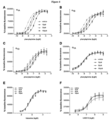
- SUL-151 did not affect calcium transients in any of the investigated ⁇ 1 adrenoceptor subtypes.
- Results indicate that SUL-150 is capable of counteracting vascular constriction and intracellular calcium responses specifically via its action on ⁇ 1 adrenoceptors.
- Radiolabelled prazosin displacement suggests that SUL-150 competitively binds to the antagonist binding site.
- Prazosin is an ⁇ 1 -blocker which acts as an inverse agonist at alpha-1 adrenergic receptors.
- SUL-150 conveys a range of additional beneficial effects.
- Combined anti-oxidant, anti-inflammatory and vasodilatory properties of SUL-150 may be applicable in the treatment of diseases related to vasoconstriction, such as Raynaud's disease.
- the present invention relates to the 2R-6-chromanol derivative, wherein the prophylaxis or treatment of vasoconstriction related disorders or conditions is mediated by inhibition of the ⁇ 1 adrenoceptor.
- the compounds are preferably used in effective amounts, to achieve a vasodilatory effect. Effects are observed with amounts of 1 ⁇ M, but preferably higher amounts are used. Preferred amounts are concentrations in vivo or in vitro of about 10 ⁇ M or higher, more preferably about 20 ⁇ M or higher. Generally, a concentration in human of about 200 ⁇ M or lower should be sufficient and safe.
- dosage forms of about 20 mg or more, preferably 50 mg or more, preferably 100 mg or more are suitable.
- solid, oral dosage forms contain as a maximum about 500 mg compound, preferably about 450 mg or less, to allow for excipients. With i.v. other liquid forms of administration, larger amounts can be administered.
- Examples of dosages which can be used are an effective amount of the compound of the invention of a dosage of 0.2 mg/kg or higher, such as preferably within the range of about 1 mg /kg to about 100 mg/kg, or within about 2 mg /kg to about 40 mg/kg body weight, or within about 3 mg/kg to about 30 mg/kg body weight, or within about 4 mg /kg to about 15mg/kg body weight.
- the compound of the present invention may be administered in a single daily dose, or the total daily dosage may be administered in divided dosage of two, three or four times daily.
- the compounds described herein can be formulated as pharmaceutical compositions by formulation with additives such as pharmaceutically or physiologically acceptable excipients carriers, and vehicles.
- suitable pharmaceutically or physiologically acceptable excipients, carriers and vehicles include processing agents and drug delivery modifiers and enhancers, such as, for example, calcium phosphate, magnesium stearate, talc, monosaccharides, disaccharides, starch, gelatin, cellulose, methyl cellulose, sodium carboxymethyl cellulose, dextrose, hydroxypropyl-P-cyclodextrin, polyvinylpyrrolidinone, low melting waxes, and the like, as well as combinations of any two or more thereof.
- Other suitable pharmaceutically acceptable excipients are described in “ Remington's Pharmaceutical Sciences, " Mack Pub. Co. , New Jersey (1991 ), and “ Remington: The Science and Practice of Pharmacy, “ Lippincott Williams & Wilkins, Philadelphia, 20th edition (2003) and 21” edition (2005 ).
- a pharmaceutical composition can comprise a unit dose formulation, where the unit dose is a dose sufficient to have an vasodilatory effect, preferably a vasodilatory therapeutic effect.
- the unit dose may be a dose administered periodically in a course of treatment or suppression of a vasodilatory disorder.
- compositions containing the compound of the invention may be in any form suitable for the intended method of administration, including, for example, a solution, a suspension, or an emulsion.
- Liquid carriers are typically used in preparing solutions, suspensions, and emulsions.
- Liquid carriers contemplated for use in the practice of the present invention include, for example, water, saline, pharmaceutically acceptable organic solvent(s), pharmaceutically acceptable oils or fats, and the like, as well as mixtures of two or more thereof.
- the liquid carrier may contain other suitable pharmaceutically acceptable additives such as solubilizers, emulsifiers, nutrients, buffers, preservatives, suspending agents, thickening agents, viscosity regulators, stabilizers, and the like.
- Suitable organic solvents include, for example, monohydric alcohols, such as ethanol, and polyhydric alcohols, such as glycols.
- Suitable oils include, for example, soybean oil, coconut oil, olive oil, safflower oil, cottonseed oil, and the like.
- the carrier can also be an oily ester such as ethyl oleate, isopropyl myristate, and the like.
- Compositions of the present invention may also be in the form of microparticles, microcapsules, liposomal encapsulates, and the like, as well as combinations of any two or more thereof.
- Time-release or controlled release delivery systems may be used, such as a diffusion controlled matrix system or an erodible system, as described for example in: Lee, "Diffusion-Controlled Matrix Systems", pp. 155-198 and Ron and Langer, “Erodible Systems", pp. 199-224 , in “ Treatise on Controlled Drug Delivery", A Kydonieus Ed. , Marcel Dekker, Inc. , New York 1992 .
- the matrix may be, for example, a biodegradable material that can degrade spontaneously in situ and in vivo for, example, by hydrolysis or enzymatic cleavage, e.g. , by proteases.
- the delivery system may be, for example, a naturally occurring or synthetic polymer or copolymer, for example in the form of a hydrogel.
- exemplary polymers with cleavable linkages include polyesters, polyorthoesters, polyanhydrides, polysaccharides, poly(phosphoesters), poly amides, polyurethanes, poly(imidocarbonates) and poly(phosphazenes).
- the compound of the invention may be administered enterally, orally, parenterally, sublingually, by inhalation (e. g. as mists or sprays), rectally, or topically in dosage unit formulations containing conventional nontoxic pharmaceutically or physiologically acceptable carriers, adjuvants, and vehicles as desired.
- suitable modes of administration include oral, subcutaneous, transdermal, transmucosal, iontophoretic, intravenous, intraarterial, intramuscular, intraperitoneal, intranasal (e. g. via nasal mucosa), subdural, rectal, gastrointestinal, and the like, and directly to a specific or affected organ or tissue.
- Topical administration may also involve the use of transdermal administration such as transdermal patches or iontophoresis devices.
- parenteral as used herein includes subcutaneous injections, intravenous, intramuscular, intrasternal injection, or infusion techniques.
- the compounds are mixed with pharmaceutically acceptable carriers, adjuvants, and vehicles appropriate for the desired route of administration.
- Oral administration is a preferred route of administration, and formulations suitable for oral administration are preferred formulations.
- the compounds described for use herein can be administered in solid form, in liquid form, in aerosol form, or in the form of tablets, pills, powder mixtures, capsules, granules, injectables, creams, solutions, suppositories, enemas, colonic irrigations, emulsions, dispersions, food premixes, and in other suitable forms.
- the compounds can also be administered in liposome formulations.
- Injectable preparations for example, sterile injectable aqueous or oleaginous suspensions, may be formulated according to the known art using suitable dispersing or wetting agents and suspending agents.
- the sterile injectable preparation may also be a sterile injectable solution or suspension in a nontoxic parenterally acceptable diluent or solvent, for example, as a solution in propylene glycol.
- a nontoxic parenterally acceptable diluent or solvent for example, as a solution in propylene glycol.
- the acceptable vehicles and solvents that may be employed are water, Ringer's solution, and isotonic sodium chloride solution.
- sterile, fixed oils are conventionally employed as a solvent or suspending medium.
- any bland fixed oil may be employed including synthetic mono- or diglycerides.
- fatty acids such as oleic acid find use in the preparation of injectables.
- Suppositories for rectal administration of the drug can be prepared by mixing the drug with a suitable nonirritating excipient such as cocoa butter and polyethylene glycols that are solid at room temperature but liquid at the rectal temperature and will therefore melt in the rectum and release the drug.
- a suitable nonirritating excipient such as cocoa butter and polyethylene glycols that are solid at room temperature but liquid at the rectal temperature and will therefore melt in the rectum and release the drug.
- Solid dosage forms for oral administration may include capsules, tablets, pills, powders, and granules.
- the active compound may be admixed with at least one inert diluent such as sucrose, lactose, or starch.
- Such dosage forms may also comprise additional substances other than inert diluents, e.g., lubricating agents such as magnesium stearate.
- the dosage forms may also comprise buffering agents. Tablets and pills can additionally be prepared with enteric coatings.
- Liquid dosage forms for oral administration may include pharmaceutically acceptable emulsions, solutions, suspensions, syrups, and elixirs containing inert diluents commonly used in the art, such as water.
- Such compositions may also comprise adjuvants, such as wetting agents, emulsifying and suspending agents, cyclodextrins, and sweetening, flavoring, and perfuming agents.
- the article of manufacture comprises a container with a label.
- Suitable containers include, for example, bottles, vials, and test tubes.
- the containers may be formed from a variety of materials such as glass or plastic.
- the container holds a composition having an active agent which is effective for treating, preventing, or suppressing symptoms associated with a vasodilatory disorder or with a condition associated with vasodilatory dysfunction as defined in the claims.
- the active agent in the composition is the compound of the invention.
- the label on the container preferably indicates that the composition is used for treating, preventing, or suppressing symptoms associated with a vasodilatory related disorder or condition as defined in the claims.
- the label may also indicate directions for either in vivo or in vitro use, such as those described above.
- kits comprising the compound of the invention for use as defined in the claims.
- the kit of the invention comprises the container described above.
- the kit of the invention comprises the container described above and a second container comprising a buffer. It may further include other materials desirable from a commercial and user standpoint, including other buffers, diluents, filters, needles, syringes, and package inserts with instructions for performing any methods described herein.
- the amount of active ingredient that may be combined with the carrier materials to produce a single dosage form will vary depending upon the host to which the active ingredient is administered and the particular mode of administration. It will be understood, however, that the specific dose level for any particular patient will depend upon a variety of factors including the activity of the specific compound employed, the age, body weight, body area, body mass index (BMI), general health, sex, diet, time of administration, route of administration, rate of excretion, drug combination, and the type, progression, and severity of the particular disease undergoing therapy or condition to be treated.
- the unit dosage chosen is usually fabricated and administered to provide a defined final concentration of drug in the blood, tissues, organs, or other targeted region of the body. The effective amount for a given situation can be readily determined by routine experimentation and is within the skill and judgment of the ordinary clinician or skilled person.
- Porcine kidneys were obtained from a local slaughterhouse (Kroon Vlees, Gotenburgweg 30, 9723 TM Groningen, The Netherlands) and transported on ice in normal physiological Krebs buffer containing 120 mM NaCl, 6 mM KCl, 2.5 mM CaCl 2 ⁇ 2H 2 O, 1.2 mM MgCl 2 ⁇ 6H 2 O, 1.2 mM NaH 2 PO 4 ⁇ H 2 O, 25 mM NaHCO 3 and 11.4 mM D-(+)-Glucose monohydrate (all ingredients were purchased from Merck) in ultrapure water.
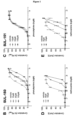
- the renal artery tree was dissected from the kidney, cleaned of surrounding connective tissue and cut into equally-sized ring segments (2 mm in length). In some rings, endothelium denudation was performed by gentle rubbing of the intimal surface with a paper clip. Rings were mounted in organ baths as described previously (Buikema et al., 2000). Arterial rings were washed thoroughly by replacing Krebs buffer and allowed to equilibrate for a period of 60 min under 1.4g of resting tension before they were assessed for viability by inducing 2 subsequent constrictions with KCl (60mM). Rings that failed to produce a threshold increase in diameter of 100 ⁇ m were excluded. After washout and stabilization, rings were treated for 30 minutes by incubation with vehicle (0.1% DMSO), SUL-121, SUL-150 or SUL-151, followed by subsequent incubation with cumulative doses of phenylephrine.
- vehicle (0.1% DMSO
- SUL-121, SUL-150 or SUL-151
- CHO-K1 cells were stably transfected with a plasmid containing human ⁇ 1-AR subtypes A, B and D in separate cell lines in DMEM-F12 medium with 10% FBS, 1% penicillin-streptomycin and 200 ⁇ g/mL Geneticin (G418, Invitrogen, Carlsbad, CA).
- HeLa cells endogenously expressing histamine and TP receptors were grown in DMEM-F12 medium enriched with 10% FBS and 1% penicillin-streptomycin. Cells were kept in a tissue culture incubator at 37°C in 5% Oz / 95% CO 2 atmosphere and grown in 75cm 2 non-treated cell culture flasks. Plating was performed 24 hours before measurement on black transparent-bottom 96-well plates at 20,000 cells per well density.
- CHO cells were treated with either vehicle (0.1% DMSO) or SUL-121 enantiomers for 30 min at 37°C and stimulated with a 3-fold dilution series of PE (20 ⁇ M-100pM).
- [Ca 2+ ] i was measured using the fluorescent FLIPR Calcium 6 assay kit (Molecular Devices) in immortalized CHO cells stably expressing the ⁇ 1 adrenoceptor.
- the "Vehicle” used in all experiments is 0.1% DMSO solution.
- Vascular constriction responses are expressed as percentage of final response to KCl. Data are expressed as mean ⁇ SEM. *p ⁇ 0.05.
- ⁇ 1A adrenoceptor was obtained from UniProt database (The UniProt Consortium, 2017) using reference code P35348 and uploaded to SWISS-MODEL in order to build a homology model, resulting in 373 templates. Subsequently, template ligand codes were used to query the PDB database to obtain structural data in SMILES format, which were processed by Chemmine to detect similarities with SUL-150.
- the SWISS-MODEL template that contained a ligand with the highest similarity score (a D3 dopamine receptor in complex with, Eticlopride, ETQ) was used to align the ⁇ 1A -AR sequence onto a modelled backbone.
- the resulting homology model was validated by Ramachandran plot and prepared with Protein Preparation Wizard by the addition of hydrogens, bond order assignment, generation of partial charges to heteroatoms and disulfide bonds. Final refinement was performed by hydrogen bond assignment at pH 7.4 and restrained minimization at 0.3 RMSD.
- Prazosin, SUL-150 and SUL-151 structural files were converted from SMILES to 3D structures using LigPrep. Protonation states were generated with Epik at pH 7.4 and small molecule energy parameters were computed using OPLS3 forcefield.
- SUL-150 did not affect constriction responses to histamine (Table 2) and although the shift in EC50 of U46619-induced constrictions in the presence of 100 ⁇ M SUL-150 was statistically significant (Table 2), the small effect size led us to exclude an action of SUL-150 on thromboxane receptors.
- Table 2 LogEC 50 values of histamine and U46619-induced constriction responses in the presence of SUL-150.
- EGF receptor (EGFR) transactivation is known to inhibit ⁇ 1 adrenoceptor mediated constrictions (REF). Therefore, we investigated the role of EGFR transactivation in SUL-150 mediated inhibition of vasoconstriction.
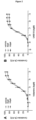
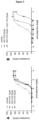
- porcine intrarenal arteries were pre-treated with the EGFR blocker AG1478 ( Figure 3 ).
- an initial measurement was performed to determine the dose of AG1478 which would cause maximal inhibition of vascular constriction induced by PE ( Figure 3A ).
- isolated arteries were treated with AG1478 (20 ⁇ M) and SUL-150 (50 ⁇ M) and studied for PE-induced vasoconstriction.
- SUL-150 still demonstrated an additional inhibitory effect on PE-mediated constriction ( Figure 3B ).
- SUL-150 affected PE-induced calcium transients, indicating that the effects of SUL-150 are upstream of calcium.
- SUL-150 could directly interact with the ⁇ 1 adrenoceptor as a receptor antagonist.
- a displacement binding assay was performed on the ⁇ 1A adrenoceptor transgenic CHO cells using radiolabeled prazosin, an established ⁇ 1A adrenoceptor antagonist.
- SUL-150 was more potent in displacing the radioligand compared to SUL-151, which displaced [7-Methoxy-3H]-prazosin only at concentrations higher than 10 ⁇ M ( Figure 5 ).
- Prazosin coexists in two protonation forms at pH 7.4.
- the N1 assumes a positive charge, subsequently forming a salt bridge with the negatively charged side chain of ASP106, ultimately causing this form to assume an inverted orientation relative to its non-protonated form.
- the quinazoline scaffold of non-protonated prazosin was docked close to TM5 to form a confocal hydrogen bond between the 6,7-methoxy groups and SER188, a hydrogen bond between furan oxygen and SER83, and between prazosin carboxamide and GLN177 side chain; van der Waals interactions with side chains of PHE86, VAL107, ILE178, PHE289, MET292, and PHE312; ⁇ - ⁇ interactions with PHE288 and PHE312; and a ⁇ -hydrogen bond interaction with the side chain carboxy group and backbone peptide carboxamide of ASP106.
- the proposed binding mode of non-protonated prazosin indicated interactions which were in accord with those described in the literature.
- SUL-150 and SUL-151 demonstrated alignment of the chromane scaffold with prazosin quinazoline, 6-hydroxy groups (SUL) and 6-metoxy (prazosin) as well as over their common piperazine moiety.
- Residues which were involved in forming contacts with all three compounds were VAL107, ILE178, SER188, PHE288, PHE289.
- Glide scores computed using the Schrödinger Small-Drug Discovery Suite were - 10.8 kcal ⁇ mol -1 , -10.2 kcal ⁇ mol -1 and -9.4 kcal ⁇ mol -1 for prazosin, SUL-150 and SUL-151 respectively.
- Prazosin and SUL-150 formed contacts with PHE312 and ASP106 confirmed in prazosin binding by mutagenesis, whereas SUL-151 did not show interactions with these residues. Additionally, the chirality of SUL-150 enables the orientation of its carboxamide towards ASN179, effectively forming a hydrogen bond. Additional hydrogen bond was formed between its protonated N-terminal and TYR316.
Landscapes
- Health & Medical Sciences (AREA)
- Chemical & Material Sciences (AREA)
- Life Sciences & Earth Sciences (AREA)
- Pharmacology & Pharmacy (AREA)
- Veterinary Medicine (AREA)
- Public Health (AREA)
- General Health & Medical Sciences (AREA)
- Animal Behavior & Ethology (AREA)
- Medicinal Chemistry (AREA)
- General Chemical & Material Sciences (AREA)
- Nuclear Medicine, Radiotherapy & Molecular Imaging (AREA)
- Chemical Kinetics & Catalysis (AREA)
- Organic Chemistry (AREA)
- Epidemiology (AREA)
- Bioinformatics & Cheminformatics (AREA)
- Engineering & Computer Science (AREA)
- Heart & Thoracic Surgery (AREA)
- Cardiology (AREA)
- Diabetes (AREA)
- Emergency Medicine (AREA)
- Rheumatology (AREA)
- Endocrinology (AREA)
- Hematology (AREA)
- Obesity (AREA)
- Biochemistry (AREA)
- Toxicology (AREA)
- Urology & Nephrology (AREA)
- Vascular Medicine (AREA)
- Pain & Pain Management (AREA)
- Pharmaceuticals Containing Other Organic And Inorganic Compounds (AREA)
Claims (8)
- (2R)-Enantiomerenform eines 6-Chromanol-Derivats, wobei das Derivat (2R)(6-Hydroxy-2,5,7,8-tetramethylchroman-2-yl)(piperazin-1-yl)methanon und pharmazeutisch verträgliche Salze davon zur Verwendung bei der Prophylaxe oder Behandlung von mit Vasokonstriktion verbundenen Störungen oder Erkrankungen ist, wobei die mit Vasokonstriktion verbundenen Störungen oder Erkrankungen aus der Gruppe ausgewählt sind, bestehend aus pulmonaler Hypertonie, portaler Hypertonie, vasospastischen Krankheiten, Raynaud-Syndrom, Akrozyanose, Livedo reticularis, posttraumatischer Dystrophie, (Prä-)Eklampsie, Buerger-Syndrom, pulmonaler arterieller Hypertonie, Herzinsuffizienz mit erhaltener Ejektionsfraktion und Herzhypertrophie und -fibrose.
- (2R)-Enantiomerenform eines 6-Chromanol-Derivats zur Verwendung nach Anspruch 1, wobei die Prophylaxe oder Behandlung von mit Vasokonstriktion verbundenen Störungen oder Erkrankungen aus pulmonaler arterieller Hypertonie, Herzinsuffizienz mit erhaltener Ejektionsfraktion und Herzhypertrophie und -fibrose ausgewählt ist.
- (2R)-Enantiomerenform eines 6-Chromanol-Derivats zur Verwendung nach Anspruch 2, wobei die Prophylaxe oder Behandlung von mit Vasokonstriktion verbundenen Störungen oder Erkrankungen Herzinsuffizienz mit erhaltener Ejektionsfraktion ist.
- (2R)-Enantiomerenform eines 6-Chromanol-Derivats zur Verwendung nach einem der Ansprüche 1 bis 3, wobei die Prophylaxe oder Behandlung von mit Vasokonstriktion verbundenen Störungen oder Erkrankungen durch Hemmung des α1-Adrenozeptors vermittelt wird.
- (2R)-Enantiomerenform eines 6-Chromanol-Derivats zur Verwendung nach einem der Ansprüche 1 bis 4, wobei das Gemisch in einer Menge, die ausreicht, um eine Konzentration von 1 µM oder höher zu erreichen, verwendet wird.
- (2R)-Enantiomerenform eines 6-Chromanol-Derivats zur Verwendung nach Anspruch 5, wobei das Gemisch in einer Menge, die ausreicht, um eine Konzentration von etwa 10 µM oder höher zu erreichen, verwendet wird.
- Pharmazeutische Darreichungsform, umfassend die (2R)-Enantiomerenform eines 6-Chromanol-Derivats zur Verwendung nach einem der Ansprüche 1 bis 6, wobei das Gemisch in einer Menge von 10 mg - 500 mg, vorzugsweise 100 - 500 mg, vorhanden ist.
- Pharmazeutische Darreichungsform, umfassend die (2R)-Enantiomerenform eines 6-Chromanol-Derivats zur Verwendung nach Anspruch 7, wobei die Darreichungsform eine feste, vorzugsweise feste orale Darreichungsform, ist.
Applications Claiming Priority (3)
| Application Number | Priority Date | Filing Date | Title |
|---|---|---|---|
| NL2019446 | 2017-08-25 | ||
| NL2020985 | 2018-05-24 | ||
| PCT/EP2018/072735 WO2019038361A1 (en) | 2017-08-25 | 2018-08-23 | MEDICAMENTS FOR THE TREATMENT OF DISEASES OR DISORDERS RELATED TO VASOCONSTRICTION |
Publications (3)
| Publication Number | Publication Date |
|---|---|
| EP3672593A1 EP3672593A1 (de) | 2020-07-01 |
| EP3672593C0 EP3672593C0 (de) | 2024-12-18 |
| EP3672593B1 true EP3672593B1 (de) | 2024-12-18 |
Family
ID=63579308
Family Applications (1)
| Application Number | Title | Priority Date | Filing Date |
|---|---|---|---|
| EP18769288.4A Active EP3672593B1 (de) | 2017-08-25 | 2018-08-23 | Arzneimittel zur behandlung von gefässverengenden erkrankungen oder störungen |
Country Status (4)
| Country | Link |
|---|---|
| US (1) | US12156862B2 (de) |
| EP (1) | EP3672593B1 (de) |
| ES (1) | ES3013118T3 (de) |
| WO (1) | WO2019038361A1 (de) |
Families Citing this family (3)
| Publication number | Priority date | Publication date | Assignee | Title |
|---|---|---|---|---|
| CN110933933B (zh) * | 2018-07-18 | 2022-12-27 | 温州医科大学 | 一种治疗近视的方法及制备药物的应用 |
| NL2026511B1 (en) * | 2020-09-21 | 2022-05-24 | Sulfateq Bv | Compounds for treatment of heart failure |
| NL2031091B1 (en) * | 2022-02-28 | 2023-09-07 | Sulfateq Bv | Chromanol compounds for treatment or prophylaxis of ageing and ageing-associated disorders |
Family Cites Families (3)
| Publication number | Priority date | Publication date | Assignee | Title |
|---|---|---|---|---|
| NL2010010C2 (en) | 2012-12-19 | 2014-06-23 | Sulfateq B V | Compounds for protection of cells. |
| NL2013012B1 (en) | 2014-06-17 | 2016-07-05 | Sulfateq Bv | Compounds for the treatment of chronic obstructive airway diseases. |
| DK3297625T3 (da) | 2015-05-22 | 2022-10-17 | Sulfateq Bv | Forbindelse til profylakse eller behandling af diabetisk nefropati eller diabetisk nyresygdom |
-
2018
- 2018-08-23 US US16/640,785 patent/US12156862B2/en active Active
- 2018-08-23 WO PCT/EP2018/072735 patent/WO2019038361A1/en not_active Ceased
- 2018-08-23 ES ES18769288T patent/ES3013118T3/es active Active
- 2018-08-23 EP EP18769288.4A patent/EP3672593B1/de active Active
Also Published As
| Publication number | Publication date |
|---|---|
| US20210128523A1 (en) | 2021-05-06 |
| ES3013118T3 (en) | 2025-04-11 |
| EP3672593C0 (de) | 2024-12-18 |
| US12156862B2 (en) | 2024-12-03 |
| WO2019038361A1 (en) | 2019-02-28 |
| EP3672593A1 (de) | 2020-07-01 |
Similar Documents
| Publication | Publication Date | Title |
|---|---|---|
| US5212176A (en) | R(+)-terazosin | |
| EP3672593B1 (de) | Arzneimittel zur behandlung von gefässverengenden erkrankungen oder störungen | |
| HUE032948T2 (en) | Opioid receptor ligands and methods of using and making same | |
| NO322614B1 (no) | Indolyl-3-glykosylsyrederivater som har terapeutisk verdifulle egenskaper | |
| KR20130114140A (ko) | 안압을 낮추기 위한 [3-(1-(1h-이미다졸-4-일)에틸)-2-메틸페닐] 메탄올의 에스테르 프로드러그 | |
| JPWO2020050253A1 (ja) | 糖尿病性末梢神経障害のための医薬 | |
| KR20160002709A (ko) | 초고순도 테트라하이드로카나비놀-11-오익산 | |
| IE51736B1 (en) | Imidazoline derivative | |
| JP2023527942A (ja) | 粒子状グアニリルシクラーゼ受容体aのエンハンサー | |
| CA2809778A1 (en) | Therapeutic agent for pain | |
| KR20040025882A (ko) | 신경성 통증 치료 및 예방약 | |
| KR102051433B1 (ko) | 근육 분화 촉진 및 근육 강화용 조성물 및 외용제 | |
| Marona et al. | Antiarrhythmic and antihypertensive activity of some xanthone derivatives | |
| CN103989682B (zh) | 使用centhaquin的治疗法 | |
| US11730741B2 (en) | 6-chromanol derivatives for use as a medicament | |
| TW200808309A (en) | Therapeutic agent for circulatory failure | |
| TW200406409A (en) | Substituted thiophenes, processes for their preparation, their use as medicament or diagnostic and medicament comprising them | |
| KR20150115809A (ko) | 이소메텝텐 이성질체 | |
| BG63803B1 (bg) | Фармацевтичен състав за профилактика и лечение надиабетични усложнения | |
| EP1884237B1 (de) | Amidin-derivate zur verwendung in der vorbeugung oder behandlung von glaukom | |
| KR100408364B1 (ko) | 3(2에이치)-피리다지논유도체및이들화합물을함유하는제약학적인조성물 | |
| US20070259945A1 (en) | Method for treating pain | |
| Zelaszczyk et al. | FOUR CLOSE BUPRANOLOL ANALOGUES ARE ANTAGONISTS AT THE LOW-AFFINITY STATE OF ß1-ADRENOCEPTORS | |
| MXPA02006225A (es) | Compuestos de 3-fenil-3,7-diazabiciclo[3,3,1]nonano, asi como procedimientos para su preparacion y medicamentos que contienen estos compuestos. | |
| EP2236136A1 (de) | Angiogenese-Hemmer mit einem Aminderivat als aktivem Wirkstoff |
Legal Events
| Date | Code | Title | Description |
|---|---|---|---|
| STAA | Information on the status of an ep patent application or granted ep patent |
Free format text: STATUS: UNKNOWN |
|
| STAA | Information on the status of an ep patent application or granted ep patent |
Free format text: STATUS: THE INTERNATIONAL PUBLICATION HAS BEEN MADE |
|
| PUAI | Public reference made under article 153(3) epc to a published international application that has entered the european phase |
Free format text: ORIGINAL CODE: 0009012 |
|
| STAA | Information on the status of an ep patent application or granted ep patent |
Free format text: STATUS: REQUEST FOR EXAMINATION WAS MADE |
|
| 17P | Request for examination filed |
Effective date: 20200310 |
|
| AK | Designated contracting states |
Kind code of ref document: A1 Designated state(s): AL AT BE BG CH CY CZ DE DK EE ES FI FR GB GR HR HU IE IS IT LI LT LU LV MC MK MT NL NO PL PT RO RS SE SI SK SM TR |
|
| AX | Request for extension of the european patent |
Extension state: BA ME |
|
| DAV | Request for validation of the european patent (deleted) | ||
| DAX | Request for extension of the european patent (deleted) | ||
| STAA | Information on the status of an ep patent application or granted ep patent |
Free format text: STATUS: EXAMINATION IS IN PROGRESS |
|
| 17Q | First examination report despatched |
Effective date: 20220518 |
|
| GRAP | Despatch of communication of intention to grant a patent |
Free format text: ORIGINAL CODE: EPIDOSNIGR1 |
|
| STAA | Information on the status of an ep patent application or granted ep patent |
Free format text: STATUS: GRANT OF PATENT IS INTENDED |
|
| INTG | Intention to grant announced |
Effective date: 20240708 |
|
| GRAS | Grant fee paid |
Free format text: ORIGINAL CODE: EPIDOSNIGR3 |
|
| GRAA | (expected) grant |
Free format text: ORIGINAL CODE: 0009210 |
|
| STAA | Information on the status of an ep patent application or granted ep patent |
Free format text: STATUS: THE PATENT HAS BEEN GRANTED |
|
| AK | Designated contracting states |
Kind code of ref document: B1 Designated state(s): AL AT BE BG CH CY CZ DE DK EE ES FI FR GB GR HR HU IE IS IT LI LT LU LV MC MK MT NL NO PL PT RO RS SE SI SK SM TR |
|
| REG | Reference to a national code |
Ref country code: GB Ref legal event code: FG4D |
|
| REG | Reference to a national code |
Ref country code: CH Ref legal event code: EP |
|
| REG | Reference to a national code |
Ref country code: DE Ref legal event code: R096 Ref document number: 602018077733 Country of ref document: DE |
|
| REG | Reference to a national code |
Ref country code: IE Ref legal event code: FG4D |
|
| U01 | Request for unitary effect filed |
Effective date: 20250116 |
|
| U07 | Unitary effect registered |
Designated state(s): AT BE BG DE DK EE FI FR IT LT LU LV MT NL PT RO SE SI Effective date: 20250122 |
|
| PG25 | Lapsed in a contracting state [announced via postgrant information from national office to epo] |
Ref country code: HR Free format text: LAPSE BECAUSE OF FAILURE TO SUBMIT A TRANSLATION OF THE DESCRIPTION OR TO PAY THE FEE WITHIN THE PRESCRIBED TIME-LIMIT Effective date: 20241218 |
|
| REG | Reference to a national code |
Ref country code: ES Ref legal event code: FG2A Ref document number: 3013118 Country of ref document: ES Kind code of ref document: T3 Effective date: 20250411 |
|
| PG25 | Lapsed in a contracting state [announced via postgrant information from national office to epo] |
Ref country code: NO Free format text: LAPSE BECAUSE OF FAILURE TO SUBMIT A TRANSLATION OF THE DESCRIPTION OR TO PAY THE FEE WITHIN THE PRESCRIBED TIME-LIMIT Effective date: 20250318 |
|
| PG25 | Lapsed in a contracting state [announced via postgrant information from national office to epo] |
Ref country code: GR Free format text: LAPSE BECAUSE OF FAILURE TO SUBMIT A TRANSLATION OF THE DESCRIPTION OR TO PAY THE FEE WITHIN THE PRESCRIBED TIME-LIMIT Effective date: 20250319 |
|
| PG25 | Lapsed in a contracting state [announced via postgrant information from national office to epo] |
Ref country code: RS Free format text: LAPSE BECAUSE OF FAILURE TO SUBMIT A TRANSLATION OF THE DESCRIPTION OR TO PAY THE FEE WITHIN THE PRESCRIBED TIME-LIMIT Effective date: 20250318 |
|
| PG25 | Lapsed in a contracting state [announced via postgrant information from national office to epo] |
Ref country code: SM Free format text: LAPSE BECAUSE OF FAILURE TO SUBMIT A TRANSLATION OF THE DESCRIPTION OR TO PAY THE FEE WITHIN THE PRESCRIBED TIME-LIMIT Effective date: 20241218 |
|
| PG25 | Lapsed in a contracting state [announced via postgrant information from national office to epo] |
Ref country code: PL Free format text: LAPSE BECAUSE OF FAILURE TO SUBMIT A TRANSLATION OF THE DESCRIPTION OR TO PAY THE FEE WITHIN THE PRESCRIBED TIME-LIMIT Effective date: 20241218 |
|
| PG25 | Lapsed in a contracting state [announced via postgrant information from national office to epo] |
Ref country code: IS Free format text: LAPSE BECAUSE OF FAILURE TO SUBMIT A TRANSLATION OF THE DESCRIPTION OR TO PAY THE FEE WITHIN THE PRESCRIBED TIME-LIMIT Effective date: 20250418 |
|
| PG25 | Lapsed in a contracting state [announced via postgrant information from national office to epo] |
Ref country code: SK Free format text: LAPSE BECAUSE OF FAILURE TO SUBMIT A TRANSLATION OF THE DESCRIPTION OR TO PAY THE FEE WITHIN THE PRESCRIBED TIME-LIMIT Effective date: 20241218 |
|
| PG25 | Lapsed in a contracting state [announced via postgrant information from national office to epo] |
Ref country code: CZ Free format text: LAPSE BECAUSE OF FAILURE TO SUBMIT A TRANSLATION OF THE DESCRIPTION OR TO PAY THE FEE WITHIN THE PRESCRIBED TIME-LIMIT Effective date: 20241218 |
|
| U20 | Renewal fee for the european patent with unitary effect paid |
Year of fee payment: 8 Effective date: 20250827 |
|
| PGFP | Annual fee paid to national office [announced via postgrant information from national office to epo] |
Ref country code: ES Payment date: 20250901 Year of fee payment: 8 |
|
| PGFP | Annual fee paid to national office [announced via postgrant information from national office to epo] |
Ref country code: TR Payment date: 20250814 Year of fee payment: 8 |
|
| PGFP | Annual fee paid to national office [announced via postgrant information from national office to epo] |
Ref country code: GB Payment date: 20250827 Year of fee payment: 8 |
|
| PGFP | Annual fee paid to national office [announced via postgrant information from national office to epo] |
Ref country code: CH Payment date: 20250901 Year of fee payment: 8 |
|
| PLBE | No opposition filed within time limit |
Free format text: ORIGINAL CODE: 0009261 |
|
| STAA | Information on the status of an ep patent application or granted ep patent |
Free format text: STATUS: NO OPPOSITION FILED WITHIN TIME LIMIT |
|
| 26N | No opposition filed |
Effective date: 20250919 |