EP3668026A1 - Verfahren zur multicast-weiterleitung und multicast-router - Google Patents
Verfahren zur multicast-weiterleitung und multicast-router Download PDFInfo
- Publication number
- EP3668026A1 EP3668026A1 EP18861921.7A EP18861921A EP3668026A1 EP 3668026 A1 EP3668026 A1 EP 3668026A1 EP 18861921 A EP18861921 A EP 18861921A EP 3668026 A1 EP3668026 A1 EP 3668026A1
- Authority
- EP
- European Patent Office
- Prior art keywords
- multicast
- address
- unicast
- identifier
- router
- Prior art date
- Legal status (The legal status is an assumption and is not a legal conclusion. Google has not performed a legal analysis and makes no representation as to the accuracy of the status listed.)
- Granted
Links
Images



Classifications
-
- H—ELECTRICITY
- H04—ELECTRIC COMMUNICATION TECHNIQUE
- H04L—TRANSMISSION OF DIGITAL INFORMATION, e.g. TELEGRAPHIC COMMUNICATION
- H04L12/00—Data switching networks
- H04L12/02—Details
- H04L12/16—Arrangements for providing special services to substations
- H04L12/18—Arrangements for providing special services to substations for broadcast or conference, e.g. multicast
- H04L12/1854—Arrangements for providing special services to substations for broadcast or conference, e.g. multicast with non-centralised forwarding system, e.g. chaincast
-
- H—ELECTRICITY
- H04—ELECTRIC COMMUNICATION TECHNIQUE
- H04L—TRANSMISSION OF DIGITAL INFORMATION, e.g. TELEGRAPHIC COMMUNICATION
- H04L12/00—Data switching networks
- H04L12/02—Details
- H04L12/16—Arrangements for providing special services to substations
- H04L12/18—Arrangements for providing special services to substations for broadcast or conference, e.g. multicast
-
- H—ELECTRICITY
- H04—ELECTRIC COMMUNICATION TECHNIQUE
- H04L—TRANSMISSION OF DIGITAL INFORMATION, e.g. TELEGRAPHIC COMMUNICATION
- H04L12/00—Data switching networks
- H04L12/02—Details
- H04L12/16—Arrangements for providing special services to substations
- H04L12/18—Arrangements for providing special services to substations for broadcast or conference, e.g. multicast
- H04L12/1886—Arrangements for providing special services to substations for broadcast or conference, e.g. multicast with traffic restrictions for efficiency improvement, e.g. involving subnets or subdomains
-
- H—ELECTRICITY
- H04—ELECTRIC COMMUNICATION TECHNIQUE
- H04L—TRANSMISSION OF DIGITAL INFORMATION, e.g. TELEGRAPHIC COMMUNICATION
- H04L45/00—Routing or path finding of packets in data switching networks
- H04L45/16—Multipoint routing
-
- H—ELECTRICITY
- H04—ELECTRIC COMMUNICATION TECHNIQUE
- H04L—TRANSMISSION OF DIGITAL INFORMATION, e.g. TELEGRAPHIC COMMUNICATION
- H04L45/00—Routing or path finding of packets in data switching networks
- H04L45/74—Address processing for routing
-
- H—ELECTRICITY
- H04—ELECTRIC COMMUNICATION TECHNIQUE
- H04L—TRANSMISSION OF DIGITAL INFORMATION, e.g. TELEGRAPHIC COMMUNICATION
- H04L45/00—Routing or path finding of packets in data switching networks
- H04L45/74—Address processing for routing
- H04L45/745—Address table lookup; Address filtering
Definitions
- This application relates to the field of information technologies, and in particular, to a multicast forwarding method and a multicast router.
- An implementation of Internet Protocol (Internet Protocol, IP) network communication is unicast, which is characterized by transmitting one message to one receiver once; and another implementation is broadcast, which is characterized by transmitting one message to all receivers in a subnet once.
- IP Internet Protocol
- the unicast manner may cause generation of a plurality of copies of a same message in the IP network, and a network resource and a server resource are repeatedly occupied. Consequently, transmission efficiency is low.
- different subnets cannot be covered in the broadcast manner. Otherwise, a broadcast storm is triggered. Therefore, a multicast transmission mode of "transmitting one message to a plurality of receivers once" emerges.
- IP multicast means that a multicast routing entry is established between a receive end and a multicast source hop by hop by using a multicast routing protocol, and a tree-like structure (namely, a multicast distribution tree) using the multicast source as a root and using a receive end as a leaf is finally constructed.
- a multicast packet is copied on each multicast router from the root node to the leaf, and ends at a terminal.
- the Protocol Independent Multicast-Sparse Mode (Protocol Independent Multicast-Sparse Mode, PIM-SM) Protocol is a multicast routing protocol currently well recognized.
- PIM-SM protocol still has various disadvantages. For example, all routers in an IP multicast network need to support the PIM-SM protocol, and once a router that is running the PIM-SM breaks down, a multicast service of a terminal connected to a branch tree of the router cannot be automatically recovered.
- this application provides a multicast forwarding method and a multicast router, so as to provide a new multicast method, thereby implementing multicast functions of some routers in an existing unicast network architecture.
- an embodiment of this application provides a multicast forwarding method, and the method includes: listening to, by a first multicast router, a plurality of unicast packets passing through the first multicast router, and determining a set of unicast packets that are from a same upstream multicast router and that belong to a same unicast stream; when determining that destination addresses of at least two unicast packets in the unicast packet set are different, sending, by the first multicast router, a prune message to the upstream multicast router; and sending, by the first multicast router, a received unicast packet with the multicast identifier to destination devices corresponding to the destination address group.
- An objective of this method is: Once a multicast router on a branch tree of a communications network finds, through listening, that destination addresses of unicast packets in the unicast packet set are different, a plurality of same unicast streams corresponding to different destination addresses are combined. In other words, the upstream multicast router is instructed to no longer send the plurality of same unicast streams but send only one unicast stream to a downstream multicast router, and the downstream multicast router distributes the unicast stream to destination devices corresponding to the different destination addresses. Therefore, a multicast function can be implemented in a network when some devices support multicast. In addition, some same unicast streams may be combined when the multicast function is implemented, thereby reducing network bandwidth consumption.
- the first multicast router when the first multicast router determines that destination addresses of at least two unicast packets in the unicast packet set are different, the first multicast router obtains destination addresses of all packets in the unicast packet set, and generates a first multicast routing entry.
- a source address of the first multicast routing entry is an address of the first multicast router, and the destination address group includes all the destination addresses. In this way, the first multicast router can maintain access or departure of a downstream destination terminal by using the multicast routing entry, to manage a client.
- the first multicast router modifies the received unicast packet with the multicast identifier based on the first multicast routing entry, to obtain a modified unicast packet, and then sends the modified unicast packet to the destination devices corresponding to the destination address group.
- a source address of the modified unicast packet is the address of the first multicast router, and a destination address of the modified unicast packet is a destination address in the destination address group and in the first multicast routing entry, so that the first multicast router may distribute, based on the first multicast routing entry, a unicast stream combined by the upstream to different destination devices, thereby implementing the multicast function.
- the first multicast router obtains, through listening, a first message sent by the upstream multicast router, where the first message carries the multicast identifier and a first target address, and is used to indicate that a destination device corresponding to the first target address stops receiving a unicast packet with the multicast identifier.
- the first multicast router searches for the first multicast routing entry corresponding to the multicast identifier, and determines that the first target address belongs to the destination address group.
- the first multicast router removes the first target address from the first multicast routing entry, and stops sending the unicast packet with the multicast identifier to the destination device corresponding to the first target address.
- the multicast router on the branch tree searches for a multicast routing entry of the multicast router according to a specified rule, so as to remove the destination device from the multicast routing entry. Because the multicast routing entry does not include the destination address, the multicast router stops sending a unicast packet to the destination device.
- the first multicast router instructs the upstream multicast router to stop sending the unicast packet with the multicast identifier to the first multicast router. In other words, if a downstream branch of the first multicast router does not have a destination device that is to forward a packet, an upstream branch does not directly send the combined unicast stream to the first multicast router.
- an embodiment of this application provides a multicast forwarding method, and the method includes: receiving, by a second multicast router, a prune message from a downstream multicast router; and stopping, by the second multicast router based on the prune message, sending unicast packets with the multicast identifier to destination devices corresponding to the destination address group, and sending the to-be-sent unicast packets with the multicast identifier to the downstream multicast router.
- the prune message includes a destination address group determined by the downstream multicast router from all unicast packets in a unicast packet set
- the unicast packet set is a set of unicast packets that are obtained by the downstream multicast router by listening to a plurality of unicast packets passing through the downstream multicast router, that are from the second multicast router, and that belong to a same unicast stream
- a unicast packet in the unicast stream carries a multicast identifier
- the multicast identifier indicates that the unicast packets in the unicast stream are from a same data source server and are to be sent to destination devices that belong to a same multicast group. Therefore, the second multicast router may combine unicast streams corresponding to the destination address group after receiving the prune message, and therefore only needs to send a combined unicast stream to the downstream multicast router, so as to reduce network bandwidth consumption.
- the second multicast router receives a registration request from the data source server, where the registration request carries IP four-tuple information of a User Datagram Protocol UDP session.
- the second multicast router allocates a multicast group identifier to the UDP session based on the registration request.
- the second multicast router sends a registration request response message to the data source server, where the response message carries the multicast group identifier.
- the second multicast router receives a unicast packet sent by the data source server, where a header of the unicast packet carries the multicast identifier, and the multicast identifier is generated by the data source server based on an address of the data source server and the multicast group identifier.
- the second multicast router further has a function of allocating a multicast identifier to the UDP session of the data source server.
- the data source server inserts the multicast identifier into packets, to indicate that the packets are from a same data source and are of a same type, and send the packets to the destination devices of the same multicast group, so that the downstream multicast router listens to the packets, and identifies unicast streams that can be combined.
- the second multicast router receives an on-demand request from a first client, where the on-demand request is used to request to subscribe to the UDP session.
- the second multicast router generates a second multicast routing entry, where a source address of the second multicast routing entry is an address of the second multicast router, and a destination address of the second multicast routing entry is an address of the first client. In this way, the second multicast router can maintain access and departure of each terminal device, so as to facilitate charging management.
- the second multicast router modifies the received unicast packet with the multicast identifier based on the second multicast routing entry, to obtain a modified unicast packet, where a source address of the modified unicast packet is the address of the second multicast router, and a destination address of the modified unicast packet is the address of the first client.
- the second multicast router sends the modified unicast packet with the multicast identifier to the first client.
- the second multicast router modifies the unicast packet, and the modified unicast packet is a multicast packet, so that a multicast function can be implemented.
- the second multicast router receives an on-demand stop request sent by the first client, where the on-demand stop request is used to request to stop subscribing to the UDP session.
- the second multicast router searches for the second multicast routing entry corresponding to the multicast identifier, and determines that the address of the first client is included in the destination address of the second multicast routing entry.
- the second multicast router removes the address of the first client from the second multicast routing entry, and stops sending the unicast packet with the multicast identifier to a destination device corresponding to the address of the first client.
- the second multicast router searches for a multicast routing entry of the second multicast router. If the multicast routing entry exists and the address of the client is in a destination address list, the second multicast router removes the multicast routing entry from the destination address, and subsequently a packet is not sent to the client.
- the second multicast router searches for the second multicast routing entry corresponding to the multicast identifier, and determines that the address of the first client is not included in the destination address of the second multicast routing entry.
- the second multicast router generates a first message based on the second multicast routing entry, where a source address of the first message is the address of the second multicast router, a destination address of the first message is the address of the first client, and the first message carries the multicast identifier, and is used to notify the downstream multicast router that a destination device corresponding to the first target address stops receiving a unicast packet with the multicast identifier.
- the second multicast router sends the first message to the downstream multicast router, so that the downstream multicast router stops, after obtaining the first message through listening, sending the unicast packet with the multicast identifier to the first client.
- the second multicast router when determining that a first destination address is not in the multicast routing entry of the second multicast router, the second multicast router sends the first message to the downstream multicast router. In other words, the downstream multicast router is instructed to perform searching, and stop sending a packet to the client.
- an embodiment of this application further provides a multicast forwarding apparatus, and the apparatus has functions of implementing behavior of a terminal in the method example of the foregoing first aspect.
- the functions may be implemented by hardware, or may be implemented by hardware by executing corresponding software.
- the hardware or the software includes one or more modules corresponding to the foregoing functions.
- the apparatus includes a listening unit, a determining unit, a sending unit, a receiving unit, and a first multicast router of a method side corresponding to the apparatus.
- the listening unit is configured to listen to a plurality of unicast packets passing through the listening unit.
- the determining unit is configured to determine a set of unicast packets that are from a same upstream multicast router and that belong to a same unicast stream, where the unicast packets in the unicast stream carry a same multicast identifier, and the multicast identifier indicates that the unicast packets in the unicast stream are from a same data source server and are to be sent to destination devices that belong to a same multicast group.
- the sending unit is configured to: when determining that destination addresses of at least two unicast packets in the unicast packet set are different, send a prune message to the upstream multicast router, where the prune message carries a destination address group determined from all the unicast packets in the unicast packet set, the prune message is used to instruct the upstream multicast router to stop sending the unicast packets with the multicast identifier to the destination devices corresponding to the destination address group, and send the to-be-sent unicast packets with the multicast identifier to the first multicast router.
- the sending unit is configured to send the unicast packet with the multicast identifier received by the receiving unit to the destination devices corresponding to the destination address group.
- the multicast forwarding apparatus further includes a generation unit, configured to obtain destination addresses of all packets in the unicast packet set, and generate a first multicast routing entry, where a source address of the first multicast routing entry is an address of the first multicast router, and the destination address group includes all the destination addresses.
- the multicast forwarding apparatus further includes a processing unit, configured to: modify the received unicast packet with the multicast identifier based on the first multicast routing entry, to obtain a modified unicast packet, where a source address of the modified unicast packet is the address of the first multicast router, and a destination address of the modified unicast packet is a destination address in the destination address group and in the first multicast routing entry; and send the modified unicast packet to the destination devices corresponding to the destination address group.
- a processing unit configured to: modify the received unicast packet with the multicast identifier based on the first multicast routing entry, to obtain a modified unicast packet, where a source address of the modified unicast packet is the address of the first multicast router, and a destination address of the modified unicast packet is a destination address in the destination address group and in the first multicast routing entry; and send the modified unicast packet to the destination devices corresponding to the destination address group.
- the listening unit is further configured to obtain, through listening, a first message sent by the upstream multicast router, where the first message carries the multicast identifier and a first target address, and is used to indicate that a destination device corresponding to the first target address stops receiving a unicast packet with the multicast identifier.
- the determining unit is further configured to search for the first multicast routing entry corresponding to the multicast identifier, and determine that the first target address belongs to the destination address group.
- the processing unit is further configured to remove the first target address from the first multicast routing entry, and stop sending the unicast packet with the multicast identifier to the destination device corresponding to the first target address.
- the sending unit is further configured to: when the determining unit determines that a destination address in the first multicast routing entry from which the first target address is removed is empty, instruct the upstream multicast router to stop sending the unicast packet with the multicast identifier to the sending unit.
- an embodiment of this application further provides a multicast forwarding apparatus, and the apparatus has functions of implementing behavior of a terminal in the method example of the foregoing second aspect.
- the functions may be implemented by hardware, or may be implemented by hardware by executing corresponding software.
- the hardware or the software includes one or more modules corresponding to the functions.
- the apparatus includes a receiving unit, a processing unit, and a second multicast router of a method side corresponding to the apparatus.
- the receiving unit is configured to receive a prune message from a downstream multicast router, where the prune message includes a destination address group determined by the downstream multicast router from all unicast packets in a unicast packet set, the unicast packet set is a set of unicast packets that are obtained by the downstream multicast router by listening to a plurality of unicast packets passing through the downstream multicast router, that are from the second multicast router, and that belong to a same unicast stream, a unicast packet in the unicast stream carries a multicast identifier, and the multicast identifier indicates that the unicast packets in the unicast stream are from a same data source server and are to be sent to destination devices that belong to a same multicast group.
- the processing unit is configured to stop, based on the prune message, sending the unicast packets with the multicast identifier to the destination devices corresponding to the destination address group.
- the sending unit is configured to send the to-be-sent unicast packets with the multicast identifier to the downstream multicast router.
- the receiving unit is further configured to receive a registration request from the data source server, where the registration request carries IP four-tuple information of a User Datagram Protocol UDP session.
- the processing unit is further configured to allocate a multicast group identifier to the UDP session based on the registration request.
- the sending unit is further configured to send a registration request response message to the data source server, where the response message carries the multicast group identifier.
- the receiving unit is further configured to receive a unicast packet sent by the data source server, where a header of the unicast packet carries the multicast identifier, and the multicast identifier is generated by the data source server based on an address of the data source server and the multicast group identifier.
- the receiving unit is configured to receive an on-demand request from a first client, where the on-demand request is used to request to subscribe to the UDP session.
- the forwarding apparatus further includes a generation unit.
- the generation unit is configured to generate a second multicast routing entry, where a source address of the second multicast routing entry is an address of the second multicast router, and a destination address of the second multicast routing entry is an address of the first client.
- the forwarding apparatus further includes the processing unit, specifically configured to modify the received unicast packet with the multicast identifier based on the second multicast routing entry, to obtain a modified unicast packet, where a source address of the modified unicast packet is the address of the second multicast router, and a destination address of the modified unicast packet is the address of the first client.
- the sending unit is configured to send the modified unicast packet with the multicast identifier to the first client.
- the receiving unit is configured to receive an on-demand stop request sent by the first client, where the on-demand stop request is used to request to stop subscribing to the UDP session.
- the processing unit is further configured to: search for the second multicast routing entry corresponding to the multicast identifier; determine that the address of the first client is included in the destination address of the second multicast routing entry; remove the address of the first client from the second multicast routing entry; and stop sending the unicast packet with the multicast identifier to a destination device corresponding to the address of the first client.
- the processing unit is further configured to search for the second multicast routing entry corresponding to the multicast identifier; determine that the address of the first client is not included in the destination address of the second multicast routing entry; and generate a first message based on the second multicast routing entry, where a source address of the first message is the address of the second multicast router, a destination address of the first message is the address of the first client, and the first message carries the multicast identifier, and is used to notify the downstream multicast router that a destination device corresponding to the first target address stops receiving a unicast packet with the multicast identifier.
- the sending unit is configured to send the first message to the first client, so that the downstream multicast router stops, after obtaining the first message through listening, sending the unicast packet with the multicast identifier to the first client.
- an embodiment of this application further provides a multicast router, and the multicast router has functions of implementing behavior of a multicast router in the method example of the first aspect or the second aspect.
- the functions may be implemented by hardware.
- a structure of the terminal includes a communications interface, a processor, and a memory, and the processor invokes an instruction stored in the memory, to perform the foregoing method.
- an embodiment of this application further provides a computer storage medium, and the storage medium stores a software program.
- the software program When being read and executed by one or more processors, the software program may implement the method provided in the first aspect or any designs of the first aspect.
- this application further provides a computer program product that includes an instruction.
- the computer program product runs on a computer, the computer is enabled to perform the foregoing aspects or various possible implementations.
- a packet whose unicast address is a destination address may pass through a unicast network, and carries a multicast identifier, so that the multicast router may identify the packet. Therefore, the multicast function can be implemented in the network when some devices support multicast. In addition, some same unicast streams may be combined when the multicast function is implemented, thereby reducing network bandwidth consumption.
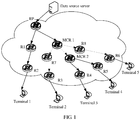
- FIG. 1 is a schematic diagram of one of the communications systems to which this application is applicable.
- the communications system includes a data source server, a rendezvous point (rendezvous point, RP), a multicast router (Multicast Router, MCR) 1, an MCR 2, an R1 to an R8, and a terminal 1 to a terminal 5.
- RP rendezvous point
- MCR Multicast Router
- the RP, the MCR 1, and the MCR 2 are introduced multicast routers that support multicast in an embodiment of this application.
- the R1 to the R8 are common routers, and do not support a multicast function.
- the terminal 1 to the terminal 5 may be computer devices, various mobile terminal devices, or the like.
- the RP is a special multicast router, and is further responsible for allocating a multicast group identifier, interacting with a client, and the like in addition to having the multicast function.
- the MCR 1 and the MCR 2 are multicast routers that support the multicast function, and are responsible for listening to and identifying unicast streams that can be aggregated, and aggregating these unicast streams.
- the multicast function indicates that a multicast source sends information only once, a multicast router establishes a tree-like route by using a multicast routing protocol, and the transmitted information starts to be copied and distributed at a branch away from the multicast source as far as possible.
- a sender of information is referred to as a "multicast source”
- a receiver of information is referred to as a “multicast group” of the information
- all routers supporting multicast information transmission are referred to as “multicast routers”.
- Receivers joining a same multicast group may be widely distributed in any location in the network. In other words, the "multicast group" is not geographically limited. It should be noted that a plurality of multicast sources may simultaneously send information to a same multicast group. It is assumed that only a terminal B, a terminal D, and a terminal E need same information. When the multicast manner is used, these terminals may join a same multicast group.
- the multicast source needs to send only one piece of information to an upstream multicast router, and each downstream multicast router in the network copies and forwards the information based on distribution of all the members in the multicast group. Finally, the information is accurately distributed to the terminal B, the terminal D, and the terminal E.
- the communications system provided in this embodiment of this application improves only the router RP, the router MCR 1, and the router MCR 2.
- the improved RP, MCR 1, and MCR 2 have the multicast function. None of the common routers R1 to R8 participates in a multicast signaling process. Therefore, compared with IP multicast, the communications system provided in this embodiment of this application does not need to deploy multicast routers on the entire network.
- the RP, the MCR 1, and the MCR 2 having the multicast function do not use addresses of multicast groups in which the terminals are located as destination addresses. Instead, the RP, the MCR 1, and the MCR 2 having the multicast function mark a multicast packet by using a multicast identifier formed by an address of the data source server and a multicast group identifier.
- a multicast router on a branch tree Because the data source server inserts a multicast identifier into a packet, a multicast router on a branch tree generates a unicast packet set by listening to a unicast packet passing through the multicast router, and each unicast packet set includes unicast packets that are from a same multicast source and that carry a same multicast identifier. Once the multicast router MCR 2 on the branch tree detects that destination addresses (namely, the terminal 3 and the terminal 4) of unicast packets in the unicast packet set are different, a plurality of same unicast streams corresponding to different destination addresses are combined.
- destination addresses namely, the terminal 3 and the terminal 4
- the upstream multicast router MCR 2 is instructed to no longer send the plurality of same unicast streams but send only one unicast stream to the multicast router MCR 1, and the multicast router MCR 2 distributes the unicast stream to destination devices (namely, the terminal 3 and the terminal 4) corresponding to the different destination addresses.
- destination devices namely, the terminal 3 and the terminal 4
- a packet whose unicast address is a destination address may pass through a unicast network, and the multicast identifier needs to be identified only by the multicast router, so that the multicast function can be implemented in the network when some devices support multicast.
- some same unicast streams may be combined when the multicast function is implemented, thereby reducing network bandwidth consumption.
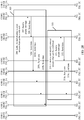
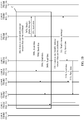
- a main procedure includes: a registration procedure A, an on-demand procedure B, a combination procedure C, and an on-demand stop procedure D.
- the registration procedure A mainly includes step 201 to step 203 in FIG. 2A .
- Specific content is as follows:
- the on-demand procedure B mainly includes step 204a to step 205e in FIG. 2A .
- Specific content is as follows:
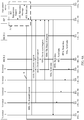
- the combination procedure C is mainly as follows: In FIG. 2B , the MCR 1 aggregates unicast streams sent by the RP to the terminal 2 to the terminal 5 (refer to step 206 to step 209e), and the MCR 2 aggregates unicast streams sent by the MCR 1 to the terminal 3 and the terminal 4 (refer to step 210 to step 213d).
- Specific content is as follows.
- Step 206 An MCR 1 and an MCR 2 listen to unicast packets passing through the MCR 1 and the MCR 2, and obtain multicast identifiers of the unicast packets obtained through listening and source address information in the unicast packets.
- Step 207a The MCR 1 determines that there are n unicast packets whose source addresses are an address of the RP and that all the n unicast packets have a same multicast identifier (10.0.0.2::1); combines the n unicast packets into one unicast packet set; and determines addresses of four terminals (the terminal 2 to the terminal 5) in the unicast packet set. Therefore, the MCR 1 sends a prune message to the upstream RP, where the prune message carries a destination address group (including the addresses of the terminal 2 to the terminal 5) determined from all the unicast packets in the unicast packet set. In addition, the MCR 1 generates a multicast routing entry 2 (for example, as shown in Table 2).
- a source address in the multicast routing entry 2 is an address of the MCR 1, and a destination address is the addresses of the terminal 2 to the terminal 5.
- Step 207b The MCR 2 also determines that there are k unicast packets whose source addresses are the address of the RP and that all the k unicast packets have the same multicast identifier (10.0.0.2::1); combines the k unicast packets into one unicast packet set; and determines addresses of two terminals (the terminal 3 and the terminal 4) in the unicast packet set. Therefore, the MCR 2 sends a prune message to the upstream RP. It should be noted that, because the communications system in FIG.
- the MCR 1 has a tree-like structure of a branch tree, in a time sequence, the MCR 1 obtains a unicast packet through listening before the MCR 2, and therefore the MCR 1 sends the prune message to the RP before the MCR 2. Therefore, the RP first receives the prune message sent by the MCR 1.
- Step 208 Because the prune message is used to instruct the RP to stop sending unicast packets with the multicast identifier to destination devices (the terminal 2 to the terminal 5) corresponding to the destination address group, and send the to-be-sent unicast packets with the multicast identifier to the MCR 1, after receiving the prune message sent by the MCR 1, the RP finds the corresponding multicast routing table 1 by using the multicast identifier, modifies the multicast routing entry 1, replaces the addresses of the terminal 2 to the terminal 5 with the address of the MCR 1, then combines a plurality of unicast streams to be sent to the terminal 2 to the terminal 5 into one unicast stream, and sends the unicast stream to the MCR 1.
- Table 3 shows a multicast routing entry 1 obtained after modification.
- Table 3 Multicast identifier Source address Destination address (0.0.0.2::1) Address of the RP Address of the terminal 1 Address of the MCR 1
- the RP does not respond to the prune message.
- Step 209b to step 209e After receiving a unicast packet of the combined unicast stream sent by the RP, the MCR 1 copies and distributes the received unicast packet of the unicast stream to the terminal 2 to the terminal 5 based on the multicast routing entry 2 in Table 2.
- Step 210 The MCR 2 listens to a unicast packet passing through the MCR 2, and obtains a multicast identifier of the unicast packet obtained through listening and source address information in the unicast packet.
- Step 211 The MCR 2 determines that there are m unicast packets whose source addresses are the address of the MCR 1 and that all the m unicast packets have the same multicast identifier (10.0.0.2::1); combines the m unicast packets into one unicast packet set; and determines addresses of two terminals (the terminal 3 and the terminal 4) in the unicast packet set. Therefore, the MCR 2 sends a prune message to the upstream MCR 1, where the prune message carries a destination address group (including the addresses of the terminal 3 and the terminal 4) determined from all the unicast packets in the unicast packet set. In addition, the MCR 2 generates a multicast routing entry 3 (for example, as shown in Table 4).
- a source address in the multicast routing entry 3 is an address of the MCR 2, and a destination address is the addresses of the terminal 3 and the terminal 4.
- Step 212 Because the prune message is used to instruct the MCR 1 to stop sending unicast packets with the multicast identifier to destination devices (the terminal 3 and the terminal 4) corresponding to the destination address group, and send the to-be-sent unicast packets with the multicast identifier to the MCR 2, after receiving the prune message, the MCR 1 finds the corresponding multicast routing table 2 by using the multicast identifier, modifies the multicast routing entry 2, replaces the addresses of the terminal 3 and the terminal 4 with the address of the MCR 2, then combines a plurality of unicast streams to be sent to the terminal 3 and the terminal 4 into one unicast stream, and sends the unicast stream to the MCR 2.
- Table 5 shows a multicast routing entry 2 obtained after modification.
- Table 5 Multicast identifier Source address Destination address (10.0.0.2::1) Address of the MCR 1 Address of the terminal 2 Address of the MCR 2 Address of the terminal 5
- Step 213c to step 213d After receiving a unicast packet of the combined unicast stream sent by the MCR 1, the MCR 2 copies and distributes the received unicast packet of the unicast stream to the terminal 3 and the terminal 4 based on the multicast routing entry 3 in Table 4.
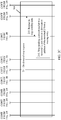
- the on-demand stop procedure D mainly includes step 214 to step 216 in FIG. 2C .
- Specific content is as follows:
- step 215 and step 216 are as follows:
- the RP searches for the multicast routing entry 1 corresponding to the multicast identifier, determines that the address of the terminal 2 is included in the destination address list of the multicast routing entry 1, modifies the multicast routing entry 1, and removes the address of the terminal 1 from the multicast routing entry 1.
- Table 7 shows a multicast routing entry 1 obtained after modification.
- Table 7 Multicast identifier Source address Destination address (10.0.0.2::1) Address of the RP Address of the MCR 1
- a multicast transmission service function is implemented by deploying some multicast routes in a unicast network, so that some multicast functions can be implemented, network bandwidth occupation can be reduced, and the multicast router may further count added or removed terminals by using a multicast routing entry, to manage and charge the terminal.
- Step 208 Because the prune message is used to instruct the RP to stop sending unicast packets with the multicast identifier to destination devices (the terminal 3 and the terminal 4) corresponding to the destination address group, and send the to-be-sent unicast packets with the multicast identifier to the MCR 2, after receiving the prune message sent by the MCR 2, the RP finds the corresponding multicast routing table 1 by using the multicast identifier, modifies the multicast routing entry 1, replaces the addresses of the terminal 3 and the terminal 4 with the address of the MCR 2, then combines a plurality of unicast streams to be sent to the terminal 3 and the terminal 4 into one unicast stream, and sends the unicast stream to the MCR 2.
- the RP does not combine the two unicast streams. Instead, the RP only combines the addresses sent to the terminal 2, the terminal 5, and the MCR 1 into one unicast stream, and then sends the unicast stream to the MCR 1.
- the MCR 2 follows the following principle: combining only packets whose source addresses are the upstream MCR 1.
- the MCR 2 is a common router at an initial deployment stage of the communications system in FIG. 1 , and is subsequently upgraded to a multicast router due to a product requirement.
- the combination procedure 303 operations performed when the MCR 2 in FIG. 1 is a common router are different from those performed when the MCR 2 is upgraded to a multicast router.
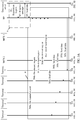
- a packet forwarding process includes the following specific steps: Step 401 to step 405e are consistent with step 201 to step 205e, and details are not described herein again. Step 406 is consistent with step 210, and details are not described herein again.
- Step 407 The MCR 2 determines that there are m unicast packets whose source addresses are an address of the RP and that all the m unicast packets have a same multicast identifier (10.0.0.2::1); combines the m unicast packets into one unicast packet set; and determines addresses of two terminals (the terminal 3 and the terminal 4) in the unicast packet set. Therefore, the MCR 2 sends a prune message to the upstream RP, where the prune message carries a destination address group (including the addresses of the terminal 3 and the terminal 4) determined from all the unicast packets in the unicast packet set. In addition, the MCR 2 generates a multicast routing entry 3 (as shown in Table 4).
- Step 408 Because the prune message is used to instruct the RP to stop sending unicast packets with the multicast identifier to destination devices (the terminal 3 and the terminal 4) corresponding to the destination address group, and send the to-be-sent unicast packets with the multicast identifier to the MCR 2, after receiving the prune message, the RP finds the corresponding multicast routing table 2 by using the multicast identifier, modifies the multicast routing entry 1, replaces the addresses of the terminal 3 and the terminal 4 with the address of the MCR 2, then combines a plurality of unicast streams to be sent to the terminal 3 and the terminal 4 into one unicast stream, and sends the unicast stream to the MCR 2.
- Table 8 shows a multicast routing entry 1 obtained after modification.
- Step 410 The MCR 1 listens to a unicast packet passing through the MCR 1, and obtains a multicast identifier of the unicast packet obtained through listening and source address information in the unicast packet.
- Step 411 The MCR 1 determines that there are L unicast packets whose source addresses are an address of the RP and that all the L unicast packets have a same multicast identifier (10.0.0.2::1); combines the L unicast packets into one unicast packet set; and determines addresses of three terminals (the terminal 2, the MCR 2, and the terminal 5) from the unicast packet set.
- the MCR 1 sends a prune message to the RP, where the prune message carries a destination address group (including the address of the terminal 2, the address of the MCR 2, and the address of the terminal 5) determined from all the unicast packets in the unicast packet set.
- the MCR 1 generates a multicast routing entry 2 (as shown in Table 9).
- a source address in the multicast routing entry 2 is an address of the MCR 1, and a destination address is the addresses of the terminal 2, the MCR 2, and the terminal 5.
- Table 9 Multicast identifier Source address Destination address (10.0.0.2::1) Address of the MCR 1 Address of the terminal 2 Address of the MCR 2 Address of the terminal 5
- Step 412b, step 402e, and step 402f After receiving a unicast packet of the combined unicast stream sent by the RP, the MCR 1 copies and distributes the received unicast packet of the unicast stream to the terminal 3, the MCR 2, and the terminal 5 based on the multicast routing entry 2 in Table 9.
- the foregoing packet forwarding process is described with reference to a communications system of a relatively simple network architecture shown in FIG. 5 , and the communications system in FIG. 5 includes a data source server, an RP, an MCR 1, an R1 to an R4, and a terminal 1 to a terminal 3 joining a same multicast group.
- Table 10 shows addresses of network elements in FIG. 5 .
- Table 10 Data source server 10.0.0.2 RP 10.0.0.1 MCR 1 10.10.0.1 R1 10.9.0.1 R2 10.9.10.1 R3 10.10.9.1 R4 10.10.10.1 Terminal 1 10.9.10.2 Terminal 2 10.10.9.2 Terminal 3 10.10.10.2
- a first procedure in FIG. 5 The data source server initiates a registration procedure to the RP, and detailed steps are as follows:
- a second procedure The terminal 1 initiates an on-demand procedure to the RP. Detailed steps are as follows:
- a third procedure The terminal 2 initiates an on-demand procedure to the RP. Detailed steps are as follows:
- a fourth procedure The terminal 3 initiates an on-demand procedure to the RP. Detailed steps are as follows:
- a fifth procedure Combination procedure. Detailed steps are as follows:
- a sixth procedure On-demand stop procedure. Detailed steps are as follows:
- the MCR 1 instructs the RP to combine a plurality of unicast streams, and the MCR 1 sends a combined unicast stream to each destination device, thereby effectively reducing network bandwidth.
- FIG. 6 is a schematic structural diagram of a multicast router according to this application.
- the multicast router 800 includes a communications interface 801, a processor 802, a memory 803, and a bus system 804.
- the multicast router may be a first multicast router, or may be a second multicast router.
- the memory 803 is configured to store a computer program, and may further store some data information and the like received by the multicast router.
- the computer program may include program code, and the program code may include a computer operation instruction and the like.
- the memory 803 may be a random access memory (English: random access memory, RAM), or may be a nonvolatile memory (English: nonvolatile memory, NVM), for example, at least one magnetic disk storage. Only one memory is shown in the figure. Certainly, a plurality of memories may be provided as required.
- the memory 803 may be a memory in the processor 802.
- the memory 803 may store the following elements, executable modules, data structures, or the like, or a subset thereof, or an extension set thereof:
- the processor 802 is configured to control an operation of the multicast router 800, and the processor 802 may be further referred to as a central processing unit (English: central processing unit, CPU).
- the communications interface 801 is configured to perform processing such as information receiving and sending with another device connected to the multicast router 800.
- components of the multicast router 800 may be coupled together by using the bus system 804.
- the bus system 804 may further include a power bus, a control bus, a status signal bus, and the like.
- various buses are marked as the bus system 804 in the figure.
- FIG. 6 merely shows an example of the multicast router 800.
- the method disclosed in the embodiments of this application may be applied to the processor 802, or may be implemented by the processor 802.
- the processor 802 may be an integrated circuit chip and has a signal processing capability. In an implementation process, each step of the foregoing method may be completed by using an integrated logic circuit of hardware in the processor 802 or an instruction in a form of software.
- the processor 802 may be a general purpose processor, a digital signal processor (DSP), an application-specific integrated circuit (ASIC), a field programmable gate array (FPGA) or another programmable logic device, a discrete gate or transistor logic device, or a discrete hardware component. All methods, steps, and logical block diagrams disclosed in the embodiments of this application may be implemented or performed.
- the general purpose processor may be a microprocessor or the processor may be any conventional processor, or the like. Steps of the methods disclosed in the embodiments of this application may be directly performed and completed by a hardware decoding processor, or may be performed and completed by using a combination of hardware in the decoding processor and a software module.
- the software module may be located in a mature storage medium in the field, such as a random access memory, a flash memory, a read-only memory, a programmable read-only memory, an electrically-erasable programmable memory, or a register.
- the storage medium may be located in the memory 803, and the processor 802 may read information stored in the memory 803, and perform the foregoing method steps with reference to hardware.
- the multicast router may send a prune message to an upstream router, and copy and distribute a combined unicast stream sent by the upstream router to a destination device.
- the multicast router is the second multicast router, namely, an RP
- the multicast router may communicate with a data source server, and allocate a multicast identifier to a UDP session.
- the multicast router may combine a plurality of unicast streams, and send a combined unicast stream to the downstream multicast router.
- a unicast packet in this embodiment of this application is copied and distributed by using a multicast router deployed in a unicast network. This can reduce network bandwidth and server overheads compared with unicast transmission.
- multicast routers do not need to be deployed in an entire network, and only a limited quantity of existing routers need to be upgraded.
- the RP has contexts of all clients, and access and exit of all the clients may be managed by the RP. Compared with IP multicast, management convenience is improved.
- the upgraded multicast router breaks down, only a unicast function provided by a common router needs to be recovered, and a communications network can still continually run.
- the embodiments of the present invention may be provided as a method, a system, or a computer program product. Therefore, the embodiments of the present invention may use a form of hardware only embodiments, software only embodiments, or embodiments with a combination of software and hardware. In addition, the embodiments of the present invention may use a form of a computer program product that is implemented on one or more computer-usable storage media (including but not limited to a magnetic disk storage, a CD-ROM, and an optical memory) that include computer usable program code.
- computer-usable storage media including but not limited to a magnetic disk storage, a CD-ROM, and an optical memory
- These computer program instructions may be provided for a general purpose computer, a dedicated computer, an embedded processor, or a processor of any other programmable data processing device to generate a machine, so that the instructions executed by a computer or a processor of any other programmable data processing device generate an apparatus for implementing a specific function in one or more processes in the flowcharts and/or in one or more blocks in the block diagrams.
- These computer program instructions may be stored in a computer readable memory that can instruct the computer or any other programmable data processing device to work in a specific manner, so that the instructions stored in the computer readable memory generate an artifact that includes an instruction apparatus.
- the instruction apparatus implements a specified function in one or more processes in the flowcharts and/or in one or more blocks in the block diagrams.
- These computer program instructions may also be loaded onto a computer or another programmable data processing device, so that a series of operations and steps are performed on the computer or the another programmable device, thereby generating computer-implemented processing. Therefore, the instructions executed on the computer or the another programmable device provide steps for implementing a specific function in one or more processes in the flowcharts and/or in one or more blocks in the block diagrams.
Landscapes
- Engineering & Computer Science (AREA)
- Computer Networks & Wireless Communication (AREA)
- Signal Processing (AREA)
- Data Exchanges In Wide-Area Networks (AREA)
Applications Claiming Priority (2)
| Application Number | Priority Date | Filing Date | Title |
|---|---|---|---|
| CN201710892283.9A CN109561022B (zh) | 2017-09-27 | 2017-09-27 | 一种组播转发方法及组播路由器 |
| PCT/CN2018/104423 WO2019062515A1 (zh) | 2017-09-27 | 2018-09-06 | 一种组播转发方法及组播路由器 |
Publications (3)
| Publication Number | Publication Date |
|---|---|
| EP3668026A1 true EP3668026A1 (de) | 2020-06-17 |
| EP3668026A4 EP3668026A4 (de) | 2020-10-21 |
| EP3668026B1 EP3668026B1 (de) | 2021-08-25 |
Family
ID=65863973
Family Applications (1)
| Application Number | Title | Priority Date | Filing Date |
|---|---|---|---|
| EP18861921.7A Active EP3668026B1 (de) | 2017-09-27 | 2018-09-06 | Verfahren zur multicast-weiterleitung und multicast-router |
Country Status (4)
| Country | Link |
|---|---|
| US (1) | US11190367B2 (de) |
| EP (1) | EP3668026B1 (de) |
| CN (1) | CN109561022B (de) |
| WO (1) | WO2019062515A1 (de) |
Cited By (1)
| Publication number | Priority date | Publication date | Assignee | Title |
|---|---|---|---|---|
| SE2151546A1 (en) * | 2021-12-16 | 2023-06-17 | Assa Abloy Ab | Routing data in a communication network |
Families Citing this family (10)
| Publication number | Priority date | Publication date | Assignee | Title |
|---|---|---|---|---|
| CN113872861B (zh) | 2020-06-30 | 2023-07-18 | 华为技术有限公司 | 一种生成表项的方法、发送报文的方法及设备 |
| WO2022006888A1 (zh) * | 2020-07-10 | 2022-01-13 | Oppo广东移动通信有限公司 | 一种mbs业务的接收方法及装置、终端设备 |
| US11632261B2 (en) * | 2020-07-31 | 2023-04-18 | Hewlett Packard Enterprise Development Lp | Managing multicast group traffic |
| CN114143257B (zh) * | 2020-09-03 | 2023-04-28 | 华为技术有限公司 | 一种生成表项的方法、发送报文的方法、设备及系统 |
| CN113595912B (zh) * | 2021-07-05 | 2022-11-11 | 北京邮电大学 | 5GLAN中基于IPv6扩展报头的一对多通信方法及装置 |
| WO2023279361A1 (zh) * | 2021-07-09 | 2023-01-12 | 哈尔滨海能达科技有限公司 | 专网下信息的发送方法、接收方法及相关装置 |
| US12603838B2 (en) * | 2022-03-31 | 2026-04-14 | Lenovo Global Technology (United States) Inc. | Optimizing network load in multicast communications |
| CN116962100B (zh) * | 2022-04-13 | 2025-01-28 | 华为技术有限公司 | 一种数据的组播方法、电子设备及通信系统 |
| CN114828153B (zh) * | 2022-04-22 | 2024-07-05 | 中科润物科技(南京)有限公司 | 基于组播的软件定义无人机自组网路由信息高效传送方法 |
| CN118827544A (zh) * | 2024-01-15 | 2024-10-22 | 中国移动通信有限公司研究院 | 数据传输方法、装置、电子设备和存储介质 |
Family Cites Families (27)
| Publication number | Priority date | Publication date | Assignee | Title |
|---|---|---|---|---|
| CN100384131C (zh) * | 2003-09-08 | 2008-04-23 | 华为技术有限公司 | 一种大容量组播路由表下提高组播数据转发效率的方法 |
| JP4181513B2 (ja) * | 2004-02-19 | 2008-11-19 | 日本電信電話株式会社 | Vpnマルチキャストパケット転送方法及びそれを用いたネットワークシステム並びにそれを構成する装置及びプログラム |
| CN100450086C (zh) | 2005-09-07 | 2009-01-07 | 华为技术有限公司 | 在虚拟专用局域网业务中实现组播数据流转发的方法 |
| CN100396058C (zh) * | 2005-10-21 | 2008-06-18 | 清华大学 | 区分服务网络域内支持不同服务质量的ip组播方法 |
| CN100413275C (zh) * | 2006-03-02 | 2008-08-20 | 华为技术有限公司 | 自动交换光网络组播网络接口业务的实现方法 |
| CN101035063A (zh) * | 2006-03-07 | 2007-09-12 | 华为技术有限公司 | 组播流转发方法及其路由器和系统 |
| CN100433730C (zh) * | 2006-08-08 | 2008-11-12 | 杭州华三通信技术有限公司 | 组播点播方法及系统 |
| CN1937610B (zh) * | 2006-08-21 | 2010-09-08 | 杭州华三通信技术有限公司 | 具有pim功能的解码器,采用该解码器的实时监控系统及方法 |
| JP2008060631A (ja) * | 2006-08-29 | 2008-03-13 | Alaxala Networks Corp | 通信装置及びマルチキャストユーザ認証方法 |
| US8295203B2 (en) * | 2007-08-24 | 2012-10-23 | At&T Intellectual Property I, L.P. | Methods and systems to store state used to forward multicast traffic |
| CN101394358B (zh) * | 2008-10-30 | 2011-06-15 | 华为技术有限公司 | 提高组播转发可靠性的方法和装置 |
| CN101764756B (zh) * | 2010-01-14 | 2012-01-25 | 福建星网锐捷网络有限公司 | 组播数据转发路径的剪枝处理方法、装置和网络设备 |
| CN102035729B (zh) * | 2010-11-22 | 2013-03-20 | 杭州华三通信技术有限公司 | 一种组播数据转发方法 |
| CN103209132B (zh) * | 2012-01-16 | 2017-06-27 | 华为技术有限公司 | 在透明多链路互联(trill)网络中实现组播的方法、装置及系统 |
| CN102833082B (zh) * | 2012-09-24 | 2015-11-25 | 杭州华三通信技术有限公司 | 一种组播剪枝方法和路由设备 |
| US9300483B2 (en) * | 2013-03-15 | 2016-03-29 | International Business Machines Corporation | Self-routing multicast in a software defined network fabric |
| CN103209134B (zh) * | 2013-04-22 | 2017-02-15 | 杭州华三通信技术有限公司 | 一种组播转发的方法和设备 |
| US9565027B2 (en) * | 2013-08-23 | 2017-02-07 | Futurewei Technologies, Inc. | Multi-destination traffic control in multi-level networks |
| US9344359B1 (en) * | 2013-09-10 | 2016-05-17 | Juniper Networks, Inc. | Ingress protection for multipoint label switched paths |
| US9247397B2 (en) * | 2014-01-15 | 2016-01-26 | Abb Inc. | Distribution of multicast traffic through a mesh network |
| KR20150094436A (ko) * | 2014-02-11 | 2015-08-19 | 한국전자통신연구원 | 식별자/위치자 분리 환경에서의 멀티캐스트를 수행하는 방법 및 장치 |
| CN104954265B (zh) * | 2014-03-25 | 2018-06-15 | 华为技术有限公司 | 发送组播报文的方法及交换机 |
| CN105871565B (zh) * | 2015-01-20 | 2019-11-29 | 华为技术有限公司 | 用于组播转发的方法及装置 |
| US9729430B2 (en) * | 2015-04-21 | 2017-08-08 | Raytheon Bbn Technologies Corp. | System, device, and method of dense-mode multicast tunneling using interlayer group membership control |
| US10673742B2 (en) * | 2015-09-10 | 2020-06-02 | Telefonaktiebolaget Lm Ericsson (Publ) | Multicast state reduction via tunneling in a routed system |
| WO2017141076A1 (en) * | 2016-02-19 | 2017-08-24 | Telefonaktiebolaget Lm Ericsson (Publ) | Stateless multicast protocol for low-power and lossy networks |
| CN106878180B (zh) * | 2016-12-23 | 2020-01-03 | 新华三技术有限公司 | 集群路由器路由控制方法、装置和集群路由器 |
-
2017
- 2017-09-27 CN CN201710892283.9A patent/CN109561022B/zh not_active Expired - Fee Related
-
2018
- 2018-09-06 EP EP18861921.7A patent/EP3668026B1/de active Active
- 2018-09-06 WO PCT/CN2018/104423 patent/WO2019062515A1/zh not_active Ceased
-
2020
- 2020-03-26 US US16/830,864 patent/US11190367B2/en not_active Expired - Fee Related
Cited By (2)
| Publication number | Priority date | Publication date | Assignee | Title |
|---|---|---|---|---|
| SE2151546A1 (en) * | 2021-12-16 | 2023-06-17 | Assa Abloy Ab | Routing data in a communication network |
| SE546688C2 (en) * | 2021-12-16 | 2025-01-14 | Assa Abloy Ab | Routing data in a communication network |
Also Published As
| Publication number | Publication date |
|---|---|
| US11190367B2 (en) | 2021-11-30 |
| EP3668026A4 (de) | 2020-10-21 |
| WO2019062515A1 (zh) | 2019-04-04 |
| CN109561022B (zh) | 2020-09-08 |
| EP3668026B1 (de) | 2021-08-25 |
| CN109561022A (zh) | 2019-04-02 |
| US20200228356A1 (en) | 2020-07-16 |
Similar Documents
| Publication | Publication Date | Title |
|---|---|---|
| EP3668026B1 (de) | Verfahren zur multicast-weiterleitung und multicast-router | |
| US10263889B2 (en) | Data forwarding method, device, and system in software-defined networking | |
| US11245618B2 (en) | Multicast traceroute facility with batch query processing for multiple flows and reservation of resources for requested link metrics | |
| CN109660442B (zh) | Overlay网络中组播复制的方法及装置 | |
| CN112087390B (zh) | 一种网络路由方法及装置 | |
| CN109981308B (zh) | 报文传输方法及装置 | |
| WO2019085822A1 (zh) | 用于实现组播业务的方法和装置 | |
| CN110445702B (zh) | 一种报文转发方法及设备 | |
| CN104509073A (zh) | 在软件定义的网络中发现ip多播组成员 | |
| CN107612809A (zh) | 一种组播表项同步方法以及设备 | |
| CN106357542B (zh) | 提供组播业务的方法和软件定义网络控制器 | |
| JP2013515407A (ja) | マルチキャストパケットを処理するための方法及び装置 | |
| CN106411750B (zh) | 数据分发方法及系统 | |
| CN105144639A (zh) | 在覆盖网络中至双重连接(vpc)的主机的有效组播传送 | |
| CN102694664B (zh) | 组播方法及组播设备 | |
| WO2017124712A1 (zh) | 报文生成方法、报文转发方法及装置 | |
| WO2013107340A1 (en) | Maintaining a multicast forwarding table and a pim router | |
| CN106230730B (zh) | 一种组播传输方法和装置 | |
| WO2022068484A1 (zh) | 一种业务链地址池切片处理方法、装置及系统 | |
| CN109039702B (zh) | 专网集群系统中组播组网的实现方法和装置 | |
| CN108881015B (zh) | 一种报文广播方法和装置 | |
| CN116389541A (zh) | 一种会话处理方法、装置、设备及负载均衡系统 | |
| US9548964B1 (en) | VPN for containers and virtual machines in local area networks | |
| US20200021450A1 (en) | Managing multicast scaling | |
| CN113141291B (zh) | 一种数据传输方法及相关的设备和系统 |
Legal Events
| Date | Code | Title | Description |
|---|---|---|---|
| STAA | Information on the status of an ep patent application or granted ep patent |
Free format text: STATUS: THE INTERNATIONAL PUBLICATION HAS BEEN MADE |
|
| PUAI | Public reference made under article 153(3) epc to a published international application that has entered the european phase |
Free format text: ORIGINAL CODE: 0009012 |
|
| STAA | Information on the status of an ep patent application or granted ep patent |
Free format text: STATUS: REQUEST FOR EXAMINATION WAS MADE |
|
| 17P | Request for examination filed |
Effective date: 20200312 |
|
| AK | Designated contracting states |
Kind code of ref document: A1 Designated state(s): AL AT BE BG CH CY CZ DE DK EE ES FI FR GB GR HR HU IE IS IT LI LT LU LV MC MK MT NL NO PL PT RO RS SE SI SK SM TR |
|
| AX | Request for extension of the european patent |
Extension state: BA ME |
|
| A4 | Supplementary search report drawn up and despatched |
Effective date: 20200918 |
|
| RIC1 | Information provided on ipc code assigned before grant |
Ipc: H04L 12/18 20060101ALI20200914BHEP Ipc: H04L 12/741 20130101AFI20200914BHEP |
|
| DAV | Request for validation of the european patent (deleted) | ||
| DAX | Request for extension of the european patent (deleted) | ||
| GRAP | Despatch of communication of intention to grant a patent |
Free format text: ORIGINAL CODE: EPIDOSNIGR1 |
|
| STAA | Information on the status of an ep patent application or granted ep patent |
Free format text: STATUS: GRANT OF PATENT IS INTENDED |
|
| RIC1 | Information provided on ipc code assigned before grant |
Ipc: H04L 12/18 20060101ALI20210325BHEP Ipc: H04L 12/741 20130101AFI20210325BHEP |
|
| INTG | Intention to grant announced |
Effective date: 20210415 |
|
| GRAS | Grant fee paid |
Free format text: ORIGINAL CODE: EPIDOSNIGR3 |
|
| GRAA | (expected) grant |
Free format text: ORIGINAL CODE: 0009210 |
|
| STAA | Information on the status of an ep patent application or granted ep patent |
Free format text: STATUS: THE PATENT HAS BEEN GRANTED |
|
| AK | Designated contracting states |
Kind code of ref document: B1 Designated state(s): AL AT BE BG CH CY CZ DE DK EE ES FI FR GB GR HR HU IE IS IT LI LT LU LV MC MK MT NL NO PL PT RO RS SE SI SK SM TR |
|
| REG | Reference to a national code |
Ref country code: CH Ref legal event code: EP |
|
| REG | Reference to a national code |
Ref country code: IE Ref legal event code: FG4D Ref country code: AT Ref legal event code: REF Ref document number: 1424963 Country of ref document: AT Kind code of ref document: T Effective date: 20210915 |
|
| REG | Reference to a national code |
Ref country code: DE Ref legal event code: R096 Ref document number: 602018022600 Country of ref document: DE |
|
| REG | Reference to a national code |
Ref country code: DE Ref legal event code: R079 Ref document number: 602018022600 Country of ref document: DE Free format text: PREVIOUS MAIN CLASS: H04L0012741000 Ipc: H04L0045740000 |
|
| REG | Reference to a national code |
Ref country code: LT Ref legal event code: MG9D |
|
| REG | Reference to a national code |
Ref country code: NL Ref legal event code: MP Effective date: 20210825 |
|
| REG | Reference to a national code |
Ref country code: AT Ref legal event code: MK05 Ref document number: 1424963 Country of ref document: AT Kind code of ref document: T Effective date: 20210825 |
|
| PG25 | Lapsed in a contracting state [announced via postgrant information from national office to epo] |
Ref country code: LT Free format text: LAPSE BECAUSE OF FAILURE TO SUBMIT A TRANSLATION OF THE DESCRIPTION OR TO PAY THE FEE WITHIN THE PRESCRIBED TIME-LIMIT Effective date: 20210825 Ref country code: BG Free format text: LAPSE BECAUSE OF FAILURE TO SUBMIT A TRANSLATION OF THE DESCRIPTION OR TO PAY THE FEE WITHIN THE PRESCRIBED TIME-LIMIT Effective date: 20211125 Ref country code: AT Free format text: LAPSE BECAUSE OF FAILURE TO SUBMIT A TRANSLATION OF THE DESCRIPTION OR TO PAY THE FEE WITHIN THE PRESCRIBED TIME-LIMIT Effective date: 20210825 Ref country code: HR Free format text: LAPSE BECAUSE OF FAILURE TO SUBMIT A TRANSLATION OF THE DESCRIPTION OR TO PAY THE FEE WITHIN THE PRESCRIBED TIME-LIMIT Effective date: 20210825 Ref country code: NO Free format text: LAPSE BECAUSE OF FAILURE TO SUBMIT A TRANSLATION OF THE DESCRIPTION OR TO PAY THE FEE WITHIN THE PRESCRIBED TIME-LIMIT Effective date: 20211125 Ref country code: PT Free format text: LAPSE BECAUSE OF FAILURE TO SUBMIT A TRANSLATION OF THE DESCRIPTION OR TO PAY THE FEE WITHIN THE PRESCRIBED TIME-LIMIT Effective date: 20211227 Ref country code: RS Free format text: LAPSE BECAUSE OF FAILURE TO SUBMIT A TRANSLATION OF THE DESCRIPTION OR TO PAY THE FEE WITHIN THE PRESCRIBED TIME-LIMIT Effective date: 20210825 Ref country code: SE Free format text: LAPSE BECAUSE OF FAILURE TO SUBMIT A TRANSLATION OF THE DESCRIPTION OR TO PAY THE FEE WITHIN THE PRESCRIBED TIME-LIMIT Effective date: 20210825 Ref country code: ES Free format text: LAPSE BECAUSE OF FAILURE TO SUBMIT A TRANSLATION OF THE DESCRIPTION OR TO PAY THE FEE WITHIN THE PRESCRIBED TIME-LIMIT Effective date: 20210825 Ref country code: FI Free format text: LAPSE BECAUSE OF FAILURE TO SUBMIT A TRANSLATION OF THE DESCRIPTION OR TO PAY THE FEE WITHIN THE PRESCRIBED TIME-LIMIT Effective date: 20210825 |
|
| PG25 | Lapsed in a contracting state [announced via postgrant information from national office to epo] |
Ref country code: PL Free format text: LAPSE BECAUSE OF FAILURE TO SUBMIT A TRANSLATION OF THE DESCRIPTION OR TO PAY THE FEE WITHIN THE PRESCRIBED TIME-LIMIT Effective date: 20210825 Ref country code: LV Free format text: LAPSE BECAUSE OF FAILURE TO SUBMIT A TRANSLATION OF THE DESCRIPTION OR TO PAY THE FEE WITHIN THE PRESCRIBED TIME-LIMIT Effective date: 20210825 Ref country code: GR Free format text: LAPSE BECAUSE OF FAILURE TO SUBMIT A TRANSLATION OF THE DESCRIPTION OR TO PAY THE FEE WITHIN THE PRESCRIBED TIME-LIMIT Effective date: 20211126 |
|
| REG | Reference to a national code |
Ref country code: DE Ref legal event code: R119 Ref document number: 602018022600 Country of ref document: DE |
|
| PG25 | Lapsed in a contracting state [announced via postgrant information from national office to epo] |
Ref country code: NL Free format text: LAPSE BECAUSE OF FAILURE TO SUBMIT A TRANSLATION OF THE DESCRIPTION OR TO PAY THE FEE WITHIN THE PRESCRIBED TIME-LIMIT Effective date: 20210825 |
|
| PG25 | Lapsed in a contracting state [announced via postgrant information from national office to epo] |
Ref country code: DK Free format text: LAPSE BECAUSE OF FAILURE TO SUBMIT A TRANSLATION OF THE DESCRIPTION OR TO PAY THE FEE WITHIN THE PRESCRIBED TIME-LIMIT Effective date: 20210825 |
|
| REG | Reference to a national code |
Ref country code: CH Ref legal event code: PL |
|
| REG | Reference to a national code |
Ref country code: BE Ref legal event code: MM Effective date: 20210930 |
|
| PG25 | Lapsed in a contracting state [announced via postgrant information from national office to epo] |
Ref country code: SM Free format text: LAPSE BECAUSE OF FAILURE TO SUBMIT A TRANSLATION OF THE DESCRIPTION OR TO PAY THE FEE WITHIN THE PRESCRIBED TIME-LIMIT Effective date: 20210825 Ref country code: SK Free format text: LAPSE BECAUSE OF FAILURE TO SUBMIT A TRANSLATION OF THE DESCRIPTION OR TO PAY THE FEE WITHIN THE PRESCRIBED TIME-LIMIT Effective date: 20210825 Ref country code: RO Free format text: LAPSE BECAUSE OF FAILURE TO SUBMIT A TRANSLATION OF THE DESCRIPTION OR TO PAY THE FEE WITHIN THE PRESCRIBED TIME-LIMIT Effective date: 20210825 Ref country code: MC Free format text: LAPSE BECAUSE OF FAILURE TO SUBMIT A TRANSLATION OF THE DESCRIPTION OR TO PAY THE FEE WITHIN THE PRESCRIBED TIME-LIMIT Effective date: 20210825 Ref country code: EE Free format text: LAPSE BECAUSE OF FAILURE TO SUBMIT A TRANSLATION OF THE DESCRIPTION OR TO PAY THE FEE WITHIN THE PRESCRIBED TIME-LIMIT Effective date: 20210825 Ref country code: CZ Free format text: LAPSE BECAUSE OF FAILURE TO SUBMIT A TRANSLATION OF THE DESCRIPTION OR TO PAY THE FEE WITHIN THE PRESCRIBED TIME-LIMIT Effective date: 20210825 Ref country code: AL Free format text: LAPSE BECAUSE OF FAILURE TO SUBMIT A TRANSLATION OF THE DESCRIPTION OR TO PAY THE FEE WITHIN THE PRESCRIBED TIME-LIMIT Effective date: 20210825 |
|
| PLBE | No opposition filed within time limit |
Free format text: ORIGINAL CODE: 0009261 |
|
| STAA | Information on the status of an ep patent application or granted ep patent |
Free format text: STATUS: NO OPPOSITION FILED WITHIN TIME LIMIT |
|
| PG25 | Lapsed in a contracting state [announced via postgrant information from national office to epo] |
Ref country code: LU Free format text: LAPSE BECAUSE OF NON-PAYMENT OF DUE FEES Effective date: 20210906 Ref country code: IT Free format text: LAPSE BECAUSE OF FAILURE TO SUBMIT A TRANSLATION OF THE DESCRIPTION OR TO PAY THE FEE WITHIN THE PRESCRIBED TIME-LIMIT Effective date: 20210825 Ref country code: IE Free format text: LAPSE BECAUSE OF NON-PAYMENT OF DUE FEES Effective date: 20210906 Ref country code: DE Free format text: LAPSE BECAUSE OF NON-PAYMENT OF DUE FEES Effective date: 20220401 Ref country code: BE Free format text: LAPSE BECAUSE OF NON-PAYMENT OF DUE FEES Effective date: 20210930 |
|
| 26N | No opposition filed |
Effective date: 20220527 |
|
| PG25 | Lapsed in a contracting state [announced via postgrant information from national office to epo] |
Ref country code: SI Free format text: LAPSE BECAUSE OF FAILURE TO SUBMIT A TRANSLATION OF THE DESCRIPTION OR TO PAY THE FEE WITHIN THE PRESCRIBED TIME-LIMIT Effective date: 20210825 Ref country code: LI Free format text: LAPSE BECAUSE OF NON-PAYMENT OF DUE FEES Effective date: 20210930 Ref country code: CH Free format text: LAPSE BECAUSE OF NON-PAYMENT OF DUE FEES Effective date: 20210930 |
|
| PG25 | Lapsed in a contracting state [announced via postgrant information from national office to epo] |
Ref country code: FR Free format text: LAPSE BECAUSE OF NON-PAYMENT OF DUE FEES Effective date: 20211025 |
|
| GBPC | Gb: european patent ceased through non-payment of renewal fee |
Effective date: 20220906 |
|
| PG25 | Lapsed in a contracting state [announced via postgrant information from national office to epo] |
Ref country code: CY Free format text: LAPSE BECAUSE OF FAILURE TO SUBMIT A TRANSLATION OF THE DESCRIPTION OR TO PAY THE FEE WITHIN THE PRESCRIBED TIME-LIMIT Effective date: 20210825 |
|
| PG25 | Lapsed in a contracting state [announced via postgrant information from national office to epo] |
Ref country code: HU Free format text: LAPSE BECAUSE OF FAILURE TO SUBMIT A TRANSLATION OF THE DESCRIPTION OR TO PAY THE FEE WITHIN THE PRESCRIBED TIME-LIMIT; INVALID AB INITIO Effective date: 20180906 |
|
| PG25 | Lapsed in a contracting state [announced via postgrant information from national office to epo] |
Ref country code: GB Free format text: LAPSE BECAUSE OF NON-PAYMENT OF DUE FEES Effective date: 20220906 |
|
| PG25 | Lapsed in a contracting state [announced via postgrant information from national office to epo] |
Ref country code: MK Free format text: LAPSE BECAUSE OF FAILURE TO SUBMIT A TRANSLATION OF THE DESCRIPTION OR TO PAY THE FEE WITHIN THE PRESCRIBED TIME-LIMIT Effective date: 20210825 |
|
| PG25 | Lapsed in a contracting state [announced via postgrant information from national office to epo] |
Ref country code: MT Free format text: LAPSE BECAUSE OF FAILURE TO SUBMIT A TRANSLATION OF THE DESCRIPTION OR TO PAY THE FEE WITHIN THE PRESCRIBED TIME-LIMIT Effective date: 20210825 |
|
| PG25 | Lapsed in a contracting state [announced via postgrant information from national office to epo] |
Ref country code: TR Free format text: LAPSE BECAUSE OF FAILURE TO SUBMIT A TRANSLATION OF THE DESCRIPTION OR TO PAY THE FEE WITHIN THE PRESCRIBED TIME-LIMIT Effective date: 20210825 |