EP3667208A1 - Process for shelf-life extension of fish - Google Patents
Process for shelf-life extension of fish Download PDFInfo
- Publication number
- EP3667208A1 EP3667208A1 EP19211317.3A EP19211317A EP3667208A1 EP 3667208 A1 EP3667208 A1 EP 3667208A1 EP 19211317 A EP19211317 A EP 19211317A EP 3667208 A1 EP3667208 A1 EP 3667208A1
- Authority
- EP
- European Patent Office
- Prior art keywords
- fish
- packages
- temperature
- range
- chill
- Prior art date
- Legal status (The legal status is an assumption and is not a legal conclusion. Google has not performed a legal analysis and makes no representation as to the accuracy of the status listed.)
- Granted
Links
Images
Classifications
-
- F—MECHANICAL ENGINEERING; LIGHTING; HEATING; WEAPONS; BLASTING
- F25—REFRIGERATION OR COOLING; COMBINED HEATING AND REFRIGERATION SYSTEMS; HEAT PUMP SYSTEMS; MANUFACTURE OR STORAGE OF ICE; LIQUEFACTION SOLIDIFICATION OF GASES
- F25D—REFRIGERATORS; COLD ROOMS; ICE-BOXES; COOLING OR FREEZING APPARATUS NOT OTHERWISE PROVIDED FOR
- F25D13/00—Stationary devices, e.g. cold-rooms
- F25D13/06—Stationary devices, e.g. cold-rooms with conveyors carrying articles to be cooled through the cooling space
- F25D13/067—Stationary devices, e.g. cold-rooms with conveyors carrying articles to be cooled through the cooling space with circulation of gaseous cooling fluid
-
- A—HUMAN NECESSITIES
- A22—BUTCHERING; MEAT TREATMENT; PROCESSING POULTRY OR FISH
- A22C—PROCESSING MEAT, POULTRY, OR FISH
- A22C25/00—Processing fish ; Curing of fish; Stunning of fish by electric current; Investigating fish by optical means
-
- A—HUMAN NECESSITIES
- A23—FOODS OR FOODSTUFFS; TREATMENT THEREOF, NOT COVERED BY OTHER CLASSES
- A23B—PRESERVATION OF FOODS, FOODSTUFFS OR NON-ALCOHOLIC BEVERAGES; CHEMICAL RIPENING OF FRUIT OR VEGETABLES
- A23B2/00—Preservation of foods or foodstuffs, in general
- A23B2/70—Preservation of foods or foodstuffs, in general by treatment with chemicals
- A23B2/704—Preservation of foods or foodstuffs, in general by treatment with chemicals in the form of gases, e.g. fumigation; Compositions or apparatus therefor
- A23B2/708—Preservation of foods or foodstuffs, in general by treatment with chemicals in the form of gases, e.g. fumigation; Compositions or apparatus therefor in a controlled atmosphere, e.g. partial vacuum, comprising only CO2, N2, O2 or H2O
-
- A—HUMAN NECESSITIES
- A23—FOODS OR FOODSTUFFS; TREATMENT THEREOF, NOT COVERED BY OTHER CLASSES
- A23B—PRESERVATION OF FOODS, FOODSTUFFS OR NON-ALCOHOLIC BEVERAGES; CHEMICAL RIPENING OF FRUIT OR VEGETABLES
- A23B2/00—Preservation of foods or foodstuffs, in general
- A23B2/80—Freezing; Subsequent thawing; Cooling
-
- A—HUMAN NECESSITIES
- A23—FOODS OR FOODSTUFFS; TREATMENT THEREOF, NOT COVERED BY OTHER CLASSES
- A23B—PRESERVATION OF FOODS, FOODSTUFFS OR NON-ALCOHOLIC BEVERAGES; CHEMICAL RIPENING OF FRUIT OR VEGETABLES
- A23B4/00—Preservation of meat, sausages, fish or fish products
- A23B4/06—Freezing; Subsequent thawing; Cooling
- A23B4/062—Freezing; Subsequent thawing; Cooling the materials being transported through or in the apparatus with or without shaping, e.g. in the form of powder, granules or flakes
- A23B4/064—Freezing; Subsequent thawing; Cooling the materials being transported through or in the apparatus with or without shaping, e.g. in the form of powder, granules or flakes with packages or with shaping in the form of blocks or portions
-
- A—HUMAN NECESSITIES
- A23—FOODS OR FOODSTUFFS; TREATMENT THEREOF, NOT COVERED BY OTHER CLASSES
- A23L—FOODS, FOODSTUFFS OR NON-ALCOHOLIC BEVERAGES, NOT OTHERWISE PROVIDED FOR; PREPARATION OR TREATMENT THEREOF
- A23L17/00—Food-from-the-sea products; Fish products; Fish meal; Fish-egg substitutes; Preparation or treatment thereof
-
- B—PERFORMING OPERATIONS; TRANSPORTING
- B65—CONVEYING; PACKING; STORING; HANDLING THIN OR FILAMENTARY MATERIAL
- B65B—MACHINES, APPARATUS OR DEVICES FOR, OR METHODS OF, PACKAGING ARTICLES OR MATERIALS; UNPACKING
- B65B25/00—Packaging other articles presenting special problems
- B65B25/06—Packaging slices or specially-shaped pieces of meat, cheese, or other plastic or tacky products
- B65B25/061—Packaging slices or specially-shaped pieces of meat, cheese, or other plastic or tacky products of fish
- B65B25/062—Packaging slices or specially-shaped pieces of meat, cheese, or other plastic or tacky products of fish combined with its conservation
-
- F—MECHANICAL ENGINEERING; LIGHTING; HEATING; WEAPONS; BLASTING
- F25—REFRIGERATION OR COOLING; COMBINED HEATING AND REFRIGERATION SYSTEMS; HEAT PUMP SYSTEMS; MANUFACTURE OR STORAGE OF ICE; LIQUEFACTION SOLIDIFICATION OF GASES
- F25D—REFRIGERATORS; COLD ROOMS; ICE-BOXES; COOLING OR FREEZING APPARATUS NOT OTHERWISE PROVIDED FOR
- F25D3/00—Devices using other cold materials; Devices using cold-storage bodies
- F25D3/10—Devices using other cold materials; Devices using cold-storage bodies using liquefied gases, e.g. liquid air
- F25D3/11—Devices using other cold materials; Devices using cold-storage bodies using liquefied gases, e.g. liquid air with conveyors carrying articles to be cooled through the cooling space
-
- B—PERFORMING OPERATIONS; TRANSPORTING
- B65—CONVEYING; PACKING; STORING; HANDLING THIN OR FILAMENTARY MATERIAL
- B65B—MACHINES, APPARATUS OR DEVICES FOR, OR METHODS OF, PACKAGING ARTICLES OR MATERIALS; UNPACKING
- B65B11/00—Wrapping, e.g. partially or wholly enclosing, articles or quantities of material, in strips, sheets or blanks, of flexible material
- B65B11/50—Enclosing articles, or quantities of material, by disposing contents between two sheets, e.g. pocketed sheets, and securing their opposed free margins
- B65B11/52—Enclosing articles, or quantities of material, by disposing contents between two sheets, e.g. pocketed sheets, and securing their opposed free margins one sheet being rendered plastic, e.g. by heating, and forced by fluid pressure, e.g. vacuum, into engagement with the other sheet and contents, e.g. skin-, blister-, or bubble- packaging
-
- B—PERFORMING OPERATIONS; TRANSPORTING
- B65—CONVEYING; PACKING; STORING; HANDLING THIN OR FILAMENTARY MATERIAL
- B65B—MACHINES, APPARATUS OR DEVICES FOR, OR METHODS OF, PACKAGING ARTICLES OR MATERIALS; UNPACKING
- B65B31/00—Packaging articles or materials under special atmospheric or gaseous conditions; Adding propellants to aerosol containers
Definitions
- the invention relates to a process for treating and packaging fresh fish, with the aim to increase the shelf life of the product.
- US2002012724 describes a process for filleting and treating fish.
- JPH0838035 describes a method for carrying out dehydration, packing, chilled refrigeration, processing and transportation of fresh fish.
- CA998973 describes a method of chilling fish, in which there is super-chilling, to provide a product in which chilled fish portions are stored in an insulated carton that can be formed from polystyrene, and the top section of the carton is snowed with dry ice over a membrane which prevents the fish portions from freezer-burn.
- GB1029550 describes a method of preserving chicken products by deep chilling.
- the invention is directed towards extending the shelf life of fish, whilst retaining the freshness of the produce.
- the invention is directed towards providing an improved process of preparing a fish product with a long shelf life, preferably up to about 12 days, with the ability to ship the product in a consumer-friendly package in which the product is presented in a manner which is visible and ready for sale.
- the fish is transferred to a chill room, from the point of intake, for the chilling step (b).
- said chill room environment temperature is in the range of 0°C to 2°C.
- the fish is transferred to a fileting stage from the chill room, wherein the fish is fileted in said fileting stage in a room environment temperature of less than or equal to 8°C.
- the fish is transferred to a portioning stage from the fileting stage, wherein the fish is portioned in a portioning stage room environment temperature of less than or equal to 8°C.
- the portions are vacuum skin packed within 10 minutes of leaving the chill environment of step (d) by placing the portions in a thermoformed retail product tray which is covered immediately with the skin film, and sealed with a vacuum pressure of less than 5mBar.
- the super-chilling of step (f) is implemented by delivering air in the range of -25°C to -30°C to the fish for a cycle time of approximately 60 minutes.
- the super-chill air is delivered at approximately -28°C.
- the super-chill stage is implemented in a spiral chilling chamber, having a closed environment within which air is circulated vertically through a spiral-mesh open conveyor holding the packages and is cooled by a heat exchanger which draws air in and delivers it between heat exchanger or evaporator plates.
- the coolant for the heat exchanger or evaporator coolant is ammonia, and the coolant temperature is in the range of -30°C to -38°C.
- the packages are super-chilled in order to reach a fish core temperature in the range of -4°C to -2°C.
- the cooling air flow rate is in the range of 2.5m/s to 4.0 m/s.
- the chill hold environment temperature of step (g) is approximately -4°C.
- the packages are held in the holding room for approximately 20 to 30 hours.
- the super-chilled fish packages re transported, after step (h), in a chilled environment with a temperature in the range of approximately 0°C to 2°C.
- the fish is transferred to a chill room, from the point of intake, for the chilling step (b).
- the chill room environment temperature is in the range of 0°C to 2°C.
- the fish is transferred to a fileting stage from the chill room, wherein the fish is fileted in a room environment temperature of less than or equal to 8°C.
- the fish is transferred to a portioning stage from the fileting stage, wherein the fish is portioned in a room environment temperature of less than or equal to 8°C.
- the fish is transferred to a chilled tray storage area wherein the fish is chilled during a further chill stage, on trays in a chilled room temperature of -1 to +1°C.
- the fish is vacuum skin packed by placing the portions in a thermoformed tray and covered immediately with a skin film, and sealing with a vacuum pressure of less than 5mBar, and the vacuum skin packed portions are transferred to the super-chill stage.
- the super-chilling is implemented by delivering air in the range of -25°C to - 30°C to the fish for a cycle time of approximately 60 minutes. In one embodiment, the super-chill air is delivered at approximately -28°C.
- the super-chill stage is implemented in a spiral chilling chamber, having a closed environment within which air is circulated vertically through a spiral-mesh open conveyor holding the packages and is cooled by a heat exchanger which draws air in and delivers it vertically between heat exchanger or evaporator plates.
- the coolant for the heat exchanger or evaporator is ammonia, and the coolant temperature is in the range of -30°C to -38°C.
- the fish is super-chilled in order to reach a fish core temperature in the range of -5 to 0°C. In one embodiment, the fish is super-chilled in order to reach a fish core temperature in the range of -4 to -2°C.
- the chill hold environment temperature of step (e) is in the range of -6 to - 1°C. In one embodiment, the chill hold environment temperature of step (e) is approximately - 4°C. In one embodiment, for step (e) the fish is held in the holding room for approximately 20 to 30 hours. In one embodiment, the packaged and super-chilled fish is transported, after step (e), in chilled storage with a temperature in the range of approximately 0 to 2°C.
- the process 100 has an initial stage 1 whereby whole iced fish is received in the process factory; at this stage the fish has a core temperature of less than 1°C.
- the fish is then weighed and inspected in stage 2 of the process.
- the fish is quality checked for colour, size and freshness. Freshness it detected by an organoleptic meter, in this case of the type known as a "Torrymeter".
- the fish which has passed the quality checks is subsequently transferred to chilled storage in stage 3 of the process.
- the room temperature is 0°C to 2°C and the produce is temporarily stored here.
- the fish is transferred to a filleting area 4, where the fish is filleted, washed and trimmed to specification. This may include the fish being pin boned, inspected, washed and packed into blue food grade liners.
- the fish is then transferred to a portioning stage 5. During the portioning stage 5 the fish is cut into the relevant portions with sizes required for sale. Each of the darns or portions are automatically weighed and graded for sale. The room temperature is less than or equal to 8°C and the core temperature of the fish is less than 2°C for both the fileting and portioning stages.
- the portions are then placed on production handling trays and transferred to a chilled storage room 6 which is at a temperature of approximately -1°C to +1°C for a minimum of 2 hours. This is a wait zone before the fish is vacuum skin packed in stages 7 and 8.
- thermoformed tray may consist of an EVOH layer and/or A-PET PE material.
- the skin film comprises a base web and a top layer web of EVOH top layer A-PET material; the base web is approximately 300 ⁇ m to 500 ⁇ m in thickness and the top web is approximately 80 ⁇ m to 120 ⁇ m in thickness. Air is substantially removed between the thermoform tray and the skin seal so as to create a vacuum, to an extent of less than 5mBar pressure. This is carried out within 10 minutes of leaving the chill room.
- thermoformed tray and skin film are subsequently sealed to complete the vacuum skin packaging of the fish portions to provide the packages.
- the environment or room temperature for stages 7 and 8 is less than or equal to 8°C. This temperature level is important as it is a requirement for employees to have a level of comfort for working in, without affecting the core temperature of the fish.
- Stage 8 is performed directly after stage 7 and both stages can be performed together in the one machine.
- FIG. 2 an example package 101 is shown in side profile.
- the skin film 102 vacuum surrounds the fish portion F, flush to the edges of the fish portion and without any gaps, and is sealed to the tray 103.
- the fish core temperature during the stages 7 and 8 is approximately 4°C.
- the fish core temperature is maintained substantially constant during the packaging stages 7 and 8.
- marinades or sauces may be added to the fish if required.
- each package is lead straight and transferred to a super-chilling stage in step 9.
- the packaged fish is chilled using forced air flow at an air temperature of approximately -28°C for a cycle time of approximately 60 mins in total with the end point to achieve a fish core temperature of -2°C to - 4°C.
- the fish core temperature should not decrease below -4°C as this would cause excessive crystals to form.
- the fish product can have up to approximately 30% crystals, having crystals in excess of this is not advantageous.
- the duration of super-chilling can be in the range of 45 mins to 180 mins, but the upper end of this range would only be required where the fish product is large, in excess of 1kg.
- the time for super-chilling is in the range of 50 mins to 80 mins for most fish product sizes.
- the super-chilling of the packages is achieved by spiral chilling using an apparatus 200.
- An inlet wire conveyor 210 enters and moves through a spiral configuration or path 220 with approximately 40 levels, and the outlet conveyor 230 delivers the chilled fish packages to a delivery area, not shown.
- the packages are vacuum skin sealed as shown, and are placed on the conveyor at a spacing of about 50:50 with the gaps being approximately equal to the longitudinal dimension of the products.
- the chilling is implemented by a heat exchanger 250 having a fan inlet 260 which draws in air within the (sealed) room and forces it upwardly through plate heat exchanger elements 265 which carry ammonia (NH 3 ) coolant.
- the coolant enters at about -35°C and exits at the air outlet temperature of about -28°C.
- the flow rate of the fan inlet 260 and the flow rates and the temperature of the ammonia (NH 3 ) coolant are calibrated so as to deliver air at a temperature of -28°C at 3.5 metres per second.
- the cooled air is directed upwardly and across within the confines of the room and downwardly through the spiral paths, being able to pass through the conveyor mesh turns due to the open wire configuration and the spaces around the products.
- the cooling air flow rate is preferably in the range of 2.5m/s to 4.0 m/s, and as noted above a rate of about 3.5m/s has been found to be particularly effective.
- the super-chilling air temperature is in this case -28°C, it is envisaged that it may be advantageously elsewhere in the range of -25°C to -30°C.
- Fig. 4 illustrates an example temperature profile for a duration of approximately one hour, showing a reduction in product core temperature from about 2° C to about -2.7°C during this period.
- the heat exchanger 250 has a 355kW compressor and the fan has a 30kW rating with a speed of 2800 rpm to deliver air at a temperature of -28°C at 3.5 metres per second.
- each portion of fish has good contact with the super cold air being supplied to chill the fish.
- the packaged fish is then transferred to a holding room where the room temperature is preferably approximately -4°C, but can be elsewhere in the range of -6°C to -1°C. This is to provide wait time before the product is required to be transported to retailers.
- the product is transported to the retailers. It is in a chilled environment of approximately 0 to 2°C.
- the transport chilling and retail chilling arrangements are conventional for chilled products.
- an extended shelf life of up to 12 days is achieved, without need for any special transport, retail storage, or product container requirements.
- the inventors have found that they are able to achieve this level of shelf-life and freshness with an environment temperature of less than or equal to 8°C for several of stages. This provides a better work environment for employees without compromising on the quality of the produce.
- this illustrates the fish core temperature profile during super-chilling, showing the effectiveness of the super-chilling stage. This is at the core of the overall process.
- the other stages are particularly advantageous in combination, especially:
- FIG. 5 this illustrates graphically the quality of the fish product over this shelf life.
- the vertical axis is Total Viable Colony Forming Units From this it will be seen that the bacterial count is kept very low over this extended period.
- This plot of data was obtained based on results averaged from a cumulative total of 19 samples, using ISO4833-1:2013 (Microbiology of the food chain - Horizontal method for the enumeration of microorganisms - Part 1:Colony count at 30°C by the pour plate technique.
- the product may be processed at a location such as the west of Ireland, near the port of landing, and shipped abroad to retailers in Europe.
- the invention is not limited to the embodiments described but may be varied in construction and detail.
- the process may be as described except that the product sealing is not skin sealing, but is instead covered by a film across the top of retail tray or container.
- the product is in this case still retail-ready and individually packed, but the film is not in contact with a significant part of the surface of the product as it is in Fig. 2 .
Landscapes
- Engineering & Computer Science (AREA)
- Life Sciences & Earth Sciences (AREA)
- Chemical & Material Sciences (AREA)
- Zoology (AREA)
- Food Science & Technology (AREA)
- Wood Science & Technology (AREA)
- Polymers & Plastics (AREA)
- Mechanical Engineering (AREA)
- Combustion & Propulsion (AREA)
- Physics & Mathematics (AREA)
- Thermal Sciences (AREA)
- General Engineering & Computer Science (AREA)
- Health & Medical Sciences (AREA)
- Nutrition Science (AREA)
- Marine Sciences & Fisheries (AREA)
- Packging For Living Organisms, Food Or Medicinal Products That Are Sensitive To Environmental Conditiond (AREA)
- Packages (AREA)
Abstract
Description
- The invention relates to a process for treating and packaging fresh fish, with the aim to increase the shelf life of the product.
- Currently, fish which has been vacuum packed and conventionally chilled can have a shelf life of up to several days, whilst retaining its freshness.
-
US2002012724 describes a process for filleting and treating fish. - JPH0838035 describes a method for carrying out dehydration, packing, chilled refrigeration, processing and transportation of fresh fish.
-
CA998973 describes a method of chilling fish, in which there is super-chilling, to provide a product in which chilled fish portions are stored in an insulated carton that can be formed from polystyrene, and the top section of the carton is snowed with dry ice over a membrane which prevents the fish portions from freezer-burn. -
GB1029550 - The invention is directed towards extending the shelf life of fish, whilst retaining the freshness of the produce. Particularly, the invention is directed towards providing an improved process of preparing a fish product with a long shelf life, preferably up to about 12 days, with the ability to ship the product in a consumer-friendly package in which the product is presented in a manner which is visible and ready for sale.
- The invention is as set out in the attached claims.
- We describe process for treating and packaging fish comprising the steps of:
- (a) receiving and inspecting fish at a point of intake;
- (b) chilling the fish;
- (c) fileting and portioning the fish to provide fish portions;
- (d) holding the portions in bulk production trays in an environment of -1°C to +1°C;
- (e) packing one or more of the portions to provide a package which is vacuum skin sealed, wherein the portions are vacuum skin packed by placing the portions in a retail individual-product tray and covered with a skin film, and sealing with a vacuum pressure of less than 5mBar, and repeating said packing steps for a plurality of packages;
- (f) in a super-chill stage, chilling said packages to a temperature in the range of -5°C to 0°C during a time duration in the range of 45mins to 180mins, the super-chilling being implemented by delivering air with a temperature in the range of -25°C to -30°C to the packages for said duration;
- (g) storing the packages in a chill hold environment at a temperature of -6°C to -1°C; and
- (h) despatching the packages as fish products for transport to retailers.
- Preferably, the fish is transferred to a chill room, from the point of intake, for the chilling step (b). Preferably, said chill room environment temperature is in the range of 0°C to 2°C.
- Preferably, for step (c) the fish is transferred to a fileting stage from the chill room, wherein the fish is fileted in said fileting stage in a room environment temperature of less than or equal to 8°C. Preferably, for step (c) the fish is transferred to a portioning stage from the fileting stage, wherein the fish is portioned in a portioning stage room environment temperature of less than or equal to 8°C.
- Preferably, for step (e) the portions are vacuum skin packed within 10 minutes of leaving the chill environment of step (d) by placing the portions in a thermoformed retail product tray which is covered immediately with the skin film, and sealed with a vacuum pressure of less than 5mBar.
- Preferably, the super-chilling of step (f) is implemented by delivering air in the range of -25°C to -30°C to the fish for a cycle time of approximately 60 minutes. Preferably, the super-chill air is delivered at approximately -28°C.
- Preferably, the super-chill stage is implemented in a spiral chilling chamber, having a closed environment within which air is circulated vertically through a spiral-mesh open conveyor holding the packages and is cooled by a heat exchanger which draws air in and delivers it between heat exchanger or evaporator plates. Preferably, the coolant for the heat exchanger or evaporator coolant is ammonia, and the coolant temperature is in the range of -30°C to -38°C. Preferably, the packages are super-chilled in order to reach a fish core temperature in the range of -4°C to -2°C.
- Preferably, for step (f) the cooling air flow rate is in the range of 2.5m/s to 4.0 m/s. Preferably, the chill hold environment temperature of step (g) is approximately -4°C.
- Preferably, for step (g) the packages are held in the holding room for approximately 20 to 30 hours. Preferably, the super-chilled fish packages re transported, after step (h), in a chilled environment with a temperature in the range of approximately 0°C to 2°C.
- We also describe a fish package product whenever produced by a process of any preceding claim.
- We also describe a process for treating and packaging fish comprising the steps of:
- (a) receiving and inspecting fish at a point of intake;
- (b) chilling the fish;
- (c) fileting and portioning the fish, and packing the portions in a package which is vacuum skin sealed;
- (d) in a super-chill stage chilling the packaged fish to a temperature in the range of -6°C to 0°C during a time duration in the range of 45 mins to 180 mins; and
- (e) storing the chilled vacuumed skin packages in a chilled hold environment.
- In one embodiment, the fish is transferred to a chill room, from the point of intake, for the chilling step (b). In one embodiment, the chill room environment temperature is in the range of 0°C to 2°C. In one embodiment, the fish is transferred to a fileting stage from the chill room, wherein the fish is fileted in a room environment temperature of less than or equal to 8°C. In one embodiment, the fish is transferred to a portioning stage from the fileting stage, wherein the fish is portioned in a room environment temperature of less than or equal to 8°C.
- In one embodiment, the fish is transferred to a chilled tray storage area wherein the fish is chilled during a further chill stage, on trays in a chilled room temperature of -1 to +1°C. In one embodiment, the fish is vacuum skin packed by placing the portions in a thermoformed tray and covered immediately with a skin film, and sealing with a vacuum pressure of less than 5mBar, and the vacuum skin packed portions are transferred to the super-chill stage.
- In one embodiment, the super-chilling is implemented by delivering air in the range of -25°C to - 30°C to the fish for a cycle time of approximately 60 minutes. In one embodiment, the super-chill air is delivered at approximately -28°C.
- In one embodiment, the super-chill stage is implemented in a spiral chilling chamber, having a closed environment within which air is circulated vertically through a spiral-mesh open conveyor holding the packages and is cooled by a heat exchanger which draws air in and delivers it vertically between heat exchanger or evaporator plates. In one embodiment, the coolant for the heat exchanger or evaporator is ammonia, and the coolant temperature is in the range of -30°C to -38°C.
- In one embodiment, the fish is super-chilled in order to reach a fish core temperature in the range of -5 to 0°C. In one embodiment, the fish is super-chilled in order to reach a fish core temperature in the range of -4 to -2°C.
- In one embodiment, the chill hold environment temperature of step (e) is in the range of -6 to - 1°C. In one embodiment, the chill hold environment temperature of step (e) is approximately - 4°C. In one embodiment, for step (e) the fish is held in the holding room for approximately 20 to 30 hours. In one embodiment, the packaged and super-chilled fish is transported, after step (e), in chilled storage with a temperature in the range of approximately 0 to 2°C.
- The invention will be more clearly understood from the following description of some embodiments thereof, given by way of example only with reference to the accompanying drawings in which:
-
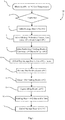
Fig. 1 is a flow diagram of the process of the invention; -
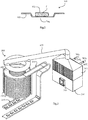
Fig. 2 is a side view of a vacuum skin packed fish portion; -
Fig. 3 is a diagrammatic view showing the super-chilling process in more detail, -
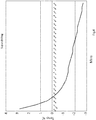
Fig. 4 is a plot showing core product temperature during super-chilling; and -
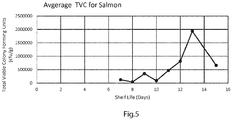
Fig. 5 is a plot of Total Viable Colony Forming Units (TVC) for sample salmon products, illustrating shelf life arising from the described process. - Referring to
Fig. 1 , a flow chart of aprocess 100 of the invention is illustrated. Theprocess 100 has aninitial stage 1 whereby whole iced fish is received in the process factory; at this stage the fish has a core temperature of less than 1°C. The fish is then weighed and inspected instage 2 of the process. The fish is quality checked for colour, size and freshness. Freshness it detected by an organoleptic meter, in this case of the type known as a "Torrymeter". - The fish which has passed the quality checks is subsequently transferred to chilled storage in
stage 3 of the process. In this stage the room temperature is 0°C to 2°C and the produce is temporarily stored here. - Following this, the fish is transferred to a
filleting area 4, where the fish is filleted, washed and trimmed to specification. This may include the fish being pin boned, inspected, washed and packed into blue food grade liners. The fish is then transferred to aportioning stage 5. During theportioning stage 5 the fish is cut into the relevant portions with sizes required for sale. Each of the darns or portions are automatically weighed and graded for sale. The room temperature is less than or equal to 8°C and the core temperature of the fish is less than 2°C for both the fileting and portioning stages. - The portions are then placed on production handling trays and transferred to a
chilled storage room 6 which is at a temperature of approximately -1°C to +1°C for a minimum of 2 hours. This is a wait zone before the fish is vacuum skin packed instages - In
stage 7, the one or more of portions are placed in a thermoformed tray, and covered immediately with a layer of skin film to provide a fish package. The thermoformed tray may consist of an EVOH layer and/or A-PET PE material. The skin film comprises a base web and a top layer web of EVOH top layer A-PET material; the base web is approximately 300 µm to 500 µm in thickness and the top web is approximately 80 µm to 120µm in thickness. Air is substantially removed between the thermoform tray and the skin seal so as to create a vacuum, to an extent of less than 5mBar pressure. This is carried out within 10 minutes of leaving the chill room. - In
stage 8, the thermoformed tray and skin film are subsequently sealed to complete the vacuum skin packaging of the fish portions to provide the packages. - This results in a vacuum skin-sealed package containing the individual fish product, as it would be viewed by the end customer, to be sold as an individual product. The process as described below achieves treatment of this fish package product in a manner allowing it to leave the factory and be shipped to a retail destination, which may be overseas, with a shelf life of up to 12 days. This is achieved without need to contain the product in an insulating container in the retail environment. Moreover, it is achieved in a manner which does not require additional handling insulation and chilling procedures for shipment in addition to what is conventional.
- The environment or room temperature for
stages -
Stage 8 is performed directly afterstage 7 and both stages can be performed together in the one machine. - Referring to
Fig. 2 , anexample package 101 is shown in side profile. Theskin film 102 vacuum surrounds the fish portion F, flush to the edges of the fish portion and without any gaps, and is sealed to thetray 103. - The fish core temperature during the
stages - Before the skin film is applied, marinades or sauces may be added to the fish if required.
- Following the completion of the vacuum skin packing of the fish, each package is lead straight and transferred to a super-chilling stage in step 9. In the super-chilling stage 9, the packaged fish is chilled using forced air flow at an air temperature of approximately -28°C for a cycle time of approximately 60 mins in total with the end point to achieve a fish core temperature of -2°C to - 4°C. Preferably, the fish core temperature should not decrease below -4°C as this would cause excessive crystals to form. The fish product can have up to approximately 30% crystals, having crystals in excess of this is not advantageous. The duration of super-chilling can be in the range of 45 mins to 180 mins, but the upper end of this range would only be required where the fish product is large, in excess of 1kg. Typically, and preferably, the time for super-chilling is in the range of 50 mins to 80 mins for most fish product sizes.
- Referring to
Fig. 3 , the super-chilling of the packages is achieved by spiral chilling using anapparatus 200. Aninlet wire conveyor 210 enters and moves through a spiral configuration orpath 220 with approximately 40 levels, and theoutlet conveyor 230 delivers the chilled fish packages to a delivery area, not shown. The packages are vacuum skin sealed as shown, and are placed on the conveyor at a spacing of about 50:50 with the gaps being approximately equal to the longitudinal dimension of the products. The chilling is implemented by aheat exchanger 250 having afan inlet 260 which draws in air within the (sealed) room and forces it upwardly through plateheat exchanger elements 265 which carry ammonia (NH3) coolant. The coolant enters at about -35°C and exits at the air outlet temperature of about -28°C. The flow rate of thefan inlet 260 and the flow rates and the temperature of the ammonia (NH3) coolant are calibrated so as to deliver air at a temperature of -28°C at 3.5 metres per second. The cooled air is directed upwardly and across within the confines of the room and downwardly through the spiral paths, being able to pass through the conveyor mesh turns due to the open wire configuration and the spaces around the products. - The cooling air flow rate is preferably in the range of 2.5m/s to 4.0 m/s, and as noted above a rate of about 3.5m/s has been found to be particularly effective.
- While the super-chilling air temperature is in this case -28°C, it is envisaged that it may be advantageously elsewhere in the range of -25°C to -30°C.
-
Fig. 4 illustrates an example temperature profile for a duration of approximately one hour, showing a reduction in product core temperature from about 2° C to about -2.7°C during this period. These measurements were made with measured by a temperature recorder of type having a needle probe inserted in the product and a lead to an external data logger which travels with the product. In this case the recorder used was a LogTag® TRED30-7 temperature recorder. - The
heat exchanger 250 has a 355kW compressor and the fan has a 30kW rating with a speed of 2800 rpm to deliver air at a temperature of -28°C at 3.5 metres per second. By using a spiral chiller, each portion of fish has good contact with the super cold air being supplied to chill the fish. - The packaged fish is then transferred to a holding room where the room temperature is preferably approximately -4°C, but can be elsewhere in the range of -6°C to -1°C. This is to provide wait time before the product is required to be transported to retailers.
- Finally, the product is transported to the retailers. It is in a chilled environment of approximately 0 to 2°C. The transport chilling and retail chilling arrangements are conventional for chilled products. However, due to the overall process described above an extended shelf life of up to 12 days is achieved, without need for any special transport, retail storage, or product container requirements.
- It has been found by the inventors that by using this process, the shelf-life of the fish can increase to up to 12 days from the point of intake. This is a significant improvement on the current industry standard of approximately 9 days.
- Further, the inventors have found that they are able to achieve this level of shelf-life and freshness with an environment temperature of less than or equal to 8°C for several of stages. This provides a better work environment for employees without compromising on the quality of the produce.
- Referring again to
Figs. 4 , this illustrates the fish core temperature profile during super-chilling, showing the effectiveness of the super-chilling stage. This is at the core of the overall process. However, the other stages are particularly advantageous in combination, especially: - Initial QC, filleting, and chill room.
- Production tray storage in range of -1°C to +1°C.
- Sealing individual portions. This is particularly effective if the sealing is skin sealing as described, particularly with a pressure of less than 5mBar to provide the final end product configuration at this early stage in the process. However, it is envisaged that the sealing may not be skin sealing, rather the fish product is placed on a retail tray and a membrane is applied across the top of the container without any or without significant contact between the film and the product. In this case, the fish product will have the benefits of the process as described except the skin sealing aspect.
- Super-chilling with air at about -28°C to achieve a fish core temperature of of -4°C to - 2°C, while in the end-product packaging.
- Chill hold environment of -6°C to -1°C before transport to the retailer.
- Due to the above process, the transport and retailer handling chill requirements are conventional, and an extended shelf life of up to 12 days is achieved.
- Referring to
Fig. 5 this illustrates graphically the quality of the fish product over this shelf life. The vertical axis is Total Viable Colony Forming Units From this it will be seen that the bacterial count is kept very low over this extended period. This plot of data was obtained based on results averaged from a cumulative total of 19 samples, using ISO4833-1:2013 (Microbiology of the food chain - Horizontal method for the enumeration of microorganisms - Part 1:Colony count at 30°C by the pour plate technique. - In practical terms, this means that the product may be processed at a location such as the west of Ireland, near the port of landing, and shipped abroad to retailers in Europe.
- The invention is not limited to the embodiments described but may be varied in construction and detail. For example, as noted above the process may be as described except that the product sealing is not skin sealing, but is instead covered by a film across the top of retail tray or container. The product is in this case still retail-ready and individually packed, but the film is not in contact with a significant part of the surface of the product as it is in
Fig. 2 .
Claims (15)
- A process for treating and packaging fish comprising the steps of:(a) receiving (1) and inspecting fish at a point of intake;(b) chilling (3) the fish;(c) fileting and portioning (4) the fish to provide fish portions;(d) holding (6) the portions in bulk production trays in an environment of -1°C to +1°C;(e) packing (7) one or more of the portions to provide a package which is vacuum skin sealed (8, 101), wherein the portions are vacuum skin packed by placing the portions in a retail individual-product tray and covered with a skin film, and sealing with a vacuum pressure of less than 5mBar, and repeating said packing steps for a plurality of packages;(f) in a super-chill stage (9, 200), chilling said packages to a temperature in the range of -5°C to 0°C during a time duration in the range of 45mins to 180mins, the super-chilling being implemented by delivering air with a temperature in the range of -25°C to -30°C to the packages for said duration;(g) storing (10) the packages in a chill hold environment at a temperature of -6°C to - 1°C; and(h) despatching the packages as fish products for transport to retailers.
- A process as claimed in claim 1, wherein the fish is transferred to a chill room, from the point of intake, for the chilling step (b).
- A process as claimed in claim 2, wherein said chill room environment temperature is in the range of 0°C to 2°C.
- A process as claimed in claim 3, wherein for step (c) the fish is transferred to a fileting stage from the chill room, wherein the fish is fileted in said fileting stage in a room environment temperature of less than or equal to 8°C.
- A process as claimed in claim 4, wherein for step (c) the fish is transferred to a portioning stage from the fileting stage, wherein the fish is portioned in a portioning stage room environment temperature of less than or equal to 8°C.
- A process as claimed in any preceding claim, wherein for step (e) the portions are vacuum skin packed within 10 minutes of leaving the chill environment of step (d) by placing the portions in a thermoformed retail product tray which is covered immediately with the skin film, and sealed with a vacuum pressure of less than 5mBar.
- A process as claimed in any preceding claim, wherein the super-chilling of step (f) is implemented by delivering air in the range of -25°C to -30°C to the fish for a cycle time of approximately 60 minutes.
- A process as claimed in claim 7, wherein the super-chill air is delivered at approximately -28°C.
- A process as claimed in any preceding claim, wherein the super-chill stage is implemented in a spiral chilling chamber, having a closed environment (220) within which air is circulated vertically through a spiral-mesh open conveyor holding the packages and is cooled by a heat exchanger (250) which draws air in and delivers it between heat exchanger or evaporator plates.
- A process as claimed in claim 9, wherein the coolant for the heat exchanger or evaporator coolant is ammonia, and the coolant temperature is in the range of -30°C to -38°C.
- A process as claimed in any preceding claim, wherein the packages are super-chilled in order to reach a fish core temperature in the range of -4°C to -2°C, and wherein the cooling air flow rate is in the range of 2.5m/s to 4.0 m/s.
- A process as claimed in any preceding claim, wherein the chill hold environment temperature of step (g) is approximately -4°C.
- A process as claimed in any preceding claim, wherein for step (g) the packages are held in the holding room for approximately 20 to 30 hours.
- A process as claimed in any preceding claim, wherein the super-chilled fish packages re transported, after step (h), in a chilled environment with a temperature in the range of approximately 0°C to 2°C.
- A fish package product whenever produced by a process of any preceding claim.
Applications Claiming Priority (1)
| Application Number | Priority Date | Filing Date | Title |
|---|---|---|---|
| EP18212755 | 2018-12-14 |
Publications (2)
| Publication Number | Publication Date |
|---|---|
| EP3667208A1 true EP3667208A1 (en) | 2020-06-17 |
| EP3667208B1 EP3667208B1 (en) | 2024-05-15 |
Family
ID=64665708
Family Applications (1)
| Application Number | Title | Priority Date | Filing Date |
|---|---|---|---|
| EP19211317.3A Active EP3667208B1 (en) | 2018-12-14 | 2019-11-25 | Process for shelf-life extension of fish |
Country Status (2)
| Country | Link |
|---|---|
| EP (1) | EP3667208B1 (en) |
| GB (1) | GB2579913B (en) |
Citations (10)
| Publication number | Priority date | Publication date | Assignee | Title |
|---|---|---|---|---|
| GB1029550A (en) | 1963-03-18 | 1966-05-11 | Johnson Co Gordon | Method for the preservation of meat and fish |
| GB1077644A (en) * | 1966-02-04 | 1967-08-02 | Alfred Thorburn Orr | Method and product for curing and packaging fish |
| CA998973A (en) | 1973-11-06 | 1976-10-26 | Liquid Carbonic Canada Ltd. | Superchilling of fish |
| US5256434A (en) * | 1991-07-25 | 1993-10-26 | Taiyo Oil Company, Ltd. | Method of processing live crabs |
| WO1997039951A1 (en) * | 1996-04-25 | 1997-10-30 | Carnival Brand Seafood Company | Flat pack vacuum sealed seafood package and process |
| US5992173A (en) * | 1997-03-10 | 1999-11-30 | Monfort, Inc. | Food product package chiller for dissipating packaging heat |
| US20020012724A1 (en) | 1996-10-18 | 2002-01-31 | William R. Kowalski | Process for the filleting, treating, packaging, freezing, and thawing of varying types of tuna and other pelagic species |
| EP1731430A1 (en) * | 2005-06-10 | 2006-12-13 | Fortune Frozen Foods, Co Ltd | Method of preserving a fish meat product |
| GB2446708A (en) * | 2007-02-19 | 2008-08-20 | Saam Servicios A La Ind Hidrob | A procedure for packing fish |
| WO2020028462A2 (en) * | 2018-08-03 | 2020-02-06 | Cryovac, Llc | System and method for extending the shelf life of a package containing a fresh food product |
Family Cites Families (4)
| Publication number | Priority date | Publication date | Assignee | Title |
|---|---|---|---|---|
| CN101081083A (en) * | 2006-05-30 | 2007-12-05 | 李柏兴 | Fish color treatment method |
| GB2513451B (en) * | 2011-06-07 | 2015-11-04 | Matthews Bernard Ltd | Food hygiene method and food product |
| WO2013066197A1 (en) * | 2011-11-03 | 2013-05-10 | Foodflow Incorporated | Frozen food fiber mimetics from extruded biomaterials |
| CN108697107A (en) * | 2015-12-18 | 2018-10-23 | 阿克蒂克Ip投资公司 | The method for preparing fishery -ies product |
-
2019
- 2019-11-25 EP EP19211317.3A patent/EP3667208B1/en active Active
- 2019-11-25 GB GB1917107.3A patent/GB2579913B/en active Active
Patent Citations (10)
| Publication number | Priority date | Publication date | Assignee | Title |
|---|---|---|---|---|
| GB1029550A (en) | 1963-03-18 | 1966-05-11 | Johnson Co Gordon | Method for the preservation of meat and fish |
| GB1077644A (en) * | 1966-02-04 | 1967-08-02 | Alfred Thorburn Orr | Method and product for curing and packaging fish |
| CA998973A (en) | 1973-11-06 | 1976-10-26 | Liquid Carbonic Canada Ltd. | Superchilling of fish |
| US5256434A (en) * | 1991-07-25 | 1993-10-26 | Taiyo Oil Company, Ltd. | Method of processing live crabs |
| WO1997039951A1 (en) * | 1996-04-25 | 1997-10-30 | Carnival Brand Seafood Company | Flat pack vacuum sealed seafood package and process |
| US20020012724A1 (en) | 1996-10-18 | 2002-01-31 | William R. Kowalski | Process for the filleting, treating, packaging, freezing, and thawing of varying types of tuna and other pelagic species |
| US5992173A (en) * | 1997-03-10 | 1999-11-30 | Monfort, Inc. | Food product package chiller for dissipating packaging heat |
| EP1731430A1 (en) * | 2005-06-10 | 2006-12-13 | Fortune Frozen Foods, Co Ltd | Method of preserving a fish meat product |
| GB2446708A (en) * | 2007-02-19 | 2008-08-20 | Saam Servicios A La Ind Hidrob | A procedure for packing fish |
| WO2020028462A2 (en) * | 2018-08-03 | 2020-02-06 | Cryovac, Llc | System and method for extending the shelf life of a package containing a fresh food product |
Also Published As
| Publication number | Publication date |
|---|---|
| GB201917107D0 (en) | 2020-01-08 |
| GB2579913B (en) | 2023-03-01 |
| EP3667208B1 (en) | 2024-05-15 |
| GB2579913A (en) | 2020-07-08 |
Similar Documents
| Publication | Publication Date | Title |
|---|---|---|
| US11930833B2 (en) | Process for maintaining freshness of vegetable pieces | |
| EP3037003B1 (en) | Food preservation process combining cryogenic freezing and modified atmosphere packaging | |
| Gill | Packaging meat for prolonged chilled storage: the Captech process | |
| EP3667208B1 (en) | Process for shelf-life extension of fish | |
| US3715891A (en) | Poultry freezing process | |
| IE87249B1 (en) | Process for shelf-life extension of fish | |
| IE20190200A1 (en) | Process for shelf-life extension of fish | |
| IES87108B2 (en) | Process for the shelf-life extension of fish | |
| IES20190201A2 (en) | Process for the shelf-life extension of fish | |
| US20200404930A1 (en) | Bloom-resistant barrier food packaging | |
| JP2024022466A (en) | Food storage methods, food transport methods, food transporters | |
| CN104522696A (en) | A preparing process of bagged pawpaw cattle stomach suitable for quantitative processing and used for scalding in hot water in a chafing dish | |
| US20200345026A1 (en) | Particulate frozen cream | |
| US20180229915A1 (en) | Packaged food product with vegetable components | |
| KR101965600B1 (en) | Method for double packaging of manufactured sauce | |
| US20100119672A1 (en) | Fruit ripening process using bagging and cooling | |
| US4230732A (en) | Methods of chilling poultry | |
| Rey et al. | Microbiology of beef shell frozen with liquid nitrogen | |
| US2137897A (en) | Meat packing method | |
| Dodd | Managing airflow inside reefer containers benefits produce quality | |
| US20230081011A1 (en) | Improved method for the packaging and long-term preservation of meat products without cold chain | |
| JP7284335B1 (en) | method and container | |
| US20050069611A1 (en) | Method and apparatus for manufacturing frozen or refrigerated half-boiled noodles | |
| KR102397491B1 (en) | Manufacturing method of art fish cake using natural ingredients | |
| CN109855339A (en) | A kind of heat-insulated chilled bag of flexibility of totally-enclosed cold-storage |
Legal Events
| Date | Code | Title | Description |
|---|---|---|---|
| PUAI | Public reference made under article 153(3) epc to a published international application that has entered the european phase |
Free format text: ORIGINAL CODE: 0009012 |
|
| STAA | Information on the status of an ep patent application or granted ep patent |
Free format text: STATUS: THE APPLICATION HAS BEEN PUBLISHED |
|
| AK | Designated contracting states |
Kind code of ref document: A1 Designated state(s): AL AT BE BG CH CY CZ DE DK EE ES FI FR GB GR HR HU IE IS IT LI LT LU LV MC MK MT NL NO PL PT RO RS SE SI SK SM TR |
|
| AX | Request for extension of the european patent |
Extension state: BA ME |
|
| STAA | Information on the status of an ep patent application or granted ep patent |
Free format text: STATUS: REQUEST FOR EXAMINATION WAS MADE |
|
| 17P | Request for examination filed |
Effective date: 20201208 |
|
| RBV | Designated contracting states (corrected) |
Designated state(s): AL AT BE BG CH CY CZ DE DK EE ES FI FR GB GR HR HU IE IS IT LI LT LU LV MC MK MT NL NO PL PT RO RS SE SI SK SM TR |
|
| STAA | Information on the status of an ep patent application or granted ep patent |
Free format text: STATUS: EXAMINATION IS IN PROGRESS |
|
| 17Q | First examination report despatched |
Effective date: 20220620 |
|
| GRAP | Despatch of communication of intention to grant a patent |
Free format text: ORIGINAL CODE: EPIDOSNIGR1 |
|
| STAA | Information on the status of an ep patent application or granted ep patent |
Free format text: STATUS: GRANT OF PATENT IS INTENDED |
|
| INTG | Intention to grant announced |
Effective date: 20240103 |
|
| GRAS | Grant fee paid |
Free format text: ORIGINAL CODE: EPIDOSNIGR3 |
|
| GRAA | (expected) grant |
Free format text: ORIGINAL CODE: 0009210 |
|
| STAA | Information on the status of an ep patent application or granted ep patent |
Free format text: STATUS: THE PATENT HAS BEEN GRANTED |
|
| RBV | Designated contracting states (corrected) |
Designated state(s): AL AT BE BG CH CY CZ DE DK EE ES FI FR GR HR HU IS IT LI LT LU LV MC MK MT NL NO PL PT RO RS SE SI SK SM TR |
|
| AK | Designated contracting states |
Kind code of ref document: B1 Designated state(s): AL AT BE BG CH CY CZ DE DK EE ES FI FR GR HR HU IS IT LI LT LU LV MC MK MT NL NO PL PT RO RS SE SI SK SM TR |
|
| REG | Reference to a national code |
Ref country code: CH Ref legal event code: EP |
|
| REG | Reference to a national code |
Ref country code: DE Ref legal event code: R096 Ref document number: 602019052197 Country of ref document: DE |
|
| U01 | Request for unitary effect filed |
Effective date: 20240515 |
|
| P01 | Opt-out of the competence of the unified patent court (upc) registered |
Free format text: CASE NUMBER: APP_37829/2024 Effective date: 20240625 |
|
| U12 | Request for unitary effect withdrawn |
Effective date: 20240619 |
|
| REG | Reference to a national code |
Ref country code: LT Ref legal event code: MG9D |
|
| REG | Reference to a national code |
Ref country code: NL Ref legal event code: MP Effective date: 20240515 |
|
| PG25 | Lapsed in a contracting state [announced via postgrant information from national office to epo] |
Ref country code: IS Free format text: LAPSE BECAUSE OF FAILURE TO SUBMIT A TRANSLATION OF THE DESCRIPTION OR TO PAY THE FEE WITHIN THE PRESCRIBED TIME-LIMIT Effective date: 20240915 |
|
| PG25 | Lapsed in a contracting state [announced via postgrant information from national office to epo] |
Ref country code: BG Free format text: LAPSE BECAUSE OF FAILURE TO SUBMIT A TRANSLATION OF THE DESCRIPTION OR TO PAY THE FEE WITHIN THE PRESCRIBED TIME-LIMIT Effective date: 20240515 |
|
| PG25 | Lapsed in a contracting state [announced via postgrant information from national office to epo] |
Ref country code: FI Free format text: LAPSE BECAUSE OF FAILURE TO SUBMIT A TRANSLATION OF THE DESCRIPTION OR TO PAY THE FEE WITHIN THE PRESCRIBED TIME-LIMIT Effective date: 20240515 Ref country code: HR Free format text: LAPSE BECAUSE OF FAILURE TO SUBMIT A TRANSLATION OF THE DESCRIPTION OR TO PAY THE FEE WITHIN THE PRESCRIBED TIME-LIMIT Effective date: 20240515 |
|
| PG25 | Lapsed in a contracting state [announced via postgrant information from national office to epo] |
Ref country code: GR Free format text: LAPSE BECAUSE OF FAILURE TO SUBMIT A TRANSLATION OF THE DESCRIPTION OR TO PAY THE FEE WITHIN THE PRESCRIBED TIME-LIMIT Effective date: 20240816 |
|
| REG | Reference to a national code |
Ref country code: AT Ref legal event code: MK05 Ref document number: 1687224 Country of ref document: AT Kind code of ref document: T Effective date: 20240515 |
|
| PG25 | Lapsed in a contracting state [announced via postgrant information from national office to epo] |
Ref country code: NL Free format text: LAPSE BECAUSE OF FAILURE TO SUBMIT A TRANSLATION OF THE DESCRIPTION OR TO PAY THE FEE WITHIN THE PRESCRIBED TIME-LIMIT Effective date: 20240515 |
|
| PG25 | Lapsed in a contracting state [announced via postgrant information from national office to epo] |
Ref country code: ES Free format text: LAPSE BECAUSE OF FAILURE TO SUBMIT A TRANSLATION OF THE DESCRIPTION OR TO PAY THE FEE WITHIN THE PRESCRIBED TIME-LIMIT Effective date: 20240515 |
|
| PG25 | Lapsed in a contracting state [announced via postgrant information from national office to epo] |
Ref country code: AT Free format text: LAPSE BECAUSE OF FAILURE TO SUBMIT A TRANSLATION OF THE DESCRIPTION OR TO PAY THE FEE WITHIN THE PRESCRIBED TIME-LIMIT Effective date: 20240515 |
|
| PG25 | Lapsed in a contracting state [announced via postgrant information from national office to epo] |
Ref country code: PL Free format text: LAPSE BECAUSE OF FAILURE TO SUBMIT A TRANSLATION OF THE DESCRIPTION OR TO PAY THE FEE WITHIN THE PRESCRIBED TIME-LIMIT Effective date: 20240515 |
|
| PG25 | Lapsed in a contracting state [announced via postgrant information from national office to epo] |
Ref country code: PL Free format text: LAPSE BECAUSE OF FAILURE TO SUBMIT A TRANSLATION OF THE DESCRIPTION OR TO PAY THE FEE WITHIN THE PRESCRIBED TIME-LIMIT Effective date: 20240515 Ref country code: NO Free format text: LAPSE BECAUSE OF FAILURE TO SUBMIT A TRANSLATION OF THE DESCRIPTION OR TO PAY THE FEE WITHIN THE PRESCRIBED TIME-LIMIT Effective date: 20240815 Ref country code: NL Free format text: LAPSE BECAUSE OF FAILURE TO SUBMIT A TRANSLATION OF THE DESCRIPTION OR TO PAY THE FEE WITHIN THE PRESCRIBED TIME-LIMIT Effective date: 20240515 Ref country code: IS Free format text: LAPSE BECAUSE OF FAILURE TO SUBMIT A TRANSLATION OF THE DESCRIPTION OR TO PAY THE FEE WITHIN THE PRESCRIBED TIME-LIMIT Effective date: 20240915 Ref country code: HR Free format text: LAPSE BECAUSE OF FAILURE TO SUBMIT A TRANSLATION OF THE DESCRIPTION OR TO PAY THE FEE WITHIN THE PRESCRIBED TIME-LIMIT Effective date: 20240515 Ref country code: GR Free format text: LAPSE BECAUSE OF FAILURE TO SUBMIT A TRANSLATION OF THE DESCRIPTION OR TO PAY THE FEE WITHIN THE PRESCRIBED TIME-LIMIT Effective date: 20240816 Ref country code: FI Free format text: LAPSE BECAUSE OF FAILURE TO SUBMIT A TRANSLATION OF THE DESCRIPTION OR TO PAY THE FEE WITHIN THE PRESCRIBED TIME-LIMIT Effective date: 20240515 Ref country code: ES Free format text: LAPSE BECAUSE OF FAILURE TO SUBMIT A TRANSLATION OF THE DESCRIPTION OR TO PAY THE FEE WITHIN THE PRESCRIBED TIME-LIMIT Effective date: 20240515 Ref country code: BG Free format text: LAPSE BECAUSE OF FAILURE TO SUBMIT A TRANSLATION OF THE DESCRIPTION OR TO PAY THE FEE WITHIN THE PRESCRIBED TIME-LIMIT Effective date: 20240515 Ref country code: AT Free format text: LAPSE BECAUSE OF FAILURE TO SUBMIT A TRANSLATION OF THE DESCRIPTION OR TO PAY THE FEE WITHIN THE PRESCRIBED TIME-LIMIT Effective date: 20240515 Ref country code: RS Free format text: LAPSE BECAUSE OF FAILURE TO SUBMIT A TRANSLATION OF THE DESCRIPTION OR TO PAY THE FEE WITHIN THE PRESCRIBED TIME-LIMIT Effective date: 20240815 |
|
| PG25 | Lapsed in a contracting state [announced via postgrant information from national office to epo] |
Ref country code: DK Free format text: LAPSE BECAUSE OF FAILURE TO SUBMIT A TRANSLATION OF THE DESCRIPTION OR TO PAY THE FEE WITHIN THE PRESCRIBED TIME-LIMIT Effective date: 20240515 |
|
| PG25 | Lapsed in a contracting state [announced via postgrant information from national office to epo] |
Ref country code: PT Free format text: LAPSE BECAUSE OF FAILURE TO SUBMIT A TRANSLATION OF THE DESCRIPTION OR TO PAY THE FEE WITHIN THE PRESCRIBED TIME-LIMIT Effective date: 20241214 |
|
| PG25 | Lapsed in a contracting state [announced via postgrant information from national office to epo] |
Ref country code: EE Free format text: LAPSE BECAUSE OF FAILURE TO SUBMIT A TRANSLATION OF THE DESCRIPTION OR TO PAY THE FEE WITHIN THE PRESCRIBED TIME-LIMIT Effective date: 20240515 |
|
| PG25 | Lapsed in a contracting state [announced via postgrant information from national office to epo] |
Ref country code: CZ Free format text: LAPSE BECAUSE OF FAILURE TO SUBMIT A TRANSLATION OF THE DESCRIPTION OR TO PAY THE FEE WITHIN THE PRESCRIBED TIME-LIMIT Effective date: 20240515 |
|
| PG25 | Lapsed in a contracting state [announced via postgrant information from national office to epo] |
Ref country code: SK Free format text: LAPSE BECAUSE OF FAILURE TO SUBMIT A TRANSLATION OF THE DESCRIPTION OR TO PAY THE FEE WITHIN THE PRESCRIBED TIME-LIMIT Effective date: 20240515 Ref country code: RO Free format text: LAPSE BECAUSE OF FAILURE TO SUBMIT A TRANSLATION OF THE DESCRIPTION OR TO PAY THE FEE WITHIN THE PRESCRIBED TIME-LIMIT Effective date: 20240515 |
|
| PG25 | Lapsed in a contracting state [announced via postgrant information from national office to epo] |
Ref country code: SM Free format text: LAPSE BECAUSE OF FAILURE TO SUBMIT A TRANSLATION OF THE DESCRIPTION OR TO PAY THE FEE WITHIN THE PRESCRIBED TIME-LIMIT Effective date: 20240515 |
|
| PG25 | Lapsed in a contracting state [announced via postgrant information from national office to epo] |
Ref country code: SM Free format text: LAPSE BECAUSE OF FAILURE TO SUBMIT A TRANSLATION OF THE DESCRIPTION OR TO PAY THE FEE WITHIN THE PRESCRIBED TIME-LIMIT Effective date: 20240515 Ref country code: SK Free format text: LAPSE BECAUSE OF FAILURE TO SUBMIT A TRANSLATION OF THE DESCRIPTION OR TO PAY THE FEE WITHIN THE PRESCRIBED TIME-LIMIT Effective date: 20240515 Ref country code: RO Free format text: LAPSE BECAUSE OF FAILURE TO SUBMIT A TRANSLATION OF THE DESCRIPTION OR TO PAY THE FEE WITHIN THE PRESCRIBED TIME-LIMIT Effective date: 20240515 Ref country code: PT Free format text: LAPSE BECAUSE OF FAILURE TO SUBMIT A TRANSLATION OF THE DESCRIPTION OR TO PAY THE FEE WITHIN THE PRESCRIBED TIME-LIMIT Effective date: 20241214 Ref country code: EE Free format text: LAPSE BECAUSE OF FAILURE TO SUBMIT A TRANSLATION OF THE DESCRIPTION OR TO PAY THE FEE WITHIN THE PRESCRIBED TIME-LIMIT Effective date: 20240515 Ref country code: DK Free format text: LAPSE BECAUSE OF FAILURE TO SUBMIT A TRANSLATION OF THE DESCRIPTION OR TO PAY THE FEE WITHIN THE PRESCRIBED TIME-LIMIT Effective date: 20240515 Ref country code: CZ Free format text: LAPSE BECAUSE OF FAILURE TO SUBMIT A TRANSLATION OF THE DESCRIPTION OR TO PAY THE FEE WITHIN THE PRESCRIBED TIME-LIMIT Effective date: 20240515 |
|
| PG25 | Lapsed in a contracting state [announced via postgrant information from national office to epo] |
Ref country code: IT Free format text: LAPSE BECAUSE OF FAILURE TO SUBMIT A TRANSLATION OF THE DESCRIPTION OR TO PAY THE FEE WITHIN THE PRESCRIBED TIME-LIMIT Effective date: 20240515 |
|
| REG | Reference to a national code |
Ref country code: DE Ref legal event code: R097 Ref document number: 602019052197 Country of ref document: DE |
|
| PLBE | No opposition filed within time limit |
Free format text: ORIGINAL CODE: 0009261 |
|
| STAA | Information on the status of an ep patent application or granted ep patent |
Free format text: STATUS: NO OPPOSITION FILED WITHIN TIME LIMIT |
|
| 26N | No opposition filed |
Effective date: 20250218 |
|
| PG25 | Lapsed in a contracting state [announced via postgrant information from national office to epo] |
Ref country code: SI Free format text: LAPSE BECAUSE OF FAILURE TO SUBMIT A TRANSLATION OF THE DESCRIPTION OR TO PAY THE FEE WITHIN THE PRESCRIBED TIME-LIMIT Effective date: 20240515 |
|
| REG | Reference to a national code |
Ref country code: CH Ref legal event code: PL |
|
| PG25 | Lapsed in a contracting state [announced via postgrant information from national office to epo] |
Ref country code: MC Free format text: LAPSE BECAUSE OF FAILURE TO SUBMIT A TRANSLATION OF THE DESCRIPTION OR TO PAY THE FEE WITHIN THE PRESCRIBED TIME-LIMIT Effective date: 20240515 |
|
| PG25 | Lapsed in a contracting state [announced via postgrant information from national office to epo] |
Ref country code: LU Free format text: LAPSE BECAUSE OF NON-PAYMENT OF DUE FEES Effective date: 20241125 |
|
| REG | Reference to a national code |
Ref country code: CH Ref legal event code: PL |
|
| PG25 | Lapsed in a contracting state [announced via postgrant information from national office to epo] |
Ref country code: CH Free format text: LAPSE BECAUSE OF NON-PAYMENT OF DUE FEES Effective date: 20241130 |
|
| PG25 | Lapsed in a contracting state [announced via postgrant information from national office to epo] |
Ref country code: LV Free format text: LAPSE BECAUSE OF FAILURE TO SUBMIT A TRANSLATION OF THE DESCRIPTION OR TO PAY THE FEE WITHIN THE PRESCRIBED TIME-LIMIT Effective date: 20240515 |
|
| REG | Reference to a national code |
Ref country code: BE Ref legal event code: MM Effective date: 20241130 |
|
| PG25 | Lapsed in a contracting state [announced via postgrant information from national office to epo] |
Ref country code: SE Free format text: LAPSE BECAUSE OF FAILURE TO SUBMIT A TRANSLATION OF THE DESCRIPTION OR TO PAY THE FEE WITHIN THE PRESCRIBED TIME-LIMIT Effective date: 20240515 |
|
| PG25 | Lapsed in a contracting state [announced via postgrant information from national office to epo] |
Ref country code: BE Free format text: LAPSE BECAUSE OF NON-PAYMENT OF DUE FEES Effective date: 20241130 |
|
| PGFP | Annual fee paid to national office [announced via postgrant information from national office to epo] |
Ref country code: DE Payment date: 20251013 Year of fee payment: 7 |
|
| PGFP | Annual fee paid to national office [announced via postgrant information from national office to epo] |
Ref country code: FR Payment date: 20251028 Year of fee payment: 7 |
|
| PG25 | Lapsed in a contracting state [announced via postgrant information from national office to epo] |
Ref country code: HU Free format text: LAPSE BECAUSE OF FAILURE TO SUBMIT A TRANSLATION OF THE DESCRIPTION OR TO PAY THE FEE WITHIN THE PRESCRIBED TIME-LIMIT; INVALID AB INITIO Effective date: 20191125 |
|
| PG25 | Lapsed in a contracting state [announced via postgrant information from national office to epo] |
Ref country code: CY Free format text: LAPSE BECAUSE OF FAILURE TO SUBMIT A TRANSLATION OF THE DESCRIPTION OR TO PAY THE FEE WITHIN THE PRESCRIBED TIME-LIMIT; INVALID AB INITIO Effective date: 20191125 |