EP3659615A1 - Zusammensetzung zur behandlung von atopischer dermatitis - Google Patents
Zusammensetzung zur behandlung von atopischer dermatitis Download PDFInfo
- Publication number
- EP3659615A1 EP3659615A1 EP17918956.8A EP17918956A EP3659615A1 EP 3659615 A1 EP3659615 A1 EP 3659615A1 EP 17918956 A EP17918956 A EP 17918956A EP 3659615 A1 EP3659615 A1 EP 3659615A1
- Authority
- EP
- European Patent Office
- Prior art keywords
- ethyl acetate
- fusiforme
- fraction
- atopic dermatitis
- extract
- Prior art date
- Legal status (The legal status is an assumption and is not a legal conclusion. Google has not performed a legal analysis and makes no representation as to the accuracy of the status listed.)
- Withdrawn
Links
Images






Classifications
-
- A—HUMAN NECESSITIES
- A61—MEDICAL OR VETERINARY SCIENCE; HYGIENE
- A61P—SPECIFIC THERAPEUTIC ACTIVITY OF CHEMICAL COMPOUNDS OR MEDICINAL PREPARATIONS
- A61P17/00—Drugs for dermatological disorders
-
- A—HUMAN NECESSITIES
- A23—FOODS OR FOODSTUFFS; TREATMENT THEREOF, NOT COVERED BY OTHER CLASSES
- A23L—FOODS, FOODSTUFFS OR NON-ALCOHOLIC BEVERAGES, NOT OTHERWISE PROVIDED FOR; PREPARATION OR TREATMENT THEREOF
- A23L31/00—Edible extracts or preparations of fungi; Preparation or treatment thereof
-
- A—HUMAN NECESSITIES
- A61—MEDICAL OR VETERINARY SCIENCE; HYGIENE
- A61K—PREPARATIONS FOR MEDICAL, DENTAL OR TOILETRY PURPOSES
- A61K36/00—Medicinal preparations of undetermined constitution containing material from algae, lichens, fungi or plants, or derivatives thereof, e.g. traditional herbal medicines
- A61K36/02—Algae
- A61K36/03—Phaeophycota or phaeophyta (brown algae), e.g. Fucus
-
- A—HUMAN NECESSITIES
- A61—MEDICAL OR VETERINARY SCIENCE; HYGIENE
- A61K—PREPARATIONS FOR MEDICAL, DENTAL OR TOILETRY PURPOSES
- A61K8/00—Cosmetics or similar toiletry preparations
- A61K8/18—Cosmetics or similar toiletry preparations characterised by the composition
- A61K8/96—Cosmetics or similar toiletry preparations characterised by the composition containing materials, or derivatives thereof of undetermined constitution
- A61K8/97—Cosmetics or similar toiletry preparations characterised by the composition containing materials, or derivatives thereof of undetermined constitution from algae, fungi, lichens or plants; from derivatives thereof
- A61K8/9706—Algae
- A61K8/9711—Phaeophycota or Phaeophyta [brown algae], e.g. Fucus
-
- A—HUMAN NECESSITIES
- A61—MEDICAL OR VETERINARY SCIENCE; HYGIENE
- A61K—PREPARATIONS FOR MEDICAL, DENTAL OR TOILETRY PURPOSES
- A61K9/00—Medicinal preparations characterised by special physical form
-
- A—HUMAN NECESSITIES
- A61—MEDICAL OR VETERINARY SCIENCE; HYGIENE
- A61K—PREPARATIONS FOR MEDICAL, DENTAL OR TOILETRY PURPOSES
- A61K2236/00—Isolation or extraction methods of medicinal preparations of undetermined constitution containing material from algae, lichens, fungi or plants, or derivatives thereof, e.g. traditional herbal medicine
- A61K2236/30—Extraction of the material
- A61K2236/33—Extraction of the material involving extraction with hydrophilic solvents, e.g. lower alcohols, esters or ketones
-
- A—HUMAN NECESSITIES
- A61—MEDICAL OR VETERINARY SCIENCE; HYGIENE
- A61K—PREPARATIONS FOR MEDICAL, DENTAL OR TOILETRY PURPOSES
- A61K2236/00—Isolation or extraction methods of medicinal preparations of undetermined constitution containing material from algae, lichens, fungi or plants, or derivatives thereof, e.g. traditional herbal medicine
- A61K2236/30—Extraction of the material
- A61K2236/39—Complex extraction schemes, e.g. fractionation or repeated extraction steps
-
- A—HUMAN NECESSITIES
- A61—MEDICAL OR VETERINARY SCIENCE; HYGIENE
- A61K—PREPARATIONS FOR MEDICAL, DENTAL OR TOILETRY PURPOSES
- A61K9/00—Medicinal preparations characterised by special physical form
- A61K9/0012—Galenical forms characterised by the site of application
- A61K9/0014—Skin, i.e. galenical aspects of topical compositions
-
- A—HUMAN NECESSITIES
- A61—MEDICAL OR VETERINARY SCIENCE; HYGIENE
- A61K—PREPARATIONS FOR MEDICAL, DENTAL OR TOILETRY PURPOSES
- A61K9/00—Medicinal preparations characterised by special physical form
- A61K9/0012—Galenical forms characterised by the site of application
- A61K9/0019—Injectable compositions; Intramuscular, intravenous, arterial, subcutaneous administration; Compositions to be administered through the skin in an invasive manner
-
- A—HUMAN NECESSITIES
- A61—MEDICAL OR VETERINARY SCIENCE; HYGIENE
- A61K—PREPARATIONS FOR MEDICAL, DENTAL OR TOILETRY PURPOSES
- A61K9/00—Medicinal preparations characterised by special physical form
- A61K9/0012—Galenical forms characterised by the site of application
- A61K9/0053—Mouth and digestive tract, i.e. intraoral and peroral administration
Definitions
- the present invention relates to a composition for treating atopic dermatitis, and more particularly, to an atopic dermatitis-treating composition having, as an active ingredient, a butanol fraction of Sargassum fusiforme ( S. fusiforme ) .
- Atopic dermatitis refers to a chronic inflammatory skin disease caused by interaction between a helper T cell (Th2) which produces a type 2 cytokine and an immunoglobulin E (IgE) antibody.
- the disease is caused by an inappropriate immune response to hypersensitivity inflammation reaction triggered by external stimuli.
- An initial stage of atopic dermatitis development is induced by an activated Th2-type cell having allergen specificity while, as the development progresses, Th1 cytokines including interleukin 2 (IL-2) and interferon ⁇ (IFN-y) are expressed, which results in atopic dermatitis becoming chronic, severe and intractable.
- Th2 cytokines including interleukin 2 (IL-2) and interferon ⁇ (IFN-y) are expressed, which results in atopic dermatitis becoming chronic, severe and intractable.
- IFN-y interferon ⁇
- atopic dermatitis caused by an inflammatory reaction is a non-contagious chronic and recurrent skin condition
- various skin disorders can be accompanied.
- a variety of research on atopic dermatitis has been conducted.
- the existing research has found that allergic inflammation accompanying various immune disorders is known as the common cause of atopic dermatitis
- the most effective anti-atopic dermatitis medication needs to have an immuosuppressive function, capable of controlling the imbalance of Th1/Th2 cells and, at the same time, be safe to the human body with no recurrence during the long-term treatment.
- the related art has problems in that hexane fractions are included in the process of extraction, and thus using the composition of the related art as a prophylactic or therapeutic composition for atopic dermatitis may cause regulatory problems, and in that the content of the active ingredient is low.
- the present invention has been made to solve various problems including the above problems, and an object of the present invention is to provide a composition for treating atopic dermatitis by utilizing S. fusiforme which can be more effectively and economically mass-produced.
- an object of the present invention is to provide a composition for treating atopic dermatitis by utilizing S. fusiforme which can be more effectively and economically mass-produced.
- the object is for illustration purpose only and the scope of the present invention is not limited thereby.
- an atopic dermatitis-treating composition containing, as an active ingredient: a butanol fraction of an S. fusiforme extract; an ethyl acetate fraction obtained from an ethyl acetate layer which has been further fractionated with ethyl acetate from a water layer fractionated with n-hexane and water; or chromatographic fractions corresponding to Rf values 0.3-0.9 on thin layer chromatography (TLC) carried out with n-hexane and ethyl acetate (8:2) as a mobile phase, among fractions prepared by the chromatography of the ethyl acetate fraction.
- TLC thin layer chromatography
- a method of treating atopic dermatitis in a subject suffering from atopic dermatitis comprising administering a therapeutically effective dose of the composition of any one of claims 1-7 to the subject.
- a nutraceutical composition used for alleviating atopic dermatitis comprising, as an active substance: a butanol fraction of an S. fusiforme extract; an ethyl acetate fraction obtained from an ethyl acetate layer which has been further fractionated with ethyl acetate from a water layer fractionated with n-hexane and water; or or chromatographic fractions corresponding to Rf values 0.3-0.9 on thin layer chromatography (TLC) carried out with n-hexane and ethyl acetate (8:2) as a mobile phase, among fractions prepared by the chromatography of the ethyl acetate fraction.
- TLC thin layer chromatography
- a cosmetic composition for alleviating atopic skin comprising, as an active substance: a butanol fraction of an S. fusiforme extract; an ethyl acetate fraction obtained from an ethyl acetate layer which has been further fractionated with ethyl acetate from a water layer fractionated with n-hexane and water; or chromatographic fractions corresponding to Rf values 0.3-0.9 on thin layer chromatography (TLC) carried out with n-hexane and ethyl acetate (8:2) as a mobile phase, among fractions prepared by the chromatography of the ethyl acetate fraction.
- TLC thin layer chromatography
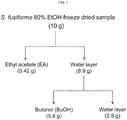
- a method of preparing an ethyl acetate fraction of an S. fusiforme extract having improved atopic dermatitis treatment effects including: i) preparing S . fusiforme lower alcohol extract by extracting S. fusiforme with lower alcohol having 1 to 4 carbon atoms or an aqueous solution thereof; ii) fractionating the S. fusiforme lower alcohol extract with n-hexane after dissolving the S. fusiforme lower alcohol extract into water; iii) fractionating a water layer fractionated in the step ii with ethyl acetate; and iv) preparing ethyl acetated fraction of S. fusiforme extract by removing ethyl acetate from a fractionated ethyl acetate layer in the step iii.
- an S . fusiforme-derived active ingredient having an anti-atopic dermatitis efficacy can replace the conventional atopic dermatitis topical immunosuppressants, and thus can be utilized as an atopic dermatitis therapeutic agent.
- the scope of the present invention is not limited by such an effect.
- S. fusiforme refers to a type of brown seaweed which is widely spread in Korea, Japan, China and the like, and commonly seen along rocky shores, and known for having pharmacological efficacy in various aspects including anti-cancer treatment, immunoregulation, anti-inflammation and antioxidation.
- DPPH radical refers to one of the organic nitrogen radicals having a deep violet color, and, in general, is used as a reagent to assess the free radical scavenging activity of various antioxidant substances.
- DPPH is a stable free radical, which plays a role in receiving electrons or hydrogen radicals to become a stable diamagnetic molecule
- the DPPH radical was used for the analysis of radical scavenging activity to evaluate, at an initial stage, the anti-oxidant effects of an S. fusiforme extract according to the present invention.
- Ra 264.7 cell refers to a murine macrophage cell line.
- Activity in lipopolysaccharide (LPS)-stimulated Raw 264.7 cell is initiated by the signaling of toll-like receptor-4, and induces inflammation through NF- ⁇ B signaling pathway. This process induces the production of nitrogen oxide (NO) and prostaglandin E2 (PGE2) and secretes multiple cytokines including proinflammatory cytokines TNF- ⁇ , IL-1 ⁇ and IL-6.
- LPS lipopolysaccharide
- PGE2 prostaglandin E2
- a pharmaceutical composition for treating atopic dermatitis comprising, as an active substance: a butanol fraction of an S. fusiforme extract; an ethyl acetate fraction obtained from an ethyl acetate layer which has been further fractionated with ethyl acetate from a water layer fractionated with n-hexane and water, or chromatographic fractions corresponding to Rf values 0.3-0.9 on thin layer chromatography (TLC) carried out with n-hexane and ethyl acetate (8:2) as a mobile phase, among fractions prepared by the chromatography of the ethyl acetate fraction.
- TLC thin layer chromatography
- the butanol fraction of the S. fusiforme extract can be prepared by a method including: i) preparing S . fusiforme lower alcohol extract by extracting S. fusiforme with lower alcohol having 1 to 4 carbon atoms or an aqueous solution thereof; ii) fractionating the S. fusiforme lower alcohol extract with ethyl acetate after dissolving the S. fusiforme lower alcohol extract into water; iii) fractionating a water layer fractionated in the step ii with butanol; and iv) preparing a butanol fraction by removing butanol from a fractionated butanol layer in the step iii.
- the volume ratio of the aqueous solution of the S. fusiforme lower alcohol extract to the ethyl acetate may be 1 to 0.5-2 while the volume ratio of the water layer to the butanol may be 1 to 0.5-2.
- the ethyl acetate fraction can be prepared by a method including: i) preparing S. fusiforme lower alcohol extract by extracting S . fusiforme with lower alcohol having 1 to 4 carbon atoms or an aqueous solution thereof; ii) fractionating the S. fusiforme lower alcohol extract with n-hexane after dissolving the S. fusiforme lower alcohol extract into water; iii) fractionating a water layer fractionated in the step ii with ethyl acetate; and iv) preparing ethyl acetated fraction of S. fusiforme extract by removing ethyl acetate from a fractionated ethyl acetate layer in the step iii.
- the volume ratio of the aqueous solution of the S. fusiforme lower alcohol extract to the n-hexane may be 1 to 0.5-2 while the volume ratio of the water layer to the ethyl acetate may be 1 to 0.5-2.
- a method of treating atopic dermatitis in a subject suffering from atopic dermatitis comprising administering a therapeutically effective dose of the composition of any one of claims 1-7 to the subject.
- the administering may be performed by include oral, intravenous, intramuscular or transdermal administration.
- a nutraceutical composition used for alleviating atopic dermatitis comprising, as an active substance: a butanol fraction of an S. fusiforme extract; an ethyl acetate fraction obtained from an ethyl acetate layer which has been further fractionated with ethyl acetate from a water layer fractionated with n-hexane and water; or or chromatographic fractions corresponding to Rf values 0.3-0.9 on thin layer chromatography (TLC) carried out with n-hexane and ethyl acetate (8:2) as a mobile phase, among fractions prepared by the chromatography of the ethyl acetate fraction.
- TLC thin layer chromatography
- a cosmetic composition for alleviating atopic skin comprising, as an active substance: a butanol fraction of an S. fusiforme extract; an ethyl acetate fraction obtained from an ethyl acetate layer which has been further fractionated with ethyl acetate from a water layer fractionated with n-hexane and water; or chromatographic fractions corresponding to Rf values 0.3-0.9 on thin layer chromatography (TLC) carried out with n-hexane and ethyl acetate (8:2) as a mobile phase, among fractions prepared by the chromatography of the ethyl acetate fraction.
- TLC thin layer chromatography
- a method of preparing an ethyl acetate fraction of an S. fusiforme extract having improved atopic dermatitis treatment effects including: i) preparing S . fusiforme lower alcohol extract by extracting S. fusiforme with lower alcohol having 1 to 4 carbon atoms or an aqueous solution thereof; ii) fractionating the S. fusiforme lower alcohol extract with n-hexane after dissolving the S. fusiforme lower alcohol extract into water; iii) fractionating a water layer fractionated in the step ii with ethyl acetate; and iv) preparing ethyl acetated fraction of S. fusiforme extract by removing ethyl acetate from the fractionated ethyl acetate layer in the step iii.
- the method can further comprises fractionating by removing a solvent after collecting chromatographic fractions corresponding to Rf values 0.3-0.9 on thin layer chromatography (TLC) carried out with n-hexane and ethyl acetate (8:2) as a mobile phase, among fractions prepared by the chromatography of the ethyl acetate fraction.
- TLC thin layer chromatography
- the anti-atopic dermatitis active ingredient having high content of the butanol can replace the conventional topical immunosuppressants for atopic dermatitis.
- S. fusiforme used in the present invention was collected in October 2015 and used after washing out salt and sand from the collected S. fusiforme with tap water, sterilizing the washed S. fusiforme with 80% ethanol, washing the sterilized S. fusiforme with distilled water and freeze-drying the washed S. fusiforme.
- the dried S. fusiforme powder (100 g) grinded from the freeze-dried S. fusiforme was immersed into 1L of 80% ethanol, and extracted for 3 days every 24 hours at a room temperature.
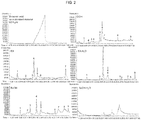
- the temperature of the injector and a transfer line were both set at 250°C while the temperature of a GC oven was maintained at 50°C for 3 minutes, and then increased by 10°C/min from 50°C to 280°C.
- the temperature of an ion source was set at 250°C and ionization energy was fixed at -70 V.
- the analysis results were collected every 4 minutes within a range of 35-250 m/z under 1059 V and separated components were analyzed by comparing the same with Wiley 7n library data in terms of retention time and mass spectra.
- a radical scavenging activity analysis was conducted by using a DPPH radical in order to evaluate, at an initial stage, the anti-oxidant efficacy of an S. fusiforme fraction.
- DPPH free radical scavenging activity (%) was calculated by using the equation below, and 0.1 mM of ascorbic acid was used as a positive control while 10% DMSO was used as a negative control (vehicle control).
- Ac represents the absorbance of a specimen of the DPPH solution
- control group A represents the absorbance of a specimen in the DPPH solution
- As represents the absorbance of a specimen itself.
- DPPH radical scavenging activity % Ac ⁇ A ⁇ As / Ac ⁇ 100 .
- each fraction of S. fusiforme showed radical scavenging activity at 100 ⁇ g/mL and reached a high level of radical scavenging activity in the ethyl acetate and butanol fractions, which means the anti-oxidant efficacy of S. fusiforme among biological activities thereof and accordingly indicates that fractionation extraction was well conducted ( FIG. 3 ).
- the radical scavenging activity of ethyl acetate and butanol was similar but they were excluded in other subsequent experiments because of a low yield of ethyl acetate meaning a low degree of economic calculability.
- a target protein bovine serum albumin (BSA) was dissolved in a 150 mL phosphate buffer (p 7.3) until the final concentration of the target protein reached 0.5 mg/mL, and a different concentration of fractions and ascorbate (Asc) in amount of 6.25-100 ⁇ g/mL each were added into the BSA solution, followed by the incubation of the BSA solution in the presence or absence of 100 ⁇ M copper (Cu 2+ ) and 2.5 mM H 2 O 2 .
- BSA bovine serum albumin
- 0.1 mM of ascorbate dissolved in phosphate buffered saline (PBS) was used as a control antioxidant while relatively 0.1 mM of ascorbic acid was used as a positive control and 10% DMSO was used as a vehicle control.
- reaction was carried out in an open tube with no lid and placed in a shaking water bath of which temperature was maintained at 37°C, and all reactants including BSA were incubated for 2 hours. After the reaction was complete, each mixture above was separated on a 10% sodium dodecyl sulfate-polyacrylamide gel electrophoresis (SDS-PAGE), and stained with 0.1% Coomassie Blue solution for visualizing the protein.
- SDS-PAGE 10% sodium dodecyl sulfate-polyacrylamide gel electrophoresis
- each fraction of all concentrations showed anti-oxidant activity as much as a protein capable of perfectly preventing BSA proteolysis from the attack of hydroxyl free radicals produced by Cu 2+ and H 2 O 2 ( FIG.4 ). Therefore, it has been confirmed that each extract is capable of effectively scavenging free radicals including DPPH and hydroxyl free radicals, which demonstrates those extracts having the efficacy of effectively removing, through anti-oxidant effect, oxidants which exacerbate atopic-dermatitis and the like.
- the level of nitric oxide from Raw 264.7 which is murine macrophage cell line was measured.
- Raw 264.7 cells (1 x 10 6 cell/mL) were dispensed to a 24-well tissue culture plate, and pre-incubated at a temperature of 37°C for 12 hours for the cells to be stably attached. Then, the cells were washed with PBS, and incubated for 24hours after 1% FBS DMEM containing samples [lipopolysaccharide (LPS), each fraction (50 ⁇ g/mL)] was refilled. The production of nitric oxide was measured by measuring the amount of nitrate in the media with the use of a griess reagent (Promega).
- nitric oxide production suppression effect by each fraction was measured in the Raw 264.7 cell line, to stimulate the production of nitric oxide, 1 ⁇ g/mL of LPS was added and the cells were treated with 50 ⁇ g/mL of each fraction for 24 hours.
- the anti-inflammatory activity of the S. fusiforme fraction according to an embodiment of the present invention was examined at the cellular level by using Raw 264.7.
- Raw 264.7 cells were dispensed to a 6-well tissue culture plate, and pre-incubated at a temperature of 37°C for 12 hours for the cells to be stably attached. Then, the cells were washed with PBS, and cultured for 24hours after 1% FBS DMEM containing samples [lipopolysaccharide (LPS), each fraction (50 ⁇ g/mL)] was refilled. After the reaction was complete, the incubation media was removed, and total RNA was extracted according to the manual of a manufacturer after 1mL of TRIZOL (Invitrogen, US) was put into each well.
- LPS lipopolysaccharide
- a quantitative real-time PCR was conducted by using Rotor-Gene 6000 (Corbett Research, Australian) after mixing reactants to reach 20 ⁇ L in total by using a SYBR Green PCR master mix (Qiagen, US).
- a quantitative real-time PCR master mix was a mixture of 10 ⁇ L of 2 x enzyme master mix, 7.0 ⁇ L of RNase-free distilled water, 1 ⁇ L (10 pM) of each primer, and 1 ⁇ L of cDNA template, and an each cycle of PCR included 10 minutes of pre-incubation at 95°C, 15 seconds of denaturation at 95°C, 15 seconds of annealing at 52°C, and 10 seconds of polymerization at 72°C, and this cycle was repeated 45 times.
- a melting curve analysis was used to identify the structure of an expected quantitative real-time PCR product while the size of the quantitative real-time PCR product was identified through electrophoresis on 1.2% agarose gel.
- An inter-run calibrator was used for a standard curve for the quantitative real-time PCR results of each gene, the gene expression level of each sample was measured by using Rotor-Gene 6000 Series Software 1.7, and the variations of other gene amplification were calibrated by relatively comparing the expression of ⁇ -actin.
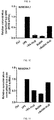
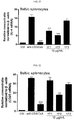
- the S. fusiforme fraction decreased LPS-stimulated proinflammatory cytokine (IL-1 ⁇ , IL-6, and TNF- ⁇ ) gene expression of the Raw 264.7 cells and no cytotoxicity was found ( FIGs. 6 to 10 ).
- the butanoic acid-containing S. fusiforme extract has atopic-dermatitis-relieving efficacy as the inhibitory activity of pro-inflammatory genes, iNOS and COX-2, which are enzymes involved in the production of NO during inflammatory response, was expressed, and accordingly the butanoic acid-containing S .
- fusiforme extract showed the anti-inflammatory activity of suppressing the production of the pro-inflammatory cytokine in the Raw 264.7 cells in which an inflammatory reaction was induced through LPS. All information on primers used in the present invention is described in Table 1 below. [Table 1] Primer Base sequence SEQ ID NO. Size (bp) Accession No.
- Example 5 Expression of Th1/Th2 cytokine mRNA through quantitative real-time PCR
- the quantitative real-time PCR was performed to conduct the comparison analysis of the mRNA expression of Th1/Th2 cytokine depending on treatment with the S. fusiforme fraction of the present invention.
- the spleen removed from the BALB/c mice was comminuted in mechanical way under cold phosphate buffered saline of pH 7.2 and a single spleen cell was obtained.
- the purity of the spleen cell was maximized by removing red blood cells from the spleen tissue by using of an ammonium chloride-containing red blood cell lysis buffer solution (eBioscience, US)
- the spleen cell of the maximized purity was incubated in 10% fetal bovine serum-containing RPMI1640 complete media (hyclone, US), dispensed to a 12-well plate with 1 x 10 7 cells/ml and maintained under 5% CO 2 concentration and 37°C incubation conditions.
- each fraction (ethanol, ethyl acetate, ethyl acetate-water, butanol and butanol-water) was pre-treated for 24 hours, followed by adding anti-CD3 monoclonal antibody (anti-CD3) for T-cell dependent stimuli and inducing reaction.
- Anti-CD3 monoclonal antibody anti-CD3 monoclonal antibody
- Total RNA of the spleen cell stimulated by the anti-CD3 antibody (in vitro) was extracted by using a TRIZOL procedure (Invitrogen, US).
- a quantitative real-time PCR master mix mixed 10 ⁇ L of 2 x enzyme master mix, 7.0 ⁇ L of RNase-free distilled water, 1 ⁇ L (10 pM) of each primer and 1 ⁇ L of cDNA template, and an each cycle of PCR included 10 minutes of pre-incubation at 95°C, 15 seconds of denaturation at 95°C, 15 seconds of annealing at 52°C, and 10 seconds of polymerization at 72°C, and this cycle was repeated 45 times.
- a melting curve analysis was used to identify the structure of an expected quantitative real-time PCR product while the size of the quantitative real-time PCR product was identified through electrophoresis on 1.2% agarose gel.
- IL-2 The expression level of IL-2, IFN- ⁇ and IL-4 mRNA was identified at 50 ⁇ g/mL concentration of each fraction, cyclosporine A (CsA) was used as a positive control, and the results were expressed as the average ⁇ standard deviation after the examination was repeated three times.
- CsA cyclosporine A
- the T cells were highly activated during treatment with the anti-CD3 antibody, whereas the amount of IL-2, IFN ⁇ and IL-4 mRNA expressed significantly decreased during treatment with 50 ⁇ g/mL of all fractions except for the butanol-water fraction in which butanoic acid was not found, and the gene suppression level by control was found to correspond to the area values of butanoic acid.
- the above results clearly and generally demonstrated the anti-atopic dermatitis effects of the butanoic acid contained in S. fusiforme ( FIGS. 11 to 13 ).
- Example 6 Histological analysis of mice induced to develop atopic dermatitis caused by DNCB treatment
- mice induced to develop atopic dermatitis was treated with the S. fusiforme fraction of the present invention.
- BALB/c mice Central Lab. Animal Inc. Korea
- BALB/c mice were purchased and then were housed in the laboratory for a week under the conditions (20 ⁇ 2°C of room temperature, 50% of relative humidity, 12-hour light/dark cycle) so that they were adapted to the laboratory conditions.
- both ears thereof were applied with 20 ⁇ g of 1% dinitrochlorobenzene (DNCB) (Sigma-Aldrich, US) which is dissolved in acetone for 9 days to induce a primary sign of hypersensitivity, and then were additionally applied with 20 ⁇ g of 0.5% DNCB for 3 weeks every 2 days to induce a secondary sign of hypersensitivity.
- DNCB dinitrochlorobenzene
- Methylprednisolone was set as negative and positive controls each while the butanol fraction suspended in physiological saline (10, 25 mg/kg) was set as experimental groups, and they were orally administered at a set time ( FIG. 4 ). On the last day, no treatment with the specimens was made, and the additional analysis of skin, after the enucleation thereof, was conducted.
- mice The ears of BALB/c mice enucleated during the atopic dermatitis-causing animal experiment above were fixed by 10% neutral buffered formalin, paraffin-embedded and sectioned as a sample having a section of 5 ⁇ m, and this sample was double strained with hematoxylin-eosin (H&E) and the thickness of the skin sample, the degree of cell penetration, etc. were measured.
- H&E hematoxylin-eosin
- the examples and images of the present invention were taken in a dark room using Eclips Ti-S inverted microscope (Nikon, Japan) with an enlargement ratio of 200x.
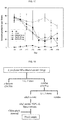
- the skin of the DNCB-treated group had thicker skin while that of the positive control (Methylprednisolone) and the group treated with the butanol fraction had thinner skin ( FIG. 15 ).
- the group treated with the butanol fraction including a large amount of a high concentration of butanoic acid was much better than the PC treatment group, as the positive control, in terms of skin tissue conditions, which is expected to provide more effective recovery from skin disorders similar to atopic dermatitis.
- the high concentration of butanol fraction (25 mg/kg) was found to have an efficacy equivalent to that of the positive control, Methylprednisolone ( FIG. 16 ), and also was found to have an efficacy equivalent to or better than that of the positive group in terms of the ear-scratching behavior during the oral administration ( FIG. 17 ).
- interleukin-2 interleukin-2
- IFN ⁇ interferon ⁇
- IL-4 interleukin-4
Landscapes
- Health & Medical Sciences (AREA)
- Life Sciences & Earth Sciences (AREA)
- Engineering & Computer Science (AREA)
- Biotechnology (AREA)
- Veterinary Medicine (AREA)
- Animal Behavior & Ethology (AREA)
- General Health & Medical Sciences (AREA)
- Public Health (AREA)
- Natural Medicines & Medicinal Plants (AREA)
- Chemical & Material Sciences (AREA)
- Pharmacology & Pharmacy (AREA)
- Medicinal Chemistry (AREA)
- Microbiology (AREA)
- Mycology (AREA)
- Epidemiology (AREA)
- Botany (AREA)
- General Chemical & Material Sciences (AREA)
- Alternative & Traditional Medicine (AREA)
- Bioinformatics & Cheminformatics (AREA)
- Dermatology (AREA)
- Chemical Kinetics & Catalysis (AREA)
- Medical Informatics (AREA)
- Nuclear Medicine, Radiotherapy & Molecular Imaging (AREA)
- Organic Chemistry (AREA)
- Birds (AREA)
- Nutrition Science (AREA)
- Food Science & Technology (AREA)
- Polymers & Plastics (AREA)
- Medicines Containing Plant Substances (AREA)
Applications Claiming Priority (1)
| Application Number | Priority Date | Filing Date | Title |
|---|---|---|---|
| PCT/KR2017/007966 WO2019022263A1 (ko) | 2017-07-24 | 2017-07-24 | 아토피 피부염 치료용 조성물 |
Publications (2)
| Publication Number | Publication Date |
|---|---|
| EP3659615A1 true EP3659615A1 (de) | 2020-06-03 |
| EP3659615A4 EP3659615A4 (de) | 2021-04-21 |
Family
ID=65041178
Family Applications (1)
| Application Number | Title | Priority Date | Filing Date |
|---|---|---|---|
| EP17918956.8A Withdrawn EP3659615A4 (de) | 2017-07-24 | 2017-07-24 | Zusammensetzung zur behandlung von atopischer dermatitis |
Country Status (3)
| Country | Link |
|---|---|
| US (1) | US11497782B2 (de) |
| EP (1) | EP3659615A4 (de) |
| WO (1) | WO2019022263A1 (de) |
Family Cites Families (5)
| Publication number | Priority date | Publication date | Assignee | Title |
|---|---|---|---|---|
| WO2008153748A1 (en) | 2007-05-24 | 2008-12-18 | The Mclean Hospital Corporation | Methods and compositions for the use of sargassum fusiforme for the inhibition of hiv-1 infection |
| KR101110064B1 (ko) * | 2009-06-08 | 2012-03-14 | 재단법인 제주테크노파크 | 항염증성 조성물 |
| KR101418916B1 (ko) * | 2013-06-24 | 2014-07-11 | 강릉원주대학교산학협력단 | 톳 추출물을 유효성분으로 하는 아토피 피부염의 예방 또는 치료용 조성물 |
| WO2016190689A2 (ko) | 2015-05-26 | 2016-12-01 | 연세대학교 산학협력단 | 근육 질환 예방, 개선 또는 치료용 또는 근 기능 개선용 조성물 |
| KR101857031B1 (ko) | 2016-01-25 | 2018-05-14 | 강릉원주대학교 산학협력단 | 톳의 부탄올 분획물을 유효성분으로 함유하는 아토피 피부염 치료용 조성물 |
-
2017
- 2017-07-24 EP EP17918956.8A patent/EP3659615A4/de not_active Withdrawn
- 2017-07-24 WO PCT/KR2017/007966 patent/WO2019022263A1/ko not_active Ceased
- 2017-07-24 US US16/633,626 patent/US11497782B2/en active Active
Also Published As
| Publication number | Publication date |
|---|---|
| WO2019022263A1 (ko) | 2019-01-31 |
| EP3659615A4 (de) | 2021-04-21 |
| US11497782B2 (en) | 2022-11-15 |
| US20200376053A1 (en) | 2020-12-03 |
Similar Documents
| Publication | Publication Date | Title |
|---|---|---|
| Tu et al. | The therapeutic effects of daphnetin in collagen-induced arthritis involve its regulation of Th17 cells | |
| Chen et al. | Esculetin ameliorates psoriasis-like skin disease in mice by inducing CD4+ Foxp3+ regulatory T cells | |
| Yang et al. | Berberine and limonin suppress IgE production by human B cells and peripheral blood mononuclear cells from food-allergic patients | |
| Yoon et al. | Anti-inflammatory effect of quercetin in a whole orbital tissue culture of Graves' orbitopathy | |
| Lee et al. | Improved anti-inflammatory effects of liposomal astaxanthin on a phthalic anhydride-induced atopic dermatitis model | |
| Song et al. | Food allergy herbal formula 2 protection against peanut anaphylactic reaction is via inhibition of mast cells and basophils | |
| Park et al. | Korean red ginseng water extract alleviates atopic dermatitis-like inflammatory responses by negative regulation of mitogen-activated protein kinase signaling pathway in vivo | |
| Li et al. | Betanin Dose-Dependently Ameliorates Allergic Airway Inflammation by Attenuating Th2 Response and Upregulating cAMP–PKA–CREB Pathway in Asthmatic Mice | |
| KR101418916B1 (ko) | 톳 추출물을 유효성분으로 하는 아토피 피부염의 예방 또는 치료용 조성물 | |
| Jeong et al. | Polyozellin alleviates atopic dermatitis-like inflammatory and pruritic responses in activated keratinocytes and mast cells | |
| Bae et al. | Water soluble extracts from Actinidia arguta, PG102, attenuates house dust mite-induced murine atopic dermatitis by inhibiting the mTOR pathway with Treg generation | |
| Han et al. | Wheat seedlings extract ameliorates sarcopenia in aged mice by regulating protein synthesis and degradation with anti-inflammatory and mitochondrial biogenesis effects | |
| KR101591429B1 (ko) | 신규 숙취개선 및 간보호용 조성물 | |
| Shim et al. | Inhibitory effects of Solanum tuberosum L. var. vitelotte extract on 2, 4-dinitrochlorobenzene-induced atopic dermatitis in mice | |
| Kim et al. | Platycarya strobilacea S. et Z. extract has a high antioxidant capacity and exhibits hair growth-promoting effects in male C57BL/6 mice | |
| US20250319145A1 (en) | Extract with anti-inflammatory effect | |
| Zhong et al. | Ethanol extract of Herpetospermum caudigerum Wall ameliorates psoriasis-like skin inflammation and promotes degradation of keratinocyte-derived ICAM-1 and CXCL9 | |
| US11497782B2 (en) | Composition for treating atopic dermatitis | |
| US10500169B2 (en) | Supression of IgE production by compounds derived from traditional chinese medicine | |
| Lee et al. | Hizikia fusiformis fractions successfully improve atopic dermatitis indices in anti-CD3-stimulated splenocytes and 2, 4-dinitrochlorobenzene-treated BALB/c mice | |
| Aswar et al. | Androgenic efficacy and mechanism of Glycosides-based standardized Fenugreek seeds extract through aromatase and 5-alpha reductase inhibition | |
| EP3903793A1 (de) | Pharmazeutische zusammensetzung mit klonalen stammzellen zur vorbeugung oder behandlung von atopischer dermatitis | |
| KR101857031B1 (ko) | 톳의 부탄올 분획물을 유효성분으로 함유하는 아토피 피부염 치료용 조성물 | |
| Berschneider et al. | Distinct Arnica montana L. extracts modulate human T cell activation in different ways via differential inhibition of NFκB and NFAT pathways | |
| KR102943920B1 (ko) | 유도인자를 이용한 레스베라트롤 고함유 쌀의 제조 방법 및 이를 포함하는 화장료 조성물 |
Legal Events
| Date | Code | Title | Description |
|---|---|---|---|
| STAA | Information on the status of an ep patent application or granted ep patent |
Free format text: STATUS: THE INTERNATIONAL PUBLICATION HAS BEEN MADE |
|
| PUAI | Public reference made under article 153(3) epc to a published international application that has entered the european phase |
Free format text: ORIGINAL CODE: 0009012 |
|
| STAA | Information on the status of an ep patent application or granted ep patent |
Free format text: STATUS: REQUEST FOR EXAMINATION WAS MADE |
|
| 17P | Request for examination filed |
Effective date: 20200224 |
|
| AK | Designated contracting states |
Kind code of ref document: A1 Designated state(s): AL AT BE BG CH CY CZ DE DK EE ES FI FR GB GR HR HU IE IS IT LI LT LU LV MC MK MT NL NO PL PT RO RS SE SI SK SM TR |
|
| AX | Request for extension of the european patent |
Extension state: BA ME |
|
| DAV | Request for validation of the european patent (deleted) | ||
| DAX | Request for extension of the european patent (deleted) | ||
| A4 | Supplementary search report drawn up and despatched |
Effective date: 20210322 |
|
| RIC1 | Information provided on ipc code assigned before grant |
Ipc: A61K 36/03 20060101AFI20210316BHEP Ipc: A61K 9/00 20060101ALI20210316BHEP Ipc: A61P 17/00 20060101ALI20210316BHEP |
|
| STAA | Information on the status of an ep patent application or granted ep patent |
Free format text: STATUS: EXAMINATION IS IN PROGRESS |
|
| 17Q | First examination report despatched |
Effective date: 20231106 |
|
| GRAJ | Information related to disapproval of communication of intention to grant by the applicant or resumption of examination proceedings by the epo deleted |
Free format text: ORIGINAL CODE: EPIDOSDIGR1 |
|
| STAA | Information on the status of an ep patent application or granted ep patent |
Free format text: STATUS: GRANT OF PATENT IS INTENDED |
|
| GRAP | Despatch of communication of intention to grant a patent |
Free format text: ORIGINAL CODE: EPIDOSNIGR1 |
|
| INTG | Intention to grant announced |
Effective date: 20240514 |
|
| GRAJ | Information related to disapproval of communication of intention to grant by the applicant or resumption of examination proceedings by the epo deleted |
Free format text: ORIGINAL CODE: EPIDOSDIGR1 |
|
| STAA | Information on the status of an ep patent application or granted ep patent |
Free format text: STATUS: EXAMINATION IS IN PROGRESS |
|
| INTC | Intention to grant announced (deleted) | ||
| GRAP | Despatch of communication of intention to grant a patent |
Free format text: ORIGINAL CODE: EPIDOSNIGR1 |
|
| STAA | Information on the status of an ep patent application or granted ep patent |
Free format text: STATUS: GRANT OF PATENT IS INTENDED |
|
| GRAJ | Information related to disapproval of communication of intention to grant by the applicant or resumption of examination proceedings by the epo deleted |
Free format text: ORIGINAL CODE: EPIDOSDIGR1 |
|
| STAA | Information on the status of an ep patent application or granted ep patent |
Free format text: STATUS: EXAMINATION IS IN PROGRESS |
|
| GRAP | Despatch of communication of intention to grant a patent |
Free format text: ORIGINAL CODE: EPIDOSNIGR1 |
|
| STAA | Information on the status of an ep patent application or granted ep patent |
Free format text: STATUS: GRANT OF PATENT IS INTENDED |
|
| INTG | Intention to grant announced |
Effective date: 20250506 |
|
| INTG | Intention to grant announced |
Effective date: 20250520 |
|
| STAA | Information on the status of an ep patent application or granted ep patent |
Free format text: STATUS: THE APPLICATION IS DEEMED TO BE WITHDRAWN |
|
| 18D | Application deemed to be withdrawn |
Effective date: 20250923 |