EP3656739A1 - Method for manufacturing aluminosilicate nanoparticles having excellent dispersibility, rubber reinforcing member comprising aluminosilicate nanoparticles, and rubber composition comprising same for tire - Google Patents
Method for manufacturing aluminosilicate nanoparticles having excellent dispersibility, rubber reinforcing member comprising aluminosilicate nanoparticles, and rubber composition comprising same for tire Download PDFInfo
- Publication number
- EP3656739A1 EP3656739A1 EP18859838.7A EP18859838A EP3656739A1 EP 3656739 A1 EP3656739 A1 EP 3656739A1 EP 18859838 A EP18859838 A EP 18859838A EP 3656739 A1 EP3656739 A1 EP 3656739A1
- Authority
- EP
- European Patent Office
- Prior art keywords
- aluminosilicate nanoparticles
- aluminosilicate
- nanoparticles
- aluminum
- preparing
- Prior art date
- Legal status (The legal status is an assumption and is not a legal conclusion. Google has not performed a legal analysis and makes no representation as to the accuracy of the status listed.)
- Pending
Links
- HNPSIPDUKPIQMN-UHFFFAOYSA-N dioxosilane;oxo(oxoalumanyloxy)alumane Chemical compound O=[Si]=O.O=[Al]O[Al]=O HNPSIPDUKPIQMN-UHFFFAOYSA-N 0.000 title claims abstract description 143
- 239000002105 nanoparticle Substances 0.000 title claims abstract description 116
- 229910000323 aluminium silicate Inorganic materials 0.000 title claims abstract description 112
- 238000000034 method Methods 0.000 title claims abstract description 49
- 239000000203 mixture Substances 0.000 title claims abstract description 29
- 229920001971 elastomer Polymers 0.000 title abstract description 49
- 239000005060 rubber Substances 0.000 title abstract description 48
- 230000003014 reinforcing effect Effects 0.000 title description 11
- 238000004519 manufacturing process Methods 0.000 title description 2
- XUIMIQQOPSSXEZ-UHFFFAOYSA-N Silicon Chemical compound [Si] XUIMIQQOPSSXEZ-UHFFFAOYSA-N 0.000 claims abstract description 36
- 238000006386 neutralization reaction Methods 0.000 claims abstract description 29
- 229910052782 aluminium Inorganic materials 0.000 claims abstract description 22
- 229910052710 silicon Inorganic materials 0.000 claims abstract description 22
- 239000010703 silicon Substances 0.000 claims abstract description 22
- XAGFODPZIPBFFR-UHFFFAOYSA-N aluminium Chemical compound [Al] XAGFODPZIPBFFR-UHFFFAOYSA-N 0.000 claims abstract description 21
- 239000002245 particle Substances 0.000 claims description 42
- 239000000243 solution Substances 0.000 claims description 26
- XLYOFNOQVPJJNP-UHFFFAOYSA-N water Chemical compound O XLYOFNOQVPJJNP-UHFFFAOYSA-N 0.000 claims description 24
- 238000006243 chemical reaction Methods 0.000 claims description 22
- AZDRQVAHHNSJOQ-UHFFFAOYSA-N alumane Chemical group [AlH3] AZDRQVAHHNSJOQ-UHFFFAOYSA-N 0.000 claims description 19
- 239000012153 distilled water Substances 0.000 claims description 18
- VYPSYNLAJGMNEJ-UHFFFAOYSA-N Silicium dioxide Chemical compound O=[Si]=O VYPSYNLAJGMNEJ-UHFFFAOYSA-N 0.000 claims description 15
- -1 hydrogen ions Chemical class 0.000 claims description 12
- 239000011734 sodium Substances 0.000 claims description 12
- 239000000126 substance Substances 0.000 claims description 11
- 229910052739 hydrogen Inorganic materials 0.000 claims description 10
- 239000001257 hydrogen Substances 0.000 claims description 10
- 239000011164 primary particle Substances 0.000 claims description 9
- 150000001875 compounds Chemical class 0.000 claims description 8
- 238000002441 X-ray diffraction Methods 0.000 claims description 7
- 238000009826 distribution Methods 0.000 claims description 7
- 238000001035 drying Methods 0.000 claims description 7
- 229920001296 polysiloxane Polymers 0.000 claims description 7
- NTHWMYGWWRZVTN-UHFFFAOYSA-N sodium silicate Chemical compound [Na+].[Na+].[O-][Si]([O-])=O NTHWMYGWWRZVTN-UHFFFAOYSA-N 0.000 claims description 7
- IJGRMHOSHXDMSA-UHFFFAOYSA-N Atomic nitrogen Chemical compound N#N IJGRMHOSHXDMSA-UHFFFAOYSA-N 0.000 claims description 6
- 230000002378 acidificating effect Effects 0.000 claims description 6
- VSCWAEJMTAWNJL-UHFFFAOYSA-K aluminium trichloride Chemical compound Cl[Al](Cl)Cl VSCWAEJMTAWNJL-UHFFFAOYSA-K 0.000 claims description 6
- 150000003839 salts Chemical class 0.000 claims description 6
- 239000000377 silicon dioxide Substances 0.000 claims description 6
- 238000005406 washing Methods 0.000 claims description 6
- 230000001186 cumulative effect Effects 0.000 claims description 4
- 150000002500 ions Chemical class 0.000 claims description 4
- 230000003472 neutralizing effect Effects 0.000 claims description 4
- 239000011148 porous material Substances 0.000 claims description 4
- GRLPQNLYRHEGIJ-UHFFFAOYSA-J potassium aluminium sulfate Chemical compound [Al+3].[K+].[O-]S([O-])(=O)=O.[O-]S([O-])(=O)=O GRLPQNLYRHEGIJ-UHFFFAOYSA-J 0.000 claims description 4
- 229910001868 water Inorganic materials 0.000 claims description 4
- DIZPMCHEQGEION-UHFFFAOYSA-H aluminium sulfate (anhydrous) Chemical compound [Al+3].[Al+3].[O-]S([O-])(=O)=O.[O-]S([O-])(=O)=O.[O-]S([O-])(=O)=O DIZPMCHEQGEION-UHFFFAOYSA-H 0.000 claims description 3
- 229910052757 nitrogen Inorganic materials 0.000 claims description 3
- 238000002336 sorption--desorption measurement Methods 0.000 claims description 3
- BNGXYYYYKUGPPF-UHFFFAOYSA-M (3-methylphenyl)methyl-triphenylphosphanium;chloride Chemical compound [Cl-].CC1=CC=CC(C[P+](C=2C=CC=CC=2)(C=2C=CC=CC=2)C=2C=CC=CC=2)=C1 BNGXYYYYKUGPPF-UHFFFAOYSA-M 0.000 claims description 2
- 239000004111 Potassium silicate Substances 0.000 claims description 2
- 239000003929 acidic solution Substances 0.000 claims description 2
- 239000012670 alkaline solution Substances 0.000 claims description 2
- 229940103272 aluminum potassium sulfate Drugs 0.000 claims description 2
- KLMDYFUUSKOJAX-UHFFFAOYSA-K aluminum;acetate;dihydroxide Chemical compound CC(=O)O[Al](O)O KLMDYFUUSKOJAX-UHFFFAOYSA-K 0.000 claims description 2
- HQQUTGFAWJNQIP-UHFFFAOYSA-K aluminum;diacetate;hydroxide Chemical compound CC(=O)O[Al](O)OC(C)=O HQQUTGFAWJNQIP-UHFFFAOYSA-K 0.000 claims description 2
- 238000004458 analytical method Methods 0.000 claims description 2
- 229910052790 beryllium Inorganic materials 0.000 claims description 2
- 229910052792 caesium Inorganic materials 0.000 claims description 2
- 229910052681 coesite Inorganic materials 0.000 claims description 2
- 229910052906 cristobalite Inorganic materials 0.000 claims description 2
- WCOATMADISNSBV-UHFFFAOYSA-K diacetyloxyalumanyl acetate Chemical compound [Al+3].CC([O-])=O.CC([O-])=O.CC([O-])=O WCOATMADISNSBV-UHFFFAOYSA-K 0.000 claims description 2
- 229910052744 lithium Inorganic materials 0.000 claims description 2
- 229910052749 magnesium Inorganic materials 0.000 claims description 2
- 229910052700 potassium Inorganic materials 0.000 claims description 2
- NNHHDJVEYQHLHG-UHFFFAOYSA-N potassium silicate Chemical compound [K+].[K+].[O-][Si]([O-])=O NNHHDJVEYQHLHG-UHFFFAOYSA-N 0.000 claims description 2
- 229910052913 potassium silicate Inorganic materials 0.000 claims description 2
- 235000019353 potassium silicate Nutrition 0.000 claims description 2
- 229910052701 rubidium Inorganic materials 0.000 claims description 2
- 229910052708 sodium Inorganic materials 0.000 claims description 2
- 229910052682 stishovite Inorganic materials 0.000 claims description 2
- 229910052905 tridymite Inorganic materials 0.000 claims description 2
- 229910052725 zinc Inorganic materials 0.000 claims description 2
- 239000004115 Sodium Silicate Substances 0.000 claims 1
- 229910052911 sodium silicate Inorganic materials 0.000 claims 1
- 230000008569 process Effects 0.000 abstract description 9
- 230000001747 exhibiting effect Effects 0.000 abstract description 8
- 238000010068 moulding (rubber) Methods 0.000 abstract description 6
- 230000000052 comparative effect Effects 0.000 description 28
- 239000012779 reinforcing material Substances 0.000 description 15
- 239000007864 aqueous solution Substances 0.000 description 13
- 238000001878 scanning electron micrograph Methods 0.000 description 13
- KAKZBPTYRLMSJV-UHFFFAOYSA-N Butadiene Chemical compound C=CC=C KAKZBPTYRLMSJV-UHFFFAOYSA-N 0.000 description 8
- 238000005119 centrifugation Methods 0.000 description 7
- 238000002156 mixing Methods 0.000 description 7
- 239000011163 secondary particle Substances 0.000 description 7
- 238000003756 stirring Methods 0.000 description 7
- JLDSOYXADOWAKB-UHFFFAOYSA-N aluminium nitrate Chemical compound [Al+3].[O-][N+]([O-])=O.[O-][N+]([O-])=O.[O-][N+]([O-])=O JLDSOYXADOWAKB-UHFFFAOYSA-N 0.000 description 5
- 229920001577 copolymer Polymers 0.000 description 5
- 230000009257 reactivity Effects 0.000 description 5
- RRHGJUQNOFWUDK-UHFFFAOYSA-N Isoprene Natural products CC(=C)C=C RRHGJUQNOFWUDK-UHFFFAOYSA-N 0.000 description 4
- PPBRXRYQALVLMV-UHFFFAOYSA-N Styrene Natural products C=CC1=CC=CC=C1 PPBRXRYQALVLMV-UHFFFAOYSA-N 0.000 description 4
- 239000000654 additive Substances 0.000 description 4
- 230000015572 biosynthetic process Effects 0.000 description 4
- 239000000463 material Substances 0.000 description 4
- 238000004073 vulcanization Methods 0.000 description 4
- 238000005299 abrasion Methods 0.000 description 3
- 238000005054 agglomeration Methods 0.000 description 3
- 230000002776 aggregation Effects 0.000 description 3
- 230000007423 decrease Effects 0.000 description 3
- 229920003244 diene elastomer Polymers 0.000 description 3
- NLYAJNPCOHFWQQ-UHFFFAOYSA-N kaolin Chemical compound O.O.O=[Al]O[Si](=O)O[Si](=O)O[Al]=O NLYAJNPCOHFWQQ-UHFFFAOYSA-N 0.000 description 3
- 239000000047 product Substances 0.000 description 3
- 238000005096 rolling process Methods 0.000 description 3
- 238000010058 rubber compounding Methods 0.000 description 3
- OKTJSMMVPCPJKN-UHFFFAOYSA-N Carbon Chemical compound [C] OKTJSMMVPCPJKN-UHFFFAOYSA-N 0.000 description 2
- 230000000996 additive effect Effects 0.000 description 2
- 125000003277 amino group Chemical group 0.000 description 2
- 239000002585 base Substances 0.000 description 2
- 229910052799 carbon Inorganic materials 0.000 description 2
- 239000007822 coupling agent Substances 0.000 description 2
- 239000008367 deionised water Substances 0.000 description 2
- 229910021641 deionized water Inorganic materials 0.000 description 2
- 230000006866 deterioration Effects 0.000 description 2
- 230000014509 gene expression Effects 0.000 description 2
- 238000005259 measurement Methods 0.000 description 2
- 229910052751 metal Inorganic materials 0.000 description 2
- 239000002184 metal Substances 0.000 description 2
- 238000000465 moulding Methods 0.000 description 2
- 230000000704 physical effect Effects 0.000 description 2
- 229920003229 poly(methyl methacrylate) Polymers 0.000 description 2
- 239000004926 polymethyl methacrylate Substances 0.000 description 2
- 238000010298 pulverizing process Methods 0.000 description 2
- 239000007787 solid Substances 0.000 description 2
- 239000012265 solid product Substances 0.000 description 2
- 238000000527 sonication Methods 0.000 description 2
- 239000006228 supernatant Substances 0.000 description 2
- 239000005995 Aluminium silicate Substances 0.000 description 1
- 244000043261 Hevea brasiliensis Species 0.000 description 1
- 229910020451 K2SiO3 Inorganic materials 0.000 description 1
- MXRIRQGCELJRSN-UHFFFAOYSA-N O.O.O.[Al] Chemical compound O.O.O.[Al] MXRIRQGCELJRSN-UHFFFAOYSA-N 0.000 description 1
- CBENFWSGALASAD-UHFFFAOYSA-N Ozone Chemical compound [O-][O+]=O CBENFWSGALASAD-UHFFFAOYSA-N 0.000 description 1
- 239000005062 Polybutadiene Substances 0.000 description 1
- 239000006087 Silane Coupling Agent Substances 0.000 description 1
- 229910052783 alkali metal Inorganic materials 0.000 description 1
- 150000001340 alkali metals Chemical class 0.000 description 1
- PNEYBMLMFCGWSK-UHFFFAOYSA-N aluminium oxide Inorganic materials [O-2].[O-2].[O-2].[Al+3].[Al+3] PNEYBMLMFCGWSK-UHFFFAOYSA-N 0.000 description 1
- 235000012211 aluminium silicate Nutrition 0.000 description 1
- 229910000329 aluminium sulfate Inorganic materials 0.000 description 1
- 239000003963 antioxidant agent Substances 0.000 description 1
- 238000009835 boiling Methods 0.000 description 1
- 239000004927 clay Substances 0.000 description 1
- 239000008119 colloidal silica Substances 0.000 description 1
- 238000013329 compounding Methods 0.000 description 1
- 239000013078 crystal Substances 0.000 description 1
- 230000007547 defect Effects 0.000 description 1
- 230000000694 effects Effects 0.000 description 1
- 239000000806 elastomer Substances 0.000 description 1
- 238000005516 engineering process Methods 0.000 description 1
- 230000007613 environmental effect Effects 0.000 description 1
- 239000012467 final product Substances 0.000 description 1
- 239000000446 fuel Substances 0.000 description 1
- 125000000524 functional group Chemical group 0.000 description 1
- 238000010438 heat treatment Methods 0.000 description 1
- 239000003112 inhibitor Substances 0.000 description 1
- 229910010272 inorganic material Inorganic materials 0.000 description 1
- 239000011147 inorganic material Substances 0.000 description 1
- 150000002739 metals Chemical class 0.000 description 1
- 238000000329 molecular dynamics simulation Methods 0.000 description 1
- 239000004570 mortar (masonry) Substances 0.000 description 1
- 229920003052 natural elastomer Polymers 0.000 description 1
- 229920001194 natural rubber Polymers 0.000 description 1
- 238000001225 nuclear magnetic resonance method Methods 0.000 description 1
- 238000005191 phase separation Methods 0.000 description 1
- 239000000049 pigment Substances 0.000 description 1
- 239000004014 plasticizer Substances 0.000 description 1
- 229920002857 polybutadiene Polymers 0.000 description 1
- 229920001195 polyisoprene Polymers 0.000 description 1
- 239000000843 powder Substances 0.000 description 1
- 238000003825 pressing Methods 0.000 description 1
- 238000011084 recovery Methods 0.000 description 1
- 238000004064 recycling Methods 0.000 description 1
- 230000009467 reduction Effects 0.000 description 1
- 238000004626 scanning electron microscopy Methods 0.000 description 1
- 239000002904 solvent Substances 0.000 description 1
- 238000003786 synthesis reaction Methods 0.000 description 1
- 230000002194 synthesizing effect Effects 0.000 description 1
- 238000002525 ultrasonication Methods 0.000 description 1
- 238000010792 warming Methods 0.000 description 1
- 239000010920 waste tyre Substances 0.000 description 1
- 238000004876 x-ray fluorescence Methods 0.000 description 1
- 238000009681 x-ray fluorescence measurement Methods 0.000 description 1
Images





Classifications
-
- C—CHEMISTRY; METALLURGY
- C01—INORGANIC CHEMISTRY
- C01B—NON-METALLIC ELEMENTS; COMPOUNDS THEREOF; METALLOIDS OR COMPOUNDS THEREOF NOT COVERED BY SUBCLASS C01C
- C01B33/00—Silicon; Compounds thereof
- C01B33/20—Silicates
- C01B33/26—Aluminium-containing silicates, i.e. silico-aluminates
-
- B—PERFORMING OPERATIONS; TRANSPORTING
- B60—VEHICLES IN GENERAL
- B60C—VEHICLE TYRES; TYRE INFLATION; TYRE CHANGING; CONNECTING VALVES TO INFLATABLE ELASTIC BODIES IN GENERAL; DEVICES OR ARRANGEMENTS RELATED TO TYRES
- B60C1/00—Tyres characterised by the chemical composition or the physical arrangement or mixture of the composition
-
- C—CHEMISTRY; METALLURGY
- C01—INORGANIC CHEMISTRY
- C01B—NON-METALLIC ELEMENTS; COMPOUNDS THEREOF; METALLOIDS OR COMPOUNDS THEREOF NOT COVERED BY SUBCLASS C01C
- C01B33/00—Silicon; Compounds thereof
- C01B33/20—Silicates
- C01B33/32—Alkali metal silicates
-
- C—CHEMISTRY; METALLURGY
- C08—ORGANIC MACROMOLECULAR COMPOUNDS; THEIR PREPARATION OR CHEMICAL WORKING-UP; COMPOSITIONS BASED THEREON
- C08K—Use of inorganic or non-macromolecular organic substances as compounding ingredients
- C08K3/00—Use of inorganic substances as compounding ingredients
- C08K3/34—Silicon-containing compounds
-
- C—CHEMISTRY; METALLURGY
- C08—ORGANIC MACROMOLECULAR COMPOUNDS; THEIR PREPARATION OR CHEMICAL WORKING-UP; COMPOSITIONS BASED THEREON
- C08L—COMPOSITIONS OF MACROMOLECULAR COMPOUNDS
- C08L21/00—Compositions of unspecified rubbers
-
- C—CHEMISTRY; METALLURGY
- C01—INORGANIC CHEMISTRY
- C01P—INDEXING SCHEME RELATING TO STRUCTURAL AND PHYSICAL ASPECTS OF SOLID INORGANIC COMPOUNDS
- C01P2002/00—Crystal-structural characteristics
- C01P2002/70—Crystal-structural characteristics defined by measured X-ray, neutron or electron diffraction data
- C01P2002/72—Crystal-structural characteristics defined by measured X-ray, neutron or electron diffraction data by d-values or two theta-values, e.g. as X-ray diagram
-
- C—CHEMISTRY; METALLURGY
- C01—INORGANIC CHEMISTRY
- C01P—INDEXING SCHEME RELATING TO STRUCTURAL AND PHYSICAL ASPECTS OF SOLID INORGANIC COMPOUNDS
- C01P2004/00—Particle morphology
- C01P2004/51—Particles with a specific particle size distribution
-
- C—CHEMISTRY; METALLURGY
- C01—INORGANIC CHEMISTRY
- C01P—INDEXING SCHEME RELATING TO STRUCTURAL AND PHYSICAL ASPECTS OF SOLID INORGANIC COMPOUNDS
- C01P2004/00—Particle morphology
- C01P2004/60—Particles characterised by their size
- C01P2004/61—Micrometer sized, i.e. from 1-100 micrometer
-
- C—CHEMISTRY; METALLURGY
- C01—INORGANIC CHEMISTRY
- C01P—INDEXING SCHEME RELATING TO STRUCTURAL AND PHYSICAL ASPECTS OF SOLID INORGANIC COMPOUNDS
- C01P2004/00—Particle morphology
- C01P2004/60—Particles characterised by their size
- C01P2004/64—Nanometer sized, i.e. from 1-100 nanometer
-
- C—CHEMISTRY; METALLURGY
- C01—INORGANIC CHEMISTRY
- C01P—INDEXING SCHEME RELATING TO STRUCTURAL AND PHYSICAL ASPECTS OF SOLID INORGANIC COMPOUNDS
- C01P2006/00—Physical properties of inorganic compounds
- C01P2006/12—Surface area
-
- C—CHEMISTRY; METALLURGY
- C01—INORGANIC CHEMISTRY
- C01P—INDEXING SCHEME RELATING TO STRUCTURAL AND PHYSICAL ASPECTS OF SOLID INORGANIC COMPOUNDS
- C01P2006/00—Physical properties of inorganic compounds
- C01P2006/14—Pore volume
-
- C—CHEMISTRY; METALLURGY
- C01—INORGANIC CHEMISTRY
- C01P—INDEXING SCHEME RELATING TO STRUCTURAL AND PHYSICAL ASPECTS OF SOLID INORGANIC COMPOUNDS
- C01P2006/00—Physical properties of inorganic compounds
- C01P2006/16—Pore diameter
-
- C—CHEMISTRY; METALLURGY
- C08—ORGANIC MACROMOLECULAR COMPOUNDS; THEIR PREPARATION OR CHEMICAL WORKING-UP; COMPOSITIONS BASED THEREON
- C08K—Use of inorganic or non-macromolecular organic substances as compounding ingredients
- C08K3/00—Use of inorganic substances as compounding ingredients
- C08K3/34—Silicon-containing compounds
- C08K2003/343—Peroxyhydrates, peroxyacids or salts thereof
-
- C—CHEMISTRY; METALLURGY
- C08—ORGANIC MACROMOLECULAR COMPOUNDS; THEIR PREPARATION OR CHEMICAL WORKING-UP; COMPOSITIONS BASED THEREON
- C08K—Use of inorganic or non-macromolecular organic substances as compounding ingredients
- C08K2201/00—Specific properties of additives
- C08K2201/002—Physical properties
- C08K2201/005—Additives being defined by their particle size in general
-
- C—CHEMISTRY; METALLURGY
- C08—ORGANIC MACROMOLECULAR COMPOUNDS; THEIR PREPARATION OR CHEMICAL WORKING-UP; COMPOSITIONS BASED THEREON
- C08K—Use of inorganic or non-macromolecular organic substances as compounding ingredients
- C08K2201/00—Specific properties of additives
- C08K2201/002—Physical properties
- C08K2201/006—Additives being defined by their surface area
-
- C—CHEMISTRY; METALLURGY
- C08—ORGANIC MACROMOLECULAR COMPOUNDS; THEIR PREPARATION OR CHEMICAL WORKING-UP; COMPOSITIONS BASED THEREON
- C08K—Use of inorganic or non-macromolecular organic substances as compounding ingredients
- C08K2201/00—Specific properties of additives
- C08K2201/011—Nanostructured additives
Definitions
- the present disclosure relates to a method for preparing aluminosilicate nanoparticles having excellent dispersibility, a reinforcing material for rubber including the aluminosilicate nanoparticles, and a rubber composition for tires including the same.
- Eco-friendly tires are tires that can reduce rolling resistance of rubber to achieve high efficiency and high fuel efficiency, resulting in a reduction in carbon emissions.
- Modified rubber materials and rubber reinforcing white additives have been mainly used for manufacturing such eco-friendly tires.
- silica materials have a problem that dispersibility in the rubber composition is low so that abrasion resistance is deteriorated.
- highly dispersed precipitated silica having specific conditions can be used together with a silane coupling agent to make a material for eco-friendly tires having good abrasion resistance.
- additives such as the highly dispersed precipitated silica which may have good conflicting properties (mechanical strength such as rolling resistance and abrasion resistance). It is known that even when alumina, clay, kaolin, or the like is applied as the rubber reinforcing white additive, it can be used as an eco-friendly tire material by lowering rolling resistance. However, the rubber reinforcing white additive has a problem that the dispersibility decreases due to formation of a strong aggregate and the like, resulting in problems such as deterioration of mechanical strength.
- Non-Patent Document 1 Kay Saalwumbleter, Microstructure and molecular dynamics of elastomers as studied by advanced low-resolution nuclear magnetic resonance methods, Rubber Chemistry and Technology, Vol. 85, No. 3, pp. 350-386 (2012 ).
- the present disclosure is to provide a method for preparing aluminosilicate nanoparticles having excellent dispersibility in a rubber composition for tires.
- a method for preparing aluminosilicate nanoparticles includes the steps of:
- Singular expressions of the present disclosure may include plural expressions unless differently expressed contextually.
- a method for preparing aluminosilicate nanoparticles includes the steps of:
- amorphous aluminosilicate nanoparticles can be synthesized by a simple method of obtaining an aluminosilicate salt by a neutralization reaction between an alkaline silicon source and an acidic aluminum source.
- this method can provide aluminosilicate nanoparticles exhibiting excellent dispersibility and improved rubber reinforcing effect in a rubber composition by performing the neutralization reaction at a temperature of more than 70 °C and 95 °C or less so that a molar ratio (Si/Al) of silicon atoms (Si) in the silicon source to aluminum atoms (Al) in the aluminum source is 2.0 to 6.0.
- the aluminosilicate nanoparticles provided by the above method can be suitably applied as a reinforcing material for rubber when added to a rubber composition for tires.
- a step of preparing a reaction solution containing an aluminosilicate salt is performed by neutralizing an alkaline silicon source and an acidic aluminum source at a temperature of more than 70 °C and 95 °C or less so that a molar ratio (Si/Al) of silicon atoms (Si) in the silicon source to aluminum atoms (Al) in the aluminum source is 2.0 to 6.0.
- the silicon source is an alkaline solution with a pH of more than 7.0 including a water-soluble silicone salt.
- the water-soluble silicone salt a silicone compound capable of exhibiting alkalinity with a pH of more than 7.0 in an aqueous solution can be used without particular limitation.
- the water-soluble silicone salt may be at least one compound selected from the group consisting of sodium silicate (Na 2 SiO 3 ) and potassium silicate (K 2 SiO 3 ).
- the aluminum source is an acidic solution with a pH of less than 7.0 including a water-soluble aluminum salt.
- an aluminum compound capable of exhibiting acidity with a pH of less than 7.0 in an aqueous solution can be used without particular limitation.
- the water-soluble aluminum salt may be at least one compound selected from the group consisting of aluminum chloride (AlCl 3 ), aluminum nitrate (Al(NO 3 ) 3 ), aluminum monoacetate ((HO) 2 AlCH 3 CO 2 ), aluminum diacetate (HOAl(CH 3 CO 2 ) 2 ), aluminum triacetate (Al(CH 3 CO 2 ) 3 ), aluminum sulfate (Al 2 (SO 4 ) 3 ), and aluminum potassium sulfate (AlK(SO 4 ) 2 ).
- AlCl 3 aluminum chloride
- Al(NO 3 ) 3 aluminum monoacetate
- AlCH 3 CO 2 aluminum diacetate
- Al triacetate Al(CH 3 CO 2 ) 3
- Al 2 (SO 4 ) 3 aluminum sulfate
- AlK(SO 4 ) 2 aluminum potassium sulfate
- the use of aluminum nitrate, aluminum potassium sulfate, or a mixture thereof as the water-soluble aluminum salt may be advantageous in that agglomeration of nanoparticles can be minimized during the recovery of the aluminosilicate nanoparticles.
- the neutralization reaction is carried out by mixing the alkaline silicon source with the acidic aluminum source to obtain a reaction solution containing an aluminosilicate salt as a solid component.
- the neutralization reaction is performed at a temperature of more than 70 °C and 95 °C or less.
- the neutralization reaction may be performed at a temperature of more than 70 °C, 75 °C or more, or 80 °C or more, and 95 °C or less, 90 °C or less, or 85 °C or less. More preferably, the reaction may be performed at a temperature of 75 °C to 90 °C.
- the neutralization reaction is performed at a temperature of more than 70 °C, or a temperature of 75 °C or more.
- the neutralization reaction is performed at a temperature of 95 °C or less, or a temperature of 90 °C or less.
- the molar ratio (Si/Al) of silicon atoms (Si) in the silicon source to aluminum atoms (Al) in the aluminum source in the neutralization reaction is preferably 2.0 to 6.0.
- the molar ratio (Si/Al) may be 2.0 or more, 2.5 or more, 3.0 or more, 3.5 or more, or 4.0 or more, and 6.0 or less, 5.5 or less, 5.0 or less, or 4.5 or less.
- aluminosilicate nanoparticles exhibiting excellent dispersibility and improved rubber reinforcing effect in a rubber composition can be provided.
- the molar ratio (Si/Al) of silicon atoms (Si) in the silicon source to aluminum atoms (Al) in the aluminum source is preferably 2.0 or more so that aluminosilicate particles having a specific surface area and wear resistance suitable for the rubber reinforcing material for tires can be produced.
- the silicon atoms (Si) are included in the inorganic source used in the neutralization reaction at an excessively high molar ratio, a yield of the final product, aluminosilicate nanoparticles, decreases, which causes a rise in the cost of the silicon source. Therefore, the molar ratio (Si/Al) of silicon atoms (Si) in the silicon source to aluminum atoms (Al) in the aluminum source is preferably 6.0 or less.
- a mixing ratio of the silicon source and the aluminum source in the neutralization reaction may be determined in consideration of the kind of salt contained in each source, the pH of each source, and the preferable pH range of the reaction solution which is a product of the neutralization reaction.
- the reaction solution which is a product of the neutralization reaction, has a concentration of hydrogen ions which may obtain a pH of 4.0 or more, a pH of 4.0 to a pH of 10.0, a pH of 6.0 to a pH of 10.0, or a pH of 6.0 to a pH of 8.0.
- the concentration of hydrogen ions of the reaction solution is less than which may obtain a pH of 4.0, the particle size of the aluminosilicate nanoparticles becomes difficult to control, and the size of the nanoparticles generally increases, so that the desired rubber reinforcing effect may not be achieved.
- the pH of the reaction solution affects a pH of the aluminosilicate nanoparticles finally obtained.
- the pH of the aluminosilicate nanoparticles affects scorch time in a process of compounding the nanoparticles into the rubber composition.
- the scorch time refers to a period of time before vulcanization of a rubber composition starts in a rubber molding process. Generally, after the vulcanization of the rubber composition starts, a flow of the rubber composition in the mold is stopped and molding such as pressing becomes difficult, so an appropriate scorch time is required for ensuring workability and productivity.
- the scorch time during the rubber compounding may be sharply slowed, and if the pH is too high, the scorch time may be drastically accelerated.
- the pH of the nanoparticles greatly affects reactivity of the components to be mixed together in the rubber compounding process, and in particular, accelerates or decelerates the rate at which amine-type functional groups react. That is, when the pH of the nanoparticles is low, the reactivity of the amine group is lowered, and when the pH of the nanoparticles is high, the reactivity of the amine group is promoted. If the reactivity is excessively accelerated during the rubber compounding process, there is a problem in product molding, and if the reactivity is too low, productivity may be lowered.
- the neutralization reaction is preferably performed so that the reaction solution containing an aluminosilicate salt has a concentration of hydrogen ions which may obtain a pH of 4.0 to a pH of 10.0.
- the solid aluminosilicate salt is recovered from the reaction solution obtained by the neutralization reaction, and dispersed in water such as distilled water or deionized water, followed by washing several times to obtain aluminosilicate nanoparticles.
- the washed aluminosilicate nanoparticles may have a concentration of hydrogen ions which may obtain a pH of 6.0 to a pH of 10.0.
- a step of drying the aluminosilicate nanoparticles is performed.
- the drying step may be carried out at a temperature of 20 to 150 °C for 1 to 48 hours.
- the aluminosilicate nanoparticles obtained by the above-described method are amorphous particles having a composition represented by the following Chemical Formula 1, and may have a concentration of hydrogen ions which may obtain a pH of 6.0 to a pH of 10.0: [Chemical Formula 1] [(M x Al y O 2y ) ⁇ (SiO 2 ) z ] ⁇ m(H 2 O) wherein, in Chemical Formula 1,
- the aluminosilicate nanoparticles contain a metal element (M) or an ion thereof, and an alkali metal or an ion thereof, and in particular, satisfy a composition of 3.0 ⁇ z/y ⁇ 20.0 and x/y ⁇ 1.2.
- z/y is 3.0 or more, 3.3 or more, or 3.5 or more, and 20.0 or less, 15.0 or less, 10.0 or less, or 5.0 or less, which may be advantageous for manifesting all of the properties according to the present disclosure.
- x/y is 1.2 or less, or 1.0 or less, which may be advantageous for manifesting all of the properties according to the present disclosure.
- the aluminosilicate nanoparticles obtained by the above method are amorphous.
- the aluminosilicate nanoparticles satisfy a full width at half maximum (FWHM) in a 2 ⁇ range of 20° to 37° in a data plot obtained by X-ray diffraction (XRD) of 3° to 8.5°, thereby exhibiting excellent properties as a reinforcing material.
- FWHM full width at half maximum
- the full width at half maximum is 3° or more, 3.5° or more, 4.0° or more, 4.5° or more, 5.0° or more, 5.5° or more, or 6.0° or more.
- the FWHM is 8.5° or less, 8.0° or less, 7.5° or less, or 7.0° or less.
- the full width at half maximum is a numerical value of a peak width at half of the maximum peak intensity in the 2 ⁇ range of 20° to 37° obtained by X-ray diffraction of the aluminosilicate nanoparticles.
- FWHM full width at half maximum
- the aluminosilicate nanoparticles are characterized in that a maximum peak intensity (I max ) is in a 2 ⁇ range of 24° to 31° in a data plot obtained by X-ray diffraction (XRD).
- the maximum peak intensity (I max ) is in a 2 ⁇ range of 24° or more, 26° or more, 27° or more, or 28° or more.
- the maximum peak intensity (Imax) is in a 2 ⁇ range of 31° or less, 30.5° or less, or 30° or less.
- amorphous silica shows I max in a 2 ⁇ range of 20° to 25° and amorphous alumina shows I max in a 2 ⁇ range of 30° to 40°.
- the aluminosilicate nanoparticles may have a concentration of hydrogen ions which may obtain a pH of 6.0 to a pH of 10.0.
- the aluminosilicate nanoparticles have a concentration of hydrogen ions which may obtain a pH of 6.0 or more, a pH of 6.5 or more, a pH of 7.0 or more, or a pH of 7.5 or more, and a pH of 10.0 or less or a pH of 9.0 or less.
- the pH of the aluminosilicate nanoparticles can be confirmed by dispersing the aluminosilicate nanoparticles in water such as distilled water or deionized water, and then measuring the concentration of hydrogen ions of the dispersed solution.
- the aluminosilicate nanoparticles may have an average primary particle diameter of 10 to 50 nm.
- the aluminosilicate nanoparticles may have an average primary particle diameter of 10 nm or more, 15 nm or more, or 20 nm or more, and 50 nm or less, 45 nm or less, 40 nm or less, or 35 nm or less.
- the smaller the particle diameter the more easily the agglomeration phenomenon occurs between the particles in the rubber composition. If such agglomeration becomes severe, phase separation may occur between the reinforcing material for rubber and the rubber components, resulting in a decrease in processability of tires and a difficulty in achieving the desired reinforcing effect.
- the aluminosilicate nanoparticles are characterized in that a Brunauer-Emmett-Teller surface area (S BET ) is 145 to 350 m 2 /g, and an external specific surface area (S EXT ) is 120 to 300 m 2 /g according to an analysis of nitrogen adsorption/desorption.
- S BET Brunauer-Emmett-Teller surface area
- S EXT external specific surface area
- the S BET is 145 m 2 /g or more, 150 m 2 /g or more, 155 m 2 /g or more, or 165 m 2 /g or more, and 350 m 2 /g or less, 300 m 2 /g or less, 250 m 2 /g or less.
- the S EXT is 120 m 2 /g or more, 125 m 2 /g or more, 130 m 2 /g or more, or 135 m 2 /g or more, and 300 m 2 /g or less, 250 m 2 /g or less, or 200 m 2 /g or less.
- a ratio of S EXT to S BET (S EXT /S BET ) of the aluminosilicate nanoparticles is 0.6 to 1.0, which may be advantageous for manifesting all the properties according to the present disclosure.
- the S EXT /S BET is 0.60 or more, 0.65 or more, 0.70 or more, 0.75 or more, or 0.80 or more, and 1.0 or less, 0.99 or less, or 0.95 or less.
- the content of micropores in the inorganic material used as the reinforcing material for rubber is minimized. This is because the micropores act as defects and can deteriorate the physical properties of the reinforcing material for rubber.
- the aluminosilicate nanoparticles are characterized in that a volume of micropores (V micro ) having a pore size of less than 2 nm calculated from the S BET by a t-plot method is less than 0.05 cm 3 /g, which can exhibit excellent mechanical properties as a reinforcing material for rubber.
- V micro is 0.05 cm 3 /g or less, 0.025 cm 3 /g or less, 0.02 cm 3 /g or less, 0.015 cm 3 /g or less, 0.01 cm 3 /g or less, or 0.007 cm 3 /g or less.
- secondary particles that is, agglomerates of the aluminosilicate nanoparticles, may have a particle size distribution which shows a volume average particle diameter (D mean ) of 1 to 25 ⁇ m, a geometric standard deviation of 1 to 20 ⁇ m, and a 90 % cumulative particle diameter (D 90 ) of 1 to 50 ⁇ m, when measured under distilled water using a particle size analyzer (PSA).
- D mean volume average particle diameter
- D 90 cumulative particle diameter
- the secondary particles of the aluminosilicate nanoparticles may have a volume average particle diameter (D mean ) of 1 ⁇ m or more, 2.5 ⁇ m or more, 5 ⁇ m or more, 7.5 ⁇ m or more, or 10.0 ⁇ m or more, and 25 ⁇ m or less, 22.5 ⁇ m or less, 20 ⁇ m or less, or 17.5 ⁇ m or less, when measured using distilled water.
- D mean volume average particle diameter
- the secondary particles of the aluminosilicate nanoparticles may have a geometric standard deviation of 1.0 ⁇ m or more, 2.5 ⁇ m or more, 5.0 ⁇ m or more, or 7.5 ⁇ m or more, and 20 ⁇ m or less, 15 ⁇ m or less, or 10 ⁇ m or less, when measured using distilled water.
- the secondary particles of the aluminosilicate nanoparticles may have a 90 % cumulative particle diameter (D 90 ) of 1 ⁇ m or more, 5 ⁇ m or more, 10 ⁇ m or more, 15 ⁇ m or more, or 20 ⁇ m or more, and 50 ⁇ m or less, 40 ⁇ m or less, 30 ⁇ m or less, or 25 ⁇ m or less, when measured using distilled water.
- D 90 cumulative particle diameter
- a rubber composition for tires including the aluminosilicate nanoparticles as a reinforcing material for rubber is provided.
- the aluminosilicate nanoparticles prepared by the above-described method and satisfying the above characteristics have improved workability and productivity while exhibiting an enhanced reinforcing effect due to excellent dispersibility in a rubber composition.
- the aluminosilicate nanoparticles can exhibit excellent mechanical properties (for example, excellent durability, wear resistance, compressive strength, etc.) as compared with reinforcing materials for rubber not satisfying the above-mentioned physical properties, since formation of micropores in the particles is reduced.
- the rubber composition for tires may include a general diene elastomer without any particular limitation.
- the diene elastomer may be at least one compound selected from the group consisting of a natural rubber, polybutadiene, polyisoprene, a butadiene/styrene copolymer, a butadiene/isoprene copolymer, a butadiene/acrylonitrile copolymer, an isoprene/styrene copolymer, and a butadiene/styrene/isoprene copolymer.
- a natural rubber polybutadiene, polyisoprene, a butadiene/styrene copolymer, a butadiene/isoprene copolymer, a butadiene/acrylonitrile copolymer, an isoprene/styrene copolymer, and a butadiene/styrene/isoprene copolymer.
- the rubber composition for tires may also include a coupling agent which provides chemical and/or physical bonding between the aluminosilicate nanoparticles and the diene elastomer.
- a coupling agent which provides chemical and/or physical bonding between the aluminosilicate nanoparticles and the diene elastomer.
- conventional components such as a polysiloxane-based compound may be included without particular limitation.
- plasticizers pigments, antioxidants, ozone deterioration inhibitors, vulcanization accelerators, and the like which are commonly used in the tire industry may be added to the rubber composition for tires.
- amorphous aluminosilicate nanoparticles can be provided by a simple method of obtaining an aluminosilicate salt by a neutralization reaction between a silicon source and an aluminum source.
- aluminosilicate nanoparticles exhibiting improved workability and productivity in a rubber molding process while having excellent dispersibility in a rubber composition can be provided.
- a 0.005 M sodium silicate (Na 2 SiO 3 ) aqueous solution and a 0.005 M aluminum nitrate (Al(NO 3 ) 3 ) aqueous solution were mixed at 80 °C so that a molar ratio (Si/Al) of silicon atoms (Si) to aluminum atoms (Al) was 2.0 (pH 4.0), and then neutralized by mixing at 500 rpm for 10 minutes using an overhead stirrer.
- a reaction solution (pH 4.0) containing an aluminosilicate salt was obtained by the neutralization reaction.
- the aluminosilicate salt was added to distilled water at room temperature, and then washed by stirring and centrifugation for 12 hours.
- the washed aluminosilicate salt was dried in an oven at 70 °C for 24 hours to finally obtain aluminosilicate nanoparticles (pH 5.6).
- a 0.005 M sodium silicate (Na 2 SiO 3 ) aqueous solution and a 0.005 M aluminum nitrate (Al(NO 3 ) 3 ) aqueous solution were mixed at 80 °C so that a molar ratio (Si/Al) of silicon atoms (Si) to aluminum atoms (Al) was 4.0 (pH 6.0), and then neutralized by mixing at 500 rpm for 10 minutes using an overhead stirrer.
- a reaction solution (pH 6.0) containing an aluminosilicate salt was obtained by the neutralization reaction.
- the aluminosilicate salt was added to distilled water at room temperature, and then washed by stirring and centrifugation for 12 hours.
- the washed aluminosilicate salt was dried in an oven at 70 °C for 24 hours to finally obtain aluminosilicate nanoparticles (pH 7.5).
- a 0.005 M sodium silicate (Na 2 SiO 3 ) aqueous solution and a 0.005 M aluminum nitrate (Al(NO 3 ) 3 ) aqueous solution were mixed at 80 °C so that a molar ratio (Si/Al) of silicon atoms (Si) to aluminum atoms (Al) was 4.3 (pH 6.2), and then neutralized by mixing at 500 rpm for 10 minutes using an overhead stirrer.
- a reaction solution (pH 6.2) containing an aluminosilicate salt was obtained by the neutralization reaction.
- the aluminosilicate salt was added to distilled water at room temperature, and then washed by stirring and centrifugation for 12 hours.
- the washed aluminosilicate salt was dried in an oven at 70 °C for 24 hours to finally obtain aluminosilicate nanoparticles (pH 8.0).
- a 0.005 M sodium silicate (Na 2 SiO 3 ) aqueous solution and a 0.005 M aluminum potassium sulfate (AlK(SO 4 ) 2 ) aqueous solution were mixed at 80 °C so that a molar ratio (Si/Al) of silicon atoms (Si) to aluminum atoms (Al) was 4.4 (pH 6.2), and then neutralized by mixing at 500 rpm for 10 minutes using an overhead stirrer.
- a reaction solution (pH 6.2) containing an aluminosilicate salt was obtained by the neutralization reaction.
- the aluminosilicate salt was added to distilled water at room temperature, and then washed by stirring and centrifugation for 12 hours.
- the washed aluminosilicate salt was dried in an oven at 70 °C for 24 hours to finally obtain aluminosilicate nanoparticles (pH 8.0).
- a 0.005 M sodium silicate (Na 2 SiO 3 ) aqueous solution and a 0.005 M aluminum nitrate (Al(NO 3 ) 3 ) aqueous solution were mixed at 80 °C so that a molar ratio (Si/Al) of silicon atoms (Si) to aluminum atoms (Al) was 6.0 (pH 10.0), and then neutralized by mixing at 500 rpm for 10 minutes using an overhead stirrer.
- a reaction solution (pH 10.0) containing an aluminosilicate salt was obtained by the neutralization reaction.
- the aluminosilicate salt was added to distilled water at room temperature, and then washed by stirring and centrifugation for 12 hours.
- the washed aluminosilicate salt was dried in an oven at 70 °C for 24 hours to finally obtain aluminosilicate nanoparticles (pH 10.0).
- Aluminosilicate nanoparticles (pH 8.0) were obtained in the same manner as in Example 3, except that the neutralization reaction was carried out at 75 °C instead of 80 °C.
- Aluminosilicate nanoparticles (pH 8.0) were obtained in the same manner as in Example 3, except that the neutralization reaction was carried out at 85 °C instead of 80 °C.
- Aluminosilicate nanoparticles (pH 8.0) were obtained in the same manner as in Example 3, except that the neutralization reaction was carried out at 90 °C instead of 80 °C.
- the cured solid product was added to distilled water at 90 °C, and then washed to about pH 7 by stirring and centrifugation for 12 hours.
- the washed solid product was dispersed in distilled water to form a colloidal solution, followed by centrifugation at 1500 rpm for 5 minutes to precipitate unreacted sources. From this, a supernatant in which aluminosilicate particles were dispersed was obtained and the precipitated unreacted sources were discarded.
- Comparative Example 1 is a method of synthesizing aluminosilicate by using metakaolin under an aqueous solution atmosphere of a strong base (pH 14). The synthesis process is complicated compared with the examples, and a high cost is required in forming the strong base atmosphere.
- Aluminosilicate nanoparticles (pH 8.0) were obtained in the same manner as in Example 3, except that the neutralization reaction was carried out at 30 °C instead of 80 °C.
- a pulverizing step was performed in which the aggregates were pulverized for 5 minutes using a mortar.
- Aluminosilicate nanoparticles (pH 8.0) were obtained in the same manner as in Example 3, except that the neutralization reaction was carried out at 70 °C instead of 80 °C.
- a pH of the reaction solution and the nanoparticles was measured at room temperature using a SevenGo meter (manufactured by Mettler Toledo).
- the pH of the nanoparticles was measured by using a solution in which 1 wt% of the nanoparticles were dispersed in distilled water as a sample (the pH of the distilled water was about 7.1).
- X-ray fluorescence (XRF, Rigaku ZSX Primus II spectrometer, wavelength dispersive type) was used to confirm a composition of the particles according to the examples and comparative examples.
- the XRF measurement was performed using an Rh target and measuring the particle powder mounted on a holder having a diameter of 30 mm.
- X-ray diffraction analysis for the particles according to the examples and comparative examples was carried out using an X-ray diffractometer (Bruker AXS D4-Endeavor XRD) under an applied voltage of 40 kV and an applied current of 40 mA.
- the measured range of 2 ⁇ was 10° to 90°, and it was scanned at an interval of 0.05°.
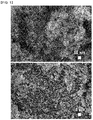
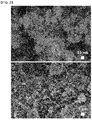
- Examples 1 to 8 can provide aluminosilicate nanoparticles having an average primary particle diameter of about 20 nm and excellent specific surface area without formation of aggregates.
- 0.1 g of the particles according to the examples and comparative examples were added to 10 ml of distilled water to prepare a solution containing 1 wt% of the particles.
- the solution was sonicated for 5 minutes at 90 % power in a 100 W pulsed ultrasonication device.
- the energy by the sonication acts as physical energy similar to mechanical force applied to the composition when the rubber composition is blended, so that a size distribution of the aggregates dispersed in the rubber composition can be indirectly confirmed.
- the dispersed solution was subjected to sonication for an additional 2 minutes using a particle size analyzer (manufactured by HORIBA, model LA-960, laser diffraction type), and then a size distribution, a volume average particle diameter (D mean ), a geometric standard deviation (std. dev.), and a cumulative particle diameter (D 10 , D 50 , D 90 ) of a volume distribution were measured for the aggregates of the above particles.
- D mean ( ⁇ m) Std. Dev.
- Example 1 15.2 8.0 8.2 14.7 25.2
- Example 2 17.1 8.1 9.0 15.3 27.7
- Example 3 16.8 7.5 9.1 14.7 28.1
- Example 4 14.9 7.2 8.5 14.6 27.2
- Example 5 20.2 8.3 9.7 15.2 28.4
- Example 6 16.1 8.1 8.3 15.7 26.9
- Example 7 17.5 7.8 8.9 17.1 28.8
- Example 8 19.2 8.5 9.5 18.4 30.2 Comparative Example 1 18.3 15.0 7.9 11.0 45.2 Comparative Example 2 269.2 201.3 18.5 209.6 843.9 Comparative Example 3 88.4 57.3 14.1 80.3 447.6
Landscapes
- Chemical & Material Sciences (AREA)
- Organic Chemistry (AREA)
- Health & Medical Sciences (AREA)
- Chemical Kinetics & Catalysis (AREA)
- Medicinal Chemistry (AREA)
- Polymers & Plastics (AREA)
- Inorganic Chemistry (AREA)
- Engineering & Computer Science (AREA)
- Mechanical Engineering (AREA)
- Silicates, Zeolites, And Molecular Sieves (AREA)
- Compositions Of Macromolecular Compounds (AREA)
Abstract
Description
- This application claims the benefits of Korean Patent Application No.
10-2017-0122815 filed on September 22, 2017 10-2017-0122816 filed on September 22, 2017 10-2018-0108345 filed on September 11, 2018 10-2018-0108346 filed on September 11, 2018 - The present disclosure relates to a method for preparing aluminosilicate nanoparticles having excellent dispersibility, a reinforcing material for rubber including the aluminosilicate nanoparticles, and a rubber composition for tires including the same.
- As concerns about global warming and environmental problems spread, environment-friendly concepts of increasing energy efficiency and reducing carbon emissions have attracted attention in various fields. These environment-friendly concepts are becoming evident in the tire industry by developing highly efficient eco-friendly tires and recycling waste tires.
- Eco-friendly tires (or green tires) are tires that can reduce rolling resistance of rubber to achieve high efficiency and high fuel efficiency, resulting in a reduction in carbon emissions. Modified rubber materials and rubber reinforcing white additives (for example, precipitated silica) have been mainly used for manufacturing such eco-friendly tires.
- Generally, silica materials have a problem that dispersibility in the rubber composition is low so that abrasion resistance is deteriorated. In order to compensate for this, it is known that highly dispersed precipitated silica having specific conditions can be used together with a silane coupling agent to make a material for eco-friendly tires having good abrasion resistance.
- In addition, there is also high interest in additives such as the highly dispersed precipitated silica which may have good conflicting properties (mechanical strength such as rolling resistance and abrasion resistance). It is known that even when alumina, clay, kaolin, or the like is applied as the rubber reinforcing white additive, it can be used as an eco-friendly tire material by lowering rolling resistance. However, the rubber reinforcing white additive has a problem that the dispersibility decreases due to formation of a strong aggregate and the like, resulting in problems such as deterioration of mechanical strength.
- (Non-Patent Document 1) Kay Saalwächter, Microstructure and molecular dynamics of elastomers as studied by advanced low-resolution nuclear magnetic resonance methods, Rubber Chemistry and Technology, Vol. 85, No. 3, pp. 350-386 (2012).
- The present disclosure is to provide a method for preparing aluminosilicate nanoparticles having excellent dispersibility in a rubber composition for tires.
- According to the present disclosure, a method for preparing aluminosilicate nanoparticles is provided, wherein the method includes the steps of:
- preparing a reaction solution containing an aluminosilicate salt by neutralizing an alkaline silicon source and an acidic aluminum source at a temperature of more than 70 °C and 95 °C or less so that a molar ratio (Si/Al) of silicon atoms (Si) in the silicon source to aluminum atoms (Al) in the aluminum source is 2.0 to 6.0;
- washing the aluminosilicate salt to obtain aluminosilicate nanoparticles; and drying the aluminosilicate nanoparticles.
- Hereinafter, the method for preparing aluminosilicate nanoparticles, the reinforcing material for rubber including the aluminosilicate nanoparticles, and the rubber composition for tires including the same according to the exemplary embodiments of the present disclosure will be described in more detail.
- In this specification, the terms are used merely to refer to specific embodiments, and are not intended to restrict the present disclosure unless that is explicitly expressed.
- Singular expressions of the present disclosure may include plural expressions unless differently expressed contextually.
- The terms "include", "comprise", and the like of the present disclosure are used to specify certain features, regions, integers, steps, operations, elements, and/or components, and do not exclude the existence or the addition of other certain features, regions, integers, steps, operations, elements, and/or components.
- According to an embodiment of the present disclosure, a method for preparing aluminosilicate nanoparticles is provided, wherein the method includes the steps of:
- preparing a reaction solution containing an aluminosilicate salt by neutralizing an alkaline silicon source and an acidic aluminum source at a temperature of more than 70 °C and 95 °C or less so that a molar ratio (Si/Al) of silicon atoms (Si) in the silicon source to aluminum atoms (Al) in the aluminum source is 2.0 to 6.0;
- washing the aluminosilicate salt to obtain aluminosilicate nanoparticles; and drying the aluminosilicate nanoparticles.
- As a result of studies by the present inventors, it was confirmed that amorphous aluminosilicate nanoparticles can be synthesized by a simple method of obtaining an aluminosilicate salt by a neutralization reaction between an alkaline silicon source and an acidic aluminum source.
- In particular, this method can provide aluminosilicate nanoparticles exhibiting excellent dispersibility and improved rubber reinforcing effect in a rubber composition by performing the neutralization reaction at a temperature of more than 70 °C and 95 °C or less so that a molar ratio (Si/Al) of silicon atoms (Si) in the silicon source to aluminum atoms (Al) in the aluminum source is 2.0 to 6.0.
- The aluminosilicate nanoparticles provided by the above method can be suitably applied as a reinforcing material for rubber when added to a rubber composition for tires.
- According to an embodiment of the present disclosure, a step of preparing a reaction solution containing an aluminosilicate salt is performed by neutralizing an alkaline silicon source and an acidic aluminum source at a temperature of more than 70 °C and 95 °C or less so that a molar ratio (Si/Al) of silicon atoms (Si) in the silicon source to aluminum atoms (Al) in the aluminum source is 2.0 to 6.0.
- In the above method, the silicon source is an alkaline solution with a pH of more than 7.0 including a water-soluble silicone salt.
- As the water-soluble silicone salt, a silicone compound capable of exhibiting alkalinity with a pH of more than 7.0 in an aqueous solution can be used without particular limitation. Preferably, the water-soluble silicone salt may be at least one compound selected from the group consisting of sodium silicate (Na2SiO3) and potassium silicate (K2SiO3).
- In the above method, the aluminum source is an acidic solution with a pH of less than 7.0 including a water-soluble aluminum salt.
- As the water-soluble aluminum salt, an aluminum compound capable of exhibiting acidity with a pH of less than 7.0 in an aqueous solution can be used without particular limitation.
- Preferably, the water-soluble aluminum salt may be at least one compound selected from the group consisting of aluminum chloride (AlCl3), aluminum nitrate (Al(NO3)3), aluminum monoacetate ((HO)2AlCH3CO2), aluminum diacetate (HOAl(CH3CO2)2), aluminum triacetate (Al(CH3CO2)3), aluminum sulfate (Al2(SO4)3), and aluminum potassium sulfate (AlK(SO4)2).
- More preferably, the use of aluminum nitrate, aluminum potassium sulfate, or a mixture thereof as the water-soluble aluminum salt may be advantageous in that agglomeration of nanoparticles can be minimized during the recovery of the aluminosilicate nanoparticles.
- The neutralization reaction is carried out by mixing the alkaline silicon source with the acidic aluminum source to obtain a reaction solution containing an aluminosilicate salt as a solid component.
- In particular, it is preferable that the neutralization reaction is performed at a temperature of more than 70 °C and 95 °C or less.
- Specifically, the neutralization reaction may be performed at a temperature of more than 70 °C, 75 °C or more, or 80 °C or more, and 95 °C or less, 90 °C or less, or 85 °C or less. More preferably, the reaction may be performed at a temperature of 75 °C to 90 °C.
- When the temperature is too low, inorganic components including the silicon source and the aluminum source are aggregated during the neutralization reaction, so that the reaction is difficult to proceed uniformly. Accordingly, it becomes difficult to control the particle size of the aluminosilicate nanoparticles finally obtained after the neutralization reaction, and the nanoparticles are tightly aggregated to form gigantic secondary particles. As a result, nanoparticles having the desired rubber reinforcing effect cannot be obtained. Therefore, it is preferable that the neutralization reaction is performed at a temperature of more than 70 °C, or a temperature of 75 °C or more.
- However, when the temperature is too high, the reaction efficiency may be lowered due to boiling of the solvent. Therefore, it is preferable that the neutralization reaction is performed at a temperature of 95 °C or less, or a temperature of 90 °C or less.
- According to an embodiment of the present disclosure, the molar ratio (Si/Al) of silicon atoms (Si) in the silicon source to aluminum atoms (Al) in the aluminum source in the neutralization reaction is preferably 2.0 to 6.0.
- Specifically, the molar ratio (Si/Al) may be 2.0 or more, 2.5 or more, 3.0 or more, 3.5 or more, or 4.0 or more, and 6.0 or less, 5.5 or less, 5.0 or less, or 4.5 or less.
- That is, by using the silicon source and the aluminum source in the molar ratio (Si/Al) of 2.0 to 6.0, aluminosilicate nanoparticles exhibiting excellent dispersibility and improved rubber reinforcing effect in a rubber composition can be provided.
- The molar ratio (Si/Al) of silicon atoms (Si) in the silicon source to aluminum atoms (Al) in the aluminum source is preferably 2.0 or more so that aluminosilicate particles having a specific surface area and wear resistance suitable for the rubber reinforcing material for tires can be produced.
- However, if the silicon atoms (Si) are included in the inorganic source used in the neutralization reaction at an excessively high molar ratio, a yield of the final product, aluminosilicate nanoparticles, decreases, which causes a rise in the cost of the silicon source. Therefore, the molar ratio (Si/Al) of silicon atoms (Si) in the silicon source to aluminum atoms (Al) in the aluminum source is preferably 6.0 or less.
- A mixing ratio of the silicon source and the aluminum source in the neutralization reaction may be determined in consideration of the kind of salt contained in each source, the pH of each source, and the preferable pH range of the reaction solution which is a product of the neutralization reaction.
- In particular, according to an embodiment of the present disclosure, it is preferable that the reaction solution, which is a product of the neutralization reaction, has a concentration of hydrogen ions which may obtain a pH of 4.0 or more, a pH of 4.0 to a pH of 10.0, a pH of 6.0 to a pH of 10.0, or a pH of 6.0 to a pH of 8.0.
- If the concentration of hydrogen ions of the reaction solution is less than which may obtain a pH of 4.0, the particle size of the aluminosilicate nanoparticles becomes difficult to control, and the size of the nanoparticles generally increases, so that the desired rubber reinforcing effect may not be achieved.
- Furthermore, the pH of the reaction solution affects a pH of the aluminosilicate nanoparticles finally obtained. In addition, the pH of the aluminosilicate nanoparticles affects scorch time in a process of compounding the nanoparticles into the rubber composition.
- The scorch time refers to a period of time before vulcanization of a rubber composition starts in a rubber molding process. Generally, after the vulcanization of the rubber composition starts, a flow of the rubber composition in the mold is stopped and molding such as pressing becomes difficult, so an appropriate scorch time is required for ensuring workability and productivity.
- However, if the pH of the aluminosilicate nanoparticles is too low or too high, it becomes difficult to secure the appropriate scorch time in the rubber molding process. Therefore, workability and productivity of the rubber molding may be deteriorated, since adding a separate vulcanization retarder or additional processing to prevent scorching is required.
- For example, if the pH of the aluminosilicate nanoparticles is too low, the scorch time during the rubber compounding may be sharply slowed, and if the pH is too high, the scorch time may be drastically accelerated.
- Specifically, the pH of the nanoparticles greatly affects reactivity of the components to be mixed together in the rubber compounding process, and in particular, accelerates or decelerates the rate at which amine-type functional groups react. That is, when the pH of the nanoparticles is low, the reactivity of the amine group is lowered, and when the pH of the nanoparticles is high, the reactivity of the amine group is promoted. If the reactivity is excessively accelerated during the rubber compounding process, there is a problem in product molding, and if the reactivity is too low, productivity may be lowered.
- Therefore, in order to ensure the appropriate scorch time in the rubber molding process in which the aluminosilicate nanoparticles are applied as a reinforcing material for rubber, the neutralization reaction is preferably performed so that the reaction solution containing an aluminosilicate salt has a concentration of hydrogen ions which may obtain a pH of 4.0 to a pH of 10.0.
- Subsequently, a step of washing the aluminosilicate salt to obtain aluminosilicate nanoparticles is performed.
- In the washing step, the solid aluminosilicate salt is recovered from the reaction solution obtained by the neutralization reaction, and dispersed in water such as distilled water or deionized water, followed by washing several times to obtain aluminosilicate nanoparticles.
- The washed aluminosilicate nanoparticles may have a concentration of hydrogen ions which may obtain a pH of 6.0 to a pH of 10.0.
- Subsequently, a step of drying the aluminosilicate nanoparticles is performed. The drying step may be carried out at a temperature of 20 to 150 °C for 1 to 48 hours.
- If necessary, conventional steps such as pulverizing and classifying the obtained aluminosilicate nanoparticles can be further performed.
- Meanwhile, the aluminosilicate nanoparticles obtained by the above-described method are amorphous particles having a composition represented by the following
Chemical Formula 1, and may have a concentration of hydrogen ions which may obtain a pH of 6.0 to a pH of 10.0:
[Chemical Formula 1] [(MxAlyO2y)·(SiO2)z]·m(H2O)
wherein, inChemical Formula 1, - M is an element selected from the group consisting of Li, Na, K, Rb, Cs, Be, Fr, Ca, Zn, and Mg, or ions thereof;
- x ≥ 0, y > 0, and m ≥ 0;
- 3.0 ≤ z/y ≤ 20.0; and
- x/y < 1.2.
- The aluminosilicate nanoparticles contain a metal element (M) or an ion thereof, and an alkali metal or an ion thereof, and in particular, satisfy a composition of 3.0 ≤ z/y ≤ 20.0 and x/y < 1.2.
- Specifically, in
Chemical Formula 1, z/y is 3.0 or more, 3.3 or more, or 3.5 or more, and 20.0 or less, 15.0 or less, 10.0 or less, or 5.0 or less, which may be advantageous for manifesting all of the properties according to the present disclosure. - Specifically, in
Chemical Formula 1, x/y is 1.2 or less, or 1.0 or less, which may be advantageous for manifesting all of the properties according to the present disclosure. - The aluminosilicate nanoparticles obtained by the above method are amorphous.
- In particular, the aluminosilicate nanoparticles satisfy a full width at half maximum (FWHM) in a 2θ range of 20° to 37° in a data plot obtained by X-ray diffraction (XRD) of 3° to 8.5°, thereby exhibiting excellent properties as a reinforcing material.
- Preferably, the full width at half maximum (FWHM) is 3° or more, 3.5° or more, 4.0° or more, 4.5° or more, 5.0° or more, 5.5° or more, or 6.0° or more. In addition, preferably, the FWHM is 8.5° or less, 8.0° or less, 7.5° or less, or 7.0° or less.
- The full width at half maximum (FWHM) is a numerical value of a peak width at half of the maximum peak intensity in the 2θ range of 20° to 37° obtained by X-ray diffraction of the aluminosilicate nanoparticles.
- The unit of the full width at half maximum (FWHM) can be expressed in degrees (°) which is the unit of 2θ. Compounds having high crystallinity may have a small FWHM value.
- In addition, the aluminosilicate nanoparticles are characterized in that a maximum peak intensity (Imax) is in a 2θ range of 24° to 31° in a data plot obtained by X-ray diffraction (XRD).
- Preferably, the maximum peak intensity (Imax) is in a 2θ range of 24° or more, 26° or more, 27° or more, or 28° or more. In addition, preferably, the maximum peak intensity (Imax) is in a 2θ range of 31° or less, 30.5° or less, or 30° or less.
- For reference, amorphous silica shows Imax in a 2θ range of 20° to 25° and amorphous alumina shows Imax in a 2θ range of 30° to 40°.
- Further, the aluminosilicate nanoparticles may have a concentration of hydrogen ions which may obtain a pH of 6.0 to a pH of 10.0. Preferably, the aluminosilicate nanoparticles have a concentration of hydrogen ions which may obtain a pH of 6.0 or more, a pH of 6.5 or more, a pH of 7.0 or more, or a pH of 7.5 or more, and a pH of 10.0 or less or a pH of 9.0 or less.
- For example, the pH of the aluminosilicate nanoparticles can be confirmed by dispersing the aluminosilicate nanoparticles in water such as distilled water or deionized water, and then measuring the concentration of hydrogen ions of the dispersed solution.
- According to an embodiment of the present disclosure, the aluminosilicate nanoparticles may have an average primary particle diameter of 10 to 50 nm.
- Specifically, the aluminosilicate nanoparticles may have an average primary particle diameter of 10 nm or more, 15 nm or more, or 20 nm or more, and 50 nm or less, 45 nm or less, 40 nm or less, or 35 nm or less.
- In general, the smaller the particle diameter of the reinforcing material for rubber, the better the reinforcing effect. However, the smaller the particle diameter, the more easily the agglomeration phenomenon occurs between the particles in the rubber composition. If such agglomeration becomes severe, phase separation may occur between the reinforcing material for rubber and the rubber components, resulting in a decrease in processability of tires and a difficulty in achieving the desired reinforcing effect.
- According to the embodiment of the present disclosure, the aluminosilicate nanoparticles are characterized in that a Brunauer-Emmett-Teller surface area (SBET) is 145 to 350 m2/g, and an external specific surface area (SEXT) is 120 to 300 m2/g according to an analysis of nitrogen adsorption/desorption.
- Specifically, the SBET is 145 m2/g or more, 150 m2/g or more, 155 m2/g or more, or 165 m2/g or more, and 350 m2/g or less, 300 m2/g or less, 250 m2/g or less.
- Specifically, the SEXT is 120 m2/g or more, 125 m2/g or more, 130 m2/g or more, or 135 m2/g or more, and 300 m2/g or less, 250 m2/g or less, or 200 m2/g or less.
- In addition, a ratio of SEXT to SBET (SEXT/SBET) of the aluminosilicate nanoparticles is 0.6 to 1.0, which may be advantageous for manifesting all the properties according to the present disclosure. Specifically, the SEXT/SBET is 0.60 or more, 0.65 or more, 0.70 or more, 0.75 or more, or 0.80 or more, and 1.0 or less, 0.99 or less, or 0.95 or less.
- It is preferable that the content of micropores in the inorganic material used as the reinforcing material for rubber is minimized. This is because the micropores act as defects and can deteriorate the physical properties of the reinforcing material for rubber.
- According to the present disclosure, the aluminosilicate nanoparticles are characterized in that a volume of micropores (Vmicro) having a pore size of less than 2 nm calculated from the SBET by a t-plot method is less than 0.05 cm3/g, which can exhibit excellent mechanical properties as a reinforcing material for rubber. Specifically, the Vmicro is 0.05 cm3/g or less, 0.025 cm3/g or less, 0.02 cm3/g or less, 0.015 cm3/g or less, 0.01 cm3/g or less, or 0.007 cm3/g or less.
- Meanwhile, secondary particles, that is, agglomerates of the aluminosilicate nanoparticles, may have a particle size distribution which shows a volume average particle diameter (Dmean) of 1 to 25 µm, a geometric standard deviation of 1 to 20 µm, and a 90 % cumulative particle diameter (D90) of 1 to 50 µm, when measured under distilled water using a particle size analyzer (PSA).
- Specifically, the secondary particles of the aluminosilicate nanoparticles may have a volume average particle diameter (Dmean) of 1 µm or more, 2.5 µm or more, 5 µm or more, 7.5 µm or more, or 10.0 µm or more, and 25 µm or less, 22.5 µm or less, 20 µm or less, or 17.5 µm or less, when measured using distilled water.
- Further, the secondary particles of the aluminosilicate nanoparticles may have a geometric standard deviation of 1.0 µm or more, 2.5 µm or more, 5.0 µm or more, or 7.5 µm or more, and 20 µm or less, 15 µm or less, or 10 µm or less, when measured using distilled water.
- The secondary particles of the aluminosilicate nanoparticles may have a 90 % cumulative particle diameter (D90) of 1 µm or more, 5 µm or more, 10 µm or more, 15 µm or more, or 20 µm or more, and 50 µm or less, 40 µm or less, 30 µm or less, or 25 µm or less, when measured using distilled water.
- According to another embodiment of the present disclosure, a rubber composition for tires including the aluminosilicate nanoparticles as a reinforcing material for rubber is provided.
- The aluminosilicate nanoparticles prepared by the above-described method and satisfying the above characteristics have improved workability and productivity while exhibiting an enhanced reinforcing effect due to excellent dispersibility in a rubber composition.
- In particular, the aluminosilicate nanoparticles can exhibit excellent mechanical properties (for example, excellent durability, wear resistance, compressive strength, etc.) as compared with reinforcing materials for rubber not satisfying the above-mentioned physical properties, since formation of micropores in the particles is reduced.
- The rubber composition for tires may include a general diene elastomer without any particular limitation.
- For example, the diene elastomer may be at least one compound selected from the group consisting of a natural rubber, polybutadiene, polyisoprene, a butadiene/styrene copolymer, a butadiene/isoprene copolymer, a butadiene/acrylonitrile copolymer, an isoprene/styrene copolymer, and a butadiene/styrene/isoprene copolymer.
- The rubber composition for tires may also include a coupling agent which provides chemical and/or physical bonding between the aluminosilicate nanoparticles and the diene elastomer. As the coupling agent, conventional components such as a polysiloxane-based compound may be included without particular limitation.
- In addition, plasticizers, pigments, antioxidants, ozone deterioration inhibitors, vulcanization accelerators, and the like which are commonly used in the tire industry may be added to the rubber composition for tires.
- According to the present disclosure, amorphous aluminosilicate nanoparticles can be provided by a simple method of obtaining an aluminosilicate salt by a neutralization reaction between a silicon source and an aluminum source. Particularly, according to the above method, aluminosilicate nanoparticles exhibiting improved workability and productivity in a rubber molding process while having excellent dispersibility in a rubber composition can be provided.
-
-
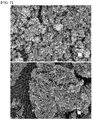
FIG. 1 is a scanning electron microscopy (SEM) image of the aluminosilicate nanoparticles according to Example 1. -
FIG. 2 is a SEM image of the aluminosilicate nanoparticles according to Example 2. -
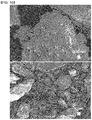
FIG. 3 is a SEM image of the aluminosilicate nanoparticles according to Example 3. -
FIG. 4 is a SEM image of the aluminosilicate nanoparticles according to Example 4. -
FIG. 5 is a SEM image of the aluminosilicate nanoparticles according to Example 5. -
FIG. 6 is a SEM image of the aluminosilicate nanoparticles according to Example 6. -
FIG. 7 is a SEM image of the aluminosilicate nanoparticles according to Example 7. -
FIG. 8 is a SEM image of the aluminosilicate nanoparticles according to Example 8. -
FIG. 9 is a SEM image of the aluminosilicate nanoparticles according to Comparative Example 1. -
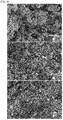
FIG. 10 is a SEM image of the aluminosilicate aggregates according to Comparative Example 2. -
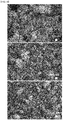
FIG. 11 is a SEM image of the aluminosilicate aggregates according to Comparative Example 3. - Hereinafter, preferred examples are provided for better understanding. However, these examples are for illustrative purposes only, and the invention is not intended to be limited by these examples.
- A 0.005 M sodium silicate (Na2SiO3) aqueous solution and a 0.005 M aluminum nitrate (Al(NO3)3) aqueous solution were mixed at 80 °C so that a molar ratio (Si/Al) of silicon atoms (Si) to aluminum atoms (Al) was 2.0 (pH 4.0), and then neutralized by mixing at 500 rpm for 10 minutes using an overhead stirrer. A reaction solution (pH 4.0) containing an aluminosilicate salt was obtained by the neutralization reaction.
- The aluminosilicate salt was added to distilled water at room temperature, and then washed by stirring and centrifugation for 12 hours.
- The washed aluminosilicate salt was dried in an oven at 70 °C for 24 hours to finally obtain aluminosilicate nanoparticles (pH 5.6).
- A 0.005 M sodium silicate (Na2SiO3) aqueous solution and a 0.005 M aluminum nitrate (Al(NO3)3) aqueous solution were mixed at 80 °C so that a molar ratio (Si/Al) of silicon atoms (Si) to aluminum atoms (Al) was 4.0 (pH 6.0), and then neutralized by mixing at 500 rpm for 10 minutes using an overhead stirrer. A reaction solution (pH 6.0) containing an aluminosilicate salt was obtained by the neutralization reaction.
- The aluminosilicate salt was added to distilled water at room temperature, and then washed by stirring and centrifugation for 12 hours.
- The washed aluminosilicate salt was dried in an oven at 70 °C for 24 hours to finally obtain aluminosilicate nanoparticles (pH 7.5).
- A 0.005 M sodium silicate (Na2SiO3) aqueous solution and a 0.005 M aluminum nitrate (Al(NO3)3) aqueous solution were mixed at 80 °C so that a molar ratio (Si/Al) of silicon atoms (Si) to aluminum atoms (Al) was 4.3 (pH 6.2), and then neutralized by mixing at 500 rpm for 10 minutes using an overhead stirrer. A reaction solution (pH 6.2) containing an aluminosilicate salt was obtained by the neutralization reaction.
- The aluminosilicate salt was added to distilled water at room temperature, and then washed by stirring and centrifugation for 12 hours.
- The washed aluminosilicate salt was dried in an oven at 70 °C for 24 hours to finally obtain aluminosilicate nanoparticles (pH 8.0).
- A 0.005 M sodium silicate (Na2SiO3) aqueous solution and a 0.005 M aluminum potassium sulfate (AlK(SO4)2) aqueous solution were mixed at 80 °C so that a molar ratio (Si/Al) of silicon atoms (Si) to aluminum atoms (Al) was 4.4 (pH 6.2), and then neutralized by mixing at 500 rpm for 10 minutes using an overhead stirrer. A reaction solution (pH 6.2) containing an aluminosilicate salt was obtained by the neutralization reaction.
- The aluminosilicate salt was added to distilled water at room temperature, and then washed by stirring and centrifugation for 12 hours.
- The washed aluminosilicate salt was dried in an oven at 70 °C for 24 hours to finally obtain aluminosilicate nanoparticles (pH 8.0).
- A 0.005 M sodium silicate (Na2SiO3) aqueous solution and a 0.005 M aluminum nitrate (Al(NO3)3) aqueous solution were mixed at 80 °C so that a molar ratio (Si/Al) of silicon atoms (Si) to aluminum atoms (Al) was 6.0 (pH 10.0), and then neutralized by mixing at 500 rpm for 10 minutes using an overhead stirrer. A reaction solution (pH 10.0) containing an aluminosilicate salt was obtained by the neutralization reaction.
- The aluminosilicate salt was added to distilled water at room temperature, and then washed by stirring and centrifugation for 12 hours.
- The washed aluminosilicate salt was dried in an oven at 70 °C for 24 hours to finally obtain aluminosilicate nanoparticles (pH 10.0).
- Aluminosilicate nanoparticles (pH 8.0) were obtained in the same manner as in Example 3, except that the neutralization reaction was carried out at 75 °C instead of 80 °C.
- Aluminosilicate nanoparticles (pH 8.0) were obtained in the same manner as in Example 3, except that the neutralization reaction was carried out at 85 °C instead of 80 °C.
- Aluminosilicate nanoparticles (pH 8.0) were obtained in the same manner as in Example 3, except that the neutralization reaction was carried out at 90 °C instead of 80 °C.
- 23 g of KOH (Daejung Chemicals & Metals) and 27 g of colloidal silica (
Ludox HS 30 wt%; Sigma-Aldrich) were completely dissolved in 62 ml of distilled water. 15 g of metakaolin (Al2Si2O7, Aldrich) was added thereto, followed by stirring at 800 rpm for 40 minutes using an overhead stirrer. - This was cured at 70 °C for 4 hours.
- The cured solid product was added to distilled water at 90 °C, and then washed to about pH 7 by stirring and centrifugation for 12 hours.
- The washed solid product was dispersed in distilled water to form a colloidal solution, followed by centrifugation at 1500 rpm for 5 minutes to precipitate unreacted sources. From this, a supernatant in which aluminosilicate particles were dispersed was obtained and the precipitated unreacted sources were discarded.
- The supernatant in which aluminosilicate particles were dispersed was dried in an oven at 70 °C for 24 hours to finally obtain aluminosilicate nanoparticles (pH 9.0).
- Comparative Example 1 is a method of synthesizing aluminosilicate by using metakaolin under an aqueous solution atmosphere of a strong base (pH 14). The synthesis process is complicated compared with the examples, and a high cost is required in forming the strong base atmosphere.
- Aluminosilicate nanoparticles (pH 8.0) were obtained in the same manner as in Example 3, except that the neutralization reaction was carried out at 30 °C instead of 80 °C.
- However, during the drying process of the washed aluminosilicate salt, the particles formed very hard and large aggregates. Therefore, in order to obtain the aluminosilicate nanoparticles, a pulverizing step was performed in which the aggregates were pulverized for 5 minutes using a mortar.
- Aluminosilicate nanoparticles (pH 8.0) were obtained in the same manner as in Example 3, except that the neutralization reaction was carried out at 70 °C instead of 80 °C.
- In the above examples and comparative examples, a pH of the reaction solution and the nanoparticles was measured at room temperature using a SevenGo meter (manufactured by Mettler Toledo). The pH of the nanoparticles was measured by using a solution in which 1 wt% of the nanoparticles were dispersed in distilled water as a sample (the pH of the distilled water was about 7.1).
- X-ray fluorescence (XRF, Rigaku ZSX Primus II spectrometer, wavelength dispersive type) was used to confirm a composition of the particles according to the examples and comparative examples. The XRF measurement was performed using an Rh target and measuring the particle powder mounted on a holder having a diameter of 30 mm.
[Table 1] Composition (Chemical Formula 1) M x/y z/y Example 1 Na 0.06 3.319 Example 2 Na 0.56 4.045 Example 3 Na 0.55 4.045 Example 4 Na 0.61 4.102 Example 5 Na 0.88 4.051 Example 6 Na 0.58 4.079 Example 7 Na 0.57 4.033 Example 8 Na 0.55 4.080 Comparative Example 1 K 1.06 1.592 Comparative Example 2 Na 0.54 4.005 Comparative Example 3 Na 0.54 4.114 - Referring to Table 1, it was confirmed that the aluminosilicate nanoparticles prepared by the method of Comparative Example 1 had a z/y value not satisfying the preferable range.
- X-ray diffraction analysis for the particles according to the examples and comparative examples was carried out using an X-ray diffractometer (Bruker AXS D4-Endeavor XRD) under an applied voltage of 40 kV and an applied current of 40 mA.
- The measured range of 2θ was 10° to 90°, and it was scanned at an interval of 0.05°. Herein, a variable divergence slit of 6 mm was used as a slit, and a large PMMA holder (diameter = 20 mm) was used to eliminate background noise due to the PMMA holder.
- A full width at half maximum (FWHM) at a peak of about 29° which is the maximum peak in the 2θ range of 20° to 37° was calculated in the data plot obtained by X-ray diffraction (XRD).
[Table 2] FWHM (°) Imax (°) Crystal form Example 1 6.2 25.0 Amorphous Example 2 6.3 25.8 Amorphous Example 3 6.2 25.0 Amorphous Example 4 6.3 25.8 Amorphous Example 5 6.0 24.8 Amorphous Example 6 6.2 25.1 Amorphous Example 7 6.2 25.0 Amorphous Example 8 6.1 25.1 Amorphous Comparative Example 1 5.8 29.2 Amorphous Comparative Example 2 6.2 25.1 Amorphous Comparative Example 3 6.0 25.0 Amorphous -
- (1) An average primary particle diameter of the particles according to the examples and comparative examples was measured using scanning electron microscopy (SEM). The SEM images are shown in
FIG. 1 to FIG. 11 .
In the measurement of the average primary particle diameter, the particle diameter means a Feret diameter and was calculated as an average of values obtained by measuring the particle diameters in various directions. Specifically, after obtaining a SEM image in which more than 100 particles were observed, a random straight line was plotted, and the primary particle diameter of the particles was calculated using the length of the straight line, the number of particles included on the straight line, and the magnification. The average primary particle diameter was determined by setting 20 or more of these straight lines. - (2) A nitrogen adsorption/desorption Brunauer-Emmett-Teller surface area (SBET) and an external specific surface area (SEXT) excluding micropores having a pore size of less than 2 nm were measured for each of the particles according to the examples and comparative examples using a specific surface area analyzer (BEL Japan Inc., BELSORP-MAX). Then, a volume of micropores (Vmicro) having a pore size of less than 2 nm was calculated from the SBET by a t-plot method.
- In this measurement, the particles were pretreated by heating at 250 °C for 4 hours, and a temperature of an air oven mounted in the analyzer was maintained at 40 °C.
[Table 3] Average primary particle diameter (nm) SBET (m2/g) SEXT (m2/g) SEXT/SBET Vmicro (cm3/g) Example 1 17.8 233.74 210.86 0.920 0.007 Example 2 19.0 204.42 186.30 0.910 0.006 Example 3 19.6 187.33 169.11 0.902 0.006 Example 4 20.7 207.54 170.59 0.822 0.012 Example 5 21.7 177.31 131.16 0.740 0.019 Example 6 17.5 241.25 190.47 0.790 0.016 Example 7 23.4 154.78 129.61 0.889 0.008 Example 8 29.7 115.47 95.72 0.829 0.012 Comparative Example 1 28.4 112.66 97.82 0.873 0.006 Comparative Example 2 2216.0 32.40 29.30 0.904 0.006 Comparative Example 3 15.9 287.39 231.58 0.806 0.014 - Referring to Table 3, it was confirmed that Examples 1 to 8 can provide aluminosilicate nanoparticles having an average primary particle diameter of about 20 nm and excellent specific surface area without formation of aggregates.
- In Comparative Example 2, it was confirmed that the particles formed very hard and large aggregates during the drying of the aluminosilicate salt.
- 0.1 g of the particles according to the examples and comparative examples were added to 10 ml of distilled water to prepare a solution containing 1 wt% of the particles. The solution was sonicated for 5 minutes at 90 % power in a 100 W pulsed ultrasonication device. Herein, the energy by the sonication acts as physical energy similar to mechanical force applied to the composition when the rubber composition is blended, so that a size distribution of the aggregates dispersed in the rubber composition can be indirectly confirmed.
- The dispersed solution was subjected to sonication for an additional 2 minutes using a particle size analyzer (manufactured by HORIBA, model LA-960, laser diffraction type), and then a size distribution, a volume average particle diameter (Dmean), a geometric standard deviation (std. dev.), and a cumulative particle diameter (D10, D50, D90) of a volume distribution were measured for the aggregates of the above particles.
[Table 4] Dmean (µm) Std. Dev. (µm) D10 (µm) D50 (µm) D90 (µm) Example 1 15.2 8.0 8.2 14.7 25.2 Example 2 17.1 8.1 9.0 15.3 27.7 Example 3 16.8 7.5 9.1 14.7 28.1 Example 4 14.9 7.2 8.5 14.6 27.2 Example 5 20.2 8.3 9.7 15.2 28.4 Example 6 16.1 8.1 8.3 15.7 26.9 Example 7 17.5 7.8 8.9 17.1 28.8 Example 8 19.2 8.5 9.5 18.4 30.2 Comparative Example 1 18.3 15.0 7.9 11.0 45.2 Comparative Example 2 269.2 201.3 18.5 209.6 843.9 Comparative Example 3 88.4 57.3 14.1 80.3 447.6 - Referring to Table 4, it was confirmed that the secondary particles of the aluminosilicate nanoparticles according to Examples 1 to 8 exhibited a particle size distribution within a suitable range for use as a reinforcing material for rubber.
- It was confirmed that the secondary particles of the aluminosilicate particles according to Comparative Examples 2 and 3 exhibited a particle size distribution in a range not suitable for use as a reinforcing material for rubber.
Claims (14)
- A method for preparing aluminosilicate nanoparticles, comprising the steps of:preparing a reaction solution containing an aluminosilicate salt by neutralizing an alkaline silicon source and an acidic aluminum source at a temperature of more than 70 °C and 95 °C or less so that a molar ratio (Si/Al) of silicon atoms (Si) in the silicon source to aluminum atoms (Al) in the aluminum source is 2.0 to 6.0;washing the aluminosilicate salt to obtain aluminosilicate nanoparticles; anddrying the aluminosilicate nanoparticles.
- The method for preparing aluminosilicate nanoparticles of Claim 1,
wherein the neutralization reaction is carried out at a temperature of 75 °C to 90 °C. - The method for preparing aluminosilicate nanoparticles of Claim 1,
wherein the silicon source is an alkaline solution with a pH of more than 7.0 including a water-soluble silicone salt. - The method for preparing aluminosilicate nanoparticles of Claim 3,
wherein the water-soluble silicone salt is at least one compound selected from the group consisting of sodium silicate and potassium silicate. - The method for preparing aluminosilicate nanoparticles of Claim 1,
wherein the aluminum source is an acidic solution with a pH of less than 7.0 including a water-soluble aluminum salt. - The method for preparing aluminosilicate nanoparticles of Claim 5,
wherein the water-soluble aluminum salt is at least one compound selected from the group consisting of aluminum chloride, aluminum nitrate, aluminum monoacetate, aluminum diacetate, aluminum triacetate, aluminum sulfate, and aluminum potassium sulfate. - The method for preparing aluminosilicate nanoparticles of Claim 1,
wherein the reaction solution has a concentration of hydrogen ions which obtains a pH of 4.0 to a pH of 10.0. - The method for preparing aluminosilicate nanoparticles of Claim 7,
wherein the reaction solution has a concentration of hydrogen ions which obtains a pH of 6.0 to a pH of 10.0. - The method for preparing aluminosilicate nanoparticles of Claim 1,
wherein the aluminosilicate nanoparticles are amorphous particles having a composition represented by the following Chemical Formula 1:
[Chemical Formula 1] [(MxAlyO2y)·(SiO2)z]·m(H2O)
wherein, in Chemical Formula 1,M is an element selected from the group consisting of Li, Na, K, Rb, Cs, Be, Fr, Ca, Zn, and Mg, or ions thereof;x ≥ 0, y > 0, and m ≥ 0;3.0 ≤ z/y ≤ 20.0; andx/y < 1.2. - The method for preparing aluminosilicate nanoparticles of Claim 1,
wherein the aluminosilicate nanoparticles have an average primary particle diameter of 10 to 50 nm. - The method for preparing aluminosilicate nanoparticles of Claim 1,
wherein the aluminosilicate nanoparticles satisfy the following conditions: a full width at half maximum (FWHM) in a 2θ range of 20° to 37° is 3° to 8.5°, and a maximum peak intensity (Imax) is in a 2θ range of 24° to 31°, in a data plot obtained by X-ray diffraction (XRD). - The method for preparing aluminosilicate nanoparticles of Claim 1,
wherein the aluminosilicate nanoparticles have a Brunauer-Emmett-Teller surface area (SBET) of 145 to 350 m2/g and an external specific surface area (SEXT) of 120 to 300 m2/g according to an analysis of nitrogen adsorption/desorption, and satisfy 0.6 ≤ SEXT/SBET ≤ 1.0. - The method for preparing aluminosilicate nanoparticles of Claim 12,
wherein the aluminosilicate nanoparticles have a volume of micropores (Vmicro) having a pore size of less than 2 nm calculated from the SBET by a t-plot method of less than 0.05 cm3/g. - The method for preparing aluminosilicate nanoparticles of Claim 1,
wherein the aluminosilicate nanoparticles have a particle size distribution which shows a volume average particle diameter (Dmean) of 1 to 25 µm, a geometric standard deviation of 1 to 20 µm, and a 90 % cumulative particle diameter (D90) of 1 to 50 µm, when measured using distilled water.
Applications Claiming Priority (5)
| Application Number | Priority Date | Filing Date | Title |
|---|---|---|---|
| KR20170122815 | 2017-09-22 | ||
| KR20170122816 | 2017-09-22 | ||
| KR1020180108345A KR102150645B1 (en) | 2017-09-22 | 2018-09-11 | Method for preparing aluminosilicate nanoparticles having excellent dispersion, a reinforcing materials for rubber comprising the aluminosilicate nanoparticles, and rubber composition for tires comprising the reinforcing materials |
| KR1020180108346A KR102150646B1 (en) | 2017-09-22 | 2018-09-11 | Method for preparing aluminosilicate nanoparticles having excellent dispersion, a reinforcing materials for rubber comprising the aluminosilicate nanoparticles, and rubber composition for tires comprising the reinforcing materials |
| PCT/KR2018/010868 WO2019059594A1 (en) | 2017-09-22 | 2018-09-14 | Method for manufacturing aluminosilicate nanoparticles having excellent dispersibility, rubber reinforcing member comprising aluminosilicate nanoparticles, and rubber composition comprising same for tire |
Publications (2)
| Publication Number | Publication Date |
|---|---|
| EP3656739A1 true EP3656739A1 (en) | 2020-05-27 |
| EP3656739A4 EP3656739A4 (en) | 2020-10-14 |
Family
ID=67822635
Family Applications (1)
| Application Number | Title | Priority Date | Filing Date |
|---|---|---|---|
| EP18859838.7A Pending EP3656739A4 (en) | 2017-09-22 | 2018-09-14 | A PROCESS FOR THE PRODUCTION OF ALUMINOSILICATE NANO PARTICLES WITH EXCELLENT DISPERSIBILITY, RUBBER REINFORCEMENT ELEMENT WITH ALUMINOSILICATE NANO PARTICLES AND THEREFORE RUBBER COMPOSITION FOR TIRES |
Country Status (4)
| Country | Link |
|---|---|
| US (1) | US20190375645A1 (en) |
| EP (1) | EP3656739A4 (en) |
| JP (1) | JP6866002B2 (en) |
| CN (1) | CN110225884A (en) |
Families Citing this family (6)
| Publication number | Priority date | Publication date | Assignee | Title |
|---|---|---|---|---|
| KR102000728B1 (en) | 2016-09-09 | 2019-07-22 | 주식회사 엘지화학 | A reinforcing materials for rubber comprising aluminosilicate particles and rubber composition for tires comprising the same |
| KR102060640B1 (en) * | 2016-09-09 | 2019-12-30 | 주식회사 엘지화학 | A reinforcing materials for rubber comprising aluminosilicate particles and rubber composition for tires comprising the same |
| KR102151066B1 (en) | 2018-02-21 | 2020-09-02 | 주식회사 엘지화학 | A reinforcing materials for rubber comprising aluminosilicate particles and rubber composition for tires comprising the same |
| CN110644287A (en) * | 2019-09-26 | 2020-01-03 | 浙江理工大学 | A kind of preparation method of modified aluminosilicate composite rubber sealing sheet |
| WO2021158939A1 (en) * | 2020-02-07 | 2021-08-12 | The Johns Hopkins University | Compositions of alum nanoparticles for immunomodulation and methods for producing the same |
| CN112640898A (en) * | 2020-12-30 | 2021-04-13 | 宣城晶瑞新材料有限公司 | Preparation method of nano aluminum-silicon-silver-loaded antibacterial agent powder with ultrahigh water dispersibility and superactivity |
Family Cites Families (12)
| Publication number | Priority date | Publication date | Assignee | Title |
|---|---|---|---|---|
| DE1299616B (en) * | 1965-08-26 | 1969-07-24 | Degussa | Process for the production of finely divided, precipitated silicates and double silicates |
| JPH05221626A (en) * | 1992-02-06 | 1993-08-31 | Tokuyama Soda Co Ltd | Production of multicomponent oxide |
| CN101098920A (en) * | 2004-12-01 | 2008-01-02 | 圣戈本陶瓷及塑料股份有限公司 | Rubber formula and preparation method thereof |
| JP5132225B2 (en) * | 2007-08-29 | 2013-01-30 | 協和化学工業株式会社 | Amorphous spherical aluminum silicate, method for producing the same, and preparation using the aluminum silicate. |
| JP4785068B2 (en) * | 2007-12-06 | 2011-10-05 | 多木化学株式会社 | Synthetic amorphous aluminum bonded silicate and process for producing the same |
| WO2010026975A1 (en) * | 2008-09-02 | 2010-03-11 | 独立行政法人産業技術総合研究所 | Amorphous aluminum silicate salt manufacturing method, aluminum silicate salt obtained with said method, and adsorption agent using same |
| IT1399637B1 (en) * | 2010-04-26 | 2013-04-26 | Sasol Italy S P A | PROCEDURE FOR PREPARING AN AMORPHOUS AND RELATED SILICA-ALUMINA COMPOSITION |
| US9782749B2 (en) * | 2011-03-11 | 2017-10-10 | Hitachi Chemical Company, Ltd. | Aluminum silicate, metal ion adsorbent, and method for producing same |
| JPWO2013183742A1 (en) * | 2012-06-08 | 2016-02-01 | 協和化学工業株式会社 | Aluminum silicate and method for producing the same |
| JP2014180602A (en) * | 2013-03-18 | 2014-09-29 | Toda Kogyo Corp | Adsorbent and method for producing the same |
| KR102179474B1 (en) * | 2017-03-27 | 2020-11-16 | 주식회사 엘지화학 | Organic-inorganic composite for rubber reinforcement, method for producing the same, and rubber composition for tires comprising the same |
| KR102157351B1 (en) * | 2017-06-29 | 2020-09-17 | 주식회사 엘지화학 | Inorganic composite for rubber reinforcement, method for producing the same, and rubber composition for tires comprising the same |
-
2018
- 2018-09-14 JP JP2019541184A patent/JP6866002B2/en active Active
- 2018-09-14 CN CN201880008606.6A patent/CN110225884A/en active Pending
- 2018-09-14 US US16/481,407 patent/US20190375645A1/en not_active Abandoned
- 2018-09-14 EP EP18859838.7A patent/EP3656739A4/en active Pending
Also Published As
| Publication number | Publication date |
|---|---|
| EP3656739A4 (en) | 2020-10-14 |
| JP6866002B2 (en) | 2021-04-28 |
| JP2020506147A (en) | 2020-02-27 |
| US20190375645A1 (en) | 2019-12-12 |
| CN110225884A (en) | 2019-09-10 |
Similar Documents
| Publication | Publication Date | Title |
|---|---|---|
| EP3656739A1 (en) | Method for manufacturing aluminosilicate nanoparticles having excellent dispersibility, rubber reinforcing member comprising aluminosilicate nanoparticles, and rubber composition comprising same for tire | |
| EP3401359B1 (en) | Rubber reinforcement comprising aluminosilicate particles, and tire rubber composition containing same | |
| EP3421427B1 (en) | Method for manufacturing aluminosilicate particles having excellent dispersibility, rubber-reinforcing member comprising aluminosilicate particles, and rubber composition comprising same for tire | |
| KR102155270B1 (en) | Method for preparing aluminosilicate particles having excellent dispersion, a reinforcing materials for rubber comprising the aluminosilicate particles, and rubber composition for tires comprising the reinforcing materials | |
| US10889702B2 (en) | Reinforcing material for rubber comprising aluminosilicate particles and rubber composition for tires comprising the same | |
| EP3572457B1 (en) | Inorganic composite for rubber reinforcement, method for preparing the same, and rubber composition for tires comprising the same | |
| EP3533825A1 (en) | Organic-inorganic composite for reinforcing rubber, preparation method therefor, and tire rubber composition comprising same | |
| KR20190036336A (en) | Method for preparing aluminosilicate particles, a reinforcing materials for rubber comprising the aluminosilicate particles, and rubber composition for tires comprising the reinforcing materials | |
| KR102150646B1 (en) | Method for preparing aluminosilicate nanoparticles having excellent dispersion, a reinforcing materials for rubber comprising the aluminosilicate nanoparticles, and rubber composition for tires comprising the reinforcing materials | |
| KR102150645B1 (en) | Method for preparing aluminosilicate nanoparticles having excellent dispersion, a reinforcing materials for rubber comprising the aluminosilicate nanoparticles, and rubber composition for tires comprising the reinforcing materials | |
| KR20190105816A (en) | Aluminosilicate nanoparticles for rubber reinforcement, a method for preparing the aluminosilicate nanoparticles, and a rubber composition for a tire including the aluminosilicate nanoparticles | |
| EP3395880B1 (en) | Rubber reinforcing material comprising aluminosilicate particles, and rubber composition for tire, comprising same | |
| KR102348152B1 (en) | A reinforcing materials for rubber comprising aluminosilicate particles and rubber composition for tires comprising the same | |
| KR20200029829A (en) | Method for manufacturing aluminosilicate nanoparticles | |
| KR102123011B1 (en) | Method for preparing aluminosilicate particles having excellent dispersion, a reinforcing materials for rubber comprising the aluminosilicate particles, and rubber composition for tires comprising the reinforcing materials | |
| KR102567067B1 (en) | Method for preparing aluminosilicate nanoparticles having excellent dispersion, a reinforcing materials for rubber comprising the aluminosilicate nanoparticles, and rubber composition for tires comprising the reinforcing materials | |
| WO2019164154A1 (en) | Rubber reinforcer comprising aluminosilicate particles, and tire rubber composition comprising same | |
| KR20200029830A (en) | Method for manufacturing aluminosilicate nanoparticles with developed mesopore | |
| KR20200102737A (en) | Method for manufacturing aluminosilicate nanoparticles with developed mesopore |
Legal Events
| Date | Code | Title | Description |
|---|---|---|---|
| STAA | Information on the status of an ep patent application or granted ep patent |
Free format text: STATUS: THE INTERNATIONAL PUBLICATION HAS BEEN MADE |
|
| PUAI | Public reference made under article 153(3) epc to a published international application that has entered the european phase |
Free format text: ORIGINAL CODE: 0009012 |
|
| STAA | Information on the status of an ep patent application or granted ep patent |
Free format text: STATUS: REQUEST FOR EXAMINATION WAS MADE |
|
| 17P | Request for examination filed |
Effective date: 20190821 |
|
| AK | Designated contracting states |
Kind code of ref document: A1 Designated state(s): AL AT BE BG CH CY CZ DE DK EE ES FI FR GB GR HR HU IE IS IT LI LT LU LV MC MK MT NL NO PL PT RO RS SE SI SK SM TR |
|
| AX | Request for extension of the european patent |
Extension state: BA ME |
|
| A4 | Supplementary search report drawn up and despatched |
Effective date: 20200911 |
|
| RIC1 | Information provided on ipc code assigned before grant |
Ipc: C01B 33/26 20060101AFI20200907BHEP Ipc: C08K 3/34 20060101ALI20200907BHEP Ipc: B60C 1/00 20060101ALI20200907BHEP Ipc: C01B 33/32 20060101ALI20200907BHEP Ipc: C08L 21/00 20060101ALI20200907BHEP Ipc: C08K 7/26 20060101ALI20200907BHEP |
|
| DAV | Request for validation of the european patent (deleted) | ||
| DAX | Request for extension of the european patent (deleted) | ||
| STAA | Information on the status of an ep patent application or granted ep patent |
Free format text: STATUS: EXAMINATION IS IN PROGRESS |
|
| 17Q | First examination report despatched |
Effective date: 20210928 |