EP3656554A1 - Passive anti-icing and/or deicing systems - Google Patents
Passive anti-icing and/or deicing systems Download PDFInfo
- Publication number
- EP3656554A1 EP3656554A1 EP19208340.0A EP19208340A EP3656554A1 EP 3656554 A1 EP3656554 A1 EP 3656554A1 EP 19208340 A EP19208340 A EP 19208340A EP 3656554 A1 EP3656554 A1 EP 3656554A1
- Authority
- EP
- European Patent Office
- Prior art keywords
- outer layer
- icephobic
- backer film
- adhesive
- elastomeric reservoir
- Prior art date
- Legal status (The legal status is an assumption and is not a legal conclusion. Google has not performed a legal analysis and makes no representation as to the accuracy of the status listed.)
- Granted
Links
Images



Classifications
-
- H—ELECTRICITY
- H05—ELECTRIC TECHNIQUES NOT OTHERWISE PROVIDED FOR
- H05B—ELECTRIC HEATING; ELECTRIC LIGHT SOURCES NOT OTHERWISE PROVIDED FOR; CIRCUIT ARRANGEMENTS FOR ELECTRIC LIGHT SOURCES, IN GENERAL
- H05B1/00—Details of electric heating devices
- H05B1/02—Automatic switching arrangements specially adapted to apparatus ; Control of heating devices
- H05B1/0227—Applications
- H05B1/023—Industrial applications
- H05B1/0236—Industrial applications for vehicles
-
- B—PERFORMING OPERATIONS; TRANSPORTING
- B32—LAYERED PRODUCTS
- B32B—LAYERED PRODUCTS, i.e. PRODUCTS BUILT-UP OF STRATA OF FLAT OR NON-FLAT, e.g. CELLULAR OR HONEYCOMB, FORM
- B32B27/00—Layered products comprising a layer of synthetic resin
- B32B27/06—Layered products comprising a layer of synthetic resin as the main or only constituent of a layer, which is next to another layer of the same or of a different material
- B32B27/08—Layered products comprising a layer of synthetic resin as the main or only constituent of a layer, which is next to another layer of the same or of a different material of synthetic resin
-
- C—CHEMISTRY; METALLURGY
- C09—DYES; PAINTS; POLISHES; NATURAL RESINS; ADHESIVES; COMPOSITIONS NOT OTHERWISE PROVIDED FOR; APPLICATIONS OF MATERIALS NOT OTHERWISE PROVIDED FOR
- C09K—MATERIALS FOR MISCELLANEOUS APPLICATIONS, NOT PROVIDED FOR ELSEWHERE
- C09K5/00—Heat-transfer, heat-exchange or heat-storage materials, e.g. refrigerants; Materials for the production of heat or cold by chemical reactions other than by combustion
- C09K5/20—Antifreeze additives therefor, e.g. for radiator liquids
-
- B—PERFORMING OPERATIONS; TRANSPORTING
- B32—LAYERED PRODUCTS
- B32B—LAYERED PRODUCTS, i.e. PRODUCTS BUILT-UP OF STRATA OF FLAT OR NON-FLAT, e.g. CELLULAR OR HONEYCOMB, FORM
- B32B25/00—Layered products comprising a layer of natural or synthetic rubber
- B32B25/04—Layered products comprising a layer of natural or synthetic rubber comprising rubber as the main or only constituent of a layer, which is next to another layer of the same or of a different material
- B32B25/08—Layered products comprising a layer of natural or synthetic rubber comprising rubber as the main or only constituent of a layer, which is next to another layer of the same or of a different material of synthetic resin
-
- B—PERFORMING OPERATIONS; TRANSPORTING
- B32—LAYERED PRODUCTS
- B32B—LAYERED PRODUCTS, i.e. PRODUCTS BUILT-UP OF STRATA OF FLAT OR NON-FLAT, e.g. CELLULAR OR HONEYCOMB, FORM
- B32B25/00—Layered products comprising a layer of natural or synthetic rubber
- B32B25/18—Layered products comprising a layer of natural or synthetic rubber comprising butyl or halobutyl rubber
-
- B—PERFORMING OPERATIONS; TRANSPORTING
- B32—LAYERED PRODUCTS
- B32B—LAYERED PRODUCTS, i.e. PRODUCTS BUILT-UP OF STRATA OF FLAT OR NON-FLAT, e.g. CELLULAR OR HONEYCOMB, FORM
- B32B25/00—Layered products comprising a layer of natural or synthetic rubber
- B32B25/20—Layered products comprising a layer of natural or synthetic rubber comprising silicone rubber
-
- B—PERFORMING OPERATIONS; TRANSPORTING
- B32—LAYERED PRODUCTS
- B32B—LAYERED PRODUCTS, i.e. PRODUCTS BUILT-UP OF STRATA OF FLAT OR NON-FLAT, e.g. CELLULAR OR HONEYCOMB, FORM
- B32B27/00—Layered products comprising a layer of synthetic resin
- B32B27/18—Layered products comprising a layer of synthetic resin characterised by the use of special additives
-
- B—PERFORMING OPERATIONS; TRANSPORTING
- B32—LAYERED PRODUCTS
- B32B—LAYERED PRODUCTS, i.e. PRODUCTS BUILT-UP OF STRATA OF FLAT OR NON-FLAT, e.g. CELLULAR OR HONEYCOMB, FORM
- B32B27/00—Layered products comprising a layer of synthetic resin
- B32B27/18—Layered products comprising a layer of synthetic resin characterised by the use of special additives
- B32B27/22—Layered products comprising a layer of synthetic resin characterised by the use of special additives using plasticisers
-
- B—PERFORMING OPERATIONS; TRANSPORTING
- B32—LAYERED PRODUCTS
- B32B—LAYERED PRODUCTS, i.e. PRODUCTS BUILT-UP OF STRATA OF FLAT OR NON-FLAT, e.g. CELLULAR OR HONEYCOMB, FORM
- B32B27/00—Layered products comprising a layer of synthetic resin
- B32B27/28—Layered products comprising a layer of synthetic resin comprising synthetic resins not wholly covered by any one of the sub-groups B32B27/30 - B32B27/42
- B32B27/283—Layered products comprising a layer of synthetic resin comprising synthetic resins not wholly covered by any one of the sub-groups B32B27/30 - B32B27/42 comprising polysiloxanes
-
- B—PERFORMING OPERATIONS; TRANSPORTING
- B32—LAYERED PRODUCTS
- B32B—LAYERED PRODUCTS, i.e. PRODUCTS BUILT-UP OF STRATA OF FLAT OR NON-FLAT, e.g. CELLULAR OR HONEYCOMB, FORM
- B32B27/00—Layered products comprising a layer of synthetic resin
- B32B27/30—Layered products comprising a layer of synthetic resin comprising vinyl (co)polymers; comprising acrylic (co)polymers
- B32B27/302—Layered products comprising a layer of synthetic resin comprising vinyl (co)polymers; comprising acrylic (co)polymers comprising aromatic vinyl (co)polymers, e.g. styrenic (co)polymers
-
- B—PERFORMING OPERATIONS; TRANSPORTING
- B32—LAYERED PRODUCTS
- B32B—LAYERED PRODUCTS, i.e. PRODUCTS BUILT-UP OF STRATA OF FLAT OR NON-FLAT, e.g. CELLULAR OR HONEYCOMB, FORM
- B32B27/00—Layered products comprising a layer of synthetic resin
- B32B27/32—Layered products comprising a layer of synthetic resin comprising polyolefins
- B32B27/322—Layered products comprising a layer of synthetic resin comprising polyolefins comprising halogenated polyolefins, e.g. PTFE
-
- B—PERFORMING OPERATIONS; TRANSPORTING
- B32—LAYERED PRODUCTS
- B32B—LAYERED PRODUCTS, i.e. PRODUCTS BUILT-UP OF STRATA OF FLAT OR NON-FLAT, e.g. CELLULAR OR HONEYCOMB, FORM
- B32B27/00—Layered products comprising a layer of synthetic resin
- B32B27/34—Layered products comprising a layer of synthetic resin comprising polyamides
-
- B—PERFORMING OPERATIONS; TRANSPORTING
- B32—LAYERED PRODUCTS
- B32B—LAYERED PRODUCTS, i.e. PRODUCTS BUILT-UP OF STRATA OF FLAT OR NON-FLAT, e.g. CELLULAR OR HONEYCOMB, FORM
- B32B27/00—Layered products comprising a layer of synthetic resin
- B32B27/36—Layered products comprising a layer of synthetic resin comprising polyesters
-
- B—PERFORMING OPERATIONS; TRANSPORTING
- B32—LAYERED PRODUCTS
- B32B—LAYERED PRODUCTS, i.e. PRODUCTS BUILT-UP OF STRATA OF FLAT OR NON-FLAT, e.g. CELLULAR OR HONEYCOMB, FORM
- B32B27/00—Layered products comprising a layer of synthetic resin
- B32B27/40—Layered products comprising a layer of synthetic resin comprising polyurethanes
-
- B—PERFORMING OPERATIONS; TRANSPORTING
- B32—LAYERED PRODUCTS
- B32B—LAYERED PRODUCTS, i.e. PRODUCTS BUILT-UP OF STRATA OF FLAT OR NON-FLAT, e.g. CELLULAR OR HONEYCOMB, FORM
- B32B7/00—Layered products characterised by the relation between layers; Layered products characterised by the relative orientation of features between layers, or by the relative values of a measurable parameter between layers, i.e. products comprising layers having different physical, chemical or physicochemical properties; Layered products characterised by the interconnection of layers
- B32B7/04—Interconnection of layers
- B32B7/12—Interconnection of layers using interposed adhesives or interposed materials with bonding properties
-
- B—PERFORMING OPERATIONS; TRANSPORTING
- B64—AIRCRAFT; AVIATION; COSMONAUTICS
- B64D—EQUIPMENT FOR FITTING IN OR TO AIRCRAFT; FLIGHT SUITS; PARACHUTES; ARRANGEMENT OR MOUNTING OF POWER PLANTS OR PROPULSION TRANSMISSIONS IN AIRCRAFT
- B64D15/00—De-icing or preventing icing on exterior surfaces of aircraft
- B64D15/16—De-icing or preventing icing on exterior surfaces of aircraft by mechanical means, e.g. pulsating mats or shoes attached to, or built into, surface
- B64D15/166—De-icing or preventing icing on exterior surfaces of aircraft by mechanical means, e.g. pulsating mats or shoes attached to, or built into, surface using pneumatic boots
-
- B—PERFORMING OPERATIONS; TRANSPORTING
- B32—LAYERED PRODUCTS
- B32B—LAYERED PRODUCTS, i.e. PRODUCTS BUILT-UP OF STRATA OF FLAT OR NON-FLAT, e.g. CELLULAR OR HONEYCOMB, FORM
- B32B2250/00—Layers arrangement
- B32B2250/02—2 layers
-
- B—PERFORMING OPERATIONS; TRANSPORTING
- B32—LAYERED PRODUCTS
- B32B—LAYERED PRODUCTS, i.e. PRODUCTS BUILT-UP OF STRATA OF FLAT OR NON-FLAT, e.g. CELLULAR OR HONEYCOMB, FORM
- B32B2250/00—Layers arrangement
- B32B2250/03—3 layers
-
- B—PERFORMING OPERATIONS; TRANSPORTING
- B32—LAYERED PRODUCTS
- B32B—LAYERED PRODUCTS, i.e. PRODUCTS BUILT-UP OF STRATA OF FLAT OR NON-FLAT, e.g. CELLULAR OR HONEYCOMB, FORM
- B32B2250/00—Layers arrangement
- B32B2250/24—All layers being polymeric
-
- B—PERFORMING OPERATIONS; TRANSPORTING
- B32—LAYERED PRODUCTS
- B32B—LAYERED PRODUCTS, i.e. PRODUCTS BUILT-UP OF STRATA OF FLAT OR NON-FLAT, e.g. CELLULAR OR HONEYCOMB, FORM
- B32B2264/00—Composition or properties of particles which form a particulate layer or are present as additives
-
- B—PERFORMING OPERATIONS; TRANSPORTING
- B32—LAYERED PRODUCTS
- B32B—LAYERED PRODUCTS, i.e. PRODUCTS BUILT-UP OF STRATA OF FLAT OR NON-FLAT, e.g. CELLULAR OR HONEYCOMB, FORM
- B32B2264/00—Composition or properties of particles which form a particulate layer or are present as additives
- B32B2264/06—Vegetal particles
-
- B—PERFORMING OPERATIONS; TRANSPORTING
- B32—LAYERED PRODUCTS
- B32B—LAYERED PRODUCTS, i.e. PRODUCTS BUILT-UP OF STRATA OF FLAT OR NON-FLAT, e.g. CELLULAR OR HONEYCOMB, FORM
- B32B2307/00—Properties of the layers or laminate
- B32B2307/70—Other properties
- B32B2307/712—Weather resistant
-
- B—PERFORMING OPERATIONS; TRANSPORTING
- B32—LAYERED PRODUCTS
- B32B—LAYERED PRODUCTS, i.e. PRODUCTS BUILT-UP OF STRATA OF FLAT OR NON-FLAT, e.g. CELLULAR OR HONEYCOMB, FORM
- B32B2307/00—Properties of the layers or laminate
- B32B2307/70—Other properties
- B32B2307/73—Hydrophobic
-
- B—PERFORMING OPERATIONS; TRANSPORTING
- B32—LAYERED PRODUCTS
- B32B—LAYERED PRODUCTS, i.e. PRODUCTS BUILT-UP OF STRATA OF FLAT OR NON-FLAT, e.g. CELLULAR OR HONEYCOMB, FORM
- B32B2307/00—Properties of the layers or laminate
- B32B2307/70—Other properties
- B32B2307/746—Slipping, anti-blocking, low friction
-
- B—PERFORMING OPERATIONS; TRANSPORTING
- B32—LAYERED PRODUCTS
- B32B—LAYERED PRODUCTS, i.e. PRODUCTS BUILT-UP OF STRATA OF FLAT OR NON-FLAT, e.g. CELLULAR OR HONEYCOMB, FORM
- B32B2383/00—Polysiloxanes
-
- B—PERFORMING OPERATIONS; TRANSPORTING
- B32—LAYERED PRODUCTS
- B32B—LAYERED PRODUCTS, i.e. PRODUCTS BUILT-UP OF STRATA OF FLAT OR NON-FLAT, e.g. CELLULAR OR HONEYCOMB, FORM
- B32B2405/00—Adhesive articles, e.g. adhesive tapes
-
- B—PERFORMING OPERATIONS; TRANSPORTING
- B32—LAYERED PRODUCTS
- B32B—LAYERED PRODUCTS, i.e. PRODUCTS BUILT-UP OF STRATA OF FLAT OR NON-FLAT, e.g. CELLULAR OR HONEYCOMB, FORM
- B32B2571/00—Protective equipment
-
- B—PERFORMING OPERATIONS; TRANSPORTING
- B32—LAYERED PRODUCTS
- B32B—LAYERED PRODUCTS, i.e. PRODUCTS BUILT-UP OF STRATA OF FLAT OR NON-FLAT, e.g. CELLULAR OR HONEYCOMB, FORM
- B32B2605/00—Vehicles
- B32B2605/18—Aircraft
-
- B—PERFORMING OPERATIONS; TRANSPORTING
- B64—AIRCRAFT; AVIATION; COSMONAUTICS
- B64D—EQUIPMENT FOR FITTING IN OR TO AIRCRAFT; FLIGHT SUITS; PARACHUTES; ARRANGEMENT OR MOUNTING OF POWER PLANTS OR PROPULSION TRANSMISSIONS IN AIRCRAFT
- B64D15/00—De-icing or preventing icing on exterior surfaces of aircraft
-
- B—PERFORMING OPERATIONS; TRANSPORTING
- B64—AIRCRAFT; AVIATION; COSMONAUTICS
- B64D—EQUIPMENT FOR FITTING IN OR TO AIRCRAFT; FLIGHT SUITS; PARACHUTES; ARRANGEMENT OR MOUNTING OF POWER PLANTS OR PROPULSION TRANSMISSIONS IN AIRCRAFT
- B64D15/00—De-icing or preventing icing on exterior surfaces of aircraft
- B64D15/12—De-icing or preventing icing on exterior surfaces of aircraft by electric heating
-
- F—MECHANICAL ENGINEERING; LIGHTING; HEATING; WEAPONS; BLASTING
- F28—HEAT EXCHANGE IN GENERAL
- F28F—DETAILS OF HEAT-EXCHANGE AND HEAT-TRANSFER APPARATUS, OF GENERAL APPLICATION
- F28F19/00—Preventing the formation of deposits or corrosion, e.g. by using filters or scrapers
-
- Y—GENERAL TAGGING OF NEW TECHNOLOGICAL DEVELOPMENTS; GENERAL TAGGING OF CROSS-SECTIONAL TECHNOLOGIES SPANNING OVER SEVERAL SECTIONS OF THE IPC; TECHNICAL SUBJECTS COVERED BY FORMER USPC CROSS-REFERENCE ART COLLECTIONS [XRACs] AND DIGESTS
- Y10—TECHNICAL SUBJECTS COVERED BY FORMER USPC
- Y10T—TECHNICAL SUBJECTS COVERED BY FORMER US CLASSIFICATION
- Y10T428/00—Stock material or miscellaneous articles
- Y10T428/31—Surface property or characteristic of web, sheet or block
-
- Y—GENERAL TAGGING OF NEW TECHNOLOGICAL DEVELOPMENTS; GENERAL TAGGING OF CROSS-SECTIONAL TECHNOLOGIES SPANNING OVER SEVERAL SECTIONS OF THE IPC; TECHNICAL SUBJECTS COVERED BY FORMER USPC CROSS-REFERENCE ART COLLECTIONS [XRACs] AND DIGESTS
- Y10—TECHNICAL SUBJECTS COVERED BY FORMER USPC
- Y10T—TECHNICAL SUBJECTS COVERED BY FORMER US CLASSIFICATION
- Y10T428/00—Stock material or miscellaneous articles
- Y10T428/31504—Composite [nonstructural laminate]
- Y10T428/31652—Of asbestos
- Y10T428/31663—As siloxane, silicone or silane
Definitions
- the present disclosure relates to deicing and/or anti-icing systems, e.g., for aircraft.
- Aerospace deicing needs are currently addressed by external bladders or heating. It is desirable to improve the performance of current deicing technologies to reduce their overall aircraft power and weight performance penalties. There are also technical needs for deicing in aircraft locations not easily accessible by current deicing technologies, for example.
- a passive anti-icing and/or deicing device can include an icephobic outer layer configured to prevent ice from forming and/or building up on the outer layer by preventing ice from adhering to the outer layer.
- the device can include a backer film attached to an underside of the icephobic outer layer, and an adhesive attached to the backer film on an opposite side of the backer film relative to the icephobic outer layer.
- the icephobic outer layer can be or include an elastomeric reservoir at least partially saturated with an icephobic and/or hydrophobic lubricant.
- the backer film can be chemically bonded to the elastomeric reservoir.
- the backer film and the icephobic outer layer are covalently bonded together. Any other suitable bonding and/or attachment is contemplated herein.
- the backer film can be made of polyethylene terephthalate (PET), polyamide (PA) or urethane, for example.
- PET polyethylene terephthalate
- PA polyamide
- the backer film can be functionalized with silanes or other low molecular weight molecules having reactive end groups to create covalent bonding and enhanced adhesion to the elastomeric reservoir.
- the reactive end groups could include vinyl, hydride, silanol, amine, epoxide, carbinol, methacryalate and acrylate moieties.
- the elastomeric reservoir can be made of silicone. Any other suitable material(s), e.g., configured to allow chemical bonding with both the elastomeric reservoir and the adhesive, is contemplated herein.
- the adhesive can be made of a material that chemically bonds with the backer film.
- the adhesive can be a pressure sensitive adhesive (PSA). Any other suitable adhesive and/or type of bonding or attachment is contemplated herein.
- the adhesive can be configured to bond to at least one of aluminum, fiberglass, or composite material (e.g., an aircraft structure). Any other suitable material for the adhesive to be used to bond to is contemplated herein.
- an aircraft anti-icing and/or deicing system can include an aircraft structure having a surface and an icephobic outer layer bonded to the surface of the aircraft structure and configured to prevent ice from forming and/or building up on the outer layer by preventing ice from adhering to the outer layer.
- the icephobic outer layer can include an elastomeric reservoir at least partially saturated with an icephobic and/or hydrophobic lubricant.
- the structure can include an aircraft wing.
- the icephobic outer layer can be disposed on a majority of an upper surface of the wing.
- the icephobic outer layer can be disposed downstream of a pneumatic or electrically heated deicer.
- the structure can include a pneumatic deicing bladder and/or an electrically heated deicer.
- the elastomeric reservoir can be chemically bonded directly to the surface of the structure.
- the surface of the structure can be silanized to bond to the elastomeric reservoir.
- a method can include chemically bonding a backer film to an elastomeric reservoir that is saturated with an icephobic and/or hydrophobic lubricant.
- the method can also include chemically bonding an adhesive to an opposite side of the backer film.
- FIG. 1 an illustrative view of an embodiment of a device in accordance with the disclosure is shown in Fig. 1 and is designated generally by reference character 100.
- FIGs. 2-6 Other embodiments and/or aspects of this disclosure are shown in Figs. 2-6 .
- the systems and methods described herein can be used to prevent icing or aid in deicing.
- a passive anti-icing and/or deicing device 100 can include an icephobic outer layer 101 configured to prevent ice from forming and/or building up on the outer layer 101 by preventing ice from adhering to the outer layer 101.
- the device 100 can include a backer film 103 attached to an underside of the icephobic outer layer 101, and an adhesive 105 attached to the backer film 103 on an opposite side of the backer film 103 relative to the icephobic outer layer 101.
- the icephobic outer layer 101 can be or include an elastomeric reservoir 101a (e.g., made of polydimethylsiloxane or any other suitable material, e.g., polymethylphenylsiloxane, polystyrene, polyisobutylene, fluorinated polyurethanes and polyurethanes).
- the reservoir can be at least partially saturated with an icephobic and/or hydrophobic lubricant 101b (e.g., an oligomeric or low molecular weight polymeric fluorocarbon, such as a perfluoropolyether or any other suitable material).
- the backer film 103 can be chemically bonded to the elastomeric reservoir 101.
- the backer film 103 and the icephobic outer layer 101 are covalently bonded together. Any other suitable bonding and/or attachment is contemplated herein.
- the backer film 103 can be made of polyethylene terephthalate (PET), polyamide (PA) or urethane, for example.
- PET polyethylene terephthalate
- PA polyamide
- the backer film 103 can be functionalized with silanes or other low molecular weight molecules having reactive end groups to create covalent bonding and enhanced adhesion to the elastomeric reservoir 101a to bond to the elastomeric reservoir 101a.
- the reactive end groups can include one or more of vinyl, hydride, silanol, amine, epoxide, carbinol, methacryalate, or acrylate moieties, for example.
- the elastomeric reservoir 101a can be made of silicone, for example. Any other suitable material(s), e.g., configured to allow chemical bonding with both the elastomeric reservoir 101a and the adhesive 105, is contemplated herein.
- the adhesive 105 can be made of a material that chemically bonds with the backer film 103.
- the adhesive 105 can be a pressure sensitive adhesive (PSA). Any other suitable adhesive and/or type of bonding or attachment is contemplated herein.
- PSA pressure sensitive adhesive
- the adhesive 105 can be configured to bond to at least one of aluminum, fiberglass, or composite material (e.g., an aircraft structure). Any other suitable material for the adhesive 105 to be used to bond to is contemplated herein.
- the device 100 can be attached to a structure 107 by sticking the adhesive on the surface 107, e.g., and pressing down.
- the structure 107 can be an aircraft skin or any other suitable structure where ice can form.
- the structure 107 can include an aircraft wing.
- the device 100 having the icephobic outer layer 101 can be disposed on a majority of an upper surface of the wing, e.g., as shown in Fig. 2 .
- the device 100 having the icephobic outer layer 101 can be disposed downstream of a pneumatic deicer 301 or electrically heated deicer 401.
- Any suitable size device 100 or coverage area on a structure 107 is contemplated herein (e.g., one or more panels as shown configured to conform to a wing taper).
- an aircraft anti-icing and/or deicing system can include an aircraft structure (e.g., pneumatic deicer 301, electrically heated deicer 401) having a surface (e.g., 301a, 401a).
- the icephobic outer layer 101 can be bonded to the surface of the aircraft structure 301, 401 and can be configured to prevent ice from forming and/or building up on the outer layer 101 by preventing ice from adhering to the outer layer 101.
- the icephobic outer layer 101 can include any suitable icephobic outer layer 101, e.g., as described above.
- the structure can include a pneumatic deicing bladder 301 (e.g., made of a polymeric material).
- the structure can include an electrically heated deicer 301 (e.g., having an outer surface of a bondable material, e.g., chloroprene or epoxy, or a fiberglass or metal surface).
- the elastomeric reservoir 101a can be chemically bonded directly to the surface of the structure.
- the surface of the structure can be functionalized with silanes having reactive end groups to bond to the elastomeric reservoir 101a, for example. Any other suitable structure and/or bonding chemistry/technique is contemplated herein to bond the outer layer 101 directly to a desired structure.
- the deicers 301, 401 can be fabricated to have an icephobic outer layer 101.
- a method can include chemically bonding a backer film to an elastomeric reservoir that is saturated with an icephobic and/or hydrophobic lubricant.
- the method can also include chemically bonding an adhesive to an opposite side of the backer film.
- certain embodiments include hydroxyl groups (or any other suitable functional group, e.g., formed with energy/heat) on backer film.
- Silane can then be applied to the hydroxyl groups or other suitable functional group.
- the silanes can be compatible or covalently boned to the elastomeric reservoir 101a (e.g., made of silicone).
- the elastomeric reservoir 101a can function like a soaked up sponge to hold the lubricant 101b.
- the backer film 103 can be a cross-link polymer that is has similar solubility to the lubricant 101b.
- a PSA can stick to other side of the backer film 103, and also stick to the desired application.
- Such devices can allow the icephobic surface to be attached to any suitable structure like a sticker.
- Certain embodiments allow for the icephobic structure to be bonded directly to a desired structure (e.g., where at least the outer layer of the structure material is capable of being bonded).
- an elastomeric polymer e.g., polydimethylsiloxane
- a lubricant e.g., an oligomeric or low molecular weight polymeric fluorocarbon, such as a perfluoropolyether.
- the liquid fluorocarbon can provide a smooth, mobile, icephobic free surface that inhibits the formation of ice and prevent sticking of ice that does form.
- Embodiments also provides a way to increase the time of icing.
- the swollen base polymer can be joined to a backer film and a pressure sensitive adhesive which can provides a method for the system to adhere strongly to a structural application substrate.
- the substrate can consist of a metallic or composite aerospace structure, or surfaces of conventional pneumatic deicing bladders or electrically heated deicers, or any other suitable substrate.
- Embodiments provide ice-phobic surfaces that can passively slow ice formation and/or shed ice crystals on aerospace external surfaces. Passive coating-based deicing systems and devices reduce external power and weight penalties compared to current deicing technologies. Embodiments can be applied to exposed portions of nacelle structures, lifting surfaces, engine components, and/or any other suitable aircraft or non-aircraft structure. Embodiments are easily repairable via removal, surface treatment, and re-application of a fresh coating system.
- any numerical values disclosed herein can be exact values or can be values within a range. Further, any terms of approximation (e.g., “about”, “approximately”, “around”) used in this disclosure can mean the stated value within a range. For example, in certain embodiments, the range can be within (plus or minus) 20%, or within 10%, or within 5%, or within 2%, or within any other suitable percentage or number as appreciated by those having ordinary skill in the art (e.g., for known tolerance limits or error ranges).
Landscapes
- Engineering & Computer Science (AREA)
- Chemical & Material Sciences (AREA)
- Aviation & Aerospace Engineering (AREA)
- Combustion & Propulsion (AREA)
- Physics & Mathematics (AREA)
- Chemical Kinetics & Catalysis (AREA)
- Mechanical Engineering (AREA)
- Thermal Sciences (AREA)
- Materials Engineering (AREA)
- Organic Chemistry (AREA)
- Laminated Bodies (AREA)
- Materials Applied To Surfaces To Minimize Adherence Of Mist Or Water (AREA)
- Adhesives Or Adhesive Processes (AREA)
Abstract
Description
- The present disclosure relates to deicing and/or anti-icing systems, e.g., for aircraft.
- Ice on external aircraft surfaces can lead to dangerous flight conditions, including unsafe aerodynamic control surfaces. Aerospace deicing needs are currently addressed by external bladders or heating. It is desirable to improve the performance of current deicing technologies to reduce their overall aircraft power and weight performance penalties. There are also technical needs for deicing in aircraft locations not easily accessible by current deicing technologies, for example.
- Conventional methods and systems have generally been considered satisfactory for their intended purpose. However, there is still a need in the art for improved anti-icing and deicing systems. The present disclosure provides a solution for this need.
- In accordance with at least one aspect of this disclosure, a passive anti-icing and/or deicing device can include an icephobic outer layer configured to prevent ice from forming and/or building up on the outer layer by preventing ice from adhering to the outer layer. The device can include a backer film attached to an underside of the icephobic outer layer, and an adhesive attached to the backer film on an opposite side of the backer film relative to the icephobic outer layer.
- The icephobic outer layer can be or include an elastomeric reservoir at least partially saturated with an icephobic and/or hydrophobic lubricant. In certain embodiments, the backer film can be chemically bonded to the elastomeric reservoir. For example, the backer film and the icephobic outer layer are covalently bonded together. Any other suitable bonding and/or attachment is contemplated herein.
- The backer film can be made of polyethylene terephthalate (PET), polyamide (PA) or urethane, for example. The backer film can be functionalized with silanes or other low molecular weight molecules having reactive end groups to create covalent bonding and enhanced adhesion to the elastomeric reservoir. The reactive end groups could include vinyl, hydride, silanol, amine, epoxide, carbinol, methacryalate and acrylate moieties. The elastomeric reservoir can be made of silicone. Any other suitable material(s), e.g., configured to allow chemical bonding with both the elastomeric reservoir and the adhesive, is contemplated herein.
- The adhesive can be made of a material that chemically bonds with the backer film. In certain embodiments, the adhesive can be a pressure sensitive adhesive (PSA). Any other suitable adhesive and/or type of bonding or attachment is contemplated herein.
- The adhesive can be configured to bond to at least one of aluminum, fiberglass, or composite material (e.g., an aircraft structure). Any other suitable material for the adhesive to be used to bond to is contemplated herein.
- In accordance with at least one aspect of this disclosure, an aircraft anti-icing and/or deicing system can include an aircraft structure having a surface and an icephobic outer layer bonded to the surface of the aircraft structure and configured to prevent ice from forming and/or building up on the outer layer by preventing ice from adhering to the outer layer. The icephobic outer layer can include an elastomeric reservoir at least partially saturated with an icephobic and/or hydrophobic lubricant.
- The structure can include an aircraft wing. The icephobic outer layer can be disposed on a majority of an upper surface of the wing. In certain embodiments, the icephobic outer layer can be disposed downstream of a pneumatic or electrically heated deicer.
- In certain embodiments, the structure can include a pneumatic deicing bladder and/or an electrically heated deicer. In such embodiments, for example, the elastomeric reservoir can be chemically bonded directly to the surface of the structure. The surface of the structure can be silanized to bond to the elastomeric reservoir.
- In accordance with at least one aspect of this disclosure, a method can include chemically bonding a backer film to an elastomeric reservoir that is saturated with an icephobic and/or hydrophobic lubricant. The method can also include chemically bonding an adhesive to an opposite side of the backer film.
- These and other features of the systems and methods of the subject disclosure will become more readily apparent to those skilled in the art from the following detailed description taken in conjunction with the drawings.
- So that those skilled in the art to which the subject disclosure appertains will readily understand how to make and use the devices and methods of the subject disclosure without undue experimentation, embodiments thereof will be described in detail herein below with reference to certain figures, wherein:
-
Fig. 1 is a cross-sectional elevation view of an embodiment of a device in accordance with this disclosure, shown attached to a structure; -
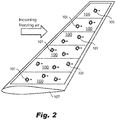
Fig. 2 is a perspective view of an embodiment of a system in accordance with this disclosure; -
Fig. 3 is a perspective view of an embodiment of a system in accordance with this disclosure; -
Fig. 4 is a perspective view of an embodiment of a system in accordance with this disclosure. -
Fig. 5 is a cross-sectional elevation view of an embodiment of a system in accordance with this disclosure; and -
Fig. 6 is a cross-sectional elevation view of an embodiment of a system in accordance with this disclosure. - Reference will now be made to the drawings wherein like reference numerals identify similar structural features or aspects of the subject disclosure. For purposes of explanation and illustration, and not limitation, an illustrative view of an embodiment of a device in accordance with the disclosure is shown in
Fig. 1 and is designated generally byreference character 100. Other embodiments and/or aspects of this disclosure are shown inFigs. 2-6 . The systems and methods described herein can be used to prevent icing or aid in deicing. - Referring to
Fig. 1 , a passive anti-icing and/ordeicing device 100 can include an icephobicouter layer 101 configured to prevent ice from forming and/or building up on theouter layer 101 by preventing ice from adhering to theouter layer 101. Thedevice 100 can include abacker film 103 attached to an underside of the icephobicouter layer 101, and an adhesive 105 attached to thebacker film 103 on an opposite side of thebacker film 103 relative to the icephobicouter layer 101. - The icephobic
outer layer 101 can be or include anelastomeric reservoir 101a (e.g., made of polydimethylsiloxane or any other suitable material, e.g., polymethylphenylsiloxane, polystyrene, polyisobutylene, fluorinated polyurethanes and polyurethanes). The reservoir can be at least partially saturated with an icephobic and/orhydrophobic lubricant 101b (e.g., an oligomeric or low molecular weight polymeric fluorocarbon, such as a perfluoropolyether or any other suitable material). In certain embodiments, thebacker film 103 can be chemically bonded to theelastomeric reservoir 101. For example, thebacker film 103 and the icephobicouter layer 101 are covalently bonded together. Any other suitable bonding and/or attachment is contemplated herein. - In certain embodiments, the
backer film 103 can be made of polyethylene terephthalate (PET), polyamide (PA) or urethane, for example. Thebacker film 103 can be functionalized with silanes or other low molecular weight molecules having reactive end groups to create covalent bonding and enhanced adhesion to theelastomeric reservoir 101a to bond to theelastomeric reservoir 101a. The reactive end groups can include one or more of vinyl, hydride, silanol, amine, epoxide, carbinol, methacryalate, or acrylate moieties, for example. Theelastomeric reservoir 101a can be made of silicone, for example. Any other suitable material(s), e.g., configured to allow chemical bonding with both theelastomeric reservoir 101a and theadhesive 105, is contemplated herein. - The adhesive 105 can be made of a material that chemically bonds with the
backer film 103. In certain embodiments, the adhesive 105 can be a pressure sensitive adhesive (PSA). Any other suitable adhesive and/or type of bonding or attachment is contemplated herein. - The adhesive 105 can be configured to bond to at least one of aluminum, fiberglass, or composite material (e.g., an aircraft structure). Any other suitable material for the adhesive 105 to be used to bond to is contemplated herein.
- As shown in
Fig. 1 , thedevice 100 can be attached to astructure 107 by sticking the adhesive on thesurface 107, e.g., and pressing down. For example, thestructure 107 can be an aircraft skin or any other suitable structure where ice can form. For example, as shown inFigs. 2-4 , thestructure 107 can include an aircraft wing. Thedevice 100 having the icephobicouter layer 101 can be disposed on a majority of an upper surface of the wing, e.g., as shown inFig. 2 . As shown inFigs. 3 and4 , in certain embodiments, thedevice 100 having the icephobicouter layer 101 can be disposed downstream of apneumatic deicer 301 or electricallyheated deicer 401. Anysuitable size device 100 or coverage area on astructure 107 is contemplated herein (e.g., one or more panels as shown configured to conform to a wing taper). - Referring to
Figs. 5 and 6 , in accordance with at least one aspect of this disclosure, an aircraft anti-icing and/or deicing system (e.g.,system 500, 600) can include an aircraft structure (e.g.,pneumatic deicer 301, electrically heated deicer 401) having a surface (e.g., 301a, 401a). The icephobicouter layer 101 can be bonded to the surface of theaircraft structure outer layer 101 by preventing ice from adhering to theouter layer 101. The icephobicouter layer 101 can include any suitable icephobicouter layer 101, e.g., as described above. - In certain embodiments, as shown in
Fig. 5 , the structure can include a pneumatic deicing bladder 301 (e.g., made of a polymeric material). In certain embodiment, the structure can include an electrically heated deicer 301 (e.g., having an outer surface of a bondable material, e.g., chloroprene or epoxy, or a fiberglass or metal surface). In such embodiments, for example, theelastomeric reservoir 101a can be chemically bonded directly to the surface of the structure. The surface of the structure can be functionalized with silanes having reactive end groups to bond to theelastomeric reservoir 101a, for example. Any other suitable structure and/or bonding chemistry/technique is contemplated herein to bond theouter layer 101 directly to a desired structure. In certain embodiments, thedeicers outer layer 101. - In accordance with at least one aspect of this disclosure, a method can include chemically bonding a backer film to an elastomeric reservoir that is saturated with an icephobic and/or hydrophobic lubricant. The method can also include chemically bonding an adhesive to an opposite side of the backer film.
- As disclosed above, certain embodiments include hydroxyl groups (or any other suitable functional group, e.g., formed with energy/heat) on backer film. Silane can then be applied to the hydroxyl groups or other suitable functional group. The silanes can be compatible or covalently boned to the
elastomeric reservoir 101a (e.g., made of silicone). Theelastomeric reservoir 101a can function like a soaked up sponge to hold thelubricant 101b. Thebacker film 103 can be a cross-link polymer that is has similar solubility to thelubricant 101b. A PSA can stick to other side of thebacker film 103, and also stick to the desired application. Such devices can allow the icephobic surface to be attached to any suitable structure like a sticker. Certain embodiments allow for the icephobic structure to be bonded directly to a desired structure (e.g., where at least the outer layer of the structure material is capable of being bonded). - In accordance with certain embodiments, an elastomeric polymer, e.g., polydimethylsiloxane, is formed into a film and swollen with a lubricant (e.g., an oligomeric or low molecular weight polymeric fluorocarbon, such as a perfluoropolyether). The liquid fluorocarbon can provide a smooth, mobile, icephobic free surface that inhibits the formation of ice and prevent sticking of ice that does form. Embodiments also provides a way to increase the time of icing. The swollen base polymer can be joined to a backer film and a pressure sensitive adhesive which can provides a method for the system to adhere strongly to a structural application substrate. The substrate can consist of a metallic or composite aerospace structure, or surfaces of conventional pneumatic deicing bladders or electrically heated deicers, or any other suitable substrate.
- Embodiments provide ice-phobic surfaces that can passively slow ice formation and/or shed ice crystals on aerospace external surfaces. Passive coating-based deicing systems and devices reduce external power and weight penalties compared to current deicing technologies. Embodiments can be applied to exposed portions of nacelle structures, lifting surfaces, engine components, and/or any other suitable aircraft or non-aircraft structure. Embodiments are easily repairable via removal, surface treatment, and re-application of a fresh coating system.
- Those having ordinary skill in the art understand that any numerical values disclosed herein can be exact values or can be values within a range. Further, any terms of approximation (e.g., "about", "approximately", "around") used in this disclosure can mean the stated value within a range. For example, in certain embodiments, the range can be within (plus or minus) 20%, or within 10%, or within 5%, or within 2%, or within any other suitable percentage or number as appreciated by those having ordinary skill in the art (e.g., for known tolerance limits or error ranges).
- Any suitable combination(s) of any disclosed embodiments and/or any suitable portion(s) thereof are contemplated herein as appreciated by those having ordinary skill in the art.
- The embodiments of the present disclosure, as described above and shown in the drawings, provide for improvement in the art to which they pertain. While the subject disclosure includes reference to certain embodiments, those skilled in the art will readily appreciate that changes and/or modifications may be made thereto without departing from the scope of the subject disclosure.
Claims (15)
- A passive anti-icing and/or deicing device (100), comprising:an icephobic outer layer (101) configured to prevent ice from forming and/or building up on the outer layer (101) by preventing ice from adhering to the outer layer (101);a backer film (103) attached to an underside of the icephobic outer layer (101); andan adhesive (105) attached to the backer film (1030 on an opposite side of the backer film (103) relative to the icephobic outer layer (101).
- The device of claim 1, wherein the icephobic outer layer (101) includes an elastomeric reservoir (101a) at least partially saturated with an icephobic and/or hydrophobic lubricant.
- The device of claim 2, wherein the backer film (103) is chemically bonded to the elastomeric reservoir (101a).
- The device of claim 3, wherein the backer film (103) and the icephobic outer layer (101) are covalently bonded together; or
wherein the backer film (103) is made of PET or urethane. - The device of claim 3, wherein the adhesive (105) is made of a material that chemically bonds with the backer film (103).
- The device of claim 5, wherein the adhesive (105) is a pressure sensitive adhesive (PSA); or wherein the adhesive (105) is configured to bond to at least one of aluminum, fiberglass, or composite material.
- The device of claim 3, wherein the backer film (103) is silanized to bond to the elastomeric reservoir; or
wherein the elastomeric reservoir (101a) is made of silicone. - An aircraft anti-icing and/or deicing system, comprising:an aircraft structure (107) having a surface; andan icephobic outer layer (101) bonded to the surface of the aircraft structure (107) and configured to prevent ice from forming and/or building up on the outer layer (101) by preventing ice from adhering to the outer layer (101).
- The system of claim 8, wherein the structure (107) is a pneumatic deicing bladder.
- The system of claim 8, wherein the structure (107) is an electrically heated deicer.
- The system of any of claims 8 to 10, wherein the icephobic outer layer (101) includes an elastomeric reservoir (101a) at least partially saturated with an icephobic and/or hydrophobic lubricant.
- The system of claim 11, wherein the elastomeric reservoir (101a) is chemically bonded directly to the surface of the structure (107), and preferably
wherein the surface of the structure (107) is silanized to bond to the elastomeric reservoir. - The system of claim 8, wherein the structure (107) is an aircraft wing.
- The system of claim 13, wherein the icephobic outer layer (101) is disposed on a majority of an upper surface of the wing; or
wherein the structure (107) is disposed downstream of a pneumatic or electrically heated deicer. - A method, comprising:chemically bonding a backer film (103) to an elastomeric reservoir (101a) that is saturated with an icephobic and/or hydrophobic lubricant; andchemically bonding an adhesive (105) to an opposite side of the backer film (103).
Applications Claiming Priority (1)
| Application Number | Priority Date | Filing Date | Title |
|---|---|---|---|
| US16/198,179 US20200163160A1 (en) | 2018-11-21 | 2018-11-21 | Passive anti-icing and/or deicing systems |
Publications (2)
| Publication Number | Publication Date |
|---|---|
| EP3656554A1 true EP3656554A1 (en) | 2020-05-27 |
| EP3656554B1 EP3656554B1 (en) | 2021-07-07 |
Family
ID=68531462
Family Applications (1)
| Application Number | Title | Priority Date | Filing Date |
|---|---|---|---|
| EP19208340.0A Active EP3656554B1 (en) | 2018-11-21 | 2019-11-11 | Passive anti-icing and/or deicing systems |
Country Status (6)
| Country | Link |
|---|---|
| US (1) | US20200163160A1 (en) |
| EP (1) | EP3656554B1 (en) |
| JP (1) | JP2020082735A (en) |
| CN (1) | CN111204462B (en) |
| BR (1) | BR102019024189A2 (en) |
| CA (1) | CA3062000A1 (en) |
Families Citing this family (5)
| Publication number | Priority date | Publication date | Assignee | Title |
|---|---|---|---|---|
| CN112591105A (en) * | 2020-12-24 | 2021-04-02 | 中国航空工业集团公司成都飞机设计研究所 | Electric heating and self-lubricating composite anti-icing and deicing functional structure |
| CN115973422A (en) * | 2021-10-15 | 2023-04-18 | 中航西飞民用飞机有限责任公司 | A deicing system and deicing method for leading edge of aircraft wing |
| DE102022115127A1 (en) * | 2022-06-15 | 2023-12-21 | Rolls-Royce Deutschland Ltd & Co Kg | Electric machine for an aircraft |
| US12377990B2 (en) * | 2023-01-27 | 2025-08-05 | Rohr, Inc. | Lip skin with hydrophobic and hydrophlic surfaces for an aircraft aerostructure |
| CN116552773A (en) * | 2023-03-29 | 2023-08-08 | 哈尔滨理工大学 | Aircraft wing with good anti-icing effect |
Citations (2)
| Publication number | Priority date | Publication date | Assignee | Title |
|---|---|---|---|---|
| US20170266932A1 (en) * | 2014-09-15 | 2017-09-21 | Airbus Group Sas | Multifunctional adhesive film for the surface protection of workpieces |
| US20180127616A1 (en) * | 2015-04-27 | 2018-05-10 | The Regents Of The University Of Michigan | Durable icephobic surfaces |
Family Cites Families (13)
| Publication number | Priority date | Publication date | Assignee | Title |
|---|---|---|---|---|
| GB2106966A (en) * | 1981-09-30 | 1983-04-20 | Pennwalt Corp | Method and apparatus for ice prevention and deicing |
| JP2568655B2 (en) * | 1988-11-26 | 1997-01-08 | 関西ペイント株式会社 | Adhesive sheet for preventing icing |
| CA2133397A1 (en) * | 1993-10-01 | 1995-04-02 | Michael John Giamati | Polyurethane deicer |
| US6352601B1 (en) * | 1994-12-27 | 2002-03-05 | The B. F. Goodrich Company | Self-adhering ice protector |
| US7137596B2 (en) * | 2002-05-31 | 2006-11-21 | The Boeing Company | Aircraft surface ice inhibitor |
| JP2006521204A (en) * | 2003-03-03 | 2006-09-21 | ザ ティムケン カンパニー | Abrasion resistant coating to reduce icing on airfoil |
| WO2008087861A1 (en) * | 2007-01-18 | 2008-07-24 | Shinmaywa Industries, Ltd. | Leading edge structure of aircraft |
| US20090294724A1 (en) * | 2008-05-27 | 2009-12-03 | Appealing Products, Inc. | Anti-icing material and surface treatments |
| KR101966263B1 (en) * | 2011-01-19 | 2019-04-08 | 프레지던트 앤드 펠로우즈 오브 하바드 칼리지 | Slippery surfaces with high pressure stability, optical transparency, and self-healing characteristics |
| NL2010504C2 (en) * | 2013-03-22 | 2014-09-24 | Estuary Holding B V | Use of ice-phobic coatings. |
| RU2583111C1 (en) * | 2014-12-26 | 2016-05-10 | Акционерное общество Научно-производственное объединение "Опытно-конструкторское бюро имени М.П. Симонова" | Anti-icing system |
| US9598176B2 (en) * | 2015-01-27 | 2017-03-21 | Goodrich Corporation | Health monitoring pneumatic deicer |
| CN108327913B (en) * | 2017-12-29 | 2021-07-06 | 西北工业大学 | An anti-icing control method based on superhydrophobic electrothermal skin |
-
2018
- 2018-11-21 US US16/198,179 patent/US20200163160A1/en not_active Abandoned
-
2019
- 2019-11-11 EP EP19208340.0A patent/EP3656554B1/en active Active
- 2019-11-18 CA CA3062000A patent/CA3062000A1/en active Pending
- 2019-11-18 BR BR102019024189-6A patent/BR102019024189A2/en not_active Application Discontinuation
- 2019-11-20 JP JP2019209251A patent/JP2020082735A/en active Pending
- 2019-11-20 CN CN201911142465.XA patent/CN111204462B/en active Active
Patent Citations (2)
| Publication number | Priority date | Publication date | Assignee | Title |
|---|---|---|---|---|
| US20170266932A1 (en) * | 2014-09-15 | 2017-09-21 | Airbus Group Sas | Multifunctional adhesive film for the surface protection of workpieces |
| US20180127616A1 (en) * | 2015-04-27 | 2018-05-10 | The Regents Of The University Of Michigan | Durable icephobic surfaces |
Also Published As
| Publication number | Publication date |
|---|---|
| BR102019024189A2 (en) | 2020-09-15 |
| CN111204462A (en) | 2020-05-29 |
| EP3656554B1 (en) | 2021-07-07 |
| US20200163160A1 (en) | 2020-05-21 |
| JP2020082735A (en) | 2020-06-04 |
| CN111204462B (en) | 2024-11-15 |
| CA3062000A1 (en) | 2020-05-21 |
Similar Documents
| Publication | Publication Date | Title |
|---|---|---|
| EP3656554B1 (en) | Passive anti-icing and/or deicing systems | |
| US10407153B2 (en) | High altitude aircraft with integrated solar cells, and associated systems and methods | |
| US4151800A (en) | Thermal insulation protection means | |
| CA3022898C (en) | Wind turbine blade including protective cover | |
| US5845878A (en) | Skin for a deicer | |
| US5356096A (en) | Skin for a deicer | |
| Drury et al. | Full-scale testing of a centrifugally powered pneumatic de-icing system for helicopter rotor blades | |
| CN107221749A (en) | Grapefruit satellite Stealthy reflector Antenna cover based on frequency-selective surfaces and preparation method thereof | |
| RU2008116590A (en) | METHOD AND DEVICE FOR ADHESIVE COMPONENTS TO COMPOSITE FORMED PRODUCT | |
| CN106313812B (en) | A kind of preparation method and application based on PTFE and polyester compound film for the anti-anti-ice cover of wind electricity blade | |
| CN109671789A (en) | A space-use gallium arsenide thin film solar cell array and preparation method thereof | |
| WO2002016200A2 (en) | Deicer for aircraft | |
| Facco et al. | Passive ice protection systems for unmanned aerial vehicles applications: A review | |
| WO1981000993A1 (en) | Composite leading edge for aircraft | |
| EP3543138B1 (en) | Installation of pneumatic de-icers with vertically aligned carbon nanotubes | |
| CA2919440C (en) | Composite material incorporating water ingress barrier | |
| ES2988238T3 (en) | Procedure for manufacturing an electronic device protected against adverse environmental conditions for aircraft, electronic device and aircraft | |
| EP4512604A1 (en) | Methods of making a reinforcement part and reinforcing a vehicle | |
| US20100242996A1 (en) | Aircraft component with aerodynamic surface coating | |
| US12091160B2 (en) | Actively controlled surfaces | |
| US10703492B2 (en) | Adhesive lay-up and method for attaching pneumatic de-icers | |
| CN112937925A (en) | Thermal control method for aerospace equipment | |
| US20250162269A1 (en) | Methods of repairing a contoured composite structure and making a repair tool | |
| Politi | Structural adhesives in the aerospace industry | |
| JP2014198559A (en) | Adhesive structure and in-water mobile device using the same |
Legal Events
| Date | Code | Title | Description |
|---|---|---|---|
| PUAI | Public reference made under article 153(3) epc to a published international application that has entered the european phase |
Free format text: ORIGINAL CODE: 0009012 |
|
| STAA | Information on the status of an ep patent application or granted ep patent |
Free format text: STATUS: THE APPLICATION HAS BEEN PUBLISHED |
|
| AK | Designated contracting states |
Kind code of ref document: A1 Designated state(s): AL AT BE BG CH CY CZ DE DK EE ES FI FR GB GR HR HU IE IS IT LI LT LU LV MC MK MT NL NO PL PT RO RS SE SI SK SM TR |
|
| AX | Request for extension of the european patent |
Extension state: BA ME |
|
| STAA | Information on the status of an ep patent application or granted ep patent |
Free format text: STATUS: REQUEST FOR EXAMINATION WAS MADE |
|
| 17P | Request for examination filed |
Effective date: 20201125 |
|
| RBV | Designated contracting states (corrected) |
Designated state(s): AL AT BE BG CH CY CZ DE DK EE ES FI FR GB GR HR HU IE IS IT LI LT LU LV MC MK MT NL NO PL PT RO RS SE SI SK SM TR |
|
| GRAP | Despatch of communication of intention to grant a patent |
Free format text: ORIGINAL CODE: EPIDOSNIGR1 |
|
| STAA | Information on the status of an ep patent application or granted ep patent |
Free format text: STATUS: GRANT OF PATENT IS INTENDED |
|
| INTG | Intention to grant announced |
Effective date: 20210128 |
|
| GRAS | Grant fee paid |
Free format text: ORIGINAL CODE: EPIDOSNIGR3 |
|
| GRAA | (expected) grant |
Free format text: ORIGINAL CODE: 0009210 |
|
| STAA | Information on the status of an ep patent application or granted ep patent |
Free format text: STATUS: THE PATENT HAS BEEN GRANTED |
|
| AK | Designated contracting states |
Kind code of ref document: B1 Designated state(s): AL AT BE BG CH CY CZ DE DK EE ES FI FR GB GR HR HU IE IS IT LI LT LU LV MC MK MT NL NO PL PT RO RS SE SI SK SM TR |
|
| REG | Reference to a national code |
Ref country code: GB Ref legal event code: FG4D |
|
| REG | Reference to a national code |
Ref country code: AT Ref legal event code: REF Ref document number: 1408166 Country of ref document: AT Kind code of ref document: T Effective date: 20210715 |
|
| REG | Reference to a national code |
Ref country code: DE Ref legal event code: R096 Ref document number: 602019005929 Country of ref document: DE |
|
| REG | Reference to a national code |
Ref country code: IE Ref legal event code: FG4D |
|
| REG | Reference to a national code |
Ref country code: LT Ref legal event code: MG9D |
|
| REG | Reference to a national code |
Ref country code: NL Ref legal event code: MP Effective date: 20210707 |
|
| REG | Reference to a national code |
Ref country code: AT Ref legal event code: MK05 Ref document number: 1408166 Country of ref document: AT Kind code of ref document: T Effective date: 20210707 |
|
| PG25 | Lapsed in a contracting state [announced via postgrant information from national office to epo] |
Ref country code: FI Free format text: LAPSE BECAUSE OF FAILURE TO SUBMIT A TRANSLATION OF THE DESCRIPTION OR TO PAY THE FEE WITHIN THE PRESCRIBED TIME-LIMIT Effective date: 20210707 Ref country code: HR Free format text: LAPSE BECAUSE OF FAILURE TO SUBMIT A TRANSLATION OF THE DESCRIPTION OR TO PAY THE FEE WITHIN THE PRESCRIBED TIME-LIMIT Effective date: 20210707 Ref country code: PT Free format text: LAPSE BECAUSE OF FAILURE TO SUBMIT A TRANSLATION OF THE DESCRIPTION OR TO PAY THE FEE WITHIN THE PRESCRIBED TIME-LIMIT Effective date: 20211108 Ref country code: NL Free format text: LAPSE BECAUSE OF FAILURE TO SUBMIT A TRANSLATION OF THE DESCRIPTION OR TO PAY THE FEE WITHIN THE PRESCRIBED TIME-LIMIT Effective date: 20210707 Ref country code: NO Free format text: LAPSE BECAUSE OF FAILURE TO SUBMIT A TRANSLATION OF THE DESCRIPTION OR TO PAY THE FEE WITHIN THE PRESCRIBED TIME-LIMIT Effective date: 20211007 Ref country code: LT Free format text: LAPSE BECAUSE OF FAILURE TO SUBMIT A TRANSLATION OF THE DESCRIPTION OR TO PAY THE FEE WITHIN THE PRESCRIBED TIME-LIMIT Effective date: 20210707 Ref country code: BG Free format text: LAPSE BECAUSE OF FAILURE TO SUBMIT A TRANSLATION OF THE DESCRIPTION OR TO PAY THE FEE WITHIN THE PRESCRIBED TIME-LIMIT Effective date: 20211007 Ref country code: AT Free format text: LAPSE BECAUSE OF FAILURE TO SUBMIT A TRANSLATION OF THE DESCRIPTION OR TO PAY THE FEE WITHIN THE PRESCRIBED TIME-LIMIT Effective date: 20210707 Ref country code: RS Free format text: LAPSE BECAUSE OF FAILURE TO SUBMIT A TRANSLATION OF THE DESCRIPTION OR TO PAY THE FEE WITHIN THE PRESCRIBED TIME-LIMIT Effective date: 20210707 Ref country code: SE Free format text: LAPSE BECAUSE OF FAILURE TO SUBMIT A TRANSLATION OF THE DESCRIPTION OR TO PAY THE FEE WITHIN THE PRESCRIBED TIME-LIMIT Effective date: 20210707 Ref country code: ES Free format text: LAPSE BECAUSE OF FAILURE TO SUBMIT A TRANSLATION OF THE DESCRIPTION OR TO PAY THE FEE WITHIN THE PRESCRIBED TIME-LIMIT Effective date: 20210707 |
|
| PG25 | Lapsed in a contracting state [announced via postgrant information from national office to epo] |
Ref country code: PL Free format text: LAPSE BECAUSE OF FAILURE TO SUBMIT A TRANSLATION OF THE DESCRIPTION OR TO PAY THE FEE WITHIN THE PRESCRIBED TIME-LIMIT Effective date: 20210707 Ref country code: LV Free format text: LAPSE BECAUSE OF FAILURE TO SUBMIT A TRANSLATION OF THE DESCRIPTION OR TO PAY THE FEE WITHIN THE PRESCRIBED TIME-LIMIT Effective date: 20210707 Ref country code: GR Free format text: LAPSE BECAUSE OF FAILURE TO SUBMIT A TRANSLATION OF THE DESCRIPTION OR TO PAY THE FEE WITHIN THE PRESCRIBED TIME-LIMIT Effective date: 20211008 |
|
| REG | Reference to a national code |
Ref country code: DE Ref legal event code: R097 Ref document number: 602019005929 Country of ref document: DE |
|
| PG25 | Lapsed in a contracting state [announced via postgrant information from national office to epo] |
Ref country code: DK Free format text: LAPSE BECAUSE OF FAILURE TO SUBMIT A TRANSLATION OF THE DESCRIPTION OR TO PAY THE FEE WITHIN THE PRESCRIBED TIME-LIMIT Effective date: 20210707 |
|
| PLBE | No opposition filed within time limit |
Free format text: ORIGINAL CODE: 0009261 |
|
| STAA | Information on the status of an ep patent application or granted ep patent |
Free format text: STATUS: NO OPPOSITION FILED WITHIN TIME LIMIT |
|
| PG25 | Lapsed in a contracting state [announced via postgrant information from national office to epo] |
Ref country code: SM Free format text: LAPSE BECAUSE OF FAILURE TO SUBMIT A TRANSLATION OF THE DESCRIPTION OR TO PAY THE FEE WITHIN THE PRESCRIBED TIME-LIMIT Effective date: 20210707 Ref country code: SK Free format text: LAPSE BECAUSE OF FAILURE TO SUBMIT A TRANSLATION OF THE DESCRIPTION OR TO PAY THE FEE WITHIN THE PRESCRIBED TIME-LIMIT Effective date: 20210707 Ref country code: RO Free format text: LAPSE BECAUSE OF FAILURE TO SUBMIT A TRANSLATION OF THE DESCRIPTION OR TO PAY THE FEE WITHIN THE PRESCRIBED TIME-LIMIT Effective date: 20210707 Ref country code: EE Free format text: LAPSE BECAUSE OF FAILURE TO SUBMIT A TRANSLATION OF THE DESCRIPTION OR TO PAY THE FEE WITHIN THE PRESCRIBED TIME-LIMIT Effective date: 20210707 Ref country code: CZ Free format text: LAPSE BECAUSE OF FAILURE TO SUBMIT A TRANSLATION OF THE DESCRIPTION OR TO PAY THE FEE WITHIN THE PRESCRIBED TIME-LIMIT Effective date: 20210707 Ref country code: AL Free format text: LAPSE BECAUSE OF FAILURE TO SUBMIT A TRANSLATION OF THE DESCRIPTION OR TO PAY THE FEE WITHIN THE PRESCRIBED TIME-LIMIT Effective date: 20210707 |
|
| 26N | No opposition filed |
Effective date: 20220408 |
|
| PG25 | Lapsed in a contracting state [announced via postgrant information from national office to epo] |
Ref country code: MC Free format text: LAPSE BECAUSE OF FAILURE TO SUBMIT A TRANSLATION OF THE DESCRIPTION OR TO PAY THE FEE WITHIN THE PRESCRIBED TIME-LIMIT Effective date: 20210707 |
|
| PG25 | Lapsed in a contracting state [announced via postgrant information from national office to epo] |
Ref country code: LU Free format text: LAPSE BECAUSE OF NON-PAYMENT OF DUE FEES Effective date: 20211111 Ref country code: BE Free format text: LAPSE BECAUSE OF NON-PAYMENT OF DUE FEES Effective date: 20211130 |
|
| REG | Reference to a national code |
Ref country code: BE Ref legal event code: MM Effective date: 20211130 |
|
| PG25 | Lapsed in a contracting state [announced via postgrant information from national office to epo] |
Ref country code: IE Free format text: LAPSE BECAUSE OF NON-PAYMENT OF DUE FEES Effective date: 20211111 |
|
| P01 | Opt-out of the competence of the unified patent court (upc) registered |
Effective date: 20230521 |
|
| PG25 | Lapsed in a contracting state [announced via postgrant information from national office to epo] |
Ref country code: CY Free format text: LAPSE BECAUSE OF FAILURE TO SUBMIT A TRANSLATION OF THE DESCRIPTION OR TO PAY THE FEE WITHIN THE PRESCRIBED TIME-LIMIT Effective date: 20210707 |
|
| REG | Reference to a national code |
Ref country code: CH Ref legal event code: PL |
|
| PG25 | Lapsed in a contracting state [announced via postgrant information from national office to epo] |
Ref country code: HU Free format text: LAPSE BECAUSE OF FAILURE TO SUBMIT A TRANSLATION OF THE DESCRIPTION OR TO PAY THE FEE WITHIN THE PRESCRIBED TIME-LIMIT; INVALID AB INITIO Effective date: 20191111 Ref country code: CH Free format text: LAPSE BECAUSE OF NON-PAYMENT OF DUE FEES Effective date: 20221130 Ref country code: LI Free format text: LAPSE BECAUSE OF NON-PAYMENT OF DUE FEES Effective date: 20221130 |
|
| PG25 | Lapsed in a contracting state [announced via postgrant information from national office to epo] |
Ref country code: MK Free format text: LAPSE BECAUSE OF FAILURE TO SUBMIT A TRANSLATION OF THE DESCRIPTION OR TO PAY THE FEE WITHIN THE PRESCRIBED TIME-LIMIT Effective date: 20210707 |
|
| PG25 | Lapsed in a contracting state [announced via postgrant information from national office to epo] |
Ref country code: TR Free format text: LAPSE BECAUSE OF FAILURE TO SUBMIT A TRANSLATION OF THE DESCRIPTION OR TO PAY THE FEE WITHIN THE PRESCRIBED TIME-LIMIT Effective date: 20210707 |
|
| PG25 | Lapsed in a contracting state [announced via postgrant information from national office to epo] |
Ref country code: MT Free format text: LAPSE BECAUSE OF FAILURE TO SUBMIT A TRANSLATION OF THE DESCRIPTION OR TO PAY THE FEE WITHIN THE PRESCRIBED TIME-LIMIT Effective date: 20210707 |
|
| PGFP | Annual fee paid to national office [announced via postgrant information from national office to epo] |
Ref country code: DE Payment date: 20251022 Year of fee payment: 7 |
|
| PGFP | Annual fee paid to national office [announced via postgrant information from national office to epo] |
Ref country code: GB Payment date: 20251023 Year of fee payment: 7 |
|
| PGFP | Annual fee paid to national office [announced via postgrant information from national office to epo] |
Ref country code: IT Payment date: 20251022 Year of fee payment: 7 |
|
| PGFP | Annual fee paid to national office [announced via postgrant information from national office to epo] |
Ref country code: FR Payment date: 20251023 Year of fee payment: 7 |