EP3643750A1 - Pbs composite material and method for producing same - Google Patents
Pbs composite material and method for producing same Download PDFInfo
- Publication number
- EP3643750A1 EP3643750A1 EP18820654.4A EP18820654A EP3643750A1 EP 3643750 A1 EP3643750 A1 EP 3643750A1 EP 18820654 A EP18820654 A EP 18820654A EP 3643750 A1 EP3643750 A1 EP 3643750A1
- Authority
- EP
- European Patent Office
- Prior art keywords
- nanocellulose
- pbs
- composite material
- cnc
- cnf
- Prior art date
- Legal status (The legal status is an assumption and is not a legal conclusion. Google has not performed a legal analysis and makes no representation as to the accuracy of the status listed.)
- Granted
Links
Images

Classifications
-
- C—CHEMISTRY; METALLURGY
- C08—ORGANIC MACROMOLECULAR COMPOUNDS; THEIR PREPARATION OR CHEMICAL WORKING-UP; COMPOSITIONS BASED THEREON
- C08L—COMPOSITIONS OF MACROMOLECULAR COMPOUNDS
- C08L1/00—Compositions of cellulose, modified cellulose or cellulose derivatives
- C08L1/02—Cellulose; Modified cellulose
- C08L1/04—Oxycellulose; Hydrocellulose, e.g. microcrystalline cellulose
-
- C—CHEMISTRY; METALLURGY
- C08—ORGANIC MACROMOLECULAR COMPOUNDS; THEIR PREPARATION OR CHEMICAL WORKING-UP; COMPOSITIONS BASED THEREON
- C08G—MACROMOLECULAR COMPOUNDS OBTAINED OTHERWISE THAN BY REACTIONS ONLY INVOLVING UNSATURATED CARBON-TO-CARBON BONDS
- C08G63/00—Macromolecular compounds obtained by reactions forming a carboxylic ester link in the main chain of the macromolecule
- C08G63/02—Polyesters derived from hydroxycarboxylic acids or from polycarboxylic acids and polyhydroxy compounds
- C08G63/12—Polyesters derived from hydroxycarboxylic acids or from polycarboxylic acids and polyhydroxy compounds derived from polycarboxylic acids and polyhydroxy compounds
- C08G63/16—Dicarboxylic acids and dihydroxy compounds
-
- C—CHEMISTRY; METALLURGY
- C08—ORGANIC MACROMOLECULAR COMPOUNDS; THEIR PREPARATION OR CHEMICAL WORKING-UP; COMPOSITIONS BASED THEREON
- C08J—WORKING-UP; GENERAL PROCESSES OF COMPOUNDING; AFTER-TREATMENT NOT COVERED BY SUBCLASSES C08B, C08C, C08F, C08G or C08H
- C08J5/00—Manufacture of articles or shaped materials containing macromolecular substances
- C08J5/04—Reinforcing macromolecular compounds with loose or coherent fibrous material
-
- C—CHEMISTRY; METALLURGY
- C08—ORGANIC MACROMOLECULAR COMPOUNDS; THEIR PREPARATION OR CHEMICAL WORKING-UP; COMPOSITIONS BASED THEREON
- C08L—COMPOSITIONS OF MACROMOLECULAR COMPOUNDS
- C08L1/00—Compositions of cellulose, modified cellulose or cellulose derivatives
- C08L1/02—Cellulose; Modified cellulose
-
- C—CHEMISTRY; METALLURGY
- C08—ORGANIC MACROMOLECULAR COMPOUNDS; THEIR PREPARATION OR CHEMICAL WORKING-UP; COMPOSITIONS BASED THEREON
- C08L—COMPOSITIONS OF MACROMOLECULAR COMPOUNDS
- C08L67/00—Compositions of polyesters obtained by reactions forming a carboxylic ester link in the main chain; Compositions of derivatives of such polymers
- C08L67/02—Polyesters derived from dicarboxylic acids and dihydroxy compounds
-
- B—PERFORMING OPERATIONS; TRANSPORTING
- B82—NANOTECHNOLOGY
- B82Y—SPECIFIC USES OR APPLICATIONS OF NANOSTRUCTURES; MEASUREMENT OR ANALYSIS OF NANOSTRUCTURES; MANUFACTURE OR TREATMENT OF NANOSTRUCTURES
- B82Y30/00—Nanotechnology for materials or surface science, e.g. nanocomposites
Definitions
- the present invention relates to a PBS composite material and a method for producing the same.
- biomass includes various types of bio-based polymers, and among them, cellulose is attracting public attention in terms of reproducibility.
- Cellulose in which glucose units are polymerized, is an organic compound that is common in nature, and belongs to a polymer having a large molecular weight among polysaccharide materials.
- the cellulose consists of crystalline nanofibers on natural biomass ( FIG. 1 ).
- cellulose nanofibers are known to have a mechanical strength of one strand ranging from tens to hundreds of GPa. While the cellulose nanofiber has a high mechanical strength, it is an eco-friendly bio material. Since nanofibers are strongly crystallized by a hydrogen bond, it is difficult to be extracted in a form of nanofibers.
- a top-down defibration method in which nanofibers are separated from each other, that is, a method of finely slicing or cutting out a bulk material is required.
- Such a method only modifies surfaces of the nanofibers and does not cause a breakage in crystal structures of the nanofiber. Meanwhile, hydroxy groups with strong hydrogen bonds disappear, and the nanofibers have negative charges to generate repulsive forces. Accordingly, the nanofibers can be dispersed in an aqueous solution.
- chitin, chitosan, and cellulose form sulfonic acid (R-SO3H) groups on the surfaces of the nanofibers, and thereby repulsive forces are generated by the negative charges, such that the nanofibers can be dispersed in an aqueous solution.
- the fibrous cellulose material prepared as described above refers to a "nanocellulose.”
- Representative examples of the nanocellulose include cellulose nanocrystals (CNC) and cellulose nanofibers (CNF).
- the CNC has a length of 150-200 nm and a diameter of about 5-20 nm in a product.
- the CNF has a length of several ⁇ m (1-5 ⁇ m) and a diameter of about 10-20 nm.
- the nanocellulose has an acidity after the above-described chemical treatment.
- the nanocellulose is in an acidic state and is treated with alkali hydroxides (e.g., NaOH) for neutralization, thereby containing a small amount of alkali cations such as sodium (Na+) and potassium (K +).
- alkali hydroxides e.g., NaOH
- alkali cations such as sodium (Na+) and potassium (K +).
- one strand of the nanocellulose fiber is a high-strength crystalline material, when fabricating a polymer composite material by mixing the nanocelluloses, it is possible to reinforce insufficient mechanical and thermal properties of the matrix polymer.
- nanofibrillated celluloses which may be prepared by a relatively mild process without a nanofiberization process including delamination and defibration to fabricate the nanocellulose, it is not possible to expect mechanical reinforcement effects due to a low aspect ratio of a reinforcement material.
- a difficulty in fabricating the polymer nanocomposite material using nanocellulose is that the cellulose is generally a hydrophilic component having a hydroxy group (-OH), such that it is not mixed well with generally hydrophobic polymers and plastic materials. Even when mixed therewith, the celluloses are easily aggregated to lose their function as a nanomaterial.
- a method of increasing miscibility of the nanocellulose with the polymer composite material is to make the nanocellulose have hydrophobic properties through a composite surface hydrophobization modification process. This process leads to costs and production time delays from an industrial point of view.
- the aspect ratio of the nanocellulose is decreased to cause a reduction in the mechanical reinforcing effect.
- a first method is to mix a polymer melt with the nanocellulose in a heated state, and in this case, the miscibility with the nanocellulose is significantly deteriorated due to the high viscosity of the polymer melt phase. In addition, the nanocellulose is thermally decomposed because it is exposed to heat for a long period of time.
- a second method is to mix the polymer with nanocellulose by performing solubilization using an organic solvent. In this case, the use of the organic solvent may cause environmental pollution.
- a PBS nanocomposite including nanocellulose is produced by an in-situ polymerization method without 1) the surface hydrophobization modification process of the nanocellulose, and 2) a heat mixing process or a solvent mixing process.
- An object of the present invention is to provide a PBS nanocomposite material having improved physical properties.
- Another object of the present invention is to provide a method for producing a PBS nanocomposite material having improved physical properties, which does not require a surface hydrophobization pretreatment process of cellulose, melt kneading, and solution mixing processes, etc.
- the PBS composite material of the present invention may have improved physical properties such as a high glass transition temperature, high tensile strength, low thermal expansion coefficient and the like.
- the method for producing a PBS composite material of the present invention does not require the surface hydrophobization pretreatment process of cellulose, melt kneading, and solution mixing processes, etc., and it is possible to manufacture a PBS nanocomposite material having improved physical properties.
- a PBS composite material of the present invention includes a matrix including polybutylene succinate (PBS) chains and nanocellulose dispersed between the polybutylene succinate chains.
- PBS polybutylene succinate
- Polybutylene succinate is a polymer having a repeating unit represented by Formula 1 below, which may be obtained, for example, by condensation polymerization of 1,4-butanediol or derivative thereof and succinic acid or derivative thereof.
- a molecular weight of the polybutylene succinate according to the present invention is not particularly limited, and for example, a number average molecular weight thereof may be 500 to 1,000,000.
- Cellulose is composed of crystalline nanofibers having a diameter of several tens of nanometers on a biomass, and these nanofibers has a strength of 80 to 120 GPa, and thereby it is possible to expect high mechanical reinforcing effects when using as a composite material.
- Cellulose is a polymer having a repeating unit represented by Formula 2 below.
- n 10 to 35,000.
- the nanocelluloses according to the present invention permeate the polybutylene succinate matrix to be dispersed between the polybutylene succinate chains.
- the nanocelluloses are dispersed between the polybutylene succinate chains, it is possible to obtain effects of improving physical properties such as increasing the glass transition temperature, increasing a tensile strength, and decreasing the thermal expansion coefficient by binding the polybutylene succinate molecular chains by the nanocelluloses.
- the nanocelluloses may be obtained by defibrating cellulose.
- the defibration may be performed according to a method known in the art, and may include, for example, sulfuric acid treatment, TEMPO oxidation, mechanical delamination, etc., but it is not limited thereto.
- the nanocellulose is nanofibers composed of cellulose, and may include, for example, cellulose nanocrystals, cellulose nanofibers or a mixture thereof, but it is not limited thereto.
- a length thereof may be 50 nm to 500 nm, and specifically 100 nm to 300 nm, and a diameter thereof may be 2 nm to 200 nm, and specifically 5 nm to 20 nm, but it is not limited thereto.
- a length thereof may be 0.1 ⁇ m to 10 ⁇ m, and specifically 0.5 ⁇ m to 7 ⁇ m, and a diameter thereof may be 2 nm to 200 nm, and specifically 5 nm to 20 nm, but it is not limited thereto.
- the nanocellulose may include monovalent cations such as sodium, potassium and the like.
- the monovalent cations may be included, for example, in an amount of 3000 ppm or less in the nanocelluloses. If the content thereof exceeds 3000 ppm, mechanical properties of the PBS composite material may be lowered.
- the nanocellulose according to the present invention may include the monovalent cations in an amount of 2 ppm to 3000 ppm, but it is not limited thereto.
- the nanocellulose may have a pH of, for example, 6-8. When the pH thereof is within the above range, the mechanical properties of the PBS composite material may be excellent.
- a content ratio of polybutylene succinate and nanocellulose is not particularly limited, and for example, the nanocellulose may be included in an amount of 0.01 to 20 % by weight ('wt.%') based on a total weight of the PBS composite material, and preferably 0.05 to 15 wt.%, and more preferably 0.1 to 10 wt.%.. If the content of the nanocellulose is less than 0.01 wt.%, the effect of improving physical properties due to an addition of the nanocellulose may be insignificant, and if the content thereof exceeds 20 wt.%, it may be hard but easily be broken.
- An implemention method so that the nanocelluloses are dispersed between the polybutylene succinate chains is not particularly limited, and for example, it is possible to implement the dispersion by adding nanocelluloses together and conducting in-situ polymerization during the production of polybutylene succinate by the polymerization of 1,4-butanediol and succinic acid (or derivatives thereof).
- the nanocelluloses When adding the nanocelluloses together and conducting in-situ polymerization during the production of polybutylene succinate by the polymerization of 1,4-butanediol and succinic acid, the nanocelluloses permeate a PBS matrix at a molecular level, thereby binding the PBS chains, such that the glass transition temperature and the tensile strength may be increased, and the thermal expansion coefficient may be decreased.
- An addition time of the nanocellulose of the present invention is preferably before the start of a polycondensation reaction, but the nanocellulose may be added to a reaction system at any stage of before the start of an esterification reaction or a transesterification reaction and during the reaction.
- the glass transition temperature of the nanocellulose may be, for example, -25°C to -20°C, but it is not limited thereto.
- the tensile strength of the nanocellulose may be, for example, 40 MPa to 50 MPa, but it is not limited thereto.
- the thermal expansion coefficient of the nanocellulose may be, for example, a range of 30 ⁇ m/m ⁇ °C to 150 ⁇ m/m ⁇ °C, which is a thermal expansion coefficient (CTE) measured between 30 and 100 degrees Celsius (°C), but it is not limited thereto.
- CTE thermal expansion coefficient
- the PBS matrix according to the present invention may further include a polymer chain including a repeating unit represented by Formula 3 below.
- R 1 is each independently in each repeating unit an alkylene group having 1 to 100 carbon atoms, a cycloalkylene group having 4 to 8 carbon atoms, or an arylene group having 6 to 18 carbon atoms, and the alkylene group may be disconnected by O, a cycloalkylene group having 4 to 8 carbon atoms or an arylene group having 6 to 18 carbon atoms).
- the alkylene group in the above Formula 3 may have carbon atoms of, for example, 1 to 100, 1 to 50, 1 to 30, 1 to 10, and more specifically 1 to 10 in a range of 1 to 100, but it is not limited thereto.
- the repeating unit represented by Formula 3 may be included in a chain separate from the polybutylene succinate chain, or may be included in the polybutylene succinate chain.
- the repeating unit represented by Formula 3 may be obtained by, for example, polymerizing an additional diol compound at the time of polymerization of 1,4-butanediol and succinic acid (or derivatives thereof).
- Examples of the additional diol compound may include, for example, aliphatic glycols such as ethyleneglycol, 1,2-propyleneglycol, 1,3-propyleneglycol, diethyleneglycol, triethyleneglycol, 1,2-butyleneglycol, 1,3-butyleneglycol, 2,3-butyleneglycol, 1,4-butyleneglycol, 1,5-pentanediol, neopentylglycol, 1,6-hexanediol, 1,2-cyclohexanediol, 1,3-cyclohexanediol, 1,4-cyclohexanediol, 1,2-cyclohexanedimethanol, 1,3-cyclohexanedimethanol, 1,4-cyclohexanedimethanol, 1,4-cyclohexanediethanol, 1,10-decamethyleneglycol, 1,12-dodecanediol, polyethyleneglycol,
- the present invention also provides a method for producing a PBS composite material.
- the method for producing a PBS composite material of the present invention includes polymerizing 1,4-butanediol and succinic acid or derivatives thereof in a mixture of 1, 4-butanediol, succinic acid or derivatives thereof with nanocelluloses.
- the derivative of succinic acid is not particularly limited so long as it can be polymerized with 1,4-butanediol to form polybutylene succinate, and may be, for example, a form in which both carboxyl groups of the succinic acid are substituted by carboxyhalide, carboxylate, or carboxyester group.
- Examples of the derivative of succinic acid may include succinyl chloride, dimethyl succinate, diethyl succinate, dibasic ester, and the like, but it is not limited thereto.
- Nanocellulose may be the components within the above-described range.
- the content of the nanocellulose in the mixture is not particularly limited, and may be included, for example, in an amount of 0.01 to 20 wt.%, and preferably 0.1 to 10 wt.% based on the total weight of the mixed dispersion.
- Polymerization conditions are not particularly limited and may be performed, for example, in a heating condition of 150°C to 250°C.
- the polymerization may be performed by adding, to the above mixture, a catalyst which is prepared by coexisting polycondensation catalysts such as Ti(Obu) 4 , antimony compounds, titanium compounds, germanium compounds, tin compounds, etc., within a range of an addition amount in which these components does no cause problems in characteristics and workability of the composite material and products as described above, then primary heating the resulting mixture while stirring in the above-described temperature range and further heating within the above-described temperature, followed by secondary heating while stirring.
- a catalyst which is prepared by coexisting polycondensation catalysts such as Ti(Obu) 4 , antimony compounds, titanium compounds, germanium compounds, tin compounds, etc.
- the catalyst may be added, for example, in an amount of 100 ppm to 5000 ppm, and specifically 500 to 2000 ppm, but it is not limited thereto.
- the primary heating may be performed at 180°C to 220°C for 1 hour to 3 hours, but it is not limited thereto.
- the secondary heating may be performed at 230°C to 250°C for 1 hour to 3 hours, but it is not limited thereto.
- the stirring may be performed, for example, at 10 to 300 rpm, and specifically at 30 to 80 rpm, but it is not limited thereto.
- the method for producing a PBS composite material of the present invention may polymerize the additional diol compound together at the time of the polymerization.
- the matrix according to the invention may further include a polymer chain including not only polybutyrensuccinate chain but also a repeating unit derived from the diol compound other than 1,4-butanediol.
- the repeating unit derived from the diol compound may be represented by, for example, Formula 3 below.
- R1 is each independently in each repeating unit an alkylene group having 1 to 100 carbon atoms, a cycloalkylene group having 4 to 8 carbon atoms, or an arylene group having 6 to 18 carbon atoms, and the alkylene group may be disconnected by O, a cycloalkylene group having 4 to 8 carbon atoms or an arylene group having 6 to 18 carbon atoms).
- the alkylene group in Formula 3 may have carbon atoms of, for example, 1 to 100, 1 to 50, 1 to 30, 1 to 10, and more specifically 1 to 10 in a range of 1 to 100, but it is not limited thereto.
- diol compound may include, for example, aliphatic glycols such as ethyleneglycol, 1,2-propyleneglycol, 1,3-propyleneglycol, diethyleneglycol, triethyleneglycol, 1,2-butyleneglycol, 1,3-butyleneglycol, 2,3-butyleneglycol, 1,4-butyleneglycol, 1,5-pentanediol, neopentylglycol, 1,6-hexanediol, 1,2-cyclohexanediol, 1,3-cyclohexanediol, 1,4-cyclohexanediol, 1,2-cyclohexanedimethanol, 1,3-cyclohexanedimethanol, 1,4-cyclohexanedimethanol, 1,4-cyclohexanediethanol, 1,10-decamethyleneglycol, 1,12-dodecanediol, polyethylene
- the diol compound may be added during the polymerization of 1,4-butanediol and succinic acid or derivatives thereof, and may be added before the polymerization to be polymerized together.
- the method for producing a PBS composite material of the present invention may further include mixing 1,4-butanediol or derivative thereof and succinic acid or derivative thereof with nanocelluloses.
- the nanocellulose may be mixed with, for example, 1,4-butanediol or derivative thereof and succinic acid or derivative thereof in a state of powders.
- the mixing order is not particularly limited, and the nanocellulose may be mixed with 1,4-butanediol or derivative thereof and then mixed with succinic acid or derivative thereof, or vice versa, the nanocellulose may be mixed with 1,4-butanediol or derivative thereof and then mixed with succinic acid or derivative thereof.
- mixing conditions may include stirring the mixture at 10 to 100 rpm under heating conditions at 100 °C to 200 °C in a nitrogen atmosphere, but it is not limited thereto.
- the nanocelluloses When mixing the nanocellulose with 1,4-butanediol and succinic acid (and/or derivatives thereof), the nanocelluloses may be dispersed with high stability. For example, when observing the mixture after 6 hours elaspses from the mixing, a precipitate of anocellulose may not occur. Therefore, the inventive method does not require the surface hydrophobization modification process for improving the miscibility with a polymer, and processes such as melt kneading and solubilization in an organic solvent.
- the present invention further provides a product prepared by including the PBS composite material.
- the PBS composite material of the present invention may be excellent in mechanical and thermal properties, thereby being variously applied to all products using a polymer resin.
- CNC cellulose nanocrystal
- CNF cellulose nanofiber
- the CNF and CNF were dispersed in water so as to be 0.1 wt.%, respectively, and then applied to a silicon wafer, followed by drying the same.
- the diameters thereof were measured by Veeco Dimension 3100.
- the CNF and CNF were nanocellulose having a diameter of several nanometers as product information ( FIGS. 2 and 3 ). pH of the CNC and CNF used in this experiment were 6.8 and 7.2, respectively.
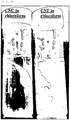
- the CNC and CNF were dispersed in BD and succinic acid so as to be 1 wt.%, and then left for one week. Thereafter, the inventors confirmed whether two nanocelluloses were precipitated ( FIG. 4 ). As seen from FIG. 4 , both the CNC and CNF-dispersed BD dispersion and the CNC and CNF-dispersed succinic acid dispersion were transparent, and maintained in the dispersed state after one week without precipitation.
- Particle diameters of the CNC and CNF in the CNC and CNF-dispersed BD dispersion and the CNC and CNF-dispersed succinic acid dispersion were measured by a particle size analyzer (Table 1). As seen from Table 1 below, it can be confirmed that the CNC and CNF are dispersed to a level of several tens of nanometers in two solvents. Thereby, it can be seen that the CNC and CNF having hydrophilic properties are dispersed in the CNC and CNF-dispersed BD and succinic acid dispersions which are hydrophilic solvents with high safety.
- CNC and CNF powders were put in BD and then dispersed by a bath sonicator for 10 minutes.
- the CNC and CNF-dispersed BD dispersion was put in a reactor, and succinic acid having the same molar equivalent as BD was added together thereto.
- the mixture was heated to 150°C in a nitrogen atmosphere and stirred at 50 rpm to obtain a BD/succinic acid mixed dispersion containing the CNC and CNF blended therein.
- Nanocelluloses (CNC and CNF) having contents ranging from 0 wt.% to 15 wt.% based on the total weight of the mixed dispersion were prepared, and the types of samples are summarized in Table 2 below.
- the nanocellulose and pure PBS were polymerized in a level similar to the number average molecular weight (Mn) of PBS which forms the composite (Table 2). This allows a direct comparison therebetween in the evaluation of mechanical and physical properties.
- Type of PBS/nanocellulose composite prepared by in-situ polymerization method [Table 2] Content of in-situ polymerized PBS nanocellulose Number average molecular weight of PBS Type of nanocellulose Weight ratio of nanocellulose Pure PBS 0% 37,507 CNC 0.05% 38,700 CNC 1% 36,022 CNC 15% 40,123 CNF 0.05% 39,189 CNF 1% 37,879 CNF 15% 36,719 CNF 35% 35,962
- Glass transition temperatures of the PBS nanocomposites containing the pure PBS and nanocellulose, namely the CNC and CNF, prepared in Example 3 were measured by a differential scanning calorimetry (DSC) Discovery DSC 2500, followed by scanning from -60°C to 100°C. It can be confirmed that the glass transition temperature was increased as the cellulose was added. Therefore, it is considered that the nanocellulose permeates a PBS matrix at a molecular level, and the glass transition temperature is increased in proportion to the content of two types of nanocellulose by binding PBS molecular chains.
- DSC differential scanning calorimetry
- CTE values of the PBS nanocomposites containing the pure PBS and nanocellulose, namely the CNC and CNF, prepared in Example 3 were measured by using a thermal expansion coefficient (CTE) TA Instruments Model 2940 according to the ASTM E831 method. As a result, it was confirmed that the CTE of pure PBS was decreased from 293 ⁇ m/m ⁇ °C up to about 40-50 ⁇ m/m ⁇ °C as the content of the nanocellulose is increased (Table 5).
- the sodium contents of the PBS composites containing the pure PBS and nanocellulose, namely the CNC and CNF, prepared in Example 3 were measured using inductively coupled plasma-mass spectroscopy (ICP-MS). It was found that the PBS composites fabricated in the present invention have sodium contents of about 2-2000 ppm.
- the pure PBSs (molecular weight of 37,507 g/mol) synthesized in Example 3 were melt-mixed with two types of nanocellulose using a HAAKETM MiniJet Pro Piston Injection Molding System. Nanocellulose powders dried at 150°C in a nitrogen atmosphere were added thereto and mixed for 30 minutes. Melt-mixed PBS nanocellulose composite materials of types shown in Table 7 below were fabricated.
- Type of PBS/nanocellulose composite prepared by melt-mixing method [Table 7] PBS nanocellulose composite prepared by melt-mixing method Type of nanocellulose Weight ratio of nanocellulose Pure PBS 0% CNC 0.05% CNC 1% CNC 15% CNF 0.05% CNF 1% CNF 15%
- the glass transition temperatures, thermal expansion coefficients, and tensile strengths of the melt-mixed PBS nanocellulose composite materials synthesized in Comparative Example 1 were measured in the same manner as in the examples.
- the glass transition temperature of the composite prepared by the in-situ method in Example 4 was increased to about 5-10°C, whereas the glass transition temperature of the PBS nanocellulose composite material mixed in a melt phase was increased only by about 1-2°C (Table 8).
- the measured tensile strength of the composite fabricated by the in-situ method in Example 5 was increased to about 7-8 MPa, whereas the tensile strength of the PBS nanocellulose composite material mixed in the melt phase was increased only by about 1-2 MPa (Table 9).
- the measured CTE value of the composite prepared by the in-situ method in Example 6 was decreased to 100-200 ⁇ m/m ⁇ °C or more, whereas the CTE value of the PBS nanocellulose composite material mixed in the melt phase was decreased only about 30-50 ⁇ m/m ⁇ °C (Table 10).
- the improvement in the mechanical and physical properties of the composite material fabricated by the melt-mixing method measured in the comparative examples is significantly lower than that of the composite material fabricated by the in-situ polymerization method of the examples. Therefore, it is proven that the dispersibility of the nanocellulose fabricated by the in-situ polymerization method is very excellent.
- the pure PBSs (molecular weight of 37,507 g/mol) synthesized in Example 3 were dissolved in chloroform so as to be 5 wt. %.
- Nanocellulose powders dried at 150°C were added to a chloroform solution in which the PBSs were dissolved in a nitrogen atmosphere, and mixed for 30 minutes.
- the mixed solution was precipitated in methanol to prepare solution mixed PBS nanocellulose composite material of types shown in Table 11 below.
- Type of PBS/nanocellulose composite prepared by solution-mixing method [Table 11] PBS nanocellulose composite prepared by solution-mixing method Type of nanocellulose Weight ratio of nanocellulose Pure PBS 0% CNC 0.05% CNC 1% CNC 15% CNF 0.05% CNF 1% CNF 15%
- CNC and CNF were dispersed in chloroform so as to be 1 wt. % and left for one week. Thereafter, the inventors confirmed whether two nanocelluloses were precipitated ( FIG. 5 ). As seen from FIG. 5 , precipitation occurred in the chloroform solution in which the CNC and CNF were dispersed. Accordingly, when mixing the nanocellulose with PBS by the solution-mixing method, dispersibility of nanocellulose would be very deteriorated. Therefore, it is proven that a coagulation phenomenon occurs when mixing the solutions.
- the glass transition temperatures, thermal expansion coefficients, and tensile strengths of the chloroform solution-mixed PBS nanocellulose composite materials synthesized in Comparative Example 2 were measured in the same manner as in the examples.
- the glass transition temperature of the composite prepared by the in-situ method in Example 4 was increased to about 5-10°C, whereas the glass transition temperature of the PBS nanocellulose composite material mixed in a solution phase was increased only by 2-3°C (Table 12).
- the measured tensile strength of the composite fabricated by the in-situ method in Example 5 was increased to about 7-8 MPa, whereas the tensile strength of the PBS nanocellulose composite material mixed in the solution phase was not increased or decreased only by 0-1 MPa (Table 13) .
- the measured CTE value of the composite prepared by the in-situ method in Example 6 was decreased to 100-200 ⁇ m/m ⁇ °C or more, whereas the CTE value of the PBS nanocellulose composite material mixed in the solution phase was decreased only about 35-45 ⁇ m/m ⁇ °C (Table 14).
- the microcelluloses were put in BD and then dispersed by a bath sonicator for 10 minutes.
- the microcellulose-dispersed BD dispersion was put in a reactor, and succinic acid having the same molar equivalent as BD was added together thereto.
- the mixture was heated to 150°C in a nitrogen atmosphere and stirred at 50 rpm to obtain a BD/succinic acid mixed dispersion containing microcelluloses blended therein.
- Microcelluloses having contents ranging from 0 wt.% to 15 wt.% based on the total weight of the mixed dispersion were prepared, and the types of samples are summarized in Table 15 below.
- PBS composites were prepared in the same manner as in Example 2, and the molecular weights thereof were measured.
- Glass transition temperatures of the PBS microcomposites containing the pure PBS and microcellulose prepared in Comparative Example 3-1 were measured by a differential scanning calorimetry (DSC) Discovery DSC 2500 (Table 15), followed by scanning from -60°C to 100°C.
- the glass transition temperature of the nanocellulose composite prepared by the in-situ method in Example 4 was increased to about 5-10°C, whereas the glass transition temperature of the PBS microcellulose composite material mixed in a melt phase was increased only by 1°C (Table 15).
- Tensile strengths of the PBS microcellulose composites containing the pure PBS and microcellulose prepared in Comparative Example 3-1 were measured by universal testing machine (UTM) INSTRON 5582 UTM, which is tensile strength measuring instrument, according to ASTM D638 method.
- the tensile strength of the nanocellulose composite fabricated by the in-situ method was increased to about 7-8 MPa, whereas the tensile strength of the microcellulose composite fabricated by the in-situ method was increased only 0-2 MPa (Table 16).
- Example 3 To manufacture PBS composites containing the CNCs in Example 3, using CNCs having different pHs (pH index) from each other, PBS/nanocellulose composites containing 1 wt.% of the CNC were fabricated.
- the pH of the CNC used in Example 3 was 6.8.
- a CNC having a pH of 2.1 was prepared by treating the CNC with hydrochloric acid in advance, and a CNC having a pH of 11.9 was prepared by treating the CNC with sodium hydroxide (NaOH).
- NaOH sodium hydroxide
- the CNCs having different pHs from each other were put in BD and dispersed by a bath sonicator for 10 minutes.
- the CNC-dispersed BD dispersion was put in a reactor, and succinic acid having the same molar equivalent as BD was added together thereto.
Landscapes
- Chemical & Material Sciences (AREA)
- Health & Medical Sciences (AREA)
- Chemical Kinetics & Catalysis (AREA)
- Medicinal Chemistry (AREA)
- Polymers & Plastics (AREA)
- Organic Chemistry (AREA)
- Engineering & Computer Science (AREA)
- Manufacturing & Machinery (AREA)
- Materials Engineering (AREA)
- Compositions Of Macromolecular Compounds (AREA)
- Polysaccharides And Polysaccharide Derivatives (AREA)
Abstract
Description
- The present invention relates to a PBS composite material and a method for producing the same.
- As fossil raw materials are depleted and needs of consumers for eco-friendly materials are increased, greater utilization of biomass is being actively explored. The biomass includes various types of bio-based polymers, and among them, cellulose is attracting public attention in terms of reproducibility. Cellulose, in which glucose units are polymerized, is an organic compound that is common in nature, and belongs to a polymer having a large molecular weight among polysaccharide materials.
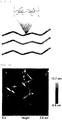
- The cellulose consists of crystalline nanofibers on natural biomass (
FIG. 1 ). In particular, cellulose nanofibers are known to have a mechanical strength of one strand ranging from tens to hundreds of GPa. While the cellulose nanofiber has a high mechanical strength, it is an eco-friendly bio material. Since nanofibers are strongly crystallized by a hydrogen bond, it is difficult to be extracted in a form of nanofibers. - In order to extract by defibrating from the cellulose to a state of nanofibers, a top-down defibration method in which nanofibers are separated from each other, that is, a method of finely slicing or cutting out a bulk material is required. A method of treating cellulose with an oxidant containing sodium hypochlorite (NaClO) or sulfuric acid in the presence of an N-oxyl compound catalyst represented by (2,2,6,6-tetramethylpiperidin-1-yl)oxidanyl (TEMPO) in water, then applying a dispersion force, is known in the art.
- Such a method only modifies surfaces of the nanofibers and does not cause a breakage in crystal structures of the nanofiber. Meanwhile, hydroxy groups with strong hydrogen bonds disappear, and the nanofibers have negative charges to generate repulsive forces. Accordingly, the nanofibers can be dispersed in an aqueous solution. As another method, when adding sulfuric acid of a certain concentration to cellulose and applying it to the surfaces of nanofibers, chitin, chitosan, and cellulose form sulfonic acid (R-SO3H) groups on the surfaces of the nanofibers, and thereby repulsive forces are generated by the negative charges, such that the nanofibers can be dispersed in an aqueous solution. The fibrous cellulose material prepared as described above refers to a "nanocellulose." Representative examples of the nanocellulose include cellulose nanocrystals (CNC) and cellulose nanofibers (CNF). The CNC has a length of 150-200 nm and a diameter of about 5-20 nm in a product. The CNF has a length of several µm (1-5 µm) and a diameter of about 10-20 nm. In addition, the nanocellulose has an acidity after the above-described chemical treatment. Immediately after production, the nanocellulose is in an acidic state and is treated with alkali hydroxides (e.g., NaOH) for neutralization, thereby containing a small amount of alkali cations such as sodium (Na+) and potassium (K +).
- As described above, since one strand of the nanocellulose fiber is a high-strength crystalline material, when fabricating a polymer composite material by mixing the nanocelluloses, it is possible to reinforce insufficient mechanical and thermal properties of the matrix polymer.
- When manufacturing a polymer composite material using nanofibrillated celluloses which may be prepared by a relatively mild process without a nanofiberization process including delamination and defibration to fabricate the nanocellulose, it is not possible to expect mechanical reinforcement effects due to a low aspect ratio of a reinforcement material.
- Therefore, only by fabricating a polymer composite material using nanocellulose, it is possible to prepare a material having physical properties exceeding those of the existing composite material. A difficulty in fabricating the polymer nanocomposite material using nanocellulose is that the cellulose is generally a hydrophilic component having a hydroxy group (-OH), such that it is not mixed well with generally hydrophobic polymers and plastic materials. Even when mixed therewith, the celluloses are easily aggregated to lose their function as a nanomaterial.
- A method of increasing miscibility of the nanocellulose with the polymer composite material is to make the nanocellulose have hydrophobic properties through a composite surface hydrophobization modification process. This process leads to costs and production time delays from an industrial point of view. When performing surface modification, the aspect ratio of the nanocellulose is decreased to cause a reduction in the mechanical reinforcing effect.
- There are largely two methods to mix nanocellulose having hydrophobically modified surface with the polymer. A first method is to mix a polymer melt with the nanocellulose in a heated state, and in this case, the miscibility with the nanocellulose is significantly deteriorated due to the high viscosity of the polymer melt phase. In addition, the nanocellulose is thermally decomposed because it is exposed to heat for a long period of time. A second method is to mix the polymer with nanocellulose by performing solubilization using an organic solvent. In this case, the use of the organic solvent may cause environmental pollution.
- In the present invention, a PBS nanocomposite including nanocellulose is produced by an in-situ polymerization method without 1) the surface hydrophobization modification process of the nanocellulose, and 2) a heat mixing process or a solvent mixing process.
- An object of the present invention is to provide a PBS nanocomposite material having improved physical properties.
- Another object of the present invention is to provide a method for producing a PBS nanocomposite material having improved physical properties, which does not require a surface hydrophobization pretreatment process of cellulose, melt kneading, and solution mixing processes, etc.
-
- 1. A PBS composite material including: a matrix including polybutylene succinate chains; and nanocelluloses dispersed between the polybutylene succinate chains.
- 2. The PBS composite material according to the above 1, wherein the PBS composite material is produced by polymerizing 1,4-butanediol or derivative thereof and succinic acid or derivative thereof in a mixture of 1,4-butanediol or derivative thereof, succinic acid or derivative thereof with nanocelluloses.
- 3. The PBS composite material according to the above 1, wherein the matrix further includes a polymer chain including a repeating unit represented by Formula 3 below.

the alkylene group may be disconnected by O, a cycloalkylene group having 4 to 8 carbon atoms or an arylene group having 6 to 18 carbon atoms). - 4. The PBS composite material according to the above 1, wherein the nanocellulose is included in an amount of 0.01 to 20% by weight based on a total weight of the PBS composite material.
- 5. The PBS composite material according to the above 1, wherein the nanocellulose includes cellulose nanocrystal, cellulose nanofiber, or a mixture thereof.
- 6. The PBS composite material according to the above 1, wherein the nanocellulose includes a cellulose having a diameter of 2 nm to 200 nm.
- 7. The PBS composite material according to the above 1, wherein the nanocellulose includes monovalent cations in an amount of 3000 ppm or less.
- 8. The PBS composite material according to the above 1, wherein the nanocellulose has a pH of 6 to 8.
- 9. A method for producing a PBS composite material, including:
polymerizing 1,4-butanediol and succinic acid or derivatives thereof in a mixture of 1,4-butanediol and succinic acid or derivatives thereof with nanocelluloses. - 10. The method for producing a PBS composite material according to the above 9, wherein the nanocellulose has a pH of 6 to 8.
- 11. The method for producing a PBS composite material according to the above 9, wherein an additional diol compound is polymerized together during the polymerization.
- 12. A product produced by including the PBS composite material according to any one of the above 1 to 8.
- The PBS composite material of the present invention may have improved physical properties such as a high glass transition temperature, high tensile strength, low thermal expansion coefficient and the like.
- The method for producing a PBS composite material of the present invention does not require the surface hydrophobization pretreatment process of cellulose, melt kneading, and solution mixing processes, etc., and it is possible to manufacture a PBS nanocomposite material having improved physical properties.
-
-
FIG. 1 is view illustrating a cellulose nanofiber which forms cellulose. -
FIG. 2 is an atomic force microscope (AFM) image of cellulose nanocrystal (CNC). -
FIG. 3 is an AFM image of cellulose nanofiber (CNF). -
FIG. 4 is a photograph in which cellulose nanocrystals and nanofibers are dispersed in 1,4-butanediol and succinic acid. -
FIG. 5 is a photograph in which the cellulose nanocrystals and nanofibers are dispersed in chloroform. - Hereinafter, the present invention will be described in more detail.
- A PBS composite material of the present invention includes a matrix including polybutylene succinate (PBS) chains and nanocellulose dispersed between the polybutylene succinate chains.
- Polybutylene succinate is a polymer having a repeating unit represented by Formula 1 below, which may be obtained, for example, by condensation polymerization of 1,4-butanediol or derivative thereof and succinic acid or derivative thereof.

- A molecular weight of the polybutylene succinate according to the present invention is not particularly limited, and for example, a number average molecular weight thereof may be 500 to 1,000,000.
- Cellulose is composed of crystalline nanofibers having a diameter of several tens of nanometers on a biomass, and these nanofibers has a strength of 80 to 120 GPa, and thereby it is possible to expect high mechanical reinforcing effects when using as a composite material.
- Cellulose is a polymer having a repeating unit represented by Formula 2 below.

- In the above Formula 2, n is 10 to 35,000.
- The nanocelluloses according to the present invention permeate the polybutylene succinate matrix to be dispersed between the polybutylene succinate chains. As the nanocelluloses are dispersed between the polybutylene succinate chains, it is possible to obtain effects of improving physical properties such as increasing the glass transition temperature, increasing a tensile strength, and decreasing the thermal expansion coefficient by binding the polybutylene succinate molecular chains by the nanocelluloses.
- The nanocelluloses may be obtained by defibrating cellulose. The defibration may be performed according to a method known in the art, and may include, for example, sulfuric acid treatment, TEMPO oxidation, mechanical delamination, etc., but it is not limited thereto.
- The nanocellulose is nanofibers composed of cellulose, and may include, for example, cellulose nanocrystals, cellulose nanofibers or a mixture thereof, but it is not limited thereto.
- In a case of the cellulose nanocrystals, for example, a length thereof may be 50 nm to 500 nm, and specifically 100 nm to 300 nm, and a diameter thereof may be 2 nm to 200 nm, and specifically 5 nm to 20 nm, but it is not limited thereto.
- In a case of cellulose nanofibers, for example, a length thereof may be 0.1 µm to 10 µm, and specifically 0.5 µm to 7 µm, and a diameter thereof may be 2 nm to 200 nm, and specifically 5 nm to 20 nm, but it is not limited thereto.
- The nanocellulose may include monovalent cations such as sodium, potassium and the like.
- The monovalent cations may be included, for example, in an amount of 3000 ppm or less in the nanocelluloses. If the content thereof exceeds 3000 ppm, mechanical properties of the PBS composite material may be lowered. Specifically, the nanocellulose according to the present invention may include the monovalent cations in an amount of 2 ppm to 3000 ppm, but it is not limited thereto.
- The nanocellulose may have a pH of, for example, 6-8. When the pH thereof is within the above range, the mechanical properties of the PBS composite material may be excellent.
- A content ratio of polybutylene succinate and nanocellulose is not particularly limited, and for example, the nanocellulose may be included in an amount of 0.01 to 20 % by weight ('wt.%') based on a total weight of the PBS composite material, and preferably 0.05 to 15 wt.%, and more preferably 0.1 to 10 wt.%.. If the content of the nanocellulose is less than 0.01 wt.%, the effect of improving physical properties due to an addition of the nanocellulose may be insignificant, and if the content thereof exceeds 20 wt.%, it may be hard but easily be broken.
- An implemention method so that the nanocelluloses are dispersed between the polybutylene succinate chains is not particularly limited, and for example, it is possible to implement the dispersion by adding nanocelluloses together and conducting in-situ polymerization during the production of polybutylene succinate by the polymerization of 1,4-butanediol and succinic acid (or derivatives thereof).
- When adding the nanocelluloses together and conducting in-situ polymerization during the production of polybutylene succinate by the polymerization of 1,4-butanediol and succinic acid, the nanocelluloses permeate a PBS matrix at a molecular level, thereby binding the PBS chains, such that the glass transition temperature and the tensile strength may be increased, and the thermal expansion coefficient may be decreased.
- An addition time of the nanocellulose of the present invention is preferably before the start of a polycondensation reaction, but the nanocellulose may be added to a reaction system at any stage of before the start of an esterification reaction or a transesterification reaction and during the reaction.
- The glass transition temperature of the nanocellulose may be, for example, -25°C to -20°C, but it is not limited thereto.
- The tensile strength of the nanocellulose may be, for example, 40 MPa to 50 MPa, but it is not limited thereto.
- The thermal expansion coefficient of the nanocellulose may be, for example, a range of 30 µm/m·°C to 150 µm/m·°C, which is a thermal expansion coefficient (CTE) measured between 30 and 100 degrees Celsius (°C), but it is not limited thereto.
- If necessary, the PBS matrix according to the present invention may further include a polymer chain including a repeating unit represented by Formula 3 below.


the alkylene group may be disconnected by O, a cycloalkylene group having 4 to 8 carbon atoms or an arylene group having 6 to 18 carbon atoms). - The alkylene group in the above Formula 3 may have carbon atoms of, for example, 1 to 100, 1 to 50, 1 to 30, 1 to 10, and more specifically 1 to 10 in a range of 1 to 100, but it is not limited thereto.
- The repeating unit represented by Formula 3 may be included in a chain separate from the polybutylene succinate chain, or may be included in the polybutylene succinate chain.
- The repeating unit represented by Formula 3 may be obtained by, for example, polymerizing an additional diol compound at the time of polymerization of 1,4-butanediol and succinic acid (or derivatives thereof).
- Examples of the additional diol compound may include, for example, aliphatic glycols such as ethyleneglycol, 1,2-propyleneglycol, 1,3-propyleneglycol, diethyleneglycol, triethyleneglycol, 1,2-butyleneglycol, 1,3-butyleneglycol, 2,3-butyleneglycol, 1,4-butyleneglycol, 1,5-pentanediol, neopentylglycol, 1,6-hexanediol, 1,2-cyclohexanediol, 1,3-cyclohexanediol, 1,4-cyclohexanediol, 1,2-cyclohexanedimethanol, 1,3-cyclohexanedimethanol, 1,4-cyclohexanedimethanol, 1,4-cyclohexanediethanol, 1,10-decamethyleneglycol, 1,12-dodecanediol, polyethyleneglycol, polytrimethyleneglycol, polytetramethyleneglycol, etc.; aromatic glycols such as hydroquinone and glycols having ethylene oxide added to these glycols, but it is not limited thereto.
- In addition, the present invention also provides a method for producing a PBS composite material.
- The method for producing a PBS composite material of the present invention includes polymerizing 1,4-butanediol and succinic acid or derivatives thereof in a mixture of 1, 4-butanediol, succinic acid or derivatives thereof with nanocelluloses.
- When polymerizing the 1,4-butanediol and succinic acid or derivatives thereof in the mixture of 1,4-butanediol and succinic acid or derivatives thereof with nanocellulose, since the nanocelluloses are mixed with monomers, polybutylene succinate matrixs are formed in a state in which the nanocelluloses are dispersed between the chains during forming the polybutylene succinate chains.
- The derivative of succinic acid is not particularly limited so long as it can be polymerized with 1,4-butanediol to form polybutylene succinate, and may be, for example, a form in which both carboxyl groups of the succinic acid are substituted by carboxyhalide, carboxylate, or carboxyester group. Examples of the derivative of succinic acid may include succinyl chloride, dimethyl succinate, diethyl succinate, dibasic ester, and the like, but it is not limited thereto.
- Nanocellulose may be the components within the above-described range.
- The content of the nanocellulose in the mixture is not particularly limited, and may be included, for example, in an amount of 0.01 to 20 wt.%, and preferably 0.1 to 10 wt.% based on the total weight of the mixed dispersion.
- By performing the polymerization while removing water or alcohol from the mixture, it is possible to form a matrix including polybutylene succinate chains and a PBS composite material in which nanocelluloses are dispersed between the polybutylene succinate chains.
- Polymerization conditions are not particularly limited and may be performed, for example, in a heating condition of 150°C to 250°C. Specifically, the polymerization may be performed by adding, to the above mixture, a catalyst which is prepared by coexisting polycondensation catalysts such as Ti(Obu)4, antimony compounds, titanium compounds, germanium compounds, tin compounds, etc., within a range of an addition amount in which these components does no cause problems in characteristics and workability of the composite material and products as described above, then primary heating the resulting mixture while stirring in the above-described temperature range and further heating within the above-described temperature, followed by secondary heating while stirring.
- The catalyst may be added, for example, in an amount of 100 ppm to 5000 ppm, and specifically 500 to 2000 ppm, but it is not limited thereto.
- Specifically, the primary heating may be performed at 180°C to 220°C for 1 hour to 3 hours, but it is not limited thereto.
- Specifically, the secondary heating may be performed at 230°C to 250°C for 1 hour to 3 hours, but it is not limited thereto.
- The stirring may be performed, for example, at 10 to 300 rpm, and specifically at 30 to 80 rpm, but it is not limited thereto.
- The method for producing a PBS composite material of the present invention may polymerize the additional diol compound together at the time of the polymerization.
- In such a case, the matrix according to the invention may further include a polymer chain including not only polybutyrensuccinate chain but also a repeating unit derived from the diol compound other than 1,4-butanediol.
- The repeating unit derived from the diol compound may be represented by, for example, Formula 3 below.

the alkylene group may be disconnected by O, a cycloalkylene group having 4 to 8 carbon atoms or an arylene group having 6 to 18 carbon atoms). - The alkylene group in Formula 3 may have carbon atoms of, for example, 1 to 100, 1 to 50, 1 to 30, 1 to 10, and more specifically 1 to 10 in a range of 1 to 100, but it is not limited thereto.
- Examples of the diol compound that can be used herein may include, for example, aliphatic glycols such as ethyleneglycol, 1,2-propyleneglycol, 1,3-propyleneglycol, diethyleneglycol, triethyleneglycol, 1,2-butyleneglycol, 1,3-butyleneglycol, 2,3-butyleneglycol, 1,4-butyleneglycol, 1,5-pentanediol, neopentylglycol, 1,6-hexanediol, 1,2-cyclohexanediol, 1,3-cyclohexanediol, 1,4-cyclohexanediol, 1,2-cyclohexanedimethanol, 1,3-cyclohexanedimethanol, 1,4-cyclohexanedimethanol, 1,4-cyclohexanediethanol, 1,10-decamethyleneglycol, 1,12-dodecanediol, polyethyleneglycol, polytrimethyleneglycol, polytetramethyleneglycol, etc.; aromatic glycols such as hydroquinone and glycols having ethylene oxide added to these glycols, but it is not limited thereto.
- The diol compound may be added during the polymerization of 1,4-butanediol and succinic acid or derivatives thereof, and may be added before the polymerization to be polymerized together.
- The method for producing a PBS composite material of the present invention may further include mixing 1,4-butanediol or derivative thereof and succinic acid or derivative thereof with nanocelluloses.
- The nanocellulose may be mixed with, for example, 1,4-butanediol or derivative thereof and succinic acid or derivative thereof in a state of powders.
- The mixing order is not particularly limited, and the nanocellulose may be mixed with 1,4-butanediol or derivative thereof and then mixed with succinic acid or derivative thereof, or vice versa, the nanocellulose may be mixed with 1,4-butanediol or derivative thereof and then mixed with succinic acid or derivative thereof.
- For dispersion of the nanocelluloses during mixing, stirring, homogenization, sonication, and the like may be performed.
- Specific examples of the mixing conditions may include stirring the mixture at 10 to 100 rpm under heating conditions at 100 °C to 200 °C in a nitrogen atmosphere, but it is not limited thereto.
- When mixing the nanocellulose with 1,4-butanediol and succinic acid (and/or derivatives thereof), the nanocelluloses may be dispersed with high stability. For example, when observing the mixture after 6 hours elaspses from the mixing, a precipitate of anocellulose may not occur. Therefore, the inventive method does not require the surface hydrophobization modification process for improving the miscibility with a polymer, and processes such as melt kneading and solubilization in an organic solvent.
- In addition, the present invention further provides a product prepared by including the PBS composite material.
- The PBS composite material of the present invention may be excellent in mechanical and thermal properties, thereby being variously applied to all products using a polymer resin.
- Hereinafter, the present invention will be described in detail with reference to examples.
- Two types of nanocellulose were purchased from the University of Maine which mass-produces and sells the same (http://umaine.edu/pdc/cellulose-nano-crystals/). A product, called cellulose nanocrystal (CNC), has a length of 150-200 nm and a diameter of about 5-20 nm (Composites Part B: Engineering Volume 79, 15 September 2015, Pages 521-529). A product, called cellulose nanofiber (CNF), has a length of several µm (1-5 µm) and a diameter of about 10-20 nm (Progress in Organic Coatings 76.2 (2013) : 477-481). The CNC and CNF were provided as a product in a spray dried powder state. The CNF and CNF were dispersed in water so as to be 0.1 wt.%, respectively, and then applied to a silicon wafer, followed by drying the same. In addition, the diameters thereof were measured by Veeco Dimension 3100. As a result, it was confirmed that the CNF and CNF were nanocellulose having a diameter of several nanometers as product information (
FIGS. 2 and3 ). pH of the CNC and CNF used in this experiment were 6.8 and 7.2, respectively. - The CNC and CNF were dispersed in BD and succinic acid so as to be 1 wt.%, and then left for one week. Thereafter, the inventors confirmed whether two nanocelluloses were precipitated (
FIG. 4 ). As seen fromFIG. 4 , both the CNC and CNF-dispersed BD dispersion and the CNC and CNF-dispersed succinic acid dispersion were transparent, and maintained in the dispersed state after one week without precipitation. - Particle diameters of the CNC and CNF in the CNC and CNF-dispersed BD dispersion and the CNC and CNF-dispersed succinic acid dispersion were measured by a particle size analyzer (Table 1). As seen from Table 1 below, it can be confirmed that the CNC and CNF are dispersed to a level of several tens of nanometers in two solvents. Thereby, it can be seen that the CNC and CNF having hydrophilic properties are dispersed in the CNC and CNF-dispersed BD and succinic acid dispersions which are hydrophilic solvents with high safety.
- Particle sizes of CNC and CNF in the CNC and CNF-dispersed BD and succinic acid dispersions
[Table 1] Sample Particle size 1 wt.% of CNC-dispersed BD 24.2 nm 1 wt.% of CNF-dispersed BD 37.8 nm 1 wt.% of CNC-dispersed succinic acid 41.5 nm 1 wt.% of CNF-dispersed succinic acid 37.1 nm - CNC and CNF powders were put in BD and then dispersed by a bath sonicator for 10 minutes. The CNC and CNF-dispersed BD dispersion was put in a reactor, and succinic acid having the same molar equivalent as BD was added together thereto. The mixture was heated to 150°C in a nitrogen atmosphere and stirred at 50 rpm to obtain a BD/succinic acid mixed dispersion containing the CNC and CNF blended therein. Nanocelluloses (CNC and CNF) having contents ranging from 0 wt.% to 15 wt.% based on the total weight of the mixed dispersion were prepared, and the types of samples are summarized in Table 2 below.
- 1000 ppm of Ti(Obu)4 as a catalyst was added to the mixed dispersion, and heated to 200°C for 2 hours while stirring at 60 rpm. The temperature was increased to 240°C and a reaction was performed for 2 hours while stirring at 60 rpm. The number average molecular weight (Mn) of PBS which forms the completed PBS nanocomposite was analyzed by gel permeation chromatography (GPC).
- The nanocellulose and pure PBS were polymerized in a level similar to the number average molecular weight (Mn) of PBS which forms the composite (Table 2). This allows a direct comparison therebetween in the evaluation of mechanical and physical properties.
- Type of PBS/nanocellulose composite prepared by in-situ polymerization method
[Table 2] Content of in-situ polymerized PBS nanocellulose Number average molecular weight of PBS Type of nanocellulose Weight ratio of nanocellulose Pure PBS 0% 37,507 CNC 0.05% 38,700 CNC 1% 36,022 CNC 15% 40,123 CNF 0.05% 39,189 CNF 1% 37,879 CNF 15% 36,719 CNF 35% 35,962 - Glass transition temperatures of the PBS nanocomposites containing the pure PBS and nanocellulose, namely the CNC and CNF, prepared in Example 3 were measured by a differential scanning calorimetry (DSC) Discovery DSC 2500, followed by scanning from -60°C to 100°C. It can be confirmed that the glass transition temperature was increased as the cellulose was added. Therefore, it is considered that the nanocellulose permeates a PBS matrix at a molecular level, and the glass transition temperature is increased in proportion to the content of two types of nanocellulose by binding PBS molecular chains.
- Glass transition temperature of PBS/nanocellulose composite prepared by in-situ polymerization method (-means a temperature below zero)
[Table 3] Content of in-situ polymerized PBS nanocellulose Glass transition temperature (°C) Type of nanocellulose Weight ratio of nanocellulose Pure PBS 0% -32 CNC 0.05% -25 CNC 1% -22 CNC 15% -21 CNF 0.05% -25 CNF 1% -23 CNF 15% -22 CNF 35% -22 - Tensile strengths of the PBS nanocomposites containing the pure PBS and nanocellulose, namely the CNC and CNF, prepared in Example 3 were measured by universal testing machine (UTM) INSTRON 5582 UTM, which is tensile strength measuring instrument, according to ASTM D638 method.
- It can be confirmed that the tensile strength was increased as the content of the nanocellulose is increased (Table 4).
- Tensile strength of PBS/nanocellulose composite prepared by in-situ polymerization method
[Table 4] Content of in-situ polymerized PBS nanocellulose Tensile strength (MPa) Type of nanocellulose Weight ratio of nanocellulose Pure PBS 0% 31 CNC 0.05% 42 CNC 1% 45 CNC 15% 47 CNF 0.05% 40 CNF 1% 46 CNF 15% 47 CNF 35% 24 - CTE values of the PBS nanocomposites containing the pure PBS and nanocellulose, namely the CNC and CNF, prepared in Example 3 were measured by using a thermal expansion coefficient (CTE) TA Instruments Model 2940 according to the ASTM E831 method. As a result, it was confirmed that the CTE of pure PBS was decreased from 293 µm/m·°C up to about 40-50 µm/m·°C as the content of the nanocellulose is increased (Table 5).
- Thermal expansion coefficient of PBS/nanocellulose composite prepared by in-situ polymerization method
[Table 5] Content of in-situ polymerized PBS nanocellulose CTE (µm/m·°C) Type of nanocellulose Weight ratio of nanocellulose Pure PBS 0% 293 CNC 0.05% 154 CNC 1% 82 CNC 15% 42 CNF 0.05% 165 CNF 1% 79 CNF 15% 54 CNF 35% 54 - The sodium contents of the PBS composites containing the pure PBS and nanocellulose, namely the CNC and CNF, prepared in Example 3 were measured using inductively coupled plasma-mass spectroscopy (ICP-MS). It was found that the PBS composites fabricated in the present invention have sodium contents of about 2-2000 ppm.
- Sodium content of PBS/nanocellulose composite prepared by in-situ polymerization method
[Table 6] Content of in-situ polymerized PBS nanocellulose Sodium content based on total weigh of the composites (ppm) Type of nanocellulose Weight ratio of nanocellulose Pure PBS 0% 0 CNC 0.05% 21 CNC 1% 833 CNC 15% 1822 CNF 0.05% 2 CNF 1% 274 CNF 15% 1941 CNF 35% 3521 - The pure PBSs (molecular weight of 37,507 g/mol) synthesized in Example 3 were melt-mixed with two types of nanocellulose using a HAAKE™ MiniJet Pro Piston Injection Molding System. Nanocellulose powders dried at 150°C in a nitrogen atmosphere were added thereto and mixed for 30 minutes. Melt-mixed PBS nanocellulose composite materials of types shown in Table 7 below were fabricated.
- Type of PBS/nanocellulose composite prepared by melt-mixing method
[Table 7] PBS nanocellulose composite prepared by melt-mixing method Type of nanocellulose Weight ratio of nanocellulose Pure PBS 0% CNC 0.05% CNC 1% CNC 15% CNF 0.05% CNF 1% CNF 15% - The glass transition temperatures, thermal expansion coefficients, and tensile strengths of the melt-mixed PBS nanocellulose composite materials synthesized in Comparative Example 1 were measured in the same manner as in the examples. The glass transition temperature of the composite prepared by the in-situ method in Example 4 was increased to about 5-10°C, whereas the glass transition temperature of the PBS nanocellulose composite material mixed in a melt phase was increased only by about 1-2°C (Table 8).
- The measured tensile strength of the composite fabricated by the in-situ method in Example 5 was increased to about 7-8 MPa, whereas the tensile strength of the PBS nanocellulose composite material mixed in the melt phase was increased only by about 1-2 MPa (Table 9).
- The measured CTE value of the composite prepared by the in-situ method in Example 6 was decreased to 100-200 µm/m·°C or more, whereas the CTE value of the PBS nanocellulose composite material mixed in the melt phase was decreased only about 30-50 µm/m·°C (Table 10).
- The improvement in the mechanical and physical properties of the composite material fabricated by the melt-mixing method measured in the comparative examples is significantly lower than that of the composite material fabricated by the in-situ polymerization method of the examples. Therefore, it is proven that the dispersibility of the nanocellulose fabricated by the in-situ polymerization method is very excellent.
- Glass transition temperature of PBS/nanocellulose composite prepared by melt-mixing method
[Table 8] Content of melt-mixed PBS nanocellulose Glass transition temperature (°C) Type of nanocellulose Weight ratio of nanocellulose Pure PBS 0% -32 CNC 0.05% -31 CNC 1% -30 CNC 15% -30 CNF 0.05% -31 CNF 1% -31 CNF 15% -31 - Tensile strength value of PBS/nanocellulose composite prepared by melt-mixing method
[Table 9] Content of melt-mixed PBS nanocellulose Tensile strength (MPa) Type of nanocellulose Weight ratio of nanocellulose Pure PBS 0% 31 CNC 0.05% 33 CNC 1% 34 CNC 15% 34 CNF 0.05% 32 CNF 1% 34 CNF 15% 35 - CTE value of PBS/nanocellulose composite prepared by melt-mixing method
[Table 10] PBS nanocellulose composite prepared by melt-mixing method CTE (µm/m·°C) Type of nanocellulose Weight ratio of nanocellulose Pure PBS 0% 293 CNC 0.05% 280 CNC 1% 264 CNC 15% 266 CNF 0.05% 284 CNF 1% 279 CNF 15% 267 - The pure PBSs (molecular weight of 37,507 g/mol) synthesized in Example 3 were dissolved in chloroform so as to be 5 wt. %. Nanocellulose powders dried at 150°C were added to a chloroform solution in which the PBSs were dissolved in a nitrogen atmosphere, and mixed for 30 minutes. The mixed solution was precipitated in methanol to prepare solution mixed PBS nanocellulose composite material of types shown in Table 11 below.
- Type of PBS/nanocellulose composite prepared by solution-mixing method
[Table 11] PBS nanocellulose composite prepared by solution-mixing method Type of nanocellulose Weight ratio of nanocellulose Pure PBS 0% CNC 0.05% CNC 1% CNC 15% CNF 0.05% CNF 1% CNF 15% - CNC and CNF were dispersed in chloroform so as to be 1 wt. % and left for one week. Thereafter, the inventors confirmed whether two nanocelluloses were precipitated (
FIG. 5 ). As seen fromFIG. 5 , precipitation occurred in the chloroform solution in which the CNC and CNF were dispersed. Accordingly, when mixing the nanocellulose with PBS by the solution-mixing method, dispersibility of nanocellulose would be very deteriorated. Therefore, it is proven that a coagulation phenomenon occurs when mixing the solutions. - The glass transition temperatures, thermal expansion coefficients, and tensile strengths of the chloroform solution-mixed PBS nanocellulose composite materials synthesized in Comparative Example 2 were measured in the same manner as in the examples.
- The glass transition temperature of the composite prepared by the in-situ method in Example 4 was increased to about 5-10°C, whereas the glass transition temperature of the PBS nanocellulose composite material mixed in a solution phase was increased only by 2-3°C (Table 12).
- The measured tensile strength of the composite fabricated by the in-situ method in Example 5 was increased to about 7-8 MPa, whereas the tensile strength of the PBS nanocellulose composite material mixed in the solution phase was not increased or decreased only by 0-1 MPa (Table 13) .
- The measured CTE value of the composite prepared by the in-situ method in Example 6 was decreased to 100-200 µm/m·°C or more, whereas the CTE value of the PBS nanocellulose composite material mixed in the solution phase was decreased only about 35-45 µm/m·°C (Table 14).
- The improvement in mechanical and physical properties of the composite material fabricated by the melt-mixing method measured in Comparative Example 2 is significantly lower than that of the composite material fabricated by the in-situ polymerization method of the examples. Therefore, it is proven that the dispersibility of the nanocellulose fabricated by the in-situ polymerization method is very excellent.
- Glass transition temperature of PBS/nanocellulose composite prepared by chloroform solution-mixing method
[Table 12] Content of solution-mixed PBS nanocellulose Glass transition temperature (°C) Type of nanocellulose Weight ratio of nanocellulose Pure PBS 0% -32 CNC 0.05% -32 CNC 1% -31 CNC 15% -31 CNF 0.05% -32 CNF 1% -32 CNF 15% -29 - Tensile strength value of PBS/nanocellulose composite prepared by chloroform solution-mixing method
[Table 13] Content of solution-mixed PBS nanocellulose Tensile strength (MPa) Type of nanocellulose Weight ratio of nanocellulose Pure PBS 0% 31 CNC 0.05% 31 CNC 1% 32 CNC 15% 28 CNF 0.05% 31 CNF 1% 32 CNF 15% 27 - CTE Value of PBS/nanocellulose composite prepared by chloroform solution-mixing method
[Table 14] Content of solution-mixed PBS nanocellulose composite CTE (µm/m·°C) Type of nanocellulose Weight ratio of nanocellulose Pure PBS 0% 293 CNC 0.05% 288 CNC 1% 275 CNC 15% 263 CNF 0.05% 283 CNF 1% 278 CNF 15% 260 - Microcelluloses having a diameter of micro size were purchased from Sigma Aldrich (Microcrystalline Cellulose or Sigmacell Cellulose). According to Sigma Aldrich, the microcellulose has a diameter of about 20 µm (http://www.sigmaaldrich.com/catalog/product/sigma/s3504?la ng=ko®ion=KR). The microcelluloses were put in BD and then dispersed by a bath sonicator for 10 minutes. The microcellulose-dispersed BD dispersion was put in a reactor, and succinic acid having the same molar equivalent as BD was added together thereto. The mixture was heated to 150°C in a nitrogen atmosphere and stirred at 50 rpm to obtain a BD/succinic acid mixed dispersion containing microcelluloses blended therein. Microcelluloses having contents ranging from 0 wt.% to 15 wt.% based on the total weight of the mixed dispersion were prepared, and the types of samples are summarized in Table 15 below. PBS composites were prepared in the same manner as in Example 2, and the molecular weights thereof were measured.
- Glass transition temperatures of the PBS microcomposites containing the pure PBS and microcellulose prepared in Comparative Example 3-1 were measured by a differential scanning calorimetry (DSC) Discovery DSC 2500 (Table 15), followed by scanning from -60°C to 100°C. The glass transition temperature of the nanocellulose composite prepared by the in-situ method in Example 4 was increased to about 5-10°C, whereas the glass transition temperature of the PBS microcellulose composite material mixed in a melt phase was increased only by 1°C (Table 15).
- Glass transition temperature of PBS/microcellulose composite prepared by in-situ polymerization method (-means a temperature below zero)
[Table 15] Content of in-situ polymerized PBS microcellulose Glass transition Type of microcellulose Weight ratio of microcellulose temperature (°C) Pure PBS 0% -32 CNC 0.05% -32 CNC 1% -32 CNC 15% -31 - Tensile strengths of the PBS microcellulose composites containing the pure PBS and microcellulose prepared in Comparative Example 3-1 were measured by universal testing machine (UTM) INSTRON 5582 UTM, which is tensile strength measuring instrument, according to ASTM D638 method. The tensile strength of the nanocellulose composite fabricated by the in-situ method was increased to about 7-8 MPa, whereas the tensile strength of the microcellulose composite fabricated by the in-situ method was increased only 0-2 MPa (Table 16).
- Tensile strength of PBS/microcellulose composite prepared by in-situ polymerization method
[Table 16] Content of in-situ polymerized PBS microcellulose Tensile strength (MPa) Type of composite Weight ratio of microcellulose Pure PBS 0% 31 Microcellulose 0.05% 31 Microcellulose 1% 33 Microcellulose 15% 33 - To manufacture PBS composites containing the CNCs in Example 3, using CNCs having different pHs (pH index) from each other, PBS/nanocellulose composites containing 1 wt.% of the CNC were fabricated. The pH of the CNC used in Example 3 was 6.8. A CNC having a pH of 2.1 was prepared by treating the CNC with hydrochloric acid in advance, and a CNC having a pH of 11.9 was prepared by treating the CNC with sodium hydroxide (NaOH). The CNCs having different pHs from each other were put in BD and dispersed by a bath sonicator for 10 minutes. The CNC-dispersed BD dispersion was put in a reactor, and succinic acid having the same molar equivalent as BD was added together thereto. The mixture was heated to 150°C in a nitrogen atmosphere and stirred at 50 rpm to obtain a BD/succinic acid mixed dispersion containing the CNC and CNF blended therein. In the same manner as in the examples, composites were prepared by the polymerization of polymer. The tensile strengths of the PBS composite materials having 1 wt.% of the CNC prepared from CNCs having different pHs from each other in the same manner as in Example 5 were measured. As a result, the composite material of Example 3 using a CNC having a pH of 6.8 showed the highest tensile strength value.
- Tensile strength of PBS/CNC composite material prepared using CNCs having different pHs from each other
[Table 17] Content of in-situ polymerized PBS nanocellulose Tensile strength of PBS/CNC composite (MPa) PH of CNC Weight ratio of nanocellulose 6.8 1% 45 2.1 1% 36 11.9 1% 39
Claims (12)
- A PBS composite material comprising:a matrix comprising polybutylene succinate chains; andnanocelluloses dispersed between the polybutylene succinate chains.
- The PBS composite material according to claim 1, wherein the PBS composite material is produced by polymerizing 1,4-butanediol or derivative thereof and succinic acid or derivative thereof in a mixture of 1,4-butanediol or derivative thereof, succinic acid or derivative thereof with nanocelluloses.
- The PBS composite material according to claim 1, wherein the matrix further comprises a polymer chain including a repeating unit represented by Formula 3 below.

the alkylene group may be disconnected by O, a cycloalkylene group having 4 to 8 carbon atoms or an arylene group having 6 to 18 carbon atoms). - The PBS composite material according to claim 1, wherein the nanocellulose is included in an amount of 0.01 to 20% by weight based on a total weight of the PBS composite material.
- The PBS composite material according to claim 1, wherein the nanocellulose includes cellulose nanocrystal, cellulose nanofiber, or a mixture thereof.
- The PBS composite material according to claim 1, wherein the nanocellulose includes a cellulose having a diameter of 2 nm to 200 nm.
- The PBS composite material according to claim 1, wherein the nanocellulose includes monovalent cations in an amount of 3000 ppm or less.
- The PBS composite material according to claim 1, wherein the nanocellulose has a pH of 6 to 8.
- A method for producing a PBS composite material, comprising:
polymerizing 1,4-butanediol and succinic acid or derivatives thereof in a mixture of 1,4-butanediol and succinic acid or derivatives thereof with nanocelluloses. - The method for producing a PBS composite material according to claim 9, wherein the nanocellulose has a pH of 6 to 8.
- The method for producing a PBS composite material according to claim 9, wherein an additional diol compound is polymerized together during the polymerization.
- A product produced by comprising the PBS composite material according to any one of claims 1 to 8.
Applications Claiming Priority (2)
| Application Number | Priority Date | Filing Date | Title |
|---|---|---|---|
| KR1020170078058A KR101897180B1 (en) | 2017-06-20 | 2017-06-20 | Pbs composite and preparing method thereof |
| PCT/KR2018/006977 WO2018236151A1 (en) | 2017-06-20 | 2018-06-20 | PBS composite material and its manufacturing method |
Publications (3)
| Publication Number | Publication Date |
|---|---|
| EP3643750A1 true EP3643750A1 (en) | 2020-04-29 |
| EP3643750A4 EP3643750A4 (en) | 2020-05-20 |
| EP3643750B1 EP3643750B1 (en) | 2022-11-23 |
Family
ID=63594050
Family Applications (1)
| Application Number | Title | Priority Date | Filing Date |
|---|---|---|---|
| EP18820654.4A Active EP3643750B1 (en) | 2017-06-20 | 2018-06-20 | Pbs composite material and method for producing same |
Country Status (5)
| Country | Link |
|---|---|
| US (1) | US11396598B2 (en) |
| EP (1) | EP3643750B1 (en) |
| KR (1) | KR101897180B1 (en) |
| CN (1) | CN110997806B (en) |
| WO (1) | WO2018236151A1 (en) |
Cited By (1)
| Publication number | Priority date | Publication date | Assignee | Title |
|---|---|---|---|---|
| EP3916036A1 (en) * | 2020-05-28 | 2021-12-01 | SKC Co., Ltd. | Resin composition, nonwoven fabric and film of biodegradable polyester, and preparation method thereof |
Families Citing this family (15)
| Publication number | Priority date | Publication date | Assignee | Title |
|---|---|---|---|---|
| KR101897180B1 (en) * | 2017-06-20 | 2018-09-10 | 한국화학연구원 | Pbs composite and preparing method thereof |
| KR102224229B1 (en) * | 2019-04-18 | 2021-03-08 | 한국화학연구원 | Thermoplastic elastomer-nanocellulose composite material and method for preparing the same |
| KR102131286B1 (en) * | 2019-06-05 | 2020-07-08 | 한국화학연구원 | Bio-degradable composite with improved mechanical properties and manufacturing method thereof |
| MX2021015844A (en) | 2019-06-18 | 2022-04-12 | Kintra Fibers Inc | POLYESTER POLYMER NANOCOMPOSITES. |
| KR102069075B1 (en) * | 2019-07-11 | 2020-01-22 | 한국화학연구원 | Biodegradable composite with improved mechanical properties using natural polymer nanofiber aqueous dispersion and manufacturing method thereof |
| KR102260166B1 (en) * | 2019-07-25 | 2021-06-03 | 한국화학연구원 | Method for preparing biodegradable composite material and the biodegradable composite material manufactured therefrom |
| TWI770680B (en) | 2019-11-19 | 2022-07-11 | 財團法人工業技術研究院 | Biodegradable polyester |
| KR102485784B1 (en) * | 2020-07-21 | 2023-01-09 | 한국화학연구원 | Nanocellulose-polyester-composite material and method for preparing the same |
| KR102808625B1 (en) * | 2020-10-26 | 2025-05-20 | 주식회사 엘지화학 | Method for producing biodegradable polymer complex and biodegradable polymer complex |
| EP4212569B1 (en) * | 2020-10-26 | 2026-04-08 | Lg Chem, Ltd. | Method for preparing biodegradable polymer composite and biodegradable polymer composite |
| IL303916B2 (en) * | 2020-12-23 | 2025-08-01 | Kintra Fibers Inc | Polyester Polymer Nano Composites |
| CN112694602B (en) * | 2020-12-24 | 2022-05-27 | 宁波窦氏化学科技有限公司 | Method for preparing biodegradable plastic PBS |
| KR102454215B1 (en) * | 2021-01-22 | 2022-10-14 | 한국화학연구원 | Polybutylene succinate-carbonate cross-linked copolymer-nanocellulose composite material and its manufacturing method. |
| CN113105725A (en) * | 2021-03-30 | 2021-07-13 | 西北民族大学 | Biodegradable material and preparation method and application thereof |
| CN120309911A (en) * | 2025-03-25 | 2025-07-15 | 江苏汇海新材料科技有限公司 | A method for preparing a degradable packaging bag |
Family Cites Families (14)
| Publication number | Priority date | Publication date | Assignee | Title |
|---|---|---|---|---|
| TW434456B (en) * | 1994-12-30 | 2001-05-16 | Novartis Ag | A compound as functionalized photoinitiator, its production process, its corresponding oligomers or polymers and its application in coating a substrate |
| MY169271A (en) * | 2008-01-25 | 2019-03-21 | Malaysian Palm Oil Board | A method to produce polyhydroxy carboxylic acid esters of polyethylene glycol |
| KR101171237B1 (en) | 2010-03-08 | 2012-08-06 | 주식회사 선경홀로그램 | Base film enhancing heat resistance and hologram label using the same |
| JP2011208015A (en) * | 2010-03-30 | 2011-10-20 | Konica Minolta Holdings Inc | Fiber composite material |
| US8691893B2 (en) * | 2011-10-07 | 2014-04-08 | Masdar Institute Of Science And Technology | Biodegradable composite materials |
| DE102011089056A1 (en) * | 2011-12-19 | 2013-06-20 | Evonik Industries Ag | Process for the preparation of polyesters |
| WO2013122209A1 (en) * | 2012-02-17 | 2013-08-22 | Dic株式会社 | Fiber-reinforced resin composite body, and reinforced matrix resin for fiber-reinforced resin |
| US9499637B2 (en) * | 2014-06-23 | 2016-11-22 | Api Intellectual Property Holdings, Llc | Nanocellulose compositions and processes to produce same |
| US20160168363A1 (en) * | 2014-06-27 | 2016-06-16 | Api Intellectual Property Holdings, Llc | Nanocellulose-polymer composites, and processes for producing them |
| JP6191584B2 (en) | 2014-11-14 | 2017-09-06 | 国立研究開発法人産業技術総合研究所 | Method for producing thermoplastic resin composition |
| US20160297962A1 (en) * | 2015-04-13 | 2016-10-13 | Api Intellectual Property Holdings, Llc | Methods and additives for improving melt strength in polymer film processing and blow molding |
| US10793700B2 (en) * | 2015-09-17 | 2020-10-06 | GranBio Intellectual Property Holdings, LLC | Compatibilizers for polymer-nanocellulose composites |
| KR102107801B1 (en) * | 2017-04-14 | 2020-05-07 | 세종대학교산학협력단 | Nano cellulose composite and method for manufacturing the same |
| KR101897180B1 (en) * | 2017-06-20 | 2018-09-10 | 한국화학연구원 | Pbs composite and preparing method thereof |
-
2017
- 2017-06-20 KR KR1020170078058A patent/KR101897180B1/en active Active
-
2018
- 2018-06-20 WO PCT/KR2018/006977 patent/WO2018236151A1/en not_active Ceased
- 2018-06-20 CN CN201880054133.3A patent/CN110997806B/en active Active
- 2018-06-20 EP EP18820654.4A patent/EP3643750B1/en active Active
- 2018-06-20 US US16/625,260 patent/US11396598B2/en active Active
Cited By (2)
| Publication number | Priority date | Publication date | Assignee | Title |
|---|---|---|---|---|
| EP3916036A1 (en) * | 2020-05-28 | 2021-12-01 | SKC Co., Ltd. | Resin composition, nonwoven fabric and film of biodegradable polyester, and preparation method thereof |
| US12338319B2 (en) | 2020-05-28 | 2025-06-24 | Sk Leaveo Co., Ltd. | Resin composition, nonwoven fabric and film of biodegradable polyester, and preparation method thereof |
Also Published As
| Publication number | Publication date |
|---|---|
| EP3643750B1 (en) | 2022-11-23 |
| CN110997806B (en) | 2022-05-10 |
| WO2018236151A1 (en) | 2018-12-27 |
| US20200216660A1 (en) | 2020-07-09 |
| CN110997806A (en) | 2020-04-10 |
| US11396598B2 (en) | 2022-07-26 |
| EP3643750A4 (en) | 2020-05-20 |
| KR101897180B1 (en) | 2018-09-10 |
Similar Documents
| Publication | Publication Date | Title |
|---|---|---|
| EP3643750B1 (en) | Pbs composite material and method for producing same | |
| Morelli et al. | Nanocomposites of PBAT and cellulose nanocrystals modified by in situ polymerization and melt extrusion | |
| Kedzior et al. | Poly (methyl methacrylate)‐grafted cellulose nanocrystals: One‐step synthesis, nanocomposite preparation, and characterization | |
| Dhar et al. | Thermally recyclable polylactic acid/cellulose nanocrystal films through reactive extrusion process | |
| S. de O. Patrício et al. | Increasing the elongation at break of polyhydroxybutyrate biopolymer: Effect of cellulose nanowhiskers on mechanical and thermal properties | |
| Reid et al. | The role of hydrogen bonding in non-ionic polymer adsorption to cellulose nanocrystals and silica colloids | |
| Peng et al. | A comparative guide to controlled hydrophobization of cellulose nanocrystals via surface esterification | |
| JP5823599B2 (en) | Fine cellulose fiber composite | |
| Feng et al. | Structure and properties of new thermoforming bionanocomposites based on chitin whisker‐graft‐polycaprolactone | |
| KR102029207B1 (en) | Pla composite and preparing method thereof | |
| US20110196094A1 (en) | Nanocomposite biomaterials of nanocrystalline cellulose (ncc) and polylactic acid (pla) | |
| Lugoloobi et al. | Fabrication of lignin/poly (3-hydroxybutyrate) nanocomposites with enhanced properties via a Pickering emulsion approach | |
| Yin et al. | Poly (lactic acid)-based biocomposites reinforced with modified cellulose nanocrystals | |
| Tran et al. | A ball milling-based one-step transformation of chitin biomass to organo-dispersible strong nanofibers passing highly time and energy consuming processes | |
| EP3733957A1 (en) | Method for producing micronized hydrophobically modified cellulose fiber | |
| Li et al. | Cellulose nano-whiskers as a reinforcing filler in polyurethanes | |
| Liu et al. | Transparent and strong polymer nanocomposites generated from Pickering emulsion gels stabilized by cellulose nanofibrils | |
| Guan et al. | Synchronous toughening, strengthening, and ultraviolet resistance of immiscible polylactic acid/polypropylene carbonate blends compatibilized by a low threshold of reactive Janus nanosheets | |
| Lai et al. | Mechanically reinforced biodegradable Poly (butylene adipate-co-terephthalate) with interactive nanoinclusions | |
| Lu et al. | Dual bond synergy enhancement to mechanical and thermal properties of castor oil-based waterborne polyurethane composites | |
| KR101946042B1 (en) | Pla composite and preparing method thereof | |
| Xing et al. | Biodegradable cellulose I (II) nanofibrils/poly (vinyl alcohol) composite films with high mechanical properties, improved thermal stability and excellent transparency | |
| Yu et al. | Interfacial compatible poly (ethylene glycol) chains modified cellulose nanosphere as bifunctional reinforcements in green polylatic acid for food packagings | |
| Hao et al. | Surface chemical functionalization of starch nanocrystals modified by 3-aminopropyl triethoxysilane | |
| KR102824800B1 (en) | Cellulose fiber composite |
Legal Events
| Date | Code | Title | Description |
|---|---|---|---|
| STAA | Information on the status of an ep patent application or granted ep patent |
Free format text: STATUS: THE INTERNATIONAL PUBLICATION HAS BEEN MADE |
|
| PUAI | Public reference made under article 153(3) epc to a published international application that has entered the european phase |
Free format text: ORIGINAL CODE: 0009012 |
|
| STAA | Information on the status of an ep patent application or granted ep patent |
Free format text: STATUS: REQUEST FOR EXAMINATION WAS MADE |
|
| 17P | Request for examination filed |
Effective date: 20200110 |
|
| AK | Designated contracting states |
Kind code of ref document: A1 Designated state(s): AL AT BE BG CH CY CZ DE DK EE ES FI FR GB GR HR HU IE IS IT LI LT LU LV MC MK MT NL NO PL PT RO RS SE SI SK SM TR |
|
| AX | Request for extension of the european patent |
Extension state: BA ME |
|
| A4 | Supplementary search report drawn up and despatched |
Effective date: 20200422 |
|
| RIC1 | Information provided on ipc code assigned before grant |
Ipc: C08J 5/04 20060101ALI20200416BHEP Ipc: C08G 63/16 20060101ALI20200416BHEP Ipc: C08L 67/02 20060101AFI20200416BHEP Ipc: C08L 1/02 20060101ALI20200416BHEP |
|
| DAV | Request for validation of the european patent (deleted) | ||
| DAX | Request for extension of the european patent (deleted) | ||
| STAA | Information on the status of an ep patent application or granted ep patent |
Free format text: STATUS: EXAMINATION IS IN PROGRESS |
|
| 17Q | First examination report despatched |
Effective date: 20201208 |
|
| GRAP | Despatch of communication of intention to grant a patent |
Free format text: ORIGINAL CODE: EPIDOSNIGR1 |
|
| STAA | Information on the status of an ep patent application or granted ep patent |
Free format text: STATUS: GRANT OF PATENT IS INTENDED |
|
| 111L | Licence recorded |
Designated state(s): AL AT BE BG CH CY CZ DE DK EE ES FI FR GB GR HR HU IE IS IT LT LU LV MC MK MT NL NO PL PT RO RS SE SI SK SM TR Free format text: EXCLUSIVE LICENSE Name of requester: ECOVANCE CO. LTD, KR Effective date: 20220404 |
|
| INTG | Intention to grant announced |
Effective date: 20220610 |
|
| RIN1 | Information on inventor provided before grant (corrected) |
Inventor name: JEON, HYEON YEOL Inventor name: KIM, TAE HO Inventor name: PARK, JE YOUNG Inventor name: HWANG, SUNG YEON Inventor name: JEGAL, JONG GEON Inventor name: OH, DONG YEOP |
|
| GRAJ | Information related to disapproval of communication of intention to grant by the applicant or resumption of examination proceedings by the epo deleted |
Free format text: ORIGINAL CODE: EPIDOSDIGR1 |
|
| STAA | Information on the status of an ep patent application or granted ep patent |
Free format text: STATUS: EXAMINATION IS IN PROGRESS |
|
| GRAP | Despatch of communication of intention to grant a patent |
Free format text: ORIGINAL CODE: EPIDOSNIGR1 |
|
| STAA | Information on the status of an ep patent application or granted ep patent |
Free format text: STATUS: GRANT OF PATENT IS INTENDED |
|
| INTC | Intention to grant announced (deleted) | ||
| INTG | Intention to grant announced |
Effective date: 20220909 |
|
| GRAS | Grant fee paid |
Free format text: ORIGINAL CODE: EPIDOSNIGR3 |
|
| GRAA | (expected) grant |
Free format text: ORIGINAL CODE: 0009210 |
|
| STAA | Information on the status of an ep patent application or granted ep patent |
Free format text: STATUS: THE PATENT HAS BEEN GRANTED |
|
| 111L | Licence recorded |
Designated state(s): AL AT BE BG CH CY CZ DE DK EE ES FI FR GB GR HR HU IE IS IT LT LU LV MC MK MT NL NO PL PT RO RS SE SI SK SM TR Free format text: EXCLUSIVE LICENSE Name of requester: ECOVANCE CO. LTD, KR Effective date: 20220404 |
|
| AK | Designated contracting states |
Kind code of ref document: B1 Designated state(s): AL AT BE BG CH CY CZ DE DK EE ES FI FR GB GR HR HU IE IS IT LI LT LU LV MC MK MT NL NO PL PT RO RS SE SI SK SM TR |
|
| REG | Reference to a national code |
Ref country code: GB Ref legal event code: FG4D |
|
| REG | Reference to a national code |
Ref country code: CH Ref legal event code: EP |
|
| REG | Reference to a national code |
Ref country code: DE Ref legal event code: R096 Ref document number: 602018043449 Country of ref document: DE |
|
| REG | Reference to a national code |
Ref country code: AT Ref legal event code: REF Ref document number: 1533130 Country of ref document: AT Kind code of ref document: T Effective date: 20221215 |
|
| REG | Reference to a national code |
Ref country code: IE Ref legal event code: FG4D |
|
| REG | Reference to a national code |
Ref country code: DE Ref legal event code: R088 Ref document number: 602018043449 Country of ref document: DE |
|
| REG | Reference to a national code |
Ref country code: GB Ref legal event code: 732E Free format text: REGISTERED BETWEEN 20230209 AND 20230215 |
|
| REG | Reference to a national code |
Ref country code: LT Ref legal event code: MG9D |
|
| REG | Reference to a national code |
Ref country code: NL Ref legal event code: MP Effective date: 20221123 |
|
| REG | Reference to a national code |
Ref country code: AT Ref legal event code: MK05 Ref document number: 1533130 Country of ref document: AT Kind code of ref document: T Effective date: 20221123 |
|
| PG25 | Lapsed in a contracting state [announced via postgrant information from national office to epo] |
Ref country code: SE Free format text: LAPSE BECAUSE OF FAILURE TO SUBMIT A TRANSLATION OF THE DESCRIPTION OR TO PAY THE FEE WITHIN THE PRESCRIBED TIME-LIMIT Effective date: 20221123 Ref country code: PT Free format text: LAPSE BECAUSE OF FAILURE TO SUBMIT A TRANSLATION OF THE DESCRIPTION OR TO PAY THE FEE WITHIN THE PRESCRIBED TIME-LIMIT Effective date: 20230323 Ref country code: NO Free format text: LAPSE BECAUSE OF FAILURE TO SUBMIT A TRANSLATION OF THE DESCRIPTION OR TO PAY THE FEE WITHIN THE PRESCRIBED TIME-LIMIT Effective date: 20230223 Ref country code: LT Free format text: LAPSE BECAUSE OF FAILURE TO SUBMIT A TRANSLATION OF THE DESCRIPTION OR TO PAY THE FEE WITHIN THE PRESCRIBED TIME-LIMIT Effective date: 20221123 Ref country code: FI Free format text: LAPSE BECAUSE OF FAILURE TO SUBMIT A TRANSLATION OF THE DESCRIPTION OR TO PAY THE FEE WITHIN THE PRESCRIBED TIME-LIMIT Effective date: 20221123 Ref country code: ES Free format text: LAPSE BECAUSE OF FAILURE TO SUBMIT A TRANSLATION OF THE DESCRIPTION OR TO PAY THE FEE WITHIN THE PRESCRIBED TIME-LIMIT Effective date: 20221123 Ref country code: AT Free format text: LAPSE BECAUSE OF FAILURE TO SUBMIT A TRANSLATION OF THE DESCRIPTION OR TO PAY THE FEE WITHIN THE PRESCRIBED TIME-LIMIT Effective date: 20221123 |
|
| PG25 | Lapsed in a contracting state [announced via postgrant information from national office to epo] |
Ref country code: RS Free format text: LAPSE BECAUSE OF FAILURE TO SUBMIT A TRANSLATION OF THE DESCRIPTION OR TO PAY THE FEE WITHIN THE PRESCRIBED TIME-LIMIT Effective date: 20221123 Ref country code: PL Free format text: LAPSE BECAUSE OF FAILURE TO SUBMIT A TRANSLATION OF THE DESCRIPTION OR TO PAY THE FEE WITHIN THE PRESCRIBED TIME-LIMIT Effective date: 20221123 Ref country code: LV Free format text: LAPSE BECAUSE OF FAILURE TO SUBMIT A TRANSLATION OF THE DESCRIPTION OR TO PAY THE FEE WITHIN THE PRESCRIBED TIME-LIMIT Effective date: 20221123 Ref country code: IS Free format text: LAPSE BECAUSE OF FAILURE TO SUBMIT A TRANSLATION OF THE DESCRIPTION OR TO PAY THE FEE WITHIN THE PRESCRIBED TIME-LIMIT Effective date: 20230323 Ref country code: HR Free format text: LAPSE BECAUSE OF FAILURE TO SUBMIT A TRANSLATION OF THE DESCRIPTION OR TO PAY THE FEE WITHIN THE PRESCRIBED TIME-LIMIT Effective date: 20221123 Ref country code: GR Free format text: LAPSE BECAUSE OF FAILURE TO SUBMIT A TRANSLATION OF THE DESCRIPTION OR TO PAY THE FEE WITHIN THE PRESCRIBED TIME-LIMIT Effective date: 20230224 |
|
| P01 | Opt-out of the competence of the unified patent court (upc) registered |
Effective date: 20230519 |
|
| PG25 | Lapsed in a contracting state [announced via postgrant information from national office to epo] |
Ref country code: NL Free format text: LAPSE BECAUSE OF FAILURE TO SUBMIT A TRANSLATION OF THE DESCRIPTION OR TO PAY THE FEE WITHIN THE PRESCRIBED TIME-LIMIT Effective date: 20221123 |
|
| PG25 | Lapsed in a contracting state [announced via postgrant information from national office to epo] |
Ref country code: SM Free format text: LAPSE BECAUSE OF FAILURE TO SUBMIT A TRANSLATION OF THE DESCRIPTION OR TO PAY THE FEE WITHIN THE PRESCRIBED TIME-LIMIT Effective date: 20221123 Ref country code: RO Free format text: LAPSE BECAUSE OF FAILURE TO SUBMIT A TRANSLATION OF THE DESCRIPTION OR TO PAY THE FEE WITHIN THE PRESCRIBED TIME-LIMIT Effective date: 20221123 Ref country code: EE Free format text: LAPSE BECAUSE OF FAILURE TO SUBMIT A TRANSLATION OF THE DESCRIPTION OR TO PAY THE FEE WITHIN THE PRESCRIBED TIME-LIMIT Effective date: 20221123 Ref country code: DK Free format text: LAPSE BECAUSE OF FAILURE TO SUBMIT A TRANSLATION OF THE DESCRIPTION OR TO PAY THE FEE WITHIN THE PRESCRIBED TIME-LIMIT Effective date: 20221123 Ref country code: CZ Free format text: LAPSE BECAUSE OF FAILURE TO SUBMIT A TRANSLATION OF THE DESCRIPTION OR TO PAY THE FEE WITHIN THE PRESCRIBED TIME-LIMIT Effective date: 20221123 |
|
| REG | Reference to a national code |
Ref country code: DE Ref legal event code: R097 Ref document number: 602018043449 Country of ref document: DE |
|
| PG25 | Lapsed in a contracting state [announced via postgrant information from national office to epo] |
Ref country code: SK Free format text: LAPSE BECAUSE OF FAILURE TO SUBMIT A TRANSLATION OF THE DESCRIPTION OR TO PAY THE FEE WITHIN THE PRESCRIBED TIME-LIMIT Effective date: 20221123 Ref country code: AL Free format text: LAPSE BECAUSE OF FAILURE TO SUBMIT A TRANSLATION OF THE DESCRIPTION OR TO PAY THE FEE WITHIN THE PRESCRIBED TIME-LIMIT Effective date: 20221123 |
|
| PLBE | No opposition filed within time limit |
Free format text: ORIGINAL CODE: 0009261 |
|
| STAA | Information on the status of an ep patent application or granted ep patent |
Free format text: STATUS: NO OPPOSITION FILED WITHIN TIME LIMIT |
|
| 26N | No opposition filed |
Effective date: 20230824 |
|
| PG25 | Lapsed in a contracting state [announced via postgrant information from national office to epo] |
Ref country code: SI Free format text: LAPSE BECAUSE OF FAILURE TO SUBMIT A TRANSLATION OF THE DESCRIPTION OR TO PAY THE FEE WITHIN THE PRESCRIBED TIME-LIMIT Effective date: 20221123 |
|
| PG25 | Lapsed in a contracting state [announced via postgrant information from national office to epo] |
Ref country code: MC Free format text: LAPSE BECAUSE OF FAILURE TO SUBMIT A TRANSLATION OF THE DESCRIPTION OR TO PAY THE FEE WITHIN THE PRESCRIBED TIME-LIMIT Effective date: 20221123 |
|
| PG25 | Lapsed in a contracting state [announced via postgrant information from national office to epo] |
Ref country code: MC Free format text: LAPSE BECAUSE OF FAILURE TO SUBMIT A TRANSLATION OF THE DESCRIPTION OR TO PAY THE FEE WITHIN THE PRESCRIBED TIME-LIMIT Effective date: 20221123 |
|
| REG | Reference to a national code |
Ref country code: CH Ref legal event code: PL |
|
| REG | Reference to a national code |
Ref country code: BE Ref legal event code: MM Effective date: 20230630 |
|
| PG25 | Lapsed in a contracting state [announced via postgrant information from national office to epo] |
Ref country code: LU Free format text: LAPSE BECAUSE OF NON-PAYMENT OF DUE FEES Effective date: 20230620 |
|
| REG | Reference to a national code |
Ref country code: IE Ref legal event code: MM4A |
|
| PG25 | Lapsed in a contracting state [announced via postgrant information from national office to epo] |
Ref country code: LU Free format text: LAPSE BECAUSE OF NON-PAYMENT OF DUE FEES Effective date: 20230620 |
|
| PG25 | Lapsed in a contracting state [announced via postgrant information from national office to epo] |
Ref country code: IE Free format text: LAPSE BECAUSE OF NON-PAYMENT OF DUE FEES Effective date: 20230620 |
|
| PG25 | Lapsed in a contracting state [announced via postgrant information from national office to epo] |
Ref country code: IE Free format text: LAPSE BECAUSE OF NON-PAYMENT OF DUE FEES Effective date: 20230620 Ref country code: CH Free format text: LAPSE BECAUSE OF NON-PAYMENT OF DUE FEES Effective date: 20230630 |
|
| PG25 | Lapsed in a contracting state [announced via postgrant information from national office to epo] |
Ref country code: BE Free format text: LAPSE BECAUSE OF NON-PAYMENT OF DUE FEES Effective date: 20230630 |
|
| PG25 | Lapsed in a contracting state [announced via postgrant information from national office to epo] |
Ref country code: BG Free format text: LAPSE BECAUSE OF FAILURE TO SUBMIT A TRANSLATION OF THE DESCRIPTION OR TO PAY THE FEE WITHIN THE PRESCRIBED TIME-LIMIT Effective date: 20221123 |
|
| PG25 | Lapsed in a contracting state [announced via postgrant information from national office to epo] |
Ref country code: BG Free format text: LAPSE BECAUSE OF FAILURE TO SUBMIT A TRANSLATION OF THE DESCRIPTION OR TO PAY THE FEE WITHIN THE PRESCRIBED TIME-LIMIT Effective date: 20221123 |
|
| PGFP | Annual fee paid to national office [announced via postgrant information from national office to epo] |
Ref country code: DE Payment date: 20250623 Year of fee payment: 8 |
|
| PGFP | Annual fee paid to national office [announced via postgrant information from national office to epo] |
Ref country code: GB Payment date: 20250623 Year of fee payment: 8 |
|
| PGFP | Annual fee paid to national office [announced via postgrant information from national office to epo] |
Ref country code: FR Payment date: 20250623 Year of fee payment: 8 |
|
| PG25 | Lapsed in a contracting state [announced via postgrant information from national office to epo] |
Ref country code: CY Free format text: LAPSE BECAUSE OF FAILURE TO SUBMIT A TRANSLATION OF THE DESCRIPTION OR TO PAY THE FEE WITHIN THE PRESCRIBED TIME-LIMIT; INVALID AB INITIO Effective date: 20180620 |
|
| PG25 | Lapsed in a contracting state [announced via postgrant information from national office to epo] |
Ref country code: HU Free format text: LAPSE BECAUSE OF FAILURE TO SUBMIT A TRANSLATION OF THE DESCRIPTION OR TO PAY THE FEE WITHIN THE PRESCRIBED TIME-LIMIT; INVALID AB INITIO Effective date: 20180620 |
|
| PGFP | Annual fee paid to national office [announced via postgrant information from national office to epo] |
Ref country code: IT Payment date: 20250627 Year of fee payment: 8 |
|
| PG25 | Lapsed in a contracting state [announced via postgrant information from national office to epo] |
Ref country code: TR Free format text: LAPSE BECAUSE OF FAILURE TO SUBMIT A TRANSLATION OF THE DESCRIPTION OR TO PAY THE FEE WITHIN THE PRESCRIBED TIME-LIMIT Effective date: 20221123 |