EP3638263B1 - Process for preparing a pooled human platelet lysat and its use for treating neurological disorders - Google Patents
Process for preparing a pooled human platelet lysat and its use for treating neurological disorders Download PDFInfo
- Publication number
- EP3638263B1 EP3638263B1 EP18732057.7A EP18732057A EP3638263B1 EP 3638263 B1 EP3638263 B1 EP 3638263B1 EP 18732057 A EP18732057 A EP 18732057A EP 3638263 B1 EP3638263 B1 EP 3638263B1
- Authority
- EP
- European Patent Office
- Prior art keywords
- heat
- phpl
- pooled human
- human platelet
- treatment
- Prior art date
- Legal status (The legal status is an assumption and is not a legal conclusion. Google has not performed a legal analysis and makes no representation as to the accuracy of the status listed.)
- Active
Links
Images



Classifications
-
- A—HUMAN NECESSITIES
- A61—MEDICAL OR VETERINARY SCIENCE; HYGIENE
- A61K—PREPARATIONS FOR MEDICAL, DENTAL OR TOILETRY PURPOSES
- A61K35/00—Medicinal preparations containing materials or reaction products thereof with undetermined constitution
- A61K35/12—Materials from mammals; Compositions comprising non-specified tissues or cells; Compositions comprising non-embryonic stem cells; Genetically modified cells
- A61K35/14—Blood; Artificial blood
- A61K35/19—Platelets; Megacaryocytes
-
- A—HUMAN NECESSITIES
- A61—MEDICAL OR VETERINARY SCIENCE; HYGIENE
- A61K—PREPARATIONS FOR MEDICAL, DENTAL OR TOILETRY PURPOSES
- A61K9/00—Medicinal preparations characterised by special physical form
- A61K9/0012—Galenical forms characterised by the site of application
- A61K9/0085—Brain, e.g. brain implants; Spinal cord
-
- A—HUMAN NECESSITIES
- A61—MEDICAL OR VETERINARY SCIENCE; HYGIENE
- A61P—SPECIFIC THERAPEUTIC ACTIVITY OF CHEMICAL COMPOUNDS OR MEDICINAL PREPARATIONS
- A61P25/00—Drugs for disorders of the nervous system
- A61P25/28—Drugs for disorders of the nervous system for treating neurodegenerative disorders of the central nervous system, e.g. nootropic agents, cognition enhancers, drugs for treating Alzheimer's disease or other forms of dementia
-
- C—CHEMISTRY; METALLURGY
- C12—BIOCHEMISTRY; BEER; SPIRITS; WINE; VINEGAR; MICROBIOLOGY; ENZYMOLOGY; MUTATION OR GENETIC ENGINEERING
- C12N—MICROORGANISMS OR ENZYMES; COMPOSITIONS THEREOF; PROPAGATING, PRESERVING, OR MAINTAINING MICROORGANISMS; MUTATION OR GENETIC ENGINEERING; CULTURE MEDIA
- C12N5/00—Undifferentiated human, animal or plant cells, e.g. cell lines; Tissues; Cultivation or maintenance thereof; Culture media therefor
- C12N5/06—Animal cells or tissues; Human cells or tissues
- C12N5/0602—Vertebrate cells
- C12N5/0634—Cells from the blood or the immune system
- C12N5/0644—Platelets; Megakaryocytes
Definitions
- the present invention relates to a process for obtaining a novel pooled human platelet lysate, the pooled human platelet lysate itself and its use for treating neurological disorders such as neurodegenerative, neuroinflammatory, neurodevelopmental and/or neurovascular disorders (i.e. stroke), but also the consequences of cerebral insults (traumatic brain injury, hypoxia).
- neurological disorders such as neurodegenerative, neuroinflammatory, neurodevelopmental and/or neurovascular disorders (i.e. stroke), but also the consequences of cerebral insults (traumatic brain injury, hypoxia).
- PD Parkinson's disease
- ALS amyotrophic lateral sclerosis
- AD Alzheimer disease
- neurotrophins as activators and modulators of neuronal signaling pathways, represent a logical therapeutic strategy for neurological disorders 1 .
- Application of single recombinant neurotrophic growth factors has provided encouraging results for neuronal protection and repair in both cell and animal models.
- Platelet-derived growth factor-CC proved to be a potent neuroprotective factor in several animal models of neuronal injury whereas PDGF-BB and brain-derived neurotrophic factor (BDNF), administered via intra cerebro-ventricular (ICV) route, stimulated neurogenesis 2 .
- BDNF brain-derived neurotrophic factor
- ICV intra cerebro-ventricular
- TGF- ⁇ Transforming growth factor- ⁇
- TGF- ⁇ Transforming growth factor- ⁇
- b-FGF basic-fibroblast growth factor
- VEGF- ⁇ vascular endothelial growth factor- ⁇
- Platelet concentrates are a well-established therapeutic product, on the WHO model list of essential medicines, typically used in the prophylaxis and treatment of bleeding disorders resulting from thrombocytopenia. Besides their role in haemostasis, platelets exert crucial physiological functions in wound healing and tissue repair 5 .
- the range of regenerative medicine 6 and cell therapy 7 applications where platelets and platelet lysates are evaluated is expanding.
- the therapeutic benefit of platelets in tissue healing is multifactorial and results from the myriad of bioactive mediators stored primarily in the ⁇ -granules and acting in synergy.
- bioactive mediators stored primarily in the ⁇ -granules and acting in synergy.
- bioactive mediators include neurotrophic growth factors, such as PDGF (-AA, -AB and -BB isoforms), BDNF, VEGF, TGF- ⁇ , bFGF, or epithelium growth factor (EGF).
- Intracranial delivery of platelet lysates in animal models of stroke was recently shown to stimulate the proliferation of endogenous neural stem cells (eNSC) and angiogenesis in the subventricular zone and in the peri-lesion cortex, leading to improved functional outcomes and reduced injury, and suggesting neuroprotective effects 8 .
- eNSC endogenous neural stem cells
- Document US 2014/0176602 proposes a viral inactivated biological mixture and its preparation. Particularly, this document describes a method for preparing a viral-safe platelet extract, the method comprising the following steps of providing a platelet-enriched fraction from more than one donor, carrying out a solvent detergent (S/D) viral inactivation treatment, contacting the S/D treated material with a non-toxic amphiphilic polymer, removing the S/D and subjecting the material to at least one more orthogonal viral inactivation treatment.
- the orthogonal viral inactivation may be a pasteurization which is carried out at 60°C for 10 hours in presence of stabilizers such as sucrose and glycine.
- Document US 2012/0156306 describes a viral-safe platelet extract, said extract being non-clottable.
- this document describes a method for preparing a viral-safe platelet extract said method comprising at least two orthogonal viral inactivation treatments e.g. solvent detergent (S/D) viral inactivation treatment and heat inactivation.
- the heat inactivation is a pasteurization which is carried out at 60° C for 10 hours in order to destroy both lipid-enveloped and non-enveloped viruses.
- Sucrose and glycine were added to the solution to serve as stabilizers during the pasteurization.
- the resulting viral-safe platelet extracts exhibit high fibrinogen content thanks to the presence of stabilizers during the pasteurization step.
- stabilizers such as sucrose or glycine
- Table 1 particularly shows that the addition of sucrose provides particularly excellent stabilizing effect.
- Document US 2016/0074481 relates to the field of platelet derivatives and more specifically to the field of growth factors concentrates which are obtained from platelets. Particularly, it is disclosed a method for preparing a clottable concentrate of platelet growth factors.
- clottable it is meant that the concentrate of platelet growth factors comprises both fibrinogen and coagulation factor XIII.
- the concentration of fibrinogen in the clottable concentrate of platelet growth factors is preferably higher than 1, more preferably higher than 1.5, and even more preferably higher than 2.5 g/L of the concentrate.
- compositions comprising platelet lysates depleted of fibrinogen, said compositions being used as cell culture medium.
- the depletion of fibrinogen from platelet lysate is performed using heparin and metal salts.
- said compositions depleted in fibrinogen have a concentration of fibrinogen of about 2 or 4 ⁇ g/mL.
- platelet lysates contain plasma-borne fibrinogen, a protein that plays a causative role in neurologic disorders as a potent inducer of inflammation and an inhibitor of neurite outgrowth 9 . This may be a reason why application of platelet lysates in the field of neurodegenerative disorders in humans, such as Parkinson's Disease, has not been reported yet.
- the invention is based on the unexpected findings that, when pooled human platelet lysate (pHPL) is treated under specific conditions, it is able to potentiate the treatment of neurological disorders by inducing better neuroprotective effect as well as neurorestoration.
- a pooled human platelet lysate according to the invention is a human platelet lysate obtained from at least two platelet lysates from different donors.
- the pooled human platelet lysate is obtained from at least 5, at least 10, at least 20, at least 30, at least 40, at least 50, at least 100, at least 140, at least 180 at least 200 and more particularly, from at least 240 different platelet lysates collected from different donors.
- the present invention relates to a process for preparing a heat-treated pooled human platelet lysate, said process comprising the steps of:
- the process of the invention leads to a heat-treated pooled human platelet lysate (HT_pHPL) having a fibrinogen content of less than 3%, less than 2, less than 1% and more preferably less than 0,1 % by weight of the fibrinogen content of non-heat-treated pHPL.
- the fibrinogen concentration of the heat-treated pHPL is less than 50 ng/mL, less than 40 ng/mL, less than 30 ng/mL, less than 20 ng/mL, and more preferably less than 15 ng/mL.
- the heat-treated pHPL is free of fibrinogen.
- free of fibrinogen it is meant that the fibrinogen concentration in the HT_pHPL does not exceed 15 ng/mL, particularly does not exceed 10 ng/mL and more particularly, does not exceed 5 ng/mL.
- the first step of the process consists in providing a pooled human platelet lysate (pHPL).
- pHPL may be prepared according to well-known methods from platelet concentrate (PC), which induce the release of growth factors and other active molecules.
- the pHPL may be prepared by the method comprising the following steps of:
- the platelet concentrates provided in step i) may come from different donors and may be obtained by suitable standard collection methods from allogeneic platelet sources.
- the platelet concentrate may be obtained from whole blood using the buffy coat or platelet-rich plasma (PRP) technique, or may be collected by apheresis technique.
- the platelet concentrate is produced from whole blood using the buffy coat or (PRP) technique 10 .
- anticoagulated whole blood is centrifuged using a soft spin under conditions validated to segregate red blood cells (RBC) from the upper half containing a platelet and plasma mixture, so called PRP. Platelets are then concentrated by hard spin centrifugation with validated acceleration and deceleration curves. The platelet concentrate bag is left stationary at room temperature and then the concentrate is resuspended in plasma.
- anticoagulated whole blood is centrifuged using a hard spin with validated acceleration and deceleration curves to separate ⁇ cell-free" plasma on the top layer, a middle layer called buffy coat (BC) and a red blood cells (RBC) bottom layer. The BC layer is transferred to a satellite bag.
- a small quantity of plasma is returned to the BC layer and gently mixed before again being subjected to light spinning centrifugation with validated acceleration and deceleration curves.
- the PRP supernatant is then placed in platelet storage and may be store at 22+/- 2°C.
- the platelet concentrates may be obtained through an extracorporeal medical device used in blood donation that separates the platelets and returns other portions of the blood to the donor.
- the plasma used for suspending the concentrate in the "PRP method", the plasma returned to BC layer in the "buffy coat” method, or the plasma collected with platelet by apheresis may be substituted by a platelet additive solution (PAS) or by a mixture between plasma and PAS, and preferably by a mixture between plasma and PAS.
- PES platelet additive solution
- Said mixture between plasma and PAS may contain from about 30% to 40% by weight of plasma and from about 70% to 60% by weight of PAS.
- the platelet concentrate provided in step i) may be subjected to a leucodepletion treatment.
- This treatment leads to leucocyte depletion and it may be achieved by filtration on a leucoreduction filter or during the platelet collection by apheresis.
- the platelet concentrate provided in step i) may be subjected to a step of viral/pathogen inactivation treatment before lysis.
- the viral/pathogen inactivation treatment applied to the platelet concentrate may be selected from Intercept ® Blood system (from Cerus Corporation), Mirasol ® PRT system (from Terumo BCT), or THERAFLEX-UV (from Macopharma). These procedures are well-known by one skilled in the art and target, with or without the addition of a photo-inactivating agent, the alteration of nucleic acids.
- the platelet concentrate is subjected to a leucodepletion treatment and to a viral/pathogen inactivation treatment.
- the leucodepletion treatment is performed before the viral/pathogen inactivation treatment.
- the step ii) of lysing separately each platelet concentrates may be achieved by any method known in the art.
- platelet lysis may be achieved by one or more freeze/thaw cycles, by platelet activation induced by addition of thrombin or CaCl 2 , by sonication or by solvent/detergent (S/D) treatment.
- step ii) of lysing the platelet concentrates is achieved by one or more freeze/thaw cycles, and more preferably by at least three cycles.
- a centrifugation and filtration step may also be performed to remove cell debris.
- step iii) consists in mixing the lysates in order to obtain a pool of HPL, also called pHPL.
- the pool of HPL is obtained by mixing the lysed platelet concentrates from at least 2 platelet lysates from different donors.
- the pool of HPL is obtained by mixing at least 5, at least 10, at least 20, at least 30, at least 40, at least 50, at least 100, at least 140, at least 180, at least 200 and more particularly, at least 240 different platelet lysates collected from different donors.
- a suitable pooled human platelet lysate (pHPL) for the process of the invention may be any pooled human platelet lysate from blood establishments or from commercial suppliers.
- the pooled human platelet lysate may be obtained from Macopharma (Tourcoing, France; MultiPL'30 ® Human platelet lysate), from Cook-Regentec (Indianapolis, USA; Stemulate ® Human platelet lysate), from Stemcell Technologies (Grenoble, France; Human platelet Lysate) or also from Sigma-Aldrich (PLTMax ® Human Platelet Lysate).
- the second step of the process of the invention consists in heat-treating the pHPL.
- This step is preferably performed without adding the stabilizers that are classically used to maintain the biologic activity of proteins.
- stabilizers are for example sucrose, sorbitol, mannitol or amino acids such as arginine or lysine.
- Heat-treatment may preferably be performed at a temperature of about 50°C to 70°C, preferably of about 52°C to 60 °C, and more preferably at a temperature of about 56°C. The most promising results in terms of reproducibility of neuroprotection and neurorestoration were indeed obtained for pHPL treated at about 56 °C.
- the duration of the heat-treatment is about 20 to 40 minutes, preferably about 30 minutes.
- the pHPL may be cooled down for at least 5 minutes, preferably to a temperature of about 2 to 5 °C, before purifying step c).
- the heat-treated pHPL provided in step a) may be subjected before step b) to a treatment which induces an activation of the coagulation cascade.
- the heat-treated pHPL may be mixed with glass beads (GB) and CaCl 2 under stirring, or using CaCl 2 alone. This treatment leads to a clot formation that is removed after centrifugation and the resulting pHPL is thus free of fibrinogen. Without wanting to be bound by any theory, the inventors believe that this treatment contributes to lower toxicity and improved neuroprotective effect of the pHPL according to the invention.
- the third step of the process of the invention consists in purifying the heat-treated pooled human platelet lysate.
- This purification step may be carried out by any method known in the art, such as for example centrifugation or filtration.
- Centrifugation may advantageously be carried out at a temperature of about 2 to 6 °C, for example for at least 10 min at 9000 ⁇ g to 11000 ⁇ g.
- the heat-treated pHPL is advantageously passed through a filter having a pore size from 5 ⁇ m to 0.2 ⁇ m, preferably a sequence of two or more successive filters having decreasing pore sizes with a respective pore size from 5 ⁇ m to 0.2 ⁇ m is used.
- purification of the heat-treated pHPL lysate in step c) is carried out by centrifugation.
- centrifugation at low temperatures as described above may contribute to further removing cold-insoluble components, such as fibrinogen, which precipitate.
- the process of the present invention may further comprise a step of freezing and storing the heat-treated pHPL obtained in step c) at a temperature range from -20°C to -85°C, preferably from -25°C to -50°C and more preferably around -30°C.
- the heat-treated pHPL may be freeze-dried before storing.
- the process of the present invention further comprises after step b), and before optional freezing or freeze-drying, a step of viral inactivation or virus removal and/or prion removal.
- Suitable viral inactivation or virus removal methods include but are not limited to solvent/detergent treatment (S/D treatment), detergent treatment only, pasteurization, steam treatment or vapor treatment, UV treatment, gamma irradiation, low pH treatment, caprylic acid treatment and nanofiltration.
- S/D treatment may be performed using 1% of Tri-butyl-phosphate and 1% Triton X-100 at 31°C for 1 hour.
- the pasteurization treatment may be performed by a heat-treatment at 60°C for 10 hours in the presence of stabilizers.
- the nanofiltration may be performed using dedicated virus filters of 15, 20, or 35 nm, or equivalent pathogen removal filters known in the art.
- the obtained heat-treated pHPL is virally-safe.
- viral inactivation refers to a situation wherein viruses are maintained in the human platelet lysate but are rendered non-viable e.g. by dissolving their lipid coat or by destroying their virion structure.
- virus removal refers to a situation wherein viruses, which have rigid large size structures, are removed from the human platelet lysate by retention on a nanofilter while human platelet lysate components go through such virus removal filter and is recovered for further processing.
- the process according to the invention is suitable with industrial scale production of large quantity of a standardized heat-treated pHPL (HT_pHPL).
- HT_pHPL standardized heat-treated pHPL
- the process allows to produce a HT_pHPL which providing high level of standardization and consistency, and also complying with principles of GMPs.
- the obtained HT_pHPL may thus be standardized which is particularly advantageous when the HT_pHPL is intended to be used in biotherapy, notably through brain administration.
- the process according to the invention leads to a heat-treated pHPL, which provides improved neuroprotection compared to non heat-treated pHPL.
- the pHPL prepared according to the invention protects dopaminergic cells from death induced by neurotoxins and without inducing morphologic alteration.
- improved neuroprotective activity of the HT_pHPL of the invention is a result of its reduced total protein content, such as the fibrinogen content.
- the heat-treatment at a temperature of 50°C to 70°C induces precipitation of proteins leading, after step c) in which it is believed that the precipitated proteins are removed, to a total protein content in the HT_pHPL according to the invention significantly lower than in the starting pHPL.
- the heat-treatment results in significant reduction or depletion of fibrinogen and proteolytic enzymes, such as thrombin, or thrombin-like, or thrombin-generating coagulation factors in the pHPL, and that the heat-treatment step precipitates and/or inactivates potentially toxic heat-unstable proteins and favorably modifies the protein and growth factor balance in the pHPL.
- the heat-treated pHPL contrary to the pHPL, may avoid the biological risk of fibrin formation, which is toxic for the brain. Therefore, the obtained heat-treated pHPL according to the invention offers a substantially higher safety margin than standard human platelet lysates suspended in plasma.
- the heat-treated pHPL of the invention is more suitable and more efficient for use in biotherapy, especially through brain administration.
- heat-treated pooled human platelet lysate (HT_pHPL) of the invention provides improved neuroprotective and neurorestoration activity.
- the invention in a second aspect, relates to a heat-treated pooled human platelet lysate (HT_pHPL) having a fibrinogen content of less than 3%, less than 2, less than 1% and more preferably less than 0,1 % by weight of the fibrinogen content of non-heat-treated pHPL.
- the fibrinogen concentration of the heat-treated pHPL is less than 50 ng/mL, less than 40 ng/mL, less than 30 ng/mL, less than 20 ng/mL, and more preferably less than 15 ng/mL.
- the heat-treated pooled human platelet lysate according to the invention is neuroprotective.
- the heat-treated pHPL is free of fibrinogen.
- free of fibrinogen it is meant that the fibrinogen concentration in the HT_pHPL does not exceed 15 ng/mL, particularly does not exceed 10 ng/mL and more particularly, does not exceed 5 ng/mL.
- the heat-treated pHPL according to the invention may be obtained by the process described hereabove.
- the invention relates to the heat-treated pooled human platelet lysate according to the invention for use in therapy or "biotherapy".
- the pooled human platelet lysate may be used in the treatment and/or prevention of a neurological disorder and preferably a neurodegenerative disorder.
- the heat-treated pooled human platelet lysates display a strong neuroprotective activity and are particularly advantageous for treating disorder wherein a loss of neuron is observed.
- the disclosure also relates to a method of treating and/or preventing neurological disorders, comprising the administration of a therapeutically effective amount of the heat-treated pHPL of the disclosure, to a patient in need thereof.
- the patient is a warm-blooded animal, more preferably a human.
- Neurological disorders within the meaning of present invention include but are not limited to neurodegenerative disorders, neurovascular disorders, neuroinflammatory disorders, neurodevelopmental disorders such as autism, cerebral insult such as severe hypoxia following delivery or cardiac arrest or severe cranial traumatism/traumatic brain injury that is to say severe insults resulting in a significant loss of neurons leading to handicap.
- Neurodegenerative disorders within the meaning of the present invention include, but are not limited to multiple sclerosis (MS), Parkinson's disease (PD), Huntington's disease (HD), Amyotrophic lateral sclerosis (ALS), stroke, age-related macular degeneration (AMD), degenerative diseases of the retina, and dementia, the latter including, without being limited thereto, Alzheimer's disease (AD), vascular dementia, frontotemporal dementia, semantic dementia and dementia with Lewy bodies.
- MSD multiple sclerosis
- AD Alzheimer's disease
- vascular dementia frontotemporal dementia
- semantic dementia dementia with Lewy bodies.
- Preferred neurodegenerative diseases are multiple sclerosis, Alzheimer's disease, Parkinson's disease, Huntington's disease, amyotrophic lateral sclerosis.
- the neurodegenerative disorder is selected from Parkinson's disease, amyotrophic lateral sclerosis and Alzheimer's disease. In a particularly preferred embodiment, the neurodegenerative disorder is Parkinson's disease. In another preferred embodiment, the neurodegenerative disorder is amyotrophic lateral sclerosis.
- Preferred other neurological disorders include insults of the central nervous system such as severe hypoxia following delivery or cardiac arrest or severe cranial traumatism that is to say severe insults resulting in a significant loss of neurons leading to handicap.
- insults of the central nervous system such as severe hypoxia following delivery or cardiac arrest or severe cranial traumatism that is to say severe insults resulting in a significant loss of neurons leading to handicap.
- the early treatment, with the heat-treated pHPL, following the insult could enhance the physiological neurorestoration and neurogenesis abilities.
- the heat-treated pHPL may be administered as such, be encapsulated in natural or synthetic nanoparticles 11 or microparticles or be comprised in a pharmaceutical solution further comprising at least one pharmaceutically acceptable carrier, diluent, excipient and/or adjuvant.
- the pharmaceutical solution can further comprise complexes, molecules, peptides, salts, vectors or any other compound, which can ameliorate or can be beneficial in treatment neurological disorders.
- the route of administration, and the dosage regimen naturally depend upon the severity of the illness, the age, weight, and sex of the patient, etc.
- the heat-treated pHPL of the invention may be used for the treatment of any patient, especially a warm-blooded animal such as a mammal and preferably a human.
- the heat-treated pHPL according to the disclosure is suitable for brain administration.
- said heat-treated pHPL is adapted for intra thecal (e.g. for amyotrophic lateral sclerosis which is a pathology of the spinal cord) or intra cerebroventricular (ICV) administration, for example into the right lateral ventricle, preferably closed to the intraventricular foramen so that the heat-treated pHPL can be administrated into the third ventricle.
- Brain administration may be achieved by the methods known in the art.
- brain administration may be carried out with a drug delivery system, such as a programmable medication pump.
- the administration of the heat-treated pHPL of the disclosure may also be performed by any other method known by the person skilled in the art, such as for example, intranasal, intramuscular or intraocular administration, or perfusion or infusion of an organ (i.e. direct infusion of a part of the brain tissue).
- the exposure dosage used for the administration may be adapted as a function of various parameters, and in particular as a function of the mode of administration used, of the relevant pathology or of the desired duration of treatment.
- neuroprotective activity or “neuroprotection” is meant preservation of neuronal structure and/or function of neuronal cells affected by neurotoxin compared to neuronal cells, which are not affected by neurotoxin.
- Neuroprotection aims to prevent or slow the disease progression and secondary injuries by halting or at least slowing the loss of neurons. For example, it refers to preservation of the number of neurons in the striatum and/or in the substantia nigra pars compacta of patients affected by Parkinson's disease compared to patients who are not affected by Parkinson's disease.
- neuroorestoration is meant compensation of existing alterations and stimulation of structural and functional restoring of the injured nervous activity.
- patient refers to a warm-blooded animal, more preferably a human, who/which is awaiting or receiving medical care or is or will be the object of a medical procedure.
- human refers to subjects of both genders and at any stage of development (i.e. neonate, infant, juvenile, adolescent, adult). In one embodiment, the human is an adolescent or adult, preferably an adult.
- treat are meant to include alleviating or abrogating a condition or disease and/or its attendant symptoms.
- prevent refers to a method of delaying or precluding the onset of a condition or disease and/or its attendant symptoms, barring a patient from acquiring a condition or disease, or reducing a patient's risk of acquiring a condition or disease.
- terapéuticaally effective amount means the amount of the heat-treated pHPL of the invention, which is sufficient to achieve the desired therapeutic or prophylactic effect in the individual to which it is administered.
- administration means providing the heat-treated pHPL of the invention, alone or as part of a pharmaceutically acceptable solution, to the patient in whom/which the condition, symptom, or disorder is to be treated or prevented.
- pHPL The pooled human platelet lysate was obtained from Macopharma (Tourcoing, France) under the name MultiPL'30 ® Human platelet lysate, reference BC0190020.
- HT_pHPL pHPL subjected to heat-treatment at 56°C for 30 min and purified by centrifugation (15 minutes, 10000g, 4°C).
- HT_pHPL-GB pHPL was mixed with 0.5 g/L of glass beads (BEAD-002-1kg of 2 mm of diameter, from Labbox) and CaCl 2 (30 ⁇ g/mL and 23mM final concentration; C4901 Calcium chloride anhydrous powder, from Sigma-Aldrich) under stirring for 1h.
- LUHMES cells were obtained from Dr. Scholz's laboratory (University of Konstanz, Germany) and cultured as described 12 .
- undifferentiated LUHMES cells were propagated using Nunclon TM (Nunc, Roskilde, Denmark) plastic cell culture flasks and multi-well plates that were pre-coated with 50 ⁇ g/mL poly-L-ornithine and 1 ⁇ g/mL fibronectin (Sigma-Aldrich, St. Louis, MO, USA) in distilled water for 3 h at 37°C. After removal of the coating solution, culture flasks were washed with sterile distilled water and air-dried.
- the proliferation medium was Advanced Dulbecco's Eagle's medium (Advanced DMEM)/F12 containing 1 ⁇ N-2 supplement (Invitrogen, Düsseldorf, Germany), 2 mM L-glutamine (Gibco, Rockville, MD, USA) and 40 ng/mL recombinant bFGF (R&D Systems).
- Advanced DMEM Advanced Dulbecco's Eagle's medium
- F12 F12 containing 1 ⁇ N-2 supplement
- 2 mM L-glutamine Gibco, Rockville, MD, USA
- 40 ng/mL recombinant bFGF R&D Systems
- 2 ⁇ 10 6 LUHMES were seeded and grown into a T75 flask in proliferation medium for 48 h, then in Advanced DMEM/F12 containing 1 ⁇ N-2 supplement, 2 mM L-glutamine (Gibco), 1 mM dibutyryl cAMP (Sigma-Aldrich), 1 ⁇ g/mL tetracycline (Sigma-Aldrich) and 2 ng/mL recombinant human GDNF (R&D Systems). After two days of culture in differentiation condition, LUHMES were cultured to 24-well plate for further experiments at day six.
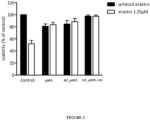
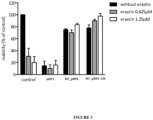
- the toxicity and the protective ability of the three platelet lysates were evaluated on the dopaminergic cell line called Luhmes (after 6 days of differentiation).
- LUHMES were differentiated for 6 days and the different PL were added (at 5% v/v) into the medium 1h before treatment with erastin.
- the flow-cytometer used for the experiments is the CyAn TM model with a 488 nm laser (Beckman Coulter).
- pH test strips from Macherey-Nagel were used (pH Fix 6.0-10.0, reference 921 22).
- the fibrinogen concentration was measured in different platelet concentrates (pHPL, HT_pHPL and HT_pHPL-GB) by an ELISA (R&D Systems). For each platelet concentrates, measurements were made in duplicate. Concentrations are expressed in ng/mL.
- Results are expressed as the mean ⁇ standard error of the mean (SEM). Statistical analyses were performed using one- way ANOVA after checking for the normal distribution of the data. Non-parametric texts of Wilcoxon and Kruskal-Wallis were performed in case of non-normal distribution. A p value of ⁇ 0.05 was considered statistically significant.
- the obtained heat-treated pooled human platelet lysate may be considered as free of fibrinogen.
- the heat-treated pooled human platelet lysate is intended to be used for brain administration, this characteristic is particularly advantageous because the cerebrospinal fluid contains less than 1mg/mL of proteins.
- the fibrinogen concentration in the pHPL the better is the prevention of protein overload.
- HT_pHPL-GB The pH decrease in HT_pHPL-GB could be due to CaCl 2 used in the protocol.
- HT_pHPL and HT_pHPL-GB according to the invention protect the cells from death by ferroptosis. This result was validated with two different assays.
- HT_pHPL and HT_pHPL-GB are very good preparations that protect dopaminergic cells from death induced by a potent neurotoxin and without inducing morphologic modification.
- the heat-treated pHPL is intended to be used in biotherapy, especially through brain administration.
- the fact that the heat-treated pHPL is free of fibrinogen as well as proteolytic enzymes demonstrates the potential of the heat-treated pHPL for this purpose.
- mice enrolled were FVB-Tg(Sod1 ⁇ G86R)M1Jwg/J mice from JAX laboratories. Animals were group-housed (10 per cage) in a temperature-controlled room (22 ⁇ 2°C) with a 12/12-hour light/dark cycle. Food and water were feed ad-libitum. After reception, the animals had a 7-day habituation period with no handling. Breeding was realized (since 2013 may) in SOPF facility and genotyping is perfomed by qPCR (from tail biopsy). Animal are identified with earrings.
- mice were handled and weighted at the age of 60 days. Canula implantation in intra cerebro-ventricular (ICV) by stereotaxie start at this date and mice are acclimated during 1 week.
- ICV intra cerebro-ventricular
- the Riluzole drug was mixed in a defined diet and formulated in pellets. Riluzole was administrated per os. ( Gurney and al, Neurology, 1998 ). Then they were evaluated, twice a week (i.e. body weight and neuroscore), from the age of 67 days to their death.
- HT_pHPL treatment had no effect in WT males.
- a body weight decrease is observed at Day 88 in Tg mice treated by HT_pHPL, said treatment also induces an important delay in the pre-mortem body weight in males from Day 124.
- Riluzole drug have an effect in the death initiate in Tg Males (from Day 91 to Day 102) but have no effect in survival duration.
- HT_pHPL treatment delayed the onset of the death to 14 days (Day 91 at Day 105) and extended survival duration up to 48 days for Tg males (Day 123 to Day 171).
Landscapes
- Health & Medical Sciences (AREA)
- Engineering & Computer Science (AREA)
- Life Sciences & Earth Sciences (AREA)
- Biomedical Technology (AREA)
- Chemical & Material Sciences (AREA)
- Hematology (AREA)
- General Health & Medical Sciences (AREA)
- Bioinformatics & Cheminformatics (AREA)
- Animal Behavior & Ethology (AREA)
- Pharmacology & Pharmacy (AREA)
- Biotechnology (AREA)
- Medicinal Chemistry (AREA)
- Zoology (AREA)
- Public Health (AREA)
- Veterinary Medicine (AREA)
- Organic Chemistry (AREA)
- Neurosurgery (AREA)
- Neurology (AREA)
- Immunology (AREA)
- Cell Biology (AREA)
- Epidemiology (AREA)
- Wood Science & Technology (AREA)
- Genetics & Genomics (AREA)
- Virology (AREA)
- Developmental Biology & Embryology (AREA)
- Orthopedic Medicine & Surgery (AREA)
- General Chemical & Material Sciences (AREA)
- Psychology (AREA)
- Psychiatry (AREA)
- Chemical Kinetics & Catalysis (AREA)
- Nuclear Medicine, Radiotherapy & Molecular Imaging (AREA)
- Microbiology (AREA)
- Hospice & Palliative Care (AREA)
- Biochemistry (AREA)
- General Engineering & Computer Science (AREA)
- Medicines Containing Material From Animals Or Micro-Organisms (AREA)
- Pharmaceuticals Containing Other Organic And Inorganic Compounds (AREA)
- Investigating Or Analysing Biological Materials (AREA)
- Nitrogen And Oxygen Or Sulfur-Condensed Heterocyclic Ring Systems (AREA)
Applications Claiming Priority (2)
| Application Number | Priority Date | Filing Date | Title |
|---|---|---|---|
| EP17305739 | 2017-06-16 | ||
| PCT/EP2018/066020 WO2018229278A1 (en) | 2017-06-16 | 2018-06-15 | Process for preparing a pooled human platelet lysate, pooled human platelet lysate and its use for treating neurological disorders |
Publications (3)
| Publication Number | Publication Date |
|---|---|
| EP3638263A1 EP3638263A1 (en) | 2020-04-22 |
| EP3638263C0 EP3638263C0 (en) | 2023-08-23 |
| EP3638263B1 true EP3638263B1 (en) | 2023-08-23 |
Family
ID=59269973
Family Applications (1)
| Application Number | Title | Priority Date | Filing Date |
|---|---|---|---|
| EP18732057.7A Active EP3638263B1 (en) | 2017-06-16 | 2018-06-15 | Process for preparing a pooled human platelet lysat and its use for treating neurological disorders |
Country Status (10)
| Country | Link |
|---|---|
| US (1) | US11744863B2 (enExample) |
| EP (1) | EP3638263B1 (enExample) |
| JP (1) | JP7370870B2 (enExample) |
| CN (1) | CN110891582A (enExample) |
| AU (1) | AU2018284011B2 (enExample) |
| BR (1) | BR112019026846A2 (enExample) |
| CA (1) | CA3067294A1 (enExample) |
| ES (1) | ES2955282T3 (enExample) |
| IL (1) | IL271436B2 (enExample) |
| WO (1) | WO2018229278A1 (enExample) |
Families Citing this family (7)
| Publication number | Priority date | Publication date | Assignee | Title |
|---|---|---|---|---|
| TWI744300B (zh) * | 2016-03-23 | 2021-11-01 | 里爾中央醫學中心 | 改良性熱處理的血小板顆粒裂解液在製備用於治療神經系統疾病的組合物的用途 |
| EP3920944A4 (en) * | 2019-02-07 | 2023-03-29 | Biobridge Global | METHODS AND COMPOSITIONS RELATED TO PLATELET RELEASTAT AND PLATELET-RICH FIBRIN |
| EP3881858A1 (en) * | 2020-03-20 | 2021-09-22 | Rok Pangersic | Heat-treated platelet-derived growth factor extract for use in a method of preventing or treating a tissue defect |
| WO2023103744A1 (zh) * | 2021-12-07 | 2023-06-15 | 无限发展有限公司 | 血小板内生长因子的提取方法 |
| EP4276173A1 (en) | 2022-05-10 | 2023-11-15 | Stemmatters, Biotecnologia e Medicina Regenerativa, S.A. | Stable human platelet lysate composition, methods and uses thereof |
| AU2022489599A1 (en) * | 2022-12-02 | 2025-07-17 | Nuwacell Biotechnologies Co., Ltd. | Culture medium, coating matrix and method for maturing midbrain dopaminergic progenitor cells |
| TWI909123B (zh) | 2022-12-30 | 2025-12-21 | 思必瑞特生技股份有限公司 | 含血小板之組合物及其製備方法 |
Family Cites Families (10)
| Publication number | Priority date | Publication date | Assignee | Title |
|---|---|---|---|---|
| ES2006632A6 (es) | 1987-04-21 | 1989-05-01 | Green Cross Corp | Procedimiento de tratamiento termico de fibrinogeno. |
| GB0512401D0 (en) * | 2005-06-17 | 2005-07-27 | Randox Lab Ltd | Method |
| WO2008034803A1 (en) * | 2006-09-18 | 2008-03-27 | Medizinische Universität Graz | Plasma-free platelet lysate for use as a supplement in cell cultures and for the preparation of cell therapeutics |
| EP2077118A1 (en) * | 2008-01-07 | 2009-07-08 | Gwo Rei Biomedical Technology Corp. | Clottable concentrate of platelet growth factors and preparation method thereof |
| ES2402144T3 (es) * | 2010-05-25 | 2013-04-29 | Gwowei Technology Co., Ltd. | Lisado plaquetario inactivado que contiene factores de crecimiento empobrecido en PDGF y VEGF y su procedimiento de preparación |
| IL210162A0 (en) | 2010-12-21 | 2011-03-31 | Omrix Biopharmaceuticals | Viral inactivated platelet extract, use and preparation thereof |
| CA2840568C (en) | 2011-06-27 | 2021-05-04 | Emory University | Compositions, uses, and preparation of platelet lysates |
| US20140176602A1 (en) | 2011-08-18 | 2014-06-26 | Nec Corporation | Information processing system, information processing method, information processing apparatus, and control method and control program thereof |
| AU2013365623B2 (en) * | 2012-12-20 | 2017-08-24 | Omrix Biopharmaceuticals Ltd. | Viral inactivated biological mixture |
| WO2015031465A1 (en) | 2013-08-27 | 2015-03-05 | Cook General Biotechnology Llc | Bioactive compositions derivable from platelet concentrates, and methods for preparing and using same |
-
2018
- 2018-06-15 IL IL271436A patent/IL271436B2/en unknown
- 2018-06-15 EP EP18732057.7A patent/EP3638263B1/en active Active
- 2018-06-15 US US16/622,446 patent/US11744863B2/en active Active
- 2018-06-15 WO PCT/EP2018/066020 patent/WO2018229278A1/en not_active Ceased
- 2018-06-15 CA CA3067294A patent/CA3067294A1/en active Pending
- 2018-06-15 CN CN201880047062.4A patent/CN110891582A/zh active Pending
- 2018-06-15 ES ES18732057T patent/ES2955282T3/es active Active
- 2018-06-15 AU AU2018284011A patent/AU2018284011B2/en active Active
- 2018-06-15 BR BR112019026846-4A patent/BR112019026846A2/pt active Search and Examination
- 2018-06-15 JP JP2019569741A patent/JP7370870B2/ja active Active
Also Published As
| Publication number | Publication date |
|---|---|
| US11744863B2 (en) | 2023-09-05 |
| US20200113942A1 (en) | 2020-04-16 |
| EP3638263A1 (en) | 2020-04-22 |
| ES2955282T3 (es) | 2023-11-29 |
| EP3638263C0 (en) | 2023-08-23 |
| RU2020101295A3 (enExample) | 2022-02-24 |
| BR112019026846A2 (pt) | 2020-06-30 |
| CN110891582A (zh) | 2020-03-17 |
| AU2018284011B2 (en) | 2024-05-30 |
| IL271436B2 (en) | 2024-02-01 |
| JP2020523398A (ja) | 2020-08-06 |
| IL271436B1 (en) | 2023-10-01 |
| AU2018284011A1 (en) | 2020-01-16 |
| IL271436A (en) | 2020-01-30 |
| WO2018229278A1 (en) | 2018-12-20 |
| RU2020101295A (ru) | 2021-07-16 |
| JP7370870B2 (ja) | 2023-10-30 |
| CA3067294A1 (en) | 2018-12-20 |
Similar Documents
| Publication | Publication Date | Title |
|---|---|---|
| EP3638263B1 (en) | Process for preparing a pooled human platelet lysat and its use for treating neurological disorders | |
| KR102805434B1 (ko) | 성장 인자들 함유 혈소판 방출물을 제조하는 방법 | |
| AU2017238476B2 (en) | Preparation of platelet pellet lysate and its use for treating neurological disorders | |
| US20230135837A1 (en) | Process for preparing a platelet lysate fraction, platelet lysate fraction and its use for treating disorders of the central nervous system | |
| US20170252372A1 (en) | Viral inactivated biological mixture | |
| RU2802440C2 (ru) | Способ получения объединенного лизата тромбоцитов человека, объединенный лизат тромбоцитов человека и его применение для лечения неврологических нарушений | |
| Nandikolmath et al. | Preparation of bio-bandage from human platelet lysate admixed with sericin polymer for efficient wound healing | |
| Jinbo et al. | Olfactory ensheathing cell-conditioned medium protects astrocytes exposed to hydrogen peroxide stress | |
| Goczyńska et al. | Innovative applications of platelet derivatives in light of information presented during the 2022 virtual congress of the International Society of Blood Transfusion (ISBT); selected issues | |
| HK1195486A (en) | Viral inactivated platelet extract, use and preparation thereof |
Legal Events
| Date | Code | Title | Description |
|---|---|---|---|
| STAA | Information on the status of an ep patent application or granted ep patent |
Free format text: STATUS: UNKNOWN |
|
| STAA | Information on the status of an ep patent application or granted ep patent |
Free format text: STATUS: THE INTERNATIONAL PUBLICATION HAS BEEN MADE |
|
| PUAI | Public reference made under article 153(3) epc to a published international application that has entered the european phase |
Free format text: ORIGINAL CODE: 0009012 |
|
| STAA | Information on the status of an ep patent application or granted ep patent |
Free format text: STATUS: REQUEST FOR EXAMINATION WAS MADE |
|
| 17P | Request for examination filed |
Effective date: 20200116 |
|
| AK | Designated contracting states |
Kind code of ref document: A1 Designated state(s): AL AT BE BG CH CY CZ DE DK EE ES FI FR GB GR HR HU IE IS IT LI LT LU LV MC MK MT NL NO PL PT RO RS SE SI SK SM TR |
|
| AX | Request for extension of the european patent |
Extension state: BA ME |
|
| DAV | Request for validation of the european patent (deleted) | ||
| DAX | Request for extension of the european patent (deleted) | ||
| STAA | Information on the status of an ep patent application or granted ep patent |
Free format text: STATUS: EXAMINATION IS IN PROGRESS |
|
| 17Q | First examination report despatched |
Effective date: 20221206 |
|
| GRAP | Despatch of communication of intention to grant a patent |
Free format text: ORIGINAL CODE: EPIDOSNIGR1 |
|
| STAA | Information on the status of an ep patent application or granted ep patent |
Free format text: STATUS: GRANT OF PATENT IS INTENDED |
|
| RIC1 | Information provided on ipc code assigned before grant |
Ipc: A61P 25/16 20060101ALI20230406BHEP Ipc: A61P 25/28 20060101ALI20230406BHEP Ipc: A61K 35/19 20150101AFI20230406BHEP |
|
| INTG | Intention to grant announced |
Effective date: 20230503 |
|
| GRAS | Grant fee paid |
Free format text: ORIGINAL CODE: EPIDOSNIGR3 |
|
| GRAA | (expected) grant |
Free format text: ORIGINAL CODE: 0009210 |
|
| STAA | Information on the status of an ep patent application or granted ep patent |
Free format text: STATUS: THE PATENT HAS BEEN GRANTED |
|
| AK | Designated contracting states |
Kind code of ref document: B1 Designated state(s): AL AT BE BG CH CY CZ DE DK EE ES FI FR GB GR HR HU IE IS IT LI LT LU LV MC MK MT NL NO PL PT RO RS SE SI SK SM TR |
|
| REG | Reference to a national code |
Ref country code: GB Ref legal event code: FG4D |
|
| REG | Reference to a national code |
Ref country code: CH Ref legal event code: EP |
|
| REG | Reference to a national code |
Ref country code: DE Ref legal event code: R096 Ref document number: 602018055916 Country of ref document: DE |
|
| REG | Reference to a national code |
Ref country code: IE Ref legal event code: FG4D |
|
| U01 | Request for unitary effect filed |
Effective date: 20230918 |
|
| REG | Reference to a national code |
Ref country code: ES Ref legal event code: FG2A Ref document number: 2955282 Country of ref document: ES Kind code of ref document: T3 Effective date: 20231129 |
|
| U07 | Unitary effect registered |
Designated state(s): AT BE BG DE DK EE FI FR IT LT LU LV MT NL PT SE SI Effective date: 20231026 |
|
| PG25 | Lapsed in a contracting state [announced via postgrant information from national office to epo] |
Ref country code: IS Free format text: LAPSE BECAUSE OF FAILURE TO SUBMIT A TRANSLATION OF THE DESCRIPTION OR TO PAY THE FEE WITHIN THE PRESCRIBED TIME-LIMIT Effective date: 20231223 |
|
| PG25 | Lapsed in a contracting state [announced via postgrant information from national office to epo] |
Ref country code: RS Free format text: LAPSE BECAUSE OF FAILURE TO SUBMIT A TRANSLATION OF THE DESCRIPTION OR TO PAY THE FEE WITHIN THE PRESCRIBED TIME-LIMIT Effective date: 20230823 Ref country code: NO Free format text: LAPSE BECAUSE OF FAILURE TO SUBMIT A TRANSLATION OF THE DESCRIPTION OR TO PAY THE FEE WITHIN THE PRESCRIBED TIME-LIMIT Effective date: 20231123 Ref country code: IS Free format text: LAPSE BECAUSE OF FAILURE TO SUBMIT A TRANSLATION OF THE DESCRIPTION OR TO PAY THE FEE WITHIN THE PRESCRIBED TIME-LIMIT Effective date: 20231223 Ref country code: HR Free format text: LAPSE BECAUSE OF FAILURE TO SUBMIT A TRANSLATION OF THE DESCRIPTION OR TO PAY THE FEE WITHIN THE PRESCRIBED TIME-LIMIT Effective date: 20230823 |
|
| PG25 | Lapsed in a contracting state [announced via postgrant information from national office to epo] |
Ref country code: PL Free format text: LAPSE BECAUSE OF FAILURE TO SUBMIT A TRANSLATION OF THE DESCRIPTION OR TO PAY THE FEE WITHIN THE PRESCRIBED TIME-LIMIT Effective date: 20230823 |
|
| PG25 | Lapsed in a contracting state [announced via postgrant information from national office to epo] |
Ref country code: SM Free format text: LAPSE BECAUSE OF FAILURE TO SUBMIT A TRANSLATION OF THE DESCRIPTION OR TO PAY THE FEE WITHIN THE PRESCRIBED TIME-LIMIT Effective date: 20230823 Ref country code: RO Free format text: LAPSE BECAUSE OF FAILURE TO SUBMIT A TRANSLATION OF THE DESCRIPTION OR TO PAY THE FEE WITHIN THE PRESCRIBED TIME-LIMIT Effective date: 20230823 Ref country code: CZ Free format text: LAPSE BECAUSE OF FAILURE TO SUBMIT A TRANSLATION OF THE DESCRIPTION OR TO PAY THE FEE WITHIN THE PRESCRIBED TIME-LIMIT Effective date: 20230823 Ref country code: SK Free format text: LAPSE BECAUSE OF FAILURE TO SUBMIT A TRANSLATION OF THE DESCRIPTION OR TO PAY THE FEE WITHIN THE PRESCRIBED TIME-LIMIT Effective date: 20230823 |
|
| U20 | Renewal fee for the european patent with unitary effect paid |
Year of fee payment: 7 Effective date: 20240416 |
|
| REG | Reference to a national code |
Ref country code: DE Ref legal event code: R097 Ref document number: 602018055916 Country of ref document: DE |
|
| PLBE | No opposition filed within time limit |
Free format text: ORIGINAL CODE: 0009261 |
|
| STAA | Information on the status of an ep patent application or granted ep patent |
Free format text: STATUS: NO OPPOSITION FILED WITHIN TIME LIMIT |
|
| 26N | No opposition filed |
Effective date: 20240524 |
|
| PG25 | Lapsed in a contracting state [announced via postgrant information from national office to epo] |
Ref country code: MC Free format text: LAPSE BECAUSE OF FAILURE TO SUBMIT A TRANSLATION OF THE DESCRIPTION OR TO PAY THE FEE WITHIN THE PRESCRIBED TIME-LIMIT Effective date: 20230823 |
|
| REG | Reference to a national code |
Ref country code: CH Ref legal event code: PL |
|
| PG25 | Lapsed in a contracting state [announced via postgrant information from national office to epo] |
Ref country code: IE Free format text: LAPSE BECAUSE OF NON-PAYMENT OF DUE FEES Effective date: 20240615 |
|
| PG25 | Lapsed in a contracting state [announced via postgrant information from national office to epo] |
Ref country code: CH Free format text: LAPSE BECAUSE OF NON-PAYMENT OF DUE FEES Effective date: 20240630 |
|
| U20 | Renewal fee for the european patent with unitary effect paid |
Year of fee payment: 8 Effective date: 20250415 |
|
| PGFP | Annual fee paid to national office [announced via postgrant information from national office to epo] |
Ref country code: GB Payment date: 20250625 Year of fee payment: 8 |
|
| PGFP | Annual fee paid to national office [announced via postgrant information from national office to epo] |
Ref country code: ES Payment date: 20250710 Year of fee payment: 8 |
|
| PG25 | Lapsed in a contracting state [announced via postgrant information from national office to epo] |
Ref country code: CY Free format text: LAPSE BECAUSE OF FAILURE TO SUBMIT A TRANSLATION OF THE DESCRIPTION OR TO PAY THE FEE WITHIN THE PRESCRIBED TIME-LIMIT; INVALID AB INITIO Effective date: 20180615 |
|
| PG25 | Lapsed in a contracting state [announced via postgrant information from national office to epo] |
Ref country code: HU Free format text: LAPSE BECAUSE OF FAILURE TO SUBMIT A TRANSLATION OF THE DESCRIPTION OR TO PAY THE FEE WITHIN THE PRESCRIBED TIME-LIMIT; INVALID AB INITIO Effective date: 20180615 |