EP3626242B1 - Itraconazole analogs as inhibitors of fibrosis - Google Patents
Itraconazole analogs as inhibitors of fibrosis Download PDFInfo
- Publication number
- EP3626242B1 EP3626242B1 EP19191562.8A EP19191562A EP3626242B1 EP 3626242 B1 EP3626242 B1 EP 3626242B1 EP 19191562 A EP19191562 A EP 19191562A EP 3626242 B1 EP3626242 B1 EP 3626242B1
- Authority
- EP
- European Patent Office
- Prior art keywords
- compound
- alkyl
- aryl
- heteroaryl
- pharmaceutically acceptable
- Prior art date
- Legal status (The legal status is an assumption and is not a legal conclusion. Google has not performed a legal analysis and makes no representation as to the accuracy of the status listed.)
- Active
Links
Images





Classifications
-
- A—HUMAN NECESSITIES
- A01—AGRICULTURE; FORESTRY; ANIMAL HUSBANDRY; HUNTING; TRAPPING; FISHING
- A01N—PRESERVATION OF BODIES OF HUMANS OR ANIMALS OR PLANTS OR PARTS THEREOF; BIOCIDES, e.g. AS DISINFECTANTS, AS PESTICIDES OR AS HERBICIDES; PEST REPELLANTS OR ATTRACTANTS; PLANT GROWTH REGULATORS
- A01N43/00—Biocides, pest repellants or attractants, or plant growth regulators containing heterocyclic compounds
- A01N43/34—Biocides, pest repellants or attractants, or plant growth regulators containing heterocyclic compounds having rings with one nitrogen atom as the only ring hetero atom
- A01N43/40—Biocides, pest repellants or attractants, or plant growth regulators containing heterocyclic compounds having rings with one nitrogen atom as the only ring hetero atom six-membered rings
-
- A—HUMAN NECESSITIES
- A61—MEDICAL OR VETERINARY SCIENCE; HYGIENE
- A61K—PREPARATIONS FOR MEDICAL, DENTAL OR TOILETRY PURPOSES
- A61K31/00—Medicinal preparations containing organic active ingredients
-
- A—HUMAN NECESSITIES
- A61—MEDICAL OR VETERINARY SCIENCE; HYGIENE
- A61K—PREPARATIONS FOR MEDICAL, DENTAL OR TOILETRY PURPOSES
- A61K31/00—Medicinal preparations containing organic active ingredients
- A61K31/33—Heterocyclic compounds
- A61K31/395—Heterocyclic compounds having nitrogen as a ring hetero atom, e.g. guanethidine or rifamycins
- A61K31/495—Heterocyclic compounds having nitrogen as a ring hetero atom, e.g. guanethidine or rifamycins having six-membered rings with two or more nitrogen atoms as the only ring heteroatoms, e.g. piperazine or tetrazines
- A61K31/496—Non-condensed piperazines containing further heterocyclic rings, e.g. rifampin, thiothixene or sparfloxacin
-
- A—HUMAN NECESSITIES
- A61—MEDICAL OR VETERINARY SCIENCE; HYGIENE
- A61K—PREPARATIONS FOR MEDICAL, DENTAL OR TOILETRY PURPOSES
- A61K31/00—Medicinal preparations containing organic active ingredients
- A61K31/33—Heterocyclic compounds
- A61K31/395—Heterocyclic compounds having nitrogen as a ring hetero atom, e.g. guanethidine or rifamycins
- A61K31/495—Heterocyclic compounds having nitrogen as a ring hetero atom, e.g. guanethidine or rifamycins having six-membered rings with two or more nitrogen atoms as the only ring heteroatoms, e.g. piperazine or tetrazines
- A61K31/4965—Non-condensed pyrazines
- A61K31/497—Non-condensed pyrazines containing further heterocyclic rings
-
- A—HUMAN NECESSITIES
- A61—MEDICAL OR VETERINARY SCIENCE; HYGIENE
- A61K—PREPARATIONS FOR MEDICAL, DENTAL OR TOILETRY PURPOSES
- A61K31/00—Medicinal preparations containing organic active ingredients
- A61K31/33—Heterocyclic compounds
- A61K31/395—Heterocyclic compounds having nitrogen as a ring hetero atom, e.g. guanethidine or rifamycins
- A61K31/495—Heterocyclic compounds having nitrogen as a ring hetero atom, e.g. guanethidine or rifamycins having six-membered rings with two or more nitrogen atoms as the only ring heteroatoms, e.g. piperazine or tetrazines
- A61K31/498—Pyrazines or piperazines ortho- and peri-condensed with carbocyclic ring systems, e.g. quinoxaline, phenazine
-
- A—HUMAN NECESSITIES
- A61—MEDICAL OR VETERINARY SCIENCE; HYGIENE
- A61K—PREPARATIONS FOR MEDICAL, DENTAL OR TOILETRY PURPOSES
- A61K31/00—Medicinal preparations containing organic active ingredients
- A61K31/33—Heterocyclic compounds
- A61K31/395—Heterocyclic compounds having nitrogen as a ring hetero atom, e.g. guanethidine or rifamycins
- A61K31/495—Heterocyclic compounds having nitrogen as a ring hetero atom, e.g. guanethidine or rifamycins having six-membered rings with two or more nitrogen atoms as the only ring heteroatoms, e.g. piperazine or tetrazines
- A61K31/50—Pyridazines; Hydrogenated pyridazines
- A61K31/501—Pyridazines; Hydrogenated pyridazines not condensed and containing further heterocyclic rings
-
- A—HUMAN NECESSITIES
- A61—MEDICAL OR VETERINARY SCIENCE; HYGIENE
- A61K—PREPARATIONS FOR MEDICAL, DENTAL OR TOILETRY PURPOSES
- A61K31/00—Medicinal preparations containing organic active ingredients
- A61K31/33—Heterocyclic compounds
- A61K31/395—Heterocyclic compounds having nitrogen as a ring hetero atom, e.g. guanethidine or rifamycins
- A61K31/495—Heterocyclic compounds having nitrogen as a ring hetero atom, e.g. guanethidine or rifamycins having six-membered rings with two or more nitrogen atoms as the only ring heteroatoms, e.g. piperazine or tetrazines
- A61K31/505—Pyrimidines; Hydrogenated pyrimidines, e.g. trimethoprim
- A61K31/506—Pyrimidines; Hydrogenated pyrimidines, e.g. trimethoprim not condensed and containing further heterocyclic rings
-
- A—HUMAN NECESSITIES
- A61—MEDICAL OR VETERINARY SCIENCE; HYGIENE
- A61K—PREPARATIONS FOR MEDICAL, DENTAL OR TOILETRY PURPOSES
- A61K31/00—Medicinal preparations containing organic active ingredients
- A61K31/33—Heterocyclic compounds
- A61K31/395—Heterocyclic compounds having nitrogen as a ring hetero atom, e.g. guanethidine or rifamycins
- A61K31/535—Heterocyclic compounds having nitrogen as a ring hetero atom, e.g. guanethidine or rifamycins having six-membered rings with at least one nitrogen and one oxygen as the ring hetero atoms, e.g. 1,2-oxazines
- A61K31/5375—1,4-Oxazines, e.g. morpholine
- A61K31/5377—1,4-Oxazines, e.g. morpholine not condensed and containing further heterocyclic rings, e.g. timolol
-
- A—HUMAN NECESSITIES
- A61—MEDICAL OR VETERINARY SCIENCE; HYGIENE
- A61P—SPECIFIC THERAPEUTIC ACTIVITY OF CHEMICAL COMPOUNDS OR MEDICINAL PREPARATIONS
- A61P1/00—Drugs for disorders of the alimentary tract or the digestive system
- A61P1/04—Drugs for disorders of the alimentary tract or the digestive system for ulcers, gastritis or reflux esophagitis, e.g. antacids, inhibitors of acid secretion, mucosal protectants
-
- A—HUMAN NECESSITIES
- A61—MEDICAL OR VETERINARY SCIENCE; HYGIENE
- A61P—SPECIFIC THERAPEUTIC ACTIVITY OF CHEMICAL COMPOUNDS OR MEDICINAL PREPARATIONS
- A61P1/00—Drugs for disorders of the alimentary tract or the digestive system
- A61P1/16—Drugs for disorders of the alimentary tract or the digestive system for liver or gallbladder disorders, e.g. hepatoprotective agents, cholagogues, litholytics
-
- A—HUMAN NECESSITIES
- A61—MEDICAL OR VETERINARY SCIENCE; HYGIENE
- A61P—SPECIFIC THERAPEUTIC ACTIVITY OF CHEMICAL COMPOUNDS OR MEDICINAL PREPARATIONS
- A61P11/00—Drugs for disorders of the respiratory system
-
- A—HUMAN NECESSITIES
- A61—MEDICAL OR VETERINARY SCIENCE; HYGIENE
- A61P—SPECIFIC THERAPEUTIC ACTIVITY OF CHEMICAL COMPOUNDS OR MEDICINAL PREPARATIONS
- A61P13/00—Drugs for disorders of the urinary system
- A61P13/12—Drugs for disorders of the urinary system of the kidneys
-
- A—HUMAN NECESSITIES
- A61—MEDICAL OR VETERINARY SCIENCE; HYGIENE
- A61P—SPECIFIC THERAPEUTIC ACTIVITY OF CHEMICAL COMPOUNDS OR MEDICINAL PREPARATIONS
- A61P17/00—Drugs for dermatological disorders
-
- A—HUMAN NECESSITIES
- A61—MEDICAL OR VETERINARY SCIENCE; HYGIENE
- A61P—SPECIFIC THERAPEUTIC ACTIVITY OF CHEMICAL COMPOUNDS OR MEDICINAL PREPARATIONS
- A61P17/00—Drugs for dermatological disorders
- A61P17/02—Drugs for dermatological disorders for treating wounds, ulcers, burns, scars, keloids, or the like
-
- A—HUMAN NECESSITIES
- A61—MEDICAL OR VETERINARY SCIENCE; HYGIENE
- A61P—SPECIFIC THERAPEUTIC ACTIVITY OF CHEMICAL COMPOUNDS OR MEDICINAL PREPARATIONS
- A61P19/00—Drugs for skeletal disorders
- A61P19/02—Drugs for skeletal disorders for joint disorders, e.g. arthritis, arthrosis
-
- A—HUMAN NECESSITIES
- A61—MEDICAL OR VETERINARY SCIENCE; HYGIENE
- A61P—SPECIFIC THERAPEUTIC ACTIVITY OF CHEMICAL COMPOUNDS OR MEDICINAL PREPARATIONS
- A61P29/00—Non-central analgesic, antipyretic or antiinflammatory agents, e.g. antirheumatic agents; Non-steroidal antiinflammatory drugs [NSAID]
-
- A—HUMAN NECESSITIES
- A61—MEDICAL OR VETERINARY SCIENCE; HYGIENE
- A61P—SPECIFIC THERAPEUTIC ACTIVITY OF CHEMICAL COMPOUNDS OR MEDICINAL PREPARATIONS
- A61P37/00—Drugs for immunological or allergic disorders
- A61P37/02—Immunomodulators
-
- A—HUMAN NECESSITIES
- A61—MEDICAL OR VETERINARY SCIENCE; HYGIENE
- A61P—SPECIFIC THERAPEUTIC ACTIVITY OF CHEMICAL COMPOUNDS OR MEDICINAL PREPARATIONS
- A61P37/00—Drugs for immunological or allergic disorders
- A61P37/02—Immunomodulators
- A61P37/06—Immunosuppressants, e.g. drugs for graft rejection
-
- A—HUMAN NECESSITIES
- A61—MEDICAL OR VETERINARY SCIENCE; HYGIENE
- A61P—SPECIFIC THERAPEUTIC ACTIVITY OF CHEMICAL COMPOUNDS OR MEDICINAL PREPARATIONS
- A61P43/00—Drugs for specific purposes, not provided for in groups A61P1/00-A61P41/00
-
- A—HUMAN NECESSITIES
- A61—MEDICAL OR VETERINARY SCIENCE; HYGIENE
- A61P—SPECIFIC THERAPEUTIC ACTIVITY OF CHEMICAL COMPOUNDS OR MEDICINAL PREPARATIONS
- A61P9/00—Drugs for disorders of the cardiovascular system
-
- C—CHEMISTRY; METALLURGY
- C07—ORGANIC CHEMISTRY
- C07D—HETEROCYCLIC COMPOUNDS
- C07D405/00—Heterocyclic compounds containing both one or more hetero rings having oxygen atoms as the only ring hetero atoms, and one or more rings having nitrogen as the only ring hetero atom
- C07D405/14—Heterocyclic compounds containing both one or more hetero rings having oxygen atoms as the only ring hetero atoms, and one or more rings having nitrogen as the only ring hetero atom containing three or more hetero rings
-
- C—CHEMISTRY; METALLURGY
- C07—ORGANIC CHEMISTRY
- C07D—HETEROCYCLIC COMPOUNDS
- C07D413/00—Heterocyclic compounds containing two or more hetero rings, at least one ring having nitrogen and oxygen atoms as the only ring hetero atoms
- C07D413/14—Heterocyclic compounds containing two or more hetero rings, at least one ring having nitrogen and oxygen atoms as the only ring hetero atoms containing three or more hetero rings
-
- C—CHEMISTRY; METALLURGY
- C07—ORGANIC CHEMISTRY
- C07D—HETEROCYCLIC COMPOUNDS
- C07D417/00—Heterocyclic compounds containing two or more hetero rings, at least one ring having nitrogen and sulfur atoms as the only ring hetero atoms, not provided for by group C07D415/00
- C07D417/14—Heterocyclic compounds containing two or more hetero rings, at least one ring having nitrogen and sulfur atoms as the only ring hetero atoms, not provided for by group C07D415/00 containing three or more hetero rings
Definitions
- Fibrosis generally defined as the production of excessive amounts of connective tissue, develops as a consequence of diverse underlying diseases. Chronic inflammation or tissue damage/remodeling are typical fibrosis inducing events. Specific disease examples include idiopathic pulmonary fibrosis (IPF), liver fibrosis associated with the later stages of alcoholic and nonalcoholic liver cirrhosis, kidney fibrosis, cardiac fibrosis, and keloid formation resulting from abnormal wound healing [ Wynn, T. A. (2004) Nature Reviews Immunology. 4: 583-594 ; Friedman, S.L. (2013) Science Translation Medicine. 5(167):1-17 ].
- IPF idiopathic pulmonary fibrosis
- fibrosis is a key pathological feature associated with chronic autoimmune diseases, including rheumatoid arthritis, Crohn's disease, systemic lupus erythematosus, and scleroderma.
- Diseases representing a dire unmet medical need include idiopathic pulmonary fibrosis (IPF), scleroderma and nonalcoholic steatohepatitis (NASH) related liver fibrosis.
- IPF idiopathic pulmonary fibrosis
- NASH nonalcoholic steatohepatitis
- Pulm. Pharmacol. Ther. 2011, 24, 81-91 proposes pentoxifylline as a complementary treatment in pulmonary paracoccidioidomycosis due to its immunomodulatory and anti-fibrotic properties demonstrated in vitro and in vivo in liver, skin and lung.
- Scleroderma is a rare chronic autoimmune disease characterized by the replacement of normal tissue with dense, thick fibrous tissue. While the exact underlying cause of scleroderma is unknown, the disease generally involves immune cell mediated activation of dermal myofibroblasts leading to the deposition of excessive amounts of extracellular matrix proteins (e.g., type I collagen) that causes a thickening of the skin and in some cases the hardening and eventual failure of multiple organs. At present, there is no cure for scleroderma. Treatment is limited to attempts to manage symptoms and typically requires a combination of approaches. While scleroderma localized to the skin is typically not life threatening, systemic scleroderma affecting multiple internal organs can be a life-threatening disease.
- extracellular matrix proteins e.g., type I collagen
- the present invention provides a compound of Formula (I), or a pharmaceutically acceptable salt, solvate, polymorph, N-oxide, or stereoisomer thereof: for use in treating liver fibrosis, wherein:
- a 1 is
- a 2 is
- C is and R' is alkyl, haloalkyl, hydroxyalkyl, alkoxyalkyl, -alkylene(NR 13 R 14 ), cycloalkyl, heterocyclyl, -alkylene(cycloalkyl), or -alkylene(heterocyclyl).
- C is and R 7 is alkyl, haloalkyl, hydroxyalkyl, alkoxyalkyl, -alkylene(NR 13 R 14 ), cycloalkyl, heterocyclyl, -alkylene(cycloalkyl), or -alkylene(heterocyclyl).
- E is alkyl
- E is cycloalkyl
- E is cyclopropyl, cyclobutyl, cyclopentyl, or cyclohexyl.
- E is heterocyclyl
- E is aryl
- E is and u is 0, 1, 2, 3, 4, or 5.
- E is heteroaryl
- E is selected from:
- D is aryl
- E is heteroaryl
- D is selected from:
- D is In certain embodiments described above or below of a compound of Formula (I), D is In certain embodiments described above or below of a compound of Formula (I), D is In certain embodiments described above or below of a compound of Formula (I), D is
- m is 1.
- p is 1, 2, or 3.
- p is 1.
- R 1 , R 2 , R 3 , and R 4 are hydrogen.
- a compound of Formula (I) as defined by the claims for use in a method to treat liver fibrosis using a compound of Formula (I) as defined by the claims wherein the liver fibrosis is associated with the later stages of alcoholic or nonalcoholic liver cirrhosis.
- a compound of Formula (I) as defined by the claims for use in a method to treat liver fibrosis, the method comprising administering a composition comprising a therapeutically effective amount of the compound of Formula (I) as defined by the claims in combination with one or more pharmaceutical agents.
- the one or more pharmaceutical agents are antifibrotic agents.
- the one or more pharmaceutical agents are antifungal agents.
- X 1 and X 2 are N.
- X 1 is CR 5 and X 2 is N.
- X 1 is N and X 2 is CR 5 .
- a 1 is aryl
- a 1 is
- a 1 is
- a 1 is heteroaryl
- a 2 is aryl
- a 2 is
- a 2 is
- a 2 is heteroaryl
- a 2 is pyridinyl, pyrazinyl, pyrimidinyl, pyridazinyl, or triazinyl.
- C is optionally substituted 5- or 6-membered heteroaryl. In other embodiments described above or below of a compound of Formula (I), C is optionally substituted 5- or 6-membered heterocyclyl.
- E is alkyl
- E is cycloalkyl
- E is cyclopropyl, cyclobutyl, cyclopentyl, or cyclohexyl.
- E is heterocyclyl
- E is aryl
- E is and u is 0, 1, 2, 3, 4, or 5.
- E is heteroaryl
- D is aryl
- D is heteroaryl
- D is In certain embodiments described above or below of a compound of Formula (II), D is In certain embodiments described above or below of a compound of Formula (II), D is In certain embodiments described above or below of a compound of Formula (II), D is
- Y 1 and Y 2 are O.
- m is 1.
- p is 1, 2, or 3.
- p is 1.
- R 1 , R 2 , R 3 , and R 4 are hydrogen.
- the system may comprise (a) one or more fibroblasts; and (b) a cell imaging device for producing one or more images of the one or more fibroblasts.
- the cell imaging device may comprise a fluorescent microscope.
- the cell imaging device may comprise CCD camera technology.
- the cell imaging device may be automated.
- the cell imaging device may be manually operated.
- the cell imaging device may be thermoelectrically cooled.
- the system may further comprise a light source.
- the light source may be an LED.
- the system may further comprise a scanner.
- the system may further comprise a computer.
- the system may further comprise one or more memory locations for storing and/or receiving the one or more images.
- the system may further comprise one or more memory locations for storing and/or receiving one or more instructions for producing the one or more images.
- the system may further comprise one or more processors for analyzing the one or more images of the one or more fibroblasts.
- the system may further comprise one or more processors for processing the one or more images of the one or more fibroblasts.
- the system may further comprise one or more processors for transmitting the one or more images of the one or more fibroblasts.
- the system may further comprise one or more software programs for capturing, producing, analyzing, scanning, storing, and/or trasmitting the one or more images.
- the system may further comprise one or more barcode readers for reading one or more barcodes on one or more samples comprising the one or more cells.
- the system may further comprise one or more robots for handling one or more samples comprising the one or more cells.
- the system may further comprise one or more robots for treating one or more samples comprising the one or more cells with one or more agents.
- the one or more agents may comprise TGF-beta.
- the one or more agents may comprise one or more test agents.
- the system may further comprise one or more processors for identifying the one or more test agents as inhibitors of fibrosis.
- the system may further comprise one or more processors for ranking the inhibitors of fibrosis.
- the system may further comprise one or more algorithms.
- the one or more algorithms may analyze a morphology of the one or more fibroblasts.
- the one or more algorithms may analyze a morphology of the one or more fibroblasts contacted with the one or more agents.
- the one or more algorithms may analyze an intensity of the one or more fibroblasts.
- the one or more algorithms may analyze an fluorescence intensity of the one or more fibroblasts.
- the cell imaging device may comprise a CellInsight NXT High Content Screening (HCS) platform.
- HCS High Content Screening
- the one or more fibroblasts may be hepatic stellate cells (HSCs).
- HSCs hepatic stellate cells
- the method may comprise (a) contacting a first sample comprising one or more fibroblasts with a cellular growth agent; (b) contacting a second sample comprising one or more fibroblasts with the cellular growth agent and a first test agent; (c) producing one or more images of the one or more fibroblasts of the first sample and one or more images of the one or more fibroblasts of the second sample; and (d) determining whether the first test agent is an inhibitor of fibrosis based on an analysis of the one or more images of the first sample and the one or more images of the second sample.
- the cellular growth agent may be a growth factor.
- the cellular growth agent may be transforming growth factor beta (TGF-b).
- the first test agent may be a small molecule.
- the first test agent may be a bioactive small molecule.
- the second sample may be contacted with the cellular growth agent and the first test agent simultaneously.
- the second sample may be contacted with the cellular growth agent and the first test agent sequentially.
- the second sample may be contacted with the cellular growth agent prior to contact with the first test agent.
- the second sample may be contacted with the first test agent prior to contact with the cellular growth agent.
- the method may further comprise one or more additional samples comprising one or more fibroblasts.
- the first sample, second sample, and/or one or more additional samples may be from the same source.
- the first sample, second sample, and/or one or more additional samples may be from two or more different sources.
- the method may further comprise contacting the one or more additional samples with the cellular growth agent and one or more additional test agents.
- the one or more images of the first sample and the one or more images of the second sample may be captured simultaneously.
- the one or more images of the first sample and the one or more images of the second sample may be captured sequentially.
- the one or more fibroblasts of the first sample may be cultured in one or more wells on a first culture plate.
- the one or more fibroblasts of the second sample may be cultured on one or more wells on a second culture plate.
- the one or more fibroblasts of the one or more additional samples may be cultured on one or more wells on one or more additional culture plates.
- the first culture plate and the second culture plate may be different.
- the first culture plate, the second culture plate, and/or the one or more additional culture plates may be different.
- the first culture plate and the second culture plate may be the same.
- the first culture plate, the second culture plate, and/or the one or more additional culture plates may be the same.
- the method may further comprise contacting the one or more fibroblasts of the first sample and/or the one or more fibroblasts of the second sample with a third agent.
- the method may further comprise contacting the one or more fibroblasts of the one or more additional samples with a third agent.
- the third agent may be an antibody.
- the third agent may be an anti-smooth muscle actin (SMA) antibody.
- SMA smooth muscle actin
- the one or more images of the first sample and/or the one or more images of the second sample may be based on the images of the one or more fibroblasts contacted with the third agent.
- the one or more images of the one or more additional samples may be based on the images of the one or more fibroblasts contacted with the third agent.
- Producing the one or more images may comprise the use of one or more cell imaging devices.
- the cell imaging device may comprise a CellInsight NXT High Content Screening (HCS) platform.
- HCS High Content Screening
- the method may further comprise one or more algorithms.
- the one or more algorithms may analyze a morphology of the one or more fibroblasts.
- the one or more algorithms may analyze a morphology of the one or more fibroblasts contacted with the one or more agents.
- the one or more algorithms may analyze an intensity of the one or more fibroblasts.
- the one or more algorithms may analyze an fluorescence intensity of the one or more fibroblasts.
- the method may further comprise detecting transdifferentation of the one or more fibroblasts.
- Transdifferentiation of the one or more fibroblasts may comprise transdifferentiation into one or more myofibroblasts.
- Determining whether the first test agent is identified as an inhibitor of fibrosis may be based on a comparison of the myofibroblasts composition in the first sample to the myofibroblasts composition in the second sample.
- the first test agent may be identified as an inhibitor of fibrosis if the myofibroblasts composition in the second sample is less than the myofibroblasts composition in the first sample.
- the first test agent may be identified as an inhibitor of fibrosis if the myofibroblasts composition in the second sample is at least about 5%, 10%, 15%, 20%, 25%, 30%, 35%, 40%, 45%, 50%, 55%, 60%, 65%, 70%, 75%, 80%, 85%, or 90% less than the myofibroblasts composition in the first sample.
- the first test agent may be identified as an inhibitor of fibrosis if the myofibroblasts composition in the second sample is at least about 1.5-, 2-, 2.5-, 3-, 3.5-, 4-, 4.5-, 5-, 6-, 7-, 8-, 9-, 10-, 11-, 12-, 13-, 14-, or 15-fold less than the myofibroblasts composition in the first sample.
- the method may further comprise determining whether the one or more additional test agents are inhibitors of fibrosis. Determining whether the one or more additional test agents is identified as an inhibitor of fibrosis may be based on a comparison of the myofibroblasts composition in the first sample to the myofibroblasts composition in the one or more additional samples. The first test agent may be identified as an inhibitor of fibrosis if the myofibroblasts composition in the one or more additional samples is less than the myofibroblasts composition in the first sample.
- the first test agent may be identified as an inhibitor of fibrosis if the myofibroblasts composition in the one or more additional samples is at least about 5%, 10%, 15%, 20%, 25%, 30%, 35%, 40%, 45%, 50%, 55%, 60%, 65%, 70%, 75%, 80%, 85%, or 90% less than the myofibroblasts composition in the first sample.
- the first test agent may be identified as an inhibitor of fibrosis if the myofibroblasts composition in the one or more additional samples is at least about 1.5-, 2-, 2.5-, 3-, 3.5-, 4-, 4.5-, 5-, 6-, 7-, 8-, 9-, 10-, 11-, 12-, 13-, 14-, or 15-fold less than the myofibroblasts composition in the first sample.
- Fibrosis represents a critically important yet surprisingly neglected health problem. Nearly 45% of all natural deaths in the Western world are attributed to chronic fibroproliferative diseases. However, there is currently only one clinically approved drug (Pirfenidone) that specifically targets the pathogenesis of fibrosis and is directly indicated for the treatment of a fibrotic disease. Fibrosis affects nearly every tissue in the body and, when highly progressive, can lead to organ malfunction and death. Clearly, the identification of novel anti-fibrotic drugs represents an unmet medical need that would have significant beneficial impact on patients in multiple disease populations. In addition, at present there is no cure for scleroderma and treatment is limited to symptom management.
- Fibrosis generally defined as the production of excessive amounts of connective tissue, develops as a consequence of diverse underlying diseases. Chronic inflammation or tissue damage/remodeling are typical fibrosis inducing events. Fibrosis affects nearly every tissue in the body and, when highly progressive, can lead to organ malfunction and death. Specific disease examples include idiopathic pulmonary fibrosis (IPF); liver fibrosis associated with the later stages of alcoholic and nonalcoholic liver cirrhosis; kidney fibrosis; cardiac fibrosis; and keloid formation resulting from abnormal wound healing.
- IPF idiopathic pulmonary fibrosis
- liver fibrosis associated with the later stages of alcoholic and nonalcoholic liver cirrhosis
- kidney fibrosis fibrosis
- cardiac fibrosis cardiac fibrosis
- keloid formation resulting from abnormal wound healing.
- fibrosis is a key pathological feature associated with chronic autoimmune diseases, including rheumatoid arthritis, scleroderma, Crohn's disease and systemic lupus erythematosus. As such, fibrosis represents a critically important yet surprisingly neglected health problem. Indeed, nearly 45% of all natural deaths in the Western world are attributed to chronic fibroproliferative diseases. However, at present, there is only one clinically approved drug (Pirfenidone, approved for the treatment of IPF in Europe only) that specifically targets the pathogenesis of fibrosis and is directly indicated for the treatment of a fibrotic disease.
- Prfenidone approved for the treatment of IPF in Europe only
- ⁇ -SMA ⁇ -smooth muscle actin
- Transforming growth factor- ⁇ 1 (TGF- ⁇ 1) mediated Smad 3/4 signaling commonly drives the transdifferentiation of resident fibroblasts or HSCs to myofibroblasts or activated HSCs and stimulates production of ECM components in the latter populations.
- Platelet-derived growth factor (PDGF) also serves as a common pro-fibrotic cytokine that drives cell activation and proliferation.
- One therapeutic approach for the treatment of progressive fibrosis diseases is to target one of the multitudes of complex causative immunological processes. This approach is limited by a lack of mechanistic clarity and potential exacerbation of the underlying disease.
- An attractive alternative approach for the treatment of diverse fibrotic diseases is to directly target the transdifferentiation pathway responsible for interconversion of quiescent fibroblasts and activated pro-fibrotic myofibroblasts. Drugs capable of blocking the conversion of fibroblasts to activated myofibroblasts could be administered prophylactically following injury or insult (e.g., myocardial infaction) or therapeutically in the early stages of disease in organs capable of repair (e.g., liver fibrosis, IPF or scleroderma).
- Direct suppressors of TGF- ⁇ 1 production are not ideal candidates for chronic dosing and are especially undesirable for the treatment of autoimmune diseases, as they have the potential to exacerbate autoimmune responses.
- drugs capable of inducing the reversion of existing myofibroblasts to a quiescent cell fate would have broad applicability for the treatment of fibrosis in multiple tissue types and could potentially be efficacious at later stages of disease.
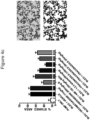
- High content imaging assays have been established, using primary human lung fibroblasts and primary rodent HSCs, that enable the identification of small molecules that either inhibit myofibroblast formation/activation or induce the reversion of activated myofibroblasts to a quiescent fibroblast state.
- Conditions, involving serum starvation and subsequent TGF- ⁇ treatment, have been identified that facilitate robust in vitro transdifferentiation in a miniaturized (384 well plate) format that is amenable to high throughput small molecule screening.
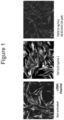
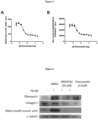
- the inhibition assay is based on ⁇ -SMA immunofluorescent staining and cell morphology changes associated with fibroblast to myofibroblast transdifferentiation, Using the selective ALK-5 TGF- ⁇ 1 receptor inhibitor (SB-43154) as a positive control, the inhibition assay has been used to initiate a screen of a collection of ⁇ 100,000 small molecules that consists of bioactive small molecules and a diversity set that has been assembled based on 2D and 3D structural diversity and inherent "drug-likeness" properties. Preliminary screening led to the identification of multiple previously identified anti-fibrotic molecules. The majority of these have limited clinical utility, as a result of known off target toxicity issues or demonstrated lack of in vivo efficacy. However, in addition to these, the triazole antifungal agent Itraconazole was identified as a highly efficacious inhibitor of myofibroblast formation (at doses well below those associated with toxicity in fibroblasts or other control cell types).
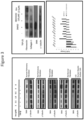
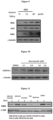
- Itraconazole The activity of Itraconazole was confirmed in vitro by analyzing expression changes in multiple genes associated with fibroblast to myofibroblast transdifferentiation using biochemical methods (i.e., Western blot and RT-PCR). Using pharmacological methods, the mechanistic basis for the anti-fibrotic activity of this molecule has been established as dual inhibition of hedgehog signaling and vascular endothelial growth factor (VEFG) receptor glycosylation/trafficking (neither activity alone is sufficient). Encouragingly, it was established that the activity of Itraconazole translates to both human and rodent cell types, as well as to cells derived from multiple tissue types (e.g., lung, liver, skin, heart).
- tissue types e.g., lung, liver, skin, heart.
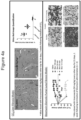
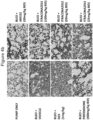
- Itraconazole was demonstrated to have efficacy in both bleomycin-induced lung and carbon tetrachloride-induce liver fibrosis mouse models. As such, the FDA approved drug Itraconazole has been identified as a novel lead for the development of a new class of drugs for the treatment of multiple fibrosis related diseases.
- P450 enzymes most notably Cyp3A4
- Alkyl refers to a straight or branched hydrocarbon chain radical, has from one to thirty carbon atoms, and is attached to the rest of the molecule by a single bond. Alkyls comprising any number of carbon atoms from 1 to 30 are included. An alkyl comprising up to 30 carbon atoms is referred to as a C 1 -C 30 alkyl, likewise, for example, an alkyl comprising up to 12 carbon atoms is a C 1 -C 12 alkyl. Alkyls (and other moieties defined herein) comprising other numbers of carbon atoms are represented similarly.
- Alkyl groups include, but are not limited to, C 1 -C 30 alkyl, C 1 -C 20 alkyl, C 1 -C 15 alkyl, C 1 -C 10 alkyl, C 1 -C 8 alkyl, C 1 -C 6 alkyl, C 1 -C 4 alkyl, C 1 -C 3 alkyl, C 1 -C 2 alkyl, C 2 -C 8 alkyl, C 3 -C 8 alkyl and C 4 -C 8 alkyl.
- alkyl groups include, but are not limited to, methyl, ethyl, n -propyl, 1-methylethyl ( iso -propyl), n -butyl, i -butyl, s -butyl, n -pentyl, 1,1-dimethylethyl ( t -butyl), 3-methylhexyl, 2-methylhexyl, vinyl, allyl, and propynyl.
- Alkyl comprising unsaturations include alkenyl and alkynyl groups. Unless stated otherwise specifically in the specification, an alkyl group may be optionally substituted as described below.
- Alkylene or "alkylene chain” refers to a straight or branched divalent hydrocarbon chain, as described for alkyl above. Unless stated otherwise specifically in the specification, an alkylene group may be optionally substituted as described below.
- Alkoxy refers to a radical of the formula -OR a where R a is an alkyl radical as defined. Unless stated otherwise specifically in the specification, an alkoxy group may be optionally substituted as described below.
- Aryl refers to a radical derived from a hydrocarbon ring system comprising hydrogen, 6 to 30 carbon atoms and at least one aromatic ring.
- the aryl radical may be a monocyclic, bicyclic, tricyclic or tetracyclic ring system, which may include fused or bridged ring systems.
- Aryl radicals include, but are not limited to, aryl radicals derived from the hydrocarbon ring systems of aceanthrylene, acenaphthylene, acephenanthrylene, anthracene, azulene, benzene, chrysene, fluoranthene, fluorene, as -indacene, s -indacene, indane, indene, naphthalene, phenalene, phenanthrene, pleiadene, pyrene, and triphenylene.
- Cycloalkyl or “carbocycle” refers to a stable, non-aromatic, monocyclic or polycyclic carbocyclic ring, which may include fused or bridged ring systems, which is saturated or unsaturated.
- Representative cycloalkyls or carbocycles include, but are not limited to, cycloalkyls having from three to fifteen carbon atoms, from three to ten carbon atoms, from three to eight carbon atoms, from three to six carbon atoms, from three to five carbon atoms, or three to four carbon atoms.
- Monocyclic cycloalkyls or carbocycles include, for example, cyclopropyl, cyclobutyl, cyclopentyl, cyclohexyl, cycloheptyl, and cyclooctyl.
- Polycyclic cycloalkyls or carbocycles include, for example, adamantyl, norbornyl, decalinyl, bicyclo[3.3.0]octane, bicyclo[4.3.0]nonane, cis-decalin, trans-decalin, bicyclo[2.1.1]hexane, bicyclo[2.2.1]heptane, bicyclo[2.2.2]octane, bicyclo[3.2.2]nonane, and bicyclo[3.3.2]decane, and 7,7-dimethyl-bicyclo[2.2.1]heptanyl.
- a cycloalkyl or carbocycle group may be optionally substituted.
- Illustrative examples of cycloalkyl groups include, but are not limited to, the following moieties:
- fused refers to any ring structure described herein which is fused to an existing ring structure.
- the fused ring is a heterocyclyl ring or a heteroaryl ring
- any carbon atom on the existing ring structure which becomes part of the fused heterocyclyl ring or the fused heteroaryl ring may be replaced with a nitrogen atom.
- Halo or halogen refers to bromo, chloro, fluoro or iodo.
- Haloalkyl refers to an alkyl radical, as defined above, that is substituted by one or more halo radicals, as defined above, e.g., trifluoromethyl, difluoromethyl, fluoromethyl, trichloromethyl, 2,2,2-trifluoroethyl, 1,2-difluoroethyl, 3-bromo-2-fluoropropyl, and 1,2-dibromoethyl. Unless stated otherwise specifically in the specification, a haloalkyl group may be optionally substituted.
- Haloalkoxy similarly refers to a radical of the formula -OR a where R a is a haloalkyl radical as defined. Unless stated otherwise specifically in the specification, a haloalkoxy group may be optionally substituted as described below.
- Heterocycloalkyl or “heterocyclyl” or “heterocyclic ring” or “heterocycle” refers to a stable 3- to 24-membered non-aromatic ring radical comprising 2 to 23 carbon atoms and from one to 8 heteroatoms selected from the group consisting of nitrogen, oxygen, phosphorous and sulfur.
- the heterocyclyl radical may be a monocyclic, bicyclic, tricyclic or tetracyclic ring system, which may include fused or bridged ring systems; and the nitrogen, carbon or sulfur atoms in the heterocyclyl radical may be optionally oxidized; the nitrogen atom may be optionally quaternized; and the heterocyclyl radical may be partially or fully saturated.
- heterocyclyl radicals include, but are not limited to, azetidinyl, dioxolanyl, thienyl[1,3]dithianyl, decahydroisoquinolyl, imidazolinyl, imidazolidinyl, isothiazolidinyl, isoxazolidinyl, morpholinyl, octahydroindolyl, octahydroisoindolyl, 2-oxopiperazinyl, 2-oxopiperidinyl, 2-oxopyrrolidinyl, oxazolidinyl, piperidinyl, piperazinyl, 4-piperidonyl, pyrrolidinyl, pyrazolidinyl, quinuclidinyl, thiazolidinyl, tetrahydrofuryl, trithianyl, tetrahydropyranyl, thiomorpholinyl, thiamorpholinyl,
- heterocyclyl group may be optionally substituted.
- heterocycloalkyl groups also referred to as non-aromatic heterocycles, include:
- the term heterocycloalkyl also includes all ring forms of the carbohydrates, including but not limited to the monosaccharides, the disaccharides and the oligosaccharides. Unless otherwise noted, heterocycloalkyls have from 2 to 10 carbons in the ring.
- the number of carbon atoms in the heterocycloalkyl is not the same as the total number of atoms (including the heteroatoms) that make up the heterocycloalkyl (i.e. skeletal atoms of the heterocycloalkyl ring). Unless stated otherwise specifically in the specification, a heterocycloalkyl group may be optionally substituted.
- heteroaryl refers to optionally substituted aromatic monoradicals containing from about five to about twenty skeletal ring atoms, where one or more of the ring atoms is a heteroatom independently selected from among oxygen, nitrogen, sulfur, phosphorous, silicon, selenium and tin but not limited to these atoms and with the proviso that the ring of said group does not contain two adjacent O or S atoms.
- the two or more heteroatoms can be the same as each another, or some or all of the two or more heteroatoms can each be different from the others.
- heteroaryl includes optionally substituted fused and non-fused heteroaryl radicals having at least one heteroatom.
- heteroaryl also includes fused and non-fused heteroaryls having from five to about twelve skeletal ring atoms, as well as those having from five to about ten skeletal ring atoms. Bonding to a heteroaryl group can be via a carbon atom or a heteroatom.
- an imidiazole group may be attached to a parent molecule via any of its carbon atoms (imidazol-2-yl, imidazol-4-yl or imidazol-5-yl), or its nitrogen atoms (imidazol-1-yl or imidazol-3-yl).
- a heteroaryl group may be further substituted via any or all of its carbon atoms, and/or any or all of its heteroatoms.
- a fused heteroaryl radical may contain from two to four fused rings where the ring of attachment is a heteroaromatic ring and the other individual rings may be alicyclic, heterocyclic, aromatic, heteroaromatic or any combination thereof.
- a non-limiting example of a single ring heteroaryl group includes pyridyl; fused ring heteroaryl groups include benzimidazolyl, quinolinyl, acridinyl; and a non-fused bi-heteroaryl group includes bipyridinyl.
- heteroaryls include, without limitation, furanyl, thienyl, oxazolyl, acridinyl, phenazinyl, benzimidazolyl, benzofuranyl, benzoxazolyl, benzothiazolyl, benzothiadiazolyl, benzothiophenyl, benzoxadiazolyl, benzotriazolyl, imidazolyl, indolyl, isoxazolyl, isoquinolinyl, indolizinyl, isothiazolyl, isoindolyloxadiazolyl, indazolyl, pyridyl, pyridazyl, pyrimidyl, pyrazinyl, pyrrolyl, pyrazinyl, pyrazolyl, purinyl, phthalazinyl, pteridinyl, quinolinyl, quinazolinyl, quinoxalinyl, triazolyl,
- the heteroaryl radical may be a monocyclic, bicyclic, tricyclic or tetracyclic ring system, which may include fused or bridged ring systems; and the nitrogen, carbon or sulfur atoms in the heteroaryl radical may be optionally oxidized; the nitrogen atom may be optionally quaternized.
- Examples include, but are not limited to, azepinyl, acridinyl, benzimidazolyl, benzothiazolyl, benzindolyl, benzodioxolyl, benzofuranyl, benzooxazolyl, benzothiazolyl, benzothiadiazolyl, benzo[b][1,4]dioxepinyl, 1,4-benzodioxanyl, benzonaphthofuranyl, benzoxazolyl, benzodioxolyl, benzodioxinyl, benzopyranyl, benzopyranonyl, benzofuranyl, benzofuranonyl, benzothienyl (benzothiophenyl), benzotriazolyl, benzo[4,6]imidazo[1,2-a]pyridinyl, carbazolyl, cinnolinyl, dibenzofuranyl, dibenzothiophenyl, furany
- substituted means any of the above groups (e.g , alkyl, alkylene, alkoxy, aryl, cycloalkyl, haloalkyl, heterocyclyl and/or heteroaryl) may be further functionalized wherein at least one hydrogen atom is replaced by a bond to a non-hydrogen atom substituent.
- a substituted group may include one or more substituents selected from: oxo, amino, -CO 2 H, nitrile, nitro, hydroxyl, thiooxy, alkyl, alkylene, alkoxy, aryl, cycloalkyl, heterocyclyl, heteroaryl, dialkylamines, arylamines, alkylarylamines, diarylamines, trialkylammonium (-N + R 3 ), N-oxides, imides, and enamines; a silicon atom in groups such as trialkylsilyl groups, dialkylarylsilyl groups, alkyldiarylsilyl groups, triarylsilyl groups, perfluoroalkyl or perfluoroalkoxy, for example, trifluoromethyl or trifluoromethoxy.
- Substituted also means any of the above groups in which one or more hydrogen atoms are replaced by a higher-order bond (e.g ., a double- or triple-bond) to a heteroatom such as oxygen in oxo, carbonyl, carboxyl, and ester groups; and nitrogen in groups such as imines, oximes, hydrazones, and nitriles.
- a higher-order bond e.g ., a double- or triple-bond
- nitrogen in groups such as imines, oximes, hydrazones, and nitriles.
- R g and R h are the same or different and independently hydrogen, alkyl, alkoxy, alkylamino, thioalkyl, aryl, aralkyl, cycloalkyl, cycloalkylalkyl, haloalkyl, heterocyclyl, A-heterocyclyl, heterocyclylalkyl, heteroaryl, A-heteroaryl and/or heteroarylalkyl.
- each of the foregoing substituents may also be optionally substituted with one or more of the above substituents.
- any of the above groups may be substituted to include one or more internal oxygen, sulfur, or nitrogen atoms.
- an alkyl group may be substituted with one or more internal oxygen atoms to form an ether or polyether group. Similarily, an alkyl group may be substituted with one or more internal sulfur atoms to form a thioether, disulfide, etc.
- an optionally substituted group may be un-substituted (e.g., -CH 2 CH 3 ), fully substituted (e.g., -CF 2 CF 3 ), mono-substituted (e.g., -CH 2 CH 2 F) or substituted at a level anywhere in-between fully substituted and mono-substituted (e.g., -CH 2 CHF 2 , -CH 2 CF 3 , -CF 2 CH 3 , -CFHCHF 2 , etc).
- any substituents described should generally be understood as having a maximum molecular weight of about 1,000 daltons, and more typically, up to about 500 daltons.
- an “effective amount” or “therapeutically effective amount” refers to an amount of a compound administered to a mammalian subject, either as a single dose or as part of a series of doses, which is effective to produce a desired therapeutic effect.
- Treatment of an individual (e.g. a mammal, such as a human) or a cell is any type of intervention used in an attempt to alter the natural course of the individual or cell.
- treatment includes administration of a pharmaceutical composition, subsequent to the initiation of a pathologic event or contact with an etiologic agent and includes stabilization of the condition (e.g., condition does not worsen) or alleviation of the condition.
- treatment also includes prophylactic treatment (e.g., administration of a composition described herein when an individual is suspected to be suffering from a bacterial infection).
- tautomer refers to a proton shift from one atom of a molecule to another atom of the same molecule.
- the compounds presented herein may exist as tautomers. Tautomers are compounds that are interconvertible by migration of a hydrogen atom, accompanied by a switch of a single bond and adjacent double bond. In bonding arrangements where tautomerization is possible, a chemical equilibrium of the tautomers will exist. All tautomeric forms of the compounds disclosed herein are contemplated. The exact ratio of the tautomers depends on several factors, including temperature, solvent, and pH. Some examples of tautomeric interconversions include:
- a “metabolite” of a compound disclosed herein is a derivative of that compound that is formed when the compound is metabolized.
- active metabolite refers to a biologically active derivative of a compound that is formed when the compound is metabolized.
- metabolism refers to the sum of the processes (including, but not limited to, hydrolysis reactions and reactions catalyzed by enzymes, such as, oxidation reactions) by which a particular substance is changed by an organism. Thus, enzymes may produce specific structural alterations to a compound.
- cytochrome P450 catalyzes a variety of oxidative and reductive reactions while uridine diphosphate glucuronyl transferases catalyze the transfer of an activated glucuronic-acid molecule to aromatic alcohols, aliphatic alcohols, carboxylic acids, amines and free sulfhydryl groups. Further information on metabolism may be obtained from The Pharmacological Basis of Therapeutics, 9th Edition, McGraw-Hill (1996 ). Metabolites of the compounds disclosed herein can be identified either by administration of compounds to a host and analysis of tissue samples from the host, or by incubation of compounds with hepatic cells in vitro and analysis of the resulting compounds. Both methods are well known in the art. In some embodiments, metabolites of a compound are formed by oxidative processes and correspond to the corresponding hydroxy-containing compound. In some embodiments, a compound is metabolized to pharmacologically active metabolites.
- the present invention provides a compound of Formula (I), or a pharmaceutically acceptable salt, solvate, polymorph, N-oxide, or stereoisomer thereof:
- liver fibrosis may be idiopathic pulmonary fibrosis.
- Described herein are compounds that treat fibrosis, a disorder characterized by fibrosis, or a disease characterized by fibrosis, and processes for their preparation. Also described herein are pharmaceutically acceptable salts, pharmaceutically acceptable solvates, pharmaceutically active metabolites, and pharmaceutically acceptable prodrugs of such compounds. Pharmaceutical compositions comprising at least one such compound or a pharmaceutically acceptable salt, pharmaceutically acceptable solvate, pharmaceutically active metabolite or pharmaceutically acceptable prodrug of such compound, and a pharmaceutically acceptable excipient are also provided.
- Compounds of Formula (I) or Formula (II) may be synthesized using standard synthetic reactions known to those of skill in the art or using methods known in the art.
- the reactions can be employed in a linear sequence to provide the compounds or they may be used to synthesize fragments which are subsequently joined by the methods known in the art.
- the starting material used for the synthesis of the compounds described herein may be synthesized or can be obtained from commercial sources, such as, but not limited to, Aldrich Chemical Co. (Milwaukee, Wisconsin), Bachem (Torrance, California), or Sigma Chemical Co. (St. Louis, Mo.).
- the compounds described herein, and other related compounds having different substituents can be synthesized using techniques and materials known to those of skill in the art, such as described, for example, in March, ADVANCED ORGANIC CHEMISTRY 4th Ed., (Wiley 1992 ); Carey and Sundberg, ADVANCED ORGANIC CHEMISTRY 4th Ed., Vols.
- the products of the reactions may be isolated and purified, if desired, using conventional techniques, including, but not limited to, filtration, distillation, crystallization, and chromatography. Such materials may be characterized using conventional means, including physical constants and spectral data.
- the compounds described herein exist as geometric isomers. In some embodiments, the compounds described herein possess one or more double bonds. The compounds presented herein include all cis, trans, syn, anti,
- Z isomers as well as the corresponding mixtures thereof. In some situations, compounds exist as tautomers. The compounds described herein include all possible tautomers within the formulas described herein. In some situations, the compounds described herein possess one or more chiral centers and each center exists in the R configuration, or S confirguration. The compounds described herein include all diastereomeric, enantiomeric, and epimeric forms as well as the corresponding mixtures thereof.
- mixtures of enantiomers and/or diastereoisomers, resulting from a single preparative step, combination, or interconversion are useful for the applications described herein.
- the compounds described herein are prepared as their individual stereoisomers by reacting a racemic mixture of the compound with an optically active resolving agent to form a pair of diastereoisomeric compounds, separating the diastereomers and recovering the optically pure enantiomers.
- dissociable complexes are preferred (e.g., crystalline diastereomeric salts).
- the diastereomers have distinct physical properties (e.g., melting points, boiling points, solubilities, reactivity, etc.) and are separated by taking advantage of these dissimilarities.
- the diastereomers are separated by chiral chromatography, or preferably, by separation/resolution techniques based upon differences in solubility.
- the optically pure enantiomer is then recovered, along with the resolving agent, by any practical means that would not result in racemization.
- the compounds described herein exist in their isotopically-labeled forms.
- the methods disclosed herein but not claimed in the enclosed claims include methods of treating diseases by administering such isotopically-labeled compounds.
- the methods disclosed herein but not claimed in the enclosed claims include methods of treating diseases by administering such isotopically-labeled compounds as pharmaceutical compositions.
- the compounds disclosed herein include isotopically-labeled compounds, which are identical to those recited herein, but for the fact that one or more atoms are replaced by an atom having an atomic mass or mass number different from the atomic mass or mass number usually found in nature.
- isotopes examples include isotopes of hydrogen, carbon, nitrogen, oxygen, phosphorous, sulfur, fluorine and chloride, such as 2 H, 3 H, 13 C, 14 C, 15 N, 18 0, 17 O, 31 P, 32 P, 35 S, 18 F, and 36 Cl, respectively.
- Compounds described herein, and the metabolites, pharmaceutically acceptable salts, esters, prodrugs, solvate, hydrates or derivatives thereof which contain the aforementioned isotopes and/or other isotopes of other atoms are within the scope of this invention.
- isotopically-labeled compounds for example those into which radioactive isotopes such as 3 H and 14 C are incorporated, are useful in drug and/or substrate tissue distribution assays. Tritiated, i. e., 3 H and carbon-14, i. e., 14 C, isotopes are particularly preferred for their ease of preparation and detectability. Further, substitution with heavy isotopes such as deuterium, i.e ., 2 H, produces certain therapeutic advantages resulting from greater metabolic stability, for example increased in vivo half-life or reduced dosage requirements.
- the isotopically labeled compounds, pharmaceutically acceptable salt, ester, prodrug, solvate, hydrate or derivative thereof is prepared by any suitable method.
- the compounds described herein are labeled by other means, including, but not limited to, the use of chromophores or fluorescent moieties, bioluminescent labels, or chemiluminescent labels.
- the compounds described herein exist as their pharmaceutically acceptable salts.
- the methods disclosed herein but not claimed in the enclosed claims include methods of treating diseases by administering such pharmaceutically acceptable salts.
- the methods disclosed herein but not claimed in the enclosed claims include methods of treating diseases by administering such pharmaceutically acceptable salts as pharmaceutical compositions.
- the compounds described herein possess acidic or basic groups and therefore react with any of a number of inorganic or organic bases, and inorganic and organic acids, to form a pharmaceutically acceptable salt.
- these salts are prepared in situ during the final isolation and purification of the compounds of the invention, or by separately reacting a purified compound in its free form with a suitable acid or base, and isolating the salt thus formed.
- Examples of pharmaceutically acceptable salts include those salts prepared by reaction of the compounds described herein with a mineral, organic acid or inorganic base, such salts including, acetate, acrylate, adipate, alginate, aspartate, benzoate, benzenesulfonate, bisulfate, bisulfite, bromide, butyrate, butyn-1,4-dioate, camphorate, camphorsulfonate, caproate, caprylate, chlorobenzoate, chloride, citrate, cyclopentanepropionate, decanoate, digluconate, dihydrogenphosphate, dinitrobenzoate, dodecylsulfate, ethanesulfonate, formate, fumarate, glucoheptanoate, glycerophosphate, glycolate, hemisulfate, heptanoate, hexanoate, hexyne-1,6-dioate, hydroxybenzo
- the compounds described herein can be prepared as pharmaceutically acceptable salts formed by reacting the free base form of the compound with a pharmaceutically acceptable inorganic or organic acid, including, but not limited to, inorganic acids such as hydrochloric acid, hydrobromic acid, sulfuric acid, nitric acid, and phosphoric acid metaphosphoric acid; and organic acids such as acetic acid, propionic acid, hexanoic acid, cyclopentanepropionic acid, glycolic acid, pyruvic acid, lactic acid, malonic acid, succinic acid, malic acid, maleic acid, fumaric acid, p-toluenesulfonic acid, tartaric acid, trifluoroacetic acid, citric acid, benzoic acid, 3-(4-hydroxybenzoyl)benzoic acid, cinnamic acid, mandelic acid, arylsulfonic acid, methanesulfonic acid, ethanesulfonic acid, 1,2-ethanedisulf
- those compounds described herein which comprise a free acid group react with a suitable base, such as the hydroxide, carbonate, bicarbonate, sulfate, of a pharmaceutically acceptable metal cation, with ammonia, or with a pharmaceutically acceptable organic primary, secondary, tertiary, or quaternary amine.
- a suitable base such as the hydroxide, carbonate, bicarbonate, sulfate, of a pharmaceutically acceptable metal cation, with ammonia, or with a pharmaceutically acceptable organic primary, secondary, tertiary, or quaternary amine.
- Representative salts include the alkali or alkaline earth salts, like lithium, sodium, potassium, calcium, and magnesium, and aluminum salts.
- bases include sodium hydroxide, potassium hydroxide, choline hydroxide, sodium carbonate, and N + (C 1-4 alkyl) 4 .
- Representative organic amines useful for the formation of base addition salts include ethylamine, diethylamine, ethylenediamine, ethanolamine, diethanolamine, and piperazine. It should be understood that the compounds described herein also include the quaternization of any basic nitrogen-containing groups they contain. In some embodiments, water or oil-soluble or dispersible products are obtained by such quaternization.
- the compounds described herein exist as solvates. Disclosed but not claimed in the enclosed claims are methods of treating diseases by administering such solvates. Disclosed but not claimed in the enclosed claims are methods of treating diseases by administering such solvates as pharmaceutical compositions.
- Solvates contain either stoichiometric or non-stoichiometric amounts of a solvent, and, in some embodiments, are formed during the process of crystallization with pharmaceutically acceptable solvents such as water, and ethanol. Hydrates are formed when the solvent is water, or alcoholates are formed when the solvent is alcohol. Solvates of the compounds described herein can be conveniently prepared or formed during the processes described herein. By way of example only, hydrates of the compounds described herein can be conveniently prepared by recrystallization from an aqueous/organic solvent mixture, using organic solvents including, but not limited to, dioxane, tetrahydrofuran or methanol.
- the compounds provided herein can exist in unsolvated as well as solvated forms. In general, the solvated forms are considered equivalent to the unsolvated forms for the purposes of the compounds and methods provided herein.
- the compounds described herein exist as polymorphs. Disclosed but not claimed in the enclosed claims are methods of treating diseases by administering such polymorphs. Disclosed but not claimed in the enclosed claims are methods of treating diseases by administering such polymorphs as pharmaceutical compositions.
- polymorphs include the different crystal packing arrangements of the same elemental composition of a compound.
- polymorphs have different X-ray diffraction patterns, infrared spectra, melting points, density, hardness, crystal shape, optical and electrical properties, stability, and solubility.
- various factors such as the recrystallization solvent, rate of crystallization, and storage temperature cause a single crystal form to dominate.
- the compounds described herein exist in prodrug form. Disclosed but not claimed in the enclosed claims are methods of treating diseases by administering such prodrugs. Disclosed but not claimed in the enclosed claims are methods of treating diseases by administering such prodrugs as pharmaceutical compositions.
- Prodrugs are generally drug precursors that, following administration to an individual and subsequent absorption, are converted to an active, or a more active species via some process, such as conversion by a metabolic pathway. Some prodrugs have a chemical group present on the prodrug that renders it less active and/or confers solubility or some other property to the drug. Once the chemical group has been cleaved and/or modified from the prodrug the active drug is generated. Prodrugs are often useful because, in some situations, they are easier to administer than the parent drug. They are, for instance, bioavailable by oral administration whereas the parent is not. In certain insatnces, the prodrug also has improved solubility in pharmaceutical compositions over the parent drug.
- prodrug a compound as described herein which is administered as an ester (the "prodrug") to facilitate transmittal across a cell membrane where water solubility is detrimental to mobility but which then is metabolically hydrolyzed to the carboxylic acid, the active entity, once inside the cell where water-solubility is beneficial.
- prodrug might be a short peptide (polyamino acid) bonded to an acid group where the peptide is metabolized to reveal the active moiety.
- prodrugs are designed as reversible drug derivatives, for use as modifiers to enhance drug transport to site-specific tissues.
- the design of prodrugs to date has been to increase the effective water solubility of the therapeutic compound for targeting to regions where water is the principal solvent.
- prodrug derivatives of compounds described herein can be prepared by methods described herein are otherwise known in the art (for further details see Saulnier et al., Bioorganic and Medicinal Chemistry Letters, 1994, 4, 1985 ).
- appropriate prodrugs can be prepared by reacting a non-derivatized compound with a suitable carbamylating agent, such as, but not limited to, 1,1-acyloxyalkylcarbanochloridate, para -nitrophenyl carbonate, or the like.
- a suitable carbamylating agent such as, but not limited to, 1,1-acyloxyalkylcarbanochloridate, para -nitrophenyl carbonate, or the like.
- Prodrug forms of the herein described compounds, wherein the prodrug is metabolized in vivo to produce a derivative as set forth herein are included within the scope of the claims. Indeed, some of the herein-described compounds are prodrugs for another derivative or active compound.
- prodrugs include compounds wherein an amino acid residue, or a polypeptide chain of two or more (e. g., two, three or four) amino acid residues is covalently joined through an amide or ester bond to a free amino, hydroxy or carboxylic acid group.
- the amino acid residues include but are not limited to the 20 naturally occurring amino acids and also includes 4-hydroxyproline, hydroxylysine, demosine, isodemosine, 3-methylhistidine, norvaline, beta-alanine, gamma-aminobutyric acid, cirtulline, homocysteine, homoserine, ornithine and methionine sulfone.
- prodrugs include compounds wherein a nucleic acid residue, or an oligonucleotide of two or more (e. g., two, three or four) nucleic acid residues is covalently joined to a compound.
- prodrugs also include, but are not limited to, esters, carbonates, thiocarbonates, N-acyl derivatives, N-acyloxyalkyl derivatives, quaternary derivatives of tertiary amines, N-Mannich bases, Schiff bases, amino acid conjugates, phosphate esters, metal salts and sulfonate esters.
- Compounds having free amino, amido, hydroxy or carboxylic groups can be converted into prodrugs.
- free carboxyl groups can be derivatized as amides or alkyl esters.
- all of these prodrug moieties incorporate groups including but not limited to ether, amine and carboxylic acid functionalities.
- Hydroxy prodrugs include esters, such as though not limited to, acyloxyalkyl (e.g. acyloxymethyl, acyloxyethyl) esters, alkoxycarbonyloxyalkyl esters, alkyl esters, aryl esters, phosphate esters, sulfonate esters, sulfate esters and disulfide containing esters; ethers, amides, carbamates, hemisuccinates, dimethylaminoacetates and phosphoryloxymethyloxycarbonyls, as outlined in Advanced Drug Delivery Reviews 1996, 19, 115 .
- esters such as though not limited to, acyloxyalkyl (e.g. acyloxymethyl, acyloxyethyl) esters, alkoxycarbonyloxyalkyl esters, alkyl esters, aryl esters, phosphate esters, sulfonate esters, sulfate esters and disulfide containing esters
- Amine derived prodrugs include, but are not limited to the following groups and combinations of groups: as well as sulfonamides and phosphonamides.
- compounds of Formula (I) or Formula (II) are susceptible to various metabolic reactions. Therefore, in some embodiments, incorporation of appropriate substituents into the structure will reduce, minimize, or eliminate a metabolic pathway. In specific embodiments, the appropriate substituent to decrease or eliminate the susceptibility of an aromatic ring to metabolic reactions is, by way of example only, a halogen, or an alkyl group.
- the compounds of Formula (I) or Formula (II) described herein are metabolized upon administration to an organism in need to produce a metabolite that is then used to produce a desired effect, including a desired therapeutic effect.
- composition comprising a compound of Formula (I) or Formula (II) as described herein, or a pharmaceutically acceptable salt, polymorph, solvate, prodrug, N-oxide, stereoisomer, or isomer thereof, and a pharmaceutically acceptable excipient.
- compositions are formulated in a conventional manner using one or more pharmaceutically acceptable inactive ingredients that facilitate processing of the active compounds into preparations that can be used pharmaceutically. Proper formulation is dependent upon the route of administration chosen.
- a summary of pharmaceutical compositions described herein can be found, for example, in Remington: The Science and Practice of Pharmacy, Nineteenth Ed (Easton, Pa.: Mack Publishing Company, 1995 ); Hoover, John E., Remington's Pharmaceutical Sciences, Mack Publishing Co., Easton, Pennsylvania 1975 ; Liberman, H.A. and Lachman, L., Eds., Pharmaceutical Dosage Forms, Marcel Decker, New York, N.Y., 1980 ; and Pharmaceutical Dosage Forms and Drug Delivery Systems, Seventh Ed. (Lippincott Williams & Wilkins1999 ).
- compositions that include a compound of Formula (I) or Formula (II) and at least one pharmaceutically acceptable inactive ingredient.
- the compounds described herein may be administered as pharmaceutical compositions in which a compound of Formula (I) or Formula (II) is mixed with other active ingredients, as in combination therapy.
- the pharmaceutical compositions may include other medicinal or pharmaceutical agents, carriers, adjuvants, preserving, stabilizing, wetting or emulsifying agents, solution promoters, salts for regulating the osmotic pressure, and/or buffers.
- the pharmaceutical compositions may include other therapeutically valuable substances.
- a pharmaceutical composition refers to a mixture of a compound of Formula (I) or Formula (II) with other chemical components (i.e. pharmaceutically acceptable inactive ingredients), such as carriers, excipients, binders, filling agents, suspending agents, flavoring agents, sweetening agents, disintegrating agents, dispersing agents, surfactants, lubricants, colorants, diluents, solubilizers, moistening agents, plasticizers, stabilizers, penetration enhancers, wetting agents, anti-foaming agents, antioxidants, preservatives, or one or more combination thereof.
- the pharmaceutical composition facilitates administration of the compound to an organism.
- therapeutically effective amounts of compounds described herein are administered in a pharmaceutical composition to a mammal having a disease, disorder, or condition to be treated.
- the mammal may be a human.
- a therapeutically effective amount can vary widely depending on the severity of the disease, the age and relative health of the subject, the potency of the compound used and other factors.
- the compounds can be used singly or in combination with one or more therapeutic agents as components of mixtures.
- compositions described herein are administered to a subject by appropriate administration routes, including but not limited to, oral, parenteral (e.g., intravenous, subcutaneous, intramuscular), intranasal, buccal, topical, rectal, or transdermal administration routes.
- parenteral e.g., intravenous, subcutaneous, intramuscular
- intranasal e.g., buccal
- topical e.g., buccal
- rectal e.g., transdermal administration routes.
- the pharmaceutical formulations described herein include, but are not limited to, aqueous liquid dispersions, liquids, gels, syrups, elixirs, slurries, suspensions, self-emulsifying dispersions, solid solutions, liposomal dispersions, aerosols, solid oral dosage forms, powders, immediate release formulations, controlled release formulations, fast melt formulations, tablets, capsules, pills, powders, dragees, effervescent formulations, lyophilized formulations, delayed release formulations, extended release formulations, pulsatile release formulations, multiparticulate formulations, and mixed immediate and controlled release formulations.
- compositions including a compound of Formula (I) or Formula (II) are manufactured in a conventional manner, such as, by way of example only, by means of conventional mixing, dissolving, granulating, dragee-making, levigating, emulsifying, encapsulating, entrapping or compression processes.
- the pharmaceutical compositions will include at least one compound of Formula (I) or Formula (II) as an active ingredient in free-acid or free-base form, or in a pharmaceutically acceptable salt form.
- the methods and pharmaceutical compositions described herein include the use of N -oxides (if appropriate), crystalline forms, amorphous phases, as well as active metabolites of these compounds having the same type of activity.
- compounds described herein exist in unsolvated form or in solvated forms with pharmaceutically acceptable solvents such as water, and ethanol. The solvated forms of the compounds presented herein are also considered to be disclosed herein.
- compositions for oral use are obtained by mixing one or more solid excipient with one or more of the compounds described herein, optionally grinding the resulting mixture, and processing the mixture of granules, after adding suitable auxiliaries, if desired, to obtain tablets or dragee cores.
- Suitable excipients include, for example, fillers such as sugars, including lactose, sucrose, mannitol, or sorbitol; cellulose preparations such as, for example, maize starch, wheat starch, rice starch, potato starch, gelatin, gum tragacanth, methylcellulose, microcrystalline cellulose, hydroxypropylmethylcellulose, sodium carboxymethylcellulose; or others such as: polyvinylpyrrolidone (PVP or povidone) or calcium phosphate.
- disintegrating agents are added, such as the cross-linked croscarmellose sodium, polyvinylpyrrolidone, agar, or alginic acid or a salt thereof such as sodium alginate.
- Dyestuffs or pigments may be added to the tablets or dragee coatings for identification or to characterize different combinations of active compound doses.
- compositions that are administered orally include push-fit capsules made of gelatin, as well as soft, sealed capsules made of gelatin and a plasticizer, such as glycerol or sorbitol.
- the push-fit capsules contain the active ingredients in admixture with filler such as lactose, binders such as starches, and/or lubricants such as talc or magnesium stearate and, optionally, stabilizers.
- the active compounds are dissolved or suspended in suitable liquids, such as fatty oils, liquid paraffin, or liquid polyethylene glycols. In some embodiments, stabilizers are added.
- compositions provided herein but not claimed in the enclosed claims can also include an mucoadhesive polymer, selected from among, for example, carboxymethylcellulose, carbomer (acrylic acid polymer), poly(methylmethacrylate), polyacrylamide, polycarbophil, acrylic acid/butyl acrylate copolymer, sodium alginate and dextran.
- an mucoadhesive polymer selected from among, for example, carboxymethylcellulose, carbomer (acrylic acid polymer), poly(methylmethacrylate), polyacrylamide, polycarbophil, acrylic acid/butyl acrylate copolymer, sodium alginate and dextran.
- the compounds according to Formula (I) or Formula (II) may be used in combination with one or more additional antifibrotic agents.
- the antifibrotic agent may be a lysophophatidic acid 1 (LPA1) antagonist.
- the antifibrotic agent may be selected from pirfenidone , nintedanib, thalidomide, carlumab, FG-3019, fresolimumab, interferon alpha, lecithinized superoxide dismutase, pumpuzumab, tanzisertib, tralokinumab, hu3G9, huTBTl3_2_1, 2126458, AM-152, IFN-gamma-1b, IW-001, PRM-151, PXS-25, pentoxifylline/N-acetyl-cysteine, pentoxifylline/vitamin E, salbutamol sulfate, [Sar9,Met(O2)11]-Substance P,
- the compounds according to Formula (I) or Formula (II) may be used in combination with one or more additional azole antifungal agents.
- the azole antifungal agent may be selected from an imidazole antifungal, a triazole antifungal, or a thiazole antifungal.
- antifungal agents include, but are not limited to, Imidazole derivatives like miconazole, ketoconazole, clotrimazole, clomidazole, croconazole, econazole, omoconazole, bifonazole, butoconazole, fenticonazole, isoconazole, miconazole, neticonazole, oxiconazole, sertaconazole, sulconazole, tioconazole; Triazole derivatives like fluconazole, fosfluconazole, hexaconazole, itraconazole, isavuconazole, posaconazole, voriconzaole, terconazole, albaconazole; and Thiazole derivatives like abafungin.
- Imidazole derivatives like miconazole, ketoconazole, clotrimazole, clomidazole, croconazole, econazole, omo
- Suitable routes of administration include, but are not limited to, oral, intravenous, rectal, aerosol, parenteral, ophthalmic, pulmonary, transmucosal, transdermal, vaginal, otic, nasal, and topical administration.
- parenteral delivery includes intramuscular, subcutaneous, intravenous, intramedullary injections, as well as intrathecal, direct intraventricular, intraperitoneal, intralymphatic, and intranasal injections.
- compositions thereof may be administered in any suitable manner.
- the manner of administration can be chosen based on, for example, whether local or systemic treatment is desired, and on the area to be treated.
- the compositions can be administered orally, parenterally (e.g., intravenous, subcutaneous, intraperitoneal, or intramuscular injection), by inhalation, extracorporeally, topically (including transdermally, ophthalmically, vaginally, rectally, intranasally) or the like.
- Parenteral administration of the composition is generally characterized by injection.
- Injectables can be prepared in conventional forms, either as liquid solutions or suspensions, solid forms suitable for solution of suspension in liquid prior to injection, or as emulsions.
- a more recently revised approach for parenteral administration involves use of a slow release or sustained release system such that a constant dosage is maintained.
- the present invention provides a compound of Formula (I), or a pharmaceutically acceptable salt, solvate, polymorph, N-oxide, or stereoisomer thereof: for use in treating liver fibrosis, wherein:
- composition comprising a compound of Formula (II) or as described above and below, or a pharmaceutically acceptable salt, solvate, polymorph, prodrug, metabolite, N-oxide, stereoisomer, or isomer thereof, and a pharmaceutically acceptable excipient.
- a compound of Formula (I) as defined by the claims for use in a method to treat liver fibrosis using a compound of Formula (I) as defined by the claims wherein the liver fibrosis is associated with the later stages of alcoholic or nonalcoholic liver cirrhosis.
- a compound of Formula (I) as defined by the claims for use in a method to treat liver fibrosis, the method comprising administering a composition comprising a therapeutically effective amount of the compound of Formula (I) as defined by the claims in combination with one or more pharmaceutical agents.
- the one or more pharmaceutical agents are antifibrotic agents.
- the one or more pharmaceutical agents are antifungal agents.
- the system may comprise (a) one or more fibroblasts; and (b) a cell imaging device for producing one or more images of the one or more fibroblasts.
- the cell imaging device may comprise a fluorescent microscope.
- the cell imaging device may comprise CCD camera technology.
- the cell imaging device may be automated.
- the cell imaging device may be manually operated.
- the cell imaging device may be thermoelectrically cooled.
- the system may further comprise a light source.
- the light source may be an LED.
- the system may further comprise a scanner.
- the system may further comprise a computer.
- the system may further comprise one or more memory locations for storing and/or receiving the one or more images.
- the system may further comprise one or more memory locations for storing and/or receiving one or more instructions for producing the one or more images.
- the system may further comprise one or more processors for analyzing the one or more images of the one or more fibroblasts.
- the system may further comprise one or more processors for processing the one or more images of the one or more fibroblasts.
- the system may further comprise one or more processors for transmitting the one or more images of the one or more fibroblasts.
- the system may further comprise one or more software programs for capturing, producing, analyzing, scanning, storing, and/or trasmitting the one or more images.
- the system may further comprise one or more barcode readers for reading one or more barcodes on one or more samples comprising the one or more cells.
- the system may further comprise one or more robots for handling one or more samples comprising the one or more cells.
- the system may further comprise one or more robots for treating one or more samples comprising the one or more cells with one or more agents.
- the one or more agents may comprise TGF-beta.
- the one or more agents may comprise one or more test agents.
- the system may further comprise one or more processors for identifying the one or more test agents as inhibitors of fibrosis.
- the system may further comprise one or more processors for ranking the inhibitors of fibrosis.
- the system may further comprise one or more algorithms.
- the one or more algorithms may analyze a morphology of the one or more fibroblasts.
- the one or more algorithms may analyze a morphology of the one or more fibroblasts contacted with the one or more agents.
- the one or more algorithms may analyze an intensity of the one or more fibroblasts.
- the one or more algorithms may analyze an fluorescence intensity of the one or more fibroblasts.
- the cell imaging device may comprise a CellInsight NXT High Content Screening (HCS) platform.
- HCS High Content Screening
- the one or more fibroblasts may be hepatic stellate cells (HSCs).
- HSCs hepatic stellate cells
- the method may comprise (a) contacting a first sample comprising one or more fibroblasts with a cellular growth agent; (b) contacting a second sample comprising one or more fibroblasts with the cellular growth agent and a first test agent; (c) producing one or more images of the one or more fibroblasts of the first sample and one or more images of the one or more fibroblasts of the second sample; and (d) determining whether the first test agent is an inhibitor of fibrosis based on an analysis of the one or more images of the first sample and the one or more images of the second sample.
- the cellular growth agent may be a growth factor.
- the cellular growth agent may be transforming growth factor beta (TGF-b).
- the first test agent may be a small molecule.
- the first test agent may be a bioactive small molecule.
- the second sample may be contacted with the cellular growth agent and the first test agent simultaneously.
- the second sample may be contacted with the cellular growth agent and the first test agent sequentially.
- the second sample may be contacted with the cellular growth agent prior to contact with the first test agent.
- the second sample may be contacted with the first test agent prior to contact with the cellular growth agent.
- the method may further comprise one or more additional samples comprising one or more fibroblasts.
- the first sample, second sample, and/or one or more additional samples may be from the same source.
- the first sample, second sample, and/or one or more additional samples may be from two or more different sources.
- the method may further comprise contacting the one or more additional samples with the cellular growth agent and one or more additional test agents.
- the one or more images of the first sample and the one or more images of the second sample may be captured simultaneously.
- the one or more images of the first sample and the one or more images of the second sample may be captured sequentially.
- the one or more fibroblasts of the first sample may be cultured in one or more wells on a first culture plate.
- the one or more fibroblasts of the second sample may be cultured on one or more wells on a second culture plate.
- the one or more fibroblasts of the one or more additional samples may be cultured on one or more wells on one or more additional culture plates.
- the first culture plate and the second culture plate may be different.
- the first culture plate, the second culture plate, and/or the one or more additional culture plates may be different.
- the first culture plate and the second culture plate may be the same.
- the first culture plate, the second culture plate, and/or the one or more additional culture plates may be the same.
- the method may further comprise contacting the one or more fibroblasts of the first sample and/or the one or more fibroblasts of the second sample with a third agent.
- the method may further comprise contacting the one or more fibroblasts of the one or more additional samples with a third agent.
- the third agent may be an antibody.
- the third agent may be an anti-smooth muscle actin (SMA) antibody.
- SMA smooth muscle actin
- the one or more images of the first sample and/or the one or more images of the second sample may be based on the images of the one or more fibroblasts contacted with the third agent.
- the one or more images of the one or more additional samples may be based on the images of the one or more fibroblasts contacted with the third agent.
- Producing the one or more images may comprise the use of one or more cell imaging devices.
- the cell imaging device may comprise a CellInsight NXT High Content Screening (HCS) platform.
- HCS High Content Screening
- the method may further comprise one or more algorithms.
- the one or more algorithms may analyze a morphology of the one or more fibroblasts.
- the one or more algorithms may analyze a morphology of the one or more fibroblasts contacted with the one or more agents.
- the one or more algorithms may analyze an intensity of the one or more fibroblasts.
- the one or more algorithms may analyze an fluorescence intensity of the one or more fibroblasts.
- the method may further comprise detecting transdifferentation of the one or more fibroblasts.
- Transdifferentiation of the one or more fibroblasts may comprise transdifferentiation into one or more myofibroblasts.
- Determining whether the first test agent is identified as an inhibitor of fibrosis may be based on a comparison of the myofibroblasts composition in the first sample to the myofibroblasts composition in the second sample.
- the first test agent may be identified as an inhibitor of fibrosis if the myofibroblasts composition in the second sample is less than the myofibroblasts composition in the first sample.
- the first test agent may be identified as an inhibitor of fibrosis if the myofibroblasts composition in the second sample is at least about 5%, 10%, 15%, 20%, 25%, 30%, 35%, 40%, 45%, 50%, 55%, 60%, 65%, 70%, 75%, 80%, 85%, or 90% less than the myofibroblasts composition in the first sample.
- the first test agent may be identified as an inhibitor of fibrosis if the myofibroblasts composition in the second sample is at least about 1.5-, 2-, 2.5-, 3-, 3.5-, 4-, 4.5-, 5-, 6-, 7-, 8-, 9-, 10-, 11-, 12-, 13-, 14-, or 15-fold less than the myofibroblasts composition in the first sample.
- the method may further comprise determining whether the one or more additional test agents are inhibitors of fibrosis. Determining whether the one or more additional test agents is identified as an inhibitor of fibrosis may be based on a comparison of the myofibroblasts composition in the first sample to the myofibroblasts composition in the one or more additional samples. The first test agent may be identified as an inhibitor of fibrosis if the myofibroblasts composition in the one or more additional samples is less than the myofibroblasts composition in the first sample.
- the first test agent may be identified as an inhibitor of fibrosis if the myofibroblasts composition in the one or more additional samples is at least about 5%, 10%, 15%, 20%, 25%, 30%, 35%, 40%, 45%, 50%, 55%, 60%, 65%, 70%, 75%, 80%, 85%, or 90% less than the myofibroblasts composition in the first sample.
- the first test agent may be identified as an inhibitor of fibrosis if the myofibroblasts composition in the one or more additional samples is at least about 1.5-, 2-, 2.5-, 3-, 3.5-, 4-, 4.5-, 5-, 6-, 7-, 8-, 9-, 10-, 11-, 12-, 13-, 14-, or 15-fold less than the myofibroblasts composition in the first sample.
- the starting materials and intermediates for the compounds of this invention may be prepared by the application or adaptation of the methods described below, their obvious chemical equivalents, or, for example, as described in literature such as The Science of Synthesis, Volumes 1-8. Editors E. M. Carreira et al. Thieme publishers (2001-2008 ). Details of reagent and reaction options are also available by structure and reaction searches using commercial computer search engines such as Scifinder (www.cas.org) or Reaxys (www.reaxys.com).
- reaction schemes A, B, and C detail the synthesis of starting materials involved in the final formation of compound 46 (scheme D).
- reaction schemes E and F detail the synthesis of starting materials involved in the final formation of compound 42 (scheme G).
- the same racemic diol produced in Scheme A (Part A) was also used in the synthesis that follows.
- Compound 78 was prepared by analogy to Compound 75 except that 2-acetylthiazole was used instead of 2-acetylpyridine as the initial starting material. Bromination can be carried out by analogy to the synthesis of the bromoketone precursor of compound 88.
- a high content imaging assay based on ⁇ -SMA staining and cell morphological changes associated with fibroblast to myofibroblast transdifferentiation, was established using primary human lung fibroblasts and primary rodent HSCs. Conditions, involving serum starvation and subsequent TGF- ⁇ treatment, were identified that facilitate robust in vitro transdifferentiation in a miniaturized (384 well plate) format that is amenable to high throughput small molecule screening.
- a selective ALK-5 TGF- ⁇ 1 receptor inhibitor (SB-431542) was used as a positive control. The 4 day long assay was amenable to screens on the order of 100,000 wells and facilitated the identification of compounds that selectively inhibit fibroblast to myofibroblast transdifferentiation. This assay was used to identify a hit compound (itraconazole) and was used to evaluate focused panels of itraconazole analogues generated from medicinal chemistry efforts.
- Itraconazole and its analogues were confirmed by analyzing changes in gene expression of multiple genes associated with fibroblast to myofibroblast transdifferentiation using biochemical methods (i.e., Western blot and RT-PCR). These 4-day assays were used to evaluate sets of 6 compounds at a time in 4-point dose response fashion.
- Quiescent rat hepatic stellate cells were seeded in 384 well plates (350 cells per well) coated with Poly-D-lysine in stellate cell medium (Sciencell). After 24 hour incubation, cells were treated with the indicated doses of itraconazole for 48 hours in the presence of 10ng/mL of TGF- ⁇ 1 in hepatic stellate medium. Following fixation and staining with an anti smooth muscle actin antibody, cell morphology was analyzed with a Cellomics cell insight imaging reader ( Figure 1 for representative images). Cells were analyzed for mean cellular area of a-SMA staining ( Figure 5a ) or mean fluorescence intensity of SMA staining ( Figure 5b ). In this assay itraconazole reproducibly induced dose dependent decreases in both mean cellular area and alpha smooth muscle actin staining, indicating the inhibition of myofibroblast transdifferentiation and activation.
- Human lung fibroblasts were seeded at 10 5 cells per well in 6 well dishes in assay medium (2% fetal bovine serum, DMEM). After 24 incubation, medium was changed to assay medium containing TGF- ⁇ 1 (10ng/mL) and simultaneously treated with itraconazole (10 ⁇ M), SB431542 (10 ⁇ M) or vehicle control ( Figure 6 ). After incubation for 48 hours, cells were harvested by brief trypsinization and centrifugation. Cells were lysed in Cell Lytic M (Sigma) and lysate concentrations normalized via absorption readings at 260nm. Samples were boiled in 2X sample buffer and 10% beta-mercaptoethanol.
- RNA was extracted using RNeasy kit (Qiagen) and cDNA amplified using SuperScript III First-Strand Synthesis kit (Life Technologies). qPCRs reactions were then performed using a fibrosis focused RT2 Profiler PCR Array kit with supplied plate and reagents. Data was analyzed using N 1 per reaction per treatment condition.
- Anti-fibrotic activity of itraconazole and analogs thereof did not result from P450 inhibition associated with anti-fungal activity.
- Itraconazole inhibited VEGF and Hedgehog pro-fibrotic signaling pathways.
- Rat hepatic stellate cells were seeded at 10 5 cells per well in 6 well dishes coated with poly-D-lysine in stellate cell medium (Sciencell) and allowed to proliferate to full confluence ( ⁇ 2 weeks). Medium was then switched to DMEM and 0.5% fetal bovine serum with 1 ug/mL SHH-N (R&D systems). Cells were treated with SHH-N and compounds (cyclopamine 5 ⁇ M (positive control), itraconazole 1 ⁇ M) for 24 hours. Cells were harvested by brief trypsinzation and centrifugation. RNA was extracted using RNeasy kit (Qiagen) and cDNA amplified using SuperScript III First-Strand Synthesis kit (Life Technologies).
- qPCR was performed using a SYBR green mastermix (Takara). Relative levels of PTCH1 (protein patched homolog 1) and GLI1 (GLI family zinc finger 1) mRNA (see Figures 8a and 8b ; raw data for both qPCR experiments is shown in Figure 8c ) indicated that itraconazole inhibits Hedgehog signaling in rat hepatic stellate cells.
- COL1-GFP HSCs an immortalized mouse hepatic stellate cell line with GFP knocked into the collagen locus
- assay medium 10% fetal bovine serum , DMEM
- cells were transduced with lentiviral particles.
- cells were switched to fresh assay medium and incubated for 48 hours.
- Cells were lysed in Cell Lytic M (Sigma) and lysate concentrations normalized via absorption readings at 260nm. Samples were boiled in 2X sample buffer and 10% beta-mercaptoethanol.
- Clones 71, 12, and 95 correspond to shRNAs to SMO and pLKO is plasmid SCH002 which encodes a non-targeting shRNA.
- shRNA mediated knockdown of SMO and the resultant inhibition of Hedgehog signaling in rat hepatic stellate cells partially recapitulated the anti-fibrotic activity of itraconazole.
- Quiescent rat hepatic stellate cells were seeded at 10 5 cells per well in 6 well dishes coated with Poly-D-Lysine in stellate cell medium (Sciencell). After 24 hour incubation, cells were then treated with various doses of itraconazole for 24 hours. Cells were harvested by brief trypsinization and centrifugation. Cells were lysed in Cell Lytic M (Sigma) and lysate concentrations normalized via absorption readings at 260nm. Samples were boiled in 2X sample buffer and 10% beta-mercaptoethanol. Equal amounts of lysate were loaded into each gel lane and then separated by SDS-PAGE on 10% Bis-Tris gels and then transferred via semi dry transfer to PVDF membranes.
- Quiescent rat hepatic stellate cells were seeded at 10 5 cells per well in 6 well dishes coated with Poly-D-Lysine in stellate cell medium (Sciencell). After 24 hour incubation, cells were switched to stellate cell medium containing 10ng/mL TGF- ⁇ 1 and the indicated combinations of compounds. After 48 hours of treatment, cells were harvested by brief trypsinization and centrifugation. Cells were lysed in Cell Lytic M (Sigma) and lysate concentrations normalized via absorption readings at 260nm. Samples were boiled in 2X sample buffer and 10% beta-mercaptoethanol.
- TM3-GLI-LUC cells stable clone of mouse TM3 cells expressing Gli-Luc reporter
- assay medium DMEM:F12 and 2% fetal bovine serum
- Compounds were dissolved in DMSO in serial dilutions and transferred to the assay plates using a 100nL pintool head on a Biomek automated workstation. After transfer of compounds, 10uL of assay medium containing the small molecule hedgehog agonist SAG was added such that the final assay concentration of SAG was 10nM or 400nM.
- LX2 cells an immortalized human hepatic stellate cells line, Scot Friedman lab
- assay medium 10% fetal bovine serum , DMEM
- cells were transduced with lentiviral particles.
- cells were switched to fresh assay medium and incubated for 48 hours.
- Cells were lysed in Cell Lytic M (Sigma) and lysate concentrations normalized via absorption readings at 260nm. Samples were boiled in 2X sample buffer and 10% beta-mercaptoethanol.
- Clone 65 corresponds to a shRNA targeting SMO
- 31 and 32 correspond to a shRNA targeting VEGFR1
- clones 86 and 87 correspond to a shRNA targeting VEGFR2
- pLKO is plasmid SCH002 which encodes a non-targeting shRNA.
- Table 1 below shows compound analytical data (NMR and MS) as well their biological activity.
- POS is a reference compound.
- This assay was to determine reversible inhibition of Cyp enzyme with a given compound using a substrate probe turnover as the surrogate for inhibition. This was done with human liver microsomes rather an isolated enzyme to account for metabolites of parent drug leading to a potential drug-drug interaction through Cyp inhibition.
- This assay was to ascertain the ability for compounds to form irreversibly inhibited cytochrome P450 adducts (also known as mechanism-based inhibition (MBI)) in human liver microsomes.
- MBI mechanism-based inhibition
- the data from this assay was used in conjunction to the reversible inhibition assay.
- the TDI assay was generally performed in liver microsomes to assess TDI potential of parent drug as well as metabolites.
- Table 3 Compd # 3A4-Midazolam IC 50 (-) NADPH 3A4-Midazolam IC 50 (+) NADPH TDI ratio: (-) NADPH/ (+) NADPH 15 >50 ⁇ M 41 ⁇ M ⁇ 1.2 (no TDI) 42 >50 ⁇ M >50 ⁇ M ⁇ 1 (no TDI) 22 >50 ⁇ M >50 ⁇ M ⁇ 1 (no TDI)
- CYP3A4 metabolism was evaluated by using P450--Glo TM CYP3A4 Assay with Luciferin--IPA as the substrate of CYP3A4 and represented as RLU (Relative Luminescence Units).
- PXR activation was evaluated by using a luciferase detection reagent, ONE--Glo TM and represented as RLU.
- the luminescence light intensity was directly proportional to the extent of PXR activation and accompanying gene transcription in the DPX2 cells. Compounds were tested at 10, 1, and 0.1 ⁇ M in the assay.
- Fold of induction (RLU/RFU of compound treated sample)/ (RLU/RFU of vehicle treated sample)
- RFU was the signal of cell viability.
- RLU was the signal of CYP3A metabolism and PXR activation. 0.1% DMSO was used as vehicle.
- Cell viability was detected by using CellTiter--FluorTM and represented as RFU (Relative Flu
- Activation potency was defined as negative, weak, moderate and strong. Negative, weak, moderate and strong activators are those that give ⁇ 15%, ⁇ 40%, ⁇ 69% and >70%, respectively, of the response produced by 10 ⁇ M RIF at 10 ⁇ M.
- Table 4 Compd # PXR activation (fold induction compared to Rifampicin) 15 ⁇ 1 ⁇ (no induction) 42 ⁇ 1.5 ⁇ (no induction) 22 ⁇ 1.1 ⁇ (no induction)
- the wild type Candida albicans (ATCC 10231) was used and Fluconazole, amphotericin B, itraconazole and terbinafine were purchased from Sigma and used as positive controls.
- the highest assay concentration for all test compounds and fluconazole was 100 ⁇ M. Fluconazole was also tested at the highest concentration of 64 ⁇ g/ml, and amphotercin B and terbinafine at 16 and 64 ⁇ g/ml.
- the test compounds were in DMSO stock solution at a concentration of 10 mM. Two stock solutions in DMSO were prepared for fluconazole at 10 mM and 6.4 mg/ml. Amphotericin B and terbinafine stock solutions in DMSO were prepared at 1.6 and 6.4 mg/ml.
- Serial dilution of 100X stock solutions 4 ⁇ l of stock solution was added into 196 ⁇ l of RPMI1640 (MOPS buffered and free of HEPES and sodium bicarbonate) in the first well of a row of a sterile u-bottom 96-well plate. The rest of the wells was filled with 100 ⁇ l RPMI1640. The 2-fold serial dilution was made sequentially by transferring 100 ⁇ l solution to the next well and mixing by pipetting, until 11th well. The extra 100 ⁇ l in 11th well was discarded. Therefore, the compound wells contained 100 ⁇ l of 2 ⁇ of testing concentrations of drugs in RPMI1640. The 12th well was filled with only 100 ⁇ l RPMI1640.
- MIC determination Within 15 min, 100 ⁇ l of prepared bacterial inoculum was added into each well of compound/RPMI1640-containing plate. The plates were incubated at 35°C in ambient atmosphere. The photos were taken at 24 h and 48 h. The MIC end points for fluconazole and amphotericin B were read according to the M27-A3 protocol (Reference Method for Broth Dilution Antifungal Susceptibility Testing of Yeasts; Approved Standard-Third Edition, M27-A3 standard published 01/01/2008 by Clinical and Laboratory Standards Institute). The MIC for compounds for test cmpds and terbinafine (not mentioned in M27-A3 protcol) were read as if they were azoles.
- Standard curves were generated using plasma spiked with compound at various concentrations (10 ng/mL to 2000 ng/mL) to determine linear range of Q1/Q2 mass signal to compound concentration using female mouse heparinized plasma. Mice were dosed orally with compound, plasma samples collected by retro-orbital bleeds. Five time points were collected (30 min, 1 h, 4 h, 8 h, 24h) into heparinized collection tubes. Protein precipitation was performed and compound extracted in cold acetonitrile and analyzed by MS. Nonwinlin was used for PK modeling as needed.
- AM-152 is an advanced compound on this target as has been previously described in more detail in WO 2012/078805 and was used as a positive control and comparator to the compound disclosed in this application.
- compound 42 decreased lung fibrosis disease severity with efficacy that was as good or better when compared to control compounds AM-152 (30 mg/kg BID) and pirfenidone (400 mg/kg, BID).
- ⁇ SMA alpha smooth muscle actin
- a phase II placebo controlled randomized double blind clinical trial demonstrates Proof of Concept for an optimized anti-fibrotic itraconazole analogue in patients with diffuse cutaneous scleroderma or systemic scleroderma with diffuse cutaneous involvement.
- Patients that satisfy the enrollment criteria make up two equal groups of 30.
- the experimental arm is given a single high dose of drug every day for 6 months and the placebo comparator arm will be given placebo every day for 6 months.
- the single high dose of drug is determined based on preclinical efficacy, target engagement in a preclinical cynomolgus toxicology study and a phase I safety study.
- the primary outcome measure is a comparison of the efficacy of drug vs placebo based on percent variation in m-RSS (score 0-51, 17 site) between inclusion and monthly visits.
- Secondary outcome measures are a comparison of efficacy of drug vs placebo based on variation in m-RSS between inclusion and follow-up time points (1, 3 and 6 months); assessment of target engagement as determined by expression profiling of hedgehog and VEGFR target genes using skin biopsies obtained at inclusion and at 6 months; assessment of skin thickness at inclusion and 6 months using skin biopsies; assessment of treatment of non-cutaneous symptoms in systemic scleroderma patients; assessment of quality of life using a health assessment questionnaire and the Dermatology Quality of Life Index; and assessment of tolerance of treatment using clinical and laboratory monitoring of side effects (including assessment of signs of negative inotropic effects using cardiac ultrasound).
- Successful Proof of Concept will be established if >40% of patients have m-RSS improvement (defined as decline in m-RSS of ⁇ 5.3 units between baseline and last study visit at 6 months
- the precise target patient population consists of patients diagnosed with diffuse (or severe) cutaneous scleroderma (modified Rodnan skin score, m-RSS ⁇ 16/51). Patients diagnosed with localized diffuse cutaneous scleroderma or systemic scleroderma with diffuse cutaneous involvement, as defined by the American College of Rheumatology, are the known patient subsets.
- Inclusion and exclusion criteria for patient recruitment of a phase II proof of concept study are as follows. Patients will be 18 years of age or older with documented diagnosis of cutaneous or systemic scleroderma. A baseline m-RSS of ⁇ 16/51 indicative of diffuse cutaneous scleroderma is required. A pre-inclusion cardiac ultrasound ejection fraction score of more than 55% (i.e., normal) is required for inclusion. Patients will be excluded if they have been treated with a drug (e.g., methotrexate, corticosteroids, cyclophosphamide, bosentan) that has the potential to interfere with the course of disease within a 3 month period prior to the start of the trial.
- a drug e.g., methotrexate, corticosteroids, cyclophosphamide, bosentan
- Patients suffering from severe organ failure, chronic liver disease (e.g., liver cirrhosis, chronic hepatitis), cancer, chronic illness (e.g., rheumatoid arthritis, systemic lupus erythematosus, diabetes, HIV) or having anomalous blood chemistry will be excluded. Patients having had major surgery less than 4 weeks before inclusion will be excluded. Patients contraindicated to itraconazole, as specified in product specifications, will be excluded. Specifically, patients with evidence of ventricular dysfunction (e.g., congestive heart failure, CHF), at risk of CHF or having been treated with inotropic drugs will be excluded. Patients having suffered myocardial infarction less than 6 months prior to inclusion will be excluded.
- chronic liver disease e.g., liver cirrhosis, chronic hepatitis
- cancer chronic illness
- chronic illness e.g., rheumatoid arthritis, systemic lupus erythematosus, diabetes, HIV
- anomalous blood chemistry
- Patients included in a phase II proof of concept study are identified and selected for treatment in collaboration with dermatology clinicians at multiple sites within the United States.
- a coordinating investigator that is a member of the Scleroderma Clinical Trials Consortium oversees patient recruitment and serves as the study chair.
- Patients are diagnosed with localized diffuse cutaneous scleroderma or systemic scleroderma with diffuse cutaneous involvement.
- Patients are stratified based on scleroderma diagnosis (i.e., localized or systemic), sex and age to ensure equal distribution within treatment populations. Additionally, patients are stratified based on the severity of cutaneous involvement to ensure an equal number of patients with severe cutaneous involvement (m-RSS ⁇ 20/51) within treatment populations. This stratification requires an initial diagnostic test involving cutaneous induration scale and skin biopsy. Patients are required to undergo a cardiac ultrasound diagnostic test prior to inclusion to ensure normal heart function (ejection fraction score >55%).
- the modified Rodnan skin score is an identified, measurable and validated biomarker used to evaluate clinical efficacy in scleroderma patients. Briefly, total skin surface is arbitrarily divided into 17 sites. In each area, manual palpitation is used to assess a skin score. The skin score varies from 0-3 based on degree of skin thickening (0, uninvolved; 1, mild; 2, moderate; 3, severe). The total skin score is the of sum scores from each of the 17 areas (maximum score of 51). Patients having a score of between 16 and 19 are classified as diffuse and those having a score of ⁇ 20 are classified as severe.
- This skin scoring system has been demonstrated to correlate very well with the extent of dermal fibrosis and also correlates well with the extent of fibrosis/dysfunction in internal organs (in systemic scleroderma patients).
- Target engagement in skin can be assessed by monitoring changes in expression of hedgehog and VEGFR target genes using skin biopsies.
- the purpose of this study is to determine the safety and efficacy of compound of formula (I) and formula (II) for the treatment of idiopathic pulmonary fibrosis, compared with placebo.
- the clinical trial is interventional.
- the allocation of the clinical study participants is randomized; the intervention model is parallel assignment; and there is a double blind masking of the study (subject, caregiver, investigator).
- the present clinical study primarily measures the rate of change of forced vital capacity, and secondarily measures the safety based on AEs, vital signs and clinical laboratory tests.
- the inclusion criteria for patient recruitment are as follows:
- the exclusion criteria for patient recruitment are as follows:
Landscapes
- Health & Medical Sciences (AREA)
- Chemical & Material Sciences (AREA)
- Organic Chemistry (AREA)
- Life Sciences & Earth Sciences (AREA)
- General Health & Medical Sciences (AREA)
- Medicinal Chemistry (AREA)
- Pharmacology & Pharmacy (AREA)
- Animal Behavior & Ethology (AREA)
- Public Health (AREA)
- Veterinary Medicine (AREA)
- Epidemiology (AREA)
- Engineering & Computer Science (AREA)
- Bioinformatics & Cheminformatics (AREA)
- Chemical Kinetics & Catalysis (AREA)
- General Chemical & Material Sciences (AREA)
- Nuclear Medicine, Radiotherapy & Molecular Imaging (AREA)
- Immunology (AREA)
- Dermatology (AREA)
- Rheumatology (AREA)
- Orthopedic Medicine & Surgery (AREA)
- Dentistry (AREA)
- Pain & Pain Management (AREA)
- Transplantation (AREA)
- Gastroenterology & Hepatology (AREA)
- Pulmonology (AREA)
- Agronomy & Crop Science (AREA)
- Pest Control & Pesticides (AREA)
- Plant Pathology (AREA)
- Physical Education & Sports Medicine (AREA)
- Wood Science & Technology (AREA)
- Zoology (AREA)
- Environmental Sciences (AREA)
- Urology & Nephrology (AREA)
- Cardiology (AREA)
- Heart & Thoracic Surgery (AREA)
- Pharmaceuticals Containing Other Organic And Inorganic Compounds (AREA)
- Plural Heterocyclic Compounds (AREA)
- Heterocyclic Carbon Compounds Containing A Hetero Ring Having Nitrogen And Oxygen As The Only Ring Hetero Atoms (AREA)
Applications Claiming Priority (3)
| Application Number | Priority Date | Filing Date | Title |
|---|---|---|---|
| US201361832768P | 2013-06-07 | 2013-06-07 | |
| PCT/US2014/041174 WO2014197738A1 (en) | 2013-06-07 | 2014-06-05 | Small molecule inhibitors of fibrosis |
| EP14807059.2A EP3003038B1 (en) | 2013-06-07 | 2014-06-05 | 2h-1,2,3-triazole derivatives as inhibitors of fibrosis |
Related Parent Applications (1)
| Application Number | Title | Priority Date | Filing Date |
|---|---|---|---|
| EP14807059.2A Division EP3003038B1 (en) | 2013-06-07 | 2014-06-05 | 2h-1,2,3-triazole derivatives as inhibitors of fibrosis |
Publications (2)
| Publication Number | Publication Date |
|---|---|
| EP3626242A1 EP3626242A1 (en) | 2020-03-25 |
| EP3626242B1 true EP3626242B1 (en) | 2024-08-07 |
Family
ID=52008597
Family Applications (2)
| Application Number | Title | Priority Date | Filing Date |
|---|---|---|---|
| EP19191562.8A Active EP3626242B1 (en) | 2013-06-07 | 2014-06-05 | Itraconazole analogs as inhibitors of fibrosis |
| EP14807059.2A Active EP3003038B1 (en) | 2013-06-07 | 2014-06-05 | 2h-1,2,3-triazole derivatives as inhibitors of fibrosis |
Family Applications After (1)
| Application Number | Title | Priority Date | Filing Date |
|---|---|---|---|
| EP14807059.2A Active EP3003038B1 (en) | 2013-06-07 | 2014-06-05 | 2h-1,2,3-triazole derivatives as inhibitors of fibrosis |
Country Status (20)
| Country | Link |
|---|---|
| US (2) | US9663499B2 (enExample) |
| EP (2) | EP3626242B1 (enExample) |
| JP (1) | JP6414831B2 (enExample) |
| KR (1) | KR102240329B1 (enExample) |
| CN (1) | CN105392364B (enExample) |
| AU (1) | AU2014274830B2 (enExample) |
| BR (1) | BR112015030203A2 (enExample) |
| CA (1) | CA2913634C (enExample) |
| CL (1) | CL2015003569A1 (enExample) |
| DK (1) | DK3003038T3 (enExample) |
| EA (1) | EA201592157A1 (enExample) |
| ES (2) | ES2991873T3 (enExample) |
| HK (1) | HK1221606A1 (enExample) |
| MX (1) | MX2015016783A (enExample) |
| PE (1) | PE20160523A1 (enExample) |
| PL (1) | PL3003038T3 (enExample) |
| PT (1) | PT3003038T (enExample) |
| SG (1) | SG11201510011VA (enExample) |
| TN (1) | TN2015000519A1 (enExample) |
| WO (1) | WO2014197738A1 (enExample) |
Families Citing this family (21)
| Publication number | Priority date | Publication date | Assignee | Title |
|---|---|---|---|---|
| CN107233337A (zh) | 2009-04-29 | 2017-10-10 | 阿马里纳药物爱尔兰有限公司 | 含有epa和心血管剂的药物组合物以及使用其的方法 |
| BRPI1011883A2 (pt) | 2009-06-15 | 2016-09-13 | Amarin Pharma Inc | uso de composições para redução de triglicerídeos sem elevar os níveis de o ldl-c em um paciente sob o tratamento concomitante com estatina |
| NZ744990A (en) | 2010-11-29 | 2019-10-25 | Amarin Pharmaceuticals Ie Ltd | Low eructation composition and methods for treating and/or preventing cardiovascular disease in a subject with fish allergy/hypersensitivity |
| US11712429B2 (en) | 2010-11-29 | 2023-08-01 | Amarin Pharmaceuticals Ireland Limited | Low eructation composition and methods for treating and/or preventing cardiovascular disease in a subject with fish allergy/hypersensitivity |
| US20140271841A1 (en) | 2013-03-15 | 2014-09-18 | Amarin Pharmaceuticals Ireland Limited | Pharmaceutical composition comprising eicosapentaenoic acid and derivatives thereof and a statin |
| US9192609B2 (en) | 2013-04-17 | 2015-11-24 | Hedgepath Pharmaceuticals, Inc. | Treatment and prognostic monitoring of proliferation disorders using hedgehog pathway inhibitors |
| EA201592157A1 (ru) | 2013-06-07 | 2016-05-31 | Дзе Калифорния Инститъют Фор Биомедикал Рисёрч | Низкомолекулярные ингибиторы фиброза |
| US9585859B2 (en) | 2013-10-10 | 2017-03-07 | Amarin Pharmaceuticals Ireland Limited | Compositions and methods for lowering triglycerides without raising LDL-C levels in a subject on concomitant statin therapy |
| WO2015195662A1 (en) | 2014-06-16 | 2015-12-23 | Amarin Pharmaceuticals Ireland Limited | Methods of reducing or preventing oxidation of small dense ldl or membrane polyunsaturated fatty acids |
| EP3250036B1 (en) * | 2014-12-10 | 2021-05-12 | The Scripps Research Institute | Small molecule inhibitors of fibrosis |
| IL243707A0 (en) | 2016-01-20 | 2016-05-01 | Galmed Res And Dev Ltd | Treatment to regulate the microbiota in the intestine |
| EP3445385A4 (en) | 2016-04-18 | 2019-11-20 | The Trustees of Columbia University in the City of New York | THERAPEUTIC GOALS INVOLVED IN THE PROGRESSION OF NON-ALCOHOLIC STEATOHEPATITIS (NASH) |
| US11197870B2 (en) | 2016-11-10 | 2021-12-14 | Galmed Research And Development Ltd | Treatment for hepatic fibrosis |
| CN106986787A (zh) * | 2017-03-30 | 2017-07-28 | 成都绿林科技有限公司 | 一种泊沙康唑中间体的合成方法 |
| CN106866459A (zh) * | 2017-03-30 | 2017-06-20 | 成都绿林科技有限公司 | 一种抗真菌药物中间体的制备方法 |
| US20190282565A1 (en) | 2018-03-19 | 2019-09-19 | Gui-Bai Liang | Methods and Compositions for Treating Idiopathic Pulmonary Fibrosis |
| MA50490A (fr) | 2018-09-24 | 2020-09-02 | Amarin Pharmaceuticals Ie Ltd | Procédés de réduction du risque d'événements cardiovasculaires chez un sujet |
| WO2020081446A1 (en) * | 2018-10-14 | 2020-04-23 | The University Of Chicago | Compositions and methods for activating nrf2-dependent gene expression |
| CA3160676A1 (en) | 2019-11-12 | 2021-05-20 | Amarin Pharmaceuticals Ireland Limited | Methods of reducing the risk of cardiovascular events in a subject with atrial fibrillation and/or atrial flutter |
| EP4132531A4 (en) * | 2020-04-07 | 2024-04-17 | Amarin Pharmaceuticals Ireland Limited | METHODS OF TREATING AND/OR PREVENTING VIRAL INFECTIONS AND/OR DISEASES CAUSED BY VIRUSES IN A SUBJECT IN NEED THEREOF |
| US11986452B2 (en) | 2021-04-21 | 2024-05-21 | Amarin Pharmaceuticals Ireland Limited | Methods of reducing the risk of heart failure |
Family Cites Families (24)
| Publication number | Priority date | Publication date | Assignee | Title |
|---|---|---|---|---|
| US4218458A (en) * | 1978-06-23 | 1980-08-19 | Janssen Pharmaceutica, N.V. | Heterocyclic derivatives of (4-aryloxy-methyl-1,3-dioxolan-2-yl)methyl-1H-imidazoles and 1H-1,2,4-triazoles |
| US4619931A (en) | 1983-02-28 | 1986-10-28 | Janssen Pharmaceutica, N.V. | [[4-[4-(4-phenyl-1-piperazinyl)phenoxymethyl]-1,3-dioxolan-2-yl]methyl]-1H-imidazoles and 1H-1,2,4-triazoles |
| US4791111A (en) * | 1985-12-23 | 1988-12-13 | Janssen Pharmaceutica, N.V. | [[4-[4-(4-phenyl-1-piperazinyl)phenoxymethyl]-1,3-dioxolan-2-yl]methyl]-1H-imidazoles and 1H-1,2,4-triazoles having anti-microbial properties |
| IL103558A0 (en) * | 1991-10-30 | 1993-03-15 | Schering Corp | Tri-substituted tetrahydrofuran antifungals |
| CN1041425C (zh) | 1993-11-19 | 1998-12-30 | 国际壳牌研究有限公司 | 氧化稳定的聚酮聚合物组合物及其应用 |
| US5521186A (en) | 1994-10-27 | 1996-05-28 | Janssen Pharmaceutica N.V. | Apolipoprotein-β synthesis inhibitors |
| US5625064A (en) * | 1995-04-19 | 1997-04-29 | Schering Corporation | Process for the preparation of triazolones |
| TW457240B (en) | 1995-04-20 | 2001-10-01 | Janssen Pharmaceutica Nv | Novel triazolones as apolipoprotein-B synthesis inhibitors |
| EP0957101A1 (en) | 1998-05-14 | 1999-11-17 | Janssen Pharmaceutica N.V. | Water soluble azoles as broad-spectrum antifungals |
| EP1206265B1 (en) | 1999-06-30 | 2003-11-12 | Merck & Co., Inc. | Src kinase inhibitor compounds |
| WO2001098291A2 (en) | 2000-06-20 | 2001-12-27 | Atherogenics, Inc. | 1,3-bis-(substituted-phenyl)-2-propen-1-ones and their use to treat vcam-1 mediated disorders |
| EP1511490A4 (en) | 2002-05-31 | 2009-03-11 | Transform Pharmaceuticals Inc | NOVEL CONAZOLE CRYSTALLINE FORMS AND RELATED METHODS, PHARMACEUTICAL COMPOSITIONS AND METHODS |
| CA2709203A1 (en) * | 2007-12-13 | 2009-06-18 | Siena Biotech S.P.A. | Hedgehog pathway antagonists and therapeutic applications thereof |
| US20100092479A1 (en) | 2008-08-18 | 2010-04-15 | Combinatorx (Singapore) Pte. Ltd. | Compositions and methods for treatment of viral diseases |
| JO3182B1 (ar) | 2009-07-29 | 2018-03-08 | Regeneron Pharma | مضادات حيوية بشرية عالية الالفة مع تولد الاوعية البشرية - 2 |
| WO2011088404A1 (en) * | 2010-01-15 | 2011-07-21 | Infinity Pharmaceuticals , Inc | Treatment of fibrotic conditions using hedgehog inhibitors |
| GB201015079D0 (en) * | 2010-09-10 | 2010-10-27 | Helperby Therapeutics Ltd | Novel use |
| WO2012047762A2 (en) | 2010-10-08 | 2012-04-12 | Amplyx Pharmaceuticals, Inc. | Antifungal agents |
| CN107721940A (zh) | 2010-12-07 | 2018-02-23 | 阿米拉制药公司 | 多环lpa1拮抗剂及其使用 |
| WO2013036866A1 (en) * | 2011-09-07 | 2013-03-14 | The Johns Hopkins University | Itraconazole analogs and use thereof |
| US20140050720A1 (en) | 2012-01-09 | 2014-02-20 | The Scripps Research Institute | Ultralong complementarity determining regions and uses thereof |
| US10131682B2 (en) | 2012-11-24 | 2018-11-20 | Hangzhou Dac Biotech Co., Ltd. | Hydrophilic linkers and their uses for conjugation of drugs to a cell binding molecules |
| EA201592157A1 (ru) | 2013-06-07 | 2016-05-31 | Дзе Калифорния Инститъют Фор Биомедикал Рисёрч | Низкомолекулярные ингибиторы фиброза |
| ES2648094T3 (es) | 2013-06-07 | 2017-12-28 | Rhizen Pharmaceuticals S.A. | Inhibidores de PI3 cinasa delta y gamma selectivos duales |
-
2014
- 2014-06-05 EA EA201592157A patent/EA201592157A1/ru unknown
- 2014-06-05 BR BR112015030203A patent/BR112015030203A2/pt not_active IP Right Cessation
- 2014-06-05 EP EP19191562.8A patent/EP3626242B1/en active Active
- 2014-06-05 PT PT148070592T patent/PT3003038T/pt unknown
- 2014-06-05 ES ES19191562T patent/ES2991873T3/es active Active
- 2014-06-05 TN TN2015000519A patent/TN2015000519A1/en unknown
- 2014-06-05 KR KR1020157036822A patent/KR102240329B1/ko active Active
- 2014-06-05 PL PL14807059T patent/PL3003038T3/pl unknown
- 2014-06-05 MX MX2015016783A patent/MX2015016783A/es unknown
- 2014-06-05 US US14/895,813 patent/US9663499B2/en active Active
- 2014-06-05 JP JP2016518012A patent/JP6414831B2/ja active Active
- 2014-06-05 ES ES14807059T patent/ES2755125T3/es active Active
- 2014-06-05 SG SG11201510011VA patent/SG11201510011VA/en unknown
- 2014-06-05 CN CN201480032411.7A patent/CN105392364B/zh active Active
- 2014-06-05 PE PE2015002576A patent/PE20160523A1/es not_active Application Discontinuation
- 2014-06-05 WO PCT/US2014/041174 patent/WO2014197738A1/en not_active Ceased
- 2014-06-05 AU AU2014274830A patent/AU2014274830B2/en active Active
- 2014-06-05 EP EP14807059.2A patent/EP3003038B1/en active Active
- 2014-06-05 HK HK16109962.7A patent/HK1221606A1/zh unknown
- 2014-06-05 DK DK14807059T patent/DK3003038T3/da active
- 2014-06-05 CA CA2913634A patent/CA2913634C/en active Active
-
2015
- 2015-12-07 CL CL2015003569A patent/CL2015003569A1/es unknown
-
2017
- 2017-04-14 US US15/488,206 patent/US9981956B2/en active Active
Also Published As
| Publication number | Publication date |
|---|---|
| WO2014197738A1 (en) | 2014-12-11 |
| BR112015030203A2 (pt) | 2017-07-25 |
| EP3003038B1 (en) | 2019-08-14 |
| TN2015000519A1 (en) | 2017-04-06 |
| ES2755125T3 (es) | 2020-04-21 |
| PT3003038T (pt) | 2019-11-19 |
| EA201592157A1 (ru) | 2016-05-31 |
| AU2014274830B2 (en) | 2017-11-09 |
| PL3003038T3 (pl) | 2020-02-28 |
| EP3626242A1 (en) | 2020-03-25 |
| HK1221606A1 (zh) | 2017-06-09 |
| EP3003038A4 (en) | 2016-11-16 |
| SG11201510011VA (en) | 2016-01-28 |
| DK3003038T3 (da) | 2019-11-11 |
| US20170217943A1 (en) | 2017-08-03 |
| AU2014274830A1 (en) | 2015-11-26 |
| MX2015016783A (es) | 2016-07-18 |
| KR20160029028A (ko) | 2016-03-14 |
| CN105392364A (zh) | 2016-03-09 |
| US9663499B2 (en) | 2017-05-30 |
| CL2015003569A1 (es) | 2016-11-11 |
| JP6414831B2 (ja) | 2018-10-31 |
| CN105392364B (zh) | 2018-09-14 |
| CA2913634A1 (en) | 2014-12-11 |
| JP2016521710A (ja) | 2016-07-25 |
| PE20160523A1 (es) | 2016-05-25 |
| ES2991873T3 (es) | 2024-12-05 |
| US9981956B2 (en) | 2018-05-29 |
| CA2913634C (en) | 2022-08-09 |
| US20160130258A1 (en) | 2016-05-12 |
| KR102240329B1 (ko) | 2021-04-14 |
| EP3003038A1 (en) | 2016-04-13 |
Similar Documents
| Publication | Publication Date | Title |
|---|---|---|
| EP3003038B1 (en) | 2h-1,2,3-triazole derivatives as inhibitors of fibrosis | |
| EP3250036B1 (en) | Small molecule inhibitors of fibrosis | |
| TWI917480B (zh) | 用於治療trpm3介導病症之雜環衍生物 | |
| JP7592786B2 (ja) | 複素環式の置換ピリジン誘導体である抗真菌薬 | |
| TW202003472A (zh) | 鈣蛋白酶(calpain)調節劑及其醫療用途 | |
| JP2022514685A (ja) | ペンタミジンの類似体及びその使用 | |
| US20260103458A1 (en) | Inhibitors of CDK8 and CDK19 | |
| HK1249361B (en) | Small molecule inhibitors of fibrosis |
Legal Events
| Date | Code | Title | Description |
|---|---|---|---|
| PUAI | Public reference made under article 153(3) epc to a published international application that has entered the european phase |
Free format text: ORIGINAL CODE: 0009012 |
|
| STAA | Information on the status of an ep patent application or granted ep patent |
Free format text: STATUS: THE APPLICATION HAS BEEN PUBLISHED |
|
| AC | Divisional application: reference to earlier application |
Ref document number: 3003038 Country of ref document: EP Kind code of ref document: P |
|
| AK | Designated contracting states |
Kind code of ref document: A1 Designated state(s): AL AT BE BG CH CY CZ DE DK EE ES FI FR GB GR HR HU IE IS IT LI LT LU LV MC MK MT NL NO PL PT RO RS SE SI SK SM TR |
|
| AX | Request for extension of the european patent |
Extension state: BA ME |
|
| STAA | Information on the status of an ep patent application or granted ep patent |
Free format text: STATUS: REQUEST FOR EXAMINATION WAS MADE |
|
| 17P | Request for examination filed |
Effective date: 20200925 |
|
| RBV | Designated contracting states (corrected) |
Designated state(s): AL AT BE BG CH CY CZ DE DK EE ES FI FR GB GR HR HU IE IS IT LI LT LU LV MC MK MT NL NO PL PT RO RS SE SI SK SM TR |
|
| STAA | Information on the status of an ep patent application or granted ep patent |
Free format text: STATUS: EXAMINATION IS IN PROGRESS |
|
| 17Q | First examination report despatched |
Effective date: 20210317 |
|
| P01 | Opt-out of the competence of the unified patent court (upc) registered |
Effective date: 20230518 |
|
| GRAP | Despatch of communication of intention to grant a patent |
Free format text: ORIGINAL CODE: EPIDOSNIGR1 |
|
| STAA | Information on the status of an ep patent application or granted ep patent |
Free format text: STATUS: GRANT OF PATENT IS INTENDED |
|
| INTG | Intention to grant announced |
Effective date: 20240226 |
|
| GRAS | Grant fee paid |
Free format text: ORIGINAL CODE: EPIDOSNIGR3 |
|
| GRAA | (expected) grant |
Free format text: ORIGINAL CODE: 0009210 |
|
| STAA | Information on the status of an ep patent application or granted ep patent |
Free format text: STATUS: THE PATENT HAS BEEN GRANTED |
|
| RAP3 | Party data changed (applicant data changed or rights of an application transferred) |
Owner name: THE SCRIPPS RESEARCH INSTITUTE |
|
| AC | Divisional application: reference to earlier application |
Ref document number: 3003038 Country of ref document: EP Kind code of ref document: P |
|
| AK | Designated contracting states |
Kind code of ref document: B1 Designated state(s): AL AT BE BG CH CY CZ DE DK EE ES FI FR GB GR HR HU IE IS IT LI LT LU LV MC MK MT NL NO PL PT RO RS SE SI SK SM TR |
|
| REG | Reference to a national code |
Ref country code: GB Ref legal event code: FG4D |
|
| REG | Reference to a national code |
Ref country code: CH Ref legal event code: EP |
|
| REG | Reference to a national code |
Ref country code: DE Ref legal event code: R096 Ref document number: 602014090672 Country of ref document: DE |
|
| REG | Reference to a national code |
Ref country code: IE Ref legal event code: FG4D |
|
| REG | Reference to a national code |
Ref country code: LT Ref legal event code: MG9D |
|
| REG | Reference to a national code |
Ref country code: ES Ref legal event code: FG2A Ref document number: 2991873 Country of ref document: ES Kind code of ref document: T3 Effective date: 20241205 |
|
| REG | Reference to a national code |
Ref country code: NL Ref legal event code: MP Effective date: 20240807 |
|
| PG25 | Lapsed in a contracting state [announced via postgrant information from national office to epo] |
Ref country code: NO Free format text: LAPSE BECAUSE OF FAILURE TO SUBMIT A TRANSLATION OF THE DESCRIPTION OR TO PAY THE FEE WITHIN THE PRESCRIBED TIME-LIMIT Effective date: 20241107 |
|
| REG | Reference to a national code |
Ref country code: AT Ref legal event code: MK05 Ref document number: 1710171 Country of ref document: AT Kind code of ref document: T Effective date: 20240807 |
|
| PG25 | Lapsed in a contracting state [announced via postgrant information from national office to epo] |
Ref country code: NL Free format text: LAPSE BECAUSE OF FAILURE TO SUBMIT A TRANSLATION OF THE DESCRIPTION OR TO PAY THE FEE WITHIN THE PRESCRIBED TIME-LIMIT Effective date: 20240807 Ref country code: FI Free format text: LAPSE BECAUSE OF FAILURE TO SUBMIT A TRANSLATION OF THE DESCRIPTION OR TO PAY THE FEE WITHIN THE PRESCRIBED TIME-LIMIT Effective date: 20240807 Ref country code: PL Free format text: LAPSE BECAUSE OF FAILURE TO SUBMIT A TRANSLATION OF THE DESCRIPTION OR TO PAY THE FEE WITHIN THE PRESCRIBED TIME-LIMIT Effective date: 20240807 Ref country code: GR Free format text: LAPSE BECAUSE OF FAILURE TO SUBMIT A TRANSLATION OF THE DESCRIPTION OR TO PAY THE FEE WITHIN THE PRESCRIBED TIME-LIMIT Effective date: 20241108 Ref country code: PT Free format text: LAPSE BECAUSE OF FAILURE TO SUBMIT A TRANSLATION OF THE DESCRIPTION OR TO PAY THE FEE WITHIN THE PRESCRIBED TIME-LIMIT Effective date: 20241209 |
|
| PG25 | Lapsed in a contracting state [announced via postgrant information from national office to epo] |
Ref country code: BG Free format text: LAPSE BECAUSE OF FAILURE TO SUBMIT A TRANSLATION OF THE DESCRIPTION OR TO PAY THE FEE WITHIN THE PRESCRIBED TIME-LIMIT Effective date: 20240807 |
|
| PG25 | Lapsed in a contracting state [announced via postgrant information from national office to epo] |
Ref country code: LV Free format text: LAPSE BECAUSE OF FAILURE TO SUBMIT A TRANSLATION OF THE DESCRIPTION OR TO PAY THE FEE WITHIN THE PRESCRIBED TIME-LIMIT Effective date: 20240807 |
|
| PG25 | Lapsed in a contracting state [announced via postgrant information from national office to epo] |
Ref country code: AT Free format text: LAPSE BECAUSE OF FAILURE TO SUBMIT A TRANSLATION OF THE DESCRIPTION OR TO PAY THE FEE WITHIN THE PRESCRIBED TIME-LIMIT Effective date: 20240807 Ref country code: IS Free format text: LAPSE BECAUSE OF FAILURE TO SUBMIT A TRANSLATION OF THE DESCRIPTION OR TO PAY THE FEE WITHIN THE PRESCRIBED TIME-LIMIT Effective date: 20241207 |
|
| PG25 | Lapsed in a contracting state [announced via postgrant information from national office to epo] |
Ref country code: HR Free format text: LAPSE BECAUSE OF FAILURE TO SUBMIT A TRANSLATION OF THE DESCRIPTION OR TO PAY THE FEE WITHIN THE PRESCRIBED TIME-LIMIT Effective date: 20240807 |
|
| PG25 | Lapsed in a contracting state [announced via postgrant information from national office to epo] |
Ref country code: RS Free format text: LAPSE BECAUSE OF FAILURE TO SUBMIT A TRANSLATION OF THE DESCRIPTION OR TO PAY THE FEE WITHIN THE PRESCRIBED TIME-LIMIT Effective date: 20241107 |
|
| PG25 | Lapsed in a contracting state [announced via postgrant information from national office to epo] |
Ref country code: RS Free format text: LAPSE BECAUSE OF FAILURE TO SUBMIT A TRANSLATION OF THE DESCRIPTION OR TO PAY THE FEE WITHIN THE PRESCRIBED TIME-LIMIT Effective date: 20241107 Ref country code: PT Free format text: LAPSE BECAUSE OF FAILURE TO SUBMIT A TRANSLATION OF THE DESCRIPTION OR TO PAY THE FEE WITHIN THE PRESCRIBED TIME-LIMIT Effective date: 20241209 Ref country code: PL Free format text: LAPSE BECAUSE OF FAILURE TO SUBMIT A TRANSLATION OF THE DESCRIPTION OR TO PAY THE FEE WITHIN THE PRESCRIBED TIME-LIMIT Effective date: 20240807 Ref country code: NO Free format text: LAPSE BECAUSE OF FAILURE TO SUBMIT A TRANSLATION OF THE DESCRIPTION OR TO PAY THE FEE WITHIN THE PRESCRIBED TIME-LIMIT Effective date: 20241107 Ref country code: NL Free format text: LAPSE BECAUSE OF FAILURE TO SUBMIT A TRANSLATION OF THE DESCRIPTION OR TO PAY THE FEE WITHIN THE PRESCRIBED TIME-LIMIT Effective date: 20240807 Ref country code: LV Free format text: LAPSE BECAUSE OF FAILURE TO SUBMIT A TRANSLATION OF THE DESCRIPTION OR TO PAY THE FEE WITHIN THE PRESCRIBED TIME-LIMIT Effective date: 20240807 Ref country code: IS Free format text: LAPSE BECAUSE OF FAILURE TO SUBMIT A TRANSLATION OF THE DESCRIPTION OR TO PAY THE FEE WITHIN THE PRESCRIBED TIME-LIMIT Effective date: 20241207 Ref country code: HR Free format text: LAPSE BECAUSE OF FAILURE TO SUBMIT A TRANSLATION OF THE DESCRIPTION OR TO PAY THE FEE WITHIN THE PRESCRIBED TIME-LIMIT Effective date: 20240807 Ref country code: GR Free format text: LAPSE BECAUSE OF FAILURE TO SUBMIT A TRANSLATION OF THE DESCRIPTION OR TO PAY THE FEE WITHIN THE PRESCRIBED TIME-LIMIT Effective date: 20241108 Ref country code: FI Free format text: LAPSE BECAUSE OF FAILURE TO SUBMIT A TRANSLATION OF THE DESCRIPTION OR TO PAY THE FEE WITHIN THE PRESCRIBED TIME-LIMIT Effective date: 20240807 Ref country code: BG Free format text: LAPSE BECAUSE OF FAILURE TO SUBMIT A TRANSLATION OF THE DESCRIPTION OR TO PAY THE FEE WITHIN THE PRESCRIBED TIME-LIMIT Effective date: 20240807 Ref country code: AT Free format text: LAPSE BECAUSE OF FAILURE TO SUBMIT A TRANSLATION OF THE DESCRIPTION OR TO PAY THE FEE WITHIN THE PRESCRIBED TIME-LIMIT Effective date: 20240807 |
|
| PG25 | Lapsed in a contracting state [announced via postgrant information from national office to epo] |
Ref country code: DK Free format text: LAPSE BECAUSE OF FAILURE TO SUBMIT A TRANSLATION OF THE DESCRIPTION OR TO PAY THE FEE WITHIN THE PRESCRIBED TIME-LIMIT Effective date: 20240807 Ref country code: RO Free format text: LAPSE BECAUSE OF FAILURE TO SUBMIT A TRANSLATION OF THE DESCRIPTION OR TO PAY THE FEE WITHIN THE PRESCRIBED TIME-LIMIT Effective date: 20240807 Ref country code: SM Free format text: LAPSE BECAUSE OF FAILURE TO SUBMIT A TRANSLATION OF THE DESCRIPTION OR TO PAY THE FEE WITHIN THE PRESCRIBED TIME-LIMIT Effective date: 20240807 |
|
| PG25 | Lapsed in a contracting state [announced via postgrant information from national office to epo] |
Ref country code: EE Free format text: LAPSE BECAUSE OF FAILURE TO SUBMIT A TRANSLATION OF THE DESCRIPTION OR TO PAY THE FEE WITHIN THE PRESCRIBED TIME-LIMIT Effective date: 20240807 |
|
| PG25 | Lapsed in a contracting state [announced via postgrant information from national office to epo] |
Ref country code: SK Free format text: LAPSE BECAUSE OF FAILURE TO SUBMIT A TRANSLATION OF THE DESCRIPTION OR TO PAY THE FEE WITHIN THE PRESCRIBED TIME-LIMIT Effective date: 20240807 |
|
| REG | Reference to a national code |
Ref country code: DE Ref legal event code: R097 Ref document number: 602014090672 Country of ref document: DE |
|
| PLBE | No opposition filed within time limit |
Free format text: ORIGINAL CODE: 0009261 |
|
| STAA | Information on the status of an ep patent application or granted ep patent |
Free format text: STATUS: NO OPPOSITION FILED WITHIN TIME LIMIT |
|
| 26N | No opposition filed |
Effective date: 20250508 |
|
| PG25 | Lapsed in a contracting state [announced via postgrant information from national office to epo] |
Ref country code: SE Free format text: LAPSE BECAUSE OF FAILURE TO SUBMIT A TRANSLATION OF THE DESCRIPTION OR TO PAY THE FEE WITHIN THE PRESCRIBED TIME-LIMIT Effective date: 20240807 |
|
| PGFP | Annual fee paid to national office [announced via postgrant information from national office to epo] |
Ref country code: ES Payment date: 20250704 Year of fee payment: 12 |
|
| REG | Reference to a national code |
Ref country code: CH Ref legal event code: H13 Free format text: ST27 STATUS EVENT CODE: U-0-0-H10-H13 (AS PROVIDED BY THE NATIONAL OFFICE) Effective date: 20260127 |
|
| PG25 | Lapsed in a contracting state [announced via postgrant information from national office to epo] |
Ref country code: MC Free format text: LAPSE BECAUSE OF FAILURE TO SUBMIT A TRANSLATION OF THE DESCRIPTION OR TO PAY THE FEE WITHIN THE PRESCRIBED TIME-LIMIT Effective date: 20240807 |
|
| PG25 | Lapsed in a contracting state [announced via postgrant information from national office to epo] |
Ref country code: LU Free format text: LAPSE BECAUSE OF NON-PAYMENT OF DUE FEES Effective date: 20250605 |
|
| REG | Reference to a national code |
Ref country code: BE Ref legal event code: MM Effective date: 20250630 |
|
| PG25 | Lapsed in a contracting state [announced via postgrant information from national office to epo] |
Ref country code: IE Free format text: LAPSE BECAUSE OF NON-PAYMENT OF DUE FEES Effective date: 20250605 |
|
| PG25 | Lapsed in a contracting state [announced via postgrant information from national office to epo] |
Ref country code: BE Free format text: LAPSE BECAUSE OF NON-PAYMENT OF DUE FEES Effective date: 20250630 Ref country code: IT Free format text: LAPSE BECAUSE OF NON-PAYMENT OF DUE FEES Effective date: 20250605 |
|
| PG25 | Lapsed in a contracting state [announced via postgrant information from national office to epo] |
Ref country code: CH Free format text: LAPSE BECAUSE OF NON-PAYMENT OF DUE FEES Effective date: 20250630 |
|
| PG25 | Lapsed in a contracting state [announced via postgrant information from national office to epo] |
Ref country code: LT Free format text: LAPSE BECAUSE OF FAILURE TO SUBMIT A TRANSLATION OF THE DESCRIPTION OR TO PAY THE FEE WITHIN THE PRESCRIBED TIME-LIMIT Effective date: 20240807 |
|
| PGFP | Annual fee paid to national office [announced via postgrant information from national office to epo] |
Ref country code: GB Payment date: 20260408 Year of fee payment: 13 |
|
| PGFP | Annual fee paid to national office [announced via postgrant information from national office to epo] |
Ref country code: DE Payment date: 20260331 Year of fee payment: 13 |
|
| PGFP | Annual fee paid to national office [announced via postgrant information from national office to epo] |
Ref country code: CZ Payment date: 20260522 Year of fee payment: 13 |
|
| PGFP | Annual fee paid to national office [announced via postgrant information from national office to epo] |
Ref country code: FR Payment date: 20260401 Year of fee payment: 13 |
|
| PG25 | Lapsed in a contracting state [announced via postgrant information from national office to epo] |
Ref country code: CY Free format text: LAPSE BECAUSE OF FAILURE TO SUBMIT A TRANSLATION OF THE DESCRIPTION OR TO PAY THE FEE WITHIN THE PRESCRIBED TIME-LIMIT Effective date: 20240807 |