EP3624418A1 - Verfahren zur datenübertragung, batterieverwaltungssystem und speichermedium - Google Patents
Verfahren zur datenübertragung, batterieverwaltungssystem und speichermedium Download PDFInfo
- Publication number
- EP3624418A1 EP3624418A1 EP19195297.7A EP19195297A EP3624418A1 EP 3624418 A1 EP3624418 A1 EP 3624418A1 EP 19195297 A EP19195297 A EP 19195297A EP 3624418 A1 EP3624418 A1 EP 3624418A1
- Authority
- EP
- European Patent Office
- Prior art keywords
- source node
- target node
- byte
- authentication
- node
- Prior art date
- Legal status (The legal status is an assumption and is not a legal conclusion. Google has not performed a legal analysis and makes no representation as to the accuracy of the status listed.)
- Granted
Links
Images



Classifications
-
- H—ELECTRICITY
- H04—ELECTRIC COMMUNICATION TECHNIQUE
- H04W—WIRELESS COMMUNICATION NETWORKS
- H04W12/00—Security arrangements; Authentication; Protecting privacy or anonymity
- H04W12/06—Authentication
-
- H—ELECTRICITY
- H04—ELECTRIC COMMUNICATION TECHNIQUE
- H04L—TRANSMISSION OF DIGITAL INFORMATION, e.g. TELEGRAPHIC COMMUNICATION
- H04L63/00—Network architectures or network communication protocols for network security
- H04L63/04—Network architectures or network communication protocols for network security for providing a confidential data exchange among entities communicating through data packet networks
- H04L63/0428—Network architectures or network communication protocols for network security for providing a confidential data exchange among entities communicating through data packet networks wherein the data content is protected, e.g. by encrypting or encapsulating the payload
- H04L63/045—Network architectures or network communication protocols for network security for providing a confidential data exchange among entities communicating through data packet networks wherein the data content is protected, e.g. by encrypting or encapsulating the payload wherein the sending and receiving network entities apply hybrid encryption, i.e. combination of symmetric and asymmetric encryption
-
- H—ELECTRICITY
- H04—ELECTRIC COMMUNICATION TECHNIQUE
- H04L—TRANSMISSION OF DIGITAL INFORMATION, e.g. TELEGRAPHIC COMMUNICATION
- H04L63/00—Network architectures or network communication protocols for network security
- H04L63/04—Network architectures or network communication protocols for network security for providing a confidential data exchange among entities communicating through data packet networks
- H04L63/0428—Network architectures or network communication protocols for network security for providing a confidential data exchange among entities communicating through data packet networks wherein the data content is protected, e.g. by encrypting or encapsulating the payload
- H04L63/0478—Network architectures or network communication protocols for network security for providing a confidential data exchange among entities communicating through data packet networks wherein the data content is protected, e.g. by encrypting or encapsulating the payload applying multiple layers of encryption, e.g. nested tunnels or encrypting the content with a first key and then with at least a second key
-
- H—ELECTRICITY
- H04—ELECTRIC COMMUNICATION TECHNIQUE
- H04L—TRANSMISSION OF DIGITAL INFORMATION, e.g. TELEGRAPHIC COMMUNICATION
- H04L67/00—Network arrangements or protocols for supporting network services or applications
- H04L67/50—Network services
- H04L67/60—Scheduling or organising the servicing of application requests, e.g. requests for application data transmissions using the analysis and optimisation of the required network resources
-
- H—ELECTRICITY
- H04—ELECTRIC COMMUNICATION TECHNIQUE
- H04L—TRANSMISSION OF DIGITAL INFORMATION, e.g. TELEGRAPHIC COMMUNICATION
- H04L9/00—Cryptographic mechanisms or cryptographic arrangements for secret or secure communications; Network security protocols
- H04L9/08—Key distribution or management, e.g. generation, sharing or updating, of cryptographic keys or passwords
- H04L9/0816—Key establishment, i.e. cryptographic processes or cryptographic protocols whereby a shared secret becomes available to two or more parties, for subsequent use
- H04L9/0819—Key transport or distribution, i.e. key establishment techniques where one party creates or otherwise obtains a secret value, and securely transfers it to the other(s)
- H04L9/0822—Key transport or distribution, i.e. key establishment techniques where one party creates or otherwise obtains a secret value, and securely transfers it to the other(s) using key encryption key
-
- H—ELECTRICITY
- H04—ELECTRIC COMMUNICATION TECHNIQUE
- H04L—TRANSMISSION OF DIGITAL INFORMATION, e.g. TELEGRAPHIC COMMUNICATION
- H04L9/00—Cryptographic mechanisms or cryptographic arrangements for secret or secure communications; Network security protocols
- H04L9/08—Key distribution or management, e.g. generation, sharing or updating, of cryptographic keys or passwords
- H04L9/0816—Key establishment, i.e. cryptographic processes or cryptographic protocols whereby a shared secret becomes available to two or more parties, for subsequent use
- H04L9/0819—Key transport or distribution, i.e. key establishment techniques where one party creates or otherwise obtains a secret value, and securely transfers it to the other(s)
- H04L9/0825—Key transport or distribution, i.e. key establishment techniques where one party creates or otherwise obtains a secret value, and securely transfers it to the other(s) using asymmetric-key encryption or public key infrastructure [PKI], e.g. key signature or public key certificates
-
- H—ELECTRICITY
- H04—ELECTRIC COMMUNICATION TECHNIQUE
- H04L—TRANSMISSION OF DIGITAL INFORMATION, e.g. TELEGRAPHIC COMMUNICATION
- H04L9/00—Cryptographic mechanisms or cryptographic arrangements for secret or secure communications; Network security protocols
- H04L9/08—Key distribution or management, e.g. generation, sharing or updating, of cryptographic keys or passwords
- H04L9/0861—Generation of secret information including derivation or calculation of cryptographic keys or passwords
- H04L9/0866—Generation of secret information including derivation or calculation of cryptographic keys or passwords involving user or device identifiers, e.g. serial number, physical or biometrical information, DNA, hand-signature or measurable physical characteristics
-
- H—ELECTRICITY
- H04—ELECTRIC COMMUNICATION TECHNIQUE
- H04L—TRANSMISSION OF DIGITAL INFORMATION, e.g. TELEGRAPHIC COMMUNICATION
- H04L9/00—Cryptographic mechanisms or cryptographic arrangements for secret or secure communications; Network security protocols
- H04L9/08—Key distribution or management, e.g. generation, sharing or updating, of cryptographic keys or passwords
- H04L9/0861—Generation of secret information including derivation or calculation of cryptographic keys or passwords
- H04L9/0869—Generation of secret information including derivation or calculation of cryptographic keys or passwords involving random numbers or seeds
-
- H—ELECTRICITY
- H04—ELECTRIC COMMUNICATION TECHNIQUE
- H04L—TRANSMISSION OF DIGITAL INFORMATION, e.g. TELEGRAPHIC COMMUNICATION
- H04L9/00—Cryptographic mechanisms or cryptographic arrangements for secret or secure communications; Network security protocols
- H04L9/14—Cryptographic mechanisms or cryptographic arrangements for secret or secure communications; Network security protocols using a plurality of keys or algorithms
-
- H—ELECTRICITY
- H04—ELECTRIC COMMUNICATION TECHNIQUE
- H04L—TRANSMISSION OF DIGITAL INFORMATION, e.g. TELEGRAPHIC COMMUNICATION
- H04L9/00—Cryptographic mechanisms or cryptographic arrangements for secret or secure communications; Network security protocols
- H04L9/30—Public key, i.e. encryption algorithm being computationally infeasible to invert or user's encryption keys not requiring secrecy
- H04L9/3006—Public key, i.e. encryption algorithm being computationally infeasible to invert or user's encryption keys not requiring secrecy underlying computational problems or public-key parameters
- H04L9/302—Public key, i.e. encryption algorithm being computationally infeasible to invert or user's encryption keys not requiring secrecy underlying computational problems or public-key parameters involving the integer factorization problem, e.g. RSA or quadratic sieve [QS] schemes
-
- H—ELECTRICITY
- H04—ELECTRIC COMMUNICATION TECHNIQUE
- H04L—TRANSMISSION OF DIGITAL INFORMATION, e.g. TELEGRAPHIC COMMUNICATION
- H04L9/00—Cryptographic mechanisms or cryptographic arrangements for secret or secure communications; Network security protocols
- H04L9/30—Public key, i.e. encryption algorithm being computationally infeasible to invert or user's encryption keys not requiring secrecy
- H04L9/3006—Public key, i.e. encryption algorithm being computationally infeasible to invert or user's encryption keys not requiring secrecy underlying computational problems or public-key parameters
- H04L9/3033—Public key, i.e. encryption algorithm being computationally infeasible to invert or user's encryption keys not requiring secrecy underlying computational problems or public-key parameters details relating to pseudo-prime or prime number generation, e.g. primality test
-
- H—ELECTRICITY
- H04—ELECTRIC COMMUNICATION TECHNIQUE
- H04L—TRANSMISSION OF DIGITAL INFORMATION, e.g. TELEGRAPHIC COMMUNICATION
- H04L9/00—Cryptographic mechanisms or cryptographic arrangements for secret or secure communications; Network security protocols
- H04L9/32—Cryptographic mechanisms or cryptographic arrangements for secret or secure communications; Network security protocols including means for verifying the identity or authority of a user of the system or for message authentication, e.g. authorization, entity authentication, data integrity or data verification, non-repudiation, key authentication or verification of credentials
- H04L9/3236—Cryptographic mechanisms or cryptographic arrangements for secret or secure communications; Network security protocols including means for verifying the identity or authority of a user of the system or for message authentication, e.g. authorization, entity authentication, data integrity or data verification, non-repudiation, key authentication or verification of credentials using cryptographic hash functions
- H04L9/3242—Cryptographic mechanisms or cryptographic arrangements for secret or secure communications; Network security protocols including means for verifying the identity or authority of a user of the system or for message authentication, e.g. authorization, entity authentication, data integrity or data verification, non-repudiation, key authentication or verification of credentials using cryptographic hash functions involving keyed hash functions, e.g. message authentication codes [MACs], CBC-MAC or HMAC
-
- H—ELECTRICITY
- H04—ELECTRIC COMMUNICATION TECHNIQUE
- H04W—WIRELESS COMMUNICATION NETWORKS
- H04W12/00—Security arrangements; Authentication; Protecting privacy or anonymity
- H04W12/03—Protecting confidentiality, e.g. by encryption
- H04W12/033—Protecting confidentiality, e.g. by encryption of the user plane, e.g. user's traffic
-
- H—ELECTRICITY
- H04—ELECTRIC COMMUNICATION TECHNIQUE
- H04W—WIRELESS COMMUNICATION NETWORKS
- H04W12/00—Security arrangements; Authentication; Protecting privacy or anonymity
- H04W12/04—Key management, e.g. using generic bootstrapping architecture [GBA]
- H04W12/041—Key generation or derivation
-
- H—ELECTRICITY
- H04—ELECTRIC COMMUNICATION TECHNIQUE
- H04W—WIRELESS COMMUNICATION NETWORKS
- H04W12/00—Security arrangements; Authentication; Protecting privacy or anonymity
- H04W12/60—Context-dependent security
- H04W12/69—Identity-dependent
- H04W12/71—Hardware identity
-
- H—ELECTRICITY
- H04—ELECTRIC COMMUNICATION TECHNIQUE
- H04L—TRANSMISSION OF DIGITAL INFORMATION, e.g. TELEGRAPHIC COMMUNICATION
- H04L2209/00—Additional information or applications relating to cryptographic mechanisms or cryptographic arrangements for secret or secure communication H04L9/00
- H04L2209/80—Wireless
-
- H—ELECTRICITY
- H04—ELECTRIC COMMUNICATION TECHNIQUE
- H04L—TRANSMISSION OF DIGITAL INFORMATION, e.g. TELEGRAPHIC COMMUNICATION
- H04L63/00—Network architectures or network communication protocols for network security
- H04L63/06—Network architectures or network communication protocols for network security for supporting key management in a packet data network
- H04L63/061—Network architectures or network communication protocols for network security for supporting key management in a packet data network for key exchange, e.g. in peer-to-peer networks
-
- H—ELECTRICITY
- H04—ELECTRIC COMMUNICATION TECHNIQUE
- H04L—TRANSMISSION OF DIGITAL INFORMATION, e.g. TELEGRAPHIC COMMUNICATION
- H04L63/00—Network architectures or network communication protocols for network security
- H04L63/08—Network architectures or network communication protocols for network security for authentication of entities
-
- H—ELECTRICITY
- H04—ELECTRIC COMMUNICATION TECHNIQUE
- H04W—WIRELESS COMMUNICATION NETWORKS
- H04W12/00—Security arrangements; Authentication; Protecting privacy or anonymity
- H04W12/04—Key management, e.g. using generic bootstrapping architecture [GBA]
- H04W12/047—Key management, e.g. using generic bootstrapping architecture [GBA] without using a trusted network node as an anchor
- H04W12/0471—Key exchange
Definitions
- the present disclosure relates to the field of battery technology, and more particularly to a method for data transmission, battery management system, and storage medium.
- wireless communication technology may be used for data communication between a main control unit and a plurality of sampling units to complete command request and data uploading tasks.
- the node of the main control unit and the nodes of the plurality of sampling units may need to be encoded with physical serial number.
- the nodes of the sampling units may report voltage data, temperature data, current data and diagnostic data of the battery periodically or based on events to the node of the main control unit via wireless signals, such that the main control unit may perform data processing and corresponding actions.
- a wireless communication channel of a wireless communication network may be more flexible than that of a wired communication network, since the wireless communication channel is an open channel, it may reduce the security of data transmission between the nodes in the battery management system when giving the communication flexibility to the wireless node.
- Embodiments of the present disclosure provide a method for data transmission, battery management system, and storage medium, such that the security of data transmission between the nodes in the battery management system may be improved.
- an embodiment of the present disclosure provides a method for data transmission, including: authenticating, by a target node in a battery management system, a source node in response to a request for data transmission from the source node; selecting, by the target node, any two prime numbers from a pre-stored set of prime numbers if the authentication is passed, generating a public key and a private key according to the two prime numbers, and transmitting the public key to the source node; performing, by the source node, a first encryption byte-by-byte for source data to be transmitted using the public key, performing a second encryption for the first encrypted data using a first encryption algorithm stored by the source node itself, and transmitting the second encrypted data to the target node; and performing, by the target node, a first decryption for the second encrypted data using a decryption algorithm corresponding to the first encryption algorithm and stored by the target node itself, and performing a second decryption byte-by-byte for the first decrypted data using the private
- the source node may include: determining whether a source node address in the request for data transmission is an address in a pre-set set of MAC addresses; generating, by the target node, an authentication seed via a random number generator if the source node address is the address in the pre-set set of MAC addresses, transmitting the authentication seed to the source node, and encrypting the authentication seed based on a second encryption algorithm stored by the target node itself to generate a first authentication key; encrypting, by the source node, the authentication seed based on the second encryption algorithm stored by the source node itself to generate a second authentication key, and transmitting the second authentication key to the target node; comparing, by the target node, the first authentication key and the second authentication key; confirming that the authentication is passed, if the first authentication key matches the second authentication key.
- encrypting, by the source node, the authentication seed based on the second encryption algorithm stored by the source node itself to generate the second authentication key may include: performing, by the source node, a check calculation on the received authentication seed based on a check algorithm stored by the source node itself to obtain a first check code; comparing the first check code and a second check code, wherein the second check code may be obtained by performing, by the target node, a check calculation on the authentication seed to be transmitted based on a check algorithm which is stored by the target node itself and consistent with the check algorithm of the source node; and encrypting, by the source node, the authentication seed based on the second encryption algorithm stored by the source node itself to generate the second authentication key, if the first check code matches the second check code.
- comparing, by the target node, the first authentication key and the second authentication key may include: performing, by the target node, a check calculation on the received second authentication key based on a check algorithm stored by the target node itself to obtain a third check code; comparing the third check code and a fourth check code, wherein the fourth check code may be obtained by performing, by the source node, a check calculation on the second authentication key to be transmitted based on a check algorithm which is stored by the source node itself and consistent with the check algorithm of the target node; and comparing, by the target node, the first authentication key and the second authentication key if the third check code matches the fourth check code.
- the method may further include: re-authenticating, by the target node, the source node when there is a new data transmission request between the target node and the source node, if there is no data transmission between the target node and the source node within a predetermined time period after the authentication is passed.
- generating the public key and the private key according to the two prime numbers may include: obtaining two natural numbers m and n according to the two prime numbers, wherein m is a product of the two prime numbers, and n is a product of two numbers obtained by subtracting 1 from the two prime numbers respectively; selecting a natural number e which is mutually prime with m from natural numbers between 0 and m , and obtaining d from e and m , wherein a pair of numbers including e and n is used as the public key, and a pair of numbers including d and n is used as the private key, and a result of a first difference value mod m is equal to 0, the first difference value being a value obtained by subtracting 1 from a product of d and e.
- performing, by the source node, a first encryption byte-by-byte for source data to be transmitted using the public key may include: obtaining a first encryption result of the source data to be transmitted by calculating a e-th power of the source data to be transmitted byte-by-byte and calculating a result of an e-th power of each byte mod n respectively.
- performing a second decryption byte-by-byte for the first decrypted data using the private key may include: obtaining a second decryption result of the first decrypted data by calculating a d-th power of the first decrypted data byte-by-byte and calculating a result of a d-th power of each byte mod n respectively.
- performing, by the source node, a first encryption byte-by-byte for source data to be transmitted using the public key may include: performing, by the source node, a check calculation on the received public key based on a check algorithm stored by the source node itself to obtain a fifth check code; comparing the fifth check code and a sixth check code, wherein the sixth check code may be obtained by performing, by the target node, a check calculation on the public key to be transmitted based on a check algorithm which is stored by the target node itself and consistent with the check algorithm of the source node; and performing, by the source node, the first encryption byte-by-byte for the source data to be transmitted using the public key, if the fifth check code matches the sixth check code.
- the method further may include: performing, by the target node, a check calculation on the second decrypted data based on a second check algorithm stored by the target node itself to obtain a seventh check code; comparing the seventh check code and a eighth check code, wherein the eighth check code may be obtained by performing, by the source node, a check calculation on the source data to be transmitted based on a check algorithm which is stored by the source node itself and consistent with the second check algorithm of the target node; and determining that the second decrypted data is consistent with the source data to be transmitted if the seventh check code matches the eighth check code.
- an embodiment of the present disclosure provides a battery management system, comprising: a target node, configured to authenticate a source node in response to a request for data transmission from the source node, select any two prime numbers from a pre-stored set of prime numbers if the authentication is passed, generate a public key and a private key according to the two prime numbers, and transmit the public key to the source node; the source node, configured to perform a first encryption byte-by-byte for source data to be transmitted using the public key, perform a second encryption for the first encrypted data using a first encryption algorithm stored by the source node itself, and transmit the second encrypted data to the target node; wherein the target node may be further configured to perform a first decryption for the second encrypted data using a decryption algorithm corresponding to the first encryption algorithm and stored by the target node itself, and perform a second decryption byte-by-byte for the first decrypted data using the private key.
- an embodiment of the present disclosure provides a computer readable storage medium having a program stored thereon, the program, when executed by a processor, causing the processor to implement the method for data transmission described above.
- the embodiments of the present invention provide a redundant encryption design on the basis of AES encryption and decryption, that is, data may need to be encrypted twice when performing wireless data transmission between the nodes in the system, thereby improving the security of wireless data transmission.
- the embodiments of the present invention adopt an encryption algorithm based on a public key and a private key. Since the public key and the private key are generated based on any two prime numbers in a set of prime numbers, the public key and the private key are random. Even if a node outside the system acquires the public key, it will not affect the security of the next wireless data transmission.
- Embodiments of the present disclosure provide a method for data transmission, battery management system, and storage medium, which may be used in the field of battery data. With the technical solution of the embodiments of the present disclosure, the security of data transmission between nodes in the battery management system may be improved.
- a node of a data transmitter may be referred to as a source node
- a node of a data receiver may be referred to as a target node.
- Source data to be transmitted may include sample data related to a battery, such as voltage data, temperature data, current data, and diagnostic data, and/or control data related to the battery, such as equalization instructions.
- Fig. 1 is a schematic flow diagram of a method for data transmission according to an embodiment of the present disclosure. As shown in Fig. 1 , the method for data transmission may include steps 101-104 to describe the interaction process of wireless data transmission between a source node and a target node.
- a target node in a battery management system may authenticate a source node in response to a request for data transmission from the source node.
- the source node should be authenticated first, thereby avoiding the above-mentioned potential safety hazard and maintaining the safe operation of the system.
- the system generally refers to the battery management system.
- the target node may select any two prime numbers from a pre-stored set of prime numbers if the authentication is passed, generate a public key and a private key according to the two prime numbers, and transmit the public key to the source node.
- the source node may perform a first encryption byte-by-byte for source data to be transmitted using the public key, perform a second encryption for the first encrypted data using a first encryption algorithm stored by the source node itself, and transmit the second encrypted data to the target node.
- the target node may perform a first decryption for the second encrypted data using a decryption algorithm corresponding to the first encryption algorithm and stored by the target node itself, and perform a second decryption byte-by-byte for the first decrypted data using the private key.
- the system may perform encryption operations on the transmitted and received data to prevent a node outside the system from stealing data in the channel between the nodes in the system.
- Commonly used encryption algorithms may include an AES encryption algorithm.
- the node outside the system may still obtain detailed data signals easily, and further analyze data content, so that the node data may still have a possibility of being stolen.
- the embodiments of the present invention provide a redundant encryption design on the basis of AES encryption and decryption, that is, data may need to be encrypted twice when performing wireless data transmission between the nodes in the system, thereby improving the security of wireless data transmission.
- the embodiments of the present invention adopt an encryption algorithm based on a public key and a private key. Since the public key and the private key are generated based on any two prime numbers in a set of prime numbers, the public key and the private key are random. Even if a node outside the system acquires the public key, it will not affect the security of the next wireless data transmission.
- the target node should pre-store a certain number of prime numbers.
- the number of prime numbers stored in the target node should be greater than 16.
- the target node may select two prime numbers a and b from the pre-stored prime numbers.
- a natural number e may be selected which is mutually prime with m from natural numbers between 0 and m , wherein a pair of numbers ( e, n ) including e and n may be the public key.
- performing, by the source node, a first encryption byte-by-byte for source data to be transmitted using the public key may include: obtaining a first encryption result of the source data to be transmitted by calculating a e-th power of the source data to be transmitted byte-by-byte and calculating a result of an e-th power of each byte mod n respectively.
- step 104 performing a second decryption byte-by-byte for the first decrypted data using the private key may include: obtaining a second decryption result of the first decrypted data by calculating a d - th power of the first decrypted data byte-by-byte and calculating a result of a d-th power of each byte mod n respectively.
- Fig. 2 is a schematic flow diagram of a method for data transmission according to an embodiment of the present disclosure.
- step 101 in Fig. 1 may be refined into steps 1011-1015 in Fig. 2 for detailed description of the process of the target node authenticating the source node.
- step 1011 whether a source node address in the request for data transmission is an address in a pre-set set of MAC addresses may be determined.
- Each node in the system may have a unique MAC address of 8-byte.
- all nodes in the system may receive and store the MAC addresses of all nodes in the system.
- the received data may be discarded. Otherwise, the data may be analyzed.
- the target node may generate an authentication seed via a random number generator if the source node address is the address in the pre-set set of MAC addresses, transmit the authentication seed to the source node, and encrypt the authentication seed based on a second encryption algorithm stored by the target node itself to generate a first authentication key.
- a random generator program and an authentication key algorithm may be added to the software to which the target node belongs, and the authentication key algorithm may be unique in the system.
- the source node may encrypt the authentication seed based on the second encryption algorithm stored by the source node itself to generate a second authentication key, and transmit the second authentication key to the target node.
- the target node may compare the first authentication key and the second authentication key.
- step 1015 the authentication may be passed, if the first authentication key matches the second authentication key.
- the target node may re-authenticate the source node when there is a new data transmission request between the target node and the source node, if there is no data transmission between the target node and the source node within a predetermined time period after the authentication is passed.
- the source node may receive the authentication flag provided by the target node. If the specified time is not exceeded, further authentication may not be required, and subsequent communication may be performed. Otherwise, the key authentication should be performed again to further improve the security of data transmission between nodes in the system.
- the above mainly discusses the improvement of the security of data transmission between the nodes in the system from the aspects of node authentication and data encryption and decryption.
- wireless data transmission between the nodes may have data tampering, for example, the data may not be transmitted completely due to a failure of the transmitter; there is a mask signal generated; or a node outside the system may receive the signal, and then the signal may be tampered and forwarded to the receiver. Therefore, the embodiments of the present disclosure may also have a data integrity check.
- the embodiments of the present disclosure may therefore describe the process of data integrity check from four aspects.
- the integrity of the public key received by the source node in step 103 may be determined.
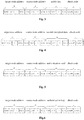
- Fig. 3 is a schematic structural diagram of a data packet for encryption/decryption and check transmitted by a target node according to an embodiment of the present disclosure.
- the data packet shown in Fig. 3 may include, in an order from left to right, a target node address, a source node address, a public key, and a check code.
- a check code obtained by the target node performing a check calculation on the public key to be transmitted based on a check algorithm stored by the target node itself may be recorded as C2.
- a check code C1 may be obtained by the source node performing a check calculation on the received public key based on a check algorithm which is stored by the source node itself and consistent with the check algorithm of the target node. C1 and C2 may then be compared. If C1 matches C2, the public key received by the source node may be integrity and the source node may perform the first encryption byte-by-byte for the source data to be transmitted using the public key.
- whether the data obtained by performing a second decryption byte-by-byte for the first decrypted data using the private key in step 104 is consistent with the source data to be transmitted may be determined.
- Fig. 4 is a schematic structural diagram of a data packet for encryption/decryption and check transmitted by a source node according to an embodiment of the present disclosure.
- the data packet shown in Fig. 4 may include, in an order from left to right, a target node address, a source node address, a second encrypted data, and a check code.
- a check code obtained by the source node performing a check calculation on the source data to be transmitted based on a check algorithm stored by the source node itself may be recorded as C4.
- a check code C3 may be obtained by the target node performing a check calculation on the second decrypted data based on a check algorithm which is stored by the target node itself and consistent with the check algorithm of the source node. C3 and C4 may then be compared. If C3 matches C4, the second decrypted data may be consistent with the source data to be transmitted.
- the integrity of the authentication seed received by the source node in step 1013 may be determined.
- Fig. 5 is a schematic structural diagram of a data packet for authentication and check according to an embodiment of the present disclosure.
- the data packet shown in Fig. 5 may include, in an order from left to right, a target node address, a source node address, a authentication seed, and a check code.
- a check code obtained by the target node performing a check calculation on the authentication seed to be transmitted based on a check algorithm stored by the target node itself may be recorded as C6.
- a check code C5 may be obtained by the source node performing a check calculation on the received random data seed based on a check algorithm which is stored by the source node itself and consistent with the check algorithm of the target node. C5 and C6 may then be compared. If C5 matches C6, the authentication seed received by the source node may be integrity and the source node may encrypt the authentication seed based on the second encryption algorithm stored by the source node itself to generate the second authentication key.
- Fig. 6 is a schematic structural diagram of a data packet for authentication and check according to an embodiment of the present disclosure.
- the data packet shown in Fig. 6 may include, in an order from left to right, a target node address, a source node address, a authentication key, and a check code.
- a check code obtained by the source node performing a check calculation on the second authentication key to be transmitted based on a check algorithm stored by the source node itself may be recorded as C8.
- a check code C7 may be obtained by the target node performing a check calculation on the received second authentication key based on a check algorithm which is stored by the target node itself and consistent with the check algorithm of the source node. C7 and C8 may then be compared. If C7 matches C8, the authentication key received by the target node may be integrity and the target node may compare the first authentication key and the second authentication key.
- the check algorithm may be an MD5 check algorithm, and those skilled in the art may refer to related materials to learn the specific content of the algorithm.
- Fig. 7 is a schematic diagram of data interaction between a target node and a source node according to an embodiment of the present disclosure.
- Fig. 7 may be used to describe a data transmission model of node authentication, data integrity check and double encryption algorithms.
- the steps performed by the source node may be denoted by a
- the steps performed by the target node may be denoted by b .
- the target node may authenticate the source node:
- the method combined of node authentication, data integrity check, and double encryption algorithms may be used to significantly improve the security of wireless communication of the battery management system.
- the embodiments of the present disclosure further provide a battery management system, including a target node and a source node.
- the target node may be configured to authenticate the source node in response to a request for data transmission from the source node, select any two prime numbers from a pre-stored set of prime numbers if the authentication is passed, generate a public key and a private key according to the two prime numbers, and transmit the public key to the source node.
- the source node may be configured to perform a first encryption byte-by-byte for source data to be transmitted using the public key, perform a second encryption for the first encrypted data using a first encryption algorithm stored by the source node itself, and transmit the second encrypted data to the target node.
- the target node may be further configured to perform a first decryption for the second encrypted data using a decryption algorithm corresponding to the first encryption algorithm and stored by the target node itself, and perform a second decryption byte-by-byte for the first decrypted data using the private key.
- the embodiments of the present disclosure further provide a computer readable storage medium having a program stored thereon, the program, when executed by a processor, causing the processor to implement the method for data transmission described above.
- the functional blocks shown in the block diagrams described above may be implemented as hardware, software, firmware, or a combination thereof.
- it may be, for example, an electronic circuit, an application specific integrated circuit (ASIC), suitable firmware, plug-ins, function cards, and the like.
- ASIC application specific integrated circuit
- the elements of an embodiment of the present disclosure are programs or code segments that are used to perform the required tasks.
- Programs or code segments may be stored on a machine-readable medium or transmitted over a transmission medium or communication link via a data signal carried in a carrier wave.
- the "machine-readable medium” may include any medium that is capable of storing or transmitting information.
- machine-readable media examples include electronic circuitry, semiconductor memory devices, ROMs, flash memory, erasable ROM (EROM), floppy disks, CD-ROMs, optical disks, hard disks, fiber optic media, radio frequency (RF) links, and the like.
- the code segments may be downloaded via a computer network such as the Internet, an intranet or the like.
Landscapes
- Engineering & Computer Science (AREA)
- Computer Security & Cryptography (AREA)
- Computer Networks & Wireless Communication (AREA)
- Signal Processing (AREA)
- Computing Systems (AREA)
- Computer Hardware Design (AREA)
- General Engineering & Computer Science (AREA)
- Theoretical Computer Science (AREA)
- Power Engineering (AREA)
- Mobile Radio Communication Systems (AREA)
Priority Applications (1)
| Application Number | Priority Date | Filing Date | Title |
|---|---|---|---|
| EP21154085.1A EP3832980B1 (de) | 2018-09-12 | 2019-09-04 | Verfahren zur datenübertragung, batterieverwaltungssystem und speichermedium |
Applications Claiming Priority (1)
| Application Number | Priority Date | Filing Date | Title |
|---|---|---|---|
| CN201811062076.1A CN110896387B (zh) | 2018-09-12 | 2018-09-12 | 数据传输方法、电池管理系统和存储介质 |
Related Child Applications (2)
| Application Number | Title | Priority Date | Filing Date |
|---|---|---|---|
| EP21154085.1A Division EP3832980B1 (de) | 2018-09-12 | 2019-09-04 | Verfahren zur datenübertragung, batterieverwaltungssystem und speichermedium |
| EP21154085.1A Division-Into EP3832980B1 (de) | 2018-09-12 | 2019-09-04 | Verfahren zur datenübertragung, batterieverwaltungssystem und speichermedium |
Publications (2)
| Publication Number | Publication Date |
|---|---|
| EP3624418A1 true EP3624418A1 (de) | 2020-03-18 |
| EP3624418B1 EP3624418B1 (de) | 2021-03-31 |
Family
ID=67850999
Family Applications (2)
| Application Number | Title | Priority Date | Filing Date |
|---|---|---|---|
| EP21154085.1A Active EP3832980B1 (de) | 2018-09-12 | 2019-09-04 | Verfahren zur datenübertragung, batterieverwaltungssystem und speichermedium |
| EP19195297.7A Active EP3624418B1 (de) | 2018-09-12 | 2019-09-04 | Verfahren zur datenübertragung, batterieverwaltungssystem und speichermedium |
Family Applications Before (1)
| Application Number | Title | Priority Date | Filing Date |
|---|---|---|---|
| EP21154085.1A Active EP3832980B1 (de) | 2018-09-12 | 2019-09-04 | Verfahren zur datenübertragung, batterieverwaltungssystem und speichermedium |
Country Status (3)
| Country | Link |
|---|---|
| US (1) | US11102651B2 (de) |
| EP (2) | EP3832980B1 (de) |
| CN (2) | CN112637161B (de) |
Families Citing this family (15)
| Publication number | Priority date | Publication date | Assignee | Title |
|---|---|---|---|---|
| CN110896233B (zh) * | 2018-09-12 | 2021-07-30 | 宁德时代新能源科技股份有限公司 | 电池管理系统 |
| CN111565182B (zh) * | 2020-04-29 | 2022-08-19 | 深圳市元征科技股份有限公司 | 一种车辆诊断方法、装置及存储介质 |
| WO2021222662A1 (en) * | 2020-04-30 | 2021-11-04 | Sensata Technologies, Inc. | Secure wireless protocol for wireless sensor networks |
| CN114301596A (zh) * | 2021-11-18 | 2022-04-08 | 成都市卡蛙科技有限公司 | 车内网ota安全通讯方法、装置、车载系统及存储介质 |
| CN114205083B (zh) * | 2021-12-22 | 2024-10-29 | 中国电信股份有限公司 | 基于SRv6的安全认证方法、网络节点和认证系统 |
| CN114500064B (zh) * | 2022-01-30 | 2024-01-26 | 北京亚华物联科技发展有限公司 | 一种通信安全验证方法、装置、存储介质及电子设备 |
| CN114640477A (zh) * | 2022-03-09 | 2022-06-17 | 福建云众动力科技有限公司 | 一种基于bms的快速加解密算法的检测方法和电子设备 |
| CN115473717B (zh) * | 2022-09-05 | 2023-09-01 | 杭州思拓瑞吉科技有限公司 | 基于互质幂余的储能系统时序数据校验方法 |
| CN119232612A (zh) * | 2023-06-28 | 2024-12-31 | 中兴通讯股份有限公司 | Mac地址合法性校验方法及通信设备 |
| CN119538270A (zh) * | 2023-08-28 | 2025-02-28 | 湖南元景智造科技有限公司 | 升级数据包的加密方法、解密方法及升级系统 |
| CN117390015B (zh) * | 2023-09-27 | 2024-07-26 | 希维科技(广州)有限公司 | 电池护照的存储方法、设备及存储介质 |
| CN117473538B (zh) * | 2023-12-27 | 2024-03-12 | 成都智慧锦城大数据有限公司 | 提升业务数据存储安全性的方法及系统 |
| CN120090884B (zh) * | 2025-05-06 | 2025-08-08 | 杭州探奥科技有限公司 | 一种即时通讯数据加密传输方法及系统 |
| CN121486811B (zh) * | 2026-01-10 | 2026-03-27 | 苏州工学院 | 一种自动驾驶安全数据传输系统的实现方法 |
| CN122069112B (zh) * | 2026-04-20 | 2026-07-17 | 陕西云和思讯数据科技发展有限公司 | 多节点异构服务器组网数据安全互通方法及系统 |
Citations (2)
| Publication number | Priority date | Publication date | Assignee | Title |
|---|---|---|---|---|
| JP2004248330A (ja) * | 1996-12-26 | 2004-09-02 | Toshiba Corp | 暗号装置、暗号鍵生成方法、暗号鍵管理方法 |
| US20180219674A1 (en) * | 2017-01-06 | 2018-08-02 | Microsoft Technology Licensing, Llc | Successive cryptographic techniques |
Family Cites Families (29)
| Publication number | Priority date | Publication date | Assignee | Title |
|---|---|---|---|---|
| US6748082B1 (en) * | 1997-02-03 | 2004-06-08 | Atx Europe Gmbh | Method and device for introducing a service key into a terminal |
| JP3427694B2 (ja) | 1997-09-19 | 2003-07-22 | 日産自動車株式会社 | 車両用セキュリティ装置 |
| US20050271207A1 (en) * | 2004-06-05 | 2005-12-08 | Helmut Frey | Method and system for chaotic digital signature, encryption, and authentication |
| CN1863042B (zh) * | 2005-12-13 | 2011-05-04 | 华为技术有限公司 | 对信息进行加解密的方法 |
| US20130227286A1 (en) * | 2006-04-25 | 2013-08-29 | Andre Jacques Brisson | Dynamic Identity Verification and Authentication, Dynamic Distributed Key Infrastructures, Dynamic Distributed Key Systems and Method for Identity Management, Authentication Servers, Data Security and Preventing Man-in-the-Middle Attacks, Side Channel Attacks, Botnet Attacks, and Credit Card and Financial Transaction Fraud, Mitigating Biometric False Positives and False Negatives, and Controlling Life of Accessible Data in the Cloud |
| CN101355422B (zh) * | 2008-07-16 | 2014-01-08 | 冯振周 | 一种新型矢量加密认证机制 |
| CN101937464B (zh) * | 2010-09-13 | 2012-01-25 | 武汉达梦数据库有限公司 | 基于逐字索引的密文检索方法 |
| US9398048B2 (en) * | 2011-05-26 | 2016-07-19 | Skype | Authenticating an application to access a communication system |
| EP2858006A4 (de) * | 2012-05-25 | 2015-12-23 | Toshiba Kk | Speichervorrichtung und speichersystem |
| EP2874421A1 (de) * | 2013-11-13 | 2015-05-20 | Gemalto SA | System und Verfahren zur Sicherung der Kommunikation zwischen einer Kartenleservorrichtung und einem entfernten Server |
| CN105207774B (zh) * | 2014-05-30 | 2019-03-01 | 北京奇虎科技有限公司 | 验证信息的密钥协商方法及装置 |
| US9639687B2 (en) * | 2014-11-18 | 2017-05-02 | Cloudfare, Inc. | Multiply-encrypting data requiring multiple keys for decryption |
| CN104363091B (zh) * | 2014-12-01 | 2017-09-12 | 国家计算机网络与信息安全管理中心 | 一种自动检索密钥和选择算法的加解密方法 |
| US20160380770A1 (en) * | 2015-06-23 | 2016-12-29 | Trifone Whitmer | System and Method for Hash-Based Data Stream Authentication |
| CN105743656B (zh) * | 2016-03-30 | 2018-08-07 | 国网山东省电力公司荣成市供电公司 | 基于无线传感器网络的变电站监控系统 |
| CN106357690B (zh) * | 2016-11-08 | 2019-12-10 | 浙江中控技术股份有限公司 | 一种数据传输方法、数据发送装置及数据接收装置 |
| CN106571907A (zh) * | 2016-11-11 | 2017-04-19 | 哈尔滨安天科技股份有限公司 | 一种上位机与u盘间安全传输数据的方法及系统 |
| CN108416206A (zh) * | 2017-02-10 | 2018-08-17 | 北京华大智宝电子系统有限公司 | 一种安全认证控制装置及数据传输方法 |
| CN106899607A (zh) * | 2017-03-21 | 2017-06-27 | 杭州迪普科技股份有限公司 | 一种信息加密发送及解密接收的方法及装置 |
| CN106911718A (zh) * | 2017-04-17 | 2017-06-30 | 江苏亨通问天量子信息研究院有限公司 | 基于量子密钥服务站的保密对讲系统及方法 |
| CN107248915A (zh) * | 2017-06-16 | 2017-10-13 | 山东浪潮通软信息科技有限公司 | 一种防止被暴力解密的数据信息动态加密的方法 |
| CN107483419B (zh) * | 2017-07-28 | 2020-06-09 | 深圳市优克联新技术有限公司 | 服务器认证接入终端的方法、装置、系统、服务器及计算机可读存储介质 |
| CN108123805A (zh) * | 2017-12-15 | 2018-06-05 | 上海汽车集团股份有限公司 | 车载ecu间通讯安全认证方法 |
| CN107920088A (zh) * | 2017-12-21 | 2018-04-17 | 深圳市四面信息科技有限公司 | 一种加解密方法 |
| CN108200044B (zh) * | 2017-12-28 | 2021-02-19 | 宁德时代新能源科技股份有限公司 | 车载程序文件加密方法和系统 |
| CN110022206B (zh) * | 2018-01-08 | 2021-04-09 | 华为技术有限公司 | 一种更新密钥的方法及装置 |
| CN108199851B (zh) * | 2018-02-01 | 2022-03-04 | 北京华大智宝电子系统有限公司 | 一种数据安全传输方法、装置及系统 |
| CN108377189B (zh) * | 2018-05-09 | 2021-01-26 | 深圳壹账通智能科技有限公司 | 区块链上用户通信加密方法、装置、终端设备及存储介质 |
| US20190372973A1 (en) * | 2018-05-30 | 2019-12-05 | Cisco Technology, Inc. | Device onboarding with automatic ipsk provisioning in wireless networks |
-
2018
- 2018-09-12 CN CN202011467376.5A patent/CN112637161B/zh active Active
- 2018-09-12 CN CN201811062076.1A patent/CN110896387B/zh active Active
-
2019
- 2019-08-29 US US16/555,020 patent/US11102651B2/en active Active
- 2019-09-04 EP EP21154085.1A patent/EP3832980B1/de active Active
- 2019-09-04 EP EP19195297.7A patent/EP3624418B1/de active Active
Patent Citations (2)
| Publication number | Priority date | Publication date | Assignee | Title |
|---|---|---|---|---|
| JP2004248330A (ja) * | 1996-12-26 | 2004-09-02 | Toshiba Corp | 暗号装置、暗号鍵生成方法、暗号鍵管理方法 |
| US20180219674A1 (en) * | 2017-01-06 | 2018-08-02 | Microsoft Technology Licensing, Llc | Successive cryptographic techniques |
Non-Patent Citations (2)
| Title |
|---|
| ARIFFIN M R K ET AL: "AA public key cryptosystem - A comparative analysis against RSA and ECC", COMPUTING AND CONVERGENCE TECHNOLOGY (ICCCT), 2012 7TH INTERNATIONAL CONFERENCE ON, IEEE, 3 December 2012 (2012-12-03), pages 589 - 594, XP032422095, ISBN: 978-1-4673-0894-6 * |
| PATIDAR RITU ET AL: "Modified RSA cryptosystem based on offline storage and prime number", 2013 IEEE INTERNATIONAL CONFERENCE ON COMPUTATIONAL INTELLIGENCE AND COMPUTING RESEARCH, IEEE, 26 December 2013 (2013-12-26), pages 1 - 6, XP032560222, ISBN: 978-1-4799-1594-1, [retrieved on 20140124], DOI: 10.1109/ICCIC.2013.6724176 * |
Also Published As
| Publication number | Publication date |
|---|---|
| EP3832980A1 (de) | 2021-06-09 |
| EP3624418B1 (de) | 2021-03-31 |
| EP3832980B1 (de) | 2021-10-27 |
| CN110896387A (zh) | 2020-03-20 |
| US20200084624A1 (en) | 2020-03-12 |
| CN112637161B (zh) | 2022-07-08 |
| CN110896387B (zh) | 2021-01-01 |
| CN112637161A (zh) | 2021-04-09 |
| US11102651B2 (en) | 2021-08-24 |
Similar Documents
| Publication | Publication Date | Title |
|---|---|---|
| US11102651B2 (en) | Method for data transmission, battery management system, and storage medium | |
| US12003629B2 (en) | Secure server digital signature generation for post-quantum cryptography key encapsulations | |
| US20250141853A1 (en) | Secure Session Resumption using Post-Quantum Cryptography | |
| US20250330306A1 (en) | System and Methods for Secure Communication Using Post-Quantum Cryptography | |
| US10708062B2 (en) | In-vehicle information communication system and authentication method | |
| CN113132082A (zh) | 一种基于车内网的通信方法及装置 | |
| JP7451738B2 (ja) | 鍵更新方法および関連装置 | |
| US11303453B2 (en) | Method for securing communication without management of states | |
| JP6190404B2 (ja) | 受信ノード、メッセージ受信方法およびコンピュータプログラム | |
| CN111435913A (zh) | 一种物联网终端的身份认证方法、装置和存储介质 | |
| CN105228157B (zh) | 一种无线传感器网络安全轻量重编程方法 | |
| CN113868672B (zh) | 模组无线固件升级方法、安全芯片和无线固件升级平台 | |
| CN111614621B (zh) | 物联网通信方法和系统 | |
| JP6888122B2 (ja) | 半導体装置、更新データ提供方法、更新データ受取方法およびプログラム | |
| CN111836260A (zh) | 一种认证信息处理方法、终端和网络设备 | |
| KR20150135032A (ko) | Puf를 이용한 비밀키 업데이트 시스템 및 방법 | |
| CN117857060A (zh) | 一种二维码离线核验方法、系统及存储介质 | |
| US10404718B2 (en) | Method and device for transmitting software | |
| CN119276494B (zh) | 会话密钥生成方法及相关装置 | |
| CN114978519B (zh) | 报文发送方法、签名信息的生成方法及设备 | |
| CN121397527A (zh) | 一种适用于资源受限网络节点的数据安全存储系统及方法 | |
| CN112995096A (zh) | 数据加密、解密方法、装置及设备 | |
| US20160315779A1 (en) | Entity Authentication in Network | |
| CN109309648B (zh) | 一种信息传输的方法和设备 | |
| CN114915487B (zh) | 终端认证方法、系统、装置、设备及存储介质 |
Legal Events
| Date | Code | Title | Description |
|---|---|---|---|
| PUAI | Public reference made under article 153(3) epc to a published international application that has entered the european phase |
Free format text: ORIGINAL CODE: 0009012 |
|
| STAA | Information on the status of an ep patent application or granted ep patent |
Free format text: STATUS: THE APPLICATION HAS BEEN PUBLISHED |
|
| AK | Designated contracting states |
Kind code of ref document: A1 Designated state(s): AL AT BE BG CH CY CZ DE DK EE ES FI FR GB GR HR HU IE IS IT LI LT LU LV MC MK MT NL NO PL PT RO RS SE SI SK SM TR |
|
| AX | Request for extension of the european patent |
Extension state: BA ME |
|
| STAA | Information on the status of an ep patent application or granted ep patent |
Free format text: STATUS: REQUEST FOR EXAMINATION WAS MADE |
|
| 17P | Request for examination filed |
Effective date: 20200324 |
|
| RBV | Designated contracting states (corrected) |
Designated state(s): AL AT BE BG CH CY CZ DE DK EE ES FI FR GB GR HR HU IE IS IT LI LT LU LV MC MK MT NL NO PL PT RO RS SE SI SK SM TR |
|
| STAA | Information on the status of an ep patent application or granted ep patent |
Free format text: STATUS: EXAMINATION IS IN PROGRESS |
|
| 17Q | First examination report despatched |
Effective date: 20200730 |
|
| GRAP | Despatch of communication of intention to grant a patent |
Free format text: ORIGINAL CODE: EPIDOSNIGR1 |
|
| STAA | Information on the status of an ep patent application or granted ep patent |
Free format text: STATUS: GRANT OF PATENT IS INTENDED |
|
| RIC1 | Information provided on ipc code assigned before grant |
Ipc: H04L 29/06 20060101AFI20201117BHEP Ipc: H04L 9/08 20060101ALI20201117BHEP Ipc: H04L 9/30 20060101ALI20201117BHEP Ipc: H04L 9/32 20060101ALI20201117BHEP Ipc: H04W 12/04 20090101ALI20201117BHEP |
|
| INTG | Intention to grant announced |
Effective date: 20201216 |
|
| GRAS | Grant fee paid |
Free format text: ORIGINAL CODE: EPIDOSNIGR3 |
|
| GRAA | (expected) grant |
Free format text: ORIGINAL CODE: 0009210 |
|
| STAA | Information on the status of an ep patent application or granted ep patent |
Free format text: STATUS: THE PATENT HAS BEEN GRANTED |
|
| AK | Designated contracting states |
Kind code of ref document: B1 Designated state(s): AL AT BE BG CH CY CZ DE DK EE ES FI FR GB GR HR HU IE IS IT LI LT LU LV MC MK MT NL NO PL PT RO RS SE SI SK SM TR |
|
| REG | Reference to a national code |
Ref country code: GB Ref legal event code: FG4D Ref country code: CH Ref legal event code: EP |
|
| REG | Reference to a national code |
Ref country code: AT Ref legal event code: REF Ref document number: 1378237 Country of ref document: AT Kind code of ref document: T Effective date: 20210415 |
|
| REG | Reference to a national code |
Ref country code: DE Ref legal event code: R096 Ref document number: 602019003585 Country of ref document: DE |
|
| REG | Reference to a national code |
Ref country code: IE Ref legal event code: FG4D |
|
| REG | Reference to a national code |
Ref country code: LT Ref legal event code: MG9D |
|
| PG25 | Lapsed in a contracting state [announced via postgrant information from national office to epo] |
Ref country code: FI Free format text: LAPSE BECAUSE OF FAILURE TO SUBMIT A TRANSLATION OF THE DESCRIPTION OR TO PAY THE FEE WITHIN THE PRESCRIBED TIME-LIMIT Effective date: 20210331 Ref country code: BG Free format text: LAPSE BECAUSE OF FAILURE TO SUBMIT A TRANSLATION OF THE DESCRIPTION OR TO PAY THE FEE WITHIN THE PRESCRIBED TIME-LIMIT Effective date: 20210630 Ref country code: HR Free format text: LAPSE BECAUSE OF FAILURE TO SUBMIT A TRANSLATION OF THE DESCRIPTION OR TO PAY THE FEE WITHIN THE PRESCRIBED TIME-LIMIT Effective date: 20210331 Ref country code: NO Free format text: LAPSE BECAUSE OF FAILURE TO SUBMIT A TRANSLATION OF THE DESCRIPTION OR TO PAY THE FEE WITHIN THE PRESCRIBED TIME-LIMIT Effective date: 20210630 |
|
| PG25 | Lapsed in a contracting state [announced via postgrant information from national office to epo] |
Ref country code: SE Free format text: LAPSE BECAUSE OF FAILURE TO SUBMIT A TRANSLATION OF THE DESCRIPTION OR TO PAY THE FEE WITHIN THE PRESCRIBED TIME-LIMIT Effective date: 20210331 Ref country code: RS Free format text: LAPSE BECAUSE OF FAILURE TO SUBMIT A TRANSLATION OF THE DESCRIPTION OR TO PAY THE FEE WITHIN THE PRESCRIBED TIME-LIMIT Effective date: 20210331 Ref country code: LV Free format text: LAPSE BECAUSE OF FAILURE TO SUBMIT A TRANSLATION OF THE DESCRIPTION OR TO PAY THE FEE WITHIN THE PRESCRIBED TIME-LIMIT Effective date: 20210331 |
|
| REG | Reference to a national code |
Ref country code: NL Ref legal event code: MP Effective date: 20210331 |
|
| REG | Reference to a national code |
Ref country code: AT Ref legal event code: MK05 Ref document number: 1378237 Country of ref document: AT Kind code of ref document: T Effective date: 20210331 |
|
| PG25 | Lapsed in a contracting state [announced via postgrant information from national office to epo] |
Ref country code: LT Free format text: LAPSE BECAUSE OF FAILURE TO SUBMIT A TRANSLATION OF THE DESCRIPTION OR TO PAY THE FEE WITHIN THE PRESCRIBED TIME-LIMIT Effective date: 20210331 Ref country code: EE Free format text: LAPSE BECAUSE OF FAILURE TO SUBMIT A TRANSLATION OF THE DESCRIPTION OR TO PAY THE FEE WITHIN THE PRESCRIBED TIME-LIMIT Effective date: 20210331 Ref country code: CZ Free format text: LAPSE BECAUSE OF FAILURE TO SUBMIT A TRANSLATION OF THE DESCRIPTION OR TO PAY THE FEE WITHIN THE PRESCRIBED TIME-LIMIT Effective date: 20210331 Ref country code: NL Free format text: LAPSE BECAUSE OF FAILURE TO SUBMIT A TRANSLATION OF THE DESCRIPTION OR TO PAY THE FEE WITHIN THE PRESCRIBED TIME-LIMIT Effective date: 20210331 Ref country code: SM Free format text: LAPSE BECAUSE OF FAILURE TO SUBMIT A TRANSLATION OF THE DESCRIPTION OR TO PAY THE FEE WITHIN THE PRESCRIBED TIME-LIMIT Effective date: 20210331 Ref country code: AT Free format text: LAPSE BECAUSE OF FAILURE TO SUBMIT A TRANSLATION OF THE DESCRIPTION OR TO PAY THE FEE WITHIN THE PRESCRIBED TIME-LIMIT Effective date: 20210331 |
|
| REG | Reference to a national code |
Ref country code: DE Ref legal event code: R079 Ref document number: 602019003585 Country of ref document: DE Free format text: PREVIOUS MAIN CLASS: H04L0029060000 Ipc: H04L0065000000 |
|
| PG25 | Lapsed in a contracting state [announced via postgrant information from national office to epo] |
Ref country code: IS Free format text: LAPSE BECAUSE OF FAILURE TO SUBMIT A TRANSLATION OF THE DESCRIPTION OR TO PAY THE FEE WITHIN THE PRESCRIBED TIME-LIMIT Effective date: 20210731 Ref country code: PT Free format text: LAPSE BECAUSE OF FAILURE TO SUBMIT A TRANSLATION OF THE DESCRIPTION OR TO PAY THE FEE WITHIN THE PRESCRIBED TIME-LIMIT Effective date: 20210802 Ref country code: RO Free format text: LAPSE BECAUSE OF FAILURE TO SUBMIT A TRANSLATION OF THE DESCRIPTION OR TO PAY THE FEE WITHIN THE PRESCRIBED TIME-LIMIT Effective date: 20210331 Ref country code: SK Free format text: LAPSE BECAUSE OF FAILURE TO SUBMIT A TRANSLATION OF THE DESCRIPTION OR TO PAY THE FEE WITHIN THE PRESCRIBED TIME-LIMIT Effective date: 20210331 Ref country code: PL Free format text: LAPSE BECAUSE OF FAILURE TO SUBMIT A TRANSLATION OF THE DESCRIPTION OR TO PAY THE FEE WITHIN THE PRESCRIBED TIME-LIMIT Effective date: 20210331 |
|
| REG | Reference to a national code |
Ref country code: DE Ref legal event code: R097 Ref document number: 602019003585 Country of ref document: DE |
|
| PG25 | Lapsed in a contracting state [announced via postgrant information from national office to epo] |
Ref country code: DK Free format text: LAPSE BECAUSE OF FAILURE TO SUBMIT A TRANSLATION OF THE DESCRIPTION OR TO PAY THE FEE WITHIN THE PRESCRIBED TIME-LIMIT Effective date: 20210331 Ref country code: AL Free format text: LAPSE BECAUSE OF FAILURE TO SUBMIT A TRANSLATION OF THE DESCRIPTION OR TO PAY THE FEE WITHIN THE PRESCRIBED TIME-LIMIT Effective date: 20210331 Ref country code: ES Free format text: LAPSE BECAUSE OF FAILURE TO SUBMIT A TRANSLATION OF THE DESCRIPTION OR TO PAY THE FEE WITHIN THE PRESCRIBED TIME-LIMIT Effective date: 20210331 |
|
| PLBE | No opposition filed within time limit |
Free format text: ORIGINAL CODE: 0009261 |
|
| STAA | Information on the status of an ep patent application or granted ep patent |
Free format text: STATUS: NO OPPOSITION FILED WITHIN TIME LIMIT |
|
| 26N | No opposition filed |
Effective date: 20220104 |
|
| REG | Reference to a national code |
Ref country code: GB Ref legal event code: 732E Free format text: REGISTERED BETWEEN 20220407 AND 20220413 |
|
| REG | Reference to a national code |
Ref country code: BE Ref legal event code: MM Effective date: 20210930 |
|
| PG25 | Lapsed in a contracting state [announced via postgrant information from national office to epo] |
Ref country code: IS Free format text: LAPSE BECAUSE OF FAILURE TO SUBMIT A TRANSLATION OF THE DESCRIPTION OR TO PAY THE FEE WITHIN THE PRESCRIBED TIME-LIMIT Effective date: 20210731 Ref country code: MC Free format text: LAPSE BECAUSE OF FAILURE TO SUBMIT A TRANSLATION OF THE DESCRIPTION OR TO PAY THE FEE WITHIN THE PRESCRIBED TIME-LIMIT Effective date: 20210331 |
|
| REG | Reference to a national code |
Ref country code: DE Ref legal event code: R081 Ref document number: 602019003585 Country of ref document: DE Owner name: CONTEMPORARY AMPEREX RUNZHI SOFTWARE TECHNOLOG, CN Free format text: FORMER OWNER: CONTEMPORARY AMPEREX TECHNOLOGY CO., LTD., NINGDE CITY, FUJIAN, CN |
|
| PG25 | Lapsed in a contracting state [announced via postgrant information from national office to epo] |
Ref country code: LU Free format text: LAPSE BECAUSE OF NON-PAYMENT OF DUE FEES Effective date: 20210904 Ref country code: IT Free format text: LAPSE BECAUSE OF FAILURE TO SUBMIT A TRANSLATION OF THE DESCRIPTION OR TO PAY THE FEE WITHIN THE PRESCRIBED TIME-LIMIT Effective date: 20210331 Ref country code: IE Free format text: LAPSE BECAUSE OF NON-PAYMENT OF DUE FEES Effective date: 20210904 Ref country code: BE Free format text: LAPSE BECAUSE OF NON-PAYMENT OF DUE FEES Effective date: 20210930 |
|
| REG | Reference to a national code |
Ref country code: CH Ref legal event code: PL |
|
| P01 | Opt-out of the competence of the unified patent court (upc) registered |
Effective date: 20230516 |
|
| PG25 | Lapsed in a contracting state [announced via postgrant information from national office to epo] |
Ref country code: CY Free format text: LAPSE BECAUSE OF FAILURE TO SUBMIT A TRANSLATION OF THE DESCRIPTION OR TO PAY THE FEE WITHIN THE PRESCRIBED TIME-LIMIT Effective date: 20210331 |
|
| PG25 | Lapsed in a contracting state [announced via postgrant information from national office to epo] |
Ref country code: LI Free format text: LAPSE BECAUSE OF NON-PAYMENT OF DUE FEES Effective date: 20220930 Ref country code: HU Free format text: LAPSE BECAUSE OF FAILURE TO SUBMIT A TRANSLATION OF THE DESCRIPTION OR TO PAY THE FEE WITHIN THE PRESCRIBED TIME-LIMIT; INVALID AB INITIO Effective date: 20190904 Ref country code: GR Free format text: LAPSE BECAUSE OF FAILURE TO SUBMIT A TRANSLATION OF THE DESCRIPTION OR TO PAY THE FEE WITHIN THE PRESCRIBED TIME-LIMIT Effective date: 20210331 Ref country code: CH Free format text: LAPSE BECAUSE OF NON-PAYMENT OF DUE FEES Effective date: 20220930 |
|
| PG25 | Lapsed in a contracting state [announced via postgrant information from national office to epo] |
Ref country code: MK Free format text: LAPSE BECAUSE OF FAILURE TO SUBMIT A TRANSLATION OF THE DESCRIPTION OR TO PAY THE FEE WITHIN THE PRESCRIBED TIME-LIMIT Effective date: 20210331 |
|
| PG25 | Lapsed in a contracting state [announced via postgrant information from national office to epo] |
Ref country code: TR Free format text: LAPSE BECAUSE OF FAILURE TO SUBMIT A TRANSLATION OF THE DESCRIPTION OR TO PAY THE FEE WITHIN THE PRESCRIBED TIME-LIMIT Effective date: 20210331 |
|
| PG25 | Lapsed in a contracting state [announced via postgrant information from national office to epo] |
Ref country code: MT Free format text: LAPSE BECAUSE OF FAILURE TO SUBMIT A TRANSLATION OF THE DESCRIPTION OR TO PAY THE FEE WITHIN THE PRESCRIBED TIME-LIMIT Effective date: 20210331 |
|
| PGFP | Annual fee paid to national office [announced via postgrant information from national office to epo] |
Ref country code: DE Payment date: 20250702 Year of fee payment: 7 |
|
| PGFP | Annual fee paid to national office [announced via postgrant information from national office to epo] |
Ref country code: GB Payment date: 20250703 Year of fee payment: 7 |
|
| PGFP | Annual fee paid to national office [announced via postgrant information from national office to epo] |
Ref country code: FR Payment date: 20250703 Year of fee payment: 7 |