EP3611221A1 - Method for preparing regenerated rubber by multi-stage screw-based continuous desulfurization - Google Patents
Method for preparing regenerated rubber by multi-stage screw-based continuous desulfurization Download PDFInfo
- Publication number
- EP3611221A1 EP3611221A1 EP17931711.0A EP17931711A EP3611221A1 EP 3611221 A1 EP3611221 A1 EP 3611221A1 EP 17931711 A EP17931711 A EP 17931711A EP 3611221 A1 EP3611221 A1 EP 3611221A1
- Authority
- EP
- European Patent Office
- Prior art keywords
- screw extruder
- rubber
- zone
- rubber powder
- powder
- Prior art date
- Legal status (The legal status is an assumption and is not a legal conclusion. Google has not performed a legal analysis and makes no representation as to the accuracy of the status listed.)
- Granted
Links
Images


Classifications
-
- C—CHEMISTRY; METALLURGY
- C08—ORGANIC MACROMOLECULAR COMPOUNDS; THEIR PREPARATION OR CHEMICAL WORKING-UP; COMPOSITIONS BASED THEREON
- C08L—COMPOSITIONS OF MACROMOLECULAR COMPOUNDS
- C08L17/00—Compositions of reclaimed rubber
-
- C—CHEMISTRY; METALLURGY
- C08—ORGANIC MACROMOLECULAR COMPOUNDS; THEIR PREPARATION OR CHEMICAL WORKING-UP; COMPOSITIONS BASED THEREON
- C08J—WORKING-UP; GENERAL PROCESSES OF COMPOUNDING; AFTER-TREATMENT NOT COVERED BY SUBCLASSES C08B, C08C, C08F, C08G or C08H
- C08J11/00—Recovery or working-up of waste materials
- C08J11/04—Recovery or working-up of waste materials of polymers
- C08J11/10—Recovery or working-up of waste materials of polymers by chemically breaking down the molecular chains of polymers or breaking of crosslinks, e.g. devulcanisation
- C08J11/12—Recovery or working-up of waste materials of polymers by chemically breaking down the molecular chains of polymers or breaking of crosslinks, e.g. devulcanisation by dry-heat treatment only
-
- C—CHEMISTRY; METALLURGY
- C08—ORGANIC MACROMOLECULAR COMPOUNDS; THEIR PREPARATION OR CHEMICAL WORKING-UP; COMPOSITIONS BASED THEREON
- C08J—WORKING-UP; GENERAL PROCESSES OF COMPOUNDING; AFTER-TREATMENT NOT COVERED BY SUBCLASSES C08B, C08C, C08F, C08G or C08H
- C08J11/00—Recovery or working-up of waste materials
- C08J11/04—Recovery or working-up of waste materials of polymers
- C08J11/10—Recovery or working-up of waste materials of polymers by chemically breaking down the molecular chains of polymers or breaking of crosslinks, e.g. devulcanisation
- C08J11/18—Recovery or working-up of waste materials of polymers by chemically breaking down the molecular chains of polymers or breaking of crosslinks, e.g. devulcanisation by treatment with organic material
- C08J11/28—Recovery or working-up of waste materials of polymers by chemically breaking down the molecular chains of polymers or breaking of crosslinks, e.g. devulcanisation by treatment with organic material by treatment with organic compounds containing nitrogen, sulfur or phosphorus
-
- B—PERFORMING OPERATIONS; TRANSPORTING
- B29—WORKING OF PLASTICS; WORKING OF SUBSTANCES IN A PLASTIC STATE IN GENERAL
- B29B—PREPARATION OR PRETREATMENT OF THE MATERIAL TO BE SHAPED; MAKING GRANULES OR PREFORMS; RECOVERY OF PLASTICS OR OTHER CONSTITUENTS OF WASTE MATERIAL CONTAINING PLASTICS
- B29B17/00—Recovery of plastics or other constituents of waste material containing plastics
- B29B17/0026—Recovery of plastics or other constituents of waste material containing plastics by agglomeration or compacting
-
- B—PERFORMING OPERATIONS; TRANSPORTING
- B29—WORKING OF PLASTICS; WORKING OF SUBSTANCES IN A PLASTIC STATE IN GENERAL
- B29B—PREPARATION OR PRETREATMENT OF THE MATERIAL TO BE SHAPED; MAKING GRANULES OR PREFORMS; RECOVERY OF PLASTICS OR OTHER CONSTITUENTS OF WASTE MATERIAL CONTAINING PLASTICS
- B29B7/00—Mixing; Kneading
- B29B7/30—Mixing; Kneading continuous, with mechanical mixing or kneading devices
- B29B7/34—Mixing; Kneading continuous, with mechanical mixing or kneading devices with movable mixing or kneading devices
- B29B7/38—Mixing; Kneading continuous, with mechanical mixing or kneading devices with movable mixing or kneading devices rotary
- B29B7/46—Mixing; Kneading continuous, with mechanical mixing or kneading devices with movable mixing or kneading devices rotary with more than one shaft
- B29B7/48—Mixing; Kneading continuous, with mechanical mixing or kneading devices with movable mixing or kneading devices rotary with more than one shaft with intermeshing devices, e.g. screws
-
- B—PERFORMING OPERATIONS; TRANSPORTING
- B29—WORKING OF PLASTICS; WORKING OF SUBSTANCES IN A PLASTIC STATE IN GENERAL
- B29B—PREPARATION OR PRETREATMENT OF THE MATERIAL TO BE SHAPED; MAKING GRANULES OR PREFORMS; RECOVERY OF PLASTICS OR OTHER CONSTITUENTS OF WASTE MATERIAL CONTAINING PLASTICS
- B29B7/00—Mixing; Kneading
- B29B7/30—Mixing; Kneading continuous, with mechanical mixing or kneading devices
- B29B7/34—Mixing; Kneading continuous, with mechanical mixing or kneading devices with movable mixing or kneading devices
- B29B7/38—Mixing; Kneading continuous, with mechanical mixing or kneading devices with movable mixing or kneading devices rotary
- B29B7/46—Mixing; Kneading continuous, with mechanical mixing or kneading devices with movable mixing or kneading devices rotary with more than one shaft
- B29B7/48—Mixing; Kneading continuous, with mechanical mixing or kneading devices with movable mixing or kneading devices rotary with more than one shaft with intermeshing devices, e.g. screws
- B29B7/484—Mixing; Kneading continuous, with mechanical mixing or kneading devices with movable mixing or kneading devices rotary with more than one shaft with intermeshing devices, e.g. screws with two shafts provided with screws, e.g. one screw being shorter than the other
-
- B—PERFORMING OPERATIONS; TRANSPORTING
- B29—WORKING OF PLASTICS; WORKING OF SUBSTANCES IN A PLASTIC STATE IN GENERAL
- B29B—PREPARATION OR PRETREATMENT OF THE MATERIAL TO BE SHAPED; MAKING GRANULES OR PREFORMS; RECOVERY OF PLASTICS OR OTHER CONSTITUENTS OF WASTE MATERIAL CONTAINING PLASTICS
- B29B7/00—Mixing; Kneading
- B29B7/30—Mixing; Kneading continuous, with mechanical mixing or kneading devices
- B29B7/34—Mixing; Kneading continuous, with mechanical mixing or kneading devices with movable mixing or kneading devices
- B29B7/38—Mixing; Kneading continuous, with mechanical mixing or kneading devices with movable mixing or kneading devices rotary
- B29B7/46—Mixing; Kneading continuous, with mechanical mixing or kneading devices with movable mixing or kneading devices rotary with more than one shaft
- B29B7/48—Mixing; Kneading continuous, with mechanical mixing or kneading devices with movable mixing or kneading devices rotary with more than one shaft with intermeshing devices, e.g. screws
- B29B7/488—Parts, e.g. casings, sealings; Accessories, e.g. flow controlling or throttling devices
-
- B—PERFORMING OPERATIONS; TRANSPORTING
- B29—WORKING OF PLASTICS; WORKING OF SUBSTANCES IN A PLASTIC STATE IN GENERAL
- B29B—PREPARATION OR PRETREATMENT OF THE MATERIAL TO BE SHAPED; MAKING GRANULES OR PREFORMS; RECOVERY OF PLASTICS OR OTHER CONSTITUENTS OF WASTE MATERIAL CONTAINING PLASTICS
- B29B7/00—Mixing; Kneading
- B29B7/30—Mixing; Kneading continuous, with mechanical mixing or kneading devices
- B29B7/58—Component parts, details or accessories; Auxiliary operations
- B29B7/72—Measuring, controlling or regulating
- B29B7/726—Measuring properties of mixture, e.g. temperature or density
-
- B—PERFORMING OPERATIONS; TRANSPORTING
- B29—WORKING OF PLASTICS; WORKING OF SUBSTANCES IN A PLASTIC STATE IN GENERAL
- B29B—PREPARATION OR PRETREATMENT OF THE MATERIAL TO BE SHAPED; MAKING GRANULES OR PREFORMS; RECOVERY OF PLASTICS OR OTHER CONSTITUENTS OF WASTE MATERIAL CONTAINING PLASTICS
- B29B7/00—Mixing; Kneading
- B29B7/74—Mixing; Kneading using other mixers or combinations of mixers, e.g. of dissimilar mixers ; Plant
- B29B7/7461—Combinations of dissimilar mixers
-
- B—PERFORMING OPERATIONS; TRANSPORTING
- B29—WORKING OF PLASTICS; WORKING OF SUBSTANCES IN A PLASTIC STATE IN GENERAL
- B29B—PREPARATION OR PRETREATMENT OF THE MATERIAL TO BE SHAPED; MAKING GRANULES OR PREFORMS; RECOVERY OF PLASTICS OR OTHER CONSTITUENTS OF WASTE MATERIAL CONTAINING PLASTICS
- B29B7/00—Mixing; Kneading
- B29B7/74—Mixing; Kneading using other mixers or combinations of mixers, e.g. of dissimilar mixers ; Plant
- B29B7/7466—Combinations of similar mixers
-
- B—PERFORMING OPERATIONS; TRANSPORTING
- B29—WORKING OF PLASTICS; WORKING OF SUBSTANCES IN A PLASTIC STATE IN GENERAL
- B29B—PREPARATION OR PRETREATMENT OF THE MATERIAL TO BE SHAPED; MAKING GRANULES OR PREFORMS; RECOVERY OF PLASTICS OR OTHER CONSTITUENTS OF WASTE MATERIAL CONTAINING PLASTICS
- B29B7/00—Mixing; Kneading
- B29B7/74—Mixing; Kneading using other mixers or combinations of mixers, e.g. of dissimilar mixers ; Plant
- B29B7/7476—Systems, i.e. flow charts or diagrams; Plants
- B29B7/7485—Systems, i.e. flow charts or diagrams; Plants with consecutive mixers, e.g. with premixing some of the components
-
- B—PERFORMING OPERATIONS; TRANSPORTING
- B29—WORKING OF PLASTICS; WORKING OF SUBSTANCES IN A PLASTIC STATE IN GENERAL
- B29B—PREPARATION OR PRETREATMENT OF THE MATERIAL TO BE SHAPED; MAKING GRANULES OR PREFORMS; RECOVERY OF PLASTICS OR OTHER CONSTITUENTS OF WASTE MATERIAL CONTAINING PLASTICS
- B29B7/00—Mixing; Kneading
- B29B7/74—Mixing; Kneading using other mixers or combinations of mixers, e.g. of dissimilar mixers ; Plant
- B29B7/7476—Systems, i.e. flow charts or diagrams; Plants
- B29B7/7495—Systems, i.e. flow charts or diagrams; Plants for mixing rubber
-
- B—PERFORMING OPERATIONS; TRANSPORTING
- B29—WORKING OF PLASTICS; WORKING OF SUBSTANCES IN A PLASTIC STATE IN GENERAL
- B29B—PREPARATION OR PRETREATMENT OF THE MATERIAL TO BE SHAPED; MAKING GRANULES OR PREFORMS; RECOVERY OF PLASTICS OR OTHER CONSTITUENTS OF WASTE MATERIAL CONTAINING PLASTICS
- B29B7/00—Mixing; Kneading
- B29B7/80—Component parts, details or accessories; Auxiliary operations
- B29B7/82—Heating or cooling
- B29B7/823—Temperature control
-
- B—PERFORMING OPERATIONS; TRANSPORTING
- B29—WORKING OF PLASTICS; WORKING OF SUBSTANCES IN A PLASTIC STATE IN GENERAL
- B29B—PREPARATION OR PRETREATMENT OF THE MATERIAL TO BE SHAPED; MAKING GRANULES OR PREFORMS; RECOVERY OF PLASTICS OR OTHER CONSTITUENTS OF WASTE MATERIAL CONTAINING PLASTICS
- B29B7/00—Mixing; Kneading
- B29B7/80—Component parts, details or accessories; Auxiliary operations
- B29B7/88—Adding charges, i.e. additives
- B29B7/90—Fillers or reinforcements, e.g. fibres
-
- B—PERFORMING OPERATIONS; TRANSPORTING
- B29—WORKING OF PLASTICS; WORKING OF SUBSTANCES IN A PLASTIC STATE IN GENERAL
- B29C—SHAPING OR JOINING OF PLASTICS; SHAPING OF MATERIAL IN A PLASTIC STATE, NOT OTHERWISE PROVIDED FOR; AFTER-TREATMENT OF THE SHAPED PRODUCTS, e.g. REPAIRING
- B29C48/00—Extrusion moulding, i.e. expressing the moulding material through a die or nozzle which imparts the desired form; Apparatus therefor
- B29C48/022—Extrusion moulding, i.e. expressing the moulding material through a die or nozzle which imparts the desired form; Apparatus therefor characterised by the choice of material
-
- B—PERFORMING OPERATIONS; TRANSPORTING
- B29—WORKING OF PLASTICS; WORKING OF SUBSTANCES IN A PLASTIC STATE IN GENERAL
- B29C—SHAPING OR JOINING OF PLASTICS; SHAPING OF MATERIAL IN A PLASTIC STATE, NOT OTHERWISE PROVIDED FOR; AFTER-TREATMENT OF THE SHAPED PRODUCTS, e.g. REPAIRING
- B29C48/00—Extrusion moulding, i.e. expressing the moulding material through a die or nozzle which imparts the desired form; Apparatus therefor
- B29C48/25—Component parts, details or accessories; Auxiliary operations
- B29C48/275—Recovery or reuse of energy or materials
- B29C48/277—Recovery or reuse of energy or materials of materials
-
- B—PERFORMING OPERATIONS; TRANSPORTING
- B29—WORKING OF PLASTICS; WORKING OF SUBSTANCES IN A PLASTIC STATE IN GENERAL
- B29C—SHAPING OR JOINING OF PLASTICS; SHAPING OF MATERIAL IN A PLASTIC STATE, NOT OTHERWISE PROVIDED FOR; AFTER-TREATMENT OF THE SHAPED PRODUCTS, e.g. REPAIRING
- B29C48/00—Extrusion moulding, i.e. expressing the moulding material through a die or nozzle which imparts the desired form; Apparatus therefor
- B29C48/25—Component parts, details or accessories; Auxiliary operations
- B29C48/285—Feeding the extrusion material to the extruder
- B29C48/288—Feeding the extrusion material to the extruder in solid form, e.g. powder or granules
- B29C48/2888—Feeding the extrusion material to the extruder in solid form, e.g. powder or granules in thread form or in strip form, e.g. rubber strips
-
- B—PERFORMING OPERATIONS; TRANSPORTING
- B29—WORKING OF PLASTICS; WORKING OF SUBSTANCES IN A PLASTIC STATE IN GENERAL
- B29C—SHAPING OR JOINING OF PLASTICS; SHAPING OF MATERIAL IN A PLASTIC STATE, NOT OTHERWISE PROVIDED FOR; AFTER-TREATMENT OF THE SHAPED PRODUCTS, e.g. REPAIRING
- B29C48/00—Extrusion moulding, i.e. expressing the moulding material through a die or nozzle which imparts the desired form; Apparatus therefor
- B29C48/25—Component parts, details or accessories; Auxiliary operations
- B29C48/36—Means for plasticising or homogenising the moulding material or forcing it through the nozzle or die
- B29C48/375—Plasticisers, homogenisers or feeders comprising two or more stages
- B29C48/385—Plasticisers, homogenisers or feeders comprising two or more stages using two or more serially arranged screws in separate barrels
-
- B—PERFORMING OPERATIONS; TRANSPORTING
- B29—WORKING OF PLASTICS; WORKING OF SUBSTANCES IN A PLASTIC STATE IN GENERAL
- B29C—SHAPING OR JOINING OF PLASTICS; SHAPING OF MATERIAL IN A PLASTIC STATE, NOT OTHERWISE PROVIDED FOR; AFTER-TREATMENT OF THE SHAPED PRODUCTS, e.g. REPAIRING
- B29C48/00—Extrusion moulding, i.e. expressing the moulding material through a die or nozzle which imparts the desired form; Apparatus therefor
- B29C48/25—Component parts, details or accessories; Auxiliary operations
- B29C48/36—Means for plasticising or homogenising the moulding material or forcing it through the nozzle or die
- B29C48/395—Means for plasticising or homogenising the moulding material or forcing it through the nozzle or die using screws surrounded by a cooperating barrel, e.g. single screw extruders
- B29C48/40—Means for plasticising or homogenising the moulding material or forcing it through the nozzle or die using screws surrounded by a cooperating barrel, e.g. single screw extruders using two or more parallel screws or at least two parallel non-intermeshing screws, e.g. twin screw extruders
-
- C—CHEMISTRY; METALLURGY
- C08—ORGANIC MACROMOLECULAR COMPOUNDS; THEIR PREPARATION OR CHEMICAL WORKING-UP; COMPOSITIONS BASED THEREON
- C08J—WORKING-UP; GENERAL PROCESSES OF COMPOUNDING; AFTER-TREATMENT NOT COVERED BY SUBCLASSES C08B, C08C, C08F, C08G or C08H
- C08J11/00—Recovery or working-up of waste materials
- C08J11/04—Recovery or working-up of waste materials of polymers
- C08J11/10—Recovery or working-up of waste materials of polymers by chemically breaking down the molecular chains of polymers or breaking of crosslinks, e.g. devulcanisation
-
- B—PERFORMING OPERATIONS; TRANSPORTING
- B29—WORKING OF PLASTICS; WORKING OF SUBSTANCES IN A PLASTIC STATE IN GENERAL
- B29B—PREPARATION OR PRETREATMENT OF THE MATERIAL TO BE SHAPED; MAKING GRANULES OR PREFORMS; RECOVERY OF PLASTICS OR OTHER CONSTITUENTS OF WASTE MATERIAL CONTAINING PLASTICS
- B29B7/00—Mixing; Kneading
- B29B7/80—Component parts, details or accessories; Auxiliary operations
- B29B7/88—Adding charges, i.e. additives
-
- B—PERFORMING OPERATIONS; TRANSPORTING
- B29—WORKING OF PLASTICS; WORKING OF SUBSTANCES IN A PLASTIC STATE IN GENERAL
- B29K—INDEXING SCHEME ASSOCIATED WITH SUBCLASSES B29B, B29C OR B29D, RELATING TO MOULDING MATERIALS OR TO MATERIALS FOR MOULDS, REINFORCEMENTS, FILLERS OR PREFORMED PARTS, e.g. INSERTS
- B29K2105/00—Condition, form or state of moulded material or of the material to be shaped
- B29K2105/26—Scrap or recycled material
-
- C—CHEMISTRY; METALLURGY
- C08—ORGANIC MACROMOLECULAR COMPOUNDS; THEIR PREPARATION OR CHEMICAL WORKING-UP; COMPOSITIONS BASED THEREON
- C08J—WORKING-UP; GENERAL PROCESSES OF COMPOUNDING; AFTER-TREATMENT NOT COVERED BY SUBCLASSES C08B, C08C, C08F, C08G or C08H
- C08J2319/00—Characterised by the use of rubbers not provided for in groups C08J2307/00 - C08J2317/00
-
- C—CHEMISTRY; METALLURGY
- C08—ORGANIC MACROMOLECULAR COMPOUNDS; THEIR PREPARATION OR CHEMICAL WORKING-UP; COMPOSITIONS BASED THEREON
- C08L—COMPOSITIONS OF MACROMOLECULAR COMPOUNDS
- C08L2205/00—Polymer mixtures characterised by other features
- C08L2205/02—Polymer mixtures characterised by other features containing two or more polymers of the same C08L -group
- C08L2205/025—Polymer mixtures characterised by other features containing two or more polymers of the same C08L -group containing two or more polymers of the same hierarchy C08L, and differing only in parameters such as density, comonomer content, molecular weight, structure
-
- C—CHEMISTRY; METALLURGY
- C08—ORGANIC MACROMOLECULAR COMPOUNDS; THEIR PREPARATION OR CHEMICAL WORKING-UP; COMPOSITIONS BASED THEREON
- C08L—COMPOSITIONS OF MACROMOLECULAR COMPOUNDS
- C08L2205/00—Polymer mixtures characterised by other features
- C08L2205/03—Polymer mixtures characterised by other features containing three or more polymers in a blend
-
- C—CHEMISTRY; METALLURGY
- C08—ORGANIC MACROMOLECULAR COMPOUNDS; THEIR PREPARATION OR CHEMICAL WORKING-UP; COMPOSITIONS BASED THEREON
- C08L—COMPOSITIONS OF MACROMOLECULAR COMPOUNDS
- C08L2205/00—Polymer mixtures characterised by other features
- C08L2205/03—Polymer mixtures characterised by other features containing three or more polymers in a blend
- C08L2205/035—Polymer mixtures characterised by other features containing three or more polymers in a blend containing four or more polymers in a blend
-
- Y—GENERAL TAGGING OF NEW TECHNOLOGICAL DEVELOPMENTS; GENERAL TAGGING OF CROSS-SECTIONAL TECHNOLOGIES SPANNING OVER SEVERAL SECTIONS OF THE IPC; TECHNICAL SUBJECTS COVERED BY FORMER USPC CROSS-REFERENCE ART COLLECTIONS [XRACs] AND DIGESTS
- Y02—TECHNOLOGIES OR APPLICATIONS FOR MITIGATION OR ADAPTATION AGAINST CLIMATE CHANGE
- Y02P—CLIMATE CHANGE MITIGATION TECHNOLOGIES IN THE PRODUCTION OR PROCESSING OF GOODS
- Y02P70/00—Climate change mitigation technologies in the production process for final industrial or consumer products
- Y02P70/10—Greenhouse gas [GHG] capture, material saving, heat recovery or other energy efficient measures, e.g. motor control, characterised by manufacturing processes, e.g. for rolling metal or metal working
-
- Y—GENERAL TAGGING OF NEW TECHNOLOGICAL DEVELOPMENTS; GENERAL TAGGING OF CROSS-SECTIONAL TECHNOLOGIES SPANNING OVER SEVERAL SECTIONS OF THE IPC; TECHNICAL SUBJECTS COVERED BY FORMER USPC CROSS-REFERENCE ART COLLECTIONS [XRACs] AND DIGESTS
- Y02—TECHNOLOGIES OR APPLICATIONS FOR MITIGATION OR ADAPTATION AGAINST CLIMATE CHANGE
- Y02W—CLIMATE CHANGE MITIGATION TECHNOLOGIES RELATED TO WASTEWATER TREATMENT OR WASTE MANAGEMENT
- Y02W30/00—Technologies for solid waste management
- Y02W30/50—Reuse, recycling or recovery technologies
- Y02W30/62—Plastics recycling; Rubber recycling
Definitions
- the invention relates to a method of preparing reclaimed rubber, especially using multi-stage screw extruders, which belongs to the field of recycling and reusing of waste rubber.
- the raw rubber In order to reach the requirements of the rubber products, such as rubber tire, rubber belt, rubber tube, etc., the raw rubber must be vulcanized.
- Linear macromolecule of raw rubber turns into three-dimensional network after vulcanization and vulcanized rubber shows high strength, high elasticity, high wear resistance and corrosion resistance.
- Sulfur vulcanization is one of the most common methods of rubber vulcanization, which forms S-S and C-S bond to connect linear macromolecule chains and generates crosslinked network.
- the waste rubber with three-dimensional network structure is insoluble and inmeltable, which makes it difficult to deal with. Waste rubber has become one of the most harmful industrial hazardous wastes. In 2015, the waste tires output is more than 40 million tons in the world.
- Preparing reclaimed rubber is not only good for resolving pollution problem, but also conducive to save raw materials. In China, it is the major way to reuse waste rubber and the annual output of reclaimed rubber is more than 4 million tons, accounting for 80% of the global reclaimed rubber production.
- the traditional industrial reclaiming method is based on the In China, the traditional industrial reclaiming method is based on the bond energy mechanism.
- the preparation of reclaimed rubber process is divided into the desulfurization process which using high temperature and high pressure dynamic desulfurization tank as desulfurization equipment and refining process using high-speed double roller mill as refining equipment.
- oil, desulfurization agent, and water are added into desulfurization tank, and the working pressure is about 2.2MPa, the operating temperature is about 220°C.
- Reclaimed rubber powder is prepared after about 3 hours. With the assist of oil, devulcanizing agent permeates into the waste rubber, breaks crosslinking network and makes it quasi-linearized.
- the regenerant permeates from the outside in, and waste rubber powder can't be devulcanized uniformly to generate a "core-shell" structure causing a deterioration of the mechanical properties.
- the desulfurization degree is usually low, and the processing property of the reclaimed rubber powder is usually bad.
- the reclaimed rubber powder In order to obtain a devulcanized rubber with both good processing property and mechanical properties, the reclaimed rubber powder must be refined by 3-4 sets of high-speed double roller mills at low temperature; and then the reclaimed rubber But, the high -speed refiners is of high potential safety risk. Intermittent operation is inefficiency and it is difficult to control the craft due to serious scaling in the tank. The open operation environment of refiners causes large gas and serious environmental pollution. The safety factor is lower and low devulcanization degree leads to high energy consumption.
- Chinese patent CN 103665428 B Continuous high temperature and pressure desulfurization unit discloses a method that they make waste rubber mixed with regenerant through spiral in the devulcanization machine to achieve continuous, closed devulcanization of waste rubber.
- Chinese patent CN102977404B (Method for continuous preparation of reclaimed rubber by using dual-band twin-screw extruder) discloses a method that hey pretreat waste rubber powder and regenerant in a mixer, and then place the mixed material at high temperature so that the regenerant can permeate into and swell the powder sufficiently. Add the prepared material into the counter-rotating twin-screw extruder, replacing the traditional high temperature and high pressure dynamic devulcanization tank. Replace refiners with co-rotating twin-screw extruder to provide high shear stress to improve the processability of the obtained devulcanized rubber.
- Chinese patent CN102888030B (Waste rubber high-temperature normal-pressure regenerating process) discloses a method that without adding any softener and catalyst, press mixed rubber powder into a twin-screw extruder by a forced feeder. Rapid devulcanization reaction is realized at high temperature and high shear stress.
- waste rubber powder has high viscosity and is very hard, and the temperature of the softening zone of twin-screw extruder need to be heated up to 300°C ⁇ 350°C to make the rubber powder quickly soften, which inevitably leads to degradation of main chain and results in decline of mechanical properties of reclaimed rubber.
- Chinese patent CN104004222B (One kind of waste rubber and a low-temperature process for the continuous reproducing apparatus) discloses a method that mix waste rubber powder with the reclaiming agent and finish preliminary devulcanization in internal mixer, and then add the material into twin-screw extruder to undergo mechanochemical reaction. After that it is transported by belt conveyor to open mill to be refined. Reclaimed rubber is obtained after cooling. Open type conveyor and refining apparatus pollute the environment, and that batched material in the internal mixer is discharged directly from the outlet of the internal mixer to the entrance of the twin-screw extruder leads to unstable production process. Utilizing different elastic coefficient between chemical bonds to control proper shear stress can selectively break bond to devulcanization, which avoids the problem of "core-shell" structure due to uneven permeability.
- the invention provides a method of overcoming deficiency of the existing devulcanization technique by solely using different bond energy or different elastic coefficient between chemical bonds, proposes a method of continuous preparation of reclaimed rubber, especially continuous preparation of reclaimed rubber by using multi-stage screw extruders.
- the procedure of the invention is : method of continuous preparation of reclaimed rubber using multi-stage screw extruders, comprising: first, mix waste rubber powder and softener in mixer for 5 to 25 minutes at 60°C to 120°C, then transport it into 60°C ⁇ 120°C thermal insulation buffer tank to feed into the first counter rotating twin screw extruder through thermal insulation and metering apparatus, stays for 1 to 6 minutes at 100°C to 340°C in extruder to complete uniform penetration of softener into the waste rubber powder and preliminary devulcanization, cool the preliminary devulcanized material to 40 to 80°C under airtight conditions in continuous cooling apparatus to obtain the preliminary devulcanized material with Mooney viscosity of 100 to 230, add preliminary devulcanized material continuously into second multi screw extruder through thermal insulation and metering apparatus, devulcanizing agent is added through side feeding apparatus and control the temperature of the barrel and mandrel of the multi screw extruder at 20 to 110°C, proceed devulcanization reaction for 1 to 6 minutes and extrude devul
- the mass ratio between waste rubber powder, softener and devulcanizing agent is 100:(2 ⁇ 20): (0.01 ⁇ 3);
- Softener is one or several mixtures of coal tar, aromatic hydrocarbon oil, pine tar, tall oil, dipentene, paraffin oil, oleic acid, cottonseed oil, rosin, said devulcanizing agent is one of an aromatic hydrocarbon disulfide, a multi alkyl phenol sulfide, a phenylmercaptan, an amine compound, or combinations thereof;
- Waster rubber powder is one kind of waste radial truck tire powder, waste passenger car tire powder, or combinations thereof.
- Multi screw extruder is one kind of co-rotating twin screw extruder and parallel triple screw extruder.
- the temperature of heating and exhaust zone, holding zone and cooling zone is at 120°C to 200°C, 200°C to 340°C and 100°C to 200°C respectively.
- the temperature of mixing zone, shear zone and cooling zone is at 40°C to 70°C, 70°C to 90°C, and 30°C to 60°C respectively.
- first conveying zone pre-shear zone
- second conveying zone second shear zone
- third conveying zone is at 0°C to 25°C, 5°C to 40°C, 5°C to 25°C, -5°C to 35°C, and 0°C to 45°C respectively.
- the invention involves rational design of softener penetration and regeneration processes of waste rubber powder, including preliminary devulcanization, devulcanization process and refining process.
- Series of screw extruders are used as devulcanization and regeneration apparatus of waste rubber powder, which ensures safety and continuous production of waste rubber recycling process.
- the well-mixed of waste rubber powder and softener can realize uniform penetration of softener in counter-rotating twin screw extruder.
- activator only some little molecular chains are broken in fact and the rubber powder are basically in the condition of preliminary devulcanization and swelling uniformly.
- Add the preliminary devulcanized material into second multi-screw extruder, softener and activator is blended uniformly because of their good compatibility in mixing zone of extruder.
- Devulcanization reaction occurs in the presence of activator and shear stress in shear zone wherein activator has the optimum activity at the temperature. Uniformly devulcanized rubber powder is obtained after cooled down and the whole process prohibits the entry of oxygen. In consequence of obvious changes of chemical structure of the rubber powder after devulcanization, carry out refining process at the third multi-screw extruder at low temperature which can reduce Mooney viscosity and improve the processability of reclaim rubber, but effectively avoiding break of main chain.
- That adding softener and activator at the different positions in sequence can effectively decrease devulcanization reaction during the softener penetration process.
- the process can cause uneven devulcanization as softener and activator simultaneously added.
- molecular chains are at extensional state so that it significantly reduces the required devulcanization temperature.
- the synergistic effect between activator and shear stress greatly improves devulcanization efficiency of breaking S-S bond and protects mechanical properties of reclaimed rubber.
- Mooney viscosity of devulcanized rubber powder without "core-shell" structure or hard particles can be rapidly reduced, and it reduces the energy consumption of refining process.
- Counter rotating screw extruder has excellent positive displacement conveying ability, and it can rationally adjust penetration time. Its self-cleaning ability can avoid scale formation and carbonization that can cause process changes, so that product quality is stable and the apparatus is convenient to maintain. Based on computer simulation, material flow direction and velocity process multiple changes through design and combination of threaded elements. So that two kinds of multi screw extruders are designed to meet the requirements of devulcanization and refining process.
- This invention overcomes drawbacks of traditional devulcanization regeneration method by optimizing formula, process design and apparatus, and greatly reduces energy consumption and realizes airtight, oxygen free and automatic production.
- the prepared reclaim rubber shows good performance. The whole process has the advantages of safety operation, simplicity, continuity, energy saving and environmental protection.
- Temperature of first conveying zone, pre-shear zone, second conveying zone, second shear zone and third conveying zone of the parallel tri-screw extruder are at 15°C, 30°C, 20°C, 15°C and 10°C respectively, and the mandrel temperature is at 10°C.
- Mooney viscosity of the obtained reclaimed rubber is 53.
- Temperature of first conveying zone, pre-shear zone, second conveying zone, second shear zone and third conveying zone of the parallel tri-screw extruder are at 15°C, 30°C, 20°C, 25°C and 15°C respectively, and the mandrel temperature is at 10°C.
- Mooney viscosity of the obtained reclaimed rubber is 62.
- the temperature of mixing zone, shear zone and cooling zone of the co-rotating twin screw extruder are at 65°C, 90°C and 50°C respectively.
- Devulcanization reaction time lasts 3 minutes and devulcanized rubber powder with Mooney viscosity 90 is extruded.
- the devulcanized rubber powder is continuously feed into parallel tri-screw extruder through cooling conveyor under enclosed condition.
- Temperature of first conveying zone, pre-shear zone, second conveying zone, second shear zone and third conveying zone of the parallel tri-screw extruder are at 5°C, 15°C, 10°C, 20°C and 15°C respectively, and the mandrel temperature is at 15°C.
- Mooney viscosity of the obtained reclaimed rubber is 50. Ash content% Acetone extract % Mooney viscosity ML100°C (1+4min) Tensile strength MPa Elongation % Example 3 7.0 14.2 50 15.0 485 GB/T15340-2008, TA1 ⁇ 10 ⁇ 18 ⁇ 95 ⁇ 14 ⁇ 420
Landscapes
- Engineering & Computer Science (AREA)
- Mechanical Engineering (AREA)
- Chemical & Material Sciences (AREA)
- Health & Medical Sciences (AREA)
- Chemical Kinetics & Catalysis (AREA)
- Medicinal Chemistry (AREA)
- Polymers & Plastics (AREA)
- Organic Chemistry (AREA)
- Sustainable Development (AREA)
- Life Sciences & Earth Sciences (AREA)
- Environmental & Geological Engineering (AREA)
- Physics & Mathematics (AREA)
- Thermal Sciences (AREA)
- Separation, Recovery Or Treatment Of Waste Materials Containing Plastics (AREA)
- Processing And Handling Of Plastics And Other Materials For Molding In General (AREA)
- Extrusion Moulding Of Plastics Or The Like (AREA)
Abstract
Description
- The invention relates to a method of preparing reclaimed rubber, especially using multi-stage screw extruders, which belongs to the field of recycling and reusing of waste rubber.
- In order to reach the requirements of the rubber products, such as rubber tire, rubber belt, rubber tube, etc., the raw rubber must be vulcanized. Linear macromolecule of raw rubber turns into three-dimensional network after vulcanization and vulcanized rubber shows high strength, high elasticity, high wear resistance and corrosion resistance. Sulfur vulcanization is one of the most common methods of rubber vulcanization, which forms S-S and C-S bond to connect linear macromolecule chains and generates crosslinked network. The waste rubber with three-dimensional network structure is insoluble and inmeltable, which makes it difficult to deal with. Waste rubber has become one of the most harmful industrial hazardous wastes. In 2015, the waste tires output is more than 40 million tons in the world. Preparing reclaimed rubber is not only good for resolving pollution problem, but also conducive to save raw materials. In China, it is the major way to reuse waste rubber and the annual output of reclaimed rubber is more than 4 million tons, accounting for 80% of the global reclaimed rubber production.
- Usually, there are two main viewpoints on the mechanism of the bond breakage of waste rubber: 1. different bond energy among the three different chemical bonds; 2. different elastic constant among the three different chemical bonds. The bond energy difference is that the energy of C-C bond is higher than the C-S bond and S-S bond. The C-S bond and S-S bond will be broken by heating, while the backbone is not broken. The elastic coefficient between chemical bonds is different; thus, the C-C bonds, C-S bonds and S-S bonds can be selectively broken by shear stress.
- In China, the traditional industrial reclaiming method is based on the In China, the traditional industrial reclaiming method is based on the bond energy mechanism. The preparation of reclaimed rubber process is divided into the desulfurization process which using high temperature and high pressure dynamic desulfurization tank as desulfurization equipment and refining process using high-speed double roller mill as refining equipment. During the desulfurization process, oil, desulfurization agent, and water are added into desulfurization tank, and the working pressure is about 2.2MPa, the operating temperature is about 220°C. Reclaimed rubber powder is prepared after about 3 hours. With the assist of oil, devulcanizing agent permeates into the waste rubber, breaks crosslinking network and makes it quasi-linearized. But under the condition of high temperature, the regenerant permeates from the outside in, and waste rubber powder can't be devulcanized uniformly to generate a "core-shell" structure causing a deterioration of the mechanical properties. In order to avoid the decrease of the mechanical properties due to excessive and inhomogenous devulcanization of rubber powder, the desulfurization degree is usually low, and the processing property of the reclaimed rubber powder is usually bad. In order to obtain a devulcanized rubber with both good processing property and mechanical properties, the reclaimed rubber powder must be refined by 3-4 sets of high-speed double roller mills at low temperature; and then the reclaimed rubber But, the high -speed refiners is of high potential safety risk. Intermittent operation is inefficiency and it is difficult to control the craft due to serious scaling in the tank. The open operation environment of refiners causes large gas and serious environmental pollution. The safety factor is lower and low devulcanization degree leads to high energy consumption.
- At present, people have been actively improving the traditional way of devulcanization, devulcanization tanks are gradually eliminated by the market. Chinese patent
CN 103665428 B (Continuous high temperature and pressure desulfurization unit) discloses a method that they make waste rubber mixed with regenerant through spiral in the devulcanization machine to achieve continuous, closed devulcanization of waste rubber. - By increasing the devulcanization temperature to 300°C, reaction time is shortened to 15-20 minutes. However, due to spiral structure cannot make the material dense, poor heat transfer and slow permeability leads to poor mechanical properties of reclaimed rubber. Chinese patent
CN 103087349 A (Single-screw thermo-chemical and powerful shearing compound desulfurization apparatus and desulfurization method) discloses a method that by adding pins to single screw extruder barrel and adjusting screw elements, single screw can not only maintain thermochemical reaction function, but also enhance devulcanization effect of the thermochemical reaction by high shear stress. However, material in the single screw extruder is not always in the condition of compaction, inevitably mixed with oxygen, resulting in severe degradation of rubber chain at high temperature. Chinese patentCN102977404B (Method for continuous preparation of reclaimed rubber by using dual-band twin-screw extruder) discloses a method that hey pretreat waste rubber powder and regenerant in a mixer, and then place the mixed material at high temperature so that the regenerant can permeate into and swell the powder sufficiently. Add the prepared material into the counter-rotating twin-screw extruder, replacing the traditional high temperature and high pressure dynamic devulcanization tank. Replace refiners with co-rotating twin-screw extruder to provide high shear stress to improve the processability of the obtained devulcanized rubber. The viscosity of the regenerant is still high at 50°C∼100°C and 12hours∼36hours are needed to complete the permeation. Therefore, this intermittent operation has low production efficiency and large energy consumption due to long holding time under high temperature. Heat is still transferred from outside of the rubber powder to inside in counter-rotating twin-screw extruder, inevitably, the existence of "core-shell" structure leads to poor mechanical properties. - Due to the influence of heat transfer process and permeation effect, it is difficult to realize uniform devulcanization using different bond energy between chemical bonds as it is apt to form "core shell" structure. Hence, a great deal of work has been done by domestic and foreign scholars on using different elasticity coefficient between chemical bonds to break crosslinks selectively, and many achievements have been made. Chinese patent
CN102888030B (Waste rubber high-temperature normal-pressure regenerating process) discloses a method that without adding any softener and catalyst, press mixed rubber powder into a twin-screw extruder by a forced feeder. Rapid devulcanization reaction is realized at high temperature and high shear stress. Shear the cooled material on frequency conversion open mill at high speed, and then refine and mold on open mill and rubber film is obtained after filtration. In result of without adding any additives, waste rubber powder has high viscosity and is very hard, and the temperature of the softening zone of twin-screw extruder need to be heated up to 300°C ∼350°C to make the rubber powder quickly soften, which inevitably leads to degradation of main chain and results in decline of mechanical properties of reclaimed rubber. Chinese patentCN104004222B (One kind of waste rubber and a low-temperature process for the continuous reproducing apparatus) discloses a method that mix waste rubber powder with the reclaiming agent and finish preliminary devulcanization in internal mixer, and then add the material into twin-screw extruder to undergo mechanochemical reaction. After that it is transported by belt conveyor to open mill to be refined. Reclaimed rubber is obtained after cooling. Open type conveyor and refining apparatus pollute the environment, and that batched material in the internal mixer is discharged directly from the outlet of the internal mixer to the entrance of the twin-screw extruder leads to unstable production process. Utilizing different elastic coefficient between chemical bonds to control proper shear stress can selectively break bond to devulcanization, which avoids the problem of "core-shell" structure due to uneven permeability. - The invention provides a method of overcoming deficiency of the existing devulcanization technique by solely using different bond energy or different elastic coefficient between chemical bonds, proposes a method of continuous preparation of reclaimed rubber, especially continuous preparation of reclaimed rubber by using multi-stage screw extruders.
- The procedure of the invention is : method of continuous preparation of reclaimed rubber using multi-stage screw extruders, comprising: first, mix waste rubber powder and softener in mixer for 5 to 25 minutes at 60°C to 120°C, then transport it into 60°C∼ 120°C thermal insulation buffer tank to feed into the first counter rotating twin screw extruder through thermal insulation and metering apparatus, stays for 1 to 6 minutes at 100°C to 340°C in extruder to complete uniform penetration of softener into the waste rubber powder and preliminary devulcanization, cool the preliminary devulcanized material to 40 to 80°C under airtight conditions in continuous cooling apparatus to obtain the preliminary devulcanized material with Mooney viscosity of 100 to 230, add preliminary devulcanized material continuously into second multi screw extruder through thermal insulation and metering apparatus, devulcanizing agent is added through side feeding apparatus and control the temperature of the barrel and mandrel of the multi screw extruder at 20 to 110°C, proceed devulcanization reaction for 1 to 6 minutes and extrude devulcanized rubber powder with Mooney viscosity of 70∼150, cool the devulcanized rubber powder to 25°C to 60°C under airtight conditions in continuous cooling apparatus, continuously add the devulcanized rubber powder into the third multi screw extruder, control the temperature of barrel and mandrel of the multi screw extruder at -5 to 50°C and refine the devulcanized rubber powder for 1 to 10 minutes under shear condition, refining process is finished as the reclaimed rubber is extruded from the third extruder and passes molding apparatus and cooling apparatus to cool to 50°C, the required reclaimed rubber is obtained after package;
- The mass ratio between waste rubber powder, softener and devulcanizing agent is 100:(2∼20): (0.01∼3);
- Softener is one or several mixtures of coal tar, aromatic hydrocarbon oil, pine tar, tall oil, dipentene, paraffin oil, oleic acid, cottonseed oil, rosin, said devulcanizing agent is one of an aromatic hydrocarbon disulfide, a multi alkyl phenol sulfide, a phenylmercaptan, an amine compound, or combinations thereof;
- Waster rubber powder is one kind of waste radial truck tire powder, waste passenger car tire powder, or combinations thereof.
- Multi screw extruder is one kind of co-rotating twin screw extruder and parallel triple screw extruder.
- In counter rotating twin screw extruder, the temperature of heating and exhaust zone, holding zone and cooling zone is at 120°C to 200°C, 200°C to 340°C and 100°C to 200°C respectively.
- In second multi screw extruder, the temperature of mixing zone, shear zone and cooling zone is at 40°C to 70°C, 70°C to 90°C, and 30°C to 60°C respectively.
- In third multi screw extruder, the temperature of first conveying zone, pre-shear zone, second conveying zone, second shear zone and third conveying zone is at 0°C to 25°C, 5°C to 40°C, 5°C to 25°C, -5°C to 35°C, and 0°C to 45°C respectively.
- The invention involves rational design of softener penetration and regeneration processes of waste rubber powder, including preliminary devulcanization, devulcanization process and refining process. Series of screw extruders are used as devulcanization and regeneration apparatus of waste rubber powder, which ensures safety and continuous production of waste rubber recycling process. The well-mixed of waste rubber powder and softener can realize uniform penetration of softener in counter-rotating twin screw extruder. In the absence of activator, only some little molecular chains are broken in fact and the rubber powder are basically in the condition of preliminary devulcanization and swelling uniformly. Add the preliminary devulcanized material into second multi-screw extruder, softener and activator is blended uniformly because of their good compatibility in mixing zone of extruder. Devulcanization reaction occurs in the presence of activator and shear stress in shear zone wherein activator has the optimum activity at the temperature. Uniformly devulcanized rubber powder is obtained after cooled down and the whole process prohibits the entry of oxygen. In consequence of obvious changes of chemical structure of the rubber powder after devulcanization, carry out refining process at the third multi-screw extruder at low temperature which can reduce Mooney viscosity and improve the processability of reclaim rubber, but effectively avoiding break of main chain.
- That adding softener and activator at the different positions in sequence can effectively decrease devulcanization reaction during the softener penetration process. The process can cause uneven devulcanization as softener and activator simultaneously added. In fully swelling waste rubber powder by softener, molecular chains are at extensional state so that it significantly reduces the required devulcanization temperature. The synergistic effect between activator and shear stress greatly improves devulcanization efficiency of breaking S-S bond and protects mechanical properties of reclaimed rubber. Mooney viscosity of devulcanized rubber powder without "core-shell" structure or hard particles can be rapidly reduced, and it reduces the energy consumption of refining process.
- Counter rotating screw extruder has excellent positive displacement conveying ability, and it can rationally adjust penetration time. Its self-cleaning ability can avoid scale formation and carbonization that can cause process changes, so that product quality is stable and the apparatus is convenient to maintain. Based on computer simulation, material flow direction and velocity process multiple changes through design and combination of threaded elements. So that two kinds of multi screw extruders are designed to meet the requirements of devulcanization and refining process. This invention overcomes drawbacks of traditional devulcanization regeneration method by optimizing formula, process design and apparatus, and greatly reduces energy consumption and realizes airtight, oxygen free and automatic production. The prepared reclaim rubber shows good performance. The whole process has the advantages of safety operation, simplicity, continuity, energy saving and environmental protection.
-
-
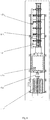
FIG.1 is a process flow diagram illustrating how multi-stage extruders connect and work to produce reclaimed rubber in the present invention.- 1. thermal insulation and metering apparatus, 2.First motor, 3.First reducer, 4. Counter rotating twin screw, 5. Counter rotating twin screw extruder barrel, 6. Cooling conveying apparatus, 7.Second motor, 8. Second reducer, 9. Multiple-
screw 1, 10. Multiple-screw barrel 1, 11.Third motor, 12.Third reducer, 13. Multiple-screw 2, 14. Multiple-screw barrel 2, 15. Cooling conveying apparatus, 16.Package apparatus
- 1. thermal insulation and metering apparatus, 2.First motor, 3.First reducer, 4. Counter rotating twin screw, 5. Counter rotating twin screw extruder barrel, 6. Cooling conveying apparatus, 7.Second motor, 8. Second reducer, 9. Multiple-
-
FIG.2 is a counter rotating twin screw extruder diagram wherein softener permeates into the waste rubber powder.- 1.Motor, 2. Coupling, 3. Reducer, 4. Counter rotating twin screw, 5. Barrel, 6. Base
-
FIG.3 is a co-rotating tri-screw extruder diagram.- 1.Motor, 2. Coupling, 3. Reducer, 4. Counter rotating twin screw, 5. Barrel, 6. Base
-
FIG.4 is a co-rotating twin-screw extruder diagram.- 1.Motor, 2. Coupling, 3. Reducer, 4. Counter rotating twin screw, 5. Barrel, 6. Base
- The principles and features of this invention may be employed in various and numerous embodiments without departing from the scope of the invention. The following is a further description of the invention. Phr means mass percent unless otherwise stated.
- Add 10 phr coal tar and 10 phr pine tar as softener, 100 phr waste radial truck tire tread rubber powder into mixer and stir for 8 minutes at 60°C, and then the prepared material is continuously conveyed to counter rotating twin screw extruder through enclosed, thermal insulation conveying metering apparatus. The temperature of heating and exhaust zone, holding zone and cooling zone of the counter rotating twin screw extruder is at 180°C, 230°C and 160°C respectively. After staying in extruder for 2 minutes, preliminary devulcanized powder with Mooney viscosity 195 is obtained. The preliminary devulcanized powder is cooled down to 50°C by the following cooling conveyor and subsequently transported into co-rotating twin screw extruder. Add 0.1
phr activator 2,2'-bisthio-bis(4-methyl-6-t-butylphenol) from side feeding. The temperature of mixing zone, shear zone and cooling zone of the co-rotating twin screw extruder are at 45°C, 70°C and 35°C respectively. Devulcanization reaction time lasts 3 minutes and devulcanized rubber powder with Mooney viscosity 110 is extruded. The devulcanized rubber powder is continuously feed into parallel tri-screw extruder through cooling conveying apparatus under enclosed condition. Temperature of first conveying zone, pre-shear zone, second conveying zone, second shear zone and third conveying zone of the parallel tri-screw extruder are at 15°C, 30°C, 20°C, 15°C and 10°C respectively, and the mandrel temperature is at 10°C. Refine the devulcanized rubber powder for 3 minutes under shear condition, and refining process is finished as the reclaimed rubber is extruded from the parallel tri-screw extruder and passes molding apparatus and cooling apparatus to 40 °C. Mooney viscosity of the obtained reclaimed rubber is 53.Ash content% Acetone extract % Mooney viscosity ML100°C (1+4min) Tensile strength MPa Elongation % Example 1 7.5 16.8 53 16.3 535 GB/T15340-2008, TA1 ≤10 ≤18 ≤95 ≥14 ≥420 - Add 2 phr tall oil and 3 phr pine tar as softener, 100 phr waste radial truck tire tread rubber powder into mixer and stir for 15 minutes at 80°C, and then the prepared material is continuously conveyed to counter rotating twin screw extruder through enclosed, thermal insulation conveying metering apparatus. The temperature of heating and exhaust zone, holding zone and cooling zone of the counter rotating twin screw extruder is at 160°C, 280°C and 120°C respectively. After staying in extruder for 5 minutes, preliminary devulcanized powder with Mooney viscosity 180 is obtained. The preliminary devulcanized powder is cooled down to 60°C by the following cooling conveyor and subsequently transported into co-rotating twin screw extruder. Add 3.0 phr activator diphenyldisulfide from side feeding. The temperature of mixing zone, shear zone and cooling zone of the co-rotating twin screw extruder are at 55°C, 80°C and 40°C respectively. Devulcanization reaction time lasts 3 minutes and devulcanized rubber powder with Mooney viscosity 100 is extruded. The devulcanized rubber powder is continuously feed into parallel tri-screw extruder through cooling conveyor under enclosed condition. Temperature of first conveying zone, pre-shear zone, second conveying zone, second shear zone and third conveying zone of the parallel tri-screw extruder are at 15°C, 30°C, 20°C, 25°C and 15°C respectively, and the mandrel temperature is at 10°C. Refine the devulcanized rubber powder for 3 minutes under shear condition, and refining process is finished as the reclaimed rubber is extruded from the parallel tri-screw extruder and passes molding apparatus and cooling apparatus to 40 °C. Mooney viscosity of the obtained reclaimed rubber is 62.
Ash content% Acetone extract % Mooney viscosity ML100°C (1+4min) Tensile strength MPa Elongation % Example 2 6.2 13.5 62 15.1 480 GB/T15340-2008, TA1 ≤10 ≤18 ≤95 ≥14 ≥420 - Add 8 phr tall oil, 6 phr pine tar and 4 phr rosin as softener, 100 phr waste radial truck tire tread rubber powder into mixer and stir for 20 minutes at 100°C, and then the prepared material is continuously conveyed to counter rotating twin screw extruder through enclosed, thermal insulation conveying metering apparatus. The temperature of heating and exhaust zone, holding zone and cooling zone of the counter rotating twin screw extruder is at 160°C, 260°C and 140°C respectively. After staying in extruder for 5 minutes, preliminary devulcanized powder with Mooney viscosity 160 is obtained. The preliminary devulcanized powder is cooled down to 55°C by the following cooling conveyor and subsequently transported into co-rotating twin screw extruder. Add 0.2 phr activator n-butylamine from side feeding. The temperature of mixing zone, shear zone and cooling zone of the co-rotating twin screw extruder are at 65°C, 90°C and 50°C respectively. Devulcanization reaction time lasts 3 minutes and devulcanized rubber powder with Mooney viscosity 90 is extruded. The devulcanized rubber powder is continuously feed into parallel tri-screw extruder through cooling conveyor under enclosed condition. Temperature of first conveying zone, pre-shear zone, second conveying zone, second shear zone and third conveying zone of the parallel tri-screw extruder are at 5°C, 15°C, 10°C, 20°C and 15°C respectively, and the mandrel temperature is at 15°C. Refine the devulcanized rubber powder for 2 minutes under shear condition, and refining process is finished as the reclaimed rubber is extruded from the parallel tri-screw extruder and passes molding apparatus and cooling apparatus to 30 °C. Mooney viscosity of the obtained reclaimed rubber is 50.
Ash content% Acetone extract % Mooney viscosity ML100°C (1+4min) Tensile strength MPa Elongation % Example 3 7.0 14.2 50 15.0 485 GB/T15340-2008, TA1 ≤10 ≤18 ≤95 ≥14 ≥420
Claims (5)
- Method of continuous preparation of reclaimed rubber using multi-stage screw extruders, comprising: first, mixing waste rubber powder and softener in a mixer for 5 to 25 minutes at 60°C to 120°C to obtain a mixture, then the mixture being transported into a thermal insulation buffer tank kept at 60°C ∼ 120°C, and fed into a first counter rotating twin screw extruder through a thermal insulation and metering apparatus, which stays for 1 to 6 minutes at 100°C to 340°C in the extruder to complete uniform penetration of the softener into the waste rubber powder and preliminary devulcanization, cooling to 40 to 80°C under airtight conditions in a continuous cooling apparatus to obtain a preliminary devulcanized material with Mooney viscosity of 100 to 230, adding the preliminary devulcanized material continuously into a second multi screw extruder through the thermal insulation and metering apparatus, adding a devulcanizing agent through a side feeding apparatus and controlling the temperature of a barrel and mandrel of the multi screw extruder at 20 to 110°C, proceeding devulcanization reaction for 1 to 6 minutes and extruding devulcanized rubber powder with Mooney viscosity of 70∼150, cooling the devulcanized rubber powder to 25°C to 60°C under airtight condition in a continuous cooling apparatus, continuously adding the devulcanized rubber powder into a third multi screw extruder, controlling the temperature of barrel and mandrel of the multi screw extruder at -5 to 50°C and refine the devulcanized rubber powder for 1 to 10 minutes under shear condition, wherein refining process is finished as the reclaimed rubber is extruded from the third extruder and passes a molding apparatus and a cooling apparatus to cool to below 50°C, the required reclaimed rubber is obtained after package; wherein
the mass ratio between waste rubber powder, softener and devulcanizing agent is 100:(2 ∼ 20): (0.01 - 3);
softener is one or several mixtures of coal tar, aromatic hydrocarbon oil, pine tar, tall oil, dipentene, paraffin oil, oleic acid, cottonseed oil, rosin, said devulcanizing agent is one of an aromatic hydrocarbon disulfide, a multi alkyl phenol sulfide, a phenylmercaptan, an amine compound, or combinations thereof;
waster rubber powder is one kind of waste radial truck tire powder, waste passenger car tire powder, or combinations thereof. - Method of continuous preparation of reclaimed rubber using multi-stage screw extruders in claim 1, wherein the multi screw extruder is a co-rotating twin screw extruder or a parallel triple screw extruder.
- Method of continuous preparation of reclaimed rubber using multi-stage screw extruders in claim 1, wherein in the counter rotating twin screw extruder, the temperature of heating and exhaust zone, holding zone and cooling zone is in the range of 120°C to 200°C, 200°C to 340°C and 100°C to 200°C, respectively.
- Method of continuous preparation of reclaimed rubber using multi-stage screw extruders in claim 1, wherein in the second multi screw extruder, the temperature of mixing zone, shear zone and cooling zone is in the range of 40°C to 70°C, 70°C to 90°C, and 30°C to 60°C, respectively.
- Method of continuous preparation of reclaimed rubber using multi-stage screw extruders in claim 1, wherein in the third multi screw extruder, the temperature of first conveying zone, pre-shear zone, second conveying zone, second shear zone and third conveying zone is in the range of 0°C to 25°C, 5°C to 40°C, 5°C to 25°C, -5°C to 35°C, and 0°C to 45°C, respectively.
Applications Claiming Priority (2)
| Application Number | Priority Date | Filing Date | Title |
|---|---|---|---|
| CN201711102594.7A CN107936331B (en) | 2017-11-10 | 2017-11-10 | A method for preparing recycled rubber by continuous desulfurization of multi-stage screw |
| PCT/CN2017/118796 WO2019090938A1 (en) | 2017-11-10 | 2017-12-27 | Method for preparing regenerated rubber by multi-stage screw-based continuous desulfurization |
Publications (4)
| Publication Number | Publication Date |
|---|---|
| EP3611221A1 true EP3611221A1 (en) | 2020-02-19 |
| EP3611221A4 EP3611221A4 (en) | 2020-10-07 |
| EP3611221B1 EP3611221B1 (en) | 2021-10-20 |
| EP3611221B8 EP3611221B8 (en) | 2021-12-01 |
Family
ID=61933721
Family Applications (1)
| Application Number | Title | Priority Date | Filing Date |
|---|---|---|---|
| EP17931711.0A Active EP3611221B8 (en) | 2017-11-10 | 2017-12-27 | Method for preparing regenerated rubber by multi-stage screw-based continuous desulfurization |
Country Status (4)
| Country | Link |
|---|---|
| US (1) | US11453758B2 (en) |
| EP (1) | EP3611221B8 (en) |
| CN (1) | CN107936331B (en) |
| WO (1) | WO2019090938A1 (en) |
Cited By (1)
| Publication number | Priority date | Publication date | Assignee | Title |
|---|---|---|---|---|
| CN111875842A (en) * | 2020-09-18 | 2020-11-03 | 山东东盛橡胶科技股份有限公司 | Environmentally friendly butyl reclaimed rubber desulfurizer |
Families Citing this family (31)
| Publication number | Priority date | Publication date | Assignee | Title |
|---|---|---|---|---|
| CN109810521B (en) * | 2018-05-11 | 2021-04-16 | 江苏宝利国际投资股份有限公司 | High-rubber asphalt master batch and low-temperature environment-friendly production process thereof |
| CN111286202A (en) * | 2018-12-10 | 2020-06-16 | 中蓝晨光化工研究设计院有限公司 | A continuous preparation process of nano-silica-polysiloxane composite material |
| CN109705365B (en) * | 2018-12-29 | 2021-12-07 | 江苏宝利国际投资股份有限公司 | Preparation method of environment-friendly composite modified asphalt |
| IT201900016061A1 (en) * | 2019-09-11 | 2021-03-11 | F Lli Maris S P A | Plant for the recovery and devulcanization of cross-linked rubber and devulcanization process |
| CN110919909B (en) * | 2019-10-25 | 2021-12-28 | 青岛科技大学 | Efficient continuous waste rubber regeneration equipment and preparation method |
| IT201900020757A1 (en) | 2019-11-11 | 2021-05-11 | Bridgestone Europe Nv Sa | APPARATUS AND METHOD FOR THE PRODUCTION OF A RUBBER COMPOUND USED FOR THE MANUFACTURE OF A RUBBER PRODUCT OR A TIRE |
| CN111204000B (en) * | 2020-01-15 | 2022-01-11 | 福建中宏新材料科技有限公司 | Two-stage plasticizing process of butyl reclaimed rubber |
| DE102020207121A1 (en) * | 2020-06-08 | 2021-12-09 | Continental Reifen Deutschland Gmbh | Method for devulcanizing a vulcanized rubber mixture, device for carrying out the method and uses of the device as well as rubber mixture as well as pneumatic vehicle tires or technical rubber articles, comprising a component made from the rubber mixture |
| EP4204198A4 (en) * | 2020-08-31 | 2024-09-04 | Ceat Limited | METHOD FOR DEVULCANISATION OF RUBBER |
| AT524309A1 (en) * | 2020-09-15 | 2022-04-15 | Next Generation Recyclingmaschinen Gmbh | Process for processing plastics |
| CN112405999B (en) * | 2020-11-02 | 2025-05-30 | 江苏越升科技股份有限公司 | Three-stage extruder for serial polymer foam extrusion processing |
| CN112873779B (en) * | 2021-03-15 | 2025-02-25 | 宿迁绿金人橡塑机械有限公司 | A device and method for continuously preparing small-particle regenerated rubber with low Mooney rebound |
| CN112852012B (en) * | 2021-03-18 | 2024-01-26 | 宿迁绿金人橡塑机械有限公司 | Device and method for continuous dynamic pretreatment of waste rubber powder |
| CN113214535B (en) * | 2021-03-31 | 2023-03-14 | 长安大学 | Activated rubber powder and preparation method thereof, and modified asphalt based on activated rubber powder and preparation method thereof |
| CN113459321B (en) * | 2021-04-08 | 2023-03-14 | 浙江舜达材料科技有限公司 | Preparation method and processing device of high-viscosity reclaimed rubber |
| CN113061289A (en) * | 2021-04-14 | 2021-07-02 | 杭州中策橡胶循环科技有限公司 | A production process of reclaimed rubber for making tires |
| CN116061472A (en) * | 2021-10-29 | 2023-05-05 | 南京绿金人橡塑高科有限公司 | A method for preparing self-repairing adhesive for high-viscosity tires and self-repairing adhesive |
| CN114478840B (en) * | 2021-11-01 | 2022-09-06 | 杭州中策橡胶循环科技有限公司 | Functionalized reversion liquid rubber and preparation method thereof |
| CN114213705B (en) * | 2022-02-08 | 2024-05-03 | 天津城建大学 | Desulfurization method for waste tire rubber powder |
| CN114524972A (en) * | 2022-03-07 | 2022-05-24 | 焦作市弘瑞橡胶有限责任公司 | Low-temperature zero-pressure anhydrous rubber low-oxygen catalytic regeneration method |
| CN114957790A (en) * | 2022-05-25 | 2022-08-30 | 镇江明润信息科技有限公司 | Reclaimed rubber production method |
| CN114773702A (en) * | 2022-05-30 | 2022-07-22 | 四川远星橡胶有限责任公司 | Reclaimed rubber with stable Mooney and preparation method thereof |
| CN115353673B (en) * | 2022-07-22 | 2024-03-26 | 山东玲珑轮胎股份有限公司 | Rubber composite material for tire tread and preparation method thereof |
| KR20250099357A (en) | 2022-10-27 | 2025-07-01 | 에보니크 오퍼레이션즈 게엠베하 | Desulfurized rubber, method for producing desulfurized rubber, and use thereof |
| CN115678258B (en) * | 2022-10-28 | 2024-06-04 | 宁波坚锋新材料有限公司 | Tire cord fabric recycling high-impact regenerated nylon and preparation method thereof |
| CN116355278A (en) * | 2022-12-23 | 2023-06-30 | 中策橡胶集团股份有限公司 | A method for continuously preparing oil-free high-strength tire regenerated rubber |
| CN118290837B (en) * | 2022-12-26 | 2025-11-07 | 南京绿金人橡塑高科有限公司 | Method for continuously preparing high-performance regenerated rubber with low cost and high efficiency |
| CN118290819B (en) * | 2022-12-26 | 2026-01-30 | 南京绿金人橡塑高科有限公司 | A method for preparing odorless and environmentally friendly liquid recycled rubber |
| FR3144137A1 (en) * | 2022-12-27 | 2024-06-28 | Compagnie Generale Des Etablissements Michelin | Process for devulcanizing rubber chips from vehicle tires |
| CN117341081A (en) * | 2023-10-16 | 2024-01-05 | 宿迁绿金人橡塑机械有限公司 | A low-odor bio-based liquid natural rubber and its preparation method |
| CN117341178B (en) * | 2023-10-16 | 2024-11-12 | 宿迁绿金人橡塑机械有限公司 | A high-performance, low-cost bio-based liquid natural rubber and its preparation method |
Family Cites Families (16)
| Publication number | Priority date | Publication date | Assignee | Title |
|---|---|---|---|---|
| JPH11235724A (en) * | 1998-02-19 | 1999-08-31 | Toyota Central Res & Dev Lab Inc | Method for producing recycled rubber molding |
| AT501154B8 (en) * | 2005-01-28 | 2007-02-15 | Erema | DEVICE FOR FILLING AN EXTRUDER WITH PRE-TREATED THERMOPLASTIC PLASTIC MATERIAL |
| US7767722B2 (en) * | 2006-12-11 | 2010-08-03 | Green Source Energy Llc | Devulcanized rubber and methods |
| CN101434710B (en) * | 2008-12-18 | 2010-07-14 | 泰安市金山橡胶工业有限公司 | Automatic rubber powder plasticizing process and apparatus thereof |
| CN101508795B (en) | 2009-03-16 | 2011-05-11 | 江苏强维橡塑科技有限公司 | Method for desulfurization regeneration of vulcanized rubber by employing double-screw extruder |
| US20100308495A1 (en) * | 2009-06-05 | 2010-12-09 | Pillai Chandrasekaran R | Process for the manufacture of reactive rubber process aids |
| CN102030934B (en) * | 2009-09-30 | 2016-08-03 | 陈汇宏 | A kind of method of scrap rubber hot recycling |
| CN102888030B (en) | 2011-07-22 | 2015-06-17 | 南通回力橡胶有限公司 | Waste rubber high-temperature normal-pressure regenerating process |
| CN102601975B (en) * | 2012-03-15 | 2014-12-10 | 北京化工大学 | Method for continuously preparing liquid reclaimed rubber by aid of screw extruder |
| CN102816343B (en) * | 2012-09-08 | 2014-12-24 | 北京化工大学 | Method for preparing reclaimed rubber by continuous low-temperature high shear |
| CN102977404B (en) * | 2012-10-29 | 2014-11-05 | 北京化工大学 | Method for continuous preparation of reclaimed rubber by using dual-band twin-screw extruder |
| CN102911399B (en) * | 2012-10-29 | 2015-05-20 | 北京化工大学 | Method for regenerating waste rubber by different-screwing-direction double-screw extruder |
| CN103087349B (en) | 2013-01-08 | 2016-03-02 | 青岛科技大学 | A kind of singe screw thermochemistry, strong shear composite desulfate equipment and sulfur method thereof |
| EP3063178A4 (en) * | 2013-10-29 | 2017-05-31 | Manitoba Inc. | Automatic devulcanizing and plasticizing device and method for using same |
| CN103665428B (en) | 2013-12-19 | 2015-10-14 | 莒县东盛橡胶有限公司 | Continuous high temperature desulfurization at normal-pressure machine |
| CN104004222B (en) | 2014-04-29 | 2017-03-01 | 青岛科技大学 | A kind of scrap rubber low temperature continuous regeneration set and process |
-
2017
- 2017-11-10 CN CN201711102594.7A patent/CN107936331B/en active Active
- 2017-12-27 EP EP17931711.0A patent/EP3611221B8/en active Active
- 2017-12-27 US US16/476,535 patent/US11453758B2/en active Active
- 2017-12-27 WO PCT/CN2017/118796 patent/WO2019090938A1/en not_active Ceased
Cited By (2)
| Publication number | Priority date | Publication date | Assignee | Title |
|---|---|---|---|---|
| CN111875842A (en) * | 2020-09-18 | 2020-11-03 | 山东东盛橡胶科技股份有限公司 | Environmentally friendly butyl reclaimed rubber desulfurizer |
| CN111875842B (en) * | 2020-09-18 | 2024-03-12 | 山东东盛橡胶科技股份有限公司 | Environmentally friendly butyl reclaimed rubber desulfurizer |
Also Published As
| Publication number | Publication date |
|---|---|
| EP3611221A4 (en) | 2020-10-07 |
| WO2019090938A1 (en) | 2019-05-16 |
| US11453758B2 (en) | 2022-09-27 |
| US20190382552A1 (en) | 2019-12-19 |
| CN107936331B (en) | 2020-10-02 |
| CN107936331A (en) | 2018-04-20 |
| EP3611221B8 (en) | 2021-12-01 |
| EP3611221B1 (en) | 2021-10-20 |
Similar Documents
| Publication | Publication Date | Title |
|---|---|---|
| EP3611221B1 (en) | Method for preparing regenerated rubber by multi-stage screw-based continuous desulfurization | |
| CN102977404B (en) | Method for continuous preparation of reclaimed rubber by using dual-band twin-screw extruder | |
| EP2371886B1 (en) | Automatic rubber powder plasticizing method and equipment for automatic rubber powder plasticizing method | |
| CN102911399B (en) | Method for regenerating waste rubber by different-screwing-direction double-screw extruder | |
| CN101168600B (en) | High shear stress induced desulfurization and modification method for waste tire rubber | |
| CN102601975B (en) | Method for continuously preparing liquid reclaimed rubber by aid of screw extruder | |
| CN102816343B (en) | Method for preparing reclaimed rubber by continuous low-temperature high shear | |
| CN104387611B (en) | Waste old green regenerating method | |
| KR100901561B1 (en) | Desulfurization Treatment of Waste Rubber by Continuous Extrusion | |
| CN101418082B (en) | Green desulfurization technique of waste rubber | |
| CN106273022A (en) | A kind of continuous way rubber mixing-milling technique method | |
| US12391821B2 (en) | Method for the devulcanization of a vulcanized rubber mixture, device for carrying out the method and use of the device for the devulcanization of a vulcanized rubber mixture | |
| CN114058097B (en) | High-performance uncrosslinked rubber asphalt and preparation method thereof | |
| CN102344592A (en) | Device and method for directly preparing regenerated rubber sheet by continually cooling and mixing desulfurized rubber powder | |
| CN101508795A (en) | Method for desulfurization regeneration of vulcanized rubber by employing double-screw extruder | |
| CN104441301B (en) | A kind of tandem rubber compound continuous mixing method | |
| CN111675828B (en) | Preparation process of liquid reclaimed rubber | |
| CN104004222B (en) | A kind of scrap rubber low temperature continuous regeneration set and process | |
| CN113150413B (en) | Liquid-containing reclaimed rubber conveyer belt cover rubber material and preparation method thereof | |
| CN101817934B (en) | Process for stress-induced desulfurization reaction of waste tire rubber | |
| CN102501335B (en) | Novel process for reducing and regenerating waster rubber continuously | |
| CN107141506B (en) | Reclaimed rubber desulfurization machine | |
| CN114507402A (en) | Industrialized preparation method and application of a new type of fly ash building material composite material | |
| CN108638476B (en) | Method for continuously preparing high-performance plasticized rubber powder by using double-stage low-shear co-rotating double screws | |
| CN117921898A (en) | EPDM recycled rubber prepared from waste automobile sealing strips and preparation method thereof |
Legal Events
| Date | Code | Title | Description |
|---|---|---|---|
| STAA | Information on the status of an ep patent application or granted ep patent |
Free format text: STATUS: THE INTERNATIONAL PUBLICATION HAS BEEN MADE |
|
| PUAI | Public reference made under article 153(3) epc to a published international application that has entered the european phase |
Free format text: ORIGINAL CODE: 0009012 |
|
| STAA | Information on the status of an ep patent application or granted ep patent |
Free format text: STATUS: REQUEST FOR EXAMINATION WAS MADE |
|
| 17P | Request for examination filed |
Effective date: 20191111 |
|
| AK | Designated contracting states |
Kind code of ref document: A1 Designated state(s): AL AT BE BG CH CY CZ DE DK EE ES FI FR GB GR HR HU IE IS IT LI LT LU LV MC MK MT NL NO PL PT RO RS SE SI SK SM TR |
|
| AX | Request for extension of the european patent |
Extension state: BA ME |
|
| A4 | Supplementary search report drawn up and despatched |
Effective date: 20200904 |
|
| RIC1 | Information provided on ipc code assigned before grant |
Ipc: C08L 17/00 20060101ALI20200831BHEP Ipc: C08J 11/10 20060101ALI20200831BHEP Ipc: B29B 17/00 20060101AFI20200831BHEP |
|
| DAV | Request for validation of the european patent (deleted) | ||
| DAX | Request for extension of the european patent (deleted) | ||
| REG | Reference to a national code |
Ref country code: DE Ref legal event code: R079 Ref document number: 602017048109 Country of ref document: DE Free format text: PREVIOUS MAIN CLASS: C08L0017000000 Ipc: B29B0017000000 |
|
| GRAP | Despatch of communication of intention to grant a patent |
Free format text: ORIGINAL CODE: EPIDOSNIGR1 |
|
| STAA | Information on the status of an ep patent application or granted ep patent |
Free format text: STATUS: GRANT OF PATENT IS INTENDED |
|
| RIC1 | Information provided on ipc code assigned before grant |
Ipc: C08J 11/10 20060101ALI20210414BHEP Ipc: C08L 17/00 20060101ALI20210414BHEP Ipc: B29B 17/00 20060101AFI20210414BHEP |
|
| INTG | Intention to grant announced |
Effective date: 20210514 |
|
| GRAS | Grant fee paid |
Free format text: ORIGINAL CODE: EPIDOSNIGR3 |
|
| GRAA | (expected) grant |
Free format text: ORIGINAL CODE: 0009210 |
|
| STAA | Information on the status of an ep patent application or granted ep patent |
Free format text: STATUS: THE PATENT HAS BEEN GRANTED |
|
| AK | Designated contracting states |
Kind code of ref document: B1 Designated state(s): AL AT BE BG CH CY CZ DE DK EE ES FI FR GB GR HR HU IE IS IT LI LT LU LV MC MK MT NL NO PL PT RO RS SE SI SK SM TR |
|
| REG | Reference to a national code |
Ref country code: GB Ref legal event code: FG4D |
|
| REG | Reference to a national code |
Ref country code: CH Ref legal event code: EP |
|
| REG | Reference to a national code |
Ref country code: DE Ref legal event code: R096 Ref document number: 602017048109 Country of ref document: DE |
|
| REG | Reference to a national code |
Ref country code: IE Ref legal event code: FG4D |
|
| REG | Reference to a national code |
Ref country code: AT Ref legal event code: REF Ref document number: 1439563 Country of ref document: AT Kind code of ref document: T Effective date: 20211115 Ref country code: CH Ref legal event code: PK Free format text: BERICHTIGUNG B8 |
|
| RAP4 | Party data changed (patent owner data changed or rights of a patent transferred) |
Owner name: BEIJING UNIVERSITY OF CHEMICAL TECHNOLOGY Owner name: NANJING GREEN GOLD GIANT RUBBER&PLASTIC HI-TECH CO., LTD. |
|
| REG | Reference to a national code |
Ref country code: LT Ref legal event code: MG9D |
|
| REG | Reference to a national code |
Ref country code: NL Ref legal event code: MP Effective date: 20211020 Ref country code: SK Ref legal event code: T3 Ref document number: E 38914 Country of ref document: SK |
|
| REG | Reference to a national code |
Ref country code: AT Ref legal event code: MK05 Ref document number: 1439563 Country of ref document: AT Kind code of ref document: T Effective date: 20211020 |
|
| PG25 | Lapsed in a contracting state [announced via postgrant information from national office to epo] |
Ref country code: RS Free format text: LAPSE BECAUSE OF FAILURE TO SUBMIT A TRANSLATION OF THE DESCRIPTION OR TO PAY THE FEE WITHIN THE PRESCRIBED TIME-LIMIT Effective date: 20211020 Ref country code: LT Free format text: LAPSE BECAUSE OF FAILURE TO SUBMIT A TRANSLATION OF THE DESCRIPTION OR TO PAY THE FEE WITHIN THE PRESCRIBED TIME-LIMIT Effective date: 20211020 Ref country code: FI Free format text: LAPSE BECAUSE OF FAILURE TO SUBMIT A TRANSLATION OF THE DESCRIPTION OR TO PAY THE FEE WITHIN THE PRESCRIBED TIME-LIMIT Effective date: 20211020 Ref country code: BG Free format text: LAPSE BECAUSE OF FAILURE TO SUBMIT A TRANSLATION OF THE DESCRIPTION OR TO PAY THE FEE WITHIN THE PRESCRIBED TIME-LIMIT Effective date: 20220120 Ref country code: AT Free format text: LAPSE BECAUSE OF FAILURE TO SUBMIT A TRANSLATION OF THE DESCRIPTION OR TO PAY THE FEE WITHIN THE PRESCRIBED TIME-LIMIT Effective date: 20211020 |
|
| PG25 | Lapsed in a contracting state [announced via postgrant information from national office to epo] |
Ref country code: IS Free format text: LAPSE BECAUSE OF FAILURE TO SUBMIT A TRANSLATION OF THE DESCRIPTION OR TO PAY THE FEE WITHIN THE PRESCRIBED TIME-LIMIT Effective date: 20220220 Ref country code: SE Free format text: LAPSE BECAUSE OF FAILURE TO SUBMIT A TRANSLATION OF THE DESCRIPTION OR TO PAY THE FEE WITHIN THE PRESCRIBED TIME-LIMIT Effective date: 20211020 Ref country code: PT Free format text: LAPSE BECAUSE OF FAILURE TO SUBMIT A TRANSLATION OF THE DESCRIPTION OR TO PAY THE FEE WITHIN THE PRESCRIBED TIME-LIMIT Effective date: 20220221 Ref country code: PL Free format text: LAPSE BECAUSE OF FAILURE TO SUBMIT A TRANSLATION OF THE DESCRIPTION OR TO PAY THE FEE WITHIN THE PRESCRIBED TIME-LIMIT Effective date: 20211020 Ref country code: NO Free format text: LAPSE BECAUSE OF FAILURE TO SUBMIT A TRANSLATION OF THE DESCRIPTION OR TO PAY THE FEE WITHIN THE PRESCRIBED TIME-LIMIT Effective date: 20220120 Ref country code: NL Free format text: LAPSE BECAUSE OF FAILURE TO SUBMIT A TRANSLATION OF THE DESCRIPTION OR TO PAY THE FEE WITHIN THE PRESCRIBED TIME-LIMIT Effective date: 20211020 Ref country code: LV Free format text: LAPSE BECAUSE OF FAILURE TO SUBMIT A TRANSLATION OF THE DESCRIPTION OR TO PAY THE FEE WITHIN THE PRESCRIBED TIME-LIMIT Effective date: 20211020 Ref country code: HR Free format text: LAPSE BECAUSE OF FAILURE TO SUBMIT A TRANSLATION OF THE DESCRIPTION OR TO PAY THE FEE WITHIN THE PRESCRIBED TIME-LIMIT Effective date: 20211020 Ref country code: GR Free format text: LAPSE BECAUSE OF FAILURE TO SUBMIT A TRANSLATION OF THE DESCRIPTION OR TO PAY THE FEE WITHIN THE PRESCRIBED TIME-LIMIT Effective date: 20220121 Ref country code: ES Free format text: LAPSE BECAUSE OF FAILURE TO SUBMIT A TRANSLATION OF THE DESCRIPTION OR TO PAY THE FEE WITHIN THE PRESCRIBED TIME-LIMIT Effective date: 20211020 |
|
| REG | Reference to a national code |
Ref country code: DE Ref legal event code: R097 Ref document number: 602017048109 Country of ref document: DE |
|
| PG25 | Lapsed in a contracting state [announced via postgrant information from national office to epo] |
Ref country code: SM Free format text: LAPSE BECAUSE OF FAILURE TO SUBMIT A TRANSLATION OF THE DESCRIPTION OR TO PAY THE FEE WITHIN THE PRESCRIBED TIME-LIMIT Effective date: 20211020 Ref country code: RO Free format text: LAPSE BECAUSE OF FAILURE TO SUBMIT A TRANSLATION OF THE DESCRIPTION OR TO PAY THE FEE WITHIN THE PRESCRIBED TIME-LIMIT Effective date: 20211020 Ref country code: MC Free format text: LAPSE BECAUSE OF FAILURE TO SUBMIT A TRANSLATION OF THE DESCRIPTION OR TO PAY THE FEE WITHIN THE PRESCRIBED TIME-LIMIT Effective date: 20211020 Ref country code: EE Free format text: LAPSE BECAUSE OF FAILURE TO SUBMIT A TRANSLATION OF THE DESCRIPTION OR TO PAY THE FEE WITHIN THE PRESCRIBED TIME-LIMIT Effective date: 20211020 Ref country code: DK Free format text: LAPSE BECAUSE OF FAILURE TO SUBMIT A TRANSLATION OF THE DESCRIPTION OR TO PAY THE FEE WITHIN THE PRESCRIBED TIME-LIMIT Effective date: 20211020 Ref country code: CZ Free format text: LAPSE BECAUSE OF FAILURE TO SUBMIT A TRANSLATION OF THE DESCRIPTION OR TO PAY THE FEE WITHIN THE PRESCRIBED TIME-LIMIT Effective date: 20211020 |
|
| REG | Reference to a national code |
Ref country code: CH Ref legal event code: PL |
|
| PLBE | No opposition filed within time limit |
Free format text: ORIGINAL CODE: 0009261 |
|
| STAA | Information on the status of an ep patent application or granted ep patent |
Free format text: STATUS: NO OPPOSITION FILED WITHIN TIME LIMIT |
|
| REG | Reference to a national code |
Ref country code: BE Ref legal event code: MM Effective date: 20211231 |
|
| 26N | No opposition filed |
Effective date: 20220721 |
|
| PG25 | Lapsed in a contracting state [announced via postgrant information from national office to epo] |
Ref country code: LU Free format text: LAPSE BECAUSE OF NON-PAYMENT OF DUE FEES Effective date: 20211227 Ref country code: IE Free format text: LAPSE BECAUSE OF NON-PAYMENT OF DUE FEES Effective date: 20211227 Ref country code: AL Free format text: LAPSE BECAUSE OF FAILURE TO SUBMIT A TRANSLATION OF THE DESCRIPTION OR TO PAY THE FEE WITHIN THE PRESCRIBED TIME-LIMIT Effective date: 20211020 |
|
| PG25 | Lapsed in a contracting state [announced via postgrant information from national office to epo] |
Ref country code: SI Free format text: LAPSE BECAUSE OF FAILURE TO SUBMIT A TRANSLATION OF THE DESCRIPTION OR TO PAY THE FEE WITHIN THE PRESCRIBED TIME-LIMIT Effective date: 20211020 Ref country code: BE Free format text: LAPSE BECAUSE OF NON-PAYMENT OF DUE FEES Effective date: 20211231 |
|
| PG25 | Lapsed in a contracting state [announced via postgrant information from national office to epo] |
Ref country code: LI Free format text: LAPSE BECAUSE OF NON-PAYMENT OF DUE FEES Effective date: 20211231 Ref country code: CH Free format text: LAPSE BECAUSE OF NON-PAYMENT OF DUE FEES Effective date: 20211231 |
|
| PG25 | Lapsed in a contracting state [announced via postgrant information from national office to epo] |
Ref country code: IT Free format text: LAPSE BECAUSE OF FAILURE TO SUBMIT A TRANSLATION OF THE DESCRIPTION OR TO PAY THE FEE WITHIN THE PRESCRIBED TIME-LIMIT Effective date: 20211020 |
|
| PG25 | Lapsed in a contracting state [announced via postgrant information from national office to epo] |
Ref country code: CY Free format text: LAPSE BECAUSE OF FAILURE TO SUBMIT A TRANSLATION OF THE DESCRIPTION OR TO PAY THE FEE WITHIN THE PRESCRIBED TIME-LIMIT Effective date: 20211020 |
|
| PG25 | Lapsed in a contracting state [announced via postgrant information from national office to epo] |
Ref country code: HU Free format text: LAPSE BECAUSE OF FAILURE TO SUBMIT A TRANSLATION OF THE DESCRIPTION OR TO PAY THE FEE WITHIN THE PRESCRIBED TIME-LIMIT; INVALID AB INITIO Effective date: 20171227 |
|
| REG | Reference to a national code |
Ref country code: DE Ref legal event code: R082 Ref document number: 602017048109 Country of ref document: DE Representative=s name: SUN, YIMING, M.SC. DIPL. SC. POL. UNIV., DE |
|
| PG25 | Lapsed in a contracting state [announced via postgrant information from national office to epo] |
Ref country code: MK Free format text: LAPSE BECAUSE OF FAILURE TO SUBMIT A TRANSLATION OF THE DESCRIPTION OR TO PAY THE FEE WITHIN THE PRESCRIBED TIME-LIMIT Effective date: 20211020 |
|
| PG25 | Lapsed in a contracting state [announced via postgrant information from national office to epo] |
Ref country code: MT Free format text: LAPSE BECAUSE OF FAILURE TO SUBMIT A TRANSLATION OF THE DESCRIPTION OR TO PAY THE FEE WITHIN THE PRESCRIBED TIME-LIMIT Effective date: 20211020 |
|
| PG25 | Lapsed in a contracting state [announced via postgrant information from national office to epo] |
Ref country code: TR Free format text: LAPSE BECAUSE OF FAILURE TO SUBMIT A TRANSLATION OF THE DESCRIPTION OR TO PAY THE FEE WITHIN THE PRESCRIBED TIME-LIMIT Effective date: 20211020 |
|
| PGFP | Annual fee paid to national office [announced via postgrant information from national office to epo] |
Ref country code: DE Payment date: 20251118 Year of fee payment: 9 |
|
| PGFP | Annual fee paid to national office [announced via postgrant information from national office to epo] |
Ref country code: GB Payment date: 20251218 Year of fee payment: 9 |
|
| PGFP | Annual fee paid to national office [announced via postgrant information from national office to epo] |
Ref country code: FR Payment date: 20251218 Year of fee payment: 9 |
|
| PGFP | Annual fee paid to national office [announced via postgrant information from national office to epo] |
Ref country code: SK Payment date: 20251222 Year of fee payment: 9 |