EP3608917A1 - Schnittstelle für interpretierer der ergebnisse eines blutuntersuchungssystems und verfahren - Google Patents
Schnittstelle für interpretierer der ergebnisse eines blutuntersuchungssystems und verfahren Download PDFInfo
- Publication number
- EP3608917A1 EP3608917A1 EP19193070.0A EP19193070A EP3608917A1 EP 3608917 A1 EP3608917 A1 EP 3608917A1 EP 19193070 A EP19193070 A EP 19193070A EP 3608917 A1 EP3608917 A1 EP 3608917A1
- Authority
- EP
- European Patent Office
- Prior art keywords
- blood
- test result
- result data
- analyzer
- blood analyzer
- Prior art date
- Legal status (The legal status is an assumption and is not a legal conclusion. Google has not performed a legal analysis and makes no representation as to the accuracy of the status listed.)
- Granted
Links
Images




Classifications
-
- G—PHYSICS
- G16—INFORMATION AND COMMUNICATION TECHNOLOGY [ICT] SPECIALLY ADAPTED FOR SPECIFIC APPLICATION FIELDS
- G16H—HEALTHCARE INFORMATICS, i.e. INFORMATION AND COMMUNICATION TECHNOLOGY [ICT] SPECIALLY ADAPTED FOR THE HANDLING OR PROCESSING OF MEDICAL OR HEALTHCARE DATA
- G16H50/00—ICT specially adapted for medical diagnosis, medical simulation or medical data mining; ICT specially adapted for detecting, monitoring or modelling epidemics or pandemics
- G16H50/20—ICT specially adapted for medical diagnosis, medical simulation or medical data mining; ICT specially adapted for detecting, monitoring or modelling epidemics or pandemics for computer-aided diagnosis, e.g. based on medical expert systems
-
- G—PHYSICS
- G01—MEASURING; TESTING
- G01N—INVESTIGATING OR ANALYSING MATERIALS BY DETERMINING THEIR CHEMICAL OR PHYSICAL PROPERTIES
- G01N33/00—Investigating or analysing materials by specific methods not covered by groups G01N1/00 - G01N31/00
- G01N33/48—Biological material, e.g. blood, urine; Haemocytometers
- G01N33/50—Chemical analysis of biological material, e.g. blood, urine; Testing involving biospecific ligand binding methods; Immunological testing
- G01N33/86—Chemical analysis of biological material, e.g. blood, urine; Testing involving biospecific ligand binding methods; Immunological testing involving blood coagulating time or factors, or their receptors
-
- G—PHYSICS
- G16—INFORMATION AND COMMUNICATION TECHNOLOGY [ICT] SPECIALLY ADAPTED FOR SPECIFIC APPLICATION FIELDS
- G16H—HEALTHCARE INFORMATICS, i.e. INFORMATION AND COMMUNICATION TECHNOLOGY [ICT] SPECIALLY ADAPTED FOR THE HANDLING OR PROCESSING OF MEDICAL OR HEALTHCARE DATA
- G16H40/00—ICT specially adapted for the management or administration of healthcare resources or facilities; ICT specially adapted for the management or operation of medical equipment or devices
- G16H40/60—ICT specially adapted for the management or administration of healthcare resources or facilities; ICT specially adapted for the management or operation of medical equipment or devices for the operation of medical equipment or devices
- G16H40/63—ICT specially adapted for the management or administration of healthcare resources or facilities; ICT specially adapted for the management or operation of medical equipment or devices for the operation of medical equipment or devices for local operation
Definitions
- This document relates to systems and methods for testing characteristics of a blood sample, such as an automated thromboelastometry system for blood coagulation analysis and other analytical systems for testing blood.
- Hemostasis is the human body's response to blood vessel injury and bleeding. Hemostasis involves a coordinated effort between platelets and numerous blood clotting proteins (or clotting factors), resulting in the formation of a blood clot and the subsequent stoppage of bleeding.
- viscoelastic methods One group of tests to assess the potential of blood to form an adequate clot are known as “viscoelastic methods.”
- the blood clot firmness (or other parameters dependent thereon) is determined over a period of time, for example, from the formation of the first fibrin fibers until the dissolution of the blood clot by fibrinolysis.
- Blood clot firmness is a functional parameter which contributes to hemostasis in vivo, as a clot must resist blood pressure and shear stress at the site of vascular injury or incision.
- clot firmness may result from multiple interlinked processes including coagulation activation, thrombin formation, fibrin formation and polymerization, platelet activation, and fibrin-platelet interaction.
- Viscoelastic method test result data and the result data from other types of analytical blood tests are sometimes used by medical practitioners for determining patient diagnoses, or for identifying potential health conditions for further investigation.
- the medical practitioner may be required to assess two or more types of blood test result data (e.g., data from two or more different blood testing machines), which can be complex and time-consuming in medical emergency situations.
- different hospitals or other medical care facilities may impose different standards or responses to the same blood test result data, thereby further increasing the complexity imposed upon the medical practitioner attempting to assess the blood test result data from two or more different blood testing machines.
- Some embodiments described herein provide a system configured to receive blood test result data (from one or more blood analyzer machines) and, based on the blood test result data, to provide a result interpretation output via a user interface to assist the user in identifying a relevant diagnosis or potential health conditions for further investigation.
- the term "result interpretation output” means a communication output via a user interface that, based upon the blood test result data received from one or more blood analyzer machines that analyzed a blood sample, identifies a suggested diagnosis or potential health condition for a patient from which the blood sample was obtained.
- the "result interpretation output” is different from the actual blood test result data received from a blood analyzer machine, and instead provides a computer-driven interpretation of the blood test result data.
- a blood analyzer machine is configured not only to perform test operations on a blood sample and provide blood test result data, but also to provide a result interpreter interface that compares the various data points from the blood test result data to previously stored threshold values and thereby outputs to the user one or more meaningful messages to the user that identify a relevant diagnosis of the patient or potential health conditions for further investigation.
- the previously stored threshold values are user-customizable in that a machine operator can modify the default threshold values in accordance with the standards of a particular hospital or other medical care facility.
- a system described herein include a computer-implemented algorithm (optionally, implement by a control console of a blood analyzer machine) that is configured to generate a result interpretation output based at least in part on the blood test result data received from one or more blood analyzer machines that analyzed a particular blood sample.
- a computer-implemented algorithm (optionally, implement by a control console of a blood analyzer machine) that is configured to generate a result interpretation output based at least in part on the blood test result data received from one or more blood analyzer machines that analyzed a particular blood sample.
- Such a system may optionally include any of the features described in the text below.
- Some embodiments described herein include a method that may include one or more of the following steps.
- the method may include the step of receiving, at a blood analyzer machine, user input indicative of a clinical setting of a patient that provided a blood sample.
- the method also includes the step of receiving, at the blood analyzer machine, the blood sample of the patient.
- the method may also include the step of performing, by the blood analyzer machine, one or more blood characteristic tests on the blood sample for providing blood test result data.
- the method includes the step of interpreting, by the blood analyzer machine and using an algorithm from a plurality of algorithms accessible to the blood analyzer machine, the blood test result data provided from the one or more blood characteristic tests.
- the method includes the step of displaying, using a user interface of the blood analyzer machine, one or more messages indicative of a potential diagnosis or health condition based on said interpreting the blood test result data provided from the one or more blood characteristic tests.
- the one or more messages determined and displayed by the blood analyzer machine are a result interpretation output that is different from blood test result data output from the blood analyzer machine.
- the blood analyzer machine may comprise a thromboelastometry system including a movable probe to interact with at least a portion of the blood sample for measuring blood coagulation characteristics.
- the method may further include the step of receiving, at the blood analyzer machine, external test result data from one or more external blood analyzer devices that are different from and remote from said blood analyzer machine.
- the external test result data from the one or more external blood analyzer devices may result from additional blood characteristic tests on the blood sample by the one or more external blood analyzer devices.
- the interpreting by the blood analyzer machine may include analyzing, using the algorithm, the blood test result data from the blood analyzer machine and the external test result data from the one or more external blood analyzer devices.
- the one or more messages displayed by the blood analyzer machine may be based on the interpreting of the blood test result data from the blood analyzer machine and the external test result data from the one or more external blood analyzer devices.
- the one or more external blood analyzer devices comprises a blood gas analyzer configured to perform a blood characteristic test on the blood sample.
- the one or more external blood analyzer devices are connected to the blood analyzer machine via one or more data cables or a wireless network connection for transferring data to the blood analyzer machine.
- the method may optionally include, after displaying the one or more messages, receiving, at the blood analyzer machine, a user selection of a selectable element for changing a display mode of the user interface. Some such methods may include, in response to receiving the user selection, changing from displaying the one or more messages to displaying graphical or numeric information corresponding to at least some of the blood test result data.
- the interpreting by the blood analyzer machine may comprise analyzing the blood test result data in comparison to one or more preset threshold values using the algorithm so as to determine said one or more messages.
- the one or more present threshold values are customizable by an operator of the machine so as to modify one or more default threshold values to one or more customized threshold values.
- the blood analyzer machine comprises a control console including a user interface display device, one or more computer processors, and a computer-readable memory device. The plurality of algorithms accessible to the blood analyzer machine and the one or more present threshold values may be stored by the computer-readable memory device in some embodiments.
- the blood analyzer system may include a thromboelastometry testing device including a movable probe to interact with at least a portion of a blood sample for measuring blood coagulation characteristics of the blood sample.
- the blood analyzer system also includes a user interface comprising a display device configured to display blood test result data indicative of the blood coagulation characteristics of the blood sample.
- the blood analyzer system may also include one or more processors and a computer memory device storing computer-readable instructions for one or more algorithms for interpreting the blood test result data.
- the computer-readable instructions when executed by the one or more processors, are configured to cause the system to perform at least some of the following operations: analyzing the blood test result data indicative of the blood coagulation characteristics; and outputting via the user interface one or more messages indicative of a potential diagnosis or health condition based on the analysis of the blood test result data.
- the blood analyzer system may optionally include one or more of the following features.
- the computer-readable instructions when executed by the one or more processors, may be configured to cause the system to prompt a user for input indicative of a clinical setting of patient from which the blood sample is drawn.
- the computer-readable instructions when executed by the one or more processors, are configured to cause the system to select a particular algorithm of a plurality of the algorithms for interpreting the blood test result data in response to the user input indicative of the clinical setting of the patient.
- the computer-readable instructions when executed by the one or more processors, may be configured to cause the system to receive external test result data from one or more external blood analyzer devices that are different from and remote from said blood analyzer system.
- the blood analyzer system may comprise a data connection for receiving the external test result data from the one or more external blood analyzer devices.
- the data connection comprises a data cable connection or a wireless network connection.
- the one or more messages indicative of a potential diagnosis or health condition are a result interpretation output that is displayed by the display device and that is different from blood test result data.
- the blood analyzer system includes a blood test device that performs one or more blood characteristic tests on a blood sample for generating blood test result data, and a user interface that provides a result interpretation output based upon the blood test result data from the one or more blood characteristic tests.
- Some embodiments of the blood analyzer system may optionally comprise a thromboelastometry testing device including a movable probe to interact with at least a portion of the blood sample.
- the user interface of the blood analyzer system may include a display device of a control console that houses at least a portion of the thromboelastometry testing device.
- the result interpretation output may comprise one or more messages indicative of a potential diagnosis or health condition displayed by a display device of the user interface. The one or more messages may be different from blood test result data.
- Particular embodiments described herein include a method for providing a result interpretation output using blood test result data of blood analyzer machine.
- the method may include one or more of the following steps. Some embodiments include the step of receiving blood test result data generated from one or more blood characteristic tests performed on a blood sample by a blood test device. Particular embodiments include the step of outputting, via a user interface, a result interpretation output based upon the blood test result data from the one or more blood characteristic tests. The result interpretation output is different from the blood test result data, in some embodiments.
- the blood test device may comprise a thromboelastometry testing device including a movable probe to interact with at least a portion of a blood sample for measuring blood coagulation characteristics of the blood sample.
- the user interface may comprise a display device of a control console that houses at least a portion of the thromboelastometry testing device.
- some embodiments of the blood analyzer system provided herein can be used in the clinical setting to reduce clinical decision-making errors, for example, by a clinician attempting to assess blood test result data (possibly from two or more different blood testing machines) in a medical emergency situation.
- the performance of clinical tests on a patient's blood sample can result in an overwhelming amount of information (e.g., data and test results from multiple tests).
- a clinician may find it challenging to contemporaneously evaluate and interpret the extensive information so as to arrive at a proper diagnosis or conclusion. That can be especially true in the context of less experienced clinicians.
- Particular embodiments of the system described herein can assist the clinician by running computerized algorithms that may result in the determination of messages that may include recommendations for patient treatment or further testing. Such messages are displayed to the user on a user interface of the system.
- decision-making is done by the attending physician and recommendations are provided merely as information to assist the attending physician with the decision-making.
- some embodiments of the blood analyzer system described herein can advantageously facilitate standardization within a medical care facility (e.g., a hospital, a clinic, or the like) that controls the blood analyzer system. That is, each owner/operator or the blood analyzer system can create a customized protocol for analysis of blood test result data, customized test parameter threshold values, and customized messages that may include recommendations for patient treatment or further testing.
- a medical care facility e.g., a hospital, a clinic, or the like
- each owner/operator or the blood analyzer system can create a customized protocol for analysis of blood test result data, customized test parameter threshold values, and customized messages that may include recommendations for patient treatment or further testing.
- each hospital can modify the default values so as to create a hospital-specific (e.g., specific to the hospital or other medical care facility) standard, thereby removing user-to-user variability and enhancing systemic process controls within the hospital or other medical care facility.
- use of the blood analyzer system described herein can, in particular embodiments, advantageously save time in a clinical setting, especially during a medical emergency situation in which a patient is bleeding.
- the time savings can be realized, for example, by automation of the analysis of multiple test results to arrive at a computer-generated message that may include a recommendation or suggested diagnosis to be considered by a clinician (as compared to a manual analysis).
- Such a time savings can be especially important in an urgent clinical setting (e.g., when timely action is needed because a patient's health or life is at risk).
- a time savings from the automation of the analysis of multiple test results can also result in a reduction of patient care costs.
- use of the blood analyzer system described herein can, in various embodiments, advantageously improve the quality of care.
- quality of care improvements can result from, for example, implementation of clinical best practices into computer-automated algorithms that are embodied integrally with the blood analyzer system when implementing the result interpretation interface, as well as from standardization and error reduction as described above.
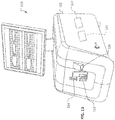
- a blood testing system 100 include a first blood analyzer machine 110 (e.g., a thromboelastometry analyzer console in this depicted embodiment) that includes a results interpretation interface configured to receive blood test result data (generated from the blood test performed by the console) and, based on the blood test result data, to identify a relevant diagnosis or potential health conditions for further investigation.
- the thromboelastometry analyzer console 110 may be connected, via a data connection 102 (e.g., a data communication network in this embodiment, or a direct data cable connection or a wireless communication network in other embodiments), with one or more other blood analyzer devices.
- a data connection 102 e.g., a data communication network in this embodiment, or a direct data cable connection or a wireless communication network in other embodiments
- the thromboelastometry analyzer console 110 is connected with a second thromboelastometry analyzer console 130, a blood gas analyzer 140, and a platelet aggregation analyzer 150, but other blood analyzer devices are also contemplated herein.
- the thromboelastometry analyzer console 110 is connected in the data communication network 102 with three additional analytical testing devices, in some implementations zero, one, two, four, five, six, seven, or more than seven other analytical testing devices are networked with the thromboelastometry analyzer console 110. Any and all such implementations are within the scope of this disclosure. It should also be understood that, while the example blood testing system 100 is depicted as including particular types of analytical testing devices, the blood testing system 100 is provided as an illustrative example that is representative of all potential combinations of different analytical testing devices of any and all kinds. For example, in some embodiments additional types of analytical testing devices such as, but not limited to, a system for measuring activated coagulation time (ACT) and/or hemodynamic monitors can be included as part of the blood testing system 100.
- ACT activated coagulation time
- hemodynamic monitors can be included as part of the blood testing system 100.
- the thromboelastometry analyzer console 110, the second thromboelastometry analyzer console 130, the blood gas analyzer 140, and the platelet aggregation analyzer 150 can communicate with each other via the data communication network 102.
- test results from the second thromboelastometry analyzer console 130, the blood gas analyzer 140, and/or the platelet aggregation analyzer 150 can be communicated to the first thromboelastometry analyzer console 110 via the data communication network 102.
- the data communication network 102 can be implemented using any type of networking technology that is capable of facilitating communications between the analytical testing devices of blood testing system 100.
- the data communication network 102 is a computer data network such as, but not limited to an intranet, the internet, a LAN, and the like, and combinations thereof.
- portions or all of the data communication network 102 is a hard-wired network.
- portions or all of the data communication network 102 is a wireless network (e.g., Wi-Fi, Bluetooth, NFC, RF, IR, and the like).
- the data communication network 102 comprises a combination of hard-wired and wireless network connections.
- the thromboelastometry analyzer console 110 performs a coordination and overall analysis role within the blood testing system 100. For example, in some embodiments one or more analytical testing devices within the blood testing system 100 communicates one or more test results to the thromboelastometry analyzer console 110. Thereafter, the thromboelastometry analyzer console 110 performs a results interpretation analysis using the test results received from the other analytical testing devices within the blood testing system 100, in conjunction with the test results generated from the thromboelastometry analyzer console 110 itself.
- the blood testing system 100 facilitates performance of a range of analytical tests, in some cases by multiple testing devices, and the test results can potentially be compared and contrasted to each other using a computerized algorithm to thereby enhance the analytical capabilities of the blood testing system 100.
- blood samples from the same patient are run in the various analytical testing devices within the blood testing system 100.
- the test results from the patient's sample(s) are then communicated to the thromboelastometry analyzer console 110 for performance of the computerized algorithm.
- the performance of the computerized algorithm may yield a recommended action for treating the patient, and/or for further testing, and the like.
- a recommendation(s) may be displayed on the user interface display 120 of the thromboelastometry analyzer console 110.
- decision-making is done by the attending physician and such recommendations are provided merely to assist the attending physician.
- the user interface display 120 is a touchscreen display that can receive user inputs (as described further below).
- the blood testing system 100 includes just the first blood analyzer machine 110 itself. Or, while the blood testing system 100 may include other test devices in addition to the first blood analyzer machine 110, in some situations no relevant test results from the other test devices are available to the console 110. Nevertheless, as described further below, because the first blood analyzer machine 110 can perform multiple tests, the blood test result data generated from the multiple tests performed by the first blood analyzer machine 110 can be compared/contrasted with each other in a results interpretation analysis performed by first blood analyzer machine 110.
- results interpretation analysis performed by first blood analyzer machine 110 is performed using test results from other test devices in addition to results from the analyzer console 110
- results interpretation analysis is performed using test results from the analyzer console 110 exclusive of test results from other test devices.
- the first blood analyzer machine 110 (of any type) performs an results interpretation analysis using the blood test result data from one or more of the analytical testing devices within the blood testing system 100.
- an additional computer that is external to the first blood analyzer machine 110 performs the results interpretation analysis. That is, in some implementations an additional computer (not shown) is included within the blood testing system 100, and the additional computer performs the results interpretation analysis described herein.
- the thromboelastometry analyzer console 110 is configured to determine a number of blood coagulation characteristics of a blood sample that is input into a cartridge 112.
- a cartridge 112 is not required in some embodiments of thromboelastometry analyzers that can be used to perform the results interpretation analysis described herein.
- the cartridge 112 is configured as a single-use cartridge that includes a blood sample receiver for mating with a blood sample reservoir 114 (e.g., a vacutainer sample tube supplied by Becton, Dickinson & Company of Franklin Lakes, NJ, or another blood reservoir structure).
- an adapter may be used to couple other types of blood sample reservoirs 114 with the cartridge 112 (e.g., tubing may be used through which blood can be injected into the cartridge 112, and the like).
- the thromboelastometry analyzer console 110 can be used as a whole blood coagulation analysis system that is particularly advantageous at a point-of-care site (e.g., in a surgical theater while a patient is undergoing or preparing for surgery, or the like). Additionally, thromboelastometry analyzer console 110 can be used as a whole blood coagulation analysis system in a laboratory setting.
- the thromboelastometry analyzer console 110 includes a probe or pin that can be removably positioned within a cup of the cartridge 112 (or another type of blood sample container).
- the cup may contain a blood/reagent mixture.
- a clearance space exists between the probe and cup.
- the probe is oscillated rotationally, back and forth, by about +/- 5°. The oscillations are measured, and as the blood/reagent begins to become firmer because of thrombolysis, the oscillations are reduced. The measurements, by the thromboelastometry analyzer console 110, of such oscillations over a period of time thereby generates thromboelastometry results.
- the example thromboelastometry analyzer console 110 includes the user interface 120 (with touchscreen display in this embodiment) and a main chassis 122.
- the user interface display 120 can be configured to output one or more graphical results from the blood testing assays performed via the cartridge 112 (e.g., one or more plots, such as those sometimes refer to as a TEMogram, numeric data or measurements, or a combination thereof).
- the user interface display 120 is rigidly attached to the analyzer console 122.
- the user interface display 120 is pivotable and/or is otherwise positionally adjustable in relation to the main chassis 122.
- the main chassis 122 of the thromboelastometry analyzer console 110 houses the hardware devices and sub-systems that control the operations of the analyzer console 110 and that facilitate communications with other blood analyzer devices over a network (e.g., data communication network 102).
- the analyzer console 110 houses one or more processors 125 (refer to FIG. 13 ).
- the analyzer console 110 houses memory devices that can store an operating system and other executable instructions.
- the analyzer console houses memory devices 127 that can store computer-readable instructions for one or more algorithms for interpreting the blood test result data of the blood testing system 100.
- the computer-readable instructions when executed by the one or more processors 125, are configured to cause the system to perform operations such as analyzing of the blood test result data indicative of the blood coagulation characteristics, and outputting via the user interface 120 one or more messages indicative of a potential diagnosis or health condition based on the analysis of the blood test result data.
- the computer-readable instructions stored in the memory devices 127 when executed by the one or more processors 125, are configured to cause the analyzer console 110 to prompt a user for input indicative of a clinical setting of patient from which the blood sample is drawn.
- the computer-readable instructions stored in the memory devices 127 when executed by the one or more processors 125, are configured to cause the thromboelastometry analyzer console 110 to select a particular algorithm of a plurality of the algorithms for interpreting the blood test result data in response to the user input indicative of the clinical setting of the patient.
- the computer-readable instructions stored in the memory devices 127 when executed by the one or more processors 125, are configured to cause the thromboelastometry analyzer console 110 to receive external test result data from one or more external blood analyzer devices (e.g., the second thromboelastometry analyzer console 130, the blood gas analyzer 140, and the platelet aggregation analyzer 150) that are different from and remote from thromboelastometry analyzer console 110.
- one or more external blood analyzer devices e.g., the second thromboelastometry analyzer console 130, the blood gas analyzer 140, and the platelet aggregation analyzer 150
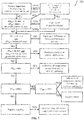
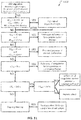
- the blood testing system 100 can be operated in accordance with an example process 200.
- the first blood analyzer machine 110 e.g., a thromboelastometry analyzer console in this embodiment, but a different type of blood analyzer machine in other embodiments
- the thromboelastometry analyzer console 110 can implement the process 200 using the one or more processors 125 to execute computer-readable instructions stored on the memory device 127 (housed in the main chassis 122; refer to FIG. 13 ) for the algorithms for interpreting the blood test result data.
- the blood testing system 100 can be configured to receive blood test result data (generating using one or more blood testing devices) and, based on the blood test result data, to provide a result interpretation output via a user interface to assist the user in identifying a relevant diagnosis or potential health conditions for further investigation.
- patient identification and clinical information can be entered into the thromboelastometry analyzer console 110.
- such information can be entered by a clinician using, for example, the user interface display 120.
- the touchscreen display 120 is configured to receive user input and to display output information to the user.
- the user can enter information to the thromboelastometry analyzer console 110 by making selections of various soft-buttons that may be displayed on the touchscreen display 120 at times during the beginning, middle, and end of the process 200.
- other selections such as, but not limited to, soft keyboard entries can be provided via touchscreen display 120.
- step 210 is illustrated in a screen shot 300 shown in FIG. 3 .
- the screen shot 300 can be implemented, for example, on the touchscreen display 120, or on another user interface that is part of the blood testing system 100.
- the patient information can be entered in a field 310 entitled "Patient Data / Identification:".
- the patient information entered can include, for example, patient name, patient birth date, patient ID number (e.g., numeric or alpha-numeric), blood sample ID number, and the like.
- Data may be entered using a keyboard, soft keyboard, barcode scanner, and the like.
- the clinical information can be entered, for example, by making selections from a clinical setting selection menu 320, a clot firmness parameter selection menu 330, a clinical situation / timing selection menu 340, and a severity of bleeding selection menu 350.
- the clinical information is entered via touchscreen selections.
- the clinical information entered during step 210 can include, for example, the clinical setting (e.g., cardiovascular surgery, trauma, liver surgery or GI bleeding, postpartum hemorrhage (PPH), and the like) as displayed in the clinical setting selection menu 320.
- the clinical setting e.g., cardiovascular surgery, trauma, liver surgery or GI bleeding, postpartum hemorrhage (PPH), and the like
- PPH postpartum hemorrhage
- a clot firmness parameter can be selected from the clot firmness parameter selection menu 330.
- "A5" has been selected (as identified by the reverse highlighting).
- the clinical information entered during step 210 can include the clinical situation (e.g., emergency, at hospital admission, pre-operative, intra-operative, before heparin, on bypass, after heparin-reversal, pre-anhepatic, anhepatic, after reperfusion, at ICU admission, post-operative, and the like) as displayed in the clinical situation / timing selection menu 340.
- the clinical situation e.g., emergency, at hospital admission, pre-operative, intra-operative, before heparin, on bypass, after heparin-reversal, pre-anhepatic, anhepatic, after reperfusion, at ICU admission, post-operative, and the like
- the clinical information entered during step 210 can include the severity of bleeding (e.g., no bleeding, insignificant, mild, moderate, severe, massive, and the like) as displayed in the severity of bleeding selection menu 350.
- "Massive" has been selected (as identified by the reverse highlighting).
- other types of clinical information may additionally, or alternatively, be
- the data entry at step 210 can be performed additionally or alternatively by user voice entry.
- the user interface of thromboelastometry analyzer console 110 may include other peripheral devices (e.g., a mouse, a keyboard, an additional display device, and the like) that can be used to input patient and clinical information.
- the data communication network 102 may be used to allow for remote devices to input information to the thromboelastometry analyzer console 110.
- one or more remote displays can be utilized via network connections.
- the thromboelastometry analyzer console 110 also includes an external barcode reader 124.
- the external barcode reader 124 can facilitate convenient one-dimensional or two-dimensional barcode entry of data such as, but not limited to, patient identification data, clinical information, blood sample data, user identification, normal values, and the like.
- the thromboelastometry analyzer console 110 can be equipped with a reader configured to read near-field communication tags, RFID tags, or the like, to provide for convenient input of data into analyzer console 110.
- the thromboelastometry tests are run by the thromboelastometry analyzer console 110, and corresponding results from the thromboelastometry tests are determined.
- the thromboelastometry tests are run by the performance of two or more test process cycles of the same thromboelastometry analyzer console 110.
- the thromboelastometry tests are run by the performance of a single test process cycle of the thromboelastometry analyzer console 110.
- blood test result data from one or more test cycles performed by one or more other blood analyzer machines can be communicated to the thromboelastometry analyzer console 110.
- Thromboelastometry and thromboelastography are based on the measurement of the elasticity of blood by continuous graphic logging of the firmness of a blood clot during clot formation (e.g., pertaining to coagulation factors and inhibitors, platelets and fibrin) and subsequent fibrinolysis.
- An example of such a continuous graphic logging 126 of the firmness of a blood clot during clot formation, as calculated and optionally displayed by the thromboelastometry analyzer console 110, is shown in FIG. 12 .
- FIG. 13 illustrates the thromboelastometry analyzer console 110 displaying multiple such graphic loggings of the firmness of a blood clot during clot formation.
- the thromboelastometry analyzer console 110 facilitates determination of various thromboelastometry parameters such as, but not limited to, clotting time, clot formation time, alpha angle, amplitude, maximum clot firmness, lysis onset time, lysis time, lysis index (%), and maximum lysis (%).
- clotting time [sec] The time from test start until first significant level of clot firmness (2 mm) is reached. Normal/reduced/increased speed of coagulation initiation.
- CFT Clot Formation Time
- Lysis Onset Time [sec] The time after CT when significant lysis starts.
- Onset of clot lysis Lysis Time (LT) [sec] The time after CT when lysis is complete Completion of clot lysis LI30, LI45, LI60 Lysis Index [%] Percentage of lysis in proportion to MCF at the time points 30, 45, 60 minutes after CT.
- Degree of clot lysis Maximum Lysis (ML) [%] Lowest clot firmness in percent of the MCF in course of the test run Degree of clot lysis
- the thromboelastometry analyzer console 110 may perform certain assays to monitor and analyze different aspects of the coagulation state of a blood sample in order to assist in the assessment of patient clinical hemostasis conditions.
- the ROTEM® thromboelastometry system can perform at least four of five different assays: INTEM, HEPTEM, EXTEM, FIBTEM, and APTEM. Particular reagents are mixed with a blood sample to facilitate performance of each of the assays. Each assay is generally described in the next paragraphs.
- the INTEM assay is the typical screening test for coagulation disorders.
- the clotting time (CT) gives information on the clotting factor activity(s) of the intrinsic and common pathway or on presence of heparin in the sample.
- the clot formation time (CFT) gives information on the speed of clot formation which is mainly influenced by the thrombin generation, platelets and fibrinogen levels. Similar information to CFT is also given by the alpha angle.
- the clot firmness parameters e.g., A5, A10, MCF
- the HEPTEM assay provides information that is similar to the INTEM assay but eliminates a potential heparin effect. HEPTEM is useful for cardiac surgery where patients are highly heparinized and coagulation tests may become less meaningful because of the heparin effect in the sample. In the HEPTEM assay, the heparin is digested rapidly and the resulting ROTEM® result reflects the coagulation status of the patient in the absence of heparin. HEPTEM helps to rationally treat a heparinized patient under transient high dose heparin therapy and to identify a heparin effect in combination with the INTEM assay.
- the EXTEM assay is a screening test for coagulation disorders.
- the CT gives information on the clotting factor activity(s) of the extrinsic or common pathways or on the presence of oral anticoagulants, e.g. vitamin K antagonists or direct thrombin inhibitors.
- the CFT gives information on the speed of clot formation which is substantially influenced by the thrombin generation, platelets and fibrinogen levels. Similar information to CFT is also given by the alpha angle.
- the clot firmness parameters e.g., A5, A10, MCF
- the quality of fibrin polymerization or the fibrinogen level can be estimated quickly.
- the clot firmness parameters give information on the overall clot firmness.
- the APTEM assay provides information regarding coagulation without fibrinolysis effects. Fibrinolytic processes are detected by a loss of the clot firmness during the clot formation analysis with the ROTEM® in the EXTEM assay.
- the thromboelastometry analyzer console 110 may be used to perform some or all of the assays described above.
- the second thromboelastometry analyzer console 130 may be used to perform some or all of the assays described above, and the results from the second thromboelastometry analyzer console 130 may be communicated via the data communication network 102 to the thromboelastometry analyzer console 110 for additional analysis.
- the thromboelastometry analyzer console 110 optionally receives data from one or more external analytical testing devices.
- the thromboelastometry analyzer console 110 may optionally receive data via the data communication network 102 from one or more of the second thromboelastometry analyzer console 130, the blood gas analyzer 140, and/or the platelet aggregation analyzer 150.
- the thromboelastometry analyzer console 110 can thereby beneficially receive data pertaining to the patient that is not directly attainable using the analyzer console 110 alone.
- the blood gas analyzer 140 may provide to the thromboelastometry analyzer console 110 information about the patient such as, but not limited to, hemoglobin concentration (Hb), base excess (BE), pH of the blood, lactate, Cai 2+ , partial pressures of carbon dioxide and oxygen, bicarbonate level, and the like.
- the platelet aggregation analyzer 150 can provide measurements pertaining to platelet aggregation of the patient's blood.
- a ROTEM® platelet system (available from Tem International GmbH) performs at least two of three different assays for assessing platelet function: ARATEM, ADPTEM, and TRAPTEM.
- the ARATEM assay can be used, for example, for the detection of cyclooxygenase inhibitors.
- the ADPTEM assay can be used, for example for the detection of adenosine diphosphate (ADP) receptor blockage.
- the TRAPTEM assay can be used, for example, for the detection of glycoprotein (GP) IIb/IIIa or PAR-1 (protease-activated receptor-1) receptor antagonists.
- step 240 algorithm-specific threshold values are accessed by the thromboelastometry analyzer console 110.
- the algorithm-specific threshold values are stored in memory of the thromboelastometry analyzer console 110.
- the algorithm-specific threshold values are stored in another database that is accessible by the thromboelastometry analyzer console 110, such as using the data communication network 102.
- algorithm-specific threshold values is shown in risk matrix 270 of FIG. 14 .
- These threshold values are referred to herein as "algorithm-specific" because, as described further below, different algorithms are available (e.g., trauma, cardiovascular surgery, liver surgery or GI bleeding, PPH, and the like) and each algorithm can have a unique set of threshold values established.
- the risk matrix 270 illustrates some algorithm-specific threshold values that may be appropriate for a trauma algorithm, for example.
- the algorithm-specific threshold values (from risk matrix 270 for example) are usable within an algorithm that can result in recommendations for patient treatment, further testing, and the like.
- the threshold values can be organized in any other suitable format other than a table.
- threshold values for particular parameters are established.
- ML FIB quantifies the maximum lysis as measured using a FIBTEM assay
- ML EX quantifies the maximum lysis as measured using an EXTEM assay
- A5 EX quantifies the amplitude (clot firmness) 5 minutes after CT in the EXTEM assay.
- a ML FIB value of ⁇ 50% can be established such that it is associated with a high risk of bleeding.
- an A5 EX value in the range of 15-24 mm can be associated with a moderate risk of bleeding.
- color coding of information such as the threshold values and the algorithm results and/or recommendations presented by the thromboelastometry analyzer console 110 is beneficially used.
- a clinician user of the thromboelastometry analyzer console 110 may be readily able to ascertain a high risk situation when information is presented in a red color, in contrast, for example to an orange or yellow color which may be defined to represent lower risks.
- Such color coding is described further below.
- Risk matrix 270 also illustrates how particular messages with recommendations can be established for additional testing when certain criteria are met. For example, as depicted in risk matrix 270 a FIBTEM assay and an APTEM assay will be recommended in response to a ML EX value that is ⁇ 50% (which represents a high risk of bleeding in this example).
- the threshold values and recommendations for additional testing can be established and customized by a particular local institution (or by a particular doctor, if so desired) in keeping with the preferences of the particular local institution (or particular doctor). This customization allows each local institution to establish threshold values and recommendations for additional testing that are based on and/or consistent with the institution's specific approach to clinical analysis and patient care. In addition, the establishment of such threshold values and recommendations for additional testing facilitates standardization of clinical analysis and patient care within a local institution, or potentially across multiple institutions if the multiple institutions desire to so coordinate.
- the thromboelastometry analyzer console 110 applies a user-selected algorithm to processes thromboelastometry data, data received from one or more external analytical testing devices (optionally), and the algorithm-specific threshold values.
- the outcome of running the algorithm is the potential determination of recommendations for patient treatment and/or further testing.
- the thromboelastometry analyzer console 110 will verify that the data pertains to the appropriate patient and is current (e.g., measure within 30 minutes of the thromboelastometry measurements).
- the thromboelastometry analyzer console 110 informs the user if parameters or assays are missing for adequate data interpretation according to the diagnostic algorithm being run.
- results are displayed by the thromboelastometry analyzer console 110.
- the results are displayed on the touchscreen display 120 of the thromboelastometry analyzer console 110.
- thromboelastometry results 262 and messages that may include recommendations (based on algorithm results) 264.
- the user can selectively switch ("toggle") between the displays of different modes of results presentations, (e.g., from displaying the one or more messages based on algorithm results to displaying graphical or numeric information corresponding to at least some of the blood test result data).
- thromboelastometry results 262 An example of displaying thromboelastometry results 262 is depicted in FIG. 13 .
- Such thromboelastometry results 262 include one or more graphics that are continuous plots of the firmness of a blood clot during the performance of an assay, as depicted in FIG. 12 , for example.
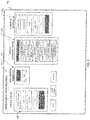
- FIG. 1 An example of displaying recommendations (based on algorithm results) 264 is depicted in the screen shot 121 of FIG. 1 .
- the displayed message includes a recommendation for the attending physician to consider: "Consider: 1. Fibrinogen deficiency or fibrin polymerization disorder.”
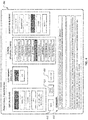
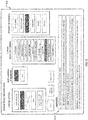
- FIG. 4 illustrates a user interface 400 of a display device, such as the user interface display 120 of the thromboelastometry analyzer console 110 (refer to FIG. 1 ).
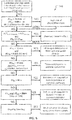
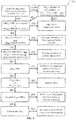
- FIG. 5 illustrates an example cardiovascular algorithm 500 that can be run by the thromboelastometry analyzer console 110 (e.g., as in step 250 of process 200 depicted in FIG. 2 ).
- the cardiovascular algorithm 500 includes parameter threshold values that can be established by a user (e.g., refer to risk matrix 270 of FIG. 14 ).
- a clinical setting of "Cardiovascular” is selected, a clot firmness parameter of "A5" is selected, a clinical situation/timing of "After Heparin-Reversal” is selected, and a severity of bleeding of "Moderate” is selected.
- test parameter results are assumed (solely for the purpose of illustrating how the algorithm 500 can be applied-because such test parameter results can vary): the CT EX is 75 seconds, the CT IN is 210 seconds, the CT HEP is 205 seconds, the A5 EX is 22 mm, the A5 FIB is 4 mm, the ML EX is 7%, and the ACT is 120 seconds (as determined by system for measuring activated coagulation time).
- the resulting recommendation is to consider "Fibrinogen deficiency or fibrin polymerization disorder" as shown in the results 410 of user interface 400.
- the recommendation is color coded in orange to indicate that the recommendation is important (e.g., a moderate risk of bleeding may exist), but not as critical as if the recommendation were to be color coded in red.
- Such a color coding determination can be made as a result from the application of threshold values from a risk matrix (e.g., refer to risk matrix 270 of FIG. 14 ).
- the aforementioned resulting recommendation is determined by applying the example cardiovascular algorithm 500 as follows. Because ML is less than 15%, the first action step is answered in the negative. Next, because ACT is normal and CT IN is similar to CT HEP , the second action step is also answered in the negative. Then, because A5 EX (which is given as 22 mm) is less than 30 mm, and A5 FIB (which is given as 4 mm) is less than 9 mm, the third action step is answered in the positive. Therefore, the resulting recommendation is to consider "Fibrinogen deficiency or fibrin polymerization disorder.”
- the threshold values and recommendations for further testing, as defined in a risk matrix can be customized by a local institution.
- the algorithms can be customized by a local institution. For example, some steps from the example cardiovascular algorithm 500 can be omitted, and/or other steps can be added. In one such example, the step to identify hyperfibrinolysis may be chosen to be omitted in a hospital where anti-fibrinolytic drugs are administered routinely (prophylactically).
- selection of a "Back" button 412 can allow the user to step the user interface 400 backward to re-enter data, for example.
- Selection of a "Toggle Results” button 414 can allow the user to switch between displaying the user interface 400 and a screen that shows one or more graphics that are continuous plots of the firmness of a blood clot during the performance of an assay (e.g., as depicted in FIG. 12 ).
- Selection of a "Save/Exit” button 416 can allow the user to save the results and exit the session that is running the cardiovascular algorithm 500.
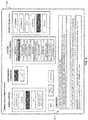
- FIG. 6 illustrates a user interface 600 of a display device, such as the user interface display 120 of the thromboelastometry analyzer console 110 (refer to FIG. 1 ).
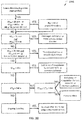
- FIG. 7 illustrates an example cardiovascular algorithm 700 that can be run by the thromboelastometry analyzer console 110 (e.g., as in step 250 of process 200 depicted in FIG. 2 ).
- the CT EX is 85 seconds
- the CT IN is 190 seconds
- the CT HEP is 180 seconds
- the A5 EX is 14 mm
- the A5 FIB is 2 mm
- the ML EX is 6%
- the Hb is 7 g/dL (as determined by a BGA)
- the pH is 7.1 (as determined by a BGA)
- the BE is -8 mmol/L (as determined by a BGA).
- the resulting recommendations are to consider "High risk of (hyper)fibrinolysis” and “Fibrinogen deficiency or fibrin polymerization disorder” as shown in the results 610 of user interface 600.
- the "High risk of (hyper)fibrinolysis” and the “Fibrinogen deficiency or fibrin polymerization disorder” are both color coded in red to indicate a high risk.
- Such a color coding determination can be made as a result from the application of threshold values from a risk matrix (e.g., refer to risk matrix 270 of FIG. 14 ).
- FIGS. 8 and 9 an example performance of a liver surgery/gastrointestinal (GI) bleeding algorithm is depicted.
- FIG. 8 illustrates a user interface 800 of a display device, such as the user interface display 120 of the thromboelastometry analyzer console 110 (refer to FIG. 1 ).
- FIG. 9 illustrates an example liver surgery/gastrointestinal (GI) bleeding algorithm 900 that can be run by the thromboelastometry analyzer console 110 (e.g., as in step 250 of process 200 depicted in FIG. 2 ).
- GI liver surgery/gastrointestinal
- a clinical setting of "Liver/GI” is selected, a clot firmness parameter of "A5" is selected, a clinical situation/timing of "After Reperfusion” is selected, and a severity of bleeding of "Mild” is selected.
- the CT EX is 110 seconds
- the CT IN is 260 seconds
- the A5 EX is 37 mm
- the A5 FIB is 12 mm
- the ML EX is 8%
- the Hb is 9 g/dL (as determined by a BGA)
- the pH is 7.3 (as determined by a BGA)
- the BE is -2 mmol/L (as determined by a BGA)
- the Cai 2+ is 0.8 mmol/L (as determined by a BGA).
- the resulting recommendations are to consider "Calcium Substitution,” “Deficiency of Coagulation Factors (Extrinsic or Common Pathway),” and “Check HEPTEM” as shown in the results 810 of user interface 800.
- the "Calcium Substitution” is color coded in red
- the "Deficiency of Coagulation Factors (Extrinsic or Common Pathway)” is color coded in orange
- the "Check HEPTEM” is color coded in black.
- the color coding represents the risk or urgency of the issues leading to the recommendations.
- Such color coding determinations can be made as a result from the application of threshold values from a risk matrix (e.g., refer to risk matrix 270 of FIG. 14 ).
- an example severe bleeding (non-cardiac) algorithm 1000 is provided.
- the severe bleeding (non-cardiac) algorithm 1000 can be applied in the context of particular clinical information and test parameter results to arrive at recommendations that are presented to the user.
- the severe bleeding (non-cardiac) algorithm 1000 includes parameter threshold values that can be established by a user (e.g., refer to risk matrix 270 of FIG. 14 ).
- the severe bleeding (non-cardiac) algorithm 1000 can be customized by a local institution. For example, some steps from the example severe bleeding (non-cardiac) algorithm 1000 can be omitted, revised, and/or added.
- an example PPH algorithm 1100 is provided.
- the PPH algorithm 1100 can be applied in the context of particular clinical information and test parameter results to arrive at recommendations that are presented to the user.
- the PPH algorithm 1100 includes parameter threshold values that can be established by a user (e.g., refer to risk matrix 270 of FIG. 14 ).
- the PPH algorithm 1100 can be customized by a local institution. For example, some steps from the example PPH algorithm 1100 can be omitted, revised, and/or added.
Landscapes
- Health & Medical Sciences (AREA)
- Engineering & Computer Science (AREA)
- Biomedical Technology (AREA)
- Life Sciences & Earth Sciences (AREA)
- Public Health (AREA)
- Medical Informatics (AREA)
- Hematology (AREA)
- General Health & Medical Sciences (AREA)
- Pathology (AREA)
- Immunology (AREA)
- Chemical & Material Sciences (AREA)
- Molecular Biology (AREA)
- Urology & Nephrology (AREA)
- Databases & Information Systems (AREA)
- Primary Health Care (AREA)
- Epidemiology (AREA)
- Data Mining & Analysis (AREA)
- Cell Biology (AREA)
- Microbiology (AREA)
- Biotechnology (AREA)
- Food Science & Technology (AREA)
- Medicinal Chemistry (AREA)
- Physics & Mathematics (AREA)
- Analytical Chemistry (AREA)
- Biochemistry (AREA)
- General Physics & Mathematics (AREA)
- Investigating Or Analysing Biological Materials (AREA)
- Measuring Pulse, Heart Rate, Blood Pressure Or Blood Flow (AREA)
Priority Applications (1)
| Application Number | Priority Date | Filing Date | Title |
|---|---|---|---|
| EP22203316.9A EP4145459B1 (de) | 2014-12-05 | 2015-12-03 | Schnittstelle für ergebnisinterpreter eines bluttestsystems und verfahren |
Applications Claiming Priority (2)
| Application Number | Priority Date | Filing Date | Title |
|---|---|---|---|
| US14/562,332 US20160161510A1 (en) | 2014-12-05 | 2014-12-05 | Blood Testing System Result Interpreter Interface and Methods |
| EP15197696.6A EP3029588B1 (de) | 2014-12-05 | 2015-12-03 | Schnittstelle für interpretierer der ergebnisse eines blutuntersuchungssystems und verfahren |
Related Parent Applications (1)
| Application Number | Title | Priority Date | Filing Date |
|---|---|---|---|
| EP15197696.6A Division EP3029588B1 (de) | 2014-12-05 | 2015-12-03 | Schnittstelle für interpretierer der ergebnisse eines blutuntersuchungssystems und verfahren |
Related Child Applications (1)
| Application Number | Title | Priority Date | Filing Date |
|---|---|---|---|
| EP22203316.9A Division EP4145459B1 (de) | 2014-12-05 | 2015-12-03 | Schnittstelle für ergebnisinterpreter eines bluttestsystems und verfahren |
Publications (2)
| Publication Number | Publication Date |
|---|---|
| EP3608917A1 true EP3608917A1 (de) | 2020-02-12 |
| EP3608917B1 EP3608917B1 (de) | 2022-11-02 |
Family
ID=54843641
Family Applications (3)
| Application Number | Title | Priority Date | Filing Date |
|---|---|---|---|
| EP15197696.6A Active EP3029588B1 (de) | 2014-12-05 | 2015-12-03 | Schnittstelle für interpretierer der ergebnisse eines blutuntersuchungssystems und verfahren |
| EP19193070.0A Active EP3608917B1 (de) | 2014-12-05 | 2015-12-03 | Schnittstelle für interpretierer der ergebnisse eines blutuntersuchungssystems und verfahren |
| EP22203316.9A Active EP4145459B1 (de) | 2014-12-05 | 2015-12-03 | Schnittstelle für ergebnisinterpreter eines bluttestsystems und verfahren |
Family Applications Before (1)
| Application Number | Title | Priority Date | Filing Date |
|---|---|---|---|
| EP15197696.6A Active EP3029588B1 (de) | 2014-12-05 | 2015-12-03 | Schnittstelle für interpretierer der ergebnisse eines blutuntersuchungssystems und verfahren |
Family Applications After (1)
| Application Number | Title | Priority Date | Filing Date |
|---|---|---|---|
| EP22203316.9A Active EP4145459B1 (de) | 2014-12-05 | 2015-12-03 | Schnittstelle für ergebnisinterpreter eines bluttestsystems und verfahren |
Country Status (4)
| Country | Link |
|---|---|
| US (1) | US20160161510A1 (de) |
| EP (3) | EP3029588B1 (de) |
| JP (3) | JP6427734B2 (de) |
| ES (3) | ES2752154T3 (de) |
Families Citing this family (9)
| Publication number | Priority date | Publication date | Assignee | Title |
|---|---|---|---|---|
| US10295554B2 (en) * | 2015-06-29 | 2019-05-21 | C A Casyso Gmbh | Blood testing system and method |
| US10950341B2 (en) * | 2015-11-30 | 2021-03-16 | Physio-Control, Inc. | Integration of a point-of-care blood analyzer into a prehospital telemedicine system |
| WO2019099842A1 (en) * | 2017-11-20 | 2019-05-23 | Siemens Healthcare Diagnostics Inc. | Multiple diagnostic engine environment |
| WO2019099851A1 (en) | 2017-11-20 | 2019-05-23 | Siemens Healthcare Diagnostics Inc. | User interface for managing a multiple diagnostic engine environment |
| CN110501504B (zh) * | 2018-05-16 | 2024-03-12 | 深圳市理邦精密仪器股份有限公司 | 血液含量检测方法和系统 |
| CN111781336B (zh) * | 2019-04-04 | 2022-10-21 | 江苏赛灵医疗科技有限公司 | 血栓弹力图仪的测试系统及其方法 |
| JP7496430B2 (ja) * | 2020-03-23 | 2024-06-06 | エフ. ホフマン-ラ ロシュ アーゲー | 臨床分析装置の臨床決定支援 |
| EP4567820A3 (de) | 2023-12-05 | 2025-07-30 | Instrumentation Laboratory Company | Aufbau und ausführung eines medizinischen algorithmus |
| US20250182908A1 (en) | 2023-12-05 | 2025-06-05 | Instrumentation Laboratory Company | Building and executing a medical algorithm |
Citations (3)
| Publication number | Priority date | Publication date | Assignee | Title |
|---|---|---|---|---|
| US20020099283A1 (en) * | 2001-01-25 | 2002-07-25 | Tilo Christ | Medical system for monitoring a measured value of a patient relating to blood-clotting |
| US20110252352A1 (en) * | 2010-04-08 | 2011-10-13 | Hemosonics Llc | Hemostatic Parameter Display |
| EP2538360A1 (de) * | 2011-06-16 | 2012-12-26 | Koninklijke Philips Electronics N.V. | Verfahren zur Vorhersage eines Blutverdünnungsrisikowerts |
Family Cites Families (4)
| Publication number | Priority date | Publication date | Assignee | Title |
|---|---|---|---|---|
| US6787363B2 (en) * | 1999-02-22 | 2004-09-07 | Haemoscope Corporation | Method and apparatus for hemostasis and blood management |
| US6956572B2 (en) * | 2003-02-10 | 2005-10-18 | Siemens Medical Solutions Health Services Corporation | Patient medical parameter user interface system |
| EP2371284A1 (de) * | 2010-03-24 | 2011-10-05 | C A Casyso AG | Verfahren und Vorrichtung zur Bestimmung von mindestens einem Auswertungsparameter einer Blutprobe |
| CN103430028A (zh) * | 2010-09-16 | 2013-12-04 | 通用医疗公司 | 供诊断用的红细胞动力学 |
-
2014
- 2014-12-05 US US14/562,332 patent/US20160161510A1/en not_active Abandoned
-
2015
- 2015-12-03 ES ES15197696T patent/ES2752154T3/es active Active
- 2015-12-03 ES ES19193070T patent/ES2934559T3/es active Active
- 2015-12-03 EP EP15197696.6A patent/EP3029588B1/de active Active
- 2015-12-03 EP EP19193070.0A patent/EP3608917B1/de active Active
- 2015-12-03 ES ES22203316T patent/ES3038640T3/es active Active
- 2015-12-03 EP EP22203316.9A patent/EP4145459B1/de active Active
- 2015-12-04 JP JP2015237571A patent/JP6427734B2/ja active Active
-
2018
- 2018-07-09 JP JP2018129770A patent/JP6742367B2/ja active Active
-
2020
- 2020-07-28 JP JP2020127140A patent/JP6917510B2/ja active Active
Patent Citations (3)
| Publication number | Priority date | Publication date | Assignee | Title |
|---|---|---|---|---|
| US20020099283A1 (en) * | 2001-01-25 | 2002-07-25 | Tilo Christ | Medical system for monitoring a measured value of a patient relating to blood-clotting |
| US20110252352A1 (en) * | 2010-04-08 | 2011-10-13 | Hemosonics Llc | Hemostatic Parameter Display |
| EP2538360A1 (de) * | 2011-06-16 | 2012-12-26 | Koninklijke Philips Electronics N.V. | Verfahren zur Vorhersage eines Blutverdünnungsrisikowerts |
Non-Patent Citations (3)
| Title |
|---|
| A. H. STAMMERS ET AL: "Point-of-care coagulation monitoring: applications of the thromboelastograph", ANAESTHESIA, vol. 53, no. S2, 1 May 1998 (1998-05-01), pages 58 - 59, XP055039832, ISSN: 0003-2409, DOI: 10.1111/j.1365-2044.1998.tb15159.x * |
| JAMES S BENNETT ET AL: "Experience Using EMYCIN", INFOTECH LTD, 1 January 1981 (1981-01-01), pages 314, XP055271814, Retrieved from the Internet <URL:http://aitopics.org/sites/default/files/classic/Buchanan/Buchanan18.pdf> * |
| MICHAEL T. GANTER ET AL: "Coagulation Monitoring: Current Techniques and Clinical Use of Viscoelastic Point-of-Care Coagulation Devices", ANESTHESIA & ANALGESIA, vol. 106, no. 5, 1 May 2008 (2008-05-01), pages 1366 - 1375, XP055039818, ISSN: 0003-2999, DOI: 10.1213/ane.0b013e318168b367 * |
Also Published As
| Publication number | Publication date |
|---|---|
| ES2934559T3 (es) | 2023-02-22 |
| JP2016109697A (ja) | 2016-06-20 |
| EP4145459B1 (de) | 2025-07-23 |
| EP4145459C0 (de) | 2025-07-23 |
| EP3029588B1 (de) | 2019-09-18 |
| EP3029588A2 (de) | 2016-06-08 |
| JP6742367B2 (ja) | 2020-08-19 |
| JP2019049529A (ja) | 2019-03-28 |
| EP3029588A3 (de) | 2016-06-22 |
| ES3038640T3 (en) | 2025-10-14 |
| JP2020197534A (ja) | 2020-12-10 |
| US20160161510A1 (en) | 2016-06-09 |
| EP4145459A1 (de) | 2023-03-08 |
| JP6917510B2 (ja) | 2021-08-11 |
| JP6427734B2 (ja) | 2018-11-28 |
| ES2752154T3 (es) | 2020-04-03 |
| EP3608917B1 (de) | 2022-11-02 |
Similar Documents
| Publication | Publication Date | Title |
|---|---|---|
| EP3608917B1 (de) | Schnittstelle für interpretierer der ergebnisse eines blutuntersuchungssystems und verfahren | |
| KR101456115B1 (ko) | 적어도 하나의 혈액 샘플의 적어도 하나의 평가 파라미터를 결정하기 위한 방법 및 장치 | |
| JP5995576B2 (ja) | 分析システムおよび分析装置 | |
| US11830613B2 (en) | Integration of a point-of-care blood analyzer into a prehospital telemedicine system | |
| CN103207282B (zh) | 生化分析质控检测方法和系统 | |
| JP5995577B2 (ja) | 分析装置、分析方法およびコンピュータプログラム | |
| US20240232291A1 (en) | Supplementing measurement results of automated analyzers | |
| JP5462941B2 (ja) | 疲労度評価システム | |
| JP2021503672A (ja) | 複数の診断エンジン環境を管理するためのユーザインターフェース | |
| Garibaldi et al. | The evaluation of an expert system for the analysis of umbilical cord blood | |
| CN109785924A (zh) | 一种跨平台的口腔医疗检验方法和装置 | |
| JP5995578B2 (ja) | 分析装置、分析方法およびコンピュータプログラム | |
| Urwyler et al. | Is perioperative point-of-care prothrombin time testing accurate compared to the standard laboratory test? | |
| JP2021503673A (ja) | 複数の診断エンジン環境 | |
| CA3008989C (en) | Sample mixing control | |
| JP5250409B2 (ja) | 分析データ処理システム | |
| Huisman | Needs Analysis and Selection of Point‐Of‐Care Testing Analyzers |
Legal Events
| Date | Code | Title | Description |
|---|---|---|---|
| PUAI | Public reference made under article 153(3) epc to a published international application that has entered the european phase |
Free format text: ORIGINAL CODE: 0009012 |
|
| STAA | Information on the status of an ep patent application or granted ep patent |
Free format text: STATUS: THE APPLICATION HAS BEEN PUBLISHED |
|
| AC | Divisional application: reference to earlier application |
Ref document number: 3029588 Country of ref document: EP Kind code of ref document: P |
|
| AK | Designated contracting states |
Kind code of ref document: A1 Designated state(s): AL AT BE BG CH CY CZ DE DK EE ES FI FR GB GR HR HU IE IS IT LI LT LU LV MC MK MT NL NO PL PT RO RS SE SI SK SM TR |
|
| STAA | Information on the status of an ep patent application or granted ep patent |
Free format text: STATUS: REQUEST FOR EXAMINATION WAS MADE |
|
| 17P | Request for examination filed |
Effective date: 20200812 |
|
| RBV | Designated contracting states (corrected) |
Designated state(s): AL AT BE BG CH CY CZ DE DK EE ES FI FR GB GR HR HU IE IS IT LI LT LU LV MC MK MT NL NO PL PT RO RS SE SI SK SM TR |
|
| STAA | Information on the status of an ep patent application or granted ep patent |
Free format text: STATUS: EXAMINATION IS IN PROGRESS |
|
| 17Q | First examination report despatched |
Effective date: 20211005 |
|
| GRAP | Despatch of communication of intention to grant a patent |
Free format text: ORIGINAL CODE: EPIDOSNIGR1 |
|
| STAA | Information on the status of an ep patent application or granted ep patent |
Free format text: STATUS: GRANT OF PATENT IS INTENDED |
|
| INTG | Intention to grant announced |
Effective date: 20220517 |
|
| RAP3 | Party data changed (applicant data changed or rights of an application transferred) |
Owner name: C A CASYSO GMBH |
|
| GRAS | Grant fee paid |
Free format text: ORIGINAL CODE: EPIDOSNIGR3 |
|
| GRAA | (expected) grant |
Free format text: ORIGINAL CODE: 0009210 |
|
| STAA | Information on the status of an ep patent application or granted ep patent |
Free format text: STATUS: THE PATENT HAS BEEN GRANTED |
|
| AC | Divisional application: reference to earlier application |
Ref document number: 3029588 Country of ref document: EP Kind code of ref document: P |
|
| AK | Designated contracting states |
Kind code of ref document: B1 Designated state(s): AL AT BE BG CH CY CZ DE DK EE ES FI FR GB GR HR HU IE IS IT LI LT LU LV MC MK MT NL NO PL PT RO RS SE SI SK SM TR |
|
| REG | Reference to a national code |
Ref country code: GB Ref legal event code: FG4D |
|
| REG | Reference to a national code |
Ref country code: CH Ref legal event code: EP Ref country code: AT Ref legal event code: REF Ref document number: 1529372 Country of ref document: AT Kind code of ref document: T Effective date: 20221115 |
|
| REG | Reference to a national code |
Ref country code: DE Ref legal event code: R096 Ref document number: 602015081495 Country of ref document: DE |
|
| REG | Reference to a national code |
Ref country code: IE Ref legal event code: FG4D |
|
| REG | Reference to a national code |
Ref country code: NL Ref legal event code: FP |
|
| REG | Reference to a national code |
Ref country code: ES Ref legal event code: FG2A Ref document number: 2934559 Country of ref document: ES Kind code of ref document: T3 Effective date: 20230222 |
|
| REG | Reference to a national code |
Ref country code: LT Ref legal event code: MG9D |
|
| REG | Reference to a national code |
Ref country code: AT Ref legal event code: MK05 Ref document number: 1529372 Country of ref document: AT Kind code of ref document: T Effective date: 20221102 |
|
| PG25 | Lapsed in a contracting state [announced via postgrant information from national office to epo] |
Ref country code: SE Free format text: LAPSE BECAUSE OF FAILURE TO SUBMIT A TRANSLATION OF THE DESCRIPTION OR TO PAY THE FEE WITHIN THE PRESCRIBED TIME-LIMIT Effective date: 20221102 Ref country code: PT Free format text: LAPSE BECAUSE OF FAILURE TO SUBMIT A TRANSLATION OF THE DESCRIPTION OR TO PAY THE FEE WITHIN THE PRESCRIBED TIME-LIMIT Effective date: 20230302 Ref country code: NO Free format text: LAPSE BECAUSE OF FAILURE TO SUBMIT A TRANSLATION OF THE DESCRIPTION OR TO PAY THE FEE WITHIN THE PRESCRIBED TIME-LIMIT Effective date: 20230202 Ref country code: LT Free format text: LAPSE BECAUSE OF FAILURE TO SUBMIT A TRANSLATION OF THE DESCRIPTION OR TO PAY THE FEE WITHIN THE PRESCRIBED TIME-LIMIT Effective date: 20221102 Ref country code: FI Free format text: LAPSE BECAUSE OF FAILURE TO SUBMIT A TRANSLATION OF THE DESCRIPTION OR TO PAY THE FEE WITHIN THE PRESCRIBED TIME-LIMIT Effective date: 20221102 Ref country code: AT Free format text: LAPSE BECAUSE OF FAILURE TO SUBMIT A TRANSLATION OF THE DESCRIPTION OR TO PAY THE FEE WITHIN THE PRESCRIBED TIME-LIMIT Effective date: 20221102 |
|
| PG25 | Lapsed in a contracting state [announced via postgrant information from national office to epo] |
Ref country code: RS Free format text: LAPSE BECAUSE OF FAILURE TO SUBMIT A TRANSLATION OF THE DESCRIPTION OR TO PAY THE FEE WITHIN THE PRESCRIBED TIME-LIMIT Effective date: 20221102 Ref country code: PL Free format text: LAPSE BECAUSE OF FAILURE TO SUBMIT A TRANSLATION OF THE DESCRIPTION OR TO PAY THE FEE WITHIN THE PRESCRIBED TIME-LIMIT Effective date: 20221102 Ref country code: LV Free format text: LAPSE BECAUSE OF FAILURE TO SUBMIT A TRANSLATION OF THE DESCRIPTION OR TO PAY THE FEE WITHIN THE PRESCRIBED TIME-LIMIT Effective date: 20221102 Ref country code: IS Free format text: LAPSE BECAUSE OF FAILURE TO SUBMIT A TRANSLATION OF THE DESCRIPTION OR TO PAY THE FEE WITHIN THE PRESCRIBED TIME-LIMIT Effective date: 20230302 Ref country code: HR Free format text: LAPSE BECAUSE OF FAILURE TO SUBMIT A TRANSLATION OF THE DESCRIPTION OR TO PAY THE FEE WITHIN THE PRESCRIBED TIME-LIMIT Effective date: 20221102 Ref country code: GR Free format text: LAPSE BECAUSE OF FAILURE TO SUBMIT A TRANSLATION OF THE DESCRIPTION OR TO PAY THE FEE WITHIN THE PRESCRIBED TIME-LIMIT Effective date: 20230203 |
|
| P01 | Opt-out of the competence of the unified patent court (upc) registered |
Effective date: 20230524 |
|
| PG25 | Lapsed in a contracting state [announced via postgrant information from national office to epo] |
Ref country code: SM Free format text: LAPSE BECAUSE OF FAILURE TO SUBMIT A TRANSLATION OF THE DESCRIPTION OR TO PAY THE FEE WITHIN THE PRESCRIBED TIME-LIMIT Effective date: 20221102 Ref country code: RO Free format text: LAPSE BECAUSE OF FAILURE TO SUBMIT A TRANSLATION OF THE DESCRIPTION OR TO PAY THE FEE WITHIN THE PRESCRIBED TIME-LIMIT Effective date: 20221102 Ref country code: EE Free format text: LAPSE BECAUSE OF FAILURE TO SUBMIT A TRANSLATION OF THE DESCRIPTION OR TO PAY THE FEE WITHIN THE PRESCRIBED TIME-LIMIT Effective date: 20221102 Ref country code: DK Free format text: LAPSE BECAUSE OF FAILURE TO SUBMIT A TRANSLATION OF THE DESCRIPTION OR TO PAY THE FEE WITHIN THE PRESCRIBED TIME-LIMIT Effective date: 20221102 Ref country code: CZ Free format text: LAPSE BECAUSE OF FAILURE TO SUBMIT A TRANSLATION OF THE DESCRIPTION OR TO PAY THE FEE WITHIN THE PRESCRIBED TIME-LIMIT Effective date: 20221102 |
|
| REG | Reference to a national code |
Ref country code: CH Ref legal event code: PL |
|
| REG | Reference to a national code |
Ref country code: DE Ref legal event code: R097 Ref document number: 602015081495 Country of ref document: DE |
|
| REG | Reference to a national code |
Ref country code: BE Ref legal event code: MM Effective date: 20221231 |
|
| PG25 | Lapsed in a contracting state [announced via postgrant information from national office to epo] |
Ref country code: SK Free format text: LAPSE BECAUSE OF FAILURE TO SUBMIT A TRANSLATION OF THE DESCRIPTION OR TO PAY THE FEE WITHIN THE PRESCRIBED TIME-LIMIT Effective date: 20221102 Ref country code: LU Free format text: LAPSE BECAUSE OF NON-PAYMENT OF DUE FEES Effective date: 20221203 Ref country code: AL Free format text: LAPSE BECAUSE OF FAILURE TO SUBMIT A TRANSLATION OF THE DESCRIPTION OR TO PAY THE FEE WITHIN THE PRESCRIBED TIME-LIMIT Effective date: 20221102 |
|
| PLBE | No opposition filed within time limit |
Free format text: ORIGINAL CODE: 0009261 |
|
| STAA | Information on the status of an ep patent application or granted ep patent |
Free format text: STATUS: NO OPPOSITION FILED WITHIN TIME LIMIT |
|
| 26N | No opposition filed |
Effective date: 20230803 |
|
| PG25 | Lapsed in a contracting state [announced via postgrant information from national office to epo] |
Ref country code: LI Free format text: LAPSE BECAUSE OF NON-PAYMENT OF DUE FEES Effective date: 20221231 Ref country code: IE Free format text: LAPSE BECAUSE OF NON-PAYMENT OF DUE FEES Effective date: 20221203 Ref country code: CH Free format text: LAPSE BECAUSE OF NON-PAYMENT OF DUE FEES Effective date: 20221231 |
|
| PG25 | Lapsed in a contracting state [announced via postgrant information from national office to epo] |
Ref country code: SI Free format text: LAPSE BECAUSE OF FAILURE TO SUBMIT A TRANSLATION OF THE DESCRIPTION OR TO PAY THE FEE WITHIN THE PRESCRIBED TIME-LIMIT Effective date: 20221102 Ref country code: BE Free format text: LAPSE BECAUSE OF NON-PAYMENT OF DUE FEES Effective date: 20221231 |
|
| PG25 | Lapsed in a contracting state [announced via postgrant information from national office to epo] |
Ref country code: HU Free format text: LAPSE BECAUSE OF FAILURE TO SUBMIT A TRANSLATION OF THE DESCRIPTION OR TO PAY THE FEE WITHIN THE PRESCRIBED TIME-LIMIT; INVALID AB INITIO Effective date: 20151203 |
|
| PG25 | Lapsed in a contracting state [announced via postgrant information from national office to epo] |
Ref country code: CY Free format text: LAPSE BECAUSE OF FAILURE TO SUBMIT A TRANSLATION OF THE DESCRIPTION OR TO PAY THE FEE WITHIN THE PRESCRIBED TIME-LIMIT Effective date: 20221102 |
|
| PG25 | Lapsed in a contracting state [announced via postgrant information from national office to epo] |
Ref country code: MK Free format text: LAPSE BECAUSE OF FAILURE TO SUBMIT A TRANSLATION OF THE DESCRIPTION OR TO PAY THE FEE WITHIN THE PRESCRIBED TIME-LIMIT Effective date: 20221102 |
|
| PG25 | Lapsed in a contracting state [announced via postgrant information from national office to epo] |
Ref country code: MC Free format text: LAPSE BECAUSE OF FAILURE TO SUBMIT A TRANSLATION OF THE DESCRIPTION OR TO PAY THE FEE WITHIN THE PRESCRIBED TIME-LIMIT Effective date: 20221102 |
|
| PG25 | Lapsed in a contracting state [announced via postgrant information from national office to epo] |
Ref country code: TR Free format text: LAPSE BECAUSE OF FAILURE TO SUBMIT A TRANSLATION OF THE DESCRIPTION OR TO PAY THE FEE WITHIN THE PRESCRIBED TIME-LIMIT Effective date: 20221102 Ref country code: MC Free format text: LAPSE BECAUSE OF FAILURE TO SUBMIT A TRANSLATION OF THE DESCRIPTION OR TO PAY THE FEE WITHIN THE PRESCRIBED TIME-LIMIT Effective date: 20221102 |
|
| PG25 | Lapsed in a contracting state [announced via postgrant information from national office to epo] |
Ref country code: BG Free format text: LAPSE BECAUSE OF FAILURE TO SUBMIT A TRANSLATION OF THE DESCRIPTION OR TO PAY THE FEE WITHIN THE PRESCRIBED TIME-LIMIT Effective date: 20221102 |
|
| PG25 | Lapsed in a contracting state [announced via postgrant information from national office to epo] |
Ref country code: MT Free format text: LAPSE BECAUSE OF FAILURE TO SUBMIT A TRANSLATION OF THE DESCRIPTION OR TO PAY THE FEE WITHIN THE PRESCRIBED TIME-LIMIT Effective date: 20221102 |
|
| PGFP | Annual fee paid to national office [announced via postgrant information from national office to epo] |
Ref country code: NL Payment date: 20241226 Year of fee payment: 10 |
|
| PGFP | Annual fee paid to national office [announced via postgrant information from national office to epo] |
Ref country code: GB Payment date: 20241227 Year of fee payment: 10 |
|
| PGFP | Annual fee paid to national office [announced via postgrant information from national office to epo] |
Ref country code: FR Payment date: 20241226 Year of fee payment: 10 |
|
| PGFP | Annual fee paid to national office [announced via postgrant information from national office to epo] |
Ref country code: IT Payment date: 20241218 Year of fee payment: 10 |
|
| PGFP | Annual fee paid to national office [announced via postgrant information from national office to epo] |
Ref country code: DE Payment date: 20241227 Year of fee payment: 10 |
|
| PGFP | Annual fee paid to national office [announced via postgrant information from national office to epo] |
Ref country code: ES Payment date: 20250102 Year of fee payment: 10 |