EP3605493A1 - Vehicle control device, vehicle control method, and program - Google Patents
Vehicle control device, vehicle control method, and program Download PDFInfo
- Publication number
- EP3605493A1 EP3605493A1 EP18777912.9A EP18777912A EP3605493A1 EP 3605493 A1 EP3605493 A1 EP 3605493A1 EP 18777912 A EP18777912 A EP 18777912A EP 3605493 A1 EP3605493 A1 EP 3605493A1
- Authority
- EP
- European Patent Office
- Prior art keywords
- vehicle
- target person
- state
- control apparatus
- vehicle control
- Prior art date
- Legal status (The legal status is an assumption and is not a legal conclusion. Google has not performed a legal analysis and makes no representation as to the accuracy of the status listed.)
- Granted
Links
Images







Classifications
-
- B—PERFORMING OPERATIONS; TRANSPORTING
- B60—VEHICLES IN GENERAL
- B60W—CONJOINT CONTROL OF VEHICLE SUB-UNITS OF DIFFERENT TYPE OR DIFFERENT FUNCTION; CONTROL SYSTEMS SPECIALLY ADAPTED FOR HYBRID VEHICLES; ROAD VEHICLE DRIVE CONTROL SYSTEMS FOR PURPOSES NOT RELATED TO THE CONTROL OF A PARTICULAR SUB-UNIT
- B60W60/00—Drive control systems specially adapted for autonomous road vehicles
- B60W60/001—Planning or execution of driving tasks
- B60W60/0025—Planning or execution of driving tasks specially adapted for specific operations
- B60W60/00253—Taxi operations
-
- G—PHYSICS
- G08—SIGNALLING
- G08G—TRAFFIC CONTROL SYSTEMS
- G08G1/00—Traffic control systems for road vehicles
- G08G1/20—Monitoring the location of vehicles belonging to a group, e.g. fleet of vehicles, countable or determined number of vehicles
- G08G1/202—Dispatching vehicles on the basis of a location, e.g. taxi dispatching
-
- G—PHYSICS
- G06—COMPUTING OR CALCULATING; COUNTING
- G06Q—INFORMATION AND COMMUNICATION TECHNOLOGY [ICT] SPECIALLY ADAPTED FOR ADMINISTRATIVE, COMMERCIAL, FINANCIAL, MANAGERIAL OR SUPERVISORY PURPOSES; SYSTEMS OR METHODS SPECIALLY ADAPTED FOR ADMINISTRATIVE, COMMERCIAL, FINANCIAL, MANAGERIAL OR SUPERVISORY PURPOSES, NOT OTHERWISE PROVIDED FOR
- G06Q50/00—Information and communication technology [ICT] specially adapted for implementation of business processes of specific business sectors, e.g. utilities or tourism
- G06Q50/40—Business processes related to the transportation industry
-
- G—PHYSICS
- G06—COMPUTING OR CALCULATING; COUNTING
- G06V—IMAGE OR VIDEO RECOGNITION OR UNDERSTANDING
- G06V20/00—Scenes; Scene-specific elements
- G06V20/50—Context or environment of the image
- G06V20/56—Context or environment of the image exterior to a vehicle by using sensors mounted on the vehicle
-
- G—PHYSICS
- G06—COMPUTING OR CALCULATING; COUNTING
- G06V—IMAGE OR VIDEO RECOGNITION OR UNDERSTANDING
- G06V40/00—Recognition of biometric, human-related or animal-related patterns in image or video data
- G06V40/10—Human or animal bodies, e.g. vehicle occupants or pedestrians; Body parts, e.g. hands
-
- G—PHYSICS
- G08—SIGNALLING
- G08G—TRAFFIC CONTROL SYSTEMS
- G08G1/00—Traffic control systems for road vehicles
- G08G1/005—Traffic control systems for road vehicles including pedestrian guidance indicator
-
- G—PHYSICS
- G08—SIGNALLING
- G08G—TRAFFIC CONTROL SYSTEMS
- G08G1/00—Traffic control systems for road vehicles
- G08G1/01—Detecting movement of traffic to be counted or controlled
- G08G1/04—Detecting movement of traffic to be counted or controlled using optical or ultrasonic detectors
-
- G—PHYSICS
- G08—SIGNALLING
- G08G—TRAFFIC CONTROL SYSTEMS
- G08G1/00—Traffic control systems for road vehicles
- G08G1/123—Traffic control systems for road vehicles indicating the position of vehicles, e.g. scheduled vehicles; Managing passenger vehicles circulating according to a fixed timetable, e.g. buses, trains, trams
-
- B—PERFORMING OPERATIONS; TRANSPORTING
- B60—VEHICLES IN GENERAL
- B60W—CONJOINT CONTROL OF VEHICLE SUB-UNITS OF DIFFERENT TYPE OR DIFFERENT FUNCTION; CONTROL SYSTEMS SPECIALLY ADAPTED FOR HYBRID VEHICLES; ROAD VEHICLE DRIVE CONTROL SYSTEMS FOR PURPOSES NOT RELATED TO THE CONTROL OF A PARTICULAR SUB-UNIT
- B60W2554/00—Input parameters relating to objects
- B60W2554/40—Dynamic objects, e.g. animals, windblown objects
- B60W2554/402—Type
- B60W2554/4029—Pedestrians
-
- B—PERFORMING OPERATIONS; TRANSPORTING
- B60—VEHICLES IN GENERAL
- B60W—CONJOINT CONTROL OF VEHICLE SUB-UNITS OF DIFFERENT TYPE OR DIFFERENT FUNCTION; CONTROL SYSTEMS SPECIALLY ADAPTED FOR HYBRID VEHICLES; ROAD VEHICLE DRIVE CONTROL SYSTEMS FOR PURPOSES NOT RELATED TO THE CONTROL OF A PARTICULAR SUB-UNIT
- B60W2554/00—Input parameters relating to objects
- B60W2554/40—Dynamic objects, e.g. animals, windblown objects
- B60W2554/404—Characteristics
- B60W2554/4044—Direction of movement, e.g. backwards
-
- B—PERFORMING OPERATIONS; TRANSPORTING
- B60—VEHICLES IN GENERAL
- B60W—CONJOINT CONTROL OF VEHICLE SUB-UNITS OF DIFFERENT TYPE OR DIFFERENT FUNCTION; CONTROL SYSTEMS SPECIALLY ADAPTED FOR HYBRID VEHICLES; ROAD VEHICLE DRIVE CONTROL SYSTEMS FOR PURPOSES NOT RELATED TO THE CONTROL OF A PARTICULAR SUB-UNIT
- B60W2554/00—Input parameters relating to objects
- B60W2554/40—Dynamic objects, e.g. animals, windblown objects
- B60W2554/404—Characteristics
- B60W2554/4045—Intention, e.g. lane change or imminent movement
-
- B—PERFORMING OPERATIONS; TRANSPORTING
- B60—VEHICLES IN GENERAL
- B60W—CONJOINT CONTROL OF VEHICLE SUB-UNITS OF DIFFERENT TYPE OR DIFFERENT FUNCTION; CONTROL SYSTEMS SPECIALLY ADAPTED FOR HYBRID VEHICLES; ROAD VEHICLE DRIVE CONTROL SYSTEMS FOR PURPOSES NOT RELATED TO THE CONTROL OF A PARTICULAR SUB-UNIT
- B60W2554/00—Input parameters relating to objects
- B60W2554/80—Spatial relation or speed relative to objects
- B60W2554/806—Relative heading
-
- B—PERFORMING OPERATIONS; TRANSPORTING
- B60—VEHICLES IN GENERAL
- B60W—CONJOINT CONTROL OF VEHICLE SUB-UNITS OF DIFFERENT TYPE OR DIFFERENT FUNCTION; CONTROL SYSTEMS SPECIALLY ADAPTED FOR HYBRID VEHICLES; ROAD VEHICLE DRIVE CONTROL SYSTEMS FOR PURPOSES NOT RELATED TO THE CONTROL OF A PARTICULAR SUB-UNIT
- B60W2720/00—Output or target parameters relating to overall vehicle dynamics
- B60W2720/10—Longitudinal speed
-
- G—PHYSICS
- G05—CONTROLLING; REGULATING
- G05D—SYSTEMS FOR CONTROLLING OR REGULATING NON-ELECTRIC VARIABLES
- G05D1/00—Control of position, course, altitude or attitude of land, water, air or space vehicles, e.g. using automatic pilots
- G05D1/02—Control of position or course in two dimensions
- G05D1/021—Control of position or course in two dimensions specially adapted to land vehicles
- G05D1/0231—Control of position or course in two dimensions specially adapted to land vehicles using optical position detecting means
- G05D1/0246—Control of position or course in two dimensions specially adapted to land vehicles using optical position detecting means using a video camera in combination with image processing means
Definitions
- Fig. 1 is a diagram illustrating one example of the configuration of the vehicle 1 according to the first embodiment.
- the observer 20A obtains sensing information about surroundings of the vehicle 1 by sensing the surroundings of the vehicle 1.
- the observer 20A obtains, in addition to the functions of the observer 20, GPS information indicating the position of the vehicle 1 as sensing information. Since others are analogous to those of the observer 20 in the first embodiment, descriptions thereof are omitted.
- the selection rule indicates priorities with respect to, for example, combinations of human attributes, such as genders and ages, human actions, such as walking, being still, and jogging, and environment information about precipitation probabilities (%) and the presence/absence of rain.
- Fig. 12 is a flowchart illustrating one example of details of the operation in S10 illustrated in Fig. 11 .
- the vehicle control apparatus 10A selects the processing-target person as a target person.
- the vehicle control apparatus 10A Upon determining that the target person has no riding intension in S46 (no in S46), the vehicle control apparatus 10A performs traveling control for returning to the speed before the processing in S30 (S49) to move away from the target person and proceeds the process in S48.
Landscapes
- Engineering & Computer Science (AREA)
- Physics & Mathematics (AREA)
- General Physics & Mathematics (AREA)
- Theoretical Computer Science (AREA)
- Human Computer Interaction (AREA)
- Radar, Positioning & Navigation (AREA)
- Remote Sensing (AREA)
- Automation & Control Theory (AREA)
- Business, Economics & Management (AREA)
- Transportation (AREA)
- Multimedia (AREA)
- Mechanical Engineering (AREA)
- Health & Medical Sciences (AREA)
- General Health & Medical Sciences (AREA)
- General Business, Economics & Management (AREA)
- Human Resources & Organizations (AREA)
- Marketing (AREA)
- Primary Health Care (AREA)
- Strategic Management (AREA)
- Tourism & Hospitality (AREA)
- Economics (AREA)
- Traffic Control Systems (AREA)
- Aviation & Aerospace Engineering (AREA)
- Control Of Driving Devices And Active Controlling Of Vehicle (AREA)
- Artificial Intelligence (AREA)
- Evolutionary Computation (AREA)
- Game Theory and Decision Science (AREA)
- Medical Informatics (AREA)
Abstract
Description
- The present disclosure relates to a vehicle control apparatus, a vehicle control method, and a program.
- Widespread use of autonomous driving vehicles in the future is predicted, and various technologies for autonomously controlling traveling of vehicles have been proposed (for example, see PTL 1). PTL 1 proposes a method in which a vehicle that is traveling by autonomous driving performs speed adjustment based on a distance to another vehicle and so on.
- PTL 1: Japanese Unexamined Patent Application Publication No.
2016-130935 - Meanwhile, with widespread use of autonomous driving vehicles, unmanned autonomous driving vehicles, such as autonomously driven unmanned taxies, used for transportation are thought to become popular.
- However,
PTL 1 described above does not disclose any technology for an unmanned taxy traveling with no passenger on board to access a passenger candidate. Thus, the unmanned taxy with no passenger on board has to travel to a predetermined place, such as a taxi stand, and there is a problem in that the efficiency of energy consumed to move the unmanned taxy is low. - The present disclosure has been made in view of the foregoing situation and is aimed to realize a vehicle control apparatus, a vehicle control method, and a program that can improve the efficiency of energy consumed by vehicles used for passenger transportation.
- A vehicle control apparatus according to one aspect of the present disclosure is a vehicle control apparatus mounted on a vehicle used for passenger transportation. The vehicle is autonomously driven. The vehicle control apparatus comprises: a selector that selects a target person who is at least one of humans who are present around the vehicle and are detected using sensing information about surroundings of the vehicle; a state acquirer that acquires a first state indicating a state of the target person selected by the selector; a changer that changes a speed setting of the vehicle in accordance with a second state indicating a state of the vehicle and the first state; and a traveling controller that controls traveling of the vehicle at a speed indicated by the speed setting.
- These general or specific aspects may be implemented as a system, a method, an integrated circuit, a computer program, or a recording medium or may be implemented by an arbitrary combination of a system, a method, an integrated circuit, a computer program, and a recording medium.
- According to a vehicle control apparatus and so on in the present disclosure, it is possible to improve the efficiency of energy consumed by vehicles used for passenger transportation.
-
- [
Fig. 1] Fig. 1 is a diagram illustrating one example of the configuration of a vehicle according to a first embodiment. - [
Fig. 2] Fig. 2 is a diagram illustrating one example of the configuration of a vehicle control apparatus according to the first embodiment. - [
Fig. 3] Fig. 3 is a flowchart illustrating the operation of the vehicle control apparatus according to the first embodiment. - [
Fig. 4] Fig. 4 is an explanatory diagram of one example of the operation of the vehicle control apparatus according to the first embodiment. - [
Fig. 5] Fig. 5 is an explanatory diagram of one example of the operation of the vehicle control apparatus according to the first embodiment. - [
Fig. 6] Fig. 6 is a diagram illustrating one example of the configuration of a vehicle control apparatus according to a second embodiment. - [
Fig. 7A] Fig. 7A is a diagram illustrating one example of human detection processing performed by a human detector according to the second embodiment. - [
Fig. 7B] Fig. 7B is a diagram illustrating one example of the human detection processing performed by the human detector according to the second embodiment. - [
Fig. 8A] Fig. 8A is a diagram illustrating one example of attribute identification processing performed by a creator according to the second embodiment. - [
Fig. 8B] Fig. 8B is a diagram illustrating one example of the attribute identification processing performed by the creator according to the second embodiment. - [
Fig. 8C] Fig. 8C is a diagram illustrating one example of action identification processing performed by the creator according to the second embodiment. - [
Fig. 9A] Fig. 9A is a table illustrating one example of a selection rule according to the second embodiment. - [
Fig. 9B] Fig. 9B is a table illustrating another example of the selection rule according to the second embodiment. - [
Fig. 10A] Fig. 10A is a table illustrating one example of verification processing in a selector according to the second embodiment. - [
Fig. 10B] Fig. 10B is a table illustrating another example of the verification processing in the selector according to the second embodiment. - [
Fig. 11] Fig. 11 is a flowchart illustrating an overview of the operation of the vehicle control apparatus according to the second embodiment. - [
Fig. 12] Fig. 12 is a flowchart illustrating one example of details of an operation in S10 illustrated inFig. 11 . - [
Fig. 13] Fig. 13 is a flowchart illustrating one example of details of an operation in S20 illustrated inFig. 11 . - [
Fig. 14] Fig. 14 is a flowchart illustrating one example of details of an operation in S23 illustrated inFig. 13 . - [
Fig. 15] Fig. 15 is a flowchart illustrating one example of details of an operation in S24 illustrated inFig. 13 . - [
Fig. 16] Fig. 16 is a flowchart illustrating one example of details of an operation in S30 illustrated inFig. 11 . - [
Fig. 17] Fig. 17 is a flowchart illustrating one example of details of an operation in S40 illustrated inFig. 11 . - [
Fig. 18] Fig. 18 is a flowchart illustrating one example of details of an operation in S45 illustrated inFig. 17 . - [
Fig. 19] Fig. 19 is a flowchart illustrating one example of details of an operation in S48 illustrated inFig. 17 . - A vehicle control apparatus according to one aspect of the present disclosure is a vehicle control apparatus mounted on a vehicle used for passenger transportation. The vehicle is autonomously driven. The vehicle control apparatus comprises: a selector that selects a target person who is at least one of humans who are present around the vehicle and are detected using sensing information about surroundings of the vehicle; a state acquirer that acquires a first state indicating a state of the target person selected by the selector; a changer that changes a speed setting of the vehicle in accordance with a second state indicating a state of the vehicle and the first state; and a traveling controller that controls traveling of the vehicle at a speed indicated by the speed setting.
- This makes it possible to improve the efficiency of energy consumed by vehicles used for passenger transportation.
- Also, of a position, a movement direction, and a movement speed of the target person, at least the position and the direction may be included in the first state.
- Also, the changer may change the speed setting so as to reach a speed for causing the vehicle to stop temporarily or slow down, when a movement direction of the vehicle which is indicated by the first state and a movement direction of the target person which is indicated by the second state differ from each other, and may change the speed setting so as to adjust a speed of the vehicle to the speed of the target person which is indicated by the first state, when the movement direction of the vehicle which is indicated by the first state and the movement direction of the target person which is indicated by the second state are the same.
- Also, the vehicle control apparatus may comprise an information output unit that outputs, to the target person, recommendation information indicating a recommendation for riding in the vehicle for performing the passenger transportation, when the traveling controller controls the traveling, and a distance between the target person and the vehicle becomes smaller than or equal to a threshold.
- Also, the vehicle control apparatus may further comprise a determiner that determines whether or not the target person has an intension of riding in the vehicle, based on motion or an action of the target person after the information output unit outputs the recommendation information.
- Also, the motion or the action may include at least one of a change in a direction of the target person relative to the vehicle, a change in a speed of the target person, motion of a hand of the target person, motion of the head of the target person, and content indicated by voice information of the target person.
- Also, the vehicle control apparatus may further comprise an observer that obtains the sensing information by sensing the surroundings of the vehicle and a human detector that detects humans who are present around the vehicle from the sensing information obtained by the observer.
- Also, the vehicle control apparatus may comprise a storage unit that stores a selection rule used for selecting the target person. The selector may select the target person by using the selection rule and verification data indicating attributes and actions of the humans who are present around the vehicle, the verification data being created from the sensing information.
- Also, the vehicle control apparatus may further comprise: a surrounding-information acquirer that obtains environment information about the surroundings of the vehicle, based on the sensing information; and a creator that creates the verification data, based on human information indicating the attributes and the actions of the humans who are present around the vehicle and the environment information, the human information and the environment information being obtained from the sensing information.
- Also, the vehicle control apparatus may further comprise a rule updater that updates the selection rule, based on the verification data indicating an attribute and an action of a target person who is included in the target people and who has ridden in the vehicle.
- Not only is the present disclosure implemented as an apparatus, but also the present disclosure can be implemented as an integrated circuit that comprises processing means comprised by such an apparatus, can be implemented as a method in which the processing means constituting the apparatus are steps, can be implemented as a program that causes a computer to execute the steps, and can be implemented as information, data, or signals indicating the program. Further, these program, information, data and signals may be distributed via recording media, such as CD-ROMs, and communication media, such as the Internet.
- Embodiments of the present disclosure will be described below with reference to the drawings. The embodiments described below each represent a preferred specific example in the present disclosure. Numerical values, shapes, materials, constituent elements, the arrangement positions and connection forms of constituent elements, steps, the order of steps, and so on described in the embodiments below are examples and are not intended to limit the present disclosure. Also, of the constituent elements in the embodiments below, constituent elements not set forth in the independent claims that represent the broadest concept of the present disclosure will be described as optional constituent elements that constitute a more preferred mode.
- First, a description will be given of a
vehicle 1 on which avehicle control apparatus 10 in a first embodiment is mounted. - The
vehicle 1 is used for passenger transportation and is autonomously driven. Thevehicle 1 is, for example, an autonomously driven unmanned taxy or the like. -
Fig. 1 is a diagram illustrating one example of the configuration of thevehicle 1 according to the first embodiment. - The
vehicle 1 illustrated inFig. 1 comprises thevehicle control apparatus 10, anobserver 20, and ahuman detector 30. Thevehicle control apparatus 10, theobserver 20, and thehuman detector 30 may directly perform communication through a wired LAN (local area network), such as a wireless LAN. - The
observer 20 obtains sensing information about surroundings of thevehicle 1 by sensing the surroundings of thevehicle 1. In the present embodiment, theobserver 20 measures the surroundings of thevehicle 1, for example, by using a sensor constituted by at least one of a camera for acquiring 2D images, a stereo camera, a TOF (Time Of Flight) camera, and a LIDAR for obtaining information on a 3D-point group. Further, theobserver 20 obtains sensing information, which is a measurement result of the sensor. The sensor may be mounted on thevehicle 1. The sensor may also include a microphone for obtaining sound. - The
human detector 30 detects humans who are around thevehicle 1 from the sensing information obtained by theobserver 20. In the present embodiment, thehuman detector 30 obtains, for example, an image resulting from photography around thevehicle 1 from the sensing information obtained by theobserver 20. Thehuman detector 30 causes a detection-target region in the obtained image to move and detects humans shown in the image, based on features, such as a HOG (Histograms of Oriented Gradients), extracted from the detection-target region, to thereby detect humans who are present around thevehicle 1. -
Fig. 2 is a diagram illustrating one example of the configuration of thevehicle control apparatus 10 according to the first embodiment. Thevehicle control apparatus 10 illustrated inFig. 2 comprises aselector 101, astate acquirer 102, achanger 103, a travelingcontroller 104, and aninformation output unit 105 and is mounted on thevehicle 1. It is not essential for thevehicle control apparatus 10 to comprise theinformation output unit 105, and thevehicle control apparatus 10 does not have to comprise theinformation output unit 105. - The
selector 101 selects a target person who is at least one of humans who are present around thevehicle 1 and are detected using the sensing information about the surroundings of thevehicle 1. In the present embodiment, theselector 101 selects, as a target person, at least one of humans, such as pedestrians, who are present around thevehicle 1 and are detected by thehuman detector 30. This target person is a human to whom thevehicle control apparatus 10 mounted in thevehicle 1 makes access for checking an intension of riding in thevehicle 1 as a passenger candidate thereof. The target person is, for example, a pedestrian or the like. Theselector 101 may randomly select one of the humans who are present around thevehicle 1 and are detected by thehuman detector 30 or may select one of the humans based on a predetermined selection rule. A conceivable example of the predetermined selection rule is a rule that specifies priorities based on positional relationships between thevehicle 1 and target people, such as a rule that gives high priority to a human who can see thevehicle 1 and who is relatively close in distance. - The
state acquirer 102 acquires a first state indicating the state of a target person selected by theselector 101. In this case, of the position, the movement direction, and the movement speed of the target person, at least the position and the movement direction are included in the first state. - In the present embodiment, based on the sensing information obtained by the
observer 20, thestate acquirer 102 acquires the state of the target person selected by theselector 101. The state of the target person refers to, for example, the position where the target person is present and the movement direction of the target person. When the target person is standing still, the movement direction may be regarded as being 0. The state of the target person may further include a movement speed. - Also, based on the sensing information obtained by the
observer 20, thestate acquirer 102 acquires the state of thevehicle 1. The state of thevehicle 1 refers to, for example, a position on a road where thevehicle 1 is traveling or the position of a driving lane, the movement speed of thevehicle 1, the movement direction of thevehicle 1, or the like. - The
changer 103 changes a speed setting of thevehicle 1 in accordance with a second state indicating the state of thevehicle 1 and the above-described first state. For example, when the movement direction of thevehicle 1 which is indicated by the first state and the movement direction of the target person which is indicated by the second state differ from each other, thechanger 103 may change the speed setting to a speed so as to cause thevehicle 1 to stop temporarily or slow down. Also, when the movement direction of thevehicle 1 which is indicated by the first state and the movement direction of the target person which is indicated by the second state are the same, thechanger 103 may change the speed setting to adjust thevehicle 1 to the speed of the target person which is indicated by the first state. - In the present embodiment, the
changer 103 changes the speed setting so as to reach a speed that corresponds to the state of the target person selected by theselector 101. For example, when the movement direction of thevehicle 1 and the movement direction of the target person differ from each other, thechanger 103 may set the speed to cause thevehicle 1 to slow down or stop temporarily. Also, when the movement direction of thevehicle 1 and the movement direction of the target person are the same, thechanger 103 sets the speed of thevehicle 1 so as to reach a speed that is the same as or higher than the moving speed of the target person in order to cause thevehicle 1 to travel side-by-side with the target person. - The traveling
controller 104 controls traveling of thevehicle 1 at the speed indicated by the speed setting changed by thechanger 103. In the present embodiment, the travelingcontroller 104 performs traveling control on thevehicle 1 in accordance with the target person. Specifically, when the speed of thevehicle 1 may be changed according to the situation of another vehicle different from thevehicle 1, the travelingcontroller 104 controls the traveling of thevehicle 1 so as to reach the speed changed by thechanger 103. For example, when the movement direction of thevehicle 1 and the movement direction of the target person are the same, the travelingcontroller 104 controls the traveling with a speed for adjusting thevehicle 1 to the moving speed of the target person to thereby cause thevehicle 1 to move close to the target person and to travel side-by-side with the target person. When the movement direction of thevehicle 1 and the movement direction of the target person differ from each other, the travelingcontroller 104 causes thevehicle 1 to slow down or stop temporarily. Also, for example, when the target person shows an intension of riding in thevehicle 1, the travelingcontroller 104 may perform control for causing thevehicle 1 to move close to the target person and then to stop. - When the traveling
controller 104 controls the traveling of thevehicle 1, as described above, and the distance between the target person and thevehicle 1 becomes smaller than or equal to a threshold, theinformation output unit 105 outputs, to the target person, recommendation information indicating a recommendation for riding in thevehicle 1 for performing passenger transportation. - In the present embodiment, the
information output unit 105 outputs information for urging the target person to ride in. Specifically, theinformation output unit 105 outputs, to the target person, for example, recommendation information indicating a ride recommendation, such as content or a message for urging the target person to ride in. The ride recommendation information is, for example, "Would you like a ride?" or the like. Theinformation output unit 105 may output such recommendation information via sound by using a speaker or may output such recommendation information via video of characters or the like by using a display. When theinformation output unit 105 outputs the recommendation information or the like via sound, a human who is not looking at thevehicle 1 can be approached through interaction-based exchange. - Next, an overview of the operation of the
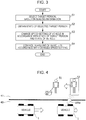
vehicle control apparatus 10 configured as described above will be described usingFig. 3 . -
Fig. 3 is a flowchart illustrating the operation of thevehicle control apparatus 10 according to the first embodiment.Figs. 4 and5 are explanatory diagrams of one example of the operation of thevehicle control apparatus 10 according to the first embodiment.Fig. 4 illustrates, as an example, apedestrian 51 who is walking a pet on asidewalk 41 and apedestrian 52 who is moving in a direction opposite to the movement direction of thevehicle 1 on aroad 40.Fig. 5 illustrates, as an example,pedestrians sidewalk 41 in the same direction as the movement direction of thevehicle 1 on theroad 40. - First, the
vehicle control apparatus 10 selects a target person, based on sensing information (S1). Specifically, thevehicle control apparatus 10 selects a target person who is at least one of humans who are present around thevehicle 1 and are detected using sensing information about the surroundings of thevehicle 1. Thevehicle control apparatus 10 selects thepedestrian 52 as a target person in the example illustrated inFig. 4 and selects thepedestrians Fig. 5 . - Next, the
vehicle control apparatus 10 obtains the state of the target person selected in S1 (S2). Specifically, thevehicle control apparatus 10 obtains the first state indicating the position, the movement direction, and the movement speed of the target person selected in S1. Also, thevehicle control apparatus 10 obtains the movement speed and the movement direction of thevehicle 1 as the second state. Thevehicle control apparatus 10 obtains the first state indicating the position, the movement direction, and the movement speed of thepedestrian 52 in the example illustrated inFig. 4 and the movement speed and the movement direction of thevehicle 1 as the second state. Also, thevehicle control apparatus 10 obtains the first state indicating the positions, the movement direction, and the movement speed of thepedestrians Fig. 5 and obtains the movement speed and the movement direction of thevehicle 1 as the second state. - Next, the
vehicle control apparatus 10 changes a speed setting of thevehicle 1 in accordance with the state of the target person and the state of the vehicle 1 (S3). Specifically, thevehicle control apparatus 10 changes the speed setting of thevehicle 1 in accordance with the second state indicating the state of thevehicle 1 and the above-described first state. Since the movement direction of thepedestrian 52 and the movement direction of thevehicle 1 differ from each other in the example illustrated inFig. 4 , thevehicle control apparatus 10 may set a speed for causing thevehicle 1 to slow down until it moves close to thepedestrian 52 or for causing thevehicle 1 to move close to thepedestrian 52 and stop temporarily. Also, since the movement direction of thepedestrians vehicle 1 are the same in the example illustrated inFig. 5 , thevehicle control apparatus 10 may set the speed of thevehicle 1 so as to reach a speed that is the same as or higher than the moving speed of thepedestrians - Next, the
vehicle control apparatus 10 controls the traveling of thevehicle 1 in accordance with the speed setting changed in S3 (S4). Specifically, when the movement direction of thevehicle 1 and the movement direction of the target person are the same, thevehicle control apparatus 10 controls the traveling of thevehicle 1 with a speed being adjusted to the moving speed of the target person to cause thevehicle 1 to move close to the target person and to travel side-by-side with the target person. Also, when the movement direction of thevehicle 1 and the movement direction of the target person differ from each other, thevehicle control apparatus 10 causes thevehicle 1 to slow down or stop temporarily. In the example illustrated inFig. 4 , thevehicle control apparatus 10 controls the traveling of thevehicle 1 so as to cause thevehicle 1 to slow down until it moves close to thepedestrian 52 or to move close to thepedestrian 52 and stop temporarily. Also, in the example illustrated inFig. 5 , thevehicle control apparatus 10 may control the traveling of thevehicle 1 at a speed that is the same as or higher than the moving speed of thepedestrians vehicle 1 to travel side-by-side with thepedestrians vehicle control apparatus 10 may further make, for example, proactive access for urging thepedestrian 52 inFig. 4 to ride in or thepedestrians Fig. 5 who come close owing to sound output by aspeaker 105a or the like. - Then, when the target person shows an intension of riding in the
vehicle 1, thevehicle control apparatus 10 performs control for stopping thevehicle 1 after the target person comes close thereto, and can have the target person to ride in as a passenger. - According to the present embodiment, as described above, it is possible to realize a vehicle control apparatus and a vehicle control method that can improve the efficiency of energy consumed by vehicles used for passenger transportation.
- Vehicles, such as manned taxis, that are used for passenger transportation and are driven by humans have a possibility of giving a sense of dislike when they make proactive access to passenger candidates, and thus all they could do was to carry out a passive operation method of waiting for access from the customer side. However, since vehicles, such as unmanned taxis, that are used for passenger transportation and are autonomously driven in an unmanned manner can urge the passenger candidate to ride therein, that is, can make proactive access, without giving a sense of dislike, it is possible to realize a proactive-operation method.
- Further, according to the present embodiment, the speed of the
vehicle 1 can be controlled in accordance with the state of a target person who is a passenger candidate, thus making it possible to make the passenger candidate to notice the proactive access and making it possible to urge the passenger candidate to ride in. That is, thevehicle 1 having the vehicle control apparatus and so on in the present embodiment can improve the occupancy rate by getting passengers therein even at places other than predetermined places, such as taxi stands, thus making it possible to improve the efficiency of energy consumed for moving thevehicle 1. - Although the
vehicle control apparatus 10, theobserver 20, and thehuman detector 30 have different configurations in the first embodiment, the present disclosure is not limited thereto. Thevehicle control apparatus 10 may also comprise functions of theobserver 20 and functions of thehuman detector 30. That is, thevehicle control apparatus 10 may comprise theobserver 20 and thehuman detector 30. - Next, a description will be given of a
vehicle control apparatus 10A in a second embodiment. Differences from the first embodiment will be mainly described below. -
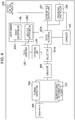
Fig. 6 is a diagram illustrating one example of the configuration of thevehicle control apparatus 10A according to the second embodiment. Elements that are the same as or similar to those inFig. 2 are denoted by the same reference numerals, and detailed descriptions thereof are not given hereinafter. Thevehicle control apparatus 10A is mounted on, for example, avehicle 1 that is used for passenger transportation and is autonomously driven, similarly to thevehicle control apparatus 10 in the first embodiment. Thevehicle 1 is, for example, an autonomously driven unmanned taxy or the like. Thevehicle 1 may or may not comprise theobserver 20 and thehuman detector 30. In the present embodiment, a description will be given assuming that thevehicle 1 does not have theobserver 20 and thehuman detector 30, and thevehicle control apparatus 10A has functions of theobserver 20 and thehuman detector 30. - The
vehicle control apparatus 10A illustrated inFig. 6 comprises anobserver 20A, ahuman detector 30A, aselector 101A, astate acquirer 102A, thechanger 103, the travelingcontroller 104, theinformation output unit 105, adeterminer 106, a surrounding-information acquirer 107, acreator 108, astorage unit 109, and arule updater 110. - The
observer 20A obtains sensing information about surroundings of thevehicle 1 by sensing the surroundings of thevehicle 1. In the present embodiment, theobserver 20A obtains, in addition to the functions of theobserver 20, GPS information indicating the position of thevehicle 1 as sensing information. Since others are analogous to those of theobserver 20 in the first embodiment, descriptions thereof are omitted. - The
human detector 30A detects humans who are present around thevehicle 1 from the sensing information obtained by theobserver 20A. In the present embodiment, thehuman detector 30A obtains, from the sensing information obtained by theobserver 20A, for example, an image resulting from photography around thevehicle 1. By detecting humans shown in the obtained image, thehuman detector 30A detects the humans who are present around thevehicle 1. - Now, a description will be given in conjunction with an example of human detection processing performed by the
human detector 30A. -
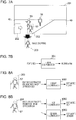
Figs. 7A and 7B are diagrams illustrating one example of the human detection processing performed by thehuman detector 30A according to the second embodiment. Animage 201 illustrated inFig. 7A shows an example in which humans 55, 56, and 57 are shown on asidewalk 41 of aroad 40 and thesidewalk 41. - The
human detector 30A obtains, for example, theimage 201 illustrated inFig. 7A from theobserver 20A and causes a detection-target region having a predetermined size and indicated by aregion 202 to move. In the example illustrated inFig. 7A , thehuman detector 30A crops an image in the detection-target region denoted by aregion 203 and extracts features, such as a HOG, from the cropped image. Then, by using the extracted features, thehuman detector 30A performs processing for identifying whether or not a human is present in the image in the detection-target region denoted by theregion 203. Thehuman detector 30A can detect thehumans human detector 30A may also perform processing for identifying whether or not a human is present in the image in the detection-target region, for example, by using ahuman discriminator 301 that has pre-learned features of humans, as illustrated inFig. 7B . In the example illustrated inFig. 7B , by using thehuman discriminator 301, thehuman detector 30A identifies that the human 57 is present in the image in the detection-target region denoted by theregion 203. Similarly, by using thehuman discriminator 301, thehuman detector 30A identifies that thehumans - The surrounding-
information acquirer 107 acquires environment information about the surroundings of thevehicle 1, based on the sensing information obtained by theobserver 20. In the present embodiment, the surrounding-information acquirer 107 acquires the position of thevehicle 1, such as GPS information, from the sensing information obtained by theobserver 20 and acquires environment information based on the position, such as weather information and a precipitation probability for the position. The surrounding-information acquirer 107 can acquire the environment information by communicating with, for example, a server or the like external to thevehicle 1. In addition, the surrounding-information acquirer 107 acquires environment information about the surroundings of thevehicle 1, such as the presence/absence of actual rain in the surroundings of thevehicle 1, the presence of other vehicles ahead of and behind thevehicle 1, and a congestion situation of a driving lane in which thevehicle 1 is traveling, from the sensing information obtained by theobserver 20. - The environment information based on the position and the environment information about the surroundings of the
vehicle 1 are not limited to the above-described examples. For example, the environment information based on the position is not limited to the weather information and the precipitation probability and may be meteorological information, such as pollen information, humidity information, and air temperature information. Also, the environment information about the surroundings of thevehicle 1 may also be the situation of the surroundings, such as an actual air temperature, a humidity, and the amount of pollen in the surroundings of thevehicle 1 and the state of a road surface on which thevehicle 1 travels. - The
creator 108 creates verification data, based on human information indicating attributes and actions of humans who are present around thevehicle 1, the human information being obtained from the sensing information from theobserver 20 and the environment information acquired by the surrounding-information acquirer 107. - In the present embodiment, the
creator 108 generates verification data that theselector 101A uses in order to select a target person. Specifically, thecreator 108 first identifies human information indicating attributes and actions of humans that thehuman detector 30A detected, for example, from an image included in the sensing information and obtained by photography around thevehicle 1. Then, thecreator 108 creates verification data in which the identified human information and the environment information acquired by the surrounding-information acquirer 107 are constructed by pre-defined numerals or symbols. The human information refers to, for example, attributes that are human personal information, such as a gender, age, and height, and human actions, such as walking, being still, jogging, dog walking, and shopping. Human information identifying processing performed by thecreator 108 will be described below using drawings. -
Figs. 8A and 8B are diagrams each illustrating one example of attribute identification processing performed by thecreator 108 according to the second embodiment. Thecreator 108 extracts features from a human image including the human 57, for example, as in an image denoted by theregion 203 illustrated inFig. 8A . Further, thecreator 108 may estimate the height of the human 57 from the extracted features, for example, by using aheight discriminator 1081 that has pre-learned features of height-specific humans. Also, thecreator 108 extracts features from a face image including the face of the human 57, for example, as in an image denoted by aregion 204 illustrated inFig. 8B . Thecreator 108 may estimate the age of the human 57 from the extracted features, for example, by using anage discriminator 1082 that has pre-learned features of the faces of age-specific humans. Thecreator 108 may estimate the gender of the human 57 from the extracted features, for example, by using agender discriminator 1083 that has pre-learned features of the faces of gender-specific humans. -
Fig. 8C is a diagram illustrating one example of action identification processing performed by thecreator 108 according to the second embodiment. Thecreator 108 extracts features from a human image including the human 57, for example, as in the image denoted by theregion 203 illustrated inFig. 7A . Further, thecreator 108 may estimate an action of the human 57 from the extracted features, for example, by using anaction discriminator 1084 that has pre-learned features of action-specific humans, as illustrated inFig. 8C . - The human information may further include a walking speed, personal belongings, a group to which the human belongs, and the number of humans, in addition to the above-described example.
- The
storage unit 109 is constituted by, for example, a storage device, such as an SD card or a flash memory, and stores a selection rule used for selecting a target person. - In the present embodiment, the
storage unit 109 stores a selection rule used for selecting a target person. Thestorage unit 109 also stores and accumulates verification data created by thecreator 108 and determination results of thedeterminer 106. The determination results may be associated with the verification data. The selection rule indicates, for example, priorities with respect to combinations of human information indicating attributes and actions of humans and environment information. -
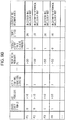
Fig. 9A is a table illustrating one example of the selection rule according to the second embodiment.Fig. 9B is a table illustrating another example of the selection rule according to the second embodiment. - As illustrated in
Fig. 9A , the selection rule indicates priorities with respect to, for example, combinations of human attributes, such as genders and ages, human actions, such as walking, being still, and jogging, and environment information about precipitation probabilities (%) and the presence/absence of rain. - The selection rule is not limited to the case illustrated in
Fig. 9A , and as illustrated inFig. 9B , an item having content of a ride recommendation for urging the target person to ride in may be added to the items illustrated inFig. 9A . Thus, when theselector 101A, described below, selects a target person based on the priorities, the content of the ride recommendation for the target person, the content being output by theinformation output unit 105, is also selected. - Also, the selection rule may also specify, for example, priorities based on positional relationships between the
vehicle 1 and target people, such as a rule that gives high priority to a human who can see thevehicle 1 and who is relatively close in distance, as described above in the first embodiment. - The
selector 101A selects a target person who is at least one of humans who are present around thevehicle 1 and are detected using the sensing information about the surroundings of thevehicle 1. More specifically, theselector 101A selects a target person by using the selection rule and the verification data created from the sensing information about the surroundings of thevehicle 1 and the attributes and actions of humans who are present around thevehicle 1. - In the present embodiment, the
selector 101A performs processing for verifying the verification data created by thecreator 108 with the selection rule stored in thestorage unit 109 to thereby select at least one target person out of humans, such as pedestrians, who are present around thevehicle 1 and are detected by thehuman detector 30. The following description will be given of a case in which theselector 101A performs verification processing by using the selection rule illustrated inFig. 9A or9B . -
Fig. 10A is a table illustrating one example of the verification processing in theselector 101A according to the second embodiment.Fig. 10B is a table illustrating another example of the verification processing in theselector 101A according to the second embodiment. One example of the verification data is illustrated at the left side inFigs. 10A and 10B , and verification results are illustrated at the right side therein.Figs. 10A and 10B illustrate an example in which the verification data is constituted by numerals of elements that are arrayed in a row. The numerals of the elements that are arrayed in a row indicate, from the left, a gender indicated by 0 or 1, an age indicated by a numeral, an action indicated by 1 to 3, a precipitation probability indicated by 1 to 100, and the presence/absence of rain indicated by 0 or 1. - With respect to one of humans who are present around the
vehicle 1 and are detected by thehuman detector 30, theselector 101A verifies the verification data created by thecreator 108 with the selection rule illustrated inFig. 9A or9B , to thereby obtain a priority for the verification data as a verification result. Theselector 101A may perform such verification processing on all of the humans who are present around thevehicle 1 and are detected by thehuman detector 30, to select, for example, a human having the highest priority as a target person. Also, theselector 101A may perform such verification processing on each randomly or sequentially selected human of the humans who are present around thevehicle 1 and are detected by thehuman detector 30 and may select a target person when the priority for the selected human is higher than or equal to a predetermined threshold. - The
state acquirer 102A acquires the first state indicating the position, the movement direction, and the movement speed of the target person selected by theselector 101A. In addition, thestate acquirer 102A may acquire motion or an action of the target person selected by theselector 101A. - In the present embodiment, the
state acquirer 102A acquires the state of the target person and the state of thevehicle 1, similarly to the above-describedstate acquirer 102. Thestate acquirer 102A further acquires motion and an action of the target person, based on the sensing information obtained by theobserver 20A. For example, thestate acquirer 102A acquires, as the motion and action of the target person, at least one of a change in the direction of the target person relative to thevehicle 1, a change in the speed of the target person, motion of the hands of the target person, motion of the head of the target person, and content indicated by voice information of the target person. - Based on the motion or the action of the target person after the
information output unit 105 outputs the recommendation information, thedeterminer 106 determines whether or not the target person has an intension of riding in thevehicle 1. The motion or the action may include at least one of a change in the direction of the target person relative to thevehicle 1, a change in the speed of the target person, motion of the hands of the target person, motion of the head of the target person, and content indicated by voice information of the target person. Upon determining that the target person has an intension of riding in, thedeterminer 106 outputs a notification indicating that it has an intension of accepting the riding to the travelingcontroller 104. - In the present embodiment, the
determiner 106 comprises afirst determiner 1061 and asecond determiner 1062. Thefirst determiner 1061 determines, for example, an explicit action of the target person, such as raising a hand, calling, or waving his/her hand away, to thereby determine whether or not the target person has an intension of riding in thevehicle 1. Although thefirst determiner 1061 determines the presence/absence of an explicit action of the target person by using the action and motion of the target person which are obtained by thestate acquirer 102A, the present disclosure is not limited thereto. When thestate acquirer 102A does not obtain an action and motion of the target person, thefirst determiner 1061 may obtain an action and motion of the target person selected by theselector 101A and determine the presence/absence of an explicit action of the target person, based on the sensing information obtained by theobserver 20A. Thesecond determiner 1062 determines whether or not the target person has an intension of riding in thevehicle 1, for example, by determining the presence/absence of the target person's gesture for riding in, such as stopping walking, looking at the vehicle, nodding, shaking his/her head, that is, the presence/absence of an implicit action of the target person. Thesecond determiner 1062 determines the presence/absence of an implicit action of the target person by using the first state of the target person which is acquired by thestate acquirer 102A. Upon determining that the target person has an intension of riding in, thefirst determiner 1061 and thesecond determiner 1062 output, to the travelingcontroller 104, a notification indicating that it will accept the riding. - The
rule updater 110 updates the selection rule, based on the verification data indicating the attributes and action of the target person who is included in target people and who has ridden in thevehicle 1. - In the present embodiment, the
rule updater 110 gives feedback corresponding to a determination result of thedeterminer 106 to the selection rule. For example, when a certain number of target people corresponding to verification data having a high priority in the selection rule do not show riding intensions, therule updater 110 reduces the priority. Also, when a certain number of target people corresponding to verification data having a relatively low priority in the selection rule show riding intensions, therule updater 110 increases the priority. With such an arrangement, therule updater 110 can update the selection rule so that it becomes a selection rule to which the determination results have been fed back. When the number of pieces of verification data stored in thestorage unit 109 and the number of determination results each reach a certain number, therule updater 110 may adjust the priorities in the selection rule by performing statistical processing on the certain number of determination results. - Next, the following description will be given of the operation of the
vehicle control apparatus 10A configured as described above. -
Fig. 11 is a flowchart illustrating an overview of the operation of thevehicle control apparatus 10A according to the second embodiment. That is, first, thevehicle control apparatus 10A performs human detection processing for detecting humans who are present around the vehicle 1 (S10). Next, thevehicle control apparatus 10A performs target-person selection processing for selecting a target person who is at least one of humans who are present around thevehicle 1 detected in S10 (S20). Next, thevehicle control apparatus 10A performs speed-setting change processing for changing a speed setting of thevehicle 1 in accordance with the state of the target person selected in S20 (S30). Next, thevehicle control apparatus 10A performs ride recommendation processing for making a ride recommendation to the target person (S40). -
Fig. 12 is a flowchart illustrating one example of details of the operation in S10 illustrated inFig. 11 . - In S10, first, the
vehicle control apparatus 10A obtains, from sensing information obtained by sensing the surroundings of thevehicle 1, an image resulting from photography around the vehicle 1 (S11). - Subsequently, the
vehicle control apparatus 10A causes a detection-target region to move in the image obtained in S11 (S12), and when it is an unsearched region (yes in S13), thevehicle control apparatus 10A performs human detection processing on an image in the detection-target region at a position to which it has moved (S14). In S14, thevehicle control apparatus 10A extracts features, such as a HOG, from the image in the detection-target region at the position to which it has moved (S141) and identifies a human from the extracted features by using a human discriminator (S142). When there is no unsearched region in the image in S13 (no in S13), the processing ends. - Subsequently, when the human detection processing in S14 identifies a human in the image in the detection-target region at the position (yes in S15), the
vehicle control apparatus 10A allocates an ID to the identified human (S16) and returns to the process in S12. On the other hand, when the human detection process in S14 does not identify a human in the image in the detection-target region at the position (no in S15), thevehicle control apparatus 10A returns to the process in S12 without performing the process in S16. - The
vehicle control apparatus 10A obtains, from the sensing information obtained by sensing the surroundings of thevehicle 1 in S10 in the manner described above, an image resulting from photography around thevehicle 1 and information about IDs that are allocated to one or more regions in the image and that indicate humans. -
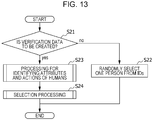
Fig. 13 is a flowchart illustrating one example of details of the operation in S20 illustrated inFig. 11 . - In S20, first, the
vehicle control apparatus 10A decides whether or not the verification data is to be created (S21). When the verification data is not to be created (no in S21), thevehicle control apparatus 10A randomly selects one person from IDs obtained in the processing in S20 (S22) and allocated to one or more regions in the image and ends the processing. On the other hand, when verification data is to be created (yes in S21), thevehicle control apparatus 10A performs processing for identifying attributes and actions of humans in the image who were detected in the processing in S20 (S23) and performs selection processing for selecting a target person who is at least one of the humans in the image who were detected in the processing in S20 (S24). -
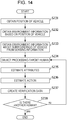
Fig. 14 is a flowchart illustrating one example of details of the operation in S23 illustrated inFig. 13 . - In S23, first, the
vehicle control apparatus 10A obtains the position of thevehicle 1 from the sensing information obtained by sensing the surroundings of the vehicle 1 (S231) and obtains environment information based on the position (S232). - Subsequently, the
vehicle control apparatus 10A obtains environment information about the surroundings of thevehicle 1 from the sensing information (S233). - Subsequently, the
vehicle control apparatus 10A selects one of the humans in the image who were detected in the process in S20, that is, selects a processing-target human (S234). Thevehicle control apparatus 10A estimates attributes and an action of the selected processing-target human (S235 and S236). The order of the processes in S235 and S236 may be a reverse order of that order. - Subsequently, the
vehicle control apparatus 10A creates the verification data by using the attributes and the action of the processing-target human estimated in S235 and S236 and the environment information obtained in S232 and S233 (S237). When there is no other human, that is, when there is no human other than the processing-target human of the humans in the image who were detected in the process in S20 (yes in S238), the processing ends. When there is another human (no in S238), the process returns to S234, and the processing is repeated. -
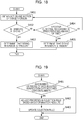
Fig. 15 is a flowchart illustrating one example of details of the operation in S24 illustrated inFig. 13 . - In S24, first, the
vehicle control apparatus 10A obtains the selection rule stored in the storage unit 109 (S241). - Subsequently, the
vehicle control apparatus 10A selects one of the humans in the image who were detected in the process in S20, that is, selects a processing-target human (S242). - Subsequently, with respect to the processing-target human selected in S242, the
vehicle control apparatus 10A performs processing for verifying the verification data created in the process in S23 against the selection rule obtained in S241 (S243), to obtain a priority for the processing-target human selected in S242. - Subsequently, when the priority for the processing-target human, the priority being obtained in the verification processing in S243, is higher than a threshold (yes in S244), the
vehicle control apparatus 10A selects the processing-target person as a target person. - Even when the priority for the processing-target human, the priority being obtained in the verification processing in S243, is lower than or equal to the threshold (no in S244), the
vehicle control apparatus 10A selects the processing-target person as a target person when another processing-target person is absent (yes in S245). - Also, when the priority for the processing-target human, the priority being obtained in the verification processing in S243, is lower than or equal to the threshold (no in S244), and another processing-target person is present (no in S245), the
vehicle control apparatus 10A returns to S242 to select a new processing-target person and repeats the processes in and after S243. -
Fig. 16 is a flowchart illustrating one example of details of the operation in S30 illustrated inFig. 11 . - In S30, first, the
vehicle control apparatus 10A obtains the state of the target person selected in S20 which indicates the position, the movement direction, and the movement speed of the target person (S31). - Subsequently, by using the state of the target person, the
vehicle control apparatus 10A determines whether or not the target person is moving in the same direction as that of the vehicle 1 (S32). More specifically, thevehicle control apparatus 10A determines whether or not the movement direction of the target person is the same as the movement direction of thevehicle 1. - When the target person is moving in the same direction as that of the
vehicle 1 in S32 (yes in S32), thevehicle control apparatus 10A sets a speed range for a forward direction (S33). Specifically, when the target person is moving in the same direction as that of thevehicle 1, thevehicle control apparatus 10A changes the speed setting of thevehicle 1 so as to reach a speed that is the same as or higher than the moving speed of the target person in order to cause thevehicle 1 to travel side-by-side with the target person. On the other hand, when the target person is not moving in the same direction as that of the vehicle 1 (no in S32), thevehicle control apparatus 10A sets a speed range for a backward direction (S34). Specifically, when the target person is moving in a direction different from that of thevehicle 1, thevehicle control apparatus 10A changes the speed setting of thevehicle 1 so as to causes thevehicle 1 to slow down or stop temporarily. -
Fig. 17 is a flowchart illustrating one example of details of the operation in S40 illustrated inFig. 11 . - In S40, first, the
vehicle control apparatus 10A calculates a distance from thevehicle 1 to the target person (S42) while performing traveling control for causing thevehicle 1 to move close to the target person with the speed indicated by the speed setting changed in S30 (S41). - Subsequently, the
vehicle control apparatus 10A determines whether or not a distance from thevehicle 1 to the target person is smaller than a threshold (S43), and when the distance is smaller than the threshold (yes in S43), thevehicle control apparatus 10A outputs recommendation information indicating a ride recommendation to the target person (S44). When the distance is larger than or equal to the threshold (no in S43), the process returns to S41, and the processing is repeated. - Subsequently, the
vehicle control apparatus 10A performs processing for determining a riding intension of the target person (S45), and upon determining that the target person has a riding intension (yes in S46), thevehicle control apparatus 10A performs traveling control for causing thevehicle 1 to move close to the target person and stop (S47). - Subsequently, the
vehicle control apparatus 10A performs selection-rule change processing for feeding back the determination result in S46 (S48). - Upon determining that the target person has no riding intension in S46 (no in S46), the
vehicle control apparatus 10A performs traveling control for returning to the speed before the processing in S30 (S49) to move away from the target person and proceeds the process in S48. -
Fig. 18 is a flowchart illustrating one example of details of the operation in S45 illustrated inFig. 17 . - In S45, first, the
vehicle control apparatus 10A obtains an action and motion of the target person, based on the sensing information about the surroundings of the vehicle 1 (S451). - Subsequently, based on the target person's action and motion obtained in S451, the
vehicle control apparatus 10A determines whether or not the target person is making an affirmative response to the recommendation information indicating the ride recommendation (S452). The affirmative response refers to, for example, the target person raising a hand toward thevehicle 1, nodding in response to the recommendation information, and performing an affirmative utterance in response to the recommendation information. - Upon determining that the target person is making an affirmative response in S452 (yes in S452), the
vehicle control apparatus 10A determines that the target person has a riding intension (S453). - On the other hand, upon determining that the target person does not show an affirmative response in S452 (no in S452), the
vehicle control apparatus 10A determines that the target person is making a negative response or a certain amount of time has passed (S454). The negative response refers to, for example, the target person waving his/her hand away toward thevehicle 1, shaking his/her head in response to the recommendation information, or performing a negative utterance in response to the recommendation information. - Upon determining that the target person is making a negative response in S454 or a certain amount of time has passed (yes in S454), the
vehicle control apparatus 10A determines that the target person has no riding intension (S455). When thevehicle control apparatus 10A cannot determine that the target person is making a negative response or the certain amount of time has passed in S454 (no in S454), the process returns to S451, and the processing is repeated. -
Fig. 19 is a flowchart illustrating one example of details of the operation in S48 illustrated inFig. 17 . - In S48, first, the
vehicle control apparatus 10A determines whether or not the number of pieces of accumulated verification data has reached a certain number (S481). When the number of pieces of accumulated verification data has not reached the certain number in S481 (no in S481), thevehicle control apparatus 10A ends the processing without updating the selection rule. - On the other hand, when the number of pieces of accumulated verification data has reached the certain number in S481 (yes in S481), the
vehicle control apparatus 10A adjusts the priorities in the selection rule, based on the accumulated determination results (S482). Although various methods are available as the priority adjustment method, the priorities may be adjusted, for example, by performing statistical processing on the accumulated determination results and the verification data corresponding thereto. - Subsequently, the
vehicle control apparatus 10A updates the selection rule so that the priorities adjusted in S482 are set (S483). - According to the present embodiment, it is possible to realize a vehicle control apparatus and a vehicle control method that can improve the efficiency of energy consumed by vehicles used for passenger transportation.
- Also, according to the vehicle control apparatus and so on in the present embodiment, since the speed control of the
vehicle 1 can be performed according to the state of a target person who is a passenger candidate, and the recommendation information can be output, it is possible to make the passenger candidate notice the proactive access, and it is possible to urge the passenger candidate to ride in. In addition, according to the vehicle control apparatus and so on in the present embodiment, after the recommendation information is output, thevehicle 1 can be moved close to a target person in accordance with an affirmative response of the target person, thus making it possible to urge the target person to smoothly ride therein. This makes it possible to efficiently increase the number of passengers in thevehicle 1 having the vehicle control apparatus and so on in the present embodiment. Also, the target person can reduce the amount of work and time for looking for thevehicle 1 in which he or she can ride. In addition, there is also an advantage that the target person can stop thevehicle 1 and ride therein even under a situation in which it is difficult to stop thevehicle 1 that is traveling on a road. - As described above, the
vehicle 1 having the vehicle control apparatus and so on in the present embodiment can improve the occupancy rate by getting passengers therein even at places other than predetermined places, such as taxi stands, thus making it possible to improve the efficiency of energy consumed for moving thevehicle 1. - Although the above description has been given of a vehicle control apparatus, a vehicle control method, and so on according to one or more aspects of the present disclosure, the present disclosure is not limited to the embodiments. Modes obtained by applying various modifications conceived by those skilled in the art to the embodiments or modes constituted by combining the constituent elements in different embodiments may also be encompassed by the scope of one or more aspects of the present disclosure, as long as such modes do not depart from the spirit of the present disclosure. For example, the present disclosure incudes cases as described below.
- (1) Each apparatus described above is, specifically, a computer system including a microprocessor, a ROM, a RAM, a hard disk unit, a display unit, a keyboard, a mouse, and so on. A computer program is stored in the RAM or the hard disk unit. The microprocessor operates in accordance with the computer program, so that each apparatus realizes its functions. The computer program in this case is a combination of a plurality of instruction codes for giving instructions to a computer in order to achieve a predetermined function.
- (2) A part or all of the constituent elements included in each apparatus described above may be implemented by a single system LSI (Large Scale Integration: large scale integration circuit). The system LSI is a super-multifunctional LSI circuit manufactured by integrating a plurality of constituent portions on one chip and is, specifically, a computer system constituted to include a microprocessor, a ROM, a RAM, and so on. A computer program is stored in the RAM. The microprocessor operates in accordance with the computer program, so that the system LSI realizes its functions.
- (3) A part or all of the constituent elements included in each apparatus described above may be implemented by an IC card or a single module that can be inserted into and removed from the apparatus. The IC card or the module may be a computer system constituted by a microprocessor, a ROM, a RAM, and so on. The IC card or the module may include the aforementioned super-multifunctional LSI. The microprocessor operates in accordance with the computer program, so that the IC card or the module realizes its functions. The IC card or the module may be tamper-proof.
- (4) The present disclosure may also be implemented by the methods described above. Those methods may also be implemented by a computer program realized by a computer or may be implemented with digital signals provided by the computer program. Herein, for example, a vehicle control method according to one aspect of the present disclosure is a vehicle control method that controls a vehicle that is autonomously driven and that is used for passenger transportation. The vehicle control method includes: a selecting step of selecting a target person who is at least one of humans who are present around the vehicle and are detected using sensing information about surroundings of the vehicle; a state acquiring step of acquiring a first state indicating a state of the target person selected by the selector in the selecting step; a changing step of changing a speed setting of the vehicle in accordance with a second state indicating a state of the vehicle and the first state; and a traveling controlling step of controlling traveling of the vehicle at a speed indicated by the speed setting. Also, for example, a program according to one aspect of the present disclosure is a program that causes a computer to execute: a selecting step of selecting a target person who is at least one of humans who are present around a vehicle that is autonomously driven and that is used for passenger transportation, the humans being detected using sensing information about surroundings of the vehicle; a state acquiring step of acquiring a first state indicating a state of the target person selected by the selector in the selecting step; a changing step of changing a speed setting of the vehicle in accordance with a second state indicating a state of the vehicle and the first state; and a traveling controlling step of controlling traveling of the vehicle at a speed indicated by the speed setting.
In the present disclosure, the computer program or the digital signals may be recorded on computer-readable recording media, for example, a flexible disk, a hard disk, a CD-ROM, an MO disk, a DVD, a DVD-ROM, a DVD-RAM, a BD (Blue-ray (registered trademark) Disc), a semiconductor memory, and so on. The present disclosure may also be implemented by the digital signals recorded on the recording media.
Additionally, in the present disclosure, the computer program or the digital signals may be transmitted through a telecommunication channel, a wireless or wired communication channel, and a network typified by the Internet, data broadcasting, and so on.
Also, the present disclosure may be implemented by a computer system comprising a microprocessor and a memory, the memory may store the computer program, and the microprocessor may operate in accordance with the computer program.
The present disclosure may also be implemented by another independent computer system by transporting the recording medium on which the program or the digital signals are recorded or transferring the program or the digital signals through the network or the like. - (5) The above-described embodiments may also be combined together.
- (6) Although, in the above-described embodiments, an observation region of a first sensor and a second sensor has been described as being a two-dimensional region, for ease of description, the observation region may be naturally a three-dimensional region.
- The present disclosure can be utilized for, for example, vehicle control apparatuses, vehicle control methods, and programs utilized for autonomous driving vehicles used in theme parks and so on and for robots and so on that can move with humans on board.
-
- 1 vehicle
- 10, 10A vehicle control apparatus
- 20, 20A observer
- 30, 30A human detector
- 40 road
- 41 sidewalk
- 51, 52, 53, 54 pedestrian
- 55, 56, 57 humans
- 101, 101A selector
- 102, 102A state acquirer
- 103 changer
- 104 traveling controller
- 105 information output unit
- 105a speaker
- 106 determiner
- 107 surrounding-information acquirer
- 108 creator
- 109 storage unit
- 110 rule updater
- 202, 203, 204 region
- 301 human discriminator
- 1081 height discriminator
- 1082 age discriminator
- 1083 gender discriminator
- 1084 action discriminator
- 1061 first determiner
- 1062 second determiner
Claims (12)
- A vehicle control apparatus mounted on a vehicle used for passenger transportation,
wherein the vehicle is autonomously driven, the vehicle control apparatus comprising:a selector that selects a target person who is at least one of humans who are present around the vehicle and are detected using sensing information about surroundings of the vehicle;a state acquirer that acquires a first state indicating a state of the target person selected by the selector;a changer that changes a speed setting of the vehicle in accordance with a second state indicating a state of the vehicle and the first state; anda traveling controller that controls traveling of the vehicle at a speed indicated by the speed setting. - The vehicle control apparatus according to Claim 1,
wherein, of a position, a movement direction, and a movement speed of the target person, at least the position and the direction are included in the first state. - The vehicle control apparatus according to Claim 1 or 2,
wherein the changer
changes the speed setting so as to reach a speed for causing the vehicle to stop temporarily or slow down, when a movement direction of the vehicle which is indicated by the first state and a movement direction of the target person which is indicated by the second state differ from each other, and
changes the speed setting so as to adjust a speed of the vehicle to the speed of the target person which is indicated by the first state, when the movement direction of the vehicle which is indicated by the first state and the movement direction of the target person which is indicated by the second state are the same. - The vehicle control apparatus according to Claim 1 or 2,
wherein the vehicle control apparatus further comprises
an information output unit that outputs, to the target person, recommendation information indicating a recommendation for riding in the vehicle for performing the passenger transportation, when the traveling controller controls the traveling, and a distance between the target person and the vehicle becomes smaller than or equal to a threshold. - The vehicle control apparatus according to Claim 4,
wherein the vehicle control apparatus further comprises
a determiner that determines whether or not the target person has an intension of riding in the vehicle, based on motion or an action of the target person after the information output unit outputs the recommendation information. - The vehicle control apparatus according to Claim 5,
wherein the motion or the action includes at least one of a change in a direction of the target person relative to the vehicle, a change in a speed of the target person, motion of a hand of the target person, motion of the head of the target person, and content indicated by voice information of the target person. - The vehicle control apparatus according to Claim 6,
wherein the vehicle control apparatus further comprises:an observer that obtains the sensing information by sensing the surroundings of the vehicle; anda human detector that detects humans who are present around the vehicle from the sensing information obtained by the observer. - The vehicle control apparatus according to Claim 7, comprising:a storage unit that stores a selection rule used for selecting the target person,wherein the selector selects the target person by using the selection rule and verification data indicating attributes and actions of the humans who are present around the vehicle, the verification data being created from the sensing information.
- The vehicle control apparatus according to Claim 8,
wherein the vehicle control apparatus further comprises:a surrounding-information acquirer that obtains environment information about the surroundings of the vehicle, based on the sensing information; anda creator that creates the verification data, based on human information indicating the attributes and the actions of the humans who are present around the vehicle and the environment information, the human information and the environment information being obtained from the sensing information. - The vehicle control apparatus according to Claim 8 or 9,
wherein the vehicle control apparatus further comprises
a rule updater that updates the selection rule, based on the verification data indicating an attribute and an action of a target person who is included in the target people and who has ridden in the vehicle. - A vehicle control method that controls a vehicle that is autonomously driven and that is used for passenger transportation, the vehicle control method including:a selecting step of selecting a target person who is at least one of humans who are present around the vehicle and are detected using sensing information about surroundings of the vehicle;a state acquiring step of acquiring a first state indicating a state of the target person selected by the selector in the selecting step;a changing step of changing a speed setting of the vehicle in accordance with a second state indicating a state of the vehicle and the first state; anda traveling controlling step of controlling traveling of the vehicle at a speed indicated by the speed setting.
- A program that causes a computer to execute:a selecting step of selecting a target person who is at least one of humans who are present around a vehicle that is autonomously driven and that is used for passenger transportation, the humans being detected using sensing information about surroundings of the vehicle;a state acquiring step of acquiring a first state indicating a state of the target person selected by the selector in the selecting step;a changing step of changing a speed setting of the vehicle in accordance with a second state indicating a state of the vehicle and the first state; anda traveling controlling step of controlling traveling of the vehicle at a speed indicated by the speed setting.
Applications Claiming Priority (2)
| Application Number | Priority Date | Filing Date | Title |
|---|---|---|---|
| JP2017066358A JP6940969B2 (en) | 2017-03-29 | 2017-03-29 | Vehicle control device, vehicle control method and program |
| PCT/JP2018/004779 WO2018179917A1 (en) | 2017-03-29 | 2018-02-13 | Vehicle control device, vehicle control method, and program |
Publications (3)
| Publication Number | Publication Date |
|---|---|
| EP3605493A1 true EP3605493A1 (en) | 2020-02-05 |
| EP3605493A4 EP3605493A4 (en) | 2020-04-15 |
| EP3605493B1 EP3605493B1 (en) | 2024-07-10 |
Family
ID=63675047
Family Applications (1)
| Application Number | Title | Priority Date | Filing Date |
|---|---|---|---|
| EP18777912.9A Active EP3605493B1 (en) | 2017-03-29 | 2018-02-13 | Vehicle control device, vehicle control method, and program |
Country Status (7)
| Country | Link |
|---|---|
| US (1) | US11086321B2 (en) |
| EP (1) | EP3605493B1 (en) |
| JP (1) | JP6940969B2 (en) |
| CN (1) | CN109643490B (en) |
| AU (1) | AU2018242449A1 (en) |
| CA (1) | CA3037279A1 (en) |
| WO (1) | WO2018179917A1 (en) |
Families Citing this family (8)
| Publication number | Priority date | Publication date | Assignee | Title |
|---|---|---|---|---|
| JP7119985B2 (en) * | 2018-12-21 | 2022-08-17 | トヨタ自動車株式会社 | Map generation device, map generation system, map generation method, and map generation program |
| JP7188325B2 (en) * | 2019-08-27 | 2022-12-13 | トヨタ自動車株式会社 | Driving support device |
| US10778937B1 (en) * | 2019-10-23 | 2020-09-15 | Pony Al Inc. | System and method for video recording |
| CN115072626B (en) * | 2021-03-12 | 2023-07-18 | 灵动科技(北京)有限公司 | Handling robot, handling system and method for generating prompt information |
| CN116052434B (en) * | 2023-02-22 | 2024-08-16 | 浙江云通数达科技有限公司 | Data processing system for determining abnormal road section |
| US12391281B2 (en) | 2023-05-17 | 2025-08-19 | GM Global Technology Operations LLC | Responses to vulnerable road user's adversarial behavior |
| US12420839B2 (en) * | 2023-05-17 | 2025-09-23 | GM Global Technology Operations LLC | Vulnerable road user's adversarial behavior opportunity and capability |
| JP2025020774A (en) * | 2023-07-31 | 2025-02-13 | 本田技研工業株式会社 | Assistance control device, assistance control method, and program |
Family Cites Families (31)
| Publication number | Priority date | Publication date | Assignee | Title |
|---|---|---|---|---|
| CN1125345A (en) * | 1994-12-24 | 1996-06-26 | 秦桂亭 | Riding information mark |
| JP4253901B2 (en) * | 1999-03-02 | 2009-04-15 | マツダ株式会社 | Vehicle obstacle detection device |
| JP2002312888A (en) * | 2001-04-13 | 2002-10-25 | Yazaki Corp | Speed limiting device unauthorized use reporting device, speed limiting device unauthorized use reporting method, and speed limiting device unauthorized use reporting program |
| US7526103B2 (en) * | 2004-04-15 | 2009-04-28 | Donnelly Corporation | Imaging system for vehicle |
| JP2006110207A (en) * | 2004-10-15 | 2006-04-27 | Suzuki Motor Corp | Driving support control method for small electric vehicle |
| JP2006127055A (en) * | 2004-10-27 | 2006-05-18 | Denso Corp | Vehicle information presentation device |
| GB2472789A (en) | 2009-08-17 | 2011-02-23 | Nec Corp | In a lte-advanced network a target enb sends a source enb information to indicate to the ue which of multiple component carriers is to be used for initail acc |
| DE102011086199B4 (en) * | 2011-11-11 | 2020-07-16 | Denso Corporation | Vehicle perimeter monitor |
| JP2014006700A (en) * | 2012-06-25 | 2014-01-16 | Mitsubishi Motors Corp | Pedestrian detection device |
| US9135798B2 (en) * | 2012-09-01 | 2015-09-15 | Honda Motor Co., Ltd. | Vehicle periphery monitoring device |
| US9254846B2 (en) | 2013-05-03 | 2016-02-09 | Google Inc. | Predictive reasoning for controlling speed of a vehicle |
| KR20150054270A (en) * | 2013-11-11 | 2015-05-20 | 대구대학교 산학협력단 | A Method for Sharing Vehicle Location and Driving Information using Car Navigation System |
| JP6361220B2 (en) * | 2014-03-27 | 2018-07-25 | 株式会社ニコン | Autonomous vehicle |
| JP6455866B2 (en) * | 2014-03-31 | 2019-01-23 | Necエンベデッドプロダクツ株式会社 | Monitoring device, monitoring method, and program |
| US10369967B2 (en) * | 2014-04-01 | 2019-08-06 | Mico Latta Inc. | Vehicle and program for vehicle |
| US9494938B1 (en) * | 2014-04-03 | 2016-11-15 | Google Inc. | Unique signaling for autonomous vehicles to preserve user privacy |
| TWI595457B (en) * | 2014-12-02 | 2017-08-11 | Metal Ind Res And Dev Centre | Anti-collision three-dimensional depth sensing system and its operation method |
| US10493985B2 (en) * | 2014-12-19 | 2019-12-03 | Hitachi, Ltd. | Travel control device |
| JP6464737B2 (en) * | 2014-12-26 | 2019-02-06 | 日本電気株式会社 | Prospective customer location information detection system, method and program |
| JP6365311B2 (en) | 2015-01-14 | 2018-08-01 | オムロン株式会社 | Traffic violation management system and traffic violation management method |
| KR102338554B1 (en) * | 2015-03-16 | 2021-12-15 | 주식회사 만도모빌리티솔루션즈 | Autonomous emergency braking system and control method thereof |
| JP2016184200A (en) * | 2015-03-25 | 2016-10-20 | 住友電気工業株式会社 | Pedestrian approach notification device, pedestrian approach notification system, computer program, and pedestrian approach notification method |
| KR102366402B1 (en) * | 2015-05-21 | 2022-02-22 | 엘지전자 주식회사 | Driver assistance apparatus and control method for the same |
| JP6376059B2 (en) * | 2015-07-06 | 2018-08-22 | トヨタ自動車株式会社 | Control device for autonomous driving vehicle |
| US9805605B2 (en) * | 2015-08-12 | 2017-10-31 | Madhusoodhan Ramanujam | Using autonomous vehicles in a taxi service |
| US9507346B1 (en) * | 2015-11-04 | 2016-11-29 | Zoox, Inc. | Teleoperation system and method for trajectory modification of autonomous vehicles |
| US9429947B1 (en) * | 2016-04-14 | 2016-08-30 | Eric John Wengreen | Self-driving vehicle systems and methods |
| CN205881189U (en) * | 2016-08-16 | 2017-01-11 | 韩伟超 | Intelligence system of waiting |
| CN106502570B (en) * | 2016-10-25 | 2020-07-31 | 科世达(上海)管理有限公司 | Method, device and vehicle-mounted system for gesture recognition |
| JP6458792B2 (en) | 2016-11-04 | 2019-01-30 | 本田技研工業株式会社 | Vehicle control system, vehicle control method, and vehicle control program |
| CN110087939A (en) * | 2016-12-22 | 2019-08-02 | 本田技研工业株式会社 | Vehicle control system, control method for vehicle and vehicle control program |
-
2017
- 2017-03-29 JP JP2017066358A patent/JP6940969B2/en active Active
-
2018
- 2018-02-13 EP EP18777912.9A patent/EP3605493B1/en active Active
- 2018-02-13 WO PCT/JP2018/004779 patent/WO2018179917A1/en not_active Ceased
- 2018-02-13 CN CN201880003327.0A patent/CN109643490B/en active Active
- 2018-02-13 AU AU2018242449A patent/AU2018242449A1/en not_active Abandoned
- 2018-02-13 CA CA3037279A patent/CA3037279A1/en not_active Abandoned
-
2019
- 2019-03-13 US US16/352,394 patent/US11086321B2/en active Active
Also Published As
| Publication number | Publication date |
|---|---|
| EP3605493A4 (en) | 2020-04-15 |
| AU2018242449A1 (en) | 2019-04-04 |
| JP6940969B2 (en) | 2021-09-29 |
| JP2018169789A (en) | 2018-11-01 |
| CN109643490A (en) | 2019-04-16 |
| US20190212740A1 (en) | 2019-07-11 |
| CA3037279A1 (en) | 2018-10-04 |
| CN109643490B (en) | 2021-11-26 |
| WO2018179917A1 (en) | 2018-10-04 |
| EP3605493B1 (en) | 2024-07-10 |
| US11086321B2 (en) | 2021-08-10 |
Similar Documents
| Publication | Publication Date | Title |
|---|---|---|
| EP3605493B1 (en) | Vehicle control device, vehicle control method, and program | |
| US11450117B2 (en) | Hierarchical machine-learning network architecture | |
| US11919531B2 (en) | Method for customizing motion characteristics of an autonomous vehicle for a user | |
| US11126873B2 (en) | Vehicle lighting state determination | |
| US10503988B2 (en) | Method and apparatus for providing goal oriented navigational directions | |
| US10837788B1 (en) | Techniques for identifying vehicles and persons | |
| US10809081B1 (en) | User interface and augmented reality for identifying vehicles and persons | |
| US11577751B2 (en) | Control device for vehicle and occupant transportation system | |
| KR101960141B1 (en) | System and method for providing content in autonomous vehicles based on real-time traffic information | |
| US20200175432A1 (en) | Travel schedule determination device, autonomous vehicle, travel schedule determination method, and program | |
| CN103907146A (en) | Pedestrian action prediction device and pedestrian action prediction method | |
| JPWO2019188391A1 (en) | Control devices, control methods, and programs | |
| JPWO2019082670A1 (en) | Information processing equipment, information processing methods, programs, and mobiles | |
| CN121752916A (en) | Fusion of radar and infrared data for object detection and tracking | |
| CN115223115A (en) | Information processing apparatus, control method thereof, control apparatus and control method of moving object, and recording medium | |
| US11846514B1 (en) | User interface and augmented reality for representing vehicles and persons | |
| US12198550B2 (en) | Video distribution apparatus, video distribution method and program | |
| US12189391B2 (en) | Control system, mobile object, control method, and storage medium | |
| US12596369B2 (en) | Control system, mobile object, control method, and storage medium | |
| US12221134B1 (en) | Determining predictions using an encoder-decoder machine learning architecture | |
| JP7071847B2 (en) | Systems, methods, and programs for controlling self-driving vehicles | |
| US20240109536A1 (en) | Method, apparatus and system for driving by detecting objects around the vehicle | |
| JP2022030591A (en) | Edition device, edition method, and program | |
| US12609031B2 (en) | Notification device, notification method, and program | |
| US20240101155A1 (en) | Route planner and method for route planning |
Legal Events
| Date | Code | Title | Description |
|---|---|---|---|
| STAA | Information on the status of an ep patent application or granted ep patent |
Free format text: STATUS: THE INTERNATIONAL PUBLICATION HAS BEEN MADE |
|
| PUAI | Public reference made under article 153(3) epc to a published international application that has entered the european phase |
Free format text: ORIGINAL CODE: 0009012 |
|
| STAA | Information on the status of an ep patent application or granted ep patent |
Free format text: STATUS: REQUEST FOR EXAMINATION WAS MADE |
|
| 17P | Request for examination filed |
Effective date: 20190910 |
|
| AK | Designated contracting states |
Kind code of ref document: A1 Designated state(s): AL AT BE BG CH CY CZ DE DK EE ES FI FR GB GR HR HU IE IS IT LI LT LU LV MC MK MT NL NO PL PT RO RS SE SI SK SM TR |
|
| AX | Request for extension of the european patent |
Extension state: BA ME |
|
| A4 | Supplementary search report drawn up and despatched |
Effective date: 20200313 |
|
| RIC1 | Information provided on ipc code assigned before grant |
Ipc: G08G 1/123 20060101AFI20200309BHEP Ipc: G08G 1/005 20060101ALI20200309BHEP Ipc: G08G 1/04 20060101ALI20200309BHEP Ipc: G06K 9/00 20060101ALI20200309BHEP Ipc: B60W 40/04 20060101ALI20200309BHEP Ipc: B60Q 1/50 20060101ALI20200309BHEP |
|
| DAV | Request for validation of the european patent (deleted) | ||
| DAX | Request for extension of the european patent (deleted) | ||
| STAA | Information on the status of an ep patent application or granted ep patent |
Free format text: STATUS: EXAMINATION IS IN PROGRESS |
|
| 17Q | First examination report despatched |
Effective date: 20220620 |
|
| RIC1 | Information provided on ipc code assigned before grant |
Ipc: G08G 1/005 20060101ALI20231213BHEP Ipc: G08G 1/04 20060101ALI20231213BHEP Ipc: B60Q 1/50 20060101ALI20231213BHEP Ipc: B60W 40/04 20060101ALI20231213BHEP Ipc: G08G 1/123 20060101AFI20231213BHEP |
|
| GRAP | Despatch of communication of intention to grant a patent |
Free format text: ORIGINAL CODE: EPIDOSNIGR1 |
|
| STAA | Information on the status of an ep patent application or granted ep patent |
Free format text: STATUS: GRANT OF PATENT IS INTENDED |
|
| INTG | Intention to grant announced |
Effective date: 20240318 |
|
| GRAS | Grant fee paid |
Free format text: ORIGINAL CODE: EPIDOSNIGR3 |
|
| GRAA | (expected) grant |
Free format text: ORIGINAL CODE: 0009210 |
|
| STAA | Information on the status of an ep patent application or granted ep patent |
Free format text: STATUS: THE PATENT HAS BEEN GRANTED |
|
| AK | Designated contracting states |
Kind code of ref document: B1 Designated state(s): AL AT BE BG CH CY CZ DE DK EE ES FI FR GB GR HR HU IE IS IT LI LT LU LV MC MK MT NL NO PL PT RO RS SE SI SK SM TR |
|
| REG | Reference to a national code |
Ref country code: CH Ref legal event code: EP |
|
| REG | Reference to a national code |
Ref country code: DE Ref legal event code: R096 Ref document number: 602018071593 Country of ref document: DE |
|
| REG | Reference to a national code |
Ref country code: LT Ref legal event code: MG9D |
|
| REG | Reference to a national code |
Ref country code: NL Ref legal event code: MP Effective date: 20240710 |
|
| PG25 | Lapsed in a contracting state [announced via postgrant information from national office to epo] |
Ref country code: PT Free format text: LAPSE BECAUSE OF FAILURE TO SUBMIT A TRANSLATION OF THE DESCRIPTION OR TO PAY THE FEE WITHIN THE PRESCRIBED TIME-LIMIT Effective date: 20241111 |
|
| REG | Reference to a national code |
Ref country code: AT Ref legal event code: MK05 Ref document number: 1702750 Country of ref document: AT Kind code of ref document: T Effective date: 20240710 |
|
| PG25 | Lapsed in a contracting state [announced via postgrant information from national office to epo] |
Ref country code: NL Free format text: LAPSE BECAUSE OF FAILURE TO SUBMIT A TRANSLATION OF THE DESCRIPTION OR TO PAY THE FEE WITHIN THE PRESCRIBED TIME-LIMIT Effective date: 20240710 |
|
| PG25 | Lapsed in a contracting state [announced via postgrant information from national office to epo] |
Ref country code: PT Free format text: LAPSE BECAUSE OF FAILURE TO SUBMIT A TRANSLATION OF THE DESCRIPTION OR TO PAY THE FEE WITHIN THE PRESCRIBED TIME-LIMIT Effective date: 20241111 Ref country code: NL Free format text: LAPSE BECAUSE OF FAILURE TO SUBMIT A TRANSLATION OF THE DESCRIPTION OR TO PAY THE FEE WITHIN THE PRESCRIBED TIME-LIMIT Effective date: 20240710 |
|
| PG25 | Lapsed in a contracting state [announced via postgrant information from national office to epo] |
Ref country code: NO Free format text: LAPSE BECAUSE OF FAILURE TO SUBMIT A TRANSLATION OF THE DESCRIPTION OR TO PAY THE FEE WITHIN THE PRESCRIBED TIME-LIMIT Effective date: 20241010 |
|
| PG25 | Lapsed in a contracting state [announced via postgrant information from national office to epo] |
Ref country code: GR Free format text: LAPSE BECAUSE OF FAILURE TO SUBMIT A TRANSLATION OF THE DESCRIPTION OR TO PAY THE FEE WITHIN THE PRESCRIBED TIME-LIMIT Effective date: 20241011 Ref country code: FI Free format text: LAPSE BECAUSE OF FAILURE TO SUBMIT A TRANSLATION OF THE DESCRIPTION OR TO PAY THE FEE WITHIN THE PRESCRIBED TIME-LIMIT Effective date: 20240710 Ref country code: PL Free format text: LAPSE BECAUSE OF FAILURE TO SUBMIT A TRANSLATION OF THE DESCRIPTION OR TO PAY THE FEE WITHIN THE PRESCRIBED TIME-LIMIT Effective date: 20240710 |
|
| PG25 | Lapsed in a contracting state [announced via postgrant information from national office to epo] |
Ref country code: BG Free format text: LAPSE BECAUSE OF FAILURE TO SUBMIT A TRANSLATION OF THE DESCRIPTION OR TO PAY THE FEE WITHIN THE PRESCRIBED TIME-LIMIT Effective date: 20240710 |
|
| PG25 | Lapsed in a contracting state [announced via postgrant information from national office to epo] |
Ref country code: LV Free format text: LAPSE BECAUSE OF FAILURE TO SUBMIT A TRANSLATION OF THE DESCRIPTION OR TO PAY THE FEE WITHIN THE PRESCRIBED TIME-LIMIT Effective date: 20240710 |
|
| PG25 | Lapsed in a contracting state [announced via postgrant information from national office to epo] |
Ref country code: IS Free format text: LAPSE BECAUSE OF FAILURE TO SUBMIT A TRANSLATION OF THE DESCRIPTION OR TO PAY THE FEE WITHIN THE PRESCRIBED TIME-LIMIT Effective date: 20241110 Ref country code: AT Free format text: LAPSE BECAUSE OF FAILURE TO SUBMIT A TRANSLATION OF THE DESCRIPTION OR TO PAY THE FEE WITHIN THE PRESCRIBED TIME-LIMIT Effective date: 20240710 |
|
| PG25 | Lapsed in a contracting state [announced via postgrant information from national office to epo] |
Ref country code: HR Free format text: LAPSE BECAUSE OF FAILURE TO SUBMIT A TRANSLATION OF THE DESCRIPTION OR TO PAY THE FEE WITHIN THE PRESCRIBED TIME-LIMIT Effective date: 20240710 |
|
| PG25 | Lapsed in a contracting state [announced via postgrant information from national office to epo] |
Ref country code: ES Free format text: LAPSE BECAUSE OF FAILURE TO SUBMIT A TRANSLATION OF THE DESCRIPTION OR TO PAY THE FEE WITHIN THE PRESCRIBED TIME-LIMIT Effective date: 20240710 Ref country code: RS Free format text: LAPSE BECAUSE OF FAILURE TO SUBMIT A TRANSLATION OF THE DESCRIPTION OR TO PAY THE FEE WITHIN THE PRESCRIBED TIME-LIMIT Effective date: 20241010 |
|
| PG25 | Lapsed in a contracting state [announced via postgrant information from national office to epo] |
Ref country code: RS Free format text: LAPSE BECAUSE OF FAILURE TO SUBMIT A TRANSLATION OF THE DESCRIPTION OR TO PAY THE FEE WITHIN THE PRESCRIBED TIME-LIMIT Effective date: 20241010 Ref country code: PL Free format text: LAPSE BECAUSE OF FAILURE TO SUBMIT A TRANSLATION OF THE DESCRIPTION OR TO PAY THE FEE WITHIN THE PRESCRIBED TIME-LIMIT Effective date: 20240710 Ref country code: NO Free format text: LAPSE BECAUSE OF FAILURE TO SUBMIT A TRANSLATION OF THE DESCRIPTION OR TO PAY THE FEE WITHIN THE PRESCRIBED TIME-LIMIT Effective date: 20241010 Ref country code: LV Free format text: LAPSE BECAUSE OF FAILURE TO SUBMIT A TRANSLATION OF THE DESCRIPTION OR TO PAY THE FEE WITHIN THE PRESCRIBED TIME-LIMIT Effective date: 20240710 Ref country code: IS Free format text: LAPSE BECAUSE OF FAILURE TO SUBMIT A TRANSLATION OF THE DESCRIPTION OR TO PAY THE FEE WITHIN THE PRESCRIBED TIME-LIMIT Effective date: 20241110 Ref country code: HR Free format text: LAPSE BECAUSE OF FAILURE TO SUBMIT A TRANSLATION OF THE DESCRIPTION OR TO PAY THE FEE WITHIN THE PRESCRIBED TIME-LIMIT Effective date: 20240710 Ref country code: GR Free format text: LAPSE BECAUSE OF FAILURE TO SUBMIT A TRANSLATION OF THE DESCRIPTION OR TO PAY THE FEE WITHIN THE PRESCRIBED TIME-LIMIT Effective date: 20241011 Ref country code: FI Free format text: LAPSE BECAUSE OF FAILURE TO SUBMIT A TRANSLATION OF THE DESCRIPTION OR TO PAY THE FEE WITHIN THE PRESCRIBED TIME-LIMIT Effective date: 20240710 Ref country code: ES Free format text: LAPSE BECAUSE OF FAILURE TO SUBMIT A TRANSLATION OF THE DESCRIPTION OR TO PAY THE FEE WITHIN THE PRESCRIBED TIME-LIMIT Effective date: 20240710 Ref country code: BG Free format text: LAPSE BECAUSE OF FAILURE TO SUBMIT A TRANSLATION OF THE DESCRIPTION OR TO PAY THE FEE WITHIN THE PRESCRIBED TIME-LIMIT Effective date: 20240710 Ref country code: AT Free format text: LAPSE BECAUSE OF FAILURE TO SUBMIT A TRANSLATION OF THE DESCRIPTION OR TO PAY THE FEE WITHIN THE PRESCRIBED TIME-LIMIT Effective date: 20240710 |
|
| REG | Reference to a national code |
Ref country code: DE Ref legal event code: R097 Ref document number: 602018071593 Country of ref document: DE |
|
| PG25 | Lapsed in a contracting state [announced via postgrant information from national office to epo] |
Ref country code: DK Free format text: LAPSE BECAUSE OF FAILURE TO SUBMIT A TRANSLATION OF THE DESCRIPTION OR TO PAY THE FEE WITHIN THE PRESCRIBED TIME-LIMIT Effective date: 20240710 Ref country code: SM Free format text: LAPSE BECAUSE OF FAILURE TO SUBMIT A TRANSLATION OF THE DESCRIPTION OR TO PAY THE FEE WITHIN THE PRESCRIBED TIME-LIMIT Effective date: 20240710 Ref country code: RO Free format text: LAPSE BECAUSE OF FAILURE TO SUBMIT A TRANSLATION OF THE DESCRIPTION OR TO PAY THE FEE WITHIN THE PRESCRIBED TIME-LIMIT Effective date: 20240710 |
|
| PG25 | Lapsed in a contracting state [announced via postgrant information from national office to epo] |
Ref country code: EE Free format text: LAPSE BECAUSE OF FAILURE TO SUBMIT A TRANSLATION OF THE DESCRIPTION OR TO PAY THE FEE WITHIN THE PRESCRIBED TIME-LIMIT Effective date: 20240710 |
|
| PG25 | Lapsed in a contracting state [announced via postgrant information from national office to epo] |
Ref country code: CZ Free format text: LAPSE BECAUSE OF FAILURE TO SUBMIT A TRANSLATION OF THE DESCRIPTION OR TO PAY THE FEE WITHIN THE PRESCRIBED TIME-LIMIT Effective date: 20240710 |
|
| PG25 | Lapsed in a contracting state [announced via postgrant information from national office to epo] |
Ref country code: IT Free format text: LAPSE BECAUSE OF FAILURE TO SUBMIT A TRANSLATION OF THE DESCRIPTION OR TO PAY THE FEE WITHIN THE PRESCRIBED TIME-LIMIT Effective date: 20240710 Ref country code: SK Free format text: LAPSE BECAUSE OF FAILURE TO SUBMIT A TRANSLATION OF THE DESCRIPTION OR TO PAY THE FEE WITHIN THE PRESCRIBED TIME-LIMIT Effective date: 20240710 |
|
| PLBE | No opposition filed within time limit |
Free format text: ORIGINAL CODE: 0009261 |
|
| STAA | Information on the status of an ep patent application or granted ep patent |
Free format text: STATUS: NO OPPOSITION FILED WITHIN TIME LIMIT |
|
| 26N | No opposition filed |
Effective date: 20250411 |
|
| PG25 | Lapsed in a contracting state [announced via postgrant information from national office to epo] |
Ref country code: SE Free format text: LAPSE BECAUSE OF FAILURE TO SUBMIT A TRANSLATION OF THE DESCRIPTION OR TO PAY THE FEE WITHIN THE PRESCRIBED TIME-LIMIT Effective date: 20240710 |
|
| PG25 | Lapsed in a contracting state [announced via postgrant information from national office to epo] |
Ref country code: MC Free format text: LAPSE BECAUSE OF FAILURE TO SUBMIT A TRANSLATION OF THE DESCRIPTION OR TO PAY THE FEE WITHIN THE PRESCRIBED TIME-LIMIT Effective date: 20240710 |
|
| REG | Reference to a national code |
Ref country code: CH Ref legal event code: PL |
|
| PG25 | Lapsed in a contracting state [announced via postgrant information from national office to epo] |
Ref country code: LU Free format text: LAPSE BECAUSE OF NON-PAYMENT OF DUE FEES Effective date: 20250213 |
|
| PG25 | Lapsed in a contracting state [announced via postgrant information from national office to epo] |
Ref country code: CH Free format text: LAPSE BECAUSE OF NON-PAYMENT OF DUE FEES Effective date: 20250228 |
|
| REG | Reference to a national code |
Ref country code: BE Ref legal event code: MM Effective date: 20250228 |
|
| PG25 | Lapsed in a contracting state [announced via postgrant information from national office to epo] |
Ref country code: FR Free format text: LAPSE BECAUSE OF NON-PAYMENT OF DUE FEES Effective date: 20250228 |
|
| PG25 | Lapsed in a contracting state [announced via postgrant information from national office to epo] |
Ref country code: BE Free format text: LAPSE BECAUSE OF NON-PAYMENT OF DUE FEES Effective date: 20250228 |
|
| PG25 | Lapsed in a contracting state [announced via postgrant information from national office to epo] |
Ref country code: IE Free format text: LAPSE BECAUSE OF NON-PAYMENT OF DUE FEES Effective date: 20250213 |
|
| PGFP | Annual fee paid to national office [announced via postgrant information from national office to epo] |
Ref country code: DE Payment date: 20260218 Year of fee payment: 9 |