EP3604930A1 - Combustion device and gas turbine - Google Patents
Combustion device and gas turbine Download PDFInfo
- Publication number
- EP3604930A1 EP3604930A1 EP18778250.3A EP18778250A EP3604930A1 EP 3604930 A1 EP3604930 A1 EP 3604930A1 EP 18778250 A EP18778250 A EP 18778250A EP 3604930 A1 EP3604930 A1 EP 3604930A1
- Authority
- EP
- European Patent Office
- Prior art keywords
- ammonia
- valve
- fuel
- combustor
- supplied
- Prior art date
- Legal status (The legal status is an assumption and is not a legal conclusion. Google has not performed a legal analysis and makes no representation as to the accuracy of the status listed.)
- Granted
Links
Images


Classifications
-
- F—MECHANICAL ENGINEERING; LIGHTING; HEATING; WEAPONS; BLASTING
- F02—COMBUSTION ENGINES; HOT-GAS OR COMBUSTION-PRODUCT ENGINE PLANTS
- F02C—GAS-TURBINE PLANTS; AIR INTAKES FOR JET-PROPULSION PLANTS; CONTROLLING FUEL SUPPLY IN AIR-BREATHING JET-PROPULSION PLANTS
- F02C3/00—Gas-turbine plants characterised by the use of combustion products as the working fluid
- F02C3/20—Gas-turbine plants characterised by the use of combustion products as the working fluid using a special fuel, oxidant, or dilution fluid to generate the combustion products
- F02C3/22—Gas-turbine plants characterised by the use of combustion products as the working fluid using a special fuel, oxidant, or dilution fluid to generate the combustion products the fuel or oxidant being gaseous at standard temperature and pressure
-
- F—MECHANICAL ENGINEERING; LIGHTING; HEATING; WEAPONS; BLASTING
- F01—MACHINES OR ENGINES IN GENERAL; ENGINE PLANTS IN GENERAL; STEAM ENGINES
- F01D—NON-POSITIVE DISPLACEMENT MACHINES OR ENGINES, e.g. STEAM TURBINES
- F01D25/00—Component parts, details, or accessories, not provided for in, or of interest apart from, other groups
- F01D25/30—Exhaust heads, chambers, or the like
- F01D25/305—Exhaust heads, chambers, or the like with fluid, e.g. liquid injection
-
- F—MECHANICAL ENGINEERING; LIGHTING; HEATING; WEAPONS; BLASTING
- F01—MACHINES OR ENGINES IN GENERAL; ENGINE PLANTS IN GENERAL; STEAM ENGINES
- F01N—GAS-FLOW SILENCERS OR EXHAUST APPARATUS FOR MACHINES OR ENGINES IN GENERAL; GAS-FLOW SILENCERS OR EXHAUST APPARATUS FOR INTERNAL-COMBUSTION ENGINES
- F01N3/00—Exhaust or silencing apparatus having means for purifying, rendering innocuous, or otherwise treating exhaust
- F01N3/08—Exhaust or silencing apparatus having means for purifying, rendering innocuous, or otherwise treating exhaust for rendering innocuous
- F01N3/10—Exhaust or silencing apparatus having means for purifying, rendering innocuous, or otherwise treating exhaust for rendering innocuous by thermal or catalytic conversion of noxious components of exhaust
- F01N3/18—Exhaust or silencing apparatus having means for purifying, rendering innocuous, or otherwise treating exhaust for rendering innocuous by thermal or catalytic conversion of noxious components of exhaust characterised by methods of operation; Control
- F01N3/20—Exhaust or silencing apparatus having means for purifying, rendering innocuous, or otherwise treating exhaust for rendering innocuous by thermal or catalytic conversion of noxious components of exhaust characterised by methods of operation; Control specially adapted for catalytic conversion
- F01N3/206—Adding periodically or continuously substances to exhaust gases for promoting purification, e.g. catalytic material in liquid form, NOx reducing agents
- F01N3/2066—Selective catalytic reduction [SCR]
-
- F—MECHANICAL ENGINEERING; LIGHTING; HEATING; WEAPONS; BLASTING
- F02—COMBUSTION ENGINES; HOT-GAS OR COMBUSTION-PRODUCT ENGINE PLANTS
- F02C—GAS-TURBINE PLANTS; AIR INTAKES FOR JET-PROPULSION PLANTS; CONTROLLING FUEL SUPPLY IN AIR-BREATHING JET-PROPULSION PLANTS
- F02C3/00—Gas-turbine plants characterised by the use of combustion products as the working fluid
- F02C3/20—Gas-turbine plants characterised by the use of combustion products as the working fluid using a special fuel, oxidant, or dilution fluid to generate the combustion products
- F02C3/30—Adding water, steam or other fluids for influencing combustion, e.g. to obtain cleaner exhaust gases
-
- F—MECHANICAL ENGINEERING; LIGHTING; HEATING; WEAPONS; BLASTING
- F02—COMBUSTION ENGINES; HOT-GAS OR COMBUSTION-PRODUCT ENGINE PLANTS
- F02C—GAS-TURBINE PLANTS; AIR INTAKES FOR JET-PROPULSION PLANTS; CONTROLLING FUEL SUPPLY IN AIR-BREATHING JET-PROPULSION PLANTS
- F02C7/00—Features, components parts, details or accessories, not provided for in, or of interest apart form groups F02C1/00 - F02C6/00; Air intakes for jet-propulsion plants
- F02C7/22—Fuel supply systems
- F02C7/232—Fuel valves; Draining valves or systems
-
- F—MECHANICAL ENGINEERING; LIGHTING; HEATING; WEAPONS; BLASTING
- F02—COMBUSTION ENGINES; HOT-GAS OR COMBUSTION-PRODUCT ENGINE PLANTS
- F02C—GAS-TURBINE PLANTS; AIR INTAKES FOR JET-PROPULSION PLANTS; CONTROLLING FUEL SUPPLY IN AIR-BREATHING JET-PROPULSION PLANTS
- F02C9/00—Controlling gas-turbine plants; Controlling fuel supply in air- breathing jet-propulsion plants
- F02C9/26—Control of fuel supply
- F02C9/40—Control of fuel supply specially adapted to the use of a special fuel or a plurality of fuels
-
- F—MECHANICAL ENGINEERING; LIGHTING; HEATING; WEAPONS; BLASTING
- F23—COMBUSTION APPARATUS; COMBUSTION PROCESSES
- F23R—GENERATING COMBUSTION PRODUCTS OF HIGH PRESSURE OR HIGH VELOCITY, e.g. GAS-TURBINE COMBUSTION CHAMBERS
- F23R3/00—Continuous combustion chambers using liquid or gaseous fuel
- F23R3/28—Continuous combustion chambers using liquid or gaseous fuel characterised by the fuel supply
-
- F—MECHANICAL ENGINEERING; LIGHTING; HEATING; WEAPONS; BLASTING
- F01—MACHINES OR ENGINES IN GENERAL; ENGINE PLANTS IN GENERAL; STEAM ENGINES
- F01N—GAS-FLOW SILENCERS OR EXHAUST APPARATUS FOR MACHINES OR ENGINES IN GENERAL; GAS-FLOW SILENCERS OR EXHAUST APPARATUS FOR INTERNAL-COMBUSTION ENGINES
- F01N2610/00—Adding substances to exhaust gases
- F01N2610/02—Adding substances to exhaust gases the substance being ammonia or urea
-
- F—MECHANICAL ENGINEERING; LIGHTING; HEATING; WEAPONS; BLASTING
- F01—MACHINES OR ENGINES IN GENERAL; ENGINE PLANTS IN GENERAL; STEAM ENGINES
- F01N—GAS-FLOW SILENCERS OR EXHAUST APPARATUS FOR MACHINES OR ENGINES IN GENERAL; GAS-FLOW SILENCERS OR EXHAUST APPARATUS FOR INTERNAL-COMBUSTION ENGINES
- F01N2610/00—Adding substances to exhaust gases
- F01N2610/06—Adding substances to exhaust gases the substance being in the gaseous form
-
- F—MECHANICAL ENGINEERING; LIGHTING; HEATING; WEAPONS; BLASTING
- F01—MACHINES OR ENGINES IN GENERAL; ENGINE PLANTS IN GENERAL; STEAM ENGINES
- F01N—GAS-FLOW SILENCERS OR EXHAUST APPARATUS FOR MACHINES OR ENGINES IN GENERAL; GAS-FLOW SILENCERS OR EXHAUST APPARATUS FOR INTERNAL-COMBUSTION ENGINES
- F01N2610/00—Adding substances to exhaust gases
- F01N2610/14—Arrangements for the supply of substances, e.g. conduits
-
- F—MECHANICAL ENGINEERING; LIGHTING; HEATING; WEAPONS; BLASTING
- F05—INDEXING SCHEMES RELATING TO ENGINES OR PUMPS IN VARIOUS SUBCLASSES OF CLASSES F01-F04
- F05D—INDEXING SCHEME FOR ASPECTS RELATING TO NON-POSITIVE-DISPLACEMENT MACHINES OR ENGINES, GAS-TURBINES OR JET-PROPULSION PLANTS
- F05D2220/00—Application
- F05D2220/30—Application in turbines
- F05D2220/32—Application in turbines in gas turbines
-
- F—MECHANICAL ENGINEERING; LIGHTING; HEATING; WEAPONS; BLASTING
- F05—INDEXING SCHEMES RELATING TO ENGINES OR PUMPS IN VARIOUS SUBCLASSES OF CLASSES F01-F04
- F05D—INDEXING SCHEME FOR ASPECTS RELATING TO NON-POSITIVE-DISPLACEMENT MACHINES OR ENGINES, GAS-TURBINES OR JET-PROPULSION PLANTS
- F05D2240/00—Components
- F05D2240/35—Combustors or associated equipment
-
- F—MECHANICAL ENGINEERING; LIGHTING; HEATING; WEAPONS; BLASTING
- F05—INDEXING SCHEMES RELATING TO ENGINES OR PUMPS IN VARIOUS SUBCLASSES OF CLASSES F01-F04
- F05D—INDEXING SCHEME FOR ASPECTS RELATING TO NON-POSITIVE-DISPLACEMENT MACHINES OR ENGINES, GAS-TURBINES OR JET-PROPULSION PLANTS
- F05D2270/00—Control
- F05D2270/01—Purpose of the control system
- F05D2270/08—Purpose of the control system to produce clean exhaust gases
- F05D2270/082—Purpose of the control system to produce clean exhaust gases with as little NOx as possible
-
- Y—GENERAL TAGGING OF NEW TECHNOLOGICAL DEVELOPMENTS; GENERAL TAGGING OF CROSS-SECTIONAL TECHNOLOGIES SPANNING OVER SEVERAL SECTIONS OF THE IPC; TECHNICAL SUBJECTS COVERED BY FORMER USPC CROSS-REFERENCE ART COLLECTIONS [XRACs] AND DIGESTS
- Y02—TECHNOLOGIES OR APPLICATIONS FOR MITIGATION OR ADAPTATION AGAINST CLIMATE CHANGE
- Y02T—CLIMATE CHANGE MITIGATION TECHNOLOGIES RELATED TO TRANSPORTATION
- Y02T10/00—Road transport of goods or passengers
- Y02T10/10—Internal combustion engine [ICE] based vehicles
- Y02T10/12—Improving ICE efficiencies
Definitions
- the present disclosure relates to a combustion device and a gas turbine.
- Patent Document 1 discloses a combustion device and a gas turbine which burn ammonia as a fuel.
- the combustion device and the gas turbine obtain a combustion exhaust gas used to drive a turbine by supplying, to a combustor, a fuel obtained by premixing ammonia (fuel ammonia) with natural gas.
- the turbine generates rotational power on the basis of the combustion exhaust gas and drives a generator using the rotational power.
- the generator is driven by the gas turbine, and outputs predetermined alternating current (AC) electric power (for example, three-phase AC electric power) to the outside.
- AC alternating current
- Patent Document 1 Japanese Unexamined Patent Application, First Publication No. 2016-191507
- the present disclosure has been made in view of the above-described problems, and an object thereof is to provide a combustion device and a gas turbine capable of lowering pressure in an ammonia supply system.
- a combustion device is a combustion device which burns fuel ammonia in a combustor using combustion air, and includes a catalyst reduction unit which is configured to reduce nitrogen oxides in a combustion exhaust gas supplied from the combustor, in which at least a part of the fuel ammonia is supplied to the catalyst reduction unit as a reducing agent for the nitrogen oxides in the combustion exhaust gas.
- the combustion device may further include: an ammonia supply passage through which the fuel ammonia is supplied to the combustor; and an ammonia flow branch passage which branches from the ammonia supply passage and through which at least a part of the fuel ammonia is supplied to the catalyst reduction unit.
- the combustion device may further include a reducing agent supply passage through which reducing ammonia whose pressure is lower than that of the fuel ammonia is supplied to the catalyst reduction unit, and the ammonia supply passage may communicate with the reducing agent supply passage via the ammonia flow branch passage.
- the combustion device may further include: a first valve provided in a path of the ammonia supply passage between the combustor and a branch point at which the ammonia flow branch passage branches from the ammonia supply passage; a second valve provided in the ammonia flow branch passage; and a control device which is configured to control a degree of opening of the first valve and a degree of opening of the second valve, and when at least one of an amount of fuel ammonia required for the combustor and an amount of ammonia required for the catalyst reduction unit changes, the control device may be configured to control at least one of the degree of opening of the first valve and the degree of opening of the second valve so that at least a part of the fuel ammonia is supplied to the catalyst reduction unit.
- the combustion device may further include a third valve which is provided in the ammonia flow branch passage and further depressurizes the fuel ammonia which has been depressurized using the second valve.
- the combustion device may further include: an ammonia supply unit which is configured to supply the fuel ammonia and the reducing ammonia; and a circulation path which branches from the ammonia flow branch passage between the second valve and the third valve and through which a part of the fuel ammonia which has been depressurized using the second valve is supplied to the ammonia supply unit.
- an ammonia supply unit which is configured to supply the fuel ammonia and the reducing ammonia
- a circulation path which branches from the ammonia flow branch passage between the second valve and the third valve and through which a part of the fuel ammonia which has been depressurized using the second valve is supplied to the ammonia supply unit.
- the combustion device may include a plurality of valves by use of which the fuel ammonia flowing through the ammonia flow branch passage is depressurized in multiple stages, the second valve may be an n th (n is an integer of 1 or more) valve, and the third valve may be an (n+1) th valve.
- a gas turbine according to an aspect of the present disclosure includes the combustion device.
- a gas turbine A includes a compressor 1, a combustor 2, a turbine 3, a catalyst reduction unit 4, a natural gas supply unit 5, an ammonia supply unit 6, an ammonia supply passage 7 (an ammonia supply system), a reducing agent supply passage 8, an ammonia flow branch passage 9, a first valve 10, a second valve 11, a third valve 12, and a control device 13. Furthermore, among these elements, the combustor 2, the catalyst reduction unit 4, the natural gas supply unit 5, the ammonia supply unit 6, the ammonia supply passage 7, the reducing agent supply passage 8, the ammonia flow branch passage 9, the first valve 10, the second valve 11, the third valve 12, and the control device 13 constitute a combustion device C in this embodiment.
- the gas turbine A is a drive source of a generator G and generates rotational power by burning natural gas and ammonia which are fuels.
- the compressor 1 compresses air taken from the outside to a predetermined pressure to generate compressed air.
- the compressor 1 supplies the compressed air which mainly serves as a combustion air to the combustor 2.
- the combustor 2 burns fuels supplied from the natural gas supply unit 5 and the ammonia supply unit 6 using the combustion air supplied from the compressor 1.
- the fuels in the combustor 2 are natural gas supplied from the natural gas supply unit 5 and fuel ammonia supplied from the ammonia supply unit 6. That is, the combustor 2 generates combustion exhaust gas by burning the natural gas and the fuel ammonia using the compressed air as an oxidant, and supplies the combustion exhaust gas to the turbine 3.
- the turbine 3 generates rotational power using the combustion exhaust gas as a driving gas. As shown in the drawings, the turbine 3 is axially connected to the compressor 1 and the generator G and rotationally drives the compressor 1 and the generator G using its own rotational power. The turbine 3 exhausts the combustion exhaust gas after power recovery toward the catalyst reduction unit 4.
- the catalyst reduction unit 4 includes a reduction catalyst chamber 41.
- the reduction catalyst chamber 41 is filled with a reduction catalyst, and nitrogen oxides (NOx) contained in the combustion exhaust gas are reduced to nitrogen (N 2 ) by performing reduction treatment on the nitrogen oxides (NOx).
- NOx nitrogen oxides
- the natural gas supply unit 5 is a fuel supply unit which supplies a predetermined amount of natural gas as a fuel to the combustor 2.
- the ammonia supply unit 6 supplies a predetermined amount of gaseous ammonia as a fuel (fuel ammonia) to the combustor 2 via the ammonia supply passage 7. Furthermore, the ammonia supply unit 6 supplies the gaseous ammonia as a reducing agent (reducing ammonia) to the catalyst reduction unit 4 via the reducing agent supply passage 8. Moreover, the reduction catalyst chamber 41 performs reduction treatment on the nitrogen oxides (NOx) using cooperation between the reduction catalyst stored in the reduction catalyst chamber 41 and the reducing ammonia. Note that the pressure of the reducing ammonia is controlled by the ammonia supply unit 6 so that the pressure of the reducing ammonia is lower than the pressure of the fuel ammonia.
- the pressure in the reduction catalyst chamber 41 is lower than the pressure in the combustor 2. For example, if the pressure of the combustor 2 is 12 atm, the pressure of the fuel ammonia is about 20 atm. On the other hand, since the pressure at an outlet of the turbine 3 is approximately atmospheric pressure, the pressure in the reducing agent supply passage 8 is about several atmospheres.
- the ammonia supply passage 7 is provided between the ammonia supply unit 6 and the combustor 2.
- the ammonia supply passage 7 is a path through which the fuel ammonia is supplied from the ammonia supply unit 6 to the combustor 2.
- one end of the ammonia supply passage 7 communicates with the ammonia supply unit 6 and the other end of the ammonia supply passage 7 communicates with the combustor 2.
- the ammonia supply passage 7 is a pipe through which the fuel ammonia is supplied from the ammonia supply unit 6 to the combustor 2.
- the reducing agent supply passage 8 is a path through which the reducing ammonia is supplied from the ammonia supply unit 6 to the catalyst reduction unit 4.
- One end of the reducing agent supply passage 8 communicates with the ammonia supply unit 6 and the other end of the reducing agent supply passage 8 communicates with the catalyst reduction unit 4.
- the ammonia flow branch passage 9 is a path which branches from the middle of the ammonia supply passage 7 and through which at least a part of the fuel ammonia is supplied to the catalyst reduction unit 4. To be specific, one end of the ammonia flow branch passage 9 communicates with the ammonia supply passage 7 and the other end of the ammonia flow branch passage 9 communicates with the reducing agent supply passage 8. That is, the ammonia supply passage 7 and the reducing agent supply passage 8 communicate with each other through the ammonia flow branch passage 9.
- the first valve 10 is provided in the ammonia supply passage 7. To be specific, the first valve 10 is provided in the ammonia supply passage 7 between the combustor 2 and a branch point N at which the ammonia flow branch passage 9 branches from the ammonia supply passage 7, and opens or closes this passage. The degree of opening of the first valve 10 is controlled by the control device 13.
- the second valve 11 is provided in the ammonia flow branch passage 9.
- the flow rate of ammonia flowing through the ammonia flow branch passage 9 is adjusted using the second valve 11.
- the degree of opening of the second valve 11 is controlled by the control device 13.
- the third valve 12 is provided in the ammonia flow branch passage 9.
- the pressure of the fuel ammonia which has flowed through the second valve 11 is lowered using the third valve 12. That is, the pressure of the fuel ammonia which has flowed through the second valve 11 is lowered to a pressure that is substantially the same as that of the reducing ammonia using the third valve 12.
- control device 13 controls at least one of the degree of opening of the first valve 10 and the degree of opening of the second valve 11 to cause at least a part of the fuel ammonia to be supplied to the catalyst reduction unit 4.
- the control device 13 includes a central processing unit (CPU), a memory, and the like and performs various controls on the basis of a control program.
- the control device 13 is electrically connected to the first valve 10 and the second valve 11.
- control device 13 controls the degree of opening of the first valve 10 (a valve fully open state is assumed to be a degree of opening of 100% and a valve fully closed state is assumed to be a degree of opening of 0%) and the degree of opening of the second valve 11.
- the control device 13 outputs, to the first valve 10, a signal indicating the degree of opening of 100% as a first opening degree indication signal to control the first valve 10 such that it is brought into the fully open state.
- the control device 13 outputs, to the second valve 11, a signal indicating the degree of opening of 0% as a second opening degree indication signal to control the second valve 11 such that it is brought into the fully closed state.
- the control device 13 controls an amount of natural gas supplied from the natural gas supply unit 5. For example, the control device 13 outputs a first supply signal to the natural gas supply unit 5 to cause the natural gas supply unit 5 to supply a predetermined amount of natural gas.
- the control device 13 is electrically connected to the ammonia supply unit 6 and the natural gas supply unit 5. Furthermore, the control device 13 controls an amount of gaseous ammonia supplied from the ammonia supply unit 6. For example, the control device 13 outputs a second supply signal to the ammonia supply unit 6 to cause the ammonia supply unit 6 to supply a predetermined amount of fuel ammonia. The control device 13 outputs a third supply signal to the ammonia supply unit 6 to cause the ammonia supply unit 6 to supply a predetermined amount of reducing ammonia.
- the compressor 1 compresses air taken from the atmosphere to generate compressed air.
- the compressed air is supplied from the compressor 1 to the combustor 2.
- the natural gas supply unit 5 acquires the first supply signal from the control device 13 and supplies the natural gas to the combustor 2.
- the ammonia supply unit 6 acquires the second supply signal from the control device 13 and supplies the fuel ammonia toward the combustor 2.
- the first valve 10 is controlled by the control device 13 to be in the fully open state.
- the second valve 11 is controlled by the control device 13 to be in the fully closed state. That is, the ammonia supply passage 7 between the branch point N and the combustor 2 is opened.
- the ammonia flow branch passage 9 is closed. For this reason, the fuel ammonia is supplied to the combustor 2 via the ammonia supply passage 7 and not supplied to the ammonia flow branch passage 9.
- the ammonia supply unit 6 acquires the third supply signal from the control device 13 and supplies the reducing ammonia to the combustor 2.
- the reducing ammonia is supplied to the catalyst reduction unit 4 via the reducing agent supply passage 8.
- the compressed air generated by the compressor 1 and the fuels are supplied to the combustor 2 and the combustion exhaust gas is generated in the combustor 2. Furthermore, the combustor 2 supplies the combustion exhaust gas to the turbine 3.
- the combustion exhaust gas generated by the combustor 2, which is a high temperature and high pressure gas, is supplied from the combustor 2 to the turbine 3, and causes the turbine 3 to generate power.
- the turbine 3 rotationally drives the generator G and the compressor 1 axially connected to each other using the power generated on the basis of the combustion exhaust gas.
- the generator G outputs electric power to an external load and the compressor 1 compresses the air taken from the outside and supplies the compressed air to the combustor 2.
- the combustion exhaust gas whose power is recovered using the turbine 3 is supplied to the reduction catalyst chamber 41 and is reduced. Furthermore, the reducing ammonia is supplied from the ammonia supply unit 6 to a portion immediately before the reduction catalyst chamber 41. For this reason, the combustion exhaust gas is supplied to the reduction catalyst chamber 41 in a state of being mixed with the reducing ammonia. Moreover, in the reduction catalyst chamber 41, the residual nitrogen oxides (residual NOx) in the combustion exhaust gas is reduced using the reducing ammonia and the reduction catalyst.
- a bypass process is performed in which a part of the fuel ammonia in the ammonia supply passage 7 is burned by the combustor 2 while controlling the flow rate of the part of the fuel ammonia, and the remaining fuel ammonia is supplied to the catalyst reduction unit 4 having relatively low pressure and is used as a reducing agent for the nitrogen oxides in the combustion exhaust gas.
- Step S101 When a command to stop the supply of the fuel ammonia is input from the outside, the control device 13 stops the output of the second supply signal and the third supply signal to the ammonia supply unit 6. Thus, the supply of the fuel ammonia and the reducing ammonia from the ammonia supply unit 6 is stopped (Step S101).
- the control device 13 outputs, to the first valve 10, the first opening degree indication signal as an opening degree indication signal so that a flow rate of ammonia supplied to the combustor 2 is set to a predetermined value (Step S102).
- the predetermined value is a flow rate of ammonia which can be stably burned by the combustor 2.
- the control device 13 outputs, to the first valve 10, the first opening degree indication signal so that the first valve 10 is fully closed.
- a constant amount of ammonia is burned regardless of a change in pressure in the ammonia supply passage 7.
- a shutoff valve (not shown) disposed in series with the first valve 10 may be closed.
- the control device 13 outputs, to the second valve 11, the second opening degree indication signal for adjusting a degree of opening of the second valve 11 so that a concentration of NOx and a concentration of ammonia at the outlet of the reduction catalyst chamber 41 fall within a preset concentration range (Step S103). Therefore, the fuel ammonia in the ammonia supply passage 7 flows from the ammonia supply passage 7 to the ammonia flow branch passage 9 and is depressurized to a predetermined pressure using the third valve 12. After that, a part of ammonia is supplied to the catalyst reduction unit 4 and used as a reducing agent for denitrification.
- the fuel ammonia in the ammonia supply passage 7 is burned by the combustor 2 as long as the fuel ammonia in the ammonia supply passage 7 has a pressure in which the fuel ammonia can be supplied to the combustor 2. Furthermore, at least a part of the fuel ammonia in the ammonia supply passage 7 is used in the catalyst reduction unit 4 as a reducing agent for NOx generated in the combustor 2. Thus, it is possible to process the fuel ammonia in the ammonia supply passage 7 safely and at low cost.
- the combustor 2 burns natural gas using compressed air as an oxidant. Since natural gas is a fuel having a higher combustibility than ammonia, the fuel ammonia supplied into the combustor 2 burns satisfactorily without incomplete combustion. For this reason, it is possible to prevent unburned fuel ammonia from being exhausted outside of the gas turbine A.
- a gas turbine B in this modified example will be described below with reference to FIG. 3 .
- the gas turbine B in this modified example further includes a circulation path 15 compared with the constitution of the gas turbine A as can be seen through the comparison between FIG. 3 and FIG. 1 .
- the gas turbine B includes the compressor 1, the combustor 2, the turbine 3, the catalyst reduction unit 4, the natural gas supply unit 5, the ammonia supply unit 6, the ammonia supply passage 7, the reducing agent supply passage 8, the ammonia flow branch passage 9, the first valve 10, the second valve 11, the third valve 12, the control device 13, and the circulation path 15. Furthermore, among these constituent elements, the combustor 2, the catalyst reduction unit 4, the natural gas supply unit 5, the ammonia supply unit 6, the ammonia supply passage 7, the reducing agent supply passage 8, the ammonia flow branch passage 9, the first valve 10, the second valve 11, the third valve 12, and the circulation path 15 constitute a combustion device D in this modified example.
- the pressure of the fuel ammonia which has been lowered using the second valve 11 is further lowered using the third valve 12.
- degrees of opening of the second valve 11 and the third valve 12 are set so that the pressure of the fuel ammonia in the ammonia flow branch passage 9 between the second valve 11 and the third valve 12 is higher than the pressure in a tank of the ammonia supply unit 6 and is lower than the pressure resistance of the tank of the ammonia supply unit 6.
- the circulation path 15 is a path which branches from the ammonia flow branch passage 9 between the second valve 11 and the third valve 12 and through which a part of the fuel ammonia which has been depressurized using the second valve 11 is supplied to the ammonia supply unit 6.
- the gas turbine B in this modified example can also circulate the fuel ammonia which has been converted into a liquid to the tank of the ammonia supply unit 6 via the circulation path 15.
- the gas turbine B may circulate all the fuel ammonia flowing through the ammonia flow branch passage 9 to the tank of the ammonia supply unit 6 via the circulation path 15.
- the above-described gas turbine B may include a plurality of valves provided in the ammonia flow branch passage 9 and may be constituted as a system which depressurizes the fuel ammonia in multiple stages.
- one end of the circulation path 15 communicates with the ammonia flow branch passage 9 between an n th (n is an integer of 1 or more) valve from an upstream side of the ammonia flow branch passage 9 and an (n+1) th valve from the upstream side of the ammonia flow branch passage 9.
- the other end of the circulation path 15 communicates with the tank of the ammonia supply unit 6.
- the above-described gas turbine B may further include an external heat exchanger and an amount of circulation of liquid ammonia which is cooled using the external heat exchanger and circulated to the tank of the ammonia supply unit 6 via the circulation path 15 may be increased.
Landscapes
- Engineering & Computer Science (AREA)
- Chemical & Material Sciences (AREA)
- Combustion & Propulsion (AREA)
- Mechanical Engineering (AREA)
- General Engineering & Computer Science (AREA)
- Chemical Kinetics & Catalysis (AREA)
- Health & Medical Sciences (AREA)
- Toxicology (AREA)
- Exhaust Gas After Treatment (AREA)
- Exhaust Gas Treatment By Means Of Catalyst (AREA)
Abstract
Description
- The present disclosure relates to a combustion device and a gas turbine.
- Priority is claimed on Japanese Patent Application No.
2017-061236, filed March 27, 2017 - Patent Document 1 discloses a combustion device and a gas turbine which burn ammonia as a fuel. The combustion device and the gas turbine obtain a combustion exhaust gas used to drive a turbine by supplying, to a combustor, a fuel obtained by premixing ammonia (fuel ammonia) with natural gas. The turbine generates rotational power on the basis of the combustion exhaust gas and drives a generator using the rotational power. The generator is driven by the gas turbine, and outputs predetermined alternating current (AC) electric power (for example, three-phase AC electric power) to the outside.
- [Patent Document 1] Japanese Unexamined Patent Application, First Publication No.
2016-191507 - For reasons such as a decrease in electric power demand and inspection of a gas turbine, the supply of fuel ammonia is stopped in some cases. At this time, high pressure ammonia may remain in a pipe of a supply system through which fuel ammonia is supplied to a combustor in some cases. When the pressure of ammonia in the pipe further increases and the pressure in the pipe exceeds a design pressure of the pipe, the ammonia may leak. Therefore, it is necessary to lower an internal pressure in the pipe by processing the high pressure ammonia in the pipe.
- The present disclosure has been made in view of the above-described problems, and an object thereof is to provide a combustion device and a gas turbine capable of lowering pressure in an ammonia supply system.
- A combustion device according to an aspect of the present disclosure is a combustion device which burns fuel ammonia in a combustor using combustion air, and includes a catalyst reduction unit which is configured to reduce nitrogen oxides in a combustion exhaust gas supplied from the combustor, in which at least a part of the fuel ammonia is supplied to the catalyst reduction unit as a reducing agent for the nitrogen oxides in the combustion exhaust gas.
- In the combustion device according to the aspect, the combustion device may further include: an ammonia supply passage through which the fuel ammonia is supplied to the combustor; and an ammonia flow branch passage which branches from the ammonia supply passage and through which at least a part of the fuel ammonia is supplied to the catalyst reduction unit.
- In the combustion device according to the aspect, the combustion device may further include a reducing agent supply passage through which reducing ammonia whose pressure is lower than that of the fuel ammonia is supplied to the catalyst reduction unit, and the ammonia supply passage may communicate with the reducing agent supply passage via the ammonia flow branch passage.
- In the combustion device according to the aspect, the combustion device may further include: a first valve provided in a path of the ammonia supply passage between the combustor and a branch point at which the ammonia flow branch passage branches from the ammonia supply passage; a second valve provided in the ammonia flow branch passage; and a control device which is configured to control a degree of opening of the first valve and a degree of opening of the second valve, and when at least one of an amount of fuel ammonia required for the combustor and an amount of ammonia required for the catalyst reduction unit changes, the control device may be configured to control at least one of the degree of opening of the first valve and the degree of opening of the second valve so that at least a part of the fuel ammonia is supplied to the catalyst reduction unit.
- In the combustion device according to the aspect, the combustion device may further include a third valve which is provided in the ammonia flow branch passage and further depressurizes the fuel ammonia which has been depressurized using the second valve.
- In the combustion device according to the aspect, the combustion device may further include: an ammonia supply unit which is configured to supply the fuel ammonia and the reducing ammonia; and a circulation path which branches from the ammonia flow branch passage between the second valve and the third valve and through which a part of the fuel ammonia which has been depressurized using the second valve is supplied to the ammonia supply unit.
- In the combustion device according to the aspect, the combustion device may include a plurality of valves by use of which the fuel ammonia flowing through the ammonia flow branch passage is depressurized in multiple stages, the second valve may be an nth (n is an integer of 1 or more) valve, and the third valve may be an (n+1)th valve.
- A gas turbine according to an aspect of the present disclosure includes the combustion device.
- According to the present disclosure, it is possible to lower the pressure in an ammonia supply system.
-
-
FIG. 1 is a block diagram showing an overall constitution of a combustion device and a gas turbine according to an embodiment of the present disclosure. -
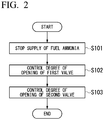
FIG. 2 is a flowchart showing an operation of a control device according to the embodiment of the present disclosure. -
FIG. 3 is a diagram showing a modified example of the combustion device and the gas turbine according to the embodiment of the present disclosure. - An embodiment of the present disclosure will be described below with reference to the drawings.
- As shown in
FIG. 1 , a gas turbine A according to the embodiment of the present disclosure includes a compressor 1, acombustor 2, aturbine 3, acatalyst reduction unit 4, a naturalgas supply unit 5, anammonia supply unit 6, an ammonia supply passage 7 (an ammonia supply system), a reducingagent supply passage 8, an ammoniaflow branch passage 9, afirst valve 10, asecond valve 11, athird valve 12, and acontrol device 13. Furthermore, among these elements, thecombustor 2, thecatalyst reduction unit 4, the naturalgas supply unit 5, theammonia supply unit 6, theammonia supply passage 7, the reducingagent supply passage 8, the ammoniaflow branch passage 9, thefirst valve 10, thesecond valve 11, thethird valve 12, and thecontrol device 13 constitute a combustion device C in this embodiment. - The gas turbine A is a drive source of a generator G and generates rotational power by burning natural gas and ammonia which are fuels.
- The compressor 1 compresses air taken from the outside to a predetermined pressure to generate compressed air. The compressor 1 supplies the compressed air which mainly serves as a combustion air to the
combustor 2. - The
combustor 2 burns fuels supplied from the naturalgas supply unit 5 and theammonia supply unit 6 using the combustion air supplied from the compressor 1. The fuels in thecombustor 2 are natural gas supplied from the naturalgas supply unit 5 and fuel ammonia supplied from theammonia supply unit 6. That is, thecombustor 2 generates combustion exhaust gas by burning the natural gas and the fuel ammonia using the compressed air as an oxidant, and supplies the combustion exhaust gas to theturbine 3. - The
turbine 3 generates rotational power using the combustion exhaust gas as a driving gas. As shown in the drawings, theturbine 3 is axially connected to the compressor 1 and the generator G and rotationally drives the compressor 1 and the generator G using its own rotational power. Theturbine 3 exhausts the combustion exhaust gas after power recovery toward thecatalyst reduction unit 4. - The
catalyst reduction unit 4 includes areduction catalyst chamber 41. Thereduction catalyst chamber 41 is filled with a reduction catalyst, and nitrogen oxides (NOx) contained in the combustion exhaust gas are reduced to nitrogen (N2) by performing reduction treatment on the nitrogen oxides (NOx). - The natural
gas supply unit 5 is a fuel supply unit which supplies a predetermined amount of natural gas as a fuel to thecombustor 2. - The
ammonia supply unit 6 supplies a predetermined amount of gaseous ammonia as a fuel (fuel ammonia) to thecombustor 2 via theammonia supply passage 7. Furthermore, theammonia supply unit 6 supplies the gaseous ammonia as a reducing agent (reducing ammonia) to thecatalyst reduction unit 4 via the reducingagent supply passage 8. Moreover, thereduction catalyst chamber 41 performs reduction treatment on the nitrogen oxides (NOx) using cooperation between the reduction catalyst stored in thereduction catalyst chamber 41 and the reducing ammonia. Note that the pressure of the reducing ammonia is controlled by theammonia supply unit 6 so that the pressure of the reducing ammonia is lower than the pressure of the fuel ammonia. - Note that the pressure in the
reduction catalyst chamber 41 is lower than the pressure in thecombustor 2. For example, if the pressure of thecombustor 2 is 12 atm, the pressure of the fuel ammonia is about 20 atm. On the other hand, since the pressure at an outlet of theturbine 3 is approximately atmospheric pressure, the pressure in the reducingagent supply passage 8 is about several atmospheres. - The
ammonia supply passage 7 is provided between theammonia supply unit 6 and thecombustor 2. Theammonia supply passage 7 is a path through which the fuel ammonia is supplied from theammonia supply unit 6 to thecombustor 2. To be specific, one end of theammonia supply passage 7 communicates with theammonia supply unit 6 and the other end of theammonia supply passage 7 communicates with thecombustor 2. For example, theammonia supply passage 7 is a pipe through which the fuel ammonia is supplied from theammonia supply unit 6 to thecombustor 2. - The reducing
agent supply passage 8 is a path through which the reducing ammonia is supplied from theammonia supply unit 6 to thecatalyst reduction unit 4. One end of the reducingagent supply passage 8 communicates with theammonia supply unit 6 and the other end of the reducingagent supply passage 8 communicates with thecatalyst reduction unit 4. - The ammonia
flow branch passage 9 is a path which branches from the middle of theammonia supply passage 7 and through which at least a part of the fuel ammonia is supplied to thecatalyst reduction unit 4. To be specific, one end of the ammoniaflow branch passage 9 communicates with theammonia supply passage 7 and the other end of the ammoniaflow branch passage 9 communicates with the reducingagent supply passage 8. That is, theammonia supply passage 7 and the reducingagent supply passage 8 communicate with each other through the ammoniaflow branch passage 9. - The
first valve 10 is provided in theammonia supply passage 7. To be specific, thefirst valve 10 is provided in theammonia supply passage 7 between thecombustor 2 and a branch point N at which the ammonia flow branch passage 9 branches from theammonia supply passage 7, and opens or closes this passage. The degree of opening of thefirst valve 10 is controlled by thecontrol device 13. - The
second valve 11 is provided in the ammoniaflow branch passage 9. The flow rate of ammonia flowing through the ammoniaflow branch passage 9 is adjusted using thesecond valve 11. The degree of opening of thesecond valve 11 is controlled by thecontrol device 13. - The
third valve 12 is provided in the ammoniaflow branch passage 9. The pressure of the fuel ammonia which has flowed through thesecond valve 11 is lowered using thethird valve 12. That is, the pressure of the fuel ammonia which has flowed through thesecond valve 11 is lowered to a pressure that is substantially the same as that of the reducing ammonia using thethird valve 12. - When an amount of fuel ammonia required for the
combustor 2 or an amount of ammonia required for thecatalyst reduction unit 4 changes, thecontrol device 13 controls at least one of the degree of opening of thefirst valve 10 and the degree of opening of thesecond valve 11 to cause at least a part of the fuel ammonia to be supplied to thecatalyst reduction unit 4. Thecontrol device 13 includes a central processing unit (CPU), a memory, and the like and performs various controls on the basis of a control program. - The
control device 13 is electrically connected to thefirst valve 10 and thesecond valve 11. - Also, the
control device 13 controls the degree of opening of the first valve 10 (a valve fully open state is assumed to be a degree of opening of 100% and a valve fully closed state is assumed to be a degree of opening of 0%) and the degree of opening of thesecond valve 11. For example, thecontrol device 13 outputs, to thefirst valve 10, a signal indicating the degree of opening of 100% as a first opening degree indication signal to control thefirst valve 10 such that it is brought into the fully open state. Thecontrol device 13 outputs, to thesecond valve 11, a signal indicating the degree of opening of 0% as a second opening degree indication signal to control thesecond valve 11 such that it is brought into the fully closed state. - The
control device 13 controls an amount of natural gas supplied from the naturalgas supply unit 5. For example, thecontrol device 13 outputs a first supply signal to the naturalgas supply unit 5 to cause the naturalgas supply unit 5 to supply a predetermined amount of natural gas. - The
control device 13 is electrically connected to theammonia supply unit 6 and the naturalgas supply unit 5. Furthermore, thecontrol device 13 controls an amount of gaseous ammonia supplied from theammonia supply unit 6. For example, thecontrol device 13 outputs a second supply signal to theammonia supply unit 6 to cause theammonia supply unit 6 to supply a predetermined amount of fuel ammonia. Thecontrol device 13 outputs a third supply signal to theammonia supply unit 6 to cause theammonia supply unit 6 to supply a predetermined amount of reducing ammonia. - Operations of the combustion device C and the gas turbine A constituted as described above will be described in detail below. First, steady-state operations of the combustion device C and the gas turbine A will be described. Here, in the steady-state operations of the combustion device C and the gas turbine A, the
first valve 10 is controlled such it is brought into an open state and thesecond valve 11 is controlled to be in a fully closed state. - In the gas turbine A, the compressor 1 compresses air taken from the atmosphere to generate compressed air. The compressed air is supplied from the compressor 1 to the
combustor 2. - The natural
gas supply unit 5 acquires the first supply signal from thecontrol device 13 and supplies the natural gas to thecombustor 2. - The
ammonia supply unit 6 acquires the second supply signal from thecontrol device 13 and supplies the fuel ammonia toward thecombustor 2. At this time, thefirst valve 10 is controlled by thecontrol device 13 to be in the fully open state. On the other hand, thesecond valve 11 is controlled by thecontrol device 13 to be in the fully closed state. That is, theammonia supply passage 7 between the branch point N and thecombustor 2 is opened. On the other hand, the ammoniaflow branch passage 9 is closed. For this reason, the fuel ammonia is supplied to thecombustor 2 via theammonia supply passage 7 and not supplied to the ammoniaflow branch passage 9. - Also, the
ammonia supply unit 6 acquires the third supply signal from thecontrol device 13 and supplies the reducing ammonia to thecombustor 2. The reducing ammonia is supplied to thecatalyst reduction unit 4 via the reducingagent supply passage 8. - The compressed air generated by the compressor 1 and the fuels (the natural gas and the fuel ammonia) are supplied to the
combustor 2 and the combustion exhaust gas is generated in thecombustor 2. Furthermore, thecombustor 2 supplies the combustion exhaust gas to theturbine 3. The combustion exhaust gas generated by thecombustor 2, which is a high temperature and high pressure gas, is supplied from thecombustor 2 to theturbine 3, and causes theturbine 3 to generate power. - Also, the
turbine 3 rotationally drives the generator G and the compressor 1 axially connected to each other using the power generated on the basis of the combustion exhaust gas. As a result, the generator G outputs electric power to an external load and the compressor 1 compresses the air taken from the outside and supplies the compressed air to thecombustor 2. - The combustion exhaust gas whose power is recovered using the
turbine 3 is supplied to thereduction catalyst chamber 41 and is reduced. Furthermore, the reducing ammonia is supplied from theammonia supply unit 6 to a portion immediately before thereduction catalyst chamber 41. For this reason, the combustion exhaust gas is supplied to thereduction catalyst chamber 41 in a state of being mixed with the reducing ammonia. Moreover, in thereduction catalyst chamber 41, the residual nitrogen oxides (residual NOx) in the combustion exhaust gas is reduced using the reducing ammonia and the reduction catalyst. - Here, from the above-described steady-state operations, for reasons such as a decrease in electric power demand and inspection of the gas turbine A, the supply of fuel ammonia is stopped in some cases. At this time, when the
ammonia supply passage 7 is closed while a high pressure ammonia remains inside theammonia supply passage 7, there is a possibility that ammonia may be leak due to an increase in pressure in theammonia supply passage 7. For this reason, it is necessary to process high pressure ammonia in theammonia supply passage 7 to lower the pressure in theammonia supply passage 7. - As a method of removing the remaining ammonia and lowering the pressure in the
ammonia supply passage 7, there is a method of burning off ammonia in thecombustor 2, but in this case, the pressure in theammonia supply passage 7 cannot be set to the pressure in thecombustor 2 or less. Furthermore, there is another method of dissolving the remaining ammonia in a large amount of water and treating the mixture as industrial waste, but in this case, the processing costs thereof are high. - Thus, in the gas turbine A according to the embodiment of the present disclosure, when the supply of ammonia is stopped, a bypass process is performed in which a part of the fuel ammonia in the
ammonia supply passage 7 is burned by thecombustor 2 while controlling the flow rate of the part of the fuel ammonia, and the remaining fuel ammonia is supplied to thecatalyst reduction unit 4 having relatively low pressure and is used as a reducing agent for the nitrogen oxides in the combustion exhaust gas. - An operation of the bypass process in the combustion device C and the gas turbine A will be described in detail below with reference to
FIGS. 1 and2 . - When a command to stop the supply of the fuel ammonia is input from the outside, the
control device 13 stops the output of the second supply signal and the third supply signal to theammonia supply unit 6. Thus, the supply of the fuel ammonia and the reducing ammonia from theammonia supply unit 6 is stopped (Step S101). - Also, at the same time as the supply of the fuel ammonia and the reducing ammonia is stopped, the
control device 13 outputs, to thefirst valve 10, the first opening degree indication signal as an opening degree indication signal so that a flow rate of ammonia supplied to thecombustor 2 is set to a predetermined value (Step S102). Here, the predetermined value is a flow rate of ammonia which can be stably burned by thecombustor 2. Furthermore, when the pressure in theammonia supply passage 7 decreases close to the pressure in thecombustor 2, thecontrol device 13 outputs, to thefirst valve 10, the first opening degree indication signal so that thefirst valve 10 is fully closed. That is, in a range in which a sum of the pressure in theammonia supply passage 7 and a flow pressure loss of ammonia is higher than the pressure in thecombustor 2, a constant amount of ammonia is burned regardless of a change in pressure in theammonia supply passage 7. On the other hand, when the pressure in theammonia supply passage 7 is equal to the pressure in thecombustor 2, in order to prevent the gas in thecombustor 2 from flowing back to theammonia supply passage 7, a communication part between thecombustor 2 and theammonia supply passage 7 is sealed. In this case, a shutoff valve (not shown) disposed in series with thefirst valve 10 may be closed. - Subsequently, the
control device 13 outputs, to thesecond valve 11, the second opening degree indication signal for adjusting a degree of opening of thesecond valve 11 so that a concentration of NOx and a concentration of ammonia at the outlet of thereduction catalyst chamber 41 fall within a preset concentration range (Step S103). Therefore, the fuel ammonia in theammonia supply passage 7 flows from theammonia supply passage 7 to the ammoniaflow branch passage 9 and is depressurized to a predetermined pressure using thethird valve 12. After that, a part of ammonia is supplied to thecatalyst reduction unit 4 and used as a reducing agent for denitrification. - Thus, when a command to stop the supply of the fuel ammonia is input, the fuel ammonia in the
ammonia supply passage 7 is burned by thecombustor 2 as long as the fuel ammonia in theammonia supply passage 7 has a pressure in which the fuel ammonia can be supplied to thecombustor 2. Furthermore, at least a part of the fuel ammonia in theammonia supply passage 7 is used in thecatalyst reduction unit 4 as a reducing agent for NOx generated in thecombustor 2. Thus, it is possible to process the fuel ammonia in theammonia supply passage 7 safely and at low cost. - Here, during the bypass process, a predetermined amount of natural gas is supplied from the natural
gas supply unit 5 to thecombustor 2. Therefore, thecombustor 2 burns natural gas using compressed air as an oxidant. Since natural gas is a fuel having a higher combustibility than ammonia, the fuel ammonia supplied into thecombustor 2 burns satisfactorily without incomplete combustion. For this reason, it is possible to prevent unburned fuel ammonia from being exhausted outside of the gas turbine A. - Note that, when the fuel ammonia cannot be supplied into the
combustor 2 due to a decrease in pressure in theammonia supply passage 7, the remaining ammonia in theammonia supply passage 7 is consumed by being used for the reduction process of NOx generated in the combustion of the natural gas. - Note that the present disclosure is not limited to the above-described embodiment, and for example, the following modified example is conceivable.
- A gas turbine B in this modified example will be described below with reference to
FIG. 3 . - The gas turbine B in this modified example further includes a
circulation path 15 compared with the constitution of the gas turbine A as can be seen through the comparison betweenFIG. 3 andFIG. 1 . - The gas turbine B includes the compressor 1, the
combustor 2, theturbine 3, thecatalyst reduction unit 4, the naturalgas supply unit 5, theammonia supply unit 6, theammonia supply passage 7, the reducingagent supply passage 8, the ammoniaflow branch passage 9, thefirst valve 10, thesecond valve 11, thethird valve 12, thecontrol device 13, and thecirculation path 15. Furthermore, among these constituent elements, thecombustor 2, thecatalyst reduction unit 4, the naturalgas supply unit 5, theammonia supply unit 6, theammonia supply passage 7, the reducingagent supply passage 8, the ammoniaflow branch passage 9, thefirst valve 10, thesecond valve 11, thethird valve 12, and thecirculation path 15 constitute a combustion device D in this modified example. - The pressure of the fuel ammonia which has been lowered using the
second valve 11 is further lowered using thethird valve 12. Here, degrees of opening of thesecond valve 11 and thethird valve 12 are set so that the pressure of the fuel ammonia in the ammoniaflow branch passage 9 between thesecond valve 11 and thethird valve 12 is higher than the pressure in a tank of theammonia supply unit 6 and is lower than the pressure resistance of the tank of theammonia supply unit 6. - One end of the
circulation path 15 communicates with the ammoniaflow branch passage 9 between thesecond valve 11 and thethird valve 12, and the other end of thecirculation path 15 communicates with the tank of theammonia supply unit 6. That is, thecirculation path 15 is a path which branches from the ammoniaflow branch passage 9 between thesecond valve 11 and thethird valve 12 and through which a part of the fuel ammonia which has been depressurized using thesecond valve 11 is supplied to theammonia supply unit 6. - Here, since a temperature of the fuel ammonia which has adiabatically expanded using the
second valve 11 decreases, a part of the adiabatically-expanded fuel ammonia changes to a liquid in some cases. Therefore, with the above-described constitution, the gas turbine B in this modified example can also circulate the fuel ammonia which has been converted into a liquid to the tank of theammonia supply unit 6 via thecirculation path 15. - Note that, in the above-described embodiment, when the reducing ammonia is unnecessary, the gas turbine B may circulate all the fuel ammonia flowing through the ammonia
flow branch passage 9 to the tank of theammonia supply unit 6 via thecirculation path 15. - Note that the above-described gas turbine B may include a plurality of valves provided in the ammonia
flow branch passage 9 and may be constituted as a system which depressurizes the fuel ammonia in multiple stages. In this case, one end of thecirculation path 15 communicates with the ammoniaflow branch passage 9 between an nth (n is an integer of 1 or more) valve from an upstream side of the ammoniaflow branch passage 9 and an (n+1)th valve from the upstream side of the ammoniaflow branch passage 9. The other end of thecirculation path 15 communicates with the tank of theammonia supply unit 6. - Also, the above-described gas turbine B may further include an external heat exchanger and an amount of circulation of liquid ammonia which is cooled using the external heat exchanger and circulated to the tank of the
ammonia supply unit 6 via thecirculation path 15 may be increased. - According to the present disclosure, it is possible to lower the pressure in the ammonia supply system.
-
- A, B
- Gas turbine
- C, D
- Combustion device
- 1
- Compressor
- 2
- Combustor
- 3
- Turbine
- 4
- Catalyst reduction unit
- 5
- Natural gas supply unit
- 6
- Ammonia supply unit
- 7
- Ammonia supply passage
- 8
- Reducing agent supply passage
- 9
- Ammonia flow branch passage
- 10
- First valve
- 11
- Second valve
- 12
- Third valve
- 13
- Control device
- 15
- Circulation path
- 41
- Reduction catalyst chamber
Claims (8)
- A combustion device which burns fuel ammonia in a combustor using combustion air, the combustion device comprising:a catalyst reduction unit which is configured to reduce nitrogen oxides in a combustion exhaust gas supplied from the combustor,wherein at least a part of the fuel ammonia is supplied to the catalyst reduction unit as a reducing agent for the nitrogen oxides in the combustion exhaust gas.
- The combustion device according to claim 1, further comprising:an ammonia supply passage through which the fuel ammonia is supplied to the combustor; andan ammonia flow branch passage which branches from the ammonia supply passage and through which at least a part of the fuel ammonia is supplied to the catalyst reduction unit.
- The combustion device according to claim 2, further comprising:a reducing agent supply passage through which reducing ammonia whose pressure is lower than that of the fuel ammonia is supplied to the catalyst reduction unit,wherein the ammonia supply passage communicates with the reducing agent supply passage via the ammonia flow branch passage.
- The combustion device according to claim 3, further comprising:a first valve provided in a path of the ammonia supply passage between the combustor and a branch point at which the ammonia flow branch passage branches from the ammonia supply passage;a second valve provided in the ammonia flow branch passage; anda control device which is configured to control a degree of opening of the first valve and a degree of opening of the second valve,wherein, when at least one of an amount of fuel ammonia required for the combustor and an amount of ammonia required for the catalyst reduction unit changes, the control device is configured to control at least one of the degree of opening of the first valve and the degree of opening of the second valve so that at least a part of the fuel ammonia is supplied to the catalyst reduction unit.
- The combustion device according to claim 4, further comprising:
a third valve which is provided in the ammonia flow branch passage and is configured to further depressurize the fuel ammonia which has been depressurized using the second valve. - The combustion device according to claim 5, further comprising:an ammonia supply unit which is configured to supply the fuel ammonia and the reducing ammonia; anda circulation path which branches from the ammonia flow branch passage between the second valve and the third valve and through which a part of the fuel ammonia which has been depressurized using the second valve is supplied to the ammonia supply unit.
- The combustion device according to claim 6, comprising:a plurality of valves by use of which the fuel ammonia flowing through the ammonia flow branch passage is depressurized in multiple stages,wherein the second valve is an nth (n is an integer of 1 or more) valve, andthe third valve is an (n+1)th valve.
- A gas turbine comprising the combustion device according to any one of claims 1 to 7.
Applications Claiming Priority (2)
| Application Number | Priority Date | Filing Date | Title |
|---|---|---|---|
| JP2017061236A JP6855874B2 (en) | 2017-03-27 | 2017-03-27 | Combustion equipment and gas turbine |
| PCT/JP2018/011699 WO2018180984A1 (en) | 2017-03-27 | 2018-03-23 | Combustion device and gas turbine |
Publications (3)
| Publication Number | Publication Date |
|---|---|
| EP3604930A1 true EP3604930A1 (en) | 2020-02-05 |
| EP3604930A4 EP3604930A4 (en) | 2020-10-28 |
| EP3604930B1 EP3604930B1 (en) | 2021-11-17 |
Family
ID=63677119
Family Applications (1)
| Application Number | Title | Priority Date | Filing Date |
|---|---|---|---|
| EP18778250.3A Active EP3604930B1 (en) | 2017-03-27 | 2018-03-23 | Combustion device and gas turbine |
Country Status (7)
| Country | Link |
|---|---|
| US (1) | US11053845B2 (en) |
| EP (1) | EP3604930B1 (en) |
| JP (1) | JP6855874B2 (en) |
| KR (1) | KR20190064647A (en) |
| CN (1) | CN110312898B (en) |
| AU (1) | AU2018245195B2 (en) |
| WO (1) | WO2018180984A1 (en) |
Cited By (1)
| Publication number | Priority date | Publication date | Assignee | Title |
|---|---|---|---|---|
| US12044184B2 (en) | 2021-02-15 | 2024-07-23 | Mitsubishi Heavy Industries, Ltd. | Gas turbine equipment with compressor airflow control responsive to NOx concentration and control method thereof |
Families Citing this family (5)
| Publication number | Priority date | Publication date | Assignee | Title |
|---|---|---|---|---|
| KR102509277B1 (en) * | 2021-09-28 | 2023-03-15 | 에이치에스디엔진 주식회사 | Ammonia managemant system |
| TWI880740B (en) * | 2021-09-30 | 2025-04-11 | 日商三菱重工業股份有限公司 | Power generation equipment |
| EP4731889A2 (en) * | 2023-06-25 | 2026-04-29 | Georgia Tech Research Corporation | Fuel combustor, combustion turbine, and method of combustion |
| WO2025053722A1 (en) * | 2023-09-06 | 2025-03-13 | 한화오션 주식회사 | Fuel supply system and method for ammonia gas turbine of ship |
| CN121794191A (en) * | 2023-09-06 | 2026-04-03 | 韩华海洋株式会社 | System and method for supplying fuel to ammonia turbine of ship |
Family Cites Families (10)
| Publication number | Priority date | Publication date | Assignee | Title |
|---|---|---|---|---|
| KR100667051B1 (en) * | 2005-06-23 | 2007-01-11 | 한국에너지기술연구원 | Two stage catalytic combustion device, combined cycle system and method |
| NO20070649L (en) * | 2007-02-05 | 2008-08-06 | Ntnu Technology Transfer As | Gas turbine |
| CN102272428B (en) * | 2009-01-14 | 2014-06-11 | 丰田自动车株式会社 | Engine |
| US8943826B2 (en) * | 2009-01-14 | 2015-02-03 | Toyota Jidosha Kabushiki Kaisha | Engine |
| JP2012255420A (en) * | 2011-06-10 | 2012-12-27 | Nippon Shokubai Co Ltd | Gas turbine system |
| JP6153163B2 (en) * | 2013-08-02 | 2017-06-28 | 一般財団法人電力中央研究所 | Reheat type ammonia gas turbine |
| JP6482020B2 (en) * | 2015-03-26 | 2019-03-13 | 一般財団法人電力中央研究所 | Coal gasification combined power generation facility |
| JP6482021B2 (en) * | 2015-03-26 | 2019-03-13 | 一般財団法人電力中央研究所 | Power generation equipment |
| JP6520309B2 (en) * | 2015-03-31 | 2019-05-29 | 株式会社Ihi | Combustion device, gas turbine and power generation device |
| JP2017061236A (en) | 2015-09-25 | 2017-03-30 | アイシン精機株式会社 | Vehicle drive device |
-
2017
- 2017-03-27 JP JP2017061236A patent/JP6855874B2/en active Active
-
2018
- 2018-03-23 CN CN201880012248.6A patent/CN110312898B/en active Active
- 2018-03-23 WO PCT/JP2018/011699 patent/WO2018180984A1/en not_active Ceased
- 2018-03-23 KR KR1020197014120A patent/KR20190064647A/en not_active Abandoned
- 2018-03-23 AU AU2018245195A patent/AU2018245195B2/en active Active
- 2018-03-23 EP EP18778250.3A patent/EP3604930B1/en active Active
-
2019
- 2019-08-07 US US16/534,380 patent/US11053845B2/en active Active
Cited By (1)
| Publication number | Priority date | Publication date | Assignee | Title |
|---|---|---|---|---|
| US12044184B2 (en) | 2021-02-15 | 2024-07-23 | Mitsubishi Heavy Industries, Ltd. | Gas turbine equipment with compressor airflow control responsive to NOx concentration and control method thereof |
Also Published As
| Publication number | Publication date |
|---|---|
| US11053845B2 (en) | 2021-07-06 |
| WO2018180984A1 (en) | 2018-10-04 |
| EP3604930A4 (en) | 2020-10-28 |
| US20190360396A1 (en) | 2019-11-28 |
| KR20190064647A (en) | 2019-06-10 |
| CN110312898A (en) | 2019-10-08 |
| JP2018162939A (en) | 2018-10-18 |
| JP6855874B2 (en) | 2021-04-07 |
| AU2018245195A1 (en) | 2019-08-22 |
| CN110312898B (en) | 2021-01-01 |
| AU2018245195B2 (en) | 2020-07-02 |
| EP3604930B1 (en) | 2021-11-17 |
Similar Documents
| Publication | Publication Date | Title |
|---|---|---|
| US11053845B2 (en) | Combustion device and gas turbine | |
| RU2678608C2 (en) | System and method for stoichiometric exhaust gas recirculation gas turbine system | |
| US20150184594A1 (en) | Systems and methods to maintain stability of fuel flow in gas turbine engines | |
| JP5265252B2 (en) | System and method for hot purge of heat recovery steam generator | |
| WO2009060889A1 (en) | Operation controller and operation control method of gas turbine | |
| US20070199330A1 (en) | Methods and Systems of Variable Extraction for Gas Turbine Control | |
| CN104937758A (en) | Power generation system and method for operating power generation system | |
| US20140298818A1 (en) | Control method and control device for lean fuel intake gas turbine | |
| US20140331640A1 (en) | Lean fuel intake gas turbine engine | |
| US12467588B2 (en) | Hydrogen supply system, hydrogen-consuming plant provided with hydrogen supply system, and method for supplying hydrogen to hydrogen-consuming unit | |
| CN108779714B (en) | Gas turbine and its control method | |
| US9476588B2 (en) | Boiler and operating method of same | |
| JP5787791B2 (en) | SOFC combined power generation apparatus and operation method thereof | |
| CN112513442B (en) | Method for operating a gas turbine facility with gaseous fuel | |
| JP5552786B2 (en) | Method for stopping operation of coal-fired boiler equipment and its operation stop device | |
| KR20200117402A (en) | System of power generation through gas expansion | |
| JP2000314326A (en) | Gas turbine systems | |
| CN110043893B (en) | Stable combustion device in process of quickly cutting off gas of mixed combustion boiler and control method | |
| JP2002202006A (en) | Gas engine generator system | |
| JP4607720B2 (en) | Gas turbine fuel control system | |
| JPH0676845A (en) | Control method of turbine compressor device for fuel cell facility | |
| JPS6179856A (en) | Method of starting turbo-compressor | |
| JP2006515047A (en) | Control of a gas turbine with a high temperature air reactor. | |
| JP2014160631A (en) | Power generation system and method for operating power generation system | |
| CN108931073B (en) | Flue gas distribution device, flue gas waste heat recovery system, recovery method and storage medium |
Legal Events
| Date | Code | Title | Description |
|---|---|---|---|
| STAA | Information on the status of an ep patent application or granted ep patent |
Free format text: STATUS: THE INTERNATIONAL PUBLICATION HAS BEEN MADE |
|
| PUAI | Public reference made under article 153(3) epc to a published international application that has entered the european phase |
Free format text: ORIGINAL CODE: 0009012 |
|
| STAA | Information on the status of an ep patent application or granted ep patent |
Free format text: STATUS: REQUEST FOR EXAMINATION WAS MADE |
|
| 17P | Request for examination filed |
Effective date: 20190809 |
|
| AK | Designated contracting states |
Kind code of ref document: A1 Designated state(s): AL AT BE BG CH CY CZ DE DK EE ES FI FR GB GR HR HU IE IS IT LI LT LU LV MC MK MT NL NO PL PT RO RS SE SI SK SM TR |
|
| AX | Request for extension of the european patent |
Extension state: BA ME |
|
| DAV | Request for validation of the european patent (deleted) | ||
| DAX | Request for extension of the european patent (deleted) | ||
| A4 | Supplementary search report drawn up and despatched |
Effective date: 20200929 |
|
| RIC1 | Information provided on ipc code assigned before grant |
Ipc: F02C 3/30 20060101ALI20200923BHEP Ipc: F02C 7/232 20060101ALI20200923BHEP Ipc: F23R 3/28 20060101AFI20200923BHEP Ipc: F02C 3/22 20060101ALI20200923BHEP |
|
| GRAP | Despatch of communication of intention to grant a patent |
Free format text: ORIGINAL CODE: EPIDOSNIGR1 |
|
| STAA | Information on the status of an ep patent application or granted ep patent |
Free format text: STATUS: GRANT OF PATENT IS INTENDED |
|
| INTG | Intention to grant announced |
Effective date: 20210623 |
|
| GRAS | Grant fee paid |
Free format text: ORIGINAL CODE: EPIDOSNIGR3 |
|
| GRAA | (expected) grant |
Free format text: ORIGINAL CODE: 0009210 |
|
| STAA | Information on the status of an ep patent application or granted ep patent |
Free format text: STATUS: THE PATENT HAS BEEN GRANTED |
|
| AK | Designated contracting states |
Kind code of ref document: B1 Designated state(s): AL AT BE BG CH CY CZ DE DK EE ES FI FR GB GR HR HU IE IS IT LI LT LU LV MC MK MT NL NO PL PT RO RS SE SI SK SM TR |
|
| REG | Reference to a national code |
Ref country code: GB Ref legal event code: FG4D |
|
| REG | Reference to a national code |
Ref country code: IE Ref legal event code: FG4D |
|
| REG | Reference to a national code |
Ref country code: DE Ref legal event code: R096 Ref document number: 602018026886 Country of ref document: DE |
|
| REG | Reference to a national code |
Ref country code: AT Ref legal event code: REF Ref document number: 1448356 Country of ref document: AT Kind code of ref document: T Effective date: 20211215 |
|
| REG | Reference to a national code |
Ref country code: LT Ref legal event code: MG9D |
|
| REG | Reference to a national code |
Ref country code: NL Ref legal event code: MP Effective date: 20211117 |
|
| REG | Reference to a national code |
Ref country code: AT Ref legal event code: MK05 Ref document number: 1448356 Country of ref document: AT Kind code of ref document: T Effective date: 20211117 |
|
| PG25 | Lapsed in a contracting state [announced via postgrant information from national office to epo] |
Ref country code: RS Free format text: LAPSE BECAUSE OF FAILURE TO SUBMIT A TRANSLATION OF THE DESCRIPTION OR TO PAY THE FEE WITHIN THE PRESCRIBED TIME-LIMIT Effective date: 20211117 Ref country code: LT Free format text: LAPSE BECAUSE OF FAILURE TO SUBMIT A TRANSLATION OF THE DESCRIPTION OR TO PAY THE FEE WITHIN THE PRESCRIBED TIME-LIMIT Effective date: 20211117 Ref country code: FI Free format text: LAPSE BECAUSE OF FAILURE TO SUBMIT A TRANSLATION OF THE DESCRIPTION OR TO PAY THE FEE WITHIN THE PRESCRIBED TIME-LIMIT Effective date: 20211117 Ref country code: BG Free format text: LAPSE BECAUSE OF FAILURE TO SUBMIT A TRANSLATION OF THE DESCRIPTION OR TO PAY THE FEE WITHIN THE PRESCRIBED TIME-LIMIT Effective date: 20220217 Ref country code: AT Free format text: LAPSE BECAUSE OF FAILURE TO SUBMIT A TRANSLATION OF THE DESCRIPTION OR TO PAY THE FEE WITHIN THE PRESCRIBED TIME-LIMIT Effective date: 20211117 |
|
| PG25 | Lapsed in a contracting state [announced via postgrant information from national office to epo] |
Ref country code: IS Free format text: LAPSE BECAUSE OF FAILURE TO SUBMIT A TRANSLATION OF THE DESCRIPTION OR TO PAY THE FEE WITHIN THE PRESCRIBED TIME-LIMIT Effective date: 20220317 Ref country code: SE Free format text: LAPSE BECAUSE OF FAILURE TO SUBMIT A TRANSLATION OF THE DESCRIPTION OR TO PAY THE FEE WITHIN THE PRESCRIBED TIME-LIMIT Effective date: 20211117 Ref country code: PT Free format text: LAPSE BECAUSE OF FAILURE TO SUBMIT A TRANSLATION OF THE DESCRIPTION OR TO PAY THE FEE WITHIN THE PRESCRIBED TIME-LIMIT Effective date: 20220317 Ref country code: PL Free format text: LAPSE BECAUSE OF FAILURE TO SUBMIT A TRANSLATION OF THE DESCRIPTION OR TO PAY THE FEE WITHIN THE PRESCRIBED TIME-LIMIT Effective date: 20211117 Ref country code: NO Free format text: LAPSE BECAUSE OF FAILURE TO SUBMIT A TRANSLATION OF THE DESCRIPTION OR TO PAY THE FEE WITHIN THE PRESCRIBED TIME-LIMIT Effective date: 20220217 Ref country code: NL Free format text: LAPSE BECAUSE OF FAILURE TO SUBMIT A TRANSLATION OF THE DESCRIPTION OR TO PAY THE FEE WITHIN THE PRESCRIBED TIME-LIMIT Effective date: 20211117 Ref country code: LV Free format text: LAPSE BECAUSE OF FAILURE TO SUBMIT A TRANSLATION OF THE DESCRIPTION OR TO PAY THE FEE WITHIN THE PRESCRIBED TIME-LIMIT Effective date: 20211117 Ref country code: HR Free format text: LAPSE BECAUSE OF FAILURE TO SUBMIT A TRANSLATION OF THE DESCRIPTION OR TO PAY THE FEE WITHIN THE PRESCRIBED TIME-LIMIT Effective date: 20211117 Ref country code: GR Free format text: LAPSE BECAUSE OF FAILURE TO SUBMIT A TRANSLATION OF THE DESCRIPTION OR TO PAY THE FEE WITHIN THE PRESCRIBED TIME-LIMIT Effective date: 20220218 Ref country code: ES Free format text: LAPSE BECAUSE OF FAILURE TO SUBMIT A TRANSLATION OF THE DESCRIPTION OR TO PAY THE FEE WITHIN THE PRESCRIBED TIME-LIMIT Effective date: 20211117 |
|
| PG25 | Lapsed in a contracting state [announced via postgrant information from national office to epo] |
Ref country code: SM Free format text: LAPSE BECAUSE OF FAILURE TO SUBMIT A TRANSLATION OF THE DESCRIPTION OR TO PAY THE FEE WITHIN THE PRESCRIBED TIME-LIMIT Effective date: 20211117 Ref country code: SK Free format text: LAPSE BECAUSE OF FAILURE TO SUBMIT A TRANSLATION OF THE DESCRIPTION OR TO PAY THE FEE WITHIN THE PRESCRIBED TIME-LIMIT Effective date: 20211117 Ref country code: RO Free format text: LAPSE BECAUSE OF FAILURE TO SUBMIT A TRANSLATION OF THE DESCRIPTION OR TO PAY THE FEE WITHIN THE PRESCRIBED TIME-LIMIT Effective date: 20211117 Ref country code: EE Free format text: LAPSE BECAUSE OF FAILURE TO SUBMIT A TRANSLATION OF THE DESCRIPTION OR TO PAY THE FEE WITHIN THE PRESCRIBED TIME-LIMIT Effective date: 20211117 Ref country code: DK Free format text: LAPSE BECAUSE OF FAILURE TO SUBMIT A TRANSLATION OF THE DESCRIPTION OR TO PAY THE FEE WITHIN THE PRESCRIBED TIME-LIMIT Effective date: 20211117 Ref country code: CZ Free format text: LAPSE BECAUSE OF FAILURE TO SUBMIT A TRANSLATION OF THE DESCRIPTION OR TO PAY THE FEE WITHIN THE PRESCRIBED TIME-LIMIT Effective date: 20211117 |
|
| REG | Reference to a national code |
Ref country code: DE Ref legal event code: R097 Ref document number: 602018026886 Country of ref document: DE |
|
| PLBE | No opposition filed within time limit |
Free format text: ORIGINAL CODE: 0009261 |
|
| STAA | Information on the status of an ep patent application or granted ep patent |
Free format text: STATUS: NO OPPOSITION FILED WITHIN TIME LIMIT |
|
| 26N | No opposition filed |
Effective date: 20220818 |
|
| PG25 | Lapsed in a contracting state [announced via postgrant information from national office to epo] |
Ref country code: MC Free format text: LAPSE BECAUSE OF FAILURE TO SUBMIT A TRANSLATION OF THE DESCRIPTION OR TO PAY THE FEE WITHIN THE PRESCRIBED TIME-LIMIT Effective date: 20211117 Ref country code: AL Free format text: LAPSE BECAUSE OF FAILURE TO SUBMIT A TRANSLATION OF THE DESCRIPTION OR TO PAY THE FEE WITHIN THE PRESCRIBED TIME-LIMIT Effective date: 20211117 |
|
| REG | Reference to a national code |
Ref country code: CH Ref legal event code: PL |
|
| PG25 | Lapsed in a contracting state [announced via postgrant information from national office to epo] |
Ref country code: SI Free format text: LAPSE BECAUSE OF FAILURE TO SUBMIT A TRANSLATION OF THE DESCRIPTION OR TO PAY THE FEE WITHIN THE PRESCRIBED TIME-LIMIT Effective date: 20211117 |
|
| REG | Reference to a national code |
Ref country code: BE Ref legal event code: MM Effective date: 20220331 |
|
| PG25 | Lapsed in a contracting state [announced via postgrant information from national office to epo] |
Ref country code: LU Free format text: LAPSE BECAUSE OF NON-PAYMENT OF DUE FEES Effective date: 20220323 Ref country code: LI Free format text: LAPSE BECAUSE OF NON-PAYMENT OF DUE FEES Effective date: 20220331 Ref country code: IE Free format text: LAPSE BECAUSE OF NON-PAYMENT OF DUE FEES Effective date: 20220323 Ref country code: CH Free format text: LAPSE BECAUSE OF NON-PAYMENT OF DUE FEES Effective date: 20220331 |
|
| PG25 | Lapsed in a contracting state [announced via postgrant information from national office to epo] |
Ref country code: BE Free format text: LAPSE BECAUSE OF NON-PAYMENT OF DUE FEES Effective date: 20220331 |
|
| PG25 | Lapsed in a contracting state [announced via postgrant information from national office to epo] |
Ref country code: IT Free format text: LAPSE BECAUSE OF FAILURE TO SUBMIT A TRANSLATION OF THE DESCRIPTION OR TO PAY THE FEE WITHIN THE PRESCRIBED TIME-LIMIT Effective date: 20211117 |
|
| PG25 | Lapsed in a contracting state [announced via postgrant information from national office to epo] |
Ref country code: MK Free format text: LAPSE BECAUSE OF FAILURE TO SUBMIT A TRANSLATION OF THE DESCRIPTION OR TO PAY THE FEE WITHIN THE PRESCRIBED TIME-LIMIT Effective date: 20211117 Ref country code: CY Free format text: LAPSE BECAUSE OF FAILURE TO SUBMIT A TRANSLATION OF THE DESCRIPTION OR TO PAY THE FEE WITHIN THE PRESCRIBED TIME-LIMIT Effective date: 20211117 |
|
| PG25 | Lapsed in a contracting state [announced via postgrant information from national office to epo] |
Ref country code: HU Free format text: LAPSE BECAUSE OF FAILURE TO SUBMIT A TRANSLATION OF THE DESCRIPTION OR TO PAY THE FEE WITHIN THE PRESCRIBED TIME-LIMIT; INVALID AB INITIO Effective date: 20180323 |
|
| PG25 | Lapsed in a contracting state [announced via postgrant information from national office to epo] |
Ref country code: MT Free format text: LAPSE BECAUSE OF FAILURE TO SUBMIT A TRANSLATION OF THE DESCRIPTION OR TO PAY THE FEE WITHIN THE PRESCRIBED TIME-LIMIT Effective date: 20211117 |
|
| PG25 | Lapsed in a contracting state [announced via postgrant information from national office to epo] |
Ref country code: TR Free format text: LAPSE BECAUSE OF FAILURE TO SUBMIT A TRANSLATION OF THE DESCRIPTION OR TO PAY THE FEE WITHIN THE PRESCRIBED TIME-LIMIT Effective date: 20211117 |
|
| PGFP | Annual fee paid to national office [announced via postgrant information from national office to epo] |
Ref country code: GB Payment date: 20260219 Year of fee payment: 9 |
|
| PGFP | Annual fee paid to national office [announced via postgrant information from national office to epo] |
Ref country code: DE Payment date: 20260219 Year of fee payment: 9 |
|
| PGFP | Annual fee paid to national office [announced via postgrant information from national office to epo] |
Ref country code: FR Payment date: 20260219 Year of fee payment: 9 |