EP3604546A1 - Protein expression system in plant cell and use thereof - Google Patents
Protein expression system in plant cell and use thereof Download PDFInfo
- Publication number
- EP3604546A1 EP3604546A1 EP18810050.7A EP18810050A EP3604546A1 EP 3604546 A1 EP3604546 A1 EP 3604546A1 EP 18810050 A EP18810050 A EP 18810050A EP 3604546 A1 EP3604546 A1 EP 3604546A1
- Authority
- EP
- European Patent Office
- Prior art keywords
- nucleic acid
- acid fragment
- egfp
- vector
- expression
- Prior art date
- Legal status (The legal status is an assumption and is not a legal conclusion. Google has not performed a legal analysis and makes no representation as to the accuracy of the status listed.)
- Pending
Links
Images




Classifications
-
- C—CHEMISTRY; METALLURGY
- C12—BIOCHEMISTRY; BEER; SPIRITS; WINE; VINEGAR; MICROBIOLOGY; ENZYMOLOGY; MUTATION OR GENETIC ENGINEERING
- C12N—MICROORGANISMS OR ENZYMES; COMPOSITIONS THEREOF; PROPAGATING, PRESERVING, OR MAINTAINING MICROORGANISMS; MUTATION OR GENETIC ENGINEERING; CULTURE MEDIA
- C12N15/00—Mutation or genetic engineering; DNA or RNA concerning genetic engineering, vectors, e.g. plasmids, or their isolation, preparation or purification; Use of hosts therefor
- C12N15/09—Recombinant DNA-technology
- C12N15/63—Introduction of foreign genetic material using vectors; Vectors; Use of hosts therefor; Regulation of expression
- C12N15/79—Vectors or expression systems specially adapted for eukaryotic hosts
- C12N15/82—Vectors or expression systems specially adapted for eukaryotic hosts for plant cells, e.g. plant artificial chromosomes (PACs)
- C12N15/8201—Methods for introducing genetic material into plant cells, e.g. DNA, RNA, stable or transient incorporation, tissue culture methods adapted for transformation
- C12N15/8202—Methods for introducing genetic material into plant cells, e.g. DNA, RNA, stable or transient incorporation, tissue culture methods adapted for transformation by biological means, e.g. cell mediated or natural vector
- C12N15/8205—Agrobacterium mediated transformation
-
- C—CHEMISTRY; METALLURGY
- C12—BIOCHEMISTRY; BEER; SPIRITS; WINE; VINEGAR; MICROBIOLOGY; ENZYMOLOGY; MUTATION OR GENETIC ENGINEERING
- C12N—MICROORGANISMS OR ENZYMES; COMPOSITIONS THEREOF; PROPAGATING, PRESERVING, OR MAINTAINING MICROORGANISMS; MUTATION OR GENETIC ENGINEERING; CULTURE MEDIA
- C12N15/00—Mutation or genetic engineering; DNA or RNA concerning genetic engineering, vectors, e.g. plasmids, or their isolation, preparation or purification; Use of hosts therefor
- C12N15/09—Recombinant DNA-technology
- C12N15/63—Introduction of foreign genetic material using vectors; Vectors; Use of hosts therefor; Regulation of expression
- C12N15/79—Vectors or expression systems specially adapted for eukaryotic hosts
- C12N15/82—Vectors or expression systems specially adapted for eukaryotic hosts for plant cells, e.g. plant artificial chromosomes (PACs)
- C12N15/8201—Methods for introducing genetic material into plant cells, e.g. DNA, RNA, stable or transient incorporation, tissue culture methods adapted for transformation
- C12N15/8202—Methods for introducing genetic material into plant cells, e.g. DNA, RNA, stable or transient incorporation, tissue culture methods adapted for transformation by biological means, e.g. cell mediated or natural vector
- C12N15/8203—Virus mediated transformation
-
- C—CHEMISTRY; METALLURGY
- C12—BIOCHEMISTRY; BEER; SPIRITS; WINE; VINEGAR; MICROBIOLOGY; ENZYMOLOGY; MUTATION OR GENETIC ENGINEERING
- C12N—MICROORGANISMS OR ENZYMES; COMPOSITIONS THEREOF; PROPAGATING, PRESERVING, OR MAINTAINING MICROORGANISMS; MUTATION OR GENETIC ENGINEERING; CULTURE MEDIA
- C12N15/00—Mutation or genetic engineering; DNA or RNA concerning genetic engineering, vectors, e.g. plasmids, or their isolation, preparation or purification; Use of hosts therefor
- C12N15/09—Recombinant DNA-technology
- C12N15/63—Introduction of foreign genetic material using vectors; Vectors; Use of hosts therefor; Regulation of expression
- C12N15/79—Vectors or expression systems specially adapted for eukaryotic hosts
- C12N15/82—Vectors or expression systems specially adapted for eukaryotic hosts for plant cells, e.g. plant artificial chromosomes (PACs)
- C12N15/8241—Phenotypically and genetically modified plants via recombinant DNA technology
- C12N15/8242—Phenotypically and genetically modified plants via recombinant DNA technology with non-agronomic quality (output) traits, e.g. for industrial processing; Value added, non-agronomic traits
- C12N15/8243—Phenotypically and genetically modified plants via recombinant DNA technology with non-agronomic quality (output) traits, e.g. for industrial processing; Value added, non-agronomic traits involving biosynthetic or metabolic pathways, i.e. metabolic engineering, e.g. nicotine, caffeine
- C12N15/8251—Amino acid content, e.g. synthetic storage proteins, altering amino acid biosynthesis
Definitions
- Transgenic plants may be used for the purpose of production of recombinant proteins and analysis of protein localization in plants. However, it takes a long time to produce transgenic plants. In addition, expression levels of proteins by transgenic plants tend to be relatively low.
- transient expression systems using virus-based vectors may be able to achieve high expression of recombinant proteins in a short time.
- the magnICON expression system is a tobacco mosaic virus-based virus system developed to achieve a high level of accumulation of recombinant proteins in tobacco leaves (see, for example, NPL 1).
- geminiviruses are known to have a single-stranded circular DNA genome and replicate the genome at a very high copy number by means of a rolling circle DNA replication mechanism. This mechanism has been utilized to increase the expression of proteins in transgenic plants or to increase the expression level of recombinant proteins in transient expression systems (see, for example, NPL 2).
- an object of the present invention is to provide an expression system that can be applied to plants other than those belonging to the genus Nicotiana and exhibits a high expression level of a protein.
- the Rep/RepA protein which is a replication initiation protein of geminivirus
- the expression cassette of the target protein linked between LIR and SIR on the first nucleic acid fragment is replicated at a high copy number by the rolling circle DNA replication mechanism of geminivirus.
- the target protein is expressed at a high expression level from the expression cassette of the target protein replicated at a high copy number.
- the base sequence of the terminator derived from Arabidopsis thaliana heat-shock protein 18.2 gene is set forth in SEQ ID NO: 19.
- the base sequence of the tobacco extensin gene terminator is set forth in SEQ ID NO: 20.
- the base sequence of the CaMV 35S terminator is set forth in SEQ ID NO: 21.
- the base sequence of the CaMV NOS terminator is set forth in SEQ ID NO: 22.
- each base sequence preferably has, for example, 70% or more sequence identity, more preferably 80% or more sequence identity, still more preferably 90% or more sequence identity, and particularly preferably 95% or more sequence identity, with respect to the base sequences of SEQ ID NOS: 19 to 22, respectively.
- magnICON system is limited to hosts of plants of the genus Nicotiana, whereas the expression system of the present embodiment can achieve a high expression level of a target protein not only in plants of the genus Nicotiana but also in plants other than those belonging to the genus Nicotiana.
- examples of plants other than those belonging to the genus Nicotiana include, but are not limited to, solanaceous plants such as tomato, eggplant, and hot pepper; Asteraceae plants such as lettuce; cucurbitaceous plants such as melon; and orchidaceous plants such as phalaenopsis orchid.
- Any promoter can be used without particular limitation as long as it exhibits transcriptional activity of DNA linked downstream thereof in a host plant cell.
- Specific examples of the promoter include a cauliflower mosaic virus (CaMV) 35S promoter, a ubiquitin promoter, and a cassava vein mosaic virus (CsVMV) promoter.
- the expression system of the present embodiment tends to be able to further increase the expression level of the target protein.
- the first nucleic acid fragment may have, for example, a 5'-untranslated region (UTR) and a polyadenylation signal in addition to a promoter, a nucleic acid fragment encoding a target protein, and a terminator.
- UTR 5'-untranslated region
- polyadenylation signal in addition to a promoter, a nucleic acid fragment encoding a target protein, and a terminator.
- the 5'-UTR may further increase the expression efficiency of the target protein.
- examples of the 5'-UTR include 5'-UTR of tobacco mosaic virus, 5'-UTR of Arabidopsis thaliana alcohol dehydrogenase gene, 5'-UTR of Arabidopsis thaliana elongation factor 1 ⁇ -A3 gene, and 5'-UTR of rice alcohol dehydrogenase gene.
- the second nucleic acid fragment contains an expression cassette of the geminivirus-derived Rep/RepA protein.
- the expression cassette of the Rep/RepA protein is not particularly limited as long as the Rep/RepA protein can be expressed in host plant cells.
- the expression cassette of the Rep/RepA protein may have a promoter, a nucleic acid fragment encoding a Rep/RepA protein, a terminator, a 5'-UTR, a polyadenylation signal, and the like.
- a geminivirus-derived LIR may also be used because it has promoter activity, in addition to those described above as being usable for the first nucleic acid fragment.
- the term "expression system” refers to a system capable of expressing a target protein by introducing into a plant cell a first nucleic acid fragment and a second nucleic acid fragment in combination.
- the expression system may be constituted of a single nucleic acid fragment or may be constituted of a combination of two or more nucleic acid fragments as long as the effects of the present invention can be obtained.
- the nucleic acid fragment may be a vector.
- the first nucleic acid fragment and the second nucleic acid fragment may be separately present as independent nucleic acid fragments, or may be linked to form a single nucleic acid fragment.
- first nucleic acid fragment and the second nucleic acid fragment are linked
- the order of linkage is not particularly limited.
- the first nucleic acid fragment may be present on the 5' side or the second nucleic acid fragment may be present on the 5' side.
- LIR, SIR, and Rep/RepA used are those derived from geminivirus.
- the geminivirus is not particularly limited as long as it has a rolling circle DNA replication mechanism.
- examples of the geminivirus include kidney bean yellow dwarf virus (BeYDV), tomato golden mosaic virus (TGMV), African cassava mosaic virus (ACMV), and rose leaf curl virus (RLCV), all of which belong to the genus Mastrevirus of the family Geminiviridae.
- the base sequence of LIR, the base sequence of SIR, and the base sequence encoding a Rep/RepA protein may have mutations with respect to the base sequences of SEQ ID NOS: 23, 24, and 25, respectively, or the base sequences of SEQ ID NOS: 23, 24, and 25 may be partially deleted, as long as they have a function with which the expression cassette of the target protein linked between LIR and SIR is replicated with high copy number by the Rep/RepA protein encoded by the above base sequence.
- each base sequence preferably has, for example, 70% or more sequence identity, more preferably 80% or more sequence identity, still more preferably 90% or more sequence identity, and particularly preferably 95% or more sequence identity, with respect to the base sequences of SEQ ID NOS: 23, 24, and 25, respectively.
- sequence identity of the target base sequence with respect to the reference base sequence can be determined, for example, according to the above-mentioned formula (1).
- the expression system of the present embodiment may further include a third nucleic acid fragment containing an expression cassette of a gene-silencing suppressor.
- a gene-silencing suppressor include a gene-silencing suppressor P19 derived from tomato bushy stunt virus, and a gene-silencing suppressor 16K derived from tobacco rattle virus.
- the third nucleic acid fragment may be present separately as a nucleic acid fragment independent of the first nucleic acid fragment and the second nucleic acid fragment described above or may be linked to the first nucleic acid fragment or the second nucleic acid fragment in any order.
- the first nucleic acid fragment, the second nucleic acid fragment, and the third nucleic acid fragment may be linked in any order. That is, the first nucleic acid fragment, the second nucleic acid fragment, and the third nucleic acid fragment may be contained in a single vector.
- the expression system of the present embodiment may be configured such that the first nucleic acid fragment, the second nucleic acid fragment, and the third nucleic acid fragment are contained in a single vector; the vector further includes RB and LB of T-DNA; and first nucleic acid fragment, the second nucleic acid fragment, and the third nucleic acid fragment are present between RB and LB of T-DNA.
- T-DNA is a specific region of Ti plasmid or Ri plasmid found in a pathogenic strain of Agrobacterium which is a pathogenic bacterium of crown gall which is a tumor of dicotyledonous plants. Coexistence of a T-DNA-harboring Agrobacterium with a plant cell transfers the nucleic acid fragment present between RB and LB into a host plant cell.
- the first nucleic acid fragment, the second nucleic acid fragment, and the third nucleic acid fragment can be easily introduced into a host plant cell in such a manner that a vector in which the first nucleic acid fragment, the second nucleic acid fragment, and the third nucleic acid fragment are present between RB and LB is introduced into Agrobacterium, and then the Agrobacterium is introduced into a host plant.
- the vector in which the first nucleic acid fragment, the second nucleic acid fragment, and the third nucleic acid fragment are present between RB and LB is preferably a vector that can be used in a binary vector method.
- the binary vector method is a method of gene transfer into a plant using a vir helper Ti plasmid from which the native T-DNA of the Ti plasmid has been removed and a small shuttle vector having artificial T-DNA.
- the shuttle vector is preferably one that can be maintained in both E. coli and Agrobacterium.
- the vir helper Ti plasmid cannot form crown galls on plants because it does not have native T-DNA. However, the vir helper Ti plasmid has a vir region necessary for introducing T-DNA into host plant cells.
- a desired nucleic acid fragment can be easily introduced into a host plant cell by introducing T-DNA having the desired nucleic acid fragment into Agrobacterium having the vir helper Ti plasmid and introducing the Agrobacterium into the host plant.
- the vector in which the first nucleic acid fragment, the second nucleic acid fragment, and the third nucleic acid fragment are present between RB and LB may be a shuttle vector that has an origin of replication for E. coli and an origin of replication for Agrobacterium and can be maintained in both E. coli and Agrobacterium.
- the base sequence of RB of T-DNA is set forth in SEQ ID NO: 26.
- the base sequence of LB of T-DNA is set forth in SEQ ID NO: 27.
- the base sequences of RB and LB may have mutations with respect to the base sequences of SEQ ID NOS: 26 and 27, respectively, or the base sequences of SEQ ID NOS: 26 and 27 may be partially deleted, as long as they have a function of transferring the nucleic acid fragment present between RB and LB into the host plant cell.
- each base sequence preferably has, for example, 70% or more sequence identity, more preferably 80% or more sequence identity, still more preferably 90% or more sequence identity, and particularly preferably 95% or more sequence identity, with respect to the base sequences of SEQ ID NOS: 26 and 27, respectively.
- sequence identity of the target base sequence with respect to the reference base sequence can be determined, for example, according to the above-mentioned formula (1).
- the expression vector of the present embodiment can be suitably used for construction of the expression system described above. As will be described later in the Examples, the expression vector of the present embodiment can achieve a very high expression level of a target protein by introducing a gene fragment encoding the target protein at the multicloning site of the expression cassette. This is because the expression cassette contains two or more linked terminators.
- the expression cassette preferably contains two terminators.
- the expression level of the target protein tends to be higher in a case where the expression cassette contains two terminators than in a case where the expression cassette contains three or more terminators.
- At least one of the terminators contained in the expression cassette be a terminator derived from Arabidopsis thaliana heat-shock protein 18.2 gene.
- an expression vector containing a terminator derived from Arabidopsis thaliana heat-shock protein 18.2 gene as the terminator tends to have a high expression level of the target protein.
- the geminivirus may be a bean yellow dwarf virus (BeYDV).
- multicloning site refers to a region in which one or a plurality of base sequences recognized by restriction enzymes are arranged. That is, in the multicloning site of the expression vector of the present embodiment, the number of restriction enzyme sites may be one or plural. Since the vector of the present embodiment has a multicloning site, a nucleic acid fragment encoding a target protein can be easily cloned therein.
- the expression vector of the present embodiment need not contain a nucleic acid fragment encoding a target protein, or a nucleic acid fragment encoding a target protein may be introduced therein. That is, a vector into which a nucleic acid fragment encoding a target protein has been introduced is also included in the expression vector of the present embodiment.
- the vector of the present embodiment may further include a second nucleic acid fragment containing an expression cassette of a Rep/RepA protein derived from geminivirus.
- the Rep/RepA protein is as described above.
- the vector of the present embodiment may further include a third nucleic acid fragment containing an expression cassette of a gene-silencing suppressor.
- the gene-silencing suppressor is as described above and may be, for example, a gene-silencing suppressor P19 derived from tomato bushy stunt virus.
- the vector of the present embodiment further includes RB and LB of T-DNA, and the first nucleic acid fragment, the second nucleic acid fragment, and the third nucleic acid fragment may be present between RB and LB of T-DNA.
- RB and LB are as described above.
- the vector of the present embodiment be a vector which can be used for a binary vector method.
- the present invention provides a method for producing a target protein, including a step of introducing the expression system described above into a plant cell.
- the expression system may be one in which a gene fragment encoding a target protein is introduced into the multicloning site of the vector described above.
- an Agrobacterium tumefaciens GV3101 strain harboring a binary vector was cultured in a YEB medium (6 g/L of yeast extract, 5 g/L of tryptone, 5 g/L of sucrose, and 2 mM magnesium sulfate) supplemented with antibiotics (100 mg/L of kanamycin, 30 mg/L of gentamycin, and 30 mg/L of rifampin) at 28°C for 2 days.
- the 2-day culture was diluted 100 times with the same medium as above, MES was added to a final concentration of 10 mM to adjust the pH to 5.6, and acetosyringone was further added to a final concentration of 20 ⁇ M, followed by culturing at 28°C for 18 to 24 hours using a rotary shaker set at 140 rpm and then scale-up.
- sucrose was added to a final concentration of 55 g/L, and acetosyringone was further added to a final concentration of 200 ⁇ M, followed by incubation at 22°C for 1 hour.
- red leaf lettuce was rinsed with distilled water and the water was removed with a paper towel. Subsequently, the base of the rinsed lettuce was placed on a wet paper towel. Subsequently, the lettuce was covered with plastic wrap and allowed to stand at 24°C for 1 day. Subsequently, the lettuce was illuminated with blue LED light for more than 30 minutes prior to vacuum infiltration.
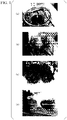
- FIG. 1(a) about 1.2 L of an Agrobacterium suspension was placed in a 2 L glass beaker inside a vacuum desiccator. Subsequently, as shown in FIG. 1(b) , the lettuce was immersed in the Agrobacterium suspension and then set at a pressure of 736 mmHg and allowed to stand for 20 minutes. Subsequently, the pressure was returned to atmospheric pressure and the lettuce was rinsed with water.
- the water was removed with a paper towel.
- the base of the rinsed lettuce was covered with a wet paper towel and the lettuce was placed in a bowl as shown in FIG. 1(c) .
- the lettuce was partially covered with plastic wrap, leaving some holes. The lettuce was allowed to stand for 3 to 5 days at 24°C under a 16-h light and 8-h dark photoperiod.
- an Agrobacterium tumefaciens GV3101 strain harboring a binary vector was cultured in an L-broth medium supplemented with 10 mM MES (pH 5.6), 20 ⁇ M acetosyringone, 100 mg/L of kanamycin, 30 mg/L of gentamycin, and 30 mg/L of rifampin to a stationary phase at 28°C.
- the culture was centrifuged to recover Agrobacterium tumefaciens which was then suspended using an infiltration buffer (10 mM magnesium chloride, 10 mM MES (pH 5.6), and 100 ⁇ M acetosyringone) so that the OD 600 was about 1. Subsequently, Agrobacterium tumefaciens was left in this liquid for 2 to 3 hours.
- an infiltration buffer (10 mM magnesium chloride, 10 mM MES (pH 5.6), and 100 ⁇ M acetosyringone
- the suspension of Agrobacterium tumefaciens was infiltrated on the reverse side of 4-week-old Nicotiana benthamiana leaves using a 1 mL syringe without a needle.
- Nicotiana benthamiana was immersed in the Agrobacterium suspension which was then allowed to stand for 20 minutes under a pressure of 736 mmHg, followed by infiltration by returning the pressure to atmospheric pressure.
- the same suspension was similarly infiltrated into 4-week-old tomato leaves, 4-week-old eggplant leaves, 4-week-old hot pepper leaves, 3-week-old melon leaves, commercially available rose petals, and commercially available phalaenopsis orchid petals.
- the same suspension was infiltrated into tomato fruits using a 1 mL syringe equipped with a needle.
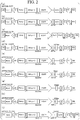
- FIG. 2(a) is a schematic diagram of the T-DNA region of the pBYR2fp-EGFP vector (by courtesy of Dr. Mason, Arizona State University, USA).
- the pBYR2fp vector a known vector, has a replication system derived from bean yellow dwarf virus (BeYDV).
- the pBYR2fp vector has an expression cassette of the gene-silencing suppressor P19 derived from tomato bushy stunt virus.
- an enhanced green fluorescence protein (EGFP) gene fragment was subjected to PCR amplification using a primer (pBYR2fp-EGFP-F, SEQ ID NO: 1) and a primer (EGFP-pBYR2fp-R, SEQ ID NO: 2). Subsequently, the resulting PCR product was cloned into the pBYR2fp vector digested with an restriction enzyme Xba I to construct a pBYR2fp-EGFP vector.
- FIG. 2(b) is a schematic diagram of the T-DNA region of the pBYR2HS-EGFP vector.
- An EGFP gene fragment having an alcohol dehydrogenase gene 5'-UTR and an Arabidopsis thaliana heat-shock protein 18.2 gene terminator was introduced into the pBYR2fp vector.
- the EGFP gene fragment was subjected to PCR amplification using a primer (pRI201-EGFP-F, SEQ ID NO: 3) and a primer (EGFP-pRI201-R, SEQ ID NO: 4).
- pRI201-AN available from Takara Bio Inc.
- restriction enzymes Nde I and Sal I to construct a pRI201-EGFP vector.
- a primer pBYR2fp-AtADH-F, SEQ ID NO: 5
- a primer pBYR2fp-HSPter-R, SEQ ID NO: 6
- the EGFP gene fragment having an alcohol dehydrogenase gene 5'-UTR and an Arabidopsis thaliana heat-shock protein 18.2 gene terminator was subjected to PCR amplification.
- FIG. 2(c) is a schematic diagram of the T-DNA region of the pBYR2EE-EGFP vector.
- the tobacco extensin gene terminator was subjected to PCR amplification using the pBYR2HS-EGFP vector as a template and using a primer (pBYR2EE-Ext3-F, SEQ ID NO: 7) and a primer (pBYR2EE-Ext3-R, SEQ ID NO: 8).
- the resulting PCR product was cloned into the pBYR2HS-EGFP vector digested with restriction enzymes Sal I and Xba I to construct a pBYR2EE-EGFP vector.
- the terminator of the pBYR2EE-EGFP vector was one in which two tobacco extensin gene terminators were linked to each other.
- FIG. 2(d) is a schematic diagram of the T-DNA region of the pBYR2HH-EGFP vector.
- the Arabidopsis thaliana heat-shock protein 18.2 gene terminator was subjected to PCR amplification using the pBYR2HS-EGFP vector as a template and using a primer (pBYR2H-HSPter-F, SEQ ID NO: 9) and a primer (pBYR2H-HSPter-R, SEQ ID NO: 10).
- the PCR product was cloned into the pBYR2H-EGFP vector digested with a restriction enzyme Xba I to construct a pBYR2HH-EGFP vector.
- the terminator of the pBYR2HH-EGFP vector was one in which two Arabidopsis thaliana heat-shock protein 18.2 gene terminators were linked to each other.
- FIG. 2(e) is a schematic diagram of the T-DNA region of the pBYR2H-EGFP vector.
- the tobacco extensin gene terminator from pBYR2HS-EGFP, it was digested with restriction enzymes Xma I and Cla I.
- SIR-C2 was subjected to PCR amplification using the pBYR2HS-EGFP vector as a template and using a primer (HSPter-SIR-F, SEQ ID NO: 11) and a primer (C1-ClaI-C2-R, SEQ ID NO: 12).
- the PCR product was cloned into the foregoing Xma I/ Cla I-digested pBYR2HS-EGFP to construct a pBYR2H-EGFP vector.
- the terminator of the pBYR2H-EGFP vector was one which has one Arabidopsis thaliana heat-shock protein 18.2 gene terminator.
- FIG. 2(f) is a schematic diagram of the T-DNA region of the pBYR2TN-EGFP vector.
- the cauliflower mosaic virus (CaMV) 35S terminator was subjected to PCR amplification using pCambia1391Z (available from Marker Gene Technologies, Inc.) as a template and using a primer (pBYR2T-35Ster-F, SEQ ID NO: 13) and a primer (35Ster-NOSter-R, SEQ ID NO: 14).
- the NOS terminator was subjected to PCR amplification using pRI201-AN (available from Takara Bio Inc.) as a template and using a primer (35Ster-NOSter-F, SEQ ID NO: 15) and a primer (pBYR2TN-NOSter-R, SEQ ID NO: 16).
- the PCR products were cloned into the pBYR2H-EGFP vector digested with restriction enzymes Sal I and Xba I to construct a pBYR2TN-EGFP vector.
- the terminator of the pBYR2TN-EGFP vector was one in which one cauliflower mosaic virus (CaMV) 35S terminator and one NOS terminator were linked to each other.
- CaMV cauliflower mosaic virus
- FIG. 2(g) is a schematic diagram of the T-DNA region of the pBYR2T-EGFP vector.
- the cauliflower mosaic virus (CaMV) 35S terminator was subjected to PCR amplification using pCambia1391Z as a template and using a primer (pBYR2T-35Ster-F, SEQ ID NO: 13) and a primer (pBYR2HS-35Ster-R, SEQ ID NO: 17).
- the PCR product was cloned into the pBYR2H-EGFP vector digested with restriction enzymes Sal I and Xba I to construct a pBYR2T-EGFP vector.
- the terminator of the pBYR2T-EGFP vector was one which has one cauliflower mosaic virus (CaMV) 35S terminator.
- FIG. 2(h) is a schematic diagram of the T-DNA region of the pBYR2HT-EGFP vector.
- the cauliflower mosaic virus (CaMV) 35S terminator was subjected to PCR amplification using pCambia1391Z as a template and using a primer (pBYR2HS-35Ster-F, SEQ ID NO: 18) and a primer (pBYR2HS-35Ster-R, SEQ ID NO: 17).
- the PCR product was cloned into the pBYR2H-EGFP vector digested with a restriction enzyme Xba I to construct a pBYR2HT-EGFP vector.
- the terminator of the pBYR2HT-EGFP vector was one in which one Arabidopsis thaliana heat-shock protein 18.2 gene terminator and one cauliflower mosaic virus (CaMV) 35S terminator were linked to each other.
- FIG. 2(i) is a schematic diagram of the T-DNA region of the pBYR2HTS-EGFP vector.
- the cauliflower mosaic virus (CaMV) 35S terminator was subjected to PCR amplification using pCambia1391Z as a template and using a primer (pBYR2HS-35Ster-F, SEQ ID NO: 18) and a primer (pBYR2HS-35Ster-R, SEQ ID NO: 17).
- the PCR product was cloned into pBYR2HS-EGFP vector digested with a restriction enzyme Xba I to construct a pBYR2HTS-EGFP vector.
- the terminator of the pBYR2HTS-EGFP vector was one in which one Arabidopsis thaliana heat-shock protein 18.2 gene terminator, one cauliflower mosaic virus (CaMV) 35S terminator, and one tobacco extensin gene terminator were linked to one another.
- 35S-p ⁇ 2 refers to a cauliflower mosaic virus (CaMV) 35S promoter having two enhancement elements;
- TMV ⁇ refers to a tobacco mosaic virus 5'-UTR;
- AtADH5 refers to an Arabidopsis thaliana alcohol dehydrogenase gene 5'-UTR ;
- EGFP refers to an enhanced green fluorescence protein;
- Ext3 refers to a tobacco extensin gene terminator;
- HSPter refers to an Arabidopsis thaliana heat-shock protein 18.2 gene terminator;
- 35Ster refers to a cauliflower mosaic virus (CaMV) 35S terminator;
- Nos-t refers to a NOS terminator;
- LIR refers to a long intergenic region of the bean yellow dwarf virus(BeYDV) genome;
- SIR refers to a short intergenic region of the BeYDV genome;
- C1" and “C2” refer to open reading frames
- the pBYR2HS-EGFP vector was a vector having two terminators in which the TMV ⁇ of the pBYR2fp-EGFP vector is replaced by the Arabidopsis thaliana alcohol dehydrogenase gene 5'-UTR and the Arabidopsis thaliana heat-shock protein 18.2 gene terminator is inserted.
- HSPter refers to an Arabidopsis thaliana heat-shock protein 18.2 gene terminator
- Ext3 refers to a tobacco extensin gene terminator.
- Table 1 Vector Number of terminators Type of terminator pBYR2HS-EGFP 2 HSPter, Ext3' pBYR2fp-EGFP 1 Ext3'
- the pBYR2HS-EGFP vector and the pBYR2fp-EGFP vector were respectively introduced into Agrobacterium tumefaciens GV3101 strains which were then introduced into Nicotiana benthamiana leaves, lettuce leaves, eggplant leaves, tomato fruits, tomato leaves, hot pepper leaves, melon leaves, rose petals, and phalaenopsis orchid petals, respectively.
- each plant was incubated for 3 days to transiently express EGFP. Subsequently, each plant was irradiated with a blue LED, and the fluorescence of EGFP was observed using an ultraviolet absorbing filter (Model "SC-52", available from Fujifilm Corporation).
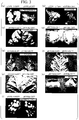
- FIGS. 3(a) to (i) are photographs showing the results of observing the fluorescence of expressed EGFP.
- the scale bars indicate 1 cm length.
- FIG. 3(a) shows the results of Nicotiana benthamiana leaves
- FIG. 3(b) shows the results of lettuce leaves
- FIG. 3(c) shows the results of eggplant leaves
- FIG. 3(d) shows the results of tomato fruits
- FIG. 3(e) shows the results of tomato leaves
- FIG. 3(f) shows the results of hot pepper leaves
- FIG. 3(g) shows the results of melon leaves
- FIG. 3(h) shows the results of rose petals
- FIG. 3(i) shows the results of phalaenopsis orchid petals.
- the left side shows the results of introduction of the pBYR2HS-EGFP vector
- the right side shows the results of introduction of the pBYR2fp-EGFP vector.
- the fluorescence of EGFP was observed only in a case where the pBYR2HS-EGFP vector was introduced, and the fluorescence of EGFP was hardly observed in a case where the pBYR2fp-EGFP vector was introduced.
- the pBYR2HS-EGFP vector and the pBYR2fp-EGFP vector were respectively introduced into Agrobacterium tumefaciens GV3101 strains which were then introduced into Nicotiana benthamiana leaves, lettuce leaves, eggplant leaves, tomato leaves, hot pepper leaves, and rose petals, respectively, by means of agroinfiltration. Subsequently, each plant was incubated for 3 days to transiently express EGFP.
- total soluble proteins were prepared from 0.2 mg fresh weight (FW) of Nicotiana benthamiana leaves and 1 mg fresh weight of each of lettuce leaves, eggplant leaves, tomato leaves, hot pepper leaves, and rose petals, into each of which the vector has been introduced.
- the prepared proteins were subjected to SDS-polyacrylamide gel electrophoresis (SDS-PAGE), and total soluble proteins were detected by Coomassie Brilliant Blue (CBB) staining.
- SDS-PAGE SDS-polyacrylamide gel electrophoresis
- CBB Coomassie Brilliant Blue
- the SDS-PAGE gels were transferred to a PVDF membrane, and the EGFP protein was detected by immunoblot analysis using an anti-GFP antibody.
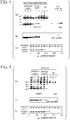
- FIG. 4(a) is a photograph showing the results of CBB staining of SDS-PAGE gels of total soluble protein prepared from Nicotiana benthamiana leaves.
- the arrowhead indicates an EGFP protein.
- NT refers to a total soluble protein prepared from the Nicotiana benthamiana leaves into which no vector has been introduced.
- GFP refers to a commercially available purified GFP protein (available from Vector Laboratories, Inc.).
- FIG. 4(b) is a photograph showing the results of transferring the gels of FIG. 4(a) to a PVDF membrane and carrying out immunoblot analysis using an anti-GFP antibody.
- FIG. 4(c) is a graph in which the expression level of EGFP in FIG. 4(a) is quantified. The numerical values in the graph of FIG. 4(c) are shown as mean value ⁇ standard deviation.
- FIG. 5(a) is a photograph showing the results of CBB staining of SDS-PAGE gels of total soluble protein prepared from lettuce leaves.
- the arrowhead indicates an EGFP protein.
- NT refers to a total soluble protein prepared from the lettuce leaves into which no vector has been introduced.
- FIG. 5(b) is a photograph showing the results of transferring the gels of FIG. 5(a) to a PVDF membrane and carrying out immunoblot analysis using an anti-GFP antibody.
- FIG. 5(c) is a graph in which the expression level of EGFP in FIG. 5(a) is quantified. The numerical values in the graph of FIG. 5(c) are shown as mean value ⁇ standard deviation.
- FIG. 6(a) is a photograph showing the results of CBB staining of SDS-PAGE gels of total soluble protein prepared from eggplant leaves.
- the arrowhead indicates an EGFP protein.
- NT refers to a total soluble protein prepared from the eggplant leaves into which no vector has been introduced.
- FIG. 6(b) is a photograph showing the results of transferring the gels of FIG. 6(a) to a PVDF membrane and carrying out immunoblot analysis using an anti-GFP antibody.
- FIG. 6(c) is a graph in which the expression level of EGFP in FIG. 6(a) is quantified. The numerical values in the graph of FIG. 6(c) are shown as mean value ⁇ standard deviation.
- FIG. 7(a) is a photograph showing the results of subjecting total soluble protein prepared from tomato leaves to SDS-PAGE, transferring the SDS-PAGE gels to a PVDF membrane, and carrying out immunoblot analysis using an anti-GFP antibody.
- "NT" refers to a total soluble protein prepared from the tomato leaves into which no vector has been introduced.
- FIG. 7(b) is a photograph showing the results of subjecting total soluble proteins prepared from hot pepper leaves and rose petals to SDS-PAGE, transferring the SDS-PAGE gels to a PVDF membrane, and carrying out immunoblot analysis using an anti-GFP antibody.
- NT refers to a total soluble protein prepared from the hot pepper leaves into which no vector has been introduced.
- Example 2 An outline of each vector is shown in Table 2 below.
- Ext3 refers to a tobacco extensin gene terminator
- HSPter refers to an Arabidopsis thaliana heat-shock protein 18.2 gene terminator
- 35Ster refers to a cauliflower mosaic virus (CaMV) 35S terminator
- Nos-t refers to a NOS terminator.
- pBYR2fp-EGFP vector and pBYR2H-EGFP vector each having only one terminator were respectively introduced into Agrobacterium tumefaciens GV3101 strains which were then respectively introduced into Nicotiana benthamiana leaves by means of agroinfiltration. Subsequently, each plant was incubated for 3 days to transiently express EGFP. Subsequently, total soluble proteins were prepared from the Nicotiana benthamiana leaves into which the vector had been introduced.
- the prepared protein corresponding to 0.2 mg fresh weight (FW) was subjected to SDS-polyacrylamide gel electrophoresis (SDS-PAGE) and total soluble protein was detected by Coomassie Brilliant Blue (CBB) staining.
- SDS-PAGE SDS-polyacrylamide gel electrophoresis
- CBB Coomassie Brilliant Blue
- FIG. 9(a) is a photograph showing the results of CBB staining of SDS-PAGE gels of total soluble protein prepared from Nicotiana benthamiana leaves.
- the arrowhead indicates an EGFP protein.
- NT refers to a total soluble protein prepared from the Nicotiana benthamiana leaves into which no vector has been introduced.
- FIG. 9(b) is a graph in which the expression level of EGFP in FIG. 9(a) is quantified. The numerical values in the graph of FIG. 9(b) are shown as mean value ⁇ standard deviation.
- pBYR2HS-EGFP vector pBYR2HH-EGFP vector, pBYR2EE-EGFP vector, pBYR2TN-EGFP vector, and pBYR2HT-EGFP vector, each having two terminators, and pBYR2HTS-EGFP vector having three terminators were respectively introduced into Agrobacterium tumefaciens GV3101 strains which were then respectively introduced into Nicotiana benthamiana leaves by means of agroinfiltration. Subsequently, each plant was incubated for 3 days to transiently express EGFP. Subsequently, total soluble proteins were prepared from the Nicotiana benthamiana leaves into which the vector had been introduced.
- the prepared protein corresponding to 0.2 mg fresh weight (FW) was subjected to SDS-polyacrylamide gel electrophoresis (SDS-PAGE) and total soluble protein was detected by Coomassie Brilliant Blue (CBB) staining.
- SDS-PAGE SDS-polyacrylamide gel electrophoresis
- CBB Coomassie Brilliant Blue
- FIG. 10(a) is a photograph showing the results of CBB staining of SDS-PAGE gels of total soluble protein prepared from Nicotiana benthamiana leaves.
- the arrowhead indicates an EGFP protein.
- NT refers to a total soluble protein prepared from the Nicotiana benthamiana leaves into which no vector has been introduced.
- FIG. 10(b) is a graph in which the expression level of EGFP in FIG. 10(a) is quantified. The numerical values in the graph of FIG. 10(b) are shown as mean value ⁇ standard deviation.
- Example 3 an outline of each vector used in this experimental example and the expression level of EGFP are shown in Table 3 below.
- Ext3 refers to a tobacco extensin gene terminator
- HSPter refers to an Arabidopsis thaliana heat-shock protein 18.2 gene terminator
- 35Ster refers to a cauliflower mosaic virus (CaMV) 35S terminator
- Nos-t refers to a NOS terminator.
- the expression level of EGFP is shown as mean value ⁇ standard deviation.
- EGFP high expression of EGFP was observed in any of the vectors. Specifically, expression of EGFP of about 3 mg or more per 1 g fresh weight of a plant was observed in any of the vectors. In addition, the vector having two terminators tended to exhibit a higher expression level of EGFP than the vector having three terminators. In addition, the vector containing an Arabidopsis thaliana heat-shock protein 18.2 gene terminator as the terminator tended to exhibit a particularly high expression level of EGFP. In particular, in the pBYR2HS-EGFP vector, expression of EGFP of about 4 mg was observed per 1 g fresh weight of a plant.
- magnICON system is a currently commercially available expression system, and is known to be able to express a target protein of about 3 mg or more per 1 g fresh weight of a plant. Therefore, the expression levels of proteins with the pBYR2HS-EGFP vector and the magnICON system described above were compared.
- FIG. 11 is a schematic diagram showing the structure of a GFP_pICH18711 vector (by courtesy of Dr. Klimyuk at Icon Genetics GmbH), which is an expression vector using the magnICON system.
- FIG. 13(b) is a graph in which the expression level of EGFP or GFP in FIG. 13(a) is quantified.
- the numerical values in the graph of FIG. 13(b) are shown as mean value ⁇ standard deviation of expression levels of EGFP or GFP in 4- and 5-week-old Nicotiana benthamiana leaves.
- "*" indicates that there is a significant difference at P ⁇ 0.05 as a result of a Student's t-test.
Landscapes
- Health & Medical Sciences (AREA)
- Life Sciences & Earth Sciences (AREA)
- Genetics & Genomics (AREA)
- Engineering & Computer Science (AREA)
- Biomedical Technology (AREA)
- Biotechnology (AREA)
- General Engineering & Computer Science (AREA)
- Wood Science & Technology (AREA)
- Chemical & Material Sciences (AREA)
- Zoology (AREA)
- Organic Chemistry (AREA)
- Bioinformatics & Cheminformatics (AREA)
- Molecular Biology (AREA)
- Plant Pathology (AREA)
- Biophysics (AREA)
- Microbiology (AREA)
- General Health & Medical Sciences (AREA)
- Physics & Mathematics (AREA)
- Cell Biology (AREA)
- Biochemistry (AREA)
- Proteomics, Peptides & Aminoacids (AREA)
- Nutrition Science (AREA)
- Virology (AREA)
- Breeding Of Plants And Reproduction By Means Of Culturing (AREA)
- Peptides Or Proteins (AREA)
- Preparation Of Compounds By Using Micro-Organisms (AREA)
- Micro-Organisms Or Cultivation Processes Thereof (AREA)
Abstract
Description
- The present invention relates to an expression system and use thereof. More specifically, the present invention relates to an expression system, a method for producing a target protein, and an expression vector. Priority is claimed on Japanese Patent Application No.
2017-107965, filed on May 31, 2017 - Transgenic plants may be used for the purpose of production of recombinant proteins and analysis of protein localization in plants. However, it takes a long time to produce transgenic plants. In addition, expression levels of proteins by transgenic plants tend to be relatively low.
- On the other hand, transient expression systems using virus-based vectors may be able to achieve high expression of recombinant proteins in a short time. For example, the magnICON expression system is a tobacco mosaic virus-based virus system developed to achieve a high level of accumulation of recombinant proteins in tobacco leaves (see, for example, NPL 1).
- In addition, geminiviruses are known to have a single-stranded circular DNA genome and replicate the genome at a very high copy number by means of a rolling circle DNA replication mechanism. This mechanism has been utilized to increase the expression of proteins in transgenic plants or to increase the expression level of recombinant proteins in transient expression systems (see, for example, NPL 2).
-
- [NPL 1] Marillonnet S., et al., Systemic Agrobacterium tumefaciens-mediated transfection of viral replicons for efficient transient expression in plants., Nat. Biotechnol., 23 (6), 718-723, 2005.
- [NPL 2] Moon K. B., et al., Overexpression and self-assembly of virus-like particles in Nicotiana benthamiana by a single-vector DNA replicon system., Appl. Microbiol. Biotechnol., 98 (19), 8281-8290, 2014.
- However, the system disclosed in
NPL 1 is limited to hosts of plants of the genus Nicotiana, and may be difficult to apply to other plants. On the other hand, the system disclosed inNPL 2 may not have sufficient expression levels of proteins. Therefore, an object of the present invention is to provide an expression system that can be applied to plants other than those belonging to the genus Nicotiana and exhibits a high expression level of a protein. - The present invention includes the following aspects.
- [1] An expression system, including:
- a first nucleic acid fragment containing a long intergenic region (LIR) derived from geminivirus, a small intergenic region (SIR) derived from geminivirus, and an expression cassette of a target protein linked between the LIR and the SIR; and
- a second nucleic acid fragment containing an expression cassette of a Rep/RepA protein derived from geminivirus,
- in which the expression cassette of the target protein includes a promoter, a nucleic acid fragment encoding the target protein, and two or more linked terminators in this order.
- [2] The expression system according to [1], in which two of the terminators are linked to each other.
- [3] The expression system according to [1] or [2], in which at least one of the terminators is a terminator derived from Arabidopsis thaliana heat-shock protein 18.2 gene.
- [4] The expression system according to any one of [1] to [3], further including:
a third nucleic acid fragment containing an expression cassette of a gene-silencing suppressor. - [5] The expression system according to [4], in which the gene-silencing suppressor is a gene-silencing suppressor P19 derived from tomato bushy stunt virus.
- [6] The expression system according to [4] or [5], in which the first nucleic acid fragment, the second nucleic acid fragment, and the third nucleic acid fragment are contained in a single vector.
- [7] The expression system according to [6], further including:
- a T-DNA right border sequence (RB); and
- a T-DNA left border sequence (LB),
- in which the first nucleic acid fragment, the second nucleic acid fragment, and the third nucleic acid fragment are present between the RB and the LB.
- [8] The expression system according to any one of [1] to [7], in which the geminivirus is a bean yellow dwarf virus.
- [9] A method for producing a target protein, including:
a step of introducing the expression system according to any one of [1] to [8] into a plant cell. - [10] An expression vector including:
- a first nucleic acid fragment containing an LIR derived from geminivirus, an SIR derived from geminivirus, and an expression cassette linked between the LIR and the SIR,
- in which the expression cassette includes a promoter, a multicloning site, and two or more linked terminators in this order.
- [11] The expression vector according to [10], in which two of the terminators are linked to each other.
- [12] The expression vector according to [10] or [11], in which at least one of the terminators is a terminator derived from Arabidopsis thaliana heat-shock protein 18.2 gene.
- [13] The expression vector according to any one of [10] to [12], further including:
a second nucleic acid fragment containing an expression cassette of a Rep/RepA protein derived from geminivirus. - [14] The expression vector according to any one of [10] to [13], further including:
a third nucleic acid fragment containing an expression cassette of a gene-silencing suppressor. - [15] The expression vector according to [14], in which the gene-silencing suppressor is a gene-silencing suppressor P19 derived from tomato bushy stunt virus.
- [16] The expression vector according to any one of [10] to [15], further including:
- a T-DNA right border sequence (RB); and
- a T-DNA left border sequence (LB),
- in which the first nucleic acid fragment, the second nucleic acid fragment, and the third nucleic acid fragment are present between the RB and the LB.
- [17] The expression vector according to any one of [10] to [16], in which the geminivirus is a bean yellow dwarf virus.
- According to the present invention, it is possible to provide an expression system that can be applied to plants other than those belonging to the genus Nicotiana and exhibits a high expression level of a protein.
-
-
FIG. 1(a) is a photograph showing a state in which about 1.2 L of an Agrobacterium suspension is placed in a 2 L glass beaker inside a vacuum desiccator in a case of carrying out agroinfiltration.FIG. 1(b) is a photograph showing a state in which lettuce is immersed in the Agrobacterium suspension which is then set at a pressure of 736 mmHg.FIG. 1(c) is a photograph showing a state in which the agroinfiltrated lettuce is placed in a bowl.FIG. 1(d) is a photograph showing a state in which the agroinfiltrated lettuce is incubated. -
FIG. 2(a) is a schematic diagram of a T-DNA region of a pBYR2fp-EGFP vector.FIG. 2(b) is a schematic diagram of a T-DNA region of a pBYR2HS-EGFP vector.FIG. 2(c) is a schematic diagram of a T-DNA region of a pBYR2EE-EGFP vector.FIG. 2(d) is a schematic diagram of a T-DNA region of a pBYR2HH-EGFP vector.FIG. 2(e) is a schematic diagram of a T-DNA region of a pBYR2H-EGFP vector.FIG. 2(f) is a schematic diagram of a T-DNA region of a pBYR2TN-EGFP vector.FIG. 2(g) is a schematic diagram of a T-DNA region of a pBYR2T-EGFP vector.FIG. 2(h) is a schematic diagram of a T-DNA region of a pBYR2HT-EGFP vector.FIG. 2(i) is a schematic diagram of a T-DNA region of a pBYR2HTS-EGFP vector. -
FIGS. 3(a) to (i) are photographs showing the results of observation of fluorescence of expressed EGFP in Experimental Example 1. -
FIG. 4(a) is a photograph showing the results of CBB staining of SDS-PAGE gels of total soluble protein prepared from Nicotiana benthamiana leaves in Experimental Example 2.FIG. 4(b) is a photograph showing the results of transferring the gels ofFIG. 4(a) to a PVDF membrane and carrying out immunoblot analysis using an anti-GFP antibody.FIG. 4(c) is a graph in which the expression level of EGFP inFIG. 4(a) is quantified. -
FIG. 5(a) is a photograph showing the results of CBB staining of SDS-PAGE gels of total soluble protein prepared from lettuce leaves in Experimental Example 2.FIG. 5(b) is a photograph showing the results of transferring the gels ofFIG. 5(a) to a PVDF membrane and carrying out immunoblot analysis using an anti-GFP antibody.FIG. 5(c) is a graph in which the expression level of EGFP inFIG. 5(a) is quantified. -
FIG. 6(a) is a photograph showing the results of CBB staining of SDS-PAGE gels of total soluble protein prepared from eggplant leaves in Experimental Example 2.FIG. 6(b) is a photograph showing the results of transferring the gels ofFIG. 6(a) to a PVDF membrane and carrying out immunoblot analysis using an anti-GFP antibody.FIG. 6(c) is a graph in which the expression level of EGFP inFIG. 6(a) is quantified. -
FIG. 7(a) is a photograph showing the results of subjecting total soluble protein prepared from tomato leaves to SDS-PAGE, transferring the SDS-PAGE gels to a PVDF membrane, and carrying out immunoblot analysis using an anti-GFP antibody in Experimental Example 2.FIG. 7(b) is a photograph showing the results of subjecting total soluble proteins prepared from hot pepper leaves and rose petals to SDS-PAGE, transferring the SDS-PAGE gels to a PVDF membrane, and carrying out immunoblot analysis using an anti-GFP antibody. -
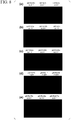
FIGS. 8(a) to (e) are photographs showing the results of observation of fluorescence of expressed EGFP in Experimental Example 3. -
FIG. 9(a) is a photograph showing the results of CBB staining of SDS-PAGE gels of total soluble protein prepared from Nicotiana benthamiana leaves in Experimental Example 4.FIG. 9(b) is a graph in which the expression level of EGFP inFIG. 9(a) is quantified. -
FIG. 10(a) is a photograph showing the results of CBB staining of SDS-PAGE gels of total soluble protein prepared from Nicotiana benthamiana leaves in Experimental Example 5.FIG. 10(b) is a graph in which the expression level of EGFP inFIG. 10(a) is quantified. -
FIG. 11 is a schematic diagram showing a structure of a GFP_pICH18711 vector. -
FIGS. 12(a) and (b) are photographs showing the results of observation of fluorescence of expressed EGFP or GFP in Experimental Example 6. -
FIG. 13(a) is a photograph showing the results of CBB staining of SDS-PAGE gels of total soluble protein prepared from Nicotiana benthamiana leaves in Experimental Example 6.FIG. 13(b) is a graph in which the expression level of EGFP or GFP inFIG. 13(a) is quantified. - In one embodiment, the present invention provides an expression system including a first nucleic acid fragment containing an LIR derived from geminivirus, an SIR derived from geminivirus, and an expression cassette of a target protein linked between the LIR and the SIR and a second nucleic acid fragment containing an expression cassette of a Rep/RepA protein derived from geminivirus, in which the expression cassette of a target protein includes a promoter, a nucleic acid fragment encoding the target protein, and two or more linked terminators in this order.
- In a case where the expression system of the present embodiment is introduced into a plant, the Rep/RepA protein, which is a replication initiation protein of geminivirus, is expressed from the second nucleic acid fragment. Then, the expression cassette of the target protein linked between LIR and SIR on the first nucleic acid fragment is replicated at a high copy number by the rolling circle DNA replication mechanism of geminivirus. Subsequently, the target protein is expressed at a high expression level from the expression cassette of the target protein replicated at a high copy number.
- As will be described later in the Examples, the expression system of the present embodiment can achieve a very high expression level of the target protein by including two or more linked terminators in the expression cassette of the target protein.
- The terminator is a base sequence that terminates transcription of DNA into mRNA. The terminator is not particularly limited, and examples thereof include a terminator derived from Arabidopsis thaliana heat-shock protein 18.2 gene, a tobacco extensin gene terminator, a cauliflower mosaic virus (CaMV) 35S terminator, and a CaMV NOS terminator. In the expression system of the present embodiment, two or more linked terminators may be terminators of the same base sequence or may be terminators of different base sequences.
- The base sequence of the terminator derived from Arabidopsis thaliana heat-shock protein 18.2 gene is set forth in SEQ ID NO: 19. In addition, the base sequence of the tobacco extensin gene terminator is set forth in SEQ ID NO: 20. In addition, the base sequence of the
CaMV 35S terminator is set forth in SEQ ID NO: 21. In addition, the base sequence of the CaMV NOS terminator is set forth in SEQ ID NO: 22. - The base sequences of these terminators may each have mutations with respect to the base sequences of SEQ ID NOS: 19 to 22, or the base sequences of SEQ ID NOS: 19 to 22 may be partially deleted, as long as they have a function of terminating transcription of DNA into mRNA.
- In a case where the base sequence of the terminator has a mutation or deletion with respect to the base sequences of SEQ ID NOS: 19 to 22, each base sequence preferably has, for example, 70% or more sequence identity, more preferably 80% or more sequence identity, still more preferably 90% or more sequence identity, and particularly preferably 95% or more sequence identity, with respect to the base sequences of SEQ ID NOS: 19 to 22, respectively.
- Here, the sequence identity of the target base sequence with respect to the reference base sequence can be determined, for example, as follows. First, the reference base sequence and the target base sequence are aligned. Here, each base sequence may include a gap so as to maximize sequence identity. Subsequently, the number of matched bases in the reference base sequence and the target base sequence is calculated, and then the sequence identity can be determined according to the following formula (1).

- In the expression system of the present embodiment, the expression cassette of the target protein preferably contains two terminators. As will be described later in the Examples, the expression level of the target protein tends to be higher in a case where the expression cassette of the target protein contains two terminators than in a case where the expression cassette of the target protein contains three or more terminators.
- In addition, in the expression system of the present embodiment, it is preferable that at least one of the terminators contained in the expression cassette of the target protein be a terminator derived from Arabidopsis thaliana heat-shock protein 18.2 gene.
- As will be described later in the Examples, an expression system containing a terminator derived from Arabidopsis thaliana heat-shock protein 18.2 gene as the terminator tends to have a high expression level of the target protein.
- As will be described later in the Examples, the expression system of the present embodiment can express a target protein of about 3 mg or more per 1 g fresh weight of a plant. This expression level is equivalent to that of the currently commercially available magnICON system.
- In addition, as will be described later in the Examples, the magnICON system is limited to hosts of plants of the genus Nicotiana, whereas the expression system of the present embodiment can achieve a high expression level of a target protein not only in plants of the genus Nicotiana but also in plants other than those belonging to the genus Nicotiana. Here, examples of plants other than those belonging to the genus Nicotiana include, but are not limited to, solanaceous plants such as tomato, eggplant, and hot pepper; Asteraceae plants such as lettuce; cucurbitaceous plants such as melon; and orchidaceous plants such as phalaenopsis orchid.
- In the expression system of the present embodiment, the first nucleic acid fragment contains a promoter, a nucleic acid fragment encoding a target protein, and two or more linked terminators in this order.
- Any promoter can be used without particular limitation as long as it exhibits transcriptional activity of DNA linked downstream thereof in a host plant cell. Specific examples of the promoter include a cauliflower mosaic virus (CaMV) 35S promoter, a ubiquitin promoter, and a cassava vein mosaic virus (CsVMV) promoter.
- The target protein is not particularly limited, and any protein can be expressed. According to the expression system of the present embodiment, proteins can be expressed at low cost as compared to protein expression using animal cells. In addition, the expression system of the present embodiment can be used to express a pollen allergen or the like which is difficult to express in an expression system such as E. coli. For this reason, the target protein may be, for example, a pollen allergen.
- The terminator consists of a base sequence involved in the specific termination of RNA transcription by RNA polymerase. As the terminator, two or more of one type of terminator may be linked and used, or two or more types of terminators may be used in combination. As will be described later in the Examples, the expression system of the present embodiment can achieve a high expression level of a target protein by including two or more linked terminators.
- In addition, in a case where at least one of the terminators is a terminator derived from Arabidopsis thaliana heat-shock protein 18.2 gene, the expression system of the present embodiment tends to be able to further increase the expression level of the target protein.
- The first nucleic acid fragment may have, for example, a 5'-untranslated region (UTR) and a polyadenylation signal in addition to a promoter, a nucleic acid fragment encoding a target protein, and a terminator.
- Inclusion of the 5'-UTR may further increase the expression efficiency of the target protein. Examples of the 5'-UTR include 5'-UTR of tobacco mosaic virus, 5'-UTR of Arabidopsis thaliana alcohol dehydrogenase gene, 5'-UTR of Arabidopsis thaliana elongation factor 1α-A3 gene, and 5'-UTR of rice alcohol dehydrogenase gene.
- In the expression system of the present embodiment, the second nucleic acid fragment contains an expression cassette of the geminivirus-derived Rep/RepA protein. The expression cassette of the Rep/RepA protein is not particularly limited as long as the Rep/RepA protein can be expressed in host plant cells. The expression cassette of the Rep/RepA protein may have a promoter, a nucleic acid fragment encoding a Rep/RepA protein, a terminator, a 5'-UTR, a polyadenylation signal, and the like. Here, as the promoter of the Rep/RepA protein, for example, a geminivirus-derived LIR may also be used because it has promoter activity, in addition to those described above as being usable for the first nucleic acid fragment.
- As used herein, the term "expression system" refers to a system capable of expressing a target protein by introducing into a plant cell a first nucleic acid fragment and a second nucleic acid fragment in combination. The expression system may be constituted of a single nucleic acid fragment or may be constituted of a combination of two or more nucleic acid fragments as long as the effects of the present invention can be obtained. Here, the nucleic acid fragment may be a vector.
- That is, in the expression system of the present embodiment, the first nucleic acid fragment and the second nucleic acid fragment may be separately present as independent nucleic acid fragments, or may be linked to form a single nucleic acid fragment.
- In addition, in a case where the first nucleic acid fragment and the second nucleic acid fragment are linked, the order of linkage is not particularly limited. The first nucleic acid fragment may be present on the 5' side or the second nucleic acid fragment may be present on the 5' side.
- In the expression system of the present embodiment, LIR, SIR, and Rep/RepA used are those derived from geminivirus. The geminivirus is not particularly limited as long as it has a rolling circle DNA replication mechanism. Examples of the geminivirus include kidney bean yellow dwarf virus (BeYDV), tomato golden mosaic virus (TGMV), African cassava mosaic virus (ACMV), and rose leaf curl virus (RLCV), all of which belong to the genus Mastrevirus of the family Geminiviridae.
- The base sequence of LIR derived from geminivirus is set forth in SEQ ID NO: 23. In addition, the base sequence of SIR derived from geminivirus is set forth in SEQ ID NO: 24. In addition, the base sequence of the Rep/RepA protein (open reading frames C1 and C2 encoding the Rep/RepA protein which is a replication initiation protein of BeYDV) derived from geminivirus is set forth in SEQ ID NO: 25.
- The base sequence of LIR, the base sequence of SIR, and the base sequence encoding a Rep/RepA protein may have mutations with respect to the base sequences of SEQ ID NOS: 23, 24, and 25, respectively, or the base sequences of SEQ ID NOS: 23, 24, and 25 may be partially deleted, as long as they have a function with which the expression cassette of the target protein linked between LIR and SIR is replicated with high copy number by the Rep/RepA protein encoded by the above base sequence.
- In a case where the base sequence of LIR, the base sequence of SIR, and the base sequence encoding a Rep/RepA protein have mutations or deletions with respect to the base sequences of SEQ ID NOS: 23, 24, and 25, respectively, each base sequence preferably has, for example, 70% or more sequence identity, more preferably 80% or more sequence identity, still more preferably 90% or more sequence identity, and particularly preferably 95% or more sequence identity, with respect to the base sequences of SEQ ID NOS: 23, 24, and 25, respectively.
- Here, the sequence identity of the target base sequence with respect to the reference base sequence can be determined, for example, according to the above-mentioned formula (1).
- The expression system of the present embodiment may further include a third nucleic acid fragment containing an expression cassette of a gene-silencing suppressor. Thereby, the expression level of the target protein can be further increased. Examples of the gene-silencing suppressor include a gene-silencing suppressor P19 derived from tomato bushy stunt virus, and a gene-silencing suppressor 16K derived from tobacco rattle virus.
- The third nucleic acid fragment may be present separately as a nucleic acid fragment independent of the first nucleic acid fragment and the second nucleic acid fragment described above or may be linked to the first nucleic acid fragment or the second nucleic acid fragment in any order. The first nucleic acid fragment, the second nucleic acid fragment, and the third nucleic acid fragment may be linked in any order. That is, the first nucleic acid fragment, the second nucleic acid fragment, and the third nucleic acid fragment may be contained in a single vector.
- The expression system of the present embodiment may be configured such that the first nucleic acid fragment, the second nucleic acid fragment, and the third nucleic acid fragment are contained in a single vector; the vector further includes RB and LB of T-DNA; and first nucleic acid fragment, the second nucleic acid fragment, and the third nucleic acid fragment are present between RB and LB of T-DNA.
- T-DNA is a specific region of Ti plasmid or Ri plasmid found in a pathogenic strain of Agrobacterium which is a pathogenic bacterium of crown gall which is a tumor of dicotyledonous plants. Coexistence of a T-DNA-harboring Agrobacterium with a plant cell transfers the nucleic acid fragment present between RB and LB into a host plant cell.
- Therefore, the first nucleic acid fragment, the second nucleic acid fragment, and the third nucleic acid fragment can be easily introduced into a host plant cell in such a manner that a vector in which the first nucleic acid fragment, the second nucleic acid fragment, and the third nucleic acid fragment are present between RB and LB is introduced into Agrobacterium, and then the Agrobacterium is introduced into a host plant.
- The vector in which the first nucleic acid fragment, the second nucleic acid fragment, and the third nucleic acid fragment are present between RB and LB is preferably a vector that can be used in a binary vector method.
- The binary vector method is a method of gene transfer into a plant using a vir helper Ti plasmid from which the native T-DNA of the Ti plasmid has been removed and a small shuttle vector having artificial T-DNA. Here, the shuttle vector is preferably one that can be maintained in both E. coli and Agrobacterium.
- The vir helper Ti plasmid cannot form crown galls on plants because it does not have native T-DNA. However, the vir helper Ti plasmid has a vir region necessary for introducing T-DNA into host plant cells.
- Therefore, a desired nucleic acid fragment can be easily introduced into a host plant cell by introducing T-DNA having the desired nucleic acid fragment into Agrobacterium having the vir helper Ti plasmid and introducing the Agrobacterium into the host plant.
- That is, the vector in which the first nucleic acid fragment, the second nucleic acid fragment, and the third nucleic acid fragment are present between RB and LB may be a shuttle vector that has an origin of replication for E. coli and an origin of replication for Agrobacterium and can be maintained in both E. coli and Agrobacterium.
- The base sequence of RB of T-DNA is set forth in SEQ ID NO: 26. In addition, the base sequence of LB of T-DNA is set forth in SEQ ID NO: 27.
- The base sequences of RB and LB may have mutations with respect to the base sequences of SEQ ID NOS: 26 and 27, respectively, or the base sequences of SEQ ID NOS: 26 and 27 may be partially deleted, as long as they have a function of transferring the nucleic acid fragment present between RB and LB into the host plant cell.
- In a case where the base sequences of RB and LB have mutations or deletions with respect to the base sequences of SEQ ID NOS: 26 and 27, respectively, each base sequence preferably has, for example, 70% or more sequence identity, more preferably 80% or more sequence identity, still more preferably 90% or more sequence identity, and particularly preferably 95% or more sequence identity, with respect to the base sequences of SEQ ID NOS: 26 and 27, respectively.
- Here, the sequence identity of the target base sequence with respect to the reference base sequence can be determined, for example, according to the above-mentioned formula (1).
- In one embodiment, the present invention provides an expression vector including a first nucleic acid fragment containing an LIR derived from geminivirus, an SIR derived from geminivirus, and an expression cassette linked between the LIR and the SIR, in which the expression cassette includes a promoter, a multicloning site, and two or more linked terminators in this order.
- The expression vector of the present embodiment can be suitably used for construction of the expression system described above. As will be described later in the Examples, the expression vector of the present embodiment can achieve a very high expression level of a target protein by introducing a gene fragment encoding the target protein at the multicloning site of the expression cassette. This is because the expression cassette contains two or more linked terminators.
- In the expression vector of the present embodiment, the expression cassette preferably contains two terminators. As will be described later in the Examples, the expression level of the target protein tends to be higher in a case where the expression cassette contains two terminators than in a case where the expression cassette contains three or more terminators.
- In addition, in the expression vector of the present embodiment, it is preferable that at least one of the terminators contained in the expression cassette be a terminator derived from Arabidopsis thaliana heat-shock protein 18.2 gene.
- As will be described later in the Examples, an expression vector containing a terminator derived from Arabidopsis thaliana heat-shock protein 18.2 gene as the terminator tends to have a high expression level of the target protein.
- In the expression vector of the present embodiment, LIR, SIR, promoter, and terminator are as described above. That is, in the expression vector of the present embodiment, the geminivirus may be a bean yellow dwarf virus (BeYDV).
- As used herein, the term "multicloning site" refers to a region in which one or a plurality of base sequences recognized by restriction enzymes are arranged. That is, in the multicloning site of the expression vector of the present embodiment, the number of restriction enzyme sites may be one or plural. Since the vector of the present embodiment has a multicloning site, a nucleic acid fragment encoding a target protein can be easily cloned therein.
- The expression vector of the present embodiment need not contain a nucleic acid fragment encoding a target protein, or a nucleic acid fragment encoding a target protein may be introduced therein. That is, a vector into which a nucleic acid fragment encoding a target protein has been introduced is also included in the expression vector of the present embodiment.
- The vector of the present embodiment may further include a second nucleic acid fragment containing an expression cassette of a Rep/RepA protein derived from geminivirus. The Rep/RepA protein is as described above.
- The vector of the present embodiment may further include a third nucleic acid fragment containing an expression cassette of a gene-silencing suppressor. The gene-silencing suppressor is as described above and may be, for example, a gene-silencing suppressor P19 derived from tomato bushy stunt virus.
- The vector of the present embodiment further includes RB and LB of T-DNA, and the first nucleic acid fragment, the second nucleic acid fragment, and the third nucleic acid fragment may be present between RB and LB of T-DNA. RB and LB are as described above. In addition, it is preferable that the vector of the present embodiment be a vector which can be used for a binary vector method.
- In one embodiment, the present invention provides a method for producing a target protein, including a step of introducing the expression system described above into a plant cell. Here, the expression system may be one in which a gene fragment encoding a target protein is introduced into the multicloning site of the vector described above. As will be described later in the Examples, according to the production method of the present embodiment, it is possible to produce a target protein with a high expression level, using plants of the genus Nicotiana and plants other than those belonging to the genus Nicotiana as hosts.
- Hereinafter, the present invention will be described in more detail by way of examples, but the present invention is not limited to the following examples.
- First, an Agrobacterium tumefaciens GV3101 strain harboring a binary vector was cultured in a YEB medium (6 g/L of yeast extract, 5 g/L of tryptone, 5 g/L of sucrose, and 2 mM magnesium sulfate) supplemented with antibiotics (100 mg/L of kanamycin, 30 mg/L of gentamycin, and 30 mg/L of rifampin) at 28°C for 2 days.
- Subsequently, the 2-day culture was diluted 100 times with the same medium as above, MES was added to a final concentration of 10 mM to adjust the pH to 5.6, and acetosyringone was further added to a final concentration of 20 µM, followed by culturing at 28°C for 18 to 24 hours using a rotary shaker set at 140 rpm and then scale-up.
- Subsequently, after an OD595 reached about 2.4, sucrose was added to a final concentration of 55 g/L, and acetosyringone was further added to a final concentration of 200 µM, followed by incubation at 22°C for 1 hour.
- Then, 2,4-dichlorophenoxyacetic acid was added to a final concentration of 100 µg/mL, and Tween-20 was further added to a final concentration of 0.005%, followed by vacuum infiltration.
- Subsequently, commercially available red leaf lettuce was rinsed with distilled water and the water was removed with a paper towel. Subsequently, the base of the rinsed lettuce was placed on a wet paper towel. Subsequently, the lettuce was covered with plastic wrap and allowed to stand at 24°C for 1 day. Subsequently, the lettuce was illuminated with blue LED light for more than 30 minutes prior to vacuum infiltration.
- Subsequently, as shown in
FIG. 1(a) , about 1.2 L of an Agrobacterium suspension was placed in a 2 L glass beaker inside a vacuum desiccator. Subsequently, as shown inFIG. 1(b) , the lettuce was immersed in the Agrobacterium suspension and then set at a pressure of 736 mmHg and allowed to stand for 20 minutes. Subsequently, the pressure was returned to atmospheric pressure and the lettuce was rinsed with water. - Subsequently, the water was removed with a paper towel. Subsequently, the base of the rinsed lettuce was covered with a wet paper towel and the lettuce was placed in a bowl as shown in
FIG. 1(c) . Subsequently, as shown inFIG. 1(d) , the lettuce was partially covered with plastic wrap, leaving some holes. The lettuce was allowed to stand for 3 to 5 days at 24°C under a 16-h light and 8-h dark photoperiod. - First, an Agrobacterium tumefaciens GV3101 strain harboring a binary vector was cultured in an L-broth medium supplemented with 10 mM MES (pH 5.6), 20 µM acetosyringone, 100 mg/L of kanamycin, 30 mg/L of gentamycin, and 30 mg/L of rifampin to a stationary phase at 28°C.
- Subsequently, the culture was centrifuged to recover Agrobacterium tumefaciens which was then suspended using an infiltration buffer (10 mM magnesium chloride, 10 mM MES (pH 5.6), and 100 µM acetosyringone) so that the OD600 was about 1. Subsequently, Agrobacterium tumefaciens was left in this liquid for 2 to 3 hours.
- Then, the suspension of Agrobacterium tumefaciens was infiltrated on the reverse side of 4-week-old Nicotiana benthamiana leaves using a 1 mL syringe without a needle. Alternatively, in some cases, Nicotiana benthamiana was immersed in the Agrobacterium suspension which was then allowed to stand for 20 minutes under a pressure of 736 mmHg, followed by infiltration by returning the pressure to atmospheric pressure. In addition, the same suspension was similarly infiltrated into 4-week-old tomato leaves, 4-week-old eggplant leaves, 4-week-old hot pepper leaves, 3-week-old melon leaves, commercially available rose petals, and commercially available phalaenopsis orchid petals. In addition, the same suspension was infiltrated into tomato fruits using a 1 mL syringe equipped with a needle.
-
FIG. 2(a) is a schematic diagram of the T-DNA region of the pBYR2fp-EGFP vector (by courtesy of Dr. Mason, Arizona State University, USA). The pBYR2fp vector, a known vector, has a replication system derived from bean yellow dwarf virus (BeYDV). In addition, the pBYR2fp vector has an expression cassette of the gene-silencing suppressor P19 derived from tomato bushy stunt virus. - First, an enhanced green fluorescence protein (EGFP) gene fragment was subjected to PCR amplification using a primer (pBYR2fp-EGFP-F, SEQ ID NO: 1) and a primer (EGFP-pBYR2fp-R, SEQ ID NO: 2). Subsequently, the resulting PCR product was cloned into the pBYR2fp vector digested with an restriction enzyme XbaI to construct a pBYR2fp-EGFP vector.
-
FIG. 2(b) is a schematic diagram of the T-DNA region of the pBYR2HS-EGFP vector. An EGFP gene fragment having an alcohol dehydrogenase gene 5'-UTR and an Arabidopsis thaliana heat-shock protein 18.2 gene terminator was introduced into the pBYR2fp vector. - Specifically, first, the EGFP gene fragment was subjected to PCR amplification using a primer (pRI201-EGFP-F, SEQ ID NO: 3) and a primer (EGFP-pRI201-R, SEQ ID NO: 4).
- Subsequently, the resulting PCR product was cloned into pRI201-AN (available from Takara Bio Inc.) digested with restriction enzymes NdeI and SalI to construct a pRI201-EGFP vector.
- Subsequently, using the pRI201-EGFP vector as a template, a primer (pBYR2fp-AtADH-F, SEQ ID NO: 5) and a primer (pBYR2fp-HSPter-R, SEQ ID NO: 6), the EGFP gene fragment having an alcohol dehydrogenase gene 5'-UTR and an Arabidopsis thaliana heat-shock protein 18.2 gene terminator was subjected to PCR amplification.
- Subsequently, the resulting PCR product was cloned into the pBYR2fp vector digested with restriction enzymes XhoI and XbaI to construct a pBYR2HS-EGFP vector. The full-length base sequence of the pBYR2HS-EGFP vector is set forth in SEQ ID NO: 28.
-
FIG. 2(c) is a schematic diagram of the T-DNA region of the pBYR2EE-EGFP vector. The tobacco extensin gene terminator was subjected to PCR amplification using the pBYR2HS-EGFP vector as a template and using a primer (pBYR2EE-Ext3-F, SEQ ID NO: 7) and a primer (pBYR2EE-Ext3-R, SEQ ID NO: 8). The resulting PCR product was cloned into the pBYR2HS-EGFP vector digested with restriction enzymes SalI and XbaI to construct a pBYR2EE-EGFP vector. The terminator of the pBYR2EE-EGFP vector was one in which two tobacco extensin gene terminators were linked to each other. -
FIG. 2(d) is a schematic diagram of the T-DNA region of the pBYR2HH-EGFP vector. The Arabidopsis thaliana heat-shock protein 18.2 gene terminator was subjected to PCR amplification using the pBYR2HS-EGFP vector as a template and using a primer (pBYR2H-HSPter-F, SEQ ID NO: 9) and a primer (pBYR2H-HSPter-R, SEQ ID NO: 10). The PCR product was cloned into the pBYR2H-EGFP vector digested with a restriction enzyme XbaI to construct a pBYR2HH-EGFP vector. The terminator of the pBYR2HH-EGFP vector was one in which two Arabidopsis thaliana heat-shock protein 18.2 gene terminators were linked to each other. -
FIG. 2(e) is a schematic diagram of the T-DNA region of the pBYR2H-EGFP vector. In order to remove the tobacco extensin gene terminator from pBYR2HS-EGFP, it was digested with restriction enzymes XmaI and ClaI. SIR-C2 was subjected to PCR amplification using the pBYR2HS-EGFP vector as a template and using a primer (HSPter-SIR-F, SEQ ID NO: 11) and a primer (C1-ClaI-C2-R, SEQ ID NO: 12). The PCR product was cloned into the foregoing XmaI/ClaI-digested pBYR2HS-EGFP to construct a pBYR2H-EGFP vector. The terminator of the pBYR2H-EGFP vector was one which has one Arabidopsis thaliana heat-shock protein 18.2 gene terminator. -
FIG. 2(f) is a schematic diagram of the T-DNA region of the pBYR2TN-EGFP vector. The cauliflower mosaic virus (CaMV) 35S terminator was subjected to PCR amplification using pCambia1391Z (available from Marker Gene Technologies, Inc.) as a template and using a primer (pBYR2T-35Ster-F, SEQ ID NO: 13) and a primer (35Ster-NOSter-R, SEQ ID NO: 14). The NOS terminator was subjected to PCR amplification using pRI201-AN (available from Takara Bio Inc.) as a template and using a primer (35Ster-NOSter-F, SEQ ID NO: 15) and a primer (pBYR2TN-NOSter-R, SEQ ID NO: 16). The PCR products were cloned into the pBYR2H-EGFP vector digested with restriction enzymes SalI and XbaI to construct a pBYR2TN-EGFP vector. The terminator of the pBYR2TN-EGFP vector was one in which one cauliflower mosaic virus (CaMV) 35S terminator and one NOS terminator were linked to each other. -
FIG. 2(g) is a schematic diagram of the T-DNA region of the pBYR2T-EGFP vector. The cauliflower mosaic virus (CaMV) 35S terminator was subjected to PCR amplification using pCambia1391Z as a template and using a primer (pBYR2T-35Ster-F, SEQ ID NO: 13) and a primer (pBYR2HS-35Ster-R, SEQ ID NO: 17). The PCR product was cloned into the pBYR2H-EGFP vector digested with restriction enzymes SalI and XbaI to construct a pBYR2T-EGFP vector. The terminator of the pBYR2T-EGFP vector was one which has one cauliflower mosaic virus (CaMV) 35S terminator. -
FIG. 2(h) is a schematic diagram of the T-DNA region of the pBYR2HT-EGFP vector. The cauliflower mosaic virus (CaMV) 35S terminator was subjected to PCR amplification using pCambia1391Z as a template and using a primer (pBYR2HS-35Ster-F, SEQ ID NO: 18) and a primer (pBYR2HS-35Ster-R, SEQ ID NO: 17). The PCR product was cloned into the pBYR2H-EGFP vector digested with a restriction enzyme XbaI to construct a pBYR2HT-EGFP vector. The terminator of the pBYR2HT-EGFP vector was one in which one Arabidopsis thaliana heat-shock protein 18.2 gene terminator and one cauliflower mosaic virus (CaMV) 35S terminator were linked to each other. -
FIG. 2(i) is a schematic diagram of the T-DNA region of the pBYR2HTS-EGFP vector. The cauliflower mosaic virus (CaMV) 35S terminator was subjected to PCR amplification using pCambia1391Z as a template and using a primer (pBYR2HS-35Ster-F, SEQ ID NO: 18) and a primer (pBYR2HS-35Ster-R, SEQ ID NO: 17). The PCR product was cloned into pBYR2HS-EGFP vector digested with a restriction enzyme XbaI to construct a pBYR2HTS-EGFP vector. The terminator of the pBYR2HTS-EGFP vector was one in which one Arabidopsis thaliana heat-shock protein 18.2 gene terminator, one cauliflower mosaic virus (CaMV) 35S terminator, and one tobacco extensin gene terminator were linked to one another. - In
FIGS. 2(a) to (i) , "35S-p×2" refers to a cauliflower mosaic virus (CaMV) 35S promoter having two enhancement elements; "TMVΩ" refers to a tobacco mosaic virus 5'-UTR; "AtADH5" refers to an Arabidopsis thaliana alcohol dehydrogenase gene 5'-UTR ; "EGFP" refers to an enhanced green fluorescence protein; "Ext3" refers to a tobacco extensin gene terminator; "HSPter" refers to an Arabidopsis thaliana heat-shock protein 18.2 gene terminator; "35Ster" refers to a cauliflower mosaic virus (CaMV) 35S terminator; "Nos-t" refers to a NOS terminator; "LIR" refers to a long intergenic region of the bean yellow dwarf virus(BeYDV) genome; "SIR" refers to a short intergenic region of the BeYDV genome; "C1" and "C2" refer to open reading frames C1 and C2 encoding Rep/RepA protein which is replication initiation protein of BeYDV; "LB" and "RB" refer to a left border sequence and a right border sequence of T-DNA, respectively; "Nos-p" refers to a NOS promoter; and "p19" refers to a gene encoding a gene-silencing suppressor P19 derived from tomato bushy stunt virus. - The pBYR2HS-EGFP vector was a vector having two terminators in which the TMVΩ of the pBYR2fp-EGFP vector is replaced by the Arabidopsis thaliana alcohol dehydrogenase gene 5'-UTR and the Arabidopsis thaliana heat-shock protein 18.2 gene terminator is inserted.
- An outline of the pBYR2HS-EGFP vector and the pBYR2fp-EGFP vector is shown in Table 1 below. In Table 1, "HSPter" refers to an Arabidopsis thaliana heat-shock protein 18.2 gene terminator, and "Ext3" refers to a tobacco extensin gene terminator.
[Table 1] Vector Number of terminators Type of terminator pBYR2HS- EGFP 2 HSPter, Ext3' pBYR2fp- EGFP 1 Ext3' - The pBYR2HS-EGFP vector and the pBYR2fp-EGFP vector were respectively introduced into Agrobacterium tumefaciens GV3101 strains which were then introduced into Nicotiana benthamiana leaves, lettuce leaves, eggplant leaves, tomato fruits, tomato leaves, hot pepper leaves, melon leaves, rose petals, and phalaenopsis orchid petals, respectively.
- After introduction of the vectors, each plant was incubated for 3 days to transiently express EGFP. Subsequently, each plant was irradiated with a blue LED, and the fluorescence of EGFP was observed using an ultraviolet absorbing filter (Model "SC-52", available from Fujifilm Corporation).
-
FIGS. 3(a) to (i) are photographs showing the results of observing the fluorescence of expressed EGFP. InFIGS. 3(a) to (i) , the scale bars indicate 1 cm length.FIG. 3(a) shows the results of Nicotiana benthamiana leaves,FIG. 3(b) shows the results of lettuce leaves,FIG. 3(c) shows the results of eggplant leaves,FIG. 3(d) shows the results of tomato fruits,FIG. 3(e) shows the results of tomato leaves,FIG. 3(f) shows the results of hot pepper leaves,FIG. 3(g) shows the results of melon leaves,FIG. 3(h) shows the results of rose petals, andFIG. 3(i) shows the results of phalaenopsis orchid petals. In any of the photographs, the left side shows the results of introduction of the pBYR2HS-EGFP vector, and the right side shows the results of introduction of the pBYR2fp-EGFP vector. - As a result, with the exception of rose, it was found that the introduction of the pBYR2HS-EGFP vector increased the expression level of EGFP more than the introduction of the pBYR2fp-EGFP vector. In the rose, no fluorescence of EGFP was observed in a case where any of the vectors was introduced.
- Moreover, in particular, in tomato fruits and tomato leaves, the fluorescence of EGFP was observed only in a case where the pBYR2HS-EGFP vector was introduced, and the fluorescence of EGFP was hardly observed in a case where the pBYR2fp-EGFP vector was introduced.
- From the results, it was demonstrated that the expression level of EGFP was significantly higher in the pBYR2HS-EGFP vector having two terminators of tobacco extensin gene terminator and Arabidopsis thaliana heat-shock protein 18.2 gene-derived terminator than in the pBYR2fp-EGFP vector having one tobacco extensin gene terminator.
- The pBYR2HS-EGFP vector and the pBYR2fp-EGFP vector were respectively introduced into Agrobacterium tumefaciens GV3101 strains which were then introduced into Nicotiana benthamiana leaves, lettuce leaves, eggplant leaves, tomato leaves, hot pepper leaves, and rose petals, respectively, by means of agroinfiltration. Subsequently, each plant was incubated for 3 days to transiently express EGFP.
- Subsequently, total soluble proteins were prepared from 0.2 mg fresh weight (FW) of Nicotiana benthamiana leaves and 1 mg fresh weight of each of lettuce leaves, eggplant leaves, tomato leaves, hot pepper leaves, and rose petals, into each of which the vector has been introduced.
- Subsequently, the prepared proteins were subjected to SDS-polyacrylamide gel electrophoresis (SDS-PAGE), and total soluble proteins were detected by Coomassie Brilliant Blue (CBB) staining.
- In addition, the SDS-PAGE gels were transferred to a PVDF membrane, and the EGFP protein was detected by immunoblot analysis using an anti-GFP antibody.
-
FIG. 4(a) is a photograph showing the results of CBB staining of SDS-PAGE gels of total soluble protein prepared from Nicotiana benthamiana leaves. InFIG. 4(a) , the arrowhead indicates an EGFP protein. In addition, "NT" refers to a total soluble protein prepared from the Nicotiana benthamiana leaves into which no vector has been introduced. In addition, "GFP" refers to a commercially available purified GFP protein (available from Vector Laboratories, Inc.).FIG. 4(b) is a photograph showing the results of transferring the gels ofFIG. 4(a) to a PVDF membrane and carrying out immunoblot analysis using an anti-GFP antibody.FIG. 4(c) is a graph in which the expression level of EGFP inFIG. 4(a) is quantified. The numerical values in the graph ofFIG. 4(c) are shown as mean value±standard deviation. -
FIG. 5(a) is a photograph showing the results of CBB staining of SDS-PAGE gels of total soluble protein prepared from lettuce leaves. InFIG. 5(a) , the arrowhead indicates an EGFP protein. In addition, "NT" refers to a total soluble protein prepared from the lettuce leaves into which no vector has been introduced.FIG. 5(b) is a photograph showing the results of transferring the gels ofFIG. 5(a) to a PVDF membrane and carrying out immunoblot analysis using an anti-GFP antibody.FIG. 5(c) is a graph in which the expression level of EGFP inFIG. 5(a) is quantified. The numerical values in the graph ofFIG. 5(c) are shown as mean value±standard deviation. -
FIG. 6(a) is a photograph showing the results of CBB staining of SDS-PAGE gels of total soluble protein prepared from eggplant leaves. InFIG. 6(a) , the arrowhead indicates an EGFP protein. In addition, "NT" refers to a total soluble protein prepared from the eggplant leaves into which no vector has been introduced.FIG. 6(b) is a photograph showing the results of transferring the gels ofFIG. 6(a) to a PVDF membrane and carrying out immunoblot analysis using an anti-GFP antibody.FIG. 6(c) is a graph in which the expression level of EGFP inFIG. 6(a) is quantified. The numerical values in the graph ofFIG. 6(c) are shown as mean value±standard deviation. -
FIG. 7(a) is a photograph showing the results of subjecting total soluble protein prepared from tomato leaves to SDS-PAGE, transferring the SDS-PAGE gels to a PVDF membrane, and carrying out immunoblot analysis using an anti-GFP antibody. InFIG. 7(a) , "NT" refers to a total soluble protein prepared from the tomato leaves into which no vector has been introduced.FIG. 7(b) is a photograph showing the results of subjecting total soluble proteins prepared from hot pepper leaves and rose petals to SDS-PAGE, transferring the SDS-PAGE gels to a PVDF membrane, and carrying out immunoblot analysis using an anti-GFP antibody. InFIG. 7(b) , "NT" refers to a total soluble protein prepared from the hot pepper leaves into which no vector has been introduced. - As a result, it was demonstrated that the plants agroinfiltrated with the pBYR2HS-EGFP vector showed a significant increase in the expression level of EGFP over the plants agroinfiltrated with the pBYR2fp-EGFP vector.
- Specifically, as a result of quantifying the expression level of EGFP, it was demonstrated that 3.7 mg of EGFP was expressed in 1 g fresh weight in the Nicotiana benthamiana into which the pBYR2HS-EGFP vector was agroinfiltrated. On the other hand, it was demonstrated that 1.5 mg of EGFP was expressed in 1 g fresh weight in the Nicotiana benthamiana into which the pBYR2fp-EGFP vector was agroinfiltrated.
- Similarly, it was demonstrated that 0.37 mg of EGFP was expressed in 1 g fresh weight in the lettuce into which the pBYR2HS-EGFP vector was agroinfiltrated. On the other hand, it was demonstrated that 0.20 mg of EGFP was expressed in 1 g fresh weight in the lettuce into which the pBYR2fp-EGFP vector was agroinfiltrated.
- In addition, it was demonstrated that 0.46 mg of EGFP was expressed in 1 g fresh weight in the eggplant into which the pBYR2HS-EGFP vector was agroinfiltrated. On the other hand, it was demonstrated that 0.42 mg of EGFP was expressed in 1 g fresh weight in the eggplant into which the pBYR2fp-EGFP vector was agroinfiltrated.
- No clear EGFP bands were observed in CBB staining after SDS-PAGE for tomato leaves, hot pepper leaves, and rose petals. Therefore, only immunoblot analysis was carried out on these samples.
- As a result, a significant increase in the expression level of EGFP was observed in the tomato leaves and hot pepper leaves into which the pBYR2HS-EGFP vector was agroinfiltrated, as compared with the case where the pBYR2fp-EGFP vector was agroinfiltrated.
- In rose petals, the expression of EGFP was not detected even in a case where the pBYR2HS-EGFP vector was agroinfiltrated, followed by immunoblot analysis.
- From the above results, it was demonstrated that the expression level of EGFP was significantly higher in the pBYR2HS-EGFP vector having two terminators of tobacco extensin gene terminator and Arabidopsis thaliana heat-shock protein 18.2 gene-derived terminator than in the pBYR2fp-EGFP vector having one tobacco extensin gene terminator. In addition, it was demonstrated that this expression system works not only in tobacco but also in multiple species of plants other than those belonging to the genus Nicotiana.
- pBYR2fp-EGFP vector, pBYR2H-EGFP vector, and pBYR2T-EGFP vector, each having only one terminator; pBYR2HS-EGFP vector, pBYR2EE-EGFP vector, pBYR2HH-EGFP vector, pBYR2TN-EGFP vector, and pBYR2HT-EGFP vector, each having two terminators; and pBYR2HTS-EGFP vector having three terminators were respectively introduced into Agrobacterium tumefaciens GV3101 strains which were then respectively introduced into Nicotiana benthamiana leaves.
- An outline of each vector is shown in Table 2 below. In Table 2, "Ext3" refers to a tobacco extensin gene terminator; "HSPter" refers to an Arabidopsis thaliana heat-shock protein 18.2 gene terminator; "35Ster" refers to a cauliflower mosaic virus (CaMV) 35S terminator; and "Nos-t" refers to a NOS terminator.
[Table 2] Vector Number of terminators Type of terminator pBYR2fp- EGFP 1 Ext3' pBYR2H- EGFP 1 HSPter pBYR2T- EGFP 1 35STer pBYR2HS- EGFP 2 HSPter, Ext3' pBYR2EE- EGFP 2 Ext3', Ext3' pBYR2HH- EGFP 2 HSPter, HSPter pBYR2TN- EGFP 2 35Ster, Nos-t pBYR2HT- EGFP 2 HSPter, 35Ster pBYR2HTS- EGFP 3 HSPter, 35Ster, Ext3' - After introduction of the vectors, each plant was incubated for 3 days to transiently express EGFP. Subsequently, each plant was irradiated with excitation light, and the fluorescence of EGFP was observed using an ultraviolet absorbing filter (Model "SC-52", available from Fujifilm Corporation).
-
FIGS. 8(a) to (e) are photographs showing the results of observing the fluorescence of expressed EGFP. The vectors introduced are shown at the top ofFIGS. 8(a) to (e) . - As a result, the expression level of EGFP tended to be higher in pBYR2HS-EGFP vector, pBYR2EE-EGFP vector, pBYR2HH-EGFP vector, pBYR2TN-EGFP vector, pBYR2HT-EGFP vector, and pBYR2HTS-EGFP vector, each having two or more terminators, than in pBYR2fp-EGFP vector, pBYR2H-EGFP vector, and pBYR2T-EGFP vector, each having only one terminator.
- pBYR2fp-EGFP vector and pBYR2H-EGFP vector each having only one terminator, and pBYR2HS-EGFP vector having two terminators were respectively introduced into Agrobacterium tumefaciens GV3101 strains which were then respectively introduced into Nicotiana benthamiana leaves by means of agroinfiltration. Subsequently, each plant was incubated for 3 days to transiently express EGFP. Subsequently, total soluble proteins were prepared from the Nicotiana benthamiana leaves into which the vector had been introduced.
- Subsequently, the prepared protein corresponding to 0.2 mg fresh weight (FW) was subjected to SDS-polyacrylamide gel electrophoresis (SDS-PAGE) and total soluble protein was detected by Coomassie Brilliant Blue (CBB) staining.
-
FIG. 9(a) is a photograph showing the results of CBB staining of SDS-PAGE gels of total soluble protein prepared from Nicotiana benthamiana leaves. InFIG. 9(a) , the arrowhead indicates an EGFP protein. In addition, "NT" refers to a total soluble protein prepared from the Nicotiana benthamiana leaves into which no vector has been introduced.FIG. 9(b) is a graph in which the expression level of EGFP inFIG. 9(a) is quantified. The numerical values in the graph ofFIG. 9(b) are shown as mean value±standard deviation. - As a result, it was demonstrated that the expression level of EGFP was significantly higher in the pBYR2HS-EGFP vector having two terminators than in the pBYR2fp-EGFP vector and the pBYR2H-EGFP vector, each having only one terminator. In addition, it was demonstrated that the expression level of EGFP reached 3.7 mg in 1 g fresh weight in Nicotiana benthamiana into which the pBYR2HS-EGFP vector was agroinfiltrated.
- pBYR2HS-EGFP vector, pBYR2HH-EGFP vector, pBYR2EE-EGFP vector, pBYR2TN-EGFP vector, and pBYR2HT-EGFP vector, each having two terminators, and pBYR2HTS-EGFP vector having three terminators were respectively introduced into Agrobacterium tumefaciens GV3101 strains which were then respectively introduced into Nicotiana benthamiana leaves by means of agroinfiltration. Subsequently, each plant was incubated for 3 days to transiently express EGFP. Subsequently, total soluble proteins were prepared from the Nicotiana benthamiana leaves into which the vector had been introduced.
- Subsequently, the prepared protein corresponding to 0.2 mg fresh weight (FW) was subjected to SDS-polyacrylamide gel electrophoresis (SDS-PAGE) and total soluble protein was detected by Coomassie Brilliant Blue (CBB) staining.
-
FIG. 10(a) is a photograph showing the results of CBB staining of SDS-PAGE gels of total soluble protein prepared from Nicotiana benthamiana leaves. InFIG. 9(a) , the arrowhead indicates an EGFP protein. In addition, "NT" refers to a total soluble protein prepared from the Nicotiana benthamiana leaves into which no vector has been introduced.FIG. 10(b) is a graph in which the expression level of EGFP inFIG. 10(a) is quantified. The numerical values in the graph ofFIG. 10(b) are shown as mean value±standard deviation. - In addition, an outline of each vector used in this experimental example and the expression level of EGFP are shown in Table 3 below. In Table 3, "Ext3" refers to a tobacco extensin gene terminator; "HSPter" refers to an Arabidopsis thaliana heat-shock protein 18.2 gene terminator; "35Ster" refers to a cauliflower mosaic virus (CaMV) 35S terminator; and "Nos-t" refers to a NOS terminator. In addition, the expression level of EGFP is shown as mean value±standard deviation.
[Table 3] Vector Number of terminators Type of terminator Expression level of EGFP (mg/g fresh weight) pBYR2HS- EGFP 2 HSPter, Ext3' 3.9±0.1 pBYR2HH- EGFP 2 HSPter, HSPter 3.4±0.1 pBYR2EE- EGFP 2 Ext3', Ext3' 3.7±0.1 pBYR2TN- EGFP 2 35Ster, Nos-t 3.2±0.1 pBYR2HT- EGFP 2 HSPter, 35Ster 2.9±0.3 pBYR2HTS- EGFP 3 HSPter, 35Ster, Ext3' 2.9±0.1 - As a result, high expression of EGFP was observed in any of the vectors. Specifically, expression of EGFP of about 3 mg or more per 1 g fresh weight of a plant was observed in any of the vectors. In addition, the vector having two terminators tended to exhibit a higher expression level of EGFP than the vector having three terminators. In addition, the vector containing an Arabidopsis thaliana heat-shock protein 18.2 gene terminator as the terminator tended to exhibit a particularly high expression level of EGFP. In particular, in the pBYR2HS-EGFP vector, expression of EGFP of about 4 mg was observed per 1 g fresh weight of a plant.
- As described above, the magnICON system is a currently commercially available expression system, and is known to be able to express a target protein of about 3 mg or more per 1 g fresh weight of a plant. Therefore, the expression levels of proteins with the pBYR2HS-EGFP vector and the magnICON system described above were compared.
-
FIG. 11 is a schematic diagram showing the structure of a GFP_pICH18711 vector (by courtesy of Dr. Klimyuk at Icon Genetics GmbH), which is an expression vector using the magnICON system. - In
FIG. 11 , "RB" and "LB" refer to a right border sequence and a left border sequence of T-DNA, respectively; "Act2" refers to an Act2 promoter derived from Arabidopsis thaliana; "Ω" refers to an Ω sequence of 5'-UTR derived from tobacco mosaic virus; "RdRp" refers to an RNA-dependent RNA polymerase derived from tobamovirus (turnip vein clearing virus); "MP" refers to a movement protein; "GFP" refers to a green fluorescence protein; "NTR" refers to a 3'-UTR derived from cr-TMV (crucifer-infecting tobamovirus); and "Nos-t" refers to a NOS terminator. In addition, the region indicated by a dotted box of "RdRp" and "MP" refers to an intron. - Eigher the pBYR2HS-EGFP vector or the GFP_pICH18711 vector was introduced into Agrobacterium tumefaciens GV3101 strains. Then, Agrobacterium tumefaciens was infected to 4- or 5-week-old Nicotiana benthamiana leaves.
- After introduction of the vectors, each plant was incubated for 3 days to transiently express EGFP or GFP. Subsequently, each plant was irradiated with a blue LED, and the fluorescence of EGFP or GFP was observed using an ultraviolet absorbing filter (Model "SC-52", available from Fujifilm Corporation).
-
FIGS. 12(a) and (b) are photographs showing the results of observing the fluorescence of expressed EGFP or GFP. InFIGS. 12(a) and (b) , the scale bars indicate 1 cm length.FIG. 12(a) shows the results of 4-week-old Nicotiana benthamiana leaves, andFIG. 12(b) shows the results of 5-week-old Nicotiana benthamiana leaves. The vectors introduced are shown at the top ofFIGS. 12(a) and (b) . InFIGS. 12(a) and (b) , "4wo" shows the result of 4-week-old leaves, and "5wo" shows the result of 5-week-old leaves. - As a result, in a case of using either 4- or 5-week-old Nicotiana benthamiana leaves, the expression level of EGFP or GFP tended to be higher in a case where the pBYR2HS-EGFP vector was introduced than in a case where the GFP_pICH18711 vector was introduced.
- Subsequently, total soluble protein was prepared from the Nicotiana benthamiana leaves. Subsequently, the prepared protein corresponding to 0.2 mg fresh weight (FW) was subjected to SDS-polyacrylamide gel electrophoresis (SDS-PAGE) and the total soluble protein was detected by Coomassie Brilliant Blue (CBB) staining.
-
FIG. 13(a) is a photograph showing the results of CBB staining of SDS-PAGE gels of total soluble protein prepared from Nicotiana benthamiana leaves. The vectors introduced are shown at the top ofFIG. 13(a) . Further, inFIG. 13(a) , the arrowhead indicates an EGFP or GFP protein, "4wo" shows the result of 4-week-old leaves, and "5wo" shows the result of 5-week-old leaves. In addition, "NT" refers to a total soluble protein prepared from the Nicotiana benthamiana leaves into which no vector has been introduced. - In addition,
FIG. 13(b) is a graph in which the expression level of EGFP or GFP inFIG. 13(a) is quantified. The numerical values in the graph ofFIG. 13(b) are shown as mean value ± standard deviation of expression levels of EGFP or GFP in 4- and 5-week-old Nicotiana benthamiana leaves. In addition, inFIG. 13(b) , "*" indicates that there is a significant difference at P<0.05 as a result of a Student's t-test. - As a result, it was demonstrated that the expression level of a protein was significantly higher in a case where the pBYR2HS-EGFP vector was introduced than in a case where the GFP_pICH18711 vector was introduced. This result indicates that the expression level of a protein by the pBYR2HS-EGFP vector was higher than the expression level of a protein by the magnICON system.
- According to the present invention, it is possible to provide an expression system that can be applied to plants other than those belonging to the genus Nicotiana and exhibits a high expression level of a protein.


Claims (17)
- An expression system, comprising:a first nucleic acid fragment containing a long intergenic region (LIR) derived from geminivirus, a small intergenic region (SIR) derived from geminivirus, and an expression cassette of a target protein linked between the LIR and the SIR; anda second nucleic acid fragment containing an expression cassette of a Rep/RepA protein derived from geminivirus,wherein the expression cassette of the target protein includes a promoter, a nucleic acid fragment encoding the target protein, and two or more linked terminators in this order.
- The expression system according to Claim 1, wherein two of the terminators are linked to each other.
- The expression system according to Claim 1 or 2, wherein at least one of the terminators is a terminator derived from Arabidopsis thaliana heat-shock protein 18.2 gene.
- The expression system according to any one of Claims 1 to 3, further comprising:
a third nucleic acid fragment containing an expression cassette of a gene-silencing suppressor. - The expression system according to Claim 4, wherein the gene-silencing suppressor is a gene-silencing suppressor P19 derived from tomato bushy stunt virus.
- The expression system according to Claim 4 or 5, wherein the first nucleic acid fragment, the second nucleic acid fragment, and the third nucleic acid fragment are contained in a single vector.
- The expression system according to Claim 6, further comprising:a T-DNA right border sequence (RB); anda T-DNA left border sequence (LB),wherein the first nucleic acid fragment, the second nucleic acid fragment, and the third nucleic acid fragment are present between the RB and the LB.
- The expression system according to any one of Claims 1 to 7, wherein the geminivirus is a bean yellow dwarf virus.
- A method for producing a target protein, comprising:
a step of introducing the expression system according to any one of Claims 1 to 8 into a plant cell. - An expression vector, comprising:a first nucleic acid fragment containing an LIR derived from geminivirus, an SIR derived from geminivirus, and an expression cassette linked between the LIR and the SIR,wherein the expression cassette includes a promoter, a multicloning site, and two or more linked terminators in this order.
- The expression vector according to Claim 10, wherein two of the terminators are linked to each other.
- The expression vector according to Claim 10 or 11, wherein at least one of the terminators is a terminator derived from Arabidopsis thaliana heat-shock protein 18.2 gene.
- The expression vector according to any one of Claims 10 to 12, further comprising:
a second nucleic acid fragment containing an expression cassette of a Rep/RepA protein derived from geminivirus. - The expression vector according to any one of Claims 10 to 13, further comprising:
a third nucleic acid fragment containing an expression cassette of a gene-silencing suppressor. - The expression vector according to Claim 14, wherein the gene-silencing suppressor is a gene-silencing suppressor P19 derived from tomato bushy stunt virus.
- The expression vector according to any one of Claims 10 to 15, further comprising:a T-DNA right border sequence (RB); anda T-DNA left border sequence (LB),wherein the first nucleic acid fragment, the second nucleic acid fragment, and the third nucleic acid fragment are present between the RB and the LB.
- The expression vector according to any one of Claims 10 to 16, wherein the geminivirus is a bean yellow dwarf virus.
Applications Claiming Priority (2)
| Application Number | Priority Date | Filing Date | Title |
|---|---|---|---|
| JP2017107965 | 2017-05-31 | ||
| PCT/JP2018/008512 WO2018220929A1 (en) | 2017-05-31 | 2018-03-06 | Protein expression system in plant cell and use thereof |
Publications (2)
| Publication Number | Publication Date |
|---|---|
| EP3604546A1 true EP3604546A1 (en) | 2020-02-05 |
| EP3604546A4 EP3604546A4 (en) | 2020-12-30 |
Family
ID=64456049
Family Applications (1)
| Application Number | Title | Priority Date | Filing Date |
|---|---|---|---|
| EP18810050.7A Pending EP3604546A4 (en) | 2017-05-31 | 2018-03-06 | PROTEIN EXPRESSION SYSTEM IN PLANT CELLS AND USE OF IT |
Country Status (5)
| Country | Link |
|---|---|
| US (1) | US12060562B2 (en) |
| EP (1) | EP3604546A4 (en) |
| JP (1) | JP6850041B2 (en) |
| CA (1) | CA3059025C (en) |
| WO (1) | WO2018220929A1 (en) |
Cited By (1)
| Publication number | Priority date | Publication date | Assignee | Title |
|---|---|---|---|---|
| WO2022248872A1 (en) * | 2021-05-27 | 2022-12-01 | Leaf Expression Systems Limited | Recombinant protein production |
Families Citing this family (7)
| Publication number | Priority date | Publication date | Assignee | Title |
|---|---|---|---|---|
| JP7603993B2 (en) | 2019-08-01 | 2024-12-23 | 国立大学法人 筑波大学 | Cell death inhibitor and cell death inhibition method |
| US10894812B1 (en) | 2020-09-30 | 2021-01-19 | Alpine Roads, Inc. | Recombinant milk proteins |
| IL301396A (en) | 2020-09-30 | 2023-05-01 | Nobell Foods Inc | Recombinant milk proteins and food compositions containing them |
| US10947552B1 (en) | 2020-09-30 | 2021-03-16 | Alpine Roads, Inc. | Recombinant fusion proteins for producing milk proteins in plants |
| EP4522642A2 (en) * | 2022-05-11 | 2025-03-19 | Università degli Studi di Bari "Aldo Moro" | Process for the production of irisin, its formulations and its administration routes |
| JPWO2024106203A1 (en) * | 2022-11-15 | 2024-05-23 | ||
| KR102914669B1 (en) * | 2022-12-26 | 2026-01-21 | 주식회사 툴젠 | Method for producing Cas9-overexpressing pepper plant using fluorescent protein expression and pepper plant simultaneously expressing fluorescent protein and Cas9 produced by the same method |
Family Cites Families (6)
| Publication number | Priority date | Publication date | Assignee | Title |
|---|---|---|---|---|
| US20150225734A1 (en) * | 2012-06-19 | 2015-08-13 | Regents Of The University Of Minnesota | Gene targeting in plants using dna viruses |
| KR101554678B1 (en) | 2012-10-19 | 2015-09-21 | 영남대학교 산학협력단 | Gene delivery system for transformation of plant using plant virus and uses thereof |
| US10125373B2 (en) | 2013-01-22 | 2018-11-13 | Arizona Board Of Regents On Behalf Of Arizona State University | Geminiviral vector for expression of rituximab |
| US9605271B2 (en) | 2013-01-23 | 2017-03-28 | National Institute Of Agrobiological Sciences | Disease resistant plant expressing WRKY45 under control of infection-responsive promoter |
| JP6506065B2 (en) | 2015-03-25 | 2019-04-24 | 国立研究開発法人農業・食品産業技術総合研究機構 | DNA having promoter activity specifically in sputum, and use thereof |
| JP6332251B2 (en) | 2015-12-09 | 2018-05-30 | 日亜化学工業株式会社 | Package manufacturing method, light emitting device manufacturing method, package, and light emitting device |
-
2018
- 2018-03-06 JP JP2019521960A patent/JP6850041B2/en active Active
- 2018-03-06 US US16/603,741 patent/US12060562B2/en active Active
- 2018-03-06 WO PCT/JP2018/008512 patent/WO2018220929A1/en not_active Ceased
- 2018-03-06 CA CA3059025A patent/CA3059025C/en active Active
- 2018-03-06 EP EP18810050.7A patent/EP3604546A4/en active Pending
Cited By (1)
| Publication number | Priority date | Publication date | Assignee | Title |
|---|---|---|---|---|
| WO2022248872A1 (en) * | 2021-05-27 | 2022-12-01 | Leaf Expression Systems Limited | Recombinant protein production |
Also Published As
| Publication number | Publication date |
|---|---|
| JP6850041B2 (en) | 2021-03-31 |
| EP3604546A4 (en) | 2020-12-30 |
| JPWO2018220929A1 (en) | 2020-04-23 |
| US20210108218A1 (en) | 2021-04-15 |
| CA3059025C (en) | 2023-03-21 |
| US12060562B2 (en) | 2024-08-13 |
| WO2018220929A1 (en) | 2018-12-06 |
| CA3059025A1 (en) | 2018-12-06 |
Similar Documents
| Publication | Publication Date | Title |
|---|---|---|
| US12060562B2 (en) | Protein expression system in plant cell and use thereof | |
| Bouton et al. | Foxtail mosaic virus: a viral vector for protein expression in cereals | |
| Norkunas et al. | Improving agroinfiltration-based transient gene expression in Nicotiana benthamiana | |
| Mardanova et al. | Efficient transient expression of recombinant proteins in plants by the novel pEff vector based on the genome of potato virus X | |
| EP1268826B1 (en) | Cestrum yellow leaf curling virus promoters | |
| Shah et al. | Comparison of expression vectors for transient expression of recombinant proteins in plants | |
| Saxena et al. | Improved foreign gene expression in plants using a virus‐encoded suppressor of RNA silencing modified to be developmentally harmless | |
| Medina-Bolívar et al. | Production of recombinant proteins by hairy roots cultured in plastic sleeve bioreactors | |
| JP5015012B2 (en) | Production of hetero-oligomeric proteins in plants | |
| D'Aoust et al. | Transient expression of antibodies in plants using syringe agroinfiltration | |
| Azhakanandam et al. | Amplicon-plus targeting technology (APTT) for rapid production of a highly unstable vaccine protein in tobacco plants | |
| Sahoo et al. | pSiM24 is a novel versatile gene expression vector for transient assays as well as stable expression of foreign genes in plants | |
| Govind et al. | Sesbania mosaic virus (SeMV) infectious clone: possible mechanism of 3′ and 5′ end repair and role of polyprotein processing in viral replication | |
| CN105087579B (en) | The promoter and its application that a kind of controlling gene is expressed in nonsecreting type glandular hairs | |
| Hwang et al. | Bipartite and tripartite Cucumber mosaic virus-based vectors for producing the Acidothermus cellulolyticus endo-1, 4-β-glucanase and other proteins in non-transgenic plants | |
| WO2019190130A1 (en) | Hevea brasiliensis-derived, lactiferous tissue-specific pep16 gene promtor (ppep16) and use thereof | |
| Annamalai et al. | Delivery and expression of functional viral RNA genomes in planta by agroinfiltration | |
| CN105177007B (en) | The promoter and its application that a kind of controlling gene is expressed in nonsecreting type glandular hairs | |
| CN105505935B (en) | AaALDH1 gene promoters and application thereof | |
| Boivin et al. | Transient expression of antibodies in suspension plant cell suspension cultures is enhanced when co‐transformed with the tomato bushy stunt virus p19 viral suppressor of gene silencing | |
| Gao et al. | A non-structural protein encoded by Rice Dwarf Virus targets to the nucleus and chloroplast and inhibits local RNA silencing | |
| CN105039388A (en) | Infectous clone construction method for recombined single-chain negative righteousness plant virus, plasmid and virus | |
| CN105274109B (en) | The promoter and its application that a kind of controlling gene is expressed in nonsecreting type glandular hairs | |
| CN105087580B (en) | The promoter and its application that a kind of controlling gene is expressed in nonsecreting type glandular hairs | |
| CN108070596B (en) | AaTCP14 gene promoter for dominant expression of artemisia apiacea glandular hairs as well as obtaining method and application thereof |
Legal Events
| Date | Code | Title | Description |
|---|---|---|---|
| STAA | Information on the status of an ep patent application or granted ep patent |
Free format text: STATUS: THE INTERNATIONAL PUBLICATION HAS BEEN MADE |
|
| PUAI | Public reference made under article 153(3) epc to a published international application that has entered the european phase |
Free format text: ORIGINAL CODE: 0009012 |
|
| STAA | Information on the status of an ep patent application or granted ep patent |
Free format text: STATUS: REQUEST FOR EXAMINATION WAS MADE |
|
| 17P | Request for examination filed |
Effective date: 20191024 |
|
| AK | Designated contracting states |
Kind code of ref document: A1 Designated state(s): AL AT BE BG CH CY CZ DE DK EE ES FI FR GB GR HR HU IE IS IT LI LT LU LV MC MK MT NL NO PL PT RO RS SE SI SK SM TR |
|
| AX | Request for extension of the european patent |
Extension state: BA ME |
|
| DAV | Request for validation of the european patent (deleted) | ||
| DAX | Request for extension of the european patent (deleted) | ||
| A4 | Supplementary search report drawn up and despatched |
Effective date: 20201127 |
|
| RIC1 | Information provided on ipc code assigned before grant |
Ipc: C12N 5/14 20060101ALI20201123BHEP Ipc: C12P 21/02 20060101ALI20201123BHEP Ipc: C12N 15/82 20060101AFI20201123BHEP |
|
| STAA | Information on the status of an ep patent application or granted ep patent |
Free format text: STATUS: EXAMINATION IS IN PROGRESS |
|
| 17Q | First examination report despatched |
Effective date: 20210813 |