EP3604530A1 - Corynebactetium constitutive expression vector promoter screened on the basis of transcriptome sequencing, screening method therefor, and applications thereof - Google Patents
Corynebactetium constitutive expression vector promoter screened on the basis of transcriptome sequencing, screening method therefor, and applications thereof Download PDFInfo
- Publication number
- EP3604530A1 EP3604530A1 EP18772338.2A EP18772338A EP3604530A1 EP 3604530 A1 EP3604530 A1 EP 3604530A1 EP 18772338 A EP18772338 A EP 18772338A EP 3604530 A1 EP3604530 A1 EP 3604530A1
- Authority
- EP
- European Patent Office
- Prior art keywords
- promoter
- expression vector
- corynebacterium
- seq
- gene
- Prior art date
- Legal status (The legal status is an assumption and is not a legal conclusion. Google has not performed a legal analysis and makes no representation as to the accuracy of the status listed.)
- Pending
Links
Images


Classifications
-
- C—CHEMISTRY; METALLURGY
- C07—ORGANIC CHEMISTRY
- C07K—PEPTIDES
- C07K14/00—Peptides having more than 20 amino acids; Gastrins; Somatostatins; Melanotropins; Derivatives thereof
- C07K14/195—Peptides having more than 20 amino acids; Gastrins; Somatostatins; Melanotropins; Derivatives thereof from bacteria
- C07K14/34—Peptides having more than 20 amino acids; Gastrins; Somatostatins; Melanotropins; Derivatives thereof from bacteria from Corynebacterium (G)
-
- C—CHEMISTRY; METALLURGY
- C12—BIOCHEMISTRY; BEER; SPIRITS; WINE; VINEGAR; MICROBIOLOGY; ENZYMOLOGY; MUTATION OR GENETIC ENGINEERING
- C12N—MICROORGANISMS OR ENZYMES; COMPOSITIONS THEREOF; PROPAGATING, PRESERVING, OR MAINTAINING MICROORGANISMS; MUTATION OR GENETIC ENGINEERING; CULTURE MEDIA
- C12N1/00—Microorganisms; Compositions thereof; Processes of propagating, maintaining or preserving microorganisms or compositions thereof; Processes of preparing or isolating a composition containing a microorganism; Culture media therefor
- C12N1/20—Bacteria; Culture media therefor
-
- C—CHEMISTRY; METALLURGY
- C12—BIOCHEMISTRY; BEER; SPIRITS; WINE; VINEGAR; MICROBIOLOGY; ENZYMOLOGY; MUTATION OR GENETIC ENGINEERING
- C12N—MICROORGANISMS OR ENZYMES; COMPOSITIONS THEREOF; PROPAGATING, PRESERVING, OR MAINTAINING MICROORGANISMS; MUTATION OR GENETIC ENGINEERING; CULTURE MEDIA
- C12N1/00—Microorganisms; Compositions thereof; Processes of propagating, maintaining or preserving microorganisms or compositions thereof; Processes of preparing or isolating a composition containing a microorganism; Culture media therefor
- C12N1/20—Bacteria; Culture media therefor
- C12N1/205—Bacterial isolates
-
- C—CHEMISTRY; METALLURGY
- C12—BIOCHEMISTRY; BEER; SPIRITS; WINE; VINEGAR; MICROBIOLOGY; ENZYMOLOGY; MUTATION OR GENETIC ENGINEERING
- C12N—MICROORGANISMS OR ENZYMES; COMPOSITIONS THEREOF; PROPAGATING, PRESERVING, OR MAINTAINING MICROORGANISMS; MUTATION OR GENETIC ENGINEERING; CULTURE MEDIA
- C12N15/00—Mutation or genetic engineering; DNA or RNA concerning genetic engineering, vectors, e.g. plasmids, or their isolation, preparation or purification; Use of hosts therefor
- C12N15/09—Recombinant DNA-technology
- C12N15/10—Processes for the isolation, preparation or purification of DNA or RNA
- C12N15/1034—Isolating an individual clone by screening libraries
-
- C—CHEMISTRY; METALLURGY
- C12—BIOCHEMISTRY; BEER; SPIRITS; WINE; VINEGAR; MICROBIOLOGY; ENZYMOLOGY; MUTATION OR GENETIC ENGINEERING
- C12N—MICROORGANISMS OR ENZYMES; COMPOSITIONS THEREOF; PROPAGATING, PRESERVING, OR MAINTAINING MICROORGANISMS; MUTATION OR GENETIC ENGINEERING; CULTURE MEDIA
- C12N15/00—Mutation or genetic engineering; DNA or RNA concerning genetic engineering, vectors, e.g. plasmids, or their isolation, preparation or purification; Use of hosts therefor
- C12N15/09—Recombinant DNA-technology
- C12N15/10—Processes for the isolation, preparation or purification of DNA or RNA
- C12N15/1034—Isolating an individual clone by screening libraries
- C12N15/1086—Preparation or screening of expression libraries, e.g. reporter assays
-
- C—CHEMISTRY; METALLURGY
- C12—BIOCHEMISTRY; BEER; SPIRITS; WINE; VINEGAR; MICROBIOLOGY; ENZYMOLOGY; MUTATION OR GENETIC ENGINEERING
- C12N—MICROORGANISMS OR ENZYMES; COMPOSITIONS THEREOF; PROPAGATING, PRESERVING, OR MAINTAINING MICROORGANISMS; MUTATION OR GENETIC ENGINEERING; CULTURE MEDIA
- C12N15/00—Mutation or genetic engineering; DNA or RNA concerning genetic engineering, vectors, e.g. plasmids, or their isolation, preparation or purification; Use of hosts therefor
- C12N15/09—Recombinant DNA-technology
- C12N15/10—Processes for the isolation, preparation or purification of DNA or RNA
- C12N15/1034—Isolating an individual clone by screening libraries
- C12N15/1089—Design, preparation, screening or analysis of libraries using computer algorithms
-
- C—CHEMISTRY; METALLURGY
- C12—BIOCHEMISTRY; BEER; SPIRITS; WINE; VINEGAR; MICROBIOLOGY; ENZYMOLOGY; MUTATION OR GENETIC ENGINEERING
- C12N—MICROORGANISMS OR ENZYMES; COMPOSITIONS THEREOF; PROPAGATING, PRESERVING, OR MAINTAINING MICROORGANISMS; MUTATION OR GENETIC ENGINEERING; CULTURE MEDIA
- C12N15/00—Mutation or genetic engineering; DNA or RNA concerning genetic engineering, vectors, e.g. plasmids, or their isolation, preparation or purification; Use of hosts therefor
- C12N15/09—Recombinant DNA-technology
- C12N15/11—DNA or RNA fragments; Modified forms thereof; Non-coding nucleic acids having a biological activity
- C12N15/113—Non-coding nucleic acids modulating the expression of genes, e.g. antisense oligonucleotides; Antisense DNA or RNA; Triplex- forming oligonucleotides; Catalytic nucleic acids, e.g. ribozymes; Nucleic acids used in co-suppression or gene silencing
-
- C—CHEMISTRY; METALLURGY
- C12—BIOCHEMISTRY; BEER; SPIRITS; WINE; VINEGAR; MICROBIOLOGY; ENZYMOLOGY; MUTATION OR GENETIC ENGINEERING
- C12N—MICROORGANISMS OR ENZYMES; COMPOSITIONS THEREOF; PROPAGATING, PRESERVING, OR MAINTAINING MICROORGANISMS; MUTATION OR GENETIC ENGINEERING; CULTURE MEDIA
- C12N15/00—Mutation or genetic engineering; DNA or RNA concerning genetic engineering, vectors, e.g. plasmids, or their isolation, preparation or purification; Use of hosts therefor
- C12N15/09—Recombinant DNA-technology
- C12N15/63—Introduction of foreign genetic material using vectors; Vectors; Use of hosts therefor; Regulation of expression
- C12N15/74—Vectors or expression systems specially adapted for prokaryotic hosts other than E. coli, e.g. Lactobacillus, Micromonospora
- C12N15/77—Vectors or expression systems specially adapted for prokaryotic hosts other than E. coli, e.g. Lactobacillus, Micromonospora for Corynebacterium; for Brevibacterium
-
- C—CHEMISTRY; METALLURGY
- C12—BIOCHEMISTRY; BEER; SPIRITS; WINE; VINEGAR; MICROBIOLOGY; ENZYMOLOGY; MUTATION OR GENETIC ENGINEERING
- C12N—MICROORGANISMS OR ENZYMES; COMPOSITIONS THEREOF; PROPAGATING, PRESERVING, OR MAINTAINING MICROORGANISMS; MUTATION OR GENETIC ENGINEERING; CULTURE MEDIA
- C12N9/00—Enzymes; Proenzymes; Compositions thereof; Processes for preparing, activating, inhibiting, separating or purifying enzymes
- C12N9/0004—Oxidoreductases (1.)
- C12N9/0006—Oxidoreductases (1.) acting on CH-OH groups as donors (1.1)
-
- C—CHEMISTRY; METALLURGY
- C12—BIOCHEMISTRY; BEER; SPIRITS; WINE; VINEGAR; MICROBIOLOGY; ENZYMOLOGY; MUTATION OR GENETIC ENGINEERING
- C12N—MICROORGANISMS OR ENZYMES; COMPOSITIONS THEREOF; PROPAGATING, PRESERVING, OR MAINTAINING MICROORGANISMS; MUTATION OR GENETIC ENGINEERING; CULTURE MEDIA
- C12N9/00—Enzymes; Proenzymes; Compositions thereof; Processes for preparing, activating, inhibiting, separating or purifying enzymes
- C12N9/88—Lyases (4.)
-
- C—CHEMISTRY; METALLURGY
- C12—BIOCHEMISTRY; BEER; SPIRITS; WINE; VINEGAR; MICROBIOLOGY; ENZYMOLOGY; MUTATION OR GENETIC ENGINEERING
- C12P—FERMENTATION OR ENZYME-USING PROCESSES TO SYNTHESISE A DESIRED CHEMICAL COMPOUND OR COMPOSITION OR TO SEPARATE OPTICAL ISOMERS FROM A RACEMIC MIXTURE
- C12P13/00—Preparation of nitrogen-containing organic compounds
- C12P13/04—Alpha- or beta- amino acids
- C12P13/06—Alanine; Leucine; Isoleucine; Serine; Homoserine
-
- C—CHEMISTRY; METALLURGY
- C12—BIOCHEMISTRY; BEER; SPIRITS; WINE; VINEGAR; MICROBIOLOGY; ENZYMOLOGY; MUTATION OR GENETIC ENGINEERING
- C12Q—MEASURING OR TESTING PROCESSES INVOLVING ENZYMES, NUCLEIC ACIDS OR MICROORGANISMS; COMPOSITIONS OR TEST PAPERS THEREFOR; PROCESSES OF PREPARING SUCH COMPOSITIONS; CONDITION-RESPONSIVE CONTROL IN MICROBIOLOGICAL OR ENZYMOLOGICAL PROCESSES
- C12Q1/00—Measuring or testing processes involving enzymes, nucleic acids or microorganisms; Compositions therefor; Processes of preparing such compositions
- C12Q1/02—Measuring or testing processes involving enzymes, nucleic acids or microorganisms; Compositions therefor; Processes of preparing such compositions involving viable microorganisms
-
- C—CHEMISTRY; METALLURGY
- C12—BIOCHEMISTRY; BEER; SPIRITS; WINE; VINEGAR; MICROBIOLOGY; ENZYMOLOGY; MUTATION OR GENETIC ENGINEERING
- C12N—MICROORGANISMS OR ENZYMES; COMPOSITIONS THEREOF; PROPAGATING, PRESERVING, OR MAINTAINING MICROORGANISMS; MUTATION OR GENETIC ENGINEERING; CULTURE MEDIA
- C12N2800/00—Nucleic acids vectors
- C12N2800/10—Plasmid DNA
- C12N2800/101—Plasmid DNA for bacteria
-
- C—CHEMISTRY; METALLURGY
- C12—BIOCHEMISTRY; BEER; SPIRITS; WINE; VINEGAR; MICROBIOLOGY; ENZYMOLOGY; MUTATION OR GENETIC ENGINEERING
- C12N—MICROORGANISMS OR ENZYMES; COMPOSITIONS THEREOF; PROPAGATING, PRESERVING, OR MAINTAINING MICROORGANISMS; MUTATION OR GENETIC ENGINEERING; CULTURE MEDIA
- C12N2800/00—Nucleic acids vectors
- C12N2800/24—Vectors characterised by the absence of particular element, e.g. selectable marker, viral origin of replication
-
- C—CHEMISTRY; METALLURGY
- C12—BIOCHEMISTRY; BEER; SPIRITS; WINE; VINEGAR; MICROBIOLOGY; ENZYMOLOGY; MUTATION OR GENETIC ENGINEERING
- C12N—MICROORGANISMS OR ENZYMES; COMPOSITIONS THEREOF; PROPAGATING, PRESERVING, OR MAINTAINING MICROORGANISMS; MUTATION OR GENETIC ENGINEERING; CULTURE MEDIA
- C12N2800/00—Nucleic acids vectors
- C12N2800/60—Vectors containing traps for, e.g. exons, promoters
-
- C—CHEMISTRY; METALLURGY
- C12—BIOCHEMISTRY; BEER; SPIRITS; WINE; VINEGAR; MICROBIOLOGY; ENZYMOLOGY; MUTATION OR GENETIC ENGINEERING
- C12N—MICROORGANISMS OR ENZYMES; COMPOSITIONS THEREOF; PROPAGATING, PRESERVING, OR MAINTAINING MICROORGANISMS; MUTATION OR GENETIC ENGINEERING; CULTURE MEDIA
- C12N2830/00—Vector systems having a special element relevant for transcription
-
- C—CHEMISTRY; METALLURGY
- C12—BIOCHEMISTRY; BEER; SPIRITS; WINE; VINEGAR; MICROBIOLOGY; ENZYMOLOGY; MUTATION OR GENETIC ENGINEERING
- C12Q—MEASURING OR TESTING PROCESSES INVOLVING ENZYMES, NUCLEIC ACIDS OR MICROORGANISMS; COMPOSITIONS OR TEST PAPERS THEREFOR; PROCESSES OF PREPARING SUCH COMPOSITIONS; CONDITION-RESPONSIVE CONTROL IN MICROBIOLOGICAL OR ENZYMOLOGICAL PROCESSES
- C12Q1/00—Measuring or testing processes involving enzymes, nucleic acids or microorganisms; Compositions therefor; Processes of preparing such compositions
- C12Q1/68—Measuring or testing processes involving enzymes, nucleic acids or microorganisms; Compositions therefor; Processes of preparing such compositions involving nucleic acids
- C12Q1/6897—Measuring or testing processes involving enzymes, nucleic acids or microorganisms; Compositions therefor; Processes of preparing such compositions involving nucleic acids involving reporter genes operably linked to promoters
-
- C—CHEMISTRY; METALLURGY
- C12—BIOCHEMISTRY; BEER; SPIRITS; WINE; VINEGAR; MICROBIOLOGY; ENZYMOLOGY; MUTATION OR GENETIC ENGINEERING
- C12R—INDEXING SCHEME ASSOCIATED WITH SUBCLASSES C12C - C12Q, RELATING TO MICROORGANISMS
- C12R2001/00—Microorganisms ; Processes using microorganisms
- C12R2001/01—Bacteria or Actinomycetales ; using bacteria or Actinomycetales
- C12R2001/15—Corynebacterium
Definitions
- the present invention belongs to the field of biotechnology, and particularly relates to a Corynebacterium constitutive expression vector promoter screened on the basis of transcriptome sequencing screening, a screening method thereof and applications thereof.
- the present invention further relates to an expression vector and a recombinant strain containing the promoter.
- Corynebacterium is a kind of Gram-positive bacteria. Corynebacterium glutamicum, Brevibacterium flavum and Brevibacterium lactofermentum, three main representatives of Corynebacterium, have been widely used in the production of amino acids, nucleotides and other chemicals (Liebl et al., 1991).
- the Corynebacterium mutant strains obtained by physical or chemical mutagenesis have a strong ability to synthesize useful substances of interest, while wild or mutant strains of Corynebacterium can be modified by genetic engineering and metabolic engineering to obtain strains with higher production intensity. Metabolic engineering is to find key metabolic enzymes in various metabolic pathways of Corynebacterium, and regulate gene expression of key metabolic enzymes through genetic engineering.
- genes are expressed under the control of a promoter, and their expression intensity depends on promoter elements.
- the promoters derived from Escherichia coli, Streptomyces and Bacillus subtilis can be expressed in Corynebacterium and can be applied to the construction of a vector system of Corynebacterium, such as expression plasmids PXMJ19 and PEC-XK99E constructed by using Ptac and Ptrc promoters derived from Escherichia coli.
- Genes are induced and expressed under the control of lacIq, but the expression level is low, and an inducer IPTG is needed in the production process while IPTG is quite expensive which is not a suitable inducer for gene expression in large-scale production of the target product.
- Lactose can be used as an inducer for large-scale production instead of IPTG, however, lactose cannot enter cells of most Corynebacterium strains (Brabetz et al., 1991), which also limits the application of inducible expression systems in Corynebacterium.
- the constitutive promoter can continuously express foreign gene without special conditions such as induction during the survival period of the bacteria, thereby simplifying the operation process and having relatively high safety, and thus being more suitable for the application in actual production.
- the constitutive genes with strong expression were screened and purified by means of PCR amplification and DNA probes in various housekeeping genes, and constitutive strong promoters were screened for the construction of recombinant vectors ( Jensen PR et al., Appl Environ Microbiol, 1998, 64(1): 82-87 .).
- Yangliu et al. used Pgro, the endogenous strong promoter of C. glutamicum ATCC 13032, to effectively promote the expression of the exogenous gene xylA in C.
- Pgro is used as a promoter to construct an expression plasmid together with the gene of interest.
- These kinds of plasmids also express the target gene in the logarithmic growth phase of bacteria, resulting in a loss rate of the plasmid reaches more than 40% prior to the stationary phase, thereby reducing the expression effect.
- the technical problem to be solved by the present invention is that the current screening methods of constitutive promoters are complicated, and the expression plasmid constructed by the screened promoter is easily lost in the growth of the host, and also has adverse effects on the growth and metabolism of the host. How to establish a rapid screening method for constitutive promoters to screen endogenous promoter with high viability in the stationary phase, and how to ensure the stability of plasmid constructs containing the promoters in the stationary phase of bacteria growth is the problem needed to be solved.
- the object of the present invention is to establish a method for finding a promoter gene and using it to construct a constitutive high-efficiency expression plasmid, wherein the promoter gene is silent in the logarithmic phase of bacteria growth and efficiently expressed in the stationary phase of bacterial growth.
- promoters are all regulatable promoters.
- the series of expression vectors used green fluorescent protein (EGFP) as a marker gene to detect the activity of each promoter fragment and evaluate the passage stability of each probe plasmid, thereby screening a series of promoters with low activity in the logarithmic phase and high activity in the stationary phase, evaluating the passage stability of plasmids containing each promoter, and further screening promoters for stabilizing plasmids.
- EGFP green fluorescent protein
- a method for screening a Corynebacterium constitutive expression vector promoter on the basis of transcriptome sequencing comprising:
- a Corynebacterium constitutive expression vector comprising the abovesaid Corynebacterium constitutive expression vector promoter.
- Corynebacterium constitutive expression vector wherein it is constructed by inserting a gene of interest and the abovesaid Corynebacterium constitutive expression vector promoter at the restriction site of the plasmid HY-P19, wherein the nucleotide sequence of the plasmid HY-P19 is shown in SEQ ID NO: 4, and the nucleotide sequence of the gene of interest is set forth in SEQ ID NO: 5, SEQ ID NO: 6 or SEQ ID NO: 7.
- the nucleotide sequence of the gene of interest is set forth in SEQ ID NO: 5, provided that the nucleotide sequence of the Corynebacterium constitutive expression vector promoter is set forth in SEQ ID NO: 1; the nucleotide sequence of the gene of interest is set forth in SEQ ID NO: 6, provided that the nucleotide sequence of the Corynebacterium constitutive expression vector promoter is set forth in SEQ ID NO: 2; the nucleotide sequence of the gene of interest is set forth in SEQ ID NO: 7, provided that the nucleotide sequence of the Corynebacterium constitutive expression vector promoter is set forth SEQ ID NO: 3.
- the beneficial effect of the present invention is that the expression vector constructed by such promoter has a low expression level of the target protein in the logarithmic phase, but the expression level of the target protein in the stationary phase is greatly increased compared to the logarithmic phase, and the adverse effect on the growth of the host bacteria is low and the stability of plasmid passage is high.
- the promoter is suitable for vector construction of the gene of interest which does not need expression in the logarithmic phase but needs high expression in the stationary phase. It is especially suitable for the construction of engineering strains for amino acid fermentation.
- the Corynebacterium glutamicum strain H5 of the present invention was deposited at the China Center for Type Culture Collection (CCTCC) on November 1, 2016, and confirmed viable on November 12, 2016.
- the deposit address is: Wuhan University, Wuhan, China, Zip Code:430072, the accession number is: CCTCC NO: M2016609, the culture name is Corynebacterium glutamicum H5, and the classification is Corynebacterium glutamicum.
- Bacterial culture The L-isoleucine-producing Corynebacterium glutamicum without plasmid (Corynebacterium glutamicum H5 strain, deposited at the China Center for Type Culture Collection on November 1, 2016, and the accession number of which is CCTCC NO: M2016609) was picked and inoculated to LB medium, and cultured overnight at 31° C. The obtained bacterial liquid was centrifuged and resuspended in an equal volume of sterile water, then inoculated to LBG fresh sterile medium at a percentage of 5%, and cultured at 31 °C and 200 rpm until the mid-log phase and the early stationary phase. The fermentation broth was taken out, and mixed immediately with an equal volume of RNA protect® Bacteria Reagent (QIAGEN). After centrifugation at 5000 rpm for 10 min, 100 mg of wet bacteria were weighed and quickly stored in liquid nitrogen.
- RNA protect® Bacteria Reagent QIAGEN
- RNA extraction The sample stored in liquid nitrogen was placed in a mortar precooled with liquid nitrogen, and an appropriate amount of liquid nitrogen was added to ensure that the mortar always contains a certain amount of liquid nitrogen. The sample was ground into powder, and then RNA of which was extracted according to the experimental procedure provided by QIAGEN RNeasy Plant Mini Kit. The extracted sample was tested by 1% agarose gel, which requires that the sample cannot be contaminated with protein, i.e. there was no obvious bright bands in the pores of agarose gel. The concentration of nucleic acid was measured by NanoDrop Spectrophotometer. The concentration of the sample in mid-log phase was 421 ng/ ⁇ l, and that in stationary phase was 237 ng/ ⁇ l, and the requirements of no obvious protein contamination and nucleic acid concentration reaching >60 ng/ ⁇ l were met.
- Transcriptome sequencing extracted RNA samples were sequenced by Beijing Novogene Corporation. The sequencing process was as follows: After the sample was qualified, rRNA was removed by Ribo-zero kit to enrich the mRNA. Subsequently, the fragmentation buffer was added to break the mRNA into short fragments. mRNA was used as a template to synthesize a single stranded cDNA with random hexamers. Then, buffer, dNTPs (dTTP in dNTP was replaced with dUTP), DNA polymerase I and RNase H polymerase were added to synthesize the double-stranded cDNA.
- the double-stranded cDNA was purified with AMPure XP beads, and the second strand of the cDNA containing U was degraded with USER enzyme.
- the purified double-stranded cDNA was firstly end-repaired, A-tailed and ligated to sequencing adaptor, and then the fragment size was selected using AMPure XP beads.
- PCR amplification was performed and the PCR products were purified with AMPure XP beads to obtain a final library. After the library was constructed, preliminary quantification was performed using Qubit 2.0, and the library was diluted to 1 ng/ ⁇ l. Then, the insert size of the library was detected using Agilent 2100.
- the effective concentration of the library was accurately quantified (effective library concentration > 2 nM) by using Q-PCR method to ensure the quality of the library.
- different libraries were pooled according to the requirement of the effective concentration and target raw data volume, and HiSeq/MiSeq sequencing was performed.
- Bioinformatics analysis process The sequencing results were analysed by Beijing Novogene Corporation. After the original Sequenced Reads were obtained, bioinformatics analysis was performed by using reference sequence or reference genome of the relevant species. The main processes of bioinformatics analysis were as follows: Original sequence data Quality assessment of sequencing data Alignment analysis with reference sequence Gene expression level analysis Overall quality assessment of RNA-seq Gene differential expression analysis GO enrichment analysis of differential gene or KEGG enrichment analysis of differential gene.
- the bioinformatics reference species of the sample of the present invention is Corynebacterium glutamicum ATCC 13032 (purchased from Shanghai Fuxiang Biotechnology Co., Ltd.), and the reference genome is linked to ncbi as https://www.ncbi.nlm.nih.gov/Nuccore/NC_006958.1.
- the expression abundance of each gene in the logarithmic phase and the stationary phase was analyzed, and 10 genes and transcription analysis information in Table 1 were screened.
- the consistent characteristics of the 10 genes were: the transcription level was low in the logarithmic phase, while the transcription level was high in the stationary phase.
- the genes CGTRNA_RS10085 and CGTRNA RS 10080 belong to the same operon, CGTRNA RS07920, CGTRNA_RS07925, CGTRNA_RS07930 belong to the same operon, CGTRNA_RS00965, CGTRNA_RS00970 belong to the same operon, and the same operon shares one promoter.
- Table 1 The Corynebacterium glutamate transcriptome analysis of gene with high transcript abundance in S phase and low transcript abundance in L phase Gene Name Strand start end length S1_fpkm L1_fpkm CGTRNA_RS10085 - 2142201 2143517 1317 27347.52 148.9929 CGTRNA_RS10080 - 2141798 2142136 339 24497.2 543.2887 CGTRNA_RS10840 + 2320501 2321934 1434 13058.69 838.0642 CGTRNA_RS07910 - 1672737 1673144 408 7453.836 37.12523 CGTRNA_RS07920 - 1674757 1675572 816 3383.739 15.18759 CGTRNA_RS07925 - 1675587 1676735 1149 2442.069 7.789865 CGTRNA_RS07930 - 1676732 1678090 1359 5493.98 22.03821 CGTRNA_RS00965 + 195241 199773 4533 6137.992 5
- Promoter region screening by means of NCBI blast, the predicted gene fragments were aligned with the genome of the C. glutamicum sequenced in the laboratory to find the corresponding gene sequence.
- the promoter region of each gene was predicted by searching literature or applying promoter prediction software, and 2-3 fragments from the promoter region of each gene were selected according to the predicted functional region for promoter activity detection.
- Primer synthesis The primers were designed by snapgene software, and synthesized by Wuhan TianyiHuiyuan Corporation. The sequences of synthetic primer are shown in Table 2 below. Table 2: primer sequences for the construction of the probe vector Primer Name Primer Sequence RS10085SEQ1FP TGCCTGCAGGTCGACTCTAGACTATTGAAATTAGTTTCTG RS10085SEQ2FP TGCCTGCAGGTCGACTCTAGACTATTCTATAGATCTATTG RS10085SEQ3FP RS10085SEQ1RP CTCGCCCTTGCTCACCATAGCGTGGATGACCTCCTTTG RS10840SEQ1FP TGCCTGCAGGTCGACTCTAGATCAAAGGTCAGCAATTG RS10840SEQ2FP TGCCTGCAGGTCGACTCTAGAGCAGTCAAAAGGCGTTGC RS10840SEQ1RP CTCGCCCTTGCTCACCATGGTGACTCCTCATTGACATG RS07910SEQ1FP TGCCTGCAGGTCGACTC
- the bacterial genome was extracted according to the protocol of the Tiangen Genome Extraction Kit.
- the concentration of the nucleic acid from the extracted genome was detected using a NanoDrop Spectrophotometer, and the concentration of the nucleic acid for PCR amplification was controlled between 100 and 200 ng/ ⁇ l.
- the PCR system contained 1 ⁇ l of genomic template, 1 ⁇ l of forward primer (10 ⁇ M), 1 ⁇ l of reverse primer (10 ⁇ M), 10 ⁇ l of 5 ⁇ TransStart FastPfu FlyBuffer, 4 ⁇ l of 2.5 mM Dntps, 1 ⁇ l of TransStart FastPfu Fly DNA Polymerase, and ddH 2 O 32 ⁇ l.
- the PCR amplification process was 95 °C for 2 min, 32 cycles of 95 °C for 20 s, 55 °C for 20 s and 72 °C for 10 s-1 min, and 72 °C for 5 min.
- DNA sequence hy-dna1 shown below was synthesized by Wuhan Tianyi Huiyuan: gcatccggggctgatccccggcgcctaactaactaactcgagcttaagaggcctaagcttgcatgcctgcaggtcgact (5)
- DNA recovered by agarose electrophoresis The PCR products and the digested products were aliquoted with 10 ⁇ loading buffer and 50 ⁇ l of which were loaded onto a 1.5% agarose gel, takara 2000 DL DNA marker was used as a control, and electrophoresis was carried out at 70 V for 40 min.
- PCR amplified bands were recovered using takara DNA recovery kit.
- the DNA fragments with recombinant adaptor RS10085seq1 (167 bp), RS10085seq2 (180 bp), RS10085seq3 (240 bp), RS10840seq1 (107 bp), RS10840seq2 (282 bp), and RS07910seq1 (110 bp), RS07910seq2 (241 bp), RS07930seq1 (93 bp), RS07930seq2 (118 bp), RS07930seq3 (229 bp), RS00965seq1 (118 bp), RS00965seq2 (241 bp), RS04670seq1 (99 bp), RS04670seq2 (247 bp), EGFP (760bp) were then obtained
- E. coli competent cells were prepared using Beyotime Supercompetent Cell Preparation Kit, and the prepared competent cells were stored in a refrigerator at -80 °C until use.
- Transformation The DH5 ⁇ competent cells were slowly thawed on ice, and the in vitro recombinant products were pipetted into the competent cell.
- the centrifuge tube was gently flicked with finger to mix the bacteria and the recombinant products, and placed in an ice bath or ice water bath for 30 minutes. Then the centrifuge tube was placed in a water bath at 42 °C, and heated shock for 2 minutes. Immediately after heat shock, the centrifuge tube was placed in an ice water bath for 2 minutes. 900 ml of LB was aliquoted and incubated at 37 °C and 200 rpm for 1 hour. The supernatant was removed after centrifugation, and the obtained cells were spread on LB solid plate containing 25 ⁇ g/ml chloramphenicol, and cultured overnight at 37 °C.
- HY-P19 was digested with NEB restriction enzyme XbaI and EcoRI in a 37 °C water bath for 1 h, and the amount of the plasmid was 1 ⁇ g in a 50 ⁇ l of digestion system.
- the digestion system includes 5-10 ⁇ l of plasmid, 1 ⁇ l of XbaI, 1 ⁇ l of EcoRI, 5 ⁇ l of cutsmart, and 33- 38 ⁇ l of ddH 2 O.
- the digested products of HY-P19 were recovered, and recombined in vitro with each promoter fragment and EGFP fragment using Vazyme one Step Cloning Kit.
- the other experimental processes were the same as (7)-(9) mentioned-above.
- DNA seq of green fluorescent protein EGFP fragment 720 bp
- a series of plasmids HY-P19-promoter-EGFP containing probe vectors with different promoters were constructed, and the construction process is as follows: the original plasmid PXMJ19 shown in Fig.1 was digested with NarI and HindIII, and digested products were recovered after digestion. The digested product and the synthesized DNA fragment shown in Fig.2 were recombined in vitro by one-step cloning. After the recombinants were transformed into DH5 ⁇ , positive clones were picked and verified by sequencing, then the verified plasmid was extracted to obtain plasmid HY-P19 of Fig.3 .
- HY-P19 was digested with XbaI and EcoRI, and digested products were recovered. The digested products were further recombined in vitro with a series of synthesized promoter fragments and PCR-amplified EGFP fragment. After the recombinants were transformed into DH5 ⁇ , positive clones were picked and verified by sequencing. Thereafter, the plasmid was extracted to obtain a probe vector with a series of promoters and the marker gene EGFP shown in Fig. 4 .
- the probe vectors containing the promoter fragments were named PRS10085seq1, PRS10085seq2, PRS10085seq3, PRS10840seq1, PRS10840seq2, PRS07910seq1, PRS07910seq2, PRS07930seq1, PRS07930seq2, PRS07930seq3, PRS00965seq1, PRS00965seq2, PRS04670seq1, PRS04670seq2, respectively. (10) Preparation of electroporation competent C. glutamicum cells:
- the recombinant bacteria containing each promoter probe vector were inoculated into LBG medium and the inoculation amount for passaging was 5%. Without antibiotics pressure, the recombinant bacteria were cultured on a rotary shaker at 30 °C and 190 rpm for 24 h, i.e. one generation of passaging was done. Continuous passaging was carried out, each passage of bacteria was diluted and spread on the plates, and the bacteria with same diluted concentration were spread on chloramphenicol-containing plates and chloramphenicol-free plates.
- the loss rate of the plasmid (the number of colonies grown on the chloramphenicol-containing plates - the number of colonies grown on the chloramphenicol-free plates) / the number of colonies grown on the chloramphenicol- containing plates ⁇ 100%. It is considered that the passaging of plasmids is stable while the loss rate of the plasmid is less than or equal to 10%, and it is considered that the passaging of plasmids is unstable when the loss rate of the plasmid is more than 10%.
- the number of stable passages of bacteria containing each probe plasmid is shown in Table 3.
- the key gene for isoleucine metabolism of Corynebacterium glutamicum is threonine dehydratase, and the gene was name ilvA (the sequence of which is shown in SEQ ID NO: 5).
- the expression vector HY-P19-RS10085seq2- ilvA was constructed.
- DNA fragment amplification plasmid PRS10085seq2 was used as a template, and the upstream and downstream primers were as follows:
- the DNA fragment RS10085seq2 was amplified using TransStart FastPfu Fly DNA Polymerase.
- the PCR system comprised: 1 ⁇ l of PRS10085seq2 template, 1 ⁇ l of forward primer (10 ⁇ M), 1 ⁇ l of reverse primer (10 ⁇ M), 10 ⁇ l of 5 ⁇ TransStart FastPfu FlyBuffer, 4 ⁇ l of 2.5 mM Dntps, 1 ⁇ l of TransStart FastPfu Fly DNA Polymerase, 32 ⁇ l of ddH 2 O.
- the PCR amplification process was 95 °C for 2 min; 32 cycles of 95 °C for 20 s, 55 °C for 20 s, 72 °C for 10 smin; and 72 °C for 5 min.
- the C. glutamicum H5 genome was used as a template, and the upstream and downstream primers were as follows: ilvA FP: AAAGGAGGTCATCCACGCTATGAGTGAAACATACGTGTCTGAG ilvA RP: caaaacagccaagctgaattcTTAGGTCAAGTATTCGTACTCAG
- the DNA fragment ilvA was amplified using TransStart FastPfu Fly DNA Polymerase.
- the PCR system comprised: 1 ⁇ l of genomic template, 1 ⁇ l of forward primer (10 ⁇ M), 1 ⁇ l of reverse primer (10 ⁇ M), 10 ⁇ l of 5 ⁇ TransStart FastPfu FlyBuffer, 4 ⁇ l of 2.5 mM Dntps, 1 ⁇ l of TransStart FastPfu Fly DNA Polymerase, 32 ⁇ l of ddH 2 O.
- the PCR amplification process was 95 °C for 2 min; 32 cycles of 95 °C for 20 s, 58 °C for 20 s, 72 °C for 30 s; and 72 °C for 5 min.
- Plasmid digestion The plasmid HY-P19 which had been modified by removing the original laclq and the promoter of PXMJ19 was used. HY-P19 was digested with NEB restriction enzyme XbaI and EcoRI in a 37 °C water bath for 1 h. The amount of plasmid was 1 ⁇ g, and 50 ⁇ l of enzyme digestion system contained 5 ⁇ l plasmid, 1 ⁇ l of XbaI, 1 ⁇ l of EcoRI, 5 ⁇ l of cutsmart, and 38 ⁇ l of ddH 2 O.
- DNA recovery by agarose electrophoresis The PCR products and the digested products were added to a 10 ⁇ loading buffer, respectively, and 50 ⁇ l of which was loaded onto a 1.5% agarose gel. Takara 2000 DL DNA marker was used as a control, and electrophoresis was carried out at 70 V for 40 min. The 160 bp and 1347 bp bands amplified by PCR were recovered according to instruction of the bands of marker. Recovery was carried out using Takara DNA Recovery Kit.
- In vitro recombination In vitro recombination was performed using Vazyme one Step Cloning Kit, and the recombinant products were directly transformed into E. coli.
- E. coli competent cells The preparation of E. coli competent cells is the same as that in the construction of promoter probe vectors.
- Transformation competent cells were slowly thawed on ice, 10 ⁇ l of the in vitro recombinant products were pipetted into 100 ⁇ l of the competent cells, and the centrifuge tube was gently flicked with a finger to mix the cells and recombinant products.
- the tube was placed in an ice bath or ice water bath for 30 minutes, and then placed in a water bath at 42 °C, heating shock for 2 minutes.
- the centrifuge tube was placed in an ice water bath for 2 minutes.
- 900 microliters of LB was aliquoted to the tube and the tube was incubated at 37 °C for 200 hours at 200 rpm. The supernatant was removed after centrifugation, and the obtained cells were spread on an LB solid plate containing 25 ⁇ g/ml chloramphenicol and cultured at 37 °C overnight.
- Transformant verification and plasmid extraction Transformants that were grown on the resistant plates after transformation were sent to Wuhan Tianyi Huiyuan for sequencing analysis, and transformants with correct sequence were picked and transferred into a tube with 5 ml LB supplemented with a final concentration of 25 ⁇ g/ml chloramphenicol. After culturing by shaking at 37°C and 200 rpm overnight, plasmid was extracted using Takara plasmid kit, and the concentration of the expression plasmid HY-P19-RS10085seq2- ilvA was 269 ng/ ⁇ l.
- the preparation of electroporation competent Corynebacterium glutamicum cells is the same as that in the construction of promoter probe vectors.
- the electrotransformed bacterial solution was concentrated by centrifugation, and spread on a LBCIS solid medium supplemented with 10 ⁇ g/mL chloramphenicol by a glass rod, and cultured in a 30 °C incubator for 36 hours.
- the grown transformant was strain with plasmid HY-P19-RS10085seq2-ilvA, which was named H5-RS10085seq2-ilvA.
- Fermentation medium for the 5L fermenter 15ml/L of corn syrup, 140g/L of glucose (sterilize alone, moist heat sterilization at 0.075MPa for 15min), 5g/L of ammonium sulfate, 0.4g/L of potassium dihydrogen phosphate, 0.6g/L of magnesium sulfate heptahydrate, 0.1mg/L of biotin, 0.1mg/L of VB1, 1ml/L of corn oil, 1g/L of Angel yeast powder, 1ml/L of defoamer, moist heat sterilization at 0.01MPa and 121°C for 25min; the initial glucose was then added, and the pH was adjusted to 7.0 with ammonia water.
- Culture method the strain was inoculated into a seed culture medium (seed medium formula: 17g/L of glucose, 10ml/L of corn steep liquor, 1g/L of urea, 0.5g/L of magnesium sulfate, 1g/L of dipotassium hydrogen phosphate, 0.1g/L of yeast paste, 0.1mg/L of biotin, 10.1mg/L of vitamin B, 0.1g/100ml of corn oil, 1g/100ml of calcium carbonate; adjusted pH to 7.0 with NaOH), cultured at 31°C on a rotary shaker at 200rpm, for 16h.
- seed medium formula: 17g/L of glucose, 10ml/L of corn steep liquor, 1g/L of urea, 0.5g/L of magnesium sulfate, 1g/L of dipotassium hydrogen phosphate, 0.1g/L of yeast paste, 0.1mg/L of biotin, 10.1mg/L of vitamin B, 0.1g/100ml of
- the seed culture medium was inoculated to a 5L automatic control fermenter containing fermentation medium at 10% inoculation amount, and appropriate amount of air was introduced and appropriate stirring speed was set.
- the dissolved oxygen was controlled by the staged oxygen supply mode: 30% for 0-8 th hour, 25% for 8- 24 th hour, and 12% for 24-56th hour.
- the pH is controlled at 7.0 by automatic flow of 15% ammonia water, defoaming by fed-batch feeding an appropriate amount of defoamer polyether, and controlling the residual glucose at about 3% by feeding glucose solution with a concentration of 800g/L.
- the fermentation ended at 56h.
- the fermentation broth was detected by HPLC (Ilite C18 column, 5 ⁇ m, 4.6 ⁇ 250 mm, and the mobile phase was 0.015 mol/L of diammonium phosphate and 0.005 mol/L of a mixed aqueous solution with pH 7.20.
- the flow rate was 0.5. ml/min, and the column temperature was 23 °C.
- the detector was an UV detector with a wavelength of 199 nm.
- the control strain of Corynebacterium glutamicum H5 was fermented and produced 22.0 g/L of acid, 6.3 g/L of heteroacid, and the conversion rate of glucose to acid was 12.83%.
- the engineering strain H5-RS10085seq2-ilvA was fermented and produced 41.2g/L of acid, 6.8g/L of heteroacid, and the conversion rate of glucose to acid was 18.79%.
- the strains after fermenting for 56h were diluted to gradient concentrations of 10 -6 , 10 -7 , 10 -8 , and 10 -9 and spread on the plate. 50 ⁇ l of strain solution with each concentration was pipetted to spread on chloramphenicol-containing plates and chloramphenicol-free plates, and the plates were then placed in an incubator at 31°C for 36 h.
- the loss rate of plasmid was calculated based on the number of colonies growing on the non-resistant plates and the resistant plates.
- the loss rate of the plasmid (the number of colonies grown on the chloramphenicol-free plates - the number of colonies grown on the chloramphenicol-containing plates) / the number of colonies grown on the chloramphenicol-free plates ⁇ 100%.
- the screened promoter fragment RS07910seq2 was used as promoter and lrp was used as gene of interest to construct an expression vector HY-P19-RS07910seq2-lrp.
- DNA fragment amplification plasmid PRS07910seq2 was used as a template, and the upstream and downstream primers were as follows:
- the DNA fragment RS07910seq2 was amplified using TransStart FastPfu Fly DNA Polymerase.
- the PCR system comprised: 1 ⁇ l of P RS07910seq2 template, 1 ⁇ l of forward primer (10 ⁇ M), 1 ⁇ l of reverse primer (10 ⁇ M), 10 ⁇ l of 5 ⁇ TransStart FastPfu FlyBuffer,4 ⁇ l of 2.5 mM Dntps, 1 ⁇ l of TransStart FastPfu Fly DNA Polymerase, and 32 ⁇ l of ddH 2 O.
- the PCR amplification process was 95 °C for 2 min, and 32 cycles of 95 °C for 20 s, 55 °C for 20 s, 72 °C for 10 smin with a final 72 °C for 5 min.
- the C. glutamicum H5 genome was used as a template, and the upstream and downstream primers were as follows: lrpFP: GCTTCATCCGTGACCGTGAtgaagctagattccattgatt lrpRP: caaaacagccaagctgaattctcacacctgggggcgagc
- the DNA fragment lrp was amplified using TransStart FastPfu Fly DNA Polymerase.
- the PCR system was as follows: 1 ⁇ l of genomic template, 1 ⁇ l of forward primer (10 ⁇ M), 1 ⁇ l of reverse primer (10 ⁇ M), 10 ⁇ l of 5 ⁇ TransStart FastPfu FlyBuffer, 4 ⁇ l of 2.5 mM Dntps, 1 ⁇ l of TransStart FastPfu Fly DNA Polymerase, and 32 ⁇ l of ddH 2 O.
- the PCR amplification process was 95 °C for 2 min, and 32 cycles of 95 °C for 20 s, 55 °C for 20 s, 72 °C for 10 smin with a final 72 °C for 5 min.
- Plasmid digestion The plasmid HY-P19 modified by removing the original laclq and the promoter of PXMJ19 was used. HY-P19 was digested with NEB restriction enzyme XbaI and EcoRI in a 37 °C water bath for 1 h, and the amount of plasmid was 1 ⁇ g.
- the 50 ⁇ l of enzyme digestion system comprised: 5 ⁇ l of plasmid, 1 ⁇ l of XbaI, 1 ⁇ l of EcoRI, 5 ⁇ l of cutsmart, and 38 ⁇ l of ddH 2 O.
- the preparation of electroporation competent Corynebacterium glutamicum cells is the same as the construction of the promoter probe vectors.
- the electrotransformed bacterial solution was concentrated by centrifugation, and spread on a LBCIS solid medium supplemented with 10 ⁇ g/mL chloramphenicol by a glass rod, and cultured in a 30 °C incubator for 36 hours.
- the grown transformant was exactly the strain with plasmid HY-P19-RS07910seq2-lrp, which was named H5-RS07910seq2-lrp.
- the formulation of the fermentation medium in the 5L fermenter, the culture method of the strain, and the detection method of the released fermentation broth were the same as those in the embodiment 2, and the results showed that the engineering strain H5-RS07910seq2-lrp produced 39.1 g/L of acid and 6.9. g/L of heteroacid, and the conversion rate of glucose to acid reached 17.88%.
- the strains after fermenting for 56h were diluted to gradient concentrations of 10 -6 , 10 -7 , 10 -8 , and 10 -9 and spread on the plate. 50 ⁇ l of strain solution with each concentration was pipetted to spread on chloramphenicol-containing plates and chloramphenicol-free plates, and the plates were then placed in an incubator at 31°C for 36 h.
- the loss rate of plasmid was calculated based on the number of colonies growing on the non-resistant plates and the resistant plates.
- the loss rate of the plasmid (the number of colonies grown on the chloramphenicol-free plates - the number of colonies grown on the chloramphenicol-containing plates) / the number of colonies grown on the chloramphenicol-free plates ⁇ 100%.
- NADPH is mainly derived from the pentose phosphate pathway.
- the supply of NADPH in organism through this pathway need to consume other metabolites. Changing the carbon flux of the pathway may affect the accumulation of metabolites of interest.
- transcriptome analysis glucose-6-phosphate dehydrogenase in the pentose phosphate pathway is down-regulated in leucine-producing Corynebacterium glutamicum during the stationary phase.
- the gene gnd of the glucose-6-phosphate dehydrogenase (the sequence is shown in SEQ ID NO: 7) was connected with a promoter to promote the expression of this gene.
- the screened promoter fragment RS04670seq2 was used as a promoter and gnd was used as target gene to construct the expression vector HY-P19-RS04670seq2-gnd.
- DNA fragment amplification plasmid PRS04670seq1 was used as a template, and the upstream and downstream primers were as follows:
- the DNA fragment RS04670seq1 was amplified using TransStart FastPfu Fly DNA Polymerase.
- the PCR system comprised: 1 ⁇ l of PRS04670seq1 template, 1 ⁇ l of forward primer (10 ⁇ M), 1 ⁇ l of reverse primer (10 ⁇ M), 10 ⁇ l of 5 ⁇ TransStart FastPfu FlyBuffer,4 ⁇ l of 2.5 mM Dntps, 1 ⁇ l of TransStart FastPfu Fly DNA Polymerase, and 32 ⁇ l of ddH 2 O.
- the PCR amplification process was 95 °C for 2 min, and 32 cycles of 95 °C for 20 s, 55 °C for 20 s, 72 °C for 10 smin with a final 72 °C for 5 min.
- the C. glutamicum H5 genome was used as a template, and the upstream and downstream primers were as follows: Gnd-FP: TTAACTTCGGAGGTATCCAtgaagctagattccattgattg gnd-RP: ccaaaacagccaagctgaattcTTAAGCTTCCACCTCGGAGCG
- the DNA fragment gnd was amplified using TransStart FastPfu Fly DNA Polymerase.
- the PCR system comprised 1 ⁇ l of genomic template, 1 ⁇ l of forward primer (10 ⁇ M), 1 ⁇ l of reverse primer (10 ⁇ M), 10 ⁇ l of 5 ⁇ TransStart FastPfu FlyBuffer, 4 ⁇ l of 2.5 mM Dntps, 1 ⁇ l of TransStart FastPfu Fly DNA Polymerase, and 32 ⁇ l of ddH 2 O.
- the PCR amplification process was 95 °C for 2 min, and 32 cycles of 95 °C for 20 s, 55 °C for 20 s, 72 °C for 10 smin with a final 72 °C for 5 min.
- Plasmid digestion The plasmid HY-P19 modified by removing the original laclq and the promoter of PXMJ19 was used. HY-P19 was digested with NEB restriction enzyme XbaI and EcoRI in a 37 °C water bath for 1 h, and the amount of plasmid was 1 ⁇ g.
- the 50 ⁇ l of enzyme digestion system comprised: 5 ⁇ l of plasmid, 1 ⁇ l of XbaI, 1 ⁇ l of EcoRI, 5 ⁇ l of cutsmart, and 38 ⁇ l of ddH 2 O.
- DNA recovery by agarose electrophoresis the PCR products and the digested products were added to 10 ⁇ loading buffer, respectively, and 50 ⁇ l of which was loaded onto 3%, 1% agarose gel.
- Takara 2000 DL DNA marker was used as a control, and electrophoresis was carried out at 70 V for 40 min.
- the 77 bp and 1481 bp bands amplified by PCR were recovered according to the instruction of the bands of marker. Recovery was carried out using Takara DNA Recovery Kit.
- the preparation of electroporation competent Corynebacterium glutamicum cells is the same as that in the construction of promoter probe vectors.
- the electrotransformed bacterial solution was concentrated by centrifugation, and spread on a LBCIS solid medium supplemented with 10 ⁇ g/mL chloramphenicol by a glass rod, and cultured in a 30 °C incubator for 36 hours.
- the grown transformant was exactly the strain with plasmid HY-P19-RS04670seq2-gnd, which was named H5-RS04670seq2-gnd.
- the formulation of the fermentation medium in the 5L fermenter, the culture method of the strain, and the detection method of the released fermentation broth were the same as those in the embodiment 2, and the results showed that the engineering strain H5-RS04670seq2-gnd produced 33.4 g/L of acid, 7.08 g/L of heteroacid, and the conversion rate of glucose to acid reached 15.31%.
- the strains after fermenting for 56h were diluted to gradient concentrations of 10 -6 , 10 -7 , 10 -8 , and 10 -9 and spread on the plate. 50 ⁇ l of strain solution with each concentration was pipetted to spread on chloramphenicol-containing plates and chloramphenicol-free plates, and the plates were then placed in an incubator at 31°C for 36 h.
- the loss rate of plasmid was calculated based on the number of colonies growing on the non-resistant plates and the resistant plates.
- the loss rate of the plasmid (the number of colonies grown on the chloramphenicol-free plates - the number of colonies grown on the chloramphenicol-containing plates) / the number of colonies grown on the chloramphenicol-free plates ⁇ 100%.
Landscapes
- Life Sciences & Earth Sciences (AREA)
- Chemical & Material Sciences (AREA)
- Health & Medical Sciences (AREA)
- Engineering & Computer Science (AREA)
- Genetics & Genomics (AREA)
- Organic Chemistry (AREA)
- Zoology (AREA)
- Wood Science & Technology (AREA)
- Bioinformatics & Cheminformatics (AREA)
- Biotechnology (AREA)
- General Engineering & Computer Science (AREA)
- Biomedical Technology (AREA)
- Biochemistry (AREA)
- General Health & Medical Sciences (AREA)
- Microbiology (AREA)
- Molecular Biology (AREA)
- Biophysics (AREA)
- Physics & Mathematics (AREA)
- Plant Pathology (AREA)
- Medicinal Chemistry (AREA)
- Proteomics, Peptides & Aminoacids (AREA)
- Crystallography & Structural Chemistry (AREA)
- Tropical Medicine & Parasitology (AREA)
- Virology (AREA)
- General Chemical & Material Sciences (AREA)
- Chemical Kinetics & Catalysis (AREA)
- Analytical Chemistry (AREA)
- Bioinformatics & Computational Biology (AREA)
- Immunology (AREA)
- Gastroenterology & Hepatology (AREA)
- Micro-Organisms Or Cultivation Processes Thereof (AREA)
- Measuring Or Testing Involving Enzymes Or Micro-Organisms (AREA)
Abstract
Description
- The present application claims priority to Chinese patent applications
CN201710169454.5 CN201710169685.6 CN201710169693.0, filed on March 21, 2017 - The present invention belongs to the field of biotechnology, and particularly relates to a Corynebacterium constitutive expression vector promoter screened on the basis of transcriptome sequencing screening, a screening method thereof and applications thereof. The present invention further relates to an expression vector and a recombinant strain containing the promoter.
- Corynebacterium is a kind of Gram-positive bacteria. Corynebacterium glutamicum, Brevibacterium flavum and Brevibacterium lactofermentum, three main representatives of Corynebacterium, have been widely used in the production of amino acids, nucleotides and other chemicals (Liebl et al., 1991). The Corynebacterium mutant strains obtained by physical or chemical mutagenesis have a strong ability to synthesize useful substances of interest, while wild or mutant strains of Corynebacterium can be modified by genetic engineering and metabolic engineering to obtain strains with higher production intensity. Metabolic engineering is to find key metabolic enzymes in various metabolic pathways of Corynebacterium, and regulate gene expression of key metabolic enzymes through genetic engineering. Usually genes are expressed under the control of a promoter, and their expression intensity depends on promoter elements. The promoters derived from Escherichia coli, Streptomyces and Bacillus subtilis can be expressed in Corynebacterium and can be applied to the construction of a vector system of Corynebacterium, such as expression plasmids PXMJ19 and PEC-XK99E constructed by using Ptac and Ptrc promoters derived from Escherichia coli. Genes are induced and expressed under the control of lacIq, but the expression level is low, and an inducer IPTG is needed in the production process while IPTG is quite expensive which is not a suitable inducer for gene expression in large-scale production of the target product. Lactose can be used as an inducer for large-scale production instead of IPTG, however, lactose cannot enter cells of most Corynebacterium strains (Brabetz et al., 1991), which also limits the application of inducible expression systems in Corynebacterium.
- The constitutive promoter can continuously express foreign gene without special conditions such as induction during the survival period of the bacteria, thereby simplifying the operation process and having relatively high safety, and thus being more suitable for the application in actual production. The constitutive genes with strong expression were screened and purified by means of PCR amplification and DNA probes in various housekeeping genes, and constitutive strong promoters were screened for the construction of recombinant vectors (Jensen PR et al., Appl Environ Microbiol, 1998, 64(1): 82-87.). Yangliu et al. used Pgro, the endogenous strong promoter of C. glutamicum ATCC 13032, to effectively promote the expression of the exogenous gene xylA in C. glutamicum ATCC 13032 (Yang Liu et al., Progress in New Energy, 2014, 5(2): 353 -357). Wang Xiaoyuan et al. obtained tac-M promoters with transcriptional initiation function by mutation, and constructed a constitutive expression vector PDXW-10, which express foreign proteins with moderate level in Corynebacterium (
CN: 200910210962.9 - The technical problem to be solved by the present invention is that the current screening methods of constitutive promoters are complicated, and the expression plasmid constructed by the screened promoter is easily lost in the growth of the host, and also has adverse effects on the growth and metabolism of the host. How to establish a rapid screening method for constitutive promoters to screen endogenous promoter with high viability in the stationary phase, and how to ensure the stability of plasmid constructs containing the promoters in the stationary phase of bacteria growth is the problem needed to be solved.
- The object of the present invention is to establish a method for finding a promoter gene and using it to construct a constitutive high-efficiency expression plasmid, wherein the promoter gene is silent in the logarithmic phase of bacteria growth and efficiently expressed in the stationary phase of bacterial growth. In the present invention, we used analytic data of transcriptome sequencing to find a class of promoters which can regulate the low expression of a gene of interest in the logarithmic phase and high expression in the stationary phase. Generally, such promoters are all regulatable promoters. We intercepted a variety of gene fragments from these promoters and constructed a series of Corynebacterium constitutive expression vectors. The series of expression vectors used green fluorescent protein (EGFP) as a marker gene to detect the activity of each promoter fragment and evaluate the passage stability of each probe plasmid, thereby screening a series of promoters with low activity in the logarithmic phase and high activity in the stationary phase, evaluating the passage stability of plasmids containing each promoter, and further screening promoters for stabilizing plasmids.
- The technical solutions adopted in this aspect are:
A method for screening a Corynebacterium constitutive expression vector promoter on the basis of transcriptome sequencing, comprising: - analyzing the transcription level of each gene of the Corynebacterium in logarithmic phase and stationary phase, and screening a class of genes with low transcription levels in the logarithmic phase and high transcription levels in the stationary phase are screened by analyzing the transcription abundance of each gene in two phases;
- analyzing the promoter regions of genes using promoter prediction software, amplifying the promoter fragments of genes by PCR and incorporating the DNA fragment of the promoter and marker gene into an expression vector to construct a promoter probe vector;
- electroporating the probe vector into host cells, and culturing the host cell to the logarithmic phase and the stationary phase, then detecting the OD value of the growth bacteria and fluorescent protein expression using multi-functional microplate reader, while carrying out continuous passage under an antibiotic-stress free condition;
- selecting host cells having low fluorescence value in the logarithmic phase and high fluorescence value in the stationary phase of the probe vector, and the promoter contained in the host cells that has been continuously passaged for 50 generations without plasmid lost is the Corynebacterium constitutive expression vector promoter.
- A Corynebacterium constitutive expression vector promoter screened by the abovesaid method, wherein the nucleotide sequence of the promoter is set forth in SEQ ID NO: 1, SEQ ID NO: 2 or SEQ ID NO: 3.
- A Corynebacterium constitutive expression vector comprising the abovesaid Corynebacterium constitutive expression vector promoter.
- The abovesaid Corynebacterium constitutive expression vector, wherein it is constructed by inserting a gene of interest and the abovesaid Corynebacterium constitutive expression vector promoter at the restriction site of the plasmid HY-P19, wherein the nucleotide sequence of the plasmid HY-P19 is shown in SEQ ID NO: 4, and the nucleotide sequence of the gene of interest is set forth in SEQ ID NO: 5, SEQ ID NO: 6 or SEQ ID NO: 7. Among them, the nucleotide sequence of the gene of interest is set forth in SEQ ID NO: 5, provided that the nucleotide sequence of the Corynebacterium constitutive expression vector promoter is set forth in SEQ ID NO: 1; the nucleotide sequence of the gene of interest is set forth in SEQ ID NO: 6, provided that the nucleotide sequence of the Corynebacterium constitutive expression vector promoter is set forth in SEQ ID NO: 2; the nucleotide sequence of the gene of interest is set forth in SEQ ID NO: 7, provided that the nucleotide sequence of the Corynebacterium constitutive expression vector promoter is set forth SEQ ID NO: 3.
- The recombinant strain obtained by electroporating the host cell C. glutamicum with the expression vector, preferably the accession number of the host cells C. glutamicum is CCTCC NO: M2016609, the strain has been deposited at the China Center for Type Culture Collection on November 1, 2016.
- Use of the recombinant strain in the production of isoleucine.
- The beneficial effect of the present invention is that the expression vector constructed by such promoter has a low expression level of the target protein in the logarithmic phase, but the expression level of the target protein in the stationary phase is greatly increased compared to the logarithmic phase, and the adverse effect on the growth of the host bacteria is low and the stability of plasmid passage is high. The promoter is suitable for vector construction of the gene of interest which does not need expression in the logarithmic phase but needs high expression in the stationary phase. It is especially suitable for the construction of engineering strains for amino acid fermentation.
- The promoter, expression vector and recombinant strain screened herein, which can increase acid yield and conversion rate of glucose to acid (conversion rate = total weight of target amino acid produced in fermentation broth / weight of glucose used for fermentation) × 100%), and reduce the heteroacid yield when isoleucine is produced by fermentation, has a high application prospect.
- The Corynebacterium glutamicum strain H5 of the present invention was deposited at the China Center for Type Culture Collection (CCTCC) on November 1, 2016, and confirmed viable on November 12, 2016. The deposit address is: Wuhan University, Wuhan, China, Zip Code:430072, the accession number is: CCTCC NO: M2016609, the culture name is Corynebacterium glutamicum H5, and the classification is Corynebacterium glutamicum.
-
-
Figure 1 shows the original plasmid PXMJ19. -
Figure 2 shows the synthetic DNA fragment hy-dna1. -
Figure 3 shows plasmid HY-19 constructed after in vitro recombination. -
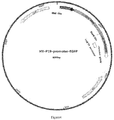
Figure 4 shows the recombinant plasmid HY-P19-promoter-EGFP. - The present invention will now be illustrated in detail by way of embodiments.
- Bacterial culture: The L-isoleucine-producing Corynebacterium glutamicum without plasmid (Corynebacterium glutamicum H5 strain, deposited at the China Center for Type Culture Collection on November 1, 2016, and the accession number of which is CCTCC NO: M2016609) was picked and inoculated to LB medium, and cultured overnight at 31° C. The obtained bacterial liquid was centrifuged and resuspended in an equal volume of sterile water, then inoculated to LBG fresh sterile medium at a percentage of 5%, and cultured at 31 °C and 200 rpm until the mid-log phase and the early stationary phase. The fermentation broth was taken out, and mixed immediately with an equal volume of RNA protect® Bacteria Reagent (QIAGEN). After centrifugation at 5000 rpm for 10 min, 100 mg of wet bacteria were weighed and quickly stored in liquid nitrogen.
- RNA extraction: The sample stored in liquid nitrogen was placed in a mortar precooled with liquid nitrogen, and an appropriate amount of liquid nitrogen was added to ensure that the mortar always contains a certain amount of liquid nitrogen. The sample was ground into powder, and then RNA of which was extracted according to the experimental procedure provided by QIAGEN RNeasy Plant Mini Kit. The extracted sample was tested by 1% agarose gel, which requires that the sample cannot be contaminated with protein, i.e. there was no obvious bright bands in the pores of agarose gel. The concentration of nucleic acid was measured by NanoDrop Spectrophotometer. The concentration of the sample in mid-log phase was 421 ng/µl, and that in stationary phase was 237 ng/µl, and the requirements of no obvious protein contamination and nucleic acid concentration reaching >60 ng/µl were met.
- 2. Transcriptome sequencing: extracted RNA samples were sequenced by Beijing Novogene Corporation. The sequencing process was as follows: After the sample was qualified, rRNA was removed by Ribo-zero kit to enrich the mRNA. Subsequently, the fragmentation buffer was added to break the mRNA into short fragments. mRNA was used as a template to synthesize a single stranded cDNA with random hexamers. Then, buffer, dNTPs (dTTP in dNTP was replaced with dUTP), DNA polymerase I and RNase H polymerase were added to synthesize the double-stranded cDNA. Then, the double-stranded cDNA was purified with AMPure XP beads, and the second strand of the cDNA containing U was degraded with USER enzyme. The purified double-stranded cDNA was firstly end-repaired, A-tailed and ligated to sequencing adaptor, and then the fragment size was selected using AMPure XP beads. Finally, PCR amplification was performed and the PCR products were purified with AMPure XP beads to obtain a final library. After the library was constructed, preliminary quantification was performed using Qubit 2.0, and the library was diluted to 1 ng/µl. Then, the insert size of the library was detected using Agilent 2100. After the insert size met the expectation, the effective concentration of the library was accurately quantified (effective library concentration > 2 nM) by using Q-PCR method to ensure the quality of the library. Once the library was qualified, different libraries were pooled according to the requirement of the effective concentration and target raw data volume, and HiSeq/MiSeq sequencing was performed.
- 3. Bioinformatics analysis process: The sequencing results were analysed by Beijing Novogene Corporation. After the original Sequenced Reads were obtained, bioinformatics analysis was performed by using reference sequence or reference genome of the relevant species. The main processes of bioinformatics analysis were as follows:
Original sequence dataQuality assessment of sequencing data Alignment analysis with reference sequenceGene expression level analysisOverall quality assessment of RNA-seqGene differential expression analysisGO enrichment analysis of differential gene or KEGG enrichment analysis of differential gene.
- The bioinformatics reference species of the sample of the present invention is Corynebacterium glutamicum ATCC 13032 (purchased from Shanghai Fuxiang Biotechnology Co., Ltd.), and the reference genome is linked to ncbi as https://www.ncbi.nlm.nih.gov/Nuccore/NC_006958.1. According to the table of the information analysis data finally provided, the expression abundance of each gene in the logarithmic phase and the stationary phase was analyzed, and 10 genes and transcription analysis information in Table 1 were screened. The consistent characteristics of the 10 genes were: the transcription level was low in the logarithmic phase, while the transcription level was high in the stationary phase. By prediction of the operon, the genes CGTRNA_RS10085 and CGTRNA RS 10080 belong to the same operon, CGTRNA RS07920, CGTRNA_RS07925, CGTRNA_RS07930 belong to the same operon, CGTRNA_RS00965, CGTRNA_RS00970 belong to the same operon, and the same operon shares one promoter.
Table 1: The Corynebacterium glutamate transcriptome analysis of gene with high transcript abundance in S phase and low transcript abundance in L phase Gene Name Strand start end length S1_fpkm L1_fpkm CGTRNA_RS10085 - 2142201 2143517 1317 27347.52 148.9929 CGTRNA_RS10080 - 2141798 2142136 339 24497.2 543.2887 CGTRNA_RS10840 + 2320501 2321934 1434 13058.69 838.0642 CGTRNA_RS07910 - 1672737 1673144 408 7453.836 37.12523 CGTRNA_RS07920 - 1674757 1675572 816 3383.739 15.18759 CGTRNA_RS07925 - 1675587 1676735 1149 2442.069 7.789865 CGTRNA_RS07930 - 1676732 1678090 1359 5493.98 22.03821 CGTRNA_RS00965 + 195241 199773 4533 6137.992 54.29964 CGTRNA_RS00970 + 199773 201293 1521 4023.859 33.94991 CGTRNA_RS04670 + 988209 989480 1272 2037.631 8.931068 - 4. Promoter region screening: by means of NCBI blast, the predicted gene fragments were aligned with the genome of the C. glutamicum sequenced in the laboratory to find the corresponding gene sequence. The promoter region of each gene was predicted by searching literature or applying promoter prediction software, and 2-3 fragments from the promoter region of each gene were selected according to the predicted functional region for promoter activity detection.
- (1) promoter region fragments of gene CGTRNA_RS10085:


- (2) promoter region fragments of gene CGTRNA_RS10840


- (3) promoter region fragments of gene CGTRNA_RS07910


- (4) promoter region fragments of gene CGTRNA_RS07930


- (5) promoter region fragments of gene CGTRNA_RS00965


- (6) promoter region fragments of gene CGTRNA_RS04670


-
(1) Primer synthesis: The primers were designed by snapgene software, and synthesized by Wuhan TianyiHuiyuan Corporation. The sequences of synthetic primer are shown in Table 2 below.Table 2: primer sequences for the construction of the probe vector Primer Name Primer Sequence RS10085SEQ1FP TGCCTGCAGGTCGACTCTAGACTATTGAAATTAGTTTCTG RS10085SEQ2FP TGCCTGCAGGTCGACTCTAGACTATTCTATAGATCTATTG RS10085SEQ3FP 
RS10085SEQ1RP CTCGCCCTTGCTCACCATAGCGTGGATGACCTCCTTTG RS10840SEQ1FP TGCCTGCAGGTCGACTCTAGATCAAAGGTCAGCAATTG RS10840SEQ2FP TGCCTGCAGGTCGACTCTAGAGCAGTCAAAAGGCGTTGC RS10840SEQ1RP CTCGCCCTTGCTCACCATGGTGACTCCTCATTGACATG RS07910SEQ1FP TGCCTGCAGGTCGACTCTAGAACTTGGTTCCTGCCCAAC RS07910SEQ2FP TGCCTGCAGGTCGACTCTAGAGCGATCACGTAGTCATCC RS07910SEQ1RP CTCGCCCTTGCTCACCATCACGGTCACGGATGAAGC RS07930SEQ 1FP TGCCTGCAGGTCGACTCT AGACGGAA T AGAAAAT ACTCC RS07930SEQ2FP TGCCTGCAGGTCGACTCT AGAGAAACTGGACT AGGTT RS07930SEQ3FP TGCCTGCAGGTCGACTCT AGAGCAGGTT AAAACGCTGC RS07930SEQ1RP CTCGCCCTTGCTCACCATGTTAAAGGCCTTTCAGCTAA RS00965SEQ1FP TGCCTGCAGGTCGACTCTAGACTTGCGTTGCAGGTAG RS00965SEQ2FP TGCCTGCAGGTCGACTCTAGATTTTATCTTCTTTCACGGGGTG RS00965SEQ1RP CTCGCCCTTGCTCACCATGCGGGATACCTCACTTTAATC RS04670SEQ1FP TGCCTGCAGGTCGACTCTAGAAGGCTGACAGAAACTC RS04670SEQ2FP TGCCTGCAGGTCGACTCTAGAGTGGGCGCTGGGCCA RS04670SEQ1RP CTCGCCCTTGCTCACCATGGATACCTCCGAAGTTAAG EGFP-FP ATGGTGAGCAAGGGCGAGGA EGFP-RP 
(2) Genomic extraction: Corynebacterium glutamicum H5 was picked and inoculated to LB medium, and incubated at 31 °C overnight. Removing the supernatant by centrifugation, the bacterial genome was extracted according to the protocol of the Tiangen Genome Extraction Kit. The concentration of the nucleic acid from the extracted genome was detected using a NanoDrop Spectrophotometer, and the concentration of the nucleic acid for PCR amplification was controlled between 100 and 200 ng/µl.
(3) PCR amplification: each synthetic primer was diluted with water to a final concentration of 10 µM, and the amplification was carried out using TransStart FastPfu Fly DNA Polymerase. The PCR system contained 1 µl of genomic template, 1 µl of forward primer (10 µM), 1µl of reverse primer (10 µM), 10µl of 5∗TransStart FastPfu FlyBuffer, 4µl of 2.5 mM Dntps, 1 µl of TransStart FastPfu Fly DNA Polymerase, and ddH2O 32µl. The PCR amplification process was 95 °C for 2 min, 32 cycles of 95 °C for 20 s, 55 °C for 20 s and 72 °C for 10 s-1 min, and 72 °C for 5 min. The amplified DNA fragments with recombinant adaptors RS10085seq1, RS10085seq2, RS10085seq3, RS10840seq1, RS10840seq2, RS07910seq1, RS07910seq2, RS07930seq1, RS07930seq2, RS07930seq3, RS00965seq1, RS00965seq2, RS04670seq1, RS04670seq2, and EGFP were then obtained.
(4) Plasmid digestion and DNA synthesis: the original plasmid PXMJ19 was double digested with NEB restriction endonuclease NarI and HindIII, the original laclq and promoter Ptac were removed in a 50µl of enzyme digestion system containing 5-10 µl of plasmid , 1 µl of Narl, 1 µl of HindIII, 5 µl of cutsmart, and 33-38 µl of ddH2O.
DNA sequence hy-dna1 shown below was synthesized by Wuhan Tianyi Huiyuan: gcatccggggctgatccccggcgcctaactaactaactcgagcttaagaggcctaagcttgcatgcctgcaggtcgact
(5) DNA recovered by agarose electrophoresis: The PCR products and the digested products were aliquoted with 10∗loading buffer and 50 µl of which were loaded onto a 1.5% agarose gel, takara 2000 DL DNA marker was used as a control, and electrophoresis was carried out at 70 V for 40 min. According to the instruction of marker bands, PCR amplified bands were recovered using takara DNA recovery kit. The DNA fragments with recombinant adaptor RS10085seq1 (167 bp), RS10085seq2 (180 bp), RS10085seq3 (240 bp), RS10840seq1 (107 bp), RS10840seq2 (282 bp), and RS07910seq1 (110 bp), RS07910seq2 (241 bp), RS07930seq1 (93 bp), RS07930seq2 (118 bp), RS07930seq3 (229 bp), RS00965seq1 (118 bp), RS00965seq2 (241 bp), RS04670seq1 (99 bp), RS04670seq2 (247 bp), EGFP (760bp) were then obtained.
(6) In vitro recombination: The digested products were in vitro recombined with the synthetic DNA fragment hydna1 using Vazyme one Step Cloning Kit, and the recombinant products were directly transformed into E. coli.
(7) Preparation of E. coli competent cells: E. coli competent cells DH5α were prepared using Beyotime Supercompetent Cell Preparation Kit, and the prepared competent cells were stored in a refrigerator at -80 °C until use.
(8) Transformation: The DH5α competent cells were slowly thawed on ice, and the in vitro recombinant products were pipetted into the competent cell. The centrifuge tube was gently flicked with finger to mix the bacteria and the recombinant products, and placed in an ice bath or ice water bath for 30 minutes. Then the centrifuge tube was placed in a water bath at 42 °C, and heated shock for 2 minutes. Immediately after heat shock, the centrifuge tube was placed in an ice water bath for 2 minutes. 900 ml of LB was aliquoted and incubated at 37 °C and 200 rpm for 1 hour. The supernatant was removed after centrifugation, and the obtained cells were spread on LB solid plate containing 25 µg/ml chloramphenicol, and cultured overnight at 37 °C.
(9) Transformants verification and plasmid extraction: transformants grown on the resistant plates after transformation were sent to Wuhan Tianyi Huiyuan for sequencing analysis, and the transformants with correct sequence were transferred into a tube with 5 ml LB containing a final concentration of 25 µg/mol of chloramphenicol. The tube was cultured at 37 °C and 200 rpm overnight, and plasmid was extracted using Takara plasmid kit to make the concentration of which between 200-400 ng/µl. The constructed plasmid was named HY-P19, the sequence of which is shown in SEQ ID NO: 4.
HY-P19 was digested with NEB restriction enzyme XbaI and EcoRI in a 37 °C water bath for 1 h, and the amount of the plasmid was 1 µg in a 50 µl of digestion system. The digestion system includes 5-10 µl of plasmid, 1 µl of XbaI, 1 µl of EcoRI, 5 µl of cutsmart, and 33- 38 µl of ddH2O. The digested products of HY-P19 were recovered, and recombined in vitro with each promoter fragment and EGFP fragment using Vazyme one Step Cloning Kit. The other experimental processes were the same as (7)-(9) mentioned-above. DNA seq of green fluorescent protein EGFP fragment: 720 bp

A series of plasmids HY-P19-promoter-EGFP containing probe vectors with different promoters were constructed, and the construction process is as follows: the original plasmid PXMJ19 shown inFig.1 was digested with NarI and HindIII, and digested products were recovered after digestion. The digested product and the synthesized DNA fragment shown inFig.2 were recombined in vitro by one-step cloning. After the recombinants were transformed into DH5α, positive clones were picked and verified by sequencing, then the verified plasmid was extracted to obtain plasmid HY-P19 ofFig.3 . HY-P19 was digested with XbaI and EcoRI, and digested products were recovered. The digested products were further recombined in vitro with a series of synthesized promoter fragments and PCR-amplified EGFP fragment. After the recombinants were transformed into DH5α, positive clones were picked and verified by sequencing. Thereafter, the plasmid was extracted to obtain a probe vector with a series of promoters and the marker gene EGFP shown inFig. 4 . The probe vectors containing the promoter fragments were named PRS10085seq1, PRS10085seq2, PRS10085seq3, PRS10840seq1, PRS10840seq2, PRS07910seq1, PRS07910seq2, PRS07930seq1, PRS07930seq2, PRS07930seq3, PRS00965seq1, PRS00965seq2, PRS04670seq1, PRS04670seq2, respectively.
(10) Preparation of electroporation competent C. glutamicum cells: - ①A single colony was picked from the fresh LB plate (cultured for about 12 h), and inoculated into a test tube containing 5 mL of LBG liquid, and cultured at 30 °C, 220 rpm overnight.
- ②2 mL of bacterial culture from step ① was transferred into a 1 L conical flask containing 100 mL of EPO (comprising 5 g/L of yeast powder, 10 g/L of peptone, 10 g/L of Nacl, 25 g/L of glycine, and 1 g/L of Tween), and incubated at 30 °C until the OD value of which reached between 1.0 and 1.5 (approximately 4-5 h).
- ③All the culture was transferred into a 50 mL centrifuge tube pre-cooled at 4 °C under sterile conditions, then the tube was placed on ice for 2 minutes.
- ④After Centrifuging at 7000 rpm for 20 minutes at 4°C and removing the supernatant, the centrifuge tube was inverted on a sterile filter paper to absorb the residual Epo medium.
- ⑤The bacteria pellets were resuspended in 40 mL of 10% glycerol solution pre-cooled at 4 °C and shaken gently, centrifuged at 7000 rpm for 10 minutes. The supernatant was then removed.
- ⑥Step 5 was repeated twice.
- ⑦1 mL of pre-cooled 10% glycerol solution was pipetted into the centrifuge tube and the bacteria pellet was resuspended by gently blowing.
- ⑧Finally, the competent cells were aliquoted into 1.5 mL sterile EP tubes with 0.1 mL per tube. Stored in an ultra-low temperature freezer at -80 °C.
- ①One tube of C. glutamicum competent cells stored at -80 °C was taken out and placed on ice until thawed.
- ②The sample plasmid DNA was pipetted into the thawed competent cells and the EP tube was flicked with fingers to ensure that the DNA and competent cells were well mixed.
- ③The competent cells containing DNA plasmid was pipetted into a pre-cooled electroporation cuvette (with a pore size of 2 mm) and the cuvette was quickly dried with absorbent paper.
- ④The electroporation cuvette was placed into the electroporator, and electroporated under 1800V for 5 milliseconds.
- ⑤The cell solution was quickly pipetted into an EP tube containing 5 mL of LBHIS pre-warmed at 46 °C, and heat shock was carried out for exactly 6 minutes.
- ⑥The EP tube was cultured by shaking at 30 °C and 200 rpm, and the cells were resuscitated for 60 minutes.
- ⑦After centrifugation at 7,000 rpm for 2 minutes at room temperature and removing most of the supernatant, the cells were resuspended in the remaining medium and spread with a glass rod on LBCIS solid medium supplemented with 10 µg/mL of chloramphenicol.
- ⑧After standing at room temperature for about 1 hour, the liquid on the surface of the solid medium was fully absorbed, then the plate was inverted and cultured in a constant temperature incubator at 30 °C for 36 hours, and the grown transformants were the strain containing various probe vector.
- The recombinant bacteria containing each promoter probe vector were inoculated into LBG medium and the inoculation amount for passaging was 5%. Without antibiotics pressure, the recombinant bacteria were cultured on a rotary shaker at 30 °C and 190 rpm for 24 h, i.e. one generation of passaging was done. Continuous passaging was carried out, each passage of bacteria was diluted and spread on the plates, and the bacteria with same diluted concentration were spread on chloramphenicol-containing plates and chloramphenicol-free plates. The loss rate of the plasmid = (the number of colonies grown on the chloramphenicol-containing plates - the number of colonies grown on the chloramphenicol-free plates) / the number of colonies grown on the chloramphenicol- containing plates × 100%. It is considered that the passaging of plasmids is stable while the loss rate of the plasmid is less than or equal to 10%, and it is considered that the passaging of plasmids is unstable when the loss rate of the plasmid is more than 10%. The number of stable passages of bacteria containing each probe plasmid is shown in Table 3.
- From Table 3, we can conclude that when passaged to the 50th generation, loss rate of the plasmids PRS10085seq2, PRS10085seq3, PRS10840seq2, PRS07910seq2, PRS07930seq3, PRS00965seq2, and PRS04670seq2 was less than or equal to 10%, showing a good stability.
- The key gene for isoleucine metabolism of Corynebacterium glutamicum is threonine dehydratase, and the gene was name ilvA (the sequence of which is shown in SEQ ID NO: 5). Using the screened promoter fragment RS10085seq2 as a promoter and ilvA as a target gene, the expression vector HY-P19-RS10085seq2-ilvA was constructed.
- DNA fragment amplification: plasmid PRS10085seq2 was used as a template, and the upstream and downstream primers were as follows:
- RS10085seq2Fp: tgcctgcaggtcgactctagaCTATTCTATAGATCTATTG
- RS10085seq2Rp: AGCGTGGATGACCTCCTTTGA
- The DNA fragment RS10085seq2 was amplified using TransStart FastPfu Fly DNA Polymerase. The PCR system comprised: 1 µl of PRS10085seq2 template, 1 µl of forward primer (10 µM), 1 µl of reverse primer (10 µM), 10 µl of 5∗TransStart FastPfu FlyBuffer, 4µl of 2.5 mM Dntps, 1µl of TransStart FastPfu Fly DNA Polymerase, 32 µl of ddH2O. The PCR amplification process was 95 °C for 2 min; 32 cycles of 95 °C for 20 s, 55 °C for 20 s, 72 °C for 10 smin; and 72 °C for 5 min.
- The C. glutamicum H5 genome was used as a template, and the upstream and downstream primers were as follows:
ilvAFP: AAAGGAGGTCATCCACGCTATGAGTGAAACATACGTGTCTGAG ilvARP: caaaacagccaagctgaattcTTAGGTCAAGTATTCGTACTCAG - The DNA fragment ilvA was amplified using TransStart FastPfu Fly DNA Polymerase. The PCR system comprised: 1 µl of genomic template, 1 µl of forward primer (10 µM), 1 µl of reverse primer (10 µM), 10 µl of 5∗TransStart FastPfu FlyBuffer, 4µl of 2.5 mM Dntps, 1µl of TransStart FastPfu Fly DNA Polymerase, 32 µl of ddH2O. The PCR amplification process was 95 °C for 2 min; 32 cycles of 95 °C for 20 s, 58 °C for 20 s, 72 °C for 30 s; and 72 °C for 5 min.
- Plasmid digestion: The plasmid HY-P19 which had been modified by removing the original laclq and the promoter of PXMJ19 was used. HY-P19 was digested with NEB restriction enzyme XbaI and EcoRI in a 37 °C water bath for 1 h. The amount of plasmid was 1 µg, and 50 µl of enzyme digestion system contained 5 µl plasmid, 1 µl of XbaI, 1 µl of EcoRI, 5 µl of cutsmart, and 38 µl of ddH2O.
- DNA recovery by agarose electrophoresis: The PCR products and the digested products were added to a 10∗loading buffer, respectively, and 50 µl of which was loaded onto a 1.5% agarose gel. Takara 2000 DL DNA marker was used as a control, and electrophoresis was carried out at 70 V for 40 min. The 160 bp and 1347 bp bands amplified by PCR were recovered according to instruction of the bands of marker. Recovery was carried out using Takara DNA Recovery Kit.
- In vitro recombination: In vitro recombination was performed using Vazyme one Step Cloning Kit, and the recombinant products were directly transformed into E. coli.
- The preparation of E. coli competent cells is the same as that in the construction of promoter probe vectors.
- Transformation: competent cells were slowly thawed on ice, 10 µl of the in vitro recombinant products were pipetted into 100 µl of the competent cells, and the centrifuge tube was gently flicked with a finger to mix the cells and recombinant products. The tube was placed in an ice bath or ice water bath for 30 minutes, and then placed in a water bath at 42 °C, heating shock for 2 minutes. Immediately after heat shock, the centrifuge tube was placed in an ice water bath for 2 minutes. 900 microliters of LB was aliquoted to the tube and the tube was incubated at 37 °C for 200 hours at 200 rpm. The supernatant was removed after centrifugation, and the obtained cells were spread on an LB solid plate containing 25 µg/ml chloramphenicol and cultured at 37 °C overnight.
- Transformant verification and plasmid extraction: Transformants that were grown on the resistant plates after transformation were sent to Wuhan Tianyi Huiyuan for sequencing analysis, and transformants with correct sequence were picked and transferred into a tube with 5 ml LB supplemented with a final concentration of 25 µg/ml chloramphenicol. After culturing by shaking at 37°C and 200 rpm overnight, plasmid was extracted using Takara plasmid kit, and the concentration of the expression plasmid HY-P19-RS10085seq2-ilvA was 269 ng/µl.
- The preparation of electroporation competent Corynebacterium glutamicum cells is the same as that in the construction of promoter probe vectors.
- The process of electroporating expression plasmid HY-P19-RS10085seq2-ilvA into host cells Corynebacterium glutamicum H5 is the same as the construction of promoter probe vectors.
- The electrotransformed bacterial solution was concentrated by centrifugation, and spread on a LBCIS solid medium supplemented with 10 µg/mL chloramphenicol by a glass rod, and cultured in a 30 °C incubator for 36 hours. The grown transformant was strain with plasmid HY-P19-RS10085seq2-ilvA, which was named H5-RS10085seq2-ilvA.
- Fermentation medium for the 5L fermenter: 15ml/L of corn syrup, 140g/L of glucose (sterilize alone, moist heat sterilization at 0.075MPa for 15min), 5g/L of ammonium sulfate, 0.4g/L of potassium dihydrogen phosphate, 0.6g/L of magnesium sulfate heptahydrate, 0.1mg/L of biotin, 0.1mg/L of VB1, 1ml/L of corn oil, 1g/L of Angel yeast powder, 1ml/L of defoamer, moist heat sterilization at 0.01MPa and 121°C for 25min; the initial glucose was then added, and the pH was adjusted to 7.0 with ammonia water.
- Culture method: the strain was inoculated into a seed culture medium (seed medium formula: 17g/L of glucose, 10ml/L of corn steep liquor, 1g/L of urea, 0.5g/L of magnesium sulfate, 1g/L of dipotassium hydrogen phosphate, 0.1g/L of yeast paste, 0.1mg/L of biotin, 10.1mg/L of vitamin B, 0.1g/100ml of corn oil, 1g/100ml of calcium carbonate; adjusted pH to 7.0 with NaOH), cultured at 31°C on a rotary shaker at 200rpm, for 16h. After that, the seed culture medium was inoculated to a 5L automatic control fermenter containing fermentation medium at 10% inoculation amount, and appropriate amount of air was introduced and appropriate stirring speed was set. The dissolved oxygen was controlled by the staged oxygen supply mode: 30% for 0-8th hour, 25% for 8- 24th hour, and 12% for 24-56th hour. The pH is controlled at 7.0 by automatic flow of 15% ammonia water, defoaming by fed-batch feeding an appropriate amount of defoamer polyether, and controlling the residual glucose at about 3% by feeding glucose solution with a concentration of 800g/L. The fermentation ended at 56h.
- After emptying the fermenter, the fermentation broth was detected by HPLC (Ilite C18 column, 5 µm, 4.6∗250 mm, and the mobile phase was 0.015 mol/L of diammonium phosphate and 0.005 mol/L of a mixed aqueous solution with pH 7.20. The flow rate was 0.5. ml/min, and the column temperature was 23 °C. The detector was an UV detector with a wavelength of 199 nm. The control strain of Corynebacterium glutamicum H5 was fermented and produced 22.0 g/L of acid, 6.3 g/L of heteroacid, and the conversion rate of glucose to acid was 12.83%. The engineering strain H5-RS10085seq2-ilvA was fermented and produced 41.2g/L of acid, 6.8g/L of heteroacid, and the conversion rate of glucose to acid was 18.79%.
- The strains after fermenting for 56h were diluted to gradient concentrations of 10-6, 10-7, 10-8, and 10-9 and spread on the plate. 50 µl of strain solution with each concentration was pipetted to spread on chloramphenicol-containing plates and chloramphenicol-free plates, and the plates were then placed in an incubator at 31°C for 36 h. The loss rate of plasmid was calculated based on the number of colonies growing on the non-resistant plates and the resistant plates. The loss rate of the plasmid = (the number of colonies grown on the chloramphenicol-free plates - the number of colonies grown on the chloramphenicol-containing plates) / the number of colonies grown on the chloramphenicol-free plates × 100%. On the plate with 10-8 dilution gradient, 151 colonies were grown on the chloramphenicol-containing plate, and 167 colonies were grown on the chloramphenicol-free plate. The loss rate of plasmid was only 9.58%, which means the plasmid was stable during fermentation.
- In the process of bacterial metabolism, not all genes can promote the metabolism of target products through their overexpression. Many enzymes produced after gene expression can play a role when they reach a balance point of moderate expression in metabolism. Studies have shown that the global regulatory protein Lrp (which is encoded by the target gene Lrp, and the nucleotide sequence of which is shown in SEQ ID NO: 6) in Corynebacterium glutamicum can increase the transcription level of L-isoleucine synthesis and transportation related genes of Corynebacterium glutamicum, and can also increase the transcription level of the self-encoding gene lrp. However, the overexpression of Lrp inhibits the growth of C. glutamicum. We used the promoter fragment PRS07910seq2 as promoter and lrp as gene of interest to construct the exogenous expression plasmid HY-P19-RS07910seq2-lrp, and the expression plasmid was electrotransformed into Corynebacterium glutamicum H5, an isoleucine-producing strain, to construct a new strain. The acid production capacity of the strain was evaluated by fermentation in a 5L fermenter.
- The screened promoter fragment RS07910seq2 was used as promoter and lrp was used as gene of interest to construct an expression vector HY-P19-RS07910seq2-lrp.
- DNA fragment amplification: plasmid PRS07910seq2 was used as a template, and the upstream and downstream primers were as follows:
- RS07910seq2Fp:tgcctgcaggtcgactctaga GCGATCACGTAGTCATCCAAG
- RS07910seq2Rp: CACGGTCACGGATGAAGCAT
- The DNA fragment RS07910seq2 was amplified using TransStart FastPfu Fly DNA Polymerase. The PCR system comprised: 1 µl of P RS07910seq2 template, 1 µl of forward primer (10 µM), 1 µl of reverse primer (10 µM), 10 µl of 5 ∗TransStart FastPfu FlyBuffer,4 µl of 2.5 mM Dntps, 1 µl of TransStart FastPfu Fly DNA Polymerase, and 32 µl of ddH2O. The PCR amplification process was 95 °C for 2 min, and 32 cycles of 95 °C for 20 s, 55 °C for 20 s, 72 °C for 10 smin with a final 72 °C for 5 min. The C. glutamicum H5 genome was used as a template, and the upstream and downstream primers were as follows:
lrpFP: GCTTCATCCGTGACCGTGAtgaagctagattccattgatt lrpRP: caaaacagccaagctgaattctcacacctgggggcgagc - The DNA fragment lrp was amplified using TransStart FastPfu Fly DNA Polymerase. The PCR system was as follows: 1 µl of genomic template, 1 µl of forward primer (10 µM), 1 µl of reverse primer (10 µM), 10 µl of 5∗TransStart FastPfu FlyBuffer, 4 µl of 2.5 mM Dntps, 1 µl of TransStart FastPfu Fly DNA Polymerase, and 32µl of ddH2O. The PCR amplification process was 95 °C for 2 min, and 32 cycles of 95 °C for 20 s, 55 °C for 20 s, 72 °C for 10 smin with a final 72 °C for 5 min.
- Plasmid digestion: The plasmid HY-P19 modified by removing the original laclq and the promoter of PXMJ19 was used. HY-P19 was digested with NEB restriction enzyme XbaI and EcoRI in a 37 °C water bath for 1 h, and the amount of plasmid was 1 µg. The 50 µl of enzyme digestion system comprised: 5 µl of plasmid, 1 µl of XbaI, 1 µl of EcoRI, 5µl of cutsmart, and 38µl of ddH2O.
- The subsequent steps of in vitro recombination, preparation of E. coli competent cells, transformation, and transformant verification and plasmid extraction were the same as those in Embodiment 2, and the finally obtained expression plasmid HY-P19-RS07910seq2-lrp had a concentration of 321 ng/µl.
- The preparation of electroporation competent Corynebacterium glutamicum cells is the same as the construction of the promoter probe vectors.
- The electroporation of expression plasmid HY-P19-RS07910seq2-lrp into host cells Corynebacterium glutamicum is the same as the construction of promoter probe vectors.
- The electrotransformed bacterial solution was concentrated by centrifugation, and spread on a LBCIS solid medium supplemented with 10 µg/mL chloramphenicol by a glass rod, and cultured in a 30 °C incubator for 36 hours. The grown transformant was exactly the strain with plasmid HY-P19-RS07910seq2-lrp, which was named H5-RS07910seq2-lrp.
- The formulation of the fermentation medium in the 5L fermenter, the culture method of the strain, and the detection method of the released fermentation broth were the same as those in the embodiment 2, and the results showed that the engineering strain H5-RS07910seq2-lrp produced 39.1 g/L of acid and 6.9. g/L of heteroacid, and the conversion rate of glucose to acid reached 17.88%.
- The strains after fermenting for 56h were diluted to gradient concentrations of 10-6, 10-7, 10-8, and 10-9 and spread on the plate. 50 µl of strain solution with each concentration was pipetted to spread on chloramphenicol-containing plates and chloramphenicol-free plates, and the plates were then placed in an incubator at 31°C for 36 h. The loss rate of plasmid was calculated based on the number of colonies growing on the non-resistant plates and the resistant plates. The loss rate of the plasmid = (the number of colonies grown on the chloramphenicol-free plates - the number of colonies grown on the chloramphenicol-containing plates) / the number of colonies grown on the chloramphenicol-free plates × 100%. On the plate with 10-8 dilution gradient, 127 colonies were grown on the chloramphenicol-containing plate, and 135 colonies were grown on the chloramphenicol-free plate. The loss rate of plasmid was only 5.93%, which means the plasmid was stable during fermentation.
- In the metabolic process of isoleucine production, 1 mol of isoleucine needs to consume 4 mol of cofactor NADPH. NADPH is mainly derived from the pentose phosphate pathway. The supply of NADPH in organism through this pathway need to consume other metabolites. Changing the carbon flux of the pathway may affect the accumulation of metabolites of interest. By transcriptome analysis, glucose-6-phosphate dehydrogenase in the pentose phosphate pathway is down-regulated in leucine-producing Corynebacterium glutamicum during the stationary phase. Therefore, in order to ensure the supply of the cofactor NADPH in the stationary phase during the metabolic process without affecting the accumulation of the product, the gene gnd of the glucose-6-phosphate dehydrogenase (the sequence is shown in SEQ ID NO: 7) was connected with a promoter to promote the expression of this gene.
- The screened promoter fragment RS04670seq2 was used as a promoter and gnd was used as target gene to construct the expression vector HY-P19-RS04670seq2-gnd.
- DNA fragment amplification: plasmid PRS04670seq1 was used as a template, and the upstream and downstream primers were as follows:
- RS04670seq2Fp: tgcctgcaggtcgactctagaAGGCTGACAGAAACTCTAAAAAC
- RS04670seq2Rp: GGATACCTCCGAAGTTAAGG
- The DNA fragment RS04670seq1 was amplified using TransStart FastPfu Fly DNA Polymerase. The PCR system comprised: 1 µl of PRS04670seq1 template, 1 µl of forward primer (10 µM), 1 µl of reverse primer (10 µM), 10 µl of 5 ∗TransStart FastPfu FlyBuffer,4 µl of 2.5 mM Dntps, 1 µl of TransStart FastPfu Fly DNA Polymerase, and 32 µl of ddH2O. The PCR amplification process was 95 °C for 2 min, and 32 cycles of 95 °C for 20 s, 55 °C for 20 s, 72 °C for 10 smin with a final 72 °C for 5 min. The C. glutamicum H5 genome was used as a template, and the upstream and downstream primers were as follows:
Gnd-FP: TTAACTTCGGAGGTATCCAtgaagctagattccattgattg gnd-RP: ccaaaacagccaagctgaattcTTAAGCTTCCACCTCGGAGCG - The DNA fragment gnd was amplified using TransStart FastPfu Fly DNA Polymerase. The PCR system comprised 1 µl of genomic template, 1 µl of forward primer (10 µM), 1 µl of reverse primer (10 µM), 10 µl of 5∗TransStart FastPfu FlyBuffer, 4 µl of 2.5 mM Dntps, 1 µl of TransStart FastPfu Fly DNA Polymerase, and 32µl of ddH2O. The PCR amplification process was 95 °C for 2 min, and 32 cycles of 95 °C for 20 s, 55 °C for 20 s, 72 °C for 10 smin with a final 72 °C for 5 min.
- Plasmid digestion: The plasmid HY-P19 modified by removing the original laclq and the promoter of PXMJ19 was used. HY-P19 was digested with NEB restriction enzyme XbaI and EcoRI in a 37 °C water bath for 1 h, and the amount of plasmid was 1 µg. The 50 µl of enzyme digestion system comprised: 5 µl of plasmid, 1 µl of XbaI, 1 µl of EcoRI, 5µl of cutsmart, and 38µl of ddH2O.
- DNA recovery by agarose electrophoresis: the PCR products and the digested products were added to 10∗loading buffer, respectively, and 50 µl of which was loaded onto 3%, 1% agarose gel. Takara 2000 DL DNA marker was used as a control, and electrophoresis was carried out at 70 V for 40 min. The 77 bp and 1481 bp bands amplified by PCR were recovered according to the instruction of the bands of marker. Recovery was carried out using Takara DNA Recovery Kit.
- The subsequent steps of in vitro recombination, preparation of E. coli competent cells, transformation, and transformant verification and plasmid extraction were the same as in Embodiment 2, and the concentration of the resulting expression plasmid HY-P19-RS04670seq2-gnd was 288 ng/µl.
- The preparation of electroporation competent Corynebacterium glutamicum cells is the same as that in the construction of promoter probe vectors.
- The process of electroporating expression plasmid HY-P19-RS04670seq2-gnd into host cells Corynebacterium glutamicum H5 is the same as the construction of promoter probe vectors.
- The electrotransformed bacterial solution was concentrated by centrifugation, and spread on a LBCIS solid medium supplemented with 10 µg/mL chloramphenicol by a glass rod, and cultured in a 30 °C incubator for 36 hours. The grown transformant was exactly the strain with plasmid HY-P19-RS04670seq2-gnd, which was named H5-RS04670seq2-gnd.
- The formulation of the fermentation medium in the 5L fermenter, the culture method of the strain, and the detection method of the released fermentation broth were the same as those in the embodiment 2, and the results showed that the engineering strain H5-RS04670seq2-gnd produced 33.4 g/L of acid, 7.08 g/L of heteroacid, and the conversion rate of glucose to acid reached 15.31%.
- The strains after fermenting for 56h were diluted to gradient concentrations of 10-6, 10-7, 10-8, and 10-9 and spread on the plate. 50 µl of strain solution with each concentration was pipetted to spread on chloramphenicol-containing plates and chloramphenicol-free plates, and the plates were then placed in an incubator at 31°C for 36 h. The loss rate of plasmid was calculated based on the number of colonies growing on the non-resistant plates and the resistant plates. The loss rate of the plasmid = (the number of colonies grown on the chloramphenicol-free plates - the number of colonies grown on the chloramphenicol-containing plates) / the number of colonies grown on the chloramphenicol-free plates × 100%. On the plate with 10-8 dilution gradient, 118 colonies were grown on the chloramphenicol-containing plate, and 121 colonies were grown on the chloramphenicol-free plate. The loss rate of plasmid was only 2.48%, which means the plasmid was stable during fermentation.
- While only specific embodiments of the present invention have been described above, those skilled in the art should understood that these are merely provided for illustration, and many variations or modifications can be made to these embodiments without departing from the principle and spirit of the present invention. Accordingly, the protection scope of the present invention is defined by the appended claims.


(11) Electro-transformation of Corynebacterium glutamicum:
(12) Fluorescence detection of Corynebacterium glutamicum transformants
The Corynebacterium glutamicum transformants containing different promoter fragments were transferred into a tube with 5 ml LBG medium and cultured at 30 °C to an OD600 of 2.0 (logarithmic phase) and 3.2 (stationary phase), respectively. After supernatant was removed by centrifugation, the cells were washed twice with PBS solution, and resuspended in the same volume of PBS. 200 µl of the resuspended cells were aliquoted into a 96-well plate with black bottom and fluorescence value was detected using a multi-plate reader TECANM1000. The detected fluorescence values of the probe plasmids in the logarithmic phase and the stationary phase of the host bacteria are shown in Table 3. From the table we can see that when a same gene promoter has different promoter fragments, the data of different promoter activity can be obtained by the detection of fluorescence value, which is related to the regulation of promoter region of the gene. Promoter fragments with a low fluorescence value in the logarithmic phase and a high fluorescence value in the stationary phase are the ones we need. Promoter fragments RS10085seq2, RS10085seq3, RS10840seq2, RS07910seq2, RS07930seq3, RS00965seq2, RS04670seq2 showed our desired screening characteristics during the expression of the probe vector.
| Each probe vector | Fluorescence value in logarithmic phase | Fluorescence value in stationary phase | Number of stable passages of each plasmid |
| Control, plasmid-free | 2871 | 8024 | - |
| PRS10085seq1 | 150352 | 231073 | 8 |
| PRS10085seq2 | 6364 | 241445 | 50 |
| PRS10085seq3 | 6191 | 225450 | 50 |
| PRS10840seq1 | 102254 | 184533 | 6 |
| PRS10840seq2 | 11022 | 177132 | 50 |
| PRS07910seq1 | 9551 | 102310 | 6 |
| PRS07910seq2 | 3564 | 98756 | 50 |
| PRS07930seq1 | 12029 | 146021 | 5 |
| PRS07930seq2 | 8211 | 133602 | 8 |
| PRS07930seq3 | 3321 | 122564 | 50 |
| PRS00965seq1 | 11083 | 85472 | 11 |
| PRS00965seq2 | 5412 | 77450 | 50 |
| PRS04670seq1 | 5441 | 35390 | 14 |
| PRS04670seq2 | 3698 | 28428 | 50 |
| Note: stable passages means that more than 90% of the bacteria contain plasmids, passaging for 50 times means after 50 passages, more than 90% of the bacteria still contain plasmid. |
Claims (8)
- A method for screening a Corynebacterium constitutive expression vector promoter on the basis of transcriptome sequencing, comprising:analyzing the transcription level of each gene of the Corynebacterium in logarithmic phase and stationary phase, and screening a class of genes with low transcription levels in the logarithmic phase and high transcription levels in the stationary phase are screened by analyzing the transcription abundance of each gene in two phases;analyzing the promoter regions of genes using promoter prediction software, amplifying the promoter fragments of genes by PCR and incorporating the DNA fragment of the promoter and marker gene into an expression vector to construct a promoter probe vector;electroporating the probe vector into host cells, and culturing the host cell to the logarithmic phase and the stationary phase, then detecting the OD value of the growth bacteria and fluorescent protein expression using multi-functional microplate reader, while carrying out continuous passage under an antibiotic-stress free condition;selecting host cells having low fluorescence value in the logarithmic phase and high fluorescence value in the stationary phase of the probe vector, and the promoter contained in the host cells that has been continuously passaged for 50 generations without plasmid lost is the Corynebacterium constitutive expression vector promoter.
- A Corynebacterium constitutive expression vector promoter screened by the method of claim 1, wherein the nucleotide sequence of the promoter is set forth in SEQ ID NO: 1, SEQ ID NO: 2 or SEQ ID NO: 3.
- A Corynebacterium constitutive expression vector comprising the Corynebacterium constitutive expression vector promoter of claim 2.
- The Corynebacterium constitutive expression vector of claim 3, wherein it is constructed by inserting a gene of interest and the Corynebacterium constitutive expression vector promoter of claim 2 at the restriction site of the plasmid HY-P19, wherein the nucleotide sequence of the plasmid HY-P19 is shown in SEQ ID NO: 4, and the nucleotide sequence of the gene of interest is set forth in SEQ ID NO: 5, SEQ ID NO: 6 or SEQ ID NO: 7.
- The Corynebacterium constitutive expression vector of claim 4, wherein,
the nucleotide sequence of the gene of interest is set forth in SEQ ID NO: 5, provided that the nucleotide sequence of the Corynebacterium constitutive expression vector promoter of claim 2 is set forth in SEQ ID NO: 1;
the nucleotide sequence of the gene of interest is set forth in SEQ ID NO: 6, provided that the nucleotide sequence of the Corynebacterium constitutive expression vector promoter of claim 2 is set forth in SEQ ID NO: 2;
the nucleotide sequence of the gene of interest is set forth in SEQ ID NO: 7, provided that the nucleotide sequence of the Corynebacterium constitutive expression vector promoter of claim 2 is set forth SEQ ID NO: 3. - A recombinant strain obtained by electroporating the host cells C. glutamicum with the expression vector of any one of claims 3 to 5.
- The strain of claim 6, wherein the accession number given to deposited host cells C. glutamicum is CCTCC NO: M2016609.
- Use of the recombinant strain of claims 6 or 7 in the production of isoleucine.
Applications Claiming Priority (4)
| Application Number | Priority Date | Filing Date | Title |
|---|---|---|---|
| CN201710169685.6A CN107164370B (en) | 2017-03-21 | 2017-03-21 | A coryneform bacteria constitutive expression vector promoter, an expression vector containing the promoter and gnd gene |
| CN201710169454.5A CN107164369B (en) | 2017-03-21 | 2017-03-21 | A coryneform bacteria constitutive expression vector promoter, expression vector containing the promoter and lrp gene |
| CN201710169693.0A CN107164371B (en) | 2017-03-21 | 2017-03-21 | A coryneform bacteria constitutive expression vector promoter constructed based on transcriptome sequencing |
| PCT/CN2018/079034 WO2018171488A1 (en) | 2017-03-21 | 2018-03-14 | Corynebactetium constitutive expression vector promoter screened on the basis of transcriptome sequencing, screening method therefor, and applications thereof |
Publications (2)
| Publication Number | Publication Date |
|---|---|
| EP3604530A1 true EP3604530A1 (en) | 2020-02-05 |
| EP3604530A4 EP3604530A4 (en) | 2020-11-25 |
Family
ID=63585001
Family Applications (1)
| Application Number | Title | Priority Date | Filing Date |
|---|---|---|---|
| EP18772338.2A Pending EP3604530A4 (en) | 2017-03-21 | 2018-03-14 | PROMOTOR OF A CONSTITUTIVE CORYNEBACTERIUM EXPRESSION VECTOR THAT IS TESTED ON THE BASIS OF TRANSCRIPTOME SEQUENCING, SCREENING PROCEDURES FOR IT AND APPLICATIONS THEREOF |
Country Status (3)
| Country | Link |
|---|---|
| US (1) | US11639512B2 (en) |
| EP (1) | EP3604530A4 (en) |
| WO (1) | WO2018171488A1 (en) |
Families Citing this family (5)
| Publication number | Priority date | Publication date | Assignee | Title |
|---|---|---|---|---|
| CN111286481B (en) * | 2020-01-21 | 2022-10-28 | 山东大学 | Pseudomonas stutzeri mutant strain and construction method and application thereof |
| CN111909879B (en) * | 2020-08-24 | 2023-04-28 | 江南大学 | A kind of Corynebacterium glutamicum mutagenesis strain and application of highly expressing foreign protein |
| CN112608932A (en) * | 2020-12-02 | 2021-04-06 | 华农(肇庆)生物产业技术研究院有限公司 | Method for efficiently expressing avian adenovirus Fiber-2 protein in escherichia coli |
| CN113151337A (en) * | 2021-05-24 | 2021-07-23 | 山东恒仁工贸有限公司 | Method for expressing trehalose synthase by using EF-Tu promoter in corynebacterium glutamicum and application |
| CN115807268A (en) * | 2022-07-29 | 2023-03-17 | 江南大学 | Bacillus thuringiensis promoter library and application thereof |
Family Cites Families (10)
| Publication number | Priority date | Publication date | Assignee | Title |
|---|---|---|---|---|
| DE4400926C1 (en) | 1994-01-14 | 1995-06-01 | Forschungszentrum Juelich Gmbh | Production of L-isoleucine using recombinant microorganisms with deregulated threonine dehydratase |
| CN101698845B (en) | 2009-06-29 | 2012-05-02 | 中国科学院微生物研究所 | Promoter derived from Corynebacterium glutamicum and application thereof |
| CN101838663B (en) | 2009-12-18 | 2013-05-22 | 江南大学 | Colibacillus-corynebacterium shuttle constitutive expression carrier and construction method thereof |
| CN101985631B (en) * | 2010-02-10 | 2012-05-30 | 江南大学 | Corynebacterium promoter detection vector and construction method and application thereof |
| CN103820486B (en) | 2013-11-05 | 2016-03-23 | 南京工业大学 | Corynebacterium glutamicum promoter probe vector and construction method and application thereof |
| CN103834679B (en) | 2014-02-20 | 2016-08-17 | 江南大学 | A kind of it is independent of the corynebacterium expression system that antibiotic is selection pressure |
| CN106434732A (en) | 2016-07-29 | 2017-02-22 | 江南大学 | Expression vector applicable to corynebacterium glutamicum and application thereof |
| CN107164369B (en) * | 2017-03-21 | 2019-09-20 | 武汉远大弘元股份有限公司 | A coryneform bacteria constitutive expression vector promoter, expression vector containing the promoter and lrp gene |
| CN107164370B (en) * | 2017-03-21 | 2019-09-20 | 武汉远大弘元股份有限公司 | A coryneform bacteria constitutive expression vector promoter, an expression vector containing the promoter and gnd gene |
| CN107164371B (en) * | 2017-03-21 | 2019-09-20 | 武汉远大弘元股份有限公司 | A coryneform bacteria constitutive expression vector promoter constructed based on transcriptome sequencing |
-
2018
- 2018-03-14 EP EP18772338.2A patent/EP3604530A4/en active Pending
- 2018-03-14 WO PCT/CN2018/079034 patent/WO2018171488A1/en not_active Ceased
- 2018-03-14 US US16/496,496 patent/US11639512B2/en active Active
Also Published As
| Publication number | Publication date |
|---|---|
| EP3604530A4 (en) | 2020-11-25 |
| US20200024625A1 (en) | 2020-01-23 |
| US11639512B2 (en) | 2023-05-02 |
| WO2018171488A1 (en) | 2018-09-27 |
Similar Documents
| Publication | Publication Date | Title |
|---|---|---|
| US11639512B2 (en) | Corynebacterium constitutive expression vector promoter screened on the basis of transcriptome sequencing, screening method thereof, and applications thereof | |
| CN107828671A (en) | For producing the composition and method of 3 hydracrylic acids | |
| CN107164369B (en) | A coryneform bacteria constitutive expression vector promoter, expression vector containing the promoter and lrp gene | |
| CN111394288B (en) | Recombinant corynebacterium glutamicum, construction method thereof and method for producing tetrahydropyrimidine by using recombinant corynebacterium glutamicum | |
| CN103740629A (en) | Genetic engineering acetic acid bacteria of overexpressing coenzyme PQQ (pyrroloquinoline quinone) synthetic proteins and application of bacteria | |
| CN117304283A (en) | An mreC mutant and its application in L-valine fermentation production | |
| CN111849852A (en) | A kind of construction method of high optical purity L-lactic acid engineering bacteria | |
| CN119220512B (en) | Keto-alcoholic acid reductase mutant, genetically engineered bacteria producing high levels of D-pantothenic acid | |
| CN110305892B (en) | A method to verify the feasibility of CRISPR-Cas9 system-mediated target gene insertion into Candida utilis | |
| CN120591268A (en) | A tryptophan-responsive promoter and its construction method and application | |
| CN107164370B (en) | A coryneform bacteria constitutive expression vector promoter, an expression vector containing the promoter and gnd gene | |
| CN114085785B (en) | Saccharomyces cerevisiae genetically engineered bacterium, construction method and application thereof | |
| CN118421546A (en) | High-efficiency expression of cellobiose epimerase in Bacillus subtilis and dynamic regulation of its extracellular production | |
| CN107164371B (en) | A coryneform bacteria constitutive expression vector promoter constructed based on transcriptome sequencing | |
| CN111254143B (en) | Construction method of simple Arthrobacter engineering strain with excellent stress tolerance, strain and application thereof | |
| CN116286807A (en) | Mutant dapA promoter and its application | |
| JP7190322B2 (en) | Recombinant cells and methods for producing pentamethylenediamine | |
| CN114774421A (en) | Zymomonas mobilis endogenous promoter mutants | |
| CN121065059B (en) | Clostridium butyricum engineering strain for improving butyric acid synthesis through coenzyme A transferase pathway, construction method and application thereof | |
| CN120272505B (en) | A fluorescent protein screening marker staygold-DUF350r gene and its gene-derived products and applications | |
| JP2022513674A (en) | Designed biosynthetic pathway for producing 2-oxoadipic acid by fermentation | |
| CN116218895B (en) | An expression vector for the biosynthetic metabolic pathway of 2-azhexanecycloone and a method for synthesizing 2-azhexanecycloone. | |
| US11208671B2 (en) | Recombinant cell and method of producing itaconic acid | |
| CN120384090A (en) | A method for high-throughput screening of key genes in the biosynthetic pathway of 1,5-pentanediamine in Escherichia coli | |
| Lu et al. | GlnR positively affects the acid resistance of Lactiplantibacillus plantarum from wine by regulating glutamate metabolism |
Legal Events
| Date | Code | Title | Description |
|---|---|---|---|
| STAA | Information on the status of an ep patent application or granted ep patent |
Free format text: STATUS: THE INTERNATIONAL PUBLICATION HAS BEEN MADE |
|
| PUAI | Public reference made under article 153(3) epc to a published international application that has entered the european phase |
Free format text: ORIGINAL CODE: 0009012 |
|
| STAA | Information on the status of an ep patent application or granted ep patent |
Free format text: STATUS: REQUEST FOR EXAMINATION WAS MADE |
|
| 17P | Request for examination filed |
Effective date: 20191017 |
|
| AK | Designated contracting states |
Kind code of ref document: A1 Designated state(s): AL AT BE BG CH CY CZ DE DK EE ES FI FR GB GR HR HU IE IS IT LI LT LU LV MC MK MT NL NO PL PT RO RS SE SI SK SM TR |
|
| AX | Request for extension of the european patent |
Extension state: BA ME |
|
| DAV | Request for validation of the european patent (deleted) | ||
| DAX | Request for extension of the european patent (deleted) | ||
| RIC1 | Information provided on ipc code assigned before grant |
Ipc: C07K 14/34 20060101ALI20200527BHEP Ipc: C12N 1/21 20060101ALI20200527BHEP Ipc: C12P 13/06 20060101ALI20200527BHEP Ipc: C12N 15/113 20100101AFI20200527BHEP Ipc: C12N 9/88 20060101ALI20200527BHEP Ipc: C12N 9/04 20060101ALI20200527BHEP Ipc: C12R 1/15 20060101ALI20200527BHEP Ipc: C12N 15/77 20060101ALI20200527BHEP |
|
| RIC1 | Information provided on ipc code assigned before grant |
Ipc: C12N 1/21 20060101ALI20201015BHEP Ipc: C12P 13/06 20060101ALI20201015BHEP Ipc: C07K 14/34 20060101ALI20201015BHEP Ipc: C12N 15/77 20060101ALI20201015BHEP Ipc: C12N 9/04 20060101ALI20201015BHEP Ipc: C12N 9/88 20060101ALI20201015BHEP Ipc: C12R 1/15 20060101ALI20201015BHEP Ipc: C12N 15/113 20100101AFI20201015BHEP |
|
| A4 | Supplementary search report drawn up and despatched |
Effective date: 20201022 |